LAKES OF CLERMONT HEALTH AND REHABILITATION CENTER


1775 HOOKS STREET, CLERMONT, FL 34711 (352) 717-7980
For profit - Corporation 80 Beds GOLD FL TRUST II Data: November 2025 1 Immediate Jeopardy citation
Trust Grade
46/100
#370 of 690 in FL
Last Inspection: September 2024

Within standard 12-15 month inspection cycle. Federal law requires annual inspections.

Overview

Lakes of Clermont Health and Rehabilitation Center has a Trust Grade of D, indicating below average quality with some concerning issues. It ranks #370 out of 690 nursing homes in Florida, placing it in the bottom half, and #12 out of 17 in Lake County, meaning only five local options are worse. The facility is improving, having reduced its issues from five in 2024 to one in 2025. However, staffing is a concern with a rating of 2 out of 5 stars and a high turnover of 62%, well above the state average of 42%. The facility has incurred $14,335 in fines, which is average for the state, but there have been troubling incidents, such as a resident being left unattended while suspended in a lift, posing a serious risk of injury, and expired medications found alongside active ones, indicating lapses in safety and care protocols. Overall, while there are some positive trends, families should weigh these concerns carefully.

Trust Score
D
46/100
In Florida
#370/690
Bottom 47%
Safety Record
High Risk
Review needed
Inspections
Getting Better
5 → 1 violations
Staff Stability
⚠ Watch
62% turnover. Above average. Higher turnover means staff may not know residents' routines.
Penalties
⚠ Watch
$14,335 in fines. Higher than 97% of Florida facilities. Major compliance failures.
Skilled Nurses
○ Average
Each resident gets 36 minutes of Registered Nurse (RN) attention daily — about average for Florida. RNs are the most trained staff who monitor for health changes.
Violations
⚠ Watch
13 deficiencies on record. Higher than average. Multiple issues found across inspections.
★★★☆☆
3.0
Overall Rating
★★☆☆☆
2.0
Staff Levels
★★★★☆
4.0
Care Quality
★★★☆☆
3.0
Inspection Score
Stable
2024: 5 issues
2025: 1 issues

The Good

  • 4-Star Quality Measures · Strong clinical quality outcomes
  • Full Sprinkler Coverage · Fire safety systems throughout facility
  • No fines on record

Facility shows strength in quality measures, fire safety.

The Bad

3-Star Overall Rating

Near Florida average (3.2)

Meets federal standards, typical of most facilities

Staff Turnover: 62%

16pts above Florida avg (46%)

Frequent staff changes - ask about care continuity

Federal Fines: $14,335

Below median ($33,413)

Minor penalties assessed

Chain: GOLD FL TRUST II

Part of a multi-facility chain

Ask about local staffing decisions and management

Staff turnover is elevated (62%)

14 points above Florida average of 48%

The Ugly 13 deficiencies on record

1 life-threatening
Jun 2025 1 deficiency
CONCERN (D) 📢 Someone Reported This

A family member, employee, or ombudsman was alarmed enough to file a formal complaint

Potential for Harm - no one hurt, but risky conditions existed

Notification of Changes (Tag F0580)

Could have caused harm · This affected 1 resident

**NOTE- TERMS IN BRACKETS HAVE BEEN EDITED TO PROTECT CONFIDENTIALITY** Based on record review and interview, the facility failed to ensure the resident's family/responsible party was notified of fall...

Read full inspector narrative →
**NOTE- TERMS IN BRACKETS HAVE BEEN EDITED TO PROTECT CONFIDENTIALITY** Based on record review and interview, the facility failed to ensure the resident's family/responsible party was notified of falls, physician orders, and hospital transfer for 1 of 3 residents, Resident #1, reviewed for falls. Findings include: Review of Resident #1's clinical record documented the resident was admitted on [DATE] with diagnosis including but not limited to unspecified fracture of the upper end of the right tibia, encounter for other orthopedic aftercare, cellulitis (infection of the skin) of the right lower limb, repeat falls, abnormalities of gait and mobility, muscle weakness, muscle wasting and atrophy (wasting of muscle). Review of Resident #1's nurses note dated 5/22/2025 at 16:56 (4:56 PM) read Patient was seated on the floor on her buttocks in front of her wheelchair with legs extended out in front of her. Patient denies hitting her head. Able to move all extremities within normal limits. Review of Resident #1's clinical record found it did not contain documentation of Resident #1's family/responsible party being notified at time of fall. Review of Resident #1 SBAR (Situation Background Assessment Response) Communication Form dated 5/22/2025 at 12:00 AM read . Resident was observed sitting on the floor in front of her WC [Wheelchair] . son visiting 5/22/2025 12:00 AM. Review of Resident #1's progress note dated 5/23/2025 at 01:00 AM read einteract SBAR for providers, Situation: The change in condition (CIC)/s reported on this CIC evaluation are/were: fall .new test ordered x-ray. Review of Resident #1's clinical record found it did not contain documentation of Resident #1's family/responsible party being notified of the fall and the physician's order for an x-ray. Review of Resident #1's health status note dated 5/23/2025 at 14:41 [2:41 PM] read ARNP [Advance Registered Nurse Practitioner] here to see resident new orders for Portable 3 view x-ray right knee, Dx [diagnosis]: pain, portable d/t [due to] weakness/fall risk. Review of Resident #1's einteract SBAR Summary for providers note dated 5/23/2025 at 20:40 PM [8:40 PM] read Transfer to hospital STAT [immediately]. Review of Resident #1's clinical record found it did not contain documentation of Resident #1's family/responsible party being notified of Resident #1's transfer to the hospital. During an interview on 6/2/2025 at 07:10 PM the Director of Nursing (DON) stated, [Resident #1's name] had two falls and I believe that both falls were on 5/22/2025. During the first fall the son was not notified. When he came into the facility he was informed of the fall and that she had an additional fall at the same time. With the last fall she had increased pain in her leg, so an X-ray was completed. It was the same fracture that she had when she came into the facility, but the son wanted her to be transferred to the ER [emergency room]. We transferred her. If the residents are responsible for themselves and are alert and oriented x 4 [alert and oriented to person, place, time, and event], the facility does not have to contact the family if a fall occurs. During an interview on 6/2/2025 at 08:45 PM Staff A, License practical Nurse (LPN) stated, We do contact the physician and family when patients fall. During an interview on 6/2/2025 at 08:52 PM Staff B, LPN Supervisor stated, I remember [Resident #1's name] had a fall and then she fell again. At neither time her son was not here, but I met the son I know he knows. To be quite honest I am not sure if he was notified of the fall or not that is our protocol to notify family. I don't want to say it was or it was not because I just responded to the call and will tell the nurse what to do next. It is our protocol to call the family; we even call if the resident is alert and oriented. Family should be notified when a fall occurs. During an interview on 6/2/2025 at 9:14 PM the Administrator stated, The family should be notified anytime a patient has a fall. During a telephone interview on 6/3/2025 at 07:55 AM Staff E, LPN stated, I remember [Resident #1's name]. She was found sitting on the floor; it was about one of two o'clock in the morning. When I came back to work the next day the doctor sent her to the hospital because of her x-ray results. The doctor wanted her to be sent out to the ER because of her x-rays. I did not call the son during the middle of the night to tell him about the fall; I didn't ask her [Resident #1] if she wanted me to call her son, but I did call the doctor and reported the fall and an x-ray was ordered. I am supposed to call the family, the doctor and the ADON [Assistant Director of Nursing] and report the fall. Review of the policy and procedure titled, Change in Condition issued 4/1/2022 read, It will be the policy of this facility to notify the physician, family, resident, and/or responsible party/resident representative (as is applicable) of significant changes in condition and providing treatment(s) according to the resident's wishes and physician orders .11. Notify the family or responsible party/resident representative regarding the resident condition change and need to send to hospital or notify emergency services for transport.
Sept 2024 5 deficiencies
CONCERN (D)

Potential for Harm - no one hurt, but risky conditions existed

Quality of Care (Tag F0684)

Could have caused harm · This affected 1 resident

**NOTE- TERMS IN BRACKETS HAVE BEEN EDITED TO PROTECT CONFIDENTIALITY** Based on observation, record review, and interview, the facility failed to ensure residents received care and services in accord...

Read full inspector narrative →
**NOTE- TERMS IN BRACKETS HAVE BEEN EDITED TO PROTECT CONFIDENTIALITY** Based on observation, record review, and interview, the facility failed to ensure residents received care and services in accordance with professional standards of practice for application of Thrombo-Embolic Deterrent (TED) stockings for 2 of 3 resident reviewed, Residents #174 and #62 (Photographic evidence obtained), and failed to ensure residents received medications as ordered by physician for 3 of 8 residents reviewed for unnecessary medications, Residents#175, #49 and #323. Findings include: 1) Review of Resident #174's admission record showed the resident was admitted on [DATE] with diagnoses that included cellulitis of the right lower limb, atrial fibrillation, thoracic aortic ectasia, and essential (primary) hypertension (high blood pressure). Review of Resident #174's physician order dated 9/8/2024 read, Compression hose to bilat [bilateral] lower extremities in the morning for orthostatic hypotension [low blood pressure] apply in AM [morning] and remove at HS [bedtime] and remove per schedule. During an observation on 9/16/2024 at 10:40 AM, Resident #174 was sitting in his wheelchair, with both legs swollen and no TED stockings applied. During an observation on 9/17/2024 at 12:15 PM, Resident #174 was sitting up in his wheelchair at bedside, with no TED hose applied. During an interview on 9/17/2024 at 12:15 PM, Resident #174's Wife stated, He has not had any special stockings since he has been here at the facility. No one has discussed stockings. During and observation on 9/17/2024 at 1:11 PM, Resident #174 was sitting in his wheelchair, with no TED stockings applied. During an interview on 9/17/2024 at 1:11 PM, Staff A, Certified Nursing Assistant (CNA), confirmed Resident #174 had no TED stockings and stated, No one told me to put TED hose on him. I've never placed TED hose on him. 2) Review of Resident #62's admission record showed the resident was initially admitted on [DATE] and readmitted on [DATE] with diagnoses that included atherosclerotic heart disease of native coronary artery without angina pectoris, acute kidney failure, essential (primary) hypertension, and peripheral vascular disease (narrowed blood vessels reduce blood flow to the limbs). Review of Resident #62's physician order dated 9/8/2024 read, TED hose on in AM and off at HS every shift TED hose on and off at HS. During an observation on 9/16/2024 at 10:40 AM, Resident #62 was lying in bed, with no TED hose on lower leg. Both legs of the resident were red and discolored with scabs. During an observation on 9/17/2024 at 10:00 AM, Resident #62 was lying in the bed, with no TED hose on bilateral lower extremities. During an interview on 9/17/2024 at 1:35 PM, Staff B, Licensed Practical Nurse (LPN), confirmed that Resident #174 and Resident #62 did not have TED stockings/hose on. 3) Review of Resident #175's admission record showed the resident was admitted on [DATE] with diagnoses that included type 2 diabetes mellitus with hyperglycemia. Review of Resident #175's physician order dated 9/9/2024 read, Lantus Solostar Subcutaneous Solution Pen-injector 100 unit /ml [milliliters] (Insulin Glargine) Inject 25 unit subcutaneously one time a day for DM [Diabetes Mellitus]. Review of Resident#175's Medication Administration Record (MAR) for September 2024 for administration of Lantus Solostar subcutaneous solution showed the staff documented 4 (4=Held per parameters) for the blood sugar level of 92 on 9/13/2024 at 10:00 PM, 5 (5=Hold/See Nurse Notes) on 9/14/2024 at 10:00 PM with the blood sugar level documented as X, 4 for the blood sugar level of 120 on 9/15/2024 at 10:00 PM, 4 with the blood sugar level documented as X on 9/16/2024 at 10:00 PM and 9/17/2024 at 10:00 PM. During an interview on 9/17/2024 at 12:20 PM, Staff B, LPN, stated, Insulin was not given [to Resident #175] because the blood sugar was out of parameters. During an interview on 9/18/2024 at 1:30 PM, with ARNP #1 stated, I was not informed that the staff was holding her [Resident #175's] Lantus Insulin because her blood sugar was low. I should have been informed, so that I was aware and could adjust her orders as needed. During an interview on 9/18/2024 at 10:05 AM, the Director of Nursing stated, The TED hose were not applied for [Resident #174's name] and [Resident #62's name] as ordered. I expect the physician orders to be followed as ordered. Daily dosage of Lantus Solostar Insulin is to be administered and if not given, the physician has to be called and informed. 4) Review of Resident #49's admission record showed the resident was admitted on [DATE] with diagnoses that included disseminated mycobacterium avium-intracellular complex, diverticulitis of large intestine with perforation and abscess without bleeding, colostomy status, bronchiectasis, unsteadiness on feet, and muscle weakness (generalized). Review of Resident #49's physician order dated 9/2/2024 read, Tramadol HCl Oral Tablet 25 MG [milligram] (Tramadol HCl) Give 1 tablet by mouth every 8 hours as needed for severe pain (7-10). Review of Resident #49's MAR for September 2024 showed the resident received Tramadol HCl on 9/1/2024 at 9:17 PM for a pain level of 6, 9/4/2024 at 5:33 PM for a pain level of 5, 9/11/2024 at 7:00 AM for a pain level of 4, and 9/13/2024 at 8:59 PM for a pain level of 6. 5) Review of Resident #323's admission record showed the resident was admitted on [DATE] with diagnoses that included cellulitis of right lower limb, essential (primary) hypertension, atherosclerotic heart disease of native coronary artery without angina pectoris, ischemic cardiomyopathy, chronic systolic (congestive) heart failure, and chronic obstructive pulmonary disease. Review of Resident #323's physician order dated 9/14/2024 read, Morphine Sulfate Oral Tablet 15 mg (Morphine Sulfate) Give 1 tablet by mouth every 4 hours as needed for pain for 3 days severe pain (7-10) for up to 3 days . Start Date: 09/14/2024. End Date: 09/17/2024. Review of Resident #323's physician order dated 9/16/2024 read, Morphine Sulfate Oral Tablet 15 mg (Morphine Sulfate) Give 1 tablet by mouth every 4 hours as needed for pain for 3 days severe pain (7-10) . Start Date: 09/16/2024. End Date: 09/19/2024. Review of Resident #323's MAR for September 2024 showed the resident received Morphine Sulfate on 9/15/2024 at 11:09 AM for a pain level of 5, 9/15/2024 at 11:47 PM for a pain level of 4, 9/17/2024 at 11:25 AM for a pain level of 5. During an interview on 9/19/2024 at 9:45 AM, the Director of Nursing confirmed the medications were given out of parameters to Resident #49 and Resident #323 and stated that her expectation was that the nurses follow the parameters contained in the orders. Review of the facility policy and procedure titled Standards and Guidelines: SG Medication Administration last reviewed on 1/24/2024 showed it read, Policy: It will be the standard of this facility to administer medications in a timely manner and as prescribed by the physician, unless otherwise clinically indicated or necessitated by other circumstances such as lack of availability of medication or refusals of medication by the resident.
CONCERN (D)

Potential for Harm - no one hurt, but risky conditions existed

Deficiency F0761 (Tag F0761)

Could have caused harm · This affected 1 resident

2) During an observation on 9/16/2024 at 9:40 AM, there was one anti-itch spray on the bedside table in Resident #44's room. During an interview on 9/16/2024 at 9:40 AM, Resident #44 stated, The spray...

Read full inspector narrative →
2) During an observation on 9/16/2024 at 9:40 AM, there was one anti-itch spray on the bedside table in Resident #44's room. During an interview on 9/16/2024 at 9:40 AM, Resident #44 stated, The spray is for my itchy back. During an interview on 9/18/2024 at 2:30 PM, the Director of Nursing stated, Residents need an order for self-administration of medication and to have the medication at the bedside and we also have to be sure the resident have the capability of taking the medication safely and according to the physician's order. Review of the facility policy and procedure titled Medication Storage revised on 10/24/2022 and last reviewed on 1/24/2024 showed it read, Standard: It will be the standard of this facility to store medications, drugs and biologicals in a safe, secure and orderly manner. Guidelines . 7. Compartments (including, but not limited to, drawers, cabinets, rooms, refrigerators, carts and boxes) containing medications, drugs, and biologicals shall be locked when not in use and trays or carts used to transport such items shall not be left unlocked if out of a nurse's view. 8. Drugs shall be stored in an orderly manner in cabinets, drawers, carts or automatic dispensing systems. Each resident's medications shall be assigned to an individual cubicle, drawer or other holding area to prevent the possibility of mixing medications of several residents. Based on observation, interview, and record review, the facility failed to ensure drugs and biologicals were stored in a secured manner in accordance with currently accepted professional principles (Photographic evidence obtained). Findings include: 1) During an observation on 9/16/2024 at 11:47 AM, there were three containers on Resident #32's dresser. One container contained red fluid and the other two contained transparent liquids. All containers had labels that read, Poison/Do Not Drink. During an interview on 9/16/2024 at 11:58 AM, Staff D, Registered Nurse (RN), stated, Those are for stool sample and should be in the bathroom. They were here since Saturday [9/14/2024]. It is poisonous. When we get a sample, we should have them in the bathroom. The medications and biologicals need to be stored in a secured place. During an interview on 9/18/2024 at 3:14 PM, the Director of Nursing stated, The biologicals should be securely stored when the sample is being collected.
CONCERN (D)

Potential for Harm - no one hurt, but risky conditions existed

Food Safety (Tag F0812)

Could have caused harm · This affected 1 resident

Based on observation, interview, and record review, the facility failed to ensure stored food items were labeled and dated in Refrigerator No. 1 in the kitchen and in the nourishment room refrigerator...

Read full inspector narrative →
Based on observation, interview, and record review, the facility failed to ensure stored food items were labeled and dated in Refrigerator No. 1 in the kitchen and in the nourishment room refrigerator (Photographic evidence obtained). Findings include: 1) During an observation while conducting the initial tour of the kitchen on 9/16/2024 at 9:24 AM, there was one bag containing food with no label or date stored in Refrigerator #1 in the kitchen. During an interview on 9/16/2024 at 9:26 AM, the Certified Dietary Manager (CDM) confirmed that the food item stored in Refrigerator #1 did not have a label or date. During an interview on 9/16/2024 at 9:55 AM, Staff E, Dietary Aide, stated the unlabeled bag contained chicken and mashed potato. 2) During an observation on 9/16/2024 at 9:46 AM, there were two bags containing food items with no label and date stored in the refrigerator of the nourishment room. During an interview on 9/16/2024 at 9:46 AM, the CDM identified the food items as yogurt and chicken and confirmed that they were not labeled and dated. 3) During an observation while conducting the second tour of the kitchen on 9/17/2024 at 2:40 PM, there were two bags of food with no label or date in a pan stored in Refrigerator #5 in the kitchen. During an interview on 9/17/2024 at 2:41 PM, the CDM identified the food items as turkey and ham cuts and confirmed that they were not labeled and dated. Review of the facility policy and procedure titled Food Labeling and Dating revised on 3/2/2021 and last reviewed on 1/24/2024 showed it read, Standard: Foods are labeled and dated for identification purposes and to ensure they are discarded within acceptable time frames according to HACCP [ Hazard Analysis Critical Control Point] guidelines. Guidelines: 1. Food products that are purchased and brought into the Food & Nutrition department inventory are dated upon delivery and storage. A permanent marker is used to indicate date opened and date received.
CONCERN (D)

Potential for Harm - no one hurt, but risky conditions existed

Medical Records (Tag F0842)

Could have caused harm · This affected 1 resident

**NOTE- TERMS IN BRACKETS HAVE BEEN EDITED TO PROTECT CONFIDENTIALITY** Based on record review and interview, the facility failed to ensure resident records were complete and accurate for 3 of 8 resid...

Read full inspector narrative →
**NOTE- TERMS IN BRACKETS HAVE BEEN EDITED TO PROTECT CONFIDENTIALITY** Based on record review and interview, the facility failed to ensure resident records were complete and accurate for 3 of 8 residents reviewed, Residents #174, #62, and #374. 1) Review of Resident #174's admission record showed the resident was admitted on [DATE] with diagnoses that included cellulitis of the right lower limb, atrial fibrillation, thoracic aortic ectasia, and essential (primary) hypertension (high blood pressure). Review of Resident #174's physician order dated 9/8/2024 read, Compression hose to bilat [bilateral] lower extremities in the morning for orthostatic hypotension [low blood pressure] apply in AM [morning] and remove at HS [bedtime] and remove per schedule. During an observation on 9/16/2024 at 10:40 AM, Resident #174 was sitting in his wheelchair, with no TED stockings applied. During an observation on 9/17/2024 at 12:15 PM, Resident #174 was sitting up in his wheelchair at bedside, with no TED hose applied. During an interview on 9/17/2024 at 1:11 PM, Staff A, Certified Nursing Assistant (CNA), confirmed Resident #174 had no TED stockings and stated, No one told me to put TED hose on him. I've never placed TED hose on him. Review of Resident #174's Treatment Administration Record (TAR) for September 2024 for application of compression hose showed the treatment was administered on 9/8/2024 through 9/17/2024 at 9:00 AM and removed on 9/8/2024 through 9/16/2024 at 8:59 PM. 2) Review of Resident #62's admission record showed the resident was initially admitted on [DATE] and readmitted on [DATE] with diagnoses that included atherosclerotic heart disease of native coronary artery without angina pectoris, acute kidney failure, essential (primary) hypertension, and peripheral vascular disease (narrowed blood vessels reduce blood flow to the limbs). Review of Resident #62's physician order dated 9/8/2024 read, TED hose on in AM and off at HS every shift TED hose on and off at HS. During an observation on 9/16/2024 at 10:40 AM, Resident #62 was lying in bed, with no TED hose on lower leg. During an observation on 9/17/2024 at 10:00 AM, Resident #62 was lying in the bed, with no TED hose on bilateral lower extremities. During an interview on 9/17/2024 at 1:35 PM, Staff B, Licensed Practical Nurse (LPN), confirmed that Resident #174 and Resident #62 did not have TED stockings/hose on. Review of Resident #62's TAR for September 2024 for application of TED hose showed the treatment was administered on 9/3/2024 through 9/16/2024 on day and night shifts. During an interview on 9/18/2024 at 10:05 AM, the Director of Nursing stated, The TED hose were not applied for [Resident #174's name] and [Resident #62's name] as ordered. I expect the physician orders to be followed as ordered. The staff must complete the task first and place the TED hose on the resident and then document on record that the task was completed. They cannot just check the boxes that the task are done and not complete them. 3) Review of Resident #374's admission record showed the resident was admitted on [DATE] with diagnoses that included fracture of third lumbar vertebra, fracture of second lumbar vertebra, syncope and collapse, sequelae of cerebral infarction, polyneuropathies, mild protein-calorie malnutrition, major depressive disorder, hypothyroidism, unsteadiness on feet, and muscle weakness (generalized). Review of Resident #374's physician order dated 9/11/2024 showed it read, Ace-Wrap left ankle every day. Remove at night every shift apply ace wrap in AM, and off at HS. Review of Resident #374's physician order dated 9/5/2024 showed it read, Air mattress to bed monitor for proper placement and functioning every shift. Review of Resident #374's physician order dated 9/5/2024 showed it read, Apply House barrier cream to buttocks every shift. Review of Resident #374's physician order dated 9/5/2024 showed it read, Back brace on at all times when out of bed every shift. Review of Resident #374's physician order dated 9/5/2024 showed it read, Sacrum: apply house barrier cream every shift. Review of Resident #374's TAR for September 2024 showed no entry documented on 9/13/2024 for night shift for administration of Ace-wrap (start date of 9/11/2024 and discontinuation date of 9/16/2024); no entry documented on 9/13/2024 for night shift for monitoring air mattress (start date of 9/5/2024); no entry documented on 9/13/2024 for night shift for applying house barrier cream to buttocks (start date of 9/10/2024); no entry documented on 9/5/2024 and 9/13/2024 for night shift for applying back brace (start date of 9/2/2024); and no entry documented on 9/5/2024 for night shift for applying house barrier cream (start date of 9/5/2024 and discontinuation date of 9/10/2024). During an interview on 9/18/2024 at 4:18 PM, Staff D, Registered Nurse, stated, Nothing was charted. It is red in the PCC [Point Click Care] that means it was not touched. During an interview on 9/19/2024 at 9:19 AM, the Director of Nursing stated that the staff provided the care, but they were interrupted and forgot to complete the MAR. Review of the facility policy and procedure titled Charting and Documentation revised on 3/27/2024 and last reviewed on 1/24/2024 showed it read, Standard: It is the standard of this facility that services provided to the resident, or any changes in the resident's medical or mental condition, shall be documented in the resident's clinical record as is needed . Guidelines: 1.Observations, medications administered, services performed, etc., should be documented in the resident's clinical records.
CONCERN (D)

Potential for Harm - no one hurt, but risky conditions existed

Infection Control (Tag F0880)

Could have caused harm · This affected 1 resident

Based on observation, interview, and record review, the facility failed to ensure staff used proper personal protective equipment (PPE) while providing high contact care to the residents on Enhanced B...

Read full inspector narrative →
Based on observation, interview, and record review, the facility failed to ensure staff used proper personal protective equipment (PPE) while providing high contact care to the residents on Enhanced Barrier Precautions to prevent the possible spread of infection and communicable diseases. Findings include: During an observation on 9/18/2024 at 9:22 AM, Resident #375's room door had a signage that read, Stop. Enhanced Barrier Precautions. Everyone must: Clean their hands, including before entering and when leaving the room. Providers and Staff Must Also: Wear gloves and a gown for the following High-Contact Resident Care Activities. Dressing, Bathing/Showering, Transferring, Changing Linens, Providing Hygiene, Changing briefs or assisting with toileting, Device care or use: central line, urinary catheter, feeding tube, tracheostomy, Wound Care: any skin opening requiring a dressing. During an observation on 9/18/2024 at 9:28 AM, Staff D, Registered Nurse (RN), entered Resident #375's room wore gloves but did not wear a gown. Staff A applied a dressing on the resident's sacral wound. During an interview on 9/18/2024 at 9:32 AM, Staff D, RN, stated, I didn't use a gown. We need to use gloves only for providing care to the residents on enhanced barrier precautions. Review of Resident #374's physician order dated 9/17/2024 showed it read, Enhanced Barrier Precautions every shift for wound. During an interview on 9/18/2024 at 2:20 PM, the Regional Registered Nurse confirmed that Staff D, RN, did not use the proper personal protective equipment while applying the sacral dressing for a resident on Enhanced Barrier Precautions. Review of the facility policy and procedure titled Transmission Based Precautions revised on 6/10/2024 and last reviewed on 1/24/2024 showed it read, Guidelines . Enhanced Barrier Precautions (EBP): Enhanced Barrier Precautions are a transmission-based approach that falls between Standard and Contact Precautions. These precautions are primarily intended to apply to care that occurs within a resident's room where high-contact resident care activities, including transfers, are bundled together as part of morning or evening care. EBP, when implemented, are intended to be in place for the duration of a resident's stay in the center or until resolution of the wound or discontinuation of the indwelling medical device that placed them at higher risk. Examples of high-contact resident care activities requiring gown and glove use include: Dressing, Bathing/Showering, Transferring, Providing hygiene, Changing linens, Changing briefs or assisting with toileting, Device care or use: central line, urinary catheter, feeding tube, tracheostomy/ventilator. Wound care: any skin opening requiring a dressing.
Oct 2023 1 deficiency 1 IJ
CRITICAL (J) 📢 Someone Reported This

A family member, employee, or ombudsman was alarmed enough to file a formal complaint

Immediate Jeopardy (IJ) - the most serious Medicare violation

Accident Prevention (Tag F0689)

Someone could have died · This affected 1 resident

**NOTE- TERMS IN BRACKETS HAVE BEEN EDITED TO PROTECT CONFIDENTIALITY** Based on observation, interview, and reviews of manufacturer recommendation, and FDA (Food and Drug Administration) safety guide...

Read full inspector narrative →
**NOTE- TERMS IN BRACKETS HAVE BEEN EDITED TO PROTECT CONFIDENTIALITY** Based on observation, interview, and reviews of manufacturer recommendation, and FDA (Food and Drug Administration) safety guide, the facility failed to ensure that residents were free from accidents and hazards by failing to provide adequate supervision for a resident during use of a mechanical lift for obtaining weights. On October 17, 2023, Resident #4 was observed in her room unattended and unsupervised while suspended by a sling of a mechanical lift, hanging in the air over the floor next to her bed. It is unknown how long the resident had been suspended by the sling. The facility's failure to provide supervision and leaving Resident #4 unattended led to the determination of Immediate Jeopardy at a scope and severity of isolated (J). The Nursing Home Administrator was notified of the Immediate Jeopardy on 10/20/2023, at 8:45 AM. The Immediate Jeopardy began on 10/17/2023 and was removed on site on 10/20/2023. A fall from a mechanical lift can cause serious injuries, including bone fractures, internal injuries, spine injuries, traumatic brain injuries and death. Elderly people are very frail, and a fall that would not cause long-term harm to a younger, healthier individual could be fatal for a nursing home resident. Findings include: On 10/17/2023 at approximately 10:45 AM, an observation was made of Resident #4, who was observed to be suspended from a sling of a mechanical lift, which was positioned between the wall and the resident's bed, over the hard floor. At the time of the observation no facility staff were noted in the hallway or in the resident's room and the hallway was free of evidence of a linen cart. The resident had been suspended in the air for an unknown period of time. Approximately 3 minutes into the observation at approximately 10:48 AM, Staff A, Certified Nursing Assistant (CNA) was observed to enter Resident #4's room and proceed to put a flat sheet onto the resident's bed as the resident continued to be suspended in the mechanical lift on the other side of the bed. After the sheet was positioned on the bed, the CNA approached the resident, pushed the lift over the bed, and then lowered the resident onto the bed. On 10/17/2023 at approximately 10:50 AM, an interview was conducted with Staff A, CNA, who stated, It is not appropriate for me to leave the resident in the air. When asked why the staff member did not lower the resident onto the bed or chair prior to exiting the room, Staff A did not respond. When asked the number of staff members required to use a mechanical lift for a resident Staff A stated, I know I need two. During an interview on 10/17/2023 at approximately 10:55 AM Staff B, Licensed Practical Nurse (LPN) stated, I am the nurse for [Resident #4's name]. The CNA should not have left the resident alone in that position, it is not right. During an interview on 10/18/2023 at 8:57 AM, the Director of Nursing (DON) stated, My expectation is for the staff not to put a task [getting linen for the bed] before patient safety. During a follow up interview on 10/18/2023 at 3:00 PM, the DON stated that the modality of the weighing is what keeps the weight consistent. [Staff A's name] has always weighed [Resident 4's name] that way because of her difficulty in walking and standing. We teach the staff that you need two people for the lift. During an interview on 10/18/2023 at 3:10 PM, the Administrator stated, Regardless of what the mechanical lift policy says, we train for two people on the [mechanical] lift. An interview was attempted on 10/19/2023 at 9:10 AM, with Resident #4. Resident #4 was not able to answer simple questions. Was only able to provide her name, was not able to state where she was or the situation. She was able to state she was fine. The resident was confused and laughed repeatedly during the attempted interview. During an interview on 10/19/2023 at 9:24 AM, the Certified Occupational Therapy Assistant (COTA), Interim Rehabilitation Director stated, Every resident is evaluated for Physical Therapy and Occupational Therapy. After the evaluation, therapy will put a blue dot on the resident's door to indicate that they have been assessed for a mechanical lift. The therapy notes would document the resident was maximum assist of two or unable to sit at edge of bed; this indicates that the resident should be transferred with the mechanical lift. Training on mechanical lifts is done by therapy. Every staff member gets trained by the Director of Rehab at orientation covering the transfer technique and process. HR [Human Resources] maintains the checklist for the training. Currently we are training all nursing staff on the proper use of the mechanical lift. Nursing and HR are tracking the staff that are trained on mechanical lifts and will let therapy know when it's complete. The blue dot on the resident's door indicates that the weight has to be done by a mechanical lift as well as the transfers. There should not be a weight taken [by mechanical lift] if there is not a blue dot on the resident's door. Residents will fluctuate in ability to transfer, extreme weakness, for patient and staff safety and a possible need for the mechanical lift. This is communicated to therapy and an evaluation for a mechanical lift will be completed by therapy. [Resident #4's name] has not been assessed for the use of the mechanical lift. During an observation on 10/18/2023 at approximately 9:47 AM, of Resident #4's room door there was no blue dot to indicate the resident had been assessed to be weighed using a mechanical lift and/or for transfers. (Photographic evidence obtained). During an interview on 10/18/2023 at 11:18 AM, via telephone Staff A, CNA stated, I was doing the weights for the resident and noticed the resident was soiled. I cleaned the resident up, put the resident in the sling and raised her up. I left the room to go to the linen cart. The linen cart was outside the door; I was looking for a flat sheet. I weighed the resident using the lift by myself. I didn't put her in the chair or over the bed because the other staff usually come right behind me and get her up to the wheelchair. I did not communicate to anyone I needed help. I do know that to operate the Mechanical lift you are to have two people. During an interview on 10/19/2023 at 10:13 AM, the DON stated [Resident #4's name] pushes on the handles of the scale and we cannot get an accurate weight. That is why the mechanical lift is being used to obtain her weight. She [Resident #4] was not reassessed by therapy before using the mechanical lift for weights. A request was made to view the video footage of the hallway. The DON stated, There was no video of the interior of the building only the exterior of the building. During an interview on 10/19/2023 at 11:55 AM, the Administrator stated, It was not safe to leave a resident alone, unsupervised in a room suspended in a sling of the mechanical lift. The potential would be injury. During an interview on 10/19/2023 at 3:10 PM, the DON stated, The resident [Resident #4] should never be left alone in a sling, the injuries could be numerous; fractures, spinal injury, and even could include death. During an interview on 10/19/2023 at approximately 3:18 PM, with the Administrator and the Regional Director of Clinical Operations a request was made for the policy and procedure for resident supervision and resident safety. At the time of survey exit the facility staff had not provided the requested policy and procedure. Review of the electronic medical record for Resident #4 documented the resident was admitted to facility on 6/15/2023 with a diagnosis of acute cystitis without hematuria, iron deficient anemia, dementia, hypertension, weakness, abnormality of gait, and muscle weakness. Review of the Minimum Data Set (MDS) dated [DATE] for the Quarterly Brief Interview for Mental Status (BIMS) score was documented as 12, indicating moderate cognitive impairment. Review of the [Psychiatric Association's name] read, Date of Service: 6/29/2023, 81 y/o [year old] not taking any antipsychotics alert responsive with confusion. Dementia: safety concern screening and follow up for patients with dementia staff counseled regarding safety concern: Fall Risk, risk of wandering, and physical aggression. Dated 9/14/2023 Patient is being seen for a follow up visit today. Patient last seen 8/15/2023. Patient is awake and alert. She is oriented to person, confused to place, time and situation. Patient is minimally verbal. Unable to obtain history. Review of the list of residents who have been approved by assessment for the use of a mechanical lift for weighing and/or transfers did not have Resident #4's name documented on the list. Review of the care plan for Resident #4 did not document the use of a mechanical lift for weights and/or transfers. Review of the physician orders for Resident #4 did not document an order for the use of the mechanical life for weights and/or transfers. Review of the policy and procedure titled SG (Standards and Guidelines) Mechanical Lifts read, Standard. It is the standard of this facility to provide a safe environment for our residents and staff. The Nursing and Therapy departments will coordinate the screening of residents to determine the appropriateness of mechanical lift transfers and/or repositioning. Staff responsible for the transferring/repositioning residents will receive instruction on the safe operation of the mechanical lifts. Guidelines. #5 When using mechanical lift staff will adhere to manufacture guidelines, physicians order and/or the care plan. Review of the Instructions For Use Maxi Move by [Manufacturer Name] under General Information Page 5, read, Note: The need for a second attendant to support the patient must be assessed in each individual case. Review of the FDA Patient Lifts Safety Guide Step #10 reads, Do not leave patient unattended while in lift. Never keep patient suspended in sling for more than a few minutes. The Immediate Jeopardy (IJ) was removed on site on 10/20/2023 after the receipt of an acceptable IJ removal plan. Review of the Removal Plan dated 10/20/2023 documented, On 10/17/2023, Resident [#4] was immediately assessed by nurse with no injury or changes from baseline. On 10/17/2023, Staff member [A] identified was immediately removed from the assignment and suspended pending investigation. Staff member [A] was re-educated on not leaving the resident unsupervised and unattended in a mechanical lift and assuring 2 people assist in mechanical lift transfers. On 10/17/2023, a Federal Immediate report was completed for allegation of neglect. DCF (Department of Children and Families) was notified, MD (Medical Doctor) was notified, and family notified of incident. Police were called and no further follow-up required. On 10/17/2023, an audit was completed by Director of Nursing to review the incident log for any incidents or injuries regarding improper use of mechanical lift in the last 90 days. No other incidents were reported. On 10/17/2023, all 18 residents identified as affected by this deficient practice were audited for safety and supervision while using a mechanical lift. No issues were identified. On 10/17/2023, the Director of Nursing and Executive Director were reeducated by the Regional Director of Clinical Operations on the components of this regulation: Free of Accidents and Hazards/Supervision/Devices, providing adequate supervision for a resident during use of a mechanical lift for obtaining weights, ensure staff are following policy and procedures for transfers, recognition of transfer needs, review of residents [NAME] and care plan prior to care and services being rendered, following plan of care, and education on transfer to include mechanical lift - resident safe handling with 2 person assist to ensure supervision. As of 10/20/2023, re-education completed with Licensed nursing staff (RNs [Registered Nurse] and LPNs) and Certified Nursing Assistants by the Director of Nursing Services/designee on the following components of this regulation: Free of Accidents and Hazards/Supervision/Devices, providing adequate supervision for a resident during use of a mechanical lift for obtaining weights, ensure staff are following policy and procedures for transfers, recognition of transfer needs, review of residents [NAME] and care plan prior to care and services being rendered, following plan of care, education on proper transfers to include mechanical lift - resident safe handling with 2 person assist to ensure supervision, competency carried out with return demonstration, and newly hired employees will continue to receive education and competency on above in orientation. Mechanical lift training to include the appropriate number of team members present to utilize the mechanical lift will be included in annual competencies moving forward and will be completed by Director of Nursing/designee. On 10/17/2023, an Ad Hoc Quality Assurance Performance Improvement (QAPI) meeting was convened to review the above plan [Performance Improvement Plan]. Root Cause Analysis determined: 1. Employee used poor judgement and failed to provide adequate supervision while utilizing a mechanical lift to obtain the resident weight. 2. Employee left the resident unattended and unsupervised when she went out of the room to get linen for resident's bed. Review of the audit dated 10/17/2023, documented 18 potentially affected residents were audited for safety and supervision while using a mechanical lift. Review of the audit dated 10/17/2023, titled Review of 90 days of incidents' documented there were no injuries or incidents regarding improper use of the mechanical lift in the last 90 days. Review of the Ad-Hoc QAPI meeting on 10/17/2023, documented To remove any areas of concern, The Lakes of [NAME] has initiated and/or completed the following PIP. The facility is now aware of opportunities for improvement related to the use of mechanical lifts. Focus will be on preventing accidents and incidents/supervision/devices, failure to follow SG, and best practices for use of mechanical lift. The QAPI meeting was attended by the Administrator, DON, MD, MDS Coordinators, HR, Business Office Manager, Activities Director, Maintenance Director, Unit Managers, Evening Supervisor, Infection Preventionist/Clinical Educator, COTA, Health Information Manager, and the Social Services Assistant. Review of the root cause analysis and performance improvement plan verified completion on 10/17/2023. Review of the inservice dated 10/17/2023, through 10/20/2023, titled Mechanical Lift with content that included providing adequate supervision for a resident during use of a mechanical lift for obtaining weights, ensure staff are following policy and procedures for transfers, recognition of transfer needs, review of residents [NAME] and care plan prior to care and services being rendered, following plan of care, education on proper transfers to include mechanical lift - resident safe handling with 2 person assist to ensure supervision documented 15 of 16 RNs, 17 of 19 LPNs, and 49 of 51 CNAs received training. One RN, 2 LPNs and 3 CNAs were verified as on paid time off. Review of the Resident Transfer and Ambulation Competency dated 10/17/2023, through 10/20/2023, documented 14 of 16 RNs, 15 of 19 LPNs, and 46 of 51 CNAs completed a mechanical lift competency with return demonstration. During interviews completed on 10/20/2023, the Administrator and DON verified having received education and verbalized understanding to ensure staff are following policy and procedures for transfers, adequate supervision for a resident during the use of a mechanical lift, and safe handling with 2 person assist to ensure supervision. During staff interviews completed on 10/20/2023, 4 RNs, 3 LPNs, and 10 CNAs verified having received education and verbalized understanding of adequate supervision for a resident during the use of a mechanical lift and safe handling with 2 person assist to ensure supervision.
May 2023 3 deficiencies
CONCERN (D)

Potential for Harm - no one hurt, but risky conditions existed

Quality of Care (Tag F0684)

Could have caused harm · This affected 1 resident

**NOTE- TERMS IN BRACKETS HAVE BEEN EDITED TO PROTECT CONFIDENTIALITY** Based on interview and record review the facility failed to ensure wound care treatment was provided as ordered by the physician...

Read full inspector narrative →
**NOTE- TERMS IN BRACKETS HAVE BEEN EDITED TO PROTECT CONFIDENTIALITY** Based on interview and record review the facility failed to ensure wound care treatment was provided as ordered by the physician for 1 of 3 residents, Residents #7. Findings include: Review of Resident #7's medical chart documented the resident was admitted on [DATE] with diagnosis to include fusion of the spine in the lumbosacral region [surgery to connect two or more bones], acute respiratory failure, spinal stenosis and cauda equina syndrome [nerve roots in the lumbar spine are compressed, cutting off sensation and movement]. Review of the SBAR (Situation, Background, Assessment, Recommendation) Communication Form dated 4/29/23 Situation: Skin wound or ulcer. This started on: 04/29/2023. Skin Evaluation: Pressure Ulcer. Wound with full thickness tissue loss. Recommendations of Primary Clinicians: Continue to pack wound with lodoform packing strip and cover with Island dressing. Review of physician's orders dated 4/30/23 read, Right posterior thigh cleanse with NS [normal saline] pat dry, pack with Iodoform packing, cover with petroleum gauze, secure with hydrocolloid dressing, on Monday, Wednesday and Saturday. Review of [Wound Physician Organization's name] Wound Care Physician notes dated 5/3/23 documented wound #2 Stage 4 pressure ulcer right posterior, upper thigh. Wound size 6 cm [centimeters] x 5.8 cm x 1.4 cm. Dressing treatment Santyl, Alginate Calcium with silver 3 x per week for 9 days. Wound Progress: Improved. debrided on this visit. Dated: 5/10/23 wound #2 Stage 4 pressure ulcer right posterior, upper thigh. Wound size 6 cm x 5.8 cm x 2.5 cm. Dressing treatment Betadine gauze sponge non-sterile twice daily 30 days. Wound Progress: Deteriorated. Debrided on this visit. Review of the Treatment Administration Record (TAR) and the physician's orders for the month of May 2023 did not provide documentation of the wound care treatment order change dated 5/3/23 of Santyl, Alginate Calcium with silver 3 x per week or the order change dated 5/10/23 of Betadine gauze sponge non-sterile twice daily. During an interview on 5/17/23 at 2:50 PM the Director of Nursing (DON) stated, we have a rounding nurse that comes in on Wednesday and follows the wound care physician. After the rounding is completed the nurse inputs [wound change] orders in the computer from the Wound Care Physician. The nurse comes in for that reason. The DON stated the wound deterioration may be contributed to the wound care was not followed as ordered by the Wound Care Physician. During an interview on 5/17/23 at 4:05 PM the Wound Care Physician stated, the deterioration of the wound was multifactorial [involving or dependent on a number of factors or causes], care not being done as ordered was a contributor. Review of the facility policy and procedure titled, SG [Standards and Guidelines] Physician and Non-Physician Practitioner Orders issued: 2/1/2002 and revised: 10/24/22 read, Standards: With changing ways in communication it will be the practice of this facility to honor physician's/Licensed Independent Practitioner (LIP) orders in the following ways: Electronic Orders, including, but not limited, to direct entry into the clinical record or electronic order system (or entered in the clinical record by nurse after acknowledged from written order). Electronic Orders (Direct entry into the clinical record) Orders entered into the clinical record following acknowledgement of a written physician's order by a facility staff member. Review of the policy and procedure titled, SG Charting and Documentation issued on 1/1/2006 and revised on 3/27/2021 reads, Standard: It is the standard of this facility that services provided to the resident or any changes in the resident's medical or mental condition, shall be documented in the resident's clinical record as is needed. Guidelines: 1. Observations, medication administered, services performed, etc., should be documented in the resident's clinical records. 3. Entries into the clinical record should be made by the appropriate staff members. Staff providing care and services to the resident may contribute to the overall documentation in the clinical record in accordance with state and federal laws. Determination of the resident's overall condition may require the collective review of documentation from multiple resources.
CONCERN (D)

Potential for Harm - no one hurt, but risky conditions existed

Deficiency F0761 (Tag F0761)

Could have caused harm · This affected 1 resident

During an observation on 5/15/2023 at 09:58 AM in Resident #212's room there was a bottle of Nasacort spray and Mentholatum cream on the bedside table. During an interview on 5/15/2023 at 09:58 AM Re...

Read full inspector narrative →
During an observation on 5/15/2023 at 09:58 AM in Resident #212's room there was a bottle of Nasacort spray and Mentholatum cream on the bedside table. During an interview on 5/15/2023 at 09:58 AM Resident #212 stated, Those are my medications that I use. No one has informed me that I could not have medications at the bedside. During an observation on 5/16/2023 at 08:25 AM in Resident #212's room there was a bottle of Nasacort spray and Mentholatum cream on the bedside table. During an observation on 5/17/2023 at 12:18 PM in Resident #212's room there was a bottle of Nasacort spray and Mentholatum cream on the bedside table. During an interview on 5/17/2023 at 12:26 PM Staff A, License Practical Nurse (LPN) stated, No medications are allowed at the bedside without a physician order for self-administration of medication. During an observation on 5/17/2023 at 12:30 PM with Staff A, LPN of Resident #212's room there was a bottle of Nasacort spray and Mentholatum cream on the bedside table. During an interview on 5/17/2023 at 12:30 PM Staff A, LPN stated, Medications at the bedside are not secured. It is the policy of the facility to not have medications at the bedside unless there is a physician's order and then the medications are secured in the bedside table. We continually check when we enter the rooms and will remove the medications if we observe medications at the bedside and educate the resident. Record review of Resident #212's physician's orders did not contain an order for the resident to self-administer medications. During an interview on 5/17/20230 at 1:23 PM the DON stated, The expectation is for no medications to be at the bedside. If a resident brings in medications, we send them home or remove the medications and lock them up to return them until there is an order received for self-administration or the resident is discharged home. If a resident is capable of self-administering medication, we discuss this at the IDT [interdisciplinary Team] meeting and an order is written for self-administration. If an order is written for self-administration, then the resident can keep medications in their room locked in their bedside table. All staff are responsible to look and ask about unsecure medications in the rooms. We even utilize angel rounds for observations. Record review of Policy and Procedures titled, Standards and Guidelines: SG Medication Storage Policy Number: 12.07.09.055 Issued: 8/1/2006 read, Standard: It will be the standard of this facility to store medications, drugs and biological in a safe, secure and orderly manner. Guidelines: 2. The nursing staff shall be responsible for maintaining medication storage and preparation areas in a clean, safe and sanitary manner. Based on observation, interview, and record review, the facility failed to ensure the drugs and biologicals used in the facility were labeled and stored in accordance with currently accepted professional principles to include the expiration date when applicable in 1 of 3 medication carts observed and failed to ensure all medications were stored in locked compartments to permit only authorized personnel to have access. Findings include: During an observation on 5/15/23 at 10:55 AM of Medication Cart #2 located on the 300 hall with Staff F, Registered Nurse (RN) Unit Manager there were six insulin pens, three insulin Lispro Kwik Pens, one Humalog Kwik Pen, one Insulin Glargine Pen, one Lantus Solostar Pen, that were opened and undated to provide the expiration of the medication. (Photographic evidence obtained). During an interview on 5/15/23 at 11:00 AM Staff F, RN/Unit Manager verified the insulin pens were opened and stated, My expectation is for anyone that opens an insulin pen to date it. During an interview conducted on 5/15/23 at 11:23 AM the Director of Nursing (DON) stated, My expectation is they should be dated [insulin pens]. Review of the policy and procedure titled, Storage revised 08-2020 read, Policy: Medication and biologics are stored safely, securely, and properly, following manufactures recommendations or those of the supplier. The medication supply is accessible only to licensed nursing personnel, pharmacy personnel, or staff members lawfully authorized to administer medications. Procedures I. General Guidance 5. When the original seal of the manufacture's container or vial is initially broken, the container or vial will be dated. a. The nurse shall place a date open sticker on the medication and record the date opened and the new date of expiration. The expiration date of the vial or container will be 30 days from opening, unless the manufacturer recommends another date or regulations/guidelines require different dating.
CONCERN (D)

Potential for Harm - no one hurt, but risky conditions existed

Medical Records (Tag F0842)

Could have caused harm · This affected 1 resident

**NOTE- TERMS IN BRACKETS HAVE BEEN EDITED TO PROTECT CONFIDENTIALITY** Based on observation, interview, and record review the facility failed to ensure residents' medical records were complete and ac...

Read full inspector narrative →
**NOTE- TERMS IN BRACKETS HAVE BEEN EDITED TO PROTECT CONFIDENTIALITY** Based on observation, interview, and record review the facility failed to ensure residents' medical records were complete and accurate for 3 of 10 records reviewed, Residents #11, #28 and #35. Findings include: 1. Record review of Resident #28's physician orders dated 3/16/2023 read, Heel protectors while in bed every shift. During an observation on 5/15/2023 at 2:28 PM Resident #28 was lying in bed resting. The resident did not have heel protectors. During an observation on 5/16/2023 at 08:07 AM Resident #28 was lying in bed and did not have heel protectors. During an interview on 5/16/2023 at 08:45 AM Resident #28 stated I don't wear them anymore [heel protectors]. During an interview on 5/17/2023 at 08:13 with Staff C, Certified Nursing Assistant (CNA) in Resident #28's room stated, Heel protectors have not been used since the patient received the specialty bed. [Resident #28's name] is lying in the bed with no heels protectors on and heel protectors are not available. Review of the Treatment Administration Record (TAR) for 5/1/2023 through 5/16/2023 documented the resident had heel protectors while in bed every shift. During an interview on 5/17/2023 at 12:45 PM the Director of Nursing stated, The documentation is inaccurate for [Resident #28's name] heel protectors. They were not applied, and the record should not have been documented that they were applied. Staff are to document only if the order is followed and if it is not followed the reason needs to be documented that the order was not followed. 2. During an observation of Resident #35's Peripherally Inserted Central Catheter (PICC) line dressing showed there was a gauze underneath a transparent dressing. The dressing was dated 5/15/23. (Photographic evidence obtained). Review of Resident #35's Treatment Administration Record (TAR) documented the resident's PICC line dressing was changed on 5/10/23 and 5/17/23, there was no additional documentation in the record regarding the PICC line dressing change. During an interview on 5/17/23 at approximately 1:30 PM the Director of Nursing stated, The nurse should have documented the dressing change on 5/15/23, I see that did not happen. This is a documentation issue. Review of the policy and procedure titled, Standards and Guidelines: SG PICC IV [peripherally inserted central catheter intravenous] Line revised: 3/27/21 read, Standards: It will be the standard of this facility to adhere to IV/PICC line administration guidelines as set forth by infection control, state and federal regulations. Licensed nurses shall provide care according to state and federal law. Dressing Changes: 2. Dressing changes will be documented in the clinical record. 3. Review of Resident #11's admission record revealed the resident was admitted on [DATE] with the diagnoses including hemiplegia and hemiparesis following cerebral infarction affecting left non-dominant side, unspecified dementia, and muscle weakness. Review of Resident #11's TAR for April 2023 reads, Encourage Fluids (thickened) every 4 hours for Recurrent UTIs [urinary tract infection]. Start Date: 05/02/2022 1400 [2:00 PM]. There was no entry on 4/20/2023 at 8:00 AM, 4/26/2023 at 10:00 PM, 4/27/2023 at 2:00 AM, 8:00 AM and 10:00 PM, 4/28/2023 at 2:00 AM and 8:00 AM. Review of Resident #11's TAR for April 2023 reads, Upright after meals every shift. Start Date: 04/30/2022 . Apply house barrier cream to coccyx every shift. Start Date: 04/30/2022 . Observe for S/S [signs and symptoms] of aspiration every shift. Start Date: 04/30/2022 . Monitor for the following signs and symptoms: bleeding gums, nose bleeds unusual bruising, bleeding wounds, tarry/black stools, pink or discolored urine. Notify MD [Medical Doctor] if any symptoms present every shift. Start Date: 04/30/2022 . HOB [Head of Bed] elevated greater than 30-45 degrees. Start Date: 04/30/2022. There was no entry on 4/26/2023 and 4/28/2023 for the night shift. Review of Resident #11's TAR for April 2023 reads, Apply moisturizing lotion to whole body excluding skin folds and web spaces two times a day for dry skin. Start Date: 01/12/2023 2100 [9:00 PM]. There was no entry for 4/26/2023 and 4/27/2023 for 9:00 PM. Review of Resident #11's TAR for April 2023 reads, Attach leg strap to secure catheter tubing every shift. Start Date: 03/28/2023 . Catheter Care every shift related to neuromuscular dysfunction of bladder unspecified. Start Date: 05/02/2022. There was no entry for 4/26/2023 and 4/27/2023 for night shift. Review of Resident #11's TAR for May 2023 reads, Encourage Fluids (thickened) every 4 hours for Recurrent UTIs. Start Date: 05/02/2022 1400 [2:00 PM]. There was no entry on 5/3/2023 at 6:00 AM, 5/4/2023 at 2:00 AM and 6:00 AM, 5/6/2023 at 6:00 AM and 6:00 PM, 5/7/2023, 5/8/2023 and 5/11/2023 at 6:00 AM, 5/12/2023 at 6:00 PM and 10:00 PM, and 5/13/2023 at 2:00 AM and 6:00 AM. Review of Resident #11's TAR for May 2023 reads, Upright after meals every shift. Start Date: 04/30/2022 . Apply house barrier cream to coccyx every shift. Start Date: 04/30/2022 . Observe for S/S [signs and symptoms] of aspiration every shift. Start Date: 04/30/2022. There was no entry on 5/7/2023 and 5/12/2023 for the night shift. Review of Resident #11's TAR for May 2023 reads, Monitor for the following signs and symptoms: bleeding gums, nose bleeds unusual bruising, bleeding wounds, tarry/black stools, pink or discolored urine. Notify MD if any symptoms present every shift. Start Date: 04/30/2022 . HOB [Head of Bed] elevated greater than 30-45 degrees. Start Date: 04/30/2022. There was no entry on 5/7/2023 and 5/12/2023 for night shift. Review of Resident #11's TAR for May 2023 reads, Apply moisturizing lotion to whole body excluding skin folds and web spaces two times a day for dry skin. Start Date: 01/12/2023 2100 [9:00 PM]. There was no entry for 5/12/2023 for 9:00 PM. Review of Resident #11's TAR for May 2023 reads, Attach leg strap to secure catheter tubing every shift. Start Date: 03/28/2023 . Catheter Care every shift related to neuromuscular dysfunction of bladder unspecified. Start Date: 05/02/2022. There was no entry for 5/7/2023 and 5/12/2023 for night shift. During an interview on 5/18/2023 at 2:30 PM, the Director of Nursing confirmed that the TAR had blanks for Resident #11 and stated that there were documentation issue. Review of the facility policy and procedure titled SG Charting and Documentation issued on 1/1/2006 and revised on 3/27/2021 reads, Standard: It is the standard of this facility that services provided to the resident or any changes in the resident's medical or mental condition, shall be documented in the resident's clinical record as is needed. Guidelines: 1. Observations, medications administered, services performed, etc., should be documented in the resident's clinical records . 3. Entries into the clinical record should be made by the appropriate staff members. Staff providing care and services to the resident may contribute to the overall documentation in the clinical record in accordance with state and federal laws. Determination of the resident's overall condition may require the collective review of documentation from multiple resources
Jan 2022 3 deficiencies
CONCERN (D)

Potential for Harm - no one hurt, but risky conditions existed

Infection Control (Tag F0880)

Could have caused harm · This affected 1 resident

Based on observation, interview, and record review, the facility failed to ensure the infection prevention and control program was implemented to prevent the possible development of infection. Findin...

Read full inspector narrative →
Based on observation, interview, and record review, the facility failed to ensure the infection prevention and control program was implemented to prevent the possible development of infection. Findings: Review of Resident #2's admission records revealed the resident had diagnoses to include cerebral infarction, hemiplegia and hemiparesis following cerebral infarction affecting the left non-dominant side, diabetes mellitus type 2, neuromuscular dysfunction of the bladder, cerebral aneurysm, dementia, and retention of urine. On 1/3/2022 at 10:24 AM, during an observation of Resident #2's catheter drainage bag it showed the drainage bag was hanging on the side of the resident's bed and resting on the floor with one wheel of the bed side table resting on top of the catheter drainage bag. (Photographic evidence obtained). During an interview on 1/3/2022 at 10:25 AM, Resident #2 stated he knew the bag was laying on the floor, but he didn't know if the bag should touch the floor. During an interview on 1/3/2022 at 10:26 AM, Staff A, Licensed Practical Nurse (LPN), verified Resident #2's catheter drainage bag was on the floor with the wheel of the bedside table resting on top of it and stated, We can move the bag to the other side of the bed. On 1/3/2022 at 10:27 AM, Staff A was observed moving the bedside table off of Resident #2's catheter drainage bag, picking the drainage bag up off the floor and then hanging the bag on the opposite side of Resident #2's bed allowing the bottom of the drainage bag to rest on the floor. During an interview on 1/3/2022 at 10:30 AM, the Director of Nursing (DON) verified Resident #2's catheter drainage bag was resting on the floor. The DON stated the catheter drainage bag would need to be replaced due to it having been on the floor and would need to be placed to avoid allowing the drainage bag from touching the floor when hung on Resident #2's bed. Review of the policy and procedure titled, Infection Control Standards and Guidelines: Prevention of Catheter Associated Urinary Tract Infections, read, Guidelines: 11. Keep the collecting bag below the level of the bladder at all times. Do not rest the bag on the floor.
CONCERN (E)

Potential for Harm - no one hurt, but risky conditions existed

Deficiency F0761 (Tag F0761)

Could have caused harm · This affected multiple residents

Based on observations, interview, and record review the facility failed to ensure expired medications were not stored with active use medications, failed to label medications according to standards of...

Read full inspector narrative →
Based on observations, interview, and record review the facility failed to ensure expired medications were not stored with active use medications, failed to label medications according to standards of practice, and failed to ensure medications were stored under proper temperature. (Photographic Evidence Obtained). Findings: During an observation of the 200-unit medication storage room on 1/4/22 at 8:48 AM with the Director of Nursing (DON) and Staff G, Licensed Practical Nurse (LPN) 200 Unit Manager (UM), 16 Tuberculin purified protein derivative (PPD) solution syringes were expired. One syringe was labeled with an expiration date of 12/16/21, one with an expiration date of 12/18/21, two with an expiration date of 12/19/21, two with an expiration date of 12/21/21, one with an expiration date of 12/22/21, one with an expiration date of 12/24/21, one with an expiration date of 12/28/21, four with an expiration date of 12/30/21, and three with an expiration date of 12/31/21. During an observation of the main medication storage room on 1/4/22 at 8:48 AM with the DON, one PPD solution syringe had an expiration date of 12/3/21. During an interview on 1/4/22 at 9:10 AM the DON confirmed the medications were expired. During an observation of the 300-unit medication storage room on 1/4/22 at 9:13 AM with the DON and Staff H, 300 UM, there was an opened bottle of Acetaminophen 325 mg (milligrams), with an open date of 12/15/2020 and a manufacturer's expiration date of 12/21. During an observation of medication cart #2, 200 unit on 1/4/22 at 9:23 AM with the DON and Staff B, LPN, it showed a bottle of Brimonidine Tartrate Ophthalmic Solution 0.2% which was not labeled with an open date, in a bag there was a bottle of Latanoprost 0.005% Ophthalmic Solution with an open date of 11/20/21 and a yellow sticker attached to the bag which read, discard after 6 weeks, also in the bag was an open bottle of Artificial Tears that was not labeled with an open date. The medication cart contained a Lantus Solostar Pen not opened, labeled refrigerate until opened, and an opened Humulin RU 500 Insulin bottle that was not labeled with an open date. There was a half full container of Assure Platinum blood glucose test strips, not labeled with an opened date. During an interview on 1/04/22 at 9:30 AM Staff B, LPN stated, I am responsible for the cart, and the expectation is to keep the cart organized and medications dated and refrigerated when needed. During an observation of medication cart #1 on the 200 unit on 1/4/22 at 9:38 AM with the DON and Staff C, LPN, showed there was an unopened bottle of Levemir Insulin 100 units which was labeled refrigerate until opened and two containers of Assure Platinum blood glucose test strips not labeled with opened dates. During an interview on 1/4/22 at 9:45 AM Staff C, LPN confirmed the unopened Levemir Insulin bottle was labeled refrigerate until opened, and the two containers of Assure Platinum blood glucose test strips did not have an open date on the containers. During an observation of medication cart #2 on the 300-unit on 1/4/22 at 09:53 AM with the DON and Staff E, LPN, it showed a bottle of Ciprofloxin Ophthalmic Solution 0.3% was not labeled with an open date. During an interview on 1/4/22 at 10:00 AM with Staff E, LPN it was confirmed the bottle was not labeled when the eye drops were opened. During an interview on 1/5/22 at 2:40 PM the DON stated, our facility policy does not provide information related to blood glucose strips. The recommendation from corporate was to follow the manufacturer's instructions. The DON verified the blood glucose containers were not dated when opened. Review of policy titled Standards and Guidelines: SG Medication Storage Policy, Number 12.07.09.055, Issued 8/1/2006, Revised 3/27/21 read Standard: It will be the standard of this facility to store medications, drugs and biological in a safe, secure and orderly manner. Guidelines: 3. Drug containers that have missing, incomplete improper or incorrect labels should be returned to the pharmacy for proper labeling before storing. 4. The facility shall not use discontinued, outdated or deteriorated medications, drugs or biologicals. 10. Medications requiring refrigeration must be stored in a refrigerator located in the drug room or at the nurse's station or other secured location. Review of the Assure Platinum Test strips manufacturer's insert reads: STORAGE AND HANDLING *When you first open the vial, write the date on the vial label.
CONCERN (F)

Potential for Harm - no one hurt, but risky conditions existed

Food Safety (Tag F0812)

Could have caused harm · This affected most or all residents

Based on observations, interviews, and record review, the facility failed to ensure foods placed in the walk-in and reach-in coolers were labeled and dated, failed to ensure food service was conducted...

Read full inspector narrative →
Based on observations, interviews, and record review, the facility failed to ensure foods placed in the walk-in and reach-in coolers were labeled and dated, failed to ensure food service was conducted in a sanitary manner, and failed to ensure kitchen equipment was maintained in a clean manner. Findings: During an initial tour conducted on 01/03/22 at 9:06 AM with the Certified Dietary Manager (CDM) the following was observed: 1. In the walk-in cooler there was a tray with two plastic wrapped containers of meat without a food label or date. A container of strawberries with a fuzzy substance growing on the product. 2. One of two reach-in coolers had sandwiches without a food label or date. During an observation of the lunch meal service on 1/03/22 beginning at 12:19 PM of all five hallways the food delivery trays were removed from the food carts and then transported down the hall by staff and delivered to the residents' rooms. An observation was made of the trays and showed the cake, pudding, or fresh fruit cups were uncovered on all the room trays that were being delivered. During an interview on 1/03/22 at 12:49 PM the Certified Dietary Manager (CDM) verified the expectations are for foods to be labeled and dated when placed in the cooler, freezer, and dry storage areas. The CDM confirmed that the dessert items were not covered and that policy states that all foods are to be covered when distributed to residents at mealtime. The CDM confirmed there was a fuzzy gray substance on the strawberries and all produce should be observed and disposed of for any signs of spoilage. During an observation on 01/04/22 at 11:23 AM in the kitchen with the CDM, the CDM removed the covering over the meat slicer. The meat slicer had food particles around the blade and between the base that holds bulk food and the slicing blade. During an interview on 1/4/22 at 11:28 AM the CDM confirmed the meat slicer had food particles and debris on it. The CDM stated that a covered piece of equipment would designate that the equipment is clean and ready for use. Review of the policy and procedure titled, Standards and Guidelines; Frequency of Meals Policy #07.07.001 revised 03/04/2021 read: Dietary Staff Unit Food Carts: 4. All foods are covered. Review of the policy titled, Standards and Guidelines; Food Labeling and Dating Policy #07.04.021 revised 03/02/21 read: Standard: Foods are labeled and dated for identification purposes and to ensure they are discarded within acceptable times frames according to HACCP guidelines. Guidelines: 1. Food products that are purchased and brought into the food and nutrition department inventory are dated upon delivery and storage. A permanent marker is used to indicate date opened and date received.
Understanding Severity Codes (click to expand)
Life-Threatening (Immediate Jeopardy)
J - Isolated K - Pattern L - Widespread
Actual Harm
G - Isolated H - Pattern I - Widespread
Potential for Harm
D - Isolated E - Pattern F - Widespread
No Harm (Minor)
A - Isolated B - Pattern C - Widespread

Questions to Ask on Your Visit

  • "What changes have you made since the serious inspection findings?"
  • "Why is there high staff turnover? How do you retain staff?"
  • "Can I speak with families of current residents?"
  • "What's your RN coverage like on weekends and overnight?"

Our Honest Assessment

Strengths
  • • Licensed and certified facility. Meets minimum state requirements.
Concerns
  • • Multiple safety concerns identified: 1 life-threatening violation(s). Review inspection reports carefully.
  • • 13 deficiencies on record, including 1 critical (life-threatening) violation. These warrant careful review before choosing this facility.
  • • $14,335 in fines. Above average for Florida. Some compliance problems on record.
  • • Grade D (46/100). Below average facility with significant concerns.
Bottom line: Trust Score of 46/100 indicates significant concerns. Thoroughly evaluate alternatives.

About This Facility

What is Lakes Of Clermont Center's CMS Rating?

CMS assigns LAKES OF CLERMONT HEALTH AND REHABILITATION CENTER an overall rating of 3 out of 5 stars, which is considered average nationally. Within Florida, this rating places the facility higher than 0% of the state's 100 nursing homes. This mid-range rating indicates the facility meets federal standards but may have areas for improvement.
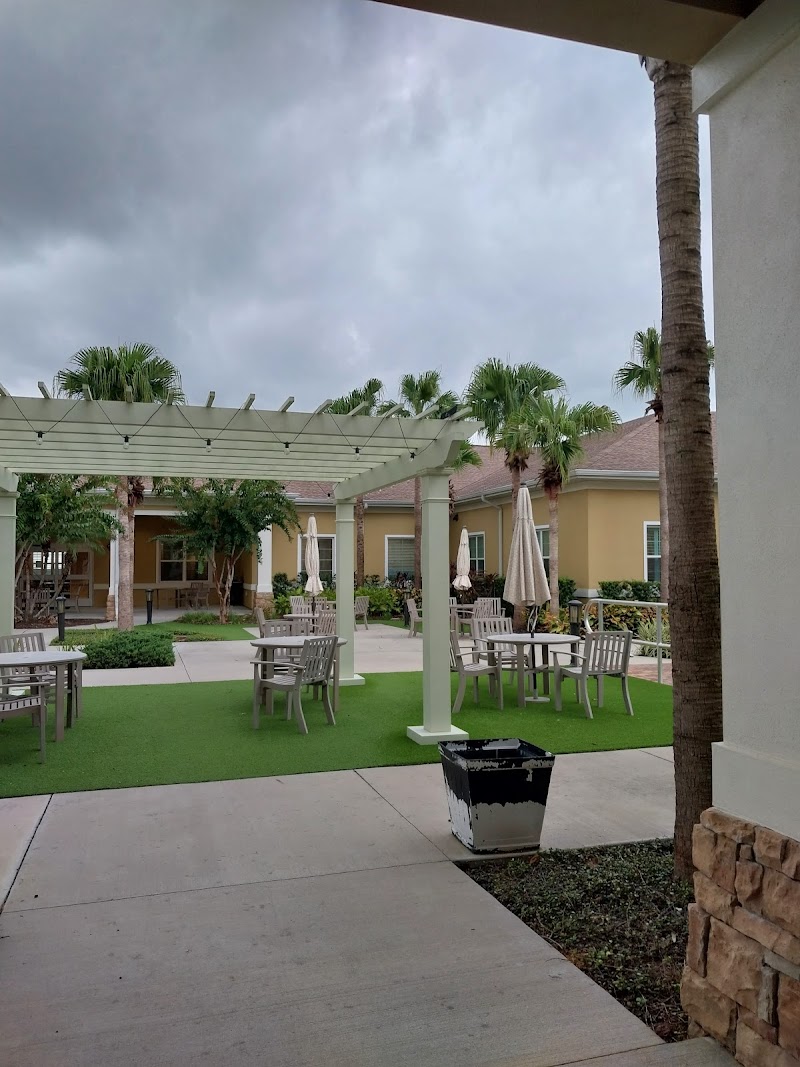
How is Lakes Of Clermont Center Staffed?

CMS rates LAKES OF CLERMONT HEALTH AND REHABILITATION CENTER's staffing level at 2 out of 5 stars, which is below average compared to other nursing homes. Staff turnover is 62%, which is 16 percentage points above the Florida average of 46%. High turnover can affect care consistency as new staff learn residents' individual needs. RN turnover specifically is 83%, which is notably high. RNs provide skilled clinical oversight, so turnover in this role can affect medical care quality.

What Have Inspectors Found at Lakes Of Clermont Center?

State health inspectors documented 13 deficiencies at LAKES OF CLERMONT HEALTH AND REHABILITATION CENTER during 2022 to 2025. These included: 1 Immediate Jeopardy (the most serious level, indicating potential for serious harm or death) and 12 with potential for harm. Immediate Jeopardy findings are rare and represent the most serious regulatory concerns. They require immediate corrective action.
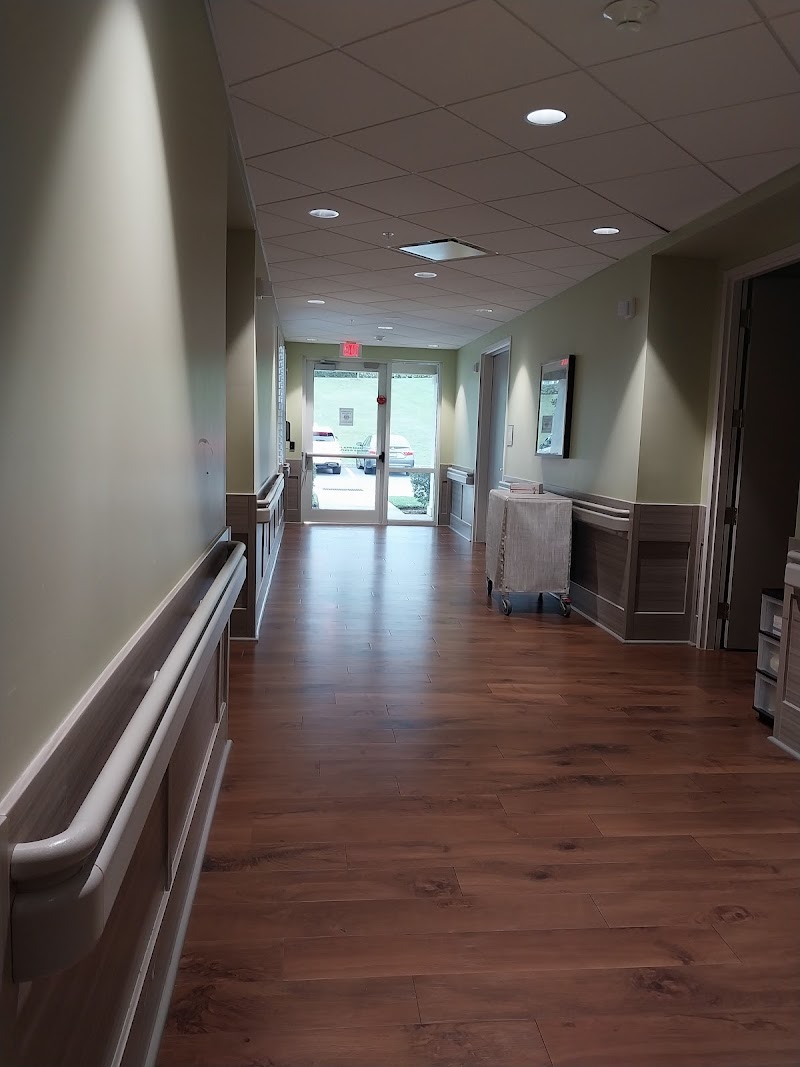
Who Owns and Operates Lakes Of Clermont Center?

LAKES OF CLERMONT HEALTH AND REHABILITATION CENTER is owned by a for-profit company. For-profit facilities operate as businesses with obligations to shareholders or private owners. The facility is operated by GOLD FL TRUST II, a chain that manages multiple nursing homes. With 80 certified beds and approximately 70 residents (about 88% occupancy), it is a smaller facility located in CLERMONT, Florida.
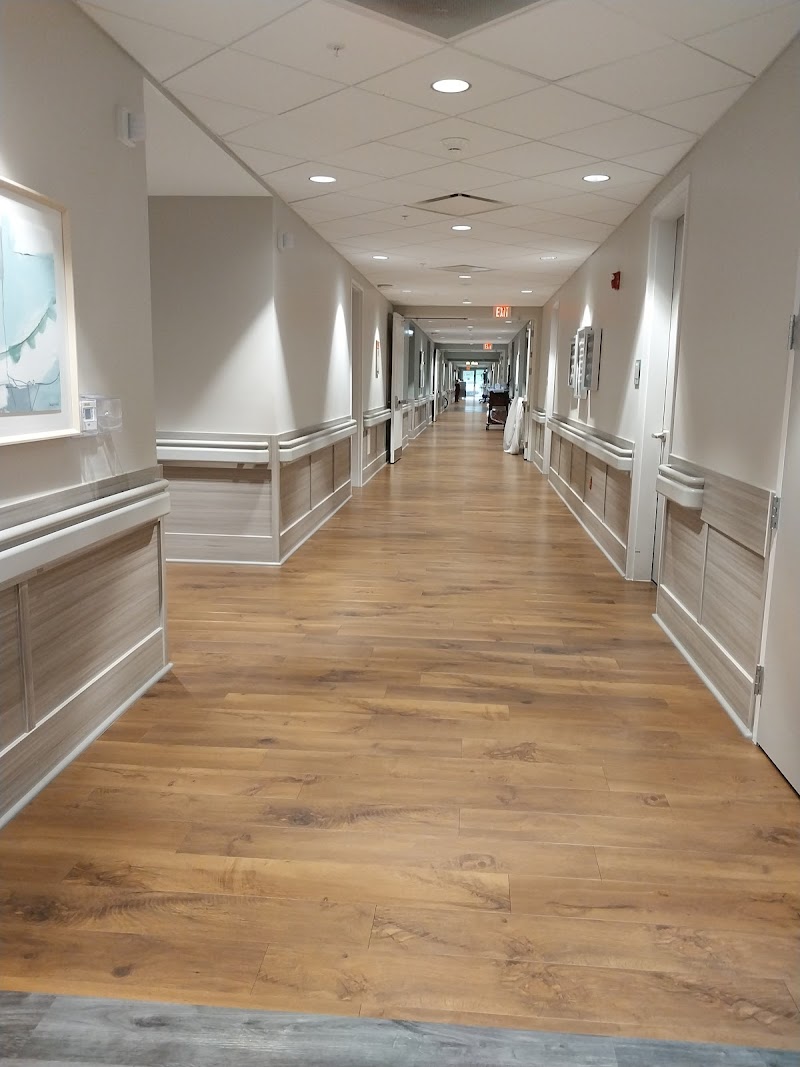
How Does Lakes Of Clermont Center Compare to Other Florida Nursing Homes?

Compared to the 100 nursing homes in Florida, LAKES OF CLERMONT HEALTH AND REHABILITATION CENTER's overall rating (3 stars) is below the state average of 3.2, staff turnover (62%) is significantly higher than the state average of 46%, and health inspection rating (3 stars) is at the national benchmark.

What Should Families Ask When Visiting Lakes Of Clermont Center?

Based on this facility's data, families visiting should ask: "What changes have been made since the serious inspection findings, and how are you preventing similar issues?" "How do you ensure continuity of care given staff turnover, and what is your staff retention strategy?" "Can you walk me through typical staffing levels on day, evening, and night shifts?" "Can I visit during a mealtime to observe dining assistance and food quality?" These questions are particularly relevant given the facility's Immediate Jeopardy citations, the facility's high staff turnover rate, and the below-average staffing rating.

Is Lakes Of Clermont Center Safe?

Based on CMS inspection data, LAKES OF CLERMONT HEALTH AND REHABILITATION CENTER has documented safety concerns. Inspectors have issued 1 Immediate Jeopardy citation (the most serious violation level indicating risk of serious injury or death). The facility has a 3-star overall rating and ranks #100 of 100 nursing homes in Florida. Families considering this facility should ask detailed questions about what corrective actions have been taken since these incidents.

Do Nurses at Lakes Of Clermont Center Stick Around?

Staff turnover at LAKES OF CLERMONT HEALTH AND REHABILITATION CENTER is high. At 62%, the facility is 16 percentage points above the Florida average of 46%. Registered Nurse turnover is particularly concerning at 83%. RNs handle complex medical decisions and coordinate care — frequent RN changes can directly impact care quality. High turnover means new staff may not know residents' individual needs, medications, or preferences. It can also be disorienting for residents, especially those with dementia who rely on familiar faces. Families should ask: What is causing the turnover? What retention programs are in place? How do you ensure care continuity during staff transitions?

Was Lakes Of Clermont Center Ever Fined?

LAKES OF CLERMONT HEALTH AND REHABILITATION CENTER has been fined $14,335 across 1 penalty action. This is below the Florida average of $33,222. While any fine indicates a compliance issue, fines under $50,000 are relatively common and typically reflect isolated problems that were subsequently corrected. Families should ask what specific issues led to these fines and confirm they've been resolved.

Is Lakes Of Clermont Center on Any Federal Watch List?

LAKES OF CLERMONT HEALTH AND REHABILITATION CENTER is not on any federal watch list. The most significant is the Special Focus Facility (SFF) program, which identifies the bottom 1% of nursing homes nationally based on persistent, serious quality problems. Not being on this list means the facility has avoided the pattern of deficiencies that triggers enhanced federal oversight. This is a positive indicator, though families should still review the facility's inspection history directly.