SOLARIS HEALTHCARE COCONUT CREEK
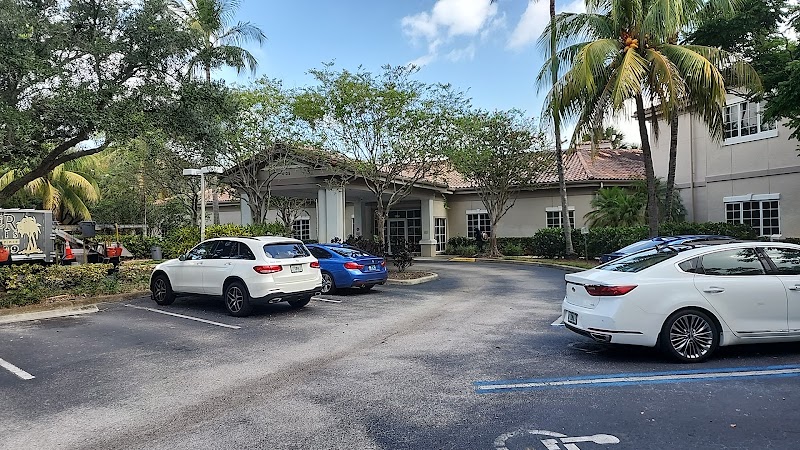
4125 WEST SAMPLE RD, COCONUT CREEK, FL 33073 (954) 968-8333
For profit - Individual 120 Beds SOLARIS HEALTHCARE Data: November 2025
Trust Grade
75/100
#277 of 690 in FL
Last Inspection: July 2024

Within standard 12-15 month inspection cycle. Federal law requires annual inspections.

Overview

Solaris Healthcare Coconut Creek has a Trust Grade of B, indicating it is a good choice for families, sitting in the top half of Florida nursing homes at #277 out of 690. Within Broward County, it ranks #15 of 33, meaning there are only 14 local facilities that are rated higher. However, the facility is experiencing a worsening trend, with the number of reported issues increasing from 4 in 2023 to 5 in 2024. Staffing is a strength here, with a 4 out of 5-star rating and a turnover rate of 30%, which is significantly lower than the state average of 42%. Notably, there have been no fines reported, which is a positive sign, and the facility offers more RN coverage than 79% of Florida nursing homes. However, there are some concerning incidents, such as failing to properly administer insulin for a resident, not monitoring the nutritional needs of another resident receiving tube feeding, and not ensuring that oxygen tubing was changed on schedule for residents requiring oxygen therapy. These issues highlight areas for improvement despite the facility's strengths. Overall, while Solaris Healthcare Coconut Creek has solid ratings and staffing, families should be aware of the recent increase in compliance issues.

Trust Score
B
75/100
In Florida
#277/690
Top 40%
Safety Record
Low Risk
No red flags
Inspections
Getting Worse
4 → 5 violations
Staff Stability
○ Average
30% turnover. Near Florida's 48% average. Typical for the industry.
Penalties
✓ Good
No fines on record. Clean compliance history, better than most Florida facilities.
Skilled Nurses
✓ Good
Each resident gets 51 minutes of Registered Nurse (RN) attention daily — more than average for Florida. RNs are trained to catch health problems early.
Violations
⚠ Watch
19 deficiencies on record. Higher than average. Multiple issues found across inspections.
★★★★☆
4.0
Overall Rating
★★★★☆
4.0
Staff Levels
★★★★☆
4.0
Care Quality
★★★★☆
4.0
Inspection Score
Stable
2023: 4 issues
2024: 5 issues

The Good

  • 4-Star Staffing Rating · Above-average nurse staffing levels
  • 4-Star Quality Measures · Strong clinical quality outcomes
  • Full Sprinkler Coverage · Fire safety systems throughout facility
  • No fines on record
  • Staff turnover below average (30%)

    18 points below Florida average of 48%

Facility shows strength in staffing levels, quality measures, fire safety.

The Bad

Staff Turnover: 30%

15pts below Florida avg (46%)

Typical for the industry

Chain: SOLARIS HEALTHCARE

Part of a multi-facility chain

Ask about local staffing decisions and management

The Ugly 19 deficiencies on record

Jul 2024 5 deficiencies
CONCERN (D)

Potential for Harm - no one hurt, but risky conditions existed

Quality of Care (Tag F0684)

Could have caused harm · This affected 1 resident

**NOTE- TERMS IN BRACKETS HAVE BEEN EDITED TO PROTECT CONFIDENTIALITY** Based on observation, interview and record review, the facility failed to meet professional standards of quality practice during...

Read full inspector narrative →
**NOTE- TERMS IN BRACKETS HAVE BEEN EDITED TO PROTECT CONFIDENTIALITY** Based on observation, interview and record review, the facility failed to meet professional standards of quality practice during administration of an insulin pen for 1 of 1 sampled resident observed for insulin administration (Resident #60). The findings included: Review of the Quick Reference Guide for Lantus SoloStar, copyright 2008, provided by the facility, documented the following: 1. Attach a new needle. 2. Perform a safety test, this removes air bubbles and ensures that the pen and needle are working properly. Take off the needle cap. Hold the pen with the needle pointing upward and press the injection button all the way in. Check if insulin comes out of the needle. If insulin does not come out, you must repeat the test until it does. If no insulin comes out after doing the test 3 times, change the needle for a new needle and try again. 3. Select your dose. 4. Inject your dose. 5. Remove the needle. Record review documented Resident #60 was admitted to the facility on [DATE] with diagnoses that included Diabetes. Record review revealed a comprehensive assessment dated [DATE] that documented the resident had moderate cognitive impairment. A medication administration observation was conducted on 07/24/24 at 8:50 AM for Resident #60 with Staff H, Licensed Practical Nurse/LPN. Staff H was observed with an insulin pen containing NPH insulin. Staff H was observed using an insulin syringe to extract 18 units of insulin from the insulin pen. Staff H was observed squinting his eyes and fumbling with the syringe plunger to obtain 18 units of insulin. Staff H proceeded to inject the insulin into Resident #60's arm. Record review revealed a physician order for Humulin NPH Insulin 18 units subcutaneous twice a day, before breakfast and before dinner for Resident #60. An interview was conducted with Staff H on 07/24/24 at 11:00 AM. The surveyor questioned Staff H on why he used an insulin syringe to extract the insulin from the insulin pen. Staff H stated he knows it was bad practice, but the facility does not always have needles for the insulin pen available. Staff H acknowledged insulin pen needles were available for Resident #60's insulin pen. An interview was conducted with the Director of Nursing (DON) on 07/24/24 at 2:00 PM. The DON stated insulin pens should be used as they are designed to be used.
CONCERN (D)

Potential for Harm - no one hurt, but risky conditions existed

Tube Feeding (Tag F0693)

Could have caused harm · This affected 1 resident

**NOTE- TERMS IN BRACKETS HAVE BEEN EDITED TO PROTECT CONFIDENTIALITY** Based on observations, interviews, and record reviews, the facility failed to identify, monitor, and implement interventions con...

Read full inspector narrative →
**NOTE- TERMS IN BRACKETS HAVE BEEN EDITED TO PROTECT CONFIDENTIALITY** Based on observations, interviews, and record reviews, the facility failed to identify, monitor, and implement interventions consistent with the residents' needs, facility goals, and current Professional Standards of Practice to maintain acceptable parameters of nutritional status for residents receiving tube feeding, for 1 of 3 sampled residents, Resident #87; and failed to obtain weekly weights and verify weights as needed for 1 of 3 sampled resident, Resident #87. The findings included: 1. Record review revealed Resident #87 was admitted on [DATE] and readmitted on [DATE] with diagnoses that include Metabolic Encephalopathy (a condition where changes in how the brain works occurs due to an underlying condition, causing confusion, memory loss and loss of consciousness), Pressure Ulcer of sacral region, stage 4, and Cachexia (a condition where there is an unintentional decrease in body weight without trying, which could be the result of stress, changes in diet or appetite, and medication side effects). Record review revealed Resident#87's weight as follows: On the admission date of 06/01/24 was 100 pounds. On 06/08/24, a day after readmission, the recorded weight was 99 pounds. On 07/23/24 at 3:00 PM, a weight of 93.4 lbs. was obtained by the facility's 2 Certified Nursing Assistants (CNAs) with the Registered Dietician (RD) and 2 surveyors present. This weight signified a 6.6% weight loss. Review of physician orders dated 06/07/24 and 06/12/24 revealed the following: Jevity 1.5 @ 65ml per hour x 11 hours via peg (percutaneous endoscopic gastrostomy tube) from 8pm-7am; Bolus 1 carton (240ml) Jevity 1.5, via peg on 06/12/24; Check residual before starting tube feeding. If residual is 60 cc or greater, hold feeding and recheck in one (1) hour. If residual still 60 cc or greater, continue to hold feeding and call physician; Flush Peg with 60cc H2O (water) before and 60cc H2O after bolus (Total:120cc) dated 06/12/24; Flush peg, via pump with 60ml H2O per hour x 11 hours (8pm-7am) dated 06/07/24. Additional review of orders, dated 06/07/24, documented Resident #87 is on pureed consistency with thickened liquid diet, and may have food for pleasure. An observation was conducted on 07/23/24 at 7:40 AM of Resident #87 who was noted in her bed with the tube feeding off. The tube feeding was noted with Jevity 1.5 at 65 ml an hour which was started the night before on 07/22/24 at 8:00 PM. The tube feeding was noted at the 500ml level out of a 1000ml capacity bottle. This showed that 500ml was infused over the 11 hours and not the 715 ml of formulary that needed to be infused in 11 hours. When the RD was asked about the caloric and nutritional significance of not receiving the full ordered volume of tube feeding, he stated Resident #87 was short on 322 kcal for the night tube feeding. An observation was conducted on 07/24/24 at 7:20 AM of Resident #87 who was noted in her bed with the tube feeding off. The tube feeding was noted with Jevity at 65ml an hour, which started the night before on 07/23/24 at 8:00 PM. The tube feeding was noted at the 400ml level out of a 1000ml capacity bottle. This showed that 600 ml was infused from last night in 11 hours and not the 715ml of formulary that needed to be infused in 11 hours. This shows that Resident #87 was short of 172 kcal for her night feeding. In an interview conducted on 07/23/24 at 7:50 AM with Staff A, RN (Registered Nurse), he stated the following: when he arrived at 11 PM last night, the tube feeding was already running which had started at 8PM last night. Resident # 87 was tolerating the tube feeding all night and it was running all night. He stopped the tube feeding for 5-10 minutes for cleaning and medication administration. In a follow-up interview conducted on 07/24/24 at 7:50 AM with Staff A, RN, he stated the following: when he arrived at 11 PM last night, the tube feeding was already running which had stated at 8PM last night. Resident # 87 was tolerating the tube feeding all night and it was running all night. He stopped the tube feeding for 5-10 minutes for cleaning and medication administration. In an interview with the RD (Registered Dietician) on 07/24/24 at 8:47 AM, he stated that facility staff acquire and record the residents' weights on admission, and every week for 4 weeks for the first month. The facility's goal is to have a PIP (Process Improvement Project) on weights which is a continuing progress, and has been ongoing since it started during COVID-19 pandemic. He had been doing it with steps and being realistic with goals. He added that acquiring at least the residents' admission weights is still not accomplished. He recognized this, so he created a list of residents who needed monthly and weekly weights and provided it to the Nursing Staff, to guide them in tracking residents who needed weights. He stated that the list is updated weekly. The RD stated that the CNAs, Therapy Personnel, and RD are responsible for obtaining the residents' weights. The facility does not have a designated person for weight taking. He added that he created a worksheet that would easily identify residents who needed weekly or monthly weights monitoring. He stated residents' weights are discussed weekly during a clinical meeting. He acknowledged that weekly weighing, and monitoring of residents' weights are not done, so the staff, including him, are working on this goal. When asked if he had a concern about a resident who is losing weight, he stated that he would ask the staff to obtain the weight for that resident right away. He added that he considers residents with high nutritional risks are those who are receiving tube feeding, undergoing dialysis treatment with ESRD (End Staged Renal Disease), and those with wounds. When asked about a resident with pressure ulcers, he stressed that he would estimate the nutritional needs between 1.2 to 1.5 grams per KG (kilogram) of body weight. For residents on tube feeding, the weight loss would be an indication that they are not receiving the tube feeding as ordered. When asked about Resident #87, the RD stated Resident #87 is receiving Jevity 1.5 at 65 ml(milliliter) an hour times 11 hours that would be providing: 1072 Kcal. ~45g protein, and 543cc free H2O from the continuous tube feeding. The Bolus 1 carton (240ml) via peg is administered at 2 PM which provides ~355 Kcal, ~15g (Gram) protein. In total, Resident #87 receives 1427 kcal and 60 grams of protein. According to this RD, pleasure feeding does not add any extra caloric or protein value and 100% of Resident #87's nutritional needs are provided by the tube feeding. He also recognizes that Resident #87 is at nutritional risk. He added that he looks for symptoms of hydration and Resident #87's weights are good indicators of her nutritional wellbeing. He added that since Resident #87's readmission, the facility had taken and recorded only two weights for this resident. In an interview conducted on 07/25/2024 at 1:35 PM, the Nursing Home Administrator was informed of the findings above.
CONCERN (D)

Potential for Harm - no one hurt, but risky conditions existed

Respiratory Care (Tag F0695)

Could have caused harm · This affected 1 resident

**NOTE- TERMS IN BRACKETS HAVE BEEN EDITED TO PROTECT CONFIDENTIALITY** Based on observations, interviews, and record reviews, the facility failed to ensure timely labeling and changing of oxygen tubi...

Read full inspector narrative →
**NOTE- TERMS IN BRACKETS HAVE BEEN EDITED TO PROTECT CONFIDENTIALITY** Based on observations, interviews, and record reviews, the facility failed to ensure timely labeling and changing of oxygen tubing consistent with the Professional Standards of Practice for residents who are receiving oxygen for 2 of 2 sampled residents reviewed for oxygen therapy, Resident #22 and Resident # 86). The findings included: 1. Record review of Policy, titled, Nursing Services Policy and Procedure Manual for Solaris Healthcare, revised on 01/25/23, showed to verify the physician's order or the facility protocol for oxygen administration. Record review documented Resident #22 was admitted on [DATE] with the diagnoses that included Acute Bronchospasm, and Degenerative Disease of Nervous system. Review of physician orders dated 05/09/24 stated to provide oxygen at 2 Liters per minute through nasal cannula continuously every shift. In an observation during lunch on 07/22/24 at 12:30 PM, Resident #22 had oxygen delivered through nasal cannulae on both nares at 2 Liters per minute. Closer observation revealed the oxygen tubing was dated 07/12/24, with no staff initial. In another observation on 07/23/24 at 3:00 PM, Resident #22's oxygen tubing had the same dated tag of 07/12/24. There were no staff initial observed on the tubing tag. In this observation, Resident #22 stated she receives oxygen therapy 2 to 3 times a day. On 07/23/24 at 8:34 AM, Resident #22 was observed eating breakfast, with the nasal cannulae in both nares. The Oxygen tubing was still dated 07/12/24. In an interview with the Director of Nursing (DON) on 07/23/24 at 4:10 PM, she stated when residents receive oxygen orders, the facility staff are expected to routinely monitor the oxygen delivery and to verify the orders based on physician's parameters such as oxygen saturation (the percentage of oxygen that is bound in red blood cells). She further stated that the oxygen tubing must be changed weekly on Sundays during night shift between the hours of 11 PM and 7 AM. This is done to start the week fresh, and when oxygen tubing falls to the ground / floor, staff must change the tubing immediately. 2. Record review of Policy, titled, Nursing Services Policy and Procedure Manual for Solaris Healthcare, revised on 01/25/23, showed to verify the physician's order or the facility protocol for oxygen administration. Record review documented Resident #86 was admitted on [DATE] with a diagnosis of Acute Respiratory Failure with hypoxia (low oxygen level in the blood stream). Review of physician orders dated 07/15/24 documented the Oxygen is to be administered at 2 Liters per minute via nasal cannula every shift as needed for shortness of breath. During an observation on 07/22/24 at 11:00 AM, Resident #86 stated the oxygen is administered as needed. The Oxygen tubing was dated 07/10/24. During an observation on 07/23/24 at 4:00 PM, Resident #86 was seen without the oxygen cannulae in both nares. Closer observation revealed the oxygen tubing was on the floor with a date noted as 07/10/24. In an interview with Staff B, RN (Registered Nurse) on 07/23/24 at 4:30 PM, he stated the oxygen tubing must be changed, but he did not remember the frequency. He remembered that the facility policy was to change oxygen tubing during the night shift but could not remember if it was done on a weekly basis. In another interview with Staff C, LPN (Licensed Practical Nurse), on 07/23/24 at 4:40 PM, she stated the oxygen tubing is changed weekly on Sundays during night shift between11 PM to 7 AM. During an interview conducted with the Nursing Home Administrator on 07/25/24 at 1:35 PM, the above findings were reviewed.
CONCERN (D)

Potential for Harm - no one hurt, but risky conditions existed

QAPI Program (Tag F0867)

Could have caused harm · This affected 1 resident

**NOTE- TERMS IN BRACKETS HAVE BEEN EDITED TO PROTECT CONFIDENTIALITY** Based on observations, interviews, and record review, the facility failed to develop and implement an effective Quality Assuranc...

Read full inspector narrative →
**NOTE- TERMS IN BRACKETS HAVE BEEN EDITED TO PROTECT CONFIDENTIALITY** Based on observations, interviews, and record review, the facility failed to develop and implement an effective Quality Assurance and Performance Improvement Program (QAPI) with appropriate plans of action, as evidenced by failure to regularly review and analyze data and act on available data to make improvements regarding obtaining resident's weights as per the facility's policy for 3 of 3 sampled residents reviewed for tube feeding (Resident #87, Resident #96 and Resident #56). The findings included: Review of the facility's policy, titled, Quality Assurance and Performance Improvement Program (QAPI), dated 01/24/23, revealed the following: It is the policy to develop and implement appropriate plans of action to correct and identify quality deficiencies. The policy also requires regularly reviewing and analyzing data, including the data collected under the QAPI program, and acting on available data to make improvements. Review of the facility's policy, titled, Weights, dated 01/12/21, revealed the following: The resident is weighted upon admission or readmission within 24 hours by the nursing staff and recorded in the medical record. The resident is then weighed weekly for four weeks by designated nursing staff. Weekly weights are continued or recommended as determined by the Interdisciplinary Team. 1. Record review documented Resident #87 was readmitted to the facility on [DATE] with diagnoses to include Parkinsonism, Dementia, Cachexia (weight loss/muscle loss), and Muscle weakness. Review of Physicians' orders showed an order for Jevity 1.5 (tube feeding formulary) at 65 milliliters (ml) an hour for 11 hours, which was dated 06/07/24. An order for bolus feeding one carton of Jevity 1.5 was dated 06/07/24. Review of Resident #87's weight log showed the following: a readmission weight of 100 pounds dated 06/08/24; the next weight was taken on 07/05/24 (a month later) at 99 lbs. This revealed that no weekly weights were done after the initial readmission weight. 2. Record review revealed that Resident #96 was admitted on [DATE] with diagnoses to include Hemiplegia, Dementia, and Anxiety. A physician order dated 05/23/24 documented for Jevity 1.5 (tube feeding formulary) at 55 milliliters (ml) an hour for 20 hours, off from 9:00 AM to 1:00 PM. A review of the weights log showed the following: taken on 12/04/23, 01/04/24, 02/5/24, 03/27/24, 05/20/24, 06/07/24, and 07/05/24. This showed that the weekly weights were not done after Resident #96 was admitted on [DATE], and a monthly weight was missed for the month of April 2024. 3. Record review revealed that Resident #56 was readmitted on [DATE] with diagnoses of Hemiplegia, Hypertension, and Heart Disease. A physician order dated 04/18/24 documented for Jevity 1.5 at 60ml an hour for 11 hours from 8:00 PM to 7:00 AM. A physician order dated 04/19/24 documented for Jevity 1.5 carton bolus feeding twice a day. Review of the weight log showed weights were obtained on 04/20/24, 05/06/24, 06/7/24, and 07/05/24. This showed that the weights were not taken every week for four weeks after Resident #56's readmission on [DATE]. In an interview conducted on 07/24/24 at 8:47 AM, the facility's Registered Dietitian stated that they have had an issue with weekly weights not being taken and monthly weights needing to be taken in a timely manner. They have started a Performance Improvement Plan (PIP) after COVID-19, and it is ongoing in the facility. The facility's staff are recording the admission weights of all residents but have not been able to accomplish the weekly weights steadily. He stated he is responsible for the PIP on weights and created a list of residents on a weekly basis, looking at monthly and weekly weights. The list of residents with missing weights is given to the nursing staff, and it is the responsibility of nursing, rehab, and himself to obtain all missing weights. The facility does not have a specific person designated to take weights on all residents. Weights are discussed weekly during clinical meetings and overall missing weights that are due. In an interview conducted on 07/25/24 at 11:30 PM, the Administrator stated that a QAPI review was started on weights in January 2024. A QAPI will be started with specific goals in place and will be reassessed after three months. The Registered Dietitian oversaw tracking monthly and weekly weights with a goal of 100%. Afternoon meetings are conducted with the nursing team, the Registered Dietitian gives them a list of any missing weights according to his daily list of residents. According to the facility's administration, the QAPI on weights is between 95% to 98% of the 100% goal for weekly weights and 30% to 48% of the 100% goal for monthly weights. The monthly weights have improved, and they are almost at the goal for weekly weights. In an interview conducted on 07/25/24 at 12:15 PM with the Registered Dietitian, he reported that the QAPI for the resident's monthly weights is going well, but the resident's weekly weights are not. He is still working on the QAPI for June 2024, but the data for the weekly weights is not good so far. When asked about the weight QAPI for the month of May 2024, he said that it is at 100% of the monthly weights and 0% for the weekly weights. He further stated that he had not been tracking the weekly weights because he wanted to concentrate on ensuring that monthly weights were being done, and was going to look at weekly weights in the future. When asked about other effective systems to identify, collect, and use regarding weekly and monthly weights, he did not answer.
CONCERN (D)

Potential for Harm - no one hurt, but risky conditions existed

Infection Control (Tag F0880)

Could have caused harm · This affected 1 resident

**NOTE- TERMS IN BRACKETS HAVE BEEN EDITED TO PROTECT CONFIDENTIALITY** Based on observations, interviews, and record reviews, the facility failed to follow infection control practices and failed to f...

Read full inspector narrative →
**NOTE- TERMS IN BRACKETS HAVE BEEN EDITED TO PROTECT CONFIDENTIALITY** Based on observations, interviews, and record reviews, the facility failed to follow infection control practices and failed to follow the Facility' Standards of Practice for Neutropenic Precautions for 1 of 1 sampled resident reviewed for Transmission Based-Precautions, Resident #463. The findings included: Record review documented Resident #463 was admitted on [DATE] with diagnoses to include Hepatic Encephalopathy (A loss of brain function because of failure in the removal of toxins from the blood due to liver damage), Autoimmune Hepatitis (A chronic disease that causes liver inflammation when the body's immune system attacks the liver cells), and Cognitive Communication Deficit. Record review of the Minimum Data Set (MDS) assessment of 07/19/24 revealed it was skipped and a new MDS evaluation was in process on 07/23/24. Review of laboratory results performed on 07/20/24 revealed Resident # 463's blood level of WBC (White Blood Cells are the body's main defense against infection) was 1.9, which was below the normal range of 4 to 11, indicating Resident #463 is at very high risk of acquiring infection. Review of the physician's orders dated 07/21/24 showed the following: Neutropenic Precautions every shift as precautionary measures; Special Instructions including the appropriate use of PPE [Personal Protective Equipment] and hand washing; Resident education on good handwashing, coughing, sneezing etiquette, and documenting in progress notes every shift. Review of Progress Notes dated 07/24/24 at 2:54 PM documented Resident #463 was to, continue with Neutropenic Precautions associated with the risk for infection. Patient is to be reminded to: clean hands frequently, avoid contact with sick people, wear mask, carefully wash raw fruits and vegetables, use soft toothbrush, and say no to fresh flowers. Additional notes showed the resident verbalized understanding, and a copy of Neutropenic Precautions guidelines was given to the resident and her spouse. During observation on 07/22/24 at 10:45 AM, the resident's visitor was inside the room. He was not wearing a facial mask or gloves. When asked why, the visitor stated Resident #463 is the one who needs to wear a facial mask, but he did not remember if he is supposed to wear a facial mask too. When asked if staff educated him about the signage outside Resident #463's door, he stated, I do not remember. During the same observation on 07/22/24 at 10:55 AM, Resident #463's door signage showed the following: Neutropenic Precautions; wash hands with soap and water before entering and leaving the room; wear mask, gown and gloves as PPE. Further observation showed an open shelving of supplies consisting of a box of mask, yellow disposable gowns, a box of gloves, rolled red bags, and a yellow linen gown, located outside, elevated from the ground, and on the left side of Resident #463's door. Continuation of observation on 07/22/24 at 12:15 PM, showed Staff D, CNA, was inside Resident #463's room without wearing a PPE gown. She was observed wearing a facial mask covering her nose and mouth. She was inside Resident #463's room preparing the meal table and pushing it towards Resident #463. She removed her mask inside the room and performed ABHR when she stepped outside. Continued observation on 07/22/24 at 12:18 PM showed Staff D bringing the lunch tray inside Resident #463's room. She did not perform hand washing or hand sanitizing before entering Resident #463's room. She did not put on gloves, a facial mask or a disposable gown as PPE. Staff D placed the lunch tray on the meal table but did not encourage hand washing or hand sanitizing to Resident #463 and her husband. Resident #463's husband was observed giving utensils to Resident #463 and started touching the inside of the meal tray. Closer observation revealed Resident #463's husband was not wearing a facial mask, a gown or gloves. Further observation on 07/22/24 12:46 PM showed Resident #463's visitor went inside the room without performing hand sanitizing, and putting on a facial mask, gown and gloves. He stated he was opening a food container and eating with Resident #463. This visitor was seen and heard coughing without covering his mouth or following a proper cough etiquette while eating with Resident #463. In an observation on 07/23/24 at 9:02 AM, Staff E, CNA, was observed to put on a disposable yellow gown outside the resident's room. She did not put on a facial mask or set of gloves. She did not perform hand washing with soap and water or sanitized her hands with ABHR. She went inside the resident's room and talked to Resident #463. She left the room after taking the yellow gown off inside and performed ABHR outside on 07/23/24 09:04 AM. In an observation on 07/23/24 at 2:00 PM, Resident #463 was observed being wheeled towards the main area of the facility by her husband. Upon closer observation, Resident #463's blue facial mask was seen underneath her nose, mouth and chin. In an interview with the Director of Nursing (DON) on 07/22/24 at 1:55 PM, regarding the facility's protocol for Neutropenic Precautions, she stated the staff are educated about precautions established by CDC (Center for Disease Control and Prevention) such as Enhanced Barrier-Precautions, Transmission Based-Precautions, Standard Precautions, and Neutropenic Precautions, together with the corresponding appropriate guidelines, and recommendations during Staff orientation. When asked how she instructed the staff regarding Neutropenic Precautions for Resident #463, she stated staff were educated to perform hand washing with soap and water, concurrent with wearing a facial mask, gloving both hands, and donning a disposable gown when entering Resident #463's room. She added ABHR (Alcohol-Based Hand Rub) may be performed together with hand washing with soap and water when entering Resident #463's room. She stressed that hand washing with soap and water is an absolute must before Staff enters Resident #463's room. In an interview with Staff G, Certified Nursing Assistant (CNA) on 07/24/24 at 2:18 PM, who has been working in the facility for 10 months, she stated, for residents with Neutropenic Precautions, one requirement is for the resident to be in a private room; flowers and multiple visitors are not allowed; need to check for bruises on resident's skin; the Neutropenic Precaution is a condition which requires staff to care for both the resident's and staff's well-being; Staff must wear gloves in any procedures requiring contact with the resident; Staff must wash hands with water and soap for 20 seconds, put on gloves, and then start caring for the resident. Staff G added that staff must use gloves when touching the resident. When leaving the resident's room, staff must remove gloves and wash hands using soap and water. In an interview on 07/24/24 at 2:40 PM with Staff F, Registered Nurse (RN), who has been working in the facility for three months, she stated Neutropenic Precautions is for resident with low WBC (White Blood Cell). It is a form of Contact Precaution, where Staff must wash hands, and resident must wear mask. Staff must educate residents about the Neutropenic Precaution as follows: Resident is prevented from going into a crowded room; from having skin cuts; Resident must always wear mask; and wash hands with soap and water. According to Staff F, the following are the recommended guidelines for the Facility Staff and Visitor: Staff must wear PPE (Personal Protective Equipment) such as mask, gown and gloves, if doing direct care. Staff must educate visitors not to bring raw food. Visitors are not required to wear a gown but just a mask. When asked when she educated Resident #463's visitor concerning hand washing with soap and water and wearing a mask, she stated she taught him to perform ABHR before getting inside Resident #463's room and to let the alcohol dry for one minute. She stated she taught all these guidelines yesterday. An interview was conducted with the Nursing Home Administrator on 07/25/24 at 1:35 PM, who was made aware of the above findings.
May 2023 4 deficiencies
CONCERN (D)

Potential for Harm - no one hurt, but risky conditions existed

Deficiency F0578 (Tag F0578)

Could have caused harm · This affected 1 resident

**NOTE- TERMS IN BRACKETS HAVE BEEN EDITED TO PROTECT CONFIDENTIALITY** Based on interviews and record review, the facility failed to develop a care plan for advance directive for code status and fail...

Read full inspector narrative →
**NOTE- TERMS IN BRACKETS HAVE BEEN EDITED TO PROTECT CONFIDENTIALITY** Based on interviews and record review, the facility failed to develop a care plan for advance directive for code status and failed to update the current order for code status for 1 of 2 sampled residents reviewed for advanced directives, Resident #93. The findings included: Review of the facility's policy, titled, Do Not Resuscitate Order dated 02/27/20, included: Our facility will not use cardiopulmonary resuscitation and related emergency measures to maintain life function on a resident when there is a Do Not Resuscitate Order in effect. Do not resuscitate orders must be signed by the resident's attending physician on the physician's order sheet maintained in the resident's medical record. The interdisciplinary Care Planning Team will review advance directives during quarterly care planning sessions to determine if the resident wishes to make changes in such directives. Record review for Resident #93 revealed the resident was admitted to the facility on [DATE], with diagnoses that included Unspecified Dementia, Urinary Tract Infection, Pressure Ulcer of Left Heel (Unstageable), and Type 2 Diabetes Mellitus. Review of the Minimum Data Set (MDS) for Resident #93, dated 03/17/23, included in Section C, a Brief Interview of Mental Status (BIMS) was not completed due to the resident is rarely/never understood. In Section G, for bed mobility, dressing, toilet use, and personal hygiene, all had a self-performance of extensive assistance with support of one person assist. Review of the care plans for Resident #93 revealed a care plan with a problem of 'Do Not Resuscitate: Patient does not wish to be kept alive without hope of recovery' that was not initiated until 05/10/23. Review of the face sheet for Resident #93 revealed the resident had a Do Not Resuscitate (DNR) code status. Review of the physician's orders for Resident #93 revealed an active order dated 12/15/22 for Code Status: Full Code. Record review for Resident #93 revealed a completed, signed and dated copy of DNR form, dated 03/13/23. Record review for Resident #93 revealed a Social Service progress note, dated 04/17/23 (late entry), that included: 'Resident reviewed at resident plan of care meeting for quarterly review on 03/28/23. Resident assessments were completed related to resident's communication status. Resident presents as an alert woman who is cognitively impaired, diagnosis of Dementia. The resident is very confused and presents with illogical speech. The resident has presented with episodes of agitation, screaming, anxiousness and restlessness and is followed by consulting psychiatrist for medication management. The resident was recently evaluated on 03/15/23 for capacity and it was determined the resident lacks capacity related to her advanced dementia. Advance directives were reviewed with daughter on the day of care plan and resident continues as a DNR status. Copy of living will, durable power of attorney (DPOA) and DNR are scanned into the resident's record. Care plan and approaches reviewed and updated to reflect current status addressing cognition, communication, behaviors, and efforts to enhance well-being and to meet resident's psychosocial needs. The Director of Social Services (DSS) will remain available to the resident and the resident's daughter to assist with needs/concerns.' An interview was conducted on 05/10/23 at 12:20 PM with the Social Service Director (SSD), who stated she has been with the facility for 12 years. She stated advance directives are initially addressed by nurses, then the social services department. The facility conducts a circle of care meetings held in the first 32 hours of a resident's admission to the facility to address advance directives. The advance directives are again discussed at the resident's care plan meetings that are held quarterly. When asked where she would find the code status for Resident #93, she stated it is located on the banner of the resident's electronic medical record (EMR) at the top. She then stated Resident #93 has a DNR in the EMR. When asked what the physician's order for code status for Resident #93 revealed, she stated it the EMR but it showed a physician order dated 12/15/22 code status as being full code. When asked who is responsible for updating the physician's orders for code status for a resident, she stated she does not have anything to do with getting the order for the resident for code status, that would be up to nursing. When asked what the process is for updating the resident's record when a resident representative provides a DNR to a staff member, she stated the advance directive is then discussed at the daily clinical meetings held in the morning (Monday - Friday). The SSD stated on 03/28/23, a care plan meeting was held for Resident #93 and advance directives were discussed with the resident's daughter. The resident is a DNR, has a DPOA (Durable Power of Attorney) and living will. The SSD stated she is not sure why she did not write a care plan for advance directives that would list what advance directives the resident has. The SSD stated she would normally initiate an advance directives care plan that lists what forms are in the chart and the MDS Coordinator would write a care plan for the DNR code status. An interview was conducted on 05/10/23 at 12:50 PM with Staff E, (Registered Nurse/RN, Care Plan Coordinator), who stated she has been with the facility for more than 10 years. Staff E stated there was a care plan meeting held on 03/28/23 for Resident #93 with attendance by herself representing nursing, Physical Therapist who represented Therapy, Social Worker who represented Social Service, and the Dietician who represented nutrition. The daughter did not attend in person or via phone. The resident did not attend due to cognition. The Social Worker would review advance directives. The dietician will discuss diet/nutrition related issues. She will discuss nursing related issues. Orders are put in at the 'floor level' and discussed at morning meetings. If during the advance directive discussion, it is determined that the resident has a DNR, she would check to see if the resident has a care plan that addresses the DNR code status, if not, she will initiate a care plan to address DNR code status. The Care Plan Coordinator reviewed the morning clinical meeting notes for 03/13/23 and 03/14/23 and stated there was no mention or discussion of DNR code status for Resident #93. She stated she was never aware of Resident #93 having a DNR code status. She stated during the care plan meeting for Resident #93 on 03/28/23, she did not recall the SSD discussing a DNR code status or she would have initiated a DNR code status care plan for the resident. An interview was conducted on 05/11/23 at 9:20 AM with Staff F, Licensed Practical Nurse (LPN), who stated he has been with the facility for 2 years. When asked how he knows what the code status is for a resident, he stated he looks up the record for the resident and on the top (in the banner) it states the code status for the resident. An interview was conducted on 05/11/23 at 10:00 AM with Staff G, RN, who was asked how she identifies the code status for a resident. She stated she would look up the resident and on the top left side of the screen it states the code status for the resident. An interview was conducted on 05/11/23 at 10:10 AM with the ADON (Assistant Dr of Nursing), who was asked how she identifies the code status for a resident. She stated she would look at the top of the screen for the resident (in the banner) and if the resident was a DNR she would verify under documents that there was a DNR form completed, signed and dated. When she was asked to look up the code status for Resident #93, she stated it shows a DNR status at the top of the screen for the resident (in the banner). The ADON verified, under documents, that the resident had a completed, signed and dated (03/13/23) DNR form. She was also able to verify the date the document was attached to the resident's record as being 03/13/23. When asked to verify the code status order, she stated the code status was just updated on 05/10/23 to DNR.
CONCERN (D)

Potential for Harm - no one hurt, but risky conditions existed

Safe Environment (Tag F0584)

Could have caused harm · This affected 1 resident

**NOTE- TERMS IN BRACKETS HAVE BEEN EDITED TO PROTECT CONFIDENTIALITY** 4. During an observation conducted on 05/08/23 at 10:00 AM, in room [ROOM NUMBER], there was peeling paint next to the closet cl...

Read full inspector narrative →
**NOTE- TERMS IN BRACKETS HAVE BEEN EDITED TO PROTECT CONFIDENTIALITY** 4. During an observation conducted on 05/08/23 at 10:00 AM, in room [ROOM NUMBER], there was peeling paint next to the closet closest to the window. 5. During an observation conducted on 05/08/23 at 11:00 AM in room [ROOM NUMBER]-W of the resident's armoire wardrobe missing a pull knob on the top right door and missing the top drawer located at the bottom. 6. During an observation conducted on 05/08/23 at 11:20 AM in room [ROOM NUMBER], there were two holes in the wall with dark marks on the wall located on the right wall as you walked into the room. 7. During an observation conducted on 05/08/23 at 12:20 PM, in room [ROOM NUMBER], the armoire wardrobe was missing a pull knob on the door located on the right side. 8. During an observation conducted on 05/09/23 at 9:05 AM in room [ROOM NUMBER], there are 3 cracked windowpanes. 9. During an observation conducted on 05/09/23 in room [ROOM NUMBER]-D, there were 6 stuffed animals on top of the overbed light. Based on observations and interviews, the facility failed to ensure it maintained a safe and homelike living environment for residents that included 9 of the 29 sampled residents' rooms. The findings included: On 5/09/2023 at 10:03 AM, a tour of the facility was conducted with the Administrator, revealed the following: 1. In room [ROOM NUMBER], the bed footboard was broken and touching the floor. 2. In room [ROOM NUMBER], the footboard of bed B was in disrepair. 3. On 5/08/23 at 12:36 PM, the windows of room [ROOM NUMBER] were observed to be clouded with water marks and dirt, which reduced visibility and the residents' ability to clearly see outside. The resident in room [ROOM NUMBER] complained that staff had promised to have the windows cleaned up, but they have not done so yet. The laminate on the bed footboard was peeling off. The footboard of bed-A in room [ROOM NUMBER] was noted to be heavily scuffed. At the time of this tour, the Administrator acknowledged the above findings.
CONCERN (D)

Potential for Harm - no one hurt, but risky conditions existed

ADL Care (Tag F0677)

Could have caused harm · This affected 1 resident

**NOTE- TERMS IN BRACKETS HAVE BEEN EDITED TO PROTECT CONFIDENTIALITY** Based on observation, interview, and record review, the facility failed to assist during dining for 1 of 1 sampled resident revi...

Read full inspector narrative →
**NOTE- TERMS IN BRACKETS HAVE BEEN EDITED TO PROTECT CONFIDENTIALITY** Based on observation, interview, and record review, the facility failed to assist during dining for 1 of 1 sampled resident reviewed for Activities of Daily Living (ADLs), Resident #16. The findings included: Review of the facility's policy, titled, Activities of Daily Living (ADL), Supporting (no date), showed that residents who are unable to carry out activities of daily living independently would receive the services necessary to maintain good nutrition, grooming, and personal and oral hygiene. In an observation conducted on 05/08/23 at 10:20 AM, Resident #16 was observed in bed with the breakfast tray on the side table and not in front of the resident. The tray was noted to be 100% untouched. Continued observation at 10:55 AM showed that the tray was untouched on the side table. In an observation conducted on 05/08/23 at 12:15 PM, Resident #16 was noted in bed with the lunch tray at the side table and not in front of the Resident. No staff was noted in the room, and at 12:35 PM, the tray was still untouched at the side table. In an observation conducted on 05/09/23 at 8:25 AM, Resident #16 was noted in bed with the breakfast tray at the side table and not in front of the Resident. There were no staff observed in the room from 8:25 AM to 8:38 AM. At 8:38 AM, a staff entered the room to assist Resident #16 with her breakfast meal. Resident #16 was admitted to the facility on [DATE] with diagnoses of Dementia, Chronic Obstructive Disease, and Hypertension. The Quarterly Minimum Data Set (MDS), dated [DATE], documented under section G for eating, that Resident #16 needs extensive assistance with one person assist. Resident #16's Interview for Mental Status (BIMS) score showed that she is at a 04, indicating severe cognitive impairment. The care plan, dated 03/28/23, documented Resident #16 was at risk for Alteration in Parameters of Nutrition related to weight loss and decreased intake of meals. It further showed that one of the goals was to provide meal assistance as needed and as indicated. Review of the weight log showed that Resident #16 was at 163 pounds on 01/23/23 and dropped to 150 pounds by 05/05/23. The Clinical Dietitian note, dated 05/06/23, revealed Resident #16 had a weight loss of 9 pounds in 3 months and that her intake of meals is at around 25 percent (%) to 50%. Review of the Certified Nursing Assistant's (CNA) percent intake of meals showed that no documentation was provided on Resident #16 for breakfast and lunch on 05/08/23. An interview was conducted on 05/09/23 at 8:50 AM with Staff A, CNA, who stated Resident #16 sometimes needs help with her meals and had eaten about 50-75% of her breakfast meal this morning. An interview was conducted on 05/10/23 at 2:00 PM with Staff C, Minimum Data Set Coordinator (MDS), who stated Resident #16 needed extensive assistance with one person in the room for most of the meals. She further stated she obtains the information on the residents by looking at the nursing notes and the CNA's daily ADLs documentation. An interview was conducted on 05/11/23 at 12:00 PM with the facility's Administrator, and she was told of the findings.
CONCERN (D)

Potential for Harm - no one hurt, but risky conditions existed

Tube Feeding (Tag F0693)

Could have caused harm · This affected 1 resident

**NOTE- TERMS IN BRACKETS HAVE BEEN EDITED TO PROTECT CONFIDENTIALITY** Based on observations, interviews, and record reviews, the facility failed to follow tube feeding physician orders for 1 of 1 sa...

Read full inspector narrative →
**NOTE- TERMS IN BRACKETS HAVE BEEN EDITED TO PROTECT CONFIDENTIALITY** Based on observations, interviews, and record reviews, the facility failed to follow tube feeding physician orders for 1 of 1 sampled resident reviewed for tube feeding, Resident #63. The findings included: Resident #63 was readmitted to the facility on [DATE] with diagnoses of Anemia, Dementia and Parkinson's Disease. Review of the physician's orders documented Isosource 1.5 tube feeding at 65 ml an hour for 18 hours to be off from 8:00 AM to 2:00 PM. Another order, dated 02/28/23, documented 'a diet with reduced concentrated sweets, no added salt'. The Quarterly Minimum Data Set (MDS), dated [DATE], documented Resident #63's did not have an Interview for Mental Status (BIMS) score because she could not answer any of the questions for the assessment. The care plan initiated on 01/27/23 documented Resident #63 is at risk for alteration in parameters of nutrition related to gastrostomy malfunction and to provide feeding as ordered for Isosource 1.5 tube feeding at 65 ml an hour 18 hours to be off from 8:00 AM to 2:00 PM. In an observation conducted on 05/08/23 at 10:25 AM, Resident #63 was in her room with the tube feeding Isosource 1.5 (tube feeding type) running at 65 milliliters (ml) an hour. Closer observation showed the tube feeding bag was started the day before at 8:00 PM. The tube feeding was at the 300 ml mark out of a 1000 ml capacity bottle. Review of the physician's orders documented the tube feeding should have stopped at 8:00 AM. Another observation was conducted on 05/08/23 at 12:20 PM showing Resident #63 was eating a lunch tray with ground roast turkey, sweet potato and green beans. Closer observation showed that she only ate 10% of her lunch meal. The tube feeding was still running at 65 ml an hour while Resident #63 was eating her lunch. In an observation conducted on 05/09/23 at 8:20 AM, the resident was noted in her bed with the tube feeding running at 65 ml/hour, starting on 05/09/23 at 8 AM. The tube feeding was noted at the 1000 ml mark out of the 1000 ml capacity bottle. At 8:30 AM, the tube feeding was held, but no breakfast tray was noted at the bedside. At 9:00 AM, the tube feeding was still on hold with no breakfast tray for Resident #63. An observation on 05/10/23 at 3:20 PM showed Resident #63 sitting in a chair. Closer observation showed no tube was feeding running at this time. A note dated 02/19/23 by the Clinical Dietitian documented Resident #63's current tube feed regimen meets estimated nutritional needs and Resident #63 tolerates the tube feeding. An interview was conducted on 05/10/23 at 3:25 PM with Staff D, Licensed Practical Nurse/LPN, who when asked why the tube feeding was not running at this time, stated Resident #63 did not want to have the tube feeding running at this time. An interview was conducted on 05/10/23 at 3:30 PM with Resident #63, and when asked by the surveyor if she requested the tube feeding to be off, she was not able to answer the question or communicate with the surveyor. Review of a progress note written by Staff D after her interview with the surveyor documented that at 2:00 PM, Resident #63 refused to have the tube feeding and stated 'no later' to Staff D. It further documented that around 3:00 PM, Resident #63 agreed to start the tube feeding again. An interview was conducted on 05/11/23 at 12:20 PM with the facility's Administrator, and she was informed of the findings.
Jan 2022 10 deficiencies
CONCERN (D)

Potential for Harm - no one hurt, but risky conditions existed

ADL Care (Tag F0677)

Could have caused harm · This affected 1 resident

**NOTE- TERMS IN BRACKETS HAVE BEEN EDITED TO PROTECT CONFIDENTIALITY** 5) During an observational screening tour conducted on 01/24/22 at 10:52 AM, Resident #85 was observed with long, sharp, fingern...

Read full inspector narrative →
**NOTE- TERMS IN BRACKETS HAVE BEEN EDITED TO PROTECT CONFIDENTIALITY** 5) During an observational screening tour conducted on 01/24/22 at 10:52 AM, Resident #85 was observed with long, sharp, fingernails on both hands. Resident #85 was originally admitted to the facility on [DATE] with diagnoses which included Dementia, Rheumatoid Arthritis, Osteoarthritis, and Chronic Kidney Disease stage 1-4 with Heart Failure. She had a Brief Interview Mental Status (BIM) score of 13 (cognitively intact). Photographic evidence obtained of Resident #85's long, sharp, untrimmed, and unkempt fingernails. A brief interview was conducted with Resident #85 on 01/24/22 at 10:52 AM, utilizing a Spanish interpreter, Staff I, a Certified Nursing Assistant (CNA)/Activity Assistant, in which Resident #85 was asked about the length of her fingernails. She replied that they were too long, and she indicated that she did not want/like them that way. On 01/24/22 at 10:52 AM Staff I, a (CNA)/Activity Assistant, recognized and acknowledged, to this surveyor, at that time, that Resident #85's fingernails were long and, she also indicated that she was aware that Resident #85's fingernails should be/needed to be trimmed. On 01/24/22 at 12:46 PM Resident #85 still noted with long, sharp, fingernails on both hands. On 01/24/22 at 3:21 PM Resident #85 still noted with long, sharp, fingernails on both hands. On 01/25/22 at 9:41 AM Resident #85 still noted with long, sharp, fingernails on both hands. On 01/25/22 at 2:37 PM Resident #85 resting in bed and still noted with long, sharp, fingernails on both hands. On 01/26/22 at 9:42 AM Resident #85 resting in bed and still noted with long, sharp, fingernails on both hands. An interview was conducted with Staff D, a (CNA) on 01/26/22 at 10:30 AM, in which she revealed that they had not provided fingernail care to Resident # 85, and she said that it is the responsibility of the CNAs to clean and trim the residents fingernails. She further acknowledged that the resident's fingernails were long, sharp, untrimmed, and unkempt. An interview was conducted with Staff E, a Licensed Practical Nurse (LPN), on 01/26/22 at 10:39 AM, regarding Resident #85's long, unkempt nails and she also agreed that Resident # 85's fingernails were long, sharp, untrimmed and unkempt. Record review of the Resident #85's plan of care From 01/20/22 thru 01/26/22 Activities of Daily Living (ADL) Personal Hygiene revealed that resident # 85's (ADL)s for Personal Hygiene required extensive assistance or total dependence on one (1) person for physical assistance. Record review of the Resident # 85's Care plan dated 02/14/20 indicated Problem: Resident #85 Dependent in functioning in dressing and grooming related to functioning decline, contracture to bilateral upper extremities Approach: (CNA), Nursing to bathe, dress and groom daily. Nonetheless, Resident #85's fingernail care had not been done, on the dates from 01/24/22 thru 01/26/22. An interview was conducted with the Activities Director on 01/26/22 at 9:56 AM in which she stated that her department has been doing fingernail polishing only for the residents; for the long-term and short-term residents on the first (1st) and second (2nd) floors, on Saturdays, her two (2) activities assistants will do this. She added that her department is not allowed to cut/file/manicure any of the resident's fingernails; this is done by nursing staff. The Activities Director said that her department had not provided any nail care services to Resident #85. The Director also acknowledged that Resident #85's fingernails were all long, untrimmed and unkempt. On 01/26/22 at 11 AM, An interview was conducted with the Director of Nursing (DON) regarding Resident #85's fingernails being long, sharp and untrimmed and she also acknowledged that it is the responsibility of the (CNA)s to clean and trim the residents nails and she further acknowledged that the resident's fingernails were long and that they should have been cleaned/trimmed/cut. Review of facility job description on 01/27/22 at 11:15 AM for (CNA) provided by the (DON) indicated the following: Purpose of your job position: Provides basic nursing care to residents within the scope of the nursing assistant responsibilities and performs basic nursing procedures under the direction of the licensed nurse supervisor. Nursing Care Responsibilities: .Assists residents with resident care including bathing, grooming, hygiene and placement of adaptive equipment .Ensures that resident's personal care needs are being met in accordance with resident's wishes. Reports all changes in residents' condition to supervisor as soon as practical. Based on observation, interview and record review, the facility failed to identify the need for assistance with Activities of Daily Living (ADL) for fingernail care for 5 of 6 sampled residents reviewed for Activities of Daily Living, Resident #9, Resident #37, Resident #64, Resident #69 and Resident #85, as evidenced by the residents fingernails were observed to be in varying stages of excessive length. The findings included: Review of the facility Personal Care Activities of Daily Living (ADL) Supporting Policy Statement states in part, 'Appropriate care and services will be provided for residents who are unable to carry out ADLs independently, with the consent of the resident and in accordance with the plan of care, including appropriate support and assistance with Hygiene (bathing, dressing, grooming and oral care).' 1) On 01/24/22 at 10:42 AM, Resident #9 was observed in his room dressed and sitting up in his wheelchair at his bedside. Resident #9's fingernails were observed to be long with sharp edges. Resident #9 expressed he was not ok with the length of his nails. Review of the clinical record for Resident #9 revealed he was admitted to the facility on [DATE] with diagnoses to include Parkinson's disease, atrial fibrillation, pacemaker and hypertension. Review of the January 2022 Medication Administration Records (MAR) revealed Resident #9 was on 2 blood thinner medications increasing the risk of bleeding should he accidentally scratch himself with his fingernails. Review of the quarterly Minimum Data Set (MDS) resident assessment dated [DATE] documented under Section C Cognition, Resident #9 had a BIMS (Brief Interview for Mental Status) of 11 out of 15 indicating mild cognitive impairment. Under Section G Functional Status documented Resident #9 requires extensive assist with transfers and dressing. Review of a Care Plan with a start date of 10/11/19 documented, 'I have risk for impaired skin due to Parkinson's Disease which limits my mobility, and blood thinners usage can easily cause bruising, bleeding, discoloration, and tearing.' Approaches include, 'Observe skin for any signs of impairment while providing ADL care; Inspect skin weekly and document.' Discipline responsible - Nursing. On 01/25/22 at 10:10 AM, Resident #9 was observed in his room dressed and sitting up in his wheelchair watching television. The length of his fingernails remained unchanged. On 01/26/22 at 12:05 PM, Resident #9 was observed in his room dressed and sitting up in his wheelchair. The length of his fingernails remained unchanged. On 01/27/22 at 11:17 AM, Resident #9 was observed in his room dressed and sitting up in his wheelchair at the side of his bed. The length of his fingernails remained unchanged. Resident #9 stated, Yes they are long aren't they. I try not to scratch myself. On 01/27/22 at 11:25 AM, an interview was conducted with Registered Nurse Staff F and an inquiry made who is responsible to provide nail care to residents to which she stated the CNAs (Certified Nursing Assistants) do nail care with ADL care, and sometimes the nurse will do it if they finish medication pass and have time, they will cut some nails. On 01/27/22 at 11:28 AM, an interview was conducted with Licensed Practical Nurse (LPN) Staff E who stated the CNAs are responsible for nail care and it is done with ADLs. She stated nail care is not scheduled, it is done prn (as needed). On 01/27/22 at 11:30 AM, an interview was conducted with Resident #9's assigned CNA Staff H and an inquiry made who is responsible for trimming residents fingernails to which she stated the CNAs do nail care and they have all the equipment to do it. She stated they will assess a resident's need for nail care when they are assisting residents with ADLs. She stated they have a book at the front desk where they document, but she does not work on this floor much so she is not sure where it would be located. On 01/27/22 at 11:40 AM, LPN Staff F located the book at the second floor nursing station labeled ADL Grooming with forms inside to document which residents were provided with nail trimming or filing. There was one entry on August 7, 2021, with the additional entries thereafter for October, November and December 2021. There were 25 resident names in total for a 5 month period from August 7, 2021 to December 20, 2021. Resident #9 was listed as having received nail care on December 20, 2021. On January 27, 2022 the census on the second floor long term care unit was 51. There was no documentation in the ADL Grooming book for 2022. 2) On 01/24/22 at 10:10 AM, Resident #37 was observed in his room dressed and sitting up in his wheelchair. Resident #37's fingernails were observed to be long and jagged. An inquiry was made when was the last time they were cut to which he stated about a month ago. He stated he has clippers but they will probably come to cut them today or tomorrow. Resident #37 expressed he was not ok with the length of his fingernails. Review of the clinical record for Resident #37 revealed he was admitted to the facility on [DATE] with diagnoses to include depression, anxiety, hypertension, insomnia, and mild cognitive impairment. Review of the quarterly MDS resident assessment dated [DATE] documented under Section C Cognition a BIMS of 14 out of 15. Review of Section G Functional Status documented Resident #37 required extensive assistance with transferring and dressing. Review of a Care Plan with a start date of 11/25/19 documented, 'Dependent in functioning in dressing and grooming.' Approaches include, 'Bathe, dress and groom daily. Check skin daily during care.' Discipline responsible - Nursing. On 01/25/22 at 10:05 AM, Resident #37 was observed in his room dressed and sitting up in his wheelchair. The length of his fingernails remained unchanged. On 01/25/22 at 2:55 PM, Resident #37 was observed in his room dressed and sitting up in his wheelchair. His fingernails were observed to be slightly trimmed, however they were still long with sharp corners. Resident #37 stated the staff did not come in so he cut them himself. On 01/26/22 at 12:10 PM, Resident #37 was observed in his room dressed and sitting up in his wheelchair. His fingernails that he trimmed slightly yesterday remained with sharp pointy edges. On 01/27/22 at 11:20 AM, Resident #37 was observed in his room dressed and sitting up in his wheelchair. His fingernails remained with sharp pointy edges. Review of the ADL Grooming book revealed Resident #37 was not listed as having been provided with nail care from August 2021 through the current date of January 27, 2022. 3) On 01/24/22 at 10:12 AM, Resident #64 was observed in his room in bed with clothes on. His fingernails were observed to be long and jagged. Resident #64 expressed he was not ok with the length of his fingernails stating, They are too long. Review of the clinical record for Resident #64 revealed he was admitted to the facility on [DATE] with diagnoses to include cerebral vascular accident (CVA) with right sided weakness, hypertension, depression and anxiety. Review of the January 2022 MAR revealed Resident #64 was on 2 blood thinner medications increasing the risk of bleeding should he accidentally scratch himself with his fingernails. Review of the quarterly MDS resident assessment dated [DATE] documented under Section C Cognition a BIMS of 7 out of 15 indicating moderate cognitive impairment. Review of Section G Functional Status documented Resident #64 required extensive assistance with transferring; total dependence for dressing; extensive assistance with toileting; and extensive assistance with self-hygiene. Review of a Care Plan with a start date of 05/19/21 documented, 'Potential for further alteration in skin integrity, has factors limiting his mobility such as CVA affecting his right dominant side; his need for blood thinners can cause easily bruising and tearing of skin. ' Approaches include, 'Check skin daily during care.' Discipline responsible - Nursing. On 01/25/22 at 2:55 PM, Resident #64 was observed in his room in bed with clothes on. The length of his fingernails remained unchanged. On 01/26/22 at 12:10 PM, Resident #64 was observed in his room in bed with clothes on. His fingernails were observed to have been trimmed and a Band-Aid was observed on his right baby finger. An inquiry was made about the Band-Aid to which he stated the staff did that not more than an hour ago when they cut my nails, they cut this one too short. Resident #64 expressed he liked the way his fingernails were, further stating he has less chance of scratching himself now. On 01/27/22 at 11:20 AM, Resident #64 was observed in his room in bed with clothes on. Resident #64 reiterated he liked the way his fingernails were since they were trimmed yesterday. Review of the ADL Grooming book did not list Resident #64 as receiving fingernail care on 01/26/22 or on any other day from August 2021 to December 2021. 4) On 01/24/22 at 11:45 AM, Resident #69 was observed in her room in bed. The fingernails on both of her hands were observed to be long and jagged with a blackish substance underneath. An attempt was made to interview her, however she was not interviewable. Review of the clinical record revealed Resident #69 was admitted to the facility on [DATE] with diagnoses to include heart failure, hypertension, and dementia. Review of the annual MDS resident assessment dated [DATE] documented under Section C Cognition a BIMS of 3 indicating severe cognitive impairment. Review of Section G Functional Status documented Resident #69 required limited assistance with transfers and extensive assistance with dressing. Review of a Care Plan with a revision date of 12/22/21, documented 'Resident is limited in ability to maintain grooming/personal hygiene related to cognition impairment due to dementia with forgetfulness.' Approaches include 'Nail care to hands.' Long Term Goal Target date of 03/22/2022 - 'Resident will be well groomed daily.' Discipline responsible - Nursing. On 01/25/22 at 3:10 PM, Resident #69 was observed in her room in bed lying on her right side sleeping. Her fingernails were observed to be long, jagged, and with a blackish substance underneath. On 01/26/22 at 2:30 PM, Resident #69 was observed in her room in bed. Her fingernails remained unchanged with the blackish substance underneath. On 01/27/22 at 11:40 AM, Resident #69 was observed in her room in bed. Her fingernails remained unchanged with the blackish substance underneath. Review of the ADL Grooming book revealed Resident #69 is not listed in the book as having nail care provided from August 7, 2021 through the current date of January 27, 2022. Review of the assignment schedule revealed Resident #9, Resident #37, Resident #64 and Resident #69 are assigned a licensed nurse and a CNA per day shift, evening shift and night shift, for a total of 6 staff members daily caring for each individual resident. Further review of the clinical records for Resident #9, Resident #37, Resident #64 and Resident #69 revealed they are all being provided with medication administration daily by the Registered Nurses or Licensed Practical Nurses. They are scheduled to receive showers 3 times a week which are provided by the CNAs. Additionally, weekly skin checks are being conducted by licensed nursing staff. There are many opportunities for staff to provide an assessment of the resident's fingernails.
CONCERN (D)

Potential for Harm - no one hurt, but risky conditions existed

Quality of Care (Tag F0684)

Could have caused harm · This affected 1 resident

**NOTE- TERMS IN BRACKETS HAVE BEEN EDITED TO PROTECT CONFIDENTIALITY** Based on interview and record review, the facility failed to follow prescribed fluid restriction; and failed to follow up with a...

Read full inspector narrative →
**NOTE- TERMS IN BRACKETS HAVE BEEN EDITED TO PROTECT CONFIDENTIALITY** Based on interview and record review, the facility failed to follow prescribed fluid restriction; and failed to follow up with an Infection Disease doctor in a timely manner for 1 of 2 residents reviewed for hospitalizations (Resident #95). The findings included: A Hydration Policy dated 01/12/21, documented: Fluid consumption will be monitored and recorded by Nursing staff in the medical record. Residents on fluid restrictions will have hydration needs addressed specific to them with indication of distribution on the EMAR (electronic medication administration record). Nutrition Services will indicate fluid distribution specific to meals on the meal ticket. Resident #95 was admitted to the facility on [DATE] with diagnoses included Heart Failure and Chronic Kidney Disease. A Comprehensive Assessment, dated 01/03/22, documented the resident had severe cognitive impairment, and required extensive 1-2 person assist with activities of daily living, and required the use of oxygen. Resident #95 was care planned for Altered Hydration related to dysphagia (difficulty swallowing), heart failure, CKD (Chronic Kidney Disease), and Fluid Restriction. Interventions included diet and fluids as ordered. A review of Resident #95's orders revealed an order for 1200 ml (milliliters) Fluid Restriction daily. A review of Resident #95's Fluid Intake record revealed the resident consumed a total of 2530 ml on 01/10/22 (excess of 1330 ml for the day), 1900 ml on 01/12/22 (excess of 700 ml for the day), 1230 ml on 01/13/22 (excess of 30 ml for the day). A review of Resident #95's Progress Notes revealed the resident developed bilateral ankle and a cough on 01/12/22 at 6:25 PM. The resident's family member requested a diuretic and a chest x-ray be done for the resident. Resident #95 was ordered and received 40 mg (milligrams) of Lasix (a diuretic) on 01/13/22 at 9:00 AM. Further review of Resident #95's record did not reveal any documentation of the resident's urine output since 01/12/22 at 6:30 AM. Resident #95 was transferred out to the hospital via 911 for shortness of breath and difficulty breathing on 01/14/22 at 6:08 AM. Resident #95 was readmitted to the facility on [DATE] at 12:07 AM with diagnosis of Congested Heart Failure. A review of Resident #95's Discharge Instructions dated, 01/18/21, revealed an order to follow-up with an Infectious Disease doctor within 2 days for ESBL E. Coli (Extended Spectrum Beta-Lactamase Escherichia Coli) for consideration of long term antibiotics for Urinary Tract Infection. An interview was conducted with the Minimum Data Set (MDS) coordinator on 01/27/22 at 12:00 PM. MDS confirmed Resident #95 was readmitted to the facility on [DATE] with a diagnosis of E. Coli ESBL Urinary Tract Infection, which was a contagious superbug. An interview was conducted with the Director of Nursing on 01/27/22 at 12:30 PM. The DON confirmed an Infectious Disease doctor had not been consulted. The DON further confirmed Resident #95 was not on isolation. The DON stated she would call Resident #95's doctor for a consulting Infectious Disease Doctor.
CONCERN (D)

Potential for Harm - no one hurt, but risky conditions existed

Deficiency F0687 (Tag F0687)

Could have caused harm · This affected 1 resident

**NOTE- TERMS IN BRACKETS HAVE BEEN EDITED TO PROTECT CONFIDENTIALITY** Based on observation, interview, record review and review of policy and procedure, it was determined that the facility failed to...

Read full inspector narrative →
**NOTE- TERMS IN BRACKETS HAVE BEEN EDITED TO PROTECT CONFIDENTIALITY** Based on observation, interview, record review and review of policy and procedure, it was determined that the facility failed to ensure that Resident #17 received proper follow-up treatment and care to maintain good foot health for 1 of 6 residents observed for Activities of Daily Living (ADLs), Resident #17. The findings included: During an observational screening tour conducted on 01/24/22 at 10:29 AM Resident #17 was observed with long, sharp, unkempt toenails on both feet. Resident #17 was admitted to the facility on [DATE] with diagnoses which included Diabetic Peripheral Neuropathy, Chronic Kidney Disease stage I-IV with Heart Failure and Atherosclerotic Heart Disease. She had a Brief Interview Mental Status (BIM) score of 10 (moderately impaired). Photographic evidence obtained of Resident #17's long, untrimmed toenails. During a brief interview conducted with Resident #17 on 01/24/22 at 10:34 AM, she said that a staff member told her that she would have to check and see if someone can come in to cut her toenails for her some time ago, but she said that she never heard anything back. Resident #17 added that her toenails are way too long, and she would like to have them trimmed. On 01/24/22 at 12:52 PM Resident #17 was still noted with long, sharp, unkempt toenails on both feet. On 01/24/22 at 3:18 PM Resident #17 was still noted with long, sharp, unkempt toenails on both feet. On 01/25/22 at 9:32 AM Resident #17 was still noted with long, sharp, unkempt toenails on both feet. On 01/25/22 at 2:34 PM Resident #17 was observed resting in bed, still noted with long, sharp, unkempt toenails on both feet. On 01/26/22 at 9:44 AM Resident #17 was observed resting in bed, still noted with long, sharp, unkempt toenails on both feet. An interview was conducted with Staff D, a certified nursing assistant (CNA) on 01/26/22 at 10:30 AM, regarding Resident #17's long, untrimmed toenails and she acknowledged that it is her responsibility to report to the licensed nurse for follow-up with the resident's physician, as applicable, for foot care. An interview was conducted with Staff E, a Licensed Practical Nurse (LPN), on 01/26/22 at 10:39 AM regarding Resident #17's long, untrimmed toenails and she acknowledged that it is her responsibility to follow-up with the resident's consulting physician, as applicable, for foot care. On 10/28/20 Resident #17's care plan documented Problem: Resident #17 needs assistance in dressing, bathing and grooming related to functioning decline due to history of Toxic Encephalopathy .Approach: to bathe, dress and groom daily Goal: Resident #17's (ADL) needs will be met with assistance from staff daily Side-by-side record review with the Director of Nursing (DON) revealed that Resident #17 had a one-time order written for a Podiatry consult dated 12/30/20. Further record review of the Podiatry consult dated 12/30/20 indicated that .Resident #17 was being seen at the request of the skilled nursing facility due to complaints of painful, thick and deformed toenails of both feet .The condition was being treated with periodic nail debridement by a Podiatrist, the condition continued to recur .routine foot care is medically necessary Treatment plan: consisted of electric and manual debridement of .nail plates .If any changes occur, facility understands to contact this office immediately. This was not done. There was no documentation/communication in the record to indicate that a follow-up appointment had been scheduled for this resident. Resident #17's toenails had not been cleaned and trimmed between the dates of 01/24/22 thru 01/26/22, until after surveyor intervention. On 01/26/22 at 11:08 AM, An interview was conducted with the (DON) regarding Resident #17's toenails being long, sharp and untrimmed and she also acknowledged that it is the responsibility of the nursing staff to observe and recognize that if foot care needs to be performed, that they should be following-up with the consultant physician, as applicable, for foot care. Review of facility job description on 01/27/22 at 11:15 AM for Certified Nursing Assistant (CNA) provided by the (DON) indicated the following: Purpose of your job position: Provides basic nursing care to residents within the scope of the nursing assistant responsibilities and performs basic nursing procedures under the direction of the licensed nurse supervisor. Nursing Care Responsibilities: .Assists residents with resident care including bathing, grooming, hygiene and placement of adaptive equipment .Ensures that resident's personal care needs are being met in accordance with resident's wishes. Reports all changes in residents' condition to supervisor as soon as practical. Review of facility policy and procedure on 01/27/22 at 11:27 AM for Personal Care: Activities of Daily Living (ADL), Supporting Policy Statement provided by the (DON) revised 01/07/20 indicated the residents who are unable to carry out activities of daily living independently will receive the services necessary to maintain good nutrition, grooming and personal and oral hygiene. Policy Interpretation and Implementation: 2. Appropriate care and services will be provided for residents who are unable to carry out ADLs independently, with the consent of the resident and in accordance with the plan of care: .
CONCERN (D)

Potential for Harm - no one hurt, but risky conditions existed

Deficiency F0688 (Tag F0688)

Could have caused harm · This affected 1 resident

**NOTE- TERMS IN BRACKETS HAVE BEEN EDITED TO PROTECT CONFIDENTIALITY** Based on observation, interview, and record review, the facility failed to provide restorative nursing services to prevent worse...

Read full inspector narrative →
**NOTE- TERMS IN BRACKETS HAVE BEEN EDITED TO PROTECT CONFIDENTIALITY** Based on observation, interview, and record review, the facility failed to provide restorative nursing services to prevent worsening of contractures and joint mobility for 1 of 2 sampled residents reviewed for Position/Mobility, Resident #81 as evidenced by failing to ensure that splints were provided to Resident #81. The findings included: Record review showed that Resident #81 was admitted on [DATE] with a diagnosis of chronic obstructive pulmonary disease, diabetes, and anxiety disorder. In an observation conducted on 01/24/22 at 10:50 AM, Resident #81 was noted in bed. Closer observation showed that her hands were clutched into a fist, and no grip splints on either hand. In an observation conducted on 01/24/22 at 11:49 AM, Resident #81 was not wearing grip splints on either hand. In another observation conducted on 01/25/22 at 12:57 PM, Resident #81 was not wearing grip splints on either hand. In an observation conducted on 01/25/22 at 1:50 PM, Resident #81 was noted in bed, Closer observation did not show that she was wearing grip splints on either hand. In an observation conducted on 01/25/22 at 3:10 PM, Resident #81 was noted in bed. Closer observation showed both her hands clutched into a fist with no grip splints in place. A review of the Resident's Physician's orders showed an order for the Patient to always wear B palm grip splints except removing for hygiene, dated 09/01/21. A review of the quarterly Minimum Data Set (MDS) dated [DATE] showed a Brief Interview of Mental Status (BIMS) score of 04, which is severely cognitively impaired. A review of a progress note showed that on 01/23/22, Resident #81 was positive for COVID-19 and was transferred into the positive COVID-19 unit. A review of the Occupational Therapy Evaluation dated 08/30/21 showed that Resident #81 will use B hand splints to prevent contracture and enhance the quality of life. In an interview conducted on 01/25/22 at 3:15 PM with Staff B, Licensed Practical Nurse, she stated that Resident #81's splints were placed on this morning. When asked why she does not have them on currently or earlier in the day, she said: her hands get sweaty, so I took it off. In this interview, she was asked to accompany the surveyor into Resident #81's room. Once in the room, she could not locate the splints and continued to look around the room and inside the drawers. When asked where she placed them when she took them off earlier, she said: I did not, and then said, maybe someone threw them away. In an interview conducted on 01/27/22 at 11:00 AM with Staff A, Licensed Practical Nurse, she stated that the hand splints were placed on Resident #81 late in the day on 01/24/22. She further noted that Staff B reported that the hand splits were found in the laundry room. When asked if she knew the specific order for the hand splints, she said no. The Medication Administration Record (MAR) review for January 2022 showed that Staff A and Staff B documented that they provided the hand splints for Resident #81 on 01/24/22 and 01/25/22. In an interview conducted on 01/27/22 at 11:23 AM with Staff C, Occupational Therapist, she stated that she recommended that Resident #81 wear splints so that her hands do not become too contracted to the point that she cannot perform the activity of daily living. She further stated that she would initially place the splints on the residents to make sure it fits that there is no issue with it. Staff will then be trained on the use of the splints.
CONCERN (D)

Potential for Harm - no one hurt, but risky conditions existed

Incontinence Care (Tag F0690)

Could have caused harm · This affected 1 resident

**NOTE- TERMS IN BRACKETS HAVE BEEN EDITED TO PROTECT CONFIDENTIALITY** Based on interview observation, and record review, the facility failed to provide adequate Urinary catheter care to prevent cath...

Read full inspector narrative →
**NOTE- TERMS IN BRACKETS HAVE BEEN EDITED TO PROTECT CONFIDENTIALITY** Based on interview observation, and record review, the facility failed to provide adequate Urinary catheter care to prevent catheter-associated urinary tract infection for 1 of 1 resident reviewed for urinary catheter (Resident #307). The findings included: A Urinary Catheter Care Policy, revised 01/07/20, documented: The purpose of this procedure is to prevent catheter-associated urinary tract infections. Ensure that the catheter remains secured to reduce friction and movement at the insertion site. (Note: Catheter tubing should be secured to the resident's inner thigh.) For a male resident: Use a washcloth with warm water and soap to cleanse around the meatus (the hole where the catheter is inserted). Cleanse the glands using circular strokes from the meatus outward. Change the position of the washcloth with each cleansing stroke. With a clean washcloth, rinse with warm water using the above technique. Use a clean washcloth with warm water and soap to cleanse and rinse the catheter from insertion site to approximately four inches outward. Secure the catheter. Resident #307 was observed in bed on 01/25 22 at 9:30 AM. Resident #307 complained of his private parts hurting. Resident #307 was observed with a urinary catheter attached to the bottom of the bed. Record review revealed Resident #307 was admitted to the facility on [DATE]. A comprehensive Assessment, dated 10/30/21, documented Resident #307 had moderate cognitive impairment, and required extensive one-person assist with activities of daily living. The assessment further documented the resident had an indwelling catheter (urinary catheter). Resident #307 was care planned for having an indwelling urinary catheter. Interventions included to ensure indwelling catheter is secure with leg strap, and catheter care every shift and as needed. An observation of urinary catheter care on Resident #307 was conducted on 01/27/22 with Staff A, a Licensed Practical Nurse. Staff A gathered some washcloths, a towel, and a basin of soap and water. Staff A proceeded to grab Resident #307's private parts, and the resident winced and yelled out be careful, that hurts! Resident #307's meatus appeared red and irritated. The resident's urinary catheter was hanging loosely attached to the bag on the side of the bed (it was not secured with a leg strap). Staff A dipped a washcloth in the basin with soapy water, and wiped from the catheter down to the resident's meatus (the opposite direction). Staff A proceeded to dry the resident's private parts and catheter with a towel (did not rinse the soapy water off). Staff A stated she had completed urinary catheter care, and was going to get assistance to change the resident's brief. Surveyor questioned Staff A about a leg strap to secure the resident's catheter to the resident's leg. Staff A was not able to locate a leg strap in Resident #307's room. Staff A acknowledged the resident required a leg strap to secure the catheter. A review of Resident #307's orders revealed an order dated 01/25/22 for antibiotics for a Urinary Tract Infection.
CONCERN (D)

Potential for Harm - no one hurt, but risky conditions existed

Deficiency F0692 (Tag F0692)

Could have caused harm · This affected 1 resident

**NOTE- TERMS IN BRACKETS HAVE BEEN EDITED TO PROTECT CONFIDENTIALITY** Based on observation, interview, and record review, it was determined that the facility failed to accurately assess the nutritio...

Read full inspector narrative →
**NOTE- TERMS IN BRACKETS HAVE BEEN EDITED TO PROTECT CONFIDENTIALITY** Based on observation, interview, and record review, it was determined that the facility failed to accurately assess the nutritional needs and provide nutritional supplements in a timely manner for 1 (Resident #205) of 7 residents selected for nutritional review. The findings included: A review of the facility's policy titled Nutrition Assessment, revised on 01/12/21, showed that part of the nutrition assessment is to investigate any history of reduced appetite, progressive weight loss before admission, and whether the current intake is adequate to meet their nutritional needs. A review of the facility's policy titled Weights, revised on 01/12/21 showed that every resident is weighted upon admission or readmission within 24 hours, weekly for 4 weeks, and unless ordered or determined otherwise monthly. A chart review showed that Resident #205 was initially admitted on [DATE], left to go to the hospital for one day on 01/18/22, and discharged on 01/24/22. Diagnoses included dementia, diabetes, and Urinary Trach Infection (UTI). In an observation conducted on 01/24/22 at 12:30 PM, Resident #205 was noted sitting on the bed. He received his lunch tray at 12:40 PM, with Staff setting up the lunch tray and walking out of the room. At 1:10 PM, the lunch tray was observed untouched. At 1:18 PM, 38 minutes later, Staff A, Licensed Practical Nurse, was observed coming into the room to sit near Resident #205 and watch him eating. At 1:25 PM, 7 minutes later, she left the room. In this observation, Resident #205 was observed eating only 10% of his lunch meal. Once Staff left the room, he stopped eating on his own. In a phone interview conducted on 01/24/22 at 11:40 AM with Resident #205's daughter, she stated that her dad had had a history of UTI, and she is worried about recurrent UTI because of lack of fluids and supplements. When her dad was home, he drank Glucerna (nutritional supplements) for additional calories but needed constant encouragement to eat and drink. She expressed concern that since her dad is in the nursing home and needs encouragement to eat and drink, he may not get the care. She also reported that she spoke to the facility's Dietitian and asked her to provide additional fluids and supplements for her dad. A review of the Minimum Data Set (MDS) dated [DATE] showed that Resident #205 is with Brief Interview of Mental Status (BIMS) score of 03, which is severely cognitively impaired. Section G for eating showed that Resident #205 needs supervising with one person assist. The care plan initiated on 12/29/21 showed that Resident #205 was at risk for alterations in the parameter of nutrition related to Diabetes, abnormal labs, anemia, and dementia. Hospital records for Resident #205 showed that on an admission note written on 12/17/21, Resident #205 was 135 pounds. A review of the Initial Nutrition assessment dated [DATE], which was done seven days after Resident #205's admission, showed that a score of 6 was given to Resident #205, indicating malnutrition. In this assessment, no nutritional supplements were recommended by the Dietitian. A review of the weights documented for Resident #205 showed that an admission weight was taken on 12/23/21 at 129 pounds. The next weight was not taken until 01/07/22 at 130 pounds which were two weeks later. The last weight recorded was on 01/14/22 at 125 pounds. This showed that Resident #205 had a 6 pounds weight loss history on 12/23/21 and 11 pounds weight loss history on 01/14/22. A progress note dated 01/04/22 showed that Resident #205's Primary Physician wrote in his notes asking for a Dietitian consultation which was not addressed. A review of the Medication Administration Record showed an order for Med Pass twice a day for Resident #205 which was ordered 14 days after admission on [DATE]. Documentation of the Certified Nursing Assistant intake of meals from 12/23/21 to 12/29/21 showed that Resident #205 consumed the following: 9 meals consumed at 76% to 100%, 6 meals consumed at 1% to 25%, 7 meals consumed at 26%-50%, and 8 meals consumed at 51%-75%. In an interview conducted on 01/26/22 at 9:32 AM, with the facility's Clinical Dietitian, he will try to see the new residents within 5 days of admission as per standard of practice. All weights are taken upon admission, every week for up to 4 weeks and monthly thereafter. If a resident is not eating well, or he is told by staff of the poor intake of meals, he will reassess the resident and provide nutrition supplements. He further stated that he oversees making sure that all daily weights on residents are taken according to a list that he provides to staff. They also discuss the nutritional status of residents and poor intake of meals in morning meetings. He reported that if he is not able to speak to the residents, he will look at hospital records or speak to the family to obtain eating patterns or any weight loss history. In an interview conducted on 01/27/22 at 12:40 PM with the facility's Clinical Dietitian, he stated that The Initial Nutrition Assessment done on 12/29/21 was completed by another Dietitian because he was away on vacation. He reported that he did not let her know of the time frame to complete initial assessments. He further acknowledged that nutritional supplements should have been recommended for Resident #205 on 12/29/21.
CONCERN (D)

Potential for Harm - no one hurt, but risky conditions existed

Staffing Information (Tag F0732)

Could have caused harm · This affected 1 resident

Based on observation, interview and record review the facility failed to post the required daily nurse staffing data in a prominent place accessible for viewing by all residents and visitors. The find...

Read full inspector narrative →
Based on observation, interview and record review the facility failed to post the required daily nurse staffing data in a prominent place accessible for viewing by all residents and visitors. The findings included: Review of the facility Staffing Policies and Procedures dated effective 01/01/21 stated in part, 'The facility will post the following information on a daily basis: Facility name; The current date; The total number of licensed and unlicensed staff scheduled to work by the following categories of licensed and unlicensed nursing staff directly responsible for resident care per shift to include Registered Nurses, Licensed Practical Nurses and Certified Nurse Aides. The facility will post the nurse staffing data specified above on a daily basis for each shift. Data will be posted in a clear and readable format; in a prominent place readily accessible to residents and visitors.' On 01/26/22 at 12:30 PM, an observation conducted on the second floor revealed a dry erase board on the wall to the left of the nursing station with the breakdown of the daily nursing assignment with the respective staff assigned to particular rooms. Further observation revealed no nurse staffing numbers or nursing hours posted at or near the nursing station in view for all residents or visitors. On 01/26/22 at 12:35 PM, observation on the first floor revealed a dry erase board on the wall to the left of the nursing station with the breakdown of the daily nursing assignment with the respective staff assigned to particular rooms. Further observation revealed no nurse staffing numbers or nursing hours posted at or near the nursing station in view for all residents or visitors. On 01/26/22 at 12:38 PM, an observation was conducted of the main front lobby which had the 'Nursing Staff Directly Responsible for Patient Care' nurse staffing numbers and nursing hours posted on a dry erase board on a glass partition at the front reception area. This board was not accessible for viewing by residents residing on the first and second floors who do not enter or exit the front lobby area. On 01/26/22 at 1:30 PM, a request was made to the Administrator for the last 18 months of documentation of the nurse staffing numbers and nursing hours forms. On 01/26/22 at 2:30 PM, the Director of Nursing (DON) provided the nurse staffing ratio forms. A second request was made for the nurse staffing numbers and hours to which the DON was not understanding the request. The DON was taken to the front lobby to observe the 'Nursing Staff Directly Responsible for Patient Care' dry erase board posted on the glass partition at the front reception area. After viewing the board, the DON confirmed they do not post this information at the nursing stations and only post the daily nursing assignments with room numbers. On 01/26/22 at 3:52 PM, the Administrator provided an example of the facility 'Nursing Staff Directly Responsible for Patient Care' form dated January 23, 2022, detailing the actual number of Registered Nurses, Licensed Practical Nurses and Certified Nursing Assistants and the number of hours for each discipline scheduled for the first, second and third shifts. The Administrator was not aware this form has to be posted in a prominent place for both residents and visitors to see. On 01/27/22 at 11:10 AM, observation was made of the 'Nursing Staff Directly Responsible for Patient Care' form posted on the first floor on the wall above the daily assignment dry erase board. The form was approximately 6 to 7 feet above the floor level and in this particular location was in a shadow created by the ceiling. Standing in front of the daily assignment board looking up, the 'Nursing Staff Directly Responsible for Patient Care' form above the daily assignment board could not be read and was not conducive for a resident who was in a wheelchair. (Photographic evidence obtained.) On 01/27/22 at 11:13 AM, an observation was conducted on the second floor and the 'Nursing Staff Directly Responsible for Patient Care' form was posted in the same location as the first floor with a shadow created by the ceiling so the form could not be read either standing or seated in a wheelchair. On 01/27/22 at 2:20 PM, an interview was conducted with the DON apprising her the location of the 'Nursing Staff Directly Responsible for Patient Care' form on the first and second floors was not conducive to being visible to residents and visitors.
CONCERN (D)

Potential for Harm - no one hurt, but risky conditions existed

Deficiency F0761 (Tag F0761)

Could have caused harm · This affected 1 resident

**NOTE- TERMS IN BRACKETS HAVE BEEN EDITED TO PROTECT CONFIDENTIALITY** Based on observation, interview, record review and review of policy and procedure, it was determined that the facility failed to...

Read full inspector narrative →
**NOTE- TERMS IN BRACKETS HAVE BEEN EDITED TO PROTECT CONFIDENTIALITY** Based on observation, interview, record review and review of policy and procedure, it was determined that the facility failed to :1) secure and properly dispose of resident prescription and over-the-counter (OTC) medications left at the bedside for Resident # 208; and, 2) failed to follow Medication Administration Guidelines for Resident #18. The findings included: 1) During an observation room tour conducted on [DATE] at 10:34 AM, it was noted that there was an open, clear bag sitting on top of the resident's bedside dresser, in room [ROOM NUMBER] - A. The resident had been transferred to another facility on [DATE]. There were two (2) approximately one-half (1/2) filled, medication bottles: 1) Prescription Nitroglycerin sublingual tablets 0.4mg and, 2) Preservision Areds plus multivitamins (OTC) tablets, noted inside this clear bag, in plain sight, unsecured and accessible, to residents, employees and visitors. Resident #208 was admitted to the facility on [DATE] with diagnoses which included End-stage Chronic Obstructive Pulmonary Disease, Peripheral Vascular Disease, Atrial Fibrillation, Hypertension and Anxiety Disorder. She had a Brief Interview Mental Status (BIM) score of 8 (moderately impaired); this resident ultimately expired after transfer from the facility. Photographic evidence obtained of two (2) bottles of unsecured and accessible medications. On [DATE] at 2:53 PM Resident #208's two (2) medication bottles still noted inside clear plastic bag in plain sight in the resident's room atop her bedside dresser unsecured and accessible to residents, employees and visitors. On [DATE] at 10:49 AM an interview was conducted with Staff F, a Registered Nurse (RN), in which she acknowledged that the medications were left inside Resident #208's belongings bag on her bedside dresser and should not have been there and should have been discarded. The Director of Nursing (DON) further acknowledged that the medications should not have been left at the resident's bedside, unsecured and accessible to residents, employees and visitors and should have been properly disposed of. Review of facility policy and procedure on [DATE] at 11:22 AM for Medication Storage in the Facility---Storage of Medications provided by the (DON) revised [DATE] indicated Policy: Medications and biologicals are stored safely, securely, and properly, following manufacturer's recommendations or those of the supplier. The medication supply is accessible only to licensed nursing personnel, pharmacy personnel, or staff members lawfully authorized to administer medications . 2) Review of the facility Medication Administration Preparation and General Guidelines policy and procedure stated in part under Administration, 'When medications are administered by mobile cart taken to the resident's location, medications are administered at the time they are poured. Medications are not pre-poured either in advance of the medication pass or for more than one resident at a time.' On [DATE] at 1:30 PM, Licensed Practical Nurse (LPN) Staff G was observed in Resident #18's room. Resident #18 was seated in a wheelchair next to her bed with the overbed table in front of her. Observed on the overbed table were 5 pills on a tissue. LPN Staff G was attempting to get the resident to take the pills. Resident #18 picked up one pill with her fingers, placed it in her mouth and was given a cup of water by LPN Staff G. LPN Staff G was then observed to throw away a plastic sleeve used to crush medications, into the garbage next to Resident #18's bed. Also observed sitting on top of Resident #18's overbed table to the left of the tissue with the pills on it, was a medication cup half full of pills. An inquiry was made to LPN Staff G what those pills were, to which LPN Staff G stated they are for Resident #18's roommate, and she had to crush them. LPN Staff G then proceeded to pick up the medication cup of pills with her left hand and was encouraging Resident #18 to take the pills from the tissue. Resident #18 was having trouble picking up the pills and the pills were close to falling off the tissue. LPN Staff G put the medication cup of pills back onto Resident #18's overbed table and then held onto the tissue with her left hand and in so doing was touching a white pill that was at the edge of the tissue. LPN Staff G asked the resident if she wanted the pills crushed to which Resident #18 did not respond. Observation of the pills on the tissue revealed one dark green pill looked enteric coated which should not be crushed. LPN Staff G then asked the resident if she wanted her to put the pills in apple sauce to which Resident #18 agreed to this. LPN Staff G exited the room with the pills in the tissue in her right hand and the other medication cup of pills in her left hand. She went to her medication cart outside of Resident #18's room and placed the pills on the tissue in a medication cup and put the other medication cup of pills on the medication cart and proceeded to put apple sauce in another medication cup. She then put Resident #18's pills from the tissue into the apple sauce and picked up the second medication cup of pills with the roommate's pills and proceeded back into the room to have Resident #18 take her pills with the apple sauce. Once Resident #18 took her pills with the apple sauce, LPN Staff G took the medication cup of pills to her medication cart to crush them for Resident #18's roommate. No explanation was provided why LPN Staff G pre-poured Resident #18's roommate's medications which needed to be crushed before administering them, when Resident #18 had not yet taken her pills.
CONCERN (D)

Potential for Harm - no one hurt, but risky conditions existed

Garbage Disposal (Tag F0814)

Could have caused harm · This affected 1 resident

Based on observation and interview determined that the facility failed to dispose of garbage and refuse properly to ensure a potential health hazard. The findings included: 1. In an observation condu...

Read full inspector narrative →
Based on observation and interview determined that the facility failed to dispose of garbage and refuse properly to ensure a potential health hazard. The findings included: 1. In an observation conducted on 01/24/22 at 9:00 AM, accompanied by the Food Service Director (FSD), the two large garbage dumpers in the outside area, were observed with overflowing, bulging garbage bags. Closer observation showed that the dumpsters were not closed due to the overflowing garbage bags. In this observation, the FSD stated that the garbage gets picked up daily and is not picked up on Sundays. 2) During an observational laundry room and soiled utility room tour conducted on 01/25/22 at 10:23 AM with the Director of Housekeeping, it was noted that the gray garbage bin inside the first floor soiled utility room, was left open with two (2) clear plastic bags of garbage on top of the open lid; one of the clear garbage bags was tied closed but the other one (1) was left uncontained and open. There were also two (2) pairs of dirty/used gloves noted; one on the floor next to the gray garbage bin and the other pair on top of a closed trash bin. Photographic evidence obtained of plastic bags of garbage noted on top of the open lid along with two (2) pairs of dirty/used gloves improperly placed inside of the facility's soiled utility room on the first floor. An interview was conducted with the Director of Housekeeping on 01/25/22 at 10:26 AM in which he acknowledged and recognized that the clear bags should have been placed inside of the garbage can and the gloves should have been properly discarded in the trash can in the soiled utility room. Review of facility policy and procedure for Utility Rooms provided by the Director of Nursing (DON) reviewed 01/17/18 indicated .Daily: Empty waste receptacles by carefully lifting out the receptacle liner, twisting and tying the neck on the bag. Place used liner into large trash bag on housekeeping cart .Replace in original position in room.
CONCERN (D)

Potential for Harm - no one hurt, but risky conditions existed

Room Equipment (Tag F0908)

Could have caused harm · This affected 1 resident

Based on observation and interview, it was determined that the facility failed to maintain the dishwashing system in the central kitchen in a safe operating condition. The findings included: In an o...

Read full inspector narrative →
Based on observation and interview, it was determined that the facility failed to maintain the dishwashing system in the central kitchen in a safe operating condition. The findings included: In an observation conducted on 01/24/22 at 8:45 AM in the dishwasher room, a flatware rack was placed underneath the dishwasher drainage. Closer observation showed unidentified debris in the flatware rack and outside collected from the dishwasher. The flatware rack was placed on a broken metal screen to collect the dishwasher debris. In this observation, the Food Service Director (FSD)stated that the dishwasher screen had been broken for six months and that he was using the flatware rack to catch all the debris instead. In another observation conducted on 01/26/22 at 11:45 AM in the dishwasher room, the dishwasher screen was still noted with a large hole in the middle. When asked as to why it is not fixed, the FSD stated that maintenance is aware of the issue, but nothing has been done to improve the situation. He further noted that the facility's Administrator was told that the metal screen for the dishwasher was broken and needed to be replaced. The FSD said that he is using the flatware rack to catch the debris that comes off the dishwasher, so the drain does not get blocked and overflows upward (photographic evidence obtained). In an interview conducted on 01/27/22 at 9:46 AM with the facility's Maintenance Director, he reported that a request form titled building service Work Order Request was completed and submitted to him for further review. He is also in charge of fixing any equipment in the central kitchen. He was aware that the dishwasher pipe was not secure and that the metal screen needed to be changed. The part needed for the screen metal is not easily found, and he has been searching for the part.
Understanding Severity Codes (click to expand)
Life-Threatening (Immediate Jeopardy)
J - Isolated K - Pattern L - Widespread
Actual Harm
G - Isolated H - Pattern I - Widespread
Potential for Harm
D - Isolated E - Pattern F - Widespread
No Harm (Minor)
A - Isolated B - Pattern C - Widespread

Questions to Ask on Your Visit

  • "Can I speak with families of current residents?"
  • "What's your RN coverage like on weekends and overnight?"

Our Honest Assessment

Strengths
  • • No major safety red flags. No abuse findings, life-threatening violations, or SFF status.
  • • No fines on record. Clean compliance history, better than most Florida facilities.
  • • 30% turnover. Below Florida's 48% average. Good staff retention means consistent care.
Concerns
  • • 19 deficiencies on record. Higher than average. Multiple issues found across inspections.
Bottom line: Generally positive indicators. Standard due diligence and a personal visit recommended.

About This Facility

What is Solaris Healthcare Coconut Creek's CMS Rating?

CMS assigns SOLARIS HEALTHCARE COCONUT CREEK an overall rating of 4 out of 5 stars, which is considered above average nationally. Within Florida, this rating places the facility higher than 99% of the state's 100 nursing homes. This rating reflects solid performance across the metrics CMS uses to evaluate nursing home quality.

How is Solaris Healthcare Coconut Creek Staffed?

CMS rates SOLARIS HEALTHCARE COCONUT CREEK's staffing level at 4 out of 5 stars, which is above average compared to other nursing homes. Staff turnover is 30%, compared to the Florida average of 46%. This relatively stable workforce can support continuity of care.

What Have Inspectors Found at Solaris Healthcare Coconut Creek?

State health inspectors documented 19 deficiencies at SOLARIS HEALTHCARE COCONUT CREEK during 2022 to 2024. These included: 19 with potential for harm.

Who Owns and Operates Solaris Healthcare Coconut Creek?

SOLARIS HEALTHCARE COCONUT CREEK is owned by a for-profit company. For-profit facilities operate as businesses with obligations to shareholders or private owners. The facility is operated by SOLARIS HEALTHCARE, a chain that manages multiple nursing homes. With 120 certified beds and approximately 115 residents (about 96% occupancy), it is a mid-sized facility located in COCONUT CREEK, Florida.

How Does Solaris Healthcare Coconut Creek Compare to Other Florida Nursing Homes?

Compared to the 100 nursing homes in Florida, SOLARIS HEALTHCARE COCONUT CREEK's overall rating (4 stars) is above the state average of 3.2, staff turnover (30%) is significantly lower than the state average of 46%, and health inspection rating (4 stars) is above the national benchmark.

What Should Families Ask When Visiting Solaris Healthcare Coconut Creek?

Based on this facility's data, families visiting should ask: "Can I visit during a mealtime to observe dining assistance and food quality?" "How do you handle medical emergencies, and what is your hospital transfer rate?" "Can I speak with family members of current residents about their experience?"

Is Solaris Healthcare Coconut Creek Safe?

Based on CMS inspection data, SOLARIS HEALTHCARE COCONUT CREEK has a clean safety record: no substantiated abuse findings (meaning no confirmed cases of resident harm), no Immediate Jeopardy citations (the most serious violation level indicating risk of serious injury or death), and is not on the Special Focus Facility watch list (a federal program monitoring the lowest-performing 1% of nursing homes). The facility has a 4-star overall rating and ranks #1 of 100 nursing homes in Florida. While no facility is perfect, families should still ask about staff-to-resident ratios and recent inspection results during their visit.

Do Nurses at Solaris Healthcare Coconut Creek Stick Around?

SOLARIS HEALTHCARE COCONUT CREEK has a staff turnover rate of 30%, which is about average for Florida nursing homes (state average: 46%). Moderate turnover is common in nursing homes, but families should still ask about staff tenure and how the facility maintains care continuity when employees leave.

Was Solaris Healthcare Coconut Creek Ever Fined?

SOLARIS HEALTHCARE COCONUT CREEK has no federal fines on record. CMS issues fines when nursing homes fail to meet care standards or don't correct problems found during inspections. The absence of fines suggests the facility has either maintained compliance or corrected any issues before penalties were assessed. This is a positive indicator, though families should still review recent inspection reports for the full picture.

Is Solaris Healthcare Coconut Creek on Any Federal Watch List?

SOLARIS HEALTHCARE COCONUT CREEK is not on any federal watch list. The most significant is the Special Focus Facility (SFF) program, which identifies the bottom 1% of nursing homes nationally based on persistent, serious quality problems. Not being on this list means the facility has avoided the pattern of deficiencies that triggers enhanced federal oversight. This is a positive indicator, though families should still review the facility's inspection history directly.