EAST RIDGE RETIREMENT VILLAGE INC
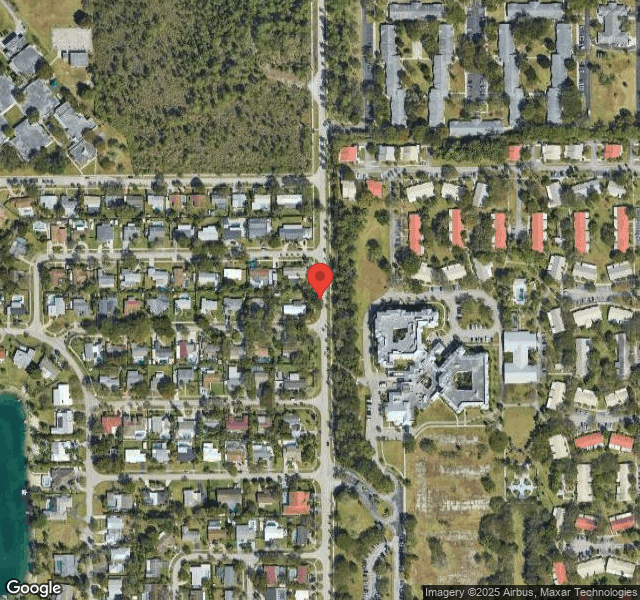

19225 SW 87TH AVE, CUTLER BAY, FL 33157 (305) 256-3545
Non profit - Corporation 74 Beds Independent Data: November 2025
Trust Grade
78/100
#30 of 690 in FL
Last Inspection: February 2025

Within standard 12-15 month inspection cycle. Federal law requires annual inspections.

Overview

East Ridge Retirement Village Inc in Cutler Bay, Florida, has a Trust Grade of B, which means it's a good choice but not the best available. It ranks #30 out of 690 facilities in Florida, placing it in the top half, and #3 out of 54 in Miami-Dade County, indicating that only two local options are better. However, the facility is currently experiencing a worsening trend, with issues increasing from 2 in 2023 to 3 in 2025. Staffing is a strength, with a turnover rate of 0%, significantly better than the Florida average of 42%, but the facility has received $8,788 in fines, which is average compared to others. While it has more RN coverage than 96% of Florida facilities, there have been serious concerns, such as a delay in care for a resident who suffered a fracture and issues with staff not responding to call lights, which could indicate gaps in immediate care.

Trust Score
B
78/100
In Florida
#30/690
Top 4%
Safety Record
Moderate
Needs review
Inspections
Getting Worse
2 → 3 violations
Staff Stability
○ Average
Turnover data not reported for this facility.
Penalties
✓ Good
$8,788 in fines. Lower than most Florida facilities. Relatively clean record.
Skilled Nurses
✓ Good
Each resident gets 88 minutes of Registered Nurse (RN) attention daily — more than 97% of Florida nursing homes. RNs are the most trained staff who catch health problems before they become serious.
Violations
⚠ Watch
14 deficiencies on record. Higher than average. Multiple issues found across inspections.
★★★★★
5.0
Overall Rating
★★★☆☆
3.0
Staff Levels
★★★★★
5.0
Care Quality
★★★★☆
4.0
Inspection Score
Stable
2023: 2 issues
2025: 3 issues

The Good

  • 5-Star Quality Measures · Strong clinical quality outcomes
  • Full Sprinkler Coverage · Fire safety systems throughout facility
  • No fines on record

Facility shows strength in quality measures, fire safety.

The Bad

Federal Fines: $8,788

Below median ($33,413)

Minor penalties assessed

The Ugly 14 deficiencies on record

1 actual harm
Feb 2025 2 deficiencies
CONCERN (D)

Potential for Harm - no one hurt, but risky conditions existed

Pharmacy Services (Tag F0755)

Could have caused harm · This affected 1 resident

Based on observation interview and record review the facility failed to follow pharmaceutical procedures as per facility policy. As evidenced by during observations of one of two Medication storage ro...

Read full inspector narrative →
Based on observation interview and record review the facility failed to follow pharmaceutical procedures as per facility policy. As evidenced by during observations of one of two Medication storage rooms reviewed, the narcotics lock box in the medication refrigerator was noted unlocked. and Resident #180's medication was being given in tablet form and the order documented capsule. There were 74 residents residing at the facility at the time of the survey. The findings included: On 02/17/25 at 10:00 AM during observation of the medication storage room on the facility's second floor with the Assistant Director of Nursing (ADON); the narcotic lock box in the medication refrigerator was left unlocked. The lock box contained an emergency kit with 5 vials of insulin and one (1) vial of Ativan The ADON, attempted to close the lock box with several keys available and was unsuccessful unable to close the lockbox. Interview on 2/17/25 at 10:00 AM, the ADON stated: The lock for the narcotic lock box in the refrigerator is warped (unable to be locked), I will need to put a work order in for it to be repaired, this issue was not reported to me prior to today. On 2/17/25 at 9:20 AM during medication administration observation for Resident #180 with Licensed Practical Nurse (LPN), (Staff B) the Electronic Medication Administration Record (EMAR) documented Meloxicam 7.5 Milligram (MG), give 1 capsule twice a day for pain. Review of Resident #180's Bingo Card for Meloxicam 7.5 MG documented Meloxicam 7.5 MG, give 1 tablet twice a day for pain. Interview on 02/17/25 at 10:32 AM regarding the Meloxicam 7.5 MG tablet, Staff B, LPN stated: I will call pharmacy to verify the order, if the order should be capsule or tablet. The resident has been administered tablets since 2/7/25 twice a day. Interview on 02/17/25 at 10:32 AM; the facility's Consultant Pharmacist stated: The Meloxicam 7.5 MG tablet can be given to the resident with physician authorization because it is the same dose, and we can get an order to correct the EMAR, chances are the documentation is human error. Review of the facility's policy and procedure titled Storage of Medications revised April 2007 states: The facility shall store all drugs and biologicals in a safe, secure, and orderly manner. Policy Interpretation and Implementation 7. Compartments (including, but not limited to, drawers, cabinets, rooms, refrigerators, carts, and boxes.) containing drugs and biologicals shall be locked when not in use, and trays or carts used to transport such items shall not be left unattended if open or otherwise potentially available to others. Review of the facility policy and procedure titled Administering Medications revision date 12/2012 states: Medications shall be administered in a safe and timely manner, and as prescribed. Policy Interpretation and Implementation 3. Medications must be administered in accordance with the orders, including any required time frame. 7. The individual administering the medication must check the label THREE (3) times to verify the right resident, right medication, right dosage, right time and right route of administration before giving the medication.
CONCERN (D)

Potential for Harm - no one hurt, but risky conditions existed

Deficiency F0761 (Tag F0761)

Could have caused harm · This affected 1 resident

Based on observations interviews and record review, the facility failed to provide appropriate storage of medications on the medication cart for one (1) of three (3) medication carts observed. As evid...

Read full inspector narrative →
Based on observations interviews and record review, the facility failed to provide appropriate storage of medications on the medication cart for one (1) of three (3) medication carts observed. As evidenced by during observation of one out of three (3) medication carts loose pills were noted in different compartments of the medication drawer and in one out of two medication rooms Narcotics Lock Box was left unlocked. There were 74 residents residing at the facility at the time of the survey. The findings included: On 2/17/25 at 9:00 AM during observation of medication Cart # 3400 with Registered Nurse (RN), (Staff C), three (3) round white pills and several pieces of empty medication packaging were found in the second drawer of the medication cart. Interview on 02/17/2025 at 9:05 AM Registered Nurse (RN), (Staff C) revealed she would don gloves, pick up the pills, try to identify the pills and dispose them in the drug buster in the medication cart. Furthermore, the medication carts are cleaned daily on every shift. On 02/17/25 at 10:00 AM, observation of the medication storage room on the facility's second floor with the Assistant Director of Nursing (ADON) (Staff A). The narcotic lock box in the medication refrigerator noted unlocked. The ADON, Staff A attempted to close the lock box with several keys available and was unable to close the lockbox. The lockbox contained an emergency kit with 5 vials of insulin and one (1) vial of Ativan. Interview on 2/17/25 at 10:00 AM ADON, Staff A stated: The lock for the narcotic lockbox in the refrigerator is warped (unable to be locked), I will need to put a work order in for it to be repaired, this issue was not reported to me prior to today. Review of the facility policy and procedures titled Storage of Medications revised April 2007 states: The facility shall store all drugs and biologicals in a safe, secure, and orderly manner. Policy Interpretation and Implementation 1.Drugs and biologicals shall be stored in the packaging, containers or other dispensing systems in which they are received. Only the issuing pharmacy is authorized to transfer medications between containers. 2. The nursing staff shall be responsible for maintaining medication storage and preparation areas in a clean, safe, and sanitary manner.
Jan 2025 1 deficiency 1 Harm
SERIOUS (G) 📢 Someone Reported This

A family member, employee, or ombudsman was alarmed enough to file a formal complaint

Actual Harm - a resident was hurt due to facility failures

Quality of Care (Tag F0684)

A resident was harmed · This affected 1 resident

**NOTE- TERMS IN BRACKETS HAVE BEEN EDITED TO PROTECT CONFIDENTIALITY** Based on record review and interviews, the facility failed to ensure one (Resident #2) out of three sampled residents received c...

Read full inspector narrative →
**NOTE- TERMS IN BRACKETS HAVE BEEN EDITED TO PROTECT CONFIDENTIALITY** Based on record review and interviews, the facility failed to ensure one (Resident #2) out of three sampled residents received care and treatment in accordance with professional standards of practice related to the timely reporting of a fall to the resident's physician resulting in a delay in care for a fracture. X-rays at the hospital revealed Resident # 2 incurred an acute fracture involving the right superior and inferior pubic rami. There were 69 residents residing in the facility at the time of the survey. The findings included: Review of the facility's policy and procedures titled, Provision of Quality Care date issued: 4/18/2023 states: Based on comprehensive assessments, the facility will ensure that residents receive treatment and care by qualified persons in accordance with professional standards of practice, the comprehensive person-centered care plans, and the residents' choices. Policy Explanation and Compliance Guidelines: 1. Each resident will be provided with care and services to attain or maintain his/her highest practical physical, mental, and psychosocial well-being. 2. A comprehensive care plan will be developed for each resident in accordance with procedures for development of the care plan. 3. Responsibility for interventions on the care plan will be clearly identified. 4. Qualified persons will provide the care and treatment in accordance with professional standards of practice, the residents' care plan, and the residents' choices. 5. To ensure persons are qualified, department heads, in collaboration with facility leadership and the HR department, will be responsible for verifying credentials of all employees prior to hire, and oversight to ensure ongoing employee competency, and education regarding areas of employee weaknesses. 6. Policies and procedures will reflect current professional standards of practice. All employees are responsible for following established policies and procedures. b. Violations of policies and procedures will result in disciplinary action up to and including termination. During observation on 01/06/25 at 9:50 AM, Resident #2 was in bed awake, bilateral floor mats were present, the bed was in its lowest position, the call light was on the bed, there was no distress noted from the resident. On 01/07/25 at 8:10AM, resident #2 was in the wheel chair in the residents room receiving care, there was no distress noted. On 01/08/25 at 7:53AM, resident #2 was sitting at the side of bed receiving care from the Certified Nursing Assistant (CNA) (Staff D), the resident had nonskid socks and shoes on feet. The bilateral floor mats were present, no distress noted. Review of the medical records for Resident #2 revealed, the resident was admitted to the facility on [DATE]. Clinical diagnoses included but were not limited to: Superior rim of Right Pubis Fracture, History of Venous Thrombosis and Embolism, Contusion of other Urinary and Pelvic Organs, Generalized muscle Weakness, Other Abnormalities of Gait and Mobility, Pain. Resident #2 was discharged to the hospital on [DATE] and readmitted on [DATE]. Review of the Physician's Orders Sheet for January 2025 revealed, Resident #2 had orders that included but were not limited to: May use protective devices as needed such as floor mats, May use protective devices as needed heel floaters, Falls Risk Assessment (Quarterly), Bilateral floor mattress apply while resident in bed every shift. Medications included: Tramadol 50 mg tablet, 1 tab By Mouth Every 6 Hours as needed for Pain. Record review of Resident # 2's Annual Minimum Data Set (MDS) dated [DATE] revealed, Section C for Cognitive Patterns documented Brief Interview for Mental Status Score is 6 on a 0-15 scale indicating the resident is cognitively impaired. Section GG for Functional status documented the resident is dependent for care and requires assistance with mobility. Section H for Bowel and Bladder documented the resident has a ostomy and is always incontinent of bladder. Section J for Health Conditions documented no falls since readmission, no pain medications received in the last 5 days. Section N for Medications documented resident is receiving antianxiety, antidepressant, anticoagulant, and Hypoglycemic medications. Section O for Special Treatments documented no special treatments received. Section P for Restraints documented no alarms or restraints used. Record review of Resident #2 's Care Plans Reference Date 12/25/24 revealed: Resident have a potential for complications related to fractured status post fall with left hip fracture. Closed fracture of left superior and inferior pubic ramus and femoral. History of Right Femur fracture, Status post Fall sustained pubic ramus fracture. Resident will remain free of complications such as infection related to fracture through next review Interventions-Please provide me with patient teaching regarding my fracture and prevention of further incidents, Please keep my physician informed of any changes in my condition, Please monitor for edema to my affected extremity, Please monitor my vital signs. Resident has a potential to fall related to: Impaired mobility, Impaired balance and gait. History of falls; Psychotropic drug use, status post fall sustained superior and anterior pubic ramus fracture. 09/25/23 Resident had an actual fall. Resident was observed ambulating without assistance and fell. 11/10/23 Resident was found on the floor in the bathroom. 03/01/24 Resident was found on the floor in the room. 06/19/24 Resident was found on the floor in the room. 12/06/24 Resident was heard yelling out from the room, found next to the bed, sitting straight up on her bottom. 12/20/24 Resident was observed on floor near the bed, laying on her right side. Resident would like to remain free from injury through date of next review. Interventions: May use floor mats next to bed per orders. Bilateral floor mattress apply while resident is in bed. Please be sure that my personal belongings are within my reach. Please take me to the toilet before and after my meals as well as before and after my activities. Please remind me to lock my wheelchair brakes and to ring for assistance when I need to transfer. Fall precautions: Keep my room clutter free and well lit. My call light within reach. My bed in low locked position. Review of the nursing progress notes for Resident #2 documented, 12/20/24 at 19:17(7:17pm), the resident was medicated with Tylenol 500mg X 2 tabs at approximately 9:30 am for (L) knee pain with a pain level of 6/10. Reevaluated one hour later the resident denied pain. The oncoming nurse to continue to monitor pain to (L) knee as the resident was observed holding the knee at times during the shift. 12/20/24 at 23:35(11:35pm), 911 dispatched to facility, family at bedside with resident, per family request refused transportation to hospital, under monitor and rounding, awaiting STAT Xray from [ ]Care. 12/21/24 at 6:48 AM, Results of Xray to skull, Right knee, Pelvis/hip revealed - demonstrate no acute fracture, results sent to resident's Physician (MD). Resident continue to yell for pain to right side during movement, propel with pillows and kept comfortable. Daughter at bedside, pain management in place. Colostomy in place and active, stoma is pink and moist, cleaned and kept dry. Bed in lowest position with call bell placed within reach. Safety measures maintained. 12/21/24 at 1:33PM, Stat Xray of Right knee, Skull and Pelvis done in facility as per order, resident yelling in pain when x-ray was being done, went to sleep immediately after x-ray was completed. Daughter at bedside. Bed in lowest position with call bell place within reach. Safety measures maintained. 12/21/24 at 17:44(5:44pm) Resident received in bed with her daughter in recliner at the bedside. Vitals within Normal Limits, Temperature 97.6, respirations unlabored. Daughter stated the resident has pain on movement to her leg. All routine meds provided and tolerated. Resident was medicated with Tylenol 500 mg X 2 for pain, blood sugar monitored, and coverage given as needed. Daughter assisted with breakfast, resident ate approximately 50 %. Instructions received from physician to send the resident to the hospital report from [ ]Care stated the resident's right superior and inferior pubic rami are not diagnostically visualized and not cleared for an acute finding .further evaluation by Computed Tomography (CT) Scan is needed. Daughter/ granddaughter requested the resident be sent to the hospital. All necessary documents were prepared, and a call was placed to the ambulance service. Resident left the facility at approximately 10:30 am with the ambulance service. Resident's daughter was informed of time of transfer to hospital. The Nursing Supervisor also informed of the time of transfer to the. The resident's daughter called at approximately 3:45 pm to inform the nurse the resident will be kept overnight as there's a hematoma to the thigh and Labs will be done, if there's internal bleeding the resident will remain in the hospital, Registered Nurse appreciated the call. Review of x-rays completed at the facility on 12/21/14 at 1:45 AM revealed: Pelvis Views- The non-visualized portion cannot be fully cleared without additional radiographs. Similar old left inferior pubic ramus fracture. Conclusion: 1. Moderate bilateral hip arthrosis. No obvious or acutely displaced fracture given only a single view. 1. Without an orthogonal view, a nondisplaced out of plane fracture cannot be excluded. Additionally, due to positioning, the right superior and inferior pubic rami are not diagnostically visualized and can therefore not be cleared for an acute finding. 2. Given the history of trauma, there should be low threshold for further evaluation by CT scan. Review of x-rays completed at the hospital on [DATE] at 3:32AM revealed: Pelvis View- Findings/Impressions-Diffuse severe bony demineralization reduces anatomic sensitivity. Acute fractures are suggested involving the right superior and inferior pubic rami. Review of the facility's Falls list dated 01/01/24-01/01/25 revealed: Resident was listed on the Incident/Falls List; 3/01/24, 12/20/24. Review of the Resident #2 Fall Risk assessment revealed: the most recent assessments were completed on: 12/26/24-Score 13 indicating resident is at high risk for falls 11/06/24- Score 14 indicating resident is at high risk for falls 09/08/24-Score 17 indicating resident is at high risk for falls Review of the Facility's Abuse/ Neglect Log from January 2024-January 2025 revealed: Resident was listed on Neglect Log 12/2024; Resolution: Unsubstantiated Review of the facility in-services revealed: Abuse/Neglect Training-Reviewed, most recently completed for all nursing staff on 12/20/24-12/21/24, 10/17/24-10/30/24, 8/26/24-8/27/24. Accidents/Hazards-Falls, Fractures: Reviewed, most recently completed for all nursing staff on 12/20/24-12/21/24, 10/17/24-10/30/24, 8/26/24-8/27/24. Interview on 01/07/25 at 10:34 AM Director of Nursing (DON) Risk Manager/Grievance Coordinator stated once a fall occurs with a resident, the nurse assesses the resident, provide the care the resident needs in the moment, reach out to the Physician (MD) to inform the MD of the incident, receives any necessary orders from the MD depending on the nature of the fall and the findings of the nurse-pain, discomfort, type of fall, injuries. The MD may order x-rays, resident transport to hospital, neurological checks for the resident etc. The nurse should report the incident/fall as soon as possible after care is rendered to the resident and the resident is safe. In this incident, the nurse did not report the incident in a reasonable amount of time to the MD. The resident fell on [DATE] around 3 AM, Licensed Practical Nurse (LPN) (Staff A) reported the incident on 12/20/24 around 8pm when she arrived for her next shift, she worked the 7PM-7AM shift, and she had the same assignment as the prior shift. Once the incident was reported by Staff A, the MD and family were called, the MD ordered resident to be sent to the hospital, the family declined the MD's orders, the MD ordered x-rays of the hip and pelvic area, the x-rays were inconclusive. After further discussions with the family, they agreed to send the resident to the hospital on [DATE]. We stayed in communication with the hospital and the family, there was some concern about the resident's hemoglobin and the family later advised us that the resident had a fracture of the right superior and inferior pubic rami. On 12/20/24, Staff A was removed from the schedule; and has not returned to work as of today, we reported the incident as neglect to all the pertinent agencies and personnel. Our investigation concluded that Staff A failed to report the fall in a timely manner, but we could not conclusively report if the untimely reporting of the incident caused any harm to the resident. The 7AM-7PM Registered Nurse (Staff C) reported the resident was acting differently and complained of knee pain, upon further assessment by Staff C, the resident did not complain of any pain, I reached out to the resident's daughter and the daughter stated the resident did not report any issues or pain to her. This incident/fall was reported as neglect because Licensed Practical Nurse (LPN) Staff A did not follow the fall protocols of notifying the MD and other facility staff in a timely manner, the incident was not reported as an adverse incident because the injury was not the fault of the facility, all the necessary fall precautions were in place for the resident, the resident is a high risk for falls based on her fall assessment score which is completed quarterly and as needed, the bed was in lowest position, personal items were in reach, rounding was completed at minimum every 2 hours, call lights were being answered immediately, and bilateral floor mats were in place. This resident and the family were educated on fall precautions and the importance of calling for assistance for toileting and transfers when needed. The resident also participates in activities throughout the day at the facility and is closely monitored by staff. The resident was readmitted to the facility on [DATE] with a diagnosis of Acute superior and inferior pubic rami fracture with hematoma in the right hemipelvis. Plan of care: Non-surgical management, Physical therapy, Occupational therapy, and pain control. On 1/7/25 at 11AM, attempted to contact Staff A via phone, a message left for a return call. Interview on 01/08/25 at 9:45AM with the Administrator (NHA), it was reported I received information from staff about Resident #2's fall around 11:30PM on 12/20/24. I spoke with the DON and gave instructions for the Staff A to be sent home, I called the resident's daughter because I saw her number on my phone as missed call and we discussed the fall that happened with her mother. The resident's daughter did not want the resident to go to the hospital that night. On 12/21/24 when I came into work I saw the resident's daughter leaving the facility, we had a conversation in the parking lot, at that time the results of the facility x-rays had come back and there was no fractures but a recommendation for a CT Scan, the resident's daughter agreed to send her to the hospital after our conversation. On 12/21/24 later in the day and the next day, I called the resident's daughter for an update on the resident and to see if she needed anything. On Sunday night 12/22/24, I received a text from the resident's daughter stating the hospital's CT scan showed a pubic fracture and her mother has to be seen by an orthopedist. On 12/25/24, the resident was readmitted to the facility. This incident was not reported as an adverse incident because the facility had all fall precautions in place for this resident, patient teaching, the lowest bed, bilateral floor mats, non-skid socks, rounding and monitoring with supervision. We reported the incident as neglect because the nurse did not report the incident in a timely manner to the pertinent facility staff, but did complete an assessment and care for the resident immediately after the fall occurred. Staff A was taken off the schedule immediately, and the facility has since terminated her employment. Interview on 01/08/25 at 11:30AM via telephone with Certified Nursing Assistant (CNAs) (Staff B) whom worked on the 11-7PM shift stated, the resident #2 was assigned to me the night she fell, I was in the resident's room about 30 minutes prior to her falling, I heard the resident screaming around 3 AM, myself and the Staff A went into the resident's room, the resident was on the floor at the foot of the bed, we placed the resident back in the bed, the nurse started to assess the resident and checking her body, the resident was then placed in the wheelchair and placed in the recreation area by the nursing station to be closely monitored throughout the night. After the resident was placed in the wheel chair, I went back to my assigned duties for the rest of my shift. Interview on 01/08/25 at 11:40AM via telephone with LPN Staff C whom worked on the 7AM-7PM shift stated on 12/20/24 at the beginning of my shift the resident was sitting by the television area in her wheelchair, she was restless, I asked Staff A what was going on with the resident, she stated the resident was very restless throughout the night, and she gave her the prescribed medication Xanax, during my shift the resident complaint of pain to her knee once, I do not remember which knee it was, I gave her Tylenol and she was doing well, I did not have any other issues with the resident. I found out the next day when I came to work that the resident had fallen out of bed the day before my shift started. The outgoing nurse Staff A on 12/20/24 never reported to me that the resident had fallen. Review of the facility's policy and procedures titled, Accidents Care and Supervision dated 04/20/23 states: The resident environment will remain as free of accident hazards as is possible. Each resident will receive adequate supervision and assistive devices to prevent accidents. This includes: 1. Identifying hazard(s) and risk(s). 2. Evaluating and analyzing hazard(s) and risk(s). 3. Implementing interventions to reduce hazard(s) and risk(s). 4. Monitoring for effectiveness and modifying interventions when necessary. Policy Explanation and Compliance Guidelines: The facility shall establish and utilize a systematic approach to address resident risk and environmental hazards to minimize the likelihood of accidents. 1. Identification of Hazards and Risks- the process through which the facility becomes aware of potential hazards in the resident environment and the risk of a resident having an avoidable accident. 1. All staff (e.g., professional, administrative, maintenance, etc.) are to be involved in observing and identifying potential hazards in the environment, while taking into consideration the unique characteristics and abilities of each resident. 2. The facility should make a reasonable effort to identify the hazards and risk factors for each resident. Evaluation and Analysis- the process of examining data to identify specific hazards and risks and to develop targeted interventions to reduce the potential for accidents. Interdisciplinary involvement is a critical component of this process. 1. Analysis may include, for example, considering the severity of hazards, the immediacy of risk, and trends such as time of day, location, etc. 2. Both the facility-centered and resident-directed approaches include evaluating hazard and accident risk data, which includes prior accidents/incidents, analyzing potential causes for each hazard and accident risk, and identifying or developing interventions based on the severity of the hazards and immediacy of risk. 3. Evaluations also look at trends such as time of day, location, etc. 3. Implementation of Interventions- using specific interventions to try to reduce a resident's risks from hazards in the environment. The process includes: 1. Communicating the interventions to all relevant staff 2. Assigning responsibility 3. Providing training as needed 4. Documenting interventions (e.g., plans of action developed through the QAA Committee or care plans for the individual resident) 5. Ensuring that the interventions are put into action 6. Interventions are based on the results of the evaluation and analysis of information about hazards and risks and are consistent with relevant standards, including evidence-based practice 7. Development of interim safety measures may be necessary if interventions cannot immediately be implemented fully 8. Facility-based interventions may include, but are not limited to: 9. Educating staff ii. Repairing the device/equipment iii. Developing or revising policies and procedures i. Resident-directed approaches may include: i. Implementing specific interventions as part of the plan of care ii. Supervising staff and residents, etc. iii. Facility records document the implementation of these interventions 4. Monitoring and Modification- Monitoring is the process of evaluating the effectiveness of care plan interventions. Modification is the process of adjusting interventions as needed to make them more effective in addressing hazards and risks. Monitoring and modification processes include: 1. Ensuring that interventions are implemented correctly and consistently 2. Evaluating the effectiveness of interventions 3. Modifying or replacing interventions as needed 4. Evaluating the effectiveness of new interventions 5. Supervision- Supervision is an intervention and a means of mitigating accident risk. The facility will provide adequate supervision to prevent accidents. Adequacy of supervision: 1. Defined by type and frequency 2. Based on the individual resident's assessed needs and identified hazards in the resident environment
Nov 2023 2 deficiencies
CONCERN (D)

Potential for Harm - no one hurt, but risky conditions existed

Grievances (Tag F0585)

Could have caused harm · This affected 1 resident

**NOTE- TERMS IN BRACKETS HAVE BEEN EDITED TO PROTECT CONFIDENTIALITY** Based on observations, record review and interviews, the facility failed to respond to grievances for one out of one resident (R...

Read full inspector narrative →
**NOTE- TERMS IN BRACKETS HAVE BEEN EDITED TO PROTECT CONFIDENTIALITY** Based on observations, record review and interviews, the facility failed to respond to grievances for one out of one resident (Resident #44) reviewed for grievances. The resident's family member (Brother) established communication with the facility concerning complaints regarding the resident's loss of items, but no grievance was filed. There were 68 residents residing in the facility at the time of the survey. Findings included: On 11/28/2023 at 12:24 PM, Resident #44 stated that he lost his pajamas about 2 weeks ago. He stated that he told his brother about it and believed that his brother spoke to the nurse over the phone about it. He stated, he had not found the pajamas yet. Review of Resident #44's face sheet revealed an admission date of 10/17/2023. Review of Resident #44's Minimum Data Set (MDS) assessment dated [DATE] to identify his cognitive patterns showed a BIMS (Brief Interview for Mental Status) score of 11, indicating moderate cognitive impairment. Review of the facility's grievance file from October 10, 2023 to November 26, 2023 revealed no grievance was filed on behalf of Resident #44. On 11/30/2023 at 08:09 AM, Resident #44 stated that he didn't tell the staff, but he was certain that he told his brother about his missing property over the phone; however, he didn't know for certain that his brother told the staff. On 11/30/2023 at 10:34 AM, during an interview with Resident #44's brother regarding the missing pajamas, Resident #44's brother stated, Yes, he told me that he lost his pajamas just the bottom part, a gray bathrobe, and some shirts. I called the facility and they transferred me to the laundry. I spoke to a guy there. They said they would take care of it, but I haven't had a chance to talk to them again. On 11/30/2023 at 12:42 PM, during an interview with the Environmental Services Manager (ESM) regarding Resident #44's loss items, she stated, Since I've been here, a month ago, we have some complaints, about 4 of them. It's mostly because the names are not showing in the resident's clothes. That apparently, my team lead [Staff C] received a call on Thanksgiving Day. They found the clothes the next day, and he took them to the room. He said, that he didn't report it because he received the call directly and he took the clothes to the resident. On 11/30/2023 at 12:53 PM, during an interview with Staff C (Environmental Services Team Lead) regarding the loss items, Staff C stated, I don't know when the clothes were brought down. When I received the call on Thanksgiving Day, I went and looked for them. The clothes were not missing. They were just not delivered yet to the resident. They were already washed, packed, and was waiting to put in the bag to send to the resident. The next day, the clothes were delivered to the resident's room, November 24th. From the time we pick up the clothes, we have 3 days to deliver them. I didn't report it because I found them. Review of the facility's undated grievance policy and procedure revealed: Policy statement: The resident, family members, and/or legal representative have the right to voice complaints about treatment, care or violation of resident rights without fear of discrimination or reprisal. Policy Interpretation and implementation: To ensure that resident's, families', and/or legal representative's grievances or complaints are promptly evaluated and appropriate action taken, the following procedure is established. This procedure highlights four (4) elements in regard to grievances. 1. Designation of Employee Handling Grievances: Should a resident, resident's family or resident's legal representative have a grievance in regard to treatment or care that is, or fails to be furnished,he/she may take said grievance to the Social Services Director or designee if he/she is not available. The Social Services Director is designated to receive and process complaints to resolution. If the Social Services Director cannot handle the complaint satisfactorily, he/she refers it to the Administrator or Executive Director. 2. Documentation of Grievance: It shall be the responsibility the receiving Supervisory Staff member or Licensed Nurse to write the grievance and forward it to the Social Service Director. A tracking log is utilized for complaints and/or grievances. Such details shall be included so that specific remedial action can be taken. The details of the written grievance, having been reviewed and agreed to by the person bringing the grievance, shall be forwarded to the Social Services Director for follow-up action. Final review of the report is done by the Administrator.
CONCERN (E)

Potential for Harm - no one hurt, but risky conditions existed

Deficiency F0725 (Tag F0725)

Could have caused harm · This affected multiple residents

During an interview with resident # 266 on 11/27/23 at 09:27 AM. The resident stated that the call light to ask for assistance was never responded to. The resident stated that the staff didn't know if...

Read full inspector narrative →
During an interview with resident # 266 on 11/27/23 at 09:27 AM. The resident stated that the call light to ask for assistance was never responded to. The resident stated that the staff didn't know if the resident had an emergency, because they didn't come to the resident's room when the call light was activated. During a tour by the facility hallways on 11/29/2023 at 11:40 AM, the call light for assistance was observed to be on in room # 2314 for more than 10 minutes. A nurse was in a room taking care of a resident, the Certified Nursing Assistant (CNA) was not around. Interview with Administrator on 11/29/2023 at 11:42 AM. The Administrator stated, one CNA was on her break and the other one on the floor should have attended to the call for resident's assistance. The Administrator stated the CNA will take care of the resident as soon as possible. During a tour by the facility on 11/30/2023 at 09:54 AM, the call light for assistance was observed on in room # 2308 the light was observed to be on for more than 15 minutes. Staff B, Registered Nurse was at the medication cart close to the room. Staff A, Certified Nursing Assistant was in the area, no one responded to the call light. Interview with Staff A on 11/30/2023 at 09:56 AM. She stated, she was on her way to respond to the call light. She stated, she did not go because the nurse was close to the room to respond to the call. Interview with Staff B on 11/30/2023 at 09:58 AM. She stated, she was preparing medication for one resident, and she thought the CNA would respond to the call light. Based on observation, interviews, and record review, the facility failed to have sufficient nursing staff with the appropriate competencies and skills sets to provide nursing and related services to assure resident safety and attain or maintain the highest practicable physical, mental, and psychosocial well-being of each resident. Residents complained the call lights were left unanswered for over 15 minutes in multiple occasions when they called for assistance. There were 68 residents residing in the facility at the time of the survey. The findings included: On 11/28/23 at 10:38 AM, during the resident council meeting, several residents reported that sometimes staff take more than 15 minutes to answer the call lights. The residents then stated, The staff don't come to the rooms unless a resident presses the call button for assistance. They do rounds once in a while. Review of the facility's undated policy and procedure for the call light revealed: Purpose: It is the policy of East Ridge Retirement to have a functioning call system so that Residents can feel safe and call for assistance when needed. Key Procedural Points: 6. Some residents may not be able to use their call light. Be sure to check on these residents frequently. 7. Answer the resident's light as soon as possible.
Nov 2022 9 deficiencies
CONCERN (D)

Potential for Harm - no one hurt, but risky conditions existed

Deficiency F0645 (Tag F0645)

Could have caused harm · This affected 1 resident

**NOTE- TERMS IN BRACKETS HAVE BEEN EDITED TO PROTECT CONFIDENTIALITY** Based on observations, interviews and record review the facility failed to ensure residents received a Preadmission Screening an...

Read full inspector narrative →
**NOTE- TERMS IN BRACKETS HAVE BEEN EDITED TO PROTECT CONFIDENTIALITY** Based on observations, interviews and record review the facility failed to ensure residents received a Preadmission Screening and Resident Review (PASRR) Level I screening and a Level II screening for two (Residents #44, Resident #30) out of three residents reviewed for PASRR. Resident #44 did not receive a PASRR Level I before admission to the facility and Resident #30 did not receive a PASRR Level II after admission to the facility. There were a total of 59 residents residing in the facility at the time of this survey. The findings included: 1) Observation of Resident #44 on 11/07/22 at 12:06 PM revealed the resident sitting in a wheelchair in the 3rd floor dining room, eating lunch. Record review of the Demographic Face Sheet for Resident #44 documented the resident was admitted on [DATE] with a diagnosis of atrial fibrillation, diabetes mellitus, hypertension, major depressive disorder, psychosis, peripheral vascular disease and arteriosclerosis heart disease. Review of the Minimum Data Set (MDS) Quarterly Assessment for Resident #44 dated 8/15/22 documented the resident's Mental Status (BIMS) Summary Score had a BIMS Summary Score of 09 out of 15 indicating cognitive impairment and the resident required extensive assistance with one person physical assistance for ADLs (Activities Daily Living). Review of the Physician's Order Sheet (POS) for October 2022 and November 2022 documented the resident received Escitalopram Oxalate 5 mg tab 1 tab PO daily for depression, Seroquel 50mg tab 1 tab PO BID for psychosis and Seroquel 200 mg tab 1 tab PO HS for psychosis. Review of the Care Plans for Resident #44, written 3/25/22 documented the resident received antipsychotic and antidepressant medications. Review of the PASRR for Resident #44 revealed the PASRR Level I was not found in the electronic chart nor the paper chart. Interview with the Social Worker on 11/09/22 at 10:20 AM. He stated, I looked through her hospital admission records and it was not found. I will contact medical records to see if it is in the thin out chart. Interview with the Administrator and the Social Worker on 11/09/22 at 1:18 PM. The Administrator revealed that they could not find a PASRR Level I for the resident. 2) Observation of Resident #30 on 11/09/22 at 12:28 PM revealed the resident sitting up in bed, with TV on and eating lunch. Record review of the Demographic Face Sheet for Resident #30 documented the resident was admitted on [DATE] with a diagnosis of Parkinson's disease, dementia, psychosis, peripheral vascular disease, Alzheimer's disease and arteriosclerosis heart disease. Review of the Minimum Data Set (MDS) admission Assessment for Resident #30 dated 3/08/22 documented the resident's Mental Status (BIMS) Summary Score had a BIMS Summary Score not scored indicating severe cognitive impairment and the resident required extensive assistance with one person physical assistance for ADLs (Activities Daily Living). The resident was not evaluated for PASRR Level II. Review of the Physician's Order Sheet (POS) for October 2022 and November 2022 documented the resident received Quetiapine 50mg tab 1 tab PO BID for psychosis. Review of the Care Plan for Resident #30, written 3/01/22 documented the resident received an antipsychotic medication. Review of the PASRR for Resident #30 revealed the PASRR Level I was done on 3/01/22 with a diagnosis of Dementia and Psychosis which were checked on the form. The form documented no PASRR Level II was required. A PASRR Level II was required if a resident who has or may have a serious Mental Disorder (MD), Intellectual Disability (ID) or a Related Condition. Interview with the Social Worker on 11/09/22 at 10:26 AM. He stated, I will check into the PASRR Level II. Interview with the Administrator and the Social Worker on 11/09/22 at 1:18 PM. The Administrator revealed that a PASRR Level II was not done for the resident. He stated, There is nobody who has access to the PASRR system since they left, referring to former staff members. We are working to obtain access so that we can complete a Level I and Level II for the residents. We are in the process of correcting it. A PASRR Policy and Procedure was requested from the Administrator and he revealed that they don't have one.
CONCERN (D)

Potential for Harm - no one hurt, but risky conditions existed

Comprehensive Care Plan (Tag F0656)

Could have caused harm · This affected 1 resident

**NOTE- TERMS IN BRACKETS HAVE BEEN EDITED TO PROTECT CONFIDENTIALITY** Based on observation, record review and interviews, the facility failed to follow the respiratory care plan for 1 (Resident #366...

Read full inspector narrative →
**NOTE- TERMS IN BRACKETS HAVE BEEN EDITED TO PROTECT CONFIDENTIALITY** Based on observation, record review and interviews, the facility failed to follow the respiratory care plan for 1 (Resident #366) out of 25 sampled residents. There were 59 residents admitted to facility during the survey. The finding included: Observation of resident #366 on 11/07/22 at 08:50 AM revealed, the resident had oxygen on at 3 liters/minute via nasal cannula. Observation of resident #366 on 11/08/22 at 01:30 PM revealed, the resident was sitting up in a chair, and the oxygen concentrator was observed to be set at 3liters/minutes and the resident was receiving the oxygen via a nasal cannula. Observation of resident # 366 on 11/09/22 at 08:27 AM revealed, the resident was receiving oxygen at 3 liters/minute. During medical record review, it was noted resident #366 was admitted to the facility on [DATE] with diagnoses that included but were not limited to, Pleural Effusion, Congestive Heart Failure, Hypertension, Cerebral Infarction, and Acute Respiratory Failure with Hypoxia. During the review of the residents physician orders it was noted the resident had a physician order dated 10/6/22 for oxygen 2 liters minute via nasal cannual (NC) as needed (prn) for shortness of breath (SOB)/congestion. During the review of the residents care plan dated 10/5/22 for the category of Compromised Respiratory, the problem was documented as - I am at risk for compromised respiratory status due to diagnosis of Chronic Obstructive Pulmonary Disease (COPD), Respiratory Failure, Pnuemonia. The goal was, I will maintain my current respiratory status with my present regime and symptom control through the next review. One of the listed approaches included: Please provide oxygen as ordered by my physician. It was noted the care plan was not followed since the resident was receiving the oxygen at 3 liters/minute. During interview with the Assistant Director of Nurses (ADON) on 11/09/22 at 09:20 AM, the ADON was informed about the oxygen being at 3 liters per minute. During the review of the facility's policy and procedure for Oxygen Administration, revised on 2/4/21 and reviewed on 10/4/22, the purpose is documented as: The purpose of this procedure is to provide guidelines for safe oxygen administration. The section for procedure includes: 1. Verify physician's orders. During interview with the ADON on 11/09/22 at 02:25 PM, it was reported the physician changed the oxygen level to 3 liters per minute. The ADON reported, the oxygen had been observed to be set at 3 liters/minute prior to the order being changed.
CONCERN (D)

Potential for Harm - no one hurt, but risky conditions existed

Accident Prevention (Tag F0689)

Could have caused harm · This affected 1 resident

**NOTE- TERMS IN BRACKETS HAVE BEEN EDITED TO PROTECT CONFIDENTIALITY** Based on observation, record review and interview, the facility failed to provide a safe environment free of accident and hazard...

Read full inspector narrative →
**NOTE- TERMS IN BRACKETS HAVE BEEN EDITED TO PROTECT CONFIDENTIALITY** Based on observation, record review and interview, the facility failed to provide a safe environment free of accident and hazards for One (Resident #18) out of one resident reviewed for fall precautions. As evidenced by Resident # 18 with history of multiple falls bilateral floor mats were not on the floor beside the resident's bed while the resident was in bed. There were 59 residents residing in the facility at the time of this survey. The Findings Included: On 11/07/22 at 08:50 AM observed resident in room in bed, oxygen (02) running via nasal cannula (NC) at three liters per minute (3 LPM), bilateral floor mats, one (1) mat on the left side of bed facing the bed on the floor, other floor mat folded behind left side of bed (Photo available). On 11/08/22 at 08:25 AM, observed resident out of bed in wheelchair, 02 running via NC at 3 LPM, stated he is having a good day. On 11/09/22 at 11:00 AM, observed resident out of bed in wheelchair in hallway, 02 running via NC at 3 LPM, no distress noted Review of the medical records for Resident #18 revealed resident was originally admitted to the facility on [DATE], readmitted on [DATE]. Clinical diagnoses included but not limited to: Encounter for palliative care, Abnormalities of gait, Muscle weakness, Hypertension, Alzheimer's Disease, Unspecified Dementia and Major Depressive Disorder. Review of the Physician's Orders Sheet for November 2022 revealed Resident #18 had orders that included but not limited to: fall precautions: may use protective devices as needed such as floor mats. Medications included: Gabapentin 300 Milligram (mg) capsule 1 cap by mouth at bedtime for neuro pain. Clonidine 0.1 mg tablet 1 tablet every 8 hours as needed for hypertension. Sertraline 25 mg tablet 1 tablet by mouth every day at bedtime for depression behavior. Mirtazapine 7.5 mg tablet-1 tablet by mouth at bedtime for depression behavior. Seroquel 50 mg tablet-1 tablet by mouth twice a day for periods of agitation, calling out, trying to get out of bed. Record review of Resident #18 's Minimum Data Set (MDS) dated [DATE] revealed: Section C for Cognitive Patterns indicated Brief Interview for Mental Status Score (BIMS) is a 5, on a 0-15 scale indicating the resident is cognitively impaired. Section E for behaviors indicated resident had no behaviors exhibited and no potential indicators of psychosis. Section G for Functional Status indicated resident is total dependence for Activities of Daily Living (ADLs) with two (2) persons assistance. Section H for Bowel and Bladder indicated resident is always incontinent of bowel and bladder. Section J for Health Conditions indicated resident received schedule pain medications in the last 5 days, no shortness of breath, life expectancy of less than six (6) months, and one (1) fall since admission, entry, or reentry. Section N for Medications indicated resident received antidepressants, diuretics, and anticoagulants in the last 7 days. Section O for Special Treatments, Procedures and Programs indicated resident received hospice care in the last fourteen (14) days. Section P for restraints indicated no restraints used on resident. Review of the facility's incident tracking report documented: on 10/30/22 at 15:00 resident observed on the floor with his back against the bed, resident did not say how he got on the floor. Documentation dated 8/30/22 at 10:15 AM-during morning rounds resident found lying on floor mat between his bed and wheelchair, head to assessment was performed, no skin issues, denied pain, able to move all extremities. Documentation dated 8/25/22 at 5:40-during rounds patient seen sitting on floor next to his bed, no complaint of pain or discomfort, no apparent injury. Documentation dated 8/05/22-resident stated he fell in his room last night and got back to bed without assistance, no injuries. Record review of Resident #18 's Care Plans Reference Date 4/22/22 revealed: Resident have a potential to fall. Related to impaired mobility, Impaired balance, and gait. History of falls. Psychotropic drug use. Interventions include fall precautions: Keep my room clutter free and well lit. My call light within reach. My bed in low locked position, please schedule Physical Therapy screen/evaluation as needed, please schedule Occupational Therapy screen/evaluation as needed. Resident had an actual fall. I stated I fell during the night and got myself back to be without any assistance. 8/25/22 I was found on the floor, next to my bed. I stated I was trying to get out of bed and slid to the floor. 8/30/22 I was found on the floor mat between bed and wheelchair, I stated I was trying to transfer myself to bed and I slid from the wheelchair. Approaches includes place floor mats next to my bed, Please schedule Physical Therapy screen/evaluation as needed, Please remind me to ring for assistance when I need to transfer, Please check me early in the morning and I assist me to use toilet/urinal as needed, Please offer to place me back to bed after breakfast to rest. Review of nursing progress notes dated 10/31/22 timestamped 16:52:08 documented: Radiology Report received: Sacrum/Hips Bilateral conclusion: No acute Abnormality seen. Lumbar spine conclusion: Degenerative spondylosis. Report was sent to Physician (MD), no new orders at this time. Hospice nurse made aware. Copy will be kept for record on resident chart. Resident in stable condition at the moment; Continue oxygen (O2) at three (3) Liters per minute by nasal cannula as per MD order. Denies any pain or discomfort during shift. Will continue to monitor. Review of Nursing progress notes dated 10/30/22 timestamped 23:54: 03 documented: Reports received, resident had an X-RAY of Bilateral Hips and Lumbosacral area ordered, Technician arrived around 11:15 pm, X-RAY completed, resident tolerated procedure well, pending results. During an interview on 11/09/22 at 11:07 AM, Certified Nursing Assistant (CNA) (Staff A) stated; it is my first day on this floor I am now learning about the residents I usually work on the second floor; I really do not know much about the patient and about the floor mats. I have worked with this resident several times, I know this resident is a high risk for falls, the fall precautions we have in place for this resident are-patient very near to nursing stations, he has the two-floor mattress, and the staff knows that when the patient is in bed, the bed must be in low position and the two floor mats must be by the bed. On 11/09/22 at 12:06 PM the Director of Nursing (DON) was told about the resident's floor mats. The DON stated, I have been here since September 2022, I have met this resident a few times, we discuss the falls in the clinical morning meetings, we let all the departments know what is going on with resident's falls, I created a detailed fall reporting packet so it can help us with the root cause analysis, it basically helps you get more information about the fall from the person who witnessed the fall. The Point of care, Certified Nursing Assistant (CNA) documentation have all the information related to residents' care for the CNAs to look at, when the CNAs go in the system, they have to acknowledge that they read the information. The CNA logs on to the point of care documentation every day and based on their assignments the resident they are taking care of will show up. The nurses can access the point of care documentation for their assigned patients on the computer system. We have several fall interventions for this resident on the fall care plans, we discuss and try to come up with patient centered care plans for each resident and provide interventions based on location and frequency of the fall, task being done, disease process, labs etc. This resident had a couple of falls when he first came in, he was seen by the psychologist, he was placed on Seroquel on 9/27/22, that seems to help with his agitation and falling during transfer. He has been in and out of the facility, he is what we call a life care resident-he has bought into the community to age in place. Prior to going to the hospital, he lived in the Assisted Living Facility (ALF) on campus and came to the skilled nursing home on 7/18/22, he went to the hospital and came back 7/27/22. He had another hospital visit, on his return from the hospital on 8/4/22 he came back as hospice, and he is going to stay in the skilled nursing long term. To make sure that all staff are aware of the resident's point of care we have started reeducating the staff and doing in-services about floor mats-if you see them in the room ask questions and check the point of care documentation. If the floor mats are not a part of the care plans, we will be removing them from the room moving forward. Review of the undated facility's policy and procedures titled, Safety and Supervision of Residents, states: Our Facility strives to make the environment as free from accidents and hazards as possible. Resident safety and supervision and assistance to prevent accidents are facility wide priorities. Facility Oriented Approach to Safety: Step 4-Employees shall be trained on potential accident hazards and demonstrate competency on how to identify and report accident hazards and try to prevent avoidable accidents.
CONCERN (D)

Potential for Harm - no one hurt, but risky conditions existed

Incontinence Care (Tag F0690)

Could have caused harm · This affected 1 resident

**NOTE- TERMS IN BRACKETS HAVE BEEN EDITED TO PROTECT CONFIDENTIALITY** Based on observation, record review and interviews, the facility failed to provide appropriate catheter care for 2 out of 25 sam...

Read full inspector narrative →
**NOTE- TERMS IN BRACKETS HAVE BEEN EDITED TO PROTECT CONFIDENTIALITY** Based on observation, record review and interviews, the facility failed to provide appropriate catheter care for 2 out of 25 sampled residents (Resident #365 and Resident #366). There were 59 residents admitted to the facility at the time of the survey. The findings included: 1. Observation of resident # 365 on 11/08/22 at 01:12 PM revealed the resident was sitting up in chair, and his catheter bag was observed to laying directly on floor. (photo obtained) During record review, it was noted the resident was admitted to the facility on [DATE] with diagnoses that included but were not limited to Left Femoral Neck fracture, Prostate Cancer, Bony Metastatasis, Cervical Stenosis, Fall, and Urinary Tract Infection (UTI) at the hospital. Record review revealed a physician order dated 10/30/22 for Foley catheter care every shift diagnosis (DX) obstructive uropathy. During the review of the residents admission minimum data set (MDS) dated [DATE], was incomplete. During the review of resident #365 care plan for Urinary Incontinence/Indwelling Catheter started on 10/28/22 revealed, the problem was documented as Since I have an indwelling catheter, I have a potential for an infection related to Obstuctive Uropathy, Prostate Cancer. The goal was urinary output will be within normal range of greater than or equal to 200 cubic centimeters (cc) per shift and the resident will be free of symptoms of UTI (Urinary Tract Infection). The approaches included, Monitor and measure output every shift, monitor and report signs of urinary tract infection, maintain catheter below bladder level, change catheter as ordered, catheter care every shift, please place a dignity bag over my urinary catheter bag. During interview with the Assistant Director of Nurses (ADON) on 11/09/22 at 09:20 AM, the ADON was informed about the resident #365 and #366 catheter bags being observed directly on the floor on 11/7/22. During the review of the facility's policy and procedure for Catheter Care, Urinary dated revised on 7/9/21 and reviewed on 10/4/22, the purpose was documented as: The purpose of the procedure is to prevent catheter-associated urinary tract infections. The infection control section documents, use standard precautions when handling or manipulating the drainage system. 2. Observation of resident #366 on 11/07/22 at 08:50 AM revealed, the residents catheter bag was observed directly on the floor. The urine was amber in color with sediment in the catheter tubing. (photo obtained) During medical record review, it was noted resident #366 was admitted to the facility on [DATE] with diagnoses that included but were not limited to, Pleural Effusion, Congestive Heart Failure, Hypertension, Cerebral Infarction, and Acute Respiratory Failure with Hypoxia. During the review of the resident #366 physician orders revealed an order dated 10/6/22 for catheter care, use leg bag as needed and replace urinary bag when in bed. During the review of the residents comprehensive minimum data set (MDS) dated [DATE] documented in Section H, Indwelling catheter. During the review of resident #366 care plan for Urinary Incontinence/Indwelling Catheter started on 10/05/22 revealed, the problem was documented as Since I have an indwelling catheter, I have a potential for an infection related to Obstuctive Uropathy. The goal was urinary output will be within normal range of greater than or equal to 200 cubic centimeters (cc) per shift and the resident will be free of symptoms of UTI (Urinary Tract Infection). The approaches included, Monitor and measure output every shift, monitor and report signs of urinary tract infection, maintain catheter below bladder level, change catheter as ordered, catheter care every shift, please place a dignity bag over my urinary catheter bag.
CONCERN (D)

Potential for Harm - no one hurt, but risky conditions existed

Respiratory Care (Tag F0695)

Could have caused harm · This affected 1 resident

**NOTE- TERMS IN BRACKETS HAVE BEEN EDITED TO PROTECT CONFIDENTIALITY** Based on observation, record review and interviews, the facility failed to provide respiratory services regarding oxygen for one...

Read full inspector narrative →
**NOTE- TERMS IN BRACKETS HAVE BEEN EDITED TO PROTECT CONFIDENTIALITY** Based on observation, record review and interviews, the facility failed to provide respiratory services regarding oxygen for one (Resident #366) out of 25 sampled residents. There were 59 residents admitted to facility during the survey. The finding included: Observation of resident #366 on 11/07/22 at 08:50 AM revealed, the resident had oxygen on at 3 liters/minute via nasal cannula. Observation of resident #366 on 11/08/22 at 01:30 PM revealed, the resident was sitting up in a chair, and the oxygen concentrator was observed to be set at 3liters/minutes and the resident was receiving the oxygen via a nasal cannula. Observation of resident # 366 on 11/09/22 at 08:27 AM revealed, the resident was receiving oxygen at 3 liters/minute. During medical record review, it was noted resident #366 was admitted to the facility on [DATE] with diagnoses that included but were not limited to, Pleural Effusion, Congestive Heart Failure, Hypertension, Cerebral Infarction, and Acute Respiratory Failure with Hypoxia. During the review of the residents physician orders it was noted the resident had a physician order dated 10/6/22 for oxygen 2 liters minute via nasal cannual (NC) as needed (prn) for shortness of breath (SOB)/congestion. During the review of the residents care plan dated 10/5/22 for the category of Compromised Respiratory, the problem was documented as - I am at risk for compromised respiratory status due to diagnosis of Chronic Obstructive Pulmonary Disease (COPD), Respiratory Failure, Pnuemonia. The goal was, I will maintain my current respiratory status with my present regime and symptom control through the next review. One of the listed approaches included: Please provide oxygen as ordered by my physician. It was noted the care plan was not followed since the resident was receiving the oxygen at 3 liters/minute. During the review of the residents comprehensive minimum data set (MDS) dated [DATE] documented in Section O - Special Treatment included the resident was receiving oxygen therapy while not a resident, but was not checked for while a resident. During interview with the Assistant Director of Nurses (ADON) on 11/09/22 at 09:20 AM, the ADON was informed about the oxygen being at 3 liters per minute. During the review of the facility's policy and procedure for Oxygen Administration, revised on 2/4/21 and reviewed on 10/4/22, the purpose is documented as: The purpose of this procedure is to provide guidelines for safe oxygen administration. The section for procedure includes: 1. Verify physician's orders. During interview with the ADON on 11/09/22 at 02:25 PM, it was reported the physician changed the oxygen level to 3 liters per minute. The ADON reported, the oxygen had been observed to be set at 3 liters/minute prior to the order being changed.
CONCERN (D)

Potential for Harm - no one hurt, but risky conditions existed

Deficiency F0730 (Tag F0730)

Could have caused harm · This affected 1 resident

Based on record review and interviews, the facility failed to ensure the nursing staff were current with required trainings for one (Staff #12) out of three staff trainings reviewed. A performance rev...

Read full inspector narrative →
Based on record review and interviews, the facility failed to ensure the nursing staff were current with required trainings for one (Staff #12) out of three staff trainings reviewed. A performance review was not conducted to ensure the nursing staff completed in-service education training at least once every 12 months. The findings included: Record review of Staff #12, Licensed Practical Nurse (LPN) employee file documented the following: The Elder Justice Act (Abuse) Training completed on 4/19/2021; Alzheimer's Disease and Related Disorder: Activities Training completed on 4/13/2021; Dementia Care: Performing ADLs Training on 5/30/21 and Dementia Care: Managing Challenging Behaviors Training completed on 5/30/21. The Elder Justice Act (Abuse) Training was due on 4/19/22 and not completed; Dementia Care: Understanding Alzheimer's Disease Training was due on 4/19/22 and not completed; Dementia Care: Performing ADLs Training was due on 5/30/22 and not completed and the Dementia Care: Challenging Behaviors and Direct Care Staff Training was due on 5/30/22 and not completed. Interview and record review with the Human Resources Generalist on 11/08/22 at 2:42 PM. She stated, The staff is past due on her training. That is an oversight on my part. She should have completed her abuse training on 4/19/22 and Alzheimer's/Dementia Care Training on 4/19/22 and 5/30/22. A subsequent interview on 11/08/22 at 3:28 PM. She revealed that the staff member was removed from the schedule this week so that she must complete the training by this Sunday. Interview with the Administrator on 11/09/22 at 11:15 AM. He stated, The expectation is for staff to receive abuse and dementia care training yearly. We use a computer based programs for all our training. We give them certain deadline dates throughout the year to complete the trainings. A subsequent interview on 11/09/22 at 11:34 AM. He stated, I don't have a policy on required trainings for staff. I spoke with Human Resources and she let me know the staff has been removed from the schedule to complete the trainings and will not be back on the schedule until she completes the training.
CONCERN (D)

Potential for Harm - no one hurt, but risky conditions existed

QAPI Program (Tag F0867)

Could have caused harm · This affected 1 resident

Based on observations, interview and record review, the facility's Quality Assurance and Performance Improvement Activities (QAPI/QAA) failed to demonstrate effective plan of actions were implemented ...

Read full inspector narrative →
Based on observations, interview and record review, the facility's Quality Assurance and Performance Improvement Activities (QAPI/QAA) failed to demonstrate effective plan of actions were implemented to correct identified quality deficiencies in the problem area; as evidenced by repeated deficient practices for F690 Bowel/Bladder Incontinence, Catheter, Urinary Tract Infection, F812 Food Procurement, Store/Prepare/Serve Sanitary, and F689 Accident Hazards/Supervision/Device. These repeated deficient practices have the potential to affect all 59 residents residing in the facility at the time of this survey. The finding included: Review of the facility's survey history revealed, the facility was cited F812 Food Procurement, Store/Prepare/Serve Sanitary during a complaint survey with exit date of 03/12/2019, during the recertification and Relicensure survey with exit date of 10/02/2020 and again during this Recertification Relicensure survey with exit date of 11/09/2022. The facility was cited F689 Accident Hazards/Supervision/Devices during a complaint survey with exit date of 07/20/2022 and during this survey with exit date 11/09/2022. Interview with Administrator on 11/09/2022 at 3:51 PM. Administrator stated that the QAPI (Quality Assurance and Performance Improvement) meetings are held on the last Thursday of each month. The team members included the Administrator/ Risk Manager, the Medical Director, Director of Nursing, (DON), Assistant Director of Nursing (ADON), Minimum Data Set (MDS) Coordinator, Social Services Director, Activities Director, Rehabilitation Director, Restorative Staff, Medical Records, Human Resources, Dietary and Dietitian, Nursing Supervisors, Pharmacy Consultant, Maintenance Director, and Housekeeping Director. Administrator stated that for the care of catheters, staff will receive In-services training for the proper placement of the catheter and the bag to cover it for privacy. For Food Procurement will be in-service education training for dietary staff to prevent the issues with the dish machine temperature. He stated the correction action was to call the service provider and the provider came and convert the machine to a low temperature at the sanitation solution. Administrator stated for Infection Prevention and Control, staff will receive in-services training to follow infection control standards to proper placement and care of catheters.
CONCERN (E)

Potential for Harm - no one hurt, but risky conditions existed

Food Safety (Tag F0812)

Could have caused harm · This affected multiple residents

Based on observations, interviews and record review, the facility failed to ensure the proper washing of the dishes and utensils by not having an operable final rinse temperature gauge on the high tem...

Read full inspector narrative →
Based on observations, interviews and record review, the facility failed to ensure the proper washing of the dishes and utensils by not having an operable final rinse temperature gauge on the high temperature dish machine. This has the potential to affect 54 out of 59 residents who eat orally residing in the facility at the time of the survey. The findings included: Record review of the High/Low Temperature Dish Machine Policy and Procedure (no written date available) documented: Policy-It is the policy of the community to ensure the high temperature dish machine is reaching all required wash and rinse temperatures, in compliance with State and Federal regulations. Procedure: 2) Make sure the machine is functioning properly. A malfunctioning or improperly maintained machine that fails to clean tableware adequately can increase the risk of cross contamination the next time it comes into contact with food or beverages; 3) Check the gauges. Compare their readings with the minimum temperatures, chemical concentrations and pressure measurements listed on the date plate; 4) High temperature or heat sanitizing machines will show a minimum rinse temperature of 180 degrees and a minimum wash temperature of 150 degrees to 160 degrees and 5) Low temperature or chemical sanitizing machines show a minimum rinse and wash temperatures of 120 degrees to 140 degrees. First observation of the high temperature dish machine on 11/07/22 at 2:26 PM with Staff C, Utility Worker revealed the pre wash was at 146 degrees F (Fahrenheit), the wash was at 156 degrees F and the final rinse was at 136 degrees F. The machine displayed a probe error message on it. Interview with by Staff C, Utility Worker on 11/07/22 at 2:27 PM. He stated, The final rinse is supposed to be 180 degrees. Second observation of the high temperature dish machine on 11/07/22 at 2:32 PM with Staff C, Utility Worker and the Food and Service Beverage Director revealed the pre wash was at 146 degrees F, the wash was at 163 degrees F and the final rinse was at 135 degrees F. Interview with the Food and Service Beverage Director on 11/07/22 at 2:33 PM. He stated, I am not familiar with this machine. I don't know what the final rinse temperature is supposed to be. I will call the technician to come out and service the dish machine. Third observation of the high temperature dish machine on 11/07/22 at 2:38 PM with Staff C, Utility Worker and the Food and Service Beverage Director revealed the pre wash was at 146 degrees F, the wash was at 166 degrees F and the final rinse was at 135 degrees F. Review of the Dish Machine High Temperature Log dated 11/07/22 documented for breakfast the wash temperature was 160 degrees F and the rinse was 180 degrees F. Interview with the Senior Director of Operations on 11/07/22 at 2:40 PM. He stated, We will wash all dishware and utensils by hand, until the dish machine is fixed. Interview with the Administrator on 11/07/22 at 3:07 PM. He stated, The dish machine has an error message on it and the technician has been contacted and will be coming out today to fix the dish machine. The staff will be washing all dishes and utensils by hand, until the dish machine is repaired. Interview with the Senior Director of Operations on 11/08/22 at 8:13 AM. He stated, The technician came on yesterday at 8:30 PM for the probe to fix it and he could not. The parts have to be ordered and it will take 7-10 days for the probe to arrive. The machine can be a high or low temperature dish machine. We will be running it at a low temperature dish machine until the probe is replaced. With a low temperature dish machine, the rinse can be at 120 degrees F. In-service was provided for all dishwashers on yesterday on the high temperature dish machine, reading error codes and proper reporting. The technician placed a tag on the dish machine that reads switch to cold sanitizer, until probe comes in. Breakfast was served on disposables today for precaution and lunch will be served on regular dishware. Review of the In-service Sign-In Sheet dated 11/07/22 for all dishwashers. The topics discussed were the high temperature dish machine, reading error codes and proper reporting. Interview with the Senior Director of Operations on 11/08/22 at 12:03 PM. He stated, We tested the dish machine again and the sanitizer levels were not where they needed to be. We made the decision to continue serving the resident on disposables for safety. Review of the Dish Machine High Temperature Log dated 11/08/22 documented for lunch the dish machine was out of order. Fourth observation of the high temperature dish machine on 11/08/22 at 3:37 PM with the Food and Service Beverage Director and the Senior Director of Operations was operating as a low temperature dish machine. The sanitizer was at 50ppm.
CONCERN (E)

Potential for Harm - no one hurt, but risky conditions existed

Room Equipment (Tag F0908)

Could have caused harm · This affected multiple residents

Based on observations, interviews and record review the facility failed to ensure the high temperature dish machine final rinse cycle was working properly. This has the potential to affect 54 out of 5...

Read full inspector narrative →
Based on observations, interviews and record review the facility failed to ensure the high temperature dish machine final rinse cycle was working properly. This has the potential to affect 54 out of 59 residents who eat orally residing in the facility at the time of the survey. The findings included: Record review of the High/Low Temperature Dish Machine Policy and Procedure (no written date available) documented: Policy-It is the policy of the community to ensure the high temperature dish machine is reaching all required wash and rinse temperatures, in compliance with State and Federal regulations. Procedure: 2) Make sure the machine is functioning properly. A malfunctioning or improperly maintained machine that fails to clean tableware adequately can increase the risk of cross contamination the next time it comes into contact with food or beverages; 3) Check the gauges. Compare their readings with the minimum temperatures, chemical concentrations and pressure measurements listed on the date plate; 4) High temperature or heat sanitizing machines will show a minimum rinse temperature of 180 degrees and a minimum wash temperature of 150 degrees to 160 degrees and 5) Low temperature or chemical sanitizing machines show a minimum rinse and wash temperatures of 120 degrees to 140 degrees. First observation of the high temperature dish machine on 11/07/22 at 2:26 PM with Staff C, Utility Worker revealed the pre wash was at 146 degrees F (Fahrenheit), the wash was at 156 degrees F and the final rinse was at 136 degrees F. The machine displayed a probe error message on it. Interview with by Staff C, Utility Worker on 11/07/22 at 2:27 PM. He stated, The final rinse is supposed to be 180 degrees. Second observation of the high temperature dish machine on 11/07/22 at 2:32 PM with Staff C, Utility Worker and the Food and Service Beverage Director revealed the pre wash was at 146 degrees F, the wash was at 163 degrees F and the final rinse was at 135 degrees F. Interview with the Food and Service Beverage Director on 11/07/22 at 2:33 PM. He stated, I am not familiar with this machine. I don't know what the final rinse temperature is supposed to be. I will call the technician to come out and service the dish machine. Third observation of the high temperature dish machine on 11/07/22 at 2:38 PM with Staff C, Utility Worker and the Food and Service Beverage Director revealed the pre wash was at 146 degrees F, the wash was at 166 degrees F and the final rinse was at 135 degrees F. Review of the Dish Machine High Temperature Log dated 11/07/22 documented for breakfast the wash temperature was 160 degrees F and the rinse was 180 degrees F. Interview with the Senior Director of Operations on 11/07/22 at 2:40 PM. He stated, We will wash all dishware and utensils by hand, until the dish machine is fixed. Interview with the Administrator on 11/07/22 at 3:07 PM. He stated, The dish machine has an error message on it and the technician has been contacted and will be coming out today to fix the dish machine. The staff will be washing all dishes and utensils by hand, until the dish machine is repaired. Interview with the Senior Director of Operations on 11/08/22 at 8:13 AM. He stated, The technician came on yesterday at 8:30 PM for the probe to fix it and he could not. The parts have to be ordered and it will take 7-10 days for the probe to arrive. The machine can be a high or low temperature dish machine. We will be running it at a low temperature dish machine until the probe is replaced. With a low temperature dish machine, the rinse can be at 120 degrees F. In-service was provided for all dishwashers on yesterday on the high temperature dish machine, reading error codes and proper reporting. The technician placed a tag on the dish machine that reads switch to cold sanitizer, until probe comes in. Breakfast was served on disposables today for precaution and lunch will be served on regular dishware. Review of the In-service Sign-In Sheet dated 11/07/22 for all dishwashers. The topics discussed were the high temperature dish machine, reading error codes and proper reporting. Interview with the Senior Director of Operations on 11/08/22 at 12:03 PM. He stated, We tested the dish machine again and the sanitizer levels were not where they needed to be. We made the decision to continue serving the resident on disposables for safety. Review of the Dish Machine High Temperature Log dated 11/08/22 documented for lunch the dish machine was out of order. Fourth observation of the high temperature dish machine on 11/08/22 at 3:37 PM with the Food and Service Beverage Director and the Senior Director of Operations was operating as a low temperature dish machine. The sanitizer was at 50ppm.
Understanding Severity Codes (click to expand)
Life-Threatening (Immediate Jeopardy)
J - Isolated K - Pattern L - Widespread
Actual Harm
G - Isolated H - Pattern I - Widespread
Potential for Harm
D - Isolated E - Pattern F - Widespread
No Harm (Minor)
A - Isolated B - Pattern C - Widespread

Questions to Ask on Your Visit

  • "Can I speak with families of current residents?"
  • "What's your RN coverage like on weekends and overnight?"

Our Honest Assessment

Strengths
  • • Licensed and certified facility. Meets minimum state requirements.
Concerns
  • • 14 deficiencies on record, including 1 serious (caused harm) violation. Ask about corrective actions taken.
Bottom line: Generally positive indicators. Standard due diligence and a personal visit recommended.

About This Facility

What is East Ridge Retirement Village Inc's CMS Rating?

CMS assigns EAST RIDGE RETIREMENT VILLAGE INC an overall rating of 5 out of 5 stars, which is considered much above average nationally. Within Florida, this rating places the facility higher than 99% of the state's 100 nursing homes. This rating reflects solid performance across the metrics CMS uses to evaluate nursing home quality.

How is East Ridge Retirement Village Inc Staffed?

CMS rates EAST RIDGE RETIREMENT VILLAGE INC's staffing level at 3 out of 5 stars, which is average compared to other nursing homes.

What Have Inspectors Found at East Ridge Retirement Village Inc?

State health inspectors documented 14 deficiencies at EAST RIDGE RETIREMENT VILLAGE INC during 2022 to 2025. These included: 1 that caused actual resident harm and 13 with potential for harm. Deficiencies causing actual harm indicate documented cases where residents experienced negative health consequences.

Who Owns and Operates East Ridge Retirement Village Inc?

EAST RIDGE RETIREMENT VILLAGE INC is owned by a non-profit organization. Non-profit facilities reinvest revenue into operations rather than distributing to shareholders. The facility operates independently rather than as part of a larger chain. With 74 certified beds and approximately 71 residents (about 96% occupancy), it is a smaller facility located in CUTLER BAY, Florida.

How Does East Ridge Retirement Village Inc Compare to Other Florida Nursing Homes?

Compared to the 100 nursing homes in Florida, EAST RIDGE RETIREMENT VILLAGE INC's overall rating (5 stars) is above the state average of 3.2 and health inspection rating (4 stars) is above the national benchmark.

What Should Families Ask When Visiting East Ridge Retirement Village Inc?

Based on this facility's data, families visiting should ask: "Can I visit during a mealtime to observe dining assistance and food quality?" "How do you handle medical emergencies, and what is your hospital transfer rate?" "Can I speak with family members of current residents about their experience?"

Is East Ridge Retirement Village Inc Safe?

Based on CMS inspection data, EAST RIDGE RETIREMENT VILLAGE INC has a clean safety record: no substantiated abuse findings (meaning no confirmed cases of resident harm), no Immediate Jeopardy citations (the most serious violation level indicating risk of serious injury or death), and is not on the Special Focus Facility watch list (a federal program monitoring the lowest-performing 1% of nursing homes). The facility has a 5-star overall rating and ranks #1 of 100 nursing homes in Florida. While no facility is perfect, families should still ask about staff-to-resident ratios and recent inspection results during their visit.

Do Nurses at East Ridge Retirement Village Inc Stick Around?

EAST RIDGE RETIREMENT VILLAGE INC has not reported staff turnover data to CMS. Staff turnover matters because consistent caregivers learn residents' individual needs, medications, and preferences. When staff frequently change, this institutional knowledge is lost. Families should ask the facility directly about their staff retention rates and average employee tenure.

Was East Ridge Retirement Village Inc Ever Fined?

EAST RIDGE RETIREMENT VILLAGE INC has been fined $8,788 across 1 penalty action. This is below the Florida average of $33,167. While any fine indicates a compliance issue, fines under $50,000 are relatively common and typically reflect isolated problems that were subsequently corrected. Families should ask what specific issues led to these fines and confirm they've been resolved.

Is East Ridge Retirement Village Inc on Any Federal Watch List?

EAST RIDGE RETIREMENT VILLAGE INC is not on any federal watch list. The most significant is the Special Focus Facility (SFF) program, which identifies the bottom 1% of nursing homes nationally based on persistent, serious quality problems. Not being on this list means the facility has avoided the pattern of deficiencies that triggers enhanced federal oversight. This is a positive indicator, though families should still review the facility's inspection history directly.