JACKSON MEMORIAL PERDUE MEDICAL CENTER
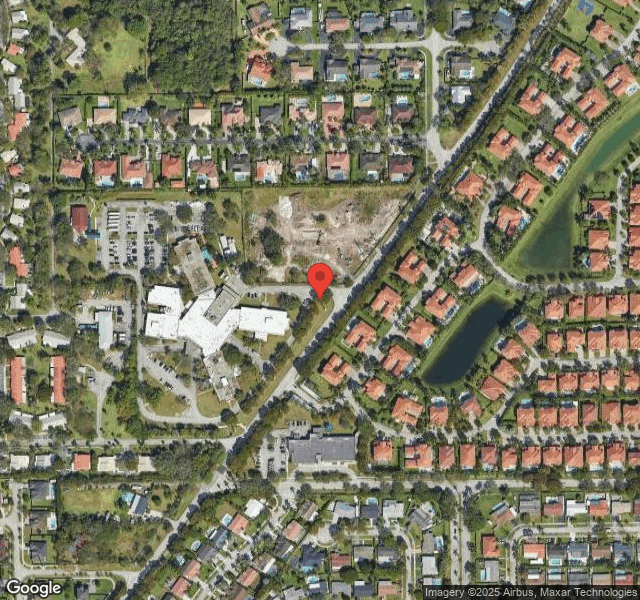
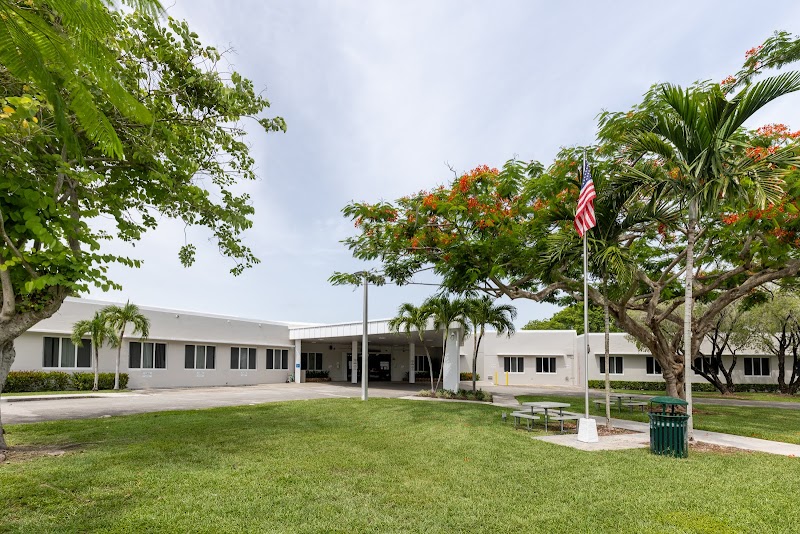
19590 OLD CUTLER ROAD, CUTLER BAY, FL 33157 (786) 466-3500
Government - County 163 Beds Independent Data: November 2025
Trust Grade
80/100
#54 of 690 in FL
Last Inspection: October 2024

Within standard 12-15 month inspection cycle. Federal law requires annual inspections.

Overview

Jackson Memorial Perdue Medical Center in Cutler Bay, Florida, has a Trust Grade of B+, which means it's above average and recommended for families considering care options. Ranking #54 out of 690 facilities in Florida places it in the top half, and it is #10 of 54 in Miami-Dade County, indicating only nine other local facilities are rated higher. However, the facility's trend is worsening, with issues increasing from 4 in 2023 to 8 in 2024. Staffing is a strong point, with a 5/5 star rating and a low turnover rate of 19%, which is significantly better than the state average. Despite having more RN coverage than 91% of Florida facilities, the center has faced issues like a resident suffering burns from hot coffee and failing to implement safety measures for residents at risk of falling. Additionally, the facility has accumulated fines totaling $28,045, which is an average amount compared to others in Florida. Overall, while there are strengths in staffing and ranking, families should be aware of the recent trend of increasing concerns and specific incidents that have occurred.

Trust Score
B+
80/100
In Florida
#54/690
Top 7%
Safety Record
Moderate
Needs review
Inspections
Getting Worse
4 → 8 violations
Staff Stability
✓ Good
19% annual turnover. Excellent stability, 29 points below Florida's 48% average. Staff who stay learn residents' needs.
Penalties
✓ Good
$28,045 in fines. Lower than most Florida facilities. Relatively clean record.
Skilled Nurses
✓ Good
Each resident gets 82 minutes of Registered Nurse (RN) attention daily — more than 97% of Florida nursing homes. RNs are the most trained staff who catch health problems before they become serious.
Violations
⚠ Watch
13 deficiencies on record. Higher than average. Multiple issues found across inspections.
★★★★★
5.0
Overall Rating
★★★★★
5.0
Staff Levels
★★★★★
5.0
Care Quality
★★★☆☆
3.0
Inspection Score
Stable
2023: 4 issues
2024: 8 issues

The Good

  • 5-Star Staffing Rating · Excellent nurse staffing levels
  • 5-Star Quality Measures · Strong clinical quality outcomes
  • Low Staff Turnover (19%) · Staff stability means consistent care
  • Full Sprinkler Coverage · Fire safety systems throughout facility
  • No fines on record
  • Staff turnover is low (19%)

    29 points below Florida average of 48%

Facility shows strength in staffing levels, quality measures, staff retention, fire safety.

The Bad

Federal Fines: $28,045

Below median ($33,413)

Moderate penalties - review what triggered them

The Ugly 13 deficiencies on record

1 actual harm
Oct 2024 7 deficiencies
CONCERN (D)

Potential for Harm - no one hurt, but risky conditions existed

MDS Data Transmission (Tag F0640)

Could have caused harm · This affected 1 resident

**NOTE- TERMS IN BRACKETS HAVE BEEN EDITED TO PROTECT CONFIDENTIALITY** Based on record review and interview, the facility failed to accurately code the Minimum Data Set (MDS) for one (Resident #158) ...

Read full inspector narrative →
**NOTE- TERMS IN BRACKETS HAVE BEEN EDITED TO PROTECT CONFIDENTIALITY** Based on record review and interview, the facility failed to accurately code the Minimum Data Set (MDS) for one (Resident #158) out of 31 residents reviewed for resident assessments. As evidenced by inaccurate coding of MDS section for Discharge Status for Resident #158. The facility census was 154 residents at the time of the survey. The findings included: Record review of Resident #158's Discharge Return Not Anticipated Minimum Data Set (MDS) dated [DATE] Section for Identification Information in subsection for Discharge Status documented that the resident was discharged to an Acute Hospital. Review of the Physician's Orders Sheet for July 2024 revealed Resident #158 had orders that included but not limited to: Discharge to ALF (Assisted Living Facility), once until 07/24/2024. Review of nurses' progress notes for Resident #158 documented on 07/24/2024 timestamped 12:40: Resident d/c (discharged ) to ALF at 1240 via transport. Resident left via transport. Resident left with w/c, (wheelchair). 0900 all medications administered by assigned nurse prior to discharge. Medication education provided and all upcoming appointments reviewed with resident and verbalized understanding. All safety and comfort measures in place. Further review of the medical records for Resident #158 revealed the resident was admitted to the facility on [DATE]. Clinical diagnoses included but not limited to: Atrial Fibrillation. Resident #158 was discharged on 07/24/2024. Record review of Resident #158's Care Plan dated 04/29/2024 revealed: Resident's Short Term Discharge Plan: The plan for resident is to be discharged back to ALF. Interventions included: The goal for the resident is to have all needs met related to discharge planning and staff to assist and coordinate with the resident as needed for a safe discharge. On 10/24/2024 at 10:02 AM, during an interview with Registered Nurse, Minimum Data Set Coordinator (Staff E), the surveyor had Staff E check the nurses progress notes documented on 07/24/2024 that noted the resident was discharged to ALF and check the Discharge Minimum Data Set with reference dated 07/24/2024, Section A that documented that the resident was discharged to an acute hospital. Staff E acknowledged the discrepancy. Staff E stated, We get the information from Social Services, and it is also discussed in the morning meeting. Social Services also makes a note to where the resident is being discharged to. The coding of 04 was entered and should be 01. According to the note, resident was discharged to ALF. Review of the facility's policy and procedures titled Nursing Care: MDS - 3.0 Resident Assessment Instrument dated 01/10/2023 states: Purpose - The MDS is used to provide a holistic assessment of each resident to promote optimum quality of care and quality of life. It is also used to identify resident care problems that are addressed in an individualized resident centered care plan, as for Medicare reimbursement. It is imperative that all sections are accurately coded by each discipline.
CONCERN (D)

Potential for Harm - no one hurt, but risky conditions existed

Assessment Accuracy (Tag F0641)

Could have caused harm · This affected 1 resident

**NOTE- TERMS IN BRACKETS HAVE BEEN EDITED TO PROTECT CONFIDENTIALITY** Based on record review and interview, the facility failed to accurately code the Minimum Data Set (MDS) for one (Resident #158) ...

Read full inspector narrative →
**NOTE- TERMS IN BRACKETS HAVE BEEN EDITED TO PROTECT CONFIDENTIALITY** Based on record review and interview, the facility failed to accurately code the Minimum Data Set (MDS) for one (Resident #158) out of 31 residents reviewed for resident assessments. As evidenced by inaccurate coding of MDS section for Discharge Status for Resident #158. The facility census was 154 residents at the time of the survey. The findings included: Review of the medical records for Resident #158 revealed the resident was admitted to the facility on [DATE]. Clinical diagnoses included but not limited to: Atrial Fibrillation. Resident #158 was discharged on 07/24/2024. Record review of Resident #158's Discharge Return Not Anticipated Minimum Data Set (MDS) dated [DATE] Section for Identification Information in subsection for Discharge Status documented that the resident was discharged to an Acute Hospital. Review of the Physician's Orders Sheet for July 2024 revealed Resident #158 had orders that included but not limited to: Discharge to ALF (Assisted Living Facility), once until 07/24/2024. Review of nurses' progress notes for Resident #158 documented on 07/24/2024 timestamped 12:40: Resident d/c (discharged ) to ALF at 1240 via transport. Resident left via transport. Resident left with w/c, (wheelchair). 0900 all medications administered by assigned nurse prior to discharge. Medication education provided and all upcoming appointments reviewed with resident and verbalized understanding. All safety and comfort measures in place. Record review of Resident #158's Care Plan dated 04/29/2024 revealed: Resident's Short Term Discharge Plan: The plan for resident is to be discharged back to ALF. Interventions included: The goal for the resident is to have all needs met related to discharge planning and staff to assist and coordinate with the resident as needed for a safe discharge. On 10/24/2024 at 10:02 AM, during an interview with Registered Nurse, Minimum Data Set Coordinator (Staff E), the surveyor had Staff E check the nurses progress notes documented on 07/24/2024 that noted the resident was discharged to ALF and check the Discharge Minimum Data Set with reference dated 07/24/2024, Section A that documented that the resident was discharged to an acute hospital. Staff E acknowledged the discrepancy. Staff E stated, We get the information from Social Services, and it is also discussed in the morning meeting. Social Services also makes a note to where the resident is being discharged to. The coding of 04 was entered and should be 01. According to the note, resident was discharged to ALF. Review of the facility's policy and procedures titled Nursing Care: MDS - 3.0 Resident Assessment Instrument dated 01/10/2023 states: Purpose - The MDS is used to provide a holistic assessment of each resident to promote optimum quality of care and quality of life. It is also used to identify resident care problems that are addressed in an individualized resident centered care plan, as for Medicare reimbursement. It is imperative that all sections are accurately coded by each discipline.
CONCERN (D)

Potential for Harm - no one hurt, but risky conditions existed

Comprehensive Care Plan (Tag F0656)

Could have caused harm · This affected 1 resident

**NOTE- TERMS IN BRACKETS HAVE BEEN EDITED TO PROTECT CONFIDENTIALITY** Based on observation, interview and record review the facility failed to implement care plan interventions related to falls for ...

Read full inspector narrative →
**NOTE- TERMS IN BRACKETS HAVE BEEN EDITED TO PROTECT CONFIDENTIALITY** Based on observation, interview and record review the facility failed to implement care plan interventions related to falls for two out of four residents reviewed (Resident #78 and Resident #151). As evidenced by, during several observations Resident #78 and #151 were in bed with only one fall mat on the floor of each resident's bedside. The findings Included: 1) Observation on 10/22/24 at 10:00 AM; Resident #78 was asleep in bed, one floor mat noted on floor next to the bed's right side. Observation on 10/23/24 at 08:02 AM; Resident #78 was asleep in bed, breakfast tray on overbed table, one floor mat noted on floor next to the bed's right side. Review of Resident #78's medical records revealed the resident was admitted to the facility on [DATE]. Clinical diagnoses included but not limited to: Essential (primary) hypertension and Unspecified dementia with behavioral disturbance. Review of Resident #78's Physician Order Sheets for October 2024 revealed orders that included but not limited to: Low bed and Bilateral floor mats when resident in bed every shift, morning, evening and night. Record review of Resident #78 's Care Plans Reference Date 06/30/23 revealed: Resident #78 has a Potential for Falls related to: Decreased functional mobility Decreased Activities of Daily Life functions: Resident has poor safety awareness. Resident is at risk for falls. On 10/26/21 the resident was found on kneeling position. The resident stated that he was attempting to walk to the bathroom. No apparent injuries noted. Denied pain. On 11/07/21 the resident was found sitting on the floor in front of his wheelchair; No apparent injury noted related to this fall. Provider notified. 02/14/22 resident was observed sitting on floor mat next to his bed. No apparent injury noted related to this fall. Provider aware; no new orders. 03/28/23 fall with orders for transfer to local hospital for further evaluation/treatment and management to rule out fracture and/or deformity. 06/30/23 resident was found on the floor, no apparent injury noted related to this fall. Primary provider and guardian were notified. New order carried out. 7/9/23: Resident found sitting on the floor during shift change, bed was in lowest position. Assessment done no injuries noted, denied pain or discomfort, Certified Nursing Assistant (CNAs) ordered to make hourly rounds. Bed kept in lowest position; resident educated to use call light for assistance. 02/09/24 Resident was found sitting on the floor status post fall from wheelchair, denied pain/discomfort. Physician (MD) notified, no new order. 08/01/24: Resident was found lying on the floor on his right side. The resident stated he crawled from his bed to the front door. He is able to move all extremities. No changes noted in his level of consciousness. Education provided on safety and the use of call lights for assistance. Resident acknowledged teachings; however, resident has poor safety awareness and poor insight into his limitations. Goal included: Resident will be free from injurious falls through next review date. Resident will minimize fall incident through the next review date. Resident will maintain safety and will be free from related complications of fall through the next review date. Resident will be assessed with potential strategies and reevaluated based on needs to decrease potential harm secondary to fall through next review date. Interventions included: Keep bed at lowest level at night or when resident is in bed. 02/17/22 Maintain on Low bed and place bilateral floor mats while in bed for safety as resident presents high risk for falls as ordered. Maintain fall and safety precautions at all times. 10/26/21 Educate, review safety precautions and risks of fall, related injuries including physical limitations for safety. Educate to call for assistance at all times. Ensure that assistance is available at all times .Place mats on floor for safety. 02/14/22 Keep resident on close supervision for safety. Continue with more physical rounding on shift for safety and check for incontinence. Continue to re-educate physical limitations for safety and encourage/remind to call for assistance at all times for safety. 08/01/24: Remind and educate safety precautions, risks of falls and physical limitations. Encourage to use call light and ask staff for Review of Resident #78's Physician Order Sheets for October 2024 revealed orders that included but not limited to: Low bed and Bilateral floor mats when resident in bed every shift, morning, evening and night. Review of Resident # 78's Quarterly Minimum Data Set (MDS) dated [DATE] documented in the section for Cognitive Patterns, a Brief Interview for Mental Status (BIMS) score of 5 out of 15 which indicates severe cognitive impairment. The Section for Behaviors indicated no behaviors exhibited. The Section for Functional Status documented the resident is dependent for care and the section for restraints documented no restraints or alarms used. 2) Observation on 10/21/24 at 09:34 AM; Resident #151 was asleep in bed, one floor mat noted on floor next to the bed's left side. On 10/22/24 at 09:50 AM; Resident #151 in asleep in bed, one floor mat in place on the left next to the bed. Review of Resident #151's medical records revealed the resident was admitted to the facility on [DATE]. Clinical diagnoses included but not limited to: Traumatic Subdural hemorrhage with loss of consciousness status unknown, subsequent encounter. Other fracture of lower end of right tibia, subsequent encounter for closed fracture with routine healing. Review of Resident #151's Physician's Orders Sheet for October 2024 revealed orders that included but not limited to: Low bed and bilateral floor mats while resident in bed, patient at high risk for fall. Record review of Resident # 151's Care Plans Reference Dated 11/05/23 revealed: Resident has a Potential for Falls related to: Decreased functional mobility Decreased activities of daily life functions: Resident has poor safety awareness. Goals: Resident will be free from injurious falls through next review date. Resident will minimize fall incident through the next review date. Interventions include maintaining fall and safety precautions at all times. 09/15/24 Maintain on low bed with bilateral floor mats while resident in bed as ordered as resident presents high risks for falls. Review of Resident # 151's admission Minimum Data Set (MDS) dated [DATE] documented in the section for Cognitive Patterns; a Brief Interview for Mental Status score of 7 out of 15 which indicates severe cognitive impairment. The section for Functional Status documented the resident is dependent for care. The section for medications documented the resident is taking Anticoagulant medications and the section for Restraints documented no restraints or alarms used. During an interview on 10/23/24 at 12:59 PM; Certified Nursing Assistant (CNA) (Staff F) South Wing revealed, during shift meetings staff are told what patients require fall mats. When we make rounds in the morning we check to make sure the residents have their mats while they are in bed, if a resident's floor mat is missing we first look under the bed because we remove the floor mats when providing care and place them under the bed, if the floor mats are not under the bed, we report it to the nurse, the nurse then calls housekeeping to get a replacement mat. Interview on 10/23/24 at 01:05 PM; Certified Nursing Assistant (CNA) (Staff G) South Wing stated: During my rounds I check to make sure my residents who are assigned floor mats have their floor mats and their bed are in the lowest position when they are in bed. If a resident's floor mats are missing, we first look under the bed because we remove the floor mats when providing care and place them under the bed. If the floor mats are not under the bed, we report it to the nurse, the nurse then calls housekeeping to get a replacement mat. Interview on 10/23/24 at 01:14 PM; Registered Nurse (RN) (Staff H) South Wings revealed: Residents are assessed for floor mats and orders are placed in the electronic system for each resident. During shift reports we discuss what resident has what type of orders. During my rounds I check to make sure the residents have their floor mats, if a resident's floor mat is missing, I notify my supervisor and ensure we get a replacement. Interview on 10/23/24 at 01:20 PM; South Wing Registered Nurse (RN) (Staff I) stated: During rounds I check on my residents and check to make sure their floor mats are in place, if the floor mats are missing, I would call the maintenance department and request they bring floor mats for the resident and notify my supervisor. Interview on 10/24/24 at 09:54 AM; the Director of Nursing/Risk Manager stated: All residents get reviewed upon admission and quarterly for falls, when they are at high risk for falls, they are given orders for floor mats, the nurses have access to the orders, the CNAs receive the information from their shift reports. During rounds all nursing staff should be checking the residents to make sure they have their floor mats when the residents are in bed. Review of the facility policy and procedure titled Interdisciplinary Care Planning revision date 10/09/24 indicated: Purpose: To assure that each resident is the recipient of an individualized, interdisciplinary, holistic and therapeutic approach to his/her problems/need.
CONCERN (D)

Potential for Harm - no one hurt, but risky conditions existed

Accident Prevention (Tag F0689)

Could have caused harm · This affected 1 resident

**NOTE- TERMS IN BRACKETS HAVE BEEN EDITED TO PROTECT CONFIDENTIALITY** Based on observation, interview, and record review the facility failed to ensure safety measures were implemented for two vulner...

Read full inspector narrative →
**NOTE- TERMS IN BRACKETS HAVE BEEN EDITED TO PROTECT CONFIDENTIALITY** Based on observation, interview, and record review the facility failed to ensure safety measures were implemented for two vulnerable residents (Resident #78 and Resident #151) out of four residents reviewed for falls. As evidenced by, during several observations Resident #78 and Resident #151 were observed in bed with only one floor mat (fall mats) on the floor of the residents' bedside. The findings Included: 1) Observation on 10/22/24 at 10:00 AM; Resident #78 was asleep in bed, one floor mat noted on floor next to the bed's right side. Observation on 10/23/24 at 08:02 AM; Resident #78 was asleep in bed, breakfast tray on overbed table, one floor mat noted on floor next to the bed's right side. Review of Resident #78's medical records revealed the resident was admitted to the facility on [DATE]. Clinical diagnoses included but not limited to: Essential (primary) hypertension and Unspecified dementia with behavioral disturbance. Review of Resident #78's Physician Order Sheets for October 2024 revealed orders that included but not limited to: Low bed and Bilateral floor mats when resident in bed every shift, morning, evening and night. Review of Resident # 78's Quarterly Minimum Data Set (MDS) dated [DATE] documented in the section for Cognitive Patterns, a Brief Interview for Mental Status (BIMS) score of 5 out of 15 which indicates severe cognitive impairment. The Section for Behaviors indicated no behaviors exhibited. The Section for Functional Status documented the resident is dependent for care and the section for restraints documented no restraints or alarms used. Record review of Resident #78 's Care Plans Reference Date 06/30/23 revealed: Resident #78 has a Potential for falls related to: Decreased functional mobility Decreased Activities of Daily Life functions: Resident has poor safety awareness. Resident is at risk for falls. On 10/26/21 the resident was found on kneeling position. The resident stated that he was attempting to walk to the bathroom. No apparent injuries noted. Denied pain. On 11/07/21 the resident was found sitting on the floor in front of his wheelchair; No apparent injury noted related to this fall. Provider notified. 02/14/22 resident was observed sitting on floor mat next to his bed. No apparent injury noted related to this fall. Provider aware; no new orders. 03/28/23 fall with orders for transfer to local hospital for further evaluation/treatment and management to rule out fracture and/or deformity. 06/30/23 resident was found on the floor, no apparent injury noted related to this fall. Primary provider and guardian were notified . 7/9/23: Resident found sitting on the floor during shift change . Assessment done no injuries noted .Certified Nursing Assistant (CNA) ordered to make hourly rounds. Bed kept in lowest position; resident educated to use call light for assistance. 02/09/24 Resident was found sitting on the floor status post fall from wheelchair, denied pain/discomfort. Physician (MD) notified, no new order. 08/01/24: Resident was found lying on the floor on his right side. The resident stated he crawled from his bed to the front door. He is able to move all extremities. No changes noted in his level of consciousness. Education provided on safety and the use of call lights for assistance. Resident acknowledged teachings; however, resident has poor safety awareness and poor insight into his limitations. Goal included: Resident will be free from injurious falls through next review date. Resident will minimize fall incident through the next review date. Resident will maintain safety and will be free from related complications of fall through the next review date. Resident will be assessed with potential strategies and reevaluated based on needs to decrease potential harm secondary to fall through next review date. Interventions included: Keep bed at lowest level at night or when resident is in bed. 02/17/22: Maintain on Low bed and place bilateral floor mats while in bed for safety as resident presents high risk for falls as ordered. Maintain fall and safety precautions at all times. 10/26/2: Educate, review safety precautions and risks of fall, related injuries including physical limitations for safety .Place mats on floor for safety. 2) Observation on 10/21/24 at 09:34 AM; Resident #151 was asleep in bed, one floor mat noted on floor next to the bed's left side. On 10/22/24 at 09:50 AM; Resident #151 was observed in bed asleep, one floor mat in place on floor at left side next to the bed. Review of Resident #151's medical records revealed the resident was admitted to the facility on [DATE]. Clinical diagnoses included but not limited to: Traumatic Subdural hemorrhage with loss of consciousness status unknown, subsequent encounter. Other fracture of lower end of right tibia, subsequent encounter for closed fracture with routine healing. Review of Resident #151's Physician's Orders Sheet for October 2024 revealed orders that included but not limited to: Low bed and bilateral floor mats while resident in bed, patient at high risk for fall. Review of Resident # 151's Care Plans Reference Dated 11/05/23 indicated the resident has a potential for falls related to decreased functional mobility, decreased activities of daily life functions and poor safety awareness. Goals included: Resident will be free from injurious falls through next review date. Resident will minimize fall incident through the next review date. Interventions included: maintaining fall and safety precautions at all times. 09/15/24- maintain on low bed with bilateral floor mats while resident in bed as ordered as resident presents high risks for falls. Record review of Resident # 151's admission Minimum Data Set (MDS) dated [DATE]/24 documented in the section for Cognitive Patterns; a Brief Interview for Mental Status score of 7 out of 15 which indicates severe cognitive impairment. The section for Functional Status documented the resident is dependent for care. The section for medications documented the resident is taking Anticoagulant medications and the section for Restraints documented no restraints or alarms used. During an interview on 10/23/24 at 12:59 PM; Certified Nursing Assistant (CNA) (Staff F) South Wing revealed, during shift meetings staff are told what patients require fall mats. When we make rounds in the morning we check to make sure the residents have their mats while they are in bed, if a resident's floor mat is missing we first look under the bed because we remove the floor mats when providing care and place them under the bed, if the floor mats are not under the bed, we report it to the nurse, the nurse then calls housekeeping to get a replacement mat. Interview on 10/23/24 at 01:05 PM; Certified Nursing Assistant (CNA) (Staff G) South Wing stated: During my rounds I check to make sure my residents who are assigned floor mats have their floor mats and their bed are in the lowest position when they are in bed. If a resident's floor mats are missing, we first look under the bed because we remove the floor mats when providing care and place them under the bed. If the floor mats are not under the bed, we report it to the nurse, the nurse then calls housekeeping to get a replacement mat. Interview on 10/23/24 at 01:14 PM; Registered Nurse (RN) (Staff H) South Wings revealed: Residents are assessed for floor mats and orders are placed in the electronic system for each resident. During shift reports we discuss what resident has what type of orders. During my rounds I check to make sure the residents have their floor mats, if a resident's floor mat is missing, I notify my supervisor and ensure we get a replacement. Interview on 10/23/24 at 01:20 PM; South Wing Registered Nurse (RN) (Staff I) stated: During rounds I check on my residents and check to make sure their floor mats are in place, if the floor mats are missing, I would call the maintenance department and request they bring floor mats for the resident and notify my supervisor. Interview on 10/24/24 at 09:54 AM; the Director of Nursing/Risk Manager stated: All residents get reviewed upon admission and quarterly for falls, when they are at high risk for falls, they are given orders for floor mats, the nurses have access to the orders, the CNAs receive the information from their shift reports. During rounds all nursing staff should be checking the residents to make sure they have their floor mats when the residents are in bed. Review of the facility's policy and procedure titled Fall/Accident Prevention/Reduction Program Dated 04/22/23 states: Fall Prevention/Reduction Program: Fall risk assessments are completed on admission, quarterly, annually, with significant changes, post fall and as needed. Residents with high-risk scores will have additional interventions, including but not limited to, floor mats and low beds, or other individualized devices.
CONCERN (D)

Potential for Harm - no one hurt, but risky conditions existed

Pharmacy Services (Tag F0755)

Could have caused harm · This affected 1 resident

Based on observations, interviews and record review the facility failed to follow pharmacy procedure of less than 5% resulting in a of 6.25% medication error rate out of 31 opportunities; as evidenced...

Read full inspector narrative →
Based on observations, interviews and record review the facility failed to follow pharmacy procedure of less than 5% resulting in a of 6.25% medication error rate out of 31 opportunities; as evidenced by an observations of an inappropriate administration of a chewable form of aspirin, an omission of a magnesium 100 mg (milligram) capsule, and administration of insulin without providing privacy while another resident was in the room. There were 154 residents residing in the facility at the time of survey. The findings included: On 10/22/24 at 9:46 AM a medication administration observation was completed with Staff A, Registered Nurse (RN) on Medication Cart number two, in The South Wing Nursing Unit for Resident#107. Staff A, RN verified physician's orders and placed pills into one medication cup which included a chewable form of Aspirin 81 mg tablet. Staff A, RN did not place a prescribed Magnesium 100 mg capsule into medication cup and when asked the reason, Staff A, RN stated, The Magnesium 100 mg capsule was not in the medication cart and the pharmacy is aware and has not delivered it yet. It was last given yesterday. Staff A, RN then placed the cup of pills and a cup of water on top of a Styrofoam plate, knocked on Resident 107's door and asked for permission to enter. Once inside, Staff A, RN introduced self, verified resident by name and provided privacy. Staff A, RN named the medications in the cup to Resident#107, however did not state that there was a chewable form of the Aspirin nor any instruction to chew the pill separately or that the Magnesium capsule was not included. Staff A, RN attempted to administer all medications together and was stopped by surveyor before administration and asked to return to medication cart. The surveyor asked Staff A, RN if it is ok to administer the chewable form of Aspirin with the other medications without instructing the resident to chew? Staff A, RN replied, [Resident#107] usually takes all the medications together, but I can separate it. I can ask the resident if chewing or taking whole is preferred. I will get my supervisor. Staff C, RN Manager for South Wing approached the medication cart and instructed Staff A, RN that Resident#107 needs to be asked in Creole language what is the preference when taking the chewable medication and indicated that a Creole speaking staff member would assist. The surveyor asked Staff A, RN, what the facility's protocol for administering chewable medications to residents. Staff A, RN stated: I don't know the exact protocol and you can find out with the manager. I normally administer all the medications together because the resident does not like to chew the chewable Aspirin; if the resident refuses the medication I will call the physician. Staff C, RN Manager approached cart accompanied by Staff B, a Certified Nursing assistant (CNA). Staff B, CNA, (speaking Creole) asked Resident#107 if she wanted to chew the aspirin, Resident#107 agreed. Staff A, RN then administered chewable form of Aspirin to Resident #107, and Resident#107 chewed the pill. Staff A then administered the remaining medications. Staff C, RN Manager, stated When administering a chewable form of a tablet the nurse is to instruct the resident to chew before administering the medication and then it's the resident 's preference if they want to take it whole. Record review of a demographic sheet for Resident#107 revealed an admission date of 7/5/23 with diagnosis that included: Encounter for prophylactic measures, and Nutritional deficiency. Further review of Resident#107's physician orders revealed an order dated 7/5/23 for Chewable Aspirin 81 mg tablet, chewable directions one tablet by mouth once a day for encounter for prophylactic measures and an order dated 10/11/24 for magnesium glycinate 100 mg capsule once a day at 9:00 AM for supplement. On 10/22/24 at 11:25 AM A blood glucose check and insulin administration observation was done with Staff D, RN on medication cart number one in The South wing nursing unit for Resident#135. Staff D, RN performed a blood glucose check and administered prescribed insulin for Resident #135 and did not provide privacy, there was another resident in the room at the time of the observation. The surveyor asked Staff D, RN How is privacy provided for the residents during medication administration? Staff D, RN replied, I normally close the door or pull the curtain while administering medications or testing blood glucose. I did not pull the curtain around resident or close the door because I wanted to make sure you (the surveyor) can see the procedure. Record review of a demographic sheet for Resident#135 revealed an admission date of 10/15/24 with diagnosis that included: Type 2 diabetes mellitus without complication. On 10/24/24 at 10:15 AM, an interview was conducted with the Director of Nursing (DON). The DON stated, If a medication is ordered as chewable it should be chewed depending on resident's preference. The nurse is to instruct the resident to chew the pill before administration. The medication nurse is responsible for reordering medications when the count is low and ensuring the medication is available to be administered. Record review of Policy entitled, Nursing medication subject medication Administration and documentation revised: 4/22/24 revealed Policy: All Medications shall be ordered by an authorized provider and administered in compliance with community standard nursing policy, while accommodating residents'' preferences/requests. Procedures: F. Availability of medication: 1. Medications will be re-ordered at least five days prior to depletion of current stock.
CONCERN (D)

Potential for Harm - no one hurt, but risky conditions existed

Unnecessary Medications (Tag F0759)

Could have caused harm · This affected 1 resident

Based on observations, interviews and record review facility failed to ensure medication error rate was below 5% as evidenced by a medication error rate of 6.25% out of 31 opportunities which included...

Read full inspector narrative →
Based on observations, interviews and record review facility failed to ensure medication error rate was below 5% as evidenced by a medication error rate of 6.25% out of 31 opportunities which included an omission and an incorrect administration of a medication. There were 154 residents residing in the facility at the time of survey. The findings included: On 10/22/24 at 9:46 AM a medication administration observation was completed with Staff A, Registered Nurse (RN) on Medication Cart number two, in The South Wing Nursing Unit for Resident#107. Staff A, RN verified physicians and placed pills into one medication cup which included a chewable form of Aspirin 81 mg tablet. Staff A, RN did not place a prescribed Magnesium 100 mg(milligram) capsule into medication cup and when asked the reason, Staff A, RN stated, The Magnesium 100 mg capsule was not in the medication cart and the pharmacy is aware and has not delivered it yet. It was last given yesterday. Staff A, RN then placed the cup of pills and a cup of water on top of a Styrofoam plate, knocked on Resident 107's door and asked for permission to enter. Once inside, Staff A, RN introduced self, verified resident by name and provided privacy. Staff A, RN named the medications in the cup to Resident#107, however did not state that there was a chewable form of the Aspirin nor any instruction to chew the pill separately or that the Magnesium capsule was not included. Staff A, RN attempted to administer all medications together and was stopped by surveyor before administration and asked to return to medication cart. Staff A, RN was asked by and surveyor Is it ok to administer the chewable form of Aspirin with the other medications without instructing the resident to chew? Staff A, RN replied, Resident#107 usually takes all the medications together, but I can separate it. I can ask the resident if chewing or taking whole is preferred. I will get my supervisor. Staff C, RN Manager for South wing approached cart and instructed Staff A, RN that Resident#107 needs to be asked in the Creole language what is the preference when taking the chewable medication and indicated that a Creole speaking staff member would assist. Surveyor asked Staff A, RN What is the protocol for administering chewable medications to residents? Staff A, RN stated, I don't know the exact protocol and you can find out with the manager. I normally administer all the medications together because the resident does not like to chew the chewable Aspirin. Stated if the resident refuses the medication I will call the physician. Staff C, RN Manager approached the medication cart accompanied by Staff B, a Certified Nursing assistant (CNA). Staff B, CNA, (speaking Creole) asked Resident#107 if she wanted to chew the aspirin and Resident#107 agreed. Staff A, RN then administered the chewable Aspirin and Resident#107 chewed the pill. Staff A and RN then administered the remaining medications. Staff C, RN Manager, stated When administering a chewable form of a tablet the nurse is to instruct the resident to chew before administering the medication and then its resident preference if they want to take it whole. Record review of a demographic sheet for Resident#107 revealed an admission date of 7/5/23 with diagnosis that included: Encounter for prophylactic measures, and Nutritional deficiency. Record review of physician's order sheet for Resident#107 revealed an order dated 7/5/23 for Chewable Aspirin 81 mg tablet, chewable directions one tablet by mouth once a day for encounter for prophylactic measures, and an order dated 10/11/24 for magnesium glycinate 100 mg capsule once a day at 9:00 AM for supplement. On 10/24/24 at 10:15 AM An interview was conducted with Director of Nursing (DON) related to the identified concerns. The DON stated, If a medication is ordered as chewable it should be chewed depending on residents' preference. The nurse is to instruct the resident to chew the pill before administration. The medication nurse is responsible for reordering medications when the count is low and ensuring the medication is available to be administered. Record review of Policy entitled, Nursing medication subject medication Administration and documentation revised: 4/22/24 revealed Policy: All Medications shall be ordered by an authorized provider and administered in compliance with community standard nursing policy, while accommodating residents'' preferences/requests. Procedures: F. Availability of medication: 1. Medications will be re-ordered at least five days prior to depletion of current stock.
CONCERN (E)

Potential for Harm - no one hurt, but risky conditions existed

QAPI Program (Tag F0867)

Could have caused harm · This affected multiple residents

Based on observations, interviews and record review, the facility failed to demonstrate effective plan of actions were implemented to correct identified quality deficiencies in the problem area relate...

Read full inspector narrative →
Based on observations, interviews and record review, the facility failed to demonstrate effective plan of actions were implemented to correct identified quality deficiencies in the problem area related to repeated deficient practices for F656 Develop/Implement Comprehensive Care Plans related to the facility failed to implement interventions of place bilateral floor mats by the bed for Resident # 78 and Resident #151 and F689 Free of Accidents Hazards/ Supervision/Devices related to the facility failure to ensure the safety measures were implemented for Resident #78, and Resident #151. there were 154 residents residing in the facility at the time of the survey. The findings included: Record review of the facility's survey history revealed, during a recertification survey with exit dated July 13, 2023. F656 Develop/Implement Comprehensive Care Plans was cited related to failure to implement care plan interventions related to bleeding precautions for two residents (Resident # 89, and Resident # 93) and the facility failed to develop and implement a comprehensive care plan related to a nephrostomy tube for one resident (Resident # 89) F689 Free of Accidents Hazards/Supervision/Devices the facility failed to provide a safe environment related to bed side rail pads to prevent accidents for one Resident (Resident# 89). Interview with Administrator on 10/24/24 at 01:49 PM. She stated the Quality Assurance and Performance Improvement (QAPI) committee had the monthly meeting on the third Thursday each month. The committee members include Medical Director, Administrator, Director of Nursing, Assistant Director of Nursing, Pharmacy Consultant, Dietary Manager, Registered Dietitian, Medical Records, MDS Coordinator, Social Services Director, Maintenance Director, Housekeeping Director, Departments Heads, one nurse and a Certified Nursing Assistant. Reviewing the last time meeting and had a quick discussion. Quality Assurance is monitoring continuously, communicate with the head of the department to always ensure tracking of the issues; always looking at new ideas to enhance and expedite the work being done. For concerns related to Develop/Implement Comprehensive Care Plans and Free of Accidents Hazards/Supervision/Devices, all staff will have in-services education conducted by the Director of Nursing/ Assistant Director of Nursing regarding care plans implemented to residents to ensure the safety of residents. A facility wide audit will be done to ensure all residents with interventions of bilateral floor mats were placed by the bed to prevent falls. Review of the Policy and procedures revealed the facility organization has a comprehensive, date-drive Quality Assurance Performance Improvement Program that focuses on indicators of the outcomes of care and quality of life. Procedure: Program Design and Scope: The entire facility is involved in the QAPI program including all Department Heads and addresses all systems of care and management practices, including clinical care, quality of life, and resident's choices. The overall aim is to improve safety and quality of care, while emphasizing individuality in the daily life of our residents. All best practices are adopted in clinical interventions. Purpose: Our facility purpose is to improve the overall satisfaction of our Residents relating to care, services and disease management, specialized rehabilitative programs and transitions of care, discharge planning and more. We do so by involving al of our TEAM members in ensuring our success. We also strive to implement a preemptive approach to continually improving the manner in which we care for our residents, staff and visitors so we may make our visitors the best choice for providing high quality care.
Sept 2024 1 deficiency 1 Harm
SERIOUS (G) 📢 Someone Reported This

A family member, employee, or ombudsman was alarmed enough to file a formal complaint

Actual Harm - a resident was hurt due to facility failures

Accident Prevention (Tag F0689)

A resident was harmed · This affected 1 resident

**NOTE- TERMS IN BRACKETS HAVE BEEN EDITED TO PROTECT CONFIDENTIALITY** Based on observation, interview and record review the facility failed to ensure the safety and prevent bodily injury for one Res...

Read full inspector narrative →
**NOTE- TERMS IN BRACKETS HAVE BEEN EDITED TO PROTECT CONFIDENTIALITY** Based on observation, interview and record review the facility failed to ensure the safety and prevent bodily injury for one Resident (#1) out of 3 sampled residents and is determined to be at a level of harm, as evidenced by: Resident #1 sustaining first and second degree burns from hot coffee being spilled on the chest and abdominal area of his body. There were 153 residents residing at the facility at the time of the survey. The findings included: Observation on 09/09/2024; starting at 8:07 AM with the Director of Hospital Operations, Dietary Manager and Director of Nutrition of the Pantry rooms beginning with the South Station Pantry, East Station Pantry, and lastly the North Station Pantry. The coffee and hot water temperatures in the three pantries were checked using a digital thermometer. The results were: South Pantry-1 Coffee Pot, 1 Hot Water Pot Hot water-146.6 Fahrenheit (F) Hot coffee -162.6 F East Pantry-1 Coffee Pot, 1 Hot Water Pot Hot Water-123.8 F Hot Coffee-149 F North Station- 2 Coffee Pots, 1 Hot water Pot Hot Water-143.6 F Hot Coffee #1-156.2 F Hot Coffee #2 140 F Observation on 9/9/24 at 11:26 AM of the East Station pantry, a digital thermometer was located in the drawer enclosed in a plastic zip bag. Observation on 9/9/24 at 11:47 AM of the South station dining room, staff were serving lunch trays, no hot liquids served to residents from the pantry. Licensed Practical Nurse, Unit Supervisor (Staff H) observed with digital thermometer in her pocket. Observation on 9/9/24 at 11:39 AM with the Director of Nursing (DON) of the North Station Pantry, no thermometer was found in the pantry. Review of the facility policy and procedures titled Serving Hot Liquids reviewed 10/10/23 states: The dietary department will strive to serve hot liquids at temperatures that are safe for residents to handle and palatable for their dining enjoyment. Procedure: item # 6. For dining in the remote dining areas, the kitchen provides all hot beverages and soups for the dining area. Temperature of hot liquids will not exceed 155 degrees at time of delivery to the resident. Review of the facility's policy and procedures titled Safety and Supervision of Residents dated 04/05/2023; documented:: Our facility strives to make the environment as free from accident hazards as possible. Resident safety, supervision and assistance are facility-wide priorities. Procedures: item #8. Implementing interventions to reduce accident risks and hazards are based on resident assessment and observation and shall include the following. a. Communicating specific interventions to all relevant staff b. Assigning responsibility for carrying out interventions c. Documenting Interventions. 9. Monitoring the effectiveness of interventions shall include the following: a. Ensuring that interventions are implemented correctly and consistently b. Evaluating the effectiveness of interventions c. Modifying or replacing interventions as needed and d. Evaluating the effectiveness of new or revised interventions. Review of the nurse's progress notes dated 08/25/2024 timestamped 11:02 documented-Resident spilled a cup of hot coffee on himself while in the bed. Chest and abdomen red, warm and painful to touch. No open areas or blistering at this time. Advanced Registered Nurse Practitioner (ARNP) notified. Order received for Silvadene cream topically twice a day and wound care evaluation for Monday. Record review of the weekly skin assessment dated [DATE] at 4:30 PM documented chest and left upper abdomen noted with intact blister and redness around status post coffee spilled, treatment in place as ordered, slight tenderness. Record review of the Agency for Health Care Administration (AHCA) Immediate report documented- Date/Time of Incident: 08/25/24; Type of Incident: Neglect/bodily injury; Description of Incident: The resident spilled a cup of hot coffee on himself while in the bed. Chest and abdomen red, warm, and painful to touch. No open areas or blistering at this time. ARNP notified. New ordered Silvadene cream topically twice a day (BID) and wound care evaluation for Monday. On Monday's evaluation by wound care, two blisters were noted on the resident's right abdomen. Record review of the Agency for Health Care Administration (AHCA) Five-Day report documented-Facility Response/Investigation- Head-to-toe assessment was completed on the resident. The provider was made aware, and treatment was provided to the resident as ordered by the provider. Following the event law enforcement was notified on 08/26/2024 at 11:55 AM and arrived at 12:32 PM. The Police Officer arrived at the facility and interviewed Resident #1. Resident #1 reported to the officer that it was an accident. He explained that as he was moving the side table and the coffee tipped over and fell onto his upper abdomen, the lid popped off and spilled the contents of the cup on him causing the burn. No charges or allegations were made by Resident #1 to law enforcement or the facility. [local community-based agency notified] was notified by the Risk Manager at noon and the call was answered at 12:56 PM the report was given and [the local community-based agency] did not take the case. Initial attempt to report online but the system was not working. Resident #1 assigned nurse stated just before lunch, on Sunday 8/25/2024, the resident requested a cup of coffee. I got him a cup of coffee from the floor coffee dispenser and covered it with a lid to bring to the resident's room. I placed the cup of coffee with a lid that was secured and tightened on the table next to a cup of water on the resident's table. The table was otherwise clear, no garbage or clutter on the table or surrounding area. I left the resident's room. When I returned to the nurses' station the resident had his call light on. I returned to the room and the resident had spilled the coffee on himself. The gown was saturated with coffee. I removed his gown and cleaned him up. The chest and upper abdomen were red, and very painful when touched. There were no open areas or blisters at this time. I reported to the supervisor immediately and then called the provider on call. Provider ordered Silvadene cream to be applied and a wound care consult. When the resident was interviewed, he stated that as he was moving the overbed table, the coffee tipped over and fell onto his upper abdomen, the lid popped off and spilled the contents on him causing the burn. The resident denied any abuse by the staff. The resident had a wound care assessment and is receiving treatment. The allegation of abuse/Neglect was unsubstantiated the resident denied any abuse and the staff acted within proper practice and procedure. The resident is alert and oriented X 4 with full function of his upper extremities and capable of feeding himself. The event was not within the facility control and procedures post-event were appropriate. According to the Florida Agency for Health Care Administration (AHCA), hot beverages like coffee, tea, and hot chocolate are typically served at a temperature of 160-180°F (71-82°C) after the facility investigation, all of our coffee Dispenser temperatures were tested and was serving coffee at 151°F, below the typical serving temperature on the AHCA website. Interview on 9/10/24 at 9:16 AM Licensed Practical Nurse (Staff I) stated: On 8/25/24 I was the assigned nurse for [Resident #1] the resident requested a cup of coffee, I gave the coffee to the resident with a lid on the cup, I sat the coffee on the resident's overbed table and left the room, when I was walking to the nurses' station the call light for the resident's room came on, I went back to the resident's room, the resident told me he had spilt his coffee, I started cleaning the resident and took his gown off, I noticed the skin on his left abdomen was red and sensitive to touch. I notified the supervisor and called the ARNP that was on call, I received an order to apply Silvadene twice a day and a wound care consult. I checked on the resident afterwards several times during my shift, the resident was doing well and had no complaints of pain. Interview on 9/10/24 at 9:59 AM Registered Nurse, Wound Care (Staff K) stated: I completed a skin check on 8/26/24 on the resident. I observed redness on the abdomen with an intact blister, I did not do measurements because it was not a pressure ulcer, I assessed the resident for pain to touch, the resident said he was ok. The resident had an order for Silvadene starting on 8/25/25-apply a thin layer of Silvadene to chest and abdomen twice a day, leave open to air. The resident went to the hospital for a wound evaluation on the thigh unrelated to the redness and blister, at the time the treatment was ongoing for the redness and blister, the area still had some redness, and the blister was still intact. Because of the blister the burn would be classified as a second-degree burn, initially on 8/25/24 the area was just red, the redness would be classified as a first-degree burn. Interview on 9/10/24 at 10:32 AM the Director of Nursing (DON) stated she is aware of the incident that happened to the resident. On 8/28/24 the in-service the Certified Nursing Assistants (CNAs) received was a part of the AHCA Five-day investigation and was about safety and hot liquids-for example, if staff. give a cup of coffee to a resident they should put a lid on it, feel the hotness of the coffee, determine if it is safe to serve to the residents. Future trainings will include starting next week-testing of the coffee in the kitchen and recording the temperatures, thermometers on the floor for staff use to check the temperatures of the coffee, making sure staff have and know the correct temperature range for hot liquids, training the trainer on the guidelines of food safety and temperatures, to present to the staff at the trainings, providing guidance to direct care staff on the floor and the other components of the improvement plan. Currently based on the information provided by the nutrition staff, the temperature range for hot liquids is 155-165 F. I am aware our facility policy presented to you (the surveyor) states temperature of hot liquids will not exceed 155 degrees at time of delivery to the residents. The burns the resident sustained on his chest and abdomen were initially redness and the next day blisters appeared, because of the blisters the burns were classified as second-degree burn. Review of the medical records for Resident #1 revealed resident was admitted to the facility on [DATE]. Clinical diagnoses included but not limited to: Contusion of right thigh, Unspecified cirrhosis of liver, Pressure ulcer of sacral region stage 2, Unspecified open wound right thigh. Resident #1 was discharged on 08/28/24 to the hospital. Review of the Physician's Orders Sheet for August-September 2024 revealed Resident #1 had orders that included but not limited to: 8/25/24- silver sulfadiazine cream; 1 %; amount: thin layer; topical, Special Instructions: Apply a thin layer to chest and abdomen Twice a Day. Record review of Resident # 1's Discharge Return Anticipated Minimum Data Set (MDS) dated [DATE] revealed: Section C for Cognitive Patterns documented Brief Interview for Mental status Score unable to be determined. Section GG for Functional Abilities and Goals documented set or clean up assistance for eating. Section M for Skin Conditions documented stage 2 pressure ulcer, present on admission. Section N for medications documented resident is taking antibiotics, anticoagulants and Opioid. Record review of Resident #1 's Care Plans Reference Date 08/23/2024 revealed: Focus: Resident has a Potential for alteration in skin integrity and skin breakdown related to: 08-23-24 Resident currently has pressure ulcer on admission. Resident is at risk for sign and symptoms of wound infection. On 08-25-24 Resident spilled a cup of hot coffee on himself while in the bed. Noted redness on the chest and abdomen area, warm and painful to touch. No open areas or blistering at this time. ARNP notified. Order received for Silvadene cream topically twice a day. Goal: Resident will be free from further skin breakdown thru next review date. Pressure ulcer will be free from sign and symptom of infection through next review date. Interventions: Nursing assistant to check skin during routine care and report to the nurse for any changes. Heel checks/Body/skin audit weekly. Monitor and Document in matrix changes in skin integrity every week. Wound consultation if needed. Care Plans Reference Date 8/28/24 revealed: Resident's Chest and left upper abdomen noted with an intact blister and redness around, coffee spilled incident, treatment in place as ordered with slight tenderness as noted. Goal: Resident blister formation on the chest and left upper abdomen will remain intact and will not develop signs of infection through next review date. Interventions: Apply treatment to chest and left upper abdomen blister as ordered. Observe site for signs of infection during dressing changes, notify provider at once if abnormalities are noted. Ensure safety at all times, supervise when handling beverages at all times. Review of the Facility's Grievance Log from June 2024-August 2024 revealed Resident #1 was not listed on the grievance log. Review of the Abuse/ Neglect Log from June 2024-August 2024 revealed Resident #1 was listed on abuse log on August 2024. Resolution: Unsubstantiated. Review of the In-service on 08/28/24 revealed all Certified Nursing Assistants received training on safe food/liquid temperatures. Education included-always check food/drink temperature before offering to residents, communicate to residents to be careful as the food may be hot before they start to eat and drink, food/liquid drinks temperature is important for food safety, and it is important to keep food out of high temperatures that might cause harm. Review of the Kitchen Daily Temperature Logs starting 8/25/24-9/9/24-revealed temperatures of coffee and hot water are being checked daily before being placed in the pantries on the units. Reviewed the Facility Performance Improvement Plan (PIP) in place to ensure resident s do not sustain burns from hot liquids starting 8/28/24. The components are: 8/28/24-Review incidents and accidents and falls in morning and weekly meetings. 8/28/24-8/30/24-Review requirements for hot liquids 9/4/24-obtain thermometers to be given to the floors 9/11/24-develop a process to minimize resident injury related to hot liquids to floors and report to QAPI (Quality Assurance and Performance Improvement) . 9/11/24-Kitchen to monitor temperatures on distribution 9/16/24-Educating staff regarding the new process monitoring temperatures for food/liquid items. Interview on 9/9/24 at 11:17AM Registered Nurse (Staff A) east unit stated the kitchen brings the coffee in the dispensers every morning on a cart and they take it back with them when we are finished, the nurses and the CNAs served the coffee to the residents from the cart, we do not check the temperatures of the coffee before serving. The coffee is usually hot when we serve the coffee to the resident. Interview on 9/9/24 at 11 25 AM Registered (Staff B), unit manager east wing stated, coffee comes from the kitchen in dispensing coffee pots and is picked up from the floor by the kitchen. Any staff, the CNAs or nurses serve the coffee to the residents, if the residents request coffee, we have thermometers available in the Pantry to check the temperature of the hot beverages before serving. Surveyor went with Unit manager to the pantry room; a thermometer was observed in the drawer in a plastic bag. Interview on 9/9/24 at 11:26 AM Certified nursing Assistant (Staff C) East wing stated: when I serve coffee to residents I go into the pantry, the coffee is in dispensing coffee pots on a black rack in the pantry, I washed my hands, pour the coffee, if the coffee is really steaming, I would use the thermometer located in the drawer to test the temperature before serving to the resident. The acceptable temperature for the coffee is below 155 degrees Fahrenheit. On 9/9/24 at 11:35 AM Registered Nurse (Staff D) North wing stated: I do not serve coffee to the residents, usually the CNAs on the unit serve the coffee to the residents. On 9/9/24 at 11:30 AM CNA. (Staff E) North unit stated: When I serve coffee to the residents, I get the coffee from the pantry and serve the coffee to the residents, the coffee is usually warm to hot and it comes fresh from the kitchen, I just serve the resident the coffee, I am not checking the temperature with any device. We do not heat up the coffee for the resident, we serve the coffee directly from the coffee pot in the pantry. On 9/9/24 at 11:35 AM CNA. (Staff F), North unit stated: I prepare the coffee the way the resident likes it, I make sure the coffee is not too hot, I feel the outside of the coffee cup and look at the amount of steam to estimate the hotness of the coffee, I let the resident know to be careful and then I serve the resident, I do not check the temperature of the coffee with a thermometer. On 9/9/24 at 11:39 AM the surveyor asked the DON to be shown the thermometer in the North unit pantry room, The DON stated after looking in the drawers that she did not find a thermometer in the north pantry. On 9/9/24 at 11:49 AM, CNA. (Staff G) South unit, when asked by surveyor to walk through the steps of preparing and serving coffee to the residents stated: When I serve coffee to the residents, I get the coffee from the pantry, I put the coffee in a cup, put a lid on the coffee and gave it to the resident. The kitchen checks the temperature before the coffee is placed in the pantry. On 9/9/24 at 12:01 PM Licensed Practical Nurse ( Staff H) Unit supervisor reported: the coffee for the residents is dispensed by staff in the pantry and the served to the resident, the coffee comes from the kitchen in dispensing coffee pots and is placed in the pantry, the temperatures are checked by the kitchen staff before the coffee is placed in the pantry but we have a thermometer in the pantry to check the temperature if the staff thinks the coffee is too hot. Staff H took the thermometer out of her pocket and showed the surveyor, at the time the surveyor and supervisor were standing inside the South unit pantry. Staff H stated the coffee is served to residents at a temperature below 155 degrees Fahrenheit. On 9/10/24 at 7:40 AM the Assistant Director of Nursing (ADON)/Risk Manager/ADON revealed; this incident occurred on 8/25/24 at 11:30 AM, the resident requested coffee, Licensed Practical Nurse (Staff I) got a coffee from the coffee dispenser, covered the coffee cup with a lid and placed the cup of coffee on the resident's overbed table. There was only a cup of water on the resident's overbed table at the time. After Licensed Practical Nurse (Staff I) left the room, she went to the nurses' station, she noticed the resident's call light was on, she went back to the room and observed the resident's gown was saturated with coffee. Staff I removed the resident's gown and cleaned the resident, she observed the resident's chest and upper abdomen skin was red, she reported her observations and what occurred to her supervisor and the resident's physician. Staff I received an order for Silvadene to apply to the reddened areas and a wound consult. On 8/26/24 the wound care nurse conducted a skin assessment and observed two intact blisters on the upper left abdomen with mild sensitivity to the area, the treatment orders were as previously prescribed. The ADON stated: I initiated the day one report after the blisters were identified on 8/26/24 at 12:04 PM, the five day was submitted on 8/29/24 at 11:58AM. On 8/26/24 law enforcement was notified, they came to the facility and interviewed the resident (Resident #1), [ Resident #1] stated the nurse (Staff I) brought him coffee and as he was moving the table when the coffee fell on his abdomen, it was an accident, the resident did not press any charges or made any allegations to the officer. [ local community-based agency] was notified, and the case was not accepted. The resident was interviewed by me (ADON)-stated the same explanation of the incident as he told to the Police Officer and denied any abuse by any staff, he stated that it was an accident caused by him. The allegation of neglect and abuse was unsubstantiated. There was no delay in care, the coffee temperature was checked on 8/26/24, it was at 151 F, the resident is alert and oriented and fed himself, he did not require any help with eating and drinking, he was independent. On 8/28/24 the staff (All CNAs) were educated on safe food temperature. Education included always check food/drink temperature before offering to residents. On 9/10/24 at 8:26 AM the Assistant Director of Nursing (ADON)/Risk Manager stated on 8/28/24 the staff (All CNAs) were educated on safe food/liquid temperatures. Education included always check food/drink temperature before offering to residents. There was no direct information on how to check the temperatures. The in-service to the CNAs was facilitated by (IT/education staff). Our policy states temperature of hot liquids will not exceed 155 degrees at time of delivery to the resident. Review of the performance improvement Plan (PIP) with the ADON/Risk manager revealed the next training date for staff on food/liquid temperatures will be on 9/16/24. On 9/10/24 at 8:56 AM Education/training Staff (Staff L) stated on 8/28/24 I provided training to the CNAs about food safety-proper temperatures of food, cold food served old and hot food served hot. Specifically for coffee, when they serve the coffee to the resident, if it is too hot, let the coffee sit for at least 5 minutes before serving to the resident. Visually check the food or the liquid being served to the resident and determine if it is safe to serve to the resident. For example-if the plate or cup is too hot for the CNAs to hold or handle it is probably too hot for the resident. In the training, I did not go over any information with the CNAs about testing the temperatures with a thermometer. Checking temperatures of the food and liquids is done in the kitchen. On 9/10/24 at 9:29 AM the Dietary Manager stated: The coffee is made in the kitchen and taken to the pantry on the units and placed on the countertops. The temperature of the coffee is taken right before it goes on the floor, the range is between 150-160 degrees Fahrenheit and is usually taken an hour before the coffee goes on the floor. We started recording the temperature readings of the coffee on the daily temperature logs starting on 8/25/24, prior to 8/25/24 we did not record the temperature of the coffee before sending the coffee out to the unit pantries. Fresh coffee is made three times a day for each meal and placed in the pantry on each unit. If the temperature is lower than 150 degrees, we would rebrew the coffee, if the temperature is higher than 160 degrees, we would either add ice to cool the coffee down or let it sit for a while and then recheck the temperature. Once we transport the coffee to the units, the staff get the coffee from the pantry when requested by the resident or if it is on the meal ticket. I am aware that the facility policy states temperature of hot liquids will not exceed 155 degrees at time of delivery to the resident. On 9/10/24 at 9:40 AM The Nutrition Director stated: Currently the kitchen does the testing of the temperature of coffee after it is brewed and before it is delivered to the floor. This started once the incident occurred on 8/25/24 and I was notified of the incident. We make coffee for breakfast, lunch and dinner and check the temperatures before the coffee goes out on the floor. The temperature range of the coffee should be between 155-165 degrees Fahrenheit, if the coffee is below 155, we toss and remake the coffee, if the temperature is above 165 we add ice or let it sit for a while and recheck the temperature. If a resident complains the coffee is too hot or cold, the floor staff have access to a thermometer that they can use to check the temperatures. These thermometers are usually kept with the nursing manager on duty. The staff should be aware of the acceptable temperature range for the coffee 155-165, we are in the process of training all nursing staff and kitchen staff. I am aware that the facility policy states temperature of hot liquids will not exceed 155 degrees at time of delivery to the resident, we are working on revising our policy. On 9/10/24 at 10:12 AM the facility's Administrator revealed the performance Improvement plan was started on 8/28/24, and in-services started after the incident involving Resident #1,. Regarding food/liquid temperatures.
Jul 2023 4 deficiencies
CONCERN (D) 📢 Someone Reported This

A family member, employee, or ombudsman was alarmed enough to file a formal complaint

Potential for Harm - no one hurt, but risky conditions existed

Comprehensive Care Plan (Tag F0656)

Could have caused harm · This affected 1 resident

**NOTE- TERMS IN BRACKETS HAVE BEEN EDITED TO PROTECT CONFIDENTIALITY** Based on observations, interviews, and record review, the facility failed to implement care plan interventions related to bleedi...

Read full inspector narrative →
**NOTE- TERMS IN BRACKETS HAVE BEEN EDITED TO PROTECT CONFIDENTIALITY** Based on observations, interviews, and record review, the facility failed to implement care plan interventions related to bleeding precautions for two residents (#89, #93) and failed to develop and implement a comprehensive care plan related to a nephrostomy tube for one resident (#89) out of 30 residents sampled. This had the potential to affect the 150 residents residing in the facility receiving care at the time of this survey. The Findings Included: 1. During observation on 07/10/23 at 09:37 AM, Resident #89 was in bed awake, with a right side quarter side rail pad on the floor, and a left side quarter side rail pad was attached to the bed rail on the upper inside of the bed. The urinary tubing leading from the resident's left side to the drainage bag was attached to the lower bed rail. Resident #89 stated, he is doing great today. On 07/11/23 at 08:25 AM, Resident #89 was observed in bed eating breakfast, there was no distress noted, bilateral quarter rail pads were in place and the urinary tubing was present. On 07/12/23 at 08:47 AM, Resident #89 was observed in a high-back wheelchair in the hallway, the resident stated, he just went to therapy, and he even walked a little bit yesterday. The urinary drainage bag was in a privacy bag. Record review of Resident # 89's Care Plan with a Reference Date of 07/12/23 revealed: Resident is at risk for abnormal bleeding or hemorrhage related to: Anticoagulant use/Eliquis as ordered. Interventions: Monitor for signs and symptoms (S/S) of bleeding every shift (bleeding gums or nose, unusual bruising, dark/tarry stools, pink/discolored urine). Maintain on bleeding precautions every shift. Document if abnormalities noted, notify provider at once for appropriate interventions needed. Record review of Resident # 89's Care Plan Reference Date 07/12/23 revealed: 05-12-23 Left nephrostomy tube (FR8) inserted on 05-12-23. Diagnosis Left urinary tract obstruction proximal left ureter calculus. Interventions included: Assess urine output every shift. If abnormalities noted- scanty or no output: Record the amount, type, color, odor. Observe for leakage. Notify provider at once if abnormal s/s noted for appropriate interventions. Follow up Nephrology consultation as ordered. Report at once to provider signs and symptoms of Urinary Tract Infection (acute confusion, urgency, frequency, bladder spasms, nocturia, burning, pain/difficulty urinating, nausea, emesis, chills, fever, low back/flank pain, malaise, foul odor, concentrated urine, blood in urine) for appropriate intervention. Educate and encourage resident to report pain and/or persistent flank pain on shift. Notify provider at once if suspects blockage. Left Nephrostomy site care: Monitor and document urinary output from Urostomy bag every shift. Empty bag at the end of each shift. Keep the drainage bag low to avoid urine from backing up. Keep drainage tube secured to avoid dislodgement. Review of the medical records for Resident #89 revealed, the resident was admitted to the facility on [DATE], and readmitted on [DATE]. Clinical diagnoses included but were not limited to: Malignant neoplasm of prostate (History of), Atrial Fibrillation and other seizures. Review of the Physician's Orders Sheet for June-July 2023 revealed, Resident #89 had orders that included but were not limited to: Nephrology consult: Left nephrostomy tube inserted on 05/12/23. Dx. Left urinary tract obstruction proximal left ureter calculus. 07/12/23-Bleeding Precautions. Monitor for signs of bleeding every shift and report to provider. Special Instructions: Resident on Eliquis. Medications included: Eliquis (apixaban) tablet; 5 Milligram (mg)-Give one tablet daily for Atrial fibrillation. Record review of Resident #89 's admission Minimum Data Set (MDS) dated [DATE] revealed: Section C for Cognitive patterns documented Brief Interview for Mental Status Score 12, on a 0-15 scale indicating the resident is cognitively moderately impaired. Section G for Functional Status documented Total Dependence for transfer and toileting, Extensive assistance for bed mobility with one person assistance, and Eating-independent. Section H for Bowel and Bladder documented, Resident has an Indwelling catheter (including suprapubic catheter and nephrostomy tube), always incontinent of bowel. Section J for Health Conditions documented resident received scheduled pain medications in the last 5 days, shortness of breath when sitting at rest and lying flat. Section K for Nutritional Status documented, no unknown weight loss/gain. Section M for Skin Conditions documented no skin issues. 2. During observation on 07/10/23 at 09:16 AM Resident #93 in wheelchair in room, stated today is a great day. On 07/11/23 at 08:21 AM, Resident #93 was in the wheel chair in the room eating breakfast, the oxygen equipment dated 7/10/23, stated, today is a good day. On 07/12/23 at 10:00AM, Resident #93 was in the wheel chair in the hallway, and stated everything is great today. Record review of Resident # 93's Care Plan with a Reference Date 06/25/23 revealed: Resident is at risk for abnormal bleeding or hemorrhage related to: Anticoagulant use/Eliquis: Paroxysmal Atrial Fibrillation. Interventions: Obtain labs as ordered, notify provider at once of abnormal result. Monitor for s/s of bleeding every shift (bleeding gums or nose, unusual bruising, dark/tarry stools, pink/discolored urine). Maintain bleeding precautions every shift. Document if abnormalities noted, Notify provider at once for appropriate interventions. Administer anticoagulant medication as ordered. Review of the medical records for Resident #93 revealed, the resident was admitted to the facility on [DATE]. Clinical diagnoses included but were not limited to: Paroxysmal atrial fibrillation. Review of the Physician's Orders Sheet for June-July 2023 revealed, Resident #93 had orders that included but were not limited to: 7/12/23-Bleeding Precautions. Monitor for signs of bleeding every shift and report to provider. Special Instructions: Resident on Eliquis Every Shift Morning, Evening, and Night. Medications Included: Eliquis (apixaban) tablet; 5 mg-Give one tablet twice a day for Atrial Fibrillation. Record review of Resident #93 's Significant Change Minimum Data Set (MDS) dated [DATE] revealed: Section C for Cognitive patterns documented Brief Interview for Mental Status Score 15, on a 0-15 scale indicating the resident is cognitively intact. Section G for Functional Status documented Total Dependence for Activities of Daily Living. Section H for Bowel and Bladder documented Resident is always incontinent of bowel and bladder. Section M for Skin Conditions documented no skin issues. Section N for Medications documented resident received antidepressant, anticoagulant and insulin in the last 7 days. Interview on 07/12/23 08:11 AM with Registered Nurse (Staff A) showed surveyor order for resident's Eliquis, stated she will check the treatment Electronic Medication administration Record (EMAR) for monitoring parameters for Eliquis, Staff A checked treatment orders with the surveyor, there was no order for monitoring the resident for bleeding or bruising. Staff A stated, the residents on anticoagulants usually have orders for monitoring for bleeding and bruising. Staff A stated, this resident is stable and he is able to verbalize his needs, when the Nursing Aides provide care to the resident, they would report any issues with the resident to the nurse. Interview on 07/12/23 at 08:18 AM with the Registered Nurse Unit Manager for the East wing (Staff B) stated, she will look into the resident's medical record related to bleeding precautions monitoring and discuss with the resident's physician and let the surveyor know. Interview on 07/12/23 at 02:47 PM with the Director of Nursing (DON), when asked about residents' #89 and #93's care plan intervention for anticoagulant therapy proceeded to look up the resident's medical records, the DON stated, the interventions states to monitor the resident for signs and symptoms of bleeding, when asked how are the direct care staff monitoring the resident, the DON proceeded to check the resident's orders, the DON stated there are no orders in place and there should be an order for monitoring the residents for bleeding precautions. Additionally, the DON stated an order was created today on 7/12/2023 on the medication flow sheet and EMAR to monitor bleeding precautions for the residents. The DON stated, there should have been an order in place for monitoring the residents (Bleeding Precautions). The DON stated I will be doing audits for residents on anticoagulants, identify that there is documentation that the residents are being monitored for signs and symptoms of bleeding and being signed off by the nurse. Interview on 07/12/23 at 03:00 PM, the DON when asked about what type of catheter Resident #89 currently has, proceeded to check the resident's medical records, and stated, this resident uses a condom catheter and has a left nephrostomy tubing with a drainage bag that was placed on 5/12/23 during the most recent hospital admission. After reviewing Resident #89's care plans, the DON stated this resident does not currently have a care plan for the nephrostomy tube, the most recent Minimum Data Set (MDS) dated [DATE] documented the resident has an indwelling Catheter (the includes a nephrostomy). The resident does not currently have a care plan for the nephrostomy tube. The Minimum Data Set (MDS) team completes the resident's MDS' and the care plan, according to the medical records there is no care plan currently in place for the resident's nephrostomy. The DON spoke with the MDS team, and reported a care plan will be implemented for the resident's nephrostomy tube, an audit will be conducted for all residents with indwelling catheters to make sure they are coded correctly, and the care plans are in place. Review of the facility's policy and procedure titled, Interdisciplinary Care Plan revision date 04/08/2022 states: Planning of Care: Care plans are resident centered with measurable goals. There are basic steps to progress care planning: Assessment-Individual and comprehensive (MDS) Planning-CAA (care area assessment) Analysis and Recommendation Identification of Problem/Need-with Team Measurable goals and meaningful approaches Implementation of the Plan Evaluation of the effects of the approaches on the goals Nursing Assistant's input is critical to the care planning process. Goals can take different forms-improvement, maintenance, preventative, palliative and coping and change between quarters. Approaches need to be clear and responsibility in application assigned. Any member of the care team can and should update the plan of care when new information is appropriate and different from what exists at the time.
CONCERN (D) 📢 Someone Reported This

A family member, employee, or ombudsman was alarmed enough to file a formal complaint

Potential for Harm - no one hurt, but risky conditions existed

Deficiency F0688 (Tag F0688)

Could have caused harm · This affected 1 resident

Based on observation, record review and interview, the facility failed to provide adequate and appropriate health care, related to occupational therapy services for two (Resident #65 and 88) out of tw...

Read full inspector narrative →
Based on observation, record review and interview, the facility failed to provide adequate and appropriate health care, related to occupational therapy services for two (Resident #65 and 88) out of two residents reviewed. There were no hand rolls observed in the residents hands. The findings included: 1. Resident #65 face sheet review showed the initial admission date of 08/13/20, with diagnoses including but not limited to, Hemiplegia and hemiparesis following a cerebral infarction affecting the left non-dominant side Primary. Observation of Resident #65 on 07/10/23 at 09:29 AM revealed, the resident was observed sitting in his wheelchair with the left hand contracted, and no splints were observed. Record review of the Quarterly Minimum Data Set (MDS) with an Assessment Reference Date (ARD) dated 05/29/23 revealed, Sections C - Cognitive Patterns - 03 out of 15, indicating severe cognitive impairment, Section E - Behavior - Behavior not exhibited, Section F - Preferences for Customary Routines - N/A, G - Functional Status (including bed mobility, transfer and ROM status) -Total dependence/one, I - Active Diagnoses - Anemia, Hypertension, Diabetes Mellitus (DM), Hyperlipidemia, Seizure Disorder or Epilepsy, Malnutrition, Depression, Hemiplegia and hemiparesis following cerebral infarction affecting left non-dominant side, Other specified diabetes mellitus with diabetic neuropathy, unspecified, Nutritional deficiency, unspecified, Other muscle spasm, Constipation, unspecified, Sleep apnea, unspecified, Pain, unspecified, Essential (primary) hypertension. Section J - Health Conditions - Pain and Falls - Yes, received pain medication, and Section O - Special Treatment/Proc/Prog - OT (O0400B)(Occupational Therapy) - None, PT (Physical Therapy) (O0400C) - None, and restorative nursing program (O0500). Record review of the residents Physician's orders revealed an order dated 07/07/23 for a Wash cloth roll to the left hand to be worn at all times. Remove for skin checks and for hygiene and to change roll. Special Instructions: At all times Every Shift Morning, Evening, Night. Review of resident #65's Care Plans Dated 07/11/23 revealed: Problem: Decreased in ADL (Activities of Daily Living) functions: Decreased in functional mobility Resident requires total assistance x1 person with bed mobility, dressing, personal hygiene, toilet use and bathing activity. [Resident is able to eat independently with meal tray set up=Revised] [Resident needs supervision for safety with meal tray set up=02-26-22 Revised] Resident needs total assistance x1 person when eating at this time. =revised. Resident is able to eat independently with set up. Resident fluctuates with eating assistance. Resident prefers to be feed almost all the time. He tends to eat longer with a lot of encouragement when supervised but is able to establish normal pace when provided assistance with meals as requested. He requires total assistance x2 person with transfer for safety using mechanical lifter. He is non ambulatory. He needs total assistance x1 person to move on and off the unit while in wheelchair. Resident is at risk for fluctuation in status related to multiple medical conditions. DX: DM DX: HTN History of CVA (Cerebrovascular Accident) with left hemiparesis. Goal: Resident will maintain comfort and hygiene on a daily basis and will receive the total care needed with dignity thru next review date. Resident will not show s/s (signs and symptoms) of further decline in ADL functions and related complications thru next review date.e.g., ROM (Range of Motion) and mobility schedules including types of interventions, positioning interventions, assistance devices, type of splinting [e.g., splint, hand roll, arm trough], pain, care of contracture). During an interview with the Physical Therapist Rehab Manager on 07/13/23 at 09:04 AM, it was stated, I know he has it; I think. A hand roll towel is supposed to be there every day as tolerated. I know that he does not have it because sometimes the towel moves. Interview with Staff F, a Registered Nurse on 07/13/23 at 09:53 AM it was reported, the order is that he has to have the towel roll every day, but I do not know why he did not have it. Sometimes the resident is the one who takes it off. Interview with Staff G, a Certified Nursing Assistant(CNA) on 07/13/23 at 09:53 AM, it was reported, she has been working in the facility for 20 years, Her schedule is five days a week from 7:00 AM to 3:30 PM. I am supposed to put the towel every day, I do not know what happened, that he did not have it when you saw him. 2. Resident #88 face sheet review showed the initial admission date of 10/27/22, with diagnoses including but not limited too: Hemiplegia and hemiparesis following cerebral infarction affecting right dominant side, Peripheral vascular disease, unspecified, Type 2 diabetes mellitus with other specified complication, and Contracture, right hand. Observation of Resident #88 on 07/10/23 at 09:06 AM revealed, the resident was lying in bed with a right hand contracted. There was no roll observed in the residents hand. Second observation on 07/13/23 09:40 AM revealed, the resident lying in bed with a towel roll in his hand, the resident stated; they just put it on. Record review of the residents Quarterly Minimum Data Set (MDS) with an Assessment Reference Date (ARD) dated 05/15/23 Sections C - Cognitive Patterns - Left blank, Section E - Behavior - Behavior not exhibited, Section F - Preferences for Customary Routines - None, G - Functional Status (including bed mobility, transfer and ROM status) -Total dependence/Two+, Section I - Active Diagnoses - Heart Failure, Hypertension, Peripheral Vascular Disease (PVD) or Peripheral Arterial Disease (PAD), Diabetes Mellitus (DM), Hyperlipidemia, Non-Alzheimer's Dementia, Hemiplegia or Hemiparesis, Malnutrition, Depression, Asthma, Chronic Obstructive Pulmonary Disease (COPD), or Chronic Lung Disease, Disorder of the skin and subcutaneous tissue, unspecified, Partial traumatic amputation of one left lesser toe, subsequent encounter, Hemiplegia and hemiparesis following cerebral infarction affecting right dominant, Paroxysmal atrial fibrillation, Unspecified injury of flexor muscle, fascia and tendon of other finger at wrist and hand level, subsequent encounter, Contracture, right hand, Gastro-esophageal reflux disease without esophagitis, Constipation, unspecified, Pressure-induced deep tissue damage of right heel, Other muscle spasm. Section J - Health Conditions - Pain and Falls - None, and O - Special Treatment/Proc/Prog - OT (O0400B) - None, PT (O0400C) - None, and restorative nursing program (O0500) - Range of motion (passive). Record review of the Physician's orders revealed an order dated 03/07/23 for a Roll to Rt hand at all times to prevent skin breakdown in palm and thumb region. Special Instructions: Clean hand and provide roll to hand. Every Shift Morning, Evening, Night. Record review of the residents Care Plans Dated 05/01/23 revealed: Problem: [Use of bedside rails as enabler Use of bedside rails as enabler/support: Resident presents impaired balance & gait. Use of bed side rails will assist resident with bed mobility/enable safe transfers to and out of bed/improve balance while sitting at the edge of the bed.] DISCONTINUE PLAN OF CARE INCLUDING GOALS AND APPROACHES. Goal: Resident will be able to facilitate movement and benefit with the use of bedrails as enablers and reduce related complications e.g., minimize risks of pressure ulcer development and/or bodily injury thru next review date. Resident bed mobility will not be impeded and will not prevent resident from physically moving freely and will not be physically confine and restricted thru next review date. Problem: Resident admitted for rehabilitation. Resident has hx/o (history of) homelessness. LTC (Long term care) is likely the plan of choice. Resident admitted under guardianship. Goal: Will continue receiving the level of care and medical attention from the SNF. Will communicate needs and concerns. Will accept daily care and treatment. Will accept redirection from staff as needed. Problem: ADL's functional Status/Rehabilitation potential. Decreased in ADL functions: Decreased in functional mobility, Resident needs total assistance x1 person with bed mobility=revised. Resident needs extensive assistance x1 person with bed mobility. He needs extensive assist x1 person with dressing, toileting, bathing, and personal hygiene=revised. Goal: Resident will maintain comfort and hygiene on a daily basis and will receive the total care needed with dignity thru next review date. Approach: PT evaluation and treatment as ordered. OT evaluation and treatment as ordered. During an interview with the Physical Therapist Rehab Manager on 07/13/23 at 08:57 AM, it was stated We just put a towel roll when he tolerates it, but he does not like to use it. The towel roll is supposed to be put daily but I do not know exactly at what time. The Resident tends to remove them without us knowing it. Usually, the CNA is supposed to put the towel roll every day after the morning care. The last screening/evaluation was conducted on 05/26/23, the outcome was that he did not desire to participate in any restorative services. Interview with Staff D, a Registered Nurse on 07/13/23 at 09:42 AM it was reported, the resident has the order for a towel roll for every shift, we have to check to make sure that he has it on. We check on the resident every two hours and we have to make sure that he is using the towel roll. Sometimes the resident removes the towel because he does not like it. Interview with Staff E, a CNA, on 07/13/23 at 09:47 AM it was stated, I am in charge of taking care of the resident, I am supposed to put the towel roll every day and check on him every two hours. The Resident sometimes drops the towel, thus why he does not have it. Record review of the Policy and Procedure titled, Splinting Program, Policy No. 2250, revisied 03/23/2022 revealed: I. Purpose Devices such as hand rolls, hand, wrist, ankle or knee splints or upper extremity sling may be used to immobilize a joint to: 1. Prevent a contracture. 2. Reduce a contracture. 3. Provide extremity support to improve function. III. Procedure 1. Resident deficit/need/problem is identified by Nurse, Occupational Therapist or Physical Therapist assessment. 2. If hand roll is indicated, the Medical Director (MD)/Advance Practice Registered Nurse (APRN)/Therapist may write order for them. 3. Occupational Therapist or Physical Therapist writes a specific order stating type of splint to be used, area to which splint is applied, duration of application time, duration of removal time, and other special instructions. 4. Occupational Therapist, Physical Therapist provides necessary education to guarantee appropriate and usage of splint.Facility failed to provide adequate health care related to occupational therapy for resident # 88 and # 65
CONCERN (D) 📢 Someone Reported This

A family member, employee, or ombudsman was alarmed enough to file a formal complaint

Potential for Harm - no one hurt, but risky conditions existed

Accident Prevention (Tag F0689)

Could have caused harm · This affected 1 resident

**NOTE- TERMS IN BRACKETS HAVE BEEN EDITED TO PROTECT CONFIDENTIALITY** Based on observations, interviews, and record review, the facility failed to provide a safe environment related to bed side rail...

Read full inspector narrative →
**NOTE- TERMS IN BRACKETS HAVE BEEN EDITED TO PROTECT CONFIDENTIALITY** Based on observations, interviews, and record review, the facility failed to provide a safe environment related to bed side rail pads to prevent accidents for one Resident (#89) out of one sampled resident. This had the potential to affect the 150 residents receiving care in the facility at the time of the survey. The Findings Included: During observation on 07/10/23 at 09:37 AM, Resident #89 was in bed awake, a right side quarter side rail pad was on the floor, the left side quarter side rail pad was attached to the bed rail on the upper inside of the bed, the bed was not in the lowest position. Resident #89 stated, he is doing great today. On 07/11/23 at 08:25 AM, Resident #89 was observed in the bed eating breakfast, no distress was noted, bilateral quarter rail pads were in place, the bed was not in the lowest position. On 07/12/23 at 08:47 AM, Resident #89 was observed in a high-back wheelchair in the hallway, and stated he just went to therapy, and he even walked a little bit yesterday. Review of the medical records for Resident #89 revealed, the resident was admitted to the facility on [DATE], and readmitted on [DATE]. Clinical diagnoses included but were not limited to: Atrial Fibrillation and other seizures. Review of the Physician's Orders Sheet for June-July 2023 revealed, Resident #89 had orders that included but were not limited to: 5/18/23-Bilateral bed Side Rail Padded for Seizure Precautions Special Instructions: Use & monitoring of Side Rails For seizure/convulsion activities. Every Shift Morning, Evening, Night. Medications included: 5/17/23-Keppra (levetiracetam) tablet; 1,000 Milligram (mg) give one tablet twice a day for seizures. Record review of Resident #89 's admission Minimum Data Set (MDS) dated [DATE] revealed: Section C for Cognitive patterns documented Brief Interview for Mental Status Score 12, on a 0-15 scale indicating the resident is cognitively moderately impaired. Section G for Functional Status documented Total Dependence for transfer and toileting, Extensive assistance for bed mobility with one person assistance, and Eating-independent. Section H for Bowel and Bladder documented Resident has an Indwelling catheter (including suprapubic catheter and nephrostomy tube), always incontinent of bowel. Section J for Health Conditions documented resident received scheduled pain medications in the last 5 days, shortness of breath when sitting at rest and lying flat. Section K for Nutritional Status documented no unknown weight loss/gain. Section M for Skin Conditions documented no skin issues. Review of Resident #89's Care Plans with a Reference Date 06/26/23 revealed: Use of bedside rails with pads as safety device related to Seizure Disorder. Interventions Included: Monitor for any seizure activities on shift. Notify provider at once for appropriate intervention necessary. Maintain on seizure precaution at all times. Keep bed in lowest position with padded side rails in place at all times. Educate safety precautions and allow resident to demonstrate use of side rails: resident's ability to be physically free from confinement. Assess medical condition/cognitive and behavioral status that presents potential risk for entrapment. Apply two side rails up 1/2 top and 1/2 bottom with pads for safety. Review of the nursing progress note dated 05/07/2023 time stamped 09:00 documented, resident left the facility via 911, family unable to contact. Physician (MD) aware. On 05/07/2023 timestamped 08:45 Resident noted continuously jerking movements unable to speak or follow commands. Vital Sings: B/P 185/116, P-124, R- 32, T-97.7, O2 Sat-92. MD was called and gave order to Call 911. Review of the Physician's notes on 05/19/2023 time stamped 00:06 documented: Patient admitted to hospital from [DATE] to 5/17/23. Chief complaints: new onset seizure. History of Present illness: [AGE] year-old . with essential hypertension, diabetes, prostate cancer with bone Mets sent from the nursing home after having a seizure. In the emergency department (ED) patient was unable to complete thoughts or sentences. In the ED he was febrile. He was found to have acute kidney injury. admitted under Medicine for further evaluation and treatment. Found to have the left hydroureter with hydro nephrosis. Blood culture positive for Proteus mirabilis. Started on IV antibiotics. Subsequent cultures negative. Nephrostomy done in the left on 5/12/23. Patient also with atrial flutter. Being followed by cardiologist. Started on metoprolol, amiodarone apixaban. Interdisciplinary team (ID) recommended Bactrim to complete 14 days of Antibiotics. Patient also with Hypokalemia and low magnesium level. Interview on 07/12/23 at 08:15 AM with Registered Nurse, (Staff A) it was stated, the resident started with seizure problems about two months ago, he is stable now, he goes to therapy but he likes to be in bed, the quarter rail pads is for protection if he has a seizure, he went out to the hospital 911 for a seizure, the rail pads should be on at all times when the resident is in bed. Interview on 07/12/23 at 08:36 AM with the Registered Nurse Unit Manager (Staff B) it was stated, we do have an order for the resident to have the rail pads on the bed, so we will have to educate the resident and staff about why the seizure pads are in place and to make sure that the rails pads are always on when the resident is bed. Interview on 07/12/23 at 08:51 AM with Certified Nursing Assistant (CNA)(Staff C) stated, I have been working here for two years, I am assigned this resident today, when asked about the resident's bed rail pads, the CNA stated the rail pads need to be on the bed when the resident is in the bed and the bed in low position, I have received training in the past about this resident's care. Review of the facility's policy and procedures titled, Safety/Accidents and Supervision of Residents dated 04/05/2023 states: Our facility strives to make the environment as free from accidents hazards as possible. Resident safety, supervision, and assistance to prevent accidents are facility wide priorities. Purpose: Each resident will receive adequate supervision and assistive devices to reduce/prevent accidents.
CONCERN (D) 📢 Someone Reported This

A family member, employee, or ombudsman was alarmed enough to file a formal complaint

Potential for Harm - no one hurt, but risky conditions existed

Respiratory Care (Tag F0695)

Could have caused harm · This affected 1 resident

**NOTE- TERMS IN BRACKETS HAVE BEEN EDITED TO PROTECT CONFIDENTIALITY** Based on observations, interviews, and record review, the facility failed to follow doctor's orders related to Oxygen administra...

Read full inspector narrative →
**NOTE- TERMS IN BRACKETS HAVE BEEN EDITED TO PROTECT CONFIDENTIALITY** Based on observations, interviews, and record review, the facility failed to follow doctor's orders related to Oxygen administration for one resident (Resident #77) out of two residents who were investigated for oxygen administration. The finding included: Observation on 07/10/23 at 11:46 AM, the Resident was lying in bed, alert and oriented, call light within reach, TV on, he stated, he gets dialysis three times a week, oxygen in place at 1.5 Liters. (Photo evidence) Observation on 07/11/23 at 10:22 AM, the Resident was not in room, the oxygen machine running and reading between 1-1.5 Liters. (Photo evidence) Observation 07/11/23 at 10:37 AM, the Resident was in a Geri chair, in the activities room, watching TV, no oxygen cannula observed at this time. Observation on 07/12/23 at 11:38 AM, the Resident was lying in bed, watching TV, the call light was within reach, no nasal cannula observed on resident, the oxygen machine was off, the resident stated, I just came back from dialysis and I'm a little tired. Record Review of Resident #77's Minimum Data Set (MDS)-Quarterly Review dated 06/05/2023, Most recent admission: [DATE], Previously admitted on [DATE], Section C-Cognitive Patterns revealed a Brief Interview for Mental Status (BIMS) score of 14 out of 15, indicating the resident was cognitively intact. Section G-Functional Status revealed: Bed mobility-Total dependence, Transfer-Total dependence, Locomotion in and out of unit-Total dependence, Eating-Extensive Assistance, Toilet use-Total dependence, Bathing-Physical help in part of bathing activity, Section O- Special Treatments, Procedures, and Programs revealed: Oxygen therapy while a resident, Dialysis while a resident. Review of Resident #77's diagnoses revealed, the resident has diagnoses of but not limited to: End stage renal disease, Essential (primary) hypertension, Paroxysmal atrial fibrillation, Adult failure to thrive, Left ventricular failure, unspecified, Heart failure, unspecified, Acute and chronic diastolic (congestive) heart failure, Shortness of breath dated 12/30/2022, and Hypoxemia dated 03/22/2023. Review of the Physician's orders revealed: an order dated 03/21/2023-Check nasal cannula every shift for hygiene and skin check, Every Shift, Morning, Evening, Night, and an order dated 03/21/2023-Oxygen at 2L via nasal cannula continuously. Call MD if oxygen less than 92, Every Shift, Morning, Evening, Night. Review of Resident #77's care plan with category: Medical, start date 06/29/2023 and last reviewed/revised 06/29/2023 at 14:27 revealed, Problem: Resident requires continuous Oxygen therapy as ordered related to: Shortness of breath with Approach: Monitor Vital Signs as ordered, notify provider at once if abnormal s/s noted, Assess and document resident's respiratory status and notify provider at once if any changes in condition noted, Ensure flow rate is accurate, Observe Oxygen precautions per protocol. Change oxygen tubing weekly on Sunday and as needed. Check nasal cannula every shift for hygiene and skin check. Apply and change humidified sterile water, date bottle as needed, Apply Oxygen 2Liters Per Minute (LPM)/ nasal cannula continuous as ordered. Check oxygen saturation on shift if needed. Document if abnormal and notify provider at once if oxygen therapy is not effective. Review of Resident #77's vitals revealed the following: 07/10/2023 oxygen (O2) Saturation: 96%, Oxygen Use: Yes-Liter flow-2. 07/10/2023 at a11:16, O2 Saturation: 97% Oxygen Use: No, 07/10/2023 at 22:42 O2 Saturation: 98%, Oxygen Use: Yes - Liter flow-2, 07/11/2023 at 01:20, O2 Saturation: 100%, Oxygen Use: Yes-Liter flow-2, 07/11/2023 at 01:37, O2 Saturation: 100%, Activity: Resting, Location: Right Upper Digit, Oxygen Use: Yes-Liter flow-2, 07/11/2023 at 10:00, O2 Saturation: 100%, Oxygen Use: Yes - Liter flow-2, 07/11/2023 at 16:59, O2 Saturation: 98%, Oxygen Use: No, 07/12/2023 at 02:03, O2 Saturation: 100%, Oxygen Use: Yes - Liter flow-2, 07/12/2023 at 12:01, O2 Saturation: 99%, Oxygen Use: Yes - Liter flow-2. Review of progress notes revealed, a note dated 07/11/2023 at 22:45-Resident lying in bed in stable conditions, resident awake and alert. Medication given as ordered and well tolerated. Oxygen at 2 liters via nasal cannula, a note dated 07/13/2023 08:34 11-7 SHIFT: Post dialysis state satisfactory. Vitals signs stable (VSS), oxygen (O2) at 2 liters via nasal canula (n/c), O2 saturation 95 in room air, insisting on using O2, education provided, blood pressure (B/P) 144/60, Pulse 56. Left femoral dialysis catheter intact with clean dry and intact dressing, will continue to monitor. Call light at his reach. During an interview on 07/12/23 at 11:40 AM with Staff H-Registered Nurse on North Wing revealed, when asked about Resident #77's oxygen use, she stated he uses oxygen, it is continuous, he always needs it. When asked about the time Resident #77 came back from dialysis, she stated, I have to check the computer, she proceeded to check the computer and stated, I do not see it here, let me get the paper to check, I gave him his medication. Staff H went to get paper then she came back and stated, let me check the Medication Administration Record (MARs), he came at round 11:00 as I gave him hydralazine at 11:15 AM. When asked about who is in charge of placing oxygen on resident when coming back from dialysis, she stated the nurse is in charge to place the oxygen back, and he immediately calls if he needs as he is alert. When asked whether the resident had the oxygen in place at the time of the interview, she stated, if he hasn't taken it off, he has it, and sometimes we take it off for repositioning, when they come, we receive them. Surveyor asked Staff H to come to the room to check the oxygen, she entered the room and stated, he doesn't have it, where is his oxygen. Staff H proceeded to grab the nasal cannula and it dropped on the floor, then she exited the room and stated, I am going to get a new nasal cannula as the other one touched the floor. Staff H came back to the room, proceeded to place the nasal cannula on a paper towel on the resident's overbed table, she washed her hands and talked to the resident about putting on the oxygen. Asked, how many liters he needed, she stated, it has to be at 2 liters, it was off and when it is off, it falls down completely. She turned on machine and adjusted oxygen level, and placed the nasal cannula on the resident. Surveyor then proceeded to check the oxygen liters on the oxygen machine, machine stills read 1.5 liters at this time. Surveyor pointed out to Staff H about the liters on the machine and she stated, the problem is I'm looking from up top not down there. She adjusted the oxygen and had a hard time placing it to 2 liters. After surveyor intervention, review of progress notes on 07/12/23 revealed a note dated 7/12/23 with Date/Time 07/12/2023 at 11:00, Created Date 07/12/2023 at 11:47 Created By Staff H-Resident returned from dialysis procedure, stable conditions, O2 99% at room air, resident stated no need for 02 at this time. Will notify MD (Medical Doctor) for further recommendations. During an interview on 07/12/23 at 02:54 PM with Staff H-Registered Nurse on the North Wing, about the note, she stated I checked his saturation and since it was good I talked to the doctor, and she stated that it was not continuous, the oxygen, when I put the oxygen on I check, when you left I checked the saturation and it was fine. I told the doctor and I checked his saturation, she gave me a new order, this was at around 1:00, when I talked to you, and I asked him how he was feeling, he said fine. During an interview on 07/12/23 at 03:02 PM with Staff I-Registered Nurse/Charge Nurse on North Wing. When asked about following the oxygen order for Resident #77, she stated, the nurse is in charge of checking the order, every shift for the oxygen, he went to dialysis, he goes to dialysis Monday, Wednesday, and Friday, previously his oxygen was continuous, and he is improving, and they evaluated him today, as he is doing better and we have changed the order to as needed (PRN), previously the order was at 2 Liters continuously. Staff H called the doctor that the patient is doing pretty good for the saturation, and the doctor came to see him, she was here with the nurse practitioner, she was here around noon. During an interview on 07/13/23 at 11:35 AM with the Director of Nursing (DON), when asked the protocol to follow for checking on oxygen machines to which she stated, the protocol depends on the order, if continuous, they will put it continuously or PRN when it is necessary to use, the nurse has to look at it, and see whatever the order is, then that it is. When asked about the way the oxygen machine can be read, she stated, I would think that you will be eye level, but I do not know if that is necessary, to be able to balance the flow meter at any height you should be able to see it, you do not have to be at a certain position. When asked about Resident #77's order, she stated, continuous means all the time, the order was changed, what should happen as far as that order, is concerning if they are noticing that the pulse oximetry is good or at 100%, you do not need it, they are taking the pulse oximetry all the time if there is an appropriate level, they probably don't need it. I would think they will have to bring it up to the floor, if you see that the pulse oximetry is 100% all the time, so why would he be on oxygen all the time, that is probably something we should have identified that he did not need it sooner. Review of the facility policy and procedure for Oxygen Therapy dated, 2/20/2022 revealed, The purpose of the procedure is to provide guidelines for safe oxygen administration. Preparation: 1. Verify that there is a physician's order for this procedure. Review the physicians orders or facility protocol for oxygen administration.
Jun 2022 1 deficiency
CONCERN (D)

Potential for Harm - no one hurt, but risky conditions existed

Deficiency F0554 (Tag F0554)

Could have caused harm · This affected 1 resident

**NOTE- TERMS IN BRACKETS HAVE BEEN EDITED TO PROTECT CONFIDENTIALITY** Based on observation, interview and record review the facility failed to monitor over the counter medications in a resident's ro...

Read full inspector narrative →
**NOTE- TERMS IN BRACKETS HAVE BEEN EDITED TO PROTECT CONFIDENTIALITY** Based on observation, interview and record review the facility failed to monitor over the counter medications in a resident's room, as evidenced, an over-the-counter medication found on the side table of Resident # 110. There were 55 residents residing in the facility at the time of this survey. the findings included: Observation on 06/06/22 at 2:15 PM revealed Resident #110 was not in the room; A sealed box labelled Natural Health Product High Performance Antioxidant , Norwegian Spruce Extract, Fountain of Life (an over the counter medication) was observed on the bed table. (Photographic evidence) Review of Resident #10's Face Sheet revealed the resident was admitted to the facility on [DATE] and readmitted to the facility on [DATE]. Clinical diagnoses included but not limited to Unspecified sequelae of Cerebral Infarction; Hypothyroidism, Unspecified; Nutritional Deficiency, Unspecified. Review of the physician's order revealed no orders for the above medication/supplement and no orders for self-administration or to have medication in room. Record review of Care Plan revealed no care plan for self-administration of medications. Review of Resident #110's clinical records indicated a care plan for Cognitive Impaired/Dementia with start date 07/29/2021 and revised on 04/24/2022; documented that the resident upon admission to the facility on [DATE] was awake, alert, oriented times one (AAOX1) to name. Resident is severely impaired in cognition. She is severely impaired to make informed decisions for daily living and healthcare decisions. Resident rarely and or never is able to make self-understood. She sometimes is able to understand others but responds adequately to simple, direct communication only. Resident is at risk for further decline in cognition as disease process progress to deterioration. Diagnosis (DX): Acute Ischemic left middle cerebral artery (MCA) stroke. Review of the Quarterly Minimum Data Set (MDS) dated [DATE] section C for Cognitive Pattern indicated a score of 99 meaning the resident was unable to complete the interview. The Quarterly MDS Section C dated 04/30/2022 revealed the resident cognitive skills for daily decision making was severely impaired. Review of Section G -Functional status dated 04/30/2022 revealed the resident needed limited assistance with one-person physical assistance for bed mobility. the resident needed total dependence with two persons physical assistance for transfer, toilet use and locomotion. The resident needed extensive assistance with one person physical assistance for locomotion, dressing and personal hygiene. The resident is independent with set up only for eating. On 06/09/22 at 11:34 AM, during an interview Registered Nurse (RN) Staff A, stated the resident is alert and oriented times 3 but she is not verbal. She uses a board to communicate with the nurse. Resident has speech therapy. Resident has over the counter medication and following doctor's orders. Staff A revealed there was no order for the medication observed in the resident's room. On 06/09/22 at 11:40 AM, the Unit Manager (Staff B) reported that the family brought the medication over the weekend, and on Monday staff informed her of the medication on top of the side table and she picked the medication up, stored it in her office and she called the family to take the medication back because medications had to be ordered by a doctor. Further inspection at the time of this interview revealed the medication was sealed and identified with the resident's name.(Photographic evidence)
Understanding Severity Codes (click to expand)
Life-Threatening (Immediate Jeopardy)
J - Isolated K - Pattern L - Widespread
Actual Harm
G - Isolated H - Pattern I - Widespread
Potential for Harm
D - Isolated E - Pattern F - Widespread
No Harm (Minor)
A - Isolated B - Pattern C - Widespread

Questions to Ask on Your Visit

  • "Can I speak with families of current residents?"
  • "What's your RN coverage like on weekends and overnight?"

Our Honest Assessment

Strengths
  • • Grade B+ (80/100). Above average facility, better than most options in Florida.
  • • 19% annual turnover. Excellent stability, 29 points below Florida's 48% average. Staff who stay learn residents' needs.
Concerns
  • • Multiple safety concerns identified: 1 harm violation(s), $28,045 in fines, Payment denial on record. Review inspection reports carefully.
  • • 13 deficiencies on record, including 1 serious (caused harm) violation. Ask about corrective actions taken.
  • • $28,045 in fines. Higher than 94% of Florida facilities, suggesting repeated compliance issues.
Bottom line: Generally positive indicators. Standard due diligence and a personal visit recommended.

About This Facility

What is Jackson Memorial Perdue Medical Center's CMS Rating?

CMS assigns JACKSON MEMORIAL PERDUE MEDICAL CENTER an overall rating of 5 out of 5 stars, which is considered much above average nationally. Within Florida, this rating places the facility higher than 99% of the state's 100 nursing homes. This rating reflects solid performance across the metrics CMS uses to evaluate nursing home quality.
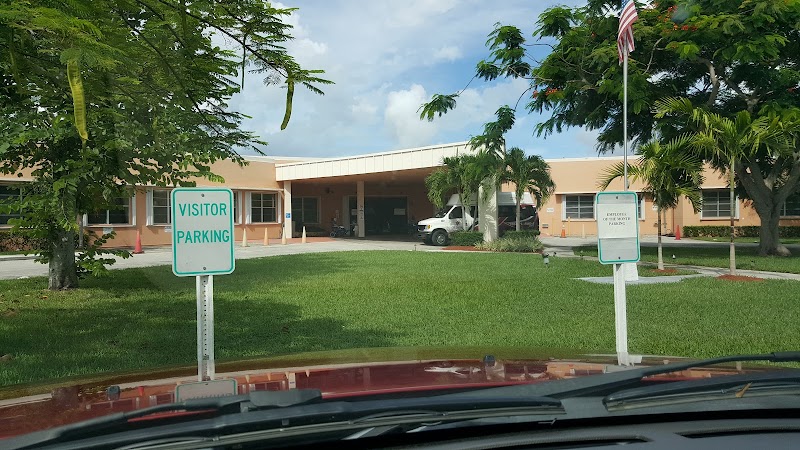
How is Jackson Memorial Perdue Medical Center Staffed?

CMS rates JACKSON MEMORIAL PERDUE MEDICAL CENTER's staffing level at 5 out of 5 stars, which is much above average compared to other nursing homes. Staff turnover is 19%, compared to the Florida average of 46%. This relatively stable workforce can support continuity of care.

What Have Inspectors Found at Jackson Memorial Perdue Medical Center?

State health inspectors documented 13 deficiencies at JACKSON MEMORIAL PERDUE MEDICAL CENTER during 2022 to 2024. These included: 1 that caused actual resident harm and 12 with potential for harm. Deficiencies causing actual harm indicate documented cases where residents experienced negative health consequences.
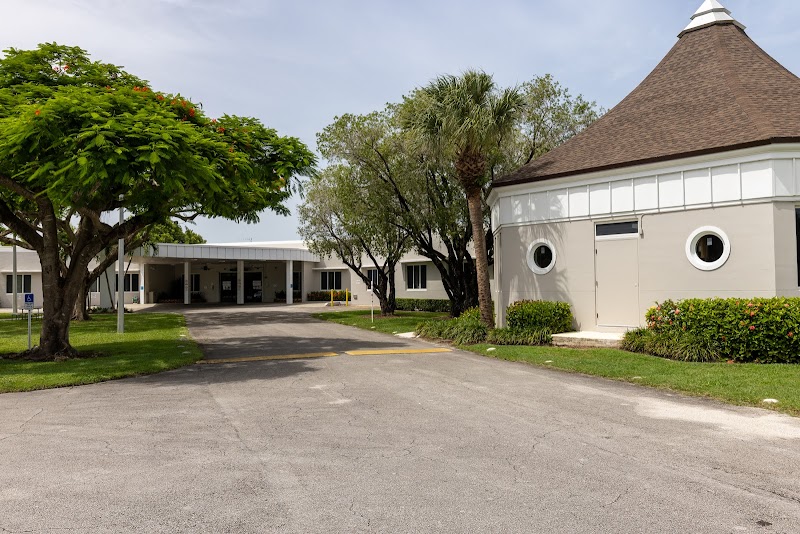
Who Owns and Operates Jackson Memorial Perdue Medical Center?

JACKSON MEMORIAL PERDUE MEDICAL CENTER is owned by a government entity. Government-operated facilities are typically run by state, county, or municipal agencies. The facility operates independently rather than as part of a larger chain. With 163 certified beds and approximately 157 residents (about 96% occupancy), it is a mid-sized facility located in CUTLER BAY, Florida.
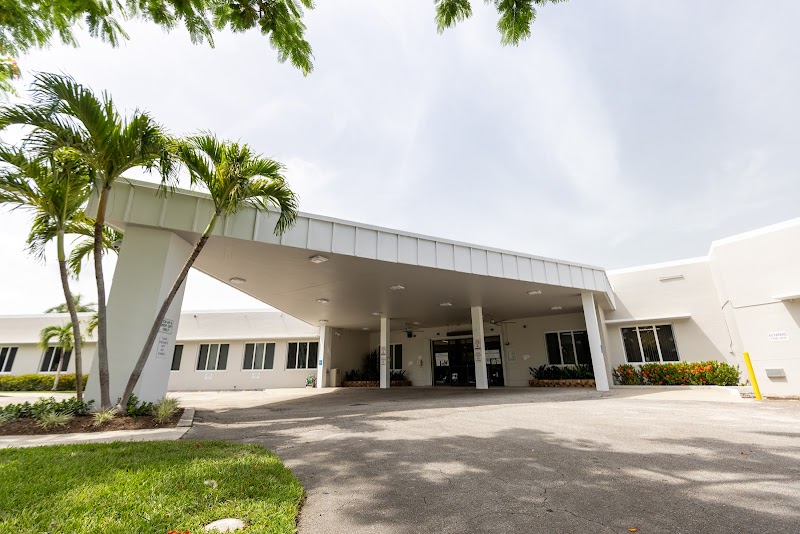
How Does Jackson Memorial Perdue Medical Center Compare to Other Florida Nursing Homes?

Compared to the 100 nursing homes in Florida, JACKSON MEMORIAL PERDUE MEDICAL CENTER's overall rating (5 stars) is above the state average of 3.2, staff turnover (19%) is significantly lower than the state average of 46%, and health inspection rating (3 stars) is at the national benchmark.

What Should Families Ask When Visiting Jackson Memorial Perdue Medical Center?

Based on this facility's data, families visiting should ask: "Can I visit during a mealtime to observe dining assistance and food quality?" "How do you handle medical emergencies, and what is your hospital transfer rate?" "Can I speak with family members of current residents about their experience?"

Is Jackson Memorial Perdue Medical Center Safe?

Based on CMS inspection data, JACKSON MEMORIAL PERDUE MEDICAL CENTER has a clean safety record: no substantiated abuse findings (meaning no confirmed cases of resident harm), no Immediate Jeopardy citations (the most serious violation level indicating risk of serious injury or death), and is not on the Special Focus Facility watch list (a federal program monitoring the lowest-performing 1% of nursing homes). The facility has a 5-star overall rating and ranks #1 of 100 nursing homes in Florida. While no facility is perfect, families should still ask about staff-to-resident ratios and recent inspection results during their visit.

Do Nurses at Jackson Memorial Perdue Medical Center Stick Around?

Staff at JACKSON MEMORIAL PERDUE MEDICAL CENTER tend to stick around. With a turnover rate of 19%, the facility is 27 percentage points below the Florida average of 46%. Low turnover is a positive sign. It means caregivers have time to learn each resident's needs, medications, and personal preferences. Consistent staff also notice subtle changes in a resident's condition more quickly. Registered Nurse turnover is also low at 23%, meaning experienced RNs are available to handle complex medical needs.

Was Jackson Memorial Perdue Medical Center Ever Fined?

JACKSON MEMORIAL PERDUE MEDICAL CENTER has been fined $28,045 across 2 penalty actions. This is below the Florida average of $33,359. While any fine indicates a compliance issue, fines under $50,000 are relatively common and typically reflect isolated problems that were subsequently corrected. Families should ask what specific issues led to these fines and confirm they've been resolved.

Is Jackson Memorial Perdue Medical Center on Any Federal Watch List?

JACKSON MEMORIAL PERDUE MEDICAL CENTER is not on any federal watch list. The most significant is the Special Focus Facility (SFF) program, which identifies the bottom 1% of nursing homes nationally based on persistent, serious quality problems. Not being on this list means the facility has avoided the pattern of deficiencies that triggers enhanced federal oversight. This is a positive indicator, though families should still review the facility's inspection history directly.