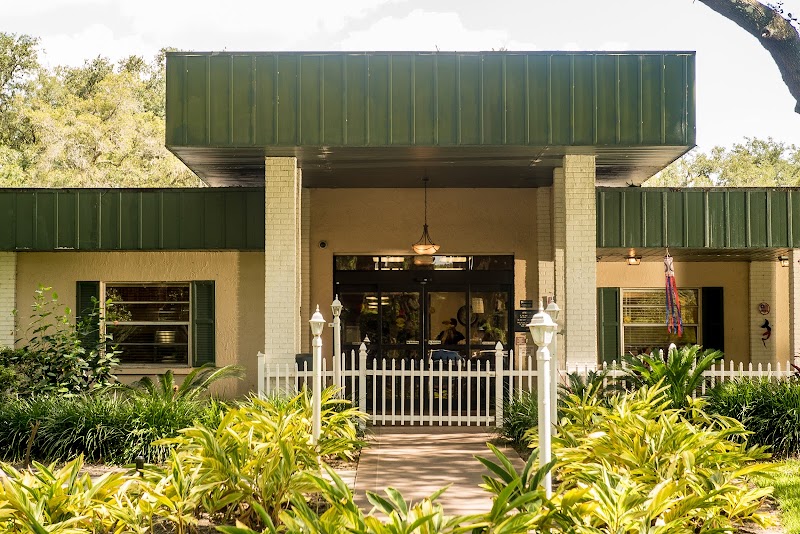
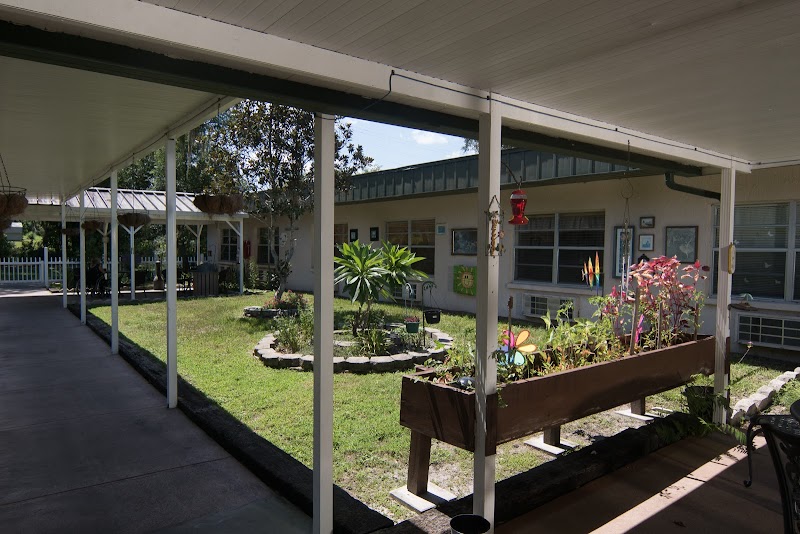
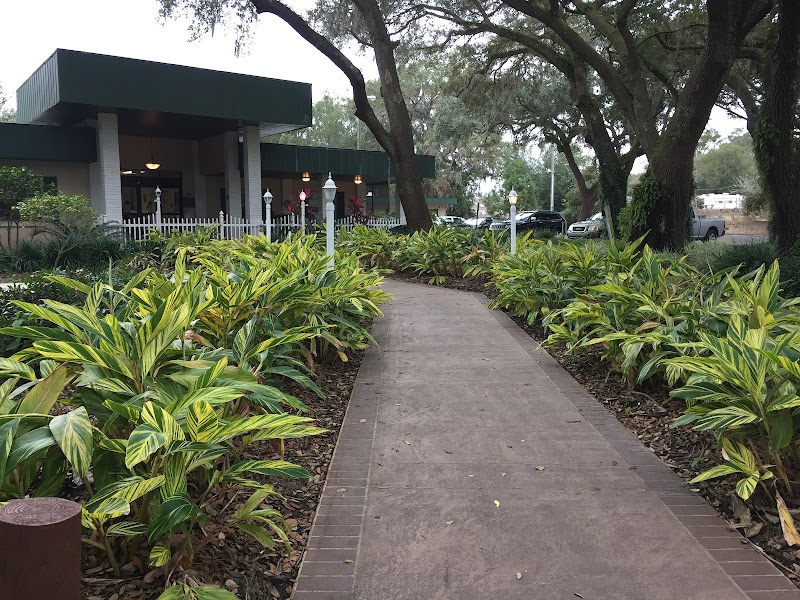
ROYAL OAK NURSING CENTER

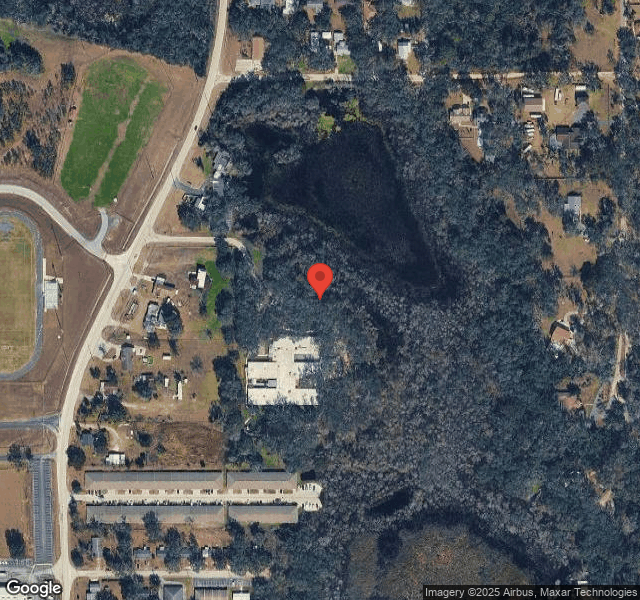
37300 ROYAL OAK LANE, DADE CITY, FL 33525 (352) 567-3122
Non profit - Corporation 120 Beds HEALTH SERVICES MANAGEMENT Data: November 2025
Trust Grade
75/100
#269 of 690 in FL
Last Inspection: March 2024

Within standard 12-15 month inspection cycle. Federal law requires annual inspections.

Overview

Royal Oak Nursing Center in Dade City, Florida, has a Trust Grade of B, indicating it is a good option for families seeking care. It ranks #269 out of 690 facilities in Florida, placing it in the top half, and #5 out of 18 in Pasco County, meaning only four local homes perform better. The facility is stable, maintaining the same level of issues over the past two years, with 13 concerns identified but none critical or life-threatening. Staffing is rated 4 out of 5, with an average turnover of 44%, which is similar to the state average, suggesting that while staff remain relatively stable, there is room for improvement. Notably, there have been no fines, which is a positive sign, but there are some concerns, such as failures to properly assess and document skin discolorations for multiple residents and issues with nebulizer equipment management that could affect care quality.

Trust Score
B
75/100
In Florida
#269/690
Top 38%
Safety Record
Low Risk
No red flags
Inspections
Holding Steady
6 → 6 violations
Staff Stability
○ Average
44% turnover. Near Florida's 48% average. Typical for the industry.
Penalties
✓ Good
No fines on record. Clean compliance history, better than most Florida facilities.
Skilled Nurses
○ Average
Each resident gets 40 minutes of Registered Nurse (RN) attention daily — about average for Florida. RNs are the most trained staff who monitor for health changes.
Violations
⚠ Watch
13 deficiencies on record. Higher than average. Multiple issues found across inspections.
★★★★☆
4.0
Overall Rating
★★★★☆
4.0
Staff Levels
★★★★★
5.0
Care Quality
★★★☆☆
3.0
Inspection Score
Stable
2022: 6 issues
2024: 6 issues

The Good

  • 4-Star Staffing Rating · Above-average nurse staffing levels
  • 5-Star Quality Measures · Strong clinical quality outcomes
  • Full Sprinkler Coverage · Fire safety systems throughout facility
  • No fines on record
  • Staff turnover below average (44%)

    4 points below Florida average of 48%

Facility shows strength in staffing levels, quality measures, fire safety.

The Bad

Staff Turnover: 44%

Near Florida avg (46%)

Typical for the industry

Chain: HEALTH SERVICES MANAGEMENT

Part of a multi-facility chain

Ask about local staffing decisions and management

The Ugly 13 deficiencies on record

Mar 2024 6 deficiencies
CONCERN (D)

Potential for Harm - no one hurt, but risky conditions existed

Deficiency F0554 (Tag F0554)

Could have caused harm · This affected 1 resident

**NOTE- TERMS IN BRACKETS HAVE BEEN EDITED TO PROTECT CONFIDENTIALITY** Based on observation, record review, interview, and review of the facility's policy Self-Administration of Medications the facil...

Read full inspector narrative →
**NOTE- TERMS IN BRACKETS HAVE BEEN EDITED TO PROTECT CONFIDENTIALITY** Based on observation, record review, interview, and review of the facility's policy Self-Administration of Medications the facility failed to ensure two (Residents #84 and #262) out of 22 sampled residents were clinically appropriate to self-administer medications. Findings included: An observation on 03/25/24 at 10:00 a.m. revealed a nebulizer machine on the nightstand beside Resident #84's bed. The nebulizer mask was sitting on top of the nebulizer machine and left to open air. A clear bag was sitting underneath the nebulizer machine and not being used. Photographic evidence obtained. During an interview on 03/25/24 at 10:00 a.m. Resident #84 stated that the nebulizer mask was not in the bag because he was physically unable to store it in the bag after his treatment. Resident #84 stated the nurse usually started the nebulizer treatment but then went out to take care of other residents. Resident #84 stated when the nebulizer treatments are finished I put it away myself. Resident #84 stated staff did not stay the entire time while he received his breathing treatment. On 03/25/24 at 11:25 a.m., Resident #84 was observed sitting in bed and receiving a breathing treatment. Resident #84 was alone in his room and self-administering his breathing treatment with the nebulizer machine. A review of the admission Record showed Resident #84 was admitted to the facility on [DATE] with diagnoses to include but not limited to Chronic Obstructive Pulmonary Disease (COPD) with (acute) exacerbation and unspecified asthma uncomplicated. Review of the Medication Review Report revealed a physician order dated 02/01/24 that showed, Albuterol Sulfate Inhalation Nebulization Solution 1.25 MG [milligrams]/3 ML [milliliters] (Albuterol Sulfate)- 3 ml inhale orally via nebulizer every 4 hours as needed for shortness of breath. There were no physician orders for self-administration of medications. Review of Resident #84's care plan showed no focus, goals or interventions related to Resident #84's respiratory diagnoses of COPD or Asthma, no treatments that included a nebulizer breathing treatment and no self-administration of medications. An observation on 03/25/24 at 10:14 a.m., revealed a medicine cup that contained four pills (one round orange colored pill, one round red colored pill, one round yellow colored pill and one white colored pill) that sat on Resident #262's bedside table. Photographic evidence obtained. During an interview on 03/25/24 at 10:14 a.m., Resident #262 stated, she usually takes the big ones first and then leisurely takes the other pills when she can. Resident #262 stated I cannot take a bunch of pills all at once, so the nurse leaves them for me to take. Resident #262 identified the pills in the medication cup as my morning meds. Review of the admission Record showed Resident #262 was admitted to the facility on [DATE] with diagnoses to include but not limited to aftercare following joint replacement surgery, presence of right artificial knee, unilateral primary osteoarthritis, right knee and hypertensive heart disease without heart failure. Review of the Medication Review Report revealed no physician order for Resident #262 for self-administration of medications. Review of the care showed no focus, goal or interventions for Resident #262 for self-administration of medications. During an interview on 03/27/24 at 9:31 a.m., Staff B Licensed Practical Nurse (LPN) stated there were no Residents including Resident #84 and #262 that could self-administer their medications. During an additional interview on 03/27/24 at 10:30 a.m., Staff B LPN stated Resident #84 did have an order for nebulizer treatments, but the order was as needed (PRN) and he was able to let staff know when he needed a treatment. Staff B LPN stated that nebulizers do contain medication and are considered treatments nurses are to be present for when being administered. Staff B LPN stated that Resident #84 was alert and oriented so she did not always stand over Resident #84 when he was being administered his breathing treatment and stated sometimes, she would be near his door while he was being provided his nebulizer treatment. During an interview on 03/27/24 at 10:50 a.m., the Director of Nursing (DON) stated even though a nebulizer order was PRN it was a medication treatment so Residents cannot use it without a nurse presence. The DON confirmed there were no resident in the facility that were permitted to self-administer their own medications. The DON stated, no pills should be left at bedside. Review of the facility's policy Self-Administration of Medications revised date February 2021 revealed Residents have the right to self-administer medications if the interdisciplinary team has determined that it is clinically appropriate and safe for the resident to do so 3. If it is deemed safe and appropriate for a resident to self-administer medications, this is documented in the medical record and the care plan. The decision that a resident can safely administer medications is reassessed periodically based on changes in the resident's medical and or decision-making status.
CONCERN (D)

Potential for Harm - no one hurt, but risky conditions existed

Comprehensive Care Plan (Tag F0656)

Could have caused harm · This affected 1 resident

**NOTE- TERMS IN BRACKETS HAVE BEEN EDITED TO PROTECT CONFIDENTIALITY** Based on observation, record review, interview, and review of the facility's policy Care Plans, Comprehensive Person-Centered th...

Read full inspector narrative →
**NOTE- TERMS IN BRACKETS HAVE BEEN EDITED TO PROTECT CONFIDENTIALITY** Based on observation, record review, interview, and review of the facility's policy Care Plans, Comprehensive Person-Centered the facility failed to develop a patient-centered care plan for one (Resident #84) out of twenty-two sampled residents related respiratory care and services. Findings included: An observation on 03/25/24 at 10:00 a.m., revealed a nebulizer machine on the nightstand beside Resident #84's bed. The nebulizer mask was sitting on top of the nebulizer machine and left to open air. A clear bag was sitting underneath the nebulizer machine and not being used. Photographic evidence obtained. During an interview on 03/25/24 at 10:00 a.m., Resident #84 stated the nebulizer mask was not in the bag because he was physically unable to store it in the bag after his treatment. Resident #84 stated the nurse usually started the nebulizer treatment but then went out to take care of other residents. Resident #84 stated when the nebulizer treatments were finished I put it away myself. Resident #84 stated staff did not stay the entire time while he received his breathing treatment. On 03/25/24 at 11:25 a.m., Resident #84 was observed sitting in bed and receiving a breathing treatment. Resident #84 was alone in his room and self-administering his breathing treatment with the nebulizer machine. A review of the admission Record showed Resident #84 was admitted to the facility on [DATE] with diagnoses to include but not limited to Chronic Obstructive Pulmonary Disease (COPD) with (acute) exacerbation and unspecified asthma uncomplicated. Review of the Medication Review Report revealed physician orders as followed: - Albuterol Sulfate Inhalation Nebulization Solution 1.25 MG [milligrams]/3 ML [milliliters] (Albuterol Sulfate)- 3 ml inhale orally via nebulizer every 4 hours as needed for shortness of breath dated 02/01/24. - Albuterol Sulfate HFA Inhalation Aerosol Solution 108 (90 Base) MCG/ACT (Albuterol Sulfate)- 2 puff inhale orally every 4 hours as needed for shortness of breath FLUTICASONE-VILANT 200-25 MCG - 1 puff inhale orally one time a day for COPD dated 02/01/24. Review of Resident #84's care plan showed no focus, goals or interventions related to Resident #84's respiratory diagnoses of COPD or Asthma and no treatments that included an inhaler or nebulizer breathing treatments. During an interview on 03/27/24 at 11:40 a.m., the Director of Nursing (DON) stated it appears that we care planned everything under the sun except that. The DON confirmed Resident #84's care plan was not developed for his respiratory diagnoses, care, and treatment. Review of the facility's policy Care Plans, Comprehensive Person-Centered revised date March 2022 revealed, 1. The Interdisciplinary team (IDT), in conjunction with the resident and his/her family or legal representative, develops and implements a comprehensive, person-centered care plan for each resident. 7. The comprehensive, person-centered care plan: .b. describes the services that are to be furnished to attain or maintain the resident's highest practicable physical, mental and psychological well-being.
CONCERN (D)

Potential for Harm - no one hurt, but risky conditions existed

ADL Care (Tag F0677)

Could have caused harm · This affected 1 resident

**NOTE- TERMS IN BRACKETS HAVE BEEN EDITED TO PROTECT CONFIDENTIALITY** Based on observation, interview, and record review, the facility failed to ensure that activities of daily living related to nai...

Read full inspector narrative →
**NOTE- TERMS IN BRACKETS HAVE BEEN EDITED TO PROTECT CONFIDENTIALITY** Based on observation, interview, and record review, the facility failed to ensure that activities of daily living related to nail care were provided for one (Resident #9), out of five sampled residents. The findings include: On 3/25/2024 at 10:30 AM, Resident #9 was observed sitting in the hallway, just outside of his room. Resident #9 had food on the front of his gown, facial whiskers, and his hair was not combed. He was able to answer with head nods to yes/no questions. He responded with a negative (no) head nod when asked about liking the whiskers. He responded with a yes if preferred to be clean shaven. His hands were positioned on his lap. His fingers were curled under into the palm of his hands. He was able to open his fingers slightly to both hands. When this occurred, a foul odor was noted. His fingernails were dirty with brown and white substances underneath and his fingers were dirty. On 3/26/2024 at 8:55 AM, and 10:20 AM, Resident #9 was observed out of bed sitting in the wheelchair, his hands were resting in his lap. The resident's nails were dirty, long, and had a brown and white substance underneath the nails. Resident #9 had crumbs of food on his chest and in mustache. On 3/27/2024 at 12:30 PM, Resident #9 was observed sitting up in the wheelchair with a towel over his chest (being used as a clothing protector). The towel and resident's mustache, chin, and hands had food on them. His nails were still long, dirty, and had a foul odor. (Photographic Evidence Obtained). During an interview on 3/27/2024 at 1:12 PM, Staff H, Certified Nursing Assistant (CNA) and Staff F, CNA both stated utilizing the [NAME] to know how to care for residents. Resident #9 was dependent on staff for all care. Resident #9 did not have any splints or skin problems on his buttocks. During an interview on 3/27/2024 at 9:40 AM, Staff G, CNA confirmed responsibility for Resident #9, and normally took care of the resident. Staff G confirmed Resident #9 needed assistance with all meals, bathing, hand hygiene, basically everything. Resident #9 did not have any splints or different care for his hands. Staff G stated Resident #9's buttocks did not have any skin concerns. During an interview on 3/27/2024 at 1:20 PM, Staff A, Licensed Practical Nurse (LPN) stated responsibility for the care of Resident #9. Staff A stated Resident #9 was dependent on staff for all Activities of Daily Living (ADLs). Staff A stated staff needed to clean his hands, wash his face, brush his teeth, provide nail care, et al. Staff A confirmed Resident #9 did not have splints or special care to his hands. Staff A, LPN stated Resident #9 did not have any skin concerns on his buttocks. During an interview on 3/27/2024 at 1:25 PM, the Director of Nursing (DON) confirmed Resident #9 was total care. The DON stated the CNAs should be assisting the resident with all care needs. The DON stated any nursing employee could soak and clean residents' nails. The DON observed Resident #9's fingernails and soiled clothing. The DON stated Resident #9 needed to be cleaned up and nails cleaned and trimmed. The DON stated if there was an order for a resident to have splints, then a care plan would be created. When an order was changed the expectation was for the care plan to be updated accordingly. When care changes the care plan should be updated at the same time, this would include excoriation to buttocks, as this is healed. A review of Resident #9's admission Record revealed current admission date of 8/12/2022 with the following diagnosis: Alzheimer's Disease, Dementia without behavioral disturbance, Chronic Obstructive Pulmonary Disease (COPD), Right- and Left-hand contracture, Diabetes type 2, peripheral vascular disease (PVD), anxiety disorder and other co-morbidities. A Minimum Data Set (MDS) dated [DATE], revealed Resident #9 with a Brief Interview for Mental Status (BIMS) score of 1/15, which indicated severe cognitive impairment. The resident was coded to no behaviors. His functional abilities and goals revealed impairments on bilateral upper and lower extremities, dependent for all care. Review of Resident #9's Order Summary with an active date of 3/27/2024 showed no order for hand splints. Review of Resident #9's Care Plan revealed a care plan including the following: Focus of Contractures [Resident #9] has contracture of the right and left hands with a revision date of 2/11/2023. The interventions included but not limited to: Bilateral hand splint 3-4 hours at nights as tolerated. Alternate with rolled washed cloth as ordered. With a revision date of 10/14/2022. Provide routine skin care, wash and dry hands properly. Date initiated 10/14/2022. Focus area shows: [Resident #9] has an ADL self-care deficit and requires assistance with ADLS related to contractures, . revised on 4/3/2023. Interventions include but not limited to: hair and nail care as needed initiated on 7/21/2023. Contractures: The resident has contractures of both hands. Provide skin care to keep clean and prevent skin breakdown. Revised on 4/3/2023. Eating: Resident is an assist with meals, initiated on 9/28/2023. Focus Area: [Resident #9] has an excoriation to buttocks related to incontinence, revised on 4/10/2023. Review of the facility's policies and procedures with the subject of Fingernails/Toenails, Care of revised on February 2018. Purpose: the purpose of this procedure are to clean the nail bed, to keep nails trimmed, and to prevent infections. General Guidelines: 1. Nail care includes daily cleaning and regular trimming. 4. Trimmed and smooth nails prevent the resident from accidentally scratching and injuring his or her skin. Steps in the Procedure: 3. Fill the wash basin 1/2 full of warm soapy water. 4. Allow the first hand or foot to soak in the warm soapy water for approximately 5 minutes. 5. Encourage the resident to exercise his or her fingers while they are soaking. 6. Rinse the hand or foot that has been in the soapy water with clear, warm water. 7. Dry the hand or foot with the towel. 8. Place the towel under the resident's dried hand or foot. 9. Place the second hand or foot in the soak basin. 10. Gently, remove dirt from around and under each nail with an orange stick. 11. Wipe the dirt from the orange stick with a paper towel. Discard the paper towel into the trash receptacle. 12. Do not trim nails below the skin line or cut the skin. 13. Trim fingernails in an oval shape and toenails straight across. 14. Smooth the nails with the nail file or emery board. Apply lotion as permitted. 15. Repeat the procedure for the second hand or foot. Reporting: 1. Notify the supervisor of the resident refuses the care. 2. Report other information in accordance with the facility policy and professional standards of practice.
CONCERN (D)

Potential for Harm - no one hurt, but risky conditions existed

Deficiency F0699 (Tag F0699)

Could have caused harm · This affected 1 resident

**NOTE- TERMS IN BRACKETS HAVE BEEN EDITED TO PROTECT CONFIDENTIALITY** Based on observation, record review, and interview, the facility failed to identify and educate staff of specific behaviors and ...

Read full inspector narrative →
**NOTE- TERMS IN BRACKETS HAVE BEEN EDITED TO PROTECT CONFIDENTIALITY** Based on observation, record review, and interview, the facility failed to identify and educate staff of specific behaviors and triggers related to Post Traumatic Stress Disorder (PTSD) for one (Resident #77) of two sampled residents who had PTSD. Findings included: On 3/25/2024 at 2:25 p.m., Resident #77 was observed in the hallway leading from the therapy gym to the 200 hall. He was standing up and walking with therapy staff. Resident #77 was observed pleasant to speak with and was not presenting with any behaviors, pain, or discomfort. On 3/26/2024 at 11:15 a.m., Resident #77, while he was in his room, was interviewed with his permission. He expressed he was ordered and received psychotropic medications for several psychological diagnoses, and had taken those medications for many years. He felt the medications were working well, and also expressed, If I was not on these medications, I would not be the same as I am now. Resident #77 was asked if he had any type of history related to past trauma. He confirmed he did and he was seen by psychiatric services at least once a month and also saw a psychologist. Resident #77 was asked if he felt psychiatric services had been helping when it came to his past trauma. He said he felt the services were working but did not want to speak of what trauma/PTSD he had gone through. Resident #77 was not asked any further questions related to his past trauma/PTSD. Review of the medical record revealed Resident #77 was admitted to the facility on [DATE]. Review of the advance directives showed Resident #77 was his own responsible party. Review of the diagnosis sheet showed diagnoses to include but not limited to Post Traumatic Stress Disorder (PTSD) (onset 10/25/2023); Schizophrenia (onset 10/25/2023); Anxiety (onset 10/25/2023) Review of the current Minimum Data Set (MDS) Quarterly assessment, dated 1/31/2024, showed a Cognition/Brief Interview for Mental Status or BIMS score of 13 of 15, which indicated intact cognition. Mood - None documented as exhibited during this assessment period. Review of he most current Physician's Order Sheet (POS), dated for the month of 3/2024 showed the following but not limited to orders: (a) Beginning Order date of 10/27/2023: Observation; Behaviors. Observe for the following: 1. Itching, picking at skin; 2. Restlessness, agitation; 3. Hitting, kicking, physical aggression; 4. Spitting, biting; 5. Cussing, yelling; 6. Delusions, hallucinations, psychosis; 7. Refusing care; 8. Isolation, withdrawn, depression; 9. Wandering, pacing; 10. Insomnia; 11. Disorganized thinking; 12. Abnormal motor behaviors; 13. Negative symptoms, avoids eye contact, lacks facial expression, monotone; 0. No Behaviors. Every shift for monitoring non pharmacological interventions: 1. Diversion, redirection; 2. Activities, music; 3. Resident expressed feelings, 1-to-1 interactions; 4. Snack, drink; 5. Calming environment, relaxation techniques, aromatherapy; 6. Alternate staff member; 0- No behavior. There was no observation criteria for behaviors including specific past Trauma/PTSD listed in this Behavior observation order. Also, there were no other Trauma/PTSD behavior monitoring orders within the 3/2024 order sheet/treatment sheet. Review of the past and current Psychiatric notes/assessments revealed: (1) 10/31/2023 Psychiatric follow up assessment - History note - history anxiety and depression and schizoaffective disorder. Fall from home. Army Veteran, Past psychiatric history of PTSD, depression and substance abuse. Past Suicide attempt via drug overdose on psychiatric medications and past attempt of cutting himself past use of psychotropic medications. (2) 11/28/2023 Psychiatric follow up assessment - Notes - Past Suicide attempt via drug overdose on psychiatric medications and past attempt of cutting himself past use of psychotropic medications. Army Veteran, Past psychiatric history of PTSD, depression and substance abuse. Trauma history included serving in [name] war, war flashbacks. (3) 12/26/2023 Psychiatric follow up assessment - Notes - Past Suicide attempt via drug overdose on psychiatric medications and past attempt of cutting himself past use of psychotropic medications. Army Veteran, Past psychiatric history of PTSD, depression and substance abuse. Trauma history included serving in [name] war, war flashbacks. None of the above assessments from psychiatric services mentioned how Resident #77 would be assisted and further evaluated with relation to past Trauma/PTSD, specifically related to past suicidal attempt and war flashbacks. Review of the nurse progress notes dated from 10/30/2023 through to 3/28/2024 did not reveal any documentation related to Resident #77 presenting with any type of behaviors that may be triggered or related to past Trauma/PTSD. Review of the current care plans with a next review date of 5/2/2024 revealed the following but not limited to; Resident #77 is Pre admission Screen Record Review (PASRR) positive MI/ID/DD related to Schizophrenia, PTSD, and with interventions in place. There was nothing related to specific interventions to either reduce or identify areas of past Trauma/PTSD. Resident #77 has a psychosocial well-being problem and actual related to history of anxiety, depression and psychotic, Chronic PTSD and Schizoaffective disorder, with interventions in place to include but not limited to: Monitor for changes in psychosocial well-being increased from baseline such as, but not limited to increased behaviors, sadness, irritability, anger, agitation, distress, crying, screaming, moaning, combativeness, fear, anxiety, withdraw, psychomotor retardation (slowed speech, thinking, and body movements; increased pauses before answering) self-isolation, change in appetite, etc. and notify social services/psych services and physician immediately for further intervention. (Date onset 10/26/2023). There was nothing related to specific interventions to either reduce or identify areas of past Trauma/PTSD. Resident #77 has history of Trauma related to history of sprained Left ankle. And has history of PTSD with interventions to include but not limited to: Staff to provide a trauma-informed care approach that involves understanding, recognizing and responding to the effects of all types of trauma; Recognizing the widespread impact and signs and symptoms of trauma in residents; and avoiding re-traumatization. (Date onset 10/26/2023). This care plan problem area did not reflect what specific type of PTSD/Trauma Resident #77 had, nor did the care plan problem area have interventions to reduce or identify behaviors specifically related to PTSD/Trauma. This care plan problem area was more related to trauma related to a sprained Left ankle. On 3/27/2024 at 11:20 a.m., an interview with Staff I, Certified Nursing Assistant (CNA) revealed she had Resident #77 on her assignment most days and she knew him and his care and services. Staff I also revealed she knew him well enough to know that he had not been presenting for awhile with any types of behaviors. Staff I revealed Resident #77 usually stayed in his room most of the day and came out when he was scheduled for rehabilitation therapy. She did not believe he participated in resident group activities. She also verified the resident had family visits at times. She said the resident had not had any behaviors in awhile that she could remember, but would report behaviors to the nurse if he exhibited any. Staff I was asked if she was aware if the Resident #77 had any past Trauma or Post Traumatic Stress Disorder (PTSD) behaviors that she might need to watch for. She revealed she did not believe that he did. She was asked if she was provided with any training or education related to residents having Trauma/PTSD. She said she did, but it might have been a long time ago. Staff I revealed the training was most likely basic and revealed how to identify certain behaviors and how to report them. Staff I confirmed she had never been educated on what PTSD/Trauma behavior or triggers to look out for and report when it came to Resident #77. On 3/27/2024 at 11:30 a.m., an interview with Staff B, Licensed Practical Nurse (LPN) revealed she had Resident #77 on her assignment on a daily basis and knew him and what his care expectations were. Staff B revealed Resident #77 stayed in his room most of the time and he usually only came out when he had therapy. She revealed he had electronic devices in his room, television shows to watch and had visits from family at times. Staff B revealed Resident #77 did not like to go to scheduled group activities, and he normally ate in his room for all three meals. Staff B said the resident had not had any documented behaviors during the past couple of months that she could remember, but he and his roommate would sometimes disagree with one another. They were really close roommate friends, and almost like family. Staff B said the resident could not remember the reason for his Trauma/PTSD and she did not know of what type of behaviors to look out for and report that were specifically related to his past Trauma/PTSD. She did not know what types of triggers would cause him to present with PTSD/Trauma behaviors. Staff B confirmed she had Trauma/PTSD education in the past, but was not made aware of what specific Trauma behaviors Resident #77 may or may not present with. Staff B also confirmed the floor CNAs were not aware of what specific behaviors of past Trauma to look out for and to report to her. On 3/27/2024 at 1:26 p.m., an interview with Staff J, Staff Developer revealed she was generally the person who was initially responsible for providing education and inservices related to Trauma/PTSD. She revealed initial training was provided to staff during their orientation process. Staff J also revealed the Director of Nursing and the Assistant Director of Nursing would also provide training related to PTSD/Trauma as need. Staff J provided a blank orientation packet that was provided to new staff which included a power point presentation. Page 17 of the power point presentation revealed two slides dedicated to Trauma informed care. The slides indicated how to generally observed, report and identify trauma in residents. There was a computer based website the staff had to watch to include review of the slides. Staff J said the PTSD/Trauma education was provided on a yearly basis to all staff. Staff J confirmed the DON, ADON, and psychiatric services were responsible for identifying, assessing, and monitoring residents for triggers and symptoms related to Trauma/PTSD, They were also responsible for passing down information to direct care staff related to specific behaviors related to Trauma/PTSD. A second interview with Staff J was conducted on 3/28/2024 at 8:30 a.m., and she provided the last facility wide Trauma/PTSD training, dated 7/25/2023. The training subject matter revealed; Trauma Informed Care, and was signed and dated by all direct care staff. Staff were provided with an informational Trauma Informed Care Handout. Staff J again could not speak to what triggers affected Resident #77 with regards to past Trauma/PTSD. She confirmed all staff should be aware of what type of behaviors to look for so they could be reported to the Nurse Manager, DON, and psychiatric services, in order to find ways to reduce those behaviors. Staff J confirmed Resident #77's medical record to include the Medication Administration Record (MAR) and Treatment Administration Record (TAR) did not have a specific order or monitoring system for specific behaviors/triggers related to PTSD. On 3/28/2024 at 10:00 a.m., an interview with the Nursing Home Administrator and the DON confirmed though Resident #77 had care plans related to Trauma/PTSD behaviors, and orders for general behavior monitoring; there was no evidence in the medical record to include nurse progress notes, nursing quarterly assessments, and care plans that spoke to what type of past Trauma/PTSD he had. The DON confirmed the psychiatric assessments showed a note on 10/31/02023, 11/28/2023, and 12/26/2023 that the resident had a past history of trauma related to military war background. The DON said the information was not carried over to the current Trauma/PTSD care plan, nor were staff educated and inserviced on what types of triggers might induce those specific trauma behaviors. On 3/28/2024 at 11:00 a.m. the Nursing Home Administrator revealed the facility did not have a specific Trauma/PTSD policy and procedure. However, she provided a Behavioral Assessment, Intervention and Monitoring policy and procedure for review. She revealed this policy is used for residents who have Trauma/PTSD. The policy was last revised on March 2019 and revealed; 1. The facility will provide and residents will receive behavioral health services as needed to attain or maintain the highest practicable physical, mental and psychosocial well-being in accordance with comprehensive assessment and plan of care. 2. Behavioral symptoms will be identified using facility-approved behavioral screening tools and the comprehensive assessment. 3. Residents who do not display symptoms of, or have not been diagnosed with, mental, psychiatric, psychosocial adjustment, substance abuse or Post Traumatic Stress Disorder (PTSD) will not develop behavioral disturbances that cannot be attributed to a specific clinical condition that makes the pattern unavoidable. General Guidelines; (1) Behavior is the response of an individual to a wide variety of factors. These factors may include medical, physical, functional, psychosocial, emotional, psychiatric, or environmental clauses. a. Behavior is regulated by the brain and is influenced by past experiences, personality traits, environment, and interactions with other people. b. Behavior can be a way for an individual in distress to communicate unmet needs, indicate discomfort, or express thoughts that cannot be articulated. (2) As part of the comprehensive assessment, staff will evaluate, based on input from the resident, family and caregivers, review of medical record and general observations: a. The resident's usual patterns of cognition, mood and behavior. b. The resident's typical or past responses to stress, fatigue, fear, anxiety, frustration and other triggers, and c. The resident's previous patterns of coping with stress, anxiety, and depression. (3) The nursing staff will identify, document, and inform the physician about specific details regarding change in an mental status, behavior, and cognition, including: a. Onset, duration, intensity and frequency of behavioral symptoms; b. Any recent precipitating or relevant factors or environmental triggers (e.g. medication changes, infection, recent transfer from hospital), and c. Appearance and alertness of the resident and related observations. Management - (1) The interdisciplinary team will evaluate behavioral symptoms in residents to determine the degree of severity, distress and potential safety risk to the resident, and develop a plan of care accordingly. Safety strategies will be implemented immediately if necessary to protect the resident and others from harm. a. Atypical behavior will be differentiated from behavior that is dangerous or problematic for the resident(s) or staff, or behavior that signals underlying distress. b. If the behavior is atypical but not problematic or dangerous and the resident does not appear to be in distress, then the IDT will monitor for changes but not necessarily intervene to normalize the behavior. (2) Interventions will be individualized and part of an overall care environment that supports physical, functional and psychosocial needs, and strives to understand, prevent or relieve the resident's distress or loss of abilities. (3) Interventions and approaches will be based on a detailed assessment of physical, psychological and behavioral symptoms and their underlying causes, as well as the potential situational and environmental reason s for the behavior. The care plan will include, as a minimum: (a) Frequency; (b) Intensity; (c) Duration; (d) Outcomes; (e) Location; (f) Environment; and (g) Precipitating factors or situations. Targeted and individualized interventions for the behavioral and/or psychosocial symptoms. The rational for the interventions and approaches; The rationale for the interventions and approaches; Specific and measurable goals for targeted behaviors; and How the staff will monitor for effectiveness of the interventions. Monitoring - IF the resident is being treated for altered behavior or mood, the IDT will seek and document any improvements or worsening in the individual's behavior, mood, and function.
CONCERN (E)

Potential for Harm - no one hurt, but risky conditions existed

Quality of Care (Tag F0684)

Could have caused harm · This affected multiple residents

**NOTE- TERMS IN BRACKETS HAVE BEEN EDITED TO PROTECT CONFIDENTIALITY** Based on observation, interview, and record review, the facility failed to ensure an assessment and documentation for discovered...

Read full inspector narrative →
**NOTE- TERMS IN BRACKETS HAVE BEEN EDITED TO PROTECT CONFIDENTIALITY** Based on observation, interview, and record review, the facility failed to ensure an assessment and documentation for discovered skin discolorations / bruising was performed for three (Residents #201, #6, and #19) of 22 sampled residents and failed to ensure wound dressings were dated and initialed for one (Resident #252) of 22 sampled residents. Findings included: 1. On 03/26/2024 at 9:15 a.m., Resident #201 was observed sitting in her wheelchair returning to her room from the shower. She was dressed and groomed for the day. Resident #201 had a dialysis catheter present in the left chest area. She had a urinary catheter. There was a discolored bruised area on her right upper arm. She stated it was from the IV (Intravenous line) at the hospital. She stated it was [NAME] and larger. She had been re-admitted from the hospital on [DATE]. Review of Minimum Data Set, dated [DATE], Section C, Cognitive Patterns showed a Brief Interview for Mental Status (BIMS) score of 14 or cognitively intact. Section G, Functional Abilities and Goals showed resident dependent for toileting, showering and dressing. Resident #201 was readmitted on [DATE] with an original admission date of 08/11/2010. Review of the admission record showed diagnoses included but not limited to metabolic encephalopathy, lumbar spina bifida with hydrocephalus and shunt placement, diabetes, paraplegia, hypertensive chronic kidney disease or End Stage Renal Disease including dialysis, obstructive hydrocephalus, adjustment disorder, neuromuscular dysfunction of the bladder, anemia, anxiety, Stage IV sacral pressure ulcer, and convulsions. Review of the Skin Observation dated 03/19/2024 showed Skin Integrity: existing pressure ulcer and other existing skin impairment. New bruise and / or existing bruise was blank. Review of the Skin Observation dated 03/26/2024 showed Skin Integrity: existing pressure ulcer and existing surgical incision. New bruise and / or existing bruise was blank. Review of the nursing progress notes dated 03/19/2024 had no documentation related to the right upper arm bruising. Review of Resident #201's skin integrity care plan showed she was at risk for recurrent skin ulcers and impaired skin integrity related to limited mobility, paraplegia, diagnosis of peripheral vascular disease and diabetes. She has a history of chronic scabs to her bilateral thighs, habit to pick them open sometimes. She sometimes has itching and scratches, opening areas on her arms and upper back. Interventions included but not limited to weekly skin checks as of 11/04/2021; observe for discoloration, shiny appearance of the skin as of 11/04/2021; observe resident's skin for abnormal changes as of 11/04/2021. An interview / observation on 03/27/2024 at 9:45 a.m. with the Director of Nursing (DON) verified there was a discolored / bruise area on Resident #201's right upper arm. Resident #201 stated to the DON that it was from the hospital, and it was bigger and [NAME] before. 2. On 03/25/2024 at 1:19 p.m., Resident #19 was observed sitting in a wheelchair in the hallway. She was dressed and groomed for the day. She was unable to answer screening questions. She had a noticeable discoloration / bruise on her hands and arms. Resident #19 was admitted on [DATE] and readmitted on [DATE]. Review of the admission Record showed diagnoses included but not limited to Chronic Pulmonary Obstructive Disease (COPD), convulsions, diabetes, anemia, Stage II chronic kidney disease, and restless leg syndrome. Review of the MDS dated [DATE] showed a BIMS score of 01 or severe impairment. Section GG, Functional Abilities and Goals showed she was dependent for toileting and showering. Review of the Skin Observation dated 03/21/2024 showed skin intact. New bruise and / or existing bruise was blank. Review of the nursing progress notes showed no documentation related to discoloration / bruising of her hands and arms. Review of Resident #19's skin integrity care plan showed she was at risk for impaired skin integrity related to impaired mobility due to generalized weakness-incontinence. Interventions included but not limited to weekly skin checks as of 04/20/2021; use caution when transferring resident to avoid bumping skin against hard surfaces as of 02/08/2024; use geri sleeves to both upper extremities as tolerated to protect skin from injury as of 07/6/2021. 3. On 03/26/2024 at 1:25 p.m., Resident #6 was observed sitting in her wheelchair in the hallway. She was dressed and groomed for the day. She had discoloration and / or bruising noted on both of her hands and arms. Resident #6 was admitted on [DATE]. Review of the admission Record showed diagnoses included but not limited to Chronic Pulmonary Obstructive Disease (COPD), dementia with other behavioral disturbance, atrial fibrillation, moderate protein-calorie malnutrition, anxiety, and anemia. Review of the MDS dated [DATE] showed a BIMS score of 06 or severe impairment. Section GG, Functional Abilities and Goals showed she was dependent for toileting and showering. Review of the Skin Observation dated 03/23/2024 showed skin intact. New bruise and / or existing bruise was blank. Review of the nursing progress notes showed no documentation related to discoloration / bruising of her hands and arms. Review of Resident #6's skin integrity care plan showed she was at risk for impaired skin integrity related to impaired mobility due to generalized weakness. Interventions included but not limited to weekly skin checks as of 10/24/2022. During an interview on 03/27/2024 at 12:00 p.m., Staff D, Licensed Practical Nurse (LPN) stated that if the staff found a new area on the skin, they were to document it in the progress notes. Staff D, LPN verified Resident #19 had 5 bruises on her right hand and arm and 4 bruises on her left hand and arm. Staff D, LPN verified Resident #6 had bruising on both of her hands and arms. Staff D, LPN stated Resident #201's bruising should have been documented in the progress notes when she obtained the discoloration or on her re-admission (paperwork) if she was re-admitted with it. If a bruise / discoloration was found later, it should have been documented in the facility report. During an interview on 03/27/2024 at 12:31 p.m., the DON stated all new skin areas should be documented in the progress note and / or on a skin assessment. She stated the skin impairment needed to be an identified incident requiring the process of investigating the cause of the injury. The DON stated they may need to put something into place to prevent further injury. The DON reviewed Resident #201's medical record and confirmed nothing was documented regarding (her discoloration of her right arm) so the DON had a facility report completed. The DON stated she would have expected to see something about the bruise in the resident' chart. The DON reviewed Resident #19's record and stated there was no documentation regarding any skin issues i.e. bruises. The DON stated they should have done a progress note and a facility report which included notifying the family and physician. They also had to document monitoring of the area for 72 hours. The DON reviewed Resident #6's medical record and stated there was no documentation regarding bruising on her arms in the record. The DON asked the ADON (Assistant Director of Nursing) to evaluate the resident and document. During an interview with the Nursing Home Administrator (NHA) on 03/28/24 at 9:32 a.m. she stated, We do not have a policy regarding skin checks, it is a standard of care that we monitor the skin. 4. During an interview on 03/25/24 at 10:37 a.m., Resident # 252 stated, I have a leg wound and they never change it daily like my doctor wants them to. Resident #252 stated she saw a wound doctor every week, but the nurses were supposed to be changing the dressing daily and did not. Resident #252 stated my wound dressing wasn't changed over the weekend. An observation on 03/25/24 at 10:37 a.m., revealed Resident #252's right leg with a dry wound gauze like dressing held closed with tape. The dry wound dressing was not dated. Photographic evidence obtained. Review of the admission Record showed Resident #252 was admitted to the facility on [DATE] with diagnoses included but not limited to multiple fractures of ribs, right side, subsequent encounter for fracture with routine healing, cellulitis of right lower limb, muscle weakness (generalized), and repeated falls. Review of the Medication Review Report revealed a physician order dated 03/15/24 that showed Cleanse ulcers to RLE [Right Lower Extremity]with NS [normal saline], apply xeroform then abd [army battle dressing] pads and wrap with kerlix. - every day shift every Mon, Wed, Fri for diabetic ulcers. The Treatment Administration Record (TAR) showed Resident #252 had received wound treatment on 03/15/24, 03/18/24, 03/20/24, 03/22/24, 03/25/24, and 03/27/24, per physician orders. During an interview on 03/27/24 at 10:35 a.m., Staff C Licensed Practical Nurse (LPN) stated that she was the wound nurse. Staff C stated that once wound treatment had been completed and the wound had been dressed All dressings you date and initial. During an interview on 03/27/24 at 10:50 a.m., the Director of Nursing (DON) stated that any wound dressing should be labeled and initialed when treatment was completed. Review of the facility's policy Dressings, Dry/Clean revised date September 2013 showed, Steps in the Procedure .10. Label tape and dressing with date and initials. Place on clean field.
CONCERN (E)

Potential for Harm - no one hurt, but risky conditions existed

Infection Control (Tag F0880)

Could have caused harm · This affected multiple residents

**NOTE- TERMS IN BRACKETS HAVE BEEN EDITED TO PROTECT CONFIDENTIALITY** 5. An observation on 03/25/24 at 10:00 a.m. revealed a nebulizer machine on the nightstand beside Resident #84's bed. The nebuli...

Read full inspector narrative →
**NOTE- TERMS IN BRACKETS HAVE BEEN EDITED TO PROTECT CONFIDENTIALITY** 5. An observation on 03/25/24 at 10:00 a.m. revealed a nebulizer machine on the nightstand beside Resident #84's bed. The nebulizer mask was sitting on top of the nebulizer machine and left open to air. A clear bag was sitting underneath the nebulizer machine and not being used. Photographic evidence obtained. During an interview on 03/25/24 at 10:00 a.m., Resident #84 stated the nebulizer mask was not in the bag because he was physically unable to store it in the bag after his treatment. Resident #84 stated the nurse usually started the nebulizer treatment but then went out to take care of other residents. Resident #84 stated when the nebulizer treatments were finished I put it away myself. Resident #84 stated he would store the nebulizer mask in the bag if he physically could do so. A review of the admission Record showed Resident #84 was admitted to the facility on [DATE] with diagnoses to include but not limited to Chronic Obstructive Pulmonary Disease (COPD) with (acute) exacerbation and unspecified asthma uncomplicated. Review of the Medication Review Report revealed a physician order dated 02/01/24 showed, Albuterol Sulfate Inhalation Nebulization Solution 1.25 MG [milligrams]/3 ML [milliliters] (Albuterol Sulfate)- 3 ml inhale orally via nebulizer every 4 hours as needed for shortness of breath. Review of Resident #84's care plan showed no focus, goals or interventions related to Resident #84's respiratory diagnoses of COPD or Asthma and no treatments that included a nebulizer breathing treatment. During an interview on 03/27/24 at 10:30 a.m., Staff B Licensed Practical Nurse (LPN) stated, all nebulizer masks should be placed in the bag for storage when not in use. During an interview on 03/27/24 at 11:40 a.m., the Director of Nursing (DON) stated nebulizer masks should have been placed in the bag after treatment. Review of the facility's policy Nebulizer- Administering Medications through a small volume (handheld) Nebulizer not dated revealed Store in plastic bag with the resident's name and the date on it. Based on observation, interview, and record review, the facility failed to ensure infection control practices and procedures were followed during medication administration for four (Residents #260, #259, #13 and #35) of seven sampled residents and one (Resident #84) of one sampled resident related to proper storing of a nebulizer mask. Findings included: 1. On 03/26/2024 at 8:35 a.m., Staff B, Licensed Practical Nurse (LPN) was observed passing medications to Resident #260. Staff B, LPN failed to perform hand hygiene after passing the medications. 2. On 03/26/2024 at 9:30 a.m., Staff B, LPN and the Regional Registered Nurse (RN) were observed passing medications to Resident #259 via a gastrostomy tube. Staff B moved the resident in his wheelchair, but did not hand sanitize prior to starting medication administration. Staff B touched the medication cart, her pen, her computer, dated the wrapper of the large syringe then started removing the medications from the medication cart. Staff B removed seven medications and placed them individually into medication cups. She placed the medication cups onto a Styrofoam barrier. Staff B crushed two medications and then turned and hand sanitized. Staff B then crushed four more medications. Staff B donned gloves and opened the medication in capsule form and poured it into the medication cup. Staff B did not hand sanitize after glove removal. Staff B removed an alcohol wipe from the medication cart and cleaned her stethoscope hanging around her neck. She then locked the medication cart and turned off the computer. Staff B had gathered a plastic cup and spoon from the medication cart. Staff B gathered the cup with a spoon in it, and the medications on the barrier and entered the room. Staff B entered the bathroom, poured water into the cup, washed her hands and applied gloves. Staff B was standing in the room and the Regional Registered Nurse (RRN) exited the room and brought a towel back in and laid it on the bed. The RRN then went around the bed and closed the blinds. RRN did not hand sanitize her hands. Staff B placed the Styrofoam barrier onto the towel on the bed. The RRN told Staff B she needed to place a barrier on the resident's lap under the g-tube. They removed the towel from the bed and placed it on the resident's lap. Staff B placed the Styrofoam barrier with the medications on it onto the bed. The RRN continued to hold the water cup with the spoon in it. Staff B opened the package the large syringe was in and used it to aspirate the g-tube. Staff B listened with the stethoscope as she infused air into the g-tube with the syringe. Staff B then flushed the g-tube with water. Staff B poured the first medication into the g-tube without putting any water into the medication cup and dissolving the medication. Staff then followed the pouring of the dry medication with water. Staff B with the assistance of RRN placed water into the remaining medication cups and poured them into the g-tube. Staff B did not consistently stir the medications after adding water before pouring them into the g-tube. Staff B flushed the g-tube with water after finishing the medication administration. Staff B went to the bathroom to rinse the syringe and throw away the plastic cup and spoon. Staff B removed her gloves and washed her hands. Staff B replaced the syringe into the dated plastic wrap and placed it onto the bedside table. RRN washed her hands. RRN coached Staff B throughout the procedure. 3. On 03/26/2024 at 10:55 a.m., Staff E, Registered Nurse (RN) was observed performing glucose monitoring for Resident #13. Staff E had placed the blood glucose meter, bottle of strips, lancet and alcohol wipe into a plastic cup. Staff E hand sanitized her hands and applied gloves in the resident's room. Staff E placed the plastic cup with the items inside of it onto the bedside table. Staff E removed the alcohol wipe and cleaned the left ring finger of the resident. Staff E removed the bottle of strips and removed one and placed it in the blood glucose meter. Staff E then closed the lid on the strips, set it on the bedside table and placed the blood glucose meter on top of it. Staff E placed a drop of blood on the strip and the results were 113. Staff E, using her gloved hands removed a pen from her pocket as well as a piece of paper and documented the blood sugar results on it. Staff E then replaced the pen and paper in her pocket. Staff E gathered the glucose monitor and placed it into the plastic cup and placed it in one of her pockets. Staff E placed the bottle of strips into her other pocket. Staff E removed her gloves and went into the resident's restroom to wash her hands. Staff E walked down the hallway to the medication room. Staff E applied gloves and removed a wipe from the blue top canister and wiped the blood glucose meter she had removed from the plastic cup. Staff E removed a second wipe and placed it around the blood glucose meter and placed it back into the cup she had used in the resident's room. Staff E removed her gloves but did not hand sanitize her hands in or upon leaving the medication room. Staff E was observed going down the hallway with another blood glucose meter set-up to another resident room. 4. On 03/26/2024 at 1:10 p.m., Staff A, LPN was observed administering 5 cc normal saline via Intravenous to Resident #35. Staff A hand sanitized and gathered the normal saline syringe, alcohol wipes and IV cap for the administration. Staff A applied gloves touched the overbed table, curtains and overbed table again. Staff A removed her gloves and reapplied gloves without hand sanitizing. Staff A cleaned the port and flushed the IV with the 5 cc of normal saline. She removed her gloves and washed her hands after the infusion. During an interview on 03/28/2024 at 12:49 p.m., the Director of Nursing (DON) stated hand hygiene was to be performed before starting to prepare medications, upon entering the resident's room with medications, they might need to hand sanitize while in the room and upon exiting the resident room. Staff E should not have taken a bottle of strips into the resident's room. Staff E should not have placed the clean blood glucose meter into the cup she had brought from the resident room. The DON shook her head when informed Staff E's pockets. The DON stated the medications should not be placed into the g-tube without being diluted with water because the medications could stick to the g-tube. Review of the facility's policy, Handwashing / Hand Hygiene, revised August 2019 showed this facility considers hand hygiene the primary means to prevent the spread of infections. 1. All personnel shall be trained and regularly in-serviced on the importance of hand hygiene in preventing the transmission of healthcare-associated infections. 2. All personnel shall follow the handwashing/hand hygiene procedures to help prevent the spread of infections to other personnel, residents, and visitors. 6. Use an alcohol-based hand rub containing at least 62% alcohol; or, alternatively, soap and water for the following situations: b. Before and after direct contact with residents; c. Before preparing or handling medications; d. Before performing any non-surgical invasive procedures; e. Before and after handling an invasive devices; i. After contact with a resident's intact skin; l After contact with objects (e.g. medical equipment) in the immediate vicinity of the resident; m. After removing gloves Review of the facility's policy, Administering Medications, revised April 2019 showed 25. Staff follows established facility infection control procedures (e.g., handwashing, antiseptic technique, gloves, isolation precautions, etc.) for the administration of medications, as applicable. Review of the facility's policy, Blood Sampling - Capillary (Finger Sticks) revised September 2014 showed the purpose of this procedure is to guide the safe handling of capillary-blood sampling devices to prevent transmission of bloodborne diseases to residents and employees. General Guidelines: 1. Always ensure that blood glucose meters are intended for reuse are cleaned and disinfected between resident uses. Steps in the Procedure: 1. Perform hand hygiene. 2. [NAME] gloves. 3. Place blood glucose monitoring device on clean field. 4. Place a new lancet and disposable platform on the spring-loaded finger-stick device. 5. Wipe the area to be lanced with an alcohol pledget. 6. obtain the blood sample, following the manufacturer's instructions for the device. 7. Discard the lancet and platform into the sharps container. 8. Following the manufacturer's instructions, clean and disinfect reusable equipment, parts, and / or device after each use. 9. Remove gloves, and discard into appropriate receptacle. 10. Perform hand hygiene. 11. Replace blood glucose monitoring device in storage area after cleaning. Review of the facility's policy, Enteral Tube Medication Administration, not dated showed the facility assures the safe and effective administration of enteral formulas and medications via enteral tubes. Procedure: Prepare one medication at a time. Put on examination gloves. Note: Medication administration via tube requires flushing with water at several steps in the procedure. Prepare medications for administration. 2. Crush each immediate-release tablets, one at a time, into a fine powder, and dissolve in at least 15 ml (or prescribed amount) of water. 3. Open each immediate release capsules, one at a time, crush contents into a fine powder, and dissolve in at least 15 ml (or prescribed amount) of water. Elevate the head of the bed. With gloves on, check for proper tube placement using air and auscultation only. Never check placement with water. Administer each medication separately and flush the tubing between each medication: 1. Place 15 ml (or prescribed amount) of water in syringe and flush tubing using gravity flow. Clamp tubing after the syringe is empty, allowing water to remain in the tube. 2. Pour dissolved/dilute medication in syringe and unclamp tubing, allowing medication to flow by gravity. 3. Flush tube with 15 ml (or prescribed amount) of water between each medication. Pinch tubing below the syringe tip when each volume of liquid clears the syringe to avoid excessive air from entering the stomach. This can cause discomfort and emesis. 4. Clamp tubing and detach syringe. Cleans reusable equipment per facility infection control. Perform hand hygiene.
Jan 2022 6 deficiencies
CONCERN (D)

Potential for Harm - no one hurt, but risky conditions existed

Accident Prevention (Tag F0689)

Could have caused harm · This affected 1 resident

**NOTE- TERMS IN BRACKETS HAVE BEEN EDITED TO PROTECT CONFIDENTIALITY** Based on interviews and record reviews, the facility failed to ensure wanderguard functioning and placement was properly and con...

Read full inspector narrative →
**NOTE- TERMS IN BRACKETS HAVE BEEN EDITED TO PROTECT CONFIDENTIALITY** Based on interviews and record reviews, the facility failed to ensure wanderguard functioning and placement was properly and consistently documented for one (Resident #239) of two residents sampled for wanderguards. Findings included: A review of Resident #239's Medical Record revealed that Resident #239 was admitted to the facility on [DATE] with a diagnosis of dementia. A review of Resident #239's Care Plan revealed a problem, dated 12/31/2021, that Resident #17 exhibited behaviors of wandering, had independent locomotion in her wheelchair, wandered toward exits, was forgetful, confused, and exhibited poor safety awareness, was at risk for elopement, and required a wanderguard. Interventions included to apply a wanderguard, check the wanderguard for functioning every Monday and Thursday on night shift, and check wanderguard placement on Resident #239's right ankle every shift. A review of Resident #239's Minimum Data Set (MDS) assessment, dated 12/28/2021 revealed under Section C - Cognitive Patterns, a Brief Interview for Mental Status (BIMS) score of 5, which indicated severe cognitive impairment. Resident #239's MDS assessment also revealed under Section P - Restraints and Alarms, that Resident #239 used a wander/elopement alarm on a daily basis. A review of Resident #239's Physician's Orders revealed an order, dated 12/22/2021 to check wanderguard and placement every shift. A review of Resident #239's Physician's Orders did not reveal an order to check Resident #239's wanderguard for functioning. A review of Resident #239's Treatment Administration Record (TAR) for January 2022 revealed the following documentation for the order to check wanderguard and placement every shift: - No documentation recorded on the 7 AM to 3 PM shift on 01/07/2022. - No documentation recorded on the 3 PM to 11 PM shift on 01/01/2022. - No documentation recorded on the 11 PM to 7 AM shift on 01/03, 01/04, 01/10, or 01/11/2022. An observation was conducted on 01/14/2022 at 1:12 PM of Resident #239 propelling herself in her wheelchair. Resident #239 was observed propelling herself toward the front entrance of the facility with another resident. Resident #239 was redirected by facility staff without difficulty. Resident #239 was observed to have a wanderguard bracelet to her right ankle. An interview was conducted on 01/14/2022 at 1:21 PM with Staff C, Certified Nurses Aide (CNA). Staff C, CNA stated that Resident #239 would normally propel herself in her wheelchair around the building and would sometimes head toward the entrance of the facility after family visits. Staff C, CNA also stated that Resident #239 was easily redirected by staff and that she had a wanderguard bracelet that the nurse would check. An interview was conducted on 01/14/2022 at 1:26 PM with the facility's Director of Nursing (DON). The DON stated that wanderguards were normally checked for functioning twice weekly and that placement of wanderguards should be verified every shift. The DON addressed that Resident #239 did not have an order in place to check the functioning of her wanderguard and stated that the order should have been put into place. The DON also addressed that documentation related to the functioning of Resident #239's wanderguard was missing from the TAR and stated that he would expect the nursing staff to complete required documentation in the TAR and verify the placement as ordered.
CONCERN (D)

Potential for Harm - no one hurt, but risky conditions existed

Deficiency F0726 (Tag F0726)

Could have caused harm · This affected 1 resident

Based on observation, interview, and review of the employee orientation and training handbook, the facility failed to ensure one of four nurses working on 1/13/22 from the 3:00 p.m. to 11:00 p.m. shif...

Read full inspector narrative →
Based on observation, interview, and review of the employee orientation and training handbook, the facility failed to ensure one of four nurses working on 1/13/22 from the 3:00 p.m. to 11:00 p.m. shift was trained and competent using the electronic medical record to ensure resident safety regarding medication and treatment administration. Findings Included: During an interview with Staff J, RN agency nurse on 1/13/22 at 4:55 p.m., she confirmed today was her first day working in the building. Staff J confirmed she was not trained on the facility computer system and never had an in-service to find, document, and ensure medications and treatments were completed as ordered. Staff J confirmed Resident #26 was in need of wound care that was not completed during the day. She said she was unable to access the computer system to find where and what type of wound care to provide. Staff J stated she was just figuring out how to find the medications for the resident and document they were given. Staff J attempted to find the resident and the treatments needed but was unsuccessful and stated she would have to find someone to help her navigate the system and find the treatments. Staff J stated she was given infection control information and notified if the facility had Covid but that was the only training she received prior to the start of her shift. During an interview with the Assistant Director of Nursing (ADON) on 1/13/22 at 5:56 p.m., she stated that agency nurses were trained on infection control when they enter the building. The training did not include what type of computer system was used to document and provide medications and treatments, as it was a system that was widely used. The ADON stated she never thought to ask the agency staff if they were familiar with the electronic medical record prior to their shift and went to Staff J to begin the training process. During an interview with the ADON on 1/13/22 at 6:18 p.m., she stated she was training the nurse on quick tips to use the computer but did not have three hours to provide the education needed. During an interview with the Director of Nursing (DON) on 1/13/22 at 6:36 p.m., he confirmed Staff J was not familiar with the electronic medical record as she only worked at a hospital and it would take a minute to teach the system as it was not easy to learn for those that had never used it. During an interview with the ADON on 1/13/22 at 6:55 p.m., she confirmed the staffing coordinator was now providing the staffing agencies with the type of electronic medical record and required the staff to know how to use the system prior to being assigned at the facility. Review of the Clinical Employee Orientation & Training handbook completed on December 21, 2021 for Staff J revealed the training and orientation packet did not include computer training or orientation. Review of the employee new hire (agency) education packet did not reveal any computer training.
CONCERN (D)

Potential for Harm - no one hurt, but risky conditions existed

Medication Errors (Tag F0758)

Could have caused harm · This affected 1 resident

**NOTE- TERMS IN BRACKETS HAVE BEEN EDITED TO PROTECT CONFIDENTIALITY** Based on interviews and record reviews, the facility failed to ensure proper monitoring of psychotropic medication was implement...

Read full inspector narrative →
**NOTE- TERMS IN BRACKETS HAVE BEEN EDITED TO PROTECT CONFIDENTIALITY** Based on interviews and record reviews, the facility failed to ensure proper monitoring of psychotropic medication was implemented for one (Resident #239) of six residents sampled for Unnecessary Medications. Findings included: A review of Resident #239's Medical Record revealed that Resident #239 was admitted to the facility on [DATE] with a diagnosis of dementia. A review of Resident #239's Physician's Orders revealed the following orders: - An order, dated 01/08/2022, for Buspar 5 milligrams (mg) by mouth in the morning for anxiety. - An order, dated 12/22/2021, for Quetiapine Hydrochloride (HCl) 25 mg by mouth at bedtime for sundowning behavior. Resident #239's Physician's Orders did not reveal orders for monitoring of side effects or behaviors related to use of Buspar or Quetiapine HCl. An interview was conducted on 01/14/2022 at 1:26 PM with the facility's Director of Nursing (DON). The DON stated that Resident #239 was put on Buspar and Quetiapine HCl due to restlessness and sundowning behaviors and was followed up by psychiatric services. Residents that received psychotropic medications would have monitoring orders in place for behaviors and side effects. The DON addressed that Resident #239 did not have orders in place for monitoring of behaviors or side effects related to use of Buspar or Quetiapine HCl. The DON stated that he would expect either the nurse entering the medication order or the Unit Managers to enter the orders for behavioral monitoring and side effect monitoring for psychotropic medication use. An interview was conducted on 01/18/2022 at 5:00 PM with the facility's Consultant Pharmacist (CP). The CP stated that he would recommend monitoring for certain medications and that he would expect to see side effect monitoring and behavioral monitoring for any antipsychotic medication use. The CP also stated that the electronic charting system that the facility used had a way to monitor side effects and behaviors related to certain medication usage.
CONCERN (D)

Potential for Harm - no one hurt, but risky conditions existed

Deficiency F0909 (Tag F0909)

Could have caused harm · This affected 1 resident

**NOTE- TERMS IN BRACKETS HAVE BEEN EDITED TO PROTECT CONFIDENTIALITY** Based on observation, interview, and record review, the facility failed to ensure one (Resident #84) of 25 resident beds was ins...

Read full inspector narrative →
**NOTE- TERMS IN BRACKETS HAVE BEEN EDITED TO PROTECT CONFIDENTIALITY** Based on observation, interview, and record review, the facility failed to ensure one (Resident #84) of 25 resident beds was inspected to ensure the frame and mattress were compatible with the resident's height to ensure safety from his feet hanging over the end of the bed. Findings Included: Observation on 1/11/22 at 10:00 a.m., revealed Resident #84 sitting up in bed with his feet to his heels hanging off the end of the bed. The resident stated he was 6 foot 2 inches and his heels always hung off the end of the bed. The bed was observed without a foot board, bed extender, or side rails. Observation on 1/13/22 at 8:54 a.m. revealed Resident #84 sitting up in bed with his feet hanging over the end of the bed. The resident stated he never had a footboard that he could remember or extender on his mattress. During an interview with the Maintenance Director on 1/13/22 at 8:55 a.m., he stated the nurses were responsible to ensure the residents height and weight fit the bed. He walked into the residents room and stated, Wow he does not have a foot board or extender on his bed. We will have to fix that. He confirmed the resident should have an extender and foot board on his bed and stated he would go and get one. During an interview with the ADON on 1/13/22 at 9:00 a.m., she confirmed the residents are checked by the nurses to see if they fit the mattress and are safe in the bed. The ADON walked into the residents room and stated, He is too tall for his bed and does not look comfortable. She said she needed to check into why he did not have a footboard or mattress extender. During an interview with Staff I, CNA on 1/13/22 at 9:09 a.m., he confirmed the resident needed assistance to sit up in bed and stated his feet hung over the bed because he was too tall and his feet would rub the footboard. During an observation of Resident #84 on 1/13/22 at 10:38 a.m., the resident was lying in bed with the foot board and extender attached to the bed and his feet did not come close to the footboard. During an interview on 1/13/22 at 11:35 a.m., the Maintenance Director stated they did monthly bed checks for rails and safety but the nurses were responsible for making sure the resident beds fit the resident. Resident #84 was admitted on [DATE] and readmitted on [DATE]. He had diagnoses to include hemiplegia and hemiparesis following cerebral infarction affecting left dominant side. A review of the MDS Section G dated 12/17/21 revealed the resident needed extensive assistance with two plus persons for bed mobility and was totally dependent on staff for transfers. A review of the Brief Interview for Mental Status (BIMS) revealed a score of 12 which indicated moderate cognitive impairment. Review of the care plan revealed a focus area for activities of daily living. The resident had a deficit in his ability to perform ADL's at his usual level, initiated on 7/26/19. Interventions included assistance of two staff to move him up in bed using a draw sheet, initiated on 7/26/19. During an interview with the DON on 1/13/22 at 4:00 p.m., he stated that the resident had moved from the door bed to the window bed then back to the door bed. The bed extender did not move with him because it made the bed too long. The resident would push his feet against the foot board and that would give him the possibility of a wound. The DON went on to say that without the extender he was able to float his heels by letting his feet hang off the end of the bed. Review of facility policy revealed Bed safety revised December 2007, 2001 Med-Pass, pages 3 and 4, revealed: 1. The resident's sleeping environment shall be assessed by the interdisciplinary team, considering the resident's safety, and freedom of movement. 2. To try to prevent injuries from the beds and related equipment (including the frame and mattress) the facility shall promote the following approaches: b. the review shall consider situations that could be caused by the resident's weight, movement or bed position.
CONCERN (E)

Potential for Harm - no one hurt, but risky conditions existed

ADL Care (Tag F0677)

Could have caused harm · This affected multiple residents

**NOTE- TERMS IN BRACKETS HAVE BEEN EDITED TO PROTECT CONFIDENTIALITY** 2. An observation of dependent roommates (Resident's #26 and #27) on 1/13/22 at 8:30 a.m. revealed: Resident #27 laying on her b...

Read full inspector narrative →
**NOTE- TERMS IN BRACKETS HAVE BEEN EDITED TO PROTECT CONFIDENTIALITY** 2. An observation of dependent roommates (Resident's #26 and #27) on 1/13/22 at 8:30 a.m. revealed: Resident #27 laying on her bed sideways (head closest to the door and feet toward the window) with her legs crossed and feet hanging over the right side of the bed just above her soiled brief that was lying on the floor mat. Resident #27 was observed without clothes, a brief, or covers. Her brief was on the floor mat and covers were toward the foot of the bed. Her water cup was observed on the bedside table with the paper still covering the top of the straw. Resident #26 was observed lying on her back on an air mattress with her mouth wide open . The head of the bed was elevated and her tube feeding was infusing at 75 ml per hour. The residents' room was observed from the conference room. Staff E, LPN was observed going in twice to provide medication to Resident #26 and #27 around 9:30 a.m. on 1/13/22. An interview with Staff E, on 1/13/22 at 10:10 a.m., confirmed she did not cover Resident #27 or alert the CNA that the resident was without clothes and had a soiled brief on the floor. Resident #26 and #27 were observed on 1/13/22 at 10:45 a.m., in the same position with Resident #27 still uncovered without clothes and the soiled brief under her feet on the floor mat. Resident #27's water cup remained the same with paper covering the straw. An observation of Resident #26 and #27 on 1/13/22 at 11:40 a.m., revealed Resident #26 still lying on her back with her mouth wide open and head of bed elevated. Resident #27 was observed in a fetal position without clothes or covers and her feet were hanging over the soiled brief on the floor. Her blankets were observed toward the foot of the bed. Her tray table was observed with the water cup untouched and the straw covered with paper at the top. Meal trays were observed coming down the 300 hallway at 11:41 a.m. on 1/13/22. Staff I, CNA was getting the trays ready to deliver. He stated he last checked on Resident #27 about 45 minutes ago and was unable to say if she was clothed or wearing a brief. He said he did not offer her water at that time and said she had a history of removing her clothes. Staff I went to check on the resident and said he would get her cleaned up and dressed immediately. An interview was conducted with Staff H, CNA on 1/13/22 at 12:16 p.m. She stated she was taking care of Resident #26 and last checked on her a while ago. Staff H could not say if she observed the roommate (Resident #27) and what state she was in when she went into the room. Staff H, stated she needed to complete peri care on Resident #26 and would do that soon with [Staff I] and then walked away. On 1/13/22 at 1:24 p.m., Staff H and Staff I were observed walking into Resident #26's room with supplies. Resident #26 was lying on her back with her mouth wide open. A white incontinence pad was observed saturated with dark yellow urine and a white brief was observed saturated from front to back with dark yellow urine. Staff H, said, oh wow as she removed the saturated brief and incontinence pad. Resident #26 was observed with stool stuck to her bottom. Staff H cleaned the stool with a soapy wash cloth at least 4 times leaving some stool on the residents bottom. Staff H, CNA confirmed she did not apply the brief and was unaware the resident was wearing a brief as this was the first time she changed the resident today. Staff H finished cleaning the resident and applied a blue incontinence pad without a brief under the resident. Staff H and Staff I applied lotion to the resident without removing the soft boots on both feet. Both staff members stated they never remove the boots to apply lotion or clean the resident that the nurse did that. Resident #26 was then positioned on her right side facing the window and covered up. Resident #26 was admitted [DATE] for diagnoses to include dysphasia following nontraumatic intracerebral hemorrhage and vascular dementia. A review of the MDS dated [DATE], under Section C a BIMS revealed a score of 99 which indicated the resident was unable to be assessed. Section G for functional status revealed the resident needed extensive assistance of two plus persons for mobility and personal hygiene . A review of the care plan focus area for activities of daily (ADL) living status revealed the resident had a history of cerebral vascular accident with dysphagia and was nonverbal, initiated on 7/24/19. Interventions included assisting resident with repositioning in bed, initiated on 7/24/19. Resident required assist of two for all incontinence care, initiated on 1/18/20. Resident needed staff to provide pericare, initiated on 7/24/19. Resident needed two staff to move her up in bed using a draw sheet as indicated, initiated on 7/24/19. A review of the task sheet for toilet use dated 1/13/22, revealed the resident was totally dependent using full staff performance at 5:56 a.m. and 9:21 a.m. The task sheet for bowel continence dated 1/13/22 revealed at 5:56 a.m. and at 2:59 p.m., Resident #26 was incontinent of large loose stool and incontinent of urine. Resident #27 was admitted on [DATE] for diagnoses to include Alzheimer's disease and unspecified dementia with behavioral disturbance. A review of the MDS dated [DATE], under Section C a BIMS revealed a score of 5 which indicated severe cognitive impairment. Section G for functional status revealed for bed mobility and toileting the resident needed extensive assistance of two plus persons for physical assist. Dressing, personal hygiene and eating required extensive assistance of one person physical assist. A review of the care plan focus area for activities of daily living revealed the resident had decreased ability to participate with her ADL care related to generalized weakness and impaired cognition and mobility. She required assist of two for bathing and incontinence care due to her repetitive behaviors initiated 2/20/18. Interventions included resident needed staff to assist her with dressing, initiated on 4/26/18. Resident liked to disrobe and preferred a fetal position in bed, initiated on 10/17/19. Provide resident with incontinence checks and pericare, initiated on 4/26/18. Provide level of assistance as needed for each meal. Offer to assist resident with her meals. Resident would ask for snacks at a later time if she did not feel like eating her meal, initiated on 4/26/18. Resident was incontinent of bowel and bladder, resident used briefs when she was out of bed, initiated on 4/26/18. A review of the task list for nutrition and number of times fluids were offered for 1/13/22, included only 5:55 a.m. with fluid offered 3 times. The task list was printed on 1/13/22 at 4:55 p.m. The task list for bowel continence and urinary continence dated 1/13/22, revealed the resident was incontinent at 5:56 a.m. and 10:36 p.m. A review of the [NAME] revealed Resident #27 had a tendency to turn sideways in bed. Reposition when necessary and as tolerated. Required floor mats to both sides of bed when resident was in bed. Provide privacy and then redirection when resident began to disrobe to maintain her dignity. Provide resident with incontinence checks and pericare. Resident was incontinent of bowel and bladder, resident used briefs when she was out of bed. Encourage resident to drink fluids throughout each shift. During an interview on 1/13/22 at 4:29 p.m. with the Director of Nursing (DON), he stated his expectation would be to check and change the resident every 2 hours and stated he believed in his staff and they would not leave a resident for a long period of time but stated he would verify by surveillance. The DON confirmed soft boots should be removed by aides to wash and apply lotion and the nurse would apply any treatments. During an interview with the DON on 1/13/22 at approximately 7:00 p.m., he brought in a piece of paper with handwritten times and stated management reviewed the facility surveillance and the longest time between staff entering Resident #26's and #27's room was one hour and fifty-eight minutes. The DON stated he was unable to say if the staff provided care for Residents #26 or #27 and fluids for Resident #27 as he only looked at people entering the resident's room. The DON confirmed that any aides entering the room should have offered resident #27 water and provided care for a resident that was without clothes and removed the soiled brief that was on the floor. 3. On 01/11/22 at 1:10 p.m., an observation was made of Resident #21. He was lying in bed, watching the television. His facial hair, mustache & beard was not groomed. On 01/12/22 at 11:15 a.m. an observation was made of Resident #21. He was lying in bed, watching television. Facial hair remained ungroomed. On 01/13/22 at 11:16 a.m. an observation was made of Resident #21. He was lying in bed, watching television. Facial hair remained ungroomed. On 01/14/22 at 12:35 p.m. an observation was made of Resident #21. He was lying in bed, facial hair remained ungroomed. Staff G, Certified Nursing Assistant (CNA) was called into the room and asked when the resident would be shaved. Staff G walked to the side of the bed and slightly kneeled down to be at eye level with Resident #21. She asked if he wanted to be shaved. He nodded his head up & down, to indicate Yes. Staff G asked him if he wanted his mustache shaved, he shook his head from side to side, to indicate No. Staff G asked the resident if he only wanted his beard shaved, he nodded his head up & down, to indicate Yes. Staff G stated that she would shave him right away. On 01/14/22 at 4:28 p.m., an interview was conducted with the Assistant Director of Nursing (ADON) regarding ADL care related to shaving. She stated the residents should be shaved as needed or as requested according to their preference. Her expectation was that CNA's would offer the residents a shave daily, while they were providing care. She would not expect the CNA's to wait until a resident's shower day to offer a shave since they may require one in between those times. A review of Resident #21's admission Record revealed he was admitted to the facility on [DATE] with diagnoses of but not limited to, unspecified dementia without behavioral disturbance, contracture of left hand and contracture of right hand. A review of the current MDS assessment dated [DATE] revealed a BIMS score of 07, which indicated Resident #21 had severe cognitive impairment. Further review of the MDS assessment Section G, Functional Status, indicated the resident required extensive assistance of at least one person to use the toilet, bathe, eat, dress & perform personal hygiene activities. He also had functional limitation in range of motion with impairment on both sides of the upper & lower extremities. Review of Resident #21's most recent care plan dated 07/19/21, revealed a focus area for ADL's related to a functional deficit due to generalized weakness, impaired mobility, and impaired cognition. Goals were to have daily needs met to maintain safety, comfort, and dignity through next review date (10/28/22). Interventions included but not limited to resident needed staff to wash him up, dress him in the morning, and offer to shave him daily. On 01/11/22 at 1:07 p.m., an interview was conducted with Resident # 78. He was asked if he preferred to have the facial hair that was observed on his face. Resident #78 stated that he would have liked to have it cut but understood that the staff did not have time to shave him. He had not said anything about it because he did not like to complain. On 01/12/22 at 11:15 a.m. Resident #78 was observed in bed. He had not received a shave; his facial hair was observed in the same manner as the day prior. On 01/13/22 at 11:25 a.m. Resident #78 was observed in bed. He had not received a shave; his facial hair was observed in the same manner as the day prior. A review of Resident #78's admission Record revealed he was admitted to the facility on [DATE] with a diagnoses of but not limited to, hemiplegia and hemiparesis following cerebral infarction affecting left non-dominant side and contracture of left elbow. A review of the current MDS assessment dated [DATE], revealed a BIMS score of 13, which indicated Resident #78 was cognitively intact. Further review of the MDS assessment Section G, Functional Status, indicated Resident #78 required extensive assistance of at least one person to use the toilet, bathe, dress & perform personal hygiene activities. Resident #78 also had functional limitation in range of motion with impairment on one side of the upper extremities. Review of Resident #78's most recent Care Plan dated 12/16/21, revealed a focus area for ADLs related to assistance needed with oral hygiene, toileting hygiene, personal hygiene, etc. Goals were for Resident #78 to have daily needs met to maintain safety, comfort, and dignity through next review date (03/16/22). Interventions included but not limited to assist resident with oral care and encourage him to participate by washing face, hands, and areas that can be reached. On 01/14/22 at 4:28 p.m., an interview was conducted with the Assistant Director of Nursing (ADON) regarding ADL care related to shaving. She stated that the residents should be shaved as needed or as requested according to their preference. She expected the CNA's to offer the residents a shave daily, when they were providing care. Review of facility policy for activities of daily living, supporting dated March 2018, 2001 Med-pass, inc, page 5 and 6 revealed: Residents will be provided with care, treatment and services as appropriate to maintain or improve their ability to carry out activities of daily living. Resident who are unable to care out activities of daily living independently will receive services necessary to maintain good nutrition, grooming, and personal and oral hygiene. 2. Appropriate care and services will be provided for residents who are unable to carry out ADL's independently, with the consent of the resident and in accordance with the plan of care, including appropriate support and assistance with: a. hygiene, b. mobility, c. elimination, d. dining and e. communication. Review of facility policy for activities of daily living, dressing and undressing the resident, revised 2010, Med-pass 2001, page 53 and page 54, revealed: The purpose of this procedure are to assist the resident as necessary with dressing and undressing and to promote cleanliness. 7. Residents who may need some assistance with dressing and undressing include: d. A confused resident who may need assistance in putting on clothing properly. Based on observations, interviews, and record reviews, the facility failed to ensure assistance with Activities of Daily Living (ADL) for dependent residents was provided for six (Resident #17, #26, #27, #21, and #78) of 33 sampled residents. Findings included: A review of Resident #17's Medical Record revealed that she was admitted to the facility on [DATE] with diagnoses of dementia and Major Depressive Disorder. A review of Resident #17's Care Plan revealed a problem, revised on 01/14/2022, that she had poor intake by mouth and was at risk for weight loss/dehydration. Interventions included to provide super foods as indicated, provide diet per order, and provide a home made chocolate milkshake two times daily. Resident #17's Care Plan also revealed a problem, initiated 10/06/2020, that she required maximal direction with daily decision making. Interventions included to observe for changes in the resident's cognitive and communications status and have Speech Language Pathology (SLP) evaluation and treatment as needed. A review of Resident #17's Minimum Data Set (MDS) Assessment, dated 10/07/2021, revealed under Section C - Cognitive Patterns, a Brief Interview for Mental Status (BIMS) score of 2, which indicated severe cognitive impairment. An observation was conducted on 01/12/2022 at 11:52 AM of Resident #17 during the lunch meal. She was observed in bed with the head of the bed elevated and a meal tray in front of her on the bedside table. Resident #17 was observed talking to herself, had frequent and sporadic arm movements, and did not appear to be able to feed herself. She was observed knocking her meal tray into her bed and onto the floor. At 12:06 PM, facility staff was observed cleaning up the meal tray that Resident #17 spilled and exiting the room. Resident #17 was not provided another meal tray and was not observed being assisted with the lunch meal. An observation was conducted on 01/12/2022 at 5:43 PM of Resident #17 during the dinner meal. Staff A, Certified Nursing Assistant (CNA) was observed bringing in a dinner tray for Resident #17, turning the light on, and exiting the room. An observation inside of the resident's room at 5:56 PM revealed her meal tray was set up, uncovered, on her bedside table and out of her reach. She was observed laying flat in the bed and was not provided assistance with the dinner meal. An observation was conducted at 6:48 PM of Staff A, CNA collecting the tray of Resident #17's roommate and putting it on the meal cart. Staff A, CNA did not collect Resident #17's tray and did not provide assistance with Resident #17's dinner meal. Staff A, CNA was observed collecting other resident trays in the unit hallway. An interview was conducted on 01/12/2022 at 6:51 PM with Staff A, CNA. She stated she was not sure if she collected Resident #17's tray when she entered her room and stated that she was going to check to see if the tray was collected. Staff A was observed taking Resident #17's dinner tray out of the room and putting it back onto the meal cart. An interview was conducted with Staff A following the observation. Staff A stated Resident #17 was no longer able to feed herself due to an increase in her hand and arm movements and was able to feed herself up until a couple of weeks ago. Staff A addressed she did not assist Resident #17 with her dinner meal and did not attempt to assist the resident because she had a history of refusing meals and resisting attempts to assist with dining. An interview was conducted on 01/14/2022 at 07:55 AM with the facility's Certified Dietary Manager (CDM). The CDM stated that he was not informed by facility staff that Resident #17 needed assistance with her meals. He said the CNA staff should be communicating any changes in the resident's ability to feed themselves to the nurse so it could be addressed. An interview was conducted on 01/14/2022 at 2:36 PM with Staff B, Licensed Practical Nurse (LPN). Staff B stated Resident #17 had some decline in her functioning over the last week and was more agitated and anxious then usual. Staff B also stated that the nurse should be notified by the CNA staff of any decline in resident functioning so they could be assessed and the proper referrals and notifications could be made. A review of Resident #17's Meal Intake Record from 12/30/2021 to 01/14/2022 revealed that Resident #17 had an intake of 0% to 25% of meals for 31 of 40 recorded meals and refused 9 of 40 recorded meals. A telephone interview was conducted on 01/14/2022 at 3:18 PM with the facility's Registered Dietician (RD). The RD stated that any drastic change in a resident's intake should be communicated to the CDM and herself to assess the cause for the decreased intake. Decreased intake could be related to dysphagia, decreased appetite, infection, depression, an overall decline, or a decreased ability to feed themselves. The RD also stated that she was at the facility on 01/10/2022 and staff did not inform her that Resident #17 had a change in her ability to feed herself. A review of Resident #17's annual Nutritional Assessment, dated 10/07/2021, revealed that the resident's meal intake varied from 25% to 76% at meal times and she required encouragement for meal and supplement intake. The Nutritional Assessment also revealed under the section titled Nutrition Goals that Resident #17 had goals to consume all/most supplements, tolerate diet, and improve meal intake 75% for 2 of 3 daily meals. An interview was conducted on 01/14/2022 at 6:28 PM with the facility's Director of Nursing (DON) and Nursing Home Administrator (NHA). The DON stated that the CNA or nursing staff share observations of residents during meal times and refer them to therapy if any changes were identified. CNA staff were expected to notify the nurse if a resident was not able to feed themselves or had had a change in their functional ability. CNA staff would also be expected to provide assistance with meals as needed. The DON stated he was notified that Resident #17 had recently needed more assistance with meals and even though she refused meals he would still expect the CNA staff to attempt to provide assistance to the resident at meal times. A review of the facility policy titled Assistance with Meals, revised in July 2017 revealed under the section titled Policy Statement that residents shall receive assistance with meals in a manner that meets individual needs of each resident. The policy also revealed under the section titled Resident requiring full assistance that resident who cannot feed themselves will be fed with attention to safety, comfort, and dignity. Photographic evidence obtained.
CONCERN (E)

Potential for Harm - no one hurt, but risky conditions existed

Unnecessary Medications (Tag F0759)

Could have caused harm · This affected multiple residents

**NOTE- TERMS IN BRACKETS HAVE BEEN EDITED TO PROTECT CONFIDENTIALITY** Based on observations, interviews, and record reviews, the facility failed to ensure a medication administration error rate of l...

Read full inspector narrative →
**NOTE- TERMS IN BRACKETS HAVE BEEN EDITED TO PROTECT CONFIDENTIALITY** Based on observations, interviews, and record reviews, the facility failed to ensure a medication administration error rate of less than 5%. A total of 34 administration opportunities were observed with 16 medication errors for three (Resident #70, Resident #72, and Resident #240) of six residents observed for medication administration, resulting in a medication administration error rate of 47.06%. Findings included: A review of Resident #70's Medical Record revealed that Resident #70 was admitted to the facility on [DATE] with a diagnosis of Type 2 Diabetes Mellitus with Hyperglycemia. A review of Resident #70's Physician's Orders revealed the following: - An order, dated 11/11/2021, for Insulin Aspart Solution subcutaneously before meals and at bedtime as per sliding scale: 151 - 200 = 2 units. A review of Resident #70's Care Plan revealed a problem, dated 11/24/2021, that Resident #70 had a diagnosis of Diabetes. Interventions included to administer insulin as ordered and rotate injection sites for comfort. An observation of medication administration was conducted on 01/13/2022 at 10:55 AM for Resident #70 with Staff E, Licensed Practical Nurse (LPN). After performing a blood glucose check for Resident #70 and obtaining a result of 186, Staff E prepared Resident #70's insulin for administration. Staff E gathered Resident #70's Insulin Aspart pen and attached a needle to the tip of the insulin pen. Staff E dialed 2 units on the insulin pen's dosage selector, gathered an alcohol wipe, and entered Resident #70's room for insulin administration. Staff E did not prime the insulin pen needle with insulin prior to dialing 2 units on the dosage selector. Staff E donned clean gloves, cleansed Resident #70's upper left arm with an alcohol wipe and administered insulin before doffing the gloves and exiting the room. A review of Resident #72's Medical Record revealed that Resident #72 was admitted to the facility on [DATE] with diagnoses of Type 2 Diabetes Mellitus with Diabetic Chronic Kidney Disease. A review of Resident #72's Physician's Orders revealed the following: - An order, dated 12/01/2021, for Humalog KwikPen Solution subcutaneously before meals and at bedtime as per sliding scale: 201 - 250 = 4 units. A review of Resident #72's Care Plan revealed a problem, dated 12/13/2021, that Resident #72 had a diagnosis of Diabetes. Interventions included to administer insulin as ordered and rotate injection sites for comfort. An observation of medication administration was conducted on 01/13/2022 at 11:02 AM for Resident #72 with Staff E, LPN. After performing a blood glucose check for Resident #72 and obtaining a result of 209, Staff E prepared Resident #72's insulin for administration. Staff E gathered Resident #72's Humalog KwikPen and attached a needle to the tip of the insulin pen. Staff E dialed 4 units on the insulin pen's dosage selector. Staff E did not prime the insulin pen needle with insulin prior to dialing 4 units on the dosage selector. Staff E donned clean gloves, cleansed Resident #72's right lower abdomen with an alcohol wipe, and administered insulin before doffing the gloves and disposing the needle into a sharps container. An interview was conducted following the observation with Staff E. Staff E stated that she had training related to insulin pens at other facilities but was never told that the insulin pen needles required priming before dialing the dose and administering it to the resident. Staff E also stated that she did not know the procedure for priming an insulin pen needle. A review of Resident #240's Medical Record revealed that Resident #240 was admitted to the facility on [DATE] with diagnoses of Type 2 Diabetes Mellitus with Diabetic Neuropathy, Hypertension, Gastro-Esophageal Reflux Disease, and Fibromyalgia. A review of Resident #240's Physician's Orders revealed the following orders: - An order, dated 01/07/2022, for Acidophilus 1 capsule by mouth one time a day at 08:00 AM. - An order, dated 01/07/2022, for Vitamin C 2000 milligrams (mg) by mouth one time a day at 09:00 AM. - An order, dated 01/07/2022, for Benadryl 25 mg by mouth one time a day at 09:00 AM. - An order, dated 01/07/2022, for Calcium-Vitamin D 600 mg-400 mg by mouth one time a day at 09:00 AM. - An order, dated 01/09/2022, for Coenzyme Q-10 200 mg by mouth one time a day at 08:00 AM. - An order, dated 01/09/2022, for Cyanocobalamin 1000 micrograms (mcg) by mouth one time a day at 08:00 AM. - An order, dated 01/09/2022, for Duloxetine Hydrochloride (HCl) 60 mg by mouth two times a day at 08:00 AM and 05:00 PM. - An order, dated 01/07/2022, for Furosemide 40 mg by mouth two times a day at 09:00 AM and 05:00 PM. - An order, dated 01/07/2022, for Glimepiride 4 mg by mouth two times a day at 09:00 AM and 05:00 PM. - An order, dated 01/09/2022, for Multivitamin Tablet 1 tablet by mouth one time a day at 09:00 AM. - An order, dated 01/07/2022, for Omeprazole 20 mg by mouth two times a day at 08:00 AM and 04:00 PM. - An order, dated 01/07/2022, for Potassium Citrate 99 mg by mouth one time a day at 08:00 AM. - An order, dated 01/07/2022, for Lyrica 150 mg by mouth three times a day at 09:00 AM, 02:00 PM, and 09:00 PM. - An order, dated 01/07/2022, for Red Yeast [NAME] Extract 600 mg by mouth one time a day at 09:00 AM. An observation of medication administration was conducted on 01/13/2022 at 11:37 AM for Resident #240 with Staff D, Registered Nurse (RN). Staff D gathered the following medications to administer to Resident #240: - Acidophilus 1 capsule by mouth. - Vitamin C 2000 mg by mouth. - Benadryl 25 mg by mouth. - Calcium-Vitamin D 600 mg-400 mg by mouth one time a day at 09:00 AM. - Coenzyme Q-10 200 mg by mouth. - Cyanocobalamin 1000 mcg by mouth. - Duloxetine HCl 60 mg by mouth. - Furosemide 40 mg by mouth. - Glimepiride 4 mg by mouth. - Multivitamin Tablet 1 tablet by mouth. - Omeprazole 20 mg by mouth. - Potassium Citrate 99 mg by mouth. - Lyrica 150 mg by mouth. - Red Yeast [NAME] Extract 600 mg by mouth. Staff D performed hand hygiene, donned Personal Protective Equipment (PPE) and entered Resident #270's room. Staff D administered medications to Resident #270 at 11:50 AM and exited the room. An interview was conducted following the observation with Staff D. Staff D stated that medications would normally be given within an hour before to an hour after the scheduled time of the medication and if medications were to be administered late, the resident's physician would be notified after the medication pass was completed. An interview was conducted on 01/14/2022 at 6:09 PM with the facility's Director of Nursing (DON). The DON stated that he would expect that anyone with a nursing license should know that an insulin pen needle needed to be primed with 2 units of insulin and a drop should be seen at the tip of the needle before administration. If the needle to the insulin pen is not primed then the pen will deliver less insulin than ordered. The DON also stated that medications should be administered within one hour before to one hour after the scheduled administration time unless the physician's order specified otherwise. If the nurse was not able to meet the required timeframe, the resident's physician should be notified prior to the administration in cases any changes are needed to the order. A telephone interview was conducted on 01/18/22 at 5:00 PM with the facility's Consultant Pharmacist (CP). The CP stated that they conducted monthly visits to the facility and a consultant nurse also conducted medication administration audits once every quarter. The CP also stated that he reminds nursing staff that the insulin pens needed to be primed prior to administration in order to deliver an accurate dose. If the insulin pen was not primed, the resident may not be administered an accurate dose. The CP stated that medications being administered late was a universal problem and that it is mostly related to nursing staff shortage throughout the industry. A review of the facility policy titled Insulin Administration, revised September 2014 revealed under the section titled Preparation that nursing staff will have access to specific instructions (from the manufacturer if appropriate) on all forms of insulin delivery system(s) prior to their use. A review of the facility policy titled Adverse Consequences and Medication Errors, revised in April 2014 revealed under the section titled Policy Interpretation and Implementation, that a medication error is defined as the preparation or administration of drugs or biological which is not in accordance with physician's order, manufacturer specifications, or accepted professional standards and principles of the professional(s) providing services. The policy also revealed examples of medication errors, including wrong time and failure to follow manufacturer instructions and/or accepted professional standards. A review of the facility policy titled Administering Medications, revised in December 2012 revealed under the section titled Policy Statement that medications shall be administered in a safe and timely manner, and as prescribed. The policy also revealed under the section titled Policy Interpretation and Implementation that medications must be administered in accordance with the orders, including any required time frame and that medications must be administered within one (1) hour of their prescribed time, unless otherwise specified. A review of the manufacturers instructions for the Novolog (insulin aspart) FlexPen indicated the following steps under the section titled Priming your Novolog FlexTouch Pen: - Turn the dose selector to select 2 units. - Hold the Pen with the needle pointing up. Tap the top of the Pen gently a few times to let any air bubbles rise to the top. - Hold the Pen with the needle pointing up. Press and hold in the dose button until the dose counter shows 0. The 0 must line up with the dose pointer. - A drop of insulin should be seen at the needle tip. If you do not see a drop of insulin, repeat the steps no more than 6 times. If you still do not see a drop, change the needle.
Oct 2020 1 deficiency
CONCERN (D)

Potential for Harm - no one hurt, but risky conditions existed

Deficiency F0761 (Tag F0761)

Could have caused harm · This affected 1 resident

Based on observations, record review, and interviews the facility did not ensure that controlled substances schedule II-V were stored in permanently affixed compartments in one of two medication rooms...

Read full inspector narrative →
Based on observations, record review, and interviews the facility did not ensure that controlled substances schedule II-V were stored in permanently affixed compartments in one of two medication rooms sampled during the performance of the facility task of Medication Storage and Labeling. Findings included: On 10/14/2020 at 2:35 p.m., the unit manager (UM) for 100 and 200 hall accommodated the observation of the locked medication storage room located behind the nurse's station. The UM unlocked a drawer that contained an Emergency Drug Kit (EDK) that contained controlled substances scheduled II-V. Medications were in a small plastic box closed with plastic tie wraps. The plastic box was not permanently affixed and could be easily removed from the drawer. The UM then unlocked the refrigerator which contained an EDK that contained refrigerated medications not limited to Ativan 2 mg/ml (Lorazepam) (quantity 4) a schedule IV medication, and Lorazepam Intensol (quantity 1), a schedule IV medication. Medications were in a small plastic box closed with tie wraps that were not permanently affixed and could easily be removed from the refrigerator. The UM was not aware that schedule II-V medications must be stored in a permanently affixed compartment. On 10/14/2020 at 3:10 p.m., the Director of Nursing (DON) revealed that she also was unaware of the requirement for storage in a permanently affixed compartment for schedule II-V medications. She stated that she thought that if schedule II-V medications were stored behind two locks that was enough. A review of the facility policy titled Medication Storage In The Facility ID2: Controlled Substance Storage with a revised date of August 2014 revealed: B. Schedule [II-V] medications and other medications subject to abuse or diversion are stored in a permanently affixed, [double locked] compartment separate from all other medications or per state regulation C. Controlled-substances that require refrigeration are stored within a locked box within the refrigerator. This box must be attached to the inside of the refrigerator. On 10/15/2020 at 9:30 a.m., a telephone interview with the Consultant Pharmacist revealed that his opinion was that if the controlled substances were stored behind two locks in a separate container that was enough. When asked about refrigerated controlled substances, he stated that it has also been an issue and very difficult to comply with. He stated that traditionally what the facility was doing has been an accepted practice. He continued on to state, the way that facility is doing it meets the intent of the regulation. Photographic evidence was obtained.
Understanding Severity Codes (click to expand)
Life-Threatening (Immediate Jeopardy)
J - Isolated K - Pattern L - Widespread
Actual Harm
G - Isolated H - Pattern I - Widespread
Potential for Harm
D - Isolated E - Pattern F - Widespread
No Harm (Minor)
A - Isolated B - Pattern C - Widespread

Questions to Ask on Your Visit

  • "Can I speak with families of current residents?"
  • "What's your RN coverage like on weekends and overnight?"

Our Honest Assessment

Strengths
  • • No major safety red flags. No abuse findings, life-threatening violations, or SFF status.
  • • No fines on record. Clean compliance history, better than most Florida facilities.
  • • 44% turnover. Below Florida's 48% average. Good staff retention means consistent care.
Concerns
  • • 13 deficiencies on record. Higher than average. Multiple issues found across inspections.
Bottom line: Generally positive indicators. Standard due diligence and a personal visit recommended.

About This Facility

What is Royal Oak Nursing Center's CMS Rating?

CMS assigns ROYAL OAK NURSING CENTER an overall rating of 4 out of 5 stars, which is considered above average nationally. Within Florida, this rating places the facility higher than 99% of the state's 100 nursing homes. This rating reflects solid performance across the metrics CMS uses to evaluate nursing home quality.

How is Royal Oak Nursing Center Staffed?

CMS rates ROYAL OAK NURSING CENTER's staffing level at 4 out of 5 stars, which is above average compared to other nursing homes. Staff turnover is 44%, compared to the Florida average of 46%. This relatively stable workforce can support continuity of care.

What Have Inspectors Found at Royal Oak Nursing Center?

State health inspectors documented 13 deficiencies at ROYAL OAK NURSING CENTER during 2020 to 2024. These included: 13 with potential for harm.

Who Owns and Operates Royal Oak Nursing Center?

ROYAL OAK NURSING CENTER is owned by a non-profit organization. Non-profit facilities reinvest revenue into operations rather than distributing to shareholders. The facility is operated by HEALTH SERVICES MANAGEMENT, a chain that manages multiple nursing homes. With 120 certified beds and approximately 109 residents (about 91% occupancy), it is a mid-sized facility located in DADE CITY, Florida.

How Does Royal Oak Nursing Center Compare to Other Florida Nursing Homes?

Compared to the 100 nursing homes in Florida, ROYAL OAK NURSING CENTER's overall rating (4 stars) is above the state average of 3.2, staff turnover (44%) is near the state average of 46%, and health inspection rating (3 stars) is at the national benchmark.

What Should Families Ask When Visiting Royal Oak Nursing Center?

Based on this facility's data, families visiting should ask: "Can I visit during a mealtime to observe dining assistance and food quality?" "How do you handle medical emergencies, and what is your hospital transfer rate?" "Can I speak with family members of current residents about their experience?"

Is Royal Oak Nursing Center Safe?

Based on CMS inspection data, ROYAL OAK NURSING CENTER has a clean safety record: no substantiated abuse findings (meaning no confirmed cases of resident harm), no Immediate Jeopardy citations (the most serious violation level indicating risk of serious injury or death), and is not on the Special Focus Facility watch list (a federal program monitoring the lowest-performing 1% of nursing homes). The facility has a 4-star overall rating and ranks #1 of 100 nursing homes in Florida. While no facility is perfect, families should still ask about staff-to-resident ratios and recent inspection results during their visit.

Do Nurses at Royal Oak Nursing Center Stick Around?

ROYAL OAK NURSING CENTER has a staff turnover rate of 44%, which is about average for Florida nursing homes (state average: 46%). Moderate turnover is common in nursing homes, but families should still ask about staff tenure and how the facility maintains care continuity when employees leave.

Was Royal Oak Nursing Center Ever Fined?

ROYAL OAK NURSING CENTER has no federal fines on record. CMS issues fines when nursing homes fail to meet care standards or don't correct problems found during inspections. The absence of fines suggests the facility has either maintained compliance or corrected any issues before penalties were assessed. This is a positive indicator, though families should still review recent inspection reports for the full picture.

Is Royal Oak Nursing Center on Any Federal Watch List?

ROYAL OAK NURSING CENTER is not on any federal watch list. The most significant is the Special Focus Facility (SFF) program, which identifies the bottom 1% of nursing homes nationally based on persistent, serious quality problems. Not being on this list means the facility has avoided the pattern of deficiencies that triggers enhanced federal oversight. This is a positive indicator, though families should still review the facility's inspection history directly.