SOLARIS HEALTHCARE ZEPHYRHILLS
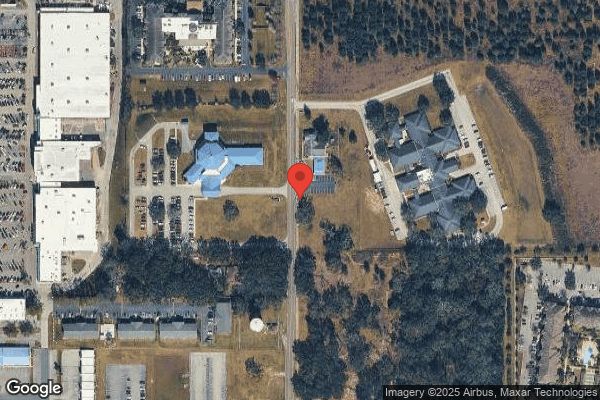

7350 DAIRY RD, ZEPHYRHILLS, FL 33540 (813) 788-4300
For profit - Limited Liability company 113 Beds SOLARIS HEALTHCARE Data: November 2025
Trust Grade
85/100
#115 of 690 in FL
Last Inspection: May 2025

Inspected within the last 6 months. Data reflects current conditions.

Overview

Solaris Healthcare Zephyrhills has a Trust Grade of B+, indicating that it is above average and recommended for families considering care options. It ranks #115 out of 690 facilities in Florida, placing it in the top half, and #2 out of 18 in Pasco County, meaning there is only one better local option. However, the facility is experiencing a worsening trend, with the number of reported issues increasing from 1 in 2024 to 3 in 2025. Staffing is rated 4 out of 5 stars, though turnover is at 44%, which is average for the state. Notably, there have been no fines, suggesting compliance with regulations, but recent inspections found significant concerns, such as failing to keep the kitchen sanitary and not accurately assessing resident care needs, which could impact health and safety. Overall, while there are strengths like high ratings and no fines, families should be aware of the rising issues and specific incidents that could affect resident care.

Trust Score
B+
85/100
In Florida
#115/690
Top 16%
Safety Record
Low Risk
No red flags
Inspections
Getting Worse
1 → 3 violations
Staff Stability
○ Average
44% turnover. Near Florida's 48% average. Typical for the industry.
Penalties
✓ Good
No fines on record. Clean compliance history, better than most Florida facilities.
Skilled Nurses
✓ Good
Each resident gets 43 minutes of Registered Nurse (RN) attention daily — more than average for Florida. RNs are trained to catch health problems early.
Violations
⚠ Watch
18 deficiencies on record. Higher than average. Multiple issues found across inspections.
★★★★★
5.0
Overall Rating
★★★★☆
4.0
Staff Levels
★★★★★
5.0
Care Quality
★★★★☆
4.0
Inspection Score
Stable
2024: 1 issues
2025: 3 issues

The Good

  • 4-Star Staffing Rating · Above-average nurse staffing levels
  • 5-Star Quality Measures · Strong clinical quality outcomes
  • Full Sprinkler Coverage · Fire safety systems throughout facility
  • No fines on record
  • Staff turnover below average (44%)

    4 points below Florida average of 48%

Facility shows strength in staffing levels, quality measures, fire safety.

The Bad

Staff Turnover: 44%

Near Florida avg (46%)

Typical for the industry

Chain: SOLARIS HEALTHCARE

Part of a multi-facility chain

Ask about local staffing decisions and management

The Ugly 18 deficiencies on record

May 2025 3 deficiencies
CONCERN (D)

Potential for Harm - no one hurt, but risky conditions existed

Quality of Care (Tag F0684)

Could have caused harm · This affected 1 resident

Based on observation, interview, and record review, the facility failed to provide central venous catheter dressing changes as ordered in accordance with professional standards of practice for one (Re...

Read full inspector narrative →
Based on observation, interview, and record review, the facility failed to provide central venous catheter dressing changes as ordered in accordance with professional standards of practice for one (Resident #20) of three residents reviewed with a midline catheter. Findings included: During an observation on 5/12/2025 at 12:55 PM, Resident #20 was sitting at their bedside with a left upper arm single lumen midline catheter. The transparent dressing was lifting up at the edges and there was gauze under the transparent dressing occluding the view of the insertion site. The dressing was dated 5/6/2025. During an interview on 5/12/2025 at 12:55 PM Resident #20 stated, They have not changed [the dressing] yet. It was put in a week ago and no one has changed it since it was put in. I get antibiotics two times a day in it for an infection. During an observation on 5/13/2025 at 10:05 AM Resident # 20 was observed sitting at their bedside with a left upper arm, single lumen midline catheter. The transparent dressing was lifting at the edges and there was gauze under the transparent dressing occluding the view of the insertion site. The dressing was dated 5/6/2025. During an observation of medication administration on 5/14/2025 at 7:45 AM, Resident #20 was observed seated on their bed eating breakfast. The left arm midline catheter dressing was lifting at the edges and had gauze under the transparent dressing. The dressing was dated 5/6/2025. Review of Resident #20's physician orders dated 5/6/2025 showed, Change Midline dressing once a week on day shift and as needed. During an interview on 5/14/2025 at 11:57 AM, Staff C, Registered Nurse (RN) stated, The dressing should have been changed yesterday, I'm not sure why it wasn't. The date on it is 5/6/2025. The gauze under the dressing makes it a need to change every two days. During an interview on 5/14/2025 at 12:55 PM, the facility's Director of Nursing (DON) stated, All dressings need to be changed every seven days, if there is gauze under a dressing it should be changed every two days. Review of the facility policy and procedure titled, Catheter Insertion and Care last approval date of 1/2025 showed the following: Policy: Midline catheter dressings will be changed at specified intervals, or when needed, to prevent catheter-related infections associated with contaminated, loosened or soiled catheter-site dressings. General Guidelines: 1. Change midline catheter dressing 24 hours after catheter insertion, every 5-7 days, or if it is wet, dirty, not intact, or compromised in any way. 4. Use a sterile, transparent, semi permeable membrane (TSM) or gauze dressing. If gauze dressing is used, cover the gauze with a TSM dressing and change the dressing every 48 hours.
CONCERN (D)

Potential for Harm - no one hurt, but risky conditions existed

Respiratory Care (Tag F0695)

Could have caused harm · This affected 1 resident

3. Review of Resident #48's admission Record showed diagnoses of chronic obstructive pulmonary disease with acute exacerbation, hypoxemia, and dependence on oxygen. Review of Resident #48's physician ...

Read full inspector narrative →
3. Review of Resident #48's admission Record showed diagnoses of chronic obstructive pulmonary disease with acute exacerbation, hypoxemia, and dependence on oxygen. Review of Resident #48's physician orders dated 12/22/2022 showed, Oxygen 2L via NC [nasal cannula] continuous every shift. During an observation on 5/13/25 at 7:33 AM, Resident #48 was sitting in a wheelchair at their bedside with oxygen running at 3.5 liters via nasal cannula on an oxygen concentrator. The oxygen concentrator was behind the residents wheelchair out of the residents reach. During an interview on 5/14/25 at 11:25 AM, Staff D, RN stated, [Resident #48] would not be able to change her oxygen. I think it gets bumped by staff during care, she goes on a tank when she is going in the wheelchair and back on the concentrator when she is in the room. All oxygen should be at the rate it's ordered. During an interview on 5/14/25 at 2:10 PM, the DON stated, All physician orders for oxygen should be followed. Nurses should check daily what flow rates a resident is on. Review of the facility policy titled Oxygen Administration, with a review date of 12/10/24, revealed the following: Purpose: The purpose of this procedure is to provide guidance for safe oxygen administration. Preparation: 1. Verify that there is a physician's order for this procedure. Review the physician's orders or facility protocol for oxygen administration. 2. Review the resident's care plan to assess any special needs of the resident. Based on observations, interviews, and record review, the facility failed to ensure respiratory care and services were provided consistent with professional standards of practice for oxygen administration for three (Resident #40, Resident #258, and Resident #48) of five residents reviewed for oxygen administration. Findings included: 1. Review of Resident #40's admission Record documented diagnoses of chronic obstructive pulmonary disease (COPD) and unspecified asthma. Review of Resident #40's physician orders dated 5/5/25 showed, Oxygen 2 Liters continuously via nasal canula. Review of the resident centered comprehensive plan of care for Resident #40 showed a Focus dated 2/11/25, The resident has Asthma/COPD. Interventions included: Monitor for difficulty breathing (Dyspnea) on exertion and oxygen as indicated. During an observation on 5/12/25 at 9:09 AM, Resident #40 was lying in bed with oxygen infusing via nasal cannula at 3L/min (3 Liters per minute). During an interview on 5/13/25 at 8:02 AM, Staff B, Registered Nurse (RN) confirmed Resident #40's oxygen was infusing at 3L/min and stated, I think it is supposed to be on 2 but I will check it. Staff B, RN proceeded to check the electronic medical record (EMR) and confirmed the physicians order for Resident #40 for oxygen at 2 Liters continuously via nasal canula. During an interview on 5/13/25 at 10:30 AM, Resident #40's husband stated, she doesn't get out of bed on her own, so she couldn't change it referring to the resident's oxygen administration. During an observation on 5/13/25 at 10:45 AM, Resident #40 was sitting in her wheelchair with oxygen infusing via nasal cannula at 3L/min. 2. Review of Resident #258's admission Record showed diagnoses of acute respiratory failure with hypoxia, acute respiratory failure with hypercapnia, chronic obstructive pulmonary disease with (acute) exacerbation, unspecified asthma, and emphysema. Review of Resident #258's physician order dated 5/6/25 revealed, Oxygen 3 LPM [Liters per minute] via nasal cannula every shift. Review of the resident centered comprehensive plan of care for Resident #258 showed a Focus dated 5/5/25, The resident has Emphysema/COPD r/t (related to) smoking with respiratory failure, hypoxic/hypocarbia. Interventions included oxygen as ordered. During an observation on 5/12/25 at 11:04 AM, Resident #258 was lying in bed with oxygen infusing via nasal cannula at 2L/min. During an observation on 5/13/25 7:29 AM resident #258 was sitting on the side of his bed eating breakfast. Oxygen was infusing via nasal cannula at 2L/min. During an interview on 5/13/25 Resident #258 stated, I only take my oxygen off when I go out of my room, and then they place me on that tank. Resident #258 stated he does not know how to change the flow of his oxygen. During an interview on 5/13/25 at 8:04 AM Staff A, Certified Nursing Assistant (CNA) confirmed resident #258's oxygen was infusing 2L/min. Staff B, RN checked the orders in the EMR and stated, Yes, it was running at the wrong rate. During an interview on 5/15/25 at 8:30 AM, the facility's Director of Nursing stated, Oxygen should be running at the physician ordered rate. Nurses should check the levels when giving meds [medications].
CONCERN (D)

Potential for Harm - no one hurt, but risky conditions existed

Infection Control (Tag F0880)

Could have caused harm · This affected 1 resident

Based on observations, interviews, and policy and procedure review, the facility failed to maintain an effective infection prevention and control program designed to help prevent the transmission of c...

Read full inspector narrative →
Based on observations, interviews, and policy and procedure review, the facility failed to maintain an effective infection prevention and control program designed to help prevent the transmission of communicable diseases and infection, by failing to perform hand hygiene during medication administration for three resident (#20, #60, and #47) of eight residents observed for medication administration. Findings included: During an observation of medication administration on 5/14/2025 at 8:00 AM, Staff C, Registered Nurse (RN), removed medication cart keys from their pocket, unlocked the medication cart, activated the computer and typed on the computer. Staff C, RN prepared medications, went to Resident #20's room, entered the room, and donned gloves without performing hand hygiene. Staff C, RN cleaned the needleless connector of Resident #20's left upper arm midline catheter with an alcohol pad and administered a normal saline flush. Staff C, RN opened the IV (intravenous) tubing and connected the IV tubing to a medication bag. Staff C, RN attached the IV tubing to the midline catheter needleless connector and began to administer the medication. Staff C, RN doffed gloves and exited the room without performing hand hygiene and returned to the medication cart. During an observation of medication administration on 5/14/2025 at 8:15 AM, Staff C, RN returned to the medication cart from a residents room, removed medication cart keys from their pocket, unlocked the medication cart, activated and typed on the computer, removed medication cards, and began to prepare medications for Resident #60 without performing hand hygiene. Staff C, RN entered Resident #60's room, donned a gown and gloves, and administered medications to the resident through a gastrostomy tube. Staff C, RN removed the gown and gloves and exited the room without performing hand hygiene and returned to the medication cart. During an observation of medication administration on 5/14/2025 at 8:35 AM , Staff C, RN returned to the medication cart, removed medication cart keys from their pocket, unlocked the medication cart, activated and typed on the computer, removed medication cards, and began to prepare medications for Resident #47 without performing hand hygiene. Staff C, RN entered Resident #47's room and administered oral medications. Staff C, RN donned gloves without performing hand hygiene and administered eye drops to the resident. Staff C, RN doffed the gloves and exited the room without performing hand hygiene and returned to the medication cart and began to prepare medications for another resident. During an interview on 5/14/2025 at 12:25 PM, Staff C, RN stated, I didn't realize that I did not wash my hands or use hand sanitizer. I should have done that. We should use hand sanitizer before and after we put on gloves. During an interview on 5/14/2025 at 2:30 PM, the facility's Director of Nursing (DON) stated, I would expect all staff to follow our infection control standards for handwashing. Review of the facility policy and procedure titled Handwashing/Hand Hygiene, last approval date of 1/2025, showed the following: Policy Statement: This facility considers hand hygiene the primary means to prevent the spread of infections. Policy Interpretation and Implementation: . 2. All personnel shall follow the handwashing/hand hygiene procedures to prevent the spread of infections to other personnel, residents, and visitors. 7. Use alcohol-based hand rub containing at least 62% alcohol; or, alternatively, soap and water for the following situations: . b. before and after direct contact with residents; c. before preparing or handling medications; . e. Before and after handling an invasive device ( e.g, urinary catheters, IV access sites), . m. After removing gloves. 8. Hand hygiene is the final step after removing and disposing of personal protective equipment. 9. The use of gloves does not replace hand washing/hand hygiene. Integration of glove use along with routine hand hygiene is recognized as the best practice for preventing healthcare-associated infections.
Feb 2024 1 deficiency
CONCERN (D) 📢 Someone Reported This

A family member, employee, or ombudsman was alarmed enough to file a formal complaint

Potential for Harm - no one hurt, but risky conditions existed

Tube Feeding (Tag F0693)

Could have caused harm · This affected 1 resident

**NOTE- TERMS IN BRACKETS HAVE BEEN EDITED TO PROTECT CONFIDENTIALITY** Based on observations, interviews, and record reviews, the facility failed to ensure appropriate care and services related to a ...

Read full inspector narrative →
**NOTE- TERMS IN BRACKETS HAVE BEEN EDITED TO PROTECT CONFIDENTIALITY** Based on observations, interviews, and record reviews, the facility failed to ensure appropriate care and services related to a soiled Percutaneous Endoscopic Gastrostomy (PEG) tube and connector for one (Resident #4) of five total sampled residents. Findings included: An observations of Resident #4's PEG tube and connector on 2/22/24 at 10:32 a.m. revealed the residents PEG tube and connector closest to his body was noted to have black bio-growth on the tubing for the full length of the connector. (Photographic Evidence obtained) An interview with Staff A, Licensed Practical Nurse (LPN) at this time confirmed the PEG tube and connector was covered with black bio-growth. She said the PEG tube should not be in this condition. She said today, 2/22/24, was the first time she had worked with Resident #4, and the first time she had seen the resident's PEG tube. She said she did not know how long the PEG tube connector had been this condition. A review of Resident #4's record showed the resident was re-admitted to the facility on [DATE] with diagnoses that included Encounter for Attention to Gastrostomy. A review of the quarterly Minimum Data Set (MDS) dated [DATE] and a Brief Interview for Mental Status (BIMS) showed a score of 15, which indicated intact cognition. A review of the Resident #4's nurses notes showed the following: -2/17/24 16:11:00 (4:11 p.m.) -Peg tube noted to have black looking residual stuck to inside of tubing. Will follow up with MD for tube replacement. -2/18/24 15:21:00 (3:21 p.m.) -Peg tube noted to have black looking residual stuck to inside of tubing. Will follow up with MD for tube replacement. Closer review of both nurses notes revealed that both notes were documented by the same LPN and were identical. Additionally, there was no documentation that would indicate the staff member had actually notified the physician. A review of current physician orders dated 8/17/22 related to the PEG Tube site care showed, Cleanse peg tube site with NS, pat dry, then apply a drain sponge every night shift and as needed for soiled or dislodged. A review of Resident #4's care plan revealed a care plan with an initiated date of 7/16/2022 and a revision date of 1/16/2024 related to Resident requires enteral tube feeding for nutrition d/t dysphagia/inadequate po intake. Interventions included Check for patency with aspiration & auscultation as ordered dated 07/19/2022; Check gastric residuals and complaints of GI Upset for grievance of continuous TF dated 07/19/2022; Enteral tube site care as ordered/per policy. Dated 07/19/2022 with a revision on 06/07/2023. In an interview on 2/22/24 at 10:31 a.m. with the Nursing Home Administrator (NHA), Director of Nursing (DON), Infection Control Preventionist, and the Regional Nurse Consultant, the DON said tube feeds were maintained every shift and as needed per the physician order. He said if the tube feed tubing/connector was falling apart or in bad condition, staff were to call the physician for directions. He reported if there was discoloration on or in the tubing, there could be residual in the tube. If residual was noticed by staff they should call the physician. The staff should be checking the tube feed and tubing every shift. The tube feed connector should not be discolored and maybe it was a result of the resident taking iron medication. The Infection Control Preventionist said the PEG tubing should not be discolored and she was not aware of the resident having any infection related to the discolored PEG tube. An interview was conducted on 2/22/24 at 1:55 p.m. with the DON and Staff B, LPN. Staff B said when she came in on Monday, 2/19/24, the nurse assigned to Resident #4 the night prior told her she documented over the weekend and spoke to the Nurse Practitioner (ARNP) about the resident's tube feed. She reported she called the Gastro-Intestinal (GI) doctor personally on Monday for an appointment, but made no contact with a person, and just left a voice message. She reported she was not sure if the message was received by the GI doctor. The DON reported it was the actual PEG tube that was soiled and needed replacement. He said he tried to clean it, but the discoloration would not come off because the tubing was old. He said he reported that to the ARNP and wound physician in the building today, 2/22/24. The wound doctor was unable to change the PEG tube and referred the resident to a GI consult. Staff B reported at this time there was no documentation that would indicate the physician was notified prior to today and no documentation that would indicate a consultation appointment was scheduled with the GI doctor prior to today. Review of the facility policy provided titled 17.8 Gastrostomy/Jejunostomy Site Care with a most recent revised date of 01/25/2023 revealed the following: -The purpose of this procedure are to promote cleanliness and to protect the gastrostomy or jejunostomy site from irritation, breakdown and infection. -1. Report complications promptly to the supervisor and the Attending Physician. Review of the facility policy provided titled 17.9 Maintaining Patency of a Feeding Tube (Flushing) with a most recent revised date of 01/25/2023 revealed the following: -The purpose of this procedure is to maintain patency of a feeding tube. -1. Report complications promptly to the supervisor and the Attending Physician.
Apr 2023 10 deficiencies
CONCERN (D)

Potential for Harm - no one hurt, but risky conditions existed

PASARR Coordination (Tag F0644)

Could have caused harm · This affected 1 resident

**NOTE- TERMS IN BRACKETS HAVE BEEN EDITED TO PROTECT CONFIDENTIALITY** Based on observations, record reviews, and interviews, the facility failed to confirm the accuracy of a Pre-admission Screening ...

Read full inspector narrative →
**NOTE- TERMS IN BRACKETS HAVE BEEN EDITED TO PROTECT CONFIDENTIALITY** Based on observations, record reviews, and interviews, the facility failed to confirm the accuracy of a Pre-admission Screening and Resident Review (PASRR) and to correct the document for one (Resident #17) of one resident sampled when mental illness or suspected mental illness diagnoses were identified and added to the resident's medical diagnoses . Findings included: The admission Record for Resident #17 identified the resident was originally admitted on [DATE] and readmitted on [DATE]. The record included diagnoses not limited to generalized anxiety disorder, unspecified mood (affective) disorder, delusional disorders, dementia in other diseases classified elsewhere mild with other behavioral disturbance, and moderate recurrent major depressive disorder. The admission record indicated the resident's diagnosis of dementia was present on admission with an onset date of 10/1/22 and the diagnoses of anxiety disorder, mood disorder, delusional disorders and major depressive disorder was present on admission with the onset date of 1/25/22. On 4/3/23 at 2:28 p.m., Resident #17 was interviewed while lying in bed. The resident related that an aide at the facility had been rough during care. The resident reported informing the facility however did not know who was told or when it was reported. During an interview on 8:56 a.m. on 4/6/23, Resident #17 reported of not remembering speaking with this writer. I won't remember a hour from now. The PASRR for Resident #17, dated 9/28/18, identified the form was completed by a case manager at an acute care facility and no diagnosis or suspicion of Serious Mental Illness (SEMI) or Intellectual Disability (ID) indicated. Level II PASRR evaluation not required. The PASRR section IA: did not identify that the resident was diagnosed with any mental illness (MI) or suspected MI that included: anxiety disorder, bipolar disorder, depressive disorder, dissociate disorder, panic disorder, personality disorder, psychotic disorder, schizoaffective disorder, schizophrenia, somatic symptom disorder, substance abuse or other condition. Resident #17's care plan identified that the resident had depression which was initiated on 1/12/21, had a diagnosis of delusional disorder with statements that the pictures of family on dresser were not actually family which was initiated on 11/10/22, was at risk for further behavior problems related to diagnoses of depression and altered mental health which was initiated on 1/12/21, and used psychotropic medications related to diagnoses of depression, insomnia, anxiety, mood disorder, and delusional disorder which was initiated on 1/12/21. The Psychiatric Diagnostic Evaluation, dated 1/11/22, indicated Resident #17 was being seen for intermittent anxiety, admitted to feeling anxious at sometimes, and reported doing much better with the last medication change. The evaluation identified the resident's limitations included cognitive impairment, physically frail, and was dependent with activities of daily living. The Psychiatric Diagnostic Evaluation, date of service 1/25/22, indicated Resident #17 remained having anxiety symptoms and sometimes struggles with mood. The evaluation identified that the resident received 150 milligram (mg) of the antidepressant Trazodone every bedtime and the 450 mg of the antidepressant Bupropion daily and did not want changes to the medications at that time. The note indicated that the resident was previously seen by psychiatry. The Psychiatric Diagnostic Evaluation, date of service 2/22/22, indicated that Resident #17 described continuing having anxiety symptoms and struggling with (resident) mood. The note identified that the resident had fought depression and had some low points. The Quarterly Minimum Data Set, dated [DATE], identified a Brief Interview of Mental Status (BIMS) score of 7 out of 15, which indicated severe cognitive impairment. The resident's mood interview identified that the resident felt little interest or pleasure in doing things and had trouble falling or staying asleep or sleeping too much nearly every day, felt feeling down, depressed or hopeless for 7-11 days, and felt bad about self or felt like a failure or having let family down for several day (2-6 days). The assessment indicated that the resident did not exhibit any behaviors or potential indicator of psychosis such as hallucinations and/or delusions. The Nursing Home Administrator stated, on 4/4/23 at 4:18 p.m., that the facility did not have a policy regarding PASRR's. On 4/6/23 at 10:24 a.m., the Social Service Director (SSD) said she was responsible for PASARR's and revised them if a diagnosis was missing or there was mental health issue or intellectual disability. The SSD reviewed Resident #17's diagnoses and confirmed that the resident had diagnoses that included anxiety, unspecified mood disorder, and major depressive disorder. The SSD confirmed that the PASRR from 8/23/19 did not have the diagnoses.
CONCERN (D)

Potential for Harm - no one hurt, but risky conditions existed

Comprehensive Care Plan (Tag F0656)

Could have caused harm · This affected 1 resident

**NOTE- TERMS IN BRACKETS HAVE BEEN EDITED TO PROTECT CONFIDENTIALITY** Based on record review and interview, the facility failed to develop a Care Plan related to pain for one (Resident #46) of one r...

Read full inspector narrative →
**NOTE- TERMS IN BRACKETS HAVE BEEN EDITED TO PROTECT CONFIDENTIALITY** Based on record review and interview, the facility failed to develop a Care Plan related to pain for one (Resident #46) of one residents reviewed for Hospice services. Findings included: A review of Resident #46's record revealed the resident was admitted to the facility on [DATE] and had diagnoses that included Severe Protein Calorie Malnutrition, Hydrocephalus, Altered Mental Status, and Chronic Obstructive Pulmonary Disease. A review of the resident's current physician orders revealed Resident is a member of the Bronze A team Hospice, Dx E43.0 unspecified protein-calorie malnutrition . with an order date of 3/10/23 A continued review of the resident's current physician orders revealed the resident had a current order for Morphine Sulfate (Concentrate) Oral Solution 100 MG/5 ML, Give 0.25 ml by mouth every 4 hours as needed for pain or dyspnea *Non acute pain*, dated 3/28/23. A review of the resident's Medication Administration Record (MAR) revealed Resident #46 had a pain level of 5 on 4/3/23 at 1654 (4:54 p.m.) and 4/5/23 1104 (11:04 a.m.), and received Morphine 0.25 ml. A review of the resident's record revealed there was no care plan in place to address the resident's pain. In an interview on 4/04/23 at 2:55 p.m., the Minimum Data Set (MDS) Director, Licensed Practical Nurse, (LPN) and the MDS Coordinator, Registered Nurse (RN) revealed they worked together to complete MDS assessments and ensured appropriate care plans were developed and maintained for each resident. The MDS Director and the MDS Coordinator reviewed Resident #46's record and was unable to locate a current care plan to address pain. The MDS Director reported, I can't say why there is no care plan for pain. She reported she did not know why there was no hospice care plan. Further review of the record revealed the MDS Coordinator had developed a care plan for Resident #46 to address pain on 3/7/23 and resolved the care plan on the same day. The MDS Director reported there was no process in place to review and/or monitor the resident's care plan for accuracy.
CONCERN (D)

Potential for Harm - no one hurt, but risky conditions existed

Incontinence Care (Tag F0690)

Could have caused harm · This affected 1 resident

**NOTE- TERMS IN BRACKETS HAVE BEEN EDITED TO PROTECT CONFIDENTIALITY** Based on observations, record reviews, and interviews, the facility failed to ensure that one (Resident #74) of nine, facility-r...

Read full inspector narrative →
**NOTE- TERMS IN BRACKETS HAVE BEEN EDITED TO PROTECT CONFIDENTIALITY** Based on observations, record reviews, and interviews, the facility failed to ensure that one (Resident #74) of nine, facility-reported urinary catheters, were stored in a sanitary manner related to the resident's urinary drainage bag being observed on the floor on multiple occasions. Findings included: A review of the admission Record for Resident #74 indicated the resident was admitted on [DATE] and 10/14/22. The record included diagnoses not limited to unspecified retention of urine, presence of urogenital implants, unspecified obstructive and reflux Uropathy, and benign prostatic hyperplasia without lower urinary tract symptoms. An observation was made on 4/4/23 at 9:41 a.m. of Resident #74 lying in bed with a urinary catheter bag on the floor next to the bed. The resident stated the bag fell on the floor as it was not the normal bag. On 4/5/23 at 10:28 a.m., Resident #74 was observed with his eyes closed lying in bed with the urinary drainage bag lying on the floor next to the bed. During the observation of medication administration with Staff J, agency Licensed Practical Nurse (LPN), Resident #74 was observed lying in bed, alert and oriented, with a urinary drainage bag on the floor. Staff J administered medications to the resident as the bag lay on the floor under the over-the-bed table. Staff J did not address its placement or attempt to educate the resident on the proper management of the bag. On 4/5/23 at 10:29 a.m., Staff R, Certified Nursing Assistant (CNA) observed the urinary drainage bag on the floor. Staff R stated Resident #74 was independent and staff helped the resident with showers and served the meal. Staff R confirmed the drainage bag should be hung up and said it was what the resident did and the resident did not hang it up after using the bathroom. Photographic evidence was obtained. A review of Resident #74's quarterly Minimum Data Set (MDS), dated [DATE], identified a Brief Interview of Mental Status (BIMS) score of 14 out of 15, which indicated intact cognitive. The data set revealed the residents' urinary status was not rated due to the resident had a catheter, urinary ostomy or no urine output for the entire 7 days (of the assessment period). The assessment identified that the resident required limited assistance from one-person with toileting. The review of Resident #74's care plan identified the following problems associated with the residents indwelling urinary catheter: - Had an indwelling catheter related to (r/t) obstructive Uropathy. The interventions included: resident had an indwelling catheter, position catheter bag and tubing below the level of the bladder, ensure tubing is anchored above knee, and ensure tubing and bag are not touching the floor. - Resident displays behaviors. Carries indwelling catheter bag above level of bladder. Refuses to use leg bag for catheter. The interventions included to discourage resident from carrying Foley bag above level of bladder, explain risks of continued behavior, and praise all efforts at compliance. Encourage use of privacy bag. - Risk for infection r/t indwelling catheter. The interventions included Manage indwelling catheters to minimize risk of infection. - Resident has an Activities of Daily Living (ADL) self-care performance deficit r/t deconditioning, weakness, and impaired mobility status post (s/p) hospital (hosp.) stay diagnosis (dx) metabolic encephalopathy, acute kidney infection (AKI), and urinary tract infection (UTI). 12/29/22 readmit dx congestive heart failure (CHF) exacerbation, pneumonia, and UTI. The interventions identified that the resident required extensive assistance from one staff member for toileting. - Resident had a self-care deficit related to toileting. The intervention identified that the resident used the bathroom for toileting. - Knowledge Deficit. The interventions did not include amongst other listed resident/representative educations that staff were to educate on the placement of the urinary drainage bag. A review of the Resident #74's care plan with interventions identified that the resident chose to leave the indwelling catheter drainage bag on the floor. On 4/6/23 at 9:27 a.m., the Director of Nursing (DON) stated that a catheter drainage bag should be kept below the waist and not touching the ground. The DON reported that Resident #74 was unique. On 4/6/23 at 10:51 a.m., the Infection Preventionist stated education was ongoing with Resident #74 regarding keeping urine drainage bag off of floor. The review of facility policy - Urinary Indwelling Catheter, number 250.3590, identified that Interventions should be implemented to minimize the risks associated with indwelling catheter use may include: Avoid drainage bag/tubing from coming in contact with floor. (if contact made with floor cleanse with disinfecting wipes). The nursing assistant education, provided by the facility, identified that Catheters create a high risk for Urinary Tract Infections (UTIs). A catheter associated urinary tract infection (CAUTI) occurs when microbes enter the urinary tract through the catheter and cause an infection. Microbes travel up the catheter into the bladder and kidneys. CAUTIs can cause severe illness and death. Proper catheter care can reduce the risk of a CAUTI. The education instructed nursing assistants to Do not let the drainage bag touch or rest of the floor. This can contaminate the system.
CONCERN (D)

Potential for Harm - no one hurt, but risky conditions existed

Deficiency F0697 (Tag F0697)

Could have caused harm · This affected 1 resident

Based on record review, interviews, and policy review, the facility failed to ensure pain management services were provided per physician orders for one (Resident #35) of three residents reviewed for ...

Read full inspector narrative →
Based on record review, interviews, and policy review, the facility failed to ensure pain management services were provided per physician orders for one (Resident #35) of three residents reviewed for pain. Findings included: During an interview on 04/03/23 at 12:52 p.m., Resident #35 stated she had frequent pain even with pain medication. A review of Resident #35's medical record showed a physician order dated 02/22/23, for Acetaminophen Tablet 325 mg- Give 2 tablet by mouth every 6 hours as needed for Pain - Mild (1-4) A second physician order dated 02/22/23 stated, Hydrocodone Acetaminophen Oral 10-325 mg- Give 1 tablet by mouth every 6 hours as needed for Pain-Moderate (5-7). The comprehensive care plan showed a focus for acute/chronic pain, a goal for Resident #35 to satisfyingly report pain control, and an intervention of a pain management treatment plan, dated 02/22/2023. A review of Resident #35's medical record showed the Medication Administration Record (MAR) for March 2023. The March 2023 MAR showed the following discrepancies between Resident #35's disclosed pain level and the pain medication to be administered per physician's order: The physician order of Hydrocodone Acetaminophen Oral 10-325 mg- Give 1 tablet by mouth every six (6) hours as needed for Pain-Moderate (5-7) was given outside the physician ordered parameters on the following dates: -03/01/23- pain level of 3 -02/03/23- pain level of 4 -03/05/23- pain level of 4 -03/09/23- pain level of 3 -03/14/23- pain level of 2 -03/15/23- pain level of 3 -03/20/23- pain level of 3 -03/28/23- pain level of 3 -03/30/34- pain level of 4 The physician order of Acetaminophen Tablet 325 mg- Give 2 tablet by mouth every 6 hours as needed for Pain - Mild (1-4) was given outside the physician ordered parameters on the following date: - 03/20/23- pain level 6 During an interview on 04/05/23 at 3:39 p.m., the Director of Nursing (DON) confirmed the pain medications were not given per physician order and outside the parameters. A review of the facility's policy titled, Pain Management Program reviewed date 10/24/22, stated, Medication will be administered based on evaluated level of pain and by MD order.
CONCERN (D)

Potential for Harm - no one hurt, but risky conditions existed

Deficiency F0757 (Tag F0757)

Could have caused harm · This affected 1 resident

**NOTE- TERMS IN BRACKETS HAVE BEEN EDITED TO PROTECT CONFIDENTIALITY** Based on observation, record review, and interview, the facility failed to ensure medications were administered appropriately an...

Read full inspector narrative →
**NOTE- TERMS IN BRACKETS HAVE BEEN EDITED TO PROTECT CONFIDENTIALITY** Based on observation, record review, and interview, the facility failed to ensure medications were administered appropriately and within the parameters ordered by the physician for two (Residents #2 and #57) of five residents sampled for medication regimen review. Findings included: 1. The admission Record for Resident #2 indicated the resident was admitted on [DATE] and 10/25/22. The record included diagnoses not limited to metabolic encephalopathy, essential (primary) hypertension, and Type 2 Diabetes mellitus without complications. The March 2023 Medication Administration Record (MAR) identified an order for Midodrine 5 milligram (mg) - Give 1 tablet by mouth three times a day for blood pressure support. Give for systolic blood pressure (sbp) less than 100. The March MAR indicated staff administered Midodrine twenty-one times when Resident #2's systolic blood pressure was greater than 100 and twice for a systolic blood pressure that was not documented out of 90 opportunities. The April MAR indicated staff had administered Midodrine three times when Resident #2's systolic blood pressure was greater than 100 and once for an undocumented blood pressure out of 16 opportunities. The care plan indicated Resident #2 had an ineffective peripheral tissue perfusion and a risk for decreased cardiac output which instructed staff to evaluate blood pressure. On 4/6/23 at 12:41 p.m., the Director of Nursing reviewed the March MAR and confirmed that Midodrine had been given out of parameters. The Regional Director of Nursing stated the order was written backwards and it (the medication) should be as needed. 2. The admission Record for Resident #57 identified the resident was admitted on [DATE], with diagnoses which included but not limited to lumbar region radiculopathy, unspecified low back pain, thoracic region spinal stenosis, lumbar region fusion of spine, and cervical region fusion of spine. The Order Summary Report for Resident #57 included physician orders for: - Acetaminophen tablet 325 milligram (mg) - Give 2 tablet by mouth every 6 hours as needed for pain - mild (1-4). - Norco tablet 5-325 mg (Hydrocodone-Acetaminophen) - Give 1 tablet by mouth every 12 hours as needed for pain - moderate (5-7). A review of the March Medication Administration Record (MAR) identified that Resident #57 was not administered Acetaminophen for mild pain of 1-4 rating. The MAR indicated that the resident had been administered Norco twice for a pain level of 3 and twice for a pain level of 2 out of 10 administrations of the medication. The review of the April Mar for Resident #57 identified that the resident had not received any pain medication as of 4/6/23. During an interview on 4/5/23 at 3:45 p.m. the Director of Nursing reviewed Resident #57's record and confirmed that the resident was administered Norco outside of parameters. The policy - General Dose Preparation and Medication Administration, effective 12/1/07 and revised on 5/1/10, 1/1/13, and 1/1/22, indicated This policy 6.0 sets forth the procedures relating to general dose preparation and medication administration. Facility staff should also refer to Facility policy regarding medication administration and should comply with Applicable Law and the State Operations Manual when administering medications. The procedure indicated that Facility staff should 4.1.1: Verify each time a medication is administered that it is the correct medication, at the correct dose, at the correct route, at the correct rate, at the correct time, for the correct resident, as set forth in the facility's medication administration schedule.
CONCERN (D)

Potential for Harm - no one hurt, but risky conditions existed

Unnecessary Medications (Tag F0759)

Could have caused harm · This affected 1 resident

**NOTE- TERMS IN BRACKETS HAVE BEEN EDITED TO PROTECT CONFIDENTIALITY** Based on observation, record review, and interview the facility failed to ensure that the medication error rate was less than 5....

Read full inspector narrative →
**NOTE- TERMS IN BRACKETS HAVE BEEN EDITED TO PROTECT CONFIDENTIALITY** Based on observation, record review, and interview the facility failed to ensure that the medication error rate was less than 5.00%. Thirty-two medication administration opportunities were observed, and two errors were identified for two (Residents #86 and #74) of four residents observed. These errors constituted a 6.25% medication error rate. Findings included: 1. An observation of medication administration was conducted on 4/5/23 at 8:09 a.m. for Resident #86 with Staff I, Licensed Practical Nurse (LPN). The staff member dispensed the following medications: - Vitamin C 500 milligram (mg) tablet - Fluticasone propionate nasal spray 50 microgram (mcg) - Multivitamin tablet - Oxybutynin Extended Release 5 mg tablet - Formoterol 20 mcg/2 milliliter (mL) vial - Gabapentin 100 mg - 3 capsules = 300 mg (removed from Emergency Drug Kit (EDK)) - Aspirin Enteric-coated 81 mg tablet Staff I confirmed 7 tablets had been dispensed prior to entering the resident room. The resident refused an ordered Lidocaine patch and the staff member returned to the medication cart and dispensed: - Tramadol Extended Release 100 mg tablet Staff I notified the Nurse Practitioner that Resident #86's Fenofibrate and Midodrine was not available. Staff I called pharmacy regarding the delivery of the medications and reported Gabapentin and Midodrine were being delivered today, 4/5/23, and the Fenofibrate order had to be discontinued and reordered due to insurance purposes. On 4/5/23 at 8:52 a.m., Staff I returned to Resident #86's room with the medications and the resident refused Gabapentin. The staff member placed 3 capsules of Gabapentin into a drug dissolving liquid located in the medication cart, returned to the resident room, and administered the medications. A review of Resident #86's admission Record identified that the resident was originally admitted on [DATE] and readmitted on [DATE]. The record included diagnoses not limited to subsequent encounter for fracture with routine healing - other fracture of T11-T12 vertebra, acute and chronic respiratory failure with hypoxia, and Type 2 diabetes mellitus without complications. The review of Resident #86's April Medication Administration Record (MAR) identified a physician order for the following medication: - Oxybutynin Chloride ER oral tablet Extended Release 24 hour 5 mg (Oxybutynin Chloride) - Give 10 mg by mouth one time a day for bladder spasms. The observation of Resident #86's medication administration identified that one 5 mg tablet of Oxybutynin was dispensed and administered. 2. An observation of medication administration was conducted at 4:19 p.m. on 4/5/23 with Staff J, LPN for Resident #74. Staff J dispensed the following medications: - Docusate 100 mg softgel capsule - Carvedilol 12.5 mg tablet - Warfarin 10 mg tablet Staff J obtained the residents' glucometer from a clear plastic bag, a glucometer test strip, and a alcohol pad then entered the resident's room. Resident #74 poked own finger with lancet and the Staff J announced a blood glucose level of 193. The resident reported oh 2 units. Staff J returned to the medication cart, dispensed Resident #74's requested Hydrocodone/Acetaminophen 5/325 mg tablet and placed a needle on the Insulin Lispro insulin pen. The staff member confirmed dispensing 4 tablets. After returning to the resident room, Staff J dialed the insulin pen to 1 unit, identifying the process of priming the insulin pen, then dialed the dose selector to 5 units and injected the 5 units into the resident's upper left arm. Staff J administered the oral medication and obtained a pain level of 7 from the resident. A review of Resident #74's April MAR on 4/6/23 at approximately 8:45 a.m., indicated the following physician order: - Humalog Kwikpen solution Pen-injector 100 unit/milliliter (mL) (Insulin Lispro). Inject as per sliding scale: If 150-199 = 1 unit. Call MD if <70, after glucose gel and recheck in 15 minutes; 200-249 = 3 units; 250-299 = 5 units; 300-349 = 7 units; 350-399 = 9 units; 400-449 = 10 units; 450+ = 10 units and notify MD. Subcutaneously before meals and at bedtime for Diabetes Mellitus (DM). Prime pen with 2 units air shot prior to insulin administration. On 4/6/23 at 9:00 a.m., a review was completed with Staff S, LPN of Resident #74's recent glucometer readings. The glucometer identified a blood glucose reading of 193 on 4/5/23. The staff member confirmed the resident did not have a level of 293 as Staff J had documented. Staff S confirmed recent readings of 153 and 101 completed after the reading of 193. A review of the April MAR indicated Resident #74 had a blood glucose level of 101 at 6:30 a.m. on 4/6/23 and had a blood glucose level of 153 at 9:00 p.m. on 4/5/23. On 4/6/23 at 9:21 a.m., the Director of Nursing and Regional Director of Nursing were notified of the medication error rate. The policy - General Dose Preparation and Medication Administration, effective 12/1/07 and revised on 5/1/10, 1/1/13, and 1/1/22, indicated This policy 6.0 sets forth the procedures relating to general dose preparation and medication administration. Facility staff should also refer to Facility policy regarding medication administration and should comply with Applicable Law and the State Operations Manual when administering medications. The procedure indicated that Facility staff should 4.1.1: Verify each time a medication is administered that it is the correct medication, at the correct dose, at the correct route, at the correct rate, at the correct time, for the correct resident, as set forth in the facility's medication administration schedule.
CONCERN (D)

Potential for Harm - no one hurt, but risky conditions existed

Deficiency F0849 (Tag F0849)

Could have caused harm · This affected 1 resident

**NOTE- TERMS IN BRACKETS HAVE BEEN EDITED TO PROTECT CONFIDENTIALITY** Based on record review and interview, the facility failed to ensure coordination of services by ensuring Hospice provided the fa...

Read full inspector narrative →
**NOTE- TERMS IN BRACKETS HAVE BEEN EDITED TO PROTECT CONFIDENTIALITY** Based on record review and interview, the facility failed to ensure coordination of services by ensuring Hospice provided the facility with a Hospice plan of care and the Hospice plan of care was maintained in the facility for one (Resident #46) of one resident reviewed for Hospice services. Findings included: Review of Resident #46's record revealed the resident was admitted to the facility on [DATE] and had diagnoses that included Severe Protein Calorie Malnutrition, Hydrocephalus, Altered Mental Status, and Chronic Obstructive Pulmonary Disease. Review of the residents current physician orders revealed Resident is a member of the Bronze A team Hospice, Dx E43.0 unspecified protein-calorie malnutrition . with an order date of 3/10/23 Continued review of the resident's record revealed no presence of a care plan that should have been provided by Hospice. An interview on 4/04/23 at 2:55 p.m. with the Minimum Data Set (MDS) Director, Licensed Practical Nurse (LPN) and the MDS Coordinator, Registered Nurse (RN) revealed they worked together to complete MDS assessments and ensured appropriate care plans were developed and maintained for each resident. The MDS Director reported she did not know why there was no Hospice care plan. A phone interview on 4/04/23 at 3:13 p.m., with the Hospice LPN and the Critical Care Management Assistant (CCMA) revealed they had a Hospice plan of care and journal notes on file which were reprinted on 3/31/23 and should be in the facility. An interview on 4/04/23 at 3:32 p.m., with Staff D, LPN revealed she was an agency nurse and was familiar with the resident. She said she was not sure where the Hospice plan of care would be. She said it might be in the computer, but was unable to locate it. She said the Unit Manager would know where it was and left the area to find the Unit Manager. An interview on 4/04/23 at 3:39 p.m. with Staff E, LPN, Unit Manager, while she searched the nurses station, revealed she could not find the Hospice plan of care. She reported, they should have one here. She reported she would call hospice and obtain a Hospice plan of care. During an interview on 4/05/23 at 12:14 p.m. with Staff F, RN, Hospice Case Manager, and Staff G, RN Hospice Clinical Care Manager, Staff G reported the Hospice care plan was typically kept in the residents medical records, and one was also kept in a folder for the family. He reported the Hospice care plan should have been in the folder left by the Hospice admission department, per their hospice process. Staff F reported she was assigned to resident #46 and saw the resident a couple of times a week. She reported she did not check for presence of the Hospice care plan. Staff G reported the Hospice nurse should be checking for the presence of the Hospice care plan on the first of every month. Review of the Inpatient Services Agreement between the facility and the hospice vendor entered into on 2/12/2018 revealed the following: Under the heading 3. Responsibilities of Hospice sub-section (ii) Plan of Care (b) Provision of Plan of Care to Facility. Upon a Hospice Patient's admission to Facility, Hospice shall furnish a copy of the current Plan Care. Hospice shall specify the Inpatient Services to be furnished by Facility to such Hospice Patient. Review of the facility policy titled Hospice Program with an effective date of 12/22/21 revealed the following: 8. Coordinated care plans for residents receiving hospice services will include the most recent hospice plan of care as well as the care and services provided by our facility.
CONCERN (E)

Potential for Harm - no one hurt, but risky conditions existed

Assessment Accuracy (Tag F0641)

Could have caused harm · This affected multiple residents

**NOTE- TERMS IN BRACKETS HAVE BEEN EDITED TO PROTECT CONFIDENTIALITY** Based on observations, interviews, record reviews, the facility failed to ensure the comprehensive Minimum data Set (MDS) assess...

Read full inspector narrative →
**NOTE- TERMS IN BRACKETS HAVE BEEN EDITED TO PROTECT CONFIDENTIALITY** Based on observations, interviews, record reviews, the facility failed to ensure the comprehensive Minimum data Set (MDS) assessments were accurately coded for three (Residents #95, #101 and #24) of twenty-one sampled residents Findings included: 1. During an interview on 04/03/23 at 10:50 a.m., Resident #95 stated he had not been on a ventilator and stated he only used a continuous positive airway pressure (CPAP) machine at night. An observation on 04/03/23 at 10:50 a.m., showed Resident #95 was not on a ventilator and was sitting in wheelchair. Resident #95 was observed as he proceeded to wheel himself out of his room and down the hallway. A review of Resident #95's medical record showed no current or discontinued physician orders for a ventilator. The physician orders included, CPAP Cleansing, CPAP settings at 8cmH2O as needed for naps and every shift for sleep apnea (on at bedtime off in the morning) and monitor shortness of breath with exertion and when sitting. The comprehensive care plan did not show a focus for use of a ventilator. The care plan showed a focus for CPAP therapy with a goal of Resident #95 to adhere to the CPAP regimen with interventions to include education on the importance of CPAP therapy and encouragement on the use of the CPAP. The Medicare- 5 Day Minimum data Set (MDS) assessment dated [DATE] showed usage of an Invasive Mechanical Ventilator while a resident in the facility (section O). Review of the facility's documentation titled, Facility Assessment Tool updated date 12/14/22, stated Ventilator or Respirator 0 Residents. During an interview on 04/05/23 at 12:54 p.m., Staff A, Registered Nurse (RN) MDS Coordinator stated,we do not have vents here, it's a typo. During a concurrent interview on 04/05/23 at 12:54 p.m., Staff B, Licensed Practical Nurse (LPN) MDS Director stated the MDS would be corrected immediately. Staff B LPN MDS Director stated Resident #95 did not have a ventilator while in the facility as the facility did not take residents on vents. During an interview on 04/06/23 at 10:45 a.m., the Regional Registered Nurse stated there was no policy on ventilation care because the facility was not equipped to take care of residents with ventilators. 2. Resident #101 was admitted to the facility after hospitalization for a cerebral hemorrhage. Resident #101's past medical history was significant for hypertension, prostate cancer, and traumatic brain injury after fall at home. Resident #101 was discharged to an Assisted Living Facility (ALF) on 3/9/23. Review of Resident #101's medical record revealed: A Social Services' discharge summary written on 3/9/23 at 10:33 a.m., read as follows, Resident discharged home to [name of facility] ALF on 3/9/23 with all meds. [name of company] home health to follow with recommended Physical Therapy, Occupational Therapy. Resident informed of discharge process. Resident has been informed of pickup time between 11-1 pm, pickup arrangements scheduled and confirmed with residents accepting facility. Review of Resident #101's Minimum Data Set (MDS) Section A showed resident was discharged on Wednesday March 22, 2023 at 11:14:28 a.m. to an acute care hospital. An interview was conducted with Staff A, Registered Nurse and Staff B, Licensed Practical Nurse from the facility MDS office. Staff A and B reviewed Section A of the MDS and the resident's discharge summary. Staff A and B said discharge to hospital was a typo and they would correct it. 3. A review of the admission Record indicated Resident #24 was admitted on [DATE] with diagnoses which included but not limited to right hand contracture, left hand contracture, abnormal weight loss, and unspecified protein-calorie malnutrition. An observation on 4/4/23 at 9:59 a.m., identified Resident #24 lying in bed with eyes closed and bilateral hands in an curled position held above the blankets. The observation did not reveal a splint, brace or soft device on either hand. The review of the recent comprehensive assessment, Significant Change in Status which was dated 2/9/23, included active diagnoses of arthritis and right hand contracture. A review of section G indicated the resident had no Functional Limitation in Range of Motion impairment of the upper extremity which included shoulder, elbow, wrist, and/or hand. A continued review of the skin condition portion of the comprehensive assessment indicated the determination of pressure ulcer/injury risk was done by clinical assessment and did not identify that the resident had a pressure ulcer/injury, a scar over bony prominence, or a non-removable dressing/device. The determination instructed assessors to Check all that apply. The skin assessment indicated the resident had one unstageable pressure ulcer due to coverage of wound bed by slough and/or eschar. The care plan for Resident #24 identified the resident had limited physical mobility related to (r/t) Alzheimer's, contractures, (and) weakness. The interventions indicated staff were to monitor/document/report as needed any signs/symptoms of immobility, contractures forming or worsening, thrombus formation, skin breakdown, (and) fall related injury that was initiated on 6/18/21. On 4/5/23 at 12:38 p.m., the Assistant Director of Nursing (ADON) reported to overseeing the restorative program. The ADON stated that Resident #24 had refused splints (to bilateral hands) and also rolled washcloths. The staff member indicated that the resident's family was more for quality of life versus quantity. An interview was conducted on 4/5/23 at 1:12 p.m., with Staff A and Staff B regarding Resident #24. Staff B stated she did not know whether the resident had contractures and would have to look at the clinical record. Staff B reviewed the diagnoses list of the resident and confirmed the resident had right and left hand contractures. Staff B reviewed the Significant Change in Status assessment, dated 2/9/23, and confirmed the assessment did not identify that the resident had an upper extremity impairment. Staff B stated, was a mistake and thank you for bringing to our attention.
CONCERN (E)

Potential for Harm - no one hurt, but risky conditions existed

Food Safety (Tag F0812)

Could have caused harm · This affected multiple residents

Based on observation, interview and record review, the facility failed to maintain the kitchen in a clean and sanitary manner and ensure that kitchen equipment was functioning appropriately related to...

Read full inspector narrative →
Based on observation, interview and record review, the facility failed to maintain the kitchen in a clean and sanitary manner and ensure that kitchen equipment was functioning appropriately related to a broken walk-in/reach-in refrigerator and soiled steamer oven. Findings included: On 4/04/23 at 10:54 a.m. a comprehensive tour of the kitchen was conducted. The tour, with the Certified Dietary Manager (CDM) present, revealed the Walk-in/reach-in refrigerator had condensation around the door, which was also noted to be sealed with silver tape. An interview with the CDM at this time revealed this had been an on-going issue. Several vendors came in but were unable to seal and/or fix the door appropriately so the door was not used. She reported she did not know when the last time the vendor was in to fix the reach-in door to the refrigerator. (Photographic Evidence obtained) On 4/04/23 at 10:58 a.m., both sides of the steamer oven were noted to be soiled with dried up food and grease. An interview with the CDM at this time revealed she would get it cleaned. She reported the task was usually completed by the maintenance department, but at this time, the facility did not have a Maintenance Director. A interview on 4/04/23 at 11:24 a.m., with Staff H, Plant Service Director for a sister facility, revealed he called a vendor and they would come out to service the walk-in/reach-in refrigerator. He reported he was not aware of what had been done in the past to fix the doors of the walk-in/reach-in refrigerator. On 4/04/23 at 11:45 a.m., the CDM provided the cleaning checklist for the week of 4/1/23. The checklist did not allow for documentation that the sides of the equipment were checked and/or cleaned. The checklist did not reflect documentation of the the condensation and presence of silver tape on the walk-in/reach-in refrigerator. An interview on 4/04/23 at 2:20 p.m., with the Administrator (NHA) and Staff H revealed the vendor was in the building and working on walk-in/reach-in refrigerator. Staff H reported that this could be an infection control issue because the tape was not cleanable. A request was made of the facility to provide all vendor invoices related to the repair and or service to the walk-in/reach-in refrigerator, but none was provided. Review of the facility policy titled Dietary Sanitation with an effective date of 01/01/2007 and a review date of 11/20/2017 revealed the following: Sub-heading Cleaning and Maintenance: 1. Cleaning schedules for all equipment areas of the dietary department are posted with completion of cleaning recorded by the staff member assigned. /the cleaning schedules are monitored by the dietary manager to verify they are being followed by staff. 5. The Dietary manager provides supervision and monitors proper procedures are being followed by department staff, in accordance with requirements. Review of the facility policy titled Environment Maintenance with an effective date of 01/01/2007 and a review date of 12/19/2013 revealed the following: It is the policy of this facility to provide a safe, clean, well maintained facility and grounds. The facility will be maintained and equipped to provide a sanitary, orderly, and comfortable environment that protects the health and safety of residents, personnel and public.
CONCERN (E)

Potential for Harm - no one hurt, but risky conditions existed

Infection Control (Tag F0880)

Could have caused harm · This affected multiple residents

**NOTE- TERMS IN BRACKETS HAVE BEEN EDITED TO PROTECT CONFIDENTIALITY** Based on observation, record review, and interview, the facility failed to implement an effective Infection Control program rela...

Read full inspector narrative →
**NOTE- TERMS IN BRACKETS HAVE BEEN EDITED TO PROTECT CONFIDENTIALITY** Based on observation, record review, and interview, the facility failed to implement an effective Infection Control program related to staff knowledge of the facility's expectation in the cleansing of personal protective eye equipment and knowledge of the contact time necessary to kill microbes on reusable equipment on two of two units, and to adhere to posted precautions while administering an aerosol treatment for one (Resident #86) of one resident observed. Findings included: 1. On 4/3/23 at 9:00 a.m., Staff L, Receptionist, said she was unsure of the COVID-19 status of the facility and the expected personal protective equipment to be worn was a surgical mask. Staff C, Infection Preventionist (IP), stated on 4/3/23 at 10:26 a.m., the county COVID-19 transmission rate was high so the Center of Disease Control and Prevention (CDC) recommendation was to wear a surgical mask and eye protection while in patient care areas. The interview was conducted next to the Dining Room for the [NAME], [NAME], and [NAME] units. A sign posted with education and screening forms in the facility lobby indicated that the county positivity rate requires all health care workers to wear a mask. The sign did not identify that eye protection was necessary. On 4/3/23 at 12:03 p.m., Staff T, Certified Nursing Assistant (CNA), reported washing goggles with soap and water. Staff T reported having a spray to clean goggles. Staff T stated the spray was in the soiled utility or the shower room. An observation of the soiled utility room for the [NAME]/[NAME]/[NAME] units did not contain a spray bottle. An observation was conducted with Staff T of a spray bottle in the shower room at the end of [NAME] hall. The bottle was labeled Peroxide Multi Surface Cleaner and Disinfectant and contained a bright yellow liquid. Staff T took the spray bottle to the soiled utility room, sprayed writers goggles with the liquid and stated it was to be wet for 3-5 seconds then rinsed off the goggles and wiped them with a paper towel. Staff T then washed personal goggles and eyeglasses with soap and water. A review of Peroxide Multi Surface Cleaner and Disinfectant on 4/6/23 at 6:22 a.m., identified that the cleaner disinfects in 3-5 minutes, killed SARS-CoV 2 in 30 seconds when diluted and used according to directions, and killed Norovirus in 45 seconds. An interview was conducted on 4/3/23 at 12:24 p.m. with Staff U, Licensed Practical Nurse (LPN). Staff U said the Peroxide cleaner was in the clean utility room and after using it the staff store their goggles in a paper bag. When informed of cleaning the goggles in the soiled utility room, Staff U stated oh no we don't go in there unless necessary due to it being smelly. An observation was conducted with Staff U of the clean utility room with a hanging shoe caddy that contained brown paper bags. Staff U the Peroxide liquid was to be wet for 5 minutes and cleaned goggles after shift before giving report, report took longer than 5 minutes but has to be on for at least 5 minutes. The facility provided two policies regarding the process of protective eye wear: - Facility Practice Guidelines: Utilization and Reprocessing of eye protection, revised on 3/31/20, 1/8/21, and 4/30/21, indicated that To define utilization of protective eye wear, and to minimize the potential for transmission of organisms by reprocessing eye protection per CDC guidelines. This policy identified that for residents without transmission-based precautions and community positivity rates are medium to high: The employee may use the eye protection (i.e. goggles) between residents without disinfecting from resident to resident for those without transmission-based precautions. The policy identified for reprocessing eye protection staff should spray the eye wear with Peroxide Multi Surface Cleaner and Disinfectant until wet, allow to sit for 30 seconds per manufacturer guidelines to kill SARS CoV 2 and after 30 seconds wipe dry with clean paper towel. - Facility (Skilled Nursing Facility-SNF) COVID-19 Pandemic Plan, created 7/13/21, effective 11/15/21, and most recently reviewed 10/5/22, identified that Team members will use eye protection for all resident encounters while facility is an area of substantial to high community transmission. Reusable eye protection should be cleaned and disinfected after each patient encounter. During the meal service on 4/3/23 at 12:26 p.m., Staff N and O, CNAs, were observed taking meal trays into rooms without cleaning and/or disinfecting the face shield or goggles worn. Staff Member O stated the staff were supposed to clean glasses in between each resident but was nervous and forgot. On 4/3/23 at 1:41 p.m. Staff N, demonstrated going into the clean utility room, she sprayed the face shield (with Peroxide cleaner) and said leave the spray on for a couple seconds then wipe it down. Staff N admitted not cleaning the face shield in between each resident. Staff P, LPN stated on 4/3/23 at 1:51 p.m. that it did not make sense to clean the goggles in the clean utility room, next to an open container of spoons. The staff member reported to only cleaning goggles when patient was doing a breathing treatment or on precautions. On 4/4/23 at 12:55 p.m., Staff Q, CNA, was observed sitting in the dining room on [NAME]/[NAME]/[NAME] hall with protective eye goggles sitting atop of head above forehead while at a table with a resident. Staff Q was observed at 1:02 p.m. on 4/4/23, entering the employee education room then coming to the nursing station wearing goggles atop of head, in the common area near eight residents. On 4/5/23 at 8:36 a.m., an observation was made of an unknown staff member wearing an olive green scrub top with a white [NAME] printed kerchief over hair walking from [NAME] hall to [NAME] hall. The staff member was not wearing eye protection. Staff U, Registered Nurse (RN), was observed, on 4/6/23 at 8:06 a.m., standing at the medication cart outside of [NAME] 3 and 5 with eye protection (goggles) on forehead. On 4/6/23 at 8:10 a.m., Staff L, Receptionist, stated that the Peroxide Multi Cleaner (spray bottle observed on desk) was to clean the counters. The staff member stated the cleaner should be left on for 4-3 minutes. Staff M, CNA, was observed, on 4/6/23 at 8:13 a.m., on [NAME] hall, placing a meal tray inside the metal cart. Staff M's goggles were hanging from the collar of scrub top. Staff M reported picking up trays from breakfast. On 4/6/23 at 8:14 a.m., the Director of Nursing (DON) was walking through the common area outside of the nursing station on [NAME]/[NAME]/[NAME] halls with goggles on forehead, which was moved to be placed appropriately. During an interview on 4/6/23 at 9:27 a.m., the DON reported the patient care areas were where patients were located, if a patient was in the lobby it would be considered a patient care area. The Regional DON stated the corporate office pulled transmission rate information from the Department of Health website and as of Friday it was high, one of the only counties staying that way. The DON stated staff should be consistent with answers regarding the use and cleaning of goggles. The DON stated the Peroxide cleaner contact time was 5 minutes, 30 seconds for eyewear and everywhere else was 5 minutes. An observation was conducted on 4/5/23 at 8:52 a.m., of medication administration with Staff I, LPN for Resident #86. The staff member retrieved Formoterol 20 microgram (mcg)/2 milliliter (mL) from the refrigerator. The door to the resident room identified that all persons entering the room should adhere to Aerosolizing precautions for both occupants of the room. During the observation Resident #86 was coughing without covering mouth, the cough was moist and non-productive. Staff I placed the medication into the nebulizer cup, turned on the machine, and applied the aerosol mask on resident. Aerosol was observed emitting from the mask. Staff I stated she would be back in 10 minutes and left the room. Staff I stated they wear masks and goggles while in the residents' room and identified the mask worn was a regular surgical mask, indicating the one worn. Staff I was not sure when to clean goggles but cleaned them after they got foggy, about ten times in a 12 hours shift. Staff I admitted to not cleaning the goggles after each resident. 2. The sign posted on Resident #86's door identified that all visitors must see nurse prior to visiting. The sign instructed that visitors to the room: - Perform hand hygiene before entering the room and before leaving the room. - Wear N-95, gown, gloves, facemask, and eye protection when entering room while treatment is in progress and 1 hour after. Do not remove mask inside room. Dietary personnel are not permitted to enter prior to checking with nurse. - Keep door to room closed during treatment and 1 hour after completion of treatment. On 4/5/23 at 9:08 a.m., photos were taken of Resident #86's door, which was open. The log attached to the personal protective equipment caddy hanging on the door indicated that No person shall enter the room without documenting the entry on this log. For the safety of our residents and staff, and those in the community, refusal to comply will not be accepted. The log identified that one staff member had documented entry on the 4/4/23 11 p.m.-7 a.m. shift, the same staff member documented entry twice during the 11-7 shift on 4/5/23. The log did not indicate any other names of staff members who had entered the room on 4/4 or during the day shift on 4/5/23. During an interview on 4/6/23 at 9:27 a.m., the DON stated the log was to be signed and staff should have dressed in a N95 mask, gown, and gloves when the nebulizer was started as the aerosol comes out immediately. Staff C, Infection Preventionist, stated on 4/6/23 at 10:51 a.m. that PPE should have been donned when the nebulizer was administered. The staff member stated the receptionist should know the COVID status of the facility. Staff C stated on 4/6/23 at 10:41 a.m., staff were instructed it was not necessary to clean goggles in between residents. The policy - Managing Aerosol Generating Procedures (AGP) during COVID-19, revised on 10/21/22, identified that the purpose was to provide updated guidelines on resident management involving AGP during the COVID-19 Pandemic. The process identified that the door to the room should remain closed while AGP was in use and for one hour after. An interview was conducted with Staff C on 04/06/23 at 10:04 a.m. Staff C said the county Covid-19 transmission rate was high so everyone was required to wear disposable surgical masks. During the interview, Staff C said the staff wear eye protection in all resident care areas because we worry about Covid-19 transmission from mucus membranes, wearing eye protection was an additional measure to protect staff. Staff C stated her expectation was Staff will wear goggles anytime there is potential contact with residents. Staff C explained the facility infection control policies were inconsistent pertaining to wearing, cleaning of eye protection and she instructed staff to follow Facility Practice Guidelines: Utilization and Reprocessing of Eye Protection Last revision date 4/30/21. Staff C said they followed the Center for Disease Control guidelines on enhanced barrier precautions and implemented aerosolized precautions for respiratory treatments. Review of facility policies revealed: Facility (SNF) COVID-19 Pandemic Plan reviewed 10/5/22 Eye Protection: in areas of substantial to high community transmission healthcare personnel are using eye protection in all resident care areas. Eye Protection: Disposable eye protection should be removed and discarded after each use. Reusable eye Protection should be cleaned and disinfected after each patient encounter. Facility Practice Guidelines: Utilization and Reprocessing of Eye Protection Last revision date 4/30/21 -the employee may use eye protection (i.e. goggles) between residents without disinfection from resident to resident for those without transmission-based precautions. -anytime eye protection (i.e. goggles) is removed from the face during the shift, follow the cleaning instructions noted below prior to re-application. This would include when visible soiled, before breaks, or before navigating from a transmission precautions room to a regular room.
Jun 2021 4 deficiencies
CONCERN (D)

Potential for Harm - no one hurt, but risky conditions existed

Deficiency F0688 (Tag F0688)

Could have caused harm · This affected 1 resident

**NOTE- TERMS IN BRACKETS HAVE BEEN EDITED TO PROTECT CONFIDENTIALITY** Based on observations, record reviews, and interviews the facility failed to ensure splints and/or orthotic devices were applied...

Read full inspector narrative →
**NOTE- TERMS IN BRACKETS HAVE BEEN EDITED TO PROTECT CONFIDENTIALITY** Based on observations, record reviews, and interviews the facility failed to ensure splints and/or orthotic devices were applied for three (#50, #75, and #13) out of four residents sampled for limited range of motion. Findings included: 1. On 6/14/21 at 1:24 p.m., a lunch tray was observed on the overbed table of Resident #50. Resident #50 was observed with contractures to bilateral upper extremities and not wearing any orthotic device. On 6/16/21 at 3:50 p.m., an observation was conducted, with Staff F, Certified Nursing Assistant (CNA), of Resident #50 and the staff member confirmed that the resident was not wearing a splint. She stated, [Resident #50] used to have one that therapy put on and the aides took it off in the afternoon but doesn't have it anymore. The staff member looked in Resident #50's dresser drawers and was unable to locate the resident's splint. Staff J, CNA, confirmed, on 6/17/21 at 9:44 a.m., that Resident #50 was not wearing a splint and was unable to locate a splint in the residents' closet or in the wheelchair stored next to the residents' bed. She stated she would have to ask someone else where they had put it. On 6/17/21 at 11:13 a.m., Staff I, Licensed Practical Nurse (LPN), stated that she had documented that Resident #50 had refused bilateral hand splints. She stated that Staff D, Restorative LPN, had taken the splints and that they (splints) may be in the residents' closet. During the observation of Resident #50, who was not wearing splints on either hand, Staff I asked the resident, who was non-verbal, if she wanted to wear the splints. Staff I looked in the residents' closet and stated, again, that Staff D must have them. After looking in the closet herself, Staff I reported that the splints had previously been in the closet prior to Staff D taking them. The admission Record indicated that Resident #50 was admitted on [DATE] and 9/18/19. The record included diagnoses not limited to right wrist contracture, right hand contracture, trigger finger of left middle finger, and aphasia following unspecified cerebrovascular disease. The quarterly Minimum Data Set (MDS), dated [DATE], did not identify a Brief Interview of Mental Status (BIMS) score for Resident #50 as the resident was rarely/never understood. The MDS indicated that the resident had no speech - absence of spoken words, was usually understood - difficulty communicating some words or finishing thoughts but is able if prompted or given time, and usually understands - misses some part/intent of message but comprehends most conversation. The Functional Limitation of Range in Motion portion of section G indicated that the resident had an impairment on both sides of the upper and lower extremity. A review of the Order Summary Report, active as of 6/17/21, identified an order, dated 1/8/20, for: - Splint (Right hand splint to be worn about 4 to 6 hours on during daytime. Cleanse and inspect skin prior to applying the splinting device. Apply and insure proper positioning of hand splinting device to right hand. Monitor for any red areas that do not dissipate within 15 minutes, increase pain, changes in sensation, or swelling) every day shift. The electronic Task tab indicated that the CNAs were to Apply splinting devices(s) per order, Right hand splint to be worn 4 to 6 hours during the daytime as resident allows. The 30-day look-back period, from 5/19 to 6/17/21, identified the following: - Applied splinting device on 5/31 at 9:03 a.m., 6/2 at 2:59 p.m., and 6/3/21 at 8:03 a.m. - Resident had refused splint on 5/25 at 11:35 a.m., 5/27 at 1:31 p.m., and 6/17/21 at 8:50 a.m. - Removed splinting device on 5/22 at 11:39 a.m., 6/10 at 7:32 a.m., and 6/12/21 at 8:03 a.m. - Not applicable on 5/19, 5/20, 5/21, 5/23, 5/24, 5/28, 5/29, 5/20, 6/4, 6/5, 6/6/, 6/7, 6/8, 6/9, 6/11, 6/13, and 6/14/21. The May 2021 and June 2021 Treatment Administration Record (TAR) indicated that Resident #50 had refused the right hand splint on 5/1, 5/2, 5/6, 5/13-5/15, 5/20, 5/22, 5/28, 5/30, and 6/12/21. The TAR indicated that users should 9 (9=other/see progress notes). The progress notes on 5/8 and 6/9/21 identified that the resident refused to wear the splint, no other progress notes mentioned Resident #50's splint. The CNA tasks did not include any documentation that splints were applied, removed, refused, or were not applicable on 5/26, 6/1, 6/15 and/or 6/16/21. The June 2021 CNA [NAME] indicated that aides were to Apply splinting device(s), per order Right Hand splint to be worn 4 to 6 hours during the daytime as resident allows. The [NAME] indicated that assistants applied the right hand splinting device on 6/2 - 6/14/21 but did not identify when the splint was removed or that the resident had refused care. The record identified that staff had not applied the splinting device on 6/15 or 6/16/21. On 6/17/21 at 1:49 p.m., the Interim Director of Nursing (DON) reviewed the [NAME] and the CNA tasks related to Resident #50's right hand splint and other tasks. She stated that the [NAME] and Tasks did not match, and it looked like the charting of the [NAME] was when they opened up the Plan of Care and that it did not specify whether the splint was on or off. The [NAME] for Resident #50's splinting indicated that the application did not occur at any specific time, did not identify how long the resident tolerated the splint, or that the splint was removed. On 6/17/21 at 10:00 a.m. the Quality Management Specialist (QMS) and Staff D, Restorative LPN confirmed that if a resident refused to wear the ordered splints it should be documented as a refusal. Staff D reviewed the CNA task and confirmed that the aides were not documenting the application and removal of Resident #50's splints. Staff D stated, on 6/17/21 at 11:41 a.m., she had taken the residents' splint away because it was a left hand splint and the order was for a right hand splint. She reported she was unable to locate the right hand splint and had asked central supply to order another one. Staff D reviewed the Therapy to Nursing Communications document and indicated that on 10/14/20 occupational therapy communicated that Resident #50 would tolerate a left hand splint 4-6 hours on without increased pain to decrease risk of contractures and to notify nurse of any skin issues, redness, or increased pain. She stated she was not sure what happened to the resident's right hand splint or when it went missing. The Restorative Nursing Program Goals, start date 9/21/20, indicated Resident #50 would tolerate a right hand splint for 4-6 hours without increased pain to decrease risk of further contracture. The program description instructed restorative staff to perform right hand hygiene and skin inspection prior to application of the right hand splint. The goals identified a right hand [brand name] hand/wrist/finger orthotic. The Restorative Nursing Program Goals, start date 10/20/20, indicated Resident #50 would tolerate a left hand splint 4-6 hours on without increase pain to decrease risk of further contracture. The goals identified a left hand [brand name] splint. A review of Resident #50's May 2021 and June 2021 Treatment Administration Record (TAR) did not include an order for a left hand splint. The Order Summary Report did not include an order for a left hand splint prior to 6/17/21. 2. On 6/14/21 at 10:57 a.m., Resident #75 was observed wearing a modified yellow non-slip sock to the right elbow while holding her right arm at a 90 degree angle across her upper abdomen. On 6/17/21 at 9:47 a.m., Resident #75 was observed not wearing a splint to either upper extremity. The admission Record indicated that Resident #75 was admitted on [DATE] and 5/3/21. The record included diagnoses not limited to left hand contracture and hemiplegia and hemiparesis following unspecified cerebrovascular disease affecting unspecified side. The annual MDS, dated [DATE], identified a Brief Interview of Mental Status (BIMS) score of 15 out of 15, indicative of an intact cognition. The MDS indicated that the resident exhibited no behaviors, such as rejection of care, and had a functional limitation in range of motion to one upper and lower extremity. A Therapy to Nursing Communication document, dated 7/1/20, indicated that occupational therapy communicated that staff were to provide patient (pt) with Left (L) hand splint daily, patient (pt) demonstrates (demo's) tolerance of 4-6 hours. Skin check and hand hygiene prior and post application. The Certified Nursing Assistant (CNA) [NAME] for June 2021 instructed Nursing Rehab/Restorative: Splint/Brace Program #1: Apply left hand splint daily 4-6 hrs. as tolerated. Inspect skin prior to applying splint, apply and ensure proper positioning to Left hand splint, any redness that don't dissipate within 15 minutes, increase pain, changes in sensation, or swelling, report to nursing supervisor/charge nurse immediately. The [NAME] did not identify that staff had applied the left hand splint as tolerated on 6/1 - 6/17/21. The Care Plan identified a Problem that Resident benefits from splints/braces to left hand splint due to hemiparesis of unspecified side, initiated on 9/10/20. The intervention, initiated on 6/17/21, was for staff to apply left hand splint 4-6 hours daily for contracture management/comfort as tolerated. Resident #75 was identified as having an Activities of Daily Living (ADL) self-care performance deficit related to (r/t) hemiplegia, limited mobility, limited Range of Motion (ROM), and stroke, initiated 9/9/19 and revised 9/18/19. The interventions included: - Left hand orthotic on as ordered, initiated 9/18/19. - Provide patient (pt) with left hand splint daily, pt demo's tolerance of 4-6 hours. Skin check and hand hygiene prior and post application, initiated 7/9/20. The Order Summary Report, active as of 6/17/21, did not include an order for Resident #75's left hand splint. A review of the June 2021 Medication Administration and Treatment Administration Records did not include documentation that a left hand splint was applied by staff. Staff I, Licensed Practical Nurse (LPN), stated, on 6/17/21 at 9:53 a.m., that Resident #75's splint was not on as she had not had time to put it on her yet. On 6/17/21 at 9:57 a.m., the Quality Management Specialist (QMS) stated the facility had reviewed 50 residents who received Restorative Services and identified 19 that needed to continue with the Restorative program. She reported that the facility had added two (2) aides and a weekly meeting which was used to identify if a resident had splints. She stated that the floor CNAs were responsible for donning splints and Restorative aides rounded on residents to make sure that the splints were applied. If the splints were not applied, the Restorative aides were to notify the Restorative nurse. She stated most splinting orders were for 4-6 hours as tolerated and that at some time during the day the splint should be observed on the resident. The Restorative LPN stated, on 6/17/21 at 10:13 a.m., that Restorative should be applying the splint as needed on Resident #75. She stated she was transitioning the Restorative program so that the floor nurses or CNAs would be putting on splints. She reported that the task of applying splints populated under the CNA tasks because it was under their Plan of Care. The Restorative LPN reviewed the task history for Resident #75 and confirmed that the CNAs were not documenting that the splint was applied or removed. On 06/17/21 at 5:17 p.m., the QMS stated they (the facility) needed an outside person to come in and tweak the process. She said they had an issue with a restorative aide, so they let them go and hired 2 other persons as restorative aides. She stated, Its been a challenge. 3. Review of Resident #13's record revealed that this resident was admitted to the facility on [DATE] with diagnoses that included: sprain of unspecified ligament of left ankle; history of falling; pain in left ankle and joints of left foot; localized swelling, mass and lump, left lower limb; hemiplegia, unspecified affecting left non-dominant side. On 6/14/21 at 12:27 p.m., Resident #13 was observed lying in her recliner. Her left hand was noted with a contracture with no splint in place. On 6/15/21 at 4:00 p.m., Resident #13 was observed sitting up in her reclining chair. The resident was noted to not have a splint in place on her left hand. During an interview with the resident at this time, she reported that she had a splint for her left leg, by verbalizing and pointing to her leg. It was noted that the leg splint was not in place at this time. On 6/16/21 at 9:10 a.m., Resident #13 was observed sitting up in her wheelchair with her morning meal tray on the over-bed table and a staff member present at her bedside, The staff member was observed to encourage the resident to eat her morning meal. There was no hand splint or leg splint/brace noted on the resident's person or noticeable in the resident's room. Observations of Resident #13 on 6/16/21 at 1:17 p.m., revealed the resident sitting up in her wheelchair eating her midday meal. The resident was noted to not be wearing splints on any of her upper or lower extremities. In an interview with the resident at this time, the resident reported that there is a splint for my leg over there, as she pointed towards her dresser. An inspection of the resident's dresser revealed a leg brace found in the bottom drawer. The resident reported that she did not wear the brace. Observations of the resident on 6/17/21 at 9:35 a.m., revealed the resident lying in bed. She was noted to have no splints in place. Inspection of the resident's room revealed that the leg brace was still present in the bottom dresser drawer. Review of the physician orders dated 2/17/21, revealed that the resident was to Wear leg brace on LLE (left lower extremity) every shift. May remove for ADL care and skin check Review of the physician order dated 2/17/21, revealed that the resident was WBAT (weight bearing as tolerated) to left leg. Review of the treatment administration record for the month of June 2021 revealed that for three days of the survey 6/14/21 to 6/16/21, staff documented the code 9, which indicated that a progress note was entered. This was documented twice on 6/14/21, once on 6/15/21 and once on 6/16/21. On the night of 6/15/21 and the day of 6/16/21 staff documented a check mark, which indicated that the treatment was provided. Review of Resident #13's progress notes dated, 6/14/21 14:43 (2:43 p.m.), 6/14/21 20:12 (8:12 p.m.), and 6/15/21 19:53 (7:53 p.m.) read as follows, Wear leg brace on LLE (left lower extremity) every shift. May remove for ADL care and skin check. Review of the Therapy to Nursing Communication dated 3/10/21 indicated that occupational therapy was communicating that the Pt uses a L [Brand name] Grip Hand Orthosis for 4-6 hours to reduce Pt's risk of further hand contracture. Review of the OT (occupational therapy) Discharge Summary dated 3/10/21 revealed that equipment recommended upon discharge included L [Brand name] grip hand Orthosis. Review of the Restorative Nursing Program Goals dated 3/9/21 from PT (physical therapy) revealed the following: 1. RE seated thera ex 2 X 15 reps each in all planes 2. Bed (-) w/c transfer with minimum assistance transferring to R side with L leg brace donned 3. Sit to stand pulling up on rail with minimum assistance L brace donned x 3 reps. The document indicated RNP (Restorative Nursing Program) to start 3/15 Review of the undated Restorative Nursing Program Goals from OT (occupational therapy) revealed the following: -Pt will tolerate LUE (left upper extremity) PROM (passive range of motion) exercise to decrease risk of worsening contractures. -Pt will wear L hand splint for 4-6 hours to decrease risk of worsening contractures. The document indicated Start Date: 03/15/2021 Review of the care plan dated 6/3/21 with a revision date of 6/7/21 revealed, Transfer Nursing Restorative Program r/t (related to) muscle weakness with interventions that included Transfer from bed to w/c with 2 asst. as tolerated (transferring to right side with left leg brace donned); STS (sit to stand) using rail in hallway 2 sets x 3 reps as tolerated with 2 asst, with left leg brace on 3x/wk. Review of the care plan dated 6/3/21 with a revision date of 6/7/21 revealed, Active Range of Motion Nursing Restorative Program r/t muscle weakness. with interventions that included RLE (right lower extremity) seated thera exercises all planes/joints 2 sets x 15 reps daily. Review of the care plan dated 6/3/21 with revision on 6/12/21 revealed, Splint/Brace Nursing Restorative Program r/t (decrease risk of contracture) with interventions that included Apply left hand splint daily for 4-6 hrs. as tolerated, monitor skin integrity before/after for swelling, discoloration, any concerns report to nurse immediately. Review of the care plan dated 2/13/21 revealed, The resident has an ADL self-care performance deficit r/t left ankle sprain r/t fall at home, left hemi, left arm contracture with interventions that included Pt uses a L [Brand name] Grip Hand Orthosis for 4-6 hours to reduce Pt's risk of further hand contracture.; Set-up call light, bed table with meals and needed items to my right as I have left arm contracture. There was no documentation in the record that would indicate that Resident #13's restorative program was ever implemented. The record did not indicate that Resident #13's left hand splint and left leg brace were consistently applied. An interview on 6/17/21 at 10:47 a.m. with the Director of Therapy Services revealed that the last OT screen was completed on 5/19/21 where a recommendation was made per the resident's daughter request for a 3 in 1 commode. She reported that the last assessment with service range 2/12/21-3/10/21 indicated that the resident refused therapy. She reported that there was a left [Brand name] grip to the residents left hand in place at the time of the resident's discharge from therapy with a recommendation for its use. She reported that the OT discharge date was 3/10/21. The Director of Therapy Services reported that she was not sure if anything other device was in place at this time. She reported that once a client was discharged from therapy they were discharged to restorative care and then nursing was responsible for splint use unless a re-evaluation was requested. She reported that at the time of the PT evaluation dated 2/14/21, a left knee and ankle brace was in place. An interview on 6/17/21 at 11:23 a.m. with Staff H, RN Unit manager revealed that the resident did have a brace to her leg. She reported that the resident refused the brace and if the resident refused to wear the brace this would be documented in the progress notes. Staff H completed a review of the resident's progress notes and confirmed that the only progress notes present in the record indicating that the resident had refused the use of her leg brace was on 6/17/21, 6/9/21, 6/8/21 and 6/2/21. An interview was conducted with the Director of Nursing (DON) and Staff C, LPN MDS Coordinator on 6/17/21 at 12:02 p.m. Staff C reported that the resident refused the use of the leg brace, but staff put it on her and remove it if the resident requests. She reported that the resident would ask for it to be removed sometimes right away after application. She reported that this information was documented in the resident's record by nursing. In an interview on 6/17/21 at 4:23 p.m., Staff C, LPN MDS Coordinator revealed that the team care planned Resident #13 for the use of the palm guard and confirmed that there was a recommendation for the use of the palm guard. She reported that it would appear that this recommendation was missed. Interview on 6/17/21 at 4:46 p.m. with the Director of Therapy Services revealed that the day after discharge from therapy the resident was presented at the morning meeting with the recommendations to use the palm grip and a restorative plan was set up for her. Interview on 6/17/21 at 5:09 p.m. with the Restorative Manger with the Registered Nurse Quality Management Specialist present revealed that some restorative services were missed in the month of March. She reported that the previous DON was responsible to direct residents to nursing restorative care for follow-through by the restorative team. She reported that she was not sure if Resident #13 was ever placed on the restorative case load. The Registered Nurse Quality Management Specialist reported that if a resident was discharged from therapy and recommended for restorative services, then those services would start a week later. A policy related to restorative care was requested of the facility, but was not provided.
CONCERN (D)

Potential for Harm - no one hurt, but risky conditions existed

Deficiency F0694 (Tag F0694)

Could have caused harm · This affected 1 resident

**NOTE- TERMS IN BRACKETS HAVE BEEN EDITED TO PROTECT CONFIDENTIALITY** Based on observations, record reviews, and interviews the facility failed to maintain professional standards of practice related...

Read full inspector narrative →
**NOTE- TERMS IN BRACKETS HAVE BEEN EDITED TO PROTECT CONFIDENTIALITY** Based on observations, record reviews, and interviews the facility failed to maintain professional standards of practice related to a vascular catheter for one (#6) of one resident reviewed. Findings included: The admission Record indicated Resident #6 was admitted on [DATE] and 5/22/20. The record included diagnoses not limited to acute diastolic (congestive) heart failure and acute respiratory failure unspecified whether with hypoxia or hypercapnia. An observation was conducted on 6/16/21 at 8:38 a.m., of Resident #6 as Staff E, Licensed Practical Nurse (LPN) performed wound care for a sacral pressure ulcer. The observation revealed an upper left extremity midline catheter with an intact dressing. At 9:05 a.m., Staff E confirmed that the midline dressing was dated 6/7/21, nine days prior to the observation. At 9:08 a.m., Staff E reported that the midline dressing should be changed every 7 days by the floor nurse. The staff member stated the floor nurses were responsible for midline dressing changes. A review of the Order Summary Report, active as of 6/16/21, did not include maintenance orders (flushes or dressing changes) related to the midline catheter. The June 2021 Medication Administration Record (MAR) indicated that Resident #6 was administered Ceftriaxone Sodium Solution Reconstituted 1 gram (gm) - Use 1 gm intravenously every 24 hours for wound infection for 14 days, started 6/1/20. A review of the June 2021 Treatment Administration Record (TAR) indicated it did not include an order for a midline dressing change. A nursing note, dated 6/1/21, indicated that Resident #6 had a midline placed in his upper left arm. A nursing note, dated 6/7/21 and written by Staff K, Licensed Practical Nurse (LPN), indicated that the Intravenous (IV) dressing was changed today without complications. Resident #6's care plan identified that he had a diagnosis of wound infection and was receiving IV antibiotic which put the resident at risk for complications. The interventions did not include the maintenance of a midline catheter. The policy, Midline Catheter Dressing Change, dated 1/15/04 and revised 10/1/05, 3/19/07, 8/15/08, and 7/1/12, indicated that the nurse was responsible and accountable for obtaining and maintaining competence with infusion therapy within his or her scope of practice. The guidance instructed that a sterile dressing change using transparent dressings is performed: - 24 hours post-insertion or upon admission; - at least weekly; - if the integrity of the dressing has been compromised (wet, loose, or soiled).
CONCERN (D)

Potential for Harm - no one hurt, but risky conditions existed

Unnecessary Medications (Tag F0759)

Could have caused harm · This affected 1 resident

Based on observations, interviews, and record review the facility failed to ensure that the medication error rate was less than 5.00%. Twenty-six medication administration opportunities were observed ...

Read full inspector narrative →
Based on observations, interviews, and record review the facility failed to ensure that the medication error rate was less than 5.00%. Twenty-six medication administration opportunities were observed and six (6) errors were identified for five (#33, #87, #56, #57, and #75) of six residents observed. These errors constituted at 23.08% medication error rate. Findings included: 1. On 6/14/21 at 11:56 a.m., an observation of medication administration with Staff L, Licensed Practical Nurse (LPN) was conducted with Resident #33. Staff A was observed administering the following medications: - Ondansetron disintegrating 4 milligram (mg) tab orally - Oxycodone 5 mg Immediate Release (IR) tab orally - Diazepam 5 mg tab orally - Lutein (2) 20 mg softgels orally A review of the Medication Administration Record (MAR) for Resident #33 revealed the following physician order which had been administered in error: - Lutein 20 mg capsule - Give one (1) capsule by mouth one time a day related to unspecified Vitamin Deficiency. 2. On 6/15/21 at 9:52 a.m., an observation of medication administration with Staff M, Registered Nurse (RN) was conducted with Resident #87. Staff M was observed administering the following medications: - Aspirin Enteric Coated 81 mg tab orally - Senna (2) 8.6 mg tabs orally - Cyproheptadine 4 mg tab orally - Losartan-Hydrochlorothiazide 50-12.5 mg tab orally - Clopidogrel 75 mg tab orally - Carvedilol 3.125 mg tab orally A review of the Medication Administration Record (MAR) for Resident #87 revealed the following medications were not administered per the physician order: - Senna-Tabs (Sennosides) - Give one (1) tablet by mouth two times a day for constipation. - Debrox Solution 6.5% - Instill 10 drops in both ears for Cerument impaction for 4 days. During the dispensing to the medication Staff M confirmed that she had dispensed two (2) tablets of Senna and immediately following the administration, Staff M signed that the Debrox ear drops were unavailable. She stated that the ear drops were a new order but thought the facility stocked them. 3. On 6/15/21 at 10:18 a.m., an observation of medication administration with Staff M, RN, was conducted with Resident #56. Staff M stated, at 9:50 a.m., that she had previously dispensed Resident #56's medication and that the resident had told her to come back. The staff member removed a medication (med) cup and Xiidra eye drops from the med cart and entered the residents room then retrieved the inhalers from atop the dresser. The following medications were observed being administered: - Xiidra 5% - instilled 2 drops in each eye. - Breo Ellipta inhalation - one inhale. - Combivent inhalation - one inhale. - Spiriva inhalation - one inhale. A review of the Medication Administration Record (MAR) for Resident #56 revealed the following medication was not administered per the physician order: - Spiriva Respimat Aerosol Solution 2.5 microgram/act (mcg/act)- 2 puffs inhale one time day for Chronic Obstructive Pulmonary Disease/Shortness of Breath (COPD/SOB). 4. On 6/16/21 at 8:02 a.m., an observation of medication administration with Staff K, LPN, was conducted with Resident #57. Staff K was observed administering the following medications: - Sodium Cl 1 gram (gm) tab orally - Multivitamin tab orally - Buspirone 15 mg tab orally - Albuterol Sulfate 2 mg tab orally - Divalproex Sodium Delayed Release 125 mg tab orally - Amlodipine 5 mg tab orally - Famotidine 20 mg tab orally - GlycoLax Powder 17 gm orally A review of the Medication Administration Record (MAR) for Resident #87 revealed the following medications were not administered per the physician order: - Multivitamin with minerals - Give one (1) tablet by mouth one time a day for wound healing. 5. On 6/16/21 at 11:32 a.m., an observation of medication administration with Staff K, LPN, was conducted with Resident #75. Staff K was observed obtaining a blood glucose level of 391 from the resident. The staff member returned to the medication cart and extracted the following: - Novolog 100 unit/milliliter Flexpen. Staff K took a couple of alcohol pads, an Insulin pen needle, and the pen to Resident #75's bedside. She cleaned the residents abdomen with a alcohol pad, placed the needle on the Flexpen, dialed the pen to 10 units (per sliding scale) and injected the insulin into Resident #75. After returning to the medication cart, Staff K confirmed she had not primed the Novolog Flexpen with two units, she stated she must have been nervous. According to the manufacturer users should give an airshot before each injection. The medication insert indicated that before each injection small amounts of air may collect in the cartridge during normal use. To avoid injecting air and to ensure proper dosing. The information instructed users to turn the dose selector to select 2 units, hold the Novolog Flexpen with the needle pointing up, tap the cartridge gently a few times to make any air bubbles collect at the top, and push the push-button all the was to the selector reads 0. This information can be found at https://www.novo-pi.com/novolog.pdf. The Interim Director of Nursing stated, on 6/17/21 at 1:51 p.m., that she expected staff to administer medications per physician orders. An interview was conducted, on 6/17/21 at 3:54 p.m., with the Consulting Pharmacist. The Consultant stated there would be no adverse reactions from not priming the insulin pens. After the discussion of findings she stated the pharmacy does have a nurse that goes into facility's to educate on Medication Administration and indicated that it sounded like that may be something that should happen. The policy, General Dose Preparation and Medication Administration, effective 12/1/07 and revised 5/1/10 and 1/1/13, indicated that Facility staff should also refer to facility policy regarding medication administration and should comply with applicable law and the State Operations Manual when administering medications. The policy identified that the facility staff should verify each time a medication is administered that it is the correct medication, at the correct dose, at the correct route, at the correct rate, at the correct time, for the correct resident.
CONCERN (E)

Potential for Harm - no one hurt, but risky conditions existed

Food Safety (Tag F0812)

Could have caused harm · This affected multiple residents

Based on observation and interview, the facility failed to maintain the dish machine at the required water temperature for rinsing (180 degrees Fahrenheit) per the manufacturer's recommendations in on...

Read full inspector narrative →
Based on observation and interview, the facility failed to maintain the dish machine at the required water temperature for rinsing (180 degrees Fahrenheit) per the manufacturer's recommendations in one of one kitchen. Findings included: On 06/14/21 at 9:45 a.m., an initial tour of the kitchen was conducted with the Certified Dietary Manager (CDM). The metal plate attached to the dish machine indicated that the minimum wash temperature was 150 degrees Fahrenheit, and the minimum rinse temperature was 180 degrees Fahrenheit. Two staff members were observed in the dish machine area using the machine at this time. The digital temperature on the dish machine reflected 147 degrees Fahrenheit for wash and 169 degrees Fahrenheit for rinse after the first cycle. The digital temperature on the dish machine reflected 148 degrees Fahrenheit for wash and 172 degrees Fahrenheit for rinse on the second cycle. The digital temperature on the dish machine reflected 152 degrees Fahrenheit for wash and 175 degrees for rinse on the third cycle. The digital temperature on the dish machine reflected 154 degrees Fahrenheit for wash and 169 degrees Fahrenheit for rinse after the fourth cycle. The CDM stated that she would contact maintenance to look at the machine. On 06/15/21 at 9:05 a.m., the CDM reported that the dish machine was fixed. She reported that the booster on the machine needed to be adjusted. The CDM reported that the temperature should be at least 150 degrees Fahrenheit for wash and 180 degrees Fahrenheit for rinse.
Understanding Severity Codes (click to expand)
Life-Threatening (Immediate Jeopardy)
J - Isolated K - Pattern L - Widespread
Actual Harm
G - Isolated H - Pattern I - Widespread
Potential for Harm
D - Isolated E - Pattern F - Widespread
No Harm (Minor)
A - Isolated B - Pattern C - Widespread

Questions to Ask on Your Visit

  • "Can I speak with families of current residents?"
  • "What's your RN coverage like on weekends and overnight?"

Our Honest Assessment

Strengths
  • • Grade B+ (85/100). Above average facility, better than most options in Florida.
  • • No major safety red flags. No abuse findings, life-threatening violations, or SFF status.
  • • No fines on record. Clean compliance history, better than most Florida facilities.
  • • 44% turnover. Below Florida's 48% average. Good staff retention means consistent care.
Concerns
  • • 18 deficiencies on record. Higher than average. Multiple issues found across inspections.
Bottom line: Generally positive indicators. Standard due diligence and a personal visit recommended.

About This Facility

What is Solaris Healthcare Zephyrhills's CMS Rating?

CMS assigns SOLARIS HEALTHCARE ZEPHYRHILLS an overall rating of 5 out of 5 stars, which is considered much above average nationally. Within Florida, this rating places the facility higher than 99% of the state's 100 nursing homes. This rating reflects solid performance across the metrics CMS uses to evaluate nursing home quality.
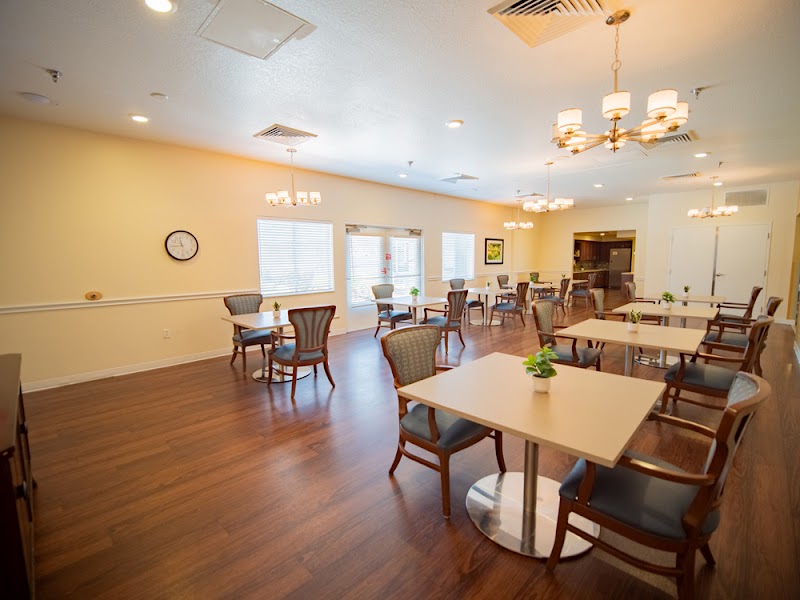
How is Solaris Healthcare Zephyrhills Staffed?

CMS rates SOLARIS HEALTHCARE ZEPHYRHILLS's staffing level at 4 out of 5 stars, which is above average compared to other nursing homes. Staff turnover is 44%, compared to the Florida average of 46%. This relatively stable workforce can support continuity of care.

What Have Inspectors Found at Solaris Healthcare Zephyrhills?

State health inspectors documented 18 deficiencies at SOLARIS HEALTHCARE ZEPHYRHILLS during 2021 to 2025. These included: 18 with potential for harm.
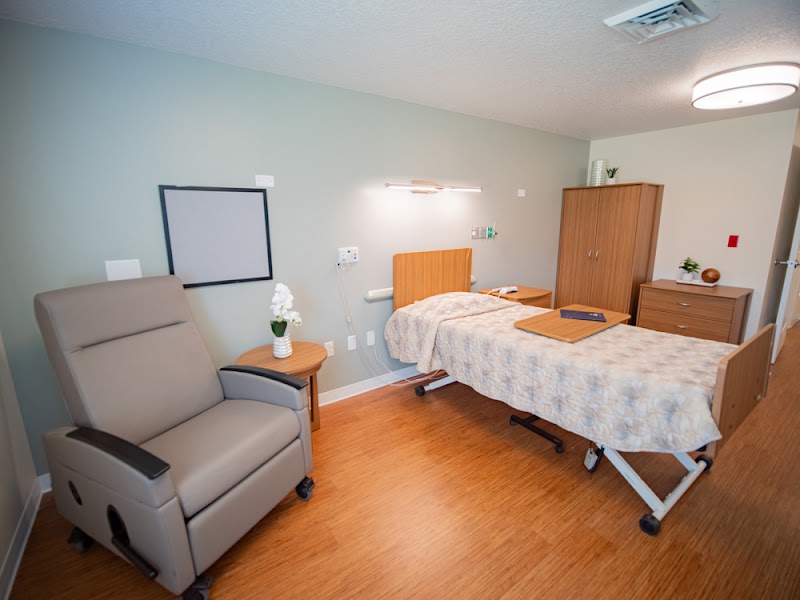
Who Owns and Operates Solaris Healthcare Zephyrhills?

SOLARIS HEALTHCARE ZEPHYRHILLS is owned by a for-profit company. For-profit facilities operate as businesses with obligations to shareholders or private owners. The facility is operated by SOLARIS HEALTHCARE, a chain that manages multiple nursing homes. With 113 certified beds and approximately 106 residents (about 94% occupancy), it is a mid-sized facility located in ZEPHYRHILLS, Florida.
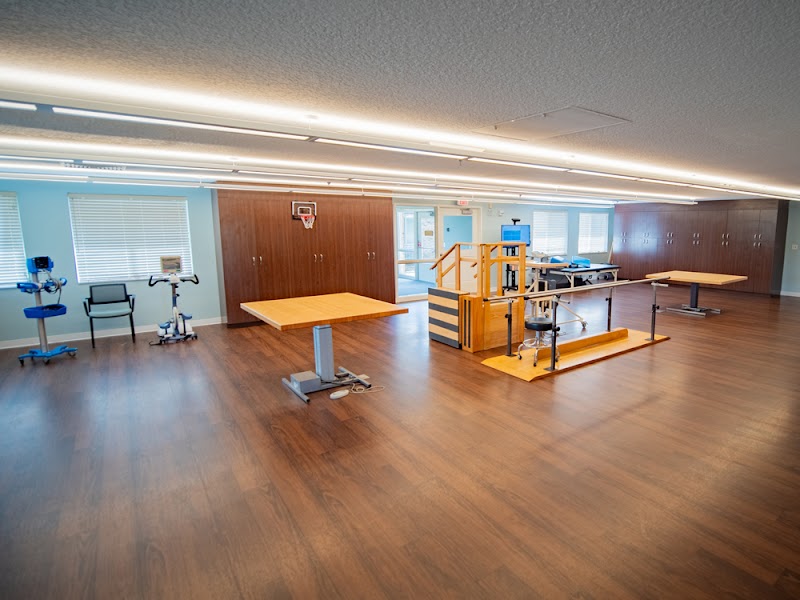
How Does Solaris Healthcare Zephyrhills Compare to Other Florida Nursing Homes?

Compared to the 100 nursing homes in Florida, SOLARIS HEALTHCARE ZEPHYRHILLS's overall rating (5 stars) is above the state average of 3.2, staff turnover (44%) is near the state average of 46%, and health inspection rating (4 stars) is above the national benchmark.

What Should Families Ask When Visiting Solaris Healthcare Zephyrhills?

Based on this facility's data, families visiting should ask: "Can I visit during a mealtime to observe dining assistance and food quality?" "How do you handle medical emergencies, and what is your hospital transfer rate?" "Can I speak with family members of current residents about their experience?"

Is Solaris Healthcare Zephyrhills Safe?

Based on CMS inspection data, SOLARIS HEALTHCARE ZEPHYRHILLS has a clean safety record: no substantiated abuse findings (meaning no confirmed cases of resident harm), no Immediate Jeopardy citations (the most serious violation level indicating risk of serious injury or death), and is not on the Special Focus Facility watch list (a federal program monitoring the lowest-performing 1% of nursing homes). The facility has a 5-star overall rating and ranks #1 of 100 nursing homes in Florida. While no facility is perfect, families should still ask about staff-to-resident ratios and recent inspection results during their visit.

Do Nurses at Solaris Healthcare Zephyrhills Stick Around?

SOLARIS HEALTHCARE ZEPHYRHILLS has a staff turnover rate of 44%, which is about average for Florida nursing homes (state average: 46%). Moderate turnover is common in nursing homes, but families should still ask about staff tenure and how the facility maintains care continuity when employees leave.

Was Solaris Healthcare Zephyrhills Ever Fined?

SOLARIS HEALTHCARE ZEPHYRHILLS has no federal fines on record. CMS issues fines when nursing homes fail to meet care standards or don't correct problems found during inspections. The absence of fines suggests the facility has either maintained compliance or corrected any issues before penalties were assessed. This is a positive indicator, though families should still review recent inspection reports for the full picture.

Is Solaris Healthcare Zephyrhills on Any Federal Watch List?

SOLARIS HEALTHCARE ZEPHYRHILLS is not on any federal watch list. The most significant is the Special Focus Facility (SFF) program, which identifies the bottom 1% of nursing homes nationally based on persistent, serious quality problems. Not being on this list means the facility has avoided the pattern of deficiencies that triggers enhanced federal oversight. This is a positive indicator, though families should still review the facility's inspection history directly.