WESTLAKE NURSING AND REHAB CENTER
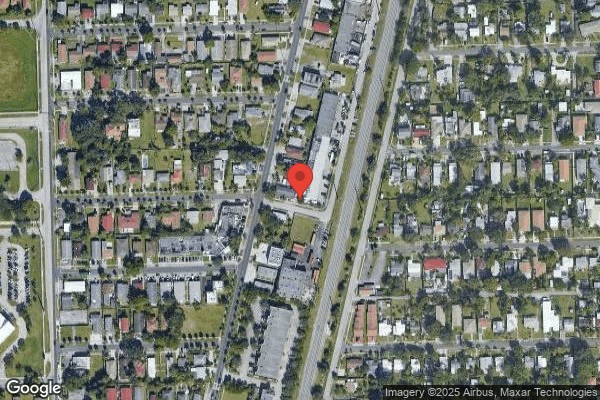
440 PHIPPEN WAITERS ROAD, DANIA BEACH, FL 33004 (954) 927-0508
For profit - Corporation 88 Beds ELIYAHU MIRLIS Data: November 2025 1 Immediate Jeopardy citation
Trust Grade
39/100
#586 of 690 in FL
Last Inspection: January 2025

Within standard 12-15 month inspection cycle. Federal law requires annual inspections.

Overview

Westlake Nursing and Rehab Center has received a Trust Grade of F, indicating significant concerns and a poor overall performance. Ranked #586 out of 690 facilities in Florida, they are in the bottom half of nursing homes, and #32 out of 33 in Broward County suggests that only one local option is better. The facility is worsening, with the number of health and safety issues increasing from 7 in 2023 to 8 in 2025. Staffing is a relative strength, earning 4 out of 5 stars with a low turnover rate of 28%, which is well below the state average. However, there have been serious incidents, including a resident going missing due to inadequate supervision and reports of live roaches in the dining area, along with food safety violations such as improper food storage and sanitation practices.

Trust Score
F
39/100
In Florida
#586/690
Bottom 16%
Safety Record
High Risk
Review needed
Inspections
Getting Worse
7 → 8 violations
Staff Stability
✓ Good
28% annual turnover. Excellent stability, 20 points below Florida's 48% average. Staff who stay learn residents' needs.
Penalties
✓ Good
$14,521 in fines. Lower than most Florida facilities. Relatively clean record.
Skilled Nurses
✓ Good
Each resident gets 44 minutes of Registered Nurse (RN) attention daily — more than average for Florida. RNs are trained to catch health problems early.
Violations
⚠ Watch
21 deficiencies on record. Higher than average. Multiple issues found across inspections.
★★☆☆☆
2.0
Overall Rating
★★★★☆
4.0
Staff Levels
★★★☆☆
3.0
Care Quality
★★☆☆☆
2.0
Inspection Score
Stable
2023: 7 issues
2025: 8 issues

The Good

  • 4-Star Staffing Rating · Above-average nurse staffing levels
  • Low Staff Turnover (28%) · Staff stability means consistent care
  • Full Sprinkler Coverage · Fire safety systems throughout facility
  • No fines on record
  • Staff turnover is low (28%)

    20 points below Florida average of 48%

Facility shows strength in staffing levels, staff retention, fire safety.

The Bad

2-Star Overall Rating

Below Florida average (3.2)

Below average - review inspection findings carefully

Federal Fines: $14,521

Below median ($33,413)

Minor penalties assessed

Chain: ELIYAHU MIRLIS

Part of a multi-facility chain

Ask about local staffing decisions and management

The Ugly 21 deficiencies on record

1 life-threatening
Jan 2025 8 deficiencies
CONCERN (D)

Potential for Harm - no one hurt, but risky conditions existed

Resident Rights (Tag F0550)

Could have caused harm · This affected 1 resident

**NOTE- TERMS IN BRACKETS HAVE BEEN EDITED TO PROTECT CONFIDENTIALITY** Based on observations, interviews, and record review, the facility failed to honor residents' dignity for 1 of 1 sampled residen...

Read full inspector narrative →
**NOTE- TERMS IN BRACKETS HAVE BEEN EDITED TO PROTECT CONFIDENTIALITY** Based on observations, interviews, and record review, the facility failed to honor residents' dignity for 1 of 1 sampled resident reviewed for assistance during dining, Resident #53. The findings included: Record review revealed Resident #53 was admitted to the facility on [DATE] and readmitted on [DATE] with diagnoses to include: Alzheimer's disease and Aneurysm of the ascending aorta without rupture. The quarterly Minimum Data Set (MDS) assessment dated [DATE] revealed the Brief Interview of Mental Status (BIMS) score is 99, indicating the resident is unable to complete the interview. Review of section GG of the MDS showed that Resident #53 is fully dependent on staff regarding the ability to use suitable utensils to bring food and/or liquid to the mouth and swallow food and/or liquid once the meal is placed before the resident. Review of the care plan dated 11/19/24 documented that Resident #53 is at high nutritional / hydration risk related to nutrition, related comorbidities and conditions associated with diagnosis of Alzheimer's disease, Post-exertional Malaise, Gastroesophageal Reflux Disease, Hypertension, Dementia, Depression, vitamin deficiency. Goals were to maintain adequate nutritional status as evidenced by maintaining weight within 10% of chemical and biological warfare, no signs and symptoms of malnutrition, and consuming at least 75% of nutritional needs through review date. Interventions were to queue, set up and assist as needed with meals and serve meals in a calm setting. An observation was conducted on 01/22/25 at 12:22 PM, and Staff L was observed standing over Resident #53 and feeding him. An observation was conducted on 01/22/25 at 12:35 PM, and Staff M was observed standing over Resident #53 and feeding him. The surveyor left the resident's room and relocated to the hallway where she witnessed Staff M being called in the hallway by the Assistant Director of Nursing (ADON). The surveyor returned into Resident # 53's room and found Staff M wheeling a chair to the resident's bedside. An interview was conducted on 01/22/25 at 3:05 PM with the ADON who stated the proper setting for a resident to eat is the resident seating at 90 degrees and the CNA seating on the resident's bedside, slowly feeding small bites. The ADON further stated she is always on the floor to remind them of the proper feeding techniques. An interview was conducted on 01/24/25 at 12:46 PM with the Administrator who stated the Certified Nurse Assistants (CNAs) go to school to get the proper training they need regarding all those feeding techniques. The Administrator further stated that she wouldn't understand the reason behind the CNAs not knowing the correct way of feeding the residents.
CONCERN (D)

Potential for Harm - no one hurt, but risky conditions existed

Deficiency F0578 (Tag F0578)

Could have caused harm · This affected 1 resident

**NOTE- TERMS IN BRACKETS HAVE BEEN EDITED TO PROTECT CONFIDENTIALITY** Based on interviews and record reviews, the facility failed to honor a resident or resident's representative's choice for advanc...

Read full inspector narrative →
**NOTE- TERMS IN BRACKETS HAVE BEEN EDITED TO PROTECT CONFIDENTIALITY** Based on interviews and record reviews, the facility failed to honor a resident or resident's representative's choice for advanced directives, for 1 of 1 sampled resident, Resident #3. The findings included: Record review revealed Resident #3 was admitted to the facility on [DATE]. Review of the resident's most recent complete assessment, a Quarterly Minimum Data Set (MDS), dated [DATE], revealed Resident #3 was not assessed for cognition due to resident was 'rarely / never understood.' Review of Resident #3's physician orders included: Full Code - 01/22/25. Review of Resident #3's care plans for advanced directives, dated 08/19/24, documented: Resident has the following Advanced Directives: Full code status, The goal of the care plan was documented as: Resident's wishes will be honored through the next review. Interventions to the care plan included: Identify, confirm, and review Advance Directives on admission, readmission, at least quarterly and PRN. Review of Resident #3's paper-based health record revealed that there was a 'Do Not Resuscitate' (DNR) order, signed by the resident's attending physician and the resident's Health Care Proxy on 11/26/24. Review of the resident's face sheet revealed the resident's choice for Advanced Directives was 'Full Code' During an interview, on 01/22/25 at 2:20 PM, with Staff E, Licensed Practical Nurse (LPN), when asked about documentation provided when a resident is sent out, Staff E replied, I give them the face sheet, the medication list. When asked what documentation of the Advanced Directive is provided, Staff E replied, we go by the code status that is on the face sheet and it's on the MAR also. During an interview, on 01/22/25 at 2:28 PM, with the Assistant Director of Nursing (ADON), when asked about information provided when a resident is sent out, the ADON replied, Transfer form if the doctor fills it out, the Situation Background Assessment and Recommendation (SBAR) form, Change in Condition (CIC) nurses notes, face sheet and Physician orders, Bed hold policy, AHCA form, recent labs and x-rays. When asked about the documentation of Advanced Directives, the ADON replied, We go by the code status that is on the face sheet. During an interview, on 01/22/25 at 2:57 PM, with the Social Services Director (SSD), here since May 2023, when asked about obtaining and updating a resident and/or resident's representative choice for Advanced Directives, the Social Services Director stated she was responsible for obtaining the code status of a resident, when they come in, I work with Admissions Director and make sure there is a safe discharge plan from day one, whether they are short term or long term. If the status changes, I work with the team, and we figure out long term or short term. I make sure that the person is according to the code status. When the concern regarding Resident #1's choices for Advanced Directives was brought to her attention, the SSD acknowledged understanding of code status and stated she would update the resident's record. During an interview, on 01/22/25 at 3:06 PM, the Administrator stated that the DNR was done recently. The surveyor referred to the date of the DNR as 11/26/24. The Administrator acknowledged that the resident's choice for Advanced Directives had not been updated.
CONCERN (D)

Potential for Harm - no one hurt, but risky conditions existed

Quality of Care (Tag F0684)

Could have caused harm · This affected 1 resident

**NOTE- TERMS IN BRACKETS HAVE BEEN EDITED TO PROTECT CONFIDENTIALITY** Based on observations, interviews and record reviews, the facility failed to follow physicians' order for accurately monitoring ...

Read full inspector narrative →
**NOTE- TERMS IN BRACKETS HAVE BEEN EDITED TO PROTECT CONFIDENTIALITY** Based on observations, interviews and record reviews, the facility failed to follow physicians' order for accurately monitoring blood pressure for 1 of 1 sampled resident, Resident #237. The findings included: Record review revealed Resident #237 was admitted on [DATE] with diagnoses that included Parkinson's Disease with Dyskinesia, Congestive Heart Failure, Hypertensive Heart Disease with Heart Failure, Atrial Fibrillation, Cardiac Pacemaker (a battery-powered device surgically inserted in a person's chest to provide electrical impulses to the heart), and Gastro-Esophageal Reflux Disease without Esophagitis. Review of the Minimum Data Set (MDS) assessment Section C submitted by the Social Worker on 01/22/24 revealed a Brief Interview for Mental Status (BIMS) score of 14 indicating intact cognition. Review of physician orders dated 01/18/25 revealed: no blood pressure (BP) on the left arm every shift for Pacemaker. Review of a hospital report dated 01/16/25 revealed Resident #237 was status post Pacemaker placement on 01/17/25. Review of Resident #237's recorded BP on the Electronic Health Record (EHR) revealed the following manually taken BPs: On 01/22/25 at 8:57 AM, 144/77 mmHg, position Sitting l [left]/arm. On 01/22/25 at 8:56 AM, 144/77 mmHg, position, Sitting l/arm. On 01/22/25 at 5:22 AM, 134/82 mmHg, position Sitting r/arm. On 01/21/25 at 9:30 AM, 147/97 mmHg, position Sitting l/arm. On 01/21/25 at 9:28 AM, 147/97 mmHg, position Sitting l/arm. On 01/20/25 at 9:03 AM, 138/93 mmHg, position Standing l/arm. On 01/20/25 at 9:02 AM, 138/93 mmHg, position Standing r/arm. On 01/19/25 at 10:23 AM, 133/75 mmHg, position Sitting l/arm. On 01/18/25 at 11:06 AM, 130/76 mmHg, position Lying r/arm. On 01/18/25 at 11:04 AM, 130/76 mmHg, position Lying l/arm. The documented BPs were taken on the right arm on: 01/22/25 at 5:22 AM, 01/20/25 at 9:02 AM, and on 01/18/25 at 11:06 AM. An interview was conducted with Staff K, Registered Nurse on 01/22/24 at 9:50 AM during a medication pass observation for Resident #237, who stated, while looking at the paper of recorded vital signs, I have taken the BP from the left arm earlier. When asked why she took the BP on Resident #237's left arm she stated, The left arm is closer to the heart and there is a difference between left and right arm. It would be better on the left arm. An interview was conducted with Resident #237 on 01/22/25 at 11:30 AM, who when asked about staff taking his blood pressure, he stated, I remind nurses not to take BP on my left arm, but they do not listen. When asked what will happen if blood pressure is taken from the left arm, he stated, The reading is not accurate. Staff must use the right arm for correct blood pressure reading. An interview was conducted with the Director of Nursing (DON) on 01/24/24 at 11:41 AM, who when asked regarding care of the resident with newly inserted pacemaker, she responded Make sure to monitor the blood pressure, and monitor resident's chest and left side area. When asked if staff should follow a physician order to not use the left arm in obtaining blood pressure, she responded, Staff must follow physician order. When asked where the facility nurses record the blood pressure, she responded On the vital signs section of the EHR.
CONCERN (D)

Potential for Harm - no one hurt, but risky conditions existed

Respiratory Care (Tag F0695)

Could have caused harm · This affected 1 resident

**NOTE- TERMS IN BRACKETS HAVE BEEN EDITED TO PROTECT CONFIDENTIALITY** Based on observations, interviews and record reviews, the facility failed to obtain physicians' orders for Oxygen (O2) for 1 of ...

Read full inspector narrative →
**NOTE- TERMS IN BRACKETS HAVE BEEN EDITED TO PROTECT CONFIDENTIALITY** Based on observations, interviews and record reviews, the facility failed to obtain physicians' orders for Oxygen (O2) for 1 of 1 sampled resident, Resident #15. The findings included: Review of the facility's policy, titled, Oxygen, with a reference date of August, 2023, documented, in part: Policy: The facility will ensure oxygen is administered safely and per physician order. Procedure: 1. Verify the physicians order for oxygen administration. 9. Care plan to be implemented for those residents who require oxygen. Record review revealed Resident #15 was admitted to the facility on [DATE]. Review of the resident's most recent complete assessment, an admission Minimum Data Set (MDS), dated [DATE], revealed Resident #15 had a Brief Interview for Mental Status (BIMS) score of 03, indicating severe cognitive impairment. The assessment documented the resident was dependent upon staff for all Activities of Daily Living (ADLs). Resident #15's diagnoses at the time of the assessment included: Anemia, Heart Failure, Hypertension, wound infection, Diabetes Mellitus, Chronic Lung Disease, Chronic Respiratory Failure with Hypoxia or Hypercapnia, Dysphagia, Presence of Automatic Cardiac Defibrillator, and Cardiomyopathy. Review of Resident #15's progress note in the electronic and paper-based health records revealed the following: On 01/22/25 at 6:25, Nursing Note Text: Resident remains in stable condition.He is on continuous oxygen (O2) via nasal cannula [n/c] 2L (liters) flow. On 01/20/25 at 4:05 PM, Nursing Note Text: Resident in stable condition. O2 sat [saturation] 98% on 2L via n/c. On 01/19/25 at 9:28 PM, 1/19/2025 21:28 Nursing Note Text: Resident in stable condition. O2 sat 98% on 2L via n/c. Safety and comfort maintained. On 01/08/25 at 5:56, Nursing Note Text: Resident remains in stable condition He is on continuous oxygen via nasal cannula 2L flow. Further review of Resident #15's electronic and paper-based health records revealed there were no orders for oxygen and no care plans developed and implemented for the use of oxygen. On 01/22/25 at 9:39 AM, Resident #15 was observed in bed with Oxygen via nasal canula initiated at 2L. On 01/23/25 at 8:31 AM, accompanied by the Administrator, Resident #15 was observed in bed with Oxygen via nasal canula at 2L. An interview was conducted on 01/23/25 at 8:35 AM with the Administrator and the Director of Nursing (DON), and when the concern was brought to their attention, the Administrator and the DON acknowledged there were no orders for Oxygen and no care plan related to the use of oxygen. The DON stated the oxygen was related to the resident having Chronic Obstructive Pulmonary disease (COPD) and Respiratory Failure.
CONCERN (D)

Potential for Harm - no one hurt, but risky conditions existed

Deficiency F0761 (Tag F0761)

Could have caused harm · This affected 1 resident

**NOTE- TERMS IN BRACKETS HAVE BEEN EDITED TO PROTECT CONFIDENTIALITY** 4. Record review for Resident #2 revealed the resident was admitted to the facility on [DATE] with the diagnoses that included H...

Read full inspector narrative →
**NOTE- TERMS IN BRACKETS HAVE BEEN EDITED TO PROTECT CONFIDENTIALITY** 4. Record review for Resident #2 revealed the resident was admitted to the facility on [DATE] with the diagnoses that included Hemiplegia and Hemiparesis following Cerebral Infarction, Epilepsy and Dementia. Review of Section C of the Minimum Data Set (MDS) assessment dated [DATE] revealed Resident #2 had a Brief Interview for Mental Status (BIMS) score of 05 indicating severe cognitive impairment. Review of Section GG of the same MDS revealed Resident #2 was independent for eating and able to roll from lying on his back to left and right side. Review of the Physician's orders documented Resident #2 had an order dated 03/12/24 for Plavix 75 mg tablet, give one tablet daily for blood clot prevention; Dorzolamide HCL Solution 2 %, instill one drop in both eyes twice daily for Glaucoma; Dilantin 100 mg capsule, give one capsule three times daily for Seizures; Timoptic Ophthalmic Solution 0.5%, instill one drop in both eyes twice daily for Glaucoma; Lactulose Solution 10 GM/15ml, give 60 ml three times daily for elevated ammonia; Levetiracetam 500 mg tablet, give one tablet three times daily for Seizures. The Physician's orders dated 03/27/24 documented an order for Daily Multiple Vitamin, one tablet daily for supplement. Review of the Physician's Orders dated 07/31/24 documented an order for Megestrol Acetate Suspension 400 mg/10 ml, give 10 ml daily for poor appetite. A medication administration observation was conducted on 01/22/25 at 7:55 AM with Staff E, Licensed Practical Nurse (LPN), who dispensed the following medications for Resident #2: 1. Plavix 75 mg tab daily for blood clot prevention 2. multi-vitamin tab daily 3. dorzolamide 2% 2x daily eye drops for Glaucoma 4. Lactulose 60 ml 3x daily for elevated ammonia 5. Levetiracetam 500 mg tab 3x daily for Seizures 6. Megestrol Acetate 400mg/ml, give 10 ml daily for poor appetite 7. Phenytoin cap 100mg three times daily for Seizures 8. Timolol twice daily both eyes for Glaucoma Staff E was observed entering Resident #2's room and placed the small cup containing the dispensed medications on the bedside table near the resident's left side. Staff E then walked away to the sink to wash her hands. Further observation revealed the medications were not within her line of sight. An interview was conducted on 01/22/25 at 8:10 AM with Staff E, who stated she has worked at the facility for 18 years. She acknowledged leaving the dispensed medications unattended next to Resident #2 and that it is not per facility's protocol. 5. Record review for Resident #31 revealed the resident was admitted to the facility on [DATE] with the diagnoses that included Degenerative Disease of Nervous System, Type 2 Diabetes Mellitus with diabetic Neuropathy, Epilepsy, Human Immunodeficiency Virus (HIV) Disease, Bipolar II Disorder and Anxiety Disorder. Review of Section C of the MDS dated [DATE] revealed Resident #31 had a BIMS score of 10 indicating moderate cognitive impairment. Review of Section GG of the same MDS revealed that Resident #31 was independent for eating and able to roll from lying on his back to left and right side. Review of the Physician's orders documented Resident #31 had an order dated 03/12/24 for Docusate Sodium 100 mg capsule, give one capsule daily for Constipation; Dolutegravir Sodium 50 mg tablet daily for HIV Disease; Emtricitabine-Tenofovir AF 200-25 mg, give one tablet daily; Glimepiride 2 mg tablet, give one tablet daily related to Type 2 Diabetes Mellitus; Levetiracetam 500 mg tablet three times daily for Seizure. Review of the Physician's orders dated 12/14/24 documented an order for Pioglitazone HCl 15 mg tablet, give one tablet daily related to Type 2 Diabetes with Diabetic Neuropathy. A medication administration observation was conducted on 01/22/25 at 8:30 AM with Staff F, LPN, who dispensed the above medications in a small cup for Resident #31. Resident #31 took the dispensed medication cup and placed them in his mouth but one of the pills fell to the floor. Staff F donned gloves and picked up the pill from the floor, walked to the medication cart and disposed of the pill in a sharp container attached to the medication cart. An interview was conducted on 01/22/25 at 8:40 AM with Staff F who stated she has worked at the facility for over 10 years. She was asked if disposing of the pill in the sharp's container is per facility's protocol, which she responded she was not sure. Staff F opened the bottom drawer of the medication cart and pulled a bottle which was labeled: disposal for medications. She then acknowledged that she should have disposed of the pill into this bottle instead in the sharp's container. An interview was conducted 01/22/25 at 10:40 AM with the DON, who has worked at the facility for 15 years and 6 years as the DON, who stated the nurses know not to leave medications unattended and to dispose of wasted medications in the drug buster bottle and not in the sharp's container. The DON stated the nurses sometimes get nervous with surveyors but both nurses have been working at the facility for years and they have been through a few surveys in the past. This should not have happened. Based on observations, interviews and record reviews, the facility failed to dispose of expired medications timely; failed to secure supplements were not expired but ready for use; failed to safely and timely store medications for 2 of 5 residents, Residents #287 and #3; and failed to secure medications during medication administration for 2 of 5 sampled residents, Residents #2 and 31. The findings included: Review of a provided document, titled, Medication Storage, with an effective date of 12/08/23, revealed the facility shall store all drugs and biologicals in a safe, secure, and orderly manner. Statement #4 revealed the facility shall not use discontinued, outdated and deteriorated drugs or biologicals. All such drugs shall be returned to the dispensing pharmacy or destroyed. The Centers for Disease Control and Prevention (CDC) website provides additional information regarding opened and/or accessed medications: http://www.cdc.gov/injectionsafety/providers/provider_faqs_multivials.html as follows: The CDC statement revealed, if a multi-dose vial has been opened or accessed (e.g., needle-punctured), the vial should be dated and discarded within 28 days unless the manufacturer specifies a different (shorter or longer) date for that opened vial. The CDC statement also revealed that if a multi-dose vial has not been opened or accessed (e.g., needle-punctured), it should be discarded according to the manufacturer's expiration date. Review of a provided policy, titled Administering Medications, revealed a policy statement that medications shall be administered in a safe and timely manner, and as prescribed. 1. A [NAME] wing medication storage room observation was conducted on 01/21/25 at 10:25 AM with Staff D, the Assistant Director of Nursing (ADON), that revealed a Latanoprost ophthalmic solution (eye drops) 0.005 %, for Resident #287, and the next available refill was 01/07/25. When the ADON was asked about the refill date, she responded We have to send it back. When asked why the medication was still inside the refrigerator, she did not respond to it. 2. The continued observation in the [NAME] storage medication room on 01/21/25 at approximately 10:25 AM revealed an Omeprazole 2 mg /1 ml, oral (by mouth) medication with instructions to give 5 ml (milliliters) through peg (percutaneous endoscopic gastrostomy) tube for Resident #3 and to discard on 01/11/25. On 01/21/25 at 10:49 AM, when the ADON was asked why this expired medication was kept for the resident, she stated she must dispose of it. Record review revealed Resident #3 was admitted on [DATE] with diagnoses including Gastroesophageal Reflux Disease (GERD). The physician orders dated 08/07/24 revealed an order for Omeprazole oral suspension 2 Milligram (MG)/milliliters (m)l, give 5 ml via Percutaneous Endoscopic Gastrostomy (PEG)-tube in the morning. 3. Observations also revealed an unlocked drawer labeled 'Foley' (Inventor's name of urinary tubing) in [NAME] medication storage room that stored several plastic bags with residents' names and medications inside including the following: a. Dorzol/Timol eye drop for a resident with an expiration date of 11/14/24. b. Novolin R 100 unit/ml, not refrigerated, for a resident that was opened on 10/18/24. The ADON stated it had no expiration date. c. Brimonidine solution 0.2 % for a resident which was opened on 10/16/24, with expiration date of 11/14/24. d. Latanoprost solution 0.005 % eye drop for Resident #287 which was opened on 10/16/24 with expiration date of 11/30/24. Resident #287 was admitted [DATE] with diagnoses that included Unspecified Glaucoma. Review of the physician orders dated 01/14/25 revealed Latanoprost Solution 0.005 %, instill 1 drop in both eyes at bedtime related to Unspecified Glaucoma. e. Dorzolamide,1 drop, 2% solution for a resident which was opened on 11/13/24 with no expiration date. Record review revealed all these expired medications belong to residents who are still residing in the facility. On 01/21/25 at 11:00 AM, an interview was conducted with the ADON, who when asked why these residents' medications were in the catheter drawer with the sterile Foleys and when they would be discarded, she responded, I will discard them as soon as possible. I will not wait, discard them today and inform the DON. During an additional observation on 01/23/25 at 8:50 AM with the ADON, the East medication storage room revealed a cabinet with the bottom shelf storing 20 packs of Jevity 1.5 with an expiration date of 01/01/25. When the ADON was asked why the expired feeding tube supplements were kept in the East medication storage room, she responded Someone must have stocked them during the night, but I will check with the Director of Nursing (DON) for the name of the Staff who put them on the bottom shelf. She stated she is responsible for stocking and removing them from the medication storage rooms. When asked why these medications were still inside the medication storage rooms, and when are you planning to discard them, she stated, I will discard them as soon as possible, I will not wait, and I will discard them today and inform the Director of Nursing (DON) who was informed on 01/21/25 at 11:00 AM. An interview was conducted with the Director Of Nursing (DON) on 01/24/25 at 11:42 AM, who was asked regarding the storage of residents' medications on the East and [NAME] medication storage rooms, she responded, No residents' medications are stored in the medication storage rooms except for refrigerated insulin. When asked about the process of disposing expired medications, she responded, Nurses put the residents' expired medication inside the medication storage room temporarily. They will write a note for the DON to check and get the expired medications to be returned to Pharmacy. The DON stated, upon receipt of the notes from staff regarding the expired medication, she would go to the medication storage rooms and pack them to be sent to the Pharmacy. When asked about the 20 packs of expired Jevity inside the East wing medication storage room cabinet, she stated It was an oversight. When asked if staff submitted any notes for the expired medications from the East and [NAME] medication storage rooms, she responded, No.
CONCERN (D)

Potential for Harm - no one hurt, but risky conditions existed

Deficiency F0790 (Tag F0790)

Could have caused harm · This affected 1 resident

**NOTE- TERMS IN BRACKETS HAVE BEEN EDITED TO PROTECT CONFIDENTIALITY** Based on record review, observation and interviews, the facility failed to provide a dental consultation in a timely manner for ...

Read full inspector narrative →
**NOTE- TERMS IN BRACKETS HAVE BEEN EDITED TO PROTECT CONFIDENTIALITY** Based on record review, observation and interviews, the facility failed to provide a dental consultation in a timely manner for 1 of 2 sampled residents, Resident #80, reviewed for dental care. The findings included: Review of the facility's policy, titled Ancillary Services, effective 12/08/23, documented in part, routine ancillary services (vision, podiatry and dental) are available to meet the residents health needs in accordance with the resident's assessment and plan of care .social services .will assist with coordinating services. Documentation of the resident's care and services are maintained in the medical record . Review of Resident #80's clinical record documented an admission on [DATE] with no readmissions with diagnoses that included Acute Respiratory Failure with Hypoxia, Bipolar Disorder, Depression, Attention-Deficit Hyperactivity Disorder, Predominantly Inattentive Type, Psychosis, and Chronic Pain. Review of Resident #80's Minimum Data Set (MDS) quarterly assessment dated [DATE] documented a Brief Interview of the Mental Status (BIMS) score of 14 indicating no cognition impairment. Review of Resident #80's care plan records revealed no care plan initiated related to the resident's broken/rotten teeth. Review of Resident #80's progress notes lacked written evidence of Resident #80 refusing to be seen by the dental provider. On 01/21/25 at 10:43 AM, an interview was conducted with Resident #80 who stated he would like to see a dentist. On 01/23/25 at 10:45 AM, an interview was conducted with the Social Services Director / Activities Director (SSD/AD) who stated she has worked in the facility for two years. The SSD/AD explained that upon admission she places every resident on a list sent out to the dental provider for potential consultation, and the list of residents is e-mail to the dental provider. The SSD/AD stated the dental provider was last in the facility on 01/13/25 and would let her know who needs treatment. The SSD/AC was asked regarding Resident #80's dental consultation status and stated they were looking into his insurance and added she had not heard that the resident had dental issues. On 01/23/25 at 10:55 AM, a joint interview was conducted with the SSD/AD and the Medical Record Clerk, the clerk stated Resident #80 had not been seen by the Dental Provider. On 01/23/25 at 11:06 AM, a joint interview with Resident #80 and the SSD/AD was conducted. The SSD/AD asked the resident when he mentioned that he was having a dental issue, and the resident had responded at the every three (3) month's meeting. Resident #80 was asked to show his teeth and voluntarily opened his mouth, observation revealed rotten and broken bottom teeth. Resident #80 was asked what dental problems he was having and stated a little problem with chewing. The SSD/AD stated she was not aware of Resident #80 dental issues. On 01/23/25 at 11:10 AM, a side-by side record review and interview was conducted with Minimum Data Set (MDS) Coordinator who stated she does care plan meeting every three months (3) months. Resident # 80's Interdisciplinary Care Plan Conference Record dated 12/12/24 documented the resident was present in the meeting and requested to see a dentist. The record documented the SSD/AD was informed. The MDS coordinator stated she informed the SSD/AD that Resident #80 requested to be seen by the dentist. The MDS coordinator was asked if she had seen the resident's broken and rotten teeth. Stated the resident always said he was fine and that no dental care plan was initiated. On 01/23/25 at 12:56 PM, a second interview was conducted with the SSD/AD who stated she was responsible to follow-up on Resident #80's request during care plan meeting on 12/12/24 and added that she missed it. On 01/24/25 at 12:04 PM during an interview, the Administrator was apprised of Resident # 80's dental concern and was asked for the facility's policy regarding dental care. The Administrator replied that everything was fine, that the resident refused the dentist on 01/13/25 and asked the surveyor to check with the SSD. The Administrator was informed Resident #80 was never put on the list to be seen by the dental provider on 01/13/25. On 01/24/25 at 12:24 PM, a third interview was conducted with the SSD/AD who stated she had spoken with Resident #80 prior to sending the list to the dentist and the resident told her that he was fine and declined the dental consult. The SSD was asked to submit written documentation related to Resident #80 declination of the dental consult, and she did not document her conversation and the resident refusal of dental care. The SSD submitted a list of residents needing dental care consult sent out to the dental provider on 01/10/25, and Resident #80 was not listed.
CONCERN (D)

Potential for Harm - no one hurt, but risky conditions existed

Infection Control (Tag F0880)

Could have caused harm · This affected 1 resident

**NOTE- TERMS IN BRACKETS HAVE BEEN EDITED TO PROTECT CONFIDENTIALITY** 3. Record review revealed Resident #49 was admitted on [DATE]. Review of the quarterly MDS Section C, dated 01/16/25, revealed a...

Read full inspector narrative →
**NOTE- TERMS IN BRACKETS HAVE BEEN EDITED TO PROTECT CONFIDENTIALITY** 3. Record review revealed Resident #49 was admitted on [DATE]. Review of the quarterly MDS Section C, dated 01/16/25, revealed a BIMS score of 04 indicating severe impaired mental cognition. Review of the physician orders dated 11/16/24 revealed Enhanced Barrier Precaution, Percutaneous Endoscopic Gastrostomy (PEG), every shift for Prophylaxis related to enteral feed two times a day related to Dysphagia. During an observation on 01/24/25 at 8:44 AM, two staff members went inside room [ROOM NUMBER], which had an Enhanced Barrier Precaution (EBP) sign posted on the left side of door, without performing any hand hygiene. In an interview on 01/24/25 at 8:50 AM with Staff B, Restorative Certified Nursing Assistant (CNA), and Staff C, Physical Therapy Staff, when asked a question regarding EBP, they both responded when you go inside the room with an EBP sign, staff should wash their hands. When asked why they did not perform hand hygiene before and after leaving the room with an EBP sign, they did not respond. They continued walking and passed a hand sanitizer dispenser in the hall, but neither one used it. 4. Record review revealed Resident # 23 was admitted on [DATE]. Review of the MDS assessment, Section C dated 11/19/24, revealed a Bried Interview for Mental Status (BIMS) score of 00 indicating severely impaired mental cognition. Review of the orders dated 11/01/24 revealed Enhanced Barrier Precautions: PEG (Percutaneous Endoscopic Gastrostomy) tube, Foley (urinary tubing) catheter, every shift for prophylaxis. During observation on 01/23/25 at 9:39 AM, for urinary care and wound care, both staff were wearing Personal Protective Equipment (PPE) when assembling supplies and positioning Resident #23. Staff G, CNA, wanted to support Resident #23's left leg and left the room to obtain a pillow. She removed her PPE, but did not perform hand hygiene. She came back with a pillow, and without performing hand hygiene, adjusted the resident's legs, and put the pillow under them. She then put on the PPE including a blue gown and gloves without first performing hand hygiene per CDC guidelines. Based on observations, interviews, and record review, the facility failed to ensure their infection control program was implemented as evidenced by failing to follow Enhanced Barrier Precautions (EBP) guidelines for 4 of 4 sampled residents, Resident #287, Resident #82, Resident #23, and Resident #49, who had indwelling medical assistive devices such as Percutaneous Endoscopic Gastrostomy (PEG) tubes, Foley catheters or had wounds; and failed to ensure hand hygiene was completed between resident to resident contact and entereing and leaving residents' rooms. The findings included: Review of the facility's policy titled, Implementation of Personal Protective Equipment (PPE) Use in Nursing Homes to Prevent Spread of Multidrug-resistant Organisms (MDROs), dated July 12, 2022, included the following: Post clear signage on the door or wall outside of the resident room indicating the type of Precautions and required PPE [Personal Protective Equipment]. For Enhanced Barrier Precautions [EBP], signage should also clearly indicate the high-contact resident care activities that require the use of gown and gloves. Make PPE, including gowns and gloves, available immediately outside of the resident room. Center for Disease Control and Prevention (CDC) guidance is located at:: https://www.cdc.gov/long-term-care-facilities/hcp/prevent-mdro/PPE.html. 1. Record review revealed Resident #287 was admitted to the facility on [DATE] and readmitted on [DATE] with diagnoses that included Pressure Ulcer of sacral Stage 4. Review of the Minimum Data Set (MDS) assessment entry dated 01/13/25 revealed a Brief Interview of Mental Status (BIMS) score of 4 indicating severe cognitive impairment. Review of the physician's orders documented Resident #287 had an order dated 01/14/25 for Enhanced Barrier Precautions: Peg Tube, wound, every shift. Review of the care plan dated 01/06/25 documented Resident #287 had alteration in functional performance as evidenced by: Needs assist from at least 1 helper to complete self-care tasks i.e. Oral care, eating and/or toileting hygiene, needs assist of at least 1 helper to complete mobility tasks related to bed mobility, transfers, impaired cognition. Interventions were to enhanced barrier precautions: peg tube, wound and foley catheter every shift. During an observation conducted on 01/21/25 at 9:05 AM, the surveyor observed that no sign was posted that Enhanced Barrier Precautions were in place at or on the room door. Observations conducted on 01/22/25 at 9:10 AM revealed that no sign of Enhanced Barrier Precautions were placed on or at the room door of Residents #287. An interview was conducted on 01/22/25 at 3:10 PM with the Assistant Director of Nursing (ADON) who stated the CNAs know which residents are on EBP based on the sign that is usually placed at the door of the resident's room. The ADON further stated they put a star next to the resident's name on the wall at the door to help identify the residents that are on EBPs. 2. Record review revealed Resident #82 was admitted to the facility on [DATE] and readmitted on [DATE] with diagnoses that included pressure ulcer stage 3 and surgical aftercare following surgery on the circulatory system. The MDS assessment entry dated 11/05/24 revealed the resident's BIMS score was 99 indicating they were unable to conduct the interview due to severe cognitive impairment. Review of the Physician's orders showed Resident #82 had an order dated 11/18/24 for Enhanced Barrier Precautions: Peg Tube, wound, every shift for prophylaxis. Review of the care plan dated 11/13/24 documented Resident #82 had alteration in functional performance as evidenced by: totally dependent with self-care and mobility. Interventions were Enhanced Barrier Precautions: peg tube, wound every shift for prophylaxis. During an observation conducted on 01/22/25 at 10:08 AM, the surveyor observed Staff J, CNA, in Resident #82's room without a gown on. In an interview conducted on 01/22/25 at 10:09 AM, Staff J stated she had just finished providing care to Resident # 82. Staff J explained that when the rooms have the Enhanced Barrier Precaution signs, they must wear gloves and masks only to care for the residents. An interview was conducted on 01/22/25 at 3:10 PM with the ADON who stated that PPE consists of gloves, gown and mask which are stored in the medication cart due to the challenging population they are caring for at the facility. The ADON stated the Director Of Nursing (DON) educates the CNAs every week. The DON was made aware of the missing EBP sign at the residents' room doors, and the PPE was not fully worn, according to the facility's policy.
CONCERN (E)

Potential for Harm - no one hurt, but risky conditions existed

Deficiency F0925 (Tag F0925)

Could have caused harm · This affected multiple residents

Based on observations, interviews and record reviews, the facility failed to have an effective pest control system, as evidenced by sightings of live roaches in the Main Dining Room. This has the pote...

Read full inspector narrative →
Based on observations, interviews and record reviews, the facility failed to have an effective pest control system, as evidenced by sightings of live roaches in the Main Dining Room. This has the potential to affect residents that choose to eat in the Main Dining Room. The census at the time of the survey was 84 residents. The findings included: During an observation of lunch in the Main Dining Room, on 01/21/25 at 11:32 AM, 2 live roaches were observed by two surveyor. At the conclusion of the lunch meal, on 01/21/25 at 1:04, at the request of the surveyor, the Maintenance Director had a staff member pick up the scale. Upon raising the scale, there was an accumulation of residue and debris and multiple roaches observed. During further observation in the Main Dining Room, there were two (2) vending machines, one for soda and another for snack foods (e.g. cookies, crackers, chips). It was noted that there was an accumulation of debris and residue around and under the vending machines. At the request of the surveyor, the Maintenance Director had the vending machines moved from the wall. Upon moving the vending machines, there were live roaches, in all stages of life and too numerous to count behind the vending machines. Review of pest control invoices provided by the facility revealed the following documentation by the pest control technicians: 01/15/25: the cafeteria had a decent amount of food in the corners which can lead to an increase in insect activity. 12/18/24: .hit various hot spots where there has been roach activity. Talked with Maintenance about the use of gel baits to further curtail the roach population. Further review of pest control invoices dating back to 08/22/24 revealed no documentation of roach activity in the facility. During an interview, on 01/21/25 at 3:03 PM with the Pest Control Technician, the Pest Control Technician stated this was only his second visit to the facility and the previous Pest Control Technician was no longer with the company. The Pest Control Technician reported the reason for the visit was for the newly identified concern that was identified by the survey team. On 01/24/25 at 11:22 AM, the Administrator stated the facility had a Performance Improvement Plan PIP) beginning December 2024 related to pest control and the facility had changed pest control companies in November 2024. The Administrator could not provide documentation of the Dining Room being part of the PIP, including cleaning and inspecting the areas of the Dining Room where the concerns were identified.
Oct 2023 6 deficiencies
CONCERN (D)

Potential for Harm - no one hurt, but risky conditions existed

Deficiency F0657 (Tag F0657)

Could have caused harm · This affected 1 resident

**NOTE- TERMS IN BRACKETS HAVE BEEN EDITED TO PROTECT CONFIDENTIALITY** Based on observation, interview and record review, the facility failed to implement a care plan for incontinence after completin...

Read full inspector narrative →
**NOTE- TERMS IN BRACKETS HAVE BEEN EDITED TO PROTECT CONFIDENTIALITY** Based on observation, interview and record review, the facility failed to implement a care plan for incontinence after completing assessments that determined the resident to be incontinent for 1 of 2 sampled residents reviewed for incontinent care, (Resident #285); and the facility failed to implement a care plan and provide education related to the risk of noncompliance with a resident's dietary orders for 1 of 1 resident reviewed for wound care, (Resident #38). The findings included: Resident #285 was admitted to the facility on [DATE]. According to an admission Minimum Data Set (MDS) asssessment, dated 09/29/23, Resident #285 had a Brief Interview for Mental Status score of 13, indicating the resident as 'cognitively intact'. The assessment documented that the resident was 'frequently incontinent' of urine and 'occasionally incontinent' of bowel. Resident #285's diagnoses at the time of the assessment included: Depression, Psychotic disorder, fracture of shaft of left ulna, convulsions , open wound to the left upper arm fracture of right lower leg, Bipolar II disorder. Resident #285's baseline care plan, dated 09/12/23, documented that the resident was 'Continent of bladder' and 'Continent of bowel'. Resident #285's care plan for Incontinence, dated 09/12/23 was blank. A progress note, dated 09/13/23 at 6:35 AM, documented Slept most of the shift, is continent of B&B function. A progress note, dated 09/26/23 at 6:25 AM, documented No aggressive behavior. Incontinent of B&B. During an interview, on 10/02/23 at 12:55 PM, with Resident #285, the resident stated, They are telling me that I have to wear a diaper when I don't need one. I have been to the bathroom and use the bathroom [ROOM NUMBER] times. I don't pee that often. During an interview, on 10/04/23 at 1:01 PM, with Staff I, CNA , when asked about the need for Resident #285 to use incontinent briefs, Staff I replied, sometimes she poo and pee in the diaper sometimes twice during my shift. This morning, she won't let me help her she wanted to do everything herself. During an interview, on 10/04/23 at 1:08 PM, with Staff F, LPN, when asked about the need for Resident #285 to use incontinent briefs, Staff F replied, sometimes she is, sometimes she will aske you to take you to the bathroom, sometimes she will do it on herself. When she came in, she was doing it on herself. Now, she will ask for help to the bathroom. During an interview, on 10/04/23 at 1:12 PM, with the MDS Coordinator, when asked about Resident #285 being incontinent, the MDS Coordinator replied, Sometimes she has accidents. Sometimes she tells us she has to go and sometimes it slips her mind. When asked about lack if evidence of having a care plan for incontinence care, the MDS Coordinator confirmed that care plans are based on the assessments and acknowledged that the resident was assessed as being incontinent. 2). Review of the facility's policy titled Foods Brought in by Family/Visitors undated provided by the facility's administrator documented .staff must be aware of foods brought to a resident by family/visitors .the facility staff will counsel residents or resident representative about requests that conflict with resident's dietary restrictions but will honor resident choice. Discussions regarding conflicts with prescribed diets will be documented in the resident record . Review of Resident #38's clinical record documented an admission on [DATE] and a readmission on [DATE]. The resident's diagnoses included Dysphagia (difficulty or discomfort in swallowing), Hematemesis (vomiting of blood), Esophagitis with Bleeding, Cerebral Infarction, Diabetes Mellitus Type 2, Bipolar Disorder, and Parkinson's Disease. Review of Resident #38's clinical record physician orders for October 2023 documented a diet order as Puree, and No Added Salt. The physician orders lacked documentation of an order for Nectar Thick Liquids, No Concentrated Sweets. Review of Resident #38's clinical record revealed a Speech Language Pathologist (SLP) Discharge summary dated [DATE]. The summary documented under discharge recommendations: Puree consistencies and nectar thick liquids . Review of Resident #38's Minimum Data Set (MDS) quarterly assessment dated [DATE] documented a Brief Interview of the Mental Status (BIMS) score of 8 indicating that the resident had moderate cognition impairment. The assessment documented under Functional Status that the resident needed total assistance from the staff to complete the activities of daily living including eating. The assessment documented under swallowing/nutritional status that the resident had a mechanically altered diet (require change in texture of food or liquids (e.g., pureed food, and thickened liquids). Review of Resident #38's active care plan filed in his record lacked evidence of a care plan related to the resident's representative of non-compliance with the resident's dietary restrictions. Review of Resident #38's active care plan on file titled Swallowing Difficulties initiated on 04/13/23 and revised on 07/21/23 did not include interventions or address resident's representative of non-compliance with the resident's dietary restrictions. Review of Resident #38's active care plan on file titled Nutritional Status initiated on 04/18/23 and revised on 08/03/23 included interventions as: diet as ordered: NAS/NCS (no added sugar/no concentrated sweets), Puree/Nectar . The care plan did not include interventions or address resident's representative of non-compliance with the resident's dietary restrictions. Review of Resident #38's active care plan on file titled Altered Means of Nutrition initiated on 04/13/23 and revised on 07/21/23 included interventions as: periodic evaluation of possibly resuming oral intake . The care plan did not include interventions or address resident's representative of non-compliance with the resident's dietary restrictions. Review of Resident #38's active care plan on file titled Altered Means of Nutrition initiated on 04/13/23 and revised on 07/21/23 included interventions as: periodic evaluation of possibly resuming oral intake . The care plan did not include interventions or address resident's representative of non-compliance with the resident's dietary restrictions. Review of Resident #38's active care plan on file titled Diabetes initiated on 09/09/20 and revised on 07/21/23 included and added on interventions as: .re-direct and educate wife on consistency and negative impact . The care plan did not specify what consistency the wife needed to be re-directed and educated. Review of Resident #38's active care plan on file titled Activities of Daily Living initiated on 07/21/23 and revised on 07/21/23 did not include interventions or address resident's representative of non-compliance with the dietary restrictions. Review of Resident #38's active care plan on file titled Communication Difficulties initiated on 07/21/22 and revised on 07/21/23 did not include interventions or address resident's representative of non-compliance with the resident's dietary restrictions. Review of Resident #38's active care plan on file titled Cognitive Loss/Dementia initiated on 07/21/22 and revised on 07/21/23 did not include interventions or address in resident's representative of non-compliance with the resident's dietary restrictions. Review of Resident #38's Interdisciplinary Care Plan Conference Record dated 07/21/22 documented .spoke with sister .under action plan: wife brings wrong consistency of food. Redirection/Teaching done through sister in law . Review of Resident #38's Interdisciplinary Care Plan Conference Record dated 10/20/22 documented .spoke with sister .under action plan: wife requires redirection with meals brought from home . Review of Resident #38's Interdisciplinary Care Plan Conference Record dated 01/19/23 documented .spoke with sister . The conference record had no documentation under the action plan section. Review of Resident #38's Interdisciplinary Care Plan Conference Record dated 04/19/23 documented .complaint with encouragement .see rehabilitation screen . The conference record had no documentation under the action plan section. The care plan conference lack documentation of the resident's representative being part of the conference. Review of Resident #38's Interdisciplinary Care Plan Conference Record dated 04/27/23 documented .see rehabilitation screen . The conference record had no documentation under the action plan section. The care plan conference lack documentation of the resident's representative being part of the conference. Review of Resident #38's Interdisciplinary Care Plan Conference Record dated 07/27/23 documented .spoke with sister .see rehabilitation progress screen .family refused PEG tube . The conference record had no documentation under the action plan section. The review of Resident #38's Interdisciplinary Care Plan Conference Record from January through July 2023 did document any mention of the resident's wife compliance with the resident's dietary restrictions. Review of Resident #38's Therapy Screening Form dated 04/13/23 documented status: readmit .therapy evaluation recommended ST (speech therapy) No .comments: no ST warranted at this time; no changes noted . Review of Resident #38's Therapy Screening Form dated 04/19/23 documented status: care plan update .therapy evaluation recommended ST (speech therapy) section was left blank . comments: continue with POC (plan of care) established for this certification period. Review of Resident #38's Therapy Screening Form dated 04/27/23 documented status: care plan update .therapy evaluation recommended ST (speech therapy) section was left blank . comments: continue with POC (plan of care) established for this certification period. Review of Resident #38's Therapy Screening Form dated 07/27/23 documented status: care plan update .therapy evaluation recommended ST (speech therapy) No . comments: skilled therapy interventions not indicated at this time. Rehab team will continue to monitor . Review of Resident #38's nurses notes documented the following: *10/25/22- resident's wife observed bringing grape to feed resident. Care conference conducted with wife, responsible party sister, Administrator, Dietary manager, Assistant Director of Nursing, MDS Coordinator, Rehab Director will continue to monitor consistency of food wife brings in . *04/17/23- .wife in facility feeding resident. Resident noted coughing while being fed by wife. Care conference conducted with wife, sister, Director of Nursing and Administrator. Wife via translation was educated on how to feed resident, PEG placement was recommended, wife stated she will talk later to resident prior to making the decision to place a PEG *06/01/23- .;poor appetite for breakfast but consumed 100% of lunch. Wife educated on resident diet is puree but feeds resident regular food . Further review of Resident #38's nurses notes for July, August and September 2023 did not address Resident #38's wife compliance with the resident's dietary restrictions. Review of Resident #38's Dietitian note dated 08/31/23 documented spouse requested double entrees for meals .continue to monitor . The note did not address education to the resident's wife related to following dietary restrictions. Review of Resident #38's Dietitian note dated 09/04/23 documented will continue to monitor . The note did not address education to the resident's wife related to following dietary restrictions. On 10/02/23 at 11:48 AM, in room dining observation was conducted at the facility's central unit. Observation revealed Resident #38 in bed being fed by a visitor. The resident was alert and eating without difficulty. Attempted to interview the visitor, since the resident did not answer questions asked by the surveyor during the initial tour to the central unit. The visitor stated she was the resident's wife, a language barrier was noted, resident's wife was talking in a language that the surveyor did not understand. The resident's wife asked to call the resident's sister and provided her telephone number. On 10/03/23 at 12:05 PM, observation revealed Resident #38's room door closed, wife in the room and feeding the resident with the facility's prepared puree food. The wife stated that he ate ham and she pointed out the bread edges placed on top of the table. On 10/03/23 at 12:35 PM, an interview was conducted with the facility's Director of Rehabilitation (DOR). The DOR was asked to provide Resident #38's last Speech Therapist evaluation. On 10/03/23 at 12:52 PM, a second interview was conducted with the DOR who stated that Resident #38 was picked up by Speech Therapy on 02/28/23 and discharge from therapy on 03/20/23. The DOR stated the resident was discharged on a Pureed diet with nectar thick liquids. The DOR added that the resident's wife was always in the facility to feed him. The DOR stated the resident had Dysphagia and was to eat small amounts, double swallow and alternate between solids and liquids as per the Speech Therapist. The DOR stated that the resident's wife had been trained, had conference with other family members on what to feed and what not to feed the resident. The DOR added the staff had called resident's sister on how important was to feed him the right diet to avoid Aspiration Pneumonia. The DOR stated at one point, they were monitoring what the resident's wife was bringing into the building because she was bringing oranges to him. The DOR stated the resident's family were educated and reinforced on what he needed to eat. The DOR was asked to submit documentation related to Resident #38's last re-screened by the Speech Therapist and the last swallowing study. On 10/03/23 at 1:44 PM, an interview was conducted with the DOR who stated resident #38's last swallowing study was done on 12/22/22 and the last care plan screening was done on 07/27/23. The DOR stated the resident's last hospital stay was on 04/05/23 and was readmitted to the facility on [DATE]. The DOR stated that the resident's last speech therapist screening documented that it was not necessary to evaluate the resident for therapy. The DOR added that the resident's family was part of the care plan. The DOR confirmed that Resident #38 continued to be on a Pureed diet with nectar thick liquids meaning that the staff had to add thickening to his liquids. On 10/04/23 at 8:59 AM, an interview was conducted with Resident #38. The resident stated he married in 2000 and that he was a diabetic and knew not to eat sweets. The resident was asked if he had choked while eating and stated he coughed up blood once. The resident was asked regarding eating ham sandwich and stated he had no problem eating it. The resident was asked if he was told what to eat or not and stated Yes and added no sweets because of his diabetes. On 10/04/23 at 10:45 AM, during Resident #38's wound care observation, Staff B, Certified Nursing Assistant (CNA) who was assisting the Wound Care Nurse, stated that the resident's wife came every day around 11:30 AM and brings him food. On 10/04/23 at 12:40 PM, observation revealed multiple residents eating in the dining room and Staff C, CNA, Staff D, CNA and the Wound Care Nurse (WCN) assisting the resident with their meals and providing supervision. Observation revealed Resident #38 sitting in the dining room table accompanied by his wife and his mother. The resident was being fed the facility's puree meal by his wife. Observation revealed a container of soup with colored spiral like noodles on top of the dining table next to Resident #38. Subsequently, at 12:46 PM, observation revealed Resident #38's wife feeding the resident with the soup spiral noodles that was on top of the table. The wound care nurse was in the dining room close to the resident's table. Consequently, a joint interview was conducted with Staff C, CNA and the WCN in the dining room. Staff C and the WCN stated that Resident #38's wife has been told many times not to feed the resident food from home and she does not listen. The WCN stated it is documented that she does not listen and continues to feed the resident with food from home. Staff C stated she just informed Staff A, LPN (today) of the resident's wife feeding him with her food. On 10/04/23 at 12:45 PM, an interview was conducted with Staff A, LPN who stated that Resident #38's wife had been educated about not to bring food to the resident but kept doing it. Staff A stated that there was documenting on the nurses notes. Consequently, a side by side review of Resident #38's clinical record was conducted with Staff A. The review revealed one (1) nurses notes dated 06/15/23 that addressed Resident #38's wife feeding the resident with the wrong diet. Review of nurses notes for July and August 2023 lacked evidence of nursing documentation of the resident's wife of non-compliance with the resident physician order for a pureed diet. Further review of Resident #38's active care plans on file lacked evidence of a care plan related to behavior of non-compliance by the resident's wife related to dietary restrictions (puree food). On 10/05/23 at 9:18 AM, a side by side review of Resident #38's clinical record was conducted with the MDS Coordinator. The review revealed the resident's last assessment dated [DATE] documented a mechanical therapeutic diet. Continued side by side review of the resident's active care plan in his clinical record revealed a care plan for Altered Means of Nutrition and Swallowing Difficulties revised on 07/21/23, and Nutritional Status revised on 08/03/23. The MDS Coordinator stated that the resident was difficult when the staff were doing the care, was non-compliance, the family brings soup, family was very involved and care planning was done with the resident's sister, Assistant Director of Nursing (ADON) the nurse, CNA (Certified Nurses Assistant), MDS, Social Worker, Dietary Manager and the Rehabilitation Director. The MDS Coordinator was asked about a behavior or non-compliance care plan related to the resident's wife bringing wrong food to the resident like ham. The MDS Coordinator stated she was not aware of that and replied she will definitely have to care plan for behavior of non-compliance and will keep educating the resident and the family. On 10/05/23 at 9:54 AM, a joint interview was conducted with the MDS Coordinator and Staff H, Physical Therapy Assistant (PTA) who was filling in for the DOR. Staff H was apprised regarding Resident #38's wife feeding him with soup with noodles in the dining room on 10/04/23. Staff H stated she was not aware of that. She was apprised that the WCN and two CNA's observed the resident's wife feeding him with soup. Staff H stated, Thank you for letting me know . Staff H stated that the family had been educated about following a pureed diet. Staff H was asked to submit Education/Training provided to the family regarding food/diet to given to the family. Staff H was asked to see if the Resident #38 could be evaluated/rescreened today by the Speech Therapist. On 10/05/23 at 9:59 AM, an interview was conducted with the Social Services Director (SSD) who stated she spoke with Resident #38's wife via google translator on 10/04/23 after she was seen feeding the resident with a regular diet. The SSD stated that the Dietary Manager will puree the food she brings in if she lets him know. The SSD stated the facility communicates with the resident's sister who speak very well English and translate to the wife. The SSD stated she had not completed a waiver and was not sure if nursing had done it or not. On 10/05/23 at 10:05 AM, an interview was conducted with the Director of Nursing (DON) who stated that Resident #38's wife and his family had been educated regarding his pureed diet and not to bring regular food. The DON stated that the wife continues to feed the resident with the wrong diet. The DON was asked to submit written documentation related to the family being educated about his pureed diet and not bringing regular food. The DON stated this has been happening since the resident came back from the hospital. The wife was encouraged to come to feed him because he was not eating. The DON was apprised that a non-compliance care plan had not been initiated. On 10/05/23 at 10:47 AM, an interview was conducted with the Speech Therapist (ST) who stated she went to see Resident #38 and he was sleeping, so she was unable to screen him. The ST stated she will recommend for a swallowing study since it has been a long time since he had one done. She was apprised that the resident was seen eating spiral type noodles soup and ham sandwich. On 10/05/23 at 2:37 PM, during an interview, the Administrator was asked to submit the facility's policy regarding non-compliance by a resident or representative. The Administrator stated the facility had a process, not a policy for non-compliance which it was educate, re-educate, redirect and document, whatever the issue was. The Administrator added that the process included the Medical Director, each issue was individualized and that Resident #38 wife's sister in law was helping with translation. The Administrator was apprised that there was not a non-compliance or Behavior care plan initiated for Resident #38 and according to the staff the issue has been happening for a while. The Administrator was asked to provide documentation related to teaching the resident's wife, his family related to the behavior of bringing and feeding the resident with the wrong food. On 10/05/23 at 3:49 PM, an interview was conducted with the DOR and Staff H, PTA. They both were asked regarding education/training provided to Resident #38's wife/representative regarding his dietary restrictions. Staff H stated the MDS Coordinator told her that the surveyor was okay with the information she provided. The DOR stated that the interdisciplinary team, during the care plan meeting, was educating the resident's spouse verbally, not in writing. The DOR stated a family member was on the phone. The DOR stated they did not have any written documentation on educating the residents' wife related to feeding him with the wrong diet.
CONCERN (D)

Potential for Harm - no one hurt, but risky conditions existed

Deficiency F0697 (Tag F0697)

Could have caused harm · This affected 1 resident

**NOTE- TERMS IN BRACKETS HAVE BEEN EDITED TO PROTECT CONFIDENTIALITY** Based on interviews and record review, the facility failed to ensure 1 of 1 sampled resident received ordered pain medications (...

Read full inspector narrative →
**NOTE- TERMS IN BRACKETS HAVE BEEN EDITED TO PROTECT CONFIDENTIALITY** Based on interviews and record review, the facility failed to ensure 1 of 1 sampled resident received ordered pain medications (Resident #83). The findings include: Review of the Facility's policy for pain management revealed that pain medication will be administered as per physician's order. On [DATE], record review revealed Resident #83 was admitted to the facility on [DATE]. The admitting diagnoses included: convulsions, displaced fracture of sixth cervical vertebra; schizoaffective disorder bipolar type; Depressive disorder and Acute Severe Pain (generalized). On [DATE], it was documented that Resident #83 was discharged from the facility to the hospital, due to unbearable pain. Review of the Medication Administration Record (MAR) for [DATE] revealed the following orders: Gabapentin CAP 300 mg (for Neurontin) one capsule by mouth three times daily (TID) for Neuropathic pain initiated on [DATE]. Acetaminophen Tablet 325 mg two tablets (650 mg) by mouth every 4 hours as needed for pain (to be given for mild moderate or severe pain) Max 3 gm APAP / 24 HRS), effective [DATE]. Starting on [DATE], there was an order given for Tramadol 50 mg ,ordered to be taken by mouth every 8 hours as needed for pain. There was no evidence the PRN medications were administered since the MAR slots for those medications were blank. The order to screen the Resident #83's pain level every shift was from the first of October to the 25th day of October. Review of the MAR revealed staff documented that Resident #83 experienced no pain, except for the first and second day of that month. The Nurses' Progress Notes (NPNs) dated [DATE] at 10:00 AM, documented that pain medication was administered and was effective. On [DATE] at 11:00 AM, staff documented that an X-Ray was taken, and the CD was placed in the resident's chart. On [DATE] at 12:30 PM, the NPNs documented that the X-Ray result was received and were within normal limit (WNL). It documented that Resident #83 still complained of pain (mourning). The Nurse Practitioner was informed and ordered Tramadol 50 mg, to be taken by mouth every 8 hours as needed for pain. There was no indication on the MAR that the PRN Tylenol for pain or the Tramadol were administered to the resident. On [DATE], the NPNs documented that Resident #83 complained of generalized pain. The Advanced Practical Registered Nurse (APRN) ordered that the resident be transferred to the hospital for further evaluation. Interview with the Minimum Data Set (MDS) Coordinator on [DATE] at 11:32 AM revealed that the resident did not return to the facility, and that he had expired. She confirmed the resident used to complain of pain. The Unit Manager (UM) stated on [DATE] at 12:53 PM that Resident #83 did not like taking Tylenol and possibly this was why the PRN Tylenol was not given. She also stated that she did not know why the tramadol was never given or offered. There was no documentation that the resident ever refused Tylenol. Review of the Care Plan (CP) updated [DATE] revealed that Resident #83 was prescribed analgesics. There was no documentation in the CP that Resident #83's behavior of refusal for a particular pain medication was documented, as the nurse manager had reported.
CONCERN (D)

Potential for Harm - no one hurt, but risky conditions existed

Pharmacy Services (Tag F0755)

Could have caused harm · This affected 1 resident

**NOTE- TERMS IN BRACKETS HAVE BEEN EDITED TO PROTECT CONFIDENTIALITY** Based on observation, interviews and record review, the facility failed to ensure controlled substance medication reconciliation...

Read full inspector narrative →
**NOTE- TERMS IN BRACKETS HAVE BEEN EDITED TO PROTECT CONFIDENTIALITY** Based on observation, interviews and record review, the facility failed to ensure controlled substance medication reconciliation was accurate for 2 of 2 sampled residents reviewed during the controlled substance record review on the facility's west wing (Resident #35 and #186). The findings included: 1) Review of Resident #35's clinical record documented an admission to the facility on [DATE] and readmission on [DATE]. The resident's diagnoses included Diabetes Mellitus Type 2 with Peripheral Angiopathy, Pressure Ulcer of right Heel and Low Back Pain. Review of Resident #35's Minimum Data Set (MDS) quarterly assessment dated [DATE] documented a Brief Interview of the Mental Status (BIMS) score of 10 indicating that the resident had moderate cognition impairment. The assessment documented under Functional Status that the resident needed extensive assistance from the staff to complete the activities of daily living. Review of Resident #35's physician orders dated 04/26/23 documented Tramadol (a controlled substance for pain) 50 milligrams (mg) give one tablet every six (6) hours as needed for pain. On 10/03/23 at 2:07 PM, a side by side review of Resident #35's Medication Monitoring/Control Record sheet for Tramadol 50 mg tablets was conducted with Staff F, Licensed Practical Nurse (LPN). The review revealed that Tramadol 50 mg one (1) tablet was removed from the controlled substance box on 09/25/23, 09/28/23 and on 09/29/23. On 10/03/23 at 2:31 PM, during an interview, Staff G, Registered Nurse (RN)/Evening Supervisor was asked to submit Resident #35's September 2023 Medication Administration Record (MAR). A side by side review of Resident #35's 2023 September MAR and the resident's Medication Monitoring/Control Record sheet for Tramadol 50 mg tablets was conducted with Staff G. The review revealed that the Tramadol 50 mg removed from the controlled substance box 09/25/23, 09/28/23 and on 09/29/23 was not documented on the resident's MAR as being administered. Staff G stated that the nurses were to document any controlled substance removed from the controlled substance box in the MAR after being administered. Subsequently, an interview was conducted with Staff F, LPN who stated that controlled substances were to be documented on the MAR also. Staff G and Staff F confirmed that Resident #35's controlled substance removed from the controlled substance box were not documented as being administered on the resident's MAR. Further review of Resident #35's Medication Monitoring/Control Record sheet for Tramadol 50 mg tablets documented that Tramadol 50 mg tablets were removed from the controlled substance box on 09/03/23, 09/07/23, 09/08/23, and on 09/21/23. Review of the resident's September 2023 MAR revealed that Tramadol tablets removed from the controlled substance during the month of September 2023 were not documented on the resident's MAR as being administered. 2) Review of Resident #186's clinical record documented an admission to the facility on [DATE]. The resident's diagnoses included Alcohol Abuse, Major Depressive Disorder, Atherosclerosis of Aorta, Peripheral Vascular Disease and Suicide Attempt. Review of Resident #186's physician orders dated 09/27/23 documented Percocet ( a controlled substance for pain) 5/325 mg one (1) tablet every six (6) as needed for pain. On 10/03/23 at 2:10 PM, a side by side review of Resident #186's Medication Monitoring/Control Record sheet for Percocet 5/325 mg tablets was conducted with Staff F, Licensed Practical Nurse (LPN). The review revealed that Percocet 5/325 mg one (1) tablet was removed from the controlled substance box on 09/30/23. On 10/03/23 at 2:33 PM, a side by side review of Resident #186's September 2023 MAR was conducted with Staff G, RN/Evening supervisor. The review revealed that Percocet 5/325 mg removed from the controlled substance box on 09/30/23 at 5:25 PM was not documented on the resident's MAR has been administered. Staff G stated that the nurses were to document the controlled substance medications in both places, the MAR and the Medication Monitoring/Control Record sheet. On 10/03/23 at 2:45 PM, during an interview, Staff F confirmed that Resident #186's Percocet tablet removed from the box on 09/30/23 was not documented on the resident's September MAR has been administered. On 10/05/23 at 3:15 PM, during an interview the Director of Nursing was apprised of the controlled substance reconciliation findings discussed with Staff G, Evening Supervisor.
CONCERN (D)

Potential for Harm - no one hurt, but risky conditions existed

Deficiency F0757 (Tag F0757)

Could have caused harm · This affected 1 resident

**NOTE- TERMS IN BRACKETS HAVE BEEN EDITED TO PROTECT CONFIDENTIALITY** Based on record review and interview, the facility failed to ensure that administered antipsychotic drugs had a clinically docum...

Read full inspector narrative →
**NOTE- TERMS IN BRACKETS HAVE BEEN EDITED TO PROTECT CONFIDENTIALITY** Based on record review and interview, the facility failed to ensure that administered antipsychotic drugs had a clinically documented diagnosis for use for 1 of 5 sampled residents (Resident #79) reviewed for unnecessary medication. The findings included: Resident #79's clinical record review revealed that he was admitted to the facility on [DATE]. The admitting diagnoses included: Acute Cystitis hematuria. Cognitive Communication Deficit; Alzheimer's disease unspecified; Chondrocostal Junction Syndrome ([NAME]); Unspecified Glaucoma; muscle weakness generalized; and difficulty in walking. The Physicians orders (POs) dated 07/28/2023 revealed the following orders: Risperidone tab 0.5 mg, Take one half tablet by mouth twice daily for Schizophrenia. Sertraline tab 50 mg, Take one tablet by mouth once daily. The diagnosis of Schizophrenia was not listed on the Resident's Face Sheet. Section I of the Minimum Data Set (MDS) assessment titled diagnosis, dated 08/03/2023 did not document Schizophrenia as a diagnosis. Section N of the MDS showed that Resident #79 received antipsychotic medications on a routine basis. Review of the Care Plan (CP) dated 07/21/2023 documented that Resident #79 exhibited Anxiety behavior, Agitation; inappropriate behavior related to Alzheimer's/Dementia; Unpleasant mood and restlessness are manifested in the resident's behavioral pattern, and he was prescribed antipsychotic med (Risperidone). However, Schizophrenia was not documented as a diagnosis. Review of the Nurses Progres Notes documented that the resident exhibited disruptive behavior, confusion related to Alzheimer's/ Dementia. On 07/25/2023, the resident was sent to the hospital and returned to the facility with a diagnosis of urinary tract infection (UTI). There was no documentation that the resident's behaviors were related to the diagnosis of Schizophrenia. On 10/04/23 at 9:56 AM, the MDS Coordinator stated that she has been working at this facility for many months. She acknowledged that upon admisson Resident #79 was very confused. She said that the resident was sent to the hospital on [DATE] and returned to the facility on [DATE] with new prescriptions for Buspar 5 mg as needed and Risperdal (take 0.5 mg tablets (25 mg) by mouth once daily. She said that however when the resident returned to the facility, the Buspar was discontinued, but the Risperidone 0.5 mg was not discontinued. The MDS Coordinator added that she was waiting for the Physician's consultation report to update the MDS with the diagnosis of Schizophrenia. She stated that she forgot to go back to update it. She indicated that since she could not confirm the reason for the psychotropic medication, she also did not update the MDS and the Care Plan to reflect the diagnosis of Schizophrenia. On 10/05/23 at 11:16 AM, the Director of Nursing (DON) reported that when the resident first came to the facility, he did not have a diagnosis of Schizophrenia. She revealed that the Risperidone 0.5 mg was prescribed for psychosis due to the resident's altered mental status. However, after he returned to the facility from the hospital, he was readmitted with a script that documented Risperidone for Schizophrenia and the Pharmacy continued to document Schizophrenia. The psychiatric consult did not indicate that Resident #79 had a diagnosis of Schizophrenia. Review of the Medication Regimen Review (MRR) for the months of July 2023 and August 2023 were completed with no recommendations made. On 09/29/2023, the Pharmacist recommended that a Gradual Dose Reduction (GDR) for Risperdal 0.25mg which started since 07/29/2023 for Schizophrenia. However, the diagnosis of Schizophrenia was not a documented diagnosis for Resident #79. On 10/04/2023, the primary care physician accepted the recommendation and ordered that the Risperdal 0.25 mg BID be discontinued.
CONCERN (D)

Potential for Harm - no one hurt, but risky conditions existed

Deficiency F0849 (Tag F0849)

Could have caused harm · This affected 1 resident

**NOTE- TERMS IN BRACKETS HAVE BEEN EDITED TO PROTECT CONFIDENTIALITY** Based on interviews and record review, the facility failed to maintain communication with Hospice to ensure continuity of care f...

Read full inspector narrative →
**NOTE- TERMS IN BRACKETS HAVE BEEN EDITED TO PROTECT CONFIDENTIALITY** Based on interviews and record review, the facility failed to maintain communication with Hospice to ensure continuity of care for 1 of 1 sampled resident reviewed for Hospice (Resident #29). The findings included: The contract for [name of hospice company] with the facility, initiated 03/05/21, documented the following: In Section 2.1.4, Delineation of Roles. 2.1.4.1 In the provision of care to Hospice Patients, the Facility shall be responsible for: Providing Services as contained in the Hospice Plan of Care Communicating to designated [name of hospice company] personnel any changes in the Hospice Patient's condition, including the Hospice Patient's reaction to treatment and recommendations for appropriate modifications to the Hospice Patient's Hospice Plan of Care. 2.1.4.2 In the provision of care to Hospice Patients, [name of hospice company] shall be responsible for: Development of a Hospice Plan of Care. In Section 2.1.5, Medical Records Documentation: [name of hospice company] shall coordinate with Facility to ensure documentation of Services is completed as applicable for Hospice Patients. In Section 2.1.7 Plan of Care, [name of hospice company] shall establish, modify as appropriate, and provide Facility with a copy of a Hospice plan of Care for each Hospice Patient admitted to Facility. Resident #29 was initially admitted on [DATE]. Review of the Significant Change Minimum Data Set (MDS), dated [DATE], documented Resident #29 had a Brief Interview for Mental Status (BIMS) score of 09, indicating the resident was moderately cognitively impaired. Resident #29's diagnoses at the time of the assessment included: Anemia, Hypertension, Hemiplegia, Schizophrenia, Sequelae following cerebrovascular disease, Contracture to left wrist, Spastic hemiplegia, Dysarthria following cerebrovascular disease, Dysphagia, Major depressive disorder with psychotic symptoms, and GERD (gastroesophageal reflux disease). Resident #29 was admitted to Hospice on 08/19/23. It was determined that due to the resident not being able to give reasonable answers that Resident #29 was not interviewable. During a review of Resident #29's paper-based health record, it was noted there was no documentation of services provided by Hospice staff, with the exception of an initial certification, dated 08/20/23 and the Care Plan Review documents, dated 09/05/23 and 09/18/23. Further review of Resident #29's paper-based health record revealed that there was no other documentation of a care plan for Hospice that included goals and interventions. During an interview, on 10/04/23 at 10:10 AM with the ADON (Assistant Director Of Nursing), it was noted there were no notes and no care plan. The ADON called the Hospice Nurse who is now enroute to the facility. The ADON confirmed the resident was on Physical Therapy (PT) and Occupational Therapy (OT) with Hospice, and they are here almost every evening. The ADON confirmed hospice were here at the end of his shift. He said he had met with Speech, OT and PT, usually in the evenings. He said he had observed them doing therapy for 20 minutes and sitting with him. The ADON said they do their job and they never come back to give a report. During an interview, on 10/04/23 at 10:55 AM, with the Hospice Registered Nurse (RN), when asked about a Hospice care plan, the Hospice RN replied, the plan of care review, we do every 2 weeks, we accept the patient. if there are no major changes, we just communicate verbally with the ADON, she is the main nurse, the nurse assigned to the patient. When asked about documentation of services provided to the resident, the Hospice RN replied, my notes are six pages. I always communicate with the ADON via text, and I always communicate with her when I am here.
CONCERN (E)

Potential for Harm - no one hurt, but risky conditions existed

Food Safety (Tag F0812)

Could have caused harm · This affected multiple residents

Based on observation, interview and record review, the facility failed to prepare, serve, and store food in a manner in accordance with professional standards for food safety. The findings included: 1...

Read full inspector narrative →
Based on observation, interview and record review, the facility failed to prepare, serve, and store food in a manner in accordance with professional standards for food safety. The findings included: 1). During the initial kitchen tour, on 10/03/23 at 9:44 AM, accompanied by the Certified Dietary Manager (CDM) the following were observed: a. There was an accumulation of ice from the fan guard directly over food items in the reach in freezer. b. The gasket on the reach in freezer was damaged in a manner that is not easily cleanable. c. There was an accumulation of residue inside of the fryer cabinet. d. The concentration of the quaternary ammonia used for sanitizing food and non-food contact surfaces was over 400 parts per million. The CDM demonstrated that the problem was with the dispenser at the three compartment sink used for manual ware washing was not dispensing properly. e. There was an accumulation of ice from the cooling unit in the walk in freezer. f. The gasket on the inside of the walk in cooler door was damaged in a manner that makes it not easily cleanable. g. A portion of the floor and wall juncture by the walk in cooler was damaged. At the conclusion of the initial kitchen tour, the CDM acknowledged understanding of the concerns. 2). During an observation of the unit pantry, on 10/05/23 at 8:53 AM, accompanied by the CDM, there was an accumulation of debris inside of the opening in the back of the counter mounted reach in cooler where the compressor was located. The CDM stated that nursing was responsible for maintaining the pantries.
May 2023 1 deficiency 1 IJ
CRITICAL (J) 📢 Someone Reported This

A family member, employee, or ombudsman was alarmed enough to file a formal complaint

Immediate Jeopardy (IJ) - the most serious Medicare violation

Accident Prevention (Tag F0689)

Someone could have died · This affected 1 resident

**NOTE- TERMS IN BRACKETS HAVE BEEN EDITED TO PROTECT CONFIDENTIALITY** Based on interviews, observations and record and policy reviews, the facility failed to provide appropriate supervision to preve...

Read full inspector narrative →
**NOTE- TERMS IN BRACKETS HAVE BEEN EDITED TO PROTECT CONFIDENTIALITY** Based on interviews, observations and record and policy reviews, the facility failed to provide appropriate supervision to prevent an elopement which resulted in a missing resident for 1 of 3 sampled elopement risk residents of 16 elopement risk residents in the facility (Resident #1). The deficient practice allowed Resident #1 to exit the facility undetected on 05/04/23 between 3:47 PM and 5:00 PM. It is not known what direction the resident took, or what exit he took to leave the facility. The resident is still missing. There were 80 residents in the facility at the time of the survey. The facility's Administrator was notified of Immediate Jeopardy on 05/10/23 at 4:00 PM. The findings included: The facility's policy on elopements titled Elopements, and revised February 2014, revealed Staff shall investigate and report all cases of missing residents. The policy interpretation and implementation revealed Staff shall promptly report any resident who tries to leave the premises or is suspected of being missing to the Charge Nurse or Director of Nursing. Resident #1, an elderly male was initially admitted to the facility on [DATE] and readmitted on [DATE]. The resident's diagnoses included Diabetes, Vascular Dementia, Mood swings, Delusions, Hypertension and Cerebral Vascular Accident (stroke). On 04/21/23, the documented Brief Interview for Mental Status (BIMS) score was 4 indicating the resident was cognitively impaired. He was on medication for Diabetes which was Metformin 500 milligrams (mg) daily at 9 AM. Other pertinent medications included Clonazepam 1mg BID (twice daily) 9 AM and 5 PM for Anxiety, Losartan 50mg once daily at 9 AM for Hypertension and Mirtazapine 45mg one table at night for Depression. There was no history of falls, and his gait was slow but steady. On 05/09/23 at 11:15 AM, a walking tour was conducted of the inside of the facility with the Director of Nurses (DON). The front door is a glass door and is unlocked and not alarmed and someone is at the desk until 8:30 PM. This door is locked from 8:30 PM to 10:45 PM. At 10:45 PM, it is unlocked for the night shift to come in and the supervisor sits at the desk. When all the staff is in, the door is locked until the receptionist comes in the morning. The door from the reception area to the patient care area was alarmed and the keypad code was changed post elopement. The alarm is shut off with a button located on the top of the doorway. The door did alarm and was locked at the time of the tour. In the dining room, there are 2 doors alarmed and locked that lead to the smoking patio. They are unlocked with a keypad. When the doors are opened, it leads out to a screened patio. There are 2 screen doors that open to a fenced-in area which is gated with a padlock. At the time of the tour, the doors were alarmed, the doors were locked, and the gates were securely locked with the padlock. The exit door by the hall where the laundry is located has a keypad and an alarm and leads out to a fenced area. The DON stated the fence was a little loose at the time of the elopement and maintenance has since tightened it. This area is by the corner of Southwest 4th Terrace and [NAME] Road. The facility is located at a corner in a residential area. Immediately surrounding the facility are 2 lane roads with a speed limit of 15 miles per hour. The exit door by Central/West wing has no keypad but a switch on the top of the doorframe to unlock the door. The door was alarmed when opened and led to a fenced area. The exit door by the [NAME] wing has a switch to unlock the door on the top of the door frame and door alarmed when opened leading to a fenced in area. There are no cameras at the exit doors. On 05/10/23, a review of weather gathered from the website www.timeanddate.com revealed: On 05/04/23, the weather was sunny and high of 85 degrees and low of 70 degrees with no rain. On 05/05/23, it was sunny with a high of 82 degrees and low of 72 degrees with no rain. On 05/06/23, it was high of 82 degrees and low of 73 degrees with sun and no rain. On 05/07/23, it was partly cloudy with a high of 82 degrees and low of 75 degrees with no rain. On 05/08/23, it was high of 81 degrees and low of 72 degrees, partly cloudy and no rain. On 05/09/23, it was high of 84 degrees and low of 73 degrees, sunny and no rain. On 05/10/23, it was 91 degrees and sunny. An interview was conducted with the DON on 05/09/23 at 11:50 AM. She stated she was in the building at the time the facility realized Resident #1 was missing at around 5:00 PM. She stated that a staff member told her they were looking for Resident #1, so she called the staff together and started the missing person protocol, which is Code MR. The staff were told where to go in the facility and some went outside the facility and realized they could not find him. The sheriff's department was notified an hour later. At 6:00 PM, they called the Local Sheriff's Office. They came with the K9 unit who sniffed the belongings of the resident and searched until midnight. She stated she went to the nearby hospitals and continued to search around the facility. An interview was conducted on 05/09/23 at 12:00 PM with Staff A, the receptionist, who was sitting at the front desk the day that Resident #1 went missing. After the code MR was called, she locked the front door and went to the patient area. She was told to start searching everywhere because Resident #1 was missing. She started with the rooms and went from door to door to the exits. She checked all of the doors and all of the doors were alarmed. An interview was conducted on 05/09/23 at 2:20 PM with Staff B, Certified Nursing Assistant (CNA). She stated when she clocked out on 05/04/23 at 3:47 PM, Resident #1 was in the front of room [ROOM NUMBER] which was near the timeclock. She clocked out and took him inside to his room. She left through the alarmed, locked doors to the reception area and left through the front door. The receptionist was there. Interview with Staff C, CNA, on 05/10/23 at 3:55 PM, revealed she was assigned to Resident #1 on 05/04/23. She has been working in the facility for 10 years. When she came in at 3:00 PM, she saw Resident #1. She stated that part of her assignment was supervising the residents. The CNA stated she saw Resident #1 between room [ROOM NUMBER] and the hallway. He had 2 cookies in his hand. She checked to see all of her residents were there. Then she took the nightgowns and towels to each room. She had 10 residents on her assignment. When she finished at 3:40 PM, she was assigned to the dining room to prepare coffee and dinner. She heard someone say look for (Resident #1) and she stopped in the dining room and everyone was looking room to room because sometimes he went to another room to sleep. No alarm was heard. Interview with Staff D, Registered Nurse (RN), on 05/10/23 at 4:33 PM revealed Resident #1 was on her assignment. She came into the building around 3:20 PM but she did not see him. He would always be in his bed or in the bathroom or another resident's room. She was checking residents' blood sugars when the Assistant Director of Nursing (ADON) told her she did not see him, so they started looking in the rooms. They notified the DON. Code MR was called, and they did a head count. She looked inside and outside of the building. She did not see anything. They had to break into some of the closet doors to break the locks to look for him. Stated it was a normal day before that. Interview by phone with a Detective from the local sheriff's department on 05/11/23 at 12:05 PM revealed Resident #1 has not been located yet.
Jun 2022 6 deficiencies
CONCERN (D)

Potential for Harm - no one hurt, but risky conditions existed

ADL Care (Tag F0677)

Could have caused harm · This affected 1 resident

**NOTE- TERMS IN BRACKETS HAVE BEEN EDITED TO PROTECT CONFIDENTIALITY** Based on observation, interview, record review and review of policy and procedure, it was determined that the facility failed to...

Read full inspector narrative →
**NOTE- TERMS IN BRACKETS HAVE BEEN EDITED TO PROTECT CONFIDENTIALITY** Based on observation, interview, record review and review of policy and procedure, it was determined that the facility failed to provide care and services in accordance with activities of daily living; specifically nail grooming for 1 of 1 sampled residents observed, Resident #32. The findings included: Review of the facility policy and procedure for Care of Fingernails/Toenails provided by the Director of Nursing (DON) revised October 2010, indicated Purpose: The purposes of this procedure are to clean the nail bed, to keep nails trimmed and to prevent infections General Guidelines: 1. Nail care includes daily cleaning and regular trimming. 2. Proper nail care can aid in the prevention of skin problems around the nail bed .4. Trimmed and smooth nails prevent the resident from accidentally scratching and injuring his or her skin 6. Stop and report to the nurse supervisor if there is evidence of ingrown nails, infections, pain or if nails are too hard or too thick to cut with ease. Review of facility licensed nurse job description dated 2003 indicated Purpose: The primary purpose of your job position is to provide each of your assigned residents with routine daily nursing care and services in accordance with the resident's assessment and care plan, and as may be directed by your supervisors .Administrative Functions: Record all entries on flow sheets, notes, charts, etc. in an informative and descriptive manner Report all changes in the resident's condition to the Nurse Supervisor/Charge Nurse as soon as practical. During an initial observational tour conducted on 06/13/22 at 10:24 AM, Resident #32 was observed with long, sharp, dirty, unkempt fingernails on both hands in which Resident #32's fingernails were observed to be firmly pressed into the palms of his hands, at that time. Photographic evidence obtained. Resident #32 was re-admitted to the facility on [DATE] with diagnoses which included Acute Respiratory Disease, Alzheimer's Disease, Adult Failure to Thrive, Gastrostomy Tube placement, Hypertension and Major Depressive Disorder. He had a Brief Interview Mental Status (BIMS) score, indicating severe cognitive impairment. Photographic evidence obtained. During a second observational tour conducted on 06/13/22 at 2:27 PM, Resident #32 was observed with long, sharp, dirty, unkempt fingernails on both hands. During a third observational tour conducted on 06/14/22 at 9:31 AM, Resident #32 was observed with long, sharp, dirty, unkempt fingernails on both hands. During a fourth observational tour conducted on 06/15/22 at 9:09 AM, Resident #32 was observed with long, sharp, dirty, unkempt fingernails on both hands. Record review of the Resident #32's two (2) incomplete paper Certified Nursing Assistant (CNA) Activities of Daily Living (ADL) Bath Work Sheet/Flowsheet Records dated 02/14/22, 02/25/22, 03/12/22, 04/04/22, 04/07/22, 04/21/22 and 04/30/22 revealed that nail care for this resident was not checked off as being provided for any of the above dates. There were no other paper CNA Bath Work Sheet records available for review. Further record review revealed there were no recent documented Social Service notes nor nurses' notes reflected or made any references to resistance to care by this resident. The Interdisciplinary care plan dated 04/21/22 did not address any type of behaviors exhibited by this resident, during his facility stay. Record review of eight (8) different licensed nursing staff notes covering a period of over four (4) months dated: 03/18/22, 03/25/22, 04/01/22, 04/11/22, 04/16/22, 05/06/22, 05/20/22 and 06/04/22, all revealed that Resident #32 exhibited no abnormal behaviors and his physical and mental status remained stable. Record review of Resident #32's Baseline Care plan dated 05/25/21 for nail care indicated for staff assistance. Nonetheless, Resident #32's fingernail care had not been done, on the dates from 06/13/22 thru 06/15/22; until after surveyor inquisition/intervention. Further record review of the Minimum Data Set (MDS) sections A, C and G dated 04/07/22 for Resident #32 indicated the resident functional status was total dependence for ADL's. An interview was conducted with Staff A, a Certified Nursing Assistant (CNA) on 06/15/22 at 9:50 AM, in which she revealed that she had not provided fingernail care to Resident #32, and said that it is the responsibility of the CNA's to clean and trim the resident's fingernails. However, she said that usually the Activities Department will do the nail care. She further acknowledged that the resident's fingernails were long, sharp, dirty and unkempt on both hands. An interview was conducted with Staff B, a Licensed Practical Nurse (LPN) on 06/15/22 at 9:59 AM, regarding Resident #32's long, unkempt nails. Staff B, also said that it is the responsibility of the CNA's to clean and trim the resident's fingernails. However, she also concurred that usually the Activities Department will do the nail care. Staff B further acknowledged that Resident #32's fingernails were long, sharp, dirty and unkempt on both hands. An interview was conducted with the Activities Director on 06/15/22 at 10:06 AM, in which she stated that she does fingernail polishing, washing of fingernails and filing for all of the residents, to include clipping the ends of the fingernails for both the men and women. She added that if she had observed a resident with long, dirty fingernails that she would alert either the Director of Nursing and/or the Social Worker to let them know to follow-up with the resident. The Activities Director said that her department provided nail care service to Resident #32 on 06/03/22. She stated that the resident remained calm, still and non-resistive, while his fingernail care was being provided with no behaviors reported. The Director also acknowledged that Resident #32's fingernails were all long, sharp, dirty and unkempt. On 06/15/22 at 10:57 AM, an interview was conducted with the Director of Nursing (DON) regarding Resident #32's fingernails being long, sharp, and untrimmed. She also acknowledged that it is the responsibility of the CNA's to clean and trim the resident's nails and she further acknowledged that the resident's fingernails were long, sharp and dirty and that they should have been cleaned/trimmed/cut.
CONCERN (D)

Potential for Harm - no one hurt, but risky conditions existed

Quality of Care (Tag F0684)

Could have caused harm · This affected 1 resident

**NOTE- TERMS IN BRACKETS HAVE BEEN EDITED TO PROTECT CONFIDENTIALITY** Based on observation, interview and record review, the facility failed to provide treatment and care in accordance with professi...

Read full inspector narrative →
**NOTE- TERMS IN BRACKETS HAVE BEEN EDITED TO PROTECT CONFIDENTIALITY** Based on observation, interview and record review, the facility failed to provide treatment and care in accordance with professional standards of practice that included ensuring following physician orders for 1 of 1 sampled residents (Resident #12), reviewed for dialysis. The findings included: Review of the facility's policy and procedure for Administering Medications on 06/16/22 noted the following policy interpretation and implantations: 1) Medications must be administered in accordance with the orders, including any required time frame. 2) Medications must be administered within one (1) hour of their prescribed time, unless otherwise specified. 3) If a drug is withheld, refused, or given at a time other than the scheduled time, the individual administering the medication shall initial and circle the MAR (Medication Administration Record) space provided for that drug and dose. 4) If a dosage is believed to be inappropriate the person administering the medication shall contact the resident's attending physician or the facility's Medical Director to discuss the concerns. During the review of the clinical record of Resident #12, it was noted a date of admission of 11/27/20 with diagnoses of End Stage Renal Disease, and protein-Calorie malnutrition. It was also noted that the resident receives Dialysis 3 times per (Monday/Wednesday/Friday) and leaves the facility at 10 AM to dialysis for a chair time of 12:30 PM and returns from dialysis at 6:30 PM. Review of physician medication orders dated 2/4/21 for Renavealla (Phosphorus Binder) 800 mg TID (three times daily) with food. Further review noted on 04/20/22 change to Sevelemar (Phosphorus Binder) 800 mg with food TID. During the review of the June 2022 Medication Treatment Record (MAR), it was noted that the 1 PM dose of Sevele[DATE] mg was circled as not administered on 6 of 7 dialysis dates (06/3,6, 8,10, 13, and 15/22). Further review of the June 2022 MAR noted no documentation of the back side of the MAR for description as to why the medication was not administered on these dates. An interview with the Staff C (medication nurse) on 06/16/22 at 10:00 AM, review noted to state the the rational to not administer the medication was not documented as per facility policy. Staff C further stated that Resident #12 not in the facility at 1 PM on dialysis days. A review of the May 2022 MAR of Resident #12 was reviewed and was noted the resident went to scheduled dialysis on 13 dates, however, it was only documented that on 3 dates (06/2, 6, and 9/22) that the Renvella dose was not administered due to being out to the dialysis center. A review of the April 2022 MAR noted 6 dialysis dates since the physician's order of 04/15/22. However, none of the 7 dates (4/18,20,22, 22,25,27, and 29/22 that the medication was circled as administered did not have documentation of the reason the the medication was held. Following the review, the issue of the medication was discussed with the Director of Nursing (DON) on 06/16/22 at approximately 11:00 AM. Following the DON's review the following were noted: 1) Medication nurses failed to follow facility medication administration policy and procedures to document on the MAR why a medication was not administered as per physician order. 2) Medication nurses failed to contact the DON and/or attending physician to notify that the resident was not in the facility for the scheduled 1 PM dose of Revalla/Sevela[DATE] mg on dialysis days and request a medication clarification order. On 06/16/22 at 3:00 PM, the DON informed the surveyor that a clarification order had been obtained form the attending physician and noted that the 1 PM does on dialysis day was discontinued.
CONCERN (D)

Potential for Harm - no one hurt, but risky conditions existed

Deficiency F0687 (Tag F0687)

Could have caused harm · This affected 1 resident

**NOTE- TERMS IN BRACKETS HAVE BEEN EDITED TO PROTECT CONFIDENTIALITY** Based on observations, interviews, and record review, the facility failed to provide podiatry care to 1 of 1 sampled residents (...

Read full inspector narrative →
**NOTE- TERMS IN BRACKETS HAVE BEEN EDITED TO PROTECT CONFIDENTIALITY** Based on observations, interviews, and record review, the facility failed to provide podiatry care to 1 of 1 sampled residents (Resident #36). The findings included: On 06/13/22 at 9:09 AM, Resident #36 reported that her toenails have not been trimmed. Observation thereafter revealed that the left medial tarsal nails of Resident #36's right foot was extremely long and discolored, and the other toenails of both feet were also untrimmed (photographic evidence retained). Review of a synopsis of the Person-Centered Care Plan (PCP) undates, revealed that Resident #36 always took pride in dressing well; she wanted to take care of herself; she liked to wash herself in the morning; she cared about her appearance. The Comprehensive Care Plan (CP) updated on 4/6/2022 revealed that the resident was non-compliant with care. The MDS Coordinator reported on 06/14/22 at 1:16 PM, that the Resident has been non-compliant with her medications. Review of section I showed that the resident was diagnosed of Paranoid Schizophrenia, hypertension. Depressive episodes, Unspecified lack of coordination, Cognitive Communication deficit. Section C of the MDS revealed that she obtained a score of 8/15 on the brief interview for mental status BIMS, indicating moderate impaired cognition. Review of the Minimum Data Set (MDS) assessment and subsequent interview with the MDS Coordinator on 06/14/22 at 1:52 PM, revealed that Resident # 36 was independent of bed mobility, transfer, balance and walking, gait and locomotion. She required supervision for dressing, she ate independently, and required extensive assistance x1 person for toileting. Resident #36 also required extensive assistance for personal hygiene, and bathing. She did not use a wheelchair as verified in Section G of the MDS dated [DATE]. During a follow-up interview with the MDS Coordinator on 06/16/22 at 10:06 AM, she reported that they had scheduled the resident multiple times to see a podiatrist, but she refused. She said that the resident spat on the Podiatrist during his last visit to see the resident. The MDS Coordinator could not provide evidence that Resident # 36 had refused to have her toenails trimmed nor the podiatrist scheduled appointment records. There was also no indication in the behavior plan that Resident # 36 spat on the Podiatrist during their last appointment. However, to confirm that this issue had occurred, the MDS Coordinator asked and insisted that the surveyor witness incognition in her interview with the resident. During an interview with Resident #36 on 06/16/22 at 10:15 AM, the MDS Coordinator asked the resident if she wanted to have the nails trimmed, the Resident replied yes. The MDS asked Resident # 36, did you ever see the Podiatrist? The resident said that she saw the Podiatrist once. The MDS Coordinator stated to the resident that you have been refusing to have your toenails cut. The resident questioned, who said that? and ensued I have not refused to have my nails trimmed. Then, she urged the MDS Coordinator to look at her nails. After the interview, the MDS Coordinator stated to the surveyor what can I say, it is her words against mine. It was noted that Resident #36 was very coherent and expressive during interview. Thereafter, the MDS Coordinator dilligently seached the Clinical record to see when Resident #36 had refused the toenail care, but she could not find any specific record. There was no evidence in the Nursing Progress Notes from January 2022 to June 2022 that the resident had refused to have her nails trimmed or cut. During interview, Staff B, a Licensed Practical Nurse (LPN) reported on 06/16/22 at 10:31 AM, that Resident #36 has the habit of refusing care; but she was not sure whether she had refused to have her toenails trimmed. She said that the Podiatrist comes to the facility once a week and usually make a list of residents who require podiatry care and verbally informed the Podiatrist about the residents to be seen. Staff B informed that they kept no records of the list. She also said that because the resident had often refused care, they might have overlooked Resident #36. She stated after looking at the resident's toenails I cannot believe how we missed that. Review of the MDS section E dated 3/20/2022 showed that Resident #36 exhibited no abnormal behaviors, no physical aggression towards others, no behaviors that placed the resident at risk for physical illness or injury, no behaviors that significantly interfere with the resident's participation in activities or social interactions, and no behaviors that significantly interfere with the resident's care. Furthermore, the record showed in section E0800 that Resident #36 rejected no evaluation of care (e.g., bloodwork, taking medications, ADL assistance) that is necessary to achieve her goals for health and well-being. During a meeting with the Administrator on 6/16/2022 at 12:35 PM, the Administrator and the facility's owner provided a copy of the policy on dignity which stipulated that: 1) Residents shall be treated with dignity and respect at all times. 2) Treated with dignity means the resident will be assisted in maintaining and enhancing his or her self-esteem and self-worth. 3) Residents shall be groomed as they wish to be groomed (hair styles, nails, facial hair, etc.). Before the exit meeting on 6/16/2022 at approximately 2:30 PM, the Administrator provided additional information regarding the resident's consistent refusal of her medications, and at times of her care. However, none but one of the Nurses' Progress notes she provided, which was added to the record and retroactively dated 6/3/2022 showed that the resident refused podiatry care. The note dated 6/3/2022 was written to reflect that Resident #36 refused Podiatry care and preferred her nails long. This documentation was produced after the fact.
CONCERN (D)

Potential for Harm - no one hurt, but risky conditions existed

Deficiency F0688 (Tag F0688)

Could have caused harm · This affected 1 resident

Based on observation, record review, and interview, the facility failed to ensure splints were applied as indicated in the physician's order and the Physical Therapy (PT) order, to prevent further dec...

Read full inspector narrative →
Based on observation, record review, and interview, the facility failed to ensure splints were applied as indicated in the physician's order and the Physical Therapy (PT) order, to prevent further decrease in range of motion (ROM), for 1 of 2 sampled residents (Resident # 55), The findings included: On 06/13/22 at 12:43 PM, Resident #55 was observed in bed with no splint in place. The resident's hands and feet were noted to be contracted. Review of the Minimum Data Set (MDS) assessment section G, dated 4/23/22, revealed that Resident #55 required total assistance with all Activities of Daily Living (ADLS). The MDS also showed that the resident had limitation on the left upper extremity. Section O of the MDS revealed that the resident had an order to receive active range of motion (AROM) and splint within the facility's Restorative Nursing program. Review of the MDS section C dated 4/23/2022 outlining cognitive mental patterns revealed that Resident #55's cognition was severely impaired and rarely made decisions. On the Brief Interview for Mental Status (BIMS), no score was documented. The assessment was not possible given Resident #55's low cognitive ability, according to the MDS Coordinator. Section E of the MDS showed that Resident #55 exhibited no abnormal behaviors. During an interview with the MDS Coordinator on 06/14/22 at 1:50 PM, she confirmed that a splint was ordered for the resident after she underwent a significant change during which Resident #55 received a peg tube. Review of the Physician's order for the month of June 2022 revealed a handwritten order for staff to apply a right-hand splint and right elbow extension for the resident, as tolerated. On 06/14/22 at 2:04 PM, the resident was observed wearing the right-hand splint however, she was not wearing the right elbow splint. During an interview with Staff D, a Registered Nurse (RN) on 06/14/22 at 02:14 PM, she reconfirmed that Resident # 55 was supposed to wear the right-hand splint and the right elbow splint. Review of a document titled, Therapy to Restorative Nursing Communication dated 3/8/2022 obtained from the Physical therapist Assistant (PTA), revealed that Resident #55 needed to 1) perform both upper extremities and lower extremities passive range of motion (PROM) exercises in all planes x 10 x1-2 sets or as tolerated. 2) staff had to apply right hand splint and right elbow extension as tolerated to maintain joint integrity and prevent contractures. Staff had to check for redness and swelling if symptoms are noticed and remove splints and notify Nursing and Rehabilitation department. Review of the Restorative Nursing Program record (RNPR) for the month of June 2022 revealed documentation by staff that the order was followed from June 1, 2022, to June 10, 2022, as per recorded events. However, there was no documentation indicating that the facility staff performed the ordered task from June 11 to June 13, 2022. The facility provided no evidence that therapy services were to be suspended on weekends, and or that Resident #55 could not tolerate the splints. Review of the RNPR for May 2022 and June 2022 showed that the restorative and splint ordered did not exclude weekends. On 06/16/22 at 9:47 AM, Resident # 55 was seen with the hand splint and the elbow splint in place.
CONCERN (D)

Potential for Harm - no one hurt, but risky conditions existed

Food Safety (Tag F0812)

Could have caused harm · This affected 1 resident

Based on observation and interview, it was determined that the facility failed to store, prepare, distribute and serve food in accordance with professional standards for food service safety that could...

Read full inspector narrative →
Based on observation and interview, it was determined that the facility failed to store, prepare, distribute and serve food in accordance with professional standards for food service safety that could potentially effect all facility residents and 1 of 1 sampled residents selected for dialysis review, (Resident #12). The findings included; 1) During the initial Kitchen/Food Observation Tour conducted on 06/13/22 at 8:55 AM, and accompanied by the facility's Dietary Manager (DM), the following were noted: (a) Observation of the Reach-in Refrigerator #1 noted that the 5 interior shelves were in disrepair and had large areas of cracking and pieces of the shelf covering were falling off. It was discussed with the DM that there was the potential that the shelving exterior pieces could fall directly into foods being stored on the shelves. The surveyor requested that the unit not be utilized for refrigerated food storage until new shelving (5) could be be purchased and installed. (b) Observation of Reach-in Refrigerator #1 noted that the door gaskets were in disrepair and noted to have large tear areas and were becoming detached from the door. It was discussed with the DM that the temeprature of the unit would be compromised due to the gaskets; and the gaskets were in need of immediate replacement. (d) Observation of Reach-in Refrigerator #2 noted that the door gaskets were in disrepair and was noted to have large tear areas and were becoming detached from the door. It was discussed with the DM that the temperature of the unit would be compromised due to the gaskets; and the gaskets were in need of replacement. (e) Observation of the dishroom area noted that there was a large ceiling mounted air intake vent (16 X 24) located directly above the dish machine. Further observation noted that the vent was heavily dust/dirt laden and had large pieces of dust hanging down from the vent. It was discussed with the DM that the dust/dirt were ready to fall from the vent onto the dish machine and clean dishes. It was discussed with the DM that the vent required thorough cleaning by the maintenance department, prior to the next use of the dish machine. 2) During the observation of Resident #12 on 06/15/22 at 10:05 AM, it was noted that the resident was being weighed by Staff A, a nurse prior to leaving to the dialysis center. While being weighed the nurse was given the resident's dialysis snack bag that goes with Resident #12 to the dialysis. Staff A checked the bag 's content and proceeded to transport the resident to the lobby. During this time the the resident was stopped by the surveyor and reviewed the bag's content which was noted to contain: 1 package of [NAME] Crackers, an Egg Salad Sandwich, 4 oz Apple Juice, and 1 brick of Nepro (supplement). Further observation noted that the bottom compartment contained a commercial ice pack that was not frozen and was at room temperature. The surveyor requested the nurse inform the dietary department that a frozen pack was not included in the snack bag to ensure that the egg salad sandwich remained at regulatory temperature of 42 degrees F or below. A dietary representative brought a frozen commercial ice pack and stated that an error occurred to ensure that a frozen ice pack was included. Photographic evidence obtained for examples #1 and #2 on 06/13/22 and 06/15/22.
CONCERN (E)

Potential for Harm - no one hurt, but risky conditions existed

Safe Environment (Tag F0584)

Could have caused harm · This affected multiple residents

**NOTE- TERMS IN BRACKETS HAVE BEEN EDITED TO PROTECT CONFIDENTIALITY** Based on observation and interview, it was determined that the facility failed to provide housekeeping and maintenance services ...

Read full inspector narrative →
**NOTE- TERMS IN BRACKETS HAVE BEEN EDITED TO PROTECT CONFIDENTIALITY** Based on observation and interview, it was determined that the facility failed to provide housekeeping and maintenance services necessary to maintain a sanitary, orderly, and comfortable interior for 2 of 2 residential wings; and the facility failed to ensure that it maintained the resident's environment timely and in a manner that promoted dignity, for 4 of 22 sampled residents (Residents #74, #36, #40 and #41). The findings included: 1.) During the observation tour conducted on 06/14/22 from 9 AM through 4 PM and observation tour conducted on 06/14/22 at 1 PM with the Administrator and Regional Maintenance Director, the following were noted: A) Main Dining Room: The floor area behind the commercial ice machine was noted to be heavily soiled and trash laden. The wall mounted vents were noted to be heavily dust laden. B) Resident Rooms: room [ROOM NUMBER]; The 2 room windows were noted to have missing blind slats (4), were not opening or closing and were not providing privacy for the residents. room [ROOM NUMBER]: The room window was noted to have missing blind slats (3), were not opening or closing and were not providing privacy for the residents. room [ROOM NUMBER]: The room window was noted to have missing blind slats (3), were not opening or closing and were not providing privacy for the residents. room [ROOM NUMBER]: The hallway ceiling tiles (6) near the room entrance were stained and required replacement. room [ROOM NUMBER]: The room window was noted to have missing blind slats (3), were not opening or closing and were not providing privacy for the residents. The bathroom toilet was full of BM (bowel movement) and was noted not to be flushed by staff for 3 hours. The room had an offensive odor for the 3 hours. room [ROOM NUMBER]: The bathroom wall had a large area of disrepair and was rusted. The toilet seat was noted to be loose and falling off. room [ROOM NUMBER]: The room window was noted to have missing blind slats (3), were not opening or closing, and were not providing privacy for the residents. room [ROOM NUMBER]: The room window was noted to have missing blind slats (3), were not opening or closing, and were not providing privacy for the residents. room [ROOM NUMBER]: Room window blinds were not opening and closing. Three window blind slats missing and not providing the residents personal privacy. Room#21: The bathroom toilet was not working and was off-line with the opening to the toilet drain. room [ROOM NUMBER]: The toilet required re-caulking to the floor, the bathroom walls were in disrepair with areas of peeling paint. The room window was noted to have missing blind slats (2), were not opening or closing, and were not providing privacy for the residents. The room walls were noted to be heavily soiled and areas of dried matter. The room sink was noted to be missing from the room. room [ROOM NUMBER]: The drawers (6) to the nightstand (D-bed) were falling out and could not be inserted in the dresser properly. The bathroom walls were in disrepair and had areas of peeling paint. The toilet seat was the wrong size (needed to be oblong). room [ROOM NUMBER]: The over-bed light cord (D-bed) was missing. The interior of the toilet bowl was heavily scratched due to drain snaking. The room window was noted to have missing blind slats (3), were not opening or closing, and were not providing privacy for the residents. room [ROOM NUMBER]: The room window (2) was noted to have missing blind slats (4) and were not opening or closing and were not providing privacy for the residents. The exterior of the bathroom door required repainting. The bathroom was in disrepair and was noted with peeling areas of paint. room [ROOM NUMBER]: The room window was noted to have missing blind slats (4), were not opening or closing, and were not providing privacy for the residents. The wall area behind the head of the bed (D-bed) was in disrepair and damaged. The toilet seat was not anchored securely and was falling off. A live bug (roach) observed in room area. room [ROOM NUMBER]: The room window was noted to have missing blind slats (3), were not opening or closing, and were not providing privacy for the resident. The toilet seat exterior was heavily stained. A large live bug (roach) observed in the bathroom. room [ROOM NUMBER]: The room windows (2) were noted to have missing blind slats (4), were not opening or closing and were not providing privacy for the residents. Large crack/hole in ceiling above the D-bed. The over sink light was not working. A live bug (roach) was noted in resident room. room [ROOM NUMBER]: The room window was noted to have missing blind slats (4) and were not opening or closing and were not providing privacy for the residents. Room walls were in disrepair and required re-painting. room [ROOM NUMBER] - The toilet requires re-caulking to the floor. The underside of the toilet seat was noted to be broken . Following the 06/14/22 observation, the findings of the tour was confirmed with the Regional Maintenance Director and Administrator. The Director stated that staff were failing to document housekeeping/maintenance issues in the Maintenance Log Book that are located on each of the 2 nurses stations. 2.) On 06/13/22 at 10:18 AM, Resident #41 reported that the bathroom in her room smelled very bad. She said that it has not been repaired for a long time. Resident #21 said that she went to another undisclosed bathroom in order to use the bathroom (bowel movement & unirate). Resident #21 did not provide the exact alternate bathroom location she used when asked to claritfy. On 06/13/22 at 1:54 PM Resident #40 (Resident #41's roommate), reported that the bathroom has not functioned for about two weeks. She stated that it smelled very bad. On 06/13/22 at 2:17 PM, Resident #36, who is also Resident #40 and 41's roommate also reported that the bathroom has been out of order for a while and that it smells terrible in there. She further reported that it smells even with the bathroom door closed. Review of the Minimum Data Set assessment for Resident #36, revealed a Brief Interview for Mental Status (BIMS) score of 8/15, Resident #40's BIMS score was 2/15, and Resident #41 BIMS score was 6/15. The clinical records of Resident #36 showed an admission date of 3/17/2016, and diagnoses of Schizophrenia. Section E (Behaviors) revealed that Resident 336 exhibited verbal aggression towards others. The MDS (Minimum Data Set) assessment documented the resident's BIMS (Brief Interview for Mental Status) score was 8, indicating moderate cognition impairment. Resident #40's clinical records showed that she was admitted to the facility on [DATE], with diagnoses of Schizophrenia and other diseases. In the quarterly assessment of the MDS, section E (Behavior) dated 3/23/2022, she is identified as exhibiting no physical or verbal behaviors towards staff or others. The resident's BIMS score was documented as 6, indicating severe cognitive impairment. Resident #41's clinical records revealed she was admitted to the facility on [DATE]. Her admitting diagnoses include non-Alzheimer's Dementia, Schizophrenia, and anxiety disorder, etc. In section E of the MDS dated [DATE], the documented revealed that the resident exhibited no physical aggression toward others, no hallucination and no delusion. The resident's BIMS score was documented as 6, indicating severe cognitve impairment. Observation conducted immediately after the residents' interviews on 06/13/22 at 10:19 AM revealed a serious hazardous environmental concern. The bathroom toilet door was unlocked. The toilet bowl was removed from the toilet drain leaving the drain/sewer line exposed and uncovered. Urine and feces-like materials were observed on the bathroom floor exhalating a nauseating and unbearable odor. During an interview conducted on 06/13/22 at 2:15 PM with Staff E, a Certified Nursing Assistant (CNA), she confirmed that she reported the information regarding the bathroom being out of order for a long time, or for about two weeks, she clarified. She expressed concern and reported I feel bad for the residents. I feel bad that they were treated that way. An interview with staff F, a Licensed Practical Nurse (LPN), on 06/15/22 at 10:45 AM, revealed that Resident #40 is incontinent of bowel and bladder and complies with care when staff takes time to explain to her the benefit of cooperating, although at times, she can be difficult. Staff F further reported that the shared bathroom was out of order for about one or two weeks. She said that the residents' bathroom gets occasionally clogged up, but it gets repaired. During an interview with Staff G, a housekeeper on 06/15/22 at 11:34 AM, she reported that she has been working at the facility for a long time. Staff G said that they tried to fix the bathroom, but it was difficult to do so. Staff G said that it may have been one or two weeks since the bathroom was not working. She said that one of the maintenance workers was out sick and the other maintenance worker could not repair the bathroom by himself. She explained that she had to use a heavy chemical to clean up the room because it was very dirty and smelled bad. Staff G reported that since the residents could not go anywhere else to use the bathroom, the residents did their needs on the bathroom's floor. During an interview with the Administrator on 06/15/22 at 11:27 AM, she reported that the toilet in question got clogged up and it was being repaired on Monday when the Surveyors arrived at the facility. They had to use a snake tool to unclog it, and they found briefs and clothing items in the toilet, she continued. The Administrator said that they have ongoing issues with the bathrooms because of the population they serve. She added that the problem is not so much the bathroom, but the residents. When questioned about the condition of the bathroom of Resident #36, 40 and 41, she said that she could not tell the surveyor how long the bathroom has been out of order. During an interview with the Maintenance Director on 06/15/22 at 11:55 AM, he said that he has been working at this facility for a long time. He said that he is the Regional Maintenance Director and that they had informed him about the bathroom on Monday afternoon 6/13/2022, at around 1:00 or 2:00 PM. He said that they usually encourage the workers to maintain a log of the identified issues related to maintenance. He also said that the issue of the bathroom in question was documented in the maintenance log (document obtained). He reported that there was a blockage in the line. As soon as he received the work order, he was able to proceed with his workers and were able to retrieve the items that were clogging the pipes. He said that they had to remove the toilet to repair it. He also informed that the residents' bathroom is the last bathroom at the end of the sewer line. when residents' flush cups or diapers or tissues in the other bathrooms, those items can clog the bathroom of Resident #36, 40, and 41. He reported that he usually reminded the Maintenance supervisor to lock the bathroom doors when issues like that occur, while repairs are in progress. However, he was not aware that the particular bathroom door was not locked and that the bathroom was not cleaned up. Review of the work order for the bathroom in question revealed an entry for the bathroom repair documented on 6/13/2022 and the repair was completed on 6/14/2022. 3.) During an initial room screening tour conducted on 06/13/22 at 9:50 AM, upon first entry into Resident #74's room, it was noted that there was a strong, offensive, foul-smelling odor emanating throughout Resident #74's bedroom. Resident #74 was observed holding her nose and fanning her hand in the air. It was subsequently revealed that there was a substantial amount of very foul smelling, unflushed stool/bowel movement located in the toilet bowl in Resident #74's bathroom, which was located right next to where Resident #74 was seated, in her wheelchair. Photographic evidence obtained. Resident #74 was re-admitted to the facility on [DATE] with diagnoses which included Parkinson's Disease, Paranoid Schizophrenia, Hypertension, Schizoaffective Disorder, Dementia, Atherosclerotic Heart Disease and Dysphagia. She had a Brief Interview Mental Status (BIM) score listed of 14, indicating intact cognition. An interview was conducted with Resident #74 on 06/13/22 at 9:52 AM, in which she stated that she had been smelling something bad in her room for some time, but did not know what it was or what it could be. The strong, foul smell in the resident's room was offensive to both the resident and to the surveyor. On 06/13/22 at 11:10 AM it was still observed that there was a substantial amount of unflushed stool/bowel movement in Resident #74's toilet in her bathroom right next to where Resident #74 was seated, in her wheelchair. It was noted that there were several facility staff members observed as entering and exiting Resident #74's room, over the course of an hour and ten minutes, leaving her bathroom toilet bowl still remaining filled and unflushed with Human bowel movement waste, with Resident #74 sitting nearby in her wheelchair, adjacent to and just outside of the bathroom door. An interview was conducted with Staff A, a Certified Nursing Assistant (CNA) on 06/15/22 at 2:02 PM, regarding the unflushed toilet bowl which she acknowledged that the photographic evidence obtained revealed that Resident #74's toilet bowl was filled with stool/bowel movement. An interview was conducted with Staff C, a Licensed Practical Nurse (LPN) regarding the unflushed toilet bowl which she acknowledged that the photographic evidence obtained revealed that Resident #74's toilet bowl was filled with stool/bowel movement. The Director of Nursing (DON) further acknowledged the findings.
Understanding Severity Codes (click to expand)
Life-Threatening (Immediate Jeopardy)
J - Isolated K - Pattern L - Widespread
Actual Harm
G - Isolated H - Pattern I - Widespread
Potential for Harm
D - Isolated E - Pattern F - Widespread
No Harm (Minor)
A - Isolated B - Pattern C - Widespread

Questions to Ask on Your Visit

  • "What changes have you made since the serious inspection findings?"
  • "Can I speak with families of current residents?"
  • "What's your RN coverage like on weekends and overnight?"

Our Honest Assessment

Strengths
  • • 28% annual turnover. Excellent stability, 20 points below Florida's 48% average. Staff who stay learn residents' needs.
Concerns
  • • Multiple safety concerns identified: 1 life-threatening violation(s). Review inspection reports carefully.
  • • 21 deficiencies on record, including 1 critical (life-threatening) violation. These warrant careful review before choosing this facility.
  • • $14,521 in fines. Above average for Florida. Some compliance problems on record.
  • • Grade F (39/100). Below average facility with significant concerns.
Bottom line: Trust Score of 39/100 indicates significant concerns. Thoroughly evaluate alternatives.

About This Facility

What is Westlake Nursing And Rehab Center's CMS Rating?

CMS assigns WESTLAKE NURSING AND REHAB CENTER an overall rating of 2 out of 5 stars, which is considered below average nationally. Within Florida, this rating places the facility higher than 0% of the state's 100 nursing homes. A rating at this level reflects concerns identified through health inspections, staffing assessments, or quality measures that families should carefully consider.

How is Westlake Nursing And Rehab Center Staffed?

CMS rates WESTLAKE NURSING AND REHAB CENTER's staffing level at 4 out of 5 stars, which is above average compared to other nursing homes. Staff turnover is 28%, compared to the Florida average of 46%. This relatively stable workforce can support continuity of care.

What Have Inspectors Found at Westlake Nursing And Rehab Center?

State health inspectors documented 21 deficiencies at WESTLAKE NURSING AND REHAB CENTER during 2022 to 2025. These included: 1 Immediate Jeopardy (the most serious level, indicating potential for serious harm or death) and 20 with potential for harm. Immediate Jeopardy findings are rare and represent the most serious regulatory concerns. They require immediate corrective action.

Who Owns and Operates Westlake Nursing And Rehab Center?

WESTLAKE NURSING AND REHAB CENTER is owned by a for-profit company. For-profit facilities operate as businesses with obligations to shareholders or private owners. The facility is operated by ELIYAHU MIRLIS, a chain that manages multiple nursing homes. With 88 certified beds and approximately 82 residents (about 93% occupancy), it is a smaller facility located in DANIA BEACH, Florida.

How Does Westlake Nursing And Rehab Center Compare to Other Florida Nursing Homes?

Compared to the 100 nursing homes in Florida, WESTLAKE NURSING AND REHAB CENTER's overall rating (2 stars) is below the state average of 3.2, staff turnover (28%) is significantly lower than the state average of 46%, and health inspection rating (2 stars) is below the national benchmark.

What Should Families Ask When Visiting Westlake Nursing And Rehab Center?

Based on this facility's data, families visiting should ask: "What changes have been made since the serious inspection findings, and how are you preventing similar issues?" "Can I visit during a mealtime to observe dining assistance and food quality?" "How do you handle medical emergencies, and what is your hospital transfer rate?" "Can I speak with family members of current residents about their experience?" These questions are particularly relevant given the facility's Immediate Jeopardy citations.

Is Westlake Nursing And Rehab Center Safe?

Based on CMS inspection data, WESTLAKE NURSING AND REHAB CENTER has documented safety concerns. Inspectors have issued 1 Immediate Jeopardy citation (the most serious violation level indicating risk of serious injury or death). The facility has a 2-star overall rating and ranks #100 of 100 nursing homes in Florida. Families considering this facility should ask detailed questions about what corrective actions have been taken since these incidents.

Do Nurses at Westlake Nursing And Rehab Center Stick Around?

Staff at WESTLAKE NURSING AND REHAB CENTER tend to stick around. With a turnover rate of 28%, the facility is 18 percentage points below the Florida average of 46%. Low turnover is a positive sign. It means caregivers have time to learn each resident's needs, medications, and personal preferences. Consistent staff also notice subtle changes in a resident's condition more quickly.

Was Westlake Nursing And Rehab Center Ever Fined?

WESTLAKE NURSING AND REHAB CENTER has been fined $14,521 across 1 penalty action. This is below the Florida average of $33,224. While any fine indicates a compliance issue, fines under $50,000 are relatively common and typically reflect isolated problems that were subsequently corrected. Families should ask what specific issues led to these fines and confirm they've been resolved.

Is Westlake Nursing And Rehab Center on Any Federal Watch List?

WESTLAKE NURSING AND REHAB CENTER is not on any federal watch list. The most significant is the Special Focus Facility (SFF) program, which identifies the bottom 1% of nursing homes nationally based on persistent, serious quality problems. Not being on this list means the facility has avoided the pattern of deficiencies that triggers enhanced federal oversight. This is a positive indicator, though families should still review the facility's inspection history directly.