CONDOR REHABILITATION CENTER
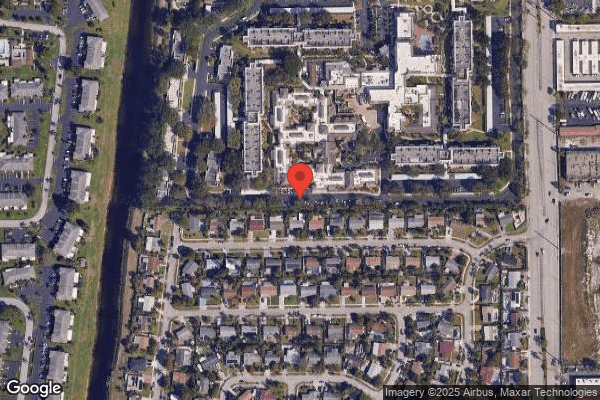
2105 SW 11TH COURT, DELRAY BEACH, FL 33445 (561) 454-1136
Non profit - Corporation 100 Beds LIFESPACE COMMUNITIES Data: November 2025 2 Immediate Jeopardy citations
Trust Grade
11/100
#487 of 690 in FL
Last Inspection: June 2024

Within standard 12-15 month inspection cycle. Federal law requires annual inspections.

Overview

Condor Rehabilitation Center in Delray Beach, Florida has a Trust Grade of F, indicating significant concerns about the quality of care provided. With a state rank of #487 out of 690, they fall in the bottom half of Florida facilities, and at #40 out of 54 in Palm Beach County, only a few local options are rated better. While the facility's trend is improving, with issues decreasing from 11 in 2023 to 9 in 2024, the high number of total deficiencies (25) remains alarming. Staffing is a relative strength, rated 4 out of 5, with a low turnover of 23%, and it has more RN coverage than 94% of Florida facilities, which is beneficial for resident care. However, the facility has concerning fines totaling $29,780, higher than 77% of facilities in Florida, and serious incidents have occurred, including a resident who exited through an unlocked door and suffered a significant fall, highlighting critical safety issues.

Trust Score
F
11/100
In Florida
#487/690
Bottom 30%
Safety Record
High Risk
Review needed
Inspections
Getting Better
11 → 9 violations
Staff Stability
✓ Good
23% annual turnover. Excellent stability, 25 points below Florida's 48% average. Staff who stay learn residents' needs.
Penalties
✓ Good
$29,780 in fines. Lower than most Florida facilities. Relatively clean record.
Skilled Nurses
✓ Good
Each resident gets 76 minutes of Registered Nurse (RN) attention daily — more than 97% of Florida nursing homes. RNs are the most trained staff who catch health problems before they become serious.
Violations
⚠ Watch
25 deficiencies on record. Higher than average. Multiple issues found across inspections.
★★☆☆☆
2.0
Overall Rating
★★★★☆
4.0
Staff Levels
★★★★★
5.0
Care Quality
★☆☆☆☆
1.0
Inspection Score
Stable
2023: 11 issues
2024: 9 issues

The Good

  • 4-Star Staffing Rating · Above-average nurse staffing levels
  • 5-Star Quality Measures · Strong clinical quality outcomes
  • Low Staff Turnover (23%) · Staff stability means consistent care
  • Full Sprinkler Coverage · Fire safety systems throughout facility
  • No fines on record
  • Staff turnover is low (23%)

    25 points below Florida average of 48%

Facility shows strength in staffing levels, quality measures, staff retention, fire safety.

The Bad

2-Star Overall Rating

Below Florida average (3.2)

Below average - review inspection findings carefully

Federal Fines: $29,780

Below median ($33,413)

Moderate penalties - review what triggered them

Chain: LIFESPACE COMMUNITIES

Part of a multi-facility chain

Ask about local staffing decisions and management

The Ugly 25 deficiencies on record

2 life-threatening
Dec 2024 3 deficiencies 2 IJ
CRITICAL (J) 📢 Someone Reported This

A family member, employee, or ombudsman was alarmed enough to file a formal complaint

Immediate Jeopardy (IJ) - the most serious Medicare violation

Free from Abuse/Neglect (Tag F0600)

Someone could have died · This affected 1 resident

**NOTE- TERMS IN BRACKETS HAVE BEEN EDITED TO PROTECT CONFIDENTIALITY** Based on interviews, record reviews and observations, the facility failed to protect the residents' right to be free from neglec...

Read full inspector narrative →
**NOTE- TERMS IN BRACKETS HAVE BEEN EDITED TO PROTECT CONFIDENTIALITY** Based on interviews, record reviews and observations, the facility failed to protect the residents' right to be free from neglect when it failed to provide the required structures and processes to maintain and secure the exit doors to meet the needs of residents, for 1 of 1 sampled resident (Resident #1). The deficient practice allowed Resident #1 to leave the facility through an unlocked exit door on 09/12/24 between 4:00 AM and 5:00 AM. Resident #1 wheeled himself in his wheelchair to the facility's loading dock, where he fell and was seriously injured. Resident #1 was transferred to the hospital. There were eighty-nine residents in the facility at the time of the survey. The facility's administrator was notified of Immediate Jeopardy and was given the Immediate Jeopardy Templates on 12/05/24 at 6:22 PM. The Immediate Jeopardy was removed at the time of the facility exit on 12/06/24. Cross reference to F689. The findings included: The facility's policy titled Abuse, Neglect, and Exploitation, Revision date: 09/20/24 defines Neglect as follows: Neglect means failure of the facility, its employees, or service providers to provide goods and services to a resident that are necessary to avoid physical harm, pain, mental anguish, or emotional distress. Resident #1 admitted to the facility on [DATE]. Resident #1 had the diagnoses that included but were not limited to the following: Malignant Neoplasm (cancer) of the Prostate, Anemia (a low number of red blood cells that can affect oxygen supply), Gastrointestinal Hemorrhage (bleeding), Acute Respiratory Failure (a condition in which there is not enough oxygen or too much carbon dioxide in the body), Hypertension (high blood pressure), Adult Failure to Thrive (a state of decline in physicial and functional abilities, leading to a decrease in overall well-being), and Physical Debility (weakness caused by an illness, injury, or aging). Resident #1 had his comprehensive assessment completed on 08/26/2024. Resident #1 was admitted to the facility after being hospitalized for Gastrointestinal Hemorrhage. At the time of the comprehensive assessment, Resident #1 had a Brief Interview for Mental Status (BIMS) score of 14/15. This means he was cognitively intact. According to the facility's investigation of the incident on 09/12/24 between 4:00 AM and 5:00 AM, Resident #1 left through the exit door on the north side of the facility, near his room. The resident subsequently wheeled himself to the facility's loading dock where he had a fall with serious injuries. This exit door had a door release bar and was labeled with the following instructions: Push Until the Alarm Sounds; The door can be opened in 15 seconds. The Root Cause Analysis, done by the facility on 09/12/24 revealed the door's alarm and magnetic lock had been deactivated, which allowed the door to be opened without the alarm sounding. Resident #1 exited undetected from this door. Review of the hospital records revealed Resident #1's fall on 09/12/24 resulted in Type II and Type III fractures of the second cervical (neck) vertebra (a small bone that is part of the backbone) (C2) and fractures of the first cervical vertebra (C1). The radiology report indicated that the results were critical. On 12/02/24 at 2:24 PM, a telephone interview was conducted with Staff A, a Registered Nurse (RN), who was Resident #1's assigned nurse at the time of the incident. Staff A explained that when she went out the same door Resident # 1 used, she noted the door opened easily without an alarm sounding. On 12/02/24 at 3:00 PM, A telephone Interview with Staff B, a Certified Nursing Assistant. Staff B stated that she did not hear any alarms when Resident #1 left the building. Staff B stated that Resident #1 was in bed when she checked on him early in her shift between 11:00 PM and 12:00 AM. She stated he complained he was cold, and she helped him put on clothing and offered him an extra blanket. Staff B stated she did not remember if the resident was able to transfer himself to the wheelchair. Staff B stated that during the search for Resident #1 she tried the door at the end of the 400-hallway and it just opened without the alarm sounding. On 12/02/24 at 4:00 PM, an interview was conducted with Staff C, a CNA. Staff C explained that she was not assigned to Resident #1, but she was the CNA who found Resident #1. Staff C showed the surveyor exactly where Resident #1 was found outside. The CNA explained that she moved the wheelchair off Resident #1 and called the nurse to tell the nurse where Resident #1 was found. Staff C stated she found Resident #1 because he was calling out to send someone to help him. Staff C stated Resident #1 didn't want anyone to move him except for the ambulance people. On 12/05/24 at 3:21 PM, an interview was with Staff D, Maintenance Technician. Staff D stated he checks the doors at 8:00 AM every day he works, which is Tuesday through Saturday, he checks all the exits in the building by pushing on the release bar for 15 seconds. He stated the alarm sounds if it is working correctly. The maintenance technician provided documentation that he was working on 9/12/24. Staff D stated the door was working on 09/12/24 when he checked the door at 8:00 AM, which was after the incident had occurred. On 12/05/24 at 3:53 PM a telephone interview was conducted with the former administrator who worked for the facility at the time of the elopement. The former administrator stated he was on site at approximately 6:30 AM on 09/12/24. He stated he was able to reactivate the key code for the door which put the door back in service and activated the alarm. The former administrator stated he had a conversation with the vendor of the company that placed the key code pads to override the door locks. The vendor explained the door had been in maintenance mode, which deactivated the alarm and magnetic lock. On 12/05/24 at 3:25 PM, the Director of Plant Operations (DPO) explained that the facility provides key codes to staff because the dietary, housekeeping, and maintenance staff need to travel from the facility to the adjacent building where the kitchen, housekeeping and maintenance departments are located. The DPO provided a repair document that showed the key code for the door was changed on 09/12/24, the day of the incident. On 12/05/2024 at 4:28 PM, an interview was conducted with Staff E, Dietary Assistant. When asked if she knew the code to go to the kitchen she said yes, it's [code number], which is the correct code as provided by the DPO. Staff E stated she started working for the facility on August 14, 2024. She stated that since she started that was the only code she was given. On 12/05/2024 at 4:36 PM, an interview was conducted with Staff F, Dietary Assistant. Stated she has been working for the facility for 9 months. She stated she only has one code for the 4-North door, [code number]. At that time the surveyor accompanied Staff F to the 4-North door for a demonstration of how the door worked when functioning correctly. Staff F entered the code and pressed the door open button. The door swung open with the alarm sounding. Staff F stated the alarm sounded until the door fully closed. This was witnessed to be true. The surveyor attempted to use a four-digit code as had been described by the DPO and the former administrator. The code did not unlock the door or allow it to open when the door open button was pressed. On 12/06/2024 at 10:54 AM, an interview was conducted with Staff G, a housekeeper, regarding the 4-North door key code and using the 4-North door. Staff G stated she has been working for the facility for 16 years. She stated she uses the 4-North door approximately 4 times a day. Staff G stated she uses the door if she needs to see the supervisor, for daily huddles (meetings), to get housekeeping supplies and occasionally to bring resident laundry to the laundry room. Staff G stated she primarily does room cleaning. Staff G stated she works from 7:30 AM until 3:30 PM. On 12/06/24 at 11:13 AM, an interview was conducted with Staff H, Custodian. Staff H stated he has worked for the facility for 8 years. Staff H stated he uses the 4-North door more than 5 times a day. He stated he transports laundry, trash, and equipment using that door. He stated that after the incident the staff were trained to make sure there were no residents following them out the door and to make sure the door was closed fully before leaving the area. Staff H stated he works from 6:00 AM to 2:00 PM daily. On 12/06/24 at 4:46 PM, an interview was conducted with Staff I, who works for the facility as a maintenance worker and in a second capacity on the weekends as a Security Guard. He confirmed the hours have changed to arm [turn on] the screamer alarm, which is the loud alarm added to the 4-North door after the elopement. The Security Guard stated the screamer alarm is now armed at 8:00 PM instead of 11:00 PM. Staff I confirmed that this was a change made as of 12/06/24. Staff I confirmed that he patrols the facility and tests all the doors to ensure they remain locked. Staff I stated he checks the doors often as he patrols. *The facility submitted an acceptable Immediate Jeopardy Plan on 12/06/2024, the surveyor verified the implementation of the following immediate actions in the Immediate Jeopardy Removal Plan: 1. Resident #1 was no longer a resident in the facility. 2. From 12/05/24 to 12/6/24, Johnson Controls, the company that installs and maintains the key code pad, cleared all historical code system data and recoded doors for safety and security. On 12/05/24 Johnson Controls changed maintenance code access. The community will not have access to the maintenance code. 3. On 12/05/24 Security will round on the Health Center and activate multi-functional door alarm on Poinciana North from 8 p.m. to 7 a.m. daily. 4. On 12/5/24 the Executive Director completed one to one education with Director of Plant Operations, Interim NHA, and Director of Nursing on the expectation that maintenance will check exit doors throughout the Health Center for security and functioning daily. 5. On 12/06/24, the NHA, who is also the Abuse coordinator, and Director of Plant Operations began the education of Health Center maintenance team members and administration team members on the neglect policy. Health center maintenance team members will not be allowed to work until education is completed. There are 9 of 9 health center maintenance team members who have completed the neglect training. There are currently 11 administrative team members of which 10 have completed the neglect training and 1 is out on PTO [Paid Time Off] and will be educated upon return. **On 12/06/2024 the surveyor collected and verified the follwing removal plan immediate actions: 1. During interviews with kitchen staff on 12/05/24 and 12/06/24, the surveyor and a kitchen staff employee went to the door to try the code needed to open the door. After the employee successfully operated the door, the surveyor performed a test by putting in the proper code first. After the proper code was used the surveyor attempted to imitate the use of a fourth digit as a repeat of the third digit. The door failed to open as the code was rejected. The keypad had lights on the keypad display to determine if the correct code was entered. The light changed to green for the correct code and flashed yellow for the incorrect code. When the door successfully opened; the alarm sounded continuously until the door closed. 2. An interview on 12/06/24 with the Security Guard on duty revealed the facility changed the alarm check routine and the activation time for the loud alarm which was added after the incident. The Security Guard confirmed the loud alarm would be activated at 8:00 PM every night and it would be deactivated at 7:00 AM every morning. The Security Guard confirmed all the doors would be checked for failure and alarms sounding at various intervals throughout the night. 3. The facility provided electronic evidence of staff education on Neglect, for 109 of 112 employees in the Health Center, as of 12/06/24. 4. The facility provided evidence of education of the Director of Plant Operations, Interim NHA, and Director of Nursing on the expectation that maintenance will check exit doors throughout the Health Center for security and functioning daily.
CRITICAL (J) 📢 Someone Reported This

A family member, employee, or ombudsman was alarmed enough to file a formal complaint

Immediate Jeopardy (IJ) - the most serious Medicare violation

Accident Prevention (Tag F0689)

Someone could have died · This affected 1 resident

**NOTE- TERMS IN BRACKETS HAVE BEEN EDITED TO PROTECT CONFIDENTIALITY** Based on interviews, record review and observations, the facility failed to provide supervision and a secure environment to prev...

Read full inspector narrative →
**NOTE- TERMS IN BRACKETS HAVE BEEN EDITED TO PROTECT CONFIDENTIALITY** Based on interviews, record review and observations, the facility failed to provide supervision and a secure environment to prevent 1 of 1 sampled resident (Resident #1), from exiting the safety of the facility and subsequently experiencing a fall with serious injuries. The deficient practice occurred on 9/12/24 between 4:00 AM and 5:00 AM. While in his wheelchair, Resident #1, exited out an unlocked exit door at the end of the 400-Hallway, on the north side of the facility. Resident #1 then wheeled himself down a concrete walkway to the loading dock where there was a set of three steps. Resident #1 fell down the steps with his wheelchair where he suffered serious injuries to his cervical (neck) spine (vertebrae). Resident #1 was transferred to the hospital via ambulance. There were eighty-nine residents in the facility at the time of the survey. The facility's Administrator was notified of Immediate Jeopardy and was given the Immediate Jeopardy Templates on 12/05/24 at 6:22 PM. The Immediate Jeopardy was removed by the time of the facility exit on 12/06/24. Cross reference to F600. The findings included: The facility's policy titled Elopement, Unsupervised Absence, Hazardous Wandering and Missing Residents, revised 11/07/24 defines a Missing Resident as follows: A resident is considered missing when they are absent from the place where they ought to be and their whereabouts is unknown. Resident #1 was admitted to the facility on [DATE] after being hospitalized for Gastrointestinal Hemorrhage. Resident #1 had the diagnoses that included but were not limited to the following: Malignant Neoplasm (cancer) of the Prostate, Anemia (a low number of red blood cells that can affect oxygen supply), Gastrointestinal Hemorrhage (bleeding), Acute Respiratory Failure (a condition in which there is not enough oxygen or too much carbon dioxide in the body), Hypertension (high blood pressure), Adult Failure to Thrive (a state of decline in physicial and functional abilities, leading to a decrease in overall well-being), and Physical Debility (weakness caused by an illness, injury, or aging). Resident #1 had his comprehensive assessment completed on 08/26/2024. At the time of the comprehensive assessment, Resident #1 had a Brief Interview for Mental Status (BIMS) score of 14/15. This means he was cognitively intact. According to the facility's investigation of the incident, on 09/12/24 at between 4:00 AM and 5:00 AM, Resident #1 went out of the exit door on the north side of the facility, near his room, which was at the end of the 400-hallway closest to the exit used. The Root Cause Analysis, completed by the facility on 09/12/24, revealed the exit door's alarm and magnetic lock had been deactivated, which allowed the door to be opened without the alarm sounding. Resident #1 exited undetected from this door. Resident #1 subsequently propelled himself in his wheelchair down a concrete walkway to the right of the exit, to the loading dock area, to a set of 3 steps that are part of the loading dock. Resident # 1 was found at the bottom of the steps with his wheelchair on top of him. On 12/02/24 at 10:15 AM, a tour of the exit route was taken accompanied by the Director of Plant Operations (DPO). The DPO provided measurements of the 3 steps where Resident #1 went down. The height of the stairs is approximately 16 inches and the distance from the front edge of the top step to the base at the bottom step is approximately 23 inches. On 12/03/24 at 4:42PM, a review of the hospital records revealed Resident #1's fall on 09/12/24 resulted in Type II and Type III fractures of the second cervical (neck) vertebra (a small bone that isa part of the backbone) (C2) and acute fractures to the left and posterior ring of the first cervical vertebra (C1). The radiology report indicated that the results were critical. Resident #1 was admitted to the hospital's trauma unit on 09/12/24. On 12/02/24 at 3:00 PM, an interview was conducted with Staff B, the CNA assigned to Resident #1 on the 11:00 PM to 7:00 AM shift which spanned from 09/11/24 to 9/12/24. Staff B stated she last saw Resident #1 at approximately 3:00 AM. Staff B stated that when she went to Resident #1's room at approximately 4:20 AM, on 09/12/24, to start morning care, she noticed he was missing. Staff B stated that Resident #1 was awake earlier and complained of being cold, Staff B stated she assisted Resident #1 to put on warmer clothes and offered him a blanket. Staff B stated she did not hear the door alarm sounding at the time Resident #1 was found missing. Staff B reported she informed Staff A, the nurse assigned to Resident #1, immediately upon finding Resident #1 missing. Staff B stated that when she checked the door at the end of the 400-hallway, where Resident #1 left, she found it to be unlocked and easily opened without the alarm sounding. On 12/02/24 at 2:24 PM, an interview was conducted with Staff A, the nurse assigned to Resident #1. Staff A stated that a search was conducted for Resident #1 when Staff B reported him missing. Staff A stated that when he was found she had been told, by the CNA who found him, that Resident #1 was found with his wheelchair on top of him. Staff A stated Resident #1 had blood on his face and an open cut on his left arm. Staff A reported Resident #1 shouted he did not want anyone to touch him until the ambulance arrived. Staff A stated Resident #1 did not want to answer any questions regarding the incident. On 12/02/24 at 4:00 PM an interview was conducted with Staff C, a CNA. Staff C stated she was not assigned to care for Resident #1, but she was the one who found him. Staff C stated she found Resident #1 at the bottom of the stairs that are part of the loading dock. Staff C stated Resident #1 was calling for someone to help him. Staff C stated she found Resident #1 at the bottom of the stairs with the wheelchair on top of him. Staff C stated Resident #1 did not want to be touched until the ambulance people got there and would not tell anyone what happened. On 12/05/24 at 3:53 PM an interview was conducted with the former Administrator, who was the Administrator of record at the time of the incident. According to the former Administrator, he arrived at the facility by 6:30 AM on 09/12/24. The former Administrator stated he found the 400-hallway door unlocked when he arrived and reset the key code at that time. The former Administrator stated he discussed the situation with the vendor who explained that the door had been in maintenance mode and that was why the door was unlocked with the alarm off. On 12/05/24 at 3:25 PM, the Director of Plant Operations (DPO) explained that the facility provides key codes to staff because the kitchen, housekeeping, and maintenance staff need to travel from the facility to the adjacent building where the kitchen, housekeeping and maintenance departments are located. The DPO provided a repair document that showed the key code for the door was changed to prevent employees from accidentally entering the maintenance code to deactivate the door. This change was made on 09/12/24, the day of the incident. The DPO stated the vendor explained the code to unlock the door and disarm the alarm to put the door into 'maintenance mode' was like the code provided to the employees. On 12/05/2024 at 4:28 PM, an interview was conducted with Staff E, Dietary Assistant. When asked if she knew the code to go to the kitchen, she replied yes, it's [code number], which is the correct code as provided by the DPO. Staff E stated she started working for the facility on August 14, 2024. She stated that since she started that was the only code she was given. On 12/05/2024 at 4:36 PM, an interview was conducted with Staff F, Dietary Assistant. Stated she has been working for the facility for 9 months. She stated she only has one code for the 400-Hallway exit door, [code number]. At that time, the surveyor accompanied Staff F to the 4-N door for a demonstration of how the door worked when functioning correctly. Staff F entered the code and pressed the door open button. The door swung open with the alarm sounding. Staff F stated the alarm sounded until the door fully closed. This was witnessed to be true. The surveyor attempted to use a four-digit code as had been described by the DPO and the former Administrator. The code did not unlock the door or allow it to open when the door open button was pressed. On 12/06/24 at 10:54 AM, an interview was conducted with Staff G, a housekeeper, regarding the 400-Hallway exit door key code and using this exit door. Staff G stated she has been working for the facility for 16 years. She stated she uses this exit door approximately 4 times a day. Staff G stated she uses the door if she needs to see the supervisor, for daily huddles (meetings), to get housekeeping supplies and occasionally to bring resident laundry to the laundry room. Staff G stated she primarily does room cleaning and she works from 7:30 AM until 3:30 PM. Staff G stated she has seen the maintenance department checking the doors several times a day since the incident. On 12/06/24 at 11:13 AM, an interview was conducted with Staff H, Custodian. Staff H stated he has worked for the facility for 8 years. Staff H stated he uses the 4-north door more than 5 times a day. He stated he transports laundry, trash, and equipment using that door. He stated that after the incident the staff were trained to make sure there were no residents following them out the door and to make sure the door was closed fully before leaving the area. Staff H stated he has witnessed maintenance staff check the doors in the morning. He stated he was unsure if he has seen maintenance checking the doors other times. Staff H stated he works from 6:00 AM to 2:00 PM daily. On 12/06/24 at 4:46 PM, an interview was conducted with Staff I, who works for the facility as a maintenance worker and in a second capacity on the weekends as a Security Guard. He confirmed the hours have changed to arm [turn on] the screamer alarm, the loud alarm added to the 4-North door after the elopement, at 8:00 PM instead of 11:00 PM previously scheduled. Staff I confirmed that this was a change made as of 12/06/24. Staff I confirmed that he patrols the facility and tests all the doors to ensure they remain locked. Staff I stated he checks the doors often as he patrols. *The facility submitted an acceptable Immediate Jeopardy Removal Plan and on 12/06/2024, the surveyor verified the implementation of the following immediate actions in the Immediate Jeopardy removal plan: 1. Resident #1, who was not determined to be an elopement risk, was no longer a resident in the community. 2. From 12/05/24 to 12/06/24, Johnson Controls, the company that installs and maintains the key code pad, cleared all historical code system data and recoded doors for safety and security. 3. On 9/12/24 Johnson Controls changed maintenance code access. The community (employees and security guards) will not have access to the maintenance code. 4. Starting on 12/05/24 Security will round on the Health Center and activate the screamer loud alarm on Poinciana North from 8pm to 7am daily. 5. On 12/05/24 the Executive Director completed one on one education with Director of Plant Operations, Interim NHA, and Director of Nursing on the expectation that maintenance will check exit doors throughout the Health Center for security and functioning daily. 6. On 12/06/24, the NHA, who is also the Abuse coordinator and Director of Plant Operations, began education of Health center maintenance team members and administration team members on the missing person policy and exit door and alarm checks. Health center maintenance team members will not be allowed to work until education is completed. There were 9 of 9 health center maintenance team members who had completed this training. There are currently 11 administrative team members, of which 10 have completed this training and 1 is out on PTO (Paid Time Off) and will be educated upon return. **On 12/06/24 the surveyor collected and verified the folloing removal plan immediate actions: 1. During interviews on 12/05/24 and 12/06/24, with kitchen staff, the surveyor and a kitchen staff employee went to the door to try the code needed to open the door. After the employee successfully operated the door, the surveyor performed a test by putting in the proper code first. After the proper code was used, the surveyor attempted to use a four-digit code to place the door in maintenance mode. This attempt with the four-digit code failed as expected. 2. An interview on 12/6/24 at 4:46 p.m. with the Security Guard on duty revealed the facility changed the alarm check routine and the activation time for the loud alarm that was added after the incident. The Security Guard confirmed the loud alarm would be activated at 8:00 PM every night and it would be deactivated at 7:00 AM every morning. The Security Guard confirmed all the doors would be checked for security and alarms sounding at various intervals throughout the night. 3. The facility provided electronic evidence of staff education on Missing person and door/alarm checks and with written records. There were 109 out of 112 employees educated as of 12/06/24, when the spreadsheet was completed. This equals 97%. 4. The facility provided evidence of education of the Director of Plant Operations, Interim NHA, and Director of Nursing on the expectation that maintenance will check exit doors throughout the Health Center for security and functioning daily.
CONCERN (D) 📢 Someone Reported This

A family member, employee, or ombudsman was alarmed enough to file a formal complaint

Potential for Harm - no one hurt, but risky conditions existed

Incontinence Care (Tag F0690)

Could have caused harm · This affected 1 resident

Based on interview, record review, and observation the facility failed to provide appropriate Perineal Care to prevent Urinary Tract Infections (UTIs) for 1 of 1 resident observed for Perineal care (R...

Read full inspector narrative →
Based on interview, record review, and observation the facility failed to provide appropriate Perineal Care to prevent Urinary Tract Infections (UTIs) for 1 of 1 resident observed for Perineal care (Resident #2). Findings included: The facility's policy titled Perineal Care, date February 2018, included: For a female resident .it states Wash perineal area, wiping from front to back. Subitem (1) documented Separate the labia and wash area downward from front to back. Subitem (2) documented Continue to wash the perineum moving from inside outward to the thighs. Rinse perineum thoroughly in same direction, using fresh water and a clean washcloth. On 12/03/24 at 10:00 AM an observation was made of Perineal Care for Resident #2. At the time of the observation, Infection Notes documented that Resident #2 was being treated for a Urinary Tract Infection. The observation was as follows: The Certified Nursing Assistant (CNA) provided dignity and privacy to the resident by closing the door and drawing the curtains. The CNA placed her supplies, which were in a plastic bag, on the overbed table. The CNA failed to disinfect the surface of the table before starting. The CNA provided the resident with a bath towel to cover her perineum for privacy and dignity. The CNA used proper technique to remove the peri pad and incontinent brief from the resident and placed a towel under the resident to protect the bed linens from contamination. The CNA removed her gloves, washed her hands and put on clean gloves. The CNA proceeded to put soap on a wet washcloth to clean the resident. The CNA started from the inner thighs and moved inward. The CNA washed the inner right thigh first. The CNA washed the resident's thigh in an upward motion from back to front. The CNA continued to wash in toward the right outer labia. The CNA then proceeded to wash the inner left thigh from back to front and in toward the left outer labia. The CNA washed the left labia upward from back to front, proceeding to the inner folds of the left labia. The CNA repeated this way with the right labia. The CNA then used a clean washcloth wet from the basin to rinse the resident's perinium. The CNA removed her gloves, washed her hands and put on clean gloves. The CNA assisted Resident #2 onto her left side and proceeded to wash the resident's posterior without any further concerns. On 12/03/24 at approximately 10:45 AM the surveyor interviewed the Director of Nursing (DON) regarding the observation of the perineal care. The DON agreed that the CNA did not use proper technique for perineal care. The DON stated the CNA would be re-educated immediately.
Jun 2024 6 deficiencies
CONCERN (D)

Potential for Harm - no one hurt, but risky conditions existed

Free from Abuse/Neglect (Tag F0600)

Could have caused harm · This affected 1 resident

**NOTE- TERMS IN BRACKETS HAVE BEEN EDITED TO PROTECT CONFIDENTIALITY** Based on interview and record review, the facility failed to appropriately respond to allegations of sexual assault in 1 of 1 sa...

Read full inspector narrative →
**NOTE- TERMS IN BRACKETS HAVE BEEN EDITED TO PROTECT CONFIDENTIALITY** Based on interview and record review, the facility failed to appropriately respond to allegations of sexual assault in 1 of 1 sampled resident for sexual assault (Resident #33). The findings included: Resident #33 was admitted to the facility on [DATE] with diagnoses that included Dementia. A comprehensive assessment dated [DATE] documented the resident had moderate cognitive impairment with a Brief Interview for Mental Status (BIMS) score of 6 out of 15. Resident #33 was care planned for being alert and oriented x 2 (to person and place) and impaired cognitive function/dementia, inattention, and forgetfulness. Record review revealed a progress note dated 05/28/24 at 3:57 PM that documented: Resident was visited by SW (Social Worker) today to discuss grievance with another resident. Staff member saw male resident touched her inner thigh and attempt to put hand up blouse. Resident is confused and unaware of the incident. Resident was evaluated/checked by nursing staff. SW contact family to make her aware and also reported concern to APS (Adult Protective Services). SW to monitor resident behavior for any changes. Further record review revealed a progress note dated 05/28/24 at 5:44 PM that documented: This writer notified resident has fallen out of her wheelchair in the dining area. Upon entering the dining area resident noted with a laceration to above left eyebrow. 911 was called. Resident has left the facility alert, responsive and oriented. MD and resident daughter made aware. Resident #33 returned to the facility on [DATE] at 2:16 AM. There was no documentation of the resident's condition or psychosocial status post sexual assault. A review of Resident #33's orders revealed an order dated 05/31/24 for a Psych consult to address decreased appetite. An interview was conducted with the Director of Nursing (DON) on 06/05/24 at 10:00 AM. The DON stated they did a skin check on Resident #33 and separated the two residents. The other resident, Resident #39, was placed on 1:1. The DON further stated they interviewed other female residents on the same unit and staff. The Social Service Director interviewed both residents and notified the physician and other agencies. The DON provided a preliminary psych note dated 06/03/24. The DON stated the psych physician left a preliminary note and will then send a progress note. A review of the preliminary note documented Resident #33 seemed more confused and tearful. The plan was to continue same medications, rule out Urinary Tract Infection, and re-consult in 2 weeks. The note did not address the sexual assault on the resident. A phone interview was conducted with the Psychiatrist on 06/05/24 at 10:30 AM. The Psychiatrist stated he was familiar with Resident #33. He stated he was told that Resident #33 was touched by another resident and the resident's appetite was decreased. The Psychiatrist acknowledged he did not address the resident's sexual assault in his preliminary note. He stated the resident has Dementia and does not remember anything. An interview was conducted with the Central Supply Coordinator on 06/05/24 at 11:30 AM. The Coordinator stated she witnessed the sexual assault on Resident #33 on 05/28/24. She was walking in the hall and saw Resident #33 in the middle of dining room with a male resident, Resident #39, sitting next to each other/facing each other. Resident #39 was rubbing between Resident #33's legs and up her blouse. Resident #33 looked uncomfortable/fidgeting. The Coordinator stated she walked over to Resident #33 and asked if she was finished, and wanted to go back to the room. As she was pulling Resident #33 away from the Resident #39, Resident #33 said Thank you for rescuing me. The Coordinator told the DON, who told her to report it to the SSD. An interview was conducted with the Social Service Director (SSD) on 06/05/24 at 11:45 AM. The SSD stated she was told by a staff member that Resident #33 was in dining room and was rubbed on by another resident, Resident #39. The SSD approached Resident #33 the same day, and the resident could not recall anything. The SSD went to Resident #39 and he said that Resident #33 was his friend. The SSD stated Resident #33 was more confused than usual that day when she talked to her. The SSD reported to nursing staff and supervisor, and called the family. The SSD acknowledged she documented SW to follow up, but Resident #33 went out to the hospital the same day. The SSD stated she did see Resident #33 when she came back to the facility, but did not document it. Record review revealed Resident #39 was admitted to the facility on [DATE]. A comprehensive assessment dated [DATE] documented the resident was cognitively intact with a BIMS of 13 out of 15.
CONCERN (D)

Potential for Harm - no one hurt, but risky conditions existed

Quality of Care (Tag F0684)

Could have caused harm · This affected 1 resident

**NOTE- TERMS IN BRACKETS HAVE BEEN EDITED TO PROTECT CONFIDENTIALITY** Based on observation, interview, and record review, the facility failed to discontinue a Peripherally Inserted Central Catheter ...

Read full inspector narrative →
**NOTE- TERMS IN BRACKETS HAVE BEEN EDITED TO PROTECT CONFIDENTIALITY** Based on observation, interview, and record review, the facility failed to discontinue a Peripherally Inserted Central Catheter (PICC) line in a timely manner for 1 of 1 resident reviewed for PICC line (Resident #67). The findings included: Resident #67 was admitted to the facility on [DATE] with diagnoses that included Osteomyelitis (infection of the bone). A comprehensive assessment dated [DATE] documented the resident had mild cognitive impairment and required substantial/maximum assistance with activities of daily living. Record review revealed an order for Intravenous (IV) antibiotics daily dated 04/19/24 to start 04/20/24 until 05/24/24. An interview was conducted with Resident #67 and his spouse on 06/03/24. Resident #67's spouse stated the resident had finished his antibiotics 10 days ago, and still had the PICC line in place. The spouse stated she had requested the IV to be discontinued a few times for fear of an infection and it had not been done. The spouse stated she again requested the IV to be discontinued today, and was told by the nurse she would call the doctor to get an order to discontinue the IV. An interview was conducted with Resident #67's spouse on 06/04/24 at 12:50 PM. The spouse stated Resident #67 still had the IV line in place. An interview was conducted with Staff H, a Registered Nurse, on 06/04/24 at 1:00 PM. Staff H acknowledged Resident #67 had a PICC line, and last received IV antibiotics on 05/24/24. Staff H further acknowledged Resident #67 and his spouse requested the PICC line to be discontinued. Staff H stated she did not call the physician as requested. An interview was conducted with the Infection Control Preventionist (ICP) on 06/04/24 at 1:10 PM. The ICP stated the best practice is to remove a PICC line as soon as possible to avoid risk of infection.
CONCERN (D)

Potential for Harm - no one hurt, but risky conditions existed

Deficiency F0810 (Tag F0810)

Could have caused harm · This affected 1 resident

**NOTE- TERMS IN BRACKETS HAVE BEEN EDITED TO PROTECT CONFIDENTIALITY** Based on observations, interviews and record reviews, the facility failed to provide adaptive equipment as ordered to 2 of 2 res...

Read full inspector narrative →
**NOTE- TERMS IN BRACKETS HAVE BEEN EDITED TO PROTECT CONFIDENTIALITY** Based on observations, interviews and record reviews, the facility failed to provide adaptive equipment as ordered to 2 of 2 residents reviewed for assistive devices, Residents #5 and 15. The findings included: The facility's policy, 'Assistance with Meals', revised March 2022, documented: Residents shall receive assistance with meals in a manner that meets the individual needs of each resident. Residents who may benefit from Assistive Devices: 1. Adaptive devices (special eating equipment and utensils) will be provided for residents who need or request them. These may include devices such as silverware with enlarged/padded handles, plate guards, and/or specialized cups. 2. Assistance will be provided to ensure than residents can use and benefit from special eating equipment and utensils. 3. Residents may choose not to use adaptive devices. 1. Resident #5 was admitted to the facility on [DATE]. According to the resident's most recent complete assessment, a Quarterly Minimum Data Set (MDS), dated [DATE], Resident #5 had a Brief Interview for Mental Status (BIMS) score of 09, indicating that the resident was 'moderately' cognitively impaired. The MDS documented that the resident required 'supervision or touching assistance' for eating. Resident #5's diagnoses at the time of the assessment included: Speech and Language deficits following cerebral infarction, Aphasia following cerebral infarction, Contracture to right elbow, Cognitive communication deficit, Flexion deformity to the right finger joints. Resident #5's care plan for 'malnutritional problem', created on 11/08/18 and most recently revised on 06/05/24, documented, Resident has nutritional problem or potential nutritional problem related to diagnoses: speech and language deficits, aphasia, dysphagia, cerebrovascular disease, hypothyroidism, anxiety, hypertension, hyperlipidemia, GERD, major depression, history of weight loss; requires adaptive equipment with meals. The goal of the care plan was documented as, The resident will maintain adequate nutritional status as evidenced by maintaining weight without significant changes, no signs/symptoms of malnutrition . 12/05/18 with a revision date of 06/04/24 and a target date of 08/07/24. Interventions to the care plan included: Adaptive equipment for eating: standard built up fork/spoon, plate guard, built up knife and soup in mug all times. Resident #5's orders included: Adaptive equipment for eating: standard built up fork/spoon, plate guard, built up knife and soup served in mug at all meals every shift - 08/18/21. Resident #5 was not interviewable. During an observation of lunch being served to the residents in the dining room on the 400 unit, on 06/04/24 at 12:46 PM, Resident #5 was noted with a built up fork and spoon, with traditional knife. The tray ticket that accompanied the meal documented the order for 'built up Spoon/fork/knife. During an observation of breakfast being served to the residents in the dining room on the 400 unit, on 06/05/24 at 8:34 AM, Resident #5 was served scrambled eggs and toast with a pre-portioned butter on the side. It was noted that the resident was provided a built up spoon and fork and a traditional knife. During an interview, on 06/05/24 at 1:41 PM, with Staff A, CNA, when asked about preparing the dining room for the residents prior to meals, Staff A stated, tables are already set for the residents. When asked about the lack of built up knives provided to the residents, Staff A replied, they had knives. They come from the kitchen (referring to the satellite kitchen in the dining room on the 400 unit) and they would place for the residents at the tables. During an interview, on 06/05/24 02:01 PM, with Staff B, CNA, when asked of the availability of adaptive equipment for the residents that have orders, Staff B replied, there are no residents that use adaptive equipment in the unit. All of them eat in the dining room (referring to the dining room on the 400 unit). 2. Resident #15 was admitted to the facility on [DATE]. According to the resident's most recent full assessment, a Quarterly MDS, dated [DATE], Resident #15 had a BIMS score of 12, indicating 'moderately' cognitively impaired. The assessment documented that the resident required 'Setup or clean up assistance' for eating. Resident #15's diagnoses at the time of the assessment included: Coronary Artery Disease, Seizure disorder, Hereditary and idiopathic neuropathy, Spondylosis of the cervical region, Idiopathic peripheral autonomic neuropathy, disorders of muscle. Resident #15's care plan for nutritional problem, created on 05/12/21 and most recently revised on 06/03/24, documented, The resident has nutritional problem or potential nutritional problem related to hyperlipidemia, hypertension, spondylosis, heart disease, history of wounds, history of weight loss, declines weights to be taken at times; requires adaptive equipment . The goal of the care plan was documented as, The resident will maintain adequate nutritional status as evidenced by maintaining weight as medically indicated and attainable; remain comfortable and tolerate food, fluid and/or supplements. 05/12/21 with a revision date of 05/02/24 and a target date of 07/15/24. Resident #15's orders included: Built-up/curved fork, spoon and built-up rocker knife with all meals. 01/09/23. During an observation of breakfast served to the residents in their rooms, on 06/05/24 at 9:29 AM, Resident #15 was served breakfast with built up fork that was not curved, a built up spoon that was not curved and a traditional knife, Resident #15 stated that the staff cut the sausage patties for her (noted to be two patties with one cut in half and the other intact). Resident #15 further stated she was not sure that she would be able to use the knife regardless of the nature of the utensil. During an interview, on 06/06/24 at 8:32 AM, with the Certified Dietary Manager (CDM) from sister facility, when the concerns were brought to their attention, the Dietary Manager stated that the facility had no built up knives. During an interview, on 06/06/24 at 8:46 AM, with Staff C, Occupational Therapist, and Staff D, Occupational Therapist, when asked about Resident #5 and 15 not receiving appropriate utensils for meals, Staff C stated, it would have to be a grip/grasp knife (referring to Resident #15, we just gave the CDM for the sister facility a whole bunch. Staff D stated that the built up forks and spoons were designed so that staff could easily curve the utensils by bending them. During the interview, it was noted that there were several bins that contained various adaptive equipment, including the built-up knives, built-up spoons, built-up forks and rocker knives.
CONCERN (E)

Potential for Harm - no one hurt, but risky conditions existed

Safe Environment (Tag F0584)

Could have caused harm · This affected multiple residents

**NOTE- TERMS IN BRACKETS HAVE BEEN EDITED TO PROTECT CONFIDENTIALITY** Based on observation and interview, it was determined that the facility failed to provide housekeeping and maintenance services ...

Read full inspector narrative →
**NOTE- TERMS IN BRACKETS HAVE BEEN EDITED TO PROTECT CONFIDENTIALITY** Based on observation and interview, it was determined that the facility failed to provide housekeeping and maintenance services necessary to maintain a sanitary, orderly, and comfortable interior for: 2 of 4 Residential Units (Gulfstream & Garden), public/staff rest rooms (2), soiled utility rooms ( 4 of 4 ), main dining room, and skilled therapy room. The findings included: 1) During the initial resident screenings conducted by the surveyors on 06/3-4/24, and the Environment Tour Conducted on 06/06/24 at 10 AM with the Maintenance Supervisor, the following were noted: * Gardens Unit: room [ROOM NUMBER]: Electrical box loose and falling out of the wall behind the resident's bed, 2 of 6 dresser drawers not closing properly, and wall mounted lamp broken and falling from wall. room [ROOM NUMBER]: Privacy curtain too short to promote resident dignity/privacy, 2 pull knobs missing from bathroom drawer, a/c door requires re-caulking, and room windows soiled and in need of cleaning. room [ROOM NUMBER]: Privacy curtain too short to promote resident dignity/privacy, and room wall damaged, peeling paint and in disrepair. room [ROOM NUMBER]: Privacy curtain too short to promote resident dignity/privacy, and large area of bathroom floor was cracked. room [ROOM NUMBER]: Bathroom toilet requires re-caulking, and bathroom window blinds was broke and hanging off the window. * Gulfstream Unit: Community Shower: Handrail rusted. TV/Dining Room: Windows soiled. Satellite Kitchen Entrance: Entry door heavily damaged and in disrepair. Nurses Station: Exterior of lockers (18) soiled and rust laden, and 2 of 2 individual lockers were heavily soiled and storing foods and personal supplies. room [ROOM NUMBER]: Bathroom drawers broken and in disrepair, room walls damaged and peeling paint, bathroom walls in disrepair, and closet doors in disrepair. room [ROOM NUMBER]: Bathroom emergency call bell pull cord was wrapped around the hand rail numerous times (3) resulting in the unit not operational when pulled (noted on 4 of 4 survey days - 06/3-6/24) . * Resident Library/Conference Room: 13 of 13 chairs were heavily damaged and the seat covers torn and in disrepair. 2) Observation of the main dining room conducted on 06/03/24 and 06/06/24 noted the following: (a) The exteriors of 15 of 15 dining room tables were noted to be worn, in disrepair, and noted to have areas of exposed wood and sharp edges. (b) Numerous room windows were covered in a green algae type substance. (c) Two of four rooms walls noted to have areas of peeling paint and large black scuff markings. 3) During the laundry observation tour conducted on 06/04/24 at 1 PM accompanied with the Housekeeping Supervisor and Corporate Regional Nurse, the following were noted: * Poinciana Soiled Utility Room: (a) large amounts of dried brown matter covering the ceiling mounted light cover and room walls. (b) open trash container with loose trash and no covering lid. (c) large rolling trash bin with exposed garbage and trash with the bin, and exterior of bin noted to have large areas of dried brown matter. (d) specimen refrigerator noted to have soiled gaskets. * Garden Soiled Utility room: (a) numerous dead bugs in room light fixture. (b) uncovered trash container with loose trash. (c) biohazardous container with no lid cover. * Cobblestone Soiled Utility Room: (a) Biohazardous containers (2) with no lids. * Gulfstream Soiled Utility Room: (a) Trash container with no lid with loose trash within the container. (b) Biohazardous container with no lid cover and loose biohazard waste within the container. Photographic Evidence Obtained for examples: #1, #2, #3, and #4. 4) Observation of the public /staff bathrooms (male/female) on 06/3-6/24 noted that the sink basins were in disrepair and had a large accumulation of a black mold type matter around the basin drain. Photographic Evidence Obtained. 5) During the observation of the skilled therapy room on 06/05/24 at 8 AM and accompanied with the Director of Skilled Therapy, the following were noted: (a) The Parallel Bars were noted to be old and worn. Specifically the left and right bars shook from side to side approximately 6 inches when tested. It was also noted that the non skid floor tape was worn off. The floor area was also noted to be soiled and heavily worn. Interview with the Director at the time of the observation noted to state the the bars should be more secure when in use for residents. (b) The seat exterior of the New Step exercising machine was noted to have 4 large tears across the entire seating surface and was in need of replacement . The machine was noted to be old, worn, and outdated.
CONCERN (E)

Potential for Harm - no one hurt, but risky conditions existed

Food Safety (Tag F0812)

Could have caused harm · This affected multiple residents

Based on observation and interview, it was determined that the facility failed to store, prepare, distribute and serve food in accordance with professional standards for food service safety. The find...

Read full inspector narrative →
Based on observation and interview, it was determined that the facility failed to store, prepare, distribute and serve food in accordance with professional standards for food service safety. The findings included: 1) During the initial Kitchen/Food Service Observation Tour conducted on 06/03/24 at 9 AM and accompanied with the Corporate Food Service Director (CFSD), the following were noted: (a) The door gasket of Walk-in refrigerator #1 was noted to have a large tear. It was discussed with the CFSD that the large tear could result in an inappropriate internal temperature. (b)The entrance of walk-in refrigerator #1 noted that there was a large area (3' X 6') of peeling paint. It was discussed with the CFSD that peeling chips of paint could result in food contamination . (c) The ceiling area around the internal motor of the walk-in refrigerator #1 was noted to be covered with a thick layer of dust and dirt. it was discussed with the CFSD that the dust/dirt could result in food contamination. (d) Observation of the walk-in freezer noted that foods were not properly covered for freezing. It was noted that a pan containing approximately 5 pound of fish fillets was not properly covered and was noted to be freezer burned. The CFSD discarded the fish. (e) Observation of the dish machine room noted that the entire wall area behind the dish machine had a thick layer of dust and dirt. The surveyor requested that the wall be cleaned prior to the next use of the dish machine. (f) The ceiling mounted wall vent located in the middle of the food production area noted that the filter was dust laden. (h) Observation the the bakery room noted that a soiled broom and dust pan were stored in the corner of the room and were in contact with clean bakery production equipment. The surveyor discussed with the CFSD that cleaning equipment be properly stored in the soiled room after use in the bakery room. (i) The commercial bench mounted can opener was noted to have a thick layer of black mold type substance and a build-up of metal shaving around the blade area. The surveyor requested that the can opener not be used until the unit was cleaned, sanitized, and a new blade inserted. (j) Observation noted that there was an open bin of used/soiled linens located in the food production area. The surveyor requested to the CFSD that the soiled linen bin be covered at all times and be moved from the food production area. (k) Observation of the food production area noted that there were 2 reusable drinking cups with straws that staff were drinking from while preparing foods. It was discussed with the CFSD that the was a potential for saliva from the cup and straws be spread to foods resulting in food contamination. The surveyor also requested that the cups be removed immediately and staff in-serviced. (l) Observation of the food production area noted that the were approximately 20 commercial containers of spices and 3 - 1 gallon containers of cooking oils that failed to have an labeled opening date. (m) The Robot Coupe (blender) was noted to have approximately 1/2 inch of fluid in the bottom of the mixing container. It was discussed with the CFSD that the containers must be inverted and air dried after each cleaning. (n) The ceiling area (10' X 10)located in the food production area was covered with dried food matter. The surveyor requested that the ceiling area be cleaned as soon as possible, (o) The exterior of the ceiling air-condition vent located in the food production area was noted to have a build-up of black mold type matter. (p) Observation of the canned food storage room noted that there was a #10 can of Fruit Mix that had large dent. The CFSD stated that the can should have been removed from potential use. (q) The convection ovens (2) located in the food production area were noted to have a thick layer of black carbon build-up. It was discussed with the CFSD that the ovens were not being properly cleaned on a regular basis. Photographic Evidence Obtained examples (a) - (q) 2) During the observation of the Poinciana Satellite Kitchen conducted during the lunch meal of 06/03/24 at 11:30 AM, and accompanied with the Certified Dietary Manager and Corporate Food Service Director, the following were noted: (a) Floor drain covered with trash. (b) Kitchen Utility Carts (2) were soiled, areas of dried food matter, and stained. (d) Two diet aides noted to be wearing small earrings. Surveyor requested removal. (e) Entire floor area of serving kitchen covered with black type mold matter. (f) Room wall base boards soiled and dried matter-(approximately 5 feet). (g) Dessert cups not stacked properly and staff handling in a non-sanitary manner. (h) Main entree plates (10) noted to be heavily stained. (i) Entry/exit door to satellite serving kitchen soiled and stained. Photographic Evidence Obtained for examples (a) - (i) 3) Observation of the completion of the breakfast meal in the main dining room on 06/04/24 at 9:45 AM noted the Diet Aide (Staff I ) was replacing soiled table cloths with clean table cloths. Further observation noted that Staff I failed to sanitizing the soiled table tops before donning a clean table cloth. Interview with the Dining Manager at the time of the observation noted that the satellite kitchen failed to have a chemical sanitizing solution available to properly clean and sanitize the table tops between meals. The Dining Room Manager confirmed the findings of the surveyor's observation. 4) During the observation of the completion of the breakfast meal on 06/04/24 at 10 AM, it was noted that a Diet Aide (Staff J) was pushing a cart full of soiled pots and pans (12) from the satellite kitchen through a entire hallway of resident rooms. Further observation noted that the pots and pans were not covered and were heavily soiled. Interview with Staff J at the time of the observation, he was aware that all soiled equipment must be properly covered when going through resident areas. Staff J stated that he forgot to cover the cart. 5) Observation of the Gulfstream satellite kitchen conducted on 06/04/24 at 10 AM, and accompanied with the facility's Certified Dietary Manager noted the following: (a) The cupboard area below the sink was noted to have a drain laden with a thick black mold type matter. (b) Clean silverware was not being handled in a sanitary manner. Staff were noted to handle the eating portion of the silverware prior to rolling in a linen napkin. (c) Ceiling mounted air-conditioning unit located in the middle of the kitchen was soiled and dust laden. (d) Kitchen utility cart (1) was soiled, stained, and areas of dried food matter. (e) The counter area behind the kitchen sink faucets was noted to have a build-up of black type mold matter. (f) Food storage cupboards exteriors were heavily worn and dented sodas cans in storage. (g) Soiled cleaning rags were being stored in the sink basis and were not being stored in a sanitizing solution when not in use. (h) Reach-in refrigerator gaskets were soiled and a build-up of black mold type matter. (i) The entrance/exit door to the satellite kitchen was in disrepair, heavily damaged, soiled and stained. Photographic Evidence Obtained for example (a) - (i) 6) During the observation of the lunch meal in the main satellite kitchen (Poinciana Unit) on 06/03/24 at 12 PM, temperatures of foods were taken by the use of the facility's calibrated digital food thermometer. The findings noted that cold foods were not being held at the regulatory temperatures of 41 degrees or below and hot food temperatures were not being kept at a minimum of 135 degrees F or above as evidenced by the following: * Tossed Salads (12 individual portions) = 57 degrees F. * Pureed Southern Succotash (6 portions) = 130 degrees F. 7) During the observation of the breakfast meal in the main satellite kitchen (Poinciana Unit) on 06/04/24 at 8 AM, temperatures of foods were taken by the use of the facility's calibrated digital food thermometer. The findings noted that cold foods were not being held at the regulatory temperatures of 41 degrees or below and hot food temperatures were not being kept at a minimum of 135 degrees F or above as evidenced by the following: * Milk (10-8 ounce containers) = 45 degrees F * Orange Juice (half gallon container) = 60 degrees F * Cranberry Juice (half gallon container) = 48 degrees F * Apple Juice (32 ounce container) = 58 degrees F * Butter Pats (30 individual) = 70 degrees
CONCERN (E)

Potential for Harm - no one hurt, but risky conditions existed

Infection Control (Tag F0880)

Could have caused harm · This affected multiple residents

**NOTE- TERMS IN BRACKETS HAVE BEEN EDITED TO PROTECT CONFIDENTIALITY** Based on observation and interview, the facility failed to a sanitary soiled utility room [ROOM NUMBER] of 4, and failed to have...

Read full inspector narrative →
**NOTE- TERMS IN BRACKETS HAVE BEEN EDITED TO PROTECT CONFIDENTIALITY** Based on observation and interview, the facility failed to a sanitary soiled utility room [ROOM NUMBER] of 4, and failed to have a designated clean area area in the laundry room. The findings included: 1. A tour of the facility's soiled utility rooms (4) was conducted on 06/06/24 at 11:00 AM with the Regional Nurse Consultant. All four soiled utility rooms contained biohazard containers that were uncovered revealing used sharp containers (used needles) and biohazard bags. [NAME] substance was observed on the walls and ceilings, and the light fixtures were soiled with dirt and debris. 2. A tour of the laundry room revealed a dirty glove on the clean folding table in direct contact of clean clothes. There was no designated clean area as the soiled laundry was sorted directly next to the washers and the soiled laundry cart was stored on the other side of the 4 commercial washers. The laundry baskets were observed dirty with debris on the inside bottom of the cart. The ceiling vents located directly above the clean folding table were observed with dust and debris. The Regional Nurse Consultant acknowledged the above.
Jun 2023 2 deficiencies
CONCERN (D) 📢 Someone Reported This

A family member, employee, or ombudsman was alarmed enough to file a formal complaint

Potential for Harm - no one hurt, but risky conditions existed

Deficiency F0660 (Tag F0660)

Could have caused harm · This affected 1 resident

**NOTE- TERMS IN BRACKETS HAVE BEEN EDITED TO PROTECT CONFIDENTIALITY** Based on interview and record review, the facility failed to provide an appropriate discharge plan for 1 of 3 sampled residents ...

Read full inspector narrative →
**NOTE- TERMS IN BRACKETS HAVE BEEN EDITED TO PROTECT CONFIDENTIALITY** Based on interview and record review, the facility failed to provide an appropriate discharge plan for 1 of 3 sampled residents (Resident #3). The findings included: Record review revealed Resident #3 was admitted to the facility on [DATE]. A comprehensive assessment dated [DATE] documented the resident was cognitively intact, and required extensive to total two-person assist with activities of daily living. The assessment further documented the resident did not have a pressure ulcer, but was at risk for the development of a pressure ulcer. A review of Resident #3's physician orders revealed an order dated 11/30/22 for a wound care consult for coccyx excoriation. A skin/wound progress note dated 12/06/2022 at 12:05 PM documented: Resident was seen by wound care on 12/5/22 related to Stage II wound on the coccyx that she was admitted with. The wound measurement are: 5.0 x 3.0 x 0.1 (centimeters) and is being treated with Hydrophilic paste. Will be followed by the wound NP (Nurse Practitioner) weekly. A Social Service (SS) progress note dated 12/13/22 at 11:57 AM documented: Care plan meeting held today 12/13/22. Resident and her son and daughter in law participated in meeting in person. IDT (interdisciplinary team) reviewed care plans, medications, advance directives, nursing care, therapy services and discharge plan. She is here for short term stay and goal is to return with services to the ALF (assisted living facility). A Social Service progress note dated 12/30/2022 at 4:39 PM documented: SS spoke with resident family -son and daughter-in-law today regarding her discharge plan which is tentatively scheduled for Fri 01/06/23 to return to ALF. SS reviewed discharge plan and protocol and services that will be set up for resident upon discharge home. Resident was here for short term rehab stay and has met her goals in rehab. MD will review the need for Home Health services for PT (physical therapy), OT (occupational therapy) and Nursing. Resident owns wheelchair, rolling walker, commode and shower chair. Resident will be discharge with her medications and 1823 form and family will coordinate transportation. SS will continue to provide services and assist with discharge plan. A review of Resident #3's Wound Care Progress Notes revealed a note dated 01/03/23 documented: wound measurements 7.0 x 2.0 x 0.8 centimeters. Wound coccyx tissue depth has changed, wound stage has changed from stage 2 to unstageable. Recommendation for wheelchair cushion and sharp debridement of non-viable, necrotic, devitalized tissue and accumulation debris to establish the margin of viable tissue to decrease bacterial load and stimulate contraction, granulation, and wound epithelization. Plan of care discussed with facility staff. Follow up in one week for reassessment. A progress note dated 01/06/23 at 11:30 AM documented: Resident admitted to the facility with a dx (diagnosis) of left hip FX (fracture), while here received PT/OT Services. Discharge home today with remaining medications. Resident to return to ALF. Family to transport resident. An interview was conducted with Resident #3's family member on 6/21/23 at 10:00 AM via telephone. The family member stated they were not informed of a pressure ulcer on the resident's coccyx. The resident returned to an ALF (assisted living facility) with a coccyx wound on 01/06/23, with home health orders. The family member stated the resident should not have been discharged with a wound like that, and the ALF should not have accepted her. The ALF stated the resident could not stay there with the wound. An interview was conducted with the Social Services Director (SSD) on 06/21/23 at 2:00 PM. The SSD stated discharge planning starts on admission, and reviewed during care plan meetings. The SSD stated she was not the SSD at this facility when Resident #3 was discharged . The SSD further stated stage 2 pressure ulcers and above, including unstageable pressure ulcers, should not be transferred to an ALF. They do not have the skilled services to care for such wounds. The SSD stated she would notify family and ALF that the resident was not acceptable for return. Resident #3 should not have been discharged to an ALF with her unstageable wound. The ALF should not have accepted her.
CONCERN (D) 📢 Someone Reported This

A family member, employee, or ombudsman was alarmed enough to file a formal complaint

Potential for Harm - no one hurt, but risky conditions existed

Pressure Ulcer Prevention (Tag F0686)

Could have caused harm · This affected 1 resident

**NOTE- TERMS IN BRACKETS HAVE BEEN EDITED TO PROTECT CONFIDENTIALITY** Based on interview and record review, the facility failed to prevent the worsening of a pressure ulcer for 1 of 3 sampled reside...

Read full inspector narrative →
**NOTE- TERMS IN BRACKETS HAVE BEEN EDITED TO PROTECT CONFIDENTIALITY** Based on interview and record review, the facility failed to prevent the worsening of a pressure ulcer for 1 of 3 sampled residents (Resident #3). The findings included: Resident #3 was admitted to the facility on [DATE]. A comprehensive assessment dated [DATE] documented the resident was cognitively intact, and required extensive to total two-person assist with activities of daily living. The assessment further documented the resident did not have a pressure ulcer, but was at risk for the development of a pressure ulcer. A review of Resident #3's care plan revealed a care plan for potential for impairment to skin integrity related to fragile skin and decreased mobility, dated 12/01/22. A review of Resident #3's physician orders revealed an order dated 11/30/22 for a wound care consult for coccyx excoriation. Further review of the resident's orders revealed an order dated 12/06/22 to cleanse sacrum with Normal Saline, pat dry, and apply Triad every shift and as needed, repositioning often. A skin/wound progress note dated 12/06/2022 at 12:05 PM documented: Resident was seen by wound care on 12/5/22 related to Stage II wound on the coccyx that she was admitted with. The wound measurement are: 5.0 x 3.0 x 0.1 (centimeters) and is being treated with Hydrophilic paste. Will be followed by the wound NP (Nurse Practitioner) weekly. A review of Resident #3's Treatment Administration Record (TAR) and progress notes revealed the wound care orders were not documented as being performed, between 12/6/22 to 12/31/22. A review of Resident #3's orders revealed an order dated 12/30/22 to cleanse sacrum with Normal Saline, pat dry, and apply Tegaderm foam dressing daily every night shift for sacrum wound care. A review of Resident #3's TAR revealed the dressing changes were performed on 12/31/22 until 01/03/23. A review of Resident #3's orders revealed an order dated 01/03/23 to cleanse sacrum with Normal Saline, pat dry, apply Calcium Alginate with Honey and cover with bordered gauze every night shift for sacrum wound care and as needed. A review of Resident #3's Wound Care Progress Notes revealed a note dated 01/03/23 documented: wound measurements 7.0 x 2.0 x 0.8 centimeters. Wound coccyx tissue depth has changed because wound stage has changed from stage 2 to unstageable. Recommendation for wheelchair cushion and sharp debridement of non-viable, necrotic, devitalized tissue and accumulation debris to establish the margin of viable tissue to decrease bacterial load and stimulate contraction, granulation, and wound epithelization. Plan of care discussed with facility staff. Follow up in one week for reassessment. An interview was conducted with the Assistant Director of Nursing (ADON) on 06/21/23 at 2:00 PM. The ADON acknowleged the above.
Mar 2023 9 deficiencies
CONCERN (D)

Potential for Harm - no one hurt, but risky conditions existed

Resident Rights (Tag F0550)

Could have caused harm · This affected 1 resident

**NOTE- TERMS IN BRACKETS HAVE BEEN EDITED TO PROTECT CONFIDENTIALITY** Based on review of policy and procedure, observation and interview, it was determined that the facility staff failed to: 1) ensu...

Read full inspector narrative →
**NOTE- TERMS IN BRACKETS HAVE BEEN EDITED TO PROTECT CONFIDENTIALITY** Based on review of policy and procedure, observation and interview, it was determined that the facility staff failed to: 1) ensure that privacy was maintained for a resident during toileting for 1 of 1 sampled residents observed, Resident #58; and 2) ensure that it addressed a resident in a respectful manner for 1 of 1 sampled resident observed, Resident #41. The findings included: Review of the facility policy and procedure titled Resident's Rights revised 12/13/20, documented in the Policy Statement: Life space's philosophy of care is founded upon its commitment to promote and protect the rights of each resident. Life space, is dedicated to enhancing resident's quality of life, treating residents as individuals with dignity, courtesy and respect, and promoting the right to choose the way they live and the care they receive To be treated with consideration, courtesy, respect, and full recognition of his/her dignity and individuality, including privacy in treatment and in care for all personal needs 1) Resident #58 was re-admitted to the facility on [DATE] with diagnoses which included Chronic Obstructive Pulmonary Disease, Diabetes, Atherosclerotic Heart Disease, Peripheral Vascular Disease, Hypertension. He had a Brief Interview Mental Status (BIM) score of 12 (moderately impaired). During facility room tour conducted on 03/13/23 at 9:56 AM, Resident #58, was initially observed by this surveyor with his wheelchair inside of the bathroom and facing away from the inside entrance door to the bathroom, which opens outward and out of reach of the resident. Resident #58 was visibly seen from the facility hallway trying to sit on the toilet in the shared bathroom. It was also noted that there was a second outside alcove entrance door which also opens inward from the outside and which is capable of being closed for resident privacy, without disturbing the resident. Subsequently, 5 minutes later he was now seen by this Surveyor, sitting down on the toilet with his pants pulled down to his knees, and his body exposed sounding as if he were breathing heavy in an attempt to have a BM, with the door wide open, seen from hallway for a period of ten to fifteen minutes. Several staff members, to include his nurse Staff F, a Registered Nurse (RN), Staff G, a Certified Nursing Assistant, (CNA) and, an Occupational Therapist, all were observed walking by the resident's two (2) open doors, but making no attempts to either inform the resident that they would close the inside bathroom door nor any efforts to close the outside alcove door, to ensure his privacy and dignity. Photographic evidence was obtained. On 03/14/23 at 11:58 AM during a brief interview conducted with Resident #58, he confirmed via head gesture yes, that he is able to go to the bathroom on his own, but he indicated that once inside the bathroom, he is often unable to remember or be able to reach the outside door to close it. He also nodded his head yes to indicate that he did have a BM yesterday. Resident #58 further nodded his head yes in understanding, when asked by this surveyor whether or not he preferred privacy when utilizing the bathroom facilities. On 03/15/23 at 11:53 AM simultaneous interviews were conducted with both Staff F and with Staff G in which they acknowledged that privacy and dignity should have been provided to the resident. During a subsequent interview conducted on 03/15/23 at 2:28 PM with, the Occupational Therapist, she also acknowledged that privacy and dignity should have been provided to the resident. 2) Resident #41 was re-admitted to the facility on [DATE] with diagnoses which included Dysphagia, Morbid Obesity, Peripheral Vascular Disease, Anxiety Disorder and Hypertension. She had a Brief Interview Mental Status (BIM) score of 15 (cognitively intact). During an interview, conducted on 03/14/23 at 11:11 AM, this Surveyor was engaged in conversation with Resident #41 regarding some missing items, the Maintenance Technician, Staff H, requested to enter Resident #41's room, at the time, in order to check on the hot water temperature. Resident #41 then proceeded to try and explain to him some concerns she had about some people who came into her room and sat in her wheelchair and broke it. Staff H, stated that the resident always has a tendency to say something of this nature. Staff H, went on to say that once her wheelchair brake was broken, he did fix it. However, as the resident was speaking to him, Staff H, looked away, dismissing what the resident was trying to say/explain to him. This Surveyor was disturbed by the apparent lack of listening and understanding of the resident's concerns by this Maintenance Technician. Staff H, stated to the Surveryor, she is just confused and crazy, and even made a circular motion gesture with his right hand next to his ear as if to indicate that the resident is crazy, directly in front of this Surveyor. An interview was conducted on 03/15/23 at 1:37 PM with Staff H, regarding his earlier comment and gesture referring to Resident #41; he acknowledged that this should not have been done. The DON further recognized and acknowledged on 03/15/23 at 1:37 PM, that all residents should be treated and referred to in a dignified and respectful manner at all times.
CONCERN (D)

Potential for Harm - no one hurt, but risky conditions existed

Deficiency F0582 (Tag F0582)

Could have caused harm · This affected 1 resident

**NOTE- TERMS IN BRACKETS HAVE BEEN EDITED TO PROTECT CONFIDENTIALITY** Based on record review and interview, it was noted that 1 of 3 sampled residents (Resident #299) did not receive a notification ...

Read full inspector narrative →
**NOTE- TERMS IN BRACKETS HAVE BEEN EDITED TO PROTECT CONFIDENTIALITY** Based on record review and interview, it was noted that 1 of 3 sampled residents (Resident #299) did not receive a notification of Medicare non-coverage (NOMNC) 48 hours prior to termination of skilled rehabilitation services. The findings included: On [DATE] at 9:21 AM, three residents were selected for the Beneficiary Notification review. Review of the Skilled Nursing Facility Protection Notification Review showed that Resident #299's skilled rehabilitation services started on [DATE] and ended on [DATE]. However, Resident #299 did not sign the Notification of Medicare Non-Coverage (NOMNC). The admission records showed Resident #299's diagnoses included: Primary Osteoarthritis; History Of Falling; Rhabdomyolysis; Pain In Right Hip. Section G of the Minimum Data Set (MDS) dated [DATE], documented that Resident #299 required extensive assistance for bed mobility, dressing, personal hygiene, and locomotion on unit. She required limited asssitance for transfer, and toilet use, total dependence for bathing, and supervision for eating. Resident #299's skilled services started on [DATE] and the last covered day was on [DATE]. After termination of skilled services by the facility staff, Resident #299 remained at the facility. On the Notification of Medicare Non-Coverage (NOMNC), the Social Worker (SW) noted on [DATE] that the Resident's son was notified by phone. There was no evidence provided to show that the Resident or her authorized representative had received the NOMNC 48-hours before termination of skilled services. During an interview with the SW on [DATE] at 9:31 AM, she stated that she used to work in a hospital setting. She stated that the NOMNC procedure from the hospital is not the same as that of the nursing home. She said that before skilled services was discontinued, she spoke with Resident #299's son, but she did not send a letter. The SW further reported that the phone communication with the Resident's son occurred the day of benefits termination or on [DATE]. Consequently, the time to appeal the benefits termination had already expired. Resident #299 was observed in bed on [DATE] at 10:14 AM awake and alert. She said that she was going home today and was happy about that. That information was in reality incorrect. Resident #299 had no discharge plan in place.
CONCERN (D)

Potential for Harm - no one hurt, but risky conditions existed

ADL Care (Tag F0677)

Could have caused harm · This affected 1 resident

**NOTE- TERMS IN BRACKETS HAVE BEEN EDITED TO PROTECT CONFIDENTIALITY** Based on observations, interviews, and record review the facility failed to perform adequate fingernail care for 1 of 1 resident...

Read full inspector narrative →
**NOTE- TERMS IN BRACKETS HAVE BEEN EDITED TO PROTECT CONFIDENTIALITY** Based on observations, interviews, and record review the facility failed to perform adequate fingernail care for 1 of 1 resident's reviewed for fingernail care (Resident #27). The findings included: Review of the facility policy titled Care of Fingernails/Toenails, dated February 2018 revealed the following: Nail care includes daily cleaning and regular trimming. This policy also stated all fingernail care should be documented in the resident's chart, including the date and time, the name and title of the individual who administered the care, the condition of the resident's nails and nail bed, any difficulties in cutting the nails, and any problems or complaints made by the resident. During the initial tour of the facility conducted on 03/13/23 at 11:30 AM, the surveyor observed that Resident #27 had long, jagged fingernails which were caked with orange/brown matter. Resident #27 stated she would like for her fingernails to be cut. When asked when the staff cut them last, Resident #27 could not provide an answer except that it should be happening soon. It should be noted, it appeared to the surveyor that Resident #27's fingernails had not been cared for in over two weeks. Resident #27 was admitted to the facility on [DATE]. Resident #27 had a medical history significant for a bone infection related to a sacral pressure ulcer, hydrocephalus, chronic nerve pain, heart disease, seizures, falls, muscle weakness, and high blood pressure. A Significant Change Minimum Data Set (MDS) was completed on 01/09/23. This MDS documented Resident #27 had a Brief Interview of Mental Status (BIMS) score of 13, which indicates she was cognitively intact. This MDS also documented Resident #27 required extensive assistance of staff for personal hygiene needs. Review of Resident #27's Care Plans revealed there was a care plan in place regarding actual impaired skin integrity. This care plan included an intervention which stated, Avoid scratching and keep hands any body parts from excessive moisture; keep fingernails short. An interview was conducted with Resident #27 on 03/15/23 at 11:28 AM. During this interview, the surveyor observed that Resident #27's fingernails remained long, jagged, and caked with orange/brown matter. When the surveyor asked if the staff had addressed her fingernails, she stated they had not. An interview was conducted with Staff B, Certified Nursing Assistant (CNA) on 03/16/23 at 8:32 AM. When asked what staff are responsible for resident fingernail care, she stated the CNAs are responsible for this task. When asked how often the CNAs performs fingernail care on the residents, she stated the residents receive fingernail care on Fridays. When asked where the CNAs document the fingernail care, Staff B stated the CNAs document in a computer system called POC [Point of Care]. The surveyor asked if the CNAs POC system transfers to the nurses PCC [Point Click Care] system. Staff B stated it did, but that it did not specify if fingernail care was done. She stated it only documents that general care were done. When asked if Staff B would perform the fingernail care for Resident #27, Staff B stated the care would be performed the next day. An interview was conducted with the facility Assistant Director of Nursing (ADON) on 03/16/23 at 4:30 PM. She stated that it is the CNAs responsibility to perform fingernail care on the residents. She stated it was not possible to print the CNA charting showing when fingernail care were last performed. A secondary interview was conducted with Resident #27 on 03/17/23 at 9:42 AM. The surveyor observed that Resident #27's fingernails appeared to be freshly cut. Resident #27 confirmed that the staff had performed fingernail care for her that morning. Resident #27 stated she was happy to have her fingernails cleaned and cut.
CONCERN (D)

Potential for Harm - no one hurt, but risky conditions existed

Incontinence Care (Tag F0690)

Could have caused harm · This affected 1 resident

Based on interview, observation, and record review, the facility failed to provide a leg band for an indwelling urinary catheter (Resident #52, Resident #55, Resident #202, and Resident #205). The fi...

Read full inspector narrative →
Based on interview, observation, and record review, the facility failed to provide a leg band for an indwelling urinary catheter (Resident #52, Resident #55, Resident #202, and Resident #205). The findings include: The facility policy titled Catheter Care, Urinary, taken from the Nursing Services Policy and Procedure Manual for Long-Term Care, revised September 2014, has steps describing the proper way to perform care. Step 18 states Secure Catheter utilizing a leg band. According to the American Journal of Nursing article, Techniques for Stabilizing Urinary Catheters. Stabilizing indwelling urinary catheters dramatically reduce adverse events such as accidental dislodgement as well as tissue trauma and inflammation induced by excessive traction of the tubing or drainage bag. 1. On 03/16/23 at 2:46 PM, an observation of urinary catheter care for Resident #55 was made of Staff E, a Licensed Practical Nurse (LPN). Staff E performed the care competently except for step 18 where she failed to secure the catheter as expected. The nurse indicated that hanging the catheter bag from a hook on the lower part of the bed frame was sufficient. 2. On 03/16/23 at 3:50 PM, an observation was made of Resident #202. The resident was sleeping in bed with an indwelling catheter attached to tubing and a drainage bag. The drainage bag was suspended from a hook on the bed frame. Resident #202 did not have a leg band or other device to stabilize the catheter tubing. 3. On 3/16/23 at 3:55 PM, an interview was conducted with Resident #205. Resident #205 stated he has a leg bag during the day, and he has two bands to keep the leg bag secure. Resident #205 stated at night the facility did not put a leg band on to hold the tubing in place they just hung the bag from the bed frame by a hook. 4. On 03/16/23 at 4:05 PM, an observation was made of Resident #52, who was sleeping in bed with an indwelling catheter attached to tubing and a drainage bag. The drainage bag was suspended from a hook on the bed frame, connected to the drainage bag. Resident #52 did not have a leg band or other device to stabilize the catheter tubing. 5. On 03/16/23 at 4:15 PM, an interview was conducted with the Director of Nursing (DON) regarding the lack of leg bands for indwelling urinary catheters for the residents observed and interviewed. The DON was surprised that the nurse did not place a leg strap for Resident #55. The DON was concerned to learn there were four residents who did not have leg straps for indwelling urinary catheters. The DON stated that she knew that there were supplies for the leg straps. The DON stated she did not know why the nurses were not using the straps. The DON agreed that leg straps should always be used to stabilize indwelling urinary catheters.
CONCERN (D)

Potential for Harm - no one hurt, but risky conditions existed

Deficiency F0699 (Tag F0699)

Could have caused harm · This affected 1 resident

**NOTE- TERMS IN BRACKETS HAVE BEEN EDITED TO PROTECT CONFIDENTIALITY** Based on review of policy and procedure, observation, interview and record review, it was determined that the facility failed to...

Read full inspector narrative →
**NOTE- TERMS IN BRACKETS HAVE BEEN EDITED TO PROTECT CONFIDENTIALITY** Based on review of policy and procedure, observation, interview and record review, it was determined that the facility failed to provide Trauma Informed Care for 1 of 1 sampled residents, Resident #41. The findings included: Review of the facility policy and procedure Trauma Informed and Culturally Competent Care, revised 08/29/22, documented: Trauma Informed Care (TIC) is an approach to delivering care that involves understanding, recognizing, and responding to the effects of all types of trauma. A trauma-informed approach to care delivery recognizes the widespread impact and signs and symptoms of trauma in residents, and incorporates knowledge about trauma into care plans or trauma-informed approach. We believe that Trauma Informed Care should not only meet professional standards but are delivered using multi-disciplinary approaches which are culturally competent and account for individual experiences and preferences and address the needs of trauma survivors by minimizing triggers and/or re-traumatization .As a result, principles of trauma-informed care must be addressed and applied purposefully in our health care settings at Life space Policy for Trauma Survivors: 1. Trauma Survivors will receive culturally competent, trauma-informed care in accordance with professional standards and state and federal regulatory requirements .2. We will utilize a multi-pronged approach to identifying a resident's history of trauma as well as his or her cultural preferences .3. Thorough assessment and interdisciplinary care planning are essential to providing quality care and culturally competent services 4. It is important to be aware of the impact of culture and culture preferences in the provision of care, and development of the resident's individualized plan of care Resident #41 was re-admitted to the facility on [DATE] with diagnoses which included Dysphagia, Morbid Obesity, Peripheral Vascular Disease, Gastroesophageal Reflux Disease, Osteoarthritis, Atrial Fibrillation, Chronic Kidney Disease, Atherosclerotic Heart Disease, Colostomy Status, Anxiety Disorder, Hypertension and Neuromuscular Dysfunction of the Bladder. She had a Brief Interview Mental Status (BIM) score of 15 (cognitively intact). On 06/27/19, 09/16/20, 08/09/22 and 09/09/22, Resident #41's four (4) care plans only documented the following four (4) different types of behaviors: 1) On 06/27/19---Behaviors (accusing staff of stealing or breaking things, calling staff inappropriate names, screaming that there are bombs under her bed and they are setting off missiles sometimes being negative and inappropriate verbally and lashing out during care---goal was to help demonstrate effective coping skills. 2) On 09/16/20---Periods of Hallucination, Paranoia and thinking that others are laughing at her and says that there were two ladies passing by her and screaming. The goal was for fewer episodes of behaviors; she is on medication for Anxiety Xanax 0.25mg 1 tablet every four (4) hours as needed and 3) and 4) On 08/09/22 x2, respectively,---Creating stories, verbally abusive to staff, threatening to get them fired, repeatedly calling 911 saying that she is on a 15th floor apartment needing help. During a Colostomy Care Observation conducted on 03/15/23 at 12:23 PM, Resident #41 proceeded to disclose the following information, to both Surveyors present. She proceeded to relay a series of multiple differing accounts, to include all of the following events: 1) About her childhood when she was escaping [NAME] and how she got displaced from her parents. She said that a lady helped her and returned her back to her parents, who had been residing in a concentration camp. She also showed the antique doll which she says she had during that time frame while she was going through these events. 2) She has no other family here in this Country and she is all alone; she also said that she had an Apple I-pad when she was first admitted to the facility in October 2022 (in which the resident stated that the previous Administrator provided the I-pad to her), until it broke. She went on to say that she was aware that her nephew took it with him to get repaired in [NAME], which she felt that the facility had. However, she added that she had never received it. Resident #41 elaborated the fact that she believed that the Ipad had been missing for about 3-4 months, when in fact, it was in [NAME] with her nephew getting repaired. Resident #41 explained that her nephew told her that he had a friend in Miami who mailed the Ipad from there to this facility, for her about 3 days ago. Resident #41 stated that she felt that the CNAs assigned to her a few days ago, had come into her room taunting her that the I-pad Mail package had actually came in, but she said they told her that they would not give it her. Resident indicated that they never told her what happened to it. 3) Resident #41 gave a brief account of how she was missing various jewelry items to include large sums of money upwards of maybe $800 or so. During an interview conducted on 03/16/23 at 10:32 AM with Staff I, a Registered Nurse (RN)/Minimum Data Set (MDS) Coordinator, in which she stated that she first became aware of Resident #41's accounting of her memories of her childhood trauma, over a twenty (20) minute time frame, following some current events shown on T.V. (to include a possible Earthquake). Staff I explained how Resident #41 continued to speak at length about her childhood, how she escaped [NAME], got displaced from her parents, how a strange lady helped her and returned her back to her parents, who had been residing in a concentration camp. Staff I also indicated that Resident #41 showed her the [AGE] year old antique doll which she says she had with her during that time frame while she was going through these events. Finally, Staff I stated to this Surveyor that she did bring all of the above information to the Team, who in turn, informed her that they were already aware of this. An interview was conducted on 03/17/23 at 11:42 AM with the Social Services Director, in which she stated that she was recently made aware, just prior to this survey, that Resident #41 had voiced her experiences of Childhood Trauma/Holocaust Survivor. The Social Services Director acknowledged that nothing was done, at the time, nor did she reveal this information to any of the staff members. She also further acknowledged that she would be the person, in general, who would be responsible for completing the Resident Admission/Evaluation which included only a handwritten single general question on the back of the form indicating, Have you suffered any traumatic events? According to the Social Services Director, she acknowledged that there was no documentation in Resident #41's facility record, since the policy became effective 10/24/22, to indicate that this resident ever received any assessment regarding her history of trauma, nor were any triggers identified related to her childhood trauma, and she further acknowledged that, Resident #41was not care-planned for this; only for behaviors. Record review indicated that there was no documented evidence to show that Resident #41's care plan reflected a multi-disciplinary approach to address the issue of Trauma Informed Care subsequent to her re-admission to the facility in October 2022; it only addressed Resident #41's Behaviors. Further record review revealed that the facility was utilizing an Admit/Discharge Form which only included the following question written on the back of the form, Have you suffered any traumatic events? which would indicate there has not been any current formal system in place to address the resident's needs, with no indication as to exactly when it was implemented. The facility had not delivered care and services, nor utilized approaches, which were culturally-competent, to account for her experiences and preferences. Neither did the facility address the needs of this trauma survivor by recognizing triggers and/or minimizing re-traumatization for this resident, subsequent to her re-admission to the facility in October 2022 During an interview conducted on 03/17/23 at 11:13 AM with the DON, in which she said that since the new regulation came into effect October 2022, the resident clinical assessment now has a section to assess for Trauma Informed Care, for all new admissions. However, she stated that the facility did not initiate Trauma Informed Care for Resident #41, subsequent to her re-admission in October 2022. The DON further recognized and acknowledged that on 03/17/23 at 10 AM, that Resident #41, a Holocaust Survivor, should have been receiving the necessary care and services to meet her needs.
CONCERN (D)

Potential for Harm - no one hurt, but risky conditions existed

Deficiency F0761 (Tag F0761)

Could have caused harm · This affected 1 resident

**NOTE- TERMS IN BRACKETS HAVE BEEN EDITED TO PROTECT CONFIDENTIALITY** Based on review of policy and procedure, observation and interview, it was determined that the facility failed to ensure that it...

Read full inspector narrative →
**NOTE- TERMS IN BRACKETS HAVE BEEN EDITED TO PROTECT CONFIDENTIALITY** Based on review of policy and procedure, observation and interview, it was determined that the facility failed to ensure that it secured and locked up four (4) over-the-counter (OTC) medications for the sampled residents observed, Resident #58, Resident #34, Resident #347 and Resident #28. The facility failed to discard a loose, ¼ sized portion of a pill in 1 of 5 Medication Carts, in the Gulfstream Locked Alzheimer's/Dementia Unit. And, failed to promptly discard an expired OTC stock dry mouth moisturizing medication in 1 of 4 Medication rooms, in the Gardens Unit. The findings included: Review of the facility policy and procedure titled Storage and Expiration Dating Medications, Biologicals revised 01/01/22, documented in the Policy Statement: Applicability. This policy sets for the procedure relating to the storage and expiration dates of medications biologicals, syringes and needles. Procedure 2. Facility should ensure that medications and biologicals are stored in an orderly manner in cabinets, drawers, carts, refrigerators/freezers of sufficient size to prevent crowding Facility should ensure that medications and biologicals that: (1) have an expiration date on the label; .or (3) have been contaminated or deteriorated, are stored separately from other medications until destroyed or returned to the pharmacy or supplier .Bedside Medication Storage 13.1 Facility should not administer/provide bedside medications or biologicals without a Physician/Prescriber order and approval by the Interdisciplinary Care Team and Facility administration 15. Facility should ensure that medications and biological for expired or discharged or hospitalized residents stored separately, away from use, until destroyed or returned to provider. 1) Resident #58 was re-admitted to the facility on [DATE]. He had a Brief Interview Mental Status (BIM) score of 12 (moderately impaired). During the facility tour conducted on 03/13/23 at 11:19 AM, Resident #58's room was observed to have a full syringe of OTC Normal Saline Midline IV 10ml flush solution with an expiration date of 06/30/25 sitting atop his bedside table. It was accessible and exposed to other residents, employees and visitors. Photographic evidence was obtained. 2) Resident #34 was re-admitted to the facility on [DATE]. She had a Brief Interview Mental Status (BIM) score of 12 (moderately impaired). During the facility tour conducted on 03/13/23 at 11:25 AM, Resident #34's room was observed to have a used/open OTC bottle of Systane Lubricant Eye Drops with an expiration date of 08/24 sitting atop her bedside table. It was accessible and exposed to other residents, employees and visitors. Photographic evidence was obtained. On 03/14/23 at 10:44 AM, Resident #34's room was still observed to have a used/open OTC bottle of Systane Lubricant Eye Drops sitting atop her bedside table. On 03/15/23 at 11:24 AM, Resident #34's room was still observed to have a used/open OTC bottle of Systane Lubricant Eye Drops sitting atop her bedside table. 3) Resident #347 was admitted to the facility on [DATE]. She had a Brief Interview Mental Status (BIM) of 15 (cognitively intact). On 03/13/23 at 11:40 AM, during the facility tour conducted of Resident #347's room, it was observed to have a used/open OTC bottle of Tums expiration date 09/25 sitting atop her bedside table. It was accessible and exposed to other residents, employees and visitors. Photographic evidence was obtained. On 03/14/23 at 10:30 AM Resident #347's room was still observed to have a used/open OTC bottle of Tums sitting atop her bedside table. 03/15/23 at 11:17 AM Resident #347's room was still observed to have a used/open OTC bottle of Tums sitting atop her bedside table. 4) Resident #28 was admitted to the facility on [DATE] with diagnoses which included Hyperlipidemia, Overactive Bladder, Vitamin D Deficiency, Macular Degeneration, unspecified, Vitamin B12 Deficiency, Hypertensions and Seborrheic Dermatitis. She had a Brief Interview Mental Status (BIM) score of 11 (moderately impaired). A facility tour was conducted on 03/13/23 at 11:13 AM of Resident #28's room in which it was observed that there was a used/open OTC Tube of Triad Hydrophilic zinc-oxide based Wound Dressing with an expiration date 09/2023, located on the top of the resident's shared bathroom sink counter. It was accessible and exposed to other residents, employees and visitors. Photographic evidence was obtained. On 03/14/23 at 10:17 AM, Resident #28's room, was still observed as having a used/open Tube of OTC Triad Hydrophilic zinc-oxide based Wound Dressing located on the resident's shared bathroom sink counter. 03/15/23 at 11:09 AM Resident #28 was still observed as having a used/open Tube of OTC Triad Hydrophilic zinc-oxide based Wound Dressing located on the resident's shared bathroom sink counter. An interview was conducted on 03/15/23 at 11:52 AM with Resident #58, Resident #34, Resident # 347, and Resident #28's nurse, Staff F, a Registered Nurse (RN), regarding the OTC Normal Saline Midline flush solution, the Systane Lubricant Eye Drops, the bottle of Tums and the Tube of OTC Triad Hydrophilic zinc-oxide based Wound Dressing observed each of the Resident's bedside table or on their sink, and he acknowledged that none of the OTC medications should have been there. 5) During a Medication Storage Observation conducted on 03/15/23 at 1:10 PM with the Assistant Director of Nursing (ADON) and with Staff J, an RN, for Gulfstream Locked Alzheimer's Dementia Unit Medication Cart, it was noted that there was 1/4 size portion of an unidentified loose white pill in the bottom of the 3rd drawer of the Gulfstream medication cart. Photographic evidence was obtained. 6) During a Medication Storage Observation conducted on 03/15/23 at 1:46 PM with the ADON, of the Medication Room Gardens Unit, it was noted that there was an OTC spray bottle of Biotene Dry Mouth Moisturizing Spray Floor stock located on the shelf with an expiration date of 02/23. Photographic evidence was obtained. On 03/15/23 at 2:17 PM the Director of Nursing (DON) acknowledged and recognized that none of the residents self-administer any of their own medications and neither were any of them assessed to be able to do so. The DON further indicated that none of the OTC medications should have been left at any of the resident's bedsides and said that all resident medications should be kept locked/secured at all times with any expired medications promptly discarded; this was not done.
CONCERN (D)

Potential for Harm - no one hurt, but risky conditions existed

Infection Control (Tag F0880)

Could have caused harm · This affected 1 resident

**NOTE- TERMS IN BRACKETS HAVE BEEN EDITED TO PROTECT CONFIDENTIALITY** Based on observations, interviews, and record reviews the facility failed to ensure residents were offered proper hand hygiene d...

Read full inspector narrative →
**NOTE- TERMS IN BRACKETS HAVE BEEN EDITED TO PROTECT CONFIDENTIALITY** Based on observations, interviews, and record reviews the facility failed to ensure residents were offered proper hand hygiene during meal times on 4 of 4 units observed during meal times and the facility failed to follow proper infection control during peri and wound care for 1 of 1 resident's observed for wound care (Resident #27). The findings included: Review of the facility policy titled Handwashing/Hand Hygiene, dated August 2015 revealed the following: Residents, family members, and/or visitors will be encouraged to practice hand hygiene through the use of fact sheets, pamphlets, and/or other written materials provided at the time of admission and/or posted throughout the facility. It was noted during the review of this policy that there were no instructions for the staff to provide hand hygiene for residents prior to meal consumption. Review of the facility policy titled Wound Care, dated October 2010 revealed the following: Wash tissue around the wound that is usually covered by the dressing, tape or gauze with antiseptic or soap and water. Review of the facility policy titled Perineal Care, dated February 2018 revealed the following: Wash the rectal area thoroughly, wiping from the base of the labia towards and extending over the buttocks. 1) During the initial meal observation conducted at the facility on 03/13/23 at 12:45 PM, an observation was conducted on the 400 Unit that the staff distributing the lunch meal trays to the residents did not offer or perform hand hygiene for any residents. During the Day One Team Meeting conducted on 03/13/23 at 2:15 PM, it was discussed that the other surveyors also did not observe hand hygiene being offered or performed for the residents on the other three units. An additional observation was conducted on 03/14/23 at 9:10 AM on the 400 Unit that the staff distributing the breakfast meal trays to the residents did not offer or perform hand hygiene for any residents. An additional observation was conducted on 03/15/23 at 12:32 PM on the 400 Unit that the staff distributing the lunch meal trays to the residents did not offer or perform hand hygiene for any residents. An interview was conducted on 03/14/23 at 9:20 AM with Resident #43 regarding hand hygiene before meals. Resident #43 stated the staff does not wash her hands prior to meals. It was noted that Resident #43 had a Brief Interview of Mental Status (BIMS) score of 13, which indicates she was cognitively intact. An interview was conducted on 03/14/23 at 9:23 AM with Resident #75 regarding hand hygiene before meals. Resident #75 stated the staff does not wash her hands prior to meals. It was noted that Resident #75 had a BIMS score of 13, which indicates she was cognitively intact. An interview was conducted on 03/14/23 at 9:26 AM with Resident #302 regarding hand hygiene before meals. Resident #302 stated the staff doe does not wash his hands prior to meals. It was noted that Resident #302 had a BIMS score of 15, which indicates he was cognitively intact. An interview was conducted with Staff B, Certified Nursing Assistant (CNA) on 03/14/23 at 10:00 AM regarding resident hand hygiene before meals. Staff B stated she did not wash or offer hand hygiene prior to meals. She only passes the trays to the residents. An interview was conducted with Staff C, CNA on 03/14/23 at 10:13 AM. Staff C stated she did not offer the resident's hand hygiene prior to delivering their meal trays. An interview was conducted with the facility's Assistant Director of Nursing (ADON) on 03/16/23 at 4:15 PM. The surveyor discussed the concerns regarding the lack of resident hand hygiene during mealtimes. The ADON stated she was upset by this because she has done in-services with the staff regarding the importance of hand hygiene for the residents. The surveyor asked for documentation of the in-services provided to the staff regarding this topic. The ADON provided paperwork from an in-service conducted on 01/25/23-the in-service was titled call lights, ADLs, and patient care for the entire patient (head to toe grooming) and it documented that the education was provided by the Director of Nursing. The in-service roster documented that 25 staff members were present for this in-service. The paperwork did not specify what grooming was discussed during this in-service. This was the only in-service documentation the ADON was able to provide regarding this topic. 2) During the initial tour of the facility conducted on 03/13/23 at 11:30 AM, Resident #27 stated she had a pressure ulcer on her sacrum. When asked if she was able to get up to a wheelchair or to the bathroom for care, Resident #27 stated she was bedbound. Resident #27 was admitted to the facility on [DATE]. Resident #27 had a medical history significant for a bone infection related to her sacral pressure ulcer, hydrocephalus, chronic nerve pain, heart disease, seizures, falls, muscle weakness, and high blood pressure. A Significant Change Minimum Data Set (MDS) was completed on 01/09/23. This MDS documented Resident #27 had a Brief Interview of Mental Status (BIMS) score of 13, which indicates she was cognitively intact. This MDS also documented Resident #27 required extensive assistance of staff for personal hygiene needs. Review of Resident #27's Care Plans revealed there was a care plan in place which documented Resident #27 had a stage 4 sacral pressure ulcer that was present when she was admitted to the facility. Review of the Skin and Wound Notes revealed Resident #27's sacral pressure ulcer had not made improvements in measurement in the last 4 months. According to the Skin and Wound Note written on 12/06/22 at 11:18 AM, the wound measurements were 5.8 centimeters (cm) long x 3.1 cm wide x 1.0 cm deep. According to the Skin and Wound Note written on 01/04/23 at 3:01 PM, the wound measurements were 6.0 cm long x 3.0 cm wide x 0.9 cm deep. According to the Skin and Wound Note written on 02/02/23 at 1:44 PM, the wound measurements were 6.0 cm long x 3.0 cm wide x 2.0 cm deep. According to the Skin and Wound Note written on 03/10/23 on 11:41 AM, the wound measurements were 6.0 cm long x 3.5 cm wide x 2.5 cm deep. An observation of wound care was conducted on 03/16/23 at 8:05 AM with Staff A, Registered Nurse (RN), Staff D, RN, and Staff B, Certified Nursing Assistant (CNA). The surveyor obtained consent from Resident #27 prior to the start of the wound care. Staff A gathered all the wound care supplies and all the staff members donned isolation gowns prior to entering Resident #27's room. The wound care was started at 8:35 AM. Staff D and Staff B removed Resident #27's pillows and turned her to her right side. Staff A removed Resident #27's incontinence brief and it was noted that she had a large amount of stool present. Staff B obtained incontinence wipes and gave them to Staff A. Staff A used the incontinence wipes to remove some of the stool from Resident #27's buttocks. However, it was noted by the surveyor that there was a fair amount of stool left on Resident #27's buttocks, visible under the tape of the sacral wound dressing. After washing her hands and changing her gloves, Staff A then removed the old wound dressing from Resident #27's buttocks, revealing the stool that had not been removed initially. Staff A performed wound care on Resident #27's sacral pressure ulcer without removing the remaining stool from the buttocks. Staff A removed the remaining stool with the incontinence wipes after the wound care was completed, before placing the new dressing over the wound. The remaining stool had the potential to contaminate the wound area, which has the potential to cause infection and impair healing.
CONCERN (D)

Potential for Harm - no one hurt, but risky conditions existed

Deficiency F0919 (Tag F0919)

Could have caused harm · This affected 1 resident

**NOTE- TERMS IN BRACKETS HAVE BEEN EDITED TO PROTECT CONFIDENTIALITY** Based on observations, interviews, and records review, it was determined that the facility failed to ensure the normal functioni...

Read full inspector narrative →
**NOTE- TERMS IN BRACKETS HAVE BEEN EDITED TO PROTECT CONFIDENTIALITY** Based on observations, interviews, and records review, it was determined that the facility failed to ensure the normal functioning of the Call Light System in 1 of 4 units (The Garden), to prevent confusion between the system dysfunctional status (emitting continuous beep) and alerts coming from Residents' activated call lights. The findings included: On 03/14/23 at 09:51 AM, it was observed that the call light monitoring system panel, on the Garden Unit, was emitting a continuous audible sound. A look at the board revealed three distinct messages. It showed room [ROOM NUMBER] light was activated. At the same time, the board indicated that there were two lamps of the system that were faulty. Employee N who stood at the nursing station, in the unit (Garden), ignored or was oblivious to the beep/sounds, although the noise was disturbing. Soon after, a certified nursing assistant (CNA) was also observed coming by the nursing station, away from the location of room [ROOM NUMBER]. She too ignored the call light signal. A few minutes later, this writer walked over to room [ROOM NUMBER] and discovered that the call light was answered by another unidentified worker. The Resident informed that his issue was addressed. On 03/14/23 at 10:09 AM, this writer activated the call light in the bathroom of room [ROOM NUMBER]. After taken a picture of the board and waiting for a while, this writer asked Employee N who stood by the nursing station whether the call light was functional. Employee N replied, after taking a glimpse at the call light monitor, let me check the call light in room [ROOM NUMBER]. A few minutes later or at 10:13 AM, Employee N returned to the nursing station and said, let me call maintenance for them to check the system. During an interview with Employee O, one of the Maintenance Workers, on 03/14/23 at 10:27 AM, he reported that he returned to work yesterday or on 3/13/2023. Employee O informed that the call light system was not working properly before he left for his week-long vacation. He said that the code 8163 that was shown on the board meant that a light was out. He informed that they had contacted the company contracted to repair the system. A technician came to repair the issues, but he could not repair it. Duing an interview with the DON on 03/14/23 at 3:58 PM, she said that the construction workers had done something to the call light system causing it to beep, but the beep was not related to an issue with any specific room. She said that the staff at Poinciana had explained to her that the continuous sound of the call light system was not coming from a room, but it was another issue which she had discussed with Maintenance. Consequently, she acknowledged that she did not conduct any education with the nursing staff on being proactive and more alert in detecting the sound produced by the residents' activated call light and that of the dysfunctional call light system panel. The facility's Executive Director (ED) said on 03/15/23 at 9:44 AM that they have a contract with a company to replace the entire call light system. He said that a technician from that company came to the facility last night, on 3/14/2023, but he could not locate the cause of the call light beeping and which light bulb they had to replace. He also provided a contract signed by the facility representative and the contractor to replace the call light system. It was noted that the contract was signed since 2021. On 03/16/23 at 10:15 AM - 03/16/23 10:30 AM, the call light system panel at the nursing station in The Garden Unit was still not functioning efficiently. The call light monitoring system still emitted a continuous monotonous beep and simultaneously a distinct sound when the residents' call lights are activated causing confusion.
CONCERN (F)

Potential for Harm - no one hurt, but risky conditions existed

Deficiency F0924 (Tag F0924)

Could have caused harm · This affected most or all residents

Based on observation, interviews, and records review, the facility failed to ensure that the residents had access to handrails in 4 of 5 units of the facility (Garden, Poinciana, Cobblestone, & Gulfst...

Read full inspector narrative →
Based on observation, interviews, and records review, the facility failed to ensure that the residents had access to handrails in 4 of 5 units of the facility (Garden, Poinciana, Cobblestone, & Gulfstream). The findings included: Observations conducted on 03/12/23 to 03/14/23 from 9:00 AM to 12:20 PM revealed that all handrails at the facility were removed. The facility was undergoing renovation. Further inquiries revealed that out of five units at the facility, four were residents occupied, and none of the four units had handrails affixed or secured on the walls. During an interview with the Administrator on 03/14/23 at 3:28 PM, he informed that the repairs had started on February 14, 2023. The facility's objectives were to replace the light fixtures, to repaint the walls, and replace the handrails. He said that they were currently in the process of repainting and replacing the wall papers. The painting should take about two to three weeks, he added. The light fixture upgrades were completed. He also reported that all residents were notified by mail or during the resident council meetings and or posted signs throughout the facility. On 03/15/23 at 9:08 AM subsequent to a conversation with the Administrator and the Executive Director on 03/14/2023 questioning the removal of the handrails, the handrails were reinstalled on one side of the hallways the night of 3/14/2023. The Administrator informed that they ordered new handrails, and they would not be delivered until later this month. During an interview with the Executive Director on 03/15/23 at 9:40 AM, he said that the new handrails were already on site. They were waiting for the painting job to be completed before reinstalling all of them up. He later brought a document dated 3/15/2023 which indicated that the handrails will be completely reinstalled on Thursday 3/ 2023. Later that day at 11:20 AM, the Administrator retuned with a corrected letter showing that the new handrails will be installed on Thursday 3/23/2023. On 03/16/23 at 10:45 AM, it was observed that all the handrails were not reinstalled. The handrails were placed only on one side of the walls throughout the entire facility except the Yellowstone unit which is closed. Interview was conducted with the Activity Director on 03/17/23 at 9:47 AM. He said that he received no complaints from the residents regarding noise at the facility. The Assistant Director of Nursing (ADON) informed on 03/17/23 at 9:50 AM that no one had complained to her about noise, before or during the renovation. She added that none of her team members had reported any residents' complaints to her about issue of noise. During an interview with the Director of Nursing (DON) on 03/17/23 9:55 AM, she said that none of the residents complained to her about environmental noise or nuisance. What she heard was that the facility will look nice once the work are completed. In a follow-up interview with the Administrator on 03/17/23 at 9:59 AM, he reiterated that the project started on 2/14/2023. The first part was to remove the wallpapers, one side at a time. He said they did not send any letters to the residents informing them of the renovations. What they did was that they spoke to the residents at the Residents' council meeting, informed many residents and their representatives (family members) from the Poinciana Unit, and they also posted signs throughout the entire facility to let residents know about the ongoing renovation. The repairs were scheduled to be done during office hours, from 9:00 AM to 5:00 PM. He continued and said that the work started before the recertification survey, but since the survey they had to suspend all works. The Administrator informed that they had to work on Tuesday in the evening to reinstall some of the handrails that were removed, following the team's questioning regarding the missing handrails.
Nov 2021 5 deficiencies
CONCERN (D)

Potential for Harm - no one hurt, but risky conditions existed

ADL Care (Tag F0677)

Could have caused harm · This affected 1 resident

Based on observation, records review, and interviews, it is determined that the facility failed to provide consistent activities of daily living (ADL) care and follow the orders for passive range of m...

Read full inspector narrative →
Based on observation, records review, and interviews, it is determined that the facility failed to provide consistent activities of daily living (ADL) care and follow the orders for passive range of motion (PROM) to bilateral upper extremities (BUE) [shoulders, elbows, wrists digits], restorative nursing program (RNP) for PROM to bilateral lower extremities (BLE) [hips, knees, ankles] with a certified nursing assistant (C.N.A) 6 days a week, and splints to the hands of 1 of 1 sampled resident's hands (Resident #91) during the day. The findings included: On 11/15/21 at 12:49 PM Resident #91's was observed in her room, lying in bed in a supine position. Her hair was observed to be uncombed, her fingernails untrimmed, her upper lips cracked and peeling. She had no splints on, and her hands, especially the left one, was severely contracted. An interview ensued at this time with Resident #91 thereafter confirmed that her hair had not been combed. She reported that they only pass water on her hair. Resident #91 reported that she had many strokes that affected her speech and left both arms paralyzed. Consequently, the Resident is totally dependent on staff for all her care needs. During an interview with the resident in the presence of the Speech Therapist Director on 11/17/21 at 12:46 PM, the resident reported that she would like her hair done by a hairdresser. She voiced deep concerns in tears that no one, prior to this Writer's intervention, cared to ask about her hair. She was pleased to realize that the Speech Therapist was able to communicate with her and cared for her wellbeing. Review of the MDS section G reveals the resident is totally dependent on staff for all activities of daily living. The record also noted that Resident #91 is impaired on both hands. Review of the Care Plan (CP) dated 11/3/2021 showed that Resident #91 required tube feeding related to Dysphagia. The Nursing CP revealed that Resident #91 had an ADL self-care performance deficit related to her Limited Mobility, Limited range of motion (ROM), Stroke with hemiplegia, bilateral hand contractures. She is totally dependent for all ADL care. The resident will maintain current level of function in ADL's through the next review date. The record further revealed that Resident #91 has an ADL self-care performance deficit related to Limited Mobility, Limited ROM, Stroke w/hemiplegia, bilateral hand contractures. She is totally dependent with ADL care. o The resident will maintain current level of function in ADL's through the review date. o BED MOBILITY: The resident is totally dependent on (2) staff for repositioning and turning in bed. o BEDFAST: The resident is bedfast all or most of the time. o DRESSING: The resident is totally dependent on (2) staff for dressing. o PERSONAL HYGIENE/ORAL CARE: The resident is totally dependent on (1) staff for personal hygiene and oral care. o PROM to BUE [shoulders, elbows, wrists digits] 2 x 10 reps each o Resident to wear bilateral resting hand splint during day, off at night except during ADL's and skin check o RNP for PROM to BLE [hips, knees, ankles] with a C.N.A 6 days a week (Restorative Nursing Program for passive range of motion to bilateral lower extremities. o TOILET USE: The resident is totally dependent on (2) staff for toilet use. o TRANSFER: The resident requires Mechanical Lift with (2) staff assistance for transfers. o SIDE RAILS: 1/4 rails up as per Dr.s order for safety during care provision, to assist with bed mobility. o Encourage the resident to participate to the fullest extent possible with each interaction. o Monitor/document/report PRN any changes, any potential for improvement, reasons for self-care deficit, expected course, declines in function. o Praise all efforts at self care. Resident has impaired communication related to Expressive Aphasia, Stroke o The resident will be able to make basic needs known on a daily basis through the review date. o Anticipate and meet needs. o Ask yes/no questions. o COMMUNICATION: Allow adequate time to respond, Repeat as necessary, Do not rush, Request clarification from the resident to ensure understanding, Face when speaking, make eye contact, Turn off TV/radio to reduce environmental noise, Ask yes/no questions if appropriate, Use simple, brief, consistent words/cues, Use alternative communication tools as needed. o Gain attention before talking. Resident #91 diagnoses include: Cerebral Infarction, Hemiplegia and Hemiparesis Following Cerebral Infarction Affecting Left Non-Dominant Side; Cognitive Communication Deficit; Major Depressive Disorder, Recurrent, Severe With Psychotic Symptoms. Review of the staff tracking activities performed, electronically documented in the facility's computerized system under TASK, for the month of November, 2021, documented that staff had placed the splints on the resident's hands 13 out of 17 days for thus far in the month. However, the Physicians' Orders indicated the following: Apply splinting device(s), per order -Resident to wear bilateral resting hand splint during day, off at night except during adl's and skin check. Although staff documented that the splint was placed on the resident's hands 13/17 days, the observation contradicted the documentation. For, on 11/15/21 at 12:49 PM, on 11/17/21 at 12:54 PM, Resident #91 was observed without the splints on her hands (photographic evidence obtained). No care was being provided during these observations. During an interview with Staff A, a Certified Nursing Assistant responsible for providing restorative care on 11/18/21 at 9:58 AM, she reported that when she provides restorative care, she places the splints on the resident's hands. She also reported that she did not have an order to provide passive range of motion (PROM) to bilateral upper extremities (shoulders, elbows, wrist digits) 2x10 repetitions each. As a result, she did not have any documentation. Review of the restorative record for the month of November revealed that the facility had not applied the splints as ordered and has not provided PROM to BUE [shoulders, elbows, wrists digits] 2 x 10 reps each as indicated in the plan of care. Resident #91 to wear bilateral resting hand splint during day, off at night except during ADL's and skin check. During an interview with the Physical Therapy Director on 11/18/21 at 10:52 AM, she reported that the resident received occupational therapy (OT) from 7/20/2021-8/13/2021.Physical therapy (PT) was last provided from 3/23/2021 to 4/5/2021. When the service terminated the order was given for PROM to BUE [shoulders, elbows, wrists digits] 2 x 10 reps each, six days a week as per PT Director. Review of the PT order dated 1/27/2021 ordered from the PT Director revealed a standing order for Restorative PROM to bilateral Lower extremities. The record revealed that: Resident will tolerate ROM to: BL hip (body part) for 2x10 repetitions. Resident will tolerate ROM to: BL ankle (body part) for 2x10 repetitions. Resident will tolerate ROM to: BL Knee (body part) for 2x10 repetitions. There was no evidence provided before, during, and after the exit meeting on 11/18/2021 to indicate that staff carried out those tasks as ordered.
CONCERN (D)

Potential for Harm - no one hurt, but risky conditions existed

Deficiency F0679 (Tag F0679)

Could have caused harm · This affected 1 resident

**NOTE- TERMS IN BRACKETS HAVE BEEN EDITED TO PROTECT CONFIDENTIALITY** 3.) Resident #17 was observed sleeping in bed on 11/16/21 at 10:00 AM. Resident #17 was observed sleeping in bed on 11/16/21 at ...

Read full inspector narrative →
**NOTE- TERMS IN BRACKETS HAVE BEEN EDITED TO PROTECT CONFIDENTIALITY** 3.) Resident #17 was observed sleeping in bed on 11/16/21 at 10:00 AM. Resident #17 was observed sleeping in bed on 11/16/21 at 12:00 PM, and again at 3:00 PM. Resident #17 was observed sleeping in bed on 11/17/21 at 10:00 AM. Record review revealed Resident #17 was admitted to the facility on [DATE]. A comprehensive assessment dated [DATE] documented Resident #17 had severe cognitive impairment, and required extensive one-person assist with activities of daily living. The assessment further documented the resident had not had any untoward behaviors. Resident #17 was care planned to be encouraged to accept 1:1 visits. An intervention included to honor the resident's desire to decline invitations to group activities and provide 1:1 as needed. An interview was conducted with the Activity Director on 11/17/21 at 2:45 PM. The Director stated Resident #17 had extreme mood swings. The Director further stated Resident #17 would receive in room [ROOM NUMBER]:1 visits if the resident did not want to leave her room, which was frequently. The Director stated they kept documentation of 1:1 room visits. The Activity Director was not able to provide any documentation of any activities provided to Resident #17. Furthermore, no documentation of Resident #17 refusing any group activities was found. 4.) Resident #25 was observed sleeping in bed on 11/16/21 at 10:00 AM. Resident #25 was observed sleeping in bed on 11/16/21 at 12:00 PM, and again at 3:00 PM. Resident #25 was observed sleeping in bed on 11/17/21 at 10:00 AM, and again at 12:00 PM. Record review revealed Resident #25 was admitted to the facility on [DATE]. A comprehensive assessment dated [DATE] documented the resident had severe cognitive impairment, and required extensive to total 1 to 2 person assistance for activities of daily living. The assessment further documented the resident had not had any untoward behaviors. Resident #25 was care planned for assistance and reminders to groups of interests due to cognitive impairment. An intervention included to provide an escort to all sensory and all musical activities on and off the unit. The resident's preferred activities are: live music, dancing, exercise group, sensory stimulation groups, and ball toss. An interview was conducted with the Activity Director on 11/17/21 at 2:45 PM. The Director stated Resident #25 participated in activities sometimes, depending on her mood. If the resident was having a good day, the resident would be out to activities, if not, they would do a room visit. The Activity Director was not able to provide any documentation of any activities provided to Resident #25. Furthermore, no documentation of Resident #25 refusing any group activities was found. Based on observations, records review, and interviews, the facility had failed to provide ongoing activities to maintain the quality of life of the following 3 of 18 sampled residents (Resident #17, #25, and #91). The findings included: 1) On 11/15/21 at 12:42 PM, Resident #91 was observed in her room lying in bed, the television was on. Resident #91 was admitted on [DATE]. Diagnoses include: Cerebral Infarction, Unspecified; Hemiplegia And Hemiparesis Following Cerebral Infarction Affecting Left Non-Dominant Side; Cognitive Communication Deficit; Major Depressive Disorder, Recurrent, Severe With Psychotic Symptoms. Review of the MDS section G revealed Resident #91 is totally dependent on staff for all activities. Section C revealed that the resident's cognitive ability for daily decision is severely impaired. Section F of the MDS which outlines the resident's Preferences shows that the resident enjoys listening to Music. The Care Plan for activities showed that Resident #91 prefers independent leisure activities as opposed to groups. She enjoys watching movies, game shows, anything happy on TV. The facility: o will continue to offer Resident #91 1:1 visit. o will provide resident #91 with a calendar of monthly activities. The resident's preferred activities includes, Music, so the facility will continue to invite Resident #91 to our musical activities. During an interview with the resident in the presence of the Speech Therapist Director on 11/17/21 at 1:14 PM, the resident stated that she has not had any activities. She reported that she likes music. She also reported that no one has been to her room to do one on one activities with her. During an interview with the Activity Director (AD) on 11/17/21 at 2:12 PM, she reported that she has been working at this facility for only 4 weeks. She says that her assistant Staff B has met with the resident, but she was not sure where the records are kept. During an interview with the Social Service Director (SSD) on 11/17/21 at 2:41 PM, she reported that during the initial assessment the resident was able to make herself partially understood. She said that the resident has three sons, but none are actively involved in the resident's life and care for personal and medical reasons. The SW reported that the resident has a legal guardian, and an Attorney who is responsible for her financial decisions. The legal guardian makes all healthcare decision. The SW reported that to fully assess Resident #91's cognitive ability, after interviewing the resident, she had contacted the resident's legal guardian to validate the information she received. Based on what she was told, she determined that the resident was not cognitively competent. Additionally, the SW stated that the resident receives the care that she requires. The Activity Director indicated that she has seen the resident in her room when activity staff performed 1:1 activity with her. However, she was not certain what the 1:1 activity entailed, when questioned. During a follow-up interview with the Activities Director, on 11/18/21 at 9:05 AM, she reported that she has not been doing 1:1 activity, her assistants are the ones responsible for that task. Her assistants are responsible for documenting the activities performed and to report to her. She also stated that her assistants already had rooms assigned to them when she started working at the facility. She said that based on the conversation she had with Staff B, Resident #91 usually refuses to attend musical activities. The AD reported that the music activities are held every Monday at the facility. The AD said that Staff B told her that she did 1:1 activity with the resident. She added that Staff B was on vacation, she left on Tuesday November 16, 2021, and that there was no supporting evidence or records to confirm that the resident had refused to attend the music activities. Review of the activity tracking log for 1:1 activity provided by the AD reflected that the resident participated in socialization and watched lifetime TV every other day from 11/01/2021 to 11/12/2021 with Staff B. There was no clarification given to the type of socialization. According to the AD, the activity associate (Staff B) was on vacation and could not be reached via phone.
CONCERN (D)

Potential for Harm - no one hurt, but risky conditions existed

Deficiency F0757 (Tag F0757)

Could have caused harm · This affected 1 resident

**NOTE- TERMS IN BRACKETS HAVE BEEN EDITED TO PROTECT CONFIDENTIALITY** Based on interview and record review, the facility failed to ensure each resident's drug regimen was free from unnecessary drugs...

Read full inspector narrative →
**NOTE- TERMS IN BRACKETS HAVE BEEN EDITED TO PROTECT CONFIDENTIALITY** Based on interview and record review, the facility failed to ensure each resident's drug regimen was free from unnecessary drugs for 1 of 5 residents reviewed for unnecessary medications (Resident #17). The findings included: Record review revealed Resident #17 was admitted to the facility on [DATE]. A comprehensive assessment dated [DATE] documented Resident #17 had severe cognitive impairment, and required extensive one-person assist with activities of daily living. The assessment further documented the resident had not had any untoward behaviors. A review of Resident #17's Pharmacy recommendation dated 07/01/21 revealed the resident received Ibandronate (medication for osteoporosis) once monthly at 6:00 AM along with Omeprazole and Tylenol. The pharmacist's recommendation was to administer intact Ibandronate tablet at 6:00 AM (at least 60 minutes before first food, beverage or medication (Omeprazole and Tylenol) of the day with 6-8 ounces of plain water. Individuals should not lie down for at least 60 minutes and until after the first food of the day. Record review did not reveal a response from the Physician to the Pharmacist's recommendation. A review of Resident #17's Medication Administration Record revealed the resident was administered all 3 medications at 6:00 AM on 07/23/21, 08/22/21, 09/22/21, and 10/21/21. An interview was conducted with the Assistant Director of Nursing (ADON) on 11/18/21 at 1:00 PM. The ADON acknowledged the above. The ADON stated she would contact the Physician to get a response.
CONCERN (E)

Potential for Harm - no one hurt, but risky conditions existed

Food Safety (Tag F0812)

Could have caused harm · This affected multiple residents

Based on observation, interview, and record review, it was determined that the facility failed to store, prepare, distribute, and served food in accordance with professional standards for food service...

Read full inspector narrative →
Based on observation, interview, and record review, it was determined that the facility failed to store, prepare, distribute, and served food in accordance with professional standards for food service safety, that included holding perishable foods at the regulatory temperature of 41 degrees F below or 135 degrees F or above. The findings included: 1) During the initial kitchen/food service sanitation tour conducted on 11/15/21 at 9 AM , accompanied with the Food Service Director, it was noted that numerous containers (40 - 1/8 steam table pans) of prepared foods were sitting out on a preparation table at room temperature. Interview with Staff A who was preparing the foods noted that the foods included pureed and mechanical soft meats, pureed and mechanical soft vegetables, and other food menu items. Further interview with Staff A revealed that the foods were prepared prior to 9 AM and that the foods were intended for both lunch and dinner meals in the Health Center. Staff A continues to state that the foods would be left out for hours at room temperature until the lunch and dinner meal service. Further interview revealed that Staff A was not aware of the regulatory holding of perishable foods and that prolonged holding of these foods will negatively effect their nutritive value. At the request of the surveyor the temperatures of the foods were taken with the facility's calibrated thermometer. The temperature test revealed that the foods were not being held at the regulatory temperatures of 41 degrees F or below or 135 F degrees F or above, as per the following: * Pureed Beef (5 pans) = 110 F * Ground Chicken (5 pans ) = 103 F * Pureed Chicken (5 pans) = 108 F * Pureed Turkey (5 pans) = 110 F * Ground Turkey (5 pans) = 108 F * Pureed Mushrooms (5 pans) = 102 F * Boiled Eggs (2 dozen) = 52 F * Ground Beef = (5 pans) = 106 F * Chopped Beef (5 pans) = 104 F * Pureed Beets (5 pans) = 108 F A separate interview conducted with the Head Chef during the tour, who stated Staff A has worked in the dietary department for approximately 18 years, and has conducted in-service numerous times concerning the preparation techniques and regulatory temperature requirements. 2) During the observation of the lunch meal on 11/15/21 at 12 PM through 1 PM temperatures of hot and cold foods were obtained with the facility calibrated thermometer in all 4 satellite kitchens (Garden, Cobblestone, Gulfstream, and Ponciana). The temperature testing revealed that cold foods were not being held at the regulatory temperature of 41 degrees F or below and hot food of 135 degrees F or greater, as per the following: 1) Garden Unit (100 Rooms): * Potato Salad (1/3 steam table pan/approx. 12 portions) = 75 degrees F * Mashed Potatoes (1/3 steam table pan/approx. 12 portions) = 115 degrees F 2) Cobblestone Unit (200 Rooms): * Potato Salad (1/3 steam table pan/approx. 12 portions) = 76 degrees F * Pureed Turkey (1/8 steam table pan) = 99 degrees F * Pureed Tuna (1/8 steam table pan) = 51 degrees F * Sliced Turkey (approx. 10 portions) = 56 degrees f * Boiled Eggs (12 each) = 45 degrees F * Sour Cream (16 ounces) = 45 degrees F * Yogurt (Individual Servings) = 45 degrees F 3) Gulfstream Unit (300 Rooms): * Potato Salad (1/3 steam table pan/approx. 12 portions) = 69 degrees F * Tuna Salad ((1/3 steam table pan/approx. 12 portions) = 67 degrees F * Sliced Turkey (5 portions) = 57 degrees F 4) Poinciana Unit (400 Rooms): * Potato Salad ((1/3 steam table pan/approx. 12 portions) = 75 degrees F * Tuna Salad (1/3 steam table pan/approx. 12 portions) = 65 degrees F * Sliced Turkey (10 portions) = 54 degrees F * Note: The surveyor requested the facility Administrator to accompany the food temperature testing and verified all temperatures. Photographic evidence obtained of food temperatures.
MINOR (B)

Minor Issue - procedural, no safety impact

Deficiency F0558 (Tag F0558)

Minor procedural issue · This affected multiple residents

Based on observation, interview, record review, it was determined that the facility failed to ensure that it responded to an active emergency call light in the shower room, on 1 of 4 units observed (P...

Read full inspector narrative →
Based on observation, interview, record review, it was determined that the facility failed to ensure that it responded to an active emergency call light in the shower room, on 1 of 4 units observed (Poinciana), affecting all 31 residents on this unit. The findings included: During an observational tour conducted on 11/16/21 at 11:12 AM with the Director of Community Services, an unannounced test was conducted of the facility's emergency call light in the shower room located on the Poinciana Unit. The shower room located in close proximity to resident rooms 401-403 and approximately twenty-five feet (25) away from the Poinciana unit nursing station. The shower room emergency call light was pulled and activated by Staff D, an Environmental Services Lead, at 11:13 AM. Both the emergency call light in the shower area and in the commode area were blinking/flashing repeatedly. The floor in the shower area was noted as being wet. Even after this surveyor and the two (2) accompanying Community Services staff members had exited the shower room at 11:23 AM, it was further observed that both the emergency light located directly outside and above this bathing room door and the emergency light on the panel located at the Poinciana nurses' station, were also blinking/flashing repeatedly. It was noted that well after ten (10) minutes after the emergency call light in the shower room had been pulled and activated, there was still no response from any facility staff to this area. An interview was conducted with the Director of Community Services on 11/16/21 at 11:46 AM, in which he acknowledged that the resident shower room door is not kept locked. On 11/16/21 at 11:24 AM, an interview was conducted with Staff E, a Certified Nursing Assistant (CNA) working in the Poinciana unit and assigned to resident rooms 401-408. Staff E was observed walking near and just outside of the Poinciana shower room by this surveyor. However, she was not observed responding to the blinking/flashing emergency light in the shower room. Staff E, a (CNA) was asked if she heard, saw or was aware of the shower room emergency light blinking/flashing, for well over a period of ten (10) minutes; she replied no. Staff E was asked what she is supposed to do when an emergency light is flashing/blinking and she answered, we are supposed to respond to the emergency bathroom lights right away. This was not done. During an interview conducted on 11/16/21 at 12:10 PM with Staff F, a Registered Nurse (RN) working on the Poinciana unit and assigned to resident rooms 401-411. Staff F was also asked if she had heard, saw or was aware of the shower room emergency light blinking/flashing, for well over a period of ten (10) minutes; she also replied no. Staff F was also asked what she was supposed to do when an emergency light is flashing/blinking and she also answered, we are supposed to respond to the emergency bathroom lights immediately. This was not done. An interview was conducted on 11/16/21 at 2:22 PM with the Director of Nursing (DON) in which she stated that the residents are always accompanied by a staff member and never alone. However, she did acknowledge that the staff members should all be responding to all call bells, in a timely manner.
Understanding Severity Codes (click to expand)
Life-Threatening (Immediate Jeopardy)
J - Isolated K - Pattern L - Widespread
Actual Harm
G - Isolated H - Pattern I - Widespread
Potential for Harm
D - Isolated E - Pattern F - Widespread
No Harm (Minor)
A - Isolated B - Pattern C - Widespread

Questions to Ask on Your Visit

  • "What changes have you made since the serious inspection findings?"
  • "What safeguards are in place to prevent abuse and neglect?"
  • "Can I speak with families of current residents?"
  • "What's your RN coverage like on weekends and overnight?"

Our Honest Assessment

Strengths
  • • 23% annual turnover. Excellent stability, 25 points below Florida's 48% average. Staff who stay learn residents' needs.
Concerns
  • • Multiple safety concerns identified: Federal abuse finding, 2 life-threatening violation(s), $29,780 in fines. Review inspection reports carefully.
  • • 25 deficiencies on record, including 2 critical (life-threatening) violations. These warrant careful review before choosing this facility.
  • • $29,780 in fines. Higher than 94% of Florida facilities, suggesting repeated compliance issues.
  • • Grade F (11/100). Below average facility with significant concerns.
Bottom line: This facility has a substantiated abuse finding. Extreme caution advised. Explore alternatives.

About This Facility

What is Condor Rehabilitation Center's CMS Rating?

CMS assigns CONDOR REHABILITATION CENTER an overall rating of 2 out of 5 stars, which is considered below average nationally. Within Florida, this rating places the facility higher than 0% of the state's 100 nursing homes. A rating at this level reflects concerns identified through health inspections, staffing assessments, or quality measures that families should carefully consider.

How is Condor Rehabilitation Center Staffed?

CMS rates CONDOR REHABILITATION CENTER's staffing level at 4 out of 5 stars, which is above average compared to other nursing homes. Staff turnover is 23%, compared to the Florida average of 46%. This relatively stable workforce can support continuity of care.

What Have Inspectors Found at Condor Rehabilitation Center?

State health inspectors documented 25 deficiencies at CONDOR REHABILITATION CENTER during 2021 to 2024. These included: 2 Immediate Jeopardy (the most serious level, indicating potential for serious harm or death), 22 with potential for harm, and 1 minor or isolated issues. Immediate Jeopardy findings are rare and represent the most serious regulatory concerns. They require immediate corrective action.

Who Owns and Operates Condor Rehabilitation Center?

CONDOR REHABILITATION CENTER is owned by a non-profit organization. Non-profit facilities reinvest revenue into operations rather than distributing to shareholders. The facility is operated by LIFESPACE COMMUNITIES, a chain that manages multiple nursing homes. With 100 certified beds and approximately 84 residents (about 84% occupancy), it is a mid-sized facility located in DELRAY BEACH, Florida.

How Does Condor Rehabilitation Center Compare to Other Florida Nursing Homes?

Compared to the 100 nursing homes in Florida, CONDOR REHABILITATION CENTER's overall rating (2 stars) is below the state average of 3.2, staff turnover (23%) is significantly lower than the state average of 46%, and health inspection rating (1 stars) is much below the national benchmark.

What Should Families Ask When Visiting Condor Rehabilitation Center?

Based on this facility's data, families visiting should ask: "What changes have been made since the serious inspection findings, and how are you preventing similar issues?" "What safeguards and monitoring systems are in place to protect residents from abuse or neglect?" "Can I visit during a mealtime to observe dining assistance and food quality?" "How do you handle medical emergencies, and what is your hospital transfer rate?" These questions are particularly relevant given the facility's Immediate Jeopardy citations and the substantiated abuse finding on record.

Is Condor Rehabilitation Center Safe?

Based on CMS inspection data, CONDOR REHABILITATION CENTER has documented safety concerns. The facility has 1 substantiated abuse finding (meaning confirmed case of resident harm by staff or other residents). Inspectors have issued 2 Immediate Jeopardy citations (the most serious violation level indicating risk of serious injury or death). The facility has a 2-star overall rating and ranks #100 of 100 nursing homes in Florida. Families considering this facility should ask detailed questions about what corrective actions have been taken since these incidents.

Do Nurses at Condor Rehabilitation Center Stick Around?

Staff at CONDOR REHABILITATION CENTER tend to stick around. With a turnover rate of 23%, the facility is 23 percentage points below the Florida average of 46%. Low turnover is a positive sign. It means caregivers have time to learn each resident's needs, medications, and personal preferences. Consistent staff also notice subtle changes in a resident's condition more quickly.

Was Condor Rehabilitation Center Ever Fined?

CONDOR REHABILITATION CENTER has been fined $29,780 across 1 penalty action. This is below the Florida average of $33,377. While any fine indicates a compliance issue, fines under $50,000 are relatively common and typically reflect isolated problems that were subsequently corrected. Families should ask what specific issues led to these fines and confirm they've been resolved.

Is Condor Rehabilitation Center on Any Federal Watch List?

CONDOR REHABILITATION CENTER is not on any federal watch list. The most significant is the Special Focus Facility (SFF) program, which identifies the bottom 1% of nursing homes nationally based on persistent, serious quality problems. Not being on this list means the facility has avoided the pattern of deficiencies that triggers enhanced federal oversight. This is a positive indicator, though families should still review the facility's inspection history directly.