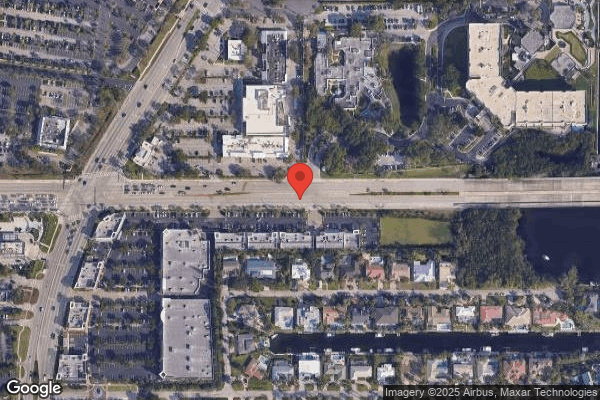




HARBOURS EDGE

401 E LINTON BLVD, DELRAY BEACH, FL 33483 (561) 272-7979
Non profit - Other 54 Beds LIFESPACE COMMUNITIES Data: November 2025
Trust Grade
75/100
#217 of 690 in FL
Last Inspection: July 2025

Inspected within the last 6 months. Data reflects current conditions.

Overview

Harbours Edge in Delray Beach, Florida, has a Trust Grade of B, which indicates it is a good facility, solid but not outstanding. It ranks #217 out of 690 in Florida, placing it in the top half of nursing homes, and #16 out of 54 in Palm Beach County, meaning there are only 15 local options rated higher. However, the facility is currently worsening, with issues increasing from 6 in 2024 to 8 in 2025. Staffing is a strength, with a rating of 4 out of 5 stars and a turnover rate of 38%, which is below the state average of 42%, indicating that staff members tend to stay longer and build relationships with residents. Notably, there have been no fines reported, but recent inspections revealed some concerning incidents, including failure to properly assess a resident after a fall, resulting in serious injuries, and issues with food safety practices in the kitchen.

Trust Score
B
75/100
In Florida
#217/690
Top 31%
Safety Record
Low Risk
No red flags
Inspections
Getting Worse
6 → 8 violations
Staff Stability
○ Average
38% turnover. Near Florida's 48% average. Typical for the industry.
Penalties
✓ Good
No fines on record. Clean compliance history, better than most Florida facilities.
Skilled Nurses
✓ Good
Each resident gets 86 minutes of Registered Nurse (RN) attention daily — more than 97% of Florida nursing homes. RNs are the most trained staff who catch health problems before they become serious.
Violations
⚠ Watch
15 deficiencies on record. Higher than average. Multiple issues found across inspections.
★★★★☆
4.0
Overall Rating
★★★★☆
4.0
Staff Levels
★★★★★
5.0
Care Quality
★★★☆☆
3.0
Inspection Score
Stable
2024: 6 issues
2025: 8 issues

The Good

  • 4-Star Staffing Rating · Above-average nurse staffing levels
  • 5-Star Quality Measures · Strong clinical quality outcomes
  • Full Sprinkler Coverage · Fire safety systems throughout facility
  • No fines on record
  • Staff turnover below average (38%)

    10 points below Florida average of 48%

Facility shows strength in staffing levels, quality measures, fire safety.

The Bad

Staff Turnover: 38%

Near Florida avg (46%)

Typical for the industry

Chain: LIFESPACE COMMUNITIES

Part of a multi-facility chain

Ask about local staffing decisions and management

The Ugly 15 deficiencies on record

Jul 2025 8 deficiencies
CONCERN (D)

Potential for Harm - no one hurt, but risky conditions existed

Free from Abuse/Neglect (Tag F0600)

Could have caused harm · This affected 1 resident

**NOTE- TERMS IN BRACKETS HAVE BEEN EDITED TO PROTECT CONFIDENTIALITY** Based on interviews, record and policy review, the nursing facility staff neglected to inform the medical staff that a resident ...

Read full inspector narrative →
**NOTE- TERMS IN BRACKETS HAVE BEEN EDITED TO PROTECT CONFIDENTIALITY** Based on interviews, record and policy review, the nursing facility staff neglected to inform the medical staff that a resident on blood thinner hit her head during a fall and the lack of a timely nursing assessment. after a fall for 1 of 3 sampled residents reviewed for falls (Resident #58), who suffered from subdural hematoma, a fracture of the right pelvis, and fracture of the right hip. The findings included: Record review revealed Resident #58 was admitted to the facility on [DATE] and discharged and transferred to the hospital on [DATE]. Her admitting diagnoses included: Unspecified injury of head, subsequent encounter; Traumatic subdural hemorrhage without loss of consciousness; and surgical aftercare following surgery on the nervous system. Resident #58 had a Brief Interview for Mental Status (BIMS) score of 15 on the admission Minimum Data Set (MDS) with an assessment reference date of 05/27/25. This indicated the resident had intact cognition. On the same MDS under section GG, the documentation revealed the resident needed substantial assistance moving from sitting to standing and was dependent to walk 10 feet. The Physician's orders for Resident #58 revealed an order for Heparin Sodium Injection Solution 5000 unit/milliliter(ml) to inject 1 ml subcutaneously every 8 hours for DVT (deep vein thrombosis) prophylaxis for 30 days. (Heparin is a blood thinner. Among the most common side effects of Heparin is bleeding). Record review revealed on 06/23/25, the resident was resting in bed around 3:00 PM. At 3:45 PM, Staff H, a Licensed Practical nurse (LPN) who was assigned to Resident #58, heard the resident calling her name. She entered the resident's room and observed the resident on the floor on her back next to the front door. The resident's head was touching the door. The resident was assessed for pain or injury and was assisted off the floor with assistance of four staff members and into the bed. An interview was conducted with Staff H on 07/23/25 at 11:01 AM regarding Resident # 58's fall on 06/23/25. Staff H was pulling meds for the afternoon, then she heard the resident calling her name. She walked into the room, and she saw her on the floor. Resident #58 was on her back, to the side of the wall, close to the front door of the room. She was not bleeding and denied pain. Resident #58 said she got up to go to the bathroom and did not tell anyone she got up. The call light was not active. Resident #58 said she hit her head but did not complain of pain. Staff H stated she called for the charge nurse who assessed the resident. Staff H stated four of us got [Resident #58] up. She was put back to bed and Staff H and a certified nursing assistant (CNA) changed her. Then she complained of pain in one of the legs. They called for an x-ray. They were waiting for an x-ray. The resident had called her daughter, and the daughter arrived at the facility within 30 minutes. The daughter evaluated her mother, called the charge nurse and wanted her mother sent out to the hospital because Resident #58's leg did not look right. 911 was called by a nurse and Resident #58 was transported to the hospital. An interview was conducted with Staff J, a Registered Nurse (RN), on 07/23/25 at 2:05 PM. She stated she was one of the staff who picked her [Resident #58] up. They could not carry her to the bed because it was too far, so they put her in a wheelchair first then transferred her to bed. Staff J stated she did not notice the residents' legs were out of alignment. However, the resident was complaining of leg pain. Staff J did not notify the Physician or assess the resident. An interview was conducted with Staff I, RN, Charge Nurse, at 2:00 PM on 07/23/25. She stated she saw the leg of Resident #58 and one leg was shorter than the other and based on her judgement, she called 911. When asked if she knew that the resident hit her head, she stated she did not. If she did, she would call 911, text the doctor, and send the resident out, especially if they were on blood thinners. She stated she had not assessed Resident #58 until the resident's daughter came to the facility. Staff J made the daughter aware that the resident had a fall and x-rays were ordered, but she had not been to her room to assess her. An additional interview was conducted with Staff H on 07/23/25 at 3:10 PM, with another surveyor present. She was asked if she was aware that Resident #58 was on Heparin. She stated she was aware. She was asked again if she asked the resident if she hit her head. Staff H stated she asked her, and the resident stated she did hit her head. Staff H was asked why she not told anyone that Resident #58 hit her head, and she could not give a reason. Staff H was asked what the policy is if a resident falls and hits their head. She stated if someone falls and hits their head, they will call 911. If it is an unwitnessed fall, they do neuro checks. Staff H stated she did neuro checks for Resident #58 but there was no evidence in the medical record. She stated she did vital signs at the time of the fall, but there was no evidence in the medical record. Staff H reported she sent a message via text to the doctor to let him know that the resident fell at 4:00 PM and they were going to do an x-ray. A message was sent to the doctor 45 minutes later that they were sending the resident out for possible dislocated hip. Staff H was asked if the resident was transferred to the wheelchair prior to being transferred to bed and she stated that she was. Staff H was asked why she put the resident into the wheelchair. Staff H stated she did not remember who made the decision to put her into the wheelchair but getting her up from the floor would be a good distance from the bed to where she was. Staff H was asked if she had a phone conversation with the Physician to explain that this was an unwitnessed fall and the resident stated she hit her head. Staff H stated she did not and could not give a reason why. An interview via telephone was conducted with Staff I on 07/24/25 at 12:30 PM. Staff I was specifically asked what prompted her to check Resident #58 after the fall on 06/23/25. She stated the resident's daughter came to the desk and asked her if she saw the resident and she said that she did not. Staff I went to the room and saw Resident #58's leg was rotated. She was asked if the resident was in pain at the time of her assessment and she stated the resident was, but she was unaware if anyone gave her pain medication. No one presented her with vital signs or neuro checks. She saw the resident approximately 15 minutes after she was aware of the fall. She stated the primary nurse usually evaluates the resident even though the nurse might be an LPN. A telephone interview was conducted on 07/24/25 at 1:38 PM with Resident #58's Attending Physician. When asked about the fall for Resident #58 on 06/23/25 he stated he did not recall what nurse it was that contacted him but remembered the resident had a history of subdural hemorrhage; and she had fallen and hurt her right leg and was subsequently sent out to the hospital. The Physician stated he basically has a protocol for any significant injury they are supposed to call him, including head injury, hitting their head, or chest pain. If it is not an emergency, they are to just notify him by phone (he clarified he meant by textmessage). Review of the hospital records for Resident #58 dated 06/23/25-07/11/25 revealed the resident was evaluated in the emergency room on [DATE]. A review of the History and Physical, dated 06/23/25 revealed the resident was diagnosed with a traumatic 3-millimeter subdural hematoma, a displaced fracture of the right inferior pubic ramus, and displaced subtrochanteric fracture of the right hip. Further review of the hospital record revealed Resident #58 had an ORIF (open reduction and internal fixation) surgery of the right hip on 06/25/25.
CONCERN (D) 📢 Someone Reported This

A family member, employee, or ombudsman was alarmed enough to file a formal complaint

Potential for Harm - no one hurt, but risky conditions existed

Accident Prevention (Tag F0689)

Could have caused harm · This affected 1 resident

**NOTE- TERMS IN BRACKETS HAVE BEEN EDITED TO PROTECT CONFIDENTIALITY** Based on observation, interviews, record and policy review; the facility failed to assess a resident timely after a fall for 1 o...

Read full inspector narrative →
**NOTE- TERMS IN BRACKETS HAVE BEEN EDITED TO PROTECT CONFIDENTIALITY** Based on observation, interviews, record and policy review; the facility failed to assess a resident timely after a fall for 1 of 3 sampled residents reviewed for falls (Resident #58), who suffered from a subdural hematoma, a fracture of the right pelvis, and fracture of the right hip. The findings included: Record review revealed Resident #58 was admitted to the facility on [DATE] and discharged and transferred to the hospital on [DATE]. Her admitting diagnoses included: Unspecified injury of head, subsequent encounter; Traumatic subdural hemorrhage without loss of consciousness; and for surgical aftercare following surgery on the nervous system. Resident #58 had a Brief Interview for Mental Status (BIMS) score of 15 on the admission Minimum Data Set (MDS) with an assessment reference date of 05/27/25. This indicated the resident had intact cognition. On the same MDS under section GG, the documentation revealed the resident needed substantial assistance for sit to stand and was dependent to walk 10 feet.The Physician's orders for Resident #58 revealed an order for Heparin Sodium Injection Solution 5000 unit/milliliter(ml) to inject 1 ml subcutaneously every 8 hours for DVT (deep vein thrombosis) prophylaxis for 30 days. (Heparin is a blood thinner. Among the most common side effects of Heparin is bleeding).Record review revealed on 06/23/25, the resident was resting in bed around 3:00 PM. At 3:45 PM, Staff H, a Licensed Practical nurse (LPN) who was assigned to Resident #58, heard the resident calling her name. She entered the resident's room and observed the resident on the floor on her back next to the front door. The resident's head was touching the door. The resident was assessed for pain or injury and was assisted off the floor with assistance of four staff members and into the bed.Record review revealed Resident # 58's care plans included: a). Date initiated 05/22/25-Focus: Risk for Falls; Goals: Resident will not sustain serious injury through the review date; Interventions included: Anticipate and meet the resident's needs; Be sure the resident's call light is within reach and encourage the resident to use it for assistance as needed; and the resident needs prompt response to all requests for assistance. b). Date initiated 05/27/25-Focus: Resident is on an anticoagulant therapy related to DVT (Deep Vein Thrombosis), a condition where a blood clot forms in a deep vein; Goals: The resident will be free from discomfort or adverse reactions related to anticoagulant use through the review date; Interventions included: Provide fall prevention to minimize risk of injury. Review of the facility's policy titled, Change in a Resident's Condition or Status with a revised date of February 2021, included in part the following: Our community promptly notifies the resident, his or her attending physician, and the resident representative of changes in the resident's medical/mental condition and/or status (e.g., changes in level of care, billing/payments, resident rights, etc.). 1) The nurse will notify the resident's attending physician or physician on call when there has been an: a) accident or incident involving the resident; Review of the facility's policy titled, Falls Prevention and Management Program with a revision date of 09/23/19, included in part the following: Post Fall: There are two key elements of the post-fall response and management: Initial post-fall evaluation. Documentation and follow-up - including ongoing monitoring for resident changes in condition where medically indicated. Initial Post-Fall Evaluation: 1) Date/time of fall. 2) Resident's/patient's description of fall (if possible). 3) Timely notification of provider and family/guardian. 4) Vital signs (temperature, pulse, respiration, blood pressure, orthostatic pulse and blood pressure - lying, sitting, and standing). 6) Resident/Patient assessment: a) Presence of Injury and reassessment for delayed injury identification. Documentation and Follow-up: 1) Determine the need for ongoing resident monitoring if there is a suspected head trauma or if the resident may have head trauma but it cannot be clearly determined. a) Perform neuro-checks according to organizational policy and guidelines. b) Immediately notify the attending physician and family or guardian of condition changes. c) Transfer the resident for further evaluation and treatment where medically indicated. 4) A detailed progress note should be entered into the resident/patient record including the results of the post-fall evaluation.An interview was conducted with Staff H on 07/23/25 at 11:01 AM regarding Resident # 58's fall on 06/23/25. She stated the resident went back to bed after lunch and was in bed until 3:00 PM. Staff H explained she was sitting across from her room. Staff H went to another resident's room to see a patient. When she was done, she went to the medication cart. Staff H was pulling meds for the afternoon, then she heard the resident calling her name. She walked into the room, and she saw her on the floor. Resident #58 was on her back, to the side of the wall, close to the front door of the room. She was not bleeding and denied pain. Resident #58 said she got up to go to the bathroom and did not tell anyone she got up. The call light was not active. Resident #58 said she did hit her head, but did not complain of pain. Staff H stated she called for the charge nurse who assessed the resident. Staff H stated four of us got [Resident #58] up. She was put back to bed and Staff H and a certified nursing assistant (CNA) changed her. Then she complained of pain in one of the legs. They called for an x-ray. They were waiting for an x-ray. The resident had called her daughter, and the daughter arrived at the facility within 30 minutes. The daughter evaluated her mother, called the charge nurse and wanted her mother sent out to the hospital because Resident #58's leg did not look right. 911 was called by a nurse and Resident #58 was transported to the hospital. During an interview on 07/22/25 at 3:20 pm Staff K, CNA, who was assigned to Resident #58, stated that she saw the resident at 3:15 PM and she was in bed with the call light close. The next time she saw her was at 3:45 PM and she was on the floor. Her head was facing the door, and her leg faced the bathroom door. The nurse called for assistance to put her back to bed. Resident #58 said her leg hurt, and after that she left the nurse in the room. The call light was not on.Interview with the Administrator on 07/23/25 at 1:50 PM who stated she was not aware that the resident hit her head. She further stated it was not in the documentation and it was not in any of the witness statements.An interview was conducted with Staff J, a Registered Nurse (RN), on 07/23/25 at 2:05 PM. She stated she was one of the staff who picked her [Resident #58] up. They could not carry her to the bed because it was too far, so they put her in a wheelchair first then transferred her to bed. Staff J stated she did not notice the residents' legs were out of alignment. However, the resident was complaining of leg pain. Staff J did not notify the Physician or assess the resident.An interview was conducted with Staff I, RN, Charge Nurse, at 2:00 PM on 07/23/25. She stated she saw the leg of Resident #58 and one leg was shorter than the other and based on her judgement, she called 911. When asked if she knew that the resident hit her head, she stated she did not. If she did, she would call 911, text the doctor, and send the resident out, especially if they were on blood thinners. She stated she had not assessed Resident #58 until the resident's daughter came to the facility. Staff J made the daughter aware that the resident had a fall and x-rays were ordered, but she had not been to her room to assess her.An additional interview was conducted with Staff H on 07/23/25 at 3:10 PM, with another surveyor present. She was asked if she was aware that Resident #58 was on Heparin. She stated she was aware. She was asked again if she asked the resident if she hit her head. Staff H stated she asked her, and the resident stated she did hit her head. Staff H was asked why did she not tell anyone that Resident #58 hit her head, and she could not give a reason. Staff H was asked what the policy is if a resident falls and hits their head. She stated if someone falls and hits their head, they will call 911. If it is an unwitnessed fall, they do neuro checks. Staff H stated she did neuro checks for Resident #58 but there was no evidence in the medical record. She stated she did vital signs at the time of the fall, but there was no evidence in the medical record. Staff H reported she sent a message via text to the doctor to let him know that the resident fell at 4:00 PM and they were going to do an x-ray. A message was sent to the doctor 45 minutes later that they were sending the resident out for possible dislocated hip. Staff H was asked if the resident was transferred to the wheelchair prior to being transferred to bed and she stated that she was. Staff H was asked why she put the resident into the wheelchair. Staff H stated she did not remember who made the decision to put her into the wheelchair, but getting her up from the floor would be a good distance from the bed to where she was. Staff H was asked if she had a phone conversation with the Physician to explain that this was an unwitnessed fall and the resident stated she hit her head. Staff H stated she did not and could not give a reason why.A telephone call was placed to the resident's daughter on 07/23/25 at 3:52 PM. She returned the call at 5:40 PM and stated she received a call from her mother the day of the fall stating she fell and hit her head. She arrived at the facility around 4:40 PM. She went into her mother's room, and her mother was shaking, and she was covered with a sheet. She lifted up the sheet and her foot was externally rotated. The daughter left the room and spoke to the nurse in the hallway (doesn't remember the name) who said they called to get an x-ray taken. Then she went to the charge nurse (Staff I) and asked if she called 911. Staff I asked her why, is she injured. Staff I then went to her mother's room and saw the leg externally rotated and called 911. 911 came and took the resident to the hospital.An interview was conducted with the Director of Nursing (DON) and the Administrator on 07/24/25 at 10:43 AM regarding Resident #58's fall on 06/23/25. The Administrator stated she did the fall investigation. It was discussed that record review revealed there was a discrepancy in the documented witness statement from Staff H and the interview that the surveyor had with Staff H on 07/23/25 at 11:01 AM. Staff H did not tell the Administrator that the resident hit her head. The witness statement stated she called the MD (Medical Doctor) when she actually texted him. She did not receive orders for a stat x-ray; she texted the Physician that they were doing an x-ray. The surveyor asked the DON if an LPN can assess a resident. She stated that an LPN can do an evaluation, but an RN will do an assessment. It would be expected that vital signs would be done, and neuro checks, if it were an acute condition. It was discussed with the DON that there were no neuro checks in the Electronic Health Record (EHR) and the only vital signs there were documented at 5:04 PM and 5:05 PM on 06/23/25, on the transfer form. The DON was asked if she had done any training on falls with the nursing staff after this fall incident. She stated they had training, but not since the fall incident. She was asked if she did any specific training with Staff H post fall incident and she stated that it was not a part of the investigation. The DON was asked why does the staff text the Physician instead of calling him, especially for an unwitnessed fall. She stated that the physician's preferred conversation by text. The facility does not have a policy on communication with the physician. An interview was on 07/24/25 at 11:48 AM with the Director of Rehab, who stated she has worked in the facility for 16 years. When asked about a transfer board she said they have a beasy board. When asked would the nurses use a beasy board, she said they would not use it. They could use the pad from a Hoyer lift and do a 4 person lift to transfer from floor to bed, so the person stays supine.An interview via telephone was conducted with Staff I on 07/24/25 at 12:30 PM. Staff I was specifically asked what prompted her to check Resident #58 after the fall on 06/23/25. She stated the resident's daughter came to the desk and asked her if she saw the resident and she said that she did not. Staff I went to the room and saw Resident #58's leg was rotated. She was asked if the resident was in pain at the time of her assessment and she stated the resident was, but she was unaware if anyone gave her pain medication. No one presented her with vital signs or neuro checks. She saw the resident approximately 15 minutes after she was aware of the fall. She stated the primary nurse usually evaluates the resident even though the nurse might be an LPN. An interview was conducted with Staff H via telephone on 07/24/25 at 1:00 PM. She was asked again why she did not tell the Administrator that the resident hit her head. She stated she did not know why. She was asked what type of evaluation she did at the time she saw the resident on the floor. She stated she completed approximately 2 neuro checks and wrote it on paper and forgot to put it in the computer.A telephone interview was conducted on 07/24/25 at 1:38 PM with Resident #58's Attending Physician. When asked about the fall for Resident #58 on 06/23/25 he stated he did not recall what nurse it was that contacted him but remembered the resident had a history of subdural hemorrhage; and she had fallen and hurt her right leg and was subsequently sent out to the hospital. The Physician stated he basically has a protocol for any significant injury they are supposed to call him, including head injury, hitting their head, or chest pain. If it is not an emergency, they are to just notify him by phone (he clarified he meant by text message). An additional interview was conducted with the DON on 07/24/25 at 2:05 PM regarding education completed for Staff H. She stated she had not done anything yet. She will educate Staff H face to face on falls, before she does any additional shifts. Review of the hospital records for Resident #58 dated 06/23/25-07/11/25 revealed the resident was evaluated in the emergency room on [DATE]. A review of the History and Physical dated 06/23/25 revealed the resident was diagnosed with a traumatic 3-millimeter subdural hematoma, a displaced fracture of the right inferior pubic ramus, and displaced subtrochanteric fracture of the right hip. Further review of the hospital record revealed Resident #58 had an ORIF (open reduction and internal fixation) surgery of the right hip on 06/25/25.(A subdural hematoma is a type of bleeding that occurs inside of the head, most often caused by head injuries. A pubic ramus fracture describes a type of crack or break in a person's pelvis. A displaced subtrochanteric fracture of the right hip typically requires surgical intervention).
CONCERN (D)

Potential for Harm - no one hurt, but risky conditions existed

Incontinence Care (Tag F0690)

Could have caused harm · This affected 1 resident

**NOTE- TERMS IN BRACKETS HAVE BEEN EDITED TO PROTECT CONFIDENTIALITY** Based on observations, interviews and record review the facility failed to ensure indwelling urinary catheter care was performed...

Read full inspector narrative →
**NOTE- TERMS IN BRACKETS HAVE BEEN EDITED TO PROTECT CONFIDENTIALITY** Based on observations, interviews and record review the facility failed to ensure indwelling urinary catheter care was performed for 2 out of 2 sampled residents reviewed for catheter (Resident #20 and #42). The findings included: Review of the facility's policy titled, Indwelling Catheter Use and Removal with an effective date of 01/06/25 included in part, the following: If an indwelling catheter is in use, the community will provide appropriate care for the catheter in accordance with current professional standards of practice and resident care policies and procedures that include but are not limited to: Insertion, ongoing care and catheter removal protocols that adhere to professional standards of practice and infection preventions and control procedures. Review of the facility policy titled, Charting and Documentation with a revised date of July 2017 included in part, the following: All services provided to the resident, progress toward the care plan goals, or any changes in the resident's medical, physical, functional, or psychosocial condition, shall be documented in the resident's electronic medical record. The electronic medical record should facilitate communication between the interdisciplinary team regarding the resident's condition and response to care. 2) The following information is to be documented in the resident medical record: c) Treatments or services performed. 7) Documentation of procedures and treatments will include care-specific details, including a) The date and time the procedure/treatment was provided; b) The name and title of the individual(s) who provided the care; c) The assessment data and/or any unusual findings obtained during the procedure/treatment; d) How the resident tolerated the procedure/treatment' e) Whether the resident refused the procedure/treatment; f) Notification of family, physician or other staff, if indicated; and g) The signature and title of the individual documenting. 1. Record review revealed Resident #20 was admitted to the facility on [DATE] with diagnoses that included,: Cognitive Communication Deficit, and Neuromuscular Dysfunction of Bladder. Review of the Minimum Data Set assessment dated [DATE] for Resident #20 documented in Section C a Brief Interview of Mental Status score of 4, indicating severe cognitive impairment. Review of the Physician's orders for Resident #20 revealed no order for indwelling urinary catheter care. Review of the Medication Administration Record/Treatment Administration Record/Certified Nursing Assistant (CNA) Tasks/Progress Notes for Resident #20 from 07/01/25 to 07/07/20/25 revealed no documentation of indwelling urinary catheter care having been provided. Review of the Care Plan for Resident #20 dated 06/17/25 with a focus on Urinary Catheter, documented the resident has a urinary catheter related to Neurogenic Bladder. The Goal was for the resident to be/remain free from catheter-related trauma through review date. The interventions included in part the following: care and treatment per current MD orders. During an interview conducted on 07/22/25 at 3:00 PM with Staff C, Registered Nurse (RN) who was asked about indwelling urinary catheter care, the RN stated the CNAs perform the catheter care and they document the care in POC (point of care). During an interview conducted on 07/23/25 at 10:25 AM with Staff A Certified Nursing Assistant (CNA) who was asked where she documents the urinary catheter care she provides, she said it is in point of care. During an interview conducted on07/23/25 at 10:32 AM with Staff D, Registered Nurse (RN), who was asked where would staff document urinary catheter care, she said the CNA should document the care in point of care (Tasks). Staff D acknowledged there was no documentation in the point of care and acknowledged there was no order for urinary catheter care. During an interview conducted on 07/03/25 at 10:50 AM with Staff D, RN, and the Director of Nursing (DON), they both acknowledged there was no order for indwelling urinary catheter care and no documentation of indwelling urinary catheter care. 2. Record review for Resident #42 revealed the resident was admitted to the facility on [DATE] with diagnoses that included Displaced Segmental Fracture of Shaft of Humerus, Right Arm Subsequent Encounter for Fracture with Routine Healing, Cognitive Communication Deficit, and Flaccid Neuropathic Bladder. Review of the Minimum Data Set assessment for Resident #42 dated 06/30/25 documented in Section C a Brief Interview of Mental Status score of 6, indicating severe cognitive impairment.Review of the Physician's Orders for Resident #42 from 07/01/25 to 07/20/25 revealed no order for indwelling urinary catheter care.Review of the MAR/TAR/CNA Tasks/Progress Notes from 07/01/25 to 07/20/25 revealed no documentation of indwelling urinary catheter care provided. Review of the Care Plan for Resident #42 dated 07/21/25 with a focus on the resident has urinary catheter Neurogenic Bladder. The goal was for the resident to be/remain free from catheter-related trauma through review date. The interventions included in part the following: care and treatment per current MD orders. On 07/21/2025 at 10:14 AM an observation was made of Resident #42 lying in bed with an indwelling urinary catheter drainage bag hanging from the side of the bed furthest from the door with no privacy cover.
CONCERN (D)

Potential for Harm - no one hurt, but risky conditions existed

Deficiency F0804 (Tag F0804)

Could have caused harm · This affected 1 resident

Based on observations, interviews and record review, the facility failed to prepare food in a manner to preserve the nutritive value of pureed foods with the potential to affect 7 of 7 residents with ...

Read full inspector narrative →
Based on observations, interviews and record review, the facility failed to prepare food in a manner to preserve the nutritive value of pureed foods with the potential to affect 7 of 7 residents with orders for pureed diets, including Resident #7, 28, 21, 11 and 20. The findings included:The facility's recipe for brussels sprouts instructed staff to prepare in the following manner:1. Place vegetables not more than 3-4 inches deep in stainless steel insert pans.Cook vegetables in steamer for 10 to 12 to CCP (Critical Control Point) 145 degrees cook to internal temperature and hold for 15 seconds.Cook time 10-12 minutes. The facility's recipe for pureed brussels sprouts instructed staff to prepare in the following manner:1. Prepare vegetable per separate recipes. Extend standard cooking time for pureed vegetables by 8 minutes. Drain all liquid.2. Blend vegetables in food processor until smooth. Prepare broth per separate recipe. Gradually add broth and butter in a thin stream to vegetables; blend until completely pureed, no lumps or bits.3. Remove from processor; place in a bowl twice the volume of the food product. Gradually add thickener, fold until a smooth Mashed Potato consistency is reached.5. Reheat to >165 degrees Fahrenheit (F) held for 15 seconds. Maintain >140F for no more than 2 hours. Discard unused product During the initial kitchen tour, on 07/21/25 at 9:08 AM, accompanied by the Culinary Director and the Registered Dietitian (RD), it was noted that there was a 1/6th sized 6 inch deep pan of brussels sprouts. The internal temperature of the product was 170 degrees F. When Staff F, Cook, was asked about the brussels sprouts, Staff F stated that they were being held to be pureed for lunch on this day. When asked about the process for pureed brussels sprouts, Staff F stated that the brussels sprouts would be cooked for 6 minutes to 165 degrees F and then cooled. After being cooled, the sprouts would be placed in the food processor and pureed. After being pureed the [NAME] would add vegetable broth or thickener based on what is needed and then the sprouts would be reheated to 165 degrees F. The sprouts would then be held until being plated for the lunch meal at 11:00 AM and served at 12:00 PM. During the tour, the Culinary Director acknowledged that the sprouts would be held for more than 2.5-3 hours prior to being served and potentially cooked and reheated multiple times prior to being served. Temperatures were taken using the facility's calibrated metal stemmed probe style thermometer.
CONCERN (D)

Potential for Harm - no one hurt, but risky conditions existed

Deficiency F0806 (Tag F0806)

Could have caused harm · This affected 1 resident

**NOTE- TERMS IN BRACKETS HAVE BEEN EDITED TO PROTECT CONFIDENTIALITY** Based on observations, interviews and record review, the facility failed to provide food that meets residents' preferences for 3...

Read full inspector narrative →
**NOTE- TERMS IN BRACKETS HAVE BEEN EDITED TO PROTECT CONFIDENTIALITY** Based on observations, interviews and record review, the facility failed to provide food that meets residents' preferences for 3 of 3 sampled residents observed during dining observations (Resident #60, Resident #18, Resident #43).The findings included:1. A record review revealed that Resident #60 was admitted to the facility on [DATE] with diagnoses of injury of head and syncope and collapse. The admission /Medicare - 5 Day Minimum Data Set (MDS) assessment dated [DATE] revealed that the resident's Brief Interview of Mental Status (BIMS) score was 15, which indicates intact cognition.During an observation conducted on 07/21/2025 at 12:40 PM, it was revealed that Resident #60's meal ticket was not circled for selection of choices. The resident expressed he was very unhappy because he did not get what he wanted and explained that the meal ticket was not his, because it was not circled with his choices.2. A record review revealed Resident #18 was admitted to the facility on [DATE] with diagnoses of displaced fracture of base of neck of left femur and syncope and aftercare following joint replacement surgery. The admission /Medicare - 5 Day Minimum Data Set (MDS) assessment dated [DATE] revealed that the residents Brief Interview of Mental Status (BIMS) score was 14, which indicates intact cognition.During an observation conducted on 07/21/2025 at 12:45 PM, it was revealed that Resident #18's meal ticket consisted of Vanilla Ice Cream which was crossed out with a N/A next to it. Resident #18 explained how frustrated she was because she chose 2 vegetables so she can have her ice cream. A tour of the kitchen revealed that there was Vanilla Ice Cream in the kitchen.3. A record review revealed that Resident #43 was admitted to the facility on [DATE] with diagnoses of other seizures and hypotension. The Modification of admission /Medicare - 5 Day Minimum Data Set (MDS) dated [DATE] revealed that the resident's Brief Interview of Mental Status (BIMS) score iwas10, which indicates moderate cognitive impairment.During an observation conducted on 07/21/2025 at 12:50 PM, it was revealed that Resident #43's meal ticket consisted of Monte [NAME], Grilled American Cheese Sandwich on [NAME] and Diced Mango. The tray consisted of Monte [NAME] and diced cantaloupe but no Grilled American Cheese Sandwich.In an interview conducted on 07/23/2025 at 2:30 PM, the Certified Dietary Manager stated that she has been working for this facility for almost 2 years. She explained that they conduct trainings to make sure staff knows how to read meal tickets properly. She also does random weekly tray line audits. She further explained that during the tray line there are usually 2 diet aids; 1 to pull out the tray and call up the meals including the diet and texture. Once the food is filled, they push the tray at the end of the line, the expeditor checks that everything on the meal ticket is also on the tray and puts the tray on the delivery cart with a checklist on top of it (which room trays were in that cart).
CONCERN (D)

Potential for Harm - no one hurt, but risky conditions existed

Deficiency F0808 (Tag F0808)

Could have caused harm · This affected 1 resident

**NOTE- TERMS IN BRACKETS HAVE BEEN EDITED TO PROTECT CONFIDENTIALITY** Based on observations, interviews, and record review, the facility failed to provide the correct therapeutic diet as prescribed ...

Read full inspector narrative →
**NOTE- TERMS IN BRACKETS HAVE BEEN EDITED TO PROTECT CONFIDENTIALITY** Based on observations, interviews, and record review, the facility failed to provide the correct therapeutic diet as prescribed by the Physician for 1 of 16 sampled residents reviewed (Resident #69). The findings included: A record review revealed Resident #69 was admitted to the facility on [DATE] with diagnoses of Dysphagia, Unspecific Dementia, and Hyperlipemia. The Brief Interview for Mental Status (BIMS) Evaluation completed on 07/16/2025 revealed Resident #69 had a BIMS score of 15, which was cognitively intact. A review of the Physician's orders revealed the following: No Added Salt (NAS) diet, mechanical soft texture, thin liquid consistency dated 07/19/25, and no drinking fluids with straws dated 07/16/2025.A review of the Speech Therapy Treatment Encounter note dated 07/19/2025 revealed that it was recommended to downgrade the diet to mechanical soft and educate nursing regarding the diet change. In an observation conducted on 07/21/25 at 8:50 AM, revealed Resident #69 was in her room. Closer observation revealed a 24-ounce Styrofoam cup of water with a straw inside. An observation was conducted on 07/21/25, at 12:33 PM in the main dining room. Resident #69 was observed receiving her lunch meal, which consisted of a whole, uncut hot dog, a bun, a whole sweet potato, coleslaw, and a broccoli and cheese soup. The meal ticket showed a regular texture diet and thin liquids. Resident #69 picked up the hot dog with her hands and started taking small bites at a time. During this observation, this Surveyor intervened and asked a staff member to check the meal ticket and the accuracy of the diet written on the meal ticket for Resident #69.In an interview conducted on 07/21/25 at 12:49 PM, Resident #69 stated she is on a mechanical soft diet because she has difficulties swallowing her food.In an interview conducted on 07/21/25 at 1:10 PM with the facility's Speech Language Pathologist (SLP), it was stated that Resident #69 has a mild oropharyngeal swallowing disorder, and she tolerates a mechanical soft diet to make it safer and easier for her to manage. Resident #69 takes some time to swallow her food and might have some residue left after swallowing. Resident #69's cognition has gotten worse, and she may not be as aware of the safety issues when eating. According to the SLP, Resident #69 can drink thin liquids but not with straws. The SLP reported changing Resident #69's diet in the electronic system to mechanical soft and placing a written communication slip outside the main kitchen in a designated box labeled Dietary/Nursing Communication. She also spoke to a staff member on the tray line to let them know of the diet change for Resident #69. When asked if she told nursing about the diet change, she said yes, but could not recall which nursing staff she reported to. The SLP stated that it might have been after the lunch meal and before the dinner meal.In an observation conducted on 07/21/25 at 4:00 PM, Resident #69 was in her room. The closer observation showed a 24-ounce Styrofoam cup of water with a straw inside at the bedside. In an observation conducted on 07/22/25 at 8:55 AM, Resident #69 was in her room. The closer observation showed a 24-ounce Styrofoam cup of water with a straw inside. In this observation, Resident #69 said she received the water cup this morning and that she always drinks the water with the straw.In an observation conducted on 07/22/25 at 1:35 PM, Resident #69 was in her room. The closer observation showed a 24-ounce Styrofoam cup of water with a straw inside at the bedside. In this observation, Resident #69 stated that she was not educated or told by staff not to use a straw for drinking fluids. In an interview conducted on 07/23/25 at 9:16 AM with the facility's Certified Dietary Manager (CDM), she stated that the nurses and therapy staff use a dietary communication sheet that they handwrite the change with the name of the resident, room number, the original diet, and the new updated diet. They bring the form and place it into a box outside the main kitchen labeled Dietary/Nursing Communication. The box is checked randomly by any staff member who enters the kitchen. The box is checked every day, before mealtime, and throughout the day. The communication slips are brought into the kitchen above the tray prep counter, and staff go through the tickets and pull the residents' tickets. The communication tickets are also given to the manager on duty. The manager on duty will then enter the updated diet change into their electronic system. The diet communication slip for Resident #69 was given to the kitchen before the lunch tray line started on Saturday, 7/19/2025. She was not here yet, and staff took the meal tickets for Resident #69 and scratched out the regular diet (previous diet) and wrote the updated diet of mechanical soft on the meal tickets. The CDM said she made the diet change in the electronic system when she arrived at work and acknowledged and printed out the new meal tickets. She was under the impression that the changes had been completed and was not sure how this happened. In an interview conducted on July 24, 2025, at 10:30 AM with Staff G, Certified Dietary Assistant, she reported that the 11:00 PM to 7:00 AM shift usually provides water in the rooms. Staff G stated she did not give Resident #69 the Styrofoam cup of water with a straw inside this morning. When asked if she is allowed to receive water with a straw, she did not have an answer.
CONCERN (D) 📢 Someone Reported This

A family member, employee, or ombudsman was alarmed enough to file a formal complaint

Potential for Harm - no one hurt, but risky conditions existed

Infection Control (Tag F0880)

Could have caused harm · This affected 1 resident

**NOTE- TERMS IN BRACKETS HAVE BEEN EDITED TO PROTECT CONFIDENTIALITY** Based on observations, interviews and record review the facility failed to ensure Enhanced Barrier Precautions (EBP) were implem...

Read full inspector narrative →
**NOTE- TERMS IN BRACKETS HAVE BEEN EDITED TO PROTECT CONFIDENTIALITY** Based on observations, interviews and record review the facility failed to ensure Enhanced Barrier Precautions (EBP) were implemented and failed to initiate an EBP care plan for 1 of 12 residents requiring EBP (Resident #7) and failed to ensure Contact Precautions were implemented for 1 of 2 residents on Contact Precautions (Resident #18).The findings included: Review of the facility's policy titled, Enhanced Barrier Precautions with a revised date of 04/05/24 included in part the following: Facility adheres to Center for Disease Control (CDC) recommendations on implementing Enhanced Barrier Precautions (EBP) in our health centers. enhanced Barrier Precautions (EBP) are an infection control intervention designed to reduce transmission of resistant organisms. BP will be implemented for the following (including new admissions): Indwelling medical devices (e.g., central line, urinary catheter, feeding tube, tracheostomy/ventilator) regardless of MDRO (Multi-Drug Resistant Organism). Wounds. This generally includes residents with chronic wounds, not those with only shorter-lasting wounds, such as skin breaks or skin tears covered with a Band-aid or similar dressing. Examples of chronic wounds include, but are not limited to, pressure ulcers, diabetic foot ulcers, unhealed surgical wounds, and chronic venous stasis ulcers All team members will wear appropriate PPE (gown and gloves) for high-contact resident care but not limited to : Peri-care, Device care, wound care. Review of the facility’s policy titled, “Infection Prevention and Control Manual Transmission-Based Precautions” dated 2019 included in part the following: Under Section titled, “Procedure for Contact Precautions” Gowns 1) [NAME] gown upon entry into the room. Remove gown and observe hand hygiene before leaving the resident care environment. 2) After gown removal, ensure that clothing and skin do not contact potentially contaminated environmental surfaces that could result in the possible transfer of microorganism to other residents or environmental surfaces. 1. Record review for Resident #7 revealed the resident was originally admitted to the facility on [DATE], with most recent readmission on [DATE] with diagnoses that included in part the following: Dementia, Muscle Weakness, Cachexia, Repeated Falls, Pressure Ulcer of Right Heel Stage 4 and Generalized Anxiety Disorder. Review of the Minimum Data Set assessment for Resident #7 dated 06/26/25 documented in Section C a Brief Interview of Mental Status score of 0 indicating severe cognitive impairment. Review of the Physician's Orders for Resident #7 revealed no orders for Enhanced Barrier Precautions. Review of the Physician's Orders for Resident #7 dated 7/20/25 right heel wound: cleanse with NSS, pat dry, apply Santyl and then wrap with gauze and secure with tape. Apply triamcinolone cream to surrounding area every day shift. Review of the wound care documentation by the wound care physician dated 07/16/25 documented Wound progress: Improved evidenced by decreased surface area. The wound care physician was not available for interview this morning (07/23/25) as the wound care visit had been rescheduled. Review of the Care Plan for Resident #7 with initiated date of 08/24/20 and revised date of 01/25/24 with focus on the resident is at risk for alteration in skin integrity potential contributing factors: incontinence, behaviors (with combativeness), poor skin turgor, side effect of medications, aging organ (skin) [resident name] can be combative with staff at times with the potential risk for multiple skin injuries due to her striking out towards the staff. The goal was for the resident's wound will improve/heal by next review date. The interventions included: Heel protectors to bilateral heels when in bed. Review of the Care Plan for Resident #7 dated 03/24/25 with a focus on pressure resident has pressure ulcer to right heel stage 4. The goal was for the resident's pressure ulcer will show signs of healing and remain free from infection by/through review date. The interventions included: Administer medications as ordered. Monitor/document for side effects and effectiveness. Administer treatments as ordered and monitor for effectiveness. Diet, supplement/vitamins/protein to promote wound healing. Heel protectors. Pressure relieving device to bed/chair, off load heels. Review of the Care Plan for Resident #7 revealed no care plan for Enhanced Barrier Precautions. On 07/22/25 at 4:00 PM an observation was made of Resident #7's room with no EBP signage on the door and no isolation cart (with PPE) near the door. On 07/23/2025 at 7:00 AM an observation was made of wound care performed by Staff E Registered Nurse (RN) for Resident #7. The RN gathered supplies. The resident was observed lying in bed with her legs off to the side of the mattress. There was no Enhanced Barrier Precaution sign on the resident's door nor was there an isolation cart nearby the resident's room. The closest isolation cart with Personal Protective Equipment supplies was more than half way down the adjacent hallway approximately 75 feet. There was a fall matt on the left side of the bed and air mattress functioning on the bed, also noted was wheelchair in bathroom with cushion on the seat. The RN performed hand washing, applied gloves, removed old dressing, performed wound care per the physician's orders with good technique, the RN covered the dressing per orders and dated the bandage with today’s date. The RN never put on a gown before or during the wound care treatment. During an interview conducted on 07/24/25 at 10:44 AM with Staff D Registered Nurse/Infection Preventionist (RN/IP) who stated she has worked at the facility for 4 months. The RN/IP stated she monitors for EBP by checking orders to see if any resident has wounds, catheter, IV or PEG tube then she will ensure an order is in the record for EBP as well as an EBP sign is on the resident's room door and bins with PPE are located next to the door of the resident room. She will also check to ensure a care plan for EBP is also in place. She also does random observations of staff wearing appropriate PPE for residents on EBP. When asked about Resident #7 she stated the resident has had the pressure ulcer to the left heel since 06/05/25, and she acknowledged she has no care plan for EBP. 2. Resident #18 was admitted to the facility on [DATE] with diagnoses that included Displaced fracture of base of neck of left femur, subsequent encounter for closed fracture with routine healing, History of falling, and Pain in left hip. Review of the Physician's orders for Resident #18 revealed on 07/23/25 the resident was on contact precautions. On 07/23/25 at 9:19 AM, the door of Resident #18's room was observed with a sign indicating the resident was on contact precautions. At that time, the surveyor observed Staff J, a Registered nurse (RN) starting an intravenous (IV) administration of Ertapenem Sodium Injection Solution Reconstituted 1 gram for Resident #18. Staff J was wearing gloves but not a gown while starting the IV. According to the Centers for Disease Control (CDC) for a resident on contact precautions everyone must wear a gown and gloves for all interactions that may involve contact with the resident or the resident's environment. An interview was conducted with the Administrator and Director of Nursing on 07/23/25 at 4:00 PM and they acknowledged the findings.
CONCERN (E)

Potential for Harm - no one hurt, but risky conditions existed

Food Safety (Tag F0812)

Could have caused harm · This affected multiple residents

Based on observations, interviews and record reviews, the facility failed to serve and prepare foods in a sanitary manner in accordance with standards for food safety professionals. The findings inclu...

Read full inspector narrative →
Based on observations, interviews and record reviews, the facility failed to serve and prepare foods in a sanitary manner in accordance with standards for food safety professionals. The findings included:The facility's policy, Preventing Temperature Abuse 4.13 Thawing and Slacking, with a reference date of 10/01/22 documented: Proper thawing and slacking prevents microbial growth to unsafe levels in TCS (Time/temperature Controlled for Safety) foods:* Where available, thawing and slacking must always be conducted under manufacturers' labeling guidance.Note: Vacuum packed or hermetically sealed products such as fish, typically have manufacturer recommendations to expose the product to air during the thawing process.When thawing under running water, Never use warm water and do not thaw in standing water. During the initial kitchen tour, on 07/21/25 at 9:08 AM, accompanied by the Culinary Director, the Executive Chef and the Registered Dietitian (RD), the following were noted:1. An accumulation of ice was observed the cooling unit in the back of the reach in freezer, by the exit of the kitchen, and dirty and discolored ice was noted in the floor of the reach in freezer.2. In the walk in cooler, there was a full sized 2 inch deep hotel pan containing raw fish that was in reduced oxygen packaging resting in standing water. The instructions on the packaging instructed ‘remove from package and thaw under refrigeration immediately before consumption. The Executive Chef acknowledged understanding the concern and instructed the [NAME] to discard the fish and replace with another fish after properly thawing. The Executive Chef stated that he had recently in-service staff regarding properly thawing potentially hazardous foods. 2. On a shelf over a food preparation table, there was a 5 quart container approximately half full of thickener. In the thickener was a 2 ounce souffle cup with no handle resting directly in the product. 3. In the Janitorial closet, cleaning implements, including brooms and a squeegee were stored in a manner that contaminates would run down the handle of the items. 4. The temperature of the water during the rinse cycle of the mechanical ware washing machine did not reach 180 degrees F (Fahrenheit) per the data plate on the machine that documented the recommended water temperature for hot water as a method for sanitizing wares. According to the reading of the temperature gauge on the machine, the water temperature ranged from 155-160 degrees F.
Jul 2024 6 deficiencies
CONCERN (D) 📢 Someone Reported This

A family member, employee, or ombudsman was alarmed enough to file a formal complaint

Potential for Harm - no one hurt, but risky conditions existed

Deficiency F0558 (Tag F0558)

Could have caused harm · This affected 1 resident

**NOTE- TERMS IN BRACKETS HAVE BEEN EDITED TO PROTECT CONFIDENTIALITY** 4. Resident #254 was admitted to the facility on [DATE] with diagnoses of unspecific severe protein-calorie malnutrition, anemia...

Read full inspector narrative →
**NOTE- TERMS IN BRACKETS HAVE BEEN EDITED TO PROTECT CONFIDENTIALITY** 4. Resident #254 was admitted to the facility on [DATE] with diagnoses of unspecific severe protein-calorie malnutrition, anemia, and weakness. The admission Minimum Data Set (MDS) dated [DATE] revealed a Brief Interview of Mental Status (BIMS) score of 15, which is cognitively intact. In an observation conducted on 07/08/2024 at 12:21 PM, Resident #254 sat on a chair beside his bed. A white cord call light with a cylindrical tip was noted tucked in under Resident #254's left side. The above call light was observed to have a broken part on top. In this observation, Resident #254 was asked if he knew how to call Staff if he needed help. Resident #254 said that he did not know how to call Staff and did not know that the white cord cylindrical was a call light. Another gray call light with a circular type was noted clipped to Resident #254's sheets and out of reach. Continued observation revealed Resident #254 attempting to press the cylindrical call light, which did not work (no light was indicated outside the room after pushing the cylinder call light). Resident #254 attempted to use the cylindrical call light twice, but it did not work. In an interview with Staff E, a Certified Nursing Assistant (CNA), conducted on 07/08/2024 at 12:25 PM, the surveyor asked her why the cylindrical tip call light was not working. She stated, I do not know. In this interview, the Director of Nursing (DON) said that Residents in the semi-private rooms had 2 call lights. In an observation on 07/09/2024 at 10:39 AM, Resident # 254 was sitting on his chair, expressing his needs. He complained that he could not find his phone, remote control for the Television (TV), and he did not know how to call the Staff. A call light with gray cord and circular top was clipped to bed sheets on top of Resident #254 bed which was out of reach. In this observation Resident #254 was attempting to get the attention of 2 Staff members who were sitting a few feet away, by waving at them. Resident #254 kept waving at them to get their attention multiple times but failed to get the Staff's attention, showing his persistent efforts to communicate his needs. Further observation on 07/09/24 at 10:56 AM showed Resident #254 waving his hands to get the attention of Staff A, Supervisor Lifestyles. Staff A went into Resident #254's room and asked him what he needed. Staff A left the room without ensuring Resident #254 had access to the circular call light clipped to the bed linen. In an interview with Staff R, a Licensed Practical Nurse (LPN), on 07/11/2024 at 11:00 AM, she stated that Staff are expected to answer call lights as soon as they are available and able. Even when she is doing medication passes, she makes sure she asks another Staff member to respond to a call light. When asked if there had been any instances of call lights not being responded to for more than 30 minutes, she said it never happened on her shift. Based on observations, interviews, and record review, the facility failed to respond to call lights in a timely manner for 3 of 3 sampled residents (Resident #6, Resident #29, and Resident #204). In addition, the facility failed to ensure the call light was functional and within reach for 1of 1 sampled resident (Resident #254). The findings included: Review of the facility's policy titled, Resident Call Light System, dated 09/30/19, included the following: Policy Statement- The community will ensure that call lights are answered in a prompt, calm, and courteous manner. Procedures: 5. The call light will be positioned conveniently for use within reach. 6. Call lights will be checked for proper functioning to ensure that cord length is appropriate, and that the light is in working order. 1) Record review for Resident #6 revealed that she was admitted to the facility on [DATE] with the following diagnoses: Parkinson's Disease, Hemiplegia and Hemiparesis following Cerebral Infarction, Alzheimer's Disease, and Dementia. Review of Section C of the Minimum Data Set (MDS) assessment dated [DATE] revealed that Resident #6 had a Brief Interview for Mental Status (BIMS) of 15, which indicated that she was cognitively intact. In addition, review of Section GG revealed that Resident #6 was dependent on staff for assistance for most of her Activities of Daily Living (ADLs), such as toileting and bathing. Review of the Care Plan dated 07/01/24 documented that Resident #6 had an ADLs self-care performance deficit with generalized weakness and continues to require assistance with self-care. Interventions included: requirement for total assistance by (1) staff with bathing/showering, toileting, personal hygiene and oral care; extensive assistance by (2+) staff to turn and reposition in bed; and encourage resident to use bell to call for assistance. Review of the Location Event Report (Facility internal Call light response system) for Resident #6 for 06/2024 revealed the following: On 06/06/24 33 minutes 25seconds (time the resident waited for assistance). On 06/08/24 39 minutes 38seconds On 06/20/24 36 minutes 7 seconds On 06/21/24 57 minutes 29 sec On 06/27/24 95 minutes 56 sec An interview was conducted on 07/08/24 at 3:40 PM with Resident #6. She noted that the staff is slow on answering the call lights. She stated that she called for assistance the other night and it was hours before anyone came over. Resident #6 acknowledged that she mentioned call light issue to the staff, however no one has done anything. 2) Record review for Resident #29 revealed that the resident was admitted to the facility on [DATE] with the following diagnoses: History of Falling and Muscle Weakness. Review of Section C of the MDS dated [DATE] revealed that Resident #29 had a BIMS of 13, which indicated that she was cognitively intact. In addition, review of Section GG revealed that Resident #29 was dependent on staff for most of her ADLs. Review of the Care Plan dated 05/26/24 documented that Resident #29 had an ADLs self-care performance deficit due to impaired balance, weakness, essential tremors, limited Range of Motion (ROM): right shoulder. Interventions included: requirement for extensive assistance by (1) staff with bathing/showering, toileting, personal hygiene and oral care; extensive assistance by (2+) staff for transferring; and encourage resident to use bell to call for assistance. Review of the Location Event Report for Resident #29 for 06/2024 revealed the following: On 06/13/24 48 minutes 1 seconds On 06/15/24 56 minutes 51 seconds On 06/27/24 88 minutes 15 seconds An interview was conducted on 07/08/24 10:12 AM with Resident #29. She stated that the staff takes 30 minutes to an hour to respond to her call light. She acknowledged that the staff is slow to respond, and she is concerned that no one will come to assist her if she was choking or had an emergency. 3) Record review for Resident #204 revealed that the resident was admitted to the facility on [DATE] with the following diagnoses: Central Cord Syndrome, History of Falling, Dysphagia, And Weakness. Review of Section C of the MDS dated [DATE] revealed that Resident #204 had a BIMS of 15, which indicated that he was cognitively intact. In addition, review of Section GG revealed that Resident #204 required substantial assistance for ADLs. Review of the Care Plan dated 06/05/24 documented that Resident #204 had an ADL self-care performance deficit due to Impaired balance, weakness, and chronic central cord syndrome. Interventions included: requirement for extensive assistance by (1) staff with bathing/showering, toileting, personal hygiene and oral care; extensive assistance by (2+) staff for transferring; and encourage resident to use bell to call for assistance. Review of the Location Event Report for Resident #204 for 06/2024 revealed the following: On 06/08/24 57 minutes 25 seconds On 06/09/24 37 minutes 48 seconds On 06/10/24 35 minutes 2 seconds On 06/10/24 34 minutes 23 seconds On 06/11/24 33 minutes 21 seconds On 06/11/24 29 minutes 42 seconds On 06/14/24 33 minutes 55 seconds On 06/14/24 36 minutes 48 seconds On 06/14/24 32 minutes 29 seconds On 06/21/24 41 minutes 43 seconds On 07/07/24 41 minutes 57 seconds An interview was conducted on 07/08/24 at 10:20 AM with Resident #204. He stated that since admission he has not been happy with the care at the facility. He acknowledged that the staff takes a long time to respond when he calls for assistance. An interview was conducted on 07/08/24 2:37 PM with Resident #204's spouse. The spouse stated that just today, she used the call light to get assistance for her husband to be transferred back to bed (Resident #204 was sitting in his wheelchair). She acknowledged that a staff member did come in, turned off the call light and stated that they will be back to assist her husband soon; however, it had been 30 minutes now and her husband starting to slide out of his wheelchair. She also stated that he does that when he gets tired. After the interview, an observation was conducted for 15 minutes out in the hallway where Resident #204's room was located. No staff member was observed returning to assist Resident #204 for transferring to bed. An interview was conducted on 07/09/24 at 2:35 PM with Staff W, Private Aide for Resident #35. She stated that it takes a long time to get assistance after pressing the call light and sometimes they do not come by at all. However, Staff W has noted that this week the staff have been very helpful because the surveyors are in the facility, but most of the time they do not respond promptly to the call lights. An interview was conducted on 07/10/24 at 2:00 PM with Staff I, Certified Nursing Assistant (CNA). She stated that all nursing staff carry a radio/walkie talkie (observed Staff I with a radio in her pocket). When a call light goes on, the person at the nurses' station announces through the radio the room number that needs assistance. Staff I also stated that if the room is in her assignment, she responds Copy and goes to assist the resident. If she is busy assisting another resident, then Staff I communicate via the radio that she is busy and to get another CNA to assist. She stated that they should respond within 3 minutes to call lights, and if the call light is still on after 3 minutes, it is announced again through the radio. In addition, Staff I stated that they are not allowed to go into the resident's room, turn off the call light and tell the resident that they will come back without assisting the resident. During an interview conducted on 07/10/24 at 2:32 PM, with Staff K, CNA, she stated that she usually works the 11-7 shift. Staff K stated that she response to call lights as soon as possible. She stated that she usually walks around her assigned hallway to assure call lights are answered and does not carry a radio; however, she can hear the call lights (during this interview, two call lights were noted on but no sound was heard by the surveyor). She was then asked if she heard those call lights Staff K stated yes. An interview was conducted on 07/10/24 at 2:44 PM, with Staff J, CNA. She stated that all CNAs have radios, and the call lights are announced through the radio/walkie talkie. If she is assisting another resident, she answers that she is busy, and another staff would assist. Staff J also stated that staff are supposed to answer the call lights as soon as possible or within 5 minutes. In addition, Staff J stated that if two call lights are on, she will go into one room and turn off the light and explain to the resident that she will be back and goes to assist the other resident; she would then return to that resident's room once she is done. During an interview conducted on 07/10/24 at 4:00 PM, with Staff M, Scheduling Coordinator, she acknowledged that she usually manages the call light system at the nurses' station. Once the call light is turned on in a resident's room or bathroom, she will hear a beep in the phone system. Then, she announces the room number using the radio and all nursing staff carry radios. Staff M believes that if the call light is not turned off in the room within 5 minutes, the phone system will beep again at the nurses' station, and she will re-announce the room number utilizing the radio. In addition, Staff M acknowledged that the call light system does track how long the call light went unanswered, however, she does not have access to the system. An interview was conducted on 07/10/24 at 4:10 PM with the Administrator. She stated that she receives daily emails from Palcare (Facility internal Call light response system), and it shows the call light respond times for all the residents' rooms for the day. The Administrator acknowledged reviewing the call light times daily and discussing it with the staff. She stated that she does not have the log-in information for the PalCare system. An interview was conducted on 07/10/24 at 4:14 PM with the Director of Nursing (DON). She stated that she does have login rights to Palcare system. However, she receives daily emails about the call light response times and has not had the need to log into the Palcare system.
CONCERN (D)

Potential for Harm - no one hurt, but risky conditions existed

Deficiency F0692 (Tag F0692)

Could have caused harm · This affected 1 resident

**NOTE- TERMS IN BRACKETS HAVE BEEN EDITED TO PROTECT CONFIDENTIALITY** Based on observations, interviews, and record review, the facility failed to provide nutritional interventions in a timely manne...

Read full inspector narrative →
**NOTE- TERMS IN BRACKETS HAVE BEEN EDITED TO PROTECT CONFIDENTIALITY** Based on observations, interviews, and record review, the facility failed to provide nutritional interventions in a timely manner for 1 of 4 sampled residents reviewed for nutrition (Resident #254). The findings included: A review of the facility policy titled Weight Management, revised on 08/31/2020, revealed the following: new residents will be weighed by nursing personnel upon admission to establish a baseline weight. The nursing personnel will take and record the weights. Weights will be completed in accordance with Physician orders. In an observation conducted on 07/08/24 at 9:49 AM, Resident #254 was noted in his chair. A bottle of Ensure Plus (nutritional supplement) was noted on the side table, and about 75% consumed. In this observation, Resident #254 said that he mostly eats less than 50% of his meals and has a poor appetite. Resident #254 said that he likes the Ensure Plus supplements and asked for them a few days ago. When asked if he had a weight loss, he said yes but was not sure how much weight he lost. In an observation conducted on 07/08/24 at 12:20 PM, Resident #254 was eating his lunch meal in his room. The lunch plate was noted with mashed sweet potatoes, peaches and cream, and ham sandwich. Continued observation at 12:40 PM revealed that Resident #254 ate only a bite of his ham sandwich and pushed his food away saying he was not hungry. Resident #254 was admitted to the facility on [DATE] with diagnoses of unspecific severe protein-calorie malnutrition, anemia, and weakness. The admission Minimum Data Set (MDS) assessment dated [DATE] revealed a Brief Interview of Mental Status (BIMS) score of 15, which is cognitively intact. The admission Health and History dated 06/18/24 showed the following: Resident #254 has pain weakness and has been functionally decreasing over the last 3 weeks. He had extensive ecchymosis of the skin on his body from the falls. He appeared to be cachectic with malnourishment. He appears to be frail, with multiple bruises on his body. A review of the Comprehensive Nutritional Assessment revealed it was started on 06/26/24 (5 days later) and locked on 06/28/24, which was seven days after Resident #254 was admitted . In this note, Staff P, Clinical Dietitian, noted the following: Resident #254 had an intake of his meals between 26% and 50%. His Body Max Index (a calculation that estimates body fat percentage and risk of disease based on a person's weight and height) was at 17.0, which was in the underweight category. Resident #254 was admitted with severe protein-calorie malnutrition and may not be meeting estimated needs. It further showed that Resident #254 would benefit from weight gain toward normal Body Max Index. Weekly weights are in place to monitor and recommend Ensure Plus (nutritional supplement) once a day to aid with meeting estimated needs. A review of the Physician's orders showed the following: weekly weights times four every Saturday for four weeks, dated 06/21/24. A review of the Weight Log revealed that an admission weight of 122 pounds was taken on 06/28/24, 6 days after Resident #254's admission. No other weights were recorded after 06/28/24. A review of the Medication Administration Record revealed the following: An order for Ensure Plus one time a day, which was placed from 06/29/24 to 07/2/24, 8 days after Resident #254's admission. An order for Ensure Plus three times a day was started on 07/03/24, 12 days after Resident #254's admission. A Nutrition/Dietary note dated 07/03/24 revealed the following: severe malnutrition related to inadequate protein-energy intake as evidenced by less than 50% of estimated needs for over five days; moderate to severe muscle wasting and moderate to severe fat loss. It further showed that Resident #254 requested to increase the Ensure Plus to 3 times a day and that he loves the supplements. A review of the hospital records dated 06/21/24 revealed that Resident #254 has moderate protein-calorie malnutrition per dietary assessment with recent significant weight loss per the patient's wife. The Care plan initiated on 06/24/24 revealed that Resident #254 has nutritional problems or potential nutritional problems with severe protein-caloric malnutrition. In an interview conducted on 07/09/24 at 5:50 PM with Staff Q, the Clinical Dietitian stated that she likes to monitor residents' admission weights and intake of food before deciding whether to provide residents with nutritional supplements. She will conduct observations during meal rounds and monitor weights every week. A weight template is used with residents' weights that are later placed in the electronic system by her or the nursing staff. She can identify any residents with weight loss trends when she places the weights into the electronic system. The Clinical Dietitian has up to 7 days to complete the admission Assessment. Weights should be taken on admission, on the 2nd day, weekly for four weeks, and monthly thereafter. When asked about high nutritional risk residents, she said any residents with significant weight loss, decreased intake of meals, or significantly decreased intake of meals. The best practice for any high nutritional-risk residents is to assess them immediately. When she does her nutritional assessment, she will look at the history and physical from the hospital for any history of weight loss, low BMI, or low weight for age. She will often try to interview any family members. For any residents who had significant weight loss prior to admission, she will provide nutritional supplements. The best nutritional practice was to provide these residents with nutritional supplements as soon as possible. Staff Q further said that Staff P, a Clinical Dietitian, completed Resident #254's Comprehensive Nutritional Assessment while she was on vacation. She assessed Resident #354 as soon as she came back from vacation and conducted a nutrition focus physical exam on 07/03/24. Resident #254 was identified with severe malnutrition related to inadequate protein and energy intake. In this evaluation, Staff Q recommended increasing the Ensure Plus nutrition supplement to 3 times daily. The surveyor requested a new weight on 07/10/24, which revealed a weight of 120 pounds. This showed an additional weight loss of 2 pounds and a new BMI score of 16.1. A phone interview conducted on 07/10/24 at 11:30 with Resident #254's wife stated that Resident #254 used to weigh around 150 pounds and had not been eating much in the last few months. She further said that she was concerned with his weight loss and wanted to ensure he received his Ensure supplements each day. In this interview, Resident #254 was noted in his bed, and an Ensure supplement was noted to be consumed 100%. A review of the Comprehensive Nutritional Assessment conducted on 07/10/24 revealed that Resident #254 was eating between 26% and 75% of his meals, not 26% to 50%, as noted in the chart review on 07/09/24. In the above assessment, Staff P documented that Resident #254's current diet intake was meeting estimated needs. In an interview conducted on 07/10/24 at 10:00 AM with Staff Q, Clinical Dietitian, she acknowledged that the Ensure Plus supplements once a day recommended on the Comprehensive Nutritional Assessment on 06/28/24 were not enough to meet Resident #254's estimated needs. In an interview conducted on 07/11/24 at 11:00 AM with the Administrator, she was informed of the findings.
CONCERN (D)

Potential for Harm - no one hurt, but risky conditions existed

Respiratory Care (Tag F0695)

Could have caused harm · This affected 1 resident

**NOTE- TERMS IN BRACKETS HAVE BEEN EDITED TO PROTECT CONFIDENTIALITY** Based on observations, interviews and record review, the facility failed to change nebulizer tubing weekly for 2 of 2 residents ...

Read full inspector narrative →
**NOTE- TERMS IN BRACKETS HAVE BEEN EDITED TO PROTECT CONFIDENTIALITY** Based on observations, interviews and record review, the facility failed to change nebulizer tubing weekly for 2 of 2 residents reviewed for Respiratory Therapy (Residents #45 and #153). The findings included: Review of the facility's policy titled, Department (Respiratory Therapy) - Prevention of Infection with a revised date of November 2020 included in part the following: The purpose of this procedure is to guide prevention of infection associated with respiratory therapy tasks and equipment, including ventilators, among residents and staff. Infection Control Considerations Related to Medication Nebulizers/Continuous Aerosol: 1.Obtain equipment (I.e., administration set-up, plastic bag, gauze sponges). 9.Discard the administration set-up: every seven (7) days. 1) Record review for Resident #45 revealed the resident was originally admitted to the facility on [DATE] with a most recent readmission on [DATE] with diagnoses that included: Encounter for Surgical Aftercare Following Surgery on the Digestive System and Methicillin Resistant Staphylococcus Aureus Infection as the Cause of Diseases Classified Elsewhere. Review of the Minimum Data Set (MDS) assessment for Resident #45 dated 06/04/24 documented in Section C a Brief Interview of Mental Status (BIMS) score of 14, indicating a cognitive response. On 07/08/24 10:40 AM, an observation was made of Resident #45 lying in bed with a nebulizer machine on the bedside table, a nebulizer mask in a plastic bag, and tubing on the nebulizer mask dated 06/26/24 On 07/08/24 at 2:20 PM, a second observation was made of nebulizer tubing dated 06/26/24 in Resident # 45's room on the bedside table. On 07/09/24 at 10:10 AM, an observation was made of nebulizer tubing dated 07/08/24 in Resident #45's room on the bedside table. Review of the Physician's Orders for Resident #45 revealed an order dated 05/17/24 for Clean Oxygen Concentrator Air Filter every night shift every Tuesday for maintenance and as needed Review of the Physician's Orders for Resident #45 revealed an order dated 05/29/24 for Albuterol Sulfate Inhalation Nebulization Solution 1.25 MG/3ML (Albuterol Sulfate) 3 ml inhale orally via nebulizer every 6 hours for SOB(shortness of breath)/wheezing. Review of the Treatment Administration Record (TAR) for Resident #45 from 07/01/24 to 07/04/24 revealed no documentation of nebulizer tubing change. Review of the Progress Notes for Resident #45 from 07/01/24 to 07/04/24 revealed no documentation of nebulizer tubing change. Review of the Care Plan for Resident #45 dated 04/04/24 with a focus on the resident has oxygen therapy r/t (related to) Ineffective gas exchange, pneumonia, acute hypoxic respiratory failure, Obstructive sleep apnea. The goal was for the resident to have no s/sx (sign/symptoms) of poor oxygen absorption through the review date. The interventions included: Encourage or assist with ambulation as indicated. For residents who should be ambulatory, provide extension tubing or portable oxygen apparatus. Give medications as ordered by physician. Monitor/document side effects and effectiveness. Monitor for s/sx of respiratory distress and report to MD (Medical Doctor) PRN (as needed): Respirations, Pulse oximetry, Increased heart rate (Tachycardia), Restlessness, Diaphoresis, Headaches, Lethargy, Confusion, Atelectasis, Hemoptysis, Cough, Pleuritic pain, Accessory muscle usage, Skin color. Oxygen settings: O2 (oxygen) via nasal prongs at 3L continuously. During an interview conducted on 07/09/24 at 1:44 PM with Staff S, Registered Nurse (RN) stated she has worked at the facility for 9 years. When asked about how often nebulizer tubing needs to be changed, the RN stated it is changed once a week by the night shift. When asked where the nebulizer tubing change would be documented, the RN stated it would be on the TAR (Treatment Administration Record) it will pop up for the nurse to change it and document. During an interview conducted on 07/09/24 at 2:00 PM, Staff U, Registered Nurse (RN) stated she has worked at the facility almost 5 years. When asked about how often nebulizer tubing needs to be changed, the RN stated it is changed weekly, usually by the night shift. 2) Record review for Resident #153 revealed the resident was admitted to the facility on [DATE] with diagnoses that included: Fracture of Superior Rim of Left Pubis Subsequent Encounter for Fracture with Routine Healing, History of Falling, Shortness of Breath, Malignant Neoplasm of Bronchus or Lung. Review of the MDS assessment for Resident #153 dated 06/28/24 revealed in Section C a BIMS score of 13, indicating a cognitive response. Review of the Physician's orders for Resident #153 revealed an order dated 06/24/24 for Change Oxygen Tubing & Bubblers every day shift, every Wednesday, and as needed Review of the Physician's orders for Resident #153 revealed an order dated 06/24/24 for Clean Oxygen Concentrator Air Filter every day shift, every Wednesday, and as needed Review of the Physician's orders for Resident #153 revealed an order dated 06/22/24 with a focus on Albuterol Sulfate Inhalation Nebulization Solution 1.25 MG/3ML (Albuterol Sulfate) 1 unit inhale orally via nebulizer every 6 hours for Wheezing/SOB. Review of the TAR for Resident #153 from 07/01/24 to 07/07/24 revealed no documentation of nebulizer tubing change. Review of the Progress notes for Resident #153 from 07/01/24 to 07/07/24 revealed no documentation of nebulizer tubing being changed. Review of the Care Plan for Resident #153 dated 06/25/24 with a focus on the resident has oxygen therapy r/t lung cancer. The goal was for the resident to have no s/sx of poor oxygen absorption through the review date. The interventions included: Encourage or assist with ambulation as indicated. For residents who should be ambulatory, provide extension tubing or portable oxygen apparatus. Give medications as ordered by physician. Monitor/document side effects and effectiveness. Monitor for s/sx of respiratory distress and report to MD PRN: Respirations, Pulse oximetry, Increased heart rate (Tachycardia), Restlessness, Diaphoresis, Headaches, Lethargy, Confusion, Atelectasis, Hemoptysis, Cough, Pleuritic pain, Accessory muscle usage, Skin color. On 07/08/24 at 10:30 AM, an observation was made of Resident #153 sitting in a wheelchair in her room, nebulizer on bed side table and the date on tubing was 06/26/24. On 07/08/24 at 2:25 PM, a second observation was made of Resident #153's nebulizer tubing on the bedside table with tubing dated 06/26/24. On 07/09/24 at 10:00 AM, an observation was made of Resident #153's nebulizer tubing on the bedside table with tubing dated 07/08/24. During an interview conducted on 07/08/24 at 10:33 AM with Resident #153 who was asked about the nebulizer machine on her bedside table, she said she gets breathing treatments every so often. During an interview conducted on 07/09/24 at 2:40 PM with the Director of Nursing (DON) who was asked how often nebulizer tubing is changed, she stated it is changed weekly. When asked where staff documents the nebulizer tubing change, she said it is typically documented on the TAR. When asked when the last time the nebulizer tubing was changed for Resident #45 and Resident #153, she acknowledged there was no order and no documentation of the nebulizer tubing being changed.
CONCERN (D)

Potential for Harm - no one hurt, but risky conditions existed

Food Safety (Tag F0812)

Could have caused harm · This affected 1 resident

Based on observations, interviews and record review, the facility's staff failed to practice hand hygiene during 5 of 5 dining observations. The findings included: A review of the facility's policy t...

Read full inspector narrative →
Based on observations, interviews and record review, the facility's staff failed to practice hand hygiene during 5 of 5 dining observations. The findings included: A review of the facility's policy titled, Hands Hygiene, revised on 1/2024, revealed the following: all associates associated with the handling of food shall wash their hands. Hands are washed with soap and water at the following times: before handling food, clean utensils/dishes/equipment, and any other activities that may contaminate the hands. A review of the Appendix PP (Rev. 211; Issued: 02-03-23; Effective: 10-21-22; Implementation: 10-24-22), under §483.60(i) Food safety requirements showed the following: Employees should never use bare hand contact with any foods, ready to eat or otherwise. Since the skin carries microorganisms, it is critical that staff involved in food preparation, distribution, and serving consistently utilize good hygienic practices and techniques. Staff should have access to proper hand washing facilities with available soap (regular or anti-microbial), hot water, disposable towels, and/or heat/air drying methods. In an observation conducted on 07/08/24 at 12:06 PM in the main dining room, Staff D, Dietary Assistant, was observed serving residents their juices and ice water cups without practicing hand hygiene first. Staff D was also observed holding the juice and ice cups by the rim with her fingernails touching the top of the cups. In an observation conducted on 07/08/24 at 12:11 PM, Staff C, Dietary Assistant, served food in the main dining room. Staff C was observed serving soup in a cup to Resident #16 without washing his hands before. He was also observed holding the rim of the soup cup before placing it in front of Resident #16 with his bare hand touching the top of the soup cup. In an observation conducted on 07/08/24 at 12:21 PM, Staff E, a Certified Nursing Assistant (CNA), was observed setting up the lunch tray in Resident #254's room without practicing hand washing or hand sanitizing before. She set up the tray for Resident #254, left the room without practicing hand hygiene, and continued to serve lunch trays to other residents. In an observation conducted on 07/09/24 at 12:10 PM in the main dining room, Staff B, the Dietary Manager was observed touching the kitchen doors as she was walking from the central kitchen towards the dining room. She was observed holding a cup of vegetable soup by the rim with her bare hands. Staff B proceeded to give the vegetable soup to Resident #38. In this observation, Staff B did not practice hand hygiene before serving the soup to Resident #38. In another observation conducted on 07/09/24 at 12:30 PM, Staff B was observed coming out from the central kitchen carrying a tray, holding it with her bare hands from the bottom. She proceeded to set up the lunch meal for Resident #260 and then walked away. In this observation, Staff B did not clean her hands before serving the lunch meal to Resident #260. In an interview conducted on 07/10/24 at 4:27 PM with the Infection Preventionist, she stated she educated the kitchen staff in May 2024 regarding hand washing while serving and handling food. According to the Infection Preventionist, Staff B does in-services with the dietary staff regarding hand washing and handling foods. In an interview conducted on 07/10/24 at 5:12 PM with Staff N, Certified Nursing Assistant, she stated that before taking the meal trays into the resident's rooms she will sanitize her hands. After placing the tray on the side table and setting up the food for the residents she will clean her hands as well.
CONCERN (D)

Potential for Harm - no one hurt, but risky conditions existed

Medical Records (Tag F0842)

Could have caused harm · This affected 1 resident

**NOTE- TERMS IN BRACKETS HAVE BEEN EDITED TO PROTECT CONFIDENTIALITY** Based on observations, interviews and record review, the facility failed to ensure accuracy of medical records related to docume...

Read full inspector narrative →
**NOTE- TERMS IN BRACKETS HAVE BEEN EDITED TO PROTECT CONFIDENTIALITY** Based on observations, interviews and record review, the facility failed to ensure accuracy of medical records related to documentation of Midline dressing change for 1 of 4 sampled residents with a midline/central line (Resident #45). The findings included: Review of the facility's policy titled, Charting and Documentation with a revised date of July 2017 included in part the following: Policy Interpretation and Implementation 2. The following information is to be documented in the resident medical record: c. Treatment or services performed. 3. Documentation in the medical record will be objective (not opinionated or speculative), and accurate. 7. Documentation of procedures and treatments will include care-specific details, including: a. The date and time the procedure/treatment was provided b. The name and title of the individual(s) who provided the care e. Whether the resident refused the procedure/treatment g. The signature and title of the individual documenting Review of the facility's policy titled, Peripheral and Midline IV (Intravenous) Dressing Changes with a revised date of March 2022 included in part the following: General Guidelines 4. Change the dressing if it becomes damp, loosened or visibly soiled and: a. at least every 7 days for TSM (transparent semi-permeable membrane) dressing 6. Assess the peripheral/midline access device at least every 4 hours (every 1-2 hours for residents with cognitive impairment. a. Visually inspect the entire infusion system (solution, administration set and dressing) b. Check expiration dates of the infusion, dressing and administration set Documentation 1.The following should be documented in the resident's medical record a.Date, time, type of dressing, and reason for dressing change. Record review for Resident #45 revealed the resident was originally admitted to the facility on [DATE] with a most recent readmission on [DATE] with diagnoses that included: Encounter for Surgical Aftercare Following Surgery on the Digestive System and Methicillin Resistant Staphylococcus Aureus Infection as the Cause of Diseases Classified Elsewhere. Review of the Minimum Data Set assessment for Resident #45 dated 06/04/24 documented in Section C a Brief Interview of Mental Status score of 14, indicating a cognitive response. Review of the Physician's Orders for Resident #45 revealed an order dated 06/25/24 for change midline dressing every night shift every Tuesday. Review of the Treatment Administration Record (TAR) for Resident #45 for the month of July 2024 revealed the only documented change of midline dressing was on 07/02/24. Review of the progress noted for Resident #45 for the month of July 2024 revealed no documentation of a Midline dressing change. On 07/08/24 at 10:40 AM, an observation was made of Resident #45 lying in bed with eyes closed and private paid aide at bedside, aide said this is her first time with this person, the resident's left arm was lying on top of the covers, and he was wearing short sleeves, with observation of a mid line in his left upper arm with a date of 07/01/24. On 07/08/24 at 2:30 PM, a second observation was made of Resident #45 in the therapy room wearing short sleeves, mid line dressing dated 07/01/24 in upper left arm. On 07/09/24 at 10:10 AM, an observation was made of Resident #45's midline dressing to the left upper arm dated 07/08/24. During an interview conducted on 07/09/24 at 10:12 AM with Resident #45, who was asked about his midline dressing, he said they changed it last night. An interview conducted on 07/09/24 at 1:44 PM with Staff S, Registered Nurse (RN), who stated she has worked at the facility for 9 years. When asked how often a Midline dressing is changed, the RN stated it is changed once a week and PRN (as needed). When asked where the dressing change would be documented, the RN stated it will be documented on the TAR and may also be in the progress notes. An interview conducted on 07/09/24 at 2:00 PM with Staff U, Registered Nurse (RN) who stated she has worked at the facility almost 5 years. When asked how often a Midline dressing is changed, the RN stated it is changed once weekly. When asked where the dressing change is documented, she said it is on the TAR. An interview was conducted on 07/09/24 at 2:40 PM with the Director of Nursing (DON), who was asked how often a Midline dressing is changed, the DON stated it is changed weekly and as needed. When asked if it is on a specific day/time, she said it depends on when the resident. When asked about Resident #45 she said the order is for the Midline dressing to be changed on the night shift every Tuesday. When asked when the last 2 dressing changes were for Resident #45, she said it was done on 07/02/24 and is due to be changed today, 07/09/24. When the DON was informed this surveyor observed on 07/08/24 the Midline dressing for Resident #45 was dated 07/01/24, she stated it may have been changed on 07/01/24 and documented on 07/02/24 by the night shift nurse. When the DON was informed an observation was made today 07/09/24 of the Midline dressing for Resident #45 was dated 07/08/24 but there was no documentation of the dressing being performed, she acknowledged if the dressing was performed on 07/08/24 it should have been documented. During a telephone interview conducted on 07/09/24 at 3:25 PM with Staff V, LPN (Agency Nurse), who was asked about Resident #45 and the Midline dressing change she documented on 07/02/24, she said she did not remember because she works at the facility sporadically. When informed the documentation for the dressing change was dated 07/02/24 and on 07/08/24 the dressing was observed with a date of 07/01/24, she stated she may have done the dressing change on 07/01/24 and not documented until later in her shift around 1:00 or 2:00 AM on 07/02/24.
CONCERN (D)

Potential for Harm - no one hurt, but risky conditions existed

Infection Control (Tag F0880)

Could have caused harm · This affected 1 resident

**NOTE- TERMS IN BRACKETS HAVE BEEN EDITED TO PROTECT CONFIDENTIALITY** Based on observation, interview, and record review, the facility failed to implement, ensure, and sustain appropriate Personal P...

Read full inspector narrative →
**NOTE- TERMS IN BRACKETS HAVE BEEN EDITED TO PROTECT CONFIDENTIALITY** Based on observation, interview, and record review, the facility failed to implement, ensure, and sustain appropriate Personal Protective Equipment while providing care and sanitation for 3 of 3 sampled residents on Transmission Based-Precautions: Resident #26 on Contact Precautions, Resident #253 for Droplet Precautions, and Resident #261 for Enhanced Barrier Precautions. The findings included: According to the Centers for Disease Control and Prevention (CDC), the guidelines and recommendations for Contact Precautions under the section Transmission-Based Precautions are as follows: Use personal protective equipment (PPE) appropriately, including gloves and gown. Wear a gown and gloves for all interactions involving contact with the patient or the patient's environment. Donning PPE upon room entry and properly discarding it before exiting the patient room is done to contain pathogens https://www.cdc.gov/infection-control/hcp/basics/transmission-based-precautions.html. A review of the facility policy titled, Isolation-Initiating Transmission-Based Precautions, revised on 08/2019, showed the following: Determines the appropriate notification on the room entrance door and on the front of the resident's chart so that personnel and visitors are aware of the need for and type of precautions:1) The signage informs the Staff of the type of CDC precaution(s), instructions for use of PPE and instructions to see a nurse before entering the room. CDC Droplet Precaution signage revealed the following: Clean hands before leaving and entering the room; Make sure their eyes, nose, and mouth are fully covered before room entry. https://www.cdc.gov/infection-control/media/pdfs/droplet-precautions-sign-P.pdf CDC Contact Precaution signage revealed the following: Clean hands before entering and when leaving the room. Providers and Staff must also wear gloves before room entry. Discard gloves before room exit: Put on a gown before room entry. Discard gown before room exit. Do not wear the same gown and gloves for the care of more than one person. Use dedicated or disposable equipment: https://www.cdc.gov/infection-control/media/pdfs/contact-precautions-sign-P.pdf. CDC Enhanced Barrier Precautions revealed the following: Everyone must clean their hands including when both entering and leaving the room. Providers and Staff must also; wear gloves and a gown for the following: high-contact care resident care activities, dressing, bathing-showering; transferring; changing linens, providing hygiene, changing briefs or assisting with toileting, device care or use: central line, urinary catheter, feeding tube, tracheostomy; Wound Care with any skin opening requiring a dressing https://www.cdc.gov/long-term-care-facilities/media/pdfs/EBP-KeepResidentsSafe-Poster-508.pdf. 1. A chart review revealed Resident #26 was admitted on [DATE] with diagnoses of Urinary Tract Infection (UTI), Cerebro Vascular Accident (CVA), and Pneumonia. Review of Physician orders revealed an order dated 07/08/2024 for contact precautions every shift for ESBL (Extended Spectrum B-Lactamase). In an observation conducted on 07/08/24 at 10:10 AM, Staff F, a Private Aide, was observed sitting near Resident #26's bed with a facial mask under her chin. When she saw the Surveyor, she immediately placed the mask on the top of her nose. In an observation conducted on 07/08/24 at 12:30 PM, Resident #26 was observed in the main dining room. Staff F was noted in the dining room, mixing thick and easy instant packages into 8 ounces of diet Coke and 8 ounces of juice with her bare hands. She had not been observed practicing hand washing before. She placed the two cups of liquids on Resident #26's table and walked toward the clipboard on the side wall. Staff F touched the clipboard and returned to Resident #26's table without practicing hand hygiene. Staff F proceeded to touch the two cups of liquids and placed a straw inside the Diet Coke cup. Staff F lifted the Diet Coke cup with the straw toward Resident #26, assisting her with drinking. During this entire observation, Staff F did not practice hand hygiene in between. On 07/09/2024 at 12:18 PM, Resident #26 was noted in the room with the Contact Isolation signage outside the door. Staff H, a Certified Nursing Assistant (CNA), entered Resident #26's room, holding a lunch tray while wearing a facial mask. She went into the room with no gloves and gown and was not observed practicing hand hygiene before entering the room. She placed the tray on the dresser, picked up a paper menu on the side table, and left the room without practicing hand hygiene. In an interview conducted on 07/10/2024 at 2:10 PM with Staff F, Private Aide stated that she had been a Certified Nursing Assistant (CNA) for 16 years and had knowledge of Transmission-Based Precautions. She reported that for Contact Precautions, she only needs to put on a gown and gloves when she provides perineal care to Resident #253. Staff F further stated that Staff G, a Registered Nurse, told her she did not need to wear gloves unless she provided perineal care to Resident #253. 2. A chart review revealed Resident # 253 was admitted on [DATE] with a diagnosis of a Nondisplaced fracture of the base of the neck of the right femur. A review of physicians' orders dated 06/05/2024 showed an order for droplet precautions related to a positive test result for COVID-19. In an observation conducted on 07/09/2024 at 10:58 AM, Staff A, Supervisor Lifestyle, entered Resident #26's room, which has a Droplet Precaution signage outside the door. Staff A went inside the room without any gown or gloves and did not practice hand hygiene. She was observed touching the linens and surfaces inside Resident #253 room. When she did not find what she was looking for, she left the room. After exiting the room, she did not perform hand washing and went into another resident's room. 3. A chart review revealed Resident # 261 was admitted to the facility on [DATE] with diagnoses of Sepsis Unspecified Organism, Perforation (rupture) of Intestines, Obstructive and Reflux Uropathy (blockage in the urinary tract causing urine to go back to the kidneys), Acute Infections and Fungal (caused by fungus) Oral (mouth) or Perioral ( around the mouth) Infection, Oral Candidiasis (an infection caused by Candida {yeast like parasitic fungus}) . Resident #261 has an indwelling urinary catheter attached to a urine bag and an ileostomy (a surgical opening performed to heal parts of the intestine), resulting with a visible, and secured plastic bag or pouch on the abdomen. Resident #261 has an abdominal wound vacuum to drain the extra fluid and tissue after surgery. Further record review revealed the following orders dated 07/08/2024: Enhanced Barrier Precautions, Staff to wear Appropriate PPE when doing high contact activities every shift for Intravenous (IV) Antibiotic Therapy (ABT), Foley (Inventor's name of a urinary tubing) Catheter, Wound Vacuum (a plastic dressing attached to a pressure generating device typically applied after surgery for pus, and extra tissue fluids extraction and drainage to promote healing, and wound closure). In an observation conducted on 07/09/2024 at 10:47 AM, Staff O, a Housekeeping Personnel entered Resident #261's room without sanitizing her hands. An Enhanced Barrier Precaution signage was observed outside Resident #261's door. Staff O was wearing a facial mask when she started to put on the blue plastic gown as an additional Personal Protective Equipment (PPE). She then put on gloves on both hands and entered Resident #261' room. She was observed touching the bed linens, a pillow, soiled trash bag, and a top of a bed side dresser, when she stopped and proceeded to dig inside the left pocket of her personal clothing using the same gloves on both hands. Staff O then started to lift the blue gown up to her chest. When she did not find what she was looking for in her left pocket, she did the same digging on the right pocket of her personal clothing while lifting the blue gown up. In an interview conducted on 07/10/24 at 4:27 PM with the Infection Preventionist, she stated, any residents who are on Droplet Precautions, the Staff members are expected to practice hand hygiene, wear a gown, gloves and an N95 mask before entering the room. For residents who are on Contact Precautions, staff members are expected to wear a gown and gloves for any direct care. Staff are not expected to wear a gown and gloves if they are just passing medications. They are expected to wash their hands before and after medication administration. When asked about passing meal trays, the Infection Preventionist said that staff should be practicing hand hygiene before and after. She further said that she personally spoke to Staff F, Private Aide, and educated her on what is expected of her when providing care to Resident #253. Staff F was educated in the types of isolations and the signage on the door. The Infection Preventionist stated that Staff F was told to let them know if Resident #253 needed direct care and not to do it herself. In an interview conducted with the Director of Housekeeping on 07/11/2024 at 10:00 AM, he stated Staff O has been working in the facility for 20 years. He added that Housekeeping Personnel had undergone Enhanced Barrier Precautions training.
Apr 2023 1 deficiency
CONCERN (D)

Potential for Harm - no one hurt, but risky conditions existed

Incontinence Care (Tag F0690)

Could have caused harm · This affected 1 resident

Based on interview, record review, and observation the facility failed to perform urinary catheter care to professional standards for 1 of 1 sampled residents (Resident #201). Findings included: The ...

Read full inspector narrative →
Based on interview, record review, and observation the facility failed to perform urinary catheter care to professional standards for 1 of 1 sampled residents (Resident #201). Findings included: The policy, subtitled Prevention of Catheter-Associated Urinary Tract Infections (CAUTI) (2019) has a list of instructions on preventing CAUTI. Item #17 states: Do not clean the periurethral area with antiseptic to prevent CAUTI while the catheter is in place. Routine hygiene (e.g., cleansing of the meatal surface during daily bathing or showering) is sufficient. The policy titled Catheter Care, Urinary (revised 2014) has a subparagraph titled Steps in the Procedure with the following steps: 7. Wash the resident's genitalia and perineum thoroughly with soap and water. Rinse the area well and towel dry. 16. For a male resident: Use a washcloth with warm water and soap to cleanse around the meatus. Cleanse the glans using circular strokes from the meatus outward. Change the position of the washcloth with each cleansing stroke. With a clean washcloth, rinse with warm water using the above technique. Return the foreskin [when present] to normal position. 17. Use a clean washcloth with warm water and soap to cleanse and rinse the catheter from the insertion site to approximately four inches outward. 18. Secure catheter utilizing a leg band. On 04/12/23 at 10:57 AM, an observation of indwelling urinary catheter care for Resident #201 was made of Staff A, a Certified Nursing Assistant (CNA) who has been employed by the facility for 1 year. The CNA put on her gown. Staff A assisted Resident #201 from his wheelchair to his bed. There was waterproof padding laid out on the bed. As Staff A was moving the resident to his bed it was noted that Staff A had forgotten to remove the bedside catheter drain bag from the dignity bag attached to the wheelchair. This put an extra strain on the catheter tubing and subsequently Resident #201's genitals. Staff A realized the problem and corrected the issue. Staff A removed Resident #201's pants and opened the resident's disposable under garments. There was a red stain on the front of the undergarment that appeared to be blood. The catheter tubing was not secured to the resident's leg. Staff A covered the resident with a towel. Staff A washed her hands, put on gloves, and filled a wash basin with water. Staff A was about to place the wash basin on the bed then asked Resident #201's Private Duty Aide (PDA) to roll the overbed table over to Staff A. Staff A placed the basin on the overbed table. Staff A took the washcloth she placed in the basin and rung it out over the resident's perineal area. Staff A washed the resident using a wash cloth without paying attention to the urinary meatus or using appropriate technique. Staff A removed alcohol wipes from her pocket and used an alcohol wipe to clean the tubing from the meatus outward. The resident expressed discomfort from the alcohol wipe stating he had sensitivity in the area. Staff A repositioned the resident on his right side. Staff A used a clean, disposable wash cloth to clean the resident's posterior perineal region wiping from front to back. Staff A changed the gravity bag used at night to a leg bag secured to the resident's left leg with two straps, which were supplied with the leg bag. Staff A placed the bedside drainage bag in the bathroom trash without emptying the bag or measuring the urine. Staff A replaced the resident's disposable under garments and the resident's private duty aid finished dressing the resident. Staff A removed her gown and gloves, disposed of them in the trash and washed her hands. After the procedure Staff A was asked if she had anything to report to the nurse and Staff A stated she would report the output in the catheter bag and the blood noted on the undergarment.
Understanding Severity Codes (click to expand)
Life-Threatening (Immediate Jeopardy)
J - Isolated K - Pattern L - Widespread
Actual Harm
G - Isolated H - Pattern I - Widespread
Potential for Harm
D - Isolated E - Pattern F - Widespread
No Harm (Minor)
A - Isolated B - Pattern C - Widespread

Questions to Ask on Your Visit

  • "Can I speak with families of current residents?"
  • "What's your RN coverage like on weekends and overnight?"

Our Honest Assessment

Strengths
  • • No major safety red flags. No abuse findings, life-threatening violations, or SFF status.
  • • No fines on record. Clean compliance history, better than most Florida facilities.
  • • 38% turnover. Below Florida's 48% average. Good staff retention means consistent care.
Concerns
  • • 15 deficiencies on record. Higher than average. Multiple issues found across inspections.
Bottom line: Generally positive indicators. Standard due diligence and a personal visit recommended.

About This Facility

What is Harbours Edge's CMS Rating?

CMS assigns HARBOURS EDGE an overall rating of 4 out of 5 stars, which is considered above average nationally. Within Florida, this rating places the facility higher than 99% of the state's 100 nursing homes. This rating reflects solid performance across the metrics CMS uses to evaluate nursing home quality.

How is Harbours Edge Staffed?

CMS rates HARBOURS EDGE's staffing level at 4 out of 5 stars, which is above average compared to other nursing homes. Staff turnover is 38%, compared to the Florida average of 46%. This relatively stable workforce can support continuity of care.

What Have Inspectors Found at Harbours Edge?

State health inspectors documented 15 deficiencies at HARBOURS EDGE during 2023 to 2025. These included: 15 with potential for harm.

Who Owns and Operates Harbours Edge?

HARBOURS EDGE is owned by a non-profit organization. Non-profit facilities reinvest revenue into operations rather than distributing to shareholders. The facility is operated by LIFESPACE COMMUNITIES, a chain that manages multiple nursing homes. With 54 certified beds and approximately 50 residents (about 93% occupancy), it is a smaller facility located in DELRAY BEACH, Florida.

How Does Harbours Edge Compare to Other Florida Nursing Homes?

Compared to the 100 nursing homes in Florida, HARBOURS EDGE's overall rating (4 stars) is above the state average of 3.2, staff turnover (38%) is near the state average of 46%, and health inspection rating (3 stars) is at the national benchmark.

What Should Families Ask When Visiting Harbours Edge?

Based on this facility's data, families visiting should ask: "Can I visit during a mealtime to observe dining assistance and food quality?" "How do you handle medical emergencies, and what is your hospital transfer rate?" "Can I speak with family members of current residents about their experience?"

Is Harbours Edge Safe?

Based on CMS inspection data, HARBOURS EDGE has a clean safety record: no substantiated abuse findings (meaning no confirmed cases of resident harm), no Immediate Jeopardy citations (the most serious violation level indicating risk of serious injury or death), and is not on the Special Focus Facility watch list (a federal program monitoring the lowest-performing 1% of nursing homes). The facility has a 4-star overall rating and ranks #1 of 100 nursing homes in Florida. While no facility is perfect, families should still ask about staff-to-resident ratios and recent inspection results during their visit.

Do Nurses at Harbours Edge Stick Around?

HARBOURS EDGE has a staff turnover rate of 38%, which is about average for Florida nursing homes (state average: 46%). Moderate turnover is common in nursing homes, but families should still ask about staff tenure and how the facility maintains care continuity when employees leave.

Was Harbours Edge Ever Fined?

HARBOURS EDGE has no federal fines on record. CMS issues fines when nursing homes fail to meet care standards or don't correct problems found during inspections. The absence of fines suggests the facility has either maintained compliance or corrected any issues before penalties were assessed. This is a positive indicator, though families should still review recent inspection reports for the full picture.

Is Harbours Edge on Any Federal Watch List?

HARBOURS EDGE is not on any federal watch list. The most significant is the Special Focus Facility (SFF) program, which identifies the bottom 1% of nursing homes nationally based on persistent, serious quality problems. Not being on this list means the facility has avoided the pattern of deficiencies that triggers enhanced federal oversight. This is a positive indicator, though families should still review the facility's inspection history directly.