THE TERRACE OF DELRAY BEACH NURSING AND REHABILITA
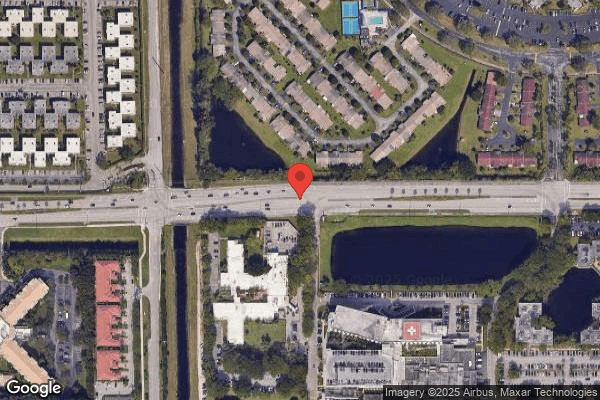
5430 LINTON BLVD, DELRAY BEACH, FL 33484 (561) 495-3188
For profit - Limited Liability company 120 Beds Independent Data: November 2025
Trust Grade
75/100
#295 of 690 in FL
Last Inspection: July 2024

Within standard 12-15 month inspection cycle. Federal law requires annual inspections.

Overview

The Terrace of Delray Beach Nursing and Rehabilitation has a Trust Grade of B, which means it is a good choice overall. It ranks #295 out of 690 facilities in Florida, placing it in the top half, and #20 out of 54 in Palm Beach County, indicating only 19 local options are better. However, the facility is currently worsening, with issues increasing from 5 in 2023 to 14 in 2024. Staffing is a strength, with a 4/5 rating and only 24% turnover, much lower than the state average, suggesting that staff are stable and familiar with residents. Notably, the facility has received no fines, which is a positive sign, and it offers more RN coverage than 86% of Florida facilities, ensuring residents receive adequate medical attention. On the downside, there have been concerning incidents reported. For example, the kitchen failed to maintain sanitary food preparation practices, with issues like inadequate air conditioning and reliance on portable units affecting hygiene. Additionally, privacy curtains were missing in several resident rooms, compromising residents' dignity during care. Overall, while there are strengths in staffing and compliance with fines, the increasing number of issues and specific concerns in food safety and resident privacy merit careful consideration.

Trust Score
B
75/100
In Florida
#295/690
Top 42%
Safety Record
Low Risk
No red flags
Inspections
Getting Worse
5 → 14 violations
Staff Stability
✓ Good
24% annual turnover. Excellent stability, 24 points below Florida's 48% average. Staff who stay learn residents' needs.
Penalties
✓ Good
No fines on record. Clean compliance history, better than most Florida facilities.
Skilled Nurses
✓ Good
Each resident gets 58 minutes of Registered Nurse (RN) attention daily — more than average for Florida. RNs are trained to catch health problems early.
Violations
⚠ Watch
25 deficiencies on record. Higher than average. Multiple issues found across inspections.
★★★★☆
4.0
Overall Rating
★★★★☆
4.0
Staff Levels
★★★★★
5.0
Care Quality
★★★☆☆
3.0
Inspection Score
Stable
2023: 5 issues
2024: 14 issues

The Good

  • 4-Star Staffing Rating · Above-average nurse staffing levels
  • 5-Star Quality Measures · Strong clinical quality outcomes
  • Low Staff Turnover (24%) · Staff stability means consistent care
  • Full Sprinkler Coverage · Fire safety systems throughout facility
  • No fines on record
  • Staff turnover is low (24%)

    24 points below Florida average of 48%

Facility shows strength in staffing levels, quality measures, staff retention, fire safety.

The Bad

No Significant Concerns Identified

This facility shows no red flags. Among Florida's 100 nursing homes, only 1% achieve this.

The Ugly 25 deficiencies on record

Jul 2024 14 deficiencies
CONCERN (D)

Potential for Harm - no one hurt, but risky conditions existed

Deficiency F0561 (Tag F0561)

Could have caused harm · This affected 1 resident

**NOTE- TERMS IN BRACKETS HAVE BEEN EDITED TO PROTECT CONFIDENTIALITY** Based on interview and record review, the facility failed to ensure the provision of showers as per facility schedule for 1 of 4...

Read full inspector narrative →
**NOTE- TERMS IN BRACKETS HAVE BEEN EDITED TO PROTECT CONFIDENTIALITY** Based on interview and record review, the facility failed to ensure the provision of showers as per facility schedule for 1 of 4 sampled residents, Resident #48. The findings included: Review of the record revealed Resident #48 was admitted to the facility on [DATE]. Review of the current Minimum Data Set (MDS) assessment dated [DATE] documented the resident had a Brief Interview for Mental Status (BIMS) score of 13, on a 0 to 15 scale, indicating he had minimal cognitive impairment. Review of the record lacked any evidence of the provision of showers. A progress note dated 04/04/24 at 9:21 AM documented to please have the resident sit in his wheelchair after his shower one time a day every Tuesday, Thursday, and Saturday. This note also documented if the resident refused to get a shower to phone the resident's significant other / power of attorney (POA), and the phone number was provided. A care plan initiated 01/11/23 documented Resident #48 did reject care, including showers, but lacked the newer intervention to phone the significant other should he refuse. Review of the progress notes subsequent to the 04/04/24 note, lacked any documented refusal of showers or attempts to phone the significant other for assistance, except for a generic statement of refusals during the care plan meeting on 07/18/24. During an interview on 07/28/24 at 11:54 AM, when asked if he was receiving care and assistance from the staff, Resident #48 stated no. When asked what the staff were not providing, the resident stated they didn't take care of him, and asked the surveyor to call his girlfriend. During a phone interview on 07/28/24 at 12:17 PM, the resident's girlfriend, who was also his emergency contact and POA voiced concerns that included the lack of showers. The significant other stated she has gone to every meeting (referring to the quarterly care plan meetings) and complained the resident was not getting his showers. The significant other stated staff will then give him one shower the day after the meeting, and then no more for weeks and weeks. When asked if the resident refuses or resists showers, the significant other stated when he was first admitted to the facility he would refuse, but if staff would offer a shower now he would take one. The significant other stated she had told them a hundred times, if he did refuse, to call her, and she would call him and would be able to encourage or convince him to take a shower. During an interview on 07/28/24 at approximately 1:15 PM, when asked if he would take a shower if offered, Resident #48 stated, Yes, every time. During a subsequent interview on 07/30/24 at 12:33 PM, when asked if he had had a shower this week, the Resident #48 stated, No. During an interview on 07/31/24 at 10:30 AM, when asked about showers for Resident #48, Staff A, Registered Nurse (RN), stated, sometimes the resident is non-compliant, but if we call the significant other, he will comply. When asked about the shower timing, Staff A explained there was a written schedule, and if a resident refused, the Certified Nursing Assistants (CNAs) were to report to the nurse, who would try to encourage the resident to shower. Staff A stated the refusal should be documented by the nurse in the progress notes. During an interview on 07/31/24 at 10:54 AM, when asked who was on the shower schedule for her assignment for the day, Staff B, the CNA assigned to Resident #48 and seven other residents, stated that none of her residents get a shower that day (Wednesday), and that she knows her residents and when they get showers. When asked specifically when Resident #48 would get a shower, Staff B went over to a bulletin board behind the nurses' station but was unable to find the shower schedule. Multiple staff in the area then began to look for the written shower schedule but could not find one. When asked further about the showers, Staff B then stated she floated to that unit today and does not know the shower schedule for that day's assignment. Staff C, Licensed Practical Nurse (LPN), who was standing nearby and also searching for the shower schedule stated, So she should look in the book and know who gets showers. Staff C found a shower schedule in a binder for the 7 AM to 3 PM staff but was unable to locate a schedule for the 3 PM to 11 PM shift. Review of the 7 AM to 3 PM shower schedule revealed Staff B had one shower to provide during her shift. On 07/31/24 at 12:11 PM, the Assistant Director of Nursing (ADON) provided the surveyor with a copy of the shower schedule for both shifts. The ADON stated she had a copy in her office, but agreed there should be one available at the nurses' station. The ADON was informed of the concern related to the lack of showers for Resident #48. Review of the shower schedule provided by the ADON revealed Resident #48 was scheduled for a shower during the 3 PM to 11 PM shift on Monday, Wednesdays, and Fridays. During a side-by-side review of the CNA documentation, the ADON agreed there was no place to enter the provision of a shower. The ADON stated they had been working on the documentation for the CNAs since the company change in May 2023, but had not gotten to each resident.
CONCERN (D)

Potential for Harm - no one hurt, but risky conditions existed

Deficiency F0578 (Tag F0578)

Could have caused harm · This affected 1 resident

Based on record review and interview, the facility failed to ensure staff awareness and implementation of DNR (Do Not Resuscitate) status for 1 of 1 sampled resident, Resident #70. The findings includ...

Read full inspector narrative →
Based on record review and interview, the facility failed to ensure staff awareness and implementation of DNR (Do Not Resuscitate) status for 1 of 1 sampled resident, Resident #70. The findings included: Review of the Policy, titled, Communication of Code Status, Implemented 05/01/24, documented, in part, it is the policy of this facility to adhere to residents rights to formulate advance directives. In accordance to these rights, this facility will implement procedures to communicate a resident's code status to those individuals who need to know this information. 1. The facility will follow facility policy regarding a resident's right to request, refuse and/or discontinue medical or surgical treatment and to formulate an Advance Directive. 2. When an order is written pertaining to a resident's presence or absence of an Advance Directive, the directions will be clearly documented in designated sections of the medical record. Examples of directions to be documented include, but are not limited to: a. Full Code b. Do Not Resuscitate c. Do Not Intubate d. Do not Hospitalize 3. The nurse who notates the physician order is responsible for documenting the directions in all relevant sections of the medical record. 4. The designated sections of the medical record are: Physician Orders, Care plan and Documents. 5. In the absence of an Advance Directive or further direction from the physician, the default direction will be Full Code. 6. The presence of an Advance Directive or any physician directives related to the absence or presence of an Advance Directive shall be communicated to Social Services. 7. The Social Services Director shall maintain a list of residents who have an Advance Directive on file. 8. The resident ' s code status will be reviewed at least quarterly during care plan meeting and documented in the medical record. Review of the electronic medical record (EMR) documented the code status as a Full Code. Review of the Physician's orders dated 02/28/24 revealed an order for Full Code. Further review, under the document tab, revealed a DNR [Do Not Resusitate] document that was dated 03/26/24. The physician signed the DNR document on 05/08/24 and showed effective 06/21/24 in the document tab. A review of the Care Plan documented a full code. During an interview on 07/29/24 at 1:57 PM with Staff C, Licensed Practical Nurse (LPN), she was asked to pull up Resident #70 electronic record and was asked what Resident #70 code status was. She stated she is a full code. The surveyor asked what the physician's order showed. Staff C stated the order is a full code status and was ordered on 02/28/24. When the surveyor asked her to review there area Under the document tab, she stated their is a DNR signed by the physician on 05/08/24 and date of document is 03/26/24 when the document was filled out. When asked, Staff C stated the process for knowing what the code status is, I would look at the order and code status. We have a DNR book. When asked to get the book and show the surveyor Resident #70 DNR status in it, she did not see a DNR document in the book. Staff C didn't understand the concern until surveyor pointed it out. She then stated the order needed to be updated. She stated the process after the DNR is signed, is that the Social Worker or the nurse would put the order in the computer. An interview conducted on 07/30/24 at 12:35 PM with the son and POA (Power of Attorney) of Resident #70, revealed he had requested a DNR order and thought it was in March 2024 but they were going back and forth and a lot was going on. When the surveyor stated the physician had signed the form in May 2024, he stated it should have been effective when first signed and shouldn't have been delayed that long.
CONCERN (D)

Potential for Harm - no one hurt, but risky conditions existed

Safe Environment (Tag F0584)

Could have caused harm · This affected 1 resident

**NOTE- TERMS IN BRACKETS HAVE BEEN EDITED TO PROTECT CONFIDENTIALITY** Based on observation and interview, the facility failed to maintain a clean, safe and comfortable environment for the residents ...

Read full inspector narrative →
**NOTE- TERMS IN BRACKETS HAVE BEEN EDITED TO PROTECT CONFIDENTIALITY** Based on observation and interview, the facility failed to maintain a clean, safe and comfortable environment for the residents as evidenced by the environment not being homelike, carts broken and wheelchairs in disrepair, on the 100 and 200 units. The finding included: 1. During an initial tour on 07/28/24 of the resident's rooms, observations revealed the following: a. room [ROOM NUMBER] - The bathroom has paint peeling on the wall underneath the soap dispenser. The grout around the toilet was brown and not white. b. room [ROOM NUMBER]A - the sitting chair in the room had a large stain in the middle of the seat as well as a couple of tears on the seat. c. the Linen Cart on hallway 100 was observed to be broken. 2. The following wheelchairs were observed to have torn arm rests: room [ROOM NUMBER] bed A room [ROOM NUMBER] bed B room [ROOM NUMBER]-A room [ROOM NUMBER]-B room [ROOM NUMBER]-B room [ROOM NUMBER]-A. Photographic Evidence Obtained. 3. A secondary tour was completed on 07/31/24 at 11:30 AM with the Maintenance Director and the Regional Maintenance Director. They both acknowledged the findings. The Maintenance Director stated that he relies on the residents and rehab to tell him if the wheelchair arms need to be replaced. He stated he would be going around and auditing all the wheelchairs and would keep a log. He stated he has only been here a couple of months.
CONCERN (D) 📢 Someone Reported This

A family member, employee, or ombudsman was alarmed enough to file a formal complaint

Potential for Harm - no one hurt, but risky conditions existed

Deficiency F0661 (Tag F0661)

Could have caused harm · This affected 1 resident

**NOTE- TERMS IN BRACKETS HAVE BEEN EDITED TO PROTECT CONFIDENTIALITY** Based on record review and interview, the facility failed to have adequate discharge documenation to ensure the facility followe...

Read full inspector narrative →
**NOTE- TERMS IN BRACKETS HAVE BEEN EDITED TO PROTECT CONFIDENTIALITY** Based on record review and interview, the facility failed to have adequate discharge documenation to ensure the facility followed physician orders to provide Home Health Services set up and that services were provided to residents on discharge home for 1 of 3 sampled residents reviewed for discharge, Resident #92. The findings included: Review of Resident #92 electronic medical record (EMR) revealed Resident #92 was admitted to the facility on [DATE] and discharged on 04/18/24. The resident had diagnoses to include Unspecified Fracture of Left Patella, Pain, Difficulty Walking, Hypertension, Type II Diabetes Mellitus, Depression and Anxiety. Review of the physician's orders dated 04/18/24 documented to discharge the resident home with RN (Registered Nurse) evaluation, Physical Therapy (PT), Occupational Thereapy (OT), and Home Health Aide (HHA) and to follow up with Primary Care Physician (PCP) in 1 week. Review of the Progress Notes dated 04/18/24 at 7:30 PM documented, Resident discharged home accompanied by friend, family in stable condition. All due care rendered. All the discharged instructions along with the remaining meds given to Resident. Resident verbalized understanding. Left with all the personal belongings. Resident instructed to visit PCP [Primary Care Physician] in 3-5 days of discharge. On 07/26/24 at 10:17 AM, an interview was conducted with Resident #92. The resident confirmed the facility did not arrange for Home Health services, so they were not provided at the time she was discharged home. During an interview on 07/29/24 at 1:40 PM with Social Worker Director (SWD), she stated, she [SSW] sets up discharges, if there is an order for home health, I would reach out to the company; Her insurance was [name provided], I sent out her documents to [Name provided] Home Health Care. I don't make the appt because the company needs to get approval and schedule with client. If person needs DME (Durable Medical Equipment) I send for wheelchair then I request it but she didn't have DME orders. The SWD could not provide evidence that the Home Health Agency was provided with documents for the required service to Resident #92. An interview was conducted on 07/30/24 at 12:21 PM with [name provided] Home Health Care (HHC) and spoke with the HHC Coordinator. He stated when he tried to pull the resident's name up in his computer, [the resident's] name does not come up in system. If we would have received documentation from the nursing home we would have made a file. They usually fax it and call to follow up to see if we received it but I don't see any of it. There was no evidence in the record that Home Health Services were set up or provided for Resident #92 as per the physician orders. Review of the discharge plan of care provided did not address or document the specific needs of the resident as outlined in the physician orders.
CONCERN (D)

Potential for Harm - no one hurt, but risky conditions existed

Deficiency F0676 (Tag F0676)

Could have caused harm · This affected 1 resident

**NOTE- TERMS IN BRACKETS HAVE BEEN EDITED TO PROTECT CONFIDENTIALITY** Based on policy review, interview, and record review, the facility failed to ensure restorative services were provided for 1 of ...

Read full inspector narrative →
**NOTE- TERMS IN BRACKETS HAVE BEEN EDITED TO PROTECT CONFIDENTIALITY** Based on policy review, interview, and record review, the facility failed to ensure restorative services were provided for 1 of 1 sampled resident, Resident #54. The findings included: Review of the policy, titled, Restorative Nursing Programs, implemented on 05/01/24, documented, in part, Policy Explanation and Compliance Guidelines: . 10. A resident's Restorative Nursing Plan will include: . c. Frequency of activities d. Duration of activities . 12. Restorative aides will implement the plan for a designated length of time, performing the activities, and documenting on the Restorative Aide Documentation Form. Record review revealed Resident #54 was admitted to the facility 05/23/23. Review of the current Minimum Data Set (MDS) assessment dated [DATE] documented Resident #54 had a Brief Interview for Mental Status (BIMS) score of 14, on a 0 to 15 scale, indicating the resident was cognitively intact. This same MDS also documented the resident received 1 day of restorative therapy services during the 7 day look back period. Review of the Rehab to Restorative Program Recommendations dated 06/06/23 included the services of Bed Mobility and Active Range of Motion (AROM) with the frequency of services to be determined (TBD). Review of the current physician order dated 06/13/23 specified the RNP (Restorative Nurse Program) was to provide AROM and bed mobility services. This order lacked any frequency and or duration. Review of Restorative Aide documentation in the electronic medical record (EMR) revealed services for AROM were provided for Resident #54 only twice in the month of July 2024. An interview was conducted on 07/31/24 at 1:08 PM with Staff E, Restorative Certified Nursing Assistant (CNA), who when asked how often restorative services were being provided and where it was documented, Staff E stated sometimes the resident refused. Staff F, Restorative CNA stated the program was 3 times a week as a standard of the restorative program. Neither of the Restorative Aides were able to locate documentation for the provision of services 3 days weekly or of the resident's refusal of services. During an interview on 07/31/24 at 3:16 PM, when asked what the frequency and duration of activities of residents on restorative therapy were and where it was documented, the Administrator stated the frequency and duration should be documented in the order.
CONCERN (D)

Potential for Harm - no one hurt, but risky conditions existed

ADL Care (Tag F0677)

Could have caused harm · This affected 1 resident

**NOTE- TERMS IN BRACKETS HAVE BEEN EDITED TO PROTECT CONFIDENTIALITY** Based on policy review, observation, interview, and record review, the facility failed to ensure timely and ongoing nail care fo...

Read full inspector narrative →
**NOTE- TERMS IN BRACKETS HAVE BEEN EDITED TO PROTECT CONFIDENTIALITY** Based on policy review, observation, interview, and record review, the facility failed to ensure timely and ongoing nail care for 1 of 2 sampled residents reviewed for Activities of Daily Living (ADLs), Resident #22. The findings included: Review of the policy, titled, Nail Care, implemented 05/01/24, documented, in part, Policy Explanation and Compliance Guidelines: . 3. Routine cleaning and inspection of nails will be provided during ADL care on an ongoing basis. 4. Routine nail care, to include trimming and filing, will be provided on a regular schedule (such as weekly on Wednesday 3-11 shift). Nail care will be provided between scheduled occasions as the need arises. 5. The resident's plan of care will identify: a. The frequency of nail care to be provided. b. The type of nail care to be provided. C. The persons responsible for providing nail care (e.g., licensed nurse, nurse aide, podiatrist, activity professional). 7. Procedure: . i. Document completion of task, any complications, or if resident refuses. Review of the record revealed Resident #22 was admitted to the facility on [DATE]. Review of the current Minimum Data Set (MDS) assessment dated [DATE] documented Resident #22 had a Brief Interview for Mental Status (BIMS) score of 14, on a 0 to 15 scale, indicating the resident was cognitively intact. This same MDS documented the resident needed substantial to maximum assistance from staff for all Activities of daily Living (ADLs). Review of the care plan initiated 12/08/22 documented Resident #22 had an ADL self-care performance deficit, but lacked any information related to nail care. Review of the Certified Nursing Assistant (CNA) tasks section of the electronic medical record revealed a checkmark daily for the nail care task, indicating it was performed each day. During an interview and observation on 07/28/24 at 10:00 AM, Resident #22's fingernails were long and dirty, with a dark substance under each nail. When asked about his fingernails, Resident #22 stated, They need to be cut. When asked about the cleaning of his fingernails, the resident explained when the nails are cut, they are cleaned. An observation on 07/30/24 at 8:29 AM revealed the fingernails for Resident #22 remained long and dirty. When asked about his fingernails, the resident again stated they need to be trimmed and cleaned, and asked the surveyor if she could do it. On 07/30/24 at 11:30 AM, Resident #22 was in bed with different clothing noted. When asked if the CNA provided a bed bath, the resident stated she did. When asked if she cleaned or trimmed his nails, the resident stated no and that he had asked for them to be trimmed last week and they never got done. The resident's fingernails remained long and dirty. Upon entering the room on 07/31/24 at 11:43 AM, Resident #22 stated, Thank you, as he held up his fingernails to show the surveyor. Resident #22 explained a girl had just came into the room about an hour earlier and trimmed his nails. Staff A, Registered Nurse (RN), who was nearby, stated his nails were trimmed by the Activity Assistant. Staff A was informed the resident's fingernails were long and needed to be cleaned since an observation on 07/28/24, and that the resident stated he had requested his nails be trimmed the previous week. Staff A was also informed the CNAs were documenting the completion of nail care daily. During an interview on 07/31/24 at 1:12 PM, when asked how she was involved in resident nail care, the Activity Assistant stated she has a beauty hour weekly where residents come into the Activity room to get their nails done. The Activity Assistant explained she also goes into the rooms of those residents who prefer to stay in their rooms to help with nail care. When asked about Resident #22, the Activity Assistant stated he was on her list for the previous week, but she did not get to him. The Activity Assistant confirmed she had trimmed and cleaned his nails earlier today.
CONCERN (D)

Potential for Harm - no one hurt, but risky conditions existed

Quality of Care (Tag F0684)

Could have caused harm · This affected 1 resident

**NOTE- TERMS IN BRACKETS HAVE BEEN EDITED TO PROTECT CONFIDENTIALITY** Based on observation, interviews, record and policy review, the facility failed to provide timely care and treatment for a skin ...

Read full inspector narrative →
**NOTE- TERMS IN BRACKETS HAVE BEEN EDITED TO PROTECT CONFIDENTIALITY** Based on observation, interviews, record and policy review, the facility failed to provide timely care and treatment for a skin tear for 1 of 1 sampled resident reviewed for skin conditions, Resident #1. The findings included: The facility's policy, titled, Skin Integrity-Skin Tear, implemented on 05/01/24, documented, in part, the following: When a skin tear is discovered, the nurse shall complete an incident report. The attending physician will be notified of the presence, progression towards healing, or lack of healing of any skin tears, or any changes in the resident's medical condition. Interventions will be modified in a resident's plan of care as needed. Record review revealed Resident #1 was admitted to the facility on [DATE] with diagnoses that included Urinary Tract Infection, Heart Failure, and Unspecified Peripheral Vascular Disease. Resident #1 was alert and oriented with a Brief Interview for Mental Status (BIMS) score of 15 on her admission minimum data set. On 07/28/24 at 9:27 AM, an observation was made of a white bandage on the resident's right forearm with no date on the bandage. Photographic evidence obtained. At this time, the resident was asked if she knew why she had the bandage on and she stated she thought she scraped her arm on the bed rail. On 07/29/24 at 10:12 AM, another observation of Resident #1's right forearm revealed no bandage on the arm but an observation of a skin tear on the arm. On 07/29/24 at 3:55 PM, an interview was conducted with Staff H, Registered Nurse (RN), who stated she had been taking care of Resident #1 yesterday and today and does not know anything about the Band-Aid on the resident's arm. An interview with the Infection Control Preventionist on 07/29/24 at 4:05 PM revealed she put the dressing on the arm yesterday because she saw a hematoma on the right arm. She stated, today she saw the skin tear and put a Band-Aid on it. Photographic Evidence Obtained. The surveyor asked if she called the physician for an order for the skin tear dressing and she stated she did not. She then took the Band-Aid off that was on the skin tear. Review of the Electronic Health Record (EHR) revealed no note about the skin tear, no incident report and no care plan for the skin tear.
CONCERN (D)

Potential for Harm - no one hurt, but risky conditions existed

Incontinence Care (Tag F0690)

Could have caused harm · This affected 1 resident

**NOTE- TERMS IN BRACKETS HAVE BEEN EDITED TO PROTECT CONFIDENTIALITY** Based on policy review, observation, interview, and record review, the facility failed to ensure appropriate indwelling urinary ...

Read full inspector narrative →
**NOTE- TERMS IN BRACKETS HAVE BEEN EDITED TO PROTECT CONFIDENTIALITY** Based on policy review, observation, interview, and record review, the facility failed to ensure appropriate indwelling urinary catheter care and maintenance for 2 of 2 sampled residents, as evidenced by staff failed to provide appropriate urinary catheter care for Resident #22 and failed to ensure an anchoring device for the urinary catheter of Resident #77. Both residents had a history of urinary tract infections (UTIs). The findings included: Review of the policy, titled, Catheter Care, implemented 05/01/24 documented, in part, Policy: It is the policy of this facility to ensure that residents with indwelling catheters receive appropriate catheter care . This policy further instructed care for the male was for staff to first cleanse the penis in the area closest to meatus (insertion site), followed by the shaft of the penis moving down or away from the insertion site, and lastly cleaning the urinary tube cleansing outward away from the body, holding the tubing to ensure the catheter remains in place and is not pulled. Review of the policy, titled, Catheterization of a Male, implemented 05/01/24, documented, in part, Policy: Urinary catheterizations will be performed in accordance with current standards of practice to minimize risk for bacterial contamination . 9. s. ii. Secure the catheter to the resident's upper thigh or lower abdomen . 1. Review of the record revealed Resident #22 was admitted to the facility on [DATE], was transferred to the hospital related to complications with his indwelling urinary catheter on 06/17/24 and readmitted to the facility on [DATE]. Resident #22 returned to the facility with the urinary catheter. Further review of the record revealed Resident #22 had Urinary Tract Infections (UTIs) on 02/09/24 and 02/25/24, both times with the cultures indicating E. Coli (Escherichia Coli), a bacteria found in the stool, but not in urine, which was indicative of poor personal or catheter care. These UTIs also indicated the bacteria as MDROs (multidrug-resistant organisms), which are bacteria that have become resistant to certain antibiotics. Resident #22 was also diagnosed during the hospitalization of 06/17/24 with another UTI with MDROs. An observation of care for the indwelling urinary catheter for Resident #22 was made on 07/30/24 at 9:41 AM with Staff D, Certified Nursing Assistant (CNA). The CNA cleaned the catheter tubing first, with a back and forth (outward and inward) motion using one cloth. Then the CNA cleaned the resident's inner thighs, followed by the shaft of the penis, and then the end of the penis at the insertion site. During an interview on 07/31/24 at 11:55 AM, when asked in what direction she was supposed to cleanse the urinary catheter tubing, Staff D appropriately explained from close to the body outward. When asked why she went back and forth on the catheter tubing, the CNA stated, I did? I'm sorry. The Assistant Director of Nursing (ADON) was asked to provide the above-mentioned policies on 07/31/24 during the afternoon and was informed there were concerns with the urinary catheter care and maintenance. 2. Review of the record revealed Resident #77 was admitted to the facility on [DATE], was transferred to the hospital related to urinary catheter issues and an elevated white blood count on 02/24/24, with readmission to the facility on [DATE]. The resident returned to the facility with an indwelling urinary catheter. Further review of the record revealed orders as of 10/05/23 for the use of the indwelling urinary catheter along with the order to secure the tubing using an anchoring device to prevent movement and urethral traction. Review of a urinalysis with the culture and sensitivity dated 01/12/24 documented the resident had a UTI with the organism E. Coli. During an interview and observation on 07/28/24 at 9:40 AM, Resident #77 confirmed he had an indwelling urinary catheter, and the drainage bag was noted hooked to the bed frame. When asked if he had a leg strap or anchor on his thigh, Resident #77 pulled down the covers and an adult brief was noted, with no anchor or thigh strap observed. A second observation on 07/30/24 at 4:09 PM also lacked any type of anchor or thigh strap to secure the catheter tubing for Resident #77. The ADON was made aware of the concern on 07/31/24 during the afternoon but was unable to confirm as the resident had been transferred to the hospital earlier that day, related to urinary catheter issues. The lack of the anchoring device was observed by two surveyors on both occasions.
CONCERN (D)

Potential for Harm - no one hurt, but risky conditions existed

Deficiency F0697 (Tag F0697)

Could have caused harm · This affected 1 resident

**NOTE- TERMS IN BRACKETS HAVE BEEN EDITED TO PROTECT CONFIDENTIALITY** Based on observation, interviews, record and policy review; the facility failed to provide pain management for 1 of 1 resident r...

Read full inspector narrative →
**NOTE- TERMS IN BRACKETS HAVE BEEN EDITED TO PROTECT CONFIDENTIALITY** Based on observation, interviews, record and policy review; the facility failed to provide pain management for 1 of 1 resident reviewed for pain management (Resident #294); and and failed to provide medications as per physician order for 2 of 5 sampled residents reviewed for unnecessary medications, Resident #4 and #28. The findings included: The policy of the facility, titled, Pain Management implemented 05/01/24, revealed an assessment or evaluation of pain may necessitate gathering the following information, as applicable to the resident The resident's goals for pain management and his/her satisfaction with the current level of pain control. 1. Record review documented Resident #294 was admitted to the facility on [DATE] with diagnoses that included Syncope and Collapse, Other symptoms, and signs involving the musculoskeletal system and Presence of cardiac pacemaker. Her Brief Interview for Mental Status (BIMS) score was 14 on the admission minimum data set with an assessment reference date of 07/27/24, indicating the resident was cognitively intact. On 07/28/24 at 1:43 PM, an initial interview with the resident was conducted. She stated she had pain on her right chest wall since she fell and they only will give her Tylenol but that does not help. She stated she told the nurses that she needed something stronger but she was always getting Tylenol when she asked for pain medication. On 07/29/24 at 10:14 AM, the resident stated she did not get Tylenol all night last night and stated she had pain. An interview was conducted with Staff H, Registered Nurse (RN), on 07/29/24 at 3:45 PM. Staff H stated that the resident has not told her that she had pain. She told her that she had a headache or generalized discomfort. She stated if she knew she had pain and was not relieved by Tylenol she would have had her seen by pain management. At that time, the primary physician was in the building and the nurse asked him if he could see the resident today. An interview was conducted with Staff I, Licensed Practical Nurse Supervisor, on 07/30/24 at 12:15 PM. She stated she had a conversation with the physician yesterday who told her that he ordered pain medication for the resident and will send the prescription to the pharmacy. Staff I stated that she forgot to put the conversation with the physician in the progress note, and forgot to put the verbal order into the Electronic Health Record (EHR). The medication card for the Tramadol was put in to the medication cart when it was delivered at 6:30 AM today but the order was not in the EHR yet. An interview was conducted with Resident #294 on 07/30/24 at 12:45 PM. She stated she did not have pain today. The physician came to see her yesterday and she told him that she had pain and he said he was giving her more medication. Review of the physician note dated 07/29/24 revealed the resident had right chest wall pain 6 out of 10 since her fall. She is complaining of right chest wall pain not relieved by licocaine patch or Tylenol. I have added some Aleve and also tramadol for now (we are going to get pain management involved). 2. Record review documented Resident #4 was admitted to the facility on [DATE] with diagnoses that included Pain. The 5-day Minimum Data Set (MDS) Assessment completed on 07/18/24 documented Resident #4 received an as needed medications for pain, and her Care Plan, initiated on 06/25/24, documented Resident #4 is at risk for Pain. Review of physician orders for Resident #4 showed this resident is to receive a Lidocaine Patch, applied to bilateral shoulders topically one time a day for pain. Apply to intact skin and remove patch after a maximum of 12 hours of application (12 hours on and 12 hours off) and remove per schedule. Review of the electronic Medication Administration Record (eMAR) showed that nursing staff had documented that Resident #4's Lidocaine patch was NA (not available) from 07/24/24 AM to 07/28/24 AM, the Patch was documented as provided on 07/29/24 AM, but NA (not available) on 07/30/24. there was no monitoring of pain completed on the days the patch was not available or provided. No further documentation was found on the eMAR or in the Progress notes regarding a reason for the Lidocaine Patch being unavailable, or what steps were taken to get the medication for the resident. 3. Record review documented Resident #28 was admitted to the facility on [DATE] with diagnoses that included Chronic Pain Syndrome. The MDS for Significant Change completed on 06/02/24 documented Resident #28 received a scheduled pain medication regimen, and the Care Plan initiated on 06/06/24 documented the resident is at risk for pain. Review of physician orders for Resident #28 showed this resident is to receive a Lidoderm Patch 5%, and it is to be applied to affected site topically one time a day for pain. Apply to intact skin and remove patch after a maximum of 12 hours of application (12 hours on and 12 hours off) and remove per schedule (05/15/24 - 07/29/24). There was also a physician order for Lotrisone Cream 1-0.05% to be applied to chest, arms, back topically every shift for rash until 07/10/24. Review of the eMAR showed that nursing staff had documented that Resident #28's Lotrisone Cream was not available on 07/02/24 for the day and evening shift application times. Also, for the Lidoderm (Lidocaine) Patch 5%, there was no documentation on 07/04/24, and nursing staff documented the Lidoderm Patch 5% as NA (not available) on 07/09/24, 07/10/24, 07/12/24, 07/27/24 and 07/28/24. There was no monitoring of pain documented as done on the days the patch was not available / provided, except for 07/09/24 for which the pain level recorded was 0 (zero). No further documentation was found on the eMAR or in the Progress notes regarding a reason for the Lotrisone Cream or Lidoderm Patch 5% being unavailable, or what steps were taken to get the medication for the resident. The Director of Nursing was interviewed on 07/31/24 at approximately 12:30 PM. She was unable to provide any further information or documentation as to why the Lidoderm/Lidocaine patches and the Lotrisone cream were marked unavailable, and as to why pain monitoring was not documented On 07/31/24 at 1:30 PM, the Pharmacist Consultant was asked to enquire of the Pharmacy if the unavailable medications were provided to the facility. The Pharmacist Consultant stated that the information received from the Pharmacy indicated the medications marked not available were delivered to the facility and should have been available. No further information was provided by the facility.
CONCERN (D)

Potential for Harm - no one hurt, but risky conditions existed

Medical Records (Tag F0842)

Could have caused harm · This affected 1 resident

**NOTE- TERMS IN BRACKETS HAVE BEEN EDITED TO PROTECT CONFIDENTIALITY** 5. Record review revealed Resident #292 was admitted to the facility on [DATE] with diagnoses that included End Stage Renal Dise...

Read full inspector narrative →
**NOTE- TERMS IN BRACKETS HAVE BEEN EDITED TO PROTECT CONFIDENTIALITY** 5. Record review revealed Resident #292 was admitted to the facility on [DATE] with diagnoses that included End Stage Renal Disease (ESRD), Depression and Anemia. Review of the care plan for Resident #292 revealed a care plan for hemodialysis and peritoneal dialysis. An interview was conducted with Staff G, Minimum Data Set (MDS) Coordinator, on 07/31/24 at 9:30 AM. She stated she should not have a care plan for peritoneal dialysis, only hemodialysis and cancelled the care plan for peritoneal dialysis. 3. Review of Resident #70 electronic medical record (EMR) revealed a physician's order that included an order of 06/13/24 for three snacks daily; Report % [percent] consumed. Review of the Medication Administration Record (MAR) revealed the order began on 06/13/24. There were nurse's initials and a check mark documented this was completed but does not document the % of the snack consumed. Review on the July 2024 Task sheet from 07/02/24-07/31/24 (could only pull 30 days) named monitor eating did not document which meal or snacks were provided but only documented the time and % consumed. During an interview on 07/31/24 at 1:23 PM with the Dietician, she stated she has only been in this facility for two months, but has been monitoring her weight loss and added snacks in the last intervention. She pulled up % consumed for each which was 50-75%. She acknowledged that there should be documentation for all three meals plus 3 snacks per day documented. She acknowledged that she did not see snack documentation being completed as this was not being done. Based on observation, interview and record review, the facility failed to document pain levels for 2 of 6 sampled residents reviewed for medications (Resident #4 and Resident #28); failed to document Blood Glucose levels before each meal, as ordered 1 of 5 sampled residents reviewed for unnecessary medications (Resident #81); failed to document the percentage of meals eaten for 1 of 4 sampled residents reviewed for nutrition (Resident #70); failed to clarify the type of dialysis received for 1 of 1 sampled resident reviewed for Dialysis (Resident #292); and failed to accurately document the provision of nail care for 1 of 2 sampled residents reviewed for Activities of Daily Living [ADLs] (Resident #22). The findings included: 1a) Record review revealed Resident #4 was admitted to the facility on [DATE] with diagnoses that included Pain. The 5 day Minimum Data Set (MDS) Assessment completed on 07/18/24 documented Resident #4 received as needed medications for pain, and her Care Plan initiated on 06/25/24 documented Resident #4 is at risk for Pain. The physician orders for Resident #4 contained an order for pain monitoring which documented: Monitor and record pain level every shift for pain management. Pain Scale: Mild pain 1-3 Moderate pain 4-6 Severe 7-10. Review of the electronic Medication Administration Record (eMAR) and Progress Notes revealed no documentation showing the monitoring of pain levels were completed within Resident #4's record. 1b. Record review revealed Resident #28 was admitted to the facility on [DATE] with diagnoses that included Chronic Pain Syndrome. The MDS for Significant Change completed on 06/02/24 documented Resident #28 received a scheduled pain medication regimen, and the Care Plan initiated on 06/06/24 documented the resident is at risk for pain. The physician orders for Resident #28 contained an order for pain monitoring which documented: Monitor and record pain level every shift for pain management. Pain Scale: Mild pain 1-3 Moderate pain 4-6 Severe 7-10. Review of the eMAR and Progress Notes revealed no documentation showing the monitoring of pain levels were completed within Resident #28's record. On 07/31/24 at approximately 12:30 PM, the Director of Nursing (DON) was asked to assist in locating any documentation showing staff were recording Resident #4's pain levels during each shift. The DON acknowledged that no documentation of pain levels for each shift could be found. 2. Record review revealed Resident #81 was admitted to the facility on [DATE] with diagnoses that included Diabetes Mellitus Type 2. The MDS assessment completed on 05/03/24 documented the resident diagnosis of Diabetes Mellitus 2 and the receiving of hypoglycemic medication. Resident #81's Care Plan initiated on 04/30/24 documented this resident is at risk for adverse effects of hyper/hypoglycemia and alteration in nutrition / hydration related to diagnosis of Diabetes Mellitus 2. Resident #81's physician's orders contained an order for Blood Glucose monitoring before meals. Call MD if Blood Sugar is above 250 or below 60. Review of the eMAR showed that nursing staff are initialing that the monitoring is being done, but the actual blood glucose numbers are not being recorded on the eMAR, within the Vitals section of the electronic record, or anywhere within the Progress Notes. The only documented blood glucose reading of 177 g/dl was recorded on 07/22/24. On 07/31/24 at approximately 12:30 PM, the Director of Nursing (DON) was asked to assist in locating any documentation showing that nursing staff were recording Resident #81's blood glucose levels before each meal. The DON acknowledged that no documentation of blood glucose levels, except for the one recording on 07/22/24, could be found for Resident #81. 4. Review of the policy, titled, Nail Care, implemented 05/01/24, documented, in part, Policy Explanation and Compliance Guidelines: . 3. Routine cleaning and inspection of nails will be provided during ADL care on an ongoing basis. 5. The resident's plan of care will identify: a. The frequency of nail care to be provided. b. The type of nail care to be provided. C. The persons responsible for providing nail care (e.g., licensed nurse, nurse aide, podiatrist, activity professional). 7. Procedure: . i. Document completion of task, any complications, or if resident refuses. Review of the record revealed Resident #22 was admitted to the facility on [DATE]. Review of the current Minimum Data Set (MDS) assessment dated [DATE] documented Resident #22 had a Brief Interview for Mental Status (BIMS) score of 14, on a 0 to 15 scale, indicating the resident was cognitively intact. This same MDS documented the resident needed substantial to maximum assistance from staff for all Activities of Daily Living (ADLs). During an interview and observation on 07/28/24 at 10:00 AM, Resident #22's fingernails were long and dirty, with a dark substance under each nail. When asked about his fingernails, Resident #22 stated, They need to be cut. When asked about the cleaning of his fingernails, the resident explained when the nails are cut, they are cleaned. An observation on 07/30/24 at 8:29 AM revealed the fingernails for Resident #22 remained long and dirty. When asked about his fingernails, the resident again stated they need to be trimmed and cleaned, and asked the surveyor if she could do it. On 07/30/24 at 11:30 AM, Resident #22 was in bed with different clothing noted. When asked if the CNA provided a bed bath, the resident stated she did. When asked if she cleaned or trimmed his nails, the resident stated no and that he had asked for them to be trimmed last week and they never got done. The resident's fingernails remained long and dirty. Resident #22's fingernails were trimmed and cleaned on 07/31/24 at about 10:45 AM. Review of the care plan initiated 12/08/22 documented Resident #22 had an ADL self-care performance deficit, but lacked any information related to nail care. Review of the Certified Nursing Assistant (CNA) tasks section of the electronic medical record revealed a checkmark daily for the nail care task, indicating it was performed each day.
CONCERN (D)

Potential for Harm - no one hurt, but risky conditions existed

Infection Control (Tag F0880)

Could have caused harm · This affected 1 resident

**NOTE- TERMS IN BRACKETS HAVE BEEN EDITED TO PROTECT CONFIDENTIALITY** 6. Review of the record revealed Resident #40 was admitted to the facility on [DATE] with the need to be fed via PEG tube (percu...

Read full inspector narrative →
**NOTE- TERMS IN BRACKETS HAVE BEEN EDITED TO PROTECT CONFIDENTIALITY** 6. Review of the record revealed Resident #40 was admitted to the facility on [DATE] with the need to be fed via PEG tube (percutaneous endoscopic gastrostomy, a surgically placed feeding tube directly into the stomach), secondary to Parkinson's Disease and the inability to swallow. An order dated 11/15/24 included the resident was to be fed continuously via the PEG tube. An additional order dated 05/20/24 documented to maintain Enhanced Barrier Precautions (EBP) every shift due to the indwelling device. Observations on 07/28/24 at 11:15 AM and 07/29/24 at 11:50 AM revealed Resident #40 in bed with the feeding pump at bedside and tube feeding noted. There was a small three drawer container with PPE (personal protective equipment) inside the room. There was no sign indicating the resident was on Enhanced Barrier Precautions, to instruct staff on when and how to use the PPE. Photographic Evidence Obtained. During an interview on 07/29/24 at 3:40 PM, the spouse confirmed Resident #40 was fed only via the PEG tube. When asked if staff were using the gowns during direct care for the resident, the wife stated, No. The spouse explained she visits daily and often arrived at the facility when staff were providing care to her husband, and staff had not been wearing the gowns. The spouse further volunteered the small three drawer container just showed up one day with no explanation. When explained the use EBP, the wife stated she had not been told about the precautions. Based on observation, interview, record and policy review, the facility failed to have an effective infection control program related to care and services provided to residents on Enhanced Barrier Precautions which affected 5 of 20 sampled residents on Enhanced Barrier Precautions (EBP), Residents #292, #194, #1, #22, and #77. The findings included: The facility's policy, titled, Enhanced Barrier Precautions, implemented on 05/01/24 and revised on 05/28/24, revealed, in part: 2b. An order for enhanced barrier precautions will be obtained for residents with any of the following: i. Wounds (e.g., chronic wounds such as pressure ulcers, diabetic foot ulcers, unhealed surgical wounds, and chronic venous stasis ulcers) and/or indwelling medical devices (e.g., central lines, urinary catheters, feeding tubes, tracheostomy/ventilator tubes, hemodialysis catheters, PICC lines, midline catheters) even if the resident is not known to be infected or colonized with a MDRO. 3. Implementation of Enhanced Barrier Precautions: b. PPE for enhanced barrier precautions is only necessary when performing high-contact care activities and may not need to be donned prior to entering the resident's room. 4. High-contact resident care activities include: a. Dressing b. Bathing c. Transferring d. Providing hygiene e. Changing linens f. Changing briefs or assisting with toileting g. Device care or use: central lines, urinary catheters, feeding tubes, tracheostomy/ventilator tubes, hemodialysis catheters, PICC lines, midline catheters. 1. Record review documented Resident #1 was admitted to the facility on [DATE] with diagnoses that included Urinary Tract Infection (UTI), Heart Failure, and Unspecified Peripheral Vascular Disease. Review of the admission Minimum Data Set MDS) asssessment documented Resident #1 was alert and oriented with a Brief Interview for Mental Status (BIMS) score of 15. Review of the physician orders for Resident #1 revealed an order for Enhanced Barrier Precautions for sacral wound dated 06/19/24. Observation of her resident's room on 07/28/24 at 10:38 AM and 07/29/24 at 11:07 AM revealed no sign for Enhanced Barrier Precautions and no Personal Protective Equipment (PPE) cart available at or near the door. 2. Record review documented Resident #194 was admitted to the facility on [DATE] with diagnoses that included Pneumonia, Nontraumatic Intracranial Hemorrhage, and Dysphagia. On 07/29/24 at 9:13 AM, an observation of medication administration via Percutaneous Endoscopic Gastrostomy (PEG) tube was made. An Enhanced Barrier Precaution sign was in the resident's room on top of a Personal Protective Equipment (PPE) cart. Staff J, Registered Nurse (RN), was observed administering medication into the PEG tube with no gown on. An interview was conducted Staff J on 07/29/24 at 2:30 PM. He stated that he was in-serviced that they put a gown on and gloves for catheter care, IV (intravenous) care, and wound care. When asked if he had to wear a gown to administer medication via PEG tube, he stated he was not sure about that. 3. Record review documented Resident #292 was admitted to the facility on [DATE] with diagnoses that included End Stage Renal Disease, Depression and Anemia. Resident #292 attends in-house hemodialysis on Tuesday, Thursday and Saturday. Observation of the resident's room on 07/28/24 at 10:38 AM and 07/29/24 at 11:07 AM revealed no sign for Enhanced Barrier Precautions and no Personal Protective Equipment (PPE) cart available in the room or at or near the door. A physician order was placed in her Electronic Health Record (EHR) on 07/29/24 for Enhanced Barrier Precaution due to 'dialysis catheter'. There was no care plan for Enhanced Barrier Precautions placed in the EHR. An interview with the Infection Control Preventionist was conducted on 07/29/24 at 3:13 PM. She initially stated the rooms with residents with dialysis do not need the Enhanced Barrier Sign with available PPE. The Enhanced Barrier Precautions policy was reviewed with the Infection Control Preventionist who then stated the nurse should have worn a gown during medication administration via PEG tube and she also stated that residents with dialysis should be on EBP. She stated she gave in-services on EBP on 05/24/24. 4. Review of the record revealed Resident #22 was admitted to the facility on [DATE]. Review of the record revealed Resident #22 had a Urinary Tract Infection (UTI) as per the laboratory results reported on 02/09/24. This urinalysis and culture reported the organism was ESBL (extended-spectrum beta-lactamase), classified as an organism resistant to antibiotic, necessitating the use of contact precautions with PPE (personal protective equipment). This infection was treated with an antibiotic for seven days. Further review of the orders and corresponding Medication Administration Record (MAR) revealed contact precautions for just three days as of the evening shift on 02/09/24. During a side-by-side record review and interview on 07/31/24 at 9:54 AM, the Infection Control Preventionist confirmed she would expect the contact precautions for a resident with an active MDRO to be maintained through the entire dose of antibiotics. Review of the current orders revealed Resident #22 had an indwelling urinary catheter, with care to be provided every shift, and maintaining and implementing enhanced barrier precautions. During an observation on 07/28/24 at 9:57 AM, Resident #22 was in bed and was noted to have a urinary catheter. A small rolling plastic three drawer container was noted near the roommate's dresser with PPE, but no sign indicating EBP use was observed. A second observation on 07/29/24 at 11:50 AM revealed the same small container with still no EBP sign. An observation of direct personal care for Resident #22 was made on 07/30/24 at 9:41 AM with Staff D, Certified Nursing Assistant (CNA). The small rolling plastic drawer had been removed and a larger three drawer plastic container was noted between the two beds, as both residents had indwelling urinary catheters, and an EBP sign was noted on top of the PPE storage bin. Staff D provided personal care to Resident #22, but at no time donned a gown. During an interview on 07/31/24 at 11:55 AM, when asked about the use of a gown during direct care of a resident with an indwelling urinary catheter, Staff D stated she was not aware she needed to wear a gown, or she would have done so. 5. Review of the record revealed Resident #77 was admitted to the facility on [DATE] and was admitted with an indwelling urinary catheter. Review of the orders revealed Enhanced Barrier Precautions (EBPs) were initiated as of 05/20/24. An observation on 07/28/24 at 9:40 AM revealed Resident #77 in bed and an urinary drainage device noted hooked to the bed frame. A small storage bin was noted near the resident's dresser that contained PPE. No sign for EBP was noted on the door or in the room. A subsequent observation on 07/29/24 at 11:46 AM still revealed a lack of an EBP sign.
CONCERN (E)

Potential for Harm - no one hurt, but risky conditions existed

Deficiency F0914 (Tag F0914)

Could have caused harm · This affected multiple residents

Based on observation and interview, the facility failed to provide privacy curtains for residents in 14 resident rooms (Rooms 121-133) for Bed A, which is closest to the door, and affecting 2 of 2 sam...

Read full inspector narrative →
Based on observation and interview, the facility failed to provide privacy curtains for residents in 14 resident rooms (Rooms 121-133) for Bed A, which is closest to the door, and affecting 2 of 2 sampled Residents #40 and #77. The findings included: During an initial tour on 07/28/24 at 9:39 AM, the surveyor observed that Residents #77, residing nearest the door (Bed A), did have no privacy curtains. On 07/29/24 at 11:28 AM, the surveyor observed that Resident #40, residing by the door, did not have privacy curtains. On 07/30/24 at 12:07 PM, the surveyor observed Staff K, RN (Registered Nurse), providing tube feeding to Resident #40. The nurse stated, I'd pull the privacy curtain, but there is no privacy curtain. During an interview on 07/30/24 at 2:45 PM, the spouse of Resident #40 stated the privacy curtain has been missing for many months. The spouse explained, 'the curtain was there for about two years and then all of a sudden one day it was gone.' Another tour was completed on 07/31/24 at 11:00 AM with the Maintenance Director and Regional Maintenance Director. It was observed that none of the rooms on one hallway, for rooms 121 to 133, have privacy curtains by bed A (nearest the door). It was observed that the middle curtain, between the two beds, had widths which were short and did not give complete privacy between Bed A and Bed B (nearest window). The Maintenance Director did not know why the curtains were missing. They both acknowledged that there should be curtains at the beds nearest the doors (Bed As), and longer curtains, width-wise, between the two beds in each room.
MINOR (B)

Minor Issue - procedural, no safety impact

Deficiency F0582 (Tag F0582)

Minor procedural issue · This affected multiple residents

Based on record review and interview, the facility failured to provide the appropriate Beneficiary Notification Form (CMS Form 10055/SNF ABN) to 2 of 3 sampled residents, Resident #22 and #70. The fin...

Read full inspector narrative →
Based on record review and interview, the facility failured to provide the appropriate Beneficiary Notification Form (CMS Form 10055/SNF ABN) to 2 of 3 sampled residents, Resident #22 and #70. The findings included: On 07/31/24, reviews of the Beneficiary Notices provided by the facility for Resident #22 and Resident #70 revealed they were discharged from Part A Medicare services and the beneficiary notices were completed. The residents were not provided with the required documentation, CMS Form 10055 (SNF ABN), at the time of Medicare Part A discharge, as follows: 1. Record review revealed Resident #22's start date for Medicare Part A services was 07/04/24. His last covered day of Part A Services was 07/09/24. The facility initiated the discharge from Part A services when the benefit days were not exhausted, and Resident #22 chose to remain in the facility. The CMS Form 10123 (NOMNC) was provided to Resident #22 on 07/04/24, but the CMS Form 10055 (SNF ABN) was not provided. The SNF ABN is required if the resident has skilled benefit days remaining and is being discharged from Part A services but will continue living in the facility. 2. Record review revealed Resident #70's start date for Medicare Part A services was 03/22/24. His last covered day of Part A Services was 03/27/24. The facility initiated the discharge from Part A services when benefit days were not exhausted, and Resident #22 chose to remain in the facility. The CMS Form 10123 (NOMNC) was provided to Resident #22 on 03/22/24, but CMS Form 10055 (SNF ABN) was not provided. The SNF ABN is required if the resident has skilled benefit days remaining and is being discharged from Part A services but will continue living in the facility. On 07/31/24 at 2:10 PM, an interview was conducted with the Social Services Director (SSD), who is responsible for providing residents with the Beneficiary Notices. The SSD stated that she had no knowledge of the CMS Form 10055 (SNF ABN), and she didn't have any copies of the SNF ABN to provide to residents who were discharged from Medicare Part A services and who chose to remain in the facility. A copy of the SNF ABN form was provided to the SSD via email on 07/31/24. The SSD enquired as to how the SNF ABN form was to be completed, so a copy of the instructions for the SNF ABN Form was emailed to her on 07/31/24, along with a copy of beneficiary notice scenarios to show which CMS Forms were needed when residents are discharged from Part A services.
MINOR (C)

Minor Issue - procedural, no safety impact

Deficiency F0847 (Tag F0847)

Minor procedural issue · This affected most or all residents

Based on record review and interview, the facility failed to state in their admission Agreement (page15, Item #26) that Arbitration is not a requirement for admission or a requirement to continue to r...

Read full inspector narrative →
Based on record review and interview, the facility failed to state in their admission Agreement (page15, Item #26) that Arbitration is not a requirement for admission or a requirement to continue to receive care at the facility. This affects all current residents who have signed the admission agreement, 88 of 88 residents at the time of survey. The findings included: Review of the facility's 'Arbitration Agreement Program Guide' and 'Arbitration Agreement' was completed on 07/30/24. The separate 'Arbitration Agreement' and 'Arbitration Program Guide' contained all required regulatory language. However, within the admission Agreement (Agreement between the Facility and Resident / Representative), there is a paragraph on page 15 (Item #26) which stated: WAIVER OF RIGHT TO JURY TRIAL. BY SIGNING THIS AGREEMENT RESIDENT AND RESPONSIBLE PARTY ARE WAIVING (A) THE RIGHT TO A JURY TRIAL FOR ANY CLAIM(S) BROUGHT HEREIN AND (B) INSOFAR AS THE ARBITRATION AGREEMENT IS EFFECTIVE ARE AGREEING TO ARBITRATE CLAIMS PROVIDED FOR THEREIN INCLUDING ANY AND ALL CLAIMS ARISING OUT OF OR RELATED TO THE FACILITY SERVICES PROVIDED HEREUNDER TO RESIDENT, INCLUDING, SPECIFICALLY, RESIDENT'S MEDICAL CARE AND TREATMENT. Even if the resident / representative chose not to sign the separate 'Arbitration Program Guide' and 'Arbitration Agreement,' the above paragraph contained within the admission Agreement (Resident Contract), each resident / representative seeking admission to the facility was being required to sign an arbitration agreement as a condition of admission and/or as a requirement to receive care and services at the facility. Nowhere in this paragraph did it inform the resident / representative that they are not required to agree to this Arbitration Agreement as a condition for admission or to receive care and services, nor does it give the resident / representative the right to rescind the agreement within 30 days of signing it. On 07/31/24 at 9:56 AM, an interview was conducted with the Admissions Director. She was shown the paragraph #26 on page 15 and informed that this paragraph in the admission agreement was requiring every person that signs the admission Agreement to waive their right to a jury trial. The wording of paragraph #26 is not in line with Federal regulation regarding Arbitration Agreements. She stated she would inform the new owners that the admission Agreement must be amended to remove this paragraph in the Agreement. On 07/31/24 at approximately 12:45 PM, the owner of the facility was informed by this surveyor of the concern with the wording contained in paragraph #26 on page 15 of the admission agreement, and the lack of information in the paragraph that informs the resident that they are not required to agree to waive their right to a jury trial. The owner acknowledged understanding of the concern with the wording of paragraph #26.
Jun 2023 5 deficiencies
CONCERN (D)

Potential for Harm - no one hurt, but risky conditions existed

Notification of Changes (Tag F0580)

Could have caused harm · This affected 1 resident

**NOTE- TERMS IN BRACKETS HAVE BEEN EDITED TO PROTECT CONFIDENTIALITY** Based on observation, interview, policy and record review, the facility failed to notify a resident and/or resident representati...

Read full inspector narrative →
**NOTE- TERMS IN BRACKETS HAVE BEEN EDITED TO PROTECT CONFIDENTIALITY** Based on observation, interview, policy and record review, the facility failed to notify a resident and/or resident representative of a room change prior to the room change for 1 of 1 sampled resident reviewed for room changes, Resident #60. The findings included: The facility's policy, titled, Room Changes with an effective date of 11/28/12 and revised 11/20/21, 03/01/22, and 04/15/23 revealed social service or designee shall notify the resident and/or resident representative, either verbally or in writing, with as much notice as possible prior to the room change. If initial notification is made verbally, the resident or resident representative shall be offered a copy of the written notice. Notification shall be documented in the clinical record. Resident #60 was admitted to the facility on [DATE] and was placed in a TCU (Transitional Care Unit) room. The resident's diagnoses included Age Related Osteoporosis, Osteoarthritis, and adjustment disorder with other symptoms. The resident has a Brief Interview of Mental Status (BIMS) score of 12 of 15 on the significant change Minimum Data Set (MDS) assessment with a reference date (ARD) of 04/11/23 indicating mild to moderate cognitive impairment. On 03/01/22, Resident #60 was moved to another room in the facility and was in that room until 06/22/23. On 06/25/23 at 10:09 AM, an interview was conducted with the resident. The resident stated that they moved her to a different room in the darkness because her room was being painted but she was very unhappy and wasn't sure when she was going back to her room. On 06/25/23, record review revealed there was no information in the electronic medical record (EHR) as to why the resident was moved or a notification of room change. On 06/26/23 at 9:00 AM, an interview was conducted with Resident #60. She asked if her room was painted yet since she wanted to return to her room, and no one was telling her when she was going back to her room. On 06/26/23 at 2:05 PM, the Social Service Director (SSD) was interviewed and was asked why the resident was moved to a different room on 06/22/23. She stated they moved her to make a room for 2 men. A review of the room census for 06/23/23 and 06/24/23 revealed the room remained empty until a female resident was moved into the room, on the census dated 06/24/23. The SSD also said she was aware that the resident was upset and spoke to her about it. The SSD said she did not document the room change yet but has a paper that was signed by herself on 06/22/23 that stated the resident was notified of the room change and the daughter was notified via telephone and the daughter was happy her mother would have a roommate. On 06/26/23 at 2:31 PM, this surveyor spoke via telephone with Resident #60's daughter. The daughter stated she was not aware that her mother had a room change until she was moved, and she was not happy about it. She stated her mother had been calling her 3-4 times a day asking when she will go back to her room. The daughter stated her mother was comfortable with the staff by her previous room and she feels very confused now. The daughter also stated that she called the Administrator to tell her that her mother was unhappy, and the Administrator stated that she spoke with the resident, and she was happy in the new room. Further interview with the resident's daughter revealed she felt the resident would not have been moved back to her previous rooom without surveyor's intervention. On 06/23/23 at 3:30 PM, an interview was conducted with the Administrator regarding the room change for Resident #60. The Administrator stated she needed to make a room change because they needed a room for a male admission. She was asked why a male resident could not have been put in an empty available room and she replied that she thought Resident #60 would be happy to have a roommate since she had not had one for a couple of months. On 06/27/23, Resident #60 was moved back to her previous room.
CONCERN (D)

Potential for Harm - no one hurt, but risky conditions existed

Tube Feeding (Tag F0693)

Could have caused harm · This affected 1 resident

**NOTE- TERMS IN BRACKETS HAVE BEEN EDITED TO PROTECT CONFIDENTIALITY** Based on observations, interviews, and record review, the facility failed to follow tube feeding physician orders for 2 of 2 sam...

Read full inspector narrative →
**NOTE- TERMS IN BRACKETS HAVE BEEN EDITED TO PROTECT CONFIDENTIALITY** Based on observations, interviews, and record review, the facility failed to follow tube feeding physician orders for 2 of 2 sampled residents reviewed for tube feedings (Percutaneous Endoscopic Gastrostomy / PEG), Residents #48 and #62. The findings included: Review of the facility's policy, titled, Gastrostomy Tube / Feeding and Care, with a revised date of 08/20/22 included, in part: To provide nutrients, fluids, and medications, as per physician orders, to residents requiring feeding through an artificial opening into the stomach. A licensed nurse will review the physician's order for type of formula, concentration, rate of flow and method of administration. Label container with resident's name, flow rate, date, and time. Hang times: Record date/time container is hung. 1. Record review for Resident #48 revealed the resident was originally admitted to the facility on [DATE] with a most recent readmission date of 11/15/22, with diagnoses that included: Parkinson's Disease, Dysphagia Oropharyngeal Phase, Gastrostomy status, and Dementia. Review of the Minimum Data Set (MDS) assessment for Resident #48 dated 05/14/23 revealed in Section C a Brief Interview of Mental Status (BIMS) score of 7 of 15, indicating severe cognitive impairment. Review of the Physician's Orders for Resident #48 revealed an order dated 05/04/23 related to Dysphagia Oropharyngeal Phase to give Jevity 1.5 at 70 ml/hr (milliliters per hour) x 20 hours continuous feed daily via PEG (Percutaneous Endoscopic Gastrostomy). Flush 50 ml/hr x 20 hours water auto flush via PEG. Flush 100ml water before starting and stopping feeding. Turn off at 10:00 AM, turn on at 2:00 PM daily. Review of the Physician's Orders for Resident #48 revealed an order dated 11/28/22 for regular diet Pureed texture, Nectar consistency, and recreational snacks only 1 time per day. Record review for Resident #48 revealed no documentation of the amount of tube feeding the resident had actually received. Review of the Care Plan for Resident #48 revealed a care plan dated 06/28/22 with a focus on 'the resident required enteral feedings as the primary source of nutrition that puts the resident at risk for: Aspiration, Malnutrition, Dehydration, and Intolerance. Enteral feeding is related to: Parkinson's Disease, need for mechanically altered diet, Dysphagia, high BMI (Body Mass Index). Weight fluctuates related to edema to extremities.' The goals included: 'Enteral nutrition will meet 75% or more of estimated nutritional needs as evidenced by stable weight through the next review.' The interventions included: 'Assess oral intake through calorie count as ordered/needed. Elevate head of bed to prevent aspiration. Enteral nutrition per physician order. Monitor for complications including aspiration, diarrhea, respiratory infection, dehydration, abdominal pain, feeding tube displacement, nausea, vomiting, and abnormal lab values. Notify nurse or physician as indicated.' Observation was made on 06/25/23 at 12:10 PM of Resident #48 lying in bed. Upon closer observation, the resident had a bottle of Jevity 1.5 (formulary type) of tube feeding hung at the bedside labeled as started on 06/22/23 at 5:00 AM. The tube feeding was at the 750 mark out of a 1,000 milliliter (ml) capacity bottle and was not infusing, indicating there was 750 mls remaining in the bottle. An observation was made on 06/26/23 at 9:30 AM of Resident #48 lying in bed. Upon closer observation, the resident had a bottle of Jevity 1.5 (formulary type) of tube feeding hung at the bedside labeled as started on 06/26/23 at 4:00 AM and was at the 400 mark out of a 1,000 milliliter (ml) capacity bottle and was not infusing, indicating there was 400 mls remaining in the bottle). During an interview conducted on 06/26/23 at 1:30 PM with the Licensed Dietician, who has been working at the facility for the past 5 weeks, and with Licensed Dietician Nutritionist (LDN), who has been working at the facility for the past 5 weeks, revealed that both staff members stated that as they were reviewing weights for residents, they identified that the residents' weights were not performed consistently the same way each time the resident was being weighed, meaning the resident may be weighed with Hoyer lift one time then weighed while in a wheelchair another time. At the time of discovering this inconsistency with the weights, they were unable to determine if residents with weight loss or significant weight loss were accurate. They put a Quality Assurance Performance Improvement plan for weights in place and it is currently in process. When asked about Resident #48, as to whether a tube feeding bottle that was started at 5:00 AM and was off at 10:00 AM (5 hours), that was to run at 70mls per hour, how many milliliters should be in the bottle after 5 hours, they stated there should be 650mls remaining in the bottle, which indicated the resident had received less than the amount they should have received. They both acknowledged that the resident received less than the amount they should have. During an interview conducted on 06/27/23 at 9:50 AM with Staff E Registered Nurse who stated she has been working at the facility for 19 years. When she was asked about residents who are receiving tube feeding if it is documented anywhere in the chart how much tube feeding the resident actually received, she stated we do not document the total volume infused. Most residents who have tube feeding have orders to stop the tube feeding at 10:00 AM and restart the tube feeding at 2:00 PM and we just document that on the MAR (Medication Administration Record. When asked if she verifies that the resident has received the correct amount of tube feeding, she said she does not really check to verify if the total volume infused, but maybe she should start checking. She said if a tube feeding pump keeps beeping, we remove the pump from use and central supply would send a new one. During an interview conducted on 06/27/23 at 9:58 AM with Staff C Licensed Practical Nurse (LPN) who when asked about residents who are receiving tube feeding if it is documented anywhere in the chart how much tube feeding the resident actually received, she stated for most residents who are receiving tube feeding, there is an order to restart the tube feeding at 2:00 PM and at that time they clear the machine and put a new bottle of tube feeding up. When we stop the tube feeding at 10:00 AM, we check to make sure the total volume has infused but do not document this anywhere. The nurses always keep an eye on the pump to make sure it is plugged in. She stated she does not look at the machines every day unless something is wrong like it is beeping. She said sometimes a nurse may start the tube feeding a little late, when that happens, they run the tube feeding until the total amount has infused. We know the total amount to be infused because it is on the order. During an interview conducted on 06/27/23 at 3:40 PM with Staff D Licensed Practical Nurse (LPN) who when asked about residents who are receiving tube feeding if it is documented anywhere in the chart how much tube feeding the resident actually received, he said no, we just make sure the pump is running at the rate that is on the order. 2 Record review for Resident #62 revealed the resident was admitted to the facility on [DATE] with diagnoses that included: Dysphagia Pharyngoesophageal Phase and Encounter for Attention to Gastrostomy. Review of the Minimum Data Set (MDS) for Resident #62 dated 05/25/23 revealed in Section C, a Brief Interview of Mental Status (BIMS) score of 13 of 15, indicating an intact cognitive response. Review of the Physician's Orders for Resident #62 revealed an order dated 06/14/23 for Regular diet Pureed texture, and Thin consistency. Review of the Physician's Orders for Resident #62 revealed an order dated 06/15/23 every evening shift Jevity 1.5 at 45ml/hour x 14 hours/day (on at 4:00 PM, off at 6:00 AM) with 30ml water flush every hour. Record review for Resident #62 revealed no documentation of the amount of tube feeding the resident actually received. Review of the Care Plan for Resident #62 revealed a care plan dated 05/19/23 with a focus on the resident is at risk for compromised nutritional status related to: Dysphagia; mechanically altered diet; GT feeding. The goals included: Resident will experience no further weight loss by the next review. The interventions included: Prescribed diet is: Regular puree. Weigh the resident monthly as ordered. On 06/25/23 at 1:30 PM, an observation was made of Resident #62 sitting in her wheelchair. Upon closer observation, it was revealed the resident had a bottle of Jevity 1.5 (formulary type) of tube feeding that was labeled as started on 06/25/23 at 6:00 AM and was at the 800 mark out of a 1,000 milliliter (ml) capacity bottle. The tube feeding was not infusing. On 6/26/23 at 9:35 AM, an observation was made of Resident #62 sitting in wheelchair, upon closer observation, it was revealed the resident had a bottle of Jevity 1.5 (formulary type) of tube feeding that was labeled as started on 06/26/23 at 5:00 AM and was at the 1,000 mark out of a 1,000 ml capacity bottle. The tube feeding was not infusing. An interview was conducted on 06/26/23 at 1:30 PM with the Licensed Dietician, who has been working at the facility for the past 5 weeks, and with the Licensed Dietician Nutritionist (LDN), who has been working at the facility for the past 5 weeks. When asked about Resident #62 if a tube feeding bottle that was started at 4:00 AM and was observed 9:30 AM (5.5. hours) that was to run at 70mls per hour how many milliliters should be in the bottle after 5.5 hours, they both stated there should be 615mls remaining in the bottle. When they were informed that the resident had 800mls in the bottle, they both acknowledged the resident received less than the amount they should have.
CONCERN (D)

Potential for Harm - no one hurt, but risky conditions existed

Deficiency F0697 (Tag F0697)

Could have caused harm · This affected 1 resident

**NOTE- TERMS IN BRACKETS HAVE BEEN EDITED TO PROTECT CONFIDENTIALITY** Based on observations, interviews, and record review, the facility failed to administer timely and to monitor effectiveness of p...

Read full inspector narrative →
**NOTE- TERMS IN BRACKETS HAVE BEEN EDITED TO PROTECT CONFIDENTIALITY** Based on observations, interviews, and record review, the facility failed to administer timely and to monitor effectiveness of pain medications for 2 of 2 sampled residents reviewed for pain, Residents #313 and #314. The findings included: Review of the facility's policy, titled, Pain Management Program with a revised date of 02/07/23, included: the purpose was to establish a program which can effectively manage pain in order to remove adverse physiological and physiological effects of unrelieved pain and to develop an optimal pain management plan to enhance healing and promote physiological wellness. The guidelines have a goal of the facility to facilitate resident independence, promote resident comfort, preserve, and enhance resident dignity and facilitate life involvement. The purpose of this policy is to accomplish that goal through an effective pain management program. Documentation of assessments and the resident's response to the pain management plan will be made with each assessment. Pain control will be addressed during routine medication passes. 1. Record review for Resident #313 revealed the resident was admitted to the facility on [DATE] with diagnoses that included: Fracture of Unspecified Part of Neck of Left Femur, Strain of Muscle, Fascia and Tendon of Lower Back, Unspecified Injury of Head, Contusion of Right Hand, and Fall from Bed. Review of the Minimum Data Set (MDS) assessment for Resident #313 dated 06/29/23 revealed in Section C, a Brief Interview of Mental Status (BIMS) score of 13 of 15 indicating an intact cognitive response. Review of the Physician's Orders for Resident #313 revealed an order dated 06/24/23 for Tramadol HCL 50mg, give 1 tablet by mouth every 8 hours as needed for pain. Review of the Medication Administration Record (MAR) for Resident #313 from 06/22/23 to 06/25/23 revealed the resident was administered Tramadol 50mg on 06/24/23 at 5:20 PM for a pain level of 3 of 10; and was administered Tramadol 50mg on 06/25/23 at 8:11 PM for a pain level of 6 of 10. There was no documentation of the effectiveness of the medication for these administrations. Review of the Progress Notes, Forms, and/or Treatment Administration Records (TAR) for Resident #313 revealed there was no documentation of the effectiveness of the administered Tramadol on 06/24/23 or 06/25/23. Electronic record review for Resident #313 revealed, under the vitals tab, the resident had the following pain scores documented: On 06/24/23 at 12:50 PM, the resident had a pain score of 3. On 06/24/23 at 7:20 PM, the resident had a pain score of 3. On 06/24/23 at 8:34 PM, the resident had a pain score of 3. On 06/24/23 at 8:43PM, the resident had a pain score of 0. On 06/25/23 at 8:11 PM, the resident had a pain score of 6. On 06/25/23 at 8:16 PM, the resident had a pain score of 0. Review of the Medication Administration Record for the month of June 2023for Resident #313 revealed the resident was Administered Tramadol HCL 50mg on 06/24/23 at 7:20 PM and again on 06/25/23 at 8:11 PM. Review of Care Plan for Resident #313 dated 06/23/23 with a focus on the resident has pain and/or is at risk for pain related to disease process, femur fracture, injury to head, history of falls, OA (Osteoarthritis) osteoporosis, GERD (Gastro Esophageal Reflux Disease). The goal was for the resident to not have an interruption in normal activities due to pain through the review date. The interventions included: Administer analgesia medication as per orders. Evaluate the effectiveness of pain interventions and notify the physician if interventions are unsuccessful. Monitor/record pain level as indicated. During an interview conducted on 06/25/23 at 11:33 AM with Resident #313 and her daughter present revealed the resident's daughter stated that her mother complained of acute pain yesterday morning after the aides cleaned her and had rubbed the area on her left hip (resident is status post left hip fracture). The daughter said it was around 10:00 AM that she had asked for Tramadol for the pain, the nurse said she had to call the doctor for the order, and they did not bring the tramadol into her until 5:00 PM and by then her mother had been lying still since 10:00 AM and no longer had any pain at that time. An interview was conducted on 06/27/23 at 9:50 AM with Staff E, Registered Nurse, who stated she has worked at the facility for 19 years. When she was asked if a resident has pain and what she does, she stated she would medicate the resident per the doctor's orders. If the resident does not have any pain medication ordered, then she would let the doctor know the resident has pain and get an order for pain medication. The doctor will then send a scrip to the facility (by fax), we send the script (by fax) to the pharmacy, then the nurse calls the pharmacy to make sure they received the script, and the pharmacy will give an authorization so that we can get the medication from the E-kit (emergency medication kit) as long as the medication is in the e-kit. During an interview conducted on 06/27/23 at 9:58 AM with Staff C, Licensed Practical Nurse (LPN), who when asked if a resident has pain what does she do, she stated for any resident who tells us they have pain she would first try repositioning the resident to see if that helps with their pain. Next, she would see if the resident had any pain medication ordered and if it is due to be given. If the resident does not have an order for any pain medication, she would call the doctor to get an order based on the pain scale the resident stated. The doctor has to fax the script directly to the pharmacy or if the doctor is in the facility, they will write a script. Then we would contact the pharmacy to get authorization to go into the E-kit to get the medication to give to the resident. During an interview conducted on 06/27/23 at 3:40 PM with Staff D, LPN, who when asked if a resident has pain what does he do, he stated if a patient had pain, he would ask the resident to rate the pain on a scale of 0 to 10, if the resident has pain medication ordered, he will give the medication. If the resident does not have any pain medication ordered, he will call the doctor to request a PRN (as needed) order for pain medication. The doctor then faxes the script to the facility or pharmacy and then he would contact the pharmacy to get authorization to get the medication from the e-kit. 2. Record review for Resident #314 revealed the resident was admitted to the facility on [DATE] with diagnoses that included: Malignant Neoplasm of Unspecified Part of Unspecified Bronchus or Lung, Secondary Malignant Neoplasm of Brain, Secondary Malignant Neoplasm of Liver and Intrahepatic Bile Duct, Other Pancytopenia, and Unspecified Injury of Head. Review of the Minimum Data Set (MDS) assessment for Resident #314 dated 06/24/23 revealed in Section C, a Brief Interview of Mental Status (BIMS) score of 15, indicating an intact cognitive response. Review of the Physician's Orders for Resident #314 revealed an order dated 06/22/23 for Tramadol HCl Tablet 50 MG Give 1 tablet by mouth every 4 hours as needed for moderate and severe pain. Review of the Physician's Orders for Resident #314 revealed an order dated 06/23/23 to monitor and record pain level every shift for pain management. Pain scale: mild pain 1-3, moderate pain 4-6, severe 7-10. Review of Medication Administration Record (MAR) for Resident #314 from 06/22/23 to 06/25/23 revealed the resident had a pain level of 0. Review of the Medication Administration Record (MAR) for Resident #314 from 06/22/23 to 06/25/23 revealed the resident was not administered any Tramadol. Review of the Progress Notes, Forms and revealed no documentation of pain. Electronic record review for Resident #314 revealed, under the vitals tab, the resident had only a pain score of 0 documented. Review of the Care Plan for Resident #314 dated 06/23/23 with a focus on the resident who has pain and/or is at risk for pain related to disease process, neoplasm of lung, neoplasm of brain, Urinary Tract Infection. The goals included: The resident will not have an interruption in normal activities due to pain through the review. The interventions included: Administer analgesia medication as per orders. Evaluate the effectiveness of pain interventions and notify physician if interventions are unsuccessful. Monitor/record pain level as indicated. During an interview conducted on 06/25/23 at 10:02 AM with Resident #314 who stated she had a lot of pain last night and asked for Tramadol. She said she has cancer, and she was on Tramadol at home, the nurse last night told her she would have to call the doctor to get an order for Tramadol. The resident stated she did not get any Tramadol last night. When asked if she had received any Tramadol today, she said no just Tylenol. The resident stated I just want to get strong so I can do a few little things for myself.
CONCERN (D)

Potential for Harm - no one hurt, but risky conditions existed

Pharmacy Services (Tag F0755)

Could have caused harm · This affected 1 resident

Based on observation, interview, and record review; it was determined that the facility failed to ensure pharmacitical services were provided that ensured the accurate administration of medications pe...

Read full inspector narrative →
Based on observation, interview, and record review; it was determined that the facility failed to ensure pharmacitical services were provided that ensured the accurate administration of medications per the physician orders, for 1 of 29 opporunities observed duringa medication observation, affecting Resident #86. The findings included: A review of the facility's Policy, titled Administering Medications dated 2001 and revised in December 2012 revealed Medications ordered for a particular resident may not be administered to another resident and the individual administering the medication will record in the resident's medical record .the dosage. 1. On 06/27/23 at 8:45 AM, a medication observation pass was conducted with Staff D, Licensed Pratical Nurse /LPN, for Resident #86. Resident #86's blood pressure and pulse were taken. The blood pressure was recorded as 133/56 and a pulse of 56. Staff D was observed preparing the resident's medication to include 9 oral medications. The pill count was confirmed to be 9 with Staff D. Staff D was observed entering Resident #86's room and proceeded to administer the oral medications. On 06/27/23 at 10:00 AM, the medications for Resident # 86 were reconciled to the Medication Administration Record (MAR). The Physician's order for Resident #86's medication for Amlodipine 5 milligrams (mg) ( a medication for blood pressure) was to give 2 tablets by mouth one time a day for Hypertension. Hold for SBP (systolic blood pressure) <110 and HR (heart rate) <60. Staff D did not follow the Physician's orders for Resident #86. Amlodipine should have been held due to a HR of 56 to follow the Physician's order. This was discussed with the Director of Nurses (DON) on 06/27/23 at 2:00 PM who acknowledged the findings.
CONCERN (E)

Potential for Harm - no one hurt, but risky conditions existed

Food Safety (Tag F0812)

Could have caused harm · This affected multiple residents

Based on observation, interview and record review, the facility failed to provide foods that were prepared in a sanitary manner in accordance with professional standards. The findings included: 1. Dur...

Read full inspector narrative →
Based on observation, interview and record review, the facility failed to provide foods that were prepared in a sanitary manner in accordance with professional standards. The findings included: 1. During the initial kitchen tour, on 06/25/23 at 8:53 AM, accompanied by the Food Service Director (FSD) and Staff A, [NAME] the following were noted: a. The air conditioning unit was not working in the kitchen, and the facility had been using portable units to cool the kitchen. The portable units required water to be plumbed to them. The water that was plumbed to the portable units was the cold water from the hand washing sink, located at the end of the production area where meals are plated from the hot holding unit. Due to the units being plumbed to the hand washing sink, the sink was rendered unusable due to only having hot water. The facility converted a food prep sink at the coffee / beverage station into a designated hand washing sink by installing a soap dispenser and paper towel dispenser on the wall over and next to the sink. The designated hand washing sink that was next to the coffee / beverage station was observed to have a bucket that contained cloudy liquid (sanitizer, according to staff) and towels that were being used to sanitize food and non-food contact surfaces in the basin of the sink. The hand washing sink was the only working hand washing sink due to the air conditioning not working in the kitchen. b. Coffee pots were stored directly under the hand soap dispenser that was mounted to the wall at the hand washing sink. c. Staff A, Cook, dropped a pan of sliced ham on the floor and some of the ham in the pot had spilled over onto the floor. Staff A picked up the pieces of ham from the floor with her gloves hands and placed the pieces of ham in the trash receptacle at the end of the food assembly line area. Staff A then proceeded to wrap a full size 2 inch deep pan of the ham without changing gloves and performing hand hygiene until surveyor intervention. d. There was an accumulation of rust on the vents in the exhaust over the cooking equipment. e. There was an accumulation of residue on the lids and exterior of the ice machines. f. The floor drain under the three compartment sink was overflowing onto the floor. g. The surface on the top of the toaster was peeling. h. There was an accumulation of residues on the wall behind the tables in the food preparation area by the ice machines. i. There was an accumulation of food residues on the blade to the counter mounted manual can opener. j. Accumulation of ice from the cooling units directly over and on a box of commercially processed whip cream in the walk in freezer. k. The floor inside of the entrance to the walk in cooler was damaged to a point that exposed the raw concrete underneath the tiles. At the conclusion of the initial kitchen tour, the FSD acknowledged understanding of the concerns. 2. On 06/26/23 at 6:55 AM, during an observation in the kitchen, accompanied by the FSD, the hand washing sink located at the coffee / beverage station had a bucket of cloudy liquid and there were numerous used cups, utensils and towels in the basin of the sink. At the time of the observation, the FSD was made aware and instructed staff to stop using the sink for food and drink preparation. 3. During the follow up kitchen tour, on 06/27/23 at 11:07 AM, accompanied by the FSD and Staff A, Staff B (Cook), was observed picking up an object from the floor. The cook placed the object in the waste receptacle and continued through the kitchen. The [NAME] was instructed to wash her hands prior to continuing work. The [NAME] proceeded to the hand washing sink that was not in use, turned on the water and ran her hands under the water and then turned off the water and dried her hands. The [NAME] then proceeded again through the kitchen until being prompted by the surveyor to properly wash her hands with soap at the working hand washing sink. The [NAME] then exited the kitchen to retrieve an empty food trolley so that staff could place meals in it for the residents. At the time of the observation, the FSD acknowledged understanding of the observation.
Mar 2022 6 deficiencies
CONCERN (D)

Potential for Harm - no one hurt, but risky conditions existed

Deficiency F0583 (Tag F0583)

Could have caused harm · This affected 1 resident

**NOTE- TERMS IN BRACKETS HAVE BEEN EDITED TO PROTECT CONFIDENTIALITY** Based on observation, record review, interview and review of the facility's policy and procedure, it was determined that the fac...

Read full inspector narrative →
**NOTE- TERMS IN BRACKETS HAVE BEEN EDITED TO PROTECT CONFIDENTIALITY** Based on observation, record review, interview and review of the facility's policy and procedure, it was determined that the facility failed to ensure that it maintained the personal privacy and confidentiality of the resident's personal and medical diagnosis information for 5 of 51 sampled residents on the Mauve Unit, Resident #91, Resident #293, Resident #294, Resident #295, and Resident #296. The findings included: Review of facility policy and procedure for Confidentiality of Personal and Medical Records, provided by the Director of Nursing (DON), reviewed 2021 indicated, this facility honors the resident's rights to secure and confidential personal and medical records. This includes the right to confidentiality of all information contained in a resident's records, regardless of the form of storage or location of the record. Policy Explanation and Compliance Guidelines: . 2. Keep confidential is defined as safeguarding the content of information including written documentation, video, audio, or other computer stored information from unauthorized disclosure without the consent of the individual and/or the individual's surrogate or representative .8. Paper notes or reminders with resident's personal or medical information shall not be left unattended or viewable by unauthorized persons During an initial observational tour conducted on 03/08/22 at 9:30 AM of the facility's Mauve Unit Room #'s: 101-A to 133-B, it was noted on one of the main facility hallway bulletin boards, there was a posted hand-written ink marker board which clearly and visibly identified the occupied resident room#:'s of 130 A to 133-B, as designated with a diagnosis of Coronavirus Disease, COVID +(positive), for the day shift hours. Photographic evidence obtained. During a second observational tour conducted on 03/08/22 at 2:30 PM of the facility's Mauve Unit Room's: 101-A to 133-B, it was noted that there was a hand-written hallway ink board posting the resident room #'s: 130 A to 133-B, reflecting/identifying the resident's COVID + status, during the day shift hours. During a third observational tour conducted on 03/08/22 at 3:36 PM of the facility's Mauve Unit Room #'s: 101-A to 133-B, it was still noted that there was a hand-written hallway ink board posting, the resident room#:'s 130 A to 133-B, reflecting/identifying the resident's COVID + status, during the evening shift hours. During a fourth observational tour conducted on 03/09/22 at 10:05 AM of the facility's Mauve Unit Room #'s: 101-A to 133-B, it was noted that there was a hand-written hallway ink board posting the resident room#:'s 130 A to 133-B, reflecting/identifying the resident's COVID + status, during the day shift hours. Record review of the facility's census-by-room #'s documentation, dated 03/06/22 revealed that there are five (5) residents currently under quarantine and residing in these rooms, beginning with Resident# 91, Resident #293, Resident #294, Resident #295, and ending with Resident #296, all with a documented diagnosis of COVID + and currently under observation in the facility's North wing Mauve Unit. Resident #293, Resident #294, Resident #295, and Resident #296; were all newly admitted from the hospital as: COVID +. Photographic evidence obtained. During an in-person family interview conducted with the spouse of Resident #91 on 03/07/22 at 1:11 PM, he divulged to this surveyor that his spouse was recently diagnosed as being COVID +, and was currently residing in the facility. However, he further indicated to this surveyor, that this would bother him if the resident's diagnosis were to be publicly identified/broadcasted/exposed, during her illness. Record review revealed Resident #91 was re-admitted to the facility on [DATE] with diagnoses which included Dementia, Hypertensive Heart Disease, Major Depressive Disorder, Generalized Anxiety Disorder and COVID-19. She had a Brief Interview Mental Status (BIMS) score of 11 (moderately impaired). Resident #91 had been transferred over from another unit in this facility as COVID + on 03/03/22. An interview was conducted with Resident #91's nurse, Staff F, a Registered Nurse (RN), on 03/09/22 at 11:18 AM in which she was asked, why was this medical diagnostic information recorded on the bulletin board, in this manner, and she acknowledged that this diagnosis should never have been recorded on the bulletin board for these residents. She was also asked whether or not this information should have been recorded in such a highly visible manner which disregards the resident's rights to privacy and confidentiality and she reiterated, no, absolutely not. An interview was conducted with Resident #91's Staff G, (RN)/Unit Manager, Mauve Unit Room #'s 101-A to 133-B, 03/09/22 at 11:21 AM in which she was asked, why was this medical diagnostic information recorded on the bulletin board in this manner, and she acknowledged that these specific resident rooms should not have been recorded on the public bulletin board. She was also asked if this information should be recorded in such a highly visible manner which disregards the resident's rights to privacy and confidentiality and she further reiterated that this should not have been recorded on the public bulletin in this manner, at any time. Further record review indicates that isolation precautions are in place related to COVID + infection for the resident's diagnosis COVID +, with all pertinent information captured in the facility care plans for each of the residents noted/listed above. The recorded main hallway bulletin board diagnosis of COVID + was not removed, until after surveyor inquisition/intervention. The Director of Nursing (DON) interview on 03/09/22 at 11:25 AM further acknowledged and recognized that Resident #91 as well as the four (4) other resident's residing in the Mauve unit, should not have had their specific medical diagnostic information recorded on the bulletin board, in such a highly visible and public manner, identifying their COVID + status.
CONCERN (D)

Potential for Harm - no one hurt, but risky conditions existed

ADL Care (Tag F0677)

Could have caused harm · This affected 1 resident

**NOTE- TERMS IN BRACKETS HAVE BEEN EDITED TO PROTECT CONFIDENTIALITY** Based on observations, interviews, and record review, the facility failed to provide fingernail grooming for 2 of 2 sampled resi...

Read full inspector narrative →
**NOTE- TERMS IN BRACKETS HAVE BEEN EDITED TO PROTECT CONFIDENTIALITY** Based on observations, interviews, and record review, the facility failed to provide fingernail grooming for 2 of 2 sampled residents reviewed for Activities of Daily Living (Resident #73 and Resident #38). The findings included: Review of the facility's policy titled, Nail Care, documented the following: Observe condition of resident nails during each time of bathing. Note cleanliness, length, uneven edges, and hypertrophied nails. Review of the Certified Nursing Assistant (CNA) job description documented the following: The CNA is responsible for providing resident care and support in all activities of daily living and ensures the health, welfare, and safety of all residents. Essential duties and responsibilities consisted of providing assistance in personal hygiene. 1. Review of the record documented that Resident #73 was admitted to the facility on [DATE] with diagnoses which included: Hypothyroidism, Hypertensive Heart Disease, and Anemia. Review of Section C of the Quarterly Minimum Data Set (MDS) dated [DATE] documented that Resident #73 had a Brief Interview for Mental Status of 13, which indicated that she was cognitively intact. Review of Section G of the Quarterly MDS dated [DATE] documented that Resident #73 required extensive assistance with one person physical assist for personal hygiene. Review of the Care Plan dated 03/22/21 documented that Resident #73 had a self-care performance deficit due to inability to perform activities of daily living independently. Interventions were to provide nail care as needed. During an observation conducted on 03/07/22 at 10:36 AM, Resident #73 was observed with fingernails that were about a half inch past the tips of her fingers. Resident #73 stated, I asked someone last week to cut my nails and they said they would but they never came back. During an observation conducted on 03/08/22 at 8:58 AM, Resident #73 was still observed with fingernails that were about a half inch past the tips of her fingers. Resident #73 stated, My nails still need to be cut, they didn't do it yet. During an observation conducted on 03/08/22 at 1:12 PM: Resident #73 was still observed with fingernails that were about a half inch past the tips of her fingers. When asked if anyone attempted to cut her fingernails today she stated, Nope. During an observation conducted on 03/08/22 at 3:45 PM, Resident #73 was still observed with fingernails that were about a half inch past the tips of her fingers. During an observation conducted on 03/09/22 at 8:53 AM, Resident #73 was still observed with fingernails that were about a half inch past the tips of her fingers. During an observation conducted on 03/09/22 at 10:25 AM, Resident #73 was still observed with fingernails that were about a half inch past the tips of her fingers. When asked about her fingernails, Resident #73 stated that she still wanted them cut and that no one had come to cut them. During an observation conducted on 03/09/22 at 12:28 PM, Resident #73 was still observed with fingernails that were about a half inch past the tips of her fingers. When asked if anyone attempted to cut her fingernails today she stated that no one had come to cut them. During an interview conducted on 03/09/22 at 12:35 PM, Staff B, Certified Nursing Assistant (CNA), stated that CNAs were responsible for cleaning residents' fingernails and that activities was responsible for cutting residents' fingernails. When asked what she would do if a resident stated that they wanted their fingernails cut, Staff B stated that she would inform activities so that they could cut the resident's fingernails. She further stated that if she saw a resident's fingernails needed to be cut, she would report it to activities. During an interview conducted on 03/09/22 at 12:36 PM, the Activities Director reported that the CNAs were responsible for cleaning and cutting fingernails. The Activities Director stated that an activity called Pretty Nails was held every Thursday where the activities assistants would file or paint residents' fingernails. He further stated that the activities assistants would go to resident rooms and ask if their fingernails needed to be done. During an interview conducted on 03/09/22 at 12:45 PM, the Director of Nursing (DON) stated that activities was responsible for coloring and cleaning residents' fingernails and that CNAs were responsible for cleaning and filing residents' fingernails. She further stated, If CNAs notice that nails are long during care, they will ask the resident for permission to cut their nails and if they get permission, they would be able to cut their nails. The DON reviewed the Care Plan dated 03/22/21 in Matrix (electronic charting system) with the surveyor and stated that there was no documentation in the Care Plan showing that Resident #73 refused nail care. The DON then reviewed all progress notes dated 01/11/22 - 03/01/22 in Matrix and stated that there was no documentation showing that Resident #73 refused nail care. Subsequent to the interview, and at the request of the surveyor, the DON accompanied the surveyor into Resident #73's room. The DON asked Resident #73 if she wanted her fingernails cut. Resident #73 stated that she wanted her fingernails cut and that she had been asking staff to cut her nails for the past week and that no one had come to cut them. The DON acknowledged that Resident #73's fingernails were long and needed to be cut. During an interview conducted on 03/09/22 at 1:06 PM, Staff D, Activities Assistant stated that Resident #73 would sometimes refuse nail care. The Activities Director stated that nail care refusals would be documented in the in-room visits in Activity Attendance Sheet. Review of the Activity Attendance of Participation Sheet dated February 2022 showed that there was no documentation that Resident #73 refused nail care. Review of the Activity Attendance of Participation Sheet dated March 2022 showed that there was no documentation that Resident #73 refused nail care. During an interview conducted on 03/09/22 at 1:15 PM, Staff C, Activities Assistant, acknowledged that the Activity Attendance of Participation Sheet for February 2022 and March 2022 did not have any documentation that Resident #73 refused nail care. Staff C stated that activities would not specifically document refusal of nail care during in-room visits in the Activity Attendance of Participation Sheets. 2) During an initial observational tour conducted on 03/07/22 at 10:13 AM, Resident #38 was noted as having long, dirty, un-trimmed and unkempt fingernails on both hands. Photographic evidence obtained of Resident #38's long, dirty, un-trimmed and unkempt fingernails. Record review revealed Resident #38 was admitted to the facility on [DATE] with diagnoses which included Cerebral Infarction, Occlusion and Stenosis of Unspecified Carotid Artery, Dysphagia and Generalized Muscle Weakness. He had a Brief Interview Mental Status score of moderately impaired. During a brief interview conducted with Resident #38, who is non-verbal, but able to nod his head and use hand gestures, indicated that his fingernails were too long and he also indicated that he had made a staff member aware of this some time ago, but nothing had been done. During a second observational tour conducted on 03/07/22 at 2:20 PM Resident #38 was still noted as having long, dirty, un-trimmed and unkempt fingernails on both hands. During a third observational tour conducted on 03/08/22 at 10:07 AM Resident #38 was still noted as having long, dirty, un-trimmed and unkempt fingernails on both hands. During a fourth observational tour conducted on 03/08/22 2:10 PM Resident #38 was still noted as having long, dirty, un-trimmed and unkempt fingernails on both hands. During a fifth observational tour conducted on 03/09/22 at 10:53 AM Resident #38 was still noted with long, dirty, un-trimmed and unkempt fingernails on both hands. An interview was conducted with the Activities Director on 03/09/22 at 11:28 AM, in which he stated that his department does both fingernail polishing and filing only for both the short-term and long-term male and female residents, every Thursday, at a minimum. The Activities Director stated that he has two (2) activities assistants (both of which are also CNAs), who randomly go throughout the facility to ask the residents if they would like to have fingernail care done. He added that his department is not allowed to cut any of the resident's fingernails. The Activities Director went on to say that the resident's assigned CNA should be cleaning and caring for their fingernails; he stated that if anyone in his department were to see any residents with long, untrimmed fingernails, that they would inform/notify that resident's assigned CNA to let them know to follow-up. The Activities Director revealed that his department had not provided fingernail care service to Resident #38. The Director also acknowledged that Resident #38's fingernails were all long, dirty, untrimmed and unkempt. An interview was conducted with Staff E, a certified nursing assistant (CNA) on 03/09/22 at 12:10 PM, in which she revealed that she had not provided fingernail care to Resident #38, and she acknowledged that it is the responsibility of the CNAs to clean and trim the residents fingernails. She further acknowledged that Resident #38's fingernails were long, sharp, untrimmed, and unkempt. An interview was conducted with Staff F, a Registered Nurse, (RN) on 03/09/22 at 1:52 PM, regarding Resident #38's long, unkempt nails and she also acknowledged that Resident #38's fingernails were long, sharp, untrimmed and unkempt. Record review of Resident #38's Monthly CNA ADL (Activities of Daily Living) Flowsheet Record, dated 03/06/22 thru 03/09/22 revealed that resident's (ADL)s for Personal Hygiene indicated that the resident was signed off as having received full/complete personal care; however, this was not done. Record review of Resident #38's Care plan initiated on 02/11/22, indicated Focus: Self care Deficits requires extensive assistance with grooming, total assistance with dressing, bathing, and toileting. Interventions: Encourage resident to partake in self care .Goal: Resident #38 will improve to groom, dress, bathe and use toilet per extensive assistance of one (1) person. Further record review of the Minimum Data Set (MDS) sections A and G for Resident #38 dated 01/20/22 for Functional Status indicated that the resident requires extensive one (1) person physical assistance. On 03/09/22 at 2:07 PM, an interview was conducted with Staff G, a Registered Nurse/Licensed Practical Nurse Unit Manager (RN/LPN/UM) and with the Assistant Director of Nursing (ADON), for the Mauve Unit, regarding Resident #38's fingernails being long, sharp and untrimmed and agreed that it is the responsibility of the CNAs to clean and trim the residents nails and they further acknowledged that the resident's fingernails were long and that they should have been cleaned/trimmed/cut. On 03/09/22 at 2:10 PM, an interview was conducted with the Director of Nursing (DON) regarding Resident #38's fingernails being long, sharp and untrimmed and she also acknowledged that it is the responsibility of the CNAs to clean and trim the residents nails and she further acknowledged that the resident's fingernails were long and that they should have been cleaned/trimmed/cut.
CONCERN (D)

Potential for Harm - no one hurt, but risky conditions existed

Deficiency F0761 (Tag F0761)

Could have caused harm · This affected 1 resident

**NOTE- TERMS IN BRACKETS HAVE BEEN EDITED TO PROTECT CONFIDENTIALITY** Based on observation, interview and review of policy and procedure, it was determined that the facility failed to 1) secure over...

Read full inspector narrative →
**NOTE- TERMS IN BRACKETS HAVE BEEN EDITED TO PROTECT CONFIDENTIALITY** Based on observation, interview and review of policy and procedure, it was determined that the facility failed to 1) secure over-the-counter and prescription medications left at the resident's bedside dresser table/stand for 2 of 97 residents observed, (Resident #30 and Resident #15) 2) facility failed to ensure that it properly disposed of loose resident pill medications in three (3) of six (6) medication carts during a Medication Storage Observation of Medication cart #1 and Medication cart #3 on the Transitional Care Unit (TCU) unit and Medication cart #2 on the Mauve unit; and, 3) facility failed to properly discard an expired stock bottle of liquid Peroxide medication in one (1) of three (3) treatment carts observed, Mauve unit Treatment cart. The findings included: Review of the un-dated facility policy and procedure on [DATE] at 1:23 PM for Medication Storage provided by the (DON) indicated that Purpose: To ensure proper storage, labeling and expiration dates of medications, biologicals, syringes and needles .Guidelines: 2. Facility should ensure that medications and biologicals are stored in an orderly manner in cabinets, drawers, carts .General Storage Procedure: .3.2 Facility should ensure that all medications and biologicals, including treatment items, are securely stored in a locked cabinet/cart or locked medication room that is inaccessible by residents and visitors 4. Facility should ensure that medications and biologicals that: (1) have an expired date on the label; . , are stored separate from other medications until destroyed or returned to the supplier .9. Facility should ensure that resident medication and biological storage areas are locked and do not contain non-medication/biological items 13. Bedside Medication Storage: 13.1 Facility should not administer/provide bedside medications or biologicals without physician/prescriber order and approval by the Interdisciplinary Care Team and Facility Administration. 13.2 Facility should store bedside medications or biologicals in a locked compartment within the resident's room. 1) During an observational room tour conducted on [DATE] at 10:02 AM of Resident #30's room, it was noted that there was a partially used over-the-counter (OTC)/Medicated tube of Unipro Barrier Cream consisting of Vitamins A, D and E with an expiration date of 01/2023. The medication tube was observed atop of Resident #30's bedside dresser table/stand, unsecured and accessible to other residents, staff members and visitors. Record review revealed Resident #30 was re-admitted to the facility on [DATE] with diagnoses which included Non-traumatic Intracerebral/Intraventricular Hemorrhage, Psychotic Disorder with Delusions, Major Depressive Disorder, Dementia and Adult Failure to Thrive. He had a Brief Interview Mental Status (BIMS) score of 6 (severely impaired). Photographic evidence obtained of the (OTC)/Medicated tube of Unipro Barrier Cream consisting of Vitamins A, D and E. On [DATE] at 10:23 AM it was noted that there was a used (OTC)/ Medicated Unipro Barrier Cream tube containing Vitamins A, D and E and it was still observed atop Resident #30's bedside dresser table/stand. On [DATE] at 2:22 PM it was noted that there was a used (OTC)/Medicated Unipro Barrier Cream tube containing Vitamins A, D and E still observed atop Resident #30's bedside dresser table/stand. On [DATE] at 10:17 AM it was noted that there was a used (OTC)/Medicated Unipro Barrier Cream tube containing Vitamins A, D and E still observed atop Resident #30's bedside dresser table/stand. Further record review of Resident #30's Medication Administration Record (MAR) for the month of [DATE] did not indicate that the (OTC)/Medicated Unipro Barrier Cream tube containing Vitamins A, D and E, was ordered for this resident. 2) During a subsequent observational room tour conducted on [DATE] at 10:07 AM of Resident #15, it was noted that there was a partially used prescription tube of Hydrocortisone 10 cream 1% with an expiration date of 08/21. The medication tube was observed atop Resident #15's bedside table, unsecured and accessible to other residents, staff members and visitors. Record review revealed Resident #15 was re-admitted to the facility on [DATE] with diagnoses which included Malignant Neoplasm Pancreas, Diabetes Mellitus Type II, Atrial Fibrillation, Hypertensive Heart Disease and Major Depressive Disorder. She had a Brief Interview Mental Status (BIM) score of 14 (cognitively intact). (Photographic evidence obtained of partially used prescription tube of Hydrocortisone 10 cream 1% at resident's bedside). On [DATE] at 10:37 AM it was noted that there was a used Hydrocortisone 10 prescription cream 1%, still observed atop Resident #15's bedside table. Record review of Resident #15's Medication Administration Record (MAR) for the month of [DATE] revealed that only Lotrisone Cream 1- 0.05 % (Clotrimazole Betamethasone), was ordered for Resident #15 and not Hydrocortisone 10 cream. An interview was conducted with Staff F, a Registered Nurse, (RN) on [DATE] at 2:10 PM, regarding both tubes of medication cream left at Resident #30 and Resident #15's bedside dresser tables and she acknowledged that neither of these medications should have been left at the bedside. 3) During an initial Medication Storage Observation conducted on [DATE] 12:41 PM with the Assistant Director of Nursing (ADON), for the facility's Transitional Care Unit (TCU) medication cart #1 along with Staff H, a Licensed Practical Nurse (LPN), it was noted that there was one (1), loose, oval shaped white pill located at the bottom of the second drawer in the (TCU) medication cart #1. During a second Medication Storage Observation conducted on [DATE] at 12:52 PM with the (ADON) of the (TCU) medication cart #3 with Staff I, an (LPN), it was again noted that there was one (1), loose, oval shaped white pill located at the bottom of the second drawer in (TCU) medication cart #3. During a third Medication Storage Observation conducted on [DATE] at 1:36 PM with the (ADON) of the facility's Mauve unit Medication cart #2 with Staff F, an (RN) It was noted that there was one (1) and one-half (1/2), loose, oval shaped white pills located at the bottom of the second drawer in the Mauve unit medication cart #2. 4) On [DATE] at 1:24 PM A Medication Storage Observation was conducted with the (ADON) of the Mauve Treatment Cart, and it was noted that there was one (1) , expired stock bottle of Hydrogen Peroxide solution dated 02/2022 located in the bottom drawer of the Mauve Treatment Cart. On [DATE] at 1:30 PM, simultaneous, individual interviews were conducted with Staff H, an (LPN), Staff I, an (LPN), Staff F, an (RN) and with the (ADON) and all acknowledged that the resident's pill medications should have been promptly discarded along with the expired stock liquid Hydrogen Peroxide bottle solution. The Director of Nursing (DON) further acknowledged and recognized that the medications should not have been left at the resident's bedsides, the pills in the bottom of the medication carts along with the expired liquid medication should have all been promptly discarded; this was not done.
CONCERN (E)

Potential for Harm - no one hurt, but risky conditions existed

Deficiency F0805 (Tag F0805)

Could have caused harm · This affected multiple residents

Based on observations, interviews, and record review, the facility failed to prepare pureed foods in a safe form for the breakfast meal on 03/08/22 for 9 of 9 residents on pureed diets which affected ...

Read full inspector narrative →
Based on observations, interviews, and record review, the facility failed to prepare pureed foods in a safe form for the breakfast meal on 03/08/22 for 9 of 9 residents on pureed diets which affected 2 sampled residents (Resident #20 and Resident #293). The findings included: Review of the facility's form titled Pureed - Dysphagia Level 1 documented the following: The pureed consistency is planned according to the regular consistency, but the texture is modified to a smooth, pudding-like texture for all food items. Pureed recipes are needed for each item that requires addition of fluid and mechanical manipulation to achieve a pudding-like, smooth, lump-free, puree consistency. Review of the approved breakfast menu for pureed diets for 03/08/22 showed that the following item was to be served: pureed sausage patty. Review of the facility's Diet Order Census dated 03/08/22 documented that 9 residents (including 2 sampled residents: Resident #20 and Resident #293) were to receive a pureed texture diet. During an observation of the breakfast tray line on 03/08/22 at 7:40 AM, the pureed food items were observed on the tray line. Closer observation of the pureed sausage patty revealed that the mixture was lumpy and had visible chunks of sausage patty. At the request of the surveyor, the pureed sausage patty was plated. Using a plastic spoon, the surveyor pressed down on the mixture and identified that the lumpy, visible chunks of sausage patty were firm. When asked about pureed diets, the Certified Dietary Manager (CDM) stated that pureed diets should be smooth in texture. The CDM stated that the pureed sausage patty was made by putting the sausage patties into the blender. He further stated, Because it's made from a sausage patty with fillers, there's going to be lumps in it. The only way to get it 100% would be to put it through a strainer. During an interview conducted on 03/08/22 at 1:20 PM, the Director of Rehabilitation stated that the facility had regular diets, mechanical soft diets, and pureed diets. According to her, pureed diets should be smooth in consistency and should not contain any pieces of solids. During an interview conducted on 03/08/22 at 1:29 PM, Staff A, Speech Pathologist, stated that the facility had regular diets, mechanical soft diets, and pureed diets. According to her, pureed diets would be smooth in consistency so that there would be no chewing involved so that it would be easier for a patient with oral dysphagia. When asked if pureed sausage with firm lumps would be considered pureed, Staff A said no. During an interview conducted on 03/09/22 at 8:12 AM, the Dietary Consultant stated that the facility had regular diets, mechanical soft diets, and pureed diets. She stated, Pureed is smooth, almost like baby food consistency.
CONCERN (F)

Potential for Harm - no one hurt, but risky conditions existed

Food Safety (Tag F0812)

Could have caused harm · This affected most or all residents

Based on observations, interviews, and record review, the facility failed to maintain food safety requirements with storage, preparation, and distribution in accordance with professional standards for...

Read full inspector narrative →
Based on observations, interviews, and record review, the facility failed to maintain food safety requirements with storage, preparation, and distribution in accordance with professional standards for food service safety which included: failure to maintain sanitary conditions and failure to maintain adequate holding temperatures. The findings included: During the initial tour of the kitchen conducted on 03/07/22 at 8:47 AM, accompanied by the [NAME] Supervisor, the following was noted: 1. Three light bulbs over the dishwashing area were out. 2. A moderate amount of flying black pests that resembled fruit flies were observed in the dishwashing area. 3. One box of Styrofoam cups, 2 boxes of Styrofoam soup bowls, and 1 box of plastic lids were stored on top of plastic milk crates next to the ice machine. The [NAME] Supervisor stated that these items were delivered 3 days ago and acknowledged that they should not have been stored on plastic milk crates that were not designed to be easily cleanable for shelving. 4. One white storage bin containing white powder was missing a label identifying the product. The [NAME] Supervisor acknowledged that a label was missing. 5. In the food preparation area, about 50 plastic lids were loose and stored in a plastic bin that contained an accumulation of debris. 6. In the back food preparation area, a scoop was stored inside of a 22 quart container of brown sugar. 7. Two lights outside the walk-in refrigerator area were out. 8. Two lights in the food preparation area were out. 9. In the walk-in refrigerator, two packages of a tan/pink food product that resembled meat were missing labels identifying the products and use by dates. Closer observation showed that one of the packages was turning blue. 10. In the walk-in refrigerator, the following items were missing a label identifying the use by dates: 1 tray containing hotdogs and hamburgers, 1 tray containing cheese slices, lettuce leaves, and sliced tomatoes, and 1 tray containing sliced onions and lettuce leaves. 11. In the walk-in refrigerator, two 5 pound bags of lettuce were open and uncovered. Closer observation showed that there was brown liquid in the bottom of the bags. 12. In the walk-in freezer, 1 package containing 2 pizza crusts was open and uncovered. 13. In the dry storage area, one 117 ounce can of Bush's Baked Beans was dented and one 108 ounce can of Pitted Prunes was dented. The [NAME] Supervisor stated that if there was a visible dent, the can was supposed to be moved to the designated cart for dented cans. 14. In the dry storage area, one 50 pound bag of granulated sugar was open and uncovered. 15. In the dry storage area, one 0.5 ounce bag of Classic Lay's chips was opened, empty, and stored on top of food items. 16. In the food preparation area, approximately 50 Styrofoam bowls were stored on a shelf and were not covered or inverted. The [NAME] Supervisor acknowledged that the bowls needed to be covered or inverted. During an interview conducted on 03/08/22 at 7:35 AM, the Certified Dietary Manager (CDM) acknowledged the surveyor's findings. During an observation of the lunch tray line conducted on 03/09/22 at 11:41 AM, the following was noted: 17. At the request of the surveyor, Staff K, Cook, calibrated the facility's digital thermometer. The CDM then checked the temperatures of the cold items on the breakfast tray line. The temperature test revealed that the temperature of the 4 ounce carton of chocolate Mighty Shake (nutritional supplement) was at 53.1 degrees Fahrenheit (F), the temperature of the 4 ounce carton of vanilla ReadyCare (nutritional supplement) was at 49.8 degrees F, and the temperature of the 8 ounce carton of Dairy Pure low-fat milk was at 46 degrees F. It was noted that these items were stored in a plastic bin with ice. Closer observation showed that these items were stored on the left side of the bin where there was not enough ice to cover them. The CDM acknowledged that the temperatures of the chocolate Mighty Shake, vanilla ReadyCare, and Dairy Pure low-fat milk were not at the regulatory temperature of 41 degrees F or below.
MINOR (B)

Minor Issue - procedural, no safety impact

MDS Data Transmission (Tag F0640)

Minor procedural issue · This affected multiple residents

**NOTE- TERMS IN BRACKETS HAVE BEEN EDITED TO PROTECT CONFIDENTIALITY** Based on interviews and record review, the facility failed to transmit the Discharge Minimum Data Set (MDS) Assessment within 14...

Read full inspector narrative →
**NOTE- TERMS IN BRACKETS HAVE BEEN EDITED TO PROTECT CONFIDENTIALITY** Based on interviews and record review, the facility failed to transmit the Discharge Minimum Data Set (MDS) Assessment within 14 days after completion for 1 of 1 residents reviewed for MDS Assessment (Resident #1). The findings included: Review of the facility's policy titled, Electronic Transmission of the MDS, documented the following: All MDS assessments and discharge and reentry records will be completed and electronically encoded into our facility's MDS information system and transmitted to Centers for Medicare & Medicaid Services' (CMS) Quality Improvement and Evaluation System (QIES) Assessment Submission and Processing system in accordance with current Omnibus Budget Reconciliation Act (OBRA) regulations governing the transmission of MDS data. Review of the facility's policy titled, Resident Assessment Instrument (RAI) OBRA - Required Assessment Summary, dated October 2019, documented that discharge assessments are to be transmitted no later than 14 calendar days after the MDS completion date. Review of Section A of the Discharge MDS dated [DATE] documented that Resident #1 was discharged to hospice on 11/10/21. During an interview conducted on 03/09/22 at 9:45 AM, the MDS Director stated that Resident #1 was discharged to hospice on 11/10/21 and that his Discharge MDS had been completed. When asked about transmission, the MDS Director reviewed Resident #1's Discharge MDS and stated that his Discharge MDS was still open and had not been transmitted. She then electronically signed and transmitted Resident #1's Discharge MDS in the presence of the surveyor. This showed that the Discharge MDS had not been transmitted until 4 months after Resident #1 had been discharged from the facility. When asked why the Discharge MDS had not been transmitted, the MDS Director stated, I usually leave it open so everyone else can fill in their information, I don't know what happened.
Understanding Severity Codes (click to expand)
Life-Threatening (Immediate Jeopardy)
J - Isolated K - Pattern L - Widespread
Actual Harm
G - Isolated H - Pattern I - Widespread
Potential for Harm
D - Isolated E - Pattern F - Widespread
No Harm (Minor)
A - Isolated B - Pattern C - Widespread

Questions to Ask on Your Visit

  • "Can I speak with families of current residents?"
  • "What's your RN coverage like on weekends and overnight?"

Our Honest Assessment

Strengths
  • • No major safety red flags. No abuse findings, life-threatening violations, or SFF status.
  • • No fines on record. Clean compliance history, better than most Florida facilities.
  • • 24% annual turnover. Excellent stability, 24 points below Florida's 48% average. Staff who stay learn residents' needs.
Concerns
  • • 25 deficiencies on record. Higher than average. Multiple issues found across inspections.
Bottom line: Generally positive indicators. Standard due diligence and a personal visit recommended.

About This Facility

What is The Terrace Of Delray Beach Nursing And Rehabilita's CMS Rating?

CMS assigns THE TERRACE OF DELRAY BEACH NURSING AND REHABILITA an overall rating of 4 out of 5 stars, which is considered above average nationally. Within Florida, this rating places the facility higher than 99% of the state's 100 nursing homes. This rating reflects solid performance across the metrics CMS uses to evaluate nursing home quality.
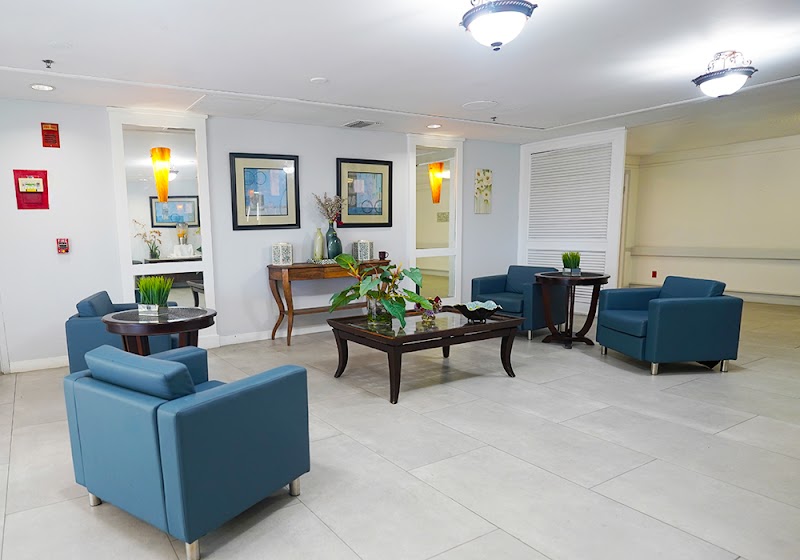
How is The Terrace Of Delray Beach Nursing And Rehabilita Staffed?

CMS rates THE TERRACE OF DELRAY BEACH NURSING AND REHABILITA's staffing level at 4 out of 5 stars, which is above average compared to other nursing homes. Staff turnover is 24%, compared to the Florida average of 46%. This relatively stable workforce can support continuity of care.

What Have Inspectors Found at The Terrace Of Delray Beach Nursing And Rehabilita?

State health inspectors documented 25 deficiencies at THE TERRACE OF DELRAY BEACH NURSING AND REHABILITA during 2022 to 2024. These included: 22 with potential for harm and 3 minor or isolated issues.
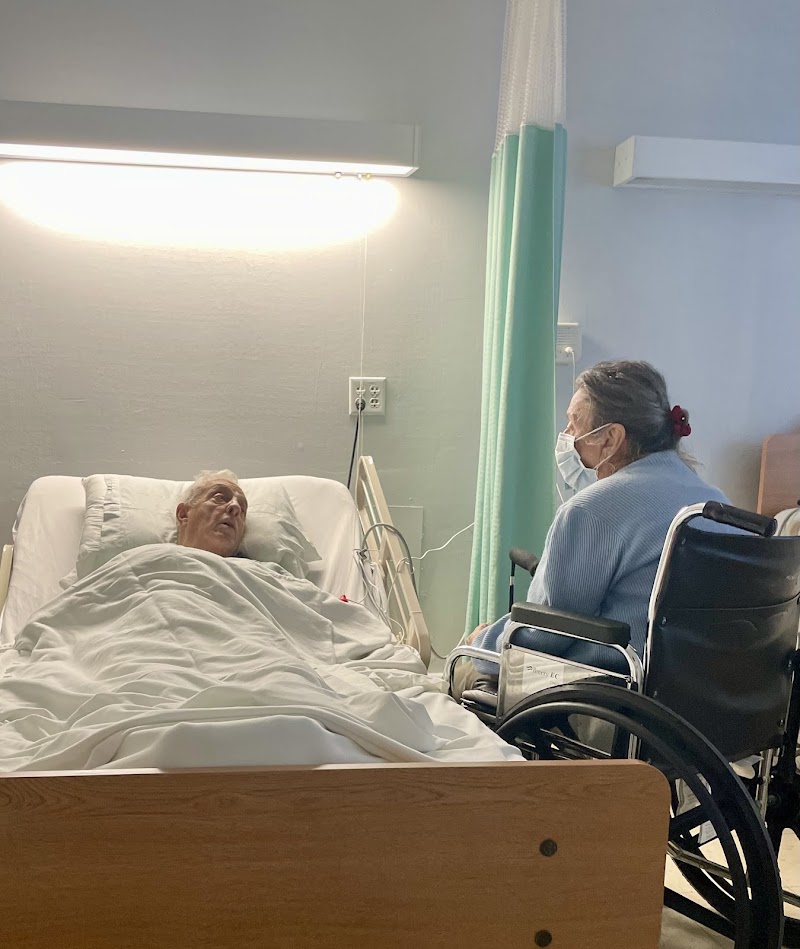
Who Owns and Operates The Terrace Of Delray Beach Nursing And Rehabilita?

THE TERRACE OF DELRAY BEACH NURSING AND REHABILITA is owned by a for-profit company. For-profit facilities operate as businesses with obligations to shareholders or private owners. The facility operates independently rather than as part of a larger chain. With 120 certified beds and approximately 109 residents (about 91% occupancy), it is a mid-sized facility located in DELRAY BEACH, Florida.

How Does The Terrace Of Delray Beach Nursing And Rehabilita Compare to Other Florida Nursing Homes?

Compared to the 100 nursing homes in Florida, THE TERRACE OF DELRAY BEACH NURSING AND REHABILITA's overall rating (4 stars) is above the state average of 3.2, staff turnover (24%) is significantly lower than the state average of 46%, and health inspection rating (3 stars) is at the national benchmark.

What Should Families Ask When Visiting The Terrace Of Delray Beach Nursing And Rehabilita?

Based on this facility's data, families visiting should ask: "Can I visit during a mealtime to observe dining assistance and food quality?" "How do you handle medical emergencies, and what is your hospital transfer rate?" "Can I speak with family members of current residents about their experience?"

Is The Terrace Of Delray Beach Nursing And Rehabilita Safe?

Based on CMS inspection data, THE TERRACE OF DELRAY BEACH NURSING AND REHABILITA has a clean safety record: no substantiated abuse findings (meaning no confirmed cases of resident harm), no Immediate Jeopardy citations (the most serious violation level indicating risk of serious injury or death), and is not on the Special Focus Facility watch list (a federal program monitoring the lowest-performing 1% of nursing homes). The facility has a 4-star overall rating and ranks #1 of 100 nursing homes in Florida. While no facility is perfect, families should still ask about staff-to-resident ratios and recent inspection results during their visit.

Do Nurses at The Terrace Of Delray Beach Nursing And Rehabilita Stick Around?

Staff at THE TERRACE OF DELRAY BEACH NURSING AND REHABILITA tend to stick around. With a turnover rate of 24%, the facility is 22 percentage points below the Florida average of 46%. Low turnover is a positive sign. It means caregivers have time to learn each resident's needs, medications, and personal preferences. Consistent staff also notice subtle changes in a resident's condition more quickly.

Was The Terrace Of Delray Beach Nursing And Rehabilita Ever Fined?

THE TERRACE OF DELRAY BEACH NURSING AND REHABILITA has no federal fines on record. CMS issues fines when nursing homes fail to meet care standards or don't correct problems found during inspections. The absence of fines suggests the facility has either maintained compliance or corrected any issues before penalties were assessed. This is a positive indicator, though families should still review recent inspection reports for the full picture.

Is The Terrace Of Delray Beach Nursing And Rehabilita on Any Federal Watch List?

THE TERRACE OF DELRAY BEACH NURSING AND REHABILITA is not on any federal watch list. The most significant is the Special Focus Facility (SFF) program, which identifies the bottom 1% of nursing homes nationally based on persistent, serious quality problems. Not being on this list means the facility has avoided the pattern of deficiencies that triggers enhanced federal oversight. This is a positive indicator, though families should still review the facility's inspection history directly.