WEST DELRAY NURSING & REHAB CENTER
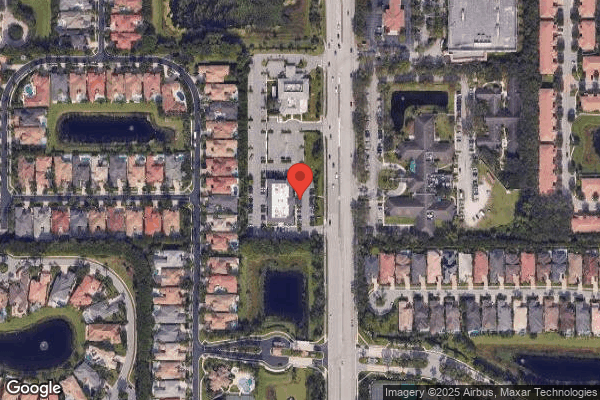
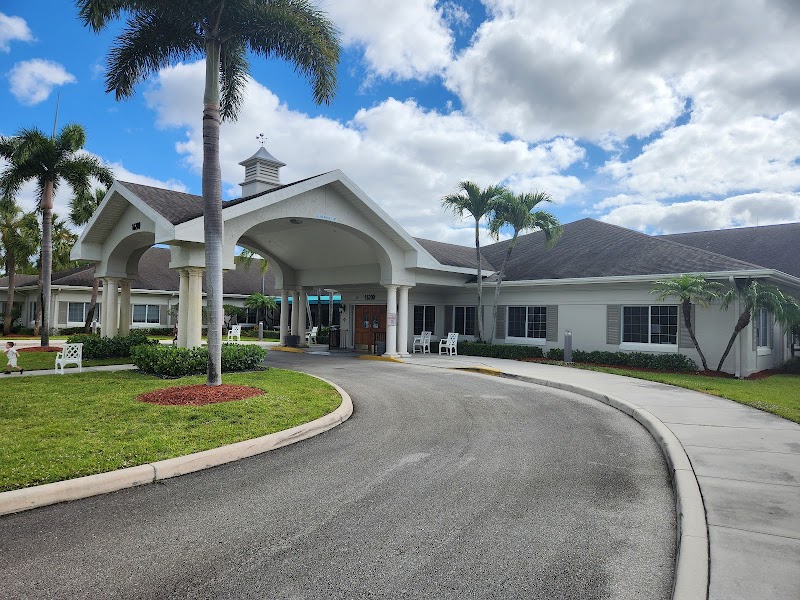
16200 S JOG ROAD, DELRAY BEACH, FL 33446 (561) 638-0000
For profit - Corporation 120 Beds EXCELSIOR CARE GROUP Data: November 2025
Trust Grade
30/100
#686 of 690 in FL
Last Inspection: March 2025

Within standard 12-15 month inspection cycle. Federal law requires annual inspections.

Overview

West Delray Nursing & Rehab Center has received a Trust Grade of F, indicating significant concerns about its quality of care. It ranks #686 out of 690 facilities in Florida, placing it in the bottom half of all nursing homes in the state, and it is the lowest-ranked facility in Palm Beach County. Unfortunately, the facility's situation is worsening, with the number of issues growing from 11 in 2023 to 19 in 2025. While staffing is a relative strength with a 4 out of 5 star rating and a turnover rate of 35%, which is better than the state average, the facility has also accrued $39,841 in fines, higher than 79% of Florida facilities, suggesting ongoing compliance issues. Notable incidents include a serious failure to manage a resident’s severe pressure ulcer and repeated violations in food safety practices, such as improper food storage, which raises concerns about overall resident safety and care quality.

Trust Score
F
30/100
In Florida
#686/690
Bottom 1%
Safety Record
Moderate
Needs review
Inspections
Getting Worse
11 → 19 violations
Staff Stability
○ Average
35% turnover. Near Florida's 48% average. Typical for the industry.
Penalties
⚠ Watch
$39,841 in fines. Higher than 80% of Florida facilities, suggesting repeated compliance issues.
Skilled Nurses
✓ Good
Each resident gets 55 minutes of Registered Nurse (RN) attention daily — more than average for Florida. RNs are trained to catch health problems early.
Violations
⚠ Watch
40 deficiencies on record. Higher than average. Multiple issues found across inspections.
★☆☆☆☆
1.0
Overall Rating
★★★★☆
4.0
Staff Levels
★★★☆☆
3.0
Care Quality
★☆☆☆☆
1.0
Inspection Score
Stable
2023: 11 issues
2025: 19 issues

The Good

  • 4-Star Staffing Rating · Above-average nurse staffing levels
  • Full Sprinkler Coverage · Fire safety systems throughout facility
  • No fines on record
  • Staff turnover below average (35%)

    13 points below Florida average of 48%

Facility shows strength in staffing levels, fire safety.

The Bad

1-Star Overall Rating

Below Florida average (3.2)

Significant quality concerns identified by CMS

Staff Turnover: 35%

11pts below Florida avg (46%)

Typical for the industry

Federal Fines: $39,841

Above median ($33,413)

Moderate penalties - review what triggered them

Chain: EXCELSIOR CARE GROUP

Part of a multi-facility chain

Ask about local staffing decisions and management

The Ugly 40 deficiencies on record

1 actual harm
Jun 2025 2 deficiencies
CONCERN (D) 📢 Someone Reported This

A family member, employee, or ombudsman was alarmed enough to file a formal complaint

Potential for Harm - no one hurt, but risky conditions existed

Deficiency F0565 (Tag F0565)

Could have caused harm · This affected 1 resident

**NOTE- TERMS IN BRACKETS HAVE BEEN EDITED TO PROTECT CONFIDENTIALITY** Based on observations, interviews and record reviews, the facility failed to appropriately respond to and resolve grievances for...

Read full inspector narrative →
**NOTE- TERMS IN BRACKETS HAVE BEEN EDITED TO PROTECT CONFIDENTIALITY** Based on observations, interviews and record reviews, the facility failed to appropriately respond to and resolve grievances for 1 of 3 sampled residents, Resident #1. The findings included: Review of the policy titled, Social Services-Grievance Process, with an effective date of 04/01/24, revealed the following: Grievances may be voiced through verbal complaint to a staff member (p.1); the facility shall implement a process whereby when there is grievance, it should be documented on the facility grievance report (p.2). Record review revealed Resident #1 was admitted to the facility on [DATE] and had a resident-initiated discharge on [DATE]. Resident #1's diagnoses included Pulmonary Hypertension, Muscle Wasting and Atrophy, Type 2 Diabetes Mellitus with Peripheral Angiopathy without Gangrene, Atrial Fibrillation, Hypothyroidism, and Chronic Kidney Disease. Review of the admission Minimum Data Set (MDS) assessment dated [DATE], under Section C for the Brief Interview of Mental Status (BIMS) revealed a score of 14, indicating Resident #1 had intact mental cognition. Review of the facility's grievance record for 05/2025 did not include any complaint or concern from Resident #1's son. An interview was conducted with Resident #1's son on 06/18/25 at 12:00 PM who stated he reported complaints to the former and the new Administrators regarding the care of his mother which included medications, falls, non-functioning bed and TV, and resident's rights. The former and the new Administrators did not indicate any updates or progress regarding his complaints. He was very much concerned about Resident #1's medications which were not given until the night before a resident- initiated discharge from the facility. An interview was conducted with Staff A, Social Services, on 06/16/25 at 1:51 PM, who stated she has been working in the facility for 16 years. When asked how she informs residents of the grievance process, responded, A staff would take a grievance, then a management meeting would follow, and a grievance would be assigned to the appropriate person. When asked the usual response time for most grievances, she responded, Two days, if it is a small matter, but for a room change, it might take longer than the usual time. When asked regarding the malfunctioning bed and television (TV), she responded, The Maintenance Director is very responsive. It is very unusual that the TV is not working because the facility buys new TVs to replace the ones that are not working. When asked how she would know the grievance was resolved, responded, Whoever is interested would know the grievance is resolved. When asked why Resident #1's name was not included in the May 2025 grievance report list, she responded, There were no reported grievances from Resident #1.
CONCERN (D) 📢 Someone Reported This

A family member, employee, or ombudsman was alarmed enough to file a formal complaint

Potential for Harm - no one hurt, but risky conditions existed

Deficiency F0635 (Tag F0635)

Could have caused harm · This affected 1 resident

**NOTE- TERMS IN BRACKETS HAVE BEEN EDITED TO PROTECT CONFIDENTIALITY** Based on observations, interviews and record reviews, the facility failed to ensure a newly admitted resident received physician...

Read full inspector narrative →
**NOTE- TERMS IN BRACKETS HAVE BEEN EDITED TO PROTECT CONFIDENTIALITY** Based on observations, interviews and record reviews, the facility failed to ensure a newly admitted resident received physician ordered medication for immediate care for 1 of 3 sampled residents, Resident #1. The findings included: Record review revealed Resident #1 was admitted to the facility on [DATE] and had resident-initiated discharged on 05/28/25. Resident #1's diagnoses included Pulmonary Hypertension, Muscle Wasting and Atrophy, Type 2 Diabetes Mellitus with Peripheral Angiopathy without Gangrene, Atrial Fibrillation, Chronic Kidney Disease, Age Related Osteoporosis, without current Pathological Fracture and Hypothyroidism. Review of the admission Minimum Data Set (MDS) assessment dated [DATE], under Section C for the Brief Interview of Mental Status (BIMS) revealed a score of 14, indicating Resident #1 had intact mental cognition. Review of the nursing progress notes dated 05/16/25 revealed the admitting diagnoses included weakness and status post fall. Review of the Advanced Registered Nurse Practitioner (ARNP) admission notes dated 05/17/25 revealed the following recommendations: continue current medications and follow fall risk precautions. Review of the Pharmacist progress notes dated 05/19/25 revealed the medication regimen was reviewed, and recommendations were made. Review of the summary of facility's physician orders revealed medications were ordered by telephone on 05/16/25. Further review of physician orders revealed there were no orders for the recommended medications that included Gabapentin, Carvedilol, Calcitriol, Allopurinol, and Sodium Bicarbonate. Review of the nursing progress notes dated 05/20/25, by a Registered Nurse (RN) Unit Manager, revealed a new order that documented medication not available, but did not indicate which medications were not available or what the new order was. Review of May 2025 Medication Administration Record (MAR) revealed Resident #1 received the recommended medications on 05/27/25 (10th day after admission), during the night before a resident-initiated discharge. In an interview with the Assistant Director of Nursing (ADON) on 06/16/25 at 3:42 PM, when she was asked about the process of providing the recommended medications for a newly admitted resident, responded, We follow the recommendations. When asked why the recommended medications were not documented in the physician orders and into Resident #1's MAR until the 10th day of Resident #1's stay in the facility, she stated she would investigate. Until the end of the survey, she did not provide the reason why. During a later interview with the ADON on 06/16/25 at 5:00 PM, she stated the medications were active for Resident #1 since 05/27/25 (the10th day). When she was asked how soon medications would start after a resident's admission to the facility, she responded, As soon as possible or probably the next day. When asked why Resident #1 who was admitted on [DATE] did not get the recommended medications until 05/27/25, she did not respond.
Mar 2025 17 deficiencies
CONCERN (D)

Potential for Harm - no one hurt, but risky conditions existed

Deficiency F0558 (Tag F0558)

Could have caused harm · This affected 1 resident

**NOTE- TERMS IN BRACKETS HAVE BEEN EDITED TO PROTECT CONFIDENTIALITY** Based on observations, interviews and record review, the facility failed to ensure call lights were within reach of the resident...

Read full inspector narrative →
**NOTE- TERMS IN BRACKETS HAVE BEEN EDITED TO PROTECT CONFIDENTIALITY** Based on observations, interviews and record review, the facility failed to ensure call lights were within reach of the residents for 2 of 32 sampled residents, Resident #8 and Resident #71. The findings included: Review of the facility's policy, titled, Call Light, answering, dated November 2017, revealed, in part, the following: When the resident is in bed or confined to a chair, be sure the call light is within easy reach of the resident. Answer the call light as soon as possible. 1. Record review revealed Resident #8 was admitted on [DATE] with diagnoses that included dizziness and heart disease. The significant change Minimum Data Set (MDS) assessment dated [DATE] showed Resident #8 had a Brief Interview of Mental Status score (BIMS) of 15, indicating cognition is intact. In an interview conducted on 03/09/25 at 11:32 AM with Resident #8, she reported falling about a month ago and hurting both her knees. She was sent to the hospital for an X-ray with no further damage, but her left leg remains painful. In this interview, the call light was observed out of reach and behind Resident #8's bed. When asked by this surveyor if the call light was reachable, Resident #8 attempted but was unable to reach call light. Record review revealed a care plan, updated on 02/06/25, after Resident #8 had a fall. In this care plan, one of the updated interventions was to have the call light within the resident's reach and reinforce need to call for assistance. 2. Record review revealed Resident #71 was admitted on [DATE] with diagnoses that included repeated falls and dementia. The quarterly MDS assessment dated [DATE] showed a BIMS score of 01 indicating severe cognitive impairment. In an observation conducted on 03/09/25 at 11:48 AM, Resident # 71 was noted in bed with the call light out of reach. When asked by this surveyor if she can reach this call light, she stated I know it is there, but I can't reach it. In another observation conducted on 03/10/25 at 3:05 PM, Resident #71 was noted in her bed with the call light observed behind her bed on the floor. In an interview conducted on 03/11/25 at 3:50 PM, Staff B, Certified Nursing Assistant, stated Resident #8 was at risk for falls. According to Staff B, she needs to ensure the bed is in a low position and the call light is within reach of the resident. Staff B stated if the call light is used, she needs to try and answer it as soon as possible.
CONCERN (D)

Potential for Harm - no one hurt, but risky conditions existed

Deficiency F0578 (Tag F0578)

Could have caused harm · This affected 1 resident

**NOTE- TERMS IN BRACKETS HAVE BEEN EDITED TO PROTECT CONFIDENTIALITY** Based on observations, interviews and record reviews, the facility failed to update the Advanced Directives status for 1 of 1 sa...

Read full inspector narrative →
**NOTE- TERMS IN BRACKETS HAVE BEEN EDITED TO PROTECT CONFIDENTIALITY** Based on observations, interviews and record reviews, the facility failed to update the Advanced Directives status for 1 of 1 sampled resident, Resident #25. The findings included: Review of facility's policy titled, Advanced Directives dated 11/2017, revealed, in part, the following: the center will notify the attending physician of Advanced Directives so that appropriate orders can be documented in the resident's medical records and plan of care. Record review revealed Resident #25 was admitted to the facility on [DATE] with diagnoses that included Multiple Sclerosis, Major Depressive Disorder, Type 2 Diabetes Mellitus, and Sacroiliitis. Review of quarterly Minimum Data Set (MDS) assessment for Resident #25, dated 01/06/25, documented in Section C, a Brief Interview of Mental Status (BIMS) score of 13 indicating cognition is intact. Section N revealed Resident #25 receives hypnotics, antidepressants and anticonvulsants. Record review of a document submitted by the Director of Nursing (DON) on 03/10/25 at 3:06 PM, revealed a Do not Resuscitate Order dated 08/04/22, signed by both the Physician and Resident #25. This document revealed a check on Do Not Attempt Resuscitation (DNR) box on section A. An additional review of the document revealed a check on Section B box indicating Comfort measures only. Review of the physician orders did not include any Advanced Directives order for Resident #25. Further review of Residenrt#25's Electronic Health Record's (EHR's) profile in Point Click Care (PCC is Nursing Home's Electronic Health Record), did not include any information regarding Resident #25's code status. An additional review of the care plan written by Staff T, Social Worker (SW), on 04/16/24, revealed the following: Resident desires that the Advanced Directives be honored; Honor the current Advanced Directives; and Review Advanced Directives on an annual basis with patient and family. It did not indicate the specific code status Resident #25 has chosen. Record review of the Situation, Background, Assessment, Recommendation (SBAR) notes dated 06/14/24, 11/25/24, and 12/10/24, written by Staff R, Registered Nurse (RN) revealed Resident #25's Advanced Directives was Full Code. An additional review of the progress notes written by Staff T, dated 01/10/25, revealed Resident #25's code status is Do Not Resuscitate. In an interview with Staff R, RN, on 03/11/25 at 10:15 AM, who has worked in the facility for almost 2 years, and who when asked about the process of obtaining a resident's Advanced Directives, stated the following, When a resident is admitted and there is a Do Not Resuscitate (DNR) order, the DNR form is checked to verify the presence of 2 signatures, one from the resident's physician, and another one from either the resident (if alert, and with good cognition), or resident's family member (if resident is cognitively impaired). If I do not see the resident's DNR status, I would go to the SW and verify the resident's DNR status, then I would upload it onto PCC. When asked if the facility needs an Advanced Directives order from the Physician, Staff R responded, Staff do not need an order if there is a yellow-colored document with a heading State of Florida, DNR form in the resident's paper chart. She added that Staff would write the resident's code status in PCC, under the resident's profile. When asked if she would document in resident's PCC progress notes a Full Code status for a resident with a DNR status, she responded I would not document that. In an interview with Staff U, SW on 03/11/25 at 10:26 AM, who when asked about the process for an Advanced Directives, DNR, and Full Code, stated, The Advanced Directives for residents are done as soon as possible. If a resident comes on Monday, it would be initiated in the care plan immediately together with an official State of Florida yellow document that would be printed and would be included in both the resident 's paper chart and EHR. A physician's order for Advanced Directives would also be in the EHR in less than a week's time. When asked how the facility staff would know the resident's Advanced Directives status, Staff U responded, It would be found on PCC under the resident's profile. It would also be found on the resident's paper chart. Staff U stated that staff would initiate a care plan for DNR. She added, The Social Services Department keeps the record book for all residents' Advanced Directives status. If there is an update for one resident's code status, staff would write it into the resident's progress notes. When asked who is responsible for putting the order for the resident's Advanced Directives, she responded, Staff nurses are the ones who put the order. Social Services staff do not put the order. In an interview with Staff P, Licensed Practical Nurse (LPN), on 03/11/25 at 10:48 AM, who when asked how staff would know if a resident had Advanced Directives and the type of Advanced Directives, stated, The EHR system would inform the Staff.
CONCERN (D)

Potential for Harm - no one hurt, but risky conditions existed

Report Alleged Abuse (Tag F0609)

Could have caused harm · This affected 1 resident

**NOTE- TERMS IN BRACKETS HAVE BEEN EDITED TO PROTECT CONFIDENTIALITY** Based on observations, interviews, record review and the review of the facility policy, the facility failed to report a resident...

Read full inspector narrative →
**NOTE- TERMS IN BRACKETS HAVE BEEN EDITED TO PROTECT CONFIDENTIALITY** Based on observations, interviews, record review and the review of the facility policy, the facility failed to report a resident's unwitnessed fall with an injury of unknown source for 1 of 3 sampled resident reviewed for falls, Resident #2. The findings included: Review of the facility's policy provided by the Director of Nursing titled Prevention of Resident Abuse, Neglect, Mistreatment or Misappropriation of Property, dated October 2019, documented, in part, under Reporting / Documentation Requirements, the following: .ensure that all alleged violations .including injuries of unknown source .are reported to the administrator of the center and to other officials (including to the State Survey agency and adult protective services where state law provides for jurisdiction in long-term care Centers) .in accordance with State law through established procedures . Review of Resident #2's clinical record documented an admission on [DATE] with no readmissions. The resident's diagnoses included Personal History of (Healed) Traumatic Fracture, Pain in Right Arm, Weakness and Other Abnormalities of Gait and Mobility, Cognitive Communication Deficit, Repeated Falls, Parkinson's Disease and Essential Tremor. Review of Resident #2's Minimum Data Set (MDS) 5-days admission assessment dated [DATE] documented a Brief Interview of the Mental Status score of 12 indicating moderate cognitive impairment. The assessment documented under Functional Abilities and Goals that the resident needed substantial to maximal assistance from the staff to complete most activities of daily living and was dependent on staff to take shower and lower body dressing. The assessment documented that the resident had a fall history on admission and had taken hypnotic and antidepressants 7 days prior to the assessment. Review of Resident #2's care plan titled Fall (resident name) is at risk for falls due to decreased mobility and strength, initiated on 02/06/2025, documented: 02/14/2025 - unwitnessed fall. Created on 02/17/2025 revision on 02/18/25, documented interventions that read Bed in low position initiated on 02/06/2025 - created on 02/17/2025 .Educate resident the need to call for assistance with call light use initiated on 02/14/2025 created on 02/17/2025 . Review of the floor nurse notes dated 02/14/25 timed 8:22 AM documented Resident was observed laying on her right side with her right arm tucked underneath, both legs had large lacerations present, also noted was a large laceration to the left side of her forehead. Resident was unable to verbalize cause of fall. First Aid was provided to resident, by writer and nurse (name). Emergency personnel arrived at 7:13am, resident was transferred by [ambulance name] from the floor to her wheelchair and from her wheelchair to their stretcher and taken to [an acute care hospital name] for further evaluation. All appropriate personnel notified of incident. Next of Kin (name), notified and message left with purpose of call and callback number to facility for further information. Review of the floor nurse note dated 02/14/25, timed 3:25 PM, documented, Resident returned back from hospital via transportation company assisted by two people, resident AAX03 (alert, oriented person, place and time) and able to make needs known, resident has noted laceration to right forehead .Nursing will continue to monitor. The nurse note lacked written documentation related to the resident status of the forehead laceration or care to be administered. Review of the Wound Care Nurse (WCN) note dated 02/17/25 documented, 2nd Skin Assessment: Patient received lying in bed. Patient is AAOx1. Patient is violent, hitting and screaming .Patient has 14 stitches to right forehead and skin tears to bilateral knees. Wound care orders placed and wound care completed. Patient tolerated treatment well. Patient educated on plan of care, does not verbalize understanding at this time .Plan of care ongoing. Review of Resident #2's Medical Practitioner Note (Physician/NP) note dated 02/21/25 documented, . Today patient is seen and examined OOB (out of bed) in wheelchair. She is alert and confused. Patient had a fall with head injury. She was sent to hospital and returned to facility .SKIN: laceration to forehead, wounds to bilateral knees . On 03/09/25 at 12:36 PM, an interview was conducted with Resident #2 who stated she had a fall last night ( 03/08/25) and could not move her arms and leg and that she was hurting. Further observation revealed the resident had stitches to her forehead, and stated she fell before. During the interview, Resident #2 asked to be taken to the bathroom. She was asked to press her calling device and replied, they don't answer it. On 03/11/25 at 9:44 AM, attempted to interview Resident #2 who asked the surveyor to take her downtown, to the city. The resident was confused. On 03/11/25 at 9:59 AM, an interview was conducted with the facility's dedicated Wound Care Nurse (WCN) who confirmed that Resident #2 had bilateral leg skin tears. The WCN stated she did not know if the skin tears were as a result of a fall. The WCN was asked regarding the resident's mental status and replied the resident was oriented to self, but not to time or place, most of the time. On 03/11/25 at 10:26 AM, an interview was conducted with Staff S, Certified Nursing Assistant (CNA) who stated, Resident #2 was confused calling her mother, sister and refused care at times, added the resident gets up by herself when she was not supposed to. On 03/11/25 at 10:41 AM, observation revealed the WCN in Resident #2's room and attempting to change the skin dressings. Further observation revealed an approximate four (4) inches bruise above Resident #2's left knee. On 03/12/25 at 11:58 AM, an interview and a side-by-side review of Resident #2' clinical record was conducted with the Director of Nursing / Risk Manager (DON/RM). The DON/RM stated there was no report that the resident fell over the weekend and stated the last fall reported on file was dated 02/14/25. The DON was asked for the resident's fall with injury investigation since the resident had stiches to her forehead. On 03/12/25 at 12:37 PM, an interview was conducted with Staff R, Unit Manager, who stated she was not informed that Resident #2 had a fall on 03/08/25 and that she did open an exception report by mistake. On 03/12/25 at 12:49 PM, an interview was conducted with the DON who stated she was looking for a Fall Huddle Investigation report for Resident #2's fall on 02/14/25 and could not find it. The DON stated during a meeting they discussed Resident #2 had behaviors, as the resident was trying to ambulate without assistance and added the resident was confused at the time of the fall and her fall care plan was updated. The DON submitted Resident #2's fall exception report dated 02/14/25 that documented resident was observed laying on her right side with her right arm tucked underneath, both legs had large lacerations present, also noted was a large laceration to the left side of her forehead. Resident was unable to verbalize cause of fall .taken to [name of acute care hospital] for further evaluation . not oriented to person, place, time or situation, confusion .verbalize pain .injury laceration, skin tear .unable to measure wounds .bleeding amount-large .injury to head, head laceration with large amount of bleeding . The exception report did not document the resident's last dose of anxiolytic (Valium), antidepressant (Duloxetine) and hypnotic (Ambien) medications that were ordered. The report did not document any witness(s) to the fall. The report documented that it was reviewed by the DON/RM and the Administrator on 02/17/25. During the interview, the DON was asked if Resident #2's fall with an injury was a reportable fall and the DON did not answer. The DON was asked if she was aware of what needs to be reported to the State and did not answer. On 03/12/25 at 2:30 PM during an interview, the DON/RM stated she did not do a Federal report for Resident #2' fall with injury and added that the Administrator was doing the residents reportable. The DON/RM was apprised that an unwitnessed fall with an injury on a resident who was unable to verbalize how the fall happened, was a reportable incident. The DON/RM was asked to submit her full investigation for Resident #2's fall with injury (02/14/25) and provided a document titled Fall Huddle Investigation Worksheet. The form was not signed or dated and corrective actions were not listed on the form. The DON stated that she does not get to sign her investigations, was asked for corrective actions because none was listed on her Fall Huddle Investigation Worksheet and stated she does not get to do her manual investigation paperwork right away. The DON stated, The corrective action were in the care plan and read the care plan's updated intervention as, educated resident need to call for assistance with call light use. The DON was asked for the residents' fall log and stated she did not have a fall log, was not able to inform of the resident's fall in a particular month. The DON/RM submitted two Certified Assistant's and one nurse incident statement. Consequently, a side-by-side review of the facility's Falls policy was conducted with the DON/RM. The DON/RM was asked what UDA stands for and replied it was an evaluation that stays in the resident's electronic system and anyone can use it. The DON/RM was asked for Resident #2's Fall Risk Screen-UDA as per the facility's policy and stated it was not done. The DON was asked for the Follow-up for 72 hours as per the facility's policy and did not submit any written evidence of follow-up. The resident's clinical record lacked written evidence of neurologic checks conducted after Resident #2 sustained an unwitnessed fall with head injury, and from the hospital returned to the facility on the same day. The DON/RM was asked to submit the resident's emergency room visit report for 02/14/25. Review of Resident #2's emergency room record dated 02/14/25 documented chief complaint: fall with a forehead lac and bilateral hand and knee skin tears .wound care was provided at the bedside and plastics was consulted for repair of the forehead laceration due to skin loss and inability to fully close the laceration after multiple attempts .neuro: alert and oriented x 1 .skin: complex right forehead laceration measuring 7 x 6 cm (centimeters) with exposure of right orbicularis oculi muscle and pericranium .area of partial thickness skin tear 1 x 1 cm .Assessment/Plan: Fall, Blunt head Trauma, Forehead laceration- debridement and repair under local anesthesia at bedside, Multiple skin tears . On 03/12/25 at 3:35 PM, two surveyors conducted a joint interview with the Administrator who was apprised that Resident #2's sustained an unwitnessed fall with injuries on 02/14/25 and it was not reported to the state agency (AHCA) in accordance with State law. The Administrator stated she understood she only had to do Federal reporting when the facility did not do what they were supposed to do or did what they were not supposed to do like Abuse or Neglect. The Administrator stated the resident was found on the floor and it was assumed that she fell because she had behaviors of getting up without requesting assistance. The Administrator stated the Director of Nursing conducted an investigation and the incident was not reported because it did not meet the definition of abuse or neglect. The Administrator stated she never reported any types of falls, witnessed or unwitnessed and did not think that this needed to be reported and added she only reports abuse, neglect or exploitations and has done so in the past. The administrator was asked if the incident with Resident #2 could have been an injury with an unknown source, she said No and added they assumed she fell since she was found on the floor, but no one witness that she actually fell.
CONCERN (D)

Potential for Harm - no one hurt, but risky conditions existed

Quality of Care (Tag F0684)

Could have caused harm · This affected 1 resident

**NOTE- TERMS IN BRACKETS HAVE BEEN EDITED TO PROTECT CONFIDENTIALITY** Based on observations, record review and interviews, the facility failed to ensure that residents receive treatment and care in ...

Read full inspector narrative →
**NOTE- TERMS IN BRACKETS HAVE BEEN EDITED TO PROTECT CONFIDENTIALITY** Based on observations, record review and interviews, the facility failed to ensure that residents receive treatment and care in accordance with the physician orders for 1 of 1 sampled resident reviewed for skin conditions, Resident #2. The findings included: Review of the facility's policy provided by the Director of Nursing titled Skin Tears, Care of, dated 04/2019, documented, .treat per center protocol or MD order .perform wound care per Center protocol. Complete an exception report UDA . Review of the facility's policy provided by the Director of Nursing titled, Dressings, Non-Sterile, dated 04/20219, documented, .the following information may be documented in the resident's electronic medical record: .if the resident refused the treatment and why. Review of Resident #2's clinical record documented an admission on [DATE] with no readmissions. The resident's diagnoses included Personal History of (Healed) Traumatic Fracture, Pain in Right Arm, Weakness and Other Abnormalities of Gait and Mobility, Cognitive Communication Deficit, Repeated Falls, Parkinson's Disease and Essential Tremor. Review of Resident #2's Minimum Data Set (MDS) 5-days admission assessment dated [DATE] documented a Brief Interview of the Mental Status score of 12 indicating the resident had moderate cognitive impairment. The assessment documented under Functional Abilities and Goals that the resident needed substantial to maximal assistance from the staff to complete most activities of daily living and was dependent on staff to take shower and lower body dressing. The assessment coded that the resident did not have skin problems at the time of the assessment. Review of Resident #2's care plan, titled, Skin tear to Left knee, initiated on 02/17/25 with revision on 02/26/25, documented an intervention that read Administer treatment per physician orders, initiated on 02/17/25. Review of Resident #2's care plan, titled, Skin tear to Right knee, initiated on 02/17/25 with a revision on 02/26/25, documented an intervention that read Administer treatment per physician orders, initiated on 02/17/25. Review of the physician orders documented the following active orders: *Date: 03/03/25- Wound Care: Cleanse right knee with NS, pat dry, skin prep to periwound, apply steri-strips and cover with a border dressing 2 x a week / PRN every day shift every Tue, Fri for skin tear. *Date: 02/27/25 - Wound Care: Cleanse left knee with NS (normal saline), pat dry, skin prep to periwound, apply steri-strips and cover with a border dressing 2 x a week / PRN (two times a week / as needed) every day shift every Tue [Tuesday], Fri [Friday], Sun [Sunday] for skin tear. *Date: 02/14/25 - COMPLETE ASSESSMENT: Licensed Nurse Weekly Skin Observation (Weekly Skin Checks) every evening shift every Fri. Review of Resident #2's March 2025 Treatment Administration Record (TAR) lacked written documentation of the Licensed Nurses Weekly Skin Observation (Weekly Skin Checks) every evening shift every Friday, as being provided or administered on (Friday) 03/07/25. Review of Resident #2's March 2025 TAR documented the floor nurse changed the left knee dressing on 03/04/25 (Tuesday) and on 03/09/25 (Sunday). Observation from 03/09/25, 03/10/25 and 03/11/25 revealed Resident # 2 left knee dressing was dated 03/02/25 and the dressing below the left knee was not dated. The record lacked written evidence that documented Resident #2 refused to do the skin tears dressing changes on 03/09/25, 03/10/25 and 03/11/25. Review of Resident #2's March 2025 TAR lacked written evidence of Resident #2's right knee dressing changed on 03/07/25 as per physician order. Observation from 03/09/25, 03/10/25 and 03/11/25 revealed Resident #2's right knee dressings were dated 03/06/25. On 03/09/25 at 12:36 PM, an interview was conducted with Resident #2 who stated she had a fall last night (03/08/25) and could not move her arms and leg and that she was hurting. Further observation revealed the resident had stitches to her forehead, and she stated she had fallen before. During the interview, Resident #2 asked to be taken to the bathroom, she was asked to press her calling device and replied, they don't answer it. On 03/09/25 at 12:47 PM, observation revealed the Director of Rehabilitation (DOR) entered Resident #2's room and assisted the resident to the wheelchair and into the bathroom. The surveyor overheard the DOR say, your dressing is dated 03/02. Further observation revealed the resident had a foam dressing on her left knee dated 03/02 (Sunday); an undated foam dressing below the left knee, and one dressing to her right knee and another one to her right lateral knee, and both dressing were dated 03/06 (Thursday). On 03/10/25 at 2:00 PM, an observation revealed Resident #2 sitting in a chair in her room. The resident showed the surveyor her legs with the dressings. There were two dressings on her left knee area, one dated 03/02 and the one below the left knee was not dated. Resident #2's right leg had two (2) dressings, on the knee area and both were dated 03/06/25. On 03/11/25 at 9:44 AM, an interview was conducted with Resident #2 who was asked about her leg/knee dressings changes, who stated it was changed yesterday. Observation revealed Resident #2's left knee dressing continued to be dated 03/02 and the dressing below the knee did not have a date, both right knee dressings continued to be dated 03/06/25. On 03/11/25 at 9:59 AM, an interview was conducted with the facility's dedicated Wound Care Nurse (WCN) who stated the floor nurse were supposed to do Resident #2's dressing changes to the bilateral leg skin tears. The WCN stated she worked on Sunday 03/09/25 and did not remember if she was asked by the floor nurse to help with dressing changes for Resident #2. The WCN was asked regarding the resident's mental status and replied the resident was oriented to self, but not to time or place, most of the time. Subsequently, a side-by-side review of Resident #2's wound care orders was conducted with the WCN who stated the resident's left knee dressings were to be changed on Tuesday, Friday and Sunday and the right knew dressings were to be changed on Tuesday and Friday. On 03/11/25 at 10:01 AM, a side-by-side observation of Resident #2's skin tears dressing was conducted with the WCN. The WCN confirmed the resident's skin tears dressings to her left and right knees were not changed as per physician orders, and one dressing was not dated and it was supposed to be dated. The WCN removed the undated dressing and revealed no open skin. The WCN stated she did a prn (as needed) dressing changed on 03/06/25 to the resident's right leg and the floor nurse should have changed the dressing on 03/07/25 as per written physician order regardless of a prn dressing done. On 03/11/25 at 10:26 AM, an interview was conducted with Staff S, Certified Nursing Assistant (CNA), who stated Resident #2 was confused calling her mother, sister and refused care at times. Staff S added the resident gets up by herself when she was not supposed to. On 03/11/25 at 10:41 AM, observation revealed the WCN in the resident's room attempting to change the skin dressings. Observation revealed the WCN cleaned the resident's left knee skin tear. Further observation revealed an approximate four (4) inches bruise above Resident #2's left knee. On 03/11/25 at 11:16 AM, during an interview and a side-by-side record review of Resident #2, Staff R, Unit Manager, was apprised that Resident #2's skin tears dressings not been done as ordered. Staff R stated it is supposed to be done as ordered. Staff R was apprised that Resident #2's March 2025 TAR of wound care to her left and right knee were initialed as completed on 03/04/25 and 03/09/25, and the dressings were dated 03/02/25 and 03/06/25 respectively. Staff R was also apprised that the resident did not received wound care on 03/07/25 as scheduled and that there was no nursing progress notes regarding the resident refusal of the dressing changes.
CONCERN (D)

Potential for Harm - no one hurt, but risky conditions existed

Accident Prevention (Tag F0689)

Could have caused harm · This affected 1 resident

**NOTE- TERMS IN BRACKETS HAVE BEEN EDITED TO PROTECT CONFIDENTIALITY** Based on observations, record review and interviews, the facility failed to ensure that residents receive adequate supervision a...

Read full inspector narrative →
**NOTE- TERMS IN BRACKETS HAVE BEEN EDITED TO PROTECT CONFIDENTIALITY** Based on observations, record review and interviews, the facility failed to ensure that residents receive adequate supervision and assistance to prevent accidents for 1 of 3 sampled resident reviewed for falls, Resident #2. The findings included: Review of the facility's policy provided by the Director of Nursing titled Falls dated October 2019 documented .it is the policy of this center to determine fall risk, provide interventions to prevent / reduce falls, and update interventions as needed to prevent and/or reduce falls and injury .Procedure: 1-Fall Risk Screen UDA within 24 hours of admission, quarterly and PRN (as needed).2- Care plan in place for fall reduction. 3-Update the plan of care. 4- Follow up for 72 hours. Review of Resident #2's clinical record documented an admission on [DATE] with no readmissions. The resident's diagnoses included Personal History of (Healed) Traumatic Fracture, Pain in Right Arm, Weakness and Other Abnormalities of Gait and Mobility, Cognitive Communication Deficit, Repeated Falls, Parkinson's Disease and Essential Tremor. Review of Resident #2's Minimum Data Set (MDS) 5-days admission assessment dated [DATE] documented a Brief Interview of the Mental Status score of 12 indicating the resident had moderate cognition impairment. The assessment documented under Functional Abilities and Goals that the resident needed substantial to maximal assistance from the staff to complete most activities of daily living and was dependent on staff to take shower and lower body dressing. The assessment documented that the resident had a fall history on admission and had taken hypnotic and antidepressants 7 days prior to the assessment. Review of the resident's history of clinical assessments did not include a 'Fall Risk Assessment on admission. Review of Resident #2's care plan titled Fall (resident name) is at risk for falls due to decreased mobility and strength initiated on 02/06/2025; 02/14/2025-unwitnessed fall. Created on 02/17/2025 revision on 02/18/25, documented interventions that read .Bed in low position initiated on 02/06/2025 - created on 02/17/2025 .Educate resident the need to call for assistance with call light use initiated on 02/14/2025 created on 02/17/2025 . Review of the floor nurse's note dated 02/14/25 and timed 8:22 AM documented, Resident was observed laying on her right side with her right arm tucked underneath, both legs had large lacerations present, also noted was a large laceration to the left side of her forehead. Resident was unable to verbalize cause of fall. First Aid was provided to resident, by writer and nurse (name). Emergency personnel arrived at 7:13am, resident was transferred by [ambulance company name] from the floor to her wheelchair and from her wheelchair to their stretcher and taken to [an acute care hospital name] for further evaluation. All appropriate personnel notified of incident. Next of Kin (name), notified and message left with purpose of call and callback number to facility for further information. Review of the floor nurse's note dated 02/14/25, timed 3:25 PM, documented, Resident returned back from hospital via transportation company assisted by two people, resident AAX03 (alert, oriented person, place and time) and able to make needs known, resident has noted laceration to right forehead .Nursing will continue to monitor. Review of the nurses' progress notes from 02/06/25 to 02/13/25 did not address the bed being in a low position. Review of the Wound Care Nurse (WCN) note dated 02/17/25, documented, 2nd Skin Assessment: Patient received lying in bed. Patient is AAOx1. Patient is violent, hitting and screaming . Writer was able to calm patient down with the help of the aide. Patient has 14 stitches to right forehead and skin tears to bilateral knees. Wound care orders placed and wound care completed. Patient tolerated treatment well. Patient educated on plan of care, does not verbalize understanding at this time. Family and MD notified by floor nurse. Plan of care ongoing. Review of Resident #2's Medical Practitioner Note (Physician/NP) note, dated 02/21/25, documented, .Today patient is seen and examined OOB [out of bed] in wheelchair. She is alert and confused. Patient had a fall with head injury. She was sent to hospital and returned to facility .SKIN: laceration to forehead, wounds to bilateral knees . On 03/09/25 at 12:36 PM, an interview was conducted with Resident #2 who stated she had a fall last night ( 03/08/25) and could not move her arms and leg and that she was hurting. Further observation revealed the resident had stitches to her forehead, and stated she fell before. During the interview, Resident #2 asked to be taken to the bathroom, she was asked to press her calling device and replied, they don't answer it. On 03/09/25 at 12:47 PM, observation revealed the Director of Rehabilitation (DOR) entered Resident #2 and assisted the resident to the wheelchair and into the bathroom. The surveyor overheard the DOR say, your dressing is dated 03/02. Further observation revealed the resident had a foam dressing on her left knee dated 03/02 (Sunday); and an undated foam dressing below the left knee, one dressing to her right knee and another one to her right lateral knee. Both dressings were dated 03/06 (Thursday). On 03/11/25 at 9:44 AM, an interview was conducted with Resident #2 who was asked about her leg/knee dressings changes and stated it was changed yesterday. The resident asked the surveyor to take her downtown, to the city. The resident was confused. On 03/11/25 at 9:59 AM, an interview was conducted with the facility's dedicated Wound Care Nurse (WCN) who confirmed that Resident #2 had bilateral leg skin tears. The WCN stated she did not know if the skin tears were as a result of a fall. The WCN was asked regarding the resident's mental status and replied the resident was oriented to self, but not to time or place, most of the time. On 03/11/25 at 10:26 AM, an interview was conducted with Staff S, Certified Nursing Assistant (CNA) who stated Resident #2 was confused calling her mother, sister and refused care at times, and added the resident gets up by herself when she is not supposed to. On 03/11/25 at 10:41 AM, observation revealed the WCN in Resident #2's room and attempting to change the skin dressings. Observation revealed the WCN cleaned the resident's left's knee skin tear. Further observation revealed an approximate four (4) inches bruise above Resident #2's left knee. On 03/12/25 at 11:58 AM, an interview and a side-by-side review of Resident #2' clinical record was conducted with the Director of Nursing/ Risk Manager (DON/RM). The DON/RM was asked for the resident's fall investigation for 03/08/25 and stated there was an exception report dated 03/09/25 but that it was not completed, and nothing documented. The DON/RM stated there was no report that the resident fell on over the weekend and stated the last fall reported on file was dated 02/14/25. The DON was asked for the resident's fall with injury investigation since the resident had stiches to her forehead. On 03/12/25 at 12:37 PM, an interview was conducted with Staff R, Unit Manager, who stated she was not informed that Resident #2 had a fall on 03/08/25 and that she did open an exception report by mistake. On 03/12/25 at 12:49 PM, an interview was conducted with the DON who stated she was looking for a Fall Huddle Investigation report for Resident #2's fall on 02/14/25 and could not find it. The DON stated during a meeting they discussed Resident #2 had behaviors, as trying to ambulate without assistance and added the resident was confused at the time of the fall and her fall care plan was updated. The DON submitted Resident #2's fall exception report dated 02/14/25 that documented resident was observed laying on her right side with her right arm tucked underneath, both legs had large lacerations present, also noted was a large laceration to the left side of her forehead. Resident was unable to verbalize cause of fall .taken to [an acute care hospital - Name provided] for further evaluation . not oriented to person, place, time or situation, confusion .verbalize pain .injury laceration, skin tear .unable to measure wounds .bleeding amount-large .injury to head, head laceration with large amount of bleeding . The exception report did not document the resident last dose of anxiolytic (Valium), antidepressant (Duloxetine) and hypnotic (Ambien) medications ordered. The report did not document any witness(s) to the fall. The report documented that it was reviewed by the DON/RM and the Administrator on 02/17/25. During the interview, the DON was asked if Resident #2's fall with injuries was a reportable fall and the DON did not answer. The DON was asked if she was aware of what needed to be reported to the State and did not answer. On 03/12/25 at 2:30 PM, during an interview, the DON/RM stated she did not do a Federal report for Resident #2's fall with injury and added that the Administrator was doing the residents' reportable. The DON/RM was apprised that an unwitnessed fall with an injury on a resident that was unable to verbalize how the fall happened was a reportable incident. The DON/RM was asked to submit her full investigation for Resident #2's fall with injury on 02/14/25 and provided a document titled, Fall Huddle Investigation Worksheet. The form was not signed or dated and corrective actions were not listed on the form. The DON stated that she did not get to sign her investigations, was asked for corrective actions because none was listed on her Fall Huddle Investigation Worksheet and stated she does not get to do her manual investigation paperwork right of way. The DON stated the corrective action were in the care plan and read the updated care plan intervention, as, educated resident need to call for assistance with call light use. The DON was asked for the residents fall log and stated she did not have a fall log, was not able to inform of the resident's fall in a particular month. The DON/RM submitted two Certified Assistant's and one nurse incident statement. Consequently, a side-by-side review of the facility's Falls policy was conducted with the DON/RM. The DON/RM ws asked what UDA stands for and replied it was an evaluation that stays in the resident's electronic system and anyone can use it. The DON/RM was asked for Resident #2's Fall Risk Screen-UDA as per the facility's policy and stated it was not done. The DON was asked for Follow up for 72 hours as per the facility's policy and did not submit any written evidence of follow up. The resident's clinical record lacked written evidence of neurologic checks conducted after Resident #2 who sustained an unwitnessed fall with head injury, returned to the facility on the same day. The DON/RM was asked to submit the resident's emergency room visit report for 02/14/25. Review of Resident #2's emergency room record dated 02/14/25 documented chief complaint: fall with a forehead laceration and bilateral hand and knee skin tears .wound care was provided at the bedside and plastics was consulted for repair of the forehead laceration due to skin loss and inability to fully close the laceration after multiple attempts .neuro: alert and oriented x 1 .skin: complex right forehead laceration measuring 7 x 6 cm (centimeters) with exposure of right orbicularis oculi muscle and pericranium .area of partial thickness skin tear 1 x 1 cm .Assessment/Plan: Fall, Blunt head Trauma, Forehead laceration- debridement and repair under local anesthesia at bedside, Multiple skin tears .
CONCERN (D)

Potential for Harm - no one hurt, but risky conditions existed

Incontinence Care (Tag F0690)

Could have caused harm · This affected 1 resident

**NOTE- TERMS IN BRACKETS HAVE BEEN EDITED TO PROTECT CONFIDENTIALITY** Based on observations, interviews and record review, the facility failed to maintain and provide catheter care in a manner to pr...

Read full inspector narrative →
**NOTE- TERMS IN BRACKETS HAVE BEEN EDITED TO PROTECT CONFIDENTIALITY** Based on observations, interviews and record review, the facility failed to maintain and provide catheter care in a manner to prevent infection for 1 of 1 sampled resident reviewed for urinary catheter, Resident #96. The findings included: Review of the facility's policy titled, Catheter Care, Urinary, dated July 2015, included in part the following: Protective Barriers that May Be Needed: Gown (as indicated). Report unsecured catheters to the staff/Charge Nurse. Pull the cubical curtain around the bed for privacy. Clean from least contaminated to most contaminated area. Review of the facility's policy titled, Hand Hygiene, dated 05/12/21, included in part the following: Associates must perform appropriate handwashing procedures under the following conditions: after removing gloves. Review of the facility's policy titled, Dignity, dated December 2017, included in part the following: Treat each resident with respect and dignity with regards to the following: Personal care and During treatment opportunities. Review of the facility's policy titled, Isolation Precautions, Categories of, dated November 2019, included in part the following: Enhanced Barrier Precautions: Enhanced Barrier Precautions expand the use of PPE beyond situations in which exposure to blood and body fluids is anticipated and refer to the use of gown and gloves during Hi-contact resident care activities that provide opportunities for transfer of Multi-resistant Organisms (MDRO) to staff hands and clothing. During high-contact resident care activities: bathing/showering, providing hygiene, changing briefs or assisting with toileting, and device care or use: central line, urinary catheter, feeding tube, tracheostomy/ventilator. Record review for Resident #96 revealed the resident was originally admitted to the facility on [DATE] with most recent readmission on [DATE] with diagnoses that included in part the following: Parkinsonism, Neurocognitive Disorder with Lewy Bodies, Dysphagia Oropharyngeal Phase, and Neuromuscular Dysfunction of Bladder. The Minimum Data Set assessment, dated 02/05/25, documented in Section C a Brief Interview of Mental Status score of 9 indicating a moderate cognitive impairment. Review of the Physician's Orders for Resident #96 revealed an order dated 10/30/24 for Foley catheter care every shift / prn [as needed], place foley bag below the level of the bladder. Change catheter prn for infection, obstruction, leakage or when the closed system is compromised every shift. Review of the Physician's Orders for Resident #96 revealed an order dated 10/30/24 to change securement site for catheter weekly and prn every shift. Review of the Physician's Orders for Resident #96 revealed an order dated 10/30/24 to maintain foley catheter with 16Fr/30CC Diagnosis: Neurogenic Bladder every shift. Review of the Physician's Orders for Resident #96 revealed an order dated 01/05/25 for Enhanced Barrier precautions: Foley catheter. Review of the care plan for Resident #96 dated 06/05/24 with a focus on use of indwelling urinary catheter needed due to Neurogenic bladder 11/18/2024: catheter changed at urologist office. The goal was for the resident to have no acute complications of urinary catheter use. The interventions included in part the following: Secure catheter with securement device, change securement site as ordered. Report any changes in amount and color, or odor of urine. Review of the care plan for Resident #96 dated 06/05/24 with a focus on at risk for Infection of COVID 19 virus, Influenza virus, TB and use of indwelling urinary catheter. The goal was to minimize risks of infection. The interventions included in part the following: Enhanced barrier precaution related to IFC (Indwelling Foley Catheter). On 03/09/25 at 11:45 AM, an observation was made of Resident #96 lying in bed and the urinary drainage bag hanging on side of the bed with a privacy cover. The resident had pulled back the covers and was wearing shorts and there was no anchoring device observed to secure the indwelling catheter. Enhanced Barrier Precaution sign was located on the foot of the bed. On 03/11/25 at 11:23 AM, an observation of catheter care provided by Staff K, Certified Nursing Assistant (CNA), for Resident # 96, was conducted. The CNA put on 2 pairs of gloves, raised the bed, removed the gloves without performing hand hygiene, put on a pair of gloves, gathered the urinal and proceeded to empty the Foley catheter drainage bag. The CNA then wiped the opening of the drainage bag with an alcohol prep pad and replaced the spout of the drainage bag back in its place. The CNA announced she emptied 400 ccs of urine. She removed her gloves and washed her hands and stated she was finished. When asked if this is all she does for catheter care, she said she did it, she emptied the bag and wiped it with alcohol. When asked about cleaning the catheter and peri area, the CNA said oh you want me to do that too? The CNA gathered supplies that included 1 reusable wash cloth. The CNA did not pull the privacy curtain between Resident #96 and his roommate and did not close the window blinds for the window next to the roommate. The CNA put on a pair of gloves but no gown. She wiped around the penis in a circular motion moving away from the tip of the penis, then used the same washcloth to wipe the catheter tubing moving from drainage bag toward the penis several times. She then dried the resident with a bath towel and placed the catheter tubing under the resident's leg with no anchor and replaced the brief. The CNA then removed her gloves and washed her hands. An interview was conducted on 03/09/25 at 11:45 AM with Resident #96 who was asked about his urinary catheter, and said he has had it for a long time and has had an infection in the past. An interview was conducted on 03/11/25 at 11:45 AM with Staff K, CNA, who stated she has worked at the facility since December 2024. When asked about not wearing a gown, she said she forgot. When asked about not performing hand hygiene between gloves being changed, she said she was nervous. When asked about not providing privacy for the resident, she stated the door was closed. When asked about the technique of wiping the tubing from the drainage bag toward the resident's penis, she said she thought she did it the other way, maybe she was nervous. When asked about wiping the catheter spout with an alcohol prep she said that is how she was taught. When asked about placing the catheter tubing under the leg, she said the catheter is okay. During a side-by-side observation conducted on 03/11/25 at 11:55 AM with the Director of Nursing, she acknowledged the Foley catheter was not anchored and placed incorrectly under the resident's leg.
CONCERN (D)

Potential for Harm - no one hurt, but risky conditions existed

Deficiency F0692 (Tag F0692)

Could have caused harm · This affected 1 resident

**NOTE- TERMS IN BRACKETS HAVE BEEN EDITED TO PROTECT CONFIDENTIALITY** Record review revealed Resident #69 was admitted on [DATE] with diagnoses of Type 2 Diabetes, Anemia and Dementia. The Minimum D...

Read full inspector narrative →
**NOTE- TERMS IN BRACKETS HAVE BEEN EDITED TO PROTECT CONFIDENTIALITY** Record review revealed Resident #69 was admitted on [DATE] with diagnoses of Type 2 Diabetes, Anemia and Dementia. The Minimum Data Set assessment, dated 10/17/24, revealed a Brief Interview of Mental Status score (BIMS) score of 09 indicating moderate cognitive impairment. Review of the physician's orders, dated 01/14/25, revealed an order for Ensure, two times a day for po [oral] intake support or Boost Substitute. In an observation conducted on 03/11/25 at 8:52 AM, Resident #69 was eating his breakfast tray independently. The breakfast tray was noted with the following: Mechanical soft, regular diet with cold cereal, French toast, orange juice, milk, sausage, and one carton of Ensure (nutritional supplement). The meal ticket was noted with cold cereal, eggs, Ensure supplement, 4 ounces of orange juice, and one fresh banana. Staff R, Unit Manager, said Resident #69 was missing his eggs on the breakfast tray and that she was going to the main kitchen to bring his eggs. Continued observation at 9:10 AM revealed Resident #69 drank all of the Ensure supplement and the eggs that were brought from the kitchen by Staff R. A review of the weight log showed the following: 03/05/25 - 117.4 pounds. 02/03/25 - 110.2 pounds. 01/22/25 - 110.6 pounds. 01/13/25 - 112.8 pounds. 01/01/25 - 113.2 pounds. 12/11/24 - 109.2 pounds. 12/05/24 - 109.8 pounds. 11/06/24 - 132.7 pounds. 10/03/24 - 133.8 pounds. The above showed a significant weight loss of 18% from 10/05/24 to 12/05/24. Review of a follow-up nutrition note dated 12/09/24 revealed the following: Resident #69 had a significant weight loss trend of 17.2% in one with recent addition of Ensure twice a day for PO [oral] support and varied intake of meals. Review of a follow-up nutritional progress note dated 02/05/25 showed Resident #69 has been monitored closely with interventions adjusted as needed. His weekly weights demonstrated a stable range of 109 pounds to 113 pounds. Review of the electronic documentation system for Certified Nursing Assistants (CNAs) under the task tab revealed from 02/13/25 to 03/08/25, only 23 days were documented out of 30 days that the Ensure supplement was given and accepted by Resident #69. Further review did not show the percentage intake documented for the Ensure supplement. Based on observations, interviews and record review the facility failed to indemnify a weight loss in a timely manner and provided supplements of 2 of 5 sampled residents for nutrition. (Resident #14 and #69). The findings included: Review of the facility policy titled, Weighting and Weight at-risk protocol, dated March 2020, revealed in part the following: Notify dietician of newly identified significant weight loss and dietary department to notify nursing staff of significant and at risk residents during morning meetings. A chart review revealed that Resident #14 was admitted on [DATE] with a diagnosis of Cognitive Communication Deficit, Unspecific Dementia, and Anxiety. A review of the quarterly Minimum Data Set (MDS) dated [DATE] revealed Resident #14 had a Brief Interview of Mental Status (BIMS) score of 06 which is severely cognitive impaired. Review of physician's orders on 2/13/25 showed an order for Ensure one time a day for po support or house supplement. 1. An observation on 03/11/24 from 8:11AM to approximately 9:19 AM, Resident #14 ate 95 percent (%) of his breakfast meal and drank all his Ensure (nutritional supplement). A review of the weight log showed the following: 03/03/25 - 159.2 pounds. 02/24/25 - 159.4 pounds. 02/19/25 - 159.0 pounds. 02/12/25 - 156.8 pounds. 02/05/25 - 157.2 pounds. 01/07/25 - 169.6 pounds. This showed a 7.10% significant weight loss was noted from 01/07/25 to 02/05/25. Review of the progress nutritional note dated 02/13/25 revealed Resident #14 had a significant weight loss of 7.4% in one month. It was recommended to add one Ensure once per day and enhanced foods. This note was written eight days after Resident #14's significant weight loss was identified (02/05/25). Review of the care plan for Resident #14 dated 11/20/24 identified the following interventions: Review weights and notify physician and responsible party of significant weight change. Provide supplements as ordered. Review of the electronic documentation system for Certified Nursing Assistants (CNAs) under the task tab revealed from 02/13/2025 to 03/08/2025 only 10 days were documented that the Ensure supplement was given and accepted by Resident #14. Further review did not show the percentage intake documented for the Ensure supplement. In an interview with Staff A, Registered Dietitian, on 03/11/25 at 10:30 AM, when asked who enters the monthly weight into the electronic medical record, Staff A reported, dietitian enters monthly weight. When asked what is considered a significant weight loss, Staff A said 5% in 30 days and 10% in 180 days and as a dietitian we also do 7.5% at 90 days. When asked by the surveyor as to what is the time frame for addressing a significant weight loss for Resident #14 acceptable, Staff A stated, I would like to see it sooner. Staff A acknowledged supplement documentation is done by the Certified Nursing Assistant (CNA) as yes or no and does not reflect a percentage for consumption. When asked by the surveyor how they know how much of the supplement was consumed, Staff A stated, we ask the residents if they are drinking it, and the CNAs discuss at their morning meetings. In an interview with Staff L, CNA, conducted on 03/12/25 at 10:57 AM, when asked how to document how much of the supplement was taken by the resident, Staff L stated, we document daily and put a check mark when taken; there is no option to write in a percentage. When asked by the surveyor what happens when the resident refuses the supplement, Staff L said, I notify the nurse and document NO in the electronic record. In an interview conducted on 03/12/25 at 3:00 PM with the Administrator, she was made aware of the findings.
CONCERN (D)

Potential for Harm - no one hurt, but risky conditions existed

Deficiency F0712 (Tag F0712)

Could have caused harm · This affected 1 resident

**NOTE- TERMS IN BRACKETS HAVE BEEN EDITED TO PROTECT CONFIDENTIALITY** Based on interview and record review, the facility failed to ensure the attending physician visits were performed in a timely ma...

Read full inspector narrative →
**NOTE- TERMS IN BRACKETS HAVE BEEN EDITED TO PROTECT CONFIDENTIALITY** Based on interview and record review, the facility failed to ensure the attending physician visits were performed in a timely manner for 1 of 1 sampled resident reviewed for physician visits, Resident #97. The findings included: Review of the facility's policy titled, Physician's Visits, dated November 2017, included in part the following: The resident should be seen by his/her physician, at least monthly for the first ninety (90) days following the resident's admission, and at least once every sixty (60) days thereafter. Once the resident's attending physician determines that a resident need not be seen by him/her monthly, an alternate schedule of visits may be established, but at least every 60 days. Record review for Resident #97 revealed the resident was admitted to the facility on [DATE] with diagnoses that included in part the following: Traumatic Subdural Hemorrhage with Loss of Consciousness Status Unknown Subsequent Encounter. The Minimum Data Set, dated [DATE] documented in Section C, a Brief Interview of Mental Status score of 4 indicating severe cognitive impairment. Review of the Medical Practitioner Note (Physician/NP) for Resident #97 from 12/06/24 to 03/09/25 did not have any documentation from Staff H, the Attending Physician, indicating he had performed a visit of the resident. During an interview conducted on 03/12/25 at 9:50 AM with Staff H, who was asked about frequency of visits, stated he sees the resident initially every 30 days for the first 90 days then he alternates with the Nurse Practitioner (NP) every 60 days. The NP will author all notes, and she documents that they collaborate the plan of care. When asked if he authors any notes he said no. An interview was conducted on 03/12/25 at 10:30 AM with the Director of Nursing (DON) who acknowledged there was no documentation for Resident #97 than indicated the resident had been seen by Staff H, the Attending Physician.
CONCERN (D)

Potential for Harm - no one hurt, but risky conditions existed

Deficiency F0725 (Tag F0725)

Could have caused harm · This affected 1 resident

Based on interviews and record review, the facility failed to provide the minimum nursing staff daily for 3 of 28 days reviewed. The findings included: Review of the facility's policy, titled, Staffi...

Read full inspector narrative →
Based on interviews and record review, the facility failed to provide the minimum nursing staff daily for 3 of 28 days reviewed. The findings included: Review of the facility's policy, titled, Staffing Guidelines dated October 2019, included in part the following: It is the policy of the center to abide by the Federal and State staffing guidelines. Review of the facility's Nurse Staffing Calculations from 02/09/25 to 03/08/25 documented on 02/15/25 that the Certified Nursing Assistant (CNA) daily average was 1.99, on 03/01/25 the CNA daily average was 1.97. On 03/01/25, the Nursing daily average was 0.98 hours and on 03/08/25 the Nursing daily average hours was 0.93. In summary, the Nursing hours were below the minimum 1.0 on 2 of 14 days and the CNA hours were below the minimum 2.0 for 2 of 14 days. An interview was conducted on 03/12/25 09:23 AM with Staff G, Staffing Coordinator, who stated she has been working for the facility for almost 1 year. When asked about the staffing calculations, she stated the minimum daily average hours for nursing should be 1.0 or greater and the CNAs should be 2.0 or greater. When asked about the past 4 weeks, she acknowledged they are sometimes low on the weekends. An interview was conducted on 03/12/25 at 9:30 AM with the Director of Nursing, who acknowledged the minimum staffing hours for CNAs and Nursing were below the minimum hours required during the 02/09/25 to 03/08/25 period.
CONCERN (D)

Potential for Harm - no one hurt, but risky conditions existed

Staffing Information (Tag F0732)

Could have caused harm · This affected 1 resident

Based on observations, interviews and record review, the facility failed to post complete staffing information in a timely manner on a daily basis for 4 of 4 days. The findings included: Review of th...

Read full inspector narrative →
Based on observations, interviews and record review, the facility failed to post complete staffing information in a timely manner on a daily basis for 4 of 4 days. The findings included: Review of the facility's policy titled, Staffing Guidelines, dated October 2019, included in part, the following: It is the policy of the center to abide by the Federal and State staffing guidelines. On 03/09/25 at 8:44 AM, an observation was made of the CMS (Center for Medicare & Medicaid) Staff Posting dated 02/28/25 located at the nursing station on Unit 1. The posting only listed hours, not the number of nursing staff. There was no name of the facility listed. On 03/09/25 at 8:55 AM, an observation was made of the CMS Staff Posting dated 02/28/25 located at the nursing station on Unit 2. The posting only listed hours, not the number of nursing staff. There was no name of the facility listed. On 03/10/25 at 9:30 AM, an observation was made of the CMS Staff Posting dated 03/09/25 located at the nursing station on Unit 1. The posting only listed hours, not the number of nursing staff. There was no name of the facility listed. On 03/10/25 at 9:35 AM, an observation was made of the CMS Staff Posting dated 03/09/25 located at the nursing station on Unit 2. The posting only listed hours, not the number of nursing staff. There was no name of the facility listed. On 03/11/25 at 12:00 PM, an observation of CMS Staff Posting dated 03/11/25 located at the nursing station on Unit 1. The posting only listed hours, not the number of nursing staff. There was no name of the facility listed. On 03/11/25 at 12:10 PM, an observation of CMS Staff Posting dated 03/11/25 located ant nursing station on Unit 2. The posting only listed hours, not the number of nursing staff. There was no name of the facility listed. On 03/12/25 at 8:25 AM, an observation of CMS Staff Posting dated 03/12/25 located at the nursing station on Unit 1. The posting only listed hours, not the number of nursing staff. There was no name of the facility listed. On 03/12/25 at 8:25 AM, an observation of CMS Staff Posting dated 03/12/25 located ant nursing station on Unit 2. The posting only listed hours, not the number of nursing staff. There was no name of the facility listed. An interview was conducted on 03/10/25 at 12:00 PM with the Human Resources Director who stated she had posted the CMS Staff Posting today and yesterday but she is not the normal person to do this. She stated it is usually done by the staffing scheduler, but she has been out for a couple of days due to an injury. When asked if the postings needed to be posted by a certain time, she said she does not really know. An interview was conducted on 03/12/25 at 9:23 AM with Staff G, Staffing Coordinator, who stated she has been working for the facility for almost 1 year. She stated she does the posting daily Monday to Friday then the supervisor is responsible to post them on Saturdays and Sundays as she fills it out ahead of time and if anything changes the supervisor will adjust the posting. She said she usually posts the daily staffing when she comes in around 9:00 AM and that is one of the first things she does. She does not put the number of staff members on the staff posting because they put the number of nursing staff on the assignment board located at each nursing station.
CONCERN (D)

Potential for Harm - no one hurt, but risky conditions existed

Medication Errors (Tag F0758)

Could have caused harm · This affected 1 resident

**NOTE- TERMS IN BRACKETS HAVE BEEN EDITED TO PROTECT CONFIDENTIALITY** 3. Review of Resident #15's clinical record documented an admission on [DATE] and a readmission on [DATE]. The resident diagnose...

Read full inspector narrative →
**NOTE- TERMS IN BRACKETS HAVE BEEN EDITED TO PROTECT CONFIDENTIALITY** 3. Review of Resident #15's clinical record documented an admission on [DATE] and a readmission on [DATE]. The resident diagnoses included Generalized Anxiety Disorder and Major Depressive Disorder. Review of Resident #15's MDS significant change assessment dated [DATE] documented a BIMS score of 14 indicating the resident had no cognition impairment. Review of Resident #15's care plan titled, At risk for adverse effects related to: use of antianxiety/anxiolytic medication and antidepressant medication initiated on 02/15/2024 with a revision on 01/31/2025. The care plan included interventions as .Administer medication as ordered . Review of Resident #15's clinical record documented a physician order dated 03/04/25 for Alprazolam Tablet 0.5 MG, Give 1 tablet by mouth every 8 hours as needed for Anxiety for 30 Days. Review of Resident #15's January 2025 Medication Administration Record (MAR) documented Xanax Oral Tablet 0.5 MG (Alprazolam) give 1 tablet by mouth every 8 hours as needed for anxiety for 30 Days. The record did not note when the medication started or an end date. The MAR documented the resident received Alprazolam on 01/30/25 and 01/31/25. Review of Resident # 15's February 2025 Medication Administration Record (MAR) documented Xanax Oral Tablet 0.5 MG (Alprazolam), give 1 tablet by mouth every 8 hours as needed for anxiety for 30 Days. The record did not note when the medication started or an end date. The MAR documented the resident received Alprazolam for anxiety 18 of the 28 days in the month of February 2025. Review of Resident #15's March 2025 MAR documented, Alprazolam Tablet 0.5 MG Give 1 tablet by mouth every 8 hours as needed for Anxiety for 30 Days. The record did not note when the medication started or an end date. The MAR documented Alprazolam administered on 03/06/25 and 03/09/25. Review of Resident #15's last psychotherapy visit note on file dated 12/09/24 did not address the rationale for Xanax (Alprazolam) as needed that was extended beyond 14 days. On 03/11/25 at 11:15 AM, an interview was conducted with the Consultant Pharmacist who stated unless the physician comes in to reevaluate and document a rationale for extending the Alprazolam as needed (PRN) order past 14 days, they would not be in compliance. On 03/12/25 at 3:25 PM, an interview was conducted with the DON who was asked to submit all of Resident #15's physician orders for Alprazolam for the month of January, February and March 2025. The DON submitted a written prescription dated 01/28/25 for Alprazolam 0.5 mg, give one tablet every 8 hours as needed for anxiety, disp (dispensed) 42 tablets. The prescription did not document a rationale for the as needed anxiolytic beyond 14 days. The DON was apprised Resident #15's Alprazolam prescription amount was beyond 14 days without a rationale for the use. Based on interviews and record review, the facility failed to ensure residents receiving PRN (as needed) psychotropic medication are limited to 14 days or if extended beyond the 14 days, have documentation of the rationale and indicate the duration for the PRN order for 3 of 96 residents receiving psychotropic medications, Residents #11, #35, #15. The findings included: Review of the facility's policy titled, Psychopharmacologic Drugs, dated October 2019, included in part the following: PRN (as needed) orders for psychotropic drugs are limited to 14 days. Excluding Antipsychotic medications, if the attending physician or prescribing practitioner believes that it is appropriate for the PRN order to be extended beyond 14 days, he or she should document their rationale in the resident's medical record and indicate the duration for the PRN order. 1. Record review revealed Resident #11 was admitted to the facility on [DATE] with diagnoses that included in part the following: Anxiety Disorder Unspecified and Depression Unspecified. Review of the Quarterly Minimum Data Set (MDS) assessment for Resident #11 dated 02/06/25 documented in Section C, a Brief Interview of Mental Status score of 9 indicating moderate cognitive impairment. Review of the Physician's Orders for Resident #11 revealed an order dated 02/20/25 for Alprazolam Tablet 0.25 MG, Give 1 tablet by mouth every 4 hours as needed for Anxiety for 30 Days. Review of the Encounter Progress Note for Resident #11 dated 02/27/25 documented in part the following: visit type as Psychiatric follow up. Alprazolam Tablet 0.25 MG Give 1 tablet by mouth every 4 hours as needed for Anxiety for 30 Days. Reason for Referral/Chief complaint: Anxiety. History Of Present Illness: He is a long-term care resident of this facility currently admitted under hospice services and being treated for depression and anxiety with Lexapro, mirtazapine, and as needed Xanax. Alprazolam as needed was recently started by medical. Treatment plan: Continue alprazolam at 0.25 mg every 4 hours as needed for breakthrough anxiety. In summary, the medication Alprazolam ordered every 4 hours as needed was ordered for 30 days with no documentation of rationale of the 'as needed' order to be extended beyond 14 days. An interview was conducted on 03/11/24 at 11:00 AM with the Consultant Pharmacist who was asked about as needed (PRN) psychotropic medications ordered for longer than 14 days. She stated unless the physician comes in to reevaluate and document a rationale for extending the PRN order past 14 days, they would not be in compliance. An interview was conducted on 03/12/25 at 9:50 AM with Staff H, Attending Physician, who was asked about the PRN psychotropic medications being ordered for longer than 14 days. He stated psych would follow up on those medication orders. An interview was conducted on 03/12/25 at 10:20 AM with the Director of Nursing (DON) who acknowledged the PRN psychotropic medications for Resident #11 were for longer than 14 days with no rationale in place to justify the medication being extended beyond 14 days. 2. Record review for Resident #35 revealed the resident was admitted to the facility on [DATE] with diagnoses that included in part the following: Generalized Anxiety Disorder. The MDS assessment dated [DATE] documented in Section C, a Brief Interview of Mental Status score of 14 indicating an intact cognitive response. Review of the Physician's Orders for Resident #35 revealed an order dated 02/07/25 for Lorazepam Concentrate 2 MG/ML, Give 0.5 ml by mouth every 6 hours as needed for Restlessness or anxiety. Review of the Care Plan for Resident #35 dated 01/31/25 with a focus on the resident is at risk for changes in mood related to history of restlessness/ anxiety, depression, hallucinations, insomnia. The goals was for resident to accept care and medication as prescribed. The interventions included in part the following: Assess for physical/environmental changes that may precipitate change in mood. Review of Resident #35's record did not reveal any documentation of a rationale for Lorazepam as needed extended beyond 14 days. An interview was conducted on 03/12/25 at 10:20 AM with the Director of Nursing (DON) who acknowledged the PRN psychotropic medications for Resident #35 were for longer than 14 days with no rationale in place to justify the medication being extended beyond 14 days.
CONCERN (D)

Potential for Harm - no one hurt, but risky conditions existed

Unnecessary Medications (Tag F0759)

Could have caused harm · This affected 1 resident

**NOTE- TERMS IN BRACKETS HAVE BEEN EDITED TO PROTECT CONFIDENTIALITY** 2. Record review revealed Resident #11 was admitted to the facility on [DATE] with diagnoses that included in part the following...

Read full inspector narrative →
**NOTE- TERMS IN BRACKETS HAVE BEEN EDITED TO PROTECT CONFIDENTIALITY** 2. Record review revealed Resident #11 was admitted to the facility on [DATE] with diagnoses that included in part the following: Type 2 Diabetes Mellitus with Unspecified Complications. Review of the Quarterly MDS assessment for Resident #11 dated 02/06/25 documented in Section C a BIMS score of 9 indicating moderate cognitive impairment. Review of the physician's order for Resident #11 revealed an order dated 02/21/25 for Metformin HCl Tablet 500 MG give 1 tablet by mouth two times a day for Diabetes. On 03/11/25 at 11:50 AM, an observation of med pass was conducted with Staff F, LPN for Resident # 11 that included in part the following: Metformin 500mg orally scheduled to be administered at 9:00 AM but was 1 hour and 50 minutes late. An interview was conducted on 03/11/25 at 2:45 PM with Staff F who was asked about medication administration, who he said we have an hour before and an hour after the medication administration time to give the medication or it is considered late. Based on observations, interviews and record reviews, the facility failed to ensure that the medication error rate was not 5% or greater. The medication error rate was 13.33 %. Four (4) medication errors were identified while observing a total of 30 opportunities, affecting Residents #85 and Resident # 11. The findings included: Record review of facility's policy titled, Administration of Drugs, dated 10/2019, revealed in part, that drugs will be administered in a timely manner. Number 7 of the policy interpretation and implementation revealed drugs must be administered within one (1) hour before or after their prescribed time. Review of Medline Plus website revealed Carbidopa Levodopa must be swallowed whole, to not crush, divide, and chew. An additional review revealed Venlafaxine extended-release capsule must be opened and poured on a spoonful of applesauce, if resident is unable to swallow the capsule whole. 1. Record review revealed Resident #85 was admitted on [DATE] with diagnoses that included Parkinsons' Disease without Dyskinesia, Generalized Muscle Weakness, and Acute Neurologic Function. Review of Minimum Data Set (MDS) assessment for Resident #85, dated 02/12/25, documented in Section C for a Brief Interview of Mental Status (BIMS) score of 12 indicating moderate cognitive impairment. Review of the physician orders revealed no orders to crush medications. Review of March 2025 Medication Administration Record (MAR) for Resident #85 revealed the following: 9:00 AM - administered medications with check marks and Nurse's initials inlcuded: 1) Carbidopa-Levodopa oral tablet 25-100 MG, give 1 tablet by mouth three times a day for Parkinson's Disease; 2) Gabapentin oral capsule 300 MG, give 1 capsule by mouth three times a day for neuropathy; 3) Midodrine HCL oral tablet 5 MG, give 1 tablet by mouth three times a day for Hypotension, hold for systolic blood pressure greater than 140. A medication pass observation was conducted on 03/09/25 at 11:47 AM with Staff P, Licensed Practical Nurse (LPN), using the Unit 2's medication cart-2 for Resident #85. Staff P prepared the resident's scheduled 9:00 AM medications at this time that included: 1) Gabapentin 300 MG (milligram), one capsule, 3 times a day, with an expiration date of 07/31/25; 2) Carbidopa Levodopa tablet 25-100 MG, one tablet, 3 times a day, with an expiration date of 01/03/26; 3) Midodrine 5 MG, 1 tablet, 3 times a day, with an expiration date of 02/13/26. Staff P did not verbalize resident's blood pressure during medication preparation. Staff P opened the capsules and placed the contents into a small medication cup. She put the remaining uncrushed tablets in a small plastic bag, crushed the medications using a medication crusher on top of medication cart-2 on 03/09/25 at 11:57 AM. She then mixed the crushed medications and contents from capsules with some orange juice in a small medication cup. Staff P entered Resident #85's room on 03/09/25 at 11:59 AM and handed the resident the medication cup. The resident took the medications utilizing a straw at 12:00 PM, followed with cranberry juice. The medications scheduled for 9:00 AM were administered at 12:00 PM. In an interview with Staff P on 03/09/25 at 11:40 AM, when asked if she had completed her morning medication administration, she stated not yet, but she will be ready to start in 10 minutes. In an interview with the facility's Pharmacy Consultant on 03/11/25 at12:54 PM, she stated the facility's standard for medication administration is one hour before and one hour after the scheduled time. In an interview with a Staff F, LPN on 03/11/25 at 3:09 PM, when asked what medications cannot be crushed, he responded, The extended-release capsule. In an interview with Staff P on 03/11/25 at 3:20 PM, when asked what medications cannot be crushed, she responded, Iron tablets. In an interview with Staff R, Registered Nurse (RN) on 03/11/25 at 3:20 PM, who when asked what medications are never crushed, responded. Extended-release tablets are never crushed.
CONCERN (D)

Potential for Harm - no one hurt, but risky conditions existed

Deficiency F0761 (Tag F0761)

Could have caused harm · This affected 1 resident

**NOTE- TERMS IN BRACKETS HAVE BEEN EDITED TO PROTECT CONFIDENTIALITY** Based on observations, interviews, record review and review of the facility policy, the facility failed to ensure residents' med...

Read full inspector narrative →
**NOTE- TERMS IN BRACKETS HAVE BEEN EDITED TO PROTECT CONFIDENTIALITY** Based on observations, interviews, record review and review of the facility policy, the facility failed to ensure residents' medications were properly supervised and stored as evidenced by Over The Counter (OTC) medications left unattended on the resident's bedside table (Resident #16) and in the bed (Resident #307) as observed during multiple observations for 2 of 2 sampled residents; and failed to ensure that it secured the residents' medications in 1 of 4 Medication carts (Unit 1), 1 of 2 treatment cart (Unit 1), and 1 of 1 wound treatment cart. The findings included: Review of the facility's policy provided, titled, Self-Administration of Medication, dated October 2019, documented .a resident may not be permitted to administer or retain any medication in his/her room unless so ordered, in writing, by the attending physician and approved by the Interdisciplinary Care team .medications shall not be retained by the resident after the expiration date . Review of the facility's policy provided, titled, Storage of Medications, dated October 2019, documented Drugs and biologicals should be stored in a safe, secure and orderly manner .drugs are stored in an orderly manner in cabinets, drawers, or carts . 1. Review of Resident #16's clinical record documented an admission on [DATE] with no readmissions. The resident diagnoses included Chronic Systolic (Congestive) Heart Failure, Vascular Dementia with Agitation, Restlessness and Agitation, Major Depressive Disorder with Psychotic Features and Generalized Anxiety Disorder. Review of Resident #16's Minimum Data Set (MDS) admission assessment dated [DATE] documented a Brief Interview of the Mental Status (BIMS) score of 3 indicating severe cognitive impairment. Review of Resident #16's care plan titled, Cognitive loss as evidenced by confusion related to Dementia, initiated on 01/08/25, documented an intervention that read Will be able to follow simple instructions and accept medications . Review of Resident #16's care plan titled, At risk for changes in mood r/t (related to) hx (history) of depression, anxiety diagnosis of hx of dementia with behaviors, initiated on 01/08/25, documented an intervention that read Administer medication per physician orders . Review of Resident #16's active care plan revealed the lack of a written care plan for Self-Administration of Medications. Review of Resident #16's active physician orders lacked a written order for Self-Administration of Voltaren gel, Saline nasal gel or Refresh Tear eye drops. On 03/09/25 at 12:26 PM, observation revealed Resident #16 sitting in a Geri chair next to her over-the-bed table. Further observation revealed a tube of Voltaren gel, a saline nasal gel and a bottle of Refresh Tear eye drops with an expiration dated on 07/24 on the resident's table. Subsequently, attempted to interview the resident, she was mumbling, and did not answer questions asked. On 03/10/25 at 11:27 AM, observation revealed Resident #16 sitting in Geri chair next to her bed. An interview was conducted with the resident who stated there was nothing to do and stated she may watch TV. Observation revealed the resident TV remote control behind her on top of her night stand. The night stand's first drawer was open and a green bottle was in the drawer. Consequently, at 11:29 AM, a side-by-side observation of Resident #16's night stand drawer items were reviewed with Staff R, Unit Manager. The review revealed Refresh Tears (green bottle) with an expiration date on 07/24, a tube of Voltaren gel with expiration date on 12/24 and a small tube of saline nasal gel. Staff R stated those items should not be in her room. During the observation, Resident #16 stated the Voltaren tube was hers and added can I have some?. Staff R was asked where she wanted it on and stated, No place. The Assistant Director of Nursing (ADON) entered the resident's room. Consequently, a joint interview was conducted with the ADON and Staff R who were apprised that those OTC items were noted on top of the resident's table on 03/09/25 during surveyor tour. Staff R stated Voltaren gel has to measure by grams before it is put on. During the interview, the resident's roommate's Private Duty Aide stated Resident #16 puts the Voltaren gel on her hands. Staff R stated there was no physician order for those OTC medications. 2. Review of Resident #307's clinical record documented an admission on [DATE] with no readmissions. The resident diagnoses included Fibromyalgia, Fall and Sarcopenia. Review of Resident #307's MDS admission assessment dated [DATE] documented a BIMS score of 15 indicating no cognitive impairment. The assessment documented the resident needed partial to substantial to maximal assistance from the staff to complete her activities of daily living (ADLs). Review of Resident #307's care plan titled, Pain: (resident name) is at risk for pain related to Diagnoses of .Knee pain, Fibromyalgia, initiated on 03/10/2025, documented an intervention that read Administer pain medication per physician orders . Review of Resident # 307 baseline care plan documented under Medications section No for Self-Administration of Medications. Review of Resident #307's physician orders lacked a written order for Voltaren gel for pain or an order for Self-Administration of Medications. Review of Resident #307's active care plan revealed the lack of a written care plan for Self-Administration of Medications. On 03/09/25 at 1:31 PM, observation revealed Resident#307 in her room in bed eating lunch. Further observation revealed a tube of Voltaren gel on top of the resident's bed next to her thigh. Consequently, an interview was conducted with the resident who stated she applies the Voltaren gel to her left knee before going to therapy and the nurse was aware of it. On 03/10/25 at 11:32 AM, during an interview, Staff R, Unit Manager was apprised of Resident #307 Voltaren tube at the bedside. Consequently, Staff R went to the resident's room and found a Voltaren tube and one Salon Spas with Lidocaine patch at the bedside. Staff R removed the OTC medications from the room and stated the resident was not supposed to have those medications at her bedside. Staff R stated she will get a physician order for the OTC medications. 3. On 03/09/25 at 8:40 AM, an observation was made of a treatment cart unlocked and unattended at the nursing station on Unit 1. An interview was conducted on 03/09/25 at 8:50 AM with Staff D, Licensed Practical Nurse (LPN), who was asked about the treatment cart being unlocked, she acknowledged the treatment cart was unlocked and stated she had not used the treatment cart yet today. 4. On 03/09/25 at 8:42 AM, an observation was made of an unlocked and unattended medication cart located next to nursing station on Unit 1. An interview conducted on 03/09/25 at 8:45 AM with Staff C, Registered Nurse (RN), who was asked if he had used the treatment cart on Unit 1 today. He stated, no he has not, he just got to the facility about 10 minutes ago. The nurse acknowledged he left his medication cart (Med cart #2) unlocked and unattended to answer the telephone at the nursing station. 5. On 03/11/25 at 9:50 AM, an observation was made of an unlocked and unattended wound cart located outside of room [ROOM NUMBER]. An interview was conducted on 03/09/25 at 9:55 AM with Staff E, RN/Wound Care Nurse, who stated she has worked at the facility for about 4 months. When asked about the unlocked and unattended wound treatment cart, she acknowledged she left the cart unlocked and unattended because she was in a hurry. She acknowledged the wound care cart contained prescription medication creams, ointments and solutions.
CONCERN (D)

Potential for Harm - no one hurt, but risky conditions existed

Food Safety (Tag F0812)

Could have caused harm · This affected 1 resident

Based on observation, interview, and record review, the facility failed to store, prepare, distribute, and serve food in accordance with professional standards for food service safety for 2 of 3 visit...

Read full inspector narrative →
Based on observation, interview, and record review, the facility failed to store, prepare, distribute, and serve food in accordance with professional standards for food service safety for 2 of 3 visits to the main kitchen. The findings included: 1. In the Initial tour to the main kitchen on 03/09/25 at 9:05 AM, the following issues were noted: a. A round garbage bin located in the food production area noted with food debris and no lid. b. The first red sanitation bucket was tested using a facility's sanitizing solution strips which showed blue indicating 0 concertation solution in the bucket. c. A second red sanitation bucket was tested using a facility's sanitizing solution strips which showed blue indicating 0 concertation solution in the bucket. d. The third sanitation bucket was tested using a facility's sanitizing solution strips which showed blue indicating 0 concertation solution in the bucket. e. A square container with unidentified food in the reach in Traulsen Refrigerator which was not dated or labeled. f. A jar of milk in the reach-in Refrigerator with an expiration date of 03/07/25. g. The reach-in Refrigerator had an internal temperature of 58 degrees Fahrenheit (F) and not the necessary 40 degrees F and below. h. The walk-in refrigerator had 5 containers of 4.3 pounds each of Salisbury Steak that were not dated. i. A peanut butter and jelly sandwich in the walk in Refrigerator with a used by date of 03/08/25. j. A tuna sandwich was in the walk in Refrigerator with a used by date of 03/07/25. k. The dishwasher machine had the Rinse cycle at 180 degrees F and the Wash cycle (minimum temperature of 160 degrees) at 140 degrees F. In this observation, the Food Service Manager stated that the dishwasher machine was just serviced on Friday because it had some issues. l. Two personal water bottles noted in the food production area. m. A round cooking pot noted with a dark sticky material coated around the bottom of the pot. n. Using a facility thermometer, a plate of egg salad was pulled out of the reach in refrigerator. It showed a temperature of 52.3 degrees F and not the necessary temperature of 40 degrees F and below. o. Using a facility thermometer, a plate of egg salad was pulled out of the reach in refrigerator. It showed a temperature of 54.3 degrees F and not the necessary temperature of 40 degrees F and below. In this observation, the Dietary Aide stated that she made the egg platers earlier today around 7:00 AM in the morning and placed them in the reach in Refrigerator. 2. A second visit to the main kitchen was conducted on 03/11/25 at 11:35 AM during tray line observations. A plastic bag of unidentified food item was noted in the walk-in freezer that was opened and not dated or labeled.
CONCERN (D)

Potential for Harm - no one hurt, but risky conditions existed

Medical Records (Tag F0842)

Could have caused harm · This affected 1 resident

**NOTE- TERMS IN BRACKETS HAVE BEEN EDITED TO PROTECT CONFIDENTIALITY** 2. Record review for Resident #97 revealed the resident was admitted to the facility on [DATE] with diagnoses that included in p...

Read full inspector narrative →
**NOTE- TERMS IN BRACKETS HAVE BEEN EDITED TO PROTECT CONFIDENTIALITY** 2. Record review for Resident #97 revealed the resident was admitted to the facility on [DATE] with diagnoses that included in part the following: Traumatic Subdural Hemorrhage with Loss of Consciousness Status Unknown Subsequent Encounter. The Minimum Data Set assessment dated [DATE] documented in Section C, a Brief Interview of Mental Status score of 4 indicating severe cognitive impairment. Review of the Medical Practitioner Note (Physician/NP) for Resident #97 from 12/06/24 to 03/09/25 lacked any documentation from Staff H, the Attending Physician, indicating he had performed a visit of the resident. Review of the Medical Practitioner Note (Physician/NP) for Resident #97 from 12/06/24 to 03/09/25 documented the following: On 12/31/24 authored by Staff I Nurse Practitioner listed position as Physician. On 01/03/25 authored by Staff I Nurse Practitioner listed position as Physician. On 01/07/25 authored by Staff I Nurse Practitioner listed position as Physician. On 01/10/25 authored by Staff I Nurse Practitioner listed position as Physician. On 02/11/25 authored by Staff I Nurse Practitioner listed position as Physician. An interview was conducted on 03/12/25 at 10:30 AM with the Director of Nursing (DON) who acknowledged the Medical Practitioner Note (Physician/NP) for Resident #97 on 12/31/24, 01/03/25, 01/07/25, 01/10/25 and 02/11/25 were authored by Staff I Nurse Practitioner but listed the position as Physician. Based on observations, interviews and record review, the facility failed to maintain an accurately documented clinical record for 1 of 1 sampled resident reviewed for skin condition, Resident #2; and for 1 of 1 sampled resident reviewed for Choices, Resident #97. The findings included: Review of the facility's policy provided by the Director of Nursing titled, Skin Tears, Care of, dated 04/2019, documented, .treat per center protocol or MD order .perform wound care per Center protocol . Review of the facility's policy provided by the Director of Nursing titled Dressings, Non-Sterile dated 04/20219 documented .the following information may be documented in the resident's electronic medical record: .the date and initials of the person that performed the procedure .if the resident refused the treatment and why. 1. Review of Resident #2's clinical record documented an admission on [DATE] with no readmissions. The resident diagnoses included Personal History of (Healed) Traumatic Fracture, Pain in Right Arm, Cognitive Communication Deficit, Repeated Falls, Parkinson's Disease and Essential Tremor. Review of Resident #2's Minimum Data Set (MDS) 5-days admission assessment dated [DATE] documented the resident did not have skin problems at the time of the assessment. Review of Resident #2's care plan titled, Skin tear to Left knee, initiated on 02/17/25 with revision on 02/26/25, documented an intervention that read Administer treatment per physician orders initiated on 02/17/25. Review of the physician orders documented the following active orders: *Date: 02/27/25 - Wound Care: Cleanse left knee with NS (normal saline), pat dry, skin prep to periwound, apply steri-strips and cover with a border dressing 2 x a week / PRN (two times a week/as needed) every day shift every Tue (Tuesday), Fri (Friday), Sun (Sunday) for skin tear. On 03/09/25 at 12:36 PM, an interview was conducted with Resident #2 who stated she had a fall on last night (03/08/25) and requested to be taken to the bathroom. On 03/09/25 at 12:47 PM, observation revealed the Director of Rehabilitation (DOR) entered Resident #2'room and assisted the resident to the wheelchair and into the bathroom. The surveyor overheard the DOR voiced, your dressing is dated 03/02. Further observation revealed the resident had a foam dressing on her left knee dated 03/02 (Sunday); undated foam dressing below the left knee, one dressing to her right knee and another one to her right lateral knee, both dressing were dated 03/06 (Thursday). Review of Resident #2's March 2025 Treatment Administration Record (TAR) documented that the floor nurse changed the left knee dressing on 03/04/25 (Tuesday) and on 03/09/25 (Sunday). The floor nurse was not available for an interview. Observations on 03/09/25, 03/10/25 and 03/11/25 revealed Resident #2's left knee dressing was still dated 03/02/25, not 03/09/25 as documented on the TAR. The review of Resident #2's clinical record revealed inaccuracy of care and services provided to the resident's skin tears. On 03/11/25 at 11:16 AM, during an interview and a side-by-side Resident #2's record review, Staff R, Unit Manager, was apprised of the resident's skin tears dressing change not been done as ordered. Staff R stated it is supposed to be done as ordered. Staff R was apprised that Resident #2's wound care to her left knee was initialed by the nurse as completed on the resident's Treatment Administration Record (TAR) on 03/04/25 and 03/09/25 and the observed dressing on the resident's left knee was dated 03/02/25. The record lacked written evidence that documented Resident #2 refused to have her skin tears dressing changes on 03/07/25, 03/08/25, 03/09/25, 03/10/25 and 03/11/25.
CONCERN (D)

Potential for Harm - no one hurt, but risky conditions existed

QAPI Program (Tag F0867)

Could have caused harm · This affected 1 resident

Based on observations, interview and record review, the facility's Quality Assurance and Performance Improvement (QAPI) Program failed to demonstrate that an effective plan of action was implemented t...

Read full inspector narrative →
Based on observations, interview and record review, the facility's Quality Assurance and Performance Improvement (QAPI) Program failed to demonstrate that an effective plan of action was implemented to correct identified quality deficiencies in the problem area as evidenced by repeated deficient practices for F759, Free of Medication Errors. The repeated deficient practice involved 10 medication errros identified while observing a total of 31 opportunites, affecting 4 residents, Residents #2, #3, #5, and #6, at the time of the revisit survey. The finding included: Review of the facility's survey history revealed the facility was cited at F759, Free of Medication Errors, during the recertification survey, with exit date of 03/12/25. On 04/16/25 at 3:25 PM, an interview was conducted with the Director of Nursing (DON) who was apprised of the medication administration errors. See F759 for details. The DON stated that a plan of correction was completed on 04/11/25 for 'Free of Medications Errors' and the last meeting for Quality Assurance and Performance Improvement (QAPI) was held on 03/19/25. Review of the facility's plan of correction for the recertification survey with a correction date of 04/11/25 was conducted and revealed the Licensed Nursing staff were re-educated on 04/11/25 by the Staff Development Nurse / designee on the medication administration process with emphasis on timeliness. Review of the facility's plan of correction included a Medication Pass Observation record dated 04/03/25 signed by the Consultant Pharmacist for Staff A, Licensed Practical Nurse. Review of the facility's plan of correction included a Medication Pass Observation record dated 04/05/25 signed by the Consultant Pharmacist for Staff C, Licensed Practical Nurse (LPN). Review of Staff B, Licensed Practical Nurse Agency Orientation Checklist signed on 04/11/25 documented that the staff completed orientation to the medication and treatment guidelines. The facility failed to have an effective QAPI program that ensured the medication error rate was not greater than 5% (percent).
CONCERN (D)

Potential for Harm - no one hurt, but risky conditions existed

Infection Control (Tag F0880)

Could have caused harm · This affected 1 resident

**NOTE- TERMS IN BRACKETS HAVE BEEN EDITED TO PROTECT CONFIDENTIALITY** Based on observations, interviews and record reviews, the facility failed to follow the Center for Disease Control and Preventio...

Read full inspector narrative →
**NOTE- TERMS IN BRACKETS HAVE BEEN EDITED TO PROTECT CONFIDENTIALITY** Based on observations, interviews and record reviews, the facility failed to follow the Center for Disease Control and Prevention (CDC) guidelines for Standard Precautions during resident personal care for 1 of 1 sampled resident, Resident #25, observed following care; and failed to disinfect essential vital signs equipment used for Resident #31 and #72. The findings included: Review of the Center for Disease Control and Prevention (CDC) guidelines for Standard Precautions Core Practices included: a) Hand Hygiene: involves washing hands with soap and water or using alcohol-based hand rub before and after patient contact, before and after gloving, and after touching contaminated surfaces; b) Personal Protective Equipment (PPE): Using appropriate PPE, such as gloves, gowns, masks, and eye protection, to protect healthcare workers from potential exposure to infectious materials; c) Safe Handling of Potentially Contaminated Equipment: Cleaning and disinfecting equipment and surfaces that may be contaminated with blood or body fluids; d) Environmental Cleaning: Regularly cleaning and disinfecting patient care areas and equipment. 1. Record review revealed Resident #25 was admitted to the facility on [DATE] with diagnoses that included Multiple Sclerosis, Benign Prostatic Hyperplasia with Lower Urinary Tract symptoms, Major Depressive Disorder, Type 2 Diabetes Mellitus with Diabetic Autonomic Polyneuropathy, Tinea Pedis and Sacroiliitis. Review of the quarterly Minimum Data Set (MDS) assessment, dated 01/26/25, under Section C revealed a Brief Interview of Mental Status (BIMS) score of 13 indicating intact cognitive function. During an observation on 03/10/25 at 9:30 AM, Staff Q, Certified Nursing Assistant (CNA), opened Resident #25's door with her gloved hands to let surveyor in, stating, I am done with resident's care. She was observed removing the plastic trash from a small plastic bin next to the bathroom and putting it inside a bigger plastic bag. With the same set of gloves, she moved Resident #25's meal table closer to the resident. She then rubbed Resident #25's hair and head using the same set of gloves. She stated she would help the resident in brushing his teeth. On 03/10/25 at 9:45, Staff Q was observed putting the resident's bed linen and pillows onto resident's bed, before wheeling Resident #25 into the bathroom using the same set of gloves. 2. Record review for Resident # 31 revealed the resident was admitted to the facility on [DATE] with diagnoses that included Acute Respiratory Failure with Hypoxia, Type 2 Diabetes Mellitus with Diabetic Neuropathy, and Congestive Heart Failure. The resident was readmitted on [DATE] after hospitalization due to Congestive Heart Failure exacerbation, Chronic Obstructive Pulmonary Disease exacerbation, Hypertension Emergency, Multi Drug Resistant Klebsiella Urinary Tract Infection, and positive Respiratory Syncytial Virus. Review of the quarterly MDS assessment, dated 03/04/25, under Section C revealed a Brief Interview of Mental Status (BIMS) score of 11 indicating moderate cognitive impairment. Review of the physician orders, dated 02/13/25, documented to change and date oxygen tubing weekly every night shift, every Sunday. Further review of the orders dated 01/25/25 documented to obtain temperature and oxygen saturation daily. Report fever and/or drop in oxygen readings to Medical Doctor (MD) and Director of Nursing (DON) immediately, every shift for daily screening. Review of progress notes dated 02/11/25 revealed Resident #31 received steroids, diuretics and IV (intervenous) antibiotics during hospitalization, related to pulmonary edema with bilateral infiltrates, edema and small bilateral effusions. During observation on 03/10/25 at 9:59 AM, Staff O, Registered Nurse (RN), rolled the Unit 2 vital signs machine towards Resident #31's door. She removed the blood pressure (BP) cuff previously used in Resident #72's arm without disinfection. She applied the 'not disinfected' BP cuff to Resident #31's right upper arm on 03/10/25 at 10:00 AM. Staff O clipped the oxygen saturation clip on Resident #31's left pointer finger on 03/10/25 at 10:00 AM. She was not observed to disinfect the clip before applying it to the Resident #31's finger. Staff O was observed to remove the BP cuff from right arm of the resident. She did not disinfect the brown BP cuff after usage and put it back inside the white basket of the Unit 2 vital signs rolling machine cart. She was not observed to disinfect the oxygen saturation clip applied on Resident #31's finger on 03/10/25 at 10:02 AM after usage. When asked the name of the rolling vital signs machine, Staff O responded, Unit 2 Dynamap machine. There was no disinfectant observed on the basket of the Unit 2 rolling Dynamap Machine on 03/10/25 at 10:00 AM. 3. Record review revealed Resident #72 was admitted to the facility on [DATE] with diagnoses that included Neuromuscular Dysfunction of the Bladder, Heart Failure, and Paroxysmal Atrial Fibrillation Review of Resident #72's MDS under Section C revealed a BIMS score of 13 indicating intact cognitive function. Review of the physician orders dated 12/18/24 revealed Nizoral external shampoo, apply to scalp topically every evening shift every Tue, Thu, Sat [Tesuday, Thursday, Saturaday] for Seborrheic Dermatitis for 3 months, was ordered. Another order dated 03/13/25 documented for a dermatology consultation for dandruff. An order dated 01/19/22 documented for Xarelto tablet 20 MG (milligram), give 1 tablet by mouth one time a day for Atrial Fibrillation. During observation on 03/10/25 at 09:39 AM, Resident #72 was sitting in wheelchair, and watching Staff. On 03/10/25 at 09:46 AM, resident stated, No Staff had taken my blood pressure yet. I have been waiting for my 6 medications. Staff are moving slowly today. A continuing observation on 03/10/25 at 9:48 AM revealed Staff O took a BP cuff from the basket of a rolling vital signs machine and applied it to Resident #72's left arm. She was not observed to properly disinfect the BP cuff. Staff O did not perform hand hygiene before applying the BP cuff to resident's upper arm and she was not wearing gloves. After using the BP cuff, Staff O immediately put the BP cuff back inside the white basket of the vital signs rolling machine on 03/10/25 at 9:50AM. She did not disinfect the cord of the BP cuff, the BP cuff itself and the inside and outside of the white basket of the rolling vital signs machine. She did not perform hand hygiene. SHortly after this observation, Resident #72 was observed putting her left hand on top of the white basket of the Unit 2 rolling vital signs machine. An interview was conducted with Staff R, RN, on 03/12/25 at 10:40 AM, who when asked regarding hand hygiene, stated staff were trained to perform hand hygiene before and after resident's contact. When asked when staff don gloves and gowns, she responded, whenever staff are contacting resident's wounds, and urinary catheter, they must wear gown and gloves, but when doing personal resident's care, and the resident does not have sacral wounds, PEG (percutaneous endoscopically inserted gastrostomy) tube or urinary catheter, they must wear gloves. When asked regarding equipment cleaning, she stated the rolling vital signs machine on each unit has to always have a canister of disinfectant to be used by staff before and after each resident's usage. When asked if she observed staff disinfecting the vital signs equipment before and after resident's usage, she responded , Yes, all the time.
Nov 2023 11 deficiencies 1 Harm
SERIOUS (G) 📢 Someone Reported This

A family member, employee, or ombudsman was alarmed enough to file a formal complaint

Actual Harm - a resident was hurt due to facility failures

Pressure Ulcer Prevention (Tag F0686)

A resident was harmed · This affected 1 resident

**NOTE- TERMS IN BRACKETS HAVE BEEN EDITED TO PROTECT CONFIDENTIALITY** 2. Record review revealed Resident #339 was admitted to the facility on [DATE], with a medical history of Traumatic Subdural Hem...

Read full inspector narrative →
**NOTE- TERMS IN BRACKETS HAVE BEEN EDITED TO PROTECT CONFIDENTIALITY** 2. Record review revealed Resident #339 was admitted to the facility on [DATE], with a medical history of Traumatic Subdural Hemorrhage with loss of consciousness, Stage 4 Decubitus Pressure Ulcer of Sacral Region, Dysphagia, Altered Mental Status, Epilepsy, and Dementia. An admission Minimum Data Set (MDS) dated [DATE] revealed that Resident #339 had a Brief Interview of Mental Status (BIMs) score of 99, indicating she was never or rarely understood and was severely cognitive impaired. She required extensive assistance for all her Activities of Daily Living (ADLs). Review of the Care Plan dated 05/05/23 revealed Resident #339 had a pressure injury to the sacrum. The care plan goals included: free from sign and symptoms of infection (such as increased drainage/pain/peri wound erythema). Review of the Physician's orders revealed an order dated 04/19/23 regarding Resident #339's stage 4 pressure ulcer of the sacral region for negative pressure wound therapy (NPWT) or wound VAC at 125mmHg continuous every shift. Further review revealed an order for the wound VAC dressing is to be changed every Monday, Wednesday, and Friday until 06/05/23. On 06/01/23, Resident #339 was hospitalized due to a worsening decubitus ulcer with an infection and went through wound debridement at the hospital. On 06/16/23, she returned to the facility. Review of two Skin and Wound Evaluations revealed the following: On 05/19/23, the wound measurements were Length (L)=3.8 cm, Width (W)=4.7 cm, Area=12.8 cm2. On 07/07/23, the wound measurements were L=5.9 cm, W=5.0 cm, Area=21.0 cm2. Review of the Nurses Notes revealed Resident #339 had a follow-up appointment with her neurologist on 06/01/23. During the appointment, the physician recommended she be sent to the hospital. The hospital's admission History and Physical (H&P) report, dated 06/02/23, stated that Resident #339 was sent to the Emergency Department due to a sacral decubitus with concern for infection due to a foul-smelling odor coming from it. In the History & Physical (H&P) report, the hospital physician documented Resident #339's son had said the sacral ulcer was previously treated with a wound VAC, but the facility had run out of wound VAC supplies. Because of this, Resident #339 had been without her wound VAC for several days; that the facility's Wound Care Nurse Practitioner had said the pressure ulcer was stable, but another physician had looked at the pressure ulcer and determined that it appeared infected due to the new foul-smelling odor and Resident #339 was sent to the hospital. Review of the Progress Note from the facility's Wound Care Nurse Practitioner dated 05/26/23 documented that Resident #339 received wound care, the wound VAC was applied, and the wound was stable. Review of Physician's Notes dated 05/26/23 and 05/29/23 revealed that the wound VAC had foul-smelling drainage and requested for the wound care team to check the wound dressing. Review of Nurse Note written on 05/30/23 revealed Negative pressure machine therapy supplies did not arrive yet. Once supplies arrive, the NPWT will continue. Responsible party was informed. Review of the Progress Notes from Staff D, the facility's Nurse Practitioner dated 05/31/23 revealed that Resident #339's family reported that she appeared with increased fatigue and less engagement in care over the past few weeks. An interview was conducted with Staff D, the facility's Nurse Practitioner on 11/30/23 at 12:43 PM. Staff D stated Resident #339 had a history of wounds and debridement. Staff D stated she briefly reviews skin care notes but that she does not do a full assessment of resident's skin. The surveyor asked Staff D to review the hospital History and Physical (H&P) report. Staff D stated that she was not aware of the 06/02/23 H&P report or that Resident #339 was out of wound VAC supplies. She stated that she saw Resident #339 on 05/31/23 and she looked fine and had the wound Vac in place. The facility's Wound Care Nurse Practitioner was not available for interview on 11/30/23 but Staff D had texted her, she had called Staff D stating that Everything is in her notes, which could be reviewed. Review of the progress notes for 07/24/23 revealed Resident #339 was sent to the hospital again on 07/24/23 for right side facial drooping. Resident #339 did not return to the facility. Based on observations, interviews, and record review, the facility failed to prevent the development and worsening of pressure ulcers for 2 of 6 sampled residents reviewed for pressure ulcers, Residents #289 and #339. The findings included: 1. Record review for Resident #289 revealed that he was initially admitted to the facility on [DATE]. He was last readmitted from the hospital on [DATE] and was discharged to the hospital on [DATE]. He did not return from the hospital. Resident #289 had a medical history significant for Dementia, Stroke, Trouble Swallowing, Confusion, Liver Cirrhosis, Diabetes, Altered Mental Status, End Stage Renal Disease (on Dialysis), Depression and Anxiety. A Significant Change Minimum Data Set (MDS) was documented on 10/17/23. This MDS documented Resident #289 had a Brief Interview of Mental Status (BIMS) score of 6, indicating he was severely cognitively impaired. Review of Section M, for Skin, revealed Resident #289 had no wounds on his skin. The resident required a low air loss mattress, assistance with ADL'S, incontinence care, a wheelchair cushion, and turning/repositioning. Review of Resident #289's Care Plans revealed there were no care plans in place regarding actual skin breakdown or pressure ulcer development. A General Progress Note written on 10/25/23 at 7:42 PM documented the following: Body audit done: found patient having an open area to sacrum treatment initiated per facility protocol, family member notified, MD [physician] aware. An Encounter Note written on 10/31/23 at 1:00 AM documented the initial wound evaluation and care order written by the physician: Initial wound Evaluation. Patient is seen today for wound rounds at nursing request. Acute sacrum unstageable pressure injury with slough tissue to wound bed. wound care is Dakin's soaked gauze to wound bed. Acute left lower leg unstageable pressure injury with eschar tissue, wound care is betadine pads. This note did not document that the wounds were unavoidable. A second Encounter Note written on 11/03/23 at 1:00 AM documented the physician's wound follow up and additional wounds that were also discovered: Patient is seen today for wound follow up. Acute Bilateral heels & Thoracic Spine unstageable pressure injury, Chronic sacrum unstageable pressure injury with slough tissue to wound bed & Left lower leg unstageable pressure injury with necrosis, wound care is Betadine soaked gauze to wounds bed. This note also did not document that the wounds were unavoidable. Resident #289's initial Skin and Wound Evaluation was done on 11/03/23 at 11:59 AM. This evaluation documented an in-house acquired middle thoracic unstageable pressure wound. On 11/07/23, additional Skin and Wound Evaluations were done which documented an in-house acquired front left lateral lower leg unstageable pressure wound, an in-house acquired left lateral heel unstageable pressure wound, an in-house acquired right lateral heel unstageable pressure wound, and an in-house acquired middle sacrum unstageable pressure wound. A Pressure Ulcer Assessment was done on 11/03/23 which documented the left heel, right heel, and sacrum wounds as unstageable. Review of the wound measurements documented on the Skin and Wound Evaluations revealed the following for the sacral wound: On 11/03/23, the documented unstageable sacral wound measurements were 2.0cm long x 0.6cm wide. On 11/07/23, the documented unstageable sacral wound measurements were 7.1cm long x 4.0cm wide. There were 3 additional wounds also documented that included the acquired front left lateral lower leg unstageable pressure wound, left lateral heel unstageable pressure wound, and right lateral heel unstageable pressure wound. The initial wound care order was written on 10/31/23 for Resident #289's sacral wound which was found on 10/25/23. The facility provided the AHCA Immediate Report and the 5-day report which documented the facility was notified of neglect allegations by another State agency related to the state of the pressure wounds found when Resident #289 entered the hospital on [DATE]. An interview was conducted with Staff D, Nurse Practitioner, on 11/30/23 at 2:20 PM. In reviewing the chart, Staff D recalled Resident #289 was out to the hospital a lot. She said on 11/07/23, Resident #289 was lethargic and clammy and that he had labored breathing and a low grade fever of 99.8 degrees along with low blood pressure of 97/50. She stated his oxygen level was also low and he had to be placed on oxygen. She read a Progress Note written on 11/08/23 which documented Resident #289 was placed in hospice upon being admitted to the hospital. She confirmed that he was not in hospice while he was at the nursing home. When asked if she was familiar with Resident #289's pressure ulcers, she stated the Wound Care Nurse Practitioner was responsible for assessing and writing orders for all wound care at the facility. A telephone interview was attempted with the facility's Wound Care Nurse Practitioner, but she was unavailable for interview as she was out of the country. An interview was conducted with Staff E, Licensed Practical Nurse (LPN) and Staff F, Registered Nurse (RN) on 11/30/23 at 3:09 PM. They confirmed that they were familiar with Resident #289 and worked with him regularly when he was at the facility. Staff F stated she found his sacral pressure ulcer on 10/25/23. They stated they did not recall when the wound care orders were written but that they did perform the wound care for him.
CONCERN (D) 📢 Someone Reported This

A family member, employee, or ombudsman was alarmed enough to file a formal complaint

Potential for Harm - no one hurt, but risky conditions existed

Deficiency F0567 (Tag F0567)

Could have caused harm · This affected 1 resident

**NOTE- TERMS IN BRACKETS HAVE BEEN EDITED TO PROTECT CONFIDENTIALITY** Based on interviews, records review, and the facility's resident account management policy, the facility failed to ensure effect...

Read full inspector narrative →
**NOTE- TERMS IN BRACKETS HAVE BEEN EDITED TO PROTECT CONFIDENTIALITY** Based on interviews, records review, and the facility's resident account management policy, the facility failed to ensure effective management of 1 of 1 sampled resident's funds to prevent misappropriation of funds, Resident #189. The findings included: Review of the facility policy relating to management of resident's account page 2 documented that funds of discharged or expired residents must be disposed of within 30 days. On page 3, it delineates that the authority of a resident's legal representative (e.g. guardian, conservator, custodian, representative payee, and trustee) ends upon the resident's death. On [DATE] at 12:38 PM, in interview with the Business Office Manager (BOM), the BOM esplained she had assumed this role since [DATE], but has worked at this facility for nearly nineteen years, in different capacities. The BOM stated Resident #189 was admitted to the facility in [DATE]. review of the record documented Resident #189 had multiple admissions and readmissions to the facility. The last admission, dated [DATE], the resident had diagnoses that included Cerebral Infarction, Hemiplegia and Hemiparesis and other debilitating illnesses and comorbidities and she was alert and oriented. The BOM stated Resident #189 used to receive from the State the sum of one hundred dollars ($100.00) every month. She added Resident #189 did not owe any money to the facility and had no copayments due. Resident #189's check always came to the facility. Photographic Evidence Obtained. The checks were issued by a state agency and was made payable to Resident #189, in care of the facility. The first check Resident #189 received was dated [DATE]. Review of the record revealed that from the date of Resident # 189's admission ([DATE]) to the facility, the facility had created an account for Resident #189 and managed the resident's funds. On [DATE], the resident had $800.02 cents as balance in her account. Resident #189's account was closed on [DATE]. The facility initiated no action to forward the remaining balance to the authorized beneficiary. After interviewing the resident's representative on [DATE] at approximately 3:20 PM, it was revealed t that the facility had mishandled or misappropriated Resident #189's funds. The representative stated that during her visit to the facility she was told she would receive the extra funds that had belonged to the resident. She stated since February 2023, she had not received them. The BOM said on [DATE] that Resident #189 had a family member who visited her on a regular basis and supplied some of Resident's #189's personal needs. Consequently, in [DATE], they had agreed to send Resident #189's unused funds to that family member. Then, after reading the financial records, the BOM said that the funds or the remaining balance of the Resident #189's account was sent to the resident's family member. However, after reviewing the checkbooks, the BOM rescinded her statement and stated that the facility did not yet send the remaining balance to the Resident's family member. Review of the balance sheet provided for review showed that on [DATE] $ 600.00 dollars were transferred to Resident #189's new account with this facility. On [DATE], the facility received an additional $200.00 dollars for Resident #189. On [DATE], the former facility closed Resident #189's account. The record showed that the account had a balance of $800.00 dollars as of [DATE]. However, there was no further evidence that new deposits were made in the account for [DATE] and [DATE]. Finally, it was noted that on [DATE], a debit in the amount of $800.00 dollars was processed and the payment was issued to Resident #189 on [DATE]. Meanwhile, the records showed that Resident #189 passed away on [DATE] at the facility. This information raised a question which the BOM could not immediately explain. In fact, the BOM said on [DATE] at about 1:00 PM, after reviewing her check book, that the funds were supposed to be sent to the family member, but there was no records showing that payments were made or that a debit was processed from the Resident's account. The payment was not sent or disbursed to anyone. She said that the Regional Business Office Manager (RBOM) would be the one who could answer any further questions related to this account. The BOM said that she did not know why the payment was not sent to the family member. As evidence, the BOM showed an email dated [DATE] which reflected conversation undertaken between the facility and the family member (POA), requesting that all additional funds and or checks be mailed to POA. An inscription on the email revealed that two checks were mailed to POA. When questioned, the BOM could not provide copies of the checks that were sent to the family member nor how they were sent. Additionally, neither the facility nor the family member could provide evidence of a power of attorney (POA) documents, upon request. During a follow-up interview with the RBOM on [DATE] at about 2:30 PM, she stated that she was not aware of any requests made to send money to Resident #189's family member. She explained that the reason why it was documented that payment was sent to Resident #189, was because the resident had expired. She ensued that once the account was closed, the system automatically generated all credits due to the account owner. The RBOM said that they would not send a check to the family member because she did not have power of attorney. Further review of Resident #189's account revealed that there was no one listed as power of attorney. Resident #189 was personally liable and responsible for her account. Furthermore, the funds were state funds issued to Resident #189 which were supposed to be refunded to the State within 30 days after the Resident #189 had died. Yet, there was documentation noting that the funds would be returned to the family member. There was a clear desire from the facility to send set funds to the family, although there was no legal support for this inclination.
CONCERN (D)

Potential for Harm - no one hurt, but risky conditions existed

Assessment Accuracy (Tag F0641)

Could have caused harm · This affected 1 resident

Based on records review and interviews, the facility failed to ensure Minimum Data Set (MDS) assessments, related to significant change and discharge with a non-anticipated return, were completed accu...

Read full inspector narrative →
Based on records review and interviews, the facility failed to ensure Minimum Data Set (MDS) assessments, related to significant change and discharge with a non-anticipated return, were completed accurately for 1 of 1 sampled resident, Resident #33. The findings included: On 08/14/23, the facility completed a Significant change assessment update related to Resident #33's health decline. The clinical records showed that Resident #33 refused to be weighed for 4 consecutive months and had a history of weight decline. When the significant change assessment was completed, Resident #33 was a hospice care recipient, so a significant change was not warranted since health decline was expected due to Resident #33's terminal diagnosis. On 08/14/23, the facility initiated a MDS discharge assessment. The Nursing progress notes documented Resident #33 was transferred out of the facility to a Hospice Unit at a local Hospital, on crisis. The MDS Coordinator who completed the assessment indicated that the resident was discharged and the resident's return was anticipated. Further record review revealed that Resident #33 was admitted to hospice on 06/29/23, and a significant change was then completed. On 11/30/23 at 1:23 PM, the MDS Coordinator stated when she initiated the second assessment for a significant change on 08/14/23, she was not aware that Resident #33 was a hospice resident. After realizing the error, she wanted to correct the records but could not do so. She left it and forgot to update the MDS since that time. The MDS Coordinator said that Resident #33 was observed to have new wounds to the right Trochanter, blister to the left heel, deep tissue injury (DTI) to her right heel, and also had a stage III wound to the sacrum. Resident #3 received Prosource ZAC 30ml by mouth daily to promote healing; and received nutritional juice 3x/day. It was also noted that Resident #33 was non-compliant with her dietary regimen. The MDS Coordinator said that she had forgotten to complete the assessment she initiated which indicated that the resident was discharged from the facility and was expected to return to the facility. On 11/30/23 at 1:23 PM, the Regional MDS Coordinator stated that the two incomplete MDS assessments were incorrect and that they would be corrected.
CONCERN (D)

Potential for Harm - no one hurt, but risky conditions existed

ADL Care (Tag F0677)

Could have caused harm · This affected 1 resident

**NOTE- TERMS IN BRACKETS HAVE BEEN EDITED TO PROTECT CONFIDENTIALITY** Based on observation, interviews and record review, the facility failed to provide fingernail grooming for 2 of 2 sampled reside...

Read full inspector narrative →
**NOTE- TERMS IN BRACKETS HAVE BEEN EDITED TO PROTECT CONFIDENTIALITY** Based on observation, interviews and record review, the facility failed to provide fingernail grooming for 2 of 2 sampled residents, Residents #72 and #86. The findings included: Review of the facility's policy, titled, Nail Care, revised on 04/03/22 documented, The purpose of this procedure is to provide guidelines for the provision of care to a resident's nails for good grooming and health .routine cleaning and inspection of nails will be providing during ADL (activities of daily living) care on an ongoing basis to trimming and filing .principles of nail care: nails should be kept smooth to avoid skin injury . 1. Review of Resident #72's clinical record documented an admission on [DATE] with no readmissions, with diagnoses that included Cerebral Infarction, Cognitive Communication Deficit, Urinary Tract Infection, Heart Failure, Wedge Compression Fracture Of Fifth Lumbar Vertebra, Fracture Of Sacrum, Subsequent Encounter For Muscle Weakness, Personal History Of Transient Ischemic Attack (TIA), and Scoliosis. Review of Resident #72's Minimum Data Set (MDS) admission assessment dated [DATE] documented a Brief Interview of the Mental Status (BIMS) score of 0, indicating the resident had severe cognition impairment. The assessment documented under Functional Status that the resident was dependent on the staff to complete the activities of daily living (ADLs). Review of Resident #72's care plan, titled, ADL Self-care deficit related to physical limitations, initiated and revised on 09/29/23 documented an intervention that read assist with daily hygiene, grooming, dressing, oral care and eating as needed . Review of Resident #72's care plan review revealed no care plan was initiated related to the resident refusing fingernail care. Review of Resident #72's Certified Nursing Assistant (CNA) tasks record documented the resident was dependent on the staff for ADLs including the washing of her hands. On 11/27/23 at 12:00 PM, observation revealed Resident #72 lying down in bed, fiddling with her pants, pulling the bottom of the left pant leg down from her knee. Observation revealed the resident had one scabbed lesion below her left knee and a dry dressing on her on her right knee and mid lower right leg. Further observation revealed Resident #72 had long fingernails and some fingernails had black matter under the nail bed. On 11/28/23 at 9:22 AM, observation revealed Resident #72 in bed being fed by Staff M, CNA. Observation revealed Resident #72's fingernails continued to be long with black matter underneath of some of the nail beds. On 11/28/23 at 2:21 PM, during a medication room review with Staff L, Licensed Practical Nurse (LPN), it was noted that the facility had multiple nail clippers in the room. During an interview, Staff L stated that the staff monitor the resident's nails and the CNAs will clip them as necessary. Staff L added that some residents were getting their nails done by the Beauty Salon staff. On 11/28/23 at 2:33 PM, observation revealed Staff P (CNA) and Staff M (CNA) providing care to Resident #72. During the observation, Staff M was asked about the resident's long fingernails. Staff M stated the CNAs were responsible to do the residents' nails and did not know why it has not been done. Staff M stated that Resident #72's fingernails needed to be clipped and trimmed. Staff M stated the resident was able to move in the bed and will remove her dressings. On 11/28/23 at 2:59 PM, observation revealed Resident #72 lying sideways in the bed with her legs hanging down the rail. Further observation revealed the resident right leg dressing was on the floor. On 11/29/23 at 12:18 PM, during an interview, the Director of Nursing (DON) was apprised of Resident #72's long fingernails and that the resident was able to remove her right leg bloody wound dressing presenting a risk for a wound infection. On 11/29/23 at 12:45 PM, an interview was conducted with Staff N, CNA, who stated that she checks the resident's nails while doing care and will clip and trim as necessary. Staff N stated that Resident #72 refuses to have her fingernails done and the nurse was notified. Staff N was apprised that the resident was not care plan as refusing to have her fingernails done. On 11/29/23 at 12:46 PM, interview was conducted with Staff P, CNA, who stated he does residents' nails as needed, and would clip and trim them as necessary. Staff P stated he never had Resident #72 assigned to him. On 11/29/23 at 12:58 PM, an interview was conducted with Staff O, Registered Nurse (RN) who stated she was aware of Resident #72 refusing to have her fingernails done but had not documented it. Staff O was apprised the resident was not care plan as refusing her fingernails done. A side by side review of the resident's fingernails was conducted with Staff O who confirmed the fingernails needed to be clipped and trimmed. On 11/30/23 at 8:58 AM, a joint interview was conducted with the facility's Regional Nurse. The Regional Nurse stated a nail sweep audit was done and found that some residents needed nail care. The Regional Nurse was apprised that Resident #72 was not care plan for refusal of care and no documentation was noted on the CNAs tasks or [NAME]. The Regional Nurse stated the CNA task/[NAME] for the refusal of nail had been added. 2. Review of Resident #86's clinical record documented an admission on [DATE] with no readmissions and diagnoses that included Urinary Tract Infection, Anemia, Depression, Gastrointestinal Hemorrhage, Dementia, Cellulitis of Abdominal Wall and Dysphagia. Review of Resident #86's MDS admission assessment dated [DATE] documented a BIMS score of 0 indicating the resident has severe cognition impairment. The assessment documented under Functional Status the resident was dependent for assistance from the staff to complete the ADLs. Review of Resident #86's care plan, titled, ADL Self-care deficit related to physical limitations, Dementia, initiated on 10/24/23 documented interventions that read: assist with daily hygiene, grooming, dressing, oral care and eating as needed . Review of Resident #86's care plan, titled, At risk for alteration in skin integrity related to: limited physical functioning, incontinence, recent cellulitis of abdominal wall initiated on 10/24/23 documented interventions that read: Body audit . Review of Resident #86's care plan review revealed no care plan was initiated related to the resident refusing fingernail care. Review of Resident #86's CNAs tasks record documented the resident was dependent on the staff for her personal needs including washing of her hands. On 11/27/23 at 12:09 PM, observation revealed Resident #86 in bed and Resident #86's right hand fingernails were long with black matter under the nail beds and some of the findgernails were jagged. The resident was not interviewable. On 11/28/23 at 9:32 AM, observation revealed Resident #86 in bed and awake and the resident continued to have jagged fingernails and was scratching her left cheek. On 11/28/23 at 2:39 PM, a side by side observation of Resident #86's fingernails was conducted with Staff L, LPN. Staff L stated the resident moves a lot. Observation revealed the resident was able to put her index finger unto her ear. Staff L acknowledged that Resident #86 fingernails needed to be clipped. On 11/28/23 at 2:44 PM, a side by side review of Resident #86's fingernails was conducted with Staff M, CNA. During the review, observation revealed the resident was scratching her eye lid. Staff M stated the resident was able to move her hands and scratch herself. Staff M acknowledged that Resident #86 needed her fingernails clipped. Staff M added she would clip the residents nails now.
CONCERN (D)

Potential for Harm - no one hurt, but risky conditions existed

Incontinence Care (Tag F0690)

Could have caused harm · This affected 1 resident

**NOTE- TERMS IN BRACKETS HAVE BEEN EDITED TO PROTECT CONFIDENTIALITY** Based on observations, interviews and record review, the facility failed to ensure that a resident who enters the facility with ...

Read full inspector narrative →
**NOTE- TERMS IN BRACKETS HAVE BEEN EDITED TO PROTECT CONFIDENTIALITY** Based on observations, interviews and record review, the facility failed to ensure that a resident who enters the facility with an indwelling catheter was assessed for the removal of the catheter, failed to ensure the involvement of the resident's representative in the discussion of the use of the catheter, and failed to submit documented evidence of the medical justification for the catheter as evidenced by the lack of written documentation in the resident's clinical record of attempts to remove the catheter (voiding trials), a consultation with a specialist (Urologist) and lack of written discussion with the resident's representative. The findings included: Review of the facility's policy, titled, Indwelling Catheter Use and Removal, revised on 05/08/23 documented, It is the policy of this facility to ensure that indwelling catheters that are inserted or remain in place are justified or removed according to regulations and current standards of practice .residents that admit with an indwelling catheter or subsequently receives one will be assessed for removal of the catheter as soon as possible unless the resident's clinical condition demonstrates that the catheter is necessary .if an indwelling catheter is in use, the facility will provide care in accordance with current professional standards of practice and resident care policies and procedures that include .documentation of the involvement of the resident representative in the discussion of the risks and benefits of the use of the catheter .the right to decline the use of the catheter .attempts to remove the catheter as soon as possible . Review of Resident #43's clinical record documented an admission on [DATE] with no readmissions, and diagnoses that included Chronic Kidney Disease Stage 3, Neuromuscular Dysfunction of Bladder Unspecified, Vascular Dementia, Cerebral Infarction, Muscle Weakness, Anxiety Disorder, Need for Assistance with Personal Care, Ataxic Gait, and Cognitive Communication Deficit. Review of Resident #43's physician order dated 04/21/23 documented admission to hospice services with a diagnosis of Cerebral Atherosclerosis. Review of Resident #43 Minimum Data Set (MDS) quarterly assessment dated [DATE] documented a Brief Interview of the Mental Status (BIMS) score of 6 indicating the resident had severe cognition impairment. The assessment documented under Functional Status that the resident needed partial to moderate assistance with toilet transfers from the staff; and was coded for an indwelling catheter. Review of Resident #43's care plan, titled, Use of indwelling urinary catheter needed due to neurogenic bladder, initiated on 03/17/23 had interventions that documented evaluate as needed for possible removal of catheter and bladder retraining or toileting . Review of Resident #43's clinical record revealed no written documentation related to a consultation with a specialist (Urologist) or written progress notes of any attempts to remove (voiding trials) the resident's indwelling catheter. Review of Resident #43's Primary Care Physician's Nurse Practitioner's note dated 03/17/23 documented .no bladder distention or tenderness .Foley draining yellow urine .Diagnosis - Chronic Kidney Disease stable .Plan - nephrology consult. Review of the resident's record lack evidence of a written nephrology consultation record. Review of Resident #43's Infectious Disease Evaluation note documented, .Bacteriuria (bacteria in urine) Pyuria (pus in the urine) secondary to chronic foley catheter . Review of Resident #43's nursing note dated 04/08/23 at 6:00 AM documented .Patient pull off her catheter. Patient catheter balloon was still inflated, and no sign of bleeding noted. Patient is stable. MD [physician] notified and new order giving to reinsert the catheter if patient is not void. Patient will continue to monitor for voiding . Review of Resident #43's nursing note dated 04/08/23-7:30 AM documented, No urine noted during patient AM care and a new catheter 16 FR was inserted with 10 cc balloon, and 400 cc of yellow urine noted in patient urinary bag. Review of Resident #43's nursing note dated 04/09/23 documented, Around 0550 [5:50 AM] this morning Pt [Patient] foley catheter dislodged. Dr. [name] notified, new foley (16 French, 10 ml) was reinserted. Clear, yellow urine noted in bag. We will continue to monitor pt and provide foley care . Review of Resident #43's nursing note dated 05/28/23 documented, This writer was notified by the 3-11 (3PM-11PM] nurse that the resident had pulled the foley catheter out and a new order for a new foley catheter was ordered and was inserted. At 0140 [1:40 AM] this writer noticed that the resident had pulled out the foley catheter for a second time. Writer did an assessment on the resident and found no injuries. The NP [Nurse Practitioner] was notified and gave orders not to reinsert the foley catheter in and to monitor the resident for urine retention and if there is any output . Review of Resident #43's nursing note dated 05/28/23 documented, Catheter had pulled by the PT [patient]. NP was notified stated to monitor PT by the nurse 11-7 [11PM-7AM]. Pt monitored, bladder scan done, no urine retaining. Review of Resident #43's nursing note dated 05/29/23 documented, Patient voided without difficulty during shift no c/o [complained of] of pain voiced will continue to monitor. Review of Resident #43's nursing note dated 05/30/23 documented Indwelling Catheter 16Fr with 10 cc balloon reinserted per MD order. Inserted without difficulty, resident denies pain and discomfort, good draining. Review of Resident #43's care plan progress notes from 03/2023 to 11/2023 lacked documentation of discussion of the resident's Foley (indwelling catheter) with the resident's representative. On 11/29/23 at 9:12 AM, an interview was conducted with Resident #43 who stated that she had a Foley catheter and did not know why. The resident added that her daughter told her that because she had an infection. The resident stated she would like to have it out. The resident denied having any pressure sores in her back. The resident added that her roommate was using the bathroom a lot, maybe that was why they put the catheter on her. The resident was asked if she had seen a specialist related to her Foley catheter and replied she had not been anywhere. On 11/29/23 at 10:07 AM, observation of Resident #43's indwelling catheter care performed by Staff N, Certified Nursing Assistant (CNA), was conducted. Staff N stated she had done the resident's catheter care before. During the care, Resident #43 was asking multiple times if she had an infection. On 11/29/23 at 10:38 AM, an interview was conducted with Staff L, Licensed Practical Nurse (LPN), who stated that Resident #43 did not have an infection at the time of the survey. Consequently, a side-by-side review of Resident #43's clinical record was conducted with staff L. The review revealed a physician order dated 05/18/23 that read Maintain indwelling foley catheter with 16 FR 10 cc balloon with a diagnosis of Neurogenic bladder, every shift. Staff L was asked if Resident #43 had been seen by a urologist and replied, we have to check the chart, you can ask the resident, she is alert. Staff L was apprised that the resident told the surveyor that she had not been out of the facility to see a specialist. On 11/29/23 at 11:50 AM, a telephone interview was conducted with Resident #43's hospice Registered Nurse (RN). The hospice RN stated she had the resident under her care for almost a year. The hospice RN stated the resident's Foley catheter was discussed with the daughter on 11/24/23 for the first time and the daughter will let her know. The hospice RN stated Resident #43 wanted the Foley catheter out, and cannot tolerate the catheter anymore. The hospice RN stated the resident had the catheter before hospice services were started. The hospice RN was asked if the resident had a urologist consult who replied she never had a consult for her. She added that hospice could do a urologist consult. The hospice RN stated that the resident did not have trouble voiding before per her daughter. The hospice RN was asked what the hospice policy was related to having a Foley in place. She stated that she would discuss it with the hospice doctor on Thursday during their team meeting. The hospice RN was asked for Resident #43's hospice diagnosis. She replied the resident was admitted to hospice with a diagnosis of Cerebral Atherosclerosis and did not have a diagnosis to support the resident's Foley catheter, and would go to the chart. On 11/29/23 at 12:03 PM, an interview was conducted with the Director of Nursing (DON) who stated that hospice gave Resident #43 a diagnosis for the Foley catheter. The DON was apprised that the resident had the Foley prior to hospice services. The DON stated the resident was admitted on [DATE] and came in with a Foley catheter from a local nursing home. The DON was asked about the facility's process / policy related to a resident coming into the facility with a Foley catheter. The DON stated that the facility process was to have voiding trails and a bladder scan. The DON was asked to submit written evidence related to Resident #43 been assessed by a Urologist and/or written documentation of voiding trails. On 11/30/23 at 8:58 AM, during an interview, the Regional Nurse inquired why the surveyor asked for the Catheter care policy. The Regional Nurse was informed that we would like to review the policy. The Regional Nurse was apprised that on 11/29/23, the DON was asked to submit a physician progress note to validate Resident #43's medical justification for the Foley catheter, and voiding trials documentation. On 11/30/23 at 10:00 AM, the DON submitted Resident #43's general nursing progress note dated 04/08/23 that documented, No urine noted during patient AM care and a new catheter 16 FR was inserted with 100 cc balloon, and 400 cc of yellow urine noted in patient urinary bag. During an interview, the DON stated the staff did the voiding trials but did not do a bladder scan as per the facility process. The DON was asked to submit the nurses notes related to the voiding trials, discontinuation of the foley and the facility process/policy. On 11/30/23 at 11:13 AM, telephone call was made to Resident #43's representative who stated she comes to the facility twice a week. The representative stated that the resident's Foley catheter was placed prior to coming to the facility at a hospital. The representative stated she suspected the reason for the Foley was because the resident was very delirious and added obviously she needed a lot of assistance going to the bathroom. The representative stated the hospital staff made that determination to put a Foley and neither facility had attempted to remove it. The representative was asked if she knew the reason the resident had a Foley who stated she have not been told but assumed, wrongly that the resident was not able to get off the wheelchair into the toilet, was wearing diapers, and developed a pretty bad rash. The representative was asked if anyone from the facility had talked to her about removing the Foley, who replied that no one had talked to her about the removal of the Foley catheter. The representative added the resident had been asking her the same question. The representative stated she asked the hospice nurse about the Foley and she was waiting on someone to get a response. The representative was asked if she would like the resident's Foley removed and replied she would like the Foley remove. The representative stated the resident had a history of UTI's (urinary tract infections) and had one recently in the last two weeks. The representative stated the resident had a UTI with sepsis two years ago. The representative stated that two weeks ago, the resident told her that she was burning down there and told one of the nurses during shift change. The representative added that by the evening no one had contacted her, she had called the evening nurse and no had told her of the resident's having burning sensation. The representative stated she called the hospice nurse and finally, three days later, they took a urine specimen and she had an UTI. On 11/30/23 at 1:46 PM, an interview was conducted with the facility's Adult Registered Nurse Practitioner (ARNP) who stated she was contracted and was physically in the facility Monday through Friday. The ARNP stated Resident #43 came into the facility with a Foley and had a diagnosis of neurogenic bladder. The ARNP was asked who diagnosed the resident with a neurogenic bladder and the ARNP was not able to provide where she got the diagnosis from. The ARNP added the resident had a history of a stroke. The ARNP stated she saw a bladder scan results and was asked to provide a copy of the results. The ARNP was not able to provide a copy of Resident #43's bladder scan. The ARNP was apprised the resident's Primary Care Physicians' Nurse Practitioner wrote an order for a nephrology consult. The ARNP stated she was not aware of a nephrology consult and replied that the resident was on hospice care. The ARNP stated Resident #43 pulled the foley out in 03/27/23 and was re-inserted. The ARNP added that on 04/08/23, the resident pulled out the catheter at 6:00 AM, no urine noted during AM care, and the Foley was re-inserted at 7:30 AM with 400 ml of urine. The ARNP stated she documented on 04/11/23 voiding trial failed. The ARNP stated the reason for her to document voiding trial failed was because the resident had 400 ml of urine after re-insertion. The ARNP read a nursing note dated 05/28/23 that the resident pulled the Foley catheter for a second time. The ARNP read a nursing note dated 05/29/23 that documented that the resident voided without difficulty. The ARNP was apprised of the nursing note documentation that the Foley was reinserted on 05/30/23.
CONCERN (D)

Potential for Harm - no one hurt, but risky conditions existed

Deficiency F0694 (Tag F0694)

Could have caused harm · This affected 1 resident

**NOTE- TERMS IN BRACKETS HAVE BEEN EDITED TO PROTECT CONFIDENTIALITY** Based on observations, interviews, and record review, the facility failed to maintain Intravenous (IV) lines and dressings for 2...

Read full inspector narrative →
**NOTE- TERMS IN BRACKETS HAVE BEEN EDITED TO PROTECT CONFIDENTIALITY** Based on observations, interviews, and record review, the facility failed to maintain Intravenous (IV) lines and dressings for 2 of 3 sampled residents reviewed for IV lines, Resident #52 and #12. The findings included: 1. Record review for Resident #52 revealed that an initial admission to the facility on [DATE] and was the last readmission on [DATE]. Upon returning from the hospital, Resident #52 had a PICC (peripherally inserted central catheterline), a midline intravenous line used for long term medications such as antibiotics, in her left upper arm. Resident #52 had a medical history significant for a Left Heel Wound Infection for which she was receiving intravenous (IV) antibiotics. During the initial tour of the facility conducted on 11/27/23, the surveyor observed Resident #52's PICC line dressing was dated 11/14/23. Review of the physician orders revealed an order was written on 11/15/23 for PICC to upper left change dressing every Wednesday night. Review of the Treatment Administration Record (TAR) revealed the PICC line dressing task was not signed off on 11/22/23, indicating it was not done on that day by the nurse. Interviews were attempted with Resident #52 during the survey week regarding her PICC line but due to her mental status, she was unable to answer questions. An observation was made on 11/30/23 at 8:24 AM of Resident #52's PICC line dressing and it was dated 11/29/23. An interview was conducted with Staff G, Licensed Practical Nurse (LPN), on 11/30/23 at 3:00 PM. She stated she used the PICC line to infuse Resident #52's antibiotic and that it worked well but that she did not notice the date on the dressing She said it is the night shift nurse's responsibility to change the dressing on Wednesday nights. She stated Resident #52 is typically in a good mood and rarely refuses cares from her during her shift. 2. Review of Resident #12's clinical record documented an admission on [DATE] with no readmissions, and diagnoses that included Cognitive Communication Deficit, Dementia, and Anxiety Disorder. Review of Resident #12's Minimum Data Set (MDS) quarterly assessment dated [DATE] documented a Brief Interview of the Mental Status (BIMS) score of 7, indicating the resident had severe cognition impairment. Review of Resident #12's physician order dated 11/25/23 documented, Midline insertion one time only for MRSA [Methicillin-resistant Staphylococcus aureus] in Urine for 1 Day. Review of Resident #12's physician order dated 11/27/23 documented, Monitor midline to left upper for signs of infection. Flush IV line with 5 ml NS (normal saline) before and after medication administration every shift. Review of Resident #12's clinical record revealed a physician order dated 11/25/23, as, Vancomycin Intravenous solution 750 mg/150 ml (milligrams/millimeters) every 12 hours for MRSA in the urine for 7 days. Review of Resident #12's November Medication Administration Record (MAR) documented Vancomycin Intravenous (IV) solution 750 mg/150 ml (milligrams/millimeters) every 12 hours for MRSA in the urine for 7 days hours (scheduled) for 9:00 AM and 9:00 PM. On 11/27/23 at 10:21 AM, observation revealed Staff L, Licensed Practical Nurse (LPN), outside of Resident #12's room. An interview was conducted with Staff L who stated she was going to do Resident #12's IV Vanco antibiotic, scheduled for twice a day every 12 hours. Staff L was informed that we would like to do observation of the IV medication administration for Resident #12. At 10:29 AM, Staff L entered Resident #12's room, observation revealed an IV pump attached to an IV pole; and a bag labeled Vancomycin 750 mg/150 ml hanging at the pole. At 10:33 AM, Staff L started to prime the IV line and set up the IV pump. Observation revealed a 10 cc normal saline syringe on top of the resident's night stand. An inquiry was made about the syringe and Staff L stated it was an extra syringe. At 10:39 AM, continued observation revealed Staff L retrieved the normal saline syringe from the night stand, attempted to flush the line and was not able to do it. Observation revealed Resident #12 had a Midline catheter on her upper left arm, the line tubing was taped, and the tape was covering the port that did not have a cap on it. Continued observation revealed Staff L with her gloves on, reached into her uniform pocket and retrieved a pair of scissors and cut off the piece of tape that was impeding her to flush the Midline catheter. Staff L then placed the pair of scissors back in her pocket without disinfecting the scissors. Observation revealed Staff L then proceeded to connect the normal saline syringe to the Midline port without disinfecting the port and flushed the line with 5 cc of saline. Staff L then connected the IV Vancomycin line to the port and did not disinfect the port prior to the connection. On 11/29/23 at 12:33 PM, a joint interview was conducted with Staff L and the Director of Nursing (DON). Staff L was apprised that she did not disinfect Resident #12's Midline port before connecting to the flush syringe or the IV Vancomycin line. Staff L stated she did not remember if the resident had a cap or not on the IV line. Staff L was asked to show a sample of the cap that should be in place. Staff L showed an orange color cap (swab cap). The DON stated that if the resident line did not have a cap, the nurses needed to disinfect the line with an alcohol swab prior to connecting to the IV line or the syringe. The DON and Staff L were apprised that Resident #12 did not have a cab on her Midline port prior to Staff L flushing the line with normal saline syringe. On 11/29/23 at 12:45 PM, a side-by-side review of the facility's policy, titled, Intravenous Therapy, revised on 04/01/23, was conducted with the Director Of Nursing. The policy documented .disinfect needleless connector with appropriate antiseptic agent. Attach 10 ml syringe normal saline .disinfect needleless connector again .
CONCERN (D)

Potential for Harm - no one hurt, but risky conditions existed

Unnecessary Medications (Tag F0759)

Could have caused harm · This affected 1 resident

**NOTE- TERMS IN BRACKETS HAVE BEEN EDITED TO PROTECT CONFIDENTIALITY** Based on observation, interview, and record review, the medication error rate was 6.45 percent (%). Two (2) medication errors we...

Read full inspector narrative →
**NOTE- TERMS IN BRACKETS HAVE BEEN EDITED TO PROTECT CONFIDENTIALITY** Based on observation, interview, and record review, the medication error rate was 6.45 percent (%). Two (2) medication errors were identified while observing a total of 31 opportunities, affecting Resident #12. The findings included: Review of the facility's policy, titled, Medication Administration, revised on 04/14/23 documented, .compare medication source (bubble pack, vial etc.) with MAR [medication administration record] . administer within 60 minutes prior to or after scheduled time unless otherwise ordered by physician .sign MAR after administered . Review of Resident #12's clinical record documented an admission on [DATE] with no readmissions, and diagnoses that included Cognitive Communication Deficit, Dementia, and Anxiety Disorder. Review of Resident #12's Minimum Data Set (MDS) quarterly assessment dated [DATE] documented a Brief Interview of the Mental Status (BIMS) score of 7, indicating the resident had severe cognition impairment. Review of Resident #12's clinical record revealed a physician order dated 11/25/23 as, Vancomycin Intravenous solution 750 mg/150 ml (milligrams/millimeters) every 12 hours for MRSA [Methicillin-resistant Staphylococcus aureus] in the urine for 7 days. Review of Resident #12's November Medication Administration Record (MAR) documented, Vancomycin [Vanco] Intravenous (IV) solution 750 mg/150 ml (milligrams/millimeters) every 12 hours for MRSA in the urine for 7 days hours (scheduled) for 9:00 AM and 9:00 PM. On 11/27/23 at 10:21 AM, observation revealed Staff L, Licensed Practical Nurse (LPN) outside of Resident #12's room. An interview was conducted with Staff L who stated she was going to do Resident #12's IV Vanco antibiotic scheduled for twice a day every 12 hours. Staff L was informed that we would like to do observation of the IV medication administration for Resident #12. At 10:25 AM, observation revealed Staff L retrieved a bottle of Clear-lax powder and poured 17 grams into a medication cup. At 10:29 AM, Staff L entered Resident #12's room, and poured the Clear-lax powder into a cup with a colored liquid and left it on top of the table. Observation in this room revealed an IV pump attached to an IV pole, and a bag labeled Vancomycin 750 mg/150 ml hanging at the pole. At 10:33 AM, Staff L started to prime the IV line and set up the IV pump. At 10:41 AM, continued observation revealed Staff L connected Resident #12's Vancomycin IV antibiotic, that was scheduled for 9:00 AM, at 60 ml per hour. During the observation, Resident #12 asked Staff L how long would the IV run for it and Staff L replied for one (1) hour. An interview was conducted with Staff L who stated that she was moving the resident's personal belongings that the resident had requested and that she was only 15 minutes behind administering the antibiotic. Staff L was apprised that she was 41 minutes behind scheduled time. On 11/28/23 at 10:25 AM, the facility's Consultant Pharmacist was apprised of Resident #12's Vancomycin antibiotic given after scheduled time and at a wrong rate. On 11/28/23 at 10:41 AM, observation revealed Resident #12 in her room sitting in a recliner chair. Observation revealed Staff O, Registered Nurse (RN), was in the resident's bathroom. Staff O was asked if she administered Resident #12's Vancomycin IV antibiotic scheduled for 9:00 AM. Staff O stated that Staff L, LPN, will do the resident's IV. Staff O stated she did not know that Resident #12 had an IV antibiotic scheduled for 9:00 AM. Staff O stated she was busy with another surveyor passing meds. On 11/28/23 at 10:46 AM, a side-by-side review of Resident #12's IV Vancomycin physician order was reviewed with Staff O. The review revealed a pharmacy label of Vancomycin 750 mg per 150 ml dated 11/25/24. Staff O was informed that we would like to do IV medication administration observation for Resident #12. On 11/28/23 at 10:53 AM, IV Vancomycin medication administration observation, performed by Staff O, was started. Observation revealed Staff O, RN entered Resident #12's room and proceeded to discard the previous emptied IV Vancomycin bag left on the IV pole. Staff O performed hand hygiene, donned gloves, removed the resident's Midline port's cap and flushed the line with normal saline syringe. Staff O primed the IV line and connected Resident #12's IV Vancomycin antibiotic, set up the pump at 100 cc per hour at 11:02 AM. Staff O stated the IV was running at 100 cc an hour for 1.5 hours. Staff O was asked when she would document the medication was administered, who stated after it is given. Staff O was apprised that she hung the IV Vancomycin at 11:02 AM. On 11/28/23 at 2:10 PM, during an interview, Staff L, LPN was apprised that Resident #12's IV Vancomycin rate was 100 cc per hour to be infused in 90 minutes and that she set it up at 60 cc per hour on 11/27/23. Staff L stated that she did not know if the order was changed. A side-by-side review of Resident #12's IV Vancomycin supply sent from the pharmacy was conducted with Staff L. The review revealed that 14 bags were sent from the pharmacy on 11/25/23 and the rate had not been changed. Staff L read the physician order as 750 mg/150 ml IV one time only 11/25/23. Staff L stated she did not see any other orders with the rate to be infused. On 11/29/23 at 12:45 PM, during an interview, the Director Of Nursing (DON) was apprised of Resident #12's IV Vancomycin scheduled for 9:00 AM given after 10:00 AM on 11/27/23 and 11/28/23.
CONCERN (D)

Potential for Harm - no one hurt, but risky conditions existed

Deficiency F0805 (Tag F0805)

Could have caused harm · This affected 1 resident

**NOTE- TERMS IN BRACKETS HAVE BEEN EDITED TO PROTECT CONFIDENTIALITY** Based on observation, interview, and record review, the facility failed to provide physician ordered pureed diets that were prep...

Read full inspector narrative →
**NOTE- TERMS IN BRACKETS HAVE BEEN EDITED TO PROTECT CONFIDENTIALITY** Based on observation, interview, and record review, the facility failed to provide physician ordered pureed diets that were prepared in a smooth form and texture and free from whole, minced or ground pieces to meet the needs of 6 facility residents on a specialized diet, that included Resident #3. The census at the time of survey was 95 residents. The findings included: Review of the facility's Purred Diet (References: American Dietetic Association, National Dysphagia Diet Task Force) noted the following: Description: Pureed diet is used for patients with swallowing and chewing difficulties. All foods are smooth in texture and free from whole, minced or ground pieces. 1. During the observation of the Tray Assembly Line in the Main Kitchen on 11/28/23 at 7:30 AM, it was noted that the Approved menu documented Purred Diet to receive 4-oz serving of Pureed Hashbrown Potatoes. Observation of the Pureed hashbrown potatoes on the steam table noted large pieces of potatoes with the pureed mixture. At the request of the surveyor, the pureed hashbrown potatoes were taste tested by the Corporate Food Service Director (CFSD) and and Food Service Director (FSD). The test revealed that the mixture was not pureed to smooth consistency and was not acceptable for residents with physician ordered Pureed Diet. The surveyor also tasted the mixture and confirmed that the mixture was not prepared to the proper smooth consistency. Mashed Potatoes were substituted in place of the pureed hashbrowns by the FSD . Interview with the [NAME] (Staff A) at the time of the observation reviewed that he was not aware of proper food pureed consistency and had no training in preparation pureed diets. A review of the employee file of Staff A noted a hire date of 02/09/22 for the job position of cook. A review of the [NAME] - Job Description noted documentation of food Preparation / Production Responsibilities that included: * Reviews menus, patient census information , and determines type and quantities of food to be prepared. * Prepares meal items according to planned menus and standardized recipes. * Tests and observes food by tasting for palpability. * Attends and participates in scheduled in-service training and meeting. Further review of employee file of Staff A did not locate any documentation concerning food preparation techniques and requirements for pureed diet. 2. During the observation of the lunch meal in the main kitchen on 11/30/23 at 11:30 AM, the consistency of the pureed menu items (beef stroganoff, noodles, carrots, and bread) were tasted for proper pureed consistency by the Corporate Food Service Director (CFSD) and the surveyor. The testing noted that the both the pureed pasta and pureed carrots contained large pieces and were not smooth in consistency. The CFSD stated to the cook (Staff B) that the pureed pasta and carrots were required to be remade. Interview conducted with Staff B at the time of the meal observation noted to state that Staff B had not been trained for proper preparation of pureed foods and dysphagia, and does not taste-test for proper smooth pureed consistency. A review of the employee file of Staff B noted a hire date of 02/09/22 for the job position of cook. A review of the [NAME] - Job Description noted documentation of food Preparation / Production Responsibilities that included: * Reviews menus, patient census information , and determines type and quantities of food to be prepared. * Prepares meal items according to planned menus and standardized recipes. * Tests and observes food by tasting for palpability. * Attends and participates in scheduled in-service training and meeting. Further review of employee file of Staff B did not locate any documentation concerning food preparation techniques and requirements for pureed diet. 3. During the review of the diet census for 11/27/23, it was noted that there were currently 6 facility residents with physician ordered Pureed diet. It was further noted that Resident #3 had a current physician order for Pureed (PU4) / CHO Controlled / Moderately Thick Liquids. 4. Review of Standardized recipes on 11/30/23 noted the following: * Pureed Hashbrown Potatoes: Combine thickener and milk to make a slurry, process until smooth adding 1 ounce of slurry per 1/2 cup portion, check product consistency periodically. * Pureed Baby Carrots: Process until smooth, check product consistency periodically. * Pureed Buttered Noodles: Process pasta until smooth adding 1 ounce water per portion 5: Review of clinical record of Resident #3 noted the following: Date of admission: re-admission [DATE] Diagnoses included: Dysphagia, Dementia, Type 2 Diabetes Current Physician Orders: 10/14/22 - Pureed Texture/Moderate Thick Liquids/Carbohydrate Controlled. MDS (Minimum Data Set Assessment) of 10/06/23 - Quarterly included: Section C: BIMS (Brief Interview for Mental Status) = 00 (Cognitive Impairment) Sec G: Eating = Extensive Assistance Sec K: Mechanically Altered Diet/ Therapeutic Diet Sec I : Active Diagnoses - Dysphagia.
CONCERN (D)

Potential for Harm - no one hurt, but risky conditions existed

Deficiency F0883 (Tag F0883)

Could have caused harm · This affected 1 resident

**NOTE- TERMS IN BRACKETS HAVE BEEN EDITED TO PROTECT CONFIDENTIALITY** Based on interviews and record review, the facility failed to appropriately consult the responsible party regarding residents' v...

Read full inspector narrative →
**NOTE- TERMS IN BRACKETS HAVE BEEN EDITED TO PROTECT CONFIDENTIALITY** Based on interviews and record review, the facility failed to appropriately consult the responsible party regarding residents' vaccine status for 1 of 5 sampled residents reviewed for vaccines, Resident #62. The findings included: Review of the vaccination status revealed Resident #62 was not properly reviewed by the facility for vaccines. Resident #62 was admitted to the facility on [DATE], with a medical history significant for Dementia, Parkinson's Disease, Depression, and Pneumonia. Review of the quarterly Minimum Data Set (MDS), dated [DATE], documented Resident #62 had a Brief Interview of Mental Status (BIMS) score of 0, indicating he was severely cognitively impaired and unable to make his own healthcare decisions. During Resident #62's admission, the admitting nurse documented Patient Vaccination, in part, as follows: Information Acknowledgment Forms which showed vaccination education was given to the resident, despite him being unable to make his own healthcare decisions. An interview was conducted with the facility's Infection Prevention (IP) Nurse on 11/30/23 at 10:50 AM. She confirmed the admission nurse documented Resident #62's vaccination information was discussed with him and him being his own decision maker. The IP nurse confirmed that Resident #62 had a brother who was his decision maker. She stated she had talked to Resident #62's brother previously to confirm whether he wanted Resident #62 to receive the vaccinations, but that the brother had stated he did not want Resident #62 to receive the vaccinations. When asked if she had documented the conversation in a note, she stated she had not. She said she would call him again to confirm the vaccinations. Review of Resident #62's hospital records from 02/17/23 documented he had been hospitalized with pneumonia prior to being admitted to the facility. Review of the physician orders during his time at the facility revealed Resident #62 had antibiotic orders in August and October 2023 for a diagnosis of pneumonia. A secondary interview was conducted with the facility's IP nurse on 11/30/23 at 2:08 PM, who stated she had spoken to Resident #62's brother and he confirmed that he wanted Resident #62 to receive the pneumococcal and influenza vaccines. She stated she was going to talk with Staff D, Nurse Practitioner, about ordering the vaccines for Resident #62. An interview was conducted with Staff D on 11/30/23 at 2:34 PM, who confirmed Resident #62 is not able to make his own decisions. She confirmed that Resident #62's brother is his decision maker. She stated vaccines are typically ordered by a resident's primary care doctor and that it is not part of her workflow to follow up on vaccinations unless specifically asked to do so. An interview was conducted with Staff E, Licensed Practical Nurse (LPN), on 11/30/23 at 3:04 PM. She confirmed that Resident #62 is not able to make his own decisions. She confirmed Resident #62's brother is his decision maker.
CONCERN (E)

Potential for Harm - no one hurt, but risky conditions existed

Safe Environment (Tag F0584)

Could have caused harm · This affected multiple residents

**NOTE- TERMS IN BRACKETS HAVE BEEN EDITED TO PROTECT CONFIDENTIALITY** Based on observation and interview, the facility failed to provide housekeeping and maintenance services necessary to maintain s...

Read full inspector narrative →
**NOTE- TERMS IN BRACKETS HAVE BEEN EDITED TO PROTECT CONFIDENTIALITY** Based on observation and interview, the facility failed to provide housekeeping and maintenance services necessary to maintain sanitary, orderly interiors for resident rooms (Unit 1 and Unit 2), resident lounge areas, main dining room, and laundry area. The findings included: 1. During observation of the lunch meal in the main dining room on 11/27/23 at 12:30 PM, it was noted that the exteriors of 10 of 19 dining room chairs were heavily worn and had large amounts of a white substance dripped over the entire wood chair frame. Photographic evidence Obtained. 2. During resident screening conducted by surveyors on 11/27/23 and the Environment Tour conducted on 11/29/23 at 2:00 PM, accompanied with the Director of Maintenance and Director of Housekeeping, the following were noted: Unit 1: West Community Shower Room: Two of two shower stall lights were not working. South Community Shower Room: One of three shower stall lights was not working. room [ROOM NUMBER]: Room window glass was covered with a white stain. room [ROOM NUMBER]: Room window glass was covered with a white stain. room [ROOM NUMBER]: Room wall mounted clock was not working, and overbed light pull cord was missing (B bed) . room [ROOM NUMBER]: Overbed light cord was missing (B bed) , and room walls were in disrepair and in need of repainting, and the room window glass was covered with a white stain. room [ROOM NUMBER]: Room window glass was covered with a white stain. room [ROOM NUMBER]: Room window glass was covered with a white stain. room [ROOM NUMBER]: Room window glass was covered with a white stain. Unit 2: room [ROOM NUMBER]: Bathroom floor was noted to have numerous areas of black stains, and the room window glass covered with a white stain. room [ROOM NUMBER]: Numerous areas of room wallpaper was peeling, and exterior of nightstands (2) were heavily worn. room [ROOM NUMBER]: Numerous areas of room wallpaper was peeling, and room walls were in disrepair and in need of repainting. room [ROOM NUMBER]: Bathroom nurse call light cord was wrapped around handrail and could not be activated, bathroom floor was noted to have large areas of black stains, large areas of room wallpaper were peeling off of walls, toilet required re-caulking to the floor, and the room windows glass were noted to have areas of white stains. room [ROOM NUMBER]: Overbed light pull cord was missing from B bed, exterior of room chair was heavily worn, room walls were damaged and in need of repair and repainting, room wallpaper behind resident's beds was peeling off form walls. room [ROOM NUMBER]: Bathroom lights were constantly flickering off and on, and large areas of room wallpaper were peeling off from the walls. room [ROOM NUMBER]: Room walls were in disrepair and in need of repainting, and wallpaper behind residents' beds (2) was peeling off from the walls. room [ROOM NUMBER]: Room walls were in disrepair and in need of painting, and toilet seat was not properly secured. room [ROOM NUMBER]: Room ceiling smoke detector was not properly secured and in danger of falling off from the ceiling. room [ROOM NUMBER]: Room window glass was covered with a white stain. room [ROOM NUMBER]: Room window glass was covered with a white stain. Following the 11/28/23 Environment Tour, the findings were reviewed and discussed with the facility's Administrator. 3. During the observation conducted on 11/28/23 at 2:49 PM of the Medbridge Lounge room, it was noted the the room was open / unlocked, mold-like substance was on 4 of 4 walls and covering the opening of the old light fixture. Seven (7) old, dirty lidded garbage cans were in room, with no trash inside, but all were foul smelling. 4. During a follow up environment tour on 11/29/23 at 1:04 PM accompanied with the Environmental Services Director, it was noted in the 100 Unit that the hallway ceiling vents were dust laden and in need of cleaning. In the soiled utility room near the Medbridge hallway, there was a ceiling tile which had a large greenish-yellow stain directly above the doorway. In the hallway leading to the kitchen and laundry room, the surveyors observed a bath blanket lying on the floor. When asked why this was on the floor, the Environmental Service Director stated the wall had started leaking at that spot earlier in the day. The surveyor looked in the kitchen on the other side of this wall and observed that the kitchen's 3-compartment sink is on the kitchen-side of this wall. The surveyor further observed that the drain and floor under the 3-compartment sink appeared to be in disrepair. Also observed in the hallway were ceiling vents which were dust laden and covered in a black, mold-like substance. Upon entering the laundry room, the surveyor noted the inside surface of the utility sink appeared to be covered in a dark substance. The Environmental Services Supervisor stated this sink is used to pre-clean dirty laundry and that this dark substance was not mold but that the sink could be cleaned with a bleach cleaner. Upon entering the washing machine room, the surveyor observed 3 washing machines. It was stated that all 3 washing machines were working. The 3rd washing machine had a filter which was dust/lint laden and appeared to be falling apart. The ceiling vents were also dust/lint laden. Throughout the laundry room, there were numerous light bulbs which were not working. In the dryer room, it was noted the linen cart covers were torn and in disrepair.
CONCERN (F)

Potential for Harm - no one hurt, but risky conditions existed

Food Safety (Tag F0812)

Could have caused harm · This affected most or all residents

Based on observation, interview, and record review, the facility failed to store, prepare, distribute, and serve food in accordance with professional standards for food service safety. The findings in...

Read full inspector narrative →
Based on observation, interview, and record review, the facility failed to store, prepare, distribute, and serve food in accordance with professional standards for food service safety. The findings included: 1. Review of facility policy, titled, Date Marking for Food Safety, date implemented: 04/07/23 included: Policy: Facility adheres to a date marking system to ensure the safety of ready-to-eat, time / temperature control for food safety. Policy Explanation: #2: The individual opening or preparing a food shall be responsible for date marking the food at the time the food is open or prepared. #3: The marking system shall consist of a label , the day/date of opening. #4: The discard day or date may not exceed the manufacturer's use-by-date. #5: The cook , or designee shall be responsible for checking the refrigerator daily for food items that are expiring, and shall discard accordingly. #6: The Dietary Manager , or designee shall spot check refrigerators for compliance, and document accordingly. During the initial Kitchen / Food Service observation tour conducted on 11/27/23 at 9:00 AM and accompanied with the Food Service Director (FSD) and Corporate Food Service Director (CFSD), the following were noted : (a) The exterior of the ceiling mounted air conditioning vents (4) located in the food preparation, food serving, dry food / canned food storage room, and dish machine areas were noted to be soiled, rusted, areas of peeling paint, and black mold type substance. Further observation noted that the exteriors also had large areas of dripping condensation. It was discussed that contaminated condensation, paint chips, and rust could fall directly into foods, food preparation and serving surfaces, fall onto clean dishware, and onto staff resulting in food contamination and food borne illness. The surveyor requested that the air-conditioning ventilation system be be reported immediately to the administration for evaluation and repair. (b) During the observation of the walk-in refrigerator, it was noted that the cooling unit had a large area of ice build up and was thawing. Further observation noted that the drip from the thawing was not contained and was dripping directly onto 3 cases of commercially prepared desserts. The surveyor requested that the desserts be discarded, and all foods moved away from the dripping area. The surveyor also requested that the unit be reported to administration for evaluation and repair immediately. (c) During the observation of the walk-in refrigerator, it was noted that there were 3 cases of Jello (18 -4 ounce portions per case) with a manufacturer's expiration date of 11/03/23. The CFSD stated that the refrigerator are to be checked daily as per policy to remove and discard the outdated commercially prepared foods. (d) During the observation of Reach-in Refrigerator #1, it was noted individual portions of pureed fruit (5) and Yogurt (2) . Further observation noted that none of the portioned foods were labeled with a preparation date. Interview with the CFSD noted to state that the faculty's policy for labeling and dating prepared foods was not followed. (e) During the observation of the walk-in freezer, it was noted that a 20 pound box of broccoli was opened. Further observation noted that the broccoli contents were not properly closed and wrapped with the internal plastic bag. It was further noted that the broccoli was freezer burned and not acceptable for preparation and serving. The surveyor requested to the CFSD that the broccoli be discarded. (f) Observation of the steam table noted to have 2- 4 foot attached sections of cutting boards. Further observation noted that the exterior of the boards were heavily worn with deep cut grooves and the boards were covered with a black mold-type substance. The surveyor discussed with the CFSD that there was a potential for food contamination and food borne illness and further requested that the boards be discarded and new boards purchased. (g) Observation of the commercial meat sliced noted to have small pieces of dried food matter around the blade slicing surface. The CFSD stated that the slicing machine had not been properly cleaned and sanitized after the last use. The CFSD further stated that the slicer would not be utilized until staff properly cleaned and sanitized. (h) Observation of the coffee station area noted noted that approximately 4-5 large ceiling tiles that were located directly over the area were having soiled and mold-like laden. The CFSD stated that the tile would be replaced immediately and did not know why a work order for replacement was not issues to maintenance. (i) Observation of the dish machine area noted that a 6-foot section of the wall tiles and base board tiles were in disrepair. The CFSD stated that a maintenance repair order would be issues. Photographic Evidence Obtained. 2. During a follow-up food service / kitchen observation tour on 11/28/23 at 7:00 AM and accompanied with the Corporate Food Service Director, the following were noted: (a) The exterior of the ceiling vent located in the dry / canned food storage room was noted to be covered in a black mold-type substance. It was discussed with the Corporate Director that the substance could result in food borne illness and contamination. (b) The exterior of the ceiling vent and ceiling tiles located above the cooks preparation sink was noted to have large area of peeling paint. It was discussed with the Corporate Director that the paint substance could fall into foods and could result in food borne illness and contamination. (c) Observation of the dry / canned food storage room noted that there was a soiled jacket that was utilized by staff for use in the walk-in freezer. Further observation noted that the soiled jacket was hanging on a food storage shelf and was coming into direct contact with foods (thickened water/juice). The surveyor requested that the soiled jacket not be hung or stored within the food storage room. (d) Observation of the dry / canned food storage room noted that a case of plastic fork cutlery and case of plastic knife cutlery were being stored on a shelf. Further observation noted that entire contents of the cases was not covered and was exposed to air. The surveyor requested that the plastic cutlery be disposed. Photographic Evidence Obtained. 3. During a third follow-up to the kitchen / food service department on 11/29/23 at 11:30 AM, the following was noted: (a) Observation of the silverware noted that the silverware was being washed in a overloaded dish rack. Numerous pieces of soiled silverware were noted in the rack. During an interview conducted with the Diet Aide (Staff C) at the time of the observation noted that the soiled silverware was not being rewashed and were being placed directly on resident food trays. Interview with the CFSD at the time of the observation noted to state that the washing, sanitizing, and handling clean silverware was not properly followed. Staff C failed to follow a 4 step program to ensure that residents receive properly washed and sanitized silverware with their meals. Photographic Evidence Obtained.
Jul 2022 10 deficiencies
CONCERN (D)

Potential for Harm - no one hurt, but risky conditions existed

Deficiency F0676 (Tag F0676)

Could have caused harm · This affected 1 resident

**NOTE- TERMS IN BRACKETS HAVE BEEN EDITED TO PROTECT CONFIDENTIALITY** Based on observation, interview, and record review, the facility failed to ensure residents received appropriate treatment and s...

Read full inspector narrative →
**NOTE- TERMS IN BRACKETS HAVE BEEN EDITED TO PROTECT CONFIDENTIALITY** Based on observation, interview, and record review, the facility failed to ensure residents received appropriate treatment and services to maintain or improve the ability to eat and to maintain nutrition status, for 1 of 4 sampled residents, Resident #48. The findings included: Review of clinical record for Resident #48 revealed the following: Date Of admission: [DATE] with readmission on [DATE]. Diagnoses included: UTI {urinary tract infection), Sepsis, Covid-19, Atrial Fibrillation, and Calculus of Kidney. Current MD Orders included: 06/09/22 - No Added Salt Diet 05/30/22 - Nutritional treat 07/26/22 - Ensure Plus BID [twice daily] 07/27/22 - Hospice Consult 05/31/22 - Prosource ZAC 30 ml QD [daily] 06/07/22 - Ferrous Sulfate 3256 mg BID - Anemia Weight (wt) History as provided: 07/27=126 pounds (#) (surveyor requested weight) 07/12= 127# 06/17=132.8# 06/02=153.8# Height= 69 inches BMI [Basal Metabolic Index]=18.8 Review of Minimum Data Set (MDS) assessment, dated 06/04/22,00 for Significant Change: Sec B: Clear Speech / Understood Sec C: BIMS (Brief Interview for Mental Status) =12, indicating moderate cognitive impairment. Sec D: No Mood Sec G: Eating =Supervision Sec H: Indwelling Catheter / No toileting plan Sec K: Ht=69 [inches], Wt=154 [pounds/#] / On a wt gain plan Sec M: Yes -Pressure Ulcer (2) - Unstageable During observation of the lunch meal on 07/25/27 at 12:30 PM, it was noted that the lunch tray was served to the room of Resident #48. Further observation noted that the tray was put on the resident's over-bed table which was slightly out of the reach of the resident. The resident was noted to be lying in bed with confusion and trying to reach for food items on the meal tray. No staff were noted to come into the room to provide assistance or supervision for the resident to eat. The tray was removed without the resident eating any of the lunch meal. During observation of the breakfast meal on 07/26/22 at 8:30 AM, it was noted that the meal tray was served to the room of Resident #48. Further observation noted that the tray was left on the resident's over-bed table which was out of reach of the resident. During the observation the resident was requesting the surveyor to assist with eating. At no time during the observation was noted that staff members attempted to assist or supervise the resident with eating. The tray was removed by staff and noted zero intake of the meal. During observation of the breakfast meal on 07/27/22 at 8:05 AM, it was noted that the meal cart was delivered to the Wing of rooms #228-235. Further observation noted that there were no nursing staff available to pass the meal trays to the residents' rooms, but that the facility Dietitian and Physical Therapist had to pass the meal trays. Further observation noted the breakfast tray was not delivered to the room of Resident #48 until 8:45 AM. It was noted that the meal tray was placed on the resident's over-bed table which was slightly out of reach of the resident. Observation of the resident noted some cognitive impairment and was asking the surveyor for assistance with eating. Further observation at 9:00 AM noted the tray still out of reach of the resident and the resident was noted attempting to grasp foods from the tray. At 9:10 AM, the Certified Nursing Assistant (CNA) pushed the over-bed table with the food tray in front of the resident. The resident was lying in the bed and required repositioning to attempt to eat. The resident was noted to try to grab food while laying in the bed. At 9:15 AM, the CNA removed the tray form the room of Resident #48 without anything eaten from the breakfast tray. The CNA stated the resident stated he was done with the meal. During an interview with the MDS Coordinator on 07/26/22 and 07/27/22 to discuss the status of Resident #48, it was revealed that she had not been made aware of the decline of the resident. Specifically, she had not been made aware by nursing that the resident's cognitive status had significantly declined along with Significant decline of Activities of Daily Living that included eating. The MDS Coordinator assessed the resident on 07/26/22 and 07/28/22 and agreed with the surveyor of the resident's decline in cognition and eating status and stated a Significant Change in the MDS should be completed. The resident was scheduled for discharge to a Hospice based facility. The concern of the resident's failure to receive assistance with eating and the nutritional status was also discussed with the Director of Nursing (DON) on 07/26/22. The DON confirmed the surveyor findings that Resident #48 required extensive assistance with eating and was not getting the extensive assistance from staff during meals. It was also noted of a significant decline on the resident's cognition status.
CONCERN (D)

Potential for Harm - no one hurt, but risky conditions existed

ADL Care (Tag F0677)

Could have caused harm · This affected 1 resident

**NOTE- TERMS IN BRACKETS HAVE BEEN EDITED TO PROTECT CONFIDENTIALITY** Based on observation, interview, record review and review of policy and procedure, the facility failed to provide care and servi...

Read full inspector narrative →
**NOTE- TERMS IN BRACKETS HAVE BEEN EDITED TO PROTECT CONFIDENTIALITY** Based on observation, interview, record review and review of policy and procedure, the facility failed to provide care and services in accordance with activities of daily living, related to nail grooming, for 2 of 2 sampled residents observed for fingernail care, Resident #33 and Resident #85. The findings included: Review of the facility policy and procedure on 07/27/22 at 2:00 PM for Nail Care, provided by the Director of Nursing (DON), revised 01/2014, indicated: Purpose: To provide for personal hygiene needs and prevent infection. Note: Precaution should be used when trimming nails of a patient with Diabetes and should be done by a licensed nurse or physician Procedure 6. Carefully brush nails with nailbrush to remove dirt or clean with orange stick 9. Trim nails and file for smoothness, as needed .Suggested Documentation: Completion of Procedure. Unusual observations and/or complaints and subsequent interventions including communications with physician. Review of facility's Certified Nursing Assistant (CNA) job description on 07/27/22 at 2:10 PM, revised 02/08, indicated: Job Summary: Provides basic nursing care to residents within the scope of the nursing assistant responsibilities and performs basic nursing procedures under the direction of the licensed nurse supervisor Personal Nursing Care Responsibilities: Assists residents with resident care including bathing, grooming, hygiene and . Resident #33 was re-admitted to the facility on [DATE] with diagnoses which included Cerebral Infarction, Seizures, Atherosclerotic Heart Disease, Hypertension and Hereditary and Idiopathic Neuropathy. She had a Brief Interview Mental Status (BIM) score of 00 (severely impaired). Record review of the Resident #33's Monthly Certified Nursing Assistant (CNA) ADL (Activities of Daily Living) Flowsheet Record, dated 07/14/22 through 07/27/22, revealed that resident's (ADL)s for Personal Hygiene indicated that the resident required total assistance from staff. Further record review of the Minimum Data Set (MDS) sections A Identification Information and G Functional Status, dated 05/10/22, for Resident #33 indicated the resident was total dependence requiring full staff performance. In addition, (MDS) sections D Mood and E Behavior, dated 05/10/22, for Resident #33 indicated that the resident did not exhibit any mood or behaviors during the period reviewed. Record review of the Resident #33's care plan, initiated 05/20/21 and revised 06/01/21, indicated: Focus: Activities of Daily Living (ADL): Self-care deficit related to Seizures, Bipolar Disorder, Weakness, History of Cerebrovascular Accident (CVA) and Dysphagia. Interventions: .assist with daily hygiene, grooming, dressing, oral care and eating as needed. Goal: Will receive assistance necessary to meet (ADL) needs. During an initial observational tour conducted on 07/25/22 at 10:33 AM, Resident #33 was observed with long, sharp, jagged, unkempt fingernails on both hands. Photographic evidence was obtained of Resident #33's long, sharp, jagged and unkempt fingernails. During a second observation conducted on 07/25/22 at 1:58 PM, Resident #33 was again observed with long, sharp, jagged, unkempt fingernails on both hands. During a third observation conducted on 07/26/22 at 9:58 AM, Resident #33 was observed with long, sharp, jagged, unkempt fingernails on both hands. During a fourth observation conducted on 07/26/22 at 2:52 PM, Resident #33 was still observed with long, sharp, jagged, unkempt fingernails on both hands. During a fifth observational tour conducted on 07/27/22 at 9:44 AM, Resident #33 was again observed with long, sharp, jagged, unkempt fingernails on both hands. Resident #33's fingernail care was noted not to have been done, on the dates from 07/25/22 through 07/27/22, until after surveyor inquisition / intervention. An interview was conducted with Staff E, Certified Nursing Assistant (CNA) on 07/27/22 at 12:20 PM, who revealed that they had not provided fingernail care to Resident #33. She said that it is the responsibility of the CNAs to clean and trim the residents' fingernails. She further acknowledged that Resident #33's fingernails were long, sharp, jagged and unkempt. An interview was conducted with Staff F, a Registered Nurse (RN) on 07/27/22 at 12:25 PM, regarding Resident #33's long, unkempt nails and she also acknowledged that Resident #33's fingernails were long, sharp, jagged and unkempt. 2. Resident #85 was re-admitted to the facility on [DATE] with diagnoses which included Parkinson's Disease, Chronic Kidney Disease, Dementia, Diabetes Mellitus Type II, Hypertension, Quadriplegia and Gastrostomy Status. She had a Brief Interview Mental Status (BIM) score of 00 (severely impaired). Record review of the Resident #85's Monthly (CNA) (ADL) (Activities of Daily Living) Flowsheet Record dated 07/14/22 thru 07/27/22 revealed that resident's (ADL)s for Personal Hygiene indicated that the resident required total assistance from staff. Further record review of the Minimum Data Set (MDS) sections A, Identification Information, and G, Functional Status, dated 06/29/22, for Resident #85 indicated that the resident was total dependence requiring full staff performance. In addition, (MDS) sections D Mood and E Behavior dated 06/29/22 for Resident #85 indicated that the resident did not exhibit any mood or behaviors during the period reviewed. Record review of the Resident #85's care plan, initiated 03/23/20 and revised 10/01/20, indicated Focus: Activities of Daily Living (ADL): Self care deficit related to physical limitations, Parkinson's Disease, Rhabdomyolysis, Alzheimer's/Dementia, Chronic Kidney Disease and Functional Quadriplegia. Interventions: .assist with daily hygiene, grooming, dressing, oral care and eating as needed. Goal: Will receive assistance necessary to meet (ADL) needs. During an observation conducted on 07/25/22 at 10:49 AM, Resident #85 was observed with long, sharp, jagged, unkempt fingernails on both hands. Photographic evidence was obtained of Resident #85's long, sharp, jagged and unkempt fingernails. During a second observation conducted on 07/25/22 at 1:58 PM, Resident #85 was observed with long, sharp, jagged, unkempt fingernails on both hands. During a third observation conducted on 07/26/22 at 10:06 AM, Resident #85 was observed with long, sharp, jagged, unkempt fingernails on both hands. During a fourth observation conducted on 07/26/22 at 2:18 PM, Resident #85 was observed with long, sharp, jagged, unkempt fingernails on both hands. During a fifth observation conducted on 07/27/22 at 9:53 AM, Resident #85 was again observed with long, sharp, jagged, unkempt fingernails on both hands. An interview was conducted with Staff G, CNA on 07/27/22 at 12:28 PM, who acknowledged that the resident's fingernails were long, sharp, jagged and unkempt. She also stated that she had not mentioned Resident #85's current fingernail status to the resident's nurse. An interview was conducted with Staff F, RN, on 07/27/22 at 12:32 PM, regarding Resident #85's long, unkempt nails. Staff said that it is the responsibility of the nurses to trim the fingernails of residents who are Diabetic. She acknowledged that Resident #85's fingernails were long, sharp, jagged and unkempt. Resident #85's fingernail care was noted not to have been done, on the dates from 07/25/22 thru 07/27/22; until after surveyor inquisition/intervention. On 07/27/22 at 1:30 PM, an interview was conducted with the Director of Nursing (DON) regarding both Resident #33's and Resident #85's fingernails being long, sharp, jagged and unkempt and she acknowledged that it is the responsibility of the (CNA)s to clean and trim the resident's nails; the nurse to trim fingernails if the resident is Diabetic. The (DON) further acknowledged that the resident's fingernails were long and that they should have been cleaned/trimmed/cut. There was no facility documentation in the licensed nurses' notes indicating that fingernail care was attempted and refused by either Resident #33 or by Resident #85. There was no facility documentation noted in the licensed nurses' notes to reflect that Resident #33 or Resident #85 exhibited behaviors of resisting any care, during the period reviewed. Resident #33's and Resident #85's fingernails were observed to be cleaned and trimmed after surveyor inquisition / intervention.
CONCERN (D)

Potential for Harm - no one hurt, but risky conditions existed

Deficiency F0688 (Tag F0688)

Could have caused harm · This affected 1 resident

**NOTE- TERMS IN BRACKETS HAVE BEEN EDITED TO PROTECT CONFIDENTIALITY** Based on observation, interview and record review, the facility failed to provide care and services to ensure orthotic devices w...

Read full inspector narrative →
**NOTE- TERMS IN BRACKETS HAVE BEEN EDITED TO PROTECT CONFIDENTIALITY** Based on observation, interview and record review, the facility failed to provide care and services to ensure orthotic devices were applied as ordered to ensure there was support and no decline in range of motion (ROM) for 1 of 1 sampled resident, Resident #55. The findings included: Record review on 07/27/22 revealed Resident #55 was admitted to the facility on [DATE] and had been in a different rehabilitation facility immediately after the stroke in October of 2021.The most recent comprehensive MDS (Minimum Data Set) assessment showed a BIMS (Brief Interview for Mental Status) exam score of 14 out of 15, which indicated little to no cognitive deficit. The relative diagnoses included Hemiplegia and Hemiparesis following cerebrovascular disease affecting the right / dominant side; Osteoarthritis; Muscle Weakness; repeated Falls; abnormalities of gait and mobility, foot drop, and Diabetes. On 07/25/22 at 11:09 AM, Resident #55 reported she has foot drop on the right side from a stroke last fall. She said there is a brace she is supposed to wear every day, but it rarely gets put on. On 07/26/22 at 3:19 PM, during a subsequent interview with Resident #55, she said the boot was applied to her right leg today by the therapy department because the CNA (Certified Nursing Assistant), won't do it. On 07/28/22 at 10:12 AM, during an interview with the Director of Rehabilitation (DOR), physical and occupational records were reviewed as well as the paper medical record. The DOR showed that Resident #55 began her therapy regimen within 48 hours of her admission and continued until 04/09/22 at which point her progress had reversed. On 07/21/22, therapy staff observed the resident to be very fearful of transferring. The resident had been readmitted to the rehabilitation (rehab) program and has been participating every day. The DOR said the resident has two orthotics for her right leg/foot. One is for wearing during rehab sessions and is more flexible. The other one is rigid and worn during bed rest to keep the ankle flexed at 90 degrees. The DOR remembered ordering both orthotics for this resident and showed the purchase of the bed rest AFO (ankle foot orthotic) device from 03/31/22. She further stated the orthotic device for use in bed is supposed to be put on and removed by the CNA. Review of therapy notes from 04/09/22 revealed nursing staff was trained to don and doff (put on and take off) the bed rest AFO with good understanding. The DOR contacted the physical therapist who informed her that the nursing staff members had been trained on 04/09/22 were Staff A and Staff S, both CNAs. Hand-written Discharge Physical Therapy Orders, dated 04/12/22, read: [NAME] R (right) AFO during evening ADLs (Activities of Daily Living) and doff during morning ADLs as tolerated and assess skin were found in the paper chart. There was no current or previous electronic order for the devices found in the MAR (Medication Administration Record), the TAR (Treatment Administration Record) or on the Task List or [NAME] for the CNAs to follow. On 07/28/22 at 10:40 AM, during an interview with resident in her room with the DOR present, the resident reported the orthotic was put on by therapy. She confirmed that between her therapy discharge in April and starting therapy again last week, no one was putting the AFO on her. On 07/28/22 at 11:32 AM, during an interview with Staff A, a CNA, she said if a [resident] is supposed to wear any type of device, the nurse or physical therapist will tell them and there should be an order for it. When asked how she would know she is supposed to put on or take off an orthotic, she said it should be on the [NAME] or the Task List. She agreed she would be able to document her actions there and she could also let the nurse know it was done. She verbalized if there is no order, she should not be doing it. On 07/28/22, during an interview with the DON (Director of Nursing), she confirmed the nurses and CNAs would need an order to don or doff any orthotic device and it should be on the [NAME] for the CNAs. The DON acknowledged the findings.
CONCERN (D)

Potential for Harm - no one hurt, but risky conditions existed

Incontinence Care (Tag F0690)

Could have caused harm · This affected 1 resident

**NOTE- TERMS IN BRACKETS HAVE BEEN EDITED TO PROTECT CONFIDENTIALITY** Based on observation, record review, interview and policy review, the facility failed to obtain physician orders for a Foley cat...

Read full inspector narrative →
**NOTE- TERMS IN BRACKETS HAVE BEEN EDITED TO PROTECT CONFIDENTIALITY** Based on observation, record review, interview and policy review, the facility failed to obtain physician orders for a Foley catheter, failed to perform catheter care in a manner to prevent infection, and failed to maintain Foley drainage bags off the floor for 3 of 4 sampled residents reviewed for urinary catheters, Residents #19, #306 and #352. The findings included: Review of the facility provided policy, titled, Bed Bath, dated May 20, 2022, instructs the care provider to wash, rinse and dry the patient's abdomen and then groin and perineum, remove and discard gloves, perform hand hygiene, don new gloves, wet a clean washcloth and apply cleanser then wash, rinse, and dry the patient's legs. Review of the facility provided policy titled Indwelling Urinary Catheter (Foley) Care and Management last revised on 11/19/2021, reads: don't place the drainage bag on the floor to reduce the risk of contamination and subsequent CAUTI (Catheter Associated Urinary Tract Infection). 1. Resident #19 was admitted to the facility on [DATE]. The first physician order to insert a Foley catheter was dated 07/07/21. The current physician order from 05/11/22 read: Maintain Foley catheter with 18F 10 cc balloon for Neurogenic Bladder. Additional relevant diagnoses included Urinary Tract Infection (UTI), Neuromuscular Dysfunction of bladder, Hemiplegia and Hemiparesis to right side following a stroke, BPH (Benign Prostatic Hyperplasia), and Urinary Retention. The most recent comprehensive assessment, dated 05/07/22, revealed the resident had a BIMS (Brief Interview of Mental Status) exam score of 14 out of 15 indicating little to no cognitive deficit. The resident required extensive physical assistance from one to two persons or was totally dependent for most ADLs (Activities of Daily Living) due to a stroke and limited independent abilities. On 07/25/22 at 9:22 AM, the urinary catheter bag for Resident #19 was observed resting on the floor. On 07/26/22 at 3:30 PM, the urinary catheter bag for Resident #19 was again observed resting on the floor. Photographic Evidence Obtained. On 07/26/22 at 4:12 PM, a bed bath with catheter care completed by Staff R, Certified Nursing assistant (CNA), was observed. During the bed bath, the order of washing occurred as follows: Staff R washed the resident's face and the front of his torso, added more soap to the basin of water and had the resident wash his hands in the water. She then washed his abdomen and groin, rinsed the washcloth in the water, washed the abdomen and groin again and then dried it. Using the same washcloth, after rinsing in the basin of dirty water, she washed his legs, washed the groin again and then only the penile meatus and the catheter tubing at the point of entry in the urethra. She then changed the water in the basin and got a new washcloth. She washed the resident's back then the buttocks, rinsed the washcloth in the basin and washed the buttocks again. After the resident turned to the other side, she used the same washcloth and water to wash the back, gluteal cleft (space between butt cheeks), perineum, and then the buttocks again. She then applied barrier cream to the buttocks, gluteal cleft, and scrotum. Wearing the same gloves used to apply barrier cream, she lifted the urinary catheter tubing out of the way while she secured his brief. When asked how many washcloths she used she said three, it's in the basket and motioned to the hamper in the bathroom. The surveyor inspected the hamper which was completely empty. She was able to produce two wash cloths from the laundry bundle and said, two, one for top and one for bottom. On 07/27/22 at 3:32 PM, Resident #19's urinary catheter bag was again observed resting on the floor. Photographic evidence obtained. Staff A, a CNA, was asked to come to the room to observe. She confirmed that the bag should not be on the floor. 2. Resident #306 was recently admitted to the facility on [DATE] after treatment of a UTI and with an indwelling urinary catheter. Relative diagnoses included Neuromuscular Dysfunction of the bladder and a sacral wound infection (Stage IV). The most recent comprehensive assessment, dated 06/23/22, revealed a severe cognitive deficit. The resident was hospitalized for a procedure and returned to the facility on [DATE] with an indwelling urinary catheter. Review of the resident's medical record did not reveal any current order for a urinary catheter. On 07/26/22 at 1:25 PM, Resident #306's urinary drainage bag was observed resting on the floor. Photographic Evidence Obtained. On 07/27/22 at approximately 3:30 PM, Resident #306's urinary drainage bag was again observed resting on the floor. Photographic Evidence Obtained. Staff B, CNA, was asked to come to the resident's room to observe. She confirmed urinary bag was on the floor and it should not be. It was also noted that the bag had approximately 800 ml of urine in it and had not been emptied by the assigned CNA who had left for the day. On 07/27/2022 at 3:20 PM during an interview with Staff B, CNA, she agreed that catheter care is done with every episode of incontinence, and it is not ok to let the drainage bag touch or rest on the floor. She also said it was not ok to use the same washcloth to wash the legs after washing the groin. On 07/27/22 at 3:47 PM, during an interview with the Director of Nursing, (DON) regarding urinary catheters, she said the process for a patient {resident} that is admitted with a catheter included trying to obtain an order [physician order] for a voiding trial to discontinue the catheter. She confirmed that a physician's order is necessary to insert or keep an indwelling urinary catheter. She said there should be a place on the TAR (Treatment Administration Record) to document findings about the catheter. There should be an order that specifies Maintain Foley catheter with the size and diagnosis. If a catheter needs to be inserted or discontinued there should be a separate order. The DON agreed there should be an item on the Task list or [NAME] about catheter care for the CNAs. When asked to show a current order for Resident #306 to have the indwelling catheter, she was unable to find one. The only order identified was started on 06/28/22 and discontinued on 07/03/22. The DON then agreed that the Foley drainage bags should not be on the floor and acknowledged the issues with orders and the bags on the floor. 3. Review of Resident #352's, clinical record documented an initial admission to the facility on [DATE] with a readmission on [DATE]. The resident's diagnoses included Encephalopathy, Multiple Myeloma not having achieved remission Cancer, Sepsis due To Escherichia Coli (bacteria), Type 2 Diabetes Mellitus, Bacteremia, and Anemia In Neoplastic Disease. The resident's diagnoses list lacked a diagnosis to validate a clinical indication for the resident's foley/urinary catheter noted in place during the initial observation on 07/25/22. Review of Resident #352's wound care nurse Second Skin assessment note, dated 07/18/22, documented, .Foley catheter in place, clear yellow urine collection bag . The resident's Admission/readmission Evaluation dated 07/16/22 documented under clinical evaluation renal/urinary that the resident had a catheter #18 . Review of Resident #352's nurse's note, dated 07/27/22 at 8:08 AM, documented, .Patient pull out her foley catheter. patient denied pain and discomfort and patient will continue to monitor for void. Incoming nurse informed about patient status. Further record review revealed lack of communication with the resident's physician regarding the foley being pulled out. Review of Resident #352's Minimum Data Set (MDS) admission five (5) days assessment. dated 07/21/22. documented a Brief Interview of the Mental Status (BIMS) score of 3 of 15, indicating the resident had severe cognition impairment. The assessment documented under the Bladder and Bowel section that the resident did not have a foley / urinary catheter. Review of Resident #352's care plan lack documentation of a Foley / urinary catheter. Review of Resident #352's Medication Administration Record (MAR) and Treatment Administration Record (TAR) for July 2022 MAR/TAR lacked documentation of the resident's Foley / urinary catheter monitoring or care. Review of the resident's physician orders lacked a physician order for a Foley / urinary catheter. Further review revealed the lack of a physician order to remove Residents #352's foley / urinary catheter. On 07/25/22 at 11:20 AM, observation revealed Resident #352 in bed with a urine drainage bag hanging on the right side of the bed, facing the door. No privacy bag to cover the drainage bag was noted. Further observation revealed a pinkish, blood tinged color urine. An attempt was made to interview the resident but she was talking in a language the surveyor did not understand. During the observation, Resident #352 pulled her cover sheet down and pointed to the foley catheter. On 07/26/22 at 11:20 AM, observation revealed Resident #352 in bed and there was no urine drainage bag noted. The resident pulled her sheets up and the foley catheter was not in place. On 07/27/22 at 10:04 AM, observation revealed Resident #352 in the therapy room accompanied by Staff H, an Occupational Therapist-Student (OT-S). Observation revealed the resident did not have a Foley / urinary bag. An interview was conducted with Staff H, OT-S, who stated the resident was getting therapy in her room before and that they (staff) must have taken her Foley out yesterday (07/26/22). On 07/27/22 at 10:16 AM, an interview was conducted with Staff I, a Registered Nurse (RN), who stated that she was monitoring Resident #352 for urine because the foley / urinary catheter was removed as per report from the evening nurse. Staff I was asked when the catheter was removed and stated she did not know when it was removed. On 07/27/22 at 11:48 AM, an interview was conducted with Residents #352's Nurse Practitioner (NP) who stated the resident pulled her foley out and that the urinalysis came back positive for urinary tract infection (UTI). The NP was asked the reason / indication for the Foley and stated that the resident had urinary retention. On 07/27/22 at 3:46 PM, an interview was conducted with the facility's Director of Nursing (DON). The DON was apprised that on 07/25/22, Resident #352 showed the surveyor her Foley catheter and that on 07/26/22, the resident did not have the Foley catheter in place. The DON stated she did not see a physician order for a Foley / urinary catheter or an order to discontinue the foley catheter for Residents #352. During the interview, the DON stated that when they have a new admission that comes in with a Foley catheter, if appropriate, they will get a physician order for a voiding trial to discontinue the Foley on the same day or as soon as possible. The DON was apprised that the NP informed the surveyor that Resident #352's urine results came back positive for UTI today (07/27/22). The DON was apprised that the resident's MDS assessment did not capture that the resident had a Foley catheter and that a care plan related to the catheter was not initiated. On 07/27/22 at 4:36 PM, a side by side review of Resident #352's MDS five (5) days assessment, dated 07/21/22, Bladder and Bowel section, was conducted with Staff J, an MDS Coordinator. Staff J stated she completed the assessment by seeing the resident and reviewing the nurses notes. Staff J stated that she overlooked the record and did not code Resident #352's assessment for a Foley catheter. She stated that would have triggered a Foley catheter care plan. On 07/28/22 at 9:49 AM, an interview was conducted with Staff K, a Licensed Practical Nurse (LPN), who stated that Resident #352's Foley catheter was patent on Tuesday (07/26/22). Staff K added that the resident's family member requested the removal of the Foley and that she passed the request on to the evening nurse. Staff K stated she did not obtain a physician order for the removal of the Foley catheter. Staff K stated, today (07/28/22) she was informed that the Foley was removed after the voiding trial.
CONCERN (D)

Potential for Harm - no one hurt, but risky conditions existed

Deficiency F0698 (Tag F0698)

Could have caused harm · This affected 1 resident

**NOTE- TERMS IN BRACKETS HAVE BEEN EDITED TO PROTECT CONFIDENTIALITY** Based on record review and interview, the facility failed to ensure residents received services consistent with professional sta...

Read full inspector narrative →
**NOTE- TERMS IN BRACKETS HAVE BEEN EDITED TO PROTECT CONFIDENTIALITY** Based on record review and interview, the facility failed to ensure residents received services consistent with professional standards of practice that included review and clarification of physician ordered medications, for 1 of 1 sampled resident, Resident #53, reviewed for dialysis. The findings included: Review of the clinical record of Resident #53 on 07/26/22 noted the following: Date Of admission: [DATE] Diagnoses included: End Stage Renal Disease, Dependence of Renal Dialysis, DM 2 and Cognitive Impairment. Current Physician Orders included: Dialysis: Monday / Wednesday / Friday (M/W/F) - leave facility at 5:30 AM - Chair time 6 AM. Interview with medication nurse on 07/26/22 confirmed the resident's dialysis days and schedule as M/W/F, leaves facility between 5:00-5:30 AM on these days and returns at approximately 1:00 PM. Review of current physician ordered medications and review of July 2022 Medication Administration Record (MAR) noted numerous doses of medications not administered, due to the resident being at dialysis, that included the following: a. Allopurinol (Gout) 100 mg QD [daily] - Review noted the medication was not administered on 7/3, 7/11, 7/15, and 7/25/22, and documentation noted that the resident was not in the facility for the scheduled 9:00 AM dose. b. [NAME] Thyroid (Hypothyroidism) 30 mg - give 1 table every Monday / Wednesday, and Friday - Review noted the medication was not administered on 7/3, 7/11, 7/15, and 7/25/22, and documented that the resident was not in the facility for the scheduled 9:00 AM dose. c. Omeprazole (GERD) 20 mg - Review noted the medication was not administered on 7/3, 7/6, 7/11, 7/13, 7/15, 7/18/, 7/20, and 7/25/22, and documented that the resident was not in the facility for the scheduled 7:30 AM dose. d. Isosorbide Dinitrate (Angina) 30 mg BID [twice daily] - Review noted that the mediation was not administered on 7/4, 7/11, 7/15, and 7/25/22, and documented that the resident was not in the facility for the scheduled 9:00 AM dose. e. Memantime HCL (Dementia) 5 mg BID - Review noted that the medication was not administered on 7/3, 7/11, 7/15, and 7/25/22, and documented that the resident was not in the facility for the scheduled 9:00 AM dose. f. Calcium Acetate (Calcium Supplement) 667 Three time per day [TID]- Review noted the medication was not administered on 7/6, 7/11, 7/15, and 7/25/22, and documented that the resident was not in the facility for the scheduled 9:00 AM dose. g. Refresh Solution (Dry Eyes) 1 drop three time per day - Review noted the medication was not administered on 7/3, 7/11, 7/15, and 7/25/22, and documented the resident was not in the facility for the scheduled 9 AM dose. h. Humalog Insulin Inject as per Sliding Scale - Review noted the blood glucose was not taken and insulin not administered as per sliding scale on 7/1, 7/3, 7/6, 7/11, 7/13, 7/15, 7/18, 7/20, 7/22, and 7/25/22, and documented that the resident was not in the facility for 6:30 AM dose. i. Ventolin HCL (SOB) 2 Puffs 4 times per day - Review noted the medication was not administered on 7/11, 7/15, and 7/25/22, and documented the resident was not in the facility for the 9:00 AM dose. Following the medication review, an interview was conducted with the Director of Nursing (DON) on 07/26/22 to discuss the missing medication administrations. It was revealed during the interview that the nursing department failed to contact the attending physician to inform the physician of the dialysis days and times and to obtain new orders to ensure that prescribed medication doses were not being missed.
CONCERN (D)

Potential for Harm - no one hurt, but risky conditions existed

Pharmacy Services (Tag F0755)

Could have caused harm · This affected 1 resident

Based on observation, interviews and record review, the facility failed to ensure controlled substance medication reconciliations were accurate for 2 of 9 sampled residents reviewed during the control...

Read full inspector narrative →
Based on observation, interviews and record review, the facility failed to ensure controlled substance medication reconciliations were accurate for 2 of 9 sampled residents reviewed during the controlled substance record review at the facility's unit one and unit two, for Residents #93 and 82. The findings included: Review of the facility's policy, titled, Medication Reconciliation, provided by the Director of Nursing (DON), did not address controlled substance reconciliation. Review of the facility's policy, titled, Medication Administration: Medication Pass, documented .under administer medication .document initials on MAR (Medication Administration Record) for each medication administered. 1. On 07/26/22 at 2:07 PM, a side by side review of the facility's unit two medication cart and its controlled substance record for Resident #93, was conducted with Staff I, a Registered Nurse (RN). The resident's controlled substance record for Clonazepam 0.5 mg (milligrams) twice a day daily as needed for anxiety, documented that one tablet was removed from the controlled locked box on 06/26/22 at 1700 hours (5:00 PM) and on 06/28/22 at 1700 hours. Review of Resident #93's Medication Administration Record (MAR) for June 2022 revealed that Clonazepam 0.5 mg tablets was not documented as administered on 06/26/22 at 1700 hours (5:00 PM) and on 06/28/22 at 1700 hours. On 07/26/22 at 3:01 PM, during an interview, Staff L, Licensed Practical Nurse (LPN), stated that any controlled substance medication removed from the controlled box had to be documented on the residents' MAR. 2. On 07/26/22 at 3:24 PM, a side by side review of the facility's unit one medication cart and its controlled substance record for Resident #82 was conducted with Staff M, RN. The resident's controlled substance record for Alprazolam (Xanax) 0.25 mg one tablet once daily as needed for Anxiety, documented that one tablet was removed on 07/08/22 at 1115 hours (11:15 AM). Review of Resident #82's MAR for July 2022 revealed that Alprazolam (Xanax) 0.25 mg one tablet was not documented as administered on 07/08/22 at 1115 hours. On 07/28/22 at 12:34 PM, during an interview, the DON stated that controlled substance medications are documented on the residents' controlled substance record and the MAR. The DON was apprised of Resident #82's and #93's MAR lack documentation of controlled substance administration /reconciliation.
CONCERN (D)

Potential for Harm - no one hurt, but risky conditions existed

Deficiency F0761 (Tag F0761)

Could have caused harm · This affected 1 resident

**NOTE- TERMS IN BRACKETS HAVE BEEN EDITED TO PROTECT CONFIDENTIALITY** Based on observation and interviews, the facility failed to ensure that residents' personal medications were properly supervised...

Read full inspector narrative →
**NOTE- TERMS IN BRACKETS HAVE BEEN EDITED TO PROTECT CONFIDENTIALITY** Based on observation and interviews, the facility failed to ensure that residents' personal medications were properly supervised / stored as evidenced by over the counter medications observed on the residents' bedside table for 1 of 1 sampled resident (Resident #101); failed to ensure that residents' medications were labeled as evidenced by unlabeled medications noted in the medication cart in the facility's Unit Two; and failed to ensure the facility's treatment carts were secured on Unit One and Unit Two. The findings included: 1. Review of Resident #101's clinical record lack evidence of documentation that the resident can self-administer the medications observed on her table. The clinical record documented an initial admission to the facility on [DATE] with no readmissions. Review of the resident's Minimum Data Set (MDS) assessment, dated 07/07/22, documented a Brief Interview of Mental Status (BIMS) score of 14 of 15 indicating no cognitive impairment. On 07/25/22 at 9:45 AM, during tour to the facility's unit one, observation revealed Resident #101 in bed. Further observation revealed a bottle of Melatonin 3 milligrams (mg), Tylenol Extra Strength 500 mg, Artificial Tears-eye Drops, a bottle of Regular Strength Calcium Carbonate (Antacid) 500 mg and a box of Metamucil Fiber-Thins, was on the resident's bedside table. An interview was conducted with the resident who was alert and oriented, and an inquiry was made regarding the unsecured medications on her table. The resident stated that she was taking Melatonin throughout the day, artificial tears for her dry eyes, Tylenol for her right knee pain and the Antacid. The resident added that she can't wait for the nurses because they take a longtime to bring her medications. The resident was asked if the nurses were aware of the medications on her table and stated that she did not know. Photographic Evidence Obtained. On 07/25/22 at 1:22 PM, observation revealed Resident #101's Melatonin 3 milligrams (mg), Tylenol Extra Strength 500 mg, Artificial Tears-eye Drops, a bottle of Regular Strength Calcium Carbonate (Antacid) 500 mg and a box of Metamucil Fiber-Thins continue to be unsecured on her bedside table. On 07/26/22 at 10:59 AM, an interview was conducted with Resident #101 who stated she will be moved to another room after lunch. The resident was asked for the medications she had on the table on yesterday (07/25/22). The resident stated she put them in a bag because she was told if she left them out, they would confiscate them. On 07/26/22 at 11:06 AM, an interview was conducted with Staff P, Registered Nurse (RN), who stated that the residents were not supposed to have medications left at the bedside. On 07/28/22 at 9:39 AM, an interview was conducted was conducted Staff K, Licensed Practical Nurse (LPN), who stated she informed Resident #101 that she could not have the medications at her bedside, took them from her and placed them in the medication cart. Staff K was asked if she obtained physician orders for those medications that the resident had on her table. Staff K replied that she passed the information to the incoming nurse to get a physician order. Staff K was asked to show the medications in the medication cart and stated that Resident #101 was moved to another room and the medications were moved to the other medication cart. On 07/28/22 at 9:45 AM, a side by side review of Resident #101 new room location medication cart was conducted with Staff O, RN. The review revealed that Resident #101 personal medications were not stored in the medication. On 07/28/22 at 12:15 PM, during an interview, the Director of Nursing (DON) was apprised regarding Resident #101 medications at the bedside. The DON was asked to submit the facility policy related to the storage of medications and it was not provided. 2. On 07/26/22 at 2:07 PM, a side by side review of the facility's Unit Two's medication cart was conducted with Staff I, RN. The review revealed six (6) loose, unlabeled (no resident name) medications to include: Levetiracetam (anticonvulsant) tablets and one (1) loose, unlabeled Verapamil SR tablet inside the 9th drawer of the medication cart. During the review, Staff I was asked regarding the loose tablets and stated she did not know why the tablets were there. 3a. On 07/27/22 at 1:35 PM, during an environmental tour, the Housekeeping Director unlocked the facility's Unit Two's clean utility room using the door key pad. Inside the room, it was noted that the treatment cart was unlocked. Observation revealed the treatment cart had many prescriptions cream, ointments and powders. An interview was conducted with Staff F, RN at this time, who stated the treatment cart is supposed to be locked. A joint interview was conducted with the DON and Staff F. The DON stated that they did not keep the treatment cart locked. The DON was asked who had access to the clean utility room and stated the nurses and the Certified Nursing Assistants (CNAs). A side by side review of the medications in the treatment cart was conducted with the DON and Staff F. The review revealed many prescription medications bags inside the unlocked cart to include Premarin vaginal cream, Nystatin 100,000 units/gram powder, Diclofenac Sodium 1% gel, Mupirocin 2% ointment, Permethrin 5% cream, Lotrisone cream 1-0.05%, Ketoconazole 2% cream, Ammonium Lactate 12% lotion, Dakin's 0.25% solution, Triamcinolone Acetonide ointment 0.5%, Ketoconazole Shampoo 2%, Metronidazole cream 0.75%, and Betamethasone Dipropionate cream 0.05%. During the review, the DON was informed that residents' prescribed medications are to be locked up. b. On 07/27/22 01:49 PM, observation revealed the DON accessed the facility's Unit One's clean utility room by entering a code on the door key pad. Observation revealed the unit treatment cart in the clean utility room was unlocked. A side by side review of the treatment cart was conducted with the DON. The review revealed many prescription medications bags inside the unlocked cart to include Ketoconazole Shampoo 2%, Metronidazole cream 0.75%, and Betamethasone Dipropionate cream 0.05%, Triamcinolone Acetonide ointment 0.5%, Lotrisone cream 1-0.05%, Ketoconazole 2% cream, Permethrin 5% cream, Ammonium Lactate 12% lotion, Nystatin 100,000 units/gram powder and Diclofenac Sodium 1% gel. On 07/27/22 at 1:52 PM, an interview was conducted with the Director of Rehabilitation (DOR) and stated she had access to the clean utility room. Observation revealed the DOR entered a code on the clean utility room door key pad and entered the room. While inside the room, the DOR was asked the reason for her to access the room. The DOR stated she enters the clean utility room to obtain oxygen equipment or any other supplies for the residents. On 07/27/22 at 1:55 PM, an interview was conducted with Staff N, Housekeeping / Floor Tech. Staff N was asked if he had access to the clean utility room and stated he did. Staff N entered the code on the door key pad and opened the door for the surveyor. While in the room, Staff N was asked the reason for him to access the room and stated he cleans the room's floor. On 07/27/22 at 2:06 PM, an interview was conducted with Staff Q, Housekeeping Aide who stated that she cleans the clean utility room sometimes. Staff Q was asked to open the clean utility room door. Observation revealed Staff Q entered the code on the door key pad and was able to open the door where the facility kept the unlocked treatment cart with residents' medications inside the cart. On 07/27/22 at 2:29 PM, an interview was conducted with Staff O, RN in Unit One who stated that the treatment cart has a locked but it does not have to be locked. On 07/27/22 at 2:40 PM, an interview was conducted with Staff I, RN in Unit One who stated that treatment cart is locked and it had a code to open it. Staff I was asked to open the treatment cart in the clean utility room and stated she did not remember the code. Staff I open the clean utility room and the treatment cart was unlocked. On 07/28/22 at 10:34 AM, the facility's DON provided information regarding many medications inside the two treatment carts. There was a total of 17 prescribed medications kept in the unlocked treatment carts in the facility's units.
CONCERN (E)

Potential for Harm - no one hurt, but risky conditions existed

Safe Environment (Tag F0584)

Could have caused harm · This affected multiple residents

**NOTE- TERMS IN BRACKETS HAVE BEEN EDITED TO PROTECT CONFIDENTIALITY** Based on observation and interview, the facility failed to provide housekeeping and maintenance services necessary to maintain a...

Read full inspector narrative →
**NOTE- TERMS IN BRACKETS HAVE BEEN EDITED TO PROTECT CONFIDENTIALITY** Based on observation and interview, the facility failed to provide housekeeping and maintenance services necessary to maintain a sanitary, orderly, and comfortable interior for 2 (100 Unit & 200 Unit) of 2 residential units. The findings included: 1. During during environment observation tours conducted on 07/27/22 and 07/28/22, accompanied with the Director of Housekeeping and Director of Maintenance, the following were noted: 100 Unit: Handrails: The wall mounted wood handrails were noted to be heavily worn and exposing the wood base. The handrails were noted to be located in the the following hallways: Rooms #101-116, Rooms #117-#124, and Rooms #125 - 134. The Director of Maintenance was stated that the handrails are original and are in need of refurbishment. Hallways: The carpeting located in all 3 hallways were noted to have numerous areas of large and small staining. The Director of Housekeeping stated that numerous attempts to eliminate the stains have failed and new carpeting is necessary. room [ROOM NUMBER]: The exterior of the Wardrobe Closet ((A-bed) was in disrepair and the two doors (2) did not close, and room walls were noted to be in disrepair and required painting. room [ROOM NUMBER]: The bathroom floor was noted to have numerous and large black stains. The Director of Housekeeping stated that the stains cannot be removed and the a new floor is needed. room [ROOM NUMBER]: The exterior of the Wardrobe Closet ((A-bed) was in disrepair and the two doors (2) did not close, and the room window shade was not operational. room [ROOM NUMBER]: Resident's electric bed was non-operational. 200 Unit: Handrails: The wall mounted wood handrails were noted to be heavily worn and exposing the wood base. The handrails were noted to be located in the the following hallways: Rooms #201-210, Rooms #212-#227, and Rooms #228-235. The Director of Maintenance stated that the handrails are original and are in need of refurbishment. room [ROOM NUMBER]: Exterior of Wardrobe Closet (A-bed) was in disrepair and the two doors (2) would not shut. room [ROOM NUMBER]: Numerous electrical cords (5) and electrical power strips (2) on floor presented a potential safety and fall hazard. room [ROOM NUMBER]: Room window curtains would not open and shut properly, and the exterior of the Wardrobe Closet (A-bed) was in disrepair and the two doors (2) would not shut. room [ROOM NUMBER]: Exterior of the Wardrobe Closet (A-bed) was in disrepair and the two doors (2) would not shut (B-bed). room [ROOM NUMBER]: Overbed pull light cord missing. room [ROOM NUMBER]: Bathroom floor noted to have numerous black stains. room [ROOM NUMBER]: Bathroom floor noted to have numerous black stains. room [ROOM NUMBER]: Room walls noted to have numerous and large black scuff marks. room [ROOM NUMBER]: Room walls noted to have numerous and large black scuff marks. room [ROOM NUMBER]: The Exterior of the Wardrobe Closet (A-bed) was in disrepair, the two doors (2) would not shut, and overbed light (B-bed) was not operational. Following the tours, the findings were confirmed with the Administrator. It was revealed that the facility has a computerized TELS system that staff are trained to enter for housekeeping and maintenance issues. It was noted that staff are not utilizing the system for reporting.
CONCERN (E)

Potential for Harm - no one hurt, but risky conditions existed

Menu Adequacy (Tag F0803)

Could have caused harm · This affected multiple residents

Based on observation, interview, and record review, the approved residents' menu was not being followed for physician ordered purred diets, mechanical soft diets, cardiac diets, and regular diets. The...

Read full inspector narrative →
Based on observation, interview, and record review, the approved residents' menu was not being followed for physician ordered purred diets, mechanical soft diets, cardiac diets, and regular diets. The failure to follow the approved menu potentially affected 40 of the facility residents. The census at the time of the survey was 95. The findings included: During the observation of the breakfast meal in the main kitchen on 07/26/22 at 7:30 AM and review of the approved menu for the breakfast meal of 07/26/22, the following were noted: (a) Review of the approved menu noted 4 ounce serving of Chilled Fruit Cocktail for residents with physician ordered Cardiac Therapeutic Diet. Observation of the breakfast meal noted that portions of the fruit cocktail were not prepared or served to these residents. Interview with the facility's Breakfast [NAME] at the time of the observation noted to state that the canned fruit cocktail was not delivered. Interview with the Dietary Manager (DM) also at the time of observation revealed that he failed to substitute another canned fruit in place of the fruit cocktail. A review of the resident Diet Census of 07/27/22 noted that there were 20 residents with physician ordered Cardiac Diet (low Sodium). (b) Review of the approved menu noted that a 4-ounce portion (#8 scoop) of pureed Oatmeal was to be served to physician ordered Pureed 4 Mechanically Altered Diet. Observation of the meal noted that pureed oatmeal was not prepared as per the approved menu and regular Oatmeal was being served to the Pureed 4 diet. Interview with the breakfast cook at the time of the observation revealed that the cook was unaware the approved Purred 4 diet documented pureed Oatmeal. A review of the resident Diet Census for 07/26/22 noted that there were 10 facility residents with physician ordered Pureed Diet. (c) Review of the approved menu noted that a 4-ounce (#8 scoop) portion of Pureed Scrambled Egg was to be served to Pureed 4 Mechanically Altered Diet. Observation of the meal noted that a 2 ounce (#12 scoop) was being utilized as a standard serving of the pureed eggs. Interview with the breakfast cook at the time of the observation noted to state that the DM failed to have a copy of the approved menu on the tray line for dietary preparation staff for their review to ensure that portions are followed as per the approved menu. A review of the facility's resident Diet Census for 07/27/22 noted that there were 10 residents with physician ordered Pureed Diet. (d) Review of the approved menu noted that a 1-ounce portion of scrambled eggs was to be served to Regular Diets. Observation of the meal noted that a 2-ounce (#12 scoop) was being utilized as a standard serving of the regular scrambled eggs. Interview with the breakfast cook at the time of the observation noted to state that the DM failed to have a copy of the approved menu on the tray line for dietary preparation staff for their review to ensure that portions are followed as per the approved menu. A review of the facility's Diet Census for 07/27/22 noted that there were 10 residents with physician ordered Regular Diet.
CONCERN (F)

Potential for Harm - no one hurt, but risky conditions existed

Food Safety (Tag F0812)

Could have caused harm · This affected most or all residents

Based on observation and interview, the facility failed to store, prepare, distribute and serve food in accordance with professional standards for food service safety. The findings included: 1. Duri...

Read full inspector narrative →
Based on observation and interview, the facility failed to store, prepare, distribute and serve food in accordance with professional standards for food service safety. The findings included: 1. During the initial kitchen / food service observation tour conducted on 7/25/22 at 9 AM, the following were noted (The Dietary Manager was not in the facility at the time of the observation tour): (a) Observation of the walk-in freezer noted that the internal temperature was not being maintained at the regulatory zero degrees F (Fahrenheit) or below. Food items located on freezer shelves were not soft and not frozen solid. An observation of the thermometer located within the unit was recorded at 30 degrees F. Further observation noted that there was not a freezer log sheet for review of daily temperatures. (b) Observation of Reach-in refrigerator #1 noted that the internal temperature of the unit was not being maintained at the regulatory temperature of 41 degrees F or below. The internal temperature of the unit was noted to be at 46 degrees F. Temperatures of milk and juice portion were taken with the facility calibrated thermometer and were recorded at 69 degrees F (milk) and 58 degrees F (orange juice). Further observation noted that there was no temperature log available for review of daily temperatures. (c) Observation of Reach-in refrigerator #2 noted that the internal temperature of the unit was not being maintained at the regulatory temperature of 41 degrees F or below. It was also noted that the 5 storage shelves located within the unit were soiled with dried food matter and were rust laden. The internal temperature of the unit was noted to be 52 degrees F. (d) Observation of the tray line noted that resident silverware was not being handled in a sanitary manor. Observation noted that the silverware was not being kept in silverware cylinders and was noted to be held in a open bin and not all pieces stored in one direction. Staff was observed handling not by the handle but were being handled by the eating portion. (e) The commercial table mounted can opener was noted to be rust laden and the blade was dull resulting in small pieces of metal shavings collecting blade surface. (f) The table that holds the commercial mixer was noted to have a accumulation of dust and debris. (g) The convection oven was noted to have a heavy build-up of carbon matter and was not being cleaned on a regular basis. (h) The exteriors of the 2 ceiling mounted air-conditioning vents located within the dish-machine area were noted to have a build-up of black mold type matter. (i) Observation of the dish-machine noted that the internal separation curtains had a build up of food matter and were not being properly cleaned from the last evening meal. (j) Observation of 3 large food preparation skillets noted that internal Teflon coating was wearing off and could result in food contamination during use in food preparation. (k) The ceiling perimeter located in the dish-machine room was noted to be rust laden. (l) The wall areas of the dish-machine room and coffee area were noted to be heavily soiled with food spills food and were not being properly cleaned on a regular basis. (m) The internal base area of the ingredient bins with soiled and numerous food stains. The units were not being cleaned on a regular basis. (n) Observation of the dry food storage room noted that there were 2 dented #10 commercial cans located on the can shelf that included Chili Sauce (1) and Carrots (1). All dented food cans should be removed from potential use to prevent potential food borne illness. It was also noted that an open and soiled 5 pound container of peanut butter with no opening date was located on a food storage shelf. (o) Observation of the floor area located in the dry food storage room were noted to be heavily soiled and numerous dried food stains. (p) Observation of the dry food storage room noted that 4 of 8 ceiling mounted lights were not working. (q) The service hallway where the entrance/exit of the main kitchen is located was noted to be heavily soiled, stained, and littered with trash. (r) The floor of the cart wash area located in the service hallways was noted to be littered with trash and food debris. 2. During a subsequent observation of the kitchen/food service department on 07/27/22 at 11:45 AM, accompanied with the Corporate Food Service Manager, it was noted that the exteriors of 4 ceiling mounted air-conditioning vents were full of condensation and were noted to be steadily dripping of the condensation. Specifically, the 4 vents were located at the entrance /exit door (1), tray line assembly area (1), food serving area (1), and food preparation area. It was discussed with the Corporate Manager that the potentially contaminated condensation was dripping onto prepared foods, food preparation surfaces, food preparation equipment, and staff. It was further discussed that this issue could potentially result in food borne illness and contamination. Photographic Evidence Obtained of all examples.
Understanding Severity Codes (click to expand)
Life-Threatening (Immediate Jeopardy)
J - Isolated K - Pattern L - Widespread
Actual Harm
G - Isolated H - Pattern I - Widespread
Potential for Harm
D - Isolated E - Pattern F - Widespread
No Harm (Minor)
A - Isolated B - Pattern C - Widespread

Questions to Ask on Your Visit

  • "Can I speak with families of current residents?"
  • "What's your RN coverage like on weekends and overnight?"

Our Honest Assessment

Strengths
  • • 35% turnover. Below Florida's 48% average. Good staff retention means consistent care.
Concerns
  • • 40 deficiencies on record, including 1 serious (caused harm) violation. Ask about corrective actions taken.
  • • $39,841 in fines. Higher than 94% of Florida facilities, suggesting repeated compliance issues.
  • • Grade F (30/100). Below average facility with significant concerns.
Bottom line: Trust Score of 30/100 indicates significant concerns. Thoroughly evaluate alternatives.

About This Facility

What is West Delray Nursing & Rehab Center's CMS Rating?

CMS assigns WEST DELRAY NURSING & REHAB CENTER an overall rating of 1 out of 5 stars, which is considered much below average nationally. Within Florida, this rating places the facility higher than 0% of the state's 100 nursing homes. A rating at this level reflects concerns identified through health inspections, staffing assessments, or quality measures that families should carefully consider.
How is West Delray Nursing & Rehab Center Staffed?

CMS rates WEST DELRAY NURSING & REHAB CENTER's staffing level at 4 out of 5 stars, which is above average compared to other nursing homes. Staff turnover is 35%, compared to the Florida average of 46%. This relatively stable workforce can support continuity of care. RN turnover specifically is 60%, which is notably high. RNs provide skilled clinical oversight, so turnover in this role can affect medical care quality.

What Have Inspectors Found at West Delray Nursing & Rehab Center?

State health inspectors documented 40 deficiencies at WEST DELRAY NURSING & REHAB CENTER during 2022 to 2025. These included: 1 that caused actual resident harm and 39 with potential for harm. Deficiencies causing actual harm indicate documented cases where residents experienced negative health consequences.
Who Owns and Operates West Delray Nursing & Rehab Center?

WEST DELRAY NURSING & REHAB CENTER is owned by a for-profit company. For-profit facilities operate as businesses with obligations to shareholders or private owners. The facility is operated by EXCELSIOR CARE GROUP, a chain that manages multiple nursing homes. With 120 certified beds and approximately 112 residents (about 93% occupancy), it is a mid-sized facility located in DELRAY BEACH, Florida.
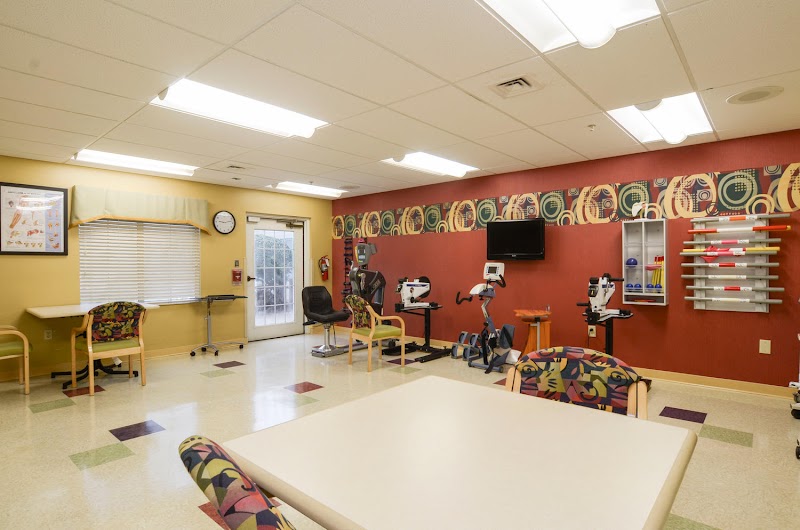
How Does West Delray Nursing & Rehab Center Compare to Other Florida Nursing Homes?

Compared to the 100 nursing homes in Florida, WEST DELRAY NURSING & REHAB CENTER's overall rating (1 stars) is below the state average of 3.2, staff turnover (35%) is significantly lower than the state average of 46%, and health inspection rating (1 stars) is much below the national benchmark.

What Should Families Ask When Visiting West Delray Nursing & Rehab Center?

Based on this facility's data, families visiting should ask: "Can I visit during a mealtime to observe dining assistance and food quality?" "How do you handle medical emergencies, and what is your hospital transfer rate?" "Can I speak with family members of current residents about their experience?"

Is West Delray Nursing & Rehab Center Safe?

Based on CMS inspection data, WEST DELRAY NURSING & REHAB CENTER has a clean safety record: no substantiated abuse findings (meaning no confirmed cases of resident harm), no Immediate Jeopardy citations (the most serious violation level indicating risk of serious injury or death), and is not on the Special Focus Facility watch list (a federal program monitoring the lowest-performing 1% of nursing homes). The facility has a 1-star overall rating and ranks #100 of 100 nursing homes in Florida. While no facility is perfect, families should still ask about staff-to-resident ratios and recent inspection results during their visit.

Do Nurses at West Delray Nursing & Rehab Center Stick Around?

WEST DELRAY NURSING & REHAB CENTER has a staff turnover rate of 35%, which is about average for Florida nursing homes (state average: 46%). Moderate turnover is common in nursing homes, but families should still ask about staff tenure and how the facility maintains care continuity when employees leave.

Was West Delray Nursing & Rehab Center Ever Fined?

WEST DELRAY NURSING & REHAB CENTER has been fined $39,841 across 3 penalty actions. The Florida average is $33,477. While any fine indicates a compliance issue, fines under $50,000 are relatively common and typically reflect isolated problems that were subsequently corrected. Families should ask what specific issues led to these fines and confirm they've been resolved.

Is West Delray Nursing & Rehab Center on Any Federal Watch List?

WEST DELRAY NURSING & REHAB CENTER is not on any federal watch list. The most significant is the Special Focus Facility (SFF) program, which identifies the bottom 1% of nursing homes nationally based on persistent, serious quality problems. Not being on this list means the facility has avoided the pattern of deficiencies that triggers enhanced federal oversight. This is a positive indicator, though families should still review the facility's inspection history directly.