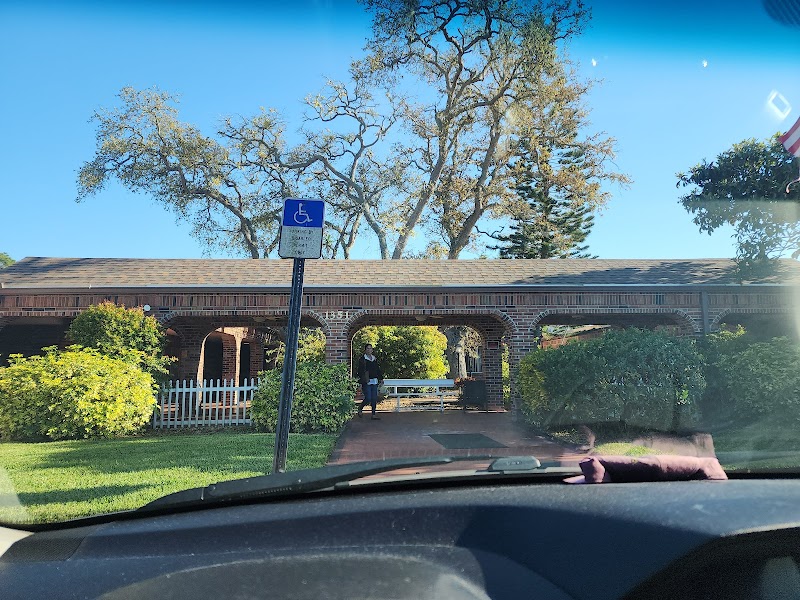
LAKE HAVEN NURSING AND REHAB CENTER

1351 SAN CHRISTOPHER DR, DUNEDIN, FL 34698 (727) 736-1421
For profit - Corporation 104 Beds ELIYAHU MIRLIS Data: November 2025 5 Immediate Jeopardy citations
Trust Grade
0/100
#645 of 690 in FL
Last Inspection: October 2024

Within standard 12-15 month inspection cycle. Federal law requires annual inspections.

Overview

Lake Haven Nursing and Rehab Center has received a Trust Grade of F, indicating significant concerns and a poor reputation. It ranks #645 out of 690 facilities in Florida, placing it in the bottom half, and #58 of 64 in Pinellas County, meaning there are very few local options that are worse. Although the facility is improving, having reduced issues from 20 in 2024 to 5 in 2025, it still faces serious challenges. Staffing is a mixed bag; it has an average rating of 3/5, but the turnover rate is a staggering 82%, well above the state average, which could impact care consistency. Notably, the facility has incurred fines totaling $281,689, which is more than 97% of Florida facilities, raising concerns about ongoing compliance issues. Critical incidents reported include the employment of unlicensed staff providing care, which poses a serious risk to residents' health and safety. Overall, while there are some signs of improvement, significant weaknesses remain that families should carefully consider.

Trust Score
F
0/100
In Florida
#645/690
Bottom 7%
Safety Record
High Risk
Review needed
Inspections
Getting Better
20 → 5 violations
Staff Stability
⚠ Watch
82% turnover. Very high, 34 points above average. Constant new faces learning your loved one's needs.
Penalties
✓ Good
$281,689 in fines. Lower than most Florida facilities. Relatively clean record.
Skilled Nurses
○ Average
Each resident gets 30 minutes of Registered Nurse (RN) attention daily — about average for Florida. RNs are the most trained staff who monitor for health changes.
Violations
⚠ Watch
28 deficiencies on record. Higher than average. Multiple issues found across inspections.
★☆☆☆☆
1.0
Overall Rating
★★★☆☆
3.0
Staff Levels
★★★☆☆
3.0
Care Quality
★☆☆☆☆
1.0
Inspection Score
Stable
2024: 20 issues
2025: 5 issues

The Good

  • Full Sprinkler Coverage · Fire safety systems throughout facility
  • No fines on record

Facility shows strength in fire safety.

The Bad

1-Star Overall Rating

Below Florida average (3.2)

Significant quality concerns identified by CMS

Staff Turnover: 82%

35pts above Florida avg (46%)

Frequent staff changes - ask about care continuity

Federal Fines: $281,689

Well above median ($33,413)

Significant penalties indicating serious issues

Chain: ELIYAHU MIRLIS

Part of a multi-facility chain

Ask about local staffing decisions and management

Staff turnover is very high (82%)

34 points above Florida average of 48%

The Ugly 28 deficiencies on record

5 life-threatening 1 actual harm
Jun 2025 2 deficiencies
CONCERN (D) 📢 Someone Reported This

A family member, employee, or ombudsman was alarmed enough to file a formal complaint

Potential for Harm - no one hurt, but risky conditions existed

Medical Records (Tag F0842)

Could have caused harm · This affected 1 resident

**NOTE- TERMS IN BRACKETS HAVE BEEN EDITED TO PROTECT CONFIDENTIALITY** Based on record review and interviews, the facility did not ensure medical records were completed and accurate for one resident ...

Read full inspector narrative →
**NOTE- TERMS IN BRACKETS HAVE BEEN EDITED TO PROTECT CONFIDENTIALITY** Based on record review and interviews, the facility did not ensure medical records were completed and accurate for one resident (#2) out of three sampled residents. Findings included: Review of admission Records showed Resident #2 was admitted to the facility from the hospital on 5/2/25 and discharged from the facility on 5/11/25. On 6/11/25 at 10:30 a.m. Resident #2's Nursing admission Screening/History, dated 5/2/25, was reviewed. The Nursing admission Screening/History was blank with the exception of the vitals signs that auto populate when the documented is initiated. There was no documentation under the sections for admission details, level of consciousness/orientation/neurological, social history/lifestyle concerns, general appearance, HEENT (head, eyes, ears, nose throat), respiratory/chest, cardiac/circulation, GI (gastrointestinal)/bowel, GU (genitourinary)/bladder, extremities/gait/mobility, skin, ADL's (activities of daily living)/functional devices, other relevant diagnoses/concerns, pain, and medications. On 6/11/25 at approximately 12:45 p.m. a request was made to the Chief Nursing Officer (CNO) to print Resident #2's Nursing admission Screening/History, dated 5/2/25. The CNO was notified the assessment was not completed. On 6/11/25 at 4:45 p.m. a printed copy of Resident #2's 5/2/25 Nursing admission Screening/History was provided. At that time the assessment was observed to have all sections fully completed. Upon review of the electronic medical record it was noted the assessment had been locked on 6/11/25 at 4:37 p.m. by Staff A, Licensed Practical Nurse (LPN)/Unit Manager (UM). An interview was conducted on 6/11/25 at 4:54 p.m. with Staff A, LPN/UM. When asked about Resident #2's Nursing admission Screening/History from 5/2/25 Staff A immediately put her head down and her shoulders slumped. Staff A said she noticed the assessment had not been completed so she filled it out today, 6/11/25. She said she was not the nurse that did Resident #2's admission. She said the nurse that did the admission assessment no longer worked at the facility. Staff A said she did remember looking at the resident every day when she came in. Staff A said she did not know why the admission assessment was not completed. She said she normally did not go in and fill out documentation late, especially for things she did not do herself. When asked what made her look at Resident #2's Nursing admission Screening/History on 6/11/25, she said they requested I look at it. When asked whom she was referring to, Staff A stated the CNO went to her and asked her to make sure everything is there and good on Resident #2's 5/2/25 admission assessment. Staff A said she knew she should not have completed the documentation when she didn't do the assessment. An interview was conducted on 6/12/25 at 1:47 p.m. with the facility's CNO. The CNO said there was a list of assessments and documents the admitting nurse should complete when a resident is admitted to the facility. She confirmed this included the Nursing admission Screening/History. She said when the Nursing admission Screening/History is completed, it should be signed and locked. She said if is not locked by the nurse it will stay in progress. She said if someone else noticed it wasn't locked and locked the document for the nurse, that person should not change or add any documentation. She said she expected if a nurse started an assessment, they should finish it, sign it, and then lock it. In regard to Resident #2, the CNO said she asked Staff A, LPN/UM to help her print the documents that had been requested. She said she did not remember being told the 5/2/25 Nursing admission Screening/History for Resident #2 was blank, but she should have been notified. The CNO said she was trying to do multiple things. She said the assessment should have been fully completed when Resident #2 was admitted on [DATE]. She said nurses were not supposed to enter information if they were not there, even if they knew the resident. She said her expectation was that all documentation should have been completed within 72 hours at the most. She said if it was more than 72 hours after admission and an assessment was not fully completed, she would expect the nurse to print the incomplete documentation and scan it into the miscellaneous section of the medical record, then start a new assessment and complete it. The CNO said the only documentation that should be put in a resident record after they are discharged would be a recap of the resident's stay if that is needed. The CNO confirmed Resident #2 was discharged from the facility on 5/11/25, one month prior to the Nursing admission Screening/History being completed and locked. The CNO reviewed Resident #2's 5/2/25 Nursing admission Screening/History and confirmed it was locked on 6/11/25 by Staff A, LPN/UM. The CNO said Staff A, LPN/UM should not have completed the documentation. The CNO said she did not ask Staff A to look at Resident #2's assessment and complete it. The CNO stated the facility did not have a policy documentation of admission assessments. Review of a facility policy titled Ethics, revised 12/11/24 showed under policy: It is the policy of [Corporation name] that all employees are governed by the Company's Policies and Procedures and shall conduct company business in a manner which is at all times legal, ethical and integral and in alignment with as outlined by the corporate officers. The procedure showed: The employee handbook provides general guidelines for employees in order to meet the highest standards of business conduct as set forth in the policy statement above.
CONCERN (E) 📢 Someone Reported This

A family member, employee, or ombudsman was alarmed enough to file a formal complaint

Potential for Harm - no one hurt, but risky conditions existed

Quality of Care (Tag F0684)

Could have caused harm · This affected multiple residents

**NOTE- TERMS IN BRACKETS HAVE BEEN EDITED TO PROTECT CONFIDENTIALITY** Based on interview and record review, the facility failed to provide wound care for three residents (#2, #3, and #4) of three re...

Read full inspector narrative →
**NOTE- TERMS IN BRACKETS HAVE BEEN EDITED TO PROTECT CONFIDENTIALITY** Based on interview and record review, the facility failed to provide wound care for three residents (#2, #3, and #4) of three residents reviewed. Findings included: Review of Resident #2's admission Record revealed Resident #2 was admitted to the facility on [DATE] and readmitted on [DATE], with diagnoses to include unspecified injury at T11-T12 level of thoracic spinal cord, subsequent encounter, wedge compression fracture of lumbar vertebra, wedge compression fracture of thoracic vertebra, multiple myeloma not having achieved remission, and other co-morbidities. Resident #2 discharged to the hospital on 5/11/2025. Review of Resident #2's Medical Certification for Medicaid Long-Term Services and Patient Transfer Form (AHCA Form 3008) dated 4/30/2025 under the section titled Skin Care - Stage and Assessment revealed: 1. Left leg skin tear; 2. 4 punctures - spine status post (s/p) kyphoplasty; 3. RU (right upper) leg skin tear. Review of Resident #2's Specialty Physician Wound Evaluation & Management Summary dated 5/6/25 revealed: Site 1, Skin tear wound of the Left, distal shin full thickness, duration greater (>) than 26 days, wound size (Length x Width X Depth): 3.2 x 0.8 x 0.1 centimeters (cm); exudate: Light Serous; Slough: 50%, granulation tissue: 50%. Treatment Plan: Xeroform Gauze Dressing (a gauze of fine mesh impregnated with petrolatum and 3% Bismuth Tribromophenate), apply three times per week and as needed; and [Brand Name] gauze roll 4.5 apply three times per week and as needed, Tape for retention apply three times per week and as needed. Site 2, Skin tear wound of the Right, dorsal forearm, full thickness, duration >1 days, wound size (L x W x D): 7 x 5 x 0.1 cm, exudate: Light Serous, granulation tissue: 100%. Treatment Plan: Xeroform gauze apply three times per week and as needed, and [Brand Name] gauze roll 4.5 apply three times per week and as needed and tape for retention apply three times per week and as needed. Review of Resident #2's physician order summary report revealed an ordered dated 5/7/2025, cleanse skin tear to Left (L) shin with wound cleanser, dry, apply Xeroform, and wrap with [Brand Name] gauze roll 4.5, three times per week and as needed.; Cleanse skin tear to Right (R) forearm with wound cleanser, dry, apply Xeroform, and wrap with [Brand Name] gauze roll 4.5 three times per week and as needed; and tape for retention three times per week and as needed. Review of Resident #2's Treatment Administration Record (TAR) for May 2025 revealed no skin care orders prior to 5/7/2025 and the treatment for the left shin and right forearm occurred only on 5/10/2025 during the resident's stay. During an interview on 6/11/2025 at 10:21 a.m., the resident's responsible party (RP) stated visiting Resident #2 daily while in the facility. The RP said the facility did not provide consistent wound care for Resident #2 during the stay. During an interview on 6/11/2025 at 4:54 p.m., Staff A., Licensed Practical Nurse (LPN) and Unit Manager (UM) stated Resident #2 required wound care treatments throughout his stays at the facility and was unsure why the orders were not implemented on admission. Review of the admission Record revealed Resident #3 was admitted to the facility on [DATE], with diagnoses to include osteomyelitis of vertebra, sacral and sacrococcygeal region, pressure ulcer of right buttock, resistance to vancomycin, methicillin resistant staphylococcus aureus, and other co-morbidities. Review of Resident #3's AHCA form 3008 dated 5/15/25 revealed: Left foot (plantar) wound care, cleanse wound (and pat dry) with normal saline wound cleanser, apply skin barrier to peri-wound: to wound of left foot (plantar), cleanse wound, pat dry, paint with betadine, leave open to air and change every 12 hours. Wound care, sacrum, cleanse wound (and pat dry) with wound cleanser, apply dressing with [brand name], apply dressing with gauze 4x4, bordered gauze; right and left ischial tuberosity, cleanse wounds, pat dry, apply [brand name] to wound bed and undermining, cover with gauze and [brand name] dressing, twice a day (bid). Review of Resident #3's Nursing admission Screening/History dated 5/17/205 at 12:58 a.m., revealed under the Skin section: unstageable pressure area to right toe(s), Stage IV pressure area to sacrum, Stage III pressure area to left gluteal fold, and Stage III pressure to the right gluteal fold. Review of Resident #3's Specialty Physician Wound Evaluation & Management Summary dated 5/20/25 revealed: - Site 1: Stage 4 Pressure wound sacrum full thickness, noted present on admission, wound size (L x W x D): 8.5 x 12.5 x 1 cm, undermining 2.5 cm at 5 o'clock; exudate: moderate serous, granulation tissue 70%; other viable tissues: 30% (muscle, fascia, bone), Treatment: collagen powder apply once daily and as needed, if saturated, soiled, or dislodged. Alginate calcium apply once daily and as needed, cover with island gauze with border once daily. - Site 2: Stage 4 Pressure wound of the Left Ischium Full thickness, noted present on admission, wound size: 6.5 x 5.5 x 1 cm, undermining 1 cm at 9 o'clock; exudate: moderate serous; slough 20%; granulation tissue: 60%; other viable tissues: 20% (muscle, fascia, bone), Treatment: collagen powder apply once daily and as needed, if saturated, soiled, or dislodged. Alginate calcium apply once daily and as needed, cover with island gauze with border once daily. - Site 3: Stage 4 Pressure wound of the right ischium full thickness noted present on admission, wound size 7.0 x 3.5 x 2 cm; undermining: 0.5 cm at 5 o'clock; exudate: moderate serous; slough 20%; granulation tissue: 70%; other viable tissues: 10% (muscle, fascia, bone), Treatment: collagen powder apply once daily and as needed, if saturated, soiled, or dislodged. Alginate calcium apply once daily and as needed, cover with island gauze with border once daily. - Site 4: Unstageable (due to Necrosis) of the left foot full thickness noted to be present on admission; wound size 2.3 x 1.7 x not measurable cm; 100% thick adherent black necrotic tissue (eschar): Treatment: betadine apply once daily for 30 days. Recommendations: low air loss Mattress, upgrade off-loading chair cushion, Vitamin C 500mg BID (twice daily) and Zinc Sulfate 220mg daily for 14 days. Review of Resident #3's physician order summary report revealed: 1. 5/17/25 consult wound care; 2. 5/21/25 cleanse bilateral ischium (buttock folds) wounds with wound cleanser, dry, apply collagen powder, apply calcium alginate, and finish with bordered gauze dressing daily and as needed for if soiled or dislodged. 3. 5/21/25 cleanse bilateral ischium buttock fold wounds with wound cleanser, dry, apply collagen powder, apply calcium alginate, and finish with bordered gauze dressing daily. 4. 5/21/25 Cleanse sacral wound with wound cleanser, dry, apply collagen powder, apply calcium alginate, and finish with bordered gauze dressing daily. 5. 5/21/25 Cleanse sacral wound with wound cleanser, dry, apply cotton allergen powder, apply calcium alginate and finish with bordered gauze dressing daily. Review of Resident #3's facility record lacked documentation of wound care until 5/21/25. Review of Resident #4's admission Record revealed Resident #4 was admitted to the facility on [DATE], with diagnoses to include end stage renal disease, and other co-morbidities. Review of Resident 4's AHCA form 3008 dated 6/7/25 revealed unstageable sacrum, coccyx wounds x 2, 2 ulcers on the midline back. Review of Resident #4's Nursing admission Screening/History dated 6/10/205 at 16:35 (4:35 p.m.). revealed under the Skin section: unstageable pressure to the Vertebrae (upper-mid); Unstageable wound on coccyx; Unstageable wound on coccyx; unstageable wound to sacrum; and unstageable wound to sacrum; treatment ordered or required is marked. Review of Resident #4's physician order summary lacked any wound care orders. During an interview on 6/12/25 at 11:15 a.m. Staff B, LPN stated when a resident was admitted to the facility an admission evaluation was completed. The evaluation included completing a head to toe skin evaluation. If the skin had any marks, breaks or abnormal openings, these openings would be indicated on the evaluation. The nurse would notify the physician and obtain orders for treatment of these skin impairments, as well as wound care consult. During an interview on 6/12/25 at 11:20 a.m., Staff C, LPN stated upon a resident's admission an evaluation of their skin was completed for any breaks or bruises. The nurse contacts the physician and obtains orders for treatment to the areas. During an interview on 6/12/25 at 11:46 a.m., the Director of Nursing (DON) said the expectation for the nurses upon a resident's admission was to complete a full Nursing admission Evaluation which included a complete evaluation of the resident's skin. If the nurse noticed any skin issues the nurse should notify the physician to obtain orders to treat the area. The DON reviewed the following documentation: -Resident #2's TAR and confirmed no orders were obtained until 5/7/2025 and the 3008 indicated the skin issues on the form at admission. -Resident #3's Nursing admission assessment dated [DATE] showed: sacral, left and right gluteal fold, and area on the foot and confirmed admission orders were only received for the foot and sacrum not the left and right gluteal folds. -Resident #4's 3008 revealed resident was admitted for wound care, unstageable pressure ulcers to the: sacrum, left and right coccyx , and two ulcers to to the mid back and the facility TAR lacked orders for any wound care. The DON stated the expectation was not met for Residents #2,3, and 4. Review of the facility's policy and procedure titled, Skin and Wound with a revision date of 9/24/2024 revealed: Policy: To provide a system for identifying skin at risk, implementing individual interventions including evaluation and monitoring as indicated to promote skin health, healing and decrease worsening of pressure injury. Procedure: * on admission/readmission the resident's skin will be evaluated for baseline skin condition and documented in the medical record . *Licensed nurse to complete skin evaluation weekly and prior to transfer/discharge and document in the medical record .*Provide treatment per physician order with documentation in the medical record. QAPI: Patterns and trends of newly developed and/or worsening skin conditions will be reviewed by the QAPI team.
Feb 2025 1 deficiency
CONCERN (D) 📢 Someone Reported This

A family member, employee, or ombudsman was alarmed enough to file a formal complaint

Potential for Harm - no one hurt, but risky conditions existed

Deficiency F0808 (Tag F0808)

Could have caused harm · This affected 1 resident

**NOTE- TERMS IN BRACKETS HAVE BEEN EDITED TO PROTECT CONFIDENTIALITY** 2. On 2/26/25 at 10:53 a.m., an interview was conducted with Resident #25, while seated in the main dining room. He said he was...

Read full inspector narrative →
**NOTE- TERMS IN BRACKETS HAVE BEEN EDITED TO PROTECT CONFIDENTIALITY** 2. On 2/26/25 at 10:53 a.m., an interview was conducted with Resident #25, while seated in the main dining room. He said he was supposed to get double portions with his food items but has not been getting double portions. Resident #25 revealed he used to get four pieces of toast, then he got three, then two, and now he gets no toast at breakfast at all. He continued to say he only gets one scoop of eggs for breakfast as well and he is continually hungry and he keeps losing weight and is not getting double portions like he is supposed to. On 2/26/2025 at 11:30 a.m. the main dining room was observed for the lunch meal service. During the observation, there were approximately twenty residents seated at various tables, all being assisted by six staff members with their meal trays. Staff were observed removing meal trays from tray carts and placing the trays on tables in front of the residents. Staff were identified lifting lids to the trays and setting up the meal per resident choice and the need for assistance. At 11:38 a.m., Resident #25 was observed seated at a table and already received his lunch tray. Observations of his lunch tray included what appeared to be one small Salisbury steak patty covered with brown gravy, a small scoop of what appeared to be cheese potatoes, and six small carrot slices. Resident #25 also received two small plastic cups of red liquid juice and one plastic wrapped cookie. It appeared all the food items were a Regular texture base. Resident #25 did not receive double portions with any of the food items. Review of the lunch meal ticket positioned next to the resident's tray revealed, Double Protein, which was highlighted in yellow, and regular diet No Added Salt (NAS). The ticket did not have any dislikes noted. (Photographic Evidence Obtained) An interview was conducted on 2/26/25 at 11:42 a.m. with the CDM. She reviewed Resident #25's lunch meal ticket and plate of food and confirmed he should have received two pieces of the Salisbury steak and he did not. A review of Resident #25's medical record revealed he was admitted to the facility on [DATE]. Review of the admission diagnosis sheet revealed diagnoses to include but not limited to dementia and need for assistance with personal care. Review of Resident #25's February 2025 physician orders revealed the following: 1. Heart Healthy Diet, Regular Texture, Regular/thin consistency - Double Portion meat/entrée at each meal for diet, order date 1/9/25. 2. Med Pass 2.0 TID [three times a day] 120 ml [milliliters] record % consumed, order date 1/15/25. Review of Resident #25's Progress Notes and Registered Dietician Assessment/Notes, with look back period from 11/27/24, revealed: - A Weight Change Note dated 1/15/25 at 5:00 p.m., weight loss of 17% in 30 days. Diet is NAS regular, thin liquid. Will add Med Pass 2.0 supplements, 120 ml TID and also double portion meat/entre each meal. Will follow as need. - A Weight Change Note dated 2/24/205 at 2:15 p.m., weight has become more stabilized and is 186 lbs. Diet is NAS, regular, thin liquid. Double portion entree was added last month when he had weight loss. His BMI [body mass index] 25. - 7.5% lost. Med Pass 2.0 PO [by mouth] 120 ml TID was put in place due to weight loss he had last month. Will follow as need. On 2/26/25 at 2:20 p.m., an interview with the facility's Registered Dietician (RD), who has been employed as the RD for about 6 months. She revealed she was aware Resident #25's weight loss upon his readmission from the hospital on 1/8/25. She also revealed she had interventions to include double portions for protein as well as Med Pass three times a day to increase weight. She noted Resident #25 generally consumes 75 to 100% of meals and although Resident #25 has had some weight loss, she continues to monitor his weights and he is stable and within his BMI range. She continued to say she will keep Med Pass and Double Portions for him. The RD reviewed the photo of the resident's lunch meal and she confirmed he did not receive double portion for meat. She revealed he should have received two patties instead of one and the meal ticket also revealed, double portion. The RD confirmed the CDM and the tray line staff should have caught that today and followed the meal ticket/order. She revealed there are times she is at the tray line and she supervises and reviews tickets as to what is served on tray line. Review of Resident #25's current care plans, with a next review date 4/9/25, revealed the following: - Resident has nutritional problem or potential nutrition problem of having unplanned weight loss with interventions in place to include but not limited to: Provide and serve supplement as ordered; Provide and serve diet as ordered (double portions entrée each meal); Monitor and record each meal; RD to evaluate and make diet changes as recommended and as need; Weigh per protocol. On 2/27/25 at 7:15 a.m. an interview and observation was conducted with the CDM in the facility kitchen, where she demonstrated the meal service process in the kitchen. Staff A, Cook, Staff B, [NAME] in training, Staff C, Dietary Aide, and the CDM, all were getting ready to plate and send out breakfast meal trays to residents. The CDM revealed either the day before or a couple of days prior, Staff A, [NAME] will receive paper meal tickets and place them in a pile on the steam table counter area. The CDM also revealed Staff A, [NAME] or whoever is the cook for the day will review each ticket one a time as the plate is being prepared. The CDM revealed the Staff A, [NAME] reads meal ticket and looks out for things to include the type of diet, type of texture, allergies, likes and dislikes, adaptive eating equipment, and also if double portions are ordered. She revealed if the meal ticket says double portions, the cook for the day will honor the meal ticket and plate as read. She revealed double portions would be defined as two times the normal scoop for soft food items and double portions of other items such as steak or chicken. For the breakfast meal, the double portion would be two hard boiled eggs instead of one, a scoop size of six ounces of hot cereal instead of two, and double cups of liquid. Staff A, [NAME] confirmed the process the CDM explained and is the process he follows. The CDM further revealed when the meal tray is plated, the Dietary Aide, in this case Staff C, Dietary Aide, will review the meal ticket and plated food items for accuracy. Staff C, Dietary Aide confirmed she looks at all the food items on the meal tray and the meal ticket to determine if the cook provided the right diet and menu items. The CDM also revealed that she monitors the tray line for the breakfast and lunch meal service, many of the dinner meal services, and at times during the weekends. The CDM revealed the cook on assignment when she is not at the facility is the person who is responsible for reviewing the meal tickets and following them for accuracy. Further interview with Staff A, [NAME] and Staff C, Dietary Aide, who both worked on 2/26/25 in the kitchen, confirmed they did not know how several plates of food got out to residents that did not follow the meal ticket. Staff A, [NAME] and Staff C, Dietary Aide also confirmed they found out Resident #25 and a couple of other residents did not receive double portions as per their meal ticket order for the lunch meal service. The CDM also confirmed that should not have happened and she was not sure how the meal tickets were not followed. On 2/27/25, the Nursing Home Administrator, Director of Nursing, and the CDM all confirmed the facility did not have a Following/honoring meal tickets/diets policy and procedure for review. Based on observations, interviews, and record review, the facility failed to provide a therapeutic diet according to physician orders for two residents (#1 and #25) out of four residents reviewed. Findings included: 1. Review of Resident #1's admission Record revealed he was admitted to the facility on [DATE] from an acute care hospital with medical diagnoses of cerebral infarction due to embolism of left posterior cerebral artery, hemiplegia and hemiparesis following cerebral infarction affecting right dominant side, dysphagia following cerebral infarction, and altered mental status. An interview was conducted on 2/26/25 at 10:30 a.m. with Resident #1. He was observed sitting in the main dining room at a table watching television. He raised his hand and told Staff D, Certified Nursing Assistant (CNA) he wanted coffee and a snack. Staff D, CNA said I am going to get him a snack because he was in therapy during snack time. She was observed going to another room off the main dining area and obtained a soft cookie and placed it on the coffee cart. Staff D, CNA was overheard asking another staff member what Resident #1's diet was and the other staff member said he needed thickened liquids. Staff D, CNA prepared Resident #1s' coffee with nectar thickener and provided it to Resident #1. He did not receive a snack. An interview was conducted on 2/26/25 at 10:54 a.m. with Resident #1. Resident #1 was observed with no snack in front of him. He said, I haven't gotten my snack. She's giving me the run around. It's my snack and I want it, I'm hungry. Review of Resident #1's February 2025 physician orders revealed an order with a start date of 2/25/25 and no stop date, NAS/CCD [no added salt/carb-controlled diet], pureed texture, Nectar/Mildly thick consistency. Double portion protein/entrée each meal. An interview was conducted on 2/26/25 at 11:26 a.m. with Staff D, CNA. She said for residents who are on pureed diets, they can have pudding for a snack. She said Resident #1 asked her for a snack a while ago but she was not sure what his diet order was. She said she could ask his nurse but she didn't want to leave all the residents in the dining area unsupervised. She said she could wait until he gets his lunch tray to see what kind of diet he has and then give him a snack at that time. She said to the resident's lunch will arrive at 11:30 a.m. A lunch observation was conducted on 2/26/25 at 11:35 a.m. Resident #1 was observed sitting in the main dining room with a plate of sliced carrots, a scoop of scalloped potatoes, and ground beef with gravy on it. An interview was conducted on 2/26/25 at 11:36 a.m. with Staff E, Registered Nurse (RN). She said she is in the dining room helping out because the other nurse was on break. She confirmed she gave Resident #1 his meal tray and she observed his lunch plate and said he received mechanical soft food, and she was not sure if it was double portions of protein or not. She obtained his meal ticket and confirmed the meal ticket said, Double protein mechanical soft with nectar thick liquids. An interview was conducted on 2/26/25 at 11:50 a.m. with the Director of Nursing (DON). She said speech therapy will assess a resident and make recommendations for their diet order and, I have to approve it, then nursing will put the order into the medical record and a dietary communication form is competed and given to someone in the kitchen, then we follow up with the Dietary Manager to ensure they are aware of the change in the diet order. An interview was conducted on 2/26/25 at 11:52 a.m. with the Dietary Manager. She said when a diet is changed a dietary communication form is filled out and given, to me, and I make sure the order is changed in the system. She said she also reviews residents' medical records every day, and sometimes twice a day, for any dietary changes. The Dietary Manager confirmed Resident #1 received a mechanical soft diet for lunch and confirmed she provided him with an extra portion of mechanically soft textured meat. She said she was not here yesterday (2/25/25) and was not aware Resident #1's diet changed to puree and said that was a problem. She asked Staff F, Corporate Traveling RN, if Resident #1 was on a puree diet and she said, yes, his diet was downgraded yesterday and Staff F, Corporate Traveling RN told the dietary manger to get the Speech Therapist to sit with the resident. An interview was conducted on 2/26/25 at 11:59 a.m. with the Speech Therapist. She said Resident #1 was at high risk for aspiration and he was on a mechanical soft diet with thickened liquids, but she trialed him with a peanut butter and jelly sandwich yesterday (2/25/25) and he immediately started coughing, so she downgraded his diet to puree because she didn't want him on a mechanical soft diet and someone giving him a sandwich because of his risk for aspiration. She said when she changed his diet, she filled out the diet change slip and gave it to, a guy in the kitchen. She said Resident #1 does well when his food is all mixed together and when he eats, he automatically mixes it all together. She said he is a resident who will eat anything and everything and you have to watch out for him because he is on a pureed diet but he will eat anything. Review of Resident #1's physician notes dated 2/24/25 revealed .Dysphagia following cerebral infarction ST [speech therapy] to following - discussed with ST, will maintain puree diet at this time on pureed diet with moderately thick liquid Nursing to assist with feeds as needed. A follow up interview was conducted on 2/26/25 3:38 p.m. with the Dietary Manager. She said the dietary electronic system is different from the medical record, so in order for diets to get updated on the meal tickets she relies on the dietary change forms, and she did not receive a dietary change form for Resident #1. She said someone handed the dietary change form to the dishwasher yesterday and from there the form is missing and the dietary system did not get updated.
Jan 2025 2 deficiencies 1 Harm
SERIOUS (G) 📢 Someone Reported This

A family member, employee, or ombudsman was alarmed enough to file a formal complaint

Actual Harm - a resident was hurt due to facility failures

Free from Abuse/Neglect (Tag F0600)

A resident was harmed · This affected 1 resident

**NOTE- TERMS IN BRACKETS HAVE BEEN EDITED TO PROTECT CONFIDENTIALITY** Based on record review and interviews, the facility failed to protect residents' rights to be free from verbal and physical abus...

Read full inspector narrative →
**NOTE- TERMS IN BRACKETS HAVE BEEN EDITED TO PROTECT CONFIDENTIALITY** Based on record review and interviews, the facility failed to protect residents' rights to be free from verbal and physical abuse perpetrated by a staff member (Staff J, Certified Nursing Assistant) toward two residents (#11 and #12) of seventy-four residents in the facility. On 12/20/2024, Staff J, Certified Nursing Assistant (CNA) was witnessed by Staff I, CNA slapping Resident #11 and Resident #12 on the legs, sides of their bodies, and buttocks during care. Staff I, CNA failed to report the abuse until three days after the event, leaving other facility residents at risk of further verbal and physical abuse. Findings included: Review of Resident #11's admission Record showed the resident was admitted on [DATE] and had diagnoses including but not limited to unspecified quadriplegia, unspecified not intractable epilepsy without status epilepticus, sever intellectual disabilities, legal blindness as defined in USA, unspecified scoliosis, and gastrostomy status. Review of the quarterly Minimum Data Set (MDS) dated [DATE], showed Resident #11 had no speech, no Brief Interview of Mental Status (BIMS) score as the resident was rarely/never understood, had bilateral upper and lower extremity Range of Motion (ROM) impairments, and was dependent on staff for eating, hygiene needs, and mobility. Review of Resident #12's admission Record showed the resident was admitted on [DATE] and readmitted on [DATE]. The record showed diagnoses including but not limited to sequelae traumatic subdural hemorrhage with loss of consciousness status unknown, sequelae diffuse traumatic brain injury with loss of consciousness of unspecified duration, unspecified psychosis not due to a substance or known physiological condition, generalized muscle weakness, and sequelae pedestrian on foot injured in collision with heavy transport vehicle or bus in traffic accident. Review of the quarterly MDS dated [DATE] showed Resident #12 had no speech, a BIMS score of 00, indicative of a severe cognitive impairment, no Range of Movement impairment, was dependent upon staff for hygiene needs, and required substantial/maximum assist for bed mobility. The comprehensive assessments showed the resident had been discharged with return anticipated on 12/25/2024 and returned on 12/29/2024. On 1/2/2025 at 10:22 a.m., a handwritten sign was observed posted inside the [NAME] wing nurses station showing [Resident #11] is on 15 min[ute] checks. When [Resident #12] returns [pronoun] is on 15 min[ute] checks as well. DO NOT STOP! - Management 12/27/24 Call on-call for any questions. An interview was conducted with Staff A, Registered Nurse (RN) on 1/2/2025. Staff A, RN observed the handwritten sign informing staff Resident #11 and Resident #12 were on 15-minute checks and reported having to clarify the 15-minute checks for Resident #11. The staff member removed the sign and folded it in half, saying it was out of date. An interview was conducted with the Nursing Home Administrator (NHA) on 1/3/2025 at 2:01 p.m. The NHA reported nurses were doing 15 minute checks on the two residents (#11 and #12) and reported an incident occurred on 12/20/2024. However, CNA did not report it until three days later on 12/24/2024 and the checks were started at that time. The NHA stated Staff I, CNA came to speak with the Staffing Coordinator and wanted to report an incident. The administrator stated Staff J, CNA was assisting Staff I, CNA with care for Resident #11 and Resident #12 and felt Staff J, CNA was rough while changing the residents. A review of employee statements was conducted with the NHA following the interview. Review of the statement made by Staff I, CNA on 12/23/2024 revealed on 12/20/2024, Staff J, CNA and Staff I, CNA were changing Resident #11 and Resident #12 and Staff J, CNA said the residents were combative. Staff I, CNA reported the residents were not being combative and Staff J, CNA slapped both of the residents' multiple times on the legs, sides of their bodies, and buttocks. Staff I, CNA reported a handprint was left on Resident #11. The staff member reported not saying anything about Staff J because they were scared due to past trauma (per NHA, was a personal incident) and did not want to be targeted. The witness statement revealed Staff I, CNA attempted to inform a nurse but could not find one. Instead, Staff I, CNA informed Staff K, Door Monitor, who informed Staff I, CNA of past instances of seeing Staff J, CNA pulling an unidentified residents hair and verbally abusing them, then added another resident seemed to have been scared of Staff J, CNA when the staff member was changing them. Review of a statement provided by Staff K, Door Monitor dated 12/23/2024 revealed on Friday 12/20/2024, an employee reported Staff J, CNA was being mean, rough, and hitting patients. Staff K, Door Monitor reported seeing Staff J, CNA previously pull a resident's hair and verbally abuse them by calling the resident's faggots and pieces of shit. Staff K, Door Monitor reported speaking with the 7 p.m. - 7 a.m. Registered Nurse (RN), who informed the staff member she had also heard of this, but the staff members chose not to say anything so as to not affect their jobs and prevent backfire on them. The NHA identified the 7 p.m. - 7 a.m. RN as Staff L, RN. Review of a statement dated 12/24/2024 from Staff L, RN revealed, I did not have any reports of any type of incident of abuse. The statement added Staff L, RN was unaware of the incident until questioned by a police officer. Review of Staff J, CNA's statement via email dated 12/24/2024 at 2:28 p.m. revealed, On the day in question I provided care to [Resident #11 and Resident #12], Bed A had a [bowel movement] which I changed him and my hall partner to help me pull him up in the bed. During the interview and review of witness statements, the NHA stated the incident happened on 12/20/2024 and they would expect to be notified immediately. The NHA reported Staff J, CNA was suspended on 12/23/2024, who was later terminated, and interviews were started with Staff I, CNA and K, Door Monitor. The next morning, a statement was provided from Staff L, RN. The NHA reported law enforcement and state agencies were notified of the incident on 12/23/2024. The NHA stated based on information provided by Staff I, CNA and follow up from Staff K, Door Monitor, they believe the incident did occur. The NHA also stated they understood Staff I, CNA was new to the facility, but the residents are vulnerable adults and the facility has zero tolerance for abuse. Review of policy titled Abuse Prevention Program, revised August 2006, revealed the Policy Statement: our residents have the right to be free from abuse, neglect, misappropriation of resident property, corporal punishment, and involuntary seclusion. The Policy Interpretation and Implementation regarding Preventing Abuse showed: 1. Our facility is committed to protecting our residents from abuse by anyone including but not necessarily limited to: facility staff, other residents, consultants, volunteers, staff from other agencies providing services to our residents, family members, legal guardians, surrogates, sponsors, friends, visitors, or any other individual. The policy revealed under Abuse Prevention Program: 3. Comprehensive policies and procedures have been developed to aid our facility in preventing abuse, neglect, or mistreatment of our residents. Our abuse prevention program provides policy and procedures that govern, as a minimum: a. Protocols for conducting employment background checks; b. Mandated staff training/orientation programs that include such topics as abuse prevention, identification, and reporting of abuse, stress management, dealing with violent behavior, or catastrophic reactions, etc; c. Identification of occurrences and patterns of potential of mistreatment/abuse; d. The protection of residents during abuse investigations; e. The development of investigative protocols governing resident abuse, theft/misappropriation of resident property, resident to resident abuse, and resident to staff abuse; f. Timely and thorough investigations of all reports and allegations of abuse; g. The reporting and filing of accurate documents relative to incidents of abuse; h. An ongoing review and analysis of abuse incidents; and i. The implementation of changes to prevent future occurrences of abuse. The policy, under Assessment and Recognition, defines abuse as: the willful infliction of injury, unreasonable confinement, intimidation, or punishment with resulting physical harm, pain, or mental anguish.
CONCERN (D) 📢 Someone Reported This

A family member, employee, or ombudsman was alarmed enough to file a formal complaint

Potential for Harm - no one hurt, but risky conditions existed

Report Alleged Abuse (Tag F0609)

Could have caused harm · This affected 1 resident

**NOTE- TERMS IN BRACKETS HAVE BEEN EDITED TO PROTECT CONFIDENTIALITY** Based on interviews and record reviews, the facility failed to report an incident of verbal and physical abuse perpetrated by a ...

Read full inspector narrative →
**NOTE- TERMS IN BRACKETS HAVE BEEN EDITED TO PROTECT CONFIDENTIALITY** Based on interviews and record reviews, the facility failed to report an incident of verbal and physical abuse perpetrated by a staff member (Staff J, Certified Nursing Assistant) toward two residents (#11 and #12) of seventy-four residents in the facility. Findings included: Review of Resident #11's admission Record showed the resident was admitted on [DATE] and had diagnoses including but not limited to unspecified quadriplegia, unspecified not intractable epilepsy without status epilepticus, sever intellectual disabilities, legal blindness as defined in USA, unspecified scoliosis, and gastrostomy status. Review of the quarterly Minimum Data Set (MDS) dated [DATE], showed Resident #11 had no speech, no Brief Interview of Mental Status (BIMS) score as the resident was rarely/never understood, had bilateral upper and lower extremity Range of Motion (ROM) impairments, and was dependent on staff for eating, hygiene needs, and mobility. Review of Resident #12's admission Record showed the resident was admitted on [DATE] and readmitted on [DATE]. The record showed diagnoses including but not limited to sequelae traumatic subdural hemorrhage with loss of consciousness status unknown, sequelae diffuse traumatic brain injury with loss of consciousness of unspecified duration, unspecified psychosis not due to a substance or known physiological condition, generalized muscle weakness, and sequelae pedestrian on foot injured in collision with heavy transport vehicle or bus in traffic accident. Review of the quarterly MDS dated [DATE] showed Resident #12 had no speech, a BIMS score of 00, indicative of a severe cognitive impairment, no Range of Movement impairment, was dependent upon staff for hygiene needs, and required substantial/maximum assist for bed mobility. The comprehensive assessments showed the resident had been discharged with return anticipated on 12/25/2024 and returned on 12/29/2024. An interview was conducted with the Nursing Home Administrator (NHA) on 1/3/2025 at 2:01 p.m. The NHA reported nurses were doing 15 minute checks on the two residents (#11 and #12) and reported an incident occurred on 12/20/2024. However, CNA did not report it until three days later on 12/24/2024 and the checks were started at that time. The NHA stated Staff I, CNA came to speak with the Staffing Coordinator and wanted to report an incident. The administrator stated Staff J, CNA was assisting Staff I, CNA with care for Resident #11 and Resident #12 and felt Staff J, CNA was rough while changing the residents. A review of employee statements was conducted with the NHA following the interview. Review of the statement made by Staff I, CNA on 12/23/2024 revealed on 12/20/2024, Staff J, CNA and Staff I, CNA were changing Resident #11 and Resident #12 and Staff J, CNA said the residents were combative. Staff I, CNA reported the residents were not being combative and Staff J, CNA slapped both of the residents' multiple times on the legs, sides of their bodies, and buttocks. Staff I, CNA reported a handprint was left on Resident #11. The staff member reported not saying anything about Staff J because they were scared due to past trauma (per NHA, was a personal incident) and did not want to be targeted. The witness statement revealed Staff I, CNA attempted to inform a nurse but could not find one. Instead, Staff I, CNA informed Staff K, Door Monitor, who informed Staff I, CNA of past instances of seeing Staff J, CNA pulling an unidentified residents hair and verbally abusing them, then added another resident seemed to have been scared of Staff J, CNA when the staff member was changing them. Review of a statement provided by Staff K, Door Monitor dated 12/23/2024 revealed on Friday 12/20/2024, an employee reported Staff J, CNA was being mean, rough, and hitting patients. Staff K, Door Monitor reported seeing Staff J, CNA previously pull a resident's hair and verbally abuse them by calling the resident's faggots and pieces of shit. Staff K, Door Monitor reported speaking with the 7 p.m. - 7 a.m. Registered Nurse (RN), who informed the staff member she had also heard of this, but the staff members chose not to say anything so as to not affect their jobs and prevent backfire on them. The NHA identified the 7 p.m. - 7 a.m. RN as Staff L, RN. Review of a statement dated 12/24/2024 from Staff L, RN revealed, I did not have any reports of any type of incident of abuse. The statement added Staff L, RN was unaware of the incident until questioned by a police officer. During the interview and review of witness statements, the NHA stated the incident happened on 12/20/2024 and they would expect to be notified immediately. The NHA reported Staff J, CNA was suspended on 12/23/2024, who was later terminated, and interviews were started with Staff I, CNA and K, Door Monitor. The next morning, a statement was provided from Staff L, RN. The NHA reported law enforcement and state agencies were notified of the incident on 12/23/2024. The NHA stated based on information provided by Staff I, CNA and follow up from Staff K, Door Monitor, they believe the incident did occur. The NHA also stated they understood Staff I, CNA was new to the facility, but the residents are vulnerable adults and the facility has zero tolerance for abuse. Review of the report sent to the state agency by facility showed the incident involving the abuse of Resident #11 and Resident #12 had occurred on 12/20/2024 at 7 p.m. and the NHA was notified by Staff I, CNA on 12/23/2024 at 2:50 p.m., approximately 68 hours after the event. Review of the policy titled Reporting Abuse to Facility Management, revised February 2014, revealed the Policy Statement: It is the responsibility of our employees, facility consultants, attending physicians, family members, visitors, etcetera, to promptly report any incident or suspected incident of neglect or resident abuse, including injuries of unknown source, and theft or misappropriation of resident property to facility management. The policy defined abuse as the willful infliction of injury, unreasonable confinement, intimidation, or punishment with resulting physical harm, pain or mental anguish. The policy showed under Responsibility of Person(s) Observing Incidents of Abuse: any staff member or person affiliated with this facility who has witnessed or who believes that a resident has been a victim of mistreatment, abuse, neglect, or any other criminal offense shall immediately report, or cause a report to be made of, the mistreatment or offense. Failure to report such an incident may result in legal/criminal action being filed against the individual(s) withholding such information. The policy also revealed under Notification of Administrator/DNS (DON) After Hours: The Administrator or Director of Nursing Services must be immediately notified of a suspected abuse or incidences of abuse. If such incidents occur or are discovered after hours, the Administrator and Director of Nursing Services must be called at home or must be paged and informed of such incident.
Oct 2024 12 deficiencies
CONCERN (D)

Potential for Harm - no one hurt, but risky conditions existed

Resident Rights (Tag F0550)

Could have caused harm · This affected 1 resident

**NOTE- TERMS IN BRACKETS HAVE BEEN EDITED TO PROTECT CONFIDENTIALITY** On 09/23/24 at 12:00 p.m. Resident #3 was observed being taken to the resident's room for the lunch meal. Staff J, CNA was obser...

Read full inspector narrative →
**NOTE- TERMS IN BRACKETS HAVE BEEN EDITED TO PROTECT CONFIDENTIALITY** On 09/23/24 at 12:00 p.m. Resident #3 was observed being taken to the resident's room for the lunch meal. Staff J, CNA was observed feeding Resident #3 while standing next to him. On 09/23/24 at 12:26 p.m. Resident #27 was observed sitting up in her bed and being assisted with the lunch meal. Staff J, CNA was observed to be standing next to the resident's bed while assisting the resident. Staff J, CNA then sat on the resident's bed to finish the dining process. During an interview on 09/23/24 at 1:30 p.m. Staff J, CNA stated, Yes, I was sitting on the resident's bed. I know, I am not supposed to sit on the bed. Staff J continued and stated there are not enough chairs. We only have one folding chair. Review of facility policy and procedure titled, Resident Rights, undated, revealed: Federal and state law guarantee certain basic rights to all residents of this facility. These rights include the resident's right to: a. a dignified existence; b. be treated with respect, kindness, and dignity; . t. privacy and confidentiality . Based on observations, interviews and record review, the facility failed to ensure three residents (#8, #3 and #27) observed for assisted dining in two (100 and 200) of two halls received a dignified dining experience. Findings included: 1. Resident #8 was admitted to the facility on [DATE] with a primary diagnosis of amyotrophic lateral sclerosis. Review of the September 2024 physician orders for Resident #8 revealed the resident received a regular diet, pureed texture, nectar/mild thick consistency. A care plan for Resident #8, initiated on 05/02/19, showed the resident required staff assistance with ADLs (Activities of Daily Living). Interventions showed the resident needed staff assistance with eating. On 09/23/24 at 12:00 p.m. an observation was made of Staff A, Certified Nursing Assistant (CNA) standing while assisting the resident with their meal. A chair was observed by the resident's bed with the resident's personal clothes stacked on top of it. On 09/24/24 at 2:09 p.m. an interview was conducted with Staff A, CNA. She said, Yes, I was standing. There was a chair in the room. I should have been sitting. Staff A stated she would normally sit but she did not sit on that day. She stated she received education. She said, They said I should sit when assisting with feeding. On 09/24/24 at 2:25 p.m. an interview was conducted with the Director of Nursing (DON). He stated the staff should be sitting at eye level when assisting the resident with meal. On 09/24/24 at 2:40 p.m. an interview was conducted with the Nursing Home Administrator (NHA). She stated the expectation was for the CNA to sit at eye level during meal assistance.
CONCERN (D)

Potential for Harm - no one hurt, but risky conditions existed

Deficiency F0559 (Tag F0559)

Could have caused harm · This affected 1 resident

**NOTE- TERMS IN BRACKETS HAVE BEEN EDITED TO PROTECT CONFIDENTIALITY** Based on interviews and record review, the facility failed to honor a resident's right to receive a written notification for a r...

Read full inspector narrative →
**NOTE- TERMS IN BRACKETS HAVE BEEN EDITED TO PROTECT CONFIDENTIALITY** Based on interviews and record review, the facility failed to honor a resident's right to receive a written notification for a room change before the change was made for one (#51) of one resident sampled. Findings included: On 09/23/24 at 10:15 a.m. Resident #51 was observed in her room. The resident said, I don't know why they moved me. I was on the other side. Resident #51 stated she was not given an opportunity to see the new room and she did not receive an explanation as to why the move was necessary. The resident stated she lived in her previous room since her admission to the facility last year. Review of the admission Record for Resident #51 showed she was originally admitted to the facility on [DATE]. The record showed Resident #51 was her own person and she also had a substitute decision maker. Review of a Quarterly Minimum Data Set (MDS), dated [DATE], revealed Resident #51 had a Brief Interview for Mental Status (BIMS) score of 11 (moderately impaired). Review of Resident #51 census showed the resident was moved from room [A] to room [B] on 09/19/24. Review of the Electronic Medical Record (EMR) for Resident #51 showed there was no documentation regarding the move or the reason for the room change. On 09/24/24 at 3:49 p.m. an interview was conducted with the Social Services Director (SSD). She stated the process for a room change was for the nursing staff to figure out who was going to move and why. She said, We do a form. We let the resident know and then the POA [Power of Attorney], Responsible Party or Guardian if applicable. The SSD stated Resident #51's room change should be documented. Review of the room change binder revealed there was no documentation. The SSD stated she did not move Resident #51 and did not know why she had moved. On 09/24/24 at 3:55 p.m. an interview was conducted with the Director of Nursing (DON). He stated he moved Resident #51. He stated he did not tell her why she was moved, because he did not know at the time. He stated he had not spoken to the resident since the move; that happened a week prior. He said, The resident does not know why. I'm waiting for the Health Department to let me know. I probably should have told her that. I should have told her. The DON stated he did not document the room change. Review of a facility policy titled, Room Change, dated 09/01/22, showed when feasible the facility will make room to room transfers when requested by the resident or as may become necessary to meet the resident's medical and nursing needs. The procedure showed: 3. Unless medically necessary or for the safety and well-being of the resident, a resident will be provided advance notice of the room transfer. Such notice will include the decision to make the room transfer. 4. Prior to the room transfer, the resident, his or her roommate (if any) and the resident's representative (if applicable) will be provided with information concerning the decision to make the room transfer. 6. Complete the room change notification form and retain in the medical record. 7. Document room to room transfers in the medical record.
CONCERN (D)

Potential for Harm - no one hurt, but risky conditions existed

Quality of Care (Tag F0684)

Could have caused harm · This affected 1 resident

**NOTE- TERMS IN BRACKETS HAVE BEEN EDITED TO PROTECT CONFIDENTIALITY** Based on observation, interview and record review the facility failed to ensure wound care was provided per physician orders for...

Read full inspector narrative →
**NOTE- TERMS IN BRACKETS HAVE BEEN EDITED TO PROTECT CONFIDENTIALITY** Based on observation, interview and record review the facility failed to ensure wound care was provided per physician orders for one resident (#13) of two residents reviewed for wound care treatment. Findings included: An observation on 09/23/24 at 10:09 a.m. revealed a red substance that resembled blood stains on Resident #13's pillow as Resident #13 laid in bed asleep. An observation and interview on 09/23/24 at 11:15 a.m. revealed the red substance that resembled blood stains on Resident #13's pillow as Resident #13 sat in the bed awake. Resident #13 stated the red stains on the pillow were blood and probably from her wound on her shoulder. Resident #13 pulled the arm sleeve up on her shirt and presented her right shoulder area. Resident #13's top right shoulder revealed a red, raw and bloody wound that was open to the air. Review of the admission Record showed Resident #13 was admitted to the facility on [DATE] with diagnoses that included chronic viral hepatitis C, anoxic brain damage, seizures, anxiety disorder, obsessive compulsive disorder and bipolar disorder. Review of the Annual Minimum Data Set (MDS), dated [DATE], revealed in Section C- Cognitive Patterns Resident #13 had a Brief Interview for Mental Status (BIMS) score of 08 (moderate cognitive impairment). Section E- Behavior showed Resident #13 exhibited no behaviors during the 7 day look back time period. Section M- Skin Conditions showed Resident #13 had no pressure ulcers and no venous or arterial ulcer. Review of the Order Summary as of 9/24/24 included the following orders: - Apply moisturizer to right shoulder for radiation skin care. at bedtime for right shoulder okay to cover with hydrocolloid dressing and at bedtime for right shoulder okay to cover with hydrocolloid dressing, dated 09/16/24. - Apply moisturizer to right shoulder for radiation skin care. two times a day for right shoulder okay to cover with hydrocolloid dressing and at bedtime for right shoulder okay to cover with hydrocolloid dressing, dated 09/16/24. Review of the September 2024 Treatment Administration Record (TAR) showed the facility missed four wound care treatments during the 15 days reviewed for wound treatment opportunities. The treatment showed, Apply moisturizer to right shoulder for radiation skin care.- two times a day for right shoulder okay to cover with hydrocolloid dressing, with a start date of 09/16/24. Dates of missed treatment opportunities included: - 09/19/24 both wound treatments scheduled for 8:00 a.m. and 5:00 p.m., were not administered. - 09/20/24 wound treatment scheduled for 8:00 a.m., was not administered. - 09/23/24 wound treatment scheduled for 5:00 p.m., was not administered. Review of the current care plan showed no care area noted for Resident #13's right shoulder wound. Review of a Physician Wound Note, dated 09/17/24, showed: Wound Evaluation and Management Summary. Additional Wound Detail: has started radiation tx [treatment] and requested to discontinue silver sulfadiazine. Dressing Treatment Plan: Primary Dressing(s) Hydrocolloid sheet (satin) apply once daily for 30 days. Dressing Treatment Plan: Note: Add Hydrocolloid Sheet (Satin) Once Daily 30. Discontinue Silver Sulfadiazine. An observation on 09/24/24 at 12:53 p.m. revealed the blood stains on the pillow and visible from the hallway when looking into Resident #13's room. (Photographic Evidence Obtained) During an interview on 09/24/24 at 12:40 p.m. Staff B, Registered Nurse (RN) stated there was no wound care nurse in the facility, but the facility had a wound care doctor who came to the facility once a week. Staff B, RN stated when the wound doctor was not in the facility it would be the nurse's responsibility to continue to provide treatment per the physician's order and provide any wound treatments. During an interview on 09/24/24 at 1:10 p.m. Staff C, Licensed Practical Nurse (LPN) stated she was familiar with Resident #13's wound and care. Staff C, LPN stated Resident #13 did have some skin cancer on her right shoulder that Resident #13 liked to pick at. Staff C, LPN stated currently there was lotion ordered to put on Resident #13's shoulder and staff can try to bandage the wound, however Resident #13 would pick it off. During an interview on 09/24/24 at 2:12 p.m. the Nursing Home Administrator (NHA) confirmed there were missing documented treatments on Resident #13's September 2024 TAR for the wound treatment. The NHA stated the blanks on the TAR would be considered missed treatments. The NHA stated had the treatment been completed and Resident #13 had a behavior of picking the bandage off, she would have expected to have seen that behavior noted on the behavior modification record, or in a nurse's progress note. She stated she could not find any behaviors in Resident #13's medical record. The NHA stated she did not see any focus, goals or intervention on Resident #13's care plan in the electronic medical record about the right shoulder wound. During an interview on 09/24/24 at 2:34 p.m. the Director of Nursing (DON) stated even Resident #13's September 2024 TAR showed wound treatments were not provided by the missing blanks on the TAR. The DON confirmed no wound treatments were documented as being provided for the dates of 09/19/24, morning of 09/20/24 and afternoon on 09/23/24. During an interview on 09/24/24 at 2:35 p.m. Staff D, LPN/Unit Manager (UM) stated nurses are supposed to provide wound treatment and document the care provided in the medical record. Staff D, LPN/UM confirmed the September 2024 TAR was missing treatments for Resident #13's shoulder wound. During an interview on 09/24/24 at 3:10 p.m. Staff F, Attending Physician (AP) stated he was Resident #13's primary attending physician. Staff F, AP stated he did expect the nurses to follow the physician orders for Resident #13's wound care. Review of a half written care plan page provided by the NHA, dated 01/15/23, showed Resident #13 was at risk of skin breakdown related to excoriation of the right shoulder. The goal showed Resident #13 would be free of skin breakdown through next review. Interventions included : Check and inspect skin with care and report any and all findings. If skin altercation is noted, notify the physician immediately and obtain an order for topical creams/ointments to be applied to skin and if treatment is ineffective, notify physician immediately and obtain further orders. The target date was 04/16/23. During an interview on 09/24/24 at 4:00 p.m. the NHA stated the written care plan provided came from a care plan book that was located at the nurses' station. During an interview on 09/24/24 at 4:11 p.m. the DON stated there were no other accurate or current care plans in the facility, but the one in the electronic medical record. The DON stated the care plans in the book at the nurses' stations are old. The DON reiterated and stated, All current care plans are in the electronic medical record . An additional review of the September 2024 TAR showed the facility missed another wound care treatment .The treatment showed, Apply moisturizer to right shoulder for radiation skin care.- two times a day for right shoulder okay to cover with hydrocolloid dressing, with a start date of 09/16/24. Dates of the additional missed treatment opportunity included: 09/28/24 wound treatment During an interview on 10/01/24 at 2:17 p.m. Staff E Wound Physician (WP) stated he recommended and ordered Resident #13's right shoulder wound to be covered. Staff E, WP stated that he ordered the hydrocolloid dressing because it was stickier like a bandage and harder to fall off or pick off. Staff E, WP stated that since Resident #13's oncologist office was also recommending Resident #13's shoulder wound be covered. Review of the facility's policy Skin and Wound, effective date 08/01/2023, showed, Policy: To provide a system for identifying skin at risk, implementing individual interventions including evaluation and monitoring as indicated to promote skin health, healing and decreased worsening prevention of injury. Procedure: Provide treatment per physician order with documentation in the medical record.
CONCERN (D)

Potential for Harm - no one hurt, but risky conditions existed

Respiratory Care (Tag F0695)

Could have caused harm · This affected 1 resident

2. On 09/24/24 at 12:31 p.m. Resident #39 was observed lying in bed with oxygen tubing in place via a nasal cannula. The tubing was connected to the oxygen concentrator sitting next to the bed, with a...

Read full inspector narrative →
2. On 09/24/24 at 12:31 p.m. Resident #39 was observed lying in bed with oxygen tubing in place via a nasal cannula. The tubing was connected to the oxygen concentrator sitting next to the bed, with a piece of tape wrapped around the tube and with the date of 9/16/2024 (Monday). (Photographic Evidence Obtained) An interview was conducted with Staff C, Licensed Practical Nurse (LPN) on 09/24/24 at 2:00 p.m. Staff C, LPN stated the tubing is changed on the night shift, and she was not sure of the process. Staff C, LPN confirmed Resident #39 was on continuous oxygen and the date on the tape was 9/16/2024. Review of Resident #39's physician order summary revealed an order, dated 8/6/24, for oxygen tubing and oxygen bag to be changed every Thursday on night shift. Review of the facility policy and procedures titled, Oxygen, with a revision date of 08/2023 revealed: Policy: The facility will ensure oxygen is administered safely and per physician order Procedure: . 5. Oxygen tubing is to be changed weekly and/or as needed when soiled or the tubing becomes compromised . Based on observations interviews and record review, the facility did not ensure respiratory equipment was stored appropriately for two (#34 and #39) of two sampled residents. Findings included: 1. On 09/23/24 at 2:01 p.m. an observation was made of Resident #34's oxygen tubing placed on her bedside table and on the floor. The tubing was not stored in a sanitary manner. In an immediate interview the resident stated she used oxygen as needed. She said, I feel like I need it. Review of the admission Record for Resident #34's revealed an admission date of 08/23/24 with a primary diagnosis to include morbid (severe) obesity due to excess calories. Review of September 2024 physician orders for Resident #34 showed the resident had the following orders: - Oxygen at 2 Liters per nasal cannula as needed for SOB (Shortness of Breath), 9/2/24. - Oxygen tubing and humidifier change every night shift on Wednesday, 8/28/24. - BiPAP (Bilevel Positive Airway Pressure) oxygen tubing change (if indicated) every shift, 8/27/24. - BiPAP: Empty and Rinse Humidifier Change every night shift, 8/27/24. - BiPAP: Fill Humidifier Chamber with sterile or distilled water every night shift, 8/27/24. During a tour on 09/24/24 at 12:15 p.m. Resident #34's BiPAP machine was observed on the nightstand. The BiPAP tubing was set on top of the nightstand. It was not in a bag. The resident was not in the room. Review of a care plan for Resident #34, initiated on 08/30/24, showed the resident had oxygen therapy related to obesity. The interventions showed for residents who should be ambulatory, provide extension tubing or portable oxygen apparatus. Give medications as ordered by physician. Monitor/document side effects and effectiveness. Monitor for signs/symptoms of respiratory distress and report to the MD (Medical Director). On 09/24/24 at 12:38 p.m. an interview was conducted with Staff B, Registered Nurse (RN). She stated resident's respiratory equipment should not be on the floor. Staff B stated the tubing, and cannula should be stored in a bag when not in use. On 09/24/24 at 12:45 p.m. an interview was conducted with the Director of Nursing (DON). The DON stated the nurse administering the oxygen should bag the tubing after each use. He stated it should be replaced weekly for PRN (as needed) users. The DON stated the resident's CPAP mask and tubing should be stored in a bag when not in use. On 09/24/24 at 12:57 p.m. an interview was conducted with the Nursing Home Administrator (NHA). The NHA stated they did not have a policy regarding storage of respiratory equipment. (Photographic Evidence Obtained)
CONCERN (D)

Potential for Harm - no one hurt, but risky conditions existed

Deficiency F0761 (Tag F0761)

Could have caused harm · This affected 1 resident

Based on observation, interview and record review the facility did not ensure medications were stored appropriately in one (East) out of two medication storage rooms, in one treatment cart (Reflection...

Read full inspector narrative →
Based on observation, interview and record review the facility did not ensure medications were stored appropriately in one (East) out of two medication storage rooms, in one treatment cart (Reflection Hallway), and three (East 1 Cart, East 2 Cart and [NAME] Cart) out of 5 medication carts. Findings included: On 9/23/2024 at 10:10 a.m. an observation was made of the Reflection hallway common room. A large wall unit used for storage had one cabinet unlocked with a resident's prescribed medication present. On 9/23/2024 at 10:15 a.m. an interview was conducted with Staff D, Licensed Practical Nurse/ Unit Manager (LPN/UM). Staff D, LPN/UM stated the cabinet was for wound care and should be locked. Staff D, LPN/UM could not state why the prescribed medication was in the cabinet. On 9/23/2024 at 1:47 p.m. an observation was made of a Personal Protective Equipment (PPE) storage bin located outside Resident Rooms #112 and #113 and revealed a box of 144 packets of Hydrocortisone Acetate 1% Cream. The box was opened with multiple individual packets stored in the box. On 10/01/2024 at 9:50 a.m. an observation and interview were conducted with the Director of Nursing (DON) in the medication storage room on the East Wing nurses' station. The DON obtained keys from Staff H, Licensed Practical Nurse (LPN) to enter the medication room. Upon entrance into the medication room, outside the refrigerator door was an unlocked brace lock. Inside the refrigerator, the secured narcotic box was unlocked. In the narcotic box was the emergency medication kit for the facility assembled by the pharmacist. The DON stated both locks should be locked and proceeded to attempt to lock the narcotic box with the numerous keys on the keychain. The DON stated he does not have a set of keys for the locks and stated the keys must be on the other set of keys Staff H, LPN was carrying. The DON stated Staff H, LPN was the only nurse to have the keys to the locked narcotic box. When Staff H, LPN provided the second set of keys to the DON she stated she was unaware she had the only set of keys to unlock the narcotic box in the refrigerator for the whole facility. The DON stated she works only four times a month for the facility. The DON went through several keys to close the narcotic box and the refrigerator door. The DON stated only nursing staff and maintenance have access to the medication room. A continued observation of the East Wing medication storage room revealed a milk crate box on the ground with numerous pharmaceutical medication dispense cards and a plastic bag full of personal medications of a resident. The DON stated the box contained discontinued medications for return to the pharmacy. The DON stated the pharmacy picks up medications daily. An electronic record review of a sample of the medication cards had two residents discharged on 9/21/2024 and 9/24/2024. On 10/02/2024 at 2:15 p.m. an observation of the East Cart 2 medication cart and interview were conducted with Staff H, LPN. The observation revealed two insulin pens not labeled. An observation was made of a loose pill in the locked narcotic box of East Cart 2. Staff H, LPN stated the insulin pens should be labeled and the loose pill should be destroyed. An observation was made of the East Cart 2's surface and revealed a liquid and white powdered substance while Staff H, LPN was administrating medication. On 10/01/2024 at 2:50 p.m. an observation and interview were conducted with Staff I, Registered Nurse (RN) in the [NAME] Wing. An observation was made of a loose blue and white pill in the [NAME] Cart's top drawer. An observation was made of six loose orange pills in a medicine cup. Staff I, RN stated the loose orange pills and the blue and white pill are not supposed to be in drawer loose. On 10/02/2024 at 1:55 p.m. an observation of East Cart 2 revealed it was unlocked with no nurse at the cart. A nurse was observed down the hallway at East Cart 1. Observations were made of numerous staff and residents walking multiple times in front of the unattended cart. The observation continued for ten minutes. The Nursing Home Administer closed the cart and stated the cart should be always locked. A review of the facility's policy and procedure titled, Medication Storage, effective date of 12/08/2023, showed the following policy statement: The facility shall store all drugs and biologicals in a safe, secure, and orderly manner. The policy revealed under the section titled, Procedures the following: 1.Drugs and biologicals shall be stored in the packaging, containers or other dispensing systems in which they are received. 2.The nursing staff shall be responsible for maintaining medication storage and preparation areas in a clean, safe, and sanitary manner . 7. Compartments (including but not limited to, drawers, cabinets, rooms, refrigerators, carts, and boxes) containing drugs and biologicals shall be locked when not in use, and trays or carts used to transport such items shall not be left unattended if open or otherwise potentially available to others. (Photographic Evidence Obtained)
CONCERN (D)

Potential for Harm - no one hurt, but risky conditions existed

Deficiency F0806 (Tag F0806)

Could have caused harm · This affected 1 resident

**NOTE- TERMS IN BRACKETS HAVE BEEN EDITED TO PROTECT CONFIDENTIALITY** Based on observations, interviews and record review, the facility failed to ensure meal preferences were honored for one (#8) of...

Read full inspector narrative →
**NOTE- TERMS IN BRACKETS HAVE BEEN EDITED TO PROTECT CONFIDENTIALITY** Based on observations, interviews and record review, the facility failed to ensure meal preferences were honored for one (#8) of eight residents sampled for dining in one hall (100) of two halls. Findings included: Review of the admission Record revealed Resident #8 was admitted to the facility on [DATE] with a primary diagnosis of amyotrophic lateral sclerosis. Review of the September 2024 physician orders for Resident #8 revealed the resident received a regular diet, pureed texture, nectar/mild thick consistency. Review of a Quarterly Minimum Data Set (MDS) assessment, with the ARD (assessment reference date) target date of 8/15/24, for Resident #8 revealed a Brief Interview for Mental Status (BIMS) score of 13 out of 15, indicating the resident was cognitively intact. Review of a meal ticket for Resident #8 showed a list of dislikes to include green beans. Review of a care plan for Resident #8, initiated on 05/02/19, showed the resident had potential for inadequate nutritional and hydration status. Interventions included to provide and serve diet as ordered. RD (Registered Dietician) to evaluate and make diet changes per facility policy. On 09/23/24 at 12:00 p.m. an observation was made of Staff A, Certified Nursing Assistant (CNA) assisting Resident #8 with her lunch. The meal ticket on the tray showed the resident did not like green beans. An observation was made of a green pureed vegetable on the resident's plate. Staff A, CNA stated the vegetable served for lunch was green beans. An immediate interview was conducted with Resident #8. She shook her head left to right when asked if she liked green beans. She stated she did not like green beans. Staff A, CNA who was present during this interaction proceeded to assist the resident with the meal. A follow -up interview was conducted on 09/23/24 at 12:20 p.m. with Resident #8. She stated she did not eat the green beans and the sausage. She stated the sausage was spicy. She confirmed she was not offered an alternate. Review of a document titled [Name of Facility] 2024 Menu, showed on September 23rd, the lunch menu included green beans and Italian sausage. On 09/23/24 at 12:23 p.m. an interview was conducted with Staff A, CNA. She stated the resident ate potatoes only. She said, I did not ask her if she needed anything. I did not see her dislike list. On 09/24/24 at 2:10 p.m. an interview was conducted with Staff A, CNA. She said, I heard her [Resident #8] say to you she did not like the green beans. I saw her meal ticket afterwards. I saw it was listed she did not like green beans. I should have offered her something else. Staff A stated she could have asked for a double portion of mashed potatoes or an alternate choice of vegetables. On 09/24/24 at 1:37 p.m. an interview was conducted with the Certified Dietary Manager (CDM). She stated she checked resident trays prior to the meals going out. She stated they had a process to go through all of the meal tickets to see who does not like the menu items. She stated the aide circled the item if the resident was allergic to it or highlighted the disliked item; so they did not miss it. The CDM reviewed Resident #8's meal ticket and said, I can tell we missed it. She does not like veggies. She should not have been served green beans. It should be circled. It was missed. It was overlooked. The CDM stated upon admission she updated resident's meal preferences and any other time upon further meal change requests. On 09/24/24 at 2:28 p.m. an interview was conducted with the Director of Nursing (DON). He stated the resident should have been offered an alternate meal if she did not like what was served. On 09/24/24 at 2:41 p.m. an interview was conducted with the Nursing Home Administrator (NHA). She stated the expectation would be for a resident to be offered an alternate meal if they disliked an item. She said, The dietary staff should not have served her green beans if it is on her dislike list. The NHA stated meal preferences should be honored. Review of a facility policy titled, Nutrition Policy, dated 09/01/24, showed the RD (Registered Dietician) or other clinically nutrition professional will be responsible for ensuring the plan of care of each resident is in concert with the residents (sic) expressed wishes for care and services.
CONCERN (D)

Potential for Harm - no one hurt, but risky conditions existed

Deficiency F0849 (Tag F0849)

Could have caused harm · This affected 1 resident

**NOTE- TERMS IN BRACKETS HAVE BEEN EDITED TO PROTECT CONFIDENTIALITY** Based on record review and interview, facility failed to ensure hospice services were being provided in accordance with accepted...

Read full inspector narrative →
**NOTE- TERMS IN BRACKETS HAVE BEEN EDITED TO PROTECT CONFIDENTIALITY** Based on record review and interview, facility failed to ensure hospice services were being provided in accordance with accepted professional standards and principles due to a lack of communication and documentation in the medical record for one (#27) of two residents reviewed. Findings included: Review of Resident #27's admission Record revealed a re-admission date of 12/27/2021 with the diagnosis of early onset Alzheimer's disease and other co-morbidities. Review of Resident #27's physician order summary revealed an order for Hospice with the diagnosis of advanced dementia, dated 7/22/2024. Review of Resident #27's Minimum Data Set (MDS), dated [DATE], revealed hospice care being given while resident resided at the facility in Section O - Special Treatments, Procedures, and Programs. Review of Resident #27's progress notes in the facility chart revealed no documentation of hospice services. Review of Resident #27's care plan did not reveal a hospice care plan. An interview was conducted with Staff I, Registered Nurse (RN) on 10/1/2024 at 2:47 p.m. Staff I, RN stated Resident #27 has an order for hospice care. Staff I, RN stated only communicating with hospice if the resident were to have a change of condition. Staff I, RN stated a phone call would then occur. An interview was conducted with the Social Service Director (SSD) on 10/1/2024 at 10:11 a.m. The SSD stated the DON handled communication with hospice. An interview was conducted with the DON on 10/1/2024 at 3:00 p.m. The DON stated the hospice nurse was here yesterday, but did not check out with me as I have requested for them to do. The hospice nurse does not leave any notes, or binder. The DON stated, I do not know what she did, this is a consistent problem. Review of the facility policy and procedure titled, Hospice Services, dated 9/7/2023, revealed: Policy: The center will honor the residents wish to elect Hospice services as part of end-of-life care Procedure: 1. The physician will order a Hospice evaluation as indicated; for example, by resident or family request. If Hospice becomes involved in the care of the resident. a. The facility and Hospice, with input from the resident and family, will establish a coordinated plan of care which reflects and supports the Hospice philosophy. b. The plan of care will include directives for managing pain and other symptoms and will be revised and updated as the residence status changes. c. The facility and Hospice will identify this specific services that will be provided by the entity and this information will be communicated with the resident and family, and in the plan of care. d. The Hospice provider retains overall responsibility for directing and coordinating the plan of care related to terminal illness and related conditions. e. Medications and medical supplies needed for palliative care will be provided by the Hospice provider. f. The Hospice and facility will communicate with each other and with their resident and family when any changes are indicated or made to the plan of care. 3. The Hospice provider is to be invited to the resident's care plan meetings. 4. Hospice services are provided, and plan of care is to be part of the facility medical record. Review of the agreement titled, Agreement Between Hospice and Nursing Facility for Hospice Care for Facility Residents, dated 6/27/20 (year of effective date blank), revealed: 2. 7 Communication of Coordination of Hospice Care. .Hospice and Facility have agreed to participate in a system of communication as described in the Hospice's Policies and Procedures to: (b) ensure that the care and services are provided in accordance with the Hospice Plan of Care; (d) provide for and ensure the ongoing sharing of information between all disciplines providing care and services in all settings, whether the care and services are provide directly or under arrangement; and (e) provide for an ongoing sharing of information with other non-Hospice healthcare providers furnishing services unrelated to the Terminal Illness and related conditions. 2.8 Coordination of Hospice Care. For Hospice Patients residing in a Facility, Hospice shall further coordinate services by: (a) Designating a specific member of each IDG (interdisciplinary group) that will be responsible for a Hospice Patient. The designated IDG member is responsible for: (i) overall coordination of Hospice Care for the Hospice Patient with the Facility representatives; and (ii) communicating with Facility representatives and other health care providers participating in the provision of care for the terminal illness, related conditions and other conditions to ensure quality of care. 3.10 Facility Representative's Duties . (a) Coordinate care to the Hospice Patient provided by both the Facility and Hospice staff, (b) Collaborate with Hospice Nurse Coordinator and coordinate Facility staff participation in the Hospice care planning process, (c) Communicate with Hospice Nurse Coordinator and other healthcare providers participating in the provision of care for the terminal illness and related conditions and other conditions to ensure quality of care for the patient and family .
CONCERN (D)

Potential for Harm - no one hurt, but risky conditions existed

QAPI Program (Tag F0867)

Could have caused harm · This affected 1 resident

**NOTE- TERMS IN BRACKETS HAVE BEEN EDITED TO PROTECT CONFIDENTIALITY** Based on observations, record review, and interviews, the facility failed to ensure the Quality Assessment and Assurance (QAA) C...

Read full inspector narrative →
**NOTE- TERMS IN BRACKETS HAVE BEEN EDITED TO PROTECT CONFIDENTIALITY** Based on observations, record review, and interviews, the facility failed to ensure the Quality Assessment and Assurance (QAA) Committee developed and implemented action plans to correct deficient practices identified during a recertification and complaint survey conducted on 9/23/24 to 9/24/24 and 10/1/24 to 10/2/24 and a Federal Monitoring Health Comparative Survey conducted on 11/12/24 to 11/15/24 related to 1.) failing to provide a safe, clean, and homelike environment in twelve resident rooms and bathrooms (#100, #210, #213, #202, #221, #216, #223, #211, #203, #206, #111, and #220) out of sixteen observed, in one shower room (East shower room) out of two facility shower rooms observed, for one resident (#1) of 26 sampled residents related to unserviceable bedding, and did not ensure housekeeping carts were kept locked on one (West Wing) of two wings of the facility (F584), 2.) failing to ensure one resident (#24) of three residents receiving continuous oxygen therapy had equipment changed per facility policy (F695), 3.) failing to implement a system for accurate reconciling and accounting of controlled substances for one resident (#26) of three residents sampled for the administration of narcotic medications (F755), 4.) failing to ensure drugs and biologicals were appropriately stored and labeled in three of three medication carts reviewed (F761), and 6.) failing to ensure four residents (#8, #20, #3, and #21) of four sampled residents were accurately screened for mental health services prior to admission and the Pre-admission Screening and Resident Review (PASRR) for the resident was updated to include mental health diagnoses (F645) during the revisit survey conducted 1/2/25 to 1/3/25 and 1/16/25. Findings included: Review of the policy titles Quality Assurance Performance Improvement program (QAPI), effective 8/1/23, revealed the following: The center and organization has a comprehensive, data-driven quality assurance performance improvement program that focuses on indicators of the outcomes of care and quality of life. The center's QAPI program is on-going comprehensive review of care and services provided to residents. May include but limited to: a. Medical care b. Clinical care c. Rehabilitation d. Pharmacy services e. Dining services f. Social service g. Community life services h. Hospitality services i. Environmental services j. Admissions k. Business office l. Medical records The Leadership portion of the policy revealed: The Center Executive Director is accountable for the overall implementation and functioning of the QAPI program. This includes but is not limited to: a) Implementation, b) Identify priorities, c) Ensure adequate resources, d) Ensures performance indicators, resident and staff input and other information is used to prioritize problems and opportunities, e) Ensures corrective actions are implemented to address identified problems in systems, f) Evaluates the effectiveness of actions, (and) g) Establishes expectations for safety, quality, rights, and choice and respect. The center will collect and monitor data from different departments reflecting its performance. The center will establish performance indicators for data collected. The center will ensure systems and actions are in place to improve performance. During an interview with the Director of Nursing (DON) on 1/3/25 at 3:30 p.m. the DON reviewed the Plan of Correction completed on 11/16/24. The DON reported facility audits and observations were completed regarding identified citations found during the recertification survey. The DON reported she could not submit all the Level II PASRR assessments at one time because the vendor did not have the staff to do them all. An interview was conducted on 1/3/25 at 5:30 p.m. with the Nursing Home Administrator (NHA). The NHA reported a QAPI meeting was held on 11/26/24 regarding both the recertification and Federal surveys. The QA meeting included management staff, other than Maintenance, and determined the root cause was the age of the building. The facility started deep cleaning, general repairs, replacement of mirrors, and weekly projects. 1. On 1/2/25 at 9:18 a.m., the following observations were made in resident room [ROOM NUMBER]: - Dried brown liquid substances on the wall next to the back of the resident's bed. - The windowsill had a dried black substance along with small debris in the corner where the sill meets the window frame. On 1/2/25 at 9:24 a.m., the following observations were made in the East Shower Room: - The top of the toilet rim and toilet seat were dirty with brown flecks, dark yellow colored liquid, and hair. The floor around the toilet base was stained black and the caulking was dirty. On the floor in front of the toilet there were darkened and dried brown/black colored stains. - A spot of a black dried substance was on the floor near the shower drain along with hair. The area of the shower drain was stained dark brown and there was hair on top of the drain. - On the inside front of the shower room entrance door was a dried dark brown substance. On 1/2/25 at 10:58 a.m., an observation of room [ROOM NUMBER] showed the window frame was caked with dirt and small debris. On 1/2/25 at 11:21 a.m., the following observations were made in resident room [ROOM NUMBER]: - The paint on the windowsill was scratched revealing the wood underneath in several areas. - The air conditioner vent slats had a dried brown/black colored substance on all of the slats. - The wall next to the resident's closet had brown colored substance that dripped down the wall and had dried. - The resident's bed table was warped and peeled, showing the particle board inside. - The small three drawer dresser in the resident's room where the television was sitting on was warped and peeled, showing the particle board inside. - Lying in the corner of the resident's room next to the television was a clear plastic fast-food drink container, with a lid and straw laying on the floor. There was also a small amount of black and brown debris on the floor. - The mirror above the sink in the bathroom was desilvering and the sink was starting to separate from the top of the vanity. The sink drain was stained with a dark yellow substance. - In the corner under the sink in the bathroom there was a dark colored live pest and a white pill on the floor. The wall, the baseboard, and the floor under the sink was dirty and stained with a black substance. On 1/2/25 at 11:30 a.m., the following observations were made in resident room [ROOM NUMBER]: - Ripped and dirty walls and floor on the inside right of the entrance to the resident's room. - The air conditioner inside of the resident's room had a dried brownish black substance on the inside of the unit along with debris. - The connection point for the grab bars attached to the toilet was corroded and peeling. The toilet seat was yellowing around the inside rim and there was brown colored buildup inside of the toilet where the water flows when flushed. The baseboard behind the toilet was dirty and the caulking was stained with a dark yellowish substance. - The sides and front of the mirror above the sink was desilvering and the faucet was dripping. On 1/2/25 at 12:28 p.m., the following observations were made in resident room [ROOM NUMBER]: - The air conditioner vent inside of the resident's room had a dried brownish black substance behind the vent slats. -The floor around the sink, which was located inside of the resident's room, was dirty and stained with a yellow colored substance. The baseboard on the wall next to the sink was also dirty and stained. - The mirror above the sink in the resident's room was desilvering on the bottom, and the top of the sink was stained with a rusty brown substance on the right side (facing the sink) of the faucet. - The bathroom floor, walls, and baseboard were stained with a brownish black substance. The bottom of the toilet base was also dirty and stained. On 1/2/25 at 12:43 p.m., the following observations were made in resident room [ROOM NUMBER]: - The windowsill had trash sitting on it, including a cup with a brown liquid substance in it and a balled-up napkin. The paint around the window frame was peeling. - The air conditioner slats were dirty with a brown/black colored substance, and behind the slats on the inside bottom of the unit there were black spots. - The mirror in the bathroom was desilvering on the bottom and sides. - The toilet paper dispenser was empty and there were two open toilet paper rolls sitting on top of the commode. Also on top of the commode was a bottle of body cleanser which was not labeled for a resident. - There was a brown colored buildup inside of the toilet where the water flows when flushed. The toilet seat was up, which revealed dark yellow stains and hair where the seat attached to the toilet bowl. The underside of the toilet seat had flecks of a dried brown substance. - The floor around the toilet and behind the toilet was dirty and stained with a black substance. The wall and baseboards were also stained with a similar appearing black substance. On 1/2/25 at 1:00 p.m., an observation was made of dried and crushed food on the floor of resident room [ROOM NUMBER]. In the corner of the room, the resident had a three drawer dresser, which was warped with exposed particle board. The resident's bedside tabletop was warped, exposing the particle board. On 1/2/25 at 9:58 a.m., an observation was conducted in room [ROOM NUMBER]. The observation revealed the edges of the stand holding the rooms television was without veneer and a cleanable surface. On 1/2/25 at 11:44 a.m., an observation was conducted with Staff E, Certified Nursing Assistant (CNA) in room [ROOM NUMBER]. The observation showed a bedside dresser in room [ROOM NUMBER] with the unveneered top bubbling up. The staff member confirmed the top was not cleanable and demonstrated how the top flaked. A continued observation was conducted with the staff member with showed the base of sink in the room [ROOM NUMBER] was discolored with a black/yellowish-brown staining. The observation with Staff E, CNA also showed an unveneered dresser top in room [ROOM NUMBER] with the side of drawer split. On 1/2/25 at 4:04 p.m., an observation of room [ROOM NUMBER] showed the door to the bathroom was splintered with unattached pieces of veneer. The observation also showed a dresser next to the bed with the plastic edging broken and unattached. An observation of the bathroom revealed a toilet raiser was discolored with rust coloring and flaking surface, the toilet base was stained with a grey splattering and built up dirt, the wall behind toilet was splattered with an unknown substance, the tiles between the toilet and wall were stained with a brown substance, and there was a buildup of dirt in corner next to toilet. On 1/3/25 at 9:29 a.m., an observation showed Resident #1 was lying curled up on the unmade bed. At the head of bed, above the resident's head was a pillow ripped with observed white stuffing. Staff F, Licensed Practical Nurse (LPN) confirmed the observation of the pillow, stating he would change it out. Staff G, CNA, reported noticing the pillow before breakfast. On 1/3/25 at 9:37 a.m., an observation was made of the bathroom shared by rooms [ROOM NUMBERS]. The tiles around toilet were stained and discolored with brown colored substance splattered. On 1/3/25 at 10:46 a.m., an observation was made of the windows outside of rooms 205-210 in the Reflections unit (six rooms) and rooms 211-215 on the [NAME] unit (five rooms). The observation showed the Reflections activity room windows were discolored with a green substance and five window screens were discolored and torn. Review of the facility's Department Managers Daily Room Rounds form showed managers were to document if walls were in good repair, furniture was in good repair, bathrooms were clean and free from odors, and if rooms were clean and free from odors. On 1/2/25 3:20 p.m., upon exiting the facility's [NAME] wing, a housekeeping cart was observed blocking a door and the housekeeping cart was unlocked. A facility tour and interview were conducted on 1/3/25 at 4:51 p.m. with the facility's Maintenance Director. He stated he is also the facility's Housekeeping Supervisor. He was notified of all identified environmental concerns and stated all new bedside dressers have been ordered, but he was unable to provide a receipt of order. The trash in window sill of room [ROOM NUMBER] was still present during the tour with the Maintenance Director and he stated the rooms are cleaned daily and deep cleaned weekly. Review of the Director of Maintenance job description showed under the section Purpose of Your Job Position, The primary purpose of your job position is to plan, organize, develop, and direct the overall operation of the maintenance department in accordance with current federal, state, and local standards, guidelines, and regulations governing our facility, and as may be directed by the Administrator, to assure that our facility is maintained in a safe and comfortable manner. The Duties and Responsibilities of the description showed the following: - Plan, develop, organize, implement, evaluate, and direct the maintenance department, its programs and activities. - Develop and maintain written maintenance policies and procedures. - Develop and maintain written job descriptions for each level of maintenance personnel in accordance with pertinent laws and regulations. - Assist the maintenance staff in the development and use of departmental policies, procedures, equipment, supplies, etcetera. - Review the departments policies, procedure manuals, job descriptions, etcetera, at least annually for revisions and make recommendations to the administrator. - Interpret the departments policies and procedures to employees, residence, visitors, government agencies, etcetera. - Assume the administrative authority, responsibility, and accountability of directing the maintenance department. 2. On 1/2/25 at 4:10 p.m., Resident #24 was observed lying in bed while wearing a nasal cannula attached to an oxygen concentrator. The tubing was dated 12/21/24. A plastic bag was observed hanging from the concentrator with oxygen tubing coiled up inside dated 12/27/24. An observation and interview was conducted on 1/2/25 at 4:12 p.m. with Staff H, CNA of the tubing Resident #24 was wearing. The staff member confirmed the nasal cannula the resident was wearing in the nares was dated 12/21/24, which was 12 days prior to the observation. Review of Resident #24's admission Record showed the resident was admitted on [DATE] with a readmission on [DATE]. The record included diagnoses not limited to unspecified chronic obstructive pulmonary disease (COPD), chronic systolic (congestive) heart failure, and senile degeneration of brain not elsewhere classified. Review of Resident #24's Medication Administration Record (MAR) revealed staff documentation every day and night shift of the residents oxygen saturation levels at 3 liters per minute (lpm). Review of the facility policy titled Oxygen, revised 8/2023, revealed under Policy, the facility will ensure oxygen is administered safely and physician order. The policy included the following Procedure: 2. Oxygen therapy is administered by way of an oxygen mask, nasal cannula, and/ or nasal cannula. 3. Check the tubing connected to the oxygen cylinder or concentrator to ensure that it is free of kinks. 5. Oxygen tubing is to be changed weekly and/ or as needed when soiled or the tubing becomes compromised. 6. Oxygen tubing is to be bagged/dated and changed weekly. Review of the facility's Department Managers Daily Room Rounds form showed managers were to ensure O2 (oxygen) tubing dated - not more than 7 days (and) tubing off the floor. 3. Review of Resident #26's admission Record revealed the resident was admitted on [DATE] and readmitted on [DATE]. The record included diagnoses not limited to other idiopathic peripheral autonomic neuropathy, unspecified paraplegia, unspecified low back pain, and chronic pain syndrome. Review of Resident #26's December and January MAR revealed the following Oxycodone orders: - Oxycodone Hydrochloride (HCl) Oral Tablet 10 milligrams (mg) - Give 1 tablet by mouth every 6 hours as needed for severe pain 5-10 mg, per dose. This order started on 11/1/24 and discontinued on 1/3/25 at 6:00 p.m. - Oxycodone HCl Oral Tablet 5 mg - Give 1 tablet by mouth every 6 hours as needed for moderate pain 5-10 mg per dose. This order started on 11/1/24 and was discontinued on 1/3/25 at 6:00 p.m. - Oxycodone HCl Oral Tablet 5 mg - Give 2 tablet(s) by mouth one time only for pain for 1 day. Ok to give oxycodone 5 mg 2 tablets x1 while 10 mg script is being refilled. This order started on 12/18/24 at 10:00 a.m. and was discontinued on 12/19/24. A review of Resident #26's January MAR and the Medication Monitoring/Control Record showed 26 Oxycodone 10 mg tablets had been received on 12/31/24. The review revealed the following discrepancy related to the administration of the resident's Oxycodone 10 mg tablets: - On 1/2/25 at 11:35 p.m., the Medication Monitoring/Control Record showed staff had administered one 10 mg tablet of Oxycodone. A review of the resident's MAR showed the resident received one 10 mg tablet at 6:49 p.m. and did not reflect another dose had been administered at 11:35 p.m. (less than 5 hours after the prior dose). A review of Resident #26's December and January MAR and the Medication Monitoring/Control Record for the resident's Oxycodone 5 mg tablets revealed the following discrepancies: - On 12/16/24 at 3:57 p.m., the Monitoring/Control Record showed the resident had been administered two 5 mg tablets of Oxycodone. The December MARs documentation for the resident's 5 mg of Oxycodone did not show the resident had received any doses on 12/16/24. The review of the resident's December administration of 10 mg of Oxycodone revealed the resident had received 10 mg's on 12/16/24 at 9:37 a.m. and at 5:58 p.m. - On 12/28/24 at 9:00 a.m., the Monitoring/Control Record of the resident's Oxycodone 5 mg tablets revealed one tablet had been administered. Review of the resident's MAR did not show the resident had received any doses of 5 mg on 12/28/24. - On 12/29/24 at 8:35 a.m., the resident's MAR showed the resident had received one 5 mg tablet of Oxycodone. The Monitoring/Control Record for the resident's 5 mg tablets did not show the resident had received any doses on 12/29/24. - On 1/1/25 at 3:58 p.m., the Monitoring/Control Record showed one 5 mg tablet of Oxycodone was documented as wasted. The record did not reveal a second nurse had witnessed the wasting of the controlled substance and the Record of Waste and Spoilage section of the record was blank. - On 1/2/25 at 11:31 p.m., the MAR showed the resident had received one 5 mg tablet of Oxycodone. Review of the Monitoring/Control Record did not show the resident had received any 5 mg doses of Oxycodone on that date. An interview was conducted on 1/3/25 at 5:26 p.m. with Staff M, Registered Nurse (RN). The staff member reported speaking with the physician about clarifying Resident #26's Oxycodone medication orders. Staff M, RN reported the resident received 5 mg and 10 mg doses of Oxycodone and did not want staff to administer both doses within the 6 hours. During an interview on 1/3/25 at 5:30 p.m., the DON reviewed Resident #26's Monitoring/Control Record and MARs. The DON reported understanding the findings and staff were not paying attention to the doses of Oxycodone. Review of the policy titled Controlled Substance, effective 9/7/23, revealed under Policy, the facility shall comply with all law, regulations, and other requirements related to handling, storage, and documentation of schedule 11 and other substances located in the facility. The policy also revealed the following under Procedure: 4. An individual controlled substance record is to be made for each resident who will be receiving a controlled substance. Do not enter more than one (1) medication per page. The record should contain (but not limited to): a. Name of the resident b. Name and strength of the medication c. Quantity received d. Number/amount of medication administered e. Number on hand f. Name of physician g. Name of issuing pharmacy h. Time of administration i. Method of administration j. Signature of person receiving medication; and k. Signature of the licensed nurse administering medication 10. The Director of Nursing is to investigate any discrepancies in narcotics reconciliation to determine the cause and identify parties responsible and report findings to the administrator. 4. On 1/2/25 at 11:16 a.m., an observation was conducted with Staff B, LPN of a medication cart on the East Wing. The observation revealed one opened insulin aspart FlexPen, which was not dated when it was opened. A yellow sticker was attached to the pen with an area available for staff to document the open date, the expiration date, and initials, which were all blank. The observation showed an unopened insulin glargine (Lantus) pen. The blue sticker attached to the pen informed users to Refrigerate until opened and the pharmacy label revealed the insulin was dispensed on 12/31/24. The observation showed one oval pink colored pill and two round white colored pills, one with imprint visible and one without visible imprint, were laying on the bottom of the drawer without packaging. On 1/2/25 at 11:31 a.m., an observation was conducted with Staff C, LPN/Unit Manager (UM), of the [NAME] Hall medication cart. The staff member was seen standing with the medication cart open. The observation revealed an opened Novolin R insulin FlexPen labeled with an open date of 11/24/24, expiration 12/20/24, and initials. The white sticker attached to the pen documented Date opened 11/24/24 Discard after 28 days. The findings were confirmed by Staff A, Registered Nurse (RN), who came to the cart during the observation. On 1/2/25 at 11:33 a.m., an observation was conducted with Staff D, LPN of the Reflections medication cart. The observation revealed an opened Lantus insulin pen with no open date, labeled to Discard after 28 days , one white oval pill and one blue/white capsule was laying on the bottom of the drawer without packaging, and a container of disinfectant wipes were stored in the same compartment as oral medications. The findings were confirmed by the staff member. On 1/2/25 at 11:56 a.m., a continued observation was conducted with Staff A, RN of the [NAME] Hall medication cart. A white oval pill was observed laying loosely in the bottom of the drawer without packaging. The staff member confirmed the findings. Review of the policy titled Medication Storage, effective date 12/8/23, revealed: The facility shall store all drugs and biologicals in a safe, secure, in orderly manner. The Procedure included the following: 1. Drugs and biologicals shall be stored in the packaging, containers or other dispensing systems in which they are received. Only the issuing pharmacy has authorized to transfer medications between containers. 2. The nursing staff shall be responsible for maintaining medication storage and preparation areas in a clean, safe, and sanitary manner. 4. The facility shall not use discontinued, outdated, or deteriorated drugs or biologicals. All such drugs shall be returned to the dispensing pharmacy or destroyed. 6. Antiseptics, disinfectants, and germicide used in any aspect of resident care must have legible, distinctive labels that identify the contents in the directions for use and shall be stored separately from regular medications. 5. Review of Resident #8's admission Record showed the resident was admitted on [DATE]. The record included diagnoses not limited to unspecified recurrent major depressive disorder (onset 1/17/23), unspecified bipolar disorder (onset 2/4/20), unspecified mood (affective) disorder (onset 8/15/19), cognitive communication deficit (onset 7/24/17), unspecified severity vascular dementia with other behavioral disturbance (onset 1/17/23), and unspecified symptoms and signs involving cognitive functions and awareness (onset 9/25/18). A Mental Health Advanced Registered Nurse Practitioner (ARNP) note, dated 9/24/24, noted the reason for the visit was to Resident #8's follow up medication and behavior management and lab monitoring. The note included the resident's past medical history of Alzheimer's, Cognitive Communication Deficit, Psychosis, Dementia, Depression, Vascular dementia, and Schizophrenia. The note documented the resident was not taking any psych medications. Review of Resident #8's PASARR, dated 7/24/17, showed the resident had a diagnosis of Anxiety and was not currently or had not previously received services for Mental Illness (MI) due to documented history. The decision-making section did not reveal any other limitations and did not have a primary or secondary diagnosis of dementia or a related neurocognitive (including Alzheimer's Disease) disorder. The screening showed a Level II PASRR evaluation was not required. Review of Resident #8's Minimum Data Set, dated [DATE] revealed the diagnoses of dementia (non-Alzheimer's), depression other than bipolar, and manic depression (bipolar disease). Review of Resident #20's admission Record showed the resident's initial admission of 6/19/24 with admitting diagnoses including anxiety disorder. Review of Resident #20's PASRR, dated 6/18/24, Section I - Part A revealed the qualifying diagnosis of anxiety disorder was not checked. Section IV revealed no diagnosis or suspicion of Mental Illness or Intellectual Disability indicated and a Level II PASRR evaluation was not required. Review of Resident #3's admission Record showed the resident was admitted to the facility on [DATE] with admitting diagnoses including dementia, bipolar disorder, mood affective disorder, psychosis, anxiety disorder, and schizoaffective disorder bipolar type. Review of Resident #3's PASRR, dated 4/26/24, Section I - Part A revealed the qualifying diagnoses of bipolar disorder, anxiety disorder, schizoaffective disorder were not checked, and the qualifying diagnosis of mood affective disorder was not specified next to the other space. Section IV revealed no diagnosis or suspicion of Mental Illness or Intellectual Disability indicated and a Level II PASRR evaluation was not required. Review of Resident #21's admission Record showed an initial admission date 6/13/24 with admitting diagnoses including anxiety disorder, depression, alcohol abuse, and dementia. Review of Resident #21's PASRR, dated 6/13/24, Section I - Part A revealed the qualifying diagnoses of anxiety disorder, depression, and substance abuse were not checked. Section II revealed the resident had a primary diagnosis of dementia. Section IV revealed no diagnosis or suspicion of Mental Illness or Intellectual Disability indicated and a Level II PASRR evaluation was not required. Review of a Psychiatric Progress Note for Resident #21, dated 11/22/24, the resident had additional diagnoses of adjustment disorder, mood disorder and other depressive episodes. An updated PASRR for Resident #21 with the addition of these diagnoses was not completed by the facility. Review of the policy titled Preadmission Screening and Resident Review (PASRR), effective 11/8/21, revealed The center well I'm sure that all Serious Mentally Ill (SMI) and Intellectually Disabled (ID) residents receive appropriate pre-admission screenings according to Federal/State guidelines. The purpose is to ensure that the residents with SMI or are ID receive the care and services they need in the most appropriate setting. The procedure revealed the following: 1. It is the responsibility of the center to assess and assure that the appropriate preadmission screenings, either Level I or Level II, are conducted and results obtained prior to admission and placed in the appropriate section of the residents medical record. 4. If it is learned after admission that a PASRR Level II screening is indicated, it will be the responsibility of Social Services/designee to coordinate and/or inform the appropriate agency to conduct the screening and obtain the results. 5. Results of the screening evaluation will be placed in the appropriate section of the individual's medical records and any recommendations for services will be followed. 6. Recommendations will be incorporated in the individual resident's plan of care and approaches/interventions developed to meet the identified needs of the individual. 7. Social services/designee will be responsible for coordinating significant change updates of these screenings, conducted by the appropriate agency. These results, along with the results from previous years will be kept in the appropriate sections of the resident's records. Photographic Evidence Obtained
CONCERN (E)

Potential for Harm - no one hurt, but risky conditions existed

Safe Environment (Tag F0584)

Could have caused harm · This affected multiple residents

**NOTE- TERMS IN BRACKETS HAVE BEEN EDITED TO PROTECT CONFIDENTIALITY** Based on observations, interviews, and record review the facility did not ensure a clean, safe, sanitary, and homelike environme...

Read full inspector narrative →
**NOTE- TERMS IN BRACKETS HAVE BEEN EDITED TO PROTECT CONFIDENTIALITY** Based on observations, interviews, and record review the facility did not ensure a clean, safe, sanitary, and homelike environment for five resident rooms (#113, #123, #214, #222 and #223), nine resident bathrooms (#122, #213, #214, #215, #216, #218, #219, #221, and #223), one shower room (West Wing), one housekeeping closet (West Wing) and two halls located on the [NAME] Wing during four of four days observed (09/23/24, 09/24/24 and 10/01/24 and 10/2/24). Findings included: An observation made on 9/23/2024 at 9:52 a.m. in the hallway outside of Resident room [ROOM NUMBER] revealed a petrified worm about one inch from the wall on the floor. The worm remained there until after 9/24/2024 at 5:00 p.m. An observation was made on 9/23/2024 at 10:08 a.m. of Resident room [ROOM NUMBER]'s bathroom that revealed the floor near the window having brown streaks in various locations. The bathroom sink counter was protruding from the particle board, creating a space and uncleanable surface. The counter had brownish stains surrounding the sink bowl all the way to the wall edge. Underneath the sink, the floor had an accumulation of dirt and debris, including a petrified lizard and worm. The floor next to the toilet had brown colored marks in various locations. The toilet seat had brown colored buildup of dirt. An observation was made on 9/24/2024 at 12:21 p.m. of Resident room [ROOM NUMBER]'s bathroom revealing the side of the toilet bowl had a blackish color, rough patch appearing as a small hole, the toilet bowl had brownish color around the top rim of the bowl and a brown ring where the water level resides. The connection point for the grab bars next to the toilet was cracked and had a buildup of debris, some flaking off. In addition, an observation of the remote control on the resident's bed in room [ROOM NUMBER] revealed it had wires exposed. An observation was made on 9/23/2024 at 10:13 a.m. of Resident room [ROOM NUMBER] and the bathroom. The observation revealed the wall beneath the window had a space between the drywall and cove base, and the resident room floor had brown/black colored stains on the floor. The toilet had a brown/yellow buildup of debris where the seat connects to the bowl. Inside the toilet bowl was a brown ring, and marks throughout the bowl. The toilet tank had a plastic shelf partially covering the toilet tank water. The cove base under the toilet paper holder was separated from the floor. At the base of the toilet and the floor was brown/yellow debris build up. The grab bars had brown stains covering them. The connection point of the grab bars to the toilet bowl had a whitish buildup and a raised metal piece. A petrified worm was next to the toilet opposite the toilet paper roll. An observation was made on 9/23/2024 at 10:18 a.m. in the bathroom of Resident room [ROOM NUMBER]. The toilet had a brown/yellow buildup of debris where the seat connects to the bowl. Inside the toilet bowl was a brown ring coming down from the rim, and marks throughout the bowl. The toilet bowl had a brown substance running down the front of the bowl to the floor. The floor surrounding the base of the toilet was brown/yellow in color. Significant debris was built up on the base of the toilet. The base of the toilet near the back had a brownish substance running to the floor. Dirt and debris were surrounding the bathroom walls. [NAME] colored marks were observed on the door frame going into the resident room, and the light switch and wall to the entrance of the other resident's room (shared bathroom). No toilet paper was observed in the dispenser, and a roll was on top of the dispenser (open) with brown stains on the paper and a roll in the manufacturer paper. An observation was made on 9/23/2024 at 10:28 a.m. in the bathroom of Resident room [ROOM NUMBER]. The toilet seat was cracking and had a brownish color surrounding. Inside the toilet bowl was a brown ring, and marks throughout the bowl. Dirt and debris was built up surrounding the bathroom floor and wall. The emergency call cord next to the toilet had a black cloth tied in a knot and the cloth was observed to have small blotches of a brownish substance on it. An observation was made on 9/23/2024 at 10:30 a.m. of the bathroom of Resident room [ROOM NUMBER]. The wall next to the toilet had a brownish color running down a few tiles. The base of the toilet and bowl had various smudges of yellow/brown color and build up of debris surrounding the toilet. An observation was made on 9/23/2024 at 10:45 a.m. of the bathroom of Resident room [ROOM NUMBER]. The toilet bowl base had a significant build up of a brownish substance. The toilet paper dispenser was empty, and two open rolls, sat atop of the dispenser. An observation was made on 9/24/2024 at 12:34 p.m. in Resident room [ROOM NUMBER] of the remote for the bed with wires exposed. An observation was made on 9/23/2024 at 10:51 a.m. of Resident room [ROOM NUMBER]'s bathroom. The toilet bowl and floor were soiled with a brown/black/yellow substance. An observation of the room revealed the bed remote had exposed wires. An observation was made on 9/23/2024 at 10:04 a.m. of the [NAME] Wing Unit walls. The two hallways with Resident Rooms #211 to #229 had numerous locations with a beige substance splattered on the walls. Debris was in the cutout of the fire extinguisher near Resident room [ROOM NUMBER]. An observation was made on 9/23/2024 at 10:34 a.m. of the [NAME] Wing Unit's housekeeping closet. The door was unlocked, and the housekeeping carts were located inside. The housekeeping carts were unlocked and had chemicals stored in them. On the back wall of the closet a chemical dispensing machine was on the wall. An observation was made on 9/23/2024 at 11:58 a.m. of the [NAME] Wing Unit's shower room. The shower stall had black bio growth along the floor, walls and drain. The shower chair had a pink bio growth surrounding the connection points of all four of the chair legs. The seat of the shower chair had hair and brown substance on the left side. The shower bed had a white buildup on the straps. During an interview on 10/1/2024 at 1:48 p.m. the Maintenance Director (MD) stated he was also in charge of housekeeping and laundry. The MD toured the [NAME] Wing Unit hallways and specified rooms above. The MD stated, This is horrible. The MD continued to state a plan was in place to strip and wax the floors. The MD confirmed the issues being pointed out are not with stripping and waxing. The MD stated this just needs to be cleaned. The MD confirmed the above findings and stated, This should not be this way, we will need to get cleaning this. During an interview on 10/2/2024 at 11:55 a.m. the Nursing Home Administrator (NHA) confirmed the findings above. A review of the facility policy titled, Complete Room Procedure, undated, revealed: . 3) Scrub bathroom floor (if ceramic tile) A) soak bathroom floor with mop water B) scrub floor with swivel scrub brush C) wet mop bathroom floor . *** Remember to detail clean all walls, doors, furniture*** . A review of the facility policy titled, 10 Step Cleaning Process, undated, revealed: . Step 4 Sanitize all horizontal surfaces * use germicide properly. Germicide kills harmful microorganisms.* Let surfaces air dry.* Don't forget door knobs and telephones. Step 5 Spot Clean all vertical surfaces * use germicide or all-purpose cleaners * don't forget to clean around waste receptacles and light switches. * Chemicals need time to work effectively. Step 6 Clean The restroom * pre spray shower to give chemical time to work. * Do not use toilet bowl brush outside of toilet bowl. Don't forget to fill the dispensers . Step 9 Damp Mop/Microfiber Mop the floor * change the germicidal solution in your mop bucket every three rooms. * Don't forget the restroom floor . On 09/23/2024 at 10:42 a.m. a tour was conducted of Resident room [ROOM NUMBER] with concerns noted in the bathroom. An observation was made of the inside of the toilet with brown stains. The toilet base was observed with brown matter on the surface. The walls and floors were observed with brown stains. The floor under the sink and the walls under the sink were observed with black and brown substances. The resident stated the brown substances were fecal matter. She stated she had asked them to clean it. On 09/23/2024 at 10:44 a.m. a tour of Resident room [ROOM NUMBER] revealed concerns related to dirt, dust and small dead insects on the window seal. The ceiling above the resident's bed was observed with cobwebs, dust and small debris. The air conditioning unit was observed with black matter on the inside of the vents. On 09/23/2024 at 1:47 p.m. an observation of Resident room [ROOM NUMBER] revealed a side table and bedside table with non-cleanable surfaces. The surfaces were observed with disintegrated particle board surfaces. This same observation was made on 09/24/2024, 10/01/2024 and 10/02/2024. On 09/24/2024 at 1:10 p.m. an observation of Resident room [ROOM NUMBER] revealed previously identified concerns in the bathroom. The toilet, floors and walls were observed with brown substances on the surfaces. On 10/01/2024 at 11:32 a.m. Resident Rooms #122 and #123 were observed with the same previously noted concerns. On 10/01/24 at 2:05 p.m. an interview was conducted with the NHA. She stated the resident rooms should be cleaned daily. She stated she was aware they need to replace some furnishings in the resident rooms. The NHA stated all non-cleanable surfaces should be replaced. (Photographic Evidence was Obtained)
CONCERN (E)

Potential for Harm - no one hurt, but risky conditions existed

Pharmacy Services (Tag F0755)

Could have caused harm · This affected multiple residents

Based on observation, interview and record review the facility did not ensure accurate accountability and storage of controlled medications in two (East Cart 1, East Cart 2) out of three medication ca...

Read full inspector narrative →
Based on observation, interview and record review the facility did not ensure accurate accountability and storage of controlled medications in two (East Cart 1, East Cart 2) out of three medication carts inspected. Findings included: On 10/01/2024 at 2:15 p.m. an observation was made of narcotic count discrepancies during medication storage observation, with Staff H, LPN. A count of the controlled medication drawer in the East Wing Carts 1 and 2 revealed the following: - One small loose light-yellow pill in the narcotic box of the medication cart (Photographic Evidence Obtained), - A card containing 26, Clonazepam 1.0 milligram (mg) tablets. The controlled substance record documented 27 remaining on the card. - A card containing 29 Clonazepam 0.5 mg tablets. The controlled substance record documented 30 remaining on the card. - A card containing 21 Oxycodone HCL 5 mg tablets. The controlled substance record documented 23 remaining on the card. - A card containing 26 Tramadol 50 mg tablets. The controlled substance record documented 27 remaining on the card. - A card containing 16 Hydrocodone/APAP 5-325 mg tablets. The controlled record documented 17 remaining on the card. - A card containing 30 Tramadol 50 mg tablets. Review of the electronic medical record showed the resident was discharged on 9/21/2024. On 10/01/2024 at 2:40 p.m. during an interview conducted with Staff H, LPN stated she was busy and just did not get around to signing the medications out and stated, It was a hectic morning. Staff H, LPN stated medication should be signed out when the medication is administered. Staff H, LPN stated discharged narcotics should have been removed from the narcotic medication box, but the DON (Director of Nursing) oversaw disposing of all narcotic returns. On 10/01/2024 at 3:30 p.m. an interview was conducted with the DON. The DON stated narcotic medication should be documented immediately after the medication is administered. The DON stated he oversees the disposal of narcotics when the nurses inform him of a return and he was unaware of a narcotic medication card from a discharged resident in the medication cart. A review of the facility policy titled, Controlled Substance, effective 9/07/2023, revealed under the section titled Policy showed the facility shall comply with all law, regulations, and other requirements related to handling, storage, and documentation of Scheduled 11 and other controlled substances. A review of the facility policy titled, Medication Storage, effective 12/08/2023, revealed under section Policy showed the facility shall store all drugs and biologicals in a safe, secure, and orderly manner. The policy revealed under the section titled Procedures . Number 7. Compartments (including, but not limited to, drawers, cabinets, rooms, refrigerators, carts, and boxes. ) Containing drugs and biologicals shall be locked when not in use, and trays or carts used to transport such items shall not be left unattended if open or otherwise potentially available to others. (Photographic Evidence Obtained)
CONCERN (E)

Potential for Harm - no one hurt, but risky conditions existed

Unnecessary Medications (Tag F0759)

Could have caused harm · This affected multiple residents

Based on observations, interviews, and record review, the facility failed to ensure the medication error rate was less than 5.00%. Thirty-five medication administration opportunities were observed, an...

Read full inspector narrative →
Based on observations, interviews, and record review, the facility failed to ensure the medication error rate was less than 5.00%. Thirty-five medication administration opportunities were observed, and ten errors were identified for four residents (#4, #67, #11, #2) out of five residents observed. These errors constituted a 28.57% medication error rate. Findings included: 1. On 10/01/24 at 8:24 a.m. an observation was made of Staff H, Licensed Practical Nurse (LPN). Staff H dispensed the following medications for Resident #4: -Baclofen 10 milligram (mg) tablet -Calcium 600 mg with Vitamin D3 tablet -Clonazepam 0.5 mg tablet -Colace 100 mg tablet -Iron (ferrous sulfate) 325 mg tablet -Valproic Acid 250 mg/5 milliliters (mL) -Levetiracetam 100 mg/10 mL -Risperidone 3 mg tablet -Vitamin C 500 mg tablet -Simethicone 80 mg tablet. Staff H, LPN confirmed dispensing 8 tablets, 5 mL of Valproic Acid and 10 mL of Levetiracetam. The observation revealed 5 mL of Levetiracetam was dispensed. Upon entering the resident room, Resident #4 was alert and asked Staff H if she could take the tablets by mouth and the liquid medication through her gastric tube (G-tube). The staff member administered the oral tablets and assisted resident with water cup. Staff H then washed her hands, gathered G-tube supplies and administered 15 mL of water to G-tube by gravity to flush. The staff member administered 5 mL of Valproic Acid through the G-tube by gravity, flushed with 10 mL of water by gravity, administered 5 mL of Levetiracetam by gravity followed by a flush of 20 mL of water by gravity. Staff H clamped the G-tube, washed hands and exited the room. Review of the Resident #4's October 2024 Medication Administration Record (MAR) revealed the following orders related to the observed administration of medications: - Ferrous Sulfate Oral Solution 220 (44 Fe) [44 Iron] MG/5ML (Ferrous Sulfate) Give 5 ml via PEG-Tube [Percutaneous Enterogastric tube] one time a day for anemia, 0900 (9:00 a.m.), - Calcium Oral Tablet (Calcium) Give 500 mg via PEG-Tube two times a day for supplement, 0900 and 2100 (9:00 p.m.), - levETIRAcetam Oral Solution 100 MG/ML (Levetiracetam) Give 10 ml via G-Tube two times a day for Seizure Disorder, 0100 (1:00 a.m.) and 0900. 2. On 10/01/24 at 8:55 a.m. an observation was made of Staff I, Registered Nurse (RN). Staff I dispensed the following medications for Resident #67: -Vitamin B complex with vitamin B12 tablet -Aspirin 81 milligram (mg) tablet -Lasix 20 mg tablet -Carvedilol 12.5 mg tablet -Lisinopril 40 mg tablet -Tylenol 500 mg 2 tablets. Staff I, RN confirmed dispensing seven tablets. Upon entering the resident room, Resident #67 was alert. Staff I took a manual blood pressure prior to administering the oral tablets. Review of the Resident #67's October 2024 MAR revealed the following order related to the observed administration of medications: - Thiamine HCl [hydrochloride] Oral Tablet 100 MG (Thiamine HCl) Give 1 tablet by mouth one time a day for supplement, 0900. 3. On 10/01/24 at 9:05 a.m. an observation was made of Staff I, RN. The staff member dispensed the following medications for Resident #11: -Aspirin 81 mg enteric coated tablet -Tamsulosin 0.4 mg capsule -Hydroxyzine 25 mg tablet -Trihexyphenidyl 2 mg tablet -Metoprolol Succinate 50 mg tablet - Potassium Chloride Extended Release 20 milliequivalents (MEQ) tablet -Duloxetine 60 mg Delayed Release capsule -Plavix 75 mg tablet -Folic Acid 1 mg tablet -Donepezil 5 mg tablet -Aripiprazole 5 mg tablet - Amlodipine 5mg tablet -Pioglitazone 30 mg tablet -Glipizide 10 mg tablet. Staff I, RN confirmed dispensing 2 capsules and 12 tablets. Staff I placed all the tablets in a medication bag to be crushed. Staff I, RN stated, I crush all of these first, then open the capsules and put them on top. After the medications were crushed into a powder, the staff member took a medication cup, added a spoonful of vanilla pudding and poured the medication powder on top. The capsules were opened and added to the medication cup with the pudding and other medications. Another spoonful of vanilla pudding was added to the medication cup and stirred together mixing the crushed medications into the pudding. Upon entering the resident room, Resident #11 was alert and sitting in the bed. Staff I set the medication cup with the pudding medication mixture on the bedside table. After the vital signs were taken, Staff I assisted Resident #11 by spoon feeding him the medication mixture. Review of Resident # 11's October 2024 MAR revealed the following orders related to the observed administration of medications: - Aspirin 81 Oral Tablet Chewable (Aspirin) Give 1 tablet by mouth one time a day for CAD [coronary artery disease], - Metoprolol Succinate ER [extended release] Tablet Extended Release 24 Hour 50 MG Give 1 tablet by mouth one time a day for HTN [hypertension], - Potassium Chloride ER Tablet Extended Release 20 MEQ Give 1 tablet by mouth one time a day for Hypokalemia, - DULoxetine HCl Oral Capsule Delayed Release Particles 60 MG (Duloxetine HCl) Give 1 capsule by mouth one time a day for Depression, - Pioglitazone HCl Tablet 45 MG Give 1 tablet by mouth one time a day for diabetes mellitus. 4. On 10/1/24 at 11:17 a.m. an observation was made of Staff H, LPN, obtaining a blood glucose level, preparing medication, and injecting Resident #2's insulin. Staff H assisted the resident back to the room, washed hands, donned gloves, cleaned the resident's right middle finger with an alcohol pad, and lanced the finger unsuccessfully. Staff H cleaned the resident's right pinky finger, lanced the finger, and obtained a blood glucose level of 285. On 10/1/24 at 11:25 a.m. Staff H, LPN removed Resident #2's Novolog Flexpen from the medication cart, placed an insulin needle on the pen, dialed 3 units on the dosage selector and returned to the resident's room. The staff member cleansed the resident's right lower abdominal quadrant with an alcohol pad, the dosage selector of 3 units was verified prior to the injection of insulin. The staff member verified the dosage selector had returned to zero. On 10/1/24 at 11:28 a.m. Staff H, LPN stated she did not prime the insulin pen prior to administration. Staff H stated she is only supposed to prime the insulin pen the first time the pen is used. Review of the manufacturer information for Novolog Flexpen, located at https://www.novo-pi.com/novolog.pdf revealed the instructions to use the air shot or prime the needle before each injection. Small amounts of air may collect during normal use. To avoid injecting air and ensure proper dosing, perform an air shot. -Turn the dose selector to 2 units -Hold flexpen with needle pointing up. -Tap cartridge gently a couple times to make any air bubbles collect to the top of the cartridge. -Keep the needle pointing upwards and press the push-button all the way in. The dose selector then returns to zero. A drop of insulin should appear at the needle tip. If not, change the needle and repeat the procedure no more than six times. If you do not see a drop of insulin after six times, do not use the Novolog Flexpen. On 10/2/24 at 8:29 a.m. an interview with the Director of Nursing (DON) was conducted. The DON stated the nurses are supposed to prime the Novolog flex pens prior to each use. He stated they are supposed to point the tip upward, dial 2 units and push it out, then dial select the appropriate dose. On 10/2/24 at 12:00 p.m. an interview with the Medical Director was conducted. The Medical Director stated extended-release medications should not be crushed. It would be contraindicated to crush Metoprolol Succinate extended release. On 10/2/24 at 12:20 p.m. an interview with the Pharmacist was conducted. He stated extended-release medications should not be crushed. Metoprolol Succinate should not be crushed. Potassium Chloride ER cannot be crushed because it has microbeads in it, this medication can be dissolved in water and administered separately. Duloxetine can be opened and sprinkled in apple juice or applesauce and administered separately; it is not appropriate to open the capsule and mix with other medications in pudding. A review of the policy titled, Medication Administration Policy-General, dated 08/07/23, revealed the following: 3. Dose Preparation: 3.7 Verify that the medication name and doe are correct when compared to the medication order on the medication administration record. 3.10 Crush oral medications only in accordance with Pharmacy guidelines. 4. Verify each time a medication is administered that it is the correct medication, at the correct dose, at the correct route, at the correct rate, at the correct time, for the correct resident, as set forth in the facility's medication administration schedule.
CONCERN (F)

Potential for Harm - no one hurt, but risky conditions existed

Infection Control (Tag F0880)

Could have caused harm · This affected most or all residents

**NOTE- TERMS IN BRACKETS HAVE BEEN EDITED TO PROTECT CONFIDENTIALITY** 3. On 10/01/24 at 11:28 a.m. Staff H, Licensed Practical Nurse (LPN), was observed placing the glucometer used for Resident #2 d...

Read full inspector narrative →
**NOTE- TERMS IN BRACKETS HAVE BEEN EDITED TO PROTECT CONFIDENTIALITY** 3. On 10/01/24 at 11:28 a.m. Staff H, Licensed Practical Nurse (LPN), was observed placing the glucometer used for Resident #2 during medication administration into the medication cart without cleaning or sanitizing after its use. Staff H stated every resident is supposed to have their own glucometer and she normally cleans them with an alcohol wipe. On 10/01/24 at 11:30 a.m. an interview with the DON/IP was conducted. The DON/IP stated there are only supposed to be two glucometers on the cart. The residents don't have their own glucometer anymore. The glucometers are supposed to be cleaned with bleach wipes after each use. Review of the competency checklist titled, Skill Competency Assessment: Glucometer, revealed the following: 3. Inspect, clean and disinfect the glucometer utilizing a disinfectant wipe per manufacturer's recommended wet time. A review of user instruction manual of the manufacturer of the glucometer at www.arkrayusa.com revealed the following: Blood Glucose Testing: The meter should be cleaned and disinfected after use on each patient . 2. On 09/23/24 at 11:58 a.m. an observation was made of Resident #22 in the common room of the Reflection hallway. Resident #22 was self-propelling herself in the room with one sock missing and the other sock halfway off. Resident #22 had exposed skin on her feet. Both feet were with heavy red streaks with small scattered open areas and a small amount of blood noted. Another resident was ambulating in the common room without socks. An observation was made of a staff member searching for socks for the ambulating resident and another staff member approached Resident #22, who asked Resident #22 where her other sock was. This staff member stated to the resident she needed to put cream on her foot. Resident #22 agreed her feet were itchy. On 10/01/24 at 12:31 p.m. an observation was made in the Reflection hallway common room of Resident #22 scratching her legs while eating her meal and sitting to the left of another resident at her table. Staff L, Licensed Practical Nurse (LPN) stated Resident #22 received oral Ivermectin along with three other residents, and the nurse practitioner did not feel a skin scrapping was necessary; just treatment. On 10/02/24 at 9:00 a.m. an interview was conducted with Staff D, LPN/Unit Manager (UM). Staff D, LPN/UM stated rashes for the residents are most likely caused from the laundry detergent. On 10/02/24 at 9:09 a.m. an interview was conducted with Staff M, Certified Nursing Assistant (CNA) in Resident #22's room. Staff M, CNA stated Resident #22 and her roommate Resident #62 received the Ivermectin and she noticed some improvement in their rashes. A record review was conducted of Resident #22's weekly Skin Only Evaluation for the months of August 2024 to 9/25/24. The skin evaluations prior to 9/18/24 showed no current skin issues. A review of the Skin Only Evaluation, dated 9/18/2024, showed Resident #22 with a new rash located on the arms, legs, feet and hands. The rash continued to be documented during the Skin Only Evaluation dated 9/25/2024. A review of Resident #22's September physician orders showed an order for Ivermectin oral tablet 3 milligrams (mg) to give 4 tablets by mouth one time only for rash for one day dated 9/22/2024. A review of Resident #22's September and October Medication Administration Records showed an entry for Ivermectin 3 mg (milligrams) give 4 tablets by mouth one time only for rash as given on 9/25/24. An order for Ivermectin oral tablet 3 mg to give 4 tablets by mouth one time only for rash for one day with a start date of 10/06/24. A review of Resident #22's progress note, dated 9/23/24, showed the resident with ongoing scratching of chest and bilateral upper arms. The Assessment/Plan for rash and other nonspecific skin eruption included the following: Chronic rash per facility staff reports, comes and goes. Patient as started on hydrocortisone 1% cream 9/12/24 until 9/28/24 Add oral Ivermectin one dose (4 tablets) now, repeat in 2 weeks Monitor for resolution of symptoms Currently waiting for delivery of Ivermectin form pharmacy Order for Loratadine 10 mg daily to help with itching Consider hydralazine if Loratadine ineffective, caution, with potential sedation side effect, high fall risk. A record review of Resident #62's weekly Skin Only Evaluation for the months of August 2024 up to 8/29/24 showed no current skin issues. A review of the Skin Only Evaluation dated 9/05/24, showed Resident #62 with a new rash located all over the thighs and Triamcinolone cream was applied as ordered. On 9/19/24 the weekly Skin Only Evaluation showed a rash to arms, legs, back and abdomen and a skin note showed resident does have a treatment in place for her rash, skin is clean dry and intact. On 9/26/24, the weekly Skin Only Evaluation showed a skin issue but not specified and the skin note showed resident has itching and on Ivermectin for the scabies rash. A review of Resident #62's active physician orders as of 10/2/24 showed an order for Ivermectin oral tablet 3 mg to give 4 tablets by mouth one time only for rash for one day dated 9/22/24. An order for Ivermectin oral tablet 3 mg to give 4 tablets by mouth one time only for rash for one day with a start date of 10/06/24. A review of Resident #62's September Medication Administration Record showed an entry for Ivermectin 3 mg give 4 tablets by mouth one time only for rash as given on 9/25/24. A review of Resident #62's progress note, dated 9/22/24, showed the resident with ongoing, worsening rash with staff reports of itchy and scratching a lot. The Assessment/Plan for rash and other nonspecific skin eruption included the following: Ivermectin one dose now (4 tablets), followed by repeat dose in 2 weeks. Continue Loratadine 10 mg orally daily for 30 days. Continue with Triamcinolone cream 0.1% three times a day for 14 days. Keep area of rash clean and dry. Wash with mild soak and warm water, pat dry. A record review of Resident #46's weekly Skin Only Evaluation for the months of August 2024 up to 8/21/24 showed no current skin issues. A review of the Skin Only Evaluation, dated 8/28/2024, showed Resident #46 with a new rash on chest, back and abdomen and a skin note showed resident previous rash noted back abdomen and stomach and treatment in place for itching. On 9/11/24 the weekly Skin Only Evaluation showed a current skin issue of rash with a skin note of rash to bilateral arms, chest and back persists treatment orders in place. On 9/18 and 9/25/24 weekly Skin Only Assessment showed rash continued with current treatment in place with an added area of rash to thighs on 9/25/24. A review of Resident #46's active physician orders as of 10/2/24 showed an order for Ivermectin oral tablet 3 mg to give 6 tablets by mouth one time only for itching for one day dated 9/24/2024. An order for Ivermectin oral tablet 3 mg to give 6 tablets by mouth one time only for itching for one day with a start date of 10/06/24. A review of Resident #46's September Medication Administration Record showed an entry for Ivermectin 3 mg give 6 tablets by mouth one time only for itching as given on 9/25/24. A review of Resident #46's progress note, dated 9/25/24, showed resident still with intermittent itchiness secondary to recent rash. The Assessment/Plan for rash and other nonspecific skin eruption included the following: Received dose of Ivermectin. A record review of Resident #12's weekly Skin Only Evaluation for the months of August 2024 up to 9/26/24 showed no skin issue, but chronic leg skin tear to left shin. A review of Resident #12's active physician orders as of 10/2/24 showed an order for Ivermectin oral tablet 3 mg to give 6 tablets by mouth one time only for itching for one day dated 9/22/24. An order for Ivermectin oral tablet 3 mg to give 6 tablets by mouth one time only for rash for one day with a start date of 10/06/24. A review of Resident #12's September Medication Administration Record showed an entry for Ivermectin 3 mg give 6 tablets by mouth one time only for itching as given on 9/23/24. A review of Resident #12's progress note, dated 9/22/24, showed staff notes of resident with worsening rash to trunk and bilateral lower extremities and scratching a lot. The Assessment/Plan for rash and other nonspecific skin eruption included the following: Ivermectin times one doe now (weight based, 6 tablets, verified with pharmacist), repeat in 2 weeks. Triamcinolone cream twice a day for 14 days. Consider Hydroxyzine at bedtime for pruritus if symptoms do not improve and patient continues to scratch. On 10/02/24 at 9:48 a.m. an interview was conducted with the primary Advance Practice Registered Nurse (APRN) for Residents #62, #22, #46, and #12. The APRN stated she was aware of the skin conditions and ordered steroidal creams upon initial assessment. The APRN stated she was suspicious of the ongoing skin conditions and chose to prescribe Ivermectin orally. The APRN stated a skin scrapping had been considered but was not aware of a dermatologist the facility utilized. The APRN stated she did not have a conversation with the Director of Nursing, but stated she had multiple conversations with the nursing staff for these residents. The APRN stated she contacted her physician on the process for getting a dermatologist consult through their company. The APRN stated if a potential positive diagnosis of scabies was reported, the whole unit should be treated, but compliance may be an issue with applying lotion and bathing. On 10/02/24 at 11:34 a.m. an interview was conducted with the NHA. The NHA stated the facility has daily meetings related to resident clinical concerns in which all department heads attend. The NHA stated she was not aware of residents with orders for Ivermectin and cannot conclude scabies was the rationale behind the orders for the four residents in the Reflection hallway. The NHA stated scabies is not a reportable criterion for infection surveillance to the [State Agency]; therefore, the facility's infection control policy would be the process for the facility to follow. The NHA stated the orders for Ivermectin were put in last week. The NHA stated they will follow their process and have the residents sent out to be tested. The NHA stated the Director of Nursing/Infection Control Preventionist (DON/IP) should have been notified of the concern the moment it was discovered. A record review of the facility's Order Listing Report, dated 9/24/2024 at 1:42 p.m., showed: Resident #12 with an order for Ivermectin oral tablet 3 milligrams give 6 tablets by mouth one time only for rash for one day, order date 9/22/24. Resident #22 with an order for ivermectin oral tablet 3 milligrams give 4 tablets by mouth one time only for rash for one day, order date 9/22/24. On 10/02/24 at 12:00 p.m. a telephone interview was conducted with the Medical Director (MD) and primary physician for Residents #62, #22, #46 and #12. The MD stated he was aware of the residents' rashes and of the orders for Ivermectin. The MD stated the rational for the Ivermectin was empiric coverage but not clear on what the primary cause was. The MD stated Ivermectin would be the medication utilized for a potential diagnosis of scabies. The MD stated he noticed residents itching on his last visit to the facility; but could not state he witnessed definitive signs of scabies. The MD stated that to send a resident out for testing could take time and to treat empirically would make sense. The MD stated two weeks ago his suspicions were low for a potential diagnosis for scabies. On 10/02/24 at 12:20 p.m. a telephone interview was conducted with an epidemiologist at the [State Agency] for Pinellas County. The epidemiologist stated not only are scabies a reportable criterion to the [State Agency] but rashes of any nature in which two or more residents and/ or staff members are involved should be reported. The epidemiologist stated the [State Agency] will provide recommendations to assist the facility. The epidemiologist denied any phone calls were made to the [State Agency] from this facility regarding rashes and/ or potential scabies. A review of the facility's Surveillance For Infections undated policy showed the policy statement as: The Infection Control Nurse will conduct ongoing surveillance for Health Care Associated Infections (HAIs) and other epidemiologically significant infections that have substantial impact on potential resident outcome and may require transmission -based precautions and other preventive interventions. 1. The purpose of surveillance of infections is to identify both individual cases and trends of epidemiologically significant organisms and HAIs, to guide appropriate interventions, and prevent future infections. 2. The criteria for such infections are based on the current standard definitions of infections. 3. Infections that will be included in routine surveillance include those with a. evidence of transmissibility in a healthcare environment b. available processes and procedures that prevent or reduce the spread of infection. c. clinically significant morbidity or mortality associated with infection and d. pathogens associated with serious outbreaks for example invasive streptococcus Group A, acute viral hepatitis, norovirus, scabies, influenza . 5. Nursing staff will monitor residents for signs and symptoms that may suggest infection, according to current criteria and definitions of infections, and will document and report suspected infections to the Infection Control Nurse/ DON as soon as possible. 6. If a communicable disease outbreak is suspected, this information will be communicated to the Infection Control Nurse/ DON immediately. 7. When infection or colonization with epidemiological important organisms is suspected, cultures may be sent, if appropriate to the lab for identification or confirmation period cultures will be further screened for sensitivity to antimicrobial medications to help determine treatment measures. 8. The Infection Control Nurse/DON will notify the physician of suspected infections. a. the Infection Control Nurse /DON will notify the physician to determine if laboratory tests are indicated and whether special precautions are warranted b. the Infection Control Nurse/DON will determine if the infection is reportable. c. The physician will determine the treatment plan for the resident. 9. If transmission- based precautions or other preventative measures are implemented to slow or stop the spread of infection, the Infection Control Nurse/ DON will collect data to help determine the effectiveness of such measures 10. when transmission of HAIs continues despite documented efforts to implement infection control and prevention measures; the appropriate state agency and /or a specialist in infection control will be consulted for further recommendations. Gathering Surveillance Data: 1. The infection control nurse is responsible for gathering and interpreting surveillance data. The QAPI committee may also be involved in the interpretation of data. 2. The surveillance should include a review of any or all of the following information to help identify possible indications indicators of infections: a. laboratory records b. skin care sheets c. infection control rounds or interviews d. verbal reports from staff e. infection documentation records f. temperature logs g. pharmacy records h. antibiotic review . Based on observation, record review, interview the facility failed to ensure an effective infection prevention control program was maintained related to: 1. not reporting rashes to the local health department and not ensuring four residents (#62, #46, #12 and #22) received appropriate testing for a possible contagious epidermal condition out of four residents reviewed, 2. not ensuring a blood stained pillow case was changed for one resident (#13) of one resident reviewed with a bloodborne pathogen, and 3. not following the infection control practice of sanitizing equipment after use for one resident (#2) of five residents observed during medication administration. Findings included: 1. An observation on 09/23/24 at 10:09 a.m. revealed a red substance that resembled blood stains on Resident #13's pillow as Resident #13 laid in bed asleep. An observation and interview on 09/23/24 at 11:15 a.m. revealed the red substance that resembled blood stains on Resident #13's pillow as Resident #13 sat in the bed awake. Resident #13 stated the red stains on the pillow were blood and probably from her wound on her shoulder. Resident #13 pulled the arm sleeve up on her shirt and presented her right shoulder area. Resident #13's top right shoulder revealed a red, raw and bloody wound that was open to the air. Review of the admission Record showed Resident #13 was admitted to the facility on [DATE] with diagnoses that included [bloodborne pathogen]. Review of the Annual Minimum Data Set (MDS), dated [DATE], revealed in Section C- Cognitive Patterns Resident #13 had a Brief Interview for Mental Status (BIMS) score of 08 (moderate cognitive impairment). Section E- Behavior showed Resident #13 exhibited no behaviors during the 7 day look back time period. Section M- Skin Conditions showed Resident #13 had no pressure ulcers and no venous or arterial ulcer. Review of the Order Summary as of 9/24/24 included the following orders: - Apply moisturizer to right shoulder for radiation skin care. at bedtime for right shoulder okay to cover with hydrocolloid dressing and at bedtime for right shoulder okay to cover with hydrocolloid dressing, dated 09/16/24. - Apply moisturizer to right shoulder for radiation skin care. two times a day for right shoulder okay to cover with hydrocolloid dressing and at bedtime for right shoulder okay to cover with hydrocolloid dressing, dated 09/16/24. Review of a Physician Wound Note, dated 09/17/24, showed: Wound Evaluation and Management Summary. Additional Wound Detail: has started radiation tx [treatment] and requested to discontinue silver sulfadiazine. Dressing Treatment Plan: Primary Dressing(s) Hydrocolloid sheet (satin) apply once daily for 30 days. Dressing Treatment Plan: Note: Add Hydrocolloid Sheet (Satin) Once Daily 30. Discontinue Silver Sulfadiazine. An observation on 09/24/24 at 9:27 a.m. revealed the blood stains on Resident #13's pillow as observed on 09/23/24. An observation on 09/24/24 at 12:53 p.m. revealed the blood stains on the pillow and visible from the hallway when looking into Resident #13's room. (Photographic Evidence Obtained) During an interview on 09/24/24 at 2:12 p.m. the Nursing Home Administrator (NHA) stated any blood smeared on a pillow case should be changed immediately and it was an infection control concern. During an observation on 09/24/24 at 2:20 p.m. with the NHA Resident #13's pillow remained stained with blood and asked staff to please change the pillow case immediately. During an interview on 09/24/24 at 2:34 p.m. the Director of Nursing (DON)/Infection Preventionist (IP) stated even if Resident #13 didn't have a bloodborne pathogen any blood on a pillow case for days at a time is an infection control concern for me. During an interview on 09/24/24 at 2:35 p.m. Staff D, Licensed Practical Nurse (LPN)/Unit Manager (UM) stated having blood spread around is definitely an infection control issue. The soiled linen should have been changed immediately. During an interview on 10/02/24 at 10:00 a.m. the DON/IP stated he was aware of four residents that developed rashes over the past couple weeks. The DON/IP stated he did not report the rashes to the local health department because they were just rashes and could not classify the rashes as scabies; because the residents were not tested for scabies. The DON/IP stated he was unaware, until today, the four residents were being treated with a medication to treat scabies. The DON/IP stated he confirmed with the Maintenance Director there was no change in detergents or water; so maybe it was just dermatitis. The DON/IP stated he does track and trend and used a color coded map to watch for infections, but he was not tracking the four residents with rashes on the color coded map. The DON/IP stated the only infection he was tracking and monitoring in the facility was a case of Candida Auris (C-Aureus). Review of the facility's policy titled, Infection Control Guidelines for All Nursing Procedures, revised date April 2013 showed: Purpose: To provide for general infection control while caring for residents. General Guidelines: 1. Standard Precautions will be used in the care of all residents in all situation regardless of suspected or confirmed presence of infectious diseases. Standard Precautions apply to blood, body fluids, secretions, and excretions regardless of whether or not they contain visible blood, non-intact skin, and/or mucus membranes. Review of the facility's policy titled, Infection Control, undated showed: Policy: This facility's infection control policies are intended to facilitate maintaining a safe, sanitary and comfortable environment and to help prevent and manage transmission and infections. Policy Interpretation and Implementation: 2. The objective of the infection control policies and practices are to: a. Prevent, detect, investigate ad control infections in the facility. b. Maintain a safe, sanitary, and comfortable environment for personnel, residents, visitors and the general public .f. Provide guidelines for the safe cleaning and reprocessing of reusable resident care equipment. Review of the facility's policy titled, Environmental Infection Control- Laundry and Linen, undated showed: Policy: Soiled linen shall be handled in a manner that prevents gross microbial contamination of the air and persons handling them. Procedures: Bagging and Handling Soiled Linen 1. All soiled linen must be placed directly into a plastic bag 2. Do not sort or pre-rinse soiled linens in resident care areas 3. Place any linen saturated with blood and body fluids into a plastic bag 4. Handle soiled linen as little as possible to prevent agitation.
Mar 2024 1 deficiency 1 IJ
CRITICAL (J) 📢 Someone Reported This

A family member, employee, or ombudsman was alarmed enough to file a formal complaint

Immediate Jeopardy (IJ) - the most serious Medicare violation

Free from Abuse/Neglect (Tag F0600)

Someone could have died · This affected 1 resident

**NOTE- TERMS IN BRACKETS HAVE BEEN EDITED TO PROTECT CONFIDENTIALITY** Based on observations, interviews and record reviews, the facility failed to protect the resident's right to be free from neglec...

Read full inspector narrative →
**NOTE- TERMS IN BRACKETS HAVE BEEN EDITED TO PROTECT CONFIDENTIALITY** Based on observations, interviews and record reviews, the facility failed to protect the resident's right to be free from neglect by not ensuring one (#3) out of 14 residents at risk for elopement with a known history of exit seeking behaviors, and an expressed desire to leave the facility, was provided supervision and services to prevent elopement. The facility failed to ensure the secured unit exit door and door alarms were operating properly, failed to check the surroundings when the exit door alarmed, and failed to account for the whereabouts of all elopement risk residents on 3/6/2024. Resident #3 exited the secured unit of the facility via a maglock alarming dining room exit door on 3/6/24 at approximately 3:45 PM and was located at approximately 5:30 p.m. 0.8 miles away. The resident would have traveled across a busy 6-lane intersection with a speed limit of 45 MPH to reach this destination. The facility staff did not recognize the resident was missing. Resident #3 was returned to the facility approximately 2 hours later by an off-duty staff member. No assessment, interventions, or supervision measures were put in place and the resident eloped from the facility a second time approximately 20 minutes later using the same alarming exit door. The resident was observed outside by a nurse on break who notified additional staff to help intervene. Resident #3 became increasingly agitated/aggressive and crossed a two-lane road in front of the facility with a speed limit of 35 MPH where he was nearly hit by a vehicle before emergency services were contacted for assistance. This neglect created a situation that resulted in the likelihood for serious injury and/or death to Resident #3 and resulted in the determination of Ongoing Immediate Jeopardy beginning on 3/6/2024. Findings Included: A review of Resident#3's hospital records revealed a History of Present Illness (HPI) dated 02/02/2024 at 4:48 AM by a Physician's Assistant (PA). Chief complaint: Altered Mental Status [AMS]. HPI narrative: [AGE] year-old male with a history of inguinal hernia, cognitive disorder/dementia, alcohol use disorder, and homelessness presents to the emergency department by PD [Police Department]. According to what I can ascertain by triage the patient was found by PD in a convenience store. Patient appeared confused and was brought to the ER [Emergency Room]. A review of the ER exam narrataive revealed the patient is disheveled and has urine soaked close [sic]. The medical decision narrative revealed the patient is alert to person and place but confused on date and time. The plan was to perform an AMS workup. On 02/02/2024 at 9:12 AM, Security voiced concern that the patient was wandering outside and did not seem to know where he was going or where he was. Registered Nurse (RN) went outside and reassessed the patient. He says he knows where he is going, but cannot tell us how to get where he is going. He keeps repeating himself. He cannot provide an address. His orientation is the same as previous. The PA reported this is chronic for this patient. The Advanced Registered Nurse Practitioner (ARNP) did not feel the patient was safe to be discharged from the hospital. He was escorted back inside. The ARNP discussed the patient with case management (CM), and the patient was admitted to work on getting patient capacity and possible long-term placement. Differential Diagnosis included AMS, dementia, Alzheimer's, and homelessness. A review of Resident #3's hospital case management notes revealed: 02/02/2024 at 9:18 AM - the patient was residing in a group home since August 2023 and now required a locked facility. 02/02/2024 at 2:01 PM resident has been accepted for transport to current skilled nursing facility. Review of Resident #3's Hospital to Nursing Home Medical Certification Transfer Form (Form 5000-3008), dated 02/02/2024, showed the resident required a surrogate for medical decision making and a primary diagnosis of AMS. The transfer form showed a patient risk alert for elopement and documented the patient was alert and disoriented but could follow simple instructions. Review of Resident #3's initial nursing evaluation collection tool, dated 02/02/2024 at 10:30 PM revealed a diagnosis of AMS, poor cognitive recall, orientation to person and place only. The resident was refusing care and had permanent medical needs with no plans to discharge from the facility anticipated. Review of a Nurse's Note dated 02/02/2024 at 11:30 PM showed Resident #3 refused to enter the facility initially and was eventually transported into the facility by wheelchair. The resident was alert and confused. Review of Resident #3's initial admission Wander Data Collection Tool, dated 02/02/2024 showed a score of 7 (3 or more Yes answers - Definite Risk for elopement.). The score of 7 was from the following Yes responses: 1. Has the resident wandered before, at home or in previous living settings? 2. Does the wandering place the resident at significant risk of getting to a potentially dangerous place? 3. Is the resident cognitively impaired with poor decision-making skills? 4. Is the resident a new admission and not accepting the new living arrangement? 5. Does the resident ambulate independently with or without an assistive device? 6. Does the resident talk about his desire to go home, talked about going on a trip, or packed up his belongings to leave? 7. Does the resident's former profession reflect the current behavior of wandering? (Documented past profession of truck driver). The sections of the wander data collection tool to list Resident #3's interventions and summary of findings was not completed for the initial admission on [DATE]. Review of Resident #3's Baseline Care Plan dated 02/02/24 at 11:30 p.m. revealed checkmarks were made for: No safety issues. Elopement risk - Intervention(s): ____________ The space to document elopement intervention(s) was blank. A review of Resident #3's Brief Interview for Mental Status (BIMS), dated 2/4/24, revealed seven of seven cognitive function indicators had a score of zero. The BIMS summary score section was blank; however, the total score of zero indicated severe cognitive impairment. The Staff Assessment for Mental Status, dated 2/4/2024 showed Resident #3 had short-term and long-term memory problems. The resident's Memory/Recall Ability revealed the resident did not know the current season, staff names and faces, or that he was in a nursing home. Resident #3 knew the location of his room. A review of Resident #3's Progress Note-MD [Medical Doctor] History & Physical dated 2/5/24, by the resident's physician (who is the facility's Medical Director) confirmed the resident's recent history of dementia, homelessness, and past alcohol use with recent admission to the nursing home after the hospital determined discharge to be unsafe without supervision. The physician described Resident #3 as pleasantly confused, oriented to self and not sure of the date, current location, or how he arrived to the facility. The resident alluded to having things to do and referred to people/situations that don't appear grounded in reality. Resident stated, I've got to go take these things somewhere, states he knows where but doesn't share the location. Resident wants to know how much longer he will be here. Per report has intermittently been kicking and sleeping under secure unit door. Assessment/Plan revealed diagnoses of dementia in other diseases classified elsewhere, unspecified severity with anxiety. Reported behavioral disturbances - intermittent anxiety/agitation and exit seeking. Begin Hydralazine 25 mg by mouth every six hours as needed (PRN) for agitation. A review of a Nurse's Note dated 2/6/23 [sic] at 10:00 AM showed Resident #3 was alert with confusion. Constantly looking for exit door to go back to Daytona. A review of the February 2024 Medication Administration Record (MAR) revealed the resident was administered Hydralazine 25 mg for anxiety on 2/6/24. This medication was not administered again, and the order was discontinued on 2/14/24. Review of a Psychiatric Evaluation and assessment for medical decision-making capacity, dated 2/8/24 by the psychiatric Advanced Registered Nurse Practitioner (ARNP), showed Resident #3 was alert, oriented to self only. The staff said resident was exit seeking upon arrival to the facility but was redirectable. The patient is not able to recognize his medical condition and the probable consequences of lack of treatment, nor the treatment options. The patient is not able to engage in a rational process of manipulating relevant information. Patient is unable to discuss the risk and benefits of his choices, and the alternative to treatment. In my opinion, this patient lacks the capacity to make decisions related to his need for health care, or long-term placement. Due to cognitive impairment, the patient is unable to understand the nature, extent or probable consequences of not receiving medical care. In addition, the patient is unable to make a rational evaluation of the burdens, risks, and benefits of treatment. In my opinion, the patient can benefit from a guardian or POA [Power of Attorney]. The mental status exam noted the resident's insight and judgment were impaired due to dementia. Review of Resident #3's admission Minimum Data Set (MDS) assessment dated [DATE] showed a BIMS score of 0 (severe cognitive impairment), the resident exhibited inattention and disorganized thinking behavior that fluctuates (comes and goes, changes in severity). The resident had physical and verbal behavioral symptoms toward others for 1 to 3 days of the 6-day observation period. This behavior significantly interfered with the resident's participation in activities or social interactions. The resident rejected care for 1 to 3 days of the 6-day observation period. The resident wandered daily, and the wandering placed the resident at significant risk of getting to a potentially dangerous place. The resident was independent with all Activities of Daily Living (ADL's) except for needing supervision to shower/bathe. The resident had an active diagnosis of dementia. Review of Resident #3's care plan initiated on 2/20/24 revealed exit seeking behavior related to dementia and behaviors. Resident #3 was documented on the care plan as an elopement risk with goals to always keep the resident safe and to decrease exit seeking by 50% through the next review date (target date 5/20/2024). Resident #3's interventions included: redirect resident away from exits, encourage attendance at group activities, place resident's picture and information in elopement book, ensure all staff aware of exit seeking behavior, and other: secure unit. The bottom of the care plan noted the resident was cognitively impaired. Review of Resident #3's care plan initiated on 2/20/24 showed Resident #3's problems included few relationships, self-isolation, anger at self or others, impaired concentration and difficulty making decisions related to a mood disorder. The goal for this care plan was try to engage Resident #3 in activities (target date 5/20/2024). The interventions included: look for opportunities to help the resident see there are choices that can be used to control life, listen with patience, and compassion, and acknowledge sadness, irritability, or withdrawal. The bottom of this care plan noted the resident was cognitively impaired. Review of Resident #3's care plan initiated on 2/20/24 showed the resident had behavior issues related to being socially inappropriate, physically abusive, verbally abusive, wandering, sexually inappropriate, resistive to care, hoarding, and a propensity for taking things that belonged to others. The goal for this care plan was to not harm self or others and to redirect and encourage activity involvement (target date 5/20/2024). The interventions included: administer and monitor the effectiveness and or side effects of medications as ordered, intervene to protect the rights and safety of others, approach in calm manner, provide psych consult and psychological counseling. The bottom of this care plan noted the resident was cognitively impaired. Review of Resident #3's care plan initiated on 2/20/24 showed Resident #3 required long term care in a secured unit with a risk/challenge of unsafe discharge. The goal documented Resident #3 was not safe to transition to a lesser level of care and would remain in the secured unit until the next review date of 5/20/2024. The interventions included assess the needs of resident/caretaker during stay, anticipate needs and services, involve resident in discharge planning process, provide written and verbal instructions at the resident's level of understanding, assess for community resources that may be needed, and document all discharge teaching. The bottom of this care plan noted the resident was cognitively impaired. Review of Nurse's Notes revealed: 2/21/24 at 11:00 a.m. Resident #3 was alert with confusion. 2/27/24 At approximately 6 PM Resident sitting in [NAME] hall dining room after dinner. Reports sitting on edge of chair and slipped off landing on floor. Denies any pain/discomfort, able to stand by himself, and denies hitting head. Resident able to move all extremities with no limitations. Physician Assistant made aware of episode with no new orders. Call placed to family member and phone number has been disconnected. A review of an ARNP Progress Note dated 2/28/24 revealed resident was seen for a follow up visit due to fall without injury on 2/27/24. The resident was alert with confusion, resided in the secure unit and was ambulatory without assistance. Continue watchful monitoring for changes, decreased mobility, and pain. Review of Resident #3's physician's orders revealed a telephone order dated 2/29/24 to change Hydroxyzine to 25 mg every 6 hours as needed for 14 days. Review of Resident #3's Treatment Record dated 2/29/24, time not legible showed Hydroxyzine 25mg was administered once. No additional notes were present in the medical record to indicate why the medication was administered on 2/29/24 or if it was effective. A review of a Physician Progress Note dated 3/4/24 revealed resident was seen for capacity to manage benefits. Resident oriented to self only, unsure of date, location, or circumstances. Pleasantly confused. The physician documented given degree of dementia/loss of insight, do not feel he has capacity to manage own benefits . Review of Resident #3's Nurse's Medication Notes and PRN documentation, dated 3/6/24 at 9:00 a.m. showed Hydroxyzine 25 mg was administered for increased anxiety. No additional information was present in the medical record related to the signs and symptoms of the anxiety and if the medication was effective. Review of a document, signed by Resident #3's physician dated 3/6/24 at 6PM, revealed the resident has a diagnosis of moderate dementia with behavioral disturbance, and the resident could not determine for himself whether examination was necessary; and there was substantial likelihood that without care or treatment the individual would cause serious bodily harm to self and others in the near future as evidenced by combative behavior with staff and law enforcement officer. The resident refused to return to the facility and the secure unit. The sources providing this evidence included the physician, Director of Nursing (DON) and the Nursing Home Administrator (NHA). No additional notes could be found in the medical record pertaining to an event prompting this involuntary transfer to the hospital for evaluation on 3/6/24 at 6:00 PM. A review of the facility's March 2024 Event Log used to document resident related incidents revealed no entry related to Resident #3. A tour of the facility on 03/27/2024 beginning at 9:00 a.m. revealed the secured unit where Resident #3 resided was located within the facility's [NAME] wing. The secured unit consisted of 10 resident rooms with two locked exit doors leading directly to the exterior of the facility with no patio or fencing. One of the two exit doors was located inside of the dining room used by the secure unit. This exit door had the ability to release after pushing on the bar and an alarm would sound to notify staff. A staff member was present in the unit with the assignment of door monitor. A review of the resident census on 3/6/2024 revealed 15 residents were living on the secured unit. A review of the 3/6/2024 Daily Staffing Assignment Sheet revealed the [NAME] wing had 2 licensed nurses and 3 Certified Nursing Assistants (CNA's) working on the 3:00 PM - 11:00 PM shift. The total resident census on 3/6/2024 for the [NAME] wing was 41 with 15 of the 41 residents residing on the secured unit. A telephone interview was conducted on 3/27/24 at 11:24 a.m. with the facility's Speech Therapist (ST). She said while leaving a local grocery store on 3/6/24 at approximately 5:30 PM she saw Resident #3 on the grassy area near the store's parking lot. She immediately called her manager, the Director of Rehabilitation (DOR) to see if the resident had been discharged from the facility. She reported seeing the resident from a distance and did not see a shopping cart near him. She thought the resident was wearing a long sleeve shirt, pants, and footwear. The ST reported that the DOR said he was pulling into the parking lot and visualized Resident #3. Once she knew the DOR was present, she left the parking lot and did not make contact with the resident during the observation. An interview was conducted on 3/27/24 at 10:44 a.m. with the DOR. The DOR stated the ST called him on 3/6/2024 after 5:00 p.m. and said she saw Resident #3 in the local grocery store parking lot. He called the NHA to confirm the resident had not been discharged from the facility. The DOR reported he was on his way to the local grocery store that day and approached Resident #3 around 5:24 PM. The resident was pushing a grocery cart on the sidewalk and had a black grocery bag. The DOR was unsure of the bag's contents. The DOR said Resident #3 was pleasant and not combative and went into the DOR's vehicle willingly without incident. The DOR drove the resident back to the facility. While in the vehicle Resident #3 told the DOR he was out of the facility for about 3 hours and was thirsty. The DOR reported the resident was dressed appropriately for the weather. After returning to the facility, the DOR provided fluids to the resident shortly after returning to the facility and escorted the resident back to the secured unit with the Assistant Director of Nursing (ADON). The DOR said there were two routes the resident may have taken to get to the local grocery store and assumed the resident traveled down County Road because it was a straight shot from the facility. Observation of the route likely traveled by Resident #3 from the facility to the local grocery store located at 1491 Main Street in Dunedin, Florida revealed it was 0.8 miles and approximately an 18-minute walk from the facility. The resident likely walked: 1. East on San [NAME] Drive toward Scotswood Glen for 0.4 miles. This is a 2-lane road located in front of the facility. 2. Turn right onto [NAME]/County Road 1 for approximately 0.3 miles. This is a four-lane road with turning lanes at the intersection. 3. Continue on [NAME] Rd for 469 ft. to the intersection of Main Street. There are six lanes going east and west with 4 turning lanes at this intersection. There are two lanes going north and south with one turning lane at the intersection. The speed limit was 45 miles per hour and the resident would have had to cross this intersection. 4. Turn left and travel 250 ft on Main Street 5. Turn right 100 ft into parking lot 6. Turn left and walk for about 280 ft to reach the entrance to the local grocery store. Observation of this route and shopping plaza on 3/28/24 revealed this was a highly traveled area with busy traffic and uneven terrain and obstacles like curbs and parking bumpers. The temperature in Dunedin, FL on 3/6/24 at approximately 5:00 PM was 72 degrees with no rain. On 3/27/24 at 2:13 p.m. a follow-up interview was conducted with the DOR (in the company of the NHA, DON, and ADON). The DOR confirmed Resident #3 did not display any behaviors when they returned to the facility from the local grocery store. He gave Resident #3 snacks and was unsure what happened to cause Resident #3 to dash out the door, leaving the facility a second time through the secured unit dining room door. A telephone interview was conducted on 3/27/24 at 10:59 a.m. with Staff E, CNA. Staff E said she worked on 3/6/24 and was assigned to care for Resident #3 during the 3:00 PM -11:00 PM shift. Staff E had witnessed the resident trying to leave the facility and stating he wanted to go to Daytona prior to the 3/6/2024 event. He was usually redirected when offered snacks and fluids. Staff E recalled on the day of the elopement, Resident #3 was stating he wanted to go back to Daytona, and she told him to talk to the staff about it tomorrow. Staff E said she last saw the resident on 3/6/2024 at approximately 3:45 PM, but stated at about 3:45 PM she heard the secured unit dining room door alarm going off while she was providing care to another resident. Staff E said she poked her head out of the room of the resident she was caring for and saw Staff A, Registered Nurse (RN) in the hallway. Staff A told Staff E, she would take care of that. Staff E assumed Staff A, RN meant the alarm and would determine the cause of the alarm. She did not follow up with the RN following this and reported she was unaware Resident #3 was out of the building until he was returned around 5:20 PM that evening. Staff E stated he must have left through the dining room door. Staff E stated Resident #3 was aggressive, angry, and upset upon his return. She was not asked to provide the resident with any additional supervision or services. Approximately 5-10 minutes after he had returned to the building, he went out the same door again. He eloped twice that day. The second time he was in the road in front of the facility. They could not redirect him, the local law enforcement and paramedics were called. It was very bad. Staff E said the facility does not have enough staff and reported having 13 residents on the secured unit the day Resident #3 eloped twice. Staff E reported that a second CNA was assigned to care for the remaining 2 residents on the secured unit along with additional residents outside of the secured unit. Staff E reported the Licensed Nurse assigned to the secured unit worked a split assignment between the secured unit and additional residents residing on the [NAME] wing. Staff E, CNA said often times, she was the only staff member inside the unit at any given time due to the split assignments. Since the incidents on 3/6/2024 a door monitor has been assigned to watch the emergency exit doors in the secured unit. The staff monitoring the door was not offered breaks, and the nurses do not want to sit back in the secured unit to monitor the exit doors. No additional staff outside of the door monitor had been added since the elopement occurred. Staff E stated there have been times when one CNA is assigned to all residents in the secured unit. Staff E did not feel this amount of staffing met the needs/supervision levels needed for the residents living on the secured unit. On 3/27/24 at 11:20 AM an attempt to contact Staff A, RN was made via telephone. An automated message was received saying the phone line was disconnected. Another phone number for Staff A was called on 3/29/24 at 11:19 AM. A voicemail was left but no return call was received. A telephone interview was conducted on 3/27/24 at 12:07 PM with Staff I, Licensed Practical Nurse (LPN). Staff I said on 3/6/2024 she received a phone call from the DON to check Resident #3's room, when she checked the room, the resident was not there. Staff I, LPN said she was told the resident was found at a local grocery store. When Resident #3 returned to the facility he was fine and calm. Staff I, LPN said twenty minutes later, at approximately 6:00 p.m., she was outside on break and saw Resident #3, was outside the building again. He was walking by himself on the roadway at the back of the facility. Staff I, LPN said Resident #3 was carrying a drink and holding a black plastic bag with chicken. She said she called the ADON to notify her Resident #3 had eloped again. Staff I said she was unable to redirect the resident to return to the facility. Resident #3 became aggressive, combative and was walking in the middle of San [NAME] Drive and almost collided with a vehicle. Staff I, LPN, said three law enforcment officers and two Emergency Medical Service (EMS) vehicles responded to the scene for assistance. Staff I, LPN confirmed the staffing levels on the secured unit as one CNA having two residents on the secured unit close to the entrance, along with additional residents on the [NAME] Wing outside of the secured unit. The second CNA was assigned to the remainder of the residents in the secured unit. The nurse assigned to the secured unit was responsible for all residents on this unit along with additional residents outside of the unit residing on the [NAME] Wing front unit. On 3/27/24 at 2:41 p.m., a follow-up interview was conducted with Staff I, LPN. Staff I, LPN said Resident #3's 2nd elopement occurred during mealtime. Staff I, LPN said she was not sure how Resident #3 could get out of the facility a second time without supervision. Staff I, LPN reported the secured unit dining room door had been found open before. It was broken, not alarming, the door would beep randomly at times. Additionally, when the emergency doors alarm, the sound for each door was the same so you have to figure out which door was alarming. She said the facility leadership knew the secured unit dining room door was broken. Staff I said she had reported the door issues to the DON prior to the event (date unknown). On 3/28/24 at 9:01 AM, an interview was conducted with the ADON. The ADON said on 3/6/24 when the DOR returned Resident #3 to the facility from the local grocery store, the resident was walking and talking. The ADON and DOR escorted Resident #3 back to the secured unit without difficulty. The ADON said she did not assess Resident #3 and returned to her office for a short time before receiving a phone call from Staff I, LPN notifying her Resident #3 was outside of the facility behind the building. When the ADON observed Resident #3 was outside again, she went to the secured unit and observed the dining room door was open, and the alarm was sounding. Nurse A, RN was in the vicinity passing medications. The ADON said several staff members were with Resident #3 prior to her arriving on the scene including the DOR, Staff I, LPN and Staff E, CNA. Resident #3 walked on the grass and roadway to the front of the facility and crossed a two-lane road in front of the facility. The ADON said in this intersection the resident and staff who were trying to intervene were almost hit by a white vehicle in the intersection. The physician was notified, and law enforcement was contacted to transport the resident to the hospital. An interview was conducted on 3/27/24 at 1:34 PM with Staff J, CNA. Staff J said on 3/6/24 she was in the main dining room and observed staff running and screaming. Staff J was not assigned to the secured unit and normally works on the East Wing. She asked a nurse, what's going on? She heard someone say, [Resident #3] got out. Staff J, CNA said she did not observe anything but heard the secured unit dining room emergency exit door was not secure and anybody could go in and come out. Staff J, CNA said there were not enough employees. An interview was conducted on 3/28/24 at 2:38 p.m. with Resident #3's physician, who is the facility's Medical Director. Resident #3's physician said on 3/6/24, he was notified by the NHA that Resident #3 almost got out and was having behaviors. The NHA said local law enforcement and EMS had been notified. The physician/Medical Director proceeded to document the event to have the resident transported involuntarily to the hospital. Resident #3's physician said, I do not recall knowing [Resident #3] eloped to a grocery store on that day. He was not aware of the situation with the DOR transporting Resident #3 back to the facility. A follow-up interview was conducted on 3/29/24 at 3:38 p.m. with Resident #3's physician/facility Medical Director. He said after a resident elopes from the facility, he expects the resident to be returned to the secure unit and continue the measures to prevent elopement. The Medical Director said he would definitely expect an assessment to be completed after an elopement and 72-hour hourly checks. The resident's care should be documented, physician notification, and possible pharmacy and psych teams ' involvement. On 3/27/24 at 9:37 AM, an interview and observation of the secured unit was conducted with Staff M, LPN. Staff M, LPN said all staff members are expected to respond to emergency door exit alarms. The keys for the emergency exit door alarms on the secured unit are now kept on the nurses ' key ring. The key must be used to deactivate the door exit alarms. Prior to this, a code was used to deactivate the door alarms. Staff M confirmed that the staffing on the secured unit had remained unchanged post the 3/6/24 elopement, apart from the door monitor. Staff M, LPN confirmed that the nurse was still assigned to both the secured unit and the [NAME] Wing Front unit. Staff M, LPN said the residents on the secured unit are like little toddlers and must be watched all the time. On 3/27/24 at approximately 9:39 AM, an interview was conducted with Staff L, CNA. Staff L was assigned to monitor the secured unit emergency exit doors. She said Resident #3 likes to talk a lot, walks around the unit saying he wants to go to Daytona, and attempts to get out of the door. On 3/27/24 at 11:45 AM, an interview was conducted with the Director of Nursing (DON). The DON said he completed an investigation of the event. The DON said on 3/6/24, unsure of the specific time, the NHA notified him Resident #3 was located at a local grocery store. The DON called staff at the facility and verified Resident #3 was missing from the facility. The DOR transported Resident #3 back to the facility from the grocery store, and Resident #3 refused to enter the facility. Resident #3 walked into the roadway in front of the facility. Local law enforcement officers were notified and transported to the hospital. The DON determined Staff A, RN heard the secured unit dining room emergency exit door alarm, closed the door, and deactivated the alarm. The DON said Staff A, RN did not check outside or notify facility leadership the alarm had been activated. The DON said when the emergency exit door alarms are activated the facility expects staff to respond to the alarm. Since the event, the DON said staff are expected to count all residents at the beginning of their shift. The facility's department leadership also counts residents twice daily, five times per week. The DON said new alarms were installed on the two exit doors in the secured unit after the elopement. The new alarms are louder than the previous alarms and a key is now needed to deactivate the alarm (prior to this only a code was needed to deactivate the alarm). The DON said the facility had not completed elopement drills in 2024 prior to Resident #3's elopement on 3/6/24. The DON was not aware that 2 separate elopement events occurred with Resident #3 on 3/6/24 at the time of this interview (21 days post event). An interview was cond[TRUNCATED]
Feb 2024 7 deficiencies 4 IJ (3 affecting multiple)
CRITICAL (J) 📢 Someone Reported This

A family member, employee, or ombudsman was alarmed enough to file a formal complaint

Immediate Jeopardy (IJ) - the most serious Medicare violation

Accident Prevention (Tag F0689)

Someone could have died · This affected 1 resident

Based on record review, interviews, and facility policies and procedures, the facility failed to ensure adequate supervision for post fall care for one (Resident #4) of one resident reviewed for falls...

Read full inspector narrative →
Based on record review, interviews, and facility policies and procedures, the facility failed to ensure adequate supervision for post fall care for one (Resident #4) of one resident reviewed for falls of a total of eleven sampled residents. Findings include: A review of Resident #4's clinical record revealed no presence of a face sheet or admission sheet. A review of resident #4's Minimum Data Set (MDS) record reflected an admission of 12/30/2023 from an acute care hospital. A review of Resident #4's diagnosis list, included: Urinary tract infection, nausea, edema-bi-lower extremities; thrombocytopenia; Hypotension; Leukocytosis; and Hypothyroidism. Record review of Nurse Progress notes, unsigned entry for Resident on 01/16/2024 at 1400: Pt (patient) fall today due to her knee gave up she said. Asked if she hit her head. Pt stated no, pt is stable and alert. No other emergency matter was taken. Helped from PT therapist (physicial therapist) putting pt back in bed. Pt again said she is fine and nothing is hurting after incident. Review of a telephone order dated 01/18/2024, 8:19 p.m., documented Resident #4 was transferred to the hospital to be evaluated and treated with the indication of edema, abdominal distension, nosebleed, and shortness of breath. On 02/20/24 at 1:16 p.m. Staff A was interviewed by phone. She confirmed she was working the shift Resident #4 had a fall. Staff A stated, Resident #4 had a fall. She was found on the ground. She said she was trying to grab her walker. Asked her if she was ok and if she needed to go to the hospital. At the time, she asked the nurse if she should do an incident report and she was told no unless the fall was hitting the head and lying on the floor. She asked what she needed to do to take care of the matter. Did not see her fall to the ground. The CNA (Certified Nursing Assistant) called her. Did not recall who the CNA was. They called her from the nursing station. Resident was inside her room. She was on the floor next to her bed sitting down. She said she needed help to get up. Did not call the family. Did not call the doctor. Staff A stated she was a Registered Nurse (RN), and her nursing license was from California. A review of the facility's event log reflected no documentation for Resident #4's 01/16/2024 fall event. On 02/21/2024 at 9:41 a.m. the Director of Nursing (DON) was interviewed. He reported the fall protocol, for a fall was to complete an event report, assessment, and if the fall was unwitnessed, 72 hours of neuro-checks. A request was made for documentation, Resident #4's 01/16 fall event report, the assessment, and neuro-checks for the 01/16/2024 fall event. The DON returned to state he did not have an event report, assessment document, or neuro-checks for Resident #4's 01/16/2024 fall event. A review of the facility's Policies and Procedures for Falls, effective date 09/01/2023, documented an Overview: Residents are evaluated for fall risk. Patient centered interventions are initiated, based on resident risk. A fall refers to unintentionally coming to rest on the ground, floor, or other lower level, but not as the result of an overwhelming external force (e.g., resident pushes another resident). An episode where a resident lost his/her balance and would have fallen, if not for another person if he or she had not caught him/herself, is considered a fall. Unless there is evidence suggesting otherwise, when a resident is found on the floor, a fall is considered to have occurred. Policy: Is to identify residents at risk for falls and establish/ modify interventions to decrease the risk of a future fall(s) and minimize the potential for a resulting injury. Procedure: A. Fall Mitigation: 1. Residents to be evaluated for fall risk on admission/re-admission, quarterly, annually or upon identification of a significant change in status. a. Fall risk is based off results of the Fall Risk Evaluation. b. Contributing factors i.e. medications, diagnosis, c. Environmental factors i.e. lighting, B. Fall Mitigation Strategies: 1. Develop resident centered interventions based on resident risk factors. 2. Update the resident care plan with interventions. C. Post Fall strategies: 1. Resident will be evaluated, and post fall care provided as indicated. 2. Initiate Neurological checks as per physician order. 3. Notify the Physician and resident representative. 4. Update Care plan with intervention(s). 5. Initiate post fall documentation daily for 72 hours. 6. Interdisciplinary team to review fall documentation. 7. Update plan of care with new interventions as appropriate D. Review fall trends monthly during QAPI meeting.
CRITICAL (K) 📢 Someone Reported This

A family member, employee, or ombudsman was alarmed enough to file a formal complaint

Immediate Jeopardy (IJ) - the most serious Medicare violation

Free from Abuse/Neglect (Tag F0600)

Someone could have died · This affected multiple residents

**NOTE- TERMS IN BRACKETS HAVE BEEN EDITED TO PROTECT CONFIDENTIALITY** Based on record review and interviews, the facility failed to protect resident's rights to eb free from medical neglect, failed ...

Read full inspector narrative →
**NOTE- TERMS IN BRACKETS HAVE BEEN EDITED TO PROTECT CONFIDENTIALITY** Based on record review and interviews, the facility failed to protect resident's rights to eb free from medical neglect, failed to ensure individuals employed at the facility were licensed in accordance with applicable state laws to prevent medical neglect, when the facility failed to verify the identity, credentials, and licensure of an individual (Staff A) prior to employment as a registered nurse providing care and services for 19 shifts for 77 residents using a sample of 5 of 5 residents of the total 77 residents, Residents #6, #8, #4, #9, and #10. The failure of ensuring an individual is licensed as a registered nurse could result in the likelihood of harm and/or death to residents due to the lack of knowledge and education of medications and medication side effects. Medication side effects can be life-threatening, such as bleeding, sudden heart palpitations with the administration of bronchodilators, injecting insulin without the knowledge or education to check insulin quality, the proper syringe use, the area of the body to inject, and the method to inject which can result in high blood sugars, gastrotomy tube [g-tube] feeding and medication administration can result in the tube becoming clogged or occluded, without verification of proper placement it can result in pulmonary aspiration, medication administration and enteral tube feeding via g-tube increases the risk of aspiration into the lungs, not having the education and training for the care and evaluation of resident receiving dialysis could result in not identifying bleeding, infection and loss of the thrill (the motion of blood flowing through), without training and education the process of cough and deep breathing exercises would be ineffective, without proper education and training the administration of an enema could result in damaged tissue in the rectum/colon, cause a bowel perforation, and infection, education for the evaluation of a nephrostomy tube could result in not identifying infection, hemorrhage and related structural problems. Findings included: Review of Staff A's personnel file documented an application for employment undated. The application listed three professional references. The file did not provide documentation of the verification of prior employment or for the professional references. Staff A's Level II background screening had a different last name from the name on the employment application, social security card, and the driver license on record. The Level II background screening also showed 'not eligible' for the status with an eligibility determination date of [DATE]. The nursing license on file was issued in the state of California and provided a different spelling of the first name from the name on the employment application and an expiration date of [DATE]. The file did not contain a nursing license issued in the state of Florida. The driver license on record was issued in 2005 in the state of North Carolina and had an expiration date of [DATE]. There were two social security cards in the file with different first names. The passport in the file showed an expiration date of [DATE]. Review of the Florida Department of Health licensure web site (https://mqa-internet.doh.state.fl.us/MQASearchServices/HealthCareProviders) revealed the name on the application for Staff A was not licensed as a Registered Nurse in the State of Florida. Review of the California Board of Registered Nursing website (https://www.rn.ca.gov/online/verify.shtml) revealed the name on the application for Staff A was not licensed as Registered Nurse in the State of California. Review of Staff A's time clock punch in and out documented Staff A worked 19 shifts in the facility for the period of [DATE] through [DATE]. Review of the admission Record for Resident #6 documented the resident was readmitted on [DATE] with diagnoses to include heart failure (severe failure of the heart to function properly, especially as a cause of death), dysphagia (swallowing difficulties), hypothyroidism, vascular dementia, schizophrenia, bipolar disorder, mood disorder, chronic pain syndrome, chronic obstructive pulmonary disease (a group of diseases that cause airflow blockage and breathing-related problems), dysphagia (swallowing difficulties), gastroesophageal reflux disease, atherosclerotic heart disease, anemia, anxiety disorder, insomnia, major depressive disorder, psychosis (severe mental condition in which thought and emotions are so affected that contact is lost with external reality), protein calorie malnutrition, history of falling, polyneuropathy, and encephalopathy (brain dysfunction caused by toxic exposure). Review of the Medication Administration Record (MAR) dated [DATE] to [DATE] documented Staff A evaluated Resident #6 on 01/03, 01/16, 01/17, 01/20, 01/21, 01/22, 01/23, 01/26, and 01/29 for pain and on 01/16 and 01/29 checked for bowel movement. Staff A administered furosemide, lactulose, lithium carb, perphenazine, senexon, spironolactone, vitamin D3, acetaminophen, albuterol, calcium, clonazepam, divalproex, on 01/03, 01/16, 01/17, 01/20, 01/21, 01/22, 01/23, 01/26, and 01/29. Review of the admission Record for Resident #8 documented the resident was admitted [DATE] with diagnoses to include Alzheimer's disease, dysphagia (swallowing difficulties), hypothyroidism, gastroesophageal reflux disease, adult failure to thrive, osteoarthritis, anemia, major depressive disorder, cognitive communication deficit, dementia, psychotic disturbance, mood disturbance, anxiety, and psychosis. Review of the MAR dated [DATE] to [DATE] documented Staff A administered a nutritional supplement on 01/03, 01/16, 01/17, 01/20, 01/21, 01/22, 01/23, 01/26, and 01/29. Acetaminophen was administered on 01/16, 01/17, 01/20, 01/21, 01/22, 01/23, 01/26, and 01/29. Bumetanide and lactulose were administered on 01/03, 01/16, 01/20, 01/21, 01/22, 01/23, 01/26, and 01/29. One daily multivitamin and senexon were administered on 01/03, 01/08, 01/16, 01/20, 01/21, 01/22, 01/23, 01/26, and 01/29. A review of Resident #9's clinical record, the face sheet, documented an admission of [DATE]. Her diagnoses list included: Muscle weakness (generalized; Anemia; Type 2 diabetes mellites; Hypomagnesemia; Essential hypertension; Colostomy; Dysphagia oropharyngeal phase; Hypokalemia; personal history of transient ischemic attack; and cerebral infarction without residual deficits. A review of Resident #9's Minimum Data Set (MDS), quarterly review dated [DATE], document a Brief Interview for Mental Status score of 11, which indicated she was mildly impaired. A review of Resident #9's physician orders included but not limited to the following: Oxygen @ 2L/min [liters per minute] via NC [nasal cannula] as needed for shortness of breath. Colostomy Care every shift. Metformin tab 500 mg [milligrams] (for Glucophage) on tablet by mouth twice daily, diagnosis DM [diabetes]. Novolog Flexpen 100 Unit/ML [units per milliliter] Insulin Aspart Solution pen-injector 100 UN [units], Fingerstick Blood Glucose Monitoring three times daily. Inject subcutaneously per sliding scale, with result, dose, site for 6:30 a.m.; 11:30 a.m.; 4:30 p.m. Sliding scale: 1-150=0U [units] 151-200=2U 201-250=4U 251-300=6U 301-350=8U 351-400=10U <70=call MD, Greater than 400 see as needed order. Novolog Flexpen 100 Unit/ML (Insulin Aspart Solution pen-injector 100 UN if BS (blood sugar) is greater than 400, inject 15 units subcutaneously as needed. A review of Resident #9's Care Plan, reflected the following: A problem / need: Resident needs assistance with ADL's (Activity of Daily Living), Total assist; Extensive assist, related to functional decline, dated [DATE]. The goal of the plan: Resident will receive a level of assistance required to maintain or improve present level. Interventions included: Ensure all needs are met; Ensure resident is dressed and groomed as appropriate; and OOB (out of bed) to geri chair for positioning. The care plan documented the Certified Nursing Assistants (CNAs) responsible for the interventions. A problem / need: Oral agent(s), related to compliance with treatment, diet, medication, dated [DATE]. The goal of the plan: Prevent crises from inadequate control of blood sugar levels, hypoglycemia. Interventions included: Timely administration of diabetic medicine. Monitor blood sugar: if outside acceptable range give ordered coverage and/or notify physician. Be alert to signs of low blood sugar; sweating, nervousness, faintness, confusion, fatigue, weakness, headaches, inappropriate behavior, visual problems, inability to concentrate, seizures, increasing stupor. Hypoglycemia. Immediately check blood sugar. Give juice. If unable to drink give instant glucagon. Reassess in 10 minutes. Be alert to signs of high blood sugar: flushed dry skin, drowsiness, nausea/vomiting, abdominal pain, soft sunken eyeballs, red lips, decreased blood pressure, acetone breath. Contact physician immediately. Hyperglycemia. The care plan documented nurses, CNAs, and dietary responsible for the interventions. A problem/ need: Resident at risk for fluid /electrolyte imbalance, dated [DATE]. The goal of the plan: Lab values will remain within normal limits through next review date. Interventions included: Lab work per physician orders. Report abnormal labs to physician. Administer medications as ordered. The care plan documented nurses responsible for the interventions. A problem/ need: Bowel movements draining through the stoma and into the pouch on the abdomen, dated [DATE]. The goal of the plan: 1. Stool will be soft. 2. Odors will be minimized and eliminated. 3. Stoma site will be surrounded by healthy tissue. Interventions included: Note and report hard or pasty stool consistency. Contact the physician immediately if severe abdominal pain or distension occurs, or resident experiences more than 2-3 days of constipation. [NAME] care: Empty pouch when it is a third to half full one or more times per day as needed. Do not wait until the pouch is completely full, this can place pressure on the seal, and cause a leak. The pouch may also detach causing all of the contents to spill. Empty and clean the pouch according to manufacturer's instructions. Observe the surrounding tissue for redness, inflammation. Provide protective skin barrier cream as ordered. The care plan documented nurses responsible for the interventions. An observation was conducted on [DATE] at 12:20 p.m. Resident #9 was observed in her room, sitting in a wheelchair. Resident #9 was awake, alert, and agreed to answer questions. She stated she did not know the nurses so well, they only come if they are called by the aid. They do not have enough staff to help to take proper care of us. When the light is on, I have to wait an hour. The night shift is the worst. Resident #9 confirmed she had a colostomy. She stated, The aids change and empty it. Sometimes, I will go a whole shift and they will not look at it. When asked if the nurses provide care for her colostomy, she stated, The nurses only come when someone calls them. The aids will empty it or if there is air in it, they will take care of it. The nurse changes the colostomy when the aid tells the nurse. Resident #9 stated, My blood sugar drops at night. They will give me a peanut butter sandwich before I go to bed and that will take care of it. It goes low enough to where they have to revive me with a shot. I woke up one time with them standing over me. They have to keep a close eye on me. Normally, I am up every day, between 10:00 a.m. and 5:00 p.m. Last week, so many people called out, we did not get up. A review of Resident #4's clinical record revealed no presence of a face sheet or admission sheet. A review of resident #4's Minimum Data Set (MDS) record reflected an admission of [DATE] from an acute care hospital. A review of Resident #4's diagnosis list, included: Urinary tract infection, nausea, edema-bi-lower extremities; thrombocytopenia; Hypotension; Leukocytosis; and Hypothyroidism. Record review of Nurse Progress notes, unsigned entry for Resident on [DATE] at 1400: Pt (patient) fall today due to her knee gave up she said. Asked if she hit her head. Pt stated no, pt is stable and alert. No other emergency matter was taken. Help from PT [physical therapist] therapist putting pt back in bed. Pt again said she is fine, and nothing is hurting after incident. Review of a telephone order dated [DATE], 8:19 p.m., documented Resident #4 was transferred to the hospital to be evaluated and treated with the indication of edema, abdominal distension, nosebleed, and shortness of breath. On [DATE] at 1:16 p.m. Staff A was interviewed by phone. She confirmed she was working the shift Resident #4 had a fall. Staff A stated, Resident #4 had a fall. She was found on the ground. She said she was trying to grab her walker. Asked her if she was ok and if she needed to go to the hospital. At the time, she asked the nurse if she should do an incident report and she was told no unless the fall was hitting the head and lying on the floor. She asked what she needed to do to take care of the matter. Did not see her fall to the ground. The CNA (Certified Nursing Assistant) called her. Did not recall who the CNA was. They called her from the nursing station. Resident was inside her room. She was on the floor next to her bed sitting down. She said she needed help to get up. Did not call the family. Did not call the doctor. Staff A stated she was a Registered Nurse (RN), and her nursing license was from California. A review of the facility's event log reflected no documentation for Resident #4's [DATE] fall event. On [DATE] at 9:41 a.m. the Director of Nursing (DON) was interviewed. He reported the fall protocol, for a fall was to complete an event report, assessment, and if the fall was unwitnessed, complete 72 hours of neuro-checks. A request was made for documentation of Resident #4's 01/16 fall event report, the assessment, and neuro-checks for the [DATE] fall event. The DON returned to state he did not have an event report, assessment document, or neuro-checks for Resident #4's [DATE] fall event. A review of Resident #10's clinical chart, the face sheet, documented an admission of 08/2021, with readmission of [DATE] showed diagnoses information included: Chronic obstructive pulmonary disease, unspecified symbolic dysfunctions, dysphagia, oropharyngeal phase; muscle weakness; Hypothyroidism; Hypokalemia; and unspecified dementia. Further review of the resident's face sheet documented he had an Advanced Directive, Do Not Resuscitate (DNR) on file. A review of Nurses Notes dated [DATE], 11:55 a.m., documented: Pronounced death time 11:45 a.m., contacted family member, (name), to informed (sic) about pt (patient). Contacted (doctor's name) to also inform about his pt passed. Funeral homes (name) was contacted per pt (family member) given information. The note was unsigned. On [DATE] at 1:16 p.m., during an interview, Staff A confirmed Resident #10 expired during her shift. He was a DNR. Staff B, LPN, assisted her with the paperwork. An interview was conducted on [DATE] at 9:50 a.m. with Staff B, LPN, regarding Resident #10's death circumstances. She confirmed she was working on the date the resident passed away. She stated, he was not on her assignment. She stated, he was not doing well for a long time. He would eat on and off. He was on comfort measures only. He had orthopedic issues. They had taken his leg off. He was cantankerous on occasion. [Staff A] had him on her assignment. When asked if two nurses were to be present to pronounce the death, she stated, no, you can get an order from the doctor. Staff A said she was doing fifteen-minute checks and stated He was a DNR (Do Not Resuscitate). I called the sister, asked about funeral home arrangements. He lived a lot longer than we thought he would. A review of the Expired instructions list, undated, documented the following: Expired Instructions: 1. Telephone order to pronounce and release body date time on form. 2. AHCA form completed, and copy given/sent to family (front and back). 3. Mortian (sic) or funeral home representative signature on the record of death/ mortician receipt when body picked up. 4. Final Nursing Note including: A. Time found and circumstances around finding resident. B. Time MD (medical doctor) called. C. Time telephone order received. D. Time family notified and who was notified. E. Time funeral home called and which funeral home and name of person receiving call. F. Note to include that body pronounced with absence of vital signs and respirations by auscultation noted by 2 nurses (do not put names on chart). On [DATE] at 1:33 p.m., during an interview, the Director of Nursing (DON) stated there was no death protocol. The expiration sheet is just instructions for nursing and staff should follow it as much as they can. The order was mandatory because they need an order to release the body. There should be a note about what happened. One person can pronounce a body as an RN. An RN can pronounce, but a CNA cannot. He confirmed Staff A pronounced this resident's death and confirmed her handwriting. On [DATE] at 3:06 p.m., Staff B, Licensed Practical Nurse (LPN), stated she knew the employee [Staff A]. She was always on the work schedule. Staff A was usually scheduled on the day shift and was assigned to the low numbers. She administered medications including insulin and did wound care. If someone had a fall, she was responsible for checking them out. She would be responsible for anything the rest of the nurses were responsible for. They would work the same shifts and were on the same team but responsible for different ends of the hall. Staff B, LPN, reported she thought it was interesting that Staff A worked as a nurse but drove a very expensive car and had told her she was married to a professional football player. Staff B said things she was saying were not adding up, so some of the staff members decided to do an internet search. On [DATE] at 3:22 p.m., Staff H, LPN, stated she worked with Staff A. Staff A shadowed under her on her first day of work for one shift. She got on the cart with her and introduced her to the residents. Staff H, LPN, reported she spent the day with her, but she was in charge of the medication cart. She saw her on the cart by herself. Her stories were extreme. Staff A was telling staff she had a boyfriend that played professional football, kids drove expensive cars, and she was taking everyone to the Superbowl. After the extreme storytelling, people started looking up her name on the internet. Staff H said she had stuff in her background that was unusual like arrests, stating The information was passed around the facility and you didn't have to look hard for it. It was a massive thing, and everyone was talking about it. Staff H, LPN, stated she took the information to the Director of Nursing. She showed him on a Saturday ([DATE]th). He said maybe it was not the same person and didn't say too much about it. He said they would look into it. On [DATE] at 11:51 a.m., during an interview with Staff E, Staffing Coordinator, she stated she would ask Staff A to pick up shifts and to stay over sometimes. If she asked her to stay over, she would but she wouldn't work past 6 or 7 p.m. Staff A worked as a Registered Nurse (RN). She worked through the week and every other weekend. Staff A would be responsible for 25 residents at the most. She worked on the 100s side (East Wing) most of the time. On [DATE] at approximately 10:54 a.m., an interview was conducted with Staff E, Staffing Coordinator, while reviewing Staff A's clock in/ out record. The Staffing Coordinator confirmed Staff A's record reflected she had clocked in on [DATE] at 6:15 a.m. and clocked out on [DATE] at 12:00 p.m. (Photographic evidence obtained). On [DATE] at 2:16 p.m., the former Human Resource (HR) Director was interviewed via phone. She stated she received training on the job but due to a change in ownership it was training during experience. She had training previously as an HR Director, but she was in restaurant management. She had experience with hiring and onboarding, but no experience with healthcare human resources. The former HR Director stated she was terminated because there was an RN hired in late December that did not have a nursing license. When the initial onboarding was happening, they switched to an electronic system, and she did not have access to run a background check and confirmed her (Staff A) license was not verified. She said she was terminated because of not verifying Staff A's nursing license and she confirmed she had no copy of the original background check that was ran prior to hiring her. She said they were pushing her to hire staff, stating I was pressured to hire as quickly as possible. Continuing, the former HR Director said she did not have full access to do the background check. The former HR Director said the system changed around the time Staff A was hired. All onboarding documents were submitted by the employees themselves. They had to upload a form of identification, social security card, or passport. In the portal at the facility level, she could not review any of those documents at that time. Staff A's interview was scheduled by the Regional HR employee. The Regional HR employee sent over her interview time and the former HR director, and the former Administrator conducted the interview. Staff A did not present a nursing license to her. She said new hires have to upload their license in the onboarding system. Due to the level of restriction on their access, it was her assumption that corporate would look through it before they activated that employee. The DON reported the concern to her about the article they saw online. They reviewed her profile and when looking at the nursing license, they discovered it was photoshopped. The level II background screening also showed not eligible. After that, the investigation was initiated. This was immediately reported to the Administrator. Staff A was working on the floor at this time and the DON pulled her from the floor into the office and questioned her about what they were seeing on the internet. Staff A told them she was in the process of receiving a compact license. The former HR Director said at the time she was hired; her license should have been checked when the licenses were being uploaded in the onboarding software. There should have been a verification that she could practice here and that did not happen. She said they did not do reference verification and she was never informed she had to check references. On [DATE] at 3:49 p.m., during an interview, the DON reported [DATE] was his start date at the facility. He confirmed Staff A was at some point assigned to each resident in the facility. He said he was a part of the investigation, and he did not believe families had been notified. The DON said he was in the facility when the concern was brought to his attention, confirming it was on a Saturday, the 27th during the afternoon shift. Staff H, LPN, came to him and shared with him an internet search that could have been her or may not have been her. He said he reported it on Monday morning to the Administrator, saying an internet search revealed information related to Staff A working in a medical office and falsifying scripts. He said he did not want to start a rumor, but the photo certainly looked like her. The DON said he walked Staff A out of the door on [DATE]. He said he did not audit narcotics counts during the time period she worked, rather he audited by looking at narcotics to make sure they were signed off. The DON reported he did not interview the residents about care or assessments, but confirmed a general assessment was done on the residents, which included asking if they felt like they were abused. On [DATE] at 4:24 p.m., during an interview the Medical Director (MD) stated he received a call from his nurse practitioner about a concern with Staff A's license and over the next day or two, he learned Staff A was terminated. The MD said the facility staff had an impromptu QAPI meeting and he attended via phone on the 31st. They became aware that someone was hired without appropriate credentials and an appropriate license. There was going to be a retroactive plan to ensure everyone's license was up to date and hiring moving forward to make sure their credentials were in place. The MD reported he worked with Staff A several times. They discussed patients in the nursing station, order changes, plans of care, and her impression of how residents were. It was his expectation that all employees have a valid license, and it was the facility's responsibility to ensure Staff A had a valid license to practice in Florida. His expectation was that the building [facility] would complete whatever background checks were needed and the license was not restricted. The MD stated it is important that a person providing care, with the nature of working in a skilled nursing facility with people with issues who are already prone to dying have the appropriate license. They need to have proper training to administer medications in a manner that was safe to maximize the safety of people receiving care. On [DATE] at 1:16 p.m., Staff A was interviewed via phone. She said her assignment varied on the dates she worked and confirmed she worked on both wings in the facility. She said she was trained for two days and was oriented by another LPN. Staff A confirmed she was terminated because her nursing license from California was under her old name, and she was denied on the background screening. She stated they found some things in her background, but she admitted everything, saying she was not guilty because it was not proven. She confirmed she was arrested but she fought the case and was found not guilty. On [DATE]th, she clocked in and left around 12 in the afternoon. She did medication pass, and after that the DON called her to the HR office. They asked her questions about the background check. The DON mentioned the prior arrest and she confirmed the last place of employment using her nursing license was in Nevada. On [DATE] at 12:22 p.m., during an interview the Administrator reported the Level II background screening showed a different last name from the name on the job application. She said verifying references was a part of the hiring process, but she was not sure if they were verified for Staff A. She said once everything was completed and uploaded, HR was responsible for verifying the documents. They should verify the background check, do the I-9, and all the other paperwork. The Administrator said the former HR Director gave Staff A the ok to start without a background check verification. On [DATE] at 1:57 p.m., during an interview the Administrator reported she came on board at the facility on [DATE]nd. She said she was not familiar with Staff A and had only met her in passing in the hallway; she worked during the day. The Administrator said on the morning of [DATE]th, the former HR Director reported to her that she had an issue and she (the Administrator) needed to come to her office. The DON was in the HR Director's office also and said staff over the weekend had done an internet search on Staff A and discovered drug charges from North Carolina. The DON said it was first brought to his attention, on Saturday or Sunday. One of the nurses told him they looked her up on the internet and showed him. The Administrator said the former HR Director pulled up the information and she told her to pull her background screening up. The background screening showed Staff A was not eligible from [DATE] for employment. The Administrator said she stated, What is she doing in this facility? She can't be here because she doesn't have a clear background check. She said she told the DON he needed to go get her because she was working that morning. The DON brought her into the office. The Administrator told her what was found, and Staff A said she wasn't charged with anything. She also told Staff A that her background check was not clear. With charges for drug trafficking with opioids and a Level II that had not cleared, she was not eligible to work; she was suspended and terminated the same day within hours of each other for multiple reasons. The Administrator said they terminated her based on what she found on the criminal charges online was multiple pages and falsification of forms, the social security cards she provided had different names and different signatures, and they were not sure Staff A was the person she said she was. The California nursing license also had a different name, and the type and the font were not the same. At that point she said she called Staff I, Chief People Officer (CPO) to review the documents. The former HR Director said she thought California was a compact state. The Administrator reported she searched for a nursing license in Nevada, North Carolina, and California, and different names came up from the name she put on the job application. So then, she searched for her name in Las Vegas and California. The Administrator said the most concerning of all the public records was she forged prescription forms in [NAME] and the document said, do not hire this person she had a checkered pass. She had multiple charges in North Carolina with 8 mugshots and they had an active warrant on her. The Administrator said she filed a report with law enforcement on [DATE]th at 1:30 p.m. Law enforcement reported Staff A had active arrest warrants in Nevada and North Carolina. The Administrator confirmed she completed a Federal Report. On [DATE] at 4:03 p.m., during an interview Staff I, Chief People Officer (CPO), reported her role was the global HR person for the company. She said a nursing license can be uploaded but HR or the Administrator must validate it. Staff I stated she believed Staff F, Director of Labor Management, activated Staff A. The I-9 form was dated [DATE], and she should not have worked prior to this date. Staff I said the Level II background screening should have been obtained prior to starting work in the facility. The former HR Director should have made sure there was a signed attestation, went into the background screening portal to pull the background screening, and made sure fingerprints were done to make sure they are compliant. Staff I stated, You can't have someone working and then pull their background. Staff I stated, For this lady, if she started on the 28th and I-9 was not signed until after that is a red flag. She should not have been working on the 28th because she had not filled everything out. She said she believed it was the 29th [January] she was informed about her license, and they started their investigation. Staff I said they have changed two things. First there is an obligation that all data like a background is uploaded so that they have proof when it was printed, including licenses, that it are Florida specific or if they are a part of a compact state. They have been given the green light to hire an HR person to audit facilities and that person started on the past Monday. She said it is a second pair of eyes to trust and verify their audits and to make sure nothing is coming up on the screening roster. The facility just hired a new [TRUNCATED]
CRITICAL (K) 📢 Someone Reported This

A family member, employee, or ombudsman was alarmed enough to file a formal complaint

Immediate Jeopardy (IJ) - the most serious Medicare violation

Abuse Prevention Policies (Tag F0607)

Someone could have died · This affected multiple residents

**NOTE- TERMS IN BRACKETS HAVE BEEN EDITED TO PROTECT CONFIDENTIALITY** Based on record review and interview, the facility failed to ensure policies and procedures were implemented to prohibit and pre...

Read full inspector narrative →
**NOTE- TERMS IN BRACKETS HAVE BEEN EDITED TO PROTECT CONFIDENTIALITY** Based on record review and interview, the facility failed to ensure policies and procedures were implemented to prohibit and prevent medical neglect when failing to ensure individuals employed at the facility were licensed in accordance with applicable state laws, when the facility failed to verify the identity, credentials, and licensure of an individual (Staff A) prior to employment as a registered nurse providing care and services for 19 shifts for 77 residents using a sample of 5 of 5 residents of the total 77 residents, Residents #6, #8, #4, #9, and #10. The failure of ensuring an individual is licensed as a registered nurse could result in the likelihood of harm and/or death to residents due to the lack of knowledge and education of medications and medication side effects. Medication side effects can be life-threatening, such as bleeding, sudden heart palpitations with the administration of bronchodilators, injecting insulin without the knowledge or education to check insulin quality, the proper syringe use, the area of the body to inject, and the method to inject which can result in high blood sugars, gastrotomy tube [g-tube] feeding and medication administration can result in the tube becoming clogged or occluded, without verification of proper placement it can result in pulmonary aspiration, medication administration and enteral tube feeding via g-tube increases the risk of aspiration into the lungs, not having the education and training for the care and evaluation of resident receiving dialysis could result in not identifying bleeding, infection and loss of the thrill (the motion of blood flowing through), without training and education the process of cough and deep breathing exercises would be ineffective, without proper education and training the administration of an enema could result in damaged tissue in the rectum/colon, cause a bowel perforation, and infection, education for the evaluation of a nephrostomy tube could result in not identifying infection, hemorrhage and related structural problems. Findings included: Review of Staff A's personnel file documented an application for employment undated. The application listed three professional references. The file did not provide documentation of the verification of prior employment or for the professional references. Staff A's Level II background screening had a different last name from the name on the employment application, social security card, and the driver license on record. The Level II background screening showed 'not eligible' for the status with an eligibility determination date of [DATE]. The nursing license on file was issued in the state of California and provided a different spelling of the first name from the name on the employment application and an expiration date of [DATE]. The file did not contain a nursing license issued in the state of Florida. The driver license on record was issued in 2005 in the state of North Carolina and had an expiration date of [DATE]. There were two social security cards in the file with different first names. The passport in the file showed an expiration date of [DATE]. Review of the Florida Department of Health licensure web site (https://mqa-internet.doh.state.fl.us/MQASearchServices/HealthCareProviders) revealed the name on the application for Staff A was not licensed as a Registered Nurse in the State of Florida. Review of the California Board of Registered Nursing website (https://www.rn.ca.gov/online/verify.shtml) revealed the name on the application for Staff A was not licensed as Registered Nurse in the State of California. Review of Staff A's time clock punch in and out documented Staff A worked 19 shifts in the facility for the period of [DATE] through [DATE]. Review of the admission Record for Resident #6 documented the resident was readmitted on [DATE] with diagnoses to include heart failure (severe failure of the heart to function properly, especially as a cause of death), dysphagia (swallowing difficulties), hypothyroidism, vascular dementia, schizophrenia, bipolar disorder, mood disorder, chronic pain syndrome, chronic obstructive pulmonary disease (a group of diseases that cause airflow blockage and breathing-related problems), dysphagia (swallowing difficulties), gastroesophageal reflux disease, atherosclerotic heart disease, anemia, anxiety disorder, insomnia, major depressive disorder, psychosis (severe mental condition in which thought and emotions are so affected that contact is lost with external reality), protein calorie malnutrition, history of falling, polyneuropathy, and encephalopathy (brain dysfunction caused by toxic exposure). Review of the Medication Administration Record (MAR) dated [DATE] to [DATE] documented Staff A evaluated Resident #6 on 01/03, 01/16, 01/17, 01/20, 01/21, 01/22, 01/23, 01/26, and 01/29 for pain and on 01/16 and 01/29 checked for bowel movement. Staff A administered furosemide, lactulose, lithium carb, perphenazine, senexon, spironolactone, vitamin D3, acetaminophen, albuterol, calcium, clonazepam, divalproex, on 01/03, 01/16, 01/17, 01/20, 01/21, 01/22, 01/23, 01/26, and 01/29. Review of the admission Record for Resident #8 documented the resident was admitted [DATE] with diagnoses to include Alzheimer's disease, dysphagia (swallowing difficulties), hypothyroidism, gastroesophageal reflux disease, adult failure to thrive, osteoarthritis, anemia, major depressive disorder, cognitive communication deficit, dementia, psychotic disturbance, mood disturbance, anxiety, and psychosis. Review of the MAR dated [DATE] to [DATE] documented Staff A administered a nutritional supplement on 01/03, 01/16, 01/17, 01/20, 01/21, 01/22, 01/23, 01/26, and 01/29. Acetaminophen was administered on 01/16, 01/17, 01/20, 01/21, 01/22, 01/23, 01/26, and 01/29. Bumetanide and lactulose were administered on 01/03, 01/16, 01/20, 01/21, 01/22, 01/23, 01/26, and 01/29. One daily multivitamin and senexon were administered on 01/03, 01/08, 01/16, 01/20, 01/21, 01/22, 01/23, 01/26, and 01/29. A review of Resident #9's clinical record, the face sheet, documented an admission of [DATE]. Her diagnoses list included: Muscle weakness (generalized; Anemia; Type 2 diabetes mellites; Hypomagnesemia; Essential hypertension; Colostomy; Dysphagia oropharyngeal phase; Hypokalemia; personal history of transient ischemic attack; and cerebral infarction without residual deficits. A review of Resident #9's Minimum Data Set (MDS), quarterly review dated [DATE], document a Brief Interview for Mental Status score of 11, which indicated she was mildly impaired. A review of Resident #9's physician orders included but not limited to the following: Oxygen @ 2L/min [liters per minute] via NC [nasal cannula] as needed for shortness of breath. Colostomy Care every shift. Metformin tab 500 mg [milligrams] (for Glucophage) on tablet by mouth twice daily, diagnosis DM [diabetes]. Novolog Flexpen 100 Unit/ML [units per milliliter] Insulin Aspart Solution pen-injector 100 UN [units], Fingerstick Blood Glucose Monitoring three times daily. Inject subcutaneously per sliding scale, with result, dose, site for 6:30 a.m.; 11:30 a.m.; 4:30 p.m. Sliding scale: 1-150=0U [units] 151-200=2U 201-250=4U 251-300=6U 301-350=8U 351-400=10U <70=call MD, Greater than 400 see as needed order. Novolog Flexpen 100 Unit/ML (Insulin Aspart Solution pen-injector 100 UN if BS (blood sugar) is greater than 400, inject 15 units subcutaneously as needed. A review of Resident #9's Care Plan, reflected the following: A problem / need: Resident needs assistance with ADL's (Activity of Daily Living), Total assist; Extensive assist, related to functional decline, dated [DATE]. The goal of the plan: Resident will receive a level of assistance required to maintain or improve present level. Interventions included: Ensure all needs are met; Ensure resident is dressed and groomed as appropriate; and OOB (out of bed) to geri chair for positioning. The care plan documented the Certified Nursing Assistants (CNAs) responsible for the interventions. A problem / need: Oral agent(s), related to compliance with treatment, diet, medication, dated [DATE]. The goal of the plan: Prevent crises from inadequate control of blood sugar levels, hypoglycemia. Interventions included: Timely administration of diabetic medicine. Monitor blood sugar: if outside acceptable range give ordered coverage and/or notify physician. Be alert to signs of low blood sugar; sweating, nervousness, faintness, confusion, fatigue, weakness, headaches, inappropriate behavior, visual problems, inability to concentrate, seizures, increasing stupor. Hypoglycemia. Immediately check blood sugar. Give juice. If unable to drink give instant glucagon. Reassess in 10 minutes. Be alert to signs of high blood sugar: flushed dry skin, drowsiness, nausea/vomiting, abdominal pain, soft sunken eyeballs, red lips, decreased blood pressure, acetone breath. Contact physician immediately. Hyperglycemia. The care plan documented nurses, CNAs, and dietary responsible for the interventions. A problem/ need: Resident at risk for fluid /electrolyte imbalance, dated [DATE]. The goal of the plan: Lab values will remain within normal limits through next review date. Interventions included: Lab work per physician orders. Report abnormal labs to physician. Administer medications as ordered. The care plan documented nurses responsible for the interventions. A problem/ need: Bowel movements draining through the stoma and into the pouch on the abdomen, dated [DATE]. The goal of the plan: 1. Stool will be soft. 2. Odors will be minimized and eliminated. 3. Stoma site will be surrounded by healthy tissue. Interventions included: Note and report hard or pasty stool consistency. Contact the physician immediately if severe abdominal pain or distension occurs, or resident experiences more than 2-3 days of constipation. [NAME] care: Empty pouch when it is a third to half full one or more times per day as needed. Do not wait until the pouch is completely full, this can place pressure on the seal, and cause a leak. The pouch may also detach causing all of the contents to spill. Empty and clean the pouch according to manufacturer's instructions. Observe the surrounding tissue for redness, inflammation. Provide protective skin barrier cream as ordered. The care plan documented nurses responsible for the interventions. An observation was conducted on [DATE] at 12:20 p.m. Resident #9 was observed in her room, sitting in a wheelchair. Resident #9 was awake, alert, and agreed to answer questions. She stated she did not know the nurses so well, they only come if they are called by the aid. They do not have enough staff to help to take proper care of us. When the light is on, I have to wait an hour. The night shift is the worst. Resident #9 confirmed she had a colostomy. She stated, The aids change and empty it. Sometimes, I will go a whole shift and they will not look at it. When asked if the nurses provide care for her colostomy, she stated, The nurses only come when someone calls them. The aids will empty it or if there is air in it, they will take care of it. The nurse changes the colostomy when the aid tells the nurse. Resident #9 stated, My blood sugar drops at night. They will give me a peanut butter sandwich before I go to bed and that will take care of it. It goes low enough to where they have to revive me with a shot. I woke up one time with them standing over me. They have to keep a close eye on me. Normally, I am up every day, between 10:00 a.m. and 5:00 p.m. Last week, so many people called out, we did not get up. A review of Resident #4's clinical record revealed no presence of a face sheet or admission sheet. A review of resident #4's Minimum Data Set (MDS) record reflected an admission of [DATE] from an acute care hospital. A review of Resident #4's diagnosis list, included: Urinary tract infection, nausea, edema-bi-lower extremities; thrombocytopenia; Hypotension; Leukocytosis; and Hypothyroidism. Record review of Nurse Progress notes, unsigned entry for Resident on [DATE] at 1400: Pt (patient) fall today due to her knee gave up she said. Asked if she hit her head. Pt stated no, pt is stable and alert. No other emergency matter was taken. Help from PT [physical therapist] therapist putting pt back in bed. Pt again said she is fine, and nothing is hurting after incident. Review of a telephone order dated [DATE], 8:19 p.m., documented Resident #4 was transferred to the hospital to be evaluated and treated with the indication of edema, abdominal distension, nosebleed, and shortness of breath. On [DATE] at 1:16 p.m. Staff A was interviewed by phone. She confirmed she was working the shift Resident #4 had a fall. Staff A stated, Resident #4 had a fall. She was found on the ground. She said she was trying to grab her walker. Asked her if she was ok and if she needed to go to the hospital. At the time, she asked the nurse if she should do an incident report and she was told no unless the fall was hitting the head and lying on the floor. She asked what she needed to do to take care of the matter. Did not see her fall to the ground. The CNA (Certified Nursing Assistant) called her. Did not recall who the CNA was. They called her from the nursing station. Resident was inside her room. She was on the floor next to her bed sitting down. She said she needed help to get up. Did not call the family. Did not call the doctor. Staff A stated she was a Registered Nurse (RN), and her nursing license was from California. A review of the facility's event log reflected no documentation for Resident #4's [DATE] fall event. On [DATE] at 9:41 a.m. the Director of Nursing (DON) was interviewed. He reported the fall protocol, for a fall was to complete an event report, assessment, and if the fall was unwitnessed, complete 72 hours of neuro-checks. A request was made for documentation of Resident #4's 01/16 fall event report, the assessment, and neuro-checks for the [DATE] fall event. The DON returned to state he did not have an event report, assessment document, or neuro-checks for Resident #4's [DATE] fall event. A review of Resident #10's clinical chart, the face sheet, documented an admission of 08/2021, with readmission of [DATE] showed diagnoses information included: Chronic obstructive pulmonary disease, unspecified symbolic dysfunctions, dysphagia, oropharyngeal phase; muscle weakness; Hypothyroidism; Hypokalemia; and unspecified dementia. Further review of the resident's face sheet documented he had an Advanced Directive, Do Not Resuscitate (DNR) on file. A review of Nurses Notes dated [DATE], 11:55 a.m., documented: Pronounced death time 11:45 a.m., contacted family member, (name), to informed (sic) about pt (patient). Contacted (doctor's name) to also inform about his pt passed. Funeral homes (name) was contacted per pt (family member) given information. The note was unsigned. On [DATE] at 1:16 p.m., during an interview, Staff A confirmed Resident #10 expired during her shift. He was a DNR. Staff B, LPN, assisted her with the paperwork. An interview was conducted on [DATE] at 9:50 a.m. with Staff B, LPN, regarding Resident #10's death circumstances. She confirmed she was working on the date the resident passed away. She stated, he was not on her assignment. She stated, he was not doing well for a long time. He would eat on and off. He was on comfort measures only. He had orthopedic issues. They had taken his leg off. He was cantankerous on occasion. [Staff A] had him on her assignment. When asked if two nurses were to be present to pronounce the death, she stated, no, you can get an order from the doctor. Staff A said she was doing fifteen-minute checks and stated He was a DNR (Do Not Resuscitate). I called the sister, asked about funeral home arrangements. He lived a lot longer than we thought he would. A review of the Expired instructions list, undated, documented the following: Expired Instructions: 1. Telephone order to pronounce and release body date time on form. 2. AHCA form completed, and copy given/sent to family (front and back). 3. Mortian (sic) or funeral home representative signature on the record of death/ mortician receipt when body picked up. 4. Final Nursing Note including: A. Time found and circumstances around finding resident. B. Time MD (medical doctor) called. C. Time telephone order received. D. Time family notified and who was notified. E. Time funeral home called and which funeral home and name of person receiving call. F. Note to include that body pronounced with absence of vital signs and respirations by auscultation noted by 2 nurses (do not put names on chart). On [DATE] at 1:33 p.m., during an interview, the Director of Nursing (DON) stated there was no death protocol. The expiration sheet is just instructions for nursing and staff should follow it as much as they can. The order was mandatory because they need an order to release the body. There should be a note about what happened. One person can pronounce a body as an RN. An RN can pronounce, but a CNA cannot. He confirmed Staff A pronounced this resident's death and confirmed her handwriting. On [DATE] at 3:06 p.m., Staff B, Licensed Practical Nurse (LPN), stated she knew the employee [Staff A]. She was always on the work schedule. Staff A was usually scheduled on the day shift and was assigned to the low numbers. She administered medications including insulin and did wound care. If someone had a fall, she was responsible for checking them out. She would be responsible for anything the rest of the nurses were responsible for. They would work the same shifts and were on the same team but responsible for different ends of the hall. Staff B, LPN, reported she thought it was interesting that Staff A worked as a nurse but drove a very expensive car and had told her she was married to a professional football player. Staff B said things she was saying were not adding up, so some of the staff members decided to do an internet search. On [DATE] at 3:22 p.m., Staff H, LPN, stated she worked with Staff A. Staff A shadowed under her on her first day of work for one shift. She got on the cart with her and introduced her to the residents. Staff H, LPN, reported she spent the day with her, but she was in charge of the medication cart. She saw her on the cart by herself. Her stories were extreme. Staff A was telling staff she had a boyfriend that played professional football, kids drove expensive cars, and she was taking everyone to the Superbowl. After the extreme storytelling, people started looking up her name on the internet. Staff H said she had stuff in her background that was unusual like arrests, stating The information was passed around the facility and you didn't have to look hard for it. It was a massive thing, and everyone was talking about it. Staff H, LPN, stated she took the information to the Director of Nursing. She showed him on a Saturday ([DATE]th). He said maybe it was not the same person and didn't say too much about it. He said they would look into it. On [DATE] at 11:51 a.m., during an interview with Staff E, Staffing Coordinator, she stated she would ask Staff A to pick up shifts and to stay over sometimes. If she asked her to stay over, she would but she wouldn't work past 6 or 7 p.m. Staff A worked as a Registered Nurse (RN). She worked through the week and every other weekend. Staff A would be responsible for 25 residents at the most. She worked on the 100s side (East Wing) most of the time. On [DATE] at approximately 10:54 a.m., an interview was conducted with Staff E, Staffing Coordinator, while reviewing Staff A's clock in/ out record. The Staffing Coordinator confirmed Staff A's record reflected she had clocked in on [DATE] at 6:15 a.m. and clocked out on [DATE] at 12:00 p.m. (Photographic evidence obtained). On [DATE] at 2:16 p.m., the former Human Resource (HR) Director was interviewed via phone. She stated she received training on the job but due to a change in ownership it was training during experience. She had training previously as an HR Director, but she was in restaurant management. She had experience with hiring and onboarding, but no experience with healthcare human resources. The former HR Director stated she was terminated because there was an RN hired in late December that did not have a nursing license. When the initial onboarding was happening, they switched to an electronic system, and she did not have access to run a background check and confirmed her (Staff A) license was not verified. She said she was terminated because of not verifying Staff A's nursing license and she confirmed she had no copy of the original background check that was ran prior to hiring her. She said they were pushing her to hire staff, stating I was pressured to hire as quickly as possible. Continuing, the former HR Director said she did not have full access to do the background check. The former HR Director said the system changed around the time Staff A was hired. All onboarding documents were submitted by the employees themselves. They had to upload a form of identification, social security card, or passport. In the portal at the facility level, she could not review any of those documents at that time. Staff A's interview was scheduled by the Regional HR employee. The Regional HR employee sent over her interview time and the former HR director, and the former Administrator conducted the interview. Staff A did not present a nursing license to her. She said new hires have to upload their license in the onboarding system. Due to the level of restriction on their access, it was her assumption that corporate would look through it before they activated that employee. The DON reported the concern to her about the article they saw online. They reviewed her profile and when looking at the nursing license, they discovered it was photoshopped. The level II background screening showed not eligible. After that, the investigation was initiated. This was immediately reported to the Administrator. Staff A was working on the floor at this time and the DON pulled her from the floor into the office and questioned her about what they were seeing on the internet. Staff A told them she was in the process of receiving a compact license. The former HR Director said at the time she was hired; her license should have been checked when the licenses were being uploaded in the onboarding software. There should have been a verification that she could practice here and that did not happen. She said they did not do reference verification and she was never informed she had to check references. On [DATE] at 3:49 p.m., during an interview, the DON reported [DATE] was his start date at the facility. He confirmed Staff A was at some point assigned to each resident in the facility. He said he was a part of the investigation, and he did not believe families had been notified. The DON said he was in the facility when the concern was brought to his attention, confirming it was on a Saturday, the 27th during the afternoon shift. Staff H, LPN, came to him and shared with him an internet search that could have been her or may not have been her. He said he reported it on Monday morning to the Administrator, saying an internet search revealed information related to Staff A working in a medical office and falsifying scripts. He said he did not want to start a rumor, but the photo certainly looked like her. The DON said he walked Staff A out of the door on [DATE]. He said he did not audit narcotics counts during the time period she worked, rather he audited by looking at narcotics to make sure they were signed off. The DON reported he did not interview the residents about care or assessments, but confirmed a general assessment was done on the residents, which included asking if they felt like they were abused. On [DATE] at 4:24 p.m., during an interview the Medical Director (MD) stated he received a call from his nurse practitioner about a concern with Staff A's license and over the next day or two, he learned Staff A was terminated. The MD said the facility staff had an impromptu QAPI meeting and he attended via phone on the 31st. They became aware that someone was hired without appropriate credentials and an appropriate license. There was going to be a retroactive plan to ensure everyone's license was up to date and hiring moving forward to make sure their credentials were in place. The MD reported he worked with Staff A several times. They discussed patients in the nursing station, order changes, plans of care, and her impression of how residents were. It was his expectation that all employees have a valid license, and it was the facility's responsibility to ensure Staff A had a valid license to practice in Florida. His expectation was that the building [facility] would complete whatever background checks were needed and the license was not restricted. The MD stated it is important that a person providing care, with the nature of working in a skilled nursing facility with people with issues who are already prone to dying have the appropriate license. They need to have proper training to administer medications in a manner that was safe to maximize the safety of people receiving care. On [DATE] at 1:16 p.m., Staff A was interviewed via phone. She said her assignment varied on the dates she worked and confirmed she worked on both wings in the facility. She said she was trained for two days and was oriented by another LPN. Staff A confirmed she was terminated because her nursing license from California was under her old name, and she was denied on the background screening. She stated they found some things in her background, but she admitted everything, saying she was not guilty because it was not proven. She confirmed she was arrested but she fought the case and was found not guilty. On [DATE]th, she clocked in and left around 12 in the afternoon. She did medication pass, and after that the DON called her to the HR office. They asked her questions about the background check. The DON mentioned the prior arrest and she confirmed the last place of employment using her nursing license was in Nevada. On [DATE] at 12:22 p.m., during an interview the Administrator reported the Level II background screening showed a different last name from the name on the job application. She said verifying references was a part of the hiring process, but she was not sure if they were verified for Staff A. She said once everything was completed and uploaded, HR was responsible for verifying the documents. They should verify the background check, do the I-9, and all the other paperwork. The Administrator said the former HR Director gave Staff A the ok to start without a background check verification. On [DATE] at 1:57 p.m., during an interview the Administrator reported she came on board at the facility on [DATE]nd. She said she was not familiar with Staff A and had only met her in passing in the hallway; she worked during the day. The Administrator said on the morning of [DATE]th, the former HR Director reported to her that she had an issue and she (the Administrator) needed to come to her office. The DON was in the HR Director's office also and said staff over the weekend had done an internet search on Staff A and discovered drug charges from North Carolina. The DON said it was first brought to his attention, on Saturday or Sunday. One of the nurses told him they looked her up on the internet and showed him. The Administrator said the former HR Director pulled up the information and she told her to pull her background screening up. The background screening showed Staff A was not eligible from [DATE] for employment. The Administrator said she stated, What is she doing in this facility? She can't be here because she doesn't have a clear background check. She said she told the DON he needed to go get her because she was working that morning. The DON brought her into the office. The Administrator told her what was found, and Staff A said she wasn't charged with anything. She also told Staff A that her background check was not clear. With charges for drug trafficking with opioids and a Level II that had not cleared, she was not eligible to work; she was suspended and terminated the same day within hours of each other for multiple reasons. The Administrator said they terminated her based on what she found on the criminal charges online was multiple pages and falsification of forms, the social security cards she provided had different names and different signatures, and they were not sure Staff A was the person she said she was. The California nursing license also had a different name, and the type and the font were not the same. At that point she said she called Staff I, Chief People Officer (CPO) to review the documents. The former HR Director said she thought California was a compact state. The Administrator reported she searched for a nursing license in Nevada, North Carolina, and California, and different names came up from the name she put on the job application. So then, she searched for her name in Las Vegas and California. The Administrator said the most concerning of all the public records was she forged prescription forms in [NAME] and the document said, do not hire this person she had a checkered pass. She had multiple charges in North Carolina with 8 mugshots and they had an active warrant on her. The Administrator said she filed a report with law enforcement on [DATE]th at 1:30 p.m. Law enforcement reported Staff A had active arrest warrants in Nevada and North Carolina. The Administrator confirmed she completed a Federal Report. On [DATE] at 4:03 p.m., during an interview Staff I, Chief People Officer (CPO), reported her role was the global HR person for the company. She said a nursing license can be uploaded but HR or the Administrator must validate it. Staff I stated she believed Staff F, Director of Labor Management, activated Staff A. The I-9 form was dated [DATE], and she should not have worked prior to this date. Staff I said the Level II background screening should have been obtained prior to starting work in the facility. The former HR Director should have made sure there was a signed attestation, went into the background screening portal to pull the background screening, and made sure fingerprints were done to make sure they are compliant. Staff I stated, You can't have someone working and then pull their background. Staff I stated, For this lady, if she started on the 28th and I-9 was not signed until after that is a red flag. She should not have been working on the 28th because she had not filled everything out. She said she believed it was the 29th [January] she was informed about her license, and they started their investigation. Staff I said they have changed two things. First there is an obligation that all data like a background is uploaded so that they have proof when it was printed, including licenses, that it are Florida specific or if they are a part of a compact state. They have been given the green light to hire an HR person to audit facilities and that person started on the past Monday. She said it is a second pair of eyes to trust and verify their audits and to make sure nothing is coming up on the screening roster. The facility just hired a new HR person
CRITICAL (K) 📢 Someone Reported This

A family member, employee, or ombudsman was alarmed enough to file a formal complaint

Immediate Jeopardy (IJ) - the most serious Medicare violation

Administration (Tag F0835)

Someone could have died · This affected multiple residents

**NOTE- TERMS IN BRACKETS HAVE BEEN EDITED TO PROTECT CONFIDENTIALITY** Based on interview and record review, the facility administration failed to administer the facility in a manner to effectively a...

Read full inspector narrative →
**NOTE- TERMS IN BRACKETS HAVE BEEN EDITED TO PROTECT CONFIDENTIALITY** Based on interview and record review, the facility administration failed to administer the facility in a manner to effectively and efficiently attain or maintain the highest practicable physical, mental, and psychosocial well-being of each resident when the facility administration failed to ensure an employee (Staff A) had a Level II Background Screening, failed to implement policies and procedures to verify the identity, credentials and licensure of an individual (Staff A) prior to employment as a licensed practical nurse providing care and services for 19 shifts for 77 residents using a sample of 5 of 5 residents of the total 77 residents, Residents #6, #8, #4, #9, and #10. The failure of ensuring an individual is licensed as a registered nurse could result in the likelihood of harm and/or death to residents due to the lack of knowledge and education of medications and medication side effects. Medication side effects can be life-threatening, such as bleeding, sudden heart palpitations with the administration of bronchodilators, injecting insulin without the knowledge or education to check insulin quality, the proper syringe use, the area of the body to inject, and the method to inject which can result in high blood sugars, gastrotomy tube [g-tube] feeding and medication administration can result in the tube becoming clogged or occluded, without verification of proper placement it can result in pulmonary aspiration, medication administration and enteral tube feeding via g-tube increases the risk of aspiration into the lungs, not having the education and training for the care and evaluation of resident receiving dialysis could result in not identifying bleeding, infection and loss of the thrill (the motion of blood flowing through), without training and education the process of cough and deep breathing exercises would be ineffective, without proper education and training the administration of an enema could result in damaged tissue in the rectum/colon, cause a bowel perforation, and infection, education for the evaluation of a nephrostomy tube could result in not identifying infection, hemorrhage and related structural problems. Findings included: Review of Staff A's personnel file documented an application for employment undated. The application listed three professional references. The file did not provide documentation of the verification of prior employment or for the professional references. Staff A's Level II background screening had a different last name from the name on the employment application, social security card, and the driver license on record. The Level II background screening showed 'not eligible' for the status with an eligibility determination date of [DATE]. The nursing license on file was issued in the state of California and provided a different spelling of the first name from the name on the employment application and an expiration date of [DATE]. The file did not contain a nursing license issued in the state of Florida. The driver license on record was issued in 2005 in the state of North Carolina and had an expiration date of [DATE]. There were two social security cards in the file with different first names. The passport in the file showed an expiration date of [DATE]. Review of the Florida Department of Health licensure web site (https://mqa-internet.doh.state.fl.us/MQASearchServices/HealthCareProviders) revealed the name on the application for Staff A was not licensed as a Registered Nurse in the State of Florida. Review of the California Board of Registered Nursing website (https://www.rn.ca.gov/online/verify.shtml) revealed the name on the application for Staff A was not licensed as Registered Nurse in the State of California. Review of Staff A's time clock punch in and out documented Staff A worked 19 shifts in the facility for the period of [DATE] through [DATE]. Review of the admission Record for Resident #6 documented the resident was readmitted on [DATE] with diagnoses to include heart failure (severe failure of the heart to function properly, especially as a cause of death), dysphagia (swallowing difficulties), hypothyroidism, vascular dementia, schizophrenia, bipolar disorder, mood disorder, chronic pain syndrome, chronic obstructive pulmonary disease (a group of diseases that cause airflow blockage and breathing-related problems), dysphagia (swallowing difficulties), gastroesophageal reflux disease, atherosclerotic heart disease, anemia, anxiety disorder, insomnia, major depressive disorder, psychosis (severe mental condition in which thought and emotions are so affected that contact is lost with external reality), protein calorie malnutrition, history of falling, polyneuropathy, and encephalopathy (brain dysfunction caused by toxic exposure). Review of the Medication Administration Record (MAR) dated [DATE] to [DATE] documented Staff A evaluated Resident #6 on 01/03, 01/16, 01/17, 01/20, 01/21, 01/22, 01/23, 01/26, and 01/29 for pain and on 01/16 and 01/29 checked for bowel movement. Staff A administered furosemide, lactulose, lithium carb, perphenazine, senexon, spironolactone, vitamin D3, acetaminophen, albuterol, calcium, clonazepam, divalproex, on 01/03, 01/16, 01/17, 01/20, 01/21, 01/22, 01/23, 01/26, and 01/29. Review of the admission Record for Resident #8 documented the resident was admitted [DATE] with diagnoses to include Alzheimer's disease, dysphagia (swallowing difficulties), hypothyroidism, gastroesophageal reflux disease, adult failure to thrive, osteoarthritis, anemia, major depressive disorder, cognitive communication deficit, dementia, psychotic disturbance, mood disturbance, anxiety, and psychosis. Review of the MAR dated [DATE] to [DATE] documented Staff A administered a nutritional supplement on 01/03, 01/16, 01/17, 01/20, 01/21, 01/22, 01/23, 01/26, and 01/29. Acetaminophen was administered on 01/16, 01/17, 01/20, 01/21, 01/22, 01/23, 01/26, and 01/29. Bumetanide and lactulose were administered on 01/03, 01/16, 01/20, 01/21, 01/22, 01/23, 01/26, and 01/29. One daily multivitamin and senexon were administered on 01/03, 01/08, 01/16, 01/20, 01/21, 01/22, 01/23, 01/26, and 01/29. A review of Resident #9's clinical record, the face sheet, documented an admission of [DATE]. Her diagnoses list included: Muscle weakness (generalized; Anemia; Type 2 diabetes mellites; Hypomagnesemia; Essential hypertension; Colostomy; Dysphagia oropharyngeal phase; Hypokalemia; personal history of transient ischemic attack; and cerebral infarction without residual deficits. A review of Resident #9's Minimum Data Set (MDS), quarterly review dated [DATE], document a Brief Interview for Mental Status score of 11, which indicated she was mildly impaired. A review of Resident #9's physician orders included but not limited to the following: Oxygen @ 2L/min [liters per minute] via NC [nasal cannula] as needed for shortness of breath. Colostomy Care every shift. Metformin tab 500 mg [milligrams] (for Glucophage) on tablet by mouth twice daily, diagnosis DM [diabetes]. Novolog Flexpen 100 Unit/ML [units per milliliter] Insulin Aspart Solution pen-injector 100 UN [units], Fingerstick Blood Glucose Monitoring three times daily. Inject subcutaneously per sliding scale, with result, dose, site for 6:30 a.m.; 11:30 a.m.; 4:30 p.m. Sliding scale: 1-150=0U [units] 151-200=2U 201-250=4U 251-300=6U 301-350=8U 351-400=10U <70=call MD, Greater than 400 see as needed order. Novolog Flexpen 100 Unit/ML (Insulin Aspart Solution pen-injector 100 UN if BS (blood sugar) is greater than 400, inject 15 units subcutaneously as needed. A review of Resident #9's Care Plan, reflected the following: A problem / need: Resident needs assistance with ADL's (Activity of Daily Living), Total assist; Extensive assist, related to functional decline, dated [DATE]. The goal of the plan: Resident will receive a level of assistance required to maintain or improve present level. Interventions included: Ensure all needs are met; Ensure resident is dressed and groomed as appropriate; and OOB (out of bed) to geri chair for positioning. The care plan documented the Certified Nursing Assistants (CNAs) responsible for the interventions. A problem / need: Oral agent(s), related to compliance with treatment, diet, medication, dated [DATE]. The goal of the plan: Prevent crises from inadequate control of blood sugar levels, hypoglycemia. Interventions included: Timely administration of diabetic medicine. Monitor blood sugar: if outside acceptable range give ordered coverage and/or notify physician. Be alert to signs of low blood sugar; sweating, nervousness, faintness, confusion, fatigue, weakness, headaches, inappropriate behavior, visual problems, inability to concentrate, seizures, increasing stupor. Hypoglycemia. Immediately check blood sugar. Give juice. If unable to drink give instant glucagon. Reassess in 10 minutes. Be alert to signs of high blood sugar: flushed dry skin, drowsiness, nausea/vomiting, abdominal pain, soft sunken eyeballs, red lips, decreased blood pressure, acetone breath. Contact physician immediately. Hyperglycemia. The care plan documented nurses, CNAs, and dietary responsible for the interventions. A problem/ need: Resident at risk for fluid /electrolyte imbalance, dated [DATE]. The goal of the plan: Lab values will remain within normal limits through next review date. Interventions included: Lab work per physician orders. Report abnormal labs to physician. Administer medications as ordered. The care plan documented nurses responsible for the interventions. A problem/ need: Bowel movements draining through the stoma and into the pouch on the abdomen, dated [DATE]. The goal of the plan: 1. Stool will be soft. 2. Odors will be minimized and eliminated. 3. Stoma site will be surrounded by healthy tissue. Interventions included: Note and report hard or pasty stool consistency. Contact the physician immediately if severe abdominal pain or distension occurs, or resident experiences more than 2-3 days of constipation. [NAME] care: Empty pouch when it is a third to half full one or more times per day as needed. Do not wait until the pouch is completely full, this can place pressure on the seal, and cause a leak. The pouch may also detach causing all of the contents to spill. Empty and clean the pouch according to manufacturer's instructions. Observe the surrounding tissue for redness, inflammation. Provide protective skin barrier cream as ordered. The care plan documented nurses responsible for the interventions. An observation was conducted on [DATE] at 12:20 p.m. Resident #9 was observed in her room, sitting in a wheelchair. Resident #9 was awake, alert, and agreed to answer questions. She stated she did not know the nurses so well, they only come if they are called by the aid. They do not have enough staff to help to take proper care of us. When the light is on, I have to wait an hour. The night shift is the worst. Resident #9 confirmed she had a colostomy. She stated, The aids change and empty it. Sometimes, I will go a whole shift and they will not look at it. When asked if the nurses provide care for her colostomy, she stated, The nurses only come when someone calls them. The aids will empty it or if there is air in it, they will take care of it. The nurse changes the colostomy when the aid tells the nurse. Resident #9 stated, My blood sugar drops at night. They will give me a peanut butter sandwich before I go to bed and that will take care of it. It goes low enough to where they have to revive me with a shot. I woke up one time with them standing over me. They have to keep a close eye on me. Normally, I am up every day, between 10:00 a.m. and 5:00 p.m. Last week, so many people called out, we did not get up. A review of Resident #4's clinical record revealed no presence of a face sheet or admission sheet. A review of resident #4's Minimum Data Set (MDS) record reflected an admission of [DATE] from an acute care hospital. A review of Resident #4's diagnosis list, included: Urinary tract infection, nausea, edema-bi-lower extremities; thrombocytopenia; Hypotension; Leukocytosis; and Hypothyroidism. Record review of Nurse Progress notes, unsigned entry for Resident on [DATE] at 1400: Pt (patient) fall today due to her knee gave up she said. Asked if she hit her head. Pt stated no, pt is stable and alert. No other emergency matter was taken. Help from PT [physical therapist] therapist putting pt back in bed. Pt again said she is fine, and nothing is hurting after incident. Review of a telephone order dated [DATE], 8:19 p.m., documented Resident #4 was transferred to the hospital to be evaluated and treated with the indication of edema, abdominal distension, nosebleed, and shortness of breath. On [DATE] at 1:16 p.m. Staff A was interviewed by phone. She confirmed she was working the shift Resident #4 had a fall. Staff A stated, Resident #4 had a fall. She was found on the ground. She said she was trying to grab her walker. Asked her if she was ok and if she needed to go to the hospital. At the time, she asked the nurse if she should do an incident report and she was told no unless the fall was hitting the head and lying on the floor. She asked what she needed to do to take care of the matter. Did not see her fall to the ground. The CNA (Certified Nursing Assistant) called her. Did not recall who the CNA was. They called her from the nursing station. Resident was inside her room. She was on the floor next to her bed sitting down. She said she needed help to get up. Did not call the family. Did not call the doctor. Staff A stated she was a Registered Nurse (RN), and her nursing license was from California. A review of the facility's event log reflected no documentation for Resident #4's [DATE] fall event. On [DATE] at 9:41 a.m. the Director of Nursing (DON) was interviewed. He reported the fall protocol, for a fall was to complete an event report, assessment, and if the fall was unwitnessed, complete 72 hours of neuro-checks. A request was made for documentation of Resident #4's 01/16 fall event report, the assessment, and neuro-checks for the [DATE] fall event. The DON returned to state he did not have an event report, assessment document, or neuro-checks for Resident #4's [DATE] fall event. A review of Resident #10's clinical chart, the face sheet, documented an admission of 08/2021, with readmission of [DATE] showed diagnoses information included: Chronic obstructive pulmonary disease, unspecified symbolic dysfunctions, dysphagia, oropharyngeal phase; muscle weakness; Hypothyroidism; Hypokalemia; and unspecified dementia. Further review of the resident's face sheet documented he had an Advanced Directive, Do Not Resuscitate (DNR) on file. A review of Nurses Notes dated [DATE], 11:55 a.m., documented: Pronounced death time 11:45 a.m., contacted family member, (name), to informed (sic) about pt (patient). Contacted (doctor's name) to also inform about his pt passed. Funeral homes (name) was contacted per pt (family member) given information. The note was unsigned. On [DATE] at 1:16 p.m., during an interview, Staff A confirmed Resident #10 expired during her shift. He was a DNR. Staff B, LPN, assisted her with the paperwork. An interview was conducted on [DATE] at 9:50 a.m. with Staff B, LPN, regarding Resident #10's death circumstances. She confirmed she was working on the date the resident passed away. She stated, he was not on her assignment. She stated, he was not doing well for a long time. He would eat on and off. He was on comfort measures only. He had orthopedic issues. They had taken his leg off. He was cantankerous on occasion. [Staff A] had him on her assignment. When asked if two nurses were to be present to pronounce the death, she stated, no, you can get an order from the doctor. Staff A said she was doing fifteen-minute checks and stated He was a DNR (Do Not Resuscitate). I called the sister, asked about funeral home arrangements. He lived a lot longer than we thought he would. A review of the Expired instructions list, undated, documented the following: Expired Instructions: 1. Telephone order to pronounce and release body date time on form. 2. AHCA form completed, and copy given/sent to family (front and back). 3. Mortian (sic) or funeral home representative signature on the record of death/ mortician receipt when body picked up. 4. Final Nursing Note including: A. Time found and circumstances around finding resident. B. Time MD (medical doctor) called. C. Time telephone order received. D. Time family notified and who was notified. E. Time funeral home called and which funeral home and name of person receiving call. F. Note to include that body pronounced with absence of vital signs and respirations by auscultation noted by 2 nurses (do not put names on chart). On [DATE] at 1:33 p.m., during an interview, the Director of Nursing (DON) stated there was no death protocol. The expiration sheet is just instructions for nursing and staff should follow it as much as they can. The order was mandatory because they need an order to release the body. There should be a note about what happened. One person can pronounce a body as an RN. An RN can pronounce, but a CNA cannot. He confirmed Staff A pronounced this resident's death and confirmed her handwriting. On [DATE] at 3:06 p.m., Staff B, Licensed Practical Nurse (LPN), stated she knew the employee [Staff A]. She was always on the work schedule. Staff A was usually scheduled on the day shift and was assigned to the low numbers. She administered medications including insulin and did wound care. If someone had a fall, she was responsible for checking them out. She would be responsible for anything the rest of the nurses were responsible for. They would work the same shifts and were on the same team but responsible for different ends of the hall. Staff B, LPN, reported she thought it was interesting that Staff A worked as a nurse but drove a very expensive car and had told her she was married to a professional football player. Staff B said things she was saying were not adding up, so some of the staff members decided to do an internet search. On [DATE] at 3:22 p.m., Staff H, LPN, stated she worked with Staff A. Staff A shadowed under her on her first day of work for one shift. She got on the cart with her and introduced her to the residents. Staff H, LPN, reported she spent the day with her, but she was in charge of the medication cart. She saw her on the cart by herself. Her stories were extreme. Staff A was telling staff she had a boyfriend that played professional football, kids drove expensive cars, and she was taking everyone to the Superbowl. After the extreme storytelling, people started looking up her name on the internet. Staff H said she had stuff in her background that was unusual like arrests, stating The information was passed around the facility and you didn't have to look hard for it. It was a massive thing, and everyone was talking about it. Staff H, LPN, stated she took the information to the Director of Nursing. She showed him on a Saturday ([DATE]th). He said maybe it was not the same person and didn't say too much about it. He said they would look into it. On [DATE] at 11:51 a.m., during an interview with Staff E, Staffing Coordinator, she stated she would ask Staff A to pick up shifts and to stay over sometimes. If she asked her to stay over, she would but she wouldn't work past 6 or 7 p.m. Staff A worked as a Registered Nurse (RN). She worked through the week and every other weekend. Staff A would be responsible for 25 residents at the most. She worked on the 100s side (East Wing) most of the time. On [DATE] at approximately 10:54 a.m., an interview was conducted with Staff E, Staffing Coordinator, while reviewing Staff A's clock in/ out record. The Staffing Coordinator confirmed Staff A's record reflected she had clocked in on [DATE] at 6:15 a.m. and clocked out on [DATE] at 12:00 p.m. (Photographic evidence obtained). On [DATE] at 2:16 p.m., the former Human Resource (HR) Director was interviewed via phone. She stated she received training on the job but due to a change in ownership it was training during experience. She had training previously as an HR Director, but she was in restaurant management. She had experience with hiring and onboarding, but no experience with healthcare human resources. The former HR Director stated she was terminated because there was an RN hired in late December that did not have a nursing license. When the initial onboarding was happening, they switched to an electronic system, and she did not have access to run a background check and confirmed her (Staff A) license was not verified. She said she was terminated because of not verifying Staff A's nursing license and she confirmed she had no copy of the original background check that was ran prior to hiring her. She said they were pushing her to hire staff, stating I was pressured to hire as quickly as possible. Continuing, the former HR Director said she did not have full access to do the background check. The former HR Director said the system changed around the time Staff A was hired. All onboarding documents were submitted by the employees themselves. They had to upload a form of identification, social security card, or passport. In the portal at the facility level, she could not review any of those documents at that time. Staff A's interview was scheduled by the Regional HR employee. The Regional HR employee sent over her interview time and the former HR director, and the former Administrator conducted the interview. Staff A did not present a nursing license to her. She said new hires have to upload their license in the onboarding system. Due to the level of restriction on their access, it was her assumption that corporate would look through it before they activated that employee. The DON reported the concern to her about the article they saw online. They reviewed her profile and when looking at the nursing license, they discovered it was photoshopped. The level II background screening also showed not eligible. After that, the investigation was initiated. This was immediately reported to the Administrator. Staff A was working on the floor at this time and the DON pulled her from the floor into the office and questioned her about what they were seeing on the internet. Staff A told them she was in the process of receiving a compact license. The former HR Director said at the time she was hired; her license should have been checked when the licenses were being uploaded in the onboarding software. There should have been a verification that she could practice here and that did not happen. She said they did not do reference verification and she was never informed she had to check references. On [DATE] at 3:49 p.m., during an interview, the DON reported [DATE] was his start date at the facility. He confirmed Staff A was at some point assigned to each resident in the facility. He said he was a part of the investigation, and he did not believe families had been notified. The DON said he was in the facility when the concern was brought to his attention, confirming it was on a Saturday, the 27th during the afternoon shift. Staff H, LPN, came to him and shared with him an internet search that could have been her or may not have been her. He said he reported it on Monday morning to the Administrator, saying an internet search revealed information related to Staff A working in a medical office and falsifying scripts. He said he did not want to start a rumor, but the photo certainly looked like her. The DON said he walked Staff A out of the door on [DATE]. He said he did not audit narcotics counts during the time period she worked, rather he audited by looking at narcotics to make sure they were signed off. The DON reported he did not interview the residents about care or assessments, but confirmed a general assessment was done on the residents, which included asking if they felt like they were abused. On [DATE] at 4:24 p.m., during an interview the Medical Director (MD) stated he received a call from his nurse practitioner about a concern with Staff A's license and over the next day or two, he learned Staff A was terminated. The MD said the facility staff had an impromptu QAPI meeting and he attended via phone on the 31st. They became aware that someone was hired without appropriate credentials and an appropriate license. There was going to be a retroactive plan to ensure everyone's license was up to date and hiring moving forward to make sure their credentials were in place. The MD reported he worked with Staff A several times. They discussed patients in the nursing station, order changes, plans of care, and her impression of how residents were. It was his expectation that all employees have a valid license, and it was the facility's responsibility to ensure Staff A had a valid license to practice in Florida. His expectation was that the building [facility] would complete whatever background checks were needed and the license was not restricted. The MD stated it is important that a person providing care, with the nature of working in a skilled nursing facility with people with issues who are already prone to dying have the appropriate license. They need to have proper training to administer medications in a manner that was safe to maximize the safety of people receiving care. On [DATE] at 1:16 p.m., Staff A was interviewed via phone. She said her assignment varied on the dates she worked and confirmed she worked on both wings in the facility. She said she was trained for two days and was oriented by another LPN. Staff A confirmed she was terminated because her nursing license from California was under her old name, and she was denied on the background screening. She stated they found some things in her background, but she admitted everything, saying she was not guilty because it was not proven. She confirmed she was arrested but she fought the case and was found not guilty. On [DATE]th, she clocked in and left around 12 in the afternoon. She did medication pass, and after that the DON called her to the HR office. They asked her questions about the background check. The DON mentioned the prior arrest and she confirmed the last place of employment using her nursing license was in Nevada. On [DATE] at 12:22 p.m., during an interview the Administrator reported the Level II background screening showed a different last name from the name on the job application. She said verifying references was a part of the hiring process, but she was not sure if they were verified for Staff A. She said once everything was completed and uploaded, HR was responsible for verifying the documents. They should verify the background check, do the I-9, and all the other paperwork. The Administrator said the former HR Director gave Staff A the ok to start without a background check verification. On [DATE] at 1:57 p.m., during an interview the Administrator reported she came on board at the facility on [DATE]nd. She said she was not familiar with Staff A and had only met her in passing in the hallway; she worked during the day. The Administrator said on the morning of [DATE]th, the former HR Director reported to her that she had an issue and she (the Administrator) needed to come to her office. The DON was in the HR Director's office also and said staff over the weekend had done an internet search on Staff A and discovered drug charges from North Carolina. The DON said it was first brought to his attention, on Saturday or Sunday. One of the nurses told him they looked her up on the internet and showed him. The Administrator said the former HR Director pulled up the information and she told her to pull her background screening up. The background screening showed Staff A was not eligible from [DATE] for employment. The Administrator said she stated, What is she doing in this facility? She can't be here because she doesn't have a clear background check. She said she told the DON he needed to go get her because she was working that morning. The DON brought her into the office. The Administrator told her what was found, and Staff A said she wasn't charged with anything. She also told Staff A that her background check was not clear. With charges for drug trafficking with opioids and a Level II that had not cleared, she was not eligible to work; she was suspended and terminated the same day within hours of each other for multiple reasons. The Administrator said they terminated her based on what she found on the criminal charges online was multiple pages and falsification of forms, the social security cards she provided had different names and different signatures, and they were not sure Staff A was the person she said she was. The California nursing license also had a different name, and the type and the font were not the same. At that point she said she called Staff I, Chief People Officer (CPO) to review the documents. The former HR Director said she thought California was a compact state. The Administrator reported she searched for a nursing license in Nevada, North Carolina, and California, and different names came up from the name she put on the job application. So then, she searched for her name in Las Vegas and California. The Administrator said the most concerning of all the public records was she forged prescription forms in [NAME] and the document said, do not hire this person she had a checkered pass. She had multiple charges in North Carolina with 8 mugshots and they had an active warrant on her. The Administrator said she filed a report with law enforcement on [DATE]th at 1:30 p.m. Law enforcement reported Staff A had active arrest warrants in Nevada and North Carolina. The Administrator confirmed she completed a Federal Report. On [DATE] at 4:03 p.m., during an interview Staff I, Chief People Officer (CPO), reported her role was the global HR person for the company. She said a nursing license can be uploaded but HR or the Administrator must validate it. Staff I stated she believed Staff F, Director of Labor Management, activated Staff A. The I-9 form was dated [DATE], and she should not have worked prior to this date. Staff I said the Level II background screening should have been obtained prior to starting work in the facility. The former HR Director should have made sure there was a signed attestation, went into the background screening portal to pull the background screening, and made sure fingerprints were done to make sure they are compliant. Staff I stated, You can't have someone working and then pull their background. Staff I stated, For this lady, if she started on the 28th and I-9 was not signed until after that is a red flag. She should not have been working on the 28th because she had not filled everything out. She said she believed it was the 29th [January] she was informed about her license, and they started their investigation. Staff I said they have changed two things. First there is an obligation that all data like a background is uploaded so that they have proof when it was printed, including licenses, that it are Florida specific or if they are a part of a compact state. They have been given the green light to hire an HR person to audit facilities and that person started on the past Monday. She said it is a second pair of eyes to trust a[TRUNCATED]
CONCERN (D) 📢 Someone Reported This

A family member, employee, or ombudsman was alarmed enough to file a formal complaint

Potential for Harm - no one hurt, but risky conditions existed

Deficiency F0660 (Tag F0660)

Could have caused harm · This affected 1 resident

Based on observation, record review and interviews, the facility failed to develop a discharge or transfer plan for one (Resident #1) of one resident reviewed for discharge planning process. Findings ...

Read full inspector narrative →
Based on observation, record review and interviews, the facility failed to develop a discharge or transfer plan for one (Resident #1) of one resident reviewed for discharge planning process. Findings included: On 02/19/2024 at 11:00 a.m. a phone interview was conducted with Resident #1's family member. She stated she was the resident's Health Care Surrogate (HCS). She stated she had another family member who lived on the east coast of Florida. The HCS stated, We want him to be moved to a facility closer to her so she can visit. The HCS stated she had received little help from the current facility with assistance for the transfer of the resident to a different skilled nursing facility. Continuing, she stated The Social Worker is not helping at all. She told us we need to find a facility with an open bed, and she will send a reference. At minimum, I would like a referral to be sent. Apparently, the social worker was out for quite some time. The social worker came back. They are not helping to get him transferred. My other family member wrote a letter. Left a message on 12/12/2023. Another thing, the Care Plan Meeting I was supposed to be involved in, they never called me. A review of Resident #1's clinical chart, the face sheet, documented an admission of 08/26/2021. A review of Resident #1's diagnoses list included: Extrapyramidal and movement disorder; Muscle weakness (generalized); Dysphagia, oropharyngeal phase; Edema; Hyperlipidemia; Chronic kidney disease, stage 2; Peripheral vascular disease; schizoaffective disorder, bipolar type. Responsible party listed three family member names and phone numbers. A review of Social Progress Notes, dated 12/08/2023, documented a message had been received from the patient's [family member] who would like to transfer (resident to a facility SNF (skilled nursing facility) close by where she resides. 12/11/2023, SSD made phone call to [family member] to follow up on her request to transfer patient to a facility close by where she resides. SSD spoke with [family member]. She said family is still deciding on what facility they would like to transfer (resident) to. She said she understands [other family member] is the ultimate decision maker as being patient's Health Care Proxy and will inform this writer of the outcome. No further notes were documented by the social worker. On 02/21/2024 at 9:32 a.m., Resident #1 was observed sitting in the dining room, dressed in seasonally appropriate clothing. He stood up. He sat down. He was not interviewable. On 02/21/2024 at 9:41 a.m. the Director of Nursing (DON) was interviewed, he stated he was not aware of any attempt to move Resident #1 to a different facility. When asked if he should be aware, if the family had requested a transfer to another skilled facility, he said, Yes, should be, if there had been a conversation. On 02/21/2024, the comprehensive care plan was provided by the Director of Nursing. A review of Resident #1's Care Plan, dated 12/10/2023, reflected no focus area for a Discharge Plan. On 02/21/2024 at 11:10 a.m., a phone interview was conducted with the facility Social Service Director (SSD). She stated, back in December, most of the month, I was not there, I started back 01/08/2024. She stated she had to leave last Wednesday, 02/14/2024, and had been out from work since. When asked if she was the discharge planner for the residents, she stated, I think I am. Continuing she stated I am being honest, when I first started with the company, my role was not very clear. Then I was out, the NHA (Nursing Home Administrator) changed. The new NHA, at least she has indicated a list of what the social worker is to do, I believe the discharge planning is part of it. For Resident #1, the family wants to move him closer to one of the [family members]. When asked if she had attempted to refer the resident to any facilities, she stated, I have called a few facilities, three of them were full, there was a waiting list of 20-30 people. I did not send them any referrals. When asked, if a family asked to transfer the resident, what the process was, she stated, I am supposed to do it. Usually, I call the facility they are interested. When asked, if she documented her attempts to relocate the resident, she stated, Sometimes I have not. For the care plan, I do not recall participating in a care plan or creating a care plan for discharging the resident. On 02/22/2024 at 1:03 p.m., a phone interview with the Minimum Data Set (MDS) coordinator. She stated, the SSD was responsible for the Discharge plan. A review of the facility's Care Plan-Comprehensive, effective date of 09/01/2022, documented: Overview: An individualized comprehensive care plan that includes measurable objectives and timetables to meet the resident's medical, nursing, mental and psychological needs is developed for each resident. Policy: Our facility's Care Planning/ Interdisciplinary Team, in coordination with the resident, his/her family or representative (sponsor), develops and maintains a comprehensive care plan for each resident that identifies the highest level of functioning the resident may be expected to attain. The procedure included: . 2. Each resident's comprehensive care plan is designed to: .d. Reflect the resident's expressed wishes regarding care and treatment goals; e. Reflect treatment goals, timetables, and objectives in measurable outcomes; .
CONCERN (D) 📢 Someone Reported This

A family member, employee, or ombudsman was alarmed enough to file a formal complaint

Potential for Harm - no one hurt, but risky conditions existed

Drug Regimen Review (Tag F0756)

Could have caused harm · This affected 1 resident

Based on observation, record review and interview, the facility failed ensure pharmacy recommendations, approved by the physician, were acted upon for two (Resident #2 and #3) of three residents revie...

Read full inspector narrative →
Based on observation, record review and interview, the facility failed ensure pharmacy recommendations, approved by the physician, were acted upon for two (Resident #2 and #3) of three residents reviewed for unnecessary medications of a total of eleven sampled residents. Findings included: 1. A review of Resident #2's clinical record, the face sheet reflected an admission of 04/2003. The diagnoses list included: Dysphagia, Muscle weakness (generalized); Unsteadiness on feet; Cognitive communication deficit and unspecified dementia. An observation was conducted of Resident #2 on 02/19/2024 at 9:45 a.m., she was sitting at a table in a common area in the secure unit, dressed and groomed. A review of a Medication Regimen Review for Resident #2 dated 12/20/2023, documented a recommendation to include a stop date for Lorazepam. Further review of the document revealed the physician's response was to discontinue the Lorazepam after 14 (fourteen) days, signed on 01/02/2024. A review of Resident #2's Medication Administration Record (MAR) for 02/2024, reflected a current physician order, Lorazepam 0.5 MG (milligrams) (For Ativan) one tablet by mouth twice daily as needed (PRN), with no stop date. Further review of the MAR, reflected the resident was administered the Lorazepam on 02/08/2024 at 2 a.m. 2.A review of Resident #3's clinical record reflected an admission of 10/2022, and readmission of 07/11/2023. His diagnoses list included: Heart failure, failure to thrive, and Alzheimer's disease. A review of a Medication Regimen Review for Resident #3 dated 01/20/2024, documented the recommendation: This resident has active orders for PRN (as needed) medications that have not required administration within last 60 days: Ondansetron INJ 4 MG/2ML-Inject 2 ML (4MG) intramuscular every 6 hours as needed for nausea and vomiting. Recommendation: Please discontinue unused PRN orders above, in order to comply with safety standards as well as facility policy. The form documented the prescriber's response was agree, and DC (discontinue), with an undated signature. A review of Resident #3's 02/2024 Medication Administration Record (MAR), reflected the PRN order for Ondansetron was a current order for Resident #3 with no discontinue date reflected. An interview was conducted on 02/22/2024 at 10:25 a.m. with the Director of Nursing (DON). A review of Resident #2's 02/2024 MAR, he confirmed the Lorazepam Tab 0.5 mg (for Ativan) one tablet by mouth twice daily as needed was a current physician order for the resident and the resident had received the medication on 02/08/2024. The DON stated he was in charge of the pharmacy recommendations. He stated most of the doctors will turn the recommendations around in 1 week. On 02/22/2023 at 11:45 a.m., the DON confirmed the PRN Lorazepam for Resident #2 should have a 14 day stop date in place. On 02/22/2024 at 11:34 a.m., a phone interview was conducted with the Pharmacy Consultant. He stated he would come out to the facility one time a month or more if necessary. He stated he would review all the residents at least one time a month for irregularities. He stated, yes, it was his expectation the facility acts on the recommendations; at least present to the doctor for him to accept or decline. He confirmed the PRN (as needed) orders needed to be 14 days, and then discontinued, or re-evaluated. This was per the regulation. A review of the facility's policies and procedures for Monthly Drug Regimen Review, effective date 09/07/2023, documented the policy: Pharmacy Services will provide a licensed pharmacy consultant to complete a medication regimen review at least monthly. Procedure: 1. The consultant pharmacist will review the residents' medications, diagnosis, potential drug interactions, potential for a GDR (gradual dose reduction) and other medication irregularities as indicated at least monthly. 2. A copy of the MMR (monthly medication review) will be provided to the Director of Nursing within 7 business days of completion of the review. 3. The Director of Nursing will facilitate communicating with and providing recommendations to the resident's physician. 4. The physician may accept or decline the pharmacy recommendation(s). Declination should include a rationale. 5. Pharmacy recommendations are to be reviewed and completed with documentation in the medical record prior to the next pharmacy consultant's monthly visit.
CONCERN (D) 📢 Someone Reported This

A family member, employee, or ombudsman was alarmed enough to file a formal complaint

Potential for Harm - no one hurt, but risky conditions existed

QAPI Program (Tag F0867)

Could have caused harm · This affected 1 resident

Based on observations, interviews, and record review, the facility failed to utilize the Quality Assurance and Performance Improvement (QAPI) process to investigate, develop, and implement an effectiv...

Read full inspector narrative →
Based on observations, interviews, and record review, the facility failed to utilize the Quality Assurance and Performance Improvement (QAPI) process to investigate, develop, and implement an effective Performance Improvement Plan (PIP) to ensure supervision and services to prevent elopement. During a survey conducted on 03/27/24 to 03/29/24 non-compliance was found for one (#3) of 14 residents at risk for elopement with a known history of cognitive impairment, exit seeking behaviors, and an expressed desire to leave the facility. Findings included: Cross reference F689 Review of the the facility's plan of correction for the survey ending on 2/22/24 with a completion date of 3/23/24 revealed the following measure would be taken to correct the deficient practice which was identified at F689: (4) How the corrective action(s) will be monitored to ensure the practice will not recur, i.e., what quality assurance program will be put in place; The DON (Director of Nursing)/ADON (Assistant Director of Nursing)/designee to conduct ongoing quality monitoring through morning meetings to ensure residents who sustained a fall are documented on the fall log and that an incident report is completed per policy 3 x weekly x 4 weeks, 2 x weekly x 4 weeks then weekly and PRN (as needed) as indicated. The findings of these quality reviews will be reported to the Quality Assurance/Performance Improvement Committee monthly x 2 months or until substantial compliance is met then quarterly ongoing. Schedule to be modified PRN based on findings. On 3/27/2024 to 3/29/2024 a revisit survey, in conjunction with new complaint surveys, were conducted to ensure compliance with F689. During these surveys, it was discovered that F689 remained out of compliance due to Resident #3's elopement from the secured unit via a magnetic lock alarming dining room exit door on 3/6/24 at approximately 3:45 p.m. and was located at approximately 5:30 p.m. 0.8 miles away. The resident would have traveled across a busy 6-lane intersection with a speed limit of 45 MPH to reach this destination. The facility staff did not recognize the resident was missing. Resident #3 was returned to the facility approximately 2 hours later by an off-duty staff member. No assessment, interventions, or supervision measures were put in place and the resident eloped from the facility a second time approximately 20 minutes later using the same alarming exit door. The resident was observed outside by a nurse on break who notified additional staff to help intervene. Resident #3 became increasingly agitated/aggressive and crossed a two-lane road in front of the facility with a speed limit of 35 MPH where he was nearly hit by a vehicle before emergency services were contacted for assistance. The supervision/safety concern was still present during the course of the survey for Resident #3 and the 14 additional high risk elopement residents residing on this unit. An interview was conducted with the facility's Nursing Home Administrator (NHA) on 3/29/2024 at 3:00 p.m. to discuss the corrective action taken by the facility to achieve compliance with F689 following the 02/22/2024 survey. The NHA reported that education was provided to staff on the entire regulation but because the 2/22/2024 deficiency related to falls, that was their main focus. The facility did not look at the various aspects associated with F689 when the plan of correction was formulated. An interview was conducted on 3/28/24 at 2:38 p.m. with the facility's Medical Director about Resident #3's elopement and the on-going QAPI related to this event. The Medical Director said he does not recall discussing the elements in a Quality Assurance Performance Improvement (QAPI) meeting, he said I'm not sure I was present. Review of the sign-in sheet and agenda for the Ad Hoc Quality Assurance & Performance Improvement meeting dated 3/7/2024 revealed no signature by the Medical Director. Review of the 3/12/2024 and 3/22/2024 sign-in sheets and agenda for the Ad Hoc Quality Assurance & Performance Improvement meeting revealed the agenda items were different but the signatures of all in attendance were identical. Review of a facility policy titled, Quality Assurance Performance Improvement Program (QAPl), dated 8/1/2023 showed: Policy: The Center and organization has a comprehensive, data-driven QAPI program that focuses on indicators of the outcomes of care and quality of life. Procedure: Important functional areas may include: resident assessment, quality of care, quality of life, and potential adverse events. Review of activities may include: incident/accident reports and environment of care/safety. The Center's NHA is accountable for the overall implementation and functioning of the QAPI program. This includes: implementation, identification priorities, adequate resources, ensuring corrective actions are implemented to address identified problems in systems, evaluated the effectiveness of actions, and establishes expectations for safety and quality. Quality Assessment and Assurance (QAA) Committee includes the Medical Director The center will monitor department performance systems to identify issues or adverse events.

Aug 2022 2 deficiencies
CONCERN (D)

Potential for Harm - no one hurt, but risky conditions existed

Safe Environment (Tag F0584)

Could have caused harm · This affected 1 resident

**NOTE- TERMS IN BRACKETS HAVE BEEN EDITED TO PROTECT CONFIDENTIALITY** Based on observations, staff interview, and record review, the facility failed to ensure resident rooms with fall floor mats, we...

Read full inspector narrative →
**NOTE- TERMS IN BRACKETS HAVE BEEN EDITED TO PROTECT CONFIDENTIALITY** Based on observations, staff interview, and record review, the facility failed to ensure resident rooms with fall floor mats, were maintained and free from trip hazards during four of four days observed (8/7/2022, 8/8/2022, 8/9/2022, and 8/10/2022), affecting three (101, 104, and 105) of three resident rooms where fall mats were observed. Findings include: On 8/7/2022 at 10:30 a.m., 1:00 p.m. on 8/8/2022 at 7:30 a.m., 9:45 a.m. on 8/9/2022 at 1:00 p.m.; and on 8/10/2022 at 9:40 a.m. the following was observed: 1. Resident room [ROOM NUMBER] (window bed) was observed with two thin grey colored fall floor mats. The mats were observed placed on the floor on either side of the bed and with the resident in bed. Both mats were observed tattered, ripped, torn, and gouged, leaving non cleanable surfaces, and with corners and edges sticking up, creating a fall/trip hazard. 2. Resident room [ROOM NUMBER] (window bed) was observed with one grey colored fall floor mat on the floor with ripped and torn edges, and areas that were not cleanable. Three corners of the mat were observed sticking up and creating a fall/trip hazard. There was another fall floor mat placed on the floor that was blue in color. The blue floor mat had staining and with cracks, leaving a non-cleanable surface. The resident was observed in bed while the mats were on the floor. 3. Resident room [ROOM NUMBER] (door bed) was observed with one grey colored fall floor mat. The resident was observed in bed at the time of the observations. The corners of the fall floor mat was ripped and torn and leaving edges that stuck up creating a trip/fall hazard. During the survey timeframe to include 8/7/2022 through 8/10/2022 the facility was noted with sixty (60) resident rooms. Of the sixty (60) resident rooms, thirty-seven (37) were occupied by residents. Of the thirty-seven (37) occupied resident rooms, three (3) rooms were observed with residents who utilized fall floor mats; all three (3) rooms had fall floor mats that were severe with disrepair and with surfaces that were not cleanable. Photographic evidence was obtained. On 8/10/2022 at 10:00 a.m. Staff B, Certified Nursing Assistant (CNA) confirmed the floor mat in room [ROOM NUMBER] was not maintained and created a trip hazard. She revealed it should be reported to the maintenance director in order for him to repair and or replace. On 8/10/2022 at 12:36 p.m. an interview with a Staff E, Housekeeper, she confirmed she does not move the mats and sweeps and mops over them and around them. She was asked if she has noticed the condition of some of the mats and replied, I tell them. Staff E confirmed them' referred to the Maintenance Director. On 8/10/2022 at 12:44 p.m. an interview with the Director of Nursing (DON), Maintenance Director (MD), and the Regional Administrator (RA) revealed they were made aware of the non-maintained fall floor mats prior to the interview. The MD confirmed the fall mats are under his department and it is his responsibility to either maintain or replace mats that are no longer useable or cleanable. The MD, along with the DON, explained that all staff who enter resident rooms would be responsible for the reporting of unmaintained and broken equipment to the MD by way of documenting in the Maintenance Log books, which were located at the nursing stations. The MD stated he reviews those logs daily and will work to repair and or replace equipment that was noted. The DON and the RA said they had noticed the unmaintained fall floor mats previously, approximately a month ago and had made requests to replace the ripped/torn, soiled mats. The RA indicated they had tried to place orders to various equipment companies but fall mats were hard to obtain. The DON and RA were unable to provide documentation of an order for new floor mats at the time of the interview. Further, the DON indicated the floor staff, who are in rooms daily, confirmed they have never reported these fall floor mats being in disrepair and with non-cleanable surfaces. The MD confirmed he did not have any documentation in the Maintenance Logs with relation to fall floor mats in disrepair. A follow up interview with the facility's Nursing Home Administrator on 8/10/2022 at 1:30 p.m. revealed he did not have any documentation to support fall floor mats were order recently. An e-mail communication provided by the DON on 08/10/2022 revealed follow-up for an order from one company, which included fall mats and was dated 06/23/2022. No additional attempts to obtain fall mats were provided.
CONCERN (D)

Potential for Harm - no one hurt, but risky conditions existed

Comprehensive Care Plan (Tag F0656)

Could have caused harm · This affected 1 resident

**NOTE- TERMS IN BRACKETS HAVE BEEN EDITED TO PROTECT CONFIDENTIALITY** Based on observations, interviews and record review, the facility failed to assess and develop care plan interventions for two (...

Read full inspector narrative →
**NOTE- TERMS IN BRACKETS HAVE BEEN EDITED TO PROTECT CONFIDENTIALITY** Based on observations, interviews and record review, the facility failed to assess and develop care plan interventions for two (#64 and #26) of two residents who smoke. Findings include: During the entrance conference with the nursing home administrator (NHA) and the director of nursing (DON) on 08/07/22 at 09:36 a.m., the NHA stated the facility was non-smoking. The NHA stated there was only one resident [Resident #64] who only smokes when his family visits. During the facility entrance on 8/7/2022 at 8:55 a.m., an observation was made of the front covered patio and entrance to the building with three plastic chairs, a plastic table and a large [NAME]-[NAME] pot placed on the ground. The observations revealed numerous cigarette butts in the [NAME]-[NAME] pot. Further, there were several cigarette butts observed on the rocks and near a plant/bush, at and around the [NAME]-[NAME] pot. This pot with cigarette butts was still observed in the same place at 1:00 p.m. and again on 8/8/2022 at 7:40 a.m. Photographic evidence was obtained. On 08/07/22 at 11:17 a.m., Resident #64 was observed at the west nurse's station sitting on his walker. Resident #64 said to surveyor, are you the one who is taking me out to smoke? Staff F, licensed practical nurse (LPN) said to Resident #64, No, she is not the one. You will go, just wait. On 08/07/22 at 12:29 p.m., Resident #64 was observed with a cigarette in his left pocket at the west nurse's station. Resident #64 was heard asking if he can go out to smoke. Staff H, registered dietician (RD) said, you have to wait for your family. The NHA also said to the resident, I know you forget. Review of a resident face sheet for Resident #64 dated 08/09/22 showed the resident was admitted to the facility on [DATE] with diagnosis to include unspecified dementia without behavioral disturbance, and resided in the west wing, a secured unit which required staff to enter a pin code to exit / enter the secured unit. Review of a minimum data set (MDS) for Resident #64 dated 07/22/22, showed Resident #64 has a brief interview for mental status (BIMS) score of 11, indicating the resident is moderately impaired. On 08/08/22 at 12:08 p.m., Resident #64 was observed in his room having lunch. A cigarette was observed on the resident's nightstand. Resident #64 asked surveyor, are you taking me out to smoke? Resident #64 stated he hoped to smoke after lunch. On 08/09/22 at 02:04 p.m., Resident #64 was observed in his room napping. A cigarette was observed on the resident's nightstand. On 8/8/2022 at 3:00 p.m. Resident #26 was observed out in the front covered patio area, seated in his wheelchair and with his family member seated next to him. Resident #26 was observed positioned in his wheelchair facing the [NAME]-[NAME] pot, with the cigarette butts in it. He was observed smoking a cigarette and conversing with his family member. Resident was noted on facility property while smoking, and the [NAME]-[NAME] pot with the cigarette butts was also on the facility property. This was verified with interview with the maintenance director on 8/9/2022 at 8:00 a.m. Review of a history and physical for Resident #26 dated 5/10/21 showed Resident #26 is a resident of this facility and smokes two cigars a day. A care coordination document dated 5/18/21 showed Resident #26 is identified as a smoker who smokes 1-5 cigarettes per day. Review of a care plan for Resident #26 under smoking assessment showed a blank care plan without checkmarks documented to indicate Resident #26 was assessed for smoking abilities. On 08/09/22 at 02:18 p.m., an interview was conducted with the facility's receptionist. The receptionist stated she supervises the door all the time. Stated she does not know that any of the residents go out to smoke. The receptionist stated she does not remember the family members taking residents out and if they do, she does not know. On 08/09/22 at 04:25 p.m., Resident #64 wandered to the nurse's station and stated he would like a cigarette. Resident asked Staff G, registered nurse (RN) to take him out for a quick smoke. Staff G stated to the resident, you can only smoke with your family. Resident #64 appeared frustrated with the response and frowned his face. Resident #64 said, my family will not be here until Thursday, that won't work. Review of an admission nursing evaluation dated 6/2/22 showed Resident #64's speech is clear, speaks English, is always understood, and usually understands others. The cognitive assessment showed Resident #64 is alert and oriented. Under preferences / routines, Resident #64's smoking preferences were not checked. The Yes, No or need for smoking safety evaluation was not documented. An interview was conducted on 08/09/22 at 02:03 p.m., with Staff H, RD. Staff H stated she is familiar with the Resident #64 and works closely with him. Staff H said, the resident [#64] is a smoker, he goes out to smoke with his sister. They sit out in the front. On 08/09/22 at 04:39 p.m., an interview was conducted with Resident #64's assigned nurse, Staff I, LPN. When asked if Resident #64 smokes, Staff I stated, Yes. He is a smoker. Review of a psych health progress record dated 7/13/22 showed Resident #64 was evaluated as an active smoker. A physician visit record dated 7/6/22 under social history, tobacco use, showed Resident #64's smoking status identified as current, every day smoker. An activity progress note for Resident #64 dated 7/12/22 showed a new admit note indicating resident is a [AGE] year-old Caucasian male. He is alert and oriented with periods of confusion. He is ambulatory, pleasant, and cooperative . He enjoys sitting outside during the day and smoking. Review of the care plan for Resident #64 initiated 6/24/22 did not show any interventions in place related to smoking. The care plan review showed the facility did not have a plan in place or interventions to address the resident's desire to smoke or interventions for the frequent requests to smoke. On 08/10/22 at 08:50 a.m., an interview was conducted with the DON. The DON stated the admissions team member who screened the resident [#64] at the hospital did not report to the facility he was a smoker. Stated she is aware records indicated the resident is a smoker. Stated the first few weeks the resident was very sick and was not seeking tobacco. Stated after he cleared out, he started asking to smoke. Stated a family member was notified and they come and take him outside to have his cigarette. The DON stated she does not like the residents smoking upfront. The DON said, we do not want that. The DON agreed it was not fair to the resident who comes in and out of confusion, has a dementia diagnosis, not to have his tobacco or to wait until a family member can take him outside. The DON stated they will have a care plan meeting to address his [Resident #64] smoking needs. On 08/09/22 at 04:06 p.m., an interview was conducted with the NHA. The NHA stated the facility was non-smoking and they do not have a policy. NHA was notified of a large [NAME]-[NAME] pot full of cigarette butts that was observed on the front area. The NHA stated the cigarette butts belonged to the families or visitors. The NHA stated some families chose to have a cigarette with their residents. The NHA stated there were two residents who smoke in the facility premises under the supervision of their families, Resident #64 and #26. The NHA was asked if these residents were care planned to smoke within the premises. The NHA stated the family members are violating their policy. The NHA stated he has a designated smoking area for staff who smoke. The NHA stated facility smoking areas should have approved fire receptacles for disposal of cigarette butts. The NHA said, I get it. The resident [#64] should not be keeping cigarettes in his room. I guess I have to give them a 30-day notice. NHA stated if anyone was to be smoking cigarettes, they should be at a designated area with approved receptacles. The NHA re-stated the facility was non-smoking. Review of an undated facility policy titled, [name of facility] care center smoking policy showed it is the policy of the center to ensure residents who smoke do so in the safest manner. In order to ensure residents safety, the following procedures must be met: 1. Residents who smoke will be assessed for safety regularly by center staff. Review of a facility policy titled, care - planning - interdisciplinary team, revised February 2014, showed the facility's care planning / interdisciplinary team is responsible for the development of an individualized comprehensive care plan for each resident.
Apr 2021 1 deficiency
CONCERN (D)

Potential for Harm - no one hurt, but risky conditions existed

Deficiency F0761 (Tag F0761)

Could have caused harm · This affected 1 resident

**NOTE- TERMS IN BRACKETS HAVE BEEN EDITED TO PROTECT CONFIDENTIALITY** Based on observation, interview, and record review, the facility failed to dispose of expired medications found in one (East Ha...

Read full inspector narrative →
**NOTE- TERMS IN BRACKETS HAVE BEEN EDITED TO PROTECT CONFIDENTIALITY** Based on observation, interview, and record review, the facility failed to dispose of expired medications found in one (East Hall) of two refrigerators located in one of two medication storage rooms sampled and failed to appropriately secure medications in one (Low [NAME] Hall) of four medications carts, and failed to store a schedule IV-controlled substance (10 vials) appropriately according to professional standards. Findings included: On 04/29/21 at 03:38 p.m., the East Hall medication storage room was observed and found to contain a locked refrigerator. Staff B, Registered Nurse (RN), opened the refrigerator, which revealed two bottles of Vancomycin 125mg/10ml OPHT sol (expiration date of 2/26/21 and 3/25/2021). Staff B confirmed the presence of the two bottles of expired eye drop medications and revealed that she administered medication to a resident from the bottle expired on 3/25/21. Staff B stated, I do not personally administer the eye drops in the bottle that expired on 2/26/21. On 4/29/21 at 5:00 p.m., an observation of the Low [NAME] Hall medication cart with Staff A, Licensed Practical Nurse (LPN) revealed 12 and ½ loose and unsecured tablets from the second drawer from the top of the cart. Continued observation of the cart revealed a locked narcotic aluminum bin containing a brown plastic bag with Resident # 274's name on it. Contents of the brown plastic bag revealed 10 Vials of Lorazepam 2mg/ml for IM (intramuscular) use. The label on the unopened brown plastic bag read Refrigerate. Staff A confirmed the presence of the unsecured medications and said that the 10 vials of Lorazepam 2mg/ml medication for Resident #274 should also be refrigerated. Staff A also revealed that he accounts for the medication in his cart every time he works on the medication cart. On 04/29/21 at 5:25 p.m., an interview with the Director of Nursing (DON) and Regional Clinical Nurse was conducted. The DON confirmed Staff A (LPN) and Staff B (RN) brought her the unsecured medications in a clear medication cup, the brown plastic bag with the 10 vials of Lorazepam, and the two bottles of expired antibiotic eyedrops. The DON stated, I expect the pharmacy representatives to audit the medication carts, and it sounds like one cart was missed on Monday, 4/26/2021 when they came in. The Regional Clinical Nurse stated, The nurses need to check their carts every shift. The DON indicated that the Lorazepam was not the facility's medication and was supplied by another pharmacy. The DON provided a controlled substance sign out sheet for Resident #274, which showed that on 4/22/21 at 5:00 p.m. the document was prepared as the resident was admitted that afternoon, and the medication was transported with him from another facility showing that there were 10 vials of Lorazepam 2mg/ml. On 4/29/21 at 5:35 p.m., a telephone interview was conducted, in the presence of the facility's administrative staff, with the facility's contracted pharmacy's Chief Operating Officer (COO) due to the Pharmacy Consultant's unavailability. The COO was informed of the medication storage observations. He stated, The expired medications should not have been administered. I am looking at the medication in the computer and they are both expired. The label was made after being compounded by the pharmacy. The COO did not address or comment on the unsecured and loose medications observed in the drawer of the medication cart. The COO stated, The facility should not give medications from another pharmacy to any resident, and the facility did the correct thing in not giving the medication and locking it. I do not see a problem with what they did. A record review for Resident # 274 indicated he was admitted on [DATE] at 3:40 p.m., with multiple diagnoses that included Post Traumatic Stress Disorder, Major Depressive Disorder, Anxiety Disorder, and Schizoaffective Disorder. A record review of Resident 274's paper chart revealed the resident had active physician orders for Lorazepam 2mg/ml, inject 1mg I intramuscularly (IM) to be given every 3 hours for anxiety and discontinued on 4/27/21. Review of the paper chart for Medication Record Administration (MAR) confirmed that the resident had not received the medication while in the facility. On 4/30/21 at 12:30 p.m., an interview was conducted with Staff C (LPN), East Hall nurse. She was asked what the facility policy was for administering medications from another facility, and for storage of Lorazepam IM medication. Staff C stated, I would give it to the DON and if she was not available and there was a current order for it to be given, then I would put it in the refrigerator if it's a IM form, in the lock box to store it there. According to The United States Drug Enforcement Administration (DEA) drug scheduling alphabetical listing, https://www.deadiversion.usdoj.gov/schedules/orangebook/c_cs_alpha.pdf Page 11 of 17, Lorazepam (Ativan) DEA number 2885, is a Benzodiazepine, a Schedule IV medication and a considered a controlled substance. A review of the facility provided policy titled, Policies and Procedures: Pharmacy Services for Nursing Facilities, dated April 2017, Page 46 to Page 48, under ID1: Storage of Medications revealed: Procedures: 1. The pharmacy dispenses medications in containers that meet state and federal labeling requirements, including requirements of good manufacturing practices established by the United States Pharmacopeia (USP). Medications are to remain in these containers and stored in a controlled environment. Expiration Dated (Beyond-Use Dating) C. 1) Drugs re-packaged by the pharmacy staff will generally carry an expiration date (beyond-use date) as follows: (Note: the pharmacist determines the exact date based upon a number of factors as well as applicable law or regulation). E. The nurse will check the expiration date of each medication before administering it. F. No expired medications will be administered to a resident. G. All expired medications will be removed from the active supply and destroyed in the facility, regardless of amount remaining. The medication will be destroyed in the usual manner. Photographic evidence was obtained.
Understanding Severity Codes (click to expand)
Life-Threatening (Immediate Jeopardy)
J - Isolated K - Pattern L - Widespread
Actual Harm
G - Isolated H - Pattern I - Widespread
Potential for Harm
D - Isolated E - Pattern F - Widespread
No Harm (Minor)
A - Isolated B - Pattern C - Widespread

Questions to Ask on Your Visit

  • "What changes have you made since the serious inspection findings?"
  • "What safeguards are in place to prevent abuse and neglect?"
  • "Why is there high staff turnover? How do you retain staff?"
  • "Can I speak with families of current residents?"
  • "What's your RN coverage like on weekends and overnight?"

Our Honest Assessment

Strengths
  • • Licensed and certified facility. Meets minimum state requirements.
Concerns
  • • Multiple safety concerns identified: Federal abuse finding, 5 life-threatening violation(s), 1 harm violation(s), $281,689 in fines, Payment denial on record. Review inspection reports carefully.
  • • 28 deficiencies on record, including 5 critical (life-threatening) violations. These warrant careful review before choosing this facility.
  • • $281,689 in fines. Extremely high, among the most fined facilities in Florida. Major compliance failures.
  • • Grade F (0/100). Below average facility with significant concerns.
Bottom line: This facility has a substantiated abuse finding. Extreme caution advised. Explore alternatives.

About This Facility

What is Lake Haven Nursing And Rehab Center's CMS Rating?

CMS assigns LAKE HAVEN NURSING AND REHAB CENTER an overall rating of 1 out of 5 stars, which is considered much below average nationally. Within Florida, this rating places the facility higher than 0% of the state's 100 nursing homes. A rating at this level reflects concerns identified through health inspections, staffing assessments, or quality measures that families should carefully consider.

How is Lake Haven Nursing And Rehab Center Staffed?

CMS rates LAKE HAVEN NURSING AND REHAB CENTER's staffing level at 3 out of 5 stars, which is average compared to other nursing homes. Staff turnover is 82%, which is 35 percentage points above the Florida average of 46%. High turnover can affect care consistency as new staff learn residents' individual needs. RN turnover specifically is 90%, which is notably high. RNs provide skilled clinical oversight, so turnover in this role can affect medical care quality.

What Have Inspectors Found at Lake Haven Nursing And Rehab Center?

State health inspectors documented 28 deficiencies at LAKE HAVEN NURSING AND REHAB CENTER during 2021 to 2025. These included: 5 Immediate Jeopardy (the most serious level, indicating potential for serious harm or death), 1 that caused actual resident harm, and 22 with potential for harm. Immediate Jeopardy findings are rare and represent the most serious regulatory concerns. They require immediate corrective action.

Who Owns and Operates Lake Haven Nursing And Rehab Center?

LAKE HAVEN NURSING AND REHAB CENTER is owned by a for-profit company. For-profit facilities operate as businesses with obligations to shareholders or private owners. The facility is operated by ELIYAHU MIRLIS, a chain that manages multiple nursing homes. With 104 certified beds and approximately 85 residents (about 82% occupancy), it is a mid-sized facility located in DUNEDIN, Florida.

How Does Lake Haven Nursing And Rehab Center Compare to Other Florida Nursing Homes?

Compared to the 100 nursing homes in Florida, LAKE HAVEN NURSING AND REHAB CENTER's overall rating (1 stars) is below the state average of 3.2, staff turnover (82%) is significantly higher than the state average of 46%, and health inspection rating (1 stars) is much below the national benchmark.

What Should Families Ask When Visiting Lake Haven Nursing And Rehab Center?

Based on this facility's data, families visiting should ask: "What changes have been made since the serious inspection findings, and how are you preventing similar issues?" "What safeguards and monitoring systems are in place to protect residents from abuse or neglect?" "How do you ensure continuity of care given staff turnover, and what is your staff retention strategy?" "Can I visit during a mealtime to observe dining assistance and food quality?" These questions are particularly relevant given the facility's Immediate Jeopardy citations, the substantiated abuse finding on record, and the facility's high staff turnover rate.

Is Lake Haven Nursing And Rehab Center Safe?

Based on CMS inspection data, LAKE HAVEN NURSING AND REHAB CENTER has documented safety concerns. The facility has 1 substantiated abuse finding (meaning confirmed case of resident harm by staff or other residents). Inspectors have issued 5 Immediate Jeopardy citations (the most serious violation level indicating risk of serious injury or death). The facility has a 1-star overall rating and ranks #100 of 100 nursing homes in Florida. Families considering this facility should ask detailed questions about what corrective actions have been taken since these incidents.

Do Nurses at Lake Haven Nursing And Rehab Center Stick Around?

Staff turnover at LAKE HAVEN NURSING AND REHAB CENTER is high. At 82%, the facility is 35 percentage points above the Florida average of 46%. Registered Nurse turnover is particularly concerning at 90%. RNs handle complex medical decisions and coordinate care — frequent RN changes can directly impact care quality. High turnover means new staff may not know residents' individual needs, medications, or preferences. It can also be disorienting for residents, especially those with dementia who rely on familiar faces. Families should ask: What is causing the turnover? What retention programs are in place? How do you ensure care continuity during staff transitions?

Was Lake Haven Nursing And Rehab Center Ever Fined?

LAKE HAVEN NURSING AND REHAB CENTER has been fined $281,689 across 5 penalty actions. This is 7.8x the Florida average of $35,896. Fines at this level are uncommon and typically indicate a pattern of serious deficiencies, repeated violations, or failure to correct problems promptly. CMS reserves penalties of this magnitude for facilities that pose significant, documented risk to resident health or safety. Families should request specific documentation of what issues led to these fines and what systemic changes have been implemented.

Is Lake Haven Nursing And Rehab Center on Any Federal Watch List?

LAKE HAVEN NURSING AND REHAB CENTER is not on any federal watch list. The most significant is the Special Focus Facility (SFF) program, which identifies the bottom 1% of nursing homes nationally based on persistent, serious quality problems. Not being on this list means the facility has avoided the pattern of deficiencies that triggers enhanced federal oversight. This is a positive indicator, though families should still review the facility's inspection history directly.