MEADOWPARK HEALTH AND REHABILITATION CENTER
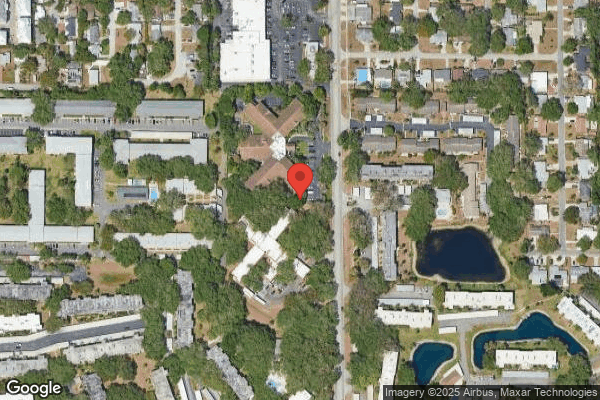
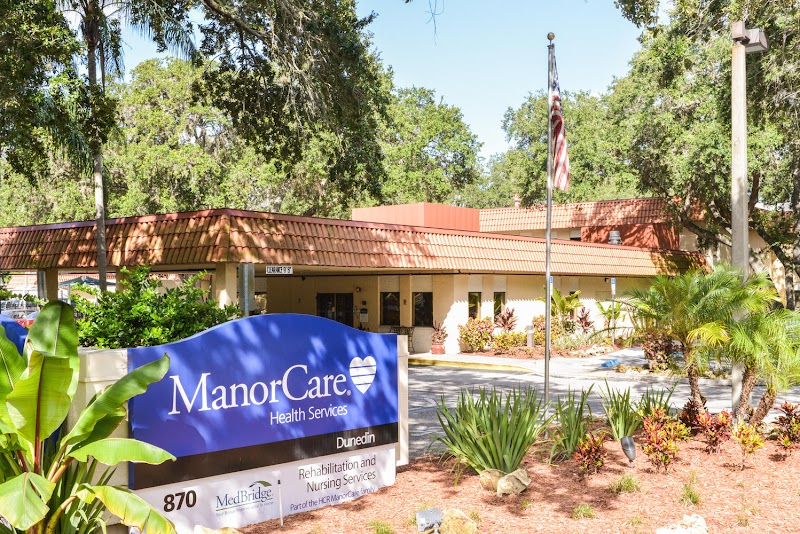
870 PATRICIA AVE, DUNEDIN, FL 34698 (727) 734-8861
For profit - Limited Liability company 120 Beds Independent Data: November 2025 2 Immediate Jeopardy citations
Trust Grade
16/100
#529 of 690 in FL
Last Inspection: December 2023

Within standard 12-15 month inspection cycle. Federal law requires annual inspections.

Overview

Meadowpark Health and Rehabilitation Center in Dunedin, Florida has received a Trust Grade of F, indicating significant concerns about the quality of care provided, which places it in the poor category. It ranks #529 out of 690 nursing homes in Florida, meaning it is in the bottom half of facilities statewide, and #38 out of 64 in Pinellas County, suggesting limited local options for better care. While the facility's trend shows improvement, dropping from 10 issues in 2023 to 5 in 2024, its staffing rating is average with a concerning turnover rate of 68%, significantly higher than the state average. Notably, it has incurred $72,858 in fines, which is higher than 86% of Florida facilities, indicating ongoing compliance issues. Specific incidents include a failure to prevent a resident at risk of elopement from accessing unsafe areas, which poses serious safety risks, as well as inadequate management of grievances for multiple residents, highlighting weaknesses in both safety measures and communication. While there is above-average RN coverage, the overall performance raises important questions for families considering this facility for their loved ones.

Trust Score
F
16/100
In Florida
#529/690
Bottom 24%
Safety Record
High Risk
Review needed
Inspections
Getting Better
10 → 5 violations
Staff Stability
⚠ Watch
68% turnover. Above average. Higher turnover means staff may not know residents' routines.
Penalties
✓ Good
$72,858 in fines. Lower than most Florida facilities. Relatively clean record.
Skilled Nurses
✓ Good
Each resident gets 57 minutes of Registered Nurse (RN) attention daily — more than average for Florida. RNs are trained to catch health problems early.
Violations
⚠ Watch
20 deficiencies on record. Higher than average. Multiple issues found across inspections.
★★☆☆☆
2.0
Overall Rating
★★★☆☆
3.0
Staff Levels
★★★★★
5.0
Care Quality
★☆☆☆☆
1.0
Inspection Score
Stable
2023: 10 issues
2024: 5 issues

The Good

  • 5-Star Quality Measures · Strong clinical quality outcomes
  • Full Sprinkler Coverage · Fire safety systems throughout facility
  • No fines on record

Facility shows strength in quality measures, fire safety.

The Bad

2-Star Overall Rating

Below Florida average (3.2)

Below average - review inspection findings carefully

Staff Turnover: 68%

21pts above Florida avg (46%)

Frequent staff changes - ask about care continuity

Federal Fines: $72,858

Well above median ($33,413)

Moderate penalties - review what triggered them

Staff turnover is elevated (68%)

20 points above Florida average of 48%

The Ugly 20 deficiencies on record

2 life-threatening
Nov 2024 5 deficiencies
CONCERN (D) 📢 Someone Reported This

A family member, employee, or ombudsman was alarmed enough to file a formal complaint

Potential for Harm - no one hurt, but risky conditions existed

Resident Rights (Tag F0550)

Could have caused harm · This affected 1 resident

**NOTE- TERMS IN BRACKETS HAVE BEEN EDITED TO PROTECT CONFIDENTIALITY** Based on observations, interviews, and record review the facility failed to ensure resident rights were honored for two resident...

Read full inspector narrative →
**NOTE- TERMS IN BRACKETS HAVE BEEN EDITED TO PROTECT CONFIDENTIALITY** Based on observations, interviews, and record review the facility failed to ensure resident rights were honored for two residents (#3 and #4) out of 3 residents sampled related to removing residents from isolation precautions according to the standards of practice. Findings included: 1. Review of Resident #3's admission Record revealed she was admitted to the facility on [DATE] with medical diagnoses of enterocolitis due to clostridium difficile (C-Diff) and major depressive disorder. An observation was made on 11/20/2024 at 10:25 a.m., Resident #3's room was observed to have a contact precaution sign on the door. Staff D, Occupational Therapist Assistant (OTA), was observed in the resident's room. She stated Resident #3 was getting dressed, she would be out soon, she would be going down to therapy. Staff D, OTA was observed to have gloves on, no gown, and no mask. Resident #3 was observed sitting on her bedside, with the top half of her body dressed. An observation and interview was conducted on 11/20/2024 at 10:30 a.m., Resident #3 was observed in her wheelchair, coming out of her room, with Staff D, OTA propelling the resident. Staff D, OTA pointed to the precaution sign on Resident #3's door, she said, they left the sign up on the door, she came off precautions yesterday. (photographic evidence obtained). An interview was conducted with Resident #3 on 11/20/24 at 11:05 AM. She said she had not had diarrhea for a while now. An interview was conducted on 11/21/24 at 11:30 AM with Resident #3. She said, since she has been on isolation she has not been able to go to therapy gym and do her exercises. She said the therapists have been coming to her room to do exercises. She said, Yesterday, or maybe the day before, I was able to go to the therapy gym and use their equipment. Review of Resident #3's Minimum Data Set (MDS), dated [DATE], Section C, Cognitive Patterns revealed a Brief Interview for Mental Status (BIMS) score of 15 out of 15, indicating the resident was cognitively intact. Review of Resident #3's physician orders revealed an order with a start date of 11/1/24 and no end date for Contact precautions: C-diff every shift. There was also a physician's order with a start date of 11/2/24 and no end date for Contact Precautions: encourage and assist resident to maintain contact precautions for C-diff every shift. There was a physician's order with a start date of 11/1/24 and an end date of 11/6/24 for Vancomycin HCL [hydrochloride] oral solution reconstituted 25MG/ML [milligrams/milliliters] Give 125 mg by mouth two times a day for c-diff for 5 days. Review of Resident #3's November 2024 Medication Administration Record (MAR) revealed she received her Vancomycin antibiotic ordered for C-diff as ordered and her last dose of Vancomycin was administered on 11/6/24 at 2100. Further review of the November MAR revealed the resident was on contact isolation: C-diff every shift from November first through the day shift of November 20th. Review of Resident #3's November POC Response History, Bowel Management revealed the last documented bowel movement was on 11/18/24 at 2:59 PM and 7:33 PM and both were documented as Formed/Normal 2. Review of Resident #4's admission Record revealed she was admitted to the facility on [DATE] and discharged on 11/15/24. Her medical diagnoses included COVID-19, Parkinsonism, cerebral infarction, acute and chronic respiratory failure with hypoxia, and chronic obstructive pulmonary disease, pleural effusion in other conditions. Review of Resident #4's hospital Chart Summary, dated 11/12/24, revealed, Labs (11/2/24 00:00 [midnight]-11/3/24 21:15 [9:15]) .Micro Rapid Testing COVID 19 Results RT-PCR: Positive . (11/03 14:55 [2:55PM]). Review of Resident #4's physician orders revealed an order for start date of 11/13/24 and an end date of 11/23/24 for Contact Precautions: Encourage and assist resident to maintain contact precautions for (COVID) every shift for 10 days. Review of Resident #4's November MAR revealed the physician order Contact Precautions: Encourage and assist resident to maintain contact precautions for (COVID). every shift for 10 days. Was signed off as completed every shift from 11/13/24 day shift through 11/14/24 night shift. An interview was conducted on 11/20/24 at 12:48 PM with the Assistant Director of Nursing (ADON)/Infection Preventionist. She said, Resident #3 is on isolation for C-diff. She said C-Diff isolation requires strict contact precautions with personal protective equipment (PPE) of gloves and gown and washing hands with soap and water when you go in to take care of the resident. She said C-diff has spores that stick to you and can travel to other areas. Someone on C-diff precautions would stay on isolation until symptoms resolves, meaning no diarrhea, and they have to finish their antibiotics. The ADON/Infection Prevention reviewed Resident #3 record and said the resident had finished her antibiotic of Vancomycin on 11/6/24. The ADON/Infection Preventionist said, It looks like we have not done anything to change any of that. She confirmed Resident #3 did not need to be on isolation, and Resident #3 did not have diarrhea. The ADON/Infection Preventionist said the facility currently does not have any residents who are COVID-19 positive but if a resident comes from the hospital COVID-19 positive the resident is placed on contact/droplet precautions for 10 days starting from the time they are admitted and they can come off isolation after day 10 as long as they are symptom free. She said, But I have not had anyone come to me with symptoms. The ADON/Infection Preventionist confirmed the facility's policy was to isolate residents for the start of COVID symptoms, per the Centers for Disease Control and Prevention (CDC). She said the last resident to have COVID-19 was Resident #4, and she remained on contact/droplet precautions until she discharged on 11/15/24. The ADON/Infection Preventionist reviewed Resident #4's medical record and confirmed she tested positive for COVID-19 in the hospital on [DATE]. The ADON/Infection Preventionist confirmed the facility's policy is to isolate residents from the start of COVID symptoms for 10 days. She said Resident #4 should have been off isolation on 11/13/24. The ADON/Infection Preventionist said she is not aware of any policy or procedure the facility has on ensuring residents are taken off of isolation timely. She said if she was a nurse giving the last dose of antibiotics, she would question the reason for the resident still being on isolation. She said in her tracking and trending of infections and antibiotics she does not have a process to ensure residents are taken off of isolation when they are supposed to be taken off. An interview was conducted on 11/20/24 at 1:36 PM with Staff A, Licensed Practical Nurse (LPN) and Staff B, LPN, they said for COVID positive residents who come from the hospital they are on isolation for 10 days from the time they are admitted not the time they test positive, and the residents have to stay in their room. Staff A, LPN said residents who are positive for C-Diff can come off isolation after they complete their course of antibiotics, and they are not having diarrhea. She stated she was taking care of Resident #3 and confirmed she was on isolation for C-diff. She reviewed the medical record and said the resident was not taking antibiotics for C-diff and she would have to look into why the resident was still on isolation because she was not having loose stool. Review of the facility's policy titled Standards and Guidelines: Transmission Based Precautions, revised on 2/2024, revealed the following: Standard Guideline: All staff receive training on transmission-based precautions upon hire and at least annually. Procedure: .2. Contact Precautions- a. Intended to prevent transmission of infectious agents which are spread by direct or indirect contact with the resident or the resident's environment. b. Make decision regarding private room on a case-by-case basis after considering infections risks to other residents in the room and available alternatives. c. Healthcare personnel caring for residents on Contact Precautions wear a gown and gloves for all interactions that may involve contact with the resident or potentially contaminated areas in the resident's environment. d. Donning personal protective equipment (PPE) upon room entry and discarding before exiting the room is done to contain pathogens. 2. Droplet Precautions- a. Intended to prevent transmission of pathogens spread through close respiratory or mucous membrane contact with respiratory secretions (i.e. respiratory droplets that are generated by a resident who is coughing, sneezing, or talking). b. Make decision regarding private room on a case-by-case basis after considering infections risks to other residents in the room and available alternatives. c. Healthcare Personnel wear a surgical mask for close contact with infectious resident. d. Residents on Droplet Precautions who must be transported outside of the room should wear a surgical mask if tolerated, and follow respiratory hygiene/cough etiquette. .5. Discontinuation of Transmission-Based Precautions (Isolation)- a. Transmission-Based Precautions remain in effect for limited periods (i.e. while the risk of transmission of the infectious agent persists or for the duration of the illness). b. Strategies for determining to discontinue precautions, organism specific as summarized in table at the end of this policy. i. Consider the known pattern of persistence and shedding of infectious agents associated with the natural history of the infectious process and its treatment. ii. Symptoms of disease is resolved. iii. Adhere to state laws and regulations. . Type and Duration of Transmission-Based Precautions Recommended doe Selected Infections and Conditions .Clostridioides difficile, formerly Clostridium difficile Precaution-Contact Duration-Duration of illness Comments- Hand hygiene with soap and water. .Coronavirus (COVID-19) Precaution-Droplet Duration- [blank] Comments- Refer to CDC for up-to-date isolation standards. Review of the facility's policy titled Standards and guidelines: SCREENING, TESTING, RETURN TO WORK (HCP [healthcare provider]), PERSONAL EQUIPMENT, ISOLATION, REPORTING, revised on 6/24/24, revealed the following: .Isolation 1. Single room isolation preferred if available. Isolation is 10 days from the start of COVID symptoms, per the CDC .
CONCERN (D) 📢 Someone Reported This

A family member, employee, or ombudsman was alarmed enough to file a formal complaint

Potential for Harm - no one hurt, but risky conditions existed

Comprehensive Care Plan (Tag F0656)

Could have caused harm · This affected 1 resident

**NOTE- TERMS IN BRACKETS HAVE BEEN EDITED TO PROTECT CONFIDENTIALITY** Based on observation, record review, and interviews, the facility failed to ensure the development of a person-centered care pla...

Read full inspector narrative →
**NOTE- TERMS IN BRACKETS HAVE BEEN EDITED TO PROTECT CONFIDENTIALITY** Based on observation, record review, and interviews, the facility failed to ensure the development of a person-centered care plan related to shoulder replacement and pain during care for one resident (#2) of eight sampled residents. Findings included: A review of Resident #2's medical record revealed an admission date of 04/23/2024, with readmission on [DATE]. The medical diagnosis list included, Parkinson's disease without dyskinesia without mention of fluctuations; moderate protein calorie malnutrition; altered mental status; cellulitis of right toe; dementia in other diseases .metabolic syndrome; other iron deficiencies anemia; generalized anxiety disorder . presence of left artificial shoulder joint. A review of Resident #2's MDS (Minimum Data Set) Quarterly Assessment, dated 10/22/2024, Section C, documented a Brief Interview for Mental Status (BIMS) score of 8, which meant Resident #2 was moderately impaired. On 11/20/2024 at 11:05 a.m., an observation was conducted of Resident #2 in his room. Lights were dim. Television was on. Low bed. Resident was in bed, body facing the wall. On 11/20/2024 at 12:47 p.m., an interview was conducted with a representative from an outside provider. She stated on 08/05/2024 she had received a call from Resident #2 and during the call, Resident #2 had alleged he had a history of left shoulder replacement, and staff often pull on this shoulder to move him and it causes him pain. The representative stated she had reviewed Resident #2's medical record and validated he did have a shoulder replacement done and she was concerned about the handling of the resident. A review of Resident #2's Care Plan, print date of 11/20/2024, revealed no documentation or information pertaining to the resident having a shoulder replacement or that he was identified to have shoulder pain during care. There were no interventions listed for the staff to detail how to care for the resident. A review of Resident #2's [NAME], print date of 11/20/2024, reflected no information for staff to know Resident #2 had a shoulder replacement, pain during care, or interventions for staff on how to care for the resident. On 11/20/2024 at approximately 3:00 p.m., an interview was conducted with the Assistant Director of Nursing (ADON). She stated Resident #2 was a total care assist. She stated, He has an old shoulder injury, not sure if it was a replacement, he does have pain. She stated the staff should know about the shoulder replacement and the assigned nurse should make sure this was identified to staff caring for the resident. She stated, I know when we turn him, he always says to be careful grabbing the shoulder; when we go to roll him, he does not want us to grab the shoulder. On 11/21/2024 at 9:26 a.m., an interview was conducted with the Director of Nursing (DON). She presented a radiology interpretation, dated 07/30/2024 for review. The report showed: History Pain left shoulder for Resident #2, which documented: Left shoulder Complete, findings: Postoperative changes of shoulder replacement with anatomical alignment noted. Sub-acromial space is within normal limits. No acute fracture, Osteopenia. Impression. No acute fracture. Intact prosthesis. The DON stated the x-ray was done for Resident #2 Because he complained of pain. On 11/21/2024 at approximately 12:30 p.m., the NHA provided a statement, IDT (Interdisciplinary Team) follows the RAI (Resident Assessment Instrument) manual regarding the care planning process. A review of the document provided revealed the following: CMS's (Centers for Medicare and Medicaid Services) RAI Version 3.0 Manual excerpts, page 2-44: Resident's preferences and goals may change throughout their stay, so facilities should have ongoing discussions with the resident and resident representative, if applicable, so that changes can be reflected in the comprehensive care plan. Page 4-9 included: Selecting interventions/ planning care, Identify and implement interventions and treatments to address the individual's physical, functional, and psychosocial needs, concerns, problems and risks.
CONCERN (D) 📢 Someone Reported This

A family member, employee, or ombudsman was alarmed enough to file a formal complaint

Potential for Harm - no one hurt, but risky conditions existed

Deficiency F0657 (Tag F0657)

Could have caused harm · This affected 1 resident

Based on observations, interviews, and record review, the facility failed to honor the right of the resident's representative to participate in the development of the resident's care plan for one resi...

Read full inspector narrative →
Based on observations, interviews, and record review, the facility failed to honor the right of the resident's representative to participate in the development of the resident's care plan for one resident (#5) out of eight sampled residents. Findings included: A review of Resident #5's admission Record, documented an admission of 07/03/2024. The Medical diagnosis included but not limited to: Chronic Obstructive Pulmonary disease, Dementia without behavioral disturbance, and generalized anxiety disorder. A review of Resident #5's MDS (Minimum Data Set) assessments reflected a quarterly assessment had been completed on 10/08/2024. The assessment documented a BIMS score of 3, which indicated severe cognitive impairment. On 11/20/2024 at 4:44 p.m., an observation was conducted of Resident #5 sitting in a wheelchair close to the nurses' station, she was dressed, groomed, clean in appearance talking to other residents next to her. A phone interview was conducted on 11/20/2024 at 4:03 p.m. with Resident #5's family member. During the interview, she stated, I have asked for a care plan meeting, and I have not received a response. The other facility she was in, we would meet and talk. Nothing like that here. (Resident #5) has lost weight since she has been there. I would like to know about her shower process. I would like to know what she is eating, On 11/21/2024 at 10:03 a.m. an interview was conducted with the Social Service Director (SSD) and the Regional MDS Coordinator. The SSD confirmed she was responsible to invite persons to the care plan meetings. The SSD stated, Based on whether the resident is alert and oriented, I invite them, and I ask if they want any person invited to the care plan. For a non-oriented person, I would look at the emergency contact, or POA (Power of Attorney) on the face sheet, sometimes it is the case manager. She stated, I would phone call them. If we have an e-mail on file, I use the e-mail. There used to be a letter that would go out, but, I have not used that method. I have never used the letter method. She said she gets out the invitation two weeks prior to the conference. On 11/21/2024 at 10:17 a.m., a request for documentation of care plan meeting participants and invitations to the care plan meetings for Resident #5 was requested. On 11/21/2024 at 1:08 p.m., the SSD and Regional MDS Coordinator were interviewed. The SSD provided a progress note, created on 11/21/2024, which documented a request for a care plan meeting from Resident #5's (family member). The SSD provided a progress note, with an effective date of 11/15/2024, which reflected an invitation to schedule a care plan meeting with the family member. The SSD stated a care plan meeting had taken place today, and the family member was present. The Regional MDS Coordinator stated he would have to look to see if any other care plan meetings had been conducted with a family member. He stated care plan meetings were held every quarter, (i.e. every 90 days). On 11/21/2024 at 2:14 p.m., the Regional MDS Coordinator provided a progress note which reflected a Baseline care plan had been completed and reviewed with the resident and/or resident representative on 07/03/2024. The Regional MDS coordinator confirmed the progress note was generated from the admission assessment and the form did not have any evidence of being reviewed by the family member. No additional information was provided by the facility to support an invitation had been extended to Resident #5's family member for a care plan meeting for the admission or quarterly assessment conducted approximately 90 days after her admission in October 2024 until the date of survey on 11/21/2024.
CONCERN (D) 📢 Someone Reported This

A family member, employee, or ombudsman was alarmed enough to file a formal complaint

Potential for Harm - no one hurt, but risky conditions existed

ADL Care (Tag F0677)

Could have caused harm · This affected 1 resident

**NOTE- TERMS IN BRACKETS HAVE BEEN EDITED TO PROTECT CONFIDENTIALITY** Based on observations, interviews, and record review, the facility failed to provide Activities of Daily Living (ADL) services r...

Read full inspector narrative →
**NOTE- TERMS IN BRACKETS HAVE BEEN EDITED TO PROTECT CONFIDENTIALITY** Based on observations, interviews, and record review, the facility failed to provide Activities of Daily Living (ADL) services related to toileting for two residents (#2 and #5) out of eight sampled residents. Findings include: Resident #2: A review of Resident #2's medical record revealed an admission date of 04/23/2024, and readmission on [DATE]. Resident #2's medical diagnosis list included: Parkinson's disease without dyskinesia without mention of fluctuations; moderate protein calorie malnutrition; altered mental status; cellulitis of right toe; dementia in other diseases .metabolic syndrome; other iron deficiencies anemia; generalized anxiety disorder . presence of left artificial shoulder joint. A review of Resident #2's MDS (Minimum Data Set) Quarterly Assessment, dated 10/22/2024, Section C, documented a Brief Interview for Mental Status (BIMS) score of 8, indicating Resident #2 was moderately cognitively impaired. On 11/20/2024 at approximately 3:00 p.m., an interview was conducted with the Assistant Director of Nursing (ADON). She stated Resident #2 was a total care assist for ADL's. On 11/20/2024, 4:35 p.m., an observation was conducted of Resident #2. The resident was observed dressed in a shirt and no bottoms, a diaper was visible. His television was on. An attempt to interview the resident was conducted. The resident's conversation was not directable. He did not answer the questions posed. When leaving, he stated he wanted his door left open. A review of Resident #2's Care plan revealed the following: Focus: (Resident) has an ADL (Activity of Daily Living) self-care deficit r/t Activity intolerance, ADL needs and participation vary, chronic medical conditions, dementia, limited mobility, edema, AMS, Parkinson, obesity weakness asthma, dementia, . Interventions included: Bed Mobility: (Resident) is dependent and is unable to repositioned or move themselves in bed. Changing (resident)s position may require 2 people. Move and reposition (resident) about every 2 hours or more often (unless other instructions are given) to prevent discomfort or skin concerns . Transfer: (Resident) is dependent is unable to assist with transfer and will need assistance X 2 staff and a mechanical lift to move from bed to chair and back, 04/24/2024. Toileting: (Resident) is not able to participate in the task at all and will need staff to move, cleanse, and dress them. This may require the Dependent assistance of 2 people to be done thoroughly and safely. Focus: (Resident) is at risk for complications r/t bowel and/or bladder incontinence, constipation, .initiated 04/23/2024, revised 09/04/2024. Interventions included: Provide incontinence care with each incontinence episode as tolerated, effective 04/24/2024. A review of Resident #2's ADL Bladder and Bowel Management documentation for incontinence care, dated 11/01/2024 through 11/20/2024 reflected the following: 11/01, care at 5:14; 11/02, care at 00:14, and 20:29; 11/03, care at 1:49, and 22:50; 11/06, care at 6:59, and 16:49; 11/07, care at 00:37, and 21:34; 11/10, care at 13:57, and 21:51; 11/15, care at 22:54; 11/16, no care was documented. 11/17, care at 1:22, and 21:09; 11/20, care at 0028, and 21:47; Resident #5 A review of Resident #5's admission Record, documented an admission of 07/03/2024. The Medical diagnosis information included but not limited to: Chronic Obstructive Pulmonary disease, Dementia without behavioral disturbance, and generalized anxiety disorder. A review of Resident #5's MDS assessment, quarterly review dated 10/08/2024 documented a BIMS score of 3, which indicated severe cognitive impairment. A phone interview was conducted on 11/20/2024 at 4:03 p.m. with the family member for Resident #5. The family member stated on 11/09/24, I went in to see (Resident #5) and all her bedding was gone. (Resident #5) was up and dressed, the CNA that was working, said she got to my (Resident #5's) room, she was naked and laying in her bed and her bedding was soaked. I was like wow. She said I should complain. I went to (Staff G, Licensed Practical Nurse (LPN)). She said no one told her about it. I do not know. I took (Resident #5) out to my girlfriends. (Resident #5) smelled. I gave her a shower. Nothing happened after that. So, I told (the Business Office Manager) because nothing happened. It happened that day. I complained that Saturday. The girl that had cleaned up (Resident #5), her name was (Staff E). She apologized for finding (Resident #5) that way. She said the night shift did not do their job. When asked if the facility had communicated a response to her grievance, she said, No, you are the first person to call. A review of Resident #5's Care Plan revealed the following: Focus: (Resident) has an ADL self-care deficit r/t Dementia, chronic medical issues, weakness/ decreased mobility. ADL needs and participation may vary, initiated 07/04/2024. Interventions included: ADL CARE: the resident may need limited to extensive assistance x 1 or x 2 for ADL care. This may fluctuate with weakness, fatigue, and weight bearing status, initiated 11/20/2024. Toileting: Limited: (Resident) can transfer on and off of the toilet bed pan without physical help, but will need limited with wiping, clothing, and washing up, initiated 07/04/2024. Focus: (Resident) is at risk for complications r/t bowel and/or bladder incontinence, initiated 07/04/2024. Interventions included: Provide incontinence care with each incontinence episode as tolerated. A review of Resident #5's ADL Bladder and Bowel Management documentation for incontinence care, dated 11/01/2024 through 11/20/2024, revealed the following: 11/02, care at 4:32, and 22:59; 11/03, care at 20:38; 11/08, care at 1:35; and 14:59; 11/09, care at 3:24; and 22:00; 11/16, care at 6:37; and 22:34; 11/20, no documented services provided. A phone interview was conducted on 11/21/2024 at 10:24 a.m. with (Staff E, CNA), regarding her 7:00 a.m.-3:00 p.m. shift on 11/09/2024. She stated, When I came in that morning, I do my rounds, check on everyone. They should not be soiled. I went to her room; I saw her bed was soiled. She was completely soaked. Completely soaked, urine. She did not have on a brief. My whole section / assignment had no briefs on. Everyone was confused. She stated, I told the nurse. My whole unit was absolutely soaked, I was upset. So, she stated she was going to check into who was on shift before me and address it. I said good. I said no one should be completely soaked if the prior shift had done their job. On (Resident #5's) situation, her family came in, maybe the afternoon, to have lunch. Her (family member) was asking about a blanket. I was cleaning the bed when she came in. She said Hey, thank you so much. I said, she was completely soiled. She said, my (Resident #5), that was not normal. The (family member) said, I have not ever seen (Resident #5) take off her brief. She was not completely naked, just no brief. No one on the set had briefs on. A phone interview was conducted on 11/21/2024 at approximately 11:00 a.m. with Staff G, LPN. When asked about the grievance for Resident #5, and if management had spoken to her about it to her or obtained a statement, she stated, no. When asked if any of the aides had approached her about incontinence concerns or lack of incontinent care, she stated, They did tell me something. They did say how the (family member) said the aide told her she found the resident filthy, dirty, soaked, naked. The (family member) said she had filed a complaint. The thing is the resident is getting more confused. She had been removing her diaper. That is what night shift was saying. That she had been soiling her diaper. She had been having more incontinence. (Staff E, CNA) found the resident in the condition. I asked the aide, (Staff F, CNA) about it. (Staff F) informed me that she had done her job. She stated she assessed Resident #5 when she was informed and she stated, There is nothing wrong with her skin. The family came at around 11:00 a.m. The patient has severe dementia. She can get wet in 3 minutes. On 11/21/2024 at 11:40 a.m., the Director of Nursing was interviewed. She stated it was her expectation the aides would document at minimum of two times per shift for incontinence care, (i.e. three shifts per day, thus six entries for incontinence care during a 24-hour period).
CONCERN (E) 📢 Someone Reported This

A family member, employee, or ombudsman was alarmed enough to file a formal complaint

Potential for Harm - no one hurt, but risky conditions existed

Grievances (Tag F0585)

Could have caused harm · This affected multiple residents

**NOTE- TERMS IN BRACKETS HAVE BEEN EDITED TO PROTECT CONFIDENTIALITY** Based on observations, interviews, and record review, the facility failed to ensure the grievance process was conducted to resol...

Read full inspector narrative →
**NOTE- TERMS IN BRACKETS HAVE BEEN EDITED TO PROTECT CONFIDENTIALITY** Based on observations, interviews, and record review, the facility failed to ensure the grievance process was conducted to resolve grievances in a timely manner for five residents (#3, #5, #6, #7, and #8) of eight sampled residents. Findings included: On 11/20/2024 at approximately 11:50 a.m., the NHA (Nursing Home Administrator) presented the facility grievance logs for 01/01/2024 through the date of survey, 11/20/2024. A review of the log revealed no information to identify the type of concern the grievance was about. The NHA was interviewed at 11:57 a.m. The NHA said she could not identify what kind of grievance was filed and she did not see a column to identify the type of grievance filed by the submitter. She stated, For March and April, there is a category column on the form and then, they switched back to the incorrect form. She stated there should be an identifier as to the type of grievance. She stated it was important to identify the type of the grievance for tracks and trends, to identify if there are areas to focus on for improvement. Resident #3: On 11/20/2024 at 10:30 a.m., Resident #3 was observed in her wheelchair (w/c), coming out of her room, assisted by Staff D, Occupational Therapist Assistant. Resident #3 agreed to an interview. When asked about call bell response, she stated, Well, they are sometimes a little slow in getting to me, they come in about 10 minutes, longest 15 minutes, or longer. One day, they had gotten me up in my wheelchair, and I had been sitting in it a very long time. I asked the aide to put me back in bed. I do not know her name. It was on the day shift. She said she did not put me there. When I asked her for a nurse, she said, if I see one. She was rude. I am afraid of retaliation. I got in bed myself. I am a fall risk. My (family member) reported it. The resident said she had talked to someone about it as well. Resident #3 was able to describe the aide's physical characteristics, and stated the aide was not working today, but thought she worked yesterday. Resident #3 stated the event occurred during the day shift, though she did not say what day the event occurred. A review of Resident #3's admission Record reflected an admission of 10/31/2024. Resident #3's Diagnosis Information included: Acute respiratory failure with hypoxia, Enterocolitis due to clostridium difficile, need for assistance with personal care and Hypertensive heart disease without heart failure. A review of MDS (Minimum Data Set), assessment dated [DATE], Section C, Cognitive Patterns, documented a Brief Interview for Mental Status (BIMS) score of 15, which meant the resident was cognitively intact. A review of Resident #3's Care Plan, reflected the following: Focus: Resident has a potential for ADL (Activities of Daily Living) self-care deficit r/t ADL needs and participation vary, general weakness s/p (status post) hospital stay with multiple medical issues, initiated on 11/01/2024. Interventions included: ADL Care: The resident may need limited to extensive assistance x1 or x2 for ADL care. Transfer: the resident is limited to extensive and may need assistance x1 or x2 for transfers in and out of chair or bed. This may fluctuate with weakness, fatigue, and weight bearing status. A review of the facility's Grievance log, dated 10/01/2024 to present revealed no listing of a grievance for Resident #3. Resident #5: A review of a grievance, dated 11/09/2024, for Resident #5, filed by the resident's (family member), documented a complaint as follows: Complaint that she was informed today by a (Staff E, CNA (certified nursing assistant), that (Resident #5) naked & soaked of urine when she came in. Stated that might have been since last night. (Family member) is concerned why no one changed her at night. The grievance investigation and follow-up area on the form were blank. A review of the facility Grievance log for 11/2024, documented the 11/0924 complaint for Resident #5 was resolved on 11/11/2024. An interview was conducted on 11/20/2024 at 1:46 p.m. with the Nursing Home Administrator (NHA) and the Social Services Director (SSD). A review of Resident #5's family member's grievance was conducted. The SSD stated, It looks like the Business Office Manager took the complaint. The SSD said, We have to get that form back form nursing, when asked why the form was blank. The NHA said, The resident is mobile and confused. The SSD confirmed the resident currently resided in the facility. When asked if there was an assessment on the resident after the grievance was filed, the SSD stated, I would have to follow-up with nursing, the grievance was only reported to nursing. When asked if she knew who the aide was assigned during the allegation, the NHA said, We can check with nursing to see if they included it on her form. When the SSD was asked her time frame to complete a grievance, she stated, Forty-eight (48) hours, as soon as possible. The SSD said, If I get it at the first of the week, my goal is the end of the week. If I get it at the end of the week, my goal is the beginning of the week, On 11/20/2024 at 3:12 p.m., an interview was conducted with the Assistant Director of Nursing (ADON). She confirmed she was the facility Staff Educator. She stated she was unaware of Resident #5's 11/09 complaint. A review of Resident #5's admission Record, documented an admission of 07/03/2024. The Medical diagnosis information included but not limited to: Chronic Obstructive Pulmonary disease, Dementia without behavioral disturbance, and generalized anxiety disorder. A review of Resident #5's MDS assessment, quarterly review dated 10/08/2024, documented a BIMS score of 3, which indicated severe cognitive impairment. A review of Resident #5's Care Plan documented: Focus: (Resident) has an ADL self-care deficit r/t Dementia, chronic medical issues, weakness/ decreased mobility. ADL needs and participation may vary, initiated 07/04/2024. Interventions included: ADL CARE: the resident may need limited to extensive assistance x 1 or x 2 for ADL care. This may fluctuate with weakness, fatigue, and weight bearing status, initiated 11/20/2024. Toileting: Limited: (Resident) can transfer on and off of the toilet bed pan without physical help, but will need limited with wiping, clothing, and washing up, initiated 07/04/2024. Focus: (Resident) is at risk for complications r/t bowel and/or bladder incontinence, initiated 07/04/2024. Interventions included: Provide incontinence care with each incontinence episode as tolerated. A phone interview was conducted on 11/20/2024 at 4:03 p.m. with the family member for Resident #5. The family member stated on 11/09/24, I went in to see (Resident #5) and all her bedding was gone. (Resident #5) was up and dressed, the CNA that was working, said she got to my (Resident #5's) room, she was naked and laying in her bed and her bedding was soaked. I was like wow. She said I should complain. I went to (Staff G, Licensed Practical Nurse (LPN)). She said no one told her about it. I do not know. I took (Resident #5) out to my girlfriends. (Resident #5) smelled. I gave her a shower. Nothing happened after that. So, I told (the Business Office Manager) because nothing happened. It happened that day. I complained that Saturday. The girl that had cleaned up (Resident #5), her name was (Staff E). She apologized for finding (Resident #5) that way. She said the night shift did not do their job. When asked if the facility had communicated a response to her grievance, she said, No, you are the first person to call. An interview was conducted on 11/20/2024 at 5:09 pm with the Director of Nursing (DON) and the NHA. The DON confirmed she just became aware of Resident #5's grievance. The DON stated she was on vacation on 11/09 and returned on 11/11. NHA stated today was the first day she read the grievance for Resident #5. Review of sampled grievances from 09/01/2024 thru 11/20/2024: For Resident #6. A review of a grievance, dated 09/06/02024 for Resident #6, documented his Emergency Contact #1 (EC#1) submitted the following: On 09/05/2024, day of incident, (EC#1) stated that resident was left in his chair all day soaked in urine all the way down to his shoes and on to the floor . The form was signed by Staff I, Unit Manager (UM)). The form follow-up: Spoke with (EC#1) over the phone regarding her concerns. This UM listened to (EC#1) during this call. (EC#1) was doing most of the talking. Care conference offered to her & agrees & will attend either in person or by phone, depending on how she feels. Further review of the form documented the concern was resolved on 09/06/2024. The Risk management area on the form had no documentation of being signed. For Resident #7. A review of a grievance, dated 10/23/2024 for Resident #7, documented her family member submitted the following: 9 am. This AM (Resident #7) left in wet diaper & has diaper rash. 11:45 a.m. (Resident #7) called sending her to hospital he was never notified. 2:15, Pt (patient) sent to hospital per (family member). The form was signed by the SSD (Social Service Director). The form follow-up: Spoke to nursing about wet brief and notification of resident being transported out to hospital. The resident called before they could get call to son. The form documented the grievance was resolved on 10/23/2024. Risk management area on the form had no documentation of being signed. For Resident #8. A review of a grievance dated 11/05/2024, submitted by Resident #8, documented the following: I was in bathroom on toilet, didn't get my brief off (yet). (Staff J, CNA), 7-3 p.m., came into room-I calmly, quietly requested her help to get my brief off so I could (no 2) (sic) to bathroom. She (Staff J, CNA) responded to my request, said, I'm not doing this with you (Resident #8) and in a very derogatory tone to me and left bathroom & closed door without helping me. Before she left-again I calmly said, what are you talking about? - She again said no- This was so surprising & upsetting to me. I now couldn't go to bathroom because on seat, still with my brief on me. Couple minutes later (Staff K, CNA) came into take by brief off. (Staff J, CNA) unpleasant & unkind. The form was documented to have been investigated by the ADON (Assistant Director of Nursing). The follow-up: (Staff J, CNA) reported resident was short tempered and agitated from earlier interaction when she, (Staff J, CNA) asked (Resident #8) to wait until she finished with another resident. During assist with brief, (Resident #8) pushed her away with her upper body. (Staff J, CNA) reported interaction to nurse & UM, (Staff J, CNA) will not take care of Resident #8 moving forward. The form documented the grievance was resolved 11/06/2024. Risk management area on the form had no documentation of being signed. A review of the facility' policy titled Standards and Guidelines: Grievances-Resident Rights, last revised 07/2024, documented the following: Guideline: The Administrator and staff will make prompt efforts to resolve grievances to the satisfaction of the resident and/ or representative. Procedure included: 1. Any resident, family member, or appointed resident representative may file a grievance or complaint concerning the care, treatment, behavior of other residents, staff members, theft of property, or any other concerns regarding his or her stay at the facility. Grievances also may be voiced or filed regarding care that has not been furnished. 2. 3. Section 8: Upon receipt of a grievance and/or complaint, the Grievance Officer will review and investigate the allegations and submit a report of such findings to the Administrator within five (5) working days of receiving the grievance and/or complaint. In the event the facilities investigation exceeds five (5) working days, the resident/responsible party will be notified. .9. The Grievance Officer will coordinate actions with the appropriate state and federal agencies, depending on the allegations. All alleged violations of neglect, abuse and/or misappropriation of property will be reported and investigated under guidelines for reporting abuse, neglect and misappropriation of property, as per state law. 10. The Grievance Officer, Administrator and Staff will take immediate action to prevent further potential violations of resident rights while the alleged violation is being investigated. 11. The Administrator will review the findings with the Grievance Officer to determine what corrective actions, if any need to be taken. 12. The resident, or person filing the grievance and/or complaint on behalf of the resident, will be informed (verbally and/or in writing as per request) of the findings of the investigation and the actions that will be taken to correct any identified problems. a. The Administrator, or his or her designee, will make such reports orally within ten (10) working days of the filing of the grievance or complaint with the facility. b. A written summary of the investigation will also be provided to the resident upon request, and a copy will be filed in the business office. 13. If the grievance was filed anonymously . 14. The results of all grievances files investigated and reported will be maintained in the facilities electronic workspace for a minimum of three years from the issuance of the grievance decision. 15. The policy will be provided to the resident or the resident's representative upon request.
Dec 2023 7 deficiencies
CONCERN (D)

Potential for Harm - no one hurt, but risky conditions existed

Deficiency F0676 (Tag F0676)

Could have caused harm · This affected 1 resident

**NOTE- TERMS IN BRACKETS HAVE BEEN EDITED TO PROTECT CONFIDENTIALITY** Based on observation, interview, and record review, the facility failed to ensure one (Resident #24) of one sampled resident rec...

Read full inspector narrative →
**NOTE- TERMS IN BRACKETS HAVE BEEN EDITED TO PROTECT CONFIDENTIALITY** Based on observation, interview, and record review, the facility failed to ensure one (Resident #24) of one sampled resident received supervision and assistance with eating during all three meals. Findings included: On 12/4/2023 at 12:20 p.m., Resident #24 was observed seated in a wheelchair, in his room, and with the over the bed table positioned in front of him. The call light was observed placed within his reach, his eyes were open, but he was not interviewable. While observing the resident, Staff F, Certified Nursing Assistant (CNA) brought in Resident #24's lunch meal tray. She set up the tray and then left the room. The resident received adaptive eating equipment to include a scoop plate and double handled plastic sip cup. He received regular silverware. He was on a mechanical soft textured diet. At 12:22 p.m. Staff F left the room immediately after setting up the tray and proceeded to help with passing out trays to other residents on the unit. Continued observations from 12:22 p.m. through to 12:40 p.m. (18 minutes), revealed Resident #24 was in his room by himself and scooping his mechanical ground food items from the scoop plate, while using his right hand and fingers. The high built up part of the scoop plate was facing away from him, so when he scooped the food items with his right hand, he brushed the food items off the non built up portion of his scoop plate, facing him. He scooped the food onto the table, on to his lap, and on to the floor. He did not have the scoop plate positioned correctly for him to be able to scoop up the food items while brushing the food towards him. There were no staff in the room to assist or supervise him during this timeframe. He was able to get some food to his mouth to eat. However, a large portion of the food items were all over him and the floor. During an observation on 12/5/2023 at 8:15 a.m., Staff A,CNA was observed to remove the last breakfast tray from the tray cart and set it up in Resident #24's room. Prior to him going in the room with the tray, Staff A and Staff C, CNA were observed talking with each other and were trying to figure out if Resident #24 and another resident down the hall required Eating assistance. Staff A told Staff C Resident #24 was set up only. Staff C replied back to Staff A, I thought he was assist feed, are you sure? Staff A replied back, I check on him from time to time. Staff A brought the tray into Resident #24's room, set it up, and left the room at 8:17 a.m. On 12/5/2023 at 8:21 a.m., during an observation the resident was seen trying to eat on his own. The resident received a mechanical soft regular diet with thin liquids to include scrambled eggs, sausage meat, a bowl of hot cereal, milk, and juice. The meal ticket verified the same. He received the meal on a scoop plate. He was using his hands and fingers to pick up his ground/mechanical food items from the scoop plate. There were no staff in the room at the time to supervise or assist with eating. Further observations revealed while the resident was in the room by himself eating, he was attempting to grab the silverware to eat, but could not scoop food onto the fork. He dropped the fork on the table and then proceeded to use his hand and fingers. The scoop plate was positioned with the high scoop portion of the plate facing away from him, rather than facing inward and towards him. On 12/5/2023 at 8:35 a.m., Resident #24 was trying to scoop food up from his plate with his fingers. He was observed with a clothing protector on and with what appeared to be mechanical soft diet textured eggs and sausage all over his lap. There was some food dropped on the floor as well. On 12/5/2023 at 8:41 a.m., Resident #24 still had not been assisted by staff. He sat alone in his room and attempted to feed himself. He was observed to get some food in his mouth, but again, he brushed food items onto himself and the floor. On 12/5/2023 at of 8:54 a.m., Resident #24 still had not been assisted by staff. He was still using his fingers to try and scoop up food items. More food items were noted spilled on him and the floor. Resident #24 was served a clear plastic cup of red juice with a lid on it as well as an empty double handled plastic sip cup. Staff did not remove the lid of the plastic juice cup, nor did staff pour the juice in the double handled sip cup for the resident to use. On 12/5/2023 from 8:17 a.m. through to 8:57 a.m. (40 minutes), the resident had not had staff supervision or assistance. On 12/5/2023 at 8:58 a.m., Staff A went into Resident #24's room. He was overheard to ask the resident if he was done with his meal, and the resident shook his head yes. He asked if he wanted any juice, and the resident was overheard to say, no. The resident had not been offered juice during the entire time he was eating as the plastic lid was secured on the cup of juice, and the double handled sip cup was empty. On 12/5/2023 at 9:00 a.m., Staff A revealed Resident #24 had consumed almost 100% of the meal and about 240 cc of liquid. However, it was observed the resident did not drink any of the juice, as it was not offered when he was initially served his tray, and he refused the juice when it was offered at the time the tray was removed. Several food items were on the floor, on the resident's lap, and on the over the bed table. Staff A revealed the resident could eat on his own but he needed mostly supervision. Staff A confirmed that he was not able to supervise the resident as much as he would have liked to this morning because he had to help serve and set up other resident trays, on other hallways. On 12/5/2023 at 12:09 p.m., the kitchen staff brought the lunch meal cart to the 240-248 hallway. Resident #24 received his meal tray from Staff A at 12:13 p.m. Staff A set up the meal for the resident and left the room at 12:15 p.m. Resident #24's meal tray consisted of two double handled sip cups with dark liquids as well as a scoop plate as adaptive eating equipment. On 12/5/2023 at 12:16 p.m., Resident #24 was observed eating and attempting to use the fork but was not getting food to his mouth appropriately, spilling food on to his lap and the floor. Continued observations from 12:15 p.m. through to 12:37 p.m. (22 minutes), revealed Resident #24 was not supervised or assisted with his meal. On 12/6/2023 at 8:20 a.m. kitchen staff brought the breakfast tray cart and parked it on the 240 - 248 hall. Staff began to take trays from the cart immediately. At 8:28 a.m., Staff A brought Resident #24 his meal tray while in his room. Resident #24 already had a plastic double handled cup with red juice in his room prior to being served his meal. Staff A brought in the tray which consisted of what appeared to be mechanical ground textured eggs with cheese and sausage. He also received a bowl of hot cereal and another plastic double handled cup with red juice. The meal items were on a scoop plate. Staff A set up the tray and assisted placing a fork in Resident #24's right hand and cued him to scoop the food. Resident #24 tried to bring the food up to his mouth with the fork, but his right hand was shaking. Staff A stayed in the room for only a couple of minutes and cued the resident with the eating utensil. The high back portion of the scoop plate was positioned outward, not inwards towards the resident. Resident #24 scooped the food toward him so there was no high portion of the plate to use. Therefore, food items spilled off the plate and onto the tray table and the resident's lap. He was wearing a clothing protector to catch the food items. Staff A left Resident #24's room at 8:31 a.m. to assist with tray pass for other residents on the hallway. Staff A returned to the room to pick up the meal tray at 9:14 a.m. There was no staff in the room from 8:31 a.m. through to 9:14 a.m. (43 minutes). On 12/6/2023 at 9:20 a.m., an interview with Staff A revealed he had Resident #24 routinely on his daily assignment and knew of his care needs. Staff A confirmed Resident #24 received adaptive eating equipment to include a scoop plate and a double handled sip cup. He confirmed Resident #24 was not able to speak related to his daily care needs, but could answer some simple yes and no questions. Staff A revealed the resident received one person assistance with most of his Activities of Daily Living, and more specifically supervision with eating. Staff A confirmed supervision meant the resident should be supervised by staff the entire meal service. Staff A said at times, Resident #24 required one person assistance with eating. Staff A could not provide a reason as to why Resident #24 did not receive juice in the double handled sip cup, and juice was left in a regular plastic cup with a lid on it the entire meal service. He also could not give a reason as to why Resident #24 was given a scoop plate with the scoop portion facing away from the resident, rather than facing in. Staff A confirmed Resident #24 scoops inward and towards him, not outwards. Staff A confirmed the food debris on the over the bed table, on the resident's lap, and on the floor. Staff A said, he routinely went in the room to check on Resident #24 every 3-5 minutes to supervise him with eating. He could not account for the forty minutes, twenty-two minutes, and forty-three minutes where Resident #24 was left alone to eat with no staff assistance or supervision. Staff A said he was, at times called to assist with tray pass and set up in different halls on the unit. During an observation on 12/7/2023 at 8:10 a.m., Staff F, CNA took a breakfast meal tray from the tray cart in the hallway and brought it to Resident #24's room. She placed and set up the meal for the resident and then sat down to assist the resident with Eating assistance. Staff F said she would set up the meal and assist the resident with eating this morning. She confirmed she did not have the resident regularly on her assignment and did not know if the resident was supposed to be assist or supervision with eating. She said she was told this morning, 12/7/2023, the resident needed full assist with eating. Though Staff F assisted Resident #24 with eating assistance, he still received the scoop plate and double handled plastic sip cup as adaptive eating equipment. Once Staff F set up the meal, she picked up a fork, loaded it with food items, and brought the fork to the resident's mouth. He accepted the bites of food. At this point, there was no cueing, only staff assistance with eating. Review of Resident #24's medical record show he was admitted to the facility on [DATE]. Review of the advance directives revealed the resident had a Power of Attorney in place to make his medical and financial decisions. Review of the diagnosis sheet revealed diagnoses to include: Parkinson's, Dementia, Anxiety, Insomnia, Depression, Low back Pain. Review of the current Physician's Order Sheet for the month of 12/2023 revealed the following but not limited to orders: (a.) Diet Order: Regular Diet, Mechanical soft with Scoop Plate and two handled cup to be used once a day during dinner meal only. (b.) Consult speech therapy for dysphagia (order date 11/28/2023) (c.) ST Clarification 4 x wk x 90 days for treatment of speech, language, voice, communication, and or auditory process disorder (order date 11/24/2023) Review of the following Minimum Data Set (MDS) assessments revealed: (1.) admission MDS dated [DATE]: (Cognition/Brief Interview Mental Status or BIMS score - 00 of 15, which indicated the resident was not able to be interviewed related to his care and services), (Activities of Daily Living or ADL Eating = Dependent on Staff.) (2.) Significant change MDS dated [DATE]: Cognition - the Brief Interview for Mental Status (BIMS) score was 00 of 15, which indicated the resident had severe cognitive impairment. Activities of Daily Living ADL Eating = Independent. Review of the following Speech Therapy (PT)/ Occupational Therapy (OT) assessments revealed; a. Speech Therapy (ST) Discharge summary dated [DATE], and to include service date from 11/24/2023 - 12/4/2023 revealed Resident #24 resident was evaluated initially due to the resident refusing treatment and with diagnoses to include Neuroleptic induced Parkinsonism, Dysarthria/Anarthria, and Symptoms and signs concerning food and fluid intake. Section STG #2.0 comments section revealed, Patient will demonstrate absent overt signs and symptoms of dysphagia or aspiration with mechanical soft solids/thin liquids in the current environment with long term goals Within Function Limits (WFL). The assessment summary of skilled section medical history notes revealed the Patient was referred for Speech Therapy Evaluation per quarterly screening, and patient expresses desire to improve his speech intelligibility. Also reported that patient has required food cut up small at home due to being edentulous expect for one upper incisor. The patient progress notes revealed, Progress and Response to Treatment: Patient has been able to self feed independently with the mechanical soft/thin consistency after tray set up by CNA or this SLP. The discharge recommendations revealed; Oral intake what modified diet is recommended for the patient to swallow solids safely? = Soft and Bite sized. Recommendations for Restorative programs was documented as: Not at this time. b. Occupational Therapy (OT) evaluation and plan of treatment for dates 11/25/2023 - 12/24/2023 revealed primary diagnoses to include: Neuroleptic induced Parkinsonism, Dementia, Other symptoms and signs involving the musculoskeletal system. Section STG #5.0 Goal revealed; Patient will improve ability to safely and efficiently perform eating tasks with setup or clean up assistance with use of 2 handled mug and scoop dish to ensure adequate nutrition and hydration with Eating = Supervision or touching assistance. Review of the functional skills assessment - Activities of Daily Living and instrumental ADL revealed; Eating = Supervision or touching assistance. Review of the OT assessment summary revealed; Clinical impression/reason for skilled services: Patient presents with impairments in balance, dexterity, fine motor coordination, gross motor coordination, mobility, strength, follow through, planning, problem solving, self modification and self monitoring resulting in limitations and/or participation restrictions in the areas of General tasks and demands. OT services to assist safety and independence with ADLs, assess safety with adaptive equipment. An interview was unable to be conducted with the Speech Therapist during the time of the survey from 12/4/2023 - 12/7/2023. On 12/6/2023 at 10:30 a.m., the Care Plan Coordinator and the Director of Nursing both revealed they were not sure why the order stated Resident #24 was to use the scoop plate and double handled sip cup for only one meal a day, and also confirmed that at this point Resident #24 should have at least supervision by staff during each meal service, and during the entire time he eats. They were not sure as to why staff were not in the room with Resident #24 during several meals observed. Review of the current care plans with a next review dated 2/22/2024 revealed the following: 1. Resident #24 has an ADL self care deficit r/t physical limitations, weakness, with interventions in place to include but not limited to: Assistive devices as ordered/indicated, Encourage and assist with all ADL tasks as indicated, as tolerated by resident, including locomotion/ambulation, bathing, bed mobility, transfers, toileting tasks, meals, personal/oral hygiene, etc., Patient needs assistance with meals, On 12/7/2023 at 8:30 a.m., the Nursing Home Administrator provided the Activities of Daily Living (ADL), supporting policy and procedure with a last revised date March, 2018, for review. The policy statement revealed; Residents will be provided with care, treatment and services as appropriate to maintain or improve their ability to carry out activities of daily living (ADLs). Residents who are unable to carry out activities of daily living independently will receive the services necessary to maintain good nutrition, grooming and personal and oral hygiene. The Policy Interpretation and Implementation section of the policy revealed; 1. Residents will be provided with care, treatment and services to ensure that their activities of daily living (ADLs) do not diminish unless the circumstances of their clinical conditions(s) demonstrate that diminishing ADLs are unavoidable. 2. Appropriate care and services will be provided for residents who are unable to carry out ADLs independently, with the consent of the resident and in accordance with the plan of care, including but not limited to: (d.) Dining (meals and snacks). 3. A resident's ability to perform ADLs will be measured using clinical tools, including the MDS. Functional decline or improvement will be evaluated in reference to the Assessment Reference Date (ARD) and the following MDS definitions. (b.) Supervision = Oversight, encouragement or cueing provided 3 or more times during the last 7 days. (c.) Limited Assistance = Resident highly involved in activity and received physical help in guided maneuvering of limb(s) or other non weight bearing assistance 3 or more times during the last 7 days. 4. Interventions to improve or minimize a resident's functional abilities will be in accordance with the resident's assessed needs, preferences, stated goals and recognized standards of practice. 5. The resident's response to interventions will be monitored, evaluated and revised as appropriate.
CONCERN (D)

Potential for Harm - no one hurt, but risky conditions existed

Incontinence Care (Tag F0690)

Could have caused harm · This affected 1 resident

**NOTE- TERMS IN BRACKETS HAVE BEEN EDITED TO PROTECT CONFIDENTIALITY** Based on observation, record review, and interview, the facility failed to ensure the urinary drainage bag was maintained in a s...

Read full inspector narrative →
**NOTE- TERMS IN BRACKETS HAVE BEEN EDITED TO PROTECT CONFIDENTIALITY** Based on observation, record review, and interview, the facility failed to ensure the urinary drainage bag was maintained in a sanitary manner and drained every shift according to the plan of care for one (Resident #22) out of 10 residents with urinary catheters. Findings included: Review of Resident #22's admission Record showed the resident was admitted on [DATE] and included the diagnoses not limited to site not specified urinary tract infection, personal history of malignant neoplasm of prostate, and sepsis due to enterococcus. An observation on 12/4/23 at 8:20 a.m. of Resident #22, revealed a full urinary drainage bag sitting on the floor with the tubing lying on the base of the over-bed-table, the tubing contained pale straw-colored urine. The drainage bag was hanging in front of the urinary privacy bag. Staff H, Certified Nursing Assistant (CNA), observed the drainage bag and confirmed it was full and should have been emptied. A review of Resident #22's care plan revealed the resident was at risk for injury/infection related to (r/t) presence of urinary catheter secondary to a diagnosis (dx) of obstructive Uropathy. The focus was initiated on 10/26/23 and revised on 12/7/23. The interventions instructed staff to position catheter bag and tubing so that it promoted dignity and drainage. On 12/6/23 at 3:49 p.m., the Director of Nurses (DON) reviewed the photos of the resident's drainage bag and confirmed the bag had not been drained during the night shift if observed at 8:20 a.m. and catheter bags should, at minimum, be drained every shift. The policy - Catheter Care, revised September 2014, instructed staff to maintain clean technique when handling or manipulating the catheter, tubing, or drainage bag. The management portion of the policy showed staff were to empty the drainage bag regularly using a separate, clean collection container for each resident.
CONCERN (D)

Potential for Harm - no one hurt, but risky conditions existed

Deficiency F0699 (Tag F0699)

Could have caused harm · This affected 1 resident

**NOTE- TERMS IN BRACKETS HAVE BEEN EDITED TO PROTECT CONFIDENTIALITY** Based on observation, interview, and record review, the facility failed to ensure one (Resident #26) of one sampled resident, wh...

Read full inspector narrative →
**NOTE- TERMS IN BRACKETS HAVE BEEN EDITED TO PROTECT CONFIDENTIALITY** Based on observation, interview, and record review, the facility failed to ensure one (Resident #26) of one sampled resident, who was diagnosed and assessed with Post Traumatic Stress Disorder (PTSD), received care and services in accordance with professional standards of practice to minimize triggers and/or re-traumatization. Findings included: On 12/6/2023 at 9:45 a.m., Resident #26's assigned 7:00 a.m.-3:00 p.m. shift Certified Nursing Assistant (CNA), Staff B was interviewed. She revealed she did not have Resident #26 routinely but knew of her care needs and had had her previously as a routine assignment. Staff B revealed Resident #26 presented sometimes with some depression episodes but was not aware of any other type of behaviors to look out for, nor had been given any direction to report any type of behaviors to nurse staff. Staff B revealed nobody had ever told her that Resident #26 had PTSD, nor had anyone explained to her the reason for PTSD and how to look out for behaviors related to any type of trauma. She also confirmed she had not been educated and/or inserviced related to the resident's PTSD behavior monitoring. Staff B confirmed the Care Plan, [brand name of a informational filing system] did not speak to behaviors or interventions related to PTSD. On 12/6/2023 at 9:55 a.m., Resident #26's assigned 7:00 a.m.-3:00 p.m. Staff D, Licensed Practical Nurse revealed she knew the resident and her care needs. Staff D revealed Resident #26 was mostly pleasant, talkative and allowed for care performed for her. Staff D revealed she rarely if any ever refused care and services, nor had she had any complaints related to other residents, staff, or with her care. Staff D revealed sometimes the resident presented with some depressive episodes and she had teared up at times talking about her family. But other than that, she stayed in her room and watched television, or used her electronic phone device. Staff D confirmed Resident #26 had not presented with any other type of behaviors, at least none that she had been aware of. Staff D was not aware Resident #26 had an admitting diagnosis of PTSD since 6/15/2023. Staff D confirmed that she would not know what type of behaviors to look out for and report related to that diagnosis and did not know the reason she had PTSD. Staff D confirmed the resident had been seen by psychology services, but did not know of the specific reason for being seen by that service. Staff D revealed Resident #26 received antipsychotic medications and she was to be monitored for behaviors related to the use of that type of medication. However, she confirmed that behavior coding would be related to the use of psychotropic medications, and not for a diagnosis of PTSD. Further interview with Staff D revealed she, nor had any other of her direct care staff been trained and inserviced related to PTSD behaviors for Resident #26. She confirmed she did not know what the PTSD was related to and was not clear on what type of PTSD behaviors Resident #26 may present as a result from that diagnosis. She confirmed there was a Care Plan that noted trauma and PTSD, but there was nothing specific to reflect the types of trauma Resident #26 had incurred in the past. Staff D also confirmed Resident #26 had been assessed and checked with an active diagnosis of PTSD on the current quarterly and admission Minimum Data Set (MDS) assessment. Staff D confirmed, she nor her aides, would not be able to appropriately observe, report, or document behaviors of PTSD, related to Resident #26. On 12/6/2023 at 10:20 a.m., an interview with the Social Service Director revealed he was aware of the resident and aware of her care needs. He confirmed the resident had an admitting diagnosis of PTSD but did not know the reason for it. He stated the resident had spoken about missing money from family members pre admission, but did not know of any other reason that would relate to PTSD. The Social Service Director also confirmed he would not know what to look for behavior wise that would attribute to PTSD. He said he would need to follow up with the resident and psychology department to find out what behaviors to look out for. He also confirmed Resident #26 had been diagnosed with PTSD prior to admission, and had also been care planned for PTSD, but with no specific interventions, or specific behaviors. On 12/4/2023 at 10:00 a.m., an interview was conducted with Resident #26 in her room. She was dressed for the day and well groomed. The resident provided a very long history of her life without any mention of past trauma. She said she served in the military, but had nothing but very good things to speak of. She did not speak of any traumatic experiences while she served in the military. Resident #26 had a room mate at the time of the survey and she revealed she was happy with her room mate and had no issues with her. She also said she had no current issues with any of the staff who worked in the building. Resident #26 was visited several more times during the survey from 12/4/2023 through to 12/7/2023. During the times she was observed and interviewed, she did not present with any behaviors, pain or discomfort. On 12/7/2023 at 10:00 a.m. the resident was visited and she was asked about her care and services to include visits from physicians and/or psychologists. She noted that she had been visited by both her physician as well as some visits from a psychologist. She revealed the visits were positive and had nothing negative to speak of other than she had some concerns with her family and also felt residents at the facility would not talk to her that much. Resident #26 was asked if when she was visited from psychiatric services, did they speak to her or did she speak to them related to any type of past trauma. She could not remember if she had spoken about anything or not. She did not have anything to offer related to any past trauma while being interviewed. She revealed she had anxiety and was currently being treated for it and felt the treatment was working well. On 12/4/2023 the Director of Nursing (DON) provided the facility's Resident Matrix assessment for review and it revealed Resident #26 had been marked/checked for Post Traumatic Stress Disorder (PTSD). Review of the electronic medical record revealed Resident #26 was admitted to the facility on [DATE] and readmitted on [DATE]. Review of the advance directives revealed Resident #26 was her own responsible party and did not have any family or friends who visited. Review of the diagnosis sheet revealed diagnoses to include but not limited to: Encephalopathy, Depression, , Anxiety, Insomnia, and Post Traumatic Stress Disorder (PTSD). Review of the current Minimum Data Set (MDS) Quarterly assessment, dated 10/17/2023, revealed: (Cognition/Brief Interview Mental Score or BIMS score = Was not scored but further revealed Short term/Long term memory was ok, and was independent with decision making skills); (Mood = Checked yes with 7-11 days of feeling or appearing down, depressed, or hopeless, Checked yes with 2-6 days of feeling tired or having little energy, Checked yes with 1 day with trouble with things such as reading a newspaper or watching TV); (Behaviors = none checked as exhibited); (Active Diagnoses = Checked yes for Post Traumatic Stress Disorder (PTSD). Review of the Social Services History and initial assessment dated [DATE] (upon admission), revealed: Section 5 Trauma Screening = Checked No/Not Applicable for all questions; which indicated there was no Trauma. The notes section revealed; Patient states she is sad, psych services were offered and declined. This writer told the patient to alert social services if she wishes to have psych services in the future. Review of the Social Services History and Initial assessment dated [DATE] revealed; Section 5 Trauma Screening; = Checked No/Not Applicable for all questions; which indicated there was no Trauma. There were no additional notes in this assessment. Review of the nurse progress notes since admission 6/15/2023 through to current date 12/6/2023 revealed; 1. Review of 7/15/2023 at 15:25 (3:15 p.m.)note revealed; Pt. with increased weeping and crying states has some anxiety due to personal situations currently, one on one support provided and had effective outcome to calm patient's nerve. 2. Review of 7/16/2023 at 14:47 (2:47 p.m.) note revealed; Pt alert and oriented, can verbalize needs well. Pt verbalized to [doctor] that money was stolen from her prior to this admission, she knows who the person is and would like the police notified. Writer called Sheriff's department, a deputy will be in touch. 3. Review of 10/17/2023 23:00 (11:00 p.m.) note revealed; Pt. seen today for follow-up Psychiatric evaluation and medication management. Pt. is alert and oriented x 2 and verbalizes frustrations. She reports increased depression and anxiety which is worse because she does not have any family or friends. She reports that other residents do not engage in any conversations with her and she is having some minor issues with her room mate. She is open to talking to a psychologist regarding her past trauma. She denies any suicidal ideation or homicidal ideations. Meds reviewed and changes made. 4. Review of 10/24/2023 23:00 (11:00 p.m.) note revealed; Psych note, Pt. seen today to evaluate med effectiveness with recent dose increase. She was seen crying and noted to be very anxious and worried about not being able to contact a very good friend. She reports she does not have any friends and feels very lonely. 5. 11/1/2023 (1:00 p.m.) psych note - Pt. seen today for follow up and med review. She continues to endorse feeling depressed but reports some improvement in anxiety. Psych support ongoing. An interview could not be conducted with Resident #26's psychologist. Review of the current care plans with next review date of 1/18/2024 revealed the following but not limited problem areas: b. Resident #26 has experienced a traumatic event which has impacted their emotional health As Evidence By (AEB) PTSD, with interventions to include: Refer to Psych services as need, Alert Physician of any significant changes in behavior, Encourage and assist resident with activities of choice, Encourage and assist the resident to have contact with family and friends if able, Encourage expression of feelings/concerns/thoughts, Provide non threatening environment as indicated, Respect resident's space and privacy. The care plan did not specify what type of behaviors the resident would need to be monitored for, nor did it mention what type of behaviors needed to be reported to the Physician with regards to past trauma. On 12/6/2023 at 10:20 a.m., during an interview with the Staff E, Care Plan Coordinator she confirmed the resident was admitted with a PTSD diagnosis. She said the resident had been marked on the Minimum Data Set (MDS) as having PTSD and care planned with a problem area regarding PTSD. She was not sure of the reason Resident #26 had PTSD and it did not reflect in the care plan or admission notes. Staff E was able to pull up and show a psychologist note dated 10/17/2023. It revealed documentation including Resident #26's maternal grandmother had committed suicide. The Care Plan Coordinator was not able to say this was part of the PTSD. Staff E confirmed all staff to include the Interdisciplinary Care plan Team and the direct care staff who care for Resident #26 need to be aware of what specific trauma she had in order to monitor, report, and care plan to ensure the resident's needs were met related to PTSD. She confirmed the PTSD care plan did not specify any type of trauma behaviors to look out for. On 12/6/2023 at 1:00 p.m., an interview with the Director of Nursing, the Social Service Director, and Staff E, all confirmed Resident #26 had been assessed upon her admission to have PTSD and was care planned for it. The above interviewed staff further confirmed that the care plan did not reflect types of trauma behaviors the resident would need to be monitored for related to PTSD. They also confirmed Resident had been seen by psych services but they do not know the reason for past trauma or PTSD. Staff E did reveal one of the psychologist notes documented the resident's Grandmother had committed suicide, but they were not for certain this was part of the diagnosis of PTSD. She revealed she would need to have another psychologist visit and to assess the reasons for past trauma in order for them (care plan team) to identify the specific problem area, as well as provide the appropriate specific interventions related to that type of trauma. On 12/7/2023 at 8:30 a.m. the Nursing Home Administrator provided the Trauma Informed Care policy and procedure with a revised date of March, 2019, for review. The purpose of the policy revealed it is to guide staff in appropriate and compassionate care specific to individuals who have experienced trauma. The preparation section of this policy revealed; 1. Staff are provided in-service training about trauma, its impact on health, and post-traumatic stress disorder in the context of the healthcare setting. 2. Nursing staff are trained on screening tools, trauma assessment and how to identify triggers associated with re-traumatization. The general guidelines of this policy revealed to include but not limited to: 3. Caregivers are taught strategies to help eliminate, mitigate or sensitively address a resident's triggers. Review of the steps in procedure section of this policy revealed; Organizational Strategies to include: (1) Develop an organizational culture that supports trauma-informed care. (2) Use trauma-informed principals in strategic planning. (3) Use trauma-informed care and part of the QAPI plan, so that needs and problem areas are identified and addressed. (4) Implement universal screening of residents for trauma. Resident-Care Strategies to include: (1.) As part of the comprehensive assessment, identify history of trauma or interpersonal violence when possible. Identifying past trauma or adverse experiences may involve record review or the use of screening tools. (2.) Utilize staff members who have established a rapport with the resident to assess him or her for previous trauma. (3.) Involve psychiatry/psychology services as needed.
CONCERN (E)

Potential for Harm - no one hurt, but risky conditions existed

PASARR Coordination (Tag F0644)

Could have caused harm · This affected multiple residents

**NOTE- TERMS IN BRACKETS HAVE BEEN EDITED TO PROTECT CONFIDENTIALITY** Based on record review, interview, and review of the facility's policy, the facility failed to ensure the accuracy of a Preadmi...

Read full inspector narrative →
**NOTE- TERMS IN BRACKETS HAVE BEEN EDITED TO PROTECT CONFIDENTIALITY** Based on record review, interview, and review of the facility's policy, the facility failed to ensure the accuracy of a Preadmission Screening and Resident Review (PASRR) Level I for eight (Residents #50, #2, #69, #3, #22, #54, #65, and #56) of eight residents admitted with mental health and/or cognitive diagnoses sampled for PASRR. Findings include: 1. Review of the clinical record revealed Resident #50 was admitted to the facility on [DATE], with a primary diagnosis of multiple fractures according to the admission face sheet. Further review of the admission face sheet revealed subsequent diagnoses that included unspecified dementia and generalized anxiety disorder. Review of a PASRR Level I form dated 10/13/2023 revealed Section 1A marked 'anxiety disorder' and Section II checked 'no.' Continued review revealed Section 5. (primary diagnosis of dementia or neurocognitive disorder) checked 'no', and Section 6. (secondary diagnosis of dementia or neurocognitive disorder) checked 'yes.' Section IV, (no diagnoses or suspicion of serious mental illness or intellectual disability indicated. Level II PASRR evaluation not required) was checked. Instructions on the PASRR form showed 'A Level II PASRR evaluation must be completed if the individual has a primary or secondary diagnosis of dementia or related neurocognitive disorder, and a suspicion or diagnosis of a serious mental illness, intellectual disability, or both .' The clinical record did not reveal any additional PASRR (Level I nor Level II) assessments. 2. Review of the clinical record revealed Resident #2 was admitted to the facility on [DATE], with a primary diagnosis of intravertebral disc degeneration according to the admission face sheet. Further review of the admission face sheet revealed subsequent diagnoses that included unspecified psychosis, paranoid personality, anxiety disorder and unspecified dementia. Review of a PASRR Level I form dated 07/24/2023 revealed Section 1A marked 'anxiety disorder' and Section II checked 'no.' Continued review revealed Section 5. (primary diagnosis of dementia or neurocognitive disorder) checked 'yes', and Section 6. (secondary diagnosis of dementia or neurocognitive disorder) checked 'no.' Section IV, (no diagnoses or suspicion of serious mental illness or intellectual disability indicated. Level II PASRR evaluation not required) was checked. Instructions on the PASRR form showed 'A Level II PASRR evaluation must be completed if the individual has a primary or secondary diagnosis of dementia or related neurocognitive disorder, and a suspicion or diagnosis of a serious mental illness, intellectual disability, or both .' The clinical record did not reveal any additional PASRR (Level I nor Level II) assessments. 3. Review of the clinical record revealed Resident #69 was admitted to the facility on [DATE], with a primary diagnosis of Parkinson's disease according to the admission face sheet. Further review of the admission face sheet revealed subsequent diagnoses that included major depressive disorder and vascular dementia. Review of a PASRR Level I form dated 03/01/2023 revealed Section 1A marked 'depressive disorder' and Section II checked 'no.' Continued review revealed Section 5. (primary diagnosis of dementia or neurocognitive disorder) checked 'no', and Section 6. (secondary diagnosis of dementia or neurocognitive disorder) checked 'no.' Section IV, (no diagnoses or suspicion of serious mental illness or intellectual disability indicated. Level II PASRR evaluation not required) was checked. Instructions on the PASRR form showed 'A Level II PASRR evaluation must be completed if the individual has a primary or secondary diagnosis of dementia or related neurocognitive disorder, and a suspicion or diagnosis of a serious mental illness, intellectual disability, or both .' The clinical record did not reveal any additional PASRR (Level I nor Level II) assessments. 4. Review of Resident #3's admission Record showed the resident was admitted on [DATE], with diagnoses not limited to unspecified severity dementia without behavioral disturbance, psychotic disturbance, mood disturbance and anxiety, unspecified bipolar disorder, and unspecified single episode major depressive disorder. A review of Resident #3's PASRR completed on 12/28/22 at an acute care facility showed the resident had a diagnosis of depressive disorder. The PASRR did not include the resident's diagnosis of unspecified bipolar disorder. 5. Review of Resident #22's admission Record showed the resident was admitted on [DATE] and diagnoses not limited to anxiety disorder. A review of Resident #22's PASRR completed at an acute care facility on 10/4/23, did not show the resident had a diagnosis of anxiety disorder. Review of Resident #22's psychiatry note, dated 10/11/23, revealed the visit was for an initial psychiatric evaluation and medication management. The evaluation showed the resident was confused, endorsed poor sleep and feeling depressed. The diagnosis, assessment, and plan portion of the note showed the resident was diagnosed with moderate recurrent major depressive disorder, adjustment disorder with anxiety, and primary insomnia. A review of Resident #22's psychiatry note, dated 10/26/23, showed the resident was referred for psychological consultation given depression and anxiety concerns. The note revealed the resident reported feeling sad, depressed, and poor sleep. The diagnosis codes included moderate recurrent major depressive disorder, and primary insomnia. The clinical record for Resident #22 did not show the resident's PASRR was completed after psychiatry added the diagnosis of moderate recurrent major depressive disorder. 6. Review of Resident #54's admission Record showed the resident was admitted on [DATE] with diagnoses not limited to unspecified recurrent major depressive disorder and unspecified severity dementia without behavioral disturbance, psychotic disturbance, mood disturbance, and anxiety. The admission Record showed these diagnoses were present at the time of admission. A review of Resident #54's PASRR showed the resident did not have any diagnosis of mental illness. The resident's PASRR revealed it was completed, on 9/21/23, prior to the resident's admission at an acute care facility. 7. Review of Resident #65's admission Record showed the resident was admitted on [DATE] revealed the primary/admitting diagnosis of unspecified Alzheimer's disease and included diagnoses of severe dementia in other diseases classified elsewhere with other behavioral disturbance, unspecified mood (affective) disorder, and unspecified single episode major depressive disorder. A review of Resident #65's PASRR showed the resident did not have a mental illness diagnosis or a primary diagnosis of related neurocognitive disorder (including Alzheimer's disease). The resident's PASRR was completed at an acute care facility on 12/20/21. 8. On 12/5/2023 at 10: 30 a.m., Resident #56 was observed laying down in bed fully dressed, and well-groomed with his call light within his reach. Resident was presented with no signs of distress. Review of a Resident Information Record dated 12/6/2023 showed Resident #56 was originally admitted to the facility on [DATE] with diagnoses to include but not limited to bipolar disorder, unspecified, altered mental status, unspecified, unspecified dementia, unspecified severity, without behavioral disturbance, psychotic disturbance, mood disturbance, and anxiety, depression, unspecified, Review of Resident #56 's Preadmission Screening and Resident Review (PASRR) dated 09/11/2023 revealed no PASRR Level II was required. Review of the admission Minimum Data Set (MDS) dated [DATE] showed the resident had a Brief Interview Mental Status (BIMS) score of 10, which indicated moderate cognitive impairment. Review of the medical record revealed the resident was not assessed for PASRR Level II. An interview was conducted with Staff J , the Social Worker on 12/6/2023 at 2:18 p.m. He said he started working at the facility in October and just received access to complete the PASRRs yesterday. The process when someone was admitted to the facility was the clinical team reviewed the resident's admission paperwork in the morning meeting to ensure they had a PASRR. During the meeting, the clinical team reviewed the admitting resident's diagnoses and if the resident had a diagnosis of bipolar disorder, the team would make sure the resident had a level II PASRR completed. It was an Interdisciplinary Team (IDT) team responsibility to review the PASRR during morning meeting to ensure they were accurate. Review of the facility policy titled, admission Criteria revised date December 2016 showed Policy Statement, Our facility will admit only those residents whose medical and nursing care needs can be met. Policy Interpretation and Implementation 1. The objectives of our admission criteria policy are to: c. assure that the facility receives appropriate medical and financial records prior to or upon the resident's admission. 7. Nursing and medical needs of individuals with mental disorders or intellectual disabilities will be determined by coordination with the Medicaid Pre-admission Screening and Resident Review program (PASRR) to the extent practicable. 8. Potential residents with mental disorders orders or intellectual disabilities will be admitted if the State mental health agency has determined (through the µreadmission screening program) that the individual has a physical or mental condition that requires the level of services provided by the facility.
CONCERN (E)

Potential for Harm - no one hurt, but risky conditions existed

Comprehensive Care Plan (Tag F0656)

Could have caused harm · This affected multiple residents

**NOTE- TERMS IN BRACKETS HAVE BEEN EDITED TO PROTECT CONFIDENTIALITY** Based on observation, interview, and record review, the facility failed to develop and implement care plans for six (Residents #...

Read full inspector narrative →
**NOTE- TERMS IN BRACKETS HAVE BEEN EDITED TO PROTECT CONFIDENTIALITY** Based on observation, interview, and record review, the facility failed to develop and implement care plans for six (Residents #77, #313, #2, #50, #22, and #27) of twenty eight sampled residents. Finding included: 1. On 12/4/2023 at 9:30 a.m., and 3:00 p.m., Resident #77 was observed in a room located at the end of the hallway. Resident was observed both times laying down in his bed with his call light not within his reach at 9:30 a.m., and within his reach at 3:00 p.m., his bed was observed in a low position. Resident # 77 was presented with no behaviors, pain, or discomfort. Review of the Resident Information Record dated 12/6/2023 revealed Resident #77 was initially admitted on [DATE] and readmitted on [DATE], with diagnosis to included but not limited to Type 2 Diabetes Mellitus without Complications, major depressive disorder, anxiety disorder, hypertensive heart disease without heart failure. Review of a Minimum Data Set (MDS) dated [DATE], showed in Section-C a Brief Interview for Mental Status (BIMS) score was not recorded. Review of the Fall Risk Evaluation with effective date 12/1/2023, showed box C, for number one was checked which indicated Resident #77 was oriented x 2, had no reported falls, and needed assistance with toileting. Further review showed interventions were footwear needs, put bed in lowest position, talk slowly and clearly, therapy referral, encourage resident to wear glasses, and call light re-orientation. Review of nursing progress note dated 12/1/2023 showed Resident #77 was assisted to the toilet by a nurse and was educated to pull the call light and wait for help. The nurse told a nursing assistant to check on the resident. Resident stated he was not finished. 15 minutes later when the nursing assistant went back to check on the resident, he was found laying face down on the floor in the bathroom. Review of nursing progress note marked late entry effective 11/30/2023 by a License Practical Nurse, LPN showed, Resident #77 had an unwitnessed fall reported. Resident was found sitting on the floor next to his bed. On 12/7/2023 at 8:00 a.m., an interview was conducted with Staff E, Registered Nurse (RN) MDS coordinator. Staff E said Resident #77 had a fall each month. The process was the Interdisciplinary team (IDT) reviewed resident's falls the next day during morning meeting. She stated, We take a look at the resident care plan and what interventions are in place and make updates to the care plan each time a resident has a fall. [Resident #77's] care plan was not updated after the fall he had on 11/30/2023, because they reapplied the same intervention he had in place on 10/26/2023. 2. Review of the clinical record for Resident #313 revealed admission to the facility on [DATE] with diagnoses that included cellulitis according to the face sheet. Review of the Physician's Order Summary showed: -Bactrim DS Tablet 800-160 milligrams (an antibiotic) - give 2 tablet by mouth two times a day for cellulitis for 7 days, started 11/30/2023. Review of the current Care Plan for Resident #313 did not reveal a focus, goals or interventions related to the administration of antibiotics or monitoring for effects and/or side-effects. 3. Review of the clinical record for Resident #2 revealed admission to the facility on [DATE] with diagnoses that included chronic kidney disease, breast cancer and heart failure according to the face sheet. Review of the Physician's Order Summary showed: -DNR (do not resuscitate) dated 10/05/2023 Review of the current Care Plan for Resident #2 did not reveal a focus, goals or interventions related to the resident's advanced directive wishes or the DNR physician's order. 4. Review of the clinical record for Resident #50 revealed admission to the facility on [DATE] with diagnoses that included multiple fractures according to the face sheet. Review of the Physician's Order Summary showed: -DNR (do not resuscitate), do not hospitalize, comfort measure only dated 11/16/2023 Review of the current Care Plan for Resident #50 revealed: -focus: [resident] has requested DNR indicating CPR [cardiopulmonary resuscitation] measures ARE performed, initiated 10/31/2023 and revised 11/19/2023. -interventions: communicate resident/representative choice to appropriate staff members, initiated 10/31/2023. On 12/06/2023 at 1:26 p.m., an interview was conducted with Staff G, Regional Nurse. During the interview, Staff G reviewed the care plan and confirmed the focus was incorrect, which could result in confusion related to the resident's DNR status and actions required to be performed. 5. Review of Resident #22's admission Record showed the resident was admitted on [DATE] and included diagnoses not limited to unspecified dysphagia, pneumonitis due to inhalation of food and vomit, and encounter for attention to gastrostomy. A review of Resident #22's active Order Summary Report showed the resident was ordered the antihistamine medication, Hydroxyzine 25 milligram (mg) via G-tube at bedtime for anxiety. The order was started on 10/6/23. Review of Resident #22's care plan showed the resident did not have a care plan related to the resident's diagnosis of anxiety or use of medication to treat anxiety. During an interview, on 12/7/23 at 7:44 a.m., the Minimum Data Set (MDS) Coordinator confirmed Resident #22 should have a care plan related to the use of psychotropic (medication). The coordinator reviewed the care plan and confirmed it did not include a focus for the resident's diagnosis of anxiety. The staff member reviewed the resident's MDS assessment, confirming the diagnosis of anxiety was listed, and she had missed it. 6. Review of Resident #27's admission Record showed the resident was admitted on [DATE] with a diagnosis of unspecified single episode of major depressive disorder. The psychiatry note, dated 10/25/23, revealed Resident #27's diagnoses included moderate recurrent major depressive disorder and adjustment disorder with anxiety. The plan showed the resident was to continue Effexor for depression and melatonin for insomnia. A review of Resident #27's Medication Administration Record (MAR) showed the resident received the antidepressant, Effexor 75 milligram (mg) by mouth one time a day every other day, ordered on 10/26/23 and discontinued on 12/6/23. The order for Effexor was increased to be administered daily for the treatment of depression, started on 12/7/23. The review of Resident #27's care plan showed the plan did not include a focus related to the resident's diagnosis of depression or the use of a psychotropic medication to treat the diagnosis. On 12/7/23 at 10:14 a.m., the Minimum Data Set (MDS) Coordinator stated she would like a chance to review the care plan related to (r/t) depression, sometimes they put it in interventions, and she would add it now. The policy - Care Plan, Development Baseline and Comprehensive, revised 5/2023, revealed To ensure a resident has a baseline care plan to meet needs upon admission and to further ensure a comprehensive person-centered care plan is developed and implemented to include measurable objectives and timetables to meet the needs of the resident. The guideline showed The facility will comply with the requirements specified in accordance with state and federal regulations as they pertain to baseline and comprehensive person centered care plans. The policy disclosed the following: 1. The inner disciplinary team in conjunction with the resident and his/her family or legal representative, develops and implements a comprehensive, person-centered care plan for each resident. 2. The care plan interventions are derived from a thorough analysis of the information gathered as part of the comprehensive assessment. 5. The care planning process will: - a. Facilitate resident and slash or representative involvement; - b. Include assessment of the residents strength and needs; and - c. Incorporate the residents personal and cultural preferences in developing the goals of care. 6. The comprehensive person-centered care plan will: - a. Include measurable objectives and time frames; - b. Describe the services that are to be furnished to attain or maintain the residents highest price practicable physical, mental, and psychosocial well-being; - c. Describes services that would otherwise be provided for the above, but are not provided due to the resident exercising his or her rights, including the right to refuse treatment; - g. Incorporate identified problem areas; - h. Incorporate risk factors associated with identified problems; - k. Reflect treatment goals, timetables, and objectives in measurable outcomes. 7. Areas of concern that are identified during the resident assessment will be evaluated before interventions are added to the care plan. 8. Care plan interventions are chosen only after careful data gathering, proper sequencing of events, careful consideration of the relationship between the residents problem areas and their causes, and relevant clinical decision making. 9. Assessments of residents are ongoing and care plans are revised as information about the residents and the residents conditions change. The procedure revealed the Interdisciplinary Team must review and update the care plan where there is a significant change in the resident's condition, when a desired outcome was not met, when a resident in re-admitted from a hospital stay and at least quarterly in conjunction with the quarterly MDS assessment.
CONCERN (E)

Potential for Harm - no one hurt, but risky conditions existed

Deficiency F0692 (Tag F0692)

Could have caused harm · This affected multiple residents

**NOTE- TERMS IN BRACKETS HAVE BEEN EDITED TO PROTECT CONFIDENTIALITY** Based on observation, record review, and interview, the facilty failed failed to obtain and document current body weight of two ...

Read full inspector narrative →
**NOTE- TERMS IN BRACKETS HAVE BEEN EDITED TO PROTECT CONFIDENTIALITY** Based on observation, record review, and interview, the facilty failed failed to obtain and document current body weight of two (Residents #22 and #65) out of thirty-six sampled residents. Findings included: A review of Resident #22's admission Record revealed the resident was admitted on [DATE] and included diagnoses not limited to diverticulitis of large intestine without perforation or abscess with bleeding, unspecified dysphagia, and encounter for attention to gastrostomy. An observation was made on 12/4/23 at 8:20 a.m., of Resident #22 lying in bed and informed Staff H, Certified Nursing Assistant (CNA) of being on a strict no food diet. On 12/5/23 at 8:19 a.m. the resident was observed lying in bed with liquid nutrition running at 70 milliliter/hour (mL/hr). The Order Summary Report, active as of 12/7/23, included a physician order , dated 10/6/23, instructing staff to obtain Monthly Weight every day shift starting on the 7th and ending on the 8th every month. The enteral nutrition order for the resident showed the resident was to receive [liquid nutrition] 1.5 at 70 mL/hr to start at 2 p.m. until completion of 1400 mL's. A review of Resident #22's Weight and Vital Summary revealed the resident weight on the day of admission [DATE]) was 198 pounds (lbs). The summary showed the resident's weights on 10/7, 10/9, 10/14, 10/30, and 10/31/23 was 200.5 lbs. The summary did not include a weight for the resident in November. The November Medication Administration Record (MAR) for Resident #22 revealed staff had documented 9 on 11/7 and 11/8/23 regarding the obtaining of the weight for the resident. The chart code of the MAR showed 9 equaled other/see nurse notes. The progress notes dated 11/7 and 11/8 did not show the reason Resident #22's monthly weight was not obtained as ordered. The care plan for Resident #22 showed the resident required tube feeding related to (r/t) dysphagia and instructed staff to follow physician orders regarding nutrition order and flushes. A review of Resident #65's admission Record showed the resident was admitted on [DATE] and included the diagnoses of unspecified Alzheimer's disease, unspecified single episode major depressive disorder, and gastro-esophageal reflux disease without esophagitis. An observation was made on 12/4/23 at 8:31 a.m. of the resident lying in bed. The Weight and Vital Summary for Resident #65 revealed the resident's weights as 137.5 lbs on 6/4, 6/18, 6/20, and 6/25, 130.4 lbs on 7/14, 7/15, 7/16, 7/24, 8/1, 8/17, and 8/19/23, 130 lbs on 8/20, 128.6 lbs on 9/2/23, 125.4 lbs on 10/7, 10/12, 10/14, 10/15, 10/22, 11/3, 11/6, 11/10, 11/16, and 11/19/23, 125 lbs on 12/2 and 12/3/23 and 126.2 lbs on 12/6/23. The documented weights were obtained by wheelchair scale. The review of Resident #65's Annual Quality of Care Review, effective 10/26/23, showed the resident had no weight concerns since the last review. The review of Resident #65's Nutrition Evaluation, effective 11/26/23, showed the resident's current weight was 125.4 lbs, had a weight loss of greater than or equal to 10% within 180 days. The estimated nutritional needs of the resident was based on the current body weight. The evaluation revealed the resident was Independent regarding feeding assistance. The summary of the evaluation revealed the resident's weight was 125.4 lbs on 11/19 and 10/7/23, with a 10.11% weight loss in 180 days, a Body Mass Index (BMI) of 24.5 which was within a healthy range, and weight was stable in 30 days. The summary instructed to continue to monitor weights. A review of Resident #65's care plan showed the resident was at risk of alteration in nutritional status related to (r/t) Alzheimer's, depression, and history (hx) of meal refusals. The resident goal was no significant weight changes through next review. The interventions for Resident #65 instructed staff to Review weights and notify physician and responsible party of significant weight change and to Weigh per facility protocol, if otherwise indicated by MD. The focus related to the resident's resistiveness and noncompliance with treatment/care showed the resident's refusal to have weight taken, refuses to get out of bed/transfer, refuses meals at times, refusing care at times, combative and yelling out using foul language at times, and yelling out r/t cognitive loss. On 12/6/23 at 11:44 a.m., the Director of Nursing (DON) reported the weight scale was broken so had requested to have (weight) scales fixed or new ones and had reached out to rental companies for scales. She stated the facility had ordered 2 new scales which were received the end of last week and needed to be calibrated. The DON reported the facility's mechanical lift scales had not been calibrated either. She stated staff were documenting previous resident weights because the scales were not working. The DON stated she had discovered the scales were broken in November after starting at the facility on 10/24/23. On 12/6/23 at 12:18 p.m. the Registered Dietitian (RD) reported starting with the facility in October and approximately 2-3 weeks ago she was notified of the issue with the scales. She reported she had raised the question regarding weights to the DON 2 or 3 weeks ago. The RD reported looking at weights, looking at baseline weight, looking at oral intake or if weight is stable, and when doing an assessment if intake has decreased and weight was stable would do a re-weigh. She reported the facility was having the new scales calibrated and calibrated quarterly. The RD reported not noticing an issue (with weights) until doing quarterly assessments that there was a trend in weights not changing. On 12/7/23 at 12:05 p.m., Staff I, Certified Nursing Assistant (CNA), reported all aides were supposed to obtain (resident) weights and did not realize how long the scales were broken. The staff member confirmed documenting the previous weight for the residents was trying make sure my charting was done, my things were green. The staff member reported no one at the facility had told her to document previously obtained weights. Review of the Standard and Guidelines - Weight Assessment, revised 8/20/23, revealed The multidisciplinary team will strive to prevent, monitor, and intervene for undesirable weight loss for our residents as indicated. The guideline revealed To determine a baseline and an ongoing record of the resident's body weight as an indicator of their nutritional status in medical condition while taking into consideration resident's preferences on obtaining weights and therapeutic diets. The Weight Assessment revealed With the resident's permission the nursing staff will measure the resident's weight within 72 hours of admission, weekly for three weeks, and monthly thereafter or as determined by the physician or per the residences preference. Weight variance changes that are undesired or unplanned since the last weight assessment will be retaken as soon as practical for confirmation. If the weight is verified, nursing will communicate with the dietician and or the physician.
CONCERN (E)

Potential for Harm - no one hurt, but risky conditions existed

Drug Regimen Review (Tag F0756)

Could have caused harm · This affected multiple residents

**NOTE- TERMS IN BRACKETS HAVE BEEN EDITED TO PROTECT CONFIDENTIALITY** On 12/4/2023 at 9:30 a.m., and 3:00 p.m., Resident # 77 was observed both times laying down in his bed with his call light with...

Read full inspector narrative →
**NOTE- TERMS IN BRACKETS HAVE BEEN EDITED TO PROTECT CONFIDENTIALITY** On 12/4/2023 at 9:30 a.m., and 3:00 p.m., Resident # 77 was observed both times laying down in his bed with his call light within reach, and his bed observed in a low position. Resident # 77 was not presented with no behaviors, pain, or discomfort. The resident room was presented with a clean, well-lit and home-like environment. Review of admission Resident Information Record dated 12/6/2023 revealed Resident # 77 was initially admitted on [DATE] and readmitted on [DATE], with diagnosis to included but not limited Type 2 Diabetes Mellitus without Complications, Muscle Weakness (Generalized) , Major Depressive Disorder, Single Episode, Unspecified, Anxiety Disorder, Unspecified, Obesity, Unspecified, Hypertensive Heart Disease without Heart Failure. Review of a Minimum Data Set (MDS) dated [DATE] showed the resident had a Brief Interview Mental Status (BIMS) score not recorded. Review of the Consultant Pharmacist Medication Regimen Review dated 11/28/2023 by the consultant pharmacist and found no irregularities on 11/28/2023 for Resident # 77. Further review showed residents did not have any Medication Regimen Reviews conducted for the month of October. On 12/5/2023 at 10: 30 a.m., Resident # 56 was observed laying down in bed fully dressed, and well-groomed with his call light within his reach. Residents were presented with no signs of distress. Review of a Resident Information Record dated 12/6/2023 showed Resident # 56 was originally admitted to the facility on [DATE] with diagnoses to include but not limited to bipolar disorder, unspecified, altered mental status, unspecified, unspecified dementia, unspecified severity, without behavioral disturbance, psychotic disturbance, mood disturbance, and anxiety, depression, unspecified. Review of the admission Minimum Data Set (MDS) dated [DATE] showed the resident had a Brief Interview Mental Status (BIMS) score of 10, which indicated moderate cognitive impairment. Review of the Consultant Pharmacist Medication Regimen Review, dated 11/28/2023 by the consultant pharmacist and found no irregularities on 11/28/2023 for Resident # 56, Further review showed resident did not have any Medication Regimen Reviews conducted for the month of October. On 12/52023 at 3:30 p.m., an interview was conducted with Staff G, the Regional Nurse Consultant. She said the facility did not have a pharmacist for the month of October due the facility not paying their pharmacy bill so residents at the facility did not have any Medication Regimens Review completed in October, but they were seen the months prior and in November. Review of the facility policy titled, 5.0 Consultant Pharmacist Provider Requirements no date, showed Policy Regular and reliable consultant pharmacist services are provided based on a contractual agreement with a consultant pharmacy company. The consultant pharmacist will establish a system whereby the consultant pharmacist observations and recommendations regarding customers' drug therapy are communicated to those with authority and /or d routine drugs) of each customer at least monthly, incorporating federally mandated standards of care in addition to other applicable professional standards, and documenting the review and findings in the customer's medical record. Based on observation, record review, and interview the facility failed to ensure a Medication Regimen Review was completed for one month of three months reviewed for three (Residents #27, #77, and #56) of five sampled residents and failed to ensure a recommendation was adequately and accurately implemented for one (Resident #27) out of five residents sampled for unnecessary medications. Findings included: An observation and interview was conducted on 12/4/23 at 2:00 p.m., with Resident #27 as the resident lay in bed. On 12/7/23 at 8:30 a.m. the resident was observed sitting up in bed feeding self breakfast. Review of Resident #27's admission Record showed the resident was admitted on [DATE] and included diagnoses not limited to hemiplegia unspecified affecting left non-dominant side, subsequent encounter unspecified fall, and encounter for other orthopedic aftercare. A review of Resident #27's Medication Regimen reviews for the requested month of September, October, and November 2023 revealed the resident was not reviewed by the Consultant Pharmacist in October 2023. The Consultant Pharmacist's 11/28/23 recommendation asked nursing to consider adding Remove patch 12 hours after applying in regards to Resident #27's Lidocaine External 4% (topical) patch. The Order Summary Report, active as of 12/7/23, revealed an order for Resident #27: Lidocaine External Patch 4% (Lidocaine) - Apply to affected area topically every night shift for mild pain. REMOVE PATCH 12 HOURS AFTER APPLYING. This order was started on 12/6/23. A review of Resident #27's December Treatment Administration Record (TAR) included an order, started on 8/1/23 and discontinued 12/6/23, for Nigh (night) shift to Apply Lidocaine 4% external patch to affected area topically every night shift for mild pain. Review of Resident #27's December TAR included an order, Lidocaine external patch 4% (Lidocaine) - Apply to affected area topically every night shift for mild pain. Remove patch 12 hours after applying. This order was scheduled to be applied during Nigh (night) shift. The TAR does not designate the location of the affected area that the Lidocaine should be applied nor it does not schedule the patch to be applied so it can be removed 12 hours after applying. The TAR does not reveal documentation that the patch was removed. A review of Resident #27's care plan revealed the resident had pain and/or was at risk for pain related to (r/t) fracture (fx) right (rt) humeral fx, left distal tibia/fibula (tib/fib), at risk for further decline in function secondary to unmanaged or under managed pain issues. On 12/7/23 at 10:50 a.m., the Director of Nursing reviewed the order for Resident #27's Lidocaine patch and stated the order should specifically identify the area to apply the patch and not affected area also the Lidocaine patch should be on the Medication Administration Record (MAR) not the TAR, and the order should have specific times to apply and remove the patch. The DON confirmed the order was located on the TAR and did not include on and off times. The policy - Medication Utilization and Prescribing, revised 10/2022, revealed the standard was To ensure medications are prescribed and utilized according to State and Federal guidelines. The guideline showed The facility will comply with the requirements specified in accordance with State and Federal regulations as they pertain to Medications Utilization and Prescribing. Review of the Assessment and Recognition revealed When a medication is prescribed for any reason, the physician and staff will identify the indications (condition or problem for which it is being given, or what the medication is supposed to do or prevent), considering the resident's age, medical and psychiatric conditions, risk, health status, and existing medication regimen. The consultant pharmacist should use the monthly and interim drug regimen review to help identify potentially problematic medications, including medication regimens that are not supported based on clinical signs or symptoms.
Sept 2023 1 deficiency
CONCERN (D) 📢 Someone Reported This

A family member, employee, or ombudsman was alarmed enough to file a formal complaint

Potential for Harm - no one hurt, but risky conditions existed

Safe Environment (Tag F0584)

Could have caused harm · This affected 1 resident

**NOTE- TERMS IN BRACKETS HAVE BEEN EDITED TO PROTECT CONFIDENTIALITY** Based on observations, interviews, and record review, the facility did not ensure a safe, clean, and homelike environment for ei...

Read full inspector narrative →
**NOTE- TERMS IN BRACKETS HAVE BEEN EDITED TO PROTECT CONFIDENTIALITY** Based on observations, interviews, and record review, the facility did not ensure a safe, clean, and homelike environment for eight (120, 124, 135, 138, 140, 143, 148, and 246) of 11 resident bathrooms, seven (112, 120, 124, 132, 138, 225, and 246) of 11 resident room baseboards, and three (first and second floor) of three community shower/spa rooms. Findings included: An observation was made on 9/5/2023 at 9:05 AM, in resident room [ROOM NUMBER] and bathroom. On the window wall the baseboard was protruding past the air conditioner. The baseboard was not sticking to the wall. The bathroom toilet had a black and brown substance at the base of the toilet, a space between the base of the toilet and the floor was visible. The flooring to each side of the toilet base, in the corners was separating from the wall and buckling up. The baseboard to the right of the shower was pulling away from the wall showing black and crumbling drywall. On the shower's wall was an open pipe. (Photographic Evidence Obtained.) An observation was made on 9/5/2023 at 9:20 AM, in the bathroom of resident room [ROOM NUMBER]. The electrical outlet beneath the light switch had an electrical socket with no electrical face plate surrounding the socket. (Photographic Evidence Obtained.) An observation was made on 9/5/2023 at 9:27 AM, in resident room [ROOM NUMBER]. On the window wall, on both sides of the air conditioner (a/c), the baseboard was protruding away from the wall. To the left of the a/c there was a cable cord coming out of the wall with no face plate surrounding the socket. (Photographic Evidence Obtained.) An observation was made on 9/5/2023 at 10:00 AM, in the resident room [ROOM NUMBER] and bathroom. On the window wall, the baseboard was protruding away from the wall between the closet and a/c. The bathroom toilet had a black and brown substance at the base of the toilet, a space between the base of the toilet and the floor was visible. The sink was pulling away from the wall leaving an open space. The flooring behind the toilet in both corners was separating from the wall and buckling up. (Photographic Evidence Obtained.) An observation was made on 9/5/2023 at 10:04 AM, in the bathroom of resident room [ROOM NUMBER]. The edge of the counter of the sink was pulling away from the particle board, leaving an uncleanable surface. A gap was visible between the counter base and sideboard, above the faucet. Underneath the sink counter, on the right side, the paint was puckering away from the wall. The floor beneath the sink was black. (Photographic Evidence Obtained.) An observation was made on 9/5/2023 at 10:04 AM, in the bathroom of resident room [ROOM NUMBER]. The baseboard was protruding from the wall, in front of the toilet. Behind the toilet in both corners the floor was pulling away from the wall. (Photographic Evidence Obtained.) An observation was made on 9/5/2023 at 10:10 AM, in the bathroom of resident room [ROOM NUMBER]. The front edge of the sink counter was pulling away from the particle board leaving an uncleanable surface. The bathroom toilet had a black and brown substance at the base of the toilet, a space between the base of the toilet and the floor was visible. At both corners behind the toilet, the floor was separating away from the wall. (Photographic Evidence Obtained.) An observation was made on 9/5/2023 at 10:20 AM, and 9/6/2023 at 10:15 AM, in resident room [ROOM NUMBER] and the bathroom. A square piece of foam, with a protective covering that had brown and yellow staining over the entire foam piece was leaning up against the headboard wall, next to the resident's nightstand. A blanket and basin were observed underneath the a/c unit, with a wet floor sign propped up against the wall. The bathroom toilet had a brown substance at the base of the toilet, a space between the base of the toilet and the floor was visible. (Photographic Evidence Obtained.) An observation was made on 9/5/2023 at 10:26 AM, in resident room [ROOM NUMBER]. The baseboard was protruding away from the wall underneath the closets. (Photographic Evidence Obtained.) An observation was made on 9/5/2023 at 10:47 AM, in resident room [ROOM NUMBER]. The baseboard was protruding away from the wall underneath the a/c and the wall was chipping above the a/c. (Photographic Evidence Obtained.) An observation was made on 9/5/2023 at 10:55 AM, in resident room [ROOM NUMBER]. The baseboard was protruding away from the wall next to the a/c. The drywall behind the baseboard was crumbling and black in color. In the bathroom, the counter holding the sink on the front edge was pulling away from the particle board, creating an uncleanable surface. (Photographic Evidence Obtained.) An observation was made on 9/5/2023 at 9:02 AM and 12:15 PM, in the first-floor community shower/spa room, directly to the right of the nurses' station. The sink was being utilized to store various items (gloves, empty trash bag, grey cables, and other that were not-visible without pulling out the items mentioned). Multiple wheelchair leg rests were laying around the right edge of the floor. A washcloth was in a corner on the floor, by another wheelchair leg rest. (Photographic Evidence Obtained). The first-floor community shower/spa room (near the entrance of room [ROOM NUMBER]) was observed on 9/5/2023 at 10:15 AM and 12:30 PM. There was visible space between the counter and sink, the caulking was pulling away or missing and had black bio growth around it. The side boards surrounding the sink had a brownish substance built up on the top edge. The shower chair, four of four wheels appeared to have oxidized brown substance where the wheels met and connected. All the joints of the chair had pink and brownish bio growth surrounding them. A purple washcloth was sitting on a shower bench. The knob that turned the water on to the shower was missing, leaving an open pipe. (Photographic Evidence Obtained). The second-floor community shower/spa room was observed on 9/5/2023 at 10:35 AM. The sink had visible space between the sink and the wall, the caulking was cracking. The knob that turned the water on to the shower was missing, leaving an open pipe. The shower chair had four mesh straps. Four of four of the straps were soiled with a brown and blackish substance. The seat base of the chair had black spots staining. Two of two shower drains were lacking the drain cover. A different shower/over the toilet chair had debris and brownish substance on the piping underneath the toilet seat. The knob that turned the water on to the shower was missing, leaving an open pipe. (Photographic Evidence Obtained). On 9/6/23 at 10:15 AM, an interview was conducted with the Maintenance Director (MD). He stated his department was responsible for upkeep of the facility physical plant. He stated he had been in his position for about 7 months. He explained the process of reporting issues in resident rooms was, if a staff member was informed by a resident/family or if they just noticed something themselves, they just tell him. The repair was then completed by the maintenance director or his assistant. This writer and the maintenance director went to room [ROOM NUMBER], knocked on the door, obtained permission to enter the resident room and looked in the bathroom. Upon entering the room, the maintenance director stated the towel and basin underneath the a/c was from the weekend. Upon entering the bathroom, he noted the toilet base, and stated oh yes, we have numerous toilets like this, the seal is gone. We continued into the hallway to room [ROOM NUMBER]. Knocked, and obtained permission to look around the room and bathroom from the resident. The maintenance director stated there were many baseboards like that in the facility, falling off the wall in resident rooms and bathrooms. He observed the pipe in the shower and stated, that is interesting, oh I know how to fix this. He needed to step away from the tour to address a resident's need. The maintenance director returned at 10:25 AM and stated he just spoke with the Regional Director of Operations (RDO) who had a Performance Improvement Plan (PIP) for the physical plant. When asked to see the PIP he stated, oh, it's not completed, RDO is starting one now. He stated he had been working on these issues for a while now. He had nothing in writing or rooms written down with issues. He stated, Just been going about it, we have a lot to do. A facility policy titled, Maintenance Service, dated on the bottom © 2001 MED-PASS, Inc. (Revised December 2009) Version: 1.2 (H5MAPL0477). Policy Statement: maintenance service shall be provided to all areas of the building, grounds, and equipment. Policy interpretation and implementation: 1. The maintenance department is responsible for maintaining the buildings, grounds, and equipment in a safe and operable manner at all times. 2 Functions of maintenance personnel include, but are not limited to: a. Maintaining the building in compliance with the current federal, state, and local laws, regulations, and guidelines. b. Maintaining the building in good repair and free from hazards. f. Establishing priorities and providing repair service. i. Providing routinely scheduled maintenance service to all areas. j. Others that may become necessary or appropriate. 3. The maintenance director is responsible for developing and maintaining a schedule of maintenance service to assure that the buildings, grounds, and equipment are maintained in a safe and operable manner. A facility policy titled, Homelike Environment, dated on the bottom © 2001 MED-PASS, Inc. (Revised May 2017) Version 1.2 (H5MAPL1202). Policy Statement: Residents are provided with a safe, clean, comfortable and homelike environment and encouraged to use their personal belongings to the extent possible. Policy Interpretation and Implementation: 2. The facility staff and management shall maximize, to the extent possible, the characteristics of the facility that reflect a personalized, homelike setting. These characteristics include: a. Clean, sanitary and orderly environment.
Apr 2023 2 deficiencies 2 IJ
CRITICAL (J) 📢 Someone Reported This

A family member, employee, or ombudsman was alarmed enough to file a formal complaint

Immediate Jeopardy (IJ) - the most serious Medicare violation

Free from Abuse/Neglect (Tag F0600)

Someone could have died · This affected 1 resident

**NOTE- TERMS IN BRACKETS HAVE BEEN EDITED TO PROTECT CONFIDENTIALITY** Based on observations, interviews with the nursing staff, Nursing Home Administrator, the Director of Nursing, the facility's Me...

Read full inspector narrative →
**NOTE- TERMS IN BRACKETS HAVE BEEN EDITED TO PROTECT CONFIDENTIALITY** Based on observations, interviews with the nursing staff, Nursing Home Administrator, the Director of Nursing, the facility's Medical Director, the resident's family member and review of the resident's medical record and facility policies, the facility neglected to maintain the physical safety of one resident (#1) out of 11 residents at risk for elopement regarding not providing services to prevent a resident with known exit-seeking behaviors and desire to leave the facility from falling down a flight of stairs and sustaining multiple life threatening injuries. The facility failed to prevent the resident from accessing the East stairwell on the second floor by not providing a system to prevent access to 4 exit doors on the floor despite having residents at risk for elopement who could reach the doors and residents who required frequent redirection away from the doors. The facility neglected to ensure the safety of Resident #1; on 4/13/2023 at approximately 1:15 PM, Resident #1 propelled herself in her wheelchair from the unit nurses' station, down the East Hall, passing by three staff offices, and approximately 141 feet to the East Hall emergency exit fire door. Resident #1 pushed on the handle to the East Hall emergency exit fire door, equipped with an electromagnetic locking device (a magnetic lock that is unlocked when de-energized and requires power to remain locked), for approximately 15 seconds while a steady, audible beeping alarm sounded until the door opened. Resident #1 accessed the stairwell unsupervised and without staff knowledge and fell in her wheelchair down nine stairs to a landing between the 2nd and 1st floors of the building. This failure created a situation that resulted in serious injury and or the likelihood of death to Resident #1 and resulted in the determination of Immediate Jeopardy on 4/13/2023. The findings of Immediate Jeopardy were determined to be removed on 4/20/2023 and the severity and scope was reduced to a D. Findings included: A review of Resident #1's medical record revealed Resident #1 was admitted to the facility on [DATE] with diagnoses of chronic obstructive pulmonary disease (COPD), unspecified anxiety disorder, severe unspecified dementia with other behavioral disturbance, and major depressive disorder. Review of Resident #1's medical record revealed Resident #1 was discharged from the facility on 4/13/2023 to a higher level of care and had not returned to the facility as of 4/20/2023. A review of Resident #1's physician's orders for April 2023 revealed the following: - An order dated 12/10/2021 for an alert bracelet changed every 90 days and as needed. - An order dated 12/10/2021 for a functional check of the alert bracelet every day on the 11 PM to 7 AM shift. - An order dated 10/27/2020 for a check for placement of the alert bracelet on the left ankle, every shift. A review of Resident #1's care plan, revealed an undated, except for a listed admission date of 2/27/2019, Focus that (Resident #1) is at risk for behavior symptoms related to dementia, resistance to care at times, attempting to exit the facility, packs clothes and belongings on wheelchair and will attempt to push chair to the elevator and go home. Interventions included providing comfort by taking time with patient, reinforce positive behavior, redirect the patient, and use consistent approaches when giving care. In addition, Resident #1's care plan, revealed an undated, except for a listed admission date of 2/27/2019 Focus that (Resident #1) is exit seeking related to cognitive impairments, diagnosis of dementia, and wanting to drive home to Ohio. Interventions included an alert bracelet, calmly redirect to an appropriate area, check alert bracelet placement every shift, and check functioning of alert bracelet every day. Resident #1's care plan, also revealed an undated, except for a listed admission date of 2/27/2019 Focus that (Resident #1) is at risk for falls due to impaired cognition with poor safety awareness, impulsiveness, history of falls, risk for impaired balance, fluctuations of gait, risk for low blood sugar, and potential adverse reactions to medications. Patient ambulates independently into the halls and in her room. Interventions included encouraging transfers and position changes slowly, reinforce need to call for assistance, and help with transfers and ambulation as needed. In addition, Resident #1's care plan, revealed an undated, except for a listed admission date of 2/27/2019 Focus that (Resident #1) enjoys activities such as the daily perk and current events, attending activities like bingo, cooking class, arts and crafts, ice cream social, happy hour, live entertainment, reminiscing, and much more. She likes hanging out in the hall, talking with her peers, and visiting her friends up and down the unit. She likes watching movies on movie and snack night or she likes to just hang out in her room watching her TV. She has the notion to pack up all her things and head to the elevator saying she is going to the parking lot as her mother is waiting for her and then the nursing staff re-directs her. For the most part she is independent with use of her leisure time and chooses the group activities she attends. Interventions include activities (staff) will deliver a newspaper and daily perk to room for independent reading, encourage participation in independent activities such as current events, movies on television, music, reading, word games, group activities, and television, and provide supplies/materials for leisure activities as needed and requested. A review of Resident #1's Annual Minimum Data Set (MDS) assessment with an Assessment Reference Date (ARD) of 4/6/2023 revealed under Section C - Cognitive Patterns a Brief Interview for Mental Status (BIMS) score of 6, which indicated severely impaired cognition. Resident #1's MDS assessment revealed under Section E - Behavior, that Resident #1 did not display behaviors of wandering. Section G - Functional Status revealed Resident #1 required supervision and one person physical assistance with locomotion on the unit and used a walker and a wheelchair for mobility devices. Resident #1's MDS assessment revealed under Section P - Restraints and Alarms showed a wander/elopement alarm was used daily. A review of a Social Services Progress note dated 4/8/2023 signed by Staff L, revealed, Resident is being assessed for an annual review. Her (representative) is local and active in her care. Resident is up daily and is able to self-propel throughout the unit. Patient wears glasses and has adequate hearing. Patient continues to require 24-hour care and supervision. There is no plan for discharge at this time. A review of Resident #1's progress notes dated 4/13/2023 at 1:30 PM and authored by Staff B, Licensed Practical Nurse (LPN), revealed the following: Alarm to elevator and side exit to stairs going off. Checked elevator and side fire stairwell all clear. Checked west exit door and all clear. Checked east hall fire stairwell and CNA found [Resident #1] laying at bottom of stairs laying on left side with [wheelchair] over on side. Noted extensive amount of blood on floor around [Resident #1] and noted blood dripping from forehead. [Resident #1] was alert and talking and no [respiratory] distress noted. Other nurses and CNA [certified nursing assistant] at site and this writer left and called 911 and completed paper transfer sheet and showed [Resident #1] to EMS [emergency medical services] when they arrived. This writer called [Resident #1's family member] and informed of above and that [Resident #1] was transferred to [the hospital]. A telephone interview was conducted with Resident #1's representative (RR). The RR stated they were informed by the facility Resident #1 was rushed to the emergency room after opening a door, accessing a stairwell, and falling down several flights of stairs. The RR stated Resident #1 had suffered from a brain bleed, a fractured neck, something with her carotid artery, 8 staples on the side of her head, and 16 staples up from her nose to her forehead because of the fall. A review of Resident #1's hospital records, dated 4/13/2023 at 3:49 PM revealed Resident #1 was admitted from the emergency room to the Intensive Care Unit (ICU) critically ill with multiple lacerations to the head and face. A C1 (first cervical vertebrae) fracture, a small pseudoaneurysm (damage to a blood vessel wall causing blood to leak out into the surrounding tissue) on the left internal carotid artery at the level of the injury, a small intraparenchymal (into the functional tissue of the brain) bleed as well as what is read as a small 4 millimeter (mm) right cavernous carotid artery aneurysm, a nasal fracture, and a right temporal subarachnoid hemorrhage (bleeding in the space that surrounds the brain) were discovered following Resident #1's admission to the hospital. The physician who performed the initial critical care assessment wrote Patient has multiple issues that could be potentially life threatening. Complications in the management of C1 fractures range from minor discomfort to death. Jun 29, 2016, C1 fractures: a review of diagnoses, management options, and outcomes, nih.gov https://www.ncbi.nlm.nih.gov > articles > PMC4958388 A tour of the facility's second floor was conducted on 4/17/2023 at 1:00 PM. The unit nurses' station is in the middle of the unit with two long hallways (East and West) and two short hallways (North and South). An emergency fire exit door is located at the end of each hallway on the unit. An observation of the East Hall revealed an emergency fire exit door at the end of the hallway. A piece of paper with a printed out stop sign on it was observed on the emergency fire exit door. The emergency fire exit door was observed to be locked with an electromagnetic lock, which could be opened after holding the door handle for 15 seconds according to the red lettering affixed to the door Emergency exit only. Security alarm will sound if door is opened. Push until alarm sounds. Door can be opened in 15 seconds. An additional exit door alarm was observed affixed to the upper portion of the door, which had white lettering Stop alarm will sound. The East emergency fire exit door was observed locked and secured. Observations of the North, South, and [NAME] hallway emergency fire exit doors on the unit revealed all doors had printed out stop signs, red lettering indicating Emergency exit only. Security alarm will sound if door is opened. Push until alarm sounds. Door can be opened in 15 seconds, and additional exit door alarms affixed to the upper portion of the door. The 4 exit doors on the unit were observed to be secured in the same way. An interview was conducted with Staff A, LPN Unit Manager (UM). Staff A, LPN UM stated the facility's second floor is designated as the Long Term Care (LTC) unit. Staff A, LPN UM stated the unit had an elevator which could be accessed by residents that were not a risk for elopement. Any residents with an alert bracelet would trigger the elevator alarm. A functional test and observation was conducted on the second floor of the facility on 4/17/2023 at 1:21 PM of the East hallway's emergency fire exit door with Staff A, LPN UM. Upon pressing on the handle of the emergency fire exit door, a repetitive beep sound can be heard for approximately 15 seconds and the door remains locked by the activated electromagnetic lock. After 15 seconds of pressing on the handle, the electromagnetic lock releases, and a loud, steady tone is heard. Upon opening the emergency fire exit door, the additional exit door alarm also activated, and a loud and steady screech noise could be heard from the alarm. Opening the door also activated a flashing white light on top of the exit door alarm. After testing the alarm functioning, Staff A, LPN UM deactivated the emergency fire door alarm and the exit door alarm. An interview was conducted with Staff A, LPN UM following the door alarm test. Staff A, LPN UM stated the facility installed additional exit door alarms, which were referred to as screechers to all the emergency fire exits doors on the unit following Resident #1's fall down the East stairwell. Staff A, LPN UM stated on 4/13/2023 she was in her office, located in the East hallway, when she heard an alarm sound around 1:30 PM. Staff A, LPN UM immediately went to the nurses' station to visually check all the emergency fire exit doors on the unit and the elevator and ensure staff were responding to the alarms. Staff A, LPN UM stated the elopement alarm at the elevator and the fire exit alarm were going off at the same time during the incident. Staff A, LPN UM stated she first responded to the unit elevator and South emergency fire exit door and did not see any residents by the doors. Staff A, LPN UM observed the red colored light on the door's electromagnetic lock was illuminated, indicating the door was still locked and secured. Staff A, LPN UM heard Staff G, CNA yell from the East hallway emergency fire exit door asking for assistance. Staff A, LPN UM responded to the East hallway emergency fire exit door at the end of the hallway and observed Resident #1 on the right side of the landing at the bottom of the first flight of stairs between the first and second floor of the building. Resident #1 was lying on the floor on her left side with her head toward the beginning of the second flight of stairs with her wheelchair folded up behind her on the left side of the landing. Staff A, LPN UM assessed Resident #1 to ensure she was still breathing. Staff A, LPN UM stated Staff E, CNA responded from the second floor shortly after she observed Resident #1. After verifying Resident #1 was breathing and had an open airway, Staff A, LPN UM went to the first floor emergency fire exit door, yelled out for assistance, and instructed staff to call 911. Staff F, LPN and Staff K, LPN responded to the East stairwell from the first floor and remained with Resident #1 while Staff A, LPN UM went down to the first floor and gathered Resident #1's paperwork in preparation for arrival of EMS personnel and transfer to the hospital. Staff A, LPN UM stated the facility's Medical Director (MD) was at the facility and observed Resident #1 before the resident was transferred to the hospital. Staff A, LPN UM stated Resident #1 had visible injuries, including lots and lots of blood and probably a fractured nose, but was alert and verbal when EMS arrived at the facility. EMS personnel entered the stairwell from the first floor and transported Resident #1 to the hospital. Staff A, LPN UM stated Resident #1 was exit seeking and would attempt to exit the unit by using the elevator but did not attempt to open the emergency fire exit doors on the unit. An observation was conducted on 4/17/2023 at 1:38 PM of the East stairwell on the second floor of the facility with Staff A, LPN UM. The East emergency fire exit door on the second floor opens to a landing, approximately 10 feet in length and 8 feet wide, leading to a flight of nine brown rubber coated stairs. The stairs lead to a landing, approximately 8 feet in length and 4 feet in width. The landing leads to another set of nine brown rubber coated stairs, leading to the first floor of the facility. Three small, jagged, black colored pieces of plastic were observed on the left corner of the landing between the first and second floor. Staff A, LPN UM stated the plastic pieces were from the side panel of Resident #1's wheelchair and had broken off. A small, one foot section of exposed concrete between the first and second staircase appeared stained with red colored liquid. (Photographic Evidence Obtained) At this time, Staff A, LPN UM stated the red colored staining to the exposed concrete was from Resident #1's blood and was not able to be cleaned. A tour of the second floor of the facility was again conducted on 4/19/2023 at 11:20 AM. The unit nurses' station is observed when exiting the elevator located in the South hallway. The unit nurses' station is a large octagon shaped desk situated in the middle of the unit. The North, South, East, and [NAME] emergency fire exit doors and unit elevator are visible from the unit nurses' station. The distance from the middle of the unit nurses' station to the entrance of the East hallway is approximately 16 feet. The East hallway contains 18 total rooms, including 13 resident rooms, Staff A, LPN UM's office, a Social Services office, an additional staff office, a soiled utility room, and a treatment room. The length of the hallway to the emergency fire exit door is approximately 125 feet in length. The emergency fire exit door opens to a landing, which is approximately 15 feet in length from the door to the first stair of the staircase. The total distance from the middle of the unit nurses' station to the first step of the East stairwell is approximately 156 feet. A review of the facility's staffing assignment sheet for the second floor dated 4/13/2023 on the 7 AM to 3 PM shift revealed two licensed nurses and five CNAs were assigned to the 62 residents on the unit. Eleven of the 62 residents were assessed to be at risk for elopement. An interview was conducted on 4/17/2023 at 2:38 PM with Staff B, LPN. Staff B, LPN stated she was Resident #1's assigned nurse on 4/13/2023 and was familiar with Resident #1. Staff B, LPN stated Resident #1 was alert and oriented, but confused and had days where she was agitated and exit seeking. Resident #1 would normally go to the unit elevator if she wanted to exit the unit, but the elevator alarm would sound right away due to Resident #1 having an alert bracelet. Staff B, LPN stated Resident #1 attempted to open the emergency fire exit doors in the past, but staff would respond and redirect her before she was able to open the emergency fire exit door. Staff B, LPN stated Resident #1 did not seem agitated on 4/13/2023 and did not express a desire to leave the facility. Staff B, LPN stated other residents were attempting to seek exit from the unit on the night of 4/13/2023 and the doors were being monitored frequently throughout the day. Staff B, LPN stated at approximately 1:15 PM on 4/13/2023, she was at the unit nurses' station charting when an alarm sounded. Staff B, LPN stated the alarms for the alert bracelets and the emergency fire exit doors sounded similar and were hard to distinguish, so they must physically and visually check all the doors on the unit when an alarm is triggered. Staff B, LPN stated that approximately eight to ten people, including residents, were near the activity room between the unit elevator and the South emergency fire exit door when the alarm sounded, and she responded to the area to see if any residents approached either door. Staff B, LPN then hollered down the [NAME] hall from the unit nurses' station and instructed the CNA staff to check for any residents near the [NAME] emergency fire exit door or in the west stairwell. The CNA staff told Staff B, LPN the [NAME] emergency fire exit door was secure, and no residents were observed in the [NAME] stairwell. Staff B, LPN heard a voice shout from the East hallway get down here quick, it's bad. Staff B, LPN and Staff A, LPN UM responded to the East stairwell and observed Resident #1 lying on her left side on the landing at the bottom of the staircase between the first and second floor. Staff B, LPN stated Resident #1's wheelchair was laying on it's side behind Resident #1 as if she flipped out of it and immediately noticed a pool of blood around Resident #1's head. Staff B, LPN stated Resident #1 was alert, talking, and stated to staff I really did it this time. Staff B, LPN observed Resident #1 had a head laceration and blood dripping from her nose and instructed staff to not touch the resident. Staff B, LPN stated after other staff responded to the stairwell, whom she could not remember, she left the stairwell and went to the first floor to call 911. Once EMS arrived at the facility, Staff B, LPN escorted them to Resident #1's location in the East stairwell and Resident #1 was taken to the hospital. Staff B, LPN stated she normally works on the weekends on the second floor and a resident would trigger the door alarms at least once during the weekend. The elevator alarm triggers the most because if any resident with an alert bracelet approaches the elevator, the alarm will trigger. Staff B, LPN stated the screecher alarms were added to the emergency fire exit doors after Resident #1's fall. Staff B, LPN stated no staff on the second floor witnessed Resident #1 pushing on the East emergency fire exit door handle or witnessed Resident #1 exiting the unit. Staff B, LPN stated residents were setting the elevator alarm off several times on 4/13/2023 because there were several near the activity room between the elevator and the South emergency fire exit door and the elevator alarm was sounding at the same time the emergency fire exit door on the East hall was sounding. An interview was conducted on 4/17/2023 at 3:18 PM with Staff C, CNA. Staff C, CNA stated he worked on the second floor on the 7 AM to 3 PM shift on 4/13/2023 and was familiar with Resident #1. Staff C, CNA stated Resident #1 had periods of confusion and would place her belongings into her wheelchair and ambulate toward the elevator because she wanted to leave the facility. Staff C, CNA stated Resident #1 did not express a desire to leave the facility on 4/13/2023 and was not observed near the exit doors on that day. Staff C, CNA stated he and Staff I, CNA were in a [NAME] hall resident room transferring another resident using a non-weight bearing lift into the resident's wheelchair shortly before they heard an alarm sounding. Staff B, LPN shouted down the [NAME] hallway and instructed Staff C, CNA and Staff I, CNA to visually observe the [NAME] hall stairwell. Staff C, CNA and Staff I, CNA opened the emergency fire exit door at the end of the [NAME] hallway and did not see any residents in the stairwell. Staff C, CNA reset the alarm on the [NAME] emergency fire exit door and returned to a resident room to assist another resident with a shower. Staff C, CNA stated on 4/13/2023, three different residents were witnessed approaching the stairwell doors on the [NAME] hallway throughout the shift and were redirected away from the doors before they could attempt to open them. Staff C, CNA stated when a resident approaches the emergency fire exit doors or attempts to push on the handle, staff on the floor will attempt to re-direct the resident and reset the alarm if needed. An interview was conducted on 4/17/2023 at 3:31 PM with Staff D, Registered Nurse (RN). Staff D, RN stated she was not assigned to Resident #1 on 4/13/2023 but was working on the second floor. Resident #1 would often sit by the unit nurses' station and would interact pleasantly with staff. Staff D, RN stated she did not witness Resident #1 display any exit seeking behaviors in the past and did not witness Resident #1 near exit doors on the unit. Staff D, RN stated she was returning to the unit following her lunch break when she witnessed EMS assisting the resident in the East stairwell and observed Resident #1 lying on the landing between the first and second floor surrounded by blood. Resident #1 was observed by Staff D, RN to have an injury to her scalp and a cracked nose. Staff D, RN observed Resident #1's wheelchair on the landing of the stairwell near Resident #1. Staff D, RN stated a staff member was assigned to observe the emergency fire exit doors for the rest of the shift following Resident #1's fall and additional alarms were installed on the doors. Staff D, RN stated all staff are to respond to alarms and they are normally able to re-direct residents on the unit before they can approach the emergency fire exit doors. An interview was conducted on 4/17/2023 at 3:40 PM with Staff E, CNA. Staff E, CNA stated she was familiar with Resident #1 and had taken care of the resident before. Staff E, CNA stated she had never heard Resident #1 expressing a desire to exit the facility, but the resident would sometimes gather her belongings and put them in her wheelchair. Staff E, CNA stated Resident #1 was able to be re-directed and enjoyed participating in activities. Staff E, CNA stated on 4/13/2023 she was on the elevator taking resident lunch trays down to the kitchen area following lunch on the unit when she heard an alarm. When she got off the elevator and stepped into the second floor unit, Staff A, LPN UM was already in the area near the elevator looking by the South emergency fire exit door. Staff E, CNA stated she went down the East hallway to see if any residents were observed near the doors at the end of the hallway when she observed Staff G, CNA open the East emergency fire exit door and requested her to come to the door. Staff E, CNA then turned around and yelled for assistance from Staff A, LPN UM and went through the East emergency fire exit door with Staff G, CNA. Staff E, CNA observed Resident #1 lying on the right side of the landing between the first and second floors of the building in a pool of blood with her wheelchair behind her on the left side of the landing. Staff E, CNA stated she tried to observe where the blood was coming from but Resident #1's face was covered in blood, so it was difficult to tell. Resident #1 requested Staff E, CNA to assist her to her feet but Staff E, CNA did not touch the resident. Staff E, CNA stated her and Staff G, CNA remained with Resident #1 until EMS personnel arrived and took the resident to the hospital. An interview was conducted on 4/18/2023 at 10:36 AM with Staff F, LPN. Staff F, LPN stated Resident #1 was normally confused and would occasionally pack up her belongings and place them in her wheelchair wanting to go home. Staff F, LPN would sometimes witness Resident #1 going to the elevator on the second floor and wait for the elevator to open so she could get into it, but not toward the emergency fire exit doors. Staff F, LPN stated when Resident #1 would attempt to enter the elevator, an alarm would beep because Resident #1 had an alert bracelet and was known to wander on the unit. Staff F, LPN stated she was by the nurses' station on the first floor of the facility when she was informed by Staff B, LPN Resident #1 had fallen down the stairs on the east side of the facility. Staff F, LPN responded to the East stairwell from the first floor and witnessed Resident #1 lying on the landing between the first and second floor of the facility on her stomach with her left arm behind her and her right arm out in front of her. Resident #1 was observed with her head lying on the left and resting on the floor with her wheelchair on the left side of the landing. Staff E, CNA and another CNA were in the stairwell with Resident #1 at the time. Staff F, LPN sat down next to Resident #1 and attempted to speak with the resident. Resident #1 was observed to have a skin tear on her right arm and had blood everywhere. Staff F, LPN attempted to wipe blood off Resident #1's nose several times as it was filled up with blood. Resident #1 stated to Staff F, LPN get me up, I got to get up, my head hurts but Staff F, LPN encouraged Resident #1 to remain still and reassured the resident. Staff F, LPN stated Staff H, LPN, Staff A, LPN UM and a bunch of other people entered the stairwell to assist. When EMS personnel arrived, Staff F, LPN exited the stairwell and Resident #1 was taken to the hospital. An interview was conducted on 4/18/2023 at 10:55 AM with the facility's Maintenance Director. The Maintenance Director stated the emergency fire exit doors on the second floor are equipped with electromagnetic locks and alarms. The alarm activates when the handle to the door is pressed, and the door can be opened after 15 seconds due to fire safety reasons. The alarm has a steady loud beep tone and does not stop until it is reset using the keypad next to the door. The Maintenance Director stated the elevator on the unit was equipped with an alarm for residents at risk for elopement. When a resident with an alert bracelet approaches the elevator, a separate alarm with an electromagnetic sound will trigger and the elevator will not be functional until the alarm is reset. The Maintenance Director stated staff would be able to distinguish the elevator door alarm from the emergency fire exit alarms. The Maintenance Director stated additional alarms, which he referred to screamers, were installed on the emergency fire exit doors following Resident #1's fall. The Maintenance Director stated the emergency fire exit doors were not equipped with a separate alarm for residents at risk for elopement and would be opened after holding the handle for 15 seconds. An interview was conducted on 4/18/2023 at 11:06 AM with Staff G, CNA. Staff G, CNA stated she occasionally assisted staff on the second floor and was familiar with Resident #1. Staff G, CNA stated Resident #1 was known to wander the unit and required frequent re-direction. Resident #1 would notify staff she needed to get her car and take care of her mom and would try to approach the elevator. Resident #1 was able to be re-directed and enjoyed sitting in her office eating snacks. Staff G, CNA stated Resident #1 would occasionally approach the emergency fire exit doors but was re-directed before she could attempt to open them. Staff G, CNA stated she was in her office on the second floor scheduling another resident for a procedure when she heard an alarm. Staff G, CNA hung up the call she was on and responded to the East hall of the unit. When she was partially down the East hall Staff G, CNA noticed the indicator light on the electromagnetic lock of the East emergency fire exit door was green, indicating the door was open. Staff G, CNA ran to the door with Staff E, CNA following behind her. Staff G, CNA entered the East stairwell and saw Resident #1 at the bottom of the stairs on the landing below. Staff G, CNA opened the East emergency fire exit door and shouted down the hallway for help. Staff G, CNA stated she walked about halfway down the stairs and saw Resident #1 lying flat on her stomach on the right side of the landing in a puddle of blood with her wheelchair behind her on the left side of the landing. Staff A, LPN UM and Staff F, LPN responded to the stairwell to aid Resident #1. Staff G, CNA returned to her office and notified the Nursing Home Administrator (NHA) and Director of Nursing (DON) of Resident #1's fall. Staff G, CNA returned to the East stairwell and remained there until EMS personnel arrived to take Resident #1 to the hospital. Staff G, CNA stated Staff H, LPN, Staff D, RN, the facility's MD, and the NHA were all present at the time. Staff G, CNA stated she would often see residents on the second floor wandering toward the emergency fire exit doors but had never witnessed a resident attempt to open the doors. An interview was conducted on 4/18/2023 at 1:07 PM with Staff H, LPN. Staff H, LPN stated he was working on the second floor as a CNA on 4/13/2023 due to CNA call offs. Staff H, LPN stated Resident #1 was able to propel herself in her wheelchair around the unit and had an alert bracelet, but never recalled the resident expressing a desire to leave the facility. Staff H, LPN stated he went on his lunch break around 12:50 PM on 4/13/2023 and saw Resident #1 sitting in her wheelchair by the unit nurses' station. When he returned from his lunch break Staff H, LPN responded to the East stairwell with a treatment cart from the first floor because he was told a resident fell in the stairwell. Staff H, LPN observed Resident #1 lying face down on the landing between the first and second floor. Staff H, LPN stated he provided gauze to Staff F, LPN, who was trying to control the resident's profuse bleeding from her head. Staff H, LPN assisted the staff already tending to Resident #1 by opening [NAME][TRUNCATED]
CRITICAL (J) 📢 Someone Reported This

A family member, employee, or ombudsman was alarmed enough to file a formal complaint

Immediate Jeopardy (IJ) - the most serious Medicare violation

Accident Prevention (Tag F0689)

Someone could have died · This affected 1 resident

**NOTE- TERMS IN BRACKETS HAVE BEEN EDITED TO PROTECT CONFIDENTIALITY** Based on observations, interviews with the nursing staff, Nursing Home Administrator, the Director of Nursing, the facility's Me...

Read full inspector narrative →
**NOTE- TERMS IN BRACKETS HAVE BEEN EDITED TO PROTECT CONFIDENTIALITY** Based on observations, interviews with the nursing staff, Nursing Home Administrator, the Director of Nursing, the facility's Medical Director, the resident's family member and review of the resident's medical record and facility policies, the facility failed to ensure one resident (#1) of 11 residents at risk for elopement, was provided with supervision and services related to the resident's known exit-seeking behaviors and desire to exit the facility. The facility nursing staff failed to ensure the safety of Resident #1; on 4/13/2023 at approximately 1:15 PM, Resident #1 propelled herself in her wheelchair from the unit nurses' station, down the East Hall, passed by three staff offices, and approximately 141 feet to the East Hall emergency exit fire door. Resident #1 pushed on the handle to the East Hall emergency exit fire door, equipped with an electromagnetic locking device (a magnetic lock that is unlocked when de-energized and requires power to remain locked), for approximately 15 seconds while a steady, audible beeping alarm sounded until the door opened. Resident #1 accessed the stairwell unsupervised and without staff knowledge and fell in her wheelchair down nine stairs to a landing between the 2nd and 1st floors of the building. The facility failed to take action to prevent the resident from accessing the stairwell on the second floor by not providing supervision for the resident and not responding to the audible alarm on the emergency fire exit door before the resident was able to open the door, access the stairwell and fall down the stairs. Resident #1 was discovered by a Certified Nursing Assistant (CNA) on the right side of the landing lying flat on her stomach in a puddle of blood with her wheelchair on the left side of the landing. Emergency Medical Services (EMS) was called and arrived approximately 10 minutes later and took Resident #1 to the hospital and was discovered to have a right temporal lobe subarachnoid hemorrhage, C1 ring fracture (fracture of the first cervical vertebra), suspect vessel injury with vessel wall irregularity and small pseudoaneurysm of the left cervical Internal Carotid Artery (ICA) at the level of the C1-C2 fractures, nasal bone fracture, facial laceration, and scalp laceration. This failure created a situation that resulted in a serious injury and the likelihood of death to Resident #1 and resulted in the determination of Immediate Jeopardy on 4/13/2023. The findings of Immediate Jeopardy were determined to be removed on 4/20/2023 and the severity and scope was reduced to a D after verification of removal of immediacy of harm. Findings included: A review of Resident #1's progress notes dated 4/13/2023 at 1:30 PM and authored by Staff B, Licensed Practical Nurse (LPN), revealed the following: Alarm to elevator and side exit to stairs going off. Checked elevator and side fire stairwell all clear. Checked west exit door and all clear. Checked east hall fire stairwell and CNA found [Resident #1] laying at bottom of stairs laying on left side with [wheelchair] over on side. Noted extensive amount of blood on floor around [Resident #1] and noted blood dripping from forehead. [Resident #1] was alert and talking and no [respiratory] distress noted. Other nurses and CNA [certified nursing assistant] at site and this writer left and called 911 and completed paper transfer sheet and showed [Resident #1] to EMS [emergency medical services] when they arrived. This writer called [Resident #1's family member] and informed of above and that [Resident #1] was transferred to [the hospital]. A telephone interview was conducted with Resident #1's representative (RR). The RR stated they were informed by the facility Resident #1 was rushed to the emergency room after opening a door, accessing a stairwell, and falling down several flights of stairs. The RR stated Resident #1 had suffered from a brain bleed, a fractured neck, something with her carotid artery, 8 staples on the side of her head, and 16 staples up from her nose to her forehead because of the fall. A review of Resident #1's hospital records, dated 4/13/2023 at 3:49 PM revealed Resident #1 was admitted from the emergency room to the Intensive Care Unit (ICU) critically ill with multiple lacerations to the head and face. A C1 (first cervical vertebrae) fracture, a small pseudoaneurysm (damage to a blood vessel wall causing blood to leak out into the surrounding tissue) on the left internal carotid artery at the level of the injury, a small intraparenchymal (into the functional tissue of the brain) bleed as well as what is read as a small 4 millimeter (mm) right cavernous carotid artery aneurysm, a nasal fracture, and a right temporal subarachnoid hemorrhage (bleeding in the space that surrounds the brain) were discovered following Resident #1's admission to the hospital. The physician who performed the initial critical care assessment wrote Patient has multiple issues that could be potentially life threatening. Complications in the management of C1 fractures range from minor discomfort to death. Jun 29, 2016, C1 fractures: a review of diagnoses, management options, and outcomes, nih.gov https://www.ncbi.nlm.nih.gov > articles > PMC4958388 A review of Resident #1's medical record revealed Resident #1 was admitted to the facility on [DATE] with diagnoses of chronic obstructive pulmonary disease (COPD), unspecified anxiety disorder, severe unspecified dementia with other behavioral disturbance, and major depressive disorder. Review of Resident #1's medical record revealed Resident #1 was discharged from the facility on 4/13/2023 to a highter level of care and had not returned to the facility as of 4/20/2023. A review of Resident #1's physician's orders for April 2023 revealed the following: - An order dated 12/10/2021 for an alert bracelet changed every 90 days and as needed. - An order dated 12/10/2021 for a functional check of the alert bracelet every day on the 11 PM to 7 AM shift. - An order dated 10/27/2020 for a check for placement of the alert bracelet on the left ankle, every shift. A review of Resident #1's care plan, revealed an undated, except for a listed admission date of 2/27/2019, Focus that (Resident #1) is at risk for behavior symptoms related to dementia, resistance to care at times, attempting to exit the facility, packs clothes and belongings on wheelchair and will attempt to push chair to the elevator and go home. Interventions included providing comfort by taking time with patient, reinforce positive behavior, redirect the patient, and use consistent approaches when giving care. In addition, Resident #1's care plan, revealed an undated, except for a listed admission date of 2/27/2019 Focus that (Resident #1) is exit seeking related to cognitive impairments, diagnosis of dementia, and wanting to drive home to Ohio. Interventions included an alert bracelet, calmly redirect to an appropriate area, check alert bracelet placement every shift, and check functioning of alert bracelet every day. Resident #1's care plan, also revealed an undated, except for a listed admission date of 2/27/2019 Focus that (Resident #1) is at risk for falls due to impaired cognition with poor safety awareness, impulsiveness, history of falls, risk for impaired balance, fluctuations of gait, risk for low blood sugar, and potential adverse reactions to medications. Patient ambulates independently into the halls and in her room. Interventions included encouraging transfers and position changes slowly, reinforce need to call for assistance, and help with transfers and ambulation as needed. In addition, Resident #1's care plan, revealed an undated, except for a listed admission date of 2/27/2019 Focus that (Resident #1) enjoys activities such as the daily perk and current events, attending activities like bingo, cooking class, arts and crafts, ice cream social, happy hour, live entertainment, reminiscing, and much more. She likes hanging out in the hall, talking with her peers, and visiting her friends up and down the unit. She likes watching movies on movie and snack night or she likes to just hang out in her room watching her TV. She has the notion to pack up all her things and head to the elevator saying she is going to the parking lot as her mother is waiting for her and then the nursing staff re-directs her. For the most part she is independent with use of her leisure time and chooses the group activities she attends. Interventions include activities (staff) will deliver a newspaper and daily perk to room for independent reading, encourage participation in independent activities such as current events, movies on television, music, reading, word games, group activities, and television, and provide supplies/materials for leisure activities as needed and requested. A review of Resident #1's Annual Minimum Data Set (MDS) assessment with an Assessment Reference Date (ARD) of 4/6/2023 revealed under Section C - Cognitive Patterns a Brief Interview for Mental Status (BIMS) score of 6, which indicated severely impaired cognition. Resident #1's MDS assessment revealed under Section E - Behavior, that Resident #1 did not display behaviors of wandering. Section G - Functional Status revealed Resident #1 required supervision and one person physical assistance with locomotion on the unit and used a walker and a wheelchair for mobility devices. Resident #1's MDS assessment revealed under Section P - Restraints and Alarms showed a wander/elopement alarm was used daily. A tour of the facility's second floor was conducted on 4/17/2023 at 1:00 PM. The unit nurses' station is in the middle of the unit with two long hallways (East and West) and two short hallways (North and South). An emergency fire exit door is located at the end of each hallway on the unit. An observation of the East Hall revealed an emergency fire exit door at the end of the hallway. A piece of paper with a printed out stop sign on it was observed on the emergency fire exit door. The emergency fire exit door was observed to be locked with an electromagnetic lock, which could be opened after holding the door handle for 15 seconds according to the red lettering affixed to the door Emergency exit only. Security alarm will sound if door is opened. Push until alarm sounds. Door can be opened in 15 seconds. An additional exit door alarm was observed affixed to the upper portion of the door, which had white lettering Stop alarm will sound. The East emergency fire exit door was observed locked and secured. Observations of the North, South, and [NAME] hallway emergency fire exit doors on the unit revealed all doors had printed out stop signs, red lettering indicating Emergency exit only. Security alarm will sound if door is opened. Push until alarm sounds. Door can be opened in 15 seconds, and additional exit door alarms affixed to the upper portion of the door. The 4 exit doors on the unit were observed to be secured in the same way. An interview was conducted with Staff A, LPN Unit Manager (UM). Staff A, LPN UM stated the facility's second floor is designated as the Long Term Care (LTC) unit. Staff A, LPN UM stated the unit had an elevator which could be accessed by residents that were not a risk for elopement. Any residents with an alert bracelet would trigger the elevator alarm. A functional test and observation was conducted on the second floor of the facility on 4/17/2023 at 1:21 PM of the East hallway's emergency fire exit door with Staff A, LPN UM. Upon pressing on the handle of the emergency fire exit door, a repetitive beep sound could be heard for approximately 15 seconds and the door remained locked by the activated electromagnetic lock. After 15 seconds of pressing on the handle, the electromagnetic lock released, and a loud, steady tone was heard. Upon opening the emergency fire exit door, the additional exit door alarm activated, and a loud and steady screech noise could be heard from the alarm. Opening the door also activated a flashing white light on top of the exit door alarm. After testing the alarm functioning, Staff A, LPN UM deactivated the emergency fire door alarm and the exit door alarm. An interview was conducted with Staff A, LPN UM following the door alarm test. Staff A, LPN UM stated the facility installed additional exit door alarms, which were referred to as screechers to all the emergency fire exits doors on the unit following Resident #1's fall down the East stairwell. Staff A, LPN UM stated on 4/13/2023 she was in her office, located in the East hallway, when she heard an alarm sound around 1:30 PM. Staff A, LPN UM immediately went to the nurses' station to visually check all the emergency fire exit doors on the unit and the elevator and ensure staff were responding to the alarms. Staff A, LPN UM stated the elopement alarm at the elevator and the fire exit alarm were going off at the same time during the incident. Staff A, LPN UM stated she first responded to the unit elevator and South emergency fire exit door and did not see any residents by the doors. Staff A, LPN UM observed the red colored light on the door's electromagnetic lock was illuminated, indicating the door was still locked and secured. Staff A, LPN UM heard Staff G, CNA yell from the East hallway emergency fire exit door asking for assistance. Staff A, LPN UM responded to the East hallway emergency fire exit door at the end of the hallway and observed Resident #1 on the right side of the landing at the bottom of the first flight of stairs between the first and second floor of the building. Resident #1 was lying on the floor on her left side with her head toward the beginning of the second flight of stairs with her wheelchair folded up behind her on the left side of the landing. Staff A, LPN UM assessed Resident #1 to ensure she was still breathing. Staff A, LPN UM stated Staff E, CNA responded from the second floor shortly after she observed Resident #1. After verifying Resident #1 was breathing and had an open airway, Staff A, LPN UM went to the first floor emergency fire exit door, yelled out for assistance, and instructed staff to call 911. Staff F, LPN and Staff K, LPN responded to the East stairwell from the first floor and remained with Resident #1 while Staff A, LPN UM went down to the first floor and gathered Resident #1's paperwork in preparation for arrival of EMS personnel and transfer to the hospital. Staff A, LPN UM stated the facility's Medical Director (MD) was at the facility and observed Resident #1 before the resident was transferred to the hospital. Staff A, LPN UM stated Resident #1 had visible injuries, including lots and lots of blood and probably a fractured nose, but was alert and verbal when EMS arrived at the facility. EMS personnel entered the stairwell from the first floor and transported Resident #1 to the hospital. Staff A, LPN UM stated Resident #1 was exit seeking and would attempt to exit the unit by using the elevator but did not attempt to open the emergency fire exit doors on the unit. An observation was conducted on 4/17/2023 at 1:38 PM of the East stairwell on the second floor of the facility with Staff A, LPN UM. The East emergency fire exit door on the second floor opened to a landing, approximately 15 feet in length and 8 feet wide, leading to a flight of nine brown rubber coated stairs. The stairs lead to a landing, approximately 8 feet in length and 4 feet in width. The landing leads to another set of nine brown rubber coated stairs, leading to the first floor of the facility. Three small, jagged, black colored pieces of plastic were observed on the left corner of the landing between the first and second floor. Staff A, LPN UM stated the plastic pieces were from the side panel of Resident #1's wheelchair and had broken off. A small, one foot section of exposed concrete between the first and second staircase appeared stained with red colored liquid. (Photographic Evidence Obtained) Staff A, LPN UM stated the red colored staining to the exposed concrete was from Resident #1's blood and was not able to be cleaned. A tour of the second floor of the facility was again conducted on 4/19/2023 at 11:20 AM. The unit nurses' station is visible when exiting the elevator located in the South hallway. The unit nurses' station is a large octagon shaped desk situated in the middle of the unit. The North, South, East, and [NAME] emergency fire exit doors and unit elevator are visible from the unit nurses' station. The distance from the middle of the unit nurses' station to the entrance of the East hallway is approximately 16 feet. The East hallway contains 18 total rooms, including 13 resident rooms, Staff A, LPN UM's office, a Social Services office, an additional staff office, a soiled utility room, and a treatment room. The length of the hallway to the emergency fire exit door is approximately 125 feet in length. The emergency fire exit door opens to a landing, which is approximately 15 feet in length from the door to the first stair of the staircase. The total distance from the middle of the unit nurses' station to the first step of the East stairwell is approximately 156 feet. A review of the facility's staffing assignment sheet for the second floor dated 4/13/2023 on the 7 AM to 3 PM shift revealed two licensed nurses and five CNAs were assigned to the 62 residents on the unit. Eleven of the 62 residents were assessed to be at risk for elopement. An interview was conducted on 4/17/2023 at 2:38 PM with Staff B, LPN. Staff B, LPN stated she was Resident #1's assigned nurse on 4/13/2023 and was familiar with Resident #1. Staff B, LPN stated Resident #1 was alert and oriented, but confused and had days where she was agitated and exit seeking. Resident #1 would normally go to the unit elevator if she wanted to exit the unit, but the elevator alarm would sound right away due to Resident #1 having an alert bracelet. Staff B, LPN stated Resident #1 attempted to open the emergency fire exit doors in the past, but staff would respond and redirect her before she was able to open the emergency fire exit door. Staff B, LPN stated Resident #1 did not seem agitated on 4/13/2023 and did not express a desire to leave the facility. Staff B, LPN stated other residents were attempting to seek exit from the unit on the night of 4/13/2023 and the doors were being monitored frequently throughout the day. Staff B, LPN stated at approximately 1:15 PM on 4/13/2023, she was at the unit nurses' station charting when an alarm sounded. Staff B, LPN stated the alarms for the alert bracelets and the emergency fire exit doors sounded similar and were hard to distinguish, so they must physically and visually check all the doors on the unit when an alarm is triggered. Staff B, LPN stated that approximately eight to ten people, including residents, were near the activity room between the unit elevator and the South emergency fire exit door when the alarm sounded, and she responded to the area to see if any residents approached either door. Staff B, LPN then hollered down the [NAME] hall from the unit nurses' station and instructed the CNA staff to check for any residents near the [NAME] emergency fire exit door or in the [NAME] stairwell. The CNA staff told Staff B, LPN the [NAME] emergency fire exit door was secure, and no residents were observed in the [NAME] stairwell. Staff B, LPN heard a voice shout from the East hallway get down here quick, it's bad. Staff B, LPN and Staff A, LPN UM responded to the East stairwell and observed Resident #1 lying on her left side on the landing at the bottom of the staircase between the first and second floor. Staff B, LPN stated Resident #1's wheelchair was laying on it's side behind Resident #1 as if she flipped out of it and immediately noticed a pool of blood around Resident #1's head. Staff B, LPN stated Resident #1 was alert, talking, and stated to staff I really did it this time. Staff B, LPN observed Resident #1 had a head laceration and blood dripping from her nose and instructed staff to not touch the resident. Staff B, LPN stated after other staff responded to the stairwell, whom she could not remember, she left the stairwell and went to the first floor to call 911. Once EMS arrived at the facility, Staff B, LPN escorted them to Resident #1's location in the East stairwell and Resident #1 was taken to the hospital. Staff B, LPN stated she normally works on the weekends on the second floor and a resident would trigger the door alarms at least once during the weekend. The elevator alarm triggers the most because if any resident with an alert bracelet approaches the elevator, the alarm will trigger. Staff B, LPN stated the screecher alarms were added to the emergency fire exit doors after Resident #1's fall. Staff B, LPN stated no staff on the second floor witnessed Resident #1 pushing on the East emergency fire exit door handle or witnessed Resident #1 exiting the unit. Staff B, LPN stated residents were setting the elevator alarm off several times on 4/13/2023 because there were several near the activity room between the elevator and the South emergency fire exit door and the elevator alarm was sounding at the same time the emergency fire exit door on the East hall was sounding. An interview was conducted on 4/17/2023 at 3:18 PM with Staff C, CNA. Staff C, CNA stated he worked on the second floor on the 7 AM to 3 PM shift on 4/13/2023 and was familiar with Resident #1. Staff C, CNA stated Resident #1 had periods of confusion and would place her belongings into her wheelchair and ambulate toward the elevator because she wanted to leave the facility. Staff C, CNA stated Resident #1 did not express a desire to leave the facility on 4/13/2023 and was not observed near the exit doors on that day. Staff C, CNA stated he and Staff I, CNA were in a [NAME] hall resident room transferring another resident using a non-weight bearing lift into the resident's wheelchair shortly before they heard an alarm sounding. Staff B, LPN shouted down the [NAME] hallway and instructed Staff C, CNA and Staff I, CNA to visually observe the [NAME] hall stairwell. Staff C, CNA and Staff I, CNA opened the emergency fire exit door at the end of the [NAME] hallway and did not see any residents in the stairwell. Staff C, CNA reset the alarm on the [NAME] emergency fire exit door and returned to a resident room to assist another resident with a shower. Staff C, CNA stated on 4/13/2023, three different residents were witnessed approaching the stairwell doors on the [NAME] hallway throughout the shift and were redirected away from the doors before they could attempt to open them. Staff C, CNA stated when a resident approaches the emergency fire exit doors or attempts to push on the handle, staff on the floor will attempt to re-direct the resident and reset the alarm if needed. An interview was conducted on 4/17/2023 at 3:31 PM with Staff D, Registered Nurse (RN). Staff D, RN stated she was not assigned to Resident #1 on 4/13/2023 but was working on the second floor. Resident #1 would often sit by the unit nurses' station and would interact pleasantly with staff. Staff D, RN stated she did not witness Resident #1 display any exit seeking behaviors in the past and did not witness Resident #1 near exit doors on the unit. Staff D, RN stated she was returning to the unit following her lunch break when she witnessed EMS assisting the resident in the East stairwell and observed Resident #1 lying on the landing between the first and second floor surrounded by blood. Resident #1 was observed by Staff D, RN to have an injury to her scalp and a cracked nose. Staff D, RN observed Resident #1's wheelchair on the landing of the stairwell near Resident #1. Staff D, RN stated a staff member was assigned to observe the emergency fire exit doors for the rest of the shift following Resident #1's fall and additional alarms were installed on the doors. Staff D, RN stated all staff are to respond to alarms and they are normally able to re-direct residents on the unit before they can approach the emergency fire exit doors. An interview was conducted on 4/17/2023 at 3:40 PM with Staff E, CNA. Staff E, CNA stated she was familiar with Resident #1 and had taken care of the resident before. Staff E, CNA stated she had never heard Resident #1 expressing a desire to exit the facility, but the resident would sometimes gather her belongings and put them in her wheelchair. Staff E, CNA stated Resident #1 was able to be re-directed and enjoyed participating in activities. Staff E, CNA stated on 4/13/2023 she was on the elevator taking resident lunch trays down to the kitchen area following lunch on the unit when she heard an alarm. When she got off the elevator and stepped into the second floor unit, Staff A, LPN UM was already in the area near the elevator looking by the South emergency fire exit door. Staff E, CNA stated she went down the East hallway to see if any residents were observed near the doors at the end of the hallway when she observed Staff G, CNA open the East emergency fire exit door and requested her to come to the door. Staff E, CNA then turned around and yelled for assistance from Staff A, LPN UM and went through the East emergency fire exit door with Staff G, CNA. Staff E, CNA observed Resident #1 lying on the right side of the landing between the first and second floors of the building in a pool of blood with her wheelchair behind her on the left side of the landing. Staff E, CNA stated she tried to observe where the blood was coming from but Resident #1's face was covered in blood, so it was difficult to tell. Resident #1 requested Staff E, CNA to assist her to her feet but Staff E, CNA did not touch the resident. Staff E, CNA stated her and Staff G, CNA remained with Resident #1 until EMS personnel arrived and took the resident to the hospital. An interview was conducted on 4/18/2023 at 10:36 AM with Staff F, LPN. Staff F, LPN stated Resident #1 was normally confused and would occasionally pack up her belongings and place them in her wheelchair wanting to go home. Staff F, LPN would sometimes witness Resident #1 going to the elevator on the second floor and wait for the elevator to open so she could get into it, but not toward the emergency fire exit doors. Staff F, LPN stated when Resident #1 would attempt to enter the elevator, an alarm would beep because Resident #1 had an alert bracelet and was known to wander on the unit. Staff F, LPN stated she was by the nurses' station on the first floor of the facility when she was informed by Staff B, LPN Resident #1 had fallen down the stairs on the east side of the facility. Staff F, LPN responded to the East stairwell from the first floor and witnessed Resident #1 lying on the landing between the first and second floor of the facility on her stomach with her left arm behind her and her right arm out in front of her. Resident #1 was observed with her head lying on the left and resting on the floor with her wheelchair on the left side of the landing. Staff E, CNA and another CNA were in the stairwell with Resident #1 at the time. Staff F, LPN sat down next to Resident #1 and attempted to speak with the resident. Resident #1 was observed to have a skin tear on her right arm and had blood everywhere. Staff F, LPN attempted to wipe blood off Resident #1's nose several times as it was filled up with blood. Resident #1 stated to Staff F, LPN get me up, I got to get up, my head hurts but Staff F, LPN encouraged Resident #1 to remain still and reassured the resident. Staff F, LPN stated Staff H, LPN, Staff A, LPN UM and a bunch of other people entered the stairwell to assist. When EMS personnel arrived, Staff F, LPN exited the stairwell and Resident #1 was taken to the hospital. An interview was conducted on 4/18/2023 at 10:55 AM with the facility's Maintenance Director. The Maintenance Director stated the emergency fire exit doors on the second floor are equipped with electromagnetic locks and alarms. The alarm activates when the handle to the door is pressed, and the door can be opened after 15 seconds due to fire safety reasons. The alarm has a steady loud beep tone and does not stop until it is reset using the keypad next to the door. The Maintenance Director stated the elevator on the unit was equipped with an alarm for residents at risk for elopement. When a resident with an alert bracelet approaches the elevator, a separate alarm with an electromagnetic sound will trigger and the elevator will not be functional until the alarm is reset. The Maintenance Director stated staff would be able to distinguish the elevator door alarm from the emergency fire exit alarms. The Maintenance Director stated additional alarms, which he referred to screamers, were installed on the emergency fire exit doors following Resident #1's fall. The Maintenance Director stated the emergency fire exit doors were not equipped with a separate alarm for residents at risk for elopement and would be opened after holding the handle for 15 seconds. An interview was conducted on 4/18/2023 at 11:06 AM with Staff G, CNA. Staff G, CNA stated she occasionally assisted staff on the second floor and was familiar with Resident #1. Staff G, CNA stated Resident #1 was known to wander the unit and required frequent re-direction. Resident #1 would notify staff she needed to get her car and take care of her mom and would try to approach the elevator. Resident #1 was able to be re-directed and enjoyed sitting in her office eating snacks. Staff G, CNA stated Resident #1 would occasionally approach the emergency fire exit doors but was re-directed before she could attempt to open them. Staff G, CNA stated she was in her office on the second floor scheduling another resident for a procedure when she heard an alarm. Staff G, CNA hung up the call she was on and responded to the East hall of the unit. When she was partially down the East hall Staff G, CNA noticed the indicator light on the electromagnetic lock of the East emergency fire exit door was green, indicating the door was open. Staff G, CNA ran to the door with Staff E, CNA following behind her. Staff G, CNA entered the East stairwell and saw Resident #1 at the bottom of the stairs on the landing below. Staff G, CNA opened the East emergency fire exit door and shouted down the hallway for help. Staff G, CNA stated she walked about halfway down the stairs and saw Resident #1 lying flat on her stomach on the right side of the landing in a puddle of blood with her wheelchair behind her on the left side of the landing. Staff A, LPN UM and Staff F, LPN responded to the stairwell to aid Resident #1. Staff G, CNA returned to her office and notified the Nursing Home Administrator (NHA) and Director of Nursing (DON) of Resident #1's fall. Staff G, CNA returned to the East stairwell and remained there until EMS personnel arrived to take Resident #1 to the hospital. Staff G, CNA stated Staff H, LPN, Staff D, RN, the facility's MD, and the NHA were all present at the time. Staff G, CNA stated she would often see residents on the second floor wandering toward the emergency fire exit doors but had never witnessed a resident attempt to open the doors. An interview was conducted on 4/18/2023 at 1:07 PM with Staff H, LPN. Staff H, LPN stated he was working on the second floor as a CNA on 4/13/2023 due to CNA call offs. Staff H, LPN stated Resident #1 was able to propel herself in her wheelchair around the unit and had an alert bracelet, but never recalled the resident expressing a desire to leave the facility. Staff H, LPN stated he went on his lunch break around 12:50 PM on 4/13/2023 and saw Resident #1 sitting in her wheelchair by the unit nurses' station. When he returned from his lunch break Staff H, LPN responded to the East stairwell with a treatment cart from the first floor because he was told a resident fell in the stairwell. Staff H, LPN observed Resident #1 lying face down on the landing between the first and second floor. Staff H, LPN stated he provided [TRUNCATED]
Sept 2021 4 deficiencies
CONCERN (D)

Potential for Harm - no one hurt, but risky conditions existed

Resident Rights (Tag F0550)

Could have caused harm · This affected 1 resident

**NOTE- TERMS IN BRACKETS HAVE BEEN EDITED TO PROTECT CONFIDENTIALITY** Based on observation, interview, and record review, the facility failed to ensure a dignified existence related to dining for on...

Read full inspector narrative →
**NOTE- TERMS IN BRACKETS HAVE BEEN EDITED TO PROTECT CONFIDENTIALITY** Based on observation, interview, and record review, the facility failed to ensure a dignified existence related to dining for one (Resident #24) out of seven sampled residents. Measures were not taken to ensure assistance was provided during dining to support the resident's dignity, and labels such as a feed was used by facility staff when referring to residents that needed help with eating. Findings included: Observation of the lunch meal was conducted on 09/13/21. At 12:30 p.m. Resident #24 was observed eating in her room, in her bed, unassisted, and unsupervised. No staff were present in the room. The resident's bed was furthest from the door and the privacy curtain was pulled. The resident's tray revealed foods of puree texture and she was observed eating with her hands. Large amounts of food were dropping on her chest and shirt. The resident was not able to engage coherently. A review of the resident's medical record was conducted. The admission Record Report revealed she was admitted to the facility on [DATE]. Diagnoses included dementia. The Minimum Data Set (MDS) dated [DATE], revealed the resident's cognitive skills for daily decision making were severely impaired, the resident required supervision of one-person physical assist for eating and required extensive physical assist of one person for all other Activities of Daily Living (ADL). The care plan revealed the resident had ADL deficits related to physical limitations, cognitive decline, and often ate with her hands. Interventions in the care plan included: assist with eating as needed (initiated 08/31/18); assist with dining, verbal cues, and hands on assistance as needed (initiated 01/18/21); assist with eating at mealtimes (initiated 11/25/20). Observation of the lunch meal was conducted on 09/14/21. Resident #24's lunch tray was delivered to her in her room in bed at 12:22 p.m. Again, the resident was observed in bed with her lunch tray. No staff were present in the room providing assistance or supervision and the privacy curtain was pulled which meant the resident was not visible from the doorway. The resident smiled when addressed but was not able to engage coherently. She was observed feeding herself using a large spoon and her fingers. She was not looking at items on tray and was dropping large amounts of food on her bare chest, shirt, and bed linens. At times she was observed using a spoon to scoop at areas of the tray that were empty. At 12:26 p.m., the resident was observed putting the large spoon in her mouth with an unopened packet of pepper stuck to it. A few minutes later she was observed putting the large spoon in her mouth with an unopened packet of salt stuck to it and began chewing/eating the salt packet. At that moment Staff G, Certified Nursing Assistant (CNA), who was in the room assisting the resident's roommate was alerted. She confirmed the observation and that it was of concern. She observed how the resident was feeding herself and observed the large amounts of food on the resident's chest and clothing and said, I think she needs help. Staff G removed the pepper packet that was still stuck to the spoon and removed some of the large clumps of food that had fallen on the resident's chest and shirt. At 12:39 p.m. on 09/14/21, the resident was observed again alone in her room, no staff were present, and she was licking the outside of an empty bowl. Food debris remained on her shirt, and her hands and fingers were coated with food. Observation of the lunch meal was conducted on 09/15/21. At 12:28 p.m., a CNA delivered Resident #24's tray and exited the room at 12:31 p.m. At 12:35 p.m. on 09/15/21, Staff F, Registered Nurse (RN) was heard in the resident's hallway asking where a certain CNA was because she had feeds. At 12:38 p.m. on 09/15/21, Resident #24 was observed in bed with her lunch tray engaged in feeding herself. There were no staff present in the room providing assistance or supervision. The resident smiled when addressed but did not otherwise engage. She was using her fingers to feed herself and both hands were coated with pureed food. Food had been dropped on her chest and on the gown she was wearing. There was a scoop plate containing pureed food items on the bed near her lap. During the observation she picked up a bowl that contained what appeared to be pudding, brought it to her mouth, and began licking the outside of the bowl. Immediately following this observation, Staff F was asked to enter the room for interview. When Staff F entered the room, the resident was still licking the outside of the pudding bowl. Staff F observed the resident's actions, the food all over her hands and chest and said that clearly the resident needed to be fed. Staff F said nobody had made her aware this was going on and if she had known she would have assigned someone to feed her. Staff F observed the placement of the scoop dish on the bed and said it wasn't of any help since the resident could not use it properly. She said Resident #23 had not been a feed and said she needed to be a feed. She then began feeding the resident from a standing position over her. When questioned about the use of the term feed to refer to a resident and about standing over a resident to provide dining assistance, Staff F said she had not been aware she was using that terminology and said if she had been planning to feed the resident, she would have arranged to be seated next to her. (Photographic evidence of setup obtained). On 9/15/21 at 2:49 p.m., Staff F followed up to report that she had entered dining assist required for Resident #24 into the [NAME] (CNA task list) and that in-servicing with staff had begun. An interview was conducted on 09/16/21 at 9:02 a.m., with Staff H, Registered Dietician (RD). She confirmed she had visited Resident #24 on 09/14/21 after Staff G reported to her that the resident was dropping food during meals. Staff H confirmed she had initiated trial of a scoop plate. Staff H said she followed up with Staff G the evening of 09/14/21. Staff G reported the scoop plate was helpful and so Staff H did not follow up further. Staff H said that she told Staff G that the resident would need at least supervision with the scoop plate to make sure she was using it correctly. Photographic evidence of the scoop plate observed on the resident's bed during the lunch meal on 09/15/21 was revealed to Staff H. She confirmed that was not the correct setup and confirmed that the resident needed someone to assist her with eating. An interview was conducted with the facility Director of Nursing (DON) on 09/16/21 at 9:52 a.m. She said the expectation for identifying residents who needed assistance with dining for dignity or safety was that facility staff monitor the patients, monitor their behaviors, some of my patients that becomes a battle with their dementia, limiting their independence is not exactly dignified either. Observations made of Resident #24 throughout the survey were shared with the DON. Regarding food on clothing and covering hands the DON said the expectation was when it comes to that point CNAs who pick up the trays would identify change in condition. She said the expectation was that the CNA would identify the change and report it to a nurse, a manager, the dietician, or a therapist. Regarding Resident #24, the DON said, I don't think eating with hands and getting food all over her clothes is appropriate .not dignified. The facility procedure titled Meal Service dated 02/2019 revealed the purpose of meal service was to promote dining with dignity and enjoyment of meals. The procedure for service of meals in resident rooms included: Place tray squarely on over-bed table and position table for convenience of patient .Assist with adaptive equipment when necessary .Sit next to the patient while assisting them to eat, rather than standing over them .Provide supervision, limited assistance, extensive assistance, or total assistance as required by current level of self-performance in eating.
CONCERN (D)

Potential for Harm - no one hurt, but risky conditions existed

Comprehensive Care Plan (Tag F0656)

Could have caused harm · This affected 1 resident

**NOTE- TERMS IN BRACKETS HAVE BEEN EDITED TO PROTECT CONFIDENTIALITY** Based on observations, interview, and record review, the facility failed to ensure that a resident centered care plan was develo...

Read full inspector narrative →
**NOTE- TERMS IN BRACKETS HAVE BEEN EDITED TO PROTECT CONFIDENTIALITY** Based on observations, interview, and record review, the facility failed to ensure that a resident centered care plan was developed and implemented related to Oxygen use for one (Resident #53) of five sampled residents and failed to implement fall interventions for one (Resident #68) of forty-two residents in the sample group. Findings included: 1. On 09/13/2021 at 12:14 p.m., Resident #53 was observed from the hall to be receiving Oxygen with bilateral nasal cannula. (NC) On 9/14/2021 a subsequent observation was conducted of Resident #53, laying in bed in her room. During the observation the oxygen concentrator was dialed at two (2) Liters. The resident confirmed that she wears oxygen continuously. A medical record review for Resident #53 indicated she was originally admitted on [DATE] and re-admitted on [DATE] with multiple diagnoses that included chronic respiratory failure with hypoxia, and Spinal Stenosis, Thoracic. A review of the physician orders revealed Resident #53 did not have an active physician's order for Continuous Oxygen by Nasal Cannula (NC) 2 Liters (L). Record review of the quarterly Minimum Data Set (MDS) dated [DATE], identified in Section C, that resident #53's Brief Interview for Mental Status (BIMS) score was 11, (indicating moderate cognitive impairment). Section O Special Treatments, Procedures and Programs lists under 0100, O signed 08/10/2021 Oxygen Use while resident is in the facility. Record review of Resident 53's care-plan with a target date of 11/13/2021 did not include a focus area, goals, or interventions for Oxygen use. On 09/15/21 at 8:50 a.m., an interview was conducted with Resident #53's nurse, Staff B, Registered Nurse (RN), on the [NAME] Wing Hall. Staff B indicated the resident was supposed to be receiving Oxygen. She reviewed the active physician's orders and indicated that she could not find a current or discontinued order in the Electronic Medical Record (EMAR) for Oxygen use for Resident #53. An interview was conducted with the Director of Nursing (DON) on 09/15/21 at 04:57 p.m., The DON verified that Resident #53, was not care planned and did not have an active order to receive supplemental oxygen An interview was conducted with Staff C, RN Assessment Coordinator on 09/16/21 at 11:25 a.m. Staff C stated, When a new order comes in everyone is responsible to add or take things out of a resident's care plan, and it can be done anytime. They are expected to put it on the care plan if they are getting oxygen or something new ordered by a physician. She revealed that she was not the only one that made changes to a resident's care plan, especially if new orders were given off hours when she was not working 2. Resident #68 was observed in her bed in her room on 09/13/21 at 10:30 a.m. Her mattress was a standard mattress without a scoop and was not in a lowered position. Bruising was noted around the resident's left eye and at the left side of her neck. The resident said the bruises were from a fall in her room. She could not provide specific on when the fall occurred or the exact circumstances but said her nursing aide told her she had fallen getting out of bed and hit against the foot of the bed. A review of Resident #68's medical record was conducted. The admission Record revealed diagnoses including senile degeneration of the brain and Parkinson's disease. The care plan revealed a focus area for fall risk and included interventions of bed in low position (initiated 12/12/20) and scoop/perimeter mattress (initiated 01/08/21). Observation of the Resident #68's bed was made with Staff F, Registered Nurse (RN) on 09/15/21 at 1:05 p.m. Staff F confirmed there was no scop mattress present. An interview was conducted with the Director of Nursing (DON) on 09/16/21 at 10:37 a.m. She confirmed the resident fell on [DATE] while attempting to get out of bed unassisted. Observation of Resident #68's room was made with the DON during the interview. The DON confirmed that there was no scoop mattress and that the bed was not in a low position. Regarding the interventions for fall prevention identified in the care plan versus what was observed the DON said, unfortunately the interventions that were supposed to be in place for fall prevention were not in place. She said she did not know why the scoop mattress was removed from the bed and said she had asked the staff and they did not know. Regarding the bed not in a low position she said, I think she's (Resident #68) putting her bed up and down. A review of the facility policy titled Interdisciplinary Care Planning, with revision date of 03/2018 reads as follows: Comprehensive Care Plan Requirements The facility must develop and implement a comprehensive person centered careplan for each Patient that includes measurable objectives and timeframes to meet a patient's medical, nursing, mental, and psychosocial needs that are identified in the comprehensive assessment. The services provided or arranged by the facility, as outlined in the comprehensive care plan, must- meet professional standards of quality, be provided by qualified persons in accordance with each patient's written plan of care, be culturally competent.
CONCERN (D)

Potential for Harm - no one hurt, but risky conditions existed

Deficiency F0694 (Tag F0694)

Could have caused harm · This affected 1 resident

**NOTE- TERMS IN BRACKETS HAVE BEEN EDITED TO PROTECT CONFIDENTIALITY** Based on observation, interview, and record review, the facility failed to provide Intravenous (IV) care according to profession...

Read full inspector narrative →
**NOTE- TERMS IN BRACKETS HAVE BEEN EDITED TO PROTECT CONFIDENTIALITY** Based on observation, interview, and record review, the facility failed to provide Intravenous (IV) care according to professional standards for two (Resident's #71 and #357) of four sampled residents by failing to ensure the IV dressings remained intact. Findings Included: 1. During an interview and observation of Resident #71 on 9/13/21 a.m. at 11:45 a.m., the resident stated she received IV medication for a left hip infection. The right upper arm IV dressing was dated in black marker, difficult to read as 9/7/21 or 9/9/21. During an interview and observation of Resident #71 on 9/14/21 9:30 a.m., she stated she received her IV antibiotic this morning and the IV dressing remained with the same date. During observation on 9/15/21 at 11:48 a.m., the IV dressing was loose on the right upper inner arm and not completely intact on the outer edge. The date was the same on the dressing. During observation of Resident #71's dressing on 9/16/21 at 9:16 a.m., she stated the dressing had not been changed recently and the date was the same 9/7/21 or 9/9/21. The right inner portion of the dressing was peeling and not attached to the arm exposing the IV catheter at the point of insertion. The morning IV medication was observed completed and the IV line was connected to the resident. During an interview and observation on 9/16/21 at 9:30 a.m. with Staff A, RN, she stated the IV medication should have been disconnected by now and stated the date on the IV was not recognizable. She removed the dated sticker and placed it in her pocket while flushing the IV line. She stated the dressing would be changed today and confirmed the IV dressing was not intact. Review of physician orders Included: Triple lumen PICC (Peripherally Inserted Central Catheter) right upper extremity valve adapter change as needed, dated 8/17/21. Triple lumen PICC right upper valve adapter change every day shift every 7 days, dated 8/17/21. Triple lumen PICC line right upper extremity: flush with 10 cc before and after antibiotic administration every shift and as needed, dated 8/17/21. PICC triple lumen right upper extremity: change dressing every 7 days with sterile dressing kit every day shift and as needed for soiled or dislodged dated 8/18/21. PICC line/midline: Measure arm circumference on admission and as needed dated 8/17/21. Meropenem solution reconstituted 1 gram. Use 1 gram intravenously every 8 hours for prosthetic joint infection for 4 weeks dated 8/27/21. Review of the medication administration record (MAR) for September documented: Triple lumen PICC line right upper extremity: measure arm circumference one time only for placement until: dated 9/16/21 at 11:59 p.m. completed on 9/16/21 at 12:03 p.m. measuring 36.5. Triple lumen PICC line right upper extremity: measure external catheter length one time only until 9/16/21 at 11:59 p.m. measured on 9/16/21 at 11:57 a.m. measured (0). Triple lumen PICC, right valve adapter change: every day shift every 7 days, checked off as completed on 9/7/21 and 9/14/21. PICC triple lumen right upper extremity: change dressing every 7 days with sterile dressing kit every day shift every 7 days, checked off as completed on 9/7/21 and 9/14/21. Triple lumen PICC line right upper extremity: measure external catheter length every day shift every 7 days for placement not completed for the month of September. Triple lumen PICC line right upper extremity: measure external catheter length every day shift every 7 days for placement not completed for the month of September. Triple lumen PICC line right upper extremity: flush with 10 cc before and after antibiotic administration every shift completed daily for the month of September. Meropenem solution reconstituted 1 gram: use 1 gram intravenously every 8 hours for prosthetic joint infection for 4 weeks completed daily for the month of September. Monitor insertion site of PICC line for signs and symptoms of infection every shift for PICC completed daily for September. PICC triple lumen right upper extremity: change dressing every 7 days with sterile dressing kit as needed for soiled or dislodged dated 9/3/21 and 9/10/21. Review of the care plan revealed a focus area for Infection, sepsis left hip infection initiated on 8/18/21. Interventions included administer medication per physician orders initiated on 8/18/21. Review of the Minimum Data Set, dated [DATE], Section C. revealed a brief interview for mental status of 14, no cognitive impairment. Section O. Special treatments, procedures and programs completed section H. checked off as IV medications used. 2. During an interview and observation with Resident #357 on 9/16/21 at 10:15 a.m., the resident was observed with a PICC line dressing on the right upper arm. The right upper arm dressing was not intact from the bottom 1/2 and exposed the catheter at the insertion point. The date was barely visible on the dressing. During an interview on 9/16/21 at 10:16 a.m. with Staff L, LPN, he confirmed the dressing said 9/10/21 and was coming off exposing the IV catheter. He stated the nurse should have secured the IV catheter dressing during infusion and stated that the dressing was due to be changed today,9/16/21. During an interview with the Assistant Director of Nursing (ADON) on 9/16/21 at 11:05 a.m., she confirmed that the dressing should be dated and secured not exposing the catheter. Review of physician orders revealed: Discontinue PICC line upon completion of antibiotics dated 9/3/21. PICC line flush with 10 cc normal saline, before and after IV antibiotic administration every shift and as needed dated 9/3/21. Single lumen PICC right upper arm dressing change every 7 days with sterile dressing kit and as needed dated 9/5/21. Single lumen PICC line right upper arm: change needless device every 7 days and as needed dated 9/5/21. Single lumen PICC line right upper arm: measure arm circumference with each dressing change and as needed dated 9/5/21. Single lumen PICC line right upper arm: measure external catheter length with each dressing change every 7 days dated 9/5/21. Ceftriaxone sodium solution reconstituted 2 gram IV one time a day for right toe Osteomyelitis for 6 weeks dated 9/3/21. Review of the MAR revealed: Cetriaxone given daily with last dose on 9/16/21 at 6:00 a.m. Single lumen PICC line right upper arm: change dressing every 7 days with sterile dressing kit last changed on 9/9/21. Single lumen PICC line right upper arm: measure arm circumference with each dressing change and as needed last completed on 9/9/21 and centimeters is not documented. Single lumen PICC line right upper arm: measure external catheter length with each dressing change completed on 9/9/21 with centimeters documented. PICC line flush with 10 cc normal saline every shift before and after IV antibiotic administration completed on 9/16/21 day shift. Review of minimum data set (MDS) Section C. revealed a brief interview for mental status (BIMS) of 14 dated 9/7/21. Review of section O, dated 9/13/21 revealed the resident was on IV medications. Review of facility policy for Midline/peripherally inserted central catheter (PICC) dressing change, 3 pages, revealed: To maintain catheter site integrity by keeping catheter in correct position and covered by an intact dressing; and to reduce the risk of local infection at catheter insertion site and catheter related bloodstream infection. Change TSM dressing every 7 days per physician order. Change sooner if dictated by resident condition or dressing becomes damp, loose, or visibly soiled. Change dressing immediately if soiled, loose or integrity is compromised. Take and document external catheter measurements in cm at each dressing change whenever catheter migration is suspected. Measure and document the circumference in centimeters of the mid-upper portion of the upper extremity with the catheter present, as needed, to detect and monitor possible retrograde edema of the arm. Compare the measurements to the baseline mid-upper arm circumference done at the time of insertion.
CONCERN (E)

Potential for Harm - no one hurt, but risky conditions existed

Unnecessary Medications (Tag F0759)

Could have caused harm · This affected multiple residents

Based on observation, interview, and record review, the facility did not ensure that the medication error rate was below 5.00%. A total of twenty-eight medications were observed, and eleven late medic...

Read full inspector narrative →
Based on observation, interview, and record review, the facility did not ensure that the medication error rate was below 5.00%. A total of twenty-eight medications were observed, and eleven late medications were verified for one (Resident #206) of six (6) residents observed. These late medications constituted a medication error rate of 39.29 percent. Findings included: On 09/15/2021 at 09:28 a.m., an observation was conducted of Staff A, Registered Nurse (RN), on the East Wing, administering medications to Resident # 206. Staff A, (RN) was seen administering the following medications: - Baclofen Tablet 10 mg orally every 12 hours - Flonase Suspension 50 mct/act (Fluticasone Propionate) One (1) Spray in both nostrils one time a day - Lasix Tablet 40 mg orally daily - Loratadine Tablet 10 mg orally - Vitamin C Tablet Give 500 mg orally - Spironolactone Tablet 25 mg Two (2) Tablets orally - Alprazolam Tablet 0.25 mg Give 0.5 tablet by mouth every 12 hours - Guaifenesin Tablet Give 400 mg orally two times a day - Propranolol HCL Tablet 10 mg orally every 12 hours - Vitamin C Give 500 mg orally -ProSource Liquid Give thirty (30) ml orally two (2) times a day On 9/15/2021 at 9:45 a.m., an interview was conducted with Staff A, (RN). She revealed that she had a late start, at 7:30 a.m., because of getting report from the prior nurse. She said she did not tell the Unit Manager (UM) or anyone else in a supervisory role that she was running late administering medications to residents. She said she did not call the physician. Record review of active Physician Orders and the Medication Administration Record (MAR) for Resident #206, revealed that the medications administered to the resident were given late, and scheduled to be administered at 8:00 a.m. An interview was conducted on 09/15/2021 at 12:26 p.m., with the Director of Nursing (DON). During the interview she stated, My expectations is that all meds are given on time, if they are late they can talk to the physician and see if there are any orders for giving them late. On 09/15/2021 at 12:40 p.m., and interview was conducted with Pharm-D Pharmacy Consultant from Heartland Health Care Services, who was in the facility. During the interview, he said the regulation indicated that medications could be given one hour before and one hour after the prescribed time. A facility provided policy titled, Medication and Treatment Administration Guidelines, with revision date 03/2018, Pages 01 and 02 of 04 revealed under General: Medications are administered in accordance with standards of practice and state specific and federal guidelines. Medication And Treatment Orders: A complete medication order includes: Date and Time. Medication Administration: Medications are administered in accordance with the following rights of medication administration-right time (including duration of therapy).
Jan 2020 1 deficiency
CONCERN (E)

Potential for Harm - no one hurt, but risky conditions existed

Infection Control (Tag F0880)

Could have caused harm · This affected multiple residents

Based on observation, interview record and policy review, the facility failed to maintain an effective infection prevention and control program by 1. not cleaning a glucose meter after use for four re...

Read full inspector narrative →
Based on observation, interview record and policy review, the facility failed to maintain an effective infection prevention and control program by 1. not cleaning a glucose meter after use for four residents (#34, #95, #408, #407) and 2. not ensuring appropriate hand hygiene practice during one glucose check for one resident (#61) of three observations of medication administration of a sample of 10 residents that received glucose monitoring. Findings included: 1. On 1/08/20 at 11:08 a.m. Staff A, Registered Nurse (RN) was observed as he performed a blood glucose check for Resident #34. Staff A then wiped down the plastic tray on the medication cart for approximately five seconds using the facility's designated bleach wipes. Staff A then wiped the glucose meter with a new bleach wipe for approximately 17 seconds. He then discarded the bleach wipe and placed the glucose meter on the tray to air dry. 2. On 1/08/20 at 11:14 a.m. Staff A, RN was observed as he performed a blood glucose check for Resident #95. After the procedure, Staff A, RN wiped down the plastic tray on the medication cart for approximately 5 seconds using the facility's designated bleach wipes. Staff A then wiped the glucose meter after its use with another bleach wipe for approximately 19 seconds. Staff A discarded the wipe and then placed the glucose meter on the tray to air dry. 3. On 1/08/20 at 4:20 p.m. Staff C, RN was observed as she performed a blood glucose check for Resident #408. Staff C, RN wiped down the glucose meter after its use for approximately 30 seconds. Staff C then wrapped the glucometer with a disinfecting wipe and placed it on the medication cart. Staff C cleaned the plastic tray with a bleach wipe for approximately 6 seconds, and then the stored tray in the medication cart. Staff C stated that she was trained that way. 4. On 1/08/20 at 4:35 p.m. Staff B, Licensed Practical Nurse (LPN) was observed as he performed a blood glucose check for Resident #407. He wiped down the glucose meter after its use for approximately 27 seconds, discarded the wipe and then placed the glucose meter on the medication cart to air dry, cleaned the tray and stored it in the medication cart. On 1/08/20 at 4:25 p.m. an interview with Staff B, LPN revealed that he understands it should be wiped for 30 seconds as per what it says and 3 minutes for other diagnosis like hepatitis and clostridium difficile. He knows the residents and reviews their medical record before administering medication and performing glucose monitoring and would determine if he needs to clean for 3 minutes according to symptoms. That's how he was trained. A review of the label on the bleach wipe container revealed the manufacturer's recommendation included six steps for HOSPITAL DISINFECTION as follows: .5. A 30 second contact time is required to kill all of the bacteria and viruses ** on the label except a 1 minute contact time is required to kill Candida albicans and Trichophyton mentagrophytes and a 3 minute contact time is required to kill Clostridium difficile spores.* Reapply as necessary to ensure that the surface remains wet for the entire contact time. 6. Allow surface to air dry and discard used wipe and empty packet . A review of vendor name BLOOD GLUCOSE MONITORING SYSTEM User's guide page 46 revealed, The (vendor name) meter should be cleaned and disinfected between each patient. Page 48 , Step 5. revealed, To disinfect your meter, clean the meter surface with one of the approved disinfecting wipes. other EPA (environmental protection agency) registered wipes may be used for disinfecting the (vendor name) system, however, these wipes have not been validated and could affect the performance of the meter. Allow the surface of the meter to remain wet at room temperature for the contact time listed on the wipe's directions for use. 5. On 1/08/20 at 12:30 p.m. during an interview with Resident #61, Staff G, RN entered the bedroom holding an insulin syringe in her right hand along with an alcohol wipe. She walked over to the resident's bedside table where her lunch tray sat and removed the cover off the meal tray. She spoke with the resident, as they both agreed half of the lunch meal had been consumed. Staff G, still holding the insulin syringe in her right hand, picked up the lunch tray and walked outside of the bedroom. The meal cart sat in the hallway and was in close proximity of the resident's bedroom, as Staff G was observed placing tray inside of the meal cart. Staff G reentered the bedroom with the syringe still in her right hand. She said that the resident was due for her insulin and indicated that it was 10 units. Staff G, RN opened the alcohol wipe and cleaned the resident's left upper arm. Then inserted the needle into the arm and administered the insulin. This process was performed without hand hygiene prior to the administration of the injection nor were gloves utilized during the invasive procedure. On 1/9/2020 at 10:50 a.m. Staff G, RN was observed as she performed a blood glucose check for Resident #61. After the procedure was performed Staff G, RN removed a bleach wipe and cleansed the glucose meter for approximate 30 seconds. Staff G, RN was asked about the thirty second cleaning process to the glucose meter. She stated, I have always done it that way. On 1/9/20 at 10:56 a.m. an interview was conducted with the Unit Manager (unit one) on the facility's procedure for cleaning and disinfecting the glucose meter. As multiple observations were performed differently. The UM said that it had been brought to her attention yesterday (1/8/20), and the staff were re- educated on the process of cleaning of the meters. At that time, she provided a bleach wipe container and pointed to the area on the container's label that identified the directions written at number 5. The directions were reviewed and written under hospital disinfection as, .5. A 30 second contact time is required to kill all of the bacteria and viruses ** . Further review of the bleach packaging stated 3-minute c-diff (clostridium difficile) spore kill time. The UM was asked about the 3-minute time that the front of the package had directed. She said that is the advertisement indicating it cleans c-diff. She stated, We don't have any one here with c-diff. At 11:05 a.m. the facility's Nursing Consultant confirmed that the meters are only being cleaned for thirty seconds. She said that if anyone has c-diff they will have their own meter.
Understanding Severity Codes (click to expand)
Life-Threatening (Immediate Jeopardy)
J - Isolated K - Pattern L - Widespread
Actual Harm
G - Isolated H - Pattern I - Widespread
Potential for Harm
D - Isolated E - Pattern F - Widespread
No Harm (Minor)
A - Isolated B - Pattern C - Widespread

Questions to Ask on Your Visit

  • "What changes have you made since the serious inspection findings?"
  • "Why is there high staff turnover? How do you retain staff?"
  • "Can I speak with families of current residents?"
  • "What's your RN coverage like on weekends and overnight?"

Our Honest Assessment

Strengths
  • • Licensed and certified facility. Meets minimum state requirements.
Concerns
  • • Multiple safety concerns identified: 2 life-threatening violation(s), $72,858 in fines. Review inspection reports carefully.
  • • 20 deficiencies on record, including 2 critical (life-threatening) violations. These warrant careful review before choosing this facility.
  • • $72,858 in fines. Extremely high, among the most fined facilities in Florida. Major compliance failures.
  • • Grade F (16/100). Below average facility with significant concerns.
Bottom line: Trust Score of 16/100 indicates significant concerns. Thoroughly evaluate alternatives.

About This Facility

What is Meadowpark Center's CMS Rating?

CMS assigns MEADOWPARK HEALTH AND REHABILITATION CENTER an overall rating of 2 out of 5 stars, which is considered below average nationally. Within Florida, this rating places the facility higher than 0% of the state's 100 nursing homes. A rating at this level reflects concerns identified through health inspections, staffing assessments, or quality measures that families should carefully consider.
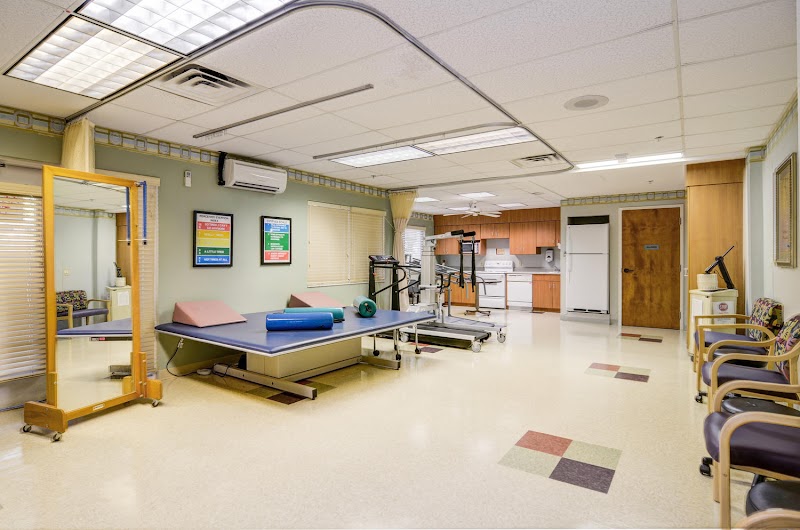
How is Meadowpark Center Staffed?

CMS rates MEADOWPARK HEALTH AND REHABILITATION CENTER's staffing level at 3 out of 5 stars, which is average compared to other nursing homes. Staff turnover is 68%, which is 21 percentage points above the Florida average of 46%. High turnover can affect care consistency as new staff learn residents' individual needs. RN turnover specifically is 71%, which is notably high. RNs provide skilled clinical oversight, so turnover in this role can affect medical care quality.

What Have Inspectors Found at Meadowpark Center?

State health inspectors documented 20 deficiencies at MEADOWPARK HEALTH AND REHABILITATION CENTER during 2020 to 2024. These included: 2 Immediate Jeopardy (the most serious level, indicating potential for serious harm or death) and 18 with potential for harm. Immediate Jeopardy findings are rare and represent the most serious regulatory concerns. They require immediate corrective action.
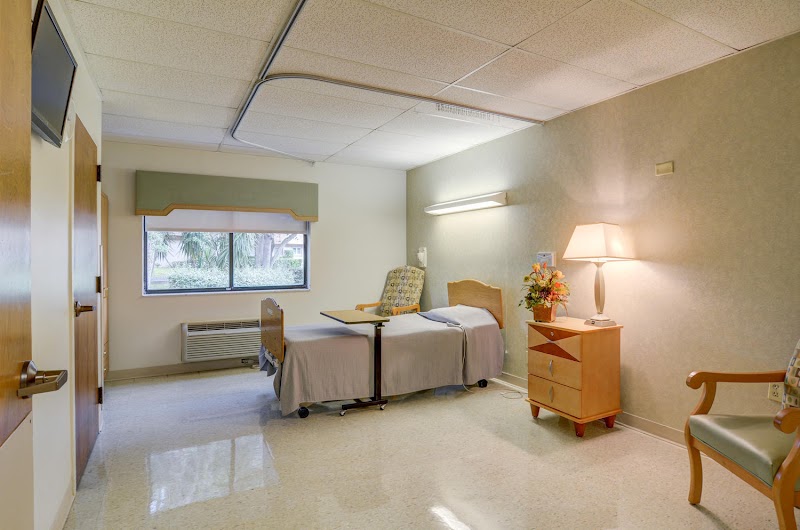
Who Owns and Operates Meadowpark Center?

MEADOWPARK HEALTH AND REHABILITATION CENTER is owned by a for-profit company. For-profit facilities operate as businesses with obligations to shareholders or private owners. The facility operates independently rather than as part of a larger chain. With 120 certified beds and approximately 107 residents (about 89% occupancy), it is a mid-sized facility located in DUNEDIN, Florida.
How Does Meadowpark Center Compare to Other Florida Nursing Homes?

Compared to the 100 nursing homes in Florida, MEADOWPARK HEALTH AND REHABILITATION CENTER's overall rating (2 stars) is below the state average of 3.2, staff turnover (68%) is significantly higher than the state average of 46%, and health inspection rating (1 stars) is much below the national benchmark.

What Should Families Ask When Visiting Meadowpark Center?

Based on this facility's data, families visiting should ask: "What changes have been made since the serious inspection findings, and how are you preventing similar issues?" "How do you ensure continuity of care given staff turnover, and what is your staff retention strategy?" "Can I visit during a mealtime to observe dining assistance and food quality?" "How do you handle medical emergencies, and what is your hospital transfer rate?" These questions are particularly relevant given the facility's Immediate Jeopardy citations and the facility's high staff turnover rate.

Is Meadowpark Center Safe?

Based on CMS inspection data, MEADOWPARK HEALTH AND REHABILITATION CENTER has documented safety concerns. Inspectors have issued 2 Immediate Jeopardy citations (the most serious violation level indicating risk of serious injury or death). The facility has a 2-star overall rating and ranks #100 of 100 nursing homes in Florida. Families considering this facility should ask detailed questions about what corrective actions have been taken since these incidents.

Do Nurses at Meadowpark Center Stick Around?

Staff turnover at MEADOWPARK HEALTH AND REHABILITATION CENTER is high. At 68%, the facility is 21 percentage points above the Florida average of 46%. Registered Nurse turnover is particularly concerning at 71%. RNs handle complex medical decisions and coordinate care — frequent RN changes can directly impact care quality. High turnover means new staff may not know residents' individual needs, medications, or preferences. It can also be disorienting for residents, especially those with dementia who rely on familiar faces. Families should ask: What is causing the turnover? What retention programs are in place? How do you ensure care continuity during staff transitions?

Was Meadowpark Center Ever Fined?

MEADOWPARK HEALTH AND REHABILITATION CENTER has been fined $72,858 across 1 penalty action. This is above the Florida average of $33,807. Fines in this range indicate compliance issues significant enough for CMS to impose meaningful financial consequences. Common causes include delayed correction of deficiencies, repeat violations, or care failures affecting resident safety. Families should ask facility leadership what changes have been made since these penalties.

Is Meadowpark Center on Any Federal Watch List?

MEADOWPARK HEALTH AND REHABILITATION CENTER is not on any federal watch list. The most significant is the Special Focus Facility (SFF) program, which identifies the bottom 1% of nursing homes nationally based on persistent, serious quality problems. Not being on this list means the facility has avoided the pattern of deficiencies that triggers enhanced federal oversight. This is a positive indicator, though families should still review the facility's inspection history directly.