THE CEDAR AT MEASE LIFE
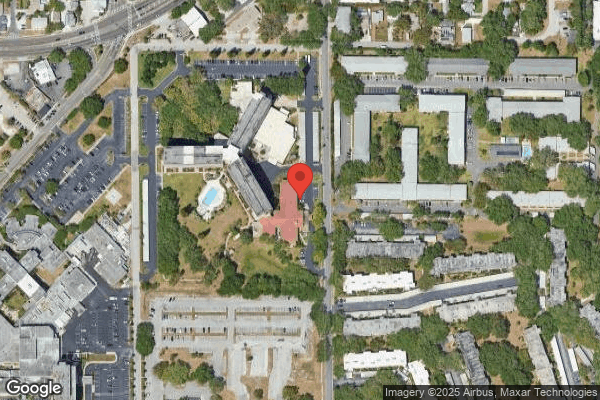
910 NEW YORK AVE, DUNEDIN, FL 34698 (727) 733-2113
Non profit - Corporation 100 Beds ACTS RETIREMENT-LIFE COMMUNITIES Data: November 2025
Trust Grade
90/100
#129 of 690 in FL
Last Inspection: July 2024

Within standard 12-15 month inspection cycle. Federal law requires annual inspections.

Overview

The Cedar at Mease Life has received a Trust Grade of A, which means it is considered excellent and highly recommended for families seeking care. It ranks #129 out of 690 facilities in Florida, placing it in the top half of nursing homes in the state, and #4 out of 64 in Pinellas County, indicating that only three local options are better. The facility is improving, having reduced its issues from one in 2022 to none in 2024. Staffing is generally a strength, with a rating of 4 out of 5 stars and a turnover rate of 34%, which is better than the state average. However, there are concerns about RN coverage, as it is lower than 75% of Florida facilities, which could impact the level of care provided. While the facility has no fines, which is a positive sign, there have been specific incidents noted. For example, there was a failure to ensure that a resident's representative received proper notice during an unplanned transfer, which could lead to confusion or distress. Additionally, the facility did not consistently post required daily staffing information, which could affect transparency for families. Overall, The Cedar at Mease Life shows many strengths but also has areas that require attention to ensure the best care for residents.

Trust Score
A
90/100
In Florida
#129/690
Top 18%
Safety Record
Low Risk
No red flags
Inspections
Getting Better
1 → 0 violations
Staff Stability
○ Average
34% turnover. Near Florida's 48% average. Typical for the industry.
Penalties
✓ Good
No fines on record. Clean compliance history, better than most Florida facilities.
Skilled Nurses
○ Average
Each resident gets 34 minutes of Registered Nurse (RN) attention daily — about average for Florida. RNs are the most trained staff who monitor for health changes.
Violations
✓ Good
Only 5 deficiencies on record. Cleaner than most facilities. Minor issues only.
★★★★★
5.0
Overall Rating
★★★★☆
4.0
Staff Levels
★★☆☆☆
2.0
Care Quality
★★★★★
5.0
Inspection Score
Stable
2022: 1 issues
2024: 0 issues

The Good

  • 4-Star Staffing Rating · Above-average nurse staffing levels
  • Full Sprinkler Coverage · Fire safety systems throughout facility
  • No fines on record
  • Staff turnover below average (34%)

    14 points below Florida average of 48%

Facility shows strength in staffing levels, fire safety.

The Bad

Staff Turnover: 34%

11pts below Florida avg (46%)

Typical for the industry

Chain: ACTS RETIREMENT-LIFE COMMUNITIES

Part of a multi-facility chain

Ask about local staffing decisions and management

The Ugly 5 deficiencies on record

Aug 2022 1 deficiency
CONCERN (D)

Potential for Harm - no one hurt, but risky conditions existed

Staffing Information (Tag F0732)

Could have caused harm · This affected 1 resident

Based on observations, record reviews, and interviews, the facility failed to accurately post the required daily staffing information. Findings included: On 08/15/2022 at 9:02 a.m., upon entry into t...

Read full inspector narrative →
Based on observations, record reviews, and interviews, the facility failed to accurately post the required daily staffing information. Findings included: On 08/15/2022 at 9:02 a.m., upon entry into the facility, an observation of the bulletin board located on the 1st floor next to the Nurse's station, revealed there was no current Daily Staffing Sheet, a document that provided information of the number of residents and the total hours of nursing staff working all on three shifts for that day. On 08/15/2022 at 3:13 p.m., an observation revealed no Daily Staffing Sheet posted for the current day. On 08/16/2022 at 7:35 a.m., while touring the 1st floor nursing unit, an observation revealed no Daily Staffing Sheet posted for the day. On 08/16/2022 at 10:15 a.m., during an interview with the Director of Nursing (DON), the Daily Staffing Sheets for the current week to include Sunday 08/14/2022 through Thursday 08/18/2022 was requested. On 08/16/2022 at 12:20 p.m., the DON delivered copies of the requested information regarding the Daily Staffing Sheets On 08/16/2022 at 3:05 p.m., an observation was made of the Daily Staffing Sheet posted for the day with the following information: Census:45, Certified Nursing Assistants (CNA): 120.25 hours, Licensed Practical Nurses (LPN): 48.0 hours, Registered Nurses (RN): 12.0 hours, RN/DON: 8.0 hours, RN with administrative duties: 10.0 hours On 08/17/2022 at 12:35 p.m., an observation revealed the Daily Staffing Sheet was dated 08/16/2022. On 08/17/2022 at 3:05 p.m., an observation revealed the posted Daily Staffing Sheet was still showing information from 08/16/2022. On 08/18/2022 at 8:38 a.m., an observation revealed the Daily Staffing Sheet was still showing information from 08/16/2022. On 08/18/2022 at 8:42 a.m., an interview was conducted with the Staffing Coordinator. She stated the census was: 52 for Sunday 08/14/2022, 52 for Monday 08/15/2022, 51 for Tuesday 08/16/2022, and 52 for Wednesday 08/17/2022. She said she received the census numbers from the admissions office and did the calculations. The information was then given to the DON for her to post. On 08/18/2022 at 9:46 a.m., during an interview with the DON, she stated she was responsible for posting the Daily Staffing Sheet. She showed a current copy of the Daily Staffing Sheet for Thursday 08/18/2022 and said she was in the process of posting it. She also stated she forgot to post the Daily Staffing Sheet on Wednesday 08/17/2022. On 08/18/2022 at 10:26 a.m., an interview was conducted with the Nursing Home Administrator (NHA). She explained in their morning meeting, the census was discussed as of midnight the previous day. Changes were made if a resident was sent out and a discussion was conducted related to any potential new admits. The staffing numbers were then created or adjusted by the DON and the hours were calculated by the Staffing Coordinator. She said the DON completed the staffing sheet and would post it on the bulletin board, which is located next to the first unit Nurse's Station. The NHA was shown the Daily Staffing Sheets which were received from the DON on Tuesday 08/16/2022. The first was dated for Sunday 08/14/2022, the second was for Monday 08/15/2022, and the third was for Tuesday 08/16/2022. All three sheets showed a total census of 45. The NHA was made aware that during an interview with the Staffing Coordinator, she stated the census for Sunday was 52, Monday was 52 and Tuesday was 51. The NHA stated, I honestly cannot give a good reason why the numbers are different, we screwed up and no one caught it or corrected it. I will investigate it and see what happened. A review of the policy titled, Posting Direct Care Staffing Numbers, revised July 2016 revealed: Policy Statement Our facility will post on a daily basis for each shift the number of nursing personnel responsible for providing direct care to residents. Policy Interpretation and Implementation: 1. Within two (2) hours of the beginning of each shift, the number of Licensed Nurses (RNs, LPNs, and LVNs) and the number of unlicensed nursing personnel (CNAs) directly responsible for resident care will be posted in a prominent location (accessible to resident and visitors) in a clear and readable format.
Apr 2021 4 deficiencies
CONCERN (D)

Potential for Harm - no one hurt, but risky conditions existed

Deficiency F0625 (Tag F0625)

Could have caused harm · This affected 1 resident

**NOTE- TERMS IN BRACKETS HAVE BEEN EDITED TO PROTECT CONFIDENTIALITY** Based on record reviews and interviews the facility failed to ensure that the representative of one (Resident #17) of two reside...

Read full inspector narrative →
**NOTE- TERMS IN BRACKETS HAVE BEEN EDITED TO PROTECT CONFIDENTIALITY** Based on record reviews and interviews the facility failed to ensure that the representative of one (Resident #17) of two residents sampled for hospitalizations was notified of the bed-hold policy. Findings included: Clinical record review revealed Resident #17 was originally admitted to the facility on [DATE] and re-admitted on [DATE]. The Profile Face Sheet included diagnoses not limited to chronic diastolic heart failure and Chronic Stage 3 Kidney Disease. The Face Sheet indicated the resident had a Power of Attorney (POA) and the payor source was Hospice Medicaid. The Quarterly Minimum Data Set (MDS), completed 10/6/2020, indicated Resident #17 had a Brief Interview for Mental Status (BIMS) score of 9, indicative of moderate cognitive impairment. The admission MDS, completed 1/10/2021, indicated the resident had scored 4 out of 15 on the BIMS, identifying a severe cognitive impairment. Review of the facility's Bed Hold and In-House Transfer Policy, dated 12/31/2020, for Resident #17 indicated the resident was transferred to an acute care facility on 12/31/2020 and that the notice was given/sent to Resident #17. Resident #17's bed hold did not indicate if the facility met the 95% of the requirement or if a paid bed hold was offered. The Bed Hold policy was signed by a Licensed Practical Nurse (LPN) on 12/31/20 and did not indicate the resident representative was notified of the policy and that a copy was sent with resident at time of discharge. The instructions indicated that a copy must be given to the resident, family member or legal representative on admission and each time the resident is transferred for hospitalization or leaves the facility on a therapeutic leave. At 1:35 p.m. on 4/2/2021, the Nursing Home Administrator (NHA) reviewed the copy of Resident #17's Bed Hold and In-House Transfer Policy. She stated that for a resident with a BIMS of 4 the Bed Hold would be discussed with the representative and noted with a verbal acknowledgement. During her review of the resident's bed hold policy she stated that no it was, not appropriate to give the policy to a resident with a BIMS score of 4. A review of the Interdisciplinary notes, dated 12/31/2020, did not indicate that Resident #17's POA was informed of the Bed Hold Policy. The policy titled, Bed-Holds and Returns, dated 2001 and revised March 2017, identified that prior to transfers and therapeutic leaves, residents or resident representatives will be informed in writing of the bed-hold and return policy.
CONCERN (D)

Potential for Harm - no one hurt, but risky conditions existed

Deficiency F0676 (Tag F0676)

Could have caused harm · This affected 1 resident

**NOTE- TERMS IN BRACKETS HAVE BEEN EDITED TO PROTECT CONFIDENTIALITY** Based on observation, interview, and record review the facility failed to ensure that dignity was maintained related to activiti...

Read full inspector narrative →
**NOTE- TERMS IN BRACKETS HAVE BEEN EDITED TO PROTECT CONFIDENTIALITY** Based on observation, interview, and record review the facility failed to ensure that dignity was maintained related to activities of daily living (ADL) care for removal of facial hair for one (Resident #194) out of 12 sampled residents. Findings included: Multiple observations were made of Resident #194, including on 3/31/21 at 10:30 a.m. and 04/01/21 at 10:45 a.m. During every observation, gray facial hairs approximately 1/4 inch in length were observed covering the resident's chin. On 04/01/21 at 10:45 a.m. the resident was asked whether she preferred to have the facial hair on her chin and she said, I don't like hair on my face, and reported that when she had been living at home home she removed it. The resident reported that nobody in the facility had asked her about it. Review of the medical record for Resident #194 revealed she was admitted to the facility on [DATE]. The Minimum Data Set (MDS) dated [DATE] revealed a Brief Interview for Mental Status (BIMS) score of 14 which meant that the resident was cognitively intact, and revealed that she required limited assistance of one person to perform personal hygiene tasks such as grooming. The care plan revealed that the resident had a self-care deficit impacting on ADL performance, and staff interventions included providing daily assistance with grooming needs. There was nothing in the resident's record that revealed a preference for not having facial hair removed. Staff E, Certified Nursing Assistant (CNA) was interviewed 04/01/21 at 2:54 p.m. She confirmed she was the assigned CNA for Resident #194 and said, I just shaved her on Monday, I was off on Tuesday. She confirmed that shaving facial hair was part of the CNA documentation and asked Staff, F, Unit Manager (UM) to assist with revealing the documentation in the electronic health record (EHR). Documentation revealed the following for the ADL task Personal Hygiene Facial Hair (Males and Females) Check and trim facial hair as necessary: Monday 03/29/21 7:00 am. - 3:00 p.m. shift was documented by another CNA as Service Not Provided/Canceled, and there were no entries made by Staff E for that date. Tuesday 03/30/21 7:00 a.m. - 3:00 p.m. shift was documented by Staff E with a check mark in the field for Response and nothing else. Wednesday 03/31/21 7:00 a.m. - 3:00 p.m. shift was documented by Staff E with a check mark in the field for Response and nothing else. Thursday 04/01/21 7:00 a.m. - 3:00 p.m. shift was documented by Staff E as a check mark in the field for Response and nothing else Review of the staff schedule for Monday 03/20/21, the date Staff E reported she had shaved Resident 194's facial hair, revealed that she was not working at the facility on that date and was working at the facility on Tuesday, 04/01/21. Staff F confirmed that the CNA documentation was not complete and did not reveal what had or had not been done. She confirmed and revealed that part of the charting included a drop-down menu with codes including refused that should be entered in status/description field. Staff F said, I will do an in-service. She confirmed that not providing for removal of facial hair as part of ADL care was a dignity issue and said, shaving must be offered to women same as men. Staff F stated that facility policy was that if a resident refused any part of ADL care the CNA was required to re-attempt and after the second refusal was required to report that to the nurse who would re-approach and document. The Director of Nursing (DON) entered the conversation and confirmed that CNA documentation for ADL care should include details about the care performance and if the care was refused the documentation should reflect that. During these conversations Staff E had left the area. At 3:20 p.m., Staff F was asked to make a confirmatory observation of Res. #194's facial hair. Upon entry to the resident's room, Staff E was observed in the bathroom with the resident in the process of shaving her face. Afterwards, Staff E was interviewed and stated she had offered to shave the resident earlier that day but the resident had refused. Staff E did not have an explanation for the facial hair observed that morning that did not have the appearance of having been shaved on Monday as she had stated. She said, well some grow fast. At 3:50 p.m. on 04/01/21 Resident #194 was interviewed in her room with Staff F present. There was still some facial hair remaining on her chin and Staff F confirmed it was of a length that should have been addressed. The resident stated that nobody at the facility had ever offered to shave her face or remove facial hair since she had been there. At 4:00 p.m. on 04/01/21 Staff G, Registered Nurse (RN) was interviewed. She confirmed she was the assigned nurse for Resident #194 and confirmed that Staff E had not reported any refusal of ADL care for the resident that day. An interview was conducted on 04/01/21 at 4:47 p.m. with the DON. She said, facial hair is a pet peeve of mine .I tell them (CNAs) that we have to treat the people we work for just like we would treat our loved ones and I say to them, would you want to see your grandmother like that? .it must be addressed. Regarding Staff E's performance and reports she said, I'm disappointed in her that she didn't do it (shave the resident) .now because she didn't document right we can't prove that she did or didn't shave her or offer it but know if it's not documented it didn't happen. She confirmed that the expectation was that for any refusal of care a second attempt was to be offered by the CNA and if a resident continued to refuse the CNA was required to report it to the nurse for follow-up. Review of the facility policy titled, Quality of Life - Dignity revised August 2009 revealed the following policy statement: Each resident shall be cared for in a manner that promotes and enhances quality of life, dignity, respect and individuality. Implementation components included, Treated with dignity means the resident will be assisted in maintaining and enhancing his or her self-esteem and self-worth .Residents shall be groomed as they wish to be groomed (hair styles, nails, facial hair, etc.).
CONCERN (D)

Potential for Harm - no one hurt, but risky conditions existed

Unnecessary Medications (Tag F0759)

Could have caused harm · This affected 1 resident

Based on observations, interviews, and record review, the facility failed to ensure that the medication error rate was less than 5.00%. Twenty-eight medication administration opportunities were observ...

Read full inspector narrative →
Based on observations, interviews, and record review, the facility failed to ensure that the medication error rate was less than 5.00%. Twenty-eight medication administration opportunities were observed, and two errors were identified for two (Residents #41 and #28) of 13 residents observed. These errors constituted a 7.14% medication error rate. Findings included: 1. On 4/1/21 at 9:55 a.m., an observation of medication administration with Staff Member D, Registered Nurse (RN) was conducted with Resident #41. Staff D was observed administering the following medications: - Lisinopril 5 milligram (mg) tablet orally - Amlodipine 5 mg tablet orally - Vitamin D3 25 microgram (mcg), 1000 units tablet orally - Sertraline 50 mg - 1.5 tablets orally A review of the Physician's orders for Resident #41 revealed the following medication order: - Vitamin D3 - 2000 units by mouth once daily for Vitamin D deficiency 2. On 4/1/21 at 11:52 a.m., an observation of medication administration with Staff Member D, Registered Nurse (RN) was conducted with Resident #28. Staff D was observed administering the following medications: - NovoLog 100 unit/milliliter (mL) 8 units subcutaneously. Blood Glucose - 303. The administration record indicated that Staff D received a blood glucose level of 303 from Resident #28 prior to the administration of NovoLog. She checked the order and reported that the resident was to receive 8 units of insulin, she removed a NovoLog FlexPen for the medication cart, screwed a needle onto the pen, removed an alcohol pad from the cart, and dialed the pen to 8 units. The staff member knocked on the resident door, addressed Resident #28 and asked him if he wanted to go to the dining room. She removed her gloves that were worn into the room, donned another pair and asked the resident where he wanted the injection. Resident #28 raised his shirt exposing his abdomen, as Staff D pushed the over-the-bed table from in front of the resident, moved to stand next to resident, and began to tear open the alcohol pad. The staff member was asked to step outside with this writer for a moment. When asked if she was supposed to prime the insulin pen, she stated yes she normally did then asked you mean 2 units? Staff D primed the pen with 2 units then twisted the dosage selector to 8 units which was administered to the resident. The Consultant Pharmacist was interviewed, on 4/2/21 at 4:50 p.m., regarding the priming of the insulin pens and the inaccurate dose of Vitamin D. He stated best practice is probably to prime before each use but did not believe there was anything in the manufacturer guidelines regarding having to prime the pen before each use. He stated, the expectation was that the physician orders were followed (regarding the Vitamin D) and the residents should receive the dosages ordered. At 4:55 p.m. on 4/2/21, the Director of Nursing (DON) stated she was unaware that the FlexPen needed to be primed, and asked if this writer meant in the beginning? She was informed Yes by this writer. She stated, I don't think so. The DON stated that the facility had done competencies on use of insulin pens but admitted it had not been done in a long time. The manufacturer's informational package insert, located at https://www.novomedlink.com/content/dam/novonordisk/novomedlink/resources/generaldocuments/NovoLog%20FlexPen%20IFU%20PDF_LOCKED.pdf, instructed users to give an airshot before each injection. The insert indicated that before injection small amounts of air may collect in the cartridge during normal use. Users are directed to turn the doses selector to 2 units, hold Flexpen with needle pointing up, tap the cartridge gently with your finger a few times to make any air bubbles collect at the top to the cartridge, and to while keeping the needle upwards press the push button all the way in. A drop of insulin should appear at the needle tip, if not the needle should be changed and repeat the procedure no more than 6 times. If after six attempts a drop of insulin is not seen the insert instruct users to not use the Flexpen and to call the manufacturer. The information indicated this process should be done to prevent injecting air and to ensure proper dosing. The policy titled Administering Medications, 2001 and revised December 2012, identified Medications shall be administered in a safe and timely manner, and as prescribed. The policy identified that The Director of Nursing Services will supervise and direct all nursing personnel who administer medications and/or have related functions and Medications must be administered in accordance with the orders, including any required time frame.
CONCERN (E)

Potential for Harm - no one hurt, but risky conditions existed

Transfer Notice (Tag F0623)

Could have caused harm · This affected multiple residents

**NOTE- TERMS IN BRACKETS HAVE BEEN EDITED TO PROTECT CONFIDENTIALITY** Based on record reviews and interviews, the facility failed to ensure the representative of one (Resident #17) of two residents ...

Read full inspector narrative →
**NOTE- TERMS IN BRACKETS HAVE BEEN EDITED TO PROTECT CONFIDENTIALITY** Based on record reviews and interviews, the facility failed to ensure the representative of one (Resident #17) of two residents sampled for hospitalizations received a written notice of transfer and that the Office of the State Long-Term Care Ombudsman received copies of the facility-initiated transfer or discharge notice for residents with an unplanned transfer. Findings included: Resident #17 was originally admitted to the facility on [DATE] with a recent admit date of 1/3/2021. The Profile Face Sheet included diagnoses not limited to chronic diastolic heart failure and Chronic Stage 3 Kidney Disease. The Face Sheet indicated the resident had a Power of Attorney (POA). The quarterly Minimum Data Set (MDS), completed 10/6/2020, indicated Resident #17 had a Brief Interview of Mental Status (BIMS) score of 9, indicative of moderate cognitive impairment. The admission MDS, completed 1/10/2021, indicated the resident had scored 4 out of 15 on the BIMS, identifying a severe cognitive impairment. A review of Resident #17's clinical record identified that the resident was transferred to an acute care facility on 12/31/20 after the resident presented with rectal bleeding. An Interdisciplinary note, dated 12/31/20 at 9:50 a.m., indicated that 911 was called, physician's office was called, an order was received to transfer to the hospital via 911 and the resident's son was called and agreed to hospitalization. The facility provided the AHCA form 3120-0002, Nursing Home Transfer and Discharge Notice, dated 12/31/20. The form did not include the Resident Representative information and identified that the form was required for those transfers or discharges initiated by the nursing home facility, and not by the resident or by the resident's physician or legal guardian or representative. The form indicated that the reason for the transfer was your needs cannot be met in this facility. Page 2 of the Transfer and Discharge Notice was not signed by the resident or the resident representative. The notice did not include the dates that the notice was given to the resident, legal guardian, or representative, the local Long-Term Care Ombudsman Council, or when it was included in the resident's clinical record. The facility's Notice Before Resident/Legal Representative/Physician-Initiated Transfer or Discharge for Resident #17's transfer on 12/31/20, indicated that the reason for the transfer was bleeding and that neither the Nursing Home Transfer and Discharge Notice (AHCA Form 3120-0002) or the Long-Term Care Ombudsman Council Request for Review of Nursing Home Discharge or Transfer and Long-Term Care Ombudsman Council District Office (AHCA form 3120-0004) were completed and provided to the resident/legal representative or copied to the medical record. On 4/2/21 at 4:31 p.m., an interview was conducted with Resident #17's POA. When asked if he had received or had signed a notification of transfer for the 12/31/20 hospitalization, he stated, No, never. Staff Member A, Licensed Practical Nurse (LPN) was asked, on 4/2/21 at 7:43 a.m., what the procedure was to transfer a resident to the hospital. She stated when sending a resident to the hospital she looked to see if they had a Do Not Resuscitate (DNR) and would print out the physician orders. She stated the facility sends a paper bed hold policy and indicated there was another form that also was sent with the resident. The staff member opened a bottom drawer in the nursing station and pulled out an AHCA Transfer/Discharge form and placed it back into the drawer, without identifying it as a form that needed to be completed. She did not locate the other form she had been looking for in the drawer. At 1:35 p.m. on 4/2/2021, the Social Worker (SW), Nursing Home Administrator (NHA), and the Director of Nursing (DON) were interviewed regarding the notifications necessary at the time of transfer. The SW stated at the time of an unplanned transfer the nurse would complete the AHCA Transfer/Discharge form and if it was a planned transfer she would mail or email it to the representative or give it to the resident if they were their own person. She stated she dealt with planned discharges. She said, if the nurse was not able to get a signature it would seem they would make a note (in the chart). The DON stated if the resident was not their own person, she thought that the social worker would send the form to the representative. When given the scenario of Resident #17 that had a BIMS score of 4, she stated that the son would be notified to sign it. The NHA reviewed Resident #17's AHCA form 3120 and stated in an emergency situation to transfer to the hospital, the nurse would notify the representative and with a resident with a BIMS of 4 the nurse would note that the notice was received by the representative verbally. The SW stated, on 4/2/21 at 4:09 p.m., that all the planned discharge forms were sent to the Ombudsman and that her interpretation from the NHA, during the earlier conversation, was that unplanned discharge forms were not sent to the Ombudsman. On 404/02/21 at 4:16 p.m., the NHA stated, At no time are unplanned discharges sent to the Ombudsman. She stated she was never taught that and then asked this writer if they were supposed to be. The facility policy, titled Emergency Transfer or Discharge, indicated Emergency transfers or discharges may be necessary to protect the health and/or well-being of the resident(s). The policy identified that should it become necessary to make an emergency transfer or discharge to a hospital or other related institution, our facility will implement the following procedures, which included d. Prepare a transfer form to send with the resident.
Understanding Severity Codes (click to expand)
Life-Threatening (Immediate Jeopardy)
J - Isolated K - Pattern L - Widespread
Actual Harm
G - Isolated H - Pattern I - Widespread
Potential for Harm
D - Isolated E - Pattern F - Widespread
No Harm (Minor)
A - Isolated B - Pattern C - Widespread

Questions to Ask on Your Visit

  • "Can I speak with families of current residents?"
  • "What's your RN coverage like on weekends and overnight?"

Our Honest Assessment

Strengths
  • • Grade A (90/100). Above average facility, better than most options in Florida.
  • • No major safety red flags. No abuse findings, life-threatening violations, or SFF status.
  • • No fines on record. Clean compliance history, better than most Florida facilities.
  • • Only 5 deficiencies on record. Cleaner than most facilities. Minor issues only.
Concerns
  • • No significant concerns identified. This facility shows no red flags across CMS ratings, staff turnover, or federal penalties.
Bottom line: Generally positive indicators. Standard due diligence and a personal visit recommended.

About This Facility

What is The Cedar At Mease Life's CMS Rating?

CMS assigns THE CEDAR AT MEASE LIFE an overall rating of 5 out of 5 stars, which is considered much above average nationally. Within Florida, this rating places the facility higher than 99% of the state's 100 nursing homes. This rating reflects solid performance across the metrics CMS uses to evaluate nursing home quality.

How is The Cedar At Mease Life Staffed?

CMS rates THE CEDAR AT MEASE LIFE's staffing level at 4 out of 5 stars, which is above average compared to other nursing homes. Staff turnover is 34%, compared to the Florida average of 46%. This relatively stable workforce can support continuity of care. RN turnover specifically is 67%, which is notably high. RNs provide skilled clinical oversight, so turnover in this role can affect medical care quality.

What Have Inspectors Found at The Cedar At Mease Life?

State health inspectors documented 5 deficiencies at THE CEDAR AT MEASE LIFE during 2021 to 2022. These included: 5 with potential for harm.

Who Owns and Operates The Cedar At Mease Life?

THE CEDAR AT MEASE LIFE is owned by a non-profit organization. Non-profit facilities reinvest revenue into operations rather than distributing to shareholders. The facility is operated by ACTS RETIREMENT-LIFE COMMUNITIES, a chain that manages multiple nursing homes. With 100 certified beds and approximately 46 residents (about 46% occupancy), it is a mid-sized facility located in DUNEDIN, Florida.

How Does The Cedar At Mease Life Compare to Other Florida Nursing Homes?

Compared to the 100 nursing homes in Florida, THE CEDAR AT MEASE LIFE's overall rating (5 stars) is above the state average of 3.2, staff turnover (34%) is significantly lower than the state average of 46%, and health inspection rating (5 stars) is much above the national benchmark.

What Should Families Ask When Visiting The Cedar At Mease Life?

Based on this facility's data, families visiting should ask: "Can I visit during a mealtime to observe dining assistance and food quality?" "How do you handle medical emergencies, and what is your hospital transfer rate?" "Can I speak with family members of current residents about their experience?"

Is The Cedar At Mease Life Safe?

Based on CMS inspection data, THE CEDAR AT MEASE LIFE has a clean safety record: no substantiated abuse findings (meaning no confirmed cases of resident harm), no Immediate Jeopardy citations (the most serious violation level indicating risk of serious injury or death), and is not on the Special Focus Facility watch list (a federal program monitoring the lowest-performing 1% of nursing homes). The facility has a 5-star overall rating and ranks #1 of 100 nursing homes in Florida. While no facility is perfect, families should still ask about staff-to-resident ratios and recent inspection results during their visit.

Do Nurses at The Cedar At Mease Life Stick Around?

THE CEDAR AT MEASE LIFE has a staff turnover rate of 34%, which is about average for Florida nursing homes (state average: 46%). Moderate turnover is common in nursing homes, but families should still ask about staff tenure and how the facility maintains care continuity when employees leave.

Was The Cedar At Mease Life Ever Fined?

THE CEDAR AT MEASE LIFE has no federal fines on record. CMS issues fines when nursing homes fail to meet care standards or don't correct problems found during inspections. The absence of fines suggests the facility has either maintained compliance or corrected any issues before penalties were assessed. This is a positive indicator, though families should still review recent inspection reports for the full picture.

Is The Cedar At Mease Life on Any Federal Watch List?

THE CEDAR AT MEASE LIFE is not on any federal watch list. The most significant is the Special Focus Facility (SFF) program, which identifies the bottom 1% of nursing homes nationally based on persistent, serious quality problems. Not being on this list means the facility has avoided the pattern of deficiencies that triggers enhanced federal oversight. This is a positive indicator, though families should still review the facility's inspection history directly.