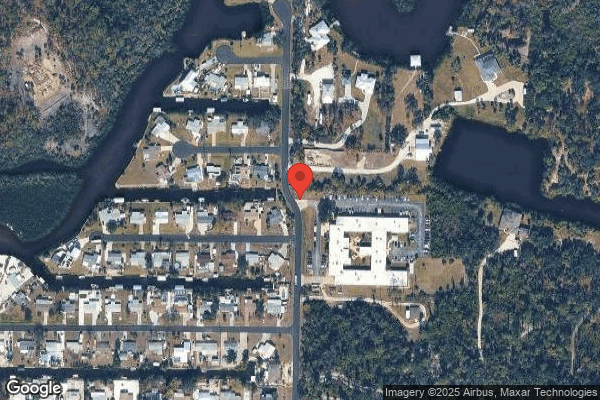

AVIATA AT ENGLEWOOD

1111 DRURY LN, ENGLEWOOD, FL 34224 (941) 474-9371
For profit - Limited Liability company 120 Beds AVIATA HEALTH GROUP Data: November 2025
Trust Grade
80/100
#169 of 690 in FL
Last Inspection: June 2025

Inspected within the last 6 months. Data reflects current conditions.

Overview

Aviata at Englewood has a Trust Grade of B+, which means it is above average and generally recommended for families considering care options. It ranks #169 out of 690 nursing homes in Florida, placing it in the top half of facilities in the state, and #8 out of 30 in Sarasota County, indicating only seven local facilities are rated higher. The facility is improving, with reported issues decreasing from three in 2023 to two in 2025. Staffing is rated average with a 52% turnover rate, which is similar to the state average, and there are no fines on record, suggesting compliance with regulations. However, recent inspections revealed concerns such as unclean kitchen areas and insufficient sanitation in resident spaces, which raises questions about the overall cleanliness and safety of the environment.

Trust Score
B+
80/100
In Florida
#169/690
Top 24%
Safety Record
Low Risk
No red flags
Inspections
Getting Better
3 → 2 violations
Staff Stability
⚠ Watch
52% turnover. Above average. Higher turnover means staff may not know residents' routines.
Penalties
✓ Good
No fines on record. Clean compliance history, better than most Florida facilities.
Skilled Nurses
○ Average
Each resident gets 31 minutes of Registered Nurse (RN) attention daily — about average for Florida. RNs are the most trained staff who monitor for health changes.
Violations
○ Average
9 deficiencies on record. Average for a facility this size. Mostly minor or procedural issues.
★★★★☆
4.0
Overall Rating
★★★☆☆
3.0
Staff Levels
★★☆☆☆
2.0
Care Quality
★★★★☆
4.0
Inspection Score
Stable
2023: 3 issues
2025: 2 issues

The Good

  • Full Sprinkler Coverage · Fire safety systems throughout facility
  • No fines on record

Facility shows strength in fire safety.

The Bad

Staff Turnover: 52%

Near Florida avg (46%)

Higher turnover may affect care consistency

Chain: AVIATA HEALTH GROUP

Part of a multi-facility chain

Ask about local staffing decisions and management

The Ugly 9 deficiencies on record

Jun 2025 2 deficiencies
CONCERN (D)

Potential for Harm - no one hurt, but risky conditions existed

Incontinence Care (Tag F0690)

Could have caused harm · This affected 1 resident

**NOTE- TERMS IN BRACKETS HAVE BEEN EDITED TO PROTECT CONFIDENTIALITY** Based on observation, interview and record review the facility failed to provide infection control standards for 2 (Residents #8...

Read full inspector narrative →
**NOTE- TERMS IN BRACKETS HAVE BEEN EDITED TO PROTECT CONFIDENTIALITY** Based on observation, interview and record review the facility failed to provide infection control standards for 2 (Residents #83 and #893) of 2 residents reviewed with urinary catheters.The findings included:Review of Infection Control Policies and Practices dated 2001, revised 2018 states the facility's infection control policies and practices are intended to facilitate maintaining a safe, sanitary and comfortable environment and to help prevent and manage transmission of diseases and infections. Bullet # 2 states the objectives or our infection control policies are to (a) prevent, detect, investigate, and control infections in the facility. Bullet #4 states All personnel will be trained on our infection control policies and practices upon hire and periodically thereafter, including where and how to find and use pertinent procedures and equipment related to infection control.Review of Urinary Catheter Policies and Procedures dated 11/30/2014, revised 9/19/2017 states Foley bag to be covered by a privacy bag to preserve dignity of resident and tubing should be off the floor.1. Review of medical record revealed Resident # 83 was initially admitted to the facility on [DATE], the most recent admission date on 6/5/25 with diagnosis including retention of urine (when the bladder doesn't empty completely), unspecified, other obstructive (blocking) and reflux uropathy (urine flows backwards), and sepsis (serious infection).The admission Minimum Data Set (MDS) Assessment with a date of 6/7/25 revealed a Brief Interview for Mental Status (BIMS) score of 12, indicating moderate cognitive impairment.Review of the current physician orders revealed Foley catheter size 16 French (Fr)/30 milliliter (mL) for diagnosis obstructive and reflux uropathy dated 5/14/25. Catheter-bag change as needed dated 5/2/25. Review of the medication administration records (MAR) showed Resident #83 is currently being treated for a urinary tract infection (UTI) identified on 6/22/25 with Levaquin (antibiotic) oral tablet 750 milligrams (mg) once a day for 10 days. Review of care plan initiated 5/15/25 revealed Resident #83 has an indwelling Foley catheter related to obstructive and reflux uropathy. The care plan goal (1) revealed the resident will be/remain free from catheter-related trauma through the review date (2) The resident will show no signs or symptoms of urinary infection through the review date. On 06/23/25 at 10:15 a.m., observed Resident #83 laying in bed. The urinary catheter drainage bag was laying on the floor next to the bed. On 6/23/25 at 10:18 a.m., Certified Nursing Assistant (CNA) Staff F went to the room and said the drainage bag should not be laying on the floor. The CNA said it is an infection control issue because of the germs on the floor. The CNA positioned the urinary drainage bag off the floor by hooking it onto the bedframe. Review of care plan on 6/24/25 revealed Resident #83 has a urinary tract infection related to ESBL (bacteria) in urine. Interventions include contact isolation: wear gowns and mask when changing contaminated linens. Place soiled linens in bags and close bag tightly before taking to laundry. Give antibiotic therapy as ordered. 2. Review of medical record revealed Resident #893 was admitted to the facility on [DATE] with diagnosis including but not limited to urinary tract infection and unspecified dementia. The MDS Assessment with a target date of 6/26/25 revealed a short- and long-term memory problems. Resident is alert to person only.Review of progress note dated 6/21/25 at 2:24 p.m., revealed nursing is reporting today that the resident has not much to void and is concern for potential retention.Review of progress note dated 6/24/25 at 12:14 p.m., revealed the resident developed urine retention over the weekend and Foley was inserted.Review of medical record revealed order 6/22/25 for Foley catheter, diagnosis: urinary retention. Size: 16Fr/5mL.On 6/23/25 at 9:56 a.m., observed Resident #893 with urinary catheter drainage bag without a privacy bag, laying on the floor. *On 6/23/25 at 10:01 a.m., the Director of Nursing (DON) was made aware of the catheter drainage bag laying on the floor next to the resident's bed. The DON stated, Yeah, I need to get that off the floor.*photographic evidence obtained
CONCERN (E)

Potential for Harm - no one hurt, but risky conditions existed

Accident Prevention (Tag F0689)

Could have caused harm · This affected multiple residents

**NOTE- TERMS IN BRACKETS HAVE BEEN EDITED TO PROTECT CONFIDENTIALITY** Based on observation, interview and record review the facility failed to ensure staff followed safety precautions to prevent avo...

Read full inspector narrative →
**NOTE- TERMS IN BRACKETS HAVE BEEN EDITED TO PROTECT CONFIDENTIALITY** Based on observation, interview and record review the facility failed to ensure staff followed safety precautions to prevent avoidable accidents or potential for accidents for 3 (Residents #892, #66 and #442) of 3 residents reviewed.The findings included:1. Review of Notification of Change in Condition Policies and Procedures effective date 11/30/2014, revision date 12/16/2022 states the Center to promptly notify the Patient/Resident, the attending physician, and the Resident Representative when there is change in the status or condition. The nurse to notify the attending physician and Resident Representative when there is a(n) accidents, significant change in the patient/resident's physical, mental, or psychosocial status. Need to alter treatment significantly: new treatment, adverse consequences, acute condition, or exacerbation of a chronic condition. The nurse to complete an evaluation of the Patient/Resident. Document evaluation in the medical record. Document resident/patient change in condition on 24-hour report. Complete SBAR as indicated.Review of Skin Evaluation Policies and Procedures effective date 11/30/201, revision date 4/1/2017 states a licensed nurse will complete a total body evaluation on each resident weekly, paying particular attention to any skin tears, bruises, stasis ulcers, rashes, pressure injury, lesions, abrasions, reddened areas and skin problems. A licenses nurse will complete a total body evaluation on each resident weekly and document the observation on the Skin Evaluation form. The evaluating nurse must date and sign each review. If a resident is assessed as having a skin problem, the evaluating nurse will initiate the appropriate form. For pressure areas, complete the Pressure Injury Record. For all other skin conditions, complete the Non-pressure Skin Condition Record.1. Review of medical record revealed Resident #892 was admitted to the facility on [DATE] with diagnosis including acute osteomyelitis (bone infections) left ankle and foot, cellulitis (bacterial infections), Peripheral Vascular Disease (reduced blood flow to arms and legs), Non-pressure chronic ulcer of skin of other sites (open sore) with necrosis (dead or dying tissue) of the bone.The admission Minimum Data Set (MDS) Assessment with a target date of 6/5/25 revealed a Brief Interview for Mental Status (BIMS) Resident #892 scored a 15 indicating intact cognition. Review of the Section for Skin Condition revealed there was no burn on admission. On 6/23/25 at 9:00 a.m., observed Resident #892 with tan bandage to right inner thigh. 6/22 was written in black felt marker on the bandage edge. The resident said he spilled the hot coffee the facility served him and he got the burn. The resident said it happened about a week ago and the facility knew about it. Resident stated the facility placed the 6/22 bandage over the burn. (photographic evidence obtained)On 6/24/25 at 9:07 a.m., observed Resident # 892 with new, undated bandage to right inner thigh. (photographic evidence obtained)Review of Treatment Administration Record (TAR) revealed weekly skin sweeps every day shift every Sunday dated 6/1/25. Treatment administration record 6/22/25 was signed by Registered Nurse (RN) Staff B.Review of Weekly Skin Integrity by the facility revealed 6/1/25 open areas to left lower extremity, treatment in place; 6/10/25 left lower leg venous ulcer being treated/followed by wound care; 6/15/25 left lower leg venous ulcer being treated followed by wound care/treatment in place; There was no weekly skin integrity completed for 6/22/25.On 6/24/25 at 04:02 p.m., Registered Nurse (RN) Staff B said she heard about Resident #892 spilling his coffee on his leg. Staff B stated, It looks like a burn. She said she did not place a bandage over it and she did not document on it. Staff B checked the resident's orders and said there was no order to place a bandage on the right thigh or any treatment order for the burn. Staff B said with an injury like a burn you need to call the doctor, document a change in condition assessment, notify the next of kin, and write an order for any treatment. On 6/24/25 at 4:15 p.m., in an interview with the Assistant Director of Nursing (ADON) RN, she said she did not know about the burn the resident got at the facility. On 6/24/25 at 4:21 p.m., in an interview with Staff E, RN, Unit Manager (UM) said she did not know about the burn to Resident # 892's right inner thigh. She said she did not know who placed the bandage on the burn. She said someone should have notified the physician, obtained an order, completed a change in condition, and initiated an incident report. Staff E, RN UM said there should always be a treatment order to apply a bandage.On 6/24/25 at 5:07 p.m., the Director of Nursing (DON) said it was very concerning there was no order, no treatment, and it was not reported. She stated, No nothing. She said the burn should have been reported. She stated, You can tell it's a burn, it's a good size.On 6/25/25 at 12:12 p.m., observed a wound to Resident #892's right inner/upper thigh. The wound was approximately 2.5 inches in length by 2 inches in width. The top layer of skin had peeled away revealing bright pink flesh. (photographic evidence obtained). On 6/25/25 at 3:22 p.m., in an interview with the DON and the Regional Nurse they said there was no investigation for the burn because it was not reported by the nurse(s). They said they just began an investigation. They said they started education on change in condition, initiating an incident report in risk management, notifying the physician and emergency contact. They said they completed a full house skin sweep and are collecting staff statements as part of the investigation. On 6/26/2025 at 2:45 p.m., in an interview with Staff B RN, she said she was the nurse for Resident #892 on 6/20/2025, 6/21/2025, and 6/22/25. She said she didn't complete a Weekly Skin Assessment because she was too busy that Sunday and didn't get around to it. 2. Review of medical record revealed Resident # 66 was admitted to the facility on [DATE] with diagnosis including but not limited to Acute embolism (an obstruction of a blood vessel by a floating clot) and thrombosis (when a clot forms inside a blood vessel) of left tibial vein (deep vein in your lower leg), congestive heart failure (heart doesn't pump blood as well as it should), generalized anxiety disorder, muscle weakness, and difficulty walking.The admission Minimum Data Set (MDS) Assessment with a target date of 5/12/25 revealed a Brief Interview for Mental Status (BIMS) Resident #66 scored a 15 indicating intact cognition.Review of care plan dated 5/23/25 reveals Resident #66 has an alteration in usual functional performance in mobility/transfer status related to congestive heart failure, anxiety, depression, weakness, and impaired mobility. Interventions include chair to bed, bed to chair transfer Resident #66 is dependent with staff assist.The admission Minimum Data Set Assessment with a target date of 5/12/25 noted the resident was dependent on staff for chair to bed transfer (Helper does all of the effort. Resident does none of the effort to complete the activity). Review of CNA Kardex indicated Resident #66 is dependent with staff assist for transferring.Review of the facility list of residents who require a mechanical lift with assist of 2 staff to transfer from chair to bed, bed to chair include resident #66. On 6/23/25 at 2:13 p.m., Certified Nursing Assistant (CNA) Staff C, was observed in the room with Resident #66 and the Hoyer Lift. (A Hoyer Lift is a type of mechanical lift whereby 2 staff are recommended while using in healthcare facilities.) Resident #66 was sitting in a wheelchair. Staff C said he operated the Hoyer Lift alone while he transferred Resident #66 about 6 feet from the bed to the wheelchair. He said he knew he was supposed to have another staff with him, but he could not find anyone, so he transferred the resident with the Hoyer Lift alone. On 6/23/25 at 2:20 p.m., the DON asked Staff C if he transferred Resident #66 with the Hoyer Lift by himself. Staff C confirmed he used the Hoyer Lift without another staff. The DON said Staff C had just completed the Skills training including Hoyer Lifts and should have known better. The DON said the staff are trained to use 2 for the Hoyer Lifts. The CNA did not follow the training. Review of Mechanical Lift Skills Competency Assessment bullet #2 states 2 staff members are used during transfer. Review of Mechanical Lift Skill Competency Assessment for Staff C, CNA 3/12/25 reveals Staff C is competent to perform a mechanical life transfer independently and without supervision. The Competency Assessment was evaluated and signed for by the DON on 3/12/25.On 6/23/25 at 2:30 p.m., the DON started education on safe use of the full body mechanical lift using two staff members. Review of the facility's Fall Management policy and procedure, dated 11/30/2014, with a revision date of 7/29/2019, stated in the overview: A fall refers to unintentionally coming to rest on the ground, floor, or other lower level, but not as the result of an overwhelming external force . Unless there is evidence suggesting otherwise, when a resident is found on the floor, a fall is considered to have occurred .Post Fall Strategies: 1. Resident will be evaluated and post fall care provided. 2. Initiate neurological checks as per policy or directed by physician order. 3. Notify the physician and resident representative. 4. Re-evaluate fall risk utilizing the Post Fall Evaluation. 5. Update Care plan and Nurse Aide Kardex with intervention(s). 6. Initiate post fall documentation every shift for 72 hours. Review of the facility's incident log revealed on 6/9/25 the facility conducted a fall investigation for Resident #442. Review of the facility's investigation related to Resident #442's fall revealed on 6/7/25 around 3:00 a.m., Resident #442's roommate was awakened by Resident #442 falling out of his bed and hitting the floor. Resident #442's roommate called for help, and a female Certified Nursing Assistant (CNA) came to the room, saw Resident #442 on the floor and went to get Resident #442's nurse, Licensed Practical Nurse (LPN) Staff A. The investigation noted: LPN Staff A came to the room a couple of minutes later with a male CNA. LPN Staff A asked Resident #442 several questions and put Resident #442 back into his bed. Staff A did not document in Resident #442's medical record that he was found on the floor on 6/7/25 around 3:00 a.m. LPN Staff A did not assess Resident #442 prior to placing the resident back in bed, did not initiate neurological checks as per facility policy, did not complete a Post Fall Evaluation form, and did not notify Resident #442's primary care physician (PCP) and resident representative. LPN Staff A LPN did not inform Registered Nurse (RN) Staff B that Resident #442 was found on the floor around 3:00 a.m. that morning as required during the morning shift change report. RN Staff B entered Resident #442's room around 12:30 p.m. The resident stated that he was nauseous and had a headache. Resident #442's roommate informed RN Staff B that Resident #442's headache could be related to the fall he had that morning. Resident #442 verified he sustained a fall that morning. RN Staff B notified the Advanced Practice Registered Nurse of Resident #442's fall and complaint of nausea and headache. The APRN Said she was not notified of the fall and would be at the facility within 45 minutes to assess the resident. He issued an order for Zofran to control Resident #442's nausea and vomiting. The APRN arrived at the facility, assessed Resident #442 and issued an order to transfer Resident #442 to an acute care hospital for further evaluation. The APRN documented the hospital admitted Resident #442 with a diagnosis of head injury/concussion. On 6/25/2025 at 11:30 a.m., in an interview RN Staff B said on 6/7/25 LPN did not inform her Resident #442 had fallen that morning. RN Staff B stated she was not aware of the resident's fall until 12:30 p.m. when he complained of nausea and reported the fall to her. She assessed Resident #442 and notified The APRN of the resident's fall and complaint of nausea and headache. She said when a resident falls, they are required to conduct a fall evaluation at that time and provide post-fall care. RN Staff B said that the nurse should notify the physician, the resident's family, the Unit Manager, the DON and/or the Assistant Director of Nursing as soon as possible. The nurse should also initiate neurological checks if they think the resident hit their head during the fall. On 6/25/25 at 12:00 p.m., in an interview the APRN said on 6/7/25 RN Staff B notified him via text of Resident #442's fall that occurred at approximately 3:00 a.m. that morning. He gave an order for medication for the resident's nausea and vomiting and came to the facility to assess Resident #442. The APRN said Resident #442 was stable when he assessed him but issued an order to transfer him to the hospital for further evaluation. Resident #442's representative was at the facility and chose to drive him to a hospital of their choice. The APRN said when a resident has a fall, the nurse is required to conduct a post-fall assessment, notify the resident's primary care physician, initiate neurological checks, document their assessment and physician orders in the resident's medical record. The APRN confirmed LPN Staff A did not notify him or the physician of Resident #442’s fall. On 6/25/25 at 1:45 p.m., a joint interview was conducted with the DON and the ADON to review the process following a resident’s fall and review Resident #442’s fall investigation. The DON and ADON said their investigation verified that LPN Staff A did not document the resident's fall, did not follow post-fall protocol and did not notify the physician or on-coming shift for post-fall management.
Jan 2023 3 deficiencies
CONCERN (D) 📢 Someone Reported This

A family member, employee, or ombudsman was alarmed enough to file a formal complaint

Potential for Harm - no one hurt, but risky conditions existed

Quality of Care (Tag F0684)

Could have caused harm · This affected 1 resident

**NOTE- TERMS IN BRACKETS HAVE BEEN EDITED TO PROTECT CONFIDENTIALITY** Based on observation, record review, resident and staff interviews, the facility failed to ensure 2 (Resident #61 and #67) of 5 ...

Read full inspector narrative →
**NOTE- TERMS IN BRACKETS HAVE BEEN EDITED TO PROTECT CONFIDENTIALITY** Based on observation, record review, resident and staff interviews, the facility failed to ensure 2 (Resident #61 and #67) of 5 sampled residents for change in condition received appropriate care in accordance with professional standards of practice. The findings included: Facility policy and procedures (N-140) revised 3/3/2021 regarding physician orders stated, the center will ensure that physician orders are appropriately and timely documented in the medical report. The Clinical Nurse 1 job description duty and responsibilities listed conduct a thorough evaluation of each residents' medical status upon admission and throughout the resident's course of treatment and assist in the implementation of an individualized treatment plan for each resident assigned. 1. Clinical record review revealed Resident #61 was admitted to the facility on [DATE]. Diagnoses included Heart Failure, and renal insufficiency. The physician order dated 11/17/2022 specified to apply knee-hi TED hose (compression stockings) to patients' legs bilaterally before patient gets out of bed every morning and remove bilateral knee high ted hose before bed every day. The care plan revised on 12/13/22 noted the resident had edema (swelling) to the legs, shortness of breath upon exertion. Resident #61 was not able to lay flat. The interventions included to apply TED hose as ordered for the edema to the legs. On 1/3/23 at 1:23 p.m., 1/4/23 at 9:03 a.m., and 12:19 p.m., and 1/5/23 at 11:05 a.m., Resident #61 was observed with bilateral lower extremity edema and resident #61 was not wearing compression stockings or TED hose. The skin around her ankles and lower legs was tight and shiny. On 1/4/23 at 9:03 a.m., Resident #61 said she would wear the compression stockings but has not had them since her admission to the facility. On 1/5/23 at 11:14 a.m., Certified Nursing Assistant (CNA) Staff C said she did not recall ever seeing resident #61 with TED hose and did not recall ever seeing TED hose in her room. She said she has never applied TED hose to the resident's legs. On 1/5/23 at 11:30 a.m., Agency Licensed Practical Nurse (LPN) E, confirmed the order for ted hose for Resident #61. She verified the resident was not wearing the ted hose as ordered. 2. Review of the medical record for Resident #67 indicated an initial admission date of 8/3/19. Review of the of the Weekly Skin Integrity assessment dated [DATE] revealed documentaion of a bilateral lower extremity rash identified by Licensed Practical Nurse Staff J. On 1/3/23 at 3:05 p.m., observed bilateral lower legs of Resident #67. They were swollen and red with areas of dried blood. Resident #67 said the lower legs itch and burn so bad, he scratches them until they bleed. He said the nurse is aware of it, but he has not seen a doctor and the facility is not treating it. (See photographic evidence) On 1/5/23 at 10:27 a.m., Resident #67 said he still had the rash. He lowered his socks to reveal both lower legs swollen with redness and scratches with dried blood. On 1/6/23 at 9:37 a.m., CNA Staff I said she was aware of the condition of Resident #67's lower legs, she did not report it to the nurse as she assumed it was being taken care of. On 1/6/23 at 9:42 a.m., LPN Staff A said she was not aware of Resident #67's lower leg redness and scratching. She said any time a change in skin condition is identified, a progress note is written, and the doctor notified. On 1/6/23 at 10:03 a.m., the Director of Nursing (DON) said she was not aware of Resident #67's bilateral lower leg swelling, redness and scratches. She acknowledged the Weekly Skin Assessment on 1/2/23 identifying a new rash of the lower legs. The DON said the nurse should have also written a progress note and it would have been discussed in the 24-hour report with call to the doctor for direction. The DON said there was no skin treatment for the lower leg condition and this change in condition was overlooked. On 1/6/23 at 12:10 p.m., during a telephone interview LPN Staff J said she identified Resident #67's lower leg swelling, redness and scratching when she worked the night shift on 1/2/23. She said she forgot to write a progress note or contact the physician. She said she has not been back to work at the facility since 1/2/23.
CONCERN (D) 📢 Someone Reported This

A family member, employee, or ombudsman was alarmed enough to file a formal complaint

Potential for Harm - no one hurt, but risky conditions existed

Deficiency F0688 (Tag F0688)

Could have caused harm · This affected 1 resident

**NOTE- TERMS IN BRACKETS HAVE BEEN EDITED TO PROTECT CONFIDENTIALITY** Based on observations, interviews and record review, the facility failed to provide necessary services to prevent a decline in r...

Read full inspector narrative →
**NOTE- TERMS IN BRACKETS HAVE BEEN EDITED TO PROTECT CONFIDENTIALITY** Based on observations, interviews and record review, the facility failed to provide necessary services to prevent a decline in range of motion for 1 (Resident #41) of 2 sampled residents with limited range of motion. On 1/4/23 at 9:40 a.m., Resident #41 was observed in his room sitting in his wheelchair. His right wrist/hand was contracted. The resident was not wearing any positioning device or splinting to the area. Resident #41 said he had a right splint for the contracture, but it was misplaced during the evacuation after Hurricane [NAME] and needs to be remade. He said when he had his splint he wore it daily. Review of the clinical record for Resident #41 revealed the Minimum Data Set (MDS) assessment dated [DATE] indicated Resident #41's cognition was intact. Resident #41 had a diagnosis of Cerebral Palsy. Review of the physician's orders revealed an active order for a right hand splint to be worn daily for 6 hours as tolerated, restorative was to apply/remove every day shift starting 9/11/20. Review of the Interdisciplinary Therapy Screen dated 12/15/22 revealed documentation, As per chart review and discussion with nursing staff, patient with significant increase in muscle tone resulting in increased tightness in right hand and wrist. Splint that was previously used for contracture prevention has been displaced since evacuation for Hurricane [NAME]. On 1/5/23 at 9:22 a.m., Resident #41 was observed in his wheelchair in the hall. He was not wearing a splint on his right hand/wrist. His wrist was bent forming a right angle between his palm and his inner forearm. On 1/5/23 at 4:22 p.m., Restorative CNA Staff F said Resident #41's right wrist splint was misplaced during the evacuation following Hurricane [NAME]. She said Resident #41 was good about wearing the splint and did not refuse to wear it. She said she thought the Rehabilitation Director was ordering another one. She said Resident #41 was not on schedule to receive Restorative Therapy while the splint was being manufactured and had not been on the restorative therapy schedule in a long time. On 1/6/23 at 9:05 a.m., the Rehabilitation Director confirmed Resident #41's splint had been misplaced, and was not sure how long the splint had been missing. The Therapy Director continued, Resident #41's tone has increased, and everything is tighter, indicating he has declined. She said Resident #41 was discharged from Occupational Therapy on 7/8/22. She said the splinting of the right hand/wrist continued but Restorative Therapy was not ordered for Resident #41. On 1/6/23 at 10:26 a.m., the Restorative CNA said the residents evacuated before hurricane [NAME]. She said she has not worked with Resident #41 for range of motion exercises since he was re-admitted . The Therapy Department did not refer him.
CONCERN (E) 📢 Someone Reported This

A family member, employee, or ombudsman was alarmed enough to file a formal complaint

Potential for Harm - no one hurt, but risky conditions existed

ADL Care (Tag F0677)

Could have caused harm · This affected multiple residents

**NOTE- TERMS IN BRACKETS HAVE BEEN EDITED TO PROTECT CONFIDENTIALITY** 4. Clinical record review for Resident #55 revealed a date of admission of 11/17/22. The admission MDS dated [DATE] noted the r...

Read full inspector narrative →
**NOTE- TERMS IN BRACKETS HAVE BEEN EDITED TO PROTECT CONFIDENTIALITY** 4. Clinical record review for Resident #55 revealed a date of admission of 11/17/22. The admission MDS dated [DATE] noted the resident's cognition was intact. The MDS noted it was very important for the resident to choose what clothes to wear, and choose between a shower, tub bath, bed bath or sponge bath. Resident #55 was dependent on staff for bathing. Resident #55 Care plan, revised on 9/24/22, stated the resident has an ADL self-care performance deficit related to diagnosis of low back pain, Muscular Dystrophy, Hiatal Hernia, Impaired balance, and limited mobility. The goal was to improve the current level of function in ADL tasks. The interventions included checking nail length, trimming and cleaning on bath day, and, as necessary, providing a sponge bath with a full bath or shower cannot be tolerated; the resident requires total assistance from one-two staff with bathing. The South station shower schedule noted Resident #55's showers were scheduled on Tuesdays, Thursdays and Saturdays during the day shift. The ADL tracking sheet revealed Resident #55 received three partial baths and no showers for December 2022. On 01/3/23 at 10:22 a.m., Resident # 55 stated, today is the 11th day without a shower. I asked for a shower today, and they said they don't have any soap. On 01/4/23 at 9:15 a.m., resident #55 stated, I did not shower yesterday or today, now 12 days. He said he asked the Certified Nursing Assistant who said once the state leaves, they will be able to shower him because they will have more time. On 1/5/23 at 9:39 a.m., CNA Staff D said she has been working in the facility through an agency on and off for five years. She confirmed there was a shower book at the nursing station to check daily for scheduled showers. She said she did not recall resident #55 ever refusing care. On 1/5/23 at 10:31 a.m., the Director of Nursing (DON) said she expected showers to be done according to schedule. She said she would speak to the staff right away about Resident #55's showers. On 1/5/23 at 3:01 p.m., the DON reviewed shower logs showing resident #55 had not been showered in 12 days. The DON confirmed showers were a problem and would work on it. On 1/6/23 at 2:31 p.m., Resident #55 stated, I felt like hell when I didn't get showered. It made me feel like I didn't want to be around anyone because I stunk. 3. Review of the Policies and Procedures for Bathing/Showering (N1130) revised 9/1/17 revealed assistance with showering and bathing will be provided at least twice a week and as needed to cleanse and refresh the resident. The resident shall be asked on admission to establish a frequency schedule for bathing. On 1/3/23 at 11:06 a.m., Resident #60 said she is supposed to get a shower twice a week but the last time she had a shower was on 12/26/22 when she had loose stools. She said she was not permitted to shower without staff because she could slip and fall. She said she recently refused showers at 7:00 a.m., and 11:00 p.m., because it was too early and too late. She said she wanted to have a shower twice a week like she is supposed to. Review of the South Station Shower List revealed Resident #60 was scheduled to receive showers on Fridays 7-3 shift and Tuesdays 3-11 shift. Review of the Skin Observation sheets for Resident #60 revealed on 12/3/22 Resident #60 refused a shower and requested to be showered in the morning. Resident #60 also refused a shower on 12/17/22 and received a shower on 1/5/23. No other skin observation was noted in the binder for Resident #60. On 1/5/23 at 10:07 a.m., the Director of Nursing said the certified nursing assistants (CNAs) should be documenting personal hygiene care on individual Skin Observation sheets. On 1/5/23 at 3:34 p.m., Resident #60 said when she was admitted to the facility four months ago, showers were not mentioned. She said she assumed she would get a shower once a week, but her showers are not even that often. On 1/6/23 at 9:30 a.m., Certified Nursing Assistant Staff I said residents are supposed to get showers twice a week or whenever they want one. She said Resident #60 required assistance with showers. On 1/6/23 at 9:48 a.m., Licensed Practical Nurse Staff A said the CNAs did not tell her Resident #60 refused showers. She would write a progress note about the refusal so the interdisciplinary team was aware of the refusal via the 24 hour report. On 1/6/23 at 10:10 a.m., the Director of Nursing (DON) acknowledged the lack of showers for Resident #60. She said the CNAs are to shower according to the Shower List and document findings on the Skin Observation sheets contained in the binder at the nurse's station. On 1/6/23 at 2:00 p.m., the DON said she reviewed Resident #60's progress notes and there was nothing about Resident #60 refusing showers. Based on observation, review of the clinical record, review of facility's policies and procedures, resident and staff interviews, the facility failed to provide the necessary care and services to maintain personal hygiene for 5 (Resident #7, #10, #24, #55 and #60) of 20 residents reviewed for activities of daily living (ADLs). The findings included: 1. Review of the clinical record revealed Resident #7 had a readmission date of 11/17/22 with diagnoses including dementia, anxiety and muscle weakness. The admission Minimum Data Set (MDS) (standardized assessment tool that measures health status in nursing home residents) with an assessment reference date of 11/30/22 documented Resident #7 required extensive assistance for personal hygiene and limited assistance for bathing. The MDS noted Resident #7's cognitive skills for daily decision making were moderately impaired. The care plan initiated on 12/1/21 noted staff were to provide a full bed bath when a shower could not be tolerated and to check nail length, trim and clean nails on bath days and as necessary. Review of the Certified Nursing Assistant (CNA) shower schedule showed Resident #7 was scheduled for showers on the evening shift on Tuesdays, Thursdays, and Saturdays. On 1/3/23 at 1:54 p.m., Resident #7 was observed in his wheelchair in the day room. The resident's fingernails were long, extending 1/2 inch from the base, with a brown substance under the nail beds. The resident said he did not like to have his nails long. Resident #7 looked disheveled with a beard growth of approximately three days. On 1/4/23 at 8:50 a.m., Resident #7 was observed in bed wearing the same clothing as 1/3/23. There were pieces of food on the right side of his shirt from the morning meal. On 1/5/23 at 9:05 a.m., Resident #7 was observed in bed wearing the same clothing from 1/3/23 and 1/4/23. Review of the CNA documentation for November 2022 documented Resident #7 received a bed bath on 11/19/22 and 11/24/22, refused bathing on 11/22/22 and received a partial bed bath on 11/26/22. The CNA documentation showed no additional documentation Resident #7 received his scheduled showers or bed baths. Review of the CNA documentation for December 2022 documented resident #7 received a bed bath on 12/1/22. The CNA documentation showed no additional documentation Resident #7 received scheduled showers or bed baths for December 2022. On 1/4/23 at 9:16 a.m., CNA Staff B, said the CNA documentation since September 2022 was completed by hand on paper and was located in a white binder at the nurse's station. The CNA said they were charting on the computer now. A review of the CNA Binder showed one CNA ADL Tracking Form for Resident #7 without a date to indicate the month or the year the form was completed. On 1/4/23 at 9:28 a.m., Unit Manager Licensed Practical Nurse (LPN) Staff A said the CNAs were documenting ADLs in the CNA books on paper. LPN Staff A verified there was no date, including the month and year on the CNA forms. LPN Staff A said the sheets in the book were for December 2022 and said she would take the book and date the forms. On 1/4/23 at 9:42 a.m., the Director of Nursing (DON) said the CNA forms in the CNA binder were for the month of December 2022. The DON confirmed there was no date on any of the forms in the binder and without a date there was no way to verify when the forms were completed. On 1/5/23 at 10:31 a.m., the DON confirmed Resident #7's fingernails extended approximately ½ inch with an accumulation of brown substance underneath. 2. Review of the clinical record revealed Resident #24 had a readmission date of 11/16/22 with diagnoses including dementia, anxiety, and muscle weakness. The admission MDS with an assessment reference date of 11/28/22 documented Resident #24 required extensive assistance for personal hygiene and bathing. The MDS noted Resident #24 had no impairment in cognitive skills for daily decision making. The care plan initiated on 2/27/19 noted Resident #24 preferred bed baths three times a week and as necessary. On 1/3/23 at 11:00 a.m., Resident #24 was observed in her room in bed. The resident's fingernails were approximately 1/2 inch in length and there was brown substance under nail beds. Resident # 24 said a girl here was supposed to cut them every week but sometimes she does not get them done. She said she receives bed baths but not as often as she would like. Resident #24 said sometimes, I don't get my scheduled bed baths. On 1/4/23 at 12:58 p.m., Resident #24 said was observed in bed dressed in the same clothing as the previous day (1/3/23). The resident said, I don't always get my bed baths. Resident #24 said the CNA said maybe if she had time this afternoon, she would give her a bath. Resident #24 fingernails were long with brown substance under the nails. She said, they will be cut today, I hope. Review of the CNA shower schedule showed Resident #24 was scheduled for bed baths on the day shift on Mondays, Wednesdays, and Fridays. Review of the CNA documentation showed no documentation Resident #24 received the scheduled bed baths for November and December 2022. On 1/5/23 at 9:55 a.m., the DON said the expectation for CNA's was to follow the shower schedule and document the care provided. The DON said, if a resident declined care, then the nurse was to document it in a progress note. 5. Review of resident #10 medical records revealed and admission date of 11/15/22 with diagnoses including anxiety disorder and depression. The admission MDS assessment dated [DATE] noted Resident #10 was cognitively impaired. The care plan initiated on 11/22/22, noted the resident had ADL self-care performance deficits. The interventions included to assist with personal cleaning, grooming and dressing every day and as needed, provide assistance with bathing/showering. On 1/3/23 at 3:19 p.m., observed Resident #10 sitting on the side of the bed. Resident #10 would not answer any questions. Resident #10's hair looked greasy, stringy. The spouse said he could not remember the last time the resident received a shower. The shower schedule noted Resident #10 was to have a shower three times a week, on Mondays, Wednesdays, and Fridays. A review of the electronic CNA documentation for November and December 2022 showed documentation the resident received a partial bath on November 16, 2022. The facility provided a handwritten, undated CNA ADL tracking form with the resident's name with two showers and two partial baths. The form did not document the month. On 1/5/23 at 11:35 a.m., the Regional Nurse Consultant said it appears the resident had one bath in November.
Mar 2021 4 deficiencies
CONCERN (D)

Potential for Harm - no one hurt, but risky conditions existed

Deficiency F0676 (Tag F0676)

Could have caused harm · This affected 1 resident

**NOTE- TERMS IN BRACKETS HAVE BEEN EDITED TO PROTECT CONFIDENTIALITY** Based on observation, record review, resident and staff interview, the facility failed to provide adaptive equipment necessary t...

Read full inspector narrative →
**NOTE- TERMS IN BRACKETS HAVE BEEN EDITED TO PROTECT CONFIDENTIALITY** Based on observation, record review, resident and staff interview, the facility failed to provide adaptive equipment necessary to promote psychosocial wellbeing for 1 (Resident #7) of 1 resident identified with a hearing deficit. The findings included: On 3/21/21, review of the clinical record showed a quarterly Minimum Data Set (assessment of resident functional capabilities and health needs) completed on 3/16/21. The assessment noted Resident #7 required a hearing device and had moderate difficulty hearing. The plan of care initiated on 3/17/21 documented Resident #7 had a communication problem due to difficulty hearing with interventions to apply a right ear hearing aid. The Certified Nursing Assistant (CNA) resident care [NAME] specified the CNA was to apply the right ear hearing aid. On 3/21/21 at 9:09 a.m., during an initial observation Resident #7 was sitting in a wheelchair in her room, calling out and asking to have her hearing aid put in. On 3/22/21 at 9:16 a.m., during an observation Resident #7 was in her room in bed, she was calling out, I can't hear, I need my hearing aid put in. On 3/22/21 at 1:15 p.m., in an interview, Resident #7 said she wanted someone to put her hearing aid in and said she was not able to hear. Resident #7 was in her room, sitting in her wheelchair and the hearing aid was on the nightstand behind her and out of her reach. On 3/23/21 at 9:52 a.m., observation revealed the hearing aid for Resident #7 was on the nightstand and out of the resident's reach. Resident #7 said she could not hear and asked for the hearing aid. On 3/23/21 at 11:33 a.m., in an interview, CNA Staff B said she was assigned to work on Resident #7's hall very frequently and worked several days a week. Staff B said she worked with Resident #7 all the time and was aware Resident #7 had a hearing device for the right ear. Staff B confirmed she had not applied the hearing device for Resident #7. On 3/24/21 at 10:13 a.m., in an interview, Licensed Practical Nurse Staff A said the CNA's were responsible to assist residents with applying glasses and hearing aids daily and the task would be on the CNA care [NAME]. On 2/24/21 at 10:57 a.m., in an interview the Executive Director said the facility had no policy for the application of resident glasses or hearing aids.
CONCERN (D)

Potential for Harm - no one hurt, but risky conditions existed

Medical Records (Tag F0842)

Could have caused harm · This affected 1 resident

**NOTE- TERMS IN BRACKETS HAVE BEEN EDITED TO PROTECT CONFIDENTIALITY** Based on record review, policy review, and staff interview, the facility failed to properly document and maintain complete and a...

Read full inspector narrative →
**NOTE- TERMS IN BRACKETS HAVE BEEN EDITED TO PROTECT CONFIDENTIALITY** Based on record review, policy review, and staff interview, the facility failed to properly document and maintain complete and accurate records in the areas of health status and treatments for 3 (Residents #90, #60, #53) of 19 records reviewed. The findings included: The facility's policy and procedure for discharged records (Document MR-135), last revised on [DATE] noted To ensure required discharge documentation in a resident's closed medical record is accurate, complete, dated and signed by the appropriate individuals . Check that the physician's order for discharge, transfer or release of body is written appropriately, signed, and dated. Check the final nurses' note for pertinent resident information which includes but is not limited to date and time of discharge, pronouncement if ceased to breathe/expired . final disposition. Check deceased resident's records for pertinent resident information, which includes but is not limited to notification of resident's family and physician, resident condition and vital signs prior to death and disposition of possessions and belongings. 1. On [DATE], during the record review of Resident #90's closed death record, it was discovered resident expired on [DATE]. No documentation was found in the resident record about the circumstances around the death event, how she was found or the event in the days and hours before the death. There was no documentation in the nursing progress notes the supervisor or doctor was called and informed of the resident's death. There was no written order to release the body to the funeral home. On [DATE] at 2:25 p.m., in an interview, the Director of Nursing (DON) said the nurse should have charted events surrounding the resident's death, any pertinent issues, call to the doctor and report of the death, family call and notification, when the funeral home was called or the deceased body was picked up. 2. The facility's policy for Administering Medications, revised [DATE], stated If a drug was withheld, refused or given at a time other than the scheduled time, the individual administering the medication should initial and circle the Medication Administration Record (MAR) space provided for that drug and dose. The individual administering the medication initials the resident's MAR on the appropriate line after giving each medication Topical medications used in treatments were recorded on the resident's Treatment Administration Record (TAR). On [DATE], a review of the clinical record for Resident #53 revealed a physician's order for the antihypertensive medication Hydralazine every 8 hours; the antihypertensive medication Lisinopril twice daily; the antidepressant medication Mirtazapine daily; the antihypertensive medication Terazosin at bedtime; the high cholesterol medication Atorvastatin daily; the muscle relaxant Methocarbamol 4 times a day; and the topical analgesic Biofreeze gel was ordered to be applied daily to the resident's knee. The Medication Administration Record (MAR) for [DATE] lacked documentation the 2:00 p.m., dose of Hydralazine was administered on 3/1 and the evening dose of Lisinopril being administered on 3/19. There was no documentation of the Biofreeze being applied on 3/5, 3/10, 3/12, 3/13, and 3/23. Review of the February 2021 MAR for Resident #53 revealed there was no documentation of the medications Mirtazapine, Terazosin, Atorvastatin, and bedtime doses of Hydralazine and Methocarbamol, being administered on 2/5. The February Treatment Administration Record (TAR) lacked documentation of the Biofreeze being applied topically on 2/1, 2/2, 2/3, 2/9, 2/12, 2/13, 2/15, 2/19, 2/23, and 2/26. Review of the [DATE] MAR for Resident #53 revealed there was no documentation of the medication Hydralazine being given on 1/11 at 2:00 p.m., on 1/12 at 10:00 p.m. and 1/22 and 1/25 at 2 p.m. There was no documentation of Methocarbamol being given on 1/26 at 1 p.m. The January TAR lacked documentation of the Biofreeze being applied topically on 1/8, 1/22, 1/26, 1/28, 1/29, and 1/30. 3. On [DATE] Resident #53's physician ordered treatment to the new open area on the resident's left heel. The area was to be cleaned with an antiseptic and a foam dressing to be applied every 48 hours. The resident's TAR lacked documentation of the dressing being done on 3/10 as ordered. On 3/12, the physician changed the dressing order to cleanse the left heel wound with normal saline, apply calcium alginate and a form dressing on each day shift. There was no documentation of the dressing being done on 3/12, 3/13, and 3/23. On [DATE] at 12:55 p.m., in an interview, the Regional Nurse confirmed there was no documentation of the treatment being done to Resident #53's left heel until [DATE] after the initial dressing was applied on [DATE]. 4. Review of the clinical record for Resident #60 revealed a physician's order for the nerve pain medication Gabapentin 3 times a day; and the antidepressant medication Zoloft daily. The MAR for February 2021 lacked documentation of the medication Gabapentin and Zoloft being administered the evening of 2/8. The MAR for [DATE] lacked documentation of these 2 medications being given on the evening of 1/8. On [DATE] at 1:17 p.m., in an interview, the DON said if a medication was not given then the reason code was to be noted on the MAR and this would prompt the nurse to write a progress note as to why. She confirmed the MARs for Resident #53 and Resident #60 did not indicate the reason for the medications being left blank.
CONCERN (F)

Potential for Harm - no one hurt, but risky conditions existed

Food Safety (Tag F0812)

Could have caused harm · This affected most or all residents

Based on observation, policy review, and staff interview the facility failed to maintain the kitchen, nourishment rooms, and activity kitchen in a clean, safe, and sanitary manner that was in good rep...

Read full inspector narrative →
Based on observation, policy review, and staff interview the facility failed to maintain the kitchen, nourishment rooms, and activity kitchen in a clean, safe, and sanitary manner that was in good repair by not having clean surfaces in food storage areas, clean surfaces on food preparation equipment, outdated/unlabeled food items, and not maintaining the ice machines in a manner to prevent potential contamination. The findings included: The facility's policy, Ice Machines and Ice Storage Chests, revised January 2012, stated Ice-making machines, ice storage chest/containers, and ice can all become contaminated by unsanitary manipulation by employees, residents and visitors and to help prevent contamination of ice machines Keep the ice scoop/bin in a covered container when not in use. On 3/21/21 at 10:05 a.m., during the initial kitchen tour the following observations were made: heavy accumulation of dust in ceiling vent at kitchen entrance; hole in wall by pipe in dry storage area; and storeroom ceiling vent dusty. The top of the dish machine was soiled with dry salts and debris, and a blue curtain laid on top of the dish machine. The hood above the dish machine was heavily corroded with rust and paint peeling from the metal. Storage/food transport carts had heavily rusted frames and the casters were soiled and rusted. On 3/21/21 at 10:05 a.m., and 3/23/21 at 11:05 a.m., observation revealed the walk-in freezer door did not completely close, creating an accumulation of icy condensation inside of the freezer door and frame. The shelves had debris under them, and floors were heavily stained/soiled. On 3/21/21 at 8:31 a.m., during an observation of south pantry, the area between counter and refrigerator was heavily soiled with spillage and debris and accumulated dust on edge of ice machine. There was broken drywall with a missing cove base behind ice machine with visible bio-growth. The floor was dirty and stained. The sink backsplash was visibly stained. On 3/22/21 at 8:58 a.m., during an observation of north pantry, the floor was heavily soiled with debris, wall was stained/soiled, the sides of the ice machine were soiled, the wall next to ice machine was damaged, and an ice scoop was being stored inside the ice machine. On 3/23/21 at 11:05 a.m., a tour of the kitchen was made with the Dietary Supervisor (DS) and the above concerns were again noted. She confirmed condensation was still present along the freezer door and it did not completely close. The DS said the issue with the freezer door had been ongoing for a couple months and several attempts had been made to repair it. Regarding the rusted equipment, the DS said she had removed 2 carts from use and confirmed the rusted legs of 3 of the carts were still in use. The south pantry was observed, and the DS confirmed there was no handle on the outside of the cover of the ice machine and difficult to close without placing her hand on the inside surface of the lid. Observation of the north pantry ice machine was made, and the DS confirmed there should not be an ice scoop inside the machine and removed it. The tops and sides of the machine still had a heavy accumulation of dust. The DS acknowledged the same issue with being unable to close the cover to the ice machine without potentially contaminating inside of lid. On 3/24/21 at 8:30 a.m., observation of the activity department kitchen revealed the refrigerator had several outdated items: An unopened jar of pizza sauce had a best by date of 9/13/19. **Photographic evidence obtained** An open container of partially green parmesan cheese had a best by date of 7/2/19. **Photographic evidence obtained** An open container of lemon bite pastry had a labeled date of 12/27/20. **Photographic evidence obtained** The cabinet next to the refrigerator had 2 muffin pans soiled with dried food debris. The Activity Director (AD) said she had food related activities and kept those items in the refrigerator. She confirmed the outdated items and removed them from potential use by residents. The AD said she did not know when the muffin pans had been used. On 3/24/21 at 10:34 a.m., in an interview, the Dietary Supervisor and Registered Dietitian confirmed they did not have access to the refrigerator in the activity room and did not monitor it for outdated items.
CONCERN (F)

Potential for Harm - no one hurt, but risky conditions existed

Safe Environment (Tag F0921)

Could have caused harm · This affected most or all residents

**NOTE- TERMS IN BRACKETS HAVE BEEN EDITED TO PROTECT CONFIDENTIALITY** Based on observation and resident and staff interviews, the facility failed to maintain a safe, sanitary, and comfortable enviro...

Read full inspector narrative →
**NOTE- TERMS IN BRACKETS HAVE BEEN EDITED TO PROTECT CONFIDENTIALITY** Based on observation and resident and staff interviews, the facility failed to maintain a safe, sanitary, and comfortable environment for residents, staff, and the public by not having clean surfaces; maintaining resident equipment in a sanitary manner; not repairing damaged shower rooms and pantry walls; and having heavily soiled/stained furniture in day room. Not maintaining a sanitary environment has the potential for cross contamination and biological growth (bio-growth). The findings included: On 3/21/21 at 12:40 p.m., in an interview, Resident #80 said he had osteomyelitis (infection of the bone) in his left foot, had daily dressing changes, and was on antibiotics. The resident said he was concerned about the housekeeping in his bathroom, the shower rooms, and worried about getting an infection in his foot again. On 3/21/21 at 10:49 a.m., 3/21/21 at 2:21 p.m., 3/22/21 at 8:45 a.m., and 9:09 a.m., while touring the facility the following was observed: room [ROOM NUMBER] had three unlabeled, uncovered wash basins being stored on floor and the base of toilet was heavily stained with black bio-growth. **Photographic evidence obtained** The ceiling vent at room [ROOM NUMBER]'s entrance was heavily soiled with hanging dust, a dresser edge was chipped with exposed wood, and there was an unlabeled wash basin on floor. **Photographic evidence obtained** room [ROOM NUMBER]. The base of the bedside table was heavily stained, there was an unmarked wash basin stored on the floor next to the toilet, an unlabeled, uncovered bedpan was stored on the handrail next to the toilet, and the vent in ceiling was heavily soiled with dust. room [ROOM NUMBER]. The wheelchair at the foot of Bed-A had a heavily stained foam cushion without a cover on the seat, the restroom doorjamb was rusted, and black bio-growth was present on the silicone at the base of the toilet. The ceiling vent at the room's entry and ceiling tile next to vent were heavily coated with dust. **Photographic evidence obtained** room [ROOM NUMBER]. A bottle of unlabeled body rinse was present on the handrail in restroom and an unlabeled uncovered urinal was laying on the tank of toilet. The closet door edges were delaminated with exposed wood. The ceiling vent at the room's entry had hanging dust. **Photographic evidence obtained** room [ROOM NUMBER]. The overbed table base was soiled and rusty, the restroom doorjamb was rusty, a urinal was being stored uncovered on the handrail next to the toilet, and dust was hanging from the vent in the ceiling. **Photographic evidence obtained** room [ROOM NUMBER]. The floor mat was torn and soiled next to Bed-A. The edge of the dresser was delaminated with exposed wood. An unlabeled wash basin was stored on the floor of the restroom next to an uncovered toilet plunger under the sink. The ceiling tile around the sprinkler was delaminated in the restroom, the mirror was heavily de-silvered, the ceiling vent had hanging dust, and the towel bar was missing with exposed sharp edges on the bracket. The cove base was detached from wall next to the entrance door with sharp edges, and the walls were very marred. **Photographic evidence obtained** room [ROOM NUMBER]. Large clumps of dust were hanging from the ceiling vent at the room's entrance. **Photographic evidence obtained** room [ROOM NUMBER]. The floor was observed to be heavily stained with coffee. The resident's beside table base and top were also heavily soiled. On 3/21/21 at 2:06 p.m., Resident #28 said the coffee stain had been there for three days. room [ROOM NUMBER]. The bedside table was heavily soiled. The pole for the tube feeding machine and the bed frame were stained with tube feeding drippage. South shower room. Four unlabeled combs were observed together on the counter, soiled and stained grout in toilet room, a brown substance was present on the wall behind the toilet and in the front of toilet, the wall was cracked and crumbling at the first shower entrance, an unsecured oxygen tank was being stored on the floor next to the sink, the bedside commode covers were being stored on top of one another on the floor under the bench in shower stall 1, and wheelchair parts were on the floor under the bench. An overbed table had 2 nail clippers, an emery board, stacked, uncovered towels, and unlabeled body wash. Debris was present on the floor, two bedside commode buckets were stored on the floor in shower 2, an open container of body wash was stored on the floor, an open package with one razor blade was on the shelf in shower 3, soiled shower chairs, a commode bucket on floor shower 3, torn partially detached shower curtains, and a foul odor coming from drains. **Photographic evidence obtained** On 3/21/21 at 11:07 a.m., Licensed Practical Nurse (LPN) Staff D observed the unsecured oxygen tank, and confirmed it needed to be in a holder and not stored in the shower room. LPN Staff D said she had no knowledge of who placed the tank in the shower or to which resident the oxygen belonged. The North Shower room had a heavy accumulation of dust in the ceiling vents, the floors were heavily soiled with debris, open bottles of body wash were on a shelf, there was a missing towel bar with exposed sharp brackets on the wall of the shower, an uncovered dirty linen bin with soiled linen inside was present in the corner, a foul odor in shower stall 1, and the shower curtains were torn and missing hooks. **Photographic evidence obtained** South Pantry. The ice machine was visibly soiled with dust and debris, the walls had dried food debris on them and the ceiling vent was dusty, there was missing cove base behind the ice machine and refrigerator, the wall behind the ice machine had damaged drywall, and the floor was heavily soiled and had detached cove base. **Photographic evidence obtained** North Pantry. Heavy accumulation of dust present on the ceiling vent, the pantry had food stains on the walls, the metal vent behind the refrigerator had large amount of dust, the floor had a lot of debris, and a hole was present in the wall behind the ice machine. **Photographic evidence obtained** South Nurses Station. A wall mounted fan was heavily soiled with hanging dust and the floor was noted to be heavily soiled with clumps of dust. North Nurses Station. The floor was heavily soiled with stains and clumps of dust. South Day Room. There was debris on the floor behind the TV cabinet and the floor was heavily soiled. North Day Room. There were two heavily soiled armchairs, and a missing section of floor tile with exposed concrete and debris. Public Restroom Female. The ceiling vent had a heavy accumulation of dust. Public Restroom Male. The ceiling vent had a heavy accumulation of dust and a brown stain was present on the wall 3/22/21 thru 3/24/21. On 3/24/21 at 8:30 a.m., a tour of the facility was conducted with the Maintenance Director and Housekeeping Supervisor (HS). The noted concerns were still present during the tour. The HS Supervisor said staff did not have an effective method to clean the dusty vents and would be looking into a better way to do this. She acknowledged it was difficult for the housekeeping staff to clean around resident items that were improperly being stored on the handrails and floor.
Understanding Severity Codes (click to expand)
Life-Threatening (Immediate Jeopardy)
J - Isolated K - Pattern L - Widespread
Actual Harm
G - Isolated H - Pattern I - Widespread
Potential for Harm
D - Isolated E - Pattern F - Widespread
No Harm (Minor)
A - Isolated B - Pattern C - Widespread

Questions to Ask on Your Visit

  • "Can I speak with families of current residents?"
  • "What's your RN coverage like on weekends and overnight?"

Our Honest Assessment

Strengths
  • • Grade B+ (80/100). Above average facility, better than most options in Florida.
  • • No major safety red flags. No abuse findings, life-threatening violations, or SFF status.
  • • No fines on record. Clean compliance history, better than most Florida facilities.
Concerns
  • • No significant concerns identified. This facility shows no red flags across CMS ratings, staff turnover, or federal penalties.
Bottom line: Generally positive indicators. Standard due diligence and a personal visit recommended.

About This Facility

What is Aviata At Englewood's CMS Rating?

CMS assigns AVIATA AT ENGLEWOOD an overall rating of 4 out of 5 stars, which is considered above average nationally. Within Florida, this rating places the facility higher than 99% of the state's 100 nursing homes. This rating reflects solid performance across the metrics CMS uses to evaluate nursing home quality.

How is Aviata At Englewood Staffed?

CMS rates AVIATA AT ENGLEWOOD's staffing level at 3 out of 5 stars, which is average compared to other nursing homes. Staff turnover is 52%, compared to the Florida average of 46%.

What Have Inspectors Found at Aviata At Englewood?

State health inspectors documented 9 deficiencies at AVIATA AT ENGLEWOOD during 2021 to 2025. These included: 9 with potential for harm.

Who Owns and Operates Aviata At Englewood?

AVIATA AT ENGLEWOOD is owned by a for-profit company. For-profit facilities operate as businesses with obligations to shareholders or private owners. The facility is operated by AVIATA HEALTH GROUP, a chain that manages multiple nursing homes. With 120 certified beds and approximately 100 residents (about 83% occupancy), it is a mid-sized facility located in ENGLEWOOD, Florida.

How Does Aviata At Englewood Compare to Other Florida Nursing Homes?

Compared to the 100 nursing homes in Florida, AVIATA AT ENGLEWOOD's overall rating (4 stars) is above the state average of 3.2, staff turnover (52%) is near the state average of 46%, and health inspection rating (4 stars) is above the national benchmark.

What Should Families Ask When Visiting Aviata At Englewood?

Based on this facility's data, families visiting should ask: "Can I visit during a mealtime to observe dining assistance and food quality?" "How do you handle medical emergencies, and what is your hospital transfer rate?" "Can I speak with family members of current residents about their experience?"

Is Aviata At Englewood Safe?

Based on CMS inspection data, AVIATA AT ENGLEWOOD has a clean safety record: no substantiated abuse findings (meaning no confirmed cases of resident harm), no Immediate Jeopardy citations (the most serious violation level indicating risk of serious injury or death), and is not on the Special Focus Facility watch list (a federal program monitoring the lowest-performing 1% of nursing homes). The facility has a 4-star overall rating and ranks #1 of 100 nursing homes in Florida. While no facility is perfect, families should still ask about staff-to-resident ratios and recent inspection results during their visit.

Do Nurses at Aviata At Englewood Stick Around?

AVIATA AT ENGLEWOOD has a staff turnover rate of 52%, which is 6 percentage points above the Florida average of 46%. Moderate turnover is common in nursing homes, but families should still ask about staff tenure and how the facility maintains care continuity when employees leave.

Was Aviata At Englewood Ever Fined?

AVIATA AT ENGLEWOOD has no federal fines on record. CMS issues fines when nursing homes fail to meet care standards or don't correct problems found during inspections. The absence of fines suggests the facility has either maintained compliance or corrected any issues before penalties were assessed. This is a positive indicator, though families should still review recent inspection reports for the full picture.

Is Aviata At Englewood on Any Federal Watch List?

AVIATA AT ENGLEWOOD is not on any federal watch list. The most significant is the Special Focus Facility (SFF) program, which identifies the bottom 1% of nursing homes nationally based on persistent, serious quality problems. Not being on this list means the facility has avoided the pattern of deficiencies that triggers enhanced federal oversight. This is a positive indicator, though families should still review the facility's inspection history directly.