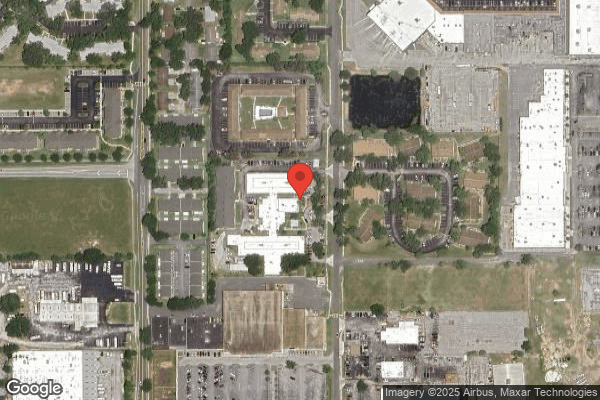




RULEME CENTER

2810 RULEME ST, EUSTIS, FL 32726 (352) 357-1990
For profit - Limited Liability company 138 Beds ASTON HEALTH Data: November 2025 1 Immediate Jeopardy citation
Trust Grade
46/100
#414 of 690 in FL
Last Inspection: August 2024

Within standard 12-15 month inspection cycle. Federal law requires annual inspections.

Overview

The Ruleme Center in Eustis, Florida has a Trust Grade of D, indicating below-average performance with some significant concerns. It ranks #414 out of 690 facilities in Florida, placing it in the bottom half of the state, and #14 out of 17 in Lake County, suggesting limited better options nearby. Although the facility is showing an improving trend, reducing issues from 5 in 2024 to 1 in 2025, it still recorded 18 total issues in recent inspections, including a critical failure to honor a resident's advance directive, which caused serious psychological harm. Staffing is a concern, with a turnover rate of 57%, higher than the state average, and while RN coverage is average, the facility has been fined $24,889, which raises red flags about compliance. Overall, families should weigh these weaknesses against the facility's average ratings in health inspection and quality measures.

Trust Score
D
46/100
In Florida
#414/690
Bottom 40%
Safety Record
High Risk
Review needed
Inspections
Getting Better
5 → 1 violations
Staff Stability
⚠ Watch
57% turnover. Above average. Higher turnover means staff may not know residents' routines.
Penalties
○ Average
$24,889 in fines. Higher than 70% of Florida facilities. Some compliance issues.
Skilled Nurses
○ Average
Each resident gets 38 minutes of Registered Nurse (RN) attention daily — about average for Florida. RNs are the most trained staff who monitor for health changes.
Violations
⚠ Watch
18 deficiencies on record. Higher than average. Multiple issues found across inspections.
★★★☆☆
3.0
Overall Rating
★★★☆☆
3.0
Staff Levels
★★★☆☆
3.0
Care Quality
★★★☆☆
3.0
Inspection Score
Stable
2024: 5 issues
2025: 1 issues

The Good

  • Full Sprinkler Coverage · Fire safety systems throughout facility
  • No fines on record

Facility shows strength in fire safety.

The Bad

3-Star Overall Rating

Near Florida average (3.2)

Meets federal standards, typical of most facilities

Staff Turnover: 57%

11pts above Florida avg (46%)

Frequent staff changes - ask about care continuity

Federal Fines: $24,889

Below median ($33,413)

Minor penalties assessed

Chain: ASTON HEALTH

Part of a multi-facility chain

Ask about local staffing decisions and management

Staff turnover is elevated (57%)

9 points above Florida average of 48%

The Ugly 18 deficiencies on record

1 life-threatening
Jan 2025 1 deficiency
CONCERN (D) 📢 Someone Reported This

A family member, employee, or ombudsman was alarmed enough to file a formal complaint

Potential for Harm - no one hurt, but risky conditions existed

Infection Control (Tag F0880)

Could have caused harm · This affected 1 resident

Based on observation, interview, and record review, the facility failed to ensure staff used proper personal protective equipment (PPE) while providing high contact care to the residents on enhanced b...

Read full inspector narrative →
Based on observation, interview, and record review, the facility failed to ensure staff used proper personal protective equipment (PPE) while providing high contact care to the residents on enhanced barrier precautions (EBP).to prevent the possible spread of infection and communicable diseases. Findings include: During an observation on 1/30/2025 at 10:00 AM, Staff A, Licensed Practical Nurse (LPN), was administering medications into Resident #4's gastric tube. Staff A had gloves. Staff A did not have a gown. There was an Enhanced Barrier Precautions signage on the door. There were personal protective equipment in the hallway, containing gowns and masks. During an interview on 1/30/2025 at 10:15 AM, Staff A, LPN, stated, I wore gloves. I sometimes wear gowns. During an interview on 1/30/2025 at 2:10 PM, the Assistant Director of Nursing (ADON) stated, They have to have all the PPE, the gloves, the gown, the mask, and any additional items that they might require. Review of the facility policy and procedure titled Standards and Guidelines: Enhanced Barrier Precautions issued in March 2024 showed it read, Definitions: Enhanced Barrier precautions (EBP) refers to an infection control intervention designed to reduce transmission of multidrug-resistant organism resistant organisms that employs targeted gown and glove use during high contact resident care activities . Procedure: 1. Enhanced Barrier Precautions (EBP) are used for residents with any of the following . b. Wounds and/or indwelling medical devices, even if the resident is not known to be colonized with MDRO [multidrug-resistant organism] . 6. Indwelling Medical Devices include the following: a. Central lines (excluding dialysis catheters), b. Urinary catheters (excluding condom catheters), c. Feeding Tubes, d. Tracheostomies . 10. Employees should wear appropriate PPE when performing the following duties for residents requiring EBP: a. Dressing, b. Bathing/Showering, C. Transferring, d. Providing hygiene, e. Changing linens, f. Providing pericare such as changing briefs, g. Toileting, h. Device care, i. Wound care.
Aug 2024 5 deficiencies
CONCERN (D)

Potential for Harm - no one hurt, but risky conditions existed

Respiratory Care (Tag F0695)

Could have caused harm · This affected 1 resident

**NOTE- TERMS IN BRACKETS HAVE BEEN EDITED TO PROTECT CONFIDENTIALITY** Based on observation, interview, and record review, the facility staff failed to ensure residents were administered oxygen as pe...

Read full inspector narrative →
**NOTE- TERMS IN BRACKETS HAVE BEEN EDITED TO PROTECT CONFIDENTIALITY** Based on observation, interview, and record review, the facility staff failed to ensure residents were administered oxygen as per physician order for 1 of 3 residents reviewed for respiratory care (Resident #13). Findings include: Review of Resident #13's admission record showed the resident was most recently admitted on [DATE] with diagnoses that included anemia, unspecified, dysphagia following cerebral infarction (a stroke), aphasia (inability to speak) following cerebral infarction, quadriplegia, unspecified, type 2 diabetes mellitus with other circulatory complications, unspecified protein-calorie malnutrition, status gastrostomy, occlusion and stenosis of right vertebral artery, essential (primary) hypertension, and dependence on supplemental oxygen. Review of Resident #13's physician order dated 5/21/2024 showed it read, Respiratory-Oxygen: NC [nasal cannula]/mask continuous. Encourage and assist resident to us O2 [oxygen] @ [at] 2 LPM [liters per minute] via nasal cannula continuously for every shift for CVA [Cerebral Vascular Accident] related to other sequalae of cerebral infarction. During an observation on 8/19/2024 at 10:44 AM, Resident #13 was resting in bed, was being administered oxygen via nasal cannula. The oxygen concentrator was set at 4 liters per minute. The oxygen concentrator was at the head of the bed on the resident's right side, outside the reach of the resident. During an observation on 8/20/2024 at 2:16 PM, Resident #13 was resting in bed, was being administered oxygen via nasal cannula. The oxygen concentrator was set at 4 liters per minute. The oxygen concentrator was at the head of the bed on the resident's right side, outside the reach of the resident. During an observation on 8/20/2024 at 2:18 PM, Staff A, Registered Nurse (RN), verified Resident #13's oxygen concentrator was running at 4 liters per minute. During an interview on 8/20/2024 at 2:18 PM, Staff A, RN, stated, That is not correct [the oxygen rate]. It should not be on 4 liters it is ordered for 2 liters. I should check it every day when I see a resident if they are on oxygen. Review of Resident #13's progress notes from 8/14/2024 through 8/20/2024 showed no documentation indicating the need to increase oxygen or any change in Resident #13's respiratory status. Review of Resident #13's care plan showed it read, Focus: [Resident #13's name] is at risk for altered respiratory status/difficulty breathing r/t [related to] gastrostomy status, CVA, dysphagia . Interventions . Administer oxygen as ordered . Date Initiated: 05/22/2024. During an interview on 8/22/2024 at 12:19 PM, the Director of Nursing (DON) stated, I expect staff to assess residents on oxygen at a minimum daily and make sure that we are following the orders for correct oxygen administration. Review of the facility policy and procedure titled Oxygen Administration with the last revision date of 12/2023 read, Standard: The purpose of this procedure is to provide guidelines for oxygen administration . General Guidelines: 1. Oxygen therapy is administered by way of oxygen mask, nasal cannula and/or other device per physicians' orders and/or facility protocol.
CONCERN (D)

Potential for Harm - no one hurt, but risky conditions existed

Deficiency F0761 (Tag F0761)

Could have caused harm · This affected 1 resident

Based on observation, interview, and record review, the facility failed to ensure medications were securely stored in 1 of 2 residential halls, Hall 100. Findings include: During an observation on 8/1...

Read full inspector narrative →
Based on observation, interview, and record review, the facility failed to ensure medications were securely stored in 1 of 2 residential halls, Hall 100. Findings include: During an observation on 8/19/2024 at 9:49 AM, Resident #9 was in her room lying in bed. There was a plastic cup lid turned up on the bedside table containing five different pills. On 8/19/2024 at 9:49 AM, an interview was attempted with Resident #9 related to the medications observed on the bedside table. Resident #9 stated, You want them? During an interview on 8/19/2024 at 9:52 AM, Staff A, Registered Nurse (RN) confirmed the medications at bedside and verified the plastic cup lid on the bedside table did contain five pills. During an interview on 8/19/2024 at 9:55 AM, Staff A, RN, stated that she passed the medications to Resident #9 at 9:00 AM, and identified the medications as Resident #9's Trazodone, Iron Pill, Clopidogrel, blood pressure medication, and Isosorbide pill. Staff A stated she did not leave the medications at bedside and pointed out that the medications were moist where evidently [Resident #9's name] had spit the pills back out. Staff A stated, I should have made sure she swallowed her pills, and I didn't do that. Review of Resident #9 medical records showed diagnoses including unspecified sequelae of cerebral infarction, unspecified dementia without behavioral disturbance, psychotic disturbance, mood disturbance and anxiety, generalized muscle weakness, type 2 diabetes mellitus with neuropathy, repeated falls, atherosclerotic heart disease of native coronary artery without angina pectoris. Review of Resident #9's Minimum data Set (MDS) showed Brief Interview for Mental Status (BIMS) summary score of 3 [indicating severe cognitive impairment]. Review of Resident #9's physician orders did not provide for a physician order for the resident to self-administer medications. Review Resident #9's MAR (medication administration record) for 8/19/24 read, 9:00AM medications were administered and initialed by Staff A. Review of Resident #9's care plan initiated on 1/4/2023, showed it read, [Resident #9's name] has a communication problem r/t dx [related to diagnosis] of dementia, is at elopement risk/exit seeker related to episode of wandering, cognitive impairment, and impaired safety awareness, has potential for behaviors of: restlessness and getting out of bed without assistance; hitting staff, yelling at staff. She is noted not to remain in her room when on isolation. She has been noted to spit out medications, eat her food and then state another resident ate it and demand more food; knocks/pushes meal trays of other Resident's off dining table and onto floor; throwing wash cloth on face of another resident while they were sleeping, resident is resistive to care/refusing care related to dementia. She will decline administration medications and insulin checks, refusing insulin, refusal of labs, spitting out medications. During an interview on 8/22/2024 at 9:03 AM related to the residents' ability to self-administer their medications, the Director of Nursing (DON) stated that any nurse can complete an assessment for alert and oriented residents that wish to self-administer their own medications. The DON stated that Resident #9 was not able to self-administer her own medications due to her cognitive impairment and inability to do so. During an interview on 8/22/2024 at 11:14 AM, related to her expectations of nurses passing medications, the DON stated it is her expectations that all nurses passing medications apply the five rules that include, right patient or resident, right drug, right dosage, right route, and the right time. The DON stated that nurses are expected to ensure residents take the administered medications and the documentation is completed in the medication administration record (MAR). Review of the policy and procedure titled Self-Administration of Medication, last reviewed 3/11/2024, read, 1. A resident may not be permitted to administer or retain any medication in his/her room unless so ordered, in writing, by the attending physician/clinician. 2. Should the resident's attending physician/clinician permit the resident to administer his/her medication(s), the following condition should apply: a. A self-administration of medications evaluation will be completed that indicates that the resident is capable of self-administering drugs. This is to be completed quarterly and as needed with resident cognition or physical ability changes. b. Storage of medications in the resident's room must be such that it will prevent access by other residents, c. Only the medications permitted for self-administration shall be left at the bedside. Review of the policy and procedure titled Standards and Guidelines: Medication Administration, last reviewed 1/2024, read, Medications are ordered and administered safely and as prescribed. Procedure: 1. Only persons licensed or permitted by this state to prepare, administer, and document the administration of medications may do so. 2. The Director of Nursing Services supervises and directs all personnel who administer medications and/or have related functions. 21. Residents may self-administer their own medications only if the Attending Physician, in conjunction with the interdisciplinary care planning team, has determined that they have the decision-making capacity to do so safely.
CONCERN (D)

Potential for Harm - no one hurt, but risky conditions existed

Administration (Tag F0835)

Could have caused harm · This affected 1 resident

Based on observation, interview, and record review, the facility administration failed to assume full responsibility for the day-to-day operations of the facility by allowing unlicensed staff to work ...

Read full inspector narrative →
Based on observation, interview, and record review, the facility administration failed to assume full responsibility for the day-to-day operations of the facility by allowing unlicensed staff to work outside the accepted professional standards and current federal, state, and local regulations to ensure the highest degree of quality care was maintained. The facility administration failed to verify the licensure status of a nurse prior to employment who was found to not have a valid Florida license as a registered nurse. Findings include: Review of personnel records showed Staff A, Registered Nurse, was hired by the facility as a qualified Registered Nurse on 6/11/2024 and was scheduled to work in the facility as a Registered Nurse. Review of the Florida Department of Health licensure web site (https://mqa-internet.doh.state.fl.us/MQASearchServices/HealthCareProviders) revealed Staff A, RN, was not licensed as a Registered Nurse in the State of Florida. During an observation on 8/19/2024 at 9:00 AM, Staff A, RN, was working at a medication cart in the facility. Staff A had a name tag denoting a position of Registered Nurse. Review of a document from [name of an out of state university] read, Be it known that [Staff A's name] having given satisfactory evidence of the completion of professional and other requirements prescribed by law is qualified to practice as a Registered Professional Nurse in the [name of the state in which Staff A is qualified to work] in witness whereof the education department grants this license under its seal at [name of the city and state] this [date of issuance]. During an interview on 8/22/2024 at 11:30 AM, the Administrator stated, I was not the administrator at the time [Staff A's name] was hired. It is her expectation that all staff offered employment are fully qualified to perform the duties outlined in their job description. I rely on the human resources department to fully vet prospective employees to ensure that residents receive the care and services they need by a qualified individual and to notify her of any discrepancies found prior to an offer of employment. During an interview on 8/21/2024 related to expectations for nurses, the Director of Nursing (DON) stated that it is her expectation that any staff offered employment, are fully vetted by the Human Resources department before an offer for employment letter is sent out. The DON stated that it was her understanding that Staff A was a Registered Nurse and qualified to work in the facility. During an interview on 8/22/2024 at 12:03 PM, the Human Resources Director stated that she had personally interviewed and accepted the application for Staff A, RN. The Human Resources Director stated she then went to the e-web site to check the [out of state name] license and did not see the box to check for a decision of whether the license was only for the [name of the state it was issued for] or if it was a multi-state license. The Human Resources Director stated Staff A would have had 60 days to get a Florida license and it ended August 10, 2024. The Human Resources Director verified Staff A was working in the facility beyond the expiration date of August 10, 2024. An interview was conducted via telephone on 8/22/2024 at 1:34 PM with Staff A related to her license for the State of Florida. Staff A stated, I was so confused and thought I just had to submit for a license and not have to actually have the license to be able to work [in Florida]. Staff A confirmed that she had been working through her scheduled shift on 8/19/24 in the facility as a Registered Nurse. Review of the job description titled, Administrator read, The Administrator administers, directs, and coordinates all functions of the facility to assure that the highest degree of quality of care is consistently provided to the patients. Responsibilities include, recruits and trains team members to create and maintain a highly functioning team environment and maintains high customer satisfaction. Supervises all departments within the facility. Review of the job description titled, Director of Nursing read, Executes the goals and objectives of the nursing department in regards to patient/resident rights, patient/resident care and reflects the mission statement of the facility. Serves as a role model to nursing staff while facilitating outcomes-based care delivery, cost management, and enhanced customer satisfaction within the context of an interdisciplinary framework. Provides leadership and direction for the nursing staff while being responsible for the overall management of the Nursing Department. Ensures nursing staff's compliance with all facility and nursing policies and procedures as well as compliance with regulatory requirements. Responsibilities include, interpret and execute administrative, nursing and resident/patient care policies. Ensure compliance with government and accrediting agency standards and regulations pertaining to Nursing. Ensure that all nursing personnel comply with the written policies and procedures established by the department and the facility. Establish and maintain qualifications and functions for each nursing position. Ensure resident safety in accordance with resident safety programs. Review of the job description titled, Human Resources Manager read, The human resources manager is responsible for performing HR-related duties in the following functional areas: benefits administration, employee relations, training, performance management, onboarding, policy implementation, recruitment/employment, and employment law compliance. Responsibilities include Screens and recruits job applicants to fill professional and technical job openings. Create new hire offer letters. Run exclusions, license checks and criminal background checks, employment verifications, and reference checks. Maintains compliance with federal, state and local employment and benefits laws and regulations. Review of the Florida Department of Health Division of Medical Quality Assurance a form titled Important Updates Regarding Nurse Licensed Outside of Florida dated August 8, 2021 read, Section 464.022(8), Florida Statutes, provides that a nurse who is currently licensed in another state or territory of the United States may perform services in Florida for a period of 60 days after furnishing the employer satisfactory evidence of current licensure in another state or territory and by having submitted proper application and fees to the Florida Board of Nursing for licensure prior to employment.
CONCERN (D)

Potential for Harm - no one hurt, but risky conditions existed

Medical Records (Tag F0842)

Could have caused harm · This affected 1 resident

**NOTE- TERMS IN BRACKETS HAVE BEEN EDITED TO PROTECT CONFIDENTIALITY** Based on observation, interview, and record review, the facility failed to ensure medical records were accurate and complete for...

Read full inspector narrative →
**NOTE- TERMS IN BRACKETS HAVE BEEN EDITED TO PROTECT CONFIDENTIALITY** Based on observation, interview, and record review, the facility failed to ensure medical records were accurate and complete for 1 of 3 residents reviewed for wound care, Resident #13. Findings include: Review of Resident #13's admission record showed the resident was most recently admitted on [DATE] with diagnoses that included necrotizing fasciitis, stage 4 pressure ulcer of sacral region, anemia, dysphagia following cerebral infarction (a stroke), aphasia (inability to speak) following cerebral infarction, quadriplegia, type 2 diabetes mellitus with other circulatory complications, occlusion and stenosis of right vertebral artery, essential (primary) hypertension, and dependence on supplemental oxygen. Review of Resident #13's physician order dated 4/26/2024 read, Cleanse wound to sacrum with normal saline, pat dry, apply calcium alginate to wound bed, cover with silicone border foam every day shift for sacral wound. Review of Resident #13's Medication Administration Record (MAR) for April 2024 showed treatment was not documented as completed on 4/28/2024 and 4/30/2024. Review of Resident 13's physician order dated 5/2/2024 read, Dakins (1/4 strength) External Solution 0.125% (Sodium Hypochlorite) Apply to sacrum topically every day shift for sacral wound. Cleanse wound to sacrum with Dakin's, pat dry, apply calcium alginate to wound bed, cover with silicone border foam. Review of Resident #13's MAR for May 2024 showed treatment was not documented as completed on 5/5/2024, 5/10/2024, 5/15/2024 and 5/16/2024. Review of Resident #13's physician order dated 5/23/2024 read, Dakins (1/4 strength) External Solution 0.125% (Sodium Hypochlorite) Apply to sacrum topically every day shift for sacral wound. Cleanse wound with Dakin's, pat dry, apply collagen powder to wound bed, pack with Dakin's moist kerlex, cover with silicone border foam. Review of Resident #13's MAR for June 2024 showed treatment was not documented as completed on 6/21/2024. Review of Resident #13's physician order dated 6/24/2024 read, Dakins (1/4 strength) External Solution 0.125% (Sodium Hypochlorite) Apply to sacrum topically every day shift for sacral wound Cleanse wound with Dakin's, pat dry, apply collagen powder to wound bed, pack with Dakin's moist kerlex, cover with silicone border foam. Review of Resident #13's MAR for July 2024 showed treatment was not documented as completed on 7/31/2024 and documented as 9 (other see nurses notes). Review of medical records showed no note related to wound care on 7/31/2024. Review of Resident #13's MAR for August 2024 showed treatment was not documented as completed on 8/1/2024, 8/5/2024, 8/6/2024, 8/7/2024, 8/9/2024 and 8/13/2024. During an interview on 8/22/2024 at 9:38 AM, Staff B, Licensed Practical Nurse (LPN), stated, When wound care is done, it should be signed off on the MAR as soon as it is done. We have to document all our treatments. If they refuse, we need to document that too. During an interview on 8/22/2024 at 10:00 AM, Staff C, Registered Nurse (RN), stated, All dressing changes should be documented when they are done. During an interview on 8/22/2204 at 10:15 AM, the Director of Nursing (DON) stated, Every time a dressing is done, it should be documented. Review of the policy and procedure titled, Documentation with the last revision date of 1/2024 read, Guideline: Services provided to the resident shall be documented in the resident's medical record. The medical record should facilitate communication between the interdisciplinary team regarding the resident's condition and response to care. Procedure . 2. The following information is to be documented in the resident medical record . c) Treatments or services performed . 8. Documentation of procedures and treatments will include care specific details, including: a) the date and time the procedure/treatment was provided; b). The name and title of the individual(s) who provided the care.
CONCERN (D)

Potential for Harm - no one hurt, but risky conditions existed

Infection Control (Tag F0880)

Could have caused harm · This affected 1 resident

Based on observation, interview, and record review, the facility failed to ensure staff performed hand hygiene during medication administration for 6 of 9 medication administration observations to pre...

Read full inspector narrative →
Based on observation, interview, and record review, the facility failed to ensure staff performed hand hygiene during medication administration for 6 of 9 medication administration observations to prevent the possible spread of infection and communicable disease. Findings include: During an observation on 8/20/2024 at 8:37 AM, Staff A, Registered Nurse (RN), was exiting a resident's room after administering medications to the resident. Staff A did not perform handy hygiene and returned to the medication cart. Staff A prepared Resident #86's medications, reached into her uniform pocket, removed keys and locked the medication cart. Staff A entered Resident #86's room, did not perform hand hygiene, administered the medications, exited the room without performing hand hygiene and returned to the medication cart to prepare another resident's medications. During an observation on 8/20/2024 at 8:44 AM, Staff A, RN, was returning to the medication cart after administering medications to Resident #86. Staff A reached into her pocket, removed the keys and unlocked the medication cart without performing hand hygiene. Staff A prepared Resident #54's medications, entered the resident room, administered the medications and exited the resident's room without performing hand hygiene. Staff A returned to the medication cart and began preparing another resident's medications. During an interview on 8/20/2024 at 9:00 AM, Staff A, RN, stated, I should have used the hand sanitizer when I got meds and after I got meds to the residents. During an observation on 8/21/2024 at 8:39 AM, Staff D, Licensed Practical Nurse (LPN), returned to the medication cart after administering medications to a resident, reached in her pocket, removed the keys, and unlocked the medication cart. Staff D removed a hair tie from her hair, flipped her hair, touching her hair with both hands and prepared medications for Resident #83 without performing hand hygiene. Staff D donned gloves without performing hand hygiene and entered Resident #83's room and administered the medications, doffed gloves and returned to the medication cart without performing hand hygiene. During an interview on 8/21/2024 at 9:00 AM, Staff D, LPN, stated, I should have washed my hands before and after I put on gloves. I didn't realize that I pulled out my hair tie. During an observation on 8/22/2024 at 5:02 AM, Staff E, LPN, moved the medication cart to Resident #105's doorway, reached into her uniform pocket, removed the keys, unlocked the medication cart and typed her password into the computer and began preparing medications for Resident #105 without performing hand hygiene. Staff E entered Resident #105's room without performing hand hygiene, assisted the resident by elevating the head of the bed with the bed control and administered the medications, and exited the room, returning to the medication cart without performing hand hygiene. During an observation on 8/22/2024 at 5:06 AM, Staff E, LPN, returned to the medication cart, reached into her uniform pockets, removed the keys, unlocked the medication cart, touched the computer keyboard and began preparing Resident #17's medications without performing hand hygiene. Staff E locked the medication cart, entered Resident #17's room and administered the medications without performing hand hygiene. Staff E exited the room returning to the medication cart without performing hand hygiene and began preparing another resident's medications. During an observation on 8/22/2024 at 5:11 AM, Staff E, LPN, returned to the medication cart, reached into her uniform pockets, removed the keys, unlocked the medication cart, touched the computer keyboard and began preparing Resident #83's medications without performing hand hygiene. Staff E locked the medication cart, entered Resident #83's room and administered the medications without performing hand hygiene. Staff E exited the room returning to the medication cart without performing hand hygiene and began preparing another resident's medications. During an interview on 8/22/2024 at 5:20 AM, Staff E, LPN, stated, I should have washed my hands. I just got nervous. During an interview on 8/22/2024 at 6:30 AM, the Director of Nursing (DON) stated, I expect that all nurses follow our infection control policy for hand washing. Review of the policy and procedures titled Medication Administration with the last revision date of 1/2024, read, Procedure . 19. Staff follows established infection control procedures (e.g., handwashing, antiseptic technique, gloves, isolation precautions, etc.) for the administration of medications, as applicable. Review of the policy and procedure titled Hand Hygiene Infection Control with the last approval date of 1/2024 read, Standard: Hand hygiene is the single most important measure for preventing the spread of infection. Guideline: This facility shall require facility personnel use accepted hand hygiene after each direct resident contact for which hand hygiene is indicated . Procedure: The facility acknowledges the CDC (Centers for Disease Control) guidelines to improve adherence to hand hygiene in health care settings. The hand hygiene guidelines are part of an overall CDC strategy to reduce infections in health care settings to promote resident safety. These guidelines state that hand washing is necessary when healthcare personnel's hands are visibly soiled. When the hands are not visibly soiled, the CDC recommends the use of alcohol-based hand rubs by health care personnel for resident care to address the obstacles that health care professionals face when taking care of residents. Situations that require hand hygiene include, but are not limited to . Before and after direct resident contact (for which hand hygiene is indicated by acceptable professional practice). Review of the policy and procedure titled General Dose Preparation and Medication Administration with the last approval date of 12/29/2023, read, Applicability: The Policy 6.0 sets forth the procedures relating to general dose preparation and medication administration. Facility staff should also refer to the facility policy regarding medication administration and should comply with Applicable Law and the State Operations Manual when administering medications. Procedure . 2. Prior to preparing or administering medications, authorized and competent facility staff should follow facilities infection control policy (e.g., hand washing).
Dec 2023 3 deficiencies 1 IJ
CRITICAL (J) 📢 Someone Reported This

A family member, employee, or ombudsman was alarmed enough to file a formal complaint

Immediate Jeopardy (IJ) - the most serious Medicare violation

Deficiency F0578 (Tag F0578)

Someone could have died · This affected 1 resident

**NOTE- TERMS IN BRACKETS HAVE BEEN EDITED TO PROTECT CONFIDENTIALITY** Based on record review, interview, and policy and procedure review the facility failed to ensure the residents rights were honor...

Read full inspector narrative →
**NOTE- TERMS IN BRACKETS HAVE BEEN EDITED TO PROTECT CONFIDENTIALITY** Based on record review, interview, and policy and procedure review the facility failed to ensure the residents rights were honored by failing to provide an opportunity to formulate advance directives. Resident #1's advance directive for Do Not Resuscitate (DNR) was not honored by the facility when they failed to obtain clarification of code status during the admission process, per facility policy. This failure resulted in the resident experiencing serious psychosocial harm by not honoring the resident's wishes for a natural, dignified death. Successful Cardiopulmonary Resuscitation (CPR) may result in major physical trauma including broken ribs, lung bruising, damage to the airway and internal organs, and internal bleeding. Along with the physical trauma, residents who receive CPR may have to deal with serious long-term consequences like possible brain damage from oxygen deprivation. Findings include: Review of Resident #1's admission Record documented an admission date of [DATE] with the following diagnoses: enterocolitis due to Clostridium difficile, unspecified kidney failure, unspecified urinary retention, unspecified dementia (unspecified severity without behavioral disturbances psychotic disturbance mood disturbance and anxiety), and Alzheimer's disease. Review of the form titled Medical Certification for Medicaid Long Term Care Services and Patient Transfer [Also known as Form 3008] dated [DATE], reads, Section H: Advance Care Planning: Do Not Resuscitate (DNR) was not checked yes or no, left blank. Review of the form titled admission readmission Nursing Evaluation dated [DATE], at 18:17 (6:17 PM) authored by Staff A, Licensed Practical Nurse (LPN) reads, Section VIII: Baseline Care plan: Section B. Social Service Advanced Directives. Code Status/Advanced Directives 1. Does the resident have advance directives b. Full Code (wants CPR) was documented. 2. Advanced Directives reviewed with Resident/Representative: a. Yes was documented. Review of the document titled Consent To Treat dated [DATE], no time, reads: Telephone consent per [Resident representative's name] was signed by Staff A, LPN and Staff C, Registered Nurse (RN). Review of the document titled Informed Consent for Pneumococcal Vaccine for Resident #1 dated [DATE], no time documented, reads: Per [Resident representative's name] and was signed by Staff A and Staff C. Review of the document titled Informed Consent for Resident Influenza Immunization for Resident #1 with no date or time reads, Per [Resident representative's name] and was signed by Staff A and Staff C. Review of the document titled COVID-19 [Coronavirus 2019) Vaccination/Booster for Resident #1 dated [DATE] no time reads, Per [Resident representative's name] and was signed by Staff A and Staff C. Review of Resident #1's progress notes documented no social services notes within the medical record. Review of Resident #1's electronic medical record [emr] documented the form titled Internal Medicine progress note dated [DATE], scanned in date [into emr] [DATE], reads, Assessment: septic shock due to urinary tract infection Proteus mirabilis on urine culture, right lower lobe pneumonia, history of hypertension, history of coronary artery disease, history of TIA (Transient Ischemic Attack), acute chronic CKD (kidney disease), acute pulmonary insufficiency, improving, advanced age, dementia. Plan: continue with PO (by mouth) antibiotics as per infectious disease, CM (case management) to coordinate SNF (skilled nursing facility), replace magnesium as per protocol, daily labs, PT (physical therapy)/OT (occupational therapy)/DVT (deep vein thrombosis)/GI (gastrointestinal) prophylaxis as appropriate, home medications as appropriate, further pending patients' clinical course and recommendations by consultant's plan of care discussed with patient family at bedside all questions answered. Code Status documented as DNR. Review of the handwritten document titled Code Blue Response worksheet dated [DATE] at 11:46 AM reads: Resident Name: [Resident #1's name], Date: [DATE], Time 11:46 AM, Location of code: Resident #1's room, Nurse in charge of code: [Staff name], Code status verified by: [Staff Name], EMS (Emergency Medical Services)/911 notified (time): 11:47 AM, EMS arrival time: 11:51 AM. MD (Medical Doctor) or ARNP (Advanced Registered Nurse Practitioner) [sic] present: No, Crash cart present: yes, Pulse present: No, Breathing: No, Chest compressions initiated: yes, Time: 11:47 AM by Whom [Staff Name], Rescue breathing initiated: Yes, Ambu mask: checked Time: 11:47 AM Vital signs, heart rate 0, BP (blood pressure) 0, respiratory rate 0, SPO2 (oxygen saturation) 77%, blood sugar unable to read, Number of CPR cycles completed: 5, Resuscitation terminated at 12:08 PM, paramedics took over at 11:52 AM. Regain pulse: No, Regain breathing: No, Conscious: No, Transferred to: not applicable, will transfer to funeral home once family arrives. Review of the nursing progress note dated [DATE] at 1308 (1:08 PM) authored by Staff D, LPN reads, resident was observed unresponsive, chart was checked confirmed to be FULL CODE. paged code blue and 911 was called CPR was started at 11:47. AED (automatic external defibrillator) was applied. No shock advised. Continued CPR until EMS arrived and took over at 1152. Family was called, paramedics continued CPR until 1208 and he was then pronounced dead. family was still on phone and was updated about passing. MD aware and received order to release body to funeral home, [Funeral Home's Name] was called and arrived to pick up body at 1445 (2:45 PM), family was with patient upon release. During an interview on [DATE] at 9:10 AM the Administrator stated, I am aware of this [incident with Resident #1], we did a report, immediate and 5 day. The information we had to work with was not clear on the 3008. I can't tell you why this occurred. We did complete an RCA (Root Cause Analysis) and PIP (Performance Improvement Plan) to make certain this would not happen again. We have fully implemented this plan. During a telephone interview on [DATE] at 10:00 AM, Resident #1's representative stated, I explained that he was a DNR when they called to let us know he was coding. He was a DNR at the hospital. No one called me or asked me about his code status. They did not call me the day he got there or any other time about whether he was a DNR. We came in to see him and no one asked us. I was very upset that they did this. He did not want CPR done. I don't really understand how this happened. They should have either gotten this from the hospital or asked me. They did not have any discussion about whether he was a DNR. I learned about this when the Director of Nursing called and told me that they were doing CPR, that's when I told them, he was a DNR. It was very distressing. He was a [AGE] year-old man, and they probably did more harm than good when they did that. I was called by the nurse that night he went there and asked for a consent to treat and about immunizations for the flu and pneumonia. So, I really can't understand why they didn't ask about that [advance directives]. During an interview on [DATE] at 10:45 AM, the Director of Nursing (DON) stated, I found out that the resident [Resident #1] had a DNR when I called his [resident representative] when he was coding and that was when she told me that he was a DNR. We did realize that there was a progress note scanned into the system that stated DNR after we began to investigate this. The nurses, I guess, went by the 3008 which checked no advanced directives and DNR was not checked yes or no. I was aware that they documented on the admission that he was a full code and that was discussed with him or his family. No call was made to verify his wishes and he was not able to make that decision. Social services did not call and discuss advance directives with the family, they should have. Our policy is that on admission we obtain advance directives, and we did not do this. I think that the Social Service Director usually does advanced directives with the MDS (Minimum Data Set) [coordinator] on day 5. That is too long to wait for that to be done, it should be done on the day of admission. We should be doing them on admission. I did see the physician progress note that stated he was a DNR that was scanned into the system before he arrived. It was available for anyone to review. The nurses and the Social Services Director do have access to that scanned document. We did a QAPI (Quality Assurance Performance Improvement) on that same day and identified that we had opportunities to have determined what his and his representative's wishes were for advanced directives. The nurse did not call and verify the code status on admission when the 3008 was incorrect. I don't know if the nurse actually got report from the hospital. Our Social Service Director did not see the resident after admission, they did not address advanced directives with his representative. During an interview on [DATE] at 3:30 PM, the Medical Director stated, I was aware that [Resident #1's Name] was coded, and I understand that was not his representative's wishes. I do think that we should have determined his wishes for resuscitation prior to his death and we did identify that the information provided by the hospital was incomplete and we really should have called and verified with his family whether or not he was a full code based on the inaccurate documentation. During an interview on [DATE] at 3:45 PM, Staff A, LPN stated, I did not get report from the hospital on this patient [Resident #1]. I looked at the 3008 and it did not indicate DNR or the code status. The DNR was not filled in at all, so I just looked at [it] as he was a full code. I did not call and ask his representative, his family if he was a DNR or full code. He was confused and not able to tell me, so I should have called them and asked. I just don't have a good enough reason why I didn't. I did get verbal consent to treat, flu, pneumonia, and COVID-19 consents over the telephone from his [representative]. I don't know if it was overly busy that evening. I don't know why I did that. I did document that I called the representative on the admission form, but I did not do that for the advance directives. I should not have documented that. During an interview on [DATE] at 4:10 PM, Staff C, RN stated, I did witness the consents for [Staff A's name] on 11/13 if I signed them. I do not recall her asking about advanced directives when we did that. I did not complete his admission that evening and did not know whether or not he was a full code. I can't remember what time that call was. During an interview on [DATE] at 3:15 PM Admissions Director stated, I did speak with [Resident #1's representative] and review the admission packet with her. I will usually let the residents or families know about the physician services, payor sources, and any copays. I review if the resident has a POA [Power of Attorney], she indicated that she did, and I requested the paperwork be provided to us. I did review the Advance Directives portion with her. She did tell me that he was a DNR, and I explained that I needed the form, the yellow DNR form and that she needed to provide the Social Services Director and the nurses with this information. I can't recall what date exactly that I spoke to her, but I know that the date she electronically signed it was different then the date I actually spoke to her. She told me that she would get in touch with social services to address the DNR, at least I think she did. I did not reach out to his nurse or to the social service department or Social Service Director. I really should have. I really can't say why I didn't follow up, there really is no excuse for this. I don't generally get advanced directives signed, that is the responsibility of the Social Service Director, but I really should have completed this. I should have followed up with social services after our discussion. It was simply a lack of communication all the way around. During a telephone interview on [DATE] at 5:05 PM Resident #1's representative stated, I did speak with the admissions person about the admission package, that I needed to sign it electronically. They did talk to me about his advanced directives. I did tell them that he was a DNR, and she told me that I needed to bring in the yellow form I had and talk to the nurses and social services about this. That's why I thought they knew he was a DNR. Review of the policy and procedure titled, Advanced Directives Code Status, last revision date of 1/2023 reads, Standard: It is the policy of the facility to honor Advanced Directives, Code Status and Do Not Resuscitate orders in accordance with State and Federal regulations. Guideline: Admission/readmission: Code Status verified upon admission with resident/representative by admitting nurse. Nurse reviews code status with the resident/representative and confirms decision with the attending physician (MD). DNR: Admitting nurse must review with resident/representative with a witness present (preferably another nurse or social services). Review of the policy and procedure titled, Admissions Policies, last reviewed [DATE], reads: Policy Interpretation and Implementation. 1. The primary purpose of our admission policies is to establish uniform guidelines for personnel to follow in admitting residents to the facility. 3. The objectives of our admission policies are to: d. Review with the resident, and/or his/her representative (sponsor), the facility's policies and procedures relating to resident rights, resident care, financial obligations, visiting hours, etc. The Immediate Jeopardy was verified as removed on [DATE] and substantial compliance was confirmed on [DATE], after the receipt of an acceptable immediate jeopardy removal plan. The survey team verified the facility's actions for removal of the immediacy to prevent the likelihood of serious psychosocial harm and/or possible serious injury when the facility provided evidence of the actions taken to remove the immediacy to include conducting a root cause analysis, assessment of all current residents for the formulation of advanced directives, training of licensed staff in the admission process for obtaining advanced directives and the advanced directives policy and procedure encompassing aspects such as the Do Not Resuscitate (DNR) process for new admissions, readmissions, cases of existing DNR, changes to DNR status, and revocation of DNR. It also covered the importance of reviewing the admission packet for any advanced directive, the protocol for situations where a resident is unable to make decisions (including contacting the responsible party to confirm code status), and the correct procedure for obtaining a physician's order for advanced directives as evidenced by the following: On [DATE], an Ad Hoc [when necessary or needed] QAPI meeting was held with 15 members present to include the Administrator, DON, Medical Director [via telephone], Infection Control & Prevention Officer, Labor Coordinator, Social Worker, Maintenance, Unit Manager Northbrook, Evening Manager, Unit Manager Southbrook, Social Services Assistant, Activities Assistant, and Certified Dietary Manager to develop a Performance Improvement Plan based on the identified Root Cause Analysis. On [DATE], Staff A, LPN, received 1on 1 education from the Director of Nursing on the policies and procedures related to advanced directives, encompassing aspects such as the Do Not Resuscitate (DNR) process for new admissions, readmissions, cases of existing DNR, changes to DNR status, and revocation of DNR. It also covered the importance of reviewing the admission packet for any advanced directive, the protocol for situations where a resident is unable to make decisions, including contacting the responsible party to confirm code status. On [DATE], the Social Services Director received 1on 1 education from the Director of Nursing on identification advanced directives, including code status upon admission and measures for appropriate follow-up to guarantee the implementation of these directives. On [DATE], the Admissions Director received 1 on 1 education from the Director of Nursing on promptly notifying the nursing staff and/or social services about any advanced directives communicated by patients or their responsible parties, either before or after admission. On [DATE], all current licensed staff, 34 of 34, received education from the Director of Nursing and the Unit Manager on the policies and procedures related to advanced directives, encompassing aspects such as the Do Not Resuscitate (DNR) process for new admissions, readmissions, cases of existing DNR, changes to DNR status, and revocation of DNR. It also covered the importance of reviewing the admission packet for any advanced directive, the protocol for situations where a resident is unable to make decisions (including contacting the responsible party to confirm code status), and the correct procedure for obtaining a physician's order for advanced directives. On [DATE], all additional staff, 91 of 91, received education from the Director of Nursing and the Unit Manager regarding the policy and procedure related to advanced directives. On [DATE], the Assistant Director of Nursing, Northbrook Unit Manager, Southbrook Unit Manager, Weekend Supervisor, Evening Supervisor, LPN MDS Coordinator and RN MDS Assessor received 1on 1 education from the Director of Nursing on the policies and procedures related to advanced directives, encompassing aspects such as the Do Not Resuscitate (DNR) process for new admissions, readmissions, cases of existing DNR, changes to DNR status, and revocation of DNR. It also covered the importance of reviewing the admission packet for any advanced directive, the protocol for situations where a resident is unable to make decisions (including contacting the responsible party to confirm code status), and the correct procedure for obtaining a physician's order for advanced directives. Review of the follow up Ad Hoc QAPI meeting conducted on [DATE], the committee reviewed the audits completed to date with 2 audits completed with no deficient practice identified. The committee reviewed staff training to date. At the time of the meeting, 107 of 125 staff had received education. No newly hired employees were onboarded between [DATE] and [DATE]. The committee discussed agency education to date, noting all 29 agency employees (25 Certified Nursing Assistants and 4 LPNs) received advanced directive education. Based on results of audits and training to date, the committee recommended continued audits of all admissions and readmissions as well as continued education until all staff had completed education. The committee also recommended ongoing new hire and agency education. Review of the follow up Ad Hoc QAPI meeting conducted on [DATE], the committee reviewed audits completed to date with 13 audits completed with no deficient practice identified. At the time of the meeting 125 of 125 staff had received education. Six newly hired employees were onboarded between [DATE] and [DATE], 6 of 6 new hires received advanced directive education. Based on results of audits and training to date, the committee recommended continued audits of all admissions and readmissions as well as continued new hire/agency education. During staff interviews on Interviews were conducted with 11 licensed nurses, 14 Certified Nursing Assistants and 5 additional ancillary staff (Physical Therapy Assistants, Occupational Assistants) the Social Services Director, and Admissions Director for verification of training provided for advanced directives and verified having received education and verbalized understanding of all aspects of the facility policies and procedures related to advanced directives.
CONCERN (D) 📢 Someone Reported This

A family member, employee, or ombudsman was alarmed enough to file a formal complaint

Potential for Harm - no one hurt, but risky conditions existed

Deficiency F0773 (Tag F0773)

Could have caused harm · This affected 1 resident

Based on interview and record review the facility failed to promptly notify the physician or advanced registered nurse practitioner of critical laboratory results in accordance with professional stand...

Read full inspector narrative →
Based on interview and record review the facility failed to promptly notify the physician or advanced registered nurse practitioner of critical laboratory results in accordance with professional standards of practice for 1 out of 3 residents reviewed for physician notification of laboratory results. (Resident #1) Findings include: Review of Resident #1's admission Record documented an admission date of 11/13/2023 with the following diagnoses: enterocolitis due to Clostridium difficile, unspecified kidney failure, unspecified urinary retention, unspecified dementia (unspecified severity without behavioral disturbances psychotic disturbance mood disturbance and anxiety), and Alzheimer's disease. Review of the physician order for Resident #1 dated 11/15/2023 read: CBC (complete blood count), CMP (comprehensive metabolic panel) in am. Review of the document titled Lab Results Report for Resident #1 reported date of 11/16/23 at 18:21 (6:21 PM) read: Comprehensive metabolic panel: Serum Glucose < 40 (Critical Low). Review of the electronic medical record documented no physician notification within the record. During an interview on 12/4/2023 at 10:45 AM, the Director of Nursing (DON) stated, I was not really aware that he had a blood glucose of < 40 the day before he coded, I was not aware that the nurses did not call and let the provider know about that. We should have called the doctor or nurse practitioner about that and written a progress note that we called them and what they wanted to do. We do not have a specific policy about calling doctors with labs, this would be considered a standard of practice. All nurses should call with abnormal lab results, and I do expect nurses to call right away with any critical lab results. During a telephone interview on 12/4/2023 at 12:03 PM the Advanced Registered Nurse Practitioner (APRN) stated I did not review his labs (Resident #1), they were not available to me at the time I saw him on the 16th. I was not called or notified of any critical lab results for him (Resident #1). I expect staff to let me know that a blood sugar [level] is critically low. I should be notified when patients have critical labs. During a telephone interview on 12/4/2023 at 3:30 PM the Medical Director stated, I was not aware or notified of low blood sugars on his [Resident #1] morning labs. I do think that staff should call all critical lab results to us. But I should be called with any and all abnormal or critical lab results when they receive them. During an interview on 12/4/2023 at 4:10 PM Staff C, Registered Nurse (RN) stated, I was the nursing supervisor on the evening that his (Resident #1) critical lab was reported. I don't know why it was not called to the doctor. It is my usual practice to call the labs and enter physician order for the labs. I did not document that I spoke to the doctor or nurse practitioner. I don't know if I saw the lab or if I was pulled to work on a cart. I just don't know. The blood sugar of less than 40 should have been called, any critical labs should be called, and we should enter any orders and document that we spoke to the doctor. A policy and procedure for physician notification of lab results was requested. None was provided.
CONCERN (D) 📢 Someone Reported This

A family member, employee, or ombudsman was alarmed enough to file a formal complaint

Potential for Harm - no one hurt, but risky conditions existed

Medical Records (Tag F0842)

Could have caused harm · This affected 1 resident

**NOTE- TERMS IN BRACKETS HAVE BEEN EDITED TO PROTECT CONFIDENTIALITY** Based on interview and record review the facility failed to maintain accurate and complete medical records for 1 out of 3 reside...

Read full inspector narrative →
**NOTE- TERMS IN BRACKETS HAVE BEEN EDITED TO PROTECT CONFIDENTIALITY** Based on interview and record review the facility failed to maintain accurate and complete medical records for 1 out of 3 residents reviewed for advanced directives. (Resident #1) Findings include: Review of Resident #1's admission Record documented an admission date of [DATE] with the following diagnoses: enterocolitis due to Clostridium difficile, unspecified kidney failure, unspecified urinary retention, unspecified dementia (unspecified severity without behavioral disturbances psychotic disturbance mood disturbance and anxiety), and Alzheimer's disease. Review of the form titled Medical Certification for Medicaid Long Term Care Services and Patient Transfer [Also known as Form 3008] dated [DATE], reads, Section H: Advance Care Planning: Do Not Resuscitate (DNR) was not checked yes or no, left blank. Review of the form titled admission readmission Nursing Evaluation dated [DATE], at 18:17 (6:17 PM) authored by Staff A, Licensed Practical Nurse (LPN) reads, Section VIII: Baseline Care plan: Section B. Social Service Advanced Directives. Code Status/Advanced Directives 1. Does the resident have advance directives b. Full Code (wants CPR) was documented. 2. Advanced Directives reviewed with Resident/Representative: a. Yes, was documented. During an interview on [DATE] at 10:45 AM, the Director of Nursing (DON) stated, Our policy is that on admission we obtain advance directives, and we did not do this. The nurse did document that the resident was a full code and that she spoke with the resident/resident representative. This was not correct documentation. I do expect my staff to have thorough and accurate documentation of advanced directives. During an interview on [DATE] at 3:45 PM, Staff A, LPN stated, I did not get report from the hospital on this patient [Resident #1]. I looked at the 3008 and it did not indicate DNR or the code status. The DNR was not filled in at all, so I just looked at [it] as he was a full code. I did not call and ask his representative, his family if he was a DNR or full code. He was confused and not able to tell me, so I should have called them and asked. I just don't have a good enough reason why I didn't. I don't know if it was overly busy that evening. I don't know why I did that. I did document that I called the representative on the admission form, but I did not do that for the advance directives. I should not have documented that.
Apr 2023 4 deficiencies
CONCERN (D)

Potential for Harm - no one hurt, but risky conditions existed

Deficiency F0578 (Tag F0578)

Could have caused harm · This affected 1 resident

**NOTE- TERMS IN BRACKETS HAVE BEEN EDITED TO PROTECT CONFIDENTIALITY** Based on record review and interview the facility failed to ensure 1 residents, Resident #68, of 3 residents sampled for advance...

Read full inspector narrative →
**NOTE- TERMS IN BRACKETS HAVE BEEN EDITED TO PROTECT CONFIDENTIALITY** Based on record review and interview the facility failed to ensure 1 residents, Resident #68, of 3 residents sampled for advance directives review received information related to the right to formulate an advance directive upon admission. Findings include: Record review of Resident #68's admission record showed Resident #68 was admitted to the facility on [DATE] with diagnoses that included history of sepsis, atherosclerotic heart disease of native coronary artery without angina pectoris, unspecified protein-calorie malnutrition, acute respiratory failure with hypoxia, dependence on renal dialysis, and end stage renal disease. Record review of Resident #68's admission Agreement on 4/18/2023 showed documentation Resident #68 had not been provided information related to the right to formulate an advance directive until 4/18/2023. During an interview on 4/18/2023 at 11:08 AM, the Administrator confirmed Resident #68 had not been provided an admission agreement that included information related to the right to formulate an advance directive until 4/18/2023. Record review of the facility policy titled Advance Directives, last reviewed 12/20/2022, showed the policy read 1. Upon admission, the resident will be provided with written information concerning the right to refuse or accept medical or surgical treatment and to formulate an advance directive if he or she chooses to do so.
CONCERN (D)

Potential for Harm - no one hurt, but risky conditions existed

Respiratory Care (Tag F0695)

Could have caused harm · This affected 1 resident

2. During an observation on 4/17/23 at 10:10 AM, Resident #78 was lying in bed, nasal cannula was in place, with the oxygen concentrator administering oxygen at 2.5 L/min [liters per minute]. During a...

Read full inspector narrative →
2. During an observation on 4/17/23 at 10:10 AM, Resident #78 was lying in bed, nasal cannula was in place, with the oxygen concentrator administering oxygen at 2.5 L/min [liters per minute]. During an observation on 4/18/23 at 12:20 PM, Resident #78 was sitting in her wheelchair, nasal cannula in place, with the oxygen concentrator administering oxygen at 2.5 L/min. During an observation on 4/19/23 at 8:08 AM, Resident #78 was lying in bed, nasal cannula in place, with the oxygen concentrator administering oxygen at 2.5 L/min. Review of the admission documented Resident #78 was admitted to the facility with a diagnosis of, but not limited to: hypertensive heart disease, with heart failure and shortness of breath. Review of the physician's order, dated 10/4/21, read O2 [oxygen] at 2L/min. via nasal cannula for shortness of Breath. During an interview on 4/19/23 at 8:10 AM, Resident #78 stated she did not change the level of her oxygen. During an interview on 4/19/23 at 8:55 AM, Staff A, LPN confirmed Resident #78's oxygen concentrator was administering oxygen at 2.5 L/min [liters per minute]. Based on observation, interview and record review the facility failed to ensure respiratory care services were provided consistent with professional standards of practice for oxygen administration for 2 of 3 residents, Residents #86 and #78. Findings include: 1. During an observation on 4/17/2023 at 10:02 AM, Resident #86 was sitting at the edge of her bed with oxygen being administered at 3 liters per minute via nasal cannula. Review of Resident #86 physician orders, dated 11/18/2022, read O2 @ 2L via NC PRN check O2 q shift [oxygen at 2 liters via nasal cannula as needed check oxygen every shift]. During an observation on 4/18/2023 at 9:05 AM, Resident #86 was lying in bed with oxygen being administered at 3 liters per minute via nasal cannula. During an observation on 4/19/2023 at 7:45 AM Resident #86 was lying in bed with eyes closed, oxygen was being administered at 3 liters per minute via nasal cannula. During an interview on 4/20/2023 at 8:05 AM Staff E, License Practical Nurse (LPN), confirmed Resident #86 was being administered oxygen at 3 liters per minute. Staff E stated, It was above 2 liters (L) per minute at 3 liters, the oxygen needs to be adjusted. During an interview on 4/19/2023 at 8:16 AM, the Director of Nursing stated, I need to check that the patient does not readjust her O2 [oxygen] let me look at [Resident #86's name's] care plan. I checked the orders they are 2 liters of oxygen. The order is prn; I'm not sure if [Resident #86's name] changed the number, if she does, we will definitely increase [Resident #86] oxygen if needed. Nurses should monitor and make sure they are following the orders. During an interview on 4/19/2023 at 10:50 AM Resident #86 stated, I have not adjusted my oxygen level in these past few days. I did adjust it once before back when I had double pneumonia and felt I could not breathe, but that was months ago I have not touched it since then. Review of the policy and procedure titled Oxygen Administration, last review date 2/20/2022, read General Guidelines: 1. Oxygen therapy is administered by way of an oxygen mask, nasal cannula, and/or other device per physician's orders and/or facility protocol.
CONCERN (D)

Potential for Harm - no one hurt, but risky conditions existed

Deficiency F0761 (Tag F0761)

Could have caused harm · This affected 1 resident

**NOTE- TERMS IN BRACKETS HAVE BEEN EDITED TO PROTECT CONFIDENTIALITY** 2. During an observation on [DATE] at 11:23 AM, Resident #13 had medications on the bedside table. Items observed were Peri Guar...

Read full inspector narrative →
**NOTE- TERMS IN BRACKETS HAVE BEEN EDITED TO PROTECT CONFIDENTIALITY** 2. During an observation on [DATE] at 11:23 AM, Resident #13 had medications on the bedside table. Items observed were Peri Guard ointment skin protectant, Vitamin A&D ointment, Skin Repair cream, and DermaKlenz wound cleanser. During an observation on [DATE] at 8:15 AM, Resident #13 had medications on the bedside table. Items observed were Peri Guard ointment skin protectant, Vitamin A&D ointment, Skin Repair cream, and DermaKlenz wound cleanser. During an observation on [DATE] at 8:25 AM, Resident #13 had medications on the bedside table. Items observed were Peri Guard ointment skin protectant, Vitamin A&D ointment, Skin Repair cream, and DermaKlenz wound cleanser. During an interview on [DATE] at 8:30 AM, Staff A, LPN stated, I'm not sure if the resident is allowed to have any of the medications at bed side. Based on observation, interview, and record review, the facility failed to ensure drugs and biologicals used in the facility were stored and labeled in accordance with currently accepted professional principles in 2 of 4 medication carts and failed to ensure all medications were stored in locked compartments to permit only authorized personnel to have access for 2 of 4 residents, Residents #13 and #68. Findings include: 1. During an observation of the North [NAME] Hall medication cart #2 conducted on [DATE] at 9:38 AM with Staff F, License Practical Nurse (LPN), there was one open Latanoprost ophthalmic solution with no open or expiration date and one expired bottle of Artificial Tears dated [DATE]. During an interview on [DATE] at 9:42 AM, Staff F, LPN stated, Eye drops should be dated when they are opened and if medication is expired, we should toss it. During an observation of North [NAME] Hall medication cart #1 conducted on [DATE] at 9:46 AM with Staff B, LPN there were three open bottles of Artificial Tears with no open or expiration date, one open Basaglar insulin pen with no open or expiration date and one expired Liraglutide Solution insulin pen dated [DATE]. During an interview on [DATE] at 9:53 AM, Staff B, LPN stated, The artificial eye drops, staff should have dated the eye drops upon opening them. The insulin pens should be labeled with their open and expiration date and if the medication is expired nursing staff should dispose of the medication. During an interview on [DATE] at 8:15 AM, the Director of Nursing stated, Once medication was opened, the date should be added. Any expired medication should be thrown out. Review of the policy and procedure titled, Medication Storage with an approval date of [DATE] read, Policy Interpretation and Implementation: 4. The facility should not use discontinued, outdated, or deteriorated drugs or biologicals. All such drugs shall be returned to the dispensing pharmacy or destroyed. 8. Drugs should be stored in an orderly manner in cabinets, drawers, carts, or automatic dispensing system. Each resident's medication shall be assigned to an individual cubicle, drawer, or other holding area to prevent the possibility of mixing medications of several residents. 3. On [DATE] at 10:21 AM an observation of Resident #68's room was completed. Resident #68 was not in her room. There was no facility staff in the room. A plastic bag that contained a topical steroid with anti-infective cream was stored in a coffee cup on Resident #68's dresser. There was an unbagged skin protectant moisture barrier cream lying on Resident #68's bedside table that was positioned horizontally across Resident #68's bed. (Photographic evidence obtained)
CONCERN (E)

Potential for Harm - no one hurt, but risky conditions existed

Food Safety (Tag F0812)

Could have caused harm · This affected multiple residents

Based on observation, interview, and policy and procedure review, the facility failed to ensure food is safely stored, covered, labeled, or discarded in the kitchen and 1 of 2 nourishment rooms. Find...

Read full inspector narrative →
Based on observation, interview, and policy and procedure review, the facility failed to ensure food is safely stored, covered, labeled, or discarded in the kitchen and 1 of 2 nourishment rooms. Findings include: During an observation of the kitchen conducted on 04/17/23 at 09:16 AM with the Certified Dietary Manager (CDM) of the walk-in cooler there was what appeared to be bulk ham, pork tenderloin, sliced cheese, and pre-packaged pancakes that were not in their original containers, did not have identifying labels and were not dated. On the counter and rack for clean pots and pans there were dirty cloths and scrub pads. An interview was conducted with the CDM on 4/17/23 at 9:23 AM. The CDM verified the bulk ham, pork tenderloin, sliced cheese, and pancakes in the walk-in cooler were not in their original packaging and did not have identifying labels or dates. The CDM confirmed that dirty cloths and scrub pads should not be placed on the counters or pot and pan rack. Review of the policy and procedure located in the Dietary Services Manual titled, Food Safety, last reviewed 12/2022, read, Any food that is not in its original packaging must be labeled. Review of the policy and procedure titled, Food Receiving and Storage, last reviewed 12/20/2022 read, 8. All foods stored in the refrigerator or freezer will be covered, labeled and dated (use by date). An observation was made with the CDM on 4/19/23 at 11:05 AM of the Northbrook nourishment room. There was one opened container of Jevity 1.5 and one opened container of Glucerna 1.2 that were not labeled or dated. During an interview on 4/19/23 at 11:18 AM the CDM confirmed there were two open drinks with no date or label. The foods or products in the nourishment rooms should have an open date and a resident's name. Review the policy and procedure titled, Food Receiving & Storage, last reviewed 12/20/2022, read, 14. Food items and snacks kept on the nursing units must be maintained as indicated: d. beverages must be dated when opened and discarded after twenty-four (24) hours. E. other opened containers must be dated and sealed or covered during storage. Review the policy and procedure titled, Refrigerator and Freezers, last reviewed 12/20/2022 read 8. Supervisors will be responsible for ensuring food items in pantry, refrigerators, and freezers are not expired or past perish dates.
Nov 2021 5 deficiencies
CONCERN (D)

Potential for Harm - no one hurt, but risky conditions existed

Notification of Changes (Tag F0580)

Could have caused harm · This affected 1 resident

**NOTE- TERMS IN BRACKETS HAVE BEEN EDITED TO PROTECT CONFIDENTIALITY** Based on record review and interview, the facility failed to ensure the resident representatives were notified following a chang...

Read full inspector narrative →
**NOTE- TERMS IN BRACKETS HAVE BEEN EDITED TO PROTECT CONFIDENTIALITY** Based on record review and interview, the facility failed to ensure the resident representatives were notified following a change in condition for 2 of 6 residents, Residents #21 and #43, in a total sample of 38 residents. Findings: 1. Review of Resident #21's records revealed the resident was admitted to the facility with diagnoses to include myasthenia gravis (a condition causing abnormal weakness of certain muscles), diabetes mellitus, emphysema, dementia, chronic kidney disease, major depression, seizures, hypertension (high blood pressure), and hypothyroidism (an underactive thyroid). Review of Resident #21's weight records revealed a weight of 292.1 pounds on 7/6/2021, a weight of 286.4 pounds on 8/1/2021, a weight of 253.0 pounds on 9/2/2021, a weight of 253.8 pounds on 10/1/2021, and a weight of 247.6 pounds on 11/1/2021, which reflects a 44.5 pounds/ 15.23% weight loss in 4 months. Review of the nursing progress notes for Resident #21 did not reveal notification of change in status to Resident #21's representative. Review of Resident #21's MDS (Minimum Data Set) dated 10/5/2021 revealed BIMS (Brief Interview for Mental Status) score of 8 (moderate cognitive impairment). During a telephone interview on 11/17/2021 at 12:19 PM, Resident #21's Daughter stated, I am his medical power of attorney and make his decisions. I was not notified that he has had a weight loss. During an interview on 11/17/2021 at 12:32 PM, the Director of Nursing stated, I cannot find any notes that indicate the family is aware of the resident's weight loss. We should have notified them of this. 2. Review of Resident #43's records revealed the resident was admitted with diagnoses to include cerebral infarction (stroke), Alzheimer's disease, dementia, and major depression. Review of Resident #43's weight records revealed a weight of 130 pounds on 9/28/2021, a weight of 130 pounds on 10/1/2021, a weight of 122 pounds on 10/10/2021, a weight of 122.3 pounds on 10/24/2021, a weight of 120.8 pounds on 10/31/2021, a weight of 122.8 pounds on 11/7/2021, and a weight of 116.8 pounds on 11/14/2021, which reflects a 13.2 pounds/ 10.15% weight loss since admission on [DATE]. Review of the nursing progress notes for Resident #43 did not reveal notification of change in status to Resident #43's representative. During an interview on 11/17/2021 at 10:47 AM, the Registered Dietician (RD) stated, I have been aware of the weight losses and determined this is a significant weight loss. She is currently on multiple supplements as well as Remeron [a medication to stimulate the appetite] which was started on 9/28/21. She is taking 25-50% of her meals currently and refusing supplements. During a telephone interview on 11/17/2021 at 11:05 AM, Resident#43's Daughter and POA stated, I was not aware that she had any weight loss at all. I speak to the facility regularly and my brother is also there and speaks with them. During an interview on 11/17/2021 at 11:38 AM, the DON stated, There was no notification of family that she had any weight loss and should have been. Review of the policy and procedure titled Change in a Resident's Condition or Status with a revision date of May 2017 and an approval date of 12/29/2020 reads, Policy Statement: Our facility shall promptly notify the resident, his or her Attending Physician, and representative (sponsor) of changes in the resident's medical/mental condition and/or status (e.g., changes in level of care, billing/payments, resident rights, etc.). Policy Interpretation and Implementation: . 4. Unless otherwise instructed by the resident, a nurse will notify the resident's representative when: . b. there is a significant change in the resident's physical mental or psychosocial status . 5. Except in medical emergencies, notifications will be made within twenty-four (24) hours of a change occurring in the resident's medical/mental condition or status . 8. The nurse will record in the resident's medical record information relative to changes in the resident's medical/mental condition or status.
CONCERN (D)

Potential for Harm - no one hurt, but risky conditions existed

Quality of Care (Tag F0684)

Could have caused harm · This affected 1 resident

**NOTE- TERMS IN BRACKETS HAVE BEEN EDITED TO PROTECT CONFIDENTIALITY** Based on observation, interview, and record review, the facility failed to ensure that residents received treatment and care in ...

Read full inspector narrative →
**NOTE- TERMS IN BRACKETS HAVE BEEN EDITED TO PROTECT CONFIDENTIALITY** Based on observation, interview, and record review, the facility failed to ensure that residents received treatment and care in accordance with professional standards of practice for 1 of 2 residents, Resident #183, in a total sample of 38 residents. Findings: Review of Resident #183's records revealed the resident was admitted on [DATE], with diagnoses to include s/p (status post) right knee incision and drainage of a prepatellar abscess (an infection in the front of the kneecap), chronic obstructive pulmonary disease (a chronic lung disease), major depression, generalized anxiety disorder, hypertension (high blood pressure), and dementia. Review of Resident #183's physician order summary report reads, . Order Summary: Change (RUE) [Right Upper Extremity] PICC [Peripherally Inserted Central Catheter] line dressing weekly on (Fri) [Friday] during the 7-3 shift and PRN [as needed] when soiled. Measure external PICC Catheter during weekly change schedule. Change injection cap(s) q [every] week with dressing change. Measure arm circumference and enter in cm [centimeters] in supplementary documentation as needed . Order Date: 11/11/2021. Start Date: 11/11/2021. On 11/15/2021 at 11:15 AM, an observation of Resident #183's right upper arm double lumen PICC line showed a gauze dressing under the transparent dressing dated 11/8/2021. On 11/16/2021 at 8:47 AM, an observation of Resident #183's right upper arm PICC line showed a gauze dressing under the transparent dressing dated 11/15/2021. On 11/18/2021 at 5:45 AM, an observation of Resident #183's right upper arm PICC line showed a transparent dressing over a gauze dressing that was dated 11/15/2021. During IV (intravenous) antibiotic administration, Staff A, Licensed Practical Nurse (LPN), performed hand hygiene and donned gloves. Staff A removed the end cap from the PICC line and scrubbed the needleless connector with an alcohol swab for 5 seconds and administered a normal saline flush. Then, she let go of the PICC line, which rested on the resident's arm. Staff A connected the IV tubing to the bag of antibiotics, connected the IV tubing to the IV pump and connected the IV to the PICC line. Staff A did not scrub the needleless connector with alcohol prior to connecting the IV antibiotic to the PICC line. Review of Resident #183's electronic Medication Administration Record (eMAR) for November 2021 revealed no documentation on 11/12/2021. During an interview on 11/18/2021 at 6:02 AM, Staff A, LPN, stated, I should have scrubbed the hub [needleless connector] of the PICC line for 20-30 seconds before I connected the antibiotic. PICC line dressings are done weekly according to doctor's orders. If there is gauze under the transparent dressing, the dressing should be changed every 48 hours and the dressing is overdue to be changed. During an interview on 11/18/2021 at 6:12 AM, the Assistant Director of Nursing (ADON) stated, Staff should scrub the hub for 30 seconds before administering medications or flushing a PICC line. The dressing is outdated if there is a gauze dressing under the transparent dressing. We do not have the antimicrobial bio patches in the central line dressing kits, so we place the sterile gauze over the insertion site. We should change the dressing every 48 hours when it is a gauze dressing. During an interview on 11/18/2021 at 6:22 AM, the Director of Nursing (DON) stated, Transparent over gauze dressings are changed every 48 hours according to our policy and procedure. Review of Policy No. IV10.2 titled Central Line Dressing Change with an effective date of June 2016 and approval date of 12/29/2020 reads, Purpose: To reduce the risk of infections and minimize contamination of the catheter. Policy: . IV. If adhesive dressings are contraindicated, then sterile gauze may be used to cover the insertion site. The sterile gauze dressing will be changed every 24 hours if site has drainage and every 48 hours if site is dry. (Sterile gauze with transparent dressings follow the same dressing change policy as sterile gauze dressings).
CONCERN (D)

Potential for Harm - no one hurt, but risky conditions existed

Infection Control (Tag F0880)

Could have caused harm · This affected 1 resident

Based on observation, interview, and record review, the facility failed to maintain an infection prevention and control program to help prevent the possible development and transmission of communicabl...

Read full inspector narrative →
Based on observation, interview, and record review, the facility failed to maintain an infection prevention and control program to help prevent the possible development and transmission of communicable diseases and infections. The facility failed to ensure staff performed hand hygiene when administering the medications for Residents #9, #25, #40, #50 and #58. Findings: During an observation on 11/17/2021 at 7:40 AM, Staff E, Licensed Practical Nurse (LPN), poured medications for Resident #9. Staff E did not perform hand hygiene prior to pouring medications. Staff E administered the medications to the resident in the doorway of his room and assisted the resident to the common area tables. Staff E returned to the medication cart. During an observation on 11/17/2021 at 7:49 AM, Staff E, LPN, entered Resident #58's room and obtained the resident's blood pressure. Staff E did not perform hand hygiene prior to and after direct contact with the resident. Staff E returned to the medication cart, poured medications for Resident #58, and administered oral medications. Staff E left the room without performing hand hygiene. Staff E went to a different medication cart, obtained a blood glucose machine from the cart, returned to the medication cart, and put on gloves. Staff E did not perform hand hygiene. Staff E obtained the resident's blood glucose, removed her gloves, obtained insulin pen form the medication cart, put one glove on her left hand and administered insulin in Resident #58's abdomen with right hand. Staff E did not perform hand hygiene and did not have a glove on right hand. Staff E returned to the medication cart, removed the glove from her left hand. Staff E began pouring medications for another resident. During an observation on 11/17/2021 at 8:10 AM, Staff E, LPN, began pouring medications for Resident #40 without performing hand hygiene. Staff E entered the resident's room, administered the medications, and washed her hands. Staff E went to the beside of Resident #58, retrieved a purse from the resident's bedside nightstand, adjusted the resident's hearing aid in her right ear, and returned to the medication cart. Staff E did not perform hand hygiene and began pouring medications for another resident. During an observation on 11/17/2021 at 8:20 AM, Staff E, LPN, began pouring medications for Resident #25. Staff E did not perform hand hygiene. Staff E entered the resident's room, administered the medications and left the room, returning to the medication cart. Staff E did not perform hand hygiene and began to pour medications for another resident. During an observation on 11/17/2021 at 8:29 AM, Staff E, LPN, attempted to view the resident's electronic medication administration record after obtaining a blood pressure on Resident #50, but the computer would not work. Staff E, LPN, went to the nurses' station, retrieved a new computer, and returned to the medication cart. Staff E did not perform hand hygiene. Staff E poured the resident's medications, entered the room and administered the resident's medications. Staff E returned to the medication cart and began pouring medications for another resident without performing hand hygiene. During an interview on 11/17/2021 at 12:10 PM, Staff E, LPN, stated, I should have washed my hands or used hand sanitizer before I poured medications and after I left the room. I did not wash my hands or use hand sanitizer after I removed my gloves. I can't believe I only put one glove on to administer the insulin. I should have had gloves on both of my hands. I should have washed my hands after I took my gloves off and before I poured medications. During an interview on 11/17/2021 at 12:20 PM, the Director of Nursing (DON) stated, All staff should use hand sanitizer before and after medication administration and after removing gloves. Review of the policy and procedure titled Specific Medication Administration Procedures with an effective date of February 2019 and approval date of 12/29/2020 reads: . F. Cleanse hands using soap and water or facility-approved hand sanitizer before beginning a med pass, before handling medication and before contact with the resident . O. When finished with each resident, wash hands with soap and water or use facility approved hand sanitizer. Review of the policy and procedure titled Handwashing/Hand hygiene with a revision date of August 2015 and approval date of 12/29/2020 reads: Policy Statement: This facility considers hand hygiene the primary means to prevent the spread of infections. Policy Interpretation and Implementation: . 2. All personnel shall follow the handwashing/hand hygiene procedures to help prevent the spread of infections to other personnel, residents, and visitors . 7. Use an alcohol-based hand rub containing at least 62% alcohol, or, alternatively, soap (antimicrobial or non-antimicrobial) and water for the following situations: . b. before and after direct contact with residents, c. before preparing or handling medications . m. after removing gloves . Applying and removing gloves: 1. Perform hand hygiene before applying non sterile gloves.
CONCERN (D)

Potential for Harm - no one hurt, but risky conditions existed

Deficiency F0883 (Tag F0883)

Could have caused harm · This affected 1 resident

**NOTE- TERMS IN BRACKETS HAVE BEEN EDITED TO PROTECT CONFIDENTIALITY** Based on interview and record review, the facility failed to ensure the residents' medical record included documentation that in...

Read full inspector narrative →
**NOTE- TERMS IN BRACKETS HAVE BEEN EDITED TO PROTECT CONFIDENTIALITY** Based on interview and record review, the facility failed to ensure the residents' medical record included documentation that indicates that the resident or resident's representative was provided education regarding the benefits and potential side effects of influenza immunization and that the resident either received the influenza immunization or did not receive the influenza immunization due to medical contraindications or refusal for 2 of 5 residents, Residents #69 and #184, in a total sample of 38 residents. Findings: Review of Resident #184's records revealed the resident was admitted to the facility on [DATE]. Further review revealed no documentation indicating the influenza vaccine was offered to the resident or the resident or their representatives received education regarding the benefits and potential side effects of immunization. Review of Resident #69's admission record for revealed the resident was admitted to the facility on [DATE]. Further review revealed no documentation indicating the influenza vaccine was offered to the resident or the resident or their representatives received education regarding the benefits and potential side effects of immunization. During an interview on 11/17/21 at 2:30 PM, the Assistant Director of Nursing, Infection Preventionist, stated that she did not have any documentation for offering influenza vaccines or providing education on these vaccines for Resident #184 and #69. Review of the policy and procedure titled Influenza Vaccine revised in October 2019 and last reviewed on 12/29/2020, reads, Policy Statement: All residents and employees who have no medical contraindications to the vaccine will be offered the influenza vaccine annually to encourage and promote the benefits associated with vaccinations against influenza. The facility shall provide pertinent information about the significant risks and benefits of vaccines to staff and residents (or residents' legal representatives); for example, risk factors that have been identified for specific age groups or individuals with risk factors such as allergies or pregnancy. Policy Interpretation and Implementation. 1. Between October 1st and May 31st each year, the influenza vaccine shall be offered to residents and employees, unless the vaccine is medically contraindicated or the resident or employee has already been immunized. 2. Employees hired or residents admitted between October 1st and May 31st shall be offered the vaccine within five (5) working days of the employee's job assignment or the resident's admission to the facility . 4. Prior to the vaccination, the resident (or resident's legal representative) or employee will be provided information and education regarding the benefits and potential side effects of the influenza vaccine. (See current vaccine information statements at https://www.cdc.gov/vaccines/hcp/vis/index.html for educational materials.) Provision of such education shall be documented in the resident's/employee's medical record. 5. For those who receive the vaccine, the date of vaccination, lot number, expiration date, person administering, and the site of vaccination will be documented in the resident's/employee's record. 6. A resident's refusal of the vaccine shall be documented on the Informed Consent for Influenza Vaccine and placed in the resident's medical record.
CONCERN (E)

Potential for Harm - no one hurt, but risky conditions existed

Deficiency F0761 (Tag F0761)

Could have caused harm · This affected multiple residents

Based on observation, interview, and record review, the facility failed to ensure the drugs and biologicals used in the facility were labeled and stored in accordance with currently accepted professio...

Read full inspector narrative →
Based on observation, interview, and record review, the facility failed to ensure the drugs and biologicals used in the facility were labeled and stored in accordance with currently accepted professional principles and included the expiration date when applicable in 3 of 4 medication carts and 1 medication room. Findings: On 11/15/2021 at 9:10 AM, an observation of Medication Cart #1 with Staff B, Registered Nurse (RN), showed one opened Admelog Insulin pen with no opened or expiration dates, and two opened bottles of artificial tears with no opened or expiration dates. During an interview on 11/15/2021 at 9:15 AM, Staff B, RN, stated, The insulin and the artificial tears should have the dates they are opened and expiration dates on them. On 11/15/2021 at 9:20 AM, an observation of Medication Cart #2 with Staff C, Licensed Practical Nurse (LPN), showed one Admelog Insulin pen with no opened or expiration dates, one opened bottle of Novolog 70/30 Insulin with an opened date of 10/1/2021, one opened bottle of Latanoprost 0.005 Ophthalmic solution with no opened or expiration dates, one opened bottle of artificial tears with no opened or expiration dates, two opened bottles of Combigan 0.5% eye drops with no opened or expiration dates, one opened bottle of artificial tears with an opened date of 7/14/2021, and one opened bottle of Olopatadine HCL 0.2% eye drops with no opened or expiration dates. On 11/15/2021 at 9:35 AM, an observation of the medication room refrigerator with Staff C, LPN, showed one preformist passive nebulizer treatment with no resident identifier and not in original pharmacy packaging, one unopened Lantus insulin pen with unreadable pharmacy instructions for whom the medication was for and what the instructions for use were, and two Aplisol TB (Tuberculin) syringes with expiration dates of 11/4/2021. During an interview on 11/15/2021 at 9:45 AM, Staff C, LPN, stated, This is my first day on this cart. The medications should have the date that they are opened or when they expire. The artificial tears are expired and shouldn't be on the cart. We should label all medicines when we open them. I don't know who checks the refrigerator for expired medications. I am not able to read the label for the insulin. I don't know who it is for. On 11/15/2021 at 9:55 AM, an observation of Medication Cart #3 with Staff D, RN, showed two opened Admelog Insulin pens with no opened or expiration dates, one unopened Admelog Insulin with no resident identifier, and one opened bottle of sterile water dated 10/27/2021. During an interview on 11/15/2021 at 10:00 AM, Staff D, RN, stated, The insulin should have the dates opened or expiration dates. I don't know why the sterile water is still on the cart. It is expired. During an interview on 11/18/2021 at 11:30 AM, the Director of Nursing (DON) stated, I expect the nurses to check for any outdated or unlabeled medications daily and before they administer medications. Review of the policy and procedure titled Medication Ordering and Receiving form Pharmacy with an effective date of February 2019 and approval date of 12/29/2020 reads, IC10: Medication Labels. Policy: Medications are labeled in accordance with facility requirements and state and federal laws. Only the dispensing pharmacy/registered pharmacist can modify, change or attach prescription labels. Procedures: . B. Each prescription labels includes: . 8) Expiration date of medication, or beyond use or use by date as defined by state regulations.
Understanding Severity Codes (click to expand)
Life-Threatening (Immediate Jeopardy)
J - Isolated K - Pattern L - Widespread
Actual Harm
G - Isolated H - Pattern I - Widespread
Potential for Harm
D - Isolated E - Pattern F - Widespread
No Harm (Minor)
A - Isolated B - Pattern C - Widespread

Questions to Ask on Your Visit

  • "What changes have you made since the serious inspection findings?"
  • "Why is there high staff turnover? How do you retain staff?"
  • "Can I speak with families of current residents?"
  • "What's your RN coverage like on weekends and overnight?"

Our Honest Assessment

Strengths
  • • Licensed and certified facility. Meets minimum state requirements.
Concerns
  • • Multiple safety concerns identified: 1 life-threatening violation(s). Review inspection reports carefully.
  • • 18 deficiencies on record, including 1 critical (life-threatening) violation. These warrant careful review before choosing this facility.
  • • $24,889 in fines. Higher than 94% of Florida facilities, suggesting repeated compliance issues.
  • • Grade D (46/100). Below average facility with significant concerns.
Bottom line: Trust Score of 46/100 indicates significant concerns. Thoroughly evaluate alternatives.

About This Facility

What is Ruleme Center's CMS Rating?

CMS assigns RULEME CENTER an overall rating of 3 out of 5 stars, which is considered average nationally. Within Florida, this rating places the facility higher than 0% of the state's 100 nursing homes. This mid-range rating indicates the facility meets federal standards but may have areas for improvement.

How is Ruleme Center Staffed?

CMS rates RULEME CENTER's staffing level at 3 out of 5 stars, which is average compared to other nursing homes. Staff turnover is 57%, which is 11 percentage points above the Florida average of 46%. High turnover can affect care consistency as new staff learn residents' individual needs.

What Have Inspectors Found at Ruleme Center?

State health inspectors documented 18 deficiencies at RULEME CENTER during 2021 to 2025. These included: 1 Immediate Jeopardy (the most serious level, indicating potential for serious harm or death) and 17 with potential for harm. Immediate Jeopardy findings are rare and represent the most serious regulatory concerns. They require immediate corrective action.

Who Owns and Operates Ruleme Center?

RULEME CENTER is owned by a for-profit company. For-profit facilities operate as businesses with obligations to shareholders or private owners. The facility is operated by ASTON HEALTH, a chain that manages multiple nursing homes. With 138 certified beds and approximately 116 residents (about 84% occupancy), it is a mid-sized facility located in EUSTIS, Florida.

How Does Ruleme Center Compare to Other Florida Nursing Homes?

Compared to the 100 nursing homes in Florida, RULEME CENTER's overall rating (3 stars) is below the state average of 3.2, staff turnover (57%) is significantly higher than the state average of 46%, and health inspection rating (3 stars) is at the national benchmark.

What Should Families Ask When Visiting Ruleme Center?

Based on this facility's data, families visiting should ask: "What changes have been made since the serious inspection findings, and how are you preventing similar issues?" "How do you ensure continuity of care given staff turnover, and what is your staff retention strategy?" "Can I visit during a mealtime to observe dining assistance and food quality?" "How do you handle medical emergencies, and what is your hospital transfer rate?" These questions are particularly relevant given the facility's Immediate Jeopardy citations and the facility's high staff turnover rate.

Is Ruleme Center Safe?

Based on CMS inspection data, RULEME CENTER has documented safety concerns. Inspectors have issued 1 Immediate Jeopardy citation (the most serious violation level indicating risk of serious injury or death). The facility has a 3-star overall rating and ranks #100 of 100 nursing homes in Florida. Families considering this facility should ask detailed questions about what corrective actions have been taken since these incidents.

Do Nurses at Ruleme Center Stick Around?

Staff turnover at RULEME CENTER is high. At 57%, the facility is 11 percentage points above the Florida average of 46%. High turnover means new staff may not know residents' individual needs, medications, or preferences. It can also be disorienting for residents, especially those with dementia who rely on familiar faces. Families should ask: What is causing the turnover? What retention programs are in place? How do you ensure care continuity during staff transitions?

Was Ruleme Center Ever Fined?

RULEME CENTER has been fined $24,889 across 2 penalty actions. This is below the Florida average of $33,328. While any fine indicates a compliance issue, fines under $50,000 are relatively common and typically reflect isolated problems that were subsequently corrected. Families should ask what specific issues led to these fines and confirm they've been resolved.

Is Ruleme Center on Any Federal Watch List?

RULEME CENTER is not on any federal watch list. The most significant is the Special Focus Facility (SFF) program, which identifies the bottom 1% of nursing homes nationally based on persistent, serious quality problems. Not being on this list means the facility has avoided the pattern of deficiencies that triggers enhanced federal oversight. This is a positive indicator, though families should still review the facility's inspection history directly.