FERNANDINA BEACH REHABILITATION AND NURSING CENTER
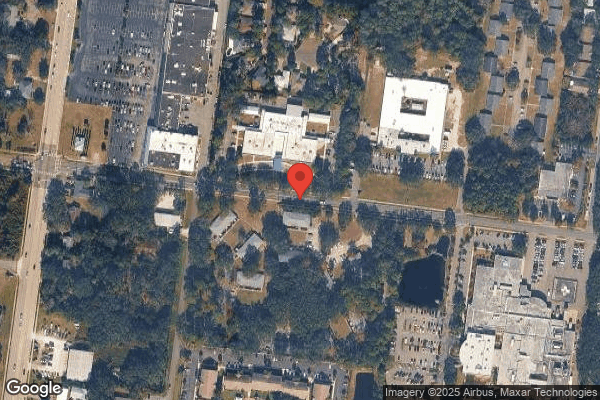

1625 LIME STREET, FERNANDINA BEACH, FL 32034 (904) 261-0771
For profit - Limited Liability company 120 Beds ASTON HEALTH Data: November 2025
Trust Grade
25/100
#495 of 690 in FL
Last Inspection: June 2024

Within standard 12-15 month inspection cycle. Federal law requires annual inspections.

Overview

Fernandina Beach Rehabilitation and Nursing Center has received a Trust Grade of F, indicating significant concerns about the facility's quality of care. It ranks #495 out of 690 facilities in Florida, placing it in the bottom half, and #2 out of 2 in Nassau County, meaning there is only one other local option that's better. The facility is worsening, with issues increasing from 3 in 2022 to 13 in 2024, and it has a concerning staff turnover rate of 68%, which is significantly higher than the state average of 42%. Additionally, the facility has incurred $31,051 in fines, which is higher than 76% of Florida facilities, suggesting ongoing compliance problems. Some specific incidents of concern include a resident reporting verbal abuse from staff and a failure to provide proper notification when transferring a resident to the hospital, which indicates a lack of effective communication and oversight. While the quality measures are rated excellent, the overall picture is troubling, highlighting the need for careful consideration when evaluating this facility.

Trust Score
F
25/100
In Florida
#495/690
Bottom 29%
Safety Record
High Risk
Review needed
Inspections
Getting Worse
3 → 13 violations
Staff Stability
⚠ Watch
68% turnover. Above average. Higher turnover means staff may not know residents' routines.
Penalties
✓ Good
$31,051 in fines. Lower than most Florida facilities. Relatively clean record.
Skilled Nurses
○ Average
Each resident gets 30 minutes of Registered Nurse (RN) attention daily — about average for Florida. RNs are the most trained staff who monitor for health changes.
Violations
⚠ Watch
18 deficiencies on record. Higher than average. Multiple issues found across inspections.
★★☆☆☆
2.0
Overall Rating
★★★☆☆
3.0
Staff Levels
★★★★★
5.0
Care Quality
★☆☆☆☆
1.0
Inspection Score
Stable
2022: 3 issues
2024: 13 issues

The Good

  • 5-Star Quality Measures · Strong clinical quality outcomes
  • Full Sprinkler Coverage · Fire safety systems throughout facility
  • No fines on record

Facility shows strength in quality measures, fire safety.

The Bad

2-Star Overall Rating

Below Florida average (3.2)

Below average - review inspection findings carefully

Staff Turnover: 68%

22pts above Florida avg (46%)

Frequent staff changes - ask about care continuity

Federal Fines: $31,051

Below median ($33,413)

Moderate penalties - review what triggered them

Chain: ASTON HEALTH

Part of a multi-facility chain

Ask about local staffing decisions and management

Staff turnover is elevated (68%)

20 points above Florida average of 48%

The Ugly 18 deficiencies on record

1 actual harm
Jun 2024 12 deficiencies 1 Harm
SERIOUS (G)

Actual Harm - a resident was hurt due to facility failures

Free from Abuse/Neglect (Tag F0600)

A resident was harmed · This affected 1 resident

Based on medical record review and interviews, the facility failed to protect, in a timely manner, the resident's right to be free from verbal abuse/threat to deprive the resident of services by a sta...

Read full inspector narrative →
Based on medical record review and interviews, the facility failed to protect, in a timely manner, the resident's right to be free from verbal abuse/threat to deprive the resident of services by a staff member for one (Resident #79) of a total of 42 residents in the sample. The findings include: During an interview with Resident #79 on 06/25/24 at 1:20 PM, she stated, Staff ignore me. No one will answer my call light. The staff are always outside my door laughing at me in the hallway since the other day. She stated on Sunday (06/23/24) she reported the following incident to Social Services Director (SSD) P, stating, [Certified Nursing Assistant (CNA) M] told me that I could not go back to bed after my therapy session, and I had to stay up for two hours. I was in a lot of pain, and I asked for pain medication, but the nurse did not bring it. I told the other CNA that [CNA M] should not keep doing this to me. I did call her (CNA M) a bitch when I said that. [CNA M] came back into my room and told me her name was not bitch. She grabbed her name badge and pulled it down and said, My name badge does not have bitch on it. From now on when you press your call light, I will not answer it anymore. Resident #79 began to cry and placed her forehead in her hands. Resident #79 stated, I have tried apologizing several times and explained that I was in pain and very tired. I wanted to go lie down. I didn't mean to call her a bitch, but now no one answers my call light when I need something. A review of the resident's Minimum Data Set (MDS) assessment with an assessment reference date (ARD) of 06/03/24, revealed a brief interview for mental status (BIMS) score of 15 out of 15 possible points, indicating intact cognition. Section C (Mood) and Section D (Behaviors) revealed no indicators of mood changes or behavioral issues. During an interview with SSD P on 06/25/24 at 1:40 PM, she stated, Once a complaint, concern, or grievance is reported, I immediately write it down on the grievance form. If I can handle or resolve the concern, I will go ahead and complete it. If the concern involves a resident and a staff member, I will take the grievance to the appropriate nursing supervisor, usually the Director of Nursing (DON) or the Administrator. When she was asked whether she had received any concerns or grievances from or related to Resident #79, she stated she would need to review her grievance log. Upon review of the facility's grievances with SSD P, it was noted that there were two grievances that Resident #79 had filed with SSD P, one on 05/30/24 and the other on 06/24/24 as follows: A grievance dated 05/30/24 read: [Resident #79] is missing her purse/wallet, items in her wallet and $50.00. (Photographic evidence obtained) The investigation section of the grievance form, documented by SSD P, revealed that all the resident's items had been located and returned to her. The grievance form indicated that the investigation was completed and resolved on 06/03/24. When SSD P was asked if she was aware that Resident #79 was stating that the fifty dollars from her wallet was still missing, SSD P replied, No, everything was returned to her. SSD P was asked if she recalled a grievance having been filed by Resident #79 on Sunday, 06/23/24, regarding CNA M. SSD P stated, I vaguely remember the resident saying something about that. When she was asked to produce the grievance from 06/23/24, she replied, It's in my other book. I will have to go get it. When asked what other book she was referring to, she stated, These grievances are all resolved and the ones that are still being investigated are on my desk in another book. A grievance dated 06/24/24 read: Call light response is not timely, and resident would like her care service needs to be addressed faster. (Photographic evidence obtained) There was no documentation in the grievance investigation section verifying that the investigation was initiated or completed. When SSD P was asked if this grievance had been resolved, she stated nursing education was started and nursing management (DON and Assistant DON (ADON) were responsible for providing that education. I write out the training and then give it to the nursing staff to complete the training; however, the facility has not had an ADON or a DON consistently since I have been here, and I have been here since December (2023). When she was asked to provide a copy of the training, she replied, I will have to get it. It's on my desk in a folder; however, like I said, we haven't had anyone to do the nursing staff education for the last five to six weeks. She left the room to get the other grievance book and staff education from her office, but never produced the book or education for review. On 06/26/24 at 11:46 AM, an interview was conducted with the Administrator who had three grievances in hand. She stated, I understand you wanted to see these forms. One of the three grievances was filed by Resident #79 on 06/24/24. The Administrator was asked when she received this grievance and she stated, today or late yesterday evening (06/25/24). (Photographic evidence obtained) A review of the grievance with the Administrator (also Abuse Coordinator), revealed that a CNA had not gotten the resident to bed right away and she had soiled herself. Upon further review and interview, the Administrator was not aware of the details of the grievance. She stated, I will go talk with the resident now and start the investigation immediately. On 06/26/24 at 5:37 PM, the Administrator stated another Administrator from a sister facility (Administrator O) had conducted an interview with Resident #79 and an investigation was ongoing. The incident would be reported immediately. A review of the facility's policy for Abuse, Neglect, Exploitation, Misappropriation, Mistreatment, and Injury of Unknown Origin (Issued: 8/2022, Revised: 1/2024), revealed that residents had the right to be free from abuse. Abuse was defined as a willful infliction of injury, unreasonable confinement, intimidation, or punishment that resulted in physical harm, pain, or mental anguish. Verbal abuse consisted of written, oral, or gestured language that included disparaging or derogatory comments to the resident within hearing distance. The center would train all new employees and existing employees about the prevention and response to abuse. The center would seek and accept concerns, complaints, and/or grievances from residents and resident family members. An employee having any direct or indirect knowledge that might be considered abuse was expected to report the event promptly within two hours after the allegation was made. .
CONCERN (D) 📢 Someone Reported This

A family member, employee, or ombudsman was alarmed enough to file a formal complaint

Potential for Harm - no one hurt, but risky conditions existed

Safe Environment (Tag F0584)

Could have caused harm · This affected 1 resident

**NOTE- TERMS IN BRACKETS HAVE BEEN EDITED TO PROTECT CONFIDENTIALITY** Based on observations and interviews, the facility failed to maintain a clean and home-like environment in four (Rooms 106, 114,...

Read full inspector narrative →
**NOTE- TERMS IN BRACKETS HAVE BEEN EDITED TO PROTECT CONFIDENTIALITY** Based on observations and interviews, the facility failed to maintain a clean and home-like environment in four (Rooms 106, 114, 163, and 166) of 62 occupied rooms. The findings include: On 6/25/24 from 9:00 AM to 1:00 PM, the following observations revealed environmental concerns: room [ROOM NUMBER] had bubbled paint around the air conditioner unit, built-up dust and debris on the air conditioner vent, and the air conditioner unit was detached from the wall. room [ROOM NUMBER] had black-colored markings on the air conditioner unit's front panel (resembling biological growth), built-up dust and debris on the air conditioner vent, and the air conditioner was detached from the wall. room [ROOM NUMBER]-A had trim falling off the wall behind the bed's headboard. room [ROOM NUMBER]-A had trim behind the bed's headboard that was detached from the wall and the dresser's top drawer was broken. (Photographic evidence obtained) On 6/27/24 at 9:12 AM, a follow-up tour was conducted with Environmental Director/Plant Operation Director V, who observed room [ROOM NUMBER]'s bubbled paint around the air conditioner unit and stated the facility would repaint and properly seal the air conditioner unit to the wall. He observed room [ROOM NUMBER]'s air conditioning unit and stated it would be cleaned and reattached to the wall. He observed room [ROOM NUMBER]-A's trim behind headboard that was falling off the wall and stated he was planning to place a skinny board there and get rid of the trim. He observed room [ROOM NUMBER]-A's trim behind the bed and the broken top drawer of the dresser and stated both would be fixed. Upon completing the tour, he stated the facility had a plan to conduct room audits next week and get everything fixed. He further stated sometimes it was good to have State in the building because things would get done. .
CONCERN (D)

Potential for Harm - no one hurt, but risky conditions existed

Report Alleged Abuse (Tag F0609)

Could have caused harm · This affected 1 resident

Based on medical record review and interviews, the facility failed to ensure that all alleged violations involving abuse/mistreatment and misappropriation of resident property, were reported no later ...

Read full inspector narrative →
Based on medical record review and interviews, the facility failed to ensure that all alleged violations involving abuse/mistreatment and misappropriation of resident property, were reported no later than two hours after the allegation was made, if the events that caused the allegation involved abuse, to the Administrator and to other officials, including the State Survey Agency, for one (Resident #79) of 42 residents in the survey sample. The findings include: During an interview with Resident #79 on 06/25/24 at 1:20 PM, she stated, Staff ignore me. No one will answer my call light. The staff are always outside my door laughing at me in the hallway since the other day. She stated on Sunday (06/23/24) she reported the following incident to Social Services Director (SSD) P, stating, [Certified Nursing Assistant (CNA) M] told me that I could not go back to bed after my therapy session, and I had to stay up for two hours. I was in a lot of pain, and I asked for pain medication, but the nurse did not bring it. I told the other CNA that [CNA M] should not keep doing this to me. I did call her (CNA M) a bitch when I said that. [CNA M] came back into my room and told me her name was not bitch. She grabbed her name badge and pulled it down and said, My name badge does not have bitch on it. From now on when you press your call light, I will not answer it anymore. Resident #79 began to cry and placed her forehead in her hands. Resident #79 stated, I have tried apologizing several times and explained that I was in pain and very tired. I wanted to go lie down. I didn't mean to call her a bitch, but now no one answers my call light when I need something. A review of the resident's Minimum Data Set (MDS) assessment with an assessment reference date (ARD) of 06/03/24, revealed a brief interview for mental status (BIMS) score of 15 out of 15 possible points, indicating intact cognition. Section C (Mood) and Section D (Behaviors) revealed no indicators of mood changes or behavioral issues. During an interview with SSD P on 06/25/24 at 1:40 PM, she stated, Once a complaint, concern, or grievance is reported, I immediately write it down on the grievance form. If I can handle or resolve the concern, I will go ahead and complete it. If the concern involves a resident and a staff member, I will take the grievance to the appropriate nursing supervisor, usually the Director of Nursing (DON) or the Administrator. When she was asked whether she had received any concerns or grievances from or related to Resident #79, she stated she would need to review her grievance log. Upon review of the facility's grievances with SSD P, it was noted that there were two grievances that Resident #79 had filed with SSD P, one on 05/30/24 and the other on 06/24/24 as follows: A grievance dated 05/30/24 read: [Resident #79] is missing her purse/wallet, items in her wallet and $50.00. (Photographic evidence obtained) The investigation section of the grievance form, documented by SSD P, revealed that all the resident's items had been located and returned to her. The grievance form indicated that the investigation was completed and resolved on 06/03/24. When SSD P was asked if she was aware that Resident #79 was stating that the fifty dollars from her wallet was still missing, SSD P replied, No, everything was returned to her. SSD P was asked if she recalled a grievance having been filed by Resident #79 on Sunday, 06/23/24, regarding CNA M. SSD P stated, I vaguely remember the resident saying something about that. When she was asked to produce the grievance from 06/23/24, she replied, It's in my other book. I will have to go get it. When asked what other book she was referring to, she stated, These grievances are all resolved and the ones that are still being investigated are on my desk in another book. A grievance dated 06/24/24 read: Call light response is not timely, and resident would like her care service needs to be addressed faster. (Photographic evidence obtained) There was no documentation in the grievance investigation section verifying that the investigation was initiated or completed. When SSD P was asked if this grievance had been resolved, she stated nursing education was started and nursing management (DON and Assistant DON (ADON) were responsible for providing that education. I write out the training and then give it to the nursing staff to complete the training; however, the facility has not had an ADON or a DON consistently since I have been here, and I have been here since December (2023). When she was asked to provide a copy of the training, she replied, I will have to get it. It's on my desk in a folder; however, like I said, we haven't had anyone to do the nursing staff education for the last five to six weeks. She left the room to get the other grievance book and staff education from her office, but never produced the book or education for review. On 06/26/24 at 10:34 AM, Resident #79 was interviewed again regarding the missing items from the grievance she filed on 05/30/24. When she was asked if the facility had found her missing purse/wallet, items in her wallet, and the missing fifty dollars, she stated, Yes, they brought my wallet and items back to me, but I never got my fifty dollars back. It is still missing. On 06/26/24 at 11:46 AM, an interview was conducted with the Administrator who had three grievances in hand. She stated, I understand you wanted to see these forms. One of the three grievances was filed by Resident #79 on 06/24/24. The Administrator was asked when she received this grievance and she stated, today or late yesterday evening (06/25/24). (Photographic evidence obtained) A review of the grievance with the Administrator (also Abuse Coordinator), revealed that a CNA had not gotten the resident to bed right away and she had soiled herself. Upon further review and interview, the Administrator was not aware of the details of the grievance. She stated, I will go talk with the resident now and start the investigation immediately. On 06/26/24 at 5:37 PM, the Administrator stated another Administrator from a sister facility (Administrator O) had conducted an interview with Resident #79 and an investigation was ongoing. The incident would be reported immediately. A review of the facility's policy for Abuse, Neglect, Exploitation, Misappropriation, Mistreatment, and Injury of Unknown Origin (ANEMMI - Issued: 8/2022, Revised: 1/2024), revealed that residents had the right to be free from abuse. Abuse was defined as a willful infliction of injury, unreasonable confinement, intimidation, or punishment that resulted in physical harm, pain, or mental anguish. Verbal abuse consisted of written, oral, or gestured language that included disparaging or derogatory comments to the resident within hearing distance. An employee having any direct or indirect knowledge that might be considered abuse was expected to report the event immediately to the Administrator, their immediate supervisor, and either the Director of Nursing, Abuse Prevention Coordinator, or Risk Manager after the allegation was made. Any employee was empowered to call the Abuse Hotline if they suspected such an event occurred; however, they were also responsible for notifying management as previously mentioned. All allegations of ANEMMI would be immediately reported to the Abuse Hotline by the Administrator. With regard to Immediate and 5-Day reports, the policy reflected the verbiage in the Federal regulation at F609. .
CONCERN (D)

Potential for Harm - no one hurt, but risky conditions existed

Deficiency F0625 (Tag F0625)

Could have caused harm · This affected 1 resident

Based on record review, interview, and facility policy review, the facility failed to provide a Bed Hold notice to one (Resident #70) of two residents reviewed for transfer/discharge to acute care set...

Read full inspector narrative →
Based on record review, interview, and facility policy review, the facility failed to provide a Bed Hold notice to one (Resident #70) of two residents reviewed for transfer/discharge to acute care settings, from a total sample of 42 residents. The findings include: A review of Resident #70's medical record revealed a progress note dated 4/30/24 indicating that the resident was transported to an acute care hospital on 4/30/24. The record did not contain a Bed Hold notice for the transfer. On 6/27/24 at 10:07AM, an interview was conducted with the Administrator. The Administrator stated no Bed Hold notice was issued for the resident regarding her transfer to the hospital on 4/30/24. A review of the facility's policy titled Attachment A, Bed Hold Policy and Notification (Undated), revealed that it was facility policy to inform residents/legal representatives upon admission and after leaving the facility for hospitalization, observation, or therapeutic leave, of the facility's Bed Hold Policy and Notification. The policy indicated each resident/legal representative would be informed by staff of the facility's Bed Hold Policy and Notification upon admission to the facility and/or when a resident left for hospitalization, observation, or therapeutic leave. .
CONCERN (D)

Potential for Harm - no one hurt, but risky conditions existed

Deficiency F0761 (Tag F0761)

Could have caused harm · This affected 1 resident

2. On 6/25/24 at 9:42 AM, an observation was made of Resident #65's room. A Budesonide inhaler (asthma medication) was on his bedside table. (Photographic evidence obtained) When asked if the staff al...

Read full inspector narrative →
2. On 6/25/24 at 9:42 AM, an observation was made of Resident #65's room. A Budesonide inhaler (asthma medication) was on his bedside table. (Photographic evidence obtained) When asked if the staff always left this inhaler in his room for him, Resident #65 replied, sometimes. A review of the resident's medical record revealed he had a Brief Interview for Mental Status (BIMS) score of 14 out of 15 possible points, indicating that he was cognitively intact. Further review of the medical record revealed he did not have an assessment present for safe self-administration of medication. An interview was conducted with the Director of Nursing on 6/26/24 at 4:28 PM. She confirmed she knew the inhaler had been left at Resident #65's bedside and that it had since been removed and properly stored in the medication cart. 3. On 6/25/24 at 10:07 AM, an observation was made of Resident #6's room. A box of Artificial Tears (eye drops), a Budesonide inhaler, and an Incruse Ellipta inhaler (treats chronic obstructive pulmonary disease including emphysema) were observed on her bedside table. (Photographic evidence obtained) When asked if the staff always left these medications in her room, Resident #6 replied, yes, always. A review of the resident's medical record revealed she had a Brief Interview for Mental Status (BIMS) score of 15 out of 15 possible points, indicating she was cognitively intact. Further review of the medical record revealed there were two assessments completed regarding safe self-administration of medication. The first was completed on 2/21/21 for eye drops and oral inhaler-Albuterol 0.83%, and the second was completed on 3/29/21 for Fluticasone nasal spray. Both assessments noted that the resident was safe to self-administer these medications. An interview was conducted with the Director of Nursing on 6/26/24 at 4:30 PM. She stated she was unaware of the medications found at Resident #6's bedside. She was pleased to hear that the assessments had been done but agreed that since they were more than three years old and did not match the current medications, new assessments should be completed. When she was asked if there was a policy regarding medication self-administration assessments, she replied that there was not. 4. On 6/26/24 at 12:40 PM, an observation was made at the Station 2 nurses' station of a stack of medication cards containing medications that was left unattended. (Photographic evidence obtained) Closer observation revealed the medication cards were labeled with Resident #41's information. Continued observation revealed that LPN C returned to the nurses' station at 1:18 PM. When she saw the medication cards, she asked, Did you take a picture of those? She was asked why the medication cards had been left unattended at the nurses' station for so long. She stated Resident #41 had been transferred from another hall to her hall just before lunch, and the person who brought him over had handed her the medication cards. She said she placed them at the nurses' station because she wanted to check and organize them before placing them in her medication cart. She stated she knew she shouldn't have left them out of the cart and loose on the desk where they could be seen and accessed by others. Corporate Nurse G was present during this interview. An interview was conducted with the Director of Nursing on 6/26/24 at 4:34 PM. She stated she was unaware of the medications/cards that had been found at the nurses' station. A medication room observation was made on 6/26/24 at 5:53 PM with LPN D at the Station 1 nurses' station medication room. Upon entering the room, LPN D asked if she could leave to continue her charting. She was made aware that she needed to stay in the room during the observation. Three personal drinks and a to-go container of fried chicken were observed in an upper cabinet of the medication room. (Photographic evidence obtained) When LPN D was asked if she knew who the drinks and food belonged to, she threw her hands up and said, I swear I was doing my work down the hall! I just came to the nurses' station to do my charting. She then called Nurse Manager F and LPN E for assistance. When they arrived at the medication room, LPN D promptly left. Nurse Manager F and LPN E removed the drinks and food from the medication room immediately. A medication cart observation was made on 6/26/24 at 6:09 PM with LPN C and Corporate Nurse G on the Station 2 C Hall. While reviewing the medication cart, one box containing five Acetaminophen Suppositories with an expiration date of 12/2023 was found. (Photographic evidence obtained) LPN C and Corporate Nurse G stated they would dispose of the expired medication immediately. A review of the facility's policy titled Medication Administration (Revised 1/2024) revealed: Only persons licensed or permitted by this state to administer medications may do so. A review of the facility's policy titled Medication Storage and Labeling (Revised 1/2024) revealed: Drugs used in the facility are stored in locked compartments. Only persons authorized to prepare and administer medications have access to locked medications; Drugs are stored in the packaging in which they are received; The nursing staff is responsible for maintaining medication storage and preparation areas in a clean, safe, and sanitary manner; Outdated drugs are returned to the dispensing pharmacy or destroyed. Based on observations, interviews, and record review, the facility failed to maintain proper storage of medications for three (Residents # 51, #65, and #6) of 112 residents observed during the initial tour of the facility, one resident (#41) during an observation at one nurses' station (Station 2), and in one medication cart (Station 2 - C Hall) during a medication storage observation. The findings include: 1. On 6/25/24 at 9:29 AM, an observation was made of Resident #51's over-the-bed table, which revealed a clear medication cup sitting there with two orange-colored pills in the cup. Resident #51 stated the medication was her Vitamin C chewable tablets, and she liked to suck on them after she took her other medications because she did not have any teeth. (Photographic evidence obtained) On 6/26/24 at 10:29 AM, an interview was conducted with Licensed Practical Nurse (LPN) H. When shown a photograph of the medication observed on Resident #51's over-the-bed table the previous day, LPN H stated the medication was indeed Resident #51's Vitamin C, and she confirmed that she should not have left the medication at the resident's bedside. She stated she should have stayed with the resident until she took the medication. On 6/26/24 at 5:33 PM, an interview was conducted with the Director of Nursing (DON), who stated it was her expectation that all nurses remain with the residents until their medications had been taken.
CONCERN (D)

Potential for Harm - no one hurt, but risky conditions existed

Medical Records (Tag F0842)

Could have caused harm · This affected 1 resident

Based on observations, record review, and interviews, the facility failed to maintain and document accurately on medication administration records for one (Resident #406) of 42 residents in the total ...

Read full inspector narrative →
Based on observations, record review, and interviews, the facility failed to maintain and document accurately on medication administration records for one (Resident #406) of 42 residents in the total sample. The findings include: A review of Resident #406's physician's orders revealed that the resident had an order for oxycodone HCI (narcotic pain medication) 10 mg (milligrams) every 4 hours as needed, ordered 6/18/24. A review of the June 2024 electronic Medication Administration Record (eMAR) revealed that Resident #406's Oxycodone 10 mg was documented as having been administered on 6/24/24 at 4:27 AM, 8:48 AM, and 1:53 PM. On the resident's narcotic sign-out sheet for Oxycodone 10 mg, the medication was signed out as having been administered on 6/24/24 at 4:27 AM and 1:53 PM. On the narcotic sign-out sheet, this medication was also signed out as having been administered on 6/24/24 at 8:26 PM, but it was not documented on the eMAR for this date and time. On 6/25/24, Oxycodone 10 mg was documented on the eMAR as having been administered at 9:39 PM, but the narcotic sign-out sheet showed the medication was administered at 7:40 AM, 11:17 AM, 3:22 PM, and at 10:00 PM. On 6/26/24, Oxycodone 10 mg was documented in the eMAR as having been administered at 11:20 AM and at 4:12 PM. The narcotic medication sign-out sheet for the same date indicated that this medication was administered at 11:20 AM, 4:12 PM, and at 11:00 PM. (Photographic evidence obtained) An interview with the Director of Nursing (DON) was conducted on 6/27/24 at 12:21 PM. The above-mentioned concern was discussed. The DON stated the medication, once administered, would be and should be documented in the eMAR. Once the medication was documented as having been administered, the eMAR would automatically flag for thirty minutes to an hour for the nurse to document the effectiveness or ineffectiveness of the medication that was administered. On 6/27/24 at 2:06 PM, Resident #406 was interviewed. She stated nursing staff did not administer her pain medication as she requested, stating, Sometimes it takes hours to get it. I started to write it down when I asked for pain medication. Yesterday, I requested my pain medication at 4:00 PM and the nurse brought it to me at 4:10 PM. I can get it every 4 hours as needed. I asked for it again at 8:00 PM and the nurse said she would bring it, but she never did. I asked for it again at approximately 9:00 PM and I never got it. I asked for it again at approximately 10:00 PM and still I did not get it. I finally got my pain pill at 11:10 PM. A review of the facility's policy titled Standards and Guidelines of Medication Administration (Issued: 10/2020, Revised: 1/2024) revealed: As required, or indicated for a medication, the individual administering the medication records in the resident's medical record: The date and time the medication was administered; the dosage; the route of administration; the injection site (if applicable); any complaints or symptoms for which the drug was administered (if applicable); any results achieved and when those results were observed; and the signature and title of the person administering the drug. Medication administration times are determined by resident need, preference, and benefit, not staff convenience. .
CONCERN (D)

Potential for Harm - no one hurt, but risky conditions existed

Infection Control (Tag F0880)

Could have caused harm · This affected 1 resident

Based on a review of medical records and facility policy, and observations made during medication administration, the facility failed to implement infection control measures to prevent the spread of i...

Read full inspector narrative →
Based on a review of medical records and facility policy, and observations made during medication administration, the facility failed to implement infection control measures to prevent the spread of infection. Standard of practice hand hygiene procedures were not implemented during provision of care for two (Residents #406 and #72) of four residents observed during medication administration. The findings include: On 6/27/24 at 8:28 AM during a medication administration observation with LPN R, she was observed walking up to the medication cart, unlocking the cart, removing a medicine cup from the top drawer, locking the medication cart, and taking the medicine cup to Resident #406's room to administer the medication in the cup. LPN R did not perform hand hygiene before or after administering medications to the resident. When LPN R returned to the medication cart, she unlocked the cart, pulled medication cards from the drawer, reviewed orders for each medication, placed medication that was to be administered in a medicine cup, locked the cart and entered Resident #72's room to administer the medications. She did not perform hand hygiene before removing medications from the medication cards, before administering the medications to Resident #72, or after medication administration was complete. LPN R returned to her medication cart and proceeded to review the Medication Administration Record for the next medication administration. A review of the facility's policy titled Standards and Guidelines of Medication Administration (Issued: 10/2020, Revised: 1/2024), revealed that staff were to follow established facility infection control procedures, including handwashing, antiseptic technique, gloves, isolation precautions, etc., for the administration of medications, as applicable. .
CONCERN (D)

Potential for Harm - no one hurt, but risky conditions existed

Deficiency F0883 (Tag F0883)

Could have caused harm · This affected 1 resident

**NOTE- TERMS IN BRACKETS HAVE BEEN EDITED TO PROTECT CONFIDENTIALITY** Based on record review and interview, the facility failed to assess residents' pneumococcal vaccination status in a timely manne...

Read full inspector narrative →
**NOTE- TERMS IN BRACKETS HAVE BEEN EDITED TO PROTECT CONFIDENTIALITY** Based on record review and interview, the facility failed to assess residents' pneumococcal vaccination status in a timely manner for two (Residents #454 and #406) of five residents reviewed for vaccination status, from a total sample of 42 residents. The findings include: A record review for Resident #454, revealed that she was admitted to the facility on [DATE], and her assessment for pneumococcal vaccination status was due by 6/10/24. A record review for Resident #406, revealed that she was admitted to the facility on [DATE] and her assessment for pneumococcal vaccination status was due by 6/21/24. A review of residents' pneumococcal vaccination status was conducted on 6/27/24 at 2:30 PM with the Director of Nursing (DON), who confirmed that she was the acting Infection Preventionist for the facility. Five residents were selected for review regarding their pneumococcal vaccination status. The DON stated she was new to the role of Infection Preventionist and she was not in this role when Residents #454 and 406 were admitted to the facility. She reviewed Residents #454 and 406's records and confirmed that she could not find pneumococcal vaccination status records for either resident. She stated in her new role, she planned to conduct a whole-house audit beginning on 7/1/24 to review the pneumococcal vaccination status of each resident, but that she had not begun reviewing the records of the facility's newly admitted residents, which included Residents #454 and 406. A review of the facility's policy titled Immunizations-Pneumonia (Issued: 7/2020, Revised 2/2024), revealed that residents with no medical contraindications would be offered the pneumococcal vaccine to encourage and promote benefits associated with vaccinations. Assessments of pneumococcal vaccination status would be conducted within five (5) working days of the resident's admission if not conducted prior to admission. .
CONCERN (E)

Potential for Harm - no one hurt, but risky conditions existed

Deficiency F0692 (Tag F0692)

Could have caused harm · This affected multiple residents

**NOTE- TERMS IN BRACKETS HAVE BEEN EDITED TO PROTECT CONFIDENTIALITY** Based on observation, interview, and record review, the facility failed to ensure the maintenance of acceptable parameters of nu...

Read full inspector narrative →
**NOTE- TERMS IN BRACKETS HAVE BEEN EDITED TO PROTECT CONFIDENTIALITY** Based on observation, interview, and record review, the facility failed to ensure the maintenance of acceptable parameters of nutritional status, by failing to provide nutritional interventions in a timely manner to prevent significant weight loss for two (Residents #57 and #34) of five residents reviewed for nutrition, from a total sample of 42 residents. The findings include: 1. During a tour of the facility on 06/25/24 at 9:38 AM, Resident #57 was observed lying in her bed. She appeared thin. A review of the resident's medical record revealed she had suffered weight loss. On 12/23/23, Resident #57 weighed 108 pounds, and on 06/18/24, she weighed 84.7 pounds. This indicated the resident lost 21.57% of her body weight within six months. She was admitted to the facility on [DATE] with a medical history significant for dementia, anxiety, depression, weakness, transient ischemic attack (TIA), and osteoarthritis. A review of the Quarterly Minimum Data Set (MDS) assessment, completed on 04/12/24, revealed the resident had a Brief Interview for Mental Status (BIMS) score of 6 out of 15 possible points, indicating severe cognitive impairment. She required staff assistance to set up her meal trays, and it was documented that she had suffered unintentional weight loss. A Care Plan was revised during the survey week regarding Resident #57's weight loss. Review of the resident's active physician's orders revealed she was ordered to receive a regular diet with regular textured foods and thin consistency liquids. An order was written on 03/15/24 for Ensure chocolate nutritional supplement to be given three times a day. An observation was made on 06/25/24 at 12:45 AM of Resident #57 in her bed with her lunch meal tray. A staff member set her tray up for her. Continued observation revealed that she consumed approximately 25% of her meal. There was no Ensure supplement present on her tray. A review of her nutritional intake records revealed she had consumed zero percent of her Ensure supplement 41 times between 06/01/24 and 06/26/24. A 30-day look back of meal consumption revealed she consumed 50% or less of 48 of her documented meals. A review of progress notes regarding Resident #57's weight status, revealed that on 01/18/24, an Interdisciplinary Team (IDT) meeting discussed the weight loss, stating Overall decline and generalized weakness. Has had a significant weight loss recently. PO [oral] intake is poor. Doesn't go to the dining room anymore. Will try and bring her to the dining room to see if the environment during meals helps cue her to eat. Further review of progress notes revealed that on 01/31/24, an IDT meeting discussed the weight loss again, stating Can add Ensure Clear [supplement] TID [three times per day]. An additional IDT meeting note was written on 02/15/24, stating, Eating in the dining room infrequently. Getting Ensure TID. Weight continues to trend down. Need to bring her to the dining room more frequently/consistently. A Quality of Care note written on 03/14/24, revealed, Reviewed for weight loss. Trending down overall. Poor PO intake. Getting Ensure Clear, dislikes. MD declined appetite stimulant. Can change to Ensure Chocolate TID. An observation was made on 06/26/24 at 1:18 PM of Resident #57 in her bed with her lunch meal tray. She consumed 0% of her meal. There was no Ensure supplement present on her tray. An interview was conducted with the facility's Dietitian on 06/26/24 at 3:58 PM. He stated he had been following Resident #57 for the last few months and that the IDT met weekly to discuss any residents with weight loss. He stated Resident #57 had been receiving Ensure supplements since February. He further stated they had started with Ensure Clear, but she did not like that supplement, so they changed to Ensure chocolate. He recalled speaking to Resident #57's physician about ordering an appetite stimulant, but the physician did not agree with that course of action. When asked what other interventions were considered to assist in stopping Resident #57's weight loss, the Dietitian stated the staff were instructed to encourage Resident #57 to go to the restorative dining room for her meals. When asked which meals she should be eating in the dining room, he stated the staff should be encouraging her at all meals to go to the dining room. When asked who was responsible for providing the Ensure supplements to the residents, he stated it was Nursing's responsibility to make sure the Ensure supplements were distributed to the residents at mealtimes. He further stated the kitchen was responsible for ordering the Ensure. When asked if any other interventions were considered for Resident #57's weight loss, he stated he felt the established interventions were having a positive effect, so he did not feel there was a need for additional interventions. An observation was made on 06/26/24 at 6:08 PM of Resident #57 in her bed with her dinner tray. There was no Ensure supplement present on her tray. Certified Nursing Assistant (CNA) A was observed assisting her with her meal. An interview was conducted with CNA A at this time. She stated she did not work for the facility but rather worked for a nurse staffing agency. She stated she was familiar with Resident #57 and had worked with her before. When asked if the resident required assistance with dining, CNA A stated she ate well with assistance. When asked what she had consumed at her other meals that day, CNA A stated the resident had not eaten her breakfast and that she had slept through her lunch. When asked if she had assisted Resident #57 with Ensure supplements that day or before, the CNA stated she had never helped her with Ensure. An interview was conducted with CNA B on 06/26/24 at 6:12 PM. She stated she worked for the facility, and she was familiar with Resident #57. When asked how residents received Ensure supplements, she stated the CNAs did not provide Ensure to the residents but maybe the nurses do. She stated, All I know is that the Ensures do not come from the kitchen on the trays. When asked if she recalled assisting Resident #57 with Ensure supplements, she stated she did not. An interview was conducted with Licensed Practical Nurse (LPN) C on 06/26/24 at 6:18 PM. She confirmed that the nurses kept the Ensure supplement bottles in their medication carts, and that they were responsible for providing them to the residents. When asked if she had been providing Resident #57 with her Ensure supplements, she stated she had not because Resident #57 did not like Ensure Clear. She said she had spoken to the Dietitian about changing her to chocolate, but that they had not. When told that the Ensure order had been changed in March to the chocolate, she stated she was not aware of that change. This indicated that Resident #57 was not receiving her physician-ordered supplement. An observation was attempted on 06/27/24 at 9:16 AM of Resident #57's breakfast tray. Resident #57 was in bed at the time of this observation, but the tray had been removed from the bedside. A staff member stated Resident #57 had consumed approximately 10% of her meal. A strawberry flavored Ensure was present on her bedside table and was approximately half consumed. An observation was made on 06/27/24 at 12:44 PM of Resident #57 in her bed with her lunch meal tray. Resident #57 had consumed 0% of her meal. There were two Ensure cartons present on her tray - one was the leftover strawberry flavor from her breakfast tray and was approximately 70% consumed. The other was chocolate and was unopened. 2. During a tour of the facility on 06/25/24 at 10:10 AM, Resident #34 was observed sitting up in her wheelchair. She appeared thin. A record review revealed that Resident #34 had suffered weight loss. On 12/03/23, she weighed 157 pounds, and on 06/17/24 she weighed 115.8 pounds. This indicated that Resident #34 lost 26.24% of her body weight in six months. Resident #34 was last admitted to the facility on [DATE] with a medical history significant for dementia, agitation, anxiety, schizoaffective disorder, depressive type, and malnutrition. A review of the resident's Quarterly MDS assessment, completed on 04/25/24, revealed she had a BIMS score of 8 out of 15 possible points, indicating a moderate cognitive impairment. Weight loss was documented as unknown. A Care Plan was revised during the survey week regarding Resident #34's weight loss. A review of the resident's active physician's orders revealed she was ordered to receive a regular diet with mechanical soft textured foods and thin consistency liquids. An observation was made on 06/26/24 at 9:13 AM of Resident #34 in her room with her breakfast tray. She had consumed 0% of her meal. A review of a 30-day look back of meal consumption revealed she had consumed 50% or less of 34 of her documented meals. A review of the Quality of Care notes written in March, April, and June 2024 revealed the staff were aware of unplanned weight loss. It was also documented that her oral intake was variable, and her diet had required a downgrade in April 2024 from regular texture to mechanical soft. No notes were found regarding weight loss interventions. An observation was made on 06/26/24 at 1:19 PM of Resident #34 in her room with her lunch meal tray. She consumed 0% of her meal. When she was asked if she was going to eat her food, she said no. An interview was conducted with the facility's Dietitian on 06/26/24 at 4:13 PM. He stated he had been following Resident #34. He said she had triggered in the computer system for significant weight loss in March. He recalled, She used to be sprightly, but now not so much. He stated as a result of the weight loss, they initiated encouraging Resident #34 to go to the restorative dining room for her meals. He said the kitchen followed up with her regarding her food preferences and the Psychiatry team saw her due to her change in mood. When asked if any other interventions were considered for Resident #34's weight loss, he stated he felt the established interventions were having a positive effect, so he did not feel there was a need for additional interventions. An interview was conducted with CNA B on 06/26/24 at 6:13 PM. She stated she worked for the facility, and she was familiar with Resident #34. She stated Resident #34 was in the dining room for her dinner, but that she often ate in her room. She said depending on the day, Resident #34 decided where to eat her meals. Resident #34 had not eaten any of her breakfast or lunch that day, so she was hopeful that she would eat a good dinner. An observation was made on 06/27/24 at 9:15 AM of Resident #34 in her room with her breakfast tray. She had consumed 25% of her meal. An observation was made on 06/27/24 at 12:46 PM of Resident #34 in her room with her lunch meal tray. She had consumed 0% of her meal. When she was asked if she was going to eat her food, she said no. .
CONCERN (E)

Potential for Harm - no one hurt, but risky conditions existed

Deficiency F0698 (Tag F0698)

Could have caused harm · This affected multiple residents

**NOTE- TERMS IN BRACKETS HAVE BEEN EDITED TO PROTECT CONFIDENTIALITY** Based on observations, record reviews, and interviews, the facility failed to 1) Provide meals for one (Resident #23) of four re...

Read full inspector narrative →
**NOTE- TERMS IN BRACKETS HAVE BEEN EDITED TO PROTECT CONFIDENTIALITY** Based on observations, record reviews, and interviews, the facility failed to 1) Provide meals for one (Resident #23) of four residents receiving hemodialysis, and 2) Complete communication information forms for three (Residents #55, #413, and #13) of four residents receiving hemodialysis. The findings include: 1. On 6/25/24 at 10:30 AM, Resident #23 left for her dialysis appointment and did not receive a lunch or snack to take with her. Upon her return at 4:00 PM, she stated she was supposed to take a lunch with her; however, none was provided to her. This happens all the time. She said she had not had anything to eat since breakfast and was now having to wait until dinner time to eat. She confirmed that the facility was supposed to provide a snack or a lunch to take with her, but they never do. The resident's sister, present during this interview, stated, I am here every day, and they have not provided a lunch for her since her admission that I know of. (admitted on [DATE]) I usually buy her snacks to have when she gets back from dialysis. I have had to buy her lunch and take it to her at the dialysis center at times. During an observation of Resident #23's room on 6/25/24, her lunch was served in her room at 12:45 PM while she was out of the facility at dialysis. At 2:30 PM on 6/25/24, the lunch tray was no longer observed in the resident's room. An interview was conducted with Certified Nursing Assistant (CNA) S on 06/26/24 at 2:14 PM. She stated lunch trays were usually served around 1:00 PM on the units, but if staff knew that a resident had an appointment prior to that, they could request an early lunch tray or have a sack lunch provided for the resident to take with them. An interview was conducted on 6/26/24 at 2:06 PM with Registered Dietician (RD) Q. He stated the kitchen prepared and provided a lunch for all dialysis residents to take with them during their appointments. A communication form was filled out by the facility with any concerns or pertinent information. The residents took those with them to their dialysis appointments and the dialysis nurse used the forms to communicate any lab work, medications, resident vital signs, and/or weights prior to treatment and again post treatment. Upon the residents' return to the facility, the communication forms were kept in a binder at the nurses' station for the staff and the RD to review for information that may be needed to complete resident assessments. On 6/26/24 at 2:47 PM, an interview was conducted with Dietary Manager J who stated lunch trays were served on the units around 12:50 PM. For residents with an appointment before then, staff could request an early tray to be delivered to them before their appointment or take a sack lunch with them while they were out of the facility. She also stated for residents going to dialysis centers, the transportation driver would pick up the resident's lunch from the kitchen prior to them leaving for the appointment. 2. On 6/26/24 at 11:45 AM, an interview was conducted with Licensed Practical Nurse (LPN) F, who stated all dialysis communication information was kept in a binder at the nurses' station. Further review of progress notes and dialysis communication forms located in a binder at the nurses' station and labeled Dialysis Communication Binder, revealed there was no documentation present for three of four residents receiving dialysis. (Residents #55, #413, and #13) On 6/26/24 at 12:00 PM, Corporate Nurse G was asked to provide dialysis communication forms for the residents receiving dialysis. On 6/26/24 at 4:31 PM, a second request was made to Corporate Nurse G for the dialysis communication forms for the residents receiving dialysis. A review of the dialysis communication forms provided by the facility, revealed that either section one was not completed by nursing facility staff prior to dialysis appointments, and/or section three was not completed by nursing facility staff upon the residents' return from dialysis. A review of the four dialysis residents' medical records revealed that the dialysis communication forms for all four were incomplete. Resident #55's dialysis communication forms were incomplete on 4/6/24, 6/20/24, 6/22/24, and 6/25/24. (Photographic evidence obtained) Resident #413's dialysis communication forms were incomplete on 6/20/24, 6/22/24, and 6/25/24. (Photographic evidence obtained) Resident #13's dialysis communication forms were incomplete on 6/6/24, 6/11/24, 6/13/24, and 6/18/24. (Photographic evidence obtained) On 6/26/24 at 6:06 PM, an interview was conducted with the Director of Nursing (DON). She stated communication between the facility and the dialysis center was conducted via a communication form that listed pertinent information about the resident such as lab work, nutritional status, vital signs, and the residents' status. The form was sent with the resident to the dialysis center on the days of their appointments. Upon their return, the form was checked to see if any concerns were addressed at the center during treatment, or if there were any recommendations that the facility should follow up on prior to the next treatment. The DON denied having any knowledge of a binder to keep the communication sheets in and further stated, Those sheets should go to medical records and then be uploaded in the computer. On 6/26/24 at 6:30 PM, an interview was conducted with LPN H at the nurses' station on Unit Two. She was asked to provide the dialysis binder used for communication with the dialysis center. She picked up the binder that was sitting directly in front of her and opened it, revealing only one communication form, dated 6/15/24. The nurse then stated, with Corporate Nurse G present, Oh no, the communication sheets are sent to medical records when the resident returns. We don't keep them in here anymore. On 6/26/24 at 7:10 PM, Corporate Nurse G stated the medical records office was locked, no one had access to the room, and the communication forms could not be obtained until the following morning. On 6/27/24 at 10:32 AM, Resident #23 was observed preparing to leave for her dialysis appointment. She was being assisted by staff into the transport van and was leaving the facility for her appointment. Further observation revealed that Dietary Manager J was standing at the front lobby desk holding a bagged lunch for Resident #23. When she was asked whether Resident #23 got her lunch, Dietary Manager J stated, No, she didn't get it. On 6/27/24 at 11:00 AM, an interview was conducted with Transportation Driver T. He stated it was his responsibility to ensure the resident's lunch was picked up from the kitchen to take with her, and to communicate with any outside transportation any care needs the resident may have during transport; however, the dialysis center did not allow them to eat while they were there. On 6/27/24 at 11:30 AM, the Regional Director of Clinical Practice stated she spoke with a nurse at the dialysis center and was told that the facility did not allow the residents to eat while being administered their treatment; however, they were more than welcome to eat prior to their treatment or after their treatment was completed while waiting for transportation back to the facility. She further stated the dialysis center encouraged the facility to supply their lunch to bring with the resident to the center. A review of the facility's policy titled Standards and Guidelines for Dialysis Care (Issued: 10/2014, Revised: 1/2024) revealed: The facility staff will provide information that is useful or necessary for the care of residents to the dialysis center. The facility will communicate with the dialysis center related to the resident's tolerance of treatment. The facility will provide a snack/meal to the resident per request, prior to or after dialysis appointments. .
CONCERN (F)

Potential for Harm - no one hurt, but risky conditions existed

Transfer Notice (Tag F0623)

Could have caused harm · This affected most or all residents

**NOTE- TERMS IN BRACKETS HAVE BEEN EDITED TO PROTECT CONFIDENTIALITY** Based on record review and staff interview, the facility failed to 1) Provide the appropriate transfer/discharge notice to the r...

Read full inspector narrative →
**NOTE- TERMS IN BRACKETS HAVE BEEN EDITED TO PROTECT CONFIDENTIALITY** Based on record review and staff interview, the facility failed to 1) Provide the appropriate transfer/discharge notice to the resident and their responsible party, and 2) Notify the Office of the State Long-Term Care Ombudsman in writing of a resident transfer to the hospital for one (Resident #70) of two residents reviewed for transfer/discharge and hospitalization, from a total sample of 42 residents. The findings include: A review of Resident #70's medical record revealed that she was transported to the hospital on 4/30/24 for right foot pain, fever, and nausea. A progress note dated 5/3/24 revealed that she was transferred back/readmitted to the facility on [DATE] from the hospital with a diagnosis of cellulitis to the right lower extremity. On 6/26/24 at 3:30 PM, an interview was conducted with the Administrator, who was informed that Resident #70's medical record contained no notification in writing to the resident's representative or the local Ombudsman of the resident's transfer to the hospital on 4/30/24. On 6/27/24, emails provided by the Administrator and addressed to the local Ombudsman notifying the Ombudsman of resident transfers and discharges were reviewed. The emails were dated 2/5/24, 3/6/24, and 4/10/24. There were no emails dated for the month of May 2024. Resident #70's name did not appear in any of the emails. On 6/27/24 at 10:07 AM, a follow-up interview was conducted with the Administrator regarding the emails to the local Ombudsman. The Administrator was asked if she had additional emails for the month of May 2024 that would verify notification of Resident #70's transfer to the hospital on 4/30/24. The Administrator replied no, the emails she provided were all she had. The Administrator was asked if she had documentation verifying notification of Resident #70's representative in writing of the transfer to the hospital on 4/30/24. The Administrator stated she did not. The Administrator stated she was not aware of a facility policy regarding notification of the local Ombudsman. .
MINOR (B) 📢 Someone Reported This

A family member, employee, or ombudsman was alarmed enough to file a formal complaint

Minor Issue - procedural, no safety impact

Deficiency F0582 (Tag F0582)

Minor procedural issue · This affected multiple residents

Based on record review and interviews, the facility failed to provide form CMS-10055 (Skilled Nursing Facility Advance Beneficiary Notices) to two (Residents #55 and #456) of three residents sampled f...

Read full inspector narrative →
Based on record review and interviews, the facility failed to provide form CMS-10055 (Skilled Nursing Facility Advance Beneficiary Notices) to two (Residents #55 and #456) of three residents sampled for review of beneficiary notices. The findings include: A review of Resident #55's medical record revealed that her Medicare Part A Skilled services began on 1/5/24 and ended on 2/28/24. Resident #55's CMS 10055 form was not provided. A review of Resident #456's medical record revealed that his Medicare Part A Skilled services began on 3/9/24 and ended on 4/15/24. Resident #456's CMS 10055 form was not provided. On 6/26/24 at 2:35 PM, an interview was conducted with Regional Field Analyst U. She stated the Social Services Department was responsible for filling out and providing the forms. She further stated the CMS 10055 forms were not completed because the Social Services Department was not aware of it. On 6/26/24 at 2:36 PM, an interview was conducted with Social Services Director P. She stated she was not aware that she had to complete the CMS 10055 forms. She further stated she would complete and provide those forms from now on. .
Feb 2024 1 deficiency
CONCERN (E) 📢 Someone Reported This

A family member, employee, or ombudsman was alarmed enough to file a formal complaint

Potential for Harm - no one hurt, but risky conditions existed

Pressure Ulcer Prevention (Tag F0686)

Could have caused harm · This affected multiple residents

**NOTE- TERMS IN BRACKETS HAVE BEEN EDITED TO PROTECT CONFIDENTIALITY** Based on observations, record review, interviews, and facility policy review, the facility failed to ensure that four (Residents...

Read full inspector narrative →
**NOTE- TERMS IN BRACKETS HAVE BEEN EDITED TO PROTECT CONFIDENTIALITY** Based on observations, record review, interviews, and facility policy review, the facility failed to ensure that four (Residents #13, #14, #11, and #3) of eight residents with pressure ulcers, from a sample of 18 residents, received care consistent with professional standards of practice, to prevent pressure ulcers and receives necessary treatment and services, consistent with professional standards of practice, to promote healing, prevent infection and prevent new ulcers from developing. The findings include: 1. A review of Resident #13's medical record revealed she was admitted to the facility on [DATE] and discharged to emergency room care on 1/21/24. A review of the Minimum Data Set (MDS) assessment Section M (Skin Conditions) dated 12/26/23 revealed the resident was assessed as at risk for developing pressure ulcers, and on that date did not have any pressure ulcers. The next MDS evaluation for Section M (Skin Conditions), dated 1/21/24, revealed the resident has one unstageable pressure ulcer/deep tissue injury which was not present at admission. A review of the resident's care plan dated 12/26/23 and revised on 1/2/24, revealed Resident #13 was at risk for skin impairment related to incontinence, at risk for malnutrition, weakness/decreased mobility, anemia. Goal revealed: the resident will free from any new skin impairment through the review date. Interventions included: encourage and assist resident to turn and reposition as tolerated. Monitor/observe skin while providing routine care. Notify nurse of any area of concern as indicated. Preventative skin treatments as ordered/indicated, as tolerated by resident. A review of Resident #13's care plan dated 1/5/24, revealed a focus area, the resident has a pressure ulcer to mid back. The goal revealed: The resident's pressure ulcer will show signs of healing as evidenced by decrease in size, improved appearance, and be free from infection by/through the review date. Interventions included: Administer medications and treatments as ordered by the MD. Encourage and assist resident to turn and reposition as tolerated. A review of the progress note dated 1/15/24 from wound care service revealed: Patient being evaluated for initial wound assessment. Location: midback. Initial wound consultation for midline midback wound over her kyphosis which appears initially as an unstageable pressure injury. Wound Assessment: Back midline is an unstageable pressure injury obscured by full thickness skin and tissue loss pressure ulcer and has received a status of non-healed. Initial wound encounter measurements are 4.7 centimeters (cm) by 1.7cm by 0.2cm depth with an area of 7.99 square cm. Wound orders: Cleanse wound with Dakins 1/4 strength, skip prep to periwound, apply honey gel to wound base and cover with silicone border foam dressing to be changed daily and as needed. Additional orders: Off-loading: Avoid direct pressure to wound site. A review of Resident #13's Electronic Treatment Administration Record (eTAR) revealed: Treatment: (start date 1/5/24) Medial mid-posterior thorax wound: Gently cleanse with dermal wound cleanser and gauze sponges, pat dry. Apply med-honey ointment to wound bed, then cover with bordered silicone foam dressing. Change every day and as needed when strike through drainage or dislodgement observed (d/c date 1/25/24). This treatment on the eTAR was observed as not signed off as completed on 11 days out of 17 days that resident was in the facility. (Photographic evidence obtained) 2. A review of Resident #14's medical record revealed an admission date of 1/3/24. A review of the MDS Section M dated 1/5/24 revealed the resident was assessed as at risk for developing pressure ulcers, and on that date had one unstageable (slough or eschar) pressure ulcer, present upon admission. The next MDS evaluation for Section M dated 2/5/24 revealed the resident has an additional pressure ulcer (stage 2) which was not present at admission. The MDS evaluation also revealed a brief interview for mental status (BIMS) score of 13 out of a possible 15 points, indicating cognition is intact. A review of the resident's care plan dated 1/5/24 and revised on 2/6/24, revealed Resident #14 has a pressure ulcer to his right heel upon admission. Goal revealed: The resident's pressure ulcer will show signs of healing as evidenced by decrease in size, improved appearance, and be free from infection by/through the review date. Interventions included: Administer medications and treatments as ordered by the MD. Encourage and assist resident to turn and reposition as tolerated. The resident also had a focus area that read: The resident has a pressure ulcer to coccyx region. Goal: The resident's pressure ulcer will show signs of healing as evidenced by decrease in size, improved appearance, and be free from infection by/through the review date. Interventions included: Administer medications and treatments as ordered by the MD. Encourage and assist resident with position changes as tolerated. A review of progress note dated 2/26/24 from wound care service revealed: Patient being evaluated for subsequent wound assessment. 1/15/24: initial wound consultation for right heel wound. Recommend honey gel and foam dressing with offloading. 1/22/24: wound follow up visit, measurements bigger despite but healing/improving edges, will switch to Santyl for more effective chemical debridement at this time. 1/29/24: wound follow up visit, eschar softened, wound debrided today. 2/6/24: wound follow up visit. No heel boots on at time of exam and noted a hydrofera blue dressing on. Eschar developing again at center of wound. Discussed the importance of heel boots and off-loading with staff. New coccyx wound as well, recommend honey gel/honey fiber with bordered gauze. 2/12/24: wound follow up visit, heel and sacrum debrided today, added collagen to both with honey gel. 2/19/24: wound follow up visit, wounds debrided, continue same, remove collagen to coccyx. 2/26/24: wound follow up visit, debrided heel and coccyx today, coccyx worse. Wound assessments (2/26/24): Right heel: there is no change in the wound progression. Coccyx: the wound is deteriorating. No dressing on at time of exam, wound debrided. A review of Resident #14's eTAR for January 2024 revealed: Treatment: (start date 1/6/24, end date 1/15/24): Right heel wound: cleanse gently with dermal wound cleanser and sterile gauze sponges, pat dry. Apply honey-alginate dressing then cover with bordered silicone foam dressing. Lightly wrap with conforming gauze roll and secure with non-woven tape. Change daily and as needed. This treatment on the eTAR was observed as not signed off as completed on 3 days out of 10 days that treatment was ordered. (Photographic evidence obtained) Treatment: (start date 1/16/24, end date 1/22/24): Right heel wound: cleanse gently with dermal wound cleanser and sterile gauze sponges, pat dry. Apply medi-honey ointment then cover with bordered silicone foam dressing. Lightly wrap with conforming gauze roll and secure with non-woven tape. Change daily and as needed. This treatment on the eTAR was observed as not signed off as completed on 6 days out of 7 days that the treatment was ordered. (Photographic evidence obtained) Treatment: (start date 1/23/24, end date 1/29/24): Right heel wound: cleanse gently with dermal wound cleanser and sterile gauze sponges, pat dry. Swab periwound with clear liquid skin prep wipes. Apply Santyl ointment (nickel thick) to wound bed and cover with normal saline moistened sterile gauze sponge. Apply bordered silicone foam dressing. Change daily and as needed. This treatment on the eTAR was observed as not signed off as completed on 4 days out of 7 days that the treatment was ordered. (Photographic evidence obtained) Treatment: (start date 1/15/24) [NAME] soft heel boot to right heel at all times while lying in bed as tolerated by patient for pressure offloading every shift. This treatment on the eTAR was observed as not signed off as completed on 11 shifts out of 48 shifts that the treatment was ordered. (Photographic evidence obtained) Treatment: (start date 1/4/24) Encourage and assist resident with turning and repositioning when in bed and as needed every shift for skin care prophylaxis. This treatment on the eTAR was observed as not signed off as completed on 21 shifts out of 87 shifts that the treatment was ordered. (Photographic evidence obtained) A review of the Resident #14's eTAR for February 2024 revealed: Treatment: (start date 1/30/24, end date 2/12/24): Right heel wound: cleanse gently with dermal wound cleanser and sterile gauze sponges, pat dry. Swab periwound with clear liquid skin prep wipes. Apply medi-honey ointment to wound bed and cover with normal saline moistened sterile gauze sponge. Apply bordered silicone foam dressing. Change daily and as needed. This treatment on the eTAR was observed as not signed off as completed on 11 days out of 12 days that the treatment was ordered. Treatment: (start date 2/13/24): Right heel wound: cleanse gently with dermal wound cleanser and sterile gauze sponges, pat dry. Swab periwound with clear liquid skin prep wipes. Apply medi-honey ointment to wound bed then apply collagen particles and cover with bordered silicone foam dressing. Change daily and as needed. This treatment on the eTAR was observed as not signed off as completed on 6 days out of 14 days that the treatment was ordered. Treatment: (start date 1/15/24) [NAME] soft heel boot to right heel at all times while lying in bed as tolerated by patient for pressure offloading every shift. This treatment on the eTAR was observed as not signed off as completed on 15 shifts out of 78 shifts that the treatment was ordered. (Photographic evidence obtained) Treatment: (start date 1/4/24) Encourage and assist resident with turning and repositioning when in bed and as needed every shift for skin care prophylaxis. This treatment on the February eTAR was observed as not signed off as completed on 13 shifts out of 78 shifts that the treatment was ordered. Treatment (start date 2/5/24, end date 2/9/24) Coccyx wound: Cleanse gently with dermal wound cleanser and gauze sponges, pat dry. Swab periwound/intact skin with no sting skin prep wipes, air dry. Apply hydrocolloid dressing over affected area. Change every three days and as needed if soiled or dressing dislodgement observed. This treatment on the eTAR was observed as not signed off as completed on 2 days out of 2 days that the treatment was ordered. Treatment (start date 2/10/24, end date 2/26/24) Coccyx wound: Cleanse gently with dermal wound cleanser and gauze sponges, pat dry. Swab periwound/intact skin with no sting skin prep wipes, air dry. Apply medi-honey, then honey alginate to wound base, then cover with bordered silicone foam dressing. Change every three days and as needed if soiled or dressing dislodgement observed. This treatment on the eTAR was observed as not signed off as completed on 9 days out of 17 days that the treatment was ordered. On 2/27/24 at 2:50 pm, Resident #14 was observed lying in bed in his room. He was asked if he had any wounds. He stated, Yes, I have one on my heel and one on my backside, but the one on his backside happened after I got here. When asked if staff performed his wound care as ordered. He stated, No, not always. Sometimes they'll tell me they are tied up and they don't get to it at all. Then I'll ask the next day, and they still don't get to it. 3. A review of Resident #11's medical record revealed he was admitted on [DATE], sent to the emergency room on 2/12/24, and re-admitted on [DATE]. A review of the MDS Section M dated 12/11/23 revealed the resident was assessed as at risk for developing pressure ulcers, and on that date had two pressure ulcers present upon admission: One stage three pressure ulcer and one unstageable (slough or eschar) pressure ulcer. The MDS evaluation for Section M dated 1/21/24 revealed the resident has an additional pressure ulcer (stage 4) which was not present at admission. A review of the care plan dated 12/14/23 revealed a focus area that read: The resident has a pressure ulcer to right lateral heel. Goal revealed: The resident's pressure ulcer will show signs of healing as evidenced by decrease in size, improved appearance, and be free from infection by/through the review date. Interventions included: Administer medications and treatments as ordered by the MD. Encourage and assist resident to turn and reposition as tolerated. The resident also had a focus area that read: The resident has a pressure ulcer to coccyx. Goal revealed: The resident's pressure ulcer will show signs of healing as evidenced by decrease in size, improved appearance, and be free from infection by/through the review date. Interventions included: Administer medications and treatments as ordered by the MD. Encourage and assist resident to turn and reposition as tolerated. The care plan dated 1/3/34 revealed a Focus that read: The resident has a pressure ulcer to right elbow. Goal revealed: The resident's pressure ulcer will show signs of healing as evidenced by decrease in size, improved appearance, and be free from infection by/through the review date. Interventions included: Administer medications and treatments as ordered by the MD. Encourage and assist resident with position changes as tolerated. A review of progress note dated 2/26/24 from wound care service revealed: Patient being evaluated for subsequent wound assessment. 1/2/24: initial wound consultation for coccyx pressure injury, elbow pressure injury, and right heel pressure injury. 1/8/24: wound follow up visit. Heel dressing and elbow dressing are several days old. Discussed importance of dressing changes with staff. 1/15/24: wound follow up visit. Coccyx wound improving well. Heel improved despite old dressing. No dressing on elbow wound at time of exam. 1/22/24: wound follow up visit. Coccyx wound is now healed, elbow and heel are improving. Elbow is now staged as stage three. 1/19/24: wound follow up visit, Dressings are several days old and elbow measurements are slightly larger. Heel improving. Discussed again the importance of dressing changes as directed. 2/6/24: wound follow up visit. Heel is essentially resolved, will follow another week. His elbow is flexed tightly again, and upon exam, bone is now visible and palpable, recommend osteo workup and ID (infectious disease) consult. 2/12/24: wound follow up visit. ID follow up is pending, discussed with practitioner about concerns for early osteo or at least high potential to develop into. On exam noted bone is more exposed and bleeding bone. Also has an evolved DTI (deep tissue injury), now an abscess/open pressure injury on right foot, wound was cultured. Given his potential for deterioration, I recommend that patient be sent to the hospital for management of acute osteomyelitis where he can start receiving expedited care and IV (intravenous) antibiotics for above. 2/26/24: wound follow up visit s/p hospitalization, returned back to the facility 2/19/24. Wound assessments (2/26/24) Wound #4 (right lateral foot, mid) Unstageable pressure injury. The wound is deteriorating. Wound #5 (right lateral ankle) Unstageable pressure injury. The wound is deteriorating. A review of Resident #11's eTAR for December 2023 and January 2024 revealed: Treatment: (start date 12/15/23, end date 12/20/23): Coccyx wound: cleanse gently with dermal wound cleanser and gauze sponges, pat dry. Swab periwound with no-sting skin prep pads, air dry. Apply honey-alginate dressing then cover with bordered silicone foam dressing. Change daily and as needed. This treatment on the eTAR was observed as signed off as not completed on 5 days out of 6 days (12/15, 12/16, 12/18, 12/19, and 12/20/23) that treatment was ordered. (Photographic evidence obtained) Treatment: (start date 12/21/23, end date 1/15/24): Coccyx wound: cleanse gently with cleanse gently with dermal wound cleanser and gauze sponges, pat dry. Swab periwound with no-sting skin prep pads, air dry. Apply honey-alginate dressing then cover with bordered silicone foam dressing. Change daily and as needed. This treatment on the eTAR was observed as not signed off as completed on 7 days out of 11 days (12/23, 12/24, 12/25, 12/26, 12/29, 12/30, and 12/31/23) that treatment was ordered in December 2023. (Photographic evidence obtained) Treatment: (start date 12/15/23, end date 12/20/23): Right lateral heel wound: cleanse gently with cleanse gently with Dakins 0.5% solution and sterile gauze sponges, pat dry. Swab periwound with no-sting skin prep pads, air dry. Apply silver calcium-alginate rope into wound bed then cover with bordered silicone foam dressing. Change daily and as needed. This treatment on the eTAR was observed as not signed off as completed on 5 days out of 6 days (12/15, 12/16, 12/17, 12/18, and 12/19) that treatment was ordered. (Photographic evidence obtained) Treatment: (start date 12/21/23, end date 1/1/24): Right lateral heel wound: cleanse gently with cleanse gently with Dakins 0.5% solution and sterile gauze sponges, pat dry. Swab periwound with no-sting skin prep pads, air dry. Apply hydrofera blue foam dressing into wound bed then cover with bordered silicone foam dressing. Change daily and as needed. This treatment on the eTAR was observed as not signed off as completed on 7 days out of 11 days (12/23, 12/24, 12/25, 12/26, 12/29, 12/30, and 12/31/23) that treatment was ordered. (Photographic evidence obtained) Treatment: (start date 12/7/23) Encourage and assist resident with turning and repositioning when in bed and as needed every shift for skin care. This treatment on the eTAR was observed as not signed off as completed on 29 shifts out of 75 shifts that treatment was ordered in December 2023. (Photographic evidence obtained) A review of Resident #11's eTAR for January 2024 revealed: Treatment: (start date 12/21/23, end date 1/15/24): Coccyx wound: cleanse gently with dermal wound cleanser and gauze sponges, pat dry. Swab periwound with no-sting skin prep pads, air dry. Apply honey-alginate dressing then cover with bordered silicone foam dressing. Change daily and as needed. This treatment on the eTAR was observed as not signed off as completed on 6 days out of 12 days that treatment was ordered in January 2024. Treatment: (start date 1/18/24, end date 1/24/24): Coccyx wound: cleanse gently with cleanse gently with dermal wound cleanser and gauze sponges, pat dry. Swab periwound with no-sting skin prep pads, air dry. Apply hydrocolloid dressing. Change every three days and as needed. This treatment on the eTAR was observed as not signed off as completed on 2 days out of 3 days that treatment was ordered in January 2024. Treatment: (start date 1/3/24, end date 2/7/24): Right elbow wound: cleanse gently with cleanse gently with dermal wound cleanser and sterile gauze sponges, pat dry. Swab periwound with no-sting skin prep pads, air dry. Apply hydrofera blue foam dressing into wound bed then cover with bordered silicone foam dressing. Change every other day and as needed. This treatment on the eTAR was observed as not signed off as completed on 10 days out of 14 days that treatment was ordered for the month of January 2024. Treatment: (start date 1/3/24, end date 2/7/24): Right lateral heel wound: cleanse gently with cleanse gently with dermal wound cleanser and sterile gauze sponges, pat dry. Swab periwound with no-sting skin prep pads, air dry. Apply hydrofera blue foam dressing into wound bed then cover with bordered silicone foam dressing. Change daily and as needed. This treatment on the eTAR was observed as not signed off as completed on 10 days out of 14 days that treatment was ordered for the month of January 2024. Treatment: (start date 12/7/23) Encourage and assist resident with turning and repositioning when in bed and as needed every shift for skin care. This treatment on the eTAR was observed as not signed off as completed on 22 shifts out of 91 shifts that treatment was ordered in January 2024. A review Resident #11's eTAR for February 2024 revealed: Treatment: (start date 1/3/24, end date 2/7/24): Right elbow wound: cleanse gently with cleanse gently with dermal wound cleanser and sterile gauze sponges, pat dry. Swab periwound with no-sting skin prep pads, air dry. Apply hydrofera blue foam dressing into wound bed then cover with bordered silicone foam dressing. Change every other day and as needed. This treatment on the eTAR was observed as not signed off as completed on 1 day out of 3 days that treatment was ordered for the month of February 2024. Treatment: (start date 2/8/24, end date 2/12/24): Right elbow wound: cleanse gently with cleanse gently with dermal wound cleanser and sterile gauze sponges, pat dry. Swab periwound with no-sting skin prep pads, air dry. Apply medi-honey ointment then cover with a xeroform dressing. Apply bordered silicone foam dressing. Wrap with conforming gauze roll, secure with tape. Change daily and as needed. This treatment on the eTAR was observed as not signed off as completed on 4 days out of 5 days that treatment was ordered for the month of February 2024. Treatment: (start date 2/13/24): Right elbow wound: cleanse gently with cleanse gently with dermal wound cleanser and sterile gauze sponges, pat dry. Swab periwound with no-sting skin prep pads, air dry. Apply xeroform dressing then calcium alginate silver dressing Apply bordered silicone foam dressing. Wrap with conforming gauze roll, secure with tape. Change daily and as needed. This treatment on the eTAR was observed as not signed off as completed on 7 days out of 13 days that treatment was ordered for the month of February 2024. Treatment: (start date 2/8/24, end date 2/12/24): Right lateral foot wound: cleanse gently with cleanse gently with dermal wound cleanser and sterile gauze sponges, pat dry. Swab thoroughly with betadine solution, air dry. Apply Mupirocin 2% ointment into wound. Cover with bordered silicone foam dressing. Change daily and as needed. This treatment on the eTAR was observed as not signed off as completed on 7 days out of 10 days that treatment was ordered for the month of February 2024. Treatment: (start date 2/13/24, end date 2/22/24): Right lateral foot wound: irrigate gently with sterile normal saline and pat dry with sterile gauze sponge. Swab periwound with no-sting skin prep pads, air dry. Apply hydrofera bluefoam dressing into wound bed then cover with bordered silicone foam dressing. Change daily and as needed. This treatment on the eTAR was observed as not signed off as completed on 8 days out of 10 days that treatment was ordered for the month of February 2024. Treatment: (start date 2/13/24): Mupirocin External Ointment 2%: apply to right lateral foot wound topically every day shift for infection. This treatment on the eTAR was observed as not signed off as completed on 8 days out of 14 days that treatment was ordered. Treatment: (start date 1/3/24, end date 2/7/24): Right lateral heel wound: cleanse gently with cleanse gently with dermal wound cleanser and sterile gauze sponges, pat dry. Swab periwound with no-sting skin prep pads, air dry. Apply hydrofera blue foam dressing into wound bed then cover with bordered silicone foam dressing. Change every other day and as needed. This treatment on the eTAR was observed as not signed off as completed on 1 day out of 3 days that treatment was ordered for the month of February 2024. Treatment: (start date 2/8/24, end date 2/12/24): Right lateral heel wound: cleanse gently with cleanse gently with dermal wound cleanser and sterile gauze sponges, pat dry. Swab periwound with no-sting skin prep pads, air dry then cover with bordered gauze dressing. Change every three days and as needed. This treatment on the eTAR was observed as not signed off as completed on 1 day out of 2 days that treatment was ordered for the month of February 2024. Treatment: (start date 2/23/24) Right lateral ankle wound: cleanse with dermal wound cleanser and gauze sponges, pat dry. Swab periwound with no-sting protectant, air dry. Apply Mupirocin 2% ointment into the wound then cover with bordered gauze foam dressing. Change daily and as needed. This treatment on the eTAR was observed as not signed off as completed on 2 days out of 4 days that treatment was ordered for the month of February 2024. Treatment: (start date 2/14/24, end date 2/22/24) Right lateral ankle wound: cleanse with dermal wound cleanser and gauze sponges, pat dry. Swab thoroughly with betadine solution, air dry then cover with bordered gauze dressing. Change every three days and as needed. This treatment on the eTAR was observed as not signed off as completed on 1 day out of 3 days that treatment was ordered for the month of February 2024. Treatment: (start date 12/7/23) Encourage and assist resident with turning and repositioning when in bed and as needed every shift for skin care. This treatment on the eTAR was observed as not signed off as completed on 21 shifts out of 76 shifts that treatment was ordered in February 2024. An interview was conducted with the facility's Wound Care Nurse (WCN) on 2/27/24 at 12:30 pm, who has worked at the facility for about 2 years. He was asked the following questions: Does the facility use a wound care service? Yes, we use Renew Wound care who comes in to consult with me on Mondays, that is a PA (Physician's Assistant). Do you perform all wound care daily? No, I do a weekly assessment and assess for reports of decline of any wounds. Who performs the resident wound care daily? The staff/floor nurses perform the daily wound care, except for wound vacs, I do all the wound vacs. How many residents have pressure ulcers? 8. When he was asked about the pressure wounds for Resident #14. He stated, He has a heel pressure wound that he was admitted with, and a coccyx pressure wound that is facility acquired. When asked about the pressure wound for Resident #11. He stated, He was admitted with a heel wound, that is resolved. He developed a right elbow pressure wound and right lateral foot pressure wound that is facility acquired. When asked if he recalled Resident #13's wounds. The WCN stated, Yes, I remember her. She was a petite woman, very nice woman. She had a mid-back wound, had a pretty severe kyphosis and she developed a wound on her midback which I had it as unstageable. When asked when Resident #13's wound was first assessed. He stated, On 1/4/24. It was unstageable at that point. It was 50% slough 40% necrotic tissue 10% skin. It had moderate drainage. When asked if the wound was facility acquired. He said yes. When asked if he reviews any of the staff nurses eTAR documentation. He stated, I do not. When asked if there is there anyone who reviews their eTAR documentation. He stated, I would think that would be the unit managers and the Director of Nursing who would review that. When asked if he was aware of numerous wound treatments not being signed off as completed on the eTAR. He stated, No, but frankly it wouldn't surprise me. When asked if he was aware of wound care not being completed at times. He stated, I wouldn't be surprised because I know how humans are. He was asked if he had ever gone to perform a weekly dressing assessment and the old dressing is dated further back than it should be. He said, Yes. When asked if he let the unit managers know. He said, Yes. 4. A review of Resident #3's medical record revealed she was admitted on [DATE] with admitting diagnosis of non-ST elevation (NSTEMI) myocardial infarction, and discharged return anticipated, on 2/8/2024. Her Medicare 5-day MDS assessment dated [DATE] documented her BIMS as 5 out of 15, indicating severe cognitive impairment. The MDS revealed the resident had no pressure ulcers/injuries, other ulcers, wounds, or skin problems. The skin and ulcer/injury treatments included: pressure reducing device for bed and chair and turning/repositioning program. A review of the care plan initiated on 1/12/2024, review due 4/12/2024, noted resident was at risk for skin impairment related to weakness/decreased mobility. Has pressure ulcer to right heel (1/24/2024). A review of the physician orders for Resident #3 revealed the following: 1/31/2024 house protein one time a day for wound healing 30ml QD of prostat or equivalent, 1/22/2024 right heel wound - cleanse gently w/dermal wound cleanser and sterile gauze sponges, pat dry. Apply med-honey ointment, then cover w/bordered silicone foam dressing. Lightly wrap w/conforming gauze roll and secure w/ non-woven tap. Change every other day and as needed for strikethrough drainage or dressing dislodgement observed every day shift every other day and as needed. 1/22/2024 don soft heel boots to bilateral heels at all times while lying in bed as tolerated by patient for pressure offloading every shift and as needed for heel pressure offloading. A review of Resident #3's eTAR for January 2024 revealed: Treatment: 1/24/2024 right heel wound - cleanse gently w/dermal wound cleanser and sterile gauze sponges, pat dry. Apply med-honey ointment, then cover w/bordered silicone foam dressing. Lightly wrap w/conforming gauze roll and secure w/ non-woven tap. Change every other day and as needed for strikethrough drainage or dressing dislodgement observed every day shift every other day and as needed. This treatment on the eTAR was observed as not signed off as completed on 2 days out of 2 days (1/26/24 and 1/28/24) that the treatment was ordered. (Photographic evidence obtained) A review of Resident #3's eTAR for February 2024 revealed: Treatment: 1/24/2024 right heel wound - cleanse gently w/dermal wound cleanser and sterile gauze sponges, pat dry. Apply med-honey ointment, then cover w/bordered silicone foam dressing. Lightly wrap w/conforming gauze roll and secure w/ non-woven tap. Change every other day and as needed for strikethrough drainage or dressing dislodgement observed every day shift every other day and as needed. This treatment on the eTAR was observed as not signed off as completed on 2 days out of 2 days (2/3/24 and 2/5/24) that the treatment was ordered. (Photographic evidence obtained) On 2/27/24 at 4:30 pm, an interview was conducted with Licensed Practical Nurse (LPN) B. She was asked if she provides wound care to your residents. She stated, Yes, if I have anyone who needs wound care. When asked if she knew which residents needed wound care. She stated, It'll come up on the eTAR, some are daily, every other day or every 3 days, and always as needed for soiling or if the dressing comes off. When asked how wound care is documented after it is completed. She stated, We check it off on the eTAR. Write a nurses note if anything unusual or worsening wound and let the wound care nurse know. When asked how often the wound care nurse does the wound care for residents. She stated, He does them weekly with the wound PA, and he does wound treatments here and there, but he doesn't do all of them. I think some people think he does all the wound care, but he doesn't, and everybody should know that he doesn't do all the treatments every day. When asked if some staff think the wound care nurse will do the wound care and then they don't do the wound care. She stated, Yes, I hear both agency and staff nurses say they aren't doing the wound care because there's a wound care nurse to do them. When asked if she had noticed any dressings on her residents with dates that indicate the dressing had not been changed for more than 24 hours when it should have been. She stated, Yes, to be honest with you, I have seen that. When asked what she does when that occurs. She stated, I try and get it done. A lot of times the CNAs will come and tell me that so and so's dressing is dirty or hasn't been changed in a while, so I'll try [TRUNCATED]
Nov 2022 3 deficiencies
CONCERN (D)

Potential for Harm - no one hurt, but risky conditions existed

Deficiency F0688 (Tag F0688)

Could have caused harm · This affected 1 resident

Based on observations, interviews, and record review, the facility failed to give residents with limited mobility appropriate services, equipment, and assistance to maintain or improve mobility with m...

Read full inspector narrative →
Based on observations, interviews, and record review, the facility failed to give residents with limited mobility appropriate services, equipment, and assistance to maintain or improve mobility with maximum practicable independence unless a reduction in mobility was demonstrably unavoidable. This impacted one resident (#23) reviewed for care and services out of 18 residents with contractures, and from a total sample of 34 residents. Failure to provide appropriate range of motion (ROM) and splinting can result in increased pain and worsening of contractures. The findings include: A review of Resident #23's medical record revealed an admission date of 8/22/22 and diagnoses including nontraumatic intracerebral hemorrhage, pancreatitis, cirrhosis of liver w/o ascites, cardiomyopathy, polyneuropathy, history of falling, spondylolisthesis, ataxic gait, major depressive disorder, and spinal stenosis with fusion of spine. A review of the resident's minimum data set (MDS) assessment, dated 8/26/22, revealed a brief interview for mental status (BIMS) score of 15 out of a possible 15 points, indicating intact cognition. The resident's functional status indicated impairment on both upper and lower extremities with total dependence and two-person assistance for bed mobility and transfers. A review of the resident's physician's orders included tizanidine every eight hours, started on 8/28/22 (muscle relaxant); buspirone, one tablet every eight hours, started on 8/28/22 (anxiety); oxycodone HCL (hydrochloride) tablet, one every six hours for subluxation (partial dislocation) of C7/T1 cervical vertebrae, started on 8/29/22; and gabapentin, one tablet three times a day, started on 10/24/22 (neuropathy). Occupational therapy was ordered three to five times a week for 30 days, started on 10/24/22; Speech therapy three to five times a week for 30 days, started on 10/24/22. No orders for restorative nursing were found. (Photographic evidence obtained). A review of Resident #23's care plans revealed a focus area for an alteration in musculoskeletal status related to contractures to bilateral lower extremities. Interventions included: Perform passive range of motion (PROM) to bilateral (both) extremities as tolerated daily and as needed. Another focus area was noted for a risk for falls with interventions that included: Continue therapy to continue to improve trunk controls/stability, initiated on 9/16/22. (Photographic evidence obtained) On 11/07/22 at 1:48 PM, Resident #23 reported that he had a contracted right leg and currently received no physical therapy (PT) or restorative program care. At this time, an observation revealed no splint on the resident's right leg contracture. The resident then pointed to a splint in chair that he said was for his leg. On 11/09/22 at 4:48 PM, Resident #23 reported that he would love to have physical therapy, and that he did not refuse therapy. He was observed at this time with no splint on his right leg contracture. The Therapy Director was interviewed by telephone on 11/09/22 at 5:10 PM. She reported that Resident #23 had physical therapy (PT) from August 23 to October 16, 2022. She also reported that Resident #23 was discharged from PT to the Restorative Program. She stated, If there is a decline or improvement with resident mobility, then they can revisit starting therapy again. She reported that the restorative program staff were responsible for applying and removing residents' splints. Therapy would educate staff on splint placement and when the resident could wear the splint. A review of the Physical Therapy Discharge Summary that was signed by Physical Therapy on 10/17/22 revealed the following: The discharge status and recommendations were as follows: 24-hour care and continue with restorative nursing program (RNP). For RNP and functional maintenance program (FMP), continue passive range of motion (PROM), bracing with pillow, knee brace, multi podus boot. (Photographic evidence obtained) An interview with the Restorative Program Nurse (RPN) was conducted on 11/09/22 at 5:38 PM. He reported that any certified nursing assistant (CNA) could do restorative therapy; the facility did not have designated restorative nursing assistants (RNAs). When asked how he tracked the restorative care and splinting being provided to ensure it was done, he replied, The nurses on the floor should be monitoring it. When the RPN was asked if Resident #23 was on the restorative nursing program, he reported, No, not that I'm aware of. He stated, PT gives me a copy of the restorative orders in person, and the therapy department educates the CNAs (certified nursing assistants) about the restorative care needed for a resident. He did not know of any reason why Resident #23 would not be on a restorative program. An interview was conducted with the Director of Nursing (DON) on 11/09/22 at 6:53 PM. When asked her expectations for the restorative program, she stated, If a resident needs more range of motion, or if they are on a toileting program, they are put on the restorative program. She reported that the therapy department referred residents to the RNP. Therapy is the one that sets goals and the RNP implements the exercises. When asked if Resident #23 was on the RNP, she reported that he was getting speech therapy but was not on the RNP. I don't see any RNP orders. As far as I know he has no splint or contractures. .
CONCERN (D) 📢 Someone Reported This

A family member, employee, or ombudsman was alarmed enough to file a formal complaint

Potential for Harm - no one hurt, but risky conditions existed

Deficiency F0726 (Tag F0726)

Could have caused harm · This affected 1 resident

Based on interviews and record review, the facility failed to ensure that all licensed nurses and certified nursing assistants demonstrated competencies and skills sets necessary to care for residents...

Read full inspector narrative →
Based on interviews and record review, the facility failed to ensure that all licensed nurses and certified nursing assistants demonstrated competencies and skills sets necessary to care for residents' needs, as identified through resident assessments and described in the plan of care. There were 107 residents in the facility at the time of the survey who were at risk of receiving substandard care and services. The findings include: On 11/08/22 at 11:00 AM, Resident #564 stated he thought his blood sugar was high maybe 441 this morning. He could not recall if he had received any insulin coverage. He further stated he still felt like his blood sugar was high because he didn't feel well. In an interview on 11/08/22 at 11:40 AM, Licensed Practical Nurse (LPN) A (Agency) was asked about Resident #564's blood sugar reading. She looked it up in the electronic medical record and stated that it was 445 milligrams per deciliters (mg/dL) at 9:59 AM and that she had administered 22 units of insulin. When asked if she had notified the physician, she stated that there was no order to call the physician. She further stated that if a resident normally ran high, then she wouldn't necessarily call the physician. When asked if the resident normally had a high blood sugar reading, she stated that she was from an Agency and that this was only the second time she had worked at this facility; she didn't really know the resident. When asked about the facility's policy for a circumstance like this, she stated she did not know. She added, At some facilities when a resident's blood sugar is above 400, the physician is notified. She confirmed that she had not notified the physician or rechecked the resident's blood sugar level. In an interview with Licensed Practical Nurse (LPN) B (Agency) on 11/09/2022 at 3:10 PM, she was asked about her training and competencies. She stated she had not received any training at this facility. On 11/09/22 at 9:00 AM, the facility Administrator was provided a list of 10 randomly selected employees and was asked to provide their personnel files and include competency skill checks. On 11/09/22 at 11:00 AM, personnel files were provided without the competencies. In an interview on 11/09/22 at 5:06 PM, the Assistant Director of Nursing (ADON) confirmed that she was responsible for employee training and competencies. She mentioned that the training competencies were conducted upon hire, annually, and as needed. She added that Corporate conducted the orientation training and she and the unit managers were responsible for the competencies. When asked for the competencies for the randomly selected employees, she said,They are done annually, I still have time. She was then asked the process for Agency staff training. She stated the Agency staff were supposed to get a check list with specific training before providing direct care at the facility. When asked for this information for Employees A and B, she said, To be honest, it has not been happening. A review of the facility's Education Plan revealed: Purpose - To provide guidance by which to follow to ensure State, Federal, and OSHA education requirements are met consistent with the resident needs based on the comprehensive assessment and care plans as well as the facility assessment. The procedure read, The facility will ensure that the education plan includes both pre-service, annual and other recurring requirements. The facility will ensure that nursing staff are able to demonstrate competency in skills and techniques necessary to care for residents' needs, as identified through resident assessments, described in the plan of care and based on the facility assessment. .
CONCERN (F)

Potential for Harm - no one hurt, but risky conditions existed

QAPI Program (Tag F0867)

Could have caused harm · This affected most or all residents

Based on interviews and record review, the facility failed to 1) Maintain an effective system to obtain and use feedback and input from direct-care staff, other staff, residents, and resident represen...

Read full inspector narrative →
Based on interviews and record review, the facility failed to 1) Maintain an effective system to obtain and use feedback and input from direct-care staff, other staff, residents, and resident representatives, including how such information would be used to identify problems that are high risk, high volume, or problem-prone, and opportunities for improvement; 2) Maintain an effective system to identify, collect, and use data and information from all departments, including but not limited to the facility assessment, and include how such information would be used to develop and monitor performance indicators; 3) Develop, monitor, and evaluate performance indicators, including the methodology and frequency for such development, monitoring, and evaluation; and 4 ) Conduct distinct performance improvement projects that reflected the scope and complexity of the facility's services and available resources, as reflected in the facility assessment. The findings include: In an interview on 11/09/22 at 5:58 PM, the Administrator was asked about the facility's Quality Assurance and Performance Improvement (QAPI) program and was asked for the facility's current performance improvement plans (PIPs). He stated he could not find them. He added that he would contact the Director of Nursing (DON) to see whether she had them in her office. Shortly thereafter, the DON entered the Administrator's office and began reading the PIPs she was holding. She confirmed that the PIPs she was reading were initiated during this survey through the problems identified. When asked for the PIPs that the facility was working on prior to the survey, the DON stated she did not know of any. She left the Administrator's office. On 11/09/22 at 6:10 PM, the DON returned to the Administrator's office accompanied by the Unit Manager. The DON stated the Unit Manager had been working on some PIPs and asked if she would state what she was working on. When asked if the issues the Unit Manager was working on were discussed by the QAPI committee meetings, she stated no. At this time the Administrator was observed perusing through a stack of papers on his desk. The DON and the Unit Manager left the room. On 11/09/22 at 6:15 PM, the Administrator began reading from the stack of papers on his desk. He stated the PIPs the facility was working on included: Physician progress notes: Progress notes should be current per with the facility policy. This was initiated on 4/21/22 and was ongoing. Care plan audit to ensure that vision, antipsychotics and pain were captured in the care plan. This was initiated on 9/15/22. Advanced Directives to ensure that they were updated. This was initiated in August 2022 (no specific date) and was ongoing. When asked long the Quality Assurance (QA) committee monitored an issue that had been corrected, he stated three months minimum. He could not explain why the PIP on physicians' progress notes was still open since April 2022. He was then asked how the QAPI committee identified which issues to work on. He said, Corporate flags areas of concern that may come up. We also use [electronic medical records] audits. A record review of the facility's QAPI plan 2021-2022, revealed the following goals: 1. Reduce the re-hospitalization rate by 13% or below on an consistent basis. 2. Reduce the alarm use in the facility. 3. Reduce quality measure rates for falls with major injuries , urinary tract infections , pain, pressure ulcers, to below the state and federal rates. 4. Maintain the antibiotic stewardship program. The QAPI plan further indicated that the organization utilized Quality Assurance and Performance Improvement to make decisions and guide the daily operations, and that the Administrator and the Director of Nursing were responsible for the QAPI process. The Director of Nursing, the Assistance Director of Nursing and the Unit Managers would ensure that consistent, appropriate, and just-in-time training was provided to facility employees. Quality topics were covered at general orientation sessions with ongoing training. (Copy obtained) A review of the facility's Quality Assurance and Performance Improvement (QAPI) Program policy (revised February 2020), revealed that the policy read, This facility shall develop, implement and maintain an ongoing, facility-wide data-driven QAPI program that focused on indicators of the outcomes of the care and quality of life of our residents. The objectives of the QAPI programs were identified as: 1. Provide a means to measure current and potential indicators for outcomes of care and quality of life. 2. Provide means to establish and implement performance improvement projects to correct identified negative or problematic indicators. 3. Reinforce and build upon effective systems and processes related to the delivery of quality care and services. 4. Establish systems through which to monitor and evaluate corrective actions. (Copy obtained) .
Apr 2021 2 deficiencies
CONCERN (D)

Potential for Harm - no one hurt, but risky conditions existed

Deficiency F0565 (Tag F0565)

Could have caused harm · This affected 1 resident

Based on interviews and record review, the facility failed to honor each resident's right to organize and participate in resident groups in the facility. No Resident Council meetings were held between...

Read full inspector narrative →
Based on interviews and record review, the facility failed to honor each resident's right to organize and participate in resident groups in the facility. No Resident Council meetings were held between March 2020 and April 1, 2021. The most recent meeting documented by the Activities Director was dated 2/25/2020. This practice impacted four residents who were identified by the Activities Director as active Resident Council members (Residents #63, #22, #48 and #37) with the potential to affect more residents who may have had an interest in participating. The findings include: During an interview with Employee A, Activities Director, on 3/29/2021 at 2:00 p.m., she stated from March 2020 through March 2021, there were no group or individual council meetings held. On 3/29/2021 at 2:31 p.m., she provided documentation dated 1/12/2021, which she identified as a one to one council meeting held with Resident #63. Per the documentation, the resident denied any concerns with resident care. The documentation listed Employee A as the only department head/staff member present in the meeting and was unsigned by the resident. She stated she was not aware that she needed to meet with any other residents or the frequency for any such meetings. An interview was conducted with Residents #63, #22, #48 and #37 on 3/30/2021 at 11:15 a.m., who were selected by the Activities Director and identified as active members of Resident Council. During the interview, the residents denied having a Resident Council President. They also denied participating in a resident group or council meeting in the facility to discuss concerns about care, or to review resident rights, suggestions or grievances. The residents also denied participating in any one to one meetings in their rooms or any other location with staff members to discuss these topics. During the interview, Resident #63 was specifically asked about the documentation dated 1/12/2021, provided by Employee A. She denied meeting with Employee A and/or any other staff members regarding her care/stay in the facility on the date listed or any other date, and stated she did have some concerns which she voiced during the interview. During an interview with Employee B, Assistant Director of Activities, on 3/30/2021 at 11:57 a.m., she confirmed that there had been no group or one to one in-room council meetings held with the residents from March 2020 through March 2021. She stated she spoke with the residents when she delivered the daily newsletter, and if a resident voiced concerns, she would report them to nursing or the therapy department. She stated there was no documentation verifying whether or when residents were asked about their care, resident rights, suggestions or grievances, which they may have had from March 2020 through march 2021. On 3/31/2021 at 11:07 a.m., Employee A provided a copy of the minutes from what she stated was the last Resident Council meeting, held on 2/25/2020. She again confirmed that there had been no group or one to one in-room meetings. A review of the facility's Welcome Packet (#190301), provided on 4/1/2021 at 1:03 p.m. by the Administrator, and which he stated was given to all residents and/or their family representatives read: The resident has a right to organize and participate in resident groups in the facility. It further read: Resident Council Meetings are held monthly and open to all Residents. These meetings are to promote Resident involvement in their care; to ensure resident' rights and to provide a forum for residents to discuss any concerns or issues. All residents are encouraged to participate, which is coordinated by the Director of Activities. .
CONCERN (E)

Potential for Harm - no one hurt, but risky conditions existed

Food Safety (Tag F0812)

Could have caused harm · This affected multiple residents

Based on observations, interviews and record reviews, the facility failed to serve food in accordance with professional standards for food service safety, by failing to maintain appropriate dishwasher...

Read full inspector narrative →
Based on observations, interviews and record reviews, the facility failed to serve food in accordance with professional standards for food service safety, by failing to maintain appropriate dishwasher temperatures for dishwasher sanitation. This impacted all residents who were served food prepared in the facility's kitchen. The findings Include: On 3/29/21 at 9:45 AM, Employee F, Kitchen Staff, was observed using the dishwasher machine to clean breakfast dishes. The dishwasher temperature was observed at 150°F (Fahrenheit) for the wash cycle. The high-temperature machine had a manufacturer's sticker on it stating the minimum temperature to meet was 160°F for the wash and 180°F for the rinse cycle. On 3/29/2021 at 9:47 AM, the Certified Dietary Manager (CDM) and the Administrator verified that the dishwasher temperature did not meet the minimum wash temperature of at least 160°F. At the time of the observation, when he verified that the dishwasher was not reaching the minimum wash temperature, the Administrator texted the Maintenance Director. The CDM instructed Employee F to continue running the dishwasher to try and get a higher temperature before continuing to clean any more dishes. Employee F continued to run the dishwasher, but it never reached the minimum temperature of 160°F. Two additional visits were made to the kitchen on 3/29/21 at 10:00 AM and 10:30 AM, revealing no increase in the temperature of the dishwasher while running a wash cycle. Observations of temperatures made at these times were each between 150°F and 152°F. The dishwasher temperature log for the month of March 2021 was reviewed. All dates for the month were filled in with appropriate temperatures above or at 160 °F for the wash cycle. On 3/29/21 from 12:30 PM to 1:00 PM, an observation of the lunch meal was made. The food was being served to the residents on disposable dinnerware. On 3/31/21 at 1:15 PM, after the dishwasher had been serviced, the wash cycle temperature was observed to be 168°F. On 4/1/21 at 10:36 AM, during an interview with Employee F, he stated the temperature of the dishwasher should be 160°F for the wash cycle and 180°F for the rinse cycle. Employee F stated if dishwasher wash and rinse cycles did not meet the minimum temperatures, he would tell a supervisor. During an interview with the CDM on 4/1/2021 at 10:44 AM, she stated the employees logged temperatures for the dishwasher midway through washing dishes. She further stated if she were doing dishes, she would run it a couple of times to make sure temperatures were up before starting the dishwashing. The CDM verified during the interview that the temperatures should be at 160°F for the wash and 180 °F for the rinse when using the dishwasher. She further stated if temperatures were not reaching the correct temperature, she would call the dishwasher machine representative to come and check the machine. Then I would hand wash dishes until I could get the problem resolved. .
Understanding Severity Codes (click to expand)
Life-Threatening (Immediate Jeopardy)
J - Isolated K - Pattern L - Widespread
Actual Harm
G - Isolated H - Pattern I - Widespread
Potential for Harm
D - Isolated E - Pattern F - Widespread
No Harm (Minor)
A - Isolated B - Pattern C - Widespread

Questions to Ask on Your Visit

  • "What safeguards are in place to prevent abuse and neglect?"
  • "Why is there high staff turnover? How do you retain staff?"
  • "Can I speak with families of current residents?"
  • "What's your RN coverage like on weekends and overnight?"

Our Honest Assessment

Strengths
  • • Licensed and certified facility. Meets minimum state requirements.
Concerns
  • • Multiple safety concerns identified: Federal abuse finding, 1 harm violation(s), $31,051 in fines. Review inspection reports carefully.
  • • 18 deficiencies on record, including 1 serious (caused harm) violation. Ask about corrective actions taken.
  • • $31,051 in fines. Higher than 94% of Florida facilities, suggesting repeated compliance issues.
  • • Grade F (25/100). Below average facility with significant concerns.
Bottom line: This facility has a substantiated abuse finding. Extreme caution advised. Explore alternatives.

About This Facility

What is Fernandina Beach Rehabilitation And Nursing Center's CMS Rating?

CMS assigns FERNANDINA BEACH REHABILITATION AND NURSING CENTER an overall rating of 2 out of 5 stars, which is considered below average nationally. Within Florida, this rating places the facility higher than 0% of the state's 100 nursing homes. A rating at this level reflects concerns identified through health inspections, staffing assessments, or quality measures that families should carefully consider.
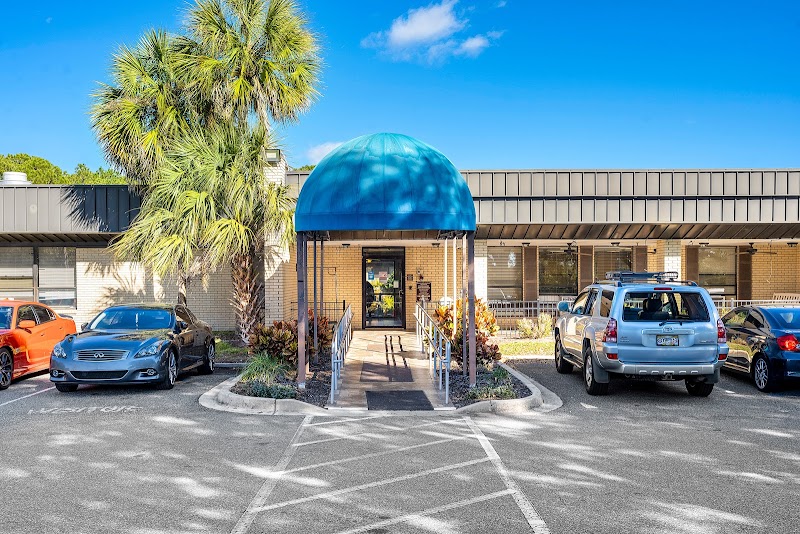
How is Fernandina Beach Rehabilitation And Nursing Center Staffed?

CMS rates FERNANDINA BEACH REHABILITATION AND NURSING CENTER's staffing level at 3 out of 5 stars, which is average compared to other nursing homes. Staff turnover is 68%, which is 22 percentage points above the Florida average of 46%. High turnover can affect care consistency as new staff learn residents' individual needs. RN turnover specifically is 65%, which is notably high. RNs provide skilled clinical oversight, so turnover in this role can affect medical care quality.

What Have Inspectors Found at Fernandina Beach Rehabilitation And Nursing Center?

State health inspectors documented 18 deficiencies at FERNANDINA BEACH REHABILITATION AND NURSING CENTER during 2021 to 2024. These included: 1 that caused actual resident harm, 16 with potential for harm, and 1 minor or isolated issues. Deficiencies causing actual harm indicate documented cases where residents experienced negative health consequences.

Who Owns and Operates Fernandina Beach Rehabilitation And Nursing Center?

FERNANDINA BEACH REHABILITATION AND NURSING CENTER is owned by a for-profit company. For-profit facilities operate as businesses with obligations to shareholders or private owners. The facility is operated by ASTON HEALTH, a chain that manages multiple nursing homes. With 120 certified beds and approximately 109 residents (about 91% occupancy), it is a mid-sized facility located in FERNANDINA BEACH, Florida.
How Does Fernandina Beach Rehabilitation And Nursing Center Compare to Other Florida Nursing Homes?

Compared to the 100 nursing homes in Florida, FERNANDINA BEACH REHABILITATION AND NURSING CENTER's overall rating (2 stars) is below the state average of 3.2, staff turnover (68%) is significantly higher than the state average of 46%, and health inspection rating (1 stars) is much below the national benchmark.

What Should Families Ask When Visiting Fernandina Beach Rehabilitation And Nursing Center?

Based on this facility's data, families visiting should ask: "What safeguards and monitoring systems are in place to protect residents from abuse or neglect?" "How do you ensure continuity of care given staff turnover, and what is your staff retention strategy?" "Can I visit during a mealtime to observe dining assistance and food quality?" "How do you handle medical emergencies, and what is your hospital transfer rate?" These questions are particularly relevant given the substantiated abuse finding on record and the facility's high staff turnover rate.

Is Fernandina Beach Rehabilitation And Nursing Center Safe?

Based on CMS inspection data, FERNANDINA BEACH REHABILITATION AND NURSING CENTER has documented safety concerns. The facility has 1 substantiated abuse finding (meaning confirmed case of resident harm by staff or other residents). The facility has a 2-star overall rating and ranks #100 of 100 nursing homes in Florida. Families considering this facility should ask detailed questions about what corrective actions have been taken since these incidents.

Do Nurses at Fernandina Beach Rehabilitation And Nursing Center Stick Around?

Staff turnover at FERNANDINA BEACH REHABILITATION AND NURSING CENTER is high. At 68%, the facility is 22 percentage points above the Florida average of 46%. Registered Nurse turnover is particularly concerning at 65%. RNs handle complex medical decisions and coordinate care — frequent RN changes can directly impact care quality. High turnover means new staff may not know residents' individual needs, medications, or preferences. It can also be disorienting for residents, especially those with dementia who rely on familiar faces. Families should ask: What is causing the turnover? What retention programs are in place? How do you ensure care continuity during staff transitions?

Was Fernandina Beach Rehabilitation And Nursing Center Ever Fined?

FERNANDINA BEACH REHABILITATION AND NURSING CENTER has been fined $31,051 across 3 penalty actions. This is below the Florida average of $33,389. While any fine indicates a compliance issue, fines under $50,000 are relatively common and typically reflect isolated problems that were subsequently corrected. Families should ask what specific issues led to these fines and confirm they've been resolved.

Is Fernandina Beach Rehabilitation And Nursing Center on Any Federal Watch List?

FERNANDINA BEACH REHABILITATION AND NURSING CENTER is not on any federal watch list. The most significant is the Special Focus Facility (SFF) program, which identifies the bottom 1% of nursing homes nationally based on persistent, serious quality problems. Not being on this list means the facility has avoided the pattern of deficiencies that triggers enhanced federal oversight. This is a positive indicator, though families should still review the facility's inspection history directly.