LIFE CARE CENTER OF HILLIARD
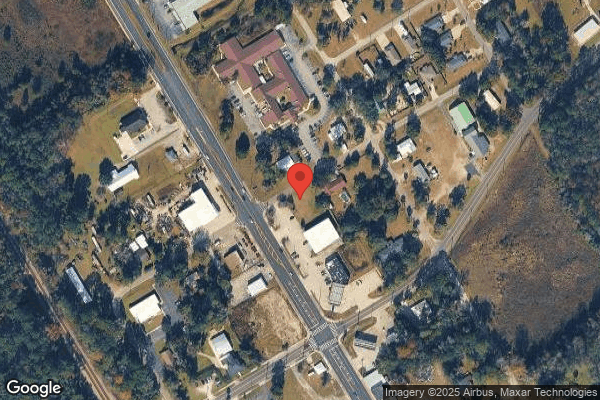
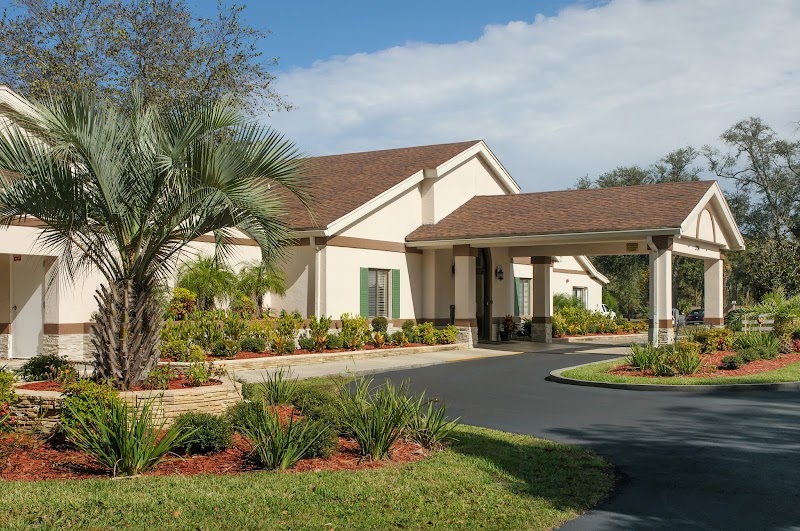
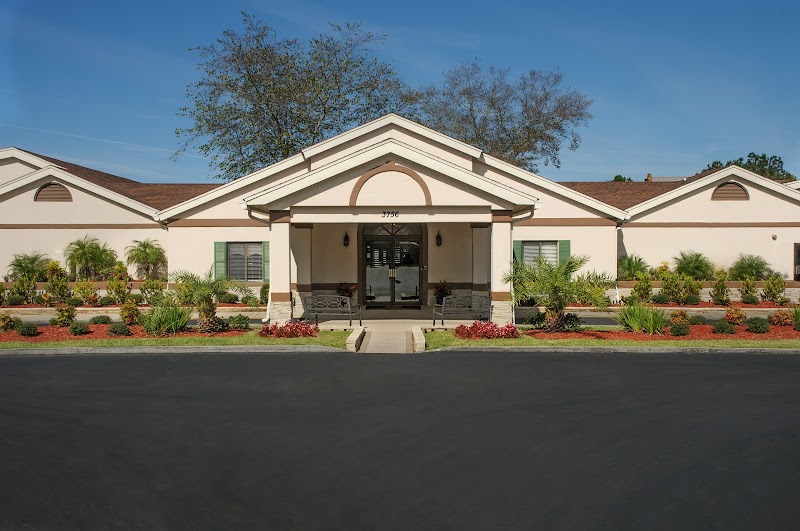
3756 W THIRD ST, HILLIARD, FL 32046 (904) 845-3988
For profit - Corporation 120 Beds LIFE CARE CENTERS OF AMERICA Data: November 2025
Trust Grade
80/100
#228 of 690 in FL
Last Inspection: July 2024

Within standard 12-15 month inspection cycle. Federal law requires annual inspections.

Overview

Life Care Center of Hilliard has a Trust Grade of B+, indicating it's above average and recommended for consideration. It ranks #228 out of 690 nursing homes in Florida, placing it in the top half of facilities statewide, and it is the best option among the two facilities in Nassau County. The facility is improving, with reported issues decreasing from three in 2024 to just one in 2025. Staffing is a concern, with a turnover rate of 53% which is higher than the state average, although they maintain good RN coverage. While there have been no fines recorded, recent inspections revealed issues such as a lack of cleanliness in shower rooms and inadequate infection control practices, highlighting some areas that need attention.

Trust Score
B+
80/100
In Florida
#228/690
Top 33%
Safety Record
Low Risk
No red flags
Inspections
Getting Better
3 → 1 violations
Staff Stability
⚠ Watch
53% turnover. Above average. Higher turnover means staff may not know residents' routines.
Penalties
✓ Good
No fines on record. Clean compliance history, better than most Florida facilities.
Skilled Nurses
○ Average
Each resident gets 38 minutes of Registered Nurse (RN) attention daily — about average for Florida. RNs are the most trained staff who monitor for health changes.
Violations
○ Average
9 deficiencies on record. Average for a facility this size. Mostly minor or procedural issues.
★★★★☆
4.0
Overall Rating
★★★★☆
4.0
Staff Levels
★★★★☆
4.0
Care Quality
★★★★☆
4.0
Inspection Score
Stable
2024: 3 issues
2025: 1 issues

The Good

  • 4-Star Staffing Rating · Above-average nurse staffing levels
  • 4-Star Quality Measures · Strong clinical quality outcomes
  • Full Sprinkler Coverage · Fire safety systems throughout facility
  • No fines on record

Facility shows strength in staffing levels, quality measures, fire safety.

The Bad

Staff Turnover: 53%

Near Florida avg (46%)

Higher turnover may affect care consistency

Chain: LIFE CARE CENTERS OF AMERICA

Part of a multi-facility chain

Ask about local staffing decisions and management

The Ugly 9 deficiencies on record

Jan 2025 1 deficiency
CONCERN (D) 📢 Someone Reported This

A family member, employee, or ombudsman was alarmed enough to file a formal complaint

Potential for Harm - no one hurt, but risky conditions existed

Investigate Abuse (Tag F0610)

Could have caused harm · This affected 1 resident

**NOTE- TERMS IN BRACKETS HAVE BEEN EDITED TO PROTECT CONFIDENTIALITY** Based on a record review, interviews, and facility policy review, the facility failed to thoroughly investigate allegations of a...

Read full inspector narrative →
**NOTE- TERMS IN BRACKETS HAVE BEEN EDITED TO PROTECT CONFIDENTIALITY** Based on a record review, interviews, and facility policy review, the facility failed to thoroughly investigate allegations of abuse for two (Residents #1 and #5) of three residents reviewed for abuse, from a total sample of 5 residents. The findings include: 1. A record review for Resident #1 found she was admitted on [DATE] and readmitted on [DATE]. Her diagnoses included fracture of the upper end of the left humerus (the long bone between the shoulder and elbow). A review of Resident #1's Discharge Return Anticipated minimum data set (MDS) assessment with a reference date 12/24/24 noted Resident #1 had OK memory and was independent with daily decision making. She required substantial to maximum assistance with toileting and partial to moderate assistance to move from sitting to standing and transfers. On 1/13/25 at 2:00 pm, an interview was conducted with Resident #1. She explained she had fallen and broke her humerus in two places which resulted in a loss of dignity with her decline in activities of daily living (ADL). She complained that recently, she had asked for assistance wiping herself due to her broken shoulder. Her CNA told her staff was there to encourage her independence. Resident #1 felt that was abuse, given the way the CNA said it, so she reported it. She was fearful of retaliation, so she hesitated at first. Resident #1 had never had a problem with that CNA (she did not recall her name) but only had her once. When asked if she was satisfied with the facility response and resolution, Resident #1 shrugged and said she and her daughter were told in her care plan meeting the CNA had been suspended. She was not sure if she was fired or still worked in the facility. A review of nursing progress notes revealed on 12/6/24, Resident #1 was found on the floor in her bathroom. She was laying on her back, holding her left shoulder and complaining of pain. Staff called paramedics and she was transferred to the emergency room. She returned with a diagnosis of left humerus fracture with a sling on that shoulder. A progress note dated 12/10/24 revealed Resident #1 had a care plan meeting with her daughter present. Concerns with staffing were discussed, and the DON informed the resident/daughter she was having the situation investigated. There were no further details. A review of the facility's Nursing Home Federal Report authored by the Director of Nursing (DON) revealed on 12/8/24 at 3:06 pm, Resident #1 made an allegation of physical abuse by Certified Nursing Assistant (CNA) A. After being assisted to the bathroom and calling the CNA back, Resident #1 instructed the CNA to wipe her with a wet wipe then dry her with toilet paper. CNA A told Resident #1 they were there to encourage her to be independent. Resident #1 explained she had broken her arm and could not do it for herself. When Resident #1 attempted to raise herself from the toilet, CNA A roughly helped her up, roughly wiped her buttocks, then did not assist her to walk back to her chair. Resident #1 later informed Licensed Practical Nurse (LPN) A that she didn't want CNA A for the rest of the night. The investigation section of the report noted the Unit Manager spoke with Resident #1 and asked permission to write down her statement. The weekend supervisor spoke with Resident #1's daughter. CNA A was interviewed by the DON and was suspended pending investigation. Conclusion: a statement was collected from the resident and all associates and allegations were found to be unverified. A final warning was given to CNA A related to customer service. (Photographic evidence was obtained) A review of the facility's investigation file revealed written statements were obtained from the Unit Manager, LPN A and CNA A. There was no indication other staff, or residents on CNA A's assignment, were interviewed about their care or concerns. (Photographic evidence was obtained) On 1/13/25 at 3:23 pm, the DON was interviewed and confirmed she was the Abuse Coordinator. She stated that when she receives a resident grievance, she talks with the resident or family about their concern(s). If the concern rises to the level of neglect or abuse, that triggers her to investigate. This would involve obtaining written statements, reporting to Department of Children and Families and to the Agency. An in-house investigation is conducted and staff who were assigned to that resident around the time of the incident are interviewed. Other alert and oriented residents on the same hall are also interviewed about the CNA. Resident #1 had an incident over a weekend, and the DON was advised on that Monday. The Unit Manger took a written statement from Resident #1, who alleged she needed help with wiping wet to dry. The CNA did not help her back to the bed and had told the resident staff were there to encourage independence. Resident #1 told the nurse she didn't want that CNA any more. As a result of the allegations, CNA A was removed from the schedule and suspended. CNA was allowed to return and received a corrective action for poor customer service/ job performance. When the DON was asked if she had interviewed residents on the same hall about CNA A's care. She said no, but she should have. The DON said she was handling so many reportable incidents at that time; she had never seen so many and was learning as she goes. The DON acknowledged the missed opportunity to identify residents on same hall who may have similar concerns. She expressed an understanding that some may be fearful of reporting. The DON said Resident #1 and her daughter were notified the incident was reported, and CNA A was suspended pending investigation. She did not advise them of the final outcome of the investigation. She was not sure she could tell the resident(s) that. 2. A record review for Resident #5 found she was admitted [DATE]. Her diagnoses included orthopedic aftercare and fracture of the right femur. A review of the Quarterly MDS assessment dated [DATE] revealed Resident #5 had a brief interview for mental status (BIMS) score of 4 out of 15 points, indicating severe cognitive impairment. She required substantial to maximum assistance with ADLs. No anticoagulant medication (blood thinner) was used. A skin check assessment dated [DATE] reported no skin issues. The following assessment dated [DATE] noted bilateral dark bruising to both of Resident #5's hands. (Photographic evidence was obtained) A review of the facility's Nursing Home Federal Report authored by the DON found on 12/16/24, Resident #5's family notified the Administrator and DON of bruising on both of her hands. Assessment confirmed bruising on the top of each hand. Because of a diagnosis of dementia, Resident #5 was unable to explain what happened. An investigation was conducted, revealing the resident stated the bruises 'just come up' there sometimes. Her diagnoses included cognitive communication deficit and dementia, with a BIMS of 4. The weekly skin check 12/13/24 was noted to reveal bruising. The investigation summary concluded by reporting Resident #5 was complaining of hand pain. Conclusion: the allegation was not verified due to evidence obtained during the investigation. It was not determined how bilateral bruising occurred. Weekly skin checks were conducted by the nurse per policy. Staff was interviewed and ongoing education with staff about transfers and timely reporting were being conducted. Review of the investigation file contained only two written witness statements. One was the DON's, which reported she accompanied a DCF worker to speak with Resident #5. Resident #5 told the worker the bruises just come up there. Resident #5 denied being struck by anyone. The second statement in the file was from a CNA who remembered a large bruise on one of Resident #5's hand; the second bruise was newer to when she last had this resident. (Photographic evidence was obtained) There was no indication that any residents on the same hall were interviewed about their care or rough transfers or treatment by staff. On 1/13/25 at 3:55 pm, an interview was conducted with the DON. She stated as part of her investigation, she interviewed two employees on the schedule who had nothing to report. She admitted she did not interview other residents on the hall. A review of the facility's policy titled, Abuse-Conducting an Investigation issued 10/4/22, reviewed 6/17/24 instructs: Policy: It is the policy of this facility that allegations of abuse (abuse, neglect, mistreatment, including injuries of unknown source, exploitation and misappropriation of property) are promptly and thoroughly investigated . .3. When an incident or suspected incident of resident abuse and/or neglect, injury of unknown source, exploitation, or misappropriation of resident property is reported, the administrator/designee will investigate the occurrence. Protection will be provided to the alleged victim and other residents, such as room or staffing changes as needed to protect the resident(s) from the alleged perpetrator. a. If the investigation is being conducted by the designee, the administrator will be consulted daily concerning the progress of the investigation . .8. The written summary of the investigation should include, but is not limited to: .h. Interviews with staff members on all shifts having contact with the resident at the time of the incident. i. Interviews with the resident's roommate, family, and/or visitors who may have information regarding the incident. j. Interviews other residents who received care or services from the alleged perpetrator. k. A review all circumstances surrounding the incident . .14. The administrator or designee will inform the resident, physician, and/or resident representative of the results of the investigation and the corrective action taken. (Photographic evidence was obtained) A review of the facility's policy titled, Abuse - Identification and Types issued 10/4/22, reviewed 6/17/24 states on page 3 that injuries of unknown origin such as unexplained injury or bruises could indicate abuse. (Photographic evidence was obtained) A review of the facility's policy titled, Grievance Program effective 5/6/29, reviewed 9/26/24 and revised 1/7/25 noted on page 2 the facility will immediately report all alleged violations involving neglect, abuse and injuries of unknown source as required by state law. Under section 8. it states follow-up with the resident and family to communicate resolution or explanation and ensure the issue was handled to the resident/family's satisfaction will occur. (Photographic evidence was obtained) .
Jul 2024 3 deficiencies
CONCERN (D)

Potential for Harm - no one hurt, but risky conditions existed

Resident Rights (Tag F0550)

Could have caused harm · This affected 1 resident

**NOTE- TERMS IN BRACKETS HAVE BEEN EDITED TO PROTECT CONFIDENTIALITY** Based on observations, interviews, and record reviews, the facility failed to maintain residents' dignity while dining related t...

Read full inspector narrative →
**NOTE- TERMS IN BRACKETS HAVE BEEN EDITED TO PROTECT CONFIDENTIALITY** Based on observations, interviews, and record reviews, the facility failed to maintain residents' dignity while dining related to staff standing while assisting with meals and tablemates not being served trays together for six (Residents #106, #4, #8, #75, #21, and #6) of eight residents reviewed for dignity, from a total of 44 residents in the survey sample. The findings include: 1. On 7/8/24 at 5:33 PM, Resident #106 was observed being assisted with his dinner tray by Certified Nursing Assistant (CNA) G, who was observed standing while assisting the resident with his meal. Resident #106 was admitted to the facility on [DATE] with a medical history significant for paraplegia, right hand contracture, and macular degeneration. A review of Resident #106's Quarterly Minimum Data Set (MDS) assessment, dated 5/24/24, revealed he had a Brief Interview for Mental Status (BIMS) Score of 12 out of 15 possible points, indicating moderate cognitive impairment. He was also documented as requiring set up assistance for his meals. Additional observations of Resident #106 were made during the survey week as follows: On 7/9/24 at 11:53 AM, Resident #106 was observed being assisted with his lunch tray by CNA H, who was observed standing while assisting the resident with his meal. On 7/9/24 at 5:13 PM, Resident #106 was observed being assisted with his dinner tray CNA I, who was observed standing while assisting the resident with his meal. On 7/10/24 at 11:50 AM, Resident #106 was observed being assisted with his lunch tray CNA G, who was observed standing while assisting the resident with his meal. An interview was conducted with Resident #106 on 7/10/24 at 9:50 AM. He stated he would like it if the staff sat with him while assisting him with his meals. 2. On 7/8/24 at 5:30 PM, Resident #4 was observed being assisted with her dinner tray by CNA P, who was observed sitting on Resident #4's bed while assisting the resident with her meal. Resident #4 was last readmitted to the facility on [DATE] with a medical history significant for dementia, malnutrition, failure to thrive, anxiety, and depression. A review of Resident #4's Significant Change MDS assessment, dated 6/27/24, revealed that Resident #4 had a BIMS score of 2 out of 15 points, indicating severe cognitive impairment. She was also documented as dependent on staff for assistance with her meals. Additional observations were made of Resident #4 during the survey week as follows: On 7/9/24 at 5:15 PM, Resident #4 was observed being assisted with her dinner tray by CNA Q, who was observed sitting on Resident #4's bed while assisting the resident with her meal. On 7/10/24 at 11:48 AM, Resident #4 was observed being assisted with her lunch tray by CNA R, who was observed sitting on Resident #4's bed while assisting the resident with her meal. 3. On 7/8/24 at 5:50 PM, Resident #8 was observed being assisted with her dinner tray by CNA L, who was observed standing while assisting the resident with her meal. Resident #8 was admitted to the facility on [DATE] with a medical history significant for encephalopathy, difficulty swallowing, mini-stroke, hemiparesis, and dementia. A review of Resident #8's admission MDS assessment, dated 5/24/24, revealed Resident #8 had a BIMS score of 0 out of 15 points, indicating severe cognitive impairment. She was also documented as requiring moderate assistance from staff for her meals. Additional observations were made of Resident #8 during the survey week as follows: On 7/9/24 at 5:38 PM, Resident #8 was observed being assisted with her dinner tray CNA M, who was observed standing while assisting the resident with her meal. On 7/10/24 at 12:04 PM, Resident #8's roommate received her lunch tray but Resident #8 did not. Resident #8 received her lunch tray at 12:17 PM, but no staff were present in the room to assist her with dining. By 12:32 PM, no staff had arrived to assist Resident #8 with her meal. Registered Nurse (RN) N was interviewed at this time. The concern that Resident #8 was left with food in her room and no way to eat it for almost 30 minutes was shared with the nurse. RN N reviewed the CNA assignment log and stated the CNA who was assigned to assist Resident #8 with her meal was also assigned to the dining room, and was therefore unavailable to assist Resident #8 with her meal. RN N was asked if Resident #8 would be left without assistance until the CNA returned from the dining room, and she replied that she would go to Resident #8's room and assist her with her meal. 4. On 7/8/24 at 5:18 PM, Resident #75's roommate received their dinner tray, but Resident #75 did not. At 6:40 PM, Resident #75's dinner meal had still not arrived. Licensed Practical Nurse (LPN) J was interviewed at this time. She stated Resident #6 typically went to the dining room and therefore would have to wait until the last cart of meals was delivered to receive her meal. LPN J stated this was how it always worked and that it often took a long time for the residents to receive their meals if they did not go to the dining room. Resident #75 was admitted to the facility on [DATE] with a medical history significant for encephalopathy, dementia, malnutrition, mini-stroke, and communication deficit. A review of Resident #75's End of Part A Stay MDS assessment, dated 6/7/24, revealed a BIMS score of 0 out of 15 points, indicating severe cognitive impairment. The resident was also documented as independent with meals. On 7/9/24 at 5:10 PM, Resident #75's roommate received their dinner tray, but Resident #75 did not. At 6:45 PM, Resident #75's dinner meal had still not arrived. LPN J was interviewed at this time and was asked if Resident #75 would be served dinner this evening. LPN J asked for clarification. She was made aware that all other residents had received their dinner trays at 5:10 PM and the other residents had been taken to the dining room at 6:30 PM by the CNAs, but that Resident #75 had been left asleep in her bed. LPN J was again asked if the resident would be served dinner this night. LPN J picked up the phone and said, Oh, she's going to get dinner. and called the kitchen to bring a tray. 5. On 7/10/24 at 11:33 PM, Resident #21 was observed in bed with her eyes closed. The lunch trays were served to the residents on the hallway, but Resident #21 did not receive a lunch tray. Her roommate was taken to the dining room at 12:17 PM along with other residents from the units, but Resident #21 was left asleep in her bed. At 12:30 PM, Resident #21 had still not been taken to the dining room for her meal. RN N was interviewed at this time. She stated Resident #21 typically went to the dining room for lunch, and that she would call to see if a tray was going to be sent since the resident was asleep. RN N spoke to the kitchen and was told they would send a tray to her room. Resident #21 was last readmitted to the facility on [DATE] with a medical history significant for dementia, diabetes, difficulty swallowing, and esophageal obstruction. A review of Resident #21's Quarterly MDS, dated [DATE], revealed a BIMS score of 3 out of 15 points, indicating severe cognitive impairment. She was also documented as able to eat her meals independently. 6. On 7/8/24 at 5:18 PM, Resident #6's roommate received their dinner tray, but Resident #6 did not. At 6:40 PM, Resident #6's dinner meal had still not arrived. LPN J was interviewed at this time. She stated Resident #6 typically went to the dining room, and therefore would have to wait until the last cart of meals was delivered to receive her meal. LPN J stated this was how it always worked, and that it often took a long time for the residents to receive their meals if they did not go to the dining room. Resident #6 was last readmitted to the facility on [DATE] with a medical history significant for stroke, difficulty swallowing, malnutrition, dementia, and Parkinson's syndrome. A review of Resident #6's Annual MDS assessment, dated 5/24/24, revealed a BIMS score of 3 out of 15 points, indicating severe cognitive impairment. She was also documented as able to eat her meals independently. On 7/10/24 at 1:02 PM, an interview was conducted with the facility's Certified Dietary Manager (CDM). He stated the facility had started serving the meal trays in a new way on 4/24/24 based on nursing suggestions. He further stated they used to serve residents in the dining room mid-meal service but that the nursing staff had recommended they serve the trays to the resident rooms first and serve the dining room last. It was explained that the concern was that the facility was assuming which residents were going to go to the dining room for each meal, the other residents on the floor were served first, and if a resident did not go to the dining room for some reason, they then had to wait a very long time for their meal tray to be served to them. He stated the kitchen had a list of which residents were supposed to be served in the dining room and which residents were receiving restorative dining services. He said the kitchen staff removed the meal tickets from the hall service piles and placed them aside for the dining room service. They would then serve the resident halls, then the dining room, and then review which tickets were left over and serve those residents in their rooms last. He agreed that it could take up to two hours for a resident to receive a meal tray if they decided to not go to the dining room, but that it was ultimately not up to him or his staff in what order the trays were served because they make 110 trays regardless of how they are served to the residents. He further stated he had not been made aware that roommates were not being served their meals together, but he agreed that it was a concern. When asked if he felt the current process for serving meals to the residents was efficient, he stated he did not. When asked if he had expressed any concerns about the current meal service process to the administration staff, he stated he had not. On 7/10/24 at 1:16 PM, an interview was conducted with the facility's Director of Nursing (DON), Administrator, and Regional Director of Clinical Services (RDCS). The abovementioned concerns regarding staff standing while assisting residents with their meals and roommates not being served meals at the same time were shared with them. The DON stated she rounded the floor daily to watch how residents were being cared for and she had not observed the shared concerns, but she and the Administrator agreed that these were concerning for residents' dignity. The Administrator confirmed that the tray line order was changed in April based on nursing suggestions. The Administrator and the DON both verbalized that they had not followed up with staff or residents since the change to see whether the new process was effective. They said they would attempt to change the order of service making the dining room first to be served, so that all residents who chose to stay in their rooms would be served trays together and in a timely manner. On 7/11/24 at 9:40 AM, an interview was conducted with LPN J, who stated the nurses typically did not assist with dining, but she was aware that staff were expected to sit in a chair while assisting a resident with dining and not stand or sit on the resident's bed. On 7/11/24 at 9:45 AM, an interview was conducted with CNA R, who stated she was aware that staff were expected to sit in a chair while assisting a resident with dining and not stand or sit on the resident's bed. On 7/11/24 at 9:55 AM, an interview was conducted with CNA C, who stated she was aware that staff were expected to sit in a chair while assisting a resident with dining and not stand or sit on the resident's bed. On 7/11/24 at 10:05 AM, an interview was conducted with RN N, who stated she was aware that staff were expected to sit in a chair while assisting a resident with dining and not stand or sit on the resident's bed. A review of the facility's policy titled Dignity (Issued: 5/6/19, Reviewed: 9/25/23) revealed: Each resident has the right to be treated with dignity and respect. Interactions and activities with residents by staff must focus on maintaining and enhancing the residents' self-esteem including promoting resident independence and dignity while dining, such as avoiding staff standing over residents while assisting them to eat. .
CONCERN (E)

Potential for Harm - no one hurt, but risky conditions existed

Safe Environment (Tag F0584)

Could have caused harm · This affected multiple residents

Based on observations and interviews, the facility failed to ensure a sanitary and orderly interior, by failing to maintain the shower rooms on the 100, 200 and 600 hallways in an orderly and sanitary...

Read full inspector narrative →
Based on observations and interviews, the facility failed to ensure a sanitary and orderly interior, by failing to maintain the shower rooms on the 100, 200 and 600 hallways in an orderly and sanitary manner. The findings include: On 07/11/24, during a tour of the facility with the facility's Housekeeping and Laundry Director from 1:18 PM through 2:00 PM, the facility's shower rooms were observed. In the shower room on the 600-hallway, numerous used razors, deodorant sticks/canisters, and hairbrushes were present throughout the shower room, all of which were unlabeled. (Photographic evidence obtained) In the shower room on the 200-hallway, two shower basins were observed, in which were unlabeled, used bath products including used razors, a shower puff, deodorant sticks/canisters and hairbrushes. (Photographic evidence obtained) In the shower room on the 100-hallway, numerous used razors and deodorant sticks/canisters were observed, all of which were unlabeled. There was also a pile of soiled laundry and two bags of linens located on the floor near the toilet. (Photographic evidence obtained) An interview was conducted with Certified Nursing Assistant (CNA) V on 07/11/24 at 1:30 PM. She confirmed that part of her job duties was to assist in showering residents. When asked if she could identify who the bath products in the 600-hallway shower room belonged to, she stated she could not confirm which products belonged to which residents. She further stated she did not know if any of the products were being used by the staff on the residents. An interview was conducted with CNA T on 07/11/24 at 2:00 PM. She confirmed that part of her job duties was to assist in showering residents. When asked if she could identify who the bath products in the 100- or 200-hallway shower rooms belonged to, she stated she could not confirm which products belonged to which residents. .
CONCERN (E)

Potential for Harm - no one hurt, but risky conditions existed

Infection Control (Tag F0880)

Could have caused harm · This affected multiple residents

**NOTE- TERMS IN BRACKETS HAVE BEEN EDITED TO PROTECT CONFIDENTIALITY** Based on observations and interviews, the facility failed to maintain an infection prevention and control program designed to pr...

Read full inspector narrative →
**NOTE- TERMS IN BRACKETS HAVE BEEN EDITED TO PROTECT CONFIDENTIALITY** Based on observations and interviews, the facility failed to maintain an infection prevention and control program designed to provide a safe and sanitary environment, and to help prevent the transmission of communicable diseases and infections, by failing to ensure proper infection control practices during insulin administration, resident dining, gloving, and linen handling. This impacted two (Residents #54 and #4) of 44 residents in the total survey sample, as well as numerous residents in the dining room on 7/10/24 during the breakfast meal, and potentially more receiving assistance with meals and other care from Certified Nursing Assistants (CNAs) Y and C. The findings include: 1. On 7/11/24 at 11:26 AM, an observation was made of Licensed Practical Nurse (LPN) J administering Novolog Insulin (a medication used to control elevated blood sugars) to Resident #54. LPN J did not clean the hub of the Novolog Flex Pen with alcohol prior to inserting the needle. On 7/11/24 at 11:30 AM, an interview was conducted with LPN J, who acknowledged that she did not clean the hub of the Novolog Flex Pen prior to inserting the needle to the insulin syringe. She confirmed that this would be considered an infection control issue, and further stated she should have cleaned the syringe hub with an alcohol prep prior to inserting the needle. On 7/11/24 at 11:58 AM, an interview was conducted with the Director of Nursing (DON), who stated it was her expectation that nursing staff clean the hub of the Flex pen prior to inserting the needle. The DON confirmed that failure to do so would be considered an infection control issue. A review of the facility's policy titled Insulin Pen Administration (Issued: 08/10/22; Revised: 8/30/23), revealed under Policy: The facility will ensure residents with orders for insulin administration through the use of a pen delivery device is performed in accordance with current standards of practice and manufacturer's guidance. A review of the Manufacturer's Guidance revealed: Under Prepare to inject: 5. Wipe the pen tip with an alcohol pad. 6. Remove the seal on the needle cap 7. Twist or push (based on the needle type) the needle straight onto the pen tip. 2. During a tour of the facility on 7/8/24 at 5:30 PM, Resident #4 was observed being assisted with her dinner tray by Certified Nursing Assistant (CNA) P, who was sitting on Resident #4's bed while assisting her with her meal. A review of the medical record revealed that Resident #4 was last readmitted to the facility on [DATE] with a medical history significant for dementia, malnutrition, failure to thrive, anxiety, and depression. A review of the resident's Significant Change minimum data set (MDS) assessment, dated 6/27/24, revealed a brief interview for mental status (BIMS) score of 2 out of 15 possible points, indicating severe cognitive impairment. Resident #4 was documented as dependent on staff for assistance with her meals. On 7/9/24 at 5:15 PM, Resident #4 was observed being assisted with her dinner tray by Certified Nursing Assistant (CNA) Q, who was sitting on Resident #4's bed while assisting her with her meal. On 7/10/24 at 11:48 AM, Resident #4 was observed being assisted with her lunch tray by CNA R, who was sitting on Resident #4's bed while assisting her with her meal. On 7/10/24 at 1:16 PM, an interview was conducted with the Director of Nursing (DON), Administrator, and Regional Director of Clinical Services (RDCS). The abovementioned concern regarding staff sitting on Resident #4's bed while assisting with her meals was shared. The DON and Administrator agreed that this was a concern. Concerns regarding staff handling resident dinnerware/trays incorrectly, improper handling of linens, wearing gloves in the hallway, and improper procedures for insulin administration were also shared. 3. On 7/10/24, beginning at 8:20 AM, an observation of the dining room during the breakfast meal revealed the following: A dietary staff member was observed bringing a tray of coffee mugs from the kitchen into the dining room. The dietary staff member touched each cup at the top rim/lip with bare hands while placing them on the rack for use in the dining room and before re-entering the kitchen area. CNA Y was observed preparing drinks/coffee and serving beverages while picking up the cups and touching the top rim/lip of the cups, then placing the cups in front of the residents. She did not wash her hands or use hand sanitizer prior to making the beverages, or between serving the cups to different residents. On 7/10/24 at 10:00 AM, CNA C was observed walking in the hallway from a resident's room in front of the nurses' station with gloves on. She entered the oxygen utility room, removed an oxygen tank, and walked back to the nurses' station and down the hallway to a resident's room. She was observed touching doorknobs and key pads with gloves on, and she did not remove the gloves until she completed care for the resident. On 7/10/24 at 10:20 AM, CNA C was observed walking into the clean linen room on the nursing unit, then walking through the hallway with clean linens in both arms cradled against her chest area and against her clothing. She then entered two different residents' rooms to place the linens in them. On 7/10/24 at 11:00 AM, an interview was conducted with CNA C, who stated she had been employed with the facility since April 2024. She received orientation training upon hire. Orientation training consisted of videos and a skills lab check off. She received infection control training via video with an understanding of appropriate hand hygiene, personal protective equipment (PPE), and when and how to use PPE. She stated she had not received any other training to date. She acknowledged that she should not wear gloves in the hallway or place clean linens against her clothing due to possible contamination and risk of spreading germs and infection. On 7/10/24 at 11:20 AM, an interview was conducted with Unit Manager/Registered Nurse (RN) B, who stated the appropriate process for removing clean linens from the linen room on the nursing unit was that staff should go to the clean linen closet, place needed linen in a clean plastic bag, and transport it to the resident's room. She further stated staff were not to wear gloves in the hallway after providing care to a resident due to infection control prevention policies. On 7/11/24 at 10:45 AM, a telephone interview was conducted with the Assistant Director of Nursing (ADON). She confirmed that she was the Infection Preventionist. When asked to describe education she provided to the staff most recently, she stated she provided education to the CNAs in June following dining audits. She had observed CNAs improperly handling residents' food trays, so she provided education about properly handling of residents' cups and silverware. She further stated the facility had a COVID-19 outbreak in June, so she provided education to the staff regarding hand hygiene. Education was also provided to the housekeeping staff regarding proper linen handling. She further clarified that this education (linen handling) was not provided to the rest of the staff. The infection control concerns regarding staff sitting on residents' beds during dining, improper handling of food trays, improper handling of linens, staff wearing gloves in the hallway, and improper insulin administration were shared with her. She stated she was out of the facility for the week, but she would begin audits and education when she returned. .
Aug 2023 2 deficiencies
CONCERN (D) 📢 Someone Reported This

A family member, employee, or ombudsman was alarmed enough to file a formal complaint

Potential for Harm - no one hurt, but risky conditions existed

Report Alleged Abuse (Tag F0609)

Could have caused harm · This affected 1 resident

**NOTE- TERMS IN BRACKETS HAVE BEEN EDITED TO PROTECT CONFIDENTIALITY** Based on interviews, record reviews and policy and procedure review, the facility failed to ensure that all alleged violations i...

Read full inspector narrative →
**NOTE- TERMS IN BRACKETS HAVE BEEN EDITED TO PROTECT CONFIDENTIALITY** Based on interviews, record reviews and policy and procedure review, the facility failed to ensure that all alleged violations involving neglect were reported immediately, but not later than 2 hours after the allegation was made. The facility failed to provide assistance with activities of daily living (ADL) for more than 8 hours for one (Resident #6) of three residents whose grievances were reviewed, from a total sample of eight residents. The findings include: A review of the facility's grievance log revealed a grievance dated 6/13/23 from Resident #5. Resident complained that her sister who was also her roommate (Resident #6) had not been checked and changed for over 8 hours from 6:30 am - 3:30 pm. On 6/14/23, the Assistant Director of Nursing (ADON) was assigned to investigate the concern. The investigation findings read, verified certified nursing Assistant (CNA) for that resident. The action taken included education for CNAs to check and change resident's every two hours. The grievance indicated that education was provided. (Photographic copy obtained) A review of the medical record for Resident #6 revealed an admission date of 4/12/21 with re-entry date of 6/22/23. Her diagnoses included metabolic encephalopathy, muscle weakness, difficulty walking, dementia, and adult failure to thrive. A review of Resident #6's Modification of Medicare 5-day minimum data set (MDS) assessment dated [DATE] revealed she had a brief interview for mental status (BIMS) score of 1 out of 15 points, indicating severe cognitive impairment. The resident required extensive assistance with one staff for bed mobility, eating and toileting and extensive assistance with two people for transfer. The assessment also indicated that the resident was at risk for skin breakdown. A review of Resident #6's care plan with a review date of 5/26/23, indicated that the resident had an ADL self-care performance deficit related to muscle weakness and difficulty walking, back pain due to L1 compression fracture, frequent falls, and failure to thrive. Interventions included total transfer assistance of two persons using a Hoyer lift, and extensive to total assistance with toilet use, restorative dining for all meals. (Copy obtained) On 8/15/23 at 12:47 pm, an interview was conducted with the Administrator. He was asked about the grievance related to Resident #6. He stated the grievance was closed on 6/22/23. When asked about the findings, he said, staff were educated on check and change every 2 hours. He provided the in-service sign in sheet dated 6/16/23. When asked if the allegations were founded, he said that he was not sure, and confirmed that the resident and staff were not interviewed. When asked if there were any injuries to the resident, he again said that he was not sure and added that he would ask the ADON. When asked about the facility's abuse and neglect investigation and reporting policy, he stated that any allegation of abuse should be reported immediately within 2 hours. When asked if the allegation met the reporting requirements. He said that he would have to investigate. On 8/15/23 at 12:50 pm, the Administrator returned and stated he had interviewed the staff that was assigned to the resident, and she confirmed that she did not change Resident #6 per facility protocol. The administrator confirmed that a thorough investigation was not conducted and mentioned that he had not filed an immediate report. On 8/15/23 at 1:00 pm, Residents #5 and #6 were observed in room [ROOM NUMBER]. They were both seated in a wheelchair. An interview was attempted with Resident #6, however; she could not answer any questions. A green Hoyer lift pad was observed behind her back. Her roommate (Resident #5) said, that is my sister and I watch out for her. She is [AGE] years older than me. When asked about the care, she stated that 90% of the time the care was good. She added that sometimes the call light response was not the best and she has to wait 45 min - 1 hour. She added that about a month or so ago she turned the light on about 3:00 pm and it was not answered until 3:30 pm. She mentioned that on that day, she had not seen her sister from 6:30 am to 3:30 pm. She stated that her sister goes to the dining area for all her meals, and she required assistance and therefore the night shift staff normally dress her and get her up by 7:00 am. She said that when the restorative CNA brought her sister back to the room she was soaking wet. She added that she made a grievance to the social services. She was informed that staff had been educated to check and change the resident's every 2 hours. On 8/15/23 at 1:12 pm, an interview was conducted with CNA A. She stated that she has been in the facility for about a year and works as a restorative aide, but assists the staff as needed. When asked if she provided care to Resident #6, she said, yes, then continued to state that the resident was on restorative program for range of motion and assistance with meal. She added that resident attended dining for all meals. When asked who provided care to residents on restorative program, she said that the CNAs are assigned to the residents and are responsible for the care but could assist as needed. Normally those that attend dining for all meals are supposed to be dressed and ready to go to the dining room by 7:30 am for breakfast, therefore the night shift staff normally get them up. When asked if Resident #6 had any concerns with getting up early, she said the resident normally does not talk much, she will only answer yes or no questions. She added that her roommate/sister is her advocate. She confirmed that she had answered a call light for Resident 5 (Resident's #6 roommate/ sister). She was very upset because the call light had been on for a while and was concerned because Resident #6 had not been changed from 6:30 am - 3:30 pm. She explained that she went and got Resident #6 from the nurses station. She then assisted the resident to bed with the assigned 3-11 CNA and the resident was soaking wet, urine had penetrated through her brief to her pant and the Hoyer lift pad that was under her had made an imprint to her buttocks. After cleaning the resident, she notified the social worker. She stated that the CNA who was assigned to the resident during the day (7:00 am -3:00 pm) had already left for day. On 8/15/23 at 1:35 pm, an interview was conducted with CNA B. When asked how she was made aware of the residents functional status, she said, at the beginning of each shift the off going staff give a report about the residents, and if something is not shared then I would check the resident's chart or ask the nurse. When asked if she was familiar with Resident #6's functional needs she said, yes, she is total dependent, requires a Hoyer lift with two staff assist for transfer and was incontinent for bowel and bladder. When asked about the incident reported on 6/13/23 related to Resident #6, she stated that the resident was already up for the day when she got to the facility on that day. She added that the resident was also assigned to receive a shower and therefore she assumed that the shower team would change her. She confirmed that she did not check and change the resident during her shift. She said, I did not follow the facility protocol to check and change every 2 hours and I take accountability for not changing the resident and it will not happen again. A review of the facility's policy and procedures tilted, Abuse & Neglect, reviewed on 11/21/22 revealed: Reporting Allegations: In response to allegations of abuse, neglect exploitation, or mistreatment the facility must: Ensure that all alleged violations involving abuse or neglect, exploitation or mistreatment, including injuries of unknown source and misappropriation of resident property are reported immediately, but not later than 2 hours after the allegation is made. Report the result of the investigation to the administrator or his or her designated representative and to other officials in accordance with State Law, including to the State Agency, within 5 working days of the incident, and if the alleged violation is verified appropriate corrective action must be taken. (Copy obtained) .
CONCERN (D) 📢 Someone Reported This

A family member, employee, or ombudsman was alarmed enough to file a formal complaint

Potential for Harm - no one hurt, but risky conditions existed

Investigate Abuse (Tag F0610)

Could have caused harm · This affected 1 resident

**NOTE- TERMS IN BRACKETS HAVE BEEN EDITED TO PROTECT CONFIDENTIALITY** Based on interviews, record reviews and policy and procedure review, the facility failed to ensure that all alleged violations o...

Read full inspector narrative →
**NOTE- TERMS IN BRACKETS HAVE BEEN EDITED TO PROTECT CONFIDENTIALITY** Based on interviews, record reviews and policy and procedure review, the facility failed to ensure that all alleged violations of neglect were thoroughly investigated. The facility failed to investigate staff failure to provide assistance with activities of daily living (ADL) for more than 8 hours for one (Resident #6) of three residents whose grievances were reviewed, from a resident sample of eight. The findings include: A review of the facility's grievance log revealed a grievance dated 6/13/23 from Resident #5. Resident complained that her sister who was also her roommate (Resident #6) had not been checked and changed for over 8 hours from 6:30 am - 3:30 pm. On 6/14/23, the Assistant Director of Nursing (ADON) was assigned to investigate the concern. The investigation findings read, verified certified nursing Assistant (CNA) for that resident. The action taken included education for CNAs to check and change resident's every two hours. The grievance indicated that education was provided. (Photographic copy obtained) A review of the medical record for Resident #6 revealed an admission date of 4/12/21 with re-entry date of 6/22/23. Her diagnoses included metabolic encephalopathy, muscle weakness, difficulty walking, dementia, and adult failure to thrive. A review of Resident #6's Modification of Medicare 5-day minimum data set (MDS) assessment dated [DATE] revealed she had a brief interview for mental status (BIMS) score of 1 out of 15 points, indicating severe cognitive impairment. The resident required extensive assistance with one staff for bed mobility, eating and toileting and extensive assistance with two people for transfer. The assessment also indicated that the resident was at risk for skin breakdown. A review of Resident #6's care plan with a review date of 5/26/23, indicated that the resident had an ADL self-care performance deficit related to muscle weakness and difficulty walking, back pain due to L1 compression fracture, frequent falls, and failure to thrive. Interventions included total transfer assistance of two persons using a Hoyer lift, and extensive to total assistance with toilet use, restorative dining for all meals. (Copy obtained) On 8/15/23 at 10:45 am, an interview was conducted with the Social Services Assistant. She was asked about the facility's grievance investigation procedure. She said, anyone can complete a grievance for the resident. There are blue cards at all nursing stations. Once I receive the grievance, they are assigned to the department heads for investigation. The department heads are required to return the grievance form with the resolution within 72 hour (most of the times it less than that) to social services. Once the grievance has been resolved, she then verifies with the residents if they are contented with the resolution, then I take the card to the administrator to sign. When asked about the grievance for Resident #5, she said she was notified by the restorative aide that the resident was very upset because her roommate who was also her sister had not been changed and had been up in her wheelchair from 6:30 am to 3:30 pm. She explained that the ADON was assigned to investigate the allegation, it was verified, and staff education was conducted. When asked if an abuse/neglect report was conducted, she stated that the administrator was responsible for reporting. When asked about the condition of Resident #6 and other resident that were taken care of by the staff involved. She said, I'm not sure, will ask the ADON. On 8/15/23 at 12:47 pm, an interview was conducted with the Administrator. He was asked about the grievance related to Resident #6. He stated the grievance was closed on 6/22/23. When asked about the findings, he said, staff were educated on check and change every 2 hours. He provided the in-service sign in sheet dated 6/16/23. When asked if the allegations were founded, he said that he was not sure, and confirmed that the resident and staff were not interviewed. When asked if there were any injuries to the resident, he again said that he was not sure and added that he would ask the ADON. When asked about the facility's abuse and neglect investigation and reporting policy, he stated that any allegation of abuse should be reported immediately within 2 hours. When asked if the allegation met the reporting requirements. He said that he would have to investigate. On 8/15/23 at 12:50 pm, the Administrator returned and stated he had interviewed the staff that was assigned to the resident, and she confirmed that she did not change Resident #6 per facility protocol. The administrator confirmed that a thorough investigation was not conducted and mentioned that he had not filed an immediate report. On 8/15/23 at 2:30 pm, a joint interview was conducted with the ADON and the administrator. The ADON confirmed that she was normally assigned to investigate grievances related to nursing services. When asked about the grievance on 6/13/23 related to Resident #6, she said that she conducted an in-service with staff on 6/16/23. When asked if she educated all the staff she said, no, only the staff that were on duty at that time. When asked if the resident had any injuries pertaining to the incident, she said that she did not conduct any skin assessment. She was then asked if there were any other residents that were affected, she said that she did not check or interview other residents assigned to the staff. The Administrator stated that the facility had initiated a PIP and all the grievances from June-August would be reviewed again to ensure that they were appropriately investigated/reported. A review of the facility's policy and procedures titled, Abuse - Conducting an Investigation, reviewed on 7/18/23 revealed: It is the policy of this facility that allegations of abuse (abuse, neglect, mistreatment, including injuries of unknown source, exploitation and misappropriation of property) are promptly and thoroughly investigated. The facility will prevent further abuse, neglect, exploitation and mistreatment from occurring while the investigation is in process; and take appropriate corrective action as a result of the investigation findings. Complaints and grievances will be investigated as outlined in the Concern & Comment (Grievance) program policy and will be reported immediately if the investigation reveals any alleged violation involving neglect, abuse (including injuries of unknown source) and/or misappropriation of resident property, by anyone furnishing services on behalf of the provider, to the administrator of the provider, and as required by State Law. (Copy obtained) .
Jul 2022 2 deficiencies
CONCERN (D)

Potential for Harm - no one hurt, but risky conditions existed

Quality of Care (Tag F0684)

Could have caused harm · This affected 1 resident

**NOTE- TERMS IN BRACKETS HAVE BEEN EDITED TO PROTECT CONFIDENTIALITY** Based on interviews and record reviews, the facility failed to provide treatment and care in accordance with professional standa...

Read full inspector narrative →
**NOTE- TERMS IN BRACKETS HAVE BEEN EDITED TO PROTECT CONFIDENTIALITY** Based on interviews and record reviews, the facility failed to provide treatment and care in accordance with professional standards of practice, the comprehensive person-centered care plan, and the resident's choices for one (Resident #2) of 29 residents sampled, by failing to apply physician-ordered topical medication. The findings include: On 7/26/22 at 11:00 AM, an attempt was made to interview Resident #2. When asked if she had any concerns, she nodded yes. She had communication difficulty and was difficult to understand. She touched her knees, then said her daughter's name. When asked if her daughter should be contacted, she nodded yes. In a telephone interview on 7/26/22 at 2:41 PM, Resident #2's daughter stated she visited her mother regularly and attended her care plan meeting. She stated her only concern was that her mother's speech had gotten worse and she thought her mother had had mini strokes. She stated she had requested that her mother be evaluated by the speech therapist but she had not heard anything back about that. She also mentioned that her mother had been receiving medication very late. She had spoken to the nurse about the late medication administration because her mother required pain medication timely due to her arthritis. A medical record review revealed that Resident #2 was admitted to the facility on [DATE] with a re-entry on 4/23/22 and a primary diagnosis of ostoarthritis. Secondary diagnoses included bilateral osteoarthritis of the knee, cognitive/communication deficit, and pain. A review of the resident's July 2022 Physician's Order Sheets revealed the following active orders: Diclofenac Sodium 1% cream (100 grams), apply to knees topically four times a day for arthritis, and Efudex Cream 5 % (Fluorouracil), apply to forearms, hands, fingers topically every shift for skin growth. A review of the annual minimum date set (MDS) assessment, dated 7/22/22, revealed that a Brief Interview for Mental Status score could not be obtained. The resident required limited assistance with bed mobility and toilet use, and supervision assistance with transfers. Her active diagnoses included arthritis with a pain regimen in place. A review of the resident's care plan, with a review date of 7/13/22, revealed the resident had a communication problem related to unspecified voice and resonance disorder, and was at risk for complications related to pain due to osteoarthritis. Interventions included: Staff to anticipate and meet resident needs and administer pain medication. (Copy obtained) A review of the July 2022 medication administration record (MAR) revealed that topical medications Diclofenac Sodium 1% cream (100 grams) apply to knees topically four times a day for Arthritis, and Efudex Cream 5 % (Fluorouracil), apply to forearms, hands, and fingers topically every shift for skin growth, were not initialed by nursing staff as having been administered. A review of the care management note dated 7/7/22, revealed, Annual care plan meeting via phone with interdisciplinary team (IDT) and resident's daughter. Discussed current code status, diet and weight. Current medications discussed and daughter questions whether dementia medicine needs to be increased. Another concern brought up is that medications are being administered too late. In an interview with the Social Services Director (SSD) on 7/27/22 at 2:34 PM, she stated, Anyone who receives resident's concerns is supposed to complete a grievance card. She added that concerns were discussed in the morning meetings and assigned to the appropriate department head for follow up. She added that concerns received/discussed during the care plan meetings should be coordinated by the nurse facilitating the care plan meeting. If not resolved at the time of the care plan meeting by the IDT, then a grievance card was completed. When asked if the were grievances from Resident #2, the SSD stated no. She added that she would follow up to see whether the concern was investigated. In an interview with Licensed Practical Nurse (LPN) D on 7/28/22 at 9:45 AM, she stated she was the assigned nurse for the day. When asked if she administered the Diclofenac Sodium 1% cream (100 grams) and the Efudex Cream 5 % (Fluorouracil), she scrolled through the MAR and stated the medication was on hold. She was asked why the medication was in hold and she replied that she was not sure and would find out. In an interview with Registered Nurse (RN) C/Interim Director of Nursing, on 7/28/22 at 11:00 AM, she confirmed that the medication was not administered for the entire month. She stated nurses and unit managers were responsible for auditing the charts, and if medication was not administered for 10 days, it was to be discontinued. She mentioned that she had contacted the pharmacy and was informed that the order was written inaccurately. She stated, The order said cream instead of gel and therefore the pharmacy could not dispense it. She added that she had contacted the physician for order clarification and a new order had been sent to the pharmacy. .
CONCERN (D)

Potential for Harm - no one hurt, but risky conditions existed

Respiratory Care (Tag F0695)

Could have caused harm · This affected 1 resident

**NOTE- TERMS IN BRACKETS HAVE BEEN EDITED TO PROTECT CONFIDENTIALITY** 3. On 7/25/22 at 12:25 PM, Resident #58 was observed in bed wearing a nasal cannula. His oxygen concentrator was observed at his...

Read full inspector narrative →
**NOTE- TERMS IN BRACKETS HAVE BEEN EDITED TO PROTECT CONFIDENTIALITY** 3. On 7/25/22 at 12:25 PM, Resident #58 was observed in bed wearing a nasal cannula. His oxygen concentrator was observed at his bedside and the flow rate was set at 4.5 LPM. (Photographic evidence obtained). On 7/28/22 at 9:58 AM, Resident #58's oxygen concentrator was again observed with a flow rate set at 4.5 LPM. (Photographic evidence obtained) A review of Resident#58's medical record revealed he was admitted into the facility on [DATE] with a re-entry on 6/9/2022. His diagnoses included congestive heart failure, acute and chronic respiratory failure with hypoxia; diabetes mellitus with other circulatory complications; and morbid obesity. A review of the resident's physician's orders revealed, Oxygen at 3 LPM continuously via nasal cannula. Document every shift for chronic obstructive pulmonary disease (COPD), dated 5/31/2022; Oxygen saturation rates every shift for COPD, dated 5/31/2022; Change oxygen tubing every night shift every Sunday for COPD, dated 5/31/2022; Clean oxygen concentrator filter with soap and water weekly every Sunday, dated 5/31/2022; and Oxygen at 4 LPM via nasal cannula as needed for oxygen saturation if less than 91 percent, dated 6/28/2022. A review of a progress note dated 6/28/2022 at 6:44 PM, read, Oxygen saturation at 90.0 percent, oxygen via nasal cannula. Further review revealed an administration note on the same date at 6:47 PM, which read, Oxygen at 4 liters per minute per nasal cannula as needed for oxygen saturation if less than 91 percent. A subsequent nurse's note at 9:02 PM read, Oxygen in place as ordered. On 7/28/22 at 12:25 PM, Registered Nurse (RN) F was asked to observe Resident #58's oxygen concentrator. The resident's room was entered and after observation of the unit, RN F confirmed that the oxygen flow rate was set at 4.5 LPM. (Photographic copy obtained). When she was asked what the resident's flow rate should be set at, she stated the resident had one oxygen order for oxygen at 3 LPM continuously, and another order for oxygen at 4 LPM, as needed, if his oxygen saturation was less than 91 percent. If the resident's oxygen saturation rose above 91 percent, the resident was to be placed back on 3 LPM. The resident's active care plan included a focus area for congestive heart failure. Interventions included oxygen via nasal cannula at 2 LPM every night. Another focus area was for coronary artery disease. Interventions included oxygen via nasal cannula at 2 LPM every night. A third focus area was for oxygen therapy. Interventions included oxygen settings via nasal cannula at 4 L/min every night. On 7/28/22 at 1:37 PM, the Director of Nursing (DON) confirmed that the Unit Manager should complete order changes in the electronic medical record as orders were received from the physician. She stated there was a report that was checked daily which showed orders that were in queue and care plans were updated and communicated with family members. She stated, We meet every morning and review care plans. At 3:00 PM, we discuss what happened throughout the day, changes families like to see made, updates, and concerns with care plans. . Based on observations, interviews, and record reviews, the facility failed to ensure that residents requiring respiratory care, received such care, consistent with professional standards of practice and the comprehensive care plan for three (Residents #53, #87 and #58) of five residents reviewed for oxygen use, from a total of 29 residents in the sample. The findings include: 1. Observations of Resident #53 were made on the following dates and times: On 7/26/22 at 3:05 PM, her oxygen concentrator flow rate was set at 4 LPM. (Photographic evidence obtained) The resident was asked if she knew what the flow rate should be, and she stated it should be set at 3 LPM. On 7/27/22 at 4:12 PM, the resident's oxygen concentrator flow rate was set at 4 LPM. (Photographic evidence obtained) On 7/28/22 at 11:04 AM, the resident's oxygen concentrator flow rate was set at 4 LPM. (Photographic evidence obtained) An interview was conducted with Licensed Practical Nurse (LPN) A on 7/28/22 at 11:15 AM. She stated if a resident was on oxygen, she would assess the resident to see if they had shortness of breath, and if their oxygen saturation was below 90, she would notify the resident's physician. She stated oxygen tubing and nebulizers were changed weekly. Every shift, the resident's oxygen saturation was checked unless the physician ordered it to be done more often. The nursing staff also checked the oxygen flow rates, the concentrators, and added water if it was empty, every shift. LPN A was asked to check Resident #53's oxygen flow rate order. She did and stated it was 3 LPM continuously. LPN A entered Resident #53's room on 7/28/22 at 11:20 AM and verified that the oxygen flow rate was set at 4 LPM. LPN A was observed adjusting the flow rate from 4 LPM to 3 LPM. A record review was conducted for Resident #53, who was admitted on [DATE] with diagnoses including heart failure, chronic obstructive pulmonary disease (COPD), cognitive/communicative deficit, unspecified psychosis, dependence on supplemental oxygen, major depressive disorder, sleep apnea, and anxiety. Resident #53's annual minimum data set (MDS) assessment, dated 5/29/22, reported a Brief Interview for Mental Status (BIMS) score of 15 out of a possible 15 points, indicating intact cognition. She was also noted as receiving oxygen. Her Activities of Daily Living (ADLs) needs included extensive assistance of two persons for bed mobility and transfers. Walking did not occur and for locomotionm the resident was totally dependent and used a wheelchair. A review of the resident's active care plan revealed a focus area for a Risk for Decline in ADL function, and has a need for assistance with ADLs related to weakness, difficulty walking, and chronic disease processes secondary to diagnoses of heart failure, COPD, atrial fibrillation, psychosis, chronic pain syndrome, thyroid disorder, and peripheral vascular disease. Resident #53 was documented with a Risk for Episodes of Pain and Discomfort related to weakness and chronic disease processes secondary to diagnoses of heart failure and COPD, in part. The resident was also noted to be at Risk for Decreased Oxygen Saturation and Uncontrolled Shortness of Breath (SOB) related to chronic heart failure, COPD and sleep apnea. A review of the resident's physician's orders, revealed an order to Change oxygen tubing every night shift every Sunday for oxygen therapy. The order start date was 5/2/22. A review of the July 2022 Treatment Administration Record (TAR) revealed that documentation was missing on 7/3, 7/10, and 7/17/22, to verify that the tubing was changed as ordered. Orders for oxygen saturation rates every shift with a start date of 1/19/22, and oxygen at a flow rate of 3 liters per minute (LPM), continuously per nasal cannula every shift, and dated 1/19/22, were also noted. 2. Observations of Resident #87's oxygen concentrator were made on the following dates and times: On 7/25/22 at 11:00 AM, the oxygen flow rate was set at 3 LPM. On 7/26/22 at 11:15 AM, the oxygen flow rate was set at 3 LPM. On 7/27/22 at 4:15 PM, the oxygen flow rate was set at 3 LPM. (Photographic evidence obtained) On 7/28/22 at 10:38 AM, the oxygen flow rate was set at 3 LPM. At the time of this observation, the resident stated the flow rate should have been set at 2 LPM and did not know why it was set at 3 LPM. An interview was conducted with LPN A on 7/28/22 at 11:15 PM. She stated Resident #87 had an oxygen order for a flow rate of 2 LPM continuously. An observation of Resident #87's oxygen concentrator was made on 7/28/22 at 11:21 AM with LPN A. She verified that the resident's oxygen was set at 3 LPM. LPN A was then observed adjusting the flow rate from 3 LPM to 2 LPM. A record review was conducted for Resident #87, revealing an admission date of 10/23/21 with diagnoses including congestive heart failure; paroxysmal atrial fibrillation; unspecified dementia without behavioral disturbance; atherosclerotic heart disease of native coronary artery without angina pectoris; major depressive disorder; anxiety disorder; acute and chronic respiratory failure, unspecified whether with hypoxia or hypercapnia; and acute and chronic respiratory failure with hypercapnia. A review of the resident's quarterly MDS assessment, dated 6/24/22, revealed a BIMS score of 12 out of a possible 15 points, indicating minimal to moderate cognitive impairment. Her bed and transfer needs were documented as extensive with one-person assistance, and she was noted to become SOB while lying flat. Falls were documented since admission and she was receiving oxygen therapy. A review of the resident's July 2022 Physician's Order Sheets revealed active 1/18/22 physician's orders including Sotalol HCL (hydrochloride (antiarrhythmic - treats an irregular heartbeat) Tablet, 80 mg (milligrams) for atrial fibrillation, check oxygen saturation rates, change oxygen tubing every Sunday night shift, and oxygen at 2 LPM continuously via nasal cannula. A review of the facility's Oxygen Administration/Safety/Storage/Maintenance policy (revised on 8/2/2021) read: Purpose: To assure that oxygen is administered and stored safely within the healthcare centers or in an outside storage area. Infection Control: Change oxygen supplies weekly and when visibly soiled.
Feb 2021 1 deficiency
CONCERN (D)

Potential for Harm - no one hurt, but risky conditions existed

Deficiency F0645 (Tag F0645)

Could have caused harm · This affected 1 resident

**NOTE- TERMS IN BRACKETS HAVE BEEN EDITED TO PROTECT CONFIDENTIALITY** Based on record review and interview, the facility failed to ensure the accuracy of the Preadmission Screening for individuals w...

Read full inspector narrative →
**NOTE- TERMS IN BRACKETS HAVE BEEN EDITED TO PROTECT CONFIDENTIALITY** Based on record review and interview, the facility failed to ensure the accuracy of the Preadmission Screening for individuals with a mental disorder and/or an intellectual disability for four (Residents #14, #37, #94 and #41) of 38 sampled residents. Failure to ensure the accuracy of the Preadmission Screening and Resident Review (PASRR) could result in a resident's not receiving necessary health care services, which could contribute to a cognitive or physical decline in health status. The findings include: 1. A record review for Resident #14 revealed he was initially admitted to the facility on [DATE] with diagnoses including major depressive disorder and unspecified dementia without behavioral disturbance. His last readmission was on 10/13/2020, at which time he returned to the facility with a diagnosis of schizophrenia. Additional diagnoses for Resident #14 included anxiety disorder and senile degeneration. Further review of Resident #14's record revealed a PASRR screening dated 2/23/2017. The PASRR failed to identify the diagnoses of Serious Mental Illnesses (SMIs) and/or Intellectual Disability or Related Conditions (ID) for Resident #14. There was no record of a referral for/or a Level II assessment after the screening. 2. A record review for Resident #37 revealed that the resident was admitted to the facility on [DATE] with diagnoses including unspecified dementia with behavioral disturbance, cognitive/communication deficit, major depressive disorder, and hallucinations. Her last readmission was on 11/10/2019. Additional diagnoses documented for Resident #37 included schizophreniform disorder and anxiety disorder. Further review of Resident #37's record revealed a PASRR dated 8/27/2018. The PASRR identified the SMI diagnosis of anxiety disorder in section IA. There was no record of a referral for/or a Level II assessment after the screening. 3. A record review for Resident #94 revealed that the resident was admitted to the facility on [DATE] with diagnoses including unspecified dementia without behavioral disturbance, altered mental status, schizophrenia, and bipolar disorder. Additional diagnoses documented for Resident #94 included major depressive disorder. Further review of Resident #94's record revealed a PASRR dated 10/30/2020. The PASRR identified SMI diagnoses bipolar disorder and schizophrenia in section IA. There was no record of a referral for/or a Level II assessment after the screening. 4. A record review revealed that Resident #41 was admitted to the facility on [DATE] with diagnoses including schizophreniform disorder and bipolar disorder. Additional diagnoses documented for Resident #41 included major depressive disorder and anxiety disorder. Further review of Resident #41's record revealed a PASRR dated 3/13/2017. The PASRR identified SMI diagnosis anxiety disorder, depressive disorder, and psychotic disorder in section IA. There was no record of a referral for/of a Level II assessment after the screening. During an interview conducted on 2/2/2021 with Employee A, Licensed Practical Nurse (LPN), she stated PASRRs were reviewed for accuracy by the facility nurses upon a resident's admission. She acknowledged that the PASRRs were incorrect and stated, The screener should have caught the error. During an interview on 2/2/2021 at 4:00 pm with the Director of Nursing (DON), she stated it was the responsibility of facility staff to ensure the accuracy of the PASRRs. She confirmed that the PASRR's identified were inaccurate. She stated she would consult the regulations and she and the Executive Director would review the PASRRs to identify residents who required Level II services. During a follow-up interview on 2/4/2021 at 10:40 am with the DON, she confirmed that the PASRR Level I screenings for Residents #14, #37, #94 and #41 were inaccurate and/or incomplete and that there had been no referrals for Level II services for these residents. .
Understanding Severity Codes (click to expand)
Life-Threatening (Immediate Jeopardy)
J - Isolated K - Pattern L - Widespread
Actual Harm
G - Isolated H - Pattern I - Widespread
Potential for Harm
D - Isolated E - Pattern F - Widespread
No Harm (Minor)
A - Isolated B - Pattern C - Widespread

Questions to Ask on Your Visit

  • "Can I speak with families of current residents?"
  • "What's your RN coverage like on weekends and overnight?"

Our Honest Assessment

Strengths
  • • Grade B+ (80/100). Above average facility, better than most options in Florida.
  • • No major safety red flags. No abuse findings, life-threatening violations, or SFF status.
  • • No fines on record. Clean compliance history, better than most Florida facilities.
Concerns
  • • No significant concerns identified. This facility shows no red flags across CMS ratings, staff turnover, or federal penalties.
Bottom line: Generally positive indicators. Standard due diligence and a personal visit recommended.

About This Facility

What is Life Of Hilliard's CMS Rating?

CMS assigns LIFE CARE CENTER OF HILLIARD an overall rating of 4 out of 5 stars, which is considered above average nationally. Within Florida, this rating places the facility higher than 99% of the state's 100 nursing homes. This rating reflects solid performance across the metrics CMS uses to evaluate nursing home quality.
How is Life Of Hilliard Staffed?

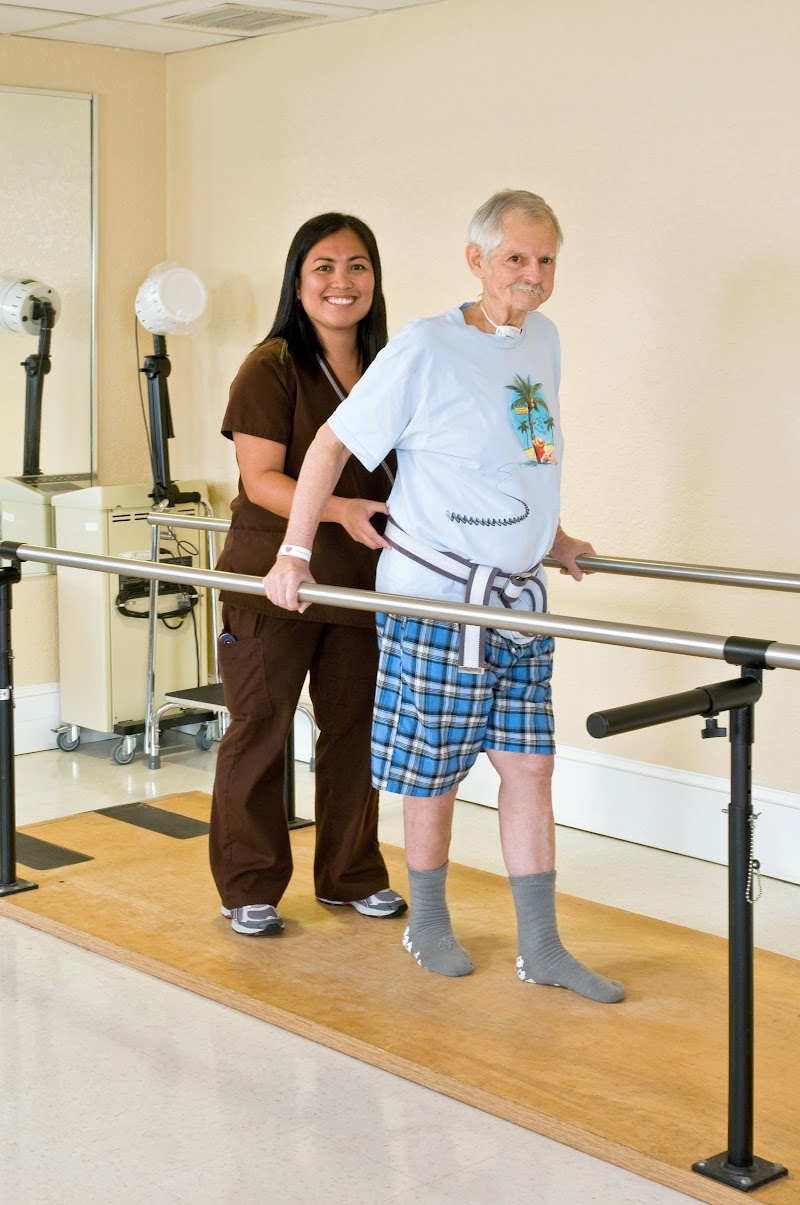
CMS rates LIFE CARE CENTER OF HILLIARD's staffing level at 4 out of 5 stars, which is above average compared to other nursing homes. Staff turnover is 53%, compared to the Florida average of 46%.

What Have Inspectors Found at Life Of Hilliard?

State health inspectors documented 9 deficiencies at LIFE CARE CENTER OF HILLIARD during 2021 to 2025. These included: 9 with potential for harm.

Who Owns and Operates Life Of Hilliard?

LIFE CARE CENTER OF HILLIARD is owned by a for-profit company. For-profit facilities operate as businesses with obligations to shareholders or private owners. The facility is operated by LIFE CARE CENTERS OF AMERICA, a chain that manages multiple nursing homes. With 120 certified beds and approximately 113 residents (about 94% occupancy), it is a mid-sized facility located in HILLIARD, Florida.
How Does Life Of Hilliard Compare to Other Florida Nursing Homes?

Compared to the 100 nursing homes in Florida, LIFE CARE CENTER OF HILLIARD's overall rating (4 stars) is above the state average of 3.2, staff turnover (53%) is near the state average of 46%, and health inspection rating (4 stars) is above the national benchmark.

What Should Families Ask When Visiting Life Of Hilliard?

Based on this facility's data, families visiting should ask: "Can I visit during a mealtime to observe dining assistance and food quality?" "How do you handle medical emergencies, and what is your hospital transfer rate?" "Can I speak with family members of current residents about their experience?"

Is Life Of Hilliard Safe?

Based on CMS inspection data, LIFE CARE CENTER OF HILLIARD has a clean safety record: no substantiated abuse findings (meaning no confirmed cases of resident harm), no Immediate Jeopardy citations (the most serious violation level indicating risk of serious injury or death), and is not on the Special Focus Facility watch list (a federal program monitoring the lowest-performing 1% of nursing homes). The facility has a 4-star overall rating and ranks #1 of 100 nursing homes in Florida. While no facility is perfect, families should still ask about staff-to-resident ratios and recent inspection results during their visit.

Do Nurses at Life Of Hilliard Stick Around?

LIFE CARE CENTER OF HILLIARD has a staff turnover rate of 53%, which is 7 percentage points above the Florida average of 46%. Moderate turnover is common in nursing homes, but families should still ask about staff tenure and how the facility maintains care continuity when employees leave.

Was Life Of Hilliard Ever Fined?

LIFE CARE CENTER OF HILLIARD has no federal fines on record. CMS issues fines when nursing homes fail to meet care standards or don't correct problems found during inspections. The absence of fines suggests the facility has either maintained compliance or corrected any issues before penalties were assessed. This is a positive indicator, though families should still review recent inspection reports for the full picture.

Is Life Of Hilliard on Any Federal Watch List?

LIFE CARE CENTER OF HILLIARD is not on any federal watch list. The most significant is the Special Focus Facility (SFF) program, which identifies the bottom 1% of nursing homes nationally based on persistent, serious quality problems. Not being on this list means the facility has avoided the pattern of deficiencies that triggers enhanced federal oversight. This is a positive indicator, though families should still review the facility's inspection history directly.