BROWARD NURSING & REHABILITATION CENTER
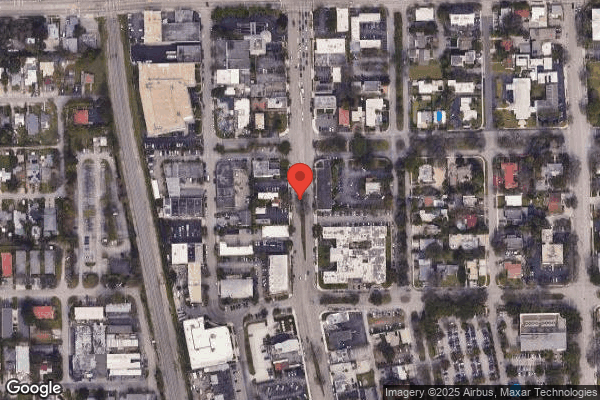

1330 S ANDREWS AVE, FORT LAUDERDALE, FL 33316 (954) 524-5587
For profit - Corporation 198 Beds MILLENNIUM HEALTH SYSTEMS Data: November 2025
Trust Grade
90/100
#14 of 690 in FL
Last Inspection: February 2025

Within standard 12-15 month inspection cycle. Federal law requires annual inspections.

Overview

Broward Nursing & Rehabilitation Center has received a Trust Grade of A, which means it is highly recommended and considered excellent among nursing facilities. It ranks #14 out of 690 in Florida, placing it in the top half of all facilities statewide, and #1 out of 33 in Broward County, indicating it is the best local option. The facility is improving, with issues decreasing from 6 in 2023 to 3 in 2025. Staffing is a strength, scoring 5 out of 5 stars with a low turnover rate of 24%, which is significantly better than the state average. There have been no fines, which is a positive sign, but some concerns were noted, such as failing to identify significant weight loss in residents and not administering oxygen therapy as prescribed for one resident. Overall, while there are some areas that need attention, the facility shows strong performance in staffing and care quality.

Trust Score
A
90/100
In Florida
#14/690
Top 2%
Safety Record
Low Risk
No red flags
Inspections
Getting Better
6 → 3 violations
Staff Stability
✓ Good
24% annual turnover. Excellent stability, 24 points below Florida's 48% average. Staff who stay learn residents' needs.
Penalties
✓ Good
No fines on record. Clean compliance history, better than most Florida facilities.
Skilled Nurses
✓ Good
Each resident gets 54 minutes of Registered Nurse (RN) attention daily — more than average for Florida. RNs are trained to catch health problems early.
Violations
⚠ Watch
15 deficiencies on record. Higher than average. Multiple issues found across inspections.
★★★★★
5.0
Overall Rating
★★★★★
5.0
Staff Levels
★★★★☆
4.0
Care Quality
★★★★☆
4.0
Inspection Score
Stable
2023: 6 issues
2025: 3 issues

The Good

  • 5-Star Staffing Rating · Excellent nurse staffing levels
  • 4-Star Quality Measures · Strong clinical quality outcomes
  • Low Staff Turnover (24%) · Staff stability means consistent care
  • Full Sprinkler Coverage · Fire safety systems throughout facility
  • No fines on record
  • Staff turnover is low (24%)

    24 points below Florida average of 48%

Facility shows strength in staffing levels, quality measures, staff retention, fire safety.

The Bad

Chain: MILLENNIUM HEALTH SYSTEMS

Part of a multi-facility chain

Ask about local staffing decisions and management

The Ugly 15 deficiencies on record

Feb 2025 3 deficiencies
CONCERN (D)

Potential for Harm - no one hurt, but risky conditions existed

Deficiency F0692 (Tag F0692)

Could have caused harm · This affected 1 resident

**NOTE- TERMS IN BRACKETS HAVE BEEN EDITED TO PROTECT CONFIDENTIALITY** Based on observations, interviews, and record review, the facility failed to identify significant weight loss and provide nutrit...

Read full inspector narrative →
**NOTE- TERMS IN BRACKETS HAVE BEEN EDITED TO PROTECT CONFIDENTIALITY** Based on observations, interviews, and record review, the facility failed to identify significant weight loss and provide nutritional interventions in a timely manner for 2 of 6 residents reviewed for nutrition (Resident #12 and Resident #13). The findings included: A review of the facility's policy titled Weight Assessment/Evaluation and Intervention, revised on 11/2021, revealed that Weights will be recorded in the individual's medical record. Any weight change of 5% or more since the last available weight will be retaken for confirmation. If the weight is verified, the nurse will notify the Dietitian. The threshold for significant unplanned and undesired weight loss/gain will be based on the following criteria: One month, 5% of weight loss is significant, and greater than 5% is severe. 3 months-7.5% weight loss is significant, and greater than 7.5% is severe. 6 months- 10% weight loss is significant, and greater than 10% is severe. 1.) A record review showed that Resident #12 was readmitted on [DATE] with diagnoses of Heart Disease, Hemiplegia, and Spinal Stenosis. The Significant Change Minimum Data Set (MDS) assessment dated [DATE] revealed a Brief Interview of Mental Status score of 15, which indicated the resident is cognitively intact. A review of the weight log for Resident #12 showed the following: On admission dated 11/8/24, a weight of 189.2 pounds was recorded. On 11/20/24, a weight of 177.8 pounds was recorded. On 11/26/24, a weight of 175.4 pounds was recorded. On 01/23/25, a weight of 160.6 pounds was recorded. The above weights showed a severe 6% weight loss from 11/8/24 to 11/20/24, a severe weight loss of 7.3% from 11/8/24 to 11/26/24, and a 15.1% severe weight loss from 11/8/24 to 01/23/25. In an interview conducted on 02/10/25 at 11:30 AM, Resident #12 stated that he came into the facility with a Pressure Ulcer, which gotten worse in the hospital. He has lost weight from around 175 pounds to 160 pounds and said that he did not like the meals provided at times but liked his breakfast meal every morning. His family brings food from home for lunch and dinner. He also receives Ensure (a nutritional supplement) twice daily and drinks them all. In an interview conducted on 02/11/25 at 3:00 PM with Resident #12, he stated that he did not eat his grilled cheese sandwich for lunch and asked for a ham and cheese sandwich. He said that he gets Ensure for breakfast and lunch. For breakfast, he only eats his cereal, orange juice, bacon, and coffee and does not like any eggs. He drinks one can of Ensure for breakfast for extra protein. The Initial Nutrition Evaluation dated 11/11/24 revealed the following: Resident #12's estimated caloric needs between 2580-3010 calories and 107.5-129 grams of protein a day. A stage 4 pressure ulcer was noted in the sacrum area, and unstable deep tissue injury to the left foot. In this note, it was recommended to provide Expedite (protein supplement) 60 milliliters (ml) daily to provide an extra 100 calories and 10 grams of protein. The subsequent follow-up nutritional note dated 11/29/24, which was 9 days after the 6% severe weight loss was identified, showed the following: Resident with Usual Body Weight history of 175 pounds to 201 pounds and intake of meals varies from 25% to 100% of meals. It was noted that Resident #12 was receiving Expedite 60 ml once daily, and Ensure once a day was recommended for nutritional support. Resident #12 was eating 50% of the average intake of his meals, which is likely not sufficient to meet increased energy needs. A follow-up nutritional note dated 12/31/24, which was completed by Staff A, Dietary Technician, revealed the following: Resident #12 triggered for significant weight loss and was eating 76% to 100% of his meals. It was again recommended to add Expedite 60ml to aid in wound healing. A Nutrition/Dietary note dated 01/23/25 indicated that Resident #12 lost 8.4% of body weight in about 2 months. Per medical record, Resident #12 was consuming an average of 1100 calories to 1650 calories a day (50%-75%). It was recommended to increase the Ensure supplement from 1 bottle a day to 2 bottles a day. A review of the Medication Administration Record revealed that Expedite was given from 11/14/24 until 12/12/24 and was never given after 12/12/24. The Care plan dated 10/14/24 showed that Resident #12 has the potential for weight loss related to slow healing and altered nutrition and hydration status. Monitor weight loss of over 5% in one month and 7.5% in 3 months. In an interview conducted on 02/11/25 at 2:18 PM with Staff A, Staff A stated that the Restorative team takes the weights on all residents, and then it is given to her to put into the electronic system. She prints weight loss reports for weekly or monthly weights and can track any significant weight loss. For significant/severe weight loss, she will try to intervene as soon as possible or no later than 48 hours. The weekly weights are done starting on Monday, and that list is given to her by Wednesday, and that is when she looks at them. Staff A reported that she was unsure if Resident #12 was eating well and that she needed to look at the nutritional notes regarding Resident #12. In an interview conducted on 02/13/25 at 9:07 AM with Staff E, the Unit Manager stated that she runs a report on residents who need their weekly and monthly weights taken. The report is then given to her staff, who take the weights and write them down on it. That report is then given to the Dietitian to place in the electronic system. 2.) A record review revealed Resident # 13 was admitted on [DATE], with diagnoses that included Sacral Wounds, Local Infection of the Skin and Subcutaneous Tissues, Macular Degeneration and Dysphagia. A review of the Minimum Data Set (MDS) assessment Section C dated 01/10/25, revealed a Brief Interview for Mental Status (BIMS) score of 9 indicating fair cognition. Section M revealed 1 stage 3 pressure ulcer, 3 stage 4 pressure ulcers, and 3 stage 4 pressure ulcers present during admission. A review of Resident #13's weights recorded on the Electronic Health Record (EHR) revealed the following: On 02/07/25 158.2 pounds. On 01/13/25 163.0 pounds. On 12/11/24 162.0 pounds. On 11/14/24 167.8 pounds. On 10/03/24 170.0 pounds. A record review of the Medication Administration Record (MAR) dated 10/03/24 revealed to offer the resident an evening snack. Additional dietary supplements of Expedite Wound Supplement 60 ml one time a day for wound healing was ordered on 12/31/24. A No Salt Added (NSA) Liquid Protein 30 ml one time a day by mouth, was ordered on 01/14/25. A NSA House shake one time a day, for nutrition support to be given at lunch was ordered on 01/15/25. A review of nutrition progress notes dated 11/25/24 revealed non-significant weight loss may be acceptable at this time due to comorbities, with an added recommendation of Expedite 60 ml (milliliter) once a day, to promote wound healing. Additional record review revealed no nutrition progress notes were documented between 11/25/24 until survey on 02/12/25. In an interview with Registered Dietary Technician, Staff A, on 02/12/25 at 11:45 AM, when asked why there was no dietary or nutrition intervention for the stage 4 wounds and weight loss after resident's readmission on [DATE], she stated she wrote a script for Expedite on 11/19/24, but she did not know why it was not documented in the MAR until 12/31/24. When asked how often she monitors this resident after weight loss, she stated, frequently. She stated she will find the paperwork to support the reason why the order was not written in MAR as soon as she wrote it. Until the last day of the survey, no written notes were given to the surveyor. In an interview with the Director of Nursing (DON) on 02/13/25 at 10:18 AM, when asked regarding Resident #13's weight loss and wounds, she stated, the resident's wounds are improving, and she only has 5 unhealed wounds. This resident has vascular issues, Dementia, Diabetes, and Peripheral Vascular Disease, where a recent doppler feet assessment revealed limited circulation. With all these underlying medical diagnoses, this resident is susceptible to weight loss. When asked how many times this resident was hospitalized , she responded Two times, on 06/20/24 and on 08/29/24. When asked if she had known about this resident's weight loss, she responded, Yes. When asked if Nurses provide dietary supplement as ordered, she responded Yes. The DON added that the resident was started on Protein supplement, Expedite and House supplement on 12/31/24. When asked why the supplements started late instead of when the weight loss was documented. She did not respond.
CONCERN (D)

Potential for Harm - no one hurt, but risky conditions existed

Respiratory Care (Tag F0695)

Could have caused harm · This affected 1 resident

**NOTE- TERMS IN BRACKETS HAVE BEEN EDITED TO PROTECT CONFIDENTIALITY** Based on record review, observations, interviews and the facility's policy review, the facility failed to ensure 1 of 1 sampled ...

Read full inspector narrative →
**NOTE- TERMS IN BRACKETS HAVE BEEN EDITED TO PROTECT CONFIDENTIALITY** Based on record review, observations, interviews and the facility's policy review, the facility failed to ensure 1 of 1 sampled resident reviewed for oxygen use, received oxygen therapy as per physician order (Resident #37). The findings included: Review of the facility's policy titled Oxygen Concentrator revised on August 2024 documented .oxygen should be administered only under orders of the attending physician . Review of Resident #37's clinical record documented an admission on [DATE] with a readmission on [DATE]. The resident diagnoses included Essential Hypertension, Type 2 Diabetes Mellitus with Diabetic Neuropathy, Anemia, and End Stage Parkinson's Disease. Review of Resident #37's Minimum Data Set (MDS) quarterly assessment dated [DATE] documented a Brief Interview of the Mental Status (BIMS) score of 12 indicating that the resident had moderate cognition. The assessment, documented under Functional Abilities and Goals the resident was dependent on the staff to complete all activities of daily living (ADLs). The assessment documented the resident was using oxygen. Review of Resident #37's care plan titled [Resident} complaint of dry cough .08/12/24 no current s/s (signs/symptoms) .O2 (oxygen) in use . initiated on 07/20/22 and revised on 11/13/24. Care plan interventions included .oxygen settings; oxygen via nasal cannula continuously as ordered . Review of Resident #37's clinical record revealed a physician order dated 11/15/24 for Oxygen via nasal cannula at 2 L (liters) per minutes continuous every shift for SOB (shortness of breath), wheezing. Review of Resident #37's clinical record progress notes from 11/13/24 to 02/10/25 did not address the resident's use of the oxygen therapy or any issues related to the oxygen use. Review of Resident #37's February 2025 Medication Administration Record (MAR) documented Oxygen via nasal cannula at 2 L per minutes continuous every shift for SOB, wheezing. Further review revealed Staff F, Registered Nurse (RN) documented on the MAR she administered Resident #37's oxygen at 2 liters per minute on 02/10/25 and 02/11/25. On 02/10/25 at 10:25 AM, observation revealed Resident #37 in bed, alert and wearing an oxygen nasal cannula. An interview was conducted with the resident who stated he wore the oxygen at all times. Observation revealed the resident's oxygen tubing was connected to a humidifier bottle that was attached to an oxygen concentrator machine. Further observation revealed the concentrator machine was facing the wall and the oxygen flow meter rate was set at 4.5 liters per minute (Photographic evidence obtained). On 02/11/25 at 10:22 AM, observation revealed Resident #37 in bed, eyes closed, wearing an oxygen nasal cannula connected to a humidifier bottle that was attached to an oxygen concentrator machine. Further observation revealed the concentrator machine was facing the wall and the oxygen flow meter rate was set at 4.5 liters per minute (Photographic evidence obtained). On 02/11/25 at 2:01 PM, an interview was conducted with Staff F, RN who stated Resident #37 was on continuous oxygen at 2 liters and if any changes she will call Hospice. Consequently, a side by side observation of Resident #37's oxygen flow meter rate was conducted with Staff F, Staff H, Unit Manager Staff I, Certified Nursing Assistant. Staff I stated the nurses do change the resident's oxygen rate and added she will moves the oxygen concentrator when providing care. Staff F and Staff H confirmed Resident #37's oxygen flow rate was set at 4 liters per minute. Staff H stated the physician order was for oxygen at 2 liters per minute. Staff F stated she was not aware of any issue with the oxygen. Staff F was asked if she checked the oxygen rate and stated honestly I did not check the oxygen machine flow rate. On 02/12/25 at 11:45 AM, the surveyor was approached by the Director of Nursing (DON) who stated Resident #37 previously had an oxygen order range of 2-4 liters continuously and it was changed. The DON submitted a physician order created on 11/15/24 at 14:27 (2:27 PM) that documented Oxygen via nasal cannula at 2-4 liters continuously every shift, and it was discontinued on 11/15/24 at 14:46 (2:46 PM). The DON was apprised Resident #37 was not receiving his oxygen therapy as ordered by the physician during surveyor observations from 02/10/25 through 02/11/25. On 02/12/25 at 1:45 PM, observation revealed a Hospice nurse in Resident #37's room. An interview was conducted with the hospice nurse who stated she got a call today from the facility that the resident was desaturating (oxygen levels dropping) and added she checked the resident and he was fine on 2 liters of oxygen but obtained a physician order for 4 liters of oxygen as needed.
CONCERN (D)

Potential for Harm - no one hurt, but risky conditions existed

Deficiency F0801 (Tag F0801)

Could have caused harm · This affected 1 resident

**NOTE- TERMS IN BRACKETS HAVE BEEN EDITED TO PROTECT CONFIDENTIALITY** Based on record review and interviews the facility failed to ensure a Registered Dietitian provided and documented oversight of ...

Read full inspector narrative →
**NOTE- TERMS IN BRACKETS HAVE BEEN EDITED TO PROTECT CONFIDENTIALITY** Based on record review and interviews the facility failed to ensure a Registered Dietitian provided and documented oversight of assessments and recommendations performed by a Dietetic Technician, Registered (DTR) for 2 of 31 sampled residents (Residents #58 and #12). The findings included: Review of the Service Agreement - RDN/LDN/NDTR (Registered Dietitian Nutritionist/Licensed Dietitian Nutritionist/Nutrition and Dietetics Technician, Registered) dated 08/06/24 between the facility and contracted company included in part the following: Services: Contracted company will provide RDN/LDN/NDTR to facility for the execution of ongoing clinical nutrition management services using systems and processes directed by the facility. Contracted company will perform these services in accordance with currently accepted professional standards and all applicable federal, state and local lows and administrative regulations. Review of the Job Description for the Consultant Dietetic Technician (Provided by the contracted company) dated 06/20/22 included in part the following Job Responsibilities: 1. When indicated, completion of nutrition screens, evaluations, care plans, MDS as warranted and directed by the RDN/LDN. All nutrition services proved will comply with Federal and State Regulations, CMS guidelines, Joint Commission and contracted company standards as applicable. All nutrition services provided will be under the supervision of RDN/LDN. 2. Identification of clients with nutritional risk factors and development of an individualized plan of care for each client to address identified risk factors. 3. Recommendations for interventions will be made in accordance with the protocols for specific conditions or disease states as set forth by contracting company and facility policy using the Consultant Dietetic Technician's individual discretion and judgement under the guidance, direction and monitoring of the Clinical RDN/LDN Supervisor or assigned dietician. 4. The RDN/LDN directs the nutrition care process and collaborates with the Consultant Dietetic Technician and the IDT team to ensure that nutrition needs are met to promote achievement of goals. Review of the Facility Policy titled, Documentation in Medical Record with an implemented date of 04/02/24 included in part the following: 1. Licensed staff and interdisciplinary team members shall document all assessments, observations, and services provided in the resident's medical record in accordance with state law as facility policy. 2. Documentation shall be completed at the time of service, but no later than the shift in which the assessment, observation, or care service occurred. 5. When documentation occurs after the fact, outside acceptable time limits, the entry shall be clearly indicated as late entry. Review of revised 2024 Scope and Standards of Practice for the Nutrition and Dietetics Technician, Registered by the Commission on Dietetic Registration the credentialing agency for the Academy of Nutrition and Dietetics Published January 2024 which can be found at https://www.cdrnet.org/vault/2459/web/Scope%20Standards%20of%20Practice%202024%20NDTR_FINAL.pdf included in part the following: For the NDTR, scope of practice and standards of practice are a comprehensive framework describing the competent level of NDTR practice and professional performance expected from NDTRs whatever their practice levels or setting. The scope of practice focuses on food, nutrition, and dietetics practice, as well as related services. NDTRs work under the clinical supervision of an RDN (i.e., nutrition care process and workflow elements applied to direct care).* NDTRs may work independently in providing general nutrition education to healthy populations, consulting to foodservice business and industry, conducting nutrient analysis, collecting data, and conducting research, and managing food and nutrition services in a variety of settings. The scope of practice for each NDTR has flexible boundaries that is defined by the individual NDTR's education, training, credentialing, experience, and demonstrated and documented competence. The majority of NDTRs are employed in health care or public health settings as RDN/NDTR team members working under the supervision of RDNs or as members of RDN/NDTR teams within interprofessional health care teams. As a member of the RDN/NDTR team, the NDTR interacts with health care practitioners (e.g., physicians, nurses, nurse practitioners, pharmacists, speech-language pathologists, occupational therapists, physical therapists, social workers, exercise physiologists, respiratory therapists) and others to obtain and communicate information that contributes to nutrition assessment and assists with implementation and monitoring of the patient's/client's nutrition intervention plan, which is developed and directed by the RDN. RELATIONSHIP OF THE RDN WITH THE NDTR IN DELIVERING HIGH QUALITY NUTRITION CARE As a member of the RDN/NDTR team, the NDTR supports the RDN by providing key oversight and communication concerning delivery of quality person-centered food and nutrition services.* The NDTR and other professional, technical, and support staff work under the clinical supervision of the RDN when engaged in direct patient/client nutrition care activities in any setting. The RDN is responsible for nutrition care assigned to and completed by NDTRs and other staff, and is accountable to the patient/client, employer/organization, and regulator. Additional considerations include state dietitian/nutritionist practice acts and regulations that may define supervision, and if applicable, statutory scope of practice specifications for technical and other assistive staff. Federal and state rules and regulations for health care facilities specify that the qualified dietitian must supervise the nutritional aspects of patient care and provide nutrition assessments and dietary counseling. NDTRs working in skilled or long-term care facilities as the food and nutrition director/manager follow the facility/organization protocol to work in collaboration with the RDN to address a resident's diet- or nutrition related orders, including when the physician has delegated diet order writing to the RDN. The degree of direction and supervision is determined by the RDN based on the medical and nutritional complexity of the patient/client needs and the training, experience, and demonstrated and documented competence of the NDTR. Direct and indirect supervision of nutrition care services/nutrition care process is when the supervising RDN is available to the NDTR for consultation when it is required. Whether the supervision is direct (RDN is on premises and immediately available) or indirect (RDN is immediately available by telephone or other electronic means) is determined by regulation and facility/program policies and procedures. This description of supervision as it relates to the RDN/NDTR team is not the same as managerial supervision or clinical supervision used in medicine and mental health fields (e.g., peer to peer), supervision of provisional licensees, and/or supervision of dietetics interns and students.* In direct patient/client care, the RDN and NDTR work as a team using a systematic process reflecting the Nutrition Care Process and workflow elements and the organization's documentation system, for example, an electronic health record that uses one of the available standardized terminologies that may incorporate the electronic Nutrition Care Process Terminology (eNCPT). The RDN develops and oversees the system for delivery of person-centered nutrition care activities, often with the input of others, including the NDTR. Patient/client populations include individuals receiving person-centered care who have medical conditions or diseases, as well as at-risk individuals receiving personalized nutrition guidance as part of preventive health care. The RDN is responsible for completing the nutrition assessment; determining the nutrition diagnosis or diagnoses; developing the care plan; implementing the nutrition intervention; evaluating the patient's/client's response; and, also supervising the activities of professional, technical, and support personnel assisting with the patient's/client's care.* RDNs assign duties that are consistent with the NDTR's individual scope of practice. For example, the NDTR may initiate standard procedures, such as completing and/or following up on nutrition screening for assigned units/populations/patients/clients, performing routine activities based on diet order and/or policies and procedures, completing the intake process for a new clinic patient/client, and reporting to the RDN when a patient's data suggest the need for an RDN evaluation. The NDTR actively participates in nutrition care by contributing information and observations, guiding patients/clients in menu and snack selections, monitoring meals/snacks/nutrition supplements for compliance to diet order and providing nutrition education on prescribed diets. The NDTR reports to the RDN on the patient's/client's response, including documenting outcomes or providing evidence signifying the need to adjust the nutrition intervention/plan of care.The Care Process and Workflow element for Nutrition Assessment and Reassessment lists the RDN Role as Perform and document results of initial and follow-up assessment(s) and list the NDTR Role as Per RDN request or standard procedure, obtain and document specified data to contribute elements of the nutrition assessment or reassessment for completion by the RDN. The Care Process and Workflow element for Nutrition Monitoring and Evaluation lists the RDN Role as Determine and document outcome of interventions reflecting input from all sources and lists the NDTR Role as Implement/oversee duties performed by other nutrition and foodservice staff; monitor patient/client tolerance and acceptance of meals, snacks, nutritional supplements; document per procedure; and report to the RDN and other team members the results and observations of monitoring activities. 1.) Record review for Resident #12 revealed the resident was originally admitted to the facility on [DATE] with the most recent readmission on [DATE]. The resident's diagnoses included in part the following: Osteomyelitis of Vertebra Thoracic Region, Discitis Unspecified Thoracic Region, Encounter for Surgical Aftercare Following Surgery on the Nervous System, Pressure Ulcer of Right Buttock Stage 4, Seizures, Dysphagia Following Cerebral Infarction, Other Specified Disorders of Brain, Hemiplegia and Hemiparesis Following Cerebral Infarction Affecting Left Non-Dominant Side. Review of the Minimum Data Set (MDS) assessment for Resident #12 dated 11/29/24 documented in Section C a Brief Interview of Mental Status score of 15 indicating a cognitive response. The Care Plan for Resident #12 initiated 05/29/24 with a focus that the Resident has potential for weight loss, slow healing and altered nutrition/hydration status. The goal was for the resident's nutrition and hydration needs to be met as evidenced by improved skin status and labs as medical condition allows. The interventions included in part the following: RD (Registered Dietitian) to evaluate and make diet recommendations PRN (as needed). The Nutrition/Dietary Note for Resident #12 dated 12/31/24 by Staff A DTR (listing position as Dietician) documented in part the following: DTR wound review: Resident followed by wound care MD for stage 4 pressure ulcer to sacrum, 9 x 6.7 x 1.2cm. Wound vac in place. NSA liquid protein and Ensure plus offered for nutrition and wound healing support. Wound improving per wound MD report 12/30/24. Oral intake mostly 76-100% of regular diet. No problems chewing or swallowing, resident can feed self and make needs known. Current body weight: 175.4 pounds (11/26/24). Triggered for significant weight loss x 30days, interventions ordered and resident refusing weekly weights for one month. No updated meal preferences, no complaints voiced. Labs 12/02/24: Hgb 8.9L, Hct 27.8L. Estimated nutritional needs: 2400-2800 kcal (30-35 kcal/kg), 100-120g pro (1.25-1.5g/kg), 2400-2800 ml fluids (30-35 ml/kg). Care plan reviewed; nutrition risks continue. Recommend adding Expedite 2.0 60 ml daily to aide w/wound healing, provides additional 100 kcal/10g protein. RD/DTR to follow and remain available prn. Review of the Nutrition/Dietary Notes for Resident #12 dated 01/21/25, 01/23/25, 01/29/25, and 01/31/25 authored by Staff C Registered Dietitian (RD) did not document any review or collaboration of Staff A DTR note from 12/31/24. The Nutrition/Dietary Note for Resident #12 dated 02/06/25 by Staff A DTR (listing position as Dietician)documented the following: DTR progress note: resident refused weekly weight; staff respects resident's right to refuse. Recommend continuing interventions and weekly weights as tolerated. The Nutrition/Dietary Note for Resident #12 dated 02/12/25 by Staff A DTR (listing position as Dietician) documented in part the following: DTR weight/wound review: Estimated nutritional needs: 2190-2555 kcal (30-35 kcal/kg), 95-109g pro (1.3-1.5g/kg), 2190-2555 ml fluids (30-35 ml/kg). Resident #12 presents with significant weight loss x 90 and 180 days, weight currently stable x 30 days. Interventions currently ordered for nutrition and wound healing support include Ensure plus, 8 oz twice daily, NSA liquid protein 30 ml daily, Eldertonic for appetite, fortified pudding 3 times weekly. Oral intake improved, 51-100% of most meals and 100% of supplements ordered. Resident also accepts snacks daily and receives foods from family. Met w/resident. Meal preferences reviewed. He had no food complaints or concerns, stated he is eating better and is taking the Ensure as ordered. No changes wanted to meals at this time. Resident is aware that he has lost weight, and stated he would like to weigh around 170 pounds. He understands the importance of good nutrition and hydration for healing and strength, and he feels he is eating well at this time. Wound to sacrum is improving. Care plan reviewed. Resident may be at risk for further unavoidable weight loss r/t multiple comorbidities and increased needs for impaired skin. Current intake of meals, snacks and supplements should be sufficient to meet needs as evidenced by stable weight and improved wounds. Recommend: continue supplements as ordered, continue weekly weight monitoring as tolerated as resident often refuses to be weighed. RD/DTR in collaboration and agree with plan of care, RD/DTR to follow weight, po intake, skin and labs as available. The Nutrition/Dietary Note for Resident #12 dated 02/12/25 linked to note dated 02/12/25 by Staff A DTR documented, Revised and agreed with plan of care, Co-signed by Staff D RD/LD. In summary the Nutrition/Dietary Notes for Resident #12 authored by Staff A DTR 12/31/24 and 02/206/25 were inaccurately authored by Staff A as evidenced by listing her title as a Dietitian when she is not a Dietitian, she is a Dietetic Technician, Registered. Furthermore, neither of these notes were reviewed by a RD. 2.) Record review for Resident #58 revealed the resident was originally admitted to the facility on [DATE] with most recent readmission on [DATE]. The diagnoses for the resident included in part the following: Gastrostomy Malfunction, Secondary Malignant Neoplasm of Unspecified Site, Dementia, Aphasia Following Other Cerebral Disease, and Flaccid Hemiplegia Affecting Left Nondominant Side. The Minimum Data Set (MDS) assessment for Resident #58 dated 01/15/25 documented in Section C a Brief Interview of Mental Status was not completed due to the resident is rarely/never understood. Review of the Physician's Orders for Resident #58 revealed an order dated 12/04/24 for every shift Jevity 1.5 (formulary type) at 50 milliliters/hour for 20 hours from 2:00 PM to 10:00 AM via G-tube via pump (providing 1000ml/1500 Kcal/15 units every 24 hours indefinitely. The Care Plan for Resident #58 initiated on 12/20/17 with a focus that Resident may be at nutritional risk related to enteral nutrition dependence/NPO (nothing by mouth). The goal was for nutrition and hydration needs to be met as evidenced by no significant weight change and no signs/symptoms of intolerance by next review date. The interventions included: RD (Registered Dietitian) to evaluate and make tube feeding change recommendations as PRN (as needed). The Enteral Nutrition Evaluation Note for Resident #58 dated 12/30/24 authored by Staff A DTR (listing position as Dietician) documented in part the following: Estimated Needs: Kcal: 1193-1418 kcal, Protein: 58-69g (1.1-1.3g/kg) Fluids: 1590-1855 ml 30-35 ml/kg Enteral Formula: Jevity 1 Enteral Nutrition Evaluation Note for Resident #58 dated 12/30/24.5 continuous Rate: 50 ml/hr x 20 hours (1000 ml total) Time: 20 hours Flushes: 45 ml/hr x 20 hours (900 ml) Provided Calories: 1500 kcal Protein: 64g protein Fluid: 1660 total water Recommendations: Current TF (tube feeding) regimen adequate to meet needs at this time. Weight in stable range w/no significant weight changes x 30/90/180 days. Recommend: continue TF and flushes as ordered, d/c (discontinue) weekly weights. RD/DTR to follow and remain available prn (as needed). The Nutrition Evaluation for Resident #58 dated 01/21/25 authored by Staff C Registered Dietitian (RD) revealed no documentation of reviewing, collaborating or approving of assessment and recommendations of the Enteral Nutrition Evaluation Note for Resident #58 dated 12/30/24 authored by Staff DTR (listing position as Dietitian). The Nutrition/Dietary Note for Resident #58 dated 02/12/25 authored by Staff B Registered Dietitian/Licensed Dietitian (RD/LD) documented the following: This note is a follow up to: 12/30/24 Enteral Nutrition Evaluation Note [Author: Staff A Dietetic Technician, Registered (DTR) ] Documentation reviewed and approved; continue to collaborate on resident care with DTR. In summary the Enteral Nutrition Evaluation Note for Resident #58 dated 12/30/24 authored by Staff A DTR was inaccurately authored as evidenced by listing her title as a Dietitian when she is not a Dietitian she is a Dietetic Technician, Registered. Furthermore, the note was not reviewed by a RD in a timely manner, as evidenced by it not being reviewed until 02/12/25 over 6 weeks after the evaluation was written by Staff A DTR. During an interview conducted on 02/12/25 at 1:50 PM with the Director of Clinical Services (DCS) who stated she has worked with the facility for 12 years. When asked about contracted dietary staff specifically the Dietitian and Dietetic Technician, Registered (DTR) she stated the company they contract with would do the credentialling and she would be one of the personnel who entered their information into the facility's electronic computer system. When asked about Staff A Dietetic Technician, Registered (DTR), she said she is in their system as a Dietitian. When asked if Staff A DTR is a Dietitian, she stated no, she is a DTR. When asked why she was entered into the electronic system as a Dietitian, she said they probably did not have a drop down for DTR. When the DCS checked the electronic system, she said we do have a drop down, so they must have put her in their system as Dietitian so she would have access to additional information such as weights and lab work. The DCS acknowledged Staff A DTR was in their electronic system and had an electronic signature with title of Dietitian when it should be DTR. During an interview conducted on 02/12/25 at 1:55 PM with the Administrator who was asked if the DTR did not have access in the electronic system to resident's information would the facility be able to print the information such as weights and lab work for the DTR, she said yes, the DTR would just need to ask for the information. During an interview conducted on 02/13/25 at 10:09 AM with Staff A Dietetic Technician. Registered (DTR) who stated she has been coming to this facility since July 2024 and has been with the contracted company for 6 years. Also present for the interview was Staff D Registered Dietitian/Licensed Dietitian (RD/LD) who stated she has been with the contracted company since 01/27/25 and coming to this facility for about 1 week. When Staff A DTR was asked about her title in the facility's electronic system she acknowledged it was listed as Dietitian. Staff A DTR added she believes it is this way for her to be able to have access and to view items for various residents. Staff A - DTR stated she works under the direction of a Registered Dietitian (RD) who works for the same contracted company as her, it may be the RD in the facility, or it could be a remote RD. Staff A DTR stated she sends her reports on a tracking sheet to her immediate supervisor Staff B Registered Dietitian (RD) to show her work and any recommendations she may have for a resident. Staff A DTR was asked if she does assessments, evaluations, estimate needs and make recommendations, she said yes this is within her scope of practice. Staff A DTR stated she can do all of it. When Staff A DTR was asked about the process of the RD reviewing her work she stated they verify her work by going into the facility's electronic system for the residents and sign off by linking their note to her note. Staff D RD/LD who was asked about reviewing the work of the DTR she will go into the DTR assessment/evaluation in the facility's electronic system and unlock the assessment/evaluation, write her comments/recommendations and if she agrees or disagrees with the plan of care then she will co-sign the assessment/evaluation and lock it. Staff D RD/LD stated if the DTR makes a note, she as the RD will make her own note and link it to the DTR's note. Staff D RD/LD was asked what is the expected time frame for her to review and document about the DTR's assessment/evaluation or notes, she said within 1-2 days. Staff A DTR then had the Owner who is also a Registered Dietitian (RD) join the conversation via telephone. The Owner/RD stated she has owned the contracted company for 38 years. The Owner/RD was asked if Staff A DTR can assess/evaluate, estimate needs and make recommendations she stated it would depend if Staff A DTR feels comfortable doing those things. When the Owner/RD was asked who is responsible for providing oversight to Staff A DTR, she said it could be any RD in the company including her direct supervisor Staff B RD and they would review Staff A DTR's work under their guidance. When asked what the expected time frame for a RD to review and document on Staff A DTR's work, the Owner/RD stated the work would be reviewed and addressed within 1 week. Staff A DTR was then asked to pull up documentation for Resident #58 and she acknowledged her Enteral Nutrition Evaluation Note dated 12/30/24 was not documented as reviewed by Staff B RD until 02/12/25. Staff A DTR said she believed this was an isolated incident. Staff A DTR was then asked to pull up documentation for Resident #12 and she acknowledged her Nutrition/Dietary Note from 12/31/24 was not documented as reviewed by Staff B RD until 02/12/25. When asked if she thinks there are additional residents with documentation of her assessments/evaluations/notes not being reviewed timely by a RD, she said potentially.
Oct 2023 6 deficiencies
CONCERN (D)

Potential for Harm - no one hurt, but risky conditions existed

Deficiency F0578 (Tag F0578)

Could have caused harm · This affected 1 resident

**NOTE- TERMS IN BRACKETS HAVE BEEN EDITED TO PROTECT CONFIDENTIALITY** Based on observations, interviews, and record review the facility failed to follow policy for appropriate response time for a fu...

Read full inspector narrative →
**NOTE- TERMS IN BRACKETS HAVE BEEN EDITED TO PROTECT CONFIDENTIALITY** Based on observations, interviews, and record review the facility failed to follow policy for appropriate response time for a full code resident experiencing cardiac arrest for 1 of 1 resident reviewed for code status (Resident #137). The findings included: Review of the facility policy titled Medical Emergency Response, dated 03/2023, revealed the following: The employee who first witnesses or is first on the site of a medical emergency, that are trained, will initiate immediate action, including cardiopulmonary resuscitation (CPR). If the resident experiences cardiac arrest, the facility must provide basic life support, including CPR. Resident #137 was admitted to the facility on [DATE]. Resident #137 had a medical history significant for Cellulitis, Difficulty Swallowing, Weakness, Psychosis, Depression, Seizures, Dementia, Altered Mental Status, and Atrial Fibrillation. During the initial tour of the facility conducted on 10/23/23 at 10:18 AM, the surveyor entered Resident #137's room after knocking on the closed door but receiving no verbal response. The surveyor observed Resident #137 lying on her back in her bed with her head tilted back and her mouth open. The surveyor saw Staff J, Certified Nursing Assistant (CNA) and Staff B, Licensed Practical Nurse (LPN) in the hallway. The surveyor asked Staff B to come into the room, and asked her if Resident #137 was deceased . Staff B responded, no. Staff B called out Resident #137's name, performed a sternal rub, and checked for a pulse. Upon observing that Resident #137 was in fact not breathing and had no pulse, the surveyor asked Staff B if Resident #137 was a Do Not Resuscitate (DNR). Staff B responded that she did not know, and she left the room to walk to the nurse's station to check the paper chart for Resident #137's code status. The surveyor noted it took approximately 2 minutes for Staff B to return to the room. When Staff B re-entered the room, she stated Resident #137 was a full code. Approximately 30 seconds later, another staff member came to the room with a code cart from the Central Supply Room and CPR was initiated. At approximately 10:34 AM, Emergency Response Technicians (EMT) arrived on scene and took over the CPR, and Resident #137 was transported to the hospital via ambulance. An interview was conducted with Staff B, LPN on 10/23/23 at 11:21 AM. Staff B stated she did not normally work on that hallway and that was why she did not Resident #137's code status. She said that morning was only her second time working with Resident #137. She said Staff J, CNA did tell her that morning that Resident #137 did not eat any food from her breakfast tray. Staff B also said she had not given Resident #137 any of her morning medications for the day prior to the code situation. Staff B stated Resident #137 was often observed by the staff to lie in her bed with her mouth open and she often yelled out and made a lot of noise. She said because of this, her door was often left closed so she would not disturb the other residents on the hallway. When asked when she last assessed Resident #137 that morning, Staff B stated she had seen her to do her vital signs and that Staff J saw her to assist her with her breakfast meal tray. An interview was conducted with Staff J, CNA on 10/23/23 at 11:22 AM. Staff J stated she knew Resident #137 well as she normally worked on that floor. She said Resident #137 was always yelling out and making lots of noise and that she often sat with her mouth wide open. She said she always helped her with her meal trays and that she was unable to eat by herself. Staff J said Resident #137 often refused to eat her food, but that she was usually able to feed her orange juice or oatmeal. She said that morning at about 9:30 AM, she tried giving Resident #137 some orange juice from her breakfast tray, but the resident did not eat anything from her breakfast tray. The facility Director of Nursing (DON) compiled a timeline of events surrounding the code response. It documented Staff B obtained Resident #137's vital signs around 7:30 AM and that Staff J attempted to assist Resident #137 with her breakfast tray around 9:30 AM. It also documented the surveyor observed Resident #137's cardiac failure around 10:18 AM. An interview was conducted with the facility Director of Nursing (DON) on 10/25/23 at 10:19 AM. She stated she understood the surveyor's concerns regarding the delay in treatment for Resident #137's cardiac arrest. She stated the nurse should have called out for assistance instead of walking to the nurse's station herself. She also said the resident name bands have a colored block on them if the resident is a DNR, so the nurse should not have had to leave the room to check the chart to confirm Resident #137's code status, but rather she could have checked the name band and confirmed there was no colored block.
CONCERN (D)

Potential for Harm - no one hurt, but risky conditions existed

Tube Feeding (Tag F0693)

Could have caused harm · This affected 1 resident

**NOTE- TERMS IN BRACKETS HAVE BEEN EDITED TO PROTECT CONFIDENTIALITY** Based on observations, interviews, and record review, the facility failed to follow tube feeding orders for 1 of 2 residents rev...

Read full inspector narrative →
**NOTE- TERMS IN BRACKETS HAVE BEEN EDITED TO PROTECT CONFIDENTIALITY** Based on observations, interviews, and record review, the facility failed to follow tube feeding orders for 1 of 2 residents reviewed for tube feedings (Resident #127). The findings included: The facility policy titled Care and Treatment of Feeding Tubes, revised on 09/28/23, revealed the following: feeding tubes will be utilized according to physician's orders, which typically include the kind of feeding and its caloric value, volume, duration, mechanism of administration and frequency of flushes. Resident #127 was readmitted on [DATE] with diagnoses of sepsis, dysphagia, and iron deficiency anemia. Order dated 07/25/23 revealed enteral feeding with Jevity 1.5 (tube feeding formulary) at 55 milliliters (ml) an hour for 23 hours, providing 1898 calories every 24 hours. It further showed that Resident #127 needed tube feeding related to failure to thrive. In an observation conducted on 10/23/23 at 10:55 AM, The tube feeding was noted with Jevity 1.5 at 55 ml an hour, which started at 12:30 AM that morning. Closer observation showed that the tube feeding was at the 1300 ml mark on the 1500 ml capacity bottle. The tube feeding that started at 12:30 AM, running at 55 ml an hour, should have been at the 950 ml mark and not at the 1300 ml mark. In an observation conducted on 10/24/23 at 9:10 AM, the same tube feeding bottle was noted from the day before, which was at the 100 ml mark on the 1500 ml capacity bottle. In an observation conducted on 10/25/23 at 8:50 AM, Resident #127's tube feeding was running at 55 ml an hour. Closer observation showed that the tube feeding started at 7:15 AM this morning. It was still noted at the 1500 ml mark. In an observation conducted on 10/25/23 at 4:30 PM, Resident #127 was in the room with the tube feeding Jevity 1.5 running at 55 ml an hour, which started that morning at 7:15 AM. Closer observation showed that the tube feeding was still at the 1500 ml mark. This showed that no tube feeding was administered to Resident #127 in the last 9 hours. In an observation conducted on 10/26/23 at 6:58 AM, Resident #127 was in her room with the tube feeding running at 55 ml an hour, which showed a start time of 7:25 AM and dated 10/26/23. In an interview conducted on 10/26/23 at 7:05 AM with Staff C, the Registered Nurse stated that she changed the tube feeding that was running all night this morning to a new tube feeding bottle. When asked as to where was the tube feeding level when she removed the old bottle, she said there was around ¼ left to the end of the bottle. Staff C said that she always replaces a new tube feeding bottle when it is close to the end of the bottle and that Resident #127 tolerates her tube feeding well. In an interview conducted on 10/26/23 at 9:02 AM with Staff D, the Registered Dietitian stated that the nursing staff would replace the tube feeding bottle when it is all completed. When asked regarding Resident #127's tube feeding orders, he reported that if it runs at 55 ml an hour for about 24 hours, it will provide 1980 calories and 84 grams of protein a day. Regarding the observation by the Surveyor on 10/24/23, Staff D said that the tube feeding bottle should have been around the 950 ml mark on the 1500 ml bottle. The bottle should have been empty around 3:30 AM on 10/24/23.
CONCERN (D) 📢 Someone Reported This

A family member, employee, or ombudsman was alarmed enough to file a formal complaint

Potential for Harm - no one hurt, but risky conditions existed

Deficiency F0760 (Tag F0760)

Could have caused harm · This affected 1 resident

**NOTE- TERMS IN BRACKETS HAVE BEEN EDITED TO PROTECT CONFIDENTIALITY** Based on interviews and record reviews, the facility failed to follow physician orders for 1 of 6 residents reviewed for unneces...

Read full inspector narrative →
**NOTE- TERMS IN BRACKETS HAVE BEEN EDITED TO PROTECT CONFIDENTIALITY** Based on interviews and record reviews, the facility failed to follow physician orders for 1 of 6 residents reviewed for unnecessary medication review (Resident #395). The findings included: Review of the facility policy titled Medication Orders, dated 05/2022 revealed the Elements of the Medication Order must include the quantity or duration (length) of therapy. Resident #395 was admitted to the facility on [DATE]. She was discharged from the facility on 08/05/23. Resident #395 had a medical history significant for Falls, Right Hip Injury, Cardiac Pacemaker, Weakness, and Anemia. A Care Plan was written on 08/07/23 which stated [Resident #395] is on anticoagulant therapy Lovenox with the goal of the resident will be free from discomfort or adverse reactions related to anticoagulant use through the review date of 07/19/23. Review of the paper chart revealed a handwritten order written on 07/07/23 from the physician's nurse practitioner which stated Lovenox 40mg subQ (subcutaneously) Qdaily (one time daily) x (for) 10 days. Review of the electronic chart revealed an order written by Staff I, Registered Nurse Unit Manager on 07/07/23 which stated Enoxaparin Sodium Solution 40 MG/0.4ML Inject 40 milligram subcutaneously one time a day for prevent blood clotting give for 10 days. However, this order did not include a stop date. Review of the physician notes revealed Resident #395 was seen six times by the physician and the nurse practitioner during her stay at the facility. However, no stop date was placed on the Lovenox order. Review of the Medication Administration Record revealed Resident #395 received Lovenox injections daily from 07/07/23 through 08/02/23 (26 days). An interview was conducted with the resident's daughter on 10/24/23 at 3:08 PM. She stated she talked with the DON regarding this concern and that the DON told her she could not believe the nurse or Pharmacist didn't put a stop date on the order. She said she wanted to make sure the residents were being cared for in a safe environment and that this mistake did not happen to another resident. She said she wanted to make sure that the facility has to put safety measures and ongoing education in place to ensure this did not happen again. She said Resident #395 was OK and no harm came to her due to this medication error. An interview was conducted with Staff H on 10/25/23 at 1:40 PM. Staff H stated he remembered speaking to the resident's daughter regarding the medication concern but that he did not write the order for the medication. He reviewed Resident #395's chart and saw the order was written by Staff I, Registered Nurse Unit Manager. An interview was conducted with the facility's Director of Nursing (DON) on 10/25/23 at 3:43 PM. She stated she did not remember discussing this concern with Resident #395 or her family. She reviewed Resident #395's paper chart and electronic chart and discovered the error of the missing stop date on the order. The DON agreed that the medication error happened. She said I can't believe pharmacy didn't catch it. She explained that it was also the nurse's responsibility to review the orders prior to administering the medications and someone should have caught the 10 day stop time. She confirmed the physician and nurse practitioner saw the resident 6 times after the order was written and did not catch that there was no stop date on the medication. She confirmed that the nurses are supposed to review the order for the medications when they are administering them. An interview was conducted with Staff I, Registered Nurse Unit Manager on 10/26/23 at 10:43 AM. She stated she did talk to the facility's DON about this concern. She said she remembered she received the order from the nurse practitioner and put it into the computer and that she did put for 10-days but that she did not scroll down to put in the stop date on the order.
CONCERN (D)

Potential for Harm - no one hurt, but risky conditions existed

Deficiency F0810 (Tag F0810)

Could have caused harm · This affected 1 resident

**NOTE- TERMS IN BRACKETS HAVE BEEN EDITED TO PROTECT CONFIDENTIALITY** Based on observations, interviews, and record review, the facility failed to provide adaptive devices to assist with eating for ...

Read full inspector narrative →
**NOTE- TERMS IN BRACKETS HAVE BEEN EDITED TO PROTECT CONFIDENTIALITY** Based on observations, interviews, and record review, the facility failed to provide adaptive devices to assist with eating for 1 of 5 residents reviewed for nutrition (Resident #38). The findings included: A review of the facility's policy titled Adaptive Feeding Equipment dated 02/3/2023 showed the following: the dietary department should be notified of residents needing adaptive equipment. The adaptive equipment is stored and maintained in the dietary department, and appropriate utensils should be placed on the resident's food tray at each meal. Resident #38 was readmitted on [DATE] with diagnoses of Glaucoma, Diabetes and Renal Disease. Order noted on 09/27/23 for adaptive equipment scoop plate with meals to enhance feeding due to poor eyesight. Occupational Therapy screening dated 09/28/23 showed that Resident #38 will benefit from a scoop plate to prevent food spillage due to impaired vision. In an observation conducted on 10/24/23 at 12:34 PM, Resident #38 was in the 2nd-floor dining room eating his lunch. The meal ticket showed a scoop plate under preferences. Closer observation did not show that a scoop plate was provided with his lunch meal. Some food items were observed spilling around the lunch plate. In an observation conducted on 10/24/23 at 5:09 PM, Resident #38 was noted in the 2nd-floor dining room. Closer observation showed that Resident #38 did not receive a scoop plate with his dinner meal. Some food items were observed spilling around his dinner plate. A review of the medical records showed that in the Minimum Data Set (MDS) dated [DATE], Resident #38 has impaired vision. An eye doctor saw Resident #38 on 09/26/23 and reported that Resident #38 has severe diabetic retinopathy (an eye disease that can cause vision loss and blindness). In an interview conducted on 10/26/23 at 8:50 AM with Staff D, a Registered Dietitian, he said that the Occupational Therapist brings them a list of residents who need adaptive devices and what type of adaptive devices are needed. He also runs a list of residents on adaptive devices once a month to see what kind of adaptive devices are required and if the kitchen has enough to provide to all the residents who have orders for adaptive devices. They also have one kitchen staff that oversees placing all the adaptive devices orders in the tracker for the specific residents. Staff D reported that the tray line supervisor ensures the correct adaptive devices are placed on the needed meal trays. It is later checked on the specific units by the nurse supervisors. An interview conducted on 10/26/23 at 11:08 AM with the Assistant Director of Nursing reported that the nurse on shift is in charge of checking the resident's trays in the dining room to ensure that they receive the adaptive devices as ordered. In an interview conducted on 10/26/23 at 2:00 PM with the Director of Nursing, she was informed of the findings.
CONCERN (D)

Potential for Harm - no one hurt, but risky conditions existed

Deficiency F0813 (Tag F0813)

Could have caused harm · This affected 1 resident

**NOTE- TERMS IN BRACKETS HAVE BEEN EDITED TO PROTECT CONFIDENTIALITY** Based on observations, interviews, and record reviews, the facility failed to follow its own policy regarding food brought from ...

Read full inspector narrative →
**NOTE- TERMS IN BRACKETS HAVE BEEN EDITED TO PROTECT CONFIDENTIALITY** Based on observations, interviews, and record reviews, the facility failed to follow its own policy regarding food brought from home for 1 of 5 sampled residents reviewed for nutrition (Resident #87). The findings included: A review of the policy titled Food Brought by Family/Visitors/Residents undated showed that staff must be aware of and approve food brought to the residents by family and visitors. The Dietitian or a Nurse Supervisor should ensure that the food is not in conflict with the resident's prescribed diet plan. The Dietitian will counsel residents or families about requests conflicting with resident dietary restrictions and whenever diets cannot be liberalized. Record review revealed that Resident #87 was admitted on [DATE] with diagnoses of unspecific dementia, adult failure to thrive, and dysphagia. A review of active orders showed an order for enteral feeding with Glucerna 1.5 (tube feeding formulary) running at 55 milliliters an hour for 20 hours dated 07/06/23. Pleasure food diet with soft bite-sized chopped meat texture for lunch only dated 07/24/23. A progress note dated 07/05/23 revealed that an order was placed for Resident #87 to have pleasure foods, but due to having a history of dysphagia, a new order was received to have a speech evaluation prior to the pleasure foods being started. A progress note dated 07/14/23 revealed that a Modified Barium Swallow (swallowing test) was done, and it was recommended that Resident #87 be placed on soft and bite size diet consistency and that Resident #87's daughter was educated on the Modified Barium Swallow results. The care plan revised on 10/18/23 showed that Resident #87 is at risk for altered nutrition and hydration status and that pleasure meals with soft and bite-sized textures are to be given at lunch only. In an observation conducted on 10/24/23 at 3:30 PM, Resident #87 was noted in her room with her family members. She was observed eating on her own the food that was brought from home. Closer observation showed a cooked, soft potato in chicken broth, a large piece of corn on the cob, and another bowl with a partially eaten chicken thigh with bones. Continued observation showed that Resident #87 ate the potato in the chicken broth and a few bites of the chicken. In an interview conducted on 10/24/23 at 3:30 PM with Resident #87's daughter, she stated that she comes to see her mom about 3-4 days a week and always brings her food that she made at home. She said that she spoke to her mom's doctor a few months ago and asked if she could get food from home and was told that it was okay as long as Resident #87 could eat the food. According to the daughter, she was never told by the facility staff or the dietary department regarding the food consistency that is allowed or the diet order that is given to her mom at the facility. She did say that, at times, her mom coughs when she eats the food that she brings from home. When asked by Surveyor if the food that was brought from home was checked or approved by staff for safe consumption, she said no. The daughter said that her mom likes the food from home and that she does not like the food that is given to her in the facility. She also did not know that Resident #87 was only getting one meal a day for lunch. In an interview conducted on 10/24/23 at 3:50 PM, Staff A, Licensed Practical Nurse, stated that Resident #87's family has been coming here for some time and that the daughter brings Resident #87 homemade foods every time she sees her mom. At first, he used to look at the food consistency brought from home and asked the daughter if the dietary department okayed the food, and she said yes. A Dietary progress note dated 10/23/23 revealed to monitor Resident #87's tube feeding orders to monitor intake and acceptance of meals and adjust orders as needed. The Minimum Data Set (MDS) dated [DATE] showed that Resident #87 had a Brief Interview of Mental Status (BIMS) score of 06, which indicated severe cognitive impairment. In an interview conducted on 10/25/23 at 2:56 PM, the facility's Speech Language Pathologist stated that she did not speak or educate Resident #87's daughter regarding bringing food from home. A review of the Soft and Bite-Sized audit tool provided by the facility's Speech Language Pathologist revealed that the food consistency needs to mimic a bite of food that must be equal to or less than 15 millimeters. In a phone interview conducted on 10/26/23 at 10:13 AM, Staff E, Registered Dietitian, stated that she met Resident #87's daughter yesterday and that it was the first time. Resident #87's daughter told her that she wanted to bring soups from home that her mom likes. Staff E reported that she explained to Resident #87's daughter that it was important to have breaks between the tube feeding and the meals brought from home. The Surveyor asked Staff E if she ever saw the food consistencies that the daughter brings from home, and she said no. The Surveyor informed her of the foods observed on 10/24/23. In an interview conducted on 10/26/23 at 12:00 PM, with the Director of Nursing, she was informed of the findings.
MINOR (B)

Minor Issue - procedural, no safety impact

Deficiency F0761 (Tag F0761)

Minor procedural issue · This affected multiple residents

**NOTE- TERMS IN BRACKETS HAVE BEEN EDITED TO PROTECT CONFIDENTIALITY** Based on observations and interviews, the facility failed to dispose of expired medical supplies found in 2 of 3 medication supp...

Read full inspector narrative →
**NOTE- TERMS IN BRACKETS HAVE BEEN EDITED TO PROTECT CONFIDENTIALITY** Based on observations and interviews, the facility failed to dispose of expired medical supplies found in 2 of 3 medication supply rooms. The findings included: 1) A medication room observation was conducted on [DATE] at 10:50 AM with Staff F, Registered Nurse for the 1-South medication room. Noted during this tour were the following expired supplies: 2 BinaxNOW COVID-19 tests with the expiration date of [DATE]; 2 Specimen Collection Swabs with the expiration date of [DATE], 2 Specimen Collection Swabs with the expiration date of [DATE]; 3 BBL Culture Swab Plus with the expiration date of [DATE]; 9 BBL Culture Swab Plus with the expiration date of [DATE]. 2) A medication room observation was conducted on [DATE] at 11:17 AM with Staff G, Licensed Practical Nurse for the 2-East medication room. Noted during this tour were the following expired supplies: 1 Adult [NAME] Valve with the expiration date of [DATE]; 1 Non-Conductive Connection Tubing 20 Length with the expiration date of [DATE]; 2 Multi-Function Sterile Red Caps with the expiration date of 03/2023. These expired supplies were discussed with the facility's Director of Nursing on [DATE] at 1:15 PM.
Jun 2022 6 deficiencies
CONCERN (D)

Potential for Harm - no one hurt, but risky conditions existed

ADL Care (Tag F0677)

Could have caused harm · This affected 1 resident

**NOTE- TERMS IN BRACKETS HAVE BEEN EDITED TO PROTECT CONFIDENTIALITY** Based on interviews, observations, and record review, the facility failed to provide bathing/grooming for (Resident #419 and #41...

Read full inspector narrative →
**NOTE- TERMS IN BRACKETS HAVE BEEN EDITED TO PROTECT CONFIDENTIALITY** Based on interviews, observations, and record review, the facility failed to provide bathing/grooming for (Resident #419 and #418), and was unable to provide assistance during dining for (Resident #216) 3 of 28 sampled residents for activities of daily livings (ADLs). The findings included: Review of the facility's policy titled Activities of Daily Living dated 01/2021 showed assistance would be based on the resident's comprehensive assessment and consistent with the resident's needs and choices to ensure that the resident's abilities in ADLs do not deteriorate. Care and services will be provided in the following area: bathing, dressing, grooming, and eating, including meals and snacks. 1). In an interview conducted with Resident #418 on 06/27/22 at 10:03 AM, she stated that she has been asking for staff to give her and Resident #419 (her husband) a shower, but it was not given. She further stated that the facility did not give her a choice of when to get her showers. She was told that her showers would be from 11 PM to 7 AM on Mondays and Thursdays. Resident #419's showers will be from 7 AM to 3 PM on Mondays and Thursdays. Resident #418 stated that the staff had been telling her that they would come to shower her, but none had been provided for her or Resident #419 since admission. Resident #418 then pointed at her hair and said, l feel so dirty with my hair not washed. Resident #418 reported that she loves receiving actual showers in the shower room and is dependent on staff to do so. A record review showed that Resident #418 was admitted on [DATE] with diagnoses of type 2 diabetes, acute kidney failure, and hypertension. The Minimum Data Set (MDS) dated [DATE] showed a Brief Interview of Mental Status (BIMS) score of 15, which is cognitively intact. The care plan dated 06/30/22 revealed Resident #418 has the potential for ADL self-care performance deficit related to weakness. It further showed to provide a sponge bath when a full bath or shower cannot be tolerated. A review of the Activity Interview for Daily and Activity Preferences dated 06/24/22 showed that it was very important for Resident #418 to choose between a tub bath, shower, bed bath, or sponge bath. The shower documentation by the Certified Nursing Assistants showed that Resident #418 was given showers on 06/18/22 (Saturday) and 06/25/22 (Saturday). Review of the shower schedule book located on the unit showed that Resident #418's scheduled shower days are on Mondays and Thursdays from 11 PM to 7 AM. Further review showed that Resident #419's scheduled shower days are on Monday and Thursdays from 7 AM to 3 PM. Review of the record showed Resident #419 was admitted on [DATE] with diagnoses of heart disease and type 2 diabetes. The care plan dated 06/30/22 revealed Resident #419 has the potential for ADL self-care performance deficit related to weakness. It further showed to provide sponge bath when full bath or showers cannot be tolerated. Review of the Activity Interview for Daily and Activity Preferences dated 06/24/22 showed that it was very important for Resident #419 to choose between a tub bath, shower, bed bath, or sponge bath. The shower documentation by the Certified Nursing Assistants showed that Resident #419 was given showers on 06/18/22 (Saturday) and 06/20/22 (Monday). In an interview conducted on 06/29/22 at 9:50 AM, Staff E, Certified Nursing Assistants, stated that showers are given according to a shower schedule in the nurse's station. She further noted that if a shower is given, it is documented in the shower section under tasks. She then proceeded to show Surveyor the shower schedule pointed out in the shower book in the unit. Upon observation, it was shown that Resident #418 shower days were scheduled for Mondays and Thursdays from the 11 to 7 shift. She further reported that she had not had a chance to give Resident #418 a shower in the past since she had her on different days. When asked if Resident #418 has specific days and times that she likes her showers to be taken, she did not know. In an interview conducted on 06/30/22 at 12:30 PM, with the facility's Director of Nursing, she was informed of the findings. 2). Review of Resident #216's clinical record documented an initial admission to the facility on [DATE] and no readmission. The resident diagnoses list included Hypertension, Peripheral Vascular Disease (PVD), Gangrene, Type 2 Diabetes, Protein-Calorie Malnutrition, Cachexia(physical wasting with loss of weight and muscle mass), Pain, and Alzheimer's Disease. The review of the resident's Minimum Data Set (MDS) and admission assessment dated [DATE] documented In progress. Resident #216's Brief Interview of the Mental Status (BIMS) score was 6 of 15 indicating that the resident has severe cognition impairment. The assessment documented under Functional Status section that the resident needed help with set up only for meals. Review of Resident 216#'s care plan titled (Resident #216) has an ADL (activities of daily living) self-care performance deficit related to weakness, poor endurance, advanced age, and severe PVD, initiated and revised on 06/13/2022. The care plan did not list any interventions related to eating. Review of the physician orders dated 06/10/22 documented a diet as House Diabetic, NAS (no added salt), Regular texture. Review of the weight history documented Resident #216 weighed 84 pounds on 06/13/22 and on 06/22/22. On 06/27/22 at 8:36 AM, observation revealed Resident 216's in bed awake looking at her roommate. Observation revealed Resident 216 did not have a breakfast tray, but her roommate did. Attempted to interview Resident #216 and she kept looking at the breakfast tray. The resident was asked if she had eaten breakfast and shook her head from side to side (meaning no). The resident was asked if she was hungry and stated nonverbal expressions Ahau. On 06/27/22 at 8:39 AM, observation revealed the second meal cart was delivered on Resident #216's unit. On 06/27/22 at 9:07 AM, observation revealed Resident #216 drinking from a cup of juice (yellow liquid) with a lid on. The juice was dripping into the resident's gown and over the bed linen. Further observation revealed a hot cereal bowl, two waffles, scrambled eggs and bacon untouched, not cut up into pieces, in a plastic (to go like) container. On 06/27/22 at 9:09 AM, observation revealed Staff F, Certified Nursing Assistant (CNA) came into Resident #216's room and stated the resident was new to her. Staff F acknowledged the resident's juice spill. Continue observation revealed Staff F asked the resident if she could feed herself and the resident mumble, ahau. Staff F changed the resident gown and set her up to eat and left the room. On 06/27/22 at 9:42 AM, observation revealed Resident #216 in bed with her breakfast tray on the table. The resident was holding a small piece of meat. The scrambled eggs and waffles were untouched in the plastic container. Further observation revealed no nursing staff entered the resident's room to encourage or assist her with her meal. On 06/28/2022 at 11:55 AM, observation revealed Resident #216 in her room sitting up in a wheelchair with the table across the wheelchair. The resident was approximately 12 inches away from her lunch tray. Continued observation revealed Staff G, CNA, cutting up resident's meat. The resident picked up a piece of zucchini with her hand and put it on her mouth. An interview was conducted with Staff G and they stated that Resident #216 can feed herself. At 11:57 AM, Staff G left the resident's room. At 11:59 AM, observation revealed the resident drinking from a bottle of regular soda. During an interview, Resident #216 was asked if she was thirsty and stated uhm. Further observation revealed the resident was pulling her right foot sock up and down. The resident's food was untouched. On 06/28/22 at 12:00 noon, Staff G entered Resident #216's room and encouraged her to drink the juice and left her room. On 06/28/22 at 12:21 PM, observation revealed Staff G providing assistance to Resident #216 with feeding. During an interview, Staff G stated that the resident was eating the raw kale and touching her sock. Staff G stated she was not familiar with the resident and that the resident accepted help with the lunch meal. On 06/28/22 at 4:35 PM, in an observation conducted during dinner time, Resident #216 was noted in her room with staff setting up her tray and leaving the room. At 4:50 PM, Resident #216 was noted with the tray which was 100% untouched and no assistance from staff. Continued observation showed nursing staff going into the room and asking Resident #216 if she is eating her dinner meal. (Photographic evidence obtained). On 06/29/22 at 8:10 AM, in an observation conducted during breakfast, staff was noted in Resident #216's room setting up the breakfast tray for the Resident and cutting the pancakes into smaller pieces. Continued observation showed that at 8:17 AM, tray was 100% untouched with no assistance from staff. At 8:34 AM, the tray was still 100% untouched with no assistance from staff. At 8:40 AM, Resident only ate the 6 ounces of grits and the rest was untouched. (Photographic evidence obtained). On 06/29/22 12:26 PM, observation revealed Resident #216 sitting up in bed with her lunch tray on the table and Staff I, CNA, looking at the resident. Continued observation revealed the resident with a full mouth, pocketing the food. Subsequently, an interview was conducted with Staff I and she stated she was not familiar with the resident and was supervising the resident during meal. She added she noticed the resident was not eating. Resident #216 continued pocketing the food. Further observation revealed Staff I did not encourage or cue the resident to swallow the food. The surveyor then asked the resident to swallow her food and the resident did not swallow. At 12:34 PM, observation revealed the resident throwing up the food. On 06/29/22 1:56 PM, a joint interview was conducted with Staff J, Registered Dietitian (RD) and Staff K, RD. Staff J stated Resident #216 was admitted to the facility on [DATE] and she reported having good appetite. The resident's intake had been mostly 51 to 100% with few 26 to 50%. Staff J stated the resident was on a House Diabetic Diet with regular texture and thin liquids and was receiving a snack. During the interview, Staff J and Staff K were apprised of the surveyor observations. Staff J was informed that the nursing staff did not provide feeding assistance to Resident #216 and her intake was poor during the observations. Staff J stated the resident was on weekly weights and is usually done on Mondays. Staff J was asked to submit the resident's weight reading for 06/27/22. On 06/29/22 at 2:30 PM, an interview was conducted with Staff H, a Licensed Practical Nurse (LPN) and she stated Resident #216 could feed herself. Staff H stated the resident had to be reminded to use the spoon or fork because the resident wanted to use her hands. Staff H added that the resident's family brings her food and she tends to eat with her fingers. On 06/30/22 at 9:48 AM, an interview was conducted with the facility's Speech Therapy (ST). She stated that she screened Resident #216 today (06/30/22). The ST stated the resident prefers to use her hands to eat, but was able to chew/masticate solid food, took her a period of time and seemed tired. The ST stated she asked the resident if she prefers soft or pureed diet and stated she prefers pureed diet. On 06/30/22 at 10:10 AM, during an interview, Staff J was asked to reweigh Resident #216. The resident's reweight was 82.6 pounds. Review of the Health Status Note dated 06/29/22 at 5:00 PM documented Resident assisted with dinner ,consumed 100% of her dinner tray.
CONCERN (D)

Potential for Harm - no one hurt, but risky conditions existed

Accident Prevention (Tag F0689)

Could have caused harm · This affected 1 resident

**NOTE- TERMS IN BRACKETS HAVE BEEN EDITED TO PROTECT CONFIDENTIALITY** Based on observations, interviews, and record reviews, the facility failed to ensure residents will remain free from falls for 2...

Read full inspector narrative →
**NOTE- TERMS IN BRACKETS HAVE BEEN EDITED TO PROTECT CONFIDENTIALITY** Based on observations, interviews, and record reviews, the facility failed to ensure residents will remain free from falls for 2 of 2 residents reviewed for falls (Residents #58 and #59). The findings included: Review of the facility's policy, titled Fall Prevention Program, date revised 01/2022, revealed the following: Definition of a fall is an event in which an individual unintentionally comes to rest on the ground, floor, or other level, but not as a result of an overwhelming external force. The event may be witnessed, reported, or presumed when a resident is found on the floor or ground, and can occur anywhere. When any resident experiences a fall, the facility will: Assess the resident, complete a post fall assessment, complete an incident report, notify the physician and family, review the resident's care plan and update as indicated, document all assessments and actions, obtain witness statements in the case of injury. 1) During the initial tour of the facility, the surveyor knocked on Resident #58's door on 06/27/22 at 9:36 AM. There was initially no answer, so the surveyor knocked again. The surveyor thought she heard someone asking for help. The surveyor opened Resident #58's door and found the resident with her legs and bottom on the floor and her head and arms on the bed. There was a wheelchair on Resident #58's right-hand side, and she was holding a cane in her right hand (which was on the bed). Resident #58 appeared to be in distress and asked the surveyor for help getting back into her bed. The surveyor saw an aide in the hallway and told the aide that Resident #58 needed help. The aide and a second staff member helped Resident #58 back into bed. The surveyor returned to Resident #58's room on 06/27/22 at 9:47 AM to interview her; at that time, she was in bed and covered with a blanket. Resident #58 stated to the surveyor, I feel sick all over, but was unable to answer any specific questions or give any further information to the surveyor. Resident #58 was admitted to the facility on [DATE]. Resident #58 had a medical history of dementia, cerebral atherosclerosis, psychosis, falls, anxiety, depression, restlessness/agitation, end stage degenerative disease of the nervous system (for which she is on Hospice). An admission Minimum Data Set (MDS) was completed on 05/02/22 which documented that Resident #58 had a Brief Interview of Mental Status (BIMS) score of 8, which indicates moderately impaired cognition. For functional status, this MDS showed Resident #58 required extensive assistance from one staff member for bed mobility, transfers, locomotion, dressing and total dependence of one staff member for toileting and personal hygiene. Resident #58 had a Care Plan in place regarding falls with interventions that included for staff to anticipate and meet needs, ensure call light is within reach, and offer and assist with toileting promptly. Resident #58 did not have any specific orders regarding fall risk status besides an order written on 04/22/22 for her bed to be in the low position while the resident is in bed. An initial Morse Fall Scale was completed on 04/22/22 which documented that Resident #58 was at high risk for falling. During the subsequent days of the survey, the surveyor noted that no documentation was done regarding the fall suffered by Resident #58 on 06/27/22. No orders were written for neurological checks. No incident notes were written and no neurological evaluations or fall risk assessments were completed. All subsequent observations made by the surveyor (06/28/22 at 8:30 AM, 06/28/22 at 10:30 AM, 06/29/22 at 8:30 AM, 06/29/22 at 11:46 AM, 06/29/22 at 1:50 PM, 06/30/22 at 9:22 AM) were of Resident #58 in her bed. An interview was conducted on 06/30/22 at 9:30 AM with Staff B, Registered Nurse. The surveyor asked if Staff B knows the facility's policy regarding neurological checks and incident notes following a fall. She replied that both neurological checks and incident notes should be completed for 72 hours. The surveyor asked for clarification, if these should be completed one time per day or on each shift for 72 hours. She replied these should be documented on each shift for 72 hours. The surveyor asked Staff B if she was working on 06/27/22 and Staff B confirmed that she was working day shift that day. When asked specifically about Resident #58 and her fall on 06/27/22, Staff B stated she did not remember being told by any staff members that Resident #58 had a fall on that day. An interview was conducted on 06/30/22 at 9:34 AM with Staff C, Certified Nursing Assistant. Staff C confirmed that she was the staff member in the hallway whom the surveyor asked to assist Resident #58 back into bed on 06/27/22. When the surveyor asked if she told Staff B about Resident #58's fall that morning, Staff C said she did not tell Staff B, but she did tell the floor supervisor and that the supervisor said she was going to tell Staff B about the fall. An interview was conducted on 06/30/22 at 9:37 AM with Staff D, Nursing Supervisor. Staff D confirmed that she was working day shift on 06/27/22. The surveyor asked if she remembered Staff C telling her about Resident #58 falling the morning of 06/27/22; she said yes, she did remember Staff C telling her about the fall. The surveyor asked if she remembered telling Staff B about Resident #58's fall; she said she does remember telling Staff B about the fall. Due to a breakdown in communication between the staff members, Resident #58 suffered a fall on 06/27/22 which was not properly relayed to her nurse. Because of this, the doctor was never notified of the fall, Resident #58 was never properly assessed post fall, and the fall was not properly documented in Resident #58's medical chart. 2) During the initial tour of the facility and initial interview of Resident #59 on 06/27/22 at 10:05 AM, Resident #59 told the surveyor that she had suffered a fall the night before, on 06/26/22. The surveyor observed that Resident #59 had lots of bruising on her arms. Resident #59 told the surveyor that she was taking a blood thinner. Resident #59 was admitted to the facility on [DATE]. Resident #59 had a medical history of diabetes, kidney disease, pressure ulcers, hypertension, mini strokes, blood clots, psychosis, and cancer. A Quarterly Minimum Data Set (MDS) completed on 05/03/22 documented that Resident #59 had a Brief Interview of Mental Status (BIMS) score of 15, indicating she was cognitively intact. For functional status, this MDS showed Resident #59 required limited assistance from one staff member for bed mobility, transfers, toileting, personal hygiene; independent for locomotion and eating; and extensive assistance from one staff member for dressing. Resident #59 had a Care Plan in place regarding her fall risk status. This was updated on 06/26/22 after she suffered her fall. The written interventions included for staff to offer and assist with frequent toileting, observe Resident #59 for low blood pressure, anticipate and meet needs, ensure call light is within reach, remind Resident #59 to call staff for assistance with transfers and toileting, neurological checks for 72 hours, monitor/document/report to doctor for 72 hours (pain, bruising, mental status changes, new onset confusion or sleepiness). Orders were written on 06/26/22 for x-rays of the lower extremities, knees, tibias & fibulas, ankles, wrists, and left shoulder. Orders were also written on 06/26/22 for neurological checks and post fall incident notes to be written every shift for 72 hours. On 06/28/22, orders were written for wound care to be done for Resident #59's right forearm, right knee, and left shin. An Incident Note was written on 06/26/22 at 11:20 PM which stated the following: Resident observed sitting on the floor. When asked resident what happened, she said she was trying to go to her w/c [sic: wheelchair]. Resident assisted back to bed, sustained 2 skin tears one to RT elbow and one below the Rt knee, TX [sic: treatment] applied. Resident able to move all extremities, VS [sic: vital signs] stable. Resident c/o [sic: complained of] pain, pain medication administered. MD [sic: physician] notified received order for X-ray, call place to family message left. A Neurological Check List was documented on 06/26/22 at 5:00 PM. A Morse Fall Scale was documented on 06/26/22 at 5:00 PM which showed the resident is at high risk for falling. A Post Fall Checklist was started on 06/26/22, but under Status, it said errors, so the surveyor was unable to review this document. A Skin Observation Tool was completed on 06/26/22 at 11:40 PM, which documented the new skin tear to right elbow and right knee (these were not noted on the previous Skin Observation Tool which was done on 06/21/22). It also documented that Resident #59's physician and family were notified of the fall. Further Incident Notes were written on 06/27/22 at 3:23 PM, 06/27/22 at 10:06 PM, and 06/29/22 at 3:03 PM. However, this does not satisfy the physician's order for Incident Notes to be documented every shift for 72 hours post fall. A second Neurological Check List was documented on 06/28/22 at 11:24 PM. However, this does not satisfy the physician's order for Neurological Check Lists to be documented every shift for 72 hours post fall. A Skin/Wound Note was written on 06/28/22 at 2:27 PM which stated the following: Follow up skin and wounds: Wound specialist in facility (6/27/22) to follow up on resident. Skin tears to the right forearm, right dorsal knee and left shin. Will apply Xeroform gauze daily and prn [sic: as needed]. An interview was conducted with Resident #59 on 06/29/22 at 11:55 AM. She stated she was still sore from her fall. The surveyor noted that Resident #59's right elbow and knee were wrapped in gauze per the wound care order. An interview was conducted on 06/30/22 at 9:30 AM with Staff B, Registered Nurse. The surveyor asked if Staff B knows the facility's policy regarding neurological checks and incident notes following a fall. She replied that both neurological checks and incident notes should be completed for 72 hours. The surveyor asked for clarification, if these should be completed one time per day or each shift for 72 hours. She replied it is each shift for 72 hours. The staff were aware of Resident #59's fall and there were proper orders in place for post fall assessments and documentation. However, the staff failed to properly and fully complete the assessment and documentation each shift for the ordered 72 hours.
CONCERN (D)

Potential for Harm - no one hurt, but risky conditions existed

Deficiency F0692 (Tag F0692)

Could have caused harm · This affected 1 resident

**NOTE- TERMS IN BRACKETS HAVE BEEN EDITED TO PROTECT CONFIDENTIALITY** Based on observations, interviews, and record review, the facility failed to provide nutritional interventions in a timely manne...

Read full inspector narrative →
**NOTE- TERMS IN BRACKETS HAVE BEEN EDITED TO PROTECT CONFIDENTIALITY** Based on observations, interviews, and record review, the facility failed to provide nutritional interventions in a timely manner for 1 of 3 residents reviewed for nutrition (Resident #416). The findings included: A review of the facility's policy titled Nutritional Management reviewed on 01/2022 showed the following: the facility provides care and services to each resident to ensure the resident maintains acceptable parameters of nutritional status. Monitoring of the resident's condition and care plan intervention will occur on an ongoing basis. A review of the facility's policy titled Weight Assessment/Evaluation and intervention revised on 04/20/22 showed the following: the multidisciplinary team will strive to prevent, monitor, and intervene for undesirable weight loss of residents. It further showed that 5 percent of weight loss in 1 month is significant, and greater than 5 percent is severe. A record review showed that Resident #416 was admitted to the facility on [DATE] with diagnoses dehydration, hemiplegia, and edema. The Minimum Data Set (MDS) dated [DATE] showed a Brief Interview of Mental Status (BIMS) score of 13 which is cognitively intact. In an interview conducted on 06/27/22 at 9:26 AM with Resident #416's family member, she stated that the resident has not been getting her fluids as needed and is dehydrated. She further noted that Resident #416 was in the hospital for dehydration on 06/17/22 and is concerned that the facility is not providing the resident with enough fluids. In this interview, Resident #416 wrote on paper that she had diarrhea recently and felt thirsty. She further noted that her lips are dry, and her tongue feels dry as well. In an observation conducted on 06/27/22 at 9:30 AM, Resident #416 was noted in her wheelchair. Closer observation showed that Resident #416's lips appeared dry and looked cracked on the edges. In a phone interview conducted on 06/27/22 at 9:35 AM with a different family member, she stated that she called the facility last week to tell them that the resident was dehydrated and that they needed to call 911, and she was taken to the hospital 3 hours later. She further reported that the hospital doctor told her that her mom was dehydrated. In an observation conducted on 06/28/22 at 10:30 AM, Resident #416 was noted in her room. The fluid bag at the bedside was pointed out with a water level of 700 milliliters (ml) out of a 1000 ml bottle. Closer observation showed a start date of 06/27/22 with no start time. The water tube was not connected to the tube feeding at the observation time. In this observation, Resident #416's family member said, you see, she is not getting her fluids as needed. In an interview conducted on 06/28/22 at 11:00 AM, Resident #416's family member stated that she visits daily. She further reported that Resident #416 is not eating any of her meals and is dependent on tube feeding to provide most of her nutrition. A review of the weights for Resident #416 showed the following weights: admission weight on 06/11/22 was 123.2 pounds, 116 pounds on 06/16/22, and 111 pounds on 06/24/22. The weight drop from 123.2 pounds to 116 pounds showed a 5.8 percent significant weight loss in 5 days. The Enteral Nutrition assessment dated [DATE] showed that Resident #416 was started on tube feeding Glucerna (formulary) 1.2 at 45 milliliters an hour times 12 hours. It also showed that the Resident would be provided with 3 meals a day, and the tube feeding rate would be increased if her intake of meals is poor. In this assessment, Resident #416 remained at risk for altered nutrition and hydration status. A review of the Physician's orders showed an order for auto flashes enteral tube water with 30 ml times 16 hours dated 06/23/22. Enteral feeding order with Glucerna 1.2 at 65 ml an hour times 12 hours dated 06/23/22. A Nutrition Progress note dated 06/22/22, 6 days after the severe weight loss was identified, showed the following: significant weight loss of 6 percent in 1 week and current tube feeding formula Glucerna 1.2 at 45 ml times 12 hours. In this note, Staff J, Clinical Dietitian, recommended increasing the tube feeding rate to 65 ml an hour times 16 hours due to poor intake of meals. A Nutrition Progress note dated 06/24/22 showed a significant weight loss of 10 percent in 2 weeks for Resident #416. Resident #416's intake of meals, and tube feeding tolerance will be monitored. A progress note dated 06/28/22 showed that the Resident communicated via writing with the Clinical Dietitian. She reported that she could not swallow and prefers being on a continuous tube feeding protocol. A review of the Physician's orders showed an order for tube feeding Glucerna 1.2 at 65 ml an hour times 12 hours that was ordered on 06/23/22. This was 7 days after the severe weight loss was identified. The care plan initiated on 06/13/22 showed that Resident #416 has the potential for dehydration and fluid deficit. She is in increased need of assistance with malnutrition and failure to thrive. It further showed that Resident #416 would maintain adequate nutrition and hydration. An interview was conducted on 06/30/22 at 10:00 AM with Staff J and Staff K, Clinical Dietitians. They reported that high-risk nutrition residents are the ones who are on tube feeding, have a poor appetite, and have weight loss. The weights are taken by restorative staff and given to them to enter the electronic system. This way, they can catch any weight loss as soon as possible. Staff J stated that any resident on a tube feeding with weight loss should be addressed within 48 hours. Any recommendations for tube feeding changes are placed in the electronic system pending physicians' approval. He further said that since Resident #416 went to the hospital for 1 day, he missed her coming back and assessing the weight loss. Staff K reported that Resident #416 is not eating her meals, which is why they changed the tube feeding rate and timing.
CONCERN (D)

Potential for Harm - no one hurt, but risky conditions existed

Respiratory Care (Tag F0695)

Could have caused harm · This affected 1 resident

**NOTE- TERMS IN BRACKETS HAVE BEEN EDITED TO PROTECT CONFIDENTIALITY** Based on observations, interviews, and record reviews, the facility failed to ensure oxygen tubing was changed in a timely manne...

Read full inspector narrative →
**NOTE- TERMS IN BRACKETS HAVE BEEN EDITED TO PROTECT CONFIDENTIALITY** Based on observations, interviews, and record reviews, the facility failed to ensure oxygen tubing was changed in a timely manner for 2 of 2 sampled residents (Residents # 4 and #48). The findings included: Review of the facility's policy titled Oxygen Administration, date revised 1/2022, revealed the following: Change oxygen tubing and mask/cannula weekly and as needed if it becomes soiled or contaminated. 1) During the initial tour of the facility and initial interview with Resident #4 conducted on 06/27/22 at 8:40 AM, an observation was made that Resident #4 was on oxygen at 2 liters per minute via nasal cannula (tubing designed to deliver oxygen directly into a resident's nose). Resident #4's nasal cannula tubing was dated 06/16/22. Resident #4 was originally admitted to the facility on [DATE]. Resident #4 was hospitalized multiple times for urinary tract infections and respiratory issues. Her last readmission to the facility was on 07/01/21. Resident #4 has a medical history of respiratory failure, altered mental status, muscle weakness, depression, pneumonia, anxiety, chronic obstructive pulmonary disease, heart failure, morbid obesity, pleural effusions, diabetes, pulmonary HTN, and atrial fibrillation. A Quarterly Minimum Data Set (MDS) completed on 06/17/22 showed Resident #4 had a Brief Interview of Mental Status (BIMS) score of 15, which indicates she was cognitively intact. This MDS also documented that Resident #4 was on oxygen therapy. Resident #4 had a Care Plan in place regarding her use of oxygen. Written interventions included ensuring Resident #4 maintains proper body alignment for optimal breathing and monitoring for breathing abnormalities and reporting any to the physician. Resident #4 had an active order which was placed on 03/30/21 for oxygen to be administered at 2 liters per minute via nasal cannula. Subsequent observations were made by the surveyor on 06/29/22 at 11:50 AM and 06/30/22 at 9:20 AM of Resident #4's oxygen tubing. Both of these observations revealed the nasal canula tubing was still dated 06/16/22. (Photographic evidence obtained). An interview was conducted on 06/30/22 at 9:30 AM with Staff B, Registered Nurse. The surveyor asked Staff B if she knows what the facility policy is for how often to change oxygen tubing. She replied, it should be changed weekly. The staff of the facility properly followed physician's orders for Resident #4's oxygen use but did not follow facility policy regarding the changing of oxygen tubing weekly. 2) During the initial tour of the facility on 06/27/22 at 10:05 AM, the surveyor observed that Resident #48 was receiving oxygen at 2 liters per minute via nasal cannula. The surveyor noted that Resident #48's nasal cannula tubing and the oxygen tubing connected to the respiratory medication nebulizer machine were both dated 06/16/22. Resident #48 was admitted to the facility on [DATE]. Resident #48 had a medical history of chronic obstructive pulmonary disease, dyspnea, respiratory failure, cardiomyopathy, anxiety, cerebral infarction, atrial fibrillation, depression, psychosis, and reduced mobility. A Quarterly Minimum Data Set (MDS) completed on 04/30/22 showed Resident #48 had a Brief Interview of Mental Status (BIMS) score of 13, which indicates she was cognitively intact. This MDS also documented that Resident #48 was on oxygen therapy. Resident #48 had a Care Plan in place regarding her use of oxygen. Written interventions included for staff to keep the head of the bed elevated, administer medications as ordered, remind Resident #48 not to push beyond endurance, monitor for anxiety, and monitor difficulty breathing on exertion. An order was placed on 02/17/22 for Resident #48 to receive oxygen continuously via nasal cannula at 2 liters per minute. An order was placed on 07/21/21 for Resident #48 to receive Albuterol Sulfate Nebulization Solution to be inhaled orally via nebulizer every 6 hours as needed for Shortness of Breath. An order was placed on 07/30/21 for Resident #48 to receive Ipratropium-Albuterol Solution to be inhaled orally every 4 hours as needed for Shortness of Breath or Wheezing via nebulizer. Subsequent observations were made by the surveyor on 06/29/22 at 2:00 PM and 06/30/22 at 9:24 AM of Resident #48's nasal cannula and nebulizer tubing. Both of these observations revealed the tubing remained dated 06/16/22. (Photographic evidence obtained). An interview was conducted on 06/30/22 at 9:30 AM with Staff B, Registered Nurse. The surveyor asked Staff B if she knows what the facility policy is for how often to change oxygen tubing. She replied, it should be changed weekly. The staff of the facility properly followed physician's orders for Resident #48's oxygen use but did not follow facility policy regarding the changing of oxygen tubing weekly.
CONCERN (D)

Potential for Harm - no one hurt, but risky conditions existed

Deficiency F0761 (Tag F0761)

Could have caused harm · This affected 1 resident

**NOTE- TERMS IN BRACKETS HAVE BEEN EDITED TO PROTECT CONFIDENTIALITY** Based on observations, interviews, and record reviews, the facility failed to properly secure treatment carts and the facility f...

Read full inspector narrative →
**NOTE- TERMS IN BRACKETS HAVE BEEN EDITED TO PROTECT CONFIDENTIALITY** Based on observations, interviews, and record reviews, the facility failed to properly secure treatment carts and the facility failed to properly secure medications at the resident's bedside (Resident's # 109 and #8). The findings included: Review of the facility's policy, titled Storage of Medications (undated), revealed the following: The facility shall store all drugs and biologicals in a safe, secure, and orderly manner. The nursing staff shall be responsible for maintaining medication storage AND preparation areas in a clean, safe and sanitary manner. The facility shall not use discontinued, outdated, or deteriorated drugs or biologicals. All such drugs shall be returned to the dispensing pharmacy or destroyed. Compartments (drawers, cabinets, rooms, refrigerators, carts, and boxes) containing drugs or biologicals shall be locked when not in use, and trays or carts used to transport such items shall not be left unattended if open or otherwise potentially available to others. 1) During the initial tour of the facility conducted on 06/27/22 at 08:00 AM, the surveyor noted a treatment cart was left in the hallway unlocked directly outside of room [ROOM NUMBER]. The surveyor walked past the same treatment cart at 8:15 AM and it continued to be unlocked and unattended in the same location of the hallway. The surveyor walked past the cart again at 8:28 AM, during observation of breakfast trays being delivered to the residents, and there were two staff members removing items from the cart. These items being removed appeared to be wound care supplies. After the two staff members were finished removing the items from the treatment cart, the cart was locked by one of the staff members. This hallway did have residents who were mobile and able (and observed) to be in the hallway unattended throughout the survey. 2) On 06/27/22 at 8:25 AM, during an initial observational room tour, it was noted that there was a roll-on container of over-the-counter (OTC) un-dated Icy Hot Medication with Lidocaine 4% located on the over-the-sink shelf next to Resident #109's bedside; it was unsecured, accessible and available to other residents, staff members and visitors. Resident #109 was originally admitted to the facility on [DATE] with diagnoses which included Cerebral Infarction, Chronic Kidney Disease, Peripheral Vascular Disease, Diabetes. She had a Brief Interview Mental Status (BIM) score of 15 (cognitively intact). Photographic evidence obtained of the (OTC) Icy Hot Medication with Lidocaine 4% medication. On 06/27/22 at 8:30 AM, subsequently, it was also noted that there was a half-filled round plastic jar container of prescription Triamcinolone Acetonide cream 0.1% with a refill date of 04/29/22 for Resident #109 along with a half-filled container of un-dated (OTC) Ammonium Lactate 12% moisturizing lotion, both located on the joint dresser top, in plain view, between both Resident #109 and Resident #8, residing in the room; both containers were unsecured, accessible and available to other residents, staff members and visitors. Resident #8 was admitted to the facility on [DATE] with diagnoses which included Transient Cerebral Ischemic Attack, Epilepsy, Mood Disorder, Aphasia, Diabetes, Failure, Atrial Fibrillation and Gastrostomy. She had a Brief Interview Mental Status (BIM) score of 03 (severely impaired). (Photographic evidence obtained of the (OTC) Ammonium Lactate 12% moisturizing lotion and of the prescription container of Triamcinolone Acetonide cream 0.1% medication). During a brief interview with Resident #109 on 06/27/22 at 8:37 AM, this surveyor inquired of Resident #109, regarding the (OTC) Ammonium Lactate 12% moisturizing lotion and of the prescription container of Triamcinolone Acetonide cream 0.1% medication and the Icy hot Medication with Lidocaine 4% on her sink and joint dresser, the resident replied that as far as she knew the medication creams have been there in her room, used for her back pain, but she was not sure for how long. On 06/27/22 at 2:25 PM, during a second observational room tour, it was still noted that there was a roll-on container of (OTC) un-dated Icy hot Medication with Lidocaine 4% located on the over-the-sink shelf next to Resident #109's bedside. On 06/27/22 at 2:30 PM, subsequently, it was still noted that there was a half-filled round plastic jar container of prescription Triamcinolone Acetonide cream 0.1% with a refill date of 04/29/22 for Resident #109 along with a half-filled container of un-dated (OTC) Ammonium Lactate 12% moisturizing lotion, both located on the dresser top, in plain view, between both Resident #109 and Resident #8, residing in the room. On 06/28/22 at 9:30 AM and 3 PM, during a third and fourth observational room tour, it was still noted that there was a roll-on container of (OTC) un-dated Icy hot Medication with Lidocaine 4% located on the over-the-sink shelf next to Resident #109's bedside. On 06/28/22 at 9:35 AM and 3:05 PM, it was still noted that there was a half-filled round plastic jar container of prescription Triamcinolone Acetonide cream 0.1% with a refill date of 04/29/22 for Resident #109 along with a half-filled container of un-dated (OTC) Ammonium Lactate 12% moisturizing lotion, both located on the dresser top, in plain view, between both Resident #109 and Resident #8, residing in the room. On 06/29/22 at 9:40 AM and 1:00 PM, during a fifth and sixth observational room tour, it was still noted that there was a roll-on container of (OTC) un-dated Icy hot Medication with Lidocaine 4% located on the over-the-sink shelf next to Resident #109's bedside. On 06/29/22 at 9:45 AM and 1:05 PM, it was noted that there was a half-filled round plastic jar container of prescription Triamcinolone Acetonide cream 0.1% with a refill date of 04/29/22 for Resident #109 along with a half-filled container of un-dated (OTC) Ammonium Lactate 12% moisturizing lotion, both located on the dresser top, in plain view, between both Resident #109 and Resident #8, residing in the room. Side-by-side record review was conducted with Staff A, a Licensed Practical Nurse (LPN), which indicated that neither Resident #109's nor Resident #8's hard copy chart nor their computerized medical record indicated that the residents had any self-assessment completed in order for them to be able to administer their own medications. An interview was conducted on 06/29/22 at 1:11 PM with Resident #109 and Resident #8's nurse, Staff A, an (LPN), regarding the (OTC) and prescription medications containers observed on Resident #109 and Resident #8's sink and joint dresser table, and she acknowledged that the prescription and (OTC) medication containers should not have been there. There was no order on Resident #109's nor Resident #8's Medication Administration Record (MAR) for the (OTC) and prescription medications to be administered to either of these residents. The (OTC) and prescription medications were not removed from either of these residents' sink/joint dresser table, until after surveyor intervention. On 06/29/22 at 2:02 PM the Director of Nursing (DON) further acknowledged and recognized that the (OTC) and prescription medications should not have been left unsecured at either of the resident's sink or joint dresser tables.
CONCERN (D)

Potential for Harm - no one hurt, but risky conditions existed

Deficiency F0808 (Tag F0808)

Could have caused harm · This affected 1 resident

**NOTE- TERMS IN BRACKETS HAVE BEEN EDITED TO PROTECT CONFIDENTIALITY** Based on observations, interviews, and chart review, the facility failed to provide the correct diet consistencies per the Physi...

Read full inspector narrative →
**NOTE- TERMS IN BRACKETS HAVE BEEN EDITED TO PROTECT CONFIDENTIALITY** Based on observations, interviews, and chart review, the facility failed to provide the correct diet consistencies per the Physician's orders for 4 of 4 sampled residents during dining observations (Residents #80, #10, #8 and #71). The findings included: Review of the facility guidelines titled Minced and Moist taken from the Audit Tool dated June 2020 showed that foods could be easily mashed with little pressure from a dinner fork and easily separated. Minimal chewing should be needed to eat this food texture, and tongue force should be able to break the food. Review of the facility guidelines titled Soft and Bite-Sized taken from the Audit Tool dated June 2020 showed that chewing abilities are needed for this texture, although biting is not required. Pieces should be bite-size at the time of serving and must be equal to or less than 15 millimeters by 15 millimeters. 1.) A record review showed that Resident #80 was admitted on [DATE] with diagnoses of Dementia, and Anemia. Review of the Minimum Data Set (MDS) dated [DATE] showed a Brief Interview of Mental Status (BIMS) score of 08, which is cognitively impaired. A review of Physicians' orders showed an order for House Diabetic, No Added Salt diet 6- Soft & Bite-sized (Chopped Meats) texture, 0- Thin consistency dated 04/02/22. In an observation conducted on 06/28/22 at 12:17 PM in the main dining room on the second floor, the following was noted: Resident #80 was noted eating her lunch meal with a meal ticket that had an order for Soft & Bite-sized (Chopped Meats). Closer observation showed a large piece of raw kale that was used as a garnish on the plate. (Photographic evidence obtained). 2.) A record review showed that Resident #10 was readmitted on [DATE] with diagnoses of Dementia, Anxiety and Anemia. A review of Physicians' orders showed an order for Regular diet 5- Minced & Moist (mechanical soft/ground) texture, 0- Thin consistency, no rice, which was dated 04/15/22. Review of the Minimum Data Set (MDS) dated [DATE] showed a Brief Interview of Mental Status (BIMS) score of 06, which is cognitively impaired. In an observation conducted on 06/28/22 at 12:17 PM in the main dining room on the second floor the following was noted: Resident #10 was noted eating his lunch meal with a meal ticket that had an order for Regular diet 5- Minced & Moist (mechanical soft/ground) texture. Closer observation showed a large piece of raw piece of kale that was used as a garnished on the plate. (Photographic evidence obtained). 3. A record review showed that Resident #8 was admitted on [DATE] with diagnoses of altered mental stats, dysphagia, and diabetes. A review of Physicians' orders showed an order House Diabetic, No Added Salt diet 5- Minced & Moist (mechanical soft/ground) texture, 0- Thin consistency, dated 04/02/22. Review of the Minimum Data Set (MDS) dated [DATE] showed a Brief Interview of Mental Status (BIMS) score of 03, which is severely cognitively impaired. In an observation conducted on 06/28/22 at 12:17 PM in the main dining room on the second floor the following was noted: Resident #8 was noted eating her lunch meal with a meal ticket that had an order for House Diabetic, No Added Salt diet 5- Minced & Moist (mechanical soft/ground) texture, 0- Thin consistency. Closer observation showed a large piece of raw piece of kale that was used as a garnish on the plate. (Photographic evidence obtained). An interview conducted on 06/30/22 at 9:35 AM with the facility's Speech Therapist who stated that the facility follows the International Dysphagia Diet, which is broken down into 7 levels. Level 5 foods are moist and minced, and level 6 foods are bite-size and moist. When asked if raw Kale is an appropriate food texture for Level 5 and Level 6 diets, she said no. She further stated that the central kitchen is aware of the different levels of food textures and follows these guidelines. In an interview conducted on 06/30/22 at 10:00 AM with Staff J and Staff K, the facility's Clinical Dietitians they stated that raw Kale should not be on the trays of any residents on Level 5 and Level 6 diet consistencies. Staff K said, They know better than that, but you know mistakes are sometimes made. 4). Review of Resident #71, clinical record documented an initial admission on [DATE] with no readmission. The resident's diagnoses included Anxiety Disorder, Major Depressive Disorder, Anemia, Transient Ischemic Attack (TIA), Aphasia (loss of ability to understand or express speech) and Ataxia (presence of abnormal, uncoordinated movements) following Cerebral Infarction. Review of Resident #71's Minimum Data Set (MDS) quarterly assessment dated [DATE] documented a Brief Interview of the Mental Status (BIMS) score of 6 indicating that the resident had severe cognition impairment. The assessment documented under Functional Status section that the resident needed set-up only with meals. Review of the resident's care plan titled (Resident #71) is at risk for altered nutrition/hydration status and weight changes . initiated on 08/18/21 and revised on 05/18/22. The care plan interventions included: provide, serve diet as ordered .Monitor intake and record every meal . Review of the physician orders dated 04/02/22 documented a diet as NAS (No Added Salt) diet, level 5- Minced & Moist (mechanical soft/ground) texture . On 06/28/22 at 11:50 AM, observation revealed Resident #71 in bed sitting up at the edge of the bed with a fork in his hand. Attempted to interview the resident and he did not answer or attempt to answer questions asked. Continue observation revealed the resident's lunch tray had a medium size raw piece of kale. Consequently, a review of the resident's meal ticket was conducted and documented 5- Minced & Moist Mechanical soft/ground diet. At 12:05 PM, continue observation revealed the resident's tray was picked up by Staff G, a Certified Nursing Assistant (CNA). During an interview, Staff G stated the resident ate 25-50% of his meal. The raw piece of kale was still in his tray. On 06/29/22 at 1:37 PM, a joint interview was conducted with Staff J, RD and Staff K, RD. Staff J stated he had followed Resident #71 since his admission. Staff J stated the resident's diet was No added salt, minced, moist texture. Staff K stated the facility had implemented the International Dysphagia Diet Standardization Initiative (IDDSI). Resident #71 diet was on a level-5, soft and moist .easy to squash with tongue. Staff K and Staff J were asked if the resident's meal should have a raw kale on his tray and they stated No. On 06/30/22 at 9:34 AM, an interview was conducted with the facility's Speech Therapist (ST) and she stated raw kale/garnish couldn't be moisten, and should not be on Resident #71's tray.
Understanding Severity Codes (click to expand)
Life-Threatening (Immediate Jeopardy)
J - Isolated K - Pattern L - Widespread
Actual Harm
G - Isolated H - Pattern I - Widespread
Potential for Harm
D - Isolated E - Pattern F - Widespread
No Harm (Minor)
A - Isolated B - Pattern C - Widespread

Questions to Ask on Your Visit

  • "Can I speak with families of current residents?"
  • "What's your RN coverage like on weekends and overnight?"

Our Honest Assessment

Strengths
  • • Grade A (90/100). Above average facility, better than most options in Florida.
  • • No major safety red flags. No abuse findings, life-threatening violations, or SFF status.
  • • No fines on record. Clean compliance history, better than most Florida facilities.
  • • 24% annual turnover. Excellent stability, 24 points below Florida's 48% average. Staff who stay learn residents' needs.
Concerns
  • • 15 deficiencies on record. Higher than average. Multiple issues found across inspections.
Bottom line: Generally positive indicators. Standard due diligence and a personal visit recommended.

About This Facility

What is Broward Nursing & Rehabilitation Center's CMS Rating?

CMS assigns BROWARD NURSING & REHABILITATION CENTER an overall rating of 5 out of 5 stars, which is considered much above average nationally. Within Florida, this rating places the facility higher than 99% of the state's 100 nursing homes. This rating reflects solid performance across the metrics CMS uses to evaluate nursing home quality.
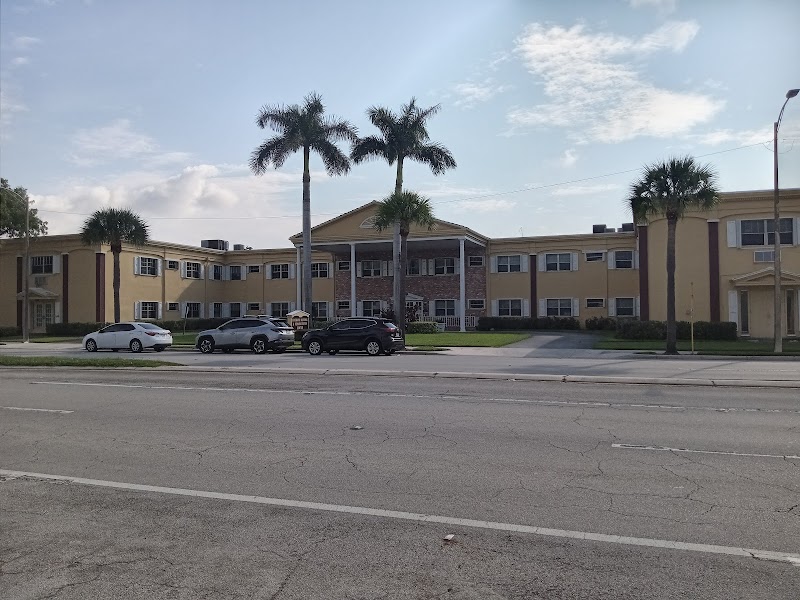
How is Broward Nursing & Rehabilitation Center Staffed?

CMS rates BROWARD NURSING & REHABILITATION CENTER's staffing level at 5 out of 5 stars, which is much above average compared to other nursing homes. Staff turnover is 24%, compared to the Florida average of 46%. This relatively stable workforce can support continuity of care.

What Have Inspectors Found at Broward Nursing & Rehabilitation Center?

State health inspectors documented 15 deficiencies at BROWARD NURSING & REHABILITATION CENTER during 2022 to 2025. These included: 14 with potential for harm and 1 minor or isolated issues.
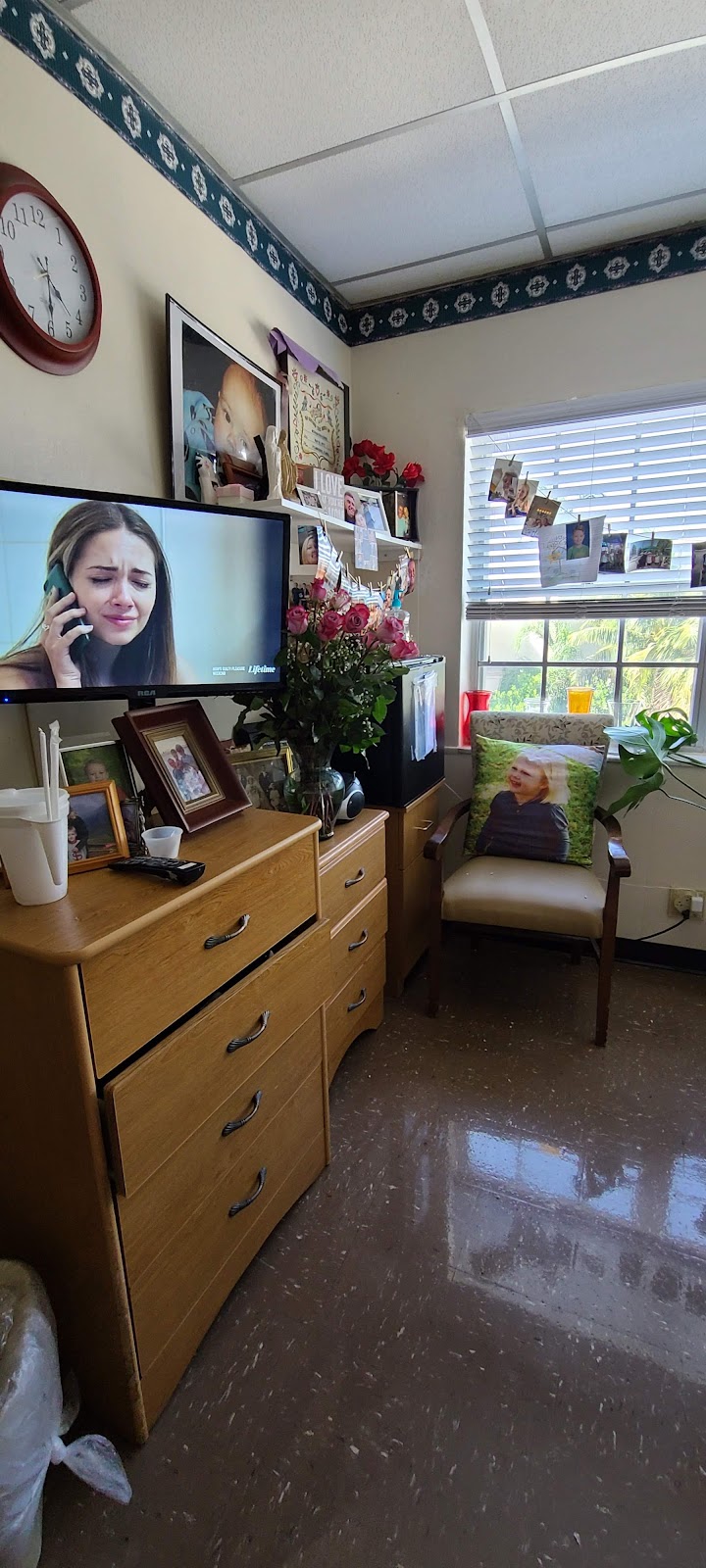
Who Owns and Operates Broward Nursing & Rehabilitation Center?

BROWARD NURSING & REHABILITATION CENTER is owned by a for-profit company. For-profit facilities operate as businesses with obligations to shareholders or private owners. The facility is operated by MILLENNIUM HEALTH SYSTEMS, a chain that manages multiple nursing homes. With 198 certified beds and approximately 160 residents (about 81% occupancy), it is a mid-sized facility located in FORT LAUDERDALE, Florida.
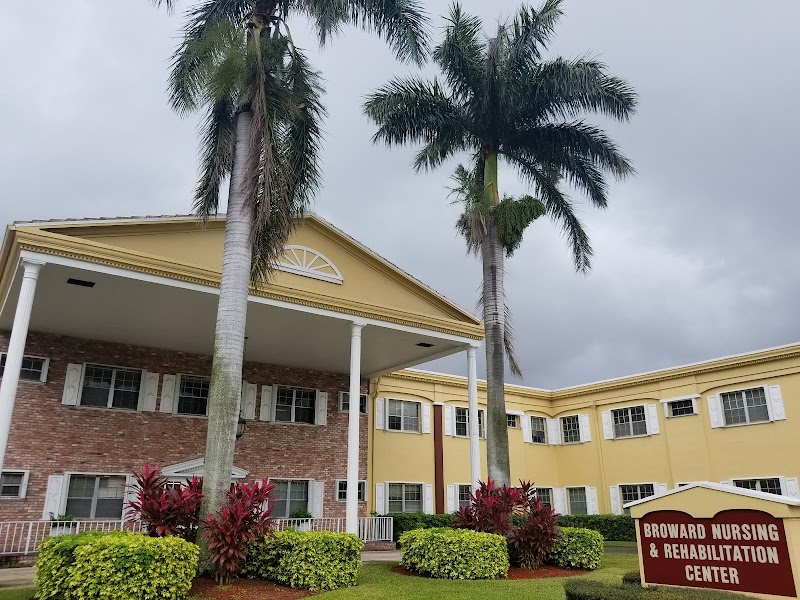
How Does Broward Nursing & Rehabilitation Center Compare to Other Florida Nursing Homes?

Compared to the 100 nursing homes in Florida, BROWARD NURSING & REHABILITATION CENTER's overall rating (5 stars) is above the state average of 3.2, staff turnover (24%) is significantly lower than the state average of 46%, and health inspection rating (4 stars) is above the national benchmark.

What Should Families Ask When Visiting Broward Nursing & Rehabilitation Center?

Based on this facility's data, families visiting should ask: "Can I visit during a mealtime to observe dining assistance and food quality?" "How do you handle medical emergencies, and what is your hospital transfer rate?" "Can I speak with family members of current residents about their experience?"

Is Broward Nursing & Rehabilitation Center Safe?

Based on CMS inspection data, BROWARD NURSING & REHABILITATION CENTER has a clean safety record: no substantiated abuse findings (meaning no confirmed cases of resident harm), no Immediate Jeopardy citations (the most serious violation level indicating risk of serious injury or death), and is not on the Special Focus Facility watch list (a federal program monitoring the lowest-performing 1% of nursing homes). The facility has a 5-star overall rating and ranks #1 of 100 nursing homes in Florida. While no facility is perfect, families should still ask about staff-to-resident ratios and recent inspection results during their visit.

Do Nurses at Broward Nursing & Rehabilitation Center Stick Around?

Staff at BROWARD NURSING & REHABILITATION CENTER tend to stick around. With a turnover rate of 24%, the facility is 21 percentage points below the Florida average of 46%. Low turnover is a positive sign. It means caregivers have time to learn each resident's needs, medications, and personal preferences. Consistent staff also notice subtle changes in a resident's condition more quickly. Registered Nurse turnover is also low at 28%, meaning experienced RNs are available to handle complex medical needs.

Was Broward Nursing & Rehabilitation Center Ever Fined?

BROWARD NURSING & REHABILITATION CENTER has no federal fines on record. CMS issues fines when nursing homes fail to meet care standards or don't correct problems found during inspections. The absence of fines suggests the facility has either maintained compliance or corrected any issues before penalties were assessed. This is a positive indicator, though families should still review recent inspection reports for the full picture.

Is Broward Nursing & Rehabilitation Center on Any Federal Watch List?

BROWARD NURSING & REHABILITATION CENTER is not on any federal watch list. The most significant is the Special Focus Facility (SFF) program, which identifies the bottom 1% of nursing homes nationally based on persistent, serious quality problems. Not being on this list means the facility has avoided the pattern of deficiencies that triggers enhanced federal oversight. This is a positive indicator, though families should still review the facility's inspection history directly.