FT LAUDERDALE HEALTH & REHABILITATION CENTER
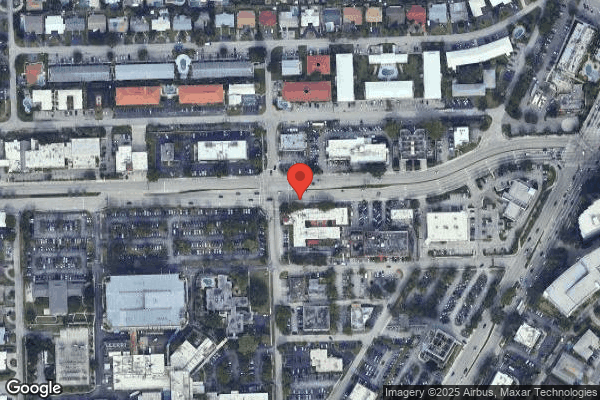
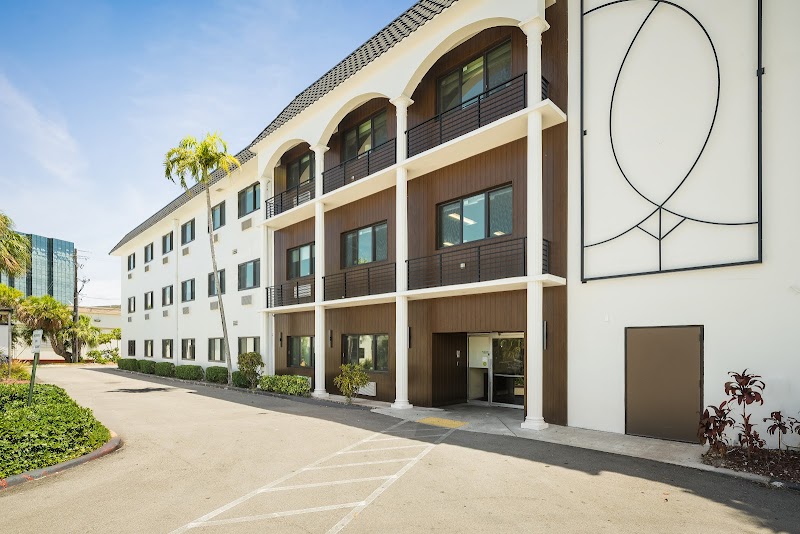
2000 EAST COMMERCIAL BLVD, FORT LAUDERDALE, FL 33308 (954) 771-2300
For profit - Limited Liability company 169 Beds Independent Data: November 2025
Trust Grade
70/100
#212 of 690 in FL
Last Inspection: September 2024

Within standard 12-15 month inspection cycle. Federal law requires annual inspections.

Overview

FT Lauderdale Health & Rehabilitation Center has a Trust Grade of B, indicating it is a good choice among nursing homes. It ranks #212 out of 690 facilities in Florida, placing it in the top half, and #13 out of 33 in Broward County, meaning only 12 local options are better. The facility is showing improvement, with issues decreasing from 5 in 2024 to just 1 in 2025. Staffing is also a strength, with a rating of 4 out of 5 stars and a turnover rate of 37%, which is below the state average. However, families should note some concerns, such as a failure to follow approved menu guidelines for residents and sanitation issues in the kitchen, highlighting a need for better food safety practices.

Trust Score
B
70/100
In Florida
#212/690
Top 30%
Safety Record
Low Risk
No red flags
Inspections
Getting Better
5 → 1 violations
Staff Stability
○ Average
37% turnover. Near Florida's 48% average. Typical for the industry.
Penalties
✓ Good
No fines on record. Clean compliance history, better than most Florida facilities.
Skilled Nurses
✓ Good
Each resident gets 47 minutes of Registered Nurse (RN) attention daily — more than average for Florida. RNs are trained to catch health problems early.
Violations
⚠ Watch
25 deficiencies on record. Higher than average. Multiple issues found across inspections.
★★★★☆
4.0
Overall Rating
★★★★☆
4.0
Staff Levels
★★★★★
5.0
Care Quality
★★★☆☆
3.0
Inspection Score
Stable
2024: 5 issues
2025: 1 issues

The Good

  • 4-Star Staffing Rating · Above-average nurse staffing levels
  • 5-Star Quality Measures · Strong clinical quality outcomes
  • Full Sprinkler Coverage · Fire safety systems throughout facility
  • No fines on record
  • Staff turnover below average (37%)

    11 points below Florida average of 48%

Facility shows strength in staffing levels, quality measures, fire safety.

The Bad

Staff Turnover: 37%

Near Florida avg (46%)

Typical for the industry

The Ugly 25 deficiencies on record

Jun 2025 1 deficiency
CONCERN (D) 📢 Someone Reported This

A family member, employee, or ombudsman was alarmed enough to file a formal complaint

Potential for Harm - no one hurt, but risky conditions existed

Safe Environment (Tag F0584)

Could have caused harm · This affected 1 resident

**NOTE- TERMS IN BRACKETS HAVE BEEN EDITED TO PROTECT CONFIDENTIALITY** Based on observations and interviews, the facility failed to provide a safe, clean, comfortable and homelike environment for 9 o...

Read full inspector narrative →
**NOTE- TERMS IN BRACKETS HAVE BEEN EDITED TO PROTECT CONFIDENTIALITY** Based on observations and interviews, the facility failed to provide a safe, clean, comfortable and homelike environment for 9 out of 100 rooms and elevator areas.The findings included:1). On 06/30/2025 at 2:20 PM, an observation revealed that room [ROOM NUMBER] and 51 had no toilet tissue. Further observations revealed room [ROOM NUMBER]'s floor, near the bathroom door, was ladened with dirt and had numerous dark gray spots.2). On 06/30/2025 at 2:45 PM, an observation revealed that there were food crumbs on the floor of room [ROOM NUMBER], near the resident, and the paint was scuffed and peeling off the lower bathroom door.3). On 06/30/2025 at 2:51 PM, an observation revealed that room [ROOM NUMBER] had multiple flies on the residents' bed and furniture. During the observation, the resident expressed the need to get rid of all the flies.4). On 06/30/2025 at 3:05 PM, an observation revealed that the soap dispenser of bathroom [ROOM NUMBER] was broken and placed above the toilet on a PVC pipe and unreachable.5). On 06/30/2025 at 3:15 PM, an observation revealed that the wardrobe drawers (6) of room [ROOM NUMBER] could not fully close and one of the handles was positioned incorrectly.6). On 06/30/2025 at 3:20 PM, an observation revealed that in the bathroom of room [ROOM NUMBER], 1 of 2 toilet paper rolls was placed on a PVC pipe above the toilet, and unreachable.7). On 06/30/2025 at 3:40 PM, an observation revealed that the elevator carpeting and the carpeting in front of the elevators on the 1st and 3rd floor were ladened with dirt and had black stains.8). On 06/30/2025 at 3:45 PM, an observation revealed that the lower bathroom shower tiles of room [ROOM NUMBER], were lifted from the wall. The cover of a side light on the room wall was positioned incorrectly. 9). On 06/30/2025 at 4:00 PM, an observation revealed the bathroom sink of room [ROOM NUMBER] was clogged.A tour of the facility was conducted on 06/30/2025 at 4:30 PM with the Assistant Director of Nursing, in which she acknowledged the findings.
Sept 2024 5 deficiencies
CONCERN (D)

Potential for Harm - no one hurt, but risky conditions existed

Comprehensive Assessments (Tag F0636)

Could have caused harm · This affected 1 resident

**NOTE- TERMS IN BRACKETS HAVE BEEN EDITED TO PROTECT CONFIDENTIALITY** Based on review of policy and procedure, observation, interview and record review, the facility failed to ensure that the MDS (M...

Read full inspector narrative →
**NOTE- TERMS IN BRACKETS HAVE BEEN EDITED TO PROTECT CONFIDENTIALITY** Based on review of policy and procedure, observation, interview and record review, the facility failed to ensure that the MDS (Minimum Data Set) Resident Comprehensive Assessment was completed in a timely manner for 6 of 42 sampled residents reviewed for MDS Assessments, (Resident #77, Resident #40, Resident #24, Resident #33, Resident #39, and Resident #23). The findings included: Review of the facility policy and procedure titled, MDS Completion and Submission Timeframes revised July 2017 and provided by the Director of Nursing (DON) documented in the Policy Statement: Our facility will conduct and submit resident assessments in accordance with current federal and state submission timeframes. Policy Interpretation and Implementation 1. The Assessment Coordinator or designee is responsible for ensuring that resident assessments are submitted to CMS' QIES Assessment Submission and Processing (ASAP) system in accordance with current federal and state guidelines. 2. Timeframes for completion and submission of assessment is based on the current requirements published in the Resident Assessment Instrument Manual. 3. Submission of MDS records to the QIES ASAP is electronic. A hard copy of each record submitted is maintained in the resident's clinical record for a period of fifteen (15) months from the date submitted. Review of the facility policy and procedure revised December 2002, titled Resident Assessment Instrument (RAI) Assessment Scheule Summary, provided by the DON documented for Record Type: Quarterly .no later than 14 days after the Assessment Reference Date (ARD) 1) Resident #77 was admitted to the facility on [DATE] with diagnoses which included Unilateral Primary Osteoarthritis, Right Knee, Hypertension and Dementia. She had a Brief Interview Mental Status (BIM) score of 5, indicating severe cognitive impairment. Record review revealed that Resident #77's Quarterly MDS ARD was 08/03/24. The due date for the Assessment to have been completed was 08/17/24. Staff D, lead full-time RN, MDS Coordinator, had not electronically signed the MDS Comprehensive Assessment as completed until Saturday 09/14/24, approximately four (4) weeks after the ARD date. 2) Resident #40 was admitted to the facility on [DATE] with diagnoses which included Chronic Obstructive Pulmonary Disease, Alzheimer's Disease and Atherosclerotic Heart Disease. She had a Brief Interview Mental Status (BIM) score of 14, indicating intact cognition. Record review revealed that Resident #40's Quarterly MDS ARD was 08/10/24. The due date for the Assessment to have been completed was 08/24/24. Staff D had not electronically signed the collective MDS Comprehensive Assessment as completed until Saturday 09/14/24, approximately three (3) weeks after the ARD date. 3) Resident #24 was re-admitted to the facility on [DATE] with diagnoses which included Urinary Tract Infection, Diabetes Mellitus Type II, Epilepsy, Myasthenia Gravis and Hypertensive Chronic Kidney Disease. She had a Brief Interview Mental Status (BIM) score of 13, indicating intact cognition. Record review revealed that Resident #24's Quarterly MDS ARD was 08/10/24. The due date for the Assessment to have been completed was 08/24/24. Staff D had not electronically signed the collective MDS Comprehensive Assessment as completed until Saturday 09/14/24, approximately three (3) weeks after the ARD date. 4) Resident #33 was admitted to the facility on [DATE] with diagnoses which included Degenerative Disease of Nervous System, Paraplegia, Hypertension and Atherosclerotic Heart Disease. He had a Brief Interview Mental Status (BIM) score of 3, indicating severe cognitive impairment. Record review revealed that Resident #33's Quarterly MDS ARD was: 08/03/24. The due date for the Assessment to have been completed was 08/17/24. Staff D had not electronically signed the collective MDS Comprehensive Assessment as completed until Saturday 09/14/24, approximately four (4) weeks after the ARD date. 5) Resident #39 was re-admitted to the facility on [DATE] with diagnoses which included Major Depressive Disorder, Schizoaffective Disorder, Anxiety Disorder, Encephalopathy and Hypertension. She had a Brief Interview Mental Status (BIM) score of 1, indicating severe cognitive impairment. Record review revealed that Resident #39's Quarterly MDS ARD was: 08/03/24. The due date for the Assessment to have been completed was 08/17/24. Staff D had not electronically signed the collective MDS Comprehensive Assessment as completed until Saturday 09/14/24, approximately three (3) weeks after the ARD date. 6) Resident #23 was re-admitted to the facility on [DATE] with diagnoses which included Calculus of Gallbladder with Chronic Cholecystitis without Obstruction, Major Depressive Disorder, Psychotic Disorder with Hallucinations, Alzheimer's Disease and Hypertensive Heart and Chronic Kidney Disease with Heart Failure. She had a Brief Interview Mental Status (BIM) score of 3, indicating severe cognitive impairment. Record review revealed that Resident #23's Quarterly MDS ARD was 08/10/24. The due date for the Assessment to have been completed was 08/17/24. Staff D had not electronically signed the collective MDS Comprehensive Assessment as completed until Saturday 09/14/24, approximately four (4) weeks after the ARD date. A side-by-side record review was conducted with Staff D, of the six (6) MDS Quarterly Comprehensive Resident Assessments for the month of August 2024, in which it was noted that for all six (6) Assessments, Staff E, RN, MDS Coordinator, was assigned to complete. Further record review indicates that none of the above listed six (6) collective MDS Quarterly Resident Comprehensive Assessment types had been completed in a timely manner, until at least three (3) or four (4) weeks later, after their individual ARD dates. During a simultaneous interview conducted on 09/18/24 at 10:37 AM with Staff E and Staff D, it was stated that the Social Services Director, had not completed any of her six (6) Resident Social Work Assessment sections until Saturday 09/14/24. Additionally, both Staff E and Staff D both acknowledged that the collective MDS Resident Comprehensive Assessments needed to be completed in a timely manner to ensure that the Residents are accurately, timely assessed and evaluated, in order to carry out the correct and appropriate plan of care. On 09/18/24 at 10:42 AM an interview was conducted with the Social Services Director, who indicated that she had not completed any of the six (6) MDS Resident Social Work Assessment sections until Saturday 09/14/24. The Social Services Director also indicated that she was not able to provide any specific reasoning as to why this had not been done. The DON further acknowledged that on 09/18/24 at 11:37 AM, that the collective MDS Resident Comprehensive Assessments should have been completed in a timely manner by all facility departments. This was not done.
CONCERN (D)

Potential for Harm - no one hurt, but risky conditions existed

Deficiency F0687 (Tag F0687)

Could have caused harm · This affected 1 resident

**NOTE- TERMS IN BRACKETS HAVE BEEN EDITED TO PROTECT CONFIDENTIALITY** Based on observations, interviews and record review, the facility failed to ensure residents received foot care (Podiatry) in a ...

Read full inspector narrative →
**NOTE- TERMS IN BRACKETS HAVE BEEN EDITED TO PROTECT CONFIDENTIALITY** Based on observations, interviews and record review, the facility failed to ensure residents received foot care (Podiatry) in a timely manner for 2 of 2 sampled residents reviewed for Podiatry Care (Resident #4 and #130). The findings included: 1) Review of Resident #4's clinical record documented an admission to the facility on [DATE] with no readmissions. The resident's diagnoses included Heart Failure, Generalized Anxiety Disorder, Dementia, Peripheral Vascular Disease, Venous Insufficiency (Chronic) Muscle Weakness and Difficulty in Walking. Review of Resident #4's Minimum Data Set (MDS) quarterly assessment dated [DATE] documented a Brief Interview of the Mental Status (BIMS) score of 10, indicating that the resident had moderate cognition impairment. The assessment documented under Functional Abilities and Goals that the resident was dependent on the staff to complete the activities of daily living including putting footwear on, dressing and bathing. Review of Resident #4's care plan titled [Resident Name] exhibits the following behaviors: resists cares and will refuse to shower at times, initiated on 05/07/24. Interventions to include, to anticipate care needs and provide them before resident becomes overly stressed. The Care Plan did not address refusal of foot care. Review of Resident #4's physician orders dated 10/31/24 documented May consult podiatry .services as needed. Review of Resident #4's clinical record revealed the last documented Podiatry consult was dated 02/20/24. On 09/16/24 at 11:18 AM, observation revealed Resident #4 in bed with her toes uncovered. Observation revealed Resident #4's right and left foot with elongated toenails. Subsequently, an interview was conducted with Resident #4 who stated she was not sure if she had seen a foot doctor or not. The resident was asked permission to take a picture of her toenails to discuss the care with the Director of Nursing, the resident agreed. On 09/17/24 at 9:24 AM, observation revealed Resident #4 out of bed sitting in a wheelchair, well dressed, groomed and wearing tennis shoes. On 09/17/24 at 2:32 PM, an interview was conducted with Staff B, Certified Nursing Assistant (CNA) assigned to Resident #4. Staff B stated she gave a full bath in bed to the resident. Staff B was asked if she report anything related to the care of Resident #4 to the nurse, like her nails, skin or toenails, and replied she had nothing to report to the nurse. Staff B added sometimes the resident did not want her to cut the nails. Staff B was asked how were Resident #4's toenails and replied, they are okay. Staff B confirmed the resident was dependent on the staff for her activities of daily living and can only feed herself. On 09/17/24 at 2:51 PM, a side-by-side observations of Resident #4's toenails was conducted with Staff A, Licensed Practical Nurse (LPN) and Staff B, CNA. Staff B stated Resident #4's toenails needed to be done. Staff A reported that Resident #4 fights and scratches the staff, Staff B was made aware that there was no written documentation related to Resident #4 refusing toenail care. Subsequently, a side-by-side review of the Podiatry consult log binder was conducted with Staff A. The review revealed Resident #4 was not listed to be seen by the Podiatrist. On 09/17/24 at 2:55 PM, an interview was conducted with the facility's Podiatrist who stated he comes to the facility twice a week. The Podiatrist stated the visit frequency depends on the resident's insurance and that most of them can be seen every 60 days. The Podiatrist was made aware of the status of Resident #4's toenails. On 09/17/24 at approximately 3:15 PM, observation revealed the Podiatrist ready to do Resident #4's, toenail care and stated her nails were long. On 09/19/24 at 9:50 AM, an interview was conducted with the Unit Manager who stated each floor has a Podiatrist book for the staff to log in residents who needs to be seen. The Unit Manager was apprised that Resident #4 was not on the current list to be seen. On 09/19/24 at 9:52 AM, a joint interview was conducted with the Regional Nurse and the Unit Manager, and they were apprised of Resident #4's elongated toenails. (Photographic evidence showed). 2) Review of Resident #130's clinical record documented an admission to the facility on [DATE] with no readmissions. The resident's diagnoses included Pneumonia, Restless Legs Syndrome, Major Depressive Disorder, Convulsions, Difficulty in Walking, Muscle Weakness, Sepsis, Intraspinal Abscess and Granuloma, Osteomyelitis of Vertebra, and Pressure Ulcer of Sacral Region. Review of Resident #130's MDS assessment dated [DATE] documented a BIMS score of 15, indicating that the resident had no cognition impairment. The assessment documented under Functional Abilities and Goals that the resident was dependent on the staff for most of his Activities of Daily Living (ADLs) including bathing and putting on footwear. Review of Resident #130's care plans record revealed no care plan related to foot care refusal. Review of Resident #130's physician orders dated 06/18/24 documented May consult podiatry .services as needed. Review of Resident #130's clinical record revealed a lack of a written Podiatry consult. On 09/16/24 at 11:40 AM, an interview was conducted with Resident #130 who stated he has been in the facility for 3 months and had not seen a Podiatrist. The resident agreed for the surveyor to look at his toenails. The Resident's private duty aide was in the room and removed the resident's non-skid socks. Observation revealed Resident #130's right and left foot toenails were elongated. The resident agreed with further investigation related to the elongated toenails. On 09/17/24 at 2:39 PM, an interview was conducted with Staff B, CNA who stated Resident #130's toenails were okay and did not need to tell the nurse anything about his toenails. On 09/17/24 at 2:47 PM, a side-by-side observation of Resident #130's toenails was conducted Staff A, LPN and Staff B, CNA. Staff A stated that the foot doctor comes in 2 to times a week and she will have him see Resident #130. During the observation Resident # 130 stated he did not like people to see his toenails but will allow the foot doctor in. On 09/17/24 at 2:55 PM, an interview was conducted with the Podiatrist who asked if Resident #130 was new and was informed the resident had been in the facility since June 2024. The Podiatrist stated he will see the resident today. On 09/19/24 at 9:51 AM, an interview was conducted with the Unit Manager who stated each floor has a Podiatrist book for the staff to log in the residents who needed to be seen. The Unit Manager was apprised that Resident #130 was not on the list to be seen. On 09/19/24 09:52 AM, a joint interview was conducted with the Regional Nurse and Unit Manager, and they were apprised of Resident #130's elongated toenails.
CONCERN (D)

Potential for Harm - no one hurt, but risky conditions existed

Deficiency F0808 (Tag F0808)

Could have caused harm · This affected 1 resident

**NOTE- TERMS IN BRACKETS HAVE BEEN EDITED TO PROTECT CONFIDENTIALITY** Based on record review, observations and interviews, the facility failed to obtain a variety of Gluten Free products to honor 1 ...

Read full inspector narrative →
**NOTE- TERMS IN BRACKETS HAVE BEEN EDITED TO PROTECT CONFIDENTIALITY** Based on record review, observations and interviews, the facility failed to obtain a variety of Gluten Free products to honor 1 of 1 sampled resident reviewed for Therapeutic Gluten Free Modified Diet (Resident #130). The findings included: Review of Resident #130's clinical record documented an admission to the facility on [DATE] with no readmissions. The resident's diagnoses included Celiac Disease, Vitamin Deficiency, Muscle Weakness, Sepsis, Osteomyelitis of Vertebra, and Pressure Ulcer of Sacral Region. Review of Resident #130's Minimum Data Set assessment dated [DATE] documented a Brief Interview Mental Status score of 15, indicating that the resident had no cognition impairment. The assessment documented under Functional Abilities and Goals that the resident was dependent on the staff for most of his Activities of Daily Living (ADLs). Review of Resident #130's care plan titled [Resident name] is at risk for an alteration in: nutrition and/or hydration related to: receives therapeutic diet-gluten free, has variable, oral intake, Celiac Disease .Anemia, impaired skin integrity, low (body mass index) BMI with 5% loss 6/24-7/24. Frequent preference changes for food and supplements. The care plan was initiated on 06/20/24; Interventions included: Provide diet as ordered. Offer and provide alternate as needed. Review of Resident #130's clinical record documented a physician order dated 06/19/24 for a Regular Diet Modified for Gluten Free. Review of Resident #130's Nutrition/Dietary Note dated 06/20/24 documented .Gluten Free menu style to be provided . Review of Resident #130's Nutrition/Dietary Note dated 07/14/24 documented .care plan meeting held with family and resident and food preferences were updated . Review of Resident #130's Dietary Progress Note dated 09/11/24 documented .food preferences routinely updated . On 09/16/24 at 11:45 AM, an interview was conducted with Resident #130 who stated he had Celiac Disease for 3 years and the facility promised him that they will provide a Gluten Free diet for him. The resident stated he was only getting Gluten Free bread and that he had to order out to get his special diet. The resident added it is frustrating because he asked for other Gluten Free products beside bread, and they said they don't have it. The resident added that his family and himself met with the Dietitian and promises were made that they will have Gluten Free meals for him. On 09/16/24 at 12:57 PM, during dining observation, Resident #130's meal ticket documented Early Tray-Regular-Gluten Free Diet .Gluten Free Bread .Allergies: Gluten. On 09/17/24 at 9:25 AM, an interview was conducted with Resident #130 who stated he had an Early tray because if he could not eat what they brought in, he would order out. The resident stated he got Gluten Free bread for breakfast. On 09/18/24 at 9:46 AM, a joint interview was conducted with the facility Registered Dietitian (RD) and Agency for Health Care Administration (AHCA) Registered Dietitian Surveyor. The RD stated Resident #130 was on a Gluten Free modified diet due to Celiac Disease, and added the resident had a history of extreme weight loss. The RD was asked what Gluten Free products the facility had in house for Resident #130 and replied they buy Gluten Free bread, pasta and added she will check for what else they had in house. The RD was apprised about Resident #130 stating he would like to have pasta, and the facility did not have it and that he was ordering food out because of limited products as only Gluten Free bread. The RD stated they had met with the resident and discussed his preferences, added the resident prefers to order out and in the last 30 days had not heard concerns or complaints related to his diet. The RD stated that she thought the preferences/concerns were rectified and added that the Certified Dietary Manager (CDM) had worked on multiple preferences for Resident #130. On 09/18/24 at 9:56 AM, a tour to the kitchen was conducted with the RD, the CDM, the Food Service Supervisor (FSS), and AHCA RD surveyor. The CDM was asked what Gluten Free products they had available for Resident #130 and stated bread. The FSS was asked if she had Gluten Free pasta or flour in-house and stated she did not. The CDM stated he could not order Gluten Free flour or pasta because it was not on the ordering list. The CDM provided the facility's order guide which did not included Gluten Free flour. The RD provided the facility's Diet Manual-Gluten Free Diet sheet that documented if gluten free restricted is ordered-use resident preferences to design menu. On 09/18/24 at 10:14 AM, an interview was conducted with Resident #130 who stated that there was a cake on his tray, sometime this week and he did not eat it. Resident #30 was asked why he wrote order out on the menu selection for 09/19/24 dinner, 09/21/24 lunch and dinner. He stated because there was nothing Gluten Free for him to order. The resident added that the Kitchen Manager told him that they put wheat in the soups and bread crumbs on the meatballs, so he could not have neither. He added he was afraid he will eat something that was not Gluten Free, so he had to order out. The 09/19/24 dinner menu documented Corn Chowder, Alternative choice-Hamburger on a Bun . The 09/21/24 lunch menu documented Crispy chicken .dinner menu-chicken noodle soup, tuna salad on wheat-alternative choice-beef meatballs . On 09/18/24 at 10:34 AM, an interview was conducted with the RD who stated she spoke with Resident #130, and he would like to have Gluten Free pasta. The RD stated we can accommodate him better and do a better job. The RD further stated they can have small, prepared meals for the resident. The RD stated they will purchase additional gluten free items for Resident # 130. On 09/19/24 at 11:19 AM, an interview was conducted with the RD who stated that on 07/10/24, Resident # 130 and his sister complained of limited options of Gluten Free products and on 07/16/24, the FSS met with the resident and updated the preferences. The RD added the FSS was talking with the resident every week. The RD was asked if the FSS documented her weekly visit with Resident #130 and stated she did not. The RD stated the FSS note dated 07/16/24 did not document details of the resident's preferences update.
CONCERN (D)

Potential for Harm - no one hurt, but risky conditions existed

Food Safety (Tag F0812)

Could have caused harm · This affected 1 resident

Based on observation, interview, and record review, it was determined that, the facility failed to store, prepare, distribute and serve food in accordance with professional standards for food service ...

Read full inspector narrative →
Based on observation, interview, and record review, it was determined that, the facility failed to store, prepare, distribute and serve food in accordance with professional standards for food service safety for 123 of the 145 facility residents, who eat food by mouth. The findings included: 1) During the initial kitchen/food service observation tour conducted on 09/16/24 at 9 AM and accompanied with the facility Certified Dietary Manager (CDM), the following were noted: (a) Observation of the food preparation sink noted that two 10-pound plastic sleeves of ground beef were thawing in a large pan that had running water flowing into the pan. Further observation noted that the cold-water faucet was tuned on full capacity, however the water felt lukewarm to the touch. At the request of the surveyor, the temperature testing of the running water was taken with the facility's calibrated digital food thermometer. The test noted that the temperature of the running water coming from the top of the cold-water faucet was recorded at 80.9 degrees Fahrenheit. A second testing recorded 5 minutes later was again recorded at 80.9 degrees F (Fahrenheit). An interview conducted with the CDM by the surveyor at the time of the second testing revealed that the regulatory requirement for cold water thawing of potentially hazardous food was 70 degrees F or below. It was further discussed with the CDM that the facility's cold-water temperature was approximately 11 degrees F over the regulatory requirement and that continued thawing (time & temperature) would result in food borne illness. The surveyor requested that the practice of thawing meats in cold water be halted immediately and to thaw in the alternate thawing procedure in the refrigerator at 41 degrees F of below for a maximum of 3-days. The surveyor also requested that the thawed ground beef be discarded and not utilized for the residents. (Photographic Evidence Obtained). (b) Review of the facility's Policy & Procedure: for the Dishwashing Machine Use/Cleaning, noted the following: #10 - De-lime Dish machine once a month. If build up occurs increase the de-liming until dish machine is satisfactory. Run rubber skirts assemblies through the dish machine daily to maintain clean and debris free. During the observation of the dish machine, it was noted that the high temperature machine contained 3 separation curtains (entrance, internal, and exit) within the interior of the machine. At the request of the surveyor, the curtains were removed and observed. The observation noted that that all 3 curtains had a heavy build-up of decayed/rotting food matter. It was also noted that there was a heavy build-up of lime (hard water build-up) on the curtains and the stainless-steel dish run that exited the machine. It was discussed with the CDM at the time of the observation that the curtains were not being maintained as per facility policy that included cleaning and sanitizing after each meal and de-liming the machine and dish runs on a regular basis. It was also discussed that as dishes passed and exited through the machine, the soiled curtains and water come into contact with resident dishware, resulting in contamination. The surveyor requested that the curtains be cleaned and sanitized and the machine de-limed prior to continued use of the dish machine. (Photographic Evidence Obtained). (c) Observation of the exhaust hood, which is located over the machine food preparation equipment noted that the front of the hood was covered with a large wood plank that was approximately 15 feet long. Further observation of the wood noted peeling paint down the entire surface of the wood plank. It was discussed with the CDM at the time of the observation that peeling paint was falling onto the equipment and food being prepared under the hood, resulting in food contamination. The surveyor requested that wood surface be prepped and repainted prior to the next meal service. (Photographic Evidence Obtained). (d) Observation of 4 food preparation skillet food preparation pans that were in use were noted to have a heavy build-up of black carbon matter on the interior and exterior surfaces. The surveyor requested that the pans be discarded and replaced as soon as possible to prevent food contamination during food preparation. (Photographic Evidence Obtained). (e) Soiled food cleaning cloths were noted to be stored directly on food preparation surfaces, clean utility carts, and 3-compartment sinks. The surveyor discussed with the CDM that regulatory requirement was to store all cleaning cloths in a sanitizing solution when not in use. (Photographic Evidence Obtained). (f) Observation of the entrance into the dietary department noted that 2 full carts of dishes were being stored outside of the dietary department. Further observation noted that carts were not covered and that food trays were full of exposed garbage and trash. The surveyor discussed with the CDM that the regulatory requirement was to always cover all garbage and trash completely. 2) During a second kitchen/food service observation tour conducted on 09/17/24 at 7:15 AM and accompanied with the Corporate Food Service Director (CFSD), the following were noted: (a) Temperatures of foods located on the tray assembly line were taken by the CDM with the use of the facility's calibrated digital food thermometer. The results of the temperature testing noted that hot foods were not being held at the regulatory temperature of 135 degrees F or above, and cold foods were not being held at the regulatory temperature of 41 degrees F or below, as per the following: < Fried Eggs (8 servings) = 88 degrees F. The surveyor requested that the eggs be discarded. < Orange Juice (50 servings) = 72 degrees F. Further investigation noted that the juice dispenser (orange, apple, cranberry) was not working properly and was not chilling the juice to the regulatory temperature of 41 degrees F or below. (b) Observation of the dish machine noted that the wash temperature was recorded at 125 degrees F. It was discussed with the CDM that the machine wash temperature did not meet the regulatory requirement of 150-165 degrees F. The CDM investigated the matter and reported to the surveyor that dietary staff failed to turn on the machine's hot water booster. (c) Observation of the dish machine room noted that there was a heavily soiled ladder being stored in the clean section of the room. The surveyor requested that the ladder be removed. (Photographic Evidence Obtained). (d) Observation of the 3-compartment sink area noted that an air-conditioning vent was located over the clean section of the sink area. Further observation noted that exterior of the vent was covered in a black mold type matter. The surveyor discussed with the CDM that the mold could result in clean food preparation equipment becoming contaminated and requested that the vent be cleaned and sanitized before use of the 3-compartment sink. (Photographic Evidence Obtained). (e) Observation of the 3-door reach-in refrigerator located in the main food preparation area was noted to have 2 internal food storage racks that were rust laden and in need of replacement. (Photographic Evidence Obtained). (f) Observation of the Convection Oven located underneath the hood exhaust system was noted to have 4 legs that were rust laden. (Photographic Evidence Obtained).
CONCERN (E)

Potential for Harm - no one hurt, but risky conditions existed

Menu Adequacy (Tag F0803)

Could have caused harm · This affected multiple residents

Based on observation, interview, and record review, it was determined that the approved menu and portion sizes were not followed for 137 of 145 facility residents who eat by mouth. The findings inclu...

Read full inspector narrative →
Based on observation, interview, and record review, it was determined that the approved menu and portion sizes were not followed for 137 of 145 facility residents who eat by mouth. The findings included: During the review of the approved menu for the lunch meal of 09/18/24, it was noted the following entrées were documented to be served: Regular Diet: Shrimp Fried [NAME] (4 ounces of Shrimp) Mechanical Soft Diet: Ground Sauteed Shrimp (4 ounces) Pureed Diet: Pureed Sauteed Shrimp (4 ounces) Consistent Carbohydrate Diet: Shrimp Fried [NAME] (4 ounces of Shrimp) No Added Salt Diet: Shrimp Fired [NAME] (4 ounces of Shrimp) Renal Diet: Salisbury Steak (4 ounces beef) During the observation of the lunch tray line in the main kitchen on 09/18/24 at 12:15 PM, it was noted that Breaded Popcorn Shrimp was being served over cooked rice for the entrees. Interview with the Certified Dietary Manager (CDM) at the time of the observation was noted to state that plain non-breaded Shrimp was not delivered, and the Breaded Popcorn Shrimp was substituted. During the tray line observation, a random portion of the Breaded Popcorn Shrimp was weighed using the facility's calibrated food portion scale. The weighing was performed by the CDM, and an average Breaded Popcorn Shrimp was recorded at 4.5 ounces. Following the weighing a review of the manufacturer's nutrient analysis (Nutrient Facts) documented that a 4-ounce portion of the breaded Shrimp provided only 15 grams of Protein. It was further discussed with the CDM and Corporate Food service Director that an 8-ounce portion of the Breaded Shrimp was required to ensure that 4 ounces of Shrimp protein was being provided in each resident portion. The surveyor provided the mathematical equation and agreed that the menu portion for the Shrimp (4 ounces Protein) was not being provided. A random portion of the Breaded Salisbury Steak (entrée alternate) was also requested by the surveyor to be weighed via the facility's food portion scale, and it was noted that the beef entrée was recorded at only 2.5 ounces. It was again discussed with the CDM and Corporate Food Service Director that only 19 grams of Protein was being served in the entree. It was further reviewed that a 5-ounce portion of the breaded Salisbury Steak should have been served to ensure that a 4-ounce protein (28 grams) was being served to facility residents. It was further discussed that the facility had purchased an insufficient portion of the steak (3 ounce per steak patty) and should have purchased a 5-ounce steak patty to ensure that a cooked 4-ounce portion of the beef patty was being served, as per the approved menu. Following the lunch observation conducted in the main kitchen on 09/18/24 the findings were discussed with the facility's Administrator and confirmed the surveyor's findings.
Oct 2023 3 deficiencies
CONCERN (D) 📢 Someone Reported This

A family member, employee, or ombudsman was alarmed enough to file a formal complaint

Potential for Harm - no one hurt, but risky conditions existed

Transfer Requirements (Tag F0622)

Could have caused harm · This affected 1 resident

**NOTE- TERMS IN BRACKETS HAVE BEEN EDITED TO PROTECT CONFIDENTIALITY** Based on interviews and record reviews, the facility failed to provide an appropriate discharge and failed to provide discharge ...

Read full inspector narrative →
**NOTE- TERMS IN BRACKETS HAVE BEEN EDITED TO PROTECT CONFIDENTIALITY** Based on interviews and record reviews, the facility failed to provide an appropriate discharge and failed to provide discharge documents in a language that the resident can understand for 1 of 1 sampled resident reviewed for discharge rights (Resident #1). The findings included: Review of the facility's policy titled Transfer or Discharge Documentation, revision date January 2023 revealed the following: Each resident will be permitted to remain in the facility and not be transferred or discharged unless the transfer or discharge is necessary for the resident's welfare and the resident's needs cannot be met in the facility. If a resident exercises his or her right to appeal the transfer or discharge notice, he or she will not be transferred or discharged while the appeal is pending. If the resident is being transferred or discharged because his or her needs cannot be met at the facility, the facility must document why the needs cannot be met. Resident #1 was admitted to the facility on [DATE] and was discharged on 10/02/23 to another Skilled Nursing Facility. Resident #1 had an elopement incident on 09/30/23 and was found by the facility's administration nine hours later and brought back to the facility via private vehicle. Review of the Nursing Home Transfer and Discharge Notice form that was provided to Resident #1 upon his dischargeon 10/02/23 revealed this form did not document a Reason For Discharge or Transfer. It was also discovered that the paperwork provided to Resident #1 was in English; it was identified during his stay at the facility that Resident #1 did not speak (was nonverbal); he did not read English but rather Creole. Review of the Care Plan initiated on 09/27/23 revealed that Resident #1 was in the facility for short term stay placement related to rehab services and that he expressed a desire to discharge from the facility. It further revealed the facility would keep involved in the discharge process and discuss discharge plans with the resident, provide discharge documents in layman's terms, and assess future placement setting to determine if resident's needs are met. In an interview conducted on 10/03/23 at 3:25 PM with the facility's Social Services Director (SSD), she stated that she only dealt with Resident #1 minimally and that she was the one who handled his discharge paperwork. She revealed that Resident #1 was a Creole speaker and that she used Staff F, Licensed Practical Nurse (LPN) to assist her in translating the discharge information to Resident #1 in Creole. According to the SSD, Resident #1's home situation was not conducive but that his plan was to go home. Knowing that Resident #1 was unable to speak, the SSD stated she sat with him and Staff F to explain to him that she had found a new facility that would be more suitable for him. When asked to clarify, she stated the new facility had like minded residents and residents who speak Creole. She provided him the paperwork, which the surveyors noted was in English and not in Creole, which she agreed was Resident #1's native language. In this interview, the SSD stated she did not tell Resident #1 that he had a choice to appeal this discharge decision but that she just asked him to sign the paperwork. When asked by surveyors if he made his own decisions and signed the paperwork, she said yes. When asked if she should have marked a Reason for discharge on the Nursing Home Transfer and Discharge Notice, she stated yes and acknowledged that it was not marked, indicating there was no reason for the discharge. In an interview conducted on 10/03/23 at 2:34 PM with Staff F, LPN, she confirmed that she assisted the SSD in translating Resident #1's discharge paperwork to him in Creole. She stated when she told Resident #1 that he was discharging to another facility, he nodded his head yes in agreement and signed the paperwork. A secondary interview was conducted with Staff F on 10/04/23 at 8:45 AM. She was asked to clarify what she told Resident #1 when she assisted the SSD in translating the discharge information. She revealed that she told Resident #1 he would be going to a facility in the Miami area and shortly after that he would be going home. She stated that is what the SSD asked her to translate. She said she further asked Resident #1 if he was ok with the transfer and he nodded his head yes. When asked if Resident #1 was told that he had the option to appeal the transfer, Staff F stated no. Staff F further reported that she did not tell Resident #1 the reason he was leaving the facility. In an interview conducted on 10/04/23 at 1:31 PM with the facility's Administrator, she reported that the facility made the decision to start the discharge process for Resident #1. She stated that they thought that a smaller facility would be better for him. She further stated that she was concerned with the circumstances where he was living before, and she was unsure if he could go back there. In an interview conducted on 10/04/23 at 1:41 PM with the facility's Social Services Assistant, he stated that Resident #1 did not understand English but only Creole. He further stated he was unable to communicate with him, so he spoke with Resident #1's emergency contact upon his admission. The emergency contact stated the plan was to have Resident #1 fly back to Haiti upon discharge. When asked what appropriate discharge reasons are, he stated the following: progressing in therapy, family request for discharge, and insurance ceasing to cover services. He was asked by surveyors who made the decision to discharge Resident #1. He stated he did not know, but then stated he heard it was due to the elopement but was unsure as to why. When asked about any progress notes or admission notes regarding Resident #1's discharge planning, he stated that he did not follow up on Resident #1's progress or complete any notes regarding the discharge planning.
CONCERN (D) 📢 Someone Reported This

A family member, employee, or ombudsman was alarmed enough to file a formal complaint

Potential for Harm - no one hurt, but risky conditions existed

Accident Prevention (Tag F0689)

Could have caused harm · This affected 1 resident

**NOTE- TERMS IN BRACKETS HAVE BEEN EDITED TO PROTECT CONFIDENTIALITY** Based on interviews and record reviews, the facility failed to prevent elopement by not educating staff in identifying residents...

Read full inspector narrative →
**NOTE- TERMS IN BRACKETS HAVE BEEN EDITED TO PROTECT CONFIDENTIALITY** Based on interviews and record reviews, the facility failed to prevent elopement by not educating staff in identifying residents at risk for elopement for 1 of 2 sampled residents reviewed for elopement (Resident #1). The findings included: Review of the facility's policy titled Wandering, Unsafe Resident, revision date October 2023 revealed the following: The staff will identify residents who are at risk for harm because of unsafe wandering (including elopement). The staff will assess at-risk individuals for potentially correctable factors related to unsafe wandering. If the resident was not authorized to leave, page CODE PINK, initiate a search of the building and premises. Review of the facility's policy titled Elopements, revision date October 2023 revealed the following: Staff shall promptly report any resident who tries to leave the premises or is suspected of being missing to the Charge Nurse or Director of Nursing. Resident #1 was admitted to the facility on [DATE] for rehabilitation services. Resident #1 had a medical history of Stroke, Non-Verbal, and Weakness. Review of the Comprehensive Nursing Evaluation, Elopement Evaluation documented on 08/30/23 at 11:12 PM showed Resident #1 was not at risk for elopement. Review of the Care Plan initiated on 09/25/23 revealed that Resident #1 was at risk for elopement and that he displayed exit seeking behaviors. It further showed the staff would make sure he does not leave the facility without supervision, keep a photo with a copy of his face sheet located at the reception desk, observe him for and report any elopement risk behaviors, and redirect him during inappropriate behavior episodes. Review of the Nursing Note dated 09/19/23 showed that Resident #1 was found in the lobby attempting to leave the facility. He was returned to his unit by the facility staff and the staff were instructed to place a Wanderguard. Review of Physician's orders revealed that an order was written on 09/19/23 for place Wanderguard per protocol for attempted elopement. In a telephone interview conducted on 10/03/23 at 10:55 AM with Staff A, the facility's weekend Receptionist, she stated that on the morning of 09/30/23 at approximately 8:15 AM, she noticed Resident #1 in the lobby area sitting at the right side of her desk on a chair. While sitting down, she said good morning to him, and he smiled at her but did not verbally respond. Resident #1 then walked to the Admissions Office (which was located next to the front desk) and attempted to open the door, but it was locked. She stated she recognized that he was a resident because of the band on his arm. She asked him to go back to his room and he left, taking the elevator up. When asked if she told anybody about Resident #1 wandering around the lobby near the front door, she said no. When asked about the Risk for Elopement binder that was located at the front desk, she said that it contains a picture of each resident in case they walk out and the picture needs to be used for identification. Staff A further reported that she did not know that Resident #1 was at risk for elopement. According to Staff A, Resident #1 went back down to the lobby area at approximately 10:20 AM. She stated she did not see Resident #1 initially. She stated she was in the process of buzzing a visitor out of the front door and Resident #1 came from the left side of her desk (where her view is obstructed) and he had reached the front door before she recognized him as the same resident who had been in the lobby earlier that morning. She stated she yelled for him to stop, but he pushed past the visitor and out the front door. She then ran outside and yelled for help and noticed that Resident #1 was running to the west. She reentered the facility to call the weekend supervisor to alert her of the situation while other staff members were looking for Resident #1. She was then asked by the surveyors if she thought that Resident #1 wanted to escape when she first noticed him in the lobby area that morning, she stated no. She further reported that that day was the first time she saw this resident and did not think there was anything unusual about him or that he intended to elope. According to Staff A, she did not know that Resident #1 was at risk for elopement and she said that if she knew that he intended to leave the facility earlier that day, she would have taken him by the arm and walked him back to his room and notified the supervisor of his behavior. In an interview conducted on 10/03/23 at 11:36 AM with Staff B, the facility's weekday Receptionist, he stated that when a resident elopes, he has been instructed to call a CODE SILVER to alert the rest of the facility staff of the elopement. When asked how he knew if a resident is at risk for elopement, he stated there is a binder located in the lobby that contains the resident's pictures and is to be updated on a weekly basis. Staff B was asked if he knew Resident #1 before his elopement on 09/30/23 and he stated he saw him in the past in the front lobby area near the Admissions Office but did not know what day. He recalled that time, Resident #1 did not have a Wanderguard bracelet on and he did not think he was at risk for elopement because he walked around looking as if he were lost. In an interview conducted on 10/03/23 at 12:14 PM with Staff E, Registered Nurse (RN), he stated he worked with Resident #1 on 09/19/23 when he attempted to elope the first time. He recalled that he received a call from the lobby on 09/19/23 letting him know that Resident #1 tried to leave the facility through the front door. He then asked the caller why Resident #1's Wanderguard did not go off. He was told by the caller that Resident #1 did not have a Wanderguard on. Staff E was then instructed to put a new Wanderguard in place on Resident #1. According to Staff E, the first Wanderguard was placed on Resident #1's right ankle prior to the elopement attempt on 09/19/23 and a second one was placed on 09/19/23 on his left ankle. When asked by surveyors why was the first Wanderguard placed shortly after Resident #1's admission, he stated he often wandered around and attempted to get into the elevator. When asked if there was an order for the first Wanderguard, Staff E stated there must have been. An Elopement Risk Evaluation done on 09/19/23 at 11:25 AM documented Resident #1 was at low risk for elopement. Staff E further stated that he did not know there was an elopement binder in the lobby with a list of residents who have Wanderguards and he also stated he did not update the elopement binder letting the other staff members know that Resident #1 was at risk for elopement and that a new Wanderguard had been placed. Staff E stated the order for a Wanderguard to be placed would trigger an automatic updating of the elopement risk residents in the computer system. Staff E confirmed after the second Wanderguard was placed on Resident #1, he was observed wandering around the unit almost daily. He stated Resident #1 was watched by the staff to ensure he did not enter the elevator alone. In an interview conducted on 10/03/23 at 4:44 PM with the facility's Administrator, she stated there is an elopement binder located in the nursing supervisor's office and a second binder is located in the main lobby. She stated once a Wanderguard is placed on a resident, the elopement binders are updated and all staff members are notified immediately. In an interview conducted on 10/04/23 at 7:23 AM with the facility's Admissions Director, she stated that when Resident #1 eloped, she could hear Staff A yelling No in the lobby. She then asked Staff A who it was that just escaped through the main door, but Staff A did not know Resident #1's name. Staff A told her that Resident #1 was seen all morning in the main lobby walking back and forth and attempting to enter the Admissions Office which was locked. She stated she then went outside to look for Resident #1 and when she didn't see him, she reentered the building and asked Staff A again who the resident was that just escaped. Staff A again said, I do not know. She was then told by another staff member that it was Resident #1 who had eloped and a picture of him was taken out of the elopement binder located in the lobby, which was a bad copy. She then printed another copy so she could use it to identify Resident #1. The Admissions Director told the surveyor the fact that Resident #1 was seen in the lobby earlier that morning was a red flag indicating that Resident #1 wanted to leave the facility. Review of the facility's 5-day report revealed that Resident #1 was able to return to his personal apartment, change his clothes and shoes, and remove his Wanderguard while staff members were searching for him. He was later found by the facility's administration while he was walking to see his children in another apartment building. He was located by the facility's administration who picked him up in a personal vehicle and brought him back to the facility for assessment. Two days later, Resident #1 was discharged to another Skilled Nursing Facility.
CONCERN (D) 📢 Someone Reported This

A family member, employee, or ombudsman was alarmed enough to file a formal complaint

Potential for Harm - no one hurt, but risky conditions existed

Deficiency F0940 (Tag F0940)

Could have caused harm · This affected 1 resident

**NOTE- TERMS IN BRACKETS HAVE BEEN EDITED TO PROTECT CONFIDENTIALITY** Based on interviews and record reviews, the facility failed to develop, implement, and maintain an effective elopement training ...

Read full inspector narrative →
**NOTE- TERMS IN BRACKETS HAVE BEEN EDITED TO PROTECT CONFIDENTIALITY** Based on interviews and record reviews, the facility failed to develop, implement, and maintain an effective elopement training program for all new and existing staff. The facility failed to have effective communication training on the appropriate steps to take if an elopement occurs for 1 of 2 sampled residents reviewed for elopement (Resident #1). The findings included: Review of the facility's Elopement Guidelines for a missing resident who was seen leaving the premises provided by the facility's Administrator on 10/04/23 showed the following: Employees should attempt to prevent the departure courteously. Get help from other staff members in the immediate vicinity. Page CODE PINK to the designated area of the facility. Notify the Supervisor and Unit Manager that a resident left the premises. Print the Face sheet and picture of the resident. If the resident has already been identified to be at risk for elopement, obtain the copies from the Elopement Binder located at each nurse's station and on the 1st floor by the receptionist area. The nurse supervisor and Unit Manager will assign staff which area to search for: a. Description of what the resident was wearing. b. Walking the perimeter of the facility. c. Drive around the vicinty of the facility. d. Notify the Administrator, Director of Nursing and Risk Manager. Record review revealed that Resident #1 was admitted to the facility on [DATE]. A Wanderguard was placed for a risk of elopement on Resident #1. On 09/19/23, Resident #1 was observed attempting to leave the facility, and on 09/30/23, he successfully eloped through the front door of the facility and was out of the facility for approximately 9 hours until the facility's administration found him and brought him back to the facility. In a telephone interview conducted on 10/03/23 at 10:55 AM, Staff A, the facility's weekend Receptionist, stated that on 09/30/23, the morning of the elopement, she was working in the main lobby when Resident #1 was walking around the main entrance. She stated she did not know Resident #1 was at risk for elopement or that had a Wanderguard on his ankle. She further stated that around 10:20 AM, Resident #1 ran out of the main door, and she yelled after him to stop. When asked what he was wearing when he eloped, she stated she noticed he had a gray t-shirt on and was carrying a plastic bag. She continued by stating that Staff J, a facility Housekeeper, and the facility's admission Director exited the building to attempt to locate Resident #1. Staff A stated she reentered the facility and called the weekend supervisor to tell her what had happened. When asked when she last received training on elopements, Staff A stated that she last participated in an elopement drill two years ago when she was a new employee. She stated she was told verbally what to do in case of an elopement and what steps to follow. She further stated she was told to call CODE SILVER, which, she said she was told, was the code for an elopement, and provide a picture of the missing resident from the binder in the main lobby so everyone can recognize the resident while they are looking for them. When asked if she knew how to identify residents at risk for elopement, Staff A said everyone was at risk and this was why the main front door needed to be locked. In an interview conducted on 10/03/23 at 11:36 AM with Staff B, the facility's weekday Receptionist, he stated that the last time he participated in an elopement drill was shortly after he was hired, which was around March of 2023. When asked what the steps are that the staff is supposed to follow in an elopement, Staff B said he would call CODE SILVER and alert the other staff members and the Administrator of the elopement. He stated he would also describe the missing resident and provide a print of the sheet with the resident's picture. When asked how he knows which residents are at risk for elopement, Staff B said that there was a binder in the main lobby with images of all residents at risk for elopement, which needs to be reviewed weekly. In an interview conducted on 10/03/23 at 12:14 PM, Staff E, Registered Nurse (RN), stated that there was an elopement binder on the 2nd floor (his unit). Staff E stated he knew Resident #1 was at risk for elopement and had a Wanderguard in place, but he never updated the binder on his unit with Resident #1's picture. When asked who was responsible for updating the elopement binder, Staff E stated he did not know. Staff E recalled participating in elopement education during his employment, but could not give the date of when it took place. Staff E was asked what the guidelines are to follow in an elopement of a resident who is seen leaving the facility, and he did not know. In an interview conducted on 10/03/23 at 4:44 PM, the facility's Administrator stated that there was an elopement binder in the Nursing Supervisor's office and another binder in the main lobby of the facility. The Administrator further stated when the staff visually sees a resident escaping the facility, the Supervisor oversees dispatching staff by foot or car to look for the eloped resident. When asked if they have a set of protocols to follow that is given to the staff members in case of an elopement, she said no and that it is only verbal instructions given to the staff. She stated elopement drills are done upon hire during orientation and again on a monthly basis by the facility's Staff Developer. In an interview conducted on 10/04/23 at 7:23 AM with the facility's Admissions Director, she stated that she started working in the facility approximately two months ago and had not received training in elopement education or an elopement drill since being hired. The morning of the elopement on 09/30/23, she heard Staff A screaming, and she went to the lobby area. She was told by Staff A that a resident had escaped, but she did not know who it was. She only knew that the resident was wearing a red t-shirt. The Admissions Director exited the facility to look for a resident with a red t-shirt and a plastic bag but she could not see him. She came back into the building and asked Staff A again as to who it was who eloped, and she did not know. The Admissions Director called the Administrator to let her know what had happened. At that point, other staff members were able to tell her which resident had escaped, and she printed a better copy of his picture from the medical records to distribute to the staff. In an interview conducted on 10/04/23 at 8:14 AM with Staff J, a facility Housekeeper stated that he heard Staff A screaming in the lobby that a resident had escaped. He stated he entered the main lobby area and saw a resident leaving through the front door. He stated he initially ran after the resident but was told by another staff member (he did not know who) not to follow the resident but rather to go into the kitchen and ask for a Creole-speaking staff member. Staff J stated he went to the kitchen and tried to find a staff member who spoke Creole but was unsuccessful so he went outside again. He stated he ran around the perimeter of the building but did not find Resident #1. Staff J stated he was not given a picture of Resident #1, but when he saw him running out, he tried to follow him. In an interview conducted on 10/04/23 at 3:00 PM with the facility's Administrator, she was informed of the findings and areas of concern.
Jun 2023 8 deficiencies
CONCERN (D)

Potential for Harm - no one hurt, but risky conditions existed

Resident Rights (Tag F0550)

Could have caused harm · This affected 1 resident

**NOTE- TERMS IN BRACKETS HAVE BEEN EDITED TO PROTECT CONFIDENTIALITY** Based on observations, interviews, and record reviews the facility failed to provide care to maintain resident's dignity for 2 o...

Read full inspector narrative →
**NOTE- TERMS IN BRACKETS HAVE BEEN EDITED TO PROTECT CONFIDENTIALITY** Based on observations, interviews, and record reviews the facility failed to provide care to maintain resident's dignity for 2 of 2 sampled residents reviewed for Dignity (Resident #62 and #26). The findings included: Review of the facility's policy titled Quality of Life-Dignity, last revision date August 2009 revealed the following: Each resident shall be cared for in a manner that promotes and enhances quality of life, dignity, respect, and individuality. Residents shall be treated with dignity and respect at all times. Treated with dignity means the resident will be assisted in maintaining and enhancing his or her self-esteem and self-worth. Residents shall be groomed as they wish to be groomed. Demeaning practices and standards of care that compromise dignity are prohibited. Staff shall promote dignity and assist residents as needed by promptly responding to the resident's request for toileting assistance. 1) During a tour of the facility conducted on 06/27/23 at 2:50 PM, the surveyor observed Resident #62 propel himself in his wheelchair from his room to Staff A, Licensed Practical Nurse (LPN) who was standing at a medication cart. Resident #62 told Staff A I need my diaper changed. Staff A loudly stated, You need your diaper changed? Resident #62 responded, Yeah, I need my diaper changed. Staff A located Staff B, Certified Nursing Assistant (CNA), who had her purse on her shoulder and appeared to be walking to the elevator bank. Staff A told Staff B that Resident #62 required assistance with his brief. Staff B approached Resident #62 and told him he would have to wait for the next shift to be cleaned up as she was going home for the day. Staff B promptly entered an elevator and left the unit. Resident #62 then propelled himself to the surveyor, who was sitting at the nurse's station. Resident #62 told the surveyor I need my diaper changed. The surveyor told Resident #62 that she would find his nurse. The surveyor found Staff A who was standing at the other side of the nurse's station and relayed to her that Resident #62 had not been assisted by Staff B. Staff A told the surveyor and Resident #62 that he would have to wait for the on-coming CNA who was not there yet . Resident #62 appeared to be upset and propelled himself into the doorway of his room to wait. Staff A returned to her medication cart. Over the course of the following 30 minutes, Resident #62 asked Staff A four additional times for help with his brief. Staff A continued to tell Resident #62 that he would have to wait for the on-coming CNA. On 06/27/23 at 3:28 PM, Staff C arrived on the unit. Staff A relayed to Staff C that Resident #62 required assistance with his brief. Staff C assisted Resident #62 into his room and then left to collect incontinence supplies. Staff C returned to Resident #62's room at 3:45 PM and closed the door to clean him up. During this observation, there were two additional residents in the main hallway of the unit who witnessed this back-and-forth interaction. Review of Resident #62's Minimum Data Set (MDS) revealed he had a Brief Interview of Mental Status (BIMS) score of 9, indicating he was moderately cognitively impaired. This MDS documented Resident #62 required extensive assistance of one staff member for toilet use and limited assistance of one staff member for personal hygiene. An interview was attempted with Resident #62 on 06/28/23 at 8:20 AM regarding the interaction the prior evening. When the surveyor asked Resident #62 if he was upset or bothered by the interaction and having to wait for care, he shrugged his shoulders and did not verbally respond. 2) During the initial tour of the facility conducted on 06/26/23 at 10:10 AM, Resident #26 voiced to the surveyor that the staff often did not have washcloths during the dayshift and that the staff used regular bath towels to clean her in the mornings. She stated this upset her. Resident #26 also said she was not showered regularly by the staff and only received bed baths. Resident #26 was admitted to the facility on [DATE]. Resident #26 had a medical history significant for Falls, Shortness of Breath, Weakness, and Heart Disease. An Annual MDS was completed on 04/15/23. This MDS documented Resident #26 had a BIMS score of 13, indicating she was cognitively intact. This MDS documented Resident #26 required extensive assistance of one staff member for dressing and personal hygiene. Review of the CNA task documentation for Showers revealed Resident #26 was scheduled Monday, Wednesday, and Friday on the 3:00 PM-11:00 PM shift for showers. However, further review of this task sheet for the date range of 05/29/23 to 06/26/23 revealed Resident #26 received only one shower on 06/14/23. On all other days, the staff documented no or not available. A follow up interview was conducted with Resident #26 on 06/28/23 at 11:40 AM. She stated that the washcloths were still an issue and blankets are as well. She stated this still bothers her and that she thinks there is an issue in the laundry room. An interview was attempted with Staff F, CNA on 06/28/23 at 11:47 AM. When asked if she had noticed an issue with lack of washcloths on the unit during the dayshift hours, she refused to answer. She stated, you can ask another CNA. An interview was conducted with Staff G, CNA on 06/28/23 at 11:50 AM. When asked if she had noticed an issue with lack of washcloths on the unit during the dayshift hours, she stated Yes, sometimes. But I do not work with the residents much. I work more at the desk. An interview was conducted with the Environmental Services Director on 06/28/23 at 3:50 PM regarding the complaint of lack of washcloths. The Environmental Services Director stated the facility had received a shipment of washcloths during the survey week, indicating there was a lack of washcloths for the facility. He provided the surveyor with order receipts from 05/01/23 and 06/01/23 and explained he had ordered 50 dozen washcloths these two months. When asked where the washcloths are going/why he needs to order so many each month, the Environmental Services Director stated he cannot confirm where the washcloths are going, but that he continues to order more to keep up with the demand. He stated he will order more on 07/05/23.
CONCERN (D)

Potential for Harm - no one hurt, but risky conditions existed

Deficiency F0561 (Tag F0561)

Could have caused harm · This affected 1 resident

**NOTE- TERMS IN BRACKETS HAVE BEEN EDITED TO PROTECT CONFIDENTIALITY** Based on record review, observations and interviews, the facility failed to promote and facilitate self-determination for 2 of 2...

Read full inspector narrative →
**NOTE- TERMS IN BRACKETS HAVE BEEN EDITED TO PROTECT CONFIDENTIALITY** Based on record review, observations and interviews, the facility failed to promote and facilitate self-determination for 2 of 2 sampled residents (Resident #33 & #111). Specifically, assist the resident in choices for getting out of bed for Resident #33; the facility failed to provide showers for resident per shower schedule/preferences and failed to properly use the mechanical (Hoyer) lift for Resident #111. The findings included: Review of the facility's policy titled Requesting, refusing, and/or Discontinuing Care or Treatment revised on 12/2016 documented resident have the right to request, refuse .if a resident requests .refuses care .determine why .try to address the resident's concerns and discuss alternative options .detailed information relating to the request, refusal .will be documented in the residents medical record .documentation .shall include date and time of the care or treatment attempted .type of care .resident's response and stated reasons (s) for request .refusal . Review of the facility's policy titled Lifting Machine, Using a Mechanical revised on 07/2017 documented .staff must be trained and demonstrate competency using the specific machines or devices utilized in the facility .make sure the battery is charged .lift the resident 2 inches from the surface .only lift as high as necessary to complete the transfer . Review of the facility's policy titled Bath, Shower, Tub revised on 02/2018 documented .documentation .the date and time the shower/tub bath was performed .if resident refused the shower/tub bath, the reason(s) why and intervention taken .notify the supervisor if the resident refuses the shower/tub bath .report other information in accordance with facility policy and professional standards of practice. Review of the facility's policy titled Activities of Daily Living (ADLs), Supporting revised on 03/2018 documented .appropriate care and services will be provided for residents who are unable to carry out ADLs independently .including appropriate support and assistance with: mobility (transfer .)the resident's response to interventions will be monitored, evaluated and revised as appropriate. 1) Review of Resident #33's clinical record documented an admission to the facility on [DATE] with no readmissions. The resident's diagnoses included Osteoarthritis, Type 2 Diabetes Mellitus With Diabetic Neuropathy, Metabolic Encephalopathy (a problem in the brain caused by a chemical imbalance in the blood), Blindness-One Eye, Hypertensive Heart Disease Without Heart Failure, Anorexia, Cellulitis, Edema, Insomnia and Major Depressive Disorder. Review of Resident #33's Minimum Data Set (MDS) quarterly assessment dated [DATE] documented a Brief Interview of the Mental Status (BIMS) score of 14, indicating the resident had no cognition impairment. The assessment documented under Functional Status that the resident was total dependent on the staff to complete the activities of daily living (ADLs). Review of Resident #33's care plan titled [resident #33] has ADL deficit and require assistance with ADLs due to decreased mobility .metabolic encephalopathy .anorexic .diabetes with neuropathy, blind in left eye, history of cellulitis and other comorbidities initiated on 03/16/23 and revised on 06/09/23. The care plan interventions included .Out of bed to w/c (wheelchair) daily as tolerated . Review of Resident #33's active care plans and progress notes available from 05/31/23 to 06/26/23, it was revealed there was no documentation the resident was refusing to get out of bed. Review of Resident #33's Certified Nursing Assistant (CNA) tasks did not document or address the resident's choice to get out of bed. On 06/26/23 at 11:01 AM, observation revealed Resident #33 in bed and her eyes were closed. On 06/26/23 at 1:00 PM, observation revealed Resident #33 in bed. An interview was conducted with Resident #33 who stated she had been in the facility since March 2023 and had not been out of bed. The resident stated she was told that there was not a Hoyer (mechanical lift) pad for her. The resident stated she would like to get out of bed, sit and get fresh air. On 06/27/23 at 11:05 AM, observation revealed Resident #33 in bed. On 06/27/23 at 2:05 PM, observation revealed Resident #33 in bed. On 06/27/23 at 2:49 PM, observation revealed Resident #33 in bed and accompanied by visitors. On 06/27/23 at 3:58 PM, a joint interview was conducted with Resident #33's son and his cousin. The son stated he and his nephew had talked to a lot of people in the facility regarding getting the resident out of bed and it was not happening. He added that even the insurance company had talked to facility's staff about it. The son stated the resident's nephew was coming every day and he would like to wheel the resident out to get fresh air, but she is always in bed. The son was asked what the reason was given about not getting the resident out of bed and replied that he was told that there was not enough help to get Resident #33 out of bed. During the interview, the resident stated again she would like to get out of bed but the staff did not do it today (06/27/23). On 06/27/23 at 4:06 PM, an interview was conducted with Staff M, Licensed Practical Nurse (LPN) who stated some residents do not tolerate being out of bed. Staff M stated that all residents are out of bed at least every other day and added that most of residents were out of bed every day. Staff M was asked about Resident #33 and stated the resident was alert, followed commands, able to state her needs, and occasionally she had some delusions or hallucinations. Staff M stated the resident does not refuse care and sometimes refused to get out of bed. Staff M added because of the resident's health condition, she slumps in the chair, but was getting out of bed every day. Staff M was apprised that Resident #33 was not out of bed on 06/26/23 and 06/27/23. Staff M replied she did not know why the resident was not out of bed and added may be because the resident had visitors on 06/27/23. Staff M added that she told every CNA that all resident that were able to sit, need to be out of bed and in a chair. Staff M stated Resident #33 was total care and the CNA needed to wait until another CNA was available to help. Staff M was apprised that Resident #33's son visiting was asking for the resident to be put out of bed since she had been in the unit and had not been done. Subsequently, a joint interview was conducted with Resident #33, her son and Staff M in the room. The resident's son agreed with Staff M on getting the resident out of bed at the time. Staff M stated she will have the CNA get the resident out of bed now. On 06/27/23 at 4:25 PM, an interview was conducted with Staff N, CNA assigned to Resident #33. Staff N stated the resident was very nice and did not refuse care. Staff N was informed that the family and the resident wanted to be out of bed. Staff N replied the resident was very hard to get out of bed. On 06/28/23 at 8:07 AM, an interview was conducted with Staff P, CNA who stated that nursing will tell her which resident needs to get out of bed. Staff P stated some residents get out before breakfast and some after breakfast. Staff P stated they could get total care residents out of bed. Staff P stated Resident #33 a lot of times said she wanted to stay in bed and that she had told the nurse. On 06/28/23 at 8:26 AM, an interview was conducted with Staff Q, CNA assigned to Resident #33. Staff Q stated she get helps from another CNA because Resident #33 could not turn by herself. Staff Q stated that she has transferred the resident out of bed before, using the mechanical lift. Staff Q stated she took care of the resident last week, but did not get her out of bed, and did not recall the reason. On 06/28/23 at 10:34 AM, an interview was conducted with the Director of Rehabilitation (DOR) who stated Resident #33 was on therapy caseload from 03/09/23 to 04/26/23, and was discharged to Restorative Care for range of motion. The DOR stated he recommended a mechanical (hoyer) lift for transfers and a high back chair for the resident. The DOR stated the resident was total dependent for sitting and bed mobility and there was no limitation, for the staff to use the hoyer lift to get the resident out of bed. The DOR stated he had not heard any issue on getting Resident #33 out of bed and added the fact that the resident was total assist, was not a contraindication to use the hoyer lift or to get her out of bed. The DOR added that is why the use of the hoyer lift was recommended On 06/28/23 at 1:58 PM, an interview was conducted with Staff R, CNA who stated that she and another CNA got Resident #33 out of bed using the hoyer lift with no difficulty. The resident had been sitting in the chair for about 1 hour and had not requested to go back to bed. Subsequently, an interview was conducted with Resident #33 who stated she was comfortable sitting in the chair and was waiting for her son to come. On 06/29/23 at 9:18 AM, an interview was conducted with the Director of Nursing (DON) who stated that the facility protocol was for the resident to get out of bed. The DON stated the staff automatically will offer to take them out of bed. The DON stated the staff had not reported any issues transferring or getting Resident #33 out of bed. The DON stated the CNA should report if any issues to the nurse, so the nurse can put it on the 24 hour report. The DON was apprised of Resident #33 staying in bed on 06/26/23 and 06/27/23 and the resident voiced to surveyor that she had requested to be out of bed. 2) Review of Resident #111 clinical record documented an admission on [DATE] with no readmissions. The resident's diagnoses included Malignant Neoplasm of Female Breast, Morbid (Severe) Obesity, Chronic Embolism and Thrombosis of Other Specified Veins, Essential (Primary) Hypertension, History of Falling, Pathological Fracture In Neoplastic Disease and Reduced Mobility. Review of Resident #111's Minimum Data Set (MDS) annual assessment dated [DATE] documented a Brief Interview of the Mental Status (BIMS) score of 15, indicating the resident had no cognition impairment. The assessment documented under Functional Status, the resident was totally dependent on the staff for transfers from bed to chair and back. Review of Resident #111's care plan titled Resident prefers .shower bed for showers as opposed to shower chair and resident will decline showers at times due to this . initiated on 05/15/23. Review of Resident #111 care plan titled Resident has ADL deficit and require assistance with ADLs due to decreased mobility, non-ambulatory . initiated on 05/04/22, documented interventions as .out of bed daily to wheelchair daily as tolerated .transfer via Hoyer lift with assist of 2 . Review of Resident #111's active care plans and progress notes available from 05/03/23 to 06/28/23 did not document the residents was refusing to get showers. Review of the facility town hall meeting dated 02/23/23 and 04/14/23, topics included Hoyer lift revealed Staff T, CNA, was not in attendance. Review of the facility's In-service titled Proper placement of the Hoyer lift battery on charger dated 12/17/22 revealed Staff S, CNA and Staff T were in attendance. On 06/26/23 at 11:25 AM, an interview was conducted with Resident #111 who stated that she gets out of bed daily around 12 noon and back to bed around 5:00 PM. The resident stated that on 02/03/23 the Hoyer (mechanical) lift was not working, and she got stuck in the Hoyer lift pad for about 30 minutes before they could get her back in the bed. The resident stated that the Hoyer lift (mechanical lift) would not go down. The resident stated that the DON was informed. The resident added that on 05/09/23 while she was on the lift pad after being raised from the bed, the lift would not go up anymore. The CNA changed the battery twice and did not work. On 05/30/23 the staff got a third lift and none of them worked. The resident was told that the lift battery needed to be charged up. The resident added that on 06/25/23, the mechanical lift stopped while the staff was trying to put her back in bed. The resident added that by 5:00 PM her legs are hurting and she could not wait to get back in the bed. On 06/27/23 at 2:45 PM, an interview was conducted with Staff L, CNA, who stated there were no issues with the (mechanical) Hoyer lift. On 06/27/23 at 2:30 PM, observation revealed Resident #111 sitting up in a wheelchair in the dining room. An interview was conducted with the resident who stated that today (06/27/23) while the staff was trying to get her out of bed, the mechanical lift would not go up and the staff had to change the battery twice. The resident added she would like for the surveyor to investigate why she was not getting showers. The resident stated that she has had only two showers since she had been in the facility and added that the facility did not have a shower chair for her. On 06/28/23 at 8:26 AM, an interview was conducted with Staff Q, CNA, who stated that sometimes the hoyer lift battery is low, she changes it and it works or will get another hoyer lift battery. On 06/28/23 at 10:34 AM, an interview was conducted with the Director of Rehabilitation (DOR) who stated the facility's mechanical lift can hold a resident weighing up to 600 pounds. On 06/28/23 at 11:07 AM, observation revealed Resident #111 in bed. An interview was conducted with the resident who stated she had not had her morning care done, but will be done soon. On 06/28/23 at 11:23 AM, observation revealed Staff O, CNA from the north wing, came to Resident #111's unit and removed the hoyer lift from the wing. There were no other lifts noted on the unit to transfer Resident #111. On 06/28/23 at 11:41 AM, an interview was conducted with Staff U, RN (Registered Nurse) who stated he had not heard that Resident #111 did not get a shower on Monday. Staff U stated that the resident showers were scheduled for Monday, Wednesday and Friday night shift. Staff U was apprised that the resident reported not getting the showers as scheduled. A side by side review with Staff U of the resident's care plan was conducted and he stated he did not know what shower bed means. Staff U stated he was not aware of any issues with the hoyer lift. On 06/28/23 at 11:59 AM, observation revealed Staff S, CNA came out of Resident #111's room. An interview was conducted with Staff S who stated the resident did not get a shower today. A side by side review of the shower list was conducted with Staff S who stated Resident #111 was to get a shower from the 3-11 shift CNA. Staff S added she gave a full bed bath, no shower today to the resident. Staff S stated she uses the Hoyer lift to get Resident #111 out of bed and went to get the lift from the south wing. On 06/28/23 at 12:15 PM, observation revealed Staff S, CNA and Staff T, CNA attempting to transfer Resident #111 via mechanical (Hoyer) to the wheelchair. Observation revealed Staff S and Staff T placed the lift sling and started to raise the resident up, then the lift stopped while the resident was suspended in the air. Staff T asked Staff S to get another battery for the lift. Staff S went out of the room and returned with another battery for the hoyer lift. Staff T put the battery in place and stated that it did not work. Staff T instructed Staff S to get another lift. Staff S returned to the resident's room with another lift. Staff T told Staff S that the lift she brought will not work either because it was the lift to take the residents weights. While in the room waiting for a mechanical lift, an interview was conducted with Staff T, who stated they had to change the lift battery like twice a week while having the resident on the lift pad waiting to be transferred out of the bed. During the interview, Resident #111 interjected and stated that the lift had not worked Monday, Tuesday and today this week and added that it was happening a lot. Staff T stated the lift battery was getting charged in the room and that Staff S went to the third floor wing to get another battery. Staff T was attempting to get the lift emergency latch released to bring Resident #111 down in the bed, but was not able to do it because the battery was not working. At 12:31 PM, Staff T stated that maintenance came and checked the lift and it worked fine but did not know why it does not work for Resident #111. Further, observation revealed Resident #111 was suspended on the mechanical lift pad above her bed for approximately 15 minutes before the staff was able to lower her down to the bed awaiting for another lift to get the resident out of bed for lunch. The resident was late for lunch. On 06/28/23 at 12:43 PM, the surveyor asked the Administrator if she was aware of the hoyer lift issues and stated that there was some issues the other day and she will check with maintenance. On 06/28/23 at 5:12 PM, an interview was conducted with Staff V, CNA who stated that she worked the 3:00 -11:00 PM shift. Staff V was asked which residents she was planning to provide a shower for during her shift today and replied that she did not have any. Staff V added that the showers were always done by the 7- 3:00 PM CNAs. A side by side observation of the shower room was conducted with Staff V which revealed an extra-large shower chair in the room. On 06/29/23 at 8:27 AM, a joint interview was conducted with the DON and the Director of Maintenance (DOM). The DOM stated the mechanical lifts were working properly and added it was about In-servicing the people. The DOM stated all CNA's were educated about bringing the bed down, then moving the resident away from the bed to the chair. The DOM stated the CNA's were to follow instructions given to them on how to use the lift. The DOM added the CNA's were trying to please the resident. The DON stated the lift's battery was to be charged, the CNA's were to follow the instructions given by DON and not instructions given by the resident. The DON stated that on 06/28/23 and when it happened again on 06/29/23, the CNA's were supposed to lower the bed, then move the resident over. The DON stated there was a sensor that will not let the lift work. The DOM stated there was one lift in particular that should be used with Resident #111. The DOM further stated the facility had six (6) lift and one lift should be kept in the resident's wing. The DON added that on 06/29/23, she brought the Director of Rehabilitation to the wing to educate the CNA's on how to use the lift with Resident #111. On 06/29/23 at 8:54 AM, a joint interview was conducted with the DON and the Assistant Director of Nursing (ADON). The ADON stated that before the staff mentioned a concern that the shower chair was too small for Resident #111. The DON stated that the resident sent her a picture on 06/04/23 of a shower bed. The DON stated she sent it to the Administrator. The DON and the ADON stated that the shower bed was too big for the facility's shower rooms. The DON was apprised that the resident was care plan for a shower bed. The DON was asked if anyone had gone over the shower bed not available or what was the plan. The DON stated a bigger chair was ordered today (06/29/23) for Resident #111. The DON stated the resident was transferred to the current wing on 07/05/22. The DON and ADON were apprised that the resident reported that she had only one shower since the transfer to the current wing. The ADON stated Resident #111 had a shower this morning and an extra-large shower chair was used. The ADON stated the resident was fine. The DON stated that the CNA documentation did not reflect when Resident #111's last shower was given. On 06/29/23 at 9:34 AM, an interview was conducted with the Director of Social Services (DSS) who stated Resident #111 prefers a shower bed and she care planned for the resident's preference. The DSS stated she had explained to the resident that the facility did not offer the shower bed because of the space. The DSS was apprised that an active care plan for a shower bed, that was not available, was noted in the resident's electronic care plan record.
CONCERN (D)

Potential for Harm - no one hurt, but risky conditions existed

Deficiency F0676 (Tag F0676)

Could have caused harm · This affected 1 resident

**NOTE- TERMS IN BRACKETS HAVE BEEN EDITED TO PROTECT CONFIDENTIALITY** Based on observation, interview, and record review, the facility failed to provide care and services to ensure self feeding abil...

Read full inspector narrative →
**NOTE- TERMS IN BRACKETS HAVE BEEN EDITED TO PROTECT CONFIDENTIALITY** Based on observation, interview, and record review, the facility failed to provide care and services to ensure self feeding ability did not diminish for 3 (Resident's #123, #133, and #451) of 8 sampled residents reviewed for nutrition. The findings included: 1) Observation of the breakfast meal on 06/28/23 at 8:45 AM noted the tray served to the room of Resident #451. Resident #451 was observed to be alert with confusion , and noted sitting in wheelchair with the breakfast tray on the overbed table. Further observation noted that the overbed table was too far for the resident to reach. This was due to the frame of the wheelchair and overbed table did not permit the tray to come any closer to the resident. Further observation over the next 20 minutes noted that no nursing staff entered the room to assist or supervise the resident with eating the breakfast meal. During the observation the resident was noted to only drink a few sips of milk via straw. It was noted that the tray was taken away from the resident without consuming the pureed foods and only sips of milk. An attempt to observe the resident for the lunch meal of 06/28/23 noted that the resident's son had taken her out of the facility during the lunch meal time. It was unknown if the resident consumed any foods while with the son. On 06/29/23 at 9 AM, it was again noted the Pureed breakfast tray was delivered to the room of Resident #451. It was also noted again that the resident could not reach the meal tray due to the frames of the overbed table and the resident's wheel chair. It was also noted again the resident did not receive any assistance or supervision during the meal. The resident consumed only a few sips of milk and the tray was taken away from the resident without any consumption of the pureed foods. During the observation the surveyor requested the facility's Occupational Therapist, who was across the hallway, to observe the breakfast meal of Resident #35. The therapist confirmed that the meal tray had been set up too far for the resident to eat independently due to the frames of the overbed table and the resident's wheelchair. The therapist also confirmed that the resident took only sips of milk, before the tray was taken away by staff. The surveyor requested that the Therapist re-screen the resident for eating and possible admission into the facility's Restorative Dining Program. During the review of the clinical record of Resident #451 on 06/28-29/23, the following were noted: Date of admission: [DATE] Diagnoses: Toxic Encephalopathy/ Muscle Weakness, Dysphagia, Schizoaffective Disorder, Altered Mental Status, and Anemia, Current Physician Orders: 5/27/23 - Pureed Diet 5/09/23 - Health Shake With meals 6/26/23 - House Supplement Every Day 6/29/23 - Reacrit 10000 Unit -Inject IM (Intramuscular) Every Thursday Weight History: 6/29/ = 116 pounds 6/18/ =121 pounds 5/09/23 = 120 pounds 4/11/23 = 134 pounds Height = 63 BMI (Body Mass Index)=20.5 IBWR (Ideal Body Weight Range): 112-136 pounds Current MDS (Minimum Data Set) Assessment: 5/16/23 Section B: Makes self Understood Sec C: BIMS (Brief Interview of Mental Status) Score =6 (Cognitive Impairment) Sec G: ADL (Activities of Daily Living) - Eat: Limited Assist and Supervision - By One person c K: Nutrition - 63/134 /IV, /Mechanical Soft Diet Sec M; No Pressure Ulcer Nutrition Progress Notes: 6/26/23 - Wt =115.8 - 4 % wet loss in 30 days - BMI=20.5, . Encourage consumption of a balanced diet , increase House Supplements to TID (Three times daily) 5/9/23- Son requesting supplement with meals due to poor intake, 5/11/23 - Weight = 121 pounds which represents a 10% weight loss in 30 days. Poor intake despite appetite stimulant. Review of Current Care Plan (4/11/23): Risk for Alteration In Nutrition and hydration due to poor PO (by mouth) intake, poor lab values. On 06/29/23 following the observation and record reviews the nutritional status of Resident #135 were discussed with the facility's Administration. The failure of staff to properly set up meals in room, failure of staff to provide supervision and assistance with meals and weight loss was discussed. 2) Observation of the breakfast meal on 06/28/23 noted that Resident #133 was attempting to self feed while in bed with the tray on the overbed table. Further observation noted the resident was not positioned properly in bed to reach the meal tray and eat independently. Resident #133 was noted to be spilling foods when attempting to eat independently and was noted to spill milk when attempting to drink directly from the milk carton. During the meal observation, it was noted that no staff came into the room and attempted to reposition the resident, nor assist and supervise the resident with the meal. The resident was noted to eat less than 50 % of the meal prior to staff removing the meal tray. Following the observation, the surveyor met with the Director of Skilled Therapy to discuss Resident #133 and request the the resident be screened for adaptive eating equipment (scoop plate and Sippy Cups) and positioning during meals. On 6/28/23, the Occupational Therapist submitted documentation to the surveyor which noted that the resident was screened and required a Scoop Plate, Sippy Cups, and Proper Positioning Assistance with all meals. Observation of the breakfast meal on 06/29/23 at 9 AM noted the Occupational Therapist (OT) in the room working with Resident #133 for positioning and adaptive eating equipment. It was noted during the observation the the resident was issues only 1 Sippy cup for 2 tray beverages. The OT stated that physician orders were obtained for the Scoop Plate, Sippy Cups, and further stated that facility failed to provide an additional Sippy Cup on the tray (2 beverages /one cup provided) . The resident was noted to eat 75% of the breakfast meal with the assistance of the OT. A review of the clinical record of Resident #133 on 06/28-29/23 noted the following: Date Of admission: [DATE] Diagnoses: 6/10/23- Deep Tissue Injury (sacral area) 6/20/23- Hypocalemia 6/20/23- Anemia 4/28/23- Altered Mental Status 4/28/23 - Severe Protein Calorie Malnutrition Weight History: 6/21/23 - 105# (pounds) 6/03/23- 108# 5/10/23 - 111# 5/01/23 - 116 # BMI 17.5 (Underweight) 65 Inches Tall Weight Range 126-154 pounds Current Physician Orders: 06/12/23 - No Added Salt/ Mechanical Soft Diet New - 6/28/23 - Patient with Lip Plate & 2-handled cup at all meals Current MDS (06/13/23): Sec B: Understood & Understands Sec C; BIMS=13 (cognitively intact) Sec G: Eat - Assist with meals by one person Sec K : No Swallow Issues, 65/106#- Resident with weight loss and not on prescribed wt loss regimen Sec M: Pressure Ulcer-1 Unstageable Following the meal observation and review of the clinical record of Resident #133 on 06/29/23, the resident was discussed with the Administrative Staff. It was discussed regarding the resident's weight loss, failure to properly position during meals and assist the resident with meals, and the need of adaptive eating and drinking equipment to continue to self feed independently. 3) During the observation of the lunch meal in the Main Dining Room on 06/28/23 at 8:30 AM, it was noted that Resident #123 was seated at a table alone. Continued observation noted that the resident was served a No Added salt/Mechanical Soft breakfast tray. During the observation, it was noted that the resident was eating the Sausage Gravy and Oatmeal with her hands. The resident was noted with confusion and the foods were noted to be slipping through her fingers onto the the tray, onto the front clothing, and onto her face. The surveyor brought this observation to the attention of the Infection Control Preventionist (ICP), who was in the dining room area at the time of the breakfast meal service. The surveyor also contacted the Director of Skilled Therapy and requested that the resident be screened for potential adaptive eating and drinking equipment and the Nursing Restorive Dining Program. Record review was conducted on 06/28/23 and noted a current physician ordered originally dated 04/14/23 for the resident to attend Nursing Restorative Dining program for the breakfast and lunch meals daily. Interview conducted with the Nursing Director of Restorative Services on 06/28/23, noted that she discontinued the order without speaking and permission by the attending physician. The nurse further stated she thought the resident was improving with independence in eating and discontinued the resident from the Restorative Dining Program. The nurse also stated she made a mistake and should have continued the resident in the program and also speak to the attending physician. A second interview with the Director of Skilled Therapy on 06/29/23 noted to state and submit documentation that Resident #133 will be re-admitted back into Resorative Dining Program. It was also documented in the screening that the resident was admitted for Occupational Therapy for the next 30 days (06/28/23 - 07/27/23) for shoulder strengthening and self feeding independence. It was also documented that the resident requires Built-Up Spoon, and Lip Plate with Restoritive Dining meals. A second review of the resident's clinical record on 06/28-29/23 noted the following: Date Of admission: [DATE] Diagnoses: Dementia,Depression, Anemia, and Chronic Kidney Disease. Current physician orders: 04/14/23 - Restorative dining for breakfast and lunch 06/28/23 - Submitted Order to re-enter Restorative Dining program 2/10/23- No Added Salt, Mechanical Soft Diet 2/07/23- House Supplement 120 cc BID (twice daily) Weight History: 6/6/23- 95# Height: 60 inches Weight Range: 102 -1243# BMI 18.6 (Underweight) Current MDS dated [DATE]: Sec C: BIMS =5 (Cognitive Impairment) Sec G: Eat - Requires Supervision with Meals Sec K: Nutrition - 60/90#, Therapeutic Diet , Review of Care Plan for Risk for Alteration in Nutrition & Hydration dated 02/07/23 failed to be updated on 04/14/23, for the resident to be included into the Restorative Dining Program for all Breakfast & Lunch meals. Following the observations, interviews, and record review, a meeting was held by the surveyor with the facility's Administrative Staff on 06/29/23. The findings of Resident #123 were discussed that included, failure to follow physician orders for the resident to be enrolled in the Restorive Nursing Dining Program, failure to assess for adaptive eating and drinking equipment, and the nutritional status of the resident.
CONCERN (D)

Potential for Harm - no one hurt, but risky conditions existed

ADL Care (Tag F0677)

Could have caused harm · This affected 1 resident

**NOTE- TERMS IN BRACKETS HAVE BEEN EDITED TO PROTECT CONFIDENTIALITY** Based on observation, interview, and record review, the facility failed to provide necessary services to maintain good nutrition...

Read full inspector narrative →
**NOTE- TERMS IN BRACKETS HAVE BEEN EDITED TO PROTECT CONFIDENTIALITY** Based on observation, interview, and record review, the facility failed to provide necessary services to maintain good nutrition for 1 (Resident #135) of 8 sampled residents, who is unable to self feed. The findings included: During the initial screening of Resident #135 on 06/26/23, it was noted that the resident receives nutrition via Enteral Feeding and also eats foods by mouth. Attempts to interview the resident during the screening noted that she was alert with cognitive deficit. A review of the clinical record of Resident #135 on 06/26-27/23 noted the following: Date Of admission: [DATE] Diagnoses: : Anemia, Cerebral Infarction, Dementia, Abnormal Weight Loss, Failure to Thrive, Congestive Heart Failure, and Gastro Hemorrhage. Current Physician Orders: 06/3/23: Enteral Feed of Jevity 1.5 at 75 cc/hr x 16 hours on at 6pm off at 10am 05/2/23: Pleasure Food Pureed At Lunch & Dinner. 06/03/23: Flush Peg with 150 ml Water Every 4 Hours * Weight History: 06/22/23: 101# 05/19/23: 104# 05/05/23: 109 # 04/19/23: 111# Height: 60 inches Weight Range: 122-148# BMI (Body Mass Index) 19.8 (Underweight) *Current MDS (Minimum Data Set) Assessment (6/17/23) Section B: Sometimes Understands/Understood Section C: BIMS (Brief Interview for Mental Status) Score 00 (Unable to Obtain- Cognitive Deficit) Section G: Eat = Total Dependence by One person Section K: 60'/102#, Feeding Tube, Mechanically Altered Diet * Current Care Plan (06/17/23) Review : < Resident at risk for complication from Enteral Feeding to meet nutritional needs, - Receives Pleasure Foods for Lunch & Dinner. < The care plan did not document which Pleasure Foods were to be included. * Review of facility's Approved Diet Manual (Next Level) did not locate documentation concerning the following and foods to included on a Pleasure Food Diet. During the observation of the lunch meal on 06/28/23, it was noted that the resident's Lunch meal tray was located by the surveyor at 1:15 PM. Further observation noted that the resident was not in the room and the lunch tray was delivered to the empty room at 1:45 PM. Interview with the CNA at the time of the tray delivery it was stated to the surveyor that the resident was in the Physical Therapy Room. The CNA was also unaware that a meal tray had been delivered to the room and stated she will get the resident from the therapy room and bring her to the room for the lunch meal. During the observation of the lunch meal in the room of Resident #135 on 06/28/23 at 2 PM, a review of the Resident's Meal Tray Card noted the following documentation: < Pureed Diet (No Restriction) < Pureed Foods to include: P- Beef Stroganoff, P- Noodles, P-Green Peas, P-Cake, Milk, Juice < Note: Mashed Potatoes & Gravy, Pureed Soup, and Pudding. < The ticket did not document Pleasure Foods Only. Observation conducted by the surveyor noted that none of the pureed foods were included on the tray, no milk, no pureed soup, and the only foods included on the lunch meal tray were; Mashed Potatoes & Gravy, Pudding, and Diet Juice. Further observation of the lunch meal noted that Resident #135 required total Feed by staff and consumed 100% of the Mashed Potatoes & Gravy, Pudding, and Juice. Following the meal observation an interview was conducted with the Director of Skilled Therapy who stated that skilled staff was unaware that the resident received a food tray to eat by mouth and it was an error that the resident was brought to therapy during the service of the lunch meal. Interview with the Food Service Director (FSD) on 06/28/23 stated that the tray ticket failed to document Pleasure Foods and a Pureed meal was not to be sent. The FSD stated he was not aware why only the Mashed Potatoes 7 Gravy and Pudding were the only foods sent, and further stated that the Pureed Soup failed to be served on the lunch. tray. Interview with the facility's Speech Therapist on 06/29/23 noted the following: < Resident #135 currently is not on case load but hasbeen treated in past and the Enteral Feeding is partly due to inadequate intake of nutrition via PO (mouth). < The resident currently receive nutrition via Enteral Feeding and foods by mouth. < Stated the resdient is safe to consume all Pureed foods. < Resident meals should not be restricted to Mashed Potatoes & Gravy and Pudding. < Dietary Department should be sending all pureed foods that were schedule for the meal. < No reason why the meals were restricted to only lunch and dinner meals. Pureed breakfast meals should be included. During the survey conducted from 06/26/-29/23 the facility's Registered Dietitian was not available for interview. A review of past and current Dietary Progress Notes revealed there was no documentation of why the resident was not receiving all pureed foods during meal; or why the meals were restricted to only Lunch & Dinner; and why only pleasure foods of Pureed Soup, Mashed Potatoes & Gravy, and Pudding were included.
CONCERN (D)

Potential for Harm - no one hurt, but risky conditions existed

Quality of Care (Tag F0684)

Could have caused harm · This affected 1 resident

**NOTE- TERMS IN BRACKETS HAVE BEEN EDITED TO PROTECT CONFIDENTIALITY** Based on observation, interview, and record review, the facility failed to provide quality care in a timely manner for 1 of 1 sa...

Read full inspector narrative →
**NOTE- TERMS IN BRACKETS HAVE BEEN EDITED TO PROTECT CONFIDENTIALITY** Based on observation, interview, and record review, the facility failed to provide quality care in a timely manner for 1 of 1 sampled residents reviewed for Quality of Care, Resident #402. The failure existed due to the untimely removal of staples which were present in Resident #402's scalp for approximately 25 days. The findings included: During the initial tour of the facility conducted on 06/26/23 at 10:50 AM, Resident #402 was observed lying awake in his bed with his wife at his bedside. Resident #402 was unable to answer the surveyor's questions, but his wife agreed to be interviewed. She stated Resident #402 had suffered a fall at home on [DATE] and was admitted to the hospital, where he had two staples placed for a scalp laceration sustained during the fall. She stated the hospital had instructed her to have Resident #402 see his primary care doctor or return to the hospital emergency department in one week for removal of the staples. She further stated since Resident #402 was admitted to the facility, she had been unable to have the staples removed and was instead told by multiple staff members that Resident #402 needed to seek help elsewhere. She stated she was told that he could not see his primary care doctor because the facility doctor would be covering those services, but that doctor would not remove the staples and told her to take him to see an orthopedist. At the orthopedic doctor's office, she was again told that that doctor would not remove the staples and told her to take him to see a neurologist. She stated she attempted to make Resident #402 an appointment with a neurologist but was told the next available appointment would be in August. She stated she was very frustrated by this situation and asked the surveyor for assistance in this matter. Record review revealed Resident #402 was admitted to the facility on [DATE]. Resident #402 had a medical history significant for Weakness, Falls, Heart Failure, Shortness of Breath, and Diabetes. An admission Minimum Data Set (MDS) assessment was completed on 06/13/23. This MDS documented Resident #402 had a Brief Interview of Mental Status (BIMS) score of 3, indicating he was cognitively impaired. There were no Care Plans or Physician Orders in place regarding care for the staples in Resident #402's scalp. The admission Comprehensive Nursing Evaluation completed on 06/10/23 did not document the staples. The Narrative Nurses Note written on 06/11/23 at 4:16 PM documented 2 metal staples noted to right side of head status post laceration to head. A Narrative Nurses Note written on 06/21/23 at 12:34 PM documented Telephone call to [name of doctor] answering service to request order to remove staples from resident's head message left on voicemail. However, no further action was taken after this note was written. An interview was conducted with Staff D, Licensed Practical Nurse (LPN) on 06/28/23 at 9:37 AM. Staff D said she was aware of the staples in Resident #402's scalp but did not know the status of them or when/how they were to be removed. When the surveyor asked about the Nurses Note written on 06/21/23, Staff D stated she was unaware that another nurse had left a voicemail for the doctor on that day. Staff D further stated Resident #402 was taken to a doctor's appointment earlier and she thought that doctor would have written an order to remove the staples. Staff D stated she would call the facility doctor and ask for an order to remove the staples from Resident #402's scalp. A secondary interview was conducted with Staff D, LPN on 06/28/23 at 10:59 AM. Staff D stated she spoke to the facility doctor and received an order to remove the staples. She said the wound care nurse was going to come to Resident #402's room and remove the staples. This telephone call was not completed until the surveyor's intervention. An observation was conducted on 06/28/23 at 11:05 AM of Staff W, Registered Nurse (RN) at Resident #402's bedside to remove the staples. An interview was conducted with Staff E, RN on 06/28/23 at 11:14 AM. Staff E stated she was the Wound Care Nurse at the facility. She further stated it was her job as the Wound Care Nurse to conduct the initial skin assessment on all new admissions. She stated the Certified Nursing Assistants (CNA's) were responsible for checking the resident's skin every day with daily care, and that the nurses were responsible for conducting the weekly skin checks. She said if a resident has changes noted to their skin, the CNAs and nurses report the changes to her, and she follows up as needed.
CONCERN (D)

Potential for Harm - no one hurt, but risky conditions existed

Incontinence Care (Tag F0690)

Could have caused harm · This affected 1 resident

**NOTE- TERMS IN BRACKETS HAVE BEEN EDITED TO PROTECT CONFIDENTIALITY** Based on observation, interview, and record review, the facility failed to provide adequate catheter care for 1 of 1 sampled res...

Read full inspector narrative →
**NOTE- TERMS IN BRACKETS HAVE BEEN EDITED TO PROTECT CONFIDENTIALITY** Based on observation, interview, and record review, the facility failed to provide adequate catheter care for 1 of 1 sampled residents reviewed for Catheter Care, (Resident #401), as evidenced by, lack of privacy, use of gloved hands to close the privacy curtain and door and then using the same gloves to begin cares, use of sterile gloves to search the resident's room for supplies, not having supplies ready/available for use, removing the sterile gloves and using regular/clean gloves to perform the rest of the catheter change, keeping the regular/clean gloves in the pocket for use, lack of catheter securing device. The findings included: Review of the facility's policy titled Catheter Care, Urinary, revised in September 2014 documented the following: The purpose of this procedure is to prevent catheter-associated urinary tract infections. Following aseptic insertion of the urinary catheter, maintain a closed drainage system. If breaks in aseptic technique occur, replace the catheter and collecting system using aseptic technique and sterile environment. Ensure that the catheter remains secured with a leg strap to reduce friction and movement at the insertion site. During the initial tour of the facility conducted on 06/26/23 at 10:17 AM, Resident #401 stated he has had a urinary catheter in place, since his last hospitalization. Record review revealed Resident #401 was admitted to the facility on [DATE]. Resident #401 had a medical history significant of Obstructive Uropathy, Weakness, Paraplegia, Heart and Respiratory Failure, and Diabetes. An admission Minimum Data Set (MDS) assessment was completed on 04/15/23. This MDS documented Resident #401 had a Brief Interview of Mental Status (BIMS) score of 15, indicating he was cognitively intact. This MDS documented the presence of the indwelling catheter. There was a Care Plan in place regarding Resident #401 having the indwelling catheter. Review of the Physician Orders revealed an order was written on 04/14/23 for May change the catheter: 16F/ 10ML every 6 weeks and as needed for blockage or leakage unless otherwise instructed. as needed AND every night shift every 42 day(s) for Prophylaxis. Review of the Treatment Administration Record (TAR) revealed Resident #401's catheter had last been changed on 05/18/23. It also documented the catheter was due to be changed on 06/29/23. An interview was conducted with Resident #401 on 06/28/23 at 11:40 AM. He stated he did not remember the last time the catheter was changed. He told the surveyor he was comfortable with a catheter care observation and possible catheter change observation to be conducted on 06/29/23. An interview was conducted with Staff K, Licensed Practical Nurse (LPN), on 06/29/23 at 9:34 AM. Staff K confirmed on the TAR that Resident #401 was due to have his catheter changed on the night shift on 06/29/23. She stated she was comfortable performing the catheter change and care for the surveyor to observe. Catheter care observation was conducted with Staff K on 06/29/23 at 11:10 AM. Staff K gathered her supplies prior to the start of the catheter care. Staff K dated the catheter bag prior to entering the room. When Staff K entered Resident #401's room, she washed her hands. She then donned clean gloves and used disinfecting wipes to clean Resident #401's bedside table. She then washed her hands again and donned clean gloves. She began to open the sterile catheter kit but was stopped by the surveyor and reminded to close the room door and privacy curtain which she did while wearing her gloves. With the same gloves on, Staff K then opened Resident #401's incontinence brief and the surveyor noted there was no catheter securing device on his leg. She then used a 3 milliliter (mL) syringe and removed the water from the 10mL catheter balloon. She laid a towel on Resident #401's abdomen. Staff K then removed the catheter and placed the catheter/tubing/bag into the garbage can. She then removed her gloves and opened the sterile catheter kit. She then put on her sterile gloves and placed the sterile drape under Resident #401's scrotum, using the sterile gloved hands to position the drape. Staff K then realized she did not have any peri-care wipes to perform perineal care, so with her sterile gloves still on, she began to search Resident #401's bathroom and nightstand for wipes. She found a bath basin in the nightstand, took it to the bathroom and filled it with warm water. She then placed this bath basin next to the sterile catheter kit. Staff K then removed the sterile gloves and donned clean gloves. She then used gauze soaked in the warm water to clean Resident #401's perineal area. She then realized she did not have anything to dry Resident #401's perineal area, so she used the towel she had previously laid on his abdomen to dry him fully. Staff K then opened the packet of iodine swabs and used these swabs to clean Resident #401's meatus. She then removed her gloves, took a pair of gloves from her scrub top pocket and donned this clean (not sterile) pair of gloves. She then opened the catheter package and attached the end of the catheter to the end of the urine collection bag tubing. She then opened the lubrication packet and removed the catheter from its package and applied lubrication to the tip of the catheter. Using her right hand, Staff K advanced the catheter into Resident #401's urethra. Using her left hand, she used a 30mL syringe to add 10mL of water to the catheter balloon. Staff K did not apply a securing device to Resident #401's leg after the catheter was changed. Resident #401 stated he did not have pain during this procedure. An interview was conducted with Staff K, LPN, on 06/29/23 at 11:40 AM. The surveyor explained the areas of concern with the catheter change and care observation, as follows: lack of privacy, use of gloved hands to close the privacy curtain and door and then using the same gloves to begin cares, use of sterile gloves to search the resident's room for supplies, not having supplies ready/available for use, removing the sterile gloves and using regular/clean gloves to perform the rest of the catheter change, keeping the regular/clean gloves in the pocket for use, and lack of catheter securing device.
CONCERN (E) 📢 Someone Reported This

A family member, employee, or ombudsman was alarmed enough to file a formal complaint

Potential for Harm - no one hurt, but risky conditions existed

Safe Environment (Tag F0584)

Could have caused harm · This affected multiple residents

**NOTE- TERMS IN BRACKETS HAVE BEEN EDITED TO PROTECT CONFIDENTIALITY** 2) A tour of the facility's laundry room was conducted with the Environmental Services Director, the Maintenance Director, the M...

Read full inspector narrative →
**NOTE- TERMS IN BRACKETS HAVE BEEN EDITED TO PROTECT CONFIDENTIALITY** 2) A tour of the facility's laundry room was conducted with the Environmental Services Director, the Maintenance Director, the Maintenance Assistant, the Laundry Floor Tech, the Corporate Consultant for Maintenance/Building, and the Director of Nursing on 06/28/23 at 3:55 PM. The tour began in the soiled laundry room, where the Environmental Services Director and the Laundry Floor Tech explained the laundry was brought from the units in large black plastic covered bins. In the soiled laundry room, there were two exhaust fans, one which vented to the roof and one which vented to the wall. Both exhaust fans, open-and-shut louvers, and the surrounding walls/ceilings were laden in dust, dirt, and black substances. Photographic evidence obtained. In the main laundry area, there were four washing machines present. Two of the washing machines had signs which read Out of Order. The Environmental Services Director explained that one of the washing machines (he stated was used for residents' personal clothing) was being repaired because the chemical dispensing mechanism was broken. He stated they had ordered the needed part and they were waiting for the part to arrive, which was approximately one to two weeks away. He stated the other washing machine was broken and they were waiting for a replacement but did not know when that was arriving. The Corporate Consultant for Maintenance/Building explained that the facility had received a quote to fix this washing machine but that the repair was going to cost over $10,000. He further stated the fix was not guaranteed, so the facility bought a new washing machine instead and were waiting for it to be delivered. The Environmental Services Director was able to provide the receipts for the quote to fix and for the new/already purchased machine (please note, this receipt shows the ETA on the new machine is approximately 8-14 weeks). In the main laundry area were also four dryers present. One of the dryers had a sign which read Out of Order. The Environmental Services Director explained that this dryer had been out of order for a few months, and the facility did not plan to fix or replace it. Of the three working dryers, 1 of the 3 had a torn/ripped gasket. This same dryer also had a lint trap filter which was torn. All 3 dryers had lint traps which were not adequately cleaned, and each had large amounts of lint present on the lint trap filters, walls, and corners along with coins, a razor cover, food pieces, a button, and an artificial fingernail. Photographic evidence obtained. The surveyor explained to the facility team that this was a fire hazard and that it was extremely important to clean out and repair the ripped filter. The surveyor also noted that the Lint Trap Clean Out Log was pre-timed, the staff had signed off 4:00 PM, 5:00 PM, and 6:00 PM, indicating that the lint traps had been cleaned at these times. However, it was not 4:00 PM, yet when the tour was being conducted. Observation above the third working dryer, it was noted there was ducting for the air conditioning unit. This ducting was full of condensation. Further examination showed the unit was dripping condensation fluid onto the floor/area surrounding the dryer. The surveyor explained to the staff that this was potentially contaminating the clean/dry clothes and linens that were being taken out of this dryer and the staff working in the laundry room. The surveyor also stated this dryer should not be used until the condensation issue was resolved. Photographic evidence obtained. There was also an air conditioning air intake filter which was open to air and surrounded by a large, rust covered metal sheath, which was rusted and deteriorating. The Corporate Consultant for Maintenance/Building stated this metal sheath needed to be replaced, as it was deteriorating. Photographic evidence obtained. Based on observation and interview, the facility failed to provide housekeeping and maintenance service in residential room areas (First Floor & Third Floor), and the the commercial laundry area. The findings included: 1) During resident screenings conducted by the surveyors on 06/26/23 and environment tour conducted on 06/29/23 at 10 AM, accompanied with the facility's Director of Housekeeping and Director of Maintenance, the following were noted: room [ROOM NUMBER] - The large room window shade/covering was noted to be heavily soiled and large stained areas; and the bathroom floor noted to be stained and soiled. room [ROOM NUMBER] - Room floor heavily soiled and stained. room [ROOM NUMBER]: Exteriors of resident overbed tables (2) noted to be in disrepair and exposed areas of raw wood. Heavy urine odor in room. room [ROOM NUMBER]: Room floor heavily soiled and stained, and room entry door frame in disrepair. room [ROOM NUMBER]: Light fixture cover located over room sink noted to be in disrepair and resident belongings (Hip Protectors) found in plastic bag over the light fixture. room [ROOM NUMBER]: Five ceiling tiles located over the window bed were noted to be soiled, stained and water damaged.
CONCERN (E)

Potential for Harm - no one hurt, but risky conditions existed

Food Safety (Tag F0812)

Could have caused harm · This affected multiple residents

Based on observation and interview, it was determined that the facility failed to store, prepare, distribute and serve food in accordance with professional standards for food service safety that inclu...

Read full inspector narrative →
Based on observation and interview, it was determined that the facility failed to store, prepare, distribute and serve food in accordance with professional standards for food service safety that included sanitation issues in the main kitchen , and sanitation issues during meal service in the main dining room. The findings included: 1) During the initial kitchen/food service sanitation tour conducted on 06/26/23 at 9 AM, accompanied with the Food Service Director (FSD), the following were noted: (a) The top of the walk-in refrigerator door frame was full of condensation. Further observation noted that the condensation was dripping down onto the floor area with the unit. The surveyor discussed with the FSD that the dripping condensation could drip onto foods and staff going in and out of the unit and result in potential food contamination. (b) Observation of the walk-in freezer noted that there was a 40 pound box of raw chicken that was not covered and exposed to the air. Further observation noted that the chicken was freezer burned and the surveyor requested that the chicken be discarded. (c) Observation of the dish machine room noted that there were 2 wall mounted commercial exhaust fans. Further observation noted that the fan covers and fan blades were dirt and dust laden. (d) Observation of a food preparation surface located against the room wall noted that there was a large electrical wall outlet The surface of the outlet was noted to be covered with dried food matter. (e) Observation of the Robot Coupe noted that the inside of the blender had a approximately one inch of fluid. (f) Observation of the Convection Oven noted that the internal cavity was laden with a thick layer of black carbon. (g) Observation of the commercial juice dispensing gun was noted to have a thck layer of dried juice matter. The surveyor discussed with the FSD the soiled dispensing gun was potentially contaminating juice coming out of the gun tip. 2) During the kitchen/food service observation tour conducted on 06/26/23 at 9 AM, second observation conducted on 06/27/23 at 7:30 AM, and 06/28/23 at 11:30 AM, the following were noted: (h) Observation conducted on 06/26/23 noted that the food preparation, food serving areas, and dish machine room had numerous (10) flying insects (flies) that were noted to be landing on prepared foods, clean food preparation and serving surfaces, and clean dishes. The surveyor discussed with the FSD that the flies are potential health issues to the residents. The FSD stated that the kitchen rear exit door is often left wide open for long periods of times during food delivery and could be the source of the fly infestation and a air curtain was needed to be installed on the exit door to eliminate the potential entry of the flies. (i) Observation conducted on 06/27/23 revealed again, numerous flies in the food preparation and serving areas. Flies were again noted to be landing directly onto prepared food, and clean food preparation and serving counter surfaces. Further observation noted that the exit door was propped open during a large food delivery. The surveyor was informed by the Director of Maintenance that a air curtain had been purchased and would be installed upon delivery. The Administrator submitted documentation to the surveyor that the pest control vendor was spraying the kitchen and the facility, to eliminate the fly infestation . (j) Observation conducted on 06/28/23 noted that the fly population in the kitchen declined however there was still a few noted in food preparation and serving areas. The surveyor was notified by the Director of Maintenance that the air curtain was installed over the exit door and the pest control company was still working daily on the fly infestation issues. 3) During the observation of the lunch meal on 06/26/23 at 12 PM, and observation of the ice cream social conducted in the main dining room on 06/26/23 at 2 PM, CNA (Staff I) was serving soup to the 18 residents in the main dining room. Further observation of Staff I noted the following: (k) Staff I was noted to be serving soup from the soup tureen without the use of clean gloves. Further observation noted Staff I to have peeling nail polish to fingers on both hands. (l) Staff I was noted to transport servings of uncovered soup bowls throughout the dining room to distances up to 40 feet. Numerous staff were noted to be walking through the dining room area while the soup was being served. (m) During the serving of the bowls of soups Staff I was noted to handle the soup by the inner lip of the bowls with bare hands that had peeling nail polish. (n) During the observation of the soup service in the main dining room it was noted that the facility's Infection Control Preventionist (ICP) was present. The surveyor requested that Staff I be observed serving the soup. The ICP confirmed all of the surveyors findings and halted the soup service to ensure that Staff I was doning and changing gloves during the meal serving, properly covering servings of of soup during transport to resident tables, and handling soup bowls by the outside exterior of the bowls while serving to the residents. The ICP also confirmed the the current soup service procedure could result in potential food contamination. 4) During the observation of the Ice Cream Social in the main dining room on 06/26/23 at 2 PM, it was noted that Staff I was serving portions of ice cream to the 10 residents in attendance. It was again noted that Staff I was serving the ice cream from a 5-gallon contained with exposed hands that had peeling nail polish. The ICP was again requested to observe Staff I and confirmed that clean gloves were not being utilized during the scooping of the ice cream and that there was potential for food contamination from the peeling nail polish. The ICP halted the Ice Cream service.
Feb 2022 8 deficiencies
CONCERN (D)

Potential for Harm - no one hurt, but risky conditions existed

Deficiency F0557 (Tag F0557)

Could have caused harm · This affected 1 resident

**NOTE- TERMS IN BRACKETS HAVE BEEN EDITED TO PROTECT CONFIDENTIALITY** Based on interviews, observations and record review, the facility failed to ensure the residents possessions/belongings were not...

Read full inspector narrative →
**NOTE- TERMS IN BRACKETS HAVE BEEN EDITED TO PROTECT CONFIDENTIALITY** Based on interviews, observations and record review, the facility failed to ensure the residents possessions/belongings were not lost/misplaced and failed to replace the residents lost/misplaced clothing for 1 of 2 residents sampled reviewed for resident rights (Resident #86), as evidenced by the resident wearing an institutional gown for two days and observation of an empty closet. The findings included: Review of the facility's policy titled Personal Property revised on 09/2012 documented .each residents room is equipped with private closet space .that ;permits easy access to the residents clothing .the residents personal belongings and clothing shall be inventoried and documented upon admission and as such items are replenished .the facility will promptly investigate any complaints of misappropriation .of resident property. Review of Resident #86's clinical record documented an initial admission to the facility on [DATE] and a readmission on [DATE]. The resident's diagnoses included, Fracture of Lumbar Vertebra, Muscle Weakness, Pressure Ulcer of Right Heel, History of Falling and Anemia. Review of Resident #86's Minimum Data Set (MDS) admission assessment dated [DATE] documented a Brief Interview of the Mental Status (BIMS) score of 12 of 15 indicating that the resident has no cognition impairment. The assessment documented under Functional Status that the resident needed extensive assistance with dressing and is total dependent on staff for bathing. The assessment documented under Preference for Customary Routine and Activities that while in the facility it was somewhat important for the resident to choose clothes to wear and to take care of the personal belongings . On 02/21/22 at 9:46 AM, observation revealed Resident #86 in bed, eyes open and wearing an institutional gown. On 02/21/22 at 12:46 PM, observation revealed Resident #86 in bed, eyes open and wearing an institutional gown. On 02/21/22 at 3:47 PM, observation revealed Resident #86 lying down on bed and wearing an institutional gown. An interview was conducted with the resident and she was asked why she was wearing a gown. The resident stated her clothes were stolen during the last and prior admissions. She stated she would like to wear regular clothes. The resident added she lost two leather purses with car keys and clothes. The resident stated she reported this to someone but did not remember the name of the person. On 02/22/22 at 3:06 PM, observation revealed Resident #86 in her room, lying in bed and wearing an institutional gown. Subsequently, an interview was conducted with Staff N, a Certified Nursing Assistant (CNA) assigned to the resident. Staff N stated she works the day shift and provided Resident #86's morning care and changed her gown. Staff N was asked why she put a gown on the resident and stated the resident did not have any clothes. Staff N added she was working when the resident came in and recalled that she did not bring any clothes or any pocketbook. Staff N was asked what they do when a resident does not have clothes and stated they do have a section of donated clothes, but they did not have any women's tops. Staff N added she will need to go to the laundry to get clothes for the resident. Staff N was asked when she will go to the laundry and stated, I guess tomorrow. On 02/22/22 at 4:06 PM, a side-by-side review of Resident #86's Inventory of Personal Belongings dated 01/07/22 was conducted with Staff M, a Licensed Practical Nurse (LPN). The Inventory sheet documented resident had one dress, one ladies' suit, glasses and two sport jackets. During an interview with Staff M, LPN, she stated that she was not aware that Resident #86 did not have any clothes. On 02/22/22 at 4:16 PM, observation revealed Resident #86 in her room and wearing an institutional gown. An interview was conducted with the resident assigned CNA, Staff O stated that she will change Resident #86's gown this evening. A side-by-side review of the resident private closet space and nightstand was conducted with Staff O. The review revealed empty shelves, and two basins in her nightstand. No resident clothes or personal belongings were observed in her room. Staff O stated Resident #86 was moved from another room and she did not know what happened to her belongings. On 02/24/22 at 11:24 AM, an interview was conducted with the facility's Director of Social Services (DSS). The DSS stated that on 02/18/22 they received a grievance from Resident #86's daughter regarding medical reasons and dietary concerns, but never mentioned any clothing issues. The DSS stated she was not aware that the resident did not have any clothes. The DSS was apprised that Resident#86 closet was bare, no clothes in the closet and that the resident was wearing a gown for two days. During the interview, the DSS made a call to the residents' contact listed (friend). The resident's friend stated she brought two sweat jacket one blue and one black. On 02/24/22 at 11:57 AM, a side-by-side review of the facility's donated/nameless rack of clothes was conducted with the Director of Environmental (DOE). The rack was full of female tops and a few pants. The DOE stated he had not heard from anyone regarding Resident #86's missing clothes. A side-by-side review of Resident #86 Inventory Personal Belongings form was conducted with the DOE and DSS. They stated they did not know where the residents' clothes were. On 02/24/22 12:39 PM, observation revealed Resident #86 sitting up in a chair and being assisted for lunch by Staff N, CNA. Further observation revealed the resident was dressed up with a pink top and pink pants. The resident was asked if she was glad, she had clothes, not a gown, today and stated Yes. During an interview, Staff N stated the resident had some clothes in her closet. A side-by-side review of Resident #86's private closet space was conducted with the DSS. The review then revealed two tops in the closet.
CONCERN (D)

Potential for Harm - no one hurt, but risky conditions existed

Deficiency F0676 (Tag F0676)

Could have caused harm · This affected 1 resident

**NOTE- TERMS IN BRACKETS HAVE BEEN EDITED TO PROTECT CONFIDENTIALITY** Based on observation, interview, and record review, it was determined that based on the comprehensive assessment, the facility f...

Read full inspector narrative →
**NOTE- TERMS IN BRACKETS HAVE BEEN EDITED TO PROTECT CONFIDENTIALITY** Based on observation, interview, and record review, it was determined that based on the comprehensive assessment, the facility failed to provide necessary care and services that included the assistance and supervision of independent eating for 1 (Resident #29) of 6 sampled residents reviewed for nutrition. The findings included: During the observation of the lunch meal on 02/22/22 at 12:30 PM, it was noted that the meal tray served to the room of Resident #29, who was alert with confusion. Staff noted to set the tray up for the resident on the bedside table. Further observation noted the resident was able to feed self but was not eating. It was further noted that staff did not supervise or assist resident during the meal and the resident was noted to eat less than 25 % of the meal . During the observation of the breakfast meal on 02/23/22 at 8:30 AM, it was noted that the meal tray was served to the room of Resident #29. The resident was noted to be in bed , awake and alert, but with confusion. Observations conducted from 8:30 AM through 9 AM noted that the resident was not eating and at no time did staff offer supervision or assistance during the meal. Resident #29 was noted to eat less than 10% of the meal. Specifically, the resident drank only the orange juice and failed to consume any of the entree, cereals, milk, or nutritional supplement drink. During the observation of lunch meal 02/23/22 at 12:15 PM, it was noted a meal tray was served to the room of Resident #29. The resident was noted to be sitting up in bed but alert with confusion. The meal tray left on the over-bed table by CNA. Continued observation noted no staff assistance or supervision with lunch meal. Resident #29 was noted to consume less than 10 % of meal. Review of clinical record of Resident #29 noted the following: Date Of admission: [DATE] Diagnoses: Fractured Left Femur/Artificial Hip Joint/Pressure Ulcer Left Heel, Dementia/Mood Disorder/and Contracture of Left Knee. Review of the MDS (Mininmum Data Set) quarterly assessment dated [DATE], revealed the following: Section C: BIMS (Brief Interview of Mental Status) score of 10, indicating moderately impaired cognition. Section D: No Mood Issues *Section G ; Eating- Supervision with meals Section K : No Swallow Disorders/ 65/113# Review of current physician orders: 8/31/21- Mechanical Soft Diet 10/12/21= House Supplement 120 ml TID 2/14/22 - Health Shake - with Meals 9/25/21 - Offer a Bedtime Snack 8/31/21 - Nursing Restorative Programs as indicated Review of Weight History: *Surveyor requested weight (wt) on 02/23 = 97# 2/11/22 = 99.6# 2/7/22 =101.2# 1/17/22 =106# 12/15/21 = 110.3# 10/28/21=112.2# 10/14/21=115# 9/29/21=120# BMI (Body Mass Index)= 16.6 Progress Notes: 2/14/22 - Wt=99, BMI=16.6, 3-Day Calorie revealed only 50% of calories intake and 65% of Protein intake, Nutritional needs not being met. Will add health shakes. Review of a current care plan dated 12/3/21 noted the problem of Alternation on Nutrition and intervention included : *supervision with meals. On 02/23/22 an interview was conducted with the Director of Nursing (DON) to review Resident #29 nutritional status and lack of assistance and supervision with meals. The DON stated she was unaware of weight loss and lack of assistance and supervision with eating of Resident #29. The DON also stated that there is not a Nursing Restorative Eating Program for residents who require supervision and assistance with meals. The DON further stated that the resident will be brought to the Main Dining Room (MDR) for all meals and staff will be in-serviced to provide Resident #29 encouragement, supervision, and assistance with meals. Observation of the breakfast meal on 02/24/22 noted the resident brought in the MDR for supervision and assistance with the meal. It was noted that the resident consumed 50% of the meal and consumed 100% of the nutritional House Supplement.
CONCERN (D)

Potential for Harm - no one hurt, but risky conditions existed

Deficiency F0679 (Tag F0679)

Could have caused harm · This affected 1 resident

**NOTE- TERMS IN BRACKETS HAVE BEEN EDITED TO PROTECT CONFIDENTIALITY** 5) Review of the clinical record for Resident #131 revealed an admission date of 01/03/22 with diagnoses to include cerebral hem...

Read full inspector narrative →
**NOTE- TERMS IN BRACKETS HAVE BEEN EDITED TO PROTECT CONFIDENTIALITY** 5) Review of the clinical record for Resident #131 revealed an admission date of 01/03/22 with diagnoses to include cerebral hemorrhage with right sided weakness, depression, aphasia (inability to verbally communicate) and dysphagia (inability to swallow). Resident #131 receives all her nutrition and hydration needs through a feeding tube with feedings commencing at 2:00 PM and concluding at 8:00 AM for a total of 18 hours daily. Review of a Minimum Data Set (MDS) significant change resident assessment dated [DATE] documented under Section C Cognition, a Brief Interview for Mental Status (BIMS) score of 99 indicating severely impaired cognition. Under Section G, Functional Status documents the resident requires extensive assistance with Activities of Daily Living and is dependent on staff for all care and activities. Review of her Care Plan completed on 02/05/22 revealed that Resident #131 is to be included in her choice of activities including resting/interacting with recreational/staff as desired/tolerated with the interventions list including encourage friendships, invite/assist to and from activities, keeping her informed of activities available, television on in room as desired, and visiting with staff and family members. On 02/21/22 at 11:05 AM, Resident #131 was observed in her bed by the window with the privacy curtain drawn around the bed, the exterior window blinds closed and no television or music on and no staff or family at the bedside. In an observation conducted on 02/21/22 at 3:16 PM, it was noted that Resident #131 continued to be in bed, now with her family member at her bedside. However, the privacy curtain continued to be drawn around the bed and the exterior window blinds were closed. In an interview conducted with Resident #131's family member on 02/21/22 at 3:16 PM, she stated she tries to visit every other day, further stating she has never seen the resident up in the chair, pointing to the wheelchair next to the resident's bed, and she would like to see Resident #131 up in the chair more often and participating in activities. In an observation conducted on 02/22/22 at 10:15 AM, it was noted that Resident #131 was in bed with the privacy curtain drawn around her bed, the exterior window blinds closed and no television or music on and no staff or family at the bedside. In an observation conducted on 02/22/22 at 2:50 PM, it was noted that Resident #131 was still in bed with the privacy curtain drawn around her bed, the exterior window blinds closed and no television or music on and no staff or family at the bedside. In an observation conducted on 02/23/22 at 10:12 AM, it was noted that Resident #131 was in bed with the privacy curtain drawn around her bed, the exterior window blinds closed and no television or music on and no staff or family at the bedside. In an observation conducted on 02/23/22 at 2:00 PM, it was noted that Resident #131 was up in the gerichair in the common area on the 1st floor North Wing watching television with other residents. Resident #131 was observed to be following persons walking by with her eyes. In an observation conducted on 02/24/22 at 11:20 AM, it was noted that Resident #131 was in bed with the privacy curtain drawn around her bed, the exterior window blinds closed and no television or music on and no staff or family at the bedside. A review of the One-to-One Activities log revealed Resident #131 was not included in the list of residents who were receiving one to one in room visits. A review of Resident #131's clinical record revealed no documentation from the activities department. An interview was conducted with the Activities Director and Staff P and Staff Q, Certified Nursing Assistant (CNA) Activity Assistants on 02/24/22 at 11:10 AM. The Activities Director stated she is the only official activities staff member in the facility and that Staff P and Staff Q are occasionally able to help her with her duties. She further stated it is difficult for her to manage as one person for a census of 150 residents on 3 floors, as the two Activity Assistants are often pulled from activities to work as CNAs or leave the facility with residents when they go to outside appointments. She stated when this happens, she is often the only person conducting activities with the residents. 2) On 02/21/22 at 1:35 PM, during observation, it was noted that Resident #60 was on Transmission Based Precautions. Record review revealed Resident #60 had a Minimum Data Set (MDS) Quarterly assessment completed on 11/13/21. At the time of that assessment she had a BIMS (Brief Interview of Mental status) of 11/15, mild cognitive deficits. On 02/22/22 at 2:44 PM, Resident #60 was observed sleeping, therefore an interview was conducted with Staff R, a Licenced Practical Nurse (LPN). The surveyor raised the concern of Resident #60 not having in room [ROOM NUMBER]:1 activities. Staff R stated that as long as the activities staff used the appropiate Personal Protection Equipment (PPE) then there should be no reason Resident #60 to not have 1:1 activities. On 02/23/22 at 1:43 PM, an interview was conducted with Resident #60. Resident #60 stated that she gets magazines once in a while from her daughter but nobody from the facility has ever come to see her to offer books or other entertainment. Further record review revealed two Activity Recreation notes posted to Resident #60 record these notes follow: 02/23/22, 07:13: Activity/Recreation progress notes Note Text: Resident upcoming care plan review, care plan updated, Resident activity pursuit no change, resident likes in her room her own leisure time, TV as desire, resting, phone conversations w/ family and friends may read her book/ spiritual book, visits for assistance and needs talk to resident offer and encourage out of room activities music, bingo, coffee soc, exercise and more, offer puzzles, magazines, coloring papers w/ markers, do take resident out to see her resident sister that lives in the facility on center hall I sit them in the MDR (Main dining room) to talk/call other family w/ assistance, will continue to offer and encourage activity participation, will continue with activity goals and approaches. 02/9/22, 07: Activity/Recreation progress notes Note Text: Resident alert, assist resident out to sit/ visit with resident's sister room [ROOM NUMBER]A in the MDR on 02/07/22 w/ assist back to their rooms. These were the only notes found related to activities provided. 3) Resident #89 was admitted to the facility on [DATE]. Resident #89 had a Quarterly MDS assessment on 01/22/22. At the time of the MDS assessment Resident #89 had a BIMS of 14/15, indicating minimumly cognitively impaired. On 02/22/22 at 11:10 AM, an interview of Resident #89 was conducted. When asked about Activities, Resident #89 stated that she is unable to partake in physical activities related to her respiratory health. Resident #89 stated that she gets tired easily, but the activities people do not even stop in for a conversation. Resident #89 stated she would like an in room visit once in a while. On 02/22/22 at 3:19 PM, a follow-up interview was conducted with Resident #89 regarding activities. Resident #89 stated that other than the surveyor, no one has come in and spent 5 minutes speaking with her. On 02/23/22 at 2:07 PM, an additional interview regarding activities was conducted with Resident #89. Resident #89 denied activities offered in the room and expressed that out of room activities are too tiring for her, as related to her respiratory issues. Record review for Activites for Resident #89 revealed the following Activity/Recreation progress note: 01/25/22, 07:32: Activity/Recreation progress notes Note Text: Resident upcoming care plan review, care plan updated, Resident activity pursuit no change, resident continue to be alert in room / bed resting TV as desire, phone conversations, with resident own leisure time and choice of activities and doing in her room, visits for assistance and needs, offer face time, invite and encourage out of room activities music, bingo, exercise, blackjack and more, puzzles, cards, books, magazines, fresh air outside patio, will continue with activity goals and approaches. This was the most recent Activity/Recreation progress note in Resident #89's record. 4) Resident #439 was admitted to the facility on [DATE] and at the time of the survey the comprehensive assessment for admission had not been completed. On 02/21/22 at 2:27 PM, an interview was conducted with Resident #439. At the time of the interview, Resident #439 stated that the activities department does not visit. Stated she is lonely because her husband is out of the country. On 02/23/22 at 3:00 PM, an additional interview regarding activities was conducted with Resident #439. Resident #439 denied having activities offered in the room and expressed that she was not interested in activities at that time because she was feeling very anxious. Record review revealed the following Activity/Recreation Progress notes: 02/23/22, 9:44: Activity/Recreation progress notes Note Text: Visit 02/22/22 Visit to sit and talk with resident as rest w/ TV, talk with resident to encourage out of room activities music, bingo, patio soc and more, let resident know staff will assist her to and from, resident say OK and she will see continue to talk with resident offer magazines, puzzles, books. 02/15/2022, 10:45: Activity/Recreation progress notes Resident admitted [DATE] Resident alert and oriented, TV as desire, talk to resident about food menu offer assistance, resident say later, TV unit on floor when feeling better, activities as desire with assistance, will continue with activity goals and approaches. view On 02/24/22 at 11:53 AM, an interview was conducted with the Activities Director regarding activites for Resident #60, #89, and #439. The Activities Director stated that she tries to provide in room visits at least 2x a week. When asked about documentation to support activities being provided, the Activities Director stated that all of her documentation was done in PCC (Point Click Care). When it was noted that documentation found was limited to one weekly entry or less for each resident, the Activities Director claimed she had visitied more often but agreed that without docmentation this could not be proven. Based on observation, interview and record review, the facility failed to ensure 5 of 5 sampled residents reviewed for Activities, Resident #60, Resident #89, Resident #112, Resident #131 and Resident #439, were offered and provided with preferred activities, as evidenced by Resident #60, Resident #89, Resident #112, Resident #131 and Resident #439 not provided with activities of their choice. The findings included: Review of the facility Individual Activities and Room Visit Program policy states in part, 'Individual activities are provided for individuals who have conditions or situations that prevent them from participating in group activities . The activities program provides individualized activities consistent with the overall goals of an effective activities program. The activities offered are reflective of the resident's individual activity interests, as identified in the Activity Assessment, progress notes and the resident's Comprehensive Care Plan It is recommended that residents on full room visit program receive, at a minimum, three room visits per week. Typically a room visit is ten to fifteen minutes in length.' 1) Review of the clinical record for Resident #112 revealed an admission date of 06/22/20 with diagnoses to include cerebral vascular accident, Parkinson's disease, dementia, and depression. Review of the clinical record for Resident #112 revealed on 12/19/21 he was having difficulty swallowing and his diet was changed to puree consistency with thickened liquids. Further review of the clinical record revealed on 12/21/21 the resident became lethargic and short of breath and was transferred to the hospital for evaluation. Resident #112 had a 10 day hospital stay and was readmitted to the facility on [DATE], now with a feeding tube inserted. Review of a Nursing Narrative Note dated 01/11/22 documented 'Resident is awake and responsive. Confusion noted. 1st day post re-admit. G tube feeding in progress, tolerating well.' Review of the clinical record for Resident #112 revealed the tube feedings were ordered to infuse via a feeding pump from 2:00 PM through 8:00 AM, for a total of 18 hours daily. Review of an Activity/Recreation Progress Note dated 01/13/22, documented 'Resident return 01/10/22. Resident return diagnosis AMS (altered mental status). Resident resting comfortable, TV as tolerated/stimulation, will visit for assistance and needs to and from activities as tolerated, will continue with activity goals and approaches.' Review of an Activities admission Evaluation dated 01/13/22, 3 days after Resident #112 was readmitted to the facility from the hospital, documented 'Resident likes TV, rest as tolerated.' Review of Resident #112's Activities/Recreational Care Plan stated under Interventions: Keep resident informed of activities calendar/schedule; Take time to talk/visit resident as tolerated; TV on in room as tolerated/stimulation; Visit to maintain trust. Review of the One to One Activity list documented Resident #112 to receive one to one in room visits. Review of the Activity Recreation Progress Notes for February 2022 revealed documentation of only 2 one to one room visits conducted on 02/18/22 and 02/15/22. On 02/21/22 at 10:00 AM, Resident #112 was observed in his bed by the window with the privacy curtain drawn between his bed and his roommates preventing the resident from having a view out of the room. The exterior window blinds were closed preventing the resident from having a view of the outside, and the room lights were off. There was no television on or music playing. On 02/21/22 at 12:30 PM, Resident #112 was observed in his bed with the privacy curtain drawn between the beds, the exterior window blinds closed and the lights off. There was no television on or music playing. On 02/21/22 at 3:10 PM, Resident #112 was observed in his bed with the privacy curtain drawn between the beds, the exterior window blinds closed and the lights off. There was no television on or music playing. The tube feeding was observed at this time to be infusing via a feeding pump. On 02/22/22 at 9:30 AM, Resident #112 was observed in his bed with the privacy curtain drawn between the beds, the exterior window blinds closed and the lights off. There was no television on or music playing. On 02/22/22 at 11:30 AM, Resident #112 was observed in his bed with the privacy curtain drawn between the beds, the exterior window blinds closed and the lights off. There was no television on or music playing. 02/22/22 at 2:45 PM, Resident #112 was observed in his bed with the privacy curtain drawn between the beds, the exterior window blinds closed and the lights off. There was no television on or music playing. The tube feeding was observed at this time to be infusing via a feeding pump. On 02/23/22 at 10:08 AM, Resident #112 was observed in his bed with the privacy curtain drawn between the beds, the exterior window blinds closed and the lights off. There was no television on or music playing. On 02/23/22 at 12:00 PM, Resident #112 was observed in his bed with the privacy curtain drawn between the beds, the exterior window blinds closed and the lights off. There was no television on or music playing. On 02/23/22 at 2:00 PM, Resident #112 was observed in his bed with the privacy curtain drawn between the beds, the exterior window blinds closed and the lights off. There was no television on or music playing. On 02/23/22 at 4:40 PM, Resident #112 was observed in his room up in a gerichair. The window blinds were open, however the privacy curtain was drawn between the 2 beds. There was no television on or music playing. The tube feeding was observed at this time to be infusing via a feeding pump. On 02/24/22 at 9:12 AM, Resident #112 was observed in his bed with the privacy curtain drawn between the beds, the exterior window blinds closed and the lights off. There was no television on or music playing. On 02/24/22 at 11:20 AM, Resident #112 was observed in his room up in a gerichair. The window blinds were closed, however the privacy curtain was open. There was no television on or music playing. On 02/24/22 at 11:10 AM, an interview was conducted with the Director of Activities and Activity Assistant Staff P and Activity Assistant Staff Q. The Director of Activities stated she does the best she can as she has to cover all 3 floors with a census of 150 residents. She stated Staff P and Staff Q sometimes have to accompany residents going out of the facility on appointments so it sometimes just leaves her running from floor to floor to cover activities. An inquiry was made about Resident #112 who has been observed in his room with no sensory stimulation for the past 4 days to which she stated with him she reads to him and plays music from her phone as he does not have a radio and she will turn the television on for him. An inquiry was made who turns the TV on to which she stated either her or the aides will do it. The Director of Activities was apprised for the past 4 days the resident has been observed in his room with the blinds closed, the privacy curtain drawn, lights out with no television or music playing. The Director of Activities stated she does the best she can but it is a big facility and she cannot be everywhere, she is running all day. An inquiry was made if Resident #112 participated in activities outside of his room prior to the feeding tube being inserted in January 2022, to which she stated he did go to more activities, he would be out of his room more but not since he got the feeding tube. The Activities Director, Staff P and Staff Q all stated they do what they can with what they have. On 02/24/22 at 11:25 AM, an interview was conducted with Licensed Practical Nurse (LPN) Staff B on the North unit where Resident #14 resides. She stated the resident has been on different floors of the facility, and in the hospital and has only been on this unit for a couple of weeks. She stated she remembers him somewhat from before he went to the hospital and remembers he did go out of his room more when he did not have the feeding tube, but since the feeding tube he does not get out of his room.
CONCERN (D)

Potential for Harm - no one hurt, but risky conditions existed

Accident Prevention (Tag F0689)

Could have caused harm · This affected 1 resident

Based on observations, interviews, and record reviews, the facility staff failed to provide a safe smoking environment for 5 of 8 residents identified by the facility as being smokers, which included ...

Read full inspector narrative →
Based on observations, interviews, and record reviews, the facility staff failed to provide a safe smoking environment for 5 of 8 residents identified by the facility as being smokers, which included sampled Residents #75, #129, #87, #81 and #120. The census at the time of the survey was 150. The findings included: Review of the facility's policy titled Smoking Policy, not dated, documented the following: Unsupervised smoking is prohibited on facility grounds by any resident; all smoking by residents is supervised by a staff member; Residents requiring assistance will have their cigarettes and lighter/matches secured by the smoking attendant and the smoking attendant will take the smoking materials out to the patio and assist the resident with the smoking activity and light the cigarettes; Residents requiring assistance will be required to wear a smoking apron and utilize any adaptive device that enhances safety of the smoking activity; Residents independent in smoking per assessment will secure cigarettes and lighters/matches at all times. An interview was conducted with Staff G, Certified Nursing Assistant (CNA)/smoking attendant on 02/22/22 at 11:18 AM. Staff G-CNA showed the surveyors her list of approved smoking residents, only 1 of which was unsafe to smoke alone, (Resident #75) and who must wear a smoking apron while on the smoking patio. She stated she keeps Resident #75's cigarettes in a cart, along with extra lighters and smoking aprons. She says it is ok for each of the safe residents to keep their own cigarettes and lighters or matches in their rooms. Staff G-CNA said she sits on the smoking patio from 8:00 AM to 4:00 PM, Monday through Friday, and takes her break when the residents go inside the facility for their lunch time. An interview with Resident #129 was conducted in the resident's room on 02/22/22 at 9:30 AM. Resident #129 stated that she is able to go to the smoking patio anytime throughout the day. She stated that she keeps her cigarettes and lighter in a Pringles potato chip container which she keeps on her bedside table. Record review noted that a smoking assessment was last completed for Resident #129 on 02/03/22. The assessment stated Resident #129 is independent and safe at smoking activities. An observation was made on 02/23/22 at 9:22 AM. The surveyors noted there was no smoking attendant on the smoking patio. There was 1 resident, Resident # 87 (identified by Staff H, Licensed Practical Nurse (LPN), who was at the nursing station) out on the patio, smoking. The smoking attendant's cart was not seen on the patio. Staff H-LPN stated Staff G-CNA was feeding a resident her breakfast at that time. When asked, Staff H said it is ok for safe residents to keep cigarettes and lighters in their rooms. An interview was conducted on 02/23/22 at 9:32 AM with Staff G, CNA/smoking attendant, when surveyors observed her removing her cart from the unit break room and washing her hands. When asked, she said that as long as the residents are assessed as being safe smokers, they are allowed to be on the smoking patio unattended. She said she feeds the same resident (Resident #64) her breakfast every morning. When asked who conducts the smoking assessments for each resident to determine which residents are safe or unsafe, Staff G-CNA said the assessments are done by the Assistant Director Of Nursing (ADON). Staff G-CNA also stated she is always observing the residents and gives daily and weekly updates and expresses any concerns she has about residents' safety on the smoking patio to the ADON. An observation was made on 02/23/22 at 4:37 PM of 4 residents (including Resident #75 who was not wearing a smoking apron) on the smoking patio with no smoking attendant present; the smoking cart was not present on the patio. A secondary observation made at 4:44 PM revealed the smoking attendant was still not present on patio. A third observation made at 5:05 PM revealed there was still no smoking attendant on the patio and at this time Resident #75 had obtained a cigarette and lighter from another resident and was smoking with no attendant present or smoking apron donned. The surveyor intervened and told Staff H, LPN. Staff H-LPN called the ADON on the phone and said out loud, Oh, so there is nobody to supervise the patio at night time? Staff H-LPN brought Resident #75 inside from the patio and took her to her room. An interview was conducted with Resident #75 on 02/23/22 at 5:07 PM. She stated she got the lighter from Resident #81 but did not specify where the cigarette came from. Record review noted that a smoking assessment was last completed for Resident #75 on 02/03/22. The assessment stated the resident was an unsafe smoker due to the ollowing: not being able to light her own cigarette, not smoking safely (does not keep ash or lit material from falling on self, does not remain alert/awake while smoking, and has potential to be a danger self or others while smoking), and cannot communicate why oxygen cannot be used while smoking. The assessment stated Resident must be supervised by staff, volunteer, or family member at all times when smoking. An interview was conducted with Resident #120 on the smoking patio on 02/23/22 at 5:25 PM. He stated he spends all day, every day sitting and smoking on the patio. He stated that every day after 4:00 PM the smoking patio is without a staff member as an attendant. When asked about Resident #75, he said that as long as someone is with her on the patio, Resident #75 is fine. When asked to clarify if there must be a staff member present on the patio at all times, he stated anyone can watch Resident #75, the other residents look out for her. Review of the facility smoking time schedule revealed smoking on the designated smoking patio is allowed unrestricted between 8:00 AM and 8:00 PM daily. A smoking attendant is scheduled to cover the smoking patio from 8:00 AM to 4:00 PM, leaving the smoking patio without staff supervision from 4:00 PM to 8:00 PM daily.
CONCERN (D)

Potential for Harm - no one hurt, but risky conditions existed

Deficiency F0761 (Tag F0761)

Could have caused harm · This affected 1 resident

**NOTE- TERMS IN BRACKETS HAVE BEEN EDITED TO PROTECT CONFIDENTIALITY** Based on observations, interviews, and record review, the facility failed to ensure medications were secured, medication carts w...

Read full inspector narrative →
**NOTE- TERMS IN BRACKETS HAVE BEEN EDITED TO PROTECT CONFIDENTIALITY** Based on observations, interviews, and record review, the facility failed to ensure medications were secured, medication carts were properly secured, medications were properly secured within the medication carts, and expired medications and medical supplies were properly disposed of based on posted expiration dates. The findings included: Review of the facility's policy titled Storage of Medications, revision date 08/2020 shows that medications and biologicals are stored safely, securely, and properly, following manufacturer's recommendations or those of the supplier and that the medication supply is accessible only to licensed nursing personnel, pharmacy personnel, or staff members lawfully authorized to administer medications. It also states under general guidance that all expired medications will be removed from the active supply and destroyed in accordance with facility policy, regardless of amount remaining. 1) During the initial tour of the facility on 02/21/22 at 11:33 AM, the surveyor noted a pill on the bedsheet while introducing self to Resident #16. When asked by the surveyor when she had received her medications that morning, Resident #16 stated she had gotten her pills around 11:00 AM. When asked if she knew which medication this was, she stated she did not know. Resident stated, it must have fallen out of my mouth. 2) An observation was made on 02/23/22 at 9:25 AM while the surveyor was walking past a medication cart on the 1st floor South Wing, no nurse was present; and the medication cart was parked in front of a resident's room. The surveyor observed a bottle of Multi Vitamins with minerals sitting on top of the cart, unattended. Staff H, Licensed Practical Nurse (LPN) arrived to the medication cart approximately 1 minute later, and observed the pill bottle on the cart. She groaned and got flustered, acknowledging the pill bottle was left on top of the cart unattended, put the bottle inside the cart, and locked it. 3) During a medication pass observation with Staff A, LPN on 02/23/22 at 9:39 AM for Resident #21, it was noted that Staff A left a blister packet of Risperidone 2mg tablets (antipsychotic medication) unattended on the medication cart in the hallway, when she went into the resident's room to administer medications. Upon returning to the medication cart, she was asked why the medication was left out instead of being put away, Staff A said the pack had fallen on the floor and she needed to clean it before putting it away in the medication cart. 4) An observation was made while walking through the facility on 02/23/22 at 4:38 PM. The Surveyor noted the medication cart on the 1st floor North Wing was left unlocked and unattended in the hallway. Staff B, LPN saw the surveyor note the unlocked cart and she then went to the cart immediately and locked it. 5) During a medication pass conducted with Staff D, an agency Registered Nurse (RN) on 02/23/22 at 4:55 PM for Resident #453, it was observed that the RN left the medication cart unlocked and the computer screen open, while she went into the resident's room to administer medications. The medication cart was facing into the hallway. 6) Before the medication pass with Staff E, RN on 02/23/22 at 5:07 PM, it was noted by the surveyor that inside a top drawer of the medication cart was a pill cup with 1 medication in it. Staff E saw the pill cup, gasped, and immediately put it in his pocket. When asked what it was, Staff E initially did not respond. The surveyor asked if the pill cup had been left by the previous shift, to which Staff E stated it had not been left. When asked if he had pre-poured the medication for a resident, he responded that he had. 7) When conducting a review of medication storage at the facility on 02/24/22 at 12:30 PM, it was noted that the facility keeps their over-the-counter (OTC) medications in a Central Storage Room (CSR) instead of in the Medication Rooms on each wing. The surveyors were taken to the CSR by the CSR Technician. While the surveyors were checking the expiration dates of the OTC medications and medical supplies in the presence of the CSR Technician, it was noted that there were many expired medications and medical supplies in the room. A list of the expired medications included: 6 bottles Optimum, 50 capsules per bottle printed expiration date 09/2021 1 bottle Gerimucil, 10 ounces (oz) printed expiration date 07/2021 6 bottles liquid Multi-Vitamin, 8oz printed expiration date 01/2022 1 bottle liquid Iron Supplement, 16oz printed expiration date 12/2021 1 bottle Tylenol 500 milligram (mg), 24 tablet printed expiration date 12/2021 1 bottle Aspirin 325mg, 200 tablets printed expiration date 11/2021 A list of the expired medical supplies included: Inner tracheostomy cannulas (Shiley brand) printed expiration dates: 03/21/2021 x5 04/2020 x60 06/2020 x80 10/23/2020 x20 11/30/2020 x10 03/31/2021 x20 04/2018 x10 x1 Cuffless tracheostomy set (Shiley brand) printed expiration date 12/20/2019 x36 Oxygen nasal cannula tubing (AirLife brand), 14 feet long printed expiration date 01/22/2022 x8 23 gauge 1-inch sterile syringes printed expiration date 07/31/2021 x200 25 gauge 1-inch syringes printed expiration date 02/2020 x1 Foley catheter drainage bag printed expiration date 10/2020 x2 Foley catheter drainage bag printed expiration date 10/2019 x3 Oxygen humidifier connectors printed expiration date 03/05/2019 x1 Gravity drainage bag ([NAME] Close brand) printed expiration date 10/2019 In an interview conducted with the CSR Technician during the observation, the Technician stated multiple times that he was new to the position and had not had time to go through all of the medications and medical supplies that were kept in the CSR. 2). Review of the facility's policy titled Self-Administration of Medications revised in December 2016 documented .self-administered medications must be stored in a safe and secure place, which is not accessible by other residents .staff shall identify and give to the charge nurse any medications found at the bedside that are not authorized for self-administration . Review of Resident #84's clinical record documented an admission on [DATE] with no readmission. The resident diagnoses included, Fracture of Second Lumbar Vertebra, Anxiety, Depression, Spondylolisthesis (condition in which one vertebra slips out of place onto the bone below it) of Lumbar Region and Dislocation of L4/L5 Lumbar Vertebra. Review of Resident #84's Minimum Data Set (MDS) annual assessment dated [DATE] documented a Brief Interview of the Mental Status (BIMS) score of 15 of 15 indicating that the resident has no cognition impairment. The assessment documented under Functional Status the resident needed limited to extensive assistance with her activities of daily living (ADL) including dressing, bathing and toileting. Review of Resident #84's care plan revised on 01/26/22 titled Resident #84 has ADL deficit and require assistance with ADLs due to decrease mobility, status post fall, weakness and unsteady gait. Resident has diagnosis of low back pain; lumbar fracture and anxiety. Resident #84's care plan titled, Desire to self-administer medication: eye drops, initiated on 12/6/2021 and revised on 01/26/22. The care plan did not include self-administration of the over-the-counter medication/gel BioFreeze. Review of Resident #84's clinical record revealed no active physician orders for BioFreeze gel self-medication administration. A physician order for Xalatan Solution 0.005 % (Latanoprost) eye drops, instill 1 drop in both eyes at bedtime for Glaucoma read May Keep at Bedside Self Administration. On 02/21/22 at 11:55 AM, observation revealed Resident #84 in her room sitting up in a wheelchair. Further observation revealed an unlabeled bottle of prescription eye drops (Latanoprost) inside a plastic cup on top of the resident table. An interview was conducted with the resident who stated she uses her eye drops every night around 9:30 PM for both eyes and the nurses are aware. She stated she had been doing that for a longtime. She stated the nurses had a bottle at one point but believe they were out of it. During the interview, the resident complaint of both hands pins and needles pain and having difficulty holding on to things when eating. The resident added that her son brought her and showed the surveyor an opened Biofreeze gel tube for her hands pain. (Photographic evidence). On 02/22/22 at 2:33 PM, observation revealed Resident #84 in her room and the unlabeled bottle of prescription eye drops (Latanoprost) inside a plastic cup continued to be on top of the resident's table, plus the tube of BioFreeze gel in top of her bed. She stated the nurses are aware that she uses her eye drops every night. On 02/22/22 at 3:51 PM, observation revealed Resident #84 in her room. A side-by-side review of the resident's Biofreeze gel tube and eye drops bottle at her bedside was conducted with Staff M, a Licensed Practical Nurse, (LPN). Observation revealed Staff M taking a picture of the gel tube and left it at the resident bedside. Staff M then proceeded to the nurse's station. A side-by-side review with Staff M of the resident's physician orders was conducted. Staff M stated there was not a physician order for Resident #84 Biofreeze gel. Staff M stated they should have an order for it, and she should be assessed for self-administration of the medication. On 02/24/22 at 2:49 PM, during an interview with the Director of Nursing (DON) and the Regional Consultant Nurse, they were apprised that Resident #84 had a tube of Biofreeze gel on her table or her bed for over two days and there was not a physician order for it and the staff did not note it. The DON stated a physician order was obtained on 02/23/22. They were apprised of the resident's eye drop bottle at her bedside did not have a pharmacy label. The DON replied that the medications should have a label. 3). Review of Resident #1's, clinical record documented an admission on [DATE] with no readmission. The resident diagnoses included in part Intrahepatic Bile Duct Carcinoma, Malignant Neoplasm of Pancreas, Gastroesophageal Reflux Disease (GERD) and Depression. Review of Resident #1's care plan titled, Resident has ADL (activities of daily living) deficit and requires assistance with ADLs due to weakness .malnutrition and multiple comorbidities initiated on 02/24/22. Review of Resident #1's February 2022 Medication Administration Record (MAR) documented Pancrelipase Creon (medication that helps to improve food digestion in certain conditions) capsule delayed release, give 1 capsule orally before meals related to Malignant Neoplasm of Pancreas, order dated 02/13/22. Further review revealed Staff L's initials entered for 02/23/22 before lunch dosing. On 02/21/22 at 10:45 AM, observation revealed Resident #1 in bed. An interview was conducted with the resident. The resident was alert, oriented to person, place and time. Resident #1 was able to make her needs known. On 02/21/22 at 12:27 PM, while interviewing Resident #1's roommate, Staff L, a Registered Nurse (RN) entered the resident's room with a medication cup in her hand and placed the cup on Resident #1's nightstand. The medication cup had one medication in it. Further observation revealed, Staff L left the medication cup unattended and went to the bathroom and performed hand hygiene. Staff L then returned to Resident #1 and administered the medication that she left unattended. On 02/23/22 at 11:15 AM, an interview was conducted with Staff L, RN regarding Resident #1's medication placed on her nightstand on 02/21/22 before lunch. Staff L recalled the event and stated she did not want to bring the medication into the bathroom. She was asked about the process and stated that she is supposed to keep the medications with her at all times. Staff L stated she administered one medication called CREON (Pancrelipase). On 02/24/22 at 2:49 PM, during an interview with the Director of Nursing (DON) and the Regional Consultant Nurse, they were apprised of Resident #1's medication (before lunch) was left unattended on 02/21/22.
CONCERN (D)

Potential for Harm - no one hurt, but risky conditions existed

Menu Adequacy (Tag F0803)

Could have caused harm · This affected 1 resident

Based on observation, interview, and record review, it was determined that the facility failed to follow the approved menu for pureed diets that included 21 facility residents (including Resident #14)...

Read full inspector narrative →
Based on observation, interview, and record review, it was determined that the facility failed to follow the approved menu for pureed diets that included 21 facility residents (including Resident #14) with a physician ordered pureed diet. The findings included: During the observation of the lunch meal service in the main kitchen on 02/23/22 at 11:30 AM, it was noted that the Regular dessert was Pound Cake. Further observation noted that there were no portions of Pureed Pound Cake for Pureed Diets. Interview with the Dietary Manager at the time of the observation noted that staff had failed to prepare Pureed Pound Cake. A review of the facility's Approved Menu for the lunch meal of 02/23/22 noted that a portion of Pureed Pound cake was included for the Pureed Diet. A review of the facility's Diet Census for 02/23/22 noted that the issues potentially affected 21 facility residents with current physician orders for Pureed Diet. This total number of pureed diets included sampled Resident #14.
CONCERN (D)

Potential for Harm - no one hurt, but risky conditions existed

Deficiency F0805 (Tag F0805)

Could have caused harm · This affected 1 resident

Based on observation, interview, and record review, it was determined that the facility failed to prepare pureed food in a form designed to meet nutritional needs that included 21 facility residents (...

Read full inspector narrative →
Based on observation, interview, and record review, it was determined that the facility failed to prepare pureed food in a form designed to meet nutritional needs that included 21 facility residents (including Resident #14) with physician ordered pureed diets. The findings included: During the observation of the lunch meal service in the main kitchen on 02/23/22 at 11:30 AM, it was noted that the pureed bread and pureed fish was not prepared to the proper smooth consistency. Specifically, the pureed bread had an exterior crust and fish fibers could be seen in the pureed fish. At the request of the surveyor a taste test was was conducted of the pureed bread and fish and the findings concluded that there was a hard crust on the exterior of the pureed bread and the fish was not pureed to a smooth consistency. The Dietary Manager stated that the pureed bread was put into the oven after pureeing and resulted in a hard exterior crust, and that the fish was not pureed thoroughly to a smooth consistency. It was also discussed with the facility's Registered Dietitian at the time of observation who agreed with the surveyors findings that there was a potential of residents receiving pureed diet for chocking and aspiration. A review of the facility's Diet Census for 02/23/22 noted that the issues potentially affected 21 facility residents with current physician orders for Pureed Diets. This total number of pureed diets included sampled Resident #14.
CONCERN (D)

Potential for Harm - no one hurt, but risky conditions existed

Deficiency F0808 (Tag F0808)

Could have caused harm · This affected 1 resident

Based on observation, interview, and record review, it was determined that the facility failed to follow physician ordered therapeutic diets (fluid restriction) for 1 (Resident #103) of 6 sampled resi...

Read full inspector narrative →
Based on observation, interview, and record review, it was determined that the facility failed to follow physician ordered therapeutic diets (fluid restriction) for 1 (Resident #103) of 6 sampled residents reviewed for nutrition/hydration. The findings included: During the original resident screening on 02/22/22 at 10 AM, it was noted that Resident #103 had a full 10 ounce Styrofoam cup of ice water on the bedside table. The resident stated to the surveyor that I keep telling the nursing staff that I am on a physician ordered fluid restriction and I am not supposed to have fluids (water) at my bedside. The resident further stated that staff choose to leave the water and other fluids daily my bedside and I find myself drinking from them. Further observation conducted on 02/23/22 at 8:05 AM noted Resident #3's breakfast tray was served to her room. Further observation noted an 8 ounce Styrofoam cup full of ice water with a straw and 2- opened 8 ounce cans of Gingerale on the resident's bedside table. Resident #103 again stated to the surveyor that she receives water and other fluids on a daily basis and further stated that she informs nursing staff she is on a fluid restriction and should not be served the fluids. She also stated that she is aware of her fluid restriction but drinks fluids because they are served. Resident noted during the interview to be drinking the water and gingerale. A review of the clinical record of Resident #103 noted an original admission date of 5/6/21 with a diagnoses that included Chronic Heart Failure, Pulmonary Fibrosis, and Hypokalemia. A review of the MDS for Resident #103 dated 1/17/22 documented: Section C: BIMS=14 (Cognitive Intact) Section G: ADL Eating = Supervision Required Section K: 61/148 # Current Physician Orders included: 08/4/21- No Added Salt Diet 12/17/21 - Fluid Restriction of 1800/ml day that includes Dietary Allocation = 1440 ml/day & Nursing Allocation = 360 ml/day. * NO Additional Fluids at Bedside. 7/17/21 =KCL 20 MEQ QD 8/17/21 = Zinc 220 mg QD 8/17/-Vitamin C 500 mg QD 8/17/21- Vitamin D3 1000 U QD During the review of the February 2022 Medication Administration Record (MAR) of Resident #103, it was noted that the nursing documentation on the MAR did not included how the 360 ml fluids will be distributed for the 3 shifts. Interview with the Director of Nursing on 02/23/22 confirmed that nursing was to show documentation of the fluids restriction on the MAR. Additional review of the calculation of the Dietary Fluid Restiction allocation of Breakfast, Lunch, and Dinner meals was also incorrect. Specifically, the 3 meals were deficient 180 ml of fluids. Interview conducted with the facility's Registered Dieitiian on 02/23/22 confirmed the calculation error and the surveyor requested that the calculation be corrected. A corrected fluid restriction of the meals of Resident #103 was re-submitted to the surveyor on 02/23/22.
Understanding Severity Codes (click to expand)
Life-Threatening (Immediate Jeopardy)
J - Isolated K - Pattern L - Widespread
Actual Harm
G - Isolated H - Pattern I - Widespread
Potential for Harm
D - Isolated E - Pattern F - Widespread
No Harm (Minor)
A - Isolated B - Pattern C - Widespread

Questions to Ask on Your Visit

  • "Can I speak with families of current residents?"
  • "What's your RN coverage like on weekends and overnight?"

Our Honest Assessment

Strengths
  • • No major safety red flags. No abuse findings, life-threatening violations, or SFF status.
  • • No fines on record. Clean compliance history, better than most Florida facilities.
  • • 37% turnover. Below Florida's 48% average. Good staff retention means consistent care.
Concerns
  • • 25 deficiencies on record. Higher than average. Multiple issues found across inspections.
Bottom line: Mixed indicators with Trust Score of 70/100. Visit in person and ask pointed questions.

About This Facility

What is Ft Lauderdale Health & Rehabilitation Center's CMS Rating?

CMS assigns FT LAUDERDALE HEALTH & REHABILITATION CENTER an overall rating of 4 out of 5 stars, which is considered above average nationally. Within Florida, this rating places the facility higher than 99% of the state's 100 nursing homes. This rating reflects solid performance across the metrics CMS uses to evaluate nursing home quality.
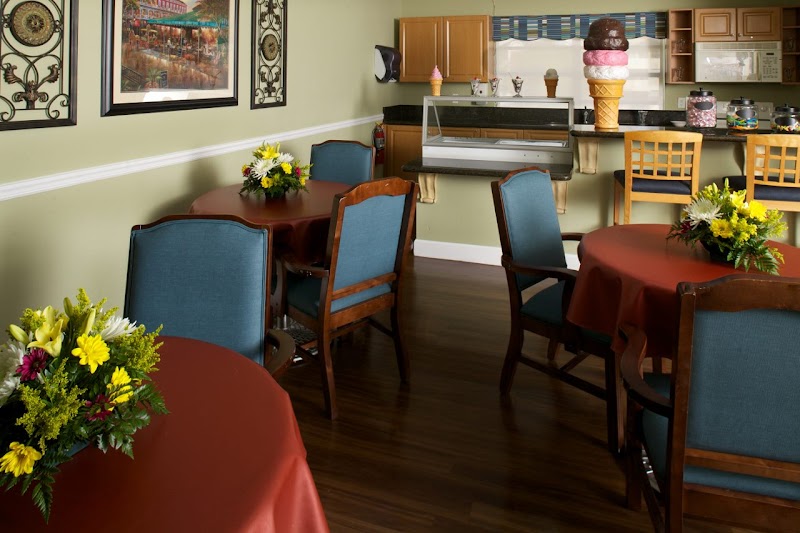
How is Ft Lauderdale Health & Rehabilitation Center Staffed?

CMS rates FT LAUDERDALE HEALTH & REHABILITATION CENTER's staffing level at 4 out of 5 stars, which is above average compared to other nursing homes. Staff turnover is 37%, compared to the Florida average of 46%. This relatively stable workforce can support continuity of care.

What Have Inspectors Found at Ft Lauderdale Health & Rehabilitation Center?

State health inspectors documented 25 deficiencies at FT LAUDERDALE HEALTH & REHABILITATION CENTER during 2022 to 2025. These included: 25 with potential for harm.
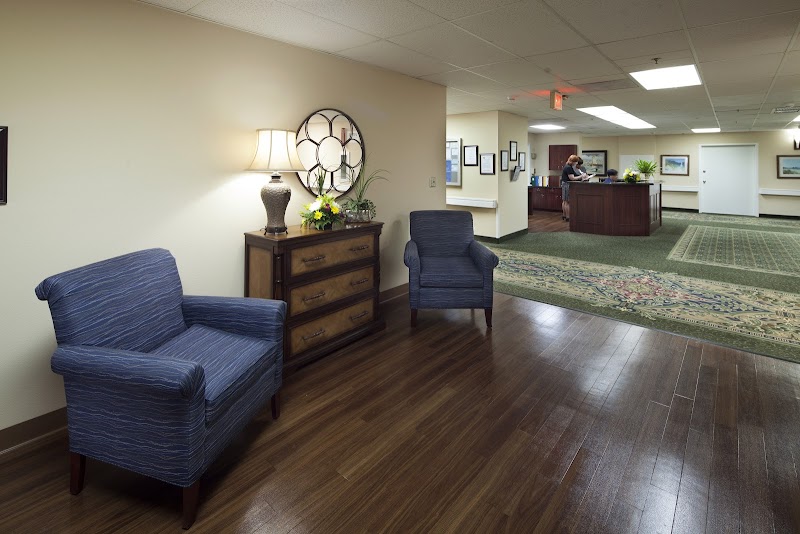
Who Owns and Operates Ft Lauderdale Health & Rehabilitation Center?

FT LAUDERDALE HEALTH & REHABILITATION CENTER is owned by a for-profit company. For-profit facilities operate as businesses with obligations to shareholders or private owners. The facility operates independently rather than as part of a larger chain. With 169 certified beds and approximately 156 residents (about 92% occupancy), it is a mid-sized facility located in FORT LAUDERDALE, Florida.
How Does Ft Lauderdale Health & Rehabilitation Center Compare to Other Florida Nursing Homes?

Compared to the 100 nursing homes in Florida, FT LAUDERDALE HEALTH & REHABILITATION CENTER's overall rating (4 stars) is above the state average of 3.2, staff turnover (37%) is near the state average of 46%, and health inspection rating (3 stars) is at the national benchmark.

What Should Families Ask When Visiting Ft Lauderdale Health & Rehabilitation Center?

Based on this facility's data, families visiting should ask: "Can I visit during a mealtime to observe dining assistance and food quality?" "How do you handle medical emergencies, and what is your hospital transfer rate?" "Can I speak with family members of current residents about their experience?"

Is Ft Lauderdale Health & Rehabilitation Center Safe?

Based on CMS inspection data, FT LAUDERDALE HEALTH & REHABILITATION CENTER has a clean safety record: no substantiated abuse findings (meaning no confirmed cases of resident harm), no Immediate Jeopardy citations (the most serious violation level indicating risk of serious injury or death), and is not on the Special Focus Facility watch list (a federal program monitoring the lowest-performing 1% of nursing homes). The facility has a 4-star overall rating and ranks #1 of 100 nursing homes in Florida. While no facility is perfect, families should still ask about staff-to-resident ratios and recent inspection results during their visit.

Do Nurses at Ft Lauderdale Health & Rehabilitation Center Stick Around?

FT LAUDERDALE HEALTH & REHABILITATION CENTER has a staff turnover rate of 37%, which is about average for Florida nursing homes (state average: 46%). Moderate turnover is common in nursing homes, but families should still ask about staff tenure and how the facility maintains care continuity when employees leave.

Was Ft Lauderdale Health & Rehabilitation Center Ever Fined?

FT LAUDERDALE HEALTH & REHABILITATION CENTER has no federal fines on record. CMS issues fines when nursing homes fail to meet care standards or don't correct problems found during inspections. The absence of fines suggests the facility has either maintained compliance or corrected any issues before penalties were assessed. This is a positive indicator, though families should still review recent inspection reports for the full picture.

Is Ft Lauderdale Health & Rehabilitation Center on Any Federal Watch List?

FT LAUDERDALE HEALTH & REHABILITATION CENTER is not on any federal watch list. The most significant is the Special Focus Facility (SFF) program, which identifies the bottom 1% of nursing homes nationally based on persistent, serious quality problems. Not being on this list means the facility has avoided the pattern of deficiencies that triggers enhanced federal oversight. This is a positive indicator, though families should still review the facility's inspection history directly.