AMBASSADOR HEALTHCARE AT COLLEGE PARK
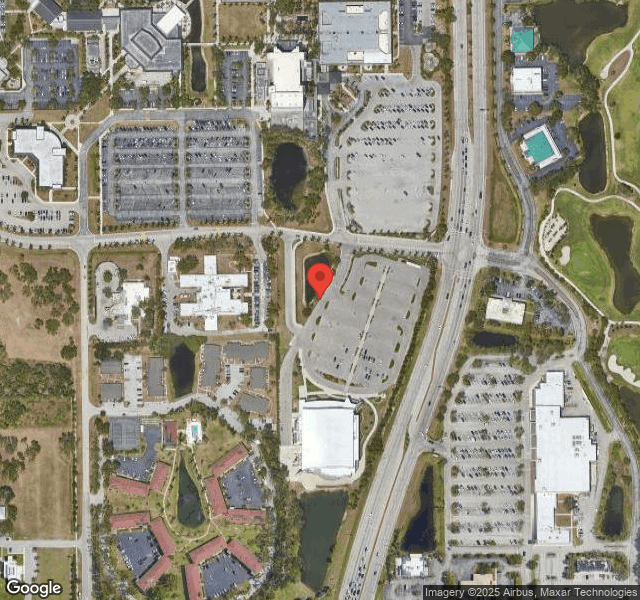
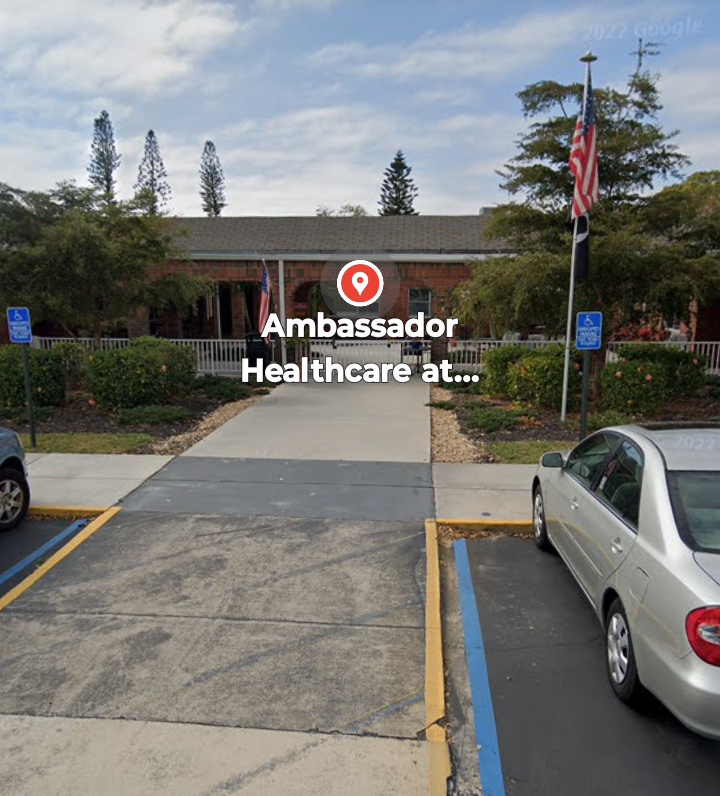
13755 GOLF CLUB PKWY, FORT MYERS, FL 33919 (239) 482-2848
For profit - Corporation 107 Beds EXCELSIOR CARE GROUP Data: November 2025
Trust Grade
0/100
#595 of 690 in FL
Last Inspection: January 2024

Within standard 12-15 month inspection cycle. Federal law requires annual inspections.

Overview

Ambassador Healthcare at College Park has received a Trust Grade of F, indicating significant concerns about the facility's quality of care. Ranking #595 out of 690 facilities in Florida places them in the bottom half, and they rank #15 out of 19 in Lee County, meaning there are only a few local options that are better. Although the facility is showing improvement with a decrease in reported issues from 14 in 2024 to 2 in 2025, the overall situation remains troubling, with 32 deficiencies found, including serious incidents of neglect that led to avoidable falls and injuries. Staffing is rated average with a turnover rate of 41%, which is slightly below the state average, and the facility has concerning fines totaling $105,369, higher than 89% of facilities in Florida. Additionally, while the RN coverage is average, a few specific incidents raised alarm, such as a resident not receiving proper assistance required by their care plan, leading to an avoidable fall, and another resident suffering an injury due to neglect of safety protocols.

Trust Score
F
0/100
In Florida
#595/690
Bottom 14%
Safety Record
High Risk
Review needed
Inspections
Getting Better
14 → 2 violations
Staff Stability
○ Average
41% turnover. Near Florida's 48% average. Typical for the industry.
Penalties
✓ Good
$105,369 in fines. Lower than most Florida facilities. Relatively clean record.
Skilled Nurses
○ Average
Each resident gets 34 minutes of Registered Nurse (RN) attention daily — about average for Florida. RNs are the most trained staff who monitor for health changes.
Violations
⚠ Watch
32 deficiencies on record. Higher than average. Multiple issues found across inspections.
★☆☆☆☆
1.0
Overall Rating
★★★☆☆
3.0
Staff Levels
★★★★☆
4.0
Care Quality
★☆☆☆☆
1.0
Inspection Score
Stable
2024: 14 issues
2025: 2 issues

The Good

  • 4-Star Quality Measures · Strong clinical quality outcomes
  • Full Sprinkler Coverage · Fire safety systems throughout facility
  • No fines on record
  • Staff turnover below average (41%)

    7 points below Florida average of 48%

Facility shows strength in quality measures, fire safety.

The Bad

1-Star Overall Rating

Below Florida average (3.2)

Significant quality concerns identified by CMS

Staff Turnover: 41%

Near Florida avg (46%)

Typical for the industry

Federal Fines: $105,369

Well above median ($33,413)

Significant penalties indicating serious issues

Chain: EXCELSIOR CARE GROUP

Part of a multi-facility chain

Ask about local staffing decisions and management

The Ugly 32 deficiencies on record

3 actual harm
Apr 2025 2 deficiencies 2 Harm
SERIOUS (G) 📢 Someone Reported This

A family member, employee, or ombudsman was alarmed enough to file a formal complaint

Actual Harm - a resident was hurt due to facility failures

Free from Abuse/Neglect (Tag F0600)

A resident was harmed · This affected 1 resident

**NOTE- TERMS IN BRACKETS HAVE BEEN EDITED TO PROTECT CONFIDENTIALITY** Based on record review, review of facility's policies and procedures and staff interviews, the facility failed to protect the re...

Read full inspector narrative →
**NOTE- TERMS IN BRACKETS HAVE BEEN EDITED TO PROTECT CONFIDENTIALITY** Based on record review, review of facility's policies and procedures and staff interviews, the facility failed to protect the resident's rights to be free from neglect by failing to follow safety precautions specified in the care plan to prevent avoidable accident with injury for 1 (Resident #1) of 3 dependent residents reviewed. The findings included: Review of facility Policy titled Abuse, Neglect, Exploitation, Misappropriation, Mistreatment, Injury of unknown source and Investigations, effective date 4/01/22 revealed neglect is the failure of the facility, its employees or service providers to provide goods and services to a resident that are necessary to avoid physical harm, pain, mental anguish, or emotional distress. Review of facility Policy titled Nursing - Activities of Daily Living (ADL's), effective date 4/01/22 revealed its primary goal is to ensure all resident's needs are met in a manner that promotes their quality of life and preference. (3) A resident who is unable to carry out activities of daily living shall receive the necessary services to maintain good nutrition, grooming, and personal and oral hygiene. Review of medical records revealed Resident #1 was admitted to the facility on [DATE] with diagnosis including Alzheimer's Disease (a progressive neurodegenerative disorder that primary affects the brain, causing a gradual decline in memory, symptoms affecting memory, thinking and social abilities), anxiety disorder (feeling of fear, dread or uneasiness), and major depressive disorder (persistent feelings of sadness or hopelessness). The admission Minimum Data Set (MDS) with a target date of 4/23/25 revealed Resident #1 had a Brief Interview for Mental Status (BIMS) score of 3 indicating severely impaired cognition. Review of Care Plan dated 3/8/23 revealed Resident #1 has an ADL self-care performance deficit related to Alzheimer's Disease. Resident #1 was weak with impaired balance and mobility. Interventions included Resident #1 was dependent on staff for ADL's and required substantial/maximum assistance of two staff with bed mobility (changing positions while in bed). Review of [NAME] (an electronic system used to summarize resident information) revealed Resident #1 required substantial/maximum assistance of two staff with bed mobility. Review of incident note dated 4/6/25 revealed that Certified Nursing Assistant (CNA) Staff A was providing care to Resident #1 and Resident #1 experienced a fall out of the bed. Review of a progress note dated 4/6/25 revealed Resident #1 was observed lying on her right side on the floor next to her bed and in between her tray table. Resident #1 was visibly upset and crying. Resident #1 was bleeding from the left side of her forehead above her eyebrow. Review of Change in Condition Form dated 4/6/25 revealed during ADL care Resident #1 fell from the bed during ADL care resulting in an injury to Resident #1's forehead. Review of medical record revealed Resident #1 was transferred to the hospital and required seven sutures to the forehead injury related to the fall reported. On 4/29/25 at 3:13 p.m., in an interview Certified Nursing Assistant (CNA) Staff A said she was doing a linen change for Resident #1 alone. Staff A said she rolled Resident #1 toward her and the resident fell out of bed. Staff A said she was not told Resident #1 was a fall risk or a two person assist. Staff A said she has had Resident #1 multiple times and always did Resident #1's care by herself. Staff A said she received a call later that day from the Director of Nursing (DON) explaining Resident #1 was a two person assist with bed mobility. Staff A said the fall and injury was neglect because the care she provided was not done properly since Resident #1 required two people and she was doing care alone. On 4/29/25 at 3:53 p.m., in an interview Licensed Practical Nurse (LPN) Staff B said CNA Staff A came to get her because the resident fell off the bed. Staff B said Staff A told her she was changing Resident #1, put her on the side and Resident #1 fell off the bed. Staff B said staff use the [NAME] to know each resident's individual needs and they are supposed to be trained on the [NAME] in orientation. Staff B said neglect would include performing care alone when the resident requires two staff members for care. On 4/30/25 at 10:33 a.m., the DON said she was called about Resident #1 going to the hospital and that Resident #1 had a gash on her forehead. The DON confirmed she reviewed the staff witness statements and Resident #1 [NAME] and concluded the staff did not follow the plan of care. The DON said Staff A told her she has been doing care for Resident #1 by herself all along and that she did not know about the [NAME]. The DON said at that point we realized there was a breakdown in the system. The DON said Staff A was not in-serviced on the [NAME] and did not receive [NAME] training during orientation. The DON said not following the resident's plan of care is neglect. On 4/30/25 at 11:23 a.m., Licensed Nursing Home Administrator (LNHA)said she worked with the DON on the investigation for Resident #1's fall together. The LNHA said they found out Staff A had not followed the [NAME] plan of care when she was providing care for Resident #1. The LNHA said her investigation revealed CNA, Staff A while providing care alone, turned Resident #1 towards her and the resident ended up falling out of bed. The LNHA said the conclusion of the investigation was Staff A was not following the [NAME] and the plan of care for Resident #1 which is neglect. She said the facility substantiated neglect and confirmed Neglect is a never event.
SERIOUS (G) 📢 Someone Reported This

A family member, employee, or ombudsman was alarmed enough to file a formal complaint

Actual Harm - a resident was hurt due to facility failures

Accident Prevention (Tag F0689)

A resident was harmed · This affected 1 resident

**NOTE- TERMS IN BRACKETS HAVE BEEN EDITED TO PROTECT CONFIDENTIALITY** Based on record review, review of facility's policies and procedures and staff interviews, the facility failed to provide care a...

Read full inspector narrative →
**NOTE- TERMS IN BRACKETS HAVE BEEN EDITED TO PROTECT CONFIDENTIALITY** Based on record review, review of facility's policies and procedures and staff interviews, the facility failed to provide care as specified in the care plan resulting in an avoidable fall with injury for 1 Resident #1) of 3 dependent residents reviewed. The findings included: Review of facility Policy titled Nursing - Activities of Daily Living (ADL's), effective date 4/01/22 revealed its primary goal is to ensure all resident's needs are met in a manner that promotes their quality of life and preference. (3) A resident who is unable to carry out activities of daily living shall receive the necessary services to maintain good nutrition, grooming, and personal and oral hygiene. Review of medical records revealed Resident #1 was admitted to the facility on [DATE] with diagnosis including Alzheimer's Disease (a progressive neurodegenerative disorder that primary affects the brain, causing a gradual decline in memory, symptoms affecting memory, thinking and social abilities), anxiety disorder (feeling of fear, dread or uneasiness), and major depressive disorder (persistent feelings of sadness or hopelessness). The admission Minimum Data Set (MDS) with a target date of 4/23/25 revealed Resident #1 had a Brief Interview for Mental Status (BIMS) score of 3 indicating severely impaired cognition. Review of Care Plan dated 3/8/23 revealed Resident #1 has an ADL self-care performance deficit related to Alzheimer's Disease. Resident #1 was weak with impaired balance and mobility. Interventions included Resident #1 was dependent on staff for ADL's and required substantial/maximum assistance of two staff with bed mobility (changing positions while in bed). Review of [NAME] (an electronic system used to summarize resident information) revealed Resident #1 required substantial/maximum assistance of two staff with bed mobility. Review of incident note dated 4/6/25 revealed that Certified Nursing Assistant (CNA) Staff A was providing care to Resident #1 and Resident #1 experienced a fall out of the bed. Review of a progress note dated 4/6/25 revealed Resident #1 was observed lying on her right side on the floor next to her bed and in between her tray table. Resident #1 was visibly upset and crying. Resident #1 was bleeding from the left side of her forehead above her eyebrow. Review of Change in Condition Form dated 4/6/25 revealed during ADL care Resident #1 fell from the bed during ADL care resulting in an injury to Resident #1's forehead. Review of medical record revealed Resident #1 was transferred to the hospital and required seven sutures to the forehead injury related to the fall reported. On 4/29/25 at 9:10 a.m., observed Resident #1 in bed with visible healing pink scar on forehead. On 4/29/25 at 3:13 p.m., in an interview Certified Nursing Assistant (CNA) Staff A said she was doing a linen change for Resident #1 alone. Staff A said she rolled Resident #1 toward her and the resident fell out of bed. Staff A said she was not told Resident #1 was a fall risk or a two person assist. Staff A said she has had Resident #1 multiple times and always did Resident #1's care by herself. Staff A said she received a call later that day from the Director of Nursing (DON) explaining Resident #1 was a two person assist with bed mobility. Staff A said the fall and injury was neglect because the care she provided was not done properly since Resident #1 required two people and she was doing care alone. On 4/29/25 at 3:53 p.m., in an interview Licensed Practical Nurse (LPN) Staff B said CNA Staff A came to get her because the resident fell off the bed. Staff B said Staff A told her she was changing Resident #1, put her on the side and Resident #1 fell off the bed. Staff B said staff use the [NAME] to know each resident's individual needs and they are supposed to be trained on the [NAME] in orientation. Staff B said neglect would include performing care alone when the resident requires two staff members for care. On 4/30/25 at 10:33 a.m., the DON said she was called about Resident #1 going to the hospital and that Resident #1 had a gash on her forehead. The DON confirmed she reviewed the staff witness statements and Resident #1 [NAME] and concluded the staff did not follow the plan of care. The DON said Staff A told her she has been doing care for Resident #1 by herself all along and that she did not know about the [NAME]. The DON said at that point we realized there was a breakdown in the system. The DON said Staff A was not in-serviced on the [NAME] and did not receive [NAME] training during orientation. The DON said not following the resident's plan of care is neglect. On 4/30/25 at 11:23 a.m., Licensed Nursing Home Administrator (LNHA)said she worked with the DON on the investigation for Resident #1's fall together. The LNHA said they found out Staff A had not followed the [NAME] plan of care when she was providing care for Resident #1. The LNHA said her investigation revealed CNA, Staff A while providing care alone, turned Resident #1 towards her and the resident ended up falling out of bed. The LNHA said the conclusion of the investigation was Staff A was not following the [NAME] and the plan of care for Resident #1 which is neglect. She said the facility substantiated neglect and confirmed Neglect is a never event.
Jul 2024 1 deficiency
CONCERN (D) 📢 Someone Reported This

A family member, employee, or ombudsman was alarmed enough to file a formal complaint

Potential for Harm - no one hurt, but risky conditions existed

ADL Care (Tag F0677)

Could have caused harm · This affected 1 resident

**NOTE- TERMS IN BRACKETS HAVE BEEN EDITED TO PROTECT CONFIDENTIALITY** Based on observation, record review, residents and staff interviews, the facility failed to provide timely assistance with dinin...

Read full inspector narrative →
**NOTE- TERMS IN BRACKETS HAVE BEEN EDITED TO PROTECT CONFIDENTIALITY** Based on observation, record review, residents and staff interviews, the facility failed to provide timely assistance with dining for 2 (Residents #2 and #3) of 3 sampled dependent residents reviewed for dining services. The findings included: Review of the clinical record for Resident #2 revealed an admission date of 5/28/24. Diagnoses included Parkinson's Disease (a disorder of the central nervous system that affects movement). The admission Minimum Data Set (MDS) assessment with a target date of 5/29/24 noted Resident #2 required partial to moderate assistance to go from a lying to sitting position and supervision or touching assistance with eating (The helper provides verbal cues or touching/steadying assistance as the resident completes the activity). Resident #2's cognition was intact with a Brief Interview for Mental Status score of 13. On 7/8/2024 at 8:15 a.m., Resident #2 was observed lying supine in a low bed, eyes closed. A breakfast tray was observed on an over the bed table to the right side of the bed. The over the bed table was in a high position and not within reach of the resident. Review of the clinical record for Resident #3 revealed an admission date of 5/28/24 with a diagnosis of malignant neoplasm (cancer). The admission Minimum Data Set (MDS) assessment with a target date of 6/4/2024 noted Resident #3's cognition was intact with a Brief Interview for Mental Status score of 15. Resident #3 required partial to moderate assistance from lying to sitting on the side of the bed, and setup or clean up assistance with eating (Helper sets up or cleans up). On 7/8/24 at 8:15 a.m., Resident #3 was observed lying supine in bed on a low bed. A breakfast tray was observed on the over the bed table to the side of the resident's bed. The over the bed table and breakfast tray were not within reach of the resident. Resident #3 asked for the orange juice on the tray. On 7/8/2024 at 8:24 a.m., Certified Nursing Assistant (CNA) Staff C was observed going in Resident #3's room. In an interview, Staff C verified the breakfast tray was not within Resident #3's reach. She said she delivers all the meal trays to the rooms, then comes back to assist the residents who need set up or feeding assistance. She stated, I leave it on the over bed table and leave it out of reach until I come back in to feed her. I need to pass all the other trays first. On 7/8/2024 at 8:30 a.m., in an interview Registered Nurse (RN) Staff B said he had to get the CNAs so they would assist and feed Residents #2 and #3. RN Staff B said that Resident #2 can feed herself some days. They need to wake her and set up her tray and see if she would feed herself or if she needs assistance. Resident #3 can feed herself if they position her and set up her tray. On 7/8/24 at 10:25 a.m., in an interview Unit Manager Staff E said staff are to deliver the trays of the residents requiring assistance last. When the tray is delivered, they wake the resident, ask if they need help and leave the tray within reach of the resident. On 7/8/24 at 10:35 a.m., an interview was conducted with the Director of Nursing and the Regional Nurse Consultant. Both said when a tray is brought into the room staff set the resident upright and offer help cutting the food or opening milk cartons. Trays are not to be dropped off in the room without setting up and waking the resident. Meal tray of residents who need assistance with feeding should be delivered last. It is in the [NAME] (provides instructions for care), and the nurse should be telling CNAs in report. On 7/8/24 at 3:28 p.m., in an interview Resident #3 said she cannot remember if she received assistance with her meals. On 7/8/24 at 3:32 p.m., in an interview Resident #2 said she needs assistance with her meals. She said staff leave her tray at the bedside all the time without setting it up immediately. They come back and set it up for her later.
Jan 2024 13 deficiencies
CONCERN (D)

Potential for Harm - no one hurt, but risky conditions existed

Deficiency F0554 (Tag F0554)

Could have caused harm · This affected 1 resident

**NOTE- TERMS IN BRACKETS HAVE BEEN EDITED TO PROTECT CONFIDENTIALITY** 2. On 1/8/24 at 10:00 a.m., observed at bedside of Resident #40 two respiratory inhalers, Budesonide and Formoterol Fumarate Dih...

Read full inspector narrative →
**NOTE- TERMS IN BRACKETS HAVE BEEN EDITED TO PROTECT CONFIDENTIALITY** 2. On 1/8/24 at 10:00 a.m., observed at bedside of Resident #40 two respiratory inhalers, Budesonide and Formoterol Fumarate Dihydrate Inhalation Aerosol 160 mcg/ 4.5 mcg. In an interview, Resident #40 said, I have two, one is mine and one is from the facility. I take it 2 or 3 times a day. On 1/8/24 at1:30 p.m., observed Resident #40 respiratory inhalers continue on bedside table unsecured. On 1/9/24 at 915 a.m., observed Resident #40 medication inhalers continue on bedside table unsecured. On 1/9/24 at 3:15 p.m., RN Staff L reviewed the resident's clinical record and verified Resident #40 was not evaluated to determine if the resident was able to safely self-administer the inhalers. RN Staff L said he administered the inhalers to the resident in the morning but was not able to locate the inhalers in the medication cart. Based on observation, record review, review of policies and procedures, resident and staff interview the facility failed to evaluate and determine the resident's ability to safely self-administer medications for 2 (Resident #353, and #40) of 6 residents observed with unsecured medications at the bedside. The findings included: 1. Review of a facility policy titled, Self-administration medication program dated 4/1/2022, specified, under procedure: The facility should allow the resident to self-administer drugs if the interdisciplinary team, has determined that this practice is safe. The nurse or designee should complete a self-administration of medication Evaluation and report the findings to the unit manager or designee. The medication should be stored at the resident bedside, a lockbox or locked drawer must be used to store the medication. Review of the clinical record revealed Resident #353 was admitted to the facility on [DATE] with diagnoses including Chronic Obstructive Pulmonary Disease (COPD) and Chronic Diastolic Congestive Heart Failure (CHF). The admission Minimum Data Set (MDS) with a target date of 12/29/23 revealed Resident #353 had a Brief Interview for Mental Status (BIMS) score of 15 which indicated intact cognition. The physician's orders included Trelegy Ellipta Inhalation Aerosol Powder Breath Activated 100-62.5-5-25 micrograms (mcg) one puff orally one time a day, and Ventolin HFA inhalation Aerosol Solution 108(90 base) mcg/act (albuterol sulfate) two puffs orally twice a day related to chronic obstructive pulmonary disease. On 1/9/24 at 3:10 p.m., two inhalers stored in a plastic container were observed at the resident's bedside. Resident #353 stated in an interview that she kept her inhalers at the bedside because she needed them. She stated she has COPD and CHF. When she asks the nurses for the inhalers they might not have them, so she keeps them at her bedside. On 1/11/24 at 1:34 p.m., Licensed Practical Nurse (LPN) Staff I stated the resident was alert and oriented and was able to administer her own inhalers since she did it at home. She stated she brings the inhalers to the resident who self-administers the medications. Staff I stated she did not know if the resident has been evaluated for self-administration. On 1/11/24 at 1:39 p.m., in an interview Registered Nurse Staff P stated Resident #353's was not evaluated to determine if she could safely self-administer the inhalers. He also said the inhalers should be stored in a locked box.
CONCERN (D)

Potential for Harm - no one hurt, but risky conditions existed

Safe Environment (Tag F0584)

Could have caused harm · This affected 1 resident

Based on observations, facility policy review, resident and staff interviews, the facility failed to provide housekeeping and maintenance services necessary to repair a broken toilet for 1 (Resident #...

Read full inspector narrative →
Based on observations, facility policy review, resident and staff interviews, the facility failed to provide housekeeping and maintenance services necessary to repair a broken toilet for 1 (Resident #84) of 27 sampled residents. The findings included: Review of facility policy titled Preventive Maintenance Program revised 3/10/23 which stated Purpose: To develop and implement a preventive maintenance program that promotes a safe, functional and comfortable environment for all residents .The maintenance Director shall assess all aspects of the physical plant to determine if Preventative Maintenance (PM) is required. Required PM may be determined from manufacturer's recommendations, maintenance requests, significant event reviews, life safety requirements, and/or experience. Review of clinical records for Resident #84 documents a Brief Interview for Mental Status (BIMs) dated 12/22/2023 with a score of 15 indicating the resident was cognitively intact. On 1/8/24 at 9:41 a.m., during an interview Resident #84 complained the toilet in his room has been broken for the past two months. Resident #84 said, I don't know why they don't get a plumber in here. The maintenance guy comes and checks it and then it is broken again in a day. The toilet in resident's bathroom was observed covered with a large black plastic garbage bag. Resident #84 said he had to use the toilet in the shower room. He said, We need to go down to the shower room. If someone is using the shower then we need to wait. It is annoying. I don't like it. The resident said the housekeeping staff covered the toilet with the black plastic bag since Saturday (1/6/2024). On 1/9/24 at 12:26 p.m., the toilet remained covered with a black garbage bag. Resident #84 confirmed the toilet was still not working. He said no one came to check the toilet or update him. On 1/10/24 at 9:23 a.m., in an interview Resident #84 said the toilet was still not fixed, and no staff had come to check the toilet or update him. Observed a black garbage bag still covering the toilet. Resident #84 said it was frustrating to have a toilet that was not working and did not like to have to go to the shower room to use the toilet. On 1/10/24 at 10:45 a.m., in an interview, the Maintenance Director said the toilet in Resident #84's room has had problems on and off for months. The Maintenance Director said, It works for a week or so and then it doesn't. I think they are using too much toilet paper. The Maintenance Director said he was planning on ordering a new toilet and confirmed he has not brought in a plumber to address the issues with the toilet. He said, We just plunge it and get it working. When asked how many times the toilet was broken in the past six months, the Maintenance Director replied, I don't know every couple of weeks. He confirmed the toilet being broken 12 times in the past six months was a fair description saying, Yes about that would be right. The Maintenance Director said he was not aware Resident #84's toilet has been broken since 1/6/24. The Maintenance Director observed the toilet covered with a plastic bag and said, If they did not let me know or put in a request for maintenance, I would not know it was broken again. The Maintenance Director confirmed it was unacceptable to have a non-functioning toilet for five days. On 1/10/24 at 11:33 a.m., in an interview CNA Staff E said the toilet in Resident #84's bathroom was always having problems. He said, If I see it is not working I plunge it and if that doesn't work I call maintenance. He confirmed the toilet has been broken on and off every week or so for the past several months. On 1/10/24 at 11:45 a.m., in an interview, the Facility's Administrator said he was not aware the resident's toilet had not been functioning since 1/6/24. He said he didn't know why they had not called a plumber to fix it. The Administrator said a toilet shouldn't be out of service for even a day.
CONCERN (D)

Potential for Harm - no one hurt, but risky conditions existed

Deficiency F0657 (Tag F0657)

Could have caused harm · This affected 1 resident

Based on observation, record review, staff and resident interview, the facility failed to revise the comprehensive care plans with individualized interventions to meet the needs of 1 (Residents #453) ...

Read full inspector narrative →
Based on observation, record review, staff and resident interview, the facility failed to revise the comprehensive care plans with individualized interventions to meet the needs of 1 (Residents #453) of 27 residents' care plans reviewed. The findings included: Review of the clinical record for Resident #453 revealed an admission date of 7/26/22. The Resident was transferred to an acute care facility on 12/5/23 and returned to the facility on 1/2/24. The Quarterly Minimum Data Set (MDS) assessment with a target date of 11/29/23 noted a diagnosis of End Stage Renal Disease (ESRD). Resident #453 received dialysis (procedure to remove waste products and excess fluid from the blood when the kidneys stop working properly). The physician's orders as of 1/2/24 included: Hemodialysis at dialysis center A on Mondays, Wednesdays, and Fridays with a chair time of 7:00 a.m. Daptomycin (antibiotic) 750 milligrams intravenously every 48 hours related to an infection. Staff was to assess the hemodialysis access site to the right chest for bruising, bleeding, and symptoms of infection every shift as of 1/3/24. The care plan initiated on 12/7/22 and revised on 8/30/22 noted Resident #453 needed hemodialysis on Tuesdays, Thursdays, and Saturdays at dialysis center B, and the dialysis access site was on the left arm. The care plan was not updated upon the resident's readmission to the facility on 1/2/24 to reflect the new dialysis access site to the resident's right chest, the new dialysis center and schedule, or the infection for which the resident received intravenous antibiotics. On 1/8/24 at 12:35 p.m., Resident #453 was observed to have a wound vac (vacuum device to promote wound healing) to the left upper extremity, and an intravenous catheter to the right upper extremity covered with a dressing. Resident #453 said she developed complications to access site of the left arm and the graft had to be removed. The resident said they placed a new dialysis access site to the right upper chest. On 1/10/24 at 4:20 p.m., during an interview Minimum Data Set (MDS) Licensed Practical Nurse (LPN) Staff G stated upon readmission to the facility, the care plan is updated with any significant changes. On 1/11/24 at 12:00 p.m., LPN Staff G confirmed Resident #453's care plan was not updated to reflect the new dialysis center, access site, or the infection for which the resident received intravenous antibiotics.
CONCERN (D)

Potential for Harm - no one hurt, but risky conditions existed

Quality of Care (Tag F0684)

Could have caused harm · This affected 1 resident

**NOTE- TERMS IN BRACKETS HAVE BEEN EDITED TO PROTECT CONFIDENTIALITY** 2. Review of the facility's policy and procedure titled Catheter Insertion and Care revised 1/17/2019 showed Midline catheter (c...

Read full inspector narrative →
**NOTE- TERMS IN BRACKETS HAVE BEEN EDITED TO PROTECT CONFIDENTIALITY** 2. Review of the facility's policy and procedure titled Catheter Insertion and Care revised 1/17/2019 showed Midline catheter (catheter inserted into a vein) dressings will be changed at specified intervals, or when needed, to prevent catheter-related infections associated with contaminated, loosened, or soiled catheter-site dressings. The policy noted to label the dressing with initials, date and time. On 1/9/24 at 11:56 a.m., Resident #453 was observed with a midline intravenous catheter inserted to the right upper arm. The midline dressing was lifting around the edges. The dressing was not dated. Resident #453 said the dressing keeps getting unglued. Review of the clinical record revealed Resident #453's most recent admission to the facility was 1/2/24. The Quarterly Minimum Data Set (MDS) assessment dated [DATE] noted Resident #453 scored 15 on the Brief Interview for Mental Status, indicating intact cognition. The physician's orders dated 1/2/24 included administering Daptomycin (antibiotic) 750 milligrams intravenously every 48 hours for staphylococcus aureus infection and changing the midline dressing every seven days and as needed if soiled. Review of the Treatment Administration Record (TAR) revealed the midline dressing change was scheduled for 1/9/24. Licensed Practical Nurse Staff F placed her initials on the TAR on 1/9/24 indicating the dressing change was done as ordered. On 1/10/24 at 12:30 p.m., Resident #453's undated midline catheter dressing remained unchanged and lifted on three sides. The resident's sleeve was caught underneath the dressing. Resident #453 said she was receiving antibiotics through the midline for a blood infection, and no one had changed the dressing since the midline was inserted. She said she told a few nurses, including the nurse who infused her antibiotic the night before the dressing was coming off and needed to be changed. The nurse did not change it. Photographic evidence obtained. On 1/10/24 at 2:20 p.m., in a joint observation, the Director of Nursing (DON) verified the resident's midline dressing was coming off and was not dated. Resident #453 told the DON the dressing has not been changed since the midline was inserted. On 1/10/24 at 4:20 p.m., the DON said Resident #453's midline dressing was from the hospital prior to the resident's readmission date of 1/2/24. She also verified LPN Staff F documented on the TAR she changed the dressing on 1/9/24. On 1/11/24 at 8:24 a.m., in an interview LPN staff F confirmed she did not change Resident #453's midline dressing on 1/9/24 but documented in the TAR she had changed the dressing. Based on observations, records review, policy and procedure review, residents and staff interviews, the facility failed to monitor and treat a skin rash for 1 (Resident #84) of 3 residents reviewed for skin conditions. The facility failed to provide appropriate care of a midline intravenous catheter for 1 (Resident #453) of 1 sampled resident receiving intravenous therapy. The findings included: 1. Review of facility policy for prevention of Pressure Ulcers/ Injuries revised 2/21/23 which states, Inspect the skin on a daily basis when performing or assisting with personal care or ADLs (Activities of Daily Living) . Monitoring - evaluate, report and document potential changes in the skin . On 1/8/24 at 12:30 p.m., during an interview Resident #84 was observed scratching his chest. The resident had visible scattered small red bumps on the chest and upper abdomen. Resident #84 said he's had that rash on his chest and back for a long time. He said, I have had it for months. They said I would see a dermatologist, but it has been months. It isn't getting any better. They gave me ointment and cream. I am using a tube of cream a day since it is itchy. On 1/9/24 9:53 a.m., in an interview Resident #84 complained about the rash on his chest and back. Resident #84 said, They said I will get checked by a dermatologist. Someone said it might be scabies, but I don't think so. On 1/9/24 at 12:17 p.m., in an interview Resident #84 said he has been waiting to see the dermatologist for the rash for a couple of months. He said the Physician Assistant gave him a cream to apply to the rash, and he's going through a tube of the cream every day. A tube of Hydrocortisone cream 1% was observed at the resident's bedside. Resident #84 said no one told him how much or how frequently he should apply the cream. He said, They just gave me the cream and I put it all over my chest. On 1/9/24 at 3:05 p.m., in an interview Certified Nursing Assistant (CNA) Staff N assigned to Resident #84 said she was aware Resident #84 had a rash. She said, I think he has had it for a few weeks. CNA Staff N said the resident complained of being itchy a lot. Staff N said the rash was mostly on the resident's stomach and had little red bumps. She said she was not always assigned to care for the resident, but she notified the assigned nurse two weeks ago when the resident told her about the rash. CNA Staff N said she heard the resident had a cream for the rash, but the nurses apply the cream. Review of the clinical record revealed Resident #84 was admitted to the facility on [DATE]. The Quarterly Minimum Data Set (MDS) assessment with a target date of 12/21/23 noted the resident's cognition was intact with a Brief Interview for Mental Status score of 15. The physician's orders dated 3/29/23 included, Dermatology consult and treat as needed. Review of the Medication Administration Record (MAR) for December 2023 showed on 12/14/23 at 9:41 a.m., 12/28/23 at 2:14 p.m., 12/31/23 at 5:30 a.m., and 10:07 p.m., and on 1/2/24 at 9:15 a.m., Resident #84 received Hydroxyzine HCL 25 milligrams by mouth as per the physician's order dated 12/10/23 for pruritis (itchy skin). The Treatment Administration Record (TAR) for December 2023 noted staff applied BPCO ([NAME], [NAME] Oil) as per the physician's order dated 7/18/23 to Resident #84's back and chest every day and night shift for rash until 12/27/23. There was no physician's order in the clinical record for the Hydrocortisone cream 1% observed at the resident's bedside. The weekly skin evaluations for 11/6/23, 11/13/23, 11/20/23, 11/27/23, 12/1/23, 12/4/23, 12/11/23, 12/18/23, and 12/25/23 documented the resident's skin was intact. Review of nursing and physician progress notes from 12/1/23 to 1/9/24 failed to show documentation of an evaluation of Resident #84's rash to the chest and abdomen. The care plan initiated on 12/28/23 noted the resident had a rash on the back and chest. The interventions included: Apply topical medication to the rash as ordered and note effectiveness. Give anti-pruritic (itching) medication as ordered by the physician. Monitor, document side effects and effectiveness. Monitor skin rashes for increased spread or signs of infection. The weekly skin evaluations for 1/1/24, and 1/8/24 documented the resident's skin was intact, and did not document the rash on the resident's skin. On 1/9/24 at 3:15 p.m., in an interview Registered Nurse (RN) Staff L, assigned to Resident #84, confirmed the resident had a rash. RN Staff L said, He has complained of itchiness and a rash. He has a cream ordered to be applied and Hydroxyzine HCL as needed every six hours for itchiness. I was told he has gone out to see a dermatologist. Staff L went to the resident's room and observed the Hydrocortisone cream 1% at the resident's bedside. She said she was not aware the resident was using the Hydrocortisone. Resident #84 told RN Staff L, The Unit Manager gave it to me. After reviewing the physician's orders, RN Staff L confirmed there was no physician orders for the Hydrocortisone cream 1% the resident kept at the bedside. On 1/9/24 at 3:45 p.m., Licensed Practical Nurse (LPN) Unit Manager Staff A confirmed she was aware Resident #84 had a continued rash for several weeks and had not seen the dermatologist yet. She verified the resident had hydrocortisone cream 1% at his bedside. Unit Manager Staff A said she thought the dermatologist was coming soon. On 1/9/24 at 5:34 p.m., RN Staff L documented in a progress note Resident #84 complained of an itchy rash on his skin. The facility completed a skin assessment on 1/9/24 which noted Resident #84 had a scattered rash to chest, abdomen, back, buttocks, thighs. On 1/10/24 at 3:27 p.m., in an interview the Director of Nursing (DON) said the rash should have been assessed and documented in the weekly skin checks. The DON said the risks for not addressing the rash for several weeks included that the resident would be more uncomfortable and that they could not say if the rash was infectious or not.
CONCERN (D)

Potential for Harm - no one hurt, but risky conditions existed

Accident Prevention (Tag F0689)

Could have caused harm · This affected 1 resident

**NOTE- TERMS IN BRACKETS HAVE BEEN EDITED TO PROTECT CONFIDENTIALITY** Based on observation, interview and record review, the facility failed to provide appropriate care and services to prevent an av...

Read full inspector narrative →
**NOTE- TERMS IN BRACKETS HAVE BEEN EDITED TO PROTECT CONFIDENTIALITY** Based on observation, interview and record review, the facility failed to provide appropriate care and services to prevent an avoidable fall for 1 (Resident #26) of 3 dependent residents reviewed who sustained a fall at the facility. The findings included: Review of the clinical record revealed Resident #26 was admitted to the facility on [DATE]. The admission Minimum Data Set (MDS) assessment with a target date of 12/8/23 noted the resident's cognition was intact with a Brief Interview for Mental Status (BIMS) score of 15. Diagnoses included Parkinson's Disease (disorder of the central nervous system that affects movement), Cerebrovascular Accident, Transient Ischemic attack, or Stroke. Resident #26 had functional limitation of both lower extremities and required substantial assistance to roll left and right. The care plan initiated on 11/21/23 noted the resident was at risk for falls related to debility, and bilateral fixed knee contractures (joint deformity and loss of movement around the joint). On 12/15/23 the care plan noted Resident #26 had an actual fall with a goal to minimize the risk of further incident through the next review date. The interventions included to continue with bilateral grab bars to the bed to assist with bed mobility and provide substantial assistance of two staff members for bed mobility and incontinence care. On 1/8/24 at 11:18 a.m., Resident #26 was observed in bed, awake, oriented to person and place, able to converse and answer questions appropriately. Resident #26 said she recently fell out of bed when Certified Nursing Assistant (CNA) Staff AA rolled her away from her while providing incontinent care. Review of the fall investigation dated 12/15/23 at 3:30 a.m., revealed Licensed Practical Nurse W documented Resident #26 was found in a sitting position at her bedside. The CNA said the resident fell due to continuing to roll over on her side when changing linens and incontinence care .The resident was not able to explain what happened . The fall investigation included a witness statement from CNA Staff AA which noted Resident #26 fell due to continuing to roll over on side. The CNA documented she advised the resident not to turn too much so she would not fall but the resident continued to turn and resulted in the fall. The investigation noted the root cause of the incident was the resident rolled too far over while the CNA repositioned her for incontinence care. The investigation did not address CNA Staff AA rolling the dependent resident away from her while providing care. On 1/11/24 at 10:44 a.m., in an interview the Director of Nursing (DON) said she personally reviewed the incident, looked at the interventions, observed the room and spoke with the resident. She verified CNA Staff AA rolled the dependent resident away from her and said she did not think the CNA was at fault. She said Resident #26 had grab bars at the head of the bed and was able to use them to roll in bed therefore there was no need to re-educate the CNA. The DON said the CNAs should roll more dependent residents toward them while providing care to prevent falls. The DON said the Occupational Therapist provided in-service to the CNAs twice a year on positioning, moving, and transferring residents. On 1/11/24 at 10:57 a.m., Resident #26 was observed in bed with grab bars elevated at the head of the bed bilaterally. Resident #26 had a splint to the left hand and wrist. The middle finger of the right hand was curled toward her palm. Resident #26 said she had a Trigger finger (finger stuck in a bent position). Resident #26 was not able to grab the bars and reposition herself in bed. The DON was present at the time of the observation. Resident #26 said she was still upset about the fall. She said CNA Staff AA was rolling her away from her in the bed. She repeatedly told the CNA to stop as she was falling but she did not listen and kept rolling her until she fell. On 1/11/24 at 11:42 a.m., Physical Therapist Staff U said Resident #26 would not be able to reposition herself in bed is she was falling. Review of the CNA skills fair dated 5/24/23 noted the Director of Therapy reviewed the proper techniques for assisting residents to perform transfers and bed mobility safely. The technique for dependent roll included, Pre-roll positioning. The person assisting positions him/herself on the side of the bed toward which the resident is to roll . Gently roll the resident toward you onto his/her side . There was no documentation CNA Staff AA attended the training. On 1/11/24 at 1:51 p.m., the DON verified CNA Staff AA did not use proper technique by rolling Resident #26 away from her while providing care. She also verified CNA staff AA did not attend the CNAs skills fair on 5/24/23 or in November 2023.
CONCERN (D)

Potential for Harm - no one hurt, but risky conditions existed

Respiratory Care (Tag F0695)

Could have caused harm · This affected 1 resident

Based on observations, record review, review of facility's policy and procedure, resident and staff interviews, the facility failed to ensure 2 (Residents, #21 and #40) of 3 sampled residents received...

Read full inspector narrative →
Based on observations, record review, review of facility's policy and procedure, resident and staff interviews, the facility failed to ensure 2 (Residents, #21 and #40) of 3 sampled residents received oxygen therapy accurately and appropriately. The findings included: 1. Review of facility policy titled, Nursing - Oxygen Administration, effective date 4/1/2022 which stated, Purpose: The purpose of this procedure to provide guidelines for safe oxygen administration. Preparation: Verify that there is a physician's order for this procedure . On 1/8/24 at 10:19 a.m., and 12:40 p.m., observed Resident #21 sleeping in bed with nasal cannula oxygen therapy prongs in place. Oxygen concentrator observed delivering oxygen at 2.5 liters per minute. Review of clinical records for Resident #21 revealed an admission date of 8/29/2022. The physician's orders did not include oxygen therapy. On 1/8/24 at 3:27 p.m., in a joint observation, Unit Manager Licensed Practical Nurse (LPN) Staff A verified Resident #21 was receiving oxygen via nasal cannula at 2.5 liters per minute. Upon review of the clinical record Staff A said she could not locate a physician's order for the oxygen. She verified a physician's order was needed for oxygen therapy. On 1/8/24 at 3:34 p.m., in an interview the Director of Nursing (DON) confirmed Resident #21 was receiving oxygen without a physician's order. On 1/11/24 at 12:23 p.m., in an interview Respiratory Therapist (RT) Staff O said she was not aware that Resident #21 was on oxygen therapy and had not assessed the resident. 2. Review of Resident #40's clinical record revealed a physician's order dated 7/12/23 for Oxygen inhalation via nasal cannula at two liters per minute every shift. Review of Resident #40 Treatment Administration Record (TAR) for December 2023 and January 2024 showed staff signed each shift verifying the resident was receiving oxygen therapy via nasal cannula consistently. On 1/8/23 at 10:00 a.m., in an interview Resident #40 said she uses oxygen mostly at night for her COPD (Chronic Obstructive Pulmonary Disease). A nasal cannula oxygen tubing dated 1/3/24 was observed draped over the oxygen concentrator without a protective cover. On 1/9/24 at 9:14 a.m., Resident #40 was observed sitting in a wheelchair. The oxygen tubing dated 1/3/24 was on the floor under the bed. Resident #40 confirmed she only uses oxygen at night. On 1/9/24 at 3:30 p.m., the oxygen tubing dated 1/3/24 was observed stored in a plastic bag dated 1/9/23. On 1/9/24 at 3:45 p.m., in an interview Unit Manager LPN Staff A verified the oxygen tubing dated 1/3/24 that was observed on the floor had not been replaced. She said it should have never been taken off the floor and bagged. LPN Staff A said, It is an infection control issue. If it touched the floor, then it needs to be thrown out and replaced. LPN Staff A said over a month ago, Resident #40 started using her oxygen at night only. On 1/11/24 at 9:46 a.m., during an interview the DON and LPN Staff A confirmed the documentation on the TAR for December 2023 and January 2024 was inaccurate since the resident had not been using the oxygen mostly at night as needed for over a month. The DON said they should have obtained a new order and revise the care plan. On 1/11/24 at 12:34 p.m., in an interview, Respiratory Therapist (RT) Staff O said on 11/20/23 Resident #40 transitioned to oxygen at 2 liters at nighttime and as needed., and the order should have been changed.
CONCERN (E) 📢 Someone Reported This

A family member, employee, or ombudsman was alarmed enough to file a formal complaint

Potential for Harm - no one hurt, but risky conditions existed

ADL Care (Tag F0677)

Could have caused harm · This affected multiple residents

**NOTE- TERMS IN BRACKETS HAVE BEEN EDITED TO PROTECT CONFIDENTIALITY** Based on observation, resident and staff interviews, record review and review of facility policies and procedures, the facility ...

Read full inspector narrative →
**NOTE- TERMS IN BRACKETS HAVE BEEN EDITED TO PROTECT CONFIDENTIALITY** Based on observation, resident and staff interviews, record review and review of facility policies and procedures, the facility of failed to provide the necessary care and services to maintain grooming and hygiene for 4 (Resident #8, #19, #38, and #60) of 8 residents reviewed for assistance with activities of daily living. The findings included: The facility policy and procedures, Nursing- Activities of Daily Living (ADLS) effective 4/1/22 documented To ensure all residents needs are met in a manner that promotes their quality of life and preferences . A resident who is unable to carry out activities of daily living shall receive the necessary services to maintain good nutrition, grooming and personal hygiene . 1. Review of the clinical record revealed Resident #8 had an admission date of 11/16/17 with diagnoses including hemiplegia and hemiparesis (weakness or inability to move on one side of the body) of the right side. The plan of care initiated on 1/16/23 and revised on 1/5/24 noted Resident #8 required substantial assistance with personal hygiene and grooming. On 1/8/24 at 1:51 p.m., during an observation and interview, Resident #8 said he had a stroke and was not able to use his right hand or arm. The resident's right hand fingers were curled in a fist. He demonstrated how he used his left hand to open to move the right hand's fingers. Upon observation the fingernails on the right hand extended over ¼ inch from the nail beds with a brown and black substance under the nail beds. He said the staff were supposed to cut and clean his nails, but they did not always do it. On 1/9/24 at 9:03 a.m., Resident #8 was in his room in a wheelchair, with the bedside table in front of him awaiting breakfast. A urinal half filled with urine was on the bedside table in front of the resident. Certified Nursing Assistant (CNA) Staff C entered the room, placed the breakfast tray on the bedside table next to the urinal and turned to exit the room. The resident said he was used to eat his meals with the urinal, because staff did not always empty it. On 1/9/24 at 2:37 p.m., in an interview CNA Staff C said there was a shower list at the nurse's desk and the staff follow it. Staff C said there were shower sheets at the desk and each CNA completes it when you give a shower or bed bath. The CNA explained you circle the sheet when a was shower given. The Resident Shower Sheet tasks listed cleaning and trimming fingernails. Staff C said you complete the form and sign it and then you give it to the nurse and the nurse signs it. We do nails, shave everything when you give the shower. On 1/10/24, review of the shower sheets for Resident #8 revealed the CNA noted on 1/6/24 and 1/10/24 the resident's fingernails had been cleaned and trimmed during the day shift. On 1/10/24 at 3:12 p.m., Resident #8 was observed exercising his right hand, using the left hand. The right hand fingernails remained untrimmed with a brown and black substance under the nails. The resident's hand had a foul odor. On 1/11/24 at 11:45 a.m., the resident's right hand nails remained untrimmed with an accumulation of black and brown substance under the nails. Unit Manager Staff A confirmed the observation of Resident #8's right hand. Staff A said she would have the CNA wash and soak the residents right hand and trim the fingernails. 2. On 1/8/24 at 11:39 a.m., Resident #19 was sitting on the side of his bed. His feet were blue and dark purple in color from the toes to approximately four inches above his ankles. He said he had a heart attack several years ago but did not know why his feet were discolored. Review of Resident #19's clinical record revealed an admission date of 5/10/22 with diagnoses including acute ischemic heart disease, peripheral vascular disease, and type 2 diabetes mellitus. Review of the physician order dated 8/11/23 included to apply compression stockings (worn to reduce blood clots and promote blood flow) to bilateral legs. The stockings were to be applied in the morning and removed at bedtime. On 1/9/24 at 8:58 a.m., Resident #19 was observed seated on the side of the bed and did not have the compression stockings on. Resident #19's wife said, the staff are supposed to put the white stockings on him every day, but they are never on him. On 1/9/24 at 2:50 p.m., Resident #19 was lying in his bed and did not have the compression stockings on as ordered. On 1/9/24 at 2:58 p.m., during a joint observation with the Director of Nursing (DON), she confirmed Resident #19 was not wearing the compression stockings as ordered by the physician. On 1/10/24 at 11:21 a.m., in an interview CNA Staff D said the CNA's were to apply the compression stockings. Staff D said, the CNA's put the stockings on and we get the information from the care plan or CNA care [NAME], it will tell you what each resident needs. 3. Review of the clinical record revealed Resident #38 had an admission date of 8/16/16 with diagnoses including anxiety disorder, histrionic personality disorder, mood disorder and depression. The Quarterly Minimum Data Set (MDS) (standardized assessment tool that measures health status in nursing home residents) dated 12/14/23 documented Resident #38 was dependent on staff for bathing. The MDS noted Resident #38 scored 03 on the Brief Interview for Mental Status, indicative of severely impaired cognitive skills for daily decision making. The plan of care for Resident #38 initiated 2/16/23 noted the resident required total assistance of one staff for bathing and showers. The care plan of care specified to provide a sponge bath when a full bath or shower cannot be tolerated. On 1/8/24 at 1:36 p.m., Resident #38 was observed sitting on the side of his bed. The resident's hair was uncombed and greasy, and he was disheveled. Resident #38 did not respond appropriately to questions. On 1/9/24 at 8:41 a.m., Resident # 38 was observed in bed with the covers over his head. He did not respond when spoken to. On 1/9/24 at 9:42 a.m., in an interview CNA Staff C said the resident has no balance, he shakes, and you hold his hand, and he walks to the bathroom and back. He does not refuse care or hit you. We have a shower schedule, and it is by room and days of the week. We complete the shower sheet sign it and give it to the nurse. On 1/9/24 at 10:30 a.m., Resident #38 was observed in his bed, and smiled when greeted. He was dressed in his own clothing. His hair remained uncombed and greasy. He had a strong body odor. Review of the shower schedule documented Resident #38 was scheduled for showers on 7:00 a.m., to 3:00 p.m., shift on Mondays and Thursdays. Review of the CNA documentation for showers documented Resident #38 received a shower on 1/4/24 and his hair was washed. On 1/8/24 (Monday) the CNA documentation showed the resident received a bed bath. There was no documentation Resident #38 refused his scheduled shower which included hair washing. On 1/10/24 at 9:09 a.m., in an interview Unit Manager Staff A said Resident #38 did not like to get out of bed. She said she had not observed the resident refusing care, hit anyone, yell or be combative. 4. Review of Resident #60's clinical record revealed an admission date of 9/12/20 with diagnoses including dementia and major depression. The Quarterly MDS dated [DATE] documented the resident was dependent on staff for bathing and hygiene. The MDS noted Resident #60's cognitive abilities for daily decision making were severely impaired with a BIMS score of 04. The plan of care for Resident #60 documented the resident was dependent on one to two staff for bathing, needed substantial assistance for dressing the upper body and was dependent on staff for dressing the lower body. Staff was to make sure the resident was safe if he became combative and attempt again another time. On 1/8/24 at 9:49 a.m., and 12:13 p.m., Resident #60 was observed in bed. The resident's fingernails extended approximately half inch from the fingertips and had an accumulation of brown substance under the nails. Resident #60 was not able to answer most questions. He was dressed in a green T-shirt and had an incontinent brief on. On 1/9/24 at 8:30 a.m., and 10:30 a.m., Resident #60 was observed in bed wearing the same green T-shirt as the previous day. On 1/10/24 at 9:10 a.m., Resident #60 was observed in bed with a neon green T-shirt on and a brief. On 1/11/24 at 10:32 a.m., Resident #60 was observed in bed wearing the same bright neon green T-Shirt. Review of the shower schedule revealed Resident #60 was scheduled for showers on the 7:00 a.m., to 3:00 p.m., shift on Tuesdays and Fridays. Review of the CNA documentation for December 2023 and January 2024 failed to reveal documentation Resident #60 received the scheduled showers from 12/30/23 through 1/10/24. On 1/6/24 the CNA documented on the shower sheet she gave a bed bath. There was no documentation that the resident refused the shower. On 1/11/24 at 10:36 a.m., in an interview CNA Staff E said they received an in-service approximately two months earlier. The Unit Manager told staff they needed to change the residents' clothes when they get up and when they go to bed. On 1/11/24 at 11:10 a.m., Unit Manager LPN Staff A reviewed the shower sheets for Resident #60 and said she realized there was a problem with staff giving showers on the unit.
CONCERN (E)

Potential for Harm - no one hurt, but risky conditions existed

Incontinence Care (Tag F0690)

Could have caused harm · This affected multiple residents

**NOTE- TERMS IN BRACKETS HAVE BEEN EDITED TO PROTECT CONFIDENTIALITY** Based on observation, record review, review of policies and procedures, staff and residents interview, the facility failed to pr...

Read full inspector narrative →
**NOTE- TERMS IN BRACKETS HAVE BEEN EDITED TO PROTECT CONFIDENTIALITY** Based on observation, record review, review of policies and procedures, staff and residents interview, the facility failed to provide services to restore bladder function and prevent urinary tract infections to the extent possible for 3 (Residents #92, #254, and #11) of 3 residents reviewed for bladder function. The findings included: 1. Review of the clinical record revealed Resident #92 was admitted to the facility on [DATE]. Review of the admission Minimum Data Set (MDS) assessment with a target date of 12/12/23 noted the resident's cognition was intact with a Brief Interview for Mental Status (BIMS) score of 13. Resident #92 had an indwelling catheter (catheter inserted in the bladder to drain urine). The care plan initiated on 12/5/23 noted the resident had an indwelling catheter related to urinary retention. The Certified Nursing Assistant [NAME] (provides instructions for care) noted the resident was not toileted. Staff was to empty the catheter drainage bag and perform catheter care per policy. Review of the physician's orders revealed the orders related to the resident's urinary catheter were discontinued on 12/19/23. The care plan and the [NAME] were not updated when the catheter was removed. On 1/8/24 at 10:30 a.m., in an interview Resident #92 said she had a urinary catheter which was removed in December. She said she has been wearing incontinent briefs since her admission and staff did not always answer the call light to assist her to the bathroom. Resident #92 said she was aware of the need to urinate, but it often took three hours for staff to answer the call light and she was not able to hold her urine for that long. On 1/10/24 at 10:22 a.m., in an interview Resident #92 said the previous night when she turned on the call light, the girl came, turned it off and said she would be back. She put the light on again after 15 minutes. It took an hour for staff to answer the call light. On 1/11/24 at 9:10 a.m., Resident #92 said she never wore incontinent briefs at home. She could always hold her urine and then go to the bathroom. She said she has been timing her urine and she wets the brief every 3 hours. She said the urologist told her the facility should offer toileting every 3 hours, but they do not, and then she wets herself. Resident #92 said when she puts the call light on, staff comes in, turn off the light and say they'll be right back. They do not come back until one to three hours later. By that time, it's too late and she wets the brief. On 1/11/24 at 9:17 a.m., CNA Staff J said she came on duty at 7:00 a.m. and was assigned to Resident #92. She said Resident #92 had an indwelling catheter therefore she did not need to offer toileting. CNA Staff J said she got her information from the [NAME]. Review of the potential for bowel and bladder retraining program with an effective date of 12/8/23 and signed on 12/19/23 by Unit Manager Licensed Practical Nurse (LPN) Staff H noted Resident #92 always voided correctly without incontinence and was usually mentally aware of toileting needs. Unit Manager Staff H checked no to proceed with personalized toileting schedule and retraining program. Review of the Bowel and Bladder Report from 12/19/23 through 1/11/24 revealed multiple CNA entries noting the resident was incontinent of urine. On 1/11/24 at 9:26 a.m., Unit Manager, LPN Staff H said he obtained the information to complete the potential for bowel and bladder retraining program from the CNAs who told him the resident was continent of urine. He verified the lack of bladder assessment to restore or improve Resident #92's bladder function to the extent possible after the indwelling catheter was removed. On 1/11/24 at 9:38 a.m., MDS coordinator LPN Staff X verified the care plan and [NAME] were not updated on 12/19/23 when the indwelling catheter was removed. On 1/11/23 at 10:05 a.m., the Director of Nursing said there was no process in place to assess continence status when an indwelling catheter is removed to restore bladder function. 2. Review of the facility policy on Urinary Catheter Care with a revision date of 2/21/23 indicated the purpose of this procedure was to prevent catheter-associated urinary tract infections. The policy specified to be sure the catheter tubing and drainage bag are kept off the floor for infection control. Review of the clinical record revealed Resident #254 was admitted to the facility on [DATE]. The admission MDS assessment with a target date of 12/24/23 noted the resident had an indwelling catheter. The care plan initiated on 12/19/23 noted the goal was for the resident to show no signs or symptoms of urinary infection. On 1/8/24 at 3:34 p.m., observed Resident #254 in the wheelchair wheeling himself down the hallway. The urinary catheter drainage bag was on the floor and being dragged under the wheelchair. Several staff stopped to talk with the resident, including a Certified Nursing Assistant (CNA), but none moved the drainage bag off the floor. On 1/8/24 at 4:10 p.m., Licensed Practical Nurse (LPN) Unit Manager Staff H confirmed the indwelling catheter bag was on the floor. Staff H said the drainage bag should not be on the floor for infection prevention. Staff H repositioned the bag so it was not touching the floor. On 1/9/24 at 8:35 a.m., Resident #254 was observed in bed. The urinary catheter drainage bag was stored on the floor. Registered Nurse (RN) Staff P verified the drainage bag was on the floor. Staff P repositioned the drainage bag, so it was not touching the floor. On 1/9/24 at 3:28 p.m., CNA Staff Q said she was providing care to Resident #254 and did not make sure the drainage bag was off the floor. She said was aware the drainage bag should never be stored on the floor. On 1/10/24 1:48 p.m., the Director of Nursing (DON) said the catheter drainage bag should never come in contact with the floor. The DON said staff should have changed the drainage bag after it was found on the floor the previous day, but they didn't. 3. Review of the clinical record for Resident #11 revealed an admission date of 3/7/20. Diagnoses included Alzheimer's disease, and a history of urinary tract infections. The Quarterly Minimum Data Set (MDS) assessment with a target date of 10/20/23 noted Resident #11 scored 05 on the Brief Interview for Mental Status, indicative of severely impaired cognition. Resident #11 was always incontinent of bladder and was dependent on staff for toileting and incontinence care. Resident #11's Care Plan revised on 3/19/2023 revealed the resident was a risk for self-care deficit related to dementia. The resident needed to be checked for incontinence on routine rounds and provided incontinence care per facility protocol. On 1/8/24 at 9:19 a.m., observed Resident #11 sitting in a Broda chair in her room. Resident was awake but did not respond when asked questions. Resident #11 was wearing an incontinent brief. The room had a strong odor of urine. On 1/8/24 at 10:00 a.m., and 10:55 a.m., Resident #11 remained sitting in the same position in the Broda chair in the room. The resident appeared to be sleeping. The room remained with a very strong urine odor. On 1/8/24 at 12:00 p.m., Resident #11 remained in the same position in the Broda chair. The room remained with a strong urine odor. Resident #11 was awake but did not reply to questions. Staff was not observed providing incontinent care to the resident up to this point. On 1/8/24 at 2:51 p.m., Resident #11 remained in the same position in the Broda chair. CNA staff J was observed entering the resident's room. She pushed the resident in the Broda chair to the dining room. The resident had a strong odor of urine. Staff was not observed changing the resident before taking her to the dining room for lunch. On 1/8/24 at 3:11 p.m., a strong smell of urine was noted in the dining room. Multiple residents were participating in an activity in the dining area. A large wet spot was observed on the floor. On 1/8/24 at 3:12 p.m., the Activities Assistant said Resident #11 was incontinent and the urine drained off the chair onto the floor. She said staff took the resident out of the dining room after lunch and brought her back within minutes for the scheduled activity. On 1/11/24 at 12:24 p.m., LPN Staff I verified Resident #11 had an incontinent episode in the dining room after lunch on 1/8/24. She said residents who are incontinent should be checked and changed every two hours and as needed. On 1/11/24 at 1:17 p.m., CNA Staff K said he was assigned to Resident #11 on 1/8/24. He said he had not changed the resident's brief that morning. He said before lunch he only looked at the brief. He did not notice it to be wet, so he did not change the resident before she went to the dining room. A review of facility policy titled Nursing - Activities of Daily Living (ADLS) Reveals that the purpose of the policy is to ensure all resident's needs are met in a manner that promotes their quality of life and preferences. Procedure: 1. The facility shall ensure a resident is given the appropriate treatment and services to maintain or improve his or her ability to carry out the activities of daily living. 2. The facility shall provide care and services for the following activities of daily living as needed, based on the individual care plan of each resident. And that would include. Number C toileting. 3. A resident who is unable to carry out activities of daily living shall receive the necessary services to maintain. Good nutrition, grooming, and personal. And oral hygiene. On 1/11/24 at 1:03 p.m., the DON stated that the policy for ADLs should be followed. Residents who are incontinent should be checked and changed every couple of hours and as needed.
CONCERN (E)

Potential for Harm - no one hurt, but risky conditions existed

Deficiency F0730 (Tag F0730)

Could have caused harm · This affected multiple residents

Based on record review, and staff interview, the facility failed to complete a performance review of 6 (Certified Nursing Assistants Staff W, X, Y, Z, AA, and BB) of 8 Certified Nursing Assistants (CN...

Read full inspector narrative →
Based on record review, and staff interview, the facility failed to complete a performance review of 6 (Certified Nursing Assistants Staff W, X, Y, Z, AA, and BB) of 8 Certified Nursing Assistants (CNAs) employed at the facility greater than 12 months. The findings included: Review of the facility Performance Review Policy effective 4/1/22 revealed It is the policy of the facility to complete annual performance reviews for all employees who work in the facility. If an employee is performing below average and has ongoing performance issues, then a performance improvement plan is put in place. On 1/9/24, Review of the employee files failed to reveal documentation of a performance review and in-service education based on the outcome of the review for: CNA Staff BB, date of hire (DOH) of 8/16/22, CNA Staff AA DOH of 9/13/22, CNA Staff W DOH of 6/14/22, CNA Staff X DOH of 6/7/22, CNA Staff Y DOH of 9/20/22, and CNA Staff Z DOH of 7/19/22. On 1/9/24 at 3:43 p.m., the Human Resources Coordinator confirmed there were no annual performance reviews for the CNAs.
CONCERN (E)

Potential for Harm - no one hurt, but risky conditions existed

Deficiency F0761 (Tag F0761)

Could have caused harm · This affected multiple residents

**NOTE- TERMS IN BRACKETS HAVE BEEN EDITED TO PROTECT CONFIDENTIALITY** 5. On 1/8/2024 at 12:45 p.m., during an interview with Resident #20, she was observed to have multiple medications on the table ...

Read full inspector narrative →
**NOTE- TERMS IN BRACKETS HAVE BEEN EDITED TO PROTECT CONFIDENTIALITY** 5. On 1/8/2024 at 12:45 p.m., during an interview with Resident #20, she was observed to have multiple medications on the table at her bedside. She said they were her medications that the nurses gave her to use as needed. Included in the medications were: Diclofenac Sodium Topical gel which is a medication to treat arthritis pain. Vitamin D Tablets. [NAME] Oil 500mg Dietary Supplement. Osteo Bi-Flex joint health Glucosamine & Chondroitin is taken to improve joint care. Brimonidine tartrate eye drops. 6. On 1/9/24 at 12:30 p.m., in an interview with Resident #53, she said she takes Albuterol as needed for shortness of breath. She said the staff let her keep it at bedside, so she has it when she needs it. A cannister/inhaler of Albuterol Sulfate was observed on Resident #53 bedside table. On 1/10/ 24 at 11:35 a.m., in an interview Resident #53 said she put the Albuterol Sulfate in a locked box the day before after staff came in running in yesterday and told me to. On 1/11/2024 at 11:40 a.m., in an interview Resident #20 said the staff came in and took all the medications out of her room and put them in the medication cart. The bottle of (brand name) eye drops were still on the windowsill. She said, they must not have seen those. On 1/11/2024 at 3:00 p.m., in an interview the DON said she was made aware Residents #20 and #53 had unsecured medications at the bedside. She removed the medications from Resident #20's room and instructed Resident #53 to use a locked box. Facility policy for Medication Storage states Medications will be stored in a manner that maintains the integrity of the product and ensures the safety of the residents and is in accordance with Florida Department of Health guidelines; With the exception of Emergency Drug Kits, all medications will be stored in a locked cabinet, cart or medication room that is accessible only to authorized personnel, as defined by facility policy. 3. On 1/8/24 at 10:00 a.m., observed at bedside of Resident #40 two respiratory inhalers, Budesonide and Formoterol Fumarate Dihydrate Inhalation Aerosol 160 mcg/ 4.5 mcg. In an interview, Resident #40 said, I have two, one is mine and one is from the facility. I take it 2 or 3 times a day. On 1/8/24 at1:30 p.m., observed Resident #40 respiratory inhalers continue on bedside table unsecured. On 1/9/24 at 915 a.m., observed Resident #40 medication inhalers continue on bedside table unsecured. On 1/9/24 at 3:45 p.m., Unit Manager Licensed Practical Nurse Staff A verified Resident #40 had two unsecured inhalers at the bedside. She said the resident should not have them. 4. On 1/9/24 12:17 p.m., rounded with Resident #84 who said he has been waiting to see the dermatologist for a couple of months. Resident #84 said the Physician Assistant (PA) gave him some cream and he is going through a tube a day. Observed hydrocortisone 1% cream at bedside. The resident said they gave him the cream and he puts it all over his chest. On 1/9/24 at 3:15 p.m., during an interview Registered Nurse (RN) Staff L, assigned to Resident #84 verified Resident #84 had hydrocortisone 1% at the bedside. On 1/9/24 at 3:45 p.m., Unit Manager LPN Staff A verified the tube of Hydrocortisone 1% was unsecured at the resident's bedside. She said the resident should not have medications at the bedside. On 1/10/24 at 3:00 p.m., in an interview the Director of Nursing (DON) said Residents #40 and #84 should not have had the medications at their bedsides. Staff should have noticed them, and it is not acceptable. 2. On 1/9/24 at 8:52 a.m., Resident #86 was in bed and bed side table was out of reach against the wall. There was a pill cup on the table containing 6 unidentified medications. The resident did not answer questions. Photographic evidence obtained. On 1/9/23 at 8:55 a.m., in an interview Registered Nurse Staff R confirmed the pills were left at the bedside and said, I recognize these as his night time medications. Based on observations, staff and resident interviews and record review the facility failed to safely store medication in the facility for 6 (Resident #20, #40, #53, #84, #86, and #353) of 6 residents who had medication at bedside. The findings included: 1. Review of the clinical record revealed Resident #353 was admitted to the facility on [DATE] with diagnoses including Chronic Obstructive Pulmonary Disease (COPD) and Chronic Diastolic Congestive Heart Failure (CHF). The admission Minimum Data Set (MDS) with a target date of 12/29/23 revealed Resident #353 had a Brief Interview for Mental Status (BIMS) score of 15 which indicated intact cognition. The physician's orders included Trelegy Ellipta Inhalation Aerosol Powder Breath Activated 100-62.5-5-25 micrograms (mcg) one puff orally one time a day, and Ventolin HFA inhalation Aerosol Solution 108(90 base) mcg/act (albuterol sulfate) two puffs orally twice a day related to chronic obstructive pulmonary disease. On 1/9/24 at 3:10 p.m., two inhalers stored in a plastic container were observed at the resident's bedside. Resident #353 stated in an interview that she kept her inhalers at the bedside because she needed them. She stated she has COPD and CHF. When she asks the nurses for the inhalers they might not have them, so she keeps them at her bedside. On 1/11/24 at 1:34 p.m., Licensed Practical Nurse (LPN) Staff I stated the resident was alert and oriented and was able to administer her own inhalers since she did it at home. She stated she brings the inhalers to the resident who self-administers the medications. On 1/11/24 at 1:39 p.m., in an interview Registered Nurse Staff P stated the inhalers should be stored in a locked box.
CONCERN (E)

Potential for Harm - no one hurt, but risky conditions existed

Deficiency F0804 (Tag F0804)

Could have caused harm · This affected multiple residents

On 1/8/24 at 10:40 a.m., in an interview Resident #77 said the food was institutional food did not taste good and was served cold. On 1/9/24 at 8:40 a.m., reviewed breakfast meal ticket with Resident...

Read full inspector narrative →
On 1/8/24 at 10:40 a.m., in an interview Resident #77 said the food was institutional food did not taste good and was served cold. On 1/9/24 at 8:40 a.m., reviewed breakfast meal ticket with Resident #77. She said the western scrambled eggs did not taste good. Based on observations and staff and resident interviews, the facility failed to provide food that was palatable, attractive, and at an appetizing temperature as determined by the type of food to ensure resident's satisfaction for 8 of 22 residents reviewed, (Resident #76, #20, #34, #61,#53, #49, #353 and #77). The findings included: On 1/8/2024 at 12:00 p.m., in an interview with Resident #76, she said she had been a resident at the facility for approximately one year. She said the food was terrible and she never gets a Renal Diet. On 1/8/2024 at 12:45 p.m., in an interview with Resident #20, she said the food is so bad here she cancelled lunch and dinner service and provides her own food. On 1/9/2024 at 11:45 a.m., in an interview with Resident #34 and Resident #61who are roommates together, said the food is always cold and doesn't taste good except for once in a while. Resident #61 said she has been to the food committee meetings, but it seems like the complaints are not addressed. They are just told there is nothing they can do about it. On 1/9/2024 at 1:00 p.m., observed the lunch meal on the 200 hall. The Lunch meal consisted of three small Swedish meatballs on top of pasta noodles and a little sauce with carrots on the side. Most of the pasta noodles looked plain with no sauce. The food was served on a white plate and did not appear appetizing. On 1/9/2024 at 1:30 p.m., in an interview with Resident #53 who has been a resident for approximately three years, she said her food tastes average and is usually cold. She said it sits out on the corner in the cart for sometimes 20 minutes before the trays are distributed and that's one of the reasons the food is always cold. On 1/10/2024 at 10:45 a.m., in an interview with the Certified Dietary Manager (CDM), she said she attends the Food Committee meeting twice monthly. She provided the log for review. She said she and the Dietician sometimes complete audits for food temperature when delivered to floor. She admitted that food temperature had been an issue, but the food was hot when it leaves the kitchen. She said the reason the food gets cold is because it takes the Certified Nursing Aides (CNA) a long time to deliver the trays. She said she gives the completed audits to the Social Services Director. On 1/10/2024 at 11:45 a.m., in an interview with Resident #53, she said her hallway is the last to be served lunch trays and that 80% of the time the food is cold. She said the food just sits on the carts because the CNAs are too busy to deliver them. She also said that no one gets drinks until after all the trays are served. She said that the trays don't come with drinks and the staff have a drink cart to deliver drinks after all the trays are served. On 1/11/2024 at 11:20 a.m., in an interview with Resident #76, she said she does not eat the food from here at all anymore. She eats cereal or has family bring her food from home because the food tastes so bad. On 1/11/2024 at 11:40 a.m., in an interview with Resident #20, she said she always has food she buys at the supermarket because the food here is so bad. She said they still send her a tray but she usually will only eat the fruit or snacks off of it. On 1/11/2024 at 12:00 p.m. in an interview with the Social Services Director, she said she gets the completed audits from the CDM but does not compile any information from it. She said she just adds the information to the grievance that was filed. The Food committee minutes were reviewed as provided from June 1, 2023, through October 20, 2023. The minutes documented attendees and issues the issues discussed. The issues discussed were vague with no implementation or documentation of resolutions. The facility grievance log was reviewed. Audits were completed for complaints of cold food on 8/20/2023, 9/13/2023, 9/22/2023, 9/26/2023, 10/5/2023 and 11/8/2023. On 1/11/2024 at 9:30 a.m., in an interview the Administrator said the kitchen is subcontracted. He said he had been aware of the cold food complaints but thought it was taken care of since they purchased new heated bases for the plates in September. He said the CDM had been performing audits of trays to determine temperatures based on grievances. During an interview on 1/08/24 at 10:53 a.m., Resident #49 stated that the food delivered to her room is always cold. She said in the morning the eggs and pancakes are terrible when they are cold. She said she can barely eat them. She said that it happened every meal and she said they will heat it up but then it is rubbery. During an interview on 1/09/24 at 9:14 am, Resident #49 was observed during breakfast. She stated her eggs were not warm again. During an interview on 1/09/24 at 8:50 Resident #353 stated that the food was not good, it lacked flavor and was often cold when it arrived to her room.
CONCERN (E)

Potential for Harm - no one hurt, but risky conditions existed

Deficiency F0806 (Tag F0806)

Could have caused harm · This affected multiple residents

Based on observation, interview and record review, the facility failed to provide beverages according to preferences for 3 (Residents #86, #19, and #17) of 11 sampled residents. The findings included:...

Read full inspector narrative →
Based on observation, interview and record review, the facility failed to provide beverages according to preferences for 3 (Residents #86, #19, and #17) of 11 sampled residents. The findings included: On 1/8/24 at 12:28 p.m., during an observation of the noon meal in room tray pass the following was observed: There was a hydration cart provided that contained hot coffee, tea, and juices. Resident #86 received no liquids provided with the meal. The meal ticket specified 8 ounces (oz) of lemonade and 2 servings of the house shake (supplement provided for weight management). Registered Nurse Staff S verified the resident did not receive the liquids as specified on the meal ticket. Resident #19 received no liquids with the meal. The meal ticket specified 1 house shake, 4 oz of apple juice, and 6 oz of hot tea. Resident #17 received no liquids with her meal. The meal ticket specified 8 oz of chocolate milk 8 oz and 8 oz of iced tea. Resident #17 said I never get chocolate milk. The Unit Manager Staff A verified no liquids were provided for Resident # 17 and Resident #19. Staff A provided the liquids and went to the kitchen for the chocolate milk. Staff A returned and said there was no chocolate milk or house shakes available. Staff A was observed providing on the spot education to the Certified Nursing Assistants (CNAS) to read the meal tickets and provide the liquids specified. On 1/9/24 at 8:59 a.m., during an observation of the breakfast tray for Resident #17, did not have chocolate milk and the ticket was changed to milk 8 oz. Resident #17 said, I only drink chocolate milk. The meal ticket specified 4 oz of orange juice and 6 oz of coffee but the liquids were not on the tray. On 1/9/24 at 9:00 a.m., Resident #19 had 6 oz of hot tea on his tray. The meal ticket indicated he was to receive 4 oz orange juice and 4 oz of cranberry juice. On 1/9/24 Staff A confirmed the liquids specified for Residents #17 and #19 were not provided as specified on the meal tickets. Review of the Grievance log showed Resident #17 filed a grievance on 8/8/23, and 8/21/23 related to her dietary concerns. On 1/10/24 at 11:21 a.m., in an interview CNA Staff D said at meals if we are serving the trays, the CNA is responsible to read the ticket and put the liquids on the tray before you serve the residents in their rooms. On 1/10/24 at 12:00 p.m., in an interview with the Certified Dietary Manager, said the dietary staff were responsible for putting the supplements on the meal trays. They were to read the tickets and put the supplements on the tray. The kitchen provided fluid carts and the Certified Nursing Assistants were responsible to place the drinks on the trays. The CDM said the kitchen has been out of chocolate milk for about two weeks and could not provide any chocolate milk for Resident #17.
CONCERN (F)

Potential for Harm - no one hurt, but risky conditions existed

Food Safety (Tag F0812)

Could have caused harm · This affected most or all residents

Based on observation, staff interviews, and record reviews, the facility failed to store, prepare, distribute, and serve food in a safe and sanitary manner. The findings included: Policy 027 dated 5/2...

Read full inspector narrative →
Based on observation, staff interviews, and record reviews, the facility failed to store, prepare, distribute, and serve food in a safe and sanitary manner. The findings included: Policy 027 dated 5/2014 with a revision date of 2017 for Equipment stated All food service equipment will be clean, sanitary, and in proper working order. All equipment will be routinely cleaned and maintained in accordance with manufacturer's directions and training materials; All staff members will be properly trained in the cleaning and maintenance of all equipment; All food contact equipment will be cleaned and sanitized after every use; All non-food contact equipment will be clean and free of debris; The dining services director will submit requests for maintenance or repair to the Administrator and or Maintenance Director as needed; Copies of service repairs and preventative maintenance reports will be submitted monthly. On 1/8/24 at 9:15 a.m., the Initial kitchen tour was conducted with the Certified Dietary Manager (CDM). Small appliances were dirty. Panini press had caked on food. Photographic evidence obtained. The CDM said it did't work and needed to be disposed of. Toaster over had caked on debris also. The CDM said it is scheduled to be cleaned every day. Iced tea machine also appeared dirty. *Photographic evidence obtained. The clean dish rack contained dirty appearing dishes and the dish rack was dirty. Photographic evidence obtained. The floor had a lot of debris and dust. Photographic evidence obtained. Cooking area observed. Old appearing dried pureed bread per CDM sitting by steamer and stovetop. Appliances dirty with caked on grease and grime. A Pot with butter sitting on stovetop appeared full of debris. Dirty ragged oven mitts sat on shelf by the oven. The stove and flat top were dirty with caked on food. The oven appeared dirty. Photographic evidence obtained. The ceiling tiles, sprinkler heads, lights, and vents over steam table were dusty, and had black biogrowth and debris. Photographic evidence obtained. The fans in the walk in refrigerator had black biogrowth. Photographic evidence obtained. On 1/10/2024 at 10:25 a.m., in an interview with the Maintenance Director he said the maintenance department and the kitchen share the duties of cleaning the ceiling tiles. The kitchen puts in a work order for cleaning vents, sprinklers, etc. He said the kitchen ceiling was cleaned yesterday. He said maintenance had a monthly cleaning schedule. On 1/10/2023 at 10:45 a.m., during a follow up kitchen tour the CDM said the kitchen staff were not responsible to clean the ceiling. she could not remember the last time the ceiling was cleaned. She said she usually tells the Maintenance Director but does not keep any documentation. She said a couple of kitchen had not been doing their part to maintain the cleanliness in the kitchen. On 1/11/2024 at 9:30 a.m., in an interview the Administrator said the kitchen was subcontracted. He said he makes rounds through the kitchen every Monday and Keeps a monthly walk-through log that he discusses with the CDM. After reviewing the photographice evidence obtained, the Administrator said, 'The kitchen needs cleaning.
Jun 2023 1 deficiency
CONCERN (E) 📢 Someone Reported This

A family member, employee, or ombudsman was alarmed enough to file a formal complaint

Potential for Harm - no one hurt, but risky conditions existed

Deficiency F0687 (Tag F0687)

Could have caused harm · This affected multiple residents

**NOTE- TERMS IN BRACKETS HAVE BEEN EDITED TO PROTECT CONFIDENTIALITY** Based on observation, interview, and record review, the facility failed to show effective coordination to ensure 4 (Residents #6...

Read full inspector narrative →
**NOTE- TERMS IN BRACKETS HAVE BEEN EDITED TO PROTECT CONFIDENTIALITY** Based on observation, interview, and record review, the facility failed to show effective coordination to ensure 4 (Residents #6, #7, #8, and #9) of 5 residents reviewed for podiatry services received the necessary services to maintain good foot health. The findings included: Review of facility policy titled, Nail Grooming reviewed 7/24/18 which stated, Regular fingernail care will promote cleanliness and prevent infection. The nursing staff will provide observation and care of nails for all residents daily and as necessary. Note Care of toenails will be performed by a licensed nurse or podiatrist, if the resident has a diagnosis of Diabetes or circulatory disease. On 6/21/23 at 2:30 p.m., the facility administrator said the policy was in effect until November 1, 2022, when the facility changed ownership. She said the new company did not have a policy specific to nail care or ancillary services for the facility. They had a hard time establishing a new podiatrist who would come to the facility until January 2023. On 6/21/23 at 3:00 p.m., Registered Nurse (RN), Staff C said, Toenails are addressed by podiatry. On 6/21/23 at 3:30 p.m., the Social Services Director, (SSD) provided a list of 21 long term care residents who were not seen with the new podiatry company. The SSD said, I now have them on the list to be seen 6/30/23. The SSD had no explanation why the residents on the list had not been seen since the new podiatry service started in January of 2023. A review of a sample of the residents from the list provided by the Social Service Director revealed the following: 1. Clinical records review for resident #6 revealed an initial admission to the facility on 3/29/2021. Diagnoses included Dementia, Hypertension, and hip fracture. The Quarterly Minimum Data Set (MDS) assessment dated [DATE] noted the resident was totally dependent on the physical assistance of staff for personal hygiene. Resident #6's functional range of motion was impaired on both lower extremities. The clinical record showed the last podiatry visit was dated 9/10/22. The podiatrist documented the resident was seen for routine medically necessary foot care. The podiatric assessment noted a diagnosis of clinical peripheral vascular disease unspecified and atherosclerosis (thickening or hardening) of the native arteries. On 6/21/23 at 4:00 p.m., observed Resident #6 toenails with Unit Manager Licensed Practical Nurse (LPN) Staff D. The resident's right great toenail was long and broken. The toenail curved away from the toe tip approximately 1.5 inches. LPN Staff D confirmed the toenail was broken, excessively long, and could easily get caught on the resident blankets potentially causing pain to the resident. All other toenails were long and curling towards the top of the resident's toes. 2. Clinical record review for Resident #7, revealed an initial admission to the facility of 9/20/21. Diagnoses included Diabetes Mellitus, and heart failure. The Quarterly MDS with an assessment reference date of 3/23/23 documented the resident required extensive physical assistance of staff for personal hygiene. Resident #7's functional range of motion was impaired on both upper and lower extremities. The last documented podiatry visit was 7/10/22. The podiatrist documented an assessment of Onychomycosis (nail fungus), rash with superficial lesions of the left foot and Diabetes Mellitus Type II with neuropathy (Dysfunction of peripheral nerves). On 6/21/23 at 4:10 p.m., with the resident's permission, her toenails were observed, with the Director of Nursing (DON). Resident #7 said, They are bad. They haven't been done in a year. They all need to be done. All toenails on both feet were excessively long and curling over the tip of each toe. The DON said, I would have expected the staff to identify the needs for podiatry during the weekly skin sweeps. This is not acceptable. 3. Clinical Record review for Resident #8, revealed an initial admission date of 2/17/23. Diagnoses included Alzheimer's disease, Renal insufficiency, and hypertension. The Quarterly MDS with an assessment reference date of 5/26/23 noted Resident #8 required extensive physical assistance of two staff for personal hygiene. There was no documentation of podiatry visits or foot care in the clinical record. On 6/21/23 at 4:20 p.m., observed resident #8 toenails with the DON and Unit Manager LPN Staff D. Resident #8 great toenails on both feet were curling into the skin on the sides of each toe. Unit Manager LPN Staff D said, They definitely need to be taken care of. 4. Clinical Record review for Resident #9, revealed an admission date of 3/17/20. The Annual MDS assessment with an Assessment Reference Date of 4/21/23 noted diagnoses of Alzheimer's disease, and Coronary Artery Disease. Resident #9 required extensive physical assistance of staff for personal hygiene. Resident #9 was a left above the knee amputee. The last podiatry visit was dated 7/9/22. The podiatrist documented an assessment of clinical Peripheral Vascular Disease and Onychomycosis of the right foot. On 6/21/23 at 4:30 p.m., observed Resident #9 right foot. All toenails were excessively long. The right great toenail extended approximately one inch past the tip of the toe. All other toenails were curling over the tip of the toes. On 6/21/23 at 5:00 p.m., the DON said, This should not have happened. The toenails should have been identified on the weekly skin sweeps. The DON confirmed not having the toenails cut could lead to pain or infection and said, It is unacceptable. On 6/21/23 at 5:10 p.m., the Administrator confirmed the facility was expected to offer podiatry coverage for the residents. The administrator said it was not required per policy to have podiatry but from a care standpoint the residents should have been seen.
Apr 2022 15 deficiencies 1 Harm
SERIOUS (G)

Actual Harm - a resident was hurt due to facility failures

Accident Prevention (Tag F0689)

A resident was harmed · This affected 1 resident

**NOTE- TERMS IN BRACKETS HAVE BEEN EDITED TO PROTECT CONFIDENTIALITY** Based on interview and record review the facility failed to implement adequate interventions and supervision to prevent incident...

Read full inspector narrative →
**NOTE- TERMS IN BRACKETS HAVE BEEN EDITED TO PROTECT CONFIDENTIALITY** Based on interview and record review the facility failed to implement adequate interventions and supervision to prevent incidents two incidents of joint dislocation for 1 (Resident #182) of 1 resident surveyed for injury of unknown origin. The findings included: Resident #182 is a [AGE] year old female admitted to the facility on [DATE]. The Quarterly Minimum Data Set (MDS) dated [DATE] showed the resident's Brief Interview for Mental Status (used to determine cognition level) was a 4, indicative of severe cognitive impairment. The resident required a two-person extensive assist with bed mobility and transfers. The resident also required extensive assistance with dressing and toileting. Review of the clinical record showed Unit Manager Staff I documented on 3/11/22 at 9:27 a.m. for 3/10/22 an Xray of the pelvis completed for Resident #182 showed a dislocation. The physician was notified a gave an order to send the resident to the hospital. Review of the hospital history and physical dated 3/10/22 showed Resident #182 presented to the emergency room with complaint of acute right hip pain. The right hip prosthesis was dislocated and confirmed by imaging. The ED (Emergency Department) was unable to manually realign. The hospital records showed on 3/11/22 Resident #182 was taken to surgery and the right hip was successfully realigned. The hospital records dated 3/14/22 showed a Physician's Assistant (PA) progress note that read, . Patient still contracting her hip we have abductor brace in between she is going with the abductor brace to skilled nursing facility today . The PA wrote, Patient will need to wear the abductor pillow (special pillow used to prevent the hip from moving out of the joint) at night even at the skilled nursing facility most likely for the next 2 weeks may be longer. In the next two weeks the patient is at a high propensity to dislocate the hip again. Total healing will be 6 to 8 weeks . No crossing of the legs no abductor lift greater than 60 degrees . Resident #182 returned to the facility on 3/14/22. Review of the facility's progress note dated 3/14/22 showed Resident #182 arrived from the hospital after a close reduction of the right hip. Licensed Practical Nurse Staff X documented Resident #182 was to wear a hip abductor in the wheelchair. The care plan did not list the use of the abductor pillow. The facility physician's orders did not include an order to use an abductor pillow. The clinical record lacked documentation staff used the abductor pillow to prevent recurrence of hip dislocation. On 3/22/22 at 6:50 p.m., in a progress note the Director of Nursing (DON) documented, . A new Xray of right hip had been ordered due to resident non compliant with the abductor pillow and continuously is pulling it out . Resident would not tolerate the abductor pillow . Further review of the clinical record showed on 3/22/22 Resident #182 was transferred to the hospital for the second time for treatment of a right hip dislocation. Review of the hospital record revealed a physician's progress note dated 3/23/22 that read Resident #182, .is known to our practice for a failed total hip arthroplasty secondary to dislocation. She has previously been treated . for dislocated hip with a close reduction procedure. Unfortunately in a short period of time she has had a repeat dislocation. Her dislocation mechanisms seem to be positional she consistently sits in the fetal position with her legs flexed and internally rotated. This is her second dislocation in a very short period of time . On 4/5/22 at approximately 3:00 p.m. the DON verified the abductor pillow was not added to the care plan when Resident #182 returned from the hospital on 3/14/22. She also verified the Resident was sent back to the hospital on 3/22/22 for the second time for dislocation of her right hip. On 4/5/22 at 4:29 p.m., the Director of Nursing said she did not complete an incident report or investigate the two incidents of dislocation since she did not believe Resident #182 had a fall. On 4/6/22 at approximately 5:00 p.m., the Medical Director said she was not made aware Resident #182 needed to use an abductor pillow to prevent dislocation of her right hip when she returned from the hospital on 3/14/22. The physician said she would have written an order for the use of the abduction pillow.
CONCERN (D)

Potential for Harm - no one hurt, but risky conditions existed

Deficiency F0554 (Tag F0554)

Could have caused harm · This affected 1 resident

Based on observation, staff and resident interviews and policy review, the facility failed to ensure 2 (Residents #57 and #332), of 2 residents reviewed had been evaluated for the safe ability to self...

Read full inspector narrative →
Based on observation, staff and resident interviews and policy review, the facility failed to ensure 2 (Residents #57 and #332), of 2 residents reviewed had been evaluated for the safe ability to self-administer medication. The findings included: Review of Policy: Resident Arrives with Medication . Reviewed:10/1/18 .Page 1 Procedure: 4. If the physician and Charge Nurse agree that the Resident is capable of self-storage and self-administration of medication, the Resident's medications are stored in a locked compartment in his/her room. The Self Administration form must be completed. 1. On 4/4/22, at 2:52 p.m., observation revealed Resident #332 had an inhaler at the bedside. On 4/4/22 at 2:54 p.m., in an interview, Resident #332, said it was her recovery inhaler. She said she was in the hospital for pneumonia and got here Thursday. On 4/5/22 at 10:14 a.m., observation revealed the same inhaler at the bedside of Resident #332. On 4/6/22 at 11:43 a.m., during a tour with the Director of Nursing, (DON) the Director of Nursing asked Resident #332 for permission to open the resident's dresser draw and the following medications were found: Proair HFA inhaler, Fluticasone Nasal spray, and Ellipta 100-62.5-25 mcg inhaler. 2. On 4/4/22 at 2:58 p.m., observation revealed the following over the counter medication containers on the floor of Resident #57's room : Prevagen, and Preservision. Certified Nursing Assistant EE picked up the medication and placed them on the over bedside stand. On 4/6/22 at 12:00 p.m., during a tour with the DON, observation revealed an over-the-counter medication, Prevagen in the bedside drawer of Resident #57. On 4/6/22 at 12:02 p.m., the DON confirmed there was no evidence Resident #57 and #332 had been evaluated for safe self-administration of medication.
CONCERN (D)

Potential for Harm - no one hurt, but risky conditions existed

Deficiency F0558 (Tag F0558)

Could have caused harm · This affected 1 resident

Based on observation, interview, and record review, the facility failed to provide reasonable accommodation of needs and preferences for 1 (Resident #30) of 1 resident reviewed with mobility limitatio...

Read full inspector narrative →
Based on observation, interview, and record review, the facility failed to provide reasonable accommodation of needs and preferences for 1 (Resident #30) of 1 resident reviewed with mobility limitations by failing to provide access to a functional phone and radio. Accommodating their needs helps residents to maintain independence and dignity and improves overall well-being. The findings included: On 4/4/22 at 9:44 a.m., Resident #30 was observed in his room lying in bed. Resident #30 said he cannot get out of bed due to paralysis of his left side. He said he would like to talk to his son, but he does not have a phone and does not have his son's number. Resident #30 said no one visits him, and no one at the facility has helped him to contact his family. Resident #30 said he enjoys listening to music, but no one will turn it on for him. There was an unplugged boombox on the nightstand and an unplugged phone on the wall between the two beds of the semi-private room. Both the boombox and phone were unreachable to Resident #30. On 4/4/22 at 4:11 p.m., Resident #30 was observed in his room with eyes closed lying-in bed. Resident #14, who shared the semi-private room with Resident #30 was in the room at the time. Resident #14 said Resident #30 sleeps and does nothing else. Both the boombox and phone remained unplugged and unreachable to Resident #30. On 4/05/22 at 4:30 p.m., Resident #30 was observed in his room lying in bed eating dinner. Resident #30 said again he would like to speak to his son, but he is not able to call and does not have a telephone or the number. Again, the phone and boombox were out of reach and unplugged. On 4/05/22 at 4:14 p.m., Certified Nursing Assistant Staff Y said Resident #30 does not have a cell phone. On 4/05/22 at 4:25 p. m., Resident #30 was observed in his room lying in bed. The boombox and the telephone were still unplugged and unreachable to Resident #30. On 4/5/22 at 5:35 p.m., Resident #30 was in his room lying in bed. He said neither the social work director or activities director come to see him, and he does not attend care planning meetings. Resident #30 said he does not know where the phone is. On 4/6/22 at 10:23 a.m., the Social Services Director (SSD) said she started working at the facility a month ago and has not met Resident #30 yet. On 4/6/22 at 10:37 a.m., Social Services Staff Z said she knows Resident #30 a little. She said Resident #30 does not get out of bed and is in bed whenever she's seen him. She said she would only reach out to Resident #30's family if necessary and through care planning with the Minimum Data Set (MDS) team. On 4/6/22 at 10:42 a.m., MDS Staff AA said he has worked at the facility almost 4 years. He said he is familiar with Resident #30. He said he mails a letter to the Resident #30's Power of Attorney notifying them of the care planning meetings. On 4/6/22 at 10:42 a.m., MDS Staff BB said Resident #30 has told her he wants to go home. Staff BB said Resident #30 asks about his son at times. Staff BB said she has talked on the phone to Resident #30's son but has not facilitated a call between the two. On 4/6/22 at 11:05 a.m., Staff AA and Staff BB went to Resident #30's room. Resident #30 was lying in bed. The boombox and telephone remained unplugged and unreachable to Resident #30. Staff BB said it was an unacceptable situation for Resident #30. On 4/6/22 at 11:08 a.m., Staff BB said the phone on the wall of Resident #30's room was broken and could not be used to make or receive a call. On 4/6/22 at 11:13 a.m., Staff AA said the boom box in Resident #30's room was broken and could not be used to play music. On 4/6/22 at 11:13 a.m., the Director of Nursing (DON) was made aware of the broken boom box on the nightstand and the broken phone on the wall in Resident #30's room. The DON was made aware Resident #30 wanted to call his family but had not been assisted by the facility to do so. The DON confirmed it was an unacceptable situation for Resident #30.
CONCERN (D)

Potential for Harm - no one hurt, but risky conditions existed

Free from Abuse/Neglect (Tag F0600)

Could have caused harm · This affected 1 resident

Based on observation, record review, review of the facility's abuse and neglect policy and procedure, and staff interviews, the facility failed to protect vulnerable residents' rights to be free abuse...

Read full inspector narrative →
Based on observation, record review, review of the facility's abuse and neglect policy and procedure, and staff interviews, the facility failed to protect vulnerable residents' rights to be free abuse and neglect. The facility failed to implement adequate supervision for 2 (Resident #4 and Resident #38) of 2 sampled residents with known behaviors, from resident-to-resident verbal and physical abuse. The findings included: The facility policy Abuse, Neglect and Misappropriation of Property (revised 5/8/19) Policy Statement indicates It is the organizations intention to prevent the occurrence of abuse, neglect, exploitation, injuries of unknown origin, and misappropriation of resident property, and to assure that all alleged violations of federal or state laws which involve abuse, neglect, exploitation, injuries of unknown origin and misappropriation of resident property are investigated, and reported immediately to the facility administrator, the state survey agency, and other appropriate state and local agencies in accordance with federal and state law. .Abuse if the willful infliction of injury, unreasonable confinement, intimidation, or punishment with resulting physical harm, pain or mental anguish. .Physical abuse includes, but is not limited to hitting, slapping, pinching, kicking, controlling behavior through corporal punishment, or any similar touching of a resident that does not have an appropriate therapeutic purpose, and that is not reasonably related to the appropriate provision of ordered care and services. 1. On 4/5/22 at 9:26 a.m., observation at the A wing nursing station, Resident #38 and Resident #4 were heard loudly, yelling at each other. Resident #4 and Resident #38 were in wheelchairs face to face and approximately 3 feet from each other. Resident #4 said if you hit me again, I'm gonna hit you back. Resident #4 was shaking her finger at Resident #38. Several staff members were at the nurse's station including the Licensed Practical Nurse (LPN)Unit Manager Staff I. The staff at nursing station did not intervene during the verbal argument. Resident #4 was yelling and cursed at resident #38. Resident #38 was moving toward Resident #4 in his wheelchair. Resident #4 said I'm telling you if you hit me again, I'm going to punch you. Resident #38 raised his left leg and kicked Resident #4 in the right knee. The Business Office Manager (BOM) was at the nursing station and heard the verbal altercation. The BOM turned around from the desk as Resident #38 was raising his left leg toward Resident #4 for the second time. The BOM removed Resident #38 out of area and away from resident #4. LPN Unit Manager Staff I and other staff members did not attend to Resident #4 or Resident #38. Staff did not check Resident #4 after the incident or ask her if she had been hit. 2. On 4/5/22 at 11:23 a.m., the BOM, she said she observed Resident #38 in an altercation with Resident #4 and removed Resident#38 from the area. I took him to Activity Director and explained to him what had happened and asked if there was anything to keep Resident #38 redirected. He said the resident often gets that way, kicking walls etc., and he took him outside. I reported what happened to the Unit Manager. 3. On 4/5/22 at 11:29 a.m., Unit Manager LPN Staff I said she was aware of the incident between Residents #4 and #38. Unit Manager Staff I confirmed she had not physically assessed Residents #4 or #38 for injuries and had not put interventions in place once the abuse occurred. 4. On 4/5/22 at 12:00 p.m., the Director of Nursing said she spoke with the staff and said no one saw the abuse, so they did not investigate it. She confirmed the BOM and State surveyors had reported the altercation to Unit Manager LPN Staff I and said the residents were arguing so they assumed no abuse occurred. 5. On 4/5/22 at 1:00 p.m., interview with Resident #4, who was not able to reply to questions due to cognitive impairment. Review of Resident #4's clinical record revealed a Brief Interview for Mental Status (BIMS) of 3, indicating severe cognitive loss. Resident #4's diagnoses included vascular dementia with behavioral disturbance, need for assistance with personal care, mood disorder due to known physiological condition with mixed features. The care plan initiated 2/13/20, identified Resident #4 had behavior problems including, altercations with roommate both in the room and in facility common areas. Interventions included redirect resident when/if behavior occurs, offer options to alleviate confrontations and if reasonable discuss the behavior with the resident. 6. On 4/5/22 at 1:15 p.m., attempted interview with Resident #38 but he did not comprehend and provided no verbal response. Review of Resident #38's clinical record revealed a BIMS score of 99, indicating the interview was not conducted due to cognitive loss. Diagnoses for resident #38 included dementia, altered mental status, traumatic brain injury, psychosis and anxiety. The care plan initiated 8/9/19 identified Resident #38 had physical behavioral symptoms toward others (eg., hitting, kicking, pushing, refusal of care, rolling backwards in wheelchair, disruptive behavior). The interventions included, avoid power struggles with resident, assess whether the behavior endangers the resident or others and intervene, if necessary, maintain a calm, slow, understandable approach with the resident. 7. On 4/6/22 at 7:50 a.m., the Activity Director said he did not witness the incident between Resident #38 and #4. He said the BOM brought Resident #38 to him and said he had tried to kick another resident and asked if I could help to redirect him with an activity. The Activity Director said Resident #38 had a history of kicking other residents and wandered about the facility, likes to watch people. He said he tried to take Resident #38 outside because he likes it but after a few minutes he is at the gate kicking it, trying to get out. The Activity Director said Resident #38 had not had any episodes of kicking others in the past 8 months that he was aware of. He said Resident #38 wanders about the halls on the units and I bring him to activities but cognitively he is so impaired, he stays a few minutes and leaves. 8. On 4/6/22 at 9:35 a.m., the BOM said she was making rounds and answering call lights when she saw Resident #38 swinging at resident #4. She said she saw him kick at resident #4 but did not actually see him kick her and she wanted to remove him from the situation. The BOM said she did not hear the verbal argument. She said the Unit Manager LPN Staff I was sitting at the desk, I told her she might want to keep an eye on Resident #38 because he was being aggressive toward Resident #4. 9. On 4/6/22 at 10:40 a.m., the Unit Manager LPN Staff I said she was sitting here at the nurse's station on 4/5/22 charting when the BOM told me about the altercation with Residents #4 and #38 but I heard nothing at all, no arguing, nothing. I was sitting right here. I had no knowledge, I did not know he had kicked her, no one saw it. Unit Manger LPN Staff I said the BOM told me there was an altercation I checked on Resident #38 and gave him a snack, I checked on him frequently. The BOM told me there was almost an altercation, but she diverted it. The Unit Manger LPN Staff I said Resident #38 was combative at times and wanders. To my knowledge he is never combative with residents only staff and had no recent behaviors since December. Unit Manager LPN Staff I said the interventions for Resident #38, were he gets frequent naps, and we watch him.
CONCERN (D)

Potential for Harm - no one hurt, but risky conditions existed

Deficiency F0604 (Tag F0604)

Could have caused harm · This affected 1 resident

Based on observation, record review, and interview, the facility failed to ensure 1(Resident #41) of 1 resident reviewed was free from physical restraints. Potential negative outcomes of restraint use...

Read full inspector narrative →
Based on observation, record review, and interview, the facility failed to ensure 1(Resident #41) of 1 resident reviewed was free from physical restraints. Potential negative outcomes of restraint use included but are not limited to declines in resident's physical functioning and muscle condition, increased incidence of infections, pressure ulcers, agitation, and incontinence. The findings included: The facility policy Use of Restraints (revised 9/5/18) specified, Restraints only may be used for the safety and well-being of the resident(s), and only after consideration, evaluation, and the use of all other viable alternatives. All residents have the right to be free from restraint or seclusion used as a means of coercion, discipline, convenience or retaliation .Physical restraints are defined as any manual method, or physical or mechanical device, material, or equipment attached or adjacent to the resident's body that an individual cannot remove easily and which restricts the resident's freedom of movement or normal access to his/her body. On 4/4/22 at 9:30 a.m., Resident #41 was observed sitting in the hallway in a reclining wheelchair, leaning forward. The resident had a bedside table in front of him, with the base of the table pushed under the footrests of the wheelchair. A chair was pushed against the table to prevent the table from moving. On 4/4/22 at 12:30 p.m. Resident #41 was in the same position with the table and chair in front of him. Photographic evidence obtained. On 4/5/22 at 9:28 a.m., Resident #41 was sitting outside of room the reclining wheelchair with the bedside table in front of him and a chair was pushed against the table. Registered Nurse (RN) Staff K said the chair was there to keep the table in place. RN Staff K said the resident likes to have the table like that and it was part of his care plan. RN Staff K said Resident # 41 asked to have table and chair like that to keep from falling as he leans forward and likes to rest his head on table. A review of Resident #41's care plan revealed the resident had an activity of daily living deficit due to Parkinson's with bilateral upper extremity tremors, poor trunk control, The care plan identified the resident was at risk for falls. The care plan interventions did not include the bedside table and placement of a chair against the table. On 4/6/22 at 10:57 a.m., Resident #41 was outside of room with bedside table under leg rests and chair pushed against the table. Resident #41 was not able to verbalize a desire to have the table and chair in front of him. On 4/6/22 at 11:00 a.m., Licensed Practical Nurse Unit Manager Staff I said the chair was kept in front of the table people could sit and talk to Resident #41 and for staff to sit there to assist the resident at meals. On 4/6/22 at 11:05 a.m., RN Staff L said the chair was there to keep the table in place. RN Staff L said it was a whole procedure to keep the table in place then the chair is put there. RN Staff L said the chair keeps the table in place, so it does not move. RN Staff L confirmed the resident was not able to push the table with the chair in place. On 4/6/22 at 11:10 a.m., the Physical Therapist (PT) said Resident #41 was not able to push the table with the chair there and was not able to push the table with his hands if the chair was not there. The PT moved the chair and showed how he had to assist the resident to move the table. When instructed by PT, Resident #41 pushed the table 6 inches. On 4/6/22 at 11:20 a.m., the Director of Nursing (DON) said Resident #41 likes to people watch and likes to sit outside of the room with the bedside table in front of him. The DON said she was not aware staff had placed a chair against the table to prevent the table from moving and confirmed it was considered a restraint.
CONCERN (D)

Potential for Harm - no one hurt, but risky conditions existed

Report Alleged Abuse (Tag F0609)

Could have caused harm · This affected 1 resident

**NOTE- TERMS IN BRACKETS HAVE BEEN EDITED TO PROTECT CONFIDENTIALITY** Based on interview and record review the facility failed to report two incidents of injury of unknown origin for 1 (Resident #18...

Read full inspector narrative →
**NOTE- TERMS IN BRACKETS HAVE BEEN EDITED TO PROTECT CONFIDENTIALITY** Based on interview and record review the facility failed to report two incidents of injury of unknown origin for 1 (Resident #182) of 1 resident surveyed for injury of unknown origin. The findings included: Resident #182 is a [AGE] year old female admitted to the facility on [DATE]. The Quarterly Minimum Data Set (MDS) dated [DATE] showed the resident's Brief Interview for Mental Status (used to determine cognition level) was a 4, indicative of severe cognitive impairment. The resident required a two-person extensive assist with bed mobility and transfers. The resident also required extensive assistance with dressing and toileting. Review of the clinical record showed Unit Manager Staff I documented on 3/11/22 at 9:27 a.m. for 3/10/22 an Xray of the pelvis completed for Resident #182 showed a dislocation. The provider was notified a gave an order to send the resident to the hospital. Review of the hospital history and physical dated 3/10/22 showed Resident #182 presented to the emergency room with complaint of acute right hip pain. The right hip prosthesis was dislocated and confirmed by imaging. The ED (Emergency Department) was unable to manually realign. The hospital records showed on 3/11/22 Resident #182 was taken to surgery and the right hip was successfully realigned. Resident #182 returned to the facility on 3/14/22. Further review of the clinical record showed on 3/22/22 Resident #182 was transferred to the hospital for the second time for treatment of a right hip dislocation. On 4/5/22 at 4:29 p.m., the Director of Nursing said she did not complete an incident report since she did not believe Resident #182 had a fall. She said she did not report the incidents of the right hip dislocation to the appropriate State Agencies as required.
CONCERN (D)

Potential for Harm - no one hurt, but risky conditions existed

Investigate Abuse (Tag F0610)

Could have caused harm · This affected 1 resident

**NOTE- TERMS IN BRACKETS HAVE BEEN EDITED TO PROTECT CONFIDENTIALITY** Based on interview and record review the facility failed to have documentation of investigation of two incidents of injury of un...

Read full inspector narrative →
**NOTE- TERMS IN BRACKETS HAVE BEEN EDITED TO PROTECT CONFIDENTIALITY** Based on interview and record review the facility failed to have documentation of investigation of two incidents of injury of unknown origin for 1 (Resident #182) of 1 resident surveyed for injury of unknown origin. The findings included: Resident #182 is a [AGE] year old female admitted to the facility on [DATE]. The Quarterly Minimum Data Set (MDS) dated [DATE] showed the resident's Brief Interview for Mental Status (used to determine cognition level) was a 4, indicative of severe cognitive impairment. The resident required a two-person extensive assist with bed mobility and transfers. The resident also required extensive assistance with dressing and toileting. Review of the clinical record showed Unit Manager Staff I documented on 3/11/22 at 9:27 a.m. for 3/10/22 an Xray of the pelvis completed for Resident #182 showed a dislocation. The physician was notified a gave an order to send the resident to the hospital. Review of the hospital history and physical dated 3/10/22 showed Resident #182 presented to the emergency room with complaint of acute right hip pain. The right hip prosthesis was dislocated and confirmed by imaging. The ED (Emergency Department) was unable to manually realign. The hospital records showed on 3/11/22 Resident #182 was taken to surgery and the right hip was successfully realigned. The hospital records dated 3/14/22 showed a Physician's Assistant (PA) progress note that read, . Patient still contracting her hip we have abductor brace in between she is going with the abductor brace to skilled nursing facility today . The PA wrote, Patient will need to wear the abductor pillow (special pillow used to prevent the hip from moving out of the joint) at night even at the skilled nursing facility most likely for the next 2 weeks may be longer. In the next two weeks the patient is at a high propensity to dislocate the hip again. Total healing will be 6 to 8 weeks . No crossing of the legs no abductor lift greater than 60 degrees . Resident #182 returned to the facility on 3/14/22. Review of the facility's progress note dated 3/14/22 showed Resident #182 arrived from the hospital after a close reduction of the right hip. Licensed Practical Nurse Staff X documented Resident #182 was to wear a hip abductor in the wheelchair. The care plan did not list the use of the abductor pillow. The facility physician's orders did not include an order to use an abductor pillow. The clinical record lacked documentation staff used the abductor pillow to prevent recurrence of hip dislocation. On 3/22/22 at 6:50 p.m., in a progress note the Director of Nursing (DON) documented, . A new Xray of right hip had been ordered due to resident non compliant with the abductor pillow and continuously is pulling it out . Resident would not tolerate the abductor pillow . Further review of the clinical record showed on 3/22/22 Resident #182 was transferred to the hospital for the second time for treatment of a right hip dislocation. Review of the hospital record revealed a physician's progress note dated 3/23/22 that read Resident #182, .is known to our practice for a failed total hip arthroplasty secondary to dislocation. She has previously been treated . for dislocated hip with a close reduction procedure. Unfortunately in a short period of time she has had a repeat dislocation. Her dislocation mechanisms seem to be positional she consistently sits in the fetal position with her legs flexed and internally rotated. This is her second dislocation in a very short period of time . On 4/5/22 at approximately 3:00 p.m. the DON verified the abductor pillow was not added to the care plan when Resident #182 returned from the hospital on 3/14/22. She also verified the Resident was sent back to the hospital on 3/22/22 for the second time for dislocation of her right hip. On 4/5/22 at 4:29 p.m., the Director of Nursing said she did not complete an incident report or investigate the two incidents of dislocation since she did not believe Resident #182 had a fall. She said she did not report the incidents of the right hip dislocation to the appropriate State Agencies as required. On 4/6/22 at approximately 5:00 p.m., the Medical Director said she was not made aware Resident #182 needed to use an abductor pillow to prevent dislocation of her right hip when she returned from the hospital on 3/14/22. The physician said she would have written an order for the use of the abduction pillow.
CONCERN (D)

Potential for Harm - no one hurt, but risky conditions existed

Deficiency F0679 (Tag F0679)

Could have caused harm · This affected 1 resident

**NOTE- TERMS IN BRACKETS HAVE BEEN EDITED TO PROTECT CONFIDENTIALITY** 3. The Annual Minimum Data Set (MDS) dated [DATE], noted Resident #30 has a Brief Interview for Mental Status (BIMS) score of 13...

Read full inspector narrative →
**NOTE- TERMS IN BRACKETS HAVE BEEN EDITED TO PROTECT CONFIDENTIALITY** 3. The Annual Minimum Data Set (MDS) dated [DATE], noted Resident #30 has a Brief Interview for Mental Status (BIMS) score of 13, indicating intact cognition. The assessment noted Resident #30 required extensive assistance of two or more staff for bed motility. Resident #30 was totally dependent on staff of two or more for transfer, walking in the room did not occur, and Resident #30 has upper and lower body impairments on one side. In the Activity Preferences, the MDS assessment noted it was very important for Resident #30 to keep up with the news, somewhat important to have books, newspaper, and magazines to read, listen to music he likes, be around animals such as pets, do his favorite activities, go outside to get fresh air when the weather is good, and participate in religious services or practices. The Signature Health Care One on One Needs Guidelines dated 1/24/22, noted Resident #30 interacts with staff during daily care, receives a minimum of two visits weekly from family, friend, or volunteer, listens to music, watches TV programs of choice, reads or writes independently and has a telephone in the room and keeps in contact with family and friends. The Signature Health Care One on One Needs Guidelines indicates Resident #30 scored a 5 and only requires supervision/monitoring of activity level. Resident #30's Care Plan for Activities included to allow resident to express feelings and desires, arrange visits by volunteers, interview resident for daily preferences, and room visits weekly for 1 to 1 conversation. On 4/4/22 at 9:44 a.m., Resident #30 was observed in his room lying in bed. Resident #30 had contractures of both his left elbow and left hand. His left hand was tightly shut and pulled to his chest. Resident #30's eyes were open, and he was looking toward the ceiling. There were no visitors in the room, and he was not engaged in any sort of activity. There were no books, newspapers, or magazines in the room. Resident #30 said he cannot get out of bed because he is paralyzed on the left side. Resident #30's roommate was watching TV, but Resident #30 said he did not like to watch TV. Resident #30 said he likes to listen to music and tinker with airplane models. There was an unplugged boom box on the night stand next to Resident #30's bed, but he said he could not reach the boom box, and no one turns it on for him. There was a telephone on the wall, out of reach of Resident #30, but it was broken and unplugged. Resident #30 said he would like to talk to his son, but his son lives out-of-state, and no one has helped him to call. Resident #30 said he has no family or friends that visit him at the facility. He said there are staff here, but he does not want to bother them. Observations of Resident #30 were made again on 4/4/22 at 4:11 p.m., 4/5/22 at 8:51 a.m., 4/5/22 at 4:30 p.m., 4/5/22 at 5:35 p.m., and 4/6/22 at 11:05 a.m. Every time, Resident #30 was in his room, lying in bed not engaged in any activity or interaction with another person. Each time, there was no music playing for Resident #30 to enjoy, there were no books, magazines, or newspapers in the room for Resident #30 to read. There were no visitors in the room, and the phone remained on the wall out of reach, unplugged and broken. On 4/6/22 at 11:25 a.m., the Activity Director said he provides activities for Resident #30 by delivering the Daily Chronical and talking to him for 10-15 minutes. He said whenever he goes into the room, Resident #30 is lying in bed. The Activity Director said he has talked with Resident #30's son on the phone but has never offered Resident #30 an opportunity to call or video chat with him. He said he was not aware that Resident #30 liked to listen to music. On 4/7/22 at 2:00 p.m., Resident #30's roommate said Resident #30 does not get out of bed. He said the Activity Director drops off the Daily Chronicle in the morning and talks with Resident #30 for a few minutes. Based on observation, review of policies and procedure, interview, and record reviews the facility failed to provide regular individualized activities for 3 (Resident #30, #48, and #63) of 3 sampled residents with dementia. Failure to provide activities has a potential to increase loneliness and depression and prevent residents form maintaining their highest practical physical and psychological well-being. The findings included: The Facility's Policy Activity Program last revised on 7/25/17 read, This facility will provide on-going Activities program designed to support residents in their choice of activities and to meet the interests of and support the physical, mental, and psychological well being of each resident encouraging both independence and interaction in the community .Activities are scheduled daily and residents are given an opportunity to contribute to the planning, preparation, conducting, cleanup, and critique of the program .Individualized and group activities are provided that-- a. Reflect the schedules, choices, and rights of the residents; b. Are offered at hours convenient to the resident's, including holidays and weekends; and c. Reflect the cultural/traditions and religious interests of the residents; and d. Encourage meaningful interactions to enhance a person's sense of well-being and feelings of connectedness . 1. Record review showed Resident #48 is a [AGE] year-old female with dementia. The resident's quarterly Minimum Data Set (MDS) assessment dated [DATE] showed the resident has a Brief Interview of Mental Status (BIMS) of 12, indicative of mild cognitive impairment and would be interviewable. The Activities interview was conducted with the resident during the quarterly interview. The interview showed it was somewhat important to keep up with the news and to do her favorite activity. The assessment noted the resident received anti-anxiety and antidepressant medications seven days weekly. On 4/4/22 at 10:20 a.m., Resident #48 was observed lying in bed with her head toward the door. The TV was observed on but not within the vision of the resident as she was laying on her back. The resident was not responsive to simple questions. On 4/4/22 at 1:00 p.m., 4/4/22 at 2:30 p.m. and On 4/5/22 at 10:00 a.m., Resident #48 was observed sleeping in bed. Review of Resident #48's care plan shows she was care planned for Hospice on 9/1/21. The Hospice care does not list any specific activities provided by Hospice staff. Review of Resident #48's activity care plan created on 8/27/21 showed no updates to interventions since that time. On 4/7/22 at 11:35 a.m., the Activities Director (AD) said he does a one-to-one visit with the resident for 10 to 15 minutes once a week. The AD said this is based on a check off sheet provided by his company. Review of the form shows the more interactive the resident is the less activities need to be provided by staff. The AD verified he does not have any structured activities that he provides for residents who are bedridden. 2. On 4/4/22 at 10:00 a.m., Resident #63 was observed in bed. The resident was not observed in any interactions with staff or activities. The resident was not able to respond coherently to simple questions. Resident #63 was confined to bed and had a feeding tube. On 4/4/22 at 12:30 p.m.,4/4/22 at 2:00 p.m., and 4/5/22 at 9:00 a.m., Resident #63 was observed in bed. The resident was not observed in any type of activities. Review of the one-to-one assessment form dated 1/24/22 showed Resident #63 had two visits weekly with family. On 4/5/22 at 3:00 p.m., Resident #63's Guardian said he had not visited with the resident since October of 2021. On 4/7/22 at 11:40 a.m., the AD said the resident has a daughter who visits her weekly. The AD was informed the resident had a guardian who stated he had not visited with the resident since October of 2021. The AD verified the three checks of the one to one assessment form justified one to one visits with the resident once a week for 10 to 15 minutes. On 4/7/22 When the AD provided a copy of the one-to-one assessment form he had written Baptist Preacher next to the assessment of the resident being visited twice weekly.
CONCERN (D)

Potential for Harm - no one hurt, but risky conditions existed

Deficiency F0692 (Tag F0692)

Could have caused harm · This affected 1 resident

Based on observation, review of facility policy and procedure, clinical record review and staff interviews, the facility failed to provide thickened liquids for 3 (Resident #5, #38 and #77) of 3 resid...

Read full inspector narrative →
Based on observation, review of facility policy and procedure, clinical record review and staff interviews, the facility failed to provide thickened liquids for 3 (Resident #5, #38 and #77) of 3 residents identified with swallowing difficulty. This had the potential to cause, choking and aspiration (food or liquid entering the lungs). The findings included: The facility policy Thickened Liquids revised 6/8/21 documented, Residents on thickened liquids shall receive adequate hydration .Residents shall be evaluated to determine the safest food and liquid consistency for oral intake. .Residents requiring thickened liquids may have an identifier which may include: .Colored dot next to the door of the resident's room. Thickened liquid alert on tray card. Thickened liquids can be maintained at the resident's bed side .Thickened liquids are identified on the meal tray card and delivered on meal trays as ordered by the physician order. 1. On 4/4/22 at 10:15 a.m., observed signage (red dot with N) on the name plate for Resident #5 indicated the resident required nectar thick liquids. Resident #5 had a large Styrofoam drinking cup with regular thin liquids. The cup was half empty. Review of Resident #5's clinical record revealed a Physician order for nectar thickened liquids. A care plan for Resident #5 specified the resident had impaired swallowing. 2. On 4/4/22 at 10:16 a.m., observed signage on the name plate for Resident #77 indicated the resident required nectar thick liquids. Resident #77 had regular ice water in a large Styrofoam cup on the bedside table. The cup was half empty. Review of Resident #77's clinical record revealed a Physician order for nectar thickened liquids. A care plan for Resident #77 specified the resident was at risk for dehydration due to nectar thick liquids and impaired swallowing. The care plan specified Resident #77 required a pureed diet and nectar thick liquids Photographic evidence obtained. 3. On 4/4/22 at 10:27 a.m., Registered Nurse (RN) Staff E said the red dots with N by the resident's name plate indicated they were on nectar thick liquids. The RN confirmed Residents #5 and #77 were on nectar thick liquids. RN Staff E checked the water cups for Residents a#5 and #77 and confirmed they contained regular thin water. 4. On 4/4/22 at 12:45 p.m., at the noon meal the following was observations were made: a. Resident #5 was served vegetable soup with diced potato in a thin broth and had consumed over 50% of the soup. The meal ticket specified Resident #5 was to receive nectar thick liquids. Photographic evidence obtained b. Resident #38 was served vegetable soup with diced potato in a thin broth. The meal ticket specified Resident #38 was to receive Nectar thick liquids. Resident #38 had consumed 25% of the thin soup. c. Resident #77 was served vegetable soup with diced potato in a thin broth and had consumed over 25% of the soup. The meal ticket specified Resident #77 was to receive nectar thick liquids. 5. On 4/5/22 at 3:38 p.m., the Certified Dietary Manager (CDM) said residents who are on thickened liquids, the soup would be thickened with powder thickener before going to the resident. She said we have a 3-check process, 2 dietary aides check before the tray is put on the cart, then the nurse or aide on the floor check before the tray is given to the resident. The CDM said she was not here yesterday and did not know why the soup was not thickened. 6. On 4/7/22 at 7:45 a.m., the Certified Nursing Assistant (CNA) Staff G said residents who need thickened liquids are identified with a sticker by the name on door and on the meal tickets. If on thickened liquids and receiving soup the kitchen will thicken it before it comes on the tray.
CONCERN (D)

Potential for Harm - no one hurt, but risky conditions existed

Deficiency F0700 (Tag F0700)

Could have caused harm · This affected 1 resident

Based on observation, staff and resident interviews, review of facility policy and procedure, and record review, the facility failed to ensure 3 (Residents #5, #34 and #77) of 3 residents were assesse...

Read full inspector narrative →
Based on observation, staff and resident interviews, review of facility policy and procedure, and record review, the facility failed to ensure 3 (Residents #5, #34 and #77) of 3 residents were assessed for alternative interventions prior to the use of bed rails. The facility failed to ensure they had informed the residents and/or their representative of the risks and benefits of bed rails, obtain an informed consent prior to use of the bed rails and to conduct periodic maintenance of the bed rails to ensure they remained safe for residents' use. The findings included: The facility policy Bed Safety (revised 1/2/19) specified .Before application, an evaluation for use of Side Rails is to be completed upon admission for residents only if side rails are being considered for usage or are requested. To try to prevent deaths/injuries from the bed and related equipment (including the frame, mattress, side rails, headboard, footboard and bed accessories) the facility shall promote the following approaches: a. If a bed/side rail is to be used it will be installed when the attempt to use an appropriate alternative has not been effective and did not meet the resident's needs. b. Conduct regular inspections of all bed frames, mattresses, bed rails and related equipment by maintenance staff as part of our bed safety program to identify problems including potential entrapment risks. 1. On 4/4/22 at 10:35 a.m., Resident #5's bed was observed with assist rails raised on the upper portion of the bed. The resident said he did not ask for the assist rails and did not use them to position himself. Review of Resident #5's clinical record revealed an Observation Detail List Report for Resident #5, dated 12/31/21 indicated side rails were not considered and the remainder of the form was blank and not signed by the resident or his representative. The facility failed to have documentation of risk versus benefits or alternatives attempted prior to installation of the assist rails. 2. On 4/4/22 at 11:00 a.m., Resident #34 was in bed with half rails up on both sides of the bed. Resident #34 said he does not use the side rails and did not know why they were on the bed. Review of Resident #34's clinical record revealed an Observation Detail List Report dated 12/31/21 indicated side rails were not considered and the remainder of the form was blank and not signed by the resident or his representative. The facility failed to have documentation of risk versus benefits or alternatives attempted prior to installation of the assist rails. 3. On 4/4/22 at 10:30 a.m., Resident #77 was in bed and observed with bed rails raised on the upper portion of the bed. On 4/5/22 at 9:40 a.m., The rails were raised on both sides of the bed. Resident #77 said he did not ask for them and does not use them. The resident said, they were just there on the bed. Review of the clinical record revealed an Observation Detail List Report with a date 4/5/22 indicated side rails were recommended. The risks and benefits and alternative interventions was blank, and the form was not signed by the resident or his representative. 4. On 4/5/22 at 3:20 p.m., the Director of Nursing (DON) said the facility purchased 45 new beds in May 2021 and the rails were on the bed. The DON said we used the old assessments for the residents who had the siderails and it just carried over. The DON confirmed there was no documentation of interventions attempted prior to the use of the side rails and no consents for the side rails for Residents #5, #34 and #77. The [NAME] confirmed there was no documentation the resident or family was educated on the risk for entrapment. 5. On 4/6/22 at 10:18 a.m., the Maintenance Plant Operations Director said the facility used an electronic TELLS Work History Report system for the bed checks. He said it is a check list and it did not include documentation of checking the assist bars for entrapment or mattress compatibility with the side rails or assist bars. He said he checks all the beds monthly and removes side rails when residents are discharged . The Maintenance Plant Operations Director confirmed he had no documentation the side rails were checked for entrapment or compatibility with mattress.
CONCERN (D)

Potential for Harm - no one hurt, but risky conditions existed

Deficiency F0726 (Tag F0726)

Could have caused harm · This affected 1 resident

Based on clinical record review, personnel file review, and staff interview the facility failed to ensure 1 (Licensed Practical Nurse Staff Q) of 7 Licensed Practical Nurses reviewed had the required ...

Read full inspector narrative →
Based on clinical record review, personnel file review, and staff interview the facility failed to ensure 1 (Licensed Practical Nurse Staff Q) of 7 Licensed Practical Nurses reviewed had the required certification and competency prior to administer Intravenous Medication. The finding included: On 4/6/22 at 10:19 a.m., Resident #66 clinical record revealed orders for Intravenous medication. Review of the Administration Medication Record from 3/7/22 to 4/6/22 revealed Licensed Practical Nurse (LPN) Staff Q administered Daptomycin 350 milligrams (mg) intravenously (IV) to the Resident on 3/27/22. Further review of the MAR for 3/2022 and 4/2022 showed on 3/19/22, 3/20/22, 3/23/22, 4/1/22, and 4/3/22, LPN Staff Q administered Cefepime 2 grams intravenously to Resident #333. On 3/27/22 LPN Staff Q administered Daptomycin 350 mg IV to Resident #333. On 4/6/22 at 12:36 p.m., the Staff Developer confirmed LPN Staff Q did not have the required certification and competency to administer intravenous medications.
CONCERN (D)

Potential for Harm - no one hurt, but risky conditions existed

Deficiency F0730 (Tag F0730)

Could have caused harm · This affected 1 resident

Based on record review and staff interview, the facility failed to ensure 1(Staff B) of 5 Certified Nursing Assistant (CNA) reviewed for training received 12 hours annual in-service education as requi...

Read full inspector narrative →
Based on record review and staff interview, the facility failed to ensure 1(Staff B) of 5 Certified Nursing Assistant (CNA) reviewed for training received 12 hours annual in-service education as required. The findings included: 1. Record review for CNA Staff B revealed a date of hire of 3/16/2011. Further review found staff B did not have evidence of 12 hours annual in-service education from 3/16-20 to 3/16/21. Most recent education completed on 10/25/20 was only for 8.23 hours. In addition, Staff B did not have evidence of annual training in abuse, neglect and exploitation. Most recent training on abuse neglect and exploitation was 12/26/19. 2. On 4/6/22 in an interview, the staff developer coordinator/human resources, confirmed the lack of 12 hours of annual in-service education, including training on abuse, neglect and exploitation for Staff B.
CONCERN (D)

Potential for Harm - no one hurt, but risky conditions existed

Pharmacy Services (Tag F0755)

Could have caused harm · This affected 1 resident

Based on observation, interview, and record review, the facility failed to establish a system of disposition of controlled drugs in sufficient detail to enable accurate reconciliation of narcotics for...

Read full inspector narrative →
Based on observation, interview, and record review, the facility failed to establish a system of disposition of controlled drugs in sufficient detail to enable accurate reconciliation of narcotics for disposal. Keeping accurate records of narcotics for disposal ensures staff who have access to the narcotics are not diverting the narcotics for personal use. The findings included: Record review of the facility policy, Destruction of Controlled Substances, last reviewed 6/26/18, Guideline Steps #1. Two licensed healthcare professionals must complete, sign, and date a disposition log and provide an exact count of controlled substances that will be disposed. On 4/7/22 at 1:03 p.m., the Director of Nursing (DON) said when a resident is discharged and there are unused narcotics left at the facility, those narcotics are collected and stored in a locked file cabinet behind her desk. She said she collects these narcotics weekly and they are destroyed with the pharmacist monthly. The DON opened the file cabinet to expose several packs of unused narcotics that filled the drawer. The DON said she does not have an accurate count of the narcotics in the file cabinet, and she does not keep a log or list of the narcotics in the drawer. She said when the pharmacist comes the Control Drug Disposition Form is created. The DON said she does not keep a record or count of narcotics in the drawer. On 4/7/22 at 1:13 p.m., Licensed Practical Nurse (LPN) Staff W said she gives the unused narcotics to the DON for disposal. She said she does not sign a Controlled Substance Discontinued Control Sheet; she just verifies the number of narcotics left and gives them to the DON. On 4/07/22 at 3:12 p.m., LPN Staff X said she gives the unused narcotics to the DON. She said she does not sign a Controlled Substance Discontinued Control Sheet when she gives them to the DON. She said the DON takes the narcotics to her office. On 4/7/22 at 2:05 p.m., the DON submitted an example of the drug disposition form she completes with the pharmacist when the narcotics are being destroyed. The form was blank and without any entries. On 4/7/22 at 2:27 p.m., the DON submitted an example of the Controlled Substance Discontinued Control Sheet. The form was blank without any entries. The DON said she just found the form and had not utilized it in the past to keep track of the narcotics she was storing in the locked file cabinet.
CONCERN (D)

Potential for Harm - no one hurt, but risky conditions existed

Deficiency F0761 (Tag F0761)

Could have caused harm · This affected 1 resident

Based on observation, review of policy and procedure and staff interviews, the facility failed to ensure safe storage of medications for 2 (Residents #57 and #332) of 2 residents observed with unsecur...

Read full inspector narrative →
Based on observation, review of policy and procedure and staff interviews, the facility failed to ensure safe storage of medications for 2 (Residents #57 and #332) of 2 residents observed with unsecured medication at the bedside. The findings included: The facility's policy titled, Resident Arrives with Medication reviewed:10/1/18 read, . If the physician and Charge Nurse agree the Resident is capable of self-storage and self-administration of medication, the Resident's medications are stored in a locked compartment in his/her room. The Self Administration form must be completed . On 4/4/22 at 2:52 p.m., observation of Resident #332's room showed an inhaler at the bedside. Resident #332 said, This is my recovery inhaler. I was in the hospital for pneumonia and got here Thursday. On 4/5/22 10:14 a.m., Resident #332's inhaler was observed stored on the nightstand. On 4/6/22 at 11:43 a.m., during a tour with the Director of Nursing a Proair HFA inhaler, Fluticasone Nasal spray, and Ellipita 100-62.5-25 microgram inhaler were observed stored in an unlocked dresser drawer in Resident #332's room. On 4/4/22 at 2:58 p.m., a bottle of Prevagen, and Preservision were observed stored on the floor in Resident #57's room. Certified Nursing Assistant EE picked up the medication and placed them on the over the bed table. On 4/6/22 at 12:00 p.m., during a tour with the Director of Nursing she verified Resident #57 had a bottle of Prevagen and Preservision stored in an unlocked drawer in her room. The Director of Nursing verified Resident #332 and #57's medications were not safely stored.
CONCERN (F)

Potential for Harm - no one hurt, but risky conditions existed

Food Safety (Tag F0812)

Could have caused harm · This affected most or all residents

Based on observation, and staff interview the facility failed to prepare, store, and distribute food in a sanitary manner. The findings included: On 4/3/22 at 8:49 a.m., the walk-in refrigerator had ...

Read full inspector narrative →
Based on observation, and staff interview the facility failed to prepare, store, and distribute food in a sanitary manner. The findings included: On 4/3/22 at 8:49 a.m., the walk-in refrigerator had an opened bag of frozen cauliflower that was not dated. The Dietary Manager said she checks on Mondays and Wednesdays to ensue all food items are properly labeled and dated. On 4/6/22 at 12:20 p.m., a Server was observed touching her face with gloves then picking up bun with the same gloved hand. On 4/6/22 at 12:24 p.m., the Dietary Manager (DM) was observed removing cooked chicken from the oven and grinding it in the food processor. A small amount of prepared chicken fell on the preparation table. The DM picked the chicken up with gloved hands and placed it on a resident's plate to be served. On 4/6/22 at 12:27 p.m., the DM was observed preparing a grilled cheese sandwich. The DM served the sandwich without taking the temperature. The cheese was not completely melted. On 4/6/22 at 12:30 p.m., the DM was observed grinding a piece of chicken in the food processor. The chicken's temperature was 97.3 degrees Fahrenheit. The DM placed the chicken on a plate to be served to a resident. Upon surveyor's intervention the chicken was reheated. On 4/6/22 at 12:35 p.m., during meal service, the DM was observed cooking grilled cheese sandwiches, getting frozen carrots out of the freezer and touching the carrots with gloved hands. The DM did not wash his hands or change his gloves between tasks. The DM was observed processing food in the food processor with the same gloves.
Understanding Severity Codes (click to expand)
Life-Threatening (Immediate Jeopardy)
J - Isolated K - Pattern L - Widespread
Actual Harm
G - Isolated H - Pattern I - Widespread
Potential for Harm
D - Isolated E - Pattern F - Widespread
No Harm (Minor)
A - Isolated B - Pattern C - Widespread

Questions to Ask on Your Visit

  • "What safeguards are in place to prevent abuse and neglect?"
  • "Can I speak with families of current residents?"
  • "What's your RN coverage like on weekends and overnight?"

Our Honest Assessment

Strengths
  • • 41% turnover. Below Florida's 48% average. Good staff retention means consistent care.
Concerns
  • • Multiple safety concerns identified: Federal abuse finding, 3 harm violation(s), $105,369 in fines. Review inspection reports carefully.
  • • 32 deficiencies on record, including 3 serious (caused harm) violations. Ask about corrective actions taken.
  • • $105,369 in fines. Extremely high, among the most fined facilities in Florida. Major compliance failures.
  • • Grade F (0/100). Below average facility with significant concerns.
Bottom line: This facility has a substantiated abuse finding. Extreme caution advised. Explore alternatives.

About This Facility

What is Ambassador Healthcare At College Park's CMS Rating?

CMS assigns AMBASSADOR HEALTHCARE AT COLLEGE PARK an overall rating of 1 out of 5 stars, which is considered much below average nationally. Within Florida, this rating places the facility higher than 0% of the state's 100 nursing homes. A rating at this level reflects concerns identified through health inspections, staffing assessments, or quality measures that families should carefully consider.
How is Ambassador Healthcare At College Park Staffed?

CMS rates AMBASSADOR HEALTHCARE AT COLLEGE PARK's staffing level at 3 out of 5 stars, which is average compared to other nursing homes. Staff turnover is 41%, compared to the Florida average of 46%. This relatively stable workforce can support continuity of care.

What Have Inspectors Found at Ambassador Healthcare At College Park?

State health inspectors documented 32 deficiencies at AMBASSADOR HEALTHCARE AT COLLEGE PARK during 2022 to 2025. These included: 3 that caused actual resident harm and 29 with potential for harm. Deficiencies causing actual harm indicate documented cases where residents experienced negative health consequences.

Who Owns and Operates Ambassador Healthcare At College Park?

AMBASSADOR HEALTHCARE AT COLLEGE PARK is owned by a for-profit company. For-profit facilities operate as businesses with obligations to shareholders or private owners. The facility is operated by EXCELSIOR CARE GROUP, a chain that manages multiple nursing homes. With 107 certified beds and approximately 101 residents (about 94% occupancy), it is a mid-sized facility located in FORT MYERS, Florida.

How Does Ambassador Healthcare At College Park Compare to Other Florida Nursing Homes?

Compared to the 100 nursing homes in Florida, AMBASSADOR HEALTHCARE AT COLLEGE PARK's overall rating (1 stars) is below the state average of 3.2, staff turnover (41%) is near the state average of 46%, and health inspection rating (1 stars) is much below the national benchmark.

What Should Families Ask When Visiting Ambassador Healthcare At College Park?

Based on this facility's data, families visiting should ask: "What safeguards and monitoring systems are in place to protect residents from abuse or neglect?" "Can I visit during a mealtime to observe dining assistance and food quality?" "How do you handle medical emergencies, and what is your hospital transfer rate?" "Can I speak with family members of current residents about their experience?" These questions are particularly relevant given the substantiated abuse finding on record.

Is Ambassador Healthcare At College Park Safe?

Based on CMS inspection data, AMBASSADOR HEALTHCARE AT COLLEGE PARK has documented safety concerns. The facility has 1 substantiated abuse finding (meaning confirmed case of resident harm by staff or other residents). The facility has a 1-star overall rating and ranks #100 of 100 nursing homes in Florida. Families considering this facility should ask detailed questions about what corrective actions have been taken since these incidents.

Do Nurses at Ambassador Healthcare At College Park Stick Around?

AMBASSADOR HEALTHCARE AT COLLEGE PARK has a staff turnover rate of 41%, which is about average for Florida nursing homes (state average: 46%). Moderate turnover is common in nursing homes, but families should still ask about staff tenure and how the facility maintains care continuity when employees leave.

Was Ambassador Healthcare At College Park Ever Fined?

AMBASSADOR HEALTHCARE AT COLLEGE PARK has been fined $105,369 across 10 penalty actions. This is 3.1x the Florida average of $34,133. Fines at this level are uncommon and typically indicate a pattern of serious deficiencies, repeated violations, or failure to correct problems promptly. CMS reserves penalties of this magnitude for facilities that pose significant, documented risk to resident health or safety. Families should request specific documentation of what issues led to these fines and what systemic changes have been implemented.

Is Ambassador Healthcare At College Park on Any Federal Watch List?

AMBASSADOR HEALTHCARE AT COLLEGE PARK is not on any federal watch list. The most significant is the Special Focus Facility (SFF) program, which identifies the bottom 1% of nursing homes nationally based on persistent, serious quality problems. Not being on this list means the facility has avoided the pattern of deficiencies that triggers enhanced federal oversight. This is a positive indicator, though families should still review the facility's inspection history directly.