ASPIRE AT EVANS

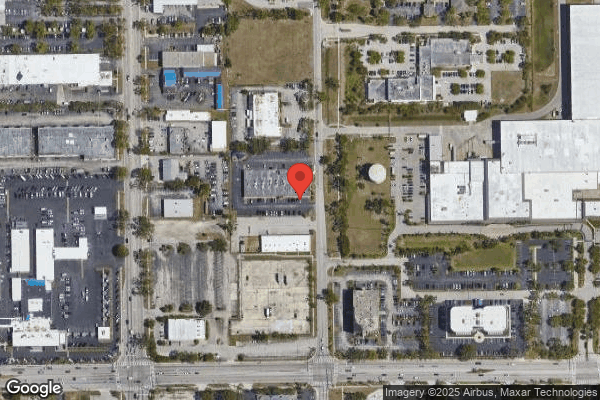
3735 EVANS AVE, FORT MYERS, FL 33901 (239) 277-3977
For profit - Corporation 120 Beds AVIATA HEALTH GROUP Data: November 2025
Trust Grade
0/100
#596 of 690 in FL
Last Inspection: August 2024

Within standard 12-15 month inspection cycle. Federal law requires annual inspections.

Overview

Aspire at Evans has received a Trust Grade of F, indicating significant concerns about the quality of care provided, which is among the poorest in Florida. It ranks #596 out of 690 facilities statewide, placing it in the bottom half, and #16 out of 19 in Lee County, meaning there are very few local options that are worse. While the facility is showing some improvement in terms of issues reported, reducing from 12 in 2024 to 8 in 2025, there are still serious problems such as failing to protect residents from abuse and not adequately preventing falls, which have led to serious injuries for some residents. Staffing is rated as average with a turnover rate of 41%, slightly below the state average, but RN coverage is a concern as it is lower than 79% of Florida facilities. Additionally, the facility has faced $66,084 in fines, which is higher than 84% of similar facilities, suggesting ongoing compliance problems.

Trust Score
F
0/100
In Florida
#596/690
Bottom 14%
Safety Record
High Risk
Review needed
Inspections
Getting Better
12 → 8 violations
Staff Stability
○ Average
41% turnover. Near Florida's 48% average. Typical for the industry.
Penalties
⚠ Watch
$66,084 in fines. Higher than 80% of Florida facilities, suggesting repeated compliance issues.
Skilled Nurses
⚠ Watch
Each resident gets only 29 minutes of Registered Nurse (RN) attention daily — below average for Florida. Fewer RN minutes means fewer trained eyes watching for problems.
Violations
⚠ Watch
39 deficiencies on record. Higher than average. Multiple issues found across inspections.
★☆☆☆☆
1.0
Overall Rating
★★★☆☆
3.0
Staff Levels
★★★☆☆
3.0
Care Quality
★☆☆☆☆
1.0
Inspection Score
Stable
2024: 12 issues
2025: 8 issues

The Good

  • Full Sprinkler Coverage · Fire safety systems throughout facility
  • No fines on record
  • Staff turnover below average (41%)

    7 points below Florida average of 48%

Facility shows strength in fire safety.

The Bad

1-Star Overall Rating

Below Florida average (3.2)

Significant quality concerns identified by CMS

Staff Turnover: 41%

Near Florida avg (46%)

Typical for the industry

Federal Fines: $66,084

Above median ($33,413)

Moderate penalties - review what triggered them

Chain: AVIATA HEALTH GROUP

Part of a multi-facility chain

Ask about local staffing decisions and management

The Ugly 39 deficiencies on record

3 actual harm
Sept 2025 2 deficiencies
CONCERN (D) 📢 Someone Reported This

A family member, employee, or ombudsman was alarmed enough to file a formal complaint

Potential for Harm - no one hurt, but risky conditions existed

Deficiency F0725 (Tag F0725)

Could have caused harm · This affected 1 resident

Based on record review, and staff interviews, the facility failed to ensure a licensed nurse was designated to serve as charge nurse on all shifts. This failure resulted in the inability of nursing st...

Read full inspector narrative →
Based on record review, and staff interviews, the facility failed to ensure a licensed nurse was designated to serve as charge nurse on all shifts. This failure resulted in the inability of nursing staff to know who would provide oversite for patient care, ensure safety and compliance and serve as a leader to support staff on the evening shifts.The findings included:On 9/4/25 a review of the daily assignment sheets from 8/31/25 to 9/3/25 on the three nursing units revealed no documented Charge Nurse was assigned on the 3:00 p.m., to 11:00 p.m., or 11:00 p.m., to 7:00 a.m. shifts. On 9/5/25 at 8:45 a.m., in an interview the Director of Nursing (DON) said there is no charge nurse at night, all the nurses are in charge and work together. There is an assigned Weekend Supervisor here 12 hours each weekend day. There is not an assigned charge nurse at night. On 9/5/25 at 8:55 a.m., in an interview the Assistant Director of Nursing (ADON) said I spoke with the Administrator, and he wanted me to tell you when a Registered Nurse (RN) is on duty at night, they are automatically the Supervisor for the night, and it is written on the assignment sheet. On 9/5/25 at 9:50 a.m., in an interview Licensed Practical Nurse (LPN) Staff I said she did not know who the evening or night supervisor was. She said it should be in the schedule. I know there is a Unit Manager during the day and a weekend supervisor, but I honestly don't know how you would know who the supervisor is. On 9/5/25 at 9:56 a.m., in an interview LPN Staff J said she did not know of a night supervisor. I know there is a weekend supervisor, but at night, I don't know how to know that. On 9/5/25 at 10:04 a.m., in an interview the Administrator said the Supervisor is listed on the daily assignment sheets. This writer showed him the daily assignment sheets from the three nursing units that did not document who was in charge on any unit. He said, I would have to ask the Director of Nursing (DON). On 9/5/25 at 10:10 a.m., in an interview the DON said going forward we will put a C next to the nurse assigned to be a charge nurse. The DON confirmed there was currently not a licensed nurse assigned to be the supervisor on the evening shifts.
CONCERN (E) 📢 Someone Reported This

A family member, employee, or ombudsman was alarmed enough to file a formal complaint

Potential for Harm - no one hurt, but risky conditions existed

Deficiency F0925 (Tag F0925)

Could have caused harm · This affected multiple residents

**NOTE- TERMS IN BRACKETS HAVE BEEN EDITED TO PROTECT CONFIDENTIALITY** Based on observation, review of facility policy and procedures, resident and staff interviews, the facility failed to maintain a...

Read full inspector narrative →
**NOTE- TERMS IN BRACKETS HAVE BEEN EDITED TO PROTECT CONFIDENTIALITY** Based on observation, review of facility policy and procedures, resident and staff interviews, the facility failed to maintain an effective pest control program to ensure an environment free from pests for 2, (Resident #400 and #500), of 97 residents residing in the skilled nursing facility.The findings included:The facility Policy and Procedure, HL-200 (11/30/14) specified the facility will maintain a pest control program which includes inspection, reporting and prevention.Procedure: Treatment will be rendered as required to control insects and vermin. Any unusual occurrence or sighting of insects should be reported immediately to the Supervisor. Proper action will be taken. On 9/4/25 at 9:04 a.m., during an initial tour of the facility two brown bugs were observed crawling up the wall in the bathroom of an occupied resident room. Licensed Practical Nurse (LPN) Staff J noted the observation and left the room. Certified Nursing Assistant (CNA) Staff A was present and said, All the time, they are everywhere, all the time. You tell them and they are spray, and they are still here. On 9/4/25 at 9:20 a.m., in an interview Resident #400 said, I see roaches here every night. I've been telling everyone there is a problem here. Last night one crawled on my bedside table during the meal, it came right on up. On 9/4/25 at 9:30 a.m., in an interview Registered Nurse (RN) Staff E said, Oh yeah bugs are everywhere in here, real bad. But the Administrator said he got someone to come and spray last week. On 9/4/25 at 9:44 a.m., in an interview Resident #500 said, I told the management here and I've asked to be transferred to another facility, but they are trying to talk me into staying. I have been here three weeks, and I see roaches all over the floor, they run under the bed. I saw three last night and I had to stomp on one with my foot.On 9/4/25 at 10:08 a.m., in an interview CNA Staff D said, There are a lot of bugs and roaches in this whole building. They mostly are in the resident drawers, and they come out from the air-conditioning units. I have seen that. On 9/4/25 at 10:12 a.m., in an interview the Maintenance Assistant said, Yes I have seen roaches in here, but they come and spray every Tuesday. Review of the facility Pest Sighting Log located on each of the three nursing units documented:On the 300 unit the following was reported: 6/16/25 roaches, staff breakroom. 8/6/25 roaches in rooms.On the 100 unit the following was reported: Roaches observed on 7/24/25, 8/1/25, 8/2/25, 8/6/25, 8/19/25, 8/21/25, 9/1/25, 9/2/25 in resident rooms.On the 200 unit the following was reported: 7/16/25 ants in bed, 7/28/25 ants in Director of Nursing office, 8/11/25 ants in bed, 8/14/25 roaches in rehab gym, 8/16/25 roaches in rooms, 8/18/25 roaches in rooms, 8/19/25 roaches in activity room and on my desk and coming out of each table in the C wing dining room. On 9/2/25 ants in rooms crawling on the beds and in drawers. On 9/4/25 ants and roaches seen in rooms. Review of the pest control logs from [NAME] Exterminators:On 9/2/25- Exterior rodent station, roof rats-gnawing. Rodent droppings were found. Interior of the building documented no activity for roaches and ants.On 8/11/25- Bed bug treatment for room on B Wing. The exterminator provided a Bed bug Customer Preparation Checklist. A service agreement was signed on 8/4/25 to treat bed bugs in Wing B.On 8/5/25 the interior of the facility was treated for roaches with no activity noted.On 7/31/25 documented Having issues with roaches and fruit flies in kitchen. On 9/4/25 at 12:04 p.m., in an interview with the Maintenance Director, he said he was aware of the bug problem and pest control comes every other Tuesday and he reports it. He was informed of the bugs observed during the tour of the facility today. He said, I have the staff write down in the pest log when and where they see them and the pest control will check the logs. I check them daily but there is nothing I can do; we have nothing to spray them with. If I call the pest control, they will come if they can, sometimes they are booked up and can't come.
Jul 2025 1 deficiency 1 Harm
SERIOUS (G) 📢 Someone Reported This

A family member, employee, or ombudsman was alarmed enough to file a formal complaint

Actual Harm - a resident was hurt due to facility failures

Free from Abuse/Neglect (Tag F0600)

A resident was harmed · This affected 1 resident

**NOTE- TERMS IN BRACKETS HAVE BEEN EDITED TO PROTECT CONFIDENTIALITY** Based on record review, review of facility policy and procedures, staff and resident interviews, the facility failed to protect ...

Read full inspector narrative →
**NOTE- TERMS IN BRACKETS HAVE BEEN EDITED TO PROTECT CONFIDENTIALITY** Based on record review, review of facility policy and procedures, staff and resident interviews, the facility failed to protect the resident's right to be free from physical, and verbal abuse for 1(Resident #999) of 3 residents reviewed for abuse.The findings included: Review of the facility policy N-1265 Abuse, Neglect, Exploitation and Misappropriation effective 11/30/14 (revised 11/16/22) documented It is inherent in the nature and dignity of each resident at the center that he/she be afforded basic human rights, including the right to be free from abuse . Employees of the center are charged with a continuing obligation to treat residents so they are free from abuse . No employee may at any time commit an act of physical, psychological, or emotional abuse . against any resident . Acts of abuse directed against residents are absolutely prohibited. Any action that may cause or causes actual physical, psychological or emotional harm which is not caused by simple negligence, constitutes abuse . All employees have a duty to respect the rights of all residents, to treat them with dignity and to prevent others from violating their rights. Review of the clinical record revealed Resident #999 was a [AGE] year-old, Spanish speaking female with an admission date of 5/10/25. Diagnoses included displaced fracture of fifth cervical (neck) vertebra, peg tube (a tube inserted into the stomach to provide nutrition and hydration) placement, type 2 diabetes mellitus, hypothyroidism, and pain. Review of the Medicare 5 day Minimum Data Set (MDS) (standardized assessment tool that measures health status in nursing home residents) with an assessment reference date of 6/22/25 documented Resident #999 was dependent to go from sitting to standing and for transfers. The MDS noted Resident #999 scored 06 on the Brief Interview for Mental Status, indicating the resident's cognitive skills for daily decision making were severely impaired.On 7/7/25 at 9:09 a.m., Resident #999 was interviewed with the assistance of Registered Nurse (RN) Staff E translating in Spanish. The resident said a male therapist came to her room and yelled at her because she had pain in her back. He was very angry for no reason. She said he pulled her from the wheelchair (w/c) and forcibly put her into bed. She did not know why he did not take her to the therapy room. She does not speak English, did not understand him and did not offer her a translator. The resident said the therapist was fine when he came in but got angry with her, because she did not understand the instructions he gave her. When he put her in bed, she hurt her cervical area, she had a fracture there and had recently had surgery. She said she told the therapist he had hurt her, he smiled at her. Resident #999 said the therapist used a gait belt to lift her up out of the wheelchair and he threw her into bed. The resident said there was no other person in the room when the male therapist was providing care. She said she was yelling and crying. A female therapist and the nurse came into her room when they heard her yelling.She said when she started to yell and cry, the therapist left her room; he was very angry. He did not say anything to me. He told her about the therapy, and she did not understand him.Resident #999 said after it happened, she was anxious and fearful, she did not expect that to happen to her. She was screaming and crying because he had hurt her.Review of the facility's incident investigations revealed on 6/13/25 the facility initiated a physical and verbal abuse investigation for Resident #999.Review of the investigation revealed:On 6/13/25 at 3:30 p.m., Physical Therapy Assistant (PTA) Staff A and Occupational Therapist (OT) Staff D were assisting Resident #999 to transfer from her bed to the wheelchair. During the transfer PTA Staff A grabbed the resident's arms and started to yell at her and shake her for not following his directions for the transfer.Registered Nurse (RN) Staff C in her statement said on 6/13/25 at approximately 3:25 p.m., she was one room down the hallway and heard Resident #999 screaming out. She went to the resident's room and saw a male therapist with his hands on both of the resident's arms yelling and shaking her and he stated very loudly I told you not to do this. This is why you keep getting hurt. The resident was crying and stated that he hurt her and was pointing to her peg tube area.RN Staff C had a certified nursing assistant stay with the resident while she went to report the abuse.PTA Staff A said in his written statement that around 3:00 p.m., when he arrived in Resident #999's room, the resident was upset and started to complain in rapid Spanish which he didn't understand. The PTA gave her detailed instructions on how to transfer from the bed to the wheelchair and how to place her hands. After detailed instructions, the resident grabbed the wrong armrest and started to twist her arm and gave out a loud scream. PTA Staff A asked why, in a loud voice, she grabbed the wrong armrest despite all instructions given. That's when RN Staff C came into the room and witnessed the PTA's question to the resident and said, This is patient abuse.OT Staff D in her statement said she was in the room assisting PTA Staff A with Resident #999's transfer. The resident was positioned properly and educated numerous times by PTA Staff A on safe transfer techniques. The resident grabbed the wrong armrest, would not let go, started screaming and was very fearful. PTA Staff A became very loud and upset at Resident #999 stating she needed to listen to him so that she doesn't get hurt.The investigation noted on June 13, 2025, at approximately 3:45 p.m., the Administrator interviewed PTA Staff A and asked the PTA what happened with Resident #999. PTA Staff A replied, You can fire me now. I lost my cool and was rough with the patient and yelled at the patient. He went on to describe and show how he was attempting to get Resident #999 to transfer from the bed to the wheelchair.The facility verified the allegation of abuse.On 7/7/25 at 11:39 a.m., in a telephone interview OT Staff D said she had provided treatment to Resident #999 for a couple weeks. OT Staff D said she was standing nearby when PTA Staff A went to transfer Resident #999. Once the resident had transferred to the wheelchair, PTA Staff A yelled at her loudly that she needed to listen to him. She left the room when he was yelling. OT Staff D said PTA Staff A raised his voice because Resident #999 did not understand and did not listen. PTA Staff A spoke with the resident in some Spanish. OT Staff D said Resident #999 understands English way better then she pretends. She said they had done the transfer many times before. The resident gets very scared, he explained the procedure. PTA Staff A was frustrated because Resident #999 was screaming. OT Staff D said after the resident got into the wheelchair, I decided I did not need to be there. The door was open, and I left. The nurse came after the fact, she was not there to see anything, I don't know what she saw. I left the room to document the therapy provided. I was involved with the initial transfer into the wheelchair. I was not there when he transferred her to bed.On 7/7/25 at 12:32 p.m., in a telephone interview, RN Staff C said she was working on 6/13/25 and was administering medications. RN Staff C said, [Resident #999] yelled out and I thought they were probably moving her. The resident yelled again, extremely loud and I walked to her room. I was two doors away. When I entered the room I saw [PTA Staff A] had both hands on the resident's arms and he was shaking her. I asked him what the hell are you doing? The resident was yelling and crying. He said, this is what we have to do with her. I saw [OT Staff D] standing across the hall, looking in the room. I went to her and I asked her, are you going to let him do that to her? She put a piece of paper in front of her face and said, I see nothing, and I hear nothing. I went to the Administrator right away and I told him, and we went together to the resident's room. The resident was in her bed. The Administrator had a Spanish speaking staff member to translate, and the resident said, He threw me in the bed.RN Staff C said she did not witness PTA Staff A put the resident in bed. She said, I witnessed the therapist shaking her and yelling at her, he was very angry. The resident was crying. The resident was in the wheelchair when he was shaking her. He was shaking her, and he was so angry with her. I left the room and went to the Administrator. I did not see him put her into bed.RN Staff C said, I notified the resident's son. He came to the facility and wanted her sent to the emergency room. We did what he asked.On 7/7/25 at 1:20 p.m., in a telephone interview PTA Staff A said, I think I want to give a background first. I worked with the resident for 8 or 9 sessions, and I was very aware of her function and abilities and how she communicates. I think we had good communication and relationship. I had her up and taking 3-4 steps the day before. Her goal was to walk 30 to 40 feet with a walker and assistance. Her right leg and arm are pretty strong; her left leg is weaker. She was able to stand the day before. The resident was in bed supine (on her back). I greeted her and I said let's go and she said yes. I gave her maximum assistance to sit on the edge of the bed. I placed my gait belt around her under her buttocks because of the peg tube. She was very willing to transfer. I placed the wheelchair on her right side. I asked her to place her hand on the far side not the near side, it was very important that she placed her hand on the far side. I gave her a 1,2,3 count, and maximum assistance. She grabbed onto the near side of the arm rest and she started to scream. I thought she was very uncomfortable, it made me nervous because I never heard her screaming like that. She was screaming at the top of her lungs. I thought she was hurting. I kind of shook her hand a little to see if she had pain, and she said no. A nurse came into the room because she heard the resident scream, she said this was patient abuse. Maybe I was shaking her hands at that time, or checking the gait belt, or checking something. No one else was in the room with me, only the patient. I asked her if she was in pain and she said no. I raised my voice asking her why did you put your hand here. That is my one regret, I raised my voice with her. I never yelled at any patient. I shook her hand; I was checking her. If that is deemed shaking, I never shook her body. I was shaking her hand and arm to see if she was okay, to see did she have pain. She was crying, she was sitting in the wheelchair. I put her into bed after that, I thought she was okay. Her right side was stronger, and she was able to stand and get to the edge of the bed. She was losing her balance, and she was screaming again. No one was watching me at all. I think the resident got so scared and was very afraid. I think that is why she screamed. I did not ask her why she was screaming. They think I abused the resident, but I do not think from my point of view that I abused her.On 7/7/25 at 1:47 p.m., in an interview the Director of Nursing (DON) said she was not at the facility when it happened. The Administrator started the investigation. She said, The PTA was not here long and he had a short fuse I guess. The DON said, I do know the resident is not the easiest person to give directions to. She is timid, scared and hesitant to do tasks. The DON said something was going on with the PTA to cause him to have this reaction.
Jun 2025 4 deficiencies 1 Harm
SERIOUS (G) 📢 Someone Reported This

A family member, employee, or ombudsman was alarmed enough to file a formal complaint

Actual Harm - a resident was hurt due to facility failures

Free from Abuse/Neglect (Tag F0600)

A resident was harmed · This affected 1 resident

**NOTE- TERMS IN BRACKETS HAVE BEEN EDITED TO PROTECT CONFIDENTIALITY** Based on observation, record review and interview, the facility failed to ensure residents were free from abuse, including but n...

Read full inspector narrative →
**NOTE- TERMS IN BRACKETS HAVE BEEN EDITED TO PROTECT CONFIDENTIALITY** Based on observation, record review and interview, the facility failed to ensure residents were free from abuse, including but not limited to physical restraint not required to treat the resident's medical symptoms for 1 (Resident #1) of 1 resident reviewed for physical restraint. The findings included: Facility policy titled Abuse, Neglect, Exploitation & Misappropriation Revision date 11/16/2022 indicated Abuse is the willful infliction of injury. Willful, as used in this definition of abuse means the individual must have acted deliberately, not that the individual must have intended to inflict injury or harm. Review of the clinical record revealed Resident #1 was re-admitted to the facility on [DATE]. Diagnoses included unspecified dementia without behavioral disturbance. The admission Minimum Data Set (MDS) assessment noted the resident's cognition was severely impaired with a Brief Interview for Mental Status score of 00. On 6/12/25, record review of Resident #1's chart revealed a progress note dated 6/11/25 reading: When I came back to the unit from B wing, I heard the resident yelling in the dining room. I went in to see what was going on and I saw one CNA holding the resident head and chest and the other by her arm trying to keep her in the chair. She would try to kick the other cna. They were trying to put her socks on. I told them to leave her alone and I assisted her to get out of the chair. It was noted that she had a bruise on her chest and on her Right arm and hand. On 6/12/25 at 10:14 a.m., Resident #1 was observed lying in bed with red and purple bruising noted to her chest approximately 3 inch x 2 inch, bruising to the left forearm and hand, and bruising to the right forearm and hand. On 6/12/25 at 10:40 a.m., Staff C Unit Manager said on 6/11/25 she came on shift and a different nurse told her that Staff D Registered Nurse (RN) walked in and found Resident #1 was screaming and she found one aide holding her with her palm on her forehead and her palm on her chest. There were 2 aides in the room at the time, Staff C said she went and checked Resident #1 as soon as she was told. She said Resident #1 now has a bruise on her chest. She said Staff D was still there charting and she had her write an incident, informed the Administrator and called the Director of Nursing (DON). On 6/12/25 at 10:54 a.m., in a telephone interview Staff D (RN) said she went in and 2 Certified Nurse Assistants (CNA) were holding Resident#1 in the chair. One CNA had her by the head and the chest, and the other CNA was holding her hand at first and then her feet. Resident #1 started kicking at the CNA and she let go. Staff D said Resident #1 was agitated and screaming. Staff D said she told the CNA's to leave her alone and don't touch her. Staff D said she has had abuse training and she didn't like the way the CNA's were holding her. She said Resident #1 sustained bruises. Staff D said they are not allowed to restrain residents, and they were restraining her. Staff D said she guessed they were trying to keep her in the chair because she was trying to get up. I walked in and the one CNA backed off, I said what are you doing? On 6/12/25 at 10:57 a.m., in a telephone interview Staff E (CNA) said Resident #1 didn't want to sit and she helped her to sit down and the other CNA called the nurse. Staff E said, We did nothing wrong. Trying to get her to sit, she don't want to, she try to get up, I help for her to sit down. Staff E said she has had abuse and has never done nothing like that. Review of the facility's incident investigations revealed on 6/11/25 Staff F (CNA) said Resident #1 had been screaming in her bed, left her bed and entered the hallway. Staff F said Resident #1 was screaming and she tried to get her to sit down but she got up again and was screaming so she called the nurse to come see her. On 6/12/25 at 12:23 p.m., the DON said was out of the building at the time of the incident, but if they were truly holding her, it would be considered a restraint. DON said it was all still in the investigation phase and she didn ' t have all the facts, a lot of pieces still haven't been completed, but it would not be right to hold someone physically down in a chair. On 6/12/25 at 2:26 p.m., the Administrator said they are considering the incident as abuse. He said the investigation was still in progress and is an ongoing process at this time.
CONCERN (D) 📢 Someone Reported This

A family member, employee, or ombudsman was alarmed enough to file a formal complaint

Potential for Harm - no one hurt, but risky conditions existed

Deficiency F0627 (Tag F0627)

Could have caused harm · This affected 1 resident

**NOTE- TERMS IN BRACKETS HAVE BEEN EDITED TO PROTECT CONFIDENTIALITY** Based on record review and interview, the facility failed to permit residents to remain in the facility and allow residents to r...

Read full inspector narrative →
**NOTE- TERMS IN BRACKETS HAVE BEEN EDITED TO PROTECT CONFIDENTIALITY** Based on record review and interview, the facility failed to permit residents to remain in the facility and allow residents to return to the facility following hospitalization for 2 (Residents #2 and #3) of 3 residents reviewed following hospitalization. The findings included: Facility policy titled Transfer/Discharge Notification & Right to Appeal, last revised 4/28/25 indicated: Policy: Transfer and discharges of residents, initiated by the center (facility initiated) will be conducted according to Federal and/or State regulatory requirements. Procedure: Emergency transfers to Acute Care: Residents who are sent emergently to an acute care setting, must be permitted to return to the center. If the center initiates a discharge while the resident is in the hospital, the center must show evidence that the resident's status at the time of the return to the center meets the criteria listed above (A-D). a. The transfer or discharge is necessary for the resident's welfare and the residents needs cannot be met in the center. b. The transfer or discharge is appropriate because the resident's health has improved sufficiently so the resident no longer needs the services provided by the center. c. The safety of individuals in the center is endangered due to clinical or behavioral status of the resident. d. The health of individuals in the center would otherwise be endangered. Review of the facility assessment tool updated 2/6/25 indicated the facility cared for residents which included psychiatric/mood disorders, heart/circulatory conditions, neurological conditions and respiratory conditions. The facility assessment further indicated it treated special treatments and conditions including tracheostomy care and behavioral health needs. Review of the discharge list provided by the facility on 6/12/25 indicated Resident #2 had been discharged /transferred to another hospital on [DATE]. Resident #3 was not found on the discharge list, but review of his Electronic Health Record indicated he had been discharged on 2/20/25. 1. On 6/12/25 a record review of Resident #2's chart revealed no progress notes indicating why she had been sent out on 11/8/24 or where she went following discharge/transfer. On 6/12/25 at 12:40 p.m., the Director of Nursing (DON) said Resident #2 went out to the hospital in November, then she went to a Long Term Acute Care hospital (LTAC). DON said Resident #2 wasn't ready to return until sometime at the end of December or January, but the facility didn't have any beds at that time. DON said she did not know where Resident #2 went from the LTAC. DON said when a resident was sent out they should go with a face sheet, med orders, Advanced Directives, bed hold and transfer/discharge/ombudsman notice. DON said she could not provide bed hold or transfer and discharge notice for Resident #2 as they were having a problem with that at the time. On 6/12/25 at 3:46 p.m., the DON provided a SBAR communication form (Situation, Background, Assessment, Recommendation: is a communication tool to share medical information and factors contributing to current situation clearly and concisely) which indicated fall. The DON explained Resident #2 did not actually have a fall but had been lowered to the floor with a hoyer lift as staff thought she was having a seizure. DON said Resident #2 would not let them pick her back up, so the firemen came and picked her back up. She was having muscle spasticity and shaking. DON said Resident #2 refused to go to the hospital and they placed her in a Broda chair. DON said later, Resident #2 complained about pain and was sent out to the hospital. DON said the SBAR was the only documentation of what occurred that caused Resident #2 to be sent out to the acute care hospital. On 6/12/25 at 1:49 p.m., the Admissions Coordinator said she believed Resident #2 had gone to another Skilled Nursing Facility in the area. She said she honestly could not tell me why the facility didn't take Resident #2 back in December/January, but it had been a Corporate decision and she had not made the decision herself. She said she was unable to pull up the dialogue between herself and the hospital as it was too long ago. On 6/12/25 at 2:28 p.m., the Administrator said he could not say for sure why the facility did not take Resident #2 back, did not know if it was bed availability and could not say for sure why they did not take her back. He said he did not know why she had been sent out, but it had something to do with medical, because they sent her to the hospital. He said he believed she had been at the hospital for a while, and they probably filled her bed. He said he was not aware a bed hold or transfer/discharge notice had not been completed. On 6/12/25 3:08 p.m., the Administrator said Resident #2 went to a LTAC. He said they had filled her bed, and was unsure if they had any other beds available. Administrator was asked for a census for the day Resident #2 was to return and he said he didn't know what date that was. On 6/12/25 at 4:20 p.m., the Administrator said he was unable to find out any further information about what day she was able to come back to skilled nursing, but he did find out it was something to do with her trach. He agreed Resident #2 had been at the facility for years and the trach was not something new for her. He said it had become more complicated and the nurses there wouldn't be able to deal with it, but could not say what that was. 2. On 6/12/25 a record review of Resident #3's chart revealed he had been discharged on 2/20/25. A progress note dated 2/20/25 indicated around 6 p.m. Resident #3 complained of chest pain, had been given nitroglycerin, pain continued and he was sent out to the hospital. A further progress noted dated 2/11/25 indicated the nurse had called the hospital, would remain in their care, cardiology would examine and determine next action. There was no further documentation in Resident #3's chart indicating what had happened with Resident #3. On 6/12/25 at 12:40 p.m., the DON said Resident #3 had been sent to the hospital, and then discharged to a facility on the East Coast be closer to his girlfriend. The DON said the facility would have taken him back. On 6/12/25 at 1:49 p.m., the Admissions Coordinator said the facility had been trying to put restrictions on Resident #3 from smoking in front of the building, and then Resident #3 chose to go to a facility on the East Coast. When the dialogue between the hospital and facility was reviewed, it revealed the facility had told the hospital they were unable to accept patient, care needs exceed current capacity, patient is a danger to himself and others. (photo obtained) On 6/12/25 at 2:00 p.m., the Regional Nurse said there was no bed hold documentation for Resident #3. On 6/12/25 at 3:46 p.m., the DON said Resident #3 was never [NAME] acted. DON said she didn't necessarily know that he was a threat to himself or others, he just didn't like following rules while he was here, complained about everything and pushed the rules, like not supposed to smoke at this time, he would smoke, if dining room not open he would go in there, he just liked to be confrontational. DON said he was not involved in any physical altercations, he was just all talk. She said as far as she could see in his chart, he was never [NAME] Acted since admission on [DATE]. On 6/12/25 at 2:28 p.m., the Administrator was asked why Resident #3 didn't return to the facility. He said it was probably in the chart and said Resident #3 was a heavy smoker, refused to give them his lighter, and was non-compliant. Administrator said he didn't recall if he was given a notice of discharge. Administrator said the decision to take someone back or not is a team decision that includes himself, the DON, Social Services, Business Office and maybe even the regional team was involved. On 6/12/25 at 3:08 p.m., the Administrator said no 30 day notice of discharge had been issued to Resident #3.
CONCERN (D) 📢 Someone Reported This

A family member, employee, or ombudsman was alarmed enough to file a formal complaint

Potential for Harm - no one hurt, but risky conditions existed

ADL Care (Tag F0677)

Could have caused harm · This affected 1 resident

Based on observations, records review and interviews, the facility failed to carry out activities of daily living (ADLs) including nail care and showers for 2 dependent residents, 12 and #16, of 5 res...

Read full inspector narrative →
Based on observations, records review and interviews, the facility failed to carry out activities of daily living (ADLs) including nail care and showers for 2 dependent residents, 12 and #16, of 5 residents reviewed for ADLs. The findings included: Review of facility policy titled Bathing / Showering revised 9/1/2017 which stated, Assistance with showring and bathing will be provided at least twice a week and PRN (as needed) to cleanse and refresh the resident. The resident shall be asked on admission to establish a frequency schedule for bathing. This schedule will take precedence over the twice a week and PRN cleansing. The resident's frequency and preferences for bathing will be reviewed at least quarterly during care conference. Review of clinical records for Resident #12 documented admission to the facility on 3/6/25. The most recent Brief Interview for Mental Status (BIMs) score on 5/9/25 was 0 indicating severe cognitive impairment. Shower / bath days are Mondays and Thursdays. Review for shower bed bath documentation showed only 4 bed baths provided between 5/1/25 and 6/12/25. Most recent bed bath was documented on 6/2/25. Review of clinical records for Resident #16 documented admission to the facility on 4/19/25. Shower / bath days are Mondays and Thursdays, and resident is care planned as dependent with one or 2 staff to assist with tub/ shower transfer. Documented in the clinical record shows Resident #16 prefers showers. Review of shower or bed bath documentation showed only 2 showers were provided between 5/1/25 and 6/12/25 otherwise bed baths were given despite documented preference. On 6/12/25 at 11:30 a.m., Resident #12 was observed in bed dressed in a hospital gown. The resident's hair was disheveled and appeared greasy. The resident's fingernails on her left hand were approximately an inch long, the fingernails on the resident's right hand were slightly shorter. Fingernails on both hands were observed to have dark brown debris under the nails and dark brown crusty debris around the cuticles of the fingernails. The resident was confused and unable to answer questions. On 6/12/25 at 11:50 a.m., during an interview Certified Nursing Assistant (CNA) Staff G said she had cleaned up Resident #12 that shift but had not given her a bed bath. CNA Staff G said when asked about Resident #12 fingernails, No they are not acceptable. They are too long and dirty. CNA Staff G said she did not know the routine for providing nail care for the residents. On 6/12/25 at 12:05 p.m., Licensed Practical Nurse (LPN) Staff H confirmed Resident #12's fingernails were too long and dirty. LPN was asked what was under her nails and replied, I don't know dirt or poop. We will clean her up. On 6/12/25 at 12:15 p.m., LPN Staff I, assigned to care for Resident #12 for the shift, looked at the resident's nails and said, Yes, they are very dirty, the left-hand nails are longer than the other hand. Asked what the process was for cleaning and trimming nails. LP, Staff I, replied, We have a binder to let podiatry know when to cut the nails. Confirmed she has not cut the residents assigned to her nails. On 6/12/25 at 12:30 p.m., Unit Manager LPN Staff C said staff should be looking at the residents daily head to toe. Confirmed nurses may cut fingernails and the CNAs can clean and file nails. If the residents are diabetic, then we have podiatry do the toenails. Unit Manager LPN Staff C observed Resident #12 fingernails and said, They are filthy. They need to be cleaned out and trimmed. The Unit manager said nail care is to be done with the shower or bath twice a week and as needed. On 6/12/25 at 12:45 p.m., Resident #16 was observed in bed with disheveled greasy hair and long dirty nails. Debris noted under the nails of both hands. LPN Staff I viewed Resident #16 nails and said, Yes, they are also too long and dirty. They should have been trimmed. Sometimes the resident will eat with her hands that might be what is under the nails. On 6/12/25 at 12:55 p.m., Unit Manager LPN Staff C observed Resident #16 and said, Yes, her hair is dirty, and her nails are too long with dirt under them. We will get her cleaned up. On 6/12/25 at 1:30 p.m., during an interview the Director of Nursing (DON) confirmed residents' nails should be clean and trimmed saying nail care is provided on shower or bath day. The DON confirmed the process is that nurses can trim nails and CNAs can file them. The DON reviewed the clinical records for Resident #12 and Resident #16 and confirmed there are no refusals documented for either resident related to showers or nail care. On 6/12/25 at 2:40 p.m., the facility Administrator said, I expect the CNAs to clean and trim nails and provide showers as scheduled. It's part of their job.
CONCERN (E) 📢 Someone Reported This

A family member, employee, or ombudsman was alarmed enough to file a formal complaint

Potential for Harm - no one hurt, but risky conditions existed

Deficiency F0628 (Tag F0628)

Could have caused harm · This affected multiple residents

**NOTE- TERMS IN BRACKETS HAVE BEEN EDITED TO PROTECT CONFIDENTIALITY** Based on record review and interview, the facility failed to ensure required documentation was completed in the event of transfe...

Read full inspector narrative →
**NOTE- TERMS IN BRACKETS HAVE BEEN EDITED TO PROTECT CONFIDENTIALITY** Based on record review and interview, the facility failed to ensure required documentation was completed in the event of transfer or discharge for 3 (Resident #2, #3 and #6) of 3 residents reviewed for transfer and discharge. The findings included: Facility policy titled Transfer/Discharge Notification & Right to Appeal, last revised 4/28/25 indicated: Policy: Transfer and discharges of residents, initiated by the center (facility initiated) will be conducted according to Federal and/or State regulatory requirements. Procedure: Emergency transfers to Acute Care: Residents who are sent emergently to an acute care setting, must be permitted to return to the center. If the center initiates a discharge while the resident is in the hospital, the center must show evidence that the resident's status at the time of the return to the center meets the criteria listed above (A-D). a. The transfer or discharge is necessary for the resident's welfare and the residents needs cannot be met in the center. b. The transfer or discharge is appropriate because the resident's health has improved sufficiently so the resident no longer needs the services provided by the center. c. The safety of individuals in the center is endangered due to clinical or behavioral status of the resident. d. The health of individuals in the center would otherwise be endangered. Facility policy further indicated: Documentation: When the center transfers or discharges a resident under any of the circumstances listed above the facility will ensure that the transfer or discharge is documented in the resident's medical record. Notice Before Transfer: Center must notify the resident and resident representative of the transfer or discharge and the reason for the move in writing. Review of the discharge list provided by the facility on 6/12/25 indicated Resident #2 had been discharged /transferred to another hospital on [DATE]. Resident #6 had been discharged /transferred to another hospital on 5/29/25. Resident #3 was not found on the discharge list, but review of his Electronic Health Record indicated he had been discharged on 2/20/25. 1. On 6/12/25 a record review of Resident #2's chart revealed no progress notes indicating why she had been sent out on 11/8/24 or where she went following discharge/transfer. On 6/12/25 at 12:40 p.m., the Director of Nursing (DON) said Resident #2 went out to the hospital in November, then she went to a Long Term Acute Care hospital (LTAC). DON said Resident #2 wasn't ready to return until sometime at the end of December or January, but the facility didn't have any beds at that time. DON said she did not know where Resident #2 went from the LTAC. DON said when a resident was sent out they should go with a face sheet, med orders, Advanced Directives, bed hold and transfer/discharge/ombudsman notice. DON said she could not provide bed hold or transfer and discharge notice for Resident #2 as they were having a problem with that at the time. On 6/12/25 at 3:46 p.m., the DON provided a SBAR communication form (Situation, Background, Assessment, Recommendation: is a communication tool to share medical information and factors contributing to current situation clearly and concisely) which indicated fall. The DON explained Resident #2 did not actually have a fall but had been lowered to the floor with a hoyer lift as staff thought she was having a seizure. DON said Resident #2 would not let them pick her back up, so the firemen came and picked her back up. She was having muscle spasticity and shaking. DON said Resident #2 refused to go to the hospital and they placed her in a Broda chair. DON said later, Resident #2 complained about pain and was sent out to the hospital. DON said the SBAR was the only documentation of what occurred that caused Resident #2 to be sent out. On 6/12/25 at 1:49 p.m., the Admissions Coordinator said she believed Resident #2 had gone to another Skilled Nursing Facility in the area. She said she honestly could not tell me why the facility didn't take Resident #2 back in December/January, but it had been a Corporate decision and she had not made the decision herself. She said she was unable to pull up the dialogue between herself and the hospital as it was too long ago. On 6/12/25 at 2:28 p.m., the Administrator said he could not say for sure why the facility did not take Resident #2 back, did not know if it was bed availability and could not say for sure why they did not take her back. He said he did not know why she had been sent out, but it had something to do with medical, because they sent her to the hospital. He said he believed she had been at the hospital for a while, and they probably filled her bed. He said he was not aware a bed hold or transfer/discharge notice had not been completed. On 6/12/25 3:08 p.m., the Administrator said Resident #2 went to a LTAC. He said they had filled her bed, and was unsure if they had any other beds available. Administrator was asked for a census for the day Resident #2 was to return and he said he didn't know what date that was. The Administrator said no 30 day notice of discharge had been issued to Resident #2. On 6/12/25 at 4:20 p.m., the Administrator said he was unable to find out any further about what day she was able to come back to skilled nursing, but he did find out it was something to do with her trach. He agreed Resident #2 had been at the facility for years and the trach was not something new for her. He said it had become more complicated and the nurses there wouldn't be able to deal with it, but could not say what that was. 2. On 6/12/25 a record review of Resident #3's chart revealed he had been discharged on 2/20/25. A progress note dated 2/20/25 indicated around 6 p.m. Resident #3 complained of chest pain, had been given nitroglycerin, pain continued and he was sent out to the hospital. A further progress noted dated 2/11/25 indicated the nurse had called the hospital, would remain in their care, cardiology would examine and determine next action. There was no further documentation in Resident #3's chart indicating what had happened with Resident #3. On 6/12/25 at 12:40 p.m., the DON said Resident #3 had been sent to the hospital, and then discharged to a facility on the East Coast be closer to his girlfriend. The DON said the facility would have taken him back. On 6/12/25 at 1:49 p.m., the Admissions Coordinator said the facility had been trying to put restrictions on Resident #3 from smoking in front of the building, and then Resident #3 chose to go to a facility on the East Coast. When the dialogue between the hospital and facility was reviewed, it revealed the facility had told the hospital they were unable to accept patient, care needs exceed current capacity, patient is a danger to himself and others. (photo obtained) On 6/12/25 at 3:46 p.m., the DON said Resident #3 was never [NAME] acted. DON said she didn't necessarily know that he was a threat to himself or others, he just didn't like following rules while he was here, complained about everything and pushed the rules, like not supposed to smoke at this time, he would smoke, if dining room not open he would go in there, he just liked to be confrontational. DON said he was not involved in any physical altercations, he was just all talk. She said as far as she could see in his chart, he was never [NAME] Acted since admission on [DATE]. On 6/12/25 at 2:28 p.m., the Administrator was asked why Resident #3 didn't return to the facility. He said it was probably in the chart and said Resident #3 was a heavy smoker, refused to give them his lighter, and was non-compliant. Administrator said he didn't recall if he was given a notice of discharge. Administrator said the decision to take someone back or not is a team decision that includes himself, the DON, Social Services, Business Office and maybe even the regional team was involved. On 6/12/25 at 3:08 p.m., the Administrator said no 30 day notice of discharge had been issued to Resident #3. 3. On 6/12/25 a record review of Resident #6's chart revealed he had been discharged on 5/29/25. Progress note dated 5/29/25 indicated his gastrointestinal bag was leaking and there were two openings on his stomach. Resident #6 was sent to the hospital. There was no further documentation in Resident #6's chart indicating what had happened with Resident #6. No documentation of a bed hold was found in the chart. On 6/12/25 at 1:49 p.m., the Admissions Coordinator said the facility had been willing to accept the patient back however he chose to go to a different facility. This was verified on on review of the dialogue between the hospital and facility. On 6/12/25 at 2 p.m.,tThe Regional Nurse said there was no bed hold documentation found for Resident #2, #3 or #6.
Jan 2025 1 deficiency
CONCERN (E) 📢 Someone Reported This

A family member, employee, or ombudsman was alarmed enough to file a formal complaint

Potential for Harm - no one hurt, but risky conditions existed

Deficiency F0692 (Tag F0692)

Could have caused harm · This affected multiple residents

**NOTE- TERMS IN BRACKETS HAVE BEEN EDITED TO PROTECT CONFIDENTIALITY** 2. Review of the clinical record for Resident #9 revealed an admission date of 9/12/24. Diagnoses included alcohol dependence, a...

Read full inspector narrative →
**NOTE- TERMS IN BRACKETS HAVE BEEN EDITED TO PROTECT CONFIDENTIALITY** 2. Review of the clinical record for Resident #9 revealed an admission date of 9/12/24. Diagnoses included alcohol dependence, alcoholic cirrhosis of the liver. Review of the resident's weight record revealed on 9/12/24 the resident's weight was 179.89 pounds (lbs.) On 9/25/24 the resident's weight was 188.8. lbs. On 10/2/24 the resident's weight was 177.0 lbs. On 12/5/24 the resident's weight was 174.0 lbs. On 12/12/24 the resident's weight was 154.6 lbs. On 12/13/24 the resident's weight was 155.8 lbs. Review of the progress notes revealed on 11/4/24 the Registered Dietitian documented Resident #9 triggered for a significant weight loss of 10.8 lbs. in one month that was unplanned and undesirable following a weight gain of 8.9 lbs. The RD noted she met with the resident who stated that he can feed himself but sometimes had trouble getting food/utensil up to his mouth. The goals listed included weight stabilization and meal intake greater than 50% for three meals. On 12/11/24 the RD documented Resident #9 triggered for a significant weight loss of 14.8 lbs. in three months that was unplanned and undesirable likely related to variable intake/fair appetite. The resident reported having a fair appetite. He generally does well with breakfast. The resident also felt like his current weight was not accurate. He reported having difficulty reaching the plate on the bedside table tray. On 12/13/24 the RD documented a reweight was obtained and showed a 19.4 lbs. weight loss in one week. Per the interdisciplinary team, the resident was to have one to one feedings, he was a dependent eater. Review of the Quarterly Minimum Data Set (MDS) assessment with a target date of 12/16/24 noted Resident #9's weight was 156 lbs. The MDS coordinator checked no or unknown for weight loss of 5% or more in the last month. On 12/18/24 the RD documented the resident continued to have a poor appetite, generally consuming one meal per day. Order for mirtazapine (antidepressant that can be used for appetite stimulant). The resident's weight was 155.8 lbs. The RD noted the resident had a significant weight loss documented on 12/11/24 and 12/13/24. The interventions included to increase fortified foods to all meals, add snack twice a day. Review of the resident's meal intake for December 2024 showed no meal intake documented for breakfast or lunch on 12/2/24, 12/5/24, 12/6/24, 12/7/24, 12/8/24, 12/9/24, 12/10/24, 12/11/24, 12/16/24, 12/22/24, 12/24/24, 12/26/24, 12/28/24, 12/29/24, 12/30/24, and 12/31/24. The meal percentage was not documented for dinner on 12/22/24. On 1/9/25 at 8:15 p.m., Resident #9's dinner was observed uneaten on a meal cart across from the nurse's station. On 1/9/25 at 8:24 p.m., in an interview Unit Manager Licensed Practical Nurse Staff I verified Resident #9 did not eat his dinner meal. She said a couple of weeks ago, she notified the physician of the resident's poor appetite. The physician ordered mirtazapine 7.5 milligrams at bedtime for appetite stimulant. The Unit Manager said the Certified Nursing Assistants were supposed to document meal intakes and notify her when a resident refused a meal. On 1/9/25 at 8:30 p.m., Unit Manager Staff I looked at the meal intake documentation and verified the CNAs were not consistently documenting the percentage of meals for Resident #9. She verified no meal intake was entered for dinner for 1/9/25 and no one notified her the resident refused dinner. She said without consistent and accurate documentation of meal intakes, it was not possible to determine the effectiveness of the appetite stimulant. The Unit Manager provided a list of weight for January 2025. Resident #9's weight was listed as 141.2 lbs. A review of the Center for Medicare and Medicaid Services Roster/Sample Matrix form (used to document residents relevant care categories) failed to identify Resident #9's excessive weight loss without a prescribed weight loss program. On 1/9/25 at 8:40 p.m., in an interview the DON said she was not aware the CNAs were not consistently documenting meal intakes. She did not know why Resident #9's excessive weight loss was not captured on the Roster Matrix. She said the nurses were supposed to ensure the meal percentage was documented before the CNA leaves. The Unit Managers supervise the nurses and the Assistant Director of Nursing (ADON) supervises the Unit Managers. The DON said she did not review the CNAs or the nurse's documentation unless a problem is reported to her. She said the ADON routinely in-serviced the CNAs and documentation is addressed in the in-services. The DON provided a Mandatory Clinical Meeting document dated 12/18/24 and 12/19/24 which she said was an in-service provided to the CNAs. The document noted All of your charting needs to be completed prior to the end of your shift . Either you did it or you didn't. Nurses will be checking prior to shift end and following up with you. Management will call you back in and [sic] you do not come finish it will be a corrective action moving forward. Corrective actions will start to be given this month for the CNA not completing and the nurse not following up . Any refusals of . snacks . etc. they need to be documented, then try again after a while. If they still refuse then get nurse and document refusal again. Nurse is to try and if still refused then nurse documents also . The DON said she did not have documentation the in-service was given to the CNAs on 12/18/24 and 12/19/24. Based on record review, and staff interviews the facility failed to ensure consistent documentation of meal intake for 2 (Residents #3 and #9) of 3 sampled residents with significant weight loss to determine the effectiveness of nutritional interventions. The findings included: Review of Resident #3's medical record revealed an admission date of 10/29/24 from an acute care hospital where she was admitted for altered mental status, dehydration and abnormal laboratory results. Review of the Registered Dietitian's (RD) admission Nutritional Review dated 10/30/24 revealed documentation Resident #3's current weight was 207 pounds (lbs.). The resident's ideal body weight was 135 pounds. The RD noted there were no issues with chewing or swallowing and Resident #3 verbalized no difficulties with chewing or swallowing. The goals were for the stabilization of weight and for meal intake to be greater than 50% for all three meals. On 11/6/24 the RD wrote in a progress note the Unit Manager informed her Resident #3's family was requesting a nutritional supplement related to Resident #3's poor appetite. The resident's current diet was a regular diet, pureed texture, and nectar-thickened liquids. Resident #3's food intake varied from 0% to 100%. The RD added eight ounces of nectar-thickened milk at each meal (8 oz provided 170 kilocalories and 8 grams of protein). The current plan of care would be continued. On 11/08/24 the RD wrote Resident #3's daughter requested to speak with the RD. She reported her mother did not like the pureed diet. Resident #3's daughter was requesting a possible appetite stimulant, and nursing was notified. Review of Resident #3's weight flow sheet revealed the following weights were documented: 10/20/24: 207.0 pounds (lbs.) 11/01/24: 206.4 lbs. 11/11/24: 180.0 lbs. 11/27/24: 177.8 lbs. On 11/17/24 the RD wrote in a weight loss nutritional review Resident #3 triggered a significant weight loss of 13.0% or 27 pounds in 2 weeks that was an unplanned and undesirable. The weight loss was documented to be a likely variable meal intake, and wounds. Nutritional interventions were put into place on 11/06/24. The RD noted on 11/08/24, the family had requested a possible appetite stimulant and nursing was notified. The IDT (interdisciplinary team) and the MD (Medical Doctor) were made aware of the weight loss, current nutritional interventions and new recommendations made. The RD documented they would continue to monitor nutritional status, including meal intake, weight status, diet compliance, labs when available and skin integrity as needed. On 1/08/25 at 2:49 p.m., in an interview the RD she said she came to the facility three days a week. She did nutritional evaluation/assessment for newly admitted residents, residents' monthly and quarterly weight reviews, and any resident who triggered for a significant weight loss or weight gain. She said she used multiple tools to evaluate a resident's nutritional status to include resident and family interviews, resident intake during mealtime observations, staff interviews and staff documentation related to meal intake percentage to assist her with dietary recommendations for each resident. The RD said after reviewing Resident #3's medical record and her progress notes, she confirmed Resident #3 was admitted on [DATE] weighing 207.0 pounds. She said she wrote a progress note on 11/06/24 stating the Unit Manager reported the family was requesting to speak with the RD. She said she spoke with Resident #3's daughter who told her she would like her mother to receive a nutritional supplement due to her poor appetite. She said Resident #3's current meal intake was 0% to 100% so she added 8 oz nectar-thickened milk to each meal. She said on 11/8/24 she spoke to Resident #3's daughter who told her Resident #3 did not like her pureed diet. She was requesting her mother's diet be changed to mechanical soft and asked if her mother could have an appetite stimulant. She told Resident #3's daughter, she would inform the speech therapist of her request to upgrade her mother's diet to mechanical soft. She would inform nursing Resident #3's daughter's request for an appetite stimulant due to her mother not eating. The RD said she informed nursing, and the therapy department of Resident #3's daughter's request to upgrade her mother's diet to a mechanical soft diet and to add an appetite stimulant due to poor intake. The RD said on 11/17/24 she reviewed Resident #3's weights and noted Resident #3's weight was documented on 11/11/24 as 180.0 pounds, which was a 27.0 pound weight loss since her admission, and was a significant weight loss of 13% which was an unplanned and undesirable weight loss. The RD said she had notified the therapy department and nursing on 11/8/24 of Resident #3's daughter's request for a change in diet and an appetite stimulant as she had documented in her 11/8/24 progress note. On 1/9/25 a review of Resident #3's medical record revealed from 11/1/24 through 11/17/24 the nursing staff had not document Resident #3 meal percentage intakes 37 times out of 51 meals as required. Further review of Resident #3's meal intake percentages from 11/23/24 through 12/11/24 revealed the nursing staff did not document 44 meal percentage intakes out of 57 meals. On 1/9/25 at 3:03 p.m., in an interview with the Director of Nursing (DON) after she reviewed Resident #3's medical record, she confirmed Resident #3 was admitted to the facility on [DATE]. She confirmed the RD came to the nursing facility three days a week and did the nutritional evaluation/assessment for newly admitted residents, the residents' monthly and quarterly weight reviews, and any residents who triggered for a significant weight loss or weight gain. She said for continuity the RD reviewed all residents' weekly weights to ensure all significant weight loss and gains were caught and addressed timely. She said the RD as part of her resident nutritional assessment reviewed the resident's medical record and talked with the staff, resident and family and was required to bring her concerns to the IDT meetings. The DON confirmed the nursing staff did not document Resident #3's meal intake percentages 37 times from 11/1/24 through 11/17/24 and 44 times from 11/23/24 through 12/11/24 as required. She said the RD did not inform the IDT in their morning meetings that the nursing staff were not documenting Resident #3's required meal intake percentage as required. She also said the RD did not inform the IDT Resident #3's daughter had requested on 11/8/24 for her mother diet to be upgraded to a mechanical soft diet and the daughter's request for an appetite stimulant for her mother due to her mother's poor food intake as required.
Aug 2024 11 deficiencies 1 Harm
SERIOUS (G) 📢 Someone Reported This

A family member, employee, or ombudsman was alarmed enough to file a formal complaint

Actual Harm - a resident was hurt due to facility failures

Accident Prevention (Tag F0689)

A resident was harmed · This affected 1 resident

**NOTE- TERMS IN BRACKETS HAVE BEEN EDITED TO PROTECT CONFIDENTIALITY** Based on observation, record review, review of facility's policy and procedure, staff, and family interview the facility failed ...

Read full inspector narrative →
**NOTE- TERMS IN BRACKETS HAVE BEEN EDITED TO PROTECT CONFIDENTIALITY** Based on observation, record review, review of facility's policy and procedure, staff, and family interview the facility failed to implement a systemic approach to identify risk factors and implement appropriate supervision and interventions to prevent avoidable falls with serious injuries for 3 (Resident #10, #69 and #30) of 5 residents sampled with falls or fall related injuries. The findings included: The facility policy N-1259 Fall Management documented Residents are evaluated for fall risk. Patient centered interventions are initiated based on resident risk. A fall refers to unintentionally coming to rest on the ground floor or other lower level but not as the result of an overwhelming external force (e.g. resident pushes another resident). An episode where a resident lost his or her balance and would have fallen if not for another person or if he or she had not caught him or herself is considered a fall unless there is evidence suggesting otherwise when a resident is found on the floor a fall is considered to occur. Purpose: Is to identify residents at risk for falls and establish or modify interventions to decrease the risk of a future fall and minimize the potential for a resulting injury. 1. Review of the clinical record revealed Resident #10 was admitted to the facility from an acute care hospital on 3/1/23 after a fall and fall related fractures to the nasal bones, right maxilla, facial bone and right radius (forearm) fracture. Admitting diagnoses included difficulty walking, dementia, anxiety, repeated falls and Alzheimer's disease. The Annual Minimum Data Set (MDS) (standardized assessment tool that measures health status in nursing home residents) dated 3/6/24 documented the resident ambulated independently. The MDS noted Resident #10's cognitive skills for daily decision making were severely impaired. The Fall Risk Evaluation dated 5/13/24 documented a score of 50 indicating the resident was at a low risk for falls. The care plan initiated 12/26/23 revised 4/18/24 identified Resident #10 was at risk for further falls and fall related injuries due to decreased physical mobility, poor communication/comprehension, unaware of safety needs, and dementia. The goal was to minimize risk of minor injury through next review. The interventions included anticipate and meet the resident's needs. Physical Therapy to evaluate and treat as ordered or as needed. Be sure call light is within reach and encourage the resident to use it. Bed in low position. Review of the nursing progress note dated 5/13/24 at 11:40 a.m., documented Resident #10 had a fall hitting the back of her head causing bleeding, Fell in the doorway of [room #]. She was transferred to the local emergency room for evaluation. Per emergency department fracture nose. A nursing progress note on 5/13/24 at 11:45 a.m., documented resident with swelling, bruising and bleeding to face. Rt [Resident] walked into [room #] to visit another resident. She was walking out and fell. She hit her face on the floor causing, bruising, swelling and bleeding. 911 was called and Rt transferred to the ER [Emergency Room]. Results of x ray showed fracture of the nose. Resident returned to facility on 5/13/23. The emergency room discharge paperwork documented diagnosis: closed fracture of nasal bone, contusion of chest wall and fall. The Fall Investigation Form dated 5/13/24 provided by the facility noted the unwitnessed fall happened during the 7:00 a.m., to 7:00 p.m. shift. Resident #10 was found laying face down in the hallway. The form did not list the time of the fall. The interview section of the form noted: Resident: Why they think the fall happened: Maybe I was pushed. First Responder: Location: Hallway; What happened: Fall; Why they think the fall happened: Resident slipped on items on floor. The form listed the root causes as lack of safety awareness, anxiety, walkway unclear. The updated intervention was to educate staff to ensure walkways are clear. Review of the only witness statement obtained from Licensed Practical Nurse (LPN) Staff C documented Resident #10 went into [Room #], the resident in [Room #] told her to get out of the room. She was walking out of the room and fell hard on the floor. She landed on her face; her nose was bleeding. I called 911. The witness statement did not document how the information for the unwitnessed fall was obtained. There was no documentation the facility considered Resident #10's statement that maybe she was pushed as a possible cause of the fall. The care plan was updated on 5/14/24 after the fall with the new intervention, Inservice staff to keep hallways/walkways clear of clutter. Requests for the education provided to staff, resident nursing notes and fall assessments were not provided at the time the survey ended. On 8/21/24 at 12:07 p.m., in an interview LPN Staff C said she was the only one on the floor at the time of the resident's fall on 5/13/24. Staff C said Resident #10 went into (Room #) and she feel in the doorway. Resident #10 said the resident in the room pushed her but the resident she said pushed her was in the bathroom at that time. Staff C said there was a sheet on the floor and she thinks Resident #10 may have tripped on it. She said she spoke with the other resident who said she just told Resident #10 to get out of her room but denied pushing her. Staff C said, We have a lot of wandering residents on this unit and some of them go into other residents' rooms. She said Resident #10 is always saying someone pushed her but she has never seen that. On 8/21/24 at 12:39 p.m., in an interview the Director of Nursing (DON) said she was at the facility and completed the investigation when Resident #10 fell and broke her nose. She said Resident #10 said she was pushed but she always says she was pushed, regardless of what happens to her. She said she has never witnessed anyone pushing Resident #10. She likes to be by herself and is afraid other residents will take her things. She said Resident #10 always carries her things with her because she is afraid someone is going to take what's hers. The DON said, We do have residents who get into verbal yelling matches because it is a secured dementia unit. We do have wandering residents who like to take things from other resident rooms. When asked about the unwitnessed fall, the DON said, As for the fall, no one pushed her. There was something on the floor a blanket or sheet and she slid on it and fell. 2. Review of the clinical record revealed on 8/9/24 Resident #69 sustained a fall resulting in a right wrist fracture requiring surgical intervention. Resident #69 was readmitted to the facility on [DATE]. Diagnoses included vascular dementia, anxiety disorder, Alzheimer's disease, restlessness and agitation. The Quarterly MDS dated [DATE] documented the resident had daily wandering behavior. The MDS noted Resident #69's cognitive skills for daily decision making were severely impaired. The care plan initiated 11/26/21 and revised 11/29/23 identified the resident was at risk for falls due to incontinence, unaware of safety needs, wandering and attempts to stand unassisted. The goal for the resident was to minimize the risk of falls. The interventions specified, Anticipate and meet the resident's needs. Ensure that the resident is wearing appropriate foot ware/nonskid socks when ambulating or mobilizing in w/c (wheelchair). On 8/9/24 the care plan was updated with the interventions to, Perform medication review. Resident sent to ER for eval per MD (Physician) orders. The intervention were to be implemented upon readmission to facility. On 8/18/24 at 10:05 a.m., Resident #69 was observed in the dining room sitting at a table s holding her right hand with the left across her chest. Her right hand and wrist were noted to be very swollen and bruised. Resident #69 has an expression of discomfort on her face with furrowed brow and was rubbing the right hand. On 8/18/24 at 10:10 a.m., in an interview LPN Staff F said the resident fell approximately a week ago and fractured her arm. Staff F said she did not know exactly when or how the resident fell and sustained the fracture. Staff F said Resident #69 had an order for a splint to the right hand but she would not keep it on. On 8/18/24 at 10:14 a.m., Resident #69 was observed at a table in the dining room with grip sock on. Resident #69 stood up unassisted from the table and left the dining room unsupervised. Resident #69 was observed wandering the hallway without staff supervision or redirection. On 8/18/24 at 5:09 p.m., in a telephone interview Resident #69's family member said she did not understand why Resident #69 keeps falling. She said the resident had dementia and wanders. She said, She will wander and will walk until she is fatigued, but they just let them do whatever they want on that unit. They don't do activities. The residents just sit or they walk. No one pay attention. The family member said last year Resident #69 had broken fingers and sutures to her hand but no one could tell her how or why it happened. She said then last October Resident #69 had a broken hip and they did not know what happened. They just told said she had pain when she was ambulating. The family member said, I don't care if you have dementia, if you break a hip you are going to yell out in pain. She said now she broke her wrist, had to have surgery again and once again no one could tell me what happened. She said when Resident #69 returned from the hospital, she told the nurse it was very important to keep the stiches covered and the doctor said she needed to keep the brace on her arm. She said on 8/15/24 the nurse called and said the splint was missing and no one could locate it. She said the surgical incision also looked infected and they contacted the physician for an order for antibiotics. The family member said, I am very upset right now over all of this. It is a small unit for dementia residents. Who is supervising them? On 8/19/24 at 8:38 a.m., in an interview LPN Staff C said on the day Resident #69 broke her wrist I found her sitting on the floor in room [ROOM NUMBER] (not her room) yelling. I knew her arm was broken; I could tell right away. I called the physician and we sent her to the emergency room. She said she did not know where the resident's splint was. She said she was off for two days. When she came back to work on 8/15/24 the splint was missing. They searched for the splint and could not find it. Staff C said, she won't keep it on anyway. She takes it and the dressing off. On 8/19/24 at 8:40 a.m., Resident #69 was observed sitting at a table in the dining room. She had her right sleeve pulled up and was picking at the sutures on the right wrist. There was no dressing in place. The skin surrounding the wound was red and there was an area that was missing the top layer of skin. Staff in the dining room did not intervene or redirect the resident from picking at the sutures. Resident #69 got up and exited the dining room. On 8/19/24 at 10:09 a.m., Resident #69 was observed wandering unsupervised on the unit. Her gait was noted to be very unsteady. On 8/19/24 at 3:18 p.m., review of the incident log revealed 28 incidents of falls from 12/1/23 through 8/19/24 in the secured unit. On 8/19/24 at 4:21 p.m., a meeting was held with the Administrator, the DON, and the Regional Nurse Consultant to discuss Resident #69's fall and supervision necessary to prevent avoidable falls. Resident #69's care plan for falls revised on 11/29/23 noted the risk for falls was related to incontinence, unaware of safety needs, wandering, attempts to stand unassisted. The care plan noted at times the resident refused staff assistance with ambulation. The interventions listed included a medication review (8/9/24), anticipate the resident's needs (11/26/21), and ensure the resident is wearing appropriate footwear/non-skid socks when ambulating or mobilizing in wheelchair. The care plan did not include adequate supervision to prevent avoidable falls and fall related injuries. The Administrator, the DON, and the Regional Nurse Consultant verified the care plan did not include specific measures, including necessary supervision to prevent avoidable falls. On 8/20/24 at 12:22 p.m., in an interview Unit Manager LPN Staff G said she was the manager for B wing and C wing (Memory Care Unit). She said, I go to the memory care unit daily, but the majority of my time is spent on B wing because it is the skilled unit. There are two CNA's, and one nurse assigned for each shift on the secured unit. We don't do anything special for the wandering residents except to try and redirect them to activities but most of them don't sit. The Unit Manager said when she is not on the unit, the nurse is responsible to supervise the unit. On 8/20/24 at 12:49 p.m., in an interview CNA Staff E said when a resident is wandering, they just go, you can't always get them to sit. They get up and they walk, and you try and redirect them but most of them do not do anything, there is nothing back here for them to do. With Resident #69 you can sit her down and she will get right back up. On 8/20/24 at 1:00 p.m., in an interview the DON said Resident #69 does not keep the dressing or anything on the right wrist. She will not sit down and when she does it is only for short periods. She is up and down all the time. She does not sit for activities. On 8/20/24 at 4:48 p.m., in an interview the Regional Nurse Consultant said the facility had no policy to address the needs for the residents on the memory care unit and no policy indicating the requirements for placement on the unit. 3. Resident #30 was admitted [DATE] with diagnosis to include muscle wasting and atrophy, unspecified dementia, longstanding persistent atrial fibrillation, sick sinus syndrome, repeated falls and unsteadiness on feet. The care plan for falls initiated on 7/15/24 noted Resident #30 was at risk for falls related to confusion, incontinence, unaware of safety needs and wandering. The goals were to minimize risk for falls, minimize risk of minor or serious injury and minimize the side effects of medication contributing to increasing residents fall risk. The interventions included to educate the resident/resident's representative/caregivers about safety reminders and what to do if a fall occurs, ensure that the resident is wearing appropriate footwear/nonskid socks when ambulating and physical therapy evaluate and treat as ordered or as needed. The Minimum Data Set (MDS) assessment dated [DATE] indicated Resident #30 had a severe cognitive impairment and MDS section E for behaviors indicated Resident #30 exhibited Wandering behavior daily. A change of condition progress note dated 8/3/24 at 8:38 p.m. indicated Resident #30 had a fall and was sent to the emergency room (ER) for evaluation. Review of the incident report created 8/3/24 at 10:15 p.m., indicated the Certified Nursing Assistant notified the nurse Resident #30 was lying on the floor. The Nurse arrived and observed resident sitting up against the wall. Injuries were noted to left eyebrow, left arm skin tear. The resident was limping on the left side when tried to walk. Review of the ER discharge paperwork for encounter date 8/3/24 located in the chart revealed she had received stitches to the injury on the left eyebrow. A progress note dated 8/4/24 at 07:10 am noted: while walking at the hallway resident lost her balance and fell, hitting her head. Resident was wearing nonskid sock. Head to toe assessment done, resident placed on neuro checks. Resident returned back to ed x 2 persons. MD and family notified. Review of the incident report created 8/4/24 at 7:10 a.m., had the same information as progress note and indicated Resident #30 sustained an abrasion to top of scalp, but was not taken to the hospital. A progress note dated 8/5/24 at 5:51 p.m. noted: Resident was walking in the hallway by the nurses. She turned around fast and lost her balance and fell. She hit the left side of her forehead on the floor causing a hematoma. She has no other signs of injury. Moves all extremities normally. Alert and oriented x 1 as is normal for this resident . Resident was transported to Hospital ER for evaluation. Review of the incident report created 8/5/24 at 5:35 p.m., indicated same information as progress note and indicated Resident #30 was sent to the hospital for evaluation of hematoma on left upper forehead. Review of the ER discharge paperwork for encounter date 8/5/24 located in the chart revealed she was discharged from the ER with a primary encounter diagnosis of Fall and closed head injury. A progress note dated 8/5/24 at 11:58 p.m. noted: While sitting at the nursing we heard a thump. Went into Resident #30's room saw resident face down on the floor on the L side of her bed. Blood was coming from the L side of her head. Resident was transferred to her bed from the floor and assessed for other injuries. None noted. Unable to obtain vitals as resident fighting . Received order to send resident to ER. 911 called. Review of the incident report created 8/5/24 at 11:10 p.m., indicated same information as progress note and indicated Resident #30 was taken to the hospital with a laceration to the top of her scalp. Review of the hospital paperwork for encounter date 8/6/24 located in chart revealed Resident #30 had been admitted to the hospital for critical care management of a subarachnoid hemorrhage. Resident #30 did not return to the facility. On 8/19/24 at 2 p.m., LPN Staff C said Resident #30 was very demented and had fallen several days in a row. Staff C explained Resident #30'stypical behavior was she could be resistant to care and liked to do things her way. She said Resident #30 could walk well, had nonslip socks and wandered a lot. On 8/19/24 at 2:05 p.m. Staff E Certified Nurse Assistant (CNA) said Resident #30 used to wander around a lot, room by room, and she would mess up everything in the other residents room. Staff E said when she did that they just told the nurse. Staff E said she wasn't aware of any interventions for falls for Resident #30, nor did she have bedside mats. On 8/19/24 at3:39 p.m., LPN Staff F said Resident #30 wandered all day, room to room digging in stuff, taking clothes from one room to another. She said sometimes Resident #30 would sit down for a few minutes but then she would get up and just go again. Staff F said Resident #30 did have fall mats or a scoop mattress. She said Resident #30 was not one to stay still, unless she was tired she would go lay down, but she was always active wandering around. On 8/19/24 12 p.m., the Director of Nursing (DON) said Resident #30 was identified as a fall risk/wandering in her care plan. DON said somehow it was a miss with implementing any interventions specific to Resident #30 for falls/wandering. DON said in their analysis of Resident #30's falls they identified part of the root cause was she had no fall interventions in place for her falls and wandering behavior.
CONCERN (D)

Potential for Harm - no one hurt, but risky conditions existed

Resident Rights (Tag F0550)

Could have caused harm · This affected 1 resident

Based on observation, record review and staff interviews, the facility failed to ensure staff provided care and services with respect and dignity to 2 (Residents #69 and #23) of 21 cognitively impaire...

Read full inspector narrative →
Based on observation, record review and staff interviews, the facility failed to ensure staff provided care and services with respect and dignity to 2 (Residents #69 and #23) of 21 cognitively impaired residents observed on the memory care unit. The findings included: 1. Review of the clinical record revealed Resident #69 was readmitted to the facility from an acute care hospital on 8/12/24. Diagnoses included fracture and surgical repair of the right wrist, vascular dementia, anxiety disorder, Alzheimer's disease, restlessness and agitation. The hospital discharge orders dated 8/12/24 included Xeroform (non-adherent dressing), dry dressing and volar (immobilizes and allows room for swelling) splint to right wrist daily and as needed. The order specified for the splint to remain in place for two weeks. On 8/18/24 at 10:05 a.m., Resident #69 was observed in the dining room sitting at a table with other residents. Resident #69 was holding her right hand across her chest. The right hand and wrist were noted to be very swollen and bruised. Resident #69 was rubbing her right hand with an expression of discomfort on her face. She was not wearing a dressing or splint to the right wrist as ordered. On 8/18/24 at 10:10 a.m., in an interview Licensed Practical Nurse (LPN) Staff F said the resident fell and fractured her arm a week ago. Staff F said Resident #69 had a splint, but she would not keep it on. LPN Staff F left the dining room and returned with a medication. She gave the medication to the resident and instructed her to take it for the pain in her arm. The instructions were clearly audible to the other residents sitting at the table. On 8/18/24 at 10:25 a.m., Staff F was observed placing wound supplies on the counter in the dining room. She proceeded to dress Resident #69's incision line to the right wrist in the dining room while the resident was sitting at a table with other residents. Resident #69 became agitated, stood up and attempted to leave the dining room. Staff F stood in the doorway, blocked the resident's exit and applied an ace wrap to the resident's right hand and wrist. Staff F said she wrapped the resident's arm to prevent her from picking at the sutures. 2. Review of the clinical record revealed Resident #23 had an admission date of 8/25/20. Diagnoses included dementia, major depressive disorder, mood disorder, anxiety disorder and insomnia. On 8/18/24 at 9:37 a.m., Resident #23 was observed in the dining room of the memory care unit after the breakfast meal. Resident #23 was barefoot and was not able to respond appropriately to simple interview questions. On 8/18/24 at 10:48 a.m., Resident #23 was observed standing barefoot at the nurse's station with no shoes or socks on her feet. When asked about her socks and shoes, Resident #23 mumbled and began to walk back to the dining room. On 8/19/24 at 8:35 a.m., Resident #23 was observed wandering on the memory care unit with mismatched socks (one green, and one yellow) on. She wandered past staff who made no attempt to assist her with wearing matching socks. On 8/19/24 at 9:14 a.m., Resident #23 was observed during breakfast in the dining room of the memory care unit. Resident #23 was walking from table to table and grabbing food items from other residents' plates. Two Certified Nursing Assistants (CNAs) were in the dining room and did not redirect Resident #23 as she continued to take food from other residents. On 8/19/24 at 9:24 a.m., in an interview CNA Staff A said, She does it all the time, as Resident #23 continued to go from table to table taking other residents' food from their plates. CNA Staff A walked over to the resident and redirected her. Resident #23 was observed wandering out of the dining room and into other residents' rooms taking their personal items. Staff did not redirect the resident. On 8/21/24 at 12:24 p.m., Resident #23 was observed walking in the memory care unit with a Certified Nursing Assistant. Resident #23 was wearing mismatched (one blue and one yellow) socks. The Director of Nursing was present during the observation and verified Resident #23 was wearing mismatched socks.
CONCERN (D)

Potential for Harm - no one hurt, but risky conditions existed

Safe Environment (Tag F0584)

Could have caused harm · This affected 1 resident

**NOTE- TERMS IN BRACKETS HAVE BEEN EDITED TO PROTECT CONFIDENTIALITY** Based on observation, review of facility policy and procedure and staff interview the facility failed to provide housekeeping an...

Read full inspector narrative →
**NOTE- TERMS IN BRACKETS HAVE BEEN EDITED TO PROTECT CONFIDENTIALITY** Based on observation, review of facility policy and procedure and staff interview the facility failed to provide housekeeping and maintenance services to ensure a clean, safe and comfortable environment for 9 (Rooms #302, #304, #306, #307, #308, #309, #310, #312, and #313) of 13 rooms and the dining room of the memory care unit. The findings included: The facility policy M-200 Maintenance effective 11/30/14 documented the facility's physical plant and equipment will be maintained through a program of preventive maintenance and prompt action to identify areas/items in need of repair. On 8/18/24 at 12:36 p.m., observation of the Memory Care Unit with the Regional Director of Maintenance (RDM) revealed: The Memory Care Unit had a strong musty odor with a foul smell of urine, and feces. The RDM verified the presence of the strong foul odor and said he would have housekeeping address the issue. room [ROOM NUMBER]: The ceiling tile above the toilet in the bathroom had a layer of thick black substance. The bathroom mirror was missing. room [ROOM NUMBER]: Exposed wires were coming from the wall and electrical outlet box. The RDM said they were cable wires and said they should be capped. Photographic evidence obtained. room [ROOM NUMBER]: The closet doors were missing. Photographic evidence obtained. Exposed wires were sticking out of the wall. The toilet paper holder was broken and missing the front covering. Photographic evidence obtained. room [ROOM NUMBER]: The closet door was missing. Photographic evidence obtained. room [ROOM NUMBER]: The cover plate of the paper towel holder in the bathroom was missing, and plastered areas on the wall needed to be painted. room [ROOM NUMBER]: The paper towel holder and toilet paper holder in the bathroom were missing the front covers. Photographic evidence obtained. The closet doors were missing. Photographic evidence obtained. There were exposed wires coming from an outlet on the wall. Photographic evidence obtained. There were white plaster patches on the wall in need of paint. Photographic evidence obtained. room [ROOM NUMBER]: There was a large hole in the wall under the sink in the bathroom. Photographic evidence obtained. The closet doors were missing. room [ROOM NUMBER]: The closet doors were missing. room [ROOM NUMBER] A: The closet was missing the handles and did not close properly. Photographic evidence obtained. The wood molding was pulled away from the entrance wall in the dining room, exposing large cracks. Photographic evidence obtained. The Regional Maintenance Director confirmed the findings observed during the tour and verified the identified areas of concerns needed to be addressed. On 8/20/24 at 9:00 a.m., in an interview Registered Nurse (RN) Staff R said staff are supposed to write areas in need of repair in the maintenance book. On 8/20/24 at 9:15 a.m., in an interview RN Staff I said the facility did not have a Maintenance Director for a while, and the previous one did not fix anything. On 8/20/24, review of the maintenance repair request log showed the last maintenance request was dated 6/27/24.
CONCERN (D)

Potential for Harm - no one hurt, but risky conditions existed

Deficiency F0655 (Tag F0655)

Could have caused harm · This affected 1 resident

**NOTE- TERMS IN BRACKETS HAVE BEEN EDITED TO PROTECT CONFIDENTIALITY** Based on record review, and resident and staff interviews, the facility failed to ensure the Baseline Care Plan (BCP) was provid...

Read full inspector narrative →
**NOTE- TERMS IN BRACKETS HAVE BEEN EDITED TO PROTECT CONFIDENTIALITY** Based on record review, and resident and staff interviews, the facility failed to ensure the Baseline Care Plan (BCP) was provided to the resident and their representative with a summary of the BCP that included but was not limited to the initial goals of the resident, a summary of the resident's medications and dietary instructions, and any services and treatments to be administered by the facility and any updated information for 2 (Residents #4 and #26) of 3 residents reviewed for BCP. The findings included: On 8/18/24 at 12:58 p.m., during an interview Resident #4 said she was admitted to the facility from an acute care hospital in April 2024. She said when she was admitted to the facility, she didn't remember attending an initial care plan meeting or receiving a copy of her BCP explaining to her the plan of care she would be provided while at the facility. A review of Resident #4's clinical record revealed an admission date of 4/17/24. Diagnoses included End Stage Renal Disease, Oral Dysphagia (Difficulty swallowing), Chronic Diastolic Heart Failure and Weakness. Further review of Resident #4's clinical record revealed no documentation Resident #4 received a copy of her baseline care plan as required. On 8/21/24 at 8:54 a.m., in an interview the Assistant Minimum Data Set (MDS) Coordinator said she was responsible to initiate, review and update each resident's plan of care during their stay at the facility. She said the admitting nurse or someone from the nursing staff were required to initiate a baseline interim plan of care for all newly admitted residents to ensure there were no delays in implementing interventions in order to ensure all areas of concerns were addressed immediately after their admission to the facility. She said the baseline care plan was given to the resident or their representative within a few days of their admission to the facility by the nursing department prior to the initial care plan meeting after the resident admission to the facility. The Assistant MDS Coordinator confirmed Resident #4 was admitted to the facility on [DATE]. She said after she reviewed Resident #4's clinical record she was unable to find documentation Resident #4 or her legal representative had received a copy of the baseline care plan explaining the initial goals for Resident #4 with the initial goals of the resident, a summary of the resident's medications and dietary instructions, and any services and treatments to be administered by the facility. On 8/21/24 at 9:21 a.m., in an interview Unit Manager Staff G said when a resident is admitted to the facility, their admitting nurse was responsible to complete a baseline care plan which then was signed by the resident and then placed in the resident's clinical record. The next morning the baseline care plan was reviewed during the morning meeting by the interdisciplinary team (IDT), updated as needed, and a copy of the BCP with the initial goals of the resident, a summary of the resident's medications and dietary instructions, any services and treatments to be administered by the facility, and updated information was given to the resident or resident presentative. On 8/21/24 at 9:35 a.m., in an interview Staff G said she reviewed Resident #4's clinical record and confirmed Resident #4 was admitted to the facility on [DATE]. She said Resident #4's initial admission assessment was completed by the admitting nurse on 4/17/24. She said she was unable to find documentation Resident #4's BCP was completed. She stated she was also not able to find documentation Resident #4 or her legal representative received a copy of the BCP with the initial goals of the resident, a summary of their medications and dietary instructions, and any services and treatments as required. On 8/18/24 at 12:19 p.m., during an interview Resident #26 said she was admitted to the facility on [DATE]. She did not remember attending a care plan meeting when she was admitted to the facility. She further said she was not given a copy of her BCP and did not know what goals and interventions were put in place to assist in her recovery when she was admitted . A review of Resident #26's medical record revealed she was admitted to the facility on [DATE] with a diagnosis of Chronic Obstructive Pulmonary Disease, Weakness, History of Falls, Wheezing, Pain and Malignant Neoplasm of the Liver. Further review of Resident #26's clinical record revealed no documentation Resident #26 had received a copy of her BCP as required. On 8/21/24 at 9:15 a.m., in an interview the Assistant MDS Coordinator confirmed Resident #26 was admitted to the facility on [DATE]. She said after she reviewed Resident #26's clinical record she was unable to find documentation an initial care plan meeting was held with Resident #26 within the required time frame. She further said she was unable to find documentation Resident #26 and/or her legal representative had received a copy of the BCP explaining the initial goals for Resident #26 with the initial goals of the resident, a summary of the resident's medications and dietary instructions, and any services and treatments to be administered by the facility. On 8/21/24 at 9:50 a.m., in an interview Unit Manager Staff G said she was able to locate a copy of Resident #26's BCP, in the BCP binder in the conference room. She said after reviewing Resident #26's BCP located in the BCP binder, she noted it was not signed by Resident #26 as required. She further said she was unable to find documentation Resident #26 or their representative had received a copy of the BCP with the initial goals of the resident, a summary of their medications and dietary instructions, and any services and treatments as required. On 8/21/24 at 10:10 a.m., in an interview the Director of Nursing said when a resident was admitted to the facility, the admitting nurse was responsible to complete the BCP and review the information with the resident at that time. She said the baseline care plan was then reviewed by the IDT the next morning for any needed updates and the resident was provided a copy of the BCP with the initial goals of the resident, a summary of their medications and dietary instructions, and any services and treatments as required. She confirmed Residents #4 and #26 had not received a copy of their BCP with the initial goals, a summary of their medications and dietary instructions, and any services and treatments as required.
CONCERN (D)

Potential for Harm - no one hurt, but risky conditions existed

Quality of Care (Tag F0684)

Could have caused harm · This affected 1 resident

Based on observation, record review and interview the facility failed to implement resident-directed care and treatment per physician order and professional standards of practice for 1 (Resident #502)...

Read full inspector narrative →
Based on observation, record review and interview the facility failed to implement resident-directed care and treatment per physician order and professional standards of practice for 1 (Resident #502) of 2 residents reviewed for wound care which could place the resident at risk for infection or worsening of wound. The findings included: Facility Policy & Procedure titled Clinical Guideline Skin and Wound, document name WC-100 effective date 4/1/17 indicated licensed nurse to complete skin evaluation weekly and document in the medical record, licensed nurse to document presence of skin impairment/new skin impairment when observed and weekly until resolved, Monitor residents response to treatment and modify treatment as indicated. On 8/18/24 at 9:40 a.m., Resident #502 was observed lying in bed with a bandage to his right wrist area dated 8/16. On 8/20/24 at 9:30 a.m., Resident #502 was observed lying in bed with a bandage to his right wrist area dated 8/18. On 8/20/24, review of Resident #502's clinical record revealed a change in condition note dated 8/5/24 noting Resident #502 had a skin tear to the dorsal area of the right arm. The Primary Care Provider Feedback was blank. It did not list recommendations, testing or orders for the skin tear. The care plan initiated on 8/5/24 documented a skin tear on the resident's left arm related to fragile skin. The interventions included to monitor, document location, size and treatment of the skin tear. On 8/20/24 at 9:30 a.m., in an interview Registered Nurse (RN) Staff M said Resident #502 scratched himself about a week prior and had a skin tear. Staff M said the doctor was notified and the bandage was there, so they changed it every day. On 8/20/24 at 9:35 a.m., the Director of Nursing who observed the bandage to the resident's right wrist and verified it was dated 8/18. On 8/20/24 at 9:45 a.m., Licensed Practical Nurse (LPN) Unit manager Staff G also observed the bandage to the resident's right wrist dated 8/18. She said there was an order for wound care. Upon reviewing the electronic clinical record, Staff G said she could not locate a wound care order for the skin tear to the resident's wrist. On 8/20/24 at 12:00 p.m., in an interview the Director of Nursing (DON) said there was nothing documented about the wound to the right wrist on the skin sheets. She said there was no progress notes describing the wound, stage of healing or condition. The DON said they needed an order to be performing wound care.
CONCERN (D)

Potential for Harm - no one hurt, but risky conditions existed

Dental Services (Tag F0791)

Could have caused harm · This affected 1 resident

**NOTE- TERMS IN BRACKETS HAVE BEEN EDITED TO PROTECT CONFIDENTIALITY** Based on observation, record review, and resident and staff interviews, the facility failed to ensure 1 (Resident #17) of 1 resi...

Read full inspector narrative →
**NOTE- TERMS IN BRACKETS HAVE BEEN EDITED TO PROTECT CONFIDENTIALITY** Based on observation, record review, and resident and staff interviews, the facility failed to ensure 1 (Resident #17) of 1 resident reviewed for dental services received appropriate care and services for broken teeth. The findings included: On 8/18/24 at 10:51 a.m., in an interview with Resident #17, she said she had not been seen by the dental hygienist for several months and she didn't know why she was not receiving routine dental care. She also said the dentist told her several months ago, she could get partial dentures to replace her broken teeth, but no one had told her when that would occur. Review of Resident #17's medical record revealed she was admitted to the facility on [DATE]. The medical record contained documentation Resident #17 was seen by the dental hygienist on 10/26/22 and 11/23/22. An updated dental service plan was signed by a nurse. On 8/21/24 at 8:30 a.m. in an interview with the Social Worker Regional Director (SWRD), she said currently the facility does not have a full time Social Service Director (SSD), and she and other SSD have been filling in until the new one would be starting the last week in August 2024. She said part of the SSD responsibilities was to ensure the coordination of all ancillary services which included dental, podiatry, and vision were implemented in a timely manner. The SWRD said she did not know if Resident #17 was currently receiving dental service and would have to review Resident #17's medical record and call the dentist's office for any missing documentation. Review of the Dental Services Policies and Procedures effective 11/30/14 and revised on 11/27/17 stated the center would contract with a dentist licensed by the Board of Dentistry to provide routine and 24-hour emergency dental services. The nurse or designee would if necessary or if requested assist the resident in making the appointment and arranging for transportation to and from the dentist's office. On 8/21/24 at 11:06 a.m., in an interview with SWRD, she said after reviewing Resident #17's medical record, speaking with Resident #17 and the dentist's office, and reviewing dental office progress notes, she was able to determine Resident #17 did not receive routine dental cleaning by the hygienist in 2024. She provided documentation the dentist had seen Resident #17 on 4/26/24 and documented the patient (Resident #17) had upper and lower natural teeth. The patient was interested in extraction of her broken teeth and receiving partials dentures. The SWRD said the facility's Social Service Director should follow up with the dentist's office for the approval of the extractions and for the partial dentures. The SWRD said she was unable to find documentation the facility's SSD had followed up with the dentist's office for approval for the broken teeth extractions and for the partial dentures for Resident #17 as noted on the dental progress note dated 4/26/24. She said she was unable to find documentation the SSD coordinated with the dentist and Resident #17 to ensure Resident #17 received the new partial dentures in a timely manner as required.
CONCERN (D)

Potential for Harm - no one hurt, but risky conditions existed

Infection Control (Tag F0880)

Could have caused harm · This affected 1 resident

**NOTE- TERMS IN BRACKETS HAVE BEEN EDITED TO PROTECT CONFIDENTIALITY** Based on observation, clinical record review, review of facility's policy and procedure and staff interviews, the facility faile...

Read full inspector narrative →
**NOTE- TERMS IN BRACKETS HAVE BEEN EDITED TO PROTECT CONFIDENTIALITY** Based on observation, clinical record review, review of facility's policy and procedure and staff interviews, the facility failed to determine and implement appropriate transmission-based precautions for 1(Resident #8) of 1 resident reviewed for transmission-based precautions. The findings included: Facility policy titled Influenza, Prevention and Control of Seasonal. 2001 MED-PASS, Inc. (Revised October 2019) Policy Statement reads this facility follows the current guidelines and recommendations for the prevention and control of seasonal influenza. Page 4, Antiviral Medication and Chemoprophylaxis are administered to residents and staff when appropriate, and in accordance with CDC guidelines. Page 5, said, Infection Precautions contact, and droplet precautions are implemented for residents with suspected or confirmed influenza for seven (7) days after illness onset or until 24 hours after the resolution of fever and respiratory system, whichever is longer. Precautions may be applied for longer periods based on clinical judgement. The CDC guidance includes the following Patients with flu should be placed on droplet precautions for 5 days after the onset of their illness. Droplet precautions are necessary when a patient is within three to six feet of another person, as infections can be transmitted through air droplets by coughing, sneezing, talking, and close contact with the patient's breathing. Place patients in a private room. If private rooms are not available, you can cohort patients who are suspected of having the flu together.) Review of the clinical record revealed Resident #8 was admitted to the facility on [DATE]. Diagnoses included Diabetes, Dementia, Shizoaffective Disorder and Hypertension. Her BIMS (Brief Interview for Mental Status) was 12/15 which indicates intact cognition. Record review revealed on 8/14/24 at 3:41 p.m., Resident #8 was sent via Ambulance to the hospital for evaluation of chest pain, cough, and elevated blood sugar. Resident #8 returned on 8/14/24 with a diagnosis of Influenza. Resident # 8 was placed in a double occupancy room with a roommate. The progress note dated 8/14/24 at 3:41 p.m. read, Resident is currently in bed complaining of chest pain, and nonproductive cough. Her blood sugar was 525 when the nurse took it. ARNP (Advanced Registered Nurse Practitioner) was notified, new order to send resident out to ER (Emergency Room) for evaluation due to high blood sugar, nonproductive cough, and chest pain. The progress note for 8/14/2024 at 10:29 p.m. documented the resident returned via transport in a wheelchair and was assisted by staff into her bed. Resident refused all her scheduled medications, she reported that she was tired and going to bed. The resident came back with no new orders. The discharge paperwork noted diagnoses of 1) Fever 2) Cough 3) Parainfluenza infection. Progress Notes dated 8/15/24 at 4:48 p.m. by Staff L, Unit Manager states Resident #8 returned from hospital last night with a diagnosis of Parainfluenza 3. Currently on contact precautions until symptoms subside. The Physician order dated 8/18/24 at 7:00 p.m., specified to place Resident #8 on Droplet Precautions due to Parainfluenza 3 every shift until 8/25/24. As of 8/21/24 there have been no further nursing progress notes for Resident #8. The Care Plan initiated on 8/18/24 noted, Resident #8 has influenza. The interventions included: Droplet precautions; Encourage good fluid intake and offer residents favorite beverages; Give antipyretics and analgesics as ordered for fever and pain; Monitor for signs and symptoms of dehydration; Monitor labs and report abnormal findings to physician. On 8/18/2024 at 1:26 p.m., Resident #8's door was observed closed with a sign on it that said, Contact Precautions. Chart review showed documentation the resident was positive for Influenza. On 8/19/2024, Clinical record revealed Resident#8 was now on transmission based. A droplet precaution sign was on the door. Resident #8 continued to reside in the same room as Resident #40. PPE (Personal Protective Equipment) was observed in a bin outside of Resident #8's door. Resident was observed dressed and sitting at bedside in her wheelchair. She was on oxygen and still has a cough. On 8/20/24 at 11:14 a.m., during an interview the Assistant Director of Nursing (ADON)/Infection Preventionist (IP) Resident #8 Resident #8 was supposed to be placed on Droplet Precaution and placed in a private room. The ADON said, it just didn't happen, it was supposed to happen, but it didn't. She said it was miscommunication between the Unit Manager and the Director of Nursing (DON). On 8/21/24 at 10:25 a.m., during a joint interview with the Unit Manager and DON, the DON said she did not have any input in the care of Resident #8. She said it was the Infection Preventionist's duty to regulate residents on Transmission Based Precautions. She was unaware that Resident #8 should have been placed in a private room based on the facility's policy. The Unit Manager told her the Regional Director of Nursing told her to place Resident #8 on Contact Precautions on 8/19/24. She said she was not aware Resident #8 needed a private room. On 8/21 24 at 10:45 a.m., in an interview the Regional Nurse said on 8/19/24 the Unit Manager asked her for guidance. She told the Unit Manager to put Resident #8 on Contact precautions and call the physician for further orders. She said she did not place Resident #8 in a private room because she thought she was asymptomatic. She said she did not refer to the facility's infection control policy.
CONCERN (E)

Potential for Harm - no one hurt, but risky conditions existed

Deficiency F0679 (Tag F0679)

Could have caused harm · This affected multiple residents

**NOTE- TERMS IN BRACKETS HAVE BEEN EDITED TO PROTECT CONFIDENTIALITY** Based on observation, family and staff interview, review of facility policy and procedure, and record review the facility failed...

Read full inspector narrative →
**NOTE- TERMS IN BRACKETS HAVE BEEN EDITED TO PROTECT CONFIDENTIALITY** Based on observation, family and staff interview, review of facility policy and procedure, and record review the facility failed to ensure they provided an ongoing program to support the residents in their choice of activities which are designed to meet the resident's interests and support the resident physical, mental and psychosocial well-being for 6 (Residents #10, #23, #48, #69, #79 and #96) of 21 residents reviewed for involvement in the activity program on the secured memory care unit. The findings included: The facility policy Community Life Overview effective date 11/1/21 documented Activity programs are developed and implemented to meet the individualized physical, mental, and psychosocial /emotional needs of the resident as well as promoting self-expression of choice. Activities refer to any endeavor other than routine activities of daily living in which a resident participates that enhances his/ her sense of well-being and that promotes or enhances physical, cognitive, and emotional health. Review of the August 2024 activity calendar for the memory care unit documented the following activities: 8/18/24 at 10:30 a.m., Courtyard time. 1:00 p.m., Hydration. 2:00 p.m., Socialize with friends. 8/19/24 at 10:00 a.m., Courtyard time. 10:30 a.m., Hydration. 2:30 p.m., massage/lotion. 3:00 p.m. Fall Craft. 8/20/24 at 10:00 a.m., Courtyard time. 10:30 a.m., Hydration. 2:30 p.m., Sing-along. 3:00 p.m. fruit cup. 1. Review of the clinical record revealed Resident #10 had an admission date of 3/1/23. Diagnoses included repeated falls with major injuries, Alzheimer's disease, anxiety, major depressive disorder and dementia. The Annual Minimum Data Set (MDS) (standardized assessment tool that measures health status in nursing home residents) dated 3/6/24 documented the resident's daily preferences, included listening to music, being around pets, keeping up with the news, and religious services were somewhat important to the resident. Participating in things with a group of people, doing your favorite activities, and going outside to get fresh air were very important to Resident #10. The MDS noted Resident #10's cognitive skills for daily decision making were severely impaired. On 8/18/24 at 10:08 a.m., Activity Aid Staff H was not adequately supervising five residents engaged in a coloring activity in the dining room of the secured memory care unit. Resident #10 and four other residents were seating at a table in the dining room with crayons and coloring books. Resident #10 picked up a crayon and put it into her mouth and took a bite of the crayon. Upon request, Staff H intervened and retrieved the crayon from the resident's mouth. On 8/18/24 at 12:10 p.m., and 8/19/24 at 2:29 p.m., Resident #10 was observed in the dining room of the memory care unit. The television (TV) was on at times playing music. No structured activities were in progress. There were no items of interest at the table for Resident #10 and the other residents seated in the dining room. 2. Review of the clinical record revealed Resident #23 had an admission date of 8/25/20, with diagnoses including dementia, major depressive disorder, mood disorder, anxiety disorder and insomnia. The Quarterly MDS dated [DATE], documented the behavior wandering occurred daily. The MDS noted Resident #23's cognitive skills for daily decision making were severely impaired. The care plan initiated 4/7/21, (revised 2/25/24) specified Resident #23 was dependent on staff for meeting emotional, intellectual, physical and social needs due to cognitive deficits. The goal for Resident #23 was for her to maintain involvement in cognitive stimulation, and social activities as desired. The interventions for Resident #23 specified to encourage resident participation in activities which do not involve overly demanding cognitive tasks. Engage in simple, structured activities such as listening to music, coloring, and simple puzzles. Provide a program of activities that is of interest and empowers the resident by encouraging/allowing choice, self-expression and responsibility. On 8/18/24 at 9:20 a.m., and 12:21 p.m., Resident #23 was observed wandering on the unit, going in and out of the dining room. Staff did not redirect the resident. There was no structured activity in progress. On 8/19/24 at 9:21 a.m., Resident #23 was observed in the dining room wandering from table to table as other residents were having breakfast and the staff did not redirect her. On 8/20/24 at 12:02 p.m., Resident #23 was observed in the dining room wandering to other tables and taking food and drinks from other residents plates. There was no staff intervention provided. On 8/20/24 at 1:55 p.m., Resident #23 was observed wandering in and out of other residents' rooms taking their personal items. The staff on the secured unit did not redirect the resident or offer an activity. 3. Review of the clinical record revealed Resident #48 had an admission date of 12/19/23 with diagnoses including major depressive disorder, anxiety disorder, dementia, seizures and macular degeneration. The care plan revised 7/12/24 identified Resident #48 was dependent on staff for meeting emotional, intellectual, physical and social needs due to cognitive deficits. The care plan goal for Resident #48 was to maintain involvement in cognitive stimulation, social activities as desired through next review. The care plan interventions specified for staff to assist the resident to engage in simple, structured activities such as listening to music, coloring, simple puzzles, and structured arts and crafts. Encourage Resident participation in scheduled activities, engage in simple structured activities. On 8/18/24 at 10:05 a.m., Resident #48 was observed sitting at the dining room table for over one hour. Her back was to the TV, and she had nothing in front of her to provide mental or physical stimulation. There was no group activity in progress. On 8/18/24 at 10:54 a.m., in an interview Resident #48's family member said, The only issue I have on the secured memory unit is the residents sit a lot. There are no activities. All they do here is sit or wander. On 8/18/24 at 12:00 p.m., and 8/19/24 at 9:39 a.m., Resident #48 was observed wandering on the unit, ambulating in and out of the dining room and in the hallways with no intervention or redirection provided. There was no activity in progress and 13 residents who reside on the unit were sitting in the dining room. On 8/20/24 at 2:00 p.m., Resident #48 was observed ambulating on the unit, wandering back and forth in the hallway with no purpose or direction. There was no activity in progress. 4. Review of the clinical record revealed Resident #69 had a readmission date of 8/12/24 with diagnoses including vascular dementia, anxiety disorder, Alzheimer's disease, restlessness and agitation. The Quarterly MDS dated [DATE] identified the resident had the behavior of wandering occurring daily. The MDS noted Resident #69's cognitive skills for daily decision making were severely impaired. On 8/18/24 at 10:11 a.m., Resident #69 was observed sitting in the dining room at a table. Activity aid Staff H was with a group of 4 residents coloring at a table. She said Friday 8/16/24 was her first day and she did not know any of the residents on the memory care unit. Music was playing on the TV. Residents were wandering in and out of the dining room. On 8/18/24 at 5:11 p.m., in a phone interview Resident #69's family member said I come on weekends to visit and there are never any activities. The residents just sit and do nothing in the dining room, or they get up and wander and no one stops them or does anything with them. It is a small unit, do something with the residents, but they do nothing. On 8/19/24 at 8:40 a.m., Resident #69 was observed sitting at a table in the dining room, her had her right sleeve pulled up and was observed picking at the sutures on her right wrist from a recent surgical procedure. There was no dressing in place. The skin surrounding the wound was red and there was an area that was missing the top layer of skin. No intervention was made to redirect the resident. Resident #69 then got up from and table and ambulated out of the dining room without anyone redirecting her. On 8/19/24 at 10:09 a.m., Resident #69 was observed wandering unsupervised on the unit. On 8/19/24 at 3:00 p.m., Resident #69 was observed in the dining room sitting at a table. The TV was on, but her back was facing the TV. Activity aid Staff D was at a table making paper chains. Four residents of the 11 residents in the dining room were involved with the activity. There were no books or other items offered to the 11 residents who were not participating in making paper chains. 6. Review of the clinical record revealed Resident #79 had a readmission date of 8/8/24 with diagnoses including dementia, chronic diastolic heart failure, adjustment disorder, and falls. Review of the admission MDS dated [DATE] documented listening to music you like and doing things with groups of people were somewhat important to the resident. While getting fresh air and going outside were very important. The MDS noted Resident #79's cognitive skills for daily decision making were severely impaired. The care plan revised on 7/12/24 identified Resident #79 was an elopement risk/wanderer due to dementia with impaired safety awareness. The resident wandered aimlessly. The goal for Resident #79 was to demonstrate happiness with daily routine. The interventions instructed to provide structured activities, walking inside and outside, reorientation, strategies including signs, pictures and memory boxes. On 8/18/24 at 10:04 a.m., Resident #79 was observed seated at a table with another resident. The TV was on but Resident #79 was not able to see the TV from her seat. Activity Aid Staff H was in the dining room coloring with four residents at a table. She did not attempt to engage Resident #79 in the coloring activity or offer an alternative. On 8/18/24 at 10:35 a.m., Resident #79 was observed in her wheelchair wandering on the memory care unit. There was no activity in progress. On 8/18/24 at approximately 10:40 a.m., in an interview Staff H said, Let's see what I can get for everyone, and left the unit. Staff H returned with a pitcher of juice and offered small amounts to the residents in the dining room. On 8/20/24 at 1:08 p.m., in an interview Certified Nursing Assistant(CNA) Staff E said Resident #79 was able to walk with a walker when she wants but uses the wheelchair daily. She doesn't really do anything. Staff E said sometimes the resident will sit in the dining room during an activity, or she will wander. Resident #79 was observed seated at a table in the dining room with her back towards the TV. On 8/20/24 at 2:00 p.m., Resident #79 was observed seating at the same spot at the table with no activity in progress. In an interview Resident #79 said there was nothing going on and she liked some things to do. 6. Review of the clinical record revealed Resident #96 had an admission date of 4/26/24 with diagnoses including dementia, adjustment disorder, depression, and mood disorder. Review of the admission MDS dated [DATE] documented going outside for fresh air was very important to the resident. The care plan initiated on 5/3/24 identified Resident #96 was an elopement risk, and wanderer due to dementia. The goal for the resident was her safety will be maintained. The interventions instructed to provide structured activities, walking outside, and reorientation strategies including signs, pictures and memory boxes. On 8/18/24 from 9:30 a.m., to 10:37 a.m., during observation on the memory care unit, Resident #96 was observed wandering on the unit with no redirection from the staff and no activity program in progress. Resident #96 walked over to the dining room and slammed the door shut loudly. The nurse seated at the desk looked at the resident and made no attempt to redirect her. Resident #96 continued to wander on the unit, using obscenities and talking to herself very loudly. Music was playing in the dining room, but no staff were present. On 8/19/24 at 9:29 a.m., in an interview Licensed Practical Nurse (LPN) Staff C said Resident #96 was on one-to-one supervision because of her behaviors. Staff C said the day before on 8/18/24, Resident #96 struck another resident's family member. Staff C said Resident #96 had episodes of hitting other residents but never a visitor. On 8/19/24 at 9:45 a.m., Resident #96 was observed wandering the halls with a CNA, there was no structured activity is in progress. On 8/19/24 at 2:36 p.m., the observation of staff not providing activities listed on the activity calendar for the memory care unit on 8/18/24 and 8/19/24 was reviewed with the Activity Director. In an interview the Activity Director (AD) said she has two part time activity aids, one started two days ago. She said the activity Courtyard time was on the calendar daily but had not happened in a month or so. She said it was too hot outside, and the residents did not want to go outside. The AD confirmed she did not change the calendar to replace the activity. The AD said Hydration was listed as an activity and not part of the resident's daily care because the activity aid will sit and talk to the residents, it's not just give them juice and go. The AD said she was going to have her assistant go to the memory care unit now. She said when she has group activities only four to eight of the 21 current residents stay for the activity. She said she did not do anything special for the wandering residents on the unit. On 8/19/24 at 2:53 p.m., Activity Aid Staff D was on the memory care unit seated in the dining room with a group of four Residents making a paper chain. Staff D said three residents came to the activity and left. She said it was usually the group that participates in activities. Eight other residents were observed seating in the dining room not participating in the activity. Several other residents were observed wandering in the hallway, going in and out of the dining room. Staff D said she worked 22 hours a week and was responsible for all the activities in the facility. She said, I try to do everything on the calendar but some days I just don't get to all three of the units. The only time I can get the wandering residents to stay in the dining room for an activity is if it involves snacks. There were no activities, books or other items offered to the other residents seated in the dining room. Staff D confirmed she did not do any activity for the residents who wander on the unit.
CONCERN (E)

Potential for Harm - no one hurt, but risky conditions existed

Deficiency F0680 (Tag F0680)

Could have caused harm · This affected multiple residents

Based on review of facility job description and staff interviews, the facility failed to ensure the activities program was directed by a qualified professional who is a qualified therapeutic recreatio...

Read full inspector narrative →
Based on review of facility job description and staff interviews, the facility failed to ensure the activities program was directed by a qualified professional who is a qualified therapeutic recreation specialist or an activity professional. This has the potential to affect all current residents who participate in activities. The findings included: The facility Job Description for Director of Therapeutic and Recreational Services documented The primary purpose of the director of therapeutic and recreational services (activity director) position is to plan organize develop and direct the overall operation of the activity department in accordance with current federal state and local standards guidelines and regulations our established policies and procedures and as may be directed by the executive director to ensure that an ongoing program of activities is designed to meet in accordance with the comprehensive assessment the interest and the physical mental and psychosocial well-being of each resident. Education: Must possess a minimum of bachelor's degree in therapeutic recreation or equivalent training /experience. Experience: Must possess a minimum of two years' experience in therapeutic recreation. On 8/20/24 at 11:27 a.m., a request was made to Human Resources for a copy of the Activity Director's qualifications/certificates. On 8/20/24 at 11:33 a.m., the Human Resources Director (HRD) provided the Activities Director employee file and verified the lack of documentation the current Activities Director had the required qualifications for the position. The HRD said the acting Activity Director Staff B was in training to get her certification and was working under the direction, and supervision of the Administrator. The HRD said Staff B has been the Activity Director for several months but did not have a certification in therapeutic activities. The HRD said Staff B accepted the position after the previous Activity Director left but she did not know the exact date the previous Activity Director had left. The HRD confirmed nothing in the employee file showed Staff B met the requirement for the Activities Director position. On 8/20/24 at 11:54 a.m., in an interview the Administrator confirmed Staff B has been the Activity Director Staff for more than six months without the required qualifications for the position.
CONCERN (E)

Potential for Harm - no one hurt, but risky conditions existed

Deficiency F0947 (Tag F0947)

Could have caused harm · This affected multiple residents

Based on staff interviews and record review the facility failed to ensure 5 facility Staff (E, N, O, P, and Q) out of 5 facility staff nursing aids reviewed, had the required in-service training for c...

Read full inspector narrative →
Based on staff interviews and record review the facility failed to ensure 5 facility Staff (E, N, O, P, and Q) out of 5 facility staff nursing aids reviewed, had the required in-service training for continuing competency education of no less than 12 hours per year. Failure to provide staff with continuing yearly in-service training on a yearly basis could lead to staff not having knowledge and training on how to provide the appropriate services to resident with cognitive impairments. The findings included: On 8/21/24 a review of Staff E, Certified Nursing Aid (CNA) employee files revealed she was hired 5/5/08. Further review revealed no documentation, Staff E had completed a minimum of 12 hours of continuing competency education in 2023, as required on a yearly basis. On 8/21/24 a review of Staff N, CNA employee files revealed she was hired 5/24/05. Further review revealed no documentation, Staff E had completed a minimum of 12 hours of continuing competency education in 2023, as required on a yearly basis. On 8/21/24 a review of Staff O, CNA employee files revealed she was hired 8/29/01. Further review revealed no documentation, Staff E had completed a minimum of 12 hours of continuing competency education in 2023, as required on a yearly basis. On 8/21/24 a review of Staff P, CNA employee files revealed she was hired 1/23/07. Further review revealed no documentation, Staff E had completed a minimum of 12 hours of continuing competency education in 2023, as required on a yearly basis. On 8/21/24 a review of Staff Q, CNA employee files revealed she was hired 4/8/21. Further review revealed no documentation, Staff E had completed a minimum of 12 hours of continuing competency education in 2023, as required on a yearly basis. On 8/21/24 at 12:38 a.m., in an interview with Human Resource Director (HRD) confirmed the hire dates for Staff E, Staff N, Staff O, Staff P, and Staff Q. She further said she was unable to find documentation Staff (E, N, O, P, and Q) had completed the required competency education/in-services for 2023. On 8/21/24 at 12:48 a.m., in an interview with HRD and Assistance Director of Nursing (ADON)/Staffing Coordinator, she said the CNAs were required to complete a minimum of 12 hours of continuing competency education on a yearly basis, between January through December of each year. The HRD said she would routinely send email reminders throughout the year to the CNAs, reminding them to complete their mandatory competency education training on educational portal on the computer. The HRD said she thought the ADON was responsible to ensure the CNAs were completing their mandatory competency education/in-services on a yearly basis. The ADON/Staffing Coordinator said, she was not responsible to monitor the CNAs mandatory competency education/in-services on a yearly basis. She thought the HRD was monitoring the CNAs education/in-services because she was sending the reminders to the CNAs to complete their mandatory yearly education in the education portal on the computer. The HRD and ADON said they were unable to find documentation Staff E, Staff N, Staff O, Staff P, and Staff Q had completed a minimum of 12 hours of continuing competency education for the calendar year of 2023 as required.
CONCERN (F)

Potential for Harm - no one hurt, but risky conditions existed

Food Safety (Tag F0812)

Could have caused harm · This affected most or all residents

Based on observation, staff interviews, and record reviews, the facility failed to store, prepare, distribute, and serve food in long term care facilities in a safe and sanitary manner. The findings i...

Read full inspector narrative →
Based on observation, staff interviews, and record reviews, the facility failed to store, prepare, distribute, and serve food in long term care facilities in a safe and sanitary manner. The findings included: The facility policy titled Food Storage: Cold Foods Policy last revised 2/2023 states all time/temperature control for safety foods, frozen and refrigerated, will be appropriately stored in accordance with the guidelines of the FDA Food Code. Procedures include: All foods will be stored wrapped or in covered containers, labeled and dated, and arranged in a manner to prevent cross contamination. The Equipment Policy provided by facility stated, All foodservice equipment will be clean, sanitary, and in proper working order. All equipment will be routinely cleaned and maintained in accordance with manufacturer's directions and training materials; All staff members will be properly trained in the cleaning and maintenance of all equipment; All food contact equipment will be cleaned and sanitized after every use; All non-food contact equipment will be clean and free of debris; the dining services Director will submit requests for maintenance or repair to the Administrator and/or Maintenance Director as needed. On 8/18/24 at 9:15 a.m., the Initial kitchen tour was conducted with the Dietary Manager who said he has been at the facility since January 2024. The following were observed: Unlabeled and undated food items, including a meat in a storage bag were stored in the walk-in refrigerator. The Manager verified the observation and said without a label he could not tell what the food was. He said it probably was leftovers from the previous night but couldn't tell. Photographic evidence obtained. Dietary Aide Staff J was observed washing dishes using the dishwasher. The Manager said the dishwasher was originally a high temp dishwasher. They were unable to fix it so it was converted to a low temp sanitizing dishwasher. In an interview Staff J said she has used the dishwasher almost every day since she started work at the facility six months ago but has never been shown how to use the test strips to test the sanitizer. She said she did not know how to test and ensure the dishwasher had the appropriate amount of sanitizing agent. Review of the dishwasher's log for August 2024 showed Staff J's initials for 8/18/24 and several other days. No entry was documented for the sanitizer, only the water temperature. Dietary Staff K was observed testing the sanitizer in the dishwasher. The test strip bottle's label was worn off, the expiration date was not legible. The values for the sanitizing agent was not legible making it impossible to verify the test strip results to the value listed on the bottle. The Dietary Manager verified the label of the test trip bottle was worn out making it impossible to read the expiration date and compare the test strip to the value listed on the label. The Dietary Manager discarded the bottle of test strips. Photographic evidence obtained. Two large black plastic covers covered in dust and debris were observed stored on the bottom shelf of the steam table located in the kitchen. The Manager picked up the covers and showed that they were the lids used to cover the clean plates in the plate rack. The ceiling tiles and air conditioning vents over the food preparation area and the clean dish storage were dirty, dusty, and covered in black bio growth. The Manager said the maintenance department was in charge of cleaning the vents and he did not know the last time they were cleaned. There was also a missing ceiling tile and stained dark area on another tile by entryway. Photographic evidence obtained. On 8/19/24 at 10:00 a.m., in an interview the Representative from the company who converted the high temp dishwasher to a low temp sanitizing dishwasher said the dishwasher was made to be used as a high or low temp dishwasher. He said he maintains the dishwasher and that it is working appropriately. He said the staff had only been checking the water temperature of the dishwasher and not the sanitizer. On 8/21/2024 at 1:30 p.m., in an interview the Maintenance Director said he has been employed at the facility for three months now. He said he cleaned the air conditioning vents and ceiling tiles in the kitchen after the observation made on 8/18/24. He said it was maintenance's responsibility to check and clean them monthly, but he has been too busy since he started employment at the facility. He said he did not know the last time the vents and tiles were cleaned.
Apr 2024 1 deficiency
CONCERN (D) 📢 Someone Reported This

A family member, employee, or ombudsman was alarmed enough to file a formal complaint

Potential for Harm - no one hurt, but risky conditions existed

ADL Care (Tag F0677)

Could have caused harm · This affected 1 resident

**NOTE- TERMS IN BRACKETS HAVE BEEN EDITED TO PROTECT CONFIDENTIALITY** Based on interviews and record reviews the facility failed to ensure two of three residents surveyed (Resident #159, and Residen...

Read full inspector narrative →
**NOTE- TERMS IN BRACKETS HAVE BEEN EDITED TO PROTECT CONFIDENTIALITY** Based on interviews and record reviews the facility failed to ensure two of three residents surveyed (Resident #159, and Resident #8) received showers as scheduled weekly and as requested by the residents and their families. The findings included: Resident #159 was admitted to the facility on [DATE] with a history of dementia, muscle weakness, dysphagia, and difficulty walking. Resident #159's 5-day Minimum Data Set, dated [DATE] shows a Brief Mental Interview score of 6. This score shows the resident to be moderately cognitively impaired. Resident #159 was care planned by the facility with an activities of daily living self-care performance deficit which documents Resident #159 requires partial assistance for showering. Resident #159 is dependent on staff providing her assistance with showering due to her mental and physical status. On 3/12/24 Resident #159's granddaughter complained in a written grievance that her grandmother had not received a shower since she had been admitted [DATE]. The response of the facility was to educate Certified Nursing Assistants (CNAs) to provide showers as requested. On 4/2/24 at 1:30 p.m. Resident #159's granddaughter said she the facility is still not providing regular showers for her grandmother. She stated she had come to the facility on 3/30/24 and found her grandmothers hair to be greasy, unkept and there were food particles stuck to her skin which showed the granddaughter her grandmother had not been showered. Review of Resident #159 clinical documentation for showering provided by the facility shows Resident #159 had one shower documented during March 2024 on 3/11/24. On 4/2/24 at approximately 3:30 p.m. The Director of Nursing said she felt the resident had been showered but the CNAs were not documenting the resident's showers. The Director of Nursing said if it was not documented it was not done. Resident #7 was admitted to the facility on [DATE] with a history of muscle weakness, chronic pain, difficulty walking, unsteadiness on his feet, abnormalities with gait and mobility, and repeated falls. According to the Minimum Data Set, dated [DATE] Resident #7 needs partial assistance from another person for bathing. Minimum Data Set, dated [DATE]/24 shows a Brief Mental Interview score of 13. This score shows the resident to be cognitively intact. Review of Resident #7's clinical documentation for showering provided by the facility shows Resident #7 had one shower documented during March 2024 on 3/15/24. On 4/2/24 at 3:45 p.m. Resident #7 said he had a shower this morning and he had not had a shower for a week prior to having a shower today. He stated staff do not provide him assistance with regular scheduled showers weekly.
Jul 2023 3 deficiencies
CONCERN (D) 📢 Someone Reported This

A family member, employee, or ombudsman was alarmed enough to file a formal complaint

Potential for Harm - no one hurt, but risky conditions existed

Quality of Care (Tag F0684)

Could have caused harm · This affected 1 resident

**NOTE- TERMS IN BRACKETS HAVE BEEN EDITED TO PROTECT CONFIDENTIALITY** Based on record review, and staff interviews, the facility failed to provide ongoing monitoring of impaired skin, including sign...

Read full inspector narrative →
**NOTE- TERMS IN BRACKETS HAVE BEEN EDITED TO PROTECT CONFIDENTIALITY** Based on record review, and staff interviews, the facility failed to provide ongoing monitoring of impaired skin, including signs and/or symptoms of infection, so healing could be evaluated for 1 (Resident #1) of 3 sampled residents with skin concerns. Ongoing monitoring and documentation of skin status of affected area allows clinical staff to detect complications and implement new interventions as necessary to prevent worsening of the skin condition. The findings included: Review of the clinical record for Resident #1 revealed an admission date of 2/11/23. The Quarterly Minimum Data Set (MDS) assessment dated [DATE] noted the resident's cognition was severely impaired with a Brief Interview for Mental Status score of 7. The resident required limited physical assistance of one staff member for activities of daily living, including dressing, and bed mobility. Resident's diagnoses included Diabetes Mellitus, and Dementia. Review of the progress notes revealed on 6/28/23 at 10:12 p.m., the nurse documented the resident's right foot was noted to be red, swollen, warm and painful to touch. The Advanced Practice Registered Nurse (APRN) was notified and ordered an X-ray. On 6/29/23 the APRN assessed the resident's right foot and documented the resident was seen for complaints of right foot noted with edema (swelling) and pain. The X-ray to rule out possible fracture or dislocation resulted negative. The APRN documented, We will continue to monitor. On 6/30/23 Licensed Practical Nurse (LPN) Staff B documented in a skin integrity review form, tx [treatment] as indicated for ble [bilateral lower extremities] tears. There was no documentation the nurse evaluated the resident's right foot for signs of complications. There was no care plan developed on 6/29/23 for the change of condition to the resident's right foot with goal and interventions to prevent the worsening and promote healing of the area. Review of the progress notes, Medication Administration Record, Treatment Administration Record for 6/30/23 through 7/3/23 (four days) failed to reveal documentation of an evaluation of the resident's right foot for signs and/or symptoms of complications, including signs of infections. On 7/4/23 LPN Staff B checked off Blister, Discoloration, Wound in the skin evaluation section of a change of condition form. The nurse wrote, BLE [Bilateral Lower Extremities] wound, heels. Resident #1 was transferred to an acute care hospital on 7/4/23 for evaluation and treatment of the right lower extremity. On 7/5/23 the APRN documented, Reason for visit (07/6/23): Received phone call yesterday from attending nurse with concerns of patient's right foot noted with darkish color/hematoma (collection of blood outside of blood vessels) with edema and pain. Two toes noted with discoloration noted as well; ordered patient to be sent to ER [Emergency Room] for further diagnostic testing for possible blood flow issues. No injuries have been reported; Unsure how injury happened; negative x-ray reported. Review of the hospital records revealed the problems included sepsis (presence of harmful microorganisms in the blood), right foot cellulitis (bacterial skin infection). On 7/17/23 at 1:13 p.m., the APRN said she ordered the X-ray of the right foot on 6/29/23 because the top of the foot was red, swollen, with a raised area. The X-ray was negative. On 7/4/23 at 11:32 a.m., she received a text message and picture of Resident #1's right foot from LPN Staff B. She said Staff B told her the toes were black, so she instructed the nurse to send Resident #1 to the emergency room because the problem was urgent. The APRN said on 6/29/23, when she assessed the resident's feet, they were loosely wrapped in kerlix (bandage rolls). She remembers pulling it back and looking at the foot. On 7/7/23 Licensed Practical Nurse Staff B documented in a statement dated 7/7/23, a therapist called her to Resident #1's room on 7/4/23, telling her there were ants on the bed. She proceeded to change the dressing on the resident's right foot and check for ants bites, no ants noted on the wound. The nurse documented during wound care, the resident complained of pain and changes in condition on wound. She notified the APRN. The clinical record lacked documentation of a physician's order for wound care and dressing to the right foot. On 7/17/23 at 1:13 p.m., the APRN provided the surveyor with a picture of Resident #1's right lower leg which she said LPN Staff B sent to her on 7/4/23. Observation of the picture revealed a large dark discoloration of the dorsal area of the resident's foot with loose skin, and dark discoloration of the base of the second and third toe. The third toenail extended approximately half inch from base with dark discoloration. On 7/17/23 at 6:00 p.m., in a telephone interview, LPN Staff B said on 7/4/23 she opened the dressing on the resident's right foot after the therapist told her there were ants on the resident's bed. She saw the change in condition and notified the APRN. On 7/18/23 at 6:12 p.m., the DON said Staff B called her on 7/4/23 to tell her she was sending Resident #1 to the hospital. She said for any change in condition the standard of care would include the nurse checking on the area to ensure it is healing and not getting worse. She said the nurse should have asked the Nurse Practitioner for clarification of how often to monitor the foot. The nurse should have inquired as to the next step for Resident #1's foot after the negative X-ray, which may have included wound care, antibiotics, or sending the Resident to the hospital. She acknowledged the care plan for Resident #1 did not include interventions for the right foot on 6/28/23 after the redness, pain, swelling, and warmth was identified. She acknowledged there was no order for wound care for the right foot. The DON acknowledged the foot got worse at the facility from 6/28/23 through 7/4/23. She said she did not know what happened to the resident's foot.
CONCERN (E) 📢 Someone Reported This

A family member, employee, or ombudsman was alarmed enough to file a formal complaint

Potential for Harm - no one hurt, but risky conditions existed

Safe Environment (Tag F0584)

Could have caused harm · This affected multiple residents

**NOTE- TERMS IN BRACKETS HAVE BEEN EDITED TO PROTECT CONFIDENTIALITY** Based on observation, and staff interviews, the facility failed to provide housekeeping and maintenance services to ensure a cle...

Read full inspector narrative →
**NOTE- TERMS IN BRACKETS HAVE BEEN EDITED TO PROTECT CONFIDENTIALITY** Based on observation, and staff interviews, the facility failed to provide housekeeping and maintenance services to ensure a clean and sanitary environment by failing to store and maintaining resident's personal items in a sanitary manner in residents' shared bathrooms, and failing to make timely repairs in 2 (200 and 300 halls) of 3 halls observed. The findings included: On 7/18/23 at 11:00 a.m., during a tour of the facility the following observations were made: The area behind the half wall in the main dining room was being used as storage. There were beds, mattresses, and other medical equipment in the area. Old food, trash and other items were observed on a table next to the storage area. Several ants were observed crawling on the table. The findings in the main dining room were verified by the Director of Nursing (DON) and the Housekeeping Supervisor (HS). On 7/18/23 at 11:30 a.m., a tour of the secured dementia unit revealed the following: 1. The shared bathroom in room [ROOM NUMBER] had a brush and comb stored on the back of the sink. The items were not labeled with a resident name, making it impossible to determine which resident the items belonged to. The bathroom sink faucet was corroded with grime. Photographic evidence obtained. 2. The shared bathroom in room [ROOM NUMBER] had a roll of toilet paper stored on a pipe extending from the wall. Photographic evidence obtained. 3. The sink faucet in the shared bathroom in room [ROOM NUMBER] was corroded, and grimy. Photographic evidence obtained. 4. The sink faucet in the shared bathroom in room [ROOM NUMBER] was corroded and dirty. There were black pellet shaped droppings on the wall mounted air conditioning unit. Photographic evidence obtained. 5. room [ROOM NUMBER] in the nightstand drawer were dead bugs and small black pellet shaped droppings, in the dresser drawers. Photographic evidence obtained. 6. room [ROOM NUMBER] rolls of toilet paper were stored on the bathroom rail and on the top of the toilet Photographic evidence obtained. 7. room [ROOM NUMBER] in the shared bathroom was a pair of glasses and a half filled cup of liquid stored on top of the paper towel dispenser. There was an unlabeled stick deodorant on the sink. In the dresser drawer there were small black droppings. Photographic evidence obtained. 8. room [ROOM NUMBER] there was toilet paper and a hanger stored on the pipe extending from the wall in the shared bathroom. Photographic evidence obtained. 9. In the shower room in the shower stall on the floor was dirt and debris and the grout was stained brown. Photographic evidence obtained. 10. room [ROOM NUMBER] in the nightstand drawer there were small black, pellet shaped droppings. Photographic evidence obtained. 11. In the dining room there was a drawer missing from the dining room cabinet. There was a dead bug in one of the cabinet drawers. Photographic evidence obtained. The findings in the 300 hall (secured dementia unit). and main dining room were verified by Licensed Practical Nurse Staff B. Staff B said the drawer for the cabinet had been missing for some time. On 7/18/23 at 3:08 p.m., the Director of Nursing and the Housekeeping supervisor verified the findings on the 300 hall. On 7/18/23 at 12:30 p.m., during a tour of the B wing (200 hall) nursing unit the following was observed: 12. room [ROOM NUMBER] in a shared bathroom, a urinal was stored on the handrail. There was a small basin on the back of the sink with a tube of toothpaste, a cup and a brush that were not labeled. Photographic evidence obtained. The findings were verified by Registered Nurse Staff A. Photographic evidence obtained. 13. room [ROOM NUMBER] in the shared bathroom there were unlabeled personal items including two toothbrushes, toilet paper and a canister used for measuring liquids on the back of the toilet. There was toilet paper, Vaseline and toothpaste stored on the bathroom handrail. An unlabeled wash basin was on the floor under the sink and mouthwash and a small basin were on the back of the sink. Photographic evidence obtained. 14. room [ROOM NUMBER] in the shared bathroom was a cup and small basin on the paper towel dispenser. On the back of the toilet was a cup and personal hygiene items not labeled. There was a wash basin with mouthwash on the floor under the sink. Photographic evidence obtained. Certified Nursing Assistant Staff C verified the findings in room [ROOM NUMBER] and 211.
CONCERN (E) 📢 Someone Reported This

A family member, employee, or ombudsman was alarmed enough to file a formal complaint

Potential for Harm - no one hurt, but risky conditions existed

Deficiency F0925 (Tag F0925)

Could have caused harm · This affected multiple residents

**NOTE- TERMS IN BRACKETS HAVE BEEN EDITED TO PROTECT CONFIDENTIALITY** Based on observation, review of facility policies and procedures, resident and staff interviews, the facility failed to maintain...

Read full inspector narrative →
**NOTE- TERMS IN BRACKETS HAVE BEEN EDITED TO PROTECT CONFIDENTIALITY** Based on observation, review of facility policies and procedures, resident and staff interviews, the facility failed to maintain an effective pest control program to ensure an environment free from pests for residents residing in the skilled nursing facility, for 3 (100, 200, and 300) of 3 halls observed. The findings included: The facility Policy and Procedure, HL-200 (11/30/14) specified the facility will maintain a pest control program which includes inspection, reporting and prevention. Review of the facility's history revealed on 5/11/23 during a complaint survey it was determined the facility failed to maintain an effective pest control program and a sanitary environment free from pests for four of 111 residents. The facility alleged compliance as of 5/31/23. Review of the facility Grievance Log June 2023 revealed a grievance dated 6/6/23 that read, Res. [Resident] Council. Insects still rampant. The resolution section noted the exterminator was contacted and sprayed inside and outside the facility. Review of the facility's investigations of incidents revealed on 7/4/23 staff observed ants on Resident #1's bandage to the right lower extremity. Licensed Practical Nurse (LPN) Staff B documented in a statement dated 7/7/23, a therapist called her to Resident #1's room on 7/4/23, telling her there were ants on the bed. The nurse documented Resident #1 was in bed at the time of the observation. The Administrator was notified of ants on the resident's bed, and ants coming through the window. On 7/17/23 at 1:13 p.m., the Advanced Practice Registered Nurse (APRN) provided the surveyor with a picture of Resident #1's right lower leg which she said LPN Staff B sent to her on 7/4/23. Observation of the picture provided by the APRN showed three ant-like crawling insects on the right third outer toe, and one ant-like crawling insect on the dorsal aspect of the right great toe. Review of the pest sighting log for the 300 (secured unit) hall revealed documentation of ants sighting in Resident #1's room on 7/4/23, and 7/18/23. The log noted on 7/18/23 the sighting of ants in Resident #1's room, dining room, air conditioner, small spider in the dining room, Resident #1's drawer (closet). Review of the maintenance request log for the 300 (secured unit) hall revealed ants were the problem on 7/9/23 in the day room and the bathroom of room [ROOM NUMBER]. On 7/17/23 at 9:57 a.m., Resident #4 said he saw live cockroaches recently in the therapy room and his bathroom. On 7/17/23 at 10:10 a.m., Agency LPN X said there were live and dead bugs in room [ROOM NUMBER]. On 7/17/23 at 10:15 a.m., several dead brown crawling insects were observed on the floor in room [ROOM NUMBER]. One brown insect was observed crawling under the nightstand. On 7/17/23 at 10:21 a.m., observed two brown insects crawling on the wall across from room [ROOM NUMBER], and the nurse's station. On 7/17/23 at 5:13 p.m., live ant-like insects were observed crawling on the windowsill of room [ROOM NUMBER]. On 7/17/23 at 6:00 p.m., LPN Staff B said during a telephone interview, when she worked on 7/4/23 she observed ants on the floor and on Resident #1's bed. She said she saw a line of ants marching from the window down to the floor and onto Resident #1's bed. She notified the administrator. On 7/18/23 at 12:17 p.m., ant-like insects were observed in Resident #1's former room crawling on the wall next to the credenza, in the clothes closet, and inside the air conditioning vent. On 7/18/23 at 12:28 p.m., LPN Staff B confirmed the live ants in Resident #1's former room, on the wall next to the credenza, in the clothes closet, and in the air conditioning vent. On 7/18/23 at 3:20 p.m., a tour of the 300 hall was conducted with the Director of Nursing and Housekeeping supervisor. Live ant-like insects were observed crawling in the credenza drawers and windowsill of room [ROOM NUMBER]. Live ant-like insects were observed crawling on the top of the credenza and clothes drawer of room [ROOM NUMBER]-B. Live ant-like insects were observed crawling out of the air conditioning vents, the credenza top, and drawers of room [ROOM NUMBER]-A. Live ant-like insects were observed crawling in former Resident #1's room near the credenza, in the clothes closet, and air conditioning unit. The DON and housekeeping supervisor verified the observation of ant-like crawling insects in room [ROOM NUMBER]-A, 311-B, 312, and former Resident #1's room. On 7/18/23 at 11:00 a.m., during a tour of the facility the following observations were made: In the main dining room small ant-like bugs were observed crawling on the windowsill and on the table next to the window. The area behind the half wall in the main dining room was being used as storage. There were beds, mattresses, and other medical equipment in the area. Old food, trash and other items were observed on a table next to the storage area. Several ant-like bugs were observed crawling on the table. The findings in the main dining room were verified by the Director of Nursing (DON) and the Housekeeping Supervisor. On 7/18/23 at 11:30 a.m., a tour of the secured dementia unit revealed the following: Black pellet shaped droppings were observed on the wall mounted air conditioning unit. Photographic evidence obtained. room [ROOM NUMBER] in the nightstand drawer were dead bugs and small black pellet shaped droppings, in the dresser drawers. Photographic evidence obtained. room [ROOM NUMBER] dresser drawer had small black droppings. room [ROOM NUMBER] in the nightstand drawer there were small black, pellet shaped droppings. Photographic evidence obtained. In the dining room of the secured unit there was a dead bug in one of the cabinet drawers and small brown ant-like bugs were crawling on the counter. The findings in the secured dementia unit main dining room were verified during the tour by Licensed Practical Nurse Staff B. On 7/18/23 at 3:08 p.m., the Director of Nursing and the Housekeeping supervisor verified the findings on the secured dementia unit.
May 2023 2 deficiencies
CONCERN (D) 📢 Someone Reported This

A family member, employee, or ombudsman was alarmed enough to file a formal complaint

Potential for Harm - no one hurt, but risky conditions existed

Grievances (Tag F0585)

Could have caused harm · This affected 1 resident

Based on record review, resident and staff interviews and review of facility policies and procedures, the facility failed to act promptly upon the grievances expressed by the resident's and the reside...

Read full inspector narrative →
Based on record review, resident and staff interviews and review of facility policies and procedures, the facility failed to act promptly upon the grievances expressed by the resident's and the resident council group. The findings included: The facility policy N-1042, Complaint/Grievance (revised 10/24/23) documented The center will make prompt efforts to resolve the complaint/grievance and informed the resident of progress towards resolution. The center will inform the residents of the right to file a grievance orally and in writing, a reasonable time frame for completing the review of the grievance. A review of the Resident Council Minutes dated 2/14/23, 3/7/23, 4/4/23 and 5/9/23 documented the repeated Resident Council concerns with call light response times, facility staff speaking in a language other than English, and insects in resident rooms. On 5/10/23 at 12:40 p.m., in an interview, Resident #800 said the facility staff do speak in other languages in front of me and I don't know what they are saying. I tell them about it but it keeps happening. They do take a while to answer the call light, over 30 minutes sometimes and it is usually at night. The bugs here are bad, you see them daily. I killed one today, I had to step on it, and one ran across my bed last week. They are small and brown and there are large black/brown ones too, I have reported it to the nurse. The pest company will come and spray here but it doesn't seem to be helpful. On 5/10/23 at 1:00 p.m., in an interview Resident #900 said the staff do not answer the call light at night for over an hour. I put the call light on and I waited. One night I had to go to the bathroom and the aide came in, turned the light off and said, well take yourself. When I came here, I was not able to walk and needed a mechanical lift for transfers. The aide got the lift and put me on the toilet then left me there for an hour, I had the call light on. That happened 3 times. I can take myself to the bathroom now and I can't wait to get out of this place. You lay here in bed at night and watch the bugs crawling up and down the walls and the floors. It is disgusting, they are in the nightstand drawers, in the closet and in your clothes. I have to kill them. I get toilet tissue and squish them and then flush them in the toilet. We had a resident council meeting yesterday and we told them about the bugs, the call light response and the staff speaking in other languages. The staff come in my room and talk in front of me to each other in a language I don't know. I ask them what are you saying but they don't answer me. I don't like it. On 5/10/23 at 1:20 p.m., in an interview Resident #700 said, there are good and bad staff here, I have learned to deal with the bad ones. Sometimes you wait 30 minutes or longer before they answer the call light. They come in and turn the light off and tell you they will come back, and they don't. The bugs are here daily, I have learned to live with it. The bugs have been here since I got here, and they aren't going anywhere. The night is the worst, they have big and small insects crawling on the floors and walls. On 5/10/23 at 1:45 p.m., in an interview Resident #600 said, last evening she had the call light on at 5:30 p.m., and it went unanswered until 10:00 p.m. I kept pressing the light and no one came. They never answer the call lights at night. I spoke to the Administrator about the call lights, and he said he was working on it but nothing has changed. On 5/11/23 at 8:45 a.m., in an interview the Activity Director said I have been here a year and every month during Resident Council, the residents complain of call light response time, staff speaking in a language other than English, and the insects. I have been in the position of Activity Director for 4 months and when the residents report something in the Resident Council meeting, I fill out a grievance and give it to the department manager in charge of the area of concern. I ask the staff to make a copy of the grievance when they have addressed the concern and I put it in the Resident Council binder. That is my part in the grievance process, the Social Service Director receives all other grievances. On 5/11/23 at 10:00 a.m., in an interview the Maintenance Director said he has been employed at the facility for 2 years and was aware of the Resident's concerns with pests in the facility. He said there was a pest control book at each nursing station and the staff are to document if they see an insect or if the resident reports it. The process is the extermination company will look at the book and take care of the problem. The company comes twice a month and sprays the entire inside and outside of the building. The Maintenance Director said the problem is the staff do not always put insect concerns in the books. A review of the Pest Service Inspection reports showed the pest control company was at the facility on 3/7/23, 3/21/23, 3/28/23, 4/18/23, 4/22/23, 4/28/23, 5/2/23 and 5/10/23. On 5/11/23 at 2:00 p.m., in an interview the Social Service Director (SSD) said she was responsible to report and review the resident's grievances. The SSD said the process is I attend Resident Council meetings and will write down grievances. Any resident or family member can file a grievance. Once I receive the grievance it is given to the correct department to investigate and determine the resolution and then it is returned to me. I follow up with the resident or family member and ask if the resolution was satisfactory or not. If it was, I sign off on it and place it in the grievance log. If not, it is returned to that department for correction. If satisfaction is not reached, I have asked if they would like to meet with the management team. On 5/11/23 at 4:00 p.m., in an interview Resident #500 said he was the facility Resident Council President. Resident #500 said it's the same thing month after month in every council meeting the concerns are the call light response time, the bugs in the facility and the staff speaking other languages. It is reported to the management team, but no one stays, they are here for a month or 2 and then they leave. They all say the same thing, we will take care of it, but nothing changes. I have lived here 4 years now and for the last year it is the same 3 issues. I have spoken with other residents who attend the council meetings, and they agree. I don't really use my call light, but my roommate and others use theirs and complain about waiting a long time. The bugs have been a problem since I first came here. The pest control will spray but the bugs are still here. I just step on them, it's the only way to get rid of them, I think they are immune to the spray. Resident #500 said when the staff speak in another language in front of me it makes me mad as hell. They know I don't understand, and they do it anyway. A review of the quality assurance performance improvement (QAPI) meeting minutes dated 4/21/23 documented the Resident Council recommendations: call lights not being answered, nursing and CNAs not speaking English. The QAPI minutes documented the grievances for March 2023 showed there were 9 pest control grievances filed by facility residents. On 5/11/23 at 2:15 p.m., in an interview the Regional Nurse Consultant (RNC) said, she has been assigned to the facility for a month and was aware the Resident Council grievances were not being addressed timely. The RNC said the facility provided education to the staff to address call light response time, staff speaking different languages in the presence of residents and the pest concerns. The RNC confirmed the facility did not have a process to monitor the effectiveness of the staff response to the education provided or the effectiveness of the facility interventions.
CONCERN (D) 📢 Someone Reported This

A family member, employee, or ombudsman was alarmed enough to file a formal complaint

Potential for Harm - no one hurt, but risky conditions existed

Deficiency F0925 (Tag F0925)

Could have caused harm · This affected 1 resident

Based on observation, review of facility policies and procedures, and resident and staff interview, the facility failed to maintain an effective pest control program and a sanitary environment free fr...

Read full inspector narrative →
Based on observation, review of facility policies and procedures, and resident and staff interview, the facility failed to maintain an effective pest control program and a sanitary environment free from pests for 4 (Resident #500, #700, #800, and #900) of 111 current residents . The findings included: The facility Policy and Procedure, HL-200 (11/30/14) specified the facility will maintain a pest control program which includes inspection, reporting and prevention. A review of the Resident Council Minutes dated 2/14/23, 3/7/23, 4/4/23 and 5/9/23 documented Resident Council concerns with insects in residents' rooms. On 5/10/23 at 12:40 p.m., in an interview, Resident #800 said the bugs here are bad, you see them daily. I killed one today, I had to step on it, and one ran across my bed last week. They are small and brown and there are large black/brown ones too, I have reported to the nurse. The pest company will come and spray here, but it doesn't seem to be helpful. On 5/10/23 at 1:00 p.m., in an interview Resident #900 said you lay here in bed at night and watch the bugs crawling up and down the walls and the floors. It is disgusting, they are in the nightstand drawers, in the closet and in your clothes. I have to kill them. I get toilet tissue and squish them and then flush them in the toilet. We had a resident council meeting yesterday and we told them about the bugs. On 5/10/23 at 1:20 p.m., in an interview Resident #700 said, the bugs have been here since I got here, and they aren't going anywhere. The night is the worst, they have big and small insects crawling on the floors and walls. On 5/11/23 at 8:45 a.m., in an interview the Activity Director said I have been here a year and every month during Resident Council, the residents complain of call light response time, staff speaking in a language other than English, and the insects. I have been in the position of Activity Director for 4 months and when the residents report something in the Resident Council meeting, I fill out a grievance and give it to the department manager in charge of the area of concern On 5/11/23 at 10:00 a.m., in an interview the Maintenance Director said he has been employed at the facility for 2 years and was aware of the Resident's concerns with pests in the facility. He said there was a pest control book at each nursing station and the staff are to document if they see an insect or if the resident reports it. The process is the extermination company will look at the book and take care of the problem. The company comes twice a month and sprays the entire inside and outside of the building. The Maintenance Director said the problem is the staff do not always put insect concerns in the books. A review of the Pest Service Inspection reports showed the pest control company was at the facility on 3/7/23, 3/21/23, 3/28/23, 4/18/23, 4/22/23, 4/28/23, 5/2/23 and 5/10/23. On 5/11/23 at 4:00 p.m., in an interview Resident #500 said he was the facility Resident Council President. Resident #500 said the bugs have been a problem since I first came here 4 years ago. The pest control will spray but the bugs are still here. I just step on them, it's the only way to get rid of them, I think they are immune to the spray. A review of the quality assurance performance improvement (QAPI) meeting minutes dated 4/21/23 documented the grievances for March 2023 showed there were 9 pest control grievances filed by facility residents.
May 2023 1 deficiency
CONCERN (D) 📢 Someone Reported This

A family member, employee, or ombudsman was alarmed enough to file a formal complaint

Potential for Harm - no one hurt, but risky conditions existed

Investigate Abuse (Tag F0610)

Could have caused harm · This affected 1 resident

**NOTE- TERMS IN BRACKETS HAVE BEEN EDITED TO PROTECT CONFIDENTIALITY** Based on interview and record review, the facility failed to have documentation of a thorough investigation of an unwitnessed fa...

Read full inspector narrative →
**NOTE- TERMS IN BRACKETS HAVE BEEN EDITED TO PROTECT CONFIDENTIALITY** Based on interview and record review, the facility failed to have documentation of a thorough investigation of an unwitnessed fall to rule out neglect for 1 cognitively impaired resident (Resident #1) of 3 residents reviewed. The findings included: Review of the facility policy on Abuse Neglect, Exploitation & Misappropriation revised on 11/16/22 indicated Neglect is failure to protect the health and safety of the resident .the Abuse Coordinator or designee will investigate all reports or allegations of abuse, neglect, or misappropriation and exploitation. As part of the investigation, the abuse coordinator and/or the Director of Nursing shall take statements from the victim, the suspects, and all witnesses, including all other employees in the vicinity of the alleged abuse or neglect. Review of the clinical record revealed Resident #1 was admitted to the facility on [DATE]. Diagnoses listed on the physician's order summary report included congestive heart failure and failure to thrive. Review of the progress note for Resident #1 dated 4/18/23 at 3:39 p.m. revealed Resident #1 arrived at the facility with wife and daughter at bedside. Family said confusion in past few days. Incontinent of bowel and bladder and wears a brief. Resident #1 had a fall within the last month and required assistance with bed mobility, transfers, dressing, personal hygiene, and bathing. The resident's care plan initiated on 4/18/23 noted the resident was at risk for recurrent falls related to confusion, deconditioning, low blood pressure, incontinence, vision and hearing problems and a history of fall at home. The goal was to minimize the risk of sustaining a serious injury. Interventions included to anticipate and meet the resident's needs, be sure the resident's call light is within reach and encourage the resident to use it for assistance as needed, bed in low position. Review of the nursing progress notes dated 4/22/23 at 10:01 a.m., noted the nurse was called to the resident's room by the Certified Nursing Assistant. The resident was observed lying on the floor at bedside on his left side. The call light was attached to the bed but not activated. The floor was dry and the room free of clutter. The resident was assessed for injuries, and none was noted. The interventions included: One hour check until remainder of shift. On 5/1/23 at 9:35 a.m., during a telephone interview, Resident #1's daughter said she arrived at the facility on 4/22/23 at 8:15 a.m. and found Resident #1 in bed, on his left side, with the blanket pulled up. Daughter said she saw a lump and a scrape to the left side of Resident #1's forehead and blood on the blanket. The daughter said she called the nurse, and shortly after that Emergency Medical Services (EMS) arrived and took Resident #1 to the hospital. She said the roommate told her Resident #1 fell during the night, and he had to call staff to get Resident #1 off the floor. Review of the fall incident form dated 4/22/23 at 3:15 a.m., revealed documentation the nurse was called to the resident's room by the Certified Nursing Assistant. The resident was observed lying on the floor at bedside on his left side. The call light was attached to the bed and not activated. The floor was dry and free of clutter. The resident was, unable to give description. Review of the facility investigation, signed and dated by the Director of Nursing (DON) on 4/24/23, revealed Resident #1 had an unwitnessed fall on 4/22/23 and was transferred to the hospital. The investigation did not contain any witness statements from staff who were caring for Resident #1 when he fell or Resident #1's roommate. Review of the progress note for Resident #1 dated 4/22/23 at 9:02 a.m. revealed Resident #1 was sent out to the hospital. On 5/1/23 at 1:58 p.m., the DON said she conducted the investigation for Resident #1's fall. She said she interviewed (Licensed Practical Nurse) Staff A, the nurse on duty when the resident fell. The DON said she did not interview any of the CNAs taking care of Resident #1 when he fell. The DON said she did not interview Resident #1's roommate who called staff to help Resident #1 when he was on the floor. On 5/1/23 at 3:15 p.m., the administrator said although he was the Risk Manager, he did not investigate the fall or take any part in gathering statements from staff or residents after Resident #1 fell. The Administrator said the DON conducted the investigation. On 5/1/23 at 3:26 p.m., the DON said she was just promoted to the DON's about two weeks ago and has not received training on how to investigate potential neglect. She said she just did what she believed she should do. She said she did not consider interviewing the CNAs who were working when Resident #1 fell or the roommate who was awake. She said she did not interview LPN Staff B who transferred Resident #1 to the hospital during the next shift (day shift). She said she did not interview Resident #1 or the family because the resident never came back to the facility. On 5/1/23 at 3:40 p.m., the Regional Representative acknowledged the facility did not do the best investigation. She said this is the first time she has been to the facility and had not had a chance to train the new DON on how to investigate potential abuse or neglect. On 5/1/23 at 4:00 p.m., during a telephone interview, Staff A said she was taking care of Resident #1 when he fell. She said the resident, or the CNAs could tell her what happened. Staff A said she could not remember if or when she told the DON about the incident. On 5/1/23 at 4:22 p.m., during a telephone interview, LPN Staff B said Staff A, told her Resident #1 fell during night shift. Staff B said in the morning the family and CNA called her to the room. And Resident #1 did not look good. Staff B could not remember filling out the hospital transfer form. Staff B said she could not get in touch with the DON or the doctor.
Oct 2022 3 deficiencies
CONCERN (D)

Potential for Harm - no one hurt, but risky conditions existed

Deficiency F0761 (Tag F0761)

Could have caused harm · This affected 1 resident

Based on observation, record review, and interview, the facility failed to ensure residents' medications, and supplements were properly stored to prevent unauthorized access for 1 (Resident #33) of 1 ...

Read full inspector narrative →
Based on observation, record review, and interview, the facility failed to ensure residents' medications, and supplements were properly stored to prevent unauthorized access for 1 (Resident #33) of 1 resident observed with unsecured medications at the bedside. The findings included: The facility's policy titled, Storage and Expiration Dating of Medications, Biologicals with an effective date of 12/1/07, last revised on 7/21/22 noted the facility should ensure that all medications, including treatment items are securely stored in a locked cabinet/cart or locked medication room that is inaccessible by residents and visitors. Review of the Quarterly Minimum Data Set with an assessment reference date of 7/4/22 revealed Resident #33 scored 15 on the Brief Interview for Mental Status indicating intact cognition. On 9/19/22 at 4:06 p.m., Resident #33 was observed in her room awake, oriented to self, time, and the surroundings. An opened bottle with capsules of D-Mannose 500 milligrams (dietary supplement) was stored unsecured on the nightstand. Resident #33 said she took the supplements three times a week. Photographic evidence obtained. On 9/20/22 at 10:57 a.m., The bottle of D-Mannose dietary supplement was observed unsecured on the nightstand next to the bed. Resident #33 was not in the room. A bottle of liquid loperamide (antidiarrheal) was stored on the shelf below the television. The bottle was half full. Photographic evidence obtained. On 9/22/22 9:18 a.m., the bottle of liquid loperamide remained stored unsecured on the shelf below the television. Resident #33 said she took the medication whenever she needed it. On 9/22/22 at 9:45 a.m., the Director of Nursing (DON) observed, and verified the bottle of liquid antidiarrheal and the bottle of D-Mannose dietary supplement were not safely stored in locked compartment to prevent unauthorized access. He said there was a process in place for medication storage and the facility was not following it.
CONCERN (E)

Potential for Harm - no one hurt, but risky conditions existed

Deficiency F0679 (Tag F0679)

Could have caused harm · This affected multiple residents

Based on observation, review of facility policies and procedures, record review and staff interviews, the facility failed to provide individual and group activities to meet the assessed needs of 4 (Re...

Read full inspector narrative →
Based on observation, review of facility policies and procedures, record review and staff interviews, the facility failed to provide individual and group activities to meet the assessed needs of 4 (Resident #2, #31, #79 and #86) of 4 residents reviewed for activities on the memory care unit. The findings included: The facility policy MC-215, General Center Activities (revised 3/19/2019) documented, General center activities are carefully chosen to minimize potential negative effects to the residents due to unfamiliar and confusing surroundings. The residents who attend the general center activities are also carefully chooses to maximize the benefits to the individual from the activity. General center activities include but are not limited to: birthday parties, entertainment, religious services and sing-a-longs. A staff, family member or appropriate volunteer shall escort the resident to the general activity center as he/she feels capable of safely managing with the approval of the memory care charge nurse. The staff/ family member or volunteer shall remain with the residents at all times while off the memory care unit and shall return the residents to the memory care unit on completion of the activity. Attendance and participation shall be documented on the individual participation record by the Community Life Assistant. 1. On 9/19/22 at 11:39 a.m., Certified Nursing Assistant (CNA), Activity Director, Staff A said there was no activity person designated for the memory care unit and no staff member was assigned to conduct activities on the unit. Review of Resident #2's clinical record showed a brief interview for mental status (BIMS) score of 2, indicating severe cognitive impairment. The annual Minimum Data Set (MDS) with an assessment reference date (ARD) of 8/24/22 documented it was very important for the resident to listen to music she likes, to do activities with a group, to attend church and to do favorite activities. The care plan with a review start date of 8/24/22 documented resident #2 was dependent on staff for meeting emotional, intellectual, physical, and social needs due to cognitive deficits, disease process, and physical limitations. The goal for Resident #2 documented, resident will maintain involvement in cognitive stimulation, and social activities as desired. The interventions included: All staff to converse with resident while providing care. Encourage ongoing family involvement. Invite the resident's family to attend special events, activities, meals when permitted. Encourage resident participation in scheduled activities. On 9/19/22 at 3:55 p.m., Resident #2 was observed on the memory care unit, wandering the hallway with four other female residents, going from the entry doors of the unit to the back hall. There was no activity in progress and no redirection from the staff. The activity calendar posted on the wall for 9/20/22 listed exercises at 10:00 a.m., and resident council at 11:00 a.m. On 9/20/22 at 10:31 a.m., Resident #2 was observed in the dining room seated at a table. The television was not on. A magazine was on the table in front of the resident, but she showed no interest in it. On 9/20/22 at 11:08 a.m., and 3:34 p.m., Resident #2 was observed wandering in the hallway, pacing back and forth with no intervention from the staff. There was no activity in progress and no music was playing. 2. Review of Resident #31's clinical record showed a quarterly MDS with ARD 7/7/22 documented cognition severely impaired. The care plan initiated on 4/8/21 documented the resident was dependent on staff for meeting emotional, intellectual, physical, and social needs due to cognitive deficits, disease process and physical limitations. The interventions included: Invite the resident's family to attend special events, activities, meals as permitted. Encourage resident participation in activities which do not involve overly demanding cognitive tasks. Engage in simple, structured activities such as listening to music, coloring, simple puzzles. Offer/encourage resident to participate in scheduled activities. Provide with a Community Life calendar. Notify resident of any changes to the calendar of activities. The activity calendar on the wall for 9/19/22 listed the following activities: 8:00 a.m., news, 10:00 a.m., exercises, 11:00 a.m., crafts and 2:00 p.m., adult coloring. On 9/19/22 at 10:18 a.m., and 12:19 p.m., Resident #31 was observed sitting in the dining room at a table with her back to the television. No activity was in progress. On 9/19/22 at 3:37 p.m., Resident #31 was observe in her room. She had no socks or shoes on and was walking around her bed, removing the bed linen. There was no activity in progress on the unit. On 9/20/22 at 8:24 a.m., Resident #31 was observed up and dressed in the dining room waiting for breakfast. A radio at the nurse's desk was playing loud music in Spanish and English. On 9/20/22 at 10:34 a.m., Resident #31 remained sitting at the table in the dining room. No music was playing. The television was not turned on, and there was no activity in progress. A puzzle consisting of beads to be moved along a path was on the table in front of the resident. Resident #31 appeared to be sleeping and not interested in the puzzle. One Certified Nursing Assistant (CNA) was sitting in the dining room and not interacting with the residents. 3. A review of Resident #79's clinical record showed a quarterly MDS with ARD 8/16/22 documented a BIMS score of 3, indicating severe cognitive impairment. The care plan initiated on 5/10/22 noted the resident was dependent on staff for meeting emotional, intellectual, physical, and social needs due to cognitive deficits. The care plan interventions included for staff to assist with arranging community activities. Arrange transportation. The resident preferred activities which do not involve overly demanding cognitive tasks. Engage in simple, structured activities. Resident #79 preferred activities were: quiet time and visiting with family, prefers the following radio stations:106.3, Invite the resident to scheduled activities. Provide a program of activities that is of interest and empowers the resident by encouraging/allowing choice, self-expression and responsibility, The resident needs bedside/in-room visits and activities if unable to attend out of room events. On 9/19/22 at 10:20 a.m., and 3:23 p.m., Resident #79 was observed in the dining room at the table facing the window with her back to the television set. No activities were in progress. On 9/20/22 at 8:29 a.m., Resident #79 was dressed and sitting at the dining room table waiting for breakfast. Loud music was playing on the radio at the nurse's desk. On 9/20/22 at 10:28 a.m., 13 residents, including Resident #79 were observed sitting at the dining room tables of the secured unit, with magazine placed in front of the residents. No staff was in the dining room. Resident #79 was flipping through the magazine pages and not answering any questions. On 9/20/22 at 3:37 p.m., Resident #79 was observed at the dining room table, no activity was in progress. Two staff members were in the dining room and were not interacting with the residents. One staff member got up and turned on the television. 4. Review of Resident #86's clinical record showed an annual MDS with ARD 8/15/22, documented a BIMS score of 00, indicating severe cognitive impairment, The care plan revised on 2/25/22 documented Resident #86 had little Community Life involvement due to impaired cognition and declining participation at times. The care plan intervention included: invite/encourage the resident's family members to attend activities with resident to support participation. The care plan specified Resident #86 was dependent on staff for meeting emotional, intellectual, physical, and social needs due to cognitive deficits. The interventions instructed staff to encourage resident's participation in activities which do not involve overly demanding cognitive tasks. Engage in simple, structured activities such as listening to music, coloring, simple puzzles. Provide with a Community Life calendar. Notify resident of any changes to the calendar of activities. Provide a program of activities that is of interest and empowers the resident by encouraging/allowing choice, self-expression, and responsibility. On 9/19/22 at 9:44 a.m., Resident #86 was sitting in the dining room, rocking side to side in a chair. There was no music on, and no activity was in progress. On 9/19/22 at 3:46 p.m., Resident #86 was observed wandering on the unit, going from the unit doors to the dining room. There was no activity in progress and no staff redirection. On 9/20/22 at 9:06 a.m., Resident #86 was in the dining room rocking side to side. Music was playing. On 9/20/22 at 10:37 a.m., Resident #86 was observed in the dining room. One CNA was in the room but not interacting with residents. Resident #86 had a magazine in front of her but was not looking at it. On 9/20/22 at 3:52 p.m., Licensed Practical Nurse (LPN) Staff C said there was no activity director for the memory care unit, and no staff member assigned to provide activities for the residents. She said she did not do activities and the CNAs did not provide activities for the residents. On 9/21/22 at 8:29 a.m., LPN Staff B said there was no activity director or activity aid for the memory care unit. She said the Activity Director provided activities for the residents of the other units but not the memory care unit. LPN Staff B said, she tried to put music and dance with the residents since no one comes to the unit to do any activity with the residents. LPN staff B said the unit can hold 26 residents and they remain full. LPN Staff B said each shift, two CNAs were assigned to the unit, but they were too busy providing care and did not have time to conduct any activity with the residents. LPN Staff B said, I will ask the Activity Director for coloring books, and she will bring me one, so I copy the pages so the residents will have them to color. On 9/21/22 at 9:49 a.m., Activity Director Staff A confirmed no staff member was assigned to provide activities for the residents of the memory care unit. She said, she goes to the unit two to three times a week for ball tossing, facials, ice-cream social and nails. She said she did not have a specialized calendar of activities for the memory care unit and used the regular activity calendar for the general population. The Activity Director said the memory care unit residents did not attend activities with the general population. The AD said although she and her assistant spend about 10 to 15 hours a week conducting activities on the secured unit, she did not have documentation of the activities provided, or the residents who attended the activities. On 9/21/22 at 12:24 p.m., CNA Staff D, she said she had not received education on dementia centered activities and did not provide any activities for the residents on the unit. She said, I put the TV on and the nurse plays music.
CONCERN (E)

Potential for Harm - no one hurt, but risky conditions existed

Deficiency F0680 (Tag F0680)

Could have caused harm · This affected multiple residents

Based on record review and staff interviews, the facility failed to ensure the activities program is directed by a qualified professional who is a qualified therapeutic recreation specialist or an act...

Read full inspector narrative →
Based on record review and staff interviews, the facility failed to ensure the activities program is directed by a qualified professional who is a qualified therapeutic recreation specialist or an activities professional. The findings included: On 9/21/22 at 9:49 a.m., in an interview, the Activity Director confirmed she did not have the required qualifications to direct the provision of activities to the residents in the facility. On 9/21/22 at approximately 10:30 a.m., the facility provided a copy of the Activity Director Certified Nursing Assistant (CNA) license. The Human Resources Director said she had no other document showing the Activity Director was qualified to direct the activity program. On 9/22/22 at 1:45 p.m., the Regional Registered Nurse Consultant (RRNC) confirmed the Activity Director was not a qualified therapeutic recreation specialist or an activities professional who was licensed or registered by the State. The RRNC said she would have the Activity Director enroll and complete a training course approved by the State.
Mar 2021 10 deficiencies
CONCERN (D)

Potential for Harm - no one hurt, but risky conditions existed

Deficiency F0563 (Tag F0563)

Could have caused harm · This affected 1 resident

**NOTE- TERMS IN BRACKETS HAVE BEEN EDITED TO PROTECT CONFIDENTIALITY** Based on observation, record review, review of the facility's policies and procedures, staff, resident, and family member interv...

Read full inspector narrative →
**NOTE- TERMS IN BRACKETS HAVE BEEN EDITED TO PROTECT CONFIDENTIALITY** Based on observation, record review, review of the facility's policies and procedures, staff, resident, and family member interview the facility failed to facilitate indoor visitation for 1 (Resident #60) of 1 resident reviewed for visitation. The findings included: Review of the Centers for Medicare and Medicaid Services memorandum dated 9/17/20 for Nursing Home Visitation- COVID-19 read Facilities should accommodate and support indoor visitation, including visits for reasons beyond compassionate care situations, based on the following guidelines: There has been no new onset of COVID-19 cases in the last 14 days and the facility is not currently conducting outbreak testing. The facility's visitation policy (Revised 3/3/21) read: . Visitation may occur either outdoor (preferred) or indoor. Center will schedule visits and determine the length of the visits (currently we will allow 2 visits for an hour each [sic] every week. Residents who are suspected or positive for COVID-19 will only receive visitation virtually, window visits, or in-person for compassionate care situations, with adherence to transmission-based precautions . Review of the Emergency Status System where facilities report current number of staff and residents who tested positive for COVID-19 noted no resident or staff tested positive for COVID-19 from 2/28/21 through 3/11/21. Review of the clinical record for Resident #60 revealed a significant change MDS (Minimum Data Set) assessment with a target date of 1/28/21 noting Resident #60 was receiving hospice care. The assessment noted it was very important for Resident #60 to have his family or a close friend involved in discussions about his care. The mood interview noted Resident #60 had episodes of feeling down, depressed, or hopeless. Review of Resident #60's care plan dated 3/7/21 read: The resident has a terminal prognosis r/t [related to] MS [Multiple Sclerosis]. Interventions for this focus included Encourage support system of family and friends . The resident is grieving r/t Loss of function of body. Loss of independence/change in lifestyle resident is total dependent on staff. Interventions for this focus included Assist the resident to identify, access and use support systems of family and staff. On 3/7/21 at 9:58 a.m., during an interview Resident #60 said his wife was not able to visit and no one told him why. He said his wife contacted the facility regarding becoming a compassionate caregiver, and she was told no, without explanation. On 3/7/21 at 10:15 a.m., in a telephone interview, Resident #60's spouse said she asked numerous times to be allowed to visit and become a compassionate caregiver. She said the Director of Social Services informed her the Director of Nursing (DON) made the decisions regarding who could act as a compassionate caregiver. Resident #60's spouse said she called to speak with the DON regarding her decision not to allow her to visit Resident #60. She said Receptionist Staff U told her the DON said no to her visiting and becoming a compassionate caregiver. On 3/10/21 at 12:26 p.m., during an interview Resident #60 said it had been awhile since he saw his wife, maybe 20 days ago at a doctor's appointment. He said he felt very lonely, like being incarcerated. Look at what I have to look at, the walls and the TV On 3/8/21 at 1:01 p.m., during an interview the Hospice Registered Nurse said Resident #60 refused treatment often. She said Resident #60 often asked for additional medications she believed to mentally escape his situation. On 3/10/21 at 12:40 p.m., during an interview the Hospice Registered Nurse said it would be beneficial for Resident #60 to see his spouse. She said Resident #60 talked often of his wife, and she believes he would be more compliant with care. On 3/10/21 at 9:45 a.m., during an interview Licensed Practical Nurse (LPN) Staff B said Resident #60's wife was one of the best wives ever. LPN Staff B said she used to come all the time and was very helpful. On 3/9/21 at 9:44 a.m., the DON said Resident #60 did not want his spouse in the building, he preferred outdoor visits. She said she had not received requests for compassionate caregivers. The DON said Resident #60 was alert and oriented and was able to make that decision. Review of care conference records dated 12/6/20 and 2/3/21 attended by the MDS coordinator lacked documentation Resident #60 requested his wife not be allowed in the building and provide compassionate care. Review of an email correspondence dated 2/28/21 from Resident #60's spouse addressed to the DON and the Social Service Director revealed Resident #60's spouse requested indoor visitation. She wrote I am concerned with the response, lack of response I have gotten on my request to be a compassionate/essential caregiver. It is my right to be present and able to provide emotional support at this stage of [name] decline. I am asking for this matter to be resolve asap [as soon as possible] and don't want to spend another week off without being able to visit. If this is a matter I should be addressing with the corporate office or the ombudsman office please let me know. I don't want to lose valuable time with [name] as I love him and want the best for him. On 3/10/21 at 10:04 a.m., in an interview the DON said she was aware of the spouse's email and did not have documentation Resident #60 requested not to have indoor visitation with his spouse. She had no additional explanation for denying Resident #60's right to receive indoor visitation with his spouse. On 3/10/21 at 11:34 a.m., during an interview the ADON said she was aware of Resident #60's wife had asked to be a compassionate caregiver but did not know why it was not granted.
CONCERN (D)

Potential for Harm - no one hurt, but risky conditions existed

Deficiency F0578 (Tag F0578)

Could have caused harm · This affected 1 resident

**NOTE- TERMS IN BRACKETS HAVE BEEN EDITED TO PROTECT CONFIDENTIALITY** Based on record review and staff interview, the facility failed to ensure accurate advanced directives/code status was in place ...

Read full inspector narrative →
**NOTE- TERMS IN BRACKETS HAVE BEEN EDITED TO PROTECT CONFIDENTIALITY** Based on record review and staff interview, the facility failed to ensure accurate advanced directives/code status was in place for 1 (Resident #57) of 1 resident from a total of 19 sampled residents. This may impact quality of care at the end of life for the resident. The findings included: Record review showed resident #57 was admitted to the facility on [DATE] with diagnoses including unspecified dementia with behavioral disturbance, unspecified psychosis, and muscle weakness. The clinical record contained a durable power of attorney dated [DATE] in which Resident #57 appointed his spouse to act as his true and lawful attorney in all matters pertaining to his estate, property, business or other interests and affairs of any nature with full, plenary and complete power. The document did not authorize the designated power of attorney to make health care decisions on behalf of Resident #57. The clinical record contained a yellow State of Florida Do not resuscitate order (DNRO) form dated [DATE] in which the Resident's spouse directed cardiopulmonary resuscitation (CPR) be withheld or withdrawn. The physician signed the yellow DNR form on [DATE] directing the withholding or withdrawing of CPR, artificial ventilation, cardiac compression, endotracheal intubation, and defibrillation from the patient in the event of the patient's cardiac or respiratory arrest. The clinical record lacked documentation Resident #57 was incapacitated at the time of admission and was not able to communicate his wishes related to healthcare decisions. The clinical record also contained a physician's order dated [DATE] noting Resident #57's code status as Full code. Full code status authorized facility staff to provide CPR to keep the resident alive. The full code status conflicted with the DNR order. On [DATE], at 3:45 p.m., during an interview the Social Service Director (SSD) verified the conflicting orders and the lack of an incapacity statement noting Resident #57 was not able to make informed healthcare decision. She verified the Power of Attorney document did not allow the resident's spouse to make healthcare decisions. The SSD said she would contact the physician to determine Resident #57's capacity and clarify the code status.
CONCERN (D)

Potential for Harm - no one hurt, but risky conditions existed

Deficiency F0582 (Tag F0582)

Could have caused harm · This affected 1 resident

Based on record review and staff interview, the facility failed to provide the Skilled Nursing Facility Advance Beneficiary Notice of Non-Coverage (SNF ABN) form CMS-10055 and the Notice of Medicare N...

Read full inspector narrative →
Based on record review and staff interview, the facility failed to provide the Skilled Nursing Facility Advance Beneficiary Notice of Non-Coverage (SNF ABN) form CMS-10055 and the Notice of Medicare Non-coverage (NOMNC) - form CMS 10123-NOMNC, also referred to as a generic notice to 2 (Resident #39 and #60) of 3 residents sampled. The findings included: On 3/8/21, review of facility records for residents discharged in the last 6 months who had Medicare benefit days left at the end of the skilled stay, failed to show documentation Resident #39 and Resident #60 received the SNF ABN form CMS-10055 and the NOMNC - form CMS 10123-NOMNC, also referred to as a generic notice. On 3/8/21 at 3:30 p.m., in an interview, the Regional Business Office Manager said the residents listed in the last 6 months had not been given the notices. She said she looked in the system and spoke with the Social Service Director who verified she did not give any SNF ABN or NOMNC forms to any of the Medicare residents who were discharged from the facility after a skilled stay. On 3/8/21 at 4:20 p.m., in an interview, the Social Service Director said she was trained to give the SNF ABN or NOMNC notices whether residents went home, to an Assisted Living Facility (ALF), or remained in the facility on long term care. She confirmed she did not give the notices to Resident #39 and Resident #60 who were on Medicare and were at the end of their skilled stay or converting to long term care and staying in the facility.
CONCERN (D)

Potential for Harm - no one hurt, but risky conditions existed

Grievances (Tag F0585)

Could have caused harm · This affected 1 resident

**NOTE- TERMS IN BRACKETS HAVE BEEN EDITED TO PROTECT CONFIDENTIALITY** Based on record review, staff, resident and family interview, the facility failed to have documentation of prompt efforts to add...

Read full inspector narrative →
**NOTE- TERMS IN BRACKETS HAVE BEEN EDITED TO PROTECT CONFIDENTIALITY** Based on record review, staff, resident and family interview, the facility failed to have documentation of prompt efforts to address and resolve grievances for 1 (Resident #60) of 1 sampled resident with multiple documented grievances. The findings included: Review of the facility's policy titled 'Clinical Guideline- Complaint/Grievance (revised 8/9/18) read: The intent of this guideline is to support each resident's right to voice grievances (e.g., those about treatment, care, management of funds, lost clothing, or violation of rights) and to assure that after receiving a complaint/grievance, the center actively seeks a resolution and keeps the resident appropriately apprised of its progress toward resolution. The grievance follow-up should be completed in a reasonable time frame; this should not exceed 14 days. The findings of the grievance shall be recorded on the complaint/Grievance Form or electronic equivalent.The individual voicing the grievance shall receive follow up communication with the resolution, a copy of the grievance resolution will be provided to the resident upon request. On 3/7/21 at 9:56 a.m., in an interview Resident #60 said he and his wife had reported multiple concerns to the facility and no one addressed them. On 3/7/21 at 10:00 a.m., during an interview Resident #60's spouse said she had filed grievances with the facility in December and had not been contacted regarding her concerns. She said at the end of February she communicated additional care concerns via email to the Director of Social Services. She said the Social Service Director informed her the concerns were forwarded to the Director of Nursing (DON), but she had not received further correspondence. Review of the grievance forms showed on 12/22/20 at 1:00 p.m., Resident #60's spouse complained the facility staff was not attentive enough and did not recognize signs and symptoms of an infection. On 12/22/20 at 1:15 p.m., the Social Service Director documented Resident #60's spouse called and requested therapy, stretching for the resident's left arm. On 12/22/20 at 1:30 p.m., the Social Service Director documented Resident #60's spouse met him at a doctor's appointment and was concerned with dirty hair, dry, dead skin all over the face, nail needed to be trimmed and asking about dental care. On 2/28/21 Resident #60's spouse sent an email to the Social Service Director voicing concerns about the lack of response from the facility. She also requested to be a compassionate caregiver for her spouse and renewed her concerns about nursing care. She wrote her spouse was receiving hospice care and she had the right to be present and able to provide emotional support at this stage of his decline. The email read I don't want to spend another week off without being able to visit [name]. I don't want to lose valuable time with [name] as I love him and want the best for him. On 3/10/21 at 10:33 a.m., in an interview the Director of Social Services said she forwarded the grievances and email to the Administrator, and the DON said she would follow up. On 3/10/21 at 2:20 p.m., in an interview the DON said she was unaware of grievances filed for Resident #60 in December. After reviewing the three grievance forms, she acknowledged that these reports were blank and had no documentation the grievances were addressed. The DON said these were put in on 12/22/20, It's not there, so I did not review them and don't remember any discussion.
CONCERN (D)

Potential for Harm - no one hurt, but risky conditions existed

Comprehensive Care Plan (Tag F0656)

Could have caused harm · This affected 1 resident

**NOTE- TERMS IN BRACKETS HAVE BEEN EDITED TO PROTECT CONFIDENTIALITY** Based on observation, record review, and staff and resident interview, the facility failed to develop and implement a comprehens...

Read full inspector narrative →
**NOTE- TERMS IN BRACKETS HAVE BEEN EDITED TO PROTECT CONFIDENTIALITY** Based on observation, record review, and staff and resident interview, the facility failed to develop and implement a comprehensive resident-centered activity care plan for 3 (Residents #43, #48 and #436) of 3 residents reviewed who were admitted to the facility since 1/4/21. The failure to develop and implement a resident-centered care plan could lead to a decline and/or failure to meet the resident's highest practicable physical, mental, and psychosocial well-being. The findings included: On 3/8/21 review of the Community Life Evaluation Policy and Procedure dated May 2003 and revised on 5/29/19, noted members of the interdisciplinary care team and the Community Life staff would participate in development of a comprehensive, person-centered Psychosocial Evaluation on each resident. The Psychosocial Evaluation would be completed upon resident admission and re-admission and updated annually or with any significant change that would impact the resident psychosocial status. This evaluation would be used to assist in determining the Care Area Assessment needs (used in the development of comprehensive care plans). 1. On 3/7/21 at 10:12 a.m., Resident #48 was observed in her room wearing a hospital gown. Resident #48 said she was admitted to the facility in January 2021. She said since her admission to the facility no one had asked her what types of activities she liked to do. Since the nursing staff was busy attending to other residents, she was bored because there was nothing to do in the facility. She also said no one had brought her any reading materials or given her a radio she could listen too, like she did when she was at home. On 3/7/21, review of Resident #48's medical record revealed she was admitted to the facility on [DATE]. The admission Minimum Data Set (MDS), an assessment tool used by the facility to form a comprehensive assessment of the resident had a target date of 1/27/21. Section F (Preferences for Customary Routine and Activity) stated Resident #48 liked reading books and magazines and listening to music was very important to her. The medical records for Resident #48 revealed the Psychosocial Evaluation tool was not created and a resident-centered activity care plan was not created for Resident #48 as required. 2. On 3/9/21 review of Resident #43's clinical record revealed she was admitted to the facility on [DATE]. The medical records revealed the Psychosocial Evaluation tool was not created and a resident-centered activity care plan was not created for Resident #43 as required. 3. On 3/9/21 review of Resident #436's clinical record revealed he was admitted to the facility on [DATE]. The medical records revealed the Psychosocial Evaluation tool was not created and a resident-centered activity care plan was not created for Resident #436 as required. 4. On 3/9/21 at 9:33 a.m., in an interview MDS Director Staff N said when she was hired on 1/18/21 the facility did not have an Activity Director/Community Life Director. She said the resident-centered Psychosocial Evaluation (activity/life enrichment evaluation), indicating the likes, dislikes, and preferences of day to day life, were not completed as required. She said she completed the Preferences for Customary Routine and Activity (Section F) in the MDS but did not create resident-centered personalized activity care plans for any residents admitted to the facility after she was hired on 1/18/21. She said the Psychosocial Evaluation tool was a key component in developing a resident-centered care plan to prevent maintain and prevent the decline and/or failure to meet the resident's highest practicable physical, mental, and psychosocial well-being. 5. On 3/9/21 at 3:56 p.m., in an interview the Assistant Director of Clinical Services confirmed Resident #43, Resident #48, and Resident #436's Psychosocial Evaluation tool was not completed as required upon admission. She also said a resident-centered activity care plan was not created for Resident #43, Resident #48, and Resident #436 to ensure they maintained their highest practicable physical, mental, and psychosocial well-being.
CONCERN (D)

Potential for Harm - no one hurt, but risky conditions existed

Deficiency F0688 (Tag F0688)

Could have caused harm · This affected 1 resident

**NOTE- TERMS IN BRACKETS HAVE BEEN EDITED TO PROTECT CONFIDENTIALITY** Based on record review and resident and staff interview, the facility failed to provide a restorative nursing program as ordered...

Read full inspector narrative →
**NOTE- TERMS IN BRACKETS HAVE BEEN EDITED TO PROTECT CONFIDENTIALITY** Based on record review and resident and staff interview, the facility failed to provide a restorative nursing program as ordered by the physician to prevent decline in range of motion for 1 (Resident #28) of 1 resident reviewed for activities of daily living. The findings included: On 3/7/21 at 11:36 a.m., observed Resident #28 lying in bed with the head of the bed elevated. Resident #28 was observed with bilateral hand flexion contractures that caused the resident not to be able to open her hands and stretch out her fingers. Resident #28 was not wearing a splint or palm guards. On 3/07/21 at 11:48 a.m., in an interview Resident #28 said she had a hard time doing things for herself because of her contracted fingers. Resident #28 tried was unable to open her hands or use most of her fingers. The resident said she was able to use a few fingers a little to hold a fork and push the call light pad, but felt her fingers were getting more contracted. The resident said someone was supposed to come in and do exercises on her hands and fingers and put her palm guards on to prevent her fingernails to dig into her palms. She said the staff had not applied the palm guards for a few days. She said she pushed a tissue between her fingers and her palm, so her fingernail didn't push into the skin on her palm. Review of Resident #28's clinical record noted she was admitted to facility with the diagnosis of muscle weakness and contracture of left and right hand. Review of Resident #28's plan of care, showed the resident was receiving nursing rehabilitation and restorative passive range of motion (PROM) to all fingers on both hands 3 times a week. The resident was also to have [NAME] rolls (palm guards) inside both hands. The rolls were to be worn for up to 6 hours or as tolerated. The resident was to be provided gentle active assisted range of motion to bilateral shoulders to decrease stiffness, 3 times a week. On 3/10/21 at 10:46 a.m., in an interview the Rehabilitation Director said Resident #28 had a restorative program and the restorative Certified Nursing Assistant (CNA) was to do passive range of motion exercises to the resident's fingers and place [NAME] rolls inside both hands. She said the resident also had bilateral shoulder exercises that were to be done 3 times a week to decrease stiffness. On 3/10/21 at 11:05 a.m., in an interview the Director of Clinical Services said the restorative CNA provided the services ordered and worked off the therapy communication form but failed to document the exercises or the application of the splints to Resident #28's hands.
CONCERN (D)

Potential for Harm - no one hurt, but risky conditions existed

Deficiency F0700 (Tag F0700)

Could have caused harm · This affected 1 resident

**NOTE- TERMS IN BRACKETS HAVE BEEN EDITED TO PROTECT CONFIDENTIALITY** Based on record review, resident observation, and staff interview, the facility failed to ensure 3 (Residents #71, #75 and #435)...

Read full inspector narrative →
**NOTE- TERMS IN BRACKETS HAVE BEEN EDITED TO PROTECT CONFIDENTIALITY** Based on record review, resident observation, and staff interview, the facility failed to ensure 3 (Residents #71, #75 and #435) of 28 residents observed with side rails were assessed for alternative interventions prior to the use of side rails. The facility failed to ensure they had informed the resident and/or their representative of the risks and benefits of side rails, obtain an informed consent prior to use of the bed rails. The facility further failed to provide documentation they were following the manufactures' recommendation of maintaining the side rails for safety and to prevent potential resident entrapment. The findings include: Multiple observations on 3/7/21 through 3/9/21, at various times throughout the day, noted Resident #75's, Resident #71's and Resident #435's bed rails were in the up position when they were in bed. On 3/10/21, review of the Side Rail/Bed Rail policy dated 4/19/18 stated the facility would attempt alternative interventions, and document in the medical record, prior to the use of the side rail/bed rail. Prior to the installation of the side rail the facility would complete the side rail evaluation to evaluate the resident for the risk of entrapment. The facility would also review the risk and benefits with the resident and/or resident representative, obtain a physician order for the side rail, update the care plan, update the Certified Nursing Assistant (CNA) [NAME], and follow the manufacturers' recommendations and specifications for installing and maintaining side/bed rails. 1. On 3/9/21, review of Resident #75's medical record revealed she was originally admitted to the facility on [DATE] and was discharged to the hospital on 1/20/21 and readmitted to the facility on [DATE]. A Side Rail Evaluation form, dated 2/21/21, stated the family had requested for Resident #75 to have side rails for safety and security. The Side Rail form stated the resident had not had a fall in the past 180 days and the resident was not having delirium, increased agitation, uncontrolled or involuntary body movements, nor had any physical limitations. There was no documentation of which family member requested the side rails for Resident #75. Further review of Resident #75's medical record revealed no documentation that Resident #75 was assessed for alternatives interventions prior to the use of the side rails and no documentation that Resident #75's legal representative was informed of the risks and benefits of side rails. There was also no documentation the facility had obtained an informed consent prior to the use of the bed rails. A nursing progress note dated 2/22/21 at 3:57 p.m., noted Resident #75 was having behaviors, pulling on her hair, had attempted to remove her clothes and was restless. Medications were administered and a family member was updated. A nursing progress note dated 2/22/21 at 5:00 p.m., noted Resident #75 was observed lying on the floor near the foot of her bed at 4:50 p.m. On 3/10/21 at 10:55 a.m., in an interview Registered Nurse (RN) Staff C said the facility would put side rails on a resident's bed when the resident was a high risk for falls, was on a sedative, and/or if the resident was lethargic. She said side rails were put on Resident #75's bed because she had a fall, had appeared lethargic, and was having behaviors. She said she had not received education on the facility's Side Rail/Bed Rail policy and procedures. On 3/10/21 at 11:11 a.m., in an interview Certified Nursing Assistant (CNA) Staff D said she would put Resident #75's side rails up when Resident #75 was in bed for her safety and repositioning. She said Resident #75's side rails were not noted/written in Resident #75's CNA [NAME] to inform staff when the side rails should be put in the up position. On 3/10/21 at 11:19 a.m., in an interview Licensed Practical Nurse (LPN), Staff E said she had only been working at the facility for 1 week. She said she had not received education related to the facility Side Rails / Bed Rails policy and procedure for the use of side rails. She confirmed Resident #75 had side rails on her bed and thought the side rails on her bed were to keep her safe. 2. On 3/10/21, review of Resident #71's medical record revealed he was admitted to the facility 2/3/21. Further review of Resident #71's medical record revealed no documentation the facility had discussed with the resident and/or their legal representative the risk and benefits related to the use of side rails, had attempted alternatives, obtained an informed consent for the use of the side rails, nor received a physician order prior to the installation of side rails on Resident #71's bed. 3. On 3/10/21 review of Resident #435's medical record revealed she was admitted to the facility 3/5/21. Further review of Resident #435's medical record revealed no documentation the facility had discussed with the resident and/or their legal representative the risk and benefits related to the use of side rails, had attempted alternatives, obtained an informed consent for the use of the side rails, nor received a physician order prior to the installation of side rails on Resident #435's bed. On 3/10/21 at 11:30 a.m., in an interview the interim Maintenance Director said the facility's Maintenance Director had been out sick for the last few months and the Maintenance Assistant resigned last week. He said he was the Maintenance Director at another facility but had been assisting this facility run its maintenance department for the past 3 days until the facility could find another maintenance assistant. He said the maintenance department did weekly safety and resident entrapment inspections on all the side rails in the facility being used by the residents. He said the Maintenance Director, or their assistant would document their weekly side rail safety checks in the computer. The interim Maintenance Director said after searching the maintenance computer program and the maintenance office he was able to find documentation the maintenance department was conducting the required side rails/bed rails weekly safety checks and resident entrapment safety checks as required. On 3/10/21 at 12:37 p.m., in an interview the Rehabilitation Director said the therapy department did assessments on newly admitted residents and would complete an assessment if the nursing department ask them to assess a resident to determine if the use of side rails could assist the resident with their mobility or transfer. She said the rehabilitation department did not assess residents to determine if the side rails could be an entrapment to the resident. On 3/10/21 at 2:51 p.m., during an interview the Director of Nursing (DON) said the facility's Side Rail/Bed Rail policy and Procedure dated 4/19/18 stated the facility would attempt alternative interventions and document the attempted alternative in the medical record prior to the installation of the side rails on the resident beds. She said as part of the facility's side rail process, if staff thought a resident would benefit from the use of side rails they would discuss the use of side rails for that resident in the next day morning meeting, conduct a side rail evaluation for safety and entrapment for that resident, obtain a signed consent for the side rail, get a physician's order for the side rails, and update the resident's plan of care and [NAME]. When all of that was completed maintenance would be notified to put the side rails on the resident's bed. The DON confirmed Resident #75's side rails were applied to her bed on 2/21/21, Resident #71's side rails were applied to his bed 2/3/21 and Resident #435's side rails were applied to her bed on 3/5/21. She said after she reviewed Resident #75's, Resident #71's and Resident #435's medical records, the facility did not document the alternatives they attempted prior to applying the side rails. She also confirmed the facility did not have documentation that they had informed the residents and/or their representative of the risks and benefits related to the use of side rails, did not obtain a physician order, did not obtain an informed consent for the use of side rails, nor update the residents plan of care and [NAME] as required per their side rails policy and procedures.
CONCERN (D)

Potential for Harm - no one hurt, but risky conditions existed

Deficiency F0760 (Tag F0760)

Could have caused harm · This affected 1 resident

Based on observation, record review, and staff interview, the facility failed to ensure 1 (Resident #25) of 5 residents observed for medication administration was free from a significant medication er...

Read full inspector narrative →
Based on observation, record review, and staff interview, the facility failed to ensure 1 (Resident #25) of 5 residents observed for medication administration was free from a significant medication error. The findings included: A review of the facility policy Administering Medications (Revised April 2019) read: . Medications are administered in accordance with prescriber orders, including any required time frame. The individual administering the medication checks the label THREE (3) times to verify the right resident, right medication, right dosage, right time and right method (route) of administration before giving the medication. On 3/7/21 at 12:20 p.m., Registered Nurse (RN) Staff V was observed checking Resident #25's blood sugar. The blood glucose level was 428 milligrams per deciliter. RN Staff V was observed administering 12 units of Novolog insulin (rapid acting insulin) subcutaneously to Resident #25. Novolog starts lowering the blood sugar in about 15 minutes and peaks in 1 to 2 hours. Hypoglycemia (low blood sugar) is the most common adverse effect of all insulin therapy, including Novolog. Severe hypoglycemia can lead to symptoms including blurred vision, confusion, weakness, and irritability. Without intervention, this condition can lead to loss of consciousness, seizures, and sometimes death. Upon reconciliation of the observation with the physician's order, it was noted an order to administer 12 units of Novolog for a blood sugar of 351 to 400. The order specified to call the physician for blood sugar greater than 400. RN Staff V did not call the physician before injecting the insulin as ordered. On 3/7/21 at 1:00 p.m., RN Staff V said the physician assistant (PA) ordered to administer a one-time dose of 14 units of Novolog to Resident #25 for the blood sugar of 428. When asked to clarify the order before administering the insulin, RN Staff V replied the order was for 14 units of Novolog. She proceeded to inject Resident #25 with 14 additional units of Novolog. On 3/7/21 at 1:18 p.m., RN Staff V said the PA verified the order was for an additional 2 units of Novolog for a total of 14 units. RN Staff V verified she injected more than twice the amount of Novolog ordered. She said she would report the significant medication error to the supervisor. On 3/7/21 at 1:35 p.m., A-Wing Unit Manager Staff S in an interview said the Director of Nursing informed the PA Resident #25 received 26 units of Novolog. She said he gave an order to monitor the resident's blood sugar every 20 minutes for one hour, then every hour for 4 hours and every 4 hours X 2.
CONCERN (D)

Potential for Harm - no one hurt, but risky conditions existed

Food Safety (Tag F0812)

Could have caused harm · This affected 1 resident

Based on observation and policy review, the facility failed to store cold foods in a safe and sanitary manner to prevent potential cross contamination. The findings included: 1. Review of HCSG Policy ...

Read full inspector narrative →
Based on observation and policy review, the facility failed to store cold foods in a safe and sanitary manner to prevent potential cross contamination. The findings included: 1. Review of HCSG Policy 019 - Food Storage: Cold Foods, Healthcare Services Group, Inc. and its subsidiaries, Dining Services Policy and Procedure Manual, copyright Original 5/2014, Revised 9/2017 and 4/2018 revealed the following: All Time/Temperature Control for Safety (TCS) foods, frozen and refrigerated, will be appropriately stored in accordance with guidelines of the FDA [Food and Drug Administration] Food Code. Procedure 5. All foods will be stored wrapped or in covered containers, labeled and dated, and arranged in a manner to prevent cross contamination. 2. According to the Food and Drug Administration 2017 Food Code entitled compliance with preventing contamination from the premises, section 3-305.11, food storage included: (A) Except as specified in (B) and (C) of this section, FOOD shall be protected from contamination by storing the FOOD: (1) In a clean, dry location (2) Where it is not exposed to splash, dust, or other contamination. Website: https://www.fda.gov/food/fda-food-code/food-code-2017 3. On 3/7/21 at 9:13 a.m., during the initial kitchen tour the following observations were made: In the walk-in freezer, there were two open boxes of raw meat not sealed so the meat was exposed to potential contamination. In the walk-in refrigerator, there was a pan of clear yellow Jello, per the label, which was not covered, an aluminum foil on top of a pan labeled, pork for dinner, was not completely wrapped, so food was exposed to potential contamination. **photographic evidence obtained**
CONCERN (E)

Potential for Harm - no one hurt, but risky conditions existed

Deficiency F0679 (Tag F0679)

Could have caused harm · This affected multiple residents

**NOTE- TERMS IN BRACKETS HAVE BEEN EDITED TO PROTECT CONFIDENTIALITY** 8. On 3/7/21 at 9:25 a.m., in an interview Resident #17 said there were no activities, and he had not left his room in weeks. Re...

Read full inspector narrative →
**NOTE- TERMS IN BRACKETS HAVE BEEN EDITED TO PROTECT CONFIDENTIALITY** 8. On 3/7/21 at 9:25 a.m., in an interview Resident #17 said there were no activities, and he had not left his room in weeks. Resident #17 said all there was to do was watch television. Review of the Minimum Data Set assessment for Resident #17, dated 6/12/20, documented in the resident preferences for activities that were important to her were very important for doing things with other people, doing favorite activities, and getting fresh air when the weather was good. The care plan for Resident #17, dated 2/8/21, read: Resident is at risk for alteration in Psychosocial well-being related to fear of COVID 19, restriction on visitation and social isolation due to COVID 19 . Interventions for this focus included.Provide in room activities of choice as indicated. 9. On 3/7/21 at 9:33 a.m., in an interview Resident #33 said she did nothing all day and was not offered activities. On 3/9/21 at 2:25 p.m., in an interview Resident #33 said she did nothing but watch television all day. Resident #33 said Look around, I have no stimulation. Review of the Minimum Data Set (MDS) assessment for Resident #33, dated 12/31/20 documented in the resident preferences for activities that were important to her it was somewhat important for Resident #33 to do things with other people, and very important for doing favorite activities, and getting fresh air when the weather was good. Review of the care plan for Resident #33, dated 10/12/20, read: Resident is at risk for alteration in Psychosocial well-being related to fear of COVID 19, restriction on visitation and social isolation due to COVID 19. Interventions for this focus included. Encourage participation in group/1:1 activities and social events within the facility. Provide in room activities of choice as indicated. 10. On 3/8/21 at 10:38 a.m., in an interview A-Wing Unit Manger Staff S said there was no activity director. She said she occasionally allowed certain residents into her office to keep them company. 11. On 3/9/21 at 1:14 p.m., in an interview the Director of Nursing (DON) said staff were taking some residents outdoors as an activity, and the receptionist does a lot with them. The DON said she didn't keep a record of who went outside or did activities with the receptionist. 6. On 3/7/21 at 3:10 p.m., in an interview Resident #28 said she had not been out of bed in several days. She said that she would lie in the bed all day and she could not even turn herself because her hands were tight and contracted. She said the facility did not have any activities and all she could do was lie in bed and watch TV. She said they used to get her up in her wheelchair, but it very rarely happened anymore. She said she would like to get up and go outside for a little while or if she could just be pushed around the facility for a while to get out of her room. As Resident #28 spoke about this she started to cry. She said she wanted to do something. On 3/8/21, review of Resident #28's medical record revealed she was admitted to the facility on [DATE] with muscle weakness, contracture of left and right hand, depression, and a history of pressure ulcers. The Minimum Data Set (MDS), an assessment tool used by the facility to form a comprehensive assessment of resident, documented in the resident preferences for activities it was very important to her to go outside, participate in religious services, keep up with the news, and listen to music. Review of Resident #28's Activities plan of care noted resident would maintain involvement in cognitive stimulation, social activities as desired, and she would express satisfaction with activities of her choice. This goal was updated last on 10/12/20. All items in the approach or planned intervention were not updated since 1/31/20. 7. On 3/7/21 at 12:40 p.m., in an interview, Resident #42 said the facility did not have activities anymore. She said she mostly stayed in her room all day and watched TV. She said they used to have church once a week, but they had not done that for a long time. She said she stayed in her room all day and it was so hard. Resident #42 said no one could even go out on the porch. She said it made her feel depressed not having anything to do all day. On 3/8/21, review of Resident #42's medical record revealed she was admitted to the facility on [DATE] with the following diagnosis: COPD, end stage renal disease, stroke, muscle weakness, diabetes, and dependence on renal dialysis. The Minimum Data Set (MDS), an assessment tool used by the facility to form a comprehensive assessment of resident, documented in the resident's preferences activities important to her were going outside, participating in religious services, keeping up with the news, doing activities she liked and listening to music. Review of Resident #42's Activity's Care Plan noted the resident would maintain involvement in cognitive stimulation, social activities as desired, and she would express satisfaction with activities of her choice. This goal was updated last on 9/11/20. All items in the approach or planned intervention were not updated since 2/24/20. Based on record review, resident and staff interview, the facility failed to provide an ongoing facility sponsored group activity program, and individualized activities to support residents in their choice of activities, which are designed to meet the residents' interests and support the residents' physical, mental, and psychosocial well-being for 5 (Residents #48, #17, #42, #28, and #33) of 5 residents reviewed of a total of 61 residents. The lack of an ongoing activity program and a lack of contact and interaction with the community could lead to a decline in the residents' self-esteem, physical, mental, and psychosocial well-being. The findings included: On 3/8/21 review of the Community Life Policy and Procedure dated May 2003 and revised on 5/29/19 noted the Community Life program was designed to meet the resident's needs at all functional levels. The Community Life program design was based upon the assessed needs of the resident population. The Community Life Director ensured the resident's preferences and ideas were incorporated into the development of the program. The programs would be scheduled to create a balance of active and passive participation throughout each day. The Community Life group programming would contain a balance of large and small group activities and reflect a variety of functioning levels. The Community Life programming would be scheduled seven days a week to include morning, afternoon, and evening programs. 1. On 3/7/21 at 10:12 a.m., Resident #48 was observed in her room wearing a hospital gown. Resident #48 said she was admitted to the facility in January 2021. She said since her admission to the facility no one had asked her what types of activities she liked to do, since the nursing staff was busy attending to other residents, she was bored because there was nothing to do in the facility. She also said no one had brought her any reading materials and/or given her a radio she could listen too, like she did when she was at home. On 3/7/21, review of Resident #48's medical record revealed she was admitted to the facility on [DATE]. The Minimum Data Set (MDS), an assessment tool used by the facility to form a comprehensive assessment of the resident, Section F (Preferences for Customary Routine and Activity) stated Resident #48 liked reading books and magazines and listening to music was very important to her. The medical records for Resident #48 revealed the Psychosocial Evaluation tool was not created and a resident-centered activity care plan was not created for Resident #48 as required. 2. On 3/8/21 at 12:51 p.m., in a Resident Council Meeting the residents said the facility had not had an Activity Director for several months and the facility was not conducting daily activities for the residents. The residents said there was nothing to do in the facility and the residents were bored. They said they had told the Administrator for the past several months in the monthly Resident Council Meetings the residents were bored because there was nothing do. The Administrator told them he was in the process of hiring a new Activity Director. On 3/9/21 at 8:33 a.m., in an interview Certified Nursing Assistant (CNA) Staff F said she did not know who ran the activity program in the facility. She said because the nursing staff was very busy attending to the residents, they were unable to conduct activities with the residents. 3. On 3/9/21 at 8:50 a.m., in an interview Registered Nurse (RN) Staff G said she did not know if the facility had an activity program for the residents. She said because the nurses were taking care of their residents, they were unable to do any activities with the residents. 4. On 3/9/21 at 9:33 a.m., in an interview, MDS Director Staff N said when she was hired on 1/18/21 the facility did not have an Activity Director/Community Life Director. She said because the facility had not had an Activity Director, the resident-centered Psychosocial Evaluations (activity/life enrichment evaluation), indicating the likes, dislikes, and preferences of day to day life, were not completed as required. She said she had completed the Preferences for Customary Routine and Activity (Section F) in the MDS but had not created resident-centered personalized activity care plans for residents admitted to the facility after she was hired on 1/18/21. She said the facility had an Assistant Activity Director for 2 to 3 weeks in February, but she did not have computer access and she did not complete any of mandatory resident-centered activity evaluations. 5. On 3/9/21 at 10:17 a.m., in an interview the Administrator said the previous Activity Director/Community Life Director's employment was terminated on 10/23/20 and the facility had not had a full time Activity Director since 10/23/20. He confirmed the facility had an interim Activity Director for 3 to 4 weeks in January to February 2021 but was unable to provide documentation that the facility was conducting and/or running the activity/community life programs, which included an active and passive participation of the residents on a daily basis. There was also no documentation the residents' preferences and ideas were incorporated into the development of the activity program, and that individual and independent programming was designed for residents who were unable/unwilling to participate in activities within the group setting as required in the Community Life Policy and Procedure.
Understanding Severity Codes (click to expand)
Life-Threatening (Immediate Jeopardy)
J - Isolated K - Pattern L - Widespread
Actual Harm
G - Isolated H - Pattern I - Widespread
Potential for Harm
D - Isolated E - Pattern F - Widespread
No Harm (Minor)
A - Isolated B - Pattern C - Widespread

Questions to Ask on Your Visit

  • "What safeguards are in place to prevent abuse and neglect?"
  • "Can I speak with families of current residents?"
  • "What's your RN coverage like on weekends and overnight?"

Our Honest Assessment

Strengths
  • • 41% turnover. Below Florida's 48% average. Good staff retention means consistent care.
Concerns
  • • Multiple safety concerns identified: Federal abuse finding, 3 harm violation(s), $66,084 in fines, Payment denial on record. Review inspection reports carefully.
  • • 39 deficiencies on record, including 3 serious (caused harm) violations. Ask about corrective actions taken.
  • • $66,084 in fines. Extremely high, among the most fined facilities in Florida. Major compliance failures.
  • • Grade F (0/100). Below average facility with significant concerns.
Bottom line: This facility has a substantiated abuse finding. Extreme caution advised. Explore alternatives.

About This Facility

What is Aspire At Evans's CMS Rating?

CMS assigns ASPIRE AT EVANS an overall rating of 1 out of 5 stars, which is considered much below average nationally. Within Florida, this rating places the facility higher than 0% of the state's 100 nursing homes. A rating at this level reflects concerns identified through health inspections, staffing assessments, or quality measures that families should carefully consider.

How is Aspire At Evans Staffed?

CMS rates ASPIRE AT EVANS's staffing level at 3 out of 5 stars, which is average compared to other nursing homes. Staff turnover is 41%, compared to the Florida average of 46%. This relatively stable workforce can support continuity of care. RN turnover specifically is 74%, which is notably high. RNs provide skilled clinical oversight, so turnover in this role can affect medical care quality.

What Have Inspectors Found at Aspire At Evans?

State health inspectors documented 39 deficiencies at ASPIRE AT EVANS during 2021 to 2025. These included: 3 that caused actual resident harm and 36 with potential for harm. Deficiencies causing actual harm indicate documented cases where residents experienced negative health consequences.

Who Owns and Operates Aspire At Evans?

ASPIRE AT EVANS is owned by a for-profit company. For-profit facilities operate as businesses with obligations to shareholders or private owners. The facility is operated by AVIATA HEALTH GROUP, a chain that manages multiple nursing homes. With 120 certified beds and approximately 110 residents (about 92% occupancy), it is a mid-sized facility located in FORT MYERS, Florida.

How Does Aspire At Evans Compare to Other Florida Nursing Homes?

Compared to the 100 nursing homes in Florida, ASPIRE AT EVANS's overall rating (1 stars) is below the state average of 3.2, staff turnover (41%) is near the state average of 46%, and health inspection rating (1 stars) is much below the national benchmark.

What Should Families Ask When Visiting Aspire At Evans?

Based on this facility's data, families visiting should ask: "What safeguards and monitoring systems are in place to protect residents from abuse or neglect?" "Can I visit during a mealtime to observe dining assistance and food quality?" "How do you handle medical emergencies, and what is your hospital transfer rate?" "Can I speak with family members of current residents about their experience?" These questions are particularly relevant given the substantiated abuse finding on record.

Is Aspire At Evans Safe?

Based on CMS inspection data, ASPIRE AT EVANS has documented safety concerns. The facility has 1 substantiated abuse finding (meaning confirmed case of resident harm by staff or other residents). The facility has a 1-star overall rating and ranks #100 of 100 nursing homes in Florida. Families considering this facility should ask detailed questions about what corrective actions have been taken since these incidents.

Do Nurses at Aspire At Evans Stick Around?

ASPIRE AT EVANS has a staff turnover rate of 41%, which is about average for Florida nursing homes (state average: 46%). Moderate turnover is common in nursing homes, but families should still ask about staff tenure and how the facility maintains care continuity when employees leave.

Was Aspire At Evans Ever Fined?

ASPIRE AT EVANS has been fined $66,084 across 3 penalty actions. This is above the Florida average of $33,740. Fines in this range indicate compliance issues significant enough for CMS to impose meaningful financial consequences. Common causes include delayed correction of deficiencies, repeat violations, or care failures affecting resident safety. Families should ask facility leadership what changes have been made since these penalties.

Is Aspire At Evans on Any Federal Watch List?

ASPIRE AT EVANS is not on any federal watch list. The most significant is the Special Focus Facility (SFF) program, which identifies the bottom 1% of nursing homes nationally based on persistent, serious quality problems. Not being on this list means the facility has avoided the pattern of deficiencies that triggers enhanced federal oversight. This is a positive indicator, though families should still review the facility's inspection history directly.