CEDARBROOK HEALTH AND REHABILITATION CENTER
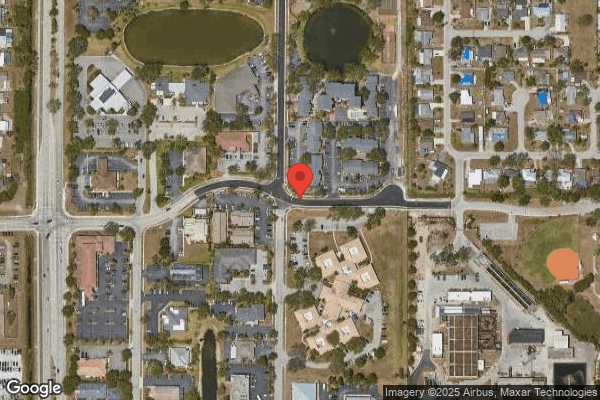
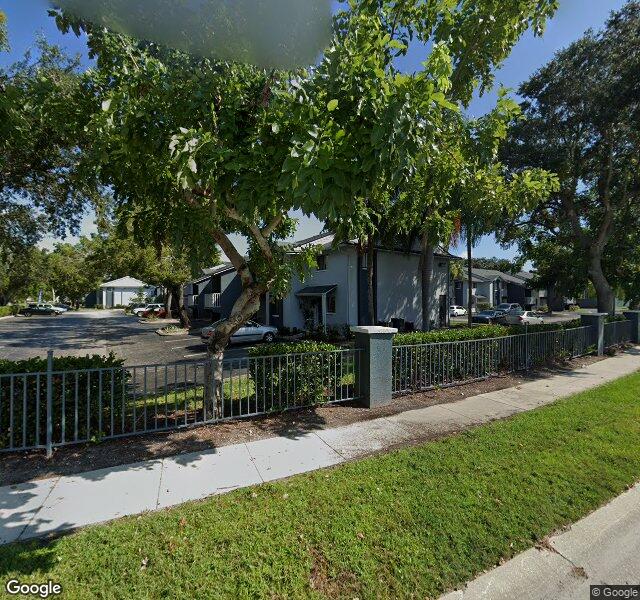
1600 MATTHEW DRIVE, FORT MYERS, FL 33907 (239) 275-6067
For profit - Corporation 120 Beds Independent Data: November 2025
Trust Grade
43/100
#485 of 690 in FL
Last Inspection: November 2024

Within standard 12-15 month inspection cycle. Federal law requires annual inspections.

Overview

Cedarbrook Health and Rehabilitation Center has a Trust Grade of D, which indicates that it is below average and has some concerns. It ranks #485 out of 690 facilities in Florida, placing it in the bottom half, and #12 out of 19 in Lee County, meaning only one local facility is rated higher. The facility is showing signs of improvement, as issues decreased from 13 in 2023 to 11 in 2024. Staffing is a relative strength, with a 3/5 star rating and RN coverage better than 87% of Florida facilities, although the 55% turnover rate is concerning compared to the state average. However, there are significant weaknesses, such as a serious incident where a resident waited 20 hours for pain medication after admission, resulting in suffering and distress. Additionally, there are ongoing cleanliness issues in the kitchen and laundry areas, where unsanitary conditions were noted, including a lack of proper maintenance and potential contamination risks. Overall, while there are some positive aspects, families should carefully consider these serious deficiencies when researching this facility.

Trust Score
D
43/100
In Florida
#485/690
Bottom 30%
Safety Record
Moderate
Needs review
Inspections
Getting Better
13 → 11 violations
Staff Stability
⚠ Watch
55% turnover. Above average. Higher turnover means staff may not know residents' routines.
Penalties
○ Average
$16,801 in fines. Higher than 58% of Florida facilities. Some compliance issues.
Skilled Nurses
✓ Good
Each resident gets 58 minutes of Registered Nurse (RN) attention daily — more than average for Florida. RNs are trained to catch health problems early.
Violations
⚠ Watch
32 deficiencies on record. Higher than average. Multiple issues found across inspections.
★★☆☆☆
2.0
Overall Rating
★★★☆☆
3.0
Staff Levels
★★★★☆
4.0
Care Quality
★★☆☆☆
2.0
Inspection Score
Stable
2023: 13 issues
2024: 11 issues

The Good

  • 4-Star Quality Measures · Strong clinical quality outcomes
  • Full Sprinkler Coverage · Fire safety systems throughout facility
  • No fines on record

Facility shows strength in quality measures, fire safety.

The Bad

2-Star Overall Rating

Below Florida average (3.2)

Below average - review inspection findings carefully

Staff Turnover: 55%

Near Florida avg (46%)

Higher turnover may affect care consistency

Federal Fines: $16,801

Below median ($33,413)

Minor penalties assessed

The Ugly 32 deficiencies on record

1 actual harm
Nov 2024 11 deficiencies 1 Harm
SERIOUS (G)

Actual Harm - a resident was hurt due to facility failures

Deficiency F0697 (Tag F0697)

A resident was harmed · This affected 1 resident

Based on interview, and record review the facility failed to obtain physician ordered medication and ensure timely administration of pain medications for 1 (Resident #318) of 5 residents sampled for m...

Read full inspector narrative →
Based on interview, and record review the facility failed to obtain physician ordered medication and ensure timely administration of pain medications for 1 (Resident #318) of 5 residents sampled for medication regimen review, causing ongoing severe pain to the resident. The findings included: Review of the clinical record for Resident #318 revealed a date of admission of 11/11/24. Diagnoses included chronic back pain due to spinal stenosis. On 11/13/24 at 10:47 a.m., in an interview Resident #318 said, I waited 20 hours to get a pain pill when I was admitted to the facility. I was miserable, in pain, and crying. The resident said she kept telling the nurse on duty to call the physician. Resident #318 said the nursing staff kept telling her the delivery would be here shortly. The resident said, I waited until 2:00 a.m. and the medication didn't come. Then I waited till 5:00 a.m. and the medication didn't come. Resident #318 said her roommate witnessed her crying at breakfast time. She said at 9:00 a.m. that morning she called her daughter and told her she was going to call 911 if they did not get her something for her pain. Resident #318 said she complained to anyone who walked in the room about her pain. She said the marketer who arranged for her admission told her she would have her medication at the facility when she got there. She said she texted the marketer and she never responded. Resident #318 said she came to the facility for therapy. She could not start therapy due to the pain. Resident #318 said she would not want anyone else to have to go through what she had endured. Review of the physician's orders revealed an order dated 11/11/24 at 11:56 a.m., for Morphine Sulfate Oral Tablet 30 MG (Morphine Sulfate) Give 1 tablet by mouth every 8 hours for Chronic pain and Roxicodone Oral Tablet 15 MG (Oxycodone HCl) Give 1 tablet by mouth every 4 hours as needed for Chronic pain. Review of the November 2024 Medication Administration Record (MAR) showed Resident #318 received the first dose of Roxicodone 15 mg for a pain level of 4 on 11/12/24. The start date for the medication listed on the MAR was 11/11/24 at 11:00 p.m. The order for Morphine Sulfate 30 mg to be given every 8 hours was listed on the MAR on 11/11/24 at 11:00 p.m. The first dose of Morphine was not administered until 11/12/24 at 10:00 p.m. On 11/14/24 at 9:37 a.m., in an interview Resident #318 said she arrived at the facility on 11/11/24 at about 2:30 p.m. and started asking for her pain medication right away. The nurse told her the pain medication was not here yet. She told the nurse on duty she should have a backup pharmacy, or call the physician to get an order for the medication they did have in stock. She said she was rating her pain at that time at a 7 out of 10. She said she would never have said her pain level was a 4. She said her goal with her medication was to get to a 5 in pain. She never got below a 7 level of pain the first night she was here. She said on 11/12/24 at 8:00 a.m. when the breakfast tray came she was crying. Resident #318 said she felt it was cruel to make her wait that long for her medications. Staff could have acted to get her medication sooner and they did not seem to know what to do to obtain her medications. On 11/14/24 at 3:25 p.m., in an interview Registered Nurse, Staff P verified she had worked a double shift on 11/11/24 from 7a.m. to 11p.m. When asked about the delay in obtaining Resident #318's pain medications ordered on 11/11/24 at 11:56 a.m., she said she found the prescription for the Morphine later on that day and faxed it to the pharmacy and documented the prescription on the MAR. Staff P said they did not have the ordered dosage of the pain medication in stock on 11/11/24. Staff P verified Resident #318 told her she was in a lot of pain. She told Resident #318 the prescription was sent to the pharmacy but the medication was not available at the facility. Staff P said she asked the resident if she wanted Tylenol and she said yes. On 11/14/24 at 3:45 p.m., in an interview the Director of Admissions said on 11/11/24 in the afternoon she received a message from the External Marketer for Admissions. She said the text read Resident #318 was requesting her medications. The Director of Admissions said she went to the Director of Nursing (DON) on 11/11/24 around 3:00 p.m., and notified her of Resident #318 needing her pain medications. The DON told her she would make sure the resident received her pain medications. The Director of Admissions said the DON told her they had notified the resident's physician. On 11/14/24 at 3:55 p.m., in an interview the DON said no one spoke to her on 11/11/24 but she had heard about Resident #318 not receiving her pain medications. The DON said she thought the reason staff did not have the medications was because they did not have a prescription. She said if staff could not get a hold of the resident's primary physician they could call the Medical Director. The DON said she started educating staff on the issue on 11/13/24 and is continuing education today. The DON said she would change the education at this time because she not aware staff had a prescription for Resident #318's pain medication on 11/11/24.
CONCERN (D)

Potential for Harm - no one hurt, but risky conditions existed

Notification of Changes (Tag F0580)

Could have caused harm · This affected 1 resident

**NOTE- TERMS IN BRACKETS HAVE BEEN EDITED TO PROTECT CONFIDENTIALITY** Based on record review, and interview the facility failed to notify the resident's representative of a dose reduction and discon...

Read full inspector narrative →
**NOTE- TERMS IN BRACKETS HAVE BEEN EDITED TO PROTECT CONFIDENTIALITY** Based on record review, and interview the facility failed to notify the resident's representative of a dose reduction and discontinuation of antipsychotic medication for 1 (Resident #95) of 5 residents sampled for medication regimen review. The findings included: Record review revealed Resident #95 was an [AGE] year-old male admitted from an acute care hospital on [DATE]. Diagnoses included Parkinson's disease, Dementia, and Depression. The admission Minimum Data Set (MDS) assessment with a target date of 10/15/24 showed the resident's cognition was severely impaired with a Brief Interview for Mental Status score of 03. The admission record noted Resident #95's significant other was responsible for making his healthcare decisions. The discharging hospital medication history documented Resident #95 a physician's order for Seroquel (antipsychotic) 50 milligrams (mg) one tablet by mouth two times a day. Review of the physician's orders revealed an order dated 10/13/24 for Seroquel 50 mg one tablet by mouth two times a day for psychotic disturbance. On 10/13/24 a physician's order shows resident #95 was ordered Seroquel 50 mg twice daily. On 10/15/24 the physician issued an order to reduce the Seroquel to 50 mg one time a day. On 10/21/24 the physician issued an order to discontinue the Seroquel. Review of the clinical record, including progress notes showed no documentation Resident #95's representative was informed of the dose reduction of the Seroquel on 10/15/24 or the discontinuation of the Seroquel on 10/21/24. On 11/12/24 at 2:22 p.m., in an interview Resident #95's significant other said the resident had been taking Seroquel for nine years. On 11/1/24 Resident #95 started to become grabby and he was not listening to the staff. She said, He was difficult with me. She asked the nurse to give him his Seroquel. That's when she was told the Seroquel was discontinued. Resident #95's significant other said she was never told he was taken off the medication. On 11/14/24 at 11:47 a.m., in an interview the Director of Nursing said when psychotropic medications are discontinued, the resident's family should be informed and it should be documented in the progress notes in the resident's clinical record. On 11/14/24 at 12:10 p.m., in an interview MDS Coordinator Staff O verified the lack of documentation in the clinical record Resident #95's representative was notified of the dose reduction and subsequent discontinuation of the Seroquel. She said on 10/24/24 she talked about it with the spouse during a care plan meeting but did not document the discussion.
CONCERN (D)

Potential for Harm - no one hurt, but risky conditions existed

Comprehensive Assessments (Tag F0636)

Could have caused harm · This affected 1 resident

Based on interview and record review the facility failed to ensure the comprehensive assessment was accurate and reflected residents' activity preference for 2 (Residents #83 and #95) of 4 residents s...

Read full inspector narrative →
Based on interview and record review the facility failed to ensure the comprehensive assessment was accurate and reflected residents' activity preference for 2 (Residents #83 and #95) of 4 residents surveyed for activities. The findings included: 1. Review of the clinical record for Resident #83 revealed an admission date to the facility of 8/24/24. Diagnoses included Cerebral Vascular Accident (CVA), Dementia, and Parkinson's Disease. The clinical record noted the resident's spouse was the Health Care Surrogate. The admission Minimum Data Set (MDS) Assessment with a target date of 8/27/24 showed the resident's cognition was severely impaired with a Brief Interview for Mental Status score of 00 (lack of ability to answer basic orientation and memory questions correctly). The MDS noted Resident #83 was interviewed for preferences for Customary Routine and Activities. The assessment showed 1 (very important) was entered for all eight questions for interview for daily preferences, and for all eight questions related to activity preferences. 2. Review of the clinical record for Resident #95 revealed an admission date of 10/12/24. Diagnoses included Parkinson's disease, Dementia, and Depression. The clinical record noted the resident's significant other was the responsible party for health care decisions. The admission MDS assessment with a target date of 10/15/24 noted the resident's cognition was severely impaired with a Brief Interview for Mental Status score of 03. Resident #95 was able to complete the interview but was not able to report the correct year, the correct month, the correct day. He was not able to recall the words sock, blue or bed. The MDS showed Resident #95 was interviewed for preferences for Customary Routine and Activities and noted 1 (very important) was entered for all eight questions for daily preferences and all eight questions for activity preferences. 3. On 11/15/24 at 11:03 a.m., in an interview the Administrator said the facility had identified the previous Activity Director related completing and appropriately documenting the activity assessments. She said for that reason the Activity Director was no longer employed at the facility. On 11/15/24 at 2:49 p.m., the Administrator verified no Performance Review Plan was initiated for the inaccurate MDS activity assessments.
CONCERN (D)

Potential for Harm - no one hurt, but risky conditions existed

Deficiency F0679 (Tag F0679)

Could have caused harm · This affected 1 resident

Based on observation, clinical record review, resident representative and staff interviews, the facility failed to provide an ongoing, meaningful, resident centered activity program to support the int...

Read full inspector narrative →
Based on observation, clinical record review, resident representative and staff interviews, the facility failed to provide an ongoing, meaningful, resident centered activity program to support the interest and meet the physical, mental, and psychological well-being of 2 (Residents #95 and #8) of 7 residents reviewed for involvement in activities. The findings included: 1. Review of the clinical record revealed Resident #8 had an admission date of 4/7/24 with diagnoses including dementia with mood disturbance and anxiety. The 5-day scheduled Minimum Data Set (MDS) assessment with a target date of 10/31/24 noted the resident's cognition was moderately impaired with a Brief Interview for Mental Status (BIMS) score of 09. Review of the Lifestyle and Activity Preferences Evaluation dated 10/29/24 documented activities were very important to the Resident. Questions #2 to 13 were not completed for background information. Functional status questions #1 to 11 were not completed. Leisure Preferences, questions #1 to 12 were not completed. Review of the Care Plan initiated 4/5/24 (Revised 9/17/24) for Resident #8 documented, The resident is able to make leisure needs and preferences known and participates in facility activities as desired. Prefers a balance of social and independent leisure activities. The goal specified the resident will remain engaged in independent leisure activities and participate in facility activity programming as desired, and will express satisfaction with leisure routine through next review. The Care Plan interventions included: Assist resident to/from activities as needed. Encourage in-room leisure time such as TV, phone/video communication with family/friends, reading books/magazines, etc., and allow for resident feedback and suggestions on leisure time activities. Encourage ongoing family involvement. Invite the resident's family to attend special events, activities, meals. Encourage participation in activities of interest. Honor resident's choice to choose own activities, provide reminders/cues for participation as needed. Provide reading materials, stationary, radio, or other materials as requested for independent use by resident. Provide resident with activities calendar. Staff visits with resident as resident agrees/desires to promote independent leisure/socialization. On 11/12/24 at 9:00 a.m., and 1:15 p.m., Resident #8 was observed seated in his wheelchair (w/c) at a table in the lounge area in the center of the Pod (individual sitting areas on each hallway). The television (TV) was on. No individualized activities were observed in progress during observations throughout the day. On 11/12/24 at 1:20 p.m., in an interview Resident #8's wife said she visited her spouse for two hours every day and did not see any activities, except the television. She said the same residents sat there every day. Review of the facility activity calendar for November 2024 documented 9:30 a.m., morning social, at 10:30 sit and stretch, at 11:00 chicken soup stories, at 1:30 table games, at 2:45 coloring corner. On 11/13/24 at 10:51 a.m., and 2:00 p.m., Resident #8 was observed sitting at a table in the center area in front of the television. No activity was in progress on the unit and no activity materials were placed in front of him on the table. Review of the activity calendar for the day documented 8:30 daily chronicle, 8:30 morning social, 10:30 Uno, 1:00 resident /food council, 2:00 BINGO, 2:30 BINGO store. On 11/13/24 at 3:35 p.m., in an interview, the Activity Director said she started employment at the facility six days ago. She had one assistant who was a certified nursing assistant. The Activity Director said the process for identifying the individualized activity needs of the resident is upon admission to complete the activity preference forms and then she conducts interviews and tries to get to know the resident better. She said she speaks to the family to see if there is anything the resident had liked to do previously. She said she did not make the activity calendar for this month because she just accepted the position. The Activity Director confirmed there were no activities on the individual units, and said, it just would not be possible or fair to all the residents. The activities are done in the main dining room. We are making one-to-one visits I try to see a few residents a day and offer the daily chronicle or a word search. I can't do 1-1 for the whole building in a day so I will try and see about 6 residents a day because I'm still trying to get to know them. I plan to hire another assistant who will work only on the memory care unit. The lack of activities observed for Resident #8 was shared with the Activities Director, and the concerns expressed by the resident's spouse. The Activity Director confirmed she did not leave individualized activity items on the Pods (units) and said she had no plans to do activities on each of the unit Pods. She said it would be impossible. On 11/14/24 at 9:29 a.m., Resident #8 was observed in the center of the unit in his w/c. The television was on but he was not engaged. The resident was restless, attempting to wander in the w/c. Resident #8 was yelling loudly and cursing. Staff was not observed redirecting the resident or offer an activity. Several other residents were observed in the lounge area. There were no activities in progress for the residents. On 11/14/24 at 9:44 a.m., in an interview Activity Assistant Staff E said she has been the activity assistant for two weeks. She comes in daily and passes a copy of the facility daily chronicle to the residents. She encourages them to come to activity programs. Staff E confirmed she did not conduct any group or individual activities on the six unit Pods. On 11/14/24 at 11:32 p.m., in an interview Resident #8's spouse, said the facility rarely ever takes her husband to an activity. She said her husband was a military veteran and enjoyed talking to other men about his service who had some of the same experiences. The spouse said I had a meeting here for the care plan and I told them that. I told them I leave at 2:00 p.m., every day and he sits here. I have asked them to take him to the activity but I don't think they do that. I wonder when I leave here if he is still just sitting here. 11/14/24 at 1:55 p.m., Resident #8 was seated at the table in the center of the Pod. On 11/14/24 art 3:20 p.m., Resident #8 was observed seated at the table on the Pod. No activity was in progress. The Activity Aid and the Activity Director were observed to assist other residents from the Pod to the dining room for an activity but did not offer to assist Resident #8 to the activity. The activity calendar specified 8:30 a.m., Daily Chronicle, 9:30 sit and stretch, 10:30 room visits, 2:00 M&M's entertainment, 3:00 puzzle time. On 11/14/24 at 4:00 p.m., the Administrator said there was no policy for the facility activities program. On 11/15/24 at 9:50 a.m., and 2:10 p.m., Resident #8 remained in the center of the Pod at a table with no individualized activity offered to him. The activities 8:30 daily Chronicle, 9:30 Morning Social, 10:30 Dominos, 11:00 Friendly Visit, 1:30 BINGO, 3:00 Nail Spa. 2. Review of the clinical record for Resident #95 revealed an admission date of 10/12/24. Diagnoses included Parkinson's disease, Dementia, and Depression. The Brief Interview for Mental Status (BIMS) documented on the admission Minimum Data Set (MDS) shows Resident #95 scored 03. This score shows a severe cognitive deficit. Resident #95's significant other is responsible for making his healthcare decisions. Section F of the MDS shows Resident #95 answered all the questions on his activities assessment with the same answer very important. On 11/12/24 at 12:14 p.m. Resident #95's significant other/responsible party said she did not see staff assist the resident to activities very often. On 11/13/24 at 9:00 a.m. Resident #95 was observed sitting in his wheelchair in the living room area of the 600 unit in front of the TV by himself. On 11/14/24 9:10 a.m. Resident #95 was observed in the living room of the 600 unit at a table with a magazine in front of him. He was eating a snack at the time. On 11/14/24 10:58 a.m. Resident #95 observed in the same area previously seen sleeping in his wheelchair. On 11/14/24 at 12:00 p.m. Resident #95 was observed sitting in his wheelchair in the same area of the living room area of the 600 unit. Review of the activities calendar in Resident #95's room showed no activities listed past 3:30 p.m. Review of the electronic record under activities shows in the last 30-day Resident #95 had attended activities 3 to 6 times. On 11/15/24 at 11:03 a.m., in an interview the Administrator said they had identified there was issue with the Activities Director not completing assessments and documenting and that is why he no longer employed at the facility. The Administrator said the two activity staff members were new. The Administrator said Resident #95 was taken to Trivia in the afternoon on 11/14/24. When asked about Resident #95's cognitive issues, and the activities calendar not addressing residents on the 600 unit with cognitive deficits, The Administrator said Memory Care has a separate activity schedule specific to cognitively impaired residents. The Administrator said staff do sometimes take cognitively impaired residents to the memory care unit for activities. The Administrator said she could not provide any documentation of Resident #95 attending activities on the memory care unit.
CONCERN (D)

Potential for Harm - no one hurt, but risky conditions existed

Incontinence Care (Tag F0690)

Could have caused harm · This affected 1 resident

**NOTE- TERMS IN BRACKETS HAVE BEEN EDITED TO PROTECT CONFIDENTIALITY** Based on observation, review of facility policy and procedures, record review and staff interviews, the facility failed to maint...

Read full inspector narrative →
**NOTE- TERMS IN BRACKETS HAVE BEEN EDITED TO PROTECT CONFIDENTIALITY** Based on observation, review of facility policy and procedures, record review and staff interviews, the facility failed to maintain urinary catheters in a safe and sanitary manner for 1(Resident #25) of 1 resident reviewed with an indwelling urinary catheter. The findings included: The facility policy Catheter Care issued 10/20 (revised 1/24) documented The facility will maintain infection control guidelines related to catheter use and catheter care to minimize catheter associated infections. Ensure the drainage spigot is not touching the floor, the tubing is free of kinks, the catheter is kept at an appropriate level to promote urine flow, and dignity is maintained. Review of the clinical record revealed Resident #25 was admitted on [DATE] with diagnoses including benign prostatic hypertrophy (enlarged prostate), Parkinson's disease, and neuromuscular dysfunction of the bladder requiring an indwelling urinary catheter. The record showed Resident #25 had a hospital admission on [DATE] with diagnosis of a urinary tract infection and returned to the facility on 8/29/24. On 11/12/24 at 9:55 a.m., during an observation Resident #25 was in bed and his urinary catheter drainage bag was on the floor. Resident #25 said he did not know how the drainage bag got onto the floor. Photographic evidence obtained. On 11/12/24 at 10:00 a.m., Registered Nurse (RN) Staff A confirmed the catheter drainage bag was on the floor and said it should never be on the floor. On 11/13/24 at 10:34 a.m., Resident #25's catheter drainage bag was observed laying flat on the floor next to the trash can. Photographic evidence obtained. On 11/13/24 at 10:37 a.m., in an interview RN staff A confirmed the catheter drainage bag was on the floor and said, they put a clip here yesterday to keep it off the floor, let me find it. Staff A said here it is and showed this writer a large paper clip that was shaped into a hook attached to the bed. She confirmed a paper clip was being used in place of a drainage bag securement hook and said we don't have a lot of supplies. Photographic evidence obtained. On 11/13/24 at 2:30 p.m., in an interview Certified Nursing Assistant (CNA) Staff J said when caring for catheter drainage bags you hang them from the wheelchair or the bed frame. The bag is usually hung from the foot of the bed and you make sure it isn't tangled or touching anything. It is emptied at the end of the shift. On 11/13/24 at 2:35 p.m., in an interview CNA Staff I said catheters drainage bags are to be placed in a drainage bag holder and attached to the wheelchair or the bed. Staff I demonstrated how a drainage bag holder was attached to the wheelchair and said the catheter drainage bag goes in there and we also have a bag attached to the bed so when they are in bed, you place the catheter drainage bag in the drainage bag holder and it stays off the floor.
CONCERN (D)

Potential for Harm - no one hurt, but risky conditions existed

Deficiency F0694 (Tag F0694)

Could have caused harm · This affected 1 resident

**NOTE- TERMS IN BRACKETS HAVE BEEN EDITED TO PROTECT CONFIDENTIALITY** Based on observation, review of facility policy and procedures, review of the clinical record and resident and staff interview t...

Read full inspector narrative →
**NOTE- TERMS IN BRACKETS HAVE BEEN EDITED TO PROTECT CONFIDENTIALITY** Based on observation, review of facility policy and procedures, review of the clinical record and resident and staff interview the facility failed to ensure 2 (Residents #67 and #89) of 2 residents receiving intravenous solution received appropriate care of the intravenous insertion site, including dressing changes and flushing the line. The findings included: The facility policy Central Lines documented, Flush catheters at regular intervals to maintain patency and before and after the following: a. administration of intermittent solutions. b.administration of medication. c. obtaining blood samples d. converting from continuous to intermittent therapies. In addition to adhering to professional standards of practice, facilities are responsible for administering IV therapy according to the physician's orders, the residents goals, preferences and advanced directives as applicable and according to State law. 1. Review of the clinical record revealed Resident #67 had an admission date of 2/2/23 with diagnoses including Alzheimer's disease, dementia, bi-polar disorder, adult failure to thrive. The clinical record documented the resident was admitted to hospice services on 11/11/24 and was unresponsive. On 11/12/24 at 10:18 a.m., Resident #67 was observed in bed sleeping. She was noted to have a PICC (peripherally inserted central catheter) in the left forearm area with an undated dressing covering the insertion site. There was an unlabeled and undated bag of intravenous solution 5% dextrose/0.9% sodium infusing. Photographic evidence obtained. Review of the physician order documented Dextrose-NaCl Solution 5-0.45 % (Dextrose-Sodium Chloride) Use 50 ml/hr intravenously every shift for hydration for 7 Days -Start Date 11/07/2024. There were no orders located in the electronic record to the paper chart for the care of the catheter including when to change the dressing and when to flush the catheter. 2. Review of the clinical record revealed Resident #89 had a readmission date of 11/4/24 with diagnoses including venous insufficiency, tacky-cardiac, severe morbid obesity, chronic diastolic congestive heart failure, and open wound lower leg. On 11/12/24 at 10:03 a.m., Resident #89 was observed in bed and noted to have an IV (Intravenous) catheter inserted in his left forearm. Resident #89 said he had the IV since he was re-admitted to the facility last week from the hospital. He said he was not receiving any medication through it and did not know why it was not removed. Resident # 89 said they don't do anything with it so why keep it in? The catheter was covered with a transparent border edge dressing without a date. Resident #89 said the hospital had put the catheter in and he has asked the nurse every day to take it out but they did not do it. On 11/12/24 at 10:30 a., in an interview Registered Nurse (RN) Staff A said Resident #89 had a urinary tract infection and that is why he had the catheter. Staff A said she did not know what the order for the care and flush of IV was but would check the residents' record. Staff A checked the record and said she did not see any orders for the care of the IV. Review of the medication administration record (MAR) revealed a physician order dated 11/5/24 for INVanz (an antibiotic) Injection Solution Reconstituted 1 gram (Ertapenem Sodium) use 50 milliliters intravenously one time a day for urinary tract infection for 1 day. The MAR documented the medication had been administered. On 11/12/24 at 1:01 p.m., in an interview, Unit Manager Registered Nurse Staff D said Resident #89 completed antibiotic therapy through the IV on 11/11/24. Staff D said the reason the resident still had the IV was to administer the antibiotic and the last dose was administered yesterday. This writer informed Staff D the medication was ordered for 1 dose only and was administered on 11/5/24. Staff D was informed there was no date on the IV dressing and the resident said it was there since his hospital admission on [DATE]. Staff D said she would have to check the physician orders and went back to the nurse's desk. Review of the Physician orders showed no order for the care of the catheter and no additional antibiotics ordered after 11/5/24. On 11/12/24 at 2:29 p.m., in an interview Staff D said the antibiotic for Resident #89 ended the day before so she wrote an order to discontinue the IV. Staff D said the nurses assigned to the resident were responsible for the care of the IV. On 11/13/24 at 9:07 a.m., in an interview Staff D confirmed the medication for the use of the IV had been administered on 11/5/24 and there was no order for the care and flush of the IV catheter. Staff D said the IV catheter was removed on 11/12/24. On 11/15/24 at 8:45 a.m., in an interview the Director of Nursing (DON) said she was aware Resident #89 did not have orders for the care including the flushing of the IV. She said going forward the admission nurse will put in the orders and then the Unit Manager will check for an order in the morning and the nurse assigned to the resident will check to ensure there are orders for the care of the IV. The DON said she was not aware Resident #67 did not have orders for the care or flush of the IV.
CONCERN (D)

Potential for Harm - no one hurt, but risky conditions existed

Respiratory Care (Tag F0695)

Could have caused harm · This affected 1 resident

Based on observation, review of facility policy and procedure, and staff interviews, the facility failed to maintain resident nebulizer machines (turns liquid medication into a mist that can be inhale...

Read full inspector narrative →
Based on observation, review of facility policy and procedure, and staff interviews, the facility failed to maintain resident nebulizer machines (turns liquid medication into a mist that can be inhaled) in a sanitary manner for 2 (Resident #6 and #18) of 2 residents reviewed with a nebulizer. The findings included: The facility policy Nebulizer (revised 12/2023) documented General Guidelines #4, Store nebulizer and tubing in a hygienic manner when not in use (ie., labeling bag with a date tubing was changed. On 11/12/24 at 10:20 a.m., in during an observation in Resident #6's room there was a nebulizer and the mask was on top of the night stand uncovered, and undated. Photographic evidence obtained. On 11/12/24 at 10:44 a.m., Resident #18 was observed in her room. There was a nebulizer in on the nightstand with the mask hanging down the side of the nightstand. On 11/15/24 at 9:52 a.m., in an interview Unit Manager Registered Nurse Staff D said nebulizer masks were to be covered in a plastic bag when not in use and dated. She said the residents will take them out of the bags and just put them down but they should not be on the floor. The RN said the nurse on the unit was responsible for the care of the nebulizer since they administer it.
CONCERN (D)

Potential for Harm - no one hurt, but risky conditions existed

Deficiency F0800 (Tag F0800)

Could have caused harm · This affected 1 resident

**NOTE- TERMS IN BRACKETS HAVE BEEN EDITED TO PROTECT CONFIDENTIALITY** Based on observations, record review and interviews, the facility failed to provide a diet to accommodate the documented gluten ...

Read full inspector narrative →
**NOTE- TERMS IN BRACKETS HAVE BEEN EDITED TO PROTECT CONFIDENTIALITY** Based on observations, record review and interviews, the facility failed to provide a diet to accommodate the documented gluten and lactose dietary restriction for 1 (Resident #13) of 2 residents reviewed for nutrition. The findings Included: Review of the clinical record revealed Resident #13 was admitted to the facility on [DATE]. Diagnoses included Type II Diabetes, Celiac Disease (immune reaction to eating gluten), and malnutrition. On 11/13/24 at 10:35 a.m., in an interview Resident #13 said she had Celiac Disease, and she is always being served oatmeal and grits. Resident #13 said she has told dietary staff she cannot eat oatmeal and grits. On 11/15/24 at 8:20 a.m., Resident #13's breakfast was observed. The resident's meal ticket said she was allergic to Gluten and Lactose. The meal ticket listed her dislikes as bread and Fish/Seafood. The resident was observed to have a carton of 2% milk, a container of cereal and scrambled eggs. On 11/15/24 at 12:35 p.m., Resident #13 was observed eating lunch in the living room area of the 600 unit. The resident had been served a slice of bread with her meal. On 11/15/24 12:51 p.m., the observations of Resident #13's breakfast and lunch meal were discussed with the Dietary Manager. The Dietary Manager verified Resident #13 was not supposed to have cereal or 2% milk with breakfast. The Dietary Manager verified the bread the resident was being served at lunch was not gluten free.
CONCERN (E) 📢 Someone Reported This

A family member, employee, or ombudsman was alarmed enough to file a formal complaint

Potential for Harm - no one hurt, but risky conditions existed

Safe Environment (Tag F0584)

Could have caused harm · This affected multiple residents

**NOTE- TERMS IN BRACKETS HAVE BEEN EDITED TO PROTECT CONFIDENTIALITY** Based on observation, record review and staff interviews, the facility failed to ensure a safe, clean, comfortable and sanitary ...

Read full inspector narrative →
**NOTE- TERMS IN BRACKETS HAVE BEEN EDITED TO PROTECT CONFIDENTIALITY** Based on observation, record review and staff interviews, the facility failed to ensure a safe, clean, comfortable and sanitary environment for residents and failed to provide the necessary linens required for resident care. The findings included: 1. On 11/12/24 at 9:09 a.m., upon entrance to the facility a strong odor of urine was noted. A large brown crawling insect was observed on its back in the small dining room. On 11/12/24 at 11:41 a.m., Maintenance Assistant Staff C verified the observation of the brown crawling insect in the small dining room. Staff C picked up the insect from the floor. The insect was alive and crawled up the staff's arm. 2. On 11/12/24 at 9:30 a.m., the following observations were made during an initial tour of the 400 unit: Resident #25's indwelling catheter drainage bag was on the floor. Registered Nurse Staff A was present during the observation and verified the resident's indwelling catheter drainage bag was on the floor. Photographic evidence obtained. 2. room [ROOM NUMBER]: The wall behind the head of the bed had multiple repairs areas patched with a white material and left unpainted. 3. room [ROOM NUMBER]: A toilet plunger was stored in a wash basin on the floor, urine was observed in the toilet. The grout around the toilet was black. The tile behind the toilet was peeling up. The room had a very strong odor of urine. In an interview during the observation, Resident #8's spouse said the bathroom toilet is often clogged and she had reported it several times to the nurse. She said the bedroom often smells of urine. Photographic evidence obtained. 4. Resident #213's room had a very strong odor of urine. The resident's urinal was on the bedside table in front of him. 5. On 11/12/24 at 11:11 a.m., in an interview Resident #15 said the floors in her room are always sticky with crumbs all over. 6. On 11/12/24 at 11:18 a.m., Resident #39 stated there was feces on the floor in the bathroom. The bathroom sink was clogged. The resident said it was reported to the staff four days ago. Photographic evidence obtained. 7. On 11/12/24 at 12:25 p.m., during an observation in Resident #95's bathroom it was noted to be dirty with buildup around the toilet and behind the seat of the toilet. The resident said it had been like that since he was admitted to the facility on [DATE]. 8. On 11/13/24 at 9:35 a.m., Resident #83's bathroom was observed with an area of laminate missing from the bathroom sink. There were brown particles behind the toilet seat between the seat and the tank. 9. On 11/15/24 at 10:01 a.m., in an interview the Maintenance Director said the pest control company comes weekly. He said the process for the pest control was he would check all the rooms weekly and the units and if staff have any issues they let me know. The technician from the pest control company comes right to him when he comes in. He lets him know of any issues anywhere in the facility that need to be addressed. The Maintenance Director said some residents' walls have patches on them from the wheelchairs and beds hitting the walls. He said he was planning to get paint to paint the walls next week. He said he was not aware of the condition of room [ROOM NUMBER]'s wall but would take care of it. The Maintenance Director said he had no maintenance books where staff could report issues and relied on maintenance rounds. 10. On 11/12/24 at 11:08 a.m., uncovered clean linen was observed stacked on the dresser in Resident #25's room. In an interview during the observation, Resident #25 said he had to store clean linen on his dresser or he would not have any linen to change his bed when the staff assisted him with care. 11. On 11/13/24 at 9:02 a.m., in an interview Resident #18 said the facility never has enough clean linen, including towels to get washed or sheets to change her bed. The resident said the facility has not had enough linen for several months. She had reported it to the nurse and the manager. Nothing has been done. 12. On 11/13/24 at 9:04 a.m., Certified Nursing Assistant (CNA) Staff J said she has been employed at the facility for only a few weeks. She said there was not enough clean linen to provide the necessary resident care. 13. On 11/13/24 at 9:21 a.m., initial tour of the laundry room showed the facility had two clothes dryers, and two washers. One of the dryers had a note on the door indicating it was broken. One washers had a note dated August 30, 2024 on the door indicating the machine was broken. The functional washer and dryer were in use. A bin of wet linen was observed waiting to be dried. 14. On 11/13/24 at 9:36 a.m., in an interview Laundry Aide Staff B said I have worked here over 20 years and I have never seen it so bad. We have no linen. Staff B said the air-conditioner in the laundry room had been broken for months and it gets so hot in here. The machines have been broken for months. I have told the Director of Nursing, the Administrator and the Housekeeping Supervisor. Nothing gets done. Staff B said she had just collected and placed the soiled linen from all six units in a barrel. The barrel was only half full. She said that was all she had for the day so far. Staff B said she took a cart of clean linen to the North Unit at 7:30 a.m., but it was just a few towels and sheets. Staff B pointed to the folding table with some towels and some sheets she said will go to the South Unit. She said she had not taken any clean linen to the South Unit because she did not have enough. She said residents and staff come and ask for clean linen but she has to tell them she does not have any. 15. On 11/13/24 at 1:26 p.m., in an interview the Housekeeping Supervisor said there was no PAR (Periodic Automatic Replenishment) for the linen on each unit. He said, We see who needs linen first and we take it to that unit. We look to see who is running out and then we split the rest. I have a supply of new linen in the laundry room. Observation of locked storage cabinet where the Housekeeping Supervisor said he kept a supply of new linen showed a few pillows, thermal blankets, a small stack of fitted and flat sheets and a small pack of about 12 towels wrapped in plastic. He said he and the Maintenance Director were the only two with keys to the new linen storage closet. He said if the residents complain in Resident Council meetings that they need towels, then he puts them out. He said he did not have a PAR system and took linen to the units where it is needed first. The Supervisor provided the sales agreement for the washing machine part ordered 9/30/24. He said the part should be in next week and he will have them fix the dryer at that time. On 11/13/24 at 2:48 p.m., observation of the south unit linen closet showed three blankets and six hospital gowns. 16. Review of the Resident Council Minutes dated 6/5/24 documented Old Business- Towels and washcloths needed. Bed sheets and pillow cases needed. Bed sheets do not fit. Review of the Resident Council Minutes for 7/10/24 checked marked all issues have been resolved. 17. On 11/15/24 at 9:33 a.m., in an interview the Housekeeping Supervisor said when the residents reported a lack of linen in the Resident Council meeting, he put more linen out right away. 18. On 11/15/24 at 11:33 a.m., in an interview the Administrator said the facility did not have a policy for laundry services. 19. On 11/15/24 at 1:07 p.m., the housekeeping supervisor provided the following linen purchase orders: 11/1/24: Three dozen of flats sheets. 9/10/24: Eight dozen of bath towels. 8/1/24: 25 dozen of washcloths. 8/8/24: Eight dozen of bath towels. 20. On 11/15/24 at 12:26 p.m., the Administrator provided the facility PAR for Linen that read: Six carts per pod (20 rooms): 40 towels, 30 blankets, 30 sheets, 40 washcloths. Two clean linen rooms, one per unit. Stocked once per shift.
CONCERN (E) 📢 Someone Reported This

A family member, employee, or ombudsman was alarmed enough to file a formal complaint

Potential for Harm - no one hurt, but risky conditions existed

ADL Care (Tag F0677)

Could have caused harm · This affected multiple residents

**NOTE- TERMS IN BRACKETS HAVE BEEN EDITED TO PROTECT CONFIDENTIALITY** Based on observation, review of the clinical record, review of facility policy and procedure, residents, residents' family and s...

Read full inspector narrative →
**NOTE- TERMS IN BRACKETS HAVE BEEN EDITED TO PROTECT CONFIDENTIALITY** Based on observation, review of the clinical record, review of facility policy and procedure, residents, residents' family and staff interviews, the facility failed to provide the necessary care and services to maintain personal hygiene for 5 (Residents #8, #51, #89, #95 and #317) of 10 residents reviewed for activities of daily living (ADL's). The findings included: The facility policy ADL Care and Services revised 01/2024 documented, Residents will be provided with care, treatment and services as appropriate to maintain or improve their ability to carry out ADL's . Appropriate care and services will be provided for residents who are unable to carry out ADL's independently, with the consent of the resident and in accordance with the plan of care, including appropriate support and assistance with: Hygiene (bathing, dressing, grooming, nail and oral care.) 1. Review of the clinical record revealed Resident #8 had an admission date of 4/7/24 with diagnoses including dementia with mood disturbance, muscle weakness and anxiety. The 5-day scheduled Minimum Data Set (MDS) (standardized assessment tool that measures health status in nursing home residents) with an assessment reference date of 10/31/24 documented Resident #8 required supervision for showers and was independent for personal hygiene. The MDS noted Resident #8's cognitive skills for daily decision making were moderately impaired with a Brief Interview for Mental Status score of 09. The care plan initiated 6/11/24 (revised 9/23/24) for Resident #8 identified an ADL selfcare performance deficit related to dementia. ADL needs and participation may vary at times due to weakness, fatigue, cognition., The goal specified the resident will not have a decline in ADL functioning through next review date. The interventions for the resident included: Assistive devices as ordered/indicated. Encourage and assist with all ADL tasks as indicated, as tolerated by resident, including locomotion/ambulation, bathing, bed mobility, transfers, toileting tasks, meals, personal/oral hygiene, etc. On 11/12/24 at 9:39 a.m., Resident #8 was observed sitting in the center area of the Pod (sitting area on each hallway) at a table. He was dressed in his own clothing. He had a strong body odor of urine. Resident #8 was not able to say if he received his showers. On 11/12/24 at 1:03 p.m., in an interview Resident #8's wife said, I must come in and shave him. When she asked the nurses who was responsible for shaving him they replied, that is a good question. The wife said she visits her husband for two hours every day. He is not always clean and most of the time he smells like urine. She said, There is no supervision here, no one knows anything when you ask. I put the light on for help because he can't remember, and no one comes. Sometimes it takes over 30 minutes, on the weekend it is worse. On 11/14/24 at 12:31 p.m., Resident #8 was observed with approximately three days of facial hair growth. In an interview during the observation, Resident #8's wife said, look he has not been shaved since I did it three days ago, I will have to do it tomorrow. No one here checks, they look at him, but they don't see it. I have told the nurse, but it does not get done unless I do it. Review of the Certified Nursing Assistant (CNA) documentation for October 2024 revealed the resident was scheduled for showers on Wednesdays and Saturdays on the 3:00 p.m., to 11:00 p.m., shift. There was no documentation Resident #8 received his scheduled shower on 10/9/24 and 10/23/24. On 10/16/24 and 10/19/24 N/A (not applicable) was documented. The CNA documentation personal hygiene including shaving was provided to the resident on the 7:00 a.m., to 3:00 p.m., shift on 10/7/24, 10/8/24, 10/9/24, 10/10/24, 10/11/24, 10/12/24, 10/13/24, 10/15/24, 10/16/24, 10/22/24, 10/24/24, 10/28/24, 10/29/24, 10/20/24, 10/31/24, 11/4/24, 11/5/24 and 11/6/24. N/A was entered on 11/2/24. There was no documentation of care provided to the resident during the 3:00 p.m., to 11:00 p.m., shift on 10/7/24, 10/8/24, 10/9/24, 10/10/24, 10/11/24, 10/17/24, 10/20/24, 10/22/24, 10/23/24, 10/28/24, 11/7/24, 11/8/24 and 11/11/24. 2. Review of the clinical record revealed Resident #51 had an admission date of 7/28/24 with readmission on [DATE]. Diagnoses included heart failure, dementia, anxiety, muscle weakness and need for assistance with personal care. The Quarterly MDS dated [DATE] documented Resident #51 required substantial/maximum assistance with showers. The MDS noted Resident #51's cognitive skills for daily decision making were intact. The care plan initiated 7/26/24 (revised 10/2/24) documented Resident has an ADL self-care deficit related to cerebral vascular accident, left above the knee amputation, altered cardiorespiratory status, and dementia. ADL needs and participation may vary at times due to weakness, fatigue, cognition, etc. The goal for the Resident specified will maintain and/or improve ADL functioning through next review date. Interventions specified Encourage and assist with all ADL tasks as indicated, as tolerated by resident, including locomotion/ambulation, bathing, bed mobility, transfers, toileting tasks, meals, personal/oral hygiene, etc. Bathing extensive assistance. On 11/12/24 at 11:16 a.m., in an interview Resident #51 said he showered daily at home and here they only showered him two times a week. He said I finally got them to increase my showers to four times a week which is great if I can ever get them. No one comes to give the showers. My showers are on the day shift and night shift. I can't remember when I got my last one. I'm lucky to get one shower a week or every two weeks. I have spoken to the nurse, the Director of Nursing and the Administrator about not receiving my showers. On 11/13/24 at 9:51 a.m., Resident # 51 was observed in bed. He said, I still have not received a shower this week. Review of the CNA documentation for October 2024, and November 2024 revealed Resident #51 was scheduled for showers on the 7:00 a.m., to 3:00 p.m., shift on Wednesdays and Saturdays. On 10/2/24, 10/12/24, 10/16/24 and 10/30/24 N/A was entered for the showers. There was no documentation the resident received the scheduled showers on 10/9/24 and 10/23/24. Resident #51 was scheduled to receive a shower during the 3:00 p.m. to 11:00 p.m. shift on Tuesdays and Fridays. There was no documentation the resident received the scheduled showers on 10/1/24, 10/4/24, 10/8/24, 10/15/24, 10/22/24, and 10/29/24. On 10/18/24, N/A was entered. On 10/25/24 the documentation showed the resident refused his scheduled shower. Review of the November 2024 CNA documentation on the 7:00 a.m., to 3:00 p.m., shift revealed no documentation on 11/2/24 and on 11/6/24 the resident received the scheduled showers. On 11/9/24 N/A was entered. 3. Review of the clinical record revealed Resident #89 had a readmission date of 11/4/24 with diagnoses including venous insufficiency, tacky-cardiac, severe morbid obesity, chronic diastolic congestive heart failure, and open wound lower leg. The Quarterly MDS dated [DATE] documented Resident #51 was dependent for showers, and required partial/moderate assistance for personal hygiene. The Care Plan initiated 10/27/24 (revised 3/4/24) identified Resident #89 had an ADL self-care deficit related to impaired respiratory and cardiovascular status and other chronic medical conditions. ADL needs and participation may vary at times due to weakness, fatigue, cognition, etc. The care plan interventions specified Encourage and assist with all ADL tasks as indicated, as tolerated by resident, including locomotion/ambulation, bathing, bed mobility, transfers, toileting tasks, meals, personal/oral hygiene, etc. On 11/12/24 at 10:03 a.m., during observation and interview Resident #89's call light was observed on. After 10 minutes of continuous observation, Registered Nurse (RN) Staff A entered the room and asked the resident what he needed. The resident requested assistance to get out of bed. The nurse said she would let someone know and turned the call light off. During the 10 minutes spent interviewing the resident no other staff member entered the room. Resident #89 was observed unshaven approximately 3 to 4 days growth and his fingernails extended approximately 1/2 inch in length. His urinal which contained a small amount of urine, was on the bedside table in front of him. He said he does not receive the help he needs and if he puts the call light on, he waits a long time, over 30 minutes at times. There was a strong odor of urine in the room. The resident's bed sheets were soiled. Photographic evidence obtained. His uncovered feet had a thick yellow, black, peeling crust from his lower legs and feet. On 11/14/24 at 12:48 p.m., and 11/14/25 at 12:35 p.m., Resident #89 was observed in his room in bed. He remaining unshaven. He said no one had offered to shave him or cut his nails. He said he has not refused to be shaved or to have nail care. He said he did not care for facial hair or long nails. Review of the CNA documentation for October 2024 personal hygiene on the day shift was not documented as completed on 10/7/24, 10/8/24, 10/9/24, 10/10/24, 10/11/24, 10/12/24, 10/13/24, 10/15/24, 10/16/24, 10/20/24, 10/29/24 and 10/30/24. The 3-11 shift documented no personal hygiene care on 10/7/24, 10/8/24, 10/9/24, 10/10/24, 10/11/24, 10/17/24, 10/20/24, 10/22/24 and 10/28/24. The 11-7 shift documented no personal hygiene assistance was provided on 10/3/24, 10/8/24, 10/9/24, 10/10/2410/11/24, 10/14/24, 10/18/24, 10/24/24 and 10/28/24. Bathing was scheduled on the day shift on Monday and Thursday's documented on 10/3/24 resident refused, 10/7/24 and 10/10/24 no documentation. On 10/28/24 documented N/A. The CNA documentation for November 2024 personal hygiene on the day shift showed no documentation of care on 11/5/24 , 11/6/24 and 11/9/24. On the 3-11 shift no documentation of personal hygiene provided on 11/2/24, 11/7/24, 11/8/24 and 11/11/24. On the 11-7 shift on 11/1/24, 11/4/24, and 11/10/24 there was no documentation of care. On 11/6 and 11/7/24 documented N/A. On 11/14/24 at 2:00 p.m., in an interview Certified Nursing Assistant (CNA) Staff G said there was a shower sheet at the desk and on each unit and the schedule is also in the electronic record. Staff G said residents were shaved daily or every other day. If they refuse, we tell the nurse. Staff G said CNA's can cut fingernails and sometimes the activities staff will do it. On 11/14/24 at 2:17 p.m., in an interview CNA Staff H said there was a shower sheet on each unit and at the nurses station. There are steps we have to follow here if a resident refuses care like showers. We ask the resident at least twice and if they refuse, then we let the nurse know and she has to ask the resident and if they still refuse the nurse has to document it. Staff H said shaving is done with showers or if they ask, and we can do nail care as long as the resident is not a diabetic, then the nurse has to do it. The Activities staff will cut and clean fingernails at times. On 11/14/24 at 2:27 p.m., in an interview CNA Staff I said they followed the shower sheet on the Pod and at the nurse's station. If the resident refuses and they have tried several times, then they tell the nurse. It is a process that the nurse tries and documents if they refuse. Staff I said CNAs can trim nails. They shave men daily or every other day, depending on the resident's preference. On 11/15/24 at 8:45 a.m., in an interview the Director of Nursing (DON) said the expectation for showers was the CNA to follow the shower schedule. The DON said residents refuse, not everyone wants a shower, and it should be documented. The DON said she has been employed at the facility for one month. She had identified residents not receiving showers as a problem and was in the process of correcting the concern. On 11/15/24 at 9:52 a.m., in an interview Unit Manager RN Staff D said the CNA's were responsible to give the scheduled showers. Staff D said if a resident refuses and they have a right and they will try and offer it on a different day or time. Staff D said the nurses are responsible for ensuring the staff are providing showers. Shaving and nail care are to be done with the shower or when needed. Staff D said Resident #89 refuses to be shaved or have his nails cut and it is in the care plan. Staff D said Resident #89 was able to shave himself with an electric razor. This writer informed her Resident #89's MDS and care plan documented he requires assistance with bathing and personal hygiene and requested documentation the resident had refused the offered assistance. No documentation of refusal of care for Resident #89 was provided at the end of the survey. 4. Clinical record review showed Resident #317 was admitted to the facility on [DATE]. On 11/13/24 at 9:16 a.m., in an interview Resident #317 said he had not had a shower or brushed his teeth since he was admitted to the facility. He said he did not have a toothbrush. The resident's hair looked greasy and lacked [NAME]. is observed to be lack of [NAME]. He was unshaven. The resident's teeth looked covered with plaque and discolored. Resident #317 said he wanted to be shaved but no one has shaved him. Resident #317's Visual/Bedside [NAME] Report showed no shower schedule documented. The shower schedule documentation in the electronic record showed the last time Resident #317 received a bath or shower was on 11/1/24. On 11/15/24 at 11:51 a.m., in an interview the Director of Nursing (DON) verified there was no documentation Resident #317 received his scheduled showers twice a week. The DON said she had already identified the issue related to the showers and started a Performance Improvement Plan to correct the issue. On 11/15/24 at 12:45 p.m., Resident #317 was observed in the living area of the 600 unit. He remained unshaved. His hair remained greasy and dull. On 11/15/24 at 2:03 p.m., Certified Nursing Assistant (CNA), Staff N was observed searching Resident #317's room for a toothbrush. Staff N checked all the drawers and the bathroom and verified Resident #317 did not have a toothbrush available. On 11/15/24 at 2:06 p.m., CNA Staff J verified she was assigned to Resident #317 and had not brushed his teeth when she provided morning care. 5. Review of the clinical record revealed Resident #95 was admitted to the facility on [DATE]. Diagnoses included Parkinson's disease, Dementia, and Depression. Resident #95's significant other was responsible for healthcare decisions. The admission Minimum Data Set (MDS) assessment with a target date of 10/15/24 noted the resident's cognition was severely impaired with a Brief Interview for Mental Status score of 03. On 11/12/24 at 12:10 p.m., in an interview Resident #95's significant other/responsible party said he was supposed to receive a shower Mondays and Thursdays. She said she did not think he was being showered. When she asks staff about his showers, they tell her they don't know if he's received a shower and don't know how to find out. Review of the Visual/Bedside [NAME] Report showed Resident #95 required extensive Assistance with showering. The resident's showers were scheduled on Tuesdays and Thursdays during the 7:00 a.m. to 3:00 p.m. shift. On 11/15/24 the DON provided the bathing/showering documentation which showed before 11/15/24 the last documented shower was on 10/31/24. On 11/15/24 at 11:53 a.m., in an interview the DON verified the lack of documentation Resident #95 received his scheduled showers weekly. She said she identified the issue with the lack of shower documentation prior to to the survey and started a Performance Improvement Plan (PIP).
CONCERN (E) 📢 Someone Reported This

A family member, employee, or ombudsman was alarmed enough to file a formal complaint

Potential for Harm - no one hurt, but risky conditions existed

Deficiency F0725 (Tag F0725)

Could have caused harm · This affected multiple residents

**NOTE- TERMS IN BRACKETS HAVE BEEN EDITED TO PROTECT CONFIDENTIALITY** Based on observations, Interviews, and record reviews the facility failed to provide sufficient staff to ensure call lights were...

Read full inspector narrative →
**NOTE- TERMS IN BRACKETS HAVE BEEN EDITED TO PROTECT CONFIDENTIALITY** Based on observations, Interviews, and record reviews the facility failed to provide sufficient staff to ensure call lights were answered in a timely manner for nine of nine residents surveyed (Resident #89, #213, #23, #13, #95, #8, #51, #317, and #18) and failed to provide showers, activities of daily living care, oral and nail care in a timely manner. Findings included: 1. On 11/12/24 at 10:03 a.m. Resident #89 was observed in the bed, he was unshaven, and his fingernails were approximately 1/2 inch in length. His feet were uncovered, and he had a thick peeling crust that was visible on the soiled sheets. His urinal was on the bedside table. He said he does not receive the help he needs and if he puts the call light on, he waits a long time over 30 minutes. There was a strong odor of urine in the room. On 11/14/24 at 12:48 p.m., and 11/14/25 at 12:35 p.m., Resident #89 was observed in his room in bed remaining unshaven. He said no one had offered to shave him or cut his nails. He said he has not refused to be shaved or to have nail care. He said he did not care for facial hair or long nails. 2. On 11/12/24 at 10:33 a.m. Resident #213 said when he puts his call light on to be changed staff do not respond for 30 minutes or more. Resident #213 said the response time was worse on the 3-11 and 11-7 shift. Resident #213 said he could see staff sitting in the center area of the unit watching Television. Resident #213 said sometimes staff would come in his room, turn off the call light. He said staff will say they are coming back but they don't return to assist him. 3. On 11/12/24 at 11:05 a.m. Resident #23 said she has been living at the facility for 2 years. She said the staff on the 3rd shift are slow to answer her call light at times. She said sometimes it takes the aides on the 3rd shift one or two hours before they will answer her call light. 4. On 11/12/24 at 11:08 a.m. Resident #13's daughter said there was not enough staff on the memory care unit. She said there was usually only two aides for the residents. She said she had spoken with administration and there answer is we meet the state requirements with two aides. Resident #13's daughter said she knows of a resident who recently fell on her face. She said another resident had a bowel movement in her mother's room. She said residents wander in her mothers room and take things. She said there is not enough staff to monitor all the residents all the time. The resident daughter said she was almost hit by a resident yesterday. They need more than two aides on the memory care unit. 5. 11/12/24 at 11:19 a.m., in an interview Resident #51 said no one answers the call light at night. The resident said, I have waited 45 minutes to an hour at night and I can see them sitting in the center lounge area watching TV. If they do answer the light, they come in ask what I want turn it off and say they will be back but they never come back. On 11/13/24 at 9:51 a.m., Resident #51 was observed in bed. He said, I still have not received a shower this week. Review of the CNA documentation for October 2024 revealed Resident #51 was scheduled for showers on the 7 a.m., to 3 p.m., shift on Wednesdays and Saturdays. The documentation on 10/2/24, 10/12/24, 10/16/24 and 10/30/24 was N/A (not applicable). There was no documentation of showers on 10/9/24 and 10/23/24. On the 3 p.m., to 11 p.m., shift the resident was scheduled for showers on Tuesdays and Fridays. On 10/1/24, 10/4/24, 10/8/24, 10/15/24, 10/22/24, and 10/29/24 there was no documentation of a shower provided. On 10/18/24 the documentation showed N/A and on 10/25/24 the resident refused his scheduled shower. Review of the November 2024 CNA documentation on the 7 a.m., to 3 p.m., shift revealed no documentation on 11/2/24 and on 11/6/24 and 11/9/24 documented N/A. 6. On 11/12/24 at 12:21 p.m. Resident #95's significant other/responsible party said Resident #95 does not get showers when he needs them. She said on 11/11/24 she observed Resident #95 with his pants soaked through with urine. She said staffing response time is worse on the evening shift. Review of the electronic record for shower documentation provided by the facility shows he had not received a shower from 11/1/24 to 11/15/24. 7. On 11/12/24 at 1:03 p.m. Resident #8's wife said, I have to come in and shave him. I asked who was responsible to shave him and they replied that is a good question. I come in for 2 hours every day. He is not always clean and he smells like urine most of the time. Resident # 8 was observed still sitting at the same table with no activity and not moved for care. There is no supervision here, no one knows anything when you ask. I put the light on for help because he can't remember and no one comes, sometimes it takes over 30 minutes. She said on the weekend it is worse. Review of the clinical record revealed Resident #8 had an admission date of 4/7/24 with diagnoses including dementia with mood disturbance, muscle weakness and anxiety. The Minimum Data Set (MDS) (standardized assessment tool that measures health status in nursing home residents) with an assessment reference date of 10/31/24 documented Resident #8 required supervision for showers and was independent for personal hygiene. The MDS noted Resident #8's cognitive skills for daily decision making were moderately impaired. On 11/12/24 at 9:39 a.m., Resident #8 was observed sitting in the center area of the Pod (sitting area on each hallway) at a table. He was dressed in his own clothing. He had a strong body odor of urine. Resident #8 was not able to say if he had received his showers. On 11/14/24 at 12:31 p.m., in an interview Resident #8's wife said, look he has not been shaved since I did it 3 days ago, I will have to do it tomorrow. No one here checks, they look at him, but they don't see it. I have told the nurse, but it does not get done unless I do it. Review of the certified nursing assistant (CNA) documentation for October 2024 revealed the resident was scheduled for showers on Wednesday and Saturday on the 3 p.m., to 11 p.m., shift. On 10/9/24, 10/23/24 there was no documentation of a shower being provided. On 10/16/24 and 10/19/24 documented not applicable (N/A). The CNA documentation for personal hygiene including shaving documented no care provided on the 7 a.m., to 3 p.m., shift on 10/7/24, 10/8/24, 10/9/24, 10/10/24, 10/11/24, 10/12/24, 10/13/24, 10/15/24, 10/16/24, 10/22/24, 10/24/24, 10/28/24, 10/29/24, 10/20/24 and 10/31/24. On the 3 p.m., to 11p.m., shift there was no documentation of care on 10/7/24, 10/8/24, 10/9/24, 10/10/24, 10/11/24, 10/17/24, 10/20/24, 10/22/24, 10/23/24 and 10/28/24. The CNA documentation for November 2024 personal hygiene on the 7 a.m., to 3 p.m., shift showed no documentation of care provided on 11/4/24, 11/5/24, 11/6/24 and N/A on 11/2/24. On the 3 p.m., to 11 p.m., shift there was no documentation of care on 11/7/24, 11/8/24 and 11/11/24. 8. On 11/13/24 at 9:06 a.m. Resident #18 said the staff in the evening and night shift are terrible, they do not answer the call light. I put it on and sometimes I wait for help for over an hour, or they come in and just turn it off, so it doesn't ring. 9. On 11/13/24 at 9:15 a.m. Resident #317 said he has not been showered since he arrived at the facility. States he has not been shaven, and he has not brushed his teeth. The resident was observed with unwashed hair and unbrushed teeth. On 11/13/24 at 10:07 a.m. The surveyor observation of the 300, 400 and 500 pods from nursing desk, call lights were on for over 15 minutes before being turned off. Emergency bathroom call lights were on for over 15 minutes. Within 5 additional minutes some of the lights were turned on again. Review of the facility shower documentation for Resident #317 shows he had not had a documented shower/bath since 11/1/24. On 11/15/24 at 12:45 p.m. Resident #317 was observed in the living area of the 600 unit he remained still unshaved with hair no [NAME] and greasy. On 11/15/24 at 2:03 p.m. Certified Nursing Assistant (CNA), Staff N was observed searching Resident #317's room for a toothbrush. Staff N checked all the drawers and the bathroom and verified Resident #317 did not have a toothbrush available. On 11/15/24 at 2:06 p.m. CNA, Staff J verified at that time she did not brushed Resident #317's that morning.
Apr 2023 2 deficiencies
CONCERN (D) 📢 Someone Reported This

A family member, employee, or ombudsman was alarmed enough to file a formal complaint

Potential for Harm - no one hurt, but risky conditions existed

Notification of Changes (Tag F0580)

Could have caused harm · This affected 1 resident

**NOTE- TERMS IN BRACKETS HAVE BEEN EDITED TO PROTECT CONFIDENTIALITY** Based on record review and staff interview, the facility failed to inform the emergency contact of a change in condition for 1 (...

Read full inspector narrative →
**NOTE- TERMS IN BRACKETS HAVE BEEN EDITED TO PROTECT CONFIDENTIALITY** Based on record review and staff interview, the facility failed to inform the emergency contact of a change in condition for 1 (Resident #1) of 3 residents reviewed. The findings included: Resident #1 was admitted to the facility on [DATE] with diagnoses not limited to Urinary Tract Infection, Pancreatitis, COPD, Malnutrition and Dementia in other diseases. Record review revealed an admission Social Services Evaluation for Resident #1 dated 3/31/23 noted under the Decision Making section that the patient does not make his own decisions and specified the daughter of Resident #1 did. On 3/31/23, Resident #1 began having increased confusion and loose stools. Blood work and a urinalysis for culture and sensitivity were ordered on 3/31/23 and the results were reported to the facility on 4/1/23. There were numerous abnormal blood levels noted. On 4/3/23, the facility Advanced Registered Nurse Practitioner ordered intra muscular injection of an antibiotic for 3 days, another urinalysis, stool specimen tests and repeat blood work for Resident #1 in addition to additional 350 milliliters of fluids to be given every shift. Record review revealed no evidence the emergency contact (Resident #1's daughter) was ever informed of the change in condition that began on 3/31/23 until she was at his bedside on 4/4/23 when he was transferred emergently to the local hospital. On 4/18/23 at 11:43 a.m., in an interview, the Infection Preventionist confirmed Resident #1 had a change in condition and the emergency contact should have been informed.
CONCERN (D) 📢 Someone Reported This

A family member, employee, or ombudsman was alarmed enough to file a formal complaint

Potential for Harm - no one hurt, but risky conditions existed

Quality of Care (Tag F0684)

Could have caused harm · This affected 1 resident

**NOTE- TERMS IN BRACKETS HAVE BEEN EDITED TO PROTECT CONFIDENTIALITY** Based on record review and staff interview, the facility failed to provide treatment in a timely manner and failed to follow phy...

Read full inspector narrative →
**NOTE- TERMS IN BRACKETS HAVE BEEN EDITED TO PROTECT CONFIDENTIALITY** Based on record review and staff interview, the facility failed to provide treatment in a timely manner and failed to follow physicians orders for 1 (Resident #1) of 3 residents reviewed. The findings included: 1. Resident #1 was admitted to the facility on [DATE] with diagnoses not limited to pancreatitis, Urinary Tract Infection, malnutrition, COPD and dementia in other diseases Record review revealed on 3/23/23 an order was written to obtain a CBC and CMP (blood tests). Reviews of the Treatment Administration Record (TAR) for March 2023 revealed the order had been transcribed. On 3/23/23 an entry was made that noted 4 at 9 at 0427. Further review of the record revealed no evidence the order for the CBC and CMP had ever been completed. On 4/18/23 at 2;33 p.m., in an interview, Registered Nurse (RN) Staff C confirmed there was no evidence the order had been completed and said she called the laboratory and they had no record the sample had ever been collected. She also said she did not know what the entry 4 at 9 at 0427 was in reference to. 2. Record review revealed on 3/31/23, Resident #3 began having loose stools and increased confusion. The facility Advanced Registered Nurse Practitioner (ARNP) ordered a CBC, BMP and a urinalysis for culture and sensitivity. The samples were collected and reported back to the facility on 4/1/23 at 12:36 p.m. The blood tests revealed numerous abnormal blood levels. There was no evidence the physician or the ARNP were made aware of the abnormal lab results until 4/3/23. On 4/18/23 at 11:30 a.m., in a phone interview, the ARNP said she was unaware of when she was notified about the abnormal lab results for Resident #1 but was sure she gave orders on the same day she was informed. The orders for further treatment were written on 4/3/23. On 4/18/23 at 11:38 a.m., the facility Infection Preventionist confirmed the abnormal lab results were reported to the facility on 4/1/23 at 12:36 p.m. and there was no evidence the physician or ARNP were notified until 4/3/23.
Feb 2023 11 deficiencies
CONCERN (D) 📢 Someone Reported This

A family member, employee, or ombudsman was alarmed enough to file a formal complaint

Potential for Harm - no one hurt, but risky conditions existed

Deficiency F0561 (Tag F0561)

Could have caused harm · This affected 1 resident

**NOTE- TERMS IN BRACKETS HAVE BEEN EDITED TO PROTECT CONFIDENTIALITY** Based on interviews and record reviews, the facility failed to honor the personal choice for time of day and frequency of shower...

Read full inspector narrative →
**NOTE- TERMS IN BRACKETS HAVE BEEN EDITED TO PROTECT CONFIDENTIALITY** Based on interviews and record reviews, the facility failed to honor the personal choice for time of day and frequency of showers for 1 resident (#53) of 7 resident reviewed for choices about showers. The findings included: Clinical record review revealed Resident #53 was admitted to the facility on [DATE]. Diagnoses included Arthritis (Degenerative joint disease), Cerebrovascular Accident (CVA), and heart failure. On 2/6/23 at 12:25 p.m., Resident #53 said she is supposed to get a shower twice a week, but she does not and is lucky to get a shower once every 3 weeks. Resident #53 said she wants to get a shower twice a week in the morning. Resident #53 said she has told the facility of her preference and her daughter-in-law told the facility a few months ago. Resident #53 said she refuses a shower if it is offered late at night. The admission Minimum Data Set (MDS) assessment with an assessment reference date of 6/14/22 noted it was very important for Resident #33 to choose between a tub bath, shower, bed bath, or sponge bath. The Quarterly Minimum Data Set (MDS) assessment with an assessment reference date of 12/13/22 noted the resident's cognition was intact. Resident #33 required extensive physical assistance of one person for personal hygiene and was totally dependent on staff for bathing. Review of the Shower Schedule revealed Resident #53 was scheduled for a shower twice a week in the evenings (3:00 p.m., to 11:00 p.m.) on Wednesday and Saturday (twice a week). Review of the Certified Nursing Assistants (CNAs) Documentation Survey report V2 from January 25, 2023, through February 8, 2023 showed documentation Resident #53 received a bed bath on 1/25/23 at 1:14 a.m., 1/26/23 at 1:15 a.m., and 9:44 p.m., 1/28/23 at 6:54 a.m., 1/29/23 at 12:23 a.m., 1/30/23 at 12:16 a.m., 1/31/23 at 12:06 a.m., and 9:27 p.m., 2/1/23 at 6:32 a.m., at 9:28 p.m., 2/3/23 at 1:37 a.m., 2/4/23 at 1:10 a.m., and 9:16 a.m., 2/5/23 at 5:41 a.m., and 8:45 p.m., 2/6/23 at 1:38 a.m., 2/7/23 at 3:27 a.m., 2/8/23 at 12:19 a.m. The Documentation Survey Report from January 25, 2023, through February 8, 2023, failed to reveal documentation Resident #53 received a shower in the morning as per her choice. There was no documentation Resident #53 refused showers during that time. On 2/8/23 at 10:37 a.m., Certified Nursing Assistant (CNA) Staff U said Resident #53 was easy to get along with and did not usually refuse care unless she was very sick. On 2/8/23 at 11:12 a.m., in a telephone interview Resident #53's daughter- in-law said Resident #53 told her about the problem not getting showers. The daughter-in-law said this was a continuing problem at the facility. She said a few months ago she requested they change Resident #53's showers to daytime. On 2/9/23 at 11:48 a.m., the Regional Consultant Registered Nurse (RN) Staff V confirmed Resident #53 was not given a shower according to the resident's preference but should have been. On 2/9/23 at 12:10 p.m., RN Unit Manager Staff T said if a resident refuses a shower, the CNA should tell the nurse assigned to the resident. Staff T confirmed there was no nurse's note indicating Resident #53 refused showers. Staff T verified Resident #53 was still listed for evening showers on the shower schedule. Staff T confirmed showers should be performed according to resident preference and would change the shower to daytime (7:00 a.m. - 3:00 p.m.) for Resident #53.
CONCERN (D) 📢 Someone Reported This

A family member, employee, or ombudsman was alarmed enough to file a formal complaint

Potential for Harm - no one hurt, but risky conditions existed

Safe Environment (Tag F0584)

Could have caused harm · This affected 1 resident

**NOTE- TERMS IN BRACKETS HAVE BEEN EDITED TO PROTECT CONFIDENTIALITY** Based on observations and interviews, the facility failed to maintain a clean, and safe environment in 1 (Memory Care Unit) of 6...

Read full inspector narrative →
**NOTE- TERMS IN BRACKETS HAVE BEEN EDITED TO PROTECT CONFIDENTIALITY** Based on observations and interviews, the facility failed to maintain a clean, and safe environment in 1 (Memory Care Unit) of 6 units of the facility. The findings included: On 2/6/23 at 10:36 a.m., during initial observations on the secured memory care unit the following was observed in shared bathrooms. Two unlabeled tubes of skin protection cream, a bottle of liquid soap, a bottle of skin cleanser and a comb were stored on the bathroom sink of room [ROOM NUMBER]. Photographic evidence obtained. The shared bathroom in room [ROOM NUMBER] had unlabeled hairbrushes, liquid soap, skin cleansing spray, and lotions. There were personal items on the sink that were not labeled with a resident name. There was a metal storage cart under the bathroom sink next to the trash that contained additional unlabeled liquid soaps and personal hygiene items. Photographic evidence obtained. room [ROOM NUMBER] had tube feeding and supplies unattended on the bed side table. The shared bathroom had two unlabeled wash basins stored on the bathroom floor on each side of the toilet. On the sink were unlabeled personal hygiene and liquid soaps. Photographic evidence obtained. room [ROOM NUMBER] in the bathroom had an unlabeled wash basin stored on the floor. On the sink were multiple personal items without resident names, including toothbrushes. Photographic evidence obtained. room [ROOM NUMBER] a basket containing skin protection creams, toothpaste and other personal hygiene items was on a bedside table with no name to identify who the supplies belonged to. Photographic evidence obtained. room [ROOM NUMBER] on the bathroom sink were two toothbrushes in a cup and two denture cups without a resident name. There was a bottle of liquid soap on the sink. Photographic evidence obtained. On 2/8/23 at 8:12 a.m., Certified Nursing Assistant (CNA) Staff B confirmed the findings of unsafe and improper storage of personal hygiene items and skin protection creams and soap in the shared bathrooms. CNA Staff B said he would remove the items form the shared bathrooms. On 2/8/23 at 8:33 a.m., Licensed Practical Nurse Staff C confirmed the findings of unlabeled personal hygiene items and washbasins improperly stored in shared bathrooms. Staff C verified wandering residents could have access to items that could be ingested. Staff C said the personal hygiene items should be labeled and placed in the residents bedside nightstand. On 2/7/23 at 853 a.m., during an observation in room [ROOM NUMBER] there was a large, rolled up plastic barrier in the corner of the room next to the resident's nightstand. There were glue markings on the wall behind the bed where the plastic protector barrier was attached to the wall. photographic evidence obtained. On 2/7/23 at 10:15 a.m., the Maintenance Director verified the plastic wall protector had been removed and said he was not aware but would fix it.
CONCERN (D) 📢 Someone Reported This

A family member, employee, or ombudsman was alarmed enough to file a formal complaint

Potential for Harm - no one hurt, but risky conditions existed

Comprehensive Care Plan (Tag F0656)

Could have caused harm · This affected 1 resident

**NOTE- TERMS IN BRACKETS HAVE BEEN EDITED TO PROTECT CONFIDENTIALITY** Based on observation, record review and staff interviews the facility failed to develop and implement a comprehensive, resident ...

Read full inspector narrative →
**NOTE- TERMS IN BRACKETS HAVE BEEN EDITED TO PROTECT CONFIDENTIALITY** Based on observation, record review and staff interviews the facility failed to develop and implement a comprehensive, resident centered activity plan of care for 1(Resident #84) of 29 resident care plans reviewed. The findings included: The facility Activity and Recreation Service Manual specified, The activity and recreation staff participates in the development of interdisciplinary and comprehensive care plans to address patient's physical, psychosocial, recreational, cognitive needs and or strengths as indicated by the comprehensive assessment. The admission Minimum Data Set (MDS) Assessment with an assessment reference date of 8/2/22 noted it was very important to the resident to listen to music she likes, very important to do things with groups of people, very important to do her favorite activities and very important to get fresh air when the weather is good. Resident #84's cognition was severely impaired. Diagnoses included major depressive disorder, anxiety and psychosis. A review of the [NAME] unit activity calendar for 2/6/23 documented, 9:00 daily chronicle/coffee, 10:30 a.m., morning stretches, 1:30 afternoon sunshine, 2:30 Balloon bop and 3:00 art and snacks. On 2/6/23 at 11:03 a.m., and at 3:00 p.m., Resident #84 was observed seated at a table in the common area in the center of the [NAME] memory care unit. There was no structured or individualized activity in progress. The television was on, but the resident was seated with her back to the television. The [NAME] unit activity calendar for 2/7/23 documented 9:00 daily Chronicle/coffee, 10:00 manicures, 12:00 lunch, 2:00 afternoon stretch. On 2/7/23 between 9:20 a.m., and 9:25 a.m., the Activity Director was observed placing coloring papers and markers, activity blankets, fidget toys and magazines on the tables in front of the eight residents seated at the tables on the [NAME] unit. Resident #84 was seated at a table, in a wheelchair, sleeping. The Activity Director left the unit at 9:30 a.m. At 2:30 p.m., Resident #84 was observed sleeping and seated at the same table with no activity in progress. On 2/8/23 at 10:21 a.m., Resident #84 was observed at the table in center of the unit, sleeping in her chair. There was no activity in progress. On 2/8/23 at 11:45 a.m., the Activity Director confirmed Resident #84 did not have a care plan to address her activity preferences. On 2/9/23 at 2:30 p.m., the Care Plan Coordinator said the process for care plans included all staff involved in the resident's care attend the quarterly or annual MDS meeting and update the care plan. The Care Plan Coordinator confirmed an individualized activity plan was never developed or implemented to meet Resident #84's activity needs.
CONCERN (D) 📢 Someone Reported This

A family member, employee, or ombudsman was alarmed enough to file a formal complaint

Potential for Harm - no one hurt, but risky conditions existed

Quality of Care (Tag F0684)

Could have caused harm · This affected 1 resident

Based on observation, record review, staff and resident interview, the facility failed to demonstrate effective coordination to ensure 1 resident (Resident #84) of 6 residents reviewed with wounds, re...

Read full inspector narrative →
Based on observation, record review, staff and resident interview, the facility failed to demonstrate effective coordination to ensure 1 resident (Resident #84) of 6 residents reviewed with wounds, received the appropriate preventive care and treatment. This failure can cause delayed wound healing and potential infection. The findings included: The facility Skin Assessment Guidelines purpose documented, To describe the process steps required for identification of patients at risk for the development of skin alterations, identify prevention techniques and interventions to assist with the management of pressure injuries and skin alterations. The individualized comprehensive care plan addresses the skin management program, the goal for prevention and treatment, individualized interventions to address the patient's specific risk factors and the plan for reduction of risk. Review of Resident #84's clinical record revealed an admission date of 7/30/22 with diagnosis including adult failure to thrive, osteoarthritis and anxiety. The Quarterly Minimum Data Set (MDS) (standardized assessment tool that measures health status in nursing home residents) with an assessment reference date of 11/6/22 documented Resident #84 required extensive physical assistance of one for bed mobility and personal hygiene. The assessment noted Resident #84 did not have any wounds. The MDS noted Resident #84's cognitive skills for daily decision making were severely impaired. The care plan identified Resident #84 was at risk for alteration in skin integrity related impaired mobility and incontinence. The goal was to decrease/minimize skin breakdown risks. The interventions included, encourage to reposition as needed and observe skin condition with activity of daily living care daily and report abnormalities. On 2/6/23 at 10:47 a.m., Resident #84 was observed in her wheelchair (w/c) at the dining table with an uncovered wound on the left outer ankle. The surrounding skin was visibly red and swollen. The center of the wound appeared dry. On 2/6/23 at 11:01 a.m., Licensed Practical Nurse (LPN) Staff C said Resident #84 had a scabbed wound to the left outer ankle that had been there for a while. LPN Staff C observed Resident # 84 left ankle wound and said, It does look very red, it was not like that, I will call the doctor. On 2/6/23 at 12:22 p.m., Resident #84's family member was visiting and said the wound had been there for a while, but it looked very inflamed and swollen today. The facility never told them the cause of the wound. On 2/6/2023 at 12:55 p.m., a nursing progress note documented Resident #84 had an old callus scabbed area on the outer ankle with some redness and warmth to touch. The Advanced Practice Nurse Practitioner notified, new orders for treatment. On 2/6/2023 at 2:30 p.m., Licensed Practical (LPN) Staff C said he called the physician and received orders for the wound and put a dressing on the wound, and notified the family. On 2/7/23 at 11:21 a.m., the Divisional Consultant Registered Nurse (DCRN) said the nurses chart by exception and the skin checks are on the medication administration record (MAR). The nurse completes the skin check and then initials the Medication Administration Record (MAR). The DCRN said the nurse does not complete any other documentation of skin check unless an issue was identified. On 2/7/23 at 1:40 p.m., the Director of Nursing (DON) said there was no documentation Resident # 84 had the left ankle wound before 2/6/23. On 2/7/23 at 5:05 p.m., the physician ordered Mupirocin External Ointment (antibiotic) and Santyl External Ointment (ointment to remove dead tissue) to apply to the left ankle wound every shift. Further review of the clinical record revealed a Skin and Wound Evaluation dated 2/7/23 at 4:29 p.m., documented Resident #84 had an in house acquired, arterial wound on the left lateral malleolus (left outer ankle), date when first assessed was unknown. The form documented the wound was 0.9 centimeters (cm) length, 1 cm width with 0.1 cm depth. The wound bed was described as 100% slough (dead tissue) with no evidence of infection or swelling. On 2/8/23 at 3:00 p.m., LPN Staff A said she completed the weekly body audit every Wednesday evening for Resident # 84 for the month of January 2023 and completed her scheduled body audit on 2/1/23. LPN Staff A said Resident #84 had a scabbed area on the left ankle and it had been there for a long time, it was not new. LPN Staff A said, if it was new, I would have documented it and called the physician. I did not document it because it was there and not something new. LPN Staff A said she did not notice it looked infected or red. On 2/8/23 at 3:15 p.m., Wound Care Registered Nurse (WCRN) Staff M said she was unaware Resident # 84 had a left ankle wound. She said she will have the wound care Nurse Practitioner assess the wound on Friday.
CONCERN (D) 📢 Someone Reported This

A family member, employee, or ombudsman was alarmed enough to file a formal complaint

Potential for Harm - no one hurt, but risky conditions existed

Deficiency F0688 (Tag F0688)

Could have caused harm · This affected 1 resident

**NOTE- TERMS IN BRACKETS HAVE BEEN EDITED TO PROTECT CONFIDENTIALITY** Based on record review and resident and staff interviews, the facility failed to provide the necessary care and services to prev...

Read full inspector narrative →
**NOTE- TERMS IN BRACKETS HAVE BEEN EDITED TO PROTECT CONFIDENTIALITY** Based on record review and resident and staff interviews, the facility failed to provide the necessary care and services to prevent a decline in range of motion for 1 (Resident #58) of 3 residents reviewed for decline in range of motion. The findings included: On 2/6/23 at 11:34 a.m., Resident #58 was observed in her room in bed. The resident's hands were contracted with the pads of the fingertips pressing into her palms. There were no pressure reduction or splinting devices in her hands. Resident #58's family member at her bedside said no one puts anything in her hands for the contracture. Review of the clinical record revealed Resident #58 had diagnoses including dementia, Alzheimer's, rheumatoid arthritis, and muscle weakness. The Quarterly Minimum Data Set (MDS) (standardized assessment tool that measures health status in nursing home residents) Assessment with an assessment reference date of 12/16/22 documented Resident #58 required extensive assistance for personal hygiene. The MDS noted Resident #58's cognitive skills for daily decision making were severely impaired. The Certified Nursing Assistant (CNA) [NAME], (provides instruction to CNA's on specific resident care needs) instructed, Pt to wear bilateral palm protectors at all times. Remove them for skin check daily. The clinical record contained no documentation the palm protectors were applied for Resident #58. On 2/7/23 at 1:15 p.m., Certified Nursing Assistant (CNA) Staff F said the resident required total care and did not have anything placed in her hands for the contractures. On 2/9/23 at 8:45 a.m., CNA Staff E said she did not know what happened to Resident #58's palm protectors, she used to have them. The CNA said the resident did not open her hands and it was hard to get anything in the hands. The CNA said she did not know if splints or palm protectors were on the CNA [NAME] for the Resident #58. On 2/9/23 at 8:35 a.m., the Occupational Therapist (OT) Staff CC said residents were screened by therapy quarterly but Resident #58 was a hospice patient and they do not screen unless hospice gives the therapist permission. The OT said she knew Resident #58 and had worked with her in the past but said she did not know if there any splints for her hands. On 2/9/23 at 8:40 a.m., in an interview the Registered Nurse (RN) Supervisor Staff H said she did not know if Resident #58 was to have a splint in her hands and said she would have to find out. On 2/9/23 at 9:29 a.m., the Director of Rehab (DOR) said Resident #58 was on hospice services and they do not screen unless hospice requests a screen. The DOR said they do not screen any residents unless they receive a request from the staff. The DOR said Resident #58 was on hospice services and the hospice discontinued the splints. On 2/9/23 at 1:53 p.m., in an interview the DOR said she assessed Resident #58 and located the palm protectors in the residents room. The DOR said she was able to place them into the resident palms, and they still fit well and were tolerated by the resident. Further review of the clinical record for Resident #58 showed she was discharged from hospice services on 6/8/22.
CONCERN (D)

Potential for Harm - no one hurt, but risky conditions existed

Incontinence Care (Tag F0690)

Could have caused harm · This affected 1 resident

Based on observation, record review, and staff interviews, the facility failed to store the urinary catheter drainage bag in a sanitary manner for 2 (Residents #39 and #402) of 4 residents reviewed wi...

Read full inspector narrative →
Based on observation, record review, and staff interviews, the facility failed to store the urinary catheter drainage bag in a sanitary manner for 2 (Residents #39 and #402) of 4 residents reviewed with urinary catheters. The findings included: Review of the facility Infection Control Manual Chapter 2 Guidelines Section 1 dated 7/2021, indicated that Breaking the chain of infection, an essential part of patient care, involves preventing access of pathogens into the portal of entry from the urinary tract and to Recognize a susceptible host and protect high risk-patients, such as those with cancer or the elderly. Review of the facility policy on Catheter Care Procedure #15 stated, Avoid placing the (urinary) drainage bad on the floor to reduce the risk of contamination. 1. Review of Resident #39's medical record revealed an elderly resident with a history of bladder cancer, making Resident #39 a susceptible host and high risk for infection. Resident #39 had an indwelling urinary catheter (tube inserted in the bladder to drain urine) due to obstructive and reflux uropathy (urine cannot drain through the urinary tract). Review of Resident #39's physician orders as of 2/9/23 revealed an order for two intravenous antibiotics started on 2/1/23 for treatment of a current urinary tract infection (UTI). Review Resident #39's admission Minimum Data Set (MDS) Section G dated 1/22/23 revealed Resident #39 required extensive assistance with bed mobility, transfers, toilet use and personal hygiene. On 2/6/23 at 10:16 a.m., observed Resident #39 in bed. The resident's urinary catheter drainage bag was stored on the floor. Resident #39 said he could not get out of bed on his own. Photographic evidence obtained On 2/6/23 at 4:58 p.m., Resident #39's urinary catheter drainage bag was observed stored directly on the floor. On 2/7/23 at 1:19 p.m., Resident #39's urinary catheter drainage bag was inside of a blue privacy bag and hooked to the back of the wheelchair. The blue bag was stored on the floor. Photographic evidence obtained On 2/8/23 at 8:46 a.m., Resident #39's urinary catheter drainage bag was observed inside a blue privacy bag, hooked to the back of the wheelchair. The blue privacy bag was touching the floor. Photographic evidence obtained 2. On 2/8/23 at 1:21 p.m., Resident #402 was observed sitting in a wheelchair in the common area. The resident's urinary catheter drainage bag was observed in a blue privacy bag hooked to the back of the wheelchair. The blue privacy bag was on the floor. Staff were observed walking in the common area around Resident #402, and did not remove the bag from the floor. Photographic evidence obtained On 2/8/23 at 3:07 p.m., Certified Nursing Assistant (CNA) Staff D said resident #39 could not get out of bed or move the urinary catheter drainage bag himself. Staff D said the catheter drainage bag should not be on the floor because bacteria on those surfaces can travel along the drainage tubing into the bladder. On 2/9/23 at 3:03 p.m., Registered Nurse (RN) Staff R, Infection Preventionist for the facility acknowledged Resident #39 was high risk for urinary tract infections. She confirmed the urinary drainage bags are a source of infection for both Resident #39 and Resident #402 and should never be in contact with the floor. She said bacteria from those surfaces can move up the drainage tubing into the bladder. Staff R said it did not matter if the urinary drainage bags were in the blue privacy bag or not, they should never be in contact with the floor.
CONCERN (D) 📢 Someone Reported This

A family member, employee, or ombudsman was alarmed enough to file a formal complaint

Potential for Harm - no one hurt, but risky conditions existed

Respiratory Care (Tag F0695)

Could have caused harm · This affected 1 resident

Based on observation, record review and staff interview the facility failed to follow physician's orders for oxygen therapy for 2 (Resident #3 and #68) of 2 residents reviewed for oxygen administratio...

Read full inspector narrative →
Based on observation, record review and staff interview the facility failed to follow physician's orders for oxygen therapy for 2 (Resident #3 and #68) of 2 residents reviewed for oxygen administration. Failure to follow prescribed oxygen therapy may result in inadequate oxygen treatment or an increased risk of side effects and complications. The findings included: 1. Review of the clinical record for Resident #3 revealed an admission date of 1/14/19. The Annual Minimum Data Set (MDS) assessment with a target date of 12/2/22 revealed Resident #3 scored a 3 on the Brief Interview for Mental Status, indicative of severe cognitive impairment. Diagnoses listed on the order summary report included cerebral vascular disease, vascular dementia unspecified severity, dysphasia following cerebral infarction, and cognitive communication deficit. Review of Resident #3's physician orders noted order for Oxygen 2 liters/minute via nasal cannula every shift. On 2/6/23 at 10:27 a.m., Resident #3 was observed in bed sleeping, the Oxygen (O2) was set at 3 and a half liter (L) per minute via nasal cannula (n/c). On 2/7/23 at 9:30 a.m., Resident #3 was observed lying in bed sleeping, the O2 was set at 3 ½ liters per minute via n/c. On 2/8/23 8:56 a.m., Resident #3 was observed lying in bed sleeping, the O2 was set at 3 ½ L per minute via n/c. On 2/9/23 at 11:43 a.m., Resident #3 was observed lying in bed watching television, the O2 was set at 3 ½ L per minute via n/c. On 2/9/23 at 12:10 p.m. Licensed Practical Nurse (Staff P) verified the setting for Resident #3's oxygen machine was set at 3 ½ liters per minute and said the setting should be two liters per minute 2. Review of the clinical record for Resident #68 revealed an admission date of 11/15/21. The Quarterly Minimum Data Set (MDS) assessment with a target date of 1/3/22 revealed Resident #68 scored a 10 on the Brief Interview for Mental Status, indicative of moderate cognitive impairment. Diagnoses listed on the order summary report included dysphasia following unspecified cerebrovascular infarction, disorder muscle, and major depressive. Review of Resident #68's physician orders included Oxygen at 2 liters/minute via nasal cannula as needed for Hypoxia (deficiency in the amount of oxygen reaching tissues)/Shortness of Breath (SOB). On 2/6/23 11:20 a.m., Resident #68 was observed lying in bed, Oxygen (O2) was set at 2 and half Liters (L) via nasal cannula (n/c). On 2/7/23 9:31 a.m., Resident #68 was observed lying in bed, the O2 was set at 2 1/2 liters per minute via n/c. On 2/8/23 at 9:40 a.m., Resident #68 was observed lying in bed, the O2 was set at 2 ½ liters per minute via n/c. On 2/9/23 at 12:10 p.m. in an interview, License Practical Nurse (Staff P) verified the setting for Resident #68's O2 machine was set at 2 ½ liters per minute and said the setting should have been two liters of oxygen per minute.
CONCERN (D) 📢 Someone Reported This

A family member, employee, or ombudsman was alarmed enough to file a formal complaint

Potential for Harm - no one hurt, but risky conditions existed

Deficiency F0806 (Tag F0806)

Could have caused harm · This affected 1 resident

**NOTE- TERMS IN BRACKETS HAVE BEEN EDITED TO PROTECT CONFIDENTIALITY** Based on clinical record review, observations, resident and staff interviews, the facility failed to document food allergy to en...

Read full inspector narrative →
**NOTE- TERMS IN BRACKETS HAVE BEEN EDITED TO PROTECT CONFIDENTIALITY** Based on clinical record review, observations, resident and staff interviews, the facility failed to document food allergy to ensure 1 (Resident #402) of 1 resident reviewed did not receive food items listed on allergy list. The findings included: A facility policy titled food preferences effective 11/2020 was obtained. It stated Food preferences are entered in the Dietary eKardex meal profile for the patient. Dislikes and allergies/sensitivities print on the tray care for reference during the meal service. It is recommended that meal preferences be checked on a routine basis and updated. Resident #402 was admitted to the facility on [DATE]. The physician orders on admission noted the resident was allergic to corn and corn related products. On 2/7/23 at 10:41 a.m., Resident #402, stated he was allergic to corn and corn related products. He stated the night before, they thickened his liquids with corn starch causing itching all over, his back, his butt, his ankles. The resident said, its miserable. On 2/7/23 at 12:00 p.m., in a telephone interview the Resident's significant other said Resident #402 was seen at a hospital and was told to avoid corn and corn products. On 2/7/23 at 1:08 p.m., Resident #402's lunch meal was observed. The Resident was served ground fish with gravy, mashed potatoes with gravy and ground vegetable. The meal ticket did not list any allergies. On 2/7/23 at 4:45 p.m., The Kitchen Manager provided a package of the product used for the gravy served to Resident #402 for lunch. The Ingredients included corn syrup solids, and hydrolyzed vegetable protein (corn, soy and/or wheat). She stated she was not aware Resident #402 had a corn allergy. The Kitchen Manager stated the previous dietitian interviewed residents upon admission regarding food preferences and allergies. On 2/8/23 at 11:11 a.m., the Registered Dietitian (RD), stated she was planning to see resident #402 today. She said the resident was a new admission and had only been here for five days. The kitchen manager stated no one has been able to meet with the resident yet to discuss food preferences. The dietitian stated any resident food allergies are entered into the electronic health record and the eKardex (electronic system) pulls the information to be updated on the meal tickets. She said, In this case that did not happen. I have never seen that happen before. We fixed it today when we heard about the issue. The RD and kitchen manager confirmed Resident #402 received gravy on 2/7/23 with his lunch meal and the thickener contained corn products in it. On 2/8/23 at 11:54 a.m., The Director of Nursing (DON) stated any food allergies should be on the care plan, so it's communicated to staff.
CONCERN (E) 📢 Someone Reported This

A family member, employee, or ombudsman was alarmed enough to file a formal complaint

Potential for Harm - no one hurt, but risky conditions existed

ADL Care (Tag F0677)

Could have caused harm · This affected multiple residents

**NOTE- TERMS IN BRACKETS HAVE BEEN EDITED TO PROTECT CONFIDENTIALITY** 4. Review of Resident #401's care plan with an effective date of 1/27/23 noted the resident had limited functional mobility and ...

Read full inspector narrative →
**NOTE- TERMS IN BRACKETS HAVE BEEN EDITED TO PROTECT CONFIDENTIALITY** 4. Review of Resident #401's care plan with an effective date of 1/27/23 noted the resident had limited functional mobility and Activity of daily living self-care deficits related to muscle weakness and physical limitations after hospitalization. The [NAME] noted the resident required assistance of one to two with all activities of daily living. On 2/6/23 at 10:00 a.m., resident #401 was observed sitting in his room, in a hospital gown with the over the bed tray table in front of him. His nails were long, jagged, and had visible brown substance underneath. On 2/6/23 at 1:47 p.m., Resident #401 was observed finishing lunch. He was dressed in an orange T-shirt and shorts. Resident #401's nails remain with an accumulation of a brown substance under his nails. He had substantial growth of facial hair. On 2/7/23 at 10:37 a.m., Resident #401 was dressed in the same T-shirt and shorts from 2/6/23, and gripper socks. His nails remain long, jagged with brown substance both under the nails and on top of some of the nails, He has significant beard growth. On 2/8/23 at 8:40 a.m., Resident #401 was observed and did not have a basin, toothbrush, razor or toiletries in his room or bathroom. On 2/8/23 at 9:55 a.m., resident #401 was observed wearing the same orange T-shirt with food stains on the front, black shorts and yellow gripper socks. Resident stated he was not good, they washed my face with a wipe and demonstrated with a wiping motion washing is face and head with his hands. Resident #401 was care planned to have a shower/bath as needed. A complete record review failed to show documentation of any shaving or nail care. On 2/8/23 at 9:49 a.m., CNA Staff I stated started her shift by checking the assignment, checking the residents, then get them up for breakfast because some people have to sit upright when they eat. Get them coffee, pass breakfast trays. While they are eating, I get the others cleaned up whoever isn't up to get them ready for the day and make their bed. When I clean them up, I change them and wipe them down, make sure they smell clean, wash their hands and face. Staff I stated resident #401 doesn't have any clothes because I guess no one has brought anything for him. 5. Resident #404's care plan with an effective date of 1/30/23 noted resident #404 has limited functional mobility and Activity of daily living self-care deficits related to Muscular Dystrophy. He required extensive assistance to transfer positions. On 2/6/23 at 9:37 a.m., resident #404 was observed in bed. His hair looked matted and greasy. On 2/6/23 at 3:24 p.m., resident #404 was observed in bed watching television. His eyes had crusted drainage in the corners and a copious amount of grey drainage covered the right lower eyelid. On 2/7/23 at 10:32 a.m., Resident #404 was observed in common area, at dining table. He stated he doesn't know why he has not shaved but needs it really bad. Resident stated his fingernails were long needed to be trimmed. On 2/8/23 at 8:54 a.m., Resident #404 was observed in bed. Resident did not have any toiletries, towel or washcloth in room, no comb, brush, razor or basin in bathroom or closet. Resident #404 was care planned to have a shower/bath as needed. A complete record review failed to show documentation of any shaving or nail care. He had one bed bath and one shower since arrival to the facility on 1/27/23. On 2/8/23 at 9:02 a.m., Certified Nursing Assistant (CNA) Staff J, said she has worked at the facility for 29 years. She said, At the start of my shift, I get report, check on my people and get some up for breakfast. I let them wash their hands and face. Then I pass the trays for breakfast. I collect the trays after breakfast is finished. I get them ready for therapy, made their beds and provide morning care. Morning care is where I take them to the bathroom or change them if they are incontinent, let them brush their teeth and wash their face. Some are independent so I just need to hand them towel and washcloth and get them dressed. 6. Resident #405's care plan with an effective date of 1/30/23 noted resident #405 has limited functional mobility and Activity of daily living self-care deficits related to impaired balance and right knee pain after sustaining a right knee fracture. On 2/6/23 at 1:58 p.m., Resident #405 stated she has not had a shower or bed bath since coming here. Resident was admitted on [DATE]. She stated, my hair has never, ever felt like this. I would give anything for a shower or bath. They told me I can't get a bath because I can't go out of my room because of Covid. I could wear a mask and gown just like they do in here. On 2/7/23 at 3:54 p.m., Resident #405 stated she was feeling down today. She said, I was hoping I would get a shower today. I asked the nurse last night, and she said I would get one in the morning. Today, they told me no because I'm still on isolation. They have not offered me a sponge bath. I asked [Certified Nursing Assistant (CNA) Staff J], to please wash my back because it was itching so bad and she did, that's all she did. They just don't have enough help to get everything done. On 2/9/23 at 9:05 a.m., Resident #405 stated she still had not received a shower or bed bath, and really needed one. She said, I have a doctor apt today and am already dressed but if I could please have one before I go home. Resident #405 was care planned to have a shower/bath on Monday and Thursdays. The CNA documented not applicable on each scheduled day. No other showers/baths were completed. On 2/8/23 at 11:54 a.m., shower and certified nursing assistant care sheets were reviewed with the Director of Nursing (DON) and Divisional Registered Nurse. They confirmed the residents may not have had the necessary care provided. The DON reviewed the ADL charting and agreed the documented responses of N/A (Not applicable) for planned care would not be acceptable for any resident requesting care. On 2/9/23 at 9:14 a.m., during a joint visit of the 600 unit, the DON verified Resident #404 and #401 had not been shaved and wished to, and both have long, jagged fingernails that needed to be cleaned and trimmed. On 2/9/23 at 1:35 p.m., The DON reported she made an apt with the beautician for resident #404 to be shaved and the cost would be covered by facility. 7. A review of Resident #3's clinical record showed an Annual Minimum Data Set (MDS) Assessment with an Assessment Reference Date (ARD) of 12/2/22 which documented Resident #3 needed assistance with feeding. The MDS specified the resident required extensive physical assistance of one person for eating. The Certified nursing assistant (CNA) [NAME] (specified care needs the resident required for food/fluids), documented to assist the resident with meals as needed, upright and out of the bed for all meals, and supervision for all meals. The Care Plan initiated on 7/2/19 specified for the resident to be upright and out of bed for all meals. On 2/6/23 at 12:40 p.m., Resident #3 was not out of bed for lunch. She was lying bed in the upright position. A Certified Nursing Assistant was feeding Resident #3 her lunch. On 2/7/23 at 10:10 a.m., Resident #3 was lying in bed, smiling, and making eye contact when talked to. Resident #3 did not get out of bed for breakfast. On 2/8/23 at 12:37 p.m., a CNA was observed feeding Resident #3. The resident was lying in bed in the upright position. On 2/8/23 at 2:51 p.m., the Director of Therapy (DOT) said when Resident #3 was discharged from therapy, she had a therapy communication to nursing with instructions to be out of bed for all meals. She said the Certified nursing assistants (CNA) were educated, and signed they received the education and instructions. On 2/9/23 at 1:15 p.m., Certified Nursing Assistant (CNA) Staff Q verified she did not get Resident #3 up for breakfast, and she should have. Based on observation, review of the clinical record, and resident and staff interviews, the facility failed to provide the necessary care and services to maintain personal hygiene for 7(Resident #3, #6, #58, #75, #401, #404 and #405) of 29 residents reviewed for activities of daily living (ADLs). The findings included: The facility policy Tub baths and showers (revised 5/20/22) documented, Tub baths and showers provide personal hygiene, stimulate circulation, and reduce tension for a patient. They also allow observation of the condition of a patient's skin and assessment of joint mobility and muscle strength. 1. Review of the clinical record revealed Resident #6 had diagnoses including dementia, anxiety, and muscle weakness. The Quarterly Minimum Data Set (MDS) (standardized assessment tool that measures health status in nursing home residents) with an assessment reference date of 11/5/22 documented Resident #6 required extensive assistance for personal hygiene and was dependent on staff for bathing. The MDS noted Resident #6's cognitive skills for daily decision making were severely impaired. The Certified Nursing Assistant (CNA) [NAME], (provides instruction on specific resident care needs) noted staff were to provide a shower every Monday and Thursday in the evening. The care plan initiated 8/12/20 documented the resident will be clean, dressed, and well-groomed daily to promote dignity and psychosocial wellbeing. On 2/6/23 at 10:07 a.m., Resident #6 was observed in a wheelchair on the [NAME] memory care unit, seated in the center common area of the unit. Her hair was greasy, uncombed and her appearance was disheveled. Review of the CNA documentation for January 2023 documented Resident #6 received a bed bath on 1/12/23, and refused bathing on 1/26/23, and 1/31/23. The CNA documentation for 2/1/23 through 2/6/23 documented Resident #6 received a bed bath on 2/3/23. 2. On 2/6/23 at 11:34 a.m., Resident #58's spouse was at her bedside and said he did not feel the facility was keeping his wife clean. Resident #58 was observed in her room in bed. She was dressed in a hospital gown; her hair was greasy and matted. The resident's fingernails were long, extending over 1/2 inch in length, with a brown substance under the nail beds. Her appearance was disheveled. Review of the clinical record revealed Resident #58 had diagnoses including dementia, Alzheimer's, rheumatoid arthritis, and muscle weakness. The Quarterly MDS with an assessment reference date of 12/16/22 documented Resident #58 required extensive assistance for personal hygiene and was dependent on staff for bathing. The MDS noted Resident #58's cognitive skills for daily decision making were severely impaired. The CNA [NAME] noted staff were to provide a shower every Tuesday and Friday in the evening. Review of the CNA documentation for January 2023 documented Resident #58 received her scheduled shower on 1/13/23, 1/20/23 and 1/27/23. Resident #58 received a bed bath on 1/3/23, 1/6/23, 1/10/23, 1/17/23, 1/24/23, 1/31/22. The clinical record contained no documentation Resident #58 had refused her showers. On 2/7/23 at 1:15 p.m., in an interview CNA Staff F said, there was a shower schedule in the [NAME] in the electronic record and staff follow that for showers. CNA Staff F said Resident #58 did not get out of bed and she did not know why. CNA Staff F said Resident #58 required total care. 3. On 2/6/23 at 10:30 a.m., Resident #75 was observed sitting in a wheelchair at the table in the center of the [NAME] memory care unit. The resident had short, greasy hair and her fingernails were long with a brown substance under the nail beds. Review of the clinical record revealed Resident #75 had diagnoses including dementia, anxiety, depression, and glaucoma. The admission MDS with an assessment reference date of 10/24/22 documented Resident #75 was dependent on staff for bathing. The MDS noted Resident #75's cognitive skills for daily decision making were severely impaired. The CNA [NAME] noted staff were to provide a shower every Tuesday and Friday in the evening. Review of the CNA documentation for January 2023 documented Resident #75 received bed baths on 1/3/23, 1/6/23, 1/10/23, 1/17/23, 1/24/23, 1/31/23. Review of the clinical record showed no documentation Resident #75 refused her scheduled showers. On 2/9/23 at 8:40 a.m., Registered Nurse (RN) Supervisor Staff H said if a resident was scheduled for a shower the expectation was for the resident to receive a shower. If a resident refused or wanted a bed bath, then it would be given. On 2/9/23 at 9:11 a.m., the Regional Nurse Consultant (RNC) said residents' showers are scheduled and are placed on the CNA [NAME]. The CNA is expected to provide a shower and if the resident wants a bed bath, they give a bed bath. For the dementia residents who can't specify, the expectation is the CNA follows the shower schedule, if they give a bed bath it should be documented in the progress note the resident requested or refused a shower. The RNC confirmed dementia residents with cognitive impairments were not always capable of requesting a bed bath and staff should document in a progress note why the resident did not get the scheduled shower. The RNC said all residents are scheduled for showers and it is on the CNA [NAME].
CONCERN (E) 📢 Someone Reported This

A family member, employee, or ombudsman was alarmed enough to file a formal complaint

Potential for Harm - no one hurt, but risky conditions existed

Deficiency F0679 (Tag F0679)

Could have caused harm · This affected multiple residents

**NOTE- TERMS IN BRACKETS HAVE BEEN EDITED TO PROTECT CONFIDENTIALITY** Based on observations, interviews, records review the facility failed to provide activities to meet the interests of 8 (Resident...

Read full inspector narrative →
**NOTE- TERMS IN BRACKETS HAVE BEEN EDITED TO PROTECT CONFIDENTIALITY** Based on observations, interviews, records review the facility failed to provide activities to meet the interests of 8 (Resident #3, #6, #17, #42, #58, #68, #75, and #84) of 9 residents reviewed for activities. The lack of an ongoing activity program and lack of contact and interaction with the community could lead to a decline in residents' mental and psychosocial well-being. The findings included: The facility Activity and Recreation Service Manual 7/19 specified The multi-faceted activity and recreational program creates a therapeutic environment that promotes cognitive, physical, social and sensory stimulation. The program of activities is designed to recognize and accommodate patient limitations while maximizing strengths, interests, and abilities. 1. Review of the clinical record for Resident #3 revealed an admission date of 1/14/19. The Annual Minimum Data Set (MDS) assessment with a target date of 12/2/22 revealed Resident #3 scored a 3 on the Brief Interview for Mental Status, indicative of severe cognitive impairment. The MDS noted it was somewhat important for Resident #3 to keep up with news, listen to music, very important to be around animals such pets, somewhat important to do things with group of people, do favorite activities, get fresh air when weather is good, and to participate in religious services or practices. Resident #3 was totally dependent on physical assistance of staff for transfer and locomotion on and off unit. Diagnoses listed on the order summary report included cerebral vascular disease, vascular dementia unspecified severity, dysphasia (difficulty swallowing) following cerebral infarction, and cognitive communication deficit. The activity care plan initiated on 1/5/19 with a target date of 3/26/23 noted the resident enjoyed activities such as animals, watching local news, watching TV movies, gospel music, religious church services, and being around family. The goal was for Resident #3 to accept one to one friendly visits from activities two to three times a week and participate in independent leisure activities of choice such as watching local news, gospel music, and visits with son. The interventions included to assist to transport to and from activities of choice; Encourage participation in group activities of interest; and offer activities consistent with patient's known interest, physical and intellectual capabilities. On 2/6/23 at 10:27 a.m., Resident #3 was observed in bed sleeping on her back, her privacy curtain was pulled. The resident was not participating in any activity. The television wasn't turned, or any radio observed on in the resident's room. On 2/7/23 at 9:30 a.m., 10:15 a.m., and 10:51 a.m., Resident #3 was observed sitting up in bed. The resident was not engaged in any activity. The television or radio was not turned on. Resident #3 was able to make eye contact and smile. On 2/7/23 at 3:11 p.m., Resident #3 was observed in bed sleeping. The television or radio was not turned on. On 2/8/23 at 9:40 a.m., Resident #3 was observed in bed sleeping. The television or radio was not turned on. On 2/9/23 at 10:25 a.m., and 11:43 a.m., Resident #3 was observed lying in bed. The resident was not engaged in any activity. The television or radio was not on. 2. Review of the clinical record for Resident #17 revealed an admission date of 11/13/18. The Annual Minimum Data Set (MDS) assessment with a target date of 11/2/22 revealed Resident #17 scored a 2 on the Brief Interview for Mental Status, indicative of severe cognitive impairment. The MDS noted it was somewhat important for Resident #17 to listen to music, to be around animals such pets, to do things with group of people, do favorite activities, and to participate in religious services or practices. Resident #17 was totally dependent on physical assistance of staff for transfer and locomotion on and off unit. Diagnoses listed on the order summary report included major depressive disorder, dysphasia following cerebral infarction, unspecified vascular dementia, and cognitive communication deficit. The activity care plan initiated on 11/18/18 with a target date of 2/24/23 noted the resident enjoys activities such as reading books and magazines, cooking and baking, exercise walking, Spanish music, being around dogs, church socials, and religious services. The goal was for Resident #17 to actively participate in activities that promote socialization with peers consistent with likes and interests once to twice weekly. The interventions included to assist in planning and/or encourage to plan own, leisure times activities; assist to transport to and from activities of choice; Encourage participation in group activities of interest; Encourage patient to use glasses during activities that require them to read or see; Provide supplies/materials for leisure activities as needed/requested. On 2/6/23 at 11:20 a.m., Resident #17 was observed in room sitting up in her wheelchair. The resident was not participating in any activity. On 2/7/23 at 9:31 a.m., Resident #17 was observed in bed. The resident was not participating in any activity. The television or radio was not on. 2/7/23 at 10:15 a.m., 10:19 a.m., and 11:05 a.m., Resident #17 was observed lying in bed. The resident was not participating in any activity. The television or radio was not on. 2/7/23 at 3:11 p.m., Resident #17 was observed lying in bed. The resident was not participating in any activity. The television or radio was not on. On 2/8/23 at 2:46 p.m., Resident #17 was observed up in her wheelchair in her room. The resident was not participating in any activity. The television or radio was not on. On 2/9/23 at 10:15 a.m., Resident #17 was observed lying in bed in her gown. The resident was not participating in any activity. The television or radio was not on. 3. Review of the clinical record for Resident #42 revealed an admission date of 11/30/22. The admission Minimum Data Set (MDS) assessment with a target date of 12/7/22 revealed Resident #42 scored a 7 on the Brief Interview for Mental Status, indicative of severe cognitive impairment. The MDS noted it was very important to have books, newspapers, and magazines to read, somewhat important for Resident #42 to listen to music, to be around animals such pets, to keep up with the news, to do things with group of people, do favorite activities, and to get fresh air when the weather is good. Resident #42 was totally dependent on physical assistance of staff for transfer and locomotion on and off unit. Diagnoses listed on the order summary report included major depressive disorder, disorder of muscles, dementia unspecified severity, and urine retention. The activity care plan initiated on 12/5/22 with a target date of 3/23/23 noted the Resident #42 enjoyed activities such as watching the news, listening to music, and going outdoors. The goal was for Resident #42 to actively participate in leisure activities of choice. The interventions included to assist in planning and/or encourage to plan own leisure times activities; assist to transport to and from activities of choice. On 2/6/23 at 10:27 a.m., Resident #42 was observed lying in bed. Resident #42 was not participating in any activity. No television or music was on. On 2/7/23 at 10:42 a.m., Resident #42 was observed sleeping in bed. Resident was not participating in any activity. No television or music was on. On 2/8/23 at 2:40 p.m., Resident #42's family member at bedside said every time they visit, she is in bed. They ask staff to get her up. 4. Review of the clinical record for Resident #68 revealed an admission date of 11/15/21. The Quarterly Minimum Data Set (MDS) assessment with a target date of 1/3/22 revealed Resident #68 scored a 10 on the Brief Interview for Mental Status, indicative of moderate cognitive impairment. The MDS noted it was very important for Resident #68 to listen to music, to be around animals such pets, to keep up with the news, to do things with group of people, do favorite activities, and to get fresh air when the weather is good, somewhat important to do favorite activities. Resident #68 was totally dependent on physical assistance of staff for transfer and locomotion on and off unit. Diagnoses listed on the order summary report included dysphasia following unspecified Cerebrovascular infarction, disorder muscle, and major depressive. The activity care plan initiated on 11/16/21 noted the resident enjoyed activities such as being around dogs, arts and crafts, computer use, cooking, reading the newspaper, watching [NAME] news/children's movies, listening to 50's music, outdoors, and socializing. The goal was for Resident #68 to actively participate in independent leisure activities of choice and actively participate in activities that promote socialization with peers consistent with likes and interests once to twice weekly such as nail care and music programs. The interventions included to assist in planning and/or encourage to plan own leisure time activities; assist to transport to and from activities of choice; and encourage participation in group activities of interest. On 2/6/23 at 11:20 a.m., Resident #68 was observed in her room lying in bed. The resident was not participating in an activity. The television or radio was not on. On 2/7/23 at 10:15 a.m., Resident #68 was observed in room lying in bed sleeping. The resident was not engaged in activity. The television or radio was not on. On 2/7/23 at 3:12 p.m., Resident #68 was observed in room lying in bed sleeping. The television or radio was not on. On 2/8/23 at 1:50 p.m., Resident #68 was observed in room lying in bed. The resident was not engaged in any activity. The television or radio was not on. On 2/9/23 at 10:15 a.m., Resident #68 said someone in the activity department used to come and do visits, but they don't come anymore. On 2/8/23 at 12:48 p.m., the Activity Director (AD), stated We chart in the electronic record, that's done daily, and the one-on-one are done Wednesdays and Fridays scheduled. I do some one-on-one visits on Mondays when I am doing the cart, and my assistant does some on the weekend, time permitting. One-on-One visits consist of leisure cart. For the ladies, manicure, and hand massage, and just visiting. We try to spend 10-15 minute depending on the conversation and cognitive ability. Our biggest hurdle is the Certified Nursing Assistants (CNAs) not getting people out of bed to attend activities. On 2/9/23 at 1:10 p.m., the Activity Director said she had not done any one-on-one visits with Resident #3, #17, #42, and #68. Record review confirmed Residents #3, #17, #42 and #68 had not had one-on-one visits. 5. The quarterly Minimum Data Set (MDS) (standardized assessment tool that measures health status in nursing home residents) with an assessment reference date (ARD) of 11/6/22 documented Resident #84's cognitive skills for daily decision making were severely impaired. Resident #84 diagnoses included major depressive disorder, anxiety, and psychosis. The care plan created on 8/1/22 did not have an individualized activity plan of care. On 2/6/23 at 11:03 a.m., and at 3:00 p.m., Resident #84 was observed seated at a table in the common area in the center of the [NAME] memory care unit. There was no structured or individualized activity in progress. The television (TV) was on, but the resident was seated with her back to the television. On 2/7/23 between 9:20 a.m., and 9:25 a.m., the Activity Director was observed placing coloring papers and markers, activity blankets, fidget toys and magazines on the tables in front of the 8 residents seated at the tables on the [NAME] unit. Resident #84 was seated at a table, in a wheelchair, sleeping. The Activity Director left the unit at 9:30 a.m. On 2/7/23 at 2:30 p.m., Resident #84 was observed sleeping and seated at the same table with no activity in progress. On 2/8/23 at 10:21 a.m., Resident #84 was observed at the table in center of the unit, sleeping in her chair. There was no activity in progress. 6. Review of the clinical record for Resident #6 revealed diagnosis including dementia, anxiety, major depression, and psychotic disorder. A Quarterly MDS with ARD of 11/5/22 documented Resident #6 cognitive skills for daily decision making were severely impaired. The current activity care plan documented Resident #6 enjoyed activities such as reading, the newspaper, watching television, news, and movies, listening to soft music, outdoors, pet therapy, and socials. The interventions included Resident #6 will actively participate in activities that promote socialization with peers consistent with likes and interests two to three times weekly such as socials, beauty salon, current events, music programs, and pet therapy visits. Encourage participation in group activities of interest. On 2/6/23 at 9:11 a.m., Resident #6 was observed in a wheelchair on the memory care unit. Resident #6 was wandering about the unit and going into other resident rooms. Housekeeper Staff G was observed redirecting Resident #6. No activity program was in progress. On 2/7/23 at 9:44 a.m., Resident #6 was observed on the unit at a beverage cart with the hot water and coffee metal carafe on top. Resident #6 was observed pouring the hot coffee into different cups on the cart. The only staff member in the area was Housekeeper Staff G who redirected the resident away from the beverage cart. During random observations on 2/7/23 and 2/8/23, Resident #6 was observed wandering on the unit into other resident rooms with no supervision and taking items form the rooms. There were no structured activity programs observed on the unit. 7. Review of the clinical record for Resident #58 revealed a Quarterly MDS with an ARD of 12/16/22 section documented Resident #58's cognitive skills for daily decision making were severely impaired. The record documented Resident #58's diagnosis included Alzheimer's disease and major depressive disorder. The care plan initiated 3/19/18 specified Resident #58 enjoys activities such watching TV news, sport movies, word games, country music, being around animals, taking walks, group activities, socials, music programs, religious services, and going outdoors for fresh air. Patient has a diagnosis of dementia which creates barriers, desires and motivation to learn. On 2/6/23 at 11:34 a.m., during observation and interview, Resident #58 was in her bed, no TV or radio was on. The resident's spouse at bedside said, they don't get my wife out of bed, she is in here all the time. No one comes to the room; she just lays here. On 2/6/23 at 3:45 p.m., Resident #58's spouse was at her bedside and said no one came to do any activity with her. She just laid here all day. There was no TV or radio on in the room. The spouse had no newspaper or other items with him. During random observations on 2/7/23 at 10:42 a.m., and 2:00 p.m., Resident #58 was in her bed with her spouse at the bedside. No activity was in progress and no TV or radio was on in the room. On 2/8/23 at 9:30 a.m., the Activity Director said Resident #58 did not leave her bed. Her spouse visits daily and reads her the newspaper every day for socialization. The Activity Director confirmed she had not provided any individualized, specialized activity to meet the needs for Resident #58. 8. Review of the clinical record for Resident #75 revealed a Quarterly MDS with an ARD of 1/24/23 documented Resident #75's cognitive skills for daily decision making were severely impaired. Resident #75's diagnosis included anxiety disorder, depression, altered mental status, and dementia with behavioral disturbance. The care plan initiated 10/20/22 documented Resident #75 enjoyed activities such as sewing, baking for her family and animals. The interventions included, offer activity program directed toward specific interests/needs. On 2/6/23 at 10:25 a.m., Resident #75 was observed sitting at a table in the memory care unit. Resident #75 was calling out for help for 20 minutes, with no response from staff. Housekeeper Staff G approached the resident and provided her with magazines to read. Staff G said there were two certified nursing assistants (CNA) assigned to the unit on the unit, both were busy, and the nurse assigned to the memory care unit was also assigned to cover another unit and was in and out of the area. On 2/6/23 at 11:30 a.m., Resident #75 was observed sitting at the table calling out for assistance and there was no staff in the area and no activity in progress. Resident had a magazine in front of her on the table. On 2/6/23 at 3:42 p.m., Resident #75 was observed in the same location in her wheelchair at the table. The television was on, but Resident #75 was not watching it. No structured activity was in progress. The [NAME] memory care unit, activity calendar 2/6/23 documented A review of the [NAME] unit activity calendar for 2/6/23 documented, 9:00 daily chronicle/coffee, 10:30 a.m., morning stretches, 1:30 afternoon sunshine, 2:30 Balloon bop and 3:00 art and snacks. The [NAME] memory care unit, activity calendar for 2/7/23 documented 9:00 daily Chronicle/coffee, 10:00 manicures, 12:00 lunch, 2:00 afternoon stretch, 3:30 AFV and snacks. The [NAME] memory care unit, activity calendar for 2/8/23 documented 8:00 daily chronicle/coffee, 10:00 morning stretch, 12:00 lunch, 1:00 afternoon sunshine, 1:30 music, 3:00 cards and snacks. On 2/8/23 at 8:01 a.m., CNA Staff E said there were only two CNA's on the unit now, there used to be three. When there is no activity staff present, the CNAs are supposed to do the activities on the calendar but can't always do it. She said, We are rushed, we have to take care of the residents and we can't do the activity. We try and give them the books, busy blankets, and bubble poppers. On 2/8/23 at 8:25 a.m., CNA Staff B said the CNAs were responsible to provide the activity when no activity staff were present on the unit. Staff B said the CNAs are busy with resident care and it was hard to keep up. She said, We put the TV on and give them things to do at the table, but we are not always able to supervise and do the activity. On 2/8/23 at 8:37 a.m., Licensed Practical Nurse (LPN) Staff C said the CNAs on the unit were responsible to provide the activity when the activity director was not on the unit. He said, I try to help out, but I am assigned on two units, and I can't be here all the time. I try to spend as much time as I can here in the morning when I am giving medications. On 2/8/23 at 9:30 a.m., the Activity Director she said she was the only one here most days for entire building and on Tuesdays she attended care conference meetings. The Activity Director said the CNAs on the memory care unit were responsible to provide the scheduled activity when there was no one from the activity department on the unit. The Activity Director said she was unsure who was responsible to ensure the CNAs were providing the activity per the calendar and said, I assume the nurse would be responsible. She said there was an activity cart with activity aprons, magazines, and other items for the staff to provide to the residents. The Activity Director said, I do the daily coffee and news chronicle in the mornings on all the units.
CONCERN (E) 📢 Someone Reported This

A family member, employee, or ombudsman was alarmed enough to file a formal complaint

Potential for Harm - no one hurt, but risky conditions existed

Pharmacy Services (Tag F0755)

Could have caused harm · This affected multiple residents

**NOTE- TERMS IN BRACKETS HAVE BEEN EDITED TO PROTECT CONFIDENTIALITY** Based on record review, policy review, staff and resident interviews, the facility failed to provide pharmacy services to ensure...

Read full inspector narrative →
**NOTE- TERMS IN BRACKETS HAVE BEEN EDITED TO PROTECT CONFIDENTIALITY** Based on record review, policy review, staff and resident interviews, the facility failed to provide pharmacy services to ensure timely administration of medications in accordance with physician orders for 4 residents (#401, #402, #404, and #407) of 4 newly admitted residents reviewed. The findings included: The facility's policy New Orders for Non-Controlled Substances effective 8/2018 was provided. Section 4 stated, if the medication is needed before the next scheduled delivery, Nursing Center staff should utilize the Emergency medication Supplies. If the medication is not available staff should: Ensure the orders have been faxed or transmitted to the pharmacy; Notify the pharmacy via phone as to when the medication is needed. Facility document titled, Medication and Treatment Administration Guidelines, Long-Term Care stated, new medication orders are to be initiated by the time of the next scheduled routine dose unless otherwise indicated in the medical practitioner's order. Licensed nursing staff may utilize the center EDK if needed to obtain ordered medications. Pharmacy documentation stated medications ordered by 10:00 a.m., would be delivered within 4 hours. Medications ordered by 9:00 p.m., would be delivered within 4 hours. This applied to admissions, new orders, and refills 7 days a week. 1. Review of the clinical record revealed Resident #401 was admitted on [DATE] at 4:21 p.m., and the medications orders verified with the physician on 1/26/23 at 4:24 p.m. The Physician ordered Allopurinol 300 milligrams (mg), 1 tablet once a daily for gout, Celexa 40mg once daily for anxiety, Glipizide XL extended release 2.5 mg once daily for diabetes. The medication administration record for January 2023 indicated the resident did not receive the ordered medications until January 30th, 2023. Lansoprazole 15mg ordered once daily for gastroesophageal reflux disease was not administered until 1/31/23, 4 days following admission. Geodon 20mg was ordered twice daily for manic episodes. The medication administration record for January, 2023 indicated the resident did not receive the medication ordered from 1/27/23 through 2/1/23, for a total of 8 missed doses. 2. Resident #402 was admitted on [DATE] at 7:56 p.m. Physician ordered Baclofen 5 mg twice daily and Cefuroxime 500 mg twice daily for urinary tract infection. The medication administration record indicated the resident did not receive the medication until 2/5/23. 3. Resident #404 was admitted on [DATE] at 9:17 p.m. Physician ordered Amlodipine 5mg daily for blood pressure control, Citalopram 20mg once daily for depression, Plavix 75 mg once daily to reduce the risk of blood clots. The medications were ordered to start on 1/28/23. The medication administration record indicated the resident first received these medications on 1/30/23. Nursing progress notes indicated the medications were not available on 1/28/23. There was no indicated that the physician, pharmacy, or administration were notified. 4. Resident #407 was admitted on [DATE] at 7:12 p.m. The physician ordered Fludrocortisone 100 micrograms (mcg) once daily, Calcium-Magnesium-Zinc 300mg twice daily, diphenoxylate-atropine give 2 tablets twice daily 2.5mg-.025mg for irritable bowel syndrome, Midodrine 2.5mg three times daily for low blood pressure. The medication administration record for January and February 2023 indicated the medications were not administrated until 2/1/23. On 2/8/23 at 8:20 a.m., the Director of Nursing stated the pharmacy is supposed to deliver to this facility twice daily. We only got one delivery yesterday in the middle of the night. Newly admitted residents are seen by the admission nurse who works full time Monday through Friday. The admission nurse reviews the hospital orders that come through the system and calls the admitting physician to clarify any medications. The face sheet and medication orders are faxed to the pharmacy within four hours of admission. There has not been a process to check charts for new orders but we will be instituting that today. If a medication is not available, we should have it in the Omnicell in the medication room to pull emergency medication from. The doctor is notified. If we don't have the medication and pharmacy cannot deliver it then the physician can change the order, we can request it be drop shipped or obtain from a local pharmacy. On 2/9/23 at 2:24 p.m., the Infection preventionist, staff R stated pharmacy delivers medications twice daily. She said there was a lot of follow up every day and a variety of reasons for not having the medication. The pharmacy usually just tells the facility it will be delivered on the next run, then it's not on the next run. On 2/9/23 at 2:44 p.m., the Administrator stated he was not aware the facility was experiencing pharmacy issues.
Jun 2021 8 deficiencies
CONCERN (D)

Potential for Harm - no one hurt, but risky conditions existed

Deficiency F0561 (Tag F0561)

Could have caused harm · This affected 1 resident

**NOTE- TERMS IN BRACKETS HAVE BEEN EDITED TO PROTECT CONFIDENTIALITY** Based on observation, review of facility policy, clinical record review, and resident and staff interview, the facility failed t...

Read full inspector narrative →
**NOTE- TERMS IN BRACKETS HAVE BEEN EDITED TO PROTECT CONFIDENTIALITY** Based on observation, review of facility policy, clinical record review, and resident and staff interview, the facility failed to provide the necessary services to maintain personal hygiene for 2 (Resident #54 and #95) of 4 sampled residents. reviewed for choices. This has the potential to cause skin breakdown, embarrassment, and frustration. The findings included: The facility policy, Bathing (revised 7/2016) specified, .Fill bathtub or adjust shower water temperature to patients' comfort .document in plan of care, care provided, unusual observations and or complaints and subsequent interventions . 1. On 6/9/21 at 2:09 p.m., in an interview, Resident #54 said he had not received his showers due to a lack of hot water in the facility and would like more sponge baths but does not get sponge baths often. Resident #54 said he had spoken to the staff, but the girls said they had no time. Review of the clinical record for Resident #54 showed a Certified Nursing Assistant (CNA) Care [NAME] (provides details on the care the resident requires) which documented Resident #54 was scheduled to receive showers on Tuesday and Friday evenings. The clinical record contained a care plan (detailed instruction of the care a patient requires) which documented Resident #54 had an activity of daily living (ADL) self-care deficit due to physical limitations. The goal documented the resident would receive assistance necessary to meet ADL needs. The care plan interventions specified to assist to bathe/shower as needed. Review of the CNA documentation for May 2021 through June 10, 2021, showed Resident #54 refused a shower on 5/1/21, 5/14/21, 5/21/21, 5/29/21, and 6/4/21. On 6/1/21, the record contained no documentation of a shower or bed bath provided. The record did not document the reason the showers were refused. The record showed Resident #54 received a bed bath on 5/8/21, 5/21/21 and 6/8/21. On 6/10/21 at 11:33 a.m., in an interview, the South Wing Unit Manager Registered Nurse (RN), said if a resident refused a shower the Certified Nursing Assistant (CNA) would document it and then tell the nurse. The RN said the nurse was responsible to document the resident refusal and why in a progress note or daily assessment note. On 6/10/21 at 11:18 a.m., in an interview, CNA Staff B said Resident #54 was scheduled for an evening shower and she worked the day shift. CNA Staff B said, if the resident wants a bed bath during my shift, I give it to him. CNA Staff B said Resident #54 had complained of the water being cold in the past and she was aware the water in the shower rooms did not get hot. A review of the facility's Water Management Program, hot water system temperature log noted the return water temperature on 5/17/21, 5/25/21, 6/1/21, and 6/7/21 was 90 degrees. On 6/10/21 at 10:00 a.m., in an interview the Maintenance Director confirmed the hot water temperature in the shower rooms was 90 degrees. The Maintenance Director said the water temperature should be between 95-105-degree range. On 6/10/21 at 12:32 p.m., in an interview, Director of Nursing (DON) said she was not aware Resident #54 had not received his scheduled shower for May 2021 through June 10, 2021, because of the water temperature. The DON confirmed there was a problem in the facility with the hot water temperature. 2. On 6/7/21 at 11:36 a.m., Resident #95 was observed in bed wearing a hospital gown. Resident #95 said on 5/21/21, the facility staff had not given her a shower as requested. The staff told her they were short staffed and were unable to give her scheduled showers. On 6/10/21, review of Resident #95's medical records revealed she was admitted to the facility on [DATE]. Resident #95's scheduled shower was scheduled for Wednesday and Saturday evenings. Review of the Resident #95's medical record revealed Resident #95 did not receive her scheduled showers for 5/22/21, 5/26/21, 5,29/21, 6/02/21, and 6/9/21. On 6/10/21 at 10:43 a.m., in an interview the South Nursing Unit Manager said the facility's policy was all residents were to receive 2 showers every week unless they refused. She said if a resident refused their shower, the Certified Nursing Assistant (CNA) was required to report the refusal to the resident's nurse. The nurse was then required to talk with the resident to determine why they were refusing their showers. If the resident continued to refuse their shower the nurse staff were required to document the refusal in the medical record. The South Nursing Unit Manager reviewed Resident #95's medical record and confirmed she was scheduled for showers every Wednesday and Saturday in the evening. She confirmed Resident #95 did not receive her scheduled showers on 5/22/21, 5/26/21, 5,29/21, 6/2/21, and 6/9/21. She said she was unable to find documentation the nurse had spoken to Resident #95 related to her refusing to shower on those days, as required per their policy. The South Nursing Unit Manager said she was unable to find documentation why Resident #95 received bed baths on the day she was scheduled for a shower. On 6/10/21 at 1:39 p.m., during an interview Resident #95 said she had not refused any of her scheduled showers since being admitted to the facility. She said the staff told her they could only give her a bed bath on her scheduled shower days because the facility did not have enough staff to give the residents their showers. On 6/10/21 at 2:30 p.m., in an interview with the Director of Nursing, she said if a resident did not receive their scheduled showers, the nursing staff were required to document the reason why the resident did not receive their scheduled shower in the resident's medical record.
CONCERN (D)

Potential for Harm - no one hurt, but risky conditions existed

Deficiency F0565 (Tag F0565)

Could have caused harm · This affected 1 resident

Based on a Resident Council meeting and staff interview the facility failed to ensure they acted promptly upon grievances and recommendations made by the Resident Council related to resident care and ...

Read full inspector narrative →
Based on a Resident Council meeting and staff interview the facility failed to ensure they acted promptly upon grievances and recommendations made by the Resident Council related to resident care and life in the facility. The findings include: On 6/08/21 at 11:00 a.m., interviewed Residents #8, #13, #31, #78 and #87. They said they normally attend the monthly resident council meetings. The group said the Activity Director (AD) ran the meetings and wrote down their concerns, grievances, and recommendations. The group said they had brought multiple concerns and recommendations to the monthly resident council meetings which had not been addressed and/or the facility had not explained to them why their request could not be implemented. The group said on 3/31/21, during the Resident Council meeting, they told the AD they would like to have the daily menus passed out to all the residents, they would like to have more food options like fresh fruit, the fish was tough, and the residents were receiving food items on their meal trays which were on their do not want list and food allergy list routinely. They also said they told the AD the staff was noisy, on their cell phones at night which was keeping them awake at night. The group said in the next Resident Council meeting held on 4/28/21, their concerns and recommendations voiced in the 3/31/21 resident council meetings were not addressed. The group said in the 5/26/21 Resident Council meeting, they again asked the AD if the facility could address their concerns related to the dietary department not following the resident's dislikes and food allergy list, could they have more/different food options like fresh fruit. The group said they told the AD staff were being loud at night, talking on their phones and talking in different languages making it hard for them to sleep at night. The group said the concerns and dietary recommendations voiced in the 3/31/21 were not addressed and/or explained to them, why they were not addressed in the 4/28/21 and 5/26/21 Resident Council meetings. On 6/7/21, review of the Resident Council meeting minutes dated 3/31/21 noted the group stated they would like fresh fruit or different breakfast options, the fish was too tough, the residents were receiving food on their do not like and allergy list and they would like the facility to pass out the daily menus to the residents. Resident #8 was missing a pink night gown, and the facility staff were not quiet in the resident's rooms and nursing pods. The 4/28/21 Resident Council meeting minutes did not address any of the concerns and recommendation documented in the 3/31/21 Resident Council meeting. The Resident Council meeting minutes dated 5/26/21 noted the residents were getting the same thing for breakfast with no options, the dietary department was not following the resident's menu by serving the resident's their dislike and food(s) they are allergic too. The Resident Council meeting notes also documented the staff were being loud at night, talking on their cell phone in the resident's room and staff are sleeping at night. On 6/9/21 at 4:26 p.m., after reviewing the 3/31/21, 4/28/2,1 and 5/26/21 Resident Council meeting minutes and her addition notes the AD confirmed the Resident Council group said in the 3/31/21 meeting the residents would like to have the menus passed out daily to all the residents, they would like to have more food options like fresh fruit, the fish was tough, and the residents were receiving food items on their meal trays that were on their do not want list and their food allergy list routinely. She also confirmed, they told her the staff were noisy at night, and on their cell phones at night which was keeping the residents awake. She confirmed none of the concerns and recommendation voiced in the 3/31/21 were noted as being resolved by the facility and/or explained why the concerns and/or recommendation could not be resolved by the facility in the 4/28/21 and 5/26/21 Resident Council meetings as required. She confirmed the same concerns and recommendations noted in the 3/31/21 Resident Council meeting related to the nursing staff being loud at night, the dietary department not following the resident's diet choices and requesting dietary options were voiced again in the 5/26/21 Resident Council meeting. She confirmed there was no documentation the facility had addressed the Resident Council meeting concerns, grievances and group recommendations concerning resident care and life in the facility promptly and/or provide documentation of their response and their rationale for their response.
CONCERN (D)

Potential for Harm - no one hurt, but risky conditions existed

Deficiency F0676 (Tag F0676)

Could have caused harm · This affected 1 resident

**NOTE- TERMS IN BRACKETS HAVE BEEN EDITED TO PROTECT CONFIDENTIALITY** Based on record review, policy review, resident and staff interview, the facility failed to provide an ambulation program as per...

Read full inspector narrative →
**NOTE- TERMS IN BRACKETS HAVE BEEN EDITED TO PROTECT CONFIDENTIALITY** Based on record review, policy review, resident and staff interview, the facility failed to provide an ambulation program as per restorative and plan of care to maintain abilities and prevent decline in ambulation for 1 (Resident #70) of 1 resident reviewed for Activities of Daily Living (ADL). The findings included: The facility's Restorative Nursing Guideline, dated 08/2019, primary focus was . Nursing interventions that help to maintain the patient's highest level of function and prevent unnecessary decline in function. On 6/7/21 at 2:15 p.m., Resident #70 was observed dressed and sitting in her wheelchair in the doorway of her room. Resident #70 said she used to be able to walk until they quit doing her physical therapy a few months ago. Resident #70 was asked if she had requested therapy to help her walk and Resident stated, Oh honey they know. When asked if she wanted to walk, she answered yes. On 6/8/21, during clinical record review, Resident #70's Physical Therapy Discharge summary dated [DATE] recorded Resident #70 ambulating 20 feet using a 2 wheeled walker. Assessment Summary discharge prognosis to maintain current level of function was good with consistent staff follow-through. Discharge recommendations for Resident #70 included Restorative ambulation program. The ambulation program said patient was currently able to walk in room but, balance was unsteady. With Restorative Nursing Program, patient would be able to walk in room with assist of one, and balance would require the physical support of one, by performing the following Restorative Nursing interventions: use walker. On 6/8/21, the Care Plan for Resident #70 was reviewed, and the interventions included to provide minimal assistance with walking from the bed to the wheelchair. Patient to use a 2 wheeled walker twice a day. The care plan initiation date was 12/18/20. These interventions were also listed on Resident #70's [NAME] (Quick summary of individual resident's needs) under heading of ADL's/Restorative Care. The ADL documentation records for Resident #70 were reviewed from 4/10/21 through 6/9/21. Under the area of walk-in room support provided, there were only 9 completed/documented out of 118 required during that time frame. There was no other documentation of the resident walking as per the Restorative Nursing program. On 6/9/21 at 10:00 a.m., in an interview, Certified Nursing Assistant (CNA) Staff E said Resident #70 used to walk in her room but couldn't remember when he last saw her walk. He said she only took 1 to 2 steps with assistance when transferring from wheelchair to toilet. CNA Staff E did not know if Resident #70 was on a restorative program and said he would ask the nurse to find out or get the information during report. On 6/9/21 at 10:15 a.m., in an interview Physical Therapist Staff F looked up Resident #70's record and the record stated functional status at discharge from Physical Therapy on 12/21/20 was walking 20 feet with a 2 wheeled walker. Resident was discharged to restorative with 1 assist. The restorative form was sent to Nurse Manager of unit, and they take over responsibilities of restorative program. Physical Therapist Staff F says there was no restorative CNA, that each CNA did their own assigned patients. On 6/9/21 at 10:30 a.m., in an interview, the Assistant Director of Nursing (ADON) stated she was over the Restorative Program. She was unable to produce any documentation of training for staff or restorative programs for residents. She stated she was working on it. She also stated she was the one who got the form from Physical Therapy and input it into the care plan program that went on the CNA [NAME]. Reviewed Resident #70's care plan with ADON and then daily task for the last 30 days. The ADON confirmed there was no documentation of the resident walking as per the restorative program. On 6/9/21 at 11:30 a.m., in an interview, Director of Nursing confirmed there was no restorative program but only restorative maintenance programs that each CNA was supposed to do. She was unable to provide a list of residents on restorative care. She said the CNAs were to use the [NAME] for that information. On 6/9/21 at 12:10 p.m., in a follow up interview with Resident #70, she stated it made her feel left out that she was unable to walk. She stated she definitely wants to walk. She said she used to enjoy going walking in the hall and outside. On 6/9/21 at 12:35 p.m., in an interview, ADON confirmed there was no list of residents on restorative programs. She did say there was a policy for restorative program, but the program for Resident #70 was not set up right.
CONCERN (D)

Potential for Harm - no one hurt, but risky conditions existed

Unnecessary Medications (Tag F0759)

Could have caused harm · This affected 1 resident

Based on observation, interview and record review, the facility to ensure the medication error rate was below 5.00%. Three licensed nurses on two different wings with 26 opportunities were observed. T...

Read full inspector narrative →
Based on observation, interview and record review, the facility to ensure the medication error rate was below 5.00%. Three licensed nurses on two different wings with 26 opportunities were observed. Three medication errors were identified resulting in a 11.54% error rate. The facility policy, Medication and Treatment Administration Guidelines (Updated 3/2018) specified, Medications are administered in accordance with standards of practice and state specific and federal guidelines . 1. On 6/9/21 at 8:15 a.m., Registered Nurse (RN) Staff A was observed to prepare 6 different medications for Resident #7 including 1 tablet of multiple vitamin and Polyethylene Glycol 3350 Powder 17 grams (gm). RN Staff A measured and poured the dose of Polyethylene Glycol 3350 Powder in a cup and mixed it with water. RN Staff A left the cup with Polyethylene Glycol 3350 Powder on top of the cart and administered the other medications to Resident #7. RN Staff A returned to the cart and poured the polyethylene Glycol in the sink. On 6/9/21 at 11:20 a.m., upon reconciliation with the clinical record revealed a physician's order specifying to administer 1 tablet of multiple vitamins with minerals. On 6/9/21 at 1:02 p.m., in an interview RN Staff A confirmed she administered a multiple vitamin without minerals to Resident #7 instead of the ordered multiple vitamins with minerals. She also verified she did not administer the Polyethylene Glycol 3350 Powder as ordered. 2. On 6/9/21 at 8:25 a.m., Registered Nurse (RN) Staff A was observed to prepare and administer a tablet of plain multiple vitamins to Resident #5. On 6/9/21 at 11:30 a.m., upon reconciliation with the clinical record revealed a physician's order specifying to administer 1 tablet of multiple vitamins with minerals. On 6/9/21 at 1:06 p.m., during an interview, RN Staff A verified she administered a tablet of multiple vitamins to Resident #5 instead of the multiple vitamins with minerals as ordered.
CONCERN (D)

Potential for Harm - no one hurt, but risky conditions existed

Deficiency F0761 (Tag F0761)

Could have caused harm · This affected 1 resident

Based on observation, staff interview, and review of facility policy and procedure, the facility failed to identify and dispose of expired medications to prevent use in 2 (100 and 400 hall) of 3 medic...

Read full inspector narrative →
Based on observation, staff interview, and review of facility policy and procedure, the facility failed to identify and dispose of expired medications to prevent use in 2 (100 and 400 hall) of 3 medication carts and 1 (North wing) of 2 medication rooms. The facility failed to properly store and label medications for 3 (Residents #31, #89 and #349,) in 2 of 3 medication carts reviewed for proper storage and labeling of medications. This has the potential for expired medications to be administered to residents. The findings included: The facility policy, 5.3 Storage and Expiration of Medications, Biologicals, Syringes and Needles (revised 10/31/16) documented, .Facility should ensure that medications and biological that (1) have an expiration date on the label; (2) have been retained longer than recommended by the manufacturer or supplier guidelines; or (3) have been contaminated or deteriorated are stored separate from other medications until destroyed or returned to the pharmacy or supplier. Once any medication or biological package is opened, facility should follow manufacturer/supplier guidelines with respect to expiration dates for opened medications. Facility staff should record the date opened on the medication container when the medication has a shortened expiration date once opened .Medications with a manufacturer's expiration date expressed in month and year will expire on the last day of the month .Facility should destroy and reorder medications and biologicals with soiled, illegible, worn, makeshift, incomplete, damaged, or missing labels, or cautionary instructions. On 6/9/21 at 8:35 a.m., observation of the North Wing 100-hall medication cart with Registered Nurse (RN) Staff A revealed the following: 1) An opened, undated vial of Humalog insulin for Resident #31. Without a date opened, there was no ability to know when the medication had expired. 2) Two boxes of Clonidine 0.2 milligram Transdermal Patch with an expiration date of 1/2021. RN Staff A confirmed the medication was expired and said she would discard it. **Photographic Evidence Obtained** On 6/9/21 at 10:16 a.m., observation of the South Wing 400 hall medication cart with Licensed Practical Nurse (LPN) Staff D revealed the following: 3) Two opened, undated Humalog insulin KwikPens for Resident #89. LPN Staff D confirmed the two Humalog insulin KwikPens belonged to Resident #89 were opened but not dated. She said she would discard them. Without a date opened, there was no ability to know when the medication had expired. 4) An opened, undated Basaglar insulin KwikPen for Resident #89. LPN Staff D confirmed the Basaglar insulin pen was opened but not dated. She said she would discard it. Without a date opened, there was no ability to know when medication had expired. 5) An opened, undated Lantus Solostar insulin pen for Resident #349. LPN Staff D confirmed the Lantus Solostar insulin pen was opened, not labeled with the date it was first opened. She said she would discard it. Without a date opened, there was no ability to know when medication had expired. 6. On 6/9/21 at 8:47 a.m., observation of the North Wing medication room showed a bottle of Magnesium Citrate with an expiration date of 3/2021. LPN Staff C confirmed the medication was expired and said it would be discarded. **Photographic Evidence Obtained** 7. On 6/9/21 at 8:58 a.m., observation of the North Wing 300 hall medication cart revealed a bottle of multiple vitamins with an expiration date of 5/2021. LPN Staff C confirmed the medication was expired and said it would be discarded.
CONCERN (F)

Potential for Harm - no one hurt, but risky conditions existed

Food Safety (Tag F0812)

Could have caused harm · This affected most or all residents

Based on observation and staff interview, the facility failed to maintain the kitchen and nourishment rooms in a clean, safe, and sanitary manner that is in good repair by not having clean surfaces in...

Read full inspector narrative →
Based on observation and staff interview, the facility failed to maintain the kitchen and nourishment rooms in a clean, safe, and sanitary manner that is in good repair by not having clean surfaces in food preparation and storage areas, and not maintaining the ice machine in a manner to prevent potential contamination. The findings included: 1. On 6/7/21 at 10:45 a.m., and 6/8/21 at 9:20 a.m., during tours of the kitchen, the following was observed: The entrance door was gouged with exposed wood on the bottom portion of the door inside the kitchen. There was a 6-inch by 2-inch hole in the wall on left side of the door. The panel on the wall facing the door was partially detached. The dry storage room had dust and biological growth (bio growth) on the air vent in the ceiling, a storage bin below had the lid open, and an opened bag of light brown sugar was exposed to potential contamination from above. The dish washing area had bio growth along the top of the wall over the hanging clean pots and along the tile underneath the pots. The food disposal unit under the dish machine was covered in rust and debris. The area around the ceiling vent had loose drywall paper hanging and was soiled. Dust and debris were noted on the top of the dishwasher. The wall and ceiling above the ice machine was torn and detached. A metal pole fan was heavily soiled with dust and the plate cover storage rack was heavily soiled with debris. The right-hand corner and metal sill to the walk-in refrigerator was rusted and heavily soiled with debris. The grills in the ceiling were coated with brown substance and the floor was heavily soiled. The wall across from steam table was in disrepair. The door frame of the door to the dining room was stained and had chipped paint. The floor was stained/soiled. The bread carts were coated with rust. The shelves in the plate cover storage rack were heavily coated with debris. There was a sign on the front of the ice machine indicating it had been out of order since 5/27/21. On 6/7/21 at 11:00 a.m., in an interview, Certified Dietary Manager (CDM) said the dietary department was getting ice from the nourishment room on the nursing unit. 2. On 6/7/21 at 11:18 a.m., the North Wing (NW) nourishment room was observed. The ice machine was soiled, and the water dispenser spout had bio growth on the inside of the rubber tube; the area around the ice chute was rusted and heavily soiled/stained; the grill underneath the ice dispenser had several areas of rust. The refrigerator next to the ice machine was observed to have food debris on the back shelf and was soiled. An unlabeled, undated, partially empty can of peanuts was being stored in a cabinet under the sink. On 6/7/21 at 12:35 p.m., the NW nourishment room was observed along with the CDM. The soiled ice machine was observed and per the CDM, it was the responsibility of the maintenance department to clean the ice machines. In regard to the can of peanuts, she said those did not come from the kitchen and discarded them. On 6/7/21 at 11:31 a.m., the South Wing Pantry was observed. The ice machine had the top panel off and was not in use; and the inside of the refrigerator was soiled. 3. On 6/8/21 at 11:45 a.m., during observation of tray line, the large pole fan was directed towards the open food on the steam table and was still heavily coated with dust. On 6/10/21 at 8:55 a.m., a tour of the kitchen was conducted with the CDM. All above concerns were again identified with exception of the bin in the dry storage room was now closed. Reviewed the bin had been observed opened on 6/7/21 and 6/8/21. The CDM said she would dispose of the bag of sugar. The CDM acknowledged rusted items were uncleanable surfaces and it was difficult for staff to reach all the floor in the walk-in refrigerator. She confirmed the ceiling looked like bio growth around the vents and needed to be cleaned and the wall damage above the ice machine was from a water leak. ** Photographic Evidence Obtained **
CONCERN (F)

Potential for Harm - no one hurt, but risky conditions existed

Room Equipment (Tag F0908)

Could have caused harm · This affected most or all residents

Based on observation, record review and interview the facility failed to maintain laundry room equipment, in safe operating condition. The findings included: The facts about home clothes dryer fires a...

Read full inspector narrative →
Based on observation, record review and interview the facility failed to maintain laundry room equipment, in safe operating condition. The findings included: The facts about home clothes dryer fires as outlined in the U.S. Fire Administration website at https://www.usfa.fema.gov/prevention/outreach/clothes_dryers.html notes Facts about home clothes dryer fires . Failure to clean the dryer (34 percent) is the leading cause of home clothes dryer fires. Review of the facility's laundry room cleaning policy dated 6/25/20 revealed, Dryer Cleaning and Dusting or Vacuuming . Clean lint screen every two hours . On 6/9/21 at 6:55 a.m., during a tour of the laundry room with the Director of Nursing (DON), Laundry Room Attendant Staff M was observed putting wet clothes in the dryers. The lint filters of the two dryers were bulging and overflowing with lint. **Photograph Evidence Obtained** Laundry Room Attendant Staff M and the DON verified the lint filters were overflowing with lint. Laundry Room Attendant Staff M said, They should have been cleaned last night, I have not started the dryers this morning. Review of the dryer lint screen cleaning log revealed documentation the dryers' lint screens were last cleaned on 6/8/21 at 7:00 p.m. On 6/10/21 at 12:17 p.m., the DON provided a single page document titled Hood & Duct Cleaning which she said was from the facility's life safety manual that read Dryer Filter Cleaning; Frequency: After every hour on run time, at minimum .
CONCERN (F)

Potential for Harm - no one hurt, but risky conditions existed

Safe Environment (Tag F0921)

Could have caused harm · This affected most or all residents

**NOTE- TERMS IN BRACKETS HAVE BEEN EDITED TO PROTECT CONFIDENTIALITY** Based on observation, resident, family, and staff interview, the facility failed to maintain a safe, sanitary, and comfortable e...

Read full inspector narrative →
**NOTE- TERMS IN BRACKETS HAVE BEEN EDITED TO PROTECT CONFIDENTIALITY** Based on observation, resident, family, and staff interview, the facility failed to maintain a safe, sanitary, and comfortable environment, free from biological growth (bio growth) for residents, staff, and the public, by not having clean surfaces; not repairing damaged walls in resident rooms and bathrooms; and not storing resident personal care items in a sanitary manner. Not maintaining a sanitary environment has the potential for cross contamination and promotes bio growth. The findings included: 1. On 6/7/21 at 12:00 p.m., mold was identified in the South Wing nourishment room by the Life Safety surveyor. The cabinet under the sink was in disrepair from extensive water damage with a large area of mold along the floor and walls. On 6/7/21 at 12:05 p.m., the Director of Maintenance and Administrator Consultant said the room would be closed until the cabinet was removed and the room cleaned. On 6/8/21 at 3:23 p.m., the Life Safety surveyor also identified mold in the open ceiling on the 100 unit outside resident rooms [ROOM NUMBER]. The ceiling tile was missing with the mold exposed to the hall below. On 6/7/21 at 3:23 p.m., in an interview, Licensed Practical Nurse (LPN)Staff H said there had been a leak outside room [ROOM NUMBER] and the ceiling tile had been missing for about 2 months with the area above exposed. She said the facility was aware as Certified Nursing Assistant (CNA) Staff J did write a maintenance request about it. On 6/7/21 at 3:33 p.m., in an interview, CNA Staff J said he worked on the 100 unit routinely and the ceiling near 107 had been weak for a while due to water leaks. The ceiling gave way a couple months prior when dripping during a heavy rain. CNA Staff J said he made out a maintenance request in the computer, at the time the tile came down. On 6/8/21 at 10:50 a.m., in an interview, Director of Maintenance said he was not aware of the ceiling issue on the 100 hall or any maintenance request but would check the computer. At 2:11 p.m., the Director of Maintenance said he found one work order in regard to a hole in the ceiling near room [ROOM NUMBER]. The work order was reviewed and indicated, The ceiling has a hole, looks bad. The note was dated 4/15/21. On 6/8/21 at 1:13 p.m., in an interview, Administrator Consultant said a remediation company would be there to mitigate the mold and put a plan in place. He said the facility started acting on this as soon as they became aware. Reviewed that staff reported the tile had been missing for 2 months from water damage and maintenance had been notified. There was no evidence the facility had taken action to ensure residents and staff were not exposed to mold spores prior to surveyor intervention on 6/7/21. The Life Safety surveyor requested the residents be moved from the proximity as the presence of mold, especially high concentrations, can exacerbate immune suppression, respiratory compromise, and allergies in residents, staff, and visitors. 2. On 6/7/21, 6/8/21, and 6/9/21, during a tour of the facility, the following was observed: South Wing nourishment room- the walls were marred and stained; the floor was stained and soiled with debris; the vent in the ceiling was coated with dust; bio growth was present along the top of the backslash, behind the sink; there was a section of detached cove base along the left wall; the front of the cabinets were soiled and stained with spillage; the floor behind and next to the ice machine was heavily soiled with debris; the floor in front of the trash receptacle was stained black with a large hole in the wall next to it; and the inside of the cabinet, where paper products and food items were being stored, was heavily soiled/stained with bio growth along the back wall. On 6/7/21 at 12:00 p.m., the Director of Maintenance also observed the South Wing nourishment room and confirmed this finding. North Wing nourishment room- walls were marred and stained; the floor was soiled; debris was present behind the ice machine; the wall of the cabinet, next to the ice machine was partially detached and heavily soiled; the inside of the cabinet was soiled/stained with paper products being stored; and the area under the sink was stained/soiled with bio growth present on the back wall. 500 hall shower room- the inside of the cabinet under the sink was heavily soiled/stained with bio growth present; personal care items, resident briefs, and other items were being stored in the cabinet; an unlabeled wash basin was being stored inside a commode receptacle on the floor of the shower stall; unlabeled personal care items were being stored in the wall cabinet; the mirror above the sink was discolored along the base; the faucet and handles were corroded; and the base of the toilet was heavily stained. 400 hall shower room- the entrance door was delaminated with gouged/exposed wood; the corners of the floor were stained/soiled; unlabeled personal care items were being stored in the wall cabinet and on top of the paper towel dispenser; the mirror above the sink was discolored along the base; the floor around the base of the toilet was stained/soiled; and the air vent, surrounding ceiling, and shower curtain track was heavily soiled/stained with bio growth. 100 hall shower room- floor and wall around the sink were stained; the faucet was corroded and bio growth was present along the back of the sink; the base of the toilet was stained/soiled; resident equipment along with a bag of linen was being stored inside the bathtub; the air vent was soiled with bio growth present; the tract of the shower curtain was soiled; and unmarked personal care items, along with a wrist watch, were being stored inside the wall cabinet. [NAME] Unit shower room- the vent in the ceiling was heavily soiled with dust; the base of the toilet was soiled/stained; the floor inside the shower stall was missing a section of tile and was heavily soiled with debris; the ceiling was discolored above the shower; and the wall under the sink had a hole around the plumbing and was stained/soiled. [NAME] Unit- a 12 inch by 3 inch hole in the wall, with exposed wires, was present below the handrail in the corridor across from the door to the courtyard; several ceiling tiles were stained around unit; and the ceiling vent in the hallway, across from the nursing station, was heavily soiled with ducting debris coming out of the ceiling. North Wing nursing station- there was missing laminate along the edges with exposed wood; the fabric chair was soiled/stained; the floor was soiled, and the back of the desk was stained and discolored. Family room/Cafe- the fabric chairs were soiled/stained with gouged wood on the legs; and the 3 wall air conditioners were detached from the wall with heavy dust accumulation. room [ROOM NUMBER]- the floor was stained/discolored in the bathroom along the base of the toilet; the air conditioning wall unit was detached from the wall; and the floor was heavily soiled with debris. room [ROOM NUMBER]- the floor around the toilet was heavily soiled/stained. On 6/8/21 at 12:25 p.m., in an interview, Resident #86's family member said the facility was filthy, the floors and bathrooms were dirty. room [ROOM NUMBER]- the floor was soiled with debris throughout the room with a build-up of dust under the bed; the edges of the floor were heavily soiled with dust and debris; the bathroom floor was soiled and discolored around the toilet; and the walls were in disrepair in the bathroom with peeling paint. room [ROOM NUMBER]- the ceiling was stained and in disrepair; wall was gouged; and the floor in the bathroom was heavily stained/soiled. room [ROOM NUMBER]- the floor was heavily stained and soiled. room [ROOM NUMBER]- the wall was in disrepair to left of door; the vent was dusty in the bathroom; there was a hole in the door to bathroom; and the wall was gouged wall to right of bathroom. room [ROOM NUMBER]- there was a large, 1 inch gap to outside at the top of wall air conditioner unit with a heavy accumulation of dust; bio growth was present along edge of sink backslash; edge of bathroom door was missing the laminate covering and bare wood was exposed; there was a hole in bottom of door; top of the wall/ceiling in bathroom was stained/discolored; and the closet door was missing laminate strip on half of the door. room [ROOM NUMBER]-bathroom had stained, cracked, detached cove base; stained wall and floor; rusted water valve; stained counter and detached laminate to left of sink; the base of the mirror was discolored; and holes were present in the walls of the room. room [ROOM NUMBER]-wall was damaged under the clock and behind the chair and bed; dresser was in disrepair and missing handles; and the base of toilet was soiled/stained. On 6/7/21 at 2:35 p.m., in an interview, Resident #54 said the hot water hardly worked. When they took him to the shower room, the water was cold or no pressure. He said the wallpaper had been peeling on the wall since he moved into the room. room [ROOM NUMBER]- wall was damaged next to the entrance to the bathroom with peeling, detached, drywall, and rusted metal. In an interview on 6/7/21 at 11:11 a.m., Resident #43 said the damage to the wall had been there since he was admitted to this room. room [ROOM NUMBER]- the wall next to the resident's bed was in disrepair. In an interview on 6/7/21 at 12:32 p.m., Resident #63 said the damage to the walls in his room had been like that since being admitted to the room. He said no one had told him when they would be fixing the wall damage. room [ROOM NUMBER]- the wallpaper was detached from the wall and the base of the toilet was stained/soiled. In an interview on 6/7/21 at 1:01 p.m., Resident #398 said the bathroom light and toilet didn't work all the time; he told the staff several days ago, but no one had come to address those problems. He said the wallpaper next to the bathroom had been like that since moving into the room. room [ROOM NUMBER]- the base of the toilet was heavily stained/discolored. **Photographic Evidence Obtained** On 6/10/21 at 11:43 a.m., a tour of environment was conducted with the Administrator, Director of Maintenance, and Housekeeping Supervisor. The above areas identified were again observed with exception of area that was sealed off. The Housekeeping Supervisor said the wall cabinets in the shower rooms were for cleaning chemicals only and confirmed personal care items were being stored along with the cleaning product. The Director of Maintenance said he would be addressing the doors and acknowledged the areas that needed to be repaired.
Understanding Severity Codes (click to expand)
Life-Threatening (Immediate Jeopardy)
J - Isolated K - Pattern L - Widespread
Actual Harm
G - Isolated H - Pattern I - Widespread
Potential for Harm
D - Isolated E - Pattern F - Widespread
No Harm (Minor)
A - Isolated B - Pattern C - Widespread

Questions to Ask on Your Visit

  • "Can I speak with families of current residents?"
  • "What's your RN coverage like on weekends and overnight?"

Our Honest Assessment

Strengths
  • • Licensed and certified facility. Meets minimum state requirements.
Concerns
  • • 32 deficiencies on record, including 1 serious (caused harm) violation. Ask about corrective actions taken.
  • • $16,801 in fines. Above average for Florida. Some compliance problems on record.
  • • Grade D (43/100). Below average facility with significant concerns.
Bottom line: Trust Score of 43/100 indicates significant concerns. Thoroughly evaluate alternatives.

About This Facility

What is Cedarbrook Center's CMS Rating?

CMS assigns CEDARBROOK HEALTH AND REHABILITATION CENTER an overall rating of 2 out of 5 stars, which is considered below average nationally. Within Florida, this rating places the facility higher than 0% of the state's 100 nursing homes. A rating at this level reflects concerns identified through health inspections, staffing assessments, or quality measures that families should carefully consider.

How is Cedarbrook Center Staffed?

CMS rates CEDARBROOK HEALTH AND REHABILITATION CENTER's staffing level at 3 out of 5 stars, which is average compared to other nursing homes. Staff turnover is 55%, compared to the Florida average of 46%. RN turnover specifically is 60%, which is notably high. RNs provide skilled clinical oversight, so turnover in this role can affect medical care quality.

What Have Inspectors Found at Cedarbrook Center?

State health inspectors documented 32 deficiencies at CEDARBROOK HEALTH AND REHABILITATION CENTER during 2021 to 2024. These included: 1 that caused actual resident harm and 31 with potential for harm. Deficiencies causing actual harm indicate documented cases where residents experienced negative health consequences.

Who Owns and Operates Cedarbrook Center?

CEDARBROOK HEALTH AND REHABILITATION CENTER is owned by a for-profit company. For-profit facilities operate as businesses with obligations to shareholders or private owners. The facility operates independently rather than as part of a larger chain. With 120 certified beds and approximately 105 residents (about 88% occupancy), it is a mid-sized facility located in FORT MYERS, Florida.

How Does Cedarbrook Center Compare to Other Florida Nursing Homes?

Compared to the 100 nursing homes in Florida, CEDARBROOK HEALTH AND REHABILITATION CENTER's overall rating (2 stars) is below the state average of 3.2, staff turnover (55%) is near the state average of 46%, and health inspection rating (2 stars) is below the national benchmark.

What Should Families Ask When Visiting Cedarbrook Center?

Based on this facility's data, families visiting should ask: "Can I visit during a mealtime to observe dining assistance and food quality?" "How do you handle medical emergencies, and what is your hospital transfer rate?" "Can I speak with family members of current residents about their experience?"

Is Cedarbrook Center Safe?

Based on CMS inspection data, CEDARBROOK HEALTH AND REHABILITATION CENTER has a clean safety record: no substantiated abuse findings (meaning no confirmed cases of resident harm), no Immediate Jeopardy citations (the most serious violation level indicating risk of serious injury or death), and is not on the Special Focus Facility watch list (a federal program monitoring the lowest-performing 1% of nursing homes). The facility has a 2-star overall rating and ranks #100 of 100 nursing homes in Florida. While no facility is perfect, families should still ask about staff-to-resident ratios and recent inspection results during their visit.

Do Nurses at Cedarbrook Center Stick Around?

CEDARBROOK HEALTH AND REHABILITATION CENTER has a staff turnover rate of 55%, which is 9 percentage points above the Florida average of 46%. Moderate turnover is common in nursing homes, but families should still ask about staff tenure and how the facility maintains care continuity when employees leave.

Was Cedarbrook Center Ever Fined?

CEDARBROOK HEALTH AND REHABILITATION CENTER has been fined $16,801 across 1 penalty action. This is below the Florida average of $33,247. While any fine indicates a compliance issue, fines under $50,000 are relatively common and typically reflect isolated problems that were subsequently corrected. Families should ask what specific issues led to these fines and confirm they've been resolved.

Is Cedarbrook Center on Any Federal Watch List?

CEDARBROOK HEALTH AND REHABILITATION CENTER is not on any federal watch list. The most significant is the Special Focus Facility (SFF) program, which identifies the bottom 1% of nursing homes nationally based on persistent, serious quality problems. Not being on this list means the facility has avoided the pattern of deficiencies that triggers enhanced federal oversight. This is a positive indicator, though families should still review the facility's inspection history directly.