EAGLERIDGE HEALTH AND REHABILITATION CENTER
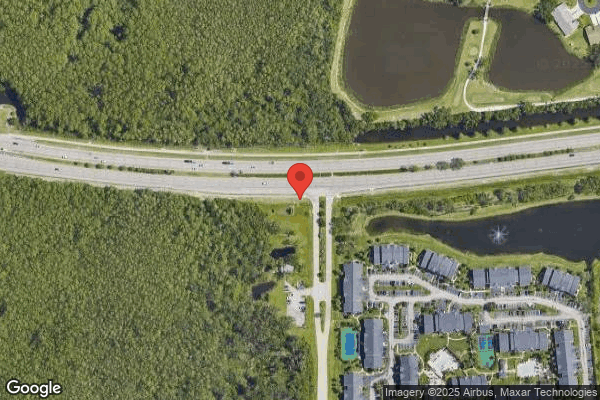
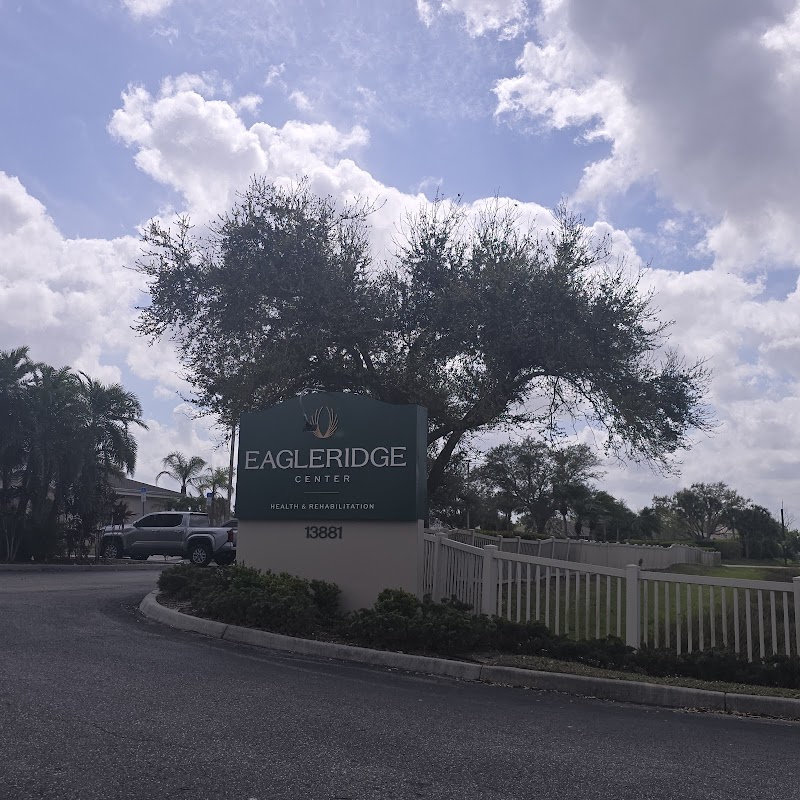
13881 EAGLE RIDGE DRIVE, FORT MYERS, FL 33912 (239) 561-7700
For profit - Corporation 120 Beds Independent Data: November 2025
Trust Grade
15/100
#633 of 690 in FL
Last Inspection: January 2024

Within standard 12-15 month inspection cycle. Federal law requires annual inspections.

Overview

Eagleridge Health and Rehabilitation Center has received a Trust Grade of F, indicating significant concerns about the facility's performance and care quality. Ranking #633 out of 690 nursing homes in Florida places it in the bottom half of facilities, while its #17 rank out of 19 in Lee County suggests there are only a few local options that are better. Despite a trend of improvement in issues reported, with a drop from 12 in 2024 to just 1 in 2025, the facility still faces serious challenges. Staffing is rated average with a turnover rate of 45%, which is close to the state average, but they do have good RN coverage, exceeding 84% of Florida facilities, which is a positive aspect. However, the facility has incurred fines totaling $63,886, which is concerning and higher than 84% of other facilities in the state, indicating potential compliance issues. Specific incidents include residents falling due to inadequate supervision, leading to serious injuries, and a failure to prevent worsening pressure ulcers for another resident, highlighting both strengths and weaknesses in their care practices.

Trust Score
F
15/100
In Florida
#633/690
Bottom 9%
Safety Record
High Risk
Review needed
Inspections
Getting Better
12 → 1 violations
Staff Stability
○ Average
45% turnover. Near Florida's 48% average. Typical for the industry.
Penalties
⚠ Watch
$63,886 in fines. Higher than 82% of Florida facilities, suggesting repeated compliance issues.
Skilled Nurses
✓ Good
Each resident gets 57 minutes of Registered Nurse (RN) attention daily — more than average for Florida. RNs are trained to catch health problems early.
Violations
⚠ Watch
33 deficiencies on record. Higher than average. Multiple issues found across inspections.
★☆☆☆☆
1.0
Overall Rating
★★★☆☆
3.0
Staff Levels
★★★★☆
4.0
Care Quality
★☆☆☆☆
1.0
Inspection Score
Stable
2024: 12 issues
2025: 1 issues

The Good

  • 4-Star Quality Measures · Strong clinical quality outcomes
  • Full Sprinkler Coverage · Fire safety systems throughout facility
  • No fines on record
  • Staff turnover below average (45%)

    3 points below Florida average of 48%

Facility shows strength in quality measures, fire safety.

The Bad

1-Star Overall Rating

Below Florida average (3.2)

Significant quality concerns identified by CMS

Staff Turnover: 45%

Near Florida avg (46%)

Typical for the industry

Federal Fines: $63,886

Above median ($33,413)

Moderate penalties - review what triggered them

The Ugly 33 deficiencies on record

3 actual harm
Jan 2025 1 deficiency 1 Harm
SERIOUS (G) 📢 Someone Reported This

A family member, employee, or ombudsman was alarmed enough to file a formal complaint

Actual Harm - a resident was hurt due to facility failures

Accident Prevention (Tag F0689)

A resident was harmed · This affected 1 resident

**NOTE- TERMS IN BRACKETS HAVE BEEN EDITED TO PROTECT CONFIDENTIALITY** Based on interview and record review the facility failed to ensure adequate supervision to prevent one resident (resident #1) of...

Read full inspector narrative →
**NOTE- TERMS IN BRACKETS HAVE BEEN EDITED TO PROTECT CONFIDENTIALITY** Based on interview and record review the facility failed to ensure adequate supervision to prevent one resident (resident #1) of three residents sampled for falls to prevent multiple falls and major injuries to the resident, multiple falls, a fracture of to the right hip on 11/1/24 for which the resident was hospitalized for surgical intervention, and a fracture to the to the right humorous on 11/17/24. The findings included: Review of facility titled, Falls- Managing, Preventing and Documentation, revised 1/2024, which stated, Based on previous evaluations and current data, the staff will identify interventions related to the resident's specific risks and causes to try to prevent the resident from falling and to try to minimize complications from falling . The staff will implement a resident-centered fall prevention plan to reduce the specific risk factor(s) or with a history of falls .If the resident continues to fall, staff will re-evaluate the situation and whether it is appropriate to continue or change current interventions. As needed, the attending physician will help the staff reconsider possible causes that may not have been previously identified. Resident #1 is an [AGE] year-old male who was admitted to the facility 10/15/24 with a history of Dementia, Post Traumatic Stress Seizures, Delerium, Dysphagia, Encephalopathy, Cirrhosis of the liver, and Stage III kidney disease. Clinical records for Resident #1 were reviewed. The Minimum Data Set (MDS) assessment completed on 10/28/24 documented in Section C Resident #1 had severe cognitive impairment with a brief interview for mental status (BIMS) score of 01. Section J Resident #1 had 2 or more falls since admission. Section GG documented that the resident is dependent on facility staff for ADL (activities of daily living) care including dressing, bathing and toileting needs. The Fall Risk Evaluation completed on 10/15/25, on admission, documented Resident #1 had a Lack of understanding of physical limitations, lack of understanding of cognitive limitations, history of multiple falls, needs assistance with toileting and taking two of the medications identified to increase risk of falls. Resident #1 had a care plan for falls initiated on 10/16/24. The care plan stated the resident is at risk for falls related to cognitive deficit, history of falls, and unsteady gait/ poor balance. The interventions listed on the care plan initiated on 10/16/24 included: Encourage and remind resident to use call bell and to wait for staff assistance with transfers, ambulation, toileting, etc. as indicated. Encourage and assist the resident to wear appropriate FOOTWEAR such as rubber-soled shoes, non-slip bedroom slippers, non-skid socks, etc. when ambulating, transferring, or mobilizing in w/c. The care plan was revised on 10/17/24 to add intervention frequent rounding during sleep hours. Resident #1 had 5 documented falls in the facility including 10/15/24, 10/16/24, 10/21/24, 11/1/24, and 11/17/24. Progress note dated 10/15/24 at 3:23 p.m. stated, Caregiver alerted nurse that resident was on the floor in room. Upon arriving to resident's room, nurse observed room door to be open, light in the room, and in front of closet, resident was laying face down on the floor with his head turned to the side . Resident is confused and unable to explain how he ended up on the floor . Resident educated on call light and his safety. On 10/15/24 at 9:49 p.m. the nurse charted for behavior charting, Resident restless, attempting to stand in the dining room, attempting to climb out of his bed, very impulsive and non-cooperative .resident redirected with no success, resident has to be one on one with staff in order to remain where seated or remain in bed for constant reminders to not climb out of bed or chair. On 10/16/24 at 10:00 p.m. the nurse documented resident #1 was found on the floor and became aggressive with staff when attempting to assess the resident. Resident #1 was administered Haldol 5 mg intramuscularly (an antipsychotic medication). A progress note dated 10/17/24 documented The IDT (Interdisciplinary team) met at 9:24 a.m. to discuss the resident's fall on 10/16/24. The progress note reads, Resident noted to be floor next to bed with mattress on top of him, resident was only wearing his brief. Resident was unable to provide details regarding how he ended up on the floor, resident was yelling profanities and threats . The Team determined the root cause analysis of the fall was secondary to the resident's onset of psychotic state. On 10/21/24 at 8:08 a.m., the Advanced Nurse Practitioner documented a progress note which read, Patient seen and examined today for follow-up visit. He had a fall while I was at the facility, he was found in the floor, apparently he didn't hit the head, upon my assessment a skin tear was noted to his Rt elbow, wound care provided, VS taken under baseline. He was alert to name only . Education provided w/ [with] verbalized understanding about call for help to avoid any fall. On 11/1/24 a post fall investigation found Resident #1 had been found on the floor by staff at approximately 5:30 a.m. The resident was described as confused and unable to respond. At around 7:00 a.m. Resident #1 was complaining of pain in his right hip. An x-ray obtained by the facility showed Resident #1 had a right hip fracture. A witness statement obtained on 11/1/24 by the certified nursing assistant, Staff A, documented she was doing frequent rounds on Resident #1 on the morning of 11/2/24. The Statement documents she assisted the resident to his bed at 3:00 a.m. and at 5:00 a.m. she found Resident #1 on the floor. After Resident #1 had surgical intervention to repair his right hip and was readmitted to the facility another progress note documents Resident #1 had another fall on 11/17/24. On 11/20/24 at 9:10 a.m. the Advanced Nurse Practitioner documented, .he had another fall on 11/17 no apparent injury during this fall were reported by staff but today he is screaming in pain to his Rt Shoulder upon my exam, he can barely move the extremity, pt keep holding the arm, x-ray STAT was ordered. The shoulder x-ray obtained on 11/20/24 showed Resident #1 had an, Acute .overlapping fracture of the proximal right humerus predominantly involving the humeral neck. On 1/30/25 at 2:25 p.m., in an interview by phone Staff A said on 11/1/24 at 3:00 a.m. she put Resident #1 in his bed, and she did not see the resident again until 5:00 a.m. when she found the resident on the floor. Staff A was asked to define frequent rounds. She said frequent rounds would be every 15 minutes. On 1/30/25 2:45 p.m., The Director of Nursing (DON) said she had not been at the facility at the time of resident #1's falls. The DON could not show from the facilities documentation how staff were providing appropriate supervision to prevent Resident #1 from falling multiple times. The DON verified nursing staff currently did not have an adequate definition of frequent rounds.
Feb 2024 1 deficiency 1 Harm
SERIOUS (G) 📢 Someone Reported This

A family member, employee, or ombudsman was alarmed enough to file a formal complaint

Actual Harm - a resident was hurt due to facility failures

Accident Prevention (Tag F0689)

A resident was harmed · This affected 1 resident

**NOTE- TERMS IN BRACKETS HAVE BEEN EDITED TO PROTECT CONFIDENTIALITY** Based on record review, review of facility policy and procedures, and staff interviews, the facility failed provide the necessar...

Read full inspector narrative →
**NOTE- TERMS IN BRACKETS HAVE BEEN EDITED TO PROTECT CONFIDENTIALITY** Based on record review, review of facility policy and procedures, and staff interviews, the facility failed provide the necessary supervision and assistance to prevent multiple falls for 1 (Resident #999) of 3 residents reviewed for falls. On 1/9/24, and 2/1/24, Resident #999 was not adequately supervised and fell. Each time the resident sustained a laceration to her face resulting in a transfer to an acute care hospital. The findings included: The facility policy Falls, Managing, Preventing and Documentation (revised 1/24) documented Based on previous evaluations and current data, the staff will identify interventions related to the resident's specific risks and causes to try and prevent the resident from falling and try to minimize complications from falling. Review of the clinical record for Resident #999 revealed an admission to the facility of 12/19/23 with a most recent re-admission date of 1/10/24. Diagnoses included dementia, depression, anxiety, and history of falling. The admission Minimum Data Set (standardized assessment tool that measures health status in nursing home residents) assessment dated [DATE] showed Resident #999 required maximum assistance with transfers and ambulation. Resident #999 required substantial to maximal assistance for sit to stand (The ability to safely come to a standing position from sitting in a chair or on the side of the bed). The MDS noted a Brief Interview for Mental Status (BIMS) was not conducted as the resident is rarely or never understood. The cognitive skills for daily decision making were severely impaired. The MDS noted Resident #999 had a fall in the last month prior to admission and the last two to six months prior to admission. Review of the plan of care initiated on 12/26/23 identified Resident #999 was at risk for falls related to cognitive deficit, history of falls, use of antihypertensive medications, use of psychotropic medications and incontinence. The goal noted, The resident potential for sustaining a fall-related injury will be minimized by utilizing fall precautions/interventions through next review date. The interventions included to, Encourage and remind resident to use call bell and wait for staff assistance with transfer, ambulation, toileting, etc., as indicated. The clinical record showed documentation Resident #999 sustained five falls since admission to the facility on [DATE]. On 2/8/24, review of the falls with the Director of Nursing (DON) since 1/7/24 revealed: Fall #1. On 1/9/24 at 3:30 p.m., an incident investigation showed Resident #999 had a fall. The nursing progress note dated 1/9/24 at 4:09 p.m. documented Resident #999 stood out of the wheelchair and fell forward hitting the left side of her head and face, sustaining a laceration above the left eyebrow. Resident #999 was transferred to the hospital via 911. On 1/9/24 at 10:30 p.m., the progress note documented the Resident returned to facility with three sutures to the left eyebrow. The care plan was not updated with new interventions after Resident #999 sustained a fall with injury. On 2/8/24 at 1:15 p.m., in an interview the DON said she the Resident's care plan was updated but it would only show on her computer. On 2/8/24 at 1:45 p.m., the DON returned with a new care plan documenting on 1/9/24 the care plan was updated with the intervention, Resident to use drop seat in wheelchair (w/c) and dycem (non-slip mat) as tolerated. The instructions for the drop seat and dycem were not added to the Certified Nursing Assistant (CNA) [NAME] (Provides instructions for care). The DON said the instructions were not placed on the CNA Care [NAME] because it was a therapy thing. Therapy educates the staff; they bring the chair and show the CNAs how to do it. The DON said the root cause of the fall was the resident was trying to stand up but leaned forward and fell. The DON said, we can't stand beside her all day, even if we had a one on one sitter it would not hold her in the chair. She is in a highly visible area and when they see her stand, they run to her but they don't reach her in time to stop her from falling and the resident's cognition does not let her understand. Fall #2. On 1/18/24 at 5:38 p.m., an incident investigation showed Resident #999 had a fall. The incident investigation specified that the resident was observed in the hallway and fell forward out of the w/c. Resident #999 did not sustain any injuries from the fall. The DON said the root cause of the fall was positioning, she always looks like she is leaning forward and to the right side. The DON said on 1/19/24 therapy did an evaluation and said it was an issue with her position in the w/c. A high back w/c was initiated with a drop seat, dycem and a ½ tray table. Fall #3. On 2/1/24 at 2:00 p.m., Resident #999 was found on the floor. A nurse's progress note dated 2/1/24 at 4:42 p.m., documented the resident was discovered on the floor in the hallway. The resident had multiple skin tears to the arms and left hand. The resident also had stiches (sutures) to her left forehead that were bleeding. The progress note dated 2/1/24 at 4:06 p.m., noted the resident was discovered on the floor in the hallway on the unit, the stiches from the previous event (fall) were open and bleeding. The incident investigation revealed Resident #999 was at the nurse's station. A delivery person was at the desk talking to the nurse. He then pointed to the resident. The nurse stood up, looked and the resident was on the floor. Resident #999 was sent to the local emergency department for treatment. Resident #999 returned to the facility with three sutures above the left eyebrow. On 2/2/24 the care plan was updated with the intervention Use antiroll back to wheelchair as resident tolerates. On 2/8/24 at 11:30 a.m., in an interview Unit Manager, Registered Nurse (RN) Staff A said Resident #999, sits at the front of the nurse's station, and I will watch her up there. She is alert but doesn't comprehend a lot of speech. She used to have a small table in front of her on the wheelchair. We tried everything, activities, keeping her occupied and therapy but she does not comprehend. On 2/1/24 she was sitting in her high back wheelchair. I had a delivery representative with me at the station and he pointed to her. I was sitting down so I stood up to look and she was face down on the floor. She landed on the same spot where she recently had sutures from a fall. Her foot was tangled in the footrest. We got her untangled and got her up. It took several of us to get her up. We took her vital signs and got orders to send her back out to the emergency room. She hit her face pretty hard on the floor. She split open where she just had split open before and had stiches, in the same spot. On 2/8/24 at 11:45 a.m., in an interview CNA Staff B said, the resident is on my usual assignment. When I come in, I get her up in the morning, she is always sleeping and tries to get up and walk and we watch her. I watch her a lot because she tries to walk around. She is always asleep; her eyes are closed, and I tell her to open her eyes. When she tries to walk her eyes are open. I was not working anytime she fell. On 2/8/24 at 1:51 p.m., in an interview the Director of Rehab said, the resident was always a one person assist. She could walk 300 feet with us one day and the next minute she had no interaction with us. Her cognitive status was just up and down, always changing. We have staff at different intervals so she could be seen at different times if she was not interactive with us. She has been on case load five times a week for Physical Therapy and Occupation Therapy since her admission. She was seen almost daily; I stagger the staff assignments. We had worked on three to four different wheelchairs for her. We tried a drop seat to change her seating position, so she was seated back more. We tried a breakaway lap tray. She was receiving Speech Therapy to find things to keep her engaged cognitively. She had single step commands more tactile like place the walker in front of her and help her to stand and walk. I would say less than 50% of the time she was engaging to commands. For her safety 24 hours one to one supervision would be ideal. On 2/8/24 at 3:00 p.m., in an interview, the DON said the root cause of fall #3 was, the residents advanced dementia, cognitive loss and she is impulsive. She has a sleep disorder. On 2/8/24 at 3:15 p.m., in an interview the Administrator said, the care plan interventions were effective because she had a decrease in injuries, and we tried something different every time. This will be her fourth chair. Requested any additional documents, and information related to each of the resident's falls. On 2/8/24 at 5:45 p.m., the DON and the Administrator did not provide any additional documentation at the end of the survey. On 2/9/24 the facility provided Enhanced Supervision Worksheets that were not provided during the survey. The three Enhanced Supervision Worksheets dated 1/9/24 documented on 1/9/24 Resident #999 was checked at 3:00 p.m., and 3:30 p.m. (Fall #1 was at 3:30 p.m.). Two of the forms had 1 (In room lying in bed) entered in the behavior code on 1/9/24 at 3:30 p.m., 3:45 p.m., and 4:00 p.m., at the time of the resident's fall from the wheelchair. The Enhanced Supervision Worksheets for 1/9/24 noted Resident #999 was supervised every 15 minutes from 3:30 p.m., to 10:30 p.m., when Resident #999 was at the hospital. The Enhanced Supervision Worksheets dated 1/18/24 documented Resident #999 was placed on 15-minute checks beginning at 5:45 p.m., after fall #2 had occurred. The enhanced monitoring form dated 2/2/24 documented the resident was placed on 15 minute checks after her return from the emergency room from fall #3.
Jan 2024 11 deficiencies
CONCERN (D)

Potential for Harm - no one hurt, but risky conditions existed

Comprehensive Care Plan (Tag F0656)

Could have caused harm · This affected 1 resident

Based on clinical records review, resident and staff interviews the facility failed to develop and implement an individualized care plan to meet the needs of 2 (Residents #25, and #83) of 32 sampled r...

Read full inspector narrative →
Based on clinical records review, resident and staff interviews the facility failed to develop and implement an individualized care plan to meet the needs of 2 (Residents #25, and #83) of 32 sampled residents. The findings included: 1. Review of Resident #25's clinical records revealed an admission date of 7/8/15. Diagnoses included Cerebral Palsy (congenital disorder of movement, muscle tone and posture), and a history of intestinal obstruction. Review of the Significant Change Minimum Data Set (MDS) assessment with a target date of 10/26/23 noted Resident #25 received 500 milliliters or more of fluids daily through a feeding tube (tube inserted into the stomach for nutrition and/or hydration). The clinical record lacked documentation of an individualized care plan, with goals and interventions related to the use of a feeding tube. On 1/25/24, at 2:30 p.m., in an interview the Director of Nursing verified the lack of a care plan addressing the use of the feeding tube for Resident #25. On 1/25/24, at 2:45 p.m., in an interview the MDS Coordinator verified no care plan related to the use of the tube feeding was developed for Resident #25. 2. Review of clinical record for Resident #83 revealed an admission date of 10/13/23. The admission MDS with a target date of 10/16/23 noted the resident's primary language was Spanish and he needed an interpreter to communicate with the physician and healthcare staff. Resident #83 scored a 15 on the Brief Interview for Mental Status, indicating intact cognition. The triggered care areas in the Care Area Assessment Summary and Care Planning did not include communication. Resident #83's care plan did not address the limited English proficiency and the communication needs of the resident. On 1/22/24 at 11:46 a.m., Resident #83 was interviewed using the facility's Spanish speaking Medical Record Staff as a translator. A monthly activity calendar was observed posted on the wall, in the resident's room. The calendar was written in English. Resident #83 said he spoke very little English and could not read English. On 1/23/24 at 8:52 a.m., in an interview the Activity Coordinator verified there was not activity calendar available in Spanish for the Spanish speaking residents. On 1/23/24 at 4:04 p.m., in an interview, Registered Nurse Staff W said she was contracted from an outside nursing agency and did not speak Spanish. She said the facility has not told her who she could use as a translator. Staff W said she sometimes is able to find a Certified Nursing Assistant who speaks Spanish to communicate with Spanish speaking residents. On 1/23/24 at 4:15 p.m., in an interview the MDS Coordinator verified the lack of care plan to address Resident #83's language and communication needs. On 1/23/24 at 4:25 p.m., in an interview the Dietary Manager said residents' menu were not available in Spanish.
CONCERN (D)

Potential for Harm - no one hurt, but risky conditions existed

Staffing Information (Tag F0732)

Could have caused harm · This affected 1 resident

Based on observation, record review and staff interview, the facility failed to post the federal staffing hours daily at the beginning of each shift. The findings included: On 1/22/24 at 7:30 a.m., u...

Read full inspector narrative →
Based on observation, record review and staff interview, the facility failed to post the federal staffing hours daily at the beginning of each shift. The findings included: On 1/22/24 at 7:30 a.m., upon entrance, the daily staffing information displayed in the main lobby was dated 1/19/24. No staffing information was observed for 1/20/24, 1/21/24, or 1/22/24. On 1/25/24 at 2:53 p.m., the Director of Nursing verified the staffing information was not displayed on 1/20/24, 1/21/24, or 1/22/24 for the morning shift. She said the staffing information should be displayed daily, including weekends.
CONCERN (D)

Potential for Harm - no one hurt, but risky conditions existed

Pharmacy Services (Tag F0755)

Could have caused harm · This affected 1 resident

Based on record review, review of facility's policy and procedure, resident and staff, the facility failed to implement processes to ensure timely acquiring and receiving of physician's ordered medica...

Read full inspector narrative →
Based on record review, review of facility's policy and procedure, resident and staff, the facility failed to implement processes to ensure timely acquiring and receiving of physician's ordered medications to meet the needs of 1 (Resident #367) of 7 newly admitted residents reviewed. The findings included: The Standards and Guidelines for Medication Reconciliation Admission/re-admission Issued 7/2017 and revised 2/2023 standard stated, The purpose of this procedure is to ensure medication safety by accurately accounting for the resident's medications, routes, and dosages upon admission or readmission to the facility. Review of the clinical record for Resident #367 revealed an admission date of 1/17/24. Diagnoses included acute respiratory failure with hypoxia (lack of sufficient oxygen in the blood), Emphysema (type of lung disease), pneumonia and anxiety. The admitting physician's orders dated 1/17/24 included Albuterol inhaler (used to prevent and treat difficulty breathing) every four hours as needed for wheezing, and Xanax 2 milligrams every 12 hours as needed for anxiety. Resident #367's care plan initiated on 1/17/24 noted the resident uses anti-anxiety medications related to Anxiety disorder. The interventions included to administer the anti-anxiety medications as ordered by the physician. The care plan also noted the resident was at risk for altered respiratory status and difficulty breathing due to Chronic Obstructive Pulmonary Disease (COPD), Emphysema and Pneumonia. The interventions included to administer medication, inhalers and nebulizers as ordered. On 1/22/24 at 11:00 a.m., in an interview Resident #367 said she uses an Albuterol inhaler every four hours and had the inhaler with her when she arrived at the facility on 1/17/24. She said the staff took the inhaler from her and she hasn't had her Albuterol inhaler since 1/17/24. Resident #367 said it made her anxious not to have her inhaler available in case she needed it for her shortness of breath. On 1/23/24 at 10:25 a.m., Resident #367 complained she still had not received her Albuterol inhaler or her Xanax since 1/17/24. She said she's asked for the Albuterol and the Xanax every day and still has not received them. Resident #367 said she did not sleep at all the night before since she did not have her Xanax (anti-anxiety) that she usually takes twice a day. On 1/23/24 at 3:30 p.m., in an interview Unit Manager Registered Nurse (RN) Staff J verified the Albuterol and the Xanax have not been available to administer to the resident since her admission date of 1/17/24. She said it should not take more than 24 hours to obtain a medication for a new resident. Upon reviewing the clinical record, Staff J said the Albuterol order was entered incorrectly in their system therefore the pharmacy did not fill the prescription. On 1/24/24 at 9:45 a.m., in an interview the Director of Nursing (DON) said if the Physician wrote the order for a medication on 1/17/24, it should be at the facility by 1/19/2024 at the latest. The physician's orders for the Albuterol inhaler and the Xanax 2 milligrams every 12 hours as needed for anxiety specified a start date of 1/17/24. On 1/24/24 at 12:10 p.m., in an interview the DON said the pharmacy missed the order and they have been calling nightly to get the medication. The DON was not able to provide documentation of the nightly calls to the pharmacy. Review of the Medication Administration Record (MAR) for 1/17/24 through 1/23/24 failed to show documentation Resident #367 received the physician's ordered Albuterol or Xanax since the admission date of 1/17/24.
CONCERN (D)

Potential for Harm - no one hurt, but risky conditions existed

Drug Regimen Review (Tag F0756)

Could have caused harm · This affected 1 resident

Based on review of the clinical record, and staff interviews, the facility failed to act upon the consultant pharmacist's recommendation for behavior monitoring for 1 (Resident #85) of 5 residents sam...

Read full inspector narrative →
Based on review of the clinical record, and staff interviews, the facility failed to act upon the consultant pharmacist's recommendation for behavior monitoring for 1 (Resident #85) of 5 residents sampled for unnecessary medications review. The findings included: Review of the clinical record for Resident #85 revealed a physician order dated 11/8/23 to administer Quetiapine Fumarate 12.5 milligrams by mouth at bedtime for psychosis. Review of the Pharmacy Consultant medication review dated 11/29/23, documented Please consider adding an order to monitor behaviors r/t (related to) the Quetiapine use. On 11/30/23, the physician agreed with the recommendation and documented, agree, please write order. Review of the Medication Administration Record (MAR) for December 2023, and January 2024 showed no documentation of behavior monitoring. On 1/25/24 at 12:07 p.m., the DON confirmed there was no documentation of behavior monitoring as ordered by the physician on 11/30/23 for Resident #85.
CONCERN (D)

Potential for Harm - no one hurt, but risky conditions existed

Deficiency F0761 (Tag F0761)

Could have caused harm · This affected 1 resident

**NOTE- TERMS IN BRACKETS HAVE BEEN EDITED TO PROTECT CONFIDENTIALITY** Based on observation, review of facility policy and procedures and staff interviews, the facility failed to ensure insulin was p...

Read full inspector narrative →
**NOTE- TERMS IN BRACKETS HAVE BEEN EDITED TO PROTECT CONFIDENTIALITY** Based on observation, review of facility policy and procedures and staff interviews, the facility failed to ensure insulin was properly dated when opened and failed to dispose of expired insulin stored in 1 of 1 medication cart observed on the secured unit of the facility. The findings included: The facility policy Storage of Medications (revised 11/20) documented, The expiration/beyond use date on the medication label is checked prior to administering. When opening a multi-dose container, the date opened is recorded on the container. On [DATE] at 8:30 a.m., during an observation of the memory unit medication cart with Registered Nurse Staff I the following was observed: 1. Resident #85 had one open bottle of Humalog sliding scale insulin date opened was [DATE] with the expiration date [DATE]. There was an additional opened bottle of Humalog insulin without a date of when it was opened. Photographic evidence obtained. 2. Resident #45 had one open bottle of Lispro/Humalog with expiration an expiration of date [DATE]. There was an additional opened bottle of Humalog insulin for Resident #45 without a date of when it was opened. Photographic evidence obtained. 3. Resident #43 had two opened bottles of Humalog insulin without a date of when they were opened. Photographic evidence obtained. Staff I verified the findings of the expired and undated insulin's stored in the medication cart.
CONCERN (D) 📢 Someone Reported This

A family member, employee, or ombudsman was alarmed enough to file a formal complaint

Potential for Harm - no one hurt, but risky conditions existed

Dental Services (Tag F0791)

Could have caused harm · This affected 1 resident

**NOTE- TERMS IN BRACKETS HAVE BEEN EDITED TO PROTECT CONFIDENTIALITY** Based on observation, record review, review of facility's policy and procedure, staff, resident and resident representative inte...

Read full inspector narrative →
**NOTE- TERMS IN BRACKETS HAVE BEEN EDITED TO PROTECT CONFIDENTIALITY** Based on observation, record review, review of facility's policy and procedure, staff, resident and resident representative interviews, the facility failed to document a grievance and ensure prompt efforts to replace lost dentures for 1 (Resident #8) of 3 residents sampled for grievance resolution. The findings included: The facility Standards and Guidelines for Grievances - Resident Rights issued 4/2017 and revised 6/2023 states Residents and their representatives have the right to file grievances, either orally or in writing, to the facility staff or to the agency designated to hear grievances. The Guideline states the Administrator and staff will make prompt efforts to resolve grievances to the satisfaction of the resident and/or representative. Review of the clinical record for Resident #8 revealed an admission date of 12/16/21. The Annual Minimum Data Set (MDS) assessment with a target date of 12/19/23 noted the resident's cognition was moderately impaired with a Brief Interview for Mental Status score of 08. Review of the Nutritional assessment dated [DATE] noted Resident #8 will be seeing a dentist to have his bottom denture replaced. On 1/22/2024 at 9:00 a.m., in a telephone interview Resident #8's Power of Attorney said Resident #8's got new lower dentures around October 2023 and they went missing at the facility three days later. She said she reported the missing dentures multiple times to the Administrator, and the Director of Social Services. They have offered no resolution; the dentures were still missing. On 1/22/24 at 10:00 a.m., in an interview Resident #8 said his bottom dentures went missing months ago. The facility has not done anything to replace them. Resident #8 was not observed with bottom dentures at the time of the interview. The grievance log from August 2023 until present was reviewed. There were no grievances documented regarding Resident #8's missing dentures. On 1/24/2023 at 3:30 p.m., in an interview the Social Service Assistant Staff L said she remembers Resident #8 getting new dentures but could not recall the dentures going missing. The Director of Social services present during the interview said she remembered something about the resident's dentures missing but could not recall any details. The Social Services Director did not offer any documentation or action taken related to the resident's missing dentures. She said normally a grievance would be filed. On 1/25/2024 at 10:55 a.m., in an interview Social Service Assistant Staff L verified the resident's bottom dentures were missing, and no grievance was filed. She said she arranged for the resident to get new dentures.
CONCERN (D)

Potential for Harm - no one hurt, but risky conditions existed

Deficiency F0840 (Tag F0840)

Could have caused harm · This affected 1 resident

**NOTE- TERMS IN BRACKETS HAVE BEEN EDITED TO PROTECT CONFIDENTIALITY** Based on record review and interview, the facility failed to provide an active dialysis contract for 1 (Residents #46) of 1 resi...

Read full inspector narrative →
**NOTE- TERMS IN BRACKETS HAVE BEEN EDITED TO PROTECT CONFIDENTIALITY** Based on record review and interview, the facility failed to provide an active dialysis contract for 1 (Residents #46) of 1 resident reviewed for dialysis. The findings included: Resident #46 was admitted to the facility on [DATE] with a diagnosis of end stage renal disease (ESRD). Review of the clinical record revealed Resident #46 received dialysis on Mondays, Wednesdays, and Fridays at a local dialysis center as per the physician's order dated 6/14/23. The dialysis contract provided by the facility was dated 12/1/15, and was from the previous facility's owner. On 1/25/24 at 10:30 a.m., in an interview the Administrator confirmed there was no current contract with the dialysis center.
CONCERN (E)

Potential for Harm - no one hurt, but risky conditions existed

Resident Rights (Tag F0550)

Could have caused harm · This affected multiple residents

Based on observation, review of facility policy and procedures and staff interviews the facility failed to treat 1 (Resident #45), and seven of 26 random residents with a diagnosis of dementia observe...

Read full inspector narrative →
Based on observation, review of facility policy and procedures and staff interviews the facility failed to treat 1 (Resident #45), and seven of 26 random residents with a diagnosis of dementia observed on the secured unit with dignity, and respect. The findings included: The facility policy Quality of Life - Dignity (revised 8/2009) documented Each resident shall be cared for in a manner that promotes and enhances quality of life, dignity, respect and individuality. Treated with dignity means the resident will be assisted in maintaining and enhancing his or her self-esteem and self-worth. Staff shall speak respectfully to residents at all times. On 1/22/24 at 8:34 a.m., Resident #45, and four other residents were observed in a wheelchair at the nurse's station of the secured unit. Registered Nurse (RN) Staff I was next to Resident #45 yelling, I need someone to babysit these people, I have to give medications. RN Staff I walked down the hall as she kept yelling out loud, I need someone to babysit these people, I have to give medications. Three residents were observed in the hallway. On 1/23/24 at 10:20 a.m., in an interview Certified Nursing Assistant (CNA) Staff C said he was working on the memory care unit on 1/22/24 when Staff I was calling out for a babysitter. Staff C said, I think she was just kidding around when she said it. I don't think she meant anything by it. On 1/25/24 at 9:33 a.m., in an interview RN Staff I said she recalled yelling for the staff to babysit the residents so she could administer her medications. RN Staff I smiled and said, yes, I did say that. When asked about the residents' rights to be treated with dignity and respect, RN Staff I smiled and said, Well, what should have I said?
CONCERN (E) 📢 Someone Reported This

A family member, employee, or ombudsman was alarmed enough to file a formal complaint

Potential for Harm - no one hurt, but risky conditions existed

ADL Care (Tag F0677)

Could have caused harm · This affected multiple residents

**NOTE- TERMS IN BRACKETS HAVE BEEN EDITED TO PROTECT CONFIDENTIALITY** 4. The facility Standards and Guidelines for Call lights Issued on 3/2018 and revised 1/2024 stated Resident will have a call li...

Read full inspector narrative →
**NOTE- TERMS IN BRACKETS HAVE BEEN EDITED TO PROTECT CONFIDENTIALITY** 4. The facility Standards and Guidelines for Call lights Issued on 3/2018 and revised 1/2024 stated Resident will have a call light to summon facility personnel to ensure the resident's needs will be met. The guidelines were Resident's call light is to be within reach and answered promptly by facility personnel. Answer call light promptly. All facility personnel are expected to respond to call lights; turn off call light; Listen to residents' requests. Do NOT make residents feel that you are too busy; Offer services before leaving the room; Respond to the resident's request, if unable to assist, notify the nurse. Return to the resident promptly with a reply. Clinical record review showed Resident #8 was admitted to the facility on [DATE]. The Annual MDS assessment with a target date of 12/19/23 noted the resident's cognition was moderately impaired with a Brief Interview for Mental Status score of 08. Resident #8 required substantial to maximal assistance for activities of daily living, including, transferring, and toileting. On 1/24/24 at 12:45 p.m., observed Resident #8 call light flashing. Unit Manager Registered Nurse Staff J and three other staff members were observed distributing lunch trays to residents on the hallway. They did not respond to the resident's call light. RN Staff J walked into Resident #8's room with a lunch tray and walked out of the room without addressing the call light. On 1/24/24 at 12:55 p.m., in an interview Resident #8 said he turned on the call light 30 minutes ago to request assistance to go to the bathroom. On 1/24/24 at 1:10 p.m., the call light was still on. In an interview RN Staff J said she did not notice the call light on when she delivered Resident #8's lunch tray to his room, and the resident did not say he needed assistance. Staff J said it was important to hand out lunch trays to prevent the food to be cold. On 1/25/2024 at 11:00 a.m., Resident #8 was observed dressed and sitting up at bedside in his wheelchair. He said he'd like to receive at least one shower a week but has not had one in at least two weeks. Resident #8 said when he asks for a shower they always tell him tomorrow, but tomorrow never comes. Review of the shower schedule provided by the Director of Nursing showed Resident #8's scheduled shower days were Mondays, Wednesdays, and Fridays. Review of the shower documentation for January 1, 2024, through January 24, 2024, showed Resident #8 received two of the nine scheduled showers. The CNA documentation was left blank on 1/3/24, 1/8/24, 1/10/24, 1/12/24, 1/15/24, 1/17/24, and 1/22/24, making it impossible to determine if the resident received the scheduled shower. 5. Review of the clinical record for Resident #26 revealed an admission date of 2/3/15. The Quarterly MDS assessment with a target date of 12/28/23 showed the resident's cognition was intact with a Brief Interview for Mental Status score of 15. The resident was frequently incontinent of bowel and bladder. Resident #26 was dependent on staff for all activities of daily living, including toileting. The care plan revised on 8/17/23 noted to encourage and assist Resident #26 with activities of daily living tasks as indicated and tolerated by resident, including toileting tasks. The care plan noted the resident required two staff assistance for transfer with the use of a mechanical lift. On 1/22/24 at 9:40 a.m., in an interview Resident #26 said he felt the facility was short staffed as it frequently takes staff two hours to respond to his call light requests for assistance with toileting. On 1/25/24 at 11:30 a.m., Resident #26 was lying in bed and said he needed to be changed. He said staff just turned off the call light, and said they'll be back with help. Resident #26 said, Now I'll have to wait another two hours to be changed. On 1/25/24 at 2:00 p.m., in an interview Resident #26 said being wet or worse is uncomfortable and humiliating. Review of the ADL care documentation for January 1,2024 through January 25, 2024 failed to show documentation Resident #26 received assistance with ADL care, including toileting and personal hygiene on 1/1/24, and 1/22/24 (all three shifts), on 1/4/24, 1/10/24, 1/11/24, 1/15/24, 1/16/24, 1/18/24, 1/19/24, 1/20/24, 1/22/24, 1/23/24 or 1/24/24 (Morning shift), on 1/2/24, 1/5/24, 1/13/24, 1/17/24, 1/18/24, 1/19/24, 1/20/24, 1/21/24, 1/22/24, and 1/124/24 (Evening shift), on 1/2/24, 1/8/24, 1/11/24, 1/12/24, 1/14/24, and 1/22/24 (Night shift). 6. Review of the clinical record revealed Resident #37 was admitted on [DATE]. The Quarterly MDS assessment with a target date of 11/25/23 noted a Brief Interview for Mental Status score of 12, indicative of moderately impaired cognition. The MDS showed the resident was frequently incontinent of urine. Resident #37 was dependent on staff for toileting hygiene. On 1/23/24 at 10:32 a.m., Resident #37 said staff changed her incontinent brief maybe once a shift. Resident #37 said she felt the facility did not have enough staff as it took a while, usually 30 to 45 minutes to answer the call lights. On 1/24/24 at 11:20 a.m., in an interview Resident #37 said the average wait time to answer the call light was about 30 minutes. She said then staff comes in, turn it off come back later. Review of the CNA ADL documentation flowsheets for January 1, 2024, through January 25, 2024, failed to show documentation Resident #37 received assistance with toileting on 1/4/24 and 1/22/24 (all three shifts), on 1/1/24, 1/2/24, 1/3/24,1/4/24, 1/8/24, 1/12/24, 1/13/24, 1/14/24, and 1/22/24 (morning shift), on 1/4/24, and 1/22/24 (evening shift), on 1/1/24, 1/2/24, 1/4/24, 1/6/24, 1/7/24, 1/8/24, 1/9/24, 1/11/24, 1/12/24, 1/13/24, 1/18/24, 1/19/24, 1/20/24, and 1/22/24 (night shift). 7. Review of the clinical record revealed Resident #366 had an admission date of 1/16/24. The 5-day MDS assessment with a target date of 1/21/24 noted the resident was cognitively intact with a Brief Interview for Mental Status score of 15. The care plan initiated on 1/17/24 noted the resident needed assistance with ADL care related to multiple factors, including weakness, decreased mobility status post recent hospitalization, illnesses including arthritis, pneumonia, and flu. The interventions included encouraging and assisting the resident with all ADL tasks as indicated and as tolerated by resident, including personal hygiene. On 1/22/24 at 10:20 a.m., in an interview Resident #366, she has been here since last Tuesday (1/22/24). The resident said she was recently hospitalized for pneumonia and flu and needed assistance for showers and hygiene. Resident #366 said she was supposed to get a shower on Mondays, Wednesdays, and Fridays but to date has not received one despite her daily requests for shower. Resident #366 was in bed, dressed in a nightgown. She said she had a wipe off bath yesterday and has only brushed her teeth one time. Review of Resident #366's CNA shower record for January 16, 2024, through January 25, 2024, failed to show documentation the resident received the scheduled showers. On 1/17/24, 1/18/24, 1/21/24, and 1/24/24, sb (sponge bath) was entered with no explanation for the missed showers. On 1/25/24 at 11:10 a.m., in an interview Resident #366 said she did not receive any shower since her admission date of 1/16/24. She said she'll shower when she's discharged home. On 1/25/24 at 1:20 p.m., in an interview the Director of Nursing said the expectation was for residents to receive their showers on the scheduled days. She said there was no expectation to answer the call lights. She said staff could be busy and not able to answer the call lights. She said staff at the desk should get up and answer the call lights. Based on observation, record review, review of facility policy and procedure, resident and staff interviews, the facility failed to provide the necessary care and services to maintain hygiene, for 8 (Residents #26, #37, #8, #45, #83, #85, 103 and #366) of 8 dependent residents reviewed for activities of daily living. The findings included: The facility policy Activities of Daily Living (ADLs), Supporting (revised 2018) documented Residents will provided with care, treatment and services as appropriate to maintain or improve their ability to carry out activities of daily living . Residents who are unable to carry out activities of daily living independently will receive the services necessary to maintain good nutrition, grooming and personal and oral hygiene . If residents with cognitive impairment or dementia resist care, staff will attempt to identify the underlying cause of the problem and not just assume the resident is refusing care. Approaching the resident in a different way or at a different time or having another staff member speak with the resident may be appropriate . 1. Review of the clinical record revealed Resident #45 had an admission date of 12/13/23 with diagnoses including depression and dementia. The admission Minimum Data Set (MDS) (standardized assessment tool that measures health status in nursing home residents) with an assessment reference date of 12/20/23 documented N/A (not applicable) for bathing assistance and supervision/touching for personal hygiene. The MDS noted Resident #45's cognitive skills for daily decision making were severely impaired with a Brief Interview for Mental Status score of 03. Review of the plan of care initiated on 12/26/23 noted Resident #45 had an ADL self-care deficit. The interventions included to, Encourage and assist with all ADL tasks as indicated, as tolerated by resident, including locomotion/ambulation, bathing, bed mobility, transfers, toileting tasks, meals, personal/oral hygiene, etc. On 1/22/24 at 2:42 p.m., Resident #45 was observed in his wheelchair in the hallway of the memory care unit. The resident had approximately seven days of facial hair growth. Resident #45 said he wanted a shave, shower, and a haircut. His hair was uncombed, looked greasy and extending past his jaw line. On 1/23/24 at 8:48 a.m., Resident #45 was observed in the dining room and remained unshaven and appeared unkempt. Review of the shower schedule revealed Resident #45 was scheduled for showers on Tuesdays, Thursdays, and Saturdays during the 3:00 p.m., to 11:00 p.m., shift. Review of the Certified Nursing Assistant (CNA) documentation for 1/1/24 to 1/23/24 showed Resident #45 received four of the 10 scheduled showers. On 1/9/24 the CNA noted the resident refused the shower. On 1/11/24 and 1/13/24 the CNA documented a sponge bath was provided. On 1/18/24 N/A (Not applicable) was entered for the scheduled shower. Review of the December 2023 CNA charting revealed Resident #45 received a sponge bath in place of the scheduled shower on 12/14/23, 12/16/23 and 12/29/23 No shower was documented on 12/19/23. Not applicable was documented on 12/21/23, and 12/23/23. The CNA documented the scheduled shower was refused 12/26/23. The clinical record lacked an explanation for the showers that were not given as per the schedule. 2. Review of the clinical record revealed Resident #85 had an admission date of 11/6/23 with diagnoses including, hemiplegia (paralysis of one side of the body) and hemiparesis (weakness of one side of the body) affecting his left side, vascular dementia and depression. Review of the admission MDS with a target date of 11/19/23 documented Resident #85 was dependent on staff for bathing, dressing and personal hygiene. The MDS noted Resident #85's cognitive skills for daily decision making were moderately impaired with a Brief Interview for Mental Status of 10. Review of the plan of care initiated on 11/19/23, showed Resident #85 had an ADL self-care deficit due to chronic medical conditions. The Interventions included to encourage and assist with all ADL tasks as indicated, as tolerated by resident, including locomotion/ambulation, bathing, bed mobility, transfers, toileting tasks, meals, and personal/oral hygiene. On 1/22/24 at 2:26 p.m., Resident #85 was observed in bed with approximately seven days of facial hair growth. The resident said, they do not take good care of me here. They don't change me until the afternoon, they don't shower me or shave me. I don't get anyone to shave me, I ask but they don't do it. On 1/23/24 at 10:17 a.m., Resident #85 was observed out of bed in a high back wheelchair in the bathroom with CNA Staff E. In an interview, CNA Staff E verified Resident #85 approximately seven days of facial hair growth and needed to be shaved. Review of the shower schedule revealed Resident #85's showers were scheduled on Tuesdays, Thursdays, and Saturdays was scheduled on the 7:00 a.m., to 3:00 p.m., shift. Review of the CNA documentation for December 2023 documented Resident #85 received a sponge bath on 12/2/23, 12/28/23 and 12/30/23. The CNA documented the resident was unavailable for a shower on 12/7/23. A full bed bath was provided on 12/9/23, 12/12/23 and 12/14/23 in place of the scheduled showers. Review of the CNA documentation for 1/1/24 to 1/24/23 showed Resident # 85 refused showers on 1/2/24, 1/18/24 and 1/20/24. He received sponge bath on 1/13/24, and a full bed bath on 1/16/24 and 1/23/24. The clinical record lacked an explanation for the showers not provided as scheduled. On 1/24/24 at 12:03 p.m., in an interview CNA Staff F said the said she follows the unit shower schedule and if a resident refused, she would tell the nurse so she could document it. 3. Review of the clinical record revealed Resident #103 had an admission date of 11/21/23 with diagnoses including acute kidney failure, dementia, psychotic mood disorder and depression. Review of the admission MDS with a target date of 11/27/23 documented Resident #103 was dependent on staff for bathing, dressing and personal hygiene. The MDS noted Resident #103's cognitive skills for daily decision making were severely impaired. On 1/22/24 at 2:20 p.m., Resident #103 was observed with approximately seven days of facial hair growth. During the observation, Resident #103's wife said she was concerned the staff were not shaving or bathing her husband. She said she did not know if he had been showered since he arrived at the facility several weeks ago. The spouse was observed running her fingers through the resident's uncombed hair. Review of the memory care unit shower schedule revealed Resident #103 was scheduled for showers on Mondays, Wednesdays, and Friday on the 3:00 p.m., to 11:00 p.m., shift. Review of the CNA documentation showed Resident #103 received no scheduled showers from 1/1/24 to 1/23/24. He received a sponge bath on 1/1/24, 1/3/24, 1/8/24, 1/10/24, 1/15/24, 1/17/24, and 1/22/24. The documentation showed on 1/19/24 Resident #103 refused his shower. On 1/5/24 he received a full bed bath in place of the scheduled shower. The CNA documentation for December 2023 showed no scheduled showers were provided to Resident #103. The documentation showed not applicable on 12/1/23. refused his shower on 12/8/23 and 12/22/23. He received a sponge bath on 12/4/23, 12/6/23, 12/11/23, 12/13/23,12/15/23, 12/18/23, 12/20/23, 12/25/23, 12/27/23 and 12/29/23 in place of the scheduled showers. The clinical record failed to show documentation why the showers were not provided as scheduled. On 1/23/24 at 10:30 a.m., in an interview Unit Manager Registered Nurse Staff B said the men residing on the memory care unit are to be shaved daily and during showers. Staff B said you have to remember where you are, this is a dementia unit and they can refuse care if they want. The expectation is to provide a shave daily. If they refuse the CNA tells the nurse and it is documented. On 1/25/24 at 2:36 p.m., in an interview the Director of Nursing (DON) said the expectation was the scheduled showers were to be given and that applied to the residents on the memory care unit as well. On 1/25/24 at 6:45 p.m., the DON failed to provide documentation showing the residents received the scheduled showers. 8. Review of the clinical record revealed Resident #83 had an admission date of 10/13/23. The Quarterly MDS assessment with a target date of 1/16/24. Resident #83's cognition was intact with a Brief Interview for Mental Status score of 13. Resident #83 was dependent on staff for showers. On 1/22/24 at 11:46 a.m., Resident #83 was interviewed with the assistance of the facility's Medical Record Staff translating in Spanish, the resident's native language. Resident #83 said he had been at the facility for approximately six months and has not had a shower for at least three months. Resident #83 was unshaven with medium facial hair growth. A brown substance was observed underneath his fingernails. Review of the shower schedule showed Resident #83's showers were scheduled on Mondays, Wednesdays, and Fridays on the evening shift (3:00 p.m., to 11:00 p.m.). Review of the shower documentation for October 2023, November 2023, December 2023, and January 2024 revealed Resident #83 received two of the 44 scheduled showers (12/29/23 and 1/12/24). N/A (not applicable) was entered on October 13, October 15, October 17, October 18, October 23, October 25, November 1, November 3, November 6, November 8, November 10, November 13, November 24, and December 8, 2023. A Full Bed Bath was documented for November 17, November 29, December 10, and December 15. A sponge bath was documented On October 14, October 16, October 19, October 27, November 22, November 29, December 1, December 4, and December 13, 2023. Resident unavailable was documented on November 20, November 27, November 29, December 27, January 3, and January 15. There was no explanation documented in the clinical record for the bed baths, sponge baths, the not applicable, and the unavailable entries on the scheduled shower days.
CONCERN (E)

Potential for Harm - no one hurt, but risky conditions existed

Deficiency F0725 (Tag F0725)

Could have caused harm · This affected multiple residents

Based on observation, record review, residents, resident representative and staff interviews, the facility failed to ensure sufficient nursing staffing to meet the needs of 8 (Residents #26, #37, #8, ...

Read full inspector narrative →
Based on observation, record review, residents, resident representative and staff interviews, the facility failed to ensure sufficient nursing staffing to meet the needs of 8 (Residents #26, #37, #8, #45, #83, #85, 103 and #366) of 8 dependent residents. The failure to meet the residents' needs could lead to the residents not receiving services timely and not attaining or maintaining their highest practicable physical, mental and psychosocial well-being. The findings included: 1. On 1/22/24 at 2:42 p.m., Resident #45 was observed in a wheelchair in the hallway of the memory care unit. The resident's hair was uncombed, looked greasy and extended past his jaw line. Resident 345 had approximately seven days of facial hair growth. Resident #45 said he wanted a shave, shower, and a hair cut. On 1/23/24 at 8:48 a.m., Resident #45 was observed in the dining room. He remained unshaven and appeared unkept. Review of the Certified Nursing Assistants (CNAs) documentation for 1/1/24 to 1/23/24 showed Resident #45 received four of the 10 scheduled showers with no explanation for the missed showers or the sponge baths provided instead of the shower. 2. On 1/22/24 at 2:26 p.m., Resident #85 was observed in bed with approximately seven days of facial hair growth. The resident said, they do not take good care of me here. They don't change me until the afternoon, they don't shower me or shave me. I don't get anyone to shave me, I ask but they don't do it. On 1/23/24 at 10:17 a.m., Resident #85 was observed out of bed in a high back wheelchair in the bathroom with CNA Staff E. In an interview, CNA Staff E verified Resident #85 approximately seven days of facial hair growth and needed to be shaved. Review of the CNA documentation failed to reveal Resident #85 received all the scheduled showers. There was no explanation documented for the missed showers. 3. On 1/22/24 at 2:20 p.m., Resident #103 was observed with approximately seven days of facial hair growth. During the observation, Resident #103's wife said she was concerned the staff were not shaving or bathing her husband. She said she did not know if he had been showered since he arrived at the facility several weeks ago. The spouse was observed running her fingers through the resident's uncombed hair. The CNA documentation showed Resident #103 refused a shower on 12/8/23, 12/22/23, and 1/19/24. There was no explanation for the sponge baths provided instead of the showers on the days Resident #103 was scheduled for a shower and did not refuse. On 1/23/24 at 10:30 a.m., in an interview Unit Manager Registered Nurse Staff B said the men residing on the memory care unit are to be shaved daily and during showers. On 1/25/24 at 2:36 p.m., in an interview the Director of Nursing (DON) said the expectation was the scheduled showers were to be given and that applied to the residents on the memory care unit as well. 4. On 1/24/24 at 12:45 p.m., Resident #8 call light flashing. Unit Manager Registered Nurse Staff J and three other staff members were observed distributing lunch trays to residents on the hallway. They did not respond to the resident's call light. RN Staff J walked into Resident #8's room with a lunch tray and walked out of the room without addressing the call light. On 1/24/24 at 12:55 p.m., in an interview Resident #8 said he turned on the call light 30 minutes ago to request assistance to go to the bathroom. On 1/24/24 at 1:10 p.m., the call light was still on. In an interview RN Staff J said it was important to hand out lunch trays to prevent the food to be cold. On 1/25/2024 at 11:00 a.m., Resident #8 said he'd like to receive at least one shower a week but has not had one in at least two weeks. Resident #8 said when he asks for a shower they always tell him tomorrow, but tomorrow never comes. Review of the shower documentation for January 1, 2024, through January 24, 2024, showed Resident #8 received two of the nine scheduled showers. The CNA documentation was left blank on 1/3/24, 1/8/24, 1/10/24, 1/12/24, 1/15/24, 1/17/24, and 1/22/24, making it impossible to determine if the resident received the scheduled shower. 5. On 1/22/24 at 9:40 a.m., in an interview Resident #26 said he felt the facility was short staffed as it frequently takes staff two hours to respond to his call light requests for assistance with toileting. On 1/25/24 at 2:00 p.m., in an interview Resident #26 said being wet or worse is uncomfortable and humiliating. Review of the ADL care documentation for January 1,2024 through January 25, 2024 failed to show documentation Resident #26 received assistance with ADL care, including toileting and personal hygiene on 1/1/24, and 1/22/24 (all three shifts), on 1/4/24, 1/10/24, 1/11/24, 1/15/24, 1/16/24, 1/18/24, 1/19/24, 1/20/24, 1/22/24, 1/23/24 or 1/24/24 (Morning shift), on 1/2/24, 1/5/24, 1/13/24, 1/17/24, 1/18/24, 1/19/24, 1/20/24, 1/21/24, 1/22/24, and 1/124/24 (Evening shift), on 1/2/24, 1/8/24, 1/11/24, 1/12/24, 1/14/24, and 1/22/24 (Night shift). 6. On 1/23/24 at 10:32 a.m., Resident #37 said staff changed her incontinent brief maybe once a shift. Resident #37 said she felt the facility did not have enough staff as it took a while, usually 30 to 45 minutes to answer the call lights. On 1/24/24 at 11:20 a.m., in an interview Resident #37 said the average wait time to answer the call light was about 30 minutes. She said then staff comes in, turn it off come back later. Review of the CNA ADL documentation flowsheets for January 1, 2024, through January 25, 2024, failed to show documentation Resident #37 received assistance with toileting on 1/4/24 and 1/22/24 (all three shifts), on 1/1/24, 1/2/24, 1/3/24,1/4/24, 1/8/24, 1/12/24, 1/13/24, 1/14/24, and 1/22/24 (morning shift), on 1/4/24, and 1/22/24 (evening shift), on 1/1/24, 1/2/24, 1/4/24, 1/6/24, 1/7/24, 1/8/24, 1/9/24, 1/11/24, 1/12/24, 1/13/24, 1/18/24, 1/19/24, 1/20/24, and 1/22/24 (night shift). 7. On 1/22/24 at 10:20 a.m., in an interview Resident #366, she has been here since last Tuesday (1/22/24). Resident #366 said she was supposed to get a shower on Mondays, Wednesdays, and Fridays but to date has not received one despite her daily requests for shower. She said she had a wipe off bath yesterday and has only brushed her teeth one time. Review of Resident #366's CNA shower record for January 16, 2024, through January 25, 2024, failed to show documentation the resident received the scheduled showers. On 1/17/24, 1/18/24, 1/21/24, and 1/24/24, sb (sponge bath) was entered with no explanation for the missed showers. 8. On 1/22/24 at 11:46 a.m., Resident #83 was interviewed with the assistance of the facility's Medical Record Staff translating in Spanish, the resident's native language. Resident #83 said he had been at the facility for approximately six months and has not had a shower for at least three months. Resident #83 was unshaven with medium facial hair growth. A brown substance was observed underneath his fingernails. Review of the shower documentation for October 2023, November 2023, December 2023, and January 2024 revealed Resident #83 received two of the 44 scheduled showers (12/29/23 and 1/12/24). There was no explanation for the missed showers or the sponge baths, full bed baths and not applicable documented on the day of the scheduled showers. 9. On 1/22/24 at 8:34 a.m., Resident #45, and four other residents were observed in a wheelchair at the nurse's station of the secured unit. Registered Nurse (RN) Staff I was next to Resident #45 yelling, I need someone to babysit these people, I have to give medications. RN Staff I walked down the hall looking for staff as she kept yelling out loud, I need someone to babysit these people, I have to give medications. Three residents were observed in the hallway. 10. On 1/25/24 at 1:20 p.m., in an interview the Director of Nursing said the expectation was for residents to receive their showers on the scheduled days. She said there was no expectation to answer the call lights. She said staff could be busy and not able to answer the call lights. She said staff at the desk should get up and answer the call lights.
CONCERN (E)

Potential for Harm - no one hurt, but risky conditions existed

Deficiency F0849 (Tag F0849)

Could have caused harm · This affected multiple residents

Based on record review and interviews, the facility failed to provide an active Hospice contract for 6 (Residents #1, #11, #21, #24 #38, and #71) of 6 residents receiving Hospice services. The finding...

Read full inspector narrative →
Based on record review and interviews, the facility failed to provide an active Hospice contract for 6 (Residents #1, #11, #21, #24 #38, and #71) of 6 residents receiving Hospice services. The findings included: Review of the facility's matrix on 1/22/24 revealed Residents #1, #11, #21, #24 #38, and #71 were currently receiving hospice services. The hospice contract provided by the facility was dated 4/25/17, and was from the facility's previous owner. On 1/24/24 at 4:00 p.m., in an interview the Administrator verified the contract provided was from the previous ownership.
Dec 2023 1 deficiency
CONCERN (E) 📢 Someone Reported This

A family member, employee, or ombudsman was alarmed enough to file a formal complaint

Potential for Harm - no one hurt, but risky conditions existed

Accident Prevention (Tag F0689)

Could have caused harm · This affected multiple residents

**NOTE- TERMS IN BRACKETS HAVE BEEN EDITED TO PROTECT CONFIDENTIALITY** Based on observation, record review, and interviews, the facility failed to ensure adequate supervision and assistive devices to...

Read full inspector narrative →
**NOTE- TERMS IN BRACKETS HAVE BEEN EDITED TO PROTECT CONFIDENTIALITY** Based on observation, record review, and interviews, the facility failed to ensure adequate supervision and assistive devices to prevent multiple falls, including falls with injury for 1 (Resident #2) of 3 residents reviewed for falls. The findings included: Review of the clinical record for Resident #2 revealed an admission to the facility of 6/28/23 with a most recent re-admission date of 10/17/23. Diagnoses included Dementia with other behavioral disturbances, Parkinsonism, and depression. The Quarterly Minimum Data Set (MDS) assessment dated [DATE] showed Resident #2 had a Brief Interview for Mental Status (BIMS) score of 3 out of 10 which indicated severe cognitive impairment. The care plan initiated on 6/30/23 showed Resident #2 was at risk for falls related to a history of multiple falls, unsteady balance, confusion, diagnosis of dementia with behaviors. The interventions included encourage and assist the resident to wear appropriate footwear such as nonskid socks, encourage and remind resident to use call bell and wait for staff assistance with transfers, toileting, ambulation, etc. date initiated 6/30/23. Nonslip surface to wheelchair as tolerated, date initiated 7/11/23, revised 12/6/23. Encourage the resident to use wheelchair positioning/safety devices anti roll backs initiated 7/27/23. Psych evaluation due to behaviors date initiated 11/03/23. Request medication review initiated 8/1/23 and again on 11/2/23. The care plan noted Resident #2 was uncooperative. On 12/6/23 at 12:30 p.m., Resident #2 was observed in a wheelchair. There was no nonskid cushion in the wheelchair. On 12/6/23 at 12:50 p.m., Resident #2 was observed in the dining room with his wife. Resident #2's wife said the resident did not have a cushion in his chair to stop him from slipping out of the chair. The wife said he had one at one time. The nurse corrected the resident's wife and said there was a cushion. The nurse verified he did not currently have a cushion on his chair. When asked if he had one available, she said to speak with the unit manager about it. On 12/6/23 at 1:05 p.m., the Unit Manager verified there was not a nonskid cushion in the resident's wheelchair, and there was not one available in the resident's room. Review of the facility's incident reports revealed Resident #2 sustained multiple falls since admission to the facility. Fall #1. On 7/11/23 at 11:49 a.m., the Incident Report showed Resident #2 was found on the floor in his room near his wheelchair. He got up to go to the bathroom and his legs gave out. The resident sustained skin tears to the left arm. On 12/7/23 at 12:25 p.m., during an interview with the Administrator and the Director of Nursing (DON), the Administrator said the investigation showed the resident slid out of his wheelchair. He said the intervention added to the care plan on 7/11/23 was non-slip cushion to wheelchair. Fall #2. On 7/26/23 at 6:25 p.m., an incident report showed Resident #2 had a fall. Resident #2 was found on the floor in front of the nurses station. On 12/7/23 at 12:25 p.m., during an interview with the Administrator and DON, the Administrator said the investigation showed the resident was leaning forward and fell forward out of wheelchair. He said the intervention added on 7/27/23 was anti rollback device to wheelchair. The DON said, all safety measures were in place. Fall #3. Review of Facility Fall Incident Log showed Resident #2 had a fall on 8/1/23 at 16:30 p.m. Review of Incident Report showed Resident #2 was found on the floor. The resident was not able to explain what happened. Resident lost his balance, fell, and hit his head. The resident was sent out to hospital for evaluation. On 12/7/23 at 12:25 p.m., during an interview with the Administrator and DON, the Administrator said a medication review was conducted by physician of 8/2/23. A psychiatric evaluation was also conducted for behaviors. There were no other interventions at that time. The DON said he was sent to the hospital due to the behavior of pulling out his IV (intravenous line used for antibiotic therapy) and pulling out his foley catheter (catheter inserted in the bladder to drain urine) which caused bleeding. He also had one staple for a laceration on his head. The administrator said Mirtazapine (medication used for depression and anxiety) was ordered for the resident, but his wife refused it. She did not like him being sedated. She refused all psych medications for her husband. Fall #4 Review of Facility Fall Incident Log showed Resident #2 had a fall on 10/7/23 at 4:00 p.m. Review of Incident Report showed Resident #2 was found in bed with blood on the linens. There was also blood on the floor next to his bed. The resident was unable to explain what happened. The resident was bleeding from the left side of forehead. On 12/7/23 at 12:25 p.m., during an interview with the Administrator and DON, the Administrator said the investigation found the resident had been on the floor and got back into bed himself. The intervention was to move the resident to a room closer to the nurses' station. A perimeter (raised edges) mattress was also ordered. Fall #5 Review of Facility Fall Incident Log showed Resident #2 had a fall 11/1/23 at 7:59 a.m. Review of Incident Report showed Resident #2 was found lying face down on the floor next to his bed. The resident had a pillow under his head. The resident was lifted back into the bed with a mechanical lift. On 12/7/23 at 12:25 p.m., during an interview with the Administrator and DON, the Administrator said the investigation found the resident had fallen out of bed. The intervention was to order a wider perimeter mattress. Fall #6 Review of Facility Fall Incident Log showed Resident #2 had a fall 11/2/23 at 5:07 a.m. Review of Incident Report showed Resident #2 was found on the floor next to the bathroom. The resident said he was getting off the toilet, his legs got weak, and he fell. He fell on his buttocks. He complained of pain in his buttock area. On 12/7/23 at 12:25 p.m., during an interview with the Administrator and DON, the Administrator said the investigation found the resident was getting up in the bathroom unassisted. The intervention was a medication review and psych evaluation. The DON said medications were ordered for a urinary tract infection on 11/2/23. Fall #7 Review of Facility Fall Incident Log showed Resident #2 had a fall 11/3/23 at 11:21 p.m. Review of Incident Report showed Resident #2 had a witnessed fall by four (4) staff members. The staff said the resident stood up and then he fell to the floor. The resident had a skin tear to the left forearm and left calf. On 12/7/23 at 12:25 p.m., during an interview with the Administrator and DON, the Administrator said the investigation found the resident had behaviors that put him at risk for falls. Multiple medication changes were made after this fall. Fall #8 Review of Facility Fall Incident Log showed Resident #2 had a fall 11/8/23 at 19:18 p.m. Review of Incident Report showed Resident #2 had a fall from his wheelchair at the nurses station. On 12/7/23 at 12:25 p.m., during an interview with the Administrator and DON, the Administrator said the investigation found the resident stood up unassisted and fell forward hitting the left side of his head. The resident sustained head lacerations and was sent to the hospital. The intervention was another room change. The resident was moved to the memory care unit due to elopement risk. The DON said, The resident's wife left him outside of the public viewing area. The physician explained to the resident's wife that the resident was at a high risk for falls. The wife was educated about the resident's safety but continued to refuse all pharmacological interventions. Fall #9 Review of Facility Fall Incident Log showed Resident #2 had a fall 11/18/23 at 11:10 a.m. Review of Incident Report showed Resident #2 was found on the floor next to his bed. The wheelchair was at the bedside. The resident suffered a laceration to the right side of his forehead. The resident was unable to explain what happened. On 12/7/23 at 12:25 p.m., during an interview with the Administrator and DON, the Administrator said the investigation found the resident fell in his room with the wheelchair at his bedside. The intervention was to order lab work. On 12/7/23 at 4:00 p.m., the administrator and DON both said Resident #2's wife is always with him, into the late evening hours. His wife is at the facility all day, every day. They have a resident right to be alone in the resident room. They said they had not discussed the need for increased supervision of the resident to decrease falls with the wife. On 12/7/23 at 4:15 p.m., during a tour of the dementia unit Resident #2 was observed sitting in his wheelchair alone at a table in the dining room. Licensed Practical Nurse (LPN) Staff A was in the dining room passing medications. Staff A said she works full time in the dementia unit. She said Resident #2's wife already went home. Staff A said, She is usually gone when I come on duty for the 3 to 11 shift. On 12/7/23 at 5:15 p.m., the DON said she does not have documentation to show the wife is always with Resident #2 during the evening hours. The administrator said the facility can't put the resident on long term one to one supervision. The only thing we could do would be to give a 30 day discharge notice. On 12/7/23 at 5:20 p.m., the administrator said he had no other documentation showing the facility provided adequate supervision to prevent the resident's falls.
Mar 2022 10 deficiencies 1 Harm
SERIOUS (G)

Actual Harm - a resident was hurt due to facility failures

Pressure Ulcer Prevention (Tag F0686)

A resident was harmed · This affected 1 resident

**NOTE- TERMS IN BRACKETS HAVE BEEN EDITED TO PROTECT CONFIDENTIALITY** Based on observation, record review, review of facility's policy and procedure, and staff interviews, the facility failed to ens...

Read full inspector narrative →
**NOTE- TERMS IN BRACKETS HAVE BEEN EDITED TO PROTECT CONFIDENTIALITY** Based on observation, record review, review of facility's policy and procedure, and staff interviews, the facility failed to ensure 1 (Resident #410) of 2 sampled residents at risk for development of pressure ulcers received necessary services to prevent the worsening and development of pressure ulcers. Resident #410's pressure ulcer significantly deteriorated, and the resident developed additional pressure ulcers. The findings included: Review of the Facility's Skin Management Guidelines with an original date of 2/2022 revealed, Purpose: To describe the process steps required for identification of patients at risk for the development of skin alterations, identify, prevention techniques and interventions to assist with the management of pressure injuries and skin alterations . Body audits are completed: By the licensed nurse daily for patients with pressure injuries and documented on the eTAR (Electronic Treatment Administration Record); new findings are documented in a progress note . Skin preventions strategies that can be implemented upon admission for any patient may include . Repositioning and offloading pressure . Pressure reducing support surfaces . On 3/22/22 record review revealed Resident #410 was admitted to the facility on [DATE] with diagnoses including Parkinson's disease, chronic pain, and pressure ulcer to the left buttock. The admission Minimum Data Set (MDS) assessment with a target date of 3/14/22 revealed the Resident required extensive physical assistance of two persons for bed mobility (How the resident moves to and from lying position, turns side to side, and positions body while in bed or alternate sleep furniture). The MDS noted Resident #410 was admitted with one stage 2 pressure ulcer (Partial thickness loss of skin presenting as a shallow open ulcer). The Admission/re-admission Evaluation form dated 3/8/22 noted Resident had redness to the coccyx (bone structure at the base of the spine) and a left buttock stage 2 pressure ulcer. Review of the Braden Scale (Tool used for predicting pressure ulcer risk) dated 3/8/22 and 3/15/22 showed Resident #410 was at high risk for developing pressure ulcers. Resident #410 was bedfast (confined to bed); had very limited ability to change and control body position; skin was constantly moist by perspiration, urine; dampness detected every time patient is moved or turned. The Braden Scale also showed friction and shear was a problem. The Resident required moderate to maximum assistance in moving. Complete lifting without sliding against sheets was impossible; frequently slides down in bed or chair, requiring frequent repositioning with maximum assistance. Review of Resident #410's care plan showed on 3/8/22 the facility initiated a care plan noting the Resident was at risk for alteration in skin integrity related to impaired mobility, incontinence, and peripheral arterial disease. Preventive measures included to apply barrier cream to the peri area and buttocks as needed, elevate heels as able and tolerated, encourage to reposition as needed, observe skin condition with care daily and report abnormalities and pressure redistributing device on bed. The care plan did not address Resident #410's existing stage 2 pressure ulcer to the buttocks or specific measures to promote healing and prevent the worsening of the pressure ulcer. The Treatment Administration Record (TAR) lacked documentation of daily body audits per the facility's policy. Review of the wound care practitioner's progress notes dated 3/10/22 revealed Resident #410 had a stage 2 pressure ulcer to the superior left buttock measuring 2.17 centimeters (cm) in length, 3.66 cm in width and 0.1 cm in depth. The practitioner documented Specialty low air loss mattress ordered. The clinical record lacked documentation the facility obtained and applied the low air loss mattress (specialty mattress to help prevent and heal pressure ulcers by eliminating high pressure points) to the bed as ordered. On 3/17/22 the wound care practitioner documented the presence of a new stage 2 pressure ulcer to the left lateral malleolus (ankle). She documented, Low air loss mattress was ordered 3/10/22. I viewed order in chart. I reordered today . [Resident #410] is . basically immobile. Complains of pain L (left) lateral malleolus and buttocks . It's concerning that this patient is developing a new pressure ulcer, however it is attributable to her immobility . The left upper buttock wound now measured 2.3 cm (length) by 3.8 cm (width) by 0.1 cm (depth). The newly identified left lateral ankle wound measured 0.4 cm (length) by 0.6 cm (width) by 0.1 cm (depth). On 3/21/22 at 9:54 a.m., 3/22/22 at 11:09 a.m., and 3/23/22 at 9:59 a.m., Resident #410 was observed in bed. The low air loss mattress was not observed on the bed. On 3/24/22 at 8:21 a.m., observation of Resident #410's wounds with the wound care Advanced Practice Registered Nurse (APRN) revealed the Stage 2 pressure ulcer to the left upper buttock had worsened. The APRN said the wound was now unstageable due to the presence of slough (dead tissue) and DTI (Deep tissue injury) next to it. The APRN said she will consider the whole area as one unstageable wound that measured 5.2 cm (length) by 5.9 cm (width). The APRN was not able to measure the depth of the wound due to the presence of dead tissue. During the wound care observation, Resident #410 complained of pain to the right lateral leg. Observation of the right lateral leg revealed a new open area which the wound care APRN said was a stage 2 pressure ulcer measuring 2.0 cm (length) by 2.0 cm (width). Resident #410 now had a total of 3 pressure ulcers injuries. On 3/24/22 at 6:08 p.m., in an interview the Director of Nursing (DON) said there was a breakdown in communication. The DON said there was a lack of nursing interventions to prevent new pressure ulcers and minimize the deterioration of the pressure ulcer Resident #410 was admitted with. The DON acknowledged the failure to obtain and apply the low air loss mattress to the bed contributed to the worsening of Resident #410's existing pressure ulcer and the development of two new stage 2 pressure ulcers.
CONCERN (D)

Potential for Harm - no one hurt, but risky conditions existed

Deficiency F0578 (Tag F0578)

Could have caused harm · This affected 1 resident

Based on record review, review of facility policy, and staff interviews the facility failed to ensure accurate advance directives were in place for 1 (Resident #19) of 6 residents reviewed. The findi...

Read full inspector narrative →
Based on record review, review of facility policy, and staff interviews the facility failed to ensure accurate advance directives were in place for 1 (Resident #19) of 6 residents reviewed. The findings included: Review of the facility's clinical insight titled, Advanced Care Planning: Code Status, updated September 2021 stated, Advanced care panning is a phrase defined by CMS (Center for Medicare and Medicaid Services) . as a process used to identify and update the patient's preferences regarding care and treatment at a future time, including a situation in which the patient subsequently lacks capacity to do so. It is a comprehensive phrase that includes both wishes that are established by physician orders and those established by advanced directives. Code status is always established by a physician order . Nursing role at the time of admission: . Review / provide the correct state specific forms with the patient and/or family member, paying special attention to the patient's cognitive status, responsible party, and/or POA (Power of Attorney) documentation . Social services role within the first five (5) days of admission: . Social Service should ensure that code status has been established and is appropriately communicated within both the medical record and the electronic medical record . On 3/23/22 at 8:05 a.m., reviewed medical record for Resident #19 including electronic and paper record. The paper record contained a handwritten note that read, Full Code as of 8/20/21 per daughter . See note. Nurse notified and is now full code on PCC (Point Click Care) as well. Further review showed Resident #19 was admitted to facility on 12/20/2019. The medical record contained and incapacity statement signed and dated on 12/24/19 by the psychiatrist. No additional healthcare proxy or POA (Power of Attorney) was present in the clinical records for resident #19. On 3/23/22 at 9:55 a.m., in an interview Licensed Practical Nurse (LPN) Staff E said she was caring for Resident #19. LPN Staff E said advance directives documentation should be in the medical record. After looking at the electronic and paper medical record, LPN Staff E said should could not find documentation of a POA or health care proxy for Resident #19. On 3/23/22 at 11:10 a.m., in an interview the Social Services Director (SSD) Staff G said she reviewed the medical record and could not find documentation of a health care proxy or POA for Resident #19. She said, We should have gotten a healthcare proxy or POA as soon as she was deemed incapacitated. On 3/23/22 at 12:00 p.m., Interviewed facility administrator who confirmed POA, and Healthcare proxy were not in resident #19 record. The Administrator said staff should not be obtaining consents from people without having the healthcare proxy or POA as part of the clinical record.
CONCERN (D)

Potential for Harm - no one hurt, but risky conditions existed

Assessment Accuracy (Tag F0641)

Could have caused harm · This affected 1 resident

Based on clinical record review, review of facility policy, staff and resident interviews the facility failed to ensure the Minimum Data Sets (MDS) assessment accurately reflected the medical status o...

Read full inspector narrative →
Based on clinical record review, review of facility policy, staff and resident interviews the facility failed to ensure the Minimum Data Sets (MDS) assessment accurately reflected the medical status of 2 (Residents #57 and #58) of 5 residents reviewed for dialysis care. Inaccurate MDS assessments can result in a resident not receiving appropriate health care. The findings included: The facility's guideline titled, Clinical Records Resource Manual with an original date of 3/2022 read, Accuracy of assessment means that the appropriate, qualified health professionals correctly document the resident's medical status, functional, and psychosocial problems and identify resident strengths to maintain or improve medical status, functional abilities, and psychosocial status using the appropriate Resident Assessment Instrument (RAI) . 1. On 3/22/22 review of the clinical record for Resident #57 revealed an admission MDS with a target date of 2/10/22. The MDS noted Resident #57 received dialysis (Procedure to remove waste products and excess fluid from the blood when the kidneys stop working properly) while not a resident and while a resident at the facility. On 3/22/22 at 9:43 a.m., in an interview Resident #57 said she was not and has never been on dialysis. On 3/22/22 at 12:04 p.m., in an interview MDS coordinator Staff Z verified the admission MDS assessment noted Resident #57 received dialysis. MDS coordinator Staff Z said the assessment was inaccurate and dialysis must have been marked in error. 2. On 3/21/22 review of the clinical record for Resident #58 revealed an admission MDS assessment with a target date of 2/11/22. The assessment noted Resident #58 received dialysis While a resident and while not a resident at the facility. On 3/21/22 at 9:57 a.m., in an interview Resident #58's spouse said her husband has not received dialysis prior to or during his stay at the facility. On 3/22/22 at 12:01 p.m., in an interview MDS Coordinator staff Z confirmed Resident #58's admission's MDS was inaccurately coded for dialysis.
CONCERN (D)

Potential for Harm - no one hurt, but risky conditions existed

Deficiency F0679 (Tag F0679)

Could have caused harm · This affected 1 resident

**NOTE- TERMS IN BRACKETS HAVE BEEN EDITED TO PROTECT CONFIDENTIALITY** Based on observation, record review, resident and staff interview the facility failed to provide an ongoing activity program tha...

Read full inspector narrative →
**NOTE- TERMS IN BRACKETS HAVE BEEN EDITED TO PROTECT CONFIDENTIALITY** Based on observation, record review, resident and staff interview the facility failed to provide an ongoing activity program that supports resident's preferences for 1 (resident #510) of 2 residents reviewed for activities. The findings included: Review of the clinical record revealed Resident #510 was admitted to the facility on [DATE]. The Recreation/Activity Evaluation form with an effective date of 3/14/22 noted Resident #510's current leisure interests included music (oldies), news programs, variety of movies, religious involvement (catholic), general talking, conversing. The form also noted the Resident pursues recreation with assistance and needed assistance with wheelchair. Review of the care plan initiated on 3/14/22 showed Resident #510's goal was to actively engage in one-to-one activity visits at least three times a week. Visits would include but not limited to current events, sensory stimulation, and companionship. The care plan did not include interventions for religious involvement. On 3/21/22 at 2:55 p.m., in an interview Resident #510 said there were no activities on the weekend. He said it would be nice to do something, but no one has informed him or invited him to activities. Resident #510 said no one gave him an activity calendar, he just sits in the room. An activity calendar was not observed in Resident #510's room during interview. On 3/23/22 at 9:25 a.m., in an interview the Activity Director said activities such as church services, meditation, and one-to-one visits are offered on weekends. He said activity participation is documented on a flow sheet. The Activity Director said he could not find documentation of activity participation for Resident #510 since admission to the facility. He said he did not have a flow sheet verifying the activity care plan was implemented, including the one-to-one visits for current events, sensory stimulation, and companionship. On 3/23/22 at 10:12 a.m., in a follow up interview Resident #510 said he spends his time sitting in his room. He said he would like to attend church services and listen to the radio. He said the activity staff do not come and talk with him or invite him to activities.
CONCERN (D)

Potential for Harm - no one hurt, but risky conditions existed

Deficiency F0688 (Tag F0688)

Could have caused harm · This affected 1 resident

**NOTE- TERMS IN BRACKETS HAVE BEEN EDITED TO PROTECT CONFIDENTIALITY** Based on observation, record review, review of facility's policy and procedure, and staff interview, the facility failed to prov...

Read full inspector narrative →
**NOTE- TERMS IN BRACKETS HAVE BEEN EDITED TO PROTECT CONFIDENTIALITY** Based on observation, record review, review of facility's policy and procedure, and staff interview, the facility failed to provide appropriate interventions to prevent the worsening of contracture for 1 (Resident #19) of 2 residents reviewed with a limitation of range of motion (ROM). This has the potential to cause pain and worsening of the contracture. The findings included: A review of the facility's Restorative Nursing Guideline (New Procedure 08/2019) stated, Restorative nursing care includes nursing interventions that help to maintain the patient's highest level of function and prevent unnecessary decline in function . Patients may enter a restorative nursing program in several ways including after discharge from a skilled physical, occupational or speech rehabilitation program. During observations on 3/21/22 at 11:29 a.m., 3/22/22 at 10:45 a.m., 3/23/22 at 9:35 a.m., Resident #19 was observed with bilateral hand contractures (Flexed joint that cannot be straightened actively or passively). The Resident was not wearing a splinting device to the hands. Resident #19 was not able to respond to attempt to interview. Review of the care plan created on 11/19/20 revealed Resident #19 had a contracture of the left hand third, fourth and fifth finger. The goal was for the resident to remain free of complications related to the contracture of the left hand. The intervention dated 1/5/22 was for the left palm protector to be worn at all times as tolerated. Review of the [NAME] (Contains important resident's needs and current status) showed a left palm protector to be worn at all times as tolerated. On 3/23/22 at 9:47 a.m., in an interview Patient Care Assistant (PCA) Staff HH said she has worked at facility for about two weeks caring for resident #19. PCA Staff HH said she has never seen Resident #19 with a hand guard or hand splint on since she has worked at the facility. On 3/23/22 at 12:59 p.m., in an interview Certified Nursing Assistant (CNA) Staff C said she has worked at the facility for the past three weeks and has taken care of Resident #19 several times. She said she has never seen Resident #19 with a hand brace of palm protector. On 3/23/22 at 1:01 p.m., CNA Staff B was observed in the dining room with resident #19. CNA Staff B said she has never seen Resident #19 with a hand splint or hand guard. CNA Staff B asked, Should I put a washcloth in her hand? On 3/23/22 at 1:04 p.m., in an interview Minimum Data Set (MDS) coordinator Staff Z reviewed resident #19 care plan and confirmed on 1/5/22 the care plan was updated to reflect the left-hand contracture and the application of a left palm protector to be worn at all times as tolerated. MDS coordinator Staff Z also confirmed the left palm protector was on the [NAME] and should be in use. On 3/23/22 at 3:36 p.m., in an interview Licensed Practical Nurse (LPN) Staff A said Resident #19 used to have a palm guard but I haven't seen it in a while. On 3/23/22 at 3:42 p.m., in an interview Occupational Therapist (OT) Staff MM said Resident #19 was evaluated on 12/10/21 then discharged from therapy with a palm guard in place. OT Staff MM said the OT department completed a communication sheet for nursing to follow any recommendations. On 3/23/22 at 3:49 p.m., the Director of Rehab Staff RR provided the survey team with a communication form dated 1/6/22 specifying to apply a palm guard to the left upper extremity as tolerated 7 times a week. The Director of Rehab Staff R confirmed communication form copy goes to the Director of Nursing (DON) or Unit Manager for nursing follow-up. On 3/24/22 at 9:10 a.m., in an interview OT Staff NN said if the palm guard is not used consistently, it would be at risk of her hand contractures getting worse. OT Staff NN said, We want to keep her hands in the best functional position as possible.
CONCERN (D)

Potential for Harm - no one hurt, but risky conditions existed

Respiratory Care (Tag F0695)

Could have caused harm · This affected 1 resident

Based on observation, record review, policy and procedure review and staff interview, the facility failed to ensure 1 (Resident #463) of 1 sampled resident receiving oxygen had a written physician's o...

Read full inspector narrative →
Based on observation, record review, policy and procedure review and staff interview, the facility failed to ensure 1 (Resident #463) of 1 sampled resident receiving oxygen had a written physician's order for oxygen therapy. The findings included: Review of the policy and procedure titled, Oxygen Administration with an original date of 6/2021 revealed, Purpose: To describe method for delivering oxygen in order to treat hypoxia (low oxygen level), improve tissue oxygenation, and reduce shortness of breath with activity . Procedure: 1. Verify Physician's order . On 3/21/22 review of the clinical record revealed Resident #463 had diagnoses including chronic obstructive pulmonary disease with acute exacerbation. The clinical record did not list a physician's order for oxygen for Resident #463. On 3/21/22 10:37 a. m., Resident #463 observed in bed receiving Oxygen at two liters via nasal cannula (device used to deliver supplemental oxygen through the nostrils). Random observations on 3/21/22, 3/22/22 , 3/23/22, and 3/24/22 showed Resident #463 receiving oxygen at two liters via nasal cannula. On 3/24/22 at 7:56 a.m., in an interview the Administrator verified the lack of a physician's order for oxygen for Resident #463.
CONCERN (D)

Potential for Harm - no one hurt, but risky conditions existed

Deficiency F0726 (Tag F0726)

Could have caused harm · This affected 1 resident

Based on observation, interview and record review, the facility failed to ensure 1(Agency nurse staff X) of 2 agency nurses observed had the appropriate skill sets to provide services in a safe and ti...

Read full inspector narrative →
Based on observation, interview and record review, the facility failed to ensure 1(Agency nurse staff X) of 2 agency nurses observed had the appropriate skill sets to provide services in a safe and timely manner. The findings included: On 3/22/22 at 11:22 a.m., Registered Nurse (RN) Agency Staff X was observed preparing morning medications at the medication cart. The Assistant Director of Nursing (ADON) was standing next to Staff X at the medication cart. The ADON said she was helping Staff X because RN Staff X was an agency nurse and had not worked at the facility before. The ADON said Staff X was learning the computer and medication cart. The ADON confirmed the medications being prepared by Staff X were morning medications that were overdue. On 3/22/22 at 11:30 a.m., Staff X was observed preparing medications to administer to Resident #511. The ADON was observed instructing Staff X how to sign off the medications in the computer system. On 3/22/22 at 12:09 p.m., Staff X administered morning medications to Resident #511. RN Staff X did not sign off the medications she administered into the computer system. The ADON was not present to assist her. On 3/22/22 at 12:24 p.m., RN Staff X left the unit. The ADON said she and the RN Unit Manager Staff L would continue giving the morning medications that were overdue. On 3/22/22 at 1:18 p.m., Unit Manager Staff L was observed preparing to administer the same medications RN Staff X administered to Resident #511 on 3/22/22 at 12:09 p.m. Upon surveyor's intervention Staff L did not administer the medications. Unit Manager Staff L said she did not know RN Staff X had already administered the medications to Resident #511 since they were not signed off in the computer system. On 3/22/22 at 2:14 p.m., in an interview the Director of Nursing (DON) said there was no training process for agency nurses. The DON said, If they have never been to the facility before, she gives them a short run-down so she is not there for 3 hours. On 3/23/22 at 8:44 a.m., in a telephone interview RN Staff X said she did not know the computer system and had not given medications in a long time. She said she did not receive any training before her first day at the facility and it was a hard job to do.
CONCERN (E)

Potential for Harm - no one hurt, but risky conditions existed

Deficiency F0698 (Tag F0698)

Could have caused harm · This affected multiple residents

**NOTE- TERMS IN BRACKETS HAVE BEEN EDITED TO PROTECT CONFIDENTIALITY** Based on record review, resident and staff interviews, the facility failed to ensure documentation of effective coordination of ...

Read full inspector narrative →
**NOTE- TERMS IN BRACKETS HAVE BEEN EDITED TO PROTECT CONFIDENTIALITY** Based on record review, resident and staff interviews, the facility failed to ensure documentation of effective coordination of care and adequate monitoring for complications and appropriate interventions for 2 (Resident #79 and #56) of 3 sampled dialysis residents reviewed. The findings included: 1. On 3/21/22 at 9:09 a.m., in an interview Resident #79 said her dialysis center discharged her. She said she has not had dialysis (filtering of wastes and water from the blood) for a week now. She wanted to remain on dialysis and had made the facility aware of her wish. On 3/22/22 at 4:40 p.m., in an interview Resident #79's spouse said the dialysis center had canceled services for his wife. He wanted his wife to continue with dialysis and Resident #79 is also in agreement. On 3/22/22 at 5:01 p.m., in an interview the Social Service Director said she is aware Resident #79 wants to continue dialysis. On 3/22/22 at 5:28 p.m., in an interview The North Unit Manager Staff L, said the dialysis center was checking Resident #79 labs (laboratory tests), weight and administered medications. Since dialysis discharge, the facility does not have a physician order to monitor labs and changes for Resident #79. Resident #79 has a dialysis port with no clear directions on how to maintain and care for the device. Staff L, RN said that Resident #79 told her she wants to pursue dialysis. On 3/23/22 clinical record review revealed Resident #79 was admitted to the facility on [DATE]. Diagnoses included but were not limited to End Stage Renal Failure. Resident #79 had been receiving hemodialysis three times a week at an outpatient dialysis center. The clinical record contained a 30-day discharge notice dated 2/18/22 from the dialysis center to Resident #79 for disruptive behavior at the dialysis center. Resident #79's last documented dialysis treatment was dated 3/15/2022. The clinical record lacked documentation of a plan to monitor Resident #79's signs and symptoms of renal disease requiring additional interventions. On 3/23/22 at 8:17 a.m., in an interview, the APRN (Advanced Practice Registered Nurse) Staff M, said she did not know Resident #79 had been discharged from dialysis. She said, in such instances, orders to check for labs and changes should be put in place and order to send the resident to the emergency room for treatment when the resident is symptomatic. On 3/23/22 at 8:26 a.m., in an interview, the Director of Nursing (DON) said she spoke with the Medical Director when the dialysis center issued the 30-day discharge notice to the resident. She said the Medical Director gave her a verbal order to find alternate placement for dialysis and just observe for decline and treat symptoms. The DON said she failed to transcribe the verbal orders to Resident #79's medical record. On 3/23/22 at 01:15 p.m., in an interview, the Medical Director said he was aware Resident #79's dialysis was discontinued on 3/15/22. He said Resident #79 was discharged from several dialysis centers due to her behavior. He had conversations with the Resident #79, her spouse, and the facility. He's involved psychiatric services. The Medical Director said he will write orders to obtain labs and if the resident becomes symptomatic to send her to the hospital. On 3/24/22 at 11:04 a.m., Review of labs obtained on 3/23/22 showed Creatinine was 12.1 (HH=Critical high); Potassium 7.3 (HH=critical high); Anion gap 21 (H=high). On 3/24/22 at 11:19 a.m., in an interview the Registered Dietitian said Resident #79 was sent to the emergency room on 3/24/22 at 4:00 a.m., per physician's orders to be dialyzed due to the significantly abnormal labs. 2. Clinical record review revealed Resident #56 was admitted to the facility on [DATE]. The admission Minimum Data Set (MDS) assessment with a target date of 2/9/22 showed Resident #56 received dialysis while at the facility. Resident #56 was discharged to an acute care hospital on 3/5/22 and returned to the facility on 3/8/22. The discharge orders from the hospital (fax date of 3/8/22) included calcium acetate (Phoslo) 667 milligrams (mg) capsules, take 1,334 mg by mouth 3 times daily with meals. The Facility's physician orders included hemodialysis every Tuesday, Thursday, and Saturday with a 6:00 a.m. pickup time; Calcium Acetate 667 mg, give 2 capsules by mouth three times a day for phosphate binder. The order did not specify to administer with meals or food. Review of the MAR (Medication Administration Record) for 3/2022 showed as of 3/9/22 the calcium acetate was scheduled to be administered daily at 9:00 a.m., 1:00 p.m., and 5:00 p.m. On 3/21/22 at 10:11 a.m., in an interview Resident #56 said he goes to the dialysis center on Tuesdays, Thursdays, and Saturdays. On dialysis days, he leaves the facility at approximately 6:30 a.m. and returns at approximately 11:30 a.m. Resident #56 said the facility provides him a meal which he eats at the dialysis center. He said the nurses administer the calcium acetate (phosphorus binder) to him upon return from the dialysis center. Review of the MAR for 3/2022 showed documentation the nurse administered the calcium acetate at 9:00 a.m., on 3/10/22 (Thursday), 3/12/22 (Saturday) and 3/15/22 (Tuesday). On 3/17/22 (Thursday), 3/19/22 (Saturday) and 3/22/22 (Tuesday) the nurse entered 3 (Out of center) on the MAR. On 3/23/22 at 10:03 a.m., in an interview the Registered Dietitian (RD) said Resident #56 is on a renal diet due to dialysis. She said if a phosphorus binder (medication used to prevent the body from absorbing the phosphorus from the food you eat) is ordered, it should be given with food, no earlier than half hour before the meal or half hour after meal. On 2/23/22 at 12:20 p.m., in an interview the Interim Administrator verified the calcium acetate for Resident #56 should be given with food. He also verified the Resident leaves the facility on dialysis days at 6:00 a.m., and did not take the phosphorus binder with him.
CONCERN (E)

Potential for Harm - no one hurt, but risky conditions existed

Unnecessary Medications (Tag F0759)

Could have caused harm · This affected multiple residents

Based on observation, interview and record review, the facility failed to ensure a medication error rate less than 5%. Three nurses and 33 of opportunities were observed. Twenty medication errors were...

Read full inspector narrative →
Based on observation, interview and record review, the facility failed to ensure a medication error rate less than 5%. Three nurses and 33 of opportunities were observed. Twenty medication errors were identified resulting in a 60.60% medication error rate. The findings included: On 3/22/22 at 11:22 a.m., Registered Nurse (RN) Staff X was observed administering seven medications for Resident #110, including one capsule of Gabapentin 400 milligrams (mg), one tablet of Famotidine Tablet 20 mg, one tablet of Skelaxin 800 mg. Upon reconciliation of the observation with the physician's orders for 3/3022, it was revealed an order for Gabapentin Capsule 400 mg, give 1200 mg by mouth three times a day for neuropathy. The medication was scheduled for 9:00 a.m., 1:00 p.m., and 5:00 p.m. The 9:00 a.m. dose was not administered until 11:22 a.m., two hours and 22 minutes past the scheduled time. RN Staff X also administered Gabapentin 400 mg instead of Gabapentin 1200 milligrams. The physician's order for the Famotidine Tablet 20 mg was to administer one tablet by mouth two times a day for gastric esophageal reflux disease (GERD). The medication was scheduled for 9:00 a.m., and 5:00 p.m. The physician's order for Skelaxin Tablet 800 mg specified to give one tablet by mouth two times a day for muscle spasm. The medication was scheduled to be given at 9:00 a.m., and 5:00 p.m. The physician's orders for Resident #110 also included to administer Lopid 600 mg by mouth two times a day for cholesterol (scheduled for 9:00 a.m., and 5:00 p.m.), and Lovenox (anticoagulant) 400 mg subcutaneously (Scheduled for 9:00 a.m. and 9:00 p.m.). RN Staff X did not administer the Lopid or the Lovenox as ordered. On 3/22/22 at approximately 11:30 a.m., RN Staff X verified the morning dose of Gabapentin, famotidine and Skelaxin were administered more than two hours past the scheduled time. 2. On 3/22/22 at 12:09 p.m. Staff X was observed administering eight different medications to Resident #511 including one tablet of Xarelto tablet 15 mg, Namenda 10 mg and Levetiracetam 500 mg, Cetirizine 10 mg, calcium with vitamin D 3 250-125 mg, Jardiance 10 mg, Omeprazole 40 mg, and vitamin B 6 100 mg. The physician's orders for the Xarelto were to give 15 mg by mouth twice daily with meals until 4/10/22. The Xarelto was scheduled for 9:00 a.m. and 5:00 p.m. The orders for Namenda were to administer 10 mg by mouth two times a day for cognition. The medication was scheduled for 9:00 a.m. and 5:00 p.m. The orders for Levetiracetam were to give 500 mg by mouth two times a day for seizures. The medication was scheduled for 9:00 a.m. and 5:00 p.m. On 3/22/22 at 12:24 p.m., RN Staff X verified the Xarelto, Namenda and Levetiracetam were administered three hours past the scheduled time. RN Staff X did not sign off the medications for Resident #511 and left the facility. On 3/22/22 at 1:18 p.m., RN Unit Manager Staff L was observed preparing to administer eight different medications to Resident #511, including one tablet of Xarelto tablet 15 mg, Namenda 10 mg, Levetiracetam 500 mg, Cetirizine 10 mg, calcium with vitamin D 3 250 mg/125, Jardiance 10 mg, Omeprazole 40 mg, and vitamin B 6 100 mg. Unit Manager RN Staff L crushed all the medications and added them to apple sauce and took them to Resident #511's room. Upon surveyor's intervention, RN Staff L was prevented from administering the same medications RN Staff X previously administered on 3/22/22 at 12:09 p.m. Unit Manager Staff L said since RN Staff X did not sign off the medications, she didn't realize Resident #511 had already received the medications she attempted to administer. 3. On 3/22/22 at 12:24 p.m., the ADON was observed administering Levemir Insulin 30 units to Resident #35. The physician's orders for the Levemir were to administer 30 units two times a day. The medication was scheduled for 9:00 a.m. and 9:00 p.m. The 9:00 a.m. dose of Levemir was administered 3.5 hours past the scheduled time. On 3/22/22 at 12:33 p.m., in an interview the ADON verified the Levemir was administered late. 4. On 3/22/22 at 12:45 p.m., the ADON was observed to administer medications to Resident #56, including one tablet of calcium acetate 667 mg, Hydralazine 50 mg, pantoprazole 40 mg, and Eliquis 5 mg. The physician's orders for the calcium acetate 667 mg were to administer two capsules by mouth three times a day. The ADON only administered one capsule of calcium acetate to Resident #56, more than three hours past the scheduled time of 9:00 a.m. The orders for Hydralazine were to administer 50 mg by mouth three times a day for hypertension. The medication was scheduled for 9:00 a.m., 1:00 p.m., and 9:00 p.m. The orders for Eliquis were to administer 5 mg by mouth twice a day. The medication was scheduled for 9:00 a.m., and 9:00 p.m. The orders for pantoprazole were to administer 40 mg by mouth twice a day for indigestion. The medication was scheduled to be given at 9:00 a.m., and 5:00 p.m. On 3/22/22 at 12:44 p.m. the ADON verified the medications were administered more than three hours past the scheduled time. She said Resident #56 usually gets his medications at lunch time since he goes to dialysis. On 3/22/22 at 2:14 p.m., the observed medication errors were discussed with the DON. She confirmed the medication errors for Resident #110, #511, #56 and #35.
CONCERN (E)

Potential for Harm - no one hurt, but risky conditions existed

Deficiency F0761 (Tag F0761)

Could have caused harm · This affected multiple residents

Based on observation, review of facility policy and staff interviews, the facility failed to ensure proper labeling of medications in 2 (South Hall, and North middle hall) of 4 medication carts observ...

Read full inspector narrative →
Based on observation, review of facility policy and staff interviews, the facility failed to ensure proper labeling of medications in 2 (South Hall, and North middle hall) of 4 medication carts observed. The facility failed to ensure expired medications were not retained longer than the expiration date in 1 (South Unit) of 2 medication storage rooms observed. This has the potential for expired medications to be administered to residents. The findings included: The facility policy Storage and Expiration Dating of Drugs, Biologicals, Syringes and Needles (revised 8/20/18) documented: #3. The nursing Center should ensure that all drugs and biologicals: Have an expiration date on the label or medication container .Have not been retained longer than recommended by manufacturer or supplier guidelines. #4. Once any drug or biological package is opened, the Nursing Center should follow the manufacturer guidelines with respect to expiration dates for opened medications. Nursing Center staff should record the date opened on the medication container when the medication has a shortened expiration date once opened. 1. On 3/24/22 at 3:19 p.m., observation of the South Hall medication cart with Registered Nurse (RN) Staff H showed an opened bottle of latanoprost 0.005% prescription eye drops. The pharmacy label specified to discard the medication six weeks after opening. The bottle of eye drops wasn't labeled with the date it was first opened, making it impossible to determine when to discard the medication. Staff H confirmed the bottle of latanoprost 0.005% was not dated to indicate when the medication was opened. Photographic evidence obtained. 2. On 3/24/22 at 3:31 p.m., observation of the South Unit medication room's refrigerator with RN Staff H showed eight prefilled syringes of Tuberculin PPD (purified protein derivative) testing solution with the expiration date of 3/12/22. RN Staff H confirmed the eight syringes had expired and should have been discarded. The refrigerator also contained a box labeled acetycsteine [sic] injection 20% (medication used to help thin and loosen mucus in the airways due to certain lung diseases) with an expiration date of 11/2/21. RN Staff H verified the expiration date of 11/2/21 and said the medication should have been discarded. 3. On 3/24/22 at 3:56 p.m., observation of the North Unit middle hall medication cart with RN Staff T revealed the following: Two opened, undated vials of Lantus insulin were stored in the top drawer of the medication cart. The label on the insulin boxes specified to discard 28 days after opening. RN Staff T confirmed the insulin vials and boxes were not dated and should have been discarded. Two unlabeled clear plastic medication cups containing several pills were stored in the second drawer. Four unlabeled clear medication cups containing several pills each were stored in the third drawer. Five unlabeled clear medication cups containing several pills each were stored in the third drawer. RN Staff T said she was getting ready to start administering medications to the residents, pre-poured medications for several residents and placed them in the drawers. RN Staff T confirmed there were a total of 11 unlabeled medication cups and said, I know I should not have pre-poured the medications. RN Staff T verified pre pouring medications in unlabeled cups has the potential to administer the wrong medications to the residents. On 3/24/22 at 5:50 p.m., in an interview the Assistant Director of Nursing said she said the nurses were responsible to ensure medications were dated and not used past the expiration date.
Oct 2020 9 deficiencies
CONCERN (D)

Potential for Harm - no one hurt, but risky conditions existed

Deficiency F0583 (Tag F0583)

Could have caused harm · This affected 1 resident

**NOTE- TERMS IN BRACKETS HAVE BEEN EDITED TO PROTECT CONFIDENTIALITY** Based on observation, review of records and facility procedures, resident and staff interview, the facility staff failed to resp...

Read full inspector narrative →
**NOTE- TERMS IN BRACKETS HAVE BEEN EDITED TO PROTECT CONFIDENTIALITY** Based on observation, review of records and facility procedures, resident and staff interview, the facility staff failed to respect the right to personal privacy during treatment and personal care for 1 (Resident #18) of 1 resident observed for wound care. The findings included: Review of the MDS (Minimum Data Set) assessment dated [DATE] revealed Resident #18 scored 14 of 15 on the Brief Interview for Mental Status (BIMS) test. The BIMS aids in detecting cognitive impairment. A score of 14 suggests intact cognition. Review of the clinical record revealed Resident #18 acquired a pressure ulcer to the left buttock while at the facility on or about 4/30/20. The physician's order dated 9/25/20 gave directions for would care to the left buttock ulcer. Review of the facility's Nursing Procedure Dressing Change: Non-Sterile (Clean) (revised 4/2016) included step 8 Provide privacy (close curtains around bed, close window curtains and door to room if possible). Observation on 10/14/20 at 4:30 p.m., Licensed Practical Nurse (LPN) Staff C changed the dressing to Resident #18's left buttock pressure ulcer. Certified Nursing Assistant (CNA) Staff S positioned Resident #18 on her right side, unfastened the incontinent brief and exposed the resident's buttocks. LPN Staff C removed the soiled dressing, exposing the pressure ulcer to the left buttock. LPN Staff C did not close the privacy curtain during the wound care. At 4:40 p.m., Resident #92 wheeled herself in the room while Resident #18's buttocks, genitals, and pressure ulcer were exposed. The nurse continued with the wound care. She still did not close the curtain to provide privacy. Resident #92 sat in her wheelchair and watched as LPN Staff C changed the dressing and CNA Staff S provided incontinent care to Resident #18. During an interview on 10/14/20 at 5:05 p.m., LPN Staff C said she was aware she was supposed to provide visual privacy during wound care and said I know I have to do that but it gets so hot with the curtain pulled. She said Resident #92 was always out and about but always came back in the room when she changes Resident #18's dressing. During an interview on 10/14/20 at 5:10 p.m., Resident #18 said she was very upset the nurse did not pull the privacy curtain. The resident said it was not acceptable to her that anyone other than the nurses look at her wound and private areas. On 10/15/20 at 9:00 a.m., Resident #18 said she was shocked the nurse allowed the roommate (Resident #92) to walk in while she was doing the wound care.
CONCERN (D)

Potential for Harm - no one hurt, but risky conditions existed

Assessment Accuracy (Tag F0641)

Could have caused harm · This affected 1 resident

**NOTE- TERMS IN BRACKETS HAVE BEEN EDITED TO PROTECT CONFIDENTIALITY** Based on record review, observation and staff interview, the facility failed to ensure accuracy of the Minimum Data Set, (MDS) a...

Read full inspector narrative →
**NOTE- TERMS IN BRACKETS HAVE BEEN EDITED TO PROTECT CONFIDENTIALITY** Based on record review, observation and staff interview, the facility failed to ensure accuracy of the Minimum Data Set, (MDS) assessment for 2 (Residents #18 and #93) of 2 residents identified. This resulted in the inaccurate recording of information on the Resident Roster Matrix, (used to identify pertinent resident care categories). The findings included: The Department of Health and Human Services Centers for Medicare & Medicaid Services form CMS-802 (11/2018), Matrix Instructions for Providers: All information entered into the form should be verified by a staff member knowledgeable about the resident population. Information must be reflective of all residents as of the day of survey. 1. Electronic medical record review showed Resident #93 was admitted to the facility on [DATE] to receive skilled nursing care. On 10/12/20 the survey team coordinator requested a copy of the facility's Resident Roster Matrix. The facility provided the survey team with a Resident Roster Matrix dated 10/12/20. The Resident Roster Matrix listed Resident #93 as having a Tracheostomy (a surgically created hole in the windpipe for breathing). Record review of the admission MDS assessment completed on 10/5/20 indicated Resident #93 had a tracheostomy. In the MDS Section O, Part E was answered yes for tracheostomy care while a resident. Observation on 10/12/20 at 11:45 a.m. revealed Resident #93 did not have a tracheostomy and did not appear to have scaring from a prior tracheostomy. During an interview on 10/13/20 at 4:30 p.m., MDS Coordinator Registered Nurse Staff X reviewed Resident #93's MDS Section O, Part E that was answered, yes for tracheostomy care while a resident. She acknowledged the MDS tracheostomy information was entered incorrectly and should not indicate Resident #93 has a tracheostomy. The MDS Coordinator said she would correct the MDS. On 10/14/20 at 4:45 p.m., during an observation of Resident #93 with Assistant Director of Nursing Staff Y, she acknowledged the resident did not have a tracheostomy, or scaring from a prior tracheostomy. 2. The Resident Assessment Instrument (RAI) manual (version 3.0) specified the following steps for assessment and coding of a pressure ulcer: 1. Review the medical record, including skin care flow sheets or other skin tracking forms. 2. Speak with direct care staff and the treatment nurse to confirm conclusions from the medical record review. 3. Examine the resident and determine whether any skin ulcers/injuries are present . Examine the resident in a well-lit room. Adequate lighting is important for detecting skin changes. For any pressure ulcers/injuries identified, measure and record the deepest anatomical stage. 4. Identify any known or likely unstageable pressure ulcers/injuries . For each pressure ulcer/injury, determine if the pressure ulcer/injury was present at the time of admission/entry or reentry and not acquired while the resident was in the care of the nursing home. Consider current and historical levels of tissue involvement. 1. Review the medical record for the history of the ulcer/injury. 2. Review for location and stage at the time of admission/entry or reentry. On 10/14/20, review of the clinical record revealed Resident #18 was admitted to the facility on [DATE]. The Admission/re-admission form dated 4/23/20, which included a skin evaluation, did not document the presence of a pressure ulcer. Review of the progress notes revealed on 4/30/20, 7 days after admission, the nurse documented in a general progress note: Call placed to daughter [name] to inform her about the new pressure sore site . Review of the MDS with an assessment reference date of 4/30/20 revealed the Registered Nurse documented on 5/4/20 Resident #18 had a stage 2 pressure ulcer that was present on admission. During an interview on 10/15/20 at 11:15 a.m., the Director of Nursing (DON) verified the pressure ulcer was not present on admission. She said Resident #18 acquired the pressure ulcer on 4/30/20 (one week after admission) while in the care of the nursing home. The DON said the MDS assessment was coded incorrectly.
CONCERN (D)

Potential for Harm - no one hurt, but risky conditions existed

Quality of Care (Tag F0684)

Could have caused harm · This affected 1 resident

Based on observation, clinical record review, resident and staff interview the facility failed to demonstrate effective coordination to ensure 2 (Resident #3 and #8) of 19 residents received appropria...

Read full inspector narrative →
Based on observation, clinical record review, resident and staff interview the facility failed to demonstrate effective coordination to ensure 2 (Resident #3 and #8) of 19 residents received appropriate services in accordance with their individual care plans and physician's orders. The findings included: 1. On 10/12/20 at 12:45 p.m., Resident #3 was observed in a wheelchair in his room with 2 large scabbed areas above the left eyebrow with sutures protruding out of each scab. Resident #3 said he passed out and fell from his wheelchair approximately 2 weeks ago. The resident said he's had several falls resulting in laceration and sutures above his left eyebrow. Review of the progress notes revealed on 9/19/20 Resident #3 sustained a fall and laceration to the left eyebrow. The nurse documented Face-left eyebrow has stitches, unable to count stitches. On 9/29/20 at 2:15 p.m., the nurse documented CNA [certified nursing assistant] found patient on the floor .Open cut above left eyebrow . Resident #3 was sent out to the local emergency room. On 9/29/20 at 9:16 p.m., the nurse documented the resident returned from the hospital with another set of stitches on his forehead, just over his eyebrow that already have stitches. I could not count the stitches as it's crusted over with dried blood. The clinical record lacked documentation of an order to remove the sutures placed on the first laceration on 9/19/20. On 9/29/20 the physician issued an order that read Sutures to be removed on 10/06/2020. Review of the Treatment Administration Record (TAR) revealed on 10/6/20 Registered Nurse (RN) Staff W signed off on the TAR indicating she removed the sutures as ordered. During an interview on 10/14/20 at 3:40 p.m., Licensed Practical Nurse (LPN) Staff C said she noticed last week the sutures were still in place 8 days after the order to take them out. She said she was wondering why they had not taken them out yet. She said as an LPN she was not allowed to take out sutures but did not report her observation to the RN to ensure the sutures were taken out in a timely manner. During an interview on 10/14/20 at 3:46 p.m., RN Staff W verified she signed the TAR but did not remove the sutures. She said when the resident came back from a physician appointment the area was very bloody and she did not see the sutures. On 10/14/20 at approximately 4:00 p.m., the Director of Nursing said she would have the sutures taken out immediately. 2. Review of the General Inpatient and Respite Care Skilled Nursing Facility Agreement (signed 4/25/17) revealed in Section 4.4 hospice would establish a written plan for each person admitted to hospice. The plan would state in detail the scope and frequency of services needed to meet the hospice patient's and caregiver's needs. Hospice would attend the facility's care conferences and patient meetings as deemed necessary. Hospice and facility staff would jointly develop an integrative and coordinated plan of care which was consistent with the hospice philosophy of palliative care. Hospice would give the facility a copy of patient's plan. The agreement also specified (section 4.6) hospice would supervise, control, coordinate and evaluate the provision of all services by the facility with at least the same stringency as it supervised, controls, coordinated and evaluated the provision of its own services. The hospice interdisciplinary group and attending physician would be responsible for developing, reviewing, revising and evaluating each plan of care and assuring continuity between all involved agencies and disciplines. Hospice would ensure that services were furnished in a safe and effective manner by qualified persons and in accordance with the plan. Review of the clinical record revealed Resident #8 was admitted to hospice services on 6/21/19. The facility's care plan revised on 3/16/20 indicated Resident #8 received hospice services due to terminal illness. The interventions that involved hospice included assist to reposition, assist with ADL [activities of daily living] care and pain management as needed, encourage to participate in activities as able, hospice staff to visit to provide care, assistance, and/or evaluation. The care plan was not individualized and did not specify the discipline, frequency and schedule of hospice visits and specific services hospice was providing each visit. During an interview on 10/13/20 at 1:50 p.m., LPN Staff Z said she had been working at the facility for approximately 4 months. She said she was aware Resident #8 was receiving hospice services but didn't know how often they saw the resident. She said the hospice nurse was here earlier and mentioned something about a recliner, but she was too busy to speak with her. She said she said hi to her but didn't speak to her about the resident. During an interview on 10/13/20 at 2:25 p.m., the South Unit Manager said the hospice nurse and CNA came to the facility every day but, she was not sure who they were seeing. She said she didn't know how frequently hospice saw Resident #8. The Unit Manager said hospice was more of an enhancement of the services the facility was providing and wasn't sure what hospice was supposed to do. She said she had been employed at the facility for 6 months, and attended the care plan meetings. She said hospice never attended care plan meetings, not even by phone. During an interview on 10/13/20 at 3:00 p.m., the MDS (Minimum Data Set) Coordinator said she had been employed at the facility for 4 years. She said hospice was invited to attend the care plan meetings and they usually did. She said she had identified through the quality assurance process care plans could be done better. She said although she was working on that, she did not have documentation of a formal performance improvement plan. During an interview on 10/13/20 at 4:15 p.m., the Medical Record Coordinator said usually hospice came in and filed their own paperwork, but with the COVID-19 situation they brought the paperwork and gave them to her. She said she got them around mid-August but had not had a chance to file the paperwork. She provided a copy of the hospice care plan for Resident #8 dated 10/12/20 \. During an interview on 10/14/20 at 12:20 p.m., the Director of Nursing (DON) said the hospice coordinator was the Assistant Director of Nursing and to some degree the Social Worker. During an interview on 10/14/20 at 12:35 p.m., the Social Worker said during normal business hours she was the designated liaison between hospice and the facility. She said hospice documentation should be kept in the resident's record. She said with the COVID-19 pandemic restriction hospice had not been able to participate in care plan meetings. She said from what she'd seen, the hospice care plan and notes were not in the patient's physical chart but had not had that discussion with hospice. The Social Worker said she had been employed at the facility since February and hospice had never attended a care plan meeting. Review of the hospice care plan dated 10/12/2020 revealed it was not integrated with the facility's care plan. The hospice care plan listed an air mattress with scoop, wheelchair with gel cushion, activate bed alarm while patient was in bed, scoop mattress for fall prevention measures. Those interventions were not included in the facility's care plan. On 10/14/20 at 12:25 p.m., observation with CNA Staff O verified Resident #8 did not have a scoop mattress for fall preventions. He said the resident never got out of bed and didn't have a wheelchair. On 10/14/20 at 1:07 p.m., LPN Staff D said she wasn't sure if Resident #8 had a wheelchair, but she would check. She verified Resident #8 did not have a bed alarm as specified in the hospice care plan. On 10/14/20 at 3:30 p.m., the DON said the hospice coordinator brought all the notes last night. She met with him this morning and discussed the plan moving forward for coordination of care for hospice residents.
CONCERN (D)

Potential for Harm - no one hurt, but risky conditions existed

Pressure Ulcer Prevention (Tag F0686)

Could have caused harm · This affected 1 resident

Based on record review, observation and staff interview the facility failed to provide care and services to minimize the risk of infection during wound care and failed to follow the physician's wound ...

Read full inspector narrative →
Based on record review, observation and staff interview the facility failed to provide care and services to minimize the risk of infection during wound care and failed to follow the physician's wound care orders for 1 (Resident #18) of 1 resident reviewed with pressure ulcers. The findings included: According to the Journal of Wound, Ostomy and Continence Nursing (WOCN), Clean technique. Clean means free of dirt, marks, or stains. 3 Clean technique involves strategies used in patient care to reduce the overall number of microorganisms or to prevent or reduce the risk of transmission of microorganisms from one person to another or from one place to another. Clean technique involves meticulous handwashing, maintaining a clean environment by preparing a clean field, using clean gloves and sterile instruments, and preventing direct contamination of materials and supplies. Refer to: http://journals.lww.com/jwocnonline/Fulltext/2012/03001/Clean_vs__Sterile_Dressing_Techniques_for.7.aspx Review of the facility's procedure, Dressing Change: Non Sterile (Clean) (revised 04/2016) included the following steps: 3. Perform hand hygiene (each time you are entering or leaving room and when going from dirty to clean) . 6. Set up area . 9. Perform hand hygiene . 11. Place procedure towel (wound drape) or clean towel under area for treatment 12. Perform hand hygiene and apply latex free non-sterile gloves 13. Remove soiled dressing and discard in trash bag . 14. Remove soiled gloves, discard and perform hand hygiene 15. Prepare clean field . 16. Perform hand hygiene and apply latex free non sterile gloves. 17. Cleanse wound per physician's order . 18. Remove soiled gloves, discard 19. Perform hand hygiene and apply latex free non sterile gloves. 20. Apply dressing per physician's orders . 21. Apply tape with initials and date of dressing change to secure dressing. 22. Remove procedure towel (wound drape) or clean towel from under patient and discard 23. Dispose of soiled and used disposable equipment and supplies in waste bag 24. Remove soiled gloves, discard. Perform hand hygiene and apply latex free non sterile gloves 25. Disinfect over bed table . 26. Remove soiled gloves and discard. Perform hand hygiene . 29. Perform hand hygiene before leaving the patient's room. 30. Return equipment and used supplies to designated area . 31. Perform hand hygiene after disposing waste and/or cleaning equipment. Review of the clinical record revealed Resident #18 acquired a pressure ulcer to the left buttock at the facility on 4/30/20. The physician's order dated 9/25/20 specified to cleanse the left buttock ulcer with normal saline, pack with Iodoson's[sic] gel [iodosorb, an iodine-based gel] moistened kerlix [absorbant gauze with crinkle-weave pattern], apply skin prep to peri-ulcer skin and cover with foam. Observation on 10/14/20 at 4:30 p.m., Licensed Practical Nurse (LPN) Staff C was changing the dressing to Resident #18's left buttock's pressure ulcer. LPN Staff C washed her hands with soap and water, turned off the faucet of the sink in the shared bathroom with her wet hands. She used toilet paper to dry her hands. She donned a pair of clean gloves, raised the resident's bed and removed a pillow under the resident's legs. The Assistant Director of Nursing walked in the room and said the light was on. LPN Staff C turned off the call light with the gloves on. Without performing hand hygiene or changing her gloves, she proceeded to remove Resident #18's dressing . Using the now contaminated gloves, she removed the gauze packing from the resident's wound. She doffed the gloves, retrieved a pair of gloves from her pocket and donned them without performing hand hygiene. She took an applicator and removed additional packing from the wound. She squirted saline water in the wound and wiped with a 4 by 4 gauze. She removed gloves, donned a pair of gloves which she grabbed from her pocket. She wet a 4 by 4 gauze with saline and squirted some iodosorb gel on the wet saline. Observation of the wound revealed a stage IV pressure ulcer measuring approximately 2.0 centimeters in depth. She placed the wet iodosorb gauze dressing on the wound. She did not pack the wound as per the physician's orders. She then wiped some skin prep to the intact skin around the wound and covered with an island gauze dressing. She did not use a foam dressing as per the physician's orders. At the completion of the wound care, the nurse did not change her gloves nor perform hand hygiene. She assisted Certified Nursing Assistant Staff S with incontinent care for Resident #18. She removed her gloves, washed her hands with soap and water, closed the shared faucet in the bathroom sink with her wet hands and dried them with toilet paper. She walked back in the room, placed the tube of iodosorb on the resident's overbed table while she gathered the soiled dressings. She took the potentially contaminated tube of iodosorb out of the room and placed it on the clean medication cart in the hallway. During an interview on 10/14/20 at 5:05 p.m., LPN Staff C verified she did not perform hand hygiene as appropriate when going from dirty to clean. She also verified she failed to pack the wound and apply the appropriate foam dressing as per the physician orders.
CONCERN (D)

Potential for Harm - no one hurt, but risky conditions existed

Deficiency F0688 (Tag F0688)

Could have caused harm · This affected 1 resident

**NOTE- TERMS IN BRACKETS HAVE BEEN EDITED TO PROTECT CONFIDENTIALITY** Based on observation, record review, resident and staff interview, the facility failed to implement necessary restorative care t...

Read full inspector narrative →
**NOTE- TERMS IN BRACKETS HAVE BEEN EDITED TO PROTECT CONFIDENTIALITY** Based on observation, record review, resident and staff interview, the facility failed to implement necessary restorative care to prevent the decline in range of motion for 1 (Resident #56) of 1 resident reviewed for limited range of motion. The findings included: Review of the facility's Restorative Nursing Guideline (new procedure 8/2019) revealed Restorative nursing care includes nursing interventions that help to maintain the patient's highest level of function and prevent unnecessary decline in function. Restorative nursing programs are individualized to specific patient needs and have many tangible positive effects including maintaining or improving function; preventing further decline . .Restorative programming begins with the first step or sub-task that the patient cannot complete . Techniques include: Active range of motion (AROM) Passive range of motion (PROM) Splint of brace assistance The restorative nursing process is routinely audited through the utilization of QAPI [Quality Assurance Performance Improvement] process tools to identify potential or actual system issues. Observation on 10/12/20 at 11:21 a.m., Resident #56 had contractures (resistance to passive stretch of a muscle) of the left shoulder, elbow and hand. Resident #56 said she was not receiving services for her left arm or hand. She said she had a splint for her left hand but had not worn it in for at least 2 months. She was not able to apply the splint, but no one puts it on for her because it's hard. In an interview on 10/14/20 at 8:41 a.m., Resident #56 said she asked staff every day to help her with the splint, but they didn't. She said they did not have time to help her, as a result she felt her contracture had worsened. During an interview on 10/14/20 at 9:00 a.m., the South Unit Manager said Resident #56 should be able to apply her own splint. During an interview on 10/14/20 at 9:15 a.m., Certified Nursing Assistant (CNA) Staff O said he'd never seen Resident #56 with a splint. He said as far as he knew, staff did not offer to assist her with the splint. During an interview on 10/14/20 at 9:20 a.m., Licensed Practical Nurse (LPN) Staff D said she was assigned to care for Resident #56 but wasn't aware of an order for a splint. She said she would have to check on that. Review of the clinical record revealed an MDS (Minimum Data Set) assessment with a reference date of 9/6/20 indicating Resident #56 had functional limitation in range of motion on one upper extremity. The assessment indicated the resident required extensive assistance of 1 person for dressing and personal hygiene. The physician's orders with a start date of 5/15/29 included the use of a left-hand splint to be put on in the morning and taken off in the evening as residents tolerates. The care plan with a focus on activities of daily living indicated resident is self directed, she decides when she will put on an remove left hand splint. The staff was to provide assistance necessary to meet ADL needs. During an interview on 10/14/20 at 9:30 a.m., Physical Therapist Staff P said she did maintenance therapy with Resident #56 for her lower extremities. She said although Resident #56 used the machine that simulates the motion of walking and involved the use of the hands and arms, she could not remember the last time Resident #56 used her hands with the machine. She said her emphasis was not on the contractures, therefore she did not document it. During an interview on 10/14/20 at 9:40 a.m., the Director of Rehab said Resident #56 received occupational therapy from 6/6/20 through 7/10/20. They worked with her on dressing technique but could not find documentation the Occupational Therapist worked specifically on the contractures. Observation on 10/14/20 at 10:15 a.m., the Director of Nursing (DON) and the South Unit Manager unsuccessfully attempted to apply a splint to the resident's left hand. On 10/14/20 at 10:20 a.m., the DON said she would obtain an order for an occupational therapy evaluation and they would go from there and get the right splint for the resident. On 10/14/20 at 10:55 a.m., the Director of Rehab provided a therapy discharge communication dated 7/3/19 with instructions to apply splint to the left upper extremity on in a.m., 7 times a week and off at bedtime as patient tolerates and monitor for skin integrity. The Director said he was still looking but could not find any therapy discharge communication to nursing for this July (2020). Review of the Occupational Therapist Discharge summary dated [DATE] revealed the discharge recommendations included a splint/brace. During an interview on 10/15/20 at 12:20 p.m., Occupational Therapy Staff Q said he evaluated Resident #56. He said the resident had a lot of tone (muscle ' s response to stretch or change in direction) to her left shoulder, elbow, and wrist. He said he treated Resident #56 approximately a year ago and there was possibly a little bit of increase in tone from last year but nothing egregious. Staff Q said therapy would pick her up. She could use some modalities such as passive stretching and diathermy (electrically induced heat). He said the biggest thing was going to be the transition with nursing. He would make sure to educate nursing to be consistent with the splinting.
CONCERN (D)

Potential for Harm - no one hurt, but risky conditions existed

Drug Regimen Review (Tag F0756)

Could have caused harm · This affected 1 resident

Based on record review and interview the facility failed to implement the pharmacy recommendations for 1 (Resident # 65) of 1 reviewed for unnecessary medications. The findings included: On 10/14/20 ...

Read full inspector narrative →
Based on record review and interview the facility failed to implement the pharmacy recommendations for 1 (Resident # 65) of 1 reviewed for unnecessary medications. The findings included: On 10/14/20 at 1:30 p.m., record review for Resident #65 revealed a Medication Regimen Review dated 8/19/20. The recommendation was to decrease rivaroxaban (a blood thinner, Xarelto) from 15 milligrams (mg) twice daily to 20 mg daily with evening meal. The physician accepted the recommendation on 10/6/20. The Medication Review Report of 10/14/20 for Resident #65 showed rivaroxaban 15 mg twice daily as an active order. The facility did not carry out the recommendation, which was signed by the physician on 10/6/20. On 10/14/20 at 2:38 p.m., during an interview the Director of Nursing verified the recommendation from the pharmacy, signed by the physician, was not followed through, it wasn't done.
CONCERN (E)

Potential for Harm - no one hurt, but risky conditions existed

Safe Environment (Tag F0584)

Could have caused harm · This affected multiple residents

**NOTE- TERMS IN BRACKETS HAVE BEEN EDITED TO PROTECT CONFIDENTIALITY** Based on observation, procedure review, and staff interview, the facility failed to store resident care items in a sanitary mann...

Read full inspector narrative →
**NOTE- TERMS IN BRACKETS HAVE BEEN EDITED TO PROTECT CONFIDENTIALITY** Based on observation, procedure review, and staff interview, the facility failed to store resident care items in a sanitary manner in 11 shared resident bathrooms ([NAME] Unit), store bedpans and urinals in a sanitary manner in 7 shared resident bathrooms (South Wing), and maintain a unit (South Wing) restroom in good repair. The findings included: 1. On 10/12/20 at 10:22 a.m., during an initial tour on the [NAME] Memory Care Unit the following observations were made: - room [ROOM NUMBER] in the shared bathroom there was a wash basin on the floor next to the toilet. - room [ROOM NUMBER] in the shared bathroom there was a wash basin in the handrail that was not labeled with a resident name. - room [ROOM NUMBER] in the shared bathroom there was a wash basin on the floor behind the toilet that was not labeled with a resident name. - room [ROOM NUMBER] in the shared bathroom there was a razor that did not have a resident name. - room [ROOM NUMBER] in the shared bathroom there was a wash basin on top of the toilet, and a toothbrush in a plastic cup on top of the glove dispenser. Photographic evidence obtained. On 10/12/20 at 10:30 a.m., observed Resident #65's urinary catheter collection bag resting on the floor. 2. Review of the facility's Nursing Procedures, the procedure Bedpan/Urinal (dated 12/2009) included, after assisting the resident using a bedpan or urinal, step #16-18 directed, Empty bedpan/urinal and disinfect following standard precautions . Return bedpan/urinal to patient room and store in plastic bag or, if urinal, with lid attached. On 10/12/20 at 10:30 a.m., during an initial tour of the South Wing the following observations were made: - room [ROOM NUMBER]'s shared bathroom had an unlabeled bed pan stored uncovered on the toilet. An uncovered, unlabeled urinal hung from the handrail. - room [ROOM NUMBER]'s shared bathroom had an unlabeled, uncovered bedpan stored in a wash basin on the floor. - room [ROOM NUMBER]'s shared bathroom had an unlabeled, uncovered wash basin stored on the toilet. An uncovered bedpan and emesis basin were stored on the floor next to the toilet. - room [ROOM NUMBER]'s shared bathroom had an unlabeled, uncovered bedpan stored between the handrail and the wall behind the toilet. - room [ROOM NUMBER]'s shared bathroom had two unlabeled, uncovered stacked washbasins and a bedpan stored on the floor next to the toilet. - room [ROOM NUMBER]'s shared bathroom had a wash basin and a bed pan uncovered and stored on the floor next to the toilet. A graduated urine container was stored inverted on a paper towel on top of the toilet. - room [ROOM NUMBER]'s shared bathroom had a graduated urine cup inverted on a wet paper towel on top of the toilet. Photographic evidence obtained. Very similar observations were made on 10/13/20 and again on 10/14/20 during the survey. During an interview on 10/14/20 at 2:05 p.m., the South Unit Manager said all resident care equipment such as bedpans, basins and urinals should be stored in the Resident's room in a plastic bag. On 10/14/20 at 2:10 p.m., a tour of room [ROOM NUMBER] through room [ROOM NUMBER] was done with the South Unit Manager. The same observations were made. The South Unit Manager verified the residents' care equipment were not stored in a sanitary manner. 3. On 10/13/20 at 2:45 p.m., observation of the bathroom on the South Wing revealed the following: - The baseboard was detached from the wall exposing the wall behind it. - The floor had large black stains. - The floor next to the toilet had a large crack. - The grout around the toilet with large accumulation of black substance. These conditions make it impossible to clean and sanitize the area. Photographic evidence obtained. During an interview on 10/14/20 at 2:10 p.m., the South Wing Unit Manager said the bathroom had looked that way since she started employment at the facility 6 months ago.
CONCERN (E)

Potential for Harm - no one hurt, but risky conditions existed

Transfer Notice (Tag F0623)

Could have caused harm · This affected multiple residents

Based on record review and staff interview, the facility failed to notify the state's Long-Term Care Ombudsman Council (LTCOC) of facility-initiated transfers and discharges since February 2020. The O...

Read full inspector narrative →
Based on record review and staff interview, the facility failed to notify the state's Long-Term Care Ombudsman Council (LTCOC) of facility-initiated transfers and discharges since February 2020. The Ombudsman was not notified of 15 (Resident 74, 96, 295, 395, 396, 397, 398, 399, 400, 401,402, 403, 405, 406, 407, and 408) of 15 sampled facility-initiated transfer/discharges. The failure to send notices of facility-initiated transfers and discharges to the LTCOC potentially prevents inappropriately discharged resident's access to an advocate to inform them of their options and rights. The findings included: On 10/14/20, review of facility-initiated discharges April 2020 to October 2020 found: Resident #74 was transferred 4/27/20 to an acute care hospital. Resident #96 was transferred 8/12/20 to an acute care hospital. Resident # 295 was transferred 4/29/20 to an acute care hospital Resident #395 was transferred 4/13/20 to an acute care hospital. Resident #396 was transferred 5/3/20 to an acute care hospital. Resident #397 was transferred 5/13/20 to an acute care hospital. Resident #398 was transferred 5/18/20 to an acute care hospital. Resident #399 was transferred 5/27/20 to an acute care hospital. Resident #400 was transferred 5/30/20 to an acute care hospital. Resident #401 was transferred 6/12/20 to an acute care hospital. Resident #402 was transferred 6/12/20 to an acute care hospital. Resident #403 was transferred 7/2/20 to an acute care hospital. Resident #405 was transferred 8/3/20 to an acute care hospital. Resident #406 was transferred 8/30/20 to an acute care hospital. Resident #407 was transferred 9/11/20 to an acute care hospital. Resident #408 was transferred 9/15/20 to an acute care hospital. There was no documentation at the time of the survey that the facility notified the LTCOC of the facility-initiated discharges. In an interview on 10/14/20 at 9:02 a.m., the Ombudsman office staff said the last discharge notice they had was from February 2020. In an interview on 10/14/20 at 9:40 a.m., Social Service Director Staff L confirmed there was no documented notification to the Ombudsman of the 16 facility-initiated discharges.
CONCERN (E)

Potential for Harm - no one hurt, but risky conditions existed

Deficiency F0645 (Tag F0645)

Could have caused harm · This affected multiple residents

**NOTE- TERMS IN BRACKETS HAVE BEEN EDITED TO PROTECT CONFIDENTIALITY** 2. Review of records showed Resident #31 was admitted on [DATE] with a diagnosis of Unspecified Psychosis not due to a substance...

Read full inspector narrative →
**NOTE- TERMS IN BRACKETS HAVE BEEN EDITED TO PROTECT CONFIDENTIALITY** 2. Review of records showed Resident #31 was admitted on [DATE] with a diagnosis of Unspecified Psychosis not due to a substance or known physiological condition and the PASARR Level I Screen was not completed until 10/14/20. Review of the Medical Practitioner note dated 8/5/20 at 9:45 a.m., revealed the Medical Practitioner was asked to see the resident as part of the psychotropic medication review protocol: Remeron (an antidepressant) 125 milligrams and Risperdal (an antipsychotic) 0.25 milligrams, would try gradual dose reduction of Risperdal when out of isolation as unclear what symptoms presented for which Risperdal was prescribed. Based on record reviews and staff interviews, the facility failed to ensure 2 (Residents #31 and #38) of 3 residents reviewed were pre-screened for a mental disorder prior to admission to the facility. This should be documented on the Pre-admission Screening and Resident Review (PASARR) form. The failure could prevent the resident from attaining or maintaining his/her highest practicable level or result in a decline in the resident's physical, mental, or psychosocial well-being regarding needed specialized services and rehabilitative services for residents with a mental disorder . The findings included: 1. Review of the facility guidelines for Documentation regarding PASARR (2016 HCR Healthcare, LLC) revealed on page 27, Pre-admission Screening and Resident Review (PASARR) is addressed in [section] 483.20. The initial screen is completed by the hospital and received by the center prior to the patient's admission. If not present on admission, the admissions department contacts the referring hospital to obtain it. The intent of the PASARR process is to ensure that individual with mental illness, intellectual disability or developmental disability receive the care and services they need in the most appropriate setting. 2. Review of records showed Resident #38 was admitted on [DATE] with a diagnosis of Unspecified Psychosis not due to a substance or known physiological condition and the PASARR Level I Screen was not completed until 10/12/20 (nearly 8 months later). Review of the Medical Practitioner note dated 2/26/20 at 10:25 a.m., revealed the Medical Practitioner was asked to see the resident as part of the psychotropic medication review protocol: Seroquel (used to treat psychosis) 400 milligrams started in the hospital by psychiatry for extreme agitation and disinhibition from a traumatic brain injury and seizures from a fall when intoxicated. During interview on 10/14/20 at 12:14 p.m., the Social Service Director Staff L said the facility's process was for identifying residents with a possible mental disorder prior to admission was handled by the corporate central intake division and the facility no longer had control over the pre-admission paperwork. During interview on 10/14/20 at 12:43 p.m., Licensed Practical Nurse Staff M said the facility's process was for identifying residents with a possible mental disorder prior to admission to the facility was handled by the corporate central intake division and the facility no longer had control over the pre-admission paperwork. She said the division took over in January 2020.
Understanding Severity Codes (click to expand)
Life-Threatening (Immediate Jeopardy)
J - Isolated K - Pattern L - Widespread
Actual Harm
G - Isolated H - Pattern I - Widespread
Potential for Harm
D - Isolated E - Pattern F - Widespread
No Harm (Minor)
A - Isolated B - Pattern C - Widespread

Questions to Ask on Your Visit

  • "Can I speak with families of current residents?"
  • "What's your RN coverage like on weekends and overnight?"

Our Honest Assessment

Strengths
  • • 45% turnover. Below Florida's 48% average. Good staff retention means consistent care.
Concerns
  • • Multiple safety concerns identified: 3 harm violation(s), $63,886 in fines. Review inspection reports carefully.
  • • 33 deficiencies on record, including 3 serious (caused harm) violations. Ask about corrective actions taken.
  • • $63,886 in fines. Extremely high, among the most fined facilities in Florida. Major compliance failures.
  • • Grade F (15/100). Below average facility with significant concerns.
Bottom line: Trust Score of 15/100 indicates significant concerns. Thoroughly evaluate alternatives.

About This Facility

What is Eagleridge Center's CMS Rating?

CMS assigns EAGLERIDGE HEALTH AND REHABILITATION CENTER an overall rating of 1 out of 5 stars, which is considered much below average nationally. Within Florida, this rating places the facility higher than 0% of the state's 100 nursing homes. A rating at this level reflects concerns identified through health inspections, staffing assessments, or quality measures that families should carefully consider.
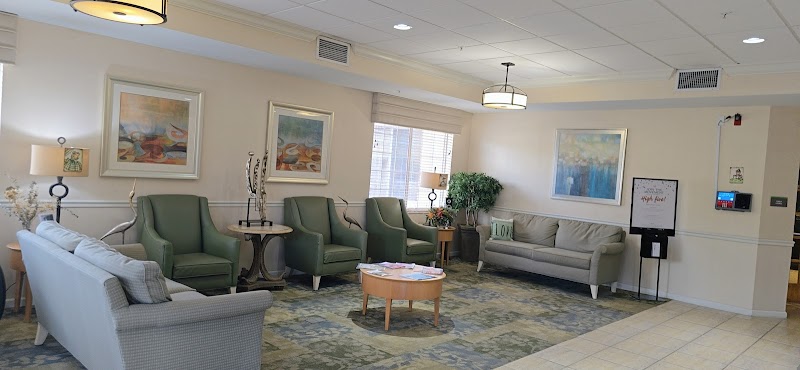
How is Eagleridge Center Staffed?

CMS rates EAGLERIDGE HEALTH AND REHABILITATION CENTER's staffing level at 3 out of 5 stars, which is average compared to other nursing homes. Staff turnover is 45%, compared to the Florida average of 46%. This relatively stable workforce can support continuity of care. RN turnover specifically is 56%, which is notably high. RNs provide skilled clinical oversight, so turnover in this role can affect medical care quality.

What Have Inspectors Found at Eagleridge Center?

State health inspectors documented 33 deficiencies at EAGLERIDGE HEALTH AND REHABILITATION CENTER during 2020 to 2025. These included: 3 that caused actual resident harm and 30 with potential for harm. Deficiencies causing actual harm indicate documented cases where residents experienced negative health consequences.
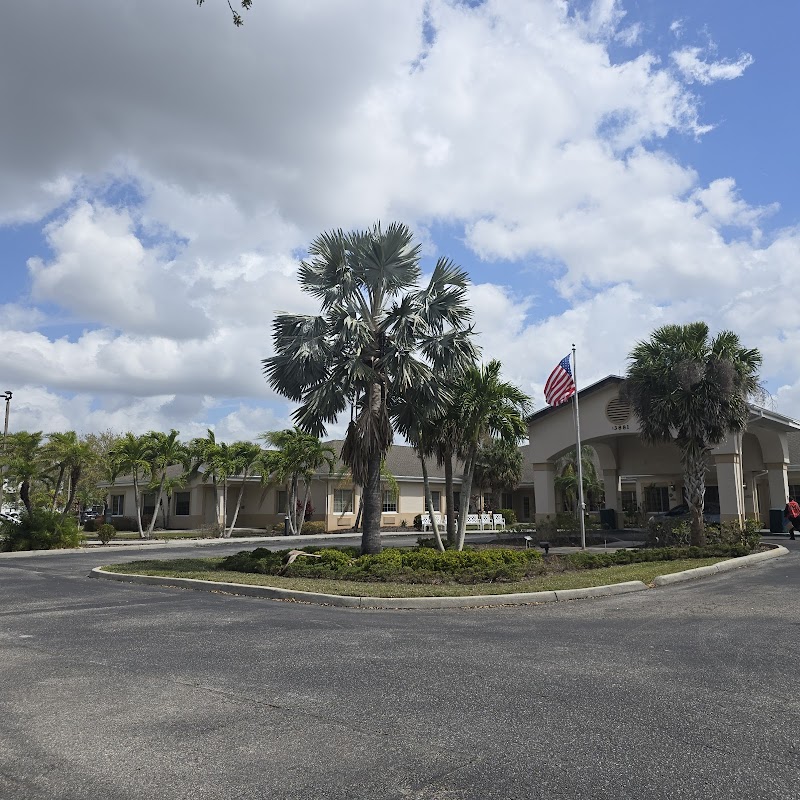
Who Owns and Operates Eagleridge Center?

EAGLERIDGE HEALTH AND REHABILITATION CENTER is owned by a for-profit company. For-profit facilities operate as businesses with obligations to shareholders or private owners. The facility operates independently rather than as part of a larger chain. With 120 certified beds and approximately 111 residents (about 92% occupancy), it is a mid-sized facility located in FORT MYERS, Florida.
How Does Eagleridge Center Compare to Other Florida Nursing Homes?

Compared to the 100 nursing homes in Florida, EAGLERIDGE HEALTH AND REHABILITATION CENTER's overall rating (1 stars) is below the state average of 3.2, staff turnover (45%) is near the state average of 46%, and health inspection rating (1 stars) is much below the national benchmark.

What Should Families Ask When Visiting Eagleridge Center?

Based on this facility's data, families visiting should ask: "Can I visit during a mealtime to observe dining assistance and food quality?" "How do you handle medical emergencies, and what is your hospital transfer rate?" "Can I speak with family members of current residents about their experience?"

Is Eagleridge Center Safe?

Based on CMS inspection data, EAGLERIDGE HEALTH AND REHABILITATION CENTER has a clean safety record: no substantiated abuse findings (meaning no confirmed cases of resident harm), no Immediate Jeopardy citations (the most serious violation level indicating risk of serious injury or death), and is not on the Special Focus Facility watch list (a federal program monitoring the lowest-performing 1% of nursing homes). The facility has a 1-star overall rating and ranks #100 of 100 nursing homes in Florida. While no facility is perfect, families should still ask about staff-to-resident ratios and recent inspection results during their visit.

Do Nurses at Eagleridge Center Stick Around?

EAGLERIDGE HEALTH AND REHABILITATION CENTER has a staff turnover rate of 45%, which is about average for Florida nursing homes (state average: 46%). Moderate turnover is common in nursing homes, but families should still ask about staff tenure and how the facility maintains care continuity when employees leave.

Was Eagleridge Center Ever Fined?

EAGLERIDGE HEALTH AND REHABILITATION CENTER has been fined $63,886 across 2 penalty actions. This is above the Florida average of $33,718. Fines in this range indicate compliance issues significant enough for CMS to impose meaningful financial consequences. Common causes include delayed correction of deficiencies, repeat violations, or care failures affecting resident safety. Families should ask facility leadership what changes have been made since these penalties.

Is Eagleridge Center on Any Federal Watch List?

EAGLERIDGE HEALTH AND REHABILITATION CENTER is not on any federal watch list. The most significant is the Special Focus Facility (SFF) program, which identifies the bottom 1% of nursing homes nationally based on persistent, serious quality problems. Not being on this list means the facility has avoided the pattern of deficiencies that triggers enhanced federal oversight. This is a positive indicator, though families should still review the facility's inspection history directly.