PAGE REHABILITATION AND HEALTHCARE CENTER
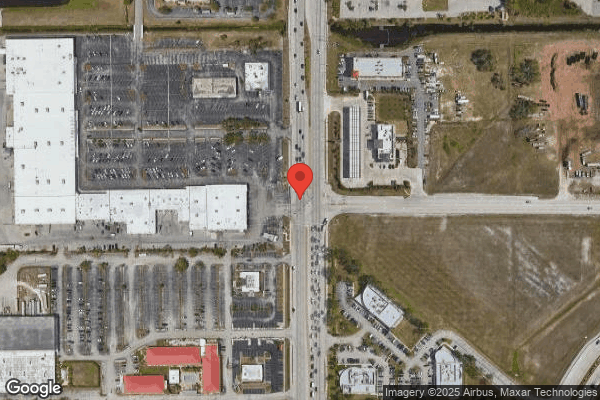
2310 N AIRPORT ROAD, FORT MYERS, FL 33907 (239) 931-8401
For profit - Corporation 180 Beds JONATHAN BLEIER Data: November 2025 5 Immediate Jeopardy citations
Trust Grade
0/100
#541 of 690 in FL
Last Inspection: July 2023

Over 2 years since last inspection. Current conditions may differ from available data.

Overview

Page Rehabilitation and Healthcare Center has received a Trust Grade of F, indicating significant concerns about the facility’s operations and care quality. Ranked #541 out of 690 in Florida and #14 out of 19 in Lee County, it is positioned in the bottom half of both state and county rankings, suggesting limited options for better care nearby. While the facility is improving its inspection issues, going from 12 in 2023 to 7 in 2025, it still has a troubling history, including critical incidents where a resident with dementia was neglected, leading to unsafe wandering and ultimately, a tragic outcome. Staffing is a notable strength with a 5/5 rating and a turnover rate of 34%, which is below the state average, indicating that caregivers are experienced and familiar with the residents. However, the facility's fines of $195,442 are concerning, indicating a pattern of compliance issues that families should carefully consider.

Trust Score
F
0/100
In Florida
#541/690
Bottom 22%
Safety Record
High Risk
Review needed
Inspections
Getting Better
12 → 7 violations
Staff Stability
○ Average
34% turnover. Near Florida's 48% average. Typical for the industry.
Penalties
○ Average
$195,442 in fines. Higher than 71% of Florida facilities. Some compliance issues.
Skilled Nurses
✓ Good
Each resident gets 51 minutes of Registered Nurse (RN) attention daily — more than average for Florida. RNs are trained to catch health problems early.
Violations
⚠ Watch
46 deficiencies on record. Higher than average. Multiple issues found across inspections.
★★☆☆☆
2.0
Overall Rating
★★★★★
5.0
Staff Levels
★★★★☆
4.0
Care Quality
★☆☆☆☆
1.0
Inspection Score
Stable
2023: 12 issues
2025: 7 issues

The Good

  • 5-Star Staffing Rating · Excellent nurse staffing levels
  • 4-Star Quality Measures · Strong clinical quality outcomes
  • Full Sprinkler Coverage · Fire safety systems throughout facility
  • No fines on record
  • Staff turnover below average (34%)

    14 points below Florida average of 48%

Facility shows strength in staffing levels, quality measures, fire safety.

The Bad

2-Star Overall Rating

Below Florida average (3.2)

Below average - review inspection findings carefully

Staff Turnover: 34%

12pts below Florida avg (46%)

Typical for the industry

Federal Fines: $195,442

Well above median ($33,413)

Significant penalties indicating serious issues

Chain: JONATHAN BLEIER

Part of a multi-facility chain

Ask about local staffing decisions and management

The Ugly 46 deficiencies on record

5 life-threatening 1 actual harm
Jul 2025 1 deficiency
CONCERN (D) 📢 Someone Reported This

A family member, employee, or ombudsman was alarmed enough to file a formal complaint

Potential for Harm - no one hurt, but risky conditions existed

Accident Prevention (Tag F0689)

Could have caused harm · This affected 1 resident

**NOTE- TERMS IN BRACKETS HAVE BEEN EDITED TO PROTECT CONFIDENTIALITY** Based on record review and staff interviews, the facility failed to implement individualized interventions, including supervisio...

Read full inspector narrative →
**NOTE- TERMS IN BRACKETS HAVE BEEN EDITED TO PROTECT CONFIDENTIALITY** Based on record review and staff interviews, the facility failed to implement individualized interventions, including supervision to prevent avoidable falls for 1 (Resident #2) of 3 residents reviewed for accidents. Review of the clinical record for Resident #2 revealed an admission date of 5/22/25. Diagnoses included cerebral infarction, muscle wasting and atrophy, difficulty walking, lack of coordination, and aphasia (difficulty speaking).Review of the admission Nursing assessment dated [DATE] revealed Resident #2 had impaired vision, was incontinent of urine once or twice daily, during the day and nighttime.Review of the baseline care plan dated 5/23/25 revealed Resident #2 was always incontinent of bladder and bowel and required the assistance of 2 staff for transfer, and ambulation.The care plan noted the resident was at risk for falls related to impaired cognition, medication use, poor safety awareness, cardiac disease and decreased mobility. The goal was to minimize risk of falls. The interventions as of 5/23/25 included:Anticipate and meet the resident's needs, ensure the call light is within reach and encourage resident to use it to call for assistance, bilateral fall pads when in bed, placing under the bed when out of bed.Review of the Bowel and Bladder assessment dated [DATE] revealed the 3 Day Tracking Results showed conflicting information. The form noted Resident #2 was always incontinent of bladder and bowel and also noted the resident was continent of bowel and bladder. Resident #2 had impaired mobility/ambulation. The suspected cause of the incontinence was Functional (decreased mental awareness/decrease of loss of mobility or personal unwillingness).The treatment plan was, Check and change program- designed for residents who are physically unable to sit on toilet or have cognitive impairment or behaviors that make it difficult to use.Review of the facility incident log revealed Resident #2 had multiple falls from 5/27/25 through 6/4/25.Review of the fall investigations revealed:Fall #1:On 5/27/25 at 8:40 p.m., Resident #2 was found on the floor in her room. Resident #2 said she was trying to ambulate to the bathroom.On 5/27/25 the care plan was updated to post a sign to remind Resident #2 to call for help.Review of the Bladder Continence Log revealed on 5/27/25 Resident #2 was toileted at 12:25 a.m., then approximately 11 hours later at 11:19 a.m., at 3:59 p.m., and at 11:47 p.m.There was no documentation the fall investigation included the lack of documentation Resident #2 was provided incontinent care approximately 4.5 hours prior to the fall.Fall #2:On 5/28/25 at 6:09 p.m., Resident #2 was found on the floor in her room. Resident #2 stated, I wanted to go to the bathroom.On 5/28/25 the care plan was updated to ensure Resident #2 had nonskid socks, slippers, or shoes when she's out of bed for ambulation or mobilization in wheelchair; keep frequently used items within reach; and maintain a safe environment, free of clutter and wet floors, and ensure adequate lighting.Review of the Bladder Continence Log revealed on 5/28/25 Resident #2 was toileted at 9:24 a.m., 4:46 p.m., and 11:51 p.m.On 5/29/25 the facility performed a medication regimen review with reduction in the resident's Seroquel (antipsychotic) medication.Fall #3:On 5/30/25 at 10:00 a.m., Resident #2 was found on the floor in the bathroom. She stated she was trying to use the bathroom.On 5/30/25 the care plan was updated to ensure the bed was in the lowest position with bilateral fall pads, hipsters (padded hip protectors) to be worn at all times.Review of the Bladder Continence Log revealed on 5/30/25 Resident #2 was toileted at 3:06 a.m., 8:34 a.m., and 7:49 p.m.Fall #4:On 6/4/25 at 3:30 p.m., Resident #2 was found on the floor in her room. The resident said she slipped trying to go to the bathroom.On 6/4/25 the care plan was updated for Resident #2 to be checked every 15 minutes post-fall. The clinical record lacked documentation the 15 minutes checks were implemented.Review of the Bladder Continence Log revealed on 6/4/25 Resident #2 was toileted at 9:33 a.m., 6 hours before the fall, and was not toileted for 4.5 hours after the fall.The fall investigation did not include the lack of toileting for Resident #2 for 6 hours before the fall.On 7/1/25 at 11:30 a.m., an interview was held with the Director of Nursing to review Resident #2's multiple falls and interventions, including toileting to prevent further falls.The DON said Resident #2 should have been toileted before and after meals, before bed, and routinely throughout the day and night.When asked about documentation of the 15-minute checks initiated on 6/4/25 as a fall prevention intervention, the DON was not able to provide the documentation. She said, They are still looking.
Jan 2025 6 deficiencies 3 IJ
CRITICAL (J) 📢 Someone Reported This

A family member, employee, or ombudsman was alarmed enough to file a formal complaint

Immediate Jeopardy (IJ) - the most serious Medicare violation

Free from Abuse/Neglect (Tag F0600)

Someone could have died · This affected 1 resident

**NOTE- TERMS IN BRACKETS HAVE BEEN EDITED TO PROTECT CONFIDENTIALITY** Based on record review, review of facility's policies and procedures, and staff interviews, the facility failed to protect resid...

Read full inspector narrative →
**NOTE- TERMS IN BRACKETS HAVE BEEN EDITED TO PROTECT CONFIDENTIALITY** Based on record review, review of facility's policies and procedures, and staff interviews, the facility failed to protect residents' rights to be free from neglect by failing to re-evaluate Resident #999's elopement risk and prevent unsafe wandering and elopement with onset of paranoid behaviors such as distrust of staff and verbal expression of desire and intent to leave the facility. Resident #999 diagnoses included dementia and psychosis. The resident used a wheelchair for mobility and was ambulatory with supervision. On [DATE] the facility neglected to re-evaluate the resident's elopement risk and neglected to adequately supervise Resident #999 when the resident's son and law enforcement reported Resident #999 called them believing he was under attack and requested they come to evacuate him. On [DATE] at approximately 3:30 p.m., staff observed Resident #999 outside, to the left of the building and did not intervene. On [DATE] at 4:35 p.m., facility staff were not able to locate Resident #999 and contacted law enforcement to assist in the search. On [DATE] at approximately 8:15 p.m., law enforcement notified the facility Resident #999 was found deceased , in a parking lot approximately half a mile from the facility. The facility's failure to provide the necessary care and services to prevent neglect created a likelihood of serious harm, serious injury, or death of Resident #999 and other cognitively impaired residents from unsafe wandering. This failure resulted in the determination of Immediate Jeopardy (IJ) at a scope and severity of Isolated (J) starting on [DATE]. On [DATE] at 10:11 a.m., the Administrator was informed of the determination of Immediate Jeopardy (IJ). The findings included: Cross reference to F689 and F867 A review of the facility's Abuse Policy-Prevention and Management Policy with a review date of 8/2024 noted, The facility prohibits the . neglect . of residents . The facility has designed and implemented processes, which strive to ensure the prevention of . resident . neglect . Neglect occurs when the facility is aware of or should have been aware of goods or services that a resident(s) requires but the facility fails to provide them to the resident(s), resulting in, or may result in, physical harm, pain, mental anguish, or emotional distress . Examples of individual failures include, but are not limited to . Failure to identify, assess . for an acute change in condition, and/or a change in condition that requires the plan of care to be revised to meet the resident's needs in a timely manner; Failure to ensure staff respond correctly to medical or psychiatric emergencies; Failure to implement an effective communication system across all shifts for communicating necessary care and information between staff . Failure to monitor and/or provide adequate supervision to assure that environmental hazards are not present . Failure of the Quality Assurance and Assessment committee to develop and implement appropriate action plans to correct identified quality deficiencies . A review of the facility's Elopement Prevention and Management policy and procedure with a review date of 4/2024 noted, The facility will strive to identify residents at risk for unsafe wandering and exit seeking behavior and to develop individualized prevention and management interventions based on Exit Seeking/Elopement Evaluation. Elopement represents a risk to the resident's health and safety and places the resident at risk of heat or cold exposure, dehydration and/or other medical complications, drowning, or being struck by a motor vehicle . Procedure: . Review evaluations and risk factor data. Determine if the resident is at risk for elopement; history of elopement prior to admission. Include resident and/or resident representative in development of the Plan of Care. Develop individualized interventions in the care plan to address the potential for elopement . Communicate risk and interventions to the care giving team . Review and revise Plan of Care as needed. Review of the clinical record for Resident #999 revealed an admission Minimum Data Set (MDS) assessment with a target date of [DATE]. The MDS noted Resident #999's cognition was moderately impaired with a Brief Interview for Mental Status of 09. The resident required supervision or touching assistance for walking. The elopement evaluations completed on [DATE], [DATE], and [DATE] noted the resident had no history of elopement, was ambulatory or able to self-propel in a wheelchair. Each time the facility determined Resident #999 was not at risk for elopement. On [DATE] and [DATE] two physicians evaluated the resident and signed an incapacity statement noting Resident #999 lacked the capacity to give informed consent and make healthcare decisions based on advanced stage dementia and confusion. The care plan initiated on [DATE] noted the resident had impaired cognitive function/dementia or impaired thought processes related to dementia. The interventions included to monitor, document and report as needed any changes in cognitive function, specifically changes in decision making ability, memory, recall and general awareness, mental status. Review of the clinical nurses notes revealed on [DATE] at approximately 4:40 p.m., Resident #999 could not be found. Staff searched the facility and the grounds but were unable to find him. The police were notified at approximately 5:00 p.m. The resident's wheelchair was found outside. On [DATE] at 8:15 p.m., the detective notified the facility the resident was found deceased in a bar parking lot just down the road from the facility. Review of the facility's incident investigations revealed on [DATE] the facility initiated an investigation of neglect related to Resident #999's elopement. The investigation noted Resident #999 was admitted to the facility in [DATE] with diagnoses including Dementia and Major Depressive Disorder. The admitting medications included Risperdal (antipsychotic) 0.5 milligram twice a day for Mood Disorder. The medication was discontinued on [DATE], due to the lack of diagnosis to support the use of the Risperdal. Resident #999 had not exhibited any behaviors since admission. On [DATE] at approximately 11:00 a.m., Resident #999's son called the facility and reported to the Director of Nursing (DON) his father was telling him there was going to be a war and that they needed to take cover. Resident #999 asked his son to come and get him. He said he thought his father was exhibiting paranoia regarding the staff at the facility and needed to be restarted on his antipsychotic medication. He also reported Resident #999 had been baker acted (involuntary admission for mental illness) several years ago. The Psychiatric APRN (Advanced Practice Registered Nurse) was at the facility and evaluated the resident on [DATE] at approximately 1:00 p.m., for medication review. She completed a note stating the resident was calm and without hallucinations. The resident was, Per usual and no changes. She reordered the Risperdal related to the son's concerns, but did not witness any type of issues with the resident during her evaluation. Nothing further was recommended as she felt that the resident was stable at this time. Review of the Psychiatric APRN progress note dated [DATE] revealed she saw Resident #999 as it was reported to her the resident was unstable requiring psychiatric assessment. The APRN documented Resident #999 appeared agitated, upset. His thought process was somewhat disorganized. His insight and judgement were impaired. The resident was oriented to person, with impaired recall and short term memory. Attention span and concentration were poor. Fund of knowledge was impaired. The practitioner documented the resident was unstable requiring medication changes. She wrote, As per collected information and interview, it appears that patient is unstable. I feel the symptoms are occurring due to exacerbation of underlying psychosis disorder. The symptoms are occurring almost daily and causing severe distress. Therefore, I decided to make medication changes to stabilize the symptoms. Further review of the incident investigation revealed on [DATE] at approximately 5:15 p.m., the police called the facility and stated Resident #999 had called them and claimed he was under attack and needed to be evacuated. The police came to the facility for a wellness check. They said the resident was fine and explained to him they could not take him out of the facility. The resident remained in his room and calm without behaviors. The investigation did not include nonpharmacological interventions, including an elopement re-evaluation to determine the need for increased supervision to maintain the resident's safety with the onset of paranoid behavior and voiced intent to leave the facility. The description of the incident noted on [DATE] at 4:35 p.m., Licensed Practical Nurse (LPN) Staff D reported to the shift supervisor, Registered Nurse (RN) Staff H he could not locate the resident to administer his medications. Facility staff initiated a Code Pink (elopement), searched the facility and surrounding area. Staff were not able to locate Resident #999 and contacted law enforcement to assist with the search. On [DATE] at approximately 8:15 p.m., a detective notified the facility Resident #999 was found just down the road from the facility in a bar parking lot and that the resident was deceased . On [DATE] the facility completed the investigation and documented after chart review and interviews completed with staff and other members of the interdisciplinary team, the facility felt there was no neglect. The statements the resident made to the son and the new diagnosis of Bipolar on [DATE] were addressed by the Physician Assistant and the Psychiatric APRN. The police evaluated the resident on [DATE] and deemed that he was safe to remain at the facility. On [DATE] at 10:15 a.m., an interview was conducted with the Administrator and the Director of Nursing (DON) to review Resident #999's elopement, and the neglect investigation. The DON verified on [DATE] Resident #999's risk for elopement was not re-evaluated and the care plan was not updated to maintain the resident's safety and prevent unsafe wandering and elopement. The DON said after the elopement, she interviewed staff and was not able to determine the root cause of the elopement. She said, The Root cause of the event was inconclusive per our findings because we did not have all the facts yet. We did not know where the resident was found. Once we had all the facts, we concluded the neglect was not verified as the resident did not display any behaviors and had no elopement history. She said, We did not provide that level of supervision because he did not need it. On [DATE] at 1:28 p.m., in an interview LPN staff D stated on [DATE] no one alerted him to the resident's change in mental status or update to his medications when he received report. He said Resident #999 did not display any changes at the time and was surprised that he eloped. He said he was aware the resident had called the police on [DATE], through word of mouth. On [DATE] at 3:52 p.m., in an interview Certified Nursing Assistant (CNA) staff E said another CNA and LPN Staff D told her the resident had called the police but no one instructed her to increase supervision for the resident. On [DATE] at 4:17 p.m., in an interview Maintenance Tech Staff F said on [DATE] at approximately 3:30 p.m. to 4:00 p.m., he observed Resident #999 outside to the right of the building. He said Resident #999 never went outside. It was the very first time he had seen him outside. He did not try to get him to go inside and did not notify any staff. On [DATE] at 4:41 p.m., in a telephone interview Resident #999's son said he notified the facility on [DATE] that his father said he intended to flee the facility by any means possible. He thought someone there was going to kill him. He was a flight risk and wanted to elope. His father called 911 and told them the same information. A police officer came out on [DATE] and spoke with his father. The son said, I spoke to the DON on [DATE] and told her that my father wanted me to immediately evacuate him from the facility because they were going to kill him. I told her they needed to take precautions and adjust his medications. He was hallucinating thinking people were going to kill him. I told them he would try and find a way out of the facility. I thought he would go to the front door, and someone would try and stop him, and he would hurt someone. He was seeing Psych, but I never spoke to them. Psych never contacted me after they saw him. I explained his previous psychiatric history to the DON and where to obtain it. On [DATE] at 10:00 a.m., in an interview Unit Manager Staff B said Resident #999 walked in his room from the bed to the wheelchair and the bathroom. She said the nurse and the CNA knew the police were here to see the resident but she never told them the reason for law enforcement visit. The resident's behavior would have been communicated in the nurse-to-nurse report. The Unit Manager said on [DATE] she overheard the resident speak to the two police officers. He said, I want you to take me. I am in danger. I want you to remove me from the facility. She said the resident did not exhibit any other behavior. She did not feel the resident needed one to one supervision or 15 minutes checks just because he called the police once. She said she did not see a reason to place a wander alert bracelet (alarms staff when a resident leaves a designated safe area) on the resident. On [DATE] at 12:47 p.m., in an interview LPN Staff I said she did not know Resident #999. On [DATE] at approximately 3:45 p.m., she was walking down the hallway and observed residents outside just to the right of the front doors by the patio of the Ford unit. After Resident #999 eloped she realized he was one of the residents she observed outside from the description of the bright yellow shirt he was wearing. On [DATE] at 5:50 p.m., in a telephone interview Resident #999's attending physician said the resident had a history of paranoia but she was not aware the resident had a history of elopement. The physician said it was hard to say if the resident was safe to go outside on his own or not. On [DATE] at 10:08 a.m., in an interview Unit Manager LPN Staff J said Resident #999 was not an elopement risk, he had never tried to leave the facility. She said, We had no way to think he would get up and leave the facility. He had the right to go outside. LPN Staff J said they would be restraining the resident if they tried to stop him from going outside. LPN Staff J said, He had the right to leave, and the right to fall. Isn't it what you people always say? He did not have a lack of capacity when he was here. When showed the certificate of incapacity signed by two different physicians, the Unit Manager turned her head and did not answer any additional questions. On [DATE] at 10:16 a.m., in an interview the Physician Assistant said Resident #999 spoke about the war a lot since he met him. He did not always make sense; he was confused but always compliant. He said it was hard to say if Resident #999 was safe to be outside as residents' rights come into play and they have residents who go outside for fresh air. He said Resident #999 was safe to go outside, right out the front door if staff could see him. The resident never said he wanted to leave the facility. On [DATE] at 2:25 p.m., in an interview the Social Service Director said she was responsible to update the care plan for changes in behavior. The nurses document changes in condition in the alerts section of the electronic clinical record. She follows up on what nursing documents. She said there was no clinical alert documented for Resident #999 on [DATE]. The Social Service Director said no one told her the son had called and voiced concerns about his father. No one told her the resident had called the police. The Social Service Director printed a copy of the alerts report for [DATE] through [DATE]. The report listed Resident #999's new antipsychotic medications for [DATE] but did not document the resident's paranoid behavior and voiced intent to leave the facility. On [DATE] at 10:44 a.m., a joint interview was conducted with the Administrator, the DON and the Regional Director. The Regional Director said the DON saw the resident the day he eloped and he was fine, his usual self. She asked the DON if she documented her assessment of the resident, the DON said it was the one time she did not do it.
CRITICAL (J) 📢 Someone Reported This

A family member, employee, or ombudsman was alarmed enough to file a formal complaint

Immediate Jeopardy (IJ) - the most serious Medicare violation

Accident Prevention (Tag F0689)

Someone could have died · This affected 1 resident

**NOTE- TERMS IN BRACKETS HAVE BEEN EDITED TO PROTECT CONFIDENTIALITY** Based on clinical record review, review of facility's policies and procedures, resident representative and staff interviews the ...

Read full inspector narrative →
**NOTE- TERMS IN BRACKETS HAVE BEEN EDITED TO PROTECT CONFIDENTIALITY** Based on clinical record review, review of facility's policies and procedures, resident representative and staff interviews the facility failed to recognize risk factors for elopement and adequately supervise 1 (Resident #999) of 3 sampled confused residents when Resident #999 exhibited new symptoms of paranoia and voiced intent to leave the facility. On [DATE] the facility failed to implement adequate supervision when Resident #999's son and law enforcement notified the facility the resident reported he was under attack and requested they come to evacuate him. On [DATE] at approximately 3:30 p.m., Resident #999 who was cognitively impaired was not supervised and exited the facility. Facility staff saw him outside to the right of the building and did not intervene. On [DATE] at 4:30 p.m., facility staff could not find Resident #999 and notified law enforcement to assist with the search. On [DATE] at 8:15 p.m., law enforcement notified the facility Resident #999 was found deceased in a parking lot, approximately half a mile from the facility. The facility failure to adequately supervise cognitively impaired and confused residents to prevent elopement created a likelihood of avoidable accidents for Resident #999 and other cognitively impaired residents at risk for elopement which could result in serious harm, serious injury, serious impairment or death of the residents. This failure resulted in the determination of Immediate Jeopardy (IJ) at a scope and severity of Isolated (J) starting on [DATE]. On [DATE] at 10:11 a.m., the Administrator was notified of the determination of Immediate Jeopardy. The findings included: Cross reference to F600 and F867 A review of the facility's Change in Condition Policy and Procedure with a review date of 6/2024 noted, The Clinical Nurse will recognize and appropriately intervene in the event of a change in resident condition. The Procedure noted, . The nurse will communicate to the nurse manager/supervisor any change in resident condition as it occurs. This will also be communicated in the 24 hour/and or shift report as well . If a significant change in condition occurs, a physical and or mental assessment with be completed by the Registered Nurse and documented in the medical record . Documentation of the change in condition will be present in the nurses' progress note and will continue q (each) shift for at least 72 hours . This episodic documentation will occur for, but not limited to . mental/behavioral changes . A review of the facility's Leave of Absence (LOA) with a review date of 3/2024 noted, It is the policy of this facility to encourage outside socialization for the resident/patient when appropriate . A cognitively impaired resident may leave the facility with family/resident representative, unless restrictions apply, with the appropriate physician order. The facility will tract the departure and return of a resident on the Release of Responsibility for LOA form . Procedure . When LOA is to occur: Evaluate resident for a change in condition, notify physician of any concerns/changes and document in the progress note . Review of the clinical record revealed Resident #999 was a vulnerable [AGE] year old admitted to the facility on [DATE] following hospitalization for altered mental status. Diagnoses included unspecified Dementia without behavioral disturbance, Psychotic disturbance, mood disturbance, Major Depressive Disorder, Anxiety, Bipolar II disorder (mood swings ranging from depressive lows to manic highs), and Generalized Muscle Weakness. The admission Minimum Data Set (MDS) assessment with a target date of [DATE] noted Resident #999's cognition was moderately impaired with a Brief Interview for Mental Status of 09 (Moderate level of cognitive impairment). The resident was ambulatory with supervision or touching assistance. The care plan initiated on [DATE] noted the resident had impaired cognitive function/dementia or impaired thought processes related to dementia. The interventions included to monitor, document and report as needed any changes in cognitive function, specifically changes in decision making ability, memory, recall and general awareness, mental status. On [DATE] and [DATE] two physicians evaluated the resident and signed an incapacity statement noting Resident #999 lacked the capacity to give informed consent and make healthcare decisions based on advanced stage dementia and confusion. The elopement evaluations completed on [DATE], [DATE], and [DATE] noted the resident was ambulatory or able to self-propel in a wheelchair. The potential risk factors for elopement, such as history of elopement, desire to return home, expressed desire to leave, attempted elopement, and psychiatric history were not checked off on the elopement evaluation forms. Each time the facility determined Resident #999 was not at risk for elopement. The Physician's orders dated [DATE] included to consult Psychiatry Service to evaluate and treat the resident. Review of the Psychiatric Advanced Practice Registered Nurse (APRN) progress notes for [DATE], [DATE], [DATE], [DATE], [DATE], [DATE], [DATE], [DATE], and [DATE] noted Resident #999 was oriented to Person, insight and judgment were impaired, short-term and remote memory were impaired and the resident's fund of knowledge (used to determine if a patient has cognitive impairment) was impaired. The APRN documented in her notes Resident #999 did not exhibit behaviors or psychotic symptoms. Review of the Clinical Nurse's Note dated [DATE] at 10:56 a.m., noted Resident #999's son called and said his dad had called him and stated that he was under attack and that the son needed to come and evacuate him. The son stated that he knew the facility had discontinued one of his father's medications a while ago and that he probably needed it back. He stated his father had been diagnosed with Bipolar disorder, paranoia, schizoaffective disorder and had been [NAME] Acted a few years ago and started on Risperidone (antipsychotic). The psychiatric provider was at the facility and was notified of the son's concerns. The Psychiatric APRN ordered to restart Risperidone 0.5 milligram twice a day. On [DATE] the Psychiatric APRN documented in a progress note she saw Resident #999 as it was reported to her the resident was unstable requiring psychiatric assessment. Resident #999 appeared agitated, upset. His thought process was somewhat disorganized. His insight and judgement were impaired. The resident was oriented to person, with impaired recall and short term memory. Attention span and concentration were poor. Fund of knowledge was impaired. The practitioner documented the resident was unstable requiring medication changes. She wrote, As per collected information and interview, it appears that patient is unstable. I feel the symptoms are occurring due to exacerbation of underlying psychosis disorder. The symptoms are occurring almost daily and causing severe distress. Therefore, I decided to make medication changes to stabilize the symptoms. On [DATE] at 1:59 p.m., a nursing progress note documented Resident #999 was confused, and independent for all transfers, Will continue to monitor resident for behavior. The note did not describe what behavior was being monitored. On [DATE] at 5:23 p.m., a nursing progress documented the Fort [NAME] Police called the facility to say that Resident #999 had call them to report that he needed to be taken out of the facility. The resident said he was in danger of the war and needed evacuation. The police arrived at the facility and visited with the resident for about five minutes and left. There was no documentation on [DATE] Resident #999's risk for elopement was re-evaluated when the resident with a psychiatric history exhibited paranoid behavior and expressed desire, and intent to leave the facility. The care plan was not updated to address the acute change in behavior and ensure adequate supervision to maintain the resident's safety and prevent elopement. On [DATE] at 3:46 a.m., a nursing progress note documented Resident #999 was in bed and no behavior was observed at that time. On [DATE] at 5:20 p.m., Licensed Practical Nurse (LPN) Staff D documented in a Late Entry Clinical Nurse Note the resident's mood was stable and pleasant that morning. He was sitting near the nurse's station after lunch. At around 4:15 p.m., he went to the resident's room to administer medications. Resident #999 was not there. He asked the assigned Certified Nursing Assistant to help him search for the resident from room to room and unit by unit and they could not find him. At 4:35 p.m., he notified the supervisor on duty. At around 4:40 p.m., the supervisor called a code pink for missing resident according to facility's protocol. On [DATE] at 8:15 p.m., a nursing progress note documented the facility notified law enforcement that Resident #999's was missing at approximately 5:00 p.m. Law enforcement arrived at the facility at 5:15 p.m. The resident's wheelchair was found outside by the Ford Unit. The police received a call for a possible civilian on [NAME] street just down from the facility. The police left to go to the area. On [DATE] at approximately 8:15 p.m., a detective notified the facility the resident was found deceased in a bar parking lot just down the road from the facility. On [DATE] at 10:15 a.m., an interview was conducted with the Administrator and the Director of Nursing (DON) related to Resident #999's elopement and the facility's process to prevent unsafe wandering and elopement. The DON said the facility used to have a sign out book at the front desk but they did not require residents to sign out if they just wanted to sit outside in front of the facility. Residents were free to get around, go outside, and sit there without staff supervision and there was no monitoring camera outside. The DON said Resident #999 lacked capacity. She verified on [DATE] Resident #999's son called and told her his father was acting fearful. He thought he was in the war and said he had to leave the facility. He requested the son come and get him. The son told her his father was prescribed antipsychotic medication for a diagnosis of schizophrenia and he was paranoid. He also was diagnosed with Bipolar disorder. He thought he should be put back on Risperidone, the antipsychotic medication which had been prescribed for paranoia. She said that same day the Psychiatric APRN assessed the resident and re-ordered the Risperdal (Risperidone). That afternoon, the police called the facility to inform them Resident #999 had called them requesting to be evacuated as he thought there was going to be a war and the staff were going to kill him. The police then came to the facility and spoke with Resident #999 for five minutes. They said he was fine and they left. The DON said she checked on the resident the next day and he was fine. She did not tell the staff of the concerns voiced by Resident #999's son. She did not feel he needed increased supervision. She verified the resident's elopement risk was not re-evaluated despite knowledge of the psychiatric history and expressed intent to leave the facility. She said the facility was not aware of the resident's elopement history. He had previously eloped from the Assisted Living Facility where he resided and was trying to get back to Missouri. He was [NAME] acted (involuntary hospitalization for mental illness). The Administrator said on [DATE] at approximately 3:30 p.m., to 4:00 p.m., the Maintenance Assistant (Tech) observed Resident #999 outside to the left of the door. The resident was not visible from the front desk. He did not sign out in the leave of absence log per policy. The Maintenance Assistant tried to bring the resident back into the building but Resident #999 refused to go back inside. He left the resident outside and did not notify anyone. The Administrator said LPN Staff I observed Resident #999 sitting outside to the side of the building from a window of the Ford Unit. She did not report it to anyone. The Administrator said the facility did not have a policy specifying which residents could come and go from the facility. Resident #999 was not an elopement risk. He enjoyed the freedom to get fresh air. On [DATE] at 1:28 p.m., in an interview LPN Staff D said on [DATE] no one informed him of the resident's change in mental status or update to his medications. He became aware the resident had called the police on [DATE] through word of mouth. On [DATE] at 3:52 p.m., in an interview Certified Nursing Assistant (CNA) Staff E said LPN Staff D and another CNA told her Resident #999 had called the police on [DATE] but no one told her she needed to supervise the resident. She said Resident #999 never left the unit. If she had seen him outside she would have brought him back in as no resident should be left unsupervised outside. On [DATE] at 4:17 p.m., in an interview the Maintenance Tech said he had never seen Resident #999 outside of the facility prior to [DATE]. When he saw the resident outside around 3:30 p.m., to 4:00 p.m., he asked the resident if he was ok, and he said he was. He said, I did not try to get him to go inside. I did not bother because he gets very agitated and would swear at you. The Maintenance Tech said, If I had known he was not allowed to go outside, I would have gotten him and brought him inside. He said he tells residents to stay away from the road. The road is so close and he does not want them to get hurt. On [DATE] at 4:41 p.m., in a telephone interview Resident #999's son said, I notified the facility the day before he passed, that he wanted to flee the facility by any means possible. He thought someone there was going to kill him. He was a flight risk and wanted to elope. He told me he wanted to get out of the facility because they were going to kill him. He called 911 and told them the same information. I spoke to the DON on [DATE] and told her that my father wanted me to immediately evacuate him from the facility because they were going to kill him. I told her they needed to take precautions and adjust his medications. He was hallucinating thinking people were going to kill him. I told them he would try and find a way out of the facility. The son said his father had Dementia; the facility should have monitored him. On [DATE] at 10:00 a.m., in an interview Unit Manager Registered Nurse Staff B said LPN Staff D and CNA Staff E were aware the police came to the facility, everyone saw them. She overheard Resident #999 asking the police to take him, he was in danger. The resident said to the police officers, I want you to remove me from the facility. She said she did not relay that information to the direct care staff. She did not tell them about the resident's onset of behavior and expressed intent to leave the facility and did not instruct them to supervise the resident. She did not see a reason to place the resident on one-to-one supervision or every 15 minutes checks just because he called the police one time. On [DATE] at 5:50 p.m., in a telephone interview Resident #999's attending physician said it was hard to say if the resident was safe to go outside on his own. She was not aware of the change in his behavior but perhaps the Physician Assistant was notified. On [DATE] at 10:16 a.m., in an interview the Physician Assistant said, It is hard to say if (Resident #999) was safe to be outside. He said the resident lacked capacity; he was confused but compliant. He was safe to go outside, right out the front door where staff could see him. When asked if it was safe for Resident #999 to be outside on the side of the building, out of view of staff at the front desk, the Physician Assistant did not reply. On [DATE] at 12:47 p.m., in an interview LPN Staff I said she did not know Resident #999. On [DATE] at approximately 3:45 p.m., she was walking down the hallway and observed residents outside just to the right of the front doors by the patio of the Ford unit. After Resident #999 eloped she realized he was one of the residents she observed outside from the description of the bright yellow shirt he was wearing. On [DATE] at 2:25 p.m., in an interview the Social Service Director said she was responsible to update the care plan for changes in behavior. The nurses document changes in condition in the alerts section of the electronic clinical record. She follows up on what nursing documents. She said there was no clinical alert documented for Resident #999 on [DATE]. The Social Service Director said no one told her the son had called and voiced concerns about his father wanting to leave the facility. No one told her the resident had called the police requesting they remove him from the facility. The Social Service Director printed a copy of the alerts report for [DATE] through [DATE]. The report listed Resident #999's new antipsychotic medications ordered on [DATE] but did not document the resident's paranoid behavior and voiced intent to leave the facility. On [DATE] at 10:24 a.m., in a follow up interview related to the lack of supervision resulting in Resident #999's elopement, the Administrator said the resident died of natural causes. He said the police came to the facility and did not recommend more supervision. The Administrator said, Why didn't the police tell us that he needed more supervision? They thought he was fine. The police said he was safer at the facility. The Administrator said at the time Resident #999 wandered off the property, he was safe to be outside unassisted per their assessment. A lot of people saw the resident, and no one, including the police, the psychiatric APRN recognized he was an elopement risk. On [DATE] at 11:40 a.m., the Regional Director provided a care plan with a canceled date of [DATE] which noted Resident #999's well-being was promoted by spending time outdoors, at times as well as watching television. The diagnoses listed included unspecified dementia. The care plan initiated on [DATE] with a revision date of [DATE] and a target date of [DATE] noted the resident had impaired cognitive function/dementia or impaired thought processes related to dementia. The care plan did not include provision for supervision for outdoor activities and was not revised on [DATE] when the confused resident voiced intent to leave the facility.
CRITICAL (J) 📢 Someone Reported This

A family member, employee, or ombudsman was alarmed enough to file a formal complaint

Immediate Jeopardy (IJ) - the most serious Medicare violation

QAPI Program (Tag F0867)

Someone could have died · This affected 1 resident

**NOTE- TERMS IN BRACKETS HAVE BEEN EDITED TO PROTECT CONFIDENTIALITY** Based on record review, review of facility's policies and procedures, the facility failed to thoroughly investigate an elopement...

Read full inspector narrative →
**NOTE- TERMS IN BRACKETS HAVE BEEN EDITED TO PROTECT CONFIDENTIALITY** Based on record review, review of facility's policies and procedures, the facility failed to thoroughly investigate an elopement incident for 1 (Resident #999) of 3 sampled residents reviewed for elopement, and failed to implement systemic appropriate corrective actions to prevent further incidents of unsafe wandering and elopement of mobile confused residents. On [DATE] the facility failed to ensure Resident #999's safety when the son and law enforcement notified the facility the resident called, said he was under attack, voiced intent to leave the facility and requested they come and get him. On [DATE] at 4:35 p.m., staff became aware Resident #999 was missing and contacted law enforcement to assist with the search. On [DATE] at approximately 8:15 p.m., law enforcement notified the facility Resident #999 was found deceased , in a parking lot approximately half a mile from the facility. The facility's investigation did not include the failure to reassess the resident's elopement risk with the onset of paranoid behavior. The systemic corrective actions did not include documentation of behaviors and appropriate actions to ensure residents safety with the onset of new behaviors that may lead to elopement. The facility failure to have an effective Quality Assurance and Performance Improvement program that identify quality deficiencies and implement appropriate corrective actions created a likelihood of unsafe wandering and elopement of cognitively impaired, confused residents which could result in serious harm, serious injuries or death of the residents. This failure resulted in the determination of isolated ongoing Immediate Jeopardy. On [DATE] at 10:11 a.m., the Administrator was notified of the determination of Immediate Jeopardy (IJ). The finding included: Cross reference to F600 and F689. A review of the facility's Quality Assurance and Performance Improvement (QAPI) Plan with a review date of [DATE] noted, The Facility will maintain a quality management program which takes a systematic, interdisciplinary, comprehensive, and data-driven approach to maintaining and improving safety and quality . The purpose of a QAPI program is to ensure continuous evaluation of facility systems with the objective of: Ensuring care delivery systems function consistently, accurately, and incorporate current and Evidence-based practice standards where available. Preventing deviation from care processes, to the extent possible. Identifying issues and concerns with facility systems, as well as identifying opportunities for Improvement; and Developing and implementing plans to correct and/or improve identified areas. On [DATE] at 10:15 a.m., an interview was conducted with the Administrator and the Director of Nursing (DON) to review the incident investigation related to Resident #999's unsafe wandering and elopement, the root cause analysis and systemic corrective actions implemented to prevent recurrence. The DON verified on [DATE] at approximately 11:00 a.m., the resident's son called the facility to speak with her. He reported Resident #999 had been diagnosed with Bipolar disorder (mood swings ranging from depressive lows to manic highs) and paranoia (overly suspicious and thinking others are out to harm you). Resident #999 told his son there was going to be a war, they needed to take cover and to come and get him. She verified on [DATE], the Psychiatric Advanced Practice Registered Nurse assessed Resident #999 and re-ordered the antipsychotic Risperdal which had been discontinued in [DATE]. She also verified on [DATE] at approximately 5:15 p.m., law enforcement called and informed the facility Resident #999 had called them and claimed he was under attack and needed to be evacuated. The DON verified Resident #999's risk for elopement was not re-evaluated and the care plan was not updated with nonpharmacological interventions, including adequate supervision to maintain the resident's safety and prevent unsafe wandering and elopement. The Administrator and the DON said on [DATE] the facility immediately initiated an investigation, held QAPI meetings to discuss the root cause of Resident #999's elopement, and corrective actions as appropriate to prevent further incidents of unsafe wandering and elopement of cognitively impaired residents. The DON said after the elopement, she interviewed staff and was not able to determine the root cause of the elopement. She said, The Root cause of the event was inconclusive per our findings because we do not have all the facts yet. We did not know where the resident was found. Once we found out all the information, we concluded it was not verified as he had no behaviors, and he had no elopement history. We did not provide that level of supervision because he did not need it and we did not substantiate the incident. The DON added she did not know the resident required that level of supervision. She said she assessed the resident on [DATE] and [DATE]. She did not document her assessment and Resident #999 did not need any higher level of monitoring or a wander alert bracelet (alerts staff when a resident leaves a determined safe area). The Administrator said the facility could not reach a conclusion due to Resident #999's pending autopsy result to determine the cause of death. He said they had no way of knowing the resident was an elopement risk despite the resident's son and law enforcement alerting them of the resident's voiced intent to leave the facility as he believed he was under attack and needed to take cover. The facility provided the minutes of a Risk Management/QAPI report dated [DATE] that read, Root cause determined that facility was not aware of the history of the resident. There was no information in the medical record nor did the family report any history of elopement. The facility determined that the neglect was not verified related to the incident based on evaluation of the medical record and history of the resident, the resident did not require an increased level of supervision . Facility still awaiting autopsy report and police report at this time. The facility's interventions consisted of staff interviews, education to the staff on resident elopements, code Pink for missing resident, the elopement binder, elopement policy and procedure, Leave of absence policy and procedure, elopement drills, sign-out binder at the front desk. The DON said she conducted the elopement drills; she placed an additional staff at the front door for three days to monitor since she did not know through which door the resident exited the facility. The facility's corrective actions did not include staff education on ensuring the elopement evaluations accurately reflected residents' risk factors, or recognizing, documenting and implementing adequate supervision with onset of behavior that may lead to unsafe wandering and elopement. On [DATE] at 10:24 a.m., in an interview related to the neglect of Resident #999 and systemic interventions to prevent further incidents of unsafe wandering and elopement of mobile, confused and cognitively impaired residents, the Administrator said the Psychiatric APRN (Advanced Practice Registered Nurse) assessed Resident #999 on [DATE] and changed the resident's psychotropic medications. He said Resident #999 died of natural causes. On [DATE] law enforcement came to check on Resident #999 when he called them to say he was under attack and requested assistance to leave the facility. They did not recommend increased supervision of the resident. On [DATE] at 10:44 a.m., in an interview the Regional Director said the staff did their due diligence in monitoring Resident #999. She said a change of behavior and a change in medication were the same thing. She said, You put a label on it but the facility did document and kept an eye on this resident throughout the shift.
CONCERN (D) 📢 Someone Reported This

A family member, employee, or ombudsman was alarmed enough to file a formal complaint

Potential for Harm - no one hurt, but risky conditions existed

Safe Environment (Tag F0584)

Could have caused harm · This affected 1 resident

**NOTE- TERMS IN BRACKETS HAVE BEEN EDITED TO PROTECT CONFIDENTIALITY** Based on observation, record review and staff interviews, the facility failed to ensure a safe, clean, comfortable and sanitary ...

Read full inspector narrative →
**NOTE- TERMS IN BRACKETS HAVE BEEN EDITED TO PROTECT CONFIDENTIALITY** Based on observation, record review and staff interviews, the facility failed to ensure a safe, clean, comfortable and sanitary environment for residents in 4 of 4 units observed. The findings included: On 1/2/25 at 8:32 a.m., during an initial tour of the facility the following were observed: 1. room [ROOM NUMBER]: A bed pan was stored on the floor of the shared bathroom. A urinal was stored on the floor next to the toilet. Photographic evidence obtained. On 1/2/25 at 8:37 a.m., Unit Manager Registered Nurse (RN) Staff B verified the bed pan and urinal were improperly stored on the floor. 2. room [ROOM NUMBER]: A hole, and missing tiles were observed in the wall behind the toilet. The grout on the tiles near the toilet was black. Multiple unlabeled personal items, including toothpaste were stored on the sink of the shared bathroom. The faucet was rusted, and dirty. Photographic evidence obtained. 3. room [ROOM NUMBER]: A roll of toilet paper, a toothbrush, a hairbrush and other personal items were stored uncovered and unlabeled on the sink of the shared bathroom. An unlabeled open package of wipes was stored on the towel rack. On the floor next to the bed were crumbs of food and garbage. The bedside table legs were covered with a layer of rust with large spots of dried substance. Photographic evidence obtained. 4. room [ROOM NUMBER]: A wash basin was stored on the floor, under the toilet of the shared bathroom. An unlabeled bedpan was stored behind the raised toilet seat. An unlabeled urinal was stored on the floor, under the sink next to a plunger. On 1/2/25 at 8:52 a.m., Unit Manager RN Staff B verified the observation of the unlabeled and improperly stored items. Photographic evidence obtained. 5. room [ROOM NUMBER]: Two brown dead insects were observed on the floor. Photographic evidence obtained. 6. room [ROOM NUMBER]: Two unlabeled wash basins and two bedpans were stacked and stored on a shower chair with soiled towels. Photographic evidence obtained. 7. room [ROOM NUMBER]: An orange, unidentified pill, a French fry and a dead brown insect were observed on the floor outside the room. Unit Manager RN Staff B confirmed the findings. Photographic evidence obtained. 8. room [ROOM NUMBER]: A hole was observed in the wall behind the toilet. The metal of the toilet seat arm rests were rusted. Photographic evidence obtained. 9. In the television room of the secured memory care unit two cups with dried liquids were observed stored on a cabinet. Both cups had live crawling insects. Unit Manager RN Staff C verified the observation and removed the cups. Photographic evidence obtained. 10. room [ROOM NUMBER]: Two large, brown dead insects were observed on the floor. There was dirt, rust and an accumulation of a brown substance around the base of the wall. RN Staff C verified the observation. Photographic evidence obtained. 11. room [ROOM NUMBER]: A roll of toilet paper was stored on the sink of the shared bathroom. The sink faucet had a layer of rust and encrusted brown substance. Photographic evidence obtained. 12. room [ROOM NUMBER]: The nightstand door next to bed B was broken and ajar. On 1/2/25 at 9:16 a.m., RN Staff C and the Maintenance Director were present and verified the findings. Photographic evidence obtained. 13. Small dead insects and an accumulation of black and brown dirt were observed on the floor of one corner of the memory care dining room. Photographic evidence obtained. 14. The front of the ice machine in the memory care unit kitchen area was covered in a layer of white film. The water collection tray of the machine had multiple areas covered with a white and brown substance. The waterspout of the ice machine had a dry white substance around it and was rusted. On 1/2/25 at approximately 9:23 a.m., RN Staff C verified the findings and said dietary staff were responsible for cleaning the ice machine. Photographic evidence obtained. 15. The bottom of two storage drawers of the refrigerator of the secured unit were coated with a dried, brown substance in the bottom of the drawers. Three cartons of milk stored in the refrigerator had an expiration date of 12/30/24. The bottom of the freezer had a dried, yellow substance. On 1/2/25 at 9:28 a.m., in an interview RN Staff C said she was uncertain who was responsible to clean the refrigerator and discarded the expired milk. Photographic evidence obtained. 16. room [ROOM NUMBER]: The shared bathroom had a wash basin stored in the sink. Residents' unlabeled personal items were stored on top of the sink. On 1/2/25 at 3:02 p.m., in an interview, the Director of Nursing (DON) said the facility had no policy for the storage of personal items but the expectation was for resident personal items to be labeled with the resident name and placed in a plastic bag and stored in the closet or nightstand. The DON said she had recently educated the staff and gave them small zip lock bags to put toothbrushes, toothpaste and other small items when not is use.
CONCERN (D) 📢 Someone Reported This

A family member, employee, or ombudsman was alarmed enough to file a formal complaint

Potential for Harm - no one hurt, but risky conditions existed

Deficiency F0761 (Tag F0761)

Could have caused harm · This affected 1 resident

**NOTE- TERMS IN BRACKETS HAVE BEEN EDITED TO PROTECT CONFIDENTIALITY** Based on observations, review of facility policies and procedures and staff interviews, the facility failed to ensure medication...

Read full inspector narrative →
**NOTE- TERMS IN BRACKETS HAVE BEEN EDITED TO PROTECT CONFIDENTIALITY** Based on observations, review of facility policies and procedures and staff interviews, the facility failed to ensure medications were stored in a safe and secure manner for 2 (Residents #950 and 900) of 10 rooms observed and 1 (Ford Unit) of 4 units observed. The findings included: A review of the facility's policy Medication Administration initiated 6/2018 (revised 9/6/23) documented Medications shall be administered in a safe and timely manner, and as prescribed by the physician . Medications and biologicals shall be administered by the same licensed staff member who prepared the dose for administration and will be given as soon as possible after the dose is prepared . On 1/2/25 at 8:32 a.m., during an initial tour of the facility the following was observed: 1. Resident #950 was noted to have a clear, plastic medication cup on her bedside table. The medication cup contained a long, white pill inside. Resident #950 said it was her potassium pill, and she was waiting for someone to break it in half for her. Photographic evidence obtained. On 1/2/25 at 8:37 a.m., Unit Manager Registered Nurse (RN) Staff B verified the pill was left at the resident's bedside and said she would speak with the resident's nurse. RN Staff B said the pill should have been administered and not left with the resident. Review of the clinical record revealed Resident #950 did not have an order to self-administer medications. 2. On 1/2/25 at 9:00 a.m., Resident #900 was noted to have an Albuterol Sulfate inhaler on the bedside table. The resident was not in his room and the inhaler was left unattended. Photographic evidence obtained. On 1/2/25 at 9:05 a.m., RN Staff B was notified of the inhaler left at the bedside and confirmed that the inhaler should not have been left at the bedside. Review of the clinical record revealed Resident #900 had not been assessed to safely self-administer the medication and had no physician order to do so. 3. There was a round orange, unidentified pill on the floor outside of room [ROOM NUMBER]. RN Staff B was notified and removed the pill. Photographic evidence obtained. 4. On 1/2/25 at 9:29 a.m., a large, long, white pill was observed on the floor of the Ford unit next to the sitting room entrance. Housekeeper Staff G was standing at the entrance to the sitting room and was informed there was a pill on the floor, but did not attempt to remove it. Unit Manager RN Staff A was notified and removed the pill. Photographic evidence obtained.
CONCERN (D) 📢 Someone Reported This

A family member, employee, or ombudsman was alarmed enough to file a formal complaint

Potential for Harm - no one hurt, but risky conditions existed

Deficiency F0925 (Tag F0925)

Could have caused harm · This affected 1 resident

**NOTE- TERMS IN BRACKETS HAVE BEEN EDITED TO PROTECT CONFIDENTIALITY** Based on observation, review of facility policies and procedures, and resident and staff interviews, the facility failed to main...

Read full inspector narrative →
**NOTE- TERMS IN BRACKETS HAVE BEEN EDITED TO PROTECT CONFIDENTIALITY** Based on observation, review of facility policies and procedures, and resident and staff interviews, the facility failed to maintain an effective pest control program and a sanitary environment free from pests in 4 of 4 units observed. The findings included: A review of the facility's policy Pest Control initiated 11/2018 (revised 11/19) documented It is the responsibility of the Maintenance Department to coordinate the control of pests with a company engaged in the business of providing Pest Control Services . Pest Control Company will provide the control of roaches, ants, rodents, spiders and other insects that may be harmful to humans, equipment, supplies, or documents through direct or indirect contact or contamination. On 1/2/25 at 8:32 a.m., during an initial facility tour, the following was observed: 1. On the secured memory care unit in the cabinet in the sitting room there were two cups with live crawling insects in the cups. The Unit Manager Registered Nurse Staff C verified the observation and discarded the cups. Photographic evidence obtained. 2. In room [ROOM NUMBER] there was a large, brown dead insect on the floor. RN Staff C verified the observation and removed it from the floor. Photographic evidence obtained. 3. In the memory care unit dining room next to the piano in the corner were dead insects, and an accumulation of black substance. Photographic evidence obtained. 4. A large dead, brown insect was observed on the floor in Resident #105's room. On 1/2/25 at approximately 9:30 a.m., Resident #105 said there were large waterbugs as she calls them, big black things seen in her room last week. The resident said she did notify the nurse, and the nurse had observed the waterbugs as well. 5. room [ROOM NUMBER]: A large and a small brown dead insects were observed on the bathroom floor. On 1/2/25 at 8:55 a.m., in an interview Resident #850 said she sees big black crawling insects on the walls in the hallway. The resident said, I saw one the other day on the wall right across from my room in the hall. She said she did not tell staff because, They see them, they know they are in here. On 1/2/25 at 9:35 a.m., in an interview Resident #22 said she frequently observes large crawling insects in her bathroom and small ones on the bedside table. She reports it to staff. The resident said when the staff bring the meal tray and move things around on the table to place the tray, the bugs run away. Resident #22 said she also observed crawling insects on her dresser. On 1/2/25 at 9:45 a.m., Resident #129 said last week a bug crawled into her orange juice on her breakfast tray. She said she had seen crawling insects on her bedside table, but she did not report it to the staff. On 1/2/25 at 1:29 p.m., in an interview Resident #77 said he sees bugs in his room all the time by the air-conditioner vent but had not seen any in the last week. During random observations in the facility conference room on 1/2/25, 1/3/25 and 1/6/25, small flying insects were observed. Review of the pest control Service Inspection Reports dated 12/18/24, 12/4/24, 11/6/24, 10/16/24, and 10/3/24 revealed the exterminator documented, Today I applied a liquid insecticide around the foundation of your building to control any type of bugs crawling around or trying to get inside. Review of the facility Pest Sighting Log from July 2024 through December 2024 documented pests were observed on the units, and in residents' rooms each month. On 1/6/25 at 12/29 p.m., in an interview the Maintenance Director said there were pest logbooks at each nursing station. The pest control company checks the logbooks when they are here. Residents come to us and notify us if they see anything or have a problem with pests. The Pest Control company is here monthly but if needed they will come when notified. The Maintenance Director said he checks the logbooks to see if he needs to spray as well and said the residents have not reported any pest sightings to him. If anyone sees anything they notify him. He said no one from maintenance goes around the facility to check if there are pests in the building, the Pest Control company does that.
Dec 2023 1 deficiency
CONCERN (E) 📢 Someone Reported This

A family member, employee, or ombudsman was alarmed enough to file a formal complaint

Potential for Harm - no one hurt, but risky conditions existed

Accident Prevention (Tag F0689)

Could have caused harm · This affected multiple residents

**NOTE- TERMS IN BRACKETS HAVE BEEN EDITED TO PROTECT CONFIDENTIALITY** Based on observation, interview, and record review, the facility failed to ensure adequate supervision and interventions to prev...

Read full inspector narrative →
**NOTE- TERMS IN BRACKETS HAVE BEEN EDITED TO PROTECT CONFIDENTIALITY** Based on observation, interview, and record review, the facility failed to ensure adequate supervision and interventions to prevent multiple falls for 2 (Residents #20 and Resident #30 ) of 3 residents surveyed for falls. The findings included: Review of the facility policy Fall Prevention and Management reviewed on 6/2023 shows post fall management included: In the event a resident has fallen and /or is found on the ground, a complete head to toe assessment must be performed. Obtain vital signs, obtain neurological checks for any unwitnessed fall or any fall with evidence of head injury. The nurse will complete an incident report; contact physician and family and document in the medical record, including time and person spoken with. Update care plans with new interventions or delete those interventions no longer appropriate. Review of the Falls Management and Prevention revised 5/17/2022: Implement goals and interventions with resident/family for inclusion in the interdisciplinary Plan of Care based on individual needs after attempting to determine possible causes. Updated care plan with new interventions or deletethose interventions no longer appropriate. The Minimum Data Set (MDS) 5-day with an Assessment Reference Date (ARD) of 8/24/23 shows Resident #20 was at risk for falls and had fallen within a month before being admitted for care by the facility. Review of Resident #20's Baseline care plan revealed the facility initiated fall interventions on 8/18/23 to prevent falls: anticipate needs, call light in reach, non-skid socks when out of bed, frequently used items in reach, safe environment, bed in lowest position. Review of Resident #20's activities of daily living (ADLs) care plan initiated on 8/30/23 revealed Resident #20 required extensive assistance of two staff for moving in bed and transferring from bed to wheelchair. The baseline care plan revealed Resident #20 was cognitively impaired with dementia. Incident report dated 8/28/23 at 9:18 p.m. revealed Resident #20 was alone in her room and fell trying to move the dinner tray. The resident reported she hit the back of her head and was sent to the hospital. The facility identified predisposing factors for the fall were confusion, memory impairment, incontinence and gait imbalance. Updated care plan interventions include the resident asking for assistance to remove the tray from room. On 8/28/23 the facility updated the CNA [NAME] to offer to assist Resident #20 to lay down after dinner meals. Review of fall care plan interventions initiated on 8/30/23 to prevent future falls did not include moving the meal tray out of the way for Resident #20, which was the reason the resident fell. Review of the CNA [NAME] (instructions on how to care for residents) did not include instructions for the CNA to remove the meal tray for Resident #20. Review of the incident report for dated 9/1/23 at 6:24 p.m. revealed Resident #20 was in the wheelchair at the nurse's station, stood up, fell and hit her head on the wall. The facility checked the resident's vital signs and put her to bed. The physician was notified, and neuro checks were initiated. The facility updated the care plan on 9/4/23 to include offer nap after meals. Review of the MDS with an ARD of 9/8/23 revealed Resident #20's BIMS was 9, indicating moderate cognitive impairment. Review of the care plans did not reveal a care plan for cognitive impairment. Review of the incident report for Resident #20 dated 9/10/23 at 9:42 p.m. revealed the resident fellout of her wheelchair and hit her head while at the nurse's station. The CNA reported she tried to get the resident to go to bed after dinner, but the resident refused and said her bedtime is 11:00 p.m. Review of the care plan revealed interventions initiated on 9/11/23 included Dycem to wheelchair, remove foot pedals to the wheelchair and obtain a urinalysis with culture and sensitivity. The care plan did not include that the resident preferred a bedtime of 11:00 p.m. The interventions continued to offer Resident #20 to lay down after meals. Review of the CNA [NAME] did not include Dycem to wheelchair or remove foot pedals. The [NAME] continued to show offer naps after meals. Review of the therapy notes revealed Dycem was not applied to the wheelchair until 10/24/23, which was 44 days after the facility added it to the care plan. Review of the incident report for Resident #20 dated 10/6/23 at 2:37 p.m. revealed Resident #20 had an unwitnessed fall in her room on 10/5/23. The nurse documented the resident was on the floor when he was doing his rounds at 10:00 p.m. on 10/5/23. There was no documentation of the resident's fall until 10/6/23 when the daughter visited the facility and asked about the new bruise on Resident #20's face. The resident was not transferred to the hospital until 10/6/23 at 2:15 p.m., approximately 16 hours after the resident had the unwitnessed fall. Resdent #20 was taking blood thinners at the time of this fall, which put her at risk of hemorrhagic stroke. Review of the care plan revealed the facility revised the plan on 10/7/23 to offer to assist in laying down after dinner meals, send to emergency room for CT scan, antibiotic initiated for urinary tract infection, and room change. Review of the incident report for Resident #20 dated 10/20/23 at 3:20 p.m. revealed the resident fell while waiting for the CNA to come to the room. Review of the fall care plan revealed the facility added interventions on 10/20/23 for 30-minute checks and staff education. There were no interventions in the care plans for communicating with Resident #20 whose primary language was Spanish. Review of the incident report for Resident #20 dated 11/2/23 at 8:52 a.m. revealed the resident was found in her room, sitting on the floor with the call bell in reach, but not activated. The resident reported she was trying to tidy up after breakfast. Neurological checks were started. The care plan interventions added after the fall included a therapy screen for positioning (possible wedge) and offer group activities both initiated on 11/3/23. Review of therapy notes revealed the wedge was ordered on 11/3/23, but therapy was not indicated because Resident #20 refused. Review of the incident report for Resident #20 dated 11/15/23 at 7:40 p.m. revealed the roommate went to the nurse's station to report the resident was naked sitting down at the closet. Resident #20 was unable to give a description. The incident report note dated 11/20/23 at 2:36 p.m. revealed Resident #20 was placed on 1:1 supervision during the nights and evening shift and placed in activities during the day. Resident #20 was referred out to a small group home and would be transferred from the facility on 12/1/23. On 11/13/23 at 9:53 a.m. during an interview with the Unit Manager Licensed Practical Nurse (LPN) Staff A she said Resident #20's primary language was Spanish and she required a translator. On 11/14/23 at 8:25 a.m., observed Resident #20 in her room being assisted by CNA Staff B. Staff B was transferring Resident #20 out of bed to the wheelchair without assistance from a 2nd staff. The ADL care plan revealed there should be two staff assisting Resident #20 with transfers. There was only 1 fall mat on the side of the resident's bed and there should have been two. On 11/14/23 at 8:46 a.m. the Assistant Director of Nursing (ADON) verified the staff did not report Resident #20's unwitnessed fall with head injury when it occurred on 10/5/23. She confirmed the delay in care put the resident at risk for bleeding because of the blood thinner. On 11/14/23 at 9:52 a.m., CNA Staff B said the Unit manager told him Resident #20 had a fall and keep an eye on resident. He said he did not know how to use the CNA [NAME] and did not know the resident required two staff for transfers. He said he is a big guy and Resident #20 is small so he could transfer her by himself. He said residents can easily fall out of bed without side rails, but he was able to change Resident #20's brief by himself while the resident was lying in the bed. On 11/14/23 at 12:40 p.m., telephone interview attempted with the nurse who found Resident #20 on the floor on 10/5/23 at 10:00 p.m. There was no answer to the call, and a message was left. The nurse did not return the call. On 11/14/23 at 2:04 p.m., Resident #20's daughter was visiting at the facility. She said she did not understand why the resident had so many falls at the facility. 11/14/23 at 3:32 p.m., LPN Staff D said he was working with Resident #20 on 10/5/23, but he was getting ready to go home when Resident #20 was found on the ground. He said he did not know what was done about it. On 12/8/23 at 2:36 p.m. during an interview with the ADON, she said the facility failed to prevent falls for Resident #20 who had a history of falling with multiple risk factors. The ADON said several of the ineffective interventions were not removed from the care plan, thus attempted over and over again without success. She said putting Resident #20 to bed after meals was not effective to prevent falls but remained on the care plan and the [NAME]. She confirmed there was no care plan for communicating with Resident #20 who was Spanish speaking and required an interpreter/translator. The ADON said nursing staff did not follow the facility policy after the fall on 10/5/23 and this put the resident at risk for further injury because the resident was taking taking blood thinners and had an unwitnessed fall, hitting her head. Review of the medical record revealed Resident #30 was admitted on [DATE] with muscle wasting and atrophy, alcohol induced dementia, malnutrition, and hypotension. Facility staff was instructed to monitor the resident due to fall risk, pain, and behaviors. Resident #30's baseline care plan revealed interventions to prevent falls including call light in reach, anticipate needs, maintain safe environment, and keep frequently used items in reach. Review of the facility incident reports revealed Resident #30 fell at the facility on 11/7/23, 11/9/23, and 11/20/23. The incident report dated 11/7/23 at 5:53 p.m. revealed Resident #30 fell outside on the first day at the facility while trying to open an exit door. The facility identified predisposing factors of confusion, medications, wandering and being admitted within 72 hours. Interventions added after the fall included psychiatric medication review and therapy evaluation. Review of the incident report dated 11/9/23 at 4:37 p.m. revealed Resident #30 fell in the hallway two days after admission to the facility. She was found on the floor bleeding from a head laceration. Predisposing factors included confusion, wandering, and admission within 72 hours. Review of the fall care plan revealed an additional medication review on 11/10/23. Review of the incident report dated 11/20/23 at 6:15 p.m. revealed resident fell in her room. The CNA found the resident sitting on the floor mat with a grapefruit size lump to the head. Predisposing risk factors were confusion, gait imbalance, and wandering. The facility educated the resident to ask for assistance and how to use the call bell. On 11/21/23 the facility updated the care plan to include medication dose reduction and a fall mat to right side of bed. On 11/14/23 at 10:04 a.m., observed Resident #30 sitting in her room in a wheelchair. The nurse was also in the room. There was one fall mat on the floor next to the bed. The other side of the bed was pushed up against the wall. On 12/8/23 at 11:42 a.m., observed Resident #30 sitting on the bed in her room. The CNA was sitting in a chair wastching TV approximately 5 feet from the bed. The CNA said the resident had fallen at the facility and required one to one supervision. Resident #30 was confused, agitated and her speech did not make sense. On 12/8/23 at 12:52 ADON said the facility failed to prevent three falls with in the first month of admission for Resident #30. She said Resident #30 fell the first time trying to go outside, and an activity preference for Resident #30 included going outdoors. She said the activity care plan was not initiated until 11/17/23 and did not include instructions for Resident #30 to go outdoors. The DON said Resident #30 was taking medications with side effects of dizziness which increased Resident 30's fall risk. She said the one-to-one supervision was included in the care plan, but it was not on the CNA [NAME].
Jul 2023 9 deficiencies 1 Harm
SERIOUS (G)

Actual Harm - a resident was hurt due to facility failures

Pressure Ulcer Prevention (Tag F0686)

A resident was harmed · This affected 1 resident

**NOTE- TERMS IN BRACKETS HAVE BEEN EDITED TO PROTECT CONFIDENTIALITY** 3. Resident #160 was admitted to the facility on [DATE] with diagnoses including Alzheimer's Disease, encephalopathy, and muscle...

Read full inspector narrative →
**NOTE- TERMS IN BRACKETS HAVE BEEN EDITED TO PROTECT CONFIDENTIALITY** 3. Resident #160 was admitted to the facility on [DATE] with diagnoses including Alzheimer's Disease, encephalopathy, and muscle wasting. Resident #160 weighed 145 pounds. Resident #160's clinical record revealed a quarterly Minimum Data Set 3.0 (MDS) assessment completed on 2023-06-15. The MDS indicated the resident did not have any pressure ulcers and was dependent on the assistance of 2 staff members for bed mobility. The Comprehensive Nutrition Assessment completed 6/14/23 indication Resident #160 was at risk for malnutrition. Resident #160's care plan indicated resident had moisture associated skin damage to both buttocks. Interventions included to turn and reposition as needed or requested; treatment as ordered, monitor wound weekly for location, highest stage, measure length, width, and depth, color of drainage, color of wound bed, presence of odor, tunneling. Pressure reducing support surface for the bed and chair. Review for improvement, report decline to the physician. Braden Scale assessments were completed on 6/14/23 and 6/18/23, and indicated the resident was at Moderate Risk for developing a pressure ulcer. On 6/26/23 resident was At Risk for developing a pressure ulcer. A weekly skin check completed on 7/3/23 indicated resident #160 had redness to the sacrum. A wound documentation form was completed on 7/20/23 recorded Resident #160 with a newly observed unstageable pressure ulcer measuring 2.1cm X 2.0 cm X .2 depth to the sacrum. Wound was covered by 40% granulation tissue, 50% slough and 10% eschar with moderate serous drainage. Recommendation was documented to continue treatment as directed, Air Mattress, Turning and reposition often, every shift and notify Wound Care Team if worsen or concerns. On 7/24/23 at 10:05 a.m., Resident #160 was observed in bed, flat on his back, air mattress was in place on static mode (does not alternate air pressure), the weight setting dial was set between 250-280 (photo obtained). On 7/25/23 at 10:52 a.m., and 2:27 p.m., Resident #160 was observed in bed, flat on his back. No wedges or positioning devices were in his bed at either time. On 7/26/23 at 8:30 a.m., Resident #160 refused to allow the wound care physician to evaluate his wound for the first time. The physician said he did not know resident #160 was refusing wound care. On 7/26/23 at 4:47 p.m., Licensed Practical Nurse (LPN) Staff Y, said when checking the function of the air mattress on bed, be sure the air mattress fits the frame and the pump in on. On 7/26/23 at 4:48 p.m., Registered Nurse (RN) Staff Q verified the static button should not have been on unless care was being provided. Staff Q said the weight setting on the bed was incorrectly set at 270 pounds. It should be close to the resident actual weight which was documented in the clinical record at 145 pounds. On 7/27/23 at 9:31 a.m., the Assistant Director of Nursing confirmed Resident #160 had a facility acquired pressure ulcer that began with documented redress by the certified nursing assistants. The ADON verified a nursing progress note was written on 7/19/23 which indicated 2 pressure sores and notified all parties. No new interventions were implemented until Resident #160 was seen by Staff Q on 7/20/23. New orders were entered to cleanse with normal saline, apply Santyl Ointment 250 units/gram applied to sacrum, daily for pressure ulcer. Air mattress and, turn and reposition often, notify wound care team if worsens. The ADON said if staff were to use Santyl, the wound is bad, and the wound care team should have been notified. The ADON stated the static button should only be on while care is being provided to the resident. It keeps the mattress from alternating and should not be on continuously which prevents pressure from being relieved to different areas. On 7/27/23 10:08 a.m., LPN Staff P, said any resident in bed should be turned and repositioned every 2 hours and as needed. Staff P stated I'm not seeing any documentation where the Certified Nursing Assistants (CNA) documented they repositioned Resident #160. When the nursing staff sign the Medication Administration record, they are verifying the air mattress is set to the correct patient setting according to the resident weight. The air mattress should be checked every shift and as needed to be certain the settings are correct for the resident. On 7/27/23 at 10:35 a.m., LPN Staff P verified air mattress on bed had the static button on and pressure was set to over 250 which was incorrect. Staff P verified there were no wedges in the room to assist with positioning. On 7/27/23 at 2:16 p.m., Registered Nurse (RN) Staff W said the air mattress will massage patient. We check to see that it is plugged in and working. We just make sure it is on. The static button should be on all the time and the dial is for the pressure setting. On 7/27/23 2:21p.m., CNA Staff AA said if the resident is confused you help them turn onto their side, then back to other side every 2 hours. On 7/27/23 at 3:10 p.m., the maintenance assistant said maintenance will put the air mattress on the bed with the nurse who will establish the settings for the mattress. The setting should reflect the weight of the resident. It can be oscillating but should not be on static mode. Static means to make the pressure constant. If the resident is in the bed, the goal is for the air to be moving back and forth. The static button should not be on unless care is being provided. The CNAs are aware and know when to turn it on and off. There was no evidence found of any interventions other than treatment orders to Resident #160's sacral area after redness was identified on 7/3/23. The resident's wound continued to worsen, increasing in size and stage to become a full thickness wound over the sacrum. The facility staff were not aware the air mattress was not set up correctly, or potential need for other support surfaces to reduce pressure, offloading the wound, or a more frequent turning schedule to promote healing. 2. On 7/24/23 at 11:49 a.m., in an interview Resident #42 said she had a wound on her coccyx. She said the staff are treating the wound but said she was not consistently repositioned and turned. She was positioned on her right side and was on an air mattress. She said she had been in this position since 10 a.m., but at night she lays in the same spot for 6 hours or more. On 7/24/23 at 1:02 p.m., Resident #42 remained in bed positioned on her right side. On 7/25/23 during observations at 7:34 a.m., 7:48 a.m., 10:08 a.m.,12:29 p.m., and 12:59 p.m., Resident #42 was observed in bed lying on her back. Review of the clinical record revealed Resident #42 had an admission date of 1/10/21 with diagnoses including Parkinson's disease, osteoarthritis, protein calorie malnutrition, and dementia. The admission Minimum Data Set (MDS) (standardized assessment tool that measures health status in nursing home residents) with an assessment reference date of 1/16/21 documented Resident #42 required extensive assistance of 1 for bed mobility, transfers, personal hygiene, and dressing. The MDS noted Resident #42 had no pressure wounds and was not on a turning program. The MDS identified the resident was at risk for pressure ulcers. The care plan initiated on 1/29/21 and revised on 5/10/23 identified Resident #42 was at risk for pressure ulcer development/impaired skin integrity related to incontinence, history of pressure ulcers, decreased mobility, and fragile/thin skin. The goal was for Resident #42 was to maintain skin integrity. The interventions included to assist with the turning and repositioning as needed. Do not leave me on bony areas or in one position for long periods of time, administer treatments as ordered and monitor for effectiveness. On 6/16/22 the skin/wound progress documented; Coccyx area assessed. She has chronic redness to this area. Resident positioned on side. She was encouraged to get up to wheelchair daily. On 10/30/22 the nursing progress note documented open wound on coccyx 1 x 1 centimeter (cm), wound cleansed and covered with foam dressing. The care plan was not updated with the new pressure wound and no new interventions were initiated to prevent the worsening of the pressure ulcer. On 10/31/22 the skin wound note documented, attending nurse called Wound Care Nurse to notify of a pressure injury on resident sacrum. Upon evaluation a stage 3 pressure ulcer measuring 1.2 x 1.2 x 0.3 with light serous exudate. New treatment is established. Order for air mattress as well. Turning and positioning program as per facility protocol. Resident will be followed by wound care team. The care plan was not updated with the new interventions to promote wound healing once the stage 3 wound was identified. Resident continued to be evaluated weekly by the Wound Care Nurse. On 1/25/23 the Wound Care Physician completed, an initial evaluation of the coccyx wound and documented, A thorough wound care assessment and evaluation was performed today. She has a stage 3 pressure wound coccyx for at least 7 days duration. Wound size (length x width x depth) 2.5 x 1.5 x 0.2 cm. A Significant change MDS was completed with ARD 7/6/23 documented Resident #42 required extensive assistance with bed mobility, toileting, and personal hygiene. The MDS documented the resident had an in house acquired stage 3 pressure ulcer. The MDS showed the resident's cognitive skills for daily decision making were intact. On 7/12/23 the care plan goal was revised to will minimize risk of skin breakdown. The pressure wound was not identified in the care plan and no new interventions were implemented to address the pressure wound. On 7/24/23 the treatment was changed to Sodium Hypochlorite External Solution 0.25 % (Sodium Hypochlorite). Apply to coccyx topically every evening shift for pressure ulcer for 30 days, pack impregnated 4 x4 gauze. Cover with foam silicone dressing and apply to coccyx topically as needed for pressure ulcer for 30 days On 7/25/23 at 3:53 p.m., in an interview the Hospice RN said Resident #42 was admitted to hospice services on 7/17/23 with a diagnosis of end stage Parkinson's disease. The Hospice nurse said the resident had a wound on her coccyx that is more than 168 days in duration. The RN said when Resident #42 was admitted to services the wound was a stage 2. The RN said the resident's comfort was managed with tramadol 50 milligrams(mg) every 12 hours, but she had recently reported increased pain in the wound, so the hospice physician increased the tramadol to 50 mg every 8 hours and it seems to be helping her. The Hospice RN said the facility does the wound care, but she does ask the CNA to assist her to observe the wound and she collaborates with staff and the Wound Care Physician. On 7/26/23 at 7:49 a.m., observation of Resident #42's wound and wound care with the Wound Care Registered Nurse (RN) Staff Q and the Wound Care Physician. Upon entering the room, it was noted that the air mattress was deflated and not functioning. LPN Staff M was notified and managed to get the air mattress functioning and said she would notify the Hospice of the problem. The Wound Care Physician measured the wound at 6.1 x's 5.1 x with undermining at 0.5 cm at 12:00. The wound was identified as a stage 4 with 90% devitalized necrotic tissue and 10% muscle. The Physician said the wound was getting worse with greater than 176 days duration. On 7/27/23 at 9:39 a.m., interview LPN Staff M said she did not know how long Resident #42 bed was deflated on 7/26/23. I had not been in the room yet, but you can tell when it is not working, it is flat. I just played around with it and got it working again and called hospice to have someone come and fix it. On 7/27/23 at 9:48 p.m., in an interview CNA Staff L said when I arrived on duty yesterday the bed was not on, it was flat and I do not know when it stopped working. On 7/26/23 at 10:50 a.m., interview with LPN Staff M she said she provides a report to her CNA'S every morning, even the ones that have been here forever. They should be turning residents every 2-3 hours and with Resident #42 it should be more often. I was off for 7 days and I can tell you I have noticed a decline in her since I got back today. Resident # 42 can refuse care; she will not drink the protein supplement and she refuses meals at times. She has sun-downing and sometimes she sleeps all day and is up all night. Before she was hospice she started declining and she has continued to decline. The LPN said there was no turning or positioning sheet, but the staff should be documenting in the CNA documentation that they are turning the residents. On 7/26/23 at 12:00 p.m., in an interview with the RN Regional Clinical Director said the facility does not require the CNA's to document a resident is turned and repositioned, it is the expectation that not only residents with wounds, but all residents are turned every 2 hours. The RN said she understood if it was not documented there was no proof the resident was turned, and she said all residents are turned every 2 hours. On 7/26/23 at 12:38 p.m., in an interview the Wound Care Nurse, confirmed the wound to Resident #42's coccyx for was an in house acquired wound. Based on observation, record review, interview, and review of the facility policies, the facility failed to ensure treatment and services for prevention and management of pressure ulcers were provided in accordance with accepted standards of practice for 3 (Resident #42, #107 and #160) of 8 residents reviewed for pressure ulcers. The findings included: Review of the facility's policy titled, Clean Non-Sterile Dressing Change. Dated 8/2016, showed the facility nurses will use non-sterile but clean aseptic technique for dressing changes. Procedure: Preparation for dressing change item 4. Assemble the equipment and supplies as needed. Steps in the procedure: 2. Place the clean equipment on the clean field. Arrange the supplies so they can be easily reached. Review of the facility's policy titled Risk Assessment and Prevention, . Dated 4/2023 documented The facility will strive to ensure that a resident entering the facility without pressure ulcers/pressure injuries does not develop pressure ulcers/pressure injuries unless the residents clinical condition demonstrates unavoidable skin breakdown. Prevention of pressure ulcers/injuries requires early identification of at risk residents and the implementation of prevention stratigies. 1. A Review of Resident #107's admission record revealed the facility admitted the resident on 6/20/23 with a Post-Surgical Wound on her buttocks (surgical flap to cover and repair a pressure ulcer). The resident also had the following diagnosis: diabetes, cerebral infarction with left sided weakness (stroke), muscle wasting and atrophy. A Review of the admission Minimum Data Set (MDS), dated [DATE] revealed Resident#107 had a Brief Interview for Mental Status (BIMS) score of 11, which indicated the resident had moderately impaired cognition. The MDS indicated the resident required extensive assistance of two or more people for bed mobility, dressing, and personal hygiene. MDS also indicated that resident was dependent and needed assistance of two or more people for transfers, eating and toilet use. The resident was a risk for pressure ulcers/injuries and had a surgical would that had been associated with a prior pressure ulcer on her buttocks. A Review of Care Plan, dated 6/21/2023 and updated 7/05/2023, revealed Resident #107 is at risk of pressure ulcer development/impaired skin integrity related to history of stage 4 pressure ulcer with flap repair to sacrum (dehisced) and right heel (graft site). Sacral flap reopening-surgical consult 7/05/2023. Interventions include administering treatments as ordered and monitoring effectiveness. On 7/26/2023 at 7:35 a.m., the wound care physician said the resident had been admitted to the facility with a surgical flap to her buttocks that had started to fail, and he was called in to evaluate and treat. The wound care physician said he sees the resident weekly and the nurses change the dressing daily and as needed. A review of Resident #107 physician's orders indicated the following wound care orders. Cleanse post-surgical wound on sacrum with normal saline (N/S), gently pat dry. Apply Dankins ¼ solution in a loose packing with single Kerlix. Apply a foam border dressing as a secondary. Change daily and as needed. On 7/26/2023 at 7:15 a.m., observed wound care nurse Staff Q change Resident #107's sacrum dressing. The nurse did not place a clean barrier down after removing the soiled dressing. Staff Q used his gloved hands to search three of his uniform pockets to find his scissors. He cut the Keflex with the scissors that had not been cleaned, placed the scissors on the tray table and pushed the remaining Kerlix into the wound. On 7/26/2023 at 1:30 p.m., Staff Q said he should have placed a clean barrier down after removing soiled dressing from Resident #107's sacral wound. Staff Q also said he should not have retrieved his scissors from his pocket with his gloved hands and used them to cut the clean dressing before putting the remaining packing dressing into the wound. Staff Q said this did not follow infection control guidelines. On 7/26/2023 at 1:40 p.m., the Infection Control Nurse said Staff Q should have placed a clean barrier down on resident bed after soiled dressing was removed from wound and before starting clean procedure. She also said Staff Q should not have gone through his pockets wearing his gloves to find his scissors and then used the dirty scissors to cut the Kerlix gauze and place the remainder in the wound. She said this was not according to infection control guidelines.
CONCERN (D)

Potential for Harm - no one hurt, but risky conditions existed

Resident Rights (Tag F0550)

Could have caused harm · This affected 1 resident

Based on observation, record review and staff interview the facility failed to treat residents with respect and dignity for 1 (Resident #110) of 28 cognitively impaired residents on the memory care un...

Read full inspector narrative →
Based on observation, record review and staff interview the facility failed to treat residents with respect and dignity for 1 (Resident #110) of 28 cognitively impaired residents on the memory care unit. The findings included: The facility policy ADL Care-Supporting Resident-General (revised 4/2022), documented Residents will be provided with care, treatment and services as appropriate to maintain or improve their ability to carry out activities of daily living (ADL's). If residents with cognitive impairment or dementia resist care, staff will attempt to identify the underlying cause of the problem and not just assume the resident is refusing or declining care. Review of the clinical record revealed Resident #110 had an admission date of 6/16/21 with diagnoses including paranoid schizophrenia, dementia, anxiety, mood disturbance, major depressive disorder and psychotic disturbance. The Annual Minimum Data Set (MDS) (standardized assessment tool that measures health status in nursing home residents) with an assessment reference date of 6/20/23 documented Resident #110 required extensive assistance of 1 for personal hygiene, dressing and dependent on staff for bathing. The MDS noted Resident #110's cognitive skills for daily decision making was moderately impaired. The plan of care revised on 6/23/23 identified Resident #110 had an activities of daily living deficit related to dementia and schizophrenia and refused care at times. The goal of care was for Resident #110 to have her needs met by staff. On 7/24/23 at 10:00 a.m., Resident #110 was observed sitting in her wheelchair (w/c) by the exit door on the secured memory care unit. Upon approach, it was noted the resident was naked from the waist down with no pants or undergarments on. On 7/24/23 at 10:05 a.m., Certified Nursing Assistant (CNA) Staff E said Resident #110 sits all day at the back door. When informed of the resident's lack of clothing the CNA said, she is very combative and would not let you do anything for her. On 7/24/23 at 10:30 a.m., an observation with Registered Nurse (RN) Staff F, noted Resident #110 in the same state of undress with male residents wandering up and down the hall. Staff F said she would get a CNA to assist the resident. On 7/24/23 at 10:45 a.m., RN Staff F said she spoke with the CNA and the resident is very combative and won't let you touch her. On 7/24/23 at 1:03 p.m., Resident #110 was observed in the back hall in her w/c with no clothing on her lower body and no brief. RN Staff F said, I don't know what we can do with her, she refuses care. On 7/24/23 observations at 2:54 p.m., 3:33 p.m., and 6:00 p.m., Resident #110 was in her w/c at the end of the hallway facing the main center area of the unit. She has no clothing on her lower body and no undergarments. There were male residents who were coming and going in the same hallway. On 7/25/23 at 11:30 a.m., Resident #110 was sitting in the back hallway without clothing on her lower body and no brief. She said she did not know what happened to her clothes and did not answer questions appropriately. On 7/25/23 at 4:04 p.m., in an interview the Unit Manager RN Staff J said Resident #110 is very combative and we can't force her to put clothes on. She will remove her clothing. We can't medicate her to provide care because it would be a restraint and we don't restrain the residents. On 7/26/23 at 10:13 a.m., in an interview the Director of Nursing (DON) was notified of the concerns with Resident #110 being in the hallway with no clothing or brief on her lower body, while male residents were in the hall. The DON said the residents behaviors should not have prevented the staff from providing care or placing something on the resident to cover her.
CONCERN (D)

Potential for Harm - no one hurt, but risky conditions existed

PASARR Coordination (Tag F0644)

Could have caused harm · This affected 1 resident

**NOTE- TERMS IN BRACKETS HAVE BEEN EDITED TO PROTECT CONFIDENTIALITY** Based on record review, interview and facility policy, the facility failed to refer 1 (Resident #34) of 4 resident reviewed for ...

Read full inspector narrative →
**NOTE- TERMS IN BRACKETS HAVE BEEN EDITED TO PROTECT CONFIDENTIALITY** Based on record review, interview and facility policy, the facility failed to refer 1 (Resident #34) of 4 resident reviewed for a Preadmission Screening and Resident Review (PASARR) level II screening after a newly diagnosed mental disorder. Resident #34 was admitted to the facility on [DATE]. The Minimum Data Set (MDS) with ARD of 6/21/22 listed diagnoses of Urinary Tract Infection, Stroke, Non-Alzheimer's Dementia, Hemiplegia, Anxiety. The Quarterly MDS review on 12/20/22 first noted resident to be diagnosed with Schizophrenia. The findings included a Level 1 screen was completed prior to admission on [DATE]. There was no documentation of the Schizophrenia diagnoses until 12/20/22. On 7/25/23 at 2:21 p.m., The Social Service Director (SSD) verified Resident #34 was admitted [DATE]. A level one was completed but SSD stated there was no diagnosis of Dementia or Schizophrenia on the Level 1 PASSAR. The SSD stated the facility process is to complete a Level 2 PASSAR if any type of psychiatric diagnosis is made. SSD stated her department would be responsible for requesting a Level 2. SSD stated now that I am aware we will get consent to obtain the level 2 and request it be completed. The SSD said she did not know why a referral was not made to the state/keppro agency. I was not here at that time, but we are doing one today. The Level 2 should have already been done. Resident #34's spouse will be in tomorrow to complete the paperwork. On 7/26/23 at 4:37 p.m., the MDS nurse verified resident had a new diagnosis of Vascular Dementia and Schizophrenia which should have triggered a level 2 with the Social Work Department. On 7/27/23 at 1:48 p.m., the Director of Nursing said staff are now reviewing all the PASARR's for the building and were working with KEPPRO to complete them.
CONCERN (D)

Potential for Harm - no one hurt, but risky conditions existed

ADL Care (Tag F0677)

Could have caused harm · This affected 1 resident

Based on observation, review of facility policy, record review and staff interview the facility failed to provide the necessary care and services to maintain personal hygiene for 1 (Resident #110) of ...

Read full inspector narrative →
Based on observation, review of facility policy, record review and staff interview the facility failed to provide the necessary care and services to maintain personal hygiene for 1 (Resident #110) of 6 residents reviewed for ADL care. The findings included: The facility policy ADL Care-Supporting Resident-General (revised 4/2022), documented Residents will be provided with care, treatment, and services as appropriate to maintain or improve their ability to carry out activities of daily living (ADL's). If residents with cognitive impairment or dementia resist care, staff will attempt to identify the underlying cause of the problem and not just assume the resident is refusing or declining care. Review of the clinical record revealed Resident #110 had an admission date of 6/16/21 with diagnoses including paranoid schizophrenia, dementia, anxiety, mood disturbance, major depressive disorder, and psychotic disturbance. The Annual Minimum Data Set (MDS) (standardized assessment tool that measures health status in nursing home residents) with an assessment reference date of 6/20/23 documented Resident #110 required extensive assistance of 1 for personal hygiene, dressing and dependent on staff for bathing. The MDS noted Resident #110's cognitive skills for daily decision making was moderately impaired. The plan of care revised on 6/23/23 identified Resident #110 had an activities of daily living deficit related to dementia and schizophrenia and refused care at times. The goal of care was for Resident #110 to have her needs met by staff. On 7/24/23 at 10:00 a.m., Resident #110 was observed sitting in her wheelchair (w/c) in the hallway by the exit door on the secured memory care unit. Upon approach, it was noted the resident was naked from the waist down with no pants or undergarments on. The resident's hair was greasy and uncombed. Her fingernails were very long extending approximately 1 ½ inch to 2 inches past the tip of her fingers. The fingernails had a brown substance under the nailbeds and some of the fingernails were so long they were curling upward. Resident #110 did not have socks or shoes on and her toenails were approximately 1 inch in length past the tip of her toes. On 7/24/23 at 10:05 a.m., Certified Nursing Assistant (CNA) Staff E said Resident #110 sits all day at the back door. When informed of the resident's lack of clothing the CNA said, she is very combative and would not let you do anything for her. On 7/24/23 at 10:30 a.m., an observation with Registered Nurse (RN) Staff F, noted Resident #110 in the same state of undress with male residents wandering up and down the hall. Staff F said she would get a CNA to assist the resident. On 7/24/23 at 10:45 a.m., RN Staff F said she spoke with the CNA and the resident is very combative and won't let you touch her. On 7/24/23 at 1:03 p.m., Resident #110 was observed in the back hall in her w/c with no clothing on her lower body and no brief. RN Staff F said, I don't know what we can do with her, she refuses care. On 7/24/23 observations at 2:54 p.m., and 3:33 p.m., Resident #110 was in her w/c at the end of the hallway facing the main center area of the unit. She had no clothing on her lower body. On 7/24/23 at 6:00 p.m., Resident #110 was observed naked from the waist down in the hallway, eating her meal, dropping food in her lap, picking it up and eating it. On 7/25/23 at 11:30 a.m., Resident #110 was sitting in the back hallway without clothing on her lower body and no brief. She said she did not know what happened to her clothes and did not answer questions appropriately. On 7/25/23 at 3:22 p.m., in an interview, CNA Staff H confirmed the condition of the resident's finger and toenails and said I know they are long but she won't let us touch her so we leave her alone. The resident can get up and walk and she showers herself when she wants to. We can't make her do it. She fights you so we don't touch her. On 7/25/23 at 3:29 p.m., CNA Staff K confirmed Resident #110's finger and toenails were very long and dirty. Staff K said the resident won't let you touch them, she refuses care and will hit you, so we don't touch her. The CNA said the resident showers herself; we just leave the towels in the bathroom for her. She does what she wants, she gets in and out of the w/c and sometimes she sleeps right here in the w/c, we can't do anything about it. On 7/25/23 at 4:04 p.m., in an interview the Unit Manager RN Staff J said Resident #110 is very combative, and we can't force her to put clothes on. She will remove her clothing. We can't medicate her to provide care because it would be a restraint and we don't restrain the residents. On 7/26/23 at 10:13 a.m., in an interview the Director of Nursing (DON) said nail care should be provided every shower day and as needed. The DON said Resident #110's behaviors should not have prevented the staff from providing care. On 7/27/23 at 8:07 a.m., the DON, she said she observed Resident #110 nails and asked her if she could trim them. The DON said the resident agreed to have the podiatrist cut her nails.
CONCERN (D)

Potential for Harm - no one hurt, but risky conditions existed

Quality of Care (Tag F0684)

Could have caused harm · This affected 1 resident

**NOTE- TERMS IN BRACKETS HAVE BEEN EDITED TO PROTECT CONFIDENTIALITY** Based on observation, record review, resident, staff and physician interview, the facility failed to change Central Venous Cathe...

Read full inspector narrative →
**NOTE- TERMS IN BRACKETS HAVE BEEN EDITED TO PROTECT CONFIDENTIALITY** Based on observation, record review, resident, staff and physician interview, the facility failed to change Central Venous Catheter dressing in accordance with physician's orders for 1 (Resident #76) of 1 resident reviewed for Central Venous Catheter. The finding Included: Facility policy titled Central Venous Catheter Dressing Changes, revised 1/17/2019, stated Central Venous Catheter dressings will be changed at specific intervals, or when needed to prevent catheter related infections that are associated with contaminated, loosened, soiled, or wet dressings. Preparation indicated to verify with state nurse practice act the scope of practice for Registered Nurses and Licensed Practical Nurses regarding this procedure. A provider order is not needed for this procedure. Dressing must stay clean, dry, and intact. Change transparent semi-permeable membrane dressing at least every 5-7 days and as needed when wet, soiled or not intact. The following information should be recorded in the resident's medical record including the date and time the dressing was changed, the type of dressing used and wound care [NAME], and problems, complaints, or complications. If the resident refused the treatment, the reason for refusal and the resident's response to the explanation of the risks of refusing the procedure, the benefits of accepting and available alternatives. Document family and physician notification of refusal. Notify the supervisor if the resident refuses the dressing change. A policy titled Monitoring and Removal of Midline Catheters and PICC Lines revised 1/2023 stated: immediately upon removal (of the catheter), cover insertion site with Vaseline gauze dressing, then gauze, then tape. Leave on for 72 hours. Measure the catheter length and inspect the catheter and tip. Resident #76 was admitted to the facility on [DATE]. Medical Diagnoses included Muscular Sclerosis, Sepsis, UTI. Resident #76 Electronic Health Record contained hospital notes from prior to facility admission. Resident #76 had a Central Venous Catheter inserted, called a double lumen power line which was 23 centimeters, 5 French to receive antibiotics once discharged from the hospital. The Physician order with an effective date of 7/7/23 was to Change PICC/ Midline dressing weekly and as needed, one time a day every Wednesday and as needed for Dressing Change. Resident #76 care plan initiated on 6/29/23 indicated resident is receiving intravenous (IV) therapy related to IV antibiotics. Central line right chest. Care plan interventions included monitor site every shift and as needed for redness, swelling, or dislodging; flush per pharmacy protocol; change dressing weekly and as needed for soilage and dislodgement; change cap and extension set weekly and as needed for soilage or dysfunction. Review of the electronic health record progress notes from 6/28/23 through 7/24/23 showed no documentation of central venous catheter dressing change or cap change. Resident #76 Medication administration record indicated the CVC catheter dressing was to be changed weekly and as needed on Wednesday. On 7/12/23, LPN Staff X documented the dressing had been changed, but later stated it had not been done because it fell outside the scope of her license. On 7/19/23 staff documented resident refused to have the dressing changed. No progress note was entered to reflect the refusal or attempts to retry the dressing change on another day. On 7/25/23 at 11:25 a.m., Resident #76 was observed in bed on her back. The Central Venous Catheter (CVC) intravenous line was exposed. The CVC sterile dressing was dislodged on three sides, only attached by a lower corner leaving the CVC insertion site open to air and uncovered. The antibiotic disk was stuck on the dislodged catheter, not near the CVC line insertion site. The dislodged dressing was dated 6/27/23. On 7/25/23 at 11:32 a.m., Licensed Practical Nurse (LPN) Staff P stated the dressing should be changed weekly and does not know why it has not been changed. LPN Staff X, said no one informed her of Resident #76 refusal to have dressing changed. On 7/25/23 at 11:33 a.m., the weekend supervisor stated she was not aware the dressing had not been changed. On 7/27/23 at 8:30 a.m., Resident #76 was observed in bed. She stated the CVC catheter was removed yesterday by the physician. A dry gauze dressing was in place secured with a piece of paper tape. It was not dated or initialed. On 7/27/23 at 8:40 a.m., LPN Staff P said she was present when the CVC line was removed. It was not measured and only the dry gauze dressing was applied. She stated she learned about IV therapy in school but could not recall if she was IV certified. LPN Staff P said she was not aware of the facility policy to apply a vaseline gauze dressing. On 7/27/23 at 8:47 a.m., the Assistant Director of Nursing (ADON) said we do not check nurses for IV competency. We recognize this is an issue. Human Resources does not ask about IV certification or the 4-hour competency upon hire. LPN Staff X documented the dressing change had been completed but the care was not provided. After the physician removed the CVC a dry gauze dressing was applied with paper tape, no Vaseline gauze per facility policy. An IV certified nurse would have known the expectations for safe CVC care and documentation. When a resident refused the care, the nurses should have tried again the same day or next day and let their supervisor know. On 7/27/23 at 4:05 p.m., during an interview with LPN Staff P and The Medical Director, he said he removed the CVC line. He stated he was not aware the dressing had not been changed to the central line, since the resident was admitted to the facility. Staff P said she had not notified the physician the dressing had not been changed per his orders. The Medical Director said the staff contact him all the time. He wanted to be informed if there was a problem with a resident.
CONCERN (D)

Potential for Harm - no one hurt, but risky conditions existed

Respiratory Care (Tag F0695)

Could have caused harm · This affected 1 resident

**NOTE- TERMS IN BRACKETS HAVE BEEN EDITED TO PROTECT CONFIDENTIALITY** Based on observation, record review and staff interview, the facility failed to provide oxygen therapy, in accordance with physi...

Read full inspector narrative →
**NOTE- TERMS IN BRACKETS HAVE BEEN EDITED TO PROTECT CONFIDENTIALITY** Based on observation, record review and staff interview, the facility failed to provide oxygen therapy, in accordance with physician orders for 1 (Resident #72) of 1 sampled resident reviewed. The failure to adequately maintain the oxygen concentrator had the potential to cause inadequate oxygenation for a resident dependent on oxygen. The findings included: The facility's policy NO: C-RP-11, Revised 3/27/2020, stated Oxygen therapy will be administered by Licensed Nurses with a Physicians order to provide a resident with sufficient oxygen to their blood and tissues. The goals of oxygen therapy include to reverse or prevent hypoxia Oxygen equipment will be checked daily for: Correct flow and concentration Properly filled humidification system Correct set up of equipment. Resident compliance with therapy The oxygen set up procedure included: 1. Connect the tubing to the stylet on the oxygen concentrator and adjust the liter flow according to the order. 2. Date tubing when initiated, and at least every 2 weeks when changed, more often if malfunction or visibly soiled. 3. When humidification is used, bottled water will be changed every 24 hours. 4. Oxygen concentrators will be maintained for calibration or maintenance by designated vendor per facility. A review of the medical record revealed Resident #72 was admitted to the facility on [DATE] with diagnoses including Chronic Obstructive Pulmonary Disease and dependence on supplemental oxygen. The physician's order dated 3/21/2023 included to administer oxygen at 3 liters per nasal cannula continuously. The admission Minimum Data Set (MDS) assessment dated [DATE] noted the resident's cognition was severely impaired with a Brief Interview of Mental Status (BIMS) of 0. Resident #72's care plan initiated 3/22/23 interventions which included to position resident to position with the head of the bed upright, use high Fowlers position when possible. On 7/24/23 at 10:11 a.m., Resident #72 was observed flat in bed, with oxygen on at 3 liters per nasal cannula. The oxygen concentrator was alarming loudly enough to be heard from the hallway. (Photo obtained) On 7/24/23 at 12:28 p.m., Resident #72 was observed lying flat on his back without the head of the bed elevated. The oxygen concentrator was alarming, and yellow light was on. On 7/24/23 at 3:26 p.m., Resident remained in bed wearing oxygen via nasal cannula. The oxygen concentrator continued to alarm and yellow light was on. (photo obtained) On 7/25/23 at 8:16 a.m., Resident #72 was observed sleeping flat on his back, the oxygen concentrator was alarming. On 7/25/23 at 8:30 a.m., the Respiratory Therapist (RT) said he worked for the facility one day a week. He stated he heard the concentrator alarming. Upon checking the concentrator, he said it needed to be replaced with one that is stored in the oxygen supply room. He said the alarming concentrator with the yellow light indicated the oxygen concentration was less than 85% and not adequate for resident use. He stated the concentrator needed to remain 4-6 inches away from a curtain or wall to allow for adequate air flow into the back of the machine and through the filter, and can not be against the wall like this one was. The unit would not deliver adequate oxygen if it is not getting adequate air flow if it was alarming. The RT said the water bottle should have been dated and he replaced both the concentrator and a new bottle and dated it 7/25/23. On 7/25/23 at 2:34 p.m., RN Staff W said if a concentrator was beeping and the light was yellow she would turn it off and back on again. If it keeps beeping, then contact maintenance. 07/25/23 at 2:46 p.m., LPN Staff Z, said if there was something wrong, she would check the error message see what to do next. On 7/26/23 at 4:45 p.m., LPN Staff P said the unit should be replaced if it is alarming. On 7/27/23 at 8:30 a.m., LPN Staff X said if the oxygen concentrator is alarming, I try to troubleshoot it. If that doesn't work, I get the respiratory therapist. We must replace the water bottle when it starts to run out. That one has probably another day or two left in it. On 7/27/23 at 8:47 a.m., the ADON said the yellow light is indicating there is a malfunction. The nurse should replace the concentrator with one from oxygen storage and place a note on it to be checked by respiratory therapy. Someone should have addressed it on Monday.
CONCERN (D)

Potential for Harm - no one hurt, but risky conditions existed

Deficiency F0740 (Tag F0740)

Could have caused harm · This affected 1 resident

Based on observation, record review, and resident and staff interviews, the facility failed to maintain documentation of a thorough interdisciplinary approach to address the mental and psychosocial st...

Read full inspector narrative →
Based on observation, record review, and resident and staff interviews, the facility failed to maintain documentation of a thorough interdisciplinary approach to address the mental and psychosocial status of 2 (Residents #103 and #133) of 5 residents reviewed to ensure their highest practicable mental and psychosocial well-being. The findings included: 1. Review of the clinical record revealed Resident #103 resided on the secured memory care unit with an admission date of 9/17/20. Diagnoses included Alzheimer's disease, dementia with sever agitation, major depression, and anxiety. The Quarterly Minimum Data Set (MDS) (standardized assessment tool that measures health status in nursing home residents) with an assessment reference date (ARD) of 6/21/23 noted Resident #103's cognitive skills for daily decision making were severely impaired. The care plan initiated 10/15/20 documented resident #103 had behaviors including yelling and screaming, affectionate with other residents, holding hands with other residents, getting in same bed with other residents, increased agitation, restlessness, exit seeking behavior, not redirectable at times, takes off wander guard, unable to focus, loud and intrusive with poor impulse control at times, verbally aggressive, helplessness, distractibility, excessive worry, decreased sleep, pacing which results in impairment of functional capacity, also exposes his penis to others occasionally. The interventions instructed to monitor my mood and behaviors for changes and notify psych doctor of any concerns. Reassure and redirect me when I am behavioral. Refer me to psych services as needed with the direction of my primary care doctor or potential adjustments to my medications and let my family know of the plan. The psychiatric progress note dated 7/6/23 documented Hispanic male with advanced dementia with history of psychosis with physical aggression, behavioral disturbance, anxiety was seen in the unit. He continues to show confusion with wandering behavior and needs close monitoring and redirection often. He needs assistance with most of the daily routines. No report of recent aggressive behavior. Patient continues to show confusion and unable to pay attention or concentration. 2. Resident #133 had an admission date of 2/19/23 with diagnoses including Alzheimer's disease, severe dementia with behavioral disturbances, and depression. The Quarterly MDS with an ARD of 5/25/23 documented Resident #133 had severe cognitive impairment. The psychiatric progress note dated 7/17/23 documented Spanish-speaking Hispanic female with dementia with history of behavioral disturbance, depression with anxiety with multiple medical problems was seen in the unit she continues to show severe confusion with intrusive behavior such as touching other residents especially male peers. She needs redirection often. No report of aggressive behavior or agitation. She has been cooperative with care and medication. On 7/24/23 at 9:30 a.m., Resident #103 was observed in his room in bed with Resident #133. The residents were fully dressed and embracing. Certified Nursing Assistant (CNA) Staff G was informed of the observation and escorted Resident #133 from the room. On 7/24/23 at 9:40 a.m., in an interview Licensed Practical Nurse (LPN) Staff D said the CNA had informed her of the residents being in bed together and she said, they always are together. On 7/25/23 during multiple random observations, Resident #133 was observed with Resident #103 holding hands, ambulating together, and sitting and hugging in the day room with no redirection form the staff. On 7/25/23 at 4:50 p.m., in an interview the Unit Manager Registered Nurse Staff J said Resident #133 and #103 enjoyed being together and both resident family members thought it was wonderful the two were so happy. The RN said we had a meeting with the two families and they both are happy with the relationship because it is not sexual. The RN said she was aware of the two residents being in bed together and said nothing happened. The RN confirmed she was not working on 7/24/23 when the incident occurred. The RN said the special relationship was care planed and a progress note was written regarding the family consent for Resident #103 and #133. A review of the clinical record for Resident #103 and Resident #133 revealed no documentation of notification or family consent for either resident. On 7/27/23 at 9:00 a.m., Resident #133 was observed in bed with Resident #103. The privacy curtain was pulled extending from the wall to the foot of the bed. The residents were not visible from the doorway of Resident #103's room. Upon greeting the residents, they smiled and remained in bed under the covers. On 7/27/23 at 9:15 a.m., CNA Staff N was asked if he had seen Resident #133 and the CNA instructed the surveyor to check Resident #103's room. The surveyor informed Staff N the residents were in the bed, under the covers with the privacy curtain pulled to obstruct the view. Staff N replied, they are always together there is nothing we can do. On 7/27/23 at 9:21 a.m., LPN Staff D was notified of the observation and informed the two residents were in Resident #103's room in bed. The LPN replied oh, and did not attempt to redirect either resident. On 7/27/23 at 9:24 a.m., CNA Staff E went to Resident #103's room and escorted Resident #133 to a chair in the center area of the unit for an activity. The CNA said she assisted the resident out of the room because she wanted to keep an eye on her. On 7/27/23 at 11:02 a.m., in an interview, CNA Staff S said Residents #133 and #103 stay together and get mad if you try to separate them, so we leave them alone. On 7/27/23 at 11:15 a.m., CNA Staff E said Resident #133 is the aggressor, and she seeks out Resident #103. The CNA said Resident #133 had the behavior for a while and was seeking out another male resident on the unit. The CNA went to separate the two residents seated together in the day room and sat them away from each other. Resident #133 immediately stood up from the chair to seek out Resident #103. On 7/27/23 at 9:34 a.m., the Director of Nursing (DON) was notified of the observations of Resident #133 and Resident #103 in bed together and no redirection from the staff to separate them. The DON was informed there was no documentation in Residents #103 and #133 clinical records of family consent to the relationship. The DON said she was not aware of the situation until 7/24/23. The DON said both residents are cognitively impaired and because they could not give consent, it was a concern. On 7/27/23 at 2:21 p.m., the Social Service Director (SSD) said other than psychiatrist and psychologist referrals, there is not any type of counseling for the residents on the memory care unit and no medical social worker. The SSD said she really did not know what could be provided for them. The SSD said she found out today about Resident #133 being in bed with Resident #103 and since they can't consent, the facility needs to get consent from the family for them to have a relationship.
CONCERN (D)

Potential for Harm - no one hurt, but risky conditions existed

Deficiency F0849 (Tag F0849)

Could have caused harm · This affected 1 resident

**NOTE- TERMS IN BRACKETS HAVE BEEN EDITED TO PROTECT CONFIDENTIALITY** Based on interviews and record review, the facility failed to ensure collaboration of Hospice services for 3 (Residents #140, #1...

Read full inspector narrative →
**NOTE- TERMS IN BRACKETS HAVE BEEN EDITED TO PROTECT CONFIDENTIALITY** Based on interviews and record review, the facility failed to ensure collaboration of Hospice services for 3 (Residents #140, #139, and #88) of 4 residents reviewed of the 12 residents currently receiving Hospice services. Hospice is a specialized form of medical care that provides comfort and quality of life while facing a life-limiting disease or terminal condition. Coordination of care between facility services and Hospice services to ensures the highest level of comfort and care during the end-of-life. The findings include: The Hospice Clinical Manual/Social Services Manual policy #CH-5/SS-21 created 08/2015, last reviewed on 4/2023, stated the facility would participate in Hospice care as an approach to caring for the terminally ill residents that required palliative care based on Federal guidelines. Hospice Guidelines stated a communication process would include how the communication would be documented between the Facility and the Hospice provider, to ensure the needs of the resident were addressed and met 24 hours a day. The facility would designate a member of the facility's interdisciplinary team (IDT) who was responsible for working with the Hospice representatives to coordinate care for the resident provided by the Hospice staff. The facility must ensure that each resident's written plan of care included both the most resident Hospice Plan of Care and a description of the services furnished by the facility to attain or maintain the resident's highest practicable physical, mental, and psychosocial well-being. On 7/27/23 review of Resident #139's medical record revealed her initial admission to the facility was 2/27/23 with a readmission date of 5/4/23. On 4/26/23 the Hospice physician wrote due to Resident #139's terminal illness and, more likely than not, had a prognosis of 6 months or less to live if the illness ran its expected course and, therefore Resident #139 was certified for Hospice services. The Hospice Interdisciplinary Care Plan and Hospice admission Orders / Hospice Certification forms were completed and dated 4/26/23. Further review of Resident #139's medical record revealed the Certification of Terminal Prognosis, and the Hospice Interdisciplinary Care Plan and Hospice admission Orders which were signed and created on 4/26/23, were not uploaded into Resident #139's medical record until 6/13/23, which was a total of 48 days after they were created and signed by Hospice staff. On 7/27/23 at 9:25 a.m., in an interview, Unit Manager Staff R , said the Hospice nurse visits their residents 1 time a week. She said the Hospice nurse would assess their resident(s) and talk with the facility staff about any care and/or service concerns the facility staff may have related to the residents. Staff R said all Hospice documentation were uploaded to the Resident's medical record which could be reviewed by all staff. Staff R said after reviewing Resident #139's medical record she could only find the Certification of Terminal Prognosis and Hospice Interdisciplinary Care Plan, both dated 4/26/23 which were uploaded into Resident #139's medical record on 6/13/23. Staff R said she was unable to find any other Hospice documentation and/or assessment from the Hospice nurse in Resident #139's medical record. On 7/27/23 at 9:38 a.m., in a phone interview with Resident #139's Hospice nurse and the Patient Care Administrator (PCA), they said they visited their Hospice residents at the nursing home facility once weekly. They said the Hospice nurse did a full head-to-toe assessment of the Hospice resident and uploaded the assessment into their computer system at the main office. They said they did not have access to the facility's computer system and/or the Hospice resident's medical record at the facility. The PCA said the facility could request the Hospice resident's assessments and/or other documentation at any time, which they would send to the facility but only if the facility requested the documentation. They said they were invited to Resident #139's IDT care plan meeting but when the Hospice nurse arrived at the facility, Resident #139's IDT care plan meeting had been completed several days earlier. The Hospice nurse said she did speak with the Social Service Worker who gave her an update about the IDT care plan meeting. They said as of this date the facility had not requested any Hospice progress notes and/or documentation for Resident #139. On 7/27/23 at 10:15 a.m., interview with the Medical Data Set (MDS) Coordinator Director, and MDS Assistants Staff EE and Staff FF, they confirmed Resident #139's initial admission was 2/27/23 with a readmission date of 5/4/23. They said Resident #139's Hospice service was started on 4/27/23. The MDS Director said the Hospice providers are an integral part of the overall team to ensure the Hospice residents receive the best care possible. They said they sent an invitation on 5/10/23 asking Hospice to participate in Resident #139's IDT care plan meeting to be held on 5/18/23. They said no one from Resident #139's hospice provider attended the 5/18/23 IDT care plan meeting and/or provided any documentation for the IDT to use in developing Resident #139's plan of care. The MDS Director said after reviewing Resident #139's medical record the only Hospice documentation in Resident #139's medical record was uploaded into Resident #139's medical record on 6/13/23 which was after the IDT care plan meeting held on 5/18/23. They said they did not know why and/or have documentation why the Hospice representative did not attend and/or provided Hospice documentation to IDT care plan team meeting held on 5/18/23 to be used in the coordination and development of a plan of care between the Hospice provider and the nursing facility to ensure Resident #139 receiveed the highest level of comfort and care during the end-of-life. On 7/27/23 at 11:21 a.m., in interview with the Hospice Social Service Worker, she said when she visited a Hospice resident, she would complete her assessment of the Hospice resident and turn in her documentation to her office who then would upload her documents into the Hospice computer system. She said she didn't know what happened to her documentation after she turned it into the office. On 7/27/23 at 12:10 p.m., during an interview with the Hospice Social Service Worker, she said she just spoke with her office, and they told her, when their staff are done with their Hospice visit, they would turn in their documentation at that time to the nursing facility so the facility could upload the Hospice documentation/assessment at that time. On 7/27/23 at 1:00 p.m., in an interview with the Director of Nursing (DON), she said the Hospice provider for Resident #139 currently had 3 Hospice residents at their facility. She said when a Hospice provider/staff did a resident assessment, created or updated their plan of care, they were required to share the information with the nursing facility, so they could upload the information into the resident's medical record to ensure coordination between the Hospice provider and the nursing facility were completed to ensure the needs of the Hospice resident(s) were being met in order to ensure their well-being. On 7/27/23 at 2:53 p.m., in an interview with the Medical Records Manager (MRM), she said she tried to upload all documents into the resident's medical record within 24 to 48 hours. Every morning she would go to each nursing station and collect the medical documentations to upload into each resident's electronic medical record. She said each nursing station had a basket where the Hospice provider is required to leave the resident's Hospice documentation, which she collected each day and uploaded those documentation into the resident's medical record. The MRM said Resident #139's Hospice provider also provided Hospice services for 2 other residents in the facility, Residents #88 and #140. The MRM said after she reviewed Resident #139's medical records, the only Hospice documentation uploaded into Resident #139's medical record was on 6/13/23. She said as of 7/27/23, Resident #139's Hospice provider had not provided the Hospice plan of care and/or any other Hospice documentation to upload into Resident #139's medical record since 6/13/23 as required. The MRM said after she reviewed Resident #88's medical records, Resident #88 was admitted to the facility on [DATE] with Hospice services already in place. She said she had uploaded the hospital Hospice documentation on 6/9/23 into Resident #88's medical records. The MRM said since 6/9/23 Resident #88's Hospice provider had not provided the facility with any Hospice documentation, the Hospice plan of care and/or Hospice assessments to upload into Resident #88's medical record as required. The MRM said after she reviewed Resident #140's medical records, Resident #140 was admitted to the facility on [DATE] with Hospice service already in place. The MRM said since Resident #140's admission to the facility on 7/5/23, Resident #140's Hospice provider had not provided her with any Hospice documentation, the Hospice plan of care for Resident #140 and/or Hospice assessments to be uploaded into Resident #140's medical record as required.
CONCERN (E)

Potential for Harm - no one hurt, but risky conditions existed

Deficiency F0804 (Tag F0804)

Could have caused harm · This affected multiple residents

Based on observations, record review, staff interview and resident interviews, the facility failed to provide food that is palatable, attractive, and at an appropriate temperature for 7 residents (#14...

Read full inspector narrative →
Based on observations, record review, staff interview and resident interviews, the facility failed to provide food that is palatable, attractive, and at an appropriate temperature for 7 residents (#14, #38, #67, #77, #116, #141, #91) of 7 residents reviewed for dietary needs. The findings included: Review of the facility resident council meeting minutes from April 2023 through July 2023 revealed numerous dietary complaints from resident council. The complaints included hot foods being served cold to the residents, missing meal items listed on meal ticket, multiple requests for coffee and milk that was not received. On 7/24/23 at 3:13 p.m., Resident #91 stated the food is terrible, I wouldn't feed it to my dog. I rarely get milk on my tray; the food is cold and is missing condiments. On 7/24/23 at 5:30 p.m., Resident #38 was observed drinking milk out of a carton that was served on her meal tray. Resident #38 stated she would prefer to drink milk out of a cup, no cup was on the meal tray. On 7/24/23 at 5:31 p.m., observation of dinner trays passed on the memory care unit. Melon was served in Styrofoam bowls. There were no cups for any residents with milk. On 07/24/23 at 5:32 p.m., Resident #77 was served a watery pureed dinner, missing vegetable juice, hot coffee. The Melon was liquid without any consistency (Photo obtained). On 7/24/23 at 5:51 p.m. Resident #67 said she can't eat what was served. Her meal ticket stated Cream of Tomato Soup, Cottage Cheese. She was served a hamburger and smashed tator tots. (Photo obtained). On 7/25/23 at 8:18 a.m., Resident #91 complained his orange juice was watered down (Photo obtained). On 7/25/23 at 8:19 a.m., Resident #116 did not receive coffee, tea or toast as listed on his meal ticket. (Photo obtained). On 7/25/23 9:08 a.m., observation of memory care breakfast noted residents were served milk without cups. Residents stated they would like a cup. On 7/25/23 at 12:23 p.m., Resident #14 did not receive her Chocolate Chip cookie, desert, or garlic bread. (Photo obtained). On 7/25/23 at 12:24 p.m., Resident #141 did not receive cranberry juice, milk, or garlic bread. (Photo obtained). On 7/26/23 at 8:45 a.m., observed rehabilitation meal cart, multiple meals being served in Styrofoam containers. (Photo obtained). On 7/26/23 at 11:00 a.m., tray line was started. Mechanical Rice, Pureed Rice, green beans, mashed potatoes, pureed vegetables, and pureed rice did not meet minimum temperatures for serving. Items had to be removed from the steam table and placed back in the oven until thoroughly heated at 11:40 a.m. Tray line was resumed, until staff ran out of the metal hot plates. Tray line was stopped while a staff person gathered and washed used dishes from the dining room. At 1:30 p.m., the final lunch cart was filled and passed to residents. On 7/26/23 at 2:50 p.m., the Regional Dietary Manager agreed the food served to the residents was not consistently what was meal planned, attractive and palatable. On 7/27/23 at 8:30 a.m., the Assistant Director of Nursing (ADON) said all staff passing the meal trays are responsible for checking the ticket to ensure all items listed are on the tray. If something does not match or is missing the staff should go to the kitchen to obtain it for the resident. The ADON said any staff member can write a grievance or concern and it will be discussed in the morning meeting and resolved by the department head. On 7/27/23 at 10:36 a.m., the Administrator stated he was aware of problems in the kitchen and was working with the kitchen staff to resolve the dietary issues.
Mar 2023 2 deficiencies
CONCERN (D) 📢 Someone Reported This

A family member, employee, or ombudsman was alarmed enough to file a formal complaint

Potential for Harm - no one hurt, but risky conditions existed

Report Alleged Abuse (Tag F0609)

Could have caused harm · This affected 1 resident

**NOTE- TERMS IN BRACKETS HAVE BEEN EDITED TO PROTECT CONFIDENTIALITY** Based on record review, and staff interviews, the facility failed to implement their policy and procedure and ensure timely repo...

Read full inspector narrative →
**NOTE- TERMS IN BRACKETS HAVE BEEN EDITED TO PROTECT CONFIDENTIALITY** Based on record review, and staff interviews, the facility failed to implement their policy and procedure and ensure timely reporting of alleged violations to the State Survey Agency for 2 (Resident #1, and #2) of 3 sampled residents. The findings included: The facility's policy for Incident reporting and investigation of accident hazards, supervision, assistive devices with a last date revised on 1/17/23 noted, All accidents/incidents where there is mistreatment, neglect, abuse or injuries of unknown origin will be reported to the Director of Nursing (DON) and Administrator (NHA) immediately for further review and reporting based on State and Federal regulations . 1. Review of the clinical record for Resident #1 was readmitted to the facility on [DATE]. The admission Minimum Data Set (MDS) assessment dated [DATE] noted Resident #1's cognition was moderately impaired. Resident #1 required extensive physical assistance of two persons for bed mobility. Resident #1's diagnoses included osteopenia (bone loss), and a history of falls. Review of the nurse's progress note dated 2/2/23 at 12:00 a.m., revealed documentation on 2/1/23 at 11:45 p.m., Resident #1 was found lying on the floor next to the bed. The resident was aware she fell but was unable to provide details of the incident. Resident #1 complained of lower back pain and was transferred to the local emergency room for evaluation and treatment. Resident #1 was diagnosed with a Lumbar (L2) vertebrae (small bones forming the backbone) fracture. Review of the Agency for Health Care Administration Nursing Homes Reporting website revealed the facility submitted and Immediate Day 1 report on 2/2/23 at 12:34 p.m., for an injury and unknown source, and the Five Day report on 2/13/23 which is not within the required timeframe. On 3/6/23 at 3:40 p.m., the Assistant Director of Nursing (ADON) verified the Five Day report was submitted late. Review of the Occupational Therapy progress note dated 2/16/23 revealed progress notes revealed on 2/16/23 Resident #1 complained of left lower knee pain which was addressed with the nurse and Unit Manager. The Physical Therapy Assistant also documented on 2/16/23 Resident #1 had difficulty performing transfers and tolerating activity secondary to left knee pain and swelling. Nursing was notified. Review of the facility's incident description dated 2/16/23 noted the Physical Therapist informed nursing Resident #1 complained of new onset of pain to the left knee during therapy. The left lower extremity had non pitting edema (swelling). The report noted when resident was asked when she hurt her knee, Resident #1 stated, Oh, I didn't know I did. The Nurse Practitioner issued an order for an X-Ray of the left knee. The report noted the X-ray identified an acute oblique displaced fracture of the distal femoral shaft (thigh bone). Resident #1 was transferred to the local emergency room for evaluation and treatment. On 3/7/23 at 9:05 a.m., the Administrator verified he did not file a Federal Day 1 or Day 5 report as required. He said he had heard Resident #1's knee popped during a therapy session. On 3/7/23 at 9:12 a.m., Unit Manager Staff A said Certified Occupational Therapy Assistant (COTA) Staff L told her Resident #1 was having pain in he left knee. Unit Manager Staff A said staff L did not tell her the knee was injured during therapy or that Resident #1's knee popped. On 3/7/23 at 9:30 a.m. COTA Staff L said she saw Resident #1 prior to lunch. Resident #1 was in bed. She removed the sheet to find a pillow under the resident's left knee. Resident #1 immediately pointed to her left knee and said it hurt. Staff L said she filled out a communication form to nursing as this was not standard for Resident #1. On 3/7/23 at 12:16 p.m., Physical Therapist (PT) Staff M said resident #1 had the swelling of the left knee on 2/16/23 and there was nothing wrong with the knee from the day before, no issues. She said she made sure she told the nurse on duty. On 3/8/23 at 11:32 a.m., Assistant Director of Nursing Staff D said the clinical team reviewed Resident #1's knee fracture in the morning meeting. She said she was not sure why the facility did not file the required Federal Report with the State Agency. 2. Review of the clinical record for Resident #2 revealed an admission date of 12/30/22. The admission MDS with an assessment reference date of 1/6/23 noted the resident's cognition was moderately impaired. Resident #2 required extensive physical assistance of two persons for bed mobility, and totally dependent on physical assistance of two persons for toilet use. Resident #2 had functional limitation in range of motion of the upper and lower extremities on one side. Review of the progress notes revealed dated 3/4/23 at 4:57 a.m., revealed Resident #2 fell off of bed while CNA (Certified Nursing Assistant) was changing him. Resident fell on the right side of the bed. The CNA's statement read, As I was changing the resident, the resident fell of [sic] the bed. Resident #2 sustained several skin tears to both legs and a large skin tear on the right leg. Resident #2 was transferred to the local hospital for evaluation and treatment of the injury to the right leg. Review of the hospital record dated 3/4/23 revealed Resident #2 was diagnosed with a laceration of the right lower leg. Review of the progress note dated 3/4/23 at 3:08 p.m., revealed Resident #2 returned to the facility with 12 staples to right lower leg. There was no documentation the facility reported the incident which could be noncompliance with neglect to the State Survey Agency as required. On 3/8/23 at 3:02 p.m., the administrator said Resident #2's leg was not broken, so he did not think the injury needed to be reported.
CONCERN (D) 📢 Someone Reported This

A family member, employee, or ombudsman was alarmed enough to file a formal complaint

Potential for Harm - no one hurt, but risky conditions existed

Accident Prevention (Tag F0689)

Could have caused harm · This affected 1 resident

Based on record review, review of facility's policy and procedure for falls management and prevention, and staff interview, the facility failed to provide the necessary assistance, and support during ...

Read full inspector narrative →
Based on record review, review of facility's policy and procedure for falls management and prevention, and staff interview, the facility failed to provide the necessary assistance, and support during toileting to prevent avoidable fall and fall related injury requiring a transfer to a higher level of care for 1 (Resident #2) of 3 dependent residents reviewed for falls. The findings included: The facility's policy for fall management and prevention with a review date of 10/1022 noted the Interdisciplinary team identifies and implement appropriate interventions to reduce the risk of falls or injuries while maximizing dignity and independence. Determining causal factors leading to a resident fall is necessary to provide consistent intervention to help prevent further occurrences. Fall injury- Post fall . Complete the post incident summary including root cause and whether abuse/neglect was ruled out. Update care plan with new interventions or delete those interventions no longer appropriate. Provide appropriate training for caregivers, noting any changes implemented. Review of the clinical record for Resident #2 revealed an admission date of 12/30/22 with diagnoses including paralysis of one side of the body (Hemiplegia). Review of the admission Minimum Data Set (MDS) assessment with an Assessment Reference date of 1/6/23 noted Resident #2's cognition was moderately impaired. Resident #2 was frequently incontinent of bowel and bladder. The resident required extensive assistance of two persons for bed mobility and was totally dependent on two persons for toilet use. Review of the baseline care plan initiated on 12/30/22 noted Resident #2 required two persons physical assistance for bed mobility. Review of the progress notes revealed on 3/4/23 at 4:57 a.m., Resident #2 fell off the right side of the bed while the Certified Nursing Assistant (CNA) was changing him. Resident #2 sustained a large skin tear. Review of the incident description dated 3/4/23 revealed a nursing description that read, CNA called Nurse to room. Resident fell off of bed while CNA [Staff H] was changing him. Resident fell on the right side of the bed. Resident description: When asked what happened, resident said he fell off the bed . The nurse noted Resident #2 had several skin tears to both legs and on the right leg, resident had a large skin tear. First aid was done to the right leg skin tear to help stop the bleeding. Resident #2 was transferred to the local hospital where he was diagnosed with a laceration of the right leg. Resident #2 returned to the facility on 3/4/23 at 3:08 p.m., with 12 staples to the right lower leg and two skin tears to the right and left knee. The care plan for activities of daily living (ADL) self-care performance deficit updated on 3/7/23 noted to provide assistance with ADLs, including personal hygiene at level resident requires. The care plan did not specify the level of assistance Resident #2 required, including assistance for toileting and bed mobility. On 3/7/23 at 2:54 p.m. during a telephone interview CNA staff H said when Resident #2 was admitted , she was told the resident required two persons assistance for bed mobility. She said she was the only one in the room assisting Resident #2 when he fell out of bed. CNA Staff H said at night there are short staffed and she does it herself. She said Resident #2 was sleeping while she turned him to his side. He went over too quickly and the resident fell out of the bed onto the floor. The nurse on duty told her she needed to call someone else for assistance, but she just did not want to leave anyone dirty. She said she did not receive any education or in-service after the fall. She said Resident #2 was bleeding a lot after he fell. Review of the staff education noted the facility in-serviced staff on fall prevention on October 2022 and on 3/6/23. There was no documentation CNA Staff H attended the in-services. CNA Staff H had a date of hire of 3/22/22.
Jan 2022 12 deficiencies
CONCERN (D)

Potential for Harm - no one hurt, but risky conditions existed

Resident Rights (Tag F0550)

Could have caused harm · This affected 1 resident

**NOTE- TERMS IN BRACKETS HAVE BEEN EDITED TO PROTECT CONFIDENTIALITY** Based on observation, record review, and staff interviews, the facility failed to ensure timely assistance with dining to mainta...

Read full inspector narrative →
**NOTE- TERMS IN BRACKETS HAVE BEEN EDITED TO PROTECT CONFIDENTIALITY** Based on observation, record review, and staff interviews, the facility failed to ensure timely assistance with dining to maintain dignity for 2 (Residents #67 and #44) of 4 dependent residents observed during dining. The findings included: Review of the Minimum Data Set (MDS) quarterly assessment dated [DATE] for Resident #44 revealed the resident required set up and supervision (oversight, cueing, encouragement) of one person for eating. Review of the MDS annual assessment dated [DATE] revealed Resident #67 required limited physical assistance of one person for eating. On 1/11/22 at 8:07 a.m., observed staff delivering meal trays to residents on the unit, including Resident #67 and #44. On 1/11/22 at 9:45 a.m., observed Residents #67 and #44 in bed with breakfast trays at bedside. No staff was observed assisting the residents. On 1/13/22 at 3:14 p.m., in an interview Licensed Practical Nurse (LPN) Staff HH confirmed residents #67 and # 44 were dependent on staff for eating. LPN Staff HH said meal trays for dependent residents should be kept in the food cart and only brought in room when staff is ready to assist with feeding. On 1/13/22 at 4:00 p.m., in an interview Registered Nurse (RN) Unit Manager Staff DD said trays should not be left at resident's bedside because of dignity. On 1/13/22 at 4:10 p.m., in an interview the Assistant Director of Nursing (ADON) said the trays should not have been brought up to the room unless staff was ready and able to assist with feeding the residents.
CONCERN (D)

Potential for Harm - no one hurt, but risky conditions existed

Deficiency F0558 (Tag F0558)

Could have caused harm · This affected 1 resident

Based on observation, resident and staff interview, the facility failed to consistently ensure the call light was within residents' reach to request for assistance as needed for 3 (Resident #87, #91 a...

Read full inspector narrative →
Based on observation, resident and staff interview, the facility failed to consistently ensure the call light was within residents' reach to request for assistance as needed for 3 (Resident #87, #91 and #60) of 35 sampled residents. The findings included: 1. Review of the admission MDS assessment with a target date of 11/9/21 showed Resident #60 scored a 10 on the Brief Interview for Mental Status (BIMS), indicative of moderate cognitive impairment. The assessment noted the resident required limited physical assistance of one person to walk in room and locomotion on the unit, including how resident moves between locations in his room. On 1/11/22 at 11:00 a.m., Resident #60 observed in a wheelchair in his room. The call light was observed clipped to itself at the wall console, not accessible to the resident. At the time of the observation, in an interview Resident #60 was asked about his call light. The Resident looked around his room and said, I do not know what you're talking about. Resident #60 was shown the call light clipped to the wall. He said, Is that what that is? No one has shown that to me or told me to how to use it. On 1/12/22 at 4:10 p.m., Resident # 60's call light observed clipped to itself at the wall console in the same location as the previous day. 2. On 1/10/22 at 10:30 a.m., 1/11/22 at 10:30 a.m., and 1/12/22 at 9:25 a.m., Residents #87 and #91 were observed in bed. The call lights were on the floor behind the headboards and not accessible to the residents to request assistance as needed. Review of the quarterly Minimum Data Set (MDS) assessment with a target date of 11/27/21 revealed Resident #87 was totally dependent on staff for toilet use and personal hygiene. Resident #87 had no impairment of upper extremities. The Resident scored a 00 on the Brief Interview for Mental Status (BIMS), indicating of severe cognitive impairment. The assessment noted the resident was able to complete the interview. Review of the quarterly Minimum Data Set (MDS) assessment with a target date of 11/26/21 revealed Resident #91 required extensive physical assistance of staff for bed mobility, transfer, and personal hygiene, and had no functional limitation in range of motion of the upper extremities. The Resident scored a 00 on the BIMS but the resident was able to complete the interview. On 1/13/22 at 4:00 p.m., interviewed unit manager Registered Nurse (RN), Staff DD, about call lights. RN, Staff DD said, The resident should have the call lights clipped to their top cover and if they are able to use the call bell it should be placed in their hand. RN, Staff DD, confirmed the call lights were on the floor, behind the headboard and clipped to the wall unit. RN, Staff DD, said, That shouldn't happen. RN Staff DD said, I see it is a safety issue for the residents. Even those who can't communicate if there was an emergency then the staff would need access to call for assistance. It shouldn't be on the floor. I am going to get some clips right now and go room to room. On 1/13/22 at 4:30 p.m., in an interview the Director of Nursing (DON) and RN Staff N confirmed the call lights should be within easy reach of the resident and not be on the floor.
CONCERN (D)

Potential for Harm - no one hurt, but risky conditions existed

Dental Services (Tag F0791)

Could have caused harm · This affected 1 resident

**NOTE- TERMS IN BRACKETS HAVE BEEN EDITED TO PROTECT CONFIDENTIALITY** Based on record review, resident and staff interview the facility failed to promptly arrange services following the loss of dent...

Read full inspector narrative →
**NOTE- TERMS IN BRACKETS HAVE BEEN EDITED TO PROTECT CONFIDENTIALITY** Based on record review, resident and staff interview the facility failed to promptly arrange services following the loss of dentures for one (Resident #129) of one resident reviewed for dental care out of 35 sampled residents. The findings included: On 1/10/22 at 11:39 a.m., in an interview Resident #129 said a while ago she lost her dentures in the courtyard. The Resident said it was difficult for her to chew and needed to see a dentist. She said the facility knew she lost her dentures, but she did not know if they were doing something about it. On 1/11/22 at 01:04 p.m., review of the Resident/Family Grievance Report showed on 5/8/21 Resident #129 filed a grievance for missing top dentures that read, Top dentures missing. Placed in cup @ HS [At bedtime]. The form noted additional actions was required and [Organization Name] was to set up an appointment for new dentures. The Social Service note dated 12/21/21 contained documentation Resident #129's sister voiced concerns about the pureed diet and felt the resident's diet could be upgraded. The Social Worker documented, Dentures are in progress, and she should be getting them in January 2022. Review of the care plan failed to show documentation to address the resident's dental status and the lost dentures. On 1/12/22 at 11:06 a.m., in an interview the Minimum Data Set (MDS) coordinator said he was not aware Resident #129 had lost her dentures. He said he participated in daily clinical meetings but did not recall mention of the lost dentures. The MDS coordinator confirmed the lack of care plan addressing Resident #129's dental status and the missing dentures. On 1/12/22 at 11:31 a.m., in an interview the Social Service Assistant said Resident #129 was forgetful and went around so she could have lost or misplaced her dentures. She said it took four visits before dentures can be done because of the process. The Social Service Assistant said Resident #129 has been under the care of [Organization name] (Program of all-inclusive care for the elderly) for a while. She said she was not sure if [Organization name] was notified. The Social Service Director present and participating in the interview said he oversaw grievances. He said he did not recall calling or notifying [Organization name] about the lost dentures. On 1/12/22 at 1:35 p.m., the Social Service assistant wrote a note that read, Phone call attempted to [Organization name] to follow up on replacement dentures for [Resident #129]. Phone call kept being disconnected on their end, unable to reach the Social Worker . An email has ben sent to [name] as another form of communication. Follow up pending .
CONCERN (E)

Potential for Harm - no one hurt, but risky conditions existed

Grievances (Tag F0585)

Could have caused harm · This affected multiple residents

5. On 1/10/22 at 11:39 a.m., in an interview Resident #129 said a while ago she lost her dentures in the courtyard. She said the facility knew she lost her dentures, but she did not know if they were ...

Read full inspector narrative →
5. On 1/10/22 at 11:39 a.m., in an interview Resident #129 said a while ago she lost her dentures in the courtyard. She said the facility knew she lost her dentures, but she did not know if they were doing something about it. On 1/11/22 at 01:04 p.m., review of the grievance log showed on 5/8/21 Resident #129 filed a grievance for missing top dentures and room change. The grievance report form noted additional actions was required and [ Organization Name] was to set up an appointment for new dentures. On 1/12/22 at 11:31 a.m., in an interview the Social Service Assistant verified the lack of resolution to Resident #129's grievance related to her missing dentures. Based on observation, record review, and interview, the facility failed to make prompt efforts to initiate and/or resolve grievances and keep resident appropriately apprised of progress towards resolution for 8 (Resident #32, #131, #145, #79, #72, #86, #92, and #129) of 8 residents for Residents' grievances and grievances filed through resident council meetings. The findings included: Facility policy titled Grievances last revised 5/2018 indicated, . Upon receipt of a written Grievance/Concern Form, the Grievance Official or designee will forward the Concern Form to the appropriate department for investigation. The investigating department will submit a written report of findings and resolutions to the Grievance Official. If the concern has not been resolved to the satisfaction of the resident/resident representative, within 5 days the Administrator will review the findings with the person who completed the investigation in order to determine what corrective action, if any, needs to be taken . The social worker or designee will follow up within one week to ensure that the resident/resident representative remains satisfied with the initial resolution and that there were no further occurrences . 1. On 1/11/22 at 10:00 a.m., during a group meeting Resident #32 said she has seen cockroaches both day and night. Resident #145 said she also has seen cockroaches mostly in the bathroom and some in her bedroom. She said she also has a problem right now with a lot of little bugs. Resident #131 said she has seen roaches coming in and out her window and climbing on the walls. Resident #72 said there have been problems with dining. She said what is on the menu is not what you get. 2. Review of the grievance log showed on 7/16/21 Resident #145 filed a grievance about bugs. The grievance documented the room was treated and marked as resolved. On 1/11/22 at 1:30 p.m., in an interview Resident #145 said after filing grievances, the Activities person talked about it in the next resident council meeting, but a director or anyone like that never followed up with her. She said the bugs continue to be an issue. 3. On 1/11/22 at 10:00 a.m., during a group meeting Resident #79 said the ceiling fans on both patios have been broken about for about a year and it gets very hot out there. The grievance log contained documentation on 5/6/21 Resident #79 requested to please get the fans on the smoking lanai fixed. The lanai was too hot to enjoy. The action/investigation portion of the form indicated the issue was resolved and two fans had been ordered/requested. Observation of the smoking lanai on 1/12/22 at 9:45 a.m. showed both fans were not working. On 1/12/22 9:45 a.m., the Social Services Director said he thought the fans had been fixed and working, but maybe they broke again. The Social Services Director admitted he did not do a follow up with Resident #79 to ensure she remained satisfied with the initial resolution. The grievance log also showed on 8/14/21 Resident #79 filed a grievance related to cockroaches in the room, ants in the sink and dietary issues. The grievance was marked as resolved. On 1/11/22 1:25 p.m., in an interview Resident #79 said she had filed several grievances. She said no one ever followed up with her about her concerns and the issues were still occurring. 4. The grievance log revealed on 12/23/21 Resident #72 had filed a grievance regarding food. The grievance was marked as issue resolved. On 1/11/22 at 4:20 p.m., in an interview Resident #72 said she had been at the facility for five years and had made multiple complaints. She said nothing gets done. She said the former dining person used to try, but the new people had been there about a month or so and the food isn't fit for anyone. She said no one follows up with anything there. On 1/12/22 at 9:45 a.m., the Social Services Director said the facility called a pest control company to come in and treat for pests and a new dining service had taken over. The Social Services Director admitted he did not follow up with Resident #145, Resident #72, or Resident #79 to ensure they remained satisfied with the initial resolution. On 1/12/22 at 10:08 a.m., the Director of Maintenance (DOM) said new fans were received in December 2021. He said they have not been fixed yet as they were short staffed. The DOM said the fans had been broken since October 2021 when he started employment at the facility. Since he arrived, one had been working only intermittently. The DOM said he did not know when they ordered the fans or anything else as he has no documentation from the previous Maintenance person. He said there is a pest control company they call. When someone reports an issue, the pest control company will come in and treat the area where they were seen. On 1/12/22 at 1:11 p.m., the Executive Director (ED) said he was aware the fans were not working and said they have not worked for quite a while. He was aware the new fans arrived last month, but they would not be putting them up. He said they switched the area for smoking to that lanai due to COVID and as long as there was smoking, he would not fix the fans because it will blow ash all around. The ED said he did not know if this was ever explained to the person who filed the grievance, but he said it was not a grievance, it was a complaint. On 1/12/22 1:30 p.m., the Activities Director agreed call light, dietary and pest concerns have been brought up by the resident council for months. She said she completed the grievance/concern forms and gave them to the Social Services Director (SSD) following the meetings. She said the SSD handed them out to the managers, but she doesn't hear anything back after that. She said when she writes resolved on the Resident Council minutes, it means she asked the resident at the next meeting if they are still having the problem. If they say no, she says it is resolved, but if another resident raises the concern, she will list it again as a new concern. The Activity Director said no one from management attends or asks to address the Resident Council concerns. On 1/12/22 at 9:45 a.m., the Social Services Director (SSD) said he was the grievance officer. He said he received the Resident Council Minutes and concerns. He said he forwards these concerns to the unit managers to investigate. He said he does not receive documentation of the investigation, findings, or resolutions from the unit managers. He said he does not go to the Resident Council meetings as he has not been invited to go. He admitted he did not do post-resolution follow up with residents to monitor satisfaction with reported resolved concerns. 6. On 1/10/22 at 10:45 a.m., in an interview Resident #86 said she has been at the facility for almost two months. She said since her admission to the facility, when the facility staff sent her dirty clothing to the laundry, the laundry did not always come back. She said she told multiple staff about her missing clothing and sometimes the staff had been able to find some of her missing clothing, but she was still missing several pair of shorts, shirts and nightgowns. 7. On 1/10/22 at 12:01 p.m., in an interview Resident #92's husband said his wife was admitted to the facility in August of 2019. Since her admission, the facility had lost multiple clothing items which they had not been able to find. Because the facility had lost a lot of his wife's clothing he told them he would do her laundry. Since posting a sign on his wife's closet door, stating he would be doing his wife's laundry the nursing staff still would send his wife's clothing to laundry and not return all of them as required. He said he had complained to multiple staff over the past year about his wife's missing clothing. Resident #92's husband said the staff would search for the missing clothes in the facility but were unable to find all her missing clothing. On 1/12/22 at 11:04 a.m. in an interview Registered Nurse (RN) Staff Z said when a resident is admitted to the facility, the resident's Certified Nursing Assistants (CNAs) are responsible to log the resident's belongings on the resident's inventory list form and update the inventory list form as needed. Staff Z said all clothing items were labeled with the resident's name and if a clothing item was missing, they were to search for the item. If they were unable to find the missing item, the staff were required to fill out a grievance form which would then be given to the social service department. He said Resident #86 has complained to him about missing clothing but didn't know if they were ever found and/or a grievance form was completed as required. On 1/12/22/21 at 11:18 a.m., in an interview CNA Staff II said and confirmed the CNAs were required to complete an inventory list form when a resident was admitted to the facility and updated when new items were brought in for the resident. She said Resident #86 had told the staff several times about missing clothing items. Staff II said she had been able to find some of them in laundry and others in other resident's rooms. She said Resident #86 was still missing several shorts, shirts, blouses, and nightgowns. She said she had not filled out grievance forms with Resident #86's missing clothing items. On 1/12/22 at 11:44 a.m., in an interview Licensed Practical Nurse (LPN) Staff JJ said she had been working at the facility for seven months. She said the facility's policy was when a resident was admitted to the facility, staff were required to fill out an inventory form for each resident and when new items were brought to the facility, the staff were required to update the inventory list form with the new items. If an item went missing, they were required to search for the item and if they were not able to find the missing item, they were required to fill out a grievance form and give the grievance form to the Social Service Director (SSD). Staff JJ said Resident #92's husband had a sign on the closet door stating he would be doing his wife's laundry. She said Resident #92's husband has told her multiple times the staff were sending his wife's dirty close to laundry, and they were now missing. She said they have searched for the clothes but were not able to find all of Resident #92's missing clothing. She said she had not filled out a grievance form for Resident #92's missing clothing. She further said she had heard multiple residents and family members say when clothing went to the laundry they did not always come back. On 1/13/22 at 3:49 p.m., in an interview the SSD said the facility staff were required to fill out the inventory list form for all residents upon admission. When new items were brought in for the resident, the staff were required to update the resident's inventory list form with the new items. If the items went missing and the staff were unable to find the missing item, they were required to fill out a grievance form and submit the form to the social service department and inform the Administrator of the missing item so it can be determined what to do to replace the resident's missing item. He said he was unable to find documentation the facility staff had written a grievance form for Resident #86's and Resident #92's missing clothing. He said the facility staff did not always complete the grievance form as required for missing resident belongings, resulting in administration not knowing of the missing items and not being able to resolve the grievance as required per their policy.
CONCERN (E)

Potential for Harm - no one hurt, but risky conditions existed

MDS Data Transmission (Tag F0640)

Could have caused harm · This affected multiple residents

Based on record review and staff interview, the facility failed to complete, encode, and transmit Discharge Minimum Data Set (MDS) assessments for 3 (Resident #3, #4 and #6) of 4 residents reviewed fo...

Read full inspector narrative →
Based on record review and staff interview, the facility failed to complete, encode, and transmit Discharge Minimum Data Set (MDS) assessments for 3 (Resident #3, #4 and #6) of 4 residents reviewed for resident assessments. The findings included: The facility's policy titled MDS Assessment Completion Process revised 11/1/2019 stated, RAI (Resident Assessment Instrument) guidelines are to be followed for appropriate time frames (scheduling and completion). Per RAI manual (October 2019), MDS discharge assessments, return not anticipated should be completed by the discharge date , plus 14 calendar days and should be transmitted to the Center for Medicare and Medicaid Services (CMS) 14 calendar days after the MDS completion date. On 1/13/22 at 11:01 a.m., clinical record review showed Resident #3, and Resident #6 were discharged return not anticipated from the facility on 8/9/21. The facility failed to complete and submit an MDS discharge assessment. The MDS discharge assessments were 143 days overdue. On 1/13/22 11:15 a.m., clinical record review showed Resident #4 was discharged , return not anticipated from the facility on 8/16/2021. The facility failed to complete and submit an MDS discharge assessment. The MDS discharge assessment was 136 days overdue. On 1/13/22, at 1:26 p.m., in an interview the Minimum Data Set Coordinator Staff A verified Residents #3, #6 and #4 were discharged but the MDS discharge assessments were not completed. The MDS coordinator said MDS discharge assessments should be completed 14 days after the discharge date . On 1/13/22 at 4:27 p.m., the Assistant Director of Nursing (ADON) confirmed MDS Staff A was responsible for MDS completion. The ADON said she would expect all required MDS assessments to be completed, including the Discharge, Return not anticipated MDS.
CONCERN (E)

Potential for Harm - no one hurt, but risky conditions existed

Deficiency F0655 (Tag F0655)

Could have caused harm · This affected multiple residents

**NOTE- TERMS IN BRACKETS HAVE BEEN EDITED TO PROTECT CONFIDENTIALITY** 2. On 1/10/2022 at 3:21 p.m., record review revealed Resident #12 was admitted to the facility on [DATE]. The clinical record la...

Read full inspector narrative →
**NOTE- TERMS IN BRACKETS HAVE BEEN EDITED TO PROTECT CONFIDENTIALITY** 2. On 1/10/2022 at 3:21 p.m., record review revealed Resident #12 was admitted to the facility on [DATE]. The clinical record lacked evidence of a baseline care plan which included initial goals, a summary of current medications and dietary instructions. There was no documentation Resident #12 was provided a copy of the baseline care plan. On 1/13/2022 at 3:26 p.m., in an interview Minimum Data set (MDS) Coordinator Staff O verified the baseline care plan summary for Resident #12 was incomplete, unsigned and the facility did not review baseline care plan with resident. 3. On 1/10/22 at 4:10 p.m., Resident #132 said he did not receive a copy of a list of his medication, or any other document related to her care when she was admitted on [DATE]. On 1/13/2022 at 3:30 p.m., record review revealed no evidence Resident #132 received a summary of the baseline care plan, including initial goals, and a summary of current medications. On 1/13/2021 at 3:35 p.m., (MDS) coordinator Staff O verified the baseline for resident #132 was incomplete. On 1/13/22 at 4:03 p.m., in an interview the Unit Manager, said the admitting nurse must initiate the interim/admission baseline Care Plan. The Unit Manager agreed the respective admitting nurses for Residents #12 and #132 did not complete the base line care plan and did not review it with the families or resident as required. On 1/13/22 at 4:15 p.m., in an interview MDS coordinator Staff O stated residents admitted at facility in the past 2 years would not have a signed baseline care plan. The facility started using Point Click Care and did not update their process for ensuring compliance with baseline care plans. On 1/13/22 at 4:43 p.m., in an interview the Director of Nursing (DON) verified the facility failed to develop a baseline care plan for Residents #12, #41, #115, #116 and #132. Based on records reviewed and staff interviews the facility failed to develop and implement a baseline care plan for each resident admitted that included the instruction needed to provide effective and person-centered care for 5 (Residents # 12, # 41, #115, #116, and #132) of 5 residents reviewed for baseline care plan. The findings included: The facility's policy titled Care Planning revised 07/2017, stated, . An interdisciplinary baseline care plan will be initiated upon admission by the admitting nurse using the baseline care plan template and completed within 48 hours. A copy (summary) of the baseline care plan will be provided to the resident and/ or resident representative. Facility will maintain evidence baseline care plan was provided . 1. On 1/13/22 at 9:24 a.m., reviewed clinical record including baseline care plan for Resident #41 with an admission date of 11/5/21 and Resident #116 with an admission date of 12/2/21. The baseline care plans noted to be incomplete evidenced by missing signatures. There was no documentation in the clinical record the residents or representatives received a copy of the baseline care plan. On 1/13/22 at 10:05 a.m., in an interview MDS Coordinator Staff O confirmed a copy of the baseline care plans were not given to Resident #41, #116 or their representatives. MDS Coordinator Staff O said, Nope we don't do that. On 1/13/22 at 10:30 a.m., in an interview the Social Services Director (SSD) verified a copy of the baseline care plan were not provided to the residents. He said, No we switched to PCC (Point Click Care an Electronic Health Record) a few years ago. We used to do them on paper, and we would give copies then; but no, we haven't given them since being put on PCC. 4. Review of the clinical record showed Resident #115 was admitted to the facility on [DATE]. The clinical record lacked documentation Resident #115 received a copy of the baseline care plan. On 1/13/22 at 8:08 a.m., in an interview Resident #115 said he did not receive a copy of the Baseline Care Plan or list of medications when he was admitted to the facility. On 1/13/22 at 10:42 a.m., The Minimum Data Set Coordinator said since the facility began using electronic clinical records (Point Click Care), the nurses did the baseline care plan. The MDS coordinator said he did not know who explained the baseline care plan and medications to the residents. On 1/13/22 at 10:48 a.m., the Director of Nursing said she could not find documentation Resident #115 was given a copy of the baseline care plan including services and goals for admission and a list of medications.
CONCERN (E)

Potential for Harm - no one hurt, but risky conditions existed

Deficiency F0761 (Tag F0761)

Could have caused harm · This affected multiple residents

**NOTE- TERMS IN BRACKETS HAVE BEEN EDITED TO PROTECT CONFIDENTIALITY** Based on observation and staff interview the facility failed to ensure appropriate storage of residents' medications in 3 of 3 m...

Read full inspector narrative →
**NOTE- TERMS IN BRACKETS HAVE BEEN EDITED TO PROTECT CONFIDENTIALITY** Based on observation and staff interview the facility failed to ensure appropriate storage of residents' medications in 3 of 3 medication carts reviewed. The facility also failed to ensure 1 ([NAME] unit) of 2 medication rooms was free from expired medications. The findings included: The facility's Medication Storage policy CM-11 revised 3/2021 stated, The facility should not use discontinued, outdated or deteriorated drugs or biologicals. All such drugs shall be returned to the dispensing pharmacy or destroyed . Antiseptics, disinfectants and germicides shall be stored separately from regular medication. 1. On 1/11/22 at 8:35 a.m., observation of medication cart #A of [NAME] Unit cart with Licensed Practical Nurse Staff S revealed several loose pills and pill fragments in the drawer. A bottle of scented odor eliminator was also observed stored with residents' medications. A pink zipped bag was stored in the bottom drawer with residents' medications. Licensed Practical Nurse (LPN) Staff S said the zipped bag was hers and acknowledged the loose pills in the drawers. She said those items are not permitted in the medication cart, including the bottle of odor eliminator. Photographic evidence obtained 2. On 1/11/22 at 9:06 a.m., observation of the medication refrigerator of the [NAME] Unit with Licensed Practical Nurse (LPN) Staff S revealed an Aplisol injection with an expiration date of 12/3/21. LPN Staff S verified the Aplisol injection was expired. Photographic evidence obtained 3. On 1/11/22 at 11:53 a.m., observation of medication cart B of [NAME] Unit showed a can of soda stored at the bottom of the cart with a blood pressure machine. LPN Staff GG said the soda did not belong to him or the residents. LPN Staff GG said he did not know how long the soda had been in the medication cart and acknowledged those items are not permitted in medication cart. Photographic evidence obtained 4. On 1/11/22 at 12:23 p.m., observation of the medication cart B on the Ford unit with LPN Staff M revealed six loose pills and pill fragments at the bottom of the second drawer. LPN Staff M verified the pills were unlabeled and loose. Photographic evidence obtained On 1/12/22 at 9:43 a.m., in an interview the Director of Nursing verified personal items and food products should not be stored in the medication cart with residents medications. She also verified the loose pills should be removed from the drawers and expired medications should be removed from the refrigerator.
CONCERN (E)

Potential for Harm - no one hurt, but risky conditions existed

Deficiency F0804 (Tag F0804)

Could have caused harm · This affected multiple residents

Based on observation, policy review, resident and staff interviews, the facility failed to ensure residents receive food and drink that are palatable, attractive and at a safe and appetizing temperatu...

Read full inspector narrative →
Based on observation, policy review, resident and staff interviews, the facility failed to ensure residents receive food and drink that are palatable, attractive and at a safe and appetizing temperature for 9 (Resident #30, #151, #115, #17, #120, #12, #32, #60, #116) of 9 residents reviewed. The findings included: The facility's policy titled Philosophy of Diet and Nutrition Therapy for Skilled Nursing Communities (Publication date July 2019) reviewed on 1/12/22 at 2:19 p.m., read, . Each resident is provided with a nourishing, palatable, well-balanced diet that meets his or her daily nutritional and special dietary needs, taking into consideration the preferences of each resident . 1. On 1/10/22 at 3:31 p.m., in an interview Resident #12 reported the food is bad and served cold. She said the Vegetables are very soggy, no taste, and meat is dried and hard to chew. Resident #12 added, Cardboard would have tasted better than breakfast this morning. 2. On 1/12/22 at 9:45 a.m., in an interview, Resident #17 said the food did not taste good and was served cold. Resident #17 said the food was not appetizing to the eyes and did not taste good. On 1/12/22 at 4:13 p.m., in an interview the Regional Dining Services Director Staff K said she had heard from the residents and family members and knew there were major concerns with the food. 8. On 1/10/22 at 9:46 a.m. in an interview, Resident #120 said the food was awful and sometimes he couldn't eat because it was so bad. On 1/13/2022 at 1:35 p.m., in an interview Resident #120 said the food tastes terrible, and he never gets what he wants or orders. He said today he ordered a ham sandwich for lunch and didn't get it so he didn't eat lunch. 9. On 1/10/22 at 10:03 a.m., in an interview, Resident #151 said she has been here for 2 months and the food was bad. On 1/13/22 at 1:45 p.m., Resident # 151 said the food tastes bad, and she never gets what she orders. 5. On 1/10/22 at 11:01 a.m., in an interview Resident #32 said, The food is always late, and we sometimes are not getting what we order. She said I had requested pizza and they brought ravioli. A lot of the time the food is cold, and doesn't look good, burnt grilled cheese or like slop. They lost a lot of staff in the kitchen, and I can tell since it happened it has gotten worse. Resident #32 said she has told staff about the food concerns. She said, Of course I told the staff, but they don't do anything about it. 6. On 1/10/22 at 1:13 p.m., in an interview Resident #60 said, I know farmers who feed their pigs better than what we get here. I am waiting for lunch, now it is late and will be cold. It will look terrible be cold and taste terrible. On 1/10/22 at 1:20 p.m., observed staff delivering the lunch meal to Resident #60. He said, The sweet potato is warm, but the chicken is cold. The iced tea is ok but not the way I like it. Resident #60 said he tells staff when the food is cold, but they don't care and don't do anything about it. Review of the schedule of mealtimes showed lunch was scheduled to arrive on the Ford unit at 12:15 p.m. 7. On 1/10/22 at 3:21 p.m., in an interview Resident #116 said, The food is cold a lot of the time, often you do not get items requested. Resident #116 said she sometimes tells the staff about it, but not much changes. On 1/11/2022 at 1030 a.m., in an interview, Resident #116 said, Food is better this week while you are here but still not good. I would describe it as cafeteria or institutional type food. On 1/11/2022 at 9:35 a.m., in an interview, Resident #60 said, The food is awful. You can tell it is a little better since you are here. It is like a jail. On 1/13/2022 at 9:00 a.m., in an interview Resident #60 said, Breakfast was terrible. All I had was a waffle with some berry stuff. No milk. On 1/12/2022 at 12:45 p.m., in an interview Registered Nurse (RN) Staff B, said, Residents complain about the food and we have had trouble staffing the kitchen. Sometimes it takes a long time for meals to get from the kitchen to the units. On 1/12/22 at 4:15 p.m., in an interview Certified Nursing Assistant (CNA) Staff Q said residents complain about quality of food. CNA, Staff Q said, Yes, they complain. We need better food. The food looks terrible. If a resident doesn't want to eat the meal and we go to the kitchen to get them something else the kitchen people are rude to the CNAs and accuse them of taking food for themselves. CNA Staff Q said it happens often that a resident does not like a meal. 3. On 1/10/22 at 10:47 a.m., Resident #115 said he was admitted to the facility a couple of months ago. Resident #115 said the food is always cold when it should be hot. He said this morning he was served cold scrambled eggs and cold potatoes chunks. Resident #115 said for some reason, by the time the food gets to him it's always cold. Resident #115 said the previous day the ravioli was cold and it did not look attractive or taste good. 4. On 1/10/22 at 11:50 a.m., Resident #30 said the food that should be hot arrives cold. She said she's been here since 1/8/21, and the hot food has always been served cold. She said she doesn't want to eat reheated food from the microwave, and besides the hot food should arrive hot the first time. Resident #30 said the food is neither attractive or palatable and lacks proper seasoning with salt or pepper. On 1/11/22 at 4:50 p.m., Resident #30 had been served dinner. Resident #30 said the dish was some kind of cheese with eggs (quiche). She said she does not like cheese with eggs (quiche) and did not order it. She said she took a few bites, did not like the taste, and it did not agree with her. She said the food was not attractive or palatable and she did not want to ask for a meal replacement. Photographic evidence obtained 9. On 1/31/22 11:02 a.m., the serving line for the lunch meal had begun. Three trays prepared and placed in the transport cart. No temperature checks of the food on the steam table were observed. The kitchen manager, when asked if the temperature of the food on the tray line is checked, said no temperatures were checked today. A review of the food temperature logs for the past week found temperatures recorded for the dinner meal on Tuesday 1/25/22 with the entrée at 185° Fahrenheit (F). All other hot food items' temperature were listed as 170°F. No temperature was documented for cold food and milk. The logs for breakfast, lunch, and dinner for 1/26/22 were not filled out. There were no logs available for food temperatures on 1/27/22. The food temperature logs for 1/28/22 recorded breakfast as 185°F for hot cereal and 170°F for all other hot items. There were no temperatures for the chilled items. Lunch temperature for the hot entrée was 180°F and 170°F for all other hot items. The chilled item recorded at 40°F. Dinner, all hot items were documented as 170°F. No temperature was recorded for the chilled items. There were no temperature logs for 1/29/22, 1/30/22 or 1/31/22.
CONCERN (E)

Potential for Harm - no one hurt, but risky conditions existed

Deficiency F0806 (Tag F0806)

Could have caused harm · This affected multiple residents

Based on observation, resident and staff interview, the facility failed to honor food preferences for select menus for 4 (residents#50, #43, #311, and #115) of 4 residents reviewed. The findings inclu...

Read full inspector narrative →
Based on observation, resident and staff interview, the facility failed to honor food preferences for select menus for 4 (residents#50, #43, #311, and #115) of 4 residents reviewed. The findings included: The facility's policy titled Philosophy of Diet and Nutrition Therapy for Skilled Nursing Communities (Publication date July 2019) provided by the facility on 1/12/22 at 2:19 p.m., read, . Each resident is provided with a nourishing, palatable, well-balanced diet that meets his or her daily nutritional and special dietary needs, taking into consideration the preferences of each resident . 1. On 1/10/22 at 8:40 a.m., observed Resident #50 in bed looking at her breakfast tray which included scrambled eggs, one hashbrown and one English muffin. The Resident stated they always serve her eggs even though her menu specifically stated she dislikes eggs, do not serve eggs. She said every morning for breakfast eggs was always included on her plate even though she had told staff multiple times she did not like eggs. Resident #50 said she never gets what she orders on her menu. Observation of the meal ticket showed scrambled eggs and hash brown potatoes listed under Dislike/DO NOT SERVE. Photographic evidence obtained On 1/11/22 at 9:17 a.m., Resident #50 said she was served English muffin, hashbrowns, which she didn't order, as she doesn't like either one. She said this has been a daily occurrence for a longtime. Resident # 50 stated, It makes me upset when they can't follow what I mark on my menu. Why bother with the menu if they are doing that? On 1/12/22 at 8:49 a.m., in an interview Resident # 50 said breakfast was the same issue again, she was served eggs, even though her ticket says no eggs. She said they keep giving her things she dislikes. On 1/12/22 at 12:22 p.m., in an interview Resident #50 said she ordered whole milk, and orange juice with her lunch but was served reduced fat milk and cranberry juice. Observation of resident #50 's lunch tray showed a cup of dark red juice which the resident said was cranberry juice, and an opened carton of reduced fat milk. The ticket for lunch meal confirmed whole milk and orange juice were checked on her order. Resident # 50 said she was tired of telling them as they never get her order correct. Photographic evidence obtained On 1/12/22 at 12:45 p.m., Dietary Staff E and Regional Dining Services Director Staff K both confirmed resident #50's dislikes included eggs. Staff E and Staff K confirmed Resident #50 was served eggs and should not have been served eggs as her ticket indicated no eggs. They also confirmed Resident #50 did not receive orange juice and whole milk as per her request documented on the meal ticket on 1/12/22. On 1/13/22 at 8:36 a.m., contracted Staff H said Resident #50 has complained multiple times about her meals as she almost never receives the items she orders and receives eggs for breakfast, even though her ticket specifies she dislikes eggs. She said she has informed the kitchen multiple times about Resident #50's concerns about her menu. On 1/13/22 at 8:42 a.m., Staff D said Resident #50 has complained multiple times about not receiving what she ordered on her menus and receiving eggs even though her menu ticket specifically states dislikes for eggs. Staff D said she has brought up the concerns of residents not receiving what is ordered on their menu tickets with kitchen staff multiple times and residents including Resident #50 are still having issues. On 1/13/22 at 8:55 a.m., Certified Nursing Assistant Staff I said she has observed Resident #50 being served eggs on her tray when her ticket states she dislikes eggs. Resident #50 has complained multiple times about never receiving what she orders on her menu. Staff I said she has informed the kitchen multiple times about residents complaining about not receiving what they have ordered, but the issues continue. On 1/13/22 at 8:16 a.m., review of the Resident Council minutes for 12/10/21 revealed residents voiced concerns of the food being cold, and not receiving what they selected. On 1/13/22 at 11:30 a.m., in an interview contracted Staff L said the facility does not have a food committee so the residents bring their food concerns to the Resident Council meeting. Staff L said the residents have brought up multiple food concerns at the Resident Council meeting for the last few months. There was no one in charge of the kitchen, so she never knew who to report the concerns to. Staff L acknowledged food concerns are ongoing and have not been resolved, including cold food, not getting what they order on the menu tickets, food not looking good and or not tasting good. 2. On 1/10/22 at 1:00 p.m., in an interview Resident #43 said she didn't have food on the tray that is on the ticket. She said the food delivered never matches what she orders. On 1/12/22 at 12:10 p.m., in an interview Resident #43 said she ordered lunch but did not receive the desert which was the ice cream and Cheetos she ordered. 3. On 1/10/22 at 1:07 p.m., in an interview Resident #311 said she asked for a toasted English muffin and was told they don't have a toaster at the facility, but they could warm it in the microwave. She stated the food was cold, and never what she orders. On 1/11/22 at 9:13 a.m., in an interview Resident #311 said she didn't eat the corned beef hash served for breakfast this morning as it looked like cat food. She said she never knows what she is getting for meals. On 1/12/22 at 12:15 p.m., in an interview Resident #311 said she never gets a choice of food, no one spoke to her about it. Resident #311 said she does not get a select menu to choose her meal, she is just served the meal. On 1/12/22 at 12:37 p.m., in an interview Dietary Staff E and Regional Dining Services Director Staff K, Staff E said residents are given select menus weekly to make their meal choices for the week and that is what is used for their menus for their trays. Staff K confirmed there was no completed select menus and no preferences on file for resident #311, and said she was not sure why it was not done. 4. On 1/11/22 at 4:32 p.m., Resident #115 was observed eating dinner. Resident #115 said he did not know what it was but thought it was eggs and stewed tomatoes. He said there was no meal ticket with the food. He said he's never been issued a menu to select the food he would like to eat. He said he saw the food selections posted on the board. He said there are Cheerios on the list, and he likes Cheerios, but he did not know how to order them. Photographic evidence obtained
CONCERN (E)

Potential for Harm - no one hurt, but risky conditions existed

Safe Environment (Tag F0921)

Could have caused harm · This affected multiple residents

**NOTE- TERMS IN BRACKETS HAVE BEEN EDITED TO PROTECT CONFIDENTIALITY** On 1/10/22 at 1:00 p.m., in an interview Resident #25 said she was being treated for Pneumonia and received her last nebulizer t...

Read full inspector narrative →
**NOTE- TERMS IN BRACKETS HAVE BEEN EDITED TO PROTECT CONFIDENTIALITY** On 1/10/22 at 1:00 p.m., in an interview Resident #25 said she was being treated for Pneumonia and received her last nebulizer treatment the day before. The nebulizer mask was observed uncovered on a tissue box on bedside table. Photographic Evidence Obtained The facility's policy for Handheld Nebulizer with a revised date of 3/2020 specified to, store nebulizer equipment in a storage bag. Based on observation, review of facility's policies, resident and staff interview, the facility failed to maintain a safe, sanitary, and comfortable environment for residents. The facility failed to ensure proper storage and cleaning of residents' equipment, failed to store resident personal care items in a sanitary manner, failed to repair damaged furniture in resident rooms and make necessary repairs in bathrooms. Not maintaining a sanitary environment has the potential for cross contamination. The findings included: On 1/10/22 at 8:25 a.m., observed large gouges on wall in room [ROOM NUMBER]. the wheelchair had a torn arm rest in need of repair. On 1/10/22 at 9:06 a.m., observation of brown substance on ceiling wall in room [ROOM NUMBER]. On 1/10/22 at 9:32 a.m., observation of water damage on wall near the toilet in room [ROOM NUMBER]. On 1/10/22 at 9:41 a.m., observation of broken side cabinet door in room [ROOM NUMBER]. On 1/10/22 at 10:00 a.m., observation of room [ROOM NUMBER] with peeling, cracked baseboard and broken toilet paper holder in bathroom. On 1/10/22 at 12:32 p.m., the bathroom of room [ROOM NUMBER] had a broken toilet paper holder. The call light button was on the floor behind the bed, not accessible to the resident to call for assistance. Photographic evidence obtained On 1/10/22 at 12:37 p.m., Observation of room [ROOM NUMBER] A resident call light button behind the resident bed out of reach for resident to call for assistance, personal toiletries items on the sink with no name to identify which resident as bathroom is shared bathroom, broken toilet paper holder, gouges in the wall at the back of the bed. Photographic evidence obtained On 1/10/22 at 12:42 p.m., observation of room [ROOM NUMBER] with cracked and broken base tiles in the bathroom, broken toilet paper holder and sink leaking and continuously dripping, water damage on wall in bathroom, base of bed headboard peeling and gouges in wall next bed, personal toiletries on sink with no covers and or labels to identify resident as bathroom is shared bathroom. Photographic evidence obtained On 1/10/22 at 1:55 p.m., observation of room [ROOM NUMBER]'s shared bathroom with toiletries on sink and handrail in bathroom with no names to identify which resident own the toiletries, broken toilet paper holder and graduate sitting on the back of the toilet seat with no cover and no label to identify which resident it is being used for. Photographic evidence obtained On 1/13/22 at 1:21 p.m., tour of facility with Maintenance Staff C, confirmed all environment concerns. He stated he would take care of the issues. On 1/13/22 at 1:40 p.m., Licensed Practical Nurse Staff D confirmed the residents' personal items in the bathroom of room [ROOM NUMBER], #127, #228 and #124 were not labeled. Staff D said the protocols for resident in a shared room was nothing on the sink, shower rail and or the back of the toilet, personal items were to be marked for the residents in a shared room. Staff D stated the graduate on the back of the toilet should be in a plastic bag when its changed and should be labeled. On 1/11/22 at 12:15 a.m., Resident #115 said the toilet paper holder in the bathroom was broken and had been that way since he was admitted to the facility. He said staff go into the bathroom to stock the toilet paper and should be aware of the broken holder. Photographic evidence obtained On 1/10/22 at 7:36 a.m., during a random tour, a Geri chair (medical recliner chair) was observed in room [ROOM NUMBER]. The seat was dirty with dried on spots. A dried streak of spill was observed on the side of the chair and crusty dried-up substances on the seat and handrails. The same observation was made on 1/11/22 at 12:00 p.m., and 1/12/22 at 9:40 a.m. On 1/10/22 at 8:02 a.m., a black and a blue wheelchair were observed stored in the bathroom of room [ROOM NUMBER]. The black wheelchair's cushion was stained and soiled with debris. On 1/12/22 at approximately 12:45 p.m., the wheelchairs remained in the bathroom with the black wheelchair cushion stained and soiled with debris. On 1/12/22 at 1:00 p.m., the Director of Rehab said the residents in room [ROOM NUMBER] did not use a wheelchair and did not know why the chairs were in their bathroom. The Director of Rehab agreed the black wheelchair was soiled and in need of a cleaning. The Director of rehab said there was no way to know how long the wheelchair had been in the bathroom, which residents had used it or when it was last cleaned. On 1/11/22 at 10:00 a.m., Resident #79 said she began using a wheelchair provided to her by the facility in the last week. She said the wheelchair was brought to her dirty and disgusting and said if you lift the cushion, it is filthy. When the cushion was lifted the seat of the chair was dirty with staining, dried on substances and debris. She said as far as she knew no one cleans the chairs. A follow up observation of the chair was made on 1/12/22 at 9:39 a.m., and it remained stained and soiled with dried substances and debris. Photographic evidence obtained On 1/11/22 during a meeting at 10:00 a.m., Resident #145 said the wheelchairs were not regularly cleaned. She said her chair was cleaned before Christmas because she was expecting visitors and she asked the staff to clean it. The wheelchair was observed at this time to be dirty with a white substance encrusted on the wheels and frame of the chair. A follow up observation of the chair was made on 1/12/22 at 9:40 a.m., and it remained in the same condition. Photographic evidence obtained On 1/11/22 during a meeting at 10:00 a.m., Resident #72 said there was a sign on her unit that night shift will wash the chairs. She said her chair hasn't been cleaned in at least three months. Resident #72's wheelchair was observed at this time with staining to the seat and cushion and built-up debris in the seat area. Photographic evidence obtained On 1/11/22 during a meeting at 10:00 a.m., Resident #32 said no one cleans her wheelchair. She said she wiped it down herself. On 1/12/22 at 10:16 a.m., the Director of Nursing (DON) said the facility had a wheelchair wash machine and the midnight shift was supposed to clean them on a continuing basis. She said she was not aware of any log kept of when or which chair had been washed. On 1/12/22 at 12:37 p.m., the Executive Director said the facility has a wheelchair washer. He said they are supposed to be cleaned by the 10:00 p.m., to 6:00 a.m. shift as needed. The Executive Director said there was no schedule for cleaning the chairs, they should be cleaned as soiled. He said there no log was kept of when or which chairs have been cleaned and there would be no way to know the last time a chair was cleaned. On 1/12/22 at 12:45 p.m., the Regional Nurse said there was no official policy and procedure on cleaning the wheelchairs. She said no log is kept and nothing is done to follow up to ensure the wheelchairs are being cleaned. The Regional Nurse said it was like bringing fresh water to the resident rooms, it was just done. There was no log kept of when water was brought to the residents. On 1/12/22 at 3:00 p.m., the DON provided a form titled Wheelchair cleaning schedule that had been updated on 9/28/18. The form outlined a schedule for the rooms on the unit and the rooms whose chairs were supposed to be cleaned on those evenings. The DON agreed there was no documentation the wheelchairs were cleaned per the schedule, or any follow up done to ensure the chairs are being cleaned. On 1/10/22 a tour of the facility's locked memory care unit revealed rooms #110, #111, #112, #113, #114, #115 and #116's closet doors were broken and leaning against the wall. Rooms #113 and #116's bedside furniture were missing drawers and some drawers were taped together with electrical tape. Photographic evidence obtained In room [ROOM NUMBER], the wall behind the toilet was discolored and sections of the wall were held together with blue tape. Photographic evidence obtained Rooms #111, #113, #114 and #130 had broken toilet paper holders in the resident bathrooms. Photographic evidence obtained On 1/13/22 at 1:50 p.m., during an interview with the Maintenance Director, he said all facility staff were required to document in the TELS (Building management software platform) computer program all room damage and things which needed repair. He said every morning he reviewed and printed the areas of concern documented by facility staff in the TELS system. He used this information to prioritize which repairs needed to be completed first and insured all repairs were completed on a timely basis. On 1/13/22 at 2:00 p.m., a tour of the memory care unit was conducted with the Maintenance Director. The Maintenance Director confirmed the room damage and areas which needed repair identified on 1/10/22 for rooms #110, #111, #112, #113, #114, #115 and #116. He said he was unaware of the repairs identified in rooms #110, #111, #112, #113, #114, #115 and #116 because the facility staff had not entered the repairs into the TELS computer program as required. He said he had had many discussions with administration about the facility staff not entering needed repairs into the TELS system as required resulting in needed repairs not being completed in a timely manner.
CONCERN (E)

Potential for Harm - no one hurt, but risky conditions existed

Deficiency F0925 (Tag F0925)

Could have caused harm · This affected multiple residents

**NOTE- TERMS IN BRACKETS HAVE BEEN EDITED TO PROTECT CONFIDENTIALITY** Based on observation, staff and resident interviews, and record review, the facility failed to have an effective pest control pr...

Read full inspector narrative →
**NOTE- TERMS IN BRACKETS HAVE BEEN EDITED TO PROTECT CONFIDENTIALITY** Based on observation, staff and resident interviews, and record review, the facility failed to have an effective pest control program and ensure a pest free living environment for residents. The findings included: On 1/10/22 at 10:03 a.m., in an interview Resident #151 she said she has been here for two months. She said there are big roaches. She said one was in her bed the other night. On 1/10/22 at 9:46 a.m., in an interview, Resident #120 said there were roaches all over the place. He said they come from under the heater at night. On 1/10/22 at 8:05 a.m., in an interview Resident #109 said he saw a roach in his room two nights ago. On 1/10/22 at 1:00 p.m., in an interview Resident #25 said there were cockroaches everywhere. On 1/12/22 at 01:40 p.m., in an interview Registered Nurse (RN) Staff Z said he has seen roaches in the facility. Review of the grievance log from June 2021 through December 2021 revealed residents' grievances filed on 6/18/2021, 7/16/21, 8/14/21, 10/8/21, and 12/22/21 related to bugs seen in their rooms. All the complaints were listed as resolved. On 1/13/22 at 4:00 p.m., in an interview the facility's Executive Director agreed the facility had a roach problem and said the pest problem was much better now than it used to be. He said it was difficult with such a big building and so many residents to keep it bug free. He said the facility was making an effort to control the pest problem. On 1/10/22 at 9:39 a.m., in an interview Resident #60 said, They have roaches everywhere. I know they know about it. How could they not. On 1/11/2022 at 10:30 a.m., in an interview Resident #60 said, Yes they still have roaches. I know the staff knows about it. It's terrible. On 1/10/22 at 11:00 a.m., in an interview Resident #32 said she sees roaches of all sizes in her room. Resident #32 said, There was one crawling on the wall by my bed this morning. They come out of the drain in the bathroom, and I don't have anything that the roaches would want like open food or anything in my room. Resident #32 said, I have told them and brought it up in resident council. On 1/12/2022 at 09:20 a.m., in an interview Resident #32 regarding bugs in her room Resident #32 said, I have them in my bathroom right now. Two live brown crawling insects were observed in the bathroom at the time of the interview. Photographic evidence obtained On 1/10/22 at 3:17 p.m., in an interview, Resident #116 said I saw a roach crawling around my room this morning. I try to keep my room clean. I was in the military. I have seen roaches many times here. On 1/12/22 at 3:30 p.m., interviewed Director of Nursing (DON) and Registered Nurse (RN), Staff N, about pest control in facility. RN, Staff N, said they have had roaches and had the pest control company here again yesterday. RN Staff N said, We have had problems with families bringing food for the holidays. That can attract pests. On 1/10/22 at 8:15 a.m., observation of live crawling insects in the cabinets of the [NAME] Nourishment room. On 1/10/22 at 8:37 a.m., observed live crawling insects in room [ROOM NUMBER]'s bathroom. On 1/10/22 at 9:10 a.m., in an interview Certified Nursing Assistant Staff EE said there were roaches all over the residents' rooms and bathrooms. She said it has been an ongoing issue since she started employment at the facility in March 2021. On 1/10/22 at 9:25 a.m., a dead insect was observed squished on the interior surface of the microwave door in the Royal Palm nourishment room. Live brown crawling insects were observed in a cabinet. Photographic evidence obtained On 1/10/22 at 12:42 p.m., Resident #111 said she saw a couple of roaches in her room. On 1/10/22 at 12:47 p.m., Resident #59 said she sees roaches all over the place, she saw them the previous night. On 1/10/22 at 3:17 p.m., Resident # 55 said she saw roaches last night, one crawled on her foot. She said she saw roaches in the garbage can. Resident #55 said, we got roaches really bad. I see roaches every night and the nurse kills them at night. I was told by maintenance they don't have a license to take care of it. On 1/11/22 at 9:39 a.m., small brown live crawling insects were observed on the walls and in the cabinets of the Royal Palm nourishment room. Photographic evidence obtained On 1/11/22 at 9:00 a.m., Resident #131 said she has seen big and little roaches in her room. Resident #131 pointed to a pink fly swatter on her nightstand. She said her sister gave her the fly swatter to kill them. On 1/10/22 at 8:54 a.m., in an interview Resident #110 said there had been roaches in his room and crawling on his bed. Resident #110 said the room was treated for bugs, but he felt the facility was infested. On 1/12/22 at 11:00 a.m., in a follow up interview Resident #110 said the previous evening he saw live cockroaches crawling on his bed.
CONCERN (F)

Potential for Harm - no one hurt, but risky conditions existed

Food Safety (Tag F0812)

Could have caused harm · This affected most or all residents

**NOTE- TERMS IN BRACKETS HAVE BEEN EDITED TO PROTECT CONFIDENTIALITY** Based on record review, observation and staff interview, the facility failed to maintain food preparation equipment in a clean a...

Read full inspector narrative →
**NOTE- TERMS IN BRACKETS HAVE BEEN EDITED TO PROTECT CONFIDENTIALITY** Based on record review, observation and staff interview, the facility failed to maintain food preparation equipment in a clean and sanitary manner; failed to maintain a minimum wash temperature in the dishwasher to ensure effective sanitization of dinnerware. The facility failed to maintain nourishment room and equipment in a clean safe and sanitary manner to prevent contamination for 3 of 3 nourishment rooms. The lack of sanitation in the kitchen and nourishment rooms has a potential to affect all residents consuming an oral diet. The findings included: Page Rehab Policy and Procedure Manual, Dining services: Sanitation and Food Safety, Food Storage (Dry, Refrigerated and Frozen) Policy included: Food storage areas will be clean, dry and maintained at temperatures as required. The procedure included: Food storage areas shall have all products no less than eighteen (18) inches from the ceiling and no less than six (6) inches from the floor. 5. All open products (as able) will be sealed (rolled closed, wrapped closed, with lid closed) to ensure quality and prevent contamination against pests or rodents. Goods that have been opened with no date. Left on the floor, or not properly sealed will be discarded . On 1/10/22 at 7:34 a.m., during the initial kitchen tour the following was observed: The floor in the kitchen, dry storage room, and walk-in refrigerator was heavily soiled with food residue, grime, and debris. Photographic evidence obtained The wall at the entrance of the kitchen was heavily soiled with grime, with the patched area on the wall bulging. Photographic evidence obtained A box containing cartons of milk being used for breakfast service was sitting on a utility cart next to the cart of juice being served with used rolled tissue paper sitting on the top of the box. The service carts being used for the juices and milk for service were heavily soiled with grime and debris. Photographic evidence obtained Shelves under the steam table were heavily soiled with grime and debris and dirty towels. Photographic evidence obtained The hot holding critical control point unit holding the plates and English muffins being used for service was heavily soiled with grime and debris. Photographic evidence obtained The walk-in freezer contained two metal pans with raw meat sitting in water on a shelf, both half uncovered with aluminum foil, not labeled and or dated. Photographic evidence obtained The tilt skillet and stove were heavily soiled with grime and debris. Photographic evidence obtained An electric plug socket in the kitchen was broken and hanging from the wall. Photographic evidence obtained The kitchen ovens were all heavily soiled with grime and debris, The kitchen ovens that were being used to prepare food for the facility were heavily soiled with grime and debris, on the interior and exterior. Photographic evidence obtained The walk-in freezer contained boxes of food products being stored on the floor of the freezer, with products on the floor under the shelves soiled with grime and debris. Photographic evidence obtained The clean dish area and floor were observed to be heavily soiled with grime and debris, and the stacking shelf contained soiled towels stacked on the shelf. Photographic evidence obtained The wall under the hand washing area sink contained brown substance on the tiles and the pipe fittings were rusted. The sink was soiled with grime and the back of the sink contained black bio growth. Photographic evidence obtained The dishwasher area and floor were observed to be heavily soiled with grime and debris. Photographic evidence obtained The dishwasher was heavily soiled with grime, and a yellow substance on the front of the machine. The top of the dish washer machine was leaking with a plate cover sitting under the pipe to contain the water leaking from the machine. A bottle of water was stored on the top of the dish washing machine. The dish washing machine was leaking at the bottom with the pipe wrapped with a black cloth and sitting over a container to hold water from the leaking pipe. Photographic evidence obtained The dish washing machine boost system was torn and in disrepair. Photographic evidence obtained The top of the ice machine was heavily corroded, and the interior was soiled with grime. Photographic evidence obtained The hot steam stove contained dirty water on the interior and the exterior was soiled with grime. The steam stove held a bucket under it that was catching water from the stove with cleaning chemicals on the shelf under the hot steam stove. Photographic evidence obtained On 1/10/22 at 7:57 a.m., in an interview Dietary Staff F confirmed the observation with the kitchen and equipment cleanliness. Staff F said she did not have enough staff to clean the kitchen. The [NAME] Nourishment room ice machine vents with grime, and debris, rust on the base on the ice machine, interior of refrigerator soiled with grime and debris, cabinets heavily soiled with grime, debris and roaches, food in refrigerator not labeled and or dated and half opened, ceiling with missing tiles with exposed wires. Photographic evidence obtained The Ford Nourishment room ice machine vents were soiled with grime and debris. The interior of refrigerator was soiled with grime, the cabinets heavily soiled with grime and debris, the sink soiled with grime, debris, and black bio growth. Photographic evidence obtained The Royal Palm nourishment room ice machine vents heavily soiled with grime and debris, interior of microwave with dead insect squished on the interior on the door. The microwave door was soiled with grime and rusted. The cookie oven interior was soiled with grime and debris. A cabinet door was broken with live crawling insect in the cabinet. The food in refrigerator was not labeled. Photographic evidence obtained On 1/10/22 at 10:40 a.m., A dietary aide was observed operating the high temperature dishwasher. The wash temperature rose to 140 F which is below the minimum of 160 F and the rinse temperature rose to 120 F which is below the required minimum of 180 F. On 1/10/22 at 10:45 a.m., Dietary Staff E confirmed the dishwasher machine was not reaching the required temperature for the wash and rinse cycle to ensure sanitizing of dishware when in use. He said he will call the company and there was no temperature log maintained in the kitchen to indicate staff was monitoring the dishwasher temperature. On 1/10/22 at 10:50 a.m., observation of the chemical test for the 3-compartment sink with Dietary Staff E. The sanitizing sink contained no sanitizer for the rinse. Staff E confirms there was no sanitizer chemical for the 3-compartments sink. He said he has had multiple conferences with the facility maintenance for the kitchen machinery for a few weeks and nothing gets done. Staff E confirmed the staff was not cleaning the kitchen floors on each shift and they were short staffed. On 1/10/22 at 2:00 p.m., in an interview the Administrator said any food in the nourishment room refrigerator was to be labeled with names, room numbers, and food not labeled would be thrown out. The Administrator confirmed half opened food in the [NAME] nourishment room refrigerator looked like a Christmas meal served at the facility and will be thrown out as it was not dated. On 1/11/22 at 8:45 a.m., a follow up tour of kitchen revealed all concerns from initial tour remained the same, with no improvement. On 1/11/22 at 9:00 a.m., in an interview Staff E stated he was informed the dishwasher had a broken part which kept the water running but not coming to the required temperature to wash and sanitize when in use. The machine that carries the boost to the dishwasher was broken and a new one was needed. He acknowledged the kitchen has multiple issues with cleanliness. On 1/11/22 at 11:15 a.m., in an interview the Regional Dining Services Director Staff K confirmed the kitchen and equipment were not clean. She confirmed the observation of food in the walk-in freezer stored on the floor said food is to be stored 6 inches from the floor. Staff K verified the broken shelf being held up with plastic container, and walk-in freezer floors soiled with grime and debris. Staff K stated a dietary aide was responsible for cleaning the nourishment rooms and the equipment. Staff K also confirmed nourishment rooms and equipment were not clean. On 1/11/22 at 11:38 a.m., in an interview Dietary Staff J confirmed the nourishment rooms and equipment were not clean and the food in the refrigerator was not labeled and or dated. Staff J stated when she was not on duty no one kept them clean. On 1/31/22 at 9:15 a.m., toured the kitchen to determine if the dish washer was functioning properly. A review of the dishwasher machine temperature log found the log had been completed for the entire day. The new dietary manager (DM) stated the staff operating the dishwasher completes the log and is supposed to check the temperature each time prior to and or when using and not complete the log for the entire day at one time. On 1/31/22 at 9:20 a.m. in an interview, the dietary staff operating the dishwasher staff said, I am the only one who runs the machine, so I check the thermometer once in the morning and record the temperature on the log for the whole day. He said there was no method for verifying the rinse temperature. He said there were chlorine test strips and quat (quaternary ammonium) test strips in the rack above the sink, but not temperature change strips. On 1/31/22 at 9:30 a.m., toured the kitchen and found no improvement in cleanliness since the initial tour of the kitchen on 1/10/22 at 7:30 a.m. During the tour on 1/31/22, observation of the walk-in refrigerator found a pan of food not dated or labeled, two sheet cakes uncovered, glasses of drinks (juice) not covered. Photographic evidence obtained Food prepared for service were placed on carts dirty with food debris and grime. The floor underneath stove area remained dirty with food debris. The spill pan under the stove burners was dirty with grease and burned food debris. The food preparation tables and shelves above the tables were dirty with food debris and sticky residue. The clean flatware bins on the serving line had standing water at the bottom with floating food debris. Photographic evidence obtained The heater for the plate warming pellets was dirty with food debris and grime. Photographic evidence obtained Wet plate domes were stacked nesting with clean domes on a rack, dirty with grime, and debris, and used gloves. The Ice machine was soiled with grime, debris. The top of the machine was heavily corroded. Photographic evidence obtained On 1/31/22 at 1:49 p.m., The technician from the dishwasher maintenance company was interviewed about the functioning of the dishwasher. He said he recommends using a submersible max register temperature thermometer or color change temperature strips to verify that the dishwasher achieved the required wash and rinse temperatures. On 1/31/22 at 3:30 p.m., in an interview the Regional Manger acknowledged the kitchen needed cleaning and cooking equipment repaired. He said his biggest problem was staffing in the kitchen and was aware of the problems in the kitchen.
Jan 2020 15 deficiencies 2 IJ
CRITICAL (J)

Immediate Jeopardy (IJ) - the most serious Medicare violation

Deficiency F0578 (Tag F0578)

Someone could have died · This affected 1 resident

**NOTE- TERMS IN BRACKETS HAVE BEEN EDITED TO PROTECT CONFIDENTIALITY** 3. Review of the clinical record showed Resident #2 was admitted to the facility on [DATE] with a diagnosis of dementia, depress...

Read full inspector narrative →
**NOTE- TERMS IN BRACKETS HAVE BEEN EDITED TO PROTECT CONFIDENTIALITY** 3. Review of the clinical record showed Resident #2 was admitted to the facility on [DATE] with a diagnosis of dementia, depression and lung cancer. On [DATE] Resident #2 completed the Advanced Directives Check List, instructed I do desire cardiopulmonary resuscitation (CPR) to be performed while at Page Rehabilitation and Healthcare Center if I suffer from cardiac or respiratory arrest. On [DATE] Resident #2 had a signed Florida Designation of Health Care Surrogate, permitting the Surrogate to make all health care decisions for Resident #2, when the physician determines that Resident #2 was unable to make her own decisions. On [DATE] the Physician signed a Certification of Incapacity to Give Informed Consent, for Resident #2. On [DATE] the Health Care Surrogate and the Physician signed a Do Not Resuscitate Order (DNR). On [DATE] the Physician signed the [DATE] Monthly Physician Orders that documented Resident #2 was a Full Code. The clinical record showed a nurse's note dated [DATE] at 1:45 p.m., documented Resident #2 expired. There was no documentation Resident #2 received CPR. On [DATE] at 1:50 p.m., in an interview the DON said there needed to be a Physician Order for the DNR order that was faxed to the Pharmacy, to be included on the monthly Physician Orders. The DON confirmed Resident #2 did not have a Physician Order when the DNR was signed on [DATE]. The DON confirmed the May Physician Orders signed by the Physician on [DATE] documented Resident #2 was a full code and should have received CPR on [DATE]. On [DATE] at 6:00 p.m., the Administrator was informed of the determination of Immediate Jeopardy. The Immediate Jeopardy began on [DATE]. The Immediate Jeopardy was removed on [DATE] when corrective actions were verified in place, lowering the scope and severity of F578 to a D, isolated, no actual harm with potential for more than minimal harm that is not Immediate Jeopardy. Based on record review, review of the facility's policies and procedures, and staff and family member interviews the facility failed to implement their policies and procedures and demonstrate ongoing coordination to promote residents rights and ensure 3 (Resident #1, #3 and #2) of 22 residents reviewed for end of life received care and services according to their expressed wishes at the end of life. (Cross reference to F836) The facility failed to properly document Resident #1's expressed wishes to receive life-saving Cardiopulmonary Resuscitation (CPR) resulting in Resident #1's demise without initiation of CPR as per the Resident's documented request. The facility failed to ensure Resident #2's clinical record accurately reflected wishes for advance directives. Resident #2 did not receive CPR at the time of death despite the most recent physician's order specifying Resident #2's code status as full code. The facility failed to notify Resident #3's legal representative after a significant decline in condition. The facility did not afford Resident #3's legal representative the right to participate in medical care decisions as the Resident's medical condition declined and Resident #3 ultimately expired. Based on facility infection control records and staff interview, the facility also failed to identify and implement interventions to prevent urinary tract infections (UTIs) for twenty-eight residents identified as having UTIs in facility's records. The findings included: The facility's policy titled Advance Directives-Social Service with a creation date of 1-2017 specified: The facility staff will abide by resident advance directives, if known . 3. Social Services and/or Admissions staff must document, which must be a part of the resident's file confirming the parties were appropriately informed and an advance directive, if one exists, was obtained or was identified as to its location . f) Document discussion . i) After admission Social Services must be aware of wishes by the resident or responsible party regarding changes or revocation of any advance directives and communicate these desires to Administration and Medical and Nursing staff. Review of the admission process form (no date) revealed: Intake Paperwork Received and reviewed by supervisor or charge nurse. Review of 3008 [Medical certification for Medicaid Long-Term Care Services and Patient Transfer form], Advance Directives and H & P [History and Physical]. If there are no advance directives a FULL CODE form placed in front of chart. When a discrepancy occurs Social Services/DON [Director of Nursing] notified. Authorization to Treat Obtained. If a resident is disoriented their emergency contact is notified for verification, code status and advance directives. Legal representative to fax or Provide documentation upon admission. Nursing Data collected and documented. Reconciliation of admission orders to include code status and notify MD [physician] for verification. admission nurses note documented. Remainder of admission packet completed. All new admission records are reviewed by the interdisciplinary Team next business day for completion and accuracy. 1. Review of the clinical record on [DATE] showed Resident #1 was admitted to the facility on [DATE] with diagnoses including but not limited to atrial fibrillation (irregular heartbeat) and Congestive Heart Failure. The clinical record contained a Do not resuscitate order form signed and dated [DATE] by a physician and the resident's spouse directing the withholding or withdrawing of cardiopulmonary resuscitation (artificial ventilation, cardiac compression, endotracheal intubation and defibrillation) from the resident in the event of the patient's cardiac or respiratory arrest. Review of the nurse's admission note dated [DATE] at 7:00 p.m., showed at the time of admission Resident #1 was AXO3 [Alert and oriented to person, time and place] and able to make needs known. The admitting nurse documented medications and baseline care reviewed copy given. The resident signed the authorization for treatment on [DATE]. Review of the physician's orders dated [DATE] showed a checkmark indicating Resident #1's code status was Do not resuscitate. Review of the Social Service Initial Assessment form dated [DATE] showed documentation the Social Service Director (SSD) obtained information from the resident. Under psychological evaluation the SSD documented Resident #1 was alert, cooperative, friendly, talkative and quick to understand. Under the mental status section, the SSD placed a checkmark in the boxes indicating Resident #1 was oriented to person, place and time. Under the advance directives section of the assessment, the SSD placed a checkmark in the box Not interested at this time. The clinical record lacked clear documentation of the resident's wishes to receive receive cardiopulmonary resuscitation (CPR) in case of cardiac . No clear documentation of the resident wishes was communicated to the Administrative, Nursing and Medical staff. Review of the Minimum Data Set assessment dated [DATE] showed documentation Resident #1 scored a 13 on the Brief Interview for Mental Status (BIMS) test. The BIMS test indicates a patient's cognitive ability and is scored from 0-15. A score of 13 to 15 indicates a cognitively intact. Review of the Advanced Registered Nurse Practitioner's (ARNP) notes showed the ARNP visited Resident #1 on [DATE], [DATE], [DATE], [DATE], [DATE], [DATE], [DATE], [DATE], [DATE], [DATE] and [DATE]. During each visit, the ARNP indicated in her note the discussion during/regarding the visit took place with the resident and nursing. On [DATE], the ARNP documented Hospice present to eval [evaluate] at spouse req [request]. Pt [patient] is A &O [alert and oriented] per Hospice declining services at this time. Review of the nurse's notes revealed on [DATE] at 7:00 a.m. This nurse was called into room [ room #], patient observed in bed on supine position with head of bed elevated at 30 [degrees], mouth slightly open eyes closed. No pulse, no respirations, no blood pressure reading. Night shift supervisor notified and came to see patient. DON notified at 7:10 a.m., unable to reach Dr. [name] or [name] ARNP, they did not answer [phone #] .left message to call us back. Dr. [name] notified at 7:35 a.m., and said 'yes, you can release the body' . The clinical record lacked documentation that the nursing staff had initiated CPR per Resident #1's documented wishes. On [DATE] at 1:25 p.m., in an interview the Social Services Director (SSD) said he completed Resident #1's Social Service assessment on [DATE]. The SSD said the resident was alert, oriented and was able to make her own decisions. He said Resident #1 made it clear she was not interested in a DNR (do not resuscitate) at the time. Her plan was to go home with home health. He said he wasn't aware of the presence of a DNR form in the clinical record. The SSD said It's not legal if somebody else signs it [DNR]. He said Resident #1 was not deemed incapable. The SSD added, from my perspective the DNR is not valid. He said when he looked at the chart, he did not see a DNR form in there. On [DATE] at 2:25 p.m., the DON reviewed the nurse's progress note for [DATE] and said it didn't look like they did CPR on Resident #1. She said she audits all new admissions and fills out an audit form. The form addressed the advance directives and code status. If there was no DNR they put full code in front of the chart. Review of the audit form dated [DATE] revealed DNR documented under the physician's orders section followed by the word incomp which was circled. She said the SSD was present when the chart was audited but she didn't know what was done to fix the incomplete DNR. On [DATE] at 3:10 p.m., the DON said when someone dies, she goes through the chart with the Administrator. They discuss the patient's code status and comorbidities, including COVID-19 status. She said she did not review Resident #1's chart after she passed away. On [DATE] at 2:00 p.m., in an interview with Licensed Practical Nurse (LPN) Staff A she said on [DATE] she admitted Resident #1. During a side by side review of the nurse's note LPN Staff A said Resident #1 was alert and oriented X3 (person, place and time) and was able to answer questions. LPN Staff A said she could not recall discussing advance directives or code status with Resident #1 upon admission. She said: The facility's policy is that if they come with the yellow DNR paper then they can honor that. LPN Staff A said she since she checked off DNR on the physician's orders Resident #1 must have been a DNR. She said Resident #1 came with a yellow DNR form, so she marked the resident's status as DNR in the chart. On [DATE] at 2:50 p.m., in an interview with the Medical Director he said if the resident was competent, she should have signed her own DNR. After reviewing the clinical record, the Medical Director said he could not find a diagnosis of mental incompetency. He said the patient was perfectly competent to make her own decisions. After conducting a review of the chart, including the hospital records and the attending physician's progress note, the Medical Director pointed at the yellow DNR form and said This is wrong. We shouldn't have accepted it. He said Resident #1 should have signed her own DNR. He said if there was doubt, he would ask the psychiatrist to assess and document competency. On [DATE] at 3:20 p.m., in an interview with the ARNP, she said Resident #1 was pretty alert and oriented and was able to make her own health care decisions. She said she remembered Resident #1 refusing hospice services and she documented it in her notes. On [DATE] at 3:40 p.m., in a telephone interview the Night Shift Nursing Supervisor said when Resident #1 expired she checked the chart to make sure she was a DNR. She said there was a DNR in the chart. The Night Shift Nursing Supervisor said she checked the chart for the presence of a completed and valid DNR form because she came across some that were not completed. She verified Resident #1 did not receive CPR. On [DATE] at 3:45 p.m., in an interview with Registered Nurse (RN) Staff B she said when Resident #1 died they called her because she was the RN on the unit. She said Resident #1 had a yellow DNR paper in her chart, so they did not do CPR. She said once the DNR was placed in the clinical record it means that it's all complete and was valid. On [DATE] at 10:15 a.m., in an interview the admission Coordinator said she typically greeted the patients on the day they arrived at the facility depending on the time of admission. She said her role included to review the admission packet with the residents and fill out an Advance Directives Checklist form based on the information faxed from the hospital. She said she wasn't sure but thought she tried to see Resident #1 on the day she was admitted . She said she believes the patient refused to sign any form, including the advanced directives checklist form. She said she did not inform the DON or the SSD of the resident's refusal to sign the form but mailed it to the husband who returned it blank. Review of Resident #1's Advance Directives checklist form dated [DATE] revealed a blank form. The form did not indicate Resident #1's wishes for CPR in case she suffered from cardiac or respiratory arrest. On [DATE] at 12:00 p.m., in a telephone interview the Attending Physician verified he saw Resident #1 on [DATE]. He said he could not remember the resident. He said he reviewed his note but could not say if she was competent or not to make her own decisions. 2. Review of the policy and procedure titled Change in Condition Notification with a creation date of 6/2016 showed: a) Nurse immediately notifies physician, resident and designated representative of a significant improvement or decline in the resident's physical, mental or psychosocial status. b) Nurse immediately notifies resident and designated representative of any significant alteration in treatment (i.e., a need to discontinue an existing form of treatment due to adverse consequences, or to commence a new form of treatment) d) Notification is documented in nurses notes and reflects name of person notified and the change in condition and/or treatment . Review of the clinical record revealed Resident #3 was admitted to the facility on [DATE]. Review of the advance directives showed on [DATE] Resident #3 appointed a health care representative to a) authorize, arrange for, consent to, waive and terminate any and all medical and surgical procedures on my behalf (including any election or election and agreement under the Life-Prolonging Procedures Act with request to providing, withholding or withdrawing life-prolonging procedures should I fail to make a declaration hereunder) and to pay or arrange compensation for my care. b) To make health care decisions for me and to provide informed consent if I am incapable of making health care decisions or providing informed consent. (i) To be the final authority to act for me and to make health care decisions for me in matters regarding my health care during any period in which I have the incapacity to consent. (ii) To expeditiously consult with appropriate health care providers to provide informed consent in my best interest and make health care decisions for me which my said Surrogate believes I would have made under the circumstances if I were capable of making such decisions . On [DATE], the physician signed a certification of incapacity indicating Resident #3 lacked capacity to give informed consent and make health care decisions based on a diagnosis of dementia. Review of the seven nurse's notes from [DATE] through [DATE] showed documentation Resident #3 was alert and responsive. On [DATE], the nurse documented Resident #3 was alert, responsive, no signs and symptoms of pain or distress. The resident had one episode of emesis (vomiting) after lunch. Review of the attending physician's progress note showed documentation on [DATE], he examined at the request of the nurse because of change in mental condition: Lethargic, mouth breathing. Examined in her bed: Does not respond to verbal stimuli .This is an elderly female with advanced dementia, she is DNR. Will order comfort measures . Plan of Care . comfort measures. At the time of the survey, the clinical record lacked documentation Resident #3's health care surrogate was notified of the acute change in condition and afforded the right to participate in the decision to initiate comfort measures. On [DATE] at 5:30 a.m., the nurse documented: Resident without pulse + respirations @ [at] 5:10 AM. RP [Name] (POA [power of attorney]/niece) notified of the expiration. On [DATE] at 11:45 a.m., in an interview the DON said if there was a decline, they would notify the family. She said If they are really bad we let the family come and visit. If they are a DNR or hospice we will inform the family of the decline and ask if they want the resident sent out to the hospital. It is documented in the chart, in the nurse's notes. On [DATE] at 1:05 p.m., in an interview the Attending Physician said the nurses called him and discussed a change of condition. He said Resident #3 may have had COVID-19 since a change of mental condition was often the first sign in the elderly. He verified he ordered comfort measures only. He said he did not call the family to inform them of a change of condition but relied on the nurses to do that. He said due to Resident #3's medical condition and her age he did not have her sent to the hospital, since there was nothing they could have done for her. He said if the family wanted to transfer her to the hospital, he would have contacted them himself and spoke to them to make them change their mind. The Attending Physician said in the case of Resident #3 no one informed him the family wanted to send her to the hospital. On [DATE] at 2:00 p.m., the DON said she could not find any documentation of family notification for the decline. She said normally the nurse would call the family and the facility allowed the family to come and visit under those circumstances. She said the Medical Record Supervisor was currently looking for additional documentation. The DON said she did not review the resident's clinical record upon her death. On [DATE] at 4:35 p.m., in a telephone interview Resident #3's legal representative replied absolutely not when asked if the facility called to report a change in condition in the days prior to the resident's death. She said They called me on a Friday morning to tell me she had passed. I was shocked. No one told me her condition had deteriorated. On [DATE] at 4:45 p.m., the DON said she spoke to the nurse on duty on [DATE]. She said the nurse could not remember contacting the legal representative about the change in condition.
CRITICAL (J)

Immediate Jeopardy (IJ) - the most serious Medicare violation

Administration (Tag F0835)

Someone could have died · This affected 1 resident

**NOTE- TERMS IN BRACKETS HAVE BEEN EDITED TO PROTECT CONFIDENTIALITY** Based on record review, review of the facility's policies and procedures, and staff and family member interviews the facility fa...

Read full inspector narrative →
**NOTE- TERMS IN BRACKETS HAVE BEEN EDITED TO PROTECT CONFIDENTIALITY** Based on record review, review of the facility's policies and procedures, and staff and family member interviews the facility failed to manage the facility resources and processes effectively in order to ensure and maintain the highest practicable physical, mental, and psychosocial well-being of each resident as it relates to residents' rights and infection control during the COVID-19 pandemic. This failure to consistently implement policies and procedures resulted in lack of coordination of advance directives to ensure 3 (Resident #1, #3 and #2) of 22 residents reviewed for end of life received care and services according to their expressed wishes at the end of life. This failure can likely cause confusion as to the residents wishes, and lead to a serious outcome. The failure of the facility to consistently implement policies and procedures and respect residents formulated wishes for advanced directives at the end of life resulted in a pattern of noncompliance at the Immediate Jeopardy level starting on [DATE]. The Administrator was notified of the Immediate Jeopardy on [DATE] at 6:00 p.m. The immediacy was removed on [DATE] at 5:00 p.m., after credible evidence of measures taken to correct the Immediate Jeopardy. The scope and severity was subsequently lowered to a level II, no actual harm with the potential for more than minimal harm that is not Immediate Jeopardy. Cross reference F 578 and F 880 The findings included: 1. The facility failed to properly document Resident #1's expressed wishes to receive life-saving Cardiopulmonary Resuscitation (CPR) resulting in Resident #1's death without initiation of CPR as per the Resident's documented request. 2. The facility failed to ensure Resident #2's clinical record accurately reflected wishes for advance directives. Resident #2 did not receive CPR at the time of death despite the most recent physician's order specifying Resident #2's code status as full code. 3. The facility failed to notify Resident #3's legal representative after a significant decline in condition. The facility did not afford Resident #3's legal representative the right to participate in medical care decisions as the Resident's medical condition declined and Resident #3 ultimately expired. 4. Record review of the facility's admission and discharge log for the month of [DATE] revealed that there were twenty-two resident deaths in twenty-three days, during the Coronavirus Disease 2019 (COVID-19) pandemic. The records were reviewed to see how many residents died of COVID-19 and if the records were complete and accurate. The records were also reviewed for monitoring of residents for COVID-19 and an operational infection control program to deter the spread. On [DATE] at 1:23 p.m., in an interview with Director of Nursing (DON), a request was made regarding any documentation that the infection control logs were analyzed on a daily or weekly basis as the information came in and in the case of the urinary tract infection (UTI) was there any education to staff certified nursing assistants and nurses. The DON said the Assistant Director of Nursing (ADON) who did the infection control logs had been out of the facility for the past two weeks. When asked about the information on the March and [DATE] logs, DON did not comment. On [DATE] at 1:38 p.m., in an interview the Administrator said the requested information should be in the infection control books. When the infection control books were reviewed with the Administrator there was no evidence that the infection control nurse did any active program and just collected the date and placed it on the logs and totaled the numbers at the end of the month. The Administrator said the ADON/Infection Control Nurse was not available for interview and was unable to show any evidence of a working infection control program. On [DATE] at 9:50 a.m., in an interview the DON said she didn't know how many residents passed away in May and maybe 20 or 30. She said the Administrator goes over the death charts and kept a list. She said the most deaths in one day was three and was unaware there were five deaths on [DATE]. She said they went over the death the next day in the clinical stand-up meeting, but they didn't do a formal chart audit and document issues. When asked about several of the particular residents and their charts she said, I didn't do that one. She said it's the Administrator and her responsibility to review the charts after a death. She said she believed she reviewed each chart, but she did not have any evidence to show for that. The DON was unable to say how many of the twenty-two residents that died in the month of May were COVID-19 positive.
CONCERN (D)

Potential for Harm - no one hurt, but risky conditions existed

Safe Environment (Tag F0584)

Could have caused harm · This affected 1 resident

**NOTE- TERMS IN BRACKETS HAVE BEEN EDITED TO PROTECT CONFIDENTIALITY** Based on observation, staff and resident interview the facility failed to provide a clean and homelike environment for 3 (Reside...

Read full inspector narrative →
**NOTE- TERMS IN BRACKETS HAVE BEEN EDITED TO PROTECT CONFIDENTIALITY** Based on observation, staff and resident interview the facility failed to provide a clean and homelike environment for 3 (Residents #53, #52 #66) of 3 residents reviewed for homelike environment. The finding included: On 1/27/20 at 10:30 a.m., while touring the facility noted a strong smell of urine near the Ford Wing nurses station. The smell was coming from room [ROOM NUMBER]. The smell was so strong it was also noted in the air while in room [ROOM NUMBER] and #303 on the opposite side of the hallway. On 1/27/20 at 10:15 a.m., in an interview Resident #66 said the smell from the room across the hall was very strong and it was always like that. On 1/27/20 at 10:41 a.m., observation of Resident #53, sitting in his room on his motorized power chair. He was unshaved with a 2-3-inch beard, his hair was dirty, uncombed and about shoulder length. Resident #53's room had a large number of items including bags, clothes, papers, food items and various boxes full of stuff on the floor and stacked on top of one another. Bed sheets were visibly dirty. The resident clothes were on the floor. The urine smell in resident room was very strong and resident was observed with a urine leg bag strapped on his left upper leg. The strap had a yellow brown stain. The bag was observed to have cloudy dark colored urine in it. During interview Resident #53 said he takes care of the bag himself and he does all the care himself. He said he changes the bag from the night bag to the day bag he can strap on his leg. There was no privacy shield on the urine bag. On 1/28/20 at 9:30 a.m., in an interview with Resident #52 she said that the urine smell in the hallway was often there she said she thinks it was from someone across the hall and it was very strong. Review of plan of care for Resident #53 for activities of daily living (ADLs) documented that he has a self-care deficit. The plan of care gave no direction for assistance with daily hygiene, grooming, showers and catheter care or resident refusal of care. On 1/28/20 2:50 p.m., in an interview the Unit Manager Staff W said Resident #53 often refuses shower or daily hygiene. He tries to empty his own catheter bag and spills it on himself or on the floor and then refuses to be changed. She said he hordes stuff in his room and does not let staff clean his room. She said she goes in and cleans the old food out of the room when he's out of the room. She said when he changes his wet clothes, he just throws them in the corner. The Staff W said staff know his room smells and they try to keep it clean but with the resident's behavior it was hard. She said this had been an ongoing problem since admission. Staff W said there had not been any formal meeting to address the resident behavior's.
CONCERN (D)

Potential for Harm - no one hurt, but risky conditions existed

Deficiency F0637 (Tag F0637)

Could have caused harm · This affected 1 resident

**NOTE- TERMS IN BRACKETS HAVE BEEN EDITED TO PROTECT CONFIDENTIALITY** Based on record review and interview the facility failed to assess for a significant change in 1 (Resident #41) of 3 residents r...

Read full inspector narrative →
**NOTE- TERMS IN BRACKETS HAVE BEEN EDITED TO PROTECT CONFIDENTIALITY** Based on record review and interview the facility failed to assess for a significant change in 1 (Resident #41) of 3 residents reviewed for Minimum Data Set (MDS) accuracy. Failure to assess residents after a change of condition can cause a resident to not receive needed care or services. The findings included: Record review on 1/28/20 at 9:17 a.m., revealed Resident #41 had a stage 3 pressure injury. The facility matrix did not indicate Resident #41 had a pressure injury. Resident #41 was admitted to the facility on [DATE] with intact skin. On 12/9/19 there was a physician order for a wound care consult. The resident had developed a pressure injury after being admitted to the facility. Interview 1/28/20 at 3:23 p.m., with the Assistant Director of Nursing (ADON) who said she thought Resident #41 was admitted with the pressure injury and there was no significant change in the MDS. Interview on 1/28/20 at 3:45 p.m., with Registered Nurse/MDS Staff V who said there was no significant change in the MDS for Resident #41. Staff V said she was not aware the pressure injury was facility acquired. Interview on 1/29/10 at 11:00 a.m., with Staff V who said the MDS assessment is done on admission and then quarterly. The nursing staff tell us if there were any changes to the residents condition. Staff V attends morning meetings where the department heads discussed residents who have had a change in their status. The nursing department fill out a paper that indicates the resident had had a change of condition. Staff V stated, I guess she fell through the cracks. When a resident becomes a long term care resident, we don't go through their charts that much. If I don't hear things, I don't go down and go through everyone's chart. Things can slip through the cracks. Interview on 1/29/20 at 11:18 a.m., with MDS/Registered Nurse Staff P who said he did not go to the morning meetings, Staff V did. Staff P said I would ask if there is anything going on with the residents on the unit. I ask if there is any falls, anyone go out to the hospital. Just about every admission that comes in, I open the chart, read it and put in the admission info. I would have to find out from the other MDS nurse if the resident has had a decline of if the care plan needed revising. If the staff don't come to me and let me know, I don't know.
CONCERN (D)

Potential for Harm - no one hurt, but risky conditions existed

Assessment Accuracy (Tag F0641)

Could have caused harm · This affected 1 resident

3. Review of Resident #53's last MDS quarterly assessment, dated 11/21/19 (in Section D- mood) had no documention of insomnia, depression, or helplessness. The MDS assessment (Section O) coded Residen...

Read full inspector narrative →
3. Review of Resident #53's last MDS quarterly assessment, dated 11/21/19 (in Section D- mood) had no documention of insomnia, depression, or helplessness. The MDS assessment (Section O) coded Resident as having his last flu vaccine on 10/27/18. Record review revealed the resident signed a consent and received the most recent vaccine on 10/16/19. The MDS assessment for behaviors had no documentation of Resident #53's verbal behavior symptoms such as yelling out or screaming at others. The assessment showed no issues with the resident's rejection of care such as daily hygiene or showers, refusal of staff cleaning his room or his hoarding. Review of Resident #53's plan of care initiated on 9/11/19 for his mood and behaviors indicated the resident was taking antipsychotic and antidepressant medications related to diagnosis of depression, anxiety and dementia. Plan of care records resident's current behavior as depressed mood, non-compliant with treatment plan, poor hygiene and grooming, refused assistance with care, hoarding, insomnia and restlessness. On 1/27/20 at 11:08 a.m., during an interview Resident #53 said he had had multiple issues and he would like to move out of the facility and go back to an assisted living facility. He said he felt depressed about having to be in the facility and was hopeless about it. Observation of the resident sitting in his room on his motorized power chair. He was unshaved with a 2-3-inch beard, his hair was uncombed and about shoulder length. The urine smell in his room and on his person was overpowering. The smell of urine that came from the resident's room went out into the hallway and into other residents' rooms. The odor was also detected at the nurse's station which was near the resident's room. On 1/28/20 2:50 p.m., in an interview the Unit Manager Staff W said Resident #53 often refuses showers or daily hygiene. He tries to empty his own catheter bag and spills it on himself or on the floor and then refuses to be changed. She said he hordes stuff in his room and does not let staff clean his room. She said she must go in and clean the old food out of the room when he's out of the room. She said when he changes his wet clothes, he just throws them in the corner. The Unit Manager said they know his room smells. She said they try to keep it clean but with the resident's behavior it was hard. She said this had been an ongoing problem since admission. She said there had not been any formal meeting to address the resident's behavior. Based on record review and interview the facility failed to accurately assess 2 (Residents #111 and #53) of 3 residents reviewed for Minimum Data Set (MDS) Assessment accuracy. Inaccurate MDS assessments can result in a resident not receiving appropriate health care. The findings included: 1. A review of the clinical record for Resident #111 revealed the resident was admitted under Hospice services on 12/16/19. A criteria for hospice was having a medical condition that resulted in a life expectancy of 6 months or less. On 1/25/20 the hospice physician recertified the resident as having a life expectancy of 6 months or less. A review of Resident #111's admission MDS Assessment, dated 12/23/19 revealed the resident was not coded for a life expectancy of 6 months or less. On 1/29/20 at 11:11 a.m., MDS nurse Staff P confirmed Resident #111 was admitted under hospice services and should have been coded as having a life expectancy of 6 months or less.
CONCERN (D)

Potential for Harm - no one hurt, but risky conditions existed

Deficiency F0678 (Tag F0678)

Could have caused harm · This affected 1 resident

**NOTE- TERMS IN BRACKETS HAVE BEEN EDITED TO PROTECT CONFIDENTIALITY** Based on review of the facility's policies and procedures, record review and staff interview the facility failed to maintain acc...

Read full inspector narrative →
**NOTE- TERMS IN BRACKETS HAVE BEEN EDITED TO PROTECT CONFIDENTIALITY** Based on review of the facility's policies and procedures, record review and staff interview the facility failed to maintain accurate documentation of advance directives and/or physician's orders to ensure 1 (Resident #2) of 22 residents reviewed for care at the end of life received appropriate resuscitation attempt for cardiac arrest. Resident #2 did not receive CPR at the time of death despite the most recent physician's order specifying Resident #2's code status as full code. The findings included: Cross reference to F835 The facility's policy titled Advance Directives-Social Service with a creation date of 1-2017 specified: The facility staff will abide by resident advance directives, if known . 3. Social Services and/or Admissions staff must document, which must be a part of the resident's file confirming the parties were appropriately informed and an advance directive, if one exists, was obtained or was identified as to its location . f) Document discussion . i) After admission Social Services must be aware of wishes by the resident or responsible party regarding changes or revocation of any advance directives and communicate these desires to Administration and Medical and Nursing staff. On [DATE] Resident #2 completed the Advanced Directives Check List, instructed I do desire cardiopulmonary resuscitation to be performed while at Page Rehabilitation and Healthcare Center if I suffer from cardiac or respiratory arrest. On [DATE] Resident #2 had a signed Florida Designation of Health Care Surrogate, permitting the Surrogate to make all health care decisions for Resident #2, when the physician determines that Resident #2 was unable to make her own decisions. On [DATE] the Physician signed a Certification of Incapacity to Give Informed Consent, for Resident #2. On [DATE] the Health Care Surrogate and the Physician signed a Do Not Resuscitate Order (DNR). On [DATE] the Physician signed the [DATE] Monthly Physician Orders that documented Resident #2 was a Full Code. The clinical record showed a Nurse's note dated [DATE] at 1:45 p.m., documented Resident #2 expired. There was no documentation Resident #2 received CPR. On [DATE] at 1:50 p.m., in an interview the Director of Nursing (DON) said there needed to be a Physician Order for the DNR order that was faxed to the Pharmacy, to be included on the monthly Physician Orders. The DON confirmed Resident #2 did not have a Physician Order when the DNR was signed on [DATE]. The DON confirmed the May Physician Orders signed by the Physician on [DATE] documented Resident #2 was a full code and should have received CPR on [DATE].
CONCERN (D)

Potential for Harm - no one hurt, but risky conditions existed

Pressure Ulcer Prevention (Tag F0686)

Could have caused harm · This affected 1 resident

**NOTE- TERMS IN BRACKETS HAVE BEEN EDITED TO PROTECT CONFIDENTIALITY** Based on record review, observation and interview the facility failed to prevent the development of a pressure injury for 1 (Res...

Read full inspector narrative →
**NOTE- TERMS IN BRACKETS HAVE BEEN EDITED TO PROTECT CONFIDENTIALITY** Based on record review, observation and interview the facility failed to prevent the development of a pressure injury for 1 (Resident #41) of 2 residents reviewed for pressure injury. The findings included: Resident Record review conducted on 1/28/20 at 9:17 a.m., revealed Resident #41 was admitted to the facility on [DATE] with intact skin. Documentation in resident record of a physician order dated 12/9/19 for a wound care consultation. The wound care MD assessment dated [DATE] identified a stage 3 pressure injury to the residents sacrum. On 1/8/20 the wound size is documented as 3.5 centimeters (cm) x 1 cm x 0.1 cm In an interview on 1/28/20 at 3:23 p.m., the Assistant Director of Nursing (ADON) said she thought Resident #41 was admitted with the pressure injury. Observation on 1/29/20 at 8:05 a.m., of the resident lying in bed on her back. When the resident was turned and positioned for wound care, she had a very wet adult brief on as noted by 2 blue lines going up the back of the brief which indicated she was wet. Interview on 1/29/10 at 8:15 a.m., with the wound care physician who said the wound had gotten worse. 1/29/20 at 9:13 a.m., the resident was observed sitting up in her wheelchair, in her night shirt, and on the cushion in the wheelchair. 1/29/20 at 10:44 a.m., the resident was sitting up in her wheelchair in her night shirt. 1/29/20 at 11:30 a.m., the resident was observed being pushed in her wheelchair in the hall, in her night shirt.
CONCERN (D)

Potential for Harm - no one hurt, but risky conditions existed

Accident Prevention (Tag F0689)

Could have caused harm · This affected 1 resident

**NOTE- TERMS IN BRACKETS HAVE BEEN EDITED TO PROTECT CONFIDENTIALITY** Based on observation, record review, review of facility policies and procedures, and staff interview, the facility failed to eva...

Read full inspector narrative →
**NOTE- TERMS IN BRACKETS HAVE BEEN EDITED TO PROTECT CONFIDENTIALITY** Based on observation, record review, review of facility policies and procedures, and staff interview, the facility failed to evaluate and implement interventions to prevent accidents for 2 (Residents #69 and #134) of 2 residents reviewed who were identified as being at risk for falls. The findings included: The facility policy C-BM 1 (dated 4-2017), Behavior Management, documented It is the policy of this facility to provide an interdisciplinary approach for the care of residents who exhibit problem behavioral symptoms which can lead to a negative consequence for themselves or others. The facility policy Falls Management (revised 10/2017) documented the interdisciplinary team identifies and implements appropriate interventions to reduce the risk of falls or injuries while maximizing dignity and independence. 1. A review of the medical record for Resident #69 revealed an undated Fall Risk Evaluation that indicated the resident should be considered a high risk for potential falls. The record also contained a care plan initiated on 5/6/19, documenting the resident was at risk for falls related to decreased safety awareness. The care plan identified Resident #69 had behaviors including wandering about the halls and unit and standing and ambulating with her eyes closed. The interventions instructed staff to reassure and redirect Resident #69. The medical record documented Resident #69 had a fall on 6/7/19 and was sent to the local emergency department due to a laceration on her forehead. The record also revealed Resident #69 had a fall on 12/26/19 related to a broken walker. The medical record documented resident #69 had a fall on 1/17/20 and was sent to the local emergency department for a laceration to her head. On 1/27/20 at 10:43 a.m., and 1:07 p.m., Resident #69 was observed ambulating with a 4 wheeled walker on the secured [NAME] Memory Care Unit. Resident #69 was wandering the halls and into other resident rooms. There were 3 certified nursing assistants and 2 licensed nurses assigned to the unit. The staff did not intervene to assist and redirect Resident #69. On 1/28/20 at 9:43 a.m., and on 01/29/20 09:59 a.m., Resident #69 was wandering the hallways on the secured [NAME] Memory Care Unit and going into other resident rooms. Resident #69 received no intervention from the staff to redirect her. On 1/30/20 at 8:30 a.m., Registered Nurse Staff M was observed sitting in a chair outside of the nurse's office on the [NAME] Unit while Resident #69 was wandering the hall. On 1/30/20 at 8:39 a.m., in an interview Staff M said Resident #69 wanders but was easily redirected. Staff M said a staff member was assigned to sit in the center circle of the unit daily to monitor and redirect Resident #69 when she was wandering. Staff M said he was assigned to the center circle and confirmed he did not redirect the resident when she was wandering. On 1/30/20 at 8:46 a.m., Licensed Practical Nurse (LPN) Staff K confirmed there was no staff member assigned to the center circle to monitor Resident #69 on 1/27/20, 1/28/20, and 1/29/20. On 1/30/20 at 1:29 p.m., in an interview the Director of Nursing (DON) confirmed the staff on the [NAME] Unit were responsible to redirect Resident #69 for her safety when she was wandering. 2. On 1/29/20 at 10:35 a.m., Resident #134 was observed sleeping in a recliner in the center circle of the [NAME] Unit. There was no staff member present in the center circle to supervise the resident. On 1/29/20 at 10:46 a.m., in an interview with LPN Staff K said, Resident #134 had behaviors that included crying and attempting to try to get up from her wheelchair unassisted. A review of the medical record for Resident #134 revealed the resident had a diagnosis of anxiety, dementia and delusions. The medical record documented that Resident #134 was observed on the floor positioned on her left side after an unwitnessed fall and was sent to the local emergency department due to a head injury. The record contained an Accident Report Follow Up documenting, to reduce falls the resident verbalized understanding of calling for staff assistance before transfers. On 1/30/20 at 2:31 p.m., in an interview with the DON, confirmed Resident #134 had dementia and was not capable of comprehending education to call staff for assistance as documented on the follow up investigation report on 1/19/20.
CONCERN (D)

Potential for Harm - no one hurt, but risky conditions existed

Incontinence Care (Tag F0690)

Could have caused harm · This affected 1 resident

Based on observation, staff and resident interview and record review the facility failed to implement interventions to prevent urinary tract infections (UTIs) for 2 (Resident #15 and #53) of 3 residen...

Read full inspector narrative →
Based on observation, staff and resident interview and record review the facility failed to implement interventions to prevent urinary tract infections (UTIs) for 2 (Resident #15 and #53) of 3 residents reviewed for UTIs. The findings included: 1. Review of the medical record for Resident #15 revealed a diagnosis of urinary tract infection and suprapubic catheter (a flexible tube inserted into the bladder to drain urine). The medical record revealed a care plan documenting Resident #15 had an indwelling catheter with interventions to cover the catheter bag for privacy and dignity, keep drainage bag below level of bladder and provide catheter care daily. On 1/27/20 at 2:05 p.m., and 1/28/20 at 5:00 p.m., Resident #15 was observed in bed with the suprapubic catheter drainage bag attached to the side of the bed. The suprapubic catheter bag was in contact with the floor and had no privacy cover. On 1/29/20 at 9:10 a.m., Resident #15 was observed in bed and the catheter drainage bag was attached to the bed frame. The drainage bag was resting on the floor and was not covered for privacy. On 1/30/20 at 8:33 a.m., in an interview Resident #15 said sometimes my lower stomach hurts, but when they irrigate the catheter it does feel better. I worry that I will get another urinary tract infection and I don't need that. On 1/29/20 at 9:20 a.m., LPN Staff O confirmed Resident #15 did not have a privacy cover on the catheter drainage bag. Staff O verified the catheter drainage bag was in contact with the floor. Staff O said the catheter bag should be covered in a privacy bag and should not be on the floor. 2. On 1/27/20 at 10:30 a.m., while touring the facility noted a strong overpowering smell of urine as approached the Ford wing nurses station. The smell was coming from the room of Resident #53. The smell was so strong it was also noted in the air while in room on the opposite side of the hallway. On 1/27/20 at 10:41 a.m., observation of Resident #53 sitting in his room on his motorized power chair, the urine smell in residents room was very strong. The resident was observed with a urine leg bag strapped on his left upper leg. The strap was visibly stained with a yellow brown stain. The bag was observed to have a cloudy dark colored urine in it. On 1/27/20 at 10:45 a.m., in an interview with Resident #53 stated he took care of the bag himself and he did all the care himself. He said he changed the bag from the night bag to the day bag that he can strap it on his leg. He said he had urine infections a couple of times and he wanted to see the urologist so he can get the catheter placed differently because it leaks all over. Record review revealed MD order for urology consultation dated 1/22/20 per resident request for placement of suprepubic catheter. On 1/29/20 at 9:26 a.m., during interview the Unit Manager Staff W said the appointment for the urology consultation has not been made yet. Review of Care Plan Interdisciplinary Notes for Resident #53 has documentation of two care plan conferences dated 4/4/19 and 11/21/19. Resident refusal of assistance from staff with catheter care and hygiene to prevent urinary tract infections is not addressed in either note. On 1/28/20 2:50 p.m., in an interview with the Unit Manager Staff W she said Resident #53 often refused showers or daily hygiene. He tries to empty his own catheter bag and spilled it on himself or on the floor and then refused to be changed. The Staff W said all the staff knew the resident and knew his room smelled. She said he wants to do things himself, but he did not do it well. Staff tried to do what they could but with the resident's behavior it was hard. She said this had been an ongoing problem since admission. Review of plan of care for resident's indwelling catheter, it documented the staff were to provide catheter care daily and as needed. Observed, documented and reported to MD signs and symptoms of UTI such as cloudiness, deepening of urine color, foul smelling urine, and changes in behavior.
CONCERN (D)

Potential for Harm - no one hurt, but risky conditions existed

Deficiency F0761 (Tag F0761)

Could have caused harm · This affected 1 resident

**NOTE- TERMS IN BRACKETS HAVE BEEN EDITED TO PROTECT CONFIDENTIALITY** Based on observation, staff interview and review of facility policies and procedure, the facility failed to identify and dispose...

Read full inspector narrative →
**NOTE- TERMS IN BRACKETS HAVE BEEN EDITED TO PROTECT CONFIDENTIALITY** Based on observation, staff interview and review of facility policies and procedure, the facility failed to identify and dispose of expired medications to prevent use in one of 3 medication storage rooms. The findings included: The facility policy 4.1 Storage of Medications, documented Outdated medications are disposed of. 1. On 1/29/20 at 2:00 p.m., observation of the [NAME] Unit medication storage room revealed, 13 Tubercul PPD (a skin test that determines if you have tuberculosis) prefilled syringes expired respectively on, 1/2/20, 3 expired on 1/3/20, 2 expired on 1/8/20, 1/10/20, 1/12/20, 3 expired on 1/22/20 and 2 expired on 1/24/20. 2. One Prevnar Vaccine (a pneumonia vaccine) expired on 11/4/19. 3. One bottle of C-Diphen-Lido-Nyst liquid (medication used to treat inflammation and yeast infections in the mouth), expired on 1/12/2020. On 1/29/20 at 2:30 p.m., the Assistant Director of Nursing verified the medications had expired and were stored in the medication room available for resident use. Photographic evidence obtained
CONCERN (E)

Potential for Harm - no one hurt, but risky conditions existed

Medical Records (Tag F0842)

Could have caused harm · This affected multiple residents

4. Record review on 1/28/20 at 2:00 p.m. for Resident #41 revealed an admission date of 11/4/19. There is missing documentation for Resident #41 on the Food/Fluids log for January 2020 on January 2, 3...

Read full inspector narrative →
4. Record review on 1/28/20 at 2:00 p.m. for Resident #41 revealed an admission date of 11/4/19. There is missing documentation for Resident #41 on the Food/Fluids log for January 2020 on January 2, 3, 5, 6, 7, 10, 11, 12, 13, 15, 18, 19, 20, 22, 24, and 26. Resident #41 had a pressure injury and required monitoring of his nutritional intake to support wound healing. There was no indication on the above days of the resident's nutritional intake. A review of Resident #41's January 2020 ADL Flow Record, Form 3140HH-18, Revised 6/18, revealed incomplete entries for January 2, 3, 5, 6, 7, 10, 12, 13, 14, 15, 16, 18, 19, 20, 21, 22, 24, 26, 27, and 28. The instructions for the ADL Flow Record indicated that the staff was to Code for resident's performance over all shifts . 5. Record review on 1/28/20 at 2:30 p.m., for Resident #64 revealed an admission date of 12/9/18. There was missing documentation for Resident #64 on the January 2020 Food/Fluids log for January 1, 3, 4, 5, 6, 7, 8, 9, 10, 11. 12. 13. 14. 15. 16. 17, 18, 19, 20, 21, 23, 24. 25. 26 and 27. A review of Resident #64's December 2019 ADL Flow Record, Form 3140HH-18, Revised 6/18, revealed incomplete entries for December 3, 5, 6, 7, 8, 9, 10, 12, 13, 14, 15, 16, 17, 18, 19, 20, 21, 23, 24, 25, 26, and 27, The instructions for the ADL Flow Record indicated that the staff was to Code for resident's performance over all shifts . 6. Record review on 1/28//20 at 2:45 p.m. for Resident #65 revealed an admission date of 11/20/19. There was missing documentation for Resident #65 on the Food/FLuids Log for December 1, 2, 3, 4, 5, 6, 11, 12 13, 14, 17, 18, 19, 24, 25, 28, 29, 30 and 31. A review of Resident #65's December 2019 ADL Flow Record, Form 3140HH-18, Revised 6/18, revealed incomplete entries for December 6, 11, 12, and 13. The flow sheet documentation from December 16th through December 31st is missing. Interview with Registered Nurse/Unit Manager Staff W, on 1/28/20 at 3:00 p.m. who said she does not know where the missing ADL Flowsheet documentation for Resident #65 is. The instructions for the ADL Flow Record indicated that the staff was to Code for resident's performance over all shifts . Based on record review and interview the facility failed to maintain a complete and accurate record for 6 (Residents #41, #64, #65 #81, #111, and #149) of 37 resident records reviewed. The findings included: 1. A review of Resident #81's resident record revealed an admission date of 3/9/18. A review of the January 2020 Food/Fluids Log revealed incomplete entries for January 1, 2, 3, 4, 5, 6, 7, 8, 9, 10, 11, 12, 13, 14, 17, 18, 19, 21, 22, 23, 25, 26, 28, and 29. A review of Resident #81's January 2020 ADL (Activities of Daily Living) Flow Record, Form 3140HH-18, Revised 6/18, revealed incomplete entries for January 1, 2, 3, 4, 5, 6, 7, 8, 9, 10, 11, 12, 13, 14, 15, 16, 17, 18, 19, 21, 22, 23, 24, 25, 26, 27, 28, and 29. The instructions for the ADL Flow Record indicated the staff was to Code for resident's performance over all shifts . 2. A review of Resident #111's resident record revealed an admission date of 12/16/19. A review of the December 2019 Food/Fluids Log revealed incomplete entries for December 17, 18, 19, 20, 21, 22, 23, 24, 25, 26, 27, 28, 29, and 31. A review of Resident #111's December 2019 ADL Flow Record, Form 3140HH-18, Revised 6/18, revealed incomplete entries for December 17, 18, 19, 20, 21, 22, 23, 24, 25, 26, 27, 28, 29, 30, and 31. The instructions for the ADL Flow Record indicated that the staff was to Code for resident's performance over all shifts . 3. A review of Resident #149's resident record revealed an admission date of 5/13/19. A review of the December 2019 Food/Fluids Log revealed incomplete entries for December 2, 5, 7, 8, 9, 12, 13, 14, 15, 16, 17, 18, 19, 20, 21, 23, 26, 27, 29, 30, and 31. A review of Resident #149's December 2019 ADL Flow Record, Form 3140HH-18, Revised 6/18, revealed incomplete entries for December 3, 5, 6, 7, 8, 9, 10, 11, 12, 13, 14, 15, 16, 17, 18, 19, 20, 21, 22, 23, 24, 25, 26, 27, 28, 29, 30, and 31. The instructions for the ADL Flow Record indicated that the staff was to Code for resident's performance over all shifts . On 1/30/20 at 4:00 p.m., the Administrator confirmed the documentation was incomplete.
CONCERN (F)

Potential for Harm - no one hurt, but risky conditions existed

Pharmacy Services (Tag F0755)

Could have caused harm · This affected most or all residents

Based on record review, review of the facility's policies and procedures, and interview with the administrative staff, the facility failed to maintain documentation of a system with sufficient details...

Read full inspector narrative →
Based on record review, review of the facility's policies and procedures, and interview with the administrative staff, the facility failed to maintain documentation of a system with sufficient details to enable an accurate reconciliation and verification of all controlled substances in accordance with standards of practice. The findings included: The facility policy 5.1, (no date) Controlled Substance Disposal, documented Controlled substances are subject to special handling, storage, disposal and recordkeeping in the facility. On 1/30/20 at 10:28 a.m., in an interview the Director of Nursing (DON), said she collects the controlled medications that have been discontinued on a weekly basis from each medication cart. The DON explained that once she collects the medications from the medication carts, she reconciles the medication and the count by using the narcotic count sheet. The DON said the medication and count is reconciled by herself and the nurse releasing the medication. The DON said once the medication and the count have been reconciled, she places the count sheet and the medication into a locked file cabinet in the Assisted Director of Nursing's (ADON) office. The DON said she was the only person that had the keys to the locked file cabinet. The DON confirmed she was not the only person to have keys to the (ADON) office. The DON said she did not keep a log of the medications stored in the locked file cabinet. The DON said the Pharmacist comes on a monthly basis to the facility and the medications are reconciled and are destroyed using a liquid drug buster. The DON explained that once a medication is destroyed, she scans the count sheet into the facility electronic record and files a copy into the Destroyed Medication Log. The DON said she keeps a log of all the medications destroyed with the Pharmacist. The DON confirmed she had no record to account for the controlled medications currently stored in the locked cabinet. ***Photographic evidence obtained***
CONCERN (F)

Potential for Harm - no one hurt, but risky conditions existed

QAPI Program (Tag F0867)

Could have caused harm · This affected most or all residents

Based on record review and administrative staff interview, the facility failed to have an effective, systemic on-going Quality Assurance and Performance Improvement (QAPI) program. The facility failed...

Read full inspector narrative →
Based on record review and administrative staff interview, the facility failed to have an effective, systemic on-going Quality Assurance and Performance Improvement (QAPI) program. The facility failed to recognize on-going areas of deficient practice and failed to implement immediate appropriate corrective actions to address quality deficiencies with significant high risk to the health and safety of residents. The facility failed to ensure proper surveillance, data analysis, outbreak management and prevention of infections of residents as it relates to urinary tract infections and Coronavirus Disease 2019 (COVID-19) infection monitoring. This failure of infection prevention and control practices placed all current residents and staff at risk for infection. The facility also failed establish and effective antibiotic stewardship program. The facility was cited for infection control and antibiotic stewardship during a complaint survey on 1/30/20. The findings included: Cross reference to F880 Review of the policies and procedures Performance Improvement Committee (Quality Assurance). The committee will assure QAPI activities have written indicators and standards/thresholds for evaluation, that appropriate actions are implemented, and that such correction has been evaluated by subsequent monitoring. Review of the facility's QAPI plan revealed documentation that the QAPI program encompasses all areas that impact quality of care, quality of life, resident choice and care transition with participation from all disciplines. We will utilize available data .and internal metrics to set strategic goals, monitor and continuously improve outcomes on behalf of those we serve. On 5/27/20 at 1:50 p.m., during a review of the facility's QAPI program, the Administrator said he was the person in charge of QAPI and Risk Management. The Administrator said he gathers information for QAPI meetings from concerns identified by members of facility management and interdisciplinary as well as daily morning meetings. The Administrator said that the facility had a February and March QAPI meeting in which they went over the survey in January and developed a plan of correction the reviewed progress and audits of the plan of correction to ensure that everything was being done. He said due to the COVID-19 pandemic, the committee had not been able to have an April or May QAPI meeting. The facility failed to ensure proper surveillance, data analysis, outbreak management and prevention of infections of residents as it relates to urinary tract infections, the antibiotic stewardship program and COVID-19 monitoring. The Administrator said that the Infection Control Nurse had not worked for the last couple of weeks.
CONCERN (F)

Potential for Harm - no one hurt, but risky conditions existed

Infection Control (Tag F0880)

Could have caused harm · This affected most or all residents

**NOTE- TERMS IN BRACKETS HAVE BEEN EDITED TO PROTECT CONFIDENTIALITY** During the lunch meal on 1/28/20 at 11:22 a.m., Certified Nursing Assistant (CNA) Staff R was observed feeding two residents. St...

Read full inspector narrative →
**NOTE- TERMS IN BRACKETS HAVE BEEN EDITED TO PROTECT CONFIDENTIALITY** During the lunch meal on 1/28/20 at 11:22 a.m., Certified Nursing Assistant (CNA) Staff R was observed feeding two residents. Staff R fed one resident and wiped the residents mouth and face with a napkin then turned and proceeded to feed the other resident with the same hand with no hand hygiene between feeding of both residents. On 1/28/20 at 11:26 a.m., CNA Staff Q was observed feeding two residents during the lunch meal. While feeding one resident, the other resident picked up her cup and of juice and poured it into her plate on her meal, Staff Q turned and saw the resident and removed the cup from the resident's hand touching her hand and the cup the resident held in her hand. She then placed the cup on the table and turned and continued to feed the other resident with the same hand with no hand hygiene between feeding both residents. On 1/28/20 at 11:42a.m., in an interview Staff R confirmed she did feed both residents with the same hand after cleaning the resident's mouth and face without performing hand hygiene, she stated she just forgot and did it. On 1/28/20 at 11:49 a.m., in an interview Staff Q stated she usually uses separate hands when feeding two residents at the same time, she confirmed that hand hygiene should have been performed and she did feed both residents with the same hand with no hand hygiene during the meal. ***Photographic evidence obtained*** Based on observation, policy and record review, and staff interview the facility failed to maintain appropriate infection prevention measures during medication administration for 1 (Resident #18) of 8 residents observed for medication administration. The facility failed to maintain infection control practices for 1 (Resident #15) of 1 resident sampled with an indwelling urinary catheter. The facility failed to maintain appropriate infection control practices for glucometer (device to check blood sugar level) use for 2 (Resident's #90 and #134) of 2 residents observed during blood sugar checks. The facility failed to implement effective infection control measures for hand hygiene in between feeding residents. The findings included: 1. The facility policy Administration of Medication (8/16) documented, properly remove medications from container and do not use bare hands to touch medications. On 1/28/20 at 3:55 p.m., Registered Nurse (RN) Staff N was observed administering 6 different medications to Resident #18, including Lyrica 50 milligram (mg) capsule, Tamsulosin 0.4 mg capsule and Probiotic 250 mg capsule. Staff N placed them into a plastic medication cup with the other 3 pills. Staff N used his ungloved hands to remove the capsules from the medication cup. Staff N then opened each capsule and poured the contents into a plastic medication cup containing applesauce. Staff N crushed the remainder of the pills and placed them in the applesauce and administered the medications to Resident #18. Staff N confirmed he opened the capsules with his ungloved hands. 2. The facility policy CC-17, Suprapubic Catheter (11/2016) documented the purpose of this procedure is to prevent infection of the resident's urinary tract. Review of the medical record for Resident #15 revealed a diagnosis of urinary tract infection and suprapubic catheter (a flexible tube inserted into the bladder to drain urine). The medical record revealed a care plan documenting Resident #15 had an indwelling catheter with interventions to cover the catheter bag for privacy and dignity, keep drainage bag below level of bladder and provide catheter care daily. On 1/27/20 at 2:05 p.m., and 1/28/20 at 5:00 p.m., Resident #15 was observed in bed with the suprapubic catheter drainage bag attached to the side of the bed. The suprapubic catheter bag was in contact with the floor and had no privacy cover. On 1/29/20 at 9:10 a.m., Resident #15 was observed in bed and the catheter drainage bag was attached to the bed frame. The drainage bag was resting on the floor and was not covered for privacy. On 1/30/20 at 8:33 a.m., in an interview Resident #15 said sometimes my lower stomach hurts, but when they irrigate the catheter it does feel better. I worry that I will get another urinary tract infection and I don't need that. On 1/29/20 at 9:20 a.m., LPN Staff O confirmed Resident #15 did not have a privacy cover on the catheter drainage bag. Staff O verified the catheter drainage bag was in contact with the floor. Staff O said the catheter bag should be covered in a privacy bag and should not be on the floor. 3. The facility policy Blood Glucose Monitor Device Cleaning and Disinfecting (4/2016) documented, The blood glucose monitor equipment will be cleaned and disinfected between resident use, utilizing a disposable disinfectant cloth. The policy instructed the licensed nurse to clean the meter utilizing a Micro Kill disinfectant cloth following the manufacturer's recommendations regarding time disinfectant must remain in contact with the meter (visibly wet) for effectiveness for no less than three minutes. On 01/27/20 at 11:30 a.m., Licensed Practical Nurse (LPN) Staff K was observed to obtain a blood sample from Resident #90 with a glucometer. The LPN wiped the meter with a germicidal wipe for 6 seconds and did not ensure a wet contact time of 3 minutes. Staff K then placed the glucometer back in the clean cart. On 1/27/20 at 11:30 a.m., LPN Staff K was observed to obtain a blood sample from Resident #134 with a glucometer. At the completion of the procedure, she wiped the glucometer with a germicidal wipe for 3 seconds. LPN Staff K did not ensure a wet contact time of 3 minutes. She then placed the glucometer back in the clean medication cart. Staff K said she was not aware of the required wet time to disinfect the meter. 4. On 1/27/20 at 12:24 p.m., during an observation of the noon meal on the [NAME] Unit, Certified Nursing Assistant (CNA) Staff L was observed assisting two residents with the meal. Staff L used his right hand to offer the utensil with food to the resident seated on his right. Staff L then used his right hand to offer a utensil with food to the resident seated to his left. Staff L did not sanitize his hands in between assisting the two residents. On 1/29/20 at 1:15 p.m., in an interview, CNA Staff L said he did not know he was required to sanitize his hands when assisting more than one resident during the meal.
CONCERN (F)

Potential for Harm - no one hurt, but risky conditions existed

Antibiotic Stewardship (Tag F0881)

Could have caused harm · This affected most or all residents

Based on staff interview and policy and record review the facility failed to show evidence of a working antibiotic stewardship program. The findings included: Review of the policy and procedure for i...

Read full inspector narrative →
Based on staff interview and policy and record review the facility failed to show evidence of a working antibiotic stewardship program. The findings included: Review of the policy and procedure for infection control - antibiotic stewardship program (no date or policy number) revealed, It is the policy of the facility to support the judicious use of antibiotics in accordance with State and Federal Regulations, and national guidelines. The procedure included: The facility would establish protocols for antibiotic prescribing in accordance with national guidelines and treatment protocols. The facility would establish algorithms for appropriate diagnostic testing, for specific infections. The facility would summarize antibiotic use on a quarterly basis and use the data to evaluate adherence to antibiotic prescribing protocols and appropriate diagnostic testing protocols. The facility would provide an antibiogram annually to medical staff to support prescribing practices. Prescribers were to document dose, duration, and indication for all antibiotic prescriptions. On 1/30/20 at 2:40 p.m., in an interview, the Assistant Director of Nursing (ADON), who is the infection control nurse for the facility, said the facility had no working antibiotic stewardship program.
Understanding Severity Codes (click to expand)
Life-Threatening (Immediate Jeopardy)
J - Isolated K - Pattern L - Widespread
Actual Harm
G - Isolated H - Pattern I - Widespread
Potential for Harm
D - Isolated E - Pattern F - Widespread
No Harm (Minor)
A - Isolated B - Pattern C - Widespread

Questions to Ask on Your Visit

  • "What changes have you made since the serious inspection findings?"
  • "What safeguards are in place to prevent abuse and neglect?"
  • "Can I speak with families of current residents?"
  • "What's your RN coverage like on weekends and overnight?"

Our Honest Assessment

Strengths
  • • 34% turnover. Below Florida's 48% average. Good staff retention means consistent care.
Concerns
  • • Multiple safety concerns identified: Federal abuse finding, 5 life-threatening violation(s), 1 harm violation(s), $195,442 in fines. Review inspection reports carefully.
  • • 46 deficiencies on record, including 5 critical (life-threatening) violations. These warrant careful review before choosing this facility.
  • • $195,442 in fines. Extremely high, among the most fined facilities in Florida. Major compliance failures.
  • • Grade F (0/100). Below average facility with significant concerns.
Bottom line: This facility has a substantiated abuse finding. Extreme caution advised. Explore alternatives.

About This Facility

What is Page Rehabilitation And Healthcare Center's CMS Rating?

CMS assigns PAGE REHABILITATION AND HEALTHCARE CENTER an overall rating of 2 out of 5 stars, which is considered below average nationally. Within Florida, this rating places the facility higher than 0% of the state's 100 nursing homes. A rating at this level reflects concerns identified through health inspections, staffing assessments, or quality measures that families should carefully consider.
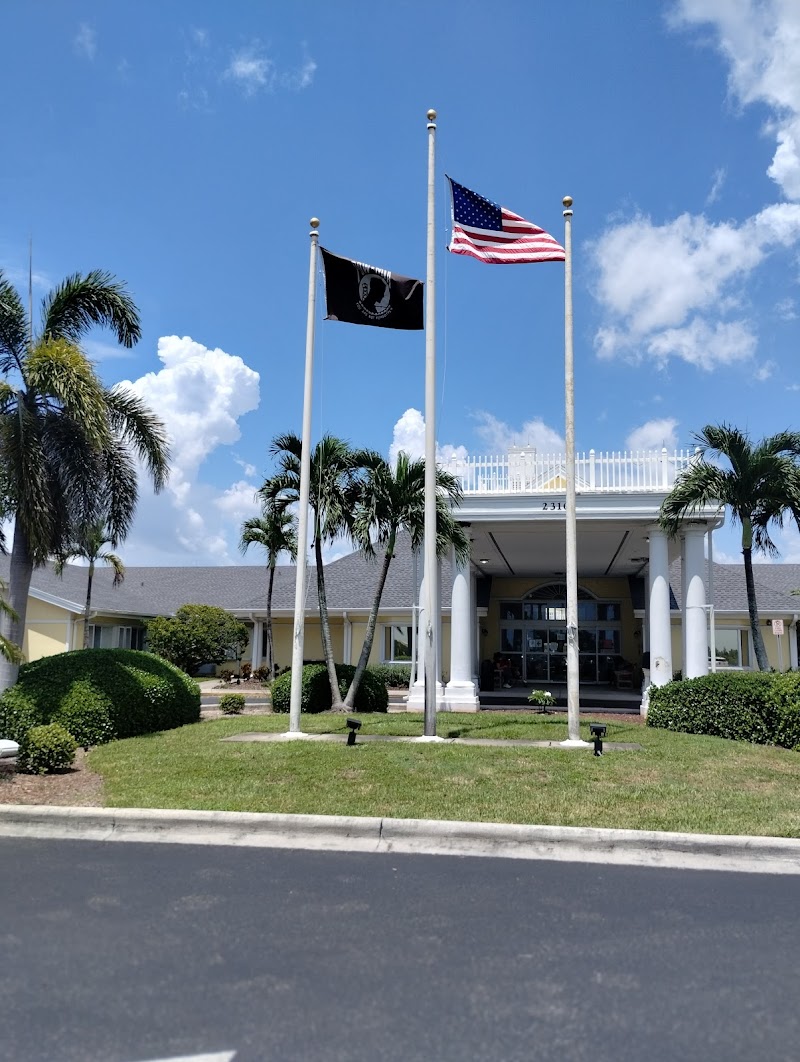
How is Page Rehabilitation And Healthcare Center Staffed?

CMS rates PAGE REHABILITATION AND HEALTHCARE CENTER's staffing level at 5 out of 5 stars, which is much above average compared to other nursing homes. Staff turnover is 34%, compared to the Florida average of 46%. This relatively stable workforce can support continuity of care.

What Have Inspectors Found at Page Rehabilitation And Healthcare Center?

State health inspectors documented 46 deficiencies at PAGE REHABILITATION AND HEALTHCARE CENTER during 2020 to 2025. These included: 5 Immediate Jeopardy (the most serious level, indicating potential for serious harm or death), 1 that caused actual resident harm, and 40 with potential for harm. Immediate Jeopardy findings are rare and represent the most serious regulatory concerns. They require immediate corrective action.
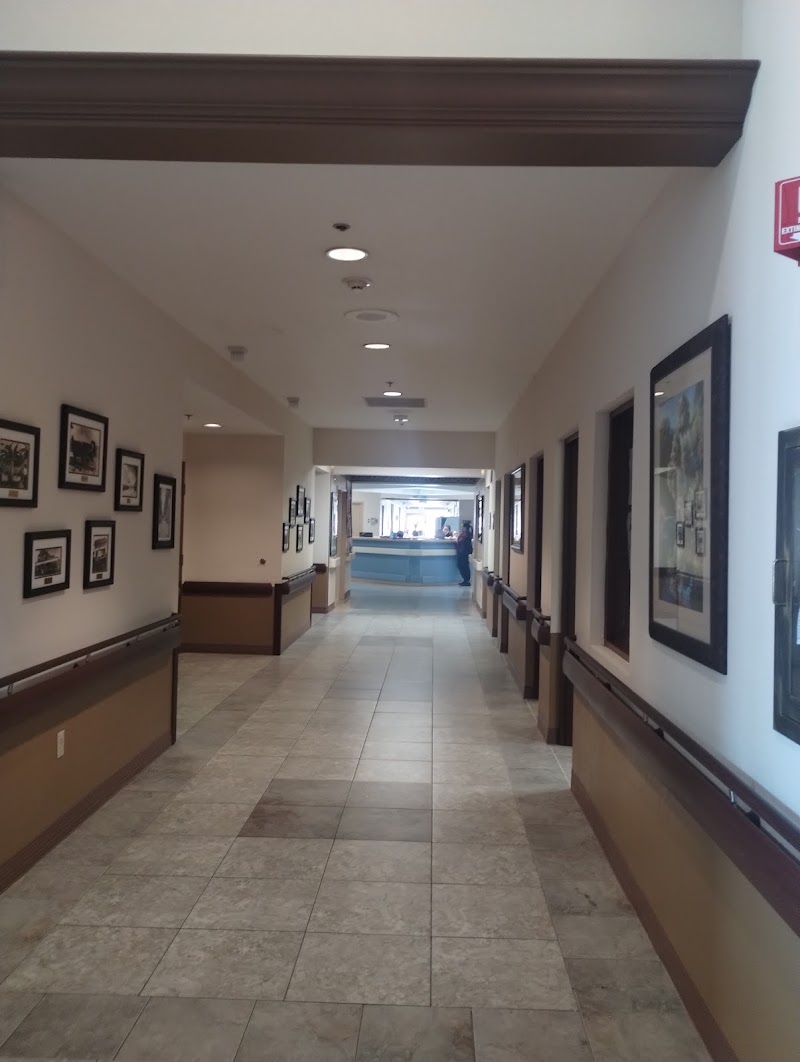
Who Owns and Operates Page Rehabilitation And Healthcare Center?

PAGE REHABILITATION AND HEALTHCARE CENTER is owned by a for-profit company. For-profit facilities operate as businesses with obligations to shareholders or private owners. The facility is operated by JONATHAN BLEIER, a chain that manages multiple nursing homes. With 180 certified beds and approximately 161 residents (about 89% occupancy), it is a mid-sized facility located in FORT MYERS, Florida.
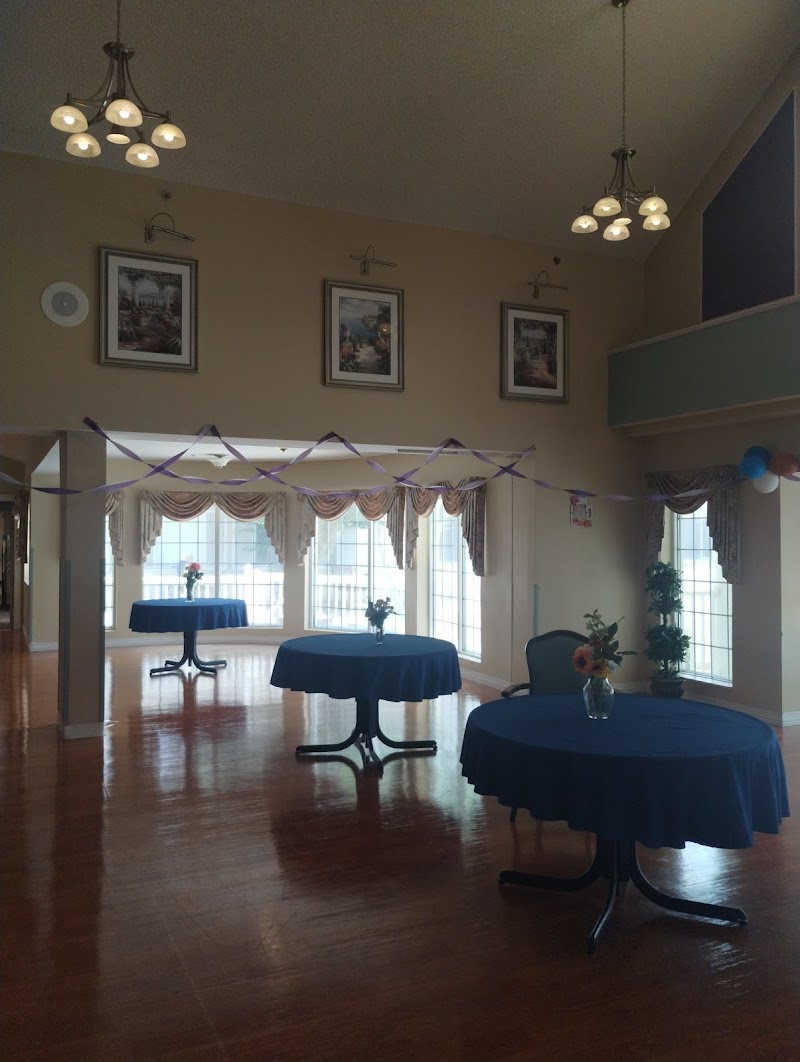
How Does Page Rehabilitation And Healthcare Center Compare to Other Florida Nursing Homes?

Compared to the 100 nursing homes in Florida, PAGE REHABILITATION AND HEALTHCARE CENTER's overall rating (2 stars) is below the state average of 3.2, staff turnover (34%) is significantly lower than the state average of 46%, and health inspection rating (1 stars) is much below the national benchmark.

What Should Families Ask When Visiting Page Rehabilitation And Healthcare Center?

Based on this facility's data, families visiting should ask: "What changes have been made since the serious inspection findings, and how are you preventing similar issues?" "What safeguards and monitoring systems are in place to protect residents from abuse or neglect?" "Can I visit during a mealtime to observe dining assistance and food quality?" "How do you handle medical emergencies, and what is your hospital transfer rate?" These questions are particularly relevant given the facility's Immediate Jeopardy citations and the substantiated abuse finding on record.

Is Page Rehabilitation And Healthcare Center Safe?

Based on CMS inspection data, PAGE REHABILITATION AND HEALTHCARE CENTER has documented safety concerns. The facility has 1 substantiated abuse finding (meaning confirmed case of resident harm by staff or other residents). Inspectors have issued 5 Immediate Jeopardy citations (the most serious violation level indicating risk of serious injury or death). The facility has a 2-star overall rating and ranks #100 of 100 nursing homes in Florida. Families considering this facility should ask detailed questions about what corrective actions have been taken since these incidents.

Do Nurses at Page Rehabilitation And Healthcare Center Stick Around?

PAGE REHABILITATION AND HEALTHCARE CENTER has a staff turnover rate of 34%, which is about average for Florida nursing homes (state average: 46%). Moderate turnover is common in nursing homes, but families should still ask about staff tenure and how the facility maintains care continuity when employees leave.

Was Page Rehabilitation And Healthcare Center Ever Fined?

PAGE REHABILITATION AND HEALTHCARE CENTER has been fined $195,442 across 2 penalty actions. This is 5.6x the Florida average of $35,033. Fines at this level are uncommon and typically indicate a pattern of serious deficiencies, repeated violations, or failure to correct problems promptly. CMS reserves penalties of this magnitude for facilities that pose significant, documented risk to resident health or safety. Families should request specific documentation of what issues led to these fines and what systemic changes have been implemented.

Is Page Rehabilitation And Healthcare Center on Any Federal Watch List?

PAGE REHABILITATION AND HEALTHCARE CENTER is not on any federal watch list. The most significant is the Special Focus Facility (SFF) program, which identifies the bottom 1% of nursing homes nationally based on persistent, serious quality problems. Not being on this list means the facility has avoided the pattern of deficiencies that triggers enhanced federal oversight. This is a positive indicator, though families should still review the facility's inspection history directly.