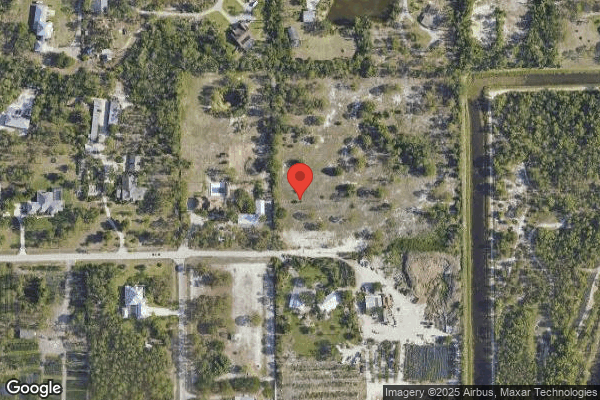
THE PRESERVE

14750 HOPE CENTER LOOP, FORT MYERS, FL 33912 (239) 574-0078
Non profit - Corporation 75 Beds Independent Data: November 2025
Trust Grade
70/100
#294 of 690 in FL
Last Inspection: November 2023

Within standard 12-15 month inspection cycle. Federal law requires annual inspections.

Overview

The Preserve in Fort Myers, Florida has a Trust Grade of B, which means it is a good choice but not without some concerns. Ranked #294 out of 690 facilities in Florida, it is in the top half, and locally, it stands at #7 out of 19 in Lee County, indicating only six options are better. The facility is improving, having reduced its issues from five in 2023 to one in 2025, which is encouraging. Staffing is a strength here, rated at 4 out of 5 stars with a turnover rate of 32%, lower than the state average, meaning staff are experienced and stable. However, the facility has been fined $25,155, which is concerning as it is higher than 79% of other Florida facilities, suggesting there have been compliance issues. While the facility offers good RN coverage, exceeding 75% of state facilities, there are significant weaknesses. For example, a resident developed a pressure ulcer due to the failure to implement necessary preventive measures, and there were issues with improper maintenance of urinary catheters for several residents, which could pose health risks. Additionally, documentation of grievances was found lacking, suggesting a need for improved communication and responsiveness to resident concerns. Overall, The Preserve has strengths in staffing and RN coverage but needs to address specific care and compliance issues.

Trust Score
B
70/100
In Florida
#294/690
Top 42%
Safety Record
Moderate
Needs review
Inspections
Getting Better
5 → 1 violations
Staff Stability
○ Average
32% turnover. Near Florida's 48% average. Typical for the industry.
Penalties
⚠ Watch
$25,155 in fines. Higher than 97% of Florida facilities. Major compliance failures.
Skilled Nurses
✓ Good
Each resident gets 67 minutes of Registered Nurse (RN) attention daily — more than 97% of Florida nursing homes. RNs are the most trained staff who catch health problems before they become serious.
Violations
○ Average
10 deficiencies on record. Average for a facility this size. Mostly minor or procedural issues.
★★★★☆
4.0
Overall Rating
★★★★☆
4.0
Staff Levels
★★★★☆
4.0
Care Quality
★★★★☆
4.0
Inspection Score
Stable
2023: 5 issues
2025: 1 issues

The Good

  • 4-Star Staffing Rating · Above-average nurse staffing levels
  • 4-Star Quality Measures · Strong clinical quality outcomes
  • Full Sprinkler Coverage · Fire safety systems throughout facility
  • No fines on record
  • Staff turnover below average (32%)

    16 points below Florida average of 48%

Facility shows strength in staffing levels, quality measures, fire safety.

The Bad

Staff Turnover: 32%

14pts below Florida avg (46%)

Typical for the industry

Federal Fines: $25,155

Below median ($33,413)

Moderate penalties - review what triggered them

The Ugly 10 deficiencies on record

1 actual harm
Jan 2025 1 deficiency
CONCERN (D) 📢 Someone Reported This

A family member, employee, or ombudsman was alarmed enough to file a formal complaint

Potential for Harm - no one hurt, but risky conditions existed

Grievances (Tag F0585)

Could have caused harm · This affected 1 resident

**NOTE- TERMS IN BRACKETS HAVE BEEN EDITED TO PROTECT CONFIDENTIALITY** Based on resident's family interview, staff interviews and record review the facility failed to ensure 1 (Resident #2) of 3 grie...

Read full inspector narrative →
**NOTE- TERMS IN BRACKETS HAVE BEEN EDITED TO PROTECT CONFIDENTIALITY** Based on resident's family interview, staff interviews and record review the facility failed to ensure 1 (Resident #2) of 3 grievances reviewed had documentation of the steps taken to investigate the grievance, a summary of the pertinent findings or conclusion regarding the complainant's concern(s), a statement as to whether the complaint was confirmed or not confirmed, and the complainant was given a summary of the pertinent findings or conclusions regarding their concern(s). The findings included: The facility's Grievance/Concern Policy dated 3/2010 and last revised 5/1/23 stated: 1. Residents, resident representative or other individual on the resident's behalf, have the right to file a grievance with the facility at any time, without fear of discrimination or reprisal. 2. A grievance may include those with respect to care and treatment which has been furnished as well as that which has not been furnished, . and other concerns regarding their stay. 3. Grievance can be filed verbally or in writing, using the Grievance/Concern Form. 4. Grievances can be submitted to the social worker, Executive Director/Residence Director, or any manager/supervisor. The facility will make prompt efforts to resolve grievances including but not limited to grievances from residents and/or family council. 5. Grievances will be routed and tracked by Grievance Officer/social services or designee. 6. The grievance will be responded to within 7 days , and the facility will notify the complainant to provide updates on resolution for the complaint. 7. The manager responsible for investigating and resolving the grievance will complete the Grievance/Concern Form, including a plan for resolution. 8. The complainant will be informed of the final outcome and resolution. All communication will be documented on the Grievance/Concern Form. 9. Individuals not satisfied with the resolution will be directed to the Executive Director or designee who will evaluate the outcome with the concerned party. 10. All forms to be reviewed by the Executive Director. 12. A file for grievances will be maintained by the Grievance Official/social services/Residence Director or designee. 13. Grievance Official will utilize a tracking system of all complaints to ensure proper follow-up. On 1/16/25 a review of Resident #2's medical record revealed the resident was admitted from the hospital on 9/19/24 for short term rehabilitation before returning home. A nursing progress note dated 10/19/24 stated Resident #2 was discharged home accompanied by her husband and daughter. Discharge instructions were given and explained, and they voiced understanding. All belongings were taken, and prescriptions were given to the resident at the time of discharge. No questions or concerns were voiced by the resident and/or family at that time. A nursing progress note written 10/22/24 by Staff A LPN (Licensed Practical Nurse), Nursing Supervisor said he and Social Service (SS) had called Resident #2's daughter because she had called the receptionist about concerns she had about her mother's discharge from the facility on 10/19/24. The daughter sounded upset questing why she did not receive a call back about her mother being discharged with a distended bladder, an elevated [NAME] Blood Count (WBC) and stating her mother had received the wrong medications prior to her discharge on [DATE]. Staff A LPN wrote they tried to explain the discharge process to the daughter, but she became very loud and ended the conversation very abruptly. Review of Resident #2's medical record and the facility's Grievance log noted no documentation, Staff A had reported Resident #2's daughter concerns to the Director of Nursing and/or the Social Service Director (SSD) and/or conducted an investigation into the concerns reported by Resident #2's daughter. On 1/16/25 at 10:35 a.m., in an interview with the SSD, she said when a resident, family or visitor had a grievance/concern, and they informed staff of the grievance/concern they were required to address the grievance/concern at that time. If the grievance/concern could not be addressed, they were required to inform the supervisor and/or the SSD. She then would explain the facility's Grievance/Concern Policy to the complainant and have the complainant fill out a Grievance/Comment/Concern Form (GCCF). She then would give the GCCF to the appropriate department head to do the investigation and return to her with their findings. She said the grievance/concern would be responded to within 7 days. The facility would notify the complainant to provide an update of resolution for the complaint. The SSD confirmed Staff A LPN had written on 10/22/24 in Resident #2's medical record, Resident #2's daughter had concerns related to Resident #2's discharge from the facility on 10/19/23. She said Resident #2's daughter's concerns were not listed on the Grievance log and she had no documentation Resident #2's daughter concerns were investigated as required by their Grievance/Concern policy. On 1/16/24 at 10:40 a.m., in an interview the Director of Nursing (DON), said on 10/21/24 he was told during the morning meeting, Resident #2's daughter was on the phone and wanted to talk with him. He said he spoke to Resident #2's daughter, who was upset no one had called her back, about her concerns related to her mother's discharge on [DATE]. She told him about her mother being discharged with a distended bladder, an elevated WBC and that her mother had received the wrong medications prior to her discharge on [DATE]. He said he conducted an investigation into Resident #2's daughter's concerns to include interviewing the discharge nurse and a review of Resident #2's medical record and determined the allegations were unfounded. The DON said he did not document his investigation or call Resident #2's daughter with an update on the resolution for the complaint as noted in the facility's Grievance/Concern Policy. On 1/16/25 at 11:51 a.m., in an interview with Executive Director (ED), she said when a staff member received a complaint/grievance/concern which could not be addressed at that time, they were required to document the complaint and tell the SSD about the grievance/concern at that time. The SSD then would follow their Grievance/Concern Policy and at the end of the month she would review the grievance/concerns for that month to ensure they were completed as per their grievance/concern policy. The ED said she was not informed of Resident #2's daughter's concerns related to her mother's discharge form their facility on 10/19/24 as required in their grievance policy.
Nov 2023 3 deficiencies
CONCERN (D)

Potential for Harm - no one hurt, but risky conditions existed

Quality of Care (Tag F0684)

Could have caused harm · This affected 1 resident

Based on observation, interviews, record review, and facility policy review, the facility failed to accurately transcribe medication orders upon admission for 1 (Resident #118) of 6 residents reviewed...

Read full inspector narrative →
Based on observation, interviews, record review, and facility policy review, the facility failed to accurately transcribe medication orders upon admission for 1 (Resident #118) of 6 residents reviewed for physicians orders. The findings included: Review of the facility policy titled admission Orders dated 5/2022, revealed specification: 1) The facility will receive a medication list/reconciliation and required documentation prior to/or upon arrival of the resident to the facility. 2) A licensed nurse will review the medication reconciliation with the designated Primary Physician and /or Practitioner via telephone or verbally via face-to-face encounter. 3) The licensed nurse will document all correspondence and new orders in the Electronic Health Record (EHR). 4) The licensed nurse will transcribe all physician and/or practitioner's orders in the EHR. Review of Resident #118 clinical record revealed an admission date of 11/9/23 from an Assisted Living Facility (ALF). Diagnoses included malignant lung cancer, metastasis (spread to) bone and liver. Resident #118 was receiving hospice services. The admitting Physician's orders from the ALF dated 11/7/23 included to administer oxycodone 10 milligrams (mg) routinely every 4 hours for pain. On 11/13/23 at 9:20 a.m., in an interview Resident #118 said her pain medications were messed up over the weekend on admission. She said she did not receive the oxycodone 10 mg routinely every four hours. A review of Resident #118 Medication Administration Record (MAR) for November 2023 noted a physician's order for oxycodone 5 mg give two tablets (10 mg) by mouth every 4 hours as needed for pain. The MAR did not list the oxycodone 10 mg every four hours noted in the admitting orders. On 11/15/23 at 10:50 a.m., in an interview the hospice nurse said the admitting orders were transcribed incorrectly upon admission to the skilled nursing facility. She said Resident #118 should have been given oxycodone 10 mg every four hours around the clock, and not as needed. On 11/15/23 at 11:45 a.m., the Interim Director of Nursing said Licensed Practical Nurse (LPN) Staff C was the admitting nurse and transcribed the physician order for oxycodone 10 mg every four hours incorrectly. On 11/15/23 at 2:20 p.m., in an interview LPN Staff C verified she transcribed the admitting orders on 11/9/23. She verified she misread the order for the oxycodone 10 mg. She said she entered the order to read oxycodone 10 mg every four hours as needed, instead of oxycodone 10 mg every four hours routinely.
CONCERN (D)

Potential for Harm - no one hurt, but risky conditions existed

Deficiency F0697 (Tag F0697)

Could have caused harm · This affected 1 resident

Based on observation, interviews, record review, and facility policy review, the facility failed to accurately transcribe physician's admitting pain medication orders on admission, resulting in ineffe...

Read full inspector narrative →
Based on observation, interviews, record review, and facility policy review, the facility failed to accurately transcribe physician's admitting pain medication orders on admission, resulting in ineffective pain control for 1 (Resident #118) of 6 residents sampled for accuracy of physician's orders. The findings included: Review of a facility policy titled admission Orders dated 5/2022 revealed specification: 1) The facility will receive a medication list/reconciliation and required documentation prior to/or upon arrival of the resident to the facility. 2) A licensed nurse will review the medication reconciliation with the designated Primary Physician and /or Practitioner via telephone or verbally via face-to-face encounter. 3) The licensed nurse will document all correspondence and new orders in the Electronic Health Record (EHR). 4) The licensed nurse will transcribe all physician and/or practitioner's orders in the EHR. On 11/13/2023 at 9:16 a.m., observed Resident #118 in bed. The resident's eyes were closed. The resident appeared restless, moving her head back and forth and repositioning herself constantly in the bed. The resident also had facial grimacing. On 11/13/23 at 9:20 a.m., in an interview Resident #118 said she was in pain. She said her pain medication was messed up this weekend when she was admitted to the facility. A review of Resident #118's MAR shows pain assessments with pain from levels 6 to 8 (out of 10) over the weekend. Review of Resident #118's clinical record revealed an admission date of 11/9/23 from an Assisted Living Facility. Resident #118 was receiving hospice services. Diagnoses included malignant neoplasm (abnormal growth) of lung, metastasis (spread to) bone and liver. The admitting Physician's orders from the ALF dated 11/7/23 included to administer oxycodone 10 milligrams (mg) routinely every 4 hours for pain. A review of Resident #118 Medication Administration Record (MAR) for November 2023 noted a physician's order for oxycodone 5 mg give two tablets (10 mg) by mouth every 4 hours as needed for pain. The MAR did not list the oxycodone 10 mg every four hours noted in the admitting orders. The MAR noted the resident's pain level was a 4 (on a zero to 10 scale) during the morning shift on 11/11/23, 11/12/23, 11/13/23 and 11/14/23. There was no documentation the resident received the oxycodone 10 mg routinely on these days. On 11/14/23 at 6:54 p.m., the MAR showed documentation the resident received oxycodone 5 mg one tablet for a pain level of 4. During an interview on 11/15/23 at 10:50 a.m. the hospice nurse reviewed and acknowledged the MAR report has oxycodone 10 mg every 4 hours as needed was incorrect. During an interview on 11/15/23 at 11:45 a.m., Interim DON acknowledged Resident #118's pain medication were transcribed into the MAR incorrectly by LPN Staff C. During an interview on 11/15/23 at 2:20 p.m. LPN Staff C acknowledged she was the nurse that entered the admission orders for Resident #118. She reviewed the admission orders and acknowledged she transcribed them incorrectly.
CONCERN (D)

Potential for Harm - no one hurt, but risky conditions existed

Unnecessary Medications (Tag F0759)

Could have caused harm · This affected 1 resident

Based on observations, record reviews, interviews, and facility policy review, the facility failed to ensure the medication error rate was less than 5%. This was evidenced by two medication errors out...

Read full inspector narrative →
Based on observations, record reviews, interviews, and facility policy review, the facility failed to ensure the medication error rate was less than 5%. This was evidenced by two medication errors out of 26 opportunities, resulting in a medication error rate of 7.69%. The findings included: Review of facility policy 483.45 Pharmacy Services, Medication Errors, revision date 10/2023. Policy Interpretation and Implementation #6. Examples of Medication Failure to follow manufacturer instructions and/or accepted professional standards (e.g., failure to shake medication that is labeled shake well, crushing a medication on the do not crush list without an order) 1. On 11/15/23 at 9:28 a.m., Staff A Registered Nurse (RN) was observed preparing to give medications to Resident # 24, including Myrbetriq (used to treat overactive bladder). Staff A crushed all the medications, mixed them with chocolate pudding and gave them to the resident. The Myrbetriq label specified do not crush or chew. Swallow whole. On 11/15/23 at 9:31a.m., Staff A said she was not aware the card said do not crush/chew the Myrbetriq. She said she had not read that on the label. 2. On 11/15/23 at 8:52 a.m., Staff B (RN) was observed preparing to give medications to Resident #9, including Divaloprex (used to treat mood disorders). Staff B crushed all the medications, mixed them with applesauce and gave them to the resident. The Divaloprex label specified do not crush or chew. Swallow whole. On 11/15/23 at 8:58 a.m., Staff B said he was aware it was not supposed to be crushed, but she was on a mechanical soft diet. He said he was not aware if the doctor was advised of this. On 11/15/23 at 10:31 a.m., the Interim Nurse Consultant said if a medication needs to be crushed, it needs to be documented and physicians order was needed to go against the manufacturers guidelines. She agreed there was no order to crush the Myrbetriq for Resident #24 or to crush the Divaloprex for Resident #9. The Interim Nurse Consultant provided the Medications not to be crushed list which included Divaloprex and Myrbetriq as medications not to be crushed.
May 2023 2 deficiencies 1 Harm
SERIOUS (G) 📢 Someone Reported This

A family member, employee, or ombudsman was alarmed enough to file a formal complaint

Actual Harm - a resident was hurt due to facility failures

Pressure Ulcer Prevention (Tag F0686)

A resident was harmed · This affected 1 resident

**NOTE- TERMS IN BRACKETS HAVE BEEN EDITED TO PROTECT CONFIDENTIALITY** Based on record review, review of facility's policies and procedures, and interview the facility failed to ensure ongoing skin a...

Read full inspector narrative →
**NOTE- TERMS IN BRACKETS HAVE BEEN EDITED TO PROTECT CONFIDENTIALITY** Based on record review, review of facility's policies and procedures, and interview the facility failed to ensure ongoing skin assessment and implementation of necessary preventive measures to prevent the development of pressure ulcers for 1 (Resident #1) of 4 sampled residents who developed a pressure ulcer at the facility. The findings included: The facility's policy and procedure for prevention and treatment of skin breakdown with a revised date of 7/2018 noted, It is the policy of Volunteers of America to properly identify and assess residents whose clinical conditions increase the risk for impaired skin integrity, and pressure ulcers; to implement preventative measures; and to provide the appropriate treatment modalities for wounds according to industry standards of care . If a resident is admitted with or there is a new development of a pressure ulcer or lower extremity ulcer the following procedure is to be implemented: Notify Physician/PA (Physician Assistant)/CNP (Certified Nurse Practitioner) and Resident and/or Resident Representative . Notify Supervisor/Designee as assigned . Re-evaluate interventions per risk factors identified . Update the residents individualized care plan for Skin Integrity and nursing assistant [NAME] with any skin concern. Review of the clinical record for Resident #1 revealed an admission date of 10/18/22 with diagnoses including quadriplegia (paralysis of all four limbs). The admission Minimum Data Set (MDS) Assessment with an assessment reference date of 10/25/22 noted the resident's cognition was intact with a Brief Interview for Mental Status of 15. The resident's skin was intact. Resident #1 required the physical assistance of one person for activities of daily living. Review of the progress notes revealed on 4/6/23 at 8:00 a.m., Resident #1 complained of pain to the right thigh and was treated with Tylenol. The resident's right knee and both his feet were swollen. The resident stated two nights ago when the night shift Certified Nursing Assistant was getting him ready, his right knee bumped the right side of the bed. Review of the facility's investigation revealed an X-Ray obtained on 4/6/23 showed an acute appearing fracture of the distal femur (thigh bone). On 4/6/23 the physician issued an order to apply an immobilizer to the right knee. The order specified staff may remove the immobilizer for hygiene and skin check every day and night shift. On 4/8/23 Resident #1 was transferred to the local hospital for complaint of worsening of leg pain and right ankle swelling. The resident was diagnosed with an acute fracture of the right ankle. Resident #1 returned to the facility on 4/11/23 with orders for a right knee immobilizer and a Controlled Ankle Motion (CAM) boot to the right ankle (removable orthopedic boot prescribed for treatment and stabilization of fractures). The physician's orders dated 4/11/23 specified to apply the CAM boot and right knee immobilizer to the right lower extremity at all times and may remove to check skin integrity and for hygiene every shift. On 4/19/23 Physical Therapist Staff A documented she performed a skin inspections of the resident's bilateral lower extremities and noted slight redness on the bony prominences. She documented she adjusted the knee immobilizer and boot for proper fit and to prevent increased pressure. She discussed the findings with the nursing staff. The clinical record lacked documentation of a nursing assessment of the redness reported by Physical Therapist Staff E. There was no documentation in the clinical record the physician was notified of the redness to the bony prominences for additional interventions as necessary. Further review of documentation in the clinical record revealed on 4/24/23 Registered Nurse (RN) Staff B noted the CAM boot overlapped the immobilizer from the right knee (mid-thigh to lower leg). RN Staff B, the Assistant Director of Nursing and the evening supervisor completed a skin assessment of the resident's right leg which revealed a deep tissue injury (purple or maroon area of discolored intact skin due to damage of underlying soft tissue) to the right shin measuring 11 centimeters (cm) in length by 1.2 cm (width), a deep tissue injury to the right lateral leg measuring 3.0 cm (length) by 7.0 cm (width), a deep tissue injury of the right great toe measuring 1.0 cm (length) by 1.0 cm (width), a deep tissue injury to the sole of the right foot measuring 1.2 cm (length) by 0.8 cm (width), a deep tissue injury of the right heel measuring 4.0 cm (length) by 5.0 cm (width). On 4/25/23 the wound care physician assessed the resident's right leg and documented in a progress note an unstageable deep tissue injury of the right shin, right calf, right plantar (sole of foot), right first toe, right heel, right dorsal second toe, right lateral knee, and the right thigh. The wound care physician documented, Multiple wounds. Wound details included multiple right leg pressure possible arterial wounds are noted. If wounds are pressure related from long extremity immobilizing brace or cam boot, the injuries can occur over a short time span (from 4 to 6 hours). The injuries can occur while asleep. Even with vigilant survey and evaluation of the skin under the brace it can rapidly cause injury between nurse evaluations. The only way to completely ensure that no pressure injuries occur is to remove the brace which is usually discouraged by the primary surgeon. This was discussed with the staff and also arterial studies will be recommended to determine if there may be an underlying disease that hastened this process. The Arterial Ultrasound of the right lower extremity dated 4/26/23 noted, Occlusion disease of the superficial femoral artery reconstitution of the popliteal artery occlusion distally. On 4/26/23 Resident #1's wounds were assessed by an orthopedic physician who issued an order to discontinue the CAM boot and immobilizer, and for the nurses to check the right leg to monitor for pressure sores twice a day. Review of the facility's investigation related to the new multiple pressure areas of the resident's right leg revealed: On 4/19/23 Licensed Practical Nurse Staff C who worked the night shift (7:00 p.m., to 7:00 a.m.) signed on the Medication Administration Record she completed a skin check for Resident #1. The nurse said she did not check the resident's right leg and interpreted the order as, If I need to check the skin for any reason, I may remove the immobilizer. On 4/20/23 agency LPN D worked the night shift (7:00 p.m., to 7:00 a.m.). She checked the order on the Treatment Administration Record (TAR) acknowledging the order that she may remove the immobilizer and CAM boot. She said she felt no reason to remove the immobilizer or CAM boot to check the resident's skin since the day shift nurse did not mention any issues and the resident was restful that night. On 4/21/23 LPN Staff E who worked the day shift (7:00 a.m., to 7:00 p.m.) admitted she did not remove the immobilizer nor the CAM boot to check Resident #1's skin integrity. She said she signed the TAR with the understanding she may remove the immobilizer and CAM boot, but the resident was sound asleep, and she did not want to interfere with his sleep. She said she was not made aware of any skin issues to the resident's right leg. On 4/21/23 LPN Staff F who worked with Resident #1 said she received report from the outgoing agency nurse that day who told her the resident had a new reddened area on the back of his leg. She did not know if the agency nurse checked Resident #1 or not. She said she took off the CAM boot and noticed slight redness to the back of the leg, slight reddened area to the right shin. LPN staff F said she placed ordered powder to the back of the leg and rubbed powder to the reddened area to the right shin. The nurse documented a late entry that read, around 10-1030 am resident treatment was applied to both lower extremities . and resident stated to me that he has an area on the back side of his right leg, this nurse lift [sic] his right leg up as much as he can tolerate and observed small upper area, this nurse applied nystatin (antifungal) to the area. resident stated to me . can you take a picture from your phone and send it to my wife . The clinical record lacked documentation of an RN assessment of the areas of concern observed to the resident's right leg. There was no documentation the physician was notified of the abnormal skin findings. Review of the Resident Assessment Instrument (RAI) Manual instructions for unstageable pressure injuries related to deep tissue injury revealed, Planning for Care. Deep tissue injury requires vigilant monitoring because of the potential for rapid deterioration. Such monitoring should be reflected in the care plan . Clearly document assessment findings in the resident's medical record, and track and document appropriate wound care planning and management. On 5/31/23 at 2:45 p.m., the Director of Nursing said every effort was being made to ensure similar incidents don't happen. She provided documentation of an ad HOC Quality Assurance and Performance Improvement Plan held on 4/28/23. The facility opened a Performance Improvement Project for pressure related skin preventions on 4/25/23. She provided a copy of the immediate actions implemented by the facility related to Resident #1's pressure ulcers, including education to the nurses with a document titled, What are the Major Causes of Medical Device-Related Pressure Injury (MDRPI)? Cast and Splints. The document read, Casts and splints are major causes of medical device-related pressure injuries. There are 2 main factors for this: 1. When the order states that the device must not be removed, or MAY be removed. 2. When clinicians are worried about their competency to remove a splint and replace it correctly. For a splint that can be removed fully, take care to note how it is placed before removing it (take a photograph if necessary). Knowing how the splint is meant to function will help to ascertain correct positioning. If a problem is identified, discuss with colleagues how to address the issue . Offloading boots need to be removed during repositioning, and the skin must be checked before replacing the boots after repositioning. Conclusion. The prevention of medical device-related pressure injuries is very much the responsibility of the whole health care team . staff need to feel competent and confident to manage devices needed for patient care and treatment. We need to protect the patient and the skin they are in. Devices that are removable must be removed and checked for skin concerns every shift. On 5/31/23 review of the in-service sign in sheet dated 4/26/23 for Skin assessment/skin issue reporting showed three of the 20 nurses, and nine of the 43 CNAs employed at the facility attended the in-service. The In-Service sign in sheet dated 4/25/23 for Reporting changes in skin condition during care. Wound care prevention protocol showed one nurse and 18 CNAs attended the in-service.
CONCERN (D) 📢 Someone Reported This

A family member, employee, or ombudsman was alarmed enough to file a formal complaint

Potential for Harm - no one hurt, but risky conditions existed

Quality of Care (Tag F0684)

Could have caused harm · This affected 1 resident

**NOTE- TERMS IN BRACKETS HAVE BEEN EDITED TO PROTECT CONFIDENTIALITY** Based on interviews, medical record review, and facility policy review, the facility failed to ensure 1 (Resident #10) of 3 resi...

Read full inspector narrative →
**NOTE- TERMS IN BRACKETS HAVE BEEN EDITED TO PROTECT CONFIDENTIALITY** Based on interviews, medical record review, and facility policy review, the facility failed to ensure 1 (Resident #10) of 3 residents with a wound/surgical site, received treatment and care in accordance with professional standards to ensure when a change in a wound/surgical site was identified the resident's primary care physician, the Interdisciplinary Team, and/or the resident representative were notified of any changes in skin integrity. The findings included: The facility's policy for Body Audit with an effective date of 2010 and a revised date of 11/22/2022 stated a body audit would be completed on admission and weekly for all residents to identify any alterations in skin integrity. The Licensed Nurse would complete a head-to-toe inspection of the skin with notation of any new alteration in skin condition on the electronic medical record. The Licensed Nurse would proceed forward per policy if a change in the resident's skin condition was noted. They would communicate to Interdisciplinary Team, Physician/Physician Assistant (PA)/Certified Nurse Practitioner (CNP) and resident representative any changes in skin integrity. The facility's job description for Wound Care Nurse and Infection Preventionist stated The primary purpose of the Wound Care Nurse and Infection Prevention is to develop, implement, monitor and supervise the restorative nursing philosophy. Under the essential functions tab, they were required to direct and oversee day-to-day functions of the nursing staff and nursing manager to ensure compliance with current rules, regulations, and guidelines. They were to assess, evaluate and report on each resident having wounds and injuries, for infections or other illness factors that cause wounds and to ensure optimum patient care delivery in wound care nursing procedures. Review of Resident #40's clinical record revealed the most recent admission date of 4/21/23 with admission diagnoses of but not limited to venous insufficiency, congestive heart failure, immunocompromised, abrasion, multiple open wounds of lower legs, and leg wound. Hospital discharge instructions dated 4/21/23 noted surgical wound service recommended to daily cover wounds on the right and left knees with single layer of Adaptic oil emulsion gauze, cover with hydrogel wound gel-moistened gauze fluffs and follow with abdominal pad then wrap lightly with rolled kerlix gauze to keep the dressings in place. Additional instructions were to apply Bactroban and Santyl ointment and follow with dry gauze, daily to the wound on the right lateral ankle; can be wrapped with kerlix rolled gauze to keep the dressing in place. A physician order dated 4/21/23 and discontinued on 4/28/23 for Gentamicin Sulfate external ointment 0.1% apply topically in the morning for infection and Mupirocin external ointment 2%, apply topically in the morning was also noted. On 4/28/23 the wound care orders were updated for Gentamicin Sulfate external ointment 0.1% apply topically in the morning for infection, cleanse with normal saline (NS), then apply Gentamicin and mupirocin to wound bed, cover with Adaptic then ABD (abdominal) pad, and wrap with kerlix; and Mupirocin external ointment 2% apply topically in the morning for infection to right and left lower leg, cleanse with NS then apply Gentamicin and mupirocin to wound bed, cover with Adaptic then ABD pad, and wrap with kerlix then ace wraps. Review of the Physician progress notes dated 4/25/23 at 10:38 a.m. noted Resident #10 underwent excisional debridement of left leg and left leg excisional debridement into the bone, with graft application of myriad wound graft application of myriad morsels to left leg for a large hematoma of right lower extremity (RLE) and laceration of left lower extremity (LLE) with (name of physician) (surgical wound care physician) on 4/13/23. On 4/26/23, Resident #10 had during an appointment at the wound care clinic, the surgical wound care physician wrote good uptake of the right lower extremity graft myriad, skin with good uptake myriad xenograft right lower extremity left knee medial superficial abrasion laceration mild necrosis to the wound bed. Under the Assessment/Plan section of the progress note, the wound care physician wrote: 1) hematoma of right lower leg, status post myriad graft 12 days ago. Staples removed in the office. Good uptake of graft. Bactroban, gentamicin, Adaptic gauze, and Ace. 2) abrasion of skin of left lower leg Bactroban, gentamicin, Adaptic, Ace. Return to clinic on 5/17/23. Review of the Nursing Weekly Skin Check form dated 4/28/23 by the Assistant Director of Nursing (ADON) documented: left knee abrasion 6 x 2.5 x 0.1 cm (centimeters) with epithelial and granulation tissue with scant serosanguinous drainage. The right lower leg wound was described as 10.5 x 8.5 x N/A cm with graft that was intact, well approximated, and pink in color with bruising in the surrounding area. The right ankle was described as 6.5 x 1 x N/A cm with dried fibrinous scab with no drainage. Review of the Nursing Weekly Skin Check form dated 5/3/23 by Staff H License Practical Nurse (LPN) documented Resident #10 had a skin graft to right lower leg, skin graft was intact, pink in color and well approximated with no sign of infection. Treatment was in place and a dressing was applied. A dry scab was observed to the right outer ankle. An abrasion to left knee with no sign or symptom of infection, but with slight serosanguineous drainage. Epithelial and granulation tissue were present. Treatment in place and covered with ABD pad and wrapped with kerlix then ace wrap. Nursing Weekly Skin Check form dated 5/11/23 by Staff H LPN documented Resident #10's wound to right leg was pink in color and the dermis layer was exposed. There were no signs or symptoms of infection noted. A treatment was in place and a dressing was applied. A dry scab to right outer ankle was observed and an abrasion to left knee with no signs or symptoms of infection, slight serosanguineous drainage noted. Epithelial and granulation tissue were present. A treatment was in place and covered with ABD pad and wrapped with kerlix then Ace wrap. On 5/17/23 Resident #10 had an appointment at the wound care clinic. The wound care physician wrote status post myriad graft to right medial leg approximately 1 month ago. She currently resides in the nursing home with dressings. Bactroban, gentamicin, Adaptic daily. Currently there is no evidence of graft and bone is exposed, and the patient is very tender there. The daughter is concerned about the change in the patient's mentation as well. Direct admit to (name of hospital). On 5/26/23 at 10:40 a.m., the ADON said she was the Wound Care Nurse for the facility until the newly hired Wound Care Nurse became fully trained. She confirmed she had conducted Resident #10's weekly body audit and had written on the Nursing Weekly Skin Check form Resident #10 right lower leg skin graft was intact, well approximated and pink in color. The ADON said she was unaware Resident #10's right lower leg skin graft was missing until 5/17/23 when Resident #10's wound care physician discovered the skin graft was missing during the wound care appointment. She said the Director of Nursing (DON) started an investigation to determine when Resident #10's skin graft went missing. On 5/26/23 at 12:32 p.m., in an interview with Staff I RN (Registered Nurse), she said Resident #10's daily lower legs dressing changes were scheduled for 6:00 a.m. in the morning. She said Resident #10 wound refuse the dressing change to right leg, so she never observed the surgical wound to the right leg for a long time. She said she didn't remember when she first observed Resident #10's right leg surgical wound, but she remembered, it did not look good. She said when Resident #10 allowed her to do the dressing change to the right leg she didn't remember seeing a skin graft to the right leg wound site. She said she did not document Resident #10 had refused the daily wound care dressing to the right leg wound surgical site. On 5/26/23 at 3:37 p.m., in an interview with the DON and ADON, they said Staff H had completed Resident #10's Weekly Skin Check on 5/3/23 and 5/11/23. They confirmed the Weekly Skin Check dated 5/3/23 stated the skin graft was intact to the right lower leg, pink in color and well approximated. They also confirmed on the 5/11/23 note, Staff H wrote Resident #10's wound to right leg is pink in color and the dermis layer was exposed. On 5/26/23 at 4:19 p.m., in an interview with Staff H, she confirmed she had completed Resident #10's Weekly Skin Check on 5/3/23 and 5/11/23. She said when she did the skin audit on 5/3/23 and daily wound care treatments Resident #10's right leg skin graft was intact. Staff H also stated when she did the weekly skin check audit on 5/11/23, she noted the right leg skin graft was missing and she informed the day shift nurse of the missing skin graft and to inform the ADON of the missing skin graft, because the day shift nurse was the Wound Care Nurse. She said she remembered Resident #10 telling her one of the nursing staff did not change the dressing to her legs but didn't remember the dates. On 5/30/23 at 1:38 p.m., in an interview with the DON and ADON, they confirmed Resident #10 was admitted to the facility on [DATE] with a wound to her both lower legs and a skin graft to the right lower leg. They both said they observed the right lower leg skin graft on 4/28/23 and it was intact, well approximated, and was pink in color. They confirmed Staff H documented on 5/3/23 the right lower leg skin graft was present during the weekly skin audit but documented on 5/11/23 the right leg skin graft was not present. During the interview, the DON said the facility was unaware until 5/17/23 when Resident #10's daughter told them, when the wound care clinic physician had removed the dressing to Resident #10's right leg dressing the skin graft was missing. The daughter reported to the facility due to the skin graft being missing and other complications, Resident #10 was sent to the hospital for evaluation and treatment. The DON said after talking with Resident #10's daughter she started the investigation into when Resident #10's skin graft went missing and to determine which staff were involved. She said as of the time of the interview, she had not completed the investigation to determine who was involved or when the skin graft went missing. On 5/31/23 at 10:25 a.m., in an interview with the facility's Medical Director said, he said when there was a change in a resident's condition which would have included wound observation, the nursing staff were required to call the resident's primary care physician and document their findings and any new physician order(s). He said if the nursing staff were unable to follow a physician order for any reason, they were required to inform administration and the resident's primary care physician to determine what interventions needed to be taken. He said he did not become aware of Resident #10's missing skin graft until 5/17/23 but would expect when the skin graft was first observed missing the nursing staff would have informed the resident's physician of the missing skin graft to determine the next course of action. On 5/31/23 at 2:11 p.m., in an interview with the DON, she said after a review of Resident #10's medical record, the right leg skin graft went missing sometime after 5/8/23. She said she was unable to find documentation the nursing staff had informed Resident #10's primary care physician and/or administration when Resident #10's had refused her lower legs dressing changes and when Resident #10's skin graft was observed not attached to the right leg surgical site. She said the nursing staff did not inform the Interdisciplinary Team, Physician/PA/CNP and resident representative of any changes in skin integrity as noted in the facility's policies and standard of care as required.
Feb 2022 4 deficiencies
CONCERN (D)

Potential for Harm - no one hurt, but risky conditions existed

Assessment Accuracy (Tag F0641)

Could have caused harm · This affected 1 resident

Based on clinical record review and staff interview, the facility failed to ensure the MDS (Minimum Data Set) assessment accurately reflected the resident status for 2 (Resident #21 and #45) of 2 samp...

Read full inspector narrative →
Based on clinical record review and staff interview, the facility failed to ensure the MDS (Minimum Data Set) assessment accurately reflected the resident status for 2 (Resident #21 and #45) of 2 sampled residents reviewed for vision and behavior. Inaccurate MDS assessments can result in a resident not receiving appropriate health care. The finding included: 1. Review of the clinical record for Resident #21 revealed an admission date of 6/9/21. The admission Minimum Data (MDS) assessment with an assessment reference (ARD) date of 6/16/21 noted the resident's vision was highly impaired (Object identification in question, but eyes appear to follow object), and used corrective lenses. The Quarterly MDS assessment with an ARD date of 9/16/21 noted the resident did not use corrective lenses and her vision was adequate (sees fine detail, such as regular print in newspapers/books). The Quarterly MDS assessment with an ARD date of 12/17/21 and the significant change in status MDS assessment with an ARD date of 1/28/22 noted Resident #21 used corrective lenses and her vision was adequate. Review of the hospice documentation dated 4/15/21 showed Resident #21's diagnoses included macular degeneration (Eye disease that causes vision loss). On 2/14/22 at 3:44 p.m., in an interview Resident # 21 said her eyes are not that good and she did not wear glasses. On 2/16/22 at 12:20 p.m., in an interview, the Life Enrichment Director said she performed the vision assessment for Resident #21 and coded the MDS of 9/16/21, 12/17/21 and 1/28/22. She said Resident #21's vision was impaired at the time of admission. On 2/16/22 at 12:54 p.m., the Life Enrichment Director said she called Resident #21's sister and verified the resident never owned corrective lenses. The Life Enrichment Director confirmed the Resident's vision and use of corrective lenses were coded incorrectly in the MDS assessments of 9/16/21, 12/17/21 and 1/28/22. 2. Review of Resident #45's clinical record revealed a Social Service note dated 1/25/22 at 3:17 p.m., that read, . Threats to harm self . Resident displaying aggression towards staff, screaming out, and verbalizing desire and plan to die . Psychiatrist initiated baker act [Emergency involuntary psychiatric admission and mental health examination Request for a person who cannot or will not request help for themselves]. Resident #45 was transported to an acute care hospital. On 1/29/22 a nursing progress note indicated Resident #45 returned to the facility. A progress note dated 1/30/22 at 10:54 a.m., read, Patient aggressive towards nurse and staff has been refusing to cooperate with care. Patient screaming and cursing. The Significant change in status assessment with an assessment reference date of 1/31/22 noted Resident #45 did not exhibit physical or verbal behavioral symptoms directed toward others such as (threatening others, screaming at others, cursing at others). Review of the steps for assessment listed in the Center For Medicare and Medicaid Resident Assessment Instrument manual (October 2019) showed instructions to, . Review the medical record for the 7-day look-back period. Interview staff, across all shifts and disciplines, as well as others who had close interactions with the resident during the 7-day look-back period . Code 1, behavior of this type occurred 1-3 days: if the behavior was exhibited 1-3 days of the last 7 days, regardless of the number or severity of episodes that occur on any one of those days . On 2/16/22 at 10:26 a.m., in an interview, the Registered Nurse (RN) MDS Coordinator verified the significant change in status MDS assessment was inaccurate and did not reflect Resident #45's behavior exhibited in the last 7 days.
CONCERN (D)

Potential for Harm - no one hurt, but risky conditions existed

ADL Care (Tag F0677)

Could have caused harm · This affected 1 resident

**NOTE- TERMS IN BRACKETS HAVE BEEN EDITED TO PROTECT CONFIDENTIALITY** Based on observation, record review, staff, and resident interviews the facility failed to ensure 1 (Resident #21) of 2 sampled ...

Read full inspector narrative →
**NOTE- TERMS IN BRACKETS HAVE BEEN EDITED TO PROTECT CONFIDENTIALITY** Based on observation, record review, staff, and resident interviews the facility failed to ensure 1 (Resident #21) of 2 sampled residents with impaired vision receive appropriate treatment and assistance with meals. The findings included: On 2/14/22 at 12:25 p.m., Resident #21 was observed in bed. Her lunch tray was on the floor with the food items on the floor. On 1/14/22 at approximately 12:30 p.m., Certified Nursing Assistant (CNA) Staff I was observed picking up the meal tray from the floor. In an interview the CNA said Resident #21 was blind and at times had accidents while eating since she could not see. On 2/14/22 at 1:27 p.m., in an interview Certified Nursing Assistant (CNA) Staff A said Resident #21 was blind, could barely see shapes and needed assistance with her meals. On 2/14/22 at 3:44 p.m., in an interview Resident #21 said she did not wear glasses and said her eyes are not that good. Review of the clinical record for Resident #21 revealed an admission date of 6/9/21. The Quarterly Minimum Data Set (MDS) assessments dated 9/16/21 and 12/17/21 and the Significant change in status MDS assessment dated [DATE] noted Resident #21's vision was adequate. The assessments also noted the resident was receiving hospice services. Review of the hospice documentation dated 4/15/21 showed Resident #21's diagnoses included macular degeneration (Eye disease that causes vision loss). The Significant change in status MDS assessment of 1/28/22 noted Resident #21 required physical assistance of one person, supervision, oversight, encouragement or cueing with eating. The care plan for activities of daily living noted the resident received hospice services and a decline in ability to perform activities of daily living was expected. The intervention dated 1/21/22 noted the resident was independent for eating and on 1/31/22 noted staff was to assist with meal set up. On 2/16/22 at 12:54 p.m., the Life Enrichment Director confirmed the Resident's vision was coded incorrectly in the MDS assessments of 9/16/21, 12/17/21 and 1/28/22 and the care plan was not individualized with specific approaches to ensure Resident #21's received the necessary assistance with her meals.
CONCERN (D)

Potential for Harm - no one hurt, but risky conditions existed

Deficiency F0802 (Tag F0802)

Could have caused harm · This affected 1 resident

On 2/15/22 at 9:49 a.m., in an interview the Culinary Director said the facility has not reinstated the dining room style experience because they were facing a staffing challenge for both nursing and ...

Read full inspector narrative →
On 2/15/22 at 9:49 a.m., in an interview the Culinary Director said the facility has not reinstated the dining room style experience because they were facing a staffing challenge for both nursing and dietary. On 2/15/2022 at 10:43 a.m., in an interview Resident #364 said she eats all her meals in her room but would like to eat in the dining room to be engaged and converse with other residents. Based on observation, interview, and record review the facility failed to ensure sufficient dietary staff to carry out the functions of the food and the nutrition services effectively in serving meals for 3 residents (Resident #12, Resident #20, and Resident #364) of 16 residents surveyed for dietary services. The findings included: On 2/14/22 at 9:10 a.m., observed residents on the second and third floor having breakfast in their rooms. The dining rooms on the second and third floor were not in use. On 2/15/22 at 2:22 p.m., in a resident council meeting, the residents in attendance voiced concern related to eating in their rooms and not the dining room. Resident #20 said he would like to eat in the dining room instead of his room all the time. Resident #12 complained the dining room was not opened to the residents. Resident #12 said when he ate in the dining room, he got hot food and silverware instead of plastic forks and spoons. He said it had been a while since the dining room was opened to residents. Resident #12 said none of the staff will say when the dining room will be opened again. Resident #364 said she would like to have her meals in the dining room instead of in her room all alone. On 2/15/22 at 9:15 a.m. the Culinary Director said the dining room was initially closed because of COVID 19 but it had been a month since the facility had a positive COVID-19 case. The Culinary Director said the dining rooms remained closed due to dietary staffing challenges in serving residents in the dining room. On 2/17/22 at 9:30 a.m., the Culinary Director said she has been trying to fill two dietary aide positions since December of 2021. She stated although she uses agency staff at times, they are not reliable. The Culinary Director did not provide an answer when asked if she was aware residents had been complaining about not being able to dine together in the dining room. On 2/17/22 at 11:30 a.m., the Administrator said the facility had been meaning to open the dining rooms again since there had not been any COVID case. The Administrator said he was not aware residents had been complaining about not being able to eat in the dining area. He said he was not aware the dining room had not been opened due to staffing issues.
CONCERN (E)

Potential for Harm - no one hurt, but risky conditions existed

Incontinence Care (Tag F0690)

Could have caused harm · This affected multiple residents

**NOTE- TERMS IN BRACKETS HAVE BEEN EDITED TO PROTECT CONFIDENTIALITY** Based on observations, record review and staff and resident interviews, the facility failed to ensure urinary catheters were mai...

Read full inspector narrative →
**NOTE- TERMS IN BRACKETS HAVE BEEN EDITED TO PROTECT CONFIDENTIALITY** Based on observations, record review and staff and resident interviews, the facility failed to ensure urinary catheters were maintained in a safe and sanitary manner for 3 (Resident #16, #32 and #37) of 3 residents sampled with indwelling urinary catheter. The findings included: 1. Review of the clinical record for Resident #32 revealed a quarterly MDS assessment dated [DATE] which noted the Resident required extensive physical assistance of two persons for bed mobility and toilet use. On 2/14/22 at 4:26 p.m., and 2/15/22 at 9:15 a.m., during observations Resident #32 was in bed and the urinary catheter drainage bag was resting on the floor. 2. Review of the clinical record for Resident #16 revealed a Quarterly Minimum Data Set (MDS) assessment dated [DATE] noting Resident #16 required extensive physical assistance of one person for bed mobility and personal hygiene. On 2/15/22 during random observations at 9:26 a.m., 11:30 a.m., and 2:07 p.m., Resident #16 was in bed and the urinary catheter drainage bag was resting on the floor. On 2/16/22 at 9:00 a.m., Resident #16 was observed in bed and the urinary catheter drainage bag was on the floor. The Infection Preventionist verified the observation and said the urinary catheter drainage should not be on the floor and was an infection control concern. The Infection Preventionist said there should be a blue pad under the drainage bag to separate it from contact with the floor. On 2/16/22 at 9:12 a.m., Certified Nursing Assistant (CNA) Staff J said the urinary catheter drainage bag should never be on the floor because of germs and the risk of urinary tract infections. Staff J said it was common knowledge and part of the facility training to keep the urinary catheter drainage bag off the floor. 3. Review of the clinical record for Resident #37 revealed a significant change in status MDS assessment dated [DATE] which noted the Resident required extensive physical assistance of one person for toileting. On 2/17/22 at 11:38 a.m., Resident #37 was observed in bed and the urinary catheter drainage bag was on the floor. There was no blue pad under the drainage bag to prevent contact with the floor.
Understanding Severity Codes (click to expand)
Life-Threatening (Immediate Jeopardy)
J - Isolated K - Pattern L - Widespread
Actual Harm
G - Isolated H - Pattern I - Widespread
Potential for Harm
D - Isolated E - Pattern F - Widespread
No Harm (Minor)
A - Isolated B - Pattern C - Widespread

Questions to Ask on Your Visit

  • "Can I speak with families of current residents?"
  • "What's your RN coverage like on weekends and overnight?"

Our Honest Assessment

Strengths
  • • 32% turnover. Below Florida's 48% average. Good staff retention means consistent care.
Concerns
  • • 10 deficiencies on record, including 1 serious (caused harm) violation. Ask about corrective actions taken.
  • • $25,155 in fines. Higher than 94% of Florida facilities, suggesting repeated compliance issues.
Bottom line: Mixed indicators with Trust Score of 70/100. Visit in person and ask pointed questions.

About This Facility

What is The Preserve's CMS Rating?

CMS assigns THE PRESERVE an overall rating of 4 out of 5 stars, which is considered above average nationally. Within Florida, this rating places the facility higher than 99% of the state's 100 nursing homes. This rating reflects solid performance across the metrics CMS uses to evaluate nursing home quality.

How is The Preserve Staffed?

CMS rates THE PRESERVE's staffing level at 4 out of 5 stars, which is above average compared to other nursing homes. Staff turnover is 32%, compared to the Florida average of 46%. This relatively stable workforce can support continuity of care.

What Have Inspectors Found at The Preserve?

State health inspectors documented 10 deficiencies at THE PRESERVE during 2022 to 2025. These included: 1 that caused actual resident harm and 9 with potential for harm. Deficiencies causing actual harm indicate documented cases where residents experienced negative health consequences.

Who Owns and Operates The Preserve?

THE PRESERVE is owned by a non-profit organization. Non-profit facilities reinvest revenue into operations rather than distributing to shareholders. The facility operates independently rather than as part of a larger chain. With 75 certified beds and approximately 65 residents (about 87% occupancy), it is a smaller facility located in FORT MYERS, Florida.

How Does The Preserve Compare to Other Florida Nursing Homes?

Compared to the 100 nursing homes in Florida, THE PRESERVE's overall rating (4 stars) is above the state average of 3.2, staff turnover (32%) is significantly lower than the state average of 46%, and health inspection rating (4 stars) is above the national benchmark.

What Should Families Ask When Visiting The Preserve?

Based on this facility's data, families visiting should ask: "Can I visit during a mealtime to observe dining assistance and food quality?" "How do you handle medical emergencies, and what is your hospital transfer rate?" "Can I speak with family members of current residents about their experience?"

Is The Preserve Safe?

Based on CMS inspection data, THE PRESERVE has a clean safety record: no substantiated abuse findings (meaning no confirmed cases of resident harm), no Immediate Jeopardy citations (the most serious violation level indicating risk of serious injury or death), and is not on the Special Focus Facility watch list (a federal program monitoring the lowest-performing 1% of nursing homes). The facility has a 4-star overall rating and ranks #1 of 100 nursing homes in Florida. While no facility is perfect, families should still ask about staff-to-resident ratios and recent inspection results during their visit.

Do Nurses at The Preserve Stick Around?

THE PRESERVE has a staff turnover rate of 32%, which is about average for Florida nursing homes (state average: 46%). Moderate turnover is common in nursing homes, but families should still ask about staff tenure and how the facility maintains care continuity when employees leave.

Was The Preserve Ever Fined?

THE PRESERVE has been fined $25,155 across 1 penalty action. This is below the Florida average of $33,330. While any fine indicates a compliance issue, fines under $50,000 are relatively common and typically reflect isolated problems that were subsequently corrected. Families should ask what specific issues led to these fines and confirm they've been resolved.

Is The Preserve on Any Federal Watch List?

THE PRESERVE is not on any federal watch list. The most significant is the Special Focus Facility (SFF) program, which identifies the bottom 1% of nursing homes nationally based on persistent, serious quality problems. Not being on this list means the facility has avoided the pattern of deficiencies that triggers enhanced federal oversight. This is a positive indicator, though families should still review the facility's inspection history directly.