AVIATA AT GREENACRES
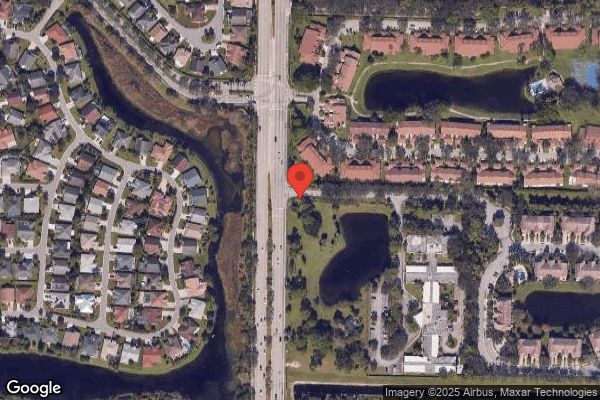
6414 13TH RD S, GREEN ACRES, FL 33415 (561) 478-9900
For profit - Limited Liability company 120 Beds AVIATA HEALTH GROUP Data: November 2025 2 Immediate Jeopardy citations
Trust Grade
14/100
#461 of 690 in FL
Last Inspection: July 2025

Inspected within the last 6 months. Data reflects current conditions.

Overview

Aviata at Greenacres has received a Trust Grade of F, indicating significant concerns about the facility's quality and care. It ranks #461 out of 690 nursing homes in Florida, placing it in the bottom half of the state, and #38 out of 54 in Palm Beach County, meaning there are only a few local options that are better. The facility is improving, with issues decreasing from 12 in 2024 to 3 in 2025. Staffing is a strength, rated at 4 out of 5 stars with a low turnover rate of 29%, indicating that staff stay long-term and provide continuity of care. However, the facility has concerning fines totaling $133,129, which is higher than 90% of Florida facilities, suggesting repeated compliance issues. Recent inspector findings highlight serious incidents, such as a resident being able to leave the facility unsupervised and travel along a busy road, posing a significant risk to their safety. Additionally, there were complaints from residents about inadequate food portions, affecting their nutritional needs. While there are notable strengths in staffing and an improving trend, these critical incidents and high fines raise important questions for families considering this facility.

Trust Score
F
14/100
In Florida
#461/690
Bottom 34%
Safety Record
High Risk
Review needed
Inspections
Getting Better
12 → 3 violations
Staff Stability
✓ Good
29% annual turnover. Excellent stability, 19 points below Florida's 48% average. Staff who stay learn residents' needs.
Penalties
✓ Good
$133,129 in fines. Lower than most Florida facilities. Relatively clean record.
Skilled Nurses
✓ Good
Each resident gets 61 minutes of Registered Nurse (RN) attention daily — more than 97% of Florida nursing homes. RNs are the most trained staff who catch health problems before they become serious.
Violations
⚠ Watch
24 deficiencies on record. Higher than average. Multiple issues found across inspections.
★★☆☆☆
2.0
Overall Rating
★★★★☆
4.0
Staff Levels
★★★☆☆
3.0
Care Quality
★★☆☆☆
2.0
Inspection Score
Stable
2024: 12 issues
2025: 3 issues

The Good

  • 4-Star Staffing Rating · Above-average nurse staffing levels
  • Low Staff Turnover (29%) · Staff stability means consistent care
  • Full Sprinkler Coverage · Fire safety systems throughout facility
  • No fines on record
  • Staff turnover is low (29%)

    19 points below Florida average of 48%

Facility shows strength in staffing levels, staff retention, fire safety.

The Bad

2-Star Overall Rating

Below Florida average (3.2)

Below average - review inspection findings carefully

Federal Fines: $133,129

Well above median ($33,413)

Significant penalties indicating serious issues

Chain: AVIATA HEALTH GROUP

Part of a multi-facility chain

Ask about local staffing decisions and management

The Ugly 24 deficiencies on record

2 life-threatening
Jul 2025 3 deficiencies
CONCERN (D)

Potential for Harm - no one hurt, but risky conditions existed

Resident Rights (Tag F0550)

Could have caused harm · This affected 1 resident

**NOTE- TERMS IN BRACKETS HAVE BEEN EDITED TO PROTECT CONFIDENTIALITY** Based on observation, interview and record review, the facility failed to ensure dignity with dining for 2 of 5 residents sample...

Read full inspector narrative →
**NOTE- TERMS IN BRACKETS HAVE BEEN EDITED TO PROTECT CONFIDENTIALITY** Based on observation, interview and record review, the facility failed to ensure dignity with dining for 2 of 5 residents sampled for dignity (Resident #160 and Resident #161). The findings included:1.Resident #160 was admitted to the facility on [DATE] with diagnoses that included Encephalopathy, Adult Failure To Thrive, Dementia, and Anxiety. Her Brief Interview for Mental Status (BIMS) was 4 on the admission Minimum Data Set (MDS) with an assessment reference date (ARD) of 06/29/25. This indicated the resident was severely cognitively impaired. A review of the admission MDS also revealed the resident was dependent on eating. Her diet order was a consistent carbohydrate diet, renal diet, dysphagia puree texture, regular/thin liquids consistency. This indicated the resident had difficulty in swallowing.On 07/07/25 at 12:49 PM the surveyor observed Staff D, a certified nursing assistant (CNA) feeding the resident, who was in bed, while standing up. On 07/08/25 at 12:00 PM the surveyor observed Staff E, CNA, feeding the resident lunch standing up. The surveyor asked Staff E if she was aware that she should be sitting down and she stated she was aware. 2. Resident #161 was admitted to the facility on [DATE] with diagnoses that included Wedge Compression Fracture of Unspecified Lumbar Vertebra, Unspecified Injury of Spleen, and Hemiplegia and Hemiparesis following Cerebral Infarction Affecting Left Non-dominant side. His BIMS score was 11 on the Medicare 5-day MDS with an ARD of 07/01/25. This indicated he had mild cognitive impairment. The MDS also revealed that for eating, the resident had the ability to use suitable utensils to bring food and/or liquid to the mouth and swallow food and/or liquid once the meal is placed before the resident. His diet was Regular, Dysphagia Puree texture with Honey Thickened fluids consistency.On 07/08/25 at 12:03 PM, the surveyor observed Staff F, CNA, feeding resident lunch while standing up. When the Staff F saw the surveyor, he picked up a chair that was across the room and sat down.On 07/09/25 at 2:30 PM an interview was conducted with the Director of Nursing (DON) to discuss the findings.
CONCERN (D)

Potential for Harm - no one hurt, but risky conditions existed

ADL Care (Tag F0677)

Could have caused harm · This affected 1 resident

**NOTE- TERMS IN BRACKETS HAVE BEEN EDITED TO PROTECT CONFIDENTIALITY** Based on observation, interview and record review the facility failed to provide fingernail care to dependent residents for 4 of...

Read full inspector narrative →
**NOTE- TERMS IN BRACKETS HAVE BEEN EDITED TO PROTECT CONFIDENTIALITY** Based on observation, interview and record review the facility failed to provide fingernail care to dependent residents for 4 of 4 sampled residents, Residents #54, #75, #90, #91; failure to shave a resident (Resident #54) ; failure to provide oral hygiene to a resident (Resident #91).The findings included:1.Review of the record revealed Resident #54 was admitted to the facility 04/17/25. Review of the current Minimum Data Set (MDS) assessment dated [DATE] documented Resident #54 had a Brief Interview for Mental Status (BIMS) score of 13, on a 0 to 15 scale, indicating the resident was cognitively intact.Review of Resident #54's care plan dated 04/18/25 documented Alteration in Usual Functional Performance in self-care related to Deconditioning including an intervention that documented Personal Hygiene-Setup or clean-up assist with 1 assist.A review of Resident #54's task for personal hygiene documented Personal hygiene: The ability to maintain personal hygiene, including combing hair, shaving, applying makeup, washing/drying face and hands (excludes baths, showers, and oral hygiene) was reviewed on 07/09/25 and revealed that in a 30 day look back period it was documented as being completed. Observations were conducted on 07/07/25 at 10:43 AM, 07/08/25 at 10:03 AM, 07/09/25 at 10:00 AM and 07/10/25 at 9:57 AM; Resident #54 had long, dirty nails and long unkempt facial hair on all days. During an interview on 07/07/25 at 10:43 AM when asked how his care was, Resident #54 stated his electric shaver was not working and had been asking staff to help him shave his facial hair and had not received any assistance. When asked how often they cut and cleaned his fingernails he stated, they don't. Resident #54 looked at his fingernails and stated, they need to be cut.On 07/08/25 at 10:03 AM, Resident #54 was heard asking a staff member to help him shave and they acknowledged they would help him. Upon entering Resident #54 room he was noted to be visibly upset and frustrated. When asked if staff had taken care of his facial hair and fingernails yet, Resident #54 stated they have not shaved me or cut my nails, all I'm getting is words and no action. The Resident showed the surveyor his nails and stated see how jagged my nails are, I don't care if they charge me I'll pay for it I just want it done; everyone just gives me words but no action.During a follow up interview on 07/09/25 at 10:00 AM, Resident #54 stated that they still hadn't shaved his facial hair, again, he stated, my nails are still jagged and long, they don't take care of me, they don't do anything, all I get is words from everyone.During an interview on 07/10/25 at 10:05 AM when asked who was in charge of resident's nail care, shaving, and oral hygiene, Staff B, Certified Nursing Assistant (CNA) stated, we are, the CNAs. When asked how often each was done, Staff B stated: nail care was every other week, oral care was daily, shaving depended on if the beard was long and when the Resident requested they wanted it done.On 07/10/25 at 10:11 AM, Staff B came to Resident #54's room with the surveyor to address the Resident's concerns. When asked how the Resident's nails and facial hair looked like to Staff B, he acknowledged his nails were long and dirty and agreed his facial hair needed shaving. Resident #54 expressed his frustrations to Staff B and stated he was not getting any care and needed to be shaved.2. Review of the record revealed Resident #75 was admitted to the facility 10/01/24. Review of the current Minimum Data Set (MDS) assessment dated [DATE] documented Resident #75 had a Brief Interview for Mental Status (BIMS) score of 12, on a 0 to 15 scale, indicating the resident was moderately cognitively impaired.Review of Resident #75's care plan dated 04/15/25 documented Alteration in Usual Functional Performance in self-care related to deconditioning including an intervention that documented Personal Hygiene -Partial/moderate assistance with 1 staff assist.A review of Resident #75's task for personal hygiene documented Personal hygiene: The ability to maintain personal hygiene, including combing hair, shaving, applying makeup, washing/drying face and hands (excludes baths, showers, and oral hygiene) was reviewed on 07/09/25 and revealed that in a 30 day look back period it was documented as being completed.Observations were conducted on 07/07/25 at 2:48 PM, 07/08/25 at 10:09 AM, 07/09/25 at 9:00 AM and 07/10/25 at 9:59 AM; Resident #75 had long unkempt nails on all days.During an interview on 07/07/25 at 02:48 PM when asked if she received fingernail care, Resident #75 stated her nails were long and would like them cut.During an interview on 07/10/25 at 10:30 AM, when asked who was in charge of resident's nail care, Staff A, Certified Nursing Assistant (CNA) stated, the nails were cut by CNAs. When asked how often they were taken care of, she stated every month or when I see they are long I will cut them. Staff A was made aware Resident #75 had expressed she wanted her nails cut and came into the resident's room with the surveyor to observe the resident's fingernails. Upon entering, Staff A acknowledged the length of her nails and stated she would take care of them.3. Review of the record revealed Resident #90 was admitted to the facility 01/15/25. Review of the current Minimum Data Set (MDS) assessment dated [DATE] documented Resident #90 had a Brief Interview for Mental Status (BIMS) score of 7, on a 0 to 15 scale, indicating the resident was severely cognitively impaired.Review of Resident #90's care plan dated 01/16/25 documented Alteration in Usual Functional Performance in self-care related to right hemi/CVA (a right brain stroke that happens when blood supply to the right side of the brain is stopped and affects the left side of the body). including an intervention that documented Personal Hygiene - Dependent with 1 staff assist.A review of Resident #90's task for personal hygiene that documented Personal hygiene: The ability to maintain personal hygiene, including combing hair, shaving, applying makeup, washing/drying face and hands (excludes baths, showers, and oral hygiene) was reviewed on 07/09/25 and revealed that in a 30 day look back period it was documented as being completed.Observations were conducted on 07/07/25 at 9:59 AM, 07/08/25 at 9:20 AM, 07/09/25 at 12:32 PM and 07/10/25 at 10:02 AM; Resident #90 had long, unkempt nails with heavy dirt accumulation on all days.During an interview on 07/07/25 at 09:59 AM when asked if they clean and cut his fingernails, Resident #90 replied nope they don't. Resident #90 expressed the staff do not offer or provided nail care.During an interview on 07/10/25 at 10:05 AM when asked who was in charge of resident's nail care, Staff B, Certified Nursing Assistant (CNA) stated, we are, the CNAs. When asked how often it was done, Staff B stated nail care was done every other week. When asked, what happens if the Resident requested care more often, Staff B stated they would do it when they requested it.On 07/10/25 at 10:09 AM, Staff B came with the surveyor to observe Resident #90's nails with the surveyor and address the Resident's concerns. When asked how the Resident's nails looked like to Staff B, he acknowledged his nails were long and dirty but stated sometimes the resident would refuse. When asked where he documented Resident refusals of personal hygiene, Staff B stated in the electronic medical record and would let the nurse know. Review of the personal hygiene tasks for Resident #90 did not reveal any refusals.4. Review of the record revealed Resident #91 was admitted to the facility 01/17/25 with the diagnosis of aphasia (a language disorder that affects a person's ability to communicate) following a cerebral infarction. Review of the current Minimum Data Set (MDS) assessment dated [DATE] documented Resident #91 had a Brief Interview for Mental Status (BIMS) score of 7, on a 0 to 15 scale, indicating the resident was severely cognitively impaired.Review of the active orders revealed a Nothing by Mouth diet, NPO texture, NPO consistency, a peg tube with enteral feeding order, and an order that stated Resident #91 was nonverbal.Review of Resident #91's care plan dated 05/09/25 documented Alteration in Usual Functional Performance in self-care related to Deconditioning including interventions that documented Oral Hygiene - Dependent with 1 staff assist and Personal Hygiene-Dependent with 1 staff assistA review of Resident #91's task for oral hygiene documented Oral hygiene: The ability to use suitable items to clean teeth. Dentures (if applicable): The ability to insert and remove dentures into and from the mouth, and manage denture soaking and rinsing with use of equipment was reviewed on 07/09/25 and revealed that in a 30 day look back period it was documented as being completed.A review of Resident #91's task for personal hygiene documented Personal hygiene: The ability to maintain personal hygiene, including combing hair, shaving, applying makeup, washing/drying face and hands (excludes baths, showers, and oral hygiene) was reviewed on 07/09/25 and revealed that in a 30 day look back period it was documented as being completed.Observations were conducted on 07/07/25 at 11:19 AM, 07/08/25 at 9:54 AM, 07/09/25 at 12:38 PM and 07/10/25 at 9:53 AM; Resident #91 had long, dirty nails and dry, chapped lips on all days. On 07/10/25 at 9:53 AM Resident #91's lips appeared cracked with spots of blood.During an interview on 07/07/25 at 11:19 AM an interview was conducted with Resident #91 where he was able to participate by nodding yes and no. When asked if he gets his nails cut and clean, the resident nodded no. When asked if he would of liked to receive nail care, he nodded yes.During a follow up interview on 07/09/25 at 12:38PM, Resident #91 was asked if he had been provided nail care yet and nodded no. When asked if he had received any kind of oral hygiene, Resident #91 nodded no. Resident #91's lips were noted to appear very dry and was asked if his lips hurt from being dry, he nodded yes.During an interview on 07/10/25 at 10:21 AM when asked who was in charge of resident's nail care, Staff C, Certified Nursing Assistant (CNA) stated, the CNAs. When asked how often it was done, Staff C stated daily or when they asked for it. Staff C came with the surveyor to observe Resident #91's nails and address his concerns. When asked how the Resident's nails looked like to Staff C, she acknowledged his nails were long and dirty. When asked how Resident 91's lips look to Staff C, she states dirty and dry. Staff C acknowledged the Resident had blood on his lips from them getting cracked.During an interview on 07/10/25 at 10:33 AM, when asked who was in charge of Activities of Daily Living (ADL) care provided to residents, the Director of Nursing (DON) stated overall she was responsible, but the CNAs would be in charge of the direct care with oversight of the nurses. When asked how often nail care, shaving, and oral hygiene should be provided, the DON stated: Nail Care should consist of weekly trimmings and daily cleanings ; Oral hygiene should be after meals, as needed, at least daily and with AM and PM care; shaving should be daily, as needed and per request or upon observations. The DON was made of the findings related to Residents #54, #75, #90, and #91 she agreed with all concerns and stated we need to treat residents the way we want our parents treated. The DON stated the staff that round on the residents should have focused on those things and observe the residents closer.
CONCERN (D)

Potential for Harm - no one hurt, but risky conditions existed

Deficiency F0757 (Tag F0757)

Could have caused harm · This affected 1 resident

**NOTE- TERMS IN BRACKETS HAVE BEEN EDITED TO PROTECT CONFIDENTIALITY** Based on observations, interview, and record review, the facility failed to implement interventions to monitor behaviors related...

Read full inspector narrative →
**NOTE- TERMS IN BRACKETS HAVE BEEN EDITED TO PROTECT CONFIDENTIALITY** Based on observations, interview, and record review, the facility failed to implement interventions to monitor behaviors related to antidepressant and antipsychotic medication for 1 out of 5 residents reviewed for Unnecessary Medications (Resident # 58). The findings included: Record review for Resident # 58 revealed that the resident was admitted to the facility on [DATE] with the following diagnoses: Dementia, a condition characterized by a progressive decline in affecting memory, thinking, language, and behavior, Parkinson's Disease and Bipolar Disorder. Review of Section C of the Quarterly Minimum Data Set (MDS) dated [DATE] revealed that Resident # 58 had a Brief Interview for Mental Status score of 12, which indicated that she was moderately cognitively impaired. Review of the Physician's Orders showed that Resident # 58 had an order for Zonegran Oral Capsule 100 milligrams (mg) 1 capsule by mouth two times a day for Agitation. She also had an order for Venlafaxine Oral Tablet 75 MG one time a day for Depression. There was an additional order for Venlafaxine Oral Tablet 37.5 MG. Give 1 tablet by mouth at bedtime related to Major Depressive Disorder. Resident #58 also had Physician orders for Nuplazid Oral Capsule 34 MG. Give 1 capsule by mouth one time a day for Hallucinations, and Mirtazapine Oral Tablet 15 MG. Give 1 tablet by mouth at bedtime for Major depressive disorder. Review of the Medication Administration Record (MAR) for Resident # 58, for July 2025, lacked documentation of behavior monitoring for antipsychotic and psychotropic medication.On 07/09/25 at 2:30 PM an interview was conducted with the Director of Nursing (DON). Discussed with the DON that there was no behavior monitoring for the antipsychotic or psychotropic medication for Resident #58. The DON stated they might have paper monitoring, or it could be on the MAR. AT 3:00 PM the DON stated behavior monitoring would be on the MAR but she did not see behavior monitoring for Resident #58.
Nov 2024 1 deficiency
CONCERN (E) 📢 Someone Reported This

A family member, employee, or ombudsman was alarmed enough to file a formal complaint

Potential for Harm - no one hurt, but risky conditions existed

Menu Adequacy (Tag F0803)

Could have caused harm · This affected multiple residents

**NOTE- TERMS IN BRACKETS HAVE BEEN EDITED TO PROTECT CONFIDENTIALITY** Based on observation, interviews, and menu review, the facility failed to provide adequate portion size for the main lunch entre...

Read full inspector narrative →
**NOTE- TERMS IN BRACKETS HAVE BEEN EDITED TO PROTECT CONFIDENTIALITY** Based on observation, interviews, and menu review, the facility failed to provide adequate portion size for the main lunch entree for Regular diets, with the potential to affect 46 residents on Regular diets. In addition, 3 of 10 sampled residents voiced food concerns regarding inadequate portions during survey ( Residents #3, #8 and #9). The findings included: 1. On 11/14/24 at 9:44 AM, an interview was conducted with Resident #3, he stated The facility doesn't give enough food; they need bigger portion. Record review revealed Resident #3 was admitted to the facility on [DATE] with diagnosis including diabetes. Review of the admission minimum data set assessment, reference date 10/30/24, recorded a brief interview for mental status score of score 15, which indicated Resident #3 was cognitively intact. Review of care plans evidenced Resident #3 had the potential of nutritional problem related to insulin dependent diabetes type 1, elevated blood sugar levels, and abnormal labs. Interventions included provide and serve diet as ordered (Regular diet). This care plan also documented Resident #3 had potential/actual impairment to skin integrity of fragile skin. Intervention included: encourage good nutrition and hydration in order to promote healthier skin. 2. On 11/14/24 at 11:38 AM, an interview was held with Resident #8. He stated he did have a problem with the portion of the food he received. He did not receive enough to eat. Review of clinical record for Resident #8 revealed, he was admitted to the facility on [DATE] with diagnosis including brain neoplasm (brain cancer). Review of the minimum data set assessment recorded a brief interview for mental status score of 15, which indicated Resident #8 was cognitively intact. Review of dietary care plan documented Resident #8 had nutritional problems or potential nutritional problems related to brain neoplasm. Interventions included: Provide and serve diet as ordered. 3. On 11/14/24 at 11:45 AM, an interview was conducted with Resident #9, he stated this place is costing him money because he must order out all the time. The facility did not give him enough food. The portions they give are for a child. He was always hungry, and he would like to have a snack at night. Clinical record review for Resident #9 revealed he was admitted to the facility on [DATE] with diagnosis that included cutaneous abscess. According to Resident #9's minimum data set assessment, reference date 11/01/24, it was recorded Resident #9 had a brief interview for mental status score of 14 which indicated Resident #9 was cognitively intact. Resident #9's care plans, revealed, he had potential for nutritional problem related to actual skin impairment of the left buttock pilonidal abscess. Intervention included: Encourage good nutrition and hydration. 4. Review of the day 6 menu cycle revealed the regular lunch for Friday 11/15/24 included: Shrimp & Sausage Jambalaya, 1 cup which is equal to 8 ounces was to be served to 46 residents. On 11/15/24 beginning at 11:42 AM, an observation of lunch tray line service was conducted in the kitchen accompanied with Staff A, who revealed she was the food service manager, however her badge read Account Manager. During the observation, Staff B, a dietary staff was plating the food and three other dietary staff were assisting putting the trays in the food cart. An observation was made of Staff B as she prepared a plate, she put six ounces of shrimp & sausage Jambalaya on the plate. However, according to the menu, she was supposed to put 8 ounces on the plate. The scoop she used read 6 ounces. An inquiry was made regarding the portion, Staff A looked at the scoop and agreed Staff B was not using the correct scoop. During that time, the surveyor requested to see the trays that were already prepared with the shrimp & sausage Jambalaya to ensure adequate portion was put on the plates. Staff C and Staff D removed 7 trays from the food carts. It was revealed that only 6 ounces of shrimp & sausage Jambalaya was on the plates,confirmed by Staff B, who revealed she used the 6 ounces scoop.
Aug 2024 2 deficiencies 1 IJ
CRITICAL (J) 📢 Someone Reported This

A family member, employee, or ombudsman was alarmed enough to file a formal complaint

Immediate Jeopardy (IJ) - the most serious Medicare violation

Accident Prevention (Tag F0689)

Someone could have died · This affected 1 resident

**NOTE- TERMS IN BRACKETS HAVE BEEN EDITED TO PROTECT CONFIDENTIALITY** Based on interview, observation, and record review, the facility failed to provide appropriate supervision to prevent an elopeme...

Read full inspector narrative →
**NOTE- TERMS IN BRACKETS HAVE BEEN EDITED TO PROTECT CONFIDENTIALITY** Based on interview, observation, and record review, the facility failed to provide appropriate supervision to prevent an elopement, which resulted in a resident who was able to leave the facility and travel along a busy roadway with a likelihood of being hurt, killed or lost, for 1 of 1 sampled resident reviewed for elopement risk (Resident #1). The deficient practice allowed Resident #1 to exit the facility from between 07/25/24 at 9:00 PM to 07/26/24 at 5:45 AM without supervision. Resident #1 walked approximately 3 miles away from the facility, before being stopped by staff. Resident #1 was transported back to the facility by the same staff. Census was 94 at the time of the survey. Seven residents were identified at risk of elopement or wandering. Resident #1 remains in the facility with one-to-one (1:1) supervision. The facility's Administrator was notified of Immediate Jeopardy and given the Immediate Jeopardy (IJ) Template on 08/14/24 at 3:30 PM. The Immediate Jeopardy was removed at the time of the facility exit on 08/16/24. The findings included: Review of the facility policy, titled, Elopement/Wandering Risk Guideline, Revision Date 08/01/20, documented in the section labeled Process, a bullet point that states Initiate individualized interventions based on Patient/Residents' risk. Record review revealed Resident #1 is vulnerable, adult male, who was admitted to the facility on [DATE]. Resident # 1 had his most recent Minimum Data Set (MDS) Quarterly Assessment on 07/10/24. At that time, Resident #1 had a Brief Interview for Mental Status (BIMS) score of 10 out of 15, which indicated a moderate cognitive deficit. Resident #1 was identified as a elopement risk upon his initial evaluation at admission on [DATE]. On 06/27/24, Resident #1 was re-evaluated as an elopement risk when he began exhibiting signs of exit seeking. The resident's diagnoses included the following: Cardiomegaly (enlarged heart), generalized muscle weakness, anxiety disorder, acute kidney failure, insomnia, altered mental status, cognitive communication deficit and encephalopathy. The primary diagnosis for the admission was encephalopathy (damage or disease that affects the brain). From the facility's report, on 07/26/24 at 6:39 AM, the Director of Nursing (DON), who is no longer on staff at the facility, reported to the Administrator that Resident #1 was missing from the facility. Resident #1 was out of the facility for an unknown amount of time, he left either late at night or in the early morning, and walked 3 miles, before he was found. The distance was determined by Google Maps and verified by this writer, on 08/12/24, using his car's trip odometer. When Resident #1 was brought back to the facility, he was asked how he got out and he stated he loosened the screws in the window lock placed on the bottom inside track. He then was able to remove the device, open the window, remove the screen and climb out the window. On 08/12/24 at 1:13 PM, an interview with Staff A, a facility Housekeeper, was conducted. Staff A stated that she was off duty and on her way to a store when she saw Resident #1. Staff A stated that the time was around 7:30 AM. Staff A stated she saw Resident #1 as he was walking Northbound on a busy 6-lane divided roadway, with a 45 Mile Per Hour (MPH) speed limit, near the entrance ramp to the 4-lane Florida's Turnpike with a speed limit of 70 MPH. Staff A stated she made a U-turn, pulled over to the side of the road with her hazard lights on and spoke to Resident #1. Resident #1 told Staff A that he was going to his family. Staff A called the facility to inform them she found Resident #1 near the Turnpike ramp, and she was going to try to get Resident #1 into her car. Staff A stated she offered Resident #1 a ride, letting him believe she was taking him to his family, and he accepted the ride. Resident #1 was then returned to the facility by Staff A. Record review was conducted of a nurse's progress note dated 06/27/24 at 6:58 AM indicated Resident #1 informed the nurse that someone called him through the television, and he needed to be somewhere. The nurse documented that Resident #1 was monitored closely and the oncoming nurse was notified to continue. A progress note dated 06/27/24 at 7:15 AM indicated an order was received to place a wanderguard device on Resident #1. The nurse documented the wander guard was placed on Resident #1's right foot and the Staff monitored him closely. On 06/27/24 at 8:37 AM, Psychiatry was notified of the exit seeking behavior. The Resident was noted to have been standing at the front door and expressing he was leaving that morning. The same note stipulated that the Assistant Director of Nursing (ADON) told the nurse that Resident #1 was expressing he was going to another country. The nurse documented that Resident #1 had told the nurse the week prior that he, Resident #1, was going to Canada. The investigative report, dated 08/01/24, revealed that the resident was last seen by his primary nurse on 07/25/24 between 8 and 9 PM. The nurse stated she did not see Resident #1 at 5:45 AM, when she was passing medications. On 08/13/24 at approximately 2:15 PM, an interview conducted with the primary nurse, Staff L, who worked the 7:00 PM to 7:00 AM shift, starting on 07/25/24, on the North Wing. Staff L stated she did not remember when she last saw Resident #1, but she did notice he was missing at around 5:45 AM on 07/26/24. Staff L stated she reported the resident missing to Staff B (nurse on South Wing). At that time the elopement protocol was started. On 08/13/24 at 9:37 AM, an interview was conducted with Staff C, Certified Nursing Assistant (CNA). Staff C stated that she works the 11:00 PM - 7:00 AM shift. Staff C stated that when she first came on shift and looked in the resident's room, she noted the bed was made as if there was no one assigned to the bed. Staff C stated she did not see the resident, and she never laid eyes on him. Staff C stated she normally works the South Unit and Resident #1 was on the North unit. Staff C stated when she works the South unit, she is more familiar with the residents and would ask the nurse about a missing resident. Staff C stated she did not ask the nurse about the resident not being there. Staff C stated she just did not ask about the resident. Staff C stated that there is no communication between shifts. On 08/13/2024 at 8:24 AM, an interview was conducted with Staff B, Registered Nurse (RN), who worked on the South Wing from 7:00 PM to 7:00 AM on the day of the elopement. Staff B stated that she was the weekend supervisor for her shift. Resident #1's room was on the North Wing. Staff B stated that at approximately 6:00 AM the nurse who was primary for Resident #1 informed Staff B that Resident #1 was missing. Staff B stated she immediately initiated the elopement protocol and had the staff search the facility and grounds for Resident #1. Staff B stated she was present when Resident #1 was returned to the facility. Staff B stated Resident #1 appeared to be in good spirits and unharmed. Staff B remembered that the weather that morning was overcast but it was not raining at the time. Staff B stated Resident #1 was dressed in a T-shirt, either in long shorts or pants, and he had a jacket or sweater with a hood over his shoulder. On 08/13/24 at approximately 4:00 PM, an interview was conducted with Resident #1. Resident #1 explained that he got out by loosening the screws on the (window blocking) device, removed it, opened the window, pushed out the screen and climbed out the window. Resident #1 stated he put it all back together so no one would see. Resident #1 was unsure of the time he got out. **An onsite IJ Removal Plan verification was conducted on 08/16/24. The following is verification that the IJ Removal Plan was implemented and the Immediate Jeopardy had been removed: On 08/16/24 at 9:00 AM, the IJ Removal plan was reviewed with Administrator present. The criteria section 1 included items already reviewed during the initial investigation. The Elopement policy and procedure were not changed as no changes were thought to be necessary. Resident #1 remained in the facility with continuous 1:1 observation. The Executive Director led a Quality Assurance and Performance Improvement meeting on 07/26/24 with the Medical Director, Director of Clinical Services, Plant Operations, Dietary Supervisor, MDS Coordinator, Business Development Director, Business Office Manager and Assistant Director of Nursing. The Elopement Policy was reviewed, and the root cause of the elopement was discussed. The meeting included a Root Cause Analysis, which was reviewed with the Administrator. The facility determined Resident #1 strongly wanted to go home to his family. Resident #1 determined that the windows did not have alarms and that was probably the easiest way to escape the building without being noticed. Resident #1 was evaluated by the psychiatric services on 07/26/24 with recommendation for continued 1:1 observation and new orders for lab work. Interview, record review, and observation confirmed this to be true during the initial investigation. Lab orders were received from the attending physician. The results were obtained 07/27/24, 07/29/24 and 08/01/24 and reviewed by attending physician with no new orders. Record review confirmed these orders were received and acted upon. The lab results showed the resident had normal or near normal values. There were no indicators that would point to confusion, or a change of cognition as would be related to infection or other disease processes. Under criteria two, the following was reviewed: o On 07/26/24, a facility wide head count was conducted to verify all residents present in the facility. Documentation provided included a copy of the Midnight Census used to check the presence of all residents on both wings. o On 07/26/24, the Plant Operations Manager rounded in the facility to validate all exit door alarms were functioning properly and windows were secured. Documentation examples were provided to show the doors and windows were being checked daily. o On 07/26/24, the Director of Clinical Services and/or designee checked all residents with the wanderguard for functioning and placement. The wander guard checks were recorded in the Treatment Administration Record (TAR). The checks were done for each shift. The checks involved checking for placement and checking for functioning. Functioning checks were done with a device that has a green light that turns on if the device is good. If the green light does not go on, the wanderguard is replaced. On 07/26/24, the Director of Clinical Services and/or designee reviewed and updated all the elopement risk books. Elopement evaluation for 5 remaining elopement risk residents were reviewed. Elopement evaluation for 2 residents not at risk were reviewed. The evaluations matched to the documentation kept in the Elopement Binders, which were found at the two nurses' station and the front desk. On 07/26/24 daily window checks initiated. See above (Operations Manager). On 08/15/24, Maintenance director conducted a new inspection of all flip locks on windows to ensure locking mechanism is working and all windows were locked. No corrections needed. Observations were made of the window lock tests. The locks were checked to ensure they could unlock in an emergency. Under criteria three, the following were verified: Facility staff were educated by clinical leadership and executive director beginning 07/26/24 on missing persons, abuse/neglect, elopement, midnight census head count, accounting for residents on assignment, identifying residents on assignment, identifying residents with increase exit seeking behavior - implement 1:1 accordingly. Education was validated with post testing and elopement drill participation. Copies of sign-in sheets for all shifts were provided for the education provided. An Elopement drill was observed. The staff appeared competent in responding to the drill. As of 08/02/24 a total of 117 of 120 staff, including contracted staff members, had received elopement education, and participated in elopement drills. New hires will receive education in orientation. Certified letters were sent out to those staff members that were unable to attend the education. Staff include: Therapy Housekeeping laundry Dietary CNA Nurses All department heads and administrative staff. Newly hired staff will receive education in orientation. A list of employees with the date of the education provided was secured by the surveyor. Current facility nurses were educated by the Director of Clinical Services or designee, on the importance of providing thorough supervision for residents with signs and symptoms of wandering or exit seeking behaviors. This included how to monitor, and screen generalized statements and conversations even on admission for risk of elopement. Reinforced education included how to monitor and identify different residents for increased sign and symptoms of elopement risk in the SNF settings. Key components included how to search interior and exterior of rooms and corridors to increase the accuracy and effectiveness of elopement drills. As of 08/02/24, 35 out of 35 nurses had received education from the Director of Nursing/designee. One of the 35 nurses had not completed an elopement drill due to being out on maternity leave at this time. A certified letter has been sent to notify of ineligibility to work until elopement drills have been completed with posttest. Documentation was provided as part of the education documentation noted above. The Director of Nursing and/or designee conducted elopement drills on each shift daily starting on 07/26/24 continued daily through 08/07/2024 including post drill education based on response. On 08/07/24, Ad Hoc Quality Assurance and Performance Improvement (QAPI) meeting held. After a review of the elopement drills revealed 100% compliance with responses every shift, the committee has determined the drills will be conducted 3 times a week for 4 weeks. Elopement risk evaluations on new admissions will be reviewed at the morning clinical meeting. On 08/14/24, the Director of Nursing initiated education to CNA and licensed nurses on nurse-to-nurse verbal report, nurse to CNA verbal report, and CNA to CNA verbal report. Interviews and record review conducted with no concerns noted. Under criteria 4, the following was noted: The Executive Director led an additional Quality Assurance and Performance Improvement meeting on 07/31/24 with the Medical Director, Director of Clinical Services (DCS), Social Services Director, Assistant Director of Nursing, Plant Operations, Activities, Dietary Supervisor, MDS Coordinator, Therapy Director. The Elopement Policy and Procedure was reviewed, and the root cause of elopement was discussed. DCS and/or designee will continue weekly quality reviews times 3 months of residents at risk for elopement to ensure policy and procedures in place. New admissions audited by DCS/designee to ensure accurate elopement risk identification, appropriate interventions in place as required and care plan in place as necessary. Oversight will be provided by the Regional Nurse Consultant. The Plant Operations Manager and/or designee will be responsible for conducting elopement drills weekly for 4 weeks and monthly for 3 months. The results will be reviewed during the Quality Assurance Committee meeting. The above points were covered with previous documentation review. On 08/16/24 at 2:50 PM, an interview was conducted with Staff F, RN, relating to reporting at change of shift. Staff F stated that communication between staff is important so the oncoming shift knows of any changes from the previous shift. Staff F also stated, if someone notices a resident is not where they should be, it gives the staff more time to follow the elopement policy to locate the resident. The nurse stated that communication is supposed to happen between the nurse going off and the nurse coming on, between the CNA going off and the CNA coming on and between the Nurse and CNA to make sure the team is involved. On 08/16/24 at 3:02 PM, an interview was conducted with Staff G, RN, who stated that when she gets report, she includes the CNA she is working with because she wants the CNA to know the resident in case there are changes in condition. On 08/16/2024 at 3:08 PM, an interview was conducted with Staff H, CNA, who stated when she first comes in, she and the off going CNA first do a head count to make sure no-one is missing. The off going CNA also informs the oncoming CNA if there have been changes to the residents. The nurse then tells the CNA if there are changes in the residents' status or other information the CNA needs to know. Staff H stated she usually cares for 10 to 12 residents on her shift. On 08/16/24 at 3:14 PM, an interview was conducted with Staff I, CNA, who stated if a resident who eloped is not on 1:1 or if the resident is at risk for elopement, then she and the other CNAs check on the resident every 30 minutes. The CNA stated that at the beginning of her shift she does rounds with the off going CNA to make sure the residents are present and to offer help if needed. Then Staff I would get report from the off going CNA. Staff I stated she also gets report from the nurse as well. She stated this is how she finds out if there are any changes or special instructions. On 08/16/24 at 4:02 PM, an interview was conducted with Staff J, CNA, who works the 7:00 AM to 3:00 PM and the 3:00 PM to 11:00 PM shifts. Staff J explained that if there is a missing person then she would notify the nurse immediately. She stated then they are assigned to search inside and outside the facility to try and find the resident. Staff J stated that they (CNAs) round on the residents who are elopement risk every 30 minutes. Staff J stated that there is a sheet where they place a check mark and initials next to the time the resident check is performed. On 08/16/24 at 4:10 PM, an interview was conducted with Staff K, CNA, who works 3:00 PM to 11:00 PM. Staff K expressed that if a resident has an elopement, then the resident is placed on 1:1 observation. Staff K stated that when there is an elopement then the nurses tell the CNAs who to look for and if the CNA is to look outside or inside. Staff K stated that they do rounding with the CNA from the last shift to make sure there were no changes. Staff K state she also gets report from the nurse about anything new regarding the resident. The scope and severity of F689, was lowered to a (D) for no actual harm with a potential for more than minimal harm that is not immediate jeopardy as of 08/16/24. The scope and severity were lowered because of the facility's corrective actions implemented. These corrective actions were verified by the surveyor through observations, interviews, and record review on 08/16/24.
CONCERN (D) 📢 Someone Reported This

A family member, employee, or ombudsman was alarmed enough to file a formal complaint

Potential for Harm - no one hurt, but risky conditions existed

Comprehensive Care Plan (Tag F0656)

Could have caused harm · This affected 1 resident

**NOTE- TERMS IN BRACKETS HAVE BEEN EDITED TO PROTECT CONFIDENTIALITY** Based on record review, the facility failed to appropriately care plan for monitoring of a resident as an elopement risk, for 1 ...

Read full inspector narrative →
**NOTE- TERMS IN BRACKETS HAVE BEEN EDITED TO PROTECT CONFIDENTIALITY** Based on record review, the facility failed to appropriately care plan for monitoring of a resident as an elopement risk, for 1 of 3 sampled residents (Resident #1). The findings included: Resident #1 was admitted to the facility on [DATE]. On 04/05/24, Resident #1 was identified as an elopement risk. A comprehensive care plan was initiated for that problem. The focus on the care plan stated the following: The resident is an elopement risk/wanderer r/t [related to] exit seeking. The goal states: The resident's safety will be maintained through the review date. Interventions included the following: Electronic monitoring device q [every] shift. Identify pattern of wandering: is wandering purposeful, aimless, or escapist? Is resident looking for something? Does it indicate the need for more exercise? Intervene as appropriate. The above interventions were initiated on 04/05/24. When the resident was determined to be actively exit seeking on 06/27/24 the following interventions were put in place: Wanderguard Check Q [every] shift. Monitoring: Wanderguard - Expiration Date. Wanderguard - check for function each day. These revisions were initiated when Resident #1 was noted to have verbalized exit seeking behaviors. These verbalizations included expressing he was going to another country and expressing he was going to Canada on two separate occasions. These were documented in nurses' progress notes on 06/27/24. It was not until after the elopement of 7/26/24 that actively monitoring the resident every 30 minutes was added. On 08/01/24 the intervention of one-to-one (1:1) observation was added.
Jun 2024 1 deficiency 1 IJ
CRITICAL (J) 📢 Someone Reported This

A family member, employee, or ombudsman was alarmed enough to file a formal complaint

Immediate Jeopardy (IJ) - the most serious Medicare violation

Accident Prevention (Tag F0689)

Someone could have died · This affected 1 resident

**NOTE- TERMS IN BRACKETS HAVE BEEN EDITED TO PROTECT CONFIDENTIALITY** Based on interview, observation, and record review, the facility failed to provide appropriate supervision to prevent an elopeme...

Read full inspector narrative →
**NOTE- TERMS IN BRACKETS HAVE BEEN EDITED TO PROTECT CONFIDENTIALITY** Based on interview, observation, and record review, the facility failed to provide appropriate supervision to prevent an elopement, which resulted in a who was able to leave the facility and travel along a busy roadway with a likelihood of being hurt, killed or lost, for 1 of 1 sampled resident reviewed for elopement risk (Resident #1). The deficient practice allowed Resident #1 to exit the facility on [DATE] between 8:12 PM and 8:18 PM. Resident #1 ran approximately 1.3 miles away from the facility, before being stopped by staff. Resident #1 was transported back to the facility by the same staff. There were eighty (80) residents in the facility at the time of the survey. Two residents were identified at risk of elopement or wandering after the elopement. Resident #1 was subsequently discharged to the care of his family on [DATE]. The facility's Administrator was notified of Immediate Jeopardy and given the IJ Immediate Jeopardy Template on [DATE] at 5:31 PM. The Immediate Jeopardy was Ongoing at the time of the facility exit on [DATE]. The findings included: The facility policy titled Elopement/Wandering Risk Guideline, Revision Date: [DATE]. Under the section labeled Process: there is a bullet point that states Initiate individualized interventions based on Patient/Residents' risk. Resident #1 was admitted to the facility on [DATE]. Resident #1 had been evaluated as an elopement risk upon admission with an elopement bracelet placed on [DATE]. Resident #1's care plan was developed to include elopement risk as of [DATE]. Resident #1 had his admission comprehensive assessment on [DATE]. Resident #1 had a Brief Interview for Mental Status (BIMS) score of 6 out of 15, which indicated cognitive impairment. The resident had a Mood score (Section D) of 00, which indicates he had no issues with poor mood at the time of the assessment. Resident #1 had no behavior concerns indicated in Section E - Behaviors. Resident #1's diagnoses included the following: Malignant Neoplasm of the Head, Neck, and Face, Squamous Cell Carcinoma, Depression, Anxiety Disorder, and unspecified Protein-Calorie Malnutrition. On [DATE], a review of the facility's report revealed that on [DATE] at approximately 7:45 PM, Resident #1 was showing exit seeking behaviors at the back door on the South Wing. Staff B redirected the resident to his room, and informed Staff A to place the resident under observation. Staff A called the DON to inform her of the elopement attempt. When Staff A returned to the South Wing, she was unable to locate Resident #1. Staff A called the DON again, and called the police. Staff began a search. Two staff members went out with their cars and located Resident #1 about 1.3 miles north of the facility, and returned the resident to the facility at approximately 8:30 PM. On [DATE] at 10:55 AM, an interview was conducted with the Regional Nurse Consultant. A root cause analysis was conducted and determined the nurses failed to properly adhere to 1:1 eye contact on a resident who was actively exit seeking. On [DATE] at 10:11 AM, a telephone interview was conducted with Staff A-RN (Registered Nurse), who was the nurse assigned to care for Resident #1 on [DATE], which was the date of the elopement. Staff A-RN stated that she arrived at 8:00 PM on [DATE]. Staff A-RN stated that when she came in, she saw two staff members trying to contain Resident #1, and Resident #1 was very agitated. She stated the door alarm was ringing at the same time. The nurse stated she called the Director of Nursing (DON) at that time to report what was going on and to obtain the code to silence the alarm. The nurse stated the DON instructed her to get a C.N.A. (certified nursing assistant) to put Resident #1 on 1:1 observation. The nurse stated that when she went back to the hallway, she discovered Resident #1 was missing. Staff A-RN stated she asked a resident in the hall if he had seen Resident #1. The resident in the hall told Staff A-RN that Resident #1 went out the back door. The nurse was unable to recall the name of the resident she spoke to. Staff A-RN stated she called the DON at that time and was instructed to search the grounds and the facility. Staff A-RN stated at that time two other staff members went in their cars to find the missing resident. Staff A-RN stated she called 911 to get the police to assist with the search. Staff A-RN stated she called the police again when Resident #1 was returned to the facility. Staff A-RN stated Resident #1 was placed on 1:1 observation following his return. On [DATE] at 11:54 AM, a telephone interview was conducted with Staff B-RN. Staff B-RN stated on [DATE] she had finished her shift (7A to 7P) she heard the door alarm and saw other staff looking for Resident #1. The nurse stated she asked the other staff members if they had looked in the rooms, bathrooms, and closets and when they said yes, she said we need to get our cars and search. Staff B-RN stated she and Staff C-RN drove to the main road where she went north, and Staff C-RN went south. Staff B-RN stated she saw Resident #1 running up the sidewalk when she pulled over. She stated she called Staff C-RN to come back and help her. Staff B-RN stated she started to run after Resident #1 on foot. Staff B-RN stated Staff C-RN drove ahead of Resident #1, pulled over and approached Resident #1 on foot. Staff B-RN stated they were able to stop Resident #1 and convince him to come back to the facility with them. On [DATE] at 12:05 PM an interview was conducted with Staff D-CNA (Certified Nursing Assistant). Staff D-CNA stated that when Resident #1 was missing she searched inside and outside the building. Staff D-CNA stated she helped bring Resident #1 back to his room after he was found. Staff D-CNA stated they put him on 1:1 observation and the CNAs took turns watching him. Staff D-CNA stated they watched him until the next shift and then turned the duty over to the CNA for the 11-7 night shift. On [DATE] at 3:00 PM, an interview was conducted with Resident #2 who witnessed Resident #1's elopement. Resident #2 stated that Resident #1 was very angry and was first at the front door. Resident #2 stated Resident #1 was yelling where is my nurse. Resident #2 stated he pointed towards the south hallway and said She's down there [NAME]. Resident #2 stated Resident #1 then ran down the hall to the exit door, opened it, went out and climbed over the fence. When asked which side Resident #1 went to, Resident #2 said the left side. When asked, was that the side with gate, Resident #2 said yes. The gate was verified by this writer to be on the left side when facing the rear of the building. On [DATE] at 3:15 PM, an interview was conducted with Resident #3 regarding the elopement. Resident #3 stated he was wheeling himself around (the hallways) when he saw Resident #1 go out the back door. When asked what he saw, Resident #3 stated he saw a guy (Resident #1) go over the fence. When asked which side of the fence he said the left side. This confirmed what Resident #2 had stated as well. On [DATE] at 9:35 AM, a telephone interview was conducted with Staff C-RN, who confirmed that on [DATE], Resident #1 attempted to leave the facility by the rear exit of the south wing at approximately 7:45 PM. Staff C-RN indicated Resident #1 had been agitated and attempted to leave through the exit doors resulting in the alarm sounding. Staff C-RN stated he redirected Resident #1 back to his room. Staff C-RN stated he then informed Staff A-RN, Resident #1's assigned nurse, to place Resident #1 on 1:1 observation related to the elopement attempt. Based upon interviews and record review, on [DATE] at between 8:12 PM and 8:18 PM, Resident #1 left the facility by the backdoors of the South wing. Resident #1 then allegedly climbed the wooden, 6-foot-high fence into the back parking lot of the facility. Resident #1 was running north along a 6-lane main roadway adjacent to the facility with a 45-mph speed limit. Resident #1 was found 1.3 miles north of the facility near a traffic controlled intersection of the main roadway and an intersecting side street. While he was out of the facility Resident #1 passed multiple residential communities and crossed two intersections with traffic lights, indicating a need for traffic control. Resident #1 could have fallen, gotten lost, or gotten struck by a car, and suffered a serious injury or died. Photographic evidence obtained.
Mar 2024 8 deficiencies
CONCERN (D)

Potential for Harm - no one hurt, but risky conditions existed

Resident Rights (Tag F0550)

Could have caused harm · This affected 1 resident

**NOTE- TERMS IN BRACKETS HAVE BEEN EDITED TO PROTECT CONFIDENTIALITY** Based on observations, interviews and record review, the facility failed to provide care in a manner to maintain a resident's di...

Read full inspector narrative →
**NOTE- TERMS IN BRACKETS HAVE BEEN EDITED TO PROTECT CONFIDENTIALITY** Based on observations, interviews and record review, the facility failed to provide care in a manner to maintain a resident's dignity for 47 residents on the South unit, including Resident #18. The findings included: The facility's policies and procedures for Dignity did not address dignity during dining. 1). Resident #18 was admitted to the facility on [DATE]. According to the resident's most recent assessment, a Quarterly Minimum Data Set (MDS), dated [DATE], Resident #18 had a Brief Interview fore Mental Status score of 02, indicating severe cognitive impairment. The MDS documented that the resident was dependent upon staff for eating. Resident #18's diagnoses at the time of the assessment included: Anemia, Diabetes, Cerebrovascular incident, Non-Alzheimer's Dementia, Hemiplegia, Seizure disorder, Malnutrition, Depression, Epilepsy, contracture of muscle left upper arm. Cognitive communication deficit, Dysphagia, Muscle weakness, Limitation of activities due to disability. During an observation of breakfast, on 03/12/24 08:43 AM, it was noted that Resident #18 had not been served breakfast. During an interview with Staff A, LPN, while standing directly outside of the resident's room, when asked about Resident #18 not being served breakfast, Staff A replied, She is a feeder, when the CNA (Certified Nurse's Assistant) is finished with another resident, she will feed her. 2). On 03/13/24 at 8:25 AM, Resident #18 was observed in bed with breakfast on over bed table and being fed by Staff B, LPN. It was noted that Staff B was standing at the resident's right side of bed to feed her. When asked about standing next to the resident Staff B acknowledged that she should have been seated to feed the resident, There wasn't a chair in the room, and I recognized that the food was getting cold. 3). During an observation of lunch being served to the residents in their rooms on the South Unit, on 03/13/24 at 11:58 AM, Staff C, CNA was instructed to go to the dining room by another staff member. Staff C replied by yelling out, I can't, I have feeders. At the time of the observation, Staff C was at the room at the end of the unit close to the emergency exit and could be heard by this Surveyor from the nurse's station, approximately 90 feet from away, according to the Regional Director of Plant Operations. During an interview with Staff C at the time of the observation, Staff C acknowledged that she had referred to the residents as feeders and understood the concerns. During an interview, on 03/13/24 at approximately 12:30 PM, the Administrator acknowledged understanding of the concerns and replied that the staff would be in-serviced. During an interview, on 03/14/24 at 3:00 PM, the Regional Nurse Consultant stated that the facility did not have a policy and procedure specific to dignity during dining.
CONCERN (D)

Potential for Harm - no one hurt, but risky conditions existed

Deficiency F0645 (Tag F0645)

Could have caused harm · This affected 1 resident

**NOTE- TERMS IN BRACKETS HAVE BEEN EDITED TO PROTECT CONFIDENTIALITY** Based on record review and interview, the facility failed to ensure that a complete and accurate Pre-admission Screening and Res...

Read full inspector narrative →
**NOTE- TERMS IN BRACKETS HAVE BEEN EDITED TO PROTECT CONFIDENTIALITY** Based on record review and interview, the facility failed to ensure that a complete and accurate Pre-admission Screening and Resident Review (PASARR) was completed for 1 of 2 residents reviewed, Resident #60. The findings included: Resident #60 was admitted to the facility on [DATE]. According to the resident's most recent assessment, a Quarterly Minimum Data Set (MDS), dated [DATE], Resident #10 had a Brief Interview for Mental Status score of 10, indicating that the resident was moderately cognitively impaired. In Section IA of the resident's PASARR, completed by the resident's Attending Physician on 05/11/23, the PASARR documented that Resident #60 had diagnoses that included: Anxiety Disorder, Depressive Disorder and Agoraphobia. Section 1B of the PASARR documented that Resident #60 had functional limitations in major life activities that included: Capacity for independent living, Self-care, and Self direction. Section I documented that the resident previously received services for Mental illness and had been referred for Mental Illness Services. The findings of the Level I PASARR was based on documented History, Behavioral Observations and Medications. Sectio II-2 of the PASARR documented that the resident had the following difficulties with: Interpersonal functioning, Concentration, persistence and pace, and Adaptation to change. Section II-3 of the PASARR documented, Due to the mental illness, the individual has experienced an episode of significant disruption to the normal living situation for which supportive services were required to maintain functioning at home, or in a residential treatment environment, or which resulted in interventions by housing or law enforcement. The PASARR instructs the person that is completing the assessment, A Level II PASARR evaluation must be completed prior to admission if any box in Section 1.A or 1.B is checked and there is a 'yes' checked in Section II.1, II.2 or 11.3, unless the individual meets the definition of a provisional admission or a hospital discharge exemption. Section IV of the PASARR was not completed to determine if Resident #60, 'may be admitted to an NF. During an interview, on 03/14/24 at 3:33 PM with the Social Services Director, when asked about Resident #60's PASARR not being completed, the Social Services Director stated, I submitted for a Level II and it was declined. The Social Services Director provided documentation of a response from the request for the Level II screening, dated 02/27/24, that documented: We can't complete the screening. This case is being closed due to an incomplete submission packet. The Social Services Director stated that she had not followed up on the response to the request being declined.
CONCERN (D)

Potential for Harm - no one hurt, but risky conditions existed

Deficiency F0679 (Tag F0679)

Could have caused harm · This affected 1 resident

**NOTE- TERMS IN BRACKETS HAVE BEEN EDITED TO PROTECT CONFIDENTIALITY** Based on observation, interview and record review, the facility failed to provide activities to meet the needs and interests for...

Read full inspector narrative →
**NOTE- TERMS IN BRACKETS HAVE BEEN EDITED TO PROTECT CONFIDENTIALITY** Based on observation, interview and record review, the facility failed to provide activities to meet the needs and interests for 1 of 2 residents reviewed for Activities, Resident #60. The findings included: Resident #60 was admitted to the facility on [DATE]. According to the resident's most recent assessment, a Quarterly Minimum Data Set (MDS), date 12/27/23, Resident #60 had a Brief Interview for Mental Status score of 10, indicating that the resident was moderately cognitively impaired. The MDS documented that Resident #60 required substantial/maximal assistance for activities of daily living, except for eating. Resident #60's diagnoses at the time of the assessment included: Anxiety disorder, Depression, Psychotic disorder, Rheumatoid arthritis, Agoraphobia, Chronic pain. A care plan, dated 12/27/23, with a revision date of 03/11/24, documented, The resident experiences loneliness and or isolation. The goal of the care plan was documented as, The resident will express feelings around loneliness and isolation with a target date of 05/30/24. Interventions to the care plan included: Encourage resident to express feelings of loneliness and isolation. Further review of Resident #60's electronic health record revealed that there was no care plan for Activities. A 'Community Life Progress Review (Activities assessment), dated 01/03/24, documented that the resident 'Prefers to watch TV'. On 03/12/24 at 9:58 AM, Resident #60 was observed in bed in wearing a hospital gown. The resident's roommate stated that Resident #60 had not been out of bed during the previous 3 weeks. When Resident #60 was asked if the statement by her roommate was accurate, Resident #60 nodded agreement with the statement made by the roommate. The resident was informed by this Surveyor about the activity involving Baking Cookies that was scheduled for this day in the afternoon and resident was visually excited to attend. During the interview and observation, it was noted that the television was turned off and the remote control for the television was on the resident's overbed table that was not in the resident's reach. On 03/12/24 at 2:29 PM 8 residents were observed in the Activity room while cookies were being baked for the residents and the residents were being served beverages by the Activities staff. It was noted that Resident #60 was not among the 8 residents in attendance. Interview with resident - was asked if she wanted to attend the activity and nodded head up and down in a 'yes' manner. During an interview, on 03/12/24 at 2:34 PM Staff F CNA, when asked about Resident #60 being out of bed and participating in activities, Staff F replied, she just moved rooms. It is not normal for her to be in bed. Sometimes she gets up. I washed and put a clean gown on her. There was no clean clothes in the closet. On 03/12/24 at 2:40 PM, an observation of Resident #60's closet noted that there were 3 pairs of pants and several shirts. Resident #60 confirmed that the clothing was hers and was unsure of any missing clothing since being moved from another unit. During an interview, on 03/13/24 at 7:14 AM, with Staff G, LPN, when asked about Resident #60's participation in activities and being out of bed, Staff G replied, She has therapy get her out of bed, sometimes she wants to stay in bed and you cannot force them to get out of bed. The CNAs get them in the chair and the Activities come and get them. When asked of the most recent time that Resident #60 had been out of bed, Staff G replied, a couple of weeks ago before lunch. I think it was for activities. During an interview, on 03/13/24 at 7:27 AM, with Staff A, LPN, when asked about Resident #60 being out of bed and participating in activities, Staff A replied, yesterday was the first day that I worked with her for a while. Her roommate said that she didn't feel like getting up. After PT, she will go to activities. The Activities will come and ask them if they want to go. During an interview, on 03/13/24 at 10:15 AM, the Activities Director stated that she tries getting residents to do exercise, they don't want to, they just want to sit and drink coffee. Every once in a while a couple of them will, but this is what they want. On 03/13/24 at 4:55 PM, Resident #60 was observed in her wheelchair in her room, with the television turned off and the remote control for the television on the overbed table that was out of the resident's reach and no other source of stimulation noted. During an interview, on 03/13/24 at 5:39 PM, with The Therapy Director, when asked about Resident #60 participating in therapy, the Therapy Director replied, I just finished with her - 03/11/24 was my last day with her. Speech Therapy projected discharge is tomorrow (03/14/24). I usually work with her in the room. When asked about assisting the resident to Activities at the completion of therapy, the Therapy Director replied, more often than not she would rather sit in her room and watch TV. When asked about the resident's physical and cognitive ability to operate the television remote control, the Therapy Director replied, her cognition is not as good. She has her good days and her not so good days. If she had a good night, she is more engaging and alert. Her cognition varies. She has the physical capacity to use the remote, but not always the cognitive ability. On 03/14/24 at 10:15 AM, Resident #60 was observed in bed with television off and remote control on over bed table that was out of the resident's reach and no other source of stimulation noted. During an interview, on 03/14/24 at approximately 10:30 AM, with the Activities Director, the Activities Director stated that she had started a care plan for Activities for the resident this morning. The Activities Director further stated that the resident also enjoys books and 1:1 visits. During the observation and interview, Resident #60 was in bed with television off and remote control out of reach and books on her nightstand to the resident's right side of bed also out of reach.
CONCERN (D)

Potential for Harm - no one hurt, but risky conditions existed

Quality of Care (Tag F0684)

Could have caused harm · This affected 1 resident

**NOTE- TERMS IN BRACKETS HAVE BEEN EDITED TO PROTECT CONFIDENTIALITY** Based on observation, interviews, policy and record review; the facility failed to provide care and services to prevent a potent...

Read full inspector narrative →
**NOTE- TERMS IN BRACKETS HAVE BEEN EDITED TO PROTECT CONFIDENTIALITY** Based on observation, interviews, policy and record review; the facility failed to provide care and services to prevent a potential decline in a resident's physical and/or psychosocial well-being for 1 of 5 sampled residents, reviewed for unnecessary medications (Resident #62). The findings included: The facility's policy titled, Medical Care/Standard of Practice with an effective date of 11/30/14 and revision date of 03/03/21, revealed The attending physician will complete a history and physical (H&P) on all residents as required by the applicable state law. In the event the admitting physician is new to the resident, the admitting physician shall complete an H&P on the resident within 48 hours of admission. Resident #62 was admitted to the facility on [DATE] post hospitalization for Personal history of traumatic brain injury, Pedestrian on foot injured in a motor vehicle accident and Traumatic subarachnoid hemorrhage with loss of consciousness. Resident #62 was unable to perform the Brief Interview for Mental Status (BIMS) and was unable to speak. In an interview with the resident on 03/11/24 at 10:15 AM the resident was able to nod her head to indicate that she understood the questions asked but could not respond except for nodding her head. Upon admission to the facility, the resident was on Enoxaparin Sodium (Lovenox) Injection Solution Prefilled Syringe 30 milligrams (mg) per 0.3 milliliter (ml). Instructions were to inject 30 mg intramuscularly two times a day for DVT (deep vein thrombosis). Enoxaparin sodium is an anticoagulant that helps to prevent formation of blood clots. A review of Enoxaparin sodium was done on the Food and Drug Administration (FDA) site. Lovenox (Enoxaparin sodium) must not be administered by intramuscular injection. Lovenox (enoxaparin sodium injection), is for subcutaneous and intravenous use. Thrombocytopenia can occur with the administration of Lovenox. Periodic complete blood counts, including platelet count, and stool occult blood tests are recommended during the course of treatment with Lovenox. A review of the medical chart revealed the H&P was done on 01/08/24. A review of the nursing progress notes and Medication Administration notes revealed on 03/08/24 at 9:35 AM the resident refused Enoxaparin Sodium. The note read she was crying MD (Medical Doctor) notified. On 03/08/24 a nursing progress note read Patient refused am Lovenox injection, crying saying No, no it hurts too much Dr notified, who said, noted. On 03/09/24 a medication administration note stated refused, MD notified. On 03/10/24 a medication administration note read I don't want it, it hurts. Dr . made aware. Attempted to call the nurse who wrote these notes on 03/13/24 at 3:53 PM but she did not answer the phone. An interview was conducted with Staff D, Regional Director of Clinical Services, on 03/14/24 at 4:45 PM who stated that the nurse had to be referring to the Enoxaparin since it was not given those three days and all other medications were given. Staff D also stated at this time that she had been trying to reach the Physician to have the Enoxaparin Sodium discontinued and after 4 attempts to reach him, he still did not answer her. An interview was conducted with Staff E, the Consultant Pharmacist, on 03/13/24 at 09:42 AM. She produced a pharmacy review dated 01/31/24 for a recommendation for a stop date for Enoxaparin. The recommendation for a person with an acute illness with decreased mobility was a FDA approved duration of up to 14 days 30 mg twice a day and up to 3 months with 40 mg daily. Resident #62 had been taking 30 mg twice a day since 12/28/23. The resident's last Complete Blood Count (CBC) was done 01/03/24 with an order for it to be repeated in 90 days. An interview was done with Resident #62's Physician on 03/14/24 at 12:06 PM. The Physician was asked why the H&P was late on Resident #62 and he had no response as to why. The Physician was asked how long should Resident #62 have been on Enoxaparin Sodium and he replied she should have been taking it for 2 weeks. When asked why he did not respond to the recommendation of the consultant pharmacist to provide a stop date on 01/31/24 he replied that he did not see the recommendation. He stated that he wanted Resident #62 to see a trauma doctor to regulate the Enoxaparin Sodium for which he told the Director of Nurses. When asked where the referral was for her to see a trauma doctor he stated he probably did not write one and he will do better next time. When asked where the progress notes were from his visits to Resident #62 in January 2024 and February 2024 he stated they were in his office and he will email them. On 03/14/24 at 4:00 PM the progress notes arrived to the facility. Reviewed the notes for January and February 2024. On 02/24/24 the Physician wrote under medications that the resident was receiving Lovenox indicating he was aware that she was still taking this medication. The Lovenox was discontinued on 03/13/24.
CONCERN (D)

Potential for Harm - no one hurt, but risky conditions existed

Deficiency F0688 (Tag F0688)

Could have caused harm · This affected 1 resident

**NOTE- TERMS IN BRACKETS HAVE BEEN EDITED TO PROTECT CONFIDENTIALITY** Based on observations, interviews and record reviews, the facility failed to provide services to prevent further decrease in ran...

Read full inspector narrative →
**NOTE- TERMS IN BRACKETS HAVE BEEN EDITED TO PROTECT CONFIDENTIALITY** Based on observations, interviews and record reviews, the facility failed to provide services to prevent further decrease in range of motion for 1 of 1 resident reviewed for range of motion, Resident #18. The findings included: Resident #18 was admitted to the facility on [DATE]. According the resident's most recent assessment, a Quarterly Minimum Data Set (MDS), dated [DATE], Resident #18 had a Brief Interview for Mental Status score of 02, indicating the resident was severely cognitively impaired. The MDS documented that Resident #18 was dependent upon staff for all Activities of Daily Living. Resident #18's diagnoses at the time of the assessment included: Diabetes, Cerebrovascular Accident, Non-Alzheimer's Dementia, Hemiplegia, Seizure disorder, Malnutrition, Depression, Epilepsy, contracture of muscle left upper arm. Cognitive communication deficit, Dysphagia, Muscle weakness. Resident #18's orders included: Splint. Resting hand splint left hand for up to 8 hours as tolerated, on in the AM/PM off. Monitor skin integrity before application and removal of device - 02/26/24. Resident #18's care plan for Activities of Daily Living (ADLs), initiated on 11/21/18 with a revision date of 10/17/22, documented, Resident has an ADL self-care performance deficit related to a history of cerebrovascular accident, hemiplegia, impaired mobility, arthritis to bilateral knees Non-compliant with left hand splint. The goal of the care plan was documented as, The resident will maintain current level of function in ADLs and mobility thru next review date with at target date of 05/05/24. Interventions to the care plan included: *Encourage and assist with turning and repositioning every shift and PRN. *Left resting hand splint to be worn 8 hours or as tolerated daytime wear, maintain clean dry hand with nails cut to prevent skin breakdown. On 03/12/24 at 9:06 AM, Resident #18 was observed in bed with the head of bed elevated. It was noted that Resident #18 was not wearing a splint device on either hand. On 03/12/24 at 11:49 AM Resident #18 was observed in her wheelchair at the nurse's station and did not have a splint or device on her hand. On 03/12/24 at 1:48 PM, Resident #18 was observed in in her wheelchair at the nurse's station and did not have a splint or device on her hand. On 03/13/24 10:18 AM, Resident #18 was observed up in high backed wheelchair in her room and did not have a splint device on her hand. On 03/13/24 at 11:25 AM, Resident observed in high back wheelchair in Activities room and did not have a splint device on her hand. A review of Resident #18's electronic health record revealed no documentation of the resident refusing or not tolerating the use of the splint device. On an ADL task worksheet, CNA (Certified Nursing Assistants) staff documented that the resident wore the splint device daily for the previous 2 week period, including during the observations made and documented by this Surveyor. On another worksheet, CNA staff documented that the device was put on daily and that the device was only documented to be removed once. During an interview, on 03/13/24 at 11:56 AM, with Staff F, CNA, when asked about applying the splint device to Resident #18's left wrist and hand, Staff F replied, I put it on when I got her up in the morning at around 10:00 when they put her to bed, they take it off. I leave at 3:30 she had the brace on when I left. Sometimes it hurts and she doesn't have it on for very long. At the conclusion of the interview, Staff F was asked to show this Surveyor the device. Saff F led this Surveyor to the resident's room. Upon arriving to the resident's room, Staff F was unable to locate the device immediately. After a few minutes, the splint device was found in the top drawer of the night stand to the resident's right side of bed. Staff F confirmed that she was the staff member that documented putting the splint device on the resident on the task worksheet. During an interview, on 03/13/24 at 4:38 PM with Staff H, CNA for 8 months, when asked about the use of a splint device for Resident #18, Staff H replied, When I came in, she had the brace and I put her back to bed, when I put her back to bed, I took it off because she can't be in the bed with the brace. Staff further stated that the resident had no problems or pain with the splint device, When I am here, I work 2 days with her and Staff F puts it on and I take it off. Staff confirmed that she was the staff member that documented taking the splint device off of the resident on the ADL worksheet.
CONCERN (D)

Potential for Harm - no one hurt, but risky conditions existed

Deficiency F0699 (Tag F0699)

Could have caused harm · This affected 1 resident

**NOTE- TERMS IN BRACKETS HAVE BEEN EDITED TO PROTECT CONFIDENTIALITY** Based on observations, interviews and record reviews, the facility failed to provide services to a resident with Post-Traumatic ...

Read full inspector narrative →
**NOTE- TERMS IN BRACKETS HAVE BEEN EDITED TO PROTECT CONFIDENTIALITY** Based on observations, interviews and record reviews, the facility failed to provide services to a resident with Post-Traumatic Stress Disorder (PTSD) in a manner to prevent being further traumatized for 1 of 1 resident reviewed for behavioral health, Resident #51. The findings included: The facility's policy for 'Trauma Informed Care' dated 10/24/22, documented: Residents will be evaluated to identify a history of trauma, triggers and cultural preferences. Resident-centered interventions are initiated based on the resident triggers and preferences to decrease the risk of re-traumatization. Procedure: 1. Residents are evaluated for trauma, triggers, and cultural preferences on admission/readmission, quarterly and annually. 2. Develop resident-centered interventions based on trauma triggers and resident cultural preferences. 3. Develop a care plan and add interventions to the nurse aide [NAME]. 4. Review and update care plan and intervention quarterly and as needed. Resident #51 was admitted to the facility on [DATE]. According to the resident's most recent assessment, a Quarterly Minimum Data Set (MDS), dated [DATE], Resident #51 had a Brief Interview for Mental Status score of 15, indicating that the resident was cognitively intact. Resident #51's diagnoses upon admission included: Major depressive disorder, Anxiety disorder, Post-Traumatic Stress Disorder, Bipolar disorder, Personal history of suicidal behavior, Nicotine dependence and Tachycardia. Resident #51's care plan for Activities of Daily Living (ADLs), initiated on 03/16/23 with a revision date of 03/25/23, documented, The resident has an ADL self-care deficit related to Rheumatoid Arthritis, Obesity, PTSD, Depression, Anxiety, and Neuropathy. Further review of Resident #51's records revealed no care plan related to the resident's diagnosis of PTSD. During an interview with Resident #51, on 03/11/24 at 2:56 PM, when asked about the diagnosis of PTSD, Resident #51 stated, I have PTSD from being raped when I was 8 years old until I was 12. When asked about the triggers associated with the diagnosis of PTSD, Resident #51 replied, Yelling and loud screaming and I can't look at knives. My daughter was murdered in front of me. They have me on Prezacin for night terrors and I think that it needs to be changed - over the past couple of nights, I have been having very vivid dreams about my brother and my daughter. I guess we are waiting on the psychiatrist - she wasn't here yesterday. I don't get angry at other people. I was told that I have survivor's guilt. During an interview, on 03/13/24 at 7:09 AM, with Staff G, LPN, when asked about Resident #51's PTSD and behaviors, Staff G replied, sometimes when she speaks with other residents, she gets agitated and sometimes she is crying because of her children. She tells a story that she was raped. I don't really know what happens that she gets agitated when talking to the other residents. When asked about the triggers and behaviors associated with them, Staff G replied that she was not aware of triggers. During an interview, on 03/13/24 at 7:24 AM, with Staff A, LPN, when asked about Resident #51's behavior, Staff A replied, She is like sometimes confused, she can tell you something and then she will forget. She has a mood where sometimes she talks a lot, and she cries. For me she always laughs, I talk with her, and she likes that. When asked about Resident #51's PTSD and the triggers and behaviors associated with the PTSD, Staff A replied, I'm not really sure. For me she is always good and happy, she never gets angry and mad with me. She likes when I am working with her. She gets ibuprofen and she gets anxiety medications. I can see her mood change after she gets her medications, and she is more relaxed and talking. During an interview, on 03/13/24 at 11:56 AM, with Staff F, CNA, when asked about Resident #51's PTSD and the triggers and behaviors associated the PTSF, Staff F was not able to demonstrate awareness or knowledge of PTSD. During an interview, on 3/13/24 at 4:44 PM, with Staff H, CNA, when asked about Resident #51 having PTSD and the triggers and behaviors associated with the resident's PTSD, Staff H stated that she was not familiar with resident's diagnosis of PTSD or triggers and behaviors. During a follow up interview with Resident #51, on 03/13/24 at 4:52 PM when asked about how she reacts to the triggers to the PTSD, Resident #51 replied, loud noises like yelling and arguing, I will revert back to being like a little girl and pulling my covers up over my head and I become very disconnected. I won't get out of bed and I won't let them provide care. Resident #51 stated that it had most recently happened 'a couple of weeks ago'. During an interview, on 03/14/24 at 3:33 PM, with the Director of Social Services, when asked about there not being a care plan for Resident #51's PTSD and associated triggers and behaviors, and the lack of knowledge of the diagnosis demonstrated by facility staff, the Director of Social Services acknowledged that there was not a care plan. The Social Services Director stated that she would implement a care plan and provide in-service training to the staff.
CONCERN (D)

Potential for Harm - no one hurt, but risky conditions existed

Drug Regimen Review (Tag F0756)

Could have caused harm · This affected 1 resident

**NOTE- TERMS IN BRACKETS HAVE BEEN EDITED TO PROTECT CONFIDENTIALITY** 2) Resident #62 was admitted to the facility on [DATE] post hospitalization for Personal history of traumatic brain injury, Pede...

Read full inspector narrative →
**NOTE- TERMS IN BRACKETS HAVE BEEN EDITED TO PROTECT CONFIDENTIALITY** 2) Resident #62 was admitted to the facility on [DATE] post hospitalization for Personal history of traumatic brain injury, Pedestrian on foot injured in a motor vehicle accident and Traumatic subarachnoid hemorrhage with loss of consciousness. A review of the Consultant pharmacist recommendations revealed: 12/30/23 no recommendation. 1/31/24 recommendation for stop date for Enoxaparin. 2/19/24 no irregularities. An interview was conducted on 03/13/24 at 9:42 AM with Staff E , the consultant pharmacist, regarding the recommendation to stop Enoxaparin on 01/31/24. She stated she was planning on making another recommendation to discontinue Enoxaparin in March since the recommendation done in January was not acted on. She stated she usually waits a month before repeating a recommendation. Staff E was asked what type of monitoring would be done for a resident on Enoxaparin and she replied that likely a Complete Blood Count (CBC) would be done. An interview was conducted on 03/13/24 at 3:00 PM with Staff D, Regional Director of Clinical Services, who stated there has been no response to the consultant pharmacist's recommendations for Resident #62. Based on record review and interview, the facility failed to respond to pharmacy recommendations for 2 of 5 residents reviewed for unnecessary medications (Residents #28 and #62). The findings included: 1. Resident #28 was admitted to the facility on [DATE] with diagnoses included Diabetes. A comprehensive assessment dated [DATE] documented the resident had mild cognitive impairment, required substantial/maximal assistance with activities of daily living. The assessment further documented the resident was receiving insulin injections, antidepressants, anticoagulants (blood thinners), and diuretics. A 6 month review of Consultant Pharmacist Medication Regimen Review was conducted. The review revealed no physician's response to pharmacy recommendations on 11/30/23, 01/31/24, and 02/19/24. Pharmacy recommendation 02/19/24 : Allegra 180 milligrams at night which was started on 06/18/23. Please consider discontinuing to reduce polypharmacy. Pharmacy recommendation 01/31/24: The resident is taking Montelukast. Montelukast side effects include the following neural psychiatric symptoms and roughly 14% of patients which include agitation, aggression, anger, anxiety, depression, hallucinations, hostility, irritability, nervousness, sleep disorders, and restlessness. May want to consider other drug therapy as Montelukast may be result in the need for anti psychotic drug therapy. Pharmacy recommendation 11/30/23: Insulin solution sliding scale. In an effort to keep this facility compliant to CMS regulations for long term care facilities please evaluate risk for versus benefit of continued use of sliding scale insulin. It is listed on the Beer list of potentially inappropriate drugs in the elderly due to poor efficacy and potential for hypoglycemia. American Diabetes Association advises against utilizing sliding scale as insulin monotherapy in elderly populations. Long term use is generally not recommended. For continued use, rationale and risk versus benefit should be documented in the residents medical record. Recommendation: Please evaluate continued use of sliding scale in light of the above. If blood sugar remains uncontrolled, suggest adjusting routine therapy, if clinically appropriate. If benefits of sliding scale outweigh risk, please document clinical rationale below or in your progress note. Further review of the pharmacy recommendations revealed there is no evidence of any pharmacy review for the months of October 2023 or August 2023. A review of resident #28's current physician orders on 03/14/24 revealed the resident was receiving Allegra, Montelukast, and sliding scale insulin. A review of the resident's physician progress notes did not address the pharmacist recommendations. An interview was conducted with the Consultant Pharmacist on 03/14/24 at 10:00 AM, who acknowledged the above.
CONCERN (E)

Potential for Harm - no one hurt, but risky conditions existed

Medical Records (Tag F0842)

Could have caused harm · This affected multiple residents

Based on record review and interview, the facility failed to keep complete and accurate records for 19 of 19 records reviewed (Residents #5, #13, #17, #18, #24, #27, #28, #32, #34, #40, #41, #50, #51,...

Read full inspector narrative →
Based on record review and interview, the facility failed to keep complete and accurate records for 19 of 19 records reviewed (Residents #5, #13, #17, #18, #24, #27, #28, #32, #34, #40, #41, #50, #51, #60, #61, #62, #64, #68, and #222). The findings included: A review of #28's records revealed no physician notes since May 2023. An interview was conducted with the Nursing Home Administrator (NHA) on 03/13/24 at 10:00 AM. The NHA stated the physician progress notes should be in the resident's electronic records and done monthly. Surveyor requested the last 3 months of physician progress notes. The NHA stated she would get in touch with the physician to inquire about the physician notes. An interview was conducted with the NHA on 03/13/24 at 3:00 PM. The NHA produced 3 months of physician notes for 12/24, 01/24, and 02/24. The NHA could not answer why the physician notes were not part of the resident's records. The physician notes were handwritten and illegible. Surveyor requested the last 3 months of physician progress notes for the rest of the sampled residents (Residents #5, #13, #17, #18, #24, #27, #32, #34, #40, #41, #50, #51, #60, #61, #62, #64, #68, and #222). On 03/14/24, the NHA provided written physician progress notes for Residents #5, #13, #17, #18, #24, #27, #32, #34, #40, #41, #50, #51, #60, #61, #62, #64, #68, and #222. The written physician progress notes were illegible. An interview was conducted with the Medical Director/attending physician for the facility's residents on 03/14/24 at 10:00 AM. The Medical Director stated resident's physician progress notes were kept in his office. The Medical Director acknowledged the progress notes should be in the resident's records. The Medical Director stated, I'll do better. When questioned on the illegible written progress notes, the Medical Director stated he did not have access to the electronic medical records for documentation.
Jan 2023 1 deficiency
CONCERN (D) 📢 Someone Reported This

A family member, employee, or ombudsman was alarmed enough to file a formal complaint

Potential for Harm - no one hurt, but risky conditions existed

Pressure Ulcer Prevention (Tag F0686)

Could have caused harm · This affected 1 resident

**NOTE- TERMS IN BRACKETS HAVE BEEN EDITED TO PROTECT CONFIDENTIALITY** Based on interview and record review, the facility failed to obtain wound care orders in a timely manner, failed to ensure wound...

Read full inspector narrative →
**NOTE- TERMS IN BRACKETS HAVE BEEN EDITED TO PROTECT CONFIDENTIALITY** Based on interview and record review, the facility failed to obtain wound care orders in a timely manner, failed to ensure wound care treatments was provided; and failed to ensure wound care treatments were transcribed in the medication and / or treatment records for 1 of 2 sampled residents reviewed, Resident #2. The findings included: On 01/12/23 at 11:41 AM, an interview was held with Resident #2. He stated, he had 2 wounds, one wound was to be treated on Mondays, Wednesdays, and Fridays, and another wound was to be treated daily. The facility was not treating the wounds timely and as ordered. The resident added he went a week without wound care treatment, and had verbally brought the lack of wound care concerns to the facility's attention. He further added the main reason he was admitted to the facility was to get his wounds treated, and he was concerned that his wounds will get infected due to the lack of care. Record review for Resident #2 revealed, Resident #2 was admitted to the facility on [DATE] with a right ischium and a sacral wound. The admission minimum data set (MDS) assessment, reference date 12/22/22, revealed Resident #2 had no cognition issue. The MDS documented a Brief Interview for Mental Status (BIMS) score of 15, indicating Resident #2 was cognitively intact. This MDS documented no mood and behavior issue. The MDS documented Resident #2 required extensive and total dependence assistance by the staff with ADLs (Activities of Daily Living) care. This MDS documented Resident #2 had skin condition included unhealed pressure ulcers: 1 at Stage 2, and 1 at Stage 3. Review of Physician orders revealed the following orders: (1) 12/21/22: cleanse sacrum with Dakins 0.5% place calcium alginate in the wound bed, cover with silicone adhesive foam dressing and change daily and as needed. (2) right ischium wound to be treated Mondays, Wednesdays, and Fridays. Another physician's orders documented: (1) 01/11/23: sacral wound treatment with silver alginate every day and as needed. (2) 01/11/23: Right ischial wound treatment with wound vac 3 times a week (Monday, Wednesday, Friday) in the evening. This order was not transcribed into the January 2023 MARs (Medication Administration Record) and / or TARs (Treatment Administration Record). Review of care plan initiated on 12/23/22 for pressure ulcer, indicated Resident #2 had pressure injury and potential for pressure injury development related to history of ulcers; Immobility due to paraplegia (paralysis of the legs and lower body), and wound care orders for sacral wound, and right ischial wound. Interventions documented included: 'administer treatments as ordered and monitor for effectiveness. To conduct weekly treatment documentation to include measurement of each area of skin breakdowns width, depth, type of tissue and exudate.' Review of nutritional assessment, dated 12/27/22, documented: nutritional evaluation, [AGE] years old, able to verbalize needs. Diagnoses included: paraplegia with gunshot wound. Skin with multiple pressure ulcer. Review of the December 2022 TAR showed the wound care orders dated 12/21/22 for the sacrum wound care to be treated daily. Review of this TAR showed this daily treatment was started on 12/23 and and then done on 12/27/22. Review of the January 2023 MARs and TARs lacked evidence that the other wound care orders were transcribed to the TARs or MARs. There was one note in the resident's record, dated 01/11/23 written at 1:09 PM, that indicated the sacral wound was cleaned with the wound doctor and the wound vac changed. On 01/12/22 at 1:07 PM, an interview was held with the Social Service Director, who voiced she had filed a grievance form on 01/12/23 for Resident #2 as he had complained to the insurance company that he was not getting his wound care done by the facility. On 01/12/23 at 3:01 PM, an interview was held with Staff A, infection preventionist regional nurse consultant, and Staff B, regional nurse consultant. During this time, a side-by-side review of Resident #2's records were conducted with Staff A and Staff B. During the review, Staff A voiced the facility's computer system was down for about 3 weeks and was working by the end of December 2022, and the facility had written medications and treatment manually. Staff A, B and the surveyor searched the records for wound care orders in the December 2022 MARs and TARs. There was written wound care orders with two signatures for December 27, 2022 for the sacrum and right ischium order. There was a note at the back of TAR dated December 23, 2022 that indicated 'wound care was done, wound vac clean and new canister put in place.' Staff B voiced she needed to check medical records to see if there are any more orders. At 3:14 PM the Nursing Home Administrator and the surveyor went to the medical records' office, in search of additional wound care orders. Staff C from medical record revealed she wouldn't have thinned the chart as Resident #2 was a new resident. She did check for additional records and did not have any additional documents in her office for the resident. On 01/12/23 at 3:33 PM a review of Resident #2's hard copy chart lacked evidence of the physician's wound care orders from the hospital. On 01/12/23 at 4:08 PM, an interview was held with Staff B and Staff D, nurse, who showed the surveyor the December 2022 written TARs with the wound care orders. The TAR showed evidence of 2 signatures that indicated wound care was rendered only on 12/23/22 and 12/27/22. Staff B and Staff D agreed with findings. On 01/13/23 at 10:29 AM, the Medical Director came to speak with the surveyor. The surveyor informed the doctor the resident was admitted on [DATE] with wound care orders prescribed on 12/21/22, (6 days post admission), the TAR showed documentation for wound care treatment only on 12/23 and 12/27/22, the wound care treatments were not transcribed into the January MARs or TARs, and there was only one documentation of wound care treatment for January 2023. The surveyor explained Resident #2 had voiced concern regarding the wounds and his wounds were not being treated timely as ordered. The surveyor informed the doctor the facility lacked documentation to show evidence the wound had been or is being treated as ordered. The doctor agreed, and stated 'yes, they must have documentations for the wounds.
Dec 2022 8 deficiencies
CONCERN (D)

Potential for Harm - no one hurt, but risky conditions existed

Report Alleged Abuse (Tag F0609)

Could have caused harm · This affected 1 resident

**NOTE- TERMS IN BRACKETS HAVE BEEN EDITED TO PROTECT CONFIDENTIALITY** Based on policy review, interview and record review, the facility failed to conduct a thorough investigation in a timely manner ...

Read full inspector narrative →
**NOTE- TERMS IN BRACKETS HAVE BEEN EDITED TO PROTECT CONFIDENTIALITY** Based on policy review, interview and record review, the facility failed to conduct a thorough investigation in a timely manner relating to use of derogatory words directed at a resident's sexual orientation in which the resident felt verbally abused for 1 of 1 sampled resident, Resident #36. The findings included: The Policy, titled, abuse, neglect, exploitation and misappropriation, revision date 11/16/22, indicated it is inherent in the nature and dignity of each resident at the center that he/she be afforded basic human rights, including the right to be free from abuse, neglect, mistreatment, exploitation and or misappropriation of property. The management of the facility recognizes these rights and hereby establishes the following statements, policies, and procedures to protect these rights and to establish a disciplinary policy, which results in the fair and timely treatment of occurrences of resident abuse. Employees of the center are charged with a continuing obligation to treat residents, so they are free from abuse, neglect, mistreatment, and/or misappropriation of property. No employees may at any time commit an act of physical, psychological, or emotional abuse, neglect. Mistreatment, and/or misappropriation of property against any resident. The policy indicated definition of abuse is the willful infliction of injury, unreasonable confinement, intimidation, or punishment with resulting physical harm, pain, or mental anguish. Abuse also includes the deprivation by an individual, including a caretaker, of goods or services that are necessary to attain or maintain physical, mental, and psychosocial well-being. The procedure indicated acts of abuse directed against residents are absolutely prohibited. The policy indicated the facility would conduct an investigation whereas the abuse coordinator or his/her designee shall investigate all reports or allegations of abuse, neglect, misappropriation, and exploitation. A social service representative may be offered in the investigations will be accomplished in the following manner. A preliminary investigation would be conducted immediately upon an allegation of abuse or neglect, the suspect (s) shall be segregated from residents pending investigation of the resident allegation. The abuse coordinator and/or director of nursing shall take statements from the victim, the suspect (s) and all possible witnesses including all other employees in the vicinity of the alleged abuse. The policy also indicated any employee or contracted services provider who witnesses or has knowledge of an act of abuse or an allegation of abuse, neglect, exploitation or mistreatment, including injuries of unknown source and misappropriation of resident property, to a resident, is obligated to report such information immediately, but no later than 2 hours after the allegation is made, if the events that cause the allegation involved abuse or result in serious bodily injury, or not later than 24 hours if the events that cause the allegation do not involve abuse and do not result in serious bodily injury, to the administrator and to other officials in accordance with state law. Once an allegation of abuse is reported, the executive director, as the abuse coordinator, is responsible for ensuring that reporting is completed timely and appropriately to appropriate officials in accordance with federal and state regulations, including notification of law enforcement if a reasonable suspicious of crime has occurred. Review of Resident #36's record revealed the resident was re-admitted to the facility on [DATE] with diagnoses included: High Blood Pressure, Respiratory Failure, Anxiety Disorder and Depression. The annual MDS assessment, reference date 10/30/22, recorded a Brief Interview for Mental Status (BIMS) score of 15, indicating Resident #36 was cognitively intact. This MDS documented no mood or behavior issue for Resident #36. On 11/28/22 at 10:35 AM, an interview was held with Resident #36, the resident council president, voiced a Certified Nursing Assistnat (CNA), Staff H, had used a derogatory word directed at his sexual orientation in which Resident #36 felt verbally abused, belittled, humiliated, and disregarded. Resident #36 explained that Resident #6 (his roommate) had been sitting in the chair for 2 and half hours and wanted to go to bed. Resident #6 had his call light on, when Staff H finally arrived in the room Resident #36 tried to advocate for Resident #6 and told Staff H, 'my roommate had the call light on for over 2 hours waiting to go to bed.' Subsequently, [Staff H], used a derogatory word towards his sexual orientation, and stated you need to mind your business, you don't pay my salary. Resident #36 voiced, 'he had written and provided a letter to the former Director of Nursing (DON) about the concern.' Resident #36 showed the letter to the surveyor. The letter read, 10/18/22 to (DON), 'on Monday evening my roommate [Resident #6] and I went out for dinner, we returned to Woodlake at 7:30 pm, the CNA I know as Q [Staff H] came in and asked [Resident #6] if he was ready for bed, he had already taken off his shirt and was looking for his body wash; she said I'll be back. She returned with a night gown and linens put them on the bed and again said I'll be back. By 8:30 PM she had not come back, Resident #6 put on the call light to remind her [Staff H] that he was still waiting. He fell asleep with no shirt about to fall out of his wheelchair. [Staff H] returned at 9:45 PM she said again are you ready for bed? I said he's had the call light on for over an hour. Staff H said why are you so concern about [Resident #6]? Are you, his girlfriend?! I said he is my vice president, my roommate, and my friend! [Staff H] said mind your own business, you don't pay my salary! I said as a matter of fact, I do! She jerked the curtain closed and I said excuse me, I will get out of your way. And I left the room and went to the front desk and asked who was in charge, there were a few CNAs standing around the front desk and they said no one was in charge, try your nurse. [Staff E] was my nurse, and he came to the front and told me to calm down as I was struggling to breath and obviously had high blood pressure. When I told [Staff E] that [Staff H] had asked if I was [Resident #6's] girlfriend, one of the female CNAs laughed out loud! I said do you think that's funny? She did not respond. [Staff M] was at the desk, and I asked him, [Staff M] you know I'm not a troublemaker, I don't overreact. He said that's true. [Staff E] said talk to the DON tomorrow. I went back to my room; [Staff H] was gone, and Resident #6 was in bed. This is unacceptable and a shame on Woodlake. Thank you! Signed by Resident president. On 11/30/22, review of the last 6 months of grievance logs lacked documented evidence of Resident #36's concerns. On 11/30/22 at 10:54 AM, during an interview process held with the Social Services Director (SSD), she revealed on 10/13/22, she was out sick and when she returned to work on 10/18/22, she was informed of Resident #36's concerns. The SSD voiced she was informed the concern was reported to the former DON, and the former DON did not initiate a grievance, report it or investigate the concern. When the SSD spoke to the current DON about the concern, the current DON revealed it was too late to do anything about the concern as it happened a month ago. The SSD confirmed there was no grievance or investigation written for this concern. The SSD voiced she would initiate a grievance today (11/30/22) and start an investigation.
CONCERN (D)

Potential for Harm - no one hurt, but risky conditions existed

ADL Care (Tag F0677)

Could have caused harm · This affected 1 resident

**NOTE- TERMS IN BRACKETS HAVE BEEN EDITED TO PROTECT CONFIDENTIALITY** Based on observation, record reviews and interviews, the facility failed to provide scheduled showers for 2 of 2 sampled residen...

Read full inspector narrative →
**NOTE- TERMS IN BRACKETS HAVE BEEN EDITED TO PROTECT CONFIDENTIALITY** Based on observation, record reviews and interviews, the facility failed to provide scheduled showers for 2 of 2 sampled residents, Residents #6 and #75. The findings included: 1. During Resident Council Interview, Resident #6, the [NAME] President of the Resident Council, stated, It has been months since I have had a shower. The Resident Council President confirmed Resident #6's statement as being true, and that he and Resident #6 have complained to staff about not getting his showers. Resident #6 has a Brief Interview for Mental Status (BIMS) of 15, indicating there was no cognitive impairment or memory deficit. Review of the Quarterly MDS (Minimum Data Set), dated 09/08/22, showed Resident #6 required total assistance with bathing. Review of Resident #6's shower task sheet for November 2022 documented that the resident was to receive his showers on Mondays, Wednesdays and Fridays by the 11:00 PM - 7:00 AM shift staff. The task sheet documented that Resident #6 had 10 showers in November 2022 (11/07/22 at 5:13 AM, 11/10/22 at 5:27 AM, 11/11/22 at 4:46 AM, 11/14/22 at 5:00 AM, 11/21/22 at 5:31 AM, 11/25/22 at 5:00 AM and 8:21 PM, 11/28/22 at 5:08 AM, and 12/01/22 at 3:55 AM). On 12/02/22 at 9:51 AM, Resident #6 confirmed, I still have had no showers. My roommate (Resident Council President) has complained about it. It makes him upset too, because I don't get them. I have only had bed baths, no showers. When the resident was asked about the documentation regarding his showers, the resident adamantly denied that any showers had been given. What is written down is not true! I did not have those showers. 2. Resident #75 was admitted on [DATE]. She was transferred to and from a hospital from [DATE] - 11/16/22 and again from 11/18/22-11/23/22. On 11/28/22 at 12:41 PM, Resident #75 stated, I have not had a shower since being admitted . At this time, the resident's hair appeared unwashed. Review of the MDS, dated [DATE], showed Resident #75 required total assistance with bathing. Resident #75's care plan documented the resident has an ADL (Activities of Daily Living) performance deficit related to weakness / poor coordination, with potential for inevitable decline related to diagnoses of degenerative neurologic disease process . Resident requires maximal to total assistance times 1-2 staff with bathing / showering as necessary. Review of shower task sheet for the past 30 days (11/02/22 - 11/28/22) showed no documented times that Resident #75 had received a shower during these dates. The task sheet did show that the resident received a bed bath on 11/04/22, 11/07/22, 11/09/22, 11/14/22, and 11/28/22; and the resident received partial bath on 11/02/22, 11/11/22, and 11/25/22 (and 12/01/22 10:25 AM). On 12/01/22 at 10:25 AM, Resident #75 confirmed that she had still not received a shower. She stated, I really want to have a shower. During interview with Staff D, Certified Nursing Assistant (CNA), on 12/01/22 at 10:30 AM, she stated, [Resident #75] is supposed to get a shower on 11 AM -7 PM shift, so I don't know when she last had a shower, but I will get someone to help me and get her a shower this morning. On 12/01/22 at 10:34 AM, Staff D went into Resident #75's room to provide care and start shower preparations. On 12/02/22 at 10:15 AM, Resident #75 stated that she did have shower yesterday, and I feel so much better.
CONCERN (D)

Potential for Harm - no one hurt, but risky conditions existed

Quality of Care (Tag F0684)

Could have caused harm · This affected 1 resident

**NOTE- TERMS IN BRACKETS HAVE BEEN EDITED TO PROTECT CONFIDENTIALITY** Based on facility policy, record review, and interview, the facility failed to have physician orders for monitoring residents' b...

Read full inspector narrative →
**NOTE- TERMS IN BRACKETS HAVE BEEN EDITED TO PROTECT CONFIDENTIALITY** Based on facility policy, record review, and interview, the facility failed to have physician orders for monitoring residents' blood glucose levels and failed to notify the physician of elevated blood glucose results, for 1 of 1 sampled resident reviewed for diabetic management, Resident #8. The findings included: A blood glucose test is a blood test that measures the level of glucose (sugar) in a person's blood. Normal blood sugar levels range between 70-100 milligram per deciliter (mg/dl). Review of the facility Policy, dated 11/30/2014, titled, Blood Glucose Monitoring & Disinfecting documented, Verify Physician order. On 11/28/22 at 10:12 AM, Resident #8 stated she did not think they were monitoring her blood sugar properly and was she getting her insulin as needed. Record review for Resident #8 documented an admission date of 05/11/22 and readmission on [DATE] with diagnoses that included Diabetes, Hepatitis, Lung Disease and Cancer. A Minimum Data Set (MDS) resident assessment done 10/05/2022 documented Resident #8 as cognitively intact and requiring limited assistance to supervision only for all activities of daily living. A physician's order on 05/11/22 documented: give Lantus Insulin 20 Units subcutaneously two times a day for Diabetes. There was no physician's order for monitoring blood sugars noted. A care plan, dated 03/15/22, titled, Diabetes Mellitus, documented, fasting blood sugar as ordered by doctor. The following blood sugar results were documented in Resident #8's chart: 11/30/22 at 10:51PM, blood sugar result 280 mg/dL 11/29/22 at 11:33 PM, blood sugar result 350 mg/dL 11/28/22 at 11:06 PM, blood sugar result 284 mg/dL 11/27/22 at 11:25 PM, blood sugar result 288 mg/dL 11/25/22 at 11:07 PM, blood sugar result 316 mg/dL 11/25/22 at 12:39 AM, blood sugar result 233 mg/dL 11/23/22 at 10:46 PM, blood sugar result 206 mg/dL 11/22/22 at 7:04 PM, blood sugar result 191 mg/dL 11/21/22 at 11:24 PM, blood sugar result 201 mg/dL. Resident #8's chart lacked documentation of physician notification of abnormal blood sugar results for the above blood sugar results. On 12/01/22 at 10:59 AM, Staff K, Registered Nurse / RN, stated a doctor's order is needed to check blood sugars. On 12/01/22 at 1:03 PM, Staff C, Licensed Practical Nurse / LPN, stated she was unable to find documentation of a physician's order for blood sugar monitoring for Resident #8 or documentation that the physician was notified of abnormal blood sugar results. On 12/01/22 at 2:00 PM, the Regional Consultant nurse stated a physician's order is needed to check the resident's blood sugars. After reviewing Resident #8's chart, she stated there was no physician's order for blood sugar monitoring or documentation of the physician being notified of elevated blood sugar results.
CONCERN (D)

Potential for Harm - no one hurt, but risky conditions existed

Accident Prevention (Tag F0689)

Could have caused harm · This affected 1 resident

2. Record review of Resident #73 documented an admission date of 10/04/22 with diagnoses that included End Stage Renal Disease, Stroke, Heart Disease and Hepatitis. A Minimum Data Set (MDS) resident a...

Read full inspector narrative →
2. Record review of Resident #73 documented an admission date of 10/04/22 with diagnoses that included End Stage Renal Disease, Stroke, Heart Disease and Hepatitis. A Minimum Data Set (MDS) resident assessment, dated 10/11/22, documented Resident #73 as cognitively intact requiring limited assistance, to independent for all activities of daily living. A care plan, dated 10/05/22, documented the resident is a smoker and The resident will not smoke without supervision through the review date of 02/14/2023. On 11/28/2022 at 12:02 PM, Resident #73 stated he smokes occasionally about three times a day. He stated the facility has posted smoking times, but they do not have the staff to cover it. On 11/30/22 at 9:27 AM, Resident #67 was observed going to the south exit door, putting in the access code for the keypad lock, the door opened, and he exited. On 11/30/22 at 9:30 AM, Resident # 73 was observed going to the south exit door, putting in the access code for the keypad lock, the door opened, and he exited. On 11/30/22 at 9:33 AM, both Resident #67 and Resident #73 were observed to have and light their own cigarettes. No staff was noted to be present in the smoking area. On 11/30/22 at 9:45 AM, the south exit door remained ajar, pushed open by two additional alert and oriented residents who exited to smoke. No activated audible or visual alarm was noted by the surveyor. On 11/30/22 at 11:39 AM, the surveyor exited the door to the smoking area and found an open gate leading to the parking lot with access to the road. Photographic Evidence Obtained. The facility's Administrator and the Regional Nurse Consultant were notified immediately. The Administrator ordered an immediate resident count while the Regional Nurse Consultant surveyed the parking lot for residents. The Maintenance Director arrived and found that the gate lock was not functioning and repaired it. All residents were accounted for. On 11/30/22 at 12:35 PM, the Regional Nurse Consultant and Administrator stated residents are supposed to be supervised while smoking. She said the exit door and gate are being repaired today. The keypad code to exit has been changed and a staff member is remaining at the exit until all repairs are complete. On 11/30/22 at 1:30 PM, Resident #73 stated the facility is supposed to keep their cigarettes and lighters, but they don't have enough staff to keep locking and unlocking all the smokers supplies or be with them when they smoke. He stated that is why they have the code to the door lock and keep their own supplies. Based on observation, interview, record review and policy review, the facility failed to supervise and identify risk for residents who smoke and vulnerable residents who wander, for 3 of 3 sampled residents reviewed. The finding included: The facility policy, titled, Smoking - Supervised, effective date 11/30/14 and revised 02/07/20, stated, in part: For the safety of all residents the designated smoking area will be monitored by a staff member during authorized smoking times. The Center will retain and store matches, lighters, etc., for all residents. 1. Observation revealed that the smoking times are posted throughout the facility. The times were noted as: 10:30 AM - 10:35 AM, 1:30 PM - 1:45 PM, 3:30 PM - 3:45 PM and 6:00 - 6:15 PM. On 11/28/22 at 10:30 AM, Resident #59 stated he was going to the patio to smoke. The resident removed his cigarettes and lighter from a drawer in his room and proceeded via wheelchair to the door of the smoking area. Resident #59 put the code in the keypad to open the door, opened the door to the patio and proceeded to the smoking area. The resident was accompanied to the smoking patio where Resident #67 was already sitting on the patio in his wheelchair and was smoking a cigarette. Resident #59 and Resident #67 both stated someone from the facility is supposed to accompany us, however, they don't have enough staff to come to the smoking patio. They both expressed they had the code to the patio. They would not divulge who or how they obtained the code. On 11/30/22 at 8:46 AM, Resident #67 was interviewed in his room. He stated he was waiting for a breathing treatment. He was asked if he keeps his own cigarettes and lighter in his room. He stated sometimes because the facility employees don't want to hold them for him because it is a bother to give them to the resident when they need them. On 11/30/22 at 9:25 AM, Resident #67 exited his room with his cigarettes and lighter which he had stored in his room. He stated he was on his way to the smoking patio. On 11/30/22 at 11:41 AM, the Administrator was informed of the door code being used by the residents and of the residents storing their own lighters and cigarettes in their rooms. She was also informed the residents go to smoking area without any supervision. On 12/01/22 at 10:50 AM, an observation was made of the smoking patio. Resident #67 was waiting at the smoking patio door. The resident stated the facility is breaking their own rules by not having anyone to accompany us to the smoking patio. He stated the scheduled time to smoke is 10:30 AM. He stated, I cannot get out the door. They changed the code.
CONCERN (D)

Potential for Harm - no one hurt, but risky conditions existed

Incontinence Care (Tag F0690)

Could have caused harm · This affected 1 resident

Based on Facility Policy, observation, interview and record review, the facility failed to obtain a urology consult as ordered for 1 of 1 sampled resident reviewed for urinary catheters, Resident # 66...

Read full inspector narrative →
Based on Facility Policy, observation, interview and record review, the facility failed to obtain a urology consult as ordered for 1 of 1 sampled resident reviewed for urinary catheters, Resident # 66. The findings included: Review of the facility policy, dated 11/30/2014, titled, Medical Consultations, documented, in part, The member of the medical staff requesting a consultation will order the consultation and a Request for Consultation will be initiated by nursing to the consulting physician. The consultation will include the examination of the resident and the medical record. The consultant physician will complete the Report section of the Request for Consultation or it's equivalent. Upon completion of the consultation the charge nurse will notify the attending physician that the consult is complete and obtain any changes in plan of care or medications recommended by the consulting physician. Record review for Resident #66 documented an admission date of 08/08/22 with diagnoses that included Stroke, affecting speech and swallowing, and Diabetes. A Minimum Data Set assessment (MDS) completed on 08/15/22 for Resident #66 documented severe cognitive impairment and with extensive assistance to total dependence on staff for all activities of daily living except locomotion on and off the unit requiring limited assistance and a urinary catheter. There was no documentation of a completed Urology Consultation noted. On 11/28/22 at 2:50 PM, Resident #66 was observed to have an indwelling urinary catheter connected to a drainage bag. The resident stated that he did not know why he still had a catheter. He said he thought they were going to try to get rid of it or find out why he cannot urinate properly. On 09/19/22, a physician's order for Resident #66 documented, Urology Consult Dx. (Diagnosis) urinary retention, failed voiding trial x 2. On 09/21/22, a physician's order for Resident #66 documented, Please schedule urology consult prior to D/C (discharge). Dx. (diagnosis) urinary retention. Give patient/family appointment date prior to D/C. On 12/01/22 at 1:40 PM, Staff C, Licensed Practical Nurse, was asked for verification that the Urology Consult ordered on 09/19/22 was completed for Resident #66. After record review, she stated it appears the urology consult was not entered, signed off or completed. On 12/01/22 at 2:03 PM, the regional nurse consultant reviewed the chart for Resident #66 and confirmed the urology consult ordered on 09/19/22 and 09/21/22 had not been done.
CONCERN (E)

Potential for Harm - no one hurt, but risky conditions existed

Safe Environment (Tag F0584)

Could have caused harm · This affected multiple residents

**NOTE- TERMS IN BRACKETS HAVE BEEN EDITED TO PROTECT CONFIDENTIALITY** g) On 11/28/2022 at 11:46 AM, the resident in room [ROOM NUMBER]B stated his over bed light does not work. He said he reported i...

Read full inspector narrative →
**NOTE- TERMS IN BRACKETS HAVE BEEN EDITED TO PROTECT CONFIDENTIALITY** g) On 11/28/2022 at 11:46 AM, the resident in room [ROOM NUMBER]B stated his over bed light does not work. He said he reported it several times in the last two months. He said maintenance came in and stated yes it was broken, and never came back to repair it. The surveyor noted there was no cord to turn the light on and when the switch was activated by the door the light did not turn on. Record review of the Minimum Data Set (MDS) assessment done 10/11/2022 documented this resident was cognitively intact and independent for activities of daily living and ambulating. h) On 11/28/2022 at 1:00 PM, the South Activities' room toilet was noted to have a blanket surrounding it on the floor with fluid on the floor tile. A staff member sitting at the nurse's station was notified by the surveyor. She stated that the toilet was leaking, and they knew about it. i) On 11/29/2022 at 9:02 AM, the resident in room [ROOM NUMBER] stated his toilet has been broken for 5 days. He said maintenance came to fix it, turned the water off and never came back. He stated he has to go next door to use the restroom. The surveyor observed that the toilet did not work, was half full of dark yellow fluid with what appeared to be crystals floating on top. The administrator was notified. Record review of the Minimum Data Set (MDS) assessment done 08/17/2022 documented this resident as cognitively intact and independent for activities of daily living and ambulating. j) On 11/29/2022 at 10:32 AM, the following observations were made in room [ROOM NUMBER]A: The plaster and paint was missing from the ceiling with staining that appears like a leak in the corner above the door; the cover was missing off the cable outlet; the wall next to the bed was damaged without paint; the over-the-bed table was delaminated on the top and rough; outside the door the paint / wallpaper was peeled away from the wall in sheets; and the ceiling tile in the hallway outside the door was stained with what appears to be a leak. Record review of the Minimum Data Set (MDS) assessment done 10/04/2022 documented this resident with moderate cognitive impairment requiring extensive assistance for activities of daily living and mobility. k) On 11/29/2022 at 10:40 AM, the South Activities room toilet was again noted to have a blanket surrounding it on the floor with fluid on the floor tile. The Regional Consultant nurse was notified. l) On 11/30/2022 at 2:00 PM, a resident in room [ROOM NUMBER] approached the surveyor and stated that her toilet had been leaking for 2-3 days and that she uses towels to contain the water. She stated that she was afraid someone would fall and that she reported it a couple of times. She said she ran out of towels and was using paper towels on the floor. The surveyor noted paper towels along the north side of the toilet with a dark stained and partially missing toilet seal along the floor. The Regional Nurse Consultant was notified. Record review of the Minimum Data Set (MDS) assessment done 08/28/2022 documented this resident with moderate cognitive impairment requiring limited assistance for all activities of daily living and mobility. On 12/02/2022 at 12:12 PM, the above findings and photographic evidence were reviewed with the Maintenance Director and walking rounds were completed with the maintenance director who validated the findings. 2. Review of the facility policy, dated 11/30/2014, titled, Laundry Services, documented in part: All processed personal clothing will be returned to the resident in a timely manner. Any lost or destroyed personal clothing will be reviewed by the Executive Director and addressed on a resident concern form. Facility policy, dated 11/30/2014, titled, Personal Property-loss or theft documented: An employee receiving a concern regarding lost or missing items from a resident or resident representative will initiate a Complaint/Grievance form or electronic equivalent. Record review of Resident #30 documented and admission date of 08/04/20 with diagnoses that included Parkinson's, Diabetes, Heart Disease and Dementia. A resident Minimum Data Set assessment dated [DATE] documented Resident #30 as severely cognitively impaired requiring extensive assistance to total care for all activities of daily living and documented the resident is not self-mobile requiring extensive assistance for transfer and locomotion in a wheelchair. On 11/28/22 at 11:32 AM, Resident #30's husband stated they keep losing her clothes and had filed a grievance verbally again last week. He said he does not understand why it is an ongoing battle. He placed a laundry basket in her room with signs posted not to take laundry because he washes her clothes. He stated he filed a grievance a while ago, but nothing changed. On 11/28/22 at 11:36 AM, an observation of Resident #30's room revealed a laundry basket labeled with the resident's name and a sign posted stating the family with do the resident's clothes laundry and the basket was for her clothes only. Photographic evidence obtained. On 12/01/22 at 11:02 AM, Resident #30's husband stated he spoke to several people about the missing clothes over three weeks ago. Three pairs of pants and two tops were missing. One of the tops was a Red Sox top that is special to his wife. On 11/30/22, the Grievance logs were reviewed for the months of June 2022 through November 2022 with no documentation of grievances for Resident #30's lost clothes. On 12/01/22 at 11:06 AM, Staff C (Licensed Practical Nurse / LPN) stated she was aware Resident #30 had lost clothes a few times. When it happens, she talks to the Certified Nurse's Assistant (CNA) and the laundry department. She was unaware if Resident #30 was currently missing clothes, but they usually find them in the laundry. On 12/01/22 at 11:37 AM, Staff J, Laundry Worker, stated that if a resident loses clothes, they will bring them to the laundry to try to find them. She stated she was aware that they were looking for a special shirt for Resident #30. She said Resident #30's husband had been there looking for missing clothes in the past but not recently and Social Service keeps track of people that are missing items. On 12/01/22 at 11:54 AM, the Social Service Director stated that they have a policy that they do not replace items lost. If items are missing, the staff tells her verbally and she will initiate a grievance. She stated they had a care plan meeting for Resident #30 today and the resident's husband complained about the missing clothes, and she was going to do a grievance. Based on observations and interviews, the facility failed to maintain a clean, comfortable and homelike environment on 2 of 2 units, including hallways, 8 residents' rooms and 1 activity room bathroom on the south unit; and failed to protect the residents' personal belongings (clothing) from being lost or damaged, affecting 1 of 1 sampled resident reviewed for personal belongings, Resident #30. The findings included: 1. The following observations were made during observational tours of the 100 and 200 units (photographic evidence obtained): a) room [ROOM NUMBER]'s over-the-bed table has laminate edging missing leaving rough, splintered wood exposed; b) room [ROOM NUMBER]'s caulking around base of toilet is dirty and discolored. Bathroom was not clean; spots on wall by toilet. There was a hole in the top of the sink's counter. Some of the resident's walls in his room have only been partially repainted; c) room [ROOM NUMBER]'s over-the-bed table has water damage and the edges are separating. Slight wall damage/scuffing on wall by Bed B. The closet doors did not shut properly, and the laminate on the edges of the dresser / nightstand's drawers were coming off, exposing sharp edges; d) Activity Room's metal door tract on floor was coming up, creating a potential trip hazard; e) South wing Hallway's handrail near kitchen entrance was heavily scuffed/marred. Other areas of south wing hallways have areas where the handrails and bottom wall areas were scuffed and missing paint; f) room [ROOM NUMBER]'s toilet was turned off due to it being clogged. Yellow water with crystals on top was observed in the toilet. The resident stated it has been this way for a while. The resident has had to use the restroom next door due to his not being repaired.
CONCERN (E)

Potential for Harm - no one hurt, but risky conditions existed

Grievances (Tag F0585)

Could have caused harm · This affected multiple residents

**NOTE- TERMS IN BRACKETS HAVE BEEN EDITED TO PROTECT CONFIDENTIALITY** 4. Record review of Resident #30 documented and admission date of 08/04/20 with diagnoses that included Parkinson's, Diabetes, H...

Read full inspector narrative →
**NOTE- TERMS IN BRACKETS HAVE BEEN EDITED TO PROTECT CONFIDENTIALITY** 4. Record review of Resident #30 documented and admission date of 08/04/20 with diagnoses that included Parkinson's, Diabetes, Heart Disease and Dementia. The resident Minimum Data Set assessment, dated 08/29/22, documented Resident #30 as severely cognitively impaired requiring extensive assistance to total care for all activities of daily living and documented the resident is not self-mobile requiring extensive assistance for transfer and locomotion in a wheelchair. On 11/28/22 at 11:32 AM, Resident #30's husband stated they keep losing her clothes and he filed a grievance verbally again last week. He said he does not understand why it is an ongoing battle. He placed a laundry basket in her room with signs posted not to take the laundry because he washes her clothes. He stated he filed a grievance a while ago, but nothing changed. On 11/28/22 at 11:36 AM, an observation of Resident #30's room revealed a laundry basket labelled with the resident's name and a sign posted stating the family with do the residents clothes laundry and the basket is for her clothes only. Photographic Evidence Obtained. On 12/01/2022 at 11:02 AM, Resident #30's husband stated he spoke to several people about the missing clothes over three weeks ago. Three pairs of pants and two tops were missing. One of the tops was a Red Sox top that is special to his wife. On 11/30/22, the Grievance logs were reviewed for the months of June 2022 through November 2022 with no documentation of grievances for Resident #30's lost clothes. 5. Record review of Resident #73 documented an admission date of 10/04/22 with diagnoses that included End Stage Renal Disease, Stroke, Heart Disease and Hepatitis. A Minimum Data Set resident assessment dated [DATE], documented Resident #73 as cognitively intact requiring limited assistance, to independent for all activities of daily living. On 11/28/22 at 11:46 AM, Resident #73 stated his over bed light did not work. He said he reported it several times in the last two months. He said maintenance came in and stated yes it was broken, and never came back to repair it. The surveyor noted there was no cord to turn the light on, and when the switch was activated by the door, the light did not turn on. On 11/30/22, the Grievance logs were reviewed for the months of June 2022 through November 2022 with no documentation of a grievance for Resident #73's broken light. 6. Record review of the Minimum Data Set (MDS) assessment done 08/17/2022 documented Resident #67 as cognitively intact and independent for activities of daily living and ambulating. On 11/29/22 at 9:02 AM, Resident #67 stated his toilet has been broken for 5 days. He said maintenance came to fix it, turned the water off and never came back. He stated he must go next door to use the restroom. The surveyor observed that the toilet did not flush, was half full of dark yellow fluid with what appeared to be crystals floating on top. The administrator was notified. On 11/30/22, the Grievance logs were reviewed for the months of June 2022 through November 2022 with no documentation of a grievance for Resident #67's broken toilet. 7. Record review for Resident #8 documented an admission date of 05/11/2022 and readmission on [DATE] with diagnoses that included Diabetes, Hepatitis, Lung Disease and Cancer. A Minimum Data Set resident assessment done 10/05/2022 documented Resident #8 as cognitively intact requiring limited assistance to supervision only for all activities of daily living. On 11/28/22 at 10:26 AM, Resident #8 stated her glasses broke a week ago and she can't see without them. She stated when she told the staff, they handed her a roll of tape to fix them. She showed the surveyor a three-inch roll of silk tape and stated she tried to repair them herself but the tape does not hold. She stated she complained a few times but nothing happened. On 11/30/22. the Grievance logs were reviewed for the months of June 2022 through November 2022 with no documentation of a grievance for Resident #8's broken glasses. 8. Record review for Resident #26 documented an admission date of 08/05/2020 with diagnoses that include Heart Disease, Deep Vein Thrombosis and Seizures. A Minimum Data Set resident assessment done 11/10/2022 documented Resident #26 as cognitively intact requiring extensive assistance for bed mobility and transfers. On 11/28/22 at 12:50 PM, Resident #26 stated they are not giving him his showers. He is supposed to get a shower three times a week, but has not had a shower in a month. He said he has his own shower in his room but can't get help to use it. He has complained many times recently and in the past about it, but it did not help. On 11/30/22 at 9:10 AM, Residents #26 stated he still has not had a shower. On 11/30/22 at approximately 2:00 PM during an interview with Resident #26 and Staff E (LPN), the resident restated that no one had given him a shower for the last month. Staff E pointed to the sign posted on the resident wardrobe cabinet that stated showers MWF Evening and said he made the sign to remind everyone. Staff E said he will make sure the resident gets a shower tonight. On 11/30/22, the Grievance logs were reviewed for the months of June 2022 through November 2022 with documentation of a grievance on 08/09/2022 for Resident #26 regarding showers that stated resolved. No further documentation of shower grievances for Resident #26 were listed. 9. Record review of Resident #47 documented an admission date of 05/18/20 with diagnoses that included Hypertension, Diabetes, and Dementia. A Minimum Data Set (MDS) assessment completed 08/28/22 documented Resident #47 with moderate cognitive impairment requiring limited assistance for all activities of daily living and mobility. On 11/30/22 at 2:00 PM, Resident #47 approached the surveyor and stated that her toilet had been leaking for 2-3 days and that she uses towels to contain the water. She stated that she was afraid someone would fall and that she reported it a couple of times. She said she ran out of towels and today was using paper towels on the floor. The surveyor noted paper towels along the north side of the toilet with a dark stained and partially missing toilet seal along the floor. On 11/30/22, the Grievance logs were reviewed for the months of June 2022 through November 2022 with no documentation of a grievance for Resident #47's broken toilet. On 12/01/22 at 11:27 AM, Staff K (Registered Nurse / RN) stated if a resident has a complaint, she notifies the staff first then the social worker. On 12/01/22 at 11:54 AM, the Social Service Director stated that if there is a complaint, the staff tells her verbally and she will initiate a grievance. Based on policy review, interview and record review, the facility failed to respond to grievances in a timely manner for 8 of 24 sampled residents, for Residents #6, #36, #30, #73, #67, #8, #26, and #47. The findings included: Review of the facility policy, titled, complaint/grievance, revision date 10/24/22, indicated the center will support each resident's right to voice a complaint /grievance without fear of discrimination or reprisal. The center will make prompt efforts to resolve the complaint/grievance and informed the resident of progress towards resolution. Grievances discovered to meet the definition of abuse, neglect, exploitation, or misappropriation will be handled per the facility's abuse policy. The resident should have reasonable expectations of care and services and the center should address those expectations in a timely, reasonable, and consistent manner. The Procedure revealed an employee receiving a complaint / grievance from a resident, family member and/or visitor will initiate a complaint/grievance form. Complaint/grievance forms will be available 24 hours per day 7 days a week in an unsecured common area. Original grievance forms are then submitted to the grievance officer/designee for further action. The grievance officer/designee shall act on the grievance and begin follow-up of the concern or submit it to the appropriate department director for follow-up. The grievance follow-up should be completed in a reasonable time frame; this should not exceed 14 days. The findings of the grievance shall be recorded on the complaint/grievance form. 1. Record review for Resident #6 revealed the resident was admitted to the facility on [DATE]. The quarterly minimum data set (MDS), assessment reference date 09/08/22, recorded a brief interview for mental status score (BIMS) score of 15, indicating Resident #6 was cognitively intact. This MDS documented no behavior issue for Resident #6. The quarterly MDS documented Resident #6 had pertinent diagnosis of Depression. Review of the social service progress note, dated 09/08/22, revealed met with Resident (#6) for quarterly interview. The resident continued to be alert with independence in decision making, he scored 15 in his BIMS. On 11/28/22 at 10:34 AM, an interview was conducted with Resident #6, who stated another resident (Resident #5) had used a derogatory word directed at his sexual orientation in which Resident #6 felt verbally abused by. Resident #6 continued to add that Resident #5, had also verbally abused the staff. He further added Resident #5 had caused him to lose his favorite Certified Nursing Assistant (CNA) due to verbal abuse, and the CNA had resigned. Resident #6, further stated a CNA, Staff L, came into his room to provide care, she walked in the room with her cell phone hooked to her neck, talking on the phone, Staff L provided the entire care, in which the whole time she was on the phone. Resident #6 voiced, Staff L was unprofessional, and totally disrespectful towards him. Resident #6 stated Staff L had long nails, was dressed inappropriately, the way she dresses exposed her skin, you can see her buttocks. He explained that Staff L had a childish attitude, as if she doesn't care about her job. Resident #6 revealed he had voiced all these concerns to the former Director Of Nursing (DON). On 11/30/22, review of the last 6 months grievance log, lacked documented evidence of Resident #6's concerns. On 11/30/22 at 10:45 AM, an interview was held with the Social Service Director (SSD), who revealed that on 10/13/22, she was out sick and when she returned to work on 10/18/22, the staff had informed her that Resident #5 had verbally abused Resident #6, regarding a derogatory statement Resident #5 had made towards Resident #6's sexual orientation. The SSD voiced, she was informed the concern was reported to the former DON, and the former DON did not initiate a grievance, report it, or investigate the concern. When the SSD spoke to the current DON about the concern, the current DON revealed it was too late to do anything about the concern as it happened a month ago. The SSD confirmed there was no grievance written about the concern. The SSD voiced she will initiate a grievance today (11/30/22) and start an investigation. 2. Review of Resident #36's record revealed he was re-admitted to the facility on [DATE] with diagnoses that included: High Blood Pressure, Respiratory Failure, Anxiety Disorder and Depression. The annual MDS assessment, reference date 10/30/22, recorded a BIMS score of 15, indicating Resident #36 was cognitively intact. This MDS documented no mood or behavior issue for Resident #36. On 11/28/22 at 10:35 AM, an interview was conducted with Resident #36, who voiced a CNA, Staff H, had used a derogatory word directed at his sexual orientation in which Resident #36 felt verbally abused, belittled, humiliated, and disregarded. Resident #36 explained, Resident #6 (his roommate) had been sitting in the chair for 2 and half hours and wanted to go to bed. Resident #6 had his call light on, when Staff H finally arrived in the room Resident #36 tried to advocate for Resident #6 and told Staff H, 'my roommate had the call light on for over 2 hours waiting to go to bed.' Subsequently, Staff H, used a derogatory word towards his sexual orientation, and stated you need to mind your business, you don't pay my salary. Resident #36 voiced that he had written and provided a letter to the former DON about the concern. Resident #36 showed the letter to the surveyor. The letter read: 10/18/22 to (DON), on Monday evening my roommate [Resident #6] and I went out for dinner, we returned to Woodlake at 7:30 pm, the CNA I know as Q [Staff H] came in and asked [Resident #6] if he was ready for bed, he had already taken off his shirt and was looking for his body wash, she said 'I'll be back'. She returned with a night gown and linens, put them on the bed and again said 'I'll be back'. By 8:30 PM, she had not come back, Resident #6 put on the call light to remind her [Staff H] that he was still waiting. He fell asleep with no shirt about to fall out of his wheelchair. [Staff H] returned at 9:45 PM she said again are you ready for bed? I said he's had the call light on for over an hour. Staff H said why are you so concern about [Resident #6]? Are you, his girlfriend?! I said he is my vice president, my roommate, and my friend! Staff H said mind your own business, you don't pay my salary! I said as a matter of fact, I do! She jerked the curtain closed and I said excuse me, I will get out of your way. And I left the room and went to the front desk and asked who was in charge, there were a few CNAs standing around the front desk and they said no one was in charge, try your nurse. Staff E was my nurse, and he came to the front and told me to calm down as I was struggling to breath and obviously had high blood pressure. When I told Staff E that Staff H had asked if I was (Resident #6's) girlfriend, one of the female CNAs laughed out loud! I said do you think that's funny? She did not respond. (Staff M) was at the desk, and I asked him, (Staff M) you know I'm not a troublemaker, I don't overreact. He said that's true. Staff E said talk to the DON tomorrow. I went back to my room; Staff H was gone, and Resident #6 was in bed. This is unacceptable and a shame on Woodlake. Thank you! Signed by Resident president. On 11/30/22, review of the last 6 months grievance log, lacked documented evidence of Resident #36's concerns. On 11/30/22 at 10:54 AM, during an interview was held with the SSD, who revealed on 10/13/22 she was out sick and when she returned to work on 10/18/22, she was informed of Resident #36's concerns. The SSD voiced she was informed the concern was reported to the former DON, and the former DON did not initiate a grievance, report it or investigate the concern. When the SSD spoke to the current DON about the concern, the current DON revealed it was too late to do anything about the concern as it happened a month ago. The SSD confirmed there was no grievance written about the concern. The SSD voiced she would initiate a grievance today (11/30/22) and start an investigation. 3. Review of the Quarterly MDS (Minimum Data Set) dated 09/08/22 showed Resident #6 required total assistance with bathing. During Resident Council interview, Resident #6, who is also the [NAME] President of the Resident Council stated, It has been months since I have had a shower. The Resident Council President confirmed Resident #6's statement as being true, and that he and Resident #6 have complained to staff about not getting his showers. Resident #6 has a BIMS of 15, noting no cognitive impairment or memory deficit. Upon review of the Resident #6's shower task sheet for November 2022, it was documented that he is supposed to get his showers on Monday, Wednesdays and Fridays by staff working the 11:00 PM - 7:00 AM shift. The task sheet documented that Resident #6 had 10 showers in November (11/07/22 at 5:13 AM, 11/10/22 at 5:27 AM, 11/11/22 at 4:46 AM, 11/14/22 at 5:00 AM, 11/21/22 at 5:31 AM, 11/25/22 at 5:00 AM and 8:21 PM, 11/28/22 at 5:08 AM, and 12/01/22 at 3:55 AM). On 12/02/22 at 9:51 AM, Resident #6 confirmed, I still have had no showers. My roommate (Resident Council President) has complained about it. It makes him upset, too, because I don't get them. I have only had bed baths, no showers. When the resident was asked about the documentation regarding his showers, the resident adamantly denied that any showers had been given. What is written down is not true! I did not have those showers.
CONCERN (E) 📢 Someone Reported This

A family member, employee, or ombudsman was alarmed enough to file a formal complaint

Potential for Harm - no one hurt, but risky conditions existed

Deficiency F0725 (Tag F0725)

Could have caused harm · This affected multiple residents

On 11/28/22 at 10:24 AM, an interview was held with Resident #56, who stated, the facility doesn't have enough people to work, or I wouldn't have to wait an hour or two for drinks. Review of Resident ...

Read full inspector narrative →
On 11/28/22 at 10:24 AM, an interview was held with Resident #56, who stated, the facility doesn't have enough people to work, or I wouldn't have to wait an hour or two for drinks. Review of Resident #56's record revealed the quarterly minimum data set (MDS) assessment, reference date 09/14/22, recorded a Brief Interview for Mental Status (BIMS) score of 12, indicating Resident #56 was cognitively intact. This MDS documented no mood or behavior issue for Resident #56. On 11/28/22 at 10:35 AM, an interview was held with Resident #36, resident council president, who voiced concern related to staffing. Resident #36 explained, Resident #6 (his roommate) had been sitting in the chair for 2 and half hours, wanted to go to bed. On 10/18/22, on Monday evening at 7:30 PM, Staff H came and asked (Resident #6) if he was ready for bed, he had already taken off his shirt and was looking for his body wash, she said I'll be back. She returned with a night gown and linens, put them on the bed and again said, I'll be back. By 8:30 PM, she had not come back, Resident #6 put on the call light to remind her (Staff H) that he was still waiting. He fell asleep with no shirt, about to fall out of his wheelchair. Staff H returned at 9:45 PM and said again are you ready for bed? I said he's had the call light on for over an hour. Review of Resident #36's record revealed the annual MDS assessment, reference date 10/30/22, recorded a BIMS score of 15, indicating Resident #36 was cognitively intact. This MDS documented no mood or behavior issue for Resident #36. Based on interview, record review and observation, the facility failed to have sufficient staff to meet the needs of the residents. The findings included: The facility policy, titled, Smoking - Supervised, effective date 11/30/14 and revised 02/07/20, stated, in part: For the safety of all residents the designated smoking area will be monitored by a staff member during authorized smoking times. On 11/28/22 at 10:30 AM, Resident #59 was accompanied to the smoking patio area. Resident #59 stated he had the code to the smoking patio door. He put the code in to the keypad and opened the door to the smoking patio. Resident #67 was already in the smoking patio area and was smoking a cigarette. Resident #59 and Resident #67 were interviewed and both residents stated someone from the facility is supposed to accompany us to the smoking area. Both residents stated they don't have enough staff to accompany us, so we have the code to the door. They stated we feel like prisoners in the facility, we need to get outside. Residents #59 and Resident #67 would not divulge who gave them the code to the door or how they obtained it. On 11/30/22 at 11:41 AM, the Administrator was informed of the door code being used by the residents and the residents were going to the smoking area without an employee accompanying them. On 12/01/22 at 10:50 AM, an observation was made at the door leading out to the smoking patio. Resident #67 was waiting at the smoking patio door. Resident #67 stated the facility is breaking their own rules by not having anyone to accompany us to the smoking patio. He stated the scheduled time to smoke is 10:30 AM and I cannot get out the door. They changed the code. He again expressed the facility does not have enough staff to accompany us to the smoking patio. On 11/29/22 at 8:37 AM, an interview was conducted with Staff A, Registered Nurse (RN). She was asked about staffing and how many residents she was responsible for on her shift. She stated she usually has 20-25 residents to care for however today she has 26 residents in her care. She stated they do not have enough staff so she can complete her work in a timely manner. On 11/29/22 at 8:55 AM, Resident #8 was interviewed. She stated they do not have enough staff to meet the meet her needs. She stated when she uses the call bell, sometimes someone will come and sometimes they will not come. She stated, I just give up. On 11/29/22 at 10:10 AM, Staff C, Licensed Practical Nurse (LPN), was interviewed who stated she is caring for 27 residents. She stated the facility does not have enough staff. She stated she cannot complete all her task by the end of her shift. On 11/29/22 at 10:17 AM, an interview was conducted with Staff D, Certified Nursing Assistant (CNA), who stated there is not enough staff to care for the needs of the residents in her care. She stated it is difficult to get everything completed by the end of the shift. On 11/30/22 at 9:30 AM, an interview was conducted with Staff E, LPN, who stated, 'I must be vigilant to care for the number of residents I am given. I can never finish in 8 hours so the documentation in the resident's records is always completed after my shift is done.' On 11/30/22 at 12:15 PM, Staff B, Certified Nursing Assistant (CNA), was interviewed. She stated the facility does not have enough staff and she cannot complete her task in her 8-hour shift. She stated the facility does not like the employees to stay overtime to complete their work. On 12/01/22 at 1:55 PM Staff F, CNA was interviewed who stated today she has 15 residents in her care but usually has 20 plus residents to care for on the days she is working. She stated the facility does not have enough staff. She stated she is not able to complete her work in the 8-hour shift.
Understanding Severity Codes (click to expand)
Life-Threatening (Immediate Jeopardy)
J - Isolated K - Pattern L - Widespread
Actual Harm
G - Isolated H - Pattern I - Widespread
Potential for Harm
D - Isolated E - Pattern F - Widespread
No Harm (Minor)
A - Isolated B - Pattern C - Widespread

Questions to Ask on Your Visit

  • "What changes have you made since the serious inspection findings?"
  • "Can I speak with families of current residents?"
  • "What's your RN coverage like on weekends and overnight?"

Our Honest Assessment

Strengths
  • • 29% annual turnover. Excellent stability, 19 points below Florida's 48% average. Staff who stay learn residents' needs.
Concerns
  • • Multiple safety concerns identified: 2 life-threatening violation(s), $133,129 in fines. Review inspection reports carefully.
  • • 24 deficiencies on record, including 2 critical (life-threatening) violations. These warrant careful review before choosing this facility.
  • • $133,129 in fines. Extremely high, among the most fined facilities in Florida. Major compliance failures.
  • • Grade F (14/100). Below average facility with significant concerns.
Bottom line: Trust Score of 14/100 indicates significant concerns. Thoroughly evaluate alternatives.

About This Facility

What is Aviata At Greenacres's CMS Rating?

CMS assigns AVIATA AT GREENACRES an overall rating of 2 out of 5 stars, which is considered below average nationally. Within Florida, this rating places the facility higher than 0% of the state's 100 nursing homes. A rating at this level reflects concerns identified through health inspections, staffing assessments, or quality measures that families should carefully consider.
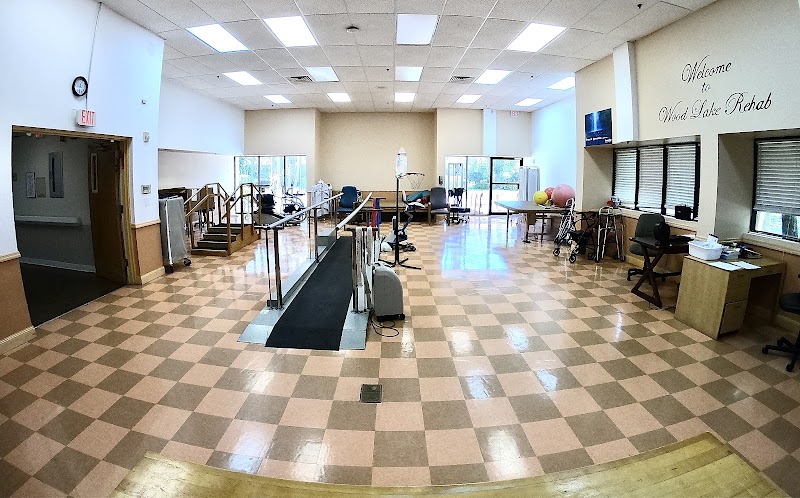
How is Aviata At Greenacres Staffed?

CMS rates AVIATA AT GREENACRES's staffing level at 4 out of 5 stars, which is above average compared to other nursing homes. Staff turnover is 29%, compared to the Florida average of 46%. This relatively stable workforce can support continuity of care.

What Have Inspectors Found at Aviata At Greenacres?

State health inspectors documented 24 deficiencies at AVIATA AT GREENACRES during 2022 to 2025. These included: 2 Immediate Jeopardy (the most serious level, indicating potential for serious harm or death) and 22 with potential for harm. Immediate Jeopardy findings are rare and represent the most serious regulatory concerns. They require immediate corrective action.
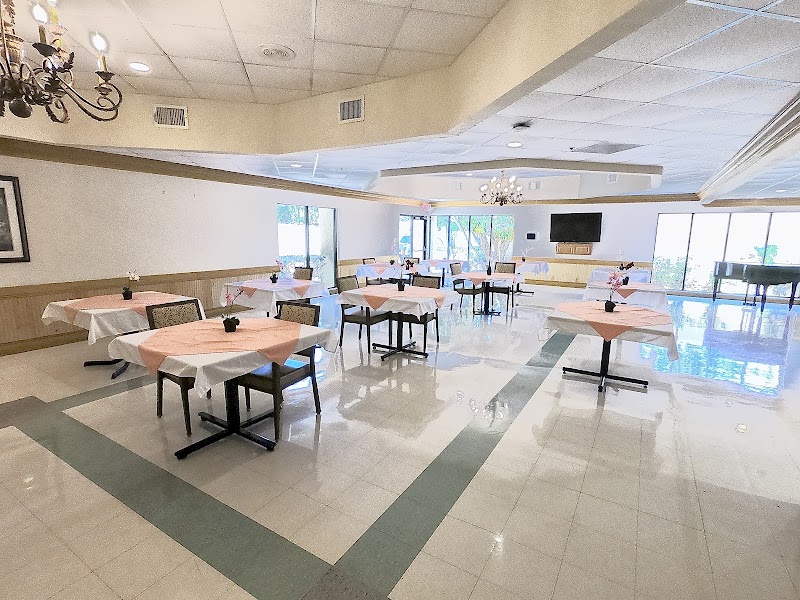
Who Owns and Operates Aviata At Greenacres?

AVIATA AT GREENACRES is owned by a for-profit company. For-profit facilities operate as businesses with obligations to shareholders or private owners. The facility is operated by AVIATA HEALTH GROUP, a chain that manages multiple nursing homes. With 120 certified beds and approximately 108 residents (about 90% occupancy), it is a mid-sized facility located in GREEN ACRES, Florida.
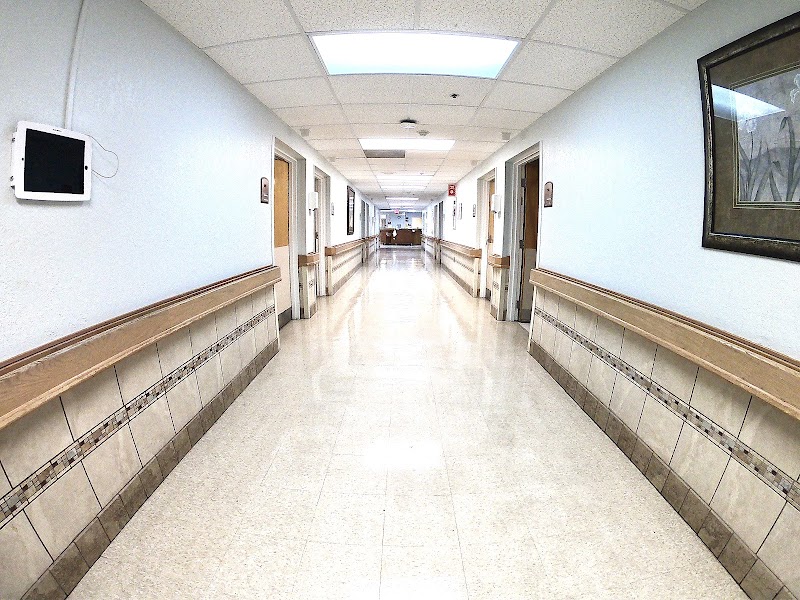
How Does Aviata At Greenacres Compare to Other Florida Nursing Homes?

Compared to the 100 nursing homes in Florida, AVIATA AT GREENACRES's overall rating (2 stars) is below the state average of 3.2, staff turnover (29%) is significantly lower than the state average of 46%, and health inspection rating (2 stars) is below the national benchmark.

What Should Families Ask When Visiting Aviata At Greenacres?

Based on this facility's data, families visiting should ask: "What changes have been made since the serious inspection findings, and how are you preventing similar issues?" "Can I visit during a mealtime to observe dining assistance and food quality?" "How do you handle medical emergencies, and what is your hospital transfer rate?" "Can I speak with family members of current residents about their experience?" These questions are particularly relevant given the facility's Immediate Jeopardy citations.

Is Aviata At Greenacres Safe?

Based on CMS inspection data, AVIATA AT GREENACRES has documented safety concerns. Inspectors have issued 2 Immediate Jeopardy citations (the most serious violation level indicating risk of serious injury or death). The facility has a 2-star overall rating and ranks #100 of 100 nursing homes in Florida. Families considering this facility should ask detailed questions about what corrective actions have been taken since these incidents.

Do Nurses at Aviata At Greenacres Stick Around?

Staff at AVIATA AT GREENACRES tend to stick around. With a turnover rate of 29%, the facility is 17 percentage points below the Florida average of 46%. Low turnover is a positive sign. It means caregivers have time to learn each resident's needs, medications, and personal preferences. Consistent staff also notice subtle changes in a resident's condition more quickly. Registered Nurse turnover is also low at 30%, meaning experienced RNs are available to handle complex medical needs.

Was Aviata At Greenacres Ever Fined?

AVIATA AT GREENACRES has been fined $133,129 across 4 penalty actions. This is 3.9x the Florida average of $34,410. Fines at this level are uncommon and typically indicate a pattern of serious deficiencies, repeated violations, or failure to correct problems promptly. CMS reserves penalties of this magnitude for facilities that pose significant, documented risk to resident health or safety. Families should request specific documentation of what issues led to these fines and what systemic changes have been implemented.

Is Aviata At Greenacres on Any Federal Watch List?

AVIATA AT GREENACRES is not on any federal watch list. The most significant is the Special Focus Facility (SFF) program, which identifies the bottom 1% of nursing homes nationally based on persistent, serious quality problems. Not being on this list means the facility has avoided the pattern of deficiencies that triggers enhanced federal oversight. This is a positive indicator, though families should still review the facility's inspection history directly.