WATERFORD NURSING AND REHABILITATION CENTER
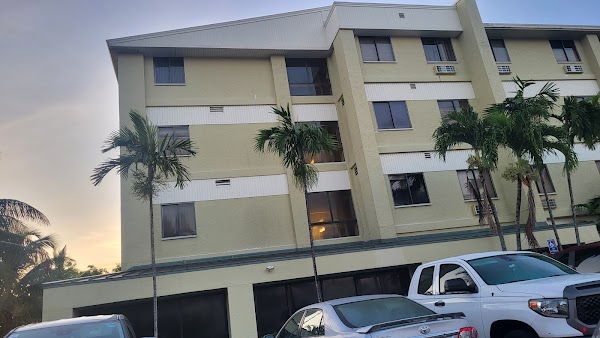
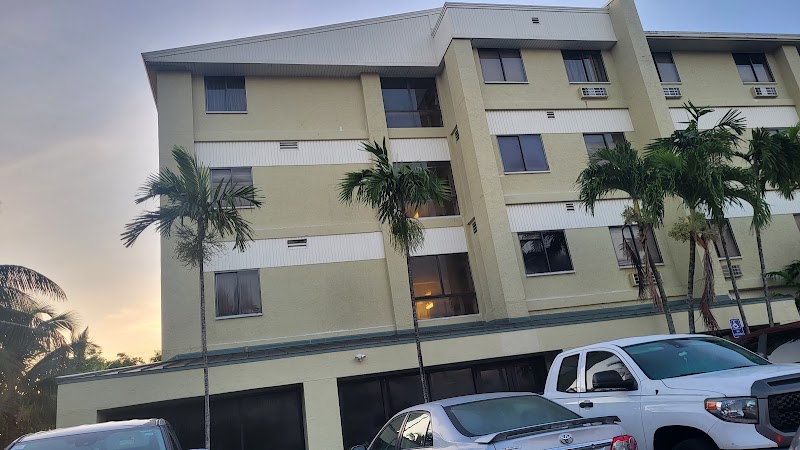
8333 W OKEECHOBEE ROAD, HIALEAH GARDENS, FL 33016 (305) 556-9900
For profit - Corporation 214 Beds VENTURA SERVICES FLORIDA Data: November 2025
Trust Grade
78/100
#303 of 690 in FL
Last Inspection: August 2024

Within standard 12-15 month inspection cycle. Federal law requires annual inspections.

Overview

Waterford Nursing and Rehabilitation Center has a Trust Grade of B, indicating it is a good choice for families seeking care, though there is room for improvement. The facility ranks #303 out of 690 in Florida, placing it comfortably in the top half, and #35 out of 54 in Miami-Dade County, meaning only a few local options are better. However, the trend is worsening, as the number of reported issues increased from 3 in 2023 to 4 in 2024. Staffing is a strength, with a 4/5 rating and a turnover rate of 26%, significantly lower than the state average, which suggests that staff are familiar with the residents. Notably, there have been no fines, and the facility has more RN coverage than 93% of similar centers, which is beneficial for resident care. On the downside, the facility has faced some concerning incidents. For example, staff members entered biohazard rooms without the required codes, which raises safety concerns. Additionally, there were issues with food storage, as items in the walk-in freezer were not maintained at proper temperatures, potentially affecting resident safety. Another concern involved repeated deficiencies in maintaining residents' rights and privacy, indicating ongoing quality care challenges. Overall, while there are notable strengths, families should be aware of these weaknesses when considering this facility.

Trust Score
B
78/100
In Florida
#303/690
Top 43%
Safety Record
Low Risk
No red flags
Inspections
Getting Worse
3 → 4 violations
Staff Stability
✓ Good
26% annual turnover. Excellent stability, 22 points below Florida's 48% average. Staff who stay learn residents' needs.
Penalties
✓ Good
No fines on record. Clean compliance history, better than most Florida facilities.
Skilled Nurses
✓ Good
Each resident gets 67 minutes of Registered Nurse (RN) attention daily — more than 97% of Florida nursing homes. RNs are the most trained staff who catch health problems before they become serious.
Violations
⚠ Watch
18 deficiencies on record. Higher than average. Multiple issues found across inspections.
★★★★☆
4.0
Overall Rating
★★★★☆
4.0
Staff Levels
★★★☆☆
3.0
Care Quality
★★★★☆
4.0
Inspection Score
Stable
2023: 3 issues
2024: 4 issues

The Good

  • 4-Star Staffing Rating · Above-average nurse staffing levels
  • Low Staff Turnover (26%) · Staff stability means consistent care
  • Full Sprinkler Coverage · Fire safety systems throughout facility
  • No fines on record
  • Staff turnover is low (26%)

    22 points below Florida average of 48%

Facility shows strength in staffing levels, staff retention, fire safety.

The Bad

Chain: VENTURA SERVICES FLORIDA

Part of a multi-facility chain

Ask about local staffing decisions and management

The Ugly 18 deficiencies on record

Aug 2024 4 deficiencies
CONCERN (D)

Potential for Harm - no one hurt, but risky conditions existed

Deficiency F0583 (Tag F0583)

Could have caused harm · This affected 1 resident

Based on observation and interviews, the facility failed to provide privacy for residents on one out of eight medications carts as evidenced an observation of residents' personal health information vi...

Read full inspector narrative →
Based on observation and interviews, the facility failed to provide privacy for residents on one out of eight medications carts as evidenced an observation of residents' personal health information visible on an electronic medication administration screen left unattended. There were 201 residents residing the facility at the time of survey. The findings included: On 8/12/24 at 9:52 AM observation on the third floor unattended medication cart #2 revealed residents' personal health information visible on the electronic medication administration screen. Staff E, Registered Nurse (RN) exited a resident's room and was approached by the surveyor. When asked why the computer screen was left open, Staff E, RN replied, I left the computer screen open because I went into the room quickly. I am supposed to close the screen when away from the medication cart. Record review of the facility's Policy: HIPAA. Date implemented: 11/27/2019. Policy: It is the policy of the facility to apply sanctions against employees who fail to comply with all policies and procedures regarding the protection of personal identifiable health information of our residents. 2. All employees are expected to comply with all policies and procedures regarding the protection of personal identifiable health information of our residents.
CONCERN (D)

Potential for Harm - no one hurt, but risky conditions existed

Assessment Accuracy (Tag F0641)

Could have caused harm · This affected 1 resident

**NOTE- TERMS IN BRACKETS HAVE BEEN EDITED TO PROTECT CONFIDENTIALITY** Based on record review and interview, the facility failed to accurately code a Minimum Data Set (MDS) assessment for one (Reside...

Read full inspector narrative →
**NOTE- TERMS IN BRACKETS HAVE BEEN EDITED TO PROTECT CONFIDENTIALITY** Based on record review and interview, the facility failed to accurately code a Minimum Data Set (MDS) assessment for one (Resident number 199) out of three residents reviewed for hospital discharges. Resident number 199 was coded as being discharged to the hospital but the resident was discharged home. There were 201 residents residing in the facility at the time of the survey. The findings included: Record review of the MDS (Minimum Data Set) Assessment Completion and Accuracy Policy and Procedure (issued 9/2020) documented: Policy: It is the policy of the facility to adhere to the following procedures related to the proper documentation and utilization of a resident's Minimum Data Set (MDS) to ensure a comprehensive and accurate assessment of residents will be completed in the format and in accordance with time frames. This assessment system will provide a comprehensive, accurate, standardized, reproducible assessment of each resident's functional capacities and assist staff to identify health problems for care plan development; Procedure: 2) The completed MDS is verified and signed by the MDS Coordinator. Staff members who complete portion of the assessment attest to the accuracy of their sections by signature and 5) The assessment will accurately reflect the resident's status. Closed record review of the Demographic Face Sheet for Resident number 199 documented the resident was admitted on [DATE] with a diagnosis of cerebral infarction, atrial fibrillation, hypertension and osteoarthritis. The resident was discharged home on 7/02/2024. Review of the Discharge Return Not Anticipated MDS (Minimum Data Set), dated 7/02/2024 for Resident number 199 documented: The discharge-return was not anticipated; It was a planned discharge; Discharge to acute hospital; discharge date was 7/02/2024. The MDS was incorrect. The resident was discharged home and not to the hospital. Review of the Physician's Order Sheet dated July 2024 for Resident number 199 documented: Discharge home on 7/02/2024 with home health services (Revision date 7/01/2024). Review of the Discharge Care Plan for Resident number 199 (written 3/27/2024) documented the resident required short term care at the facility for rehabilitation and would return to community or prior living arrangements. Review of the IDT (Interdisciplinary Team) Discharge Progress Note dated 7/02/2024 at 12:55 for Resident number 199 documented: Resident was discharged on 07/02/2024. Resident was admitted to facility for: For rehabilitation, for community re-integration. Resident being discharged to own home. Review of the Ombudsman Form dated 7/02/24 for Resident number 199 documented the resident was discharged home on 7/02/2024. The form was sent to the Ombudsman on 7/09/2024. On 8/14/24 at 9:04 AM, interview with the Social Services Director. She stated, I fax the forms to the Ombudsman weekly. For [ ] for the 7/02/2024 discharge, the form was sent on 7/09/2024. She was discharged home. On 8/14/24 at 11:25 AM, interview and record review with Staff A Registered Nurse (RN), MDS Coordinator. She stated, Discharge Return Not Anticipated MDS, dated [DATE] says she went to the hospital. The POS for July 2024 says she was discharged home on 7/02/24. The Discharge Progress note dated 7/02/24 says she went home. The MDS dated [DATE] is incorrect. On 8/15/24 at 7:32 AM, interview and record review with the Director of Nursing (DON). He stated, This patient was discharged on 7/02/24. This was a rehab patient. This patient was discharged home. The MDS Discharge Return Not Anticipated, dated 7/02/24 says the resident was discharged to the hospital. He confirmed the MDS was incorrect.
CONCERN (D)

Potential for Harm - no one hurt, but risky conditions existed

Deficiency F0761 (Tag F0761)

Could have caused harm · This affected 1 resident

**NOTE- TERMS IN BRACKETS HAVE BEEN EDITED TO PROTECT CONFIDENTIALITY** Based on observation, interview and record review the facility failed to ensure medications were stored safely for one out of ni...

Read full inspector narrative →
**NOTE- TERMS IN BRACKETS HAVE BEEN EDITED TO PROTECT CONFIDENTIALITY** Based on observation, interview and record review the facility failed to ensure medications were stored safely for one out of nine sampled residents (Resident #51). As evidenced by two ointments, one medicated powder and one cream were observed on the overbed table in Resident #51's room. The findings include: During initial observation on 08/12/24 at 07:58 AM Resident# 51 was in bed asleep, medications (creams, ointments, medicated powder) were observed on overbed table (Photo available). On 08/13/24 at 09:11 AM Resident #51 was observed in geriatric chair asleep in the room. On 08/14/24 at 08:56 AM the resident in room receiving care from Certified Nursing Assistant (CNAs) (Staff B). Review of the medical records for Resident #51 revealed the resident was admitted to the facility on [DATE]. Clinical diagnoses included but not limited to: Cerebral Infarction due to embolism of left posterior cerebral artery. Review of the Physician's Orders Sheet for August 2024 revealed Resident #51 had orders that included but not limited to: Barrier cream to sacral area and buttocks-every shift for preventative and as needed for after incontinent episodes. Record review of Resident # 51's Quarterly Minimum Data Set (MDS) dated [DATE] revealed: Section C for Cognitive patterns documented Brief Interview for Mental Status Score (BIMS) of four out of fifteen which suggests severe cognitive impairment. Record review of Resident # 51's Care Plans Reference Dated 07/10/2024 documented: Resident has an Activities of Daily Life (ADL) Self Care Deficit & is at Risk for Complications and decline, ADLs may Fluctuate throughout the Course of Day. Requires maximum/substantial to total staff Assistance with ADL's. Interview on 08/14/24 at 09:20 AM Certified Nursing Assistant (CNA), (Staff B) stated: I am the CNA assigned to the resident, I used soap and cream to clean the resident, then apply barrier cream and medicated powder. I store the items after use away in the resident's bedside drawer. Interview on 08/14/24 at 09:24 AM Licensed Practical Nurse (LPN) (Staff C) stated: stated the barrier cream we use at the facility are single used packages that are stored at the nurses' station, sometimes the family brings items that they want us to use like a lotion or powder, we would store those items in the bed side drawer in a plastic bag. I usually do my rounds several times during my shift and if I notice anything in the patients' room that is not supposed to be there, I will make sure I take care of it (store the item, dispose of the item etc.). Interview on 08/15/24 at 08:34 AM the Director of Nursing (DON) revealed after seeing the photo of the medicated powder, cream lotion on the overbed table reported Staff B confirmed that he left the medicated powder, ointments and cream treatments on the overbed table. Review of the facility policy titled Labeling of Medications, Storage of Drugs and Biologicals dated 3/2020 states: It is the policy of this facility to ensure that all medications and biologicals used in the facility will be labeled and stored in accordance with current state, federal regulations.
CONCERN (E)

Potential for Harm - no one hurt, but risky conditions existed

Accident Prevention (Tag F0689)

Could have caused harm · This affected multiple residents

**NOTE- TERMS IN BRACKETS HAVE BEEN EDITED TO PROTECT CONFIDENTIALITY** On 08/13/24 at 8:53 AM while on the second floor, Staff F, Registered Nurses (RN) was observed carrying a tied plastic bag with ...

Read full inspector narrative →
**NOTE- TERMS IN BRACKETS HAVE BEEN EDITED TO PROTECT CONFIDENTIALITY** On 08/13/24 at 8:53 AM while on the second floor, Staff F, Registered Nurses (RN) was observed carrying a tied plastic bag with trash and entering the Biohazard room without using a code or key. Staff F, RN exited the Biohazard room and performed hand hygiene. When asked about the code for door to the Biohazard room, Staff F, RN stated: I opened The Biohazard room door without a code. This room is supposed to have a code. On 8/13/24 at 09:00 AM while on the ground floor, Staff G, Certified Nursing Assistant (CNA) was observed carrying a tied plastic bag with trash an entered the Biohazard room without using a code or key. After Staff G, CNA exited the Biohazard room and asked about the code to the Biohazard room; Staff G, CNA stated: I do not need a code to enter the Biohazard room. On 08/13/24 at 9:19 AM The Director of Nursing (DON) revealed; there are four biohazard rooms in the facility. each room is locked with a key or code. The doors are expected to be locked automatically once staff exit the room, the purpose for keeping it locked is for residents' safety and infection control. On 8/13/24 at 9:26 AM A tour was conducted of four out of four Biohazard rooms with the DON. On the fourth (4th) floor The DON entered the Biohazard room with a code. On the third (3rd) floor the DON entered without a code. On the second (2nd) floor the DON entered the Biohazard room without a code. On the ground floor the DON entered Biohazard room without a key. The DON then informed Maintenance staff of the issue. Record review of Policy entitled, Bio-hazardous Waste Management Plan revealed Policy: It is the policy of the facility to provide care and services related to Biohazardous waste in accordance to State and Federal regulations. Procedure: 7. The facility will provide an onsite storage area designated for Biohazardous waste. Class III Based on observation, interview, and record review the facility failed to ensure the safety for one out of nine sampled residents as evidenced by 1) Resident #54, a vulnerable resident with orders for bilateral floor mats was observed in bed with one floor mat 2) failed to ensure three out of four soiled utility rooms were locked. There were 201 residents residing in the facility at the time of survey. The findings included: During initial observation on 08/12/24 at 08:20 AM Resident #54 was observed there in bed, there was mat on the floor to the right side of Resident #54's bed. On 08/13/24 at 09:24 AM Resident # 54 was asleep in bed and bilateral floor mats observed in place. On 08/14/24 at 07:47 AM Resident # 54 was in bed being fed breakfast and one floor mat was against the wall and one on the floor at the right side of the bed. During an interview on 08/14/24 at 09:30 AM Licensed Practical Nurse (LPN) (Staff C) stated: The resident is supposed to have two floor mats, if during rounds I see any of the resident's mats are missing and the resident is in bed I would make sure to look around the room for the other mat and put it in place, if the mats were not in the room I would call maintenance for new mats. The resident has orders for bilateral floor mats while in bed. Interview on 08/14/24 at 09:41 AM Certified Nursing assistant (CNA) (Staff D) stated: I am assigned to the resident, the resident has two floor mats, one on each side of the bed, when I do my rounds, if one of the floor mats is missing, I talk to the nurse first and then I will make sure the floor mat is put in place. Interview on 08/15/24 at 08:40 AM, the Director of Nursing (DON) revealed there is a running list of the equipment each resident should have at the nurses' station . Review of the medical records for Resident #54 revealed the resident was admitted to the facility on [DATE]. Clinical diagnoses included but not limited to seizures, Hemiplegia and Hemiparesis following unspecified cerebrovascular disease affecting unspecified side. Review of the Physician's Orders Sheet for August 2024 revealed Resident #54 had orders that included but not limited to: 8/9/24- bilateral floor mats on each side of bed every shift for safety. Record review of Resident # 54's Quarterly Minimum Data Set (MDS) dated [DATE] revealed: Section C for Cognitive Patterns documented Brief Interview for Mental Status Score-unable to be determined. Section E for Behaviors documented no behaviors exhibited. Section GG for Functional status documented resident is dependent for care. Record review of Resident #54 's Care Plans Reference Date 07/31/2024 revealed: Resident is at risk for falls and injuries related to poor sitting and standing balance, cognitive impaired and treatment with antidepressant. History of falls in the facility. Exhibits period of agitation, restlessness, hanging the legs out of bed, at risk for falls. On 7/19/24: Fall in facility, discharge to hospital for evaluation, Left forehead abrasion, right eye redness. Resident will have minimized risk of falls and fall related injury through the next review date. Interventions include- Fall in facility bilateral floor mats, mattress bolsters as indicated . Review of the facility policy and procedures titled Accidents ad Hazards dated 01/16/2019 states: The resident environment remains as free of accident hazards as is possible; and each resident receives adequate supervision and assistive devices to prevent accidents. This includes: 1. Identifying hazards) and risk(s) 2. Evaluating and analyzing hazard(s) and risk(s) 3. Implementing interventions to reduce hazard(s) and risk(s) 4. Monitoring for effectiveness and modifying interventions when necessary.
Apr 2023 3 deficiencies
CONCERN (D)

Potential for Harm - no one hurt, but risky conditions existed

Resident Rights (Tag F0550)

Could have caused harm · This affected 1 resident

Based on observations, records reviews and interviews, the facility failed to ensure dignity during dining for one (Resident #90) out of 40 residents who are dependent on assistance with eating. As ev...

Read full inspector narrative →
Based on observations, records reviews and interviews, the facility failed to ensure dignity during dining for one (Resident #90) out of 40 residents who are dependent on assistance with eating. As evidenced by one facility staff standing while feeding the resident. The findings include: In an observation on 04/10/23 at 09:12 AM, Resident #90 is dressed and in the wheelchair with eyes closed. In an observation on 04/11/23 at 08:47 AM, Staff C, a Diet Technician was observed standing while feeding resident #90 breakfast. Staff C stated, There is no chair in the room for me to sit down in and feed the resident. This resident eats pureed food and needs assistance with eating. In an observation on 04/13/23 at 08:02 AM, Resident #90 was in the wheelchair. Staff D, Certified Nursing Assistant (CNA) pulled a chair to resident #90. Staff D washed hands in the restroom. Prepared tray to serve the resident. Staff D sat in the chair to feed the resident. The meal was pureed and thickened liquids. Resident #90's left hand arm is observed to be contracted, the resident holds it to chest & the right arm is underneath the blanket. Record review of Resident #90 medical records revealed, medical diagnoses of dementia, glaucoma, Alzheimer's Disease. The diet is regular, nectar thickened liquids, pureed. In the physician orders, it states, document meals, intake and output. Point of care for meal consumption for breakfast, lunch and dinner and fluids. Fortified cereal at breakfast time. Record review of the minimum data set, quarterly review dated 2/14/23 documents, the Brief Interview of Mental Status score is a 3 meaning severe mental impairment. Rejection of care is behavior not exhibited. Bed mobility is extensive assistance with two plus assists. Transfer is total dependent with two plus assists. Eating is extensive assistance with one assist. Toileting is extensive assistance with one support. No weight loss or gain in the past month or 6 months. No swallowing disorder symptoms. No dental issues. No speech therapies. In care plan, it is noted in Activities of Daily living: Self Care Deficit, needs extensive to total assistance with activity of daily living. Diagnosis of Chronic Obstructive Pulmonary Disease, Alzheimer's, Dementia, Osteoarthritis, History of compression fracture T-12. Will not develop complication related to decline in activities of daily living by next review date. Target Date is 05/12/2023. On 04/13/23 at 09:08 AM, in an interview with the Registered Dietitian and Staff E, a Registered Diet Technician (Staff E) it was revealed, when asked about sitting with residents while assisting residents to eat. The Registered Dietitian stated, We usually sit 100 percent of the time. Sometimes there are no chairs available. We can ask a staff member to bring a chair for us. Sometimes, there is a chair in the room. I was helping a resident eat the other day. The chair was hard. We may stand because we are repositioning the resident in the chair or assisting them. We know we must sit because of dignity concerns. On 04/13/23 at 12:16 PM, in an interview with the Diet Technician (Staff C). When asked about assisting residents to eat during meals. Staff C stated, My job is to assist residents with eating breakfast and lunch. I assist with the certified nursing assistant (C N A) during mealtimes. I may assist the residents in their room or in the dining room. That day that you observed me, I asked the CNA to bring me a chair to sit. The CNA did not come back to me. That's when you walked in. In some resident rooms there are chairs. I assisted the resident with eating because her roommate was eating her breakfast. I didn't want to leave her without her eating her breakfast. I'm aware that we are to sit down with the residents during meals. On 04/13/23 at 01:20 PM, in an interview with the Director of Nursing (DON) revealed, when was asked about how staff can get chairs during mealtimes to assist the resident with eating. The DON stated, They are in the activity area and dining room. Staff know to sit down as it is a dignity issue and respect to the patient. To be at the same eye level. We have had in-services on that in the past. Speech therapy has given in-services for how to assist residents while eating in the past month. Review of the facility's Policy and Procedure titled, Promoting/Maintaining resident dignity during mealtime issued on 3/2020. On guideline number six it states, All staff will be seated, if possible, while feeding a resident. In the policy and procedure for resident rights dated 3-1-2021. In 30-A it states, promoting resident independence and dignity in dining (such as avoidance of disposable utensils and dishes, using bibs instead of napkins, dining room conducive to pleasant dining).
CONCERN (D)

Potential for Harm - no one hurt, but risky conditions existed

Respiratory Care (Tag F0695)

Could have caused harm · This affected 1 resident

**NOTE- TERMS IN BRACKETS HAVE BEEN EDITED TO PROTECT CONFIDENTIALITY** Based on observations, interviews, and record review, the facility failed to follow physician orders for oxygen therapy as presc...

Read full inspector narrative →
**NOTE- TERMS IN BRACKETS HAVE BEEN EDITED TO PROTECT CONFIDENTIALITY** Based on observations, interviews, and record review, the facility failed to follow physician orders for oxygen therapy as prescribed for one (Resident #118) out of 3 residents sampled. The Findings Included: During observation on 04/10/2023 at 08:56 AM, Resident #118 was observed sitting in the wheelchair in the room, the oxygen (02) was running at 3 liters per minute (LPM), via nasal cannula, the 02 tubing observed was not dated, no dated supplies were observed around the 02 concentrator. On 04/11/23 at 08:46 AM, Resident #118 was observed in the room in the wheelchair watching television, there was no 02 running, stated today is a great day, 02 tubing observed in a plastic bag dated 4/10/23. On 4/12/23 at 10:30AM, Resident #118 was observed in the Activities room fixing puzzles with other residents, no distress was noted. Review of the medical records for Resident #118 revealed, the resident was admitted to the facility on [DATE]. Clinical diagnoses included but were not limited to: Chronic respiratory failure with hypercapnia, Chronic obstructive pulmonary disease unspecified (COPD), Obstructive sleep apnea (adult), Pneumonia unspecified organism and Influenza due to other identified influenza virus with other respiratory manifestations. Review of the Physician's Orders Sheet for April 2023 revealed, Resident #118 had orders that included but were not limited to: From 2/06/22-4/11/23-Oxygen @ 2L/m via nasal cannula as needed. From 04/11/23 oxygen at 2-3LPM via nasal cannula as needed. Medications included: Budesonide suspension for nebulization; 0.5 milligram (mg)/2 milliliter (mL) inhalation twice A Day for Shortness of breath. Ipratropium-albuterol solution for nebulization; 0.5 mg-3 mg (2.5 mg base)/3 mL- inhaled content of one vial for 15 minutes every six hours while awake for COPD. Bilevel Positive Airway Pressure (BiPAP) machine at night and as needed (PRN) with settings 18/8/ 35%, backup rate 12 beats per minute (bpm) on at bedtime and off in the morning while awake and PRN. Record review of Resident #118 's Quarterly Minimum Data Set (MDS) dated [DATE] revealed: Section C for Cognitive Patterns documented Brief Interview for Mental Status Score (BIMS) is 15, indicating the resident is cognitively intact. Section G for Functional Status documented resident requires supervision for eating and extensive assistance with all other Activities of Daily Living (ADLS). Section J for Health Conditions documented resident experiences Shortness of breath or trouble breathing when lying flat. Section O for Treatments and Procedures documented resident received oxygen therapy in the last 14 days. Record review of Resident # 118's Care Plans Reference Date 04/12/2023 revealed, Resident has potential for difficulty breathing related to COPD, and Respiratory Failure. Multiple hospitalizations related to respiratory diagnosis. Interventions included but were not limited to: BIPAP as ordered by physician (MD), Maintain precautions/care as indicated. Respiratory Therapy Evaluation and Treatment as indicated. Nebulizer/Inhalation Treatment as indicated. Maintain precautions/care as per MD orders. Review of the Physician progress notes for Resident #118 dated 04/07/23 timestamped 15:23 documented, Patient with several hospitalizations in the last year for her COPD. Currently in no acute exacerbation. Doing great on BiPAP machine at night as recommended. She was found in the hall, with no acute distress, conversational, at room air sating above 94%. Continue using BiPAP and nasal cannula as needed as oriented, as well all her nebulizer treatment. During interview on 04/11/23 at 03:46 PM, the Director of Nursing (DON) stated, when asked about care orders for oxygen tubing, the DON stated our policy states, we change the tubing weekly and as needed, we do not need an order. When asked who informs the direct care staff about this policy, the DON stated the nurses are aware of the policy and we have a respiratory therapist on site. Regarding oxygen orders, the DON stated all the continuous oxygen orders are prescribed at 2-3 Liters per minute, the as needed oxygen orders for residents are specific, but we will look into changing those orders. The Surveyor informed the DON of the observation findings concerning Resident # 118 oxygen observed at 3LPM and no dates on tubing to show when the last time it was changed. The DON acknowledged the observation findings and stated he will be working with his nurses to continue to improve patient care and do in-services. Interview on 04/12/23 at 10:01 AM, a Registered Nurse on the 2nd floor (Staff A) stated, when asked about the care of oxygen tubing for residents, she stated, she changes the residents' oxygen tubing once a week and as needed. Asked if there was an order on the Treatment Administration Record (TAR) to sign off when they change the tubing, and the nurse was not sure if there were any specific orders that they would sign off on. Staff A stated, she will check with her supervisor and let the surveyor know. Interview on 04/12/23 at 11:00 AM, a Registered Nurse on the 2nd floor, (Staff B) when asked about the care of oxygen tubing stated, she changes the residents' oxygen tubing as needed. Review of the facility's policy and procedure titled, Standards and Guidelines: SG Respiratory Care and Oxygen Administration revised 10/2022 states: It is the standard of this facility to provide guidelines for respiratory care and safe oxygen administration. Step 1. verify that there is a physician's order for respiratory procedures or oxygen use. Step 10. Oxygen, trach and nebulizer tubing is changed weekly and dated as verification that the tubing was changed. Tubing order may be recorded in the clinical record, but it is not required. The Facility failed to follow the physician order for oxygen and changing tubing for Resident #118.
CONCERN (D)

Potential for Harm - no one hurt, but risky conditions existed

QAPI Program (Tag F0867)

Could have caused harm · This affected 1 resident

Based on interview and record review, the facility's quality assurance and assessment committee failed to identify quality concerns as evidenced by not implementing an effective plan of action to corr...

Read full inspector narrative →
Based on interview and record review, the facility's quality assurance and assessment committee failed to identify quality concerns as evidenced by not implementing an effective plan of action to correct identified quality deficiencies in problem-prone areas, related to respiratory/tracheostomy care and suctioning as evidenced by repeated deficient practice during consecutive annual surveys. Cross reference F695 Respiratory/Tracheostomy Care and Suctioning. The facility had deficient practice during the last recertification survey conducted in 2022. The facility had a census of 191 residents at the time of the survey. The findings included: Record review of the facility's survey history revealed, during the annual survey exit dated 01/03/2022, deficient practice was cited related to F 695- Respiratory/Tracheostomy Care and Suctioning. F 695 was also cited during the current annual recertification survey exit dated 04/13/2023. Review of the facility's plan of correction for the last annual survey with an exit date 01/03/2022 related to F 695 Respiratory/ Tracheostomy Care and Suctioning indicated as part of the correction measures revealed that A facility wide audit was conducted of all residents requiring Respiratory Services (Oxygen) to ensure residents Oxygen therapy via Nasal Cannula is administered as ordered by a physician and includes correct flow rate, mode of delivery and frequency. Licensed Nurses were re-educated by DON/designee on Quality of Care: Respiratory Care/Orders. Following MD orders when providing Respiratory Care/Oxygen. During an interview with the Nursing Home Administrator (NHA), the Director of Nursing (DON) and Assistant Director of Nursing (ADON) on 04/13/2023 at 01:57pm it was revealed, the Risk Manager and Quality Assurance Performance Improvement (QAPI) Committee meets once a month on the third Thursday each month. The Committee is the NHA, DON, ADON, the Medical Director, the Social Services Director, Infection Preventions, Minimum Data Set (MDS), Restorative Nursing, Human Resources (HR,) Dietitian, Plant Operations, Activities Director, Rehabilitation Director, and Environmental Services Director. The NHA stated they always get the Qualtity Assurance Performance Improvement (QAPI) reports from Pharmacy, Nephrologist services, and Diagnostic companies contracted with facility, but they do not come every month. The NHA stated there are several ways for the committee to have access and identify concerns and mentioned grievances, any other concern discussed with residents and/or family, staff and the Safety Committee which is integrated by the certified nurse assistants (CNAs, Nursing, Maintenance, Housekeeping, Dietary). They stated they review any concern or incident brought by the Maintenance Department to the committee, and reports taken from the Resident Council that is brought up by Activities and/or Director of Social Services (DSS). The NHA stated they receive concerns brought by Human Resources (HR) and they do hold townhall meetings monthly before QAPI and the QAPI Committee can get the reports and concerns from other sources different to QAPI members and the Safety Committee. The NHA stated they also look at the Certification and Survey Provider Enhanced Reports (CASPER) reports and any Agency for Health Care Administration (AHCA) complaint survey and the results from previous surveys. The NHA revealed the different performance improvement plans (PIP) the facility has opened and have all of them ongoing (without mentioning any PIP for the deficient practice cited related to Respiratory/Tracheostomy Care and Suctioning, she explained how the ongoing process is to measure effectiveness of their intervention. During the interview DON stated there is not an open PIP for F 695 at this time. When asked about the deficiency found regarding oxygen treatment which was cited in the previous annual survey, The DON explained they started doing in service with nursing staff immediately after he was made aware of it, and staff received one to one service to make sure the oxygen level follows the doctor's order and staff will be triple checking the orders. The DON stated he spoke with the doctor and explained the patient (Resident #118) can be up to three liters per minute, and he gave a new order, and they updated the care plan. When asked about the effectiveness of their QAPI regarding the previous cited deficiency, the DON stated before this survey the physician's orders were change to the 2-3 liters per minute for all continuous medication, but they did not change the PRN order which was done now. Review of QAPI meetings signing sheet dated 01/23/2023, 02/23/2023, 03/23/2023 reviewed and revealed no concerns. The facility's QAPI Committee met monthly. Reviewed QAPI Program issued 06/10/2021 revealed: 11. Governance and leadership- b. Governing oversight responsibilities included, but are not limited to the following: iii. Ensuring the program is ongoing, defined, implemented, maintained, and addresses identified priorities. vi. Ensuring that corrective actions address gaps in systems and are evaluated for effectiveness. Review Policy and Procedures on QAPI effective date 10/02/2019 revealed: PURPOSE STATEMENT: To provide a process that will enhance the care and experience for all residents, improve the work environment for stakeholders, and quality of all services provided by the facility. POLICY STATEMENT: It is the intent of this facility to conduct an ongoing Quality Assurance/Performance Improvement (QAPI) program designed to systematically monitor, evaluate, and improve the quality and appropriateness of resident care. QAPI supports the overall goals of the facility and examines both outcomes and processes relevant to these outcomes with the objective of improvement the organization's overall performance. GUIDELINES: 6.- The facility will identify areas for QAPI monitoring and tools/resources to be utilized. These monitoring activities should focus on those processes that significantly affect resident outcomes. 7. The QAPI committee will review and coordinate audits and assessments based on the QAPI calendar. Completion of additional audits and assessments will be determined by concerns identified through the QAPI committee. Criteria for selecting additional aspects of care for performance improvement are based on the following: d. Problem areas-the aspect of care has tended in the past to produce problems for staff or residents.
Jan 2022 11 deficiencies
CONCERN (D)

Potential for Harm - no one hurt, but risky conditions existed

Deficiency F0583 (Tag F0583)

Could have caused harm · This affected 1 resident

**NOTE- TERMS IN BRACKETS HAVE BEEN EDITED TO PROTECT CONFIDENTIALITY** Based on observation, interview and record review, the facility failed to maintain the privacy for 1 (Resident # 62) out of one ...

Read full inspector narrative →
**NOTE- TERMS IN BRACKETS HAVE BEEN EDITED TO PROTECT CONFIDENTIALITY** Based on observation, interview and record review, the facility failed to maintain the privacy for 1 (Resident # 62) out of one resident reviewed for privacy as evidenced by, posting a visible handwritten sign on the wall of Resident # 62's room with Personal Health Information (PHI) related to Resident # 62's dietary orders. There were one hundred-thirty residents residing in the facility at the time of this survey. The findings are the following: Observation on 01/10/22 at 12:00 PM revealed Resident # 62 was in the room, lying in bed. Resident # 62 was able to answer questions with yes or no responses but not able to elaborate during the interview. A sign was observed on the wall behind Resident # 62 the sign posted on the wall indicated in English and Spanish : (Sunday) 01-09-2022, Resident # 62's name, room number and bed. Has Nectar thickened liquids (Photographic evidence obtained). During this observation Staff A, a Certified Nursing Assistant (CNA) entered the room. Staff A was asked about the sign. Staff A stated that she had not noticed the sign displaying private information and exited the room. When asked, Resident # 62 did not state anything about the sign. Observation on 01/11/2022 at 11:25 AM revealed Resident # 62 in bed, the sign displaying private and protected information was still attached to the wall behind Resident # 62's bed. Resident # 62 was unable to say who put the sign on the wall. Observation on 01/12/2022 at 9:45 AM, Resident # 62 was observed in bed, awake, alert and oriented to person. The sign containing private and protected information was still attached to the wall. On 01/12/2022 at 9:48 AM, during an interview Staff B, a Licensed Practical Nurse (LPN) stated she did not notice the sign on the wall containing private information about Resident # 62. Staff B stated: That sign is not supposed to be there because of privacy. Staff B stated she was aware Resident #62 is on thickened liquids (nectar) but did not know who put the sign on the wall. On 01/12/2022 at 9:55 AM, the Director of Nursing (DON) revealed she did not know about the sign on the wall and no staff had reported to her that any family member for Resident #62 had asked to put the sign on the wall or educated on not posting information with private information on resident's condition in areas where it might be seen by others. The DON looked at the handwritten sign and re-stated she does not know who posted the sign on the wall. Interview with Staff C, CNA on 01/12/2022 at 10:00 AM revealed she did not notice the sign and did not know who put the sign on the wall. On 01/13/2022 at 10:45 AM, the DON reported that she had contacted Resident # 62's family on 01/13/2022 and the family revealed they did not put the sign on the wall. The DON added that it may have been a staff in the facility that put the sign on the wall. Record review of Resident # 62's Demographic Face revealed last date of admission was 03/10/2020 and original date of admission on [DATE]. Diagnosis included but no limited to Cerebral infarction, Hemiplegia, unspecified affecting left non dominant side and Dysphagia following unspecified Cerebrovascular disease. etc. Record review of the Resident # 62's Minimum Date Set (MDS) Annual dated 11/16/2021 revealed Brief Interview for Mental Status (BIMS) score of 11 out of 15 and the section for nutritional approaches indicated mechanically altered diet. Record review of Resident #62's care plan dated 02/21/2020 last reviewed 11/17/2021 revealed Resident #62 was at risk related to Mechanically/altered diet, assisted with meals. Diagnosis of Dysphagia, Muscle Wasting, History of Cerebral Vascular Accident (CVA). Record review of Resident # 62's Physician order sheets (POS) dated 01/09/2022 revealed dietary order for Special Consistency/ Nectar thickened liquids. Review of the facility's Policy and Procedures on Resident Rights last revised on 08/16/2018 revealed as a Policy Statement All residents have the right to be treated with respect and dignity. These rights will be promoted and protected by the facility. Under Guidelines it is stated: 1.- Federal and state laws guarantee certain basic rights to all residents of this facility. These rights include the resident's right to: f. Privacy and confidentiality. 3. The facility will make every effort to support each resident in exercising his/her right to assure that the resident is always treated with respect, kindness, and dignity. 6. The unauthorized release, access, or disclosure of resident information must be in accordance with current laws governing privacy of information issues.
CONCERN (D)

Potential for Harm - no one hurt, but risky conditions existed

Assessment Accuracy (Tag F0641)

Could have caused harm · This affected 1 resident

Based on observation, record review and interview, the facility failed to accurately code the Minimum Data Set (MDS) for one resident (Resident #136) out of one resident investigated for Hospice Care....

Read full inspector narrative →
Based on observation, record review and interview, the facility failed to accurately code the Minimum Data Set (MDS) for one resident (Resident #136) out of one resident investigated for Hospice Care. There were 12 residents receiving Hospice Care and services at the time of survey. The finding included: Observation of Resident # 136 on 01/10/22 at 9:36 AM revealed the resident seated in her room sitting in her wheelchair. Observation of Resident # 136 on 01/12/22 10:31 AM revealed the resident sitting in wheelchair in her room. The resident stated she is feeling good. Record review of Quarterly Minimum Data Set (MDS) Section O for Special Treatments, Procedures, and Programs dated 12/23/2021 revealed the resident was receiving Hospice Care. On 01/13/2022 at 11:02 PM, during an interview Registered Nurse (RN), Staff D stated that Resident # 136 was not receiving Hospice Care. Staff D stated, I don't provide palliative care for the resident. I provide regular care to the resident. On 1/13/2022 at 3:20 PM, the Minimum Data Set (MDS) coordinator stated during an interview that Section O of the MDS showed that the resident was receiving hospice care at the time of the assessment. The MDS coordinator revealed that the assessment was incorrectly coded. Review of Facility Policies and Procedures for Resident Assessment, Last Reviewed Date: 07/31/2018, revealed Guideline: The facility must conduct initially and periodically a comprehensive, accurate, standardized reproducible assessment of each resident's functional capacity. 7-If data is conflicting, appears in error, or requires further clarification, Minimum Data Set Coordinator will verify with the resident, resident representative, licensed and non-licensed staff and /or physician to ensure data is accurate. 8-Any data or documentation found with inaccuracies during the assessment completion process must be documented as MDS Clarification Note in the resident's record with correct data, with whom and when they verified data, what MDS assessment involved with Assessment Reference Date (ARD) and a dated signature of person writing the note.
CONCERN (D)

Potential for Harm - no one hurt, but risky conditions existed

Comprehensive Care Plan (Tag F0656)

Could have caused harm · This affected 1 resident

**NOTE- TERMS IN BRACKETS HAVE BEEN EDITED TO PROTECT CONFIDENTIALITY** Based on observation, interview and record review, the facility failed to develop a comprehensive care plan related to respirato...

Read full inspector narrative →
**NOTE- TERMS IN BRACKETS HAVE BEEN EDITED TO PROTECT CONFIDENTIALITY** Based on observation, interview and record review, the facility failed to develop a comprehensive care plan related to respiratory care for 1 (Resident #58) out of 10 sampled residents reviewed for respiratory care. There were 130 residents residing in the facility during the survey. The findings included: During the initial tour of the facility on 01/10/22 at 10:27 AM, Resident #58 was observed in his room sitting in a wheelchair. The resident was alert, but appeared to be hard of hearing when attempting to speak to him and the televisions volume was loud. An oxygen concentrator was observed at the resident's bedside, but it was not in use. On 01/11/22 at 09:10 AM, Resident #58 was observed in his room sitting in a wheelchair, the oxygen concentrator was on at 3 liters/minute, but the oxygen was not in use by the resident. The tubing was observed on top of the concentrator. The television's volume was loud and Resident #58 reported in Spanish that he was a little hard of hearing. On 01/12/22 at 09:42 AM, Resident #58 was observed sitting in a wheelchair. The oxygen concentrator was at the bedside, was turned off and not in use by the resident. During the review of Resident #58's medical record, it noted the resident was admitted to the facility on [DATE]. The resident's diagnoses included but were not limited to Congestive Heart Failure. The resident's physician's orders included: Dated 11/08/21 - Respiratory special procedures to be provided including respiratory muscle trainer, Incentive Spirometry, Vibratory positive expiratory pressure (PEP) therapy, Percussion/Postural/Drainage etc. Twice per day on Monday, Tuesday, Wednesday, Thursday, and Friday. Dated 11/07/21 - Oxygen Therapy - Oxygen via nasal cannula (NC) at 2 liters per minute prn (as needed). During the review of the admission Minimum Data Set (MDS) dated [DATE], Section O, Special Treatments, Procedures and Programs, 0400D-Respiratory Therapy-1. Total Minutes-150 minutes. 2. Days: 5 days. The number of days this therapy was administered for at least 15 minutes a day in the last 7 days. During the review of Resident #58's care plans, there was no care plan found to document the use of the respiratory special procedures and oxygen therapy. On 01/13/22 at 05:14 PM, the Director of Nurses (DON) was asked to find the respiratory care plan. A care was found with the problem start date 11/07/2021: Resident at risk for Cardiovascular Complications DX (diagnosis) of CHF (Congestive Heart Failure), HTN (Hypertension), HLD (Hypersensitivity Lung Disease), Atrial Fibrillation, Mitral Valve Regurgitation, Ascending Aortic Aneurysm, Respiratory Complications DX CHF, Cerebrovascular Complications HX (History) of CVA (Cerebrovascular Accident). The goal was - Resident will not develop cardiac complications. The target date was 02/05/2022. The approaches include Medications as ordered; Observe and report to MD (medical doctor) for chest pain; Observe and report to MD edema; Observe and report to MD for worsening of weakness; Observe for shortness of breath, changes in sputum, report to MD, and Routine vitals. The care plan didn't include approaches for respiratory special procedures and oxygen therapy. The DON reported she would have the MDS Coordinator bring the respiratory care plan. During an interview on 01/13/22 at 5:25 PM with Staff G, a Registered Nurse MDS Coordinator, Staff G presented the care plan used for resident #58's respiratory care. The care plan presented was the Resident at risk for Cardiovascular Complications DX (diagnosis) of CHF (Congestive Heart Failure), HTN (Hypertension), HLD (Hypersensitivity Lung Disease), Atrial Fibrillation, Mitral Valve Regurgitation, Ascending Aortic Aneurysm, Respiratory Complications DX CHF, Cerebrovascular Complications HX (History) of CVA (Cerebrovascular Accident). Staff G was unable to show the respiratory approaches of respiratory special procedures and oxygen therapy on the care plan.
CONCERN (D)

Potential for Harm - no one hurt, but risky conditions existed

Pressure Ulcer Prevention (Tag F0686)

Could have caused harm · This affected 1 resident

**NOTE- TERMS IN BRACKETS HAVE BEEN EDITED TO PROTECT CONFIDENTIALITY** Based on observation, record review and interview, it was determined the facility failed to provide necessary care and services ...

Read full inspector narrative →
**NOTE- TERMS IN BRACKETS HAVE BEEN EDITED TO PROTECT CONFIDENTIALITY** Based on observation, record review and interview, it was determined the facility failed to provide necessary care and services to a sacral pressure ulcer for 1 (Resident #134) out of 3 sampled residents reviewed for pressure ulcers. There were 130 residents residing in the facility during the survey. The findings included: During the initial tour on 01/10/22 at 10:18 AM, Resident #134 was observed in bed asleep and laying on her right side. The resident was wearing a mask and the resident right arm was bent at the elbow and appeared to be contracted. On 01/12/22 at 09:26 AM, Resident #134 was observed in bed awake, the resident did not respond when spoken to, the resident was in a low bed, laying on her back, and pillows were elevating her legs. The resident had 2 siderails up, and an air mattress was on the bed. On 01/12/22 at 09:55 AM, Staff E, the Wound Care Registered Nurse was interviewed. Staff E reported she had finished with wound care for the day. She reported, she started the wound care at approximately 6:45 AM. Staff E was asked about the wound care provided to Resident #134. Staff E reported, the wound care doctor came to facility on Mondays to make notes and measure the resident's wounds. She presented the physician's weekly wound care sheet dated 01/10/22 to be used for the week. The wound care sheet documented that Resident #134's wounds had deteriorated, the wound location, consent for treatment, code status, wound etiology, exudates, tissue type, primary dressing, secondary dressing, peri wound treatment and the frequency for the wound care. Staff E, showed the wound care orders starting on 01/10/22 included: For the Stage 4 on the right ear - cleanse with normal saline pat dry, apply triple antibiotic ointment cover with border gauze and skin prep daily. For the Stage 4 Sacral Wound - cleanse with normal saline pat dry and apply Santyl ointment and Calcium Alginate cover with gauze with border and skin prep in peri wound site daily. The wound care doctor's measurements on Monday, 01/10/22 included: Sacrum - 4.0x6.5x.8, Tissue Type - 20% Necrosis, 20% slough, 30% granulation, 30% muscle/Fascia, serosanguinous exudate ( thin, pink, and watery drainage). Right ear - 1.2x.5x.1, Tissue type-10% granulation, 90% cartilage, exudate-serosanguineous light. During record review it was revealed resident #134 was admitted to the facility on [DATE]. The residents diagnosis included but were not limited to Hemiplegia and hemiparesis following cerebral infarction affecting right dominant side, Chronic diastolic (congestive) heart failure, Essential (primary) hypertension, Non-ST elevation (NSTEMI) myocardial infarction, Hyperlipidemia, Chronic embolism and thrombosis of unspecified deep veins of unspecified proximal lower extremity, Parkinson's disease, Type 2 Diabetes Mellitus without complications, Pressure Ulcer of sacral region, stage 4, Pressure Ulcer of sacral region, unstageable; and Pressure Ulcer of head, stage 4 Note: R(right)-Ear on 09/27/2021. The resident had a Do Not Resuscitate (DNR)order. On 01/13/22 at 08:36 AM, wound care was observed with Staff E, the wound care nurse and Staff F, Certified Nursing Assistant (CNA). Staff E reported, Resident #134 had been medicated for pain prior to her starting wound care. Staff E was observed to sanitize her hands, prepared dressings at the wound care cart, Santyl placed in medicine cup, Calcium Alginate dressing, Staff E, checked the resident's armband, and explained the procedure to the resident. Went to wash her hands and left the dressings at bedside. The dressing was completed to the right ear, Staff E, cleaned the wound with normal saline. The wound was observed to be red and mainly at the top of the ear lobe. Staff E washed her hands, returned to the resident's bedside, and put on clean gloves, applied triple antibiotic, applied skin prep, and applied the border dressing cover. Staff E washed her hands, applied gloves, the resident's incontinence pad was removed and there was no dressing on the Stage 4 sacral wound. Staff E reported sometimes the dressing is missing when she completes the wound care. There appeared to be bloody drainage and urine in the incontinence brief. Staff E reported, this was new and the blood was hematuria and the blood was not from the sacral wound. The sacral wound had a large open area of missing tissue with slight redness. Staff E cleaned the sacral wound with normal saline, applied Santyl, applied gauze, skin prep with the dirty gloves on. Staff E realized she did not change her dirty gloves and applied the wound care treatment with dirty gloves on. Staff E went to wash her hands. Then Staff E went to the wound care cart to document the completion of the wound care in the computer. Staff E informed Staff D, the unit's Registered Nurse about observing blood and urine in the incontinence pad. Staff E did not go back and re-do the sacral wound care treatment to ensure the sacral wound did not become contaminated and infected since her gloves were not changed and hand hygiene was not performed before applying the wound care treatment. On 01/13/22 at 09:33 AM, the Assistant Director of Nurses was informed about the dressing change observation, blood on incontinent brief/incontinence pad, possible cross contamination during dressing change and Staff F, CNA was observed carrying the red biohazardous bag from Resident #134's room and a clear garbage bag. The red biohazardous bag had the dirty and discarded wound care dressings and supplies inside. The policy and procedure for wound care and infection control was requested. During the medical record review of the Wound Management Section of the medical record included documentation that the Right ear Pressure Ulcer was identified on 09/27/2021 and was in house acquired. The Sacrum Pressure Ulcer was present on 08/17/2020 and the resident was admitted with the wound. During the review of Resident #134's Minimum Data Set (MDS) it was noted a Significant Change MDS was completed on 10/05/2020 & 04/06/2021. The 12/23/2021 MDS Quarterly Assessment documented the presence of the 2 stage 4 pressure ulcers: Section M for Skin Conditions item M0100: Determination of Pressure Ulcer Risk. A: indicated that the resident has a stage 1 or greater., C: indicated checked mark for clinical assessment. Question in section M150 - Is this resident at risk of developing Pressure Ulcers- Response indicated Yes Item M210 for Unhealed Pressure Ulcer(s) was documented as Yes Item M0300 for Current Number of Unhealed Pressure Ulcers at each Stage indicated Item M300D coded that the resident has 1 (one ) Stage 4 Pressure Ulcer (Full thickness tissue loss with exposed bone, tendon or muscle Slough or eschar may be present. It often includes undermining and tunneling). The MDS also indicated that the Pressure ulcer was present upon admission. M1200- Skin and Ulcer Treatments indicated the resident treatments included pressure reducing device for chair, pressure reducing device for bed and Pressure Ulcer Care. Review of Resident #134's care plans documented- Problem: Patient is at Risk for further skin breakdown secondary to Decreased Mobility diagnoses : Hemiplegia and Hemiparesis following CVA (Cerebrovascular Accident), DM (Diabetes Mellitus), Parkinson's Disease, CHF (Congestive heart failure), Dementia, Anemia, Alzheimer's Disease, 08/17/2020: Pressure Ulcer to Sacral area. 09/27/2021: New Right Ear Pressure Ulcer. 1/03/21, Poor appetite. 10/18/2021: Left Hand Pressure (Resolved 11/01/2021). Category - Skin Integrity; Start Date : 04/06/2021. Last Reviewed/Revised 01/12/2022 at 04:51 indicated: Goal(s) - Patient will demonstrate Skin Integrity Free from Further Pressure Ulcer development over a Boney Prominence through NRD (Next Review Date). Target Date: 03/24/2022. (Long Term Goal); Approach(s) ; Approach: Right Ear Tx (treatment) in place. Approach: Skin treatment to sacral area changed. Approach: Appetite stimulant as per MD (Medical Doctor). Approach: (Medical Director) will Re-Evaluate staging of Right Ear Pressure Ulcer. Approach: Apply skin prep to Right Hip & cover with hydrocolloid dressing as preventive measure 3 x per week Approach: AIR MATTRESS LAL/AP (Low Air Loss/Alternating Pressure) WITH BOLSTERS, CHECK FOR FUNCTIONALITY AND SETTING Every Shift Approach: Tylenol (acetaminophen) [OTC] (over the Counter) tablet; 325 mg (milligram); amt (amount): 2 tab(tablets); oral Special Instructions: Give Tylenol 2 tab (650 mg) milligrams by mouth, 30 minutes before wound treatment. Approach: Skin Treatment to Sacral area Pressure Ulcer as per MD orders. Approach: Weekly Skin Assessment Approach: Turn and Re position every 2-3 hours Approach: See current Physicians Orders for Current Treatment as ordered by Physician Approach: Report changes in Skin Status to Physician Approach: Minimize Pressure Over a Boney Prominence Approach: Complete Braden Scale Risk Assessment, Quarterly & PRN (as needed) Approach: Reposition/Shift Weight to relieve Pressure every 2-3 hours Review of the facility's policy and procedure for Wound Care dated 4/2020 documented: Standard: It will be the standard of this facility to provide assessment and identification of residents at risk of developing pressure injuries, other wounds, and the treatment of skin impairment. The guidelines included: 6. Wound care procedures and treatments should be performed according to physician orders. 7. Wound care treatment should be performed according to physician orders. Review of the facility's policy and procedure for Infection Control Guidelines for All Nursing Procedures, Revised August 2012, documented in General Guidelines: 1. Standard Precautions will be used in the care of all residents in all situations regardless of suspected or confirmed presence of infectious disease. Standard Precautions apply to blood, body fluids, secretions, and excretions regardless of whether or not they contain visible blood, non-intact skin, and/or mucous membranes. 2. Transmission Based Precautions will be used whenever measures more stringent than standard precautions are needed to prevent the spread of infection. 3. Employees must wash their hands for ten (10) to fifteen (15) seconds using antimicrobial or non-antimicrobial soap and water under the following conditions: c. After contact with blood, body fluids, secretions, mucous membranes, or non-intact skin. 4. In most situations, the preferred method of hand hygiene is with an alcohol-based hand rub. If hands are not visibly soiled, use an alcohol based hand rub containing 60-95% ethanol or isopropanol for all the following situations: f. Before moving from a contaminated body site to a clean body site during resident care. 5. Wear personal protective equipment as necessary to prevent exposure to spills or splashes or blood and body fluids or other potentially infectious materials.
CONCERN (D)

Potential for Harm - no one hurt, but risky conditions existed

Respiratory Care (Tag F0695)

Could have caused harm · This affected 1 resident

**NOTE- TERMS IN BRACKETS HAVE BEEN EDITED TO PROTECT CONFIDENTIALITY** Observation of Resident # 98 on 01/10/2022 at 10:03 AM. Resident was observed in room seated in bedside chair watching televisi...

Read full inspector narrative →
**NOTE- TERMS IN BRACKETS HAVE BEEN EDITED TO PROTECT CONFIDENTIALITY** Observation of Resident # 98 on 01/10/2022 at 10:03 AM. Resident was observed in room seated in bedside chair watching television, resident alert and oriented to person, time and place. Oxygen running at 2.5 Liters Per Minute (LPM). Observation of Resident # 98 on 01/11/22 at 09:09 AM . Oxygen in place running at 2.5 LPM. No distress was noted. Record review of clinical records revealed the resident was admitted to the facility on [DATE]. Medical diagnoses included but were not limited to, Chronic Respiratory Failure with Hypoxia; Chronic Obstructive Pulmonary Disease (COPD). Review of physician orders dated 04/28/2021 revealed the resident is currently receiving oxygen via nasal cannula at 2 Liters Per Minute as needed. Review of the Quarterly Minimum Data Set Section C dated 12/09/2021 revealed the Brief Interview for Mental Status (BIMS) Summary Score was 15 out of 15 indicating the resident is cognitively intact. Review of Quarterly Minimum Data Set Section G dated 12/09/2021 revealed the resident needed extensive assistance with one-person physical assistance for bed mobility, transfer, walk, locomotion, dressing and personal hygiene. The resident needed limited assistance with one-person physical assistance for toilet use. The resident needed supervision for eating. Review of Quarterly Minimum Data Set Section O for Special Treatments dated 12/09/2021 revealed the resident was receiving oxygen therapy. Review of Resident # 98's Care Plan last reviewed date 1/10/2022 revealed the resident has respiratory problems and at risk for difficulty breathing due to diagnosis of COPD, Asthma, Chronic Respiratory Failure. Goal: Resident will not exhibit signs of respiratory distress . Approach: Respiratory special procedures to be provided including (respiratory muscle trainer, incentive spirometry, Vibratory PEP therapy.) . Oxygen therapy: Head of bed elevated to alleviate shortness of breath lying flat related to COPD; Oxygen Therapy: Oxygen via nasal cannula at 2 Liters per minute as needed. Interview with Staff D, a Registered Nurse (RN) on 1/13/2022 at 11:07 AM revealed, the resident should be receiving oxygen therapy as needed at 2 LPM. Based on observation, record review and interview the facility failed to ensure respiratory care and services were being provided to meet professional standards for 2 (Resident #56 and Resident # 98) out of 10 residents reviewed for respiratory services; as evidenced by the facility failed to ensure Resident # 56 had orders for oxygen therapy before administering oxygen therapy. 2) failed to ensure Resident # 98 was receiving oxygen therapy at the correct ordered rate. The findings included: Record review of the Oxygen Administration-Nasal Cannula Clinical Practice Guideline Policy and Procedure, effective date 10/23/20 documented: Purpose: Oxygen therapy via nasal cannula is administered as ordered by a physician and includes correct flow rate, mode of delivery and frequency. Guidelines Steps: 1) Check the resident's medical record to confirm the presence of a complete and appropriate physician's order. Observation of Resident # 56 on 1/10/22 at 2:54 PM revealed the resident's oxygen running at 5 LPM (Liters Per Minute) via nasal cannula. Review of the Demographic Face Sheet for Resident #56 documented the resident was admitted on [DATE] with a diagnosis of cerebral infarction, diabetes mellitus, Alzheimer's disease, dementia, hypertension, gastrostomy status and shortness of breath. discharged on 1/10/22 to the hospital. Review of the Minimum Data Service (MDS) Annual, dated 11/12/21 for Resident # 56 documented the resident's Mental Status (BIMS) Summary Score was not scored, indicating cognitive impairment and section O was coded as not receiving oxygen therapy. Review of the Physician's Order Sheet (POS) for September 2021 documented the oxygen via nasal cannula (NC) @ (at) 2 Liters (L) per minute PRN (as needed) was D/C (discontinued) by the physician on 9/04/21. Review of the Physician's Order Sheet (POS) for October 2021, November 2021, December 2021 and January 2022 documented no order for oxygen. Review of the Nurses' Progress Notes dated January 9, 2022 to January 10, 2022 documented the resident received oxygen 2 L via NC. Interview and record review with the Director of Nursing on 1/13/22 at 11:24 AM revealed the September 2021, Physician's orders indicated oxygen 2 L via nasal cannula PRN was d/c on 9/04/21. The DON revealed that no order was given for this resident to continue receiving oxygen after this date and she should have not been receiving oxygen.
CONCERN (D)

Potential for Harm - no one hurt, but risky conditions existed

Staffing Information (Tag F0732)

Could have caused harm · This affected 1 resident

Based on observations, record review and interview, the facility failed to make staffing information on the 2nd floor readily available in a readable format to residents and visitors at any given time...

Read full inspector narrative →
Based on observations, record review and interview, the facility failed to make staffing information on the 2nd floor readily available in a readable format to residents and visitors at any given time. The findings included: Record review of the Posting of Nurse Staffing Policy and Procedure (last reviewed 6/28/18) documented: Policy Statement: Skilled Nursing Facilities and Nursing Facilities are required to post, on a daily basis the actual hours of and total number of hours worked by licensed and unlicensed nursing staff who are directly responsible for resident care on each shift in the facility 1) Licensed Nursing Staff: Refers to registered nurses (RNs), licensed practical nurses (LPNs), 2) Refers to certified nurse aides (CNAs) as defined under State Law; Guideline: 1) On a daily basis, at the beginning of the shift, the facility must have posted or available for review the following data Current date, Resident Census, The total number and the actual hours worked by the following categories of licensed nursing staff directly responsible for resident care per shift: a) Registered nurses, b) Licensed practical nurses, c) Certified nurse aides. Observation of the 2nd floor Nurses' board on 1/10/22 at 10:00 AM documented the date 1/10/21, census 60 which was incorrect and the names of the nurses were not clearly written on the board. Photographic evidence submitted. Observation of the 2nd floor Nurses' board on 1/11/22 at 9:00 AM documented the date 1/10/21, census 60 which was incorrect and the names of the nurses were not clearly written on the board. Photographic evidence submitted. Interview with the DON on 1/13/22 at 7:26 AM revealed that she was not aware of the staff posting not accurate and visible on the 2nd floor. The facility procedure is to update every morning on the board the census and staff working on that floor. Photographic evidence was provided of the 2nd floor staff posting on 1/10/22 and 1/11/22.
CONCERN (D)

Potential for Harm - no one hurt, but risky conditions existed

Garbage Disposal (Tag F0814)

Could have caused harm · This affected 1 resident

Based on observation, interview, and policy review the facility failed to assure the garbage and refuse area was clean and cardboard boxes were properly disposed and contained on the facility grounds....

Read full inspector narrative →
Based on observation, interview, and policy review the facility failed to assure the garbage and refuse area was clean and cardboard boxes were properly disposed and contained on the facility grounds. Cardboard boxes were on the ground outside the garbage bin with flies on top of the boxes and flying around the boxes. The findings included: Record review of the Disposal of Garbage and Refuse Policy and Procedure dated 8/2017 documented: Policy-All garbage and refuse will be collected and disposed of in a safe and efficient manner; Procedures-1) The Dining Services Director coordinates with the Director of Maintenance to ensure that the area surrounding the exterior dumpster area is maintained in a manner free of rubbish or other debris; 3) The Dining Services Director will ensure that appropriate re-cycling practices are in place as required by state or local authorities. Observation of the garbage and refuse area outside with the Dietary Director on 1/10/22 at 9:09 AM. The area had two garbage bins with one used for garbage and one for cardboard recyclables. The garbage bins were overflowing and the lids were not closed. There were multiple cardboard boxes on the ground outside the bin with flies on top of the boxes and flying around the boxes. Photographic evidence submitted. On 1/10/22 at 9:10 AM, interview with the Dietary Director. He stated, I have called the garbage people multiple times and they have not come to pick them up. Subsequent interview with the Dietary Director on 1/10/22 at 12:13 PM. He stated, I called the garbage people immediately and they came and picked up the boxes. The area is clean now. On 1/11/22 at 9:38 AM, interview with the Interim Maintenance Director. He revealed that garbage should not be on the ground outside the garbage bins. Garbage should be in the garbage bins. On 1/11/22 at 9:40 AM, interview with the Corporate District Kitchen Manager. He revealed that the garbage should not have been on the ground and that they will need to find alternative solutions when the garbage bin is full.
CONCERN (D)

Potential for Harm - no one hurt, but risky conditions existed

Infection Control (Tag F0880)

Could have caused harm · This affected 1 resident

**NOTE- TERMS IN BRACKETS HAVE BEEN EDITED TO PROTECT CONFIDENTIALITY** Based on observations, interview and record review, the facility failed to follow infection control procedures while performing ...

Read full inspector narrative →
**NOTE- TERMS IN BRACKETS HAVE BEEN EDITED TO PROTECT CONFIDENTIALITY** Based on observations, interview and record review, the facility failed to follow infection control procedures while performing wound care on a stage 4 sacral wound for 1 (Resident #134) out of 3 residents reviewed for pressure ulcers. The facility had 130 residents residing in the facility at the time of the survey. The finding included: During the initial tour on 01/10/22 at 10:18 AM, Resident #134 was observed in bed asleep and laying on her right side. The resident was wearing a mask and the resident right arm was bent at the elbow and appeared to be contracted. On 01/12/22 at 9:26 AM, Resident #134 was observed in bed awake, the resident didn't respond when spoken to, the resident was in a low bed, laying on her back, and pillows were elevating her legs. The resident had 2 siderails up, and an air mattress was on the bed. On 01/12/22 at 9:55 AM, Staff E, the Wound Care Registered Nurse was interviewed. Staff E reported she had finished with wound care for the day. She reported, she started the wound care at approximately 6:45 AM. Staff E was asked about the wound care provided to Resident #134. Staff E reported, the wound care doctor came to facility on Mondays to make notes and measure the resident's wounds. She presented the physician's 01/10/22 weekly wound care sheet to be used for the week. The wound care sheet documented Resident #134's wounds as deteriorated, the wound location, consent for treatment, code status, wound etiology, exudate, tissue type, primary dressing, secondary dressing, peri wound treatment and the frequency for the wound care. Staff E, showed the wound care orders starting on 01/10/22 included: For the Stage 4 on the right ear - cleanse with normal saline pat dry, apply triple antibiotic ointment cover with gauze with border and skin prep daily. For the Stage 4 Sacral Wound - cleanse with normal saline pat dry and apply Santyl ointment and Calcium Alginate cover with gauze with border and skin prep in peri wound site daily. The wound care doctor's measurements on Monday, 01/10/22 included: Sacrum - 4.0x6.5x.8, Tissue Type - 20% Necrosis, 20% slough, 30% granulation, 30%muscle/Fascia, serosanguinous exudate. Right ear - 1.2x.5x.1, Tissue type-10% granulation, 90% cartilage, exudate-serosanguineous light. During record review it was revealed Resident #134 was admitted to the facility on [DATE]. The residents diagnosis included but were not limited to Hemiplegia and hemiparesis following cerebral infarction affecting right dominant side, Chronic diastolic (congestive) heart failure, Essential (primary) hypertension, Non-ST elevation (NSTEMI) myocardial infarction, Hyperlipidemia, Chronic embolism and thrombosis of unspecified deep veins of unspecified proximal lower extremity, Parkinson's disease, Type 2 diabetes mellitus without complications, Pressure ulcer of sacral region, stage 4, Pressure ulcer of sacral region, unstageable; and Pressure ulcer of head, stage 4 Note: R-Ear on 09/27/2021. The resident had a Do Not Resuscitate (DNR)order. On 01/13/22 at 8:36 AM, wound care was observed with Staff E, the wound care nurse and Staff F, Certified Nursing Assistant (CNA). Staff E reported, Resident #134 had been medicated for pain prior to her starting wound care. Staff E was observed to sanitize her hands, prepared dressings at the wound care cart, Santyl placed in medicine cup, Calcium Alginate dressing, checked the resident's armband, and explained the procedure to the resident. Went to wash her hands and left dressings at bedside. The dressing was completed to the right ear, Staff E, cleaned the wound with normal saline. The wound was observed to be red and mainly at the top of the ear lobe. Staff E washed her hands, returned to bedside, and put on clean gloves, applied triple antibiotic, applied skin prep, and applied the border dressing cover. Staff E washed her hands, applied gloves, the resident's incontinence pad was removed and there was no dressing on the Stage 4 sacral wound. Staff E reported sometimes the dressing is missing when she completes the wound care. There appeared to be bloody drainage and urine in the incontinence brief. Staff E reported, this was new and the blood was hematuria (blood in urine) and the blood was not from the sacral wound. The sacral wound had a large open area of missing tissue with slight redness. Staff E cleaned the sacral wound with normal saline, applied Santyl, applied gauze, skin prep with dirty gloves on. Staff E realized she did not change her dirty gloves and applied the wound care treatment with dirty gloves on, Staff E went to wash her hands. Then Staff E went to the wound care cart to document the completion of the wound care in the computer. Staff E informed Staff D, the unit's Registered Nurse about observing blood and urine in the incontinence pad. Staff E did not go back and re-do the sacral wound care treatment to ensure the sacral wound did not become contaminated and infected since her gloves were not changed and hand hygiene was not performed before applying the wound care treatment. After the wound care was completed, Staff F, CNA was observed carrying the red biohazardous bag from Resident #134's room and a clear garbage bag without gloves. The red biohazardous bag had the dirty and discarded wound care dressings and supplies inside. The bags were taken to the soiled utility room. On 01/13/22 at 9:33 AM, the Assistant Director of Nurses (ADON) was informed about the dressing change observation, blood on brief/incontinence pad, possible cross contamination during dressing change and Staff F, C N A was observed carrying the red biohazardous bag from Resident #134's room and a clear garbage bag. The red biohazardous bag had the dirty and discarded wound care dressings and supplies inside. The policy and procedure for wound care and infection control was requested. Review of the facility's policy and procedure for Wound Care dated 4/2020 documented: Standard: It will be the standard of this facility to provide assessment and identification of residents at risk of developing pressure injuries, other wounds, and the treatment of skin impairment. The guidelines included: 6. Wound care procedures and treatments should be performed according to physician orders. 7. Wound care treatment should be performed according to physician orders. Review of the facility's policy and procedure for Infection Control Guidelines for All Nursing Procedures, Revised August 2012, documented in General Guidelines: 1. Standard Precautions will be used in the care of all residents in all situations regardless of suspected or confirmed presence of infectious disease. Standard Precautions apply to blood, body fluids, secretions, and excretions regardless of whether or not they contain visible blood, non-intact skin, and/or mucous membranes. 2. Transmission Based Precautions will be used whenever measures more stringent than standard precautions are needed to prevent the spread of infection. 3. Employees must wash their hands for ten (10) to fifteen (15) seconds using antimicrobial or non-antimicrobial soap and water under the following conditions: c. After contact with blood, body fluids, secretions, mucous membranes, or non-intact skin. 4. In most situations, the preferred method of hand hygiene is with an alcohol-based hand rub. If hands are not visibly soiled, use an alcohol based hand rub containing 60-95% ethanol or isopropanol for all the following situations: f. Before moving from a contaminated body site to a clean body site during resident care. 5. Wear personal protective equipment as necessary to prevent exposure to spills or splashes or blood and body fluids or other potentially infectious materials. On 01/13/22 at 3:59 PM, the Director of Nurses (DON), the facility's Infection Preventionist and Assistant Director of Nurses (ADON) were interviewed about the facility's infection control program. The DON reported, teachable moments were completed with Staff E and F related to infection control.
CONCERN (D)

Potential for Harm - no one hurt, but risky conditions existed

Room Equipment (Tag F0908)

Could have caused harm · This affected 1 resident

Based on observations, interviews and record review the facility failed to ensure the walk-in freezer was working properly. This has the potential to affect 115 out of 130 residents who eat orally res...

Read full inspector narrative →
Based on observations, interviews and record review the facility failed to ensure the walk-in freezer was working properly. This has the potential to affect 115 out of 130 residents who eat orally residing in the facility at the time of the survey. The findings included: Record review of the Food Storage: Cold Foods Policy and Procedure (Original 5/2014, Revised 9/2017, 4/2018); Policy Statement-All Time/Temperature Control for Safety (TCS) foods, frozen and refrigerated, will be appropriately stored in accordance with guidelines of the FDA Food Code; Procedures-3) Freezer temperatures will be maintained at a temperature of 0 degrees F (Fahrenheit) or below; 4) An accurate thermometer will be kept in each refrigerator and freezer. A written record of daily temperatures will be recorded. Observation during the initial kitchen tour on 1/10/22 at 8:58 AM with the Dietary Director revealed the walk-in freezer interior temperature was 30 degrees F (Fahrenheit). The food was not frozen and soft to the touch. Items noted in the walk-in freezer were: French Toast, Pie Crusts, Biscuits, Vanilla Frozen Nutritional Treats. The Vanilla Frozen Nutritional Treat was soft to the touch and melted. Photographic evidence submitted. Interview with the Dietary Director on 1/10/22 at 9:00 AM revealed that he turned down the temperatures in the walk-in freezer to take inventory and that the food in the walk-in freezer were soft to the touch. He confirmed that the temperature in the walk-in freezer should be 0 degrees F or below. Review of the Walk-in Freezer Temperature Log for January 2022 documented the following: On 1/05/22 PM (Post Meridiem) Temperature-20 degrees F; 1/06/22 PM Temperature-20 degrees F; 1/07/22 PM Temperature-20 degrees F; 1/08/22 PM Temperature-20 degrees F and 1/09/22 PM Temperature-20 degrees F. Second observation of kitchen walk-in freezer on 1/11/22 at 9:30 AM with the Dietary Director revealed the walk-in freezer interior temperature was 0 degrees F. The food was hard and frozen to the touch. Interview with the Dietary Director on 1/11/22 at 9:34 AM revealed that he called the Air Conditioning (AC) Company to in-service the walk-in freezer to see if the freezer was working on yesterday. He stated, They came on last night, took the temperatures and everything was okay. Interview with the Corporate District Kitchen Manager on 1/11/22 at 9:36 AM revealed the walk-in freezer temperature should be 0 degrees F or below and that food items in the walk-in freezer should not be soft to the touch or melted. Review of the walk-in freezer invoice from the AC company dated 1/10/22 documented the following: Not reaching temp do to dirty condenser coil and ref (refrigerator) charge. Cleaned dirty condenser coil and adjusted ref charge. System working at this time. Interview with the Dietary Director on 1/11/22 at 11:25 AM. He confirmed the walk-in freezer invoice from the AC company dated 1/10/22 was not reaching the proper temperature and had a dirty condenser coil. He revealed that the dietary worker taking the temperatures in the PM in the walk-in freezer should have immediately notified him when the temperatures were not at the proper level and that the dietary staff would be re-educated on how to properly record temperatures and to alert him when the temperatures are out of range. Interview with the Corporate District Kitchen Manager on 1/11/22 at 11:28 AM. He stated, We will be conducting in-service today after lunch.
CONCERN (E)

Potential for Harm - no one hurt, but risky conditions existed

Food Safety (Tag F0812)

Could have caused harm · This affected multiple residents

Based on observations, interviews and record review the facility failed to 1) store food under sanitary condition by ensuring the proper temperatures in the walk-in freezer, 2) ensure the walk-in free...

Read full inspector narrative →
Based on observations, interviews and record review the facility failed to 1) store food under sanitary condition by ensuring the proper temperatures in the walk-in freezer, 2) ensure the walk-in freezer was working properly and 3) Store food under sanitary condition by ensuring resident's food items were dated and labeled in refrigerators in Nourishment Rooms. The food items in the walk-in freezer were soft to the touch and frozen nutritional treats were melted. This has the potential to affect 115 out of 130 residents who eat orally residing in the facility at the time of the survey. The findings included: Record review of the Food Storage: Cold Foods Policy and Procedure (Original 5/2014, Revised 9/2017, 4/2018); Policy Statement-All Time/Temperature Control for Safety (TCS) foods, frozen and refrigerated, will be appropriately stored in accordance with guidelines of the FDA Food Code; Procedures-3) Freezer temperatures will be maintained at a temperature of 0 degrees F (Fahrenheit) or below; 4) An accurate thermometer will be kept in each refrigerator and freezer. A written record of daily temperatures will be recorded. Review of the Food: Safe Handling for Foods from Visitors Policy and Procedure (Original 9/2017, Revised 7/2019); Policy Statement-Residents will be assisted in properly storing and safely consuming food brought into the facility for residents by visitors; Procedures-4) When food items are intended for later consumption, the responsible facility staff member will: Ensure that the food is stored separate or easily distinguishable from the facility food, Label food with the resident name and the current date. Observation during the initial kitchen tour on 1/10/22 at 8:58 AM with the Dietary Director revealed the walk-in freezer interior temperature was 30 degrees F (Fahrenheit). The food was not frozen and soft to the touch. Items noted in the walk-in freezer were: French Toast, Pie Crusts, Biscuits, Vanilla Frozen Nutritional Treats. The Vanilla Frozen Nutritional Treat was soft to the touch and melted. Photographic evidence submitted. Interview with the Dietary Director on 1/10/22 at 9:00 AM revealed that he turned down the temperatures in the walk-in freezer to take inventory and that the food in the walk-in freezer were soft to the touch. He confirmed that the temperature in the walk-in freezer should be 0 degrees F or below. Review of the Walk-in Freezer Temperature Log for January 2022 documented the following: On 1/05/22 PM (Post Meridiem) Temperature-20 degrees F; 1/06/22 PM Temperature-20 degrees F; 1/07/22 PM Temperature-20 degrees F; 1/08/22 PM Temperature-20 degrees F and 1/09/22 PM Temperature-20 degrees F. Second observation of kitchen walk-in freezer on 1/11/22 at 9:30 AM with the Dietary Director revealed the walk-in freezer interior temperature was 0 degrees F. The food was hard and frozen to the touch. Interview with the Dietary Director on 1/11/22 at 9:34 AM revealed that he called the Air Conditioning (AC) Company to in-service the walk-in freezer to see if the freezer was working on yesterday. He stated, They came on last night, took the temperatures and everything was okay. Interview with the Corporate District Kitchen Manager on 1/11/22 at 9:36 AM revealed the walk-in freezer temperature should be 0 degrees F or below and that food items in the walk-in freezer should not be soft to the touch or melted. Review of the walk-in freezer invoice from the AC company dated 1/10/22 documented the following: Not reaching temp do to dirty condenser coil and ref (refrigerator) charge. Cleaned dirty condenser coil and adjusted ref charge. System working at this time. Interview with the Dietary Director on 1/11/22 at 11:25 AM. He confirmed the walk-in freezer invoice from the AC company dated 1/10/22 was not reaching the proper temperature and had a dirty condenser coil. He revealed that the dietary worker taking the temperatures in the PM in the walk-in freezer should have immediately notified him when the temperatures were not at the proper level and that the dietary staff would be re-educated on how to properly record temperatures and to alert him when the temperatures are out of range. Interview with the Corporate District Kitchen Manager on 1/11/22 at 11:28 AM. He stated, We will be conducting in-service today after lunch. Observation of the 1st Floor Nourishment Room on 1/11/22 at 10:31 AM. The refrigerator contained four lunch bags, two were labeled with the resident's name and dates on them and the other two lunch bags were employees lunches. The lunch bags were not labeled nor dated. Photographic evidence submitted. 01/11/22 10:39 AM Observation of the 3rd Floor Nourishment Room on 1/11/22 at 10:39 AM. The refrigerator contained three lunch bags, two were labeled with the resident's name and dates on them and one lunch bag was an employee lunch. The lunch bag was not labeled nor dated. Interview with the DON (Director of Nursing ) on 1/11/22 at 11:21 AM. She revealed that the refrigerators in the Nourishment rooms on the floors are to be used only for resident's food brought from the outside. The employees lunch bags are not supposed to be in stored in them. Also, food stored in the refrigerators must be labeled with the resident's name and the current date.
CONCERN (E)

Potential for Harm - no one hurt, but risky conditions existed

QAPI Program (Tag F0867)

Could have caused harm · This affected multiple residents

Based on observations, interview and record review, the facility failed to demonstrate effective plan of actions were implemented to correct identified quality deficiencies in the problem area related...

Read full inspector narrative →
Based on observations, interview and record review, the facility failed to demonstrate effective plan of actions were implemented to correct identified quality deficiencies in the problem area related to repeated deficient practices for F 583 Resident's Rights related to Resident's Privacy as evidenced by a posted sign containing resident health information, repeated deficient practices related to F 641 as evidenced by inaccurate coding of resident assessment. repeated deficient practices related to F 656 comprehensive residents centered care plan related to development and implementing resident's respiratory care plan, repeated deficient practices related to F 686 Quality of Care as evidenced by the facility failed to provide care and services related to pressure ulcers, repeated deficient practices related to F 695 Quality of Care as evidenced by not providing adequate Respiratory Care for two residents, repeated deficient practices related to F 812 Food procurement, store/prepare/serve/sanitary as evidenced by facility failed to ensure proper temperature in the walking freezer, the facility failed to ensure the walking freezer was working properly and to store food under sanitary condition in the refrigerator, repeated deficient practices related to F 880 Infection Prevention and Control as evidenced by the staff failed to follow infection control procedures during wound care by failing to perform hand hygiene, failed to properly dispose biohazard materials, repeated deficient practices related to F 908 Essential Equipment/Safe Operating Condition as evidenced by the facility failed to maintain the walking freezer working properly. The finding included: Record review of the facility's survey history revealed, during a recertification and complaint investigation survey with exit dated October 31, 2019, resident's privacy was cited related to a staff administering medication to a resident in and did not provide privacy. Comprehensive resident centered care plan was cited related to the resident's care plan not implemented based on the facility's failure to inform the physician the resident's skin issues. Food Procurement, Store/Prepare/Serve/Sanitary and Essential Equipment/Safe Operating Condition were cited related to no thermometer located inside the unit. Infection Prevention and Control was cited related to the facility failure to report a diagnosis of Salmonellosis to the Department of Health. During a prior survey in February 2019 the facility was cited related to Accuracy of Assessments, Quality of Care related to care of pressure ulcer, Quality of Care related to Respiratory Care. During this recertification, Relicensure and complaint investigation survey with exit date January 13, 2022 the facility was cited F 583 for resident rights as evidenced by a posted sign containing residents health information, F 641 resident assessment as evidenced by the resident Minimum Data Set was inaccurately coded, F 656 for comprehensive resident centered care plan related to development and implemented resident's respiratory care plan, Quality of Care as evidenced by the failure to provide care and services for a pressure ulcer and not providing adequate respiratory care for two residents (Cross Referenced F 686 and F 695). The facility was cited for Food Procurement/Store/Prepare/Serve/Sanitary as evidenced by the facility failed to ensure proper temperature in the walking freezer, to ensure the walking freezer was working properly and to store food under sanitary condition in the refrigerator (Cross Referenced F 812). Review of the Federal Provider History Profile Report revealed that the facility had deficiencies cited related to infection control during annual surveys conducted in 01/2018, 09/2018, 02/2019 and this survey, the facility was cited for infection prevention and control related to staff failure to follow infection control procedures during wound care by failing to perform hand hygiene, failed to properly dispose biohazard materials (Cross Referenced F 880). Essential Equipment/Safe Operating Condition was cited as due to the facility's failure to maintain the walk in freezer was working properly (Cross Referenced F 908). During an interview with the Director of Nursing and the Administrator on 1/13/2022 at 4:44 PM. The Director of Nursing stated the facility administration identified deficiency before the recertification survey, it was lack of training of the newly hired staff and staff from the agencies. Training for Infection Control is always important, and customer services. The Dietary Director/designee was educated to be accountable to complete the temperature log. In-services Education are ongoing for all departments. Accuracy of Assessments, the Corporate Minimum Data Set (MDS) Coordinator nurse was called to the facility to audit all resident's assessments and provided training to the MDS staff. Assistant of Director of Nursing did an audit for all residents receiving Oxygen therapy, and in-services education will be instructed to all nurses. Infection Prevention and Control training was ongoing. Privacy and Resident's Rights, the facility administration will provide in-services education on Residents Rights and Privacy, also an evaluation process interviewing residents and taking it to the Quality Assurance and Performing Improvement (QAPI) meetings. The wound care nurse received a one-to-one training education, and the wound care doctor will receive an in-services education for wound care procedures. They stated the QAA/QAPI meeting was held the last Thursday of every month. Last month the QAA/QAPI meeting did not meet due to the facility outbreak.
Understanding Severity Codes (click to expand)
Life-Threatening (Immediate Jeopardy)
J - Isolated K - Pattern L - Widespread
Actual Harm
G - Isolated H - Pattern I - Widespread
Potential for Harm
D - Isolated E - Pattern F - Widespread
No Harm (Minor)
A - Isolated B - Pattern C - Widespread

Questions to Ask on Your Visit

  • "Can I speak with families of current residents?"
  • "What's your RN coverage like on weekends and overnight?"

Our Honest Assessment

Strengths
  • • No major safety red flags. No abuse findings, life-threatening violations, or SFF status.
  • • No fines on record. Clean compliance history, better than most Florida facilities.
  • • 26% annual turnover. Excellent stability, 22 points below Florida's 48% average. Staff who stay learn residents' needs.
Concerns
  • • 18 deficiencies on record. Higher than average. Multiple issues found across inspections.
Bottom line: Generally positive indicators. Standard due diligence and a personal visit recommended.

About This Facility

What is Waterford's CMS Rating?

CMS assigns WATERFORD NURSING AND REHABILITATION CENTER an overall rating of 4 out of 5 stars, which is considered above average nationally. Within Florida, this rating places the facility higher than 99% of the state's 100 nursing homes. This rating reflects solid performance across the metrics CMS uses to evaluate nursing home quality.

How is Waterford Staffed?

CMS rates WATERFORD NURSING AND REHABILITATION CENTER's staffing level at 4 out of 5 stars, which is above average compared to other nursing homes. Staff turnover is 26%, compared to the Florida average of 46%. This relatively stable workforce can support continuity of care.

What Have Inspectors Found at Waterford?

State health inspectors documented 18 deficiencies at WATERFORD NURSING AND REHABILITATION CENTER during 2022 to 2024. These included: 18 with potential for harm.

Who Owns and Operates Waterford?

WATERFORD NURSING AND REHABILITATION CENTER is owned by a for-profit company. For-profit facilities operate as businesses with obligations to shareholders or private owners. The facility is operated by VENTURA SERVICES FLORIDA, a chain that manages multiple nursing homes. With 214 certified beds and approximately 203 residents (about 95% occupancy), it is a large facility located in HIALEAH GARDENS, Florida.

How Does Waterford Compare to Other Florida Nursing Homes?

Compared to the 100 nursing homes in Florida, WATERFORD NURSING AND REHABILITATION CENTER's overall rating (4 stars) is above the state average of 3.2, staff turnover (26%) is significantly lower than the state average of 46%, and health inspection rating (4 stars) is above the national benchmark.

What Should Families Ask When Visiting Waterford?

Based on this facility's data, families visiting should ask: "Can I visit during a mealtime to observe dining assistance and food quality?" "How do you handle medical emergencies, and what is your hospital transfer rate?" "Can I speak with family members of current residents about their experience?"

Is Waterford Safe?

Based on CMS inspection data, WATERFORD NURSING AND REHABILITATION CENTER has a clean safety record: no substantiated abuse findings (meaning no confirmed cases of resident harm), no Immediate Jeopardy citations (the most serious violation level indicating risk of serious injury or death), and is not on the Special Focus Facility watch list (a federal program monitoring the lowest-performing 1% of nursing homes). The facility has a 4-star overall rating and ranks #1 of 100 nursing homes in Florida. While no facility is perfect, families should still ask about staff-to-resident ratios and recent inspection results during their visit.

Do Nurses at Waterford Stick Around?

Staff at WATERFORD NURSING AND REHABILITATION CENTER tend to stick around. With a turnover rate of 26%, the facility is 20 percentage points below the Florida average of 46%. Low turnover is a positive sign. It means caregivers have time to learn each resident's needs, medications, and personal preferences. Consistent staff also notice subtle changes in a resident's condition more quickly. Registered Nurse turnover is also low at 21%, meaning experienced RNs are available to handle complex medical needs.

Was Waterford Ever Fined?

WATERFORD NURSING AND REHABILITATION CENTER has no federal fines on record. CMS issues fines when nursing homes fail to meet care standards or don't correct problems found during inspections. The absence of fines suggests the facility has either maintained compliance or corrected any issues before penalties were assessed. This is a positive indicator, though families should still review recent inspection reports for the full picture.

Is Waterford on Any Federal Watch List?

WATERFORD NURSING AND REHABILITATION CENTER is not on any federal watch list. The most significant is the Special Focus Facility (SFF) program, which identifies the bottom 1% of nursing homes nationally based on persistent, serious quality problems. Not being on this list means the facility has avoided the pattern of deficiencies that triggers enhanced federal oversight. This is a positive indicator, though families should still review the facility's inspection history directly.