NSPIRE HEALTHCARE MIAMI LAKES
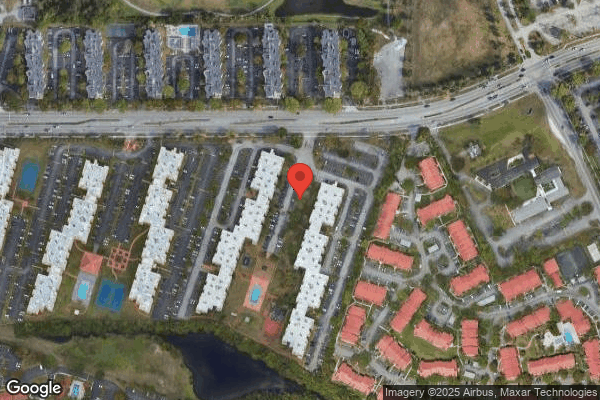
5725 NW 186 STREET, HIALEAH, FL 33015 (305) 625-9857
For profit - Corporation 120 Beds CONSULATE HEALTH CARE/INDEPENDENCE LIVING CENTERS/NSPIRE HEALTHCARE/RAYDIANT HEALTH CARE Data: November 2025
Trust Grade
80/100
#240 of 690 in FL
Last Inspection: August 2024

Within standard 12-15 month inspection cycle. Federal law requires annual inspections.

Overview

Nspire Healthcare Miami Lakes holds a Trust Grade of B+, which means it is above average and recommended for families considering care options. It ranks #240 out of 690 facilities in Florida, placing it in the top half, and #28 out of 54 in Miami-Dade County, indicating only a few local options are better. However, the facility's trend is worsening, with issues increasing from 3 in 2023 to 7 in 2024. Staffing is a strong point, rated 4 out of 5 stars, with a low turnover rate of 20%, significantly better than the state average of 42%. While there have been no fines recorded, which is positive, recent inspector findings raised concerns about food safety, with unsanitary kitchen conditions, and issues with staff providing dignity during meal assistance. Additionally, there was an incident where a resident’s hearing aid was not properly documented in their care plan. Overall, while the facility has strengths in staffing and compliance, it faces some serious concerns that families should carefully consider.

Trust Score
B+
80/100
In Florida
#240/690
Top 34%
Safety Record
Low Risk
No red flags
Inspections
Getting Worse
3 → 7 violations
Staff Stability
✓ Good
20% annual turnover. Excellent stability, 28 points below Florida's 48% average. Staff who stay learn residents' needs.
Penalties
✓ Good
No fines on record. Clean compliance history, better than most Florida facilities.
Skilled Nurses
✓ Good
Each resident gets 58 minutes of Registered Nurse (RN) attention daily — more than average for Florida. RNs are trained to catch health problems early.
Violations
⚠ Watch
18 deficiencies on record. Higher than average. Multiple issues found across inspections.
★★★★☆
4.0
Overall Rating
★★★★☆
4.0
Staff Levels
★★★★★
5.0
Care Quality
★★★☆☆
3.0
Inspection Score
Stable
2023: 3 issues
2024: 7 issues

The Good

  • 4-Star Staffing Rating · Above-average nurse staffing levels
  • 5-Star Quality Measures · Strong clinical quality outcomes
  • Low Staff Turnover (20%) · Staff stability means consistent care
  • Full Sprinkler Coverage · Fire safety systems throughout facility
  • No fines on record
  • Staff turnover is low (20%)

    28 points below Florida average of 48%

Facility shows strength in staffing levels, quality measures, staff retention, fire safety.

The Bad

Chain: CONSULATE HEALTH CARE/INDEPENDENCE

Part of a multi-facility chain

Ask about local staffing decisions and management

The Ugly 18 deficiencies on record

Aug 2024 7 deficiencies
CONCERN (D)

Potential for Harm - no one hurt, but risky conditions existed

Resident Rights (Tag F0550)

Could have caused harm · This affected 1 resident

Based on observations, record review and interviews facility failed to provide dignity for one resident (#87) out twelve residents who are assisted with meals as evidenced by an observation of staff s...

Read full inspector narrative →
Based on observations, record review and interviews facility failed to provide dignity for one resident (#87) out twelve residents who are assisted with meals as evidenced by an observation of staff standing while assisting Resident#87 with a meal. There were 119 residents residing in the facility at the time of survey. The Findings Included: On 8/26/24 at 8:35 AM Resident#87 was seated in the upright position in bed. Staff H, Registered Nurse (RN) was standing while assisting Resident#87 with breakfast. On 8/26/24 08:40 AM Staff H, RN stated, It is the protocol of this facility to set up the resident in the upright position and be at eye level for meals. I'm not sure if I can stand while assisting residents with meals. Also stated I have not received any in-services regarding this. Lastly stated I started in July of 2023. Record review of demographic sheet for Resident#87 revealed an admission date of 1/16/24 with diagnosis that included Dementia. Record review of Quarterly Minimum Data Set (MDS) with reference date of 7/24/24 Section C (Cognitive Status) revealed a Brief Interview of Mental Status (BIMS) score of 3 indicated severe cognitive impairment, section GG (functional status) revealed set up clean up assistance for eating, and section K (Swallowing) revealed no or unknown significant weight gain/ loss in last month or 6 months and Resident#87 was receiving a therapeutic diet. Record review of physician orders sheet revealed an order dated 1/17/24 directions: No added salt diet and regular texture. Record review of Care Plan initiated on 1/17/24 and started on 5/24/24 revealed Resident#87 had potential nutritional problem related to fair appetite and intake at meals, receiving therapeutic diet with the goal of will experience no significant weight change through review date. The interventions included provide, serve diet as ordered. Monitor intake and record each meal. On 8/29/24 at 2:05 PM The Director of Nursing (DON) stated, Staff are to be seated next to the resident while assisting them to eat and staff are aware of this protocol. Record review of The Policies and Procedures Subject: Feeding Residents requiring Assistance Effective Date: 11/30/2018 Revision Date: 9/19/23 Policy: Nursing personnel will provide assistance with feeding when a resident is unable to do do independently. Procedure: Position resident comfortably, transfer to straight back chair if appropriate.
CONCERN (D) 📢 Someone Reported This

A family member, employee, or ombudsman was alarmed enough to file a formal complaint

Potential for Harm - no one hurt, but risky conditions existed

Assessment Accuracy (Tag F0641)

Could have caused harm · This affected 1 resident

**NOTE- TERMS IN BRACKETS HAVE BEEN EDITED TO PROTECT CONFIDENTIALITY** Based on observations, record review and interview facility failed to accurately code a Minimum Data Set (MDS) for one resident ...

Read full inspector narrative →
**NOTE- TERMS IN BRACKETS HAVE BEEN EDITED TO PROTECT CONFIDENTIALITY** Based on observations, record review and interview facility failed to accurately code a Minimum Data Set (MDS) for one resident (Resident #34) out of nine sampled residents, as evidenced by hearing aids not included in Section B of the Medicare 5-day MDS with reference date of 7/8/24 despite Resident #34 using hearing aids on a daily basis. The findings included: On 8/26/24 at 9:05 AM Resident #34 signaled to surveyor her inability to hear and to come closer. Hearing aids observed on nightstand. On 8/28/24 at 1:20 PM Resident #34 was seated in a wheelchair near bed. Hearing aids in place. Family at bedside. Record review of demographic sheet for Resident #34 revealed an admission date of 6/10/24 with Diagnosis that included: Dementia. Record review of a Medicare 5-day Minimum Data Set (MDS) with reference date of 7/8/24 for Resident#34 Section B revealed Hearing- Adequate, Hearing Aid- No, Ability to Understand others: understands. Record review of a Care Plan initiated on 6/10/24 revealed Resident #34 had an Activities of Daily Living (ADL) self-care performance deficit related to hearing difficulty with a goal of will improve current level of function in ADLs through next review. The interventions included: Encourage resident to participate in fullest extent possible with each interaction. Record review of a physician's order sheet revealed an order dated 6/11/24 for diagnosis: Hearing Difficulty. On 8/29/24 at 9:15 AM The Social Services Director reported ; the Medicare 5-day MDS dated [DATE] Section B for Resident #34 is incorrectly coded and Section B should have be coded to included hearing aids. Record review of Policies and Procedures: Subject: MDS Effective Date: 11/30/2014 Revision Date: 9/25/2017 Policy: The center conducts initial and periodic standardized, comprehensive and reproducible assessments no less than every three months for each resident including, but not limited to, the collection of data regarding functional status, strengths, weaknesses, and preferences using the federal and/or state required RAI. Procedure: Specified sections of the RAI process are completed by the center designated Interdisciplinary Team Members. Each person completing a section or portion of a section of the MDS signs the Attestation Statement indicating its accuracy.
CONCERN (D)

Potential for Harm - no one hurt, but risky conditions existed

Comprehensive Care Plan (Tag F0656)

Could have caused harm · This affected 1 resident

**NOTE- TERMS IN BRACKETS HAVE BEEN EDITED TO PROTECT CONFIDENTIALITY** Based on observations, interview and record review facility failed to implement care plans for two residents ( Resident #302 and...

Read full inspector narrative →
**NOTE- TERMS IN BRACKETS HAVE BEEN EDITED TO PROTECT CONFIDENTIALITY** Based on observations, interview and record review facility failed to implement care plans for two residents ( Resident #302 and Resident #252) out of nine sampled as evidenced by splinting device not applied for Resident#302 and no skin treatment done for Resident#252. The findings included: 1) On 8/26/24 at 10:08 AM Resident #302 was observed seated in the upright position in bed. Resident #302's left arm appeared weak and left hand appeared contracted. A splinting device was observed on a wheelchair next to Resident #302's bed. On 8/28/24 at 1:29 PM Resident #302 was seated in a wheelchair next to bed. A splinting device observed in a plastic bag on nightstand. Record review of demographic sheet for Resident #302 revealed an admission date of 8/19/24 with diagnosis that included: Muscle Weakness. Record review of physician orders sheet revealed an order dated 8/23/24 directions: Left resting hand splint for positioning and electrical stimulation application to left upper extremity (LUE) to facilitate volitional movements. Record review of Electronic Health record for Resident #302 revealed an admission Minimum Data Set (MDS) with reference date of 8/29/24 was in progress. Record review of a Care Plan for Resident #302 initiated on 8/29/24 revealed Risk for pain and discomfort related to Cerebrovascular Accident, Left side Hemiplegia, use left hand resting splint with a goal of will not have an interruption in normal activities due to pain through review date. The interventions included: Use resting left hand splint for position and Neuromuscular electrical stimulation (NMES) application to LUE to facilitate volitional movements. On 8/28/24 at 12:50 PM Staff E, Certified Nursing Assistant (CNA) stated, Every morning after hygiene care I offer to apply the splinting device for [Resident #302] and [Resident #302] allows me to do it. Today was the first day [Resident #302] refused for me to apply the splint and wanted therapy to do it. When [Resident #302] refuses I inform nurse. Today I haven't let the nurse yet. I did not notice it was removed Tuesday or Monday. On 08/28/24 at 1:15 PM The Occupational Therapist stated, I wrote the order for a splinting device to prevent contracture of the left hand of [Resident#302]. It should be applied when she is sitting upright. Therapy is responsible for applying the splint daily. There is no time frame because it is for a trial basis. When asked how staff know when to apply or when to remove there was no answer. On 08/28/24 at 1:23 PM Staff C, Registered Nurse (RN) stated: I was not aware that [Resident #302] was removing her splinting device. I am not clear on the frequency of applying the splint. On 08/28/24 at 1:25 PM Staff F, Occupational Therapy Assistant stated, There is no specific time frame for the splinting device. It is a trail to determine if Resident#302 will have movement. I will apply the splint during therapy. On 8/29/24 at 8:28 AM Resident #302 stated, Sometimes the splint hurts my neck because my arm is heavy. I do not have any issue with allowing staff to apply the device. I do not refuse for staff to apply the splint. On 8/29/24 at 9:31 AM The Director of Nursing stated, When a resident is admitted from the hospital with others for splinting devices we follow the orders. If therapy wants to implement splinting devices for a trail there is no schedule. When it is a trial basis therapy is responsible to apply the device. Therapy is responsible to communicate with nursing during the clinical meetings that are held every day about interventions needed for the residents. Record review of Progress notes for Resident #302 revealed no documentation about Resident #302 refusing the application of splinting device or removing device after it was applied. Record review of Policy Subject: Plans of Care Effective Date: 11/30/2014 Revision Date: 9/25/2017 Policy: An individualized person-centered plan of care will be established by the Interdisciplinary team (IDT) with the resident and /or resident representative(s) to the extent practicable and uploaded in accordance with state and federal regulatory requirements. plan of care is to be maintained as part of the final medical record. Procedure: Develop and implement an individualized Person-Centered Comprehensive plan of care by the Interdisciplinary team that includes but is not limited to- the attending physician, a registered nurse with responsibility for the resident, a nurse aide with responsibility for the resident, a member of food and nutrition services staff, and other appropriate staff or professionals in disciplines determined by the residents' needs or as requested by the resident, and , to the extent practicable, the participation of the resident and the resident's representative(s) within seven (7) days after the completion of the comprehensive assessment (MDS). 2) Review of Resident #252 Care Plans Reference Dates 4/25/24 and 6/21/24 documented: The resident has potential/actual impairment to skin integrity related to fragile skin. Focus-the resident will maintain or develop clean and intact skin by the next review date. Interventions-encourage good nutrition and hydration to promote healthy skin, keep skin clean and dry, use lotion on dry skin, skin treatment to left ankle as ordered. Review of Resident #252's wound care note dated 06/14/2024 documented skin tear left ankle, Primary dressing-Mupirocin ointment, Secondary dressing: dry protective dressing, Dressing frequency: daily Review of Resident #252's weekly skin assessment note documented 6/14/24-left ankle (outer)-skin tear, treatment in place. Review of Resident #252 Treatment Administration Record (TAR) revealed there was no documentation for treatment to the resident's left ankle skin tear starting 06/14/2, treatment for the resident's left ankle skin tear started 06/21/24. Review of the medical records for Resident #252 revealed the resident was admitted to the facility on [DATE]. Clinical diagnoses included but not limited to: Seizures, Dementia, Gastrostomy status, Dysphagia, Altered mental status, Adult failure to thrive, Presence of Cardiac Implants and Grafts and Hemiplegia and Hemiparesis. Resident # was discharged on 06/21/2024 to the hospital. Review of the Physician's Orders Sheet for May-June 2024 revealed Resident #252 had orders that included but not limited to: 6/21/24-Mupirocin external ointment 2% -apply to left ankle topically every day shift for wound care, clean left ankle with normal saline, pat dry, apply Mupirocin and cover with dry dressing daily. Record review of Resident #252 's Discharge Return anticipated Minimum Data Set (MDS) dated [DATE] revealed: Section C for Cognitive Patterns documented Brief Interview for Mental Status Score 2, on a 0-15 scale indicating the resident is cognitively impaired. Section GG for Functional Status documented the resident required maximal assistance for Activities of Daily living. Section M for Skin Conditions documented no pressure ulcers or deep tissue injuries. Interview on 08/29/24 at 12:47 the PM Director of Nursing (DON) stated the resident did not have a foot fungus, the skin tear to the left ankle was discovered on 06/20/24. On 06/20/24 treatment to the left ankle skin tear was started with Mupirocin ointment daily, Surveyor and DON viewed the skin assessment sheet dated 06/14/24, the weekly skin assessment stated the resident had a skin tear to the left ankle and treatment was in place, the DON stated the treatment administration record does not have any orders for treatment for a skin tear starting on 6/14/24, treatment for the resident's skin tear started on 06/20/24. The DON acknowledged there was a wound care order prescribed by the resident's physician on 06/14/24 for treatment for the left ankle skin tear for the resident that was not implemented. Interview on 08/29/24 at 01:34 PM Registered Nurse Wound Care (Staff B) stated: I have been doing wound care here at the facility for almost two (2) years, I started seeing this resident on 6/20/24 for treatment to the skin tear on her left ankle, prior to 06/20/24 the floor nurses treated the resident's skin. I am not aware if there was a prior order for treatment for the skin tear to the left ankle. The orders for treatment are prescribed by the resident's physician.
CONCERN (D) 📢 Someone Reported This

A family member, employee, or ombudsman was alarmed enough to file a formal complaint

Potential for Harm - no one hurt, but risky conditions existed

Quality of Care (Tag F0684)

Could have caused harm · This affected 1 resident

**NOTE- TERMS IN BRACKETS HAVE BEEN EDITED TO PROTECT CONFIDENTIALITY** Resident #21 On 08/26/24 at 09:01 AM Resident #21 was observed sitting in her wheelchair at the left side of her bed. The indwel...

Read full inspector narrative →
**NOTE- TERMS IN BRACKETS HAVE BEEN EDITED TO PROTECT CONFIDENTIALITY** Resident #21 On 08/26/24 at 09:01 AM Resident #21 was observed sitting in her wheelchair at the left side of her bed. The indwelling catheter tubing was observed on the floor.(Photo evidence) On 08/28/24 at 12:00 PM Resident #21 was observed sitting in her wheelchair on the right side of her bed eating lunch. The indwelling catheter tubing was observed on the floor. Record review of the resident's admission records revealed, Resident # 21 was initially admitted to the facility on [DATE] and readmitted on [DATE]. The resident's clinical diagnoses include but not limited to: Retention of urine, unspecified, Acute Kidney failure and Diabetes Mellitus. Review of the orders for August 2024 include order dated 8/11/24 - Cranberry Oral Tablet (Cranberry (Vaccinium macrocarpon)) Give 1 tablet by mouth one time a day for UTI (urinary tract infection), order dated 8/26/24 - May change indwelling catheter monthly and as needed for blockage or leakage as needed and every day shift starting on the 25th and ending on the 25th every month, order dated 8/23/24 - Enhanced barrier precautions due to [] indwelling catheter every shift, order dated 8/6/24 - Maintain [] catheter with [size] on balloon for Urinary Retention and change PRN (as needed) for obstruction, order dated 8/13/24 F/U follow up) with Urology (catheter (dx) diagnosis: urinary retention) Review of the admission Minimum Data Set (MDS) Modification of admission dated 8/16/24, indicated in Section C for Cognitive Patterns, BIMS (Brief Interview of Mental Status) documented a score of 13 out 15 indicating the resident is gave an intact cognitive response. Section GG - Functional Abilities: Functional Limitation in Range of Motion: upper and lower extremities - No impairment. Mobility Devices: Wheelchair? - Yes; Self Care: Eating - supervision or touching assistance. H - Bladder and Bowel: Indwelling catheter? - Yes Review of the Resident # 21 Care Plans revealed an initiated date of 8/14/2024 and revision dated 8/26/2024 indicated- Focus: This resident has a Urinary Tract infection related to (r/t) abnormal urinalysis Culture and Sensitivity. Goals: The residents urinary tract infection will resolve without complications by the review date. Interventions: encourage adequate fluid intake, enhance barrier precaution r/t intravenous Antibiotics. Give antibiotic therapy as ordered. Monitor/document for side effects and effectiveness. Focus: This resident has Indwelling Catheter with [ size] for Urinary Retention Goals: The resident will be/remain free from catheter-related trauma through review date. Intervention: Position catheter bag and tubing below the level of the bladder and away from entrance room door, enhance barrier precaution r/t catheter. Interview on 8/28/24 at 12:36 PM Staff C, RN (Registered Nurse) revealed the catheter should not be touching the floor. She reported the resident transfers herself from bed to chair. I do rounds to check and to make sure the indwelling tubing is in the correct position. I also educate the resident about infection control. On 08/28/24 at 02:43 PM, Staff D, Certified Nursing Assistant stated: I assist the resident transferring from bed to chair and from chair to bed. This resident does not transfer alone. Resident #252 Review of Resident #252's wound care note dated 06/14/2024 documented skin tear left ankle, Primary dressing-Mupirocin ointment, Secondary dressing: dry protective dressing, Dressing frequency: daily Review of Resident #252's weekly skin assessment note documented 6/14/24-left ankle (outer)-skin tear, treatment in place. Review of Resident #252 Treatment Administration Record (TAR) revealed there was no documentation for treatment to the resident's left ankle skin tear starting 06/14/2, treatment for the resident's left ankle skin tear started 06/21/24. Review of the medical records for Resident #252 revealed the resident was admitted to the facility on [DATE]. Clinical diagnoses included but not limited to: Seizures, Dementia, Gastrostomy status and Altered mental status. Resident # was discharged on 06/21/2024 to the hospital. Review of the Physician's Orders Sheet for May-June 2024 revealed Resident #252 had orders that included but not limited to: 6/21/24-Mupirocin external ointment 2% -apply to left ankle topically every day shift for wound care, clean left ankle with normal saline, pat dry, apply Mupirocin and cover with dry dressing daily. Record review of Resident #252 's Discharge Return anticipated Minimum Data Set (MDS) dated [DATE] revealed: Section C for Cognitive Patterns documented Brief Interview for Mental Status Score 2, on a 0-15 scale indicating the resident is cognitively impaired. Section GG for Functional Status documented the resident required maximal assistance for Activities of Daily living. Section M for Skin Conditions documented no pressure ulcers or deep tissue injuries. Review of Resident #252 Care Plans Reference Dates 4/25/24 and 6/21/24 documented: The resident has potential/actual impairment to skin integrity related to fragile skin. Focus-the resident will maintain or develop clean and intact skin by the next review date. Interventions-encourage good nutrition and hydration to promote healthy skin, keep skin clean and dry, use lotion on dry skin, skin treatment to left ankle as ordered. Interview on 08/29/24 at 12:47 PM the Director of Nursing (DON) stated the resident did not have a foot fungus, the skin tear to the left ankle was discovered on 06/20/24. On 06/20/24 treatment to the left ankle skin tear was started with Mupirocin ointment daily, Surveyor and the DON viewed the skin assessment sheet dated 06/14/24, the weekly skin assessment indicated the resident had a skin tear to the left ankle and treatment was in place, DON stated the treatment administration record does not have any orders for treatment for a skin tear starting on 6/14/24, treatment for the resident's skin tear started on 06/20/24. The DON acknowledged there was a wound care order prescribed by the resident's physician on 06/14/24 for treatment for the left ankle skin tear for the resident that was not implemented. Interview on 08/29/24 at 01:34 PM the Registered Nurse Wound Care (Staff B) stated: I have been doing wound care here at the facility for almost two (2) years, I started seeing this resident on 6/20/24 for treatment to the skin tear on her left ankle, prior to 06/20/24 the floor nurses treated the resident's skin. I am not aware if there was a prior order for treatment for the skin tear to the left ankle. The orders for treatment are prescribed by the resident's physician. Review of the facility policy and procedure titled Clinical Guideline Skin and Wound dated 04/01/2017 states: To provide a system for identifying skin at risk, implementing individual interventions including evaluation and monitoring as indicated to promote skin health, healing and decrease worsening of/prevention of pressure injury. Process: License nurse to complete skin evaluation weekly and prior to transfer/discharge and document in the medical record. License nurses to document the presence of skin impairment/new skin impairment when observed and weekly until resolved. Based on observations, record review and interview the facility failed to implement precautions to prevent catheter related injuries for two residents (Resident # 352 and Resident # 21) out of the three residents with indwelling catheters residing in the facility. As evidenced by Resident # 352 and Resident #21 indwelling catheter tubing were each observed touching the floor; and failed to ensure one out of one resident (Resident #252) with a prescribed order for skin tear treatment was implemented timely. Resident # 352 On 08/28/24 at 9:37 AM Resident #352 was observed seated in her wheelchair propelling along the hallway outside he room, the indwelling urinary catheter tubing was on touching the floor self-propelling wheelchair. (Photo evidence) Review of Resident #352's admission Record indicated an admission dated 08/08/2024. Clinical Diagnoses include but not limited to: Acute kidney failure, Retention of urine, Hydronephrosis with urethral stricture not elsewhere classified. Review of Resident #352's admission orders indicated monitor indwelling catheters per shift; Leg strap anchor to indwelling catheter in place q ( every) shift may change indwelling catheter monthly and as needed for blockage or leakage. Review of Resident # 352's Care Plan Initiated 8/9/2024 documented the resident has indwelling catheter with [catheter size] balloon, for urinary retention . the resident will remain free from catheter related trauma through review date. Leg strap to anchor indwelling catheter. Check tubing for kinks each shift. Review of the Initial Assessment Minimum Data Set (MDS) dated [DATE] revealed Resident #352 coded for indwelling catheter use. On 08/28/24 at 9: 42 AM Resident #352 stated; I am doing much better, they changed my [catheter brand] yesterday and I am going home tomorrow. The catheter bag was noted dated 08/2/24. On 08/29/24 at 10:15 AM Staff I Registered Nurse (RN) revealed the resident has an indwelling urinary catheter due to urinary retention. The resident will be discharged tomorrow to home, she was in the facility for therapy. Staff I, RN was shown the photograph with Resident # 352 seated in the wheelchair and the catheter tubing on the floor; Staff I acknowledged the concern and stated: That it is an infection control problem. It was changed yesterday. But I am going to change it During a follow up observation with staff I, in the resident's restroom the nurse acknowledged the date on the catheter was 08/27/24 not 08/28/24; Staff I, RN reported she made a mistake.
CONCERN (D)

Potential for Harm - no one hurt, but risky conditions existed

QAPI Program (Tag F0867)

Could have caused harm · This affected 1 resident

Based on observations, interview and record review, the facility's quality assurance and assessment committee failed to demonstrate an effective plan of action was implemented to correct identified qu...

Read full inspector narrative →
Based on observations, interview and record review, the facility's quality assurance and assessment committee failed to demonstrate an effective plan of action was implemented to correct identified quality deficiency in the problem areas related to repeated deficient practice for F641 Accuracy of Assessments. The facility was cited for F641 in 2023. This repeated deficient practice has the potential to affect any of the 115 residents residing in the facility at the time of the survey. The findings included: Review of the facility policy and procedure titled Quality Assurance Performance Improvement Program (QAPI) revision date 10/24/22 states: The center and organization have a comprehensive, data driven Quality Assurance Performance Improvement Program that focuses on indicators of the outcomes of care and quality of life. Procedures: Identifying quality deficiencies and Corrective Action: The center will review department system data. If a quality deficiency is identified, the committee will oversee the development of corrective actions The center may choose the method of corrective action i.e. Plan, Do, Study, Act or Performance Improvement Project. Review of the Quality Assurance and Performance Improvement (QAPI) Committee Meeting Sign-in Sheets dated 06/2024,07/2024, and 08/2024 documented the facility had a QAA Committee meetings monthly. Attendees included: Administrator, Medical Director, Director of Nursing (DON), Assistant Director of Nursing (ADON), Infection Control Preventionist/Risk Manager, Dietary Manager, Clinical Dietician, Director of Housekeeping, Director of Maintenance, Director of therapy, Director of Human resources, Director of admissions, Director of Business office, Director of Social Services, Director of Activities, MDS (Minimum Data Set) Coordinator, and Discharge Planner. Interview on 08/29/24 at2:20 PM with the Administrator/QA, Stated, the QAA Committee meets every month on the last Thursday of the month, the last meeting was held in the month of 08//2024. The committee consists of the Medical Director, Administrator, Director of Nursing (DON), Assistant Director of Nursing (ADON), Infection Preventionist and all interdisciplinary team members. The purpose of QAPI is to identify any potential issues or any concerns where we will need additional education to be provided to the staff. QAPI is an ongoing program, a working tool, where multiple members get together to come up with solutions for problems and issues. We review previous agendas, see what is completed, what needs to be continued, what is resolved and address any new identified issues. We have Clinical meetings daily at 9am in the morning, we review issues from the prior day, we involve family of residents in planning of care and have the patient present if they are alert and oriented.
CONCERN (D)

Potential for Harm - no one hurt, but risky conditions existed

Room Equipment (Tag F0908)

Could have caused harm · This affected 1 resident

Based on observation, interview and record review, the facility failed to ensure a 1) convection oven, food steamer and gas range stove used to prepare food for residents were in good repair and clean...

Read full inspector narrative →
Based on observation, interview and record review, the facility failed to ensure a 1) convection oven, food steamer and gas range stove used to prepare food for residents were in good repair and clean and 2) the Unit 1 Pantry microwave was clean. This has the potential to affect one hundred and fourteen out of one hundred and fifteen residents who eat orally residing in the facility at the time of the survey. The findings included: Record review of the facility's policy titled Maintenance (effective date 11/2014) documented: Policy-The facility's physical plant and equipment will be maintained through a program of preventive maintenance and prompt action to identify areas/items in need of repair; Procedure-The Director of Environmental Services will follow all policies regarding routine periodic maintenance and all employees will report physical plant areas or equipment in need of repair or service to their supervisor. 1) Observation of the initial kitchen tour on 8/26/24 at 7:59 AM with the Certified Dietary Manager, Senior Food Service Director revealed brown like stains on the inside and outside of the convection oven doors. Photographic evidence submitted. On 8/26/24 at 8:00 AM, interview with the Certified Dietary Manager, Senior Food Service Director. He stated, We do a weekly clean of the oven. He confirmed the brown like stains on the inside and outside of the convection oven doors. Observation of the initial kitchen tour with the Certified Dietary Manager, Senior Food Service Director on 8/26/24 at 8:02 AM revealed the food steamer was not working. Interview with Staff A, [NAME] on 8/26/24 at 8:03 AM. She stated, The steamer does not work and it keeps shutting off. Observation of the initial kitchen tour with the Certified Dietary Manager, Senior Food Service Director on 8/26/24 at 8:05 AM revealed only one side of the gas range stove was working. Interview with the Staff A, [NAME] on 8/26/24 at 8:06 AM. She stated, Only one side of the range is working. 2) Observation of the Unit 1 Pantry Refrigerator on 8/27/24 at 11:38 AM revealed the microwave used to warm up resident's foods was not clean, had brown, dried substances and contained brown-like rust stains in the microwave. Photographic evidence submitted. Observation and interview of the Unit 1 Pantry Microwave with the DON on 8/27/24 at 11:40 AM. She confirmed brown, dried substances and brown-like rust stains were in the microwave.
CONCERN (F)

Potential for Harm - no one hurt, but risky conditions existed

Food Safety (Tag F0812)

Could have caused harm · This affected most or all residents

Based on observations, record review and interview the facility failed to ensure food was prepared under sanitary conditions as evidenced by failure to 1) maintain equipment in the kitchen in a clean ...

Read full inspector narrative →
Based on observations, record review and interview the facility failed to ensure food was prepared under sanitary conditions as evidenced by failure to 1) maintain equipment in the kitchen in a clean sanitary manner, 2) the Unit 2 Pantry Freezer did not contain a thermometer and 3) the Unit 1 Pantry microwave in a clean sanitary manner. This has the potential to affect one hundred and fourteen out of one hundred and fifteen residents who eat orally residing in the facility at the time of the survey. The findings include: Record review of the facility's policy titled Nourishment Storage-Pantry (effective date 12/2023) documented: Policy-Resident Nourishments are stored properly to maintain food safety; Procedure-1) An accurate thermometer is maintained inside of the refrigerator and freezer. 1) Observation of the initial kitchen tour on 8/26/24 at 7:59 AM with the Certified Dietary Manager, Senior Food Service Director revealed brown like stains on the inside and outside of the convection oven doors. Photographic evidence submitted. On 8/26/24 at 8:00 AM, interview with the Certified Dietary Manager, Senior Food Service Director. He stated, We do a weekly clean of the oven. He confirmed the brown like stains on the inside and outside of the convection oven doors. 2) Observation of the Unit 2 Pantry Refrigerator on 8/27/24 at 11:35 AM revealed resident's food items were in the freezer with the resident's name, resident's room number and date that the food item was placed in the freezer. No thermometer was noted in the freezer. Observation and interview of the Unit 2 Pantry Refrigerator and Freezer with the Director of Nursing (DON) on 8/27/24 at 11:36 AM. She confirmed that the thermometer was not in the freezer. She called the Certified Dietary Manager, Senior Food Service Director on the cell phone to place one there. 3) Observation of the Unit 1 Pantry Refrigerator on 8/27/24 at 11:38 AM revealed the microwave used to warm up resident's foods was not clean, had brown, dried substances and contained brown-like rust stains in the microwave. Photographic evidence submitted. Observation and interview of the Unit 1 Pantry Microwave with the DON on 8/27/24 at 11:40 AM. She confirmed brown, dried substances and brown-like rust stains were in the microwave.
Apr 2023 3 deficiencies
CONCERN (D)

Potential for Harm - no one hurt, but risky conditions existed

Safe Environment (Tag F0584)

Could have caused harm · This affected 1 resident

**NOTE- TERMS IN BRACKETS HAVE BEEN EDITED TO PROTECT CONFIDENTIALITY** Based on observations, interview and record review, the facility failed to provide a safe, clean, homelike environment in one ou...

Read full inspector narrative →
**NOTE- TERMS IN BRACKETS HAVE BEEN EDITED TO PROTECT CONFIDENTIALITY** Based on observations, interview and record review, the facility failed to provide a safe, clean, homelike environment in one out of two nursing units for one (Resident #218 residing in room [ROOM NUMBER]-D). The facility had 107 residents at the time of the survey. The findings included: Observation and interview with Resident #218 on 04/24/2023 at 10:26AM revealed she is alert and oriented x3, and she voiced out discomfort with her mattress and nobody has resolved the problem. Resident #218 stated the mattress is bad. Observation revealed the bed's headboard is broken; it has a hole that allows you see the wall through the headboard. Observation of Resident #218 on 04/26/2023 at 12:05pm revealed resident sitting in her wheelchair inside her room, she stated she was good and was in a good mood trying to do exercises on her own. When Resident #218 was asked about her bed, she re-stated nobody took care of the bed though she and her sister has complained to everyone (she does not identify any staff by name or position, but she stated she has told them her mattress is not comfortable and nobody changed it). Asked about the bed's headboard she looked at it and said she knew it was like that, meaning it was broken, but she did not elaborate further on it. (See photographic evidence) Record review of Resident #218's face sheet revealed the date of admission on [DATE]. Diagnoses included but were not limited to Unspecified Symptoms and signs involving nervous system, Other cerebral infarction, Unspecified symptoms, and signs involving the genitourinary system, Type 2 Diabetes Mellitus, Unspecified Atrial Fibrillation, Unspecified Osteoarthritis, unspecified site. Record review of Resident #218's Minimum Data Set (MDS) admission assessment dated [DATE] revealed a score of 13 in the Brief Interview for Mental Status (BIMS) meaning the resident is cognitively intact. Record review of Resident #218's Care Plan dated 04/19/2023 revealed the resident wishes to return home. Goals and Interventions in place. Record review of Resident #218's Progress Notes dated from admission until 04/25/2023 revealed no documentation on the resident complaining about anything. During an interview with the acting Maintenance Director on 04/27/2023 at 09:15 am revealed he comes here on Mondays, and he is familiar with this facility because he worked here previously as the Maintenance Director. He is now working with another facility from the same company, and he is familiar with the process of reporting anything that needs to be fixed. The acting Maintenance Director stated this facility keeps a workbook in the nursing stations where everyone (staff) will document any need for maintenance or repair in the rooms or the common areas. When asked if Resident #218 reported a problem with the bed mattress and how is the process to change a mattress, he stated it will be the same process. The acting Maintenance Director stated any staff who knows about the problem will log it in the book, and the maintenance person that is working full time here will check the book daily, and they will take care of any report. The acting Maintenance Director stated sometimes they change the mattress and residents keep asking them for the mattress to be changed because they do not realize they did it already. When asked if he was aware of Resident #218's request to change the mattress, he said he did not know anything about it. He stated sometimes residents told the staff (Certified Nursing Assistants -CNAs) and they forget to tell Maintenance or to put it in the book. Observation on 04/27/2023 at 10:40 am revealed Resident #218 was not in her room and was said to be in therapy. Observation conducted with the acting Maintenance Director revealed the bed was changed. There was a bed with a headboard in good condition and observed no concerns. Observation revealed the new mattress looks in good condition. Interview with the Social Services Assistant on 04/27/2023 at 10:42 am revealed she did not receive any grievance or request from Resident #218 to have her mattress changed. Interview with Staff B, Registered Nurse (RN) on 04/27/2023 at 10:45 am revealed she did not see the headboard of Resident #218's bed was in disrepair. When asked if she entered the resident's room to take care of resident, Staff B stated she does but she did not notice anything out of the ordinary in the room. Staff B stated Resident #218 did not tell her she was uncomfortable with this mattress. Interview with Staff C, RN, and Unit Manager on 04/27/23 at 10:50 am revealed she and Resident #218's CNA changed her bed about 10 minutes ago. When asked why she changed Resident #218's bed, Staff C stated they did it because Resident #218 told her CNA she did not like the mattress, she told the CNA it was in bad condition like sinking in the middle. Staff C stated Resident #218 complained about the mattress but not the bed. When asked Staff C what she observed on Resident #218's bed, she stated the bed was working properly there was no problem with the bed, and stated they changed the bed from the room across from Resident #218's room that was empty. When surveyor asked Staff C's opinion about the Resident #218 original bed, she stated she observed there was something on the headboard on the right side, something cracked on the wood. When the surveyor asked if she believes it was ok for a resident to have that bed in the bedroom, Staff C stated, no that is not ok. Staff C acknowledged she did not report to Maintenance after seeing Resident #218's bed headboard condition. Staff C stated any staff going inside the room is supposed to observe and report any situation where residents' rooms and furniture needs to be repaired and they will put in the book for maintenance to do it, but so far nobody has reported. Staff C stated she is aware it is not good to have this furniture in the room, they should have been reported and replaced. Interview with Staff D, Maintenance on 04/27/2023 at 01:55 am stated he went to Resident #218's room to check when the acting Maintenance Director told him about the problem with the bed's headboard, and they had just changed it. Staff D stated there was no work order in the book, he went to take care of the bed's headboard after the acting Maintenance Director told him, but the bed was changed already. Interview with the acting Maintenance Director on 04/27/2023 at 11:00 am revealed the staff from nursing who is entering in the rooms all the time are supposed to report about any repairs or replacements that need to be done in the residents' rooms, but nobody reported or wrote in the book. Interview with the Nursing Home Administrator (NHA) on 04/27/2023 at 11:35 am revealed she did not have any grievance on behalf of Resident #218. Today they filed a grievance on behalf of this resident because another CNA who is not assigned to the resident overheard when Resident #218 was telling the surveyor about the mattress, and she was informed, and they filed a grievance. The NHA stated they took care of that, they filed a grievance, and they changed the bed from another room, which was done by the Unit Manager (Staff C) and another staff, and it was resolved. The NHA stated they tried to resolve the concerns right away to prevent further complaints. Asked her opinion about the condition of the broken headboard of Resident #18's bed, the NHA stated she believes it is just the headboard not the bed, the bed was working well, but the headboard should have been reported and replaced. The NHA stated this facility was inherited from another company recently, and they are trying to fix anything they find, they are doing good with costumer service, and they are trying to fix everything they need. The NHA stated she believes they do the best for residents in the facility, but when there is a mistake, she will accept and fix the problem. The NHA stated they do have a Performance Improvement Plan (PIP) open for Maintenance, but it is for bathroom and rooms' remodeling. The CNA only reported she overheard the surveyor and resident talking about the mattress, but she did not report anything about the bed condition. The NHA disagreed with the fact of considering Resident #218's bed headboard condition not meeting the home environment condition as they are required. The NHA stated she believes a home environment is together with everything around, she believes its not just the bed or furniture condition but the care, the staff who provide the care and about the satisfaction with what they receive. But the NHA stated she considers it should have been reported to maintenance, they have spare headboards in the facility, and it would have been taken care of by Maintenance staff as they did it. The NHA stated the facility only has one person doing work in the Maintenance Department. They are looking for the right candidates, but they have not found the right person with experience to do the job. They are hiring a Maintenance Director. Record review of the Workbook dated 04/2023 revealed no work order related to changing Resident #218's mattress. There is no work order to replace or repair the resident's bed headboard. Record review of Policy and Procedures on Maintenance dated 11/30/2014 revealed: Policy: The facility's physical plant and equipment will be maintained through a program of preventive maintenance and prompt action to identify areas/items in need of repair. Procedure: The Director of Environmental Services will follow all policies regarding routine periodic maintenance. The Director of Environmental Services will perform daily rounds of the building to ensure the plant is free of hazards and in proper physical condition. All employees will report physical plant areas or equipment in need of repair or service to their supervisor. All items needing maintenance assistance will be reported to maintenance using the Maintenance using the Maintenance Repair Request form (attachment A). The form will be completed and placed in a designated area on the nursing unit or in the maintenance office. Environmental Services personnel will check for completed forms through the day. Record review of the Complaint/ Grievance report dated 04/27/2023 revealed grievance a filed on behalf of resident #218 with concerns stated mattress. Assistant Director of Nurses (ADON) went and interviewed the resident and she said she was not comfortable with the mattress. The bed and mattress were changed immediately. Interview with Staff E, CNA on 04/27/2023 at 01:55 pm revealed she did not see the headboard on the bed was broken, she stated she is aware she must report anything that needs repair to maintenance staff, but she did not see it. When asked if she provides assistance to this resident daily, she said she does but she did not see it. Staff E stated it was today after Resident #218 stated she wanted her mattress to be changed, she and Staff C, the Unit Manager changed her bed to another room that was empty. Staff E stated, the original bed assigned to Resident #218 was working well, and she did not see anything bad on the headboard. A further interview with the NHA on 04/27/2023 at 02:30 pm revealed the request to change the mattress is something that should not be managed as a grievance. The NHA stated they did it today because the CNA overheard the resident complaining about it to surveyor, but that request should have been addressed as a work order for Maintenance. The NHA stated if staff did not put it in the book, it means they should re-train staff to identify the need of a work order. Grievance is for complaints voiced out by residents that have not been resolved immediately. Policies and Procedures on Grievances dated 11/30/2014 revealed no concerns. Policy: Prior to or upon admission, the resident's designated person will be informed of the right to file and the procedure for filing a complaint. Procedure: Reporting: If the resident or residents designated person, feel or believe that the residents rights have been or are being violated by staff or another resident or in any other way, the resident and/or residents designated person shall make his/her complaint known to the Administrator.
CONCERN (D)

Potential for Harm - no one hurt, but risky conditions existed

Assessment Accuracy (Tag F0641)

Could have caused harm · This affected 1 resident

**NOTE- TERMS IN BRACKETS HAVE BEEN EDITED TO PROTECT CONFIDENTIALITY** Based on record review and interview, the facility failed to accurately code the Minimum Data Set (MDS) assessment for one (Resi...

Read full inspector narrative →
**NOTE- TERMS IN BRACKETS HAVE BEEN EDITED TO PROTECT CONFIDENTIALITY** Based on record review and interview, the facility failed to accurately code the Minimum Data Set (MDS) assessment for one (Resident # 114) out of 24 residents reviewed for resident assessments. As evidenced by inaccurate coding of MDS section A, subsection A2100 for Discharge Status for Resident #114. There were 107 residents residing in the facility at the time of the survey. The findings included: Review of the medical records for Resident #114 revealed resident was admitted to the facility on [DATE]. Clinical diagnoses included but were not limited to: Unspecified Atrial Fibrillation and Problems related to Care Provider Dependency. Resident #114 was discharged on 04/06/2023. Review of the Physician's Orders Sheet for April 2023 revealed Resident #114 had orders that included but were not limited to: 4/6/2023-Discharge home per family request, home health services-Registered Nurse, Physical therapy, Occupational therapy, Home Health Aide evaluation and treatment. Transportation provided by insurance. Record review of Resident #114's Discharge Return Not Anticipated Minimum Data Set (MDS) dated [DATE] revealed: Section A for Identification Information in subsection A 2100 for Discharge Status documented that the resident was discharged to an Acute Hospital. Record review of Resident #114 's Care Plans dated 03/24/2023 revealed: Resident wishes to return to home. Interventions included: Encourage the resident to discuss feelings and concerns with impending discharge, establish a pre-discharge plan with the resident/family/caregivers, evaluate progress and revise the plan as needed. Review of the Social service's progress notes for Resident #114 documented on 04/06/2023 at 16:19 Members transportation just arrived for resident to return to home. Review of the Discharge planning progress notes for Resident #114 on 04/04/2023 at 18:21 documented family requested that the resident be discharged from the facility on 04/06/2023. Patient will be discharged home, address provided, family notified, transportation will be provided by insurance. Interview on 04/27/23 at 08:10 AM Director of Nursing (DON) stated this resident was discharged home on 4/6/2023, requested the DON review the Discharge MDS section A, subsection- A2100, the DON acknowledged Section A2100 documented discharge to acute hospital. Interview on 04/27/23 at 09:34 AM Minimum Data set (MDS) Coordinator (Staff A) when asked about the coding error in section A, subsection A2100 of the resident's MDS, stated the error was corrected and retransmitted to Center for Medicare and Medicaid Services (CMS) today. We are currently randomly picking 10 resident's MDS weekly and checking for accuracy, we have a Performance Improvement plan (PIP) in place, the Performance improvement plan was started last year December (12/2022) when the facility was hacked. Reviewed MDS PIP with MDS coordinator and explained to the MDS coordinator the PIP presented states: area being reviewed -Timeliness of MDS assessments, the PIP does not address MDS inaccurate coding/errors. Copy of PIP received. Review of the facility policy and procedures titled, Minimum Data Set effective date 11/30/2014 states: The center conducts initial and periodic standardized, comprehensive, and reproducible assessments no less than every three months for each resident including, but not limited to, the collection of data regarding functional status, strengths, weaknesses, and preferences using the federal Resident Assessment Instrument (RAI). Procedures step 3-Each person completing a section or portion of a section of the MDS signs the attestation statement indicating its accuracy.
CONCERN (D)

Potential for Harm - no one hurt, but risky conditions existed

QAPI Program (Tag F0867)

Could have caused harm · This affected 1 resident

Based on Record Review and Interview, the facility failed to demonstrate effective plan of actions were implemented to correct identified quality deficiencies in the problem area related to repeated d...

Read full inspector narrative →
Based on Record Review and Interview, the facility failed to demonstrate effective plan of actions were implemented to correct identified quality deficiencies in the problem area related to repeated deficient practices for F584 Safe/Clean/Comfortable/Homelike Environment and F641 Accuracy of Assessment. This practice has the potential to increase the risk of negative outcomes for all residents in the facility. There was a census of 107 residents residing in the facility at the time of this survey. The findings included: Record review of the facility's survey history revealed, during a recertification survey with exit 02/20/2022, Safe/Clean/Comfortable/Homelike Environment was cited related to the facility failed to maintain room temperatures within an acceptable range of 71 to 81-degrees Fahrenheit for three residents' rooms and facility failed to accurately code the Minimum Data Set(MDS) for one out of twenty three sampled residents, as evidenced by not documenting active diagnosis of Diabetes Mellitus and medication on the admission MDS. During an interview on 04/27/2023 at 02:43 PM, the Nursing Home Administrator revealed that the Quality Assessment and Assurance Committee (QAA) meets the last Thursday of every month. The administrator stated that the QAA Committee is comprised of the following members: Director of Nursing Services, Administrator, Business Office Manager, Registered Dietitian, Environmental Director, Maintenance Director, Social Services Director, Discharge Coordinator, Director of Rehab, Minimum Data Set (MDS) Coordinator, Unit Manager, and Medical Director. Nursing Home Administrator stated, we are working on 4 Performance Improvement Plans (PIP) on Nutrition, Return to hospital, Remodeling, and Minimum Data Set, we are working on room and bathroom remodeling, we have already completed a PIP in regard to chairs as during COVID we were wiping them too much and they were damaged, we also completed a PIP in regard to wheelchair. She continued and stated, for homelike environment, we have placed furniture as a concern, I have showed one of the other surveyors that we recently bought 5 beds, the order was placed 4/24/23 and they are already here at the facility, as I mentioned before we had issues with damage done in our physical furniture as we were sanitizing them during COVID, and because of this we bought 60 regular chairs for the resident rooms, 100 wheelchairs, multiple air-conditioning units, and the dryers for the laundry. We try to do things every month based on a budget. Also, we try to monitor the rooms through the Guardian Angel Program and if they find anything they can report it to us. We have also been painting and retouching walls, and this is done every day. Regarding Accuracy of Assessment she stated, there was a computer breach at the end of November 2022, at the time we did not have an email to communicate with the Agency for Healthcare Administration (AHCA), we did not have access to the system not even Point Click Care (PCC). For this issue, we did an action plan, we communicated to AHCA that our system was breached, we did not have a system at all, we had to do the manual orders, if there were new admission, we got the reconciliation from the hospital, all the documentation was done on paper. We had issues with transmission, omission, and miscoding on the MDS. For example, on the Minimum Data Set we will code for falls and check yes but then the system would not accept it, the system was transmitting blank information, we had to get a second random set of people at the corporate office that had a special access as the information was not arriving to Center for Medicare & Medicaid Services (CMS), we had some of our consultants doing the MDS outside of the facility. We implemented the PIP, and we identified the problems we had, it took about 4 weeks. Corporate did not know who hijacked the system, and they did a PIP explaining what was happening, they were working day, night, and people who hijacked the system did not make it to PCC. Review of Policies and Procedures with Subject Quality Assurance Performance Improvement Program (QAPI) and Effective Date 11/30/2014 revealed, Policy: The Center and organization has a comprehensive, data-driven Quality Assurance Performance Improvement Program that focuses on indicators of the outcomes of care and quality of life. Program Design and Scope 1. The center's QAPI program is an on-going comprehensive review of care and services provided to residents. Including but not limited to: a. Environmental Services b. Medical Records 2. Review of activities may include but not be limited to: a. Environment of care/safety b. Staff orientation, in-service and competence Leadership: The Center Executive Director is accountable for the overall implementation and functioning of the QAPI program. This includes but it not limited to: a) Implementation b) Ensure corrective actions are implemented to address identified problems in systems. c) Evaluates the effectiveness of actions. 3. The program is a coordinated effort among departments and services within the organization that involves leadership working with input from Center staff, residents, and families. Feedback: the center will obtain feedback to assist in identifying problems and areas of opportunity. Feedback may be obtained including but not limited to the following sources: a) Direct care staff b) Other staff members c) Residents d) Resident representatives Data Collection Systems and Monitoring: The center will collect and monitor data from different departments reflecting its performance. 4. The center will identify data sources and timeframe for collection. Data sources may include but are not limited to: a. Direct observation tools b. Audit tools c. Quality measures d. MDS data Systematic Analysis and Action: The center will ensure systems and actions are in place to improve performance. 5. The center will develop corrective actions based on the information gathered and review effectiveness of the actions. 6. The center will review and develop corrective actions on medical Errors and adverse Events.
Feb 2022 8 deficiencies
CONCERN (D)

Potential for Harm - no one hurt, but risky conditions existed

Resident Rights (Tag F0550)

Could have caused harm · This affected 1 resident

**NOTE- TERMS IN BRACKETS HAVE BEEN EDITED TO PROTECT CONFIDENTIALITY** Based on observation, interview and record review, the facility failed to treat 1 (Resident #71) out of 23 sampled residents in ...

Read full inspector narrative →
**NOTE- TERMS IN BRACKETS HAVE BEEN EDITED TO PROTECT CONFIDENTIALITY** Based on observation, interview and record review, the facility failed to treat 1 (Resident #71) out of 23 sampled residents in a dignified manner. Two staff members were observed standing while feeding resident #71. The findings included: On 02/07/22 at 10:07 AM, Resident #71 was observed in bed, with oxygen on at 2 liters per minute via nasal cannula. The resident did not respond when spoken too. During observation of Resident #71 on 02/07/22 at 12:53 PM, Resident # 71 was observed to be in bed and was being fed lunch, by Staff H, a Registered Nurse. Staff H was observed to be standing up while feeding Resident #71. The resident was wearing oxygen via nasal cannula and the food was getting on the residents nasal cannula during the feeding. During observation of Resident #71 on 02/08/22 at 9:07 AM, Resident #71 was observed in bed and her breakfast tray was on the bedside table. At 9:14AM on 02/08/22, Staff I, a Resident Assistant was observed standing up while trying to feed Resident #71. Staff I reported the resident would not take anything to eat or drink. During an interview on 02/10/22 at 10:10AM, Staff E, the Registered Nurse Unit Manager was asked, who trained the staff to feed residents, Staff E reported that the training was done by the Director of Nurses (DON) and the Dietitian. The policy and procedure was requested for feeding residents. On 02/10/22 at 10:10 AM the DON brought a copy of the staff competency list for Eating Support. The Eating Support competency form was not dated, but it included a section for the staff name, job title, date, reason for the competency (annual, new hire or other). The instructions were to complete with each Certified Nursing Assistant (C N A). Items #12 on the competency criteria included, Never make the resident feel that the meal must be hurried but that the procedure is pleasant. Give him/her your complete attention. Sit so you are at the same level as the resident. The DON was informed two staff members were observed standing while feeding Resident #71. During medical record record review it was noted, Resident #71 was admitted on [DATE] with diagnoses to include: Diabetes Type 2, Pneumonia, Dementia, and Dysphagia oropharyngeal phase. The residents diet order was for a Consistent Carbohydrate and Heart Healthy (CHO), No Added Salt, pureed diet.
CONCERN (D)

Potential for Harm - no one hurt, but risky conditions existed

Safe Environment (Tag F0584)

Could have caused harm · This affected 1 resident

**NOTE- TERMS IN BRACKETS HAVE BEEN EDITED TO PROTECT CONFIDENTIALITY** Based on observation, interview the facility failed to maintain room temperatures within an acceptable range of 71 to 81-degrees...

Read full inspector narrative →
**NOTE- TERMS IN BRACKETS HAVE BEEN EDITED TO PROTECT CONFIDENTIALITY** Based on observation, interview the facility failed to maintain room temperatures within an acceptable range of 71 to 81-degrees Fahrenheit for three residents' rooms (room [ROOM NUMBER], room # 102, and room # 112) observed during the survey, potentially having an adverse effect on three Residents (Resident #40, Resident #60, and Resident # 35 ) out of 23 residents sampled during the survey. Room temperatures set out of range have the potential to affect all 88 residents in the facility at the time of this survey. room [ROOM NUMBER]. Observation on 02/07/2022 at 10:24 AM revealed, Resident # 40 was in her bed. The resident was awake in her bed and not interview-able. The room felt cold. Room observations revealed the wall air-conditioning unit was set at 60 degrees Fahrenheit. Continued observation on 02/07/2022 at 11:11 AM showed Resident #40 continued lying in bed. The room remained cold. The wall air-conditioning unit remained set at 60 degrees Fahrenheit. (Photograph taken) room [ROOM NUMBER] Observation on 02/07/2022 at 10:26 AM revealed, Residents #60 was in her bed. The resident was awake in her bed, and was not interviewable. Room observations revealed the wall air-condition unit was set at 66 degrees Fahrenheit. (Photograph taken) room [ROOM NUMBER] Observations on 02/07/2022 at approximately 10:30 AM and at 11:44 AM revealed, Resident #35 laid asleep in her bed. She appeared to be shaking under a thin white blanket. The room felt cold. Room observations revealed the wall air-condition unit was set at 67 degrees Fahrenheit. Observation on 02/08/2022 at 10:10 AM revealed, Resident #35 in her bed, awake. Resident #35 was not interviewable. The window air condition unit was set at 65 degrees Fahrenheit. (Photograph taken) Observation and Interview on 2/09/2022 at 2:30 PM with the Housekeeping and Maintenance Director revealed, the Maintenance Director reported that air temperatures is monitored frequently by all staff throughout the facility. He measured temperatures at the nurse's station with the use of an infrared thermometer. Upon discussion of the above mentioned observations, the Maintenance Director explained that the room temperatures should remain at approximately 72 degrees.
CONCERN (D)

Potential for Harm - no one hurt, but risky conditions existed

Assessment Accuracy (Tag F0641)

Could have caused harm · This affected 1 resident

**NOTE- TERMS IN BRACKETS HAVE BEEN EDITED TO PROTECT CONFIDENTIALITY** Based on observations, interviews and record review, facility failed to accurately code the document the Minimum Data set for on...

Read full inspector narrative →
**NOTE- TERMS IN BRACKETS HAVE BEEN EDITED TO PROTECT CONFIDENTIALITY** Based on observations, interviews and record review, facility failed to accurately code the document the Minimum Data set for one ( Resident #78 ) out of twenty three sampled residents. as evidenced by not documenting active diagnosis of Diabetes Mellitus and medication on the admission MDS. The findings included: On 02/07/22 at 9:56 AM Resident #78 was observed lying in bed , awake but confused, asking/ calling out for husband in Spanish. Oxygen was on at 2 liters per minute (LPM), the nasal cannula for the oxygen was over the resident's ears but not in nostrils. Record review of Resident # 78's clinical records revealed that Resident #78 was readmitted to the facility most recently on 01/20/2022. Resident # 78 medical diagnoses includes but not limited to COVID 19, Acute cerebrovascular insufficiency, Respiratory failure, Muscle weakness/Reduced mobility, difficulty in walking , cognitive communication deficit, dysphagia, cerebral infarction, Chronic Kidney Disease (CKD), Dementia, Anxiety and Hypertension . Clinical records documented the resident is full code. The Physician's orders included Admelog Solution insulin 100 Units/mL (units per milliliters), Insulin glargine 8 units/ bedtime, oxygen at 2 LPM every shift and blood sugar monitoring. Review of Resident # 78's care plan with review date of 01/31/2022 indicated Focus: The resident has Diabetes Mellitus. Goal: The resident will have no complications related to diabetes through the review date. Interventions: Diabetes medication as ordered by doctor. Monitor/document for side effects and effectiveness. Monitor, document, report as needed any sign or symptoms of hyperglycemia and hypoglycemia. Record review of the Omnibus Budget Reconciliation (OBRA) admission MDS dated [DATE] revealed in Section C for Cognitive Patterns a Brief Interview of Mental Status (BIMS) summary score of 5 out of 15 indicating Resident # 78 is cognitively impaired. Section G for activities of daily living (ADL) documented that for bed mobility Resident #78 requires assistance of one person with ADLs to physically assist and total dependence for personal hygiene and toileting. Review of the MDS Section I for Active Medical Diagnoses documented - Anemia, CAD Coronary Artery Disease), HTN , Renal insufficiency, Obstructive uropathy, Hyperlipidemia, Thyroid disorder, Stroke, non-Alzheimer dementia, Anxiety disorder, Respiratory failure, COVID 19. Section J for Health Conditions item J1400 for condition or chronic disease that may result in a life expectancy of less than 6 months documented no. Section N for medications was not documented to indicate the resident's current medications.
CONCERN (D)

Potential for Harm - no one hurt, but risky conditions existed

Comprehensive Care Plan (Tag F0656)

Could have caused harm · This affected 1 resident

**NOTE- TERMS IN BRACKETS HAVE BEEN EDITED TO PROTECT CONFIDENTIALITY** 2) On 02/07/22 at 9:56 AM Resident #78 was observed lying in bed, awake but confused, asking/calling out for husband in Spanish....

Read full inspector narrative →
**NOTE- TERMS IN BRACKETS HAVE BEEN EDITED TO PROTECT CONFIDENTIALITY** 2) On 02/07/22 at 9:56 AM Resident #78 was observed lying in bed, awake but confused, asking/calling out for husband in Spanish. Oxygen was on at 2 liters per minute (LPM), the nasal cannula for the oxygen was over the resident's ears but not in nostrils. Resident #78's indwelling catheter tubing was noted with cloudy amber urine. On 02/09/22 08:54 AM Resident was observed in bed, alert but confused, the indwelling catheter was in privacy bag attached to the bed and the tubing was noted with cloudy amber urine. Record review revealed that Resident #78 was readmitted to the facility most recently on 01/20/2022. Her medical diagnoses includes but are not limited to Acute Cerebrovascular insufficiency, Respiratory failure, Muscle weakness, Reduced mobility, difficulty in walking , cognitive communication deficit and Anxiety. Review of the Physician's Order Sheet revealed orders for Physical Therapy (PT) 5 times per week for therapeutic exercises, Therapeutic activities, Neuro Activation Therapy, Gait training (rehabilitation for learning how to walk) manual and group exercise. Occupational Therapy (OT)- Patient to be seen for skilled OT 5 times per week. Review of Resident # 78's care plan with review date of 01/31/2022 indicated- Focus: Resident has an ADL (Activities of Daily Living ) self- care performance deficit related to impaired mobility, diagnoses :Acute Kidney Injury (AKI), non-ST-segment elevation myocardial infarction (NSTEMI),Ischemic stroke.Goal: The resident will improve current level of function through the review date. Interventions: Assist with ADLs and toileting needs. Monitor, document, report as needed any changes, any potential for improvement, reasons for self-care deficit, expected course, declines in function. Praise all efforts at self-care. PT/OT evaluation and treatment as per MD (Medical Doctor) orders. Record review of the Omnibus Budget Reconciliation (OBRA) admission MDS dated [DATE] revealed in Section C for Cognitive Patterns a Brief Interview of Mental Status (BIMS) summary score of 5 out of 15 indicating Resident # 78 is cognitively impaired. Section G for activities of daily living (ADL) documented that for bed mobility Resident #78 requires assistance of one person with ADLs to physically assist and total dependence for personal hygiene and toileting. Section G0300 Balance during transitions and walking A. Moving from seated to standing position- activity did not occur; B. Walking- activity did not occur; C. Turning around- activity did not occur; D. Moving on and off toilet- activity did not occur; E. Surface to surface transfer- Not steady, only able to stabilize with staff assistance. G0600 Mobility devices indicated wheelchair. Section O for special services documented that Resident # 78 received PT/OT and noted therapy start date of 01/22/2022. On 02/09/2022 at 12:04 PM, during record review and interview with the MDS coordinator the care plan and MDS documentation for Resident #78 were reviewed. It was revealed that the care plan did not include interventions indicating current use of a mechanical lift for Resident #78. The Occupational Therapist who was also present reported that PT/OT department did order the need for use of a mechanical lift on the change of condition report and 24 hour report. Record review and interview on 02/09/22 at 12:25 PM with the Occupational Therapist reveled documented in the PT/OT progress notes for the Resident #78 starting 01/23/2022 up to 02/08/2022 and the 24 hour change of condition report dating 01/06/2022 reflecting Resident #78 required total assistance for transfers using mechanical lift. On 02/10/22 at 09:09 AM the Registered Nurse Unit Manager was notified about the care plan not having the information related to the mechanical lift. Based on observations, records reviewed and interviews, the facility failed to 1.) Implement care planned intervention to properly assess and document any edema (swelling caused due to excess fluid accumulation in the body tissues) for one resident (Resident #16) out of two residents triggered for concerns with edema during the survey. The facility overlooked the resident's edema on her right lower extremity, therefore failed to document and to communicate the issue to the physician. 2) Failed to develop an individualized mobility care plan reflecting approaches used for one resident (Resident #78) out of 2 residents reviewed for mobility devices. There were 88 residents residing in the facility at the time of the survey. The findings included: Observation on 02/07/2022 at 11:58 AM revealed, Resident #16 sitting in her wheelchair propelling herself back to her room returning from activities and both legs appeared swollen. No leg rest/ lifts were observed on her wheelchair. Review of the medical Face Sheet revealed that Resident # 16 was admitted to the facility on [DATE]. Her diagnoses included but not limited to Atherosclerotic Heart Disease, Type 2 Diabetes Mellitus and Acute Embolism and Thrombosis of unspecified deep veins of lower extremities. Review of the Care Plans for Resident # 16 revealed care plan dated 01/11/2022 revised on 01/11/2022; Focus: The Resident has hypertension. Goal: The resident will remain free of complications related to hypertension through review date. Interventions/Tasks included but not limited to monitor for and document any edema. Notify MD (Medical Doctor). Observation and interview on 02/08/2022 at 09:46 AM revealed Resident #16 was on her way to activity. Resident #16 reported she participated in activities every day and loves to stay active and her only concern was the pain in her legs. Both legs appeared swollen and no leg rest or lifts was noted on her wheelchair. Observation on 02/09/2022 at approximately 9:45 AM Resident #16 was noted propelling herself to activity room and her legs continued to appear swollen. There were no lifts noted on her wheelchair. Observation on 02/09/2022 at 10:41 AM revealed, Resident #16 remained in the activity room. Both feet were noted placed directly on the floor. No lifts noted on her wheelchair. Continued observation at 11:58 AM showed Resident #16 legs remained swollen while she propelled herself from activity back to her room. Observation and interview with Resident #16 and the survey team's nurse on 03/05/2022 at 12:20 PM revealed, Resident #16 was in her room, sitting in her wheelchair with her feet flat on the floor. Resident #16 agreed to an interview and observation. Upon observation, the survey team's nurse agreed that Resident # 16's legs appeared swollen and edema appeared present on Resident # 16's right lower extremity. On 02/10/2022 at 6:25 AM during an interview, Staff J a Registered Nurse (RN) acknowledged that Resident # 16 had swollen legs and that the resident sometimes reported pain or discomfort in her legs. Staff J,RN explained the possible reasons for the swelling included Resident #16's diagnoses of congestive Heart failure and acute thrombosis of unspecified deep veins of unspecified lower extremity. Staff J, RN explained that for said conditions, keeping legs elevated while in wheelchair is recommended and the nurses ensured that the legs remain elevated. Staff J added that he could report the resident's edema to their doctor. During the interview, Staff J agreed to review clinical record. Review of nurses' notes for Resident #16 from January 1, 2022, through February 9, 2022, showed daily skilled notes that indicated the resident was assessed for edema daily. The skilled notes documented; Edema not present. Staff J, RN agreed to observe Resident #16 at the time. Observation and interview on 2/10/2022 at approximately 7:05 AM revealed, Resident #16 was awake in her bed and agreed to the observation by Staff J, RN. The resident reported she always had problems with her legs, but it was much better. Still swollen, but not as bad lately. Staff J, RN washed his hands, put on gloves, and proceeded to check the resident for edema. Staff J, RN explained that the assessment consists of gently pressing the area and observing for deepening and stretching of the skin. Staff J, RN reported she has edema on her right lower extremities (deepening of skin noted). Staff J, RN later agreed that the nurses' notes were wrong to document edema not present and he will report it to the oncoming nurse, to follow up.
CONCERN (D)

Potential for Harm - no one hurt, but risky conditions existed

Quality of Care (Tag F0684)

Could have caused harm · This affected 1 resident

**NOTE- TERMS IN BRACKETS HAVE BEEN EDITED TO PROTECT CONFIDENTIALITY** Based on record reviews, observations, and interviews, the facility failed to properly assess the swelling of lower extremities ...

Read full inspector narrative →
**NOTE- TERMS IN BRACKETS HAVE BEEN EDITED TO PROTECT CONFIDENTIALITY** Based on record reviews, observations, and interviews, the facility failed to properly assess the swelling of lower extremities and offer timely care and treatments for one resident (Resident # 16) out of 23 sampled residents of which two were triggered for concerns with edema during the survey. The facility overlooked the resident's edema on the right lower extremity, therefore failed to document and address the condition with necessary interventions. Also failed to communicate the issue to the physician. This facility practice has the potential to have a negative impact on all residents in the facility at the time of the survey. The finding included: Record review of Resident #16's medical Face Sheet revealed that Resident # 16 was admitted to the facility on [DATE]. Her clinical diagnoses included but not limited to Atherosclerotic Heart Disease, Type 2 Diabetes Mellitus and Acute Embolism and Thrombosis of unspecified deep veins of the lower extremities. On 02/07/2022 at 11:58 AM, Resident #16 was observed sitting in her wheelchair propelling herself back to her room from activity and both legs appeared swollen. No leg lifts of footrests were noted on her wheelchair. Observation on 02/07/2022 at 11:58 AM, Resident #16 was observed sitting in her wheelchair propelling herself back to her room from activity. Both legs appeared swollen and no leg lifts were noted on her wheelchair. During an observation and interview on 02/08/2022 at 9:46 AM Resident #16 was noted in her wheelchair on her way to activities. Both legs appeared swollen and no lifts noted on her wheelchair. Resident # 16 reported she participated in activities every day, loves to stay active and her only concern was pain in her legs. Observation on 02/09/2022 at approximately 9:45 AM Resident #16 was noted propelling herself to the activities room, there were no leg rest or lifts noted on her wheelchair and the resident's legs continued to appear swollen. Observation on 02/09/2022 at 10:41 AM revealed, Resident #16 remained in the activities room with both feet placed directly on the floor. There were no footrest or lifts noted on her wheelchair. Continued observation at 11:58 AM showed Resident #16 feet remained swollen while she propelled herself from activities back to her room. Observation and interview with Resident #16 and the survey team's nurse on 03/05/2022 at 12:20 PM revealed, Resident #16 was in her room, sitting in her wheelchair her feet were flat on the floor. Resident #16 agreed to an interview and/observation. The Survey tam's nurse agreed that Resident #16's legs appeared swollen and edema appeared present on Resident#16's right lower extremity. Record review of the care plans for Resident # 16 revealed care plan dated 01/11/2022 revised on 01/11/2022; Focus: The resident has hypertension. Goal: The resident will remain free of complications related to hypertension through review date. Interventions/Tasks included but not limited to: Monitor for and document any edema. Notify MD (Medical Doctor). On 02/10/2022 at 6:25 AM during an interview, Staff J a Registered Nurse (RN) acknowledged that Resident # 16 had swollen legs and that the resident sometimes reported pain or discomfort in her legs. Staff J,RN explained the possible reasons for the swelling included Resident #16's diagnoses of congestive Heart failure and acute thrombosis of unspecified deep veins of unspecified lower extremity. Staff J, RN explained that for said conditions, keeping legs elevated while in wheelchair is recommended and the nurses ensured that legs remain elevated. Staff J added that he could report the resident's edema to the doctor. During the interview, Staff J agreed to review Resident #16's clinical record. Review of the nurse's notes for Resident #16 from January 1, 2022, through February 9, 2022, showed daily skilled notes that indicated the resident was assessed for edema daily. The skilled notes documented; Edema not present. Staff J, RN agreed to observe Resident #16 at the time and observation and interview on 2/10/2022 at approximately 7:05 AM revealed, Resident #16 was awake in her bed and agreed to the observation by Staff J, RN. The resident reported that she always had problems with her legs, but it was much better. Still swollen, but not as bad lately. Staff J, RN washed his hands, put on gloves, and proceeded to check the resident for edema. Staff J, RN explained that the assessment consisted of gently pressing the area and observing for deepening and stretching of the skin. Staff J, RN reported that the resident has edema on her right lower extremities (deepening of skin noted). Staff J, RN later agreed that the nurses' notes were wrong to document edema not present and will report it to the oncoming nurse, to follow up.
CONCERN (D)

Potential for Harm - no one hurt, but risky conditions existed

Incontinence Care (Tag F0690)

Could have caused harm · This affected 1 resident

**NOTE- TERMS IN BRACKETS HAVE BEEN EDITED TO PROTECT CONFIDENTIALITY** Based on observations, interviews and record review, the facility failed to ensure the provision of appropriate indwelling urina...

Read full inspector narrative →
**NOTE- TERMS IN BRACKETS HAVE BEEN EDITED TO PROTECT CONFIDENTIALITY** Based on observations, interviews and record review, the facility failed to ensure the provision of appropriate indwelling urinary catheter care for 1 ( Resident #78) out of 2 residents reviewed for catheter care. There were 5 residents residing in the facility with indwelling catheters. The findings included: On 02/07/22 at 9:56 AM, Resident #78 was observed lying in bed , awake but confused, asking and calling out for her husband in Spanish. Resident # 78 indwelling catheter was in a privacy bag observed attached to bed tubing was noted with cloudy, amber urine. On 02/09/22 at 08:54 AM, Resident #78 was observed in bed, alert but confused. Resident # 78's catheter tubing was observed with amber cloudy urine. Staff D a Certified Nursing Assistant (CNA) was in the room and reported that she was not the CNA for the resident today. Record review of Resident # 78's clinical records revealed the resident was readmitted to the facility on [DATE]. Clinical diagnoses included but not limited to Chronic Kidney Disease (CKD), Respiratory failure, Muscle weakness/Reduced mobility and cognitive communication deficit. Review of the Physician's orders for January and February 2022 indicated catheter care every shift. Review of Resident #78's care plan with review date of 01/31/2022 documented focus indicated that the resident has a catheter. Goal: The resident will show no sign and symptoms of urinary infection through review date. The interventions for catheter care indicated as ordered see medication administration record (MAR) or Physician Order Sheets (POS). Monitor and document intake and output as per facility policy. Monitor for signs or symptoms of discomfort on urination and frequency. Monitor, record, report to Medical Doctor for signs or symptoms of Urinary Tract Infection (UTI), pain, burning, blood tinged urine, cloudiness, no output, deepening of urine color, increased pulse, increased temperature, urinary frequency, foul smelling urine, fever, chills, altered mental status, change in behavior, change in eating patterns. Record review of the Omnibus Budget Reconciliation (OBRA) admission MDS dated [DATE] revealed in Section C for Cognitive Patterns a Brief Interview of Mental Status (BIMS) summary score of 5 out of 15 indicating Resident # 78 is cognitively impaired. Section G for activities of daily living (ADL) documented that for bed mobility Resident #78 requires assistance of one person with ADLs to physically assist and total dependence for personal hygiene and toileting. Section H for Bladder and Bowel that the resident has and indwelling catheter. No for toileting program. On 02/10/22 at 9:09 AM, during an interview the Unit Manager Registered Nurse (RN) Staff E, was asked how often they changed the urinary catheter tubing and bag. Staff E reported that the urinary catheter tubing and bag should be changed every 30 days and as needed, and this task was performed by the nurses. Documentation for the last time the tubing was changed was requested. Staff E checked the records and could not find any documentation to indicate when the catheter tubing and bag was last changed. Staff E reported that the catheter was inserted at the hospital and the resident returned to the facility on 1/20/22 and she does not think it had been changed. On 02/10/22 at 09:40 AM, observation revealed a CNA providing Resident # 78 with morning care. The indwelling urinary catheter tubing was observed with cloudy amber urine and a white coating throughout. On 02/10/22 at 10:10 AM, during an interview the Director of Nursing (DON) was informed of the resident's catheter observations and asked how often the catheter tubing was changed. The DON reported they follow the physician's orders and they changed it as needed.
CONCERN (D)

Potential for Harm - no one hurt, but risky conditions existed

Respiratory Care (Tag F0695)

Could have caused harm · This affected 1 resident

**NOTE- TERMS IN BRACKETS HAVE BEEN EDITED TO PROTECT CONFIDENTIALITY** Based on observations, record review and interviews the facility failed to provide appropriate respiratory care service for one ...

Read full inspector narrative →
**NOTE- TERMS IN BRACKETS HAVE BEEN EDITED TO PROTECT CONFIDENTIALITY** Based on observations, record review and interviews the facility failed to provide appropriate respiratory care service for one (Resident #70) out of 23 sampled as evidenced by failure to follow physician (MD) orders for oxygen at two Liters Per Minute (2 LPM) via Nasal Cannula (NC) continuous for Resident #70. This deficient practice has the potential to affect any of the 8 residents with orders for oxygen therapy at the time of the survey. The Findings included: On 02/07/22 at 09:36 AM Resident #70 oxygen tubing was observed on the bed, the oxygen was running at 2 LPM and Resident # 70 was not in the room. On 02/07/22 at 11:11 AM Resident #70 was observed with no oxygen in place receiving dialysis in dialysis area, no distress noted. The dialysis nurse stated that the resident was almost finished with dialysis. The dialysis nurse reported that the resident comes to dialysis right after breakfast on Mondays, Wednesdays and Fridays. When asked where the resident's oxygen was, the dialysis nurse stated that the resident does not have oxygen, he did not come to dialysis with oxygen. On 02/07/22 at 01:33 PM Resident #70 was observed in his room in bed. The oxygen was off and the NC tubing was on the bed next to the resident. On 02/08/22 at 9:03 AM Resident #70 was observed in room in bed, the oxygen was off and the tubing was hanging on the oxygen concentrator. On 02/09/22 at 08:03 AM Resident #70 was observed in bed, the oxygen was off and the oxygen tubing was on the concentrator. Review of medical records for Resident #70 revealed the resident was admitted to the facility on [DATE]. Clinical diagnoses included but not limited to: Unspecified Systolic Congestive Heart Failure, Chronic Obstructive Pulmonary Disease with Acute Lower Respiratory Infection, Non-St Elevation (NSTEMI) Myocardial Infarction, Presence of Automatic (Implantable) Cardiac Defibrillator, and Rheumatic Mitral Insufficiency. Review of the Physician's Orders Sheet for February 2022 revealed Resident #70 had orders for oxygen at 2 LPM via nasal cannula continuous. Start date 1/19/22. Record review of Resident #70's admission Minimum Data Set (MDS) dated [DATE] revealed Section C-Brief Interview of Mental Status (BIMS) Score 7, on a 0-15 scale indicating Resident # 70 is severely impaired cognitively. Section G-Extensive assistance with one-person physical assistance for activities of daily living. Section J-No shortness of breath or trouble breathing in the last five days and Section O-No oxygen therapy received within the last fourteen days. Record review of Care Plans dated 1/18/22 revealed Resident # 70 Goal: The resident will have no signs and symptoms of poor oxygen absorption through the review date. Interventions: Oxygen settings: oxygen via Nasal Cannula at 2 LPM as ordered, change resident's position every two hours to facilitate lung secretion movement and drainage, promote lung expansion and improve air exchange by positioning with proper body alignment, monitor for signs and symptoms of respiratory distress and report to physician as needed, and position resident to facilitate ventilation/perfusion matching: use upright high-fowler's position whenever possible On 02/08/22 at 9:06 AM, Registered Nurse (Staff A) was asked if the resident should be on oxygen. Staff A stated, sometimes, we take his oxygen off for him to eat breakfast, I checked his oxygen saturation this morning and it was 94, he is ok right now. On 02/09/22 at 9:35 AM, the Director of Nursing (DON) was asked about Resident #70's orders for oxygen, The DON stated that the resident is on oxygen at 2 LPM as needed (PRN), noted start date of 2/8/21. The surveyor requested for the DON to check Resident #70's discontinued orders for previous oxygen orders. It was revealed that Resident #70's had an order for oxygen at 2 LPM via Nasal Cannula continuous, start date 1/19/22, end date 2/8/22. The DON stated that the facility's policy is that they must call the Physician to see if the physician would like to change the orders from continuous to PRN. I have to check the notes, sometimes the resident do not want to wear the oxygen, if that is the case, we check the residents' vitals often, educate the residents about the use of the oxygen and let the physician become aware of the resident's refusal. When asked what the expectations of the floor nurses were regarding caring for residents needing respiratory care, the DON stated, My nurses have to notify me the DON about residents' conditions as soon as possible, if it requires a change in the order based on the resident's condition. We have morning clinical meetings with unit managers, and other staff members and the nurse should have reported the changes to unit manager about the resident and that information would be discussed and passed on to me the DON at the daily clinical meeting. Once we receive the information the team make a decision and implement appropriate actions for the resident or residents concerned. Review of the facility's policy dated 11/20/2014, revised on 1/1/2017 and titled Oxygen Therapy states: In the event that a resident requires the use of oxygen to manage a medical condition, facility will offer assistance as ordered by the resident's physician. Only enrichers, concentrators, and liquid oxygen will be used.
CONCERN (D)

Potential for Harm - no one hurt, but risky conditions existed

Pharmacy Services (Tag F0755)

Could have caused harm · This affected 1 resident

Based on observations, records reviewed and interviews, the facility failed to ensure narcotic controlled substances were reconciled for one ( 200 Medication Cart on Unit 1) out of two medication cart...

Read full inspector narrative →
Based on observations, records reviewed and interviews, the facility failed to ensure narcotic controlled substances were reconciled for one ( 200 Medication Cart on Unit 1) out of two medication carts reviewed in the facility. The Findings included: On 02/09/2022 at 2:17 PM during the narcotic count and review of Unit (1) 200 Medication Cart with Registered Nurse (Staff B) revealed the narcotic count was inaccurate for Resident # 21's Alprazolam .25 milligrams (mg), (1) tablet. The narcotic count sheet revealed, the last tablet was signed out as given at 17:00 (5:00PM ) on 02/08/2022 and the remaining tablets noted as 4. The bingo card/packet count was 3, Staff B, acknowledged the discrepancy and stated that I forgot to sign out the medication, I am being honest, I was very busy today . Staff B then stated the policy is to sign out the narcotic immediately after removal from the packet. Other surveyor present at the time the narcotic discrepancy was observed verified the information on the Narcotic Count Sheet. Review of the Electronic Medication Administration Record (EMAR) revealed Alprazolam .25mg (1) tablet was last given to Resident #21 on 2/9/22 at 9:00AM. On 02/09/22 at 2:27 PM, Staff B revealed that the facility's policy when narcotics are removed from the cart for administration it should be signed out immediately. Staff B stated, today I forgot to sign out the medication. On 02/10/22 at 9:25 AM, during an interview the Director of Nursing (DON) was asked about the facility's policy and procedure on nurses signing off on narcotics. The DON stated the facility policy is to sign the narcotics out immediately after the nurse takes it out of the bingo card/packet. Review of the untitled facility policy dated January 2022 received from the facility's Pharmacist Consultant states: Document the administration of controlled substances in accordance with applicable law.
Understanding Severity Codes (click to expand)
Life-Threatening (Immediate Jeopardy)
J - Isolated K - Pattern L - Widespread
Actual Harm
G - Isolated H - Pattern I - Widespread
Potential for Harm
D - Isolated E - Pattern F - Widespread
No Harm (Minor)
A - Isolated B - Pattern C - Widespread

Questions to Ask on Your Visit

  • "Can I speak with families of current residents?"
  • "What's your RN coverage like on weekends and overnight?"

Our Honest Assessment

Strengths
  • • Grade B+ (80/100). Above average facility, better than most options in Florida.
  • • No major safety red flags. No abuse findings, life-threatening violations, or SFF status.
  • • No fines on record. Clean compliance history, better than most Florida facilities.
  • • 20% annual turnover. Excellent stability, 28 points below Florida's 48% average. Staff who stay learn residents' needs.
Concerns
  • • 18 deficiencies on record. Higher than average. Multiple issues found across inspections.
Bottom line: Generally positive indicators. Standard due diligence and a personal visit recommended.

About This Facility

What is Nspire Healthcare Miami Lakes's CMS Rating?

CMS assigns NSPIRE HEALTHCARE MIAMI LAKES an overall rating of 4 out of 5 stars, which is considered above average nationally. Within Florida, this rating places the facility higher than 99% of the state's 100 nursing homes. This rating reflects solid performance across the metrics CMS uses to evaluate nursing home quality.

How is Nspire Healthcare Miami Lakes Staffed?

CMS rates NSPIRE HEALTHCARE MIAMI LAKES's staffing level at 4 out of 5 stars, which is above average compared to other nursing homes. Staff turnover is 20%, compared to the Florida average of 46%. This relatively stable workforce can support continuity of care.

What Have Inspectors Found at Nspire Healthcare Miami Lakes?

State health inspectors documented 18 deficiencies at NSPIRE HEALTHCARE MIAMI LAKES during 2022 to 2024. These included: 18 with potential for harm.

Who Owns and Operates Nspire Healthcare Miami Lakes?

NSPIRE HEALTHCARE MIAMI LAKES is owned by a for-profit company. For-profit facilities operate as businesses with obligations to shareholders or private owners. The facility is operated by CONSULATE HEALTH CARE/INDEPENDENCE LIVING CENTERS/NSPIRE HEALTHCARE/RAYDIANT HEALTH CARE, a chain that manages multiple nursing homes. With 120 certified beds and approximately 113 residents (about 94% occupancy), it is a mid-sized facility located in HIALEAH, Florida.

How Does Nspire Healthcare Miami Lakes Compare to Other Florida Nursing Homes?

Compared to the 100 nursing homes in Florida, NSPIRE HEALTHCARE MIAMI LAKES's overall rating (4 stars) is above the state average of 3.2, staff turnover (20%) is significantly lower than the state average of 46%, and health inspection rating (3 stars) is at the national benchmark.

What Should Families Ask When Visiting Nspire Healthcare Miami Lakes?

Based on this facility's data, families visiting should ask: "Can I visit during a mealtime to observe dining assistance and food quality?" "How do you handle medical emergencies, and what is your hospital transfer rate?" "Can I speak with family members of current residents about their experience?"

Is Nspire Healthcare Miami Lakes Safe?

Based on CMS inspection data, NSPIRE HEALTHCARE MIAMI LAKES has a clean safety record: no substantiated abuse findings (meaning no confirmed cases of resident harm), no Immediate Jeopardy citations (the most serious violation level indicating risk of serious injury or death), and is not on the Special Focus Facility watch list (a federal program monitoring the lowest-performing 1% of nursing homes). The facility has a 4-star overall rating and ranks #1 of 100 nursing homes in Florida. While no facility is perfect, families should still ask about staff-to-resident ratios and recent inspection results during their visit.

Do Nurses at Nspire Healthcare Miami Lakes Stick Around?

Staff at NSPIRE HEALTHCARE MIAMI LAKES tend to stick around. With a turnover rate of 20%, the facility is 25 percentage points below the Florida average of 46%. Low turnover is a positive sign. It means caregivers have time to learn each resident's needs, medications, and personal preferences. Consistent staff also notice subtle changes in a resident's condition more quickly. Registered Nurse turnover is also low at 22%, meaning experienced RNs are available to handle complex medical needs.

Was Nspire Healthcare Miami Lakes Ever Fined?

NSPIRE HEALTHCARE MIAMI LAKES has no federal fines on record. CMS issues fines when nursing homes fail to meet care standards or don't correct problems found during inspections. The absence of fines suggests the facility has either maintained compliance or corrected any issues before penalties were assessed. This is a positive indicator, though families should still review recent inspection reports for the full picture.

Is Nspire Healthcare Miami Lakes on Any Federal Watch List?

NSPIRE HEALTHCARE MIAMI LAKES is not on any federal watch list. The most significant is the Special Focus Facility (SFF) program, which identifies the bottom 1% of nursing homes nationally based on persistent, serious quality problems. Not being on this list means the facility has avoided the pattern of deficiencies that triggers enhanced federal oversight. This is a positive indicator, though families should still review the facility's inspection history directly.