SUSANNA WESLEY HEALTH CENTER
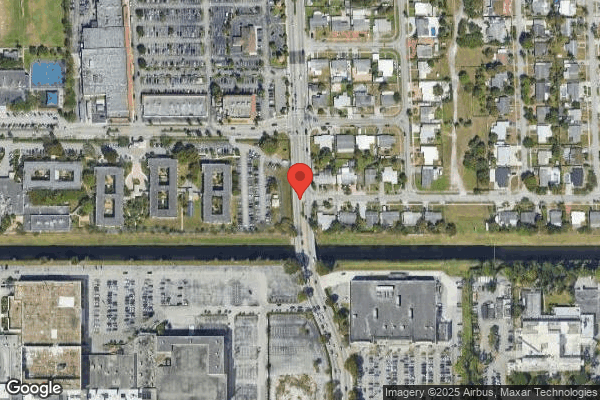
5300 W 16TH AVENUE, HIALEAH, FL 33012 (305) 556-3500
For profit - Limited Liability company 120 Beds ALLAIRE HEALTH SERVICES Data: November 2025
Trust Grade
75/100
#289 of 690 in FL
Last Inspection: June 2025

Inspected within the last 6 months. Data reflects current conditions.

Overview

Susanna Wesley Health Center has a Trust Grade of B, indicating it is a good choice for families seeking care, but there is room for improvement. It ranks #289 out of 690 facilities in Florida, placing it in the top half, and #32 out of 54 in Miami-Dade County, meaning there are only a few local options that are better. The facility is improving, having reduced its issues from 8 in 2024 to 6 in 2025. Staffing is a concern, with a below-average rating of 2 out of 5 stars, but an impressive 0% turnover rate suggests that the current staff is stable. Notably, there have been no fines, which is a positive sign. However, there are some weaknesses, including incidents where the pantry was not kept sanitary, a biohazard room door was left unlocked, and a computer screen displayed residents' private information unattended, highlighting areas where the facility must enhance safety and privacy practices.

Trust Score
B
75/100
In Florida
#289/690
Top 41%
Safety Record
Low Risk
No red flags
Inspections
Getting Better
8 → 6 violations
Staff Stability
○ Average
Turnover data not reported for this facility.
Penalties
✓ Good
No fines on record. Clean compliance history, better than most Florida facilities.
Skilled Nurses
✓ Good
Each resident gets 56 minutes of Registered Nurse (RN) attention daily — more than average for Florida. RNs are trained to catch health problems early.
Violations
⚠ Watch
14 deficiencies on record. Higher than average. Multiple issues found across inspections.
★★★★☆
4.0
Overall Rating
★★☆☆☆
2.0
Staff Levels
★★★★★
5.0
Care Quality
★★★☆☆
3.0
Inspection Score
Stable
2024: 8 issues
2025: 6 issues

The Good

  • 5-Star Quality Measures · Strong clinical quality outcomes
  • Full Sprinkler Coverage · Fire safety systems throughout facility
  • No fines on record

Facility shows strength in quality measures, fire safety.

The Bad

Chain: ALLAIRE HEALTH SERVICES

Part of a multi-facility chain

Ask about local staffing decisions and management

The Ugly 14 deficiencies on record

Jun 2025 6 deficiencies
CONCERN (D)

Potential for Harm - no one hurt, but risky conditions existed

Deficiency F0583 (Tag F0583)

Could have caused harm · This affected 1 resident

Based on observations, interviews and record reviews the facility failed to protect residents' information on the third floor as evidenced by, an observation of a computer screen unattended with resid...

Read full inspector narrative →
Based on observations, interviews and record reviews the facility failed to protect residents' information on the third floor as evidenced by, an observation of a computer screen unattended with residents' information visible and easily accessible. There were 118 residents residing in the facility at the time of survey. The findings included: On 6/12/25 at 10:28 AM while ambulating along the third floor hallway, the observed a the screen of an unattended computer with residents' information visible. Interview on 6/12/25 at 10:33 AM Staff J, Registered Nurse (RN) was asked about protecting resident information and protocol for the computer screen when unattended. Staff , RN stated: The cart is to be locked, and the computer is screen is to be closed when I walk away. To protect the privacy of all residents. Sometimes I minimize the screen and if the cart is moved it opens up again. Interview on 6/12/25 at 1:33 PM, the Director of Nursing revealed nurses were instructed on locking the computer screen when leaving the medication cart and not to minimize screen with resident information because it can easily be opened by someone else. Review of the facility's Policy titled Confidentiality of Personal and Medical Records. Date Implemented: 6/20/2020 and Reviewed/Revised: 12/2024 indicated: Policy: This facility honors the residents' right to secure and confidential personal and medical records. This includes the right to confidentiality of all information contained in a resident's records, regardless of the form of storage or location of the record. Policy Explanation and Compliance Guidelines: I. Personal and medical records include all types of records the facility might keep on a resident, whether they are medical, social, fund accounts, automated, or other. 2.Keep confidential is defined as safeguarding the content of information including written documentation, video, audio, or other computer stored information from unauthorized disclosure without the consent of the individual and/or the individual's surrogate or representative. 8. Paper notes or reminders with resident's personal or medical information shall not be left unattended or viewable by unauthorized persons. These paper notes and reminders will be disposed of in a way that will not compromise resident's personal or medical information.
CONCERN (D)

Potential for Harm - no one hurt, but risky conditions existed

Assessment Accuracy (Tag F0641)

Could have caused harm · This affected 1 resident

Based on observations, interviews and record review the facility failed to code a Minimum data set that accurately reflects resident's status for one (Resident #275) out of one sampled resident as evi...

Read full inspector narrative →
Based on observations, interviews and record review the facility failed to code a Minimum data set that accurately reflects resident's status for one (Resident #275) out of one sampled resident as evidenced by the MDS not coded for indwelling urinary catheter, despite Resident #275 having an indwelling urinary catheter since admission. There were seven residents with indwelling urinary catheter at the time of the survey. The findings included: On 6/09/25 at 10:13 AM, Resident #275 was observed seated in the activities area with an indwelling urinary catheter in place. On 6/11/25 at 4:29 PM, Resident #275 was observed in bed watching tv, an indwelling urinary catheter was in place, inside a dignity bag. Review of Resident 275 clinical records revealed admissions dated 4/16/25 and 5/22/25. Clinical diagnosis: Encounter for other orthopedic aftercare. Record review of a physician's order sheet revealed an order dated: 5/22/23 for Indwelling urinary catheter for Diagnosis Obstructive Uropathy Review of an admission Minimum Data Set (MDS) reference dated 5/28/25 indicate in Section C for Cognitive status revealed the resident is cognitively intact. Section H: Bowel and bladder: H0100. Appliances: Check all that apply-Z revealed None of the above- was checked. Record review of a care plan initiated on 6/05/25 revealed Resident #275 was at risk for Urinary tract infection due to an indwelling urinary catheter usage related to Obstructive Uropathy with an intervention that included: Keep indwelling catheter below the bladder and keep drainage bag away from the floor. Interview on 6/11/25 at 4:12 PM, Staff F, Registered Nurse, MDS Coordinator was asked what should be coded under Section H in Resident # 275's MDS, Staff F stated: Under section H in the MDS, an indwelling urinary catheter should have been coded. It was an error. Record review of a Policy titled Conducting an Accurate Resident Assessment Date Implemented: 03/20/2025 Date Reviewed/Revised: 12/2024 revealed Policy: The purpose of this policy is to assure that all residents receive an accurate assessment, reflective of the resident's status at the time of the assessment, by staff qualified to assess relevant care areas.
CONCERN (D)

Potential for Harm - no one hurt, but risky conditions existed

Deficiency F0657 (Tag F0657)

Could have caused harm · This affected 1 resident

Based on observations, record review and interviews, the facility failed to revise a tube feeding care plan for one (Resident #97) out of one sampled resident as evidenced by the care plan interventio...

Read full inspector narrative →
Based on observations, record review and interviews, the facility failed to revise a tube feeding care plan for one (Resident #97) out of one sampled resident as evidenced by the care plan interventions included abdominal binder despite no physician order for an abdominal binder. There were nine residents with tube feedings at the time of survey. The findings included: On 6/09/25 at 9:53 AM Resident #97 was observed in bed with the head of bed elevated and a tube feeding in progress. Record review of Resident #97's demographic sheet revealed an admission date of 2/17/25 clinical diagnosis including Dysphagia following cerebral infarction and Encounter for attention to gastrostomy. Record review of a Scheduled 5-day Minimum Data Set (MDS) reference dated 2/3/25 revealed Resident #97 had a Brief Interview of Mental Status score s 00, indicating severe cognitive impairment, was dependent on staff for Activities of Daily Living, and had a feeding tube. Record review of a care plan started on: 2/18/25, last reviewed/revised: 6/02/25 revealed Resident #97 has the potential for complications related to use of gastrostomy tube feeding; interventions included: Abdominal binder at all times, remove during care and inspect skin for any abnormalities and report to Medical Doctor promptly. Record review of Resident#97's physician's order sheet revealed no orders pertaining to an abdominal binder. On 6/12/25 at 12:40 PM, a side-by-side observation with Staff I, Licensed Practical Nurse (LPN) and the surveyor of Resident #97 revealed no abdominal binder on the resident. Staff I, LPN was asked about the intervention in the care plan for an abdominal binder, Staff I, LPN stated: Since I have been assigned to this resident, I have not seen an abdominal binder in use. I was not aware this was in the care plan. On 6/12/25 at 12:43 PM Staff H, Certified Nursing assistant (CNA) stated, I am usually assigned to this resident and have never seen a binder on. Interview on 6/12/25 at 1:06 PM, Staff G, Registered Nurse (RN)/ MDS Coordinator stated: This resident was newly admitted in February of 2025 with a new gastrostomy tube and the abdominal binder intervention was included in the care plan by mistake. [Resident#97] does not have a current physician's order for an abdominal binder and does not need a binder. I reviewed the care plans quarterly or as needed whenever there is a change. The last quarterly review was done on 5/15/25 and the intervention for abdominal binder was overlooked. Record review of a policy titled Comprehensive Care Plans Date Implemented: 06/2020 Date Reviewed/Revised: 12/2024 revealed Policy: It is the policy of this facility to develop and implement a comprehensive person-centered care plan for each resident, consistent with resident rights, that includes measurable objectives and timeframes to meet a resident's medical, nursing, and mental and psychosocial needs and ALL services that are identified in the resident's comprehensive assessment and meet professional standards of quality.
CONCERN (D)

Potential for Harm - no one hurt, but risky conditions existed

Accident Prevention (Tag F0689)

Could have caused harm · This affected 1 resident

**NOTE- TERMS IN BRACKETS HAVE BEEN EDITED TO PROTECT CONFIDENTIALITY** Based on observations, interviews, and record reviews, the facility failed to provide supervision to prevent accident hazards fo...

Read full inspector narrative →
**NOTE- TERMS IN BRACKETS HAVE BEEN EDITED TO PROTECT CONFIDENTIALITY** Based on observations, interviews, and record reviews, the facility failed to provide supervision to prevent accident hazards for one (Resident #275) out of one resident sampled, as evidenced by a fire lighter in a transparent bag observed next to Resident #275 while resident was seated in the activities area where other residents were gathered. There were 118 residents residing in the facility at the time of survey. The findings included: On 6/09/25 at 10:13 AM Resident # 275 was observed seated in a wheelchair in The activities room amongst other residents. Surveyor observed a fire lighter inside a transparent bag next to Resident #275 (photographic evidence). The surveyor asked Resident #275 what the lighter is used for and Resident # 275 stated: My business. The Registered Nurse Manager was immediately notified and retrieved the lighter from Resident #275 and stated: [Resident #275] is not allowed to have this lighter and is not a smoker. Interview on 6/09/25 at 10:15 AM, Staff K, the assigned Certified Nursing Assistant (CNA) revealed: I am assigned this resident every day. I don't know if the resident smokes. I did not see a lighter in his belongings. Record review of Resident #275's clinical records revealed the resident was admitted on [DATE] and readmitted on [DATE], clinical diagnosis include encounter for other orthopedic aftercare. Record review of an admission Minimum Data Set (MDS) reference dated 5/28/25 revealed Resident #275 is cognitively intact, required partial/moderate assistance for eating, and no tobacco use. During an interview on 6/10/25 at 10:30 AM, the Director of Nursing (DON) stated: We do rounds daily and look for and remove any hazardous materials. This resident (Resident #275) was previously homeless and doesn't like for staff to touch his belongings. I am not sure why this resident (Resident #275) had a lighter because this resident is not a smoker. Review of the facility's policy titled Accidents and Supervision; Implemented 11/12/2024, Reviewed/Revised 12/2024 revealed: Policy: The resident environment will remain as free of accident hazards as is possible. Each resident will receive adequate supervision and assistive devices to prevent accidents. This includes: 1. Identifying hazard(s) and risk(s). 2. Evaluating and analyzing hazard(s) and risk(s). 3. Implementing interventions to reduce hazard(s) and risk(s). 4. Monitoring effectiveness and modifying interventions when necessary.
CONCERN (D)

Potential for Harm - no one hurt, but risky conditions existed

QAPI Program (Tag F0867)

Could have caused harm · This affected 1 resident

Based on observations, interviews and record review, the facility failed to demonstrate effective action plans were implemented to correct identified quality deficiencies in the problem area related t...

Read full inspector narrative →
Based on observations, interviews and record review, the facility failed to demonstrate effective action plans were implemented to correct identified quality deficiencies in the problem area related to prevent repeated deficient practice for F641- Accuracy of assessment. As evidenced by inaccurate MDS coding. The findings included: Review of the facility's survey history revealed, during a recertification survey with exit dated 02/15/ 2024, F641- Accuracy of assessment was cited related to the facility's failure to accurately code the Minimum Data Set (MDS) assessment for two out of four residents reviewed for assessments. During this survey with an exit dated 06/12/2025, repeated deficient practice was identified for F641- Accuracy of assessment, related to failure to code indwelling urinary catheter under section H for Resident # 275. During an interview on 06/12/2025, at 2:30 PM, the Director of Nursing and Administrator revealed Quality Assurance and Performance Improvement (QAPI)/Quality Assessment and Assurance (QAA) committee meets monthly, and the last meeting was held on May 21, 2025. The QAPI/QAA committee includes all required interdisciplinary team members and is responsible for identifying, prioritizing, and addressing care issues using data from audits, staff reports, and daily meetings. Review of the facility's policy titled Quality Assurance and Performance Improvement Date: 02/28/25 indicate: It is the policy of this facility to develop, implement, and maintain an effective, comprehensive, data-driven QAPI program that focuses on indicators of the outcomes of care and quality of life and addresses all the care and unique services the facility provides.
CONCERN (D)

Potential for Harm - no one hurt, but risky conditions existed

Infection Control (Tag F0880)

Could have caused harm · This affected 1 resident

**NOTE- TERMS IN BRACKETS HAVE BEEN EDITED TO PROTECT CONFIDENTIALITY** Based on observations, interview and record review, the facility's staff failed to implement infection prevention control polici...

Read full inspector narrative →
**NOTE- TERMS IN BRACKETS HAVE BEEN EDITED TO PROTECT CONFIDENTIALITY** Based on observations, interview and record review, the facility's staff failed to implement infection prevention control policies and procedures to ensure a sanitary environment and failed to provide proper perineal and catheter care to help prevent Urinary Tract Infections (UTI); as evidenced two clear plastic bags containing trash on the third-floor hallway and during perineal care staff did not change gloves and wash hands when transitioning from a contaminated area to a clean area and did not change water in the basin between cleaning steps. There were 116 residents residing in the facility at the time of the survey. The findings included: On 06/09/2025 08:46 AM, during observational tour, of the third floor two clear plastic bags containing trash was observed on the third-floor hallway next to a residents' room. (photographic evidence). Interview on 06/12/2025 at 01:38 PM, Staff M, Certified Nursing Assistant (CNA) regarding the trash and soiled supplies on the hallway. Staff M revealed the soiled linen bag, or trash should be placed inside the grey bin inside the soiled utility room immediately. Observation on 06/11/25 at 02:23 PM of Staff A, Certified Nursing Assistant performing perineal care for Resident # 68 revealed: Staff A washed her hands and gathered the necessary supplies (plastic basin, adult brief, gauzes, and soap). After washing her hands again, she donned gloves and removed the resident's soiled brief. Using wet gauzes with soap that was applied outside the basin, she cleaned the perineal area in the following order: right side of the vagina, left side, middle, and then the catheter by cleaning away from the resident and ensuring the indwelling catheter was not dislodged. A new gauze was used for each area. She repeated the same sequence using only water from the bin, without soap, and then again with dry gauzes. The resident was then turned, and Staff A cleaned the anal area using the same method. After completing care, soiled supplies were discarded in the appropriate receptacles in the biohazard room. Staff A did not adhere to proper infection control protocols. She did not change her gloves or wash her hands when transitioning from a contaminated area to a clean area or when needed. Additionally, she did not change the water in the basin between cleaning steps, which is also a deviation from standard infection control practices. Record review of Resident # 68's medical records revealed the resident was initially admitted to the facility on April15, 2025, with clinical diagnoses, including but not limited to: urinary tract infection (UTI), acute vaginitis, bacterial infection, recurrent UTIs, overactive bladder, and neuromuscular dysfunction of the bladder and indwelling catheter in place upon admission due to neurogenic bladder. Review of the physician orders for June 2025 revealed physician orders dated 06/7/25 and 06/10/25, for Ciprofloxacin 500 mg (milligrams) every 12 hours for UTI treatment, routine catheter care every shift, weekly indwelling urinary catheter bag changes, and enhanced barrier precautions related to catheter and feeding tube use. Review of Resident # 68's admission Minimum Data Set (MDS) dated [DATE], Section C for cognitive pattern indicated a Brief Interview for Mental Status score of 03 out of 15 meaning Resident #68 is severely impaired cognitively. For functional status the resident is dependent on staff for all Activities of Daily Living (ADL). Incontinent of bowel and indwelling urinary catheter. with no active bowel or bladder toileting program. Review of a care plan initiated on 04/25/25, and revised 05/01/25, identified the resident's elevated risk for UTI related to indwelling urinary catheter. Interventions adherence to infection control procedures. Interview on 06/11/25 at 02:58 PM, Staff A revealed for hand hygiene during perineal care she only needs to wash her hands at the beginning and at the end of the procedure and does not change gloves during the process unless the gloves break or become visibly soiled with feces; it is not necessary to change the water in the basin during care, because the she applies the soap outside the basin and the water only needs to be changed if it appears visibly dirty. Interview on 06/11/25 at 03:04 PM Staff B, Licensed Practical Nurse revealed, during perineal care, it is essential to follow proper infection control practices, which include removing gloves and performing hand hygiene when moving from a contaminated area to a clean one, failure to follow these protocols puts residents at increased risk for infections, particularly urinary tract infections, especially in those with indwelling catheters. Interview on 06/12/25 at 9:58 AM Staff C, Infection Control Preventionist acknowledged the identified concerns and revealed, Resident # 68 is currently being treated for a urinary tract infection (UTI) because the urine culture collected on 06/05/25 tested positive for E. coli (Escherichia coli (E. coli), a type of bacteria commonly found in the gastrointestinal tract) Staff C reported staff are required to change gloves and wash their hands between perineal care and catheter care to prevent catheter-associated urinary tract infection (CAUTI). Review of the facility's policy dated 02/28/25-titled: Infection Prevention and Control Program This facility has established and maintains an infection prevention and control program designed to provide a safe, sanitary, and comfortable environment and to help prevent the development and transmission of communicable diseases and infections as per accepted national standards and guidelines.
May 2024 1 deficiency
CONCERN (D) 📢 Someone Reported This

A family member, employee, or ombudsman was alarmed enough to file a formal complaint

Potential for Harm - no one hurt, but risky conditions existed

Deficiency F0745 (Tag F0745)

Could have caused harm · This affected 1 resident

**NOTE- TERMS IN BRACKETS HAVE BEEN EDITED TO PROTECT CONFIDENTIALITY** Based on record review and interviews, the facility failed to ensure medically needed social services were provided for one resi...

Read full inspector narrative →
**NOTE- TERMS IN BRACKETS HAVE BEEN EDITED TO PROTECT CONFIDENTIALITY** Based on record review and interviews, the facility failed to ensure medically needed social services were provided for one resident (Resident #4) out of three residents reviewed. The resident was charged $100.00 for someone to accompany him each time he went out to an appointment. There were 117 residents residing in the facility at the time of the survey. The findings included: Review of the facility's Transportation to an Appointment Policy and Procedure (no written date); Policy Statement-Our facility will assist residents in arranging transportation to/from appointments when necessary; Policy Interpretation and Implementation-1) Should it become necessary to transport a resident to an appointment, when necessary, outside the facility, the Social Service Designee or Charge Nurse shall notify the resident's representative and inform them of the appointment; 2) The resident's representative will be responsible for transporting the resident to his or her appointment; 3) Should it become necessary for the facility to provide transportation, the Social Service Designee will be responsible for arranging the transportation; 4) A member of the Nursing Staff or Social Services will accompany the resident to the appointment center when the resident's family is not available and 6) The use of volunteers to transport residents to appointments must be approved by the Director of Nursing. Review of t Resident #4 's Demographic Face Sheet documented the resident was admitted on [DATE] with a diagnosis that included but not limited to encounter for surgical aftercare following surgery on the digestive system, dysphagia, atherosclerotic heart disease, diabetes mellitus, chronic kidney disease, peripheral vascular disease, parkinsonism, depression and shortness of breath. The resident was discharged to home on 3/18/2024. Review of the Minimum Data Set (MDS) Quarterly Assessment for Resident #4 dated 3/05/2024 documented the resident had a Brief Interview of Mental Status (BIMS) Summary Score of 09 out of 15 indicating mild cognitive impairment, wore eyeglasses, required substantial/maximal to dependence assistance for ADLs (Activities of Daily Living) and had no impairment on both upper and lower extremities. Telephone interview on 5/22/2024 at 4:05 PM with the Complainant and the resident's daughter. She revealed that when her father had an appointment with the doctor, the facility required her to pay $100.00 for transportation and to have someone with him when he goes to the doctor. She stated, I communicated with a [ staff member] concerning the money for transportation. The facility would only accept $100.00 in cash. Review of the Progress Notes for Resident #4 documented the following: Dated 01/11/2024 02:41 PM-Nursing Note: Resident return from medical appointment with [ name of medical doctor, general surgeon] in stable condition. Nursing Notes dated 01/16/2024 06:37 PM: Resident returned from Endovascular appointment with [ medical doctor]. Review of the Consults for Resident #4 documented the following: Dated 01/11/2024: Resident was seen by [name of medical doctor], general surgeon for Mesenteric Ischemia and note dated 01/16/2024: Resident was seen by [name of medical doctor] for endovascular. Review of Payment by Company for Appointment for Resident #4 documented the following: Letter dated 1/04/2024: I have delivered today 1/04/2024 $100.00 for [ Resident #4] Doctor's appointment on January 11, 2024; Signed by [name of Resident #4's family friend]; Letter dated 1/13/2024: Money for transportation 1/16/2024, received $100.00 from [name of Resident #4's family friend] and Letter dated 1/15/2024: Money for appointment with [medical doctor's name] on 1/18/2024; Received $100.00 cash from [family friend] signed by [Unit Secretary]. Review of the facility's admission Packet revealed no documentation of payment for transportation to an appointment or payment for someone to accompany a resident to an appointment. On 5/24/2024 at 8:51 AM, interview with the third Floor Secretary. She stated, The patient is accompanied by a family member to appointments and if the family member cannot go, then we have to look for a person in the community to accompany them. The family has to pay $100.00 to accompany the patient. The family brings cash or check. [name] is a close family friend, and the daughter gave authorization for him to pay the $100.00. If the family cannot pay the $100.00 we have to look for a CNA (certified nursing assistant) to go with the resident to an appointment. The daughter never said she could not pay the $100.00. If she would have said that she couldn't pay it, I would have to go to the DON to get authorization for a CNA to accompany the resident to an appointment. On 5/24/2024 at 10:06 AM, interview with the Social Services Director. She stated, We don't charge for transportation to an appointment, but we do charge for someone from the community to accompany the resident for an appointment. On 5/24/2024 at 10:48 AM, interview and record review with the Director of Nursing (DON). She stated, He was discharged on 3/18/24 and he was here for rehab. There is no charge for transportation. When they call me and tell me they have no family to go with to appointments, I get my CNA to go with them. They get someone from the community to go with the resident and they do not pay. Record review with the DON revealed payment by the company for appointment for the following: Letter dated 1/04/2024: I have delivered today 1/04/24 $100.00 for [Resident #4] Doctor's appointment on January 11, 2024; Signed by Resident #4's family friend; Letter dated 1/13/2024: Money for transportation 1/16/2024, received $100.00 from [name of Resident #4' family friend]and Letter dated 1/15/2024: Money for appointment with [name of medical doctor] on 1/18/2024; Received $100.00 cash from [name of family friend] and signed by [Unit Secretary]. She stated, I did not know they were collecting $100.00 for someone to go with the resident to an appointment. On 5/24/2024 at 11:53 AM, interview with the Administrator. He revealed that he was not aware of the facility staff member collecting money for someone to go out with a resident to an appointment. He told the staff that practice stops today.
Feb 2024 7 deficiencies
CONCERN (D)

Potential for Harm - no one hurt, but risky conditions existed

Resident Rights (Tag F0550)

Could have caused harm · This affected 1 resident

**NOTE- TERMS IN BRACKETS HAVE BEEN EDITED TO PROTECT CONFIDENTIALITY** Based on observations, records review and interview, the facility failed to promote dignity while dining for two Residents (#21 ...

Read full inspector narrative →
**NOTE- TERMS IN BRACKETS HAVE BEEN EDITED TO PROTECT CONFIDENTIALITY** Based on observations, records review and interview, the facility failed to promote dignity while dining for two Residents (#21 and #62) out of twenty-six sampled residents, as evidenced by observations of staff standing over Resident #21 and Resident #62 while assisting to eat. The findings included: On 02/12/2024 at 8:05 AM in room [ROOM NUMBER] bed b, Staff G, Certified Nursing Assistant (CNA) observed standing while assisting Resident #21 with breakfast. Record review of Resident #21's demographic face sheet revealed the resident was admitted on [DATE] and readmitted on [DATE] with diagnosis that included Diabetes mellitus and Severe Protein-Calorie Malnutrition. Record review of Discharge Return Anticipated Minimum Data Set (MDS) dated [DATE], Section C for cognitive patterns revealed a Brief Interview Mental Status (BIMS) score of undetermined out of a scale of 0-15, that indicated severe cognitive impairment. Section K for swallowing/nutrition status revealed resident #21 received a mechanically altered diet, Section GG for Functional Abilities and Goals revealed residents were dependent on staff for eating. Record review of Care Plan initiated on 04/13/2022 and revised on 01/31/2024 revealed Resident #21 at Risk for Altered Hydration related to decreased appetite. Interventions included to assist with meal/ fluid intake as needed/indicated. Record review of physician orders revealed orders for no added salt (NAS), no concentrated sugar (NCS), nectar thick liquid, pureed consistency. On 02/12/24 at 08:19 AM, (translated by wound care nurse) Staff G, CNA stated she had been working at facility for two months and been a CNA for six months. Stated the proper way to assist a resident is to sit while assisting. Stated: I stood while assisting Resident #21 because I was nervous. On 02/12/24 at 12:40 PM, Staff F, Licensed Practical Nurse (LPN) stated, during meals it is protocol for staff to be seated when assisting any resident to eat and she will reinforce teaching to CNAs regarding the importance of being seated while assisting residents to eat. On 02/12/24 at 02:33 PM, Staff A, LPN supervisor stated it is not appropriate to stand while assisting to feed a resident: It is facility protocol for staff to be seated when assisting residents to eat. Moving forward I will re-educate staff regarding appropriate assisting residents with meals. On 02/12/2024 at 08:05 AM, Staff E, CNA was observed standing next to Resident# 62 while assisting to feed the resident lunch. Record review of demographic face sheet revealed Resident #62 was admitted to the facility on [DATE] and readmitted on [DATE] with diagnosis that included Moderate protein-calorie malnutrition and Vitamin D deficiency. Record review of Discharge Return Anticipated MDS dated [DATE] revealed Section C for cognitive patterns revealed a Brief Interview Mental Status (BIMS) score of undetermined out of a scale of 0-15, that indicated severe cognitive impairment. Section K for swallowing/nutrition status revealed Resident #62 received a therapeutic diet. Section GG for Functional Abilities and Goals revealed Resident #62 required setup and clean up assistance from staff for eating. Review of care plan initiated on 01/11/21 and revised on 12/4/23 revealed Resident#62 has a problem with Activities of Daily Living (ADL) self-care deficit, supervision with tray set up for feeding. Review of physician orders revealed a diet order dated 1/27/24 for regular .renal diet. On 02/12/24 at 12:35 PM Staff G, CNA (translated by Staff D) stated she has been working at the facility for 4 years, she understood that standing while feeding a resident is a dignity issue for the resident. Staff G further stated she stood while feeding Resident #62 because that resident normally eats independently. I am short, moving forward I will sit when assisting any resident to eat. On 02/12/24 at 12:45 PM, Staff D, LPN stated: Staff are to be seated when assisting residents to eat, this is part of dignity for all residents. Staff D stated she will reinforce this concept with the CNAs. On 02/15/24 at 08:38 AM, the Director of Nursing (DON) stated that staff who assist residents with meals should be seated while assisting. An in-service was completed on 01/23/24 for direct care staff regarding Techniques for assisting with feeding and which included being seated while assisting a resident to eat. I will reeducate staff about being seated while assisting a resident to eat. I will round during mealtimes to ensure staff are sitting while feeding residents. I am aware that it is a dignity issue whenever a staff member is standing while assisting to feed a resident. Review of Policy and Procedure entitled, Assistance with Meals dated 04/1/23. Policy statement: Residents shall receive assistance with meals in a manner that meets the individual needs of each resident. Policy In Policy Interpretation and Implementation: Dining Room Residents: 3. Residents who cannot feed themselves will be fed with attention to safety, comfort, and dignity, for example: a. Not standing over residents while assisting them with meals.
CONCERN (D)

Potential for Harm - no one hurt, but risky conditions existed

MDS Data Transmission (Tag F0640)

Could have caused harm · This affected 1 resident

**NOTE- TERMS IN BRACKETS HAVE BEEN EDITED TO PROTECT CONFIDENTIALITY** Based on record review and interview, the facility failed to electronically transmit the Discharge- Return Non-Anticipated Minim...

Read full inspector narrative →
**NOTE- TERMS IN BRACKETS HAVE BEEN EDITED TO PROTECT CONFIDENTIALITY** Based on record review and interview, the facility failed to electronically transmit the Discharge- Return Non-Anticipated Minimum Data Set (MDS) to Centers of Medicare and Medicaid (CMS) within 14 days for one (Resident # 10) out of two residents whose assessments were investigated. Resident #10 who was discharged to the community but the MDS was not transmitted. There were 120 residents residing in the facility at the time of survey. The findings included: Record review of the clinical records for Resident # 10 revealed the resident was admitted to the facility on [DATE] and was discharged home on [DATE]. Review of the Discharge Return Non-Anticipated MDS Section A Identification Information dated 10/01/2023 revealed the resident was discharged to the community (home). The Discharge Return Non-Anticipated MDS dated [DATE] was not transmitted within 14 days after completion. During an interview with the MDS Coordinator on 02/14/24 at 01:19 PM. She reported that the assessment was completed but not transmitted after completion and she forgot to transmit on time after completion. She stated she will validate and transmit the assessment. Interview with MDS Coordinator on 02/14/2024 at 1:30 PM. She stated that the MDS was transmitted. Further record review after the above interview revealed, the Discharge Return Non-Anticipated MDS dated [DATE] was transmitted on 02/14/2024. Review of Policy and Procedures for Minimum Date Set (MDS)3.0 Completion and Transmission dated implemented 04/01/2023 revealed Policy: Residents are assessed, using a comprehensive assessment process, in order to identify care needs and to develop an interdisciplinary care plan. Policy Explanation and Compliance Guidelines: f- discharge assessment-completed using the discharge date as the Assessment Reference Date (ARD). Must completed within 14 days of the discharge date /ARD. Transmission Requirements: a-All assessment shall be transmitted to the designated CMS system (iQIES) within 14 days of completion.
CONCERN (D)

Potential for Harm - no one hurt, but risky conditions existed

Assessment Accuracy (Tag F0641)

Could have caused harm · This affected 1 resident

**NOTE- TERMS IN BRACKETS HAVE BEEN EDITED TO PROTECT CONFIDENTIALITY** Based on record reviews and interviews, the facility failed to accurately code the Minimum Data Set (MDS) assessment for two (Re...

Read full inspector narrative →
**NOTE- TERMS IN BRACKETS HAVE BEEN EDITED TO PROTECT CONFIDENTIALITY** Based on record reviews and interviews, the facility failed to accurately code the Minimum Data Set (MDS) assessment for two (Resident #117 and Resident #44) out of four residents reviewed for residents' assessments. There were 120 residents residing in the facility at the time of the survey. The findings include: 1) In a record review for Resident #117, the resident was admitted to the facility on [DATE] and was discharged home on [DATE]. Record review of medical diagnosis include heart failure, muscle/ wasting atrophy (gradual decline) of left/ right upper arms and left/right lower leg. Review of physician orders revealed Resident #117 was to be discharged home on 1/12/2024 with home health with a Registered Nurse, physical therapist, and occupational therapist with a wheelchair, walker, and commode. Review of the Care plan that started on 10/04/2023 revealed that Resident #117 overall goal was established during the assessment process and expects to be discharged home with daughter. Review of progress notes documented by Social Services dated 01/12/2024 at 11:59 AM revealed that the resident was scheduled for discharge home today with her daughter. On 01/12/2024 at 01:22 PM, a Nurse stated Resident #117 was in stable condition and was discharged from the facility with daughter to home. Review of documentation titled physician discharge summary revealed Resident #117 received rehab, special wound care, a restorative nursing program, and safety measures (fall management). Order for immediate care of Resident #117 was to be discharged home. The prognosis condition improved. The discharge diagnosis was discharged to home. The discharge date documented was 1/12/2024. Review of Minimum Data Set, dated [DATE] discharge return not anticipated revealed in section A: Identification Information. It stated Resident #117 was discharged , return not anticipated, and it was planned. The discharge date was 01/12/2024 to a short-term general hospital. On 02/14/2024 at 01:29 PM, in an interview the MDS Coordinator was asked where Resident #117 was discharged to. The MDS coordinator reviewed the progress notes and stated: The resident was discharged home on 1/12/24. It was coded as hospital, but the resident went home. I will send a modification. Review of facility's policy titled Conducting an accurate resident assessment. Date implemented 4/1/23. The policy statement stated the purpose of this policy is to assure that all residents receive an accurate assessment, reflective of the resident's status at the time of the assessment, by staff qualified to assess relevant care areas. In the section titled policy explanation and compliance guidelines. 2) Qualified staff who are knowledgeable about the resident will conduct an accurate assessment addressing each resident's status, needs, strengths, and areas of decline. The assessment will be documented in the medical record. 7) Whether the Minimum Data Set assessments are manually completed, or computer-generated following data entry, each individual assessor is responsible for certifying the accuracy of responses relative to resident's condition and discharge or entry status. 2) Record review of the Demographic Face Sheet for Resident #44 documented the resident was admitted on [DATE] with diagnoses that include but not limited to: epilepsy, dementia, schizophrenia, bipolar disorder. Review of the Physician's Order Sheet (POS) and Medication Administration Records (MAR) for December 2023, January 2024 and February 2024 documented the resident was receiving medications that include but not limited to the following, Olanzapine 5mg (milligrams) tab (tablet) 1 tab via tube feeding once a day for schizophrenia. Review of the Minimum Data Service (MDS) Annual assessment dated [DATE] for Resident #44 documented the resident's Mental Status (BIMS) Summary Score was 09, indicating cognitive impairment and section A question Preadmission Screening and Resident Review (PASRR): Resident currently considered by the state level II PASRR process to have serious mental illness and/or intellectual disability or a related condition, was coded as No and Level II Preadmission Screening and Resident Review (PASRR) Conditions was not coded for A) Serious mental illness; B) Intellectual Disability or C) Other related conditions. Review of the Psychotropic Drug Use Care Plan for Resident #44, written 11/04/2022 documented the resident was currently receiving antipsychotics, antidepressants, and antianxiety medications. Review of the PASRR Level I Screen for Resident #44 dated on 7/16/2019 documented: Section I: PASRR Screen Decision-Making: Mental illness of anxiety disorder and schizophrenia; Section II: Other Indications for PASRR Screen Decision-Making: 1) Is there an indication the individual has or may have had a disorder resulting in functional limitations in major life activities that would otherwise be appropriate for the individual's developmental stage was coded Yes and 3) Is there an indication that the individual has received recent treatment for a mental illness with an indication that the individual has experienced at least one of the following? A. Psychiatric treatment more intensive than outpatient care was coded Yes. The PASRR Level I Screen dated on 10/24/2022 documented: Section I: PASRR Screen Decision-Making: Schizophrenia and Section II: Other Indications for PASRR Screen Decision-Making: 1) Is there an indication the individual has or may have had a disorder resulting in functional limitations in major life activities that would otherwise be appropriate for the individual's developmental stage was coded Yes. Review of the PASRR Level II Determination Summary Reports for Resident #44 dated 7/24/2019 and 11/01/2022 documented the resident met the state definition of serious mental illness and specialized services were not recommended. On 2/15/2024 at 1:47 PM, the Social Services Director stated, I screen the Level I to see if they qualify for a Level II. If they need a Level II, I submit the paperwork for the Level II. I started July 2023. He did have two Level II's done on 7/24/2019 and 11/01/2022. On 2/15/2024 at 2:09 PM, the Registered Nurse (RN), Minimum Data Service (MDS) Coordinator confirmed the resident did receive a PASSR Level II on 7/24/2019 and 11/01/2022 and the MDS Annual, dated 10/13/2023 is incorrect for a PASSR Level II. On 2/15/2024 at 2:32 PM, the Director of Nursing (DON) confirmed the resident had PASSR Level I done on 7/16/2019 and 10/24/2022 and the Level II was done on 7/24/2019 and 11/01/2022.
CONCERN (D)

Potential for Harm - no one hurt, but risky conditions existed

Deficiency F0761 (Tag F0761)

Could have caused harm · This affected 1 resident

Based on observations, records review, and interviews. The facility failed to ensure medications were securely stored, as evidenced by fourteen loose pills and two half pills were found on one out of ...

Read full inspector narrative →
Based on observations, records review, and interviews. The facility failed to ensure medications were securely stored, as evidenced by fourteen loose pills and two half pills were found on one out of two medication carts checked. There were 120 residents residing in the facility at the time of the survey. The findings included: On 02/13/2024 at 02:48 PM, during observation and interview with Staff A, LPN (Licensed Practical Nurse) on the third-floor medication cart two. Fourteen loose pills and two half pills were found. (photographic evidence). Staff A, LPN was asked: What is the facility's policy for checking and cleaning medications carts? Staff A LPN stated, The 11-7 shift cleans the cart and on weekends. I check the medications, check for expired meds, and that medications are up to date. I cleaned the cart. When I find loose pills. We dispose of them in the drug buster. In an Interview on 02/13/24 at 03:13 PM, the Nursing Supervisor was asked: What is the facility's policy for checking and cleaning medication carts? The nursing Supervisor stated: The Pharmacist was here yesterday to check on medication carts. The 11-7 shift cleans and picks out any loose pills. We have a sign-in log for that. It documents staff cleaning the cart and how many loose pills were found. On 02/14/24 at 02:57 PM. In an interview with the Director of Nursing, the findings of the third-floor's second cart were discussed, and the photographic evidence was shown. The DON was asked: What is the facility's policy for checking carts for loose pills and cleaning them? The Director of Nursing stated: Two consultant Pharmacists came to check all our medication carts. Our census is full. From Friday to Monday, I had five residents admitted to the facility. We have too many bingo cards in the medication carts. When nurses are pulling the medication bingo cards in and out. Pills can come out. I have a system in place. We check the carts on the night shift every night. The nurses will remove all the medication bingo cards, clean the carts, and check the carts. We check carts daily for expired meds, remove all loose pills, clean bottles, check for spills, and check discrepancies. They have time without interruptions. I've spoken to the pharmacy to request bigger carts because our carts are jam-packed with bingo cards. Review of the medication cart check sheet for February 2024 revealed medication cart two on the third floor. From February 1,2024 to February 14, 2024 on the 11-7 shift, it was noted to be initialed and stated in the comments section that that the cart was cleaned, and loose pills were removed. Review of the pharmacist medication area inspection on 2/12/24 revealed that on cart two. Four expired medications were advised to be replaced, liquid medication to be cleaned, and opened /undated medication packets were addressed by the nurse. Review of documentation from Pharmacy ticket #975. Dated February 12, 2024 at 3:41 PM. Status Closed. The facility is requesting larger carts as the current carts can no longer accommodate their needs and are packed to capacity. The request is for larger carts, not additional carts. Review of facility's policy and procedure titled Medication Storage dated March 2023. The policy statement stated medications will be stored in a manner that maintains the integrity of the product and ensures the safety of the residents and is in accordance with the Florida Department of Health guidelines. In section procedure, C. Medication will be stored in an orderly, organized manner in a clean area. E. Medication will be stored in the original, labeled containers received from pharmacy.
CONCERN (D)

Potential for Harm - no one hurt, but risky conditions existed

Deficiency F0847 (Tag F0847)

Could have caused harm · This affected 1 resident

Based on record review and interview the facility failed to ensure the arbitration agreements presented to three residents (Resident number 70, Resident number 84, and Resident number 220) out of thre...

Read full inspector narrative →
Based on record review and interview the facility failed to ensure the arbitration agreements presented to three residents (Resident number 70, Resident number 84, and Resident number 220) out of three residents reviewed informed residents or their representatives of the nature and implications of any proposed binding arbitration agreement, to inform their decision on whether or not to enter into such agreements. There were 120 residents residing in the facility at the time of the survey. The findings included: Record review of the Binding Arbitration Agreements on facility letterhead documented the following: 1) The facility offers arbitration agreements; 2) The facility asks residents or their representatives to enter into an arbitration agreement, 3) The facility had residents who entered a binding agreement on or after 9/16/2019 and 4) The Admissions Coordinator is responsible for the binding arbitration agreements. Review of the facility Voluntary Arbitration Agreement documented the following: Resident number 70 signed and dated on 6/02/2020, Resident number 84 signed and dated on 7/17/2023 and Resident number 220 signed and dated on 1/23/2024 failed to show the arbitration agreements allowed the resident or anyone else to communicate with federal, state or local officials such as federal and state surveyors, other federal or state health department employees and representative of the Office of the State Long Term Care Ombudsman. On 2/14/2024 at 9:45 AM, interview and record review with the Admissions Coordinator confirmed that the Voluntary Arbitration Agreement forms did not document the binding arbitration agreement allowing the resident or anyone else to communicate with federal, state, or local officials such as federal and state surveyors, other federal or state health department employees and representative of the Office of the State Long Term Care Ombudsman.
CONCERN (E)

Potential for Harm - no one hurt, but risky conditions existed

Food Safety (Tag F0812)

Could have caused harm · This affected multiple residents

Based on observation, interview, and record review the facility failed to ensure the Third Floor Pantry refrigerator used exclusively for the resident's was maintained in a sanitary manner as evidence...

Read full inspector narrative →
Based on observation, interview, and record review the facility failed to ensure the Third Floor Pantry refrigerator used exclusively for the resident's was maintained in a sanitary manner as evidenced by opened undated milk carton observed. This has the potential to affect fifty-five residents out of fifty-seven residents who eat orally residing on the Third floor. The findings included: Observation of the Third Floor Nourishment Pantry on 2/14/2024 at 7:33 AM revealed a pint carton of 2% reduced milk was opened and not dated. Photographic evidence submitted. Observation and interview with Staff C, Registered Nurse (RN), Nursing Supervisor on 2/14/2024 at 7:34 AM. She confirmed the milk carton was open and not dated. She stated, I forgot to check the refrigerator. They said they just opened the milk. Interview with the Dietary Supervisor on 2/14/2024 at 7:58 AM. She revealed that nursing is responsible for making sure the pantry refrigerators are in order and are contained properly. Interview with the Registered Dietitian on 2/14/2024 at 8:56 AM revealed that once a milk carton is opened, it should be labeled and dated with a use by date and a date when it was opened. Record review of the Food Storage Policy and Procedure (revision date April 2023); Policy Statement-Foods shall be stored in a manner that complies with safe food handling practices; Policy Interpretation and Implementation-4) All foods stored in the refrigerator or freezer will be covered, labeled and dated (use by date) and 9) Food items and snacks kept on the nursing units must be maintained as indicated below: d) Beverages must be dated when opened and discarded after twenty-four (24) hours.
CONCERN (E)

Potential for Harm - no one hurt, but risky conditions existed

Safe Environment (Tag F0921)

Could have caused harm · This affected multiple residents

Based on observations, interview, and record review the facility failed to provide a safe environment for residents on the second floor, as evidenced one out of one Biohazard room observed on the faci...

Read full inspector narrative →
Based on observations, interview, and record review the facility failed to provide a safe environment for residents on the second floor, as evidenced one out of one Biohazard room observed on the facility's second floor door was kept unlocked. This has the potential to affect the 58 residents residing on the second floor during the survey. The findings included: On 02/14/2024 at 10:15 AM The door of the Biohazard room on the second floor was not locked. On 02/14/2024 at 10:15 AM, Staff B observed entering Biohazard room by pushing the door open. The Biohazard room door unlocked while staff inside. On 02/14/2024 at 10:20 AM; One staff member observed pushing the door of the Biohazard room open and entering. The Biohazard room door was unlocked while staff inside. On 02/14/2024 at 10:25 AM, Staff B, Certified Nursing Assistant stated there is a key to open the door; I didn't use it because the door was open. On 02/14/2024 at 10:26 AM, Staff C, Registered Nurse Supervisor stated: the Biohazard room door should always be locked to prevent residents from entering the room and encountering hazardous material. The key is kept in the drawer. Staff C stated that she will reinforce with staff to use key to enter, and to ensure the door is locked while inside and when leaving. On 02/14/2024 at 4:24 PM, the Director of Environmental Services stated the door to the Biohazard room should be locked at all times to maintain the safety of residents. On 02/15/2024 at 08:19 AM, the Director (DON) stated that the Biohazard room door should be closed and always locked for the safety of the residents; an in-service was started on 2/14/2024 for all direct care staff and housekeeping to reinforce that the Biohazard room door should be locked. On 02/15/2024 at 08:46 AM, the Administrator stated, The Biohazard room door should always be locked to ensure the safety of our residents. The Administrator also revealed that the locks for each Biohazard room were replaced with new locks and the keys are kept at the nursing station. Review of Policy and Procedure, entitled Biohazard Waste Room Management dated 4/1/2023: All biohazard rooms will have a biohazard sign for identification and the doors will be kept locked.
Understanding Severity Codes (click to expand)
Life-Threatening (Immediate Jeopardy)
J - Isolated K - Pattern L - Widespread
Actual Harm
G - Isolated H - Pattern I - Widespread
Potential for Harm
D - Isolated E - Pattern F - Widespread
No Harm (Minor)
A - Isolated B - Pattern C - Widespread

Questions to Ask on Your Visit

  • "Can I speak with families of current residents?"
  • "What's your RN coverage like on weekends and overnight?"

Our Honest Assessment

Strengths
  • • No major safety red flags. No abuse findings, life-threatening violations, or SFF status.
  • • No fines on record. Clean compliance history, better than most Florida facilities.
Concerns
  • • 14 deficiencies on record. Higher than average. Multiple issues found across inspections.
Bottom line: Generally positive indicators. Standard due diligence and a personal visit recommended.

About This Facility

What is Susanna Wesley's CMS Rating?

CMS assigns SUSANNA WESLEY HEALTH CENTER an overall rating of 4 out of 5 stars, which is considered above average nationally. Within Florida, this rating places the facility higher than 99% of the state's 100 nursing homes. This rating reflects solid performance across the metrics CMS uses to evaluate nursing home quality.

How is Susanna Wesley Staffed?

CMS rates SUSANNA WESLEY HEALTH CENTER's staffing level at 2 out of 5 stars, which is below average compared to other nursing homes.

What Have Inspectors Found at Susanna Wesley?

State health inspectors documented 14 deficiencies at SUSANNA WESLEY HEALTH CENTER during 2024 to 2025. These included: 14 with potential for harm.

Who Owns and Operates Susanna Wesley?

SUSANNA WESLEY HEALTH CENTER is owned by a for-profit company. For-profit facilities operate as businesses with obligations to shareholders or private owners. The facility is operated by ALLAIRE HEALTH SERVICES, a chain that manages multiple nursing homes. With 120 certified beds and approximately 118 residents (about 98% occupancy), it is a mid-sized facility located in HIALEAH, Florida.

How Does Susanna Wesley Compare to Other Florida Nursing Homes?

Compared to the 100 nursing homes in Florida, SUSANNA WESLEY HEALTH CENTER's overall rating (4 stars) is above the state average of 3.2 and health inspection rating (3 stars) is at the national benchmark.

What Should Families Ask When Visiting Susanna Wesley?

Based on this facility's data, families visiting should ask: "Can you walk me through typical staffing levels on day, evening, and night shifts?" "Can I visit during a mealtime to observe dining assistance and food quality?" "How do you handle medical emergencies, and what is your hospital transfer rate?" "Can I speak with family members of current residents about their experience?" These questions are particularly relevant given the below-average staffing rating.

Is Susanna Wesley Safe?

Based on CMS inspection data, SUSANNA WESLEY HEALTH CENTER has a clean safety record: no substantiated abuse findings (meaning no confirmed cases of resident harm), no Immediate Jeopardy citations (the most serious violation level indicating risk of serious injury or death), and is not on the Special Focus Facility watch list (a federal program monitoring the lowest-performing 1% of nursing homes). The facility has a 4-star overall rating and ranks #1 of 100 nursing homes in Florida. While no facility is perfect, families should still ask about staff-to-resident ratios and recent inspection results during their visit.

Do Nurses at Susanna Wesley Stick Around?

SUSANNA WESLEY HEALTH CENTER has not reported staff turnover data to CMS. Staff turnover matters because consistent caregivers learn residents' individual needs, medications, and preferences. When staff frequently change, this institutional knowledge is lost. Families should ask the facility directly about their staff retention rates and average employee tenure.

Was Susanna Wesley Ever Fined?

SUSANNA WESLEY HEALTH CENTER has no federal fines on record. CMS issues fines when nursing homes fail to meet care standards or don't correct problems found during inspections. The absence of fines suggests the facility has either maintained compliance or corrected any issues before penalties were assessed. This is a positive indicator, though families should still review recent inspection reports for the full picture.

Is Susanna Wesley on Any Federal Watch List?

SUSANNA WESLEY HEALTH CENTER is not on any federal watch list. The most significant is the Special Focus Facility (SFF) program, which identifies the bottom 1% of nursing homes nationally based on persistent, serious quality problems. Not being on this list means the facility has avoided the pattern of deficiencies that triggers enhanced federal oversight. This is a positive indicator, though families should still review the facility's inspection history directly.