KINDRED HOSPITAL SOUTH FLORIDA HOLLYWOOD
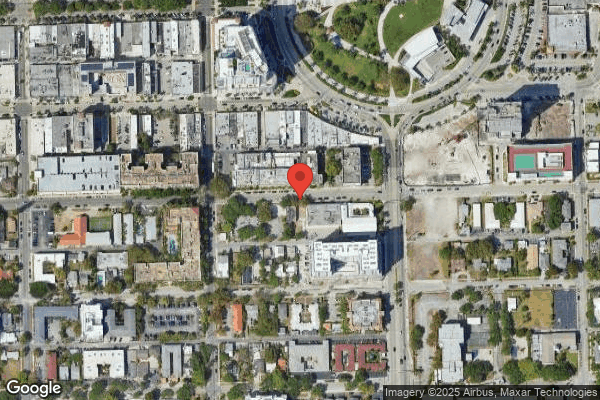
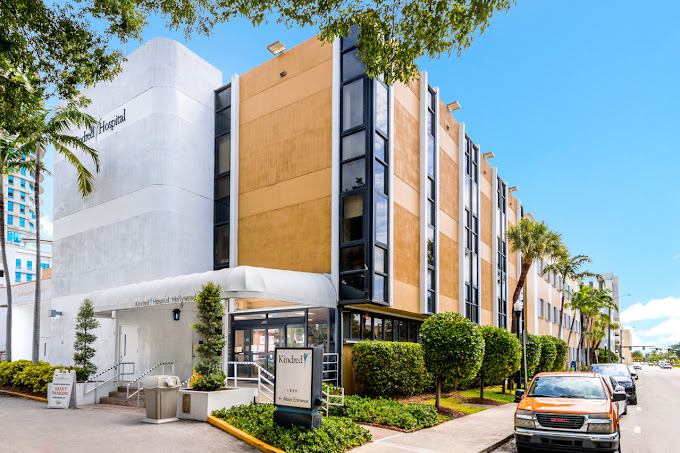
1859 VAN BUREN ST, HOLLYWOOD, FL 33020 (954) 920-9000
For profit - Corporation 30 Beds KINDRED HEALTHCARE Data: November 2025
Trust Grade
65/100
#366 of 690 in FL
Last Inspection: December 2024

Within standard 12-15 month inspection cycle. Federal law requires annual inspections.

Overview

Kindred Hospital South Florida Hollywood has a trust grade of C+, indicating that it is decent and slightly above average among nursing homes. It ranks #366 out of 690 facilities in Florida, placing it in the bottom half, and #20 out of 33 in Broward County, meaning there are only a few better local options. The facility is improving, with the number of issues reported decreasing from five in 2024 to just one in 2025. Staffing is a strength, with a good rating of 4 out of 5 stars and RN coverage that exceeds 99% of Florida facilities, although turnover is at 46%, which is average for the state. On the downside, there have been concerns regarding food safety practices, with issues like condensation from air vents potentially contaminating food, and the garbage area not being properly maintained, contributing to unsanitary conditions.

Trust Score
C+
65/100
In Florida
#366/690
Bottom 47%
Safety Record
Low Risk
No red flags
Inspections
Getting Better
5 → 1 violations
Staff Stability
⚠ Watch
46% turnover. Above average. Higher turnover means staff may not know residents' routines.
Penalties
✓ Good
No fines on record. Clean compliance history, better than most Florida facilities.
Skilled Nurses
✓ Good
Each resident gets 163 minutes of Registered Nurse (RN) attention daily — more than 97% of Florida nursing homes. RNs are the most trained staff who catch health problems before they become serious.
Violations
⚠ Watch
19 deficiencies on record. Higher than average. Multiple issues found across inspections.
★★★☆☆
3.0
Overall Rating
★★★★☆
4.0
Staff Levels
★★☆☆☆
2.0
Care Quality
★★★☆☆
3.0
Inspection Score
Stable
2024: 5 issues
2025: 1 issues

The Good

  • 4-Star Staffing Rating · Above-average nurse staffing levels
  • Full Sprinkler Coverage · Fire safety systems throughout facility
  • No fines on record

Facility shows strength in staffing levels, fire safety.

The Bad

3-Star Overall Rating

Near Florida average (3.2)

Meets federal standards, typical of most facilities

Staff Turnover: 46%

Near Florida avg (46%)

Higher turnover may affect care consistency

Chain: KINDRED HEALTHCARE

Part of a multi-facility chain

Ask about local staffing decisions and management

The Ugly 19 deficiencies on record

Jul 2025 1 deficiency
CONCERN (D) 📢 Someone Reported This

A family member, employee, or ombudsman was alarmed enough to file a formal complaint

Potential for Harm - no one hurt, but risky conditions existed

Accident Prevention (Tag F0689)

Could have caused harm · This affected 1 resident

**NOTE- TERMS IN BRACKETS HAVE BEEN EDITED TO PROTECT CONFIDENTIALITY** Based on observations, interviews, and record reviews, the facility failed to provide adequate supervision to prevent elopement ...

Read full inspector narrative →
**NOTE- TERMS IN BRACKETS HAVE BEEN EDITED TO PROTECT CONFIDENTIALITY** Based on observations, interviews, and record reviews, the facility failed to provide adequate supervision to prevent elopement and failed to ensure that safety measures were in place to prevent elopement for 1 of 1 sampled residents reviewed for elopement. The findings included:A review of the education titled Hollywood-Elopement Education (undated) documented the following: when a resident is monitored due to confusion or the concern that they may exit the Unit, this means that a staff member must always have the resident in their visual field. Residents who exit the Unit without staff knowledge, even if they remain inside the hospital, should be reported to facility leadership immediately as a potential elopement. Record review revealed Resident #1 was admitted to the facility on [DATE] and discharged on 6/12/202 with diagnoses of Acute Respiratory Failure, Heart Failure, and Muscle Weakness. The admission Minimum Data Set (MDS) dated [DATE], revealed Resident #1 has a Brief Interview of Mental Status (BIMS) score of 13, indicating intact cognition. Record review revealed that on 6/8/2025, Resident #1 was encountered on the first floor just below his Unit, which is on the second floor. Resident #1 waited for a visitor to come up on the elevator to the Unit (2nd floor) and entered the elevator before the doors closed. The 2nd floor Unit has keypads that require a code to be entered to leave the Unit. The elevator on the first floor does not require a code to access it, but it does require a code to exit the 2nd floor Unit. A visitor of another Resident came to the 2nd floor Unit by elevator, and once the doors opened on the Unit, Resident #1 entered the elevator on the second floor and rode back down to the first floor. In an interview conducted on 07/07/2025 at 8:00 AM with Staff B, Security Supervisor, who stated on 06/08/2025, he received a call from Staff J, Security Officer letting him know that while conducting her rounds she observed Resident #1 trying to get out by the East side back door near the Physician ' s parking lot. Staff B instructed Staff J to call the nursing staff on the 2nd floor Unit to come and retrieve Resident #1 from their Unit. According to Staff J, Resident #1 was trying to push the door open to the Physician ' s parking lot and was stopped by Staff F, Registered Nurse, who was just coming inside from the Physicians ' parking lot into the building. Staff B reported that Resident #1 came down from the 2nd floor Unit in his wheelchair and that a code is required to leave the 2nd floor Unit. If the elevator doors open on the 2nd Unit, it is possible to enter the elevator while the elevator doors are open without entering a code. In this interview, this Surveyor was able to see the video of Resident #1 attempting to leave the facility. Resident #1 was noted in his wheelchair wearing a hospital gown near the East side door by the Physician ' s parking lot. Staff A, Housekeeping, was noted passing by Resident #1, opening and closing the door behind her to the outside Physician ' s parking lot. She did not stop or acknowledge Resident #1, who was right by the exit door, as she walked outside the facility.In an interview conducted on 07/07/25 at 9:10 AM with Staff C, Housekeeping Manager, reported Staff A works all units depending on the coverage for the day, and that she worked on the 2nd floor Unit on 06/08/2025. His staff were trained in elopements. If they recognize a resident near a door or attempting to leave, they need to stay near the resident and notify nursing staff and supervisors of the situation. He further said that Staff A was educated with drills on elopement, and when asked to see documentation on education, he could not provide any. In an interview conducted on 07/07/2025 at 10:40 AM with Staff E, Registered Nurse, stated that she worked on the 2nd floor Unit on 06/08/2025 when she observed Resident #1 near the elevator. She was concerned that Resident #1 was attempting to leave the Unit and told Resident #1 to move away from the elevator area. Staff G, Registered Nurse, who was assigned to Resident #1, told her not to worry and that she was watching Resident #1 in the hallway. Staff E walked away to attend to her residents, leaving Staff G to watch Resident #1. Shortly after, they received a call from security informing them that Resident #1 was on the first floor, near the exit door, attempting to leave. In a phone interview conducted on 07/70/25 at 11:00 AM with Staff F, she stated that on 06/08/2025, she was coming back for her lunch break through the Physician ' s parking lot when she noticed Resident #1 wedged between the exit door in his wheelchair. She recognized Resident #1 as a Patient and used her cell phone to call security and nursing staff on the 2nd floor Unit. Staff G came from the 2nd floor Unit, and together they managed to get Resident #1 away from the doorway. Resident #1 was then taken to the 2nd floor Unit by Staff G. A chart review of the facility ' s elopement education revealed the following: an elopement education drill was conducted on 11/15/24 and on 05/13/2025. Closer observation did not show that Staff A or other housekeeping staff received any education on elopement. In an interview conducted on 07/07/2025 at 12:52 PM with the facility ' s Administrator, she acknowledged that Staff A was not educated in the past regarding elopements of residents and patients. The 2nd floor Unit is not a memory locked Unit, but you need a code to get into the elevator to leave the Unit. The Administrator reported that when she spoke to Staff A after the incident, Staff A recognized Resident #1, but did not know that she was supposed to stay with Resident #1 and notify other staff regarding the resident attempting to leave the facility. During her investigation, she also spoke to Staff G, who told her that on 06/08/2025, she kept an eye on Resident #1 near the elevator but had to walk away to administer medication to another Resident and did not know that Resident #1 had left the Unit. In an interview conducted on 07/07/2025 at 1:39 PM with Staff J, she reported noticing Resident #1 by the back door elevator when she looked at the facility ' s cameras. She approached him to ask him where he was going, and Resident #1 told her he was going home. Staff J left Resident #1 by the doors and went to the front desk to get her cell phone to call the nursing staff. When she came back to Resident #1, Staff F was already near Resident #1. When asked if she received an education on elopement in the past, she did not recall. In an interview conducted on 07/07/2025 at 2:27 PM, the facility ' s Maintenance Director stated that a resident can leave the 2nd floor Unit by the elevator, but you need a special code to call the elevator to leave the Unit. There is a chance that a resident can leave the Unit if someone is coming upstairs using the elevator. He was considering installing badge access to control elevator use or installing a keypad inside the elevator. The doors to the outside East Physician ' s parking lot do not have an alarm, as they are a high-traffic door with staff coming in and out. He acknowledged that there are measures that they can improve on in preventing this from happening again.
Dec 2024 4 deficiencies
CONCERN (D)

Potential for Harm - no one hurt, but risky conditions existed

Deficiency F0761 (Tag F0761)

Could have caused harm · This affected 1 resident

**NOTE- TERMS IN BRACKETS HAVE BEEN EDITED TO PROTECT CONFIDENTIALITY** Based on review of policy and procedure, observation, interview and record review, the facility failed to secure two (2) ordered...

Read full inspector narrative →
**NOTE- TERMS IN BRACKETS HAVE BEEN EDITED TO PROTECT CONFIDENTIALITY** Based on review of policy and procedure, observation, interview and record review, the facility failed to secure two (2) ordered prescription medications during a Medication Administration Observation for Resident #25, secured two (2) un-ordered prescription eye drop medications during an observational room tour for Resident #4, secure a Wound Care Treatment Cart #2; and, the facility failed to promptly discard nine (9) expired treatment gauze dressings, noted during a Wound Care Treatment Cart storage observation. The findings included: Record review of the facility policy and procedure titled, Storage and Expiration Dating of Medications and Biologicals revised on [DATE], and provided by the Director of Nursing (DON) documented in the Policy Statement: Policy 5.3 sets forth the procedures relating to the storage and expiration dates of medications, biologicals, syringes, and needles. Procedure: .1. Facility should ensure that only authorized facility staff, as defined by facility, should have possession of the keys, access cards, electronic codes, or combinations which open medication storage areas. Authorized staff may include nursing supervisors, charge nurses, licensed nurses, and other personnel authorized to administer medications in compliance with applicable law .5. Facility should ensure all medications and biologicals, including treatment items, are securely stored in a locked cabinet/cart or locked medication room that is inaccessible by residents and visitors .10. Facility should ensure medications and biologicals that: (1) have an expired date on the label; (2) have been retained longer than recommended by manufacturer or supplier guidelines; or (3) have been contaminated or deteriorated, are stored separate from other medications until destroyed or returned to the pharmacy or supplier .14. Facility should ensure resident medication and biological storage areas are locked .19.2 Facility should store bedside medications or biologicals in a locked compartment within the resident's room [ROOM NUMBER]. Facility should destroy or return all discontinued, outdated/expired, or deteriorated medications or biologicals in accordance with pharmacy return/destruction guidelines and other applicable law, and in accordance with Policy . 1) Resident #25 was admitted to the facility on [DATE] with diagnoses which included Multiple Sclerosis, Fractured Shaft of Left Tibia, Coronary Artery Disease, Chronic Obstructive Pulmonary Disease, and Hypertension. According to the resident's admission MDS (Minimum Data Set) assessment dated [DATE], he had a BIMS (Brief Interview Mental Status ) score of 14 (cognitively intact). On [DATE] at 9:36 AM, during a Medication Administration Observation for Resident #25, with Staff B, a Registered Nurse (RN), she was observed leaving two (2) prescription pill medications in a cup unattended on the resident's bedside table with the resident. Staff B left the room for almost five (5) minutes or more, to retrieve water for the resident from the nurses' station down the hallway, with the medications out of her line of sight. On [DATE] at 9:38 AM, during interview with Staff B, she acknowledged that the prescription pill medications should not have been left unattended and she said that she should have kept the medication secured, at all times. 2) Resident #4 was admitted to the facility on [DATE] with diagnoses which included Periprosthetic Fracture around Prosthetic Hip, Atherosclerotic Heart Disease, Major Depressive Disorder, Hypertension and Inflammation of Eyelid. Accordimg to the resident's admission MDS dated [DATE], she had a BIMS score of 14 (cognitively intact). On [DATE] at 11:30 AM, during an observational room tour for Resident #4, it was noted that there were two (2) prescription eye drops including, 1) Loteprednol Etabonate Ophthalmic Suspension) 0.25% with an expiration date of 04/2026 and 2) Tobramycin 0.3% and Dexamethasone 0.1% with an expiration date of [DATE], both located in a cup atop the resident's overbed table, which were left unattended and accessible to other residents, staff members and visitors (Photographic Evidence Obtained). On [DATE] at 11:42 AM, a brief interview was conducted with Resident #4 regarding the two (2) prescription eye drops observed on her table. She stated that they were both from her home and she uses them when needed if her eyes are tired or for dry eye. On [DATE] at 3:22 PM, [DATE] at 9:50 AM, and [DATE] at 3:28 PM, it was noted that the two (2) prescription eye drops both remained in a cup atop the resident's overbed table. An interview was conducted on [DATE] at11:05 AM simultaneously with both Staff D and the DON (Director of Nursing), regarding the prescription eye drop medication bottles observed on Resident #4's bedside table. They both acknowledged that the two (2) prescription eye drop medication bottles should not have been left, unsecured at the resident's bedside. During an interview conducted on [DATE] at 11:14 AM, with the DON, she indicated that Resident #4 does not self-administer any of her own medications and neither was she assessed by the Interdisciplinary Team (IDT) to be able to self-administer. A side-by-side record review conducted with the DON, indicated that Resident #4's hard copy chart nor her computerized medical record indicated that the resident had any self-assessment completed in order for her to be able to administer her own medications. There was no order on file in Resident #4's Medication Administration Record (MAR), nor any orders on the Treatment Administration Record (TAR) for the two (2) prescription eye drop medications: Loteprednol Etabonate Ophthalmic Suspension) 0.25% and 2) Tobramycin 0.3% and Dexamethasone 0.1%, to be administered to this resident. The bottles of two (2) prescription eye drops were not removed from Resident #4's bedside, until after surveyor inquisition. 3) On [DATE] at 9:49 AM, during walking rounds on the North end of the unit, it was observed that there was Wound Care Treatment Cart #2 was left unattended and unsecured in the hallway. (Photographic Evidence Obtained). 4) During a Wound Care Treatment Cart #2 Observation conducted on [DATE] at 9:51 AM with Staff C, an RN, it was observed that there were nine (9) expired Skin Integrity Hydrogel Impregnated Gauze packets, all with expiration dates of 10/2024, located in the 3rd drawer, of Wound Care Treatment Cart #2. (Photographic Evidence Obtained). On [DATE] at 10:52 AM, an interview was conducted with Staff C, regarding the unlocked Wound Care Treatment Cart. The nurse quickly locked the Wound Care Treatment Cart, in the presence of the Surveyor, and she acknowledged that the Wound Care Treatment Cart should have been locked and the expired Skin Integrity Hydrogel Impregnated Gauze packets, should all have been promptly discarded. On [DATE] at 12:42 PM, the DON further acknowledged and recognized that the prescription medications should not have been left at either of the resident's bedsides which were unsecured and unattended, the Wound Care Treatment cart should not have been left unlocked and unattended, and the expired gauze treatment dressings should have been discarded. This was not done.
CONCERN (D)

Potential for Harm - no one hurt, but risky conditions existed

Infection Control (Tag F0880)

Could have caused harm · This affected 1 resident

**NOTE- TERMS IN BRACKETS HAVE BEEN EDITED TO PROTECT CONFIDENTIALITY** Based on review of policy and procedure, observation, interview and record review, the facility failed to ensure it cleaned and ...

Read full inspector narrative →
**NOTE- TERMS IN BRACKETS HAVE BEEN EDITED TO PROTECT CONFIDENTIALITY** Based on review of policy and procedure, observation, interview and record review, the facility failed to ensure it cleaned and sanitized a multi-use Glucometer machine in-between resident use during a Glucometer Observation, for 1 of 1 sampled resident observed, Resident #18; and failed to promptly discard outdated/expired resident sample laboratory blood/biological specimen tubes left, unaddressed, in the Soiled Utility Room refrigerator. The findings included: 1. Record review of the facility policy and procedure, titled, Blood Glucose Monitoring using a NovaStat Strip Glucometer, provided by the Director of Nursing (DON) release date 09/2023, documented in the Policy Statement: Kindred Subacute Units monitors blood glucose monitoring according to Physician's Orders .Rational: Blood glucose tells what the blood glucose level is at any given time and is the main tool to monitor Diabetes control. Good control means that the patient gets as close to normal (non-Diabetic) blood glucose level as possible .Patient Testing: .3. Place cleaned machine on barrier on table/cart 25. Clean the Glucometer using a germicidal wipe between each patient. Allow appropriate contact time according to manufacturer's recommendations for the germicidal wipe being used . Record review revealed Resident #18 was admitted to the facility on [DATE] with a diagnosis which included Diabetes Mellitus Type II. He had a Brief Interview for Mental Status (BIMS) score of 14, indicating intact cognition. Record review of the Resident #18's Care plan reviewed [DATE] indicated Focus: Prone to Alteration in Blood Sugar (Hypoglycemia / Hyperglycemia). Interventions: Fasting Serum Blood Sugar as ordered by Doctor .Goal: Resident #18 will be free from any signs/symptoms of Hypoglycemia through review date During an Accucheck Observation conducted on [DATE] at 11:52 AM, Staff B, Registered Nurse (RN), for Resident #18, Staff B was not observed as having first cleaned and sanitized the Stat Strip Nova Medical Glucometer machine prior to nor after resident use. The non-specific multi-resident use re-usable Glucometer machine, was first observed as visibly smudged, sitting atop Team-two (2)'s medication cart, uncovered, exposed and out of the nurses' field of vision for a period of more than fifteen minutes. The Glucometer machine had been previously left out and accessible to residents, staff members and visitors. Afterwards, Staff B was observed placing the used Glucometer machine directly into the top drawer of the Team two (2) Medication cart, uncovered, and without being cleaned and sanitized. Staff B then sanitized her hands and donned a clean pair of gloves and proceeded to take Resident #18's blood sugar level (BSL) from the right-hand thumb finger. The BSL result was 216 mg/dl. Staff B threw the used lancets into the sharp's container, removed her gloves and washed her hands for approximately 35-40 seconds. Next, Staff B removed those gloves primed the ordered insulin pen coverage for the resident. Resident #18 had Lispro insulin pen three (3) units ordered. Staff B dialed up the correct amount of insulin after first wiping on the top with an alcohol wipe, explained to the resident what she was going to do, wipe the upper right thigh with alcohol, and administered the insulin to the resident after having washed her hands again for 35 40 sec. Staff B then discarded the used syringe into the sharp's container. During an interview conducted on [DATE] at 12:08 PM with Staff B, she was asked about cleaning the Glucometer. Staff B stated the Glucometer was multi-use for other residents as well. She acknowledged and confirmed she had not cleaned the Glucometer before nor after this resident use, when she should have done so. She stated that normally she does clean the Glucometer with the Sani-cloth wipes. The Treatment Administration (TAR) documented, Monitor Blood Glucose as needed. The Glucometer machine was not cleaned and sanitized by nursing staff, at that time, until after surveyor intervention. The DON recognized and acknowledged on [DATE] at 3:40 PM that the Glucometer was to be cleaned and sanitized before and after resident use. This was not done. 2. Record review of the facility policy and procedure, titled, Storage and Expiration Dating of .Biologicals, provided by the Director of Nursing (DON), revised [DATE], documented in the Policy Statement: Policy 5.3 sets forth the procedures relating to the storage and expiration dates of .biologicals Procedure: .5. Facility should ensure all .biologicals, . are securely stored .10. Facility should ensure .biologicals that: (1) have an expired date on the label; (2) have been retained longer than recommended by manufacturer or supplier guidelines; or (3) have been contaminated or deteriorated, are stored separate .until destroyed or returned to the .supplier .22. Facility should destroy or return all discontinued, outdated/expired, or deteriorated .biologicals in accordance with .destruction guidelines and other applicable law, and in accordance with Policy . An observation was made of the Soiled Utility Room on [DATE] at 11:34 AM with the DON. It was noted that there were four (4) blood / biological specimen laboratory tubes all appearing to be filled with old blood / biological-like samples being stored and kept in the Soiled Utility Room's refrigerator, as follows: 1. Is labeled with the name of former Hemodialysis resident, who had been discharged to the hospital on [DATE]; with a Hemoglobin (Hbg) level less than <7) and an outdated/expired collection date of [DATE]; 2. The other three (3) blood tubes were not labeled with any specific resident's name, date, nor room#. There was only an accompanying face sheet for the former resident, who had been discharged to the hospital on [DATE]; with a [NAME] Blood Cell Count (WBC) of 30.4. On [DATE] at 10:10 AM, the surveyor and the DON jointly conducted an interview with Staff E, RN, Director of Outpatient Clinical Services, with the Dialysis Center, who provides in-facility dialysis services to the residents on-site. Staff E was interviewed about the four (4) blood/biological specimen laboratory tubes that had been left in the soiled utility room and unaddressed. Staff E stated these blood / biological sample tubes were placed in the refrigerator by a former staff member. She stated that she was not aware that any of these expired and outdated blood / biological samples tubes had been left in the facility's refrigerator. The four (4) laboratory blood / biological sample tubes were not promptly discarded, until after surveyor intervention. The DON further recognized on [DATE] at 11:43 AM that all four (4) laboratory blood sample tubes had been previously collected from two (2) former Hemodialysis residents. She acknowledged these four (4) blood/biological specimen tubes were outdated or expired, not properly labeled, dated or secured, and they should have been promptly removed and not left there.
CONCERN (E)

Potential for Harm - no one hurt, but risky conditions existed

Safe Environment (Tag F0584)

Could have caused harm · This affected multiple residents

**NOTE- TERMS IN BRACKETS HAVE BEEN EDITED TO PROTECT CONFIDENTIALITY** Based on observations and interviews, the facility failed to provide Maintenance and Housekeeping services to provide a clean an...

Read full inspector narrative →
**NOTE- TERMS IN BRACKETS HAVE BEEN EDITED TO PROTECT CONFIDENTIALITY** Based on observations and interviews, the facility failed to provide Maintenance and Housekeeping services to provide a clean and home like environment for residents in 14 of 17 rooms, in the corridor, at the nursing station, and the Supply Room. The findings included: During the initial pool process, beginning on 12/16/24 at 10:12 AM, the following were noted: In room [ROOM NUMBER], a portion of the wall, at the left of the air conditioning unit, the surface was missing, exposing the unfinished surface underneath the paint. In room [ROOM NUMBER], a portion of the wall to the right of the entrance inside of the room, the painted surface was missing, exposing the unfinished surfaces underneath the paint. In room [ROOM NUMBER], the painted surface of the door was chipped at the lower right side of the entrance door, exposing the surface underneath, and there was an accumulation of dust on the air conditioning vent inside of the entrance to the room. During a room-by-room tour of the facility, beginning on 12/17/24 at 9:28 AM, the following were noted: In room [ROOM NUMBER], there was an accumulation of dust on the air conditioning vent inside of the room entrance and in the restroom. In room [ROOM NUMBER], there was an accumulation of dust on the air conditioning vent inside of the room entrance. In room [ROOM NUMBER], there was an accumulation of dust on the air conditioning vent inside of the room entrance. In room [ROOM NUMBER], there was an accumulation of dust on the air conditioning vent inside of the room entrance. In room [ROOM NUMBER], there was an accumulation of dust on the air conditioning vent inside of the room entrance. In room [ROOM NUMBER], the painted surface of the door was chipped on the lower right side of the room entry door. In room [ROOM NUMBER], there was an accumulation of dust on the air conditioning vent inside of the room entrance. In room [ROOM NUMBER], there was an accumulation of dust on the air conditioning vent inside of the room entrance. In room [ROOM NUMBER], there was an accumulation of dust on the air conditioning vent inside of the room entrance. In room [ROOM NUMBER], there was a black moldlike substance on a ceiling tile to the left of the air conditioning vent inside of the room entrance. At the nurse's station, there was an accumulation of dust on the air conditioning vent and several ceiling tiles were stained, indicating that moisture had penetrated the tiles. The handrail between room [ROOM NUMBER] and #224, to the left of an electrical panel was cracked in a manner that created multiple sharp splinters and jagged points. The handrail outside of the Equipment and Supply Storage Room was detached from the wall. During the environmental tour, on 12/18/24 at 11:00 AM, accompanied by the Facility Manager, the Facility Manager acknowledged the findings. During an observation of the Equipment and Supply Storage Room on 12/18/24 at 2:40 PM, it was noted that the paint was chipped on the bases of the two (2) Hoyer lifts that were stored in the room. It was also noted that the covers on the motors of both Hoyer lifts were cracked and damaged. When the concern was brought to the attention of the Maintenance Director on 12/18/24 at 2:51 PM, the Maintenance Director acknowledged the findings and stated that the concerns would be addressed.
CONCERN (E)

Potential for Harm - no one hurt, but risky conditions existed

Menu Adequacy (Tag F0803)

Could have caused harm · This affected multiple residents

Based on observations, interviews and record reviews, the facility failed to serve lunch according to the menu and recipe on 12/18/24, with the potential to affect 26 residents that eat by mouth from ...

Read full inspector narrative →
Based on observations, interviews and record reviews, the facility failed to serve lunch according to the menu and recipe on 12/18/24, with the potential to affect 26 residents that eat by mouth from the kitchen. The findings included: The lunch menu for 12/18/24 documented that residents would be served fried shrimp with waffle fries, and the alternate as baked fish. The recipe for fried shrimp (no reference date), provided by the Culinary Director, documented that one portion of fried shrimp would consist of 6 shrimp that would equal a 4-ounce serving. The recipe for the baked fish (no reference date), provided by the Culinary Director, documented that one portion of the fish would equal a 4-ounce serving. The production sheet for the meal, provided by the Culinary Director, documented that residents would receive 6 fried shrimp for a total weight of 4 ounces or one piece of baked fish that should weigh 4 ounces. During an observation of lunch being assembled in the main kitchen, on 12/18/24 at 11:53 AM, accompanied by the Culinary Director, Staff A, the [NAME] was observed placing 4 pieces of fried shrimp on a plate for staff to cover and place in the cart for the residents in the dining/activity room. Upon the request of the surveyor, Staff A placed 4 pieces that represented a serving of fried shrimp on the calibrated kitchen scale and the shrimp weighed 2 ounces. Staff A then placed one piece of the baked fish on a plate for staff to cover and place in the cart. At the request of the Surveyor, Staff A placed one piece of the baked fish that represented a serving of fish on the calibrated kitchen scale and the fish weighed 2 ounces. Staff A then placed one scoop of mechanically altered shrimp on a plate for staff to cover and place in the cart. At the request of the Surveyor, Staff A placed one scoop of the mechanically altered shrimp that represented one serving on the calibrated kitchen scale and the mechanically altered shrimp weighed 2 ounces. During an interview, on 12/18/24 at approximately 12:30 PM, when the Culinary Director was asked about the amount to be served, she stated that the residents were to be served 4 ounces of the protein for the meal being observed. The Culinary Director acknowledged that the residents were not being served according to the menu, prior to Surveyor intervention.
Sept 2024 1 deficiency
CONCERN (D) 📢 Someone Reported This

A family member, employee, or ombudsman was alarmed enough to file a formal complaint

Potential for Harm - no one hurt, but risky conditions existed

Resident Rights (Tag F0550)

Could have caused harm · This affected 1 resident

**NOTE- TERMS IN BRACKETS HAVE BEEN EDITED TO PROTECT CONFIDENTIALITY** Based on review of policy and procedure, interview and record review, the facility failed to: 1) treat a resident in a dignified...

Read full inspector narrative →
**NOTE- TERMS IN BRACKETS HAVE BEEN EDITED TO PROTECT CONFIDENTIALITY** Based on review of policy and procedure, interview and record review, the facility failed to: 1) treat a resident in a dignified manner, as evidenced by, allowing a resident to leave the facility for a doctor's appointment only wearing a hospital gown and an incontinence brief and waiting at the doctor's office for an extended period of time after the appointment; and 2) contact or notify the resident's responsible party in advance of a Doctor's appointment, in a timely manner, which allowed the resident to attend the appointment alone and unattended for 1 of 3 sampled residents reviewed, Resident #1. The findings included: Review of the facility policy and procedure titled, Quality of Care provided by the acting Director of Nursing (DON) dated 10/2022 documented in the Policy Statement: The Subacute Unit (SAU) identifies and provides needed care and services that are patient centered, in accordance with the patient's preferences, goals for care and professional standards of practice that will meet each patient's physical, mental, and psychosocial needs to ensure each patient receives necessary care and services to attain or maintain the highest practicable physical, mental, and psychological well-being, consistent with the resident's comprehensive assessment and plan of care Procedure: 1. Determine by comprehensive assessment of the highest level of functioning and well-being possible for the patient based on the patient's current functional status and potential for improvement or potential functional decline. 2. Base the clinical care of patients on current evidence-based practice or professional judgment of healthcare professionals. Review of the facility policy and procedure titled Patient Appointments outside the Subacute Unit (SAU) provided the DON dated 10/2022 documented in the Policy Statement: [NAME] SAU will assist with making arrangements for patient visits outside of the Unit. Responsible Discipline: Social Services, Licensed Nurse. Procedure: 1. Notify family/responsible party of the scheduled appointment in advance so they may accompany patient. 2. If family/responsible party is unable to make the scheduled appointment, offer the option to re-schedule the appointment at a time convenient for them. 3. In the event the family/responsible party is unable to accompany the patient, determine if the patient is physically and mentally able to go to the appointment unattended. If the Patient is Physically and/or Mentally unable to be unattended 4. Make arrangements for transportation. 5. Make arrangements for someone to accompany the patient until the patient returns to the SAU. 6. While outside the SAU, remain with the patient unless attended by personnel at the appointment location Documentation Guidelines: 1. Document in the patient's medical record the date and time of scheduled appointment. 2. Document in patient's medical record notification of family/responsible party of time and date of scheduled appointment. 3. Document in patient's medical record: a. Date and time patient left SAU for appointment. b. Name of person accompanying patient. c. How patient left for appointment (i.e. wheelchair, stretcher, etc.) d. How patient was transported (i.e. ambulance, private transport, etc.) e. Paperwork sent with patient if applicable. f. Verification of patient's arrival at physician's office if applicable. g. Date and time patient returned from appointment . Resident #1 was admitted to the facility on [DATE] with diagnoses which included Dementia, Parkinsonism, Diabetes Mellitus Type II, Osteomyelitis, Anemia, Altered Mental Status, Hypertension, Spinal Stenosis, Presence of Cardiac Pacemaker, Essential Tremor and Atherosclerotic Heart Disease. Record review of the Minimum Data Set (MDS) sections A, C and GG dated 08/23/24 for Resident #1 indicated that he used a walker and wheelchair, assistive devices. He had impairment on both sides of his lower extremities. The resident required partial to moderate assistance with eating, oral and personal hygiene, roll left and right, sit to lying and lying to sitting on side of bed. He required Substantial to maximal assistance with upper body dressing, sit to stand, chair/bed to chair transfer, toilet transfer, and he was dependent for toileting hygiene, shower/bathing, lower body dressing and putting on/taking off footwear. He had a Brief Interview Mental Status (BIM) score of 13, indicating intact cognition. Record review revealed that documentation dated 08/16/24 Hospital Discharge Summary and After Visit Summary documented the following: Discharge Disposition: Skilled Nursing Facility. Discharge Diagnoses: Atrioventricular (AV) Block, Dysuria, Benign Prostatic Hypertrophy (BPH) Serum Total Bilirubin elevated, Normocytic Anemia, Change in Mental Status---Alert, Disoriented. Dementia, Elevated Troponin Level, Insulin Dependent Type 2 Diabetes Mellitus, Right Bundle Branch Block (RBBB) and 1st Degree AV Block and Hypertension. And placement of Cardiac Pacemaker (CPM). The After Visit Summary also included an appointment for the Resident which was originally scheduled for Wednesday August 21st at 2 PM, with the Advanced Registered Nurse Practitioner (A.R.N.P.) at the Hospital. Record review of the facility's Physician's order dated 08/17/24, entered by Staff A, a Licensed Practical Nurse (LPN) documented, follow-up appointment with Advanced Registered Nurse Practitioner (A.R.N.P.) on 08/21/24 at 2 PM. Computerized record review of the Daily Skilled Progress Note dated 08/22/4 at 1:33 PM by Staff B a Registered Nurse (RN), documented for the resident: Mental Status within normal limits: No. Oriented to person, place. Mental Assessment involving: Anxiety, Depressed/Agitated/Disoriented/Confused were all listed as: Yes. There was also an entry by the nurse, He is able to follow simple commands Assistance with care provided as needed. Record review revealed that Facility's Schedule Book for the Cardiology appointment was recorded with instructions for: 11:30 AM appointment with a pick-up time of between 10:20-10:50 AM. And, return time from between12:45 to 1:15 PM. Record review of the Resident #1's Care plan initiated 08/19/24 indicated Focus: Activities of Daily Living (ADL): Resident #1 has an ADL Self-care performance deficit related to status post Pacemaker implanted, Osteoarthritis, Hypertension, Diabetes Mellitus, Cervical Myelopathy, Radiculopathy, Parkinson's Disease, Bowel and Bladder Incontinence with impaired mobility and generalized weakness. Interventions: assist as needed .assist to complete ADLs with limited to extensive assist with ADLs .and total assist with meeting elimination needs assist and monitor safe mobility techniques and transfers with assistive devices Goal: Resident will improve/maintain current level of function in .transfers .dressing, toilet use and personal hygiene through review date. Further record review of the Resident #1's Care plan initiated 08/19/24 indicated Focus: Bowel and Bladder Incontinence: Resident #1 has episodes of Bowel and Bladder incontinence related to impaired mobility with weakness. Interventions: Check for incontinence: clean and dry skin if wet or soiled. Document when Resident is incontinent. Perform assessment of skin. Note areas of redness. Use pads/briefs to manage incontinence .Provide hygiene after toileting to prevent skin breakdown. Goal: Incontinence will be managed by staff without evidence of skin break down over the next 90 days. During a telephone interview conducted on 09/04/24 at 7:06 PM with Resident #1's family member, regarding her Resident #1's doctor's appointment on Thursday, August 22, 2024, she stated that someone from the facility called her and her younger sister, the very same day about 15 minutes or so, before the actual appointment. She further explained that Resident#1 had already left the facility (by a transportation company) and was on his way to the appointment (unaccompanied). The family member stated that multiple other family members had been coming in and out of the facility on a daily basis to visit him, but no one from the facility ever said anything to any of them about this appointment. She said that he was to see a Cardiologist for his 2-week post-surgical follow-up for his Pacemaker placement. Furthermore, she added that none of Resident #1's clothing had been sent over to [NAME] from the hospital. She indicated that after the Doctor's office told her that Resident #1 was only in a hospital gown, she asked [NAME] over the telephone where his belongings were and she said that they told her, he did not have any belongings, and they didn't know anything about them. She further stated that when she asked the facility regarding the appointment, they only initially provided vague information to her and only then provided more specific, detailed information after she asked them about it repeatedly. She said that she questioned why the facility had not tried to contact the other family members who live here and visit him regularly in the facility, much earlier regarding this upcoming appointment so that they could provide clothing for Resident #1, if needed. She further said that the Resident had been picked up two (2) hours after the appointment was finished and as a result, he urinated on himself while only wearing a hospital gown with no underpants and no assistance with personal hygiene care. She said that it greatly disturbed her that Resident #1 told her that he was cold. An interview was conducted with Resident #1 on 09/05/24 at 2:29 PM, in which he provided information to this Surveyor, during a conversation regarding his visit to his last doctor's appointment in the facility. He stated that, one (1) time a driver came to pick him up and drop him off and then he left. And, then Resident #1 said that a different driver picked him up from his appointment and brought him back to [NAME], after a long time. The resident went on to say that he was wearing a hospital gown, and he said that thinks he had a diaper on that day when he urinated on himself, but he said that he wasn't sure and could not remember. Resident #1 ended by saying that, it bothered him to be wearing a hospital gown instead of wearing clothes and dressed, as he prefers. During an interview conducted on 09/05/24 at 2:56 PM with the facility's Staff C, Unit Clerk/Scheduler, she was asked about Resident #1's doctor's appointment scheduled for Thursday August 22, 2024, outside of the facility. Staff C responded first by saying that she was the one responsible for this appointment. She said that she remembered calling one (1) of the Resident's daughters on the day of the appointment but said that she does not remember the exact time of the call, nor the exact conversation, nor which daughter she called; there was no documentation by her to confirm this. By her own admission, Staff C stated that she had not obtained confirmation from the family member indicating that they would be accompanying the resident to the appointment that day. Therefore, she added that the Transportation company was allowed to take the resident to the appointment alone. Staff C verbalized that, she would not do this again. And, she admittingly stated that she had not thought of just re-scheduling the appointment to another, more convenient day, because she did not want the resident to miss his appointment. On 09/05/24 at 5:08 PM a telephone interview was conducted with the Advanced Registered Nurse Practitioner (ARNP) from Resident #1's Cardiology office, in which she was asked briefly about the events that occurred on Thursday August 22, 2024. The ARNP stated Resident #1 was to return there for his 2-week Pacemaker placement follow-up Cardiology appointment visit. However, she said that the Resident was very disoriented, with a diagnosis of Dementia, he had no idea that he was even had a Pacemaker, nor that he was there for his Pacemaker follow-up. And, she added that he was just dropped off alone, in a hospital gown, and waited there for hours in the doctor's office and they had to call the family members to speak with them and find out what was going on. During an interview conducted on 09/05/24 at 5:10 PM with Staff D, Certified Nursing Assistant (CNA), she acknowledged that, Resident #1 did go to an appointment on Thursday August 22, 2024, wearing a hospital gown. She said that she believed he was wearing pull-ups because that was what he would always wear, but she was not sure. And, she added that he was not accompanied by anyone that day to the appointment, that she was aware of. On 09/05/24 at 4:25 PM a telephone interview was conducted with Staff B, a Registered Nurse (RN), on the 7 AM to 7 PM dayshift, in which he was asked about Resident #1's orientation status. Staff B stated that sometimes the Resident is alert and sometimes he is not, and he can be confused sometimes. Staff B further stated that he did not remember exactly what the Resident was wearing that day, nor if the Resident had on a diaper or incontinence brief, to the Doctor appointment. During an interview conducted with the acting DON on 09/05/24 at 5:20 PM, regarding Resident #1's Doctor's appointment on Thursday August 22nd 2024, she indicated that she was not aware of the exact time of the appointment that day and she revealed that she was sitting next to Staff C, on that day and she asked Staff C if she had reached out to the family to see if they could meet Resident #1 at the doctor's office and bring over some clothes to go out to the appointment. The acting DON said that one (1) of Resident #1's daughters, who lives locally, told them that she could not go. The acting DON then said that, at that point, Resident #1 was alert and oriented x3, so he was sent out to the appointment in what he was wearing, a hospital gown with something on underneath. Further investigation revealed there was no nursing clinical documentation on file to show the name and type of Doctor's appointment, nor the exact time of when he left and ultimately returned to the facility, nor whom he left the facility with, nor of his current condition/status at the time of his leaving from the facility. Moreover, there was no documentation to indicate that the resident's responsible party had been notified of this appointment. During an interview on 09/05/24 at 5:40 PM, the Administrator acknowledged that the circumstances surrounding Resident #1's medical appointment should have been handled or addressed more promptly and appropriately with better communication between the facility and the Resident's representatives. This was not done.
Sept 2023 5 deficiencies
CONCERN (D)

Potential for Harm - no one hurt, but risky conditions existed

Safe Environment (Tag F0584)

Could have caused harm · This affected 1 resident

**NOTE- TERMS IN BRACKETS HAVE BEEN EDITED TO PROTECT CONFIDENTIALITY** Based on observation and interview, it was determined that the facility failed to provide housekeeping and maintenance services ...

Read full inspector narrative →
**NOTE- TERMS IN BRACKETS HAVE BEEN EDITED TO PROTECT CONFIDENTIALITY** Based on observation and interview, it was determined that the facility failed to provide housekeeping and maintenance services necessary to maintain a sanitary, orderly, and comfortable interior. The findings included: During the screening of residents on 09/05/23 and the Environmental Tour conducted on 09/07/23 at 10:30 AM, accompanied by the Corporate Maintenance Director and Director of Housekeeping, the following were noted: 1) Observation of the entrance to the elevator of which residents utilize to come down from the second floor resident rooms to the Skilled Therapy Gym located on the first floor was noted to have a 18 inch by 2 inch wood slat at the opening to the elevator door. Further observation noted a large lip that posed a potential trip hazard to residents entering and/or exiting the elevator. The issues was discussed with the Corporate Maintenance Director at the the time of the observation, who stated the the issues required immediate repair attention. 2) Resident Rooms: room [ROOM NUMBER] - Room walls (3) were noted to be damaged and in disrepair, large hole in wall #1, and soiled fan blowing directly towards the resident with a tracheotomy. room [ROOM NUMBER] - Room walls (3) were noted to be damaged and in disrepair, privacy curtain was soiled and stained, and night stand dresser drawers would not close. room [ROOM NUMBER] - Room walls (3) were noted to be damaged and in disrepair. room base boards in disrepair, and exterior of bathroom entry door was in disrepair. room [ROOM NUMBER] - Room walls (3) were noted to be damaged and in disrepair. room base boards in disrepair, and exterior of bathroom entry door was in disrepair. room [ROOM NUMBER] - Room walls (3) were noted to be damaged and in disrepair. room [ROOM NUMBER] - Room walls (3) were noted to be damaged and in disrepair. room [ROOM NUMBER] - Room walls (3) were noted to be damaged and in disrepair, and wall electric cover was not secured to the wall. room [ROOM NUMBER] - Large black scuff marks on walls (3), exterior of bathroom door damaged and in disrepair, and exterior of ovrbed table (B Bed) was worn and exposed wood areas. room [ROOM NUMBER] - Room walls (3) were noted to be damaged and in disrepair. room [ROOM NUMBER] - Room walls (3) were noted to be damaged and in disrepair, and bathroom door frame was rust laden. room [ROOM NUMBER] - Bathroom emergency shower call cord was wrapped around handrail. 3) Clean Supply Storage Room - Entry door not locked (broken) and potential resident access to razors (3 boxes) and dialysis chemical products (germicidal and bleach) . Soiled fan stored within the room with clean gastric and IV pumps. Following the tour conducted on 09/07/23 at 10:30 AM, the findings were again confirmed with the Regional Maintenance Director and Director of Housekeeping. The findings were also discussed with the facility's Administrative Staff.
CONCERN (E)

Potential for Harm - no one hurt, but risky conditions existed

Garbage Disposal (Tag F0814)

Could have caused harm · This affected multiple residents

Based on observation and interview, it was determined that the facility was not disposing of garbage and refuse properly. The findings included: During the initial kitchen/food service observation to...

Read full inspector narrative →
Based on observation and interview, it was determined that the facility was not disposing of garbage and refuse properly. The findings included: During the initial kitchen/food service observation tour conducted on 09/05/23 at 9 AM accompanied with the Food Service Manager (FSM), the following was noted: Observation of the facility's commercial dumpster that is located at the facility's receiving dock on 08/05/23 at 9 AM noted that there was a large circular hole of approximately 18 inches located below the dumpster door. Further observation noted the interior to have a large build-up area of black slime within the cavity of the dumpster. It was also noted to have numerous flying insects and an offensive garbage odor. Interview with the FSM at the time of the observation revealed that the Hospital Administration had been notified numerous times over the past 2 months by the SNU (Skilled Nursing Unit) Administration that a new commercial dumpster was required for potential sanitation issues. It was also discussed with the facility Administrator that the issues concerning the improperly covered commercial linen carts are delivered by an outside vendor, directly next to the commercial dumpster.
CONCERN (E)

Potential for Harm - no one hurt, but risky conditions existed

Infection Control (Tag F0880)

Could have caused harm · This affected multiple residents

**NOTE- TERMS IN BRACKETS HAVE BEEN EDITED TO PROTECT CONFIDENTIALITY** Based on review of policy and procedure, observation, interview and record review, the facility failed to 1) follow infection co...

Read full inspector narrative →
**NOTE- TERMS IN BRACKETS HAVE BEEN EDITED TO PROTECT CONFIDENTIALITY** Based on review of policy and procedure, observation, interview and record review, the facility failed to 1) follow infection control standards for 1 of 1 sampled residents observed, during a Medication Administration Observation (Resident #181); 2) ensure that it followed infection control standards for 1 of 1 sampled residents observed were followed during a Glucometer Observation (Resident #78), and; 3) transport and store resident linens, in a sanitary manner. The findings included: Review of the facility policy and procedure titled, Infection Prevention and Control Program provided by the Director of Nursing (DON) with a release date of 11/2022 documented in the Policy Statement: An Infection Prevention and Control Program is designed to maintain a safe, sanitary, and comfortable environment involving each department. Definitions: Staff----All facility staff (direct and indirect) .others who provide care and services to patients on behalf of the facility Hygienically clean refers to being free of pathogens in sufficient numbers to cause human illness .Standards Precautions .is based on the principle that all blood, body fluids, secretions, excretions except sweat, regardless of whether they contain visible blood, non-intact skin, and mucous membranes may contain transmissible infectious agents. Furthermore, equipment or items in the patient's environment likely to have been contaminated with infectious body fluids must be handled in a manner to prevent transmission of infectious agents Review of the facility policy and procedure titled, Blood Glucose Monitoring using a NovaStat Strip Glucometer provided by the Director of Nursing (DON) with a release date of 10/2022, documented in the Policy Statement: Policy [NAME] Subacute Units monitors blood glucose monitoring according to Physician's Orders. Rational Blood glucose tells what the blood glucose is at any given time and is the main tool to monitor Diabetes control .6. Prior to initial blood glucose monitoring or storage in the docking/charging station, cleanse exterior of Glucometer with 10% Bleach wipe and dry with damp non-sterile cloth (gauze) .Patient Testing 3. Place cleaned machine on barrier on table/cart .25. Clean the Glucometer using a 10% Bleach solution moistened wipe between each patient. Allow appropriate contact time according manufacturer's recommended for solution being used and wipe any residual Bleach solution off the meter after appropriate contact time . Review of the facility's Policy and Procedures for Linen Handling and Storage noted the following: Purpose: Minimize microbial contamination of linen due to surface contact or airborne disposition Policy: Ensure the proper storage and handling of clean linen. Procedure: 1) All clean linen carts shall be delivered to user areas in covered carts. 1.1; Linen will be covered at all times during transport to user areas. 1.3: Clean linen carts in user areas shall be in enclosed closets or stored with covers. 1) Resident #181, was admitted to the facility on [DATE] with diagnoses which included Displaced Intertrochanter Fracture Left Femur, Anemia, Dysphagia, Anxiety Disorder, Major Depressive Disorder, Adjustment Disorder and Hypertension. He had a Brief Interview Mental Status (BIMS) score of 15 (cognitively intact). On [DATE] at 9:24 AM, during a Medication Administration observation, Resident #181's dirty open and uncovered urinal (not actively or recently in use by the resident) was observed sitting atop his bedside table adjacent to his clean half-lidded water pitcher with the end of an exposed drinking straw sticking out of the top of the water pitcher, for a period of over one (1) hour; several staff members were observed entering and exiting the resident's room, with no attempts to remove the resident's urinal to a different location (Photographic Evidence Obtained). An interview was conducted on [DATE] at 3:21 PM with Staff B, CNA, in which she was asked about Resident #181's dirty open and uncovered Urinal (not actively or recently in use) sitting atop his bedside table adjacent to his clean half-lidded water pitcher, and if it was acceptable infection control practice and she acknowledged that the urinal should not have been left next to the resident's water pitcher. An interview was conducted on [DATE] at 3:22 PM with Staff C, RN, in which she was asked about Resident #181's dirty open and uncovered Urinal (not actively or recently in use by the resident) sitting atop his bedside table adjacent to his clean half-lidded water pitcher, and if it was acceptable infection control practice and she acknowledged that the urinal should not have been left next to the resident's water pitcher. An interview was conducted with RN, Nurse Manager, on [DATE] at 3:30 PM regarding the Resident #181's dirty open and uncovered Urinal (not actively or recently in use by the resident) sitting atop his bedside table adjacent to his clean partially-lided water pitcher and if it was acceptable infection control practice and the RN, Nurse Manager also acknowledged that the urinal should not have been left next to the resident's water pitcher. 2) Resident #78 was admitted to the facility on [DATE] with diagnoses which included Unspecified Carpal Bone Right Wrist, Diabetes Mellitus Type II, Chronic Kidney Disease Stage 3, Hypertension and Gastroesophageal Reflux Disease. She had a Brief Interview Mental Status (BIMS) score of 15 (cognitively intact). Record review revealed on [DATE] the physician order documented for Accuchecks to be performed four (4) times per day, before meals and at bedtime. On [DATE] at 11 AM, during a Glucometer Observation with Staff D, RN, was conducted for Resident #78. The nurse donned a clean pair of gloves after washing her hands for approx. 35-40 seconds and she cleaned the Glucometer with Sanicloth (bleach) wipes and allowed it to air dry for 2-4 minutes. She then removed her gloves and sanitized her hands and gathered the supplies and went to the resident and she agreed to have this surveyor observe the Glucometer being performed. The nurse then washed her hands again for 30-45 sec and donned a clean pair of gloves and proceeded to take the resident's blood sugar level from the left-hand index finger. After receiving the results, the nurse threw the used lancets into the sharp's container, removed her gloves and washed her hands for approx. 35-40 seconds, the nurse was then observed to proceed to the next resident to administer their medications after having placed the dirty/used Glucometer machine on top of medication cart #1. Further observation revealed Staff D did not clean and sanitize the Glucometer again with bleach wipes after completing the Glucometer check until after surveyor inquisition/intervention(Photographic Evidence Obtained). During a brief interview conducted with Staff D, on [DATE] at 11:05 AM, she acknowledged that she had forgotten to clean the Glucometer after resident use, and said that she should have. An interview was conducted with the RN, Nurse Manager, on [DATE] at 3:30 PM regarding the Glucometer not being cleaned. The RN, Nurse Manager acknowledged that the Glucometer should have been cleaned and sanitized after resident use. An interview was conducted on [DATE] at 3:35 PM with the DON regarding Resident #181's dirty open and uncovered Urinal (not actively or recently in use by the resident) sitting atop his bedside table, adjacent to his clean partially lided water pitcher. She acknowledged that the urinal should not have been left next to the resident's water pitcher, and further acknowledged and recognized that the Glucometer should have been cleaned and sanitized after resident use; this was not done. 3) During a routine observation conducted on [DATE] at 7:30 AM, it was noted that a commercial sized clean linen laundry cart (full ) was located at the entry to the elevator on the first floor . The Housekeeping Director who was with the clean linen cart stated that the clean linen cart was going to be delivered to the second floor Skilled Nursing Unit. Further observation noted noted that 2/3 of the large commercial clean linen cart was not covered and much of the clean linens (Bed linens, bath linen, etc.) were exposed. The Director stated to the surveyor that the linen company is not providing enough plastic wrap to cover the entire cart during transportation and upon delivery . The Director stated he would contact the linen company concerning the issues. The surveyor requested to be informed of the linen company response. Further investigation of the linen cart issues on [DATE] at 8:00 AM, it was noted that there were 7 linen carts which were stored in the first floor hall of the hosptial were not properly covered. It was also noted during the observation that the clean linen carts are delivered to the hospital receiving dock and have to be transported through the soiled room/infectious waste room. Observation of the soiled room on [DATE] at 8:30 AM noted the walls and floors were heavily soiled and stained (Photographic evidence of linen carts and soiled room obtained). During an interview conducted with the representative of the Linen Vendor Accounts Manager on [DATE] at 1:00 PM, she noted to state that she has revived the clean linen process and stated the company was not using the correct size plastic covers to ensure the entire cart and clean linen contents were properly covered during transport and delivery.
CONCERN (E)

Potential for Harm - no one hurt, but risky conditions existed

Room Equipment (Tag F0908)

Could have caused harm · This affected multiple residents

Based on observation and interview, it was determined that the facility failed to ensure the kitchen air-conditioning vents (2) and commercial food preparation equipment (steamers X 2) were not in saf...

Read full inspector narrative →
Based on observation and interview, it was determined that the facility failed to ensure the kitchen air-conditioning vents (2) and commercial food preparation equipment (steamers X 2) were not in safe operating condition. This effected potentially 23 of the 25 facility residents. The findings included: During the initial kitchen/food service observation tour conducted on 09/05/23 at 9 AM and accompanied with the Food Service Manager (FSM), the following were noted: 1) Two ceiling mounted kitchen air-conditioning vents located in the food preparation area were noted to have a large build-up of condensation. Continued observation noted that the condensation build-up was dripping down onto prepared foods, food preparation surfaces and tables, and staff. It was discussed with the Food Service Manager (FSM) that the dripping condensation could potentially result in food contamination. The FSM stated that the condensation issues was reported to maintenance 1-2 months ago without repair or resolution. 2) Observation of the commercial steamers noted that 1 of the 2 steamers was not working while the other was not working properly. Interview with the cook at the time of the observation noted that foods must be streamed hours in advanced to be properly cooked. It was discussed with FSM that continued cooking and holding of foods will negatively effect the nutritive and appearance of foods. The FSM further stated that the steamer issues was reported 1-2 months ago without or repair or resolution. The issues were discussed with the Hospital Administration on 09/06/23 at 1:00 PM, who confirmed that they were aware of the air-conditioning ventilation issues and the non-operational commercial food steamers for the last 2 months, but had not resolved and repaired the issues. * Photographic Evidence Obtained
CONCERN (E)

Potential for Harm - no one hurt, but risky conditions existed

Deficiency F0914 (Tag F0914)

Could have caused harm · This affected multiple residents

**NOTE- TERMS IN BRACKETS HAVE BEEN EDITED TO PROTECT CONFIDENTIALITY** Based on observation, interview, and record review, the facility failed to equip 12 semi-private resident rooms with ceiling sus...

Read full inspector narrative →
**NOTE- TERMS IN BRACKETS HAVE BEEN EDITED TO PROTECT CONFIDENTIALITY** Based on observation, interview, and record review, the facility failed to equip 12 semi-private resident rooms with ceiling suspended curtains that assure full privacy for 21 of 21 facility residents. The findings included: During the screening of residents and room observations conducted on 09/05/23, it was noted that the privacy curtains located within semi-private resident rooms did not provide full privacy for the 21 of 21 residents. The surveyor requested that the Housekeeping Director tour the resident rooms to identify the room privacy curtain issues. The rooms identified with the director included the following: room [ROOM NUMBER]: (Semi Private - two beds - occupied) room [ROOM NUMBER]: (Semi Private - two beds - occupied) room [ROOM NUMBER]: (Semi Private - two beds - occupied) room [ROOM NUMBER]: (Semi Private - two beds - not occupied) room [ROOM NUMBER]: (Semi Private - two beds - only 1 occupied) room [ROOM NUMBER]: (Semi Private - two beds - occupied) room [ROOM NUMBER]: (Semi Private - two beds - occupied) room [ROOM NUMBER]: (Semi Private - two beds - occupied) room [ROOM NUMBER]: (Semi Private - two beds - occupied) room [ROOM NUMBER]: (Semi Private - two beds - occupied) room [ROOM NUMBER]: (Semi Private - two beds - occupied) room [ROOM NUMBER]: (Semi Private - two beds - occupied) room [ROOM NUMBER]: (Semi Private - two beds - occupied) Following the observation an interview was conducted with the Director of Housekeeping and the following was revealed: < Each semi-private room should have been equipped with 2 privacy curtains per resident (total of 4/room) to ensure full privacy. < Privacy curtains over a period of time had been removed for cleaning, replacement, etc. however they were not put back up in the semi-private resident rooms. < There was a adequate supply of privacy curtains for every resident room in storage at the facility on 09/05/23. < There was an insufficient supply of hooks to hang the privacy curtains in in each semi-private room (30 hooks) . < The lack of privacy curtains was estimated to effect 21 of the 25 facility residents. * Photographic Evidence Obtained
May 2022 8 deficiencies
CONCERN (D)

Potential for Harm - no one hurt, but risky conditions existed

Resident Rights (Tag F0550)

Could have caused harm · This affected 1 resident

**NOTE- TERMS IN BRACKETS HAVE BEEN EDITED TO PROTECT CONFIDENTIALITY** Based on interview, observation, and record review, the facility failed to treat in a dignified manner 2 of 12 sampled residents...

Read full inspector narrative →
**NOTE- TERMS IN BRACKETS HAVE BEEN EDITED TO PROTECT CONFIDENTIALITY** Based on interview, observation, and record review, the facility failed to treat in a dignified manner 2 of 12 sampled residents (Resident #20 & Resident #124) specifically, the facility used improper feeding assistance protocols while feeding Resident #20, failed to provide timely hygienic care to Resident #124, and failed to serve food in intact form to Resident #124. The findings included: Review of an un-dated facility policy and procedure for Feeding a Resident provided by the DON reviewed 04/28/10 indicated, Procedure: To protect resident's dignity and ensure that during assisting and/or feeding meals that you are seated at eye level of resident 2. Sit down next to the resident . 1) During an observational screening tour conducted on 05/16/22 at 12:36 PM, Resident #20's lunch tray was brought into her room. At 12:54 PM, Staff D, a Certified Nursing Assistant (CNA), was observed standing up next to the resident's bed feeding her the ordered lunch meal of general soft, bland texture. There was an available, empty chair in the room directly across from Resident #20's bed. Resident #20 was admitted to the facility on [DATE] with diagnoses which included Sepsis, Metabolic Encephalopathy, Acute Respiratory Failure with Hypoxia, Dependence on supplemental oxygen, Vitamin D Deficiency, Nutritional Deficiency, Weakness, Unspecified lack of coordination, Dysphagia and Nutritional Deficiency. She had a Brief Interview Mental Status (BIM) score of 7, indicating severely impaired cognition. An interview was conducted with Staff D, on 05/16/22 at 1:04 PM, regarding standing up while feeding Resident #20 her lunch meal when there was an empty, available chair in the Resident #20's room for her to sit in. Staff D replied that, it is easier for me to stand and feed her. During an interview conducted on 05/18/22 at 12 PM, with the Registered Nurse (RN)/Charge Nurse, the Assistant Director of Nursing (ADON) and the Director of Nursing (DON), they all further acknowledged and recognized that the staff member should have been seated next to the resident during her lunch meal. 2) During an interview, conducted with Resident #124, who speaks a foreign language, on 05/16/22 at 11:36 AM, the resident said that they left her uncleaned, in feces, for more than one hour. During the conversation with the resident, her authorized representatives (AR) who translated for this writer via telephone confirmed that Resident #124 had complained about this issue multiple times. She also reported that the concern was discussed with the Director of Nursing (DON) the week prior. The AR said that three days ago, they had a three-way conversation with the DON during which they voiced their displeasure regarding the care. Resident #124 and her AR agreed that it occasionally took between one and half hour to one hour for the staff to provide timely hygienic and pericare to the Resident. The AR said that on many occasions, when they come to the facility to visit, they find the resident in tears because she is left soiled for a long time. During a follow-up interview with one of the Resident's authorized representatives on 05/16/22 at 11:43 AM, it was reported that Resident #124 had once called them on the phone in tears begging for their assistance. Resident #124 had asked them to call the facility to request that they change the resident because she has been waiting for a long time to be cleaned. The AR said one time as she was complaining to the Director of Nursing, she overheard the Certified Nursing Assistant (CNA) telling the DON that she could not provide care to Resident #124 because she was not done caring for another resident. The CNA said that she could not leave the person she was caring for to assist another. At 11:46 AM, Resident #124's roommate, who was alert and oriented to place, time, and people also reported that they do leave Resident#124 in feces for a long time. She added that it sometimes takes more than one hour. She continued and stated that when they called the nurses for assistance, they come in and ask how can they help?', then left and said that they will return, but it took a long time (sometimes over one hour) before anyone returns. Resident #124 also complained on 05/16/22 at 11:36 AM that she was served a banana that was over ripened with the skin partially slit or peeled. The resident left it on the table and said I will not eat that. This writer observed that the banana's skin was not intact (Photographic evidence obtained). Resident #124 was admitted to the facility on [DATE]. Her admitting diagnoses included Multiple Sclerosis; Parkinson's disease; Psychotic Disorder; Parkinson's Dementia with Psychosis. Pressure ulcer of Sacral; and Acute embolism. Review of the Minimum Data Set (MDS) Section C titled cognitive pattern showed that the resident obtained a score of 13/15 on the Brief interview for Mental Status (BIMS). Review of the Care plan dated 5/9/2022 showed that Rresident #124 had an activity of daily living (ADL) selfcare deficit. The record also revealed that CNA staff would complete set up and provide assistance with bathing, grooming, mobility, toileting, and eating. During an interview with the DON on 05/19/22 at 11:54 AM, she reported that she did not have a policy regarding timeliness of care. However, she stated that residents are cared for as needed on a priority basis.
CONCERN (D)

Potential for Harm - no one hurt, but risky conditions existed

Deficiency F0676 (Tag F0676)

Could have caused harm · This affected 1 resident

**NOTE- TERMS IN BRACKETS HAVE BEEN EDITED TO PROTECT CONFIDENTIALITY** Based on observation, interview, record review and review of policy and procedure, it was determined that the facility failed to...

Read full inspector narrative →
**NOTE- TERMS IN BRACKETS HAVE BEEN EDITED TO PROTECT CONFIDENTIALITY** Based on observation, interview, record review and review of policy and procedure, it was determined that the facility failed to ensure that it provided sufficient care and services e.g. oversight, encouragement and on-going assistance, to allow for adequate nutritional consumption during the breakfast and lunch meals, as evidenced by inaccuracy of solid oral intake recorded for three (3) meals for 1 of 4 sampled residents, observed during breakfast and lunch, Resident #20. The findings included: Review of facility Certified Nursing Assistant (CNA) job description revised 11/2020, indicated that the Job Summary: Assists professional nursing personnel in providing patient care in assigned area. Assists patients with activities of daily living, provides for personal care, emotional support and performs more complex clinical skills under the direction of professional nursing personnel Essential Functions: Serves and removes patient meal tray in timely manner. Assists with feeding and/or preparing items such as opening milk container and cutting food for patient. Review of the facility policy and procedure for Food and Fluid Intake - Patient Care provided by the Director of Nursing (DON), reviewed 08/31/14 indicated, Rationale: Patient's food, fluid at meals and snacks are monitored to determine adequacy of nutrient intake. Responsible Disciplines: Licensed Nurses, Certified Nursing Assistants. Procedure: 1. Observe the food and beverages served to the patient at meals and snacks. 2. Determine intake of meal or snack once the patient has finished consuming the food and/or beverage. 3. Offer an alternate for foods not eaten. 4. Document the intake on designated paper or electronic form. Document substitute offered/consumed, if applicable. 5. Review documentation for trends. 6. Notify the physician and the registered dietician of intake that has declined over the past three (3) consecutive days and/or complications while consuming food and/or fluid, as applicable (e.g. choking, swallowing difficulties, etc.) 7. Document in patient's electronic medical record, complications observed at meal service and any consumption issues (e.g. choking, swallowing difficulties, refusal of meals and/or fluids, decline in intake, etc.) During an observational screening tour conducted on 05/16/22 at 11:15 AM, Resident #20's head of the bed was elevated. The full Monday morning breakfast tray was observed untouched on Resident #20's bedside table. It was noted that there were scrambled eggs with ham pieces/chunks, cream of wheat, fresh fruit, a full carton of milk and four (4) oz. of juice. The only item on the tray noticed to be empty/consumed was the Ensure Plus Vanilla eight (8) oz. containing 350 calories. Resident #20 had only consumed approximately less than (<) 10% of her breakfast meal. (Photographic evidence obtained). Resident #20 was admitted to the facility on [DATE] with diagnoses which included Sepsis, Metabolic Encephalopathy, Acute Respiratory Failure with Hypoxia, Dependence on Supplemental Oxygen, Vitamin D Deficiency, Nutritional Deficiency, Weakness, Unspecified lack of coordination, Dysphagia and Nutritional Deficiency. She had a Brief Interview Mental Status (BIM) score of 7 (severely impaired). Further observations on 05/16/22 at 12:28 PM, Resident #20's Monday morning breakfast tray, still noted to be untouched on her bedside table; over an additional hour after it was observed earlier as being still untouched. On 05/17/22 at 9:40 AM observations revealed Resident #20's head of the bed was elevated. Her Tuesday morning breakfast tray had been previously delivered to the floor and distributed to her at 8:30 AM. The partially consumed breakfast tray was still observed on Resident #20's bedside table. It was noted that there was a chopped sausage patty, full fruit cup and an unopened container of milk, all still present on her tray. Resident #20 only drank four (4) oz. of her juice and approximately 30 cc of her coffee; the resident had only consumed approximately less than (<) 25% of her breakfast meal. (Photographic evidence obtained). Further observations revealed on 05/17/22 at 11:21 AM, Resident #20's Tuesday morning breakfast tray was still noted to be sitting on her bedside table; almost three (3) hours after it had arrived earlier to the floor. On 05/18/22 at 11:05 AM, an interview was conducted with Staff E, (CNA), regarding Resident #20's breakfast intake on today's date of 05/18/22. She acknowledged that the resident's intake was low at 30%. She stated that she set up the resident's breakfast tray and she ate 30% of her meal---eggs, oatmeal and some milk. Staff E, did not indicate nor document whether the resident had refused any portion of her breakfast, nor if she had provided an alternate to the resident. Neither did Staff E, indicate or document that she had notified Resident #20's nurse of any consumption issues for the resident. On 05/18/22 at 11:12 AM, an interview was conducted with Staff B, a Licensed Practical Nurse (LPN), regarding Resident #20's inadequate breakfast and lunch meal intake between the dates of 05/16/22 and 05/18/22. She also acknowledged that the resident's intake was low as 5-20%. Staff B, also did not indicate nor document whether the resident had refused any portion of her breakfast, nor if she had provided an alternate to the resident. Neither did Staff B, indicate or document that she had notified the facility's dietician of Resident #20's low/poor intake or any other consumption issues for the resident, during the time frame above. On 05/19/22 at 11:45 AM, an interview was conducted with the Registered Dietician/Licensed Dietician (RD/LD), regarding Resident #20's breakfast and lunch meal intake between the dates of 05/16/22 and 05/18/22. She further acknowledged that the resident's intake was low at <25%. The RD/LD also added that each resident's oral intake must be communicated effectively and recorded accurately in order for her to be able to appropriately calculate and determine the resident's nutritional needs/status. Record review indicated that Resident #20 was ordered a general, soft bite size, thin liquid diet as of 04/19/22. During a record review of the most recent Nutritional note assessment dated [DATE] by the (RD/LD), she indicated that Resident #20's solid oral intake was initially at 75-100%. Review of Resident #20's Activities of Daily Living (ADL) Verification Worksheet for the dates of 05/16/22 through 05/18/22 it was documented by (CNA) staff that Resident #20's solid oral intake was 75%-100%. However, when in fact, direct observation of Resident #20's solid oral intake over the three (3) day-time frame (photographic evidence obtained) revealed that Resident #20 had only consumed <25% for two (2) of her breakfast meals and one (1) of her lunch meals. Nurses' progress notes dated 05/17/22 through 05/18/22 did not show any recorded oral intake/consumption issues for Resident #20. Record review revealed that Resident #20's Minimum Data Set (MDS) section G Functional Status for eating dated 04/18/22 only indicated that the resident only required Supervision---oversight, encouragement or cueing along with just Setup help. However, all other categories (Bed mobility, Transfer, Walk-in-room, locomotion on/off unit, Dressing, Toilet use and Personal hygiene), under this same heading revealed overall, that Resident #20 required extensive assistance to total dependence with one (1) to two (2) person physical assist. On 05/18/22 at 12:59 PM, an interview was conducted with the Minimum Data Set (MDS) Coordinator/RN, regarding the surveyors observation of Resident #20's low/inadequate of her breakfast and lunch meals over the past three (3) days from 05/16/22 thru 05/18/22. Following this information, the MDS Coordinator indicated that she had located and reviewed two (2) facility staff nursing progress notes dated 05/18/22 by Staff F, a LPN and Staff G, a LPN, in which both documented that Resident #20 was complaining of not breathing correctly, even with the oxygen connected, body aches and abnormal lung sounds/crackles. Medical Doctor (MD) made aware. New medication order received for Duoneb one unit dose every 6 hours (PRN) and (STAT) Chest X-ray (CXR) with results recorded as: Mild Congestive Heart Failure (CHF) versus non-specific Interstitial Lung Disease (COVID) 19 test done with negative results. Remains afebrile. The MDS Coordinator indicated that she will now speak with the dietician and the plan will be to re-assess the resident within the fourteen (14) day Significant Change time frame. The MDS Coordinator indicated that the change/decline in Resident #20's oral intake over the last few days had not been communicated to her by facility nursing staff. On 04/15/22 the care plan documented, Problem: Resident #20 is at risk for nutritional/dehydration risk related to diagnosis of Sepsis Pneumonia with Antibiotics Encephalopathy, with therapeutic/mechanically altered diet; diuretic use at risk for weight loss. Interventions: Meals in room assist with set-up, on general, soft bite diet with thin liquids .Goals: Resident #20 will have no complications related to weight loss, skin integrity or nutrition/hydration status through next review date of 07/19/22. However, further record review revealed Resident #20's weekly weights were: 200.40 lbs. on 04/12/22, 200 lbs. on 04/18/22, 200 lbs. on 04/25/22, 197 lbs. on 05/02/22, 198 lbs. on 05/10/22 and 198 lbs. on 05/17/22, indicative of a slow downward decrease in her overall weight. In fact, direct observation of the resident's breakfast and lunch meal intake between the dates of 05/16/22 and 05/18/22 revealed that Resident #20's oral intake relative to her functional limitations and medical diagnoses, would not be adequate without direct, on-going physical assistance with eating from facility staff. During consecutive interviews conducted on 05/19/22 at 10:30 AM with the Registered Nurse, Charge Nurse, Assistant Director of Nursing (ADON), Director of Nursing and the Administrator, all further acknowledged and recognized that Resident #20's intake was low at <25% for the breakfast and lunch meals between the dates of 05/16/22 and 05/18/22 and that the resident's solid oral intake was inaccurately recorded on the Activities of Daily Living (ADL) Verification Worksheet as being more than was observed by this surveyor for the three (3) meals.
CONCERN (D)

Potential for Harm - no one hurt, but risky conditions existed

Deficiency F0761 (Tag F0761)

Could have caused harm · This affected 1 resident

**NOTE- TERMS IN BRACKETS HAVE BEEN EDITED TO PROTECT CONFIDENTIALITY** Based on observation, interview and review of policy and procedure, it was determined that the facility failed to 1) properly se...

Read full inspector narrative →
**NOTE- TERMS IN BRACKETS HAVE BEEN EDITED TO PROTECT CONFIDENTIALITY** Based on observation, interview and review of policy and procedure, it was determined that the facility failed to 1) properly secure prescription and over-the-counter (OTC) medications for 2 of 4 sampled residents observed during a Medication Administration Observation, Resident #175 and Resident #174; 2) failed to ensure that it kept stored resident medication in the medication cart locked and secured at all times for 1 of 2 medication carts observed, medication cart #1; 3) failed to ensure that it secured medication in its packaging in 1 of 2 medication carts observed, medication cart #1; and 4) the facility failed to promptly and properly discard/dispose of a used insulin needle syringe for 1 of 2 medication carts observed, Medication cart #2. The findings included: Review of un-dated facility Licensed Nurse job description indicated that Essential Functions: maintains the standard of nursing care and implements policies and procedures of the hospital and nursing department. Review of the facility policy and procedure for Long Term Care (LTC) Facility's Pharmacy Services and Procedures Manual - Storage and Expiration Dating of Medications, Biologicals provided by the Director of Nursing (DON) reviewed 01/01/22 indicated that Applicability policy 5.3 sets forth the procedures relating to the storage and expiration dates of medications, biologicals, syringes and needles Facility should ensure that all medications and biologicals, including treatment items are securely stored in a locked cabinet/cart or locked medication room that is inaccessible by residents and visitors .Facility should ensure that the medications and biologicals for each resident are stored in the containers in which they were originally received Bedside Medication Storage: Facility should not administer/provide bedside medications or biologicals without a Physician/Prescriber order and approval by the Interdisciplinary Care Team and Facility Administration. Facility should store bedside medications or biologicals in a locked compartment within the resident's room. 1) During a Medication Administration Observation on 05/16/22 at 9:45 AM with Staff A, a Registered Nurse (RN), for Resident #175, it was noted that there was a visible unsecured used tube of prescribed Lidocaine 2.5 and Prilocaine 2.5 located on Resident #175's bedside nightstand. It was accessible to other residents, staff members and visitors. (Photographic evidence obtained). Resident #175 was admitted to the facility on [DATE] with diagnoses which included Atherosclerosis of Coronary Artery Bypass Graft without Angina Pectoris, End stage Renal Disease with Dependence of Renal Dialysis and Diabetes Mellitus Type II. He had a Brief Interview Mental Status (BIM) score of 14 (cognitively intact). On 05/17/22 at 9:41 AM, it was noted that there was an unsecured used tube of prescribed Lidocaine 2.5 and Prilocaine 2.5 still located on Resident #175's bedside nightstand. On 05/17/22 at 12:33 PM, it was noted that there was an unsecured used tube of prescribed Lidocaine 2.5 and Prilocaine 2.5 still located on Resident #175's bedside nightstand. 2) During a Medication Administration Observation on 05/16/22 at 11:53 AM with Staff B, a Licensed Practical Nurse (LPN), for Resident #174, it was noted that there was a used over the counter (OTC) bottle of Bausch and Lomb dry eye bottle located on the resident's overnight table with an expiration date of: 11/23. It was accessible to other residents, staff members and visitors. (Photographic evidence obtained). Resident #174 was admitted to the facility on [DATE] with diagnoses which included Pneumonia, Chronic Obstructive Pulmonary Disease, Hypertension, Chronic Kidney Disease stage III, Morbid Obesity, Anxiety Disorder and Gastroesophageal Reflux Disease and Diabetes Mellitus Type II. He had a Brief Interview Mental Status (BIM) score of 13 (cognitively intact). On 05/17/22 at 9:44 AM it was noted that there was a used over the counter (OTC) bottle of Bausch and Lomb dry eye bottle still located on the Resident #174's overnight table. On 05/17/22 at 12:33 PM, it was noted that there was a used over the counter (OTC) bottle of Bausch and Lomb dry eye bottle still located on the Resident #174's overnight table. 05/18/22 10:08 AM, it was noted that there was with still a used over the counter (OTC) bottle of Bausch and Lomb dry eye bottle located on the resident's overnight table. 3) On 05/17/22 at 9:10 AM prior to conducting a Medication Administration with Staff C, a Registered Nurse (RN), it was noted that Medication Cart #1, located across from the nurses station, was unlocked, unsecured and unattended containing fifteen (15) resident medications, all accessible to staff members, visitors and residents. (Photographic evidence obtained). On 05/17/22 at 9:13 AM, an interview was conducted with Staff C, an (RN), regarding the unlocked, unsecured, unattended medication cart and she acknowledged that the medication cart was left unlocked and should not have been. 4) During a Medication Storage observation on 05/17/22 at 9:49 AM, conducted with the Assistant Director of Nursing/Wound Care (ADON/Wound care) and with Staff C, an (RN) for Medication Cart #1, located across from the nurses station, it was noted that there was one (1) loose, unidentified, unsecured pink colored pill located in the bottom of the second drawer of the medication cart #1. (Photographic evidence obtained). On 05/17/22 at 9:53 AM, an interview was conducted with Staff C, an (RN), regarding the loose, unsecured, unidentified pink pill located at the bottom of the 2nd drawer in medication cart #1, and she acknowledged that the medication should not have been there and should have been secured in a package. The (DON) further acknowledged and recognized that all of the resident medication should have been kept secured and locked up; this was not done. 5) On 05/16/22 at 9:40 AM, during a Medication Pass Observation, an uncapped, exposed insulin syringe was visibly noted to be located on the edge, just inside of medication #2's cart attached needle/sharps box in which the medication cart's lid flap was wide open. The uncovered/exposed insulin needle tip was accessible to other staff members, visitors and residents. (Photographic evidence obtained). An interview was conducted with Staff A, a Registered Nurse on 05/16/22 at 9:50 AM, regarding the used, exposed insulin needle syringe and she acknowledged that the un-capped/exposed insulin needle syringe should not have been there and should have been promptly and properly secured inserted inside of the needle box. During an interview conducted on 05/16/22 at 10:30 AM, the Registered Nurse (RN)/Charge Nurse and the Director of Nursing (DON), they both further acknowledged and recognized that the un-capped/exposed insulin needle syringe should not have been there and should have been promptly and properly secured inserted inside of the medication cart attached needle box; this was not done. Review of facility policy and procedure on 05/19/22 at 12:05 PM for Work Practices - Sharps Category Infection Control provided by the (DON) release date 09/29/16 indicated Policy: [NAME] healthcare professionals exercise safe infection practices to protect patients and themselves from injury and to prevent the spread of infections and/or biological pathogens. Procedure: .2. Immediately or as soon as possible after use, contaminated sharps are placed in appropriate containers until properly reprocessed .4. Sharps contaminated with blood or other potentially infectious materials (OPIM) are not stored or processed in a manner requiring employees to reach by hand into the containers where these sharps have been placed. Review of un-dated facility Registered Nurse job description on 05/18/22 at 2:15 PM indicated that Essential Functions: maintains the standard of nursing care and implements policies and procedures of the hospital and nursing department.
CONCERN (D)

Potential for Harm - no one hurt, but risky conditions existed

Deficiency F0923 (Tag F0923)

Could have caused harm · This affected 1 resident

**NOTE- TERMS IN BRACKETS HAVE BEEN EDITED TO PROTECT CONFIDENTIALITY** Based on observation and interview, it was determined that 1 of 1 sampled resident's (Resident #125) was residing in a room wit...

Read full inspector narrative →
**NOTE- TERMS IN BRACKETS HAVE BEEN EDITED TO PROTECT CONFIDENTIALITY** Based on observation and interview, it was determined that 1 of 1 sampled resident's (Resident #125) was residing in a room without working mechanical ventilation and poor air circulation. The findings included: During the environmental tour conducted on 05/17/22 at 1 PM, accompanied with the Administrator and Director of Maintenance, it was noted that Resident #125's room was very warm. Further observation noted that Resident #125 was seated in a chair with a large box fan behind her. An interview conducted with the resident at the time of the observation revealed to state that the room air-conditioning has not been working for approximately 4 days and that she is constantly hot. The resident further stated that she informed numerous staff of the air-conditioning issues without the issues being resolved. Resident #125 further stated that she was given the box fan 4 days ago by an unknown maintenance staff. An observation of the wall air conditioning control revealed that the unit was set at 60 degrees F, however the room temperature was at 82 degrees F. Resident stated that the room temperature never went below 80 degrees F for approximately 4 days. Interview with the Maintenance Director at the time of the observation revealed that he was not aware of the air-conditioning issues and that the maintenance log located at the nurses station failed to document the non-working air-conditioning in Resident #125's room. A review of the Maintenance Log for May 2022 located at the nurses station confirmed that there was no documented entry of the air-conditioning issue for Resident #125. During the observation, the surveyor requested that the air-conditioning issue be corrected by the end of 05/17/22 or required to move the resident to another room with working air-conditioning. An observation was again conducted on 05/18/22 at 7:30 AM and, it was noted that the air-condition control was set at 72 degrees F and also indicated that the room temperature was also 72 degrees F. The resident thanked the surveyor and stated that the issues would not have been addressed and corrected without the surveyors intervention. The resident further stated that the room temperature is perfect now. On 05/18/22 the Director of Maintenance approached the surveyor and stated that the air-conditioning issue in the room of Resident #125 was corrected on 05/17/22. Further stated that a air-conditioning fuse had to be replaced that was located above the ceiling. The Director went on again to state that he had not been made aware of the issue and that staff are not utilizing the Maintenance Log located at the nurses station to report any maintenance issues. Review of the clinical record of Resident #125 noted an admission date of 05/13/22 with diagnoses that included: Major Depressive Disorder, COPD, Anxiety Disorder, and Morbid Obesity. Review of admission nursing assessment dated [DATE] documented that the resident is orientated x 2. Review of MDS dated [DATE] noted documentation of Section C was a BIMS score of 15 (no cognitive impairment) . Review of Nurses Notes from 05/07-16/22 did not not note documentation of the air-conditioning issue. (Photograhphic Evidence Obtained).
CONCERN (D)

Potential for Harm - no one hurt, but risky conditions existed

Deficiency F0924 (Tag F0924)

Could have caused harm · This affected 1 resident

**NOTE- TERMS IN BRACKETS HAVE BEEN EDITED TO PROTECT CONFIDENTIALITY** Based on observation and interview, it was determined that resident corridors walls were not equipped with firmly secured handra...

Read full inspector narrative →
**NOTE- TERMS IN BRACKETS HAVE BEEN EDITED TO PROTECT CONFIDENTIALITY** Based on observation and interview, it was determined that resident corridors walls were not equipped with firmly secured handrails on each side, which potential effected 6 resident's including Resident's #20 and #174. The findings included: During the environmental tour conducted on 05/17/22 at 1 PM, accompanied with the Administrator and Director of Maintenance, it was noted that the corridor wall mounted handrail that was located outside of room [ROOM NUMBER], #230, #231, #232, which houses 6 residents that included Resident's #20 and #174, was detached from the wall. Further observation noted that the entire rail of approximately 5 feet was ready to fall from the wall and the attachment screws were visible and almost out of the walls. It was discussed that the handrail situation was a potential fall hazard for residents requiring the use of the handrail, and the surveyor requested that staff be made aware of the handrail issue and that the handrail be repaired immediately. The Director of Maintenance stated that he was not informed of the handrail issues and that the issues was not documented on the maintenance log located at the nurses station. Interviews conducted with staff who requested not to be identified stated that the detached handrail issues has been on-going 2-3 weeks and that handrail was reported to Maintenance.
CONCERN (E)

Potential for Harm - no one hurt, but risky conditions existed

Safe Environment (Tag F0584)

Could have caused harm · This affected multiple residents

**NOTE- TERMS IN BRACKETS HAVE BEEN EDITED TO PROTECT CONFIDENTIALITY** Based on observation, interview, and record review, it was determined that the facility failed to provide housekeeping and maint...

Read full inspector narrative →
**NOTE- TERMS IN BRACKETS HAVE BEEN EDITED TO PROTECT CONFIDENTIALITY** Based on observation, interview, and record review, it was determined that the facility failed to provide housekeeping and maintenance service necessary to maintain a sanitary, orderly, and comfortable interior. The findings include: During the Environmental Tour conducted on 05/17/22 at 1 PM, accompanied with the Administrator and Director of Maintenance, the following were noted: room [ROOM NUMBER]: The room walls were in disrepair that included; large scuff marks, peeling paint, and numerous small holes. room [ROOM NUMBER]: The room walls were in disrepair that included; large scuff marks, peeling paint, and numerous small holes. The portable commode chair noted to have areas of rust on the exterior. room [ROOM NUMBER]: The room walls were in disrepair that included; large scuff marks, peeling paint, and numerous small holes. The cord to the over-bed light (D-Bed) was missing. Bathroom door in disrepair with peeling paint and large cuff marks. room [ROOM NUMBER]: The ceiling vent located in the bathroom was dust laden. room [ROOM NUMBER]: The room base boards were in disrepair and were separating from the room walls. room [ROOM NUMBER]: The room walls were in disrepair that included; large scuff marks, peeling paint, and numerous small holes. Room base boards also in disrepair. room [ROOM NUMBER]: Wet towels on room floor to soak up leak from bathroom. Bathroom door frame had large areas of peeling paint. room [ROOM NUMBER]: The room walls were in disrepair that included; large scuff marks, peeling paint, and numerous small holes. the room floor was heavily soiled. Bathroom door exterior was in disrepair which included peeling paint. room [ROOM NUMBER]: The room walls were in disrepair that included; large scuff marks, peeling paint, and numerous small holes. The bathroom commode toilet seat was broken in half and could not be used by the residents . room [ROOM NUMBER]: The room walls were in disrepair that included; large scuff marks, peeling paint, and numerous small holes. Room base boards also in disrepair. Room chair seat stained and soiled. The privacy curtain is not long enough to provide personal privacy. room [ROOM NUMBER]: The room walls were in disrepair that included; large scuff marks, peeling paint, and numerous small holes. Room base boards also in disrepair. room [ROOM NUMBER]: The room walls were in disrepair that included; large scuff marks, peeling paint, and numerous small holes. Room base boards also in disrepair. Bathroom floor heavily soiled. Bathroom door exterior was in disrepair. Hallway PPE Dispenser: The screws holding the PPE supplies were out of the walls and the dispenser was ready to fall to the floor. Biohazard Room: The entry door exterior was soiled, and large black scuff noted. Storage Room: The entry door exterior was soiled, and large black scuff noted. Central Supply Room: Room floor heavily soiled and large large dust balls noted . Following the 05/17/22 tour, the findings were again confirmed with the Administrator and Director of Maintenance. The Administrator stated that staff are required to document housekeeping/maintenance issues on a log book located at the nurses station . It was further stated that staff are not documenting in the book as required. A review of the maintenance log book on 05/17/22 noted that none of the issues noted during the environmental tour were documented in the April and May 2022 Maintenance Log Book .
CONCERN (F)

Potential for Harm - no one hurt, but risky conditions existed

Food Safety (Tag F0812)

Could have caused harm · This affected most or all residents

Based on observation and interview, the facility failed to store, prepare, distribute and served food in accordance with professional standards for food service safety. The findings include: During th...

Read full inspector narrative →
Based on observation and interview, the facility failed to store, prepare, distribute and served food in accordance with professional standards for food service safety. The findings include: During the initial kitchen/food service observation tour conducted on 05/16/22 at 9 AM, accompanied with the Consultant Dietitian and Food service Supervisor, the following were noted: Observation of the ceiling air-conditioning vent that was located within the food production area was noted to have the exterior surface of the vent covered with condensation. Further observation noted that droplets of condensation were falling down from the vent. It was discussed with the facility's representatives at the time of the tour, that there was the potential for the droplets to fall on foods, preparation surfaces and equipment, and staff that could result in food contamination and food borne illness.
CONCERN (F)

Potential for Harm - no one hurt, but risky conditions existed

Garbage Disposal (Tag F0814)

Could have caused harm · This affected most or all residents

Based on observation and interview, it was determined that the facility did not dispose of garbage and refuse properly and the garbage storage area and loading dock were not maintained in a sanitary c...

Read full inspector narrative →
Based on observation and interview, it was determined that the facility did not dispose of garbage and refuse properly and the garbage storage area and loading dock were not maintained in a sanitary condition. The findings included: During the initial kitchen/food service observation tour conducted on 05/16/22 at 9 AM, accompanied with the Consultant Dietitian and Food service Supervisor, the following were noted: Observation of the outside garbage/refuse (dumpster) area revealed that there were large areas of unidentified trash and garbage surrounding the ground area of the dumpster. It was also noted that there was a thick heavy build-up of black matter with offensive odor and numerous flying insects also surrounding the ground area. An interview conducted with the Director of Housekeeping at the time of the observation confirmed the surveyors findings and stated that each time the dumpster is removed for emptying, the ground area is to be thoroughly cleaned daily when the dumpster is removed for emptying. it was further stated that the cleaning is not being done on a regular basis. On 05/18/22 at 7:30 AM, the dumpster area was again observed. It was noted that the issues were worsening and that the ground area around and beneath the dumpster was littered with open trash and garbage, offensive odor, and flying insects. The surveyor requested the Administrator and Director of Maintenance to view the dumpster area and confirmed the surveyors findings. The Administrator stated that the area is not being properly cleaned on a daily basis. Observation conducted on 05/19/22 at 8:30 AM again noted that the ground area beneath and around the dumpster was thick with a heavy build-up of trash and garbage. The Administrator was requested to view the observation and confirmed the surveyors findings. The Administrator stated at the time of the observation that the dumpster is too small to contain all of the facility's trash and garbage. It was also stated that the facility is not being notified by the waste company of when the dumpster/compacter is moved from the pad so that facility staff may clean and sanitize the area. * Photo evidence obtained
Understanding Severity Codes (click to expand)
Life-Threatening (Immediate Jeopardy)
J - Isolated K - Pattern L - Widespread
Actual Harm
G - Isolated H - Pattern I - Widespread
Potential for Harm
D - Isolated E - Pattern F - Widespread
No Harm (Minor)
A - Isolated B - Pattern C - Widespread

Questions to Ask on Your Visit

  • "Can I speak with families of current residents?"
  • "What's your RN coverage like on weekends and overnight?"

Our Honest Assessment

Strengths
  • • No major safety red flags. No abuse findings, life-threatening violations, or SFF status.
  • • No fines on record. Clean compliance history, better than most Florida facilities.
Concerns
  • • 19 deficiencies on record. Higher than average. Multiple issues found across inspections.
Bottom line: Mixed indicators with Trust Score of 65/100. Visit in person and ask pointed questions.

About This Facility

What is Kindred Hospital South Florida Hollywood's CMS Rating?

CMS assigns KINDRED HOSPITAL SOUTH FLORIDA HOLLYWOOD an overall rating of 3 out of 5 stars, which is considered average nationally. Within Florida, this rating places the facility higher than 0% of the state's 100 nursing homes. This mid-range rating indicates the facility meets federal standards but may have areas for improvement.
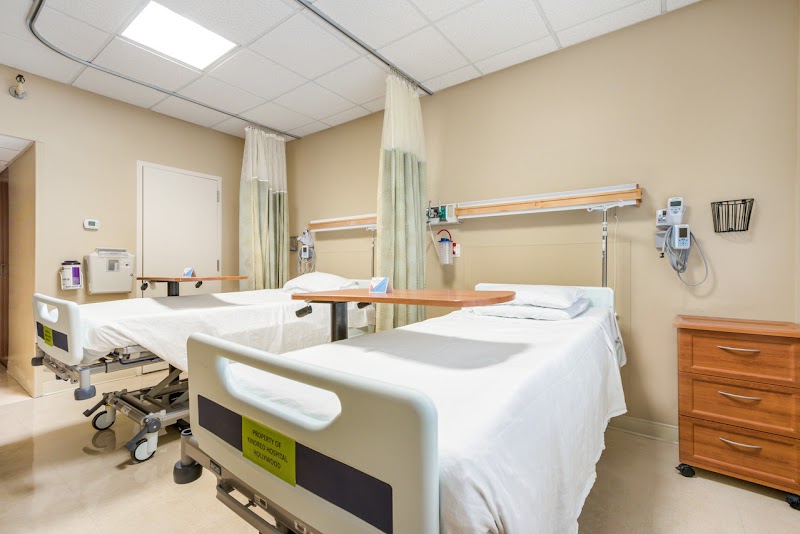
How is Kindred Hospital South Florida Hollywood Staffed?

CMS rates KINDRED HOSPITAL SOUTH FLORIDA HOLLYWOOD's staffing level at 4 out of 5 stars, which is above average compared to other nursing homes. Staff turnover is 46%, compared to the Florida average of 46%. This relatively stable workforce can support continuity of care.

What Have Inspectors Found at Kindred Hospital South Florida Hollywood?

State health inspectors documented 19 deficiencies at KINDRED HOSPITAL SOUTH FLORIDA HOLLYWOOD during 2022 to 2025. These included: 19 with potential for harm.
Who Owns and Operates Kindred Hospital South Florida Hollywood?

KINDRED HOSPITAL SOUTH FLORIDA HOLLYWOOD is owned by a for-profit company. For-profit facilities operate as businesses with obligations to shareholders or private owners. The facility is operated by KINDRED HEALTHCARE, a chain that manages multiple nursing homes. With 30 certified beds and approximately 28 residents (about 93% occupancy), it is a smaller facility located in HOLLYWOOD, Florida.
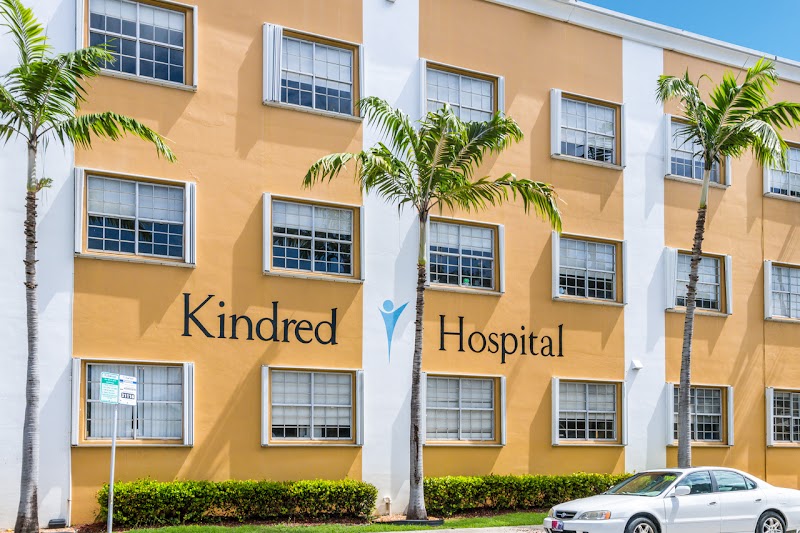
How Does Kindred Hospital South Florida Hollywood Compare to Other Florida Nursing Homes?

Compared to the 100 nursing homes in Florida, KINDRED HOSPITAL SOUTH FLORIDA HOLLYWOOD's overall rating (3 stars) is below the state average of 3.2, staff turnover (46%) is near the state average of 46%, and health inspection rating (3 stars) is at the national benchmark.

What Should Families Ask When Visiting Kindred Hospital South Florida Hollywood?

Based on this facility's data, families visiting should ask: "Can I visit during a mealtime to observe dining assistance and food quality?" "How do you handle medical emergencies, and what is your hospital transfer rate?" "Can I speak with family members of current residents about their experience?"

Is Kindred Hospital South Florida Hollywood Safe?

Based on CMS inspection data, KINDRED HOSPITAL SOUTH FLORIDA HOLLYWOOD has a clean safety record: no substantiated abuse findings (meaning no confirmed cases of resident harm), no Immediate Jeopardy citations (the most serious violation level indicating risk of serious injury or death), and is not on the Special Focus Facility watch list (a federal program monitoring the lowest-performing 1% of nursing homes). The facility has a 3-star overall rating and ranks #100 of 100 nursing homes in Florida. While no facility is perfect, families should still ask about staff-to-resident ratios and recent inspection results during their visit.

Do Nurses at Kindred Hospital South Florida Hollywood Stick Around?

KINDRED HOSPITAL SOUTH FLORIDA HOLLYWOOD has a staff turnover rate of 46%, which is about average for Florida nursing homes (state average: 46%). Moderate turnover is common in nursing homes, but families should still ask about staff tenure and how the facility maintains care continuity when employees leave.

Was Kindred Hospital South Florida Hollywood Ever Fined?

KINDRED HOSPITAL SOUTH FLORIDA HOLLYWOOD has no federal fines on record. CMS issues fines when nursing homes fail to meet care standards or don't correct problems found during inspections. The absence of fines suggests the facility has either maintained compliance or corrected any issues before penalties were assessed. This is a positive indicator, though families should still review recent inspection reports for the full picture.

Is Kindred Hospital South Florida Hollywood on Any Federal Watch List?

KINDRED HOSPITAL SOUTH FLORIDA HOLLYWOOD is not on any federal watch list. The most significant is the Special Focus Facility (SFF) program, which identifies the bottom 1% of nursing homes nationally based on persistent, serious quality problems. Not being on this list means the facility has avoided the pattern of deficiencies that triggers enhanced federal oversight. This is a positive indicator, though families should still review the facility's inspection history directly.