BROOKWOOD GARDENS REHABILITATION AND NURSING CENTE
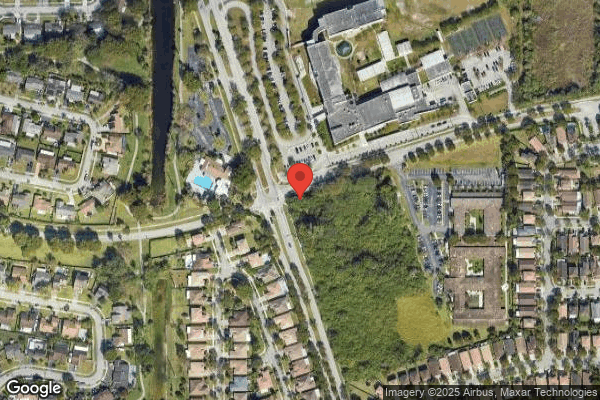

1990 S CANAL DRIVE, HOMESTEAD, FL 33035 (305) 246-1200
For profit - Corporation 180 Beds BENJAMIN LANDA Data: November 2025
Trust Grade
30/100
#482 of 690 in FL
Last Inspection: August 2025

Inspected within the last 6 months. Data reflects current conditions.

Overview

Brookwood Gardens Rehabilitation and Nursing Center has received a Trust Grade of F, indicating significant concerns and a poor reputation. It ranks #482 out of 690 facilities in Florida, placing it in the bottom half, and #42 out of 54 in Miami-Dade County, meaning there are only a few local options that are better. The facility is improving, with the number of issues decreasing from 12 in 2024 to 9 in 2025. While staffing is a relative strength with a 3/5 rating, the turnover rate is concerning at 68%, much higher than the state average. Fines of $37,499 are average for the area, and the facility boasts good RN coverage, exceeding 95% of Florida facilities, which is essential for catching potential problems. However, there are serious weaknesses to consider. Notably, the facility failed to provide adequate care for a resident, leading to a fecal impaction that resulted in their hospitalization and subsequent death. Additionally, there were issues with food safety, including improper storage temperatures and staff not wearing hair nets in the kitchen, which could affect many residents. Overall, while there are some positive aspects, families should weigh these significant concerns carefully when considering this facility for their loved ones.

Trust Score
F
30/100
In Florida
#482/690
Bottom 31%
Safety Record
Moderate
Needs review
Inspections
Getting Better
12 → 9 violations
Staff Stability
⚠ Watch
68% turnover. Above average. Higher turnover means staff may not know residents' routines.
Penalties
✓ Good
$37,499 in fines. Lower than most Florida facilities. Relatively clean record.
Skilled Nurses
✓ Good
Each resident gets 73 minutes of Registered Nurse (RN) attention daily — more than 97% of Florida nursing homes. RNs are the most trained staff who catch health problems before they become serious.
Violations
⚠ Watch
37 deficiencies on record. Higher than average. Multiple issues found across inspections.
★★☆☆☆
2.0
Overall Rating
★★★☆☆
3.0
Staff Levels
★★★★☆
4.0
Care Quality
★★☆☆☆
2.0
Inspection Score
Stable
2024: 12 issues
2025: 9 issues

The Good

  • 4-Star Quality Measures · Strong clinical quality outcomes
  • Full Sprinkler Coverage · Fire safety systems throughout facility
  • No fines on record

Facility shows strength in quality measures, fire safety.

The Bad

2-Star Overall Rating

Below Florida average (3.2)

Below average - review inspection findings carefully

Staff Turnover: 68%

21pts above Florida avg (46%)

Frequent staff changes - ask about care continuity

Federal Fines: $37,499

Above median ($33,413)

Moderate penalties - review what triggered them

Chain: BENJAMIN LANDA

Part of a multi-facility chain

Ask about local staffing decisions and management

Staff turnover is elevated (68%)

20 points above Florida average of 48%

The Ugly 37 deficiencies on record

2 actual harm
Aug 2025 9 deficiencies
CONCERN (D)

Potential for Harm - no one hurt, but risky conditions existed

Resident Rights (Tag F0550)

Could have caused harm · This affected 1 resident

Based on observation, interview and record review the facility failed to ensure residents had a dignified dining experience as evidenced by failure to deliver lunch trays on the 300 South Cart 1 in a ...

Read full inspector narrative →
Based on observation, interview and record review the facility failed to ensure residents had a dignified dining experience as evidenced by failure to deliver lunch trays on the 300 South Cart 1 in a timely manner for 15 out of 22 residents who dine in their rooms for lunch.The findings included: Record review of the Resident Rights Policy and Procedure (no written dated documented); Policy-All residents in this facility have rights guaranteed to them under Federal and State law and by this facility's personnel; Guidelines: 1) The resident has a right to a dignified existence, self-determination and communication with and access to persons and services inside and outside the facility.Observation of 300 South Cart 1 dining on 08/25/2025 at 12:29 PM revealed the food cart was delivered and the trays were not delivered to the residents. The Certified Nursing Assistants (cnas) were standing around the cart waiting for the nurses to give them the food trays.Interview with Staff A, Certified Nursing Assistant on 08/25/2025 at 12:41 PM. She stated, I cannot take the trays to the resident until the nurse puts the tray in my hand.Observation of 300 South Cart 1 dining on 08/25/2025 at 12:44 PM revealed the nurses placed the food trays in the cnas hands and the food was delivered to the residents in their rooms. The lunch cart arrived 15 minutes before and sat there. The cnas would not deliver the trays until the nurse came to give them the tray.Interview with the DON on 08/28/2025 10:11 AM. She stated, They have five minutes to deliver the food trays to the resident once the trays arrive on the floor. The nurse is checking the consistency of the food with the meal ticket on the plate and then they give the cna the food tray. The cnas cannot give the food trays without nursing checking the trays.Interview with Staff B, Registered Nurse on 08/28/2025 at 12:32 PM. She stated, The nurse checks the tray and the diet with each patient. The nurse gives the tray to the cna. The trays should be passed less than 15 minutes after they arrive. Only the nurse can take the tray out of the food cart.
CONCERN (D)

Potential for Harm - no one hurt, but risky conditions existed

Deficiency F0565 (Tag F0565)

Could have caused harm · This affected 1 resident

Based on observations, interviews, and record reviews, the facility failed to ensure residents group meetings are organized and well structured, as evidenced by lack of assistance in the organizing of...

Read full inspector narrative →
Based on observations, interviews, and record reviews, the facility failed to ensure residents group meetings are organized and well structured, as evidenced by lack of assistance in the organizing of Resident Council meeting and addressing concerns effectively and in a timely manner in order to boost resident attendance. The findings include:Observation of the Resident's Council meeting held on 08/27/2025 at 10:30 AM, revealed six residents in attendance Resident #6, a council member for approximately eight months has participated consistently; and five first time attendees: Resident #111, Resident #151, Resident # 148 and Resident #53 who began running for council president two weeks prior. Review of resident council meeting minutes from January through May 2025 documented ongoing, unresolved issues, including missing clothing, delayed call light responses, inadequate snack availability, and dissatisfaction with food quality. A meeting was not held in June 2025, and there was no documentation of follow-up or resolution for issues raised in previous meetings. During interviews, residents expressed continued dissatisfaction with food quality, small portion sizes, and the repetitive nature of meals. Concerns extended beyond food. Multiple residents reported missing clothing and unresolved grievances. Interview on 08/28/2025 at 2:20 PM, the Food Service Director revealed the menus are developed corporately and adjusted only slightly based on resident input. He stated that resident preferences are collected within two days of admission, but there is no always available menu. Alternative meal options depend on leftover or available items. For residents who dine in-room, they must request alternatives in order to be informed of them. Certified Nursing Assistants (CNAs) are expected to offer these alternatives and report unmet needs, but no verification of this process was provided. Portion increases are only made following reported weight loss or formal resident requests to the dietitian.On 08/28/2025 at 7:25 PM the Administrator was informed of the identified concerns. Review of the policy titled Resident Right - Resident/Family Group and Response. It is the policy of the facility to encourage and assist the resident to organize and participate in resident groups within the facility in such a manner to acknowledge and respect resident rights indicates:Procedure:The resident has a right to organize and participate in resident groups in the facility.The facility will provide a resident or family group, if one exists, with private space; and take reasonable steps, with the approval of the group, to make residents and family members aware of upcoming meetings in a timely manner.The facility will provide a designated staff person who is approved by the resident or family group and the facility and who is responsible for providing assistance and responding to written requests that result from group meetings.The facility will consider the views of a resident or family group and act promptly upon the grievances and recommendations of such groups concerning issues of resident care and life in the facility.a) The facility will be able to demonstrate their response and rationale for such response
CONCERN (D)

Potential for Harm - no one hurt, but risky conditions existed

Deficiency F0583 (Tag F0583)

Could have caused harm · This affected 1 resident

Based on observations, records reviewed and interviews, the facility failed to ensure privacy of confidential information on one (East Station) out of three Nursing Stations in the facility as evidenc...

Read full inspector narrative →
Based on observations, records reviewed and interviews, the facility failed to ensure privacy of confidential information on one (East Station) out of three Nursing Stations in the facility as evidenced by a census left unattended with health insurance information visible. There were 167 residents residing in the facility at the time of the survey. The findings included: The findings included:On 08/27/25 at 9:20 AM, an observation at the East Nursing Station revealed anunattended census with resident health insurance information visible on top of a medication cart (Photographic evidence). Surveyor waited on staff to return to cart. On 08/27/25 at 9:49 AM A Staff C, Registered Nurse (RN) was observed exiting a resident's room and was notified by surveyor of the identified concern. Staff, RN was asked about the facility's protocol for protecting resident information and stated, We are supposed to keep resident information covered so no one can see it at all times. I did not do that because I was helping a resident and forgot.Interview on 08/27/2025 at 10:55 AM The Director of Nursing stated: The nurses should keep any resident information covered. Record review of a Policy titled, Health Insurance Portability and Accounting Act of 1996 (HIPAA) not dated revealed Policy: Facility will keep information regarding a resident's health private and confidential.
CONCERN (D)

Potential for Harm - no one hurt, but risky conditions existed

Deficiency F0645 (Tag F0645)

Could have caused harm · This affected 1 resident

**NOTE- TERMS IN BRACKETS HAVE BEEN EDITED TO PROTECT CONFIDENTIALITY** Based on record review and interview facility failed to ensure an accurate Level I Preadmission Screening and Resident Review (P...

Read full inspector narrative →
**NOTE- TERMS IN BRACKETS HAVE BEEN EDITED TO PROTECT CONFIDENTIALITY** Based on record review and interview facility failed to ensure an accurate Level I Preadmission Screening and Resident Review (PASRR) was accurately completed for two residents (#4, #6) out of two residents sampled as evidenced by Level I PASRR dated 5/22/25 for Resident#4 omitted diagnosis of Psychotic Disorder and Level I PASRR dated 4/9/25 for Resident#6 omitted diagnosis of Psychotic Disorder. There were 167 residents residing in the facility at the time of survey. The Findings Included:Record review of a Policy titled, Preadmission Screening (PASRR) reviewed 1/17/25 and updated 6/25 revealed Policy: It is the policy of the facility to assure that all residents admitted to the facility receive a Pre-admission Screening and Resident Review, in accordance with State and Federal Regulations. (1) Resident#6 was initially admitted on [DATE] and readmitted [DATE] with diagnosis that included: Unspecified Psychosis not due to a substance or known physiological condition. Record review of a Significant Change - None PPS / (Modification) Minimum Data Set (MDS) reference dated 7/14/25 revealed Resident#6 had a Brief Interview for Mental Status score of 10, indicated moderate cognitive impairment, not considered by the state level II PASRR process to have serious mental illness and/or intellectual disability or a related condition, Depression (other than bipolar) , Psychotic disorder (other than schizophrenia) , Unspecified Mood Disorder and Primary Insomnia, was taking Antidepressant, Antipsychotic and received no Psychological Therapy. Record review of a Care Plan initiated on: 05/06/24 and revised on: 07/24/25 revealed Resident#6 had a mood problem related to depression, insomnia, anxiety; mood disorder and; Psychosis with a goal to have improved sleep pattern by reporting adequate rest or fewer documented episodes of insomnia through the review date and improved mood state: happier, calmer appearance, no signs of depression, anxiety or sadness through the review date with interventions that included: Administer medications as ordered and monitor/document for side effects and effectiveness, and behavioral health consults as needed. Record review of a Preadmission Screening and Resident Review (PASRR) LEVEL I Screen for Resident#6 completed on 4/9/25 revealed Section I:PASRR Screen Decision-Making, A. MI or suspected MI (check all that apply): Psychosis was not checked. Record review of a physician's order sheet revealed an order dated 7/17/25 for Risperidone Oral Tablet two Milligram (MG) directions: Give one tablet by mouth two times a day related to Unspecified Psychosis not due to a substance or known physiological condition. Record review of a Psychiatry Progress Note dated 7/22/25 revealed diagnosis included: Unspecified Psychosis. (2)Resident#4 was admitted on [DATE] and readmitted on [DATE] with diagnosis that included: Unspecified Psychosis not due to a substance or known physiological condition, Major Depressive Disorder, Primary Insomnia, Unspecified Mood Disorder, and Anxiety Disorder. Record review of a Annual Minimum Data Set (MDS) reference dated 10/14/24 revealed Resident#4 had a Brief Interview for Mental Status score of undetermined, was not considered by the state level II Preadmission Screening and Resident Review (PASRR) process to have serious mental illness and/or intellectual disability or a related condition, had Depression (other than bipolar), and Psychotic disorder (other than schizophrenia) , was taking Antidepressant, Antipsychotic, Antianxiety and received no Psychological Therapy. Record review of a Care Plan initiated on: 10/21/24 and revised on: 05/07/25 revealed Resident#4 had a mood problem related to Psychosis with a goal to have improved mood state: happier, calmer appearance, no signs of depression, anxiety or sadness through the review date with interventions that included: Administer medications as ordered and monitor/document for side effects and effectiveness, and behavioral health consults as needed. Record review of a Preadmission Screening and Resident Review (PASRR) LEVEL I Screen for Resident#4 completed on 5/22/25 revealed Section I:PASRR Screen Decision-Making, A. MI or suspected MI (check all that apply): Psychosis was not checked. Record review of a physician's order sheet revealed Resident#4 had an order dated 8/09/25 for Quetiapine Fumarate Tablet 100 Milligram (MG) directions Give one tablet by mouth at bedtime for Unspecified Psychosis related to Unspecified Psychosis not due to a substance or known physiological condition Record review of a Psychiatry Progress Note dated 7/08/25 revealed diagnosis included: Unspecified Psychosis. On 8/27/2025 at 10:42 AM The MDS Lead Registered Nurse was interviewed and stated, Resident#4 and Resident#6 are coded on the MDS for Psychotic disorder. On 08/27/25 at 9:58 AM The Social Services Director was interviewed about The PASSR process and stated, When a resident is admitted within 24 hours we have clinical meeting where the information is reviewed including the PASSR to determine if it is correct or incorrect. The Psychiatrist completes an assessment for new residents. If there is a difference in diagnosis I create a new PASSR. On 08/27/25 at 10:52 AM The Director of Nursing was interviewed about the PASRR process stated, We update the diagnosis and changes during the Risk Meeting and then the PASSR is updated. Psychotic disorder is listed on the last psychiatric eval and should be included on the PASSR. The Resident#4 and Resident#6 have Psychotic disorder.
CONCERN (D)

Potential for Harm - no one hurt, but risky conditions existed

Deficiency F0925 (Tag F0925)

Could have caused harm · This affected 1 resident

Based on observation, interview, and record review, the facility failed to maintain an effective pest control program to ensure the environment remained free of pests (roaches), as evidenced by roach ...

Read full inspector narrative →
Based on observation, interview, and record review, the facility failed to maintain an effective pest control program to ensure the environment remained free of pests (roaches), as evidenced by roach sightings in the facility. There were 167 residents residing in the facility during the survey.The findings included: During observation and interview on 08/25/2025 at 09:49 AM, Resident #162 was in her room on the bed, a roach was seen crawling on the wall behind the resident. The resident stated, “I haven’t seen any roaches before but please take care of that.” On 08/28/2025 at 08:35 AM, the Administrator revealed pest control services are provided weekly and acknowledged recent sightings of pests, including lizards and baby lizards, both outside and inside the facility. Observation outside of resident’s rooms on the 300 South Wing on 8/25/2025 at 10:26 AM, revealed a roach crawling outside of the room. Photographic evidence submitted. Observation and interview conducted with resident #61’s wife on 8/25/2025 at 10:28 AM, she revealed that there are bugs in the room. While interviewing the resident's wife, an observation revealed a roach crawling up the wall in the 300 South Wing. Photographic evidence submitted. Review of the facility’s policy titled “Pest Control” (undated) indicated: The facility shall maintain an ongoing pest control program to ensure the building is free of insects and rodents. Pest control services are provided by []. Maintenance staff assist in pest control services as needed. Only FDA- and EPA-approved insecticides are permitted.
CONCERN (E)

Potential for Harm - no one hurt, but risky conditions existed

Deficiency F0865 (Tag F0865)

Could have caused harm · This affected multiple residents

Based on record review, interviews, and record reviews the facility failed to ensure the Quality Assurance Performance Improvements plans are effectively implemented and sustained as evidenced repeate...

Read full inspector narrative →
Based on record review, interviews, and record reviews the facility failed to ensure the Quality Assurance Performance Improvements plans are effectively implemented and sustained as evidenced repeated deficient practices identified for F867-QAPI/Quality Assessment and Assurance (QAA) Improvement Activities. The findings included.Review of the facility's survey history revealed during the Recertification Survey with exit dated 04/25/2024 the facility was cited F867 (QAPI/Quality Assessment and Assurance (QAA) Improvement Activities) for repeated deficient practices that included F812-Food Procurement, Storage, Preparation, and Sanitary Practices; During this Recertification Survey with exit dated 08/28/2025 the facility was cited F867 (QAPI/Quality Assessment and Assurance (QAA) Improvement Activities) for repeated deficient practices related to F550 Resident Rights related to dignity during dining and F812 Food Procurement, Storage, Preparation, and Sanitary Practices.During the Quality Assurance and Performance Improvement (QAPI) review on 08/28/2025 at 5:38 PM with the Administrator (NHA), Director of Nursing and Corporate staff; the NHA revealed the members of the QAPI committee team members includes NHA, Director of Nursing, Assistant Director of Nursing Medical Director, Pharmacy Representative and all department heads. The last meeting was held on 08/15/2025. The QAPI committee activities related to effectiveness and goals related to previously cited deficiencies were reviewed and discussed. Review of the facility's document titled Quality Assessment & Assurance (QAA) Committee-Policy & Procedure - Skilled Nursing Facility (Florida) Reviewed/Revised dated 08/2025 indicate:1) PurposeTo establish and maintain a QAA Committee that oversees the facility's Quality Assurance and Performance Improvement (QAPI) program, ensuring a data-driven, systematic approach to resident safety, quality of care? quality of life, and regulatory compliance_.2) ScopeApplies to all departments, services, and contracted providers functioning within the facility, including clinical and operational domains (e.g., nursing, medical staff, therapy, pharmacy, dietary, social services, environmental services, admissions/business office).3) Definitions QAPI: Coordinated application of Quality Assurance (QA) and Performance Improvement (Pl) across the facility. Performance Improvement Project (PIP): A focused, data-driven initiative addressing identified priorities; at least one high-risk/problem-prone PIP annually.
CONCERN (E)

Potential for Harm - no one hurt, but risky conditions existed

QAPI Program (Tag F0867)

Could have caused harm · This affected multiple residents

Based on observations, interviews and record review, the facility failed to be demonstrated effective plans of actions were implemented to correct identified quality deficiencies in the problem areas,...

Read full inspector narrative →
Based on observations, interviews and record review, the facility failed to be demonstrated effective plans of actions were implemented to correct identified quality deficiencies in the problem areas, as evidence by repeated deficient practices identified for F550-related to dignity during dining, F812-Food Procurement Store/Prepare/Serve/Sanitary and F908-Essential Equipment, Safe Operating Condition The findings included.Review of the facility's survey history revealed during the Recertification Survey with exit dated 04/25/2024 the facility was cited F550 Resident Rights related to dignity during dining F812-Food Procurement, Storage, Preparation, and Sanitary Practices. During this Recertification Survey with exit dated 08/28/2025 the facility was cited F550 Resident Rights related to dignity during dining and F812 Food Procurement, Storage, Preparation, and Sanitary Practices and F908-Essential Equipment, Safe Operating Condition.During the Quality Assurance and Performance Improvement (QAPI) review on 08/28/2025 at 5:38 PM with the Administrator (NHA), Director of Nursing and Corporate staff; the NHA revealed the members of the QAPI committee team members includes NHA, Director of Nursing, Assistant Director of Nursing Medical Director, Pharmacy Representative and all department heads. The last meeting was held on 08/15/2025. The QAPI committee activities related to effectiveness and goals related to previously cited deficiencies were reviewed and discussed. Review of the facility's document titled Quality Assessment & Assurance (QAA) Committee-Policy & Procedure - Skilled Nursing Facility (Florida) Reviewed/Revised dated 08/2025 indicate:1) PurposeTo establish and maintain a QAA Committee that oversees the facility's Quality Assurance and Performance Improvement (QAPI) program, ensuring a data-driven, systematic approach to resident safety, quality of care? quality of life, and regulatory compliance_.2) ScopeApplies to all departments, services, and contracted providers functioning within the facility, including clinical and operational domains (e.g., nursing, medical staff, therapy, pharmacy, dietary, social services, environmental services, admissions/business office).
CONCERN (F)

Potential for Harm - no one hurt, but risky conditions existed

Food Safety (Tag F0812)

Could have caused harm · This affected most or all residents

Based on observations, interviews and record review the facility failed to store food under sanitary condition by ensuring the proper temperatures in the 1) walk-in refrigerator and walk-in freezer an...

Read full inspector narrative →
Based on observations, interviews and record review the facility failed to store food under sanitary condition by ensuring the proper temperatures in the 1) walk-in refrigerator and walk-in freezer and ensure the walk-in refrigerator and walk-in freezer were working properly and 2) ensure that staff wore hair nets when in the kitchen. The food items in the walk-in refrigerator had condensation on them, the food items in the walk-in freezer were soft to the touch and the ice creams were melted. This has the potential to affect 156 out of 167 residents who eat orally residing in the facility at the time of the survey.The findings included:Record review of the Food Storage Policy and Procedure (no written dated documented); Policy-Sufficient storage facilities are provided to keep foods safe, wholesome and appetizing. Food is stored, prepared and transported at an appropriate temperature and by methods designed to prevent contamination; Procedures-16) Refrigerator temperatures: a) Temperature for refrigerators should be 41 degrees F (Fahrenheit), b) Every refrigerator must be equipped with an internal thermometer and 17) Freezer temperatures: a) Temperatures for freezer should be 0 degrees or below and must be recorded daily and d) Every freezer must be equipped with an internal thermometer, even if equipped with an external thermometer.1) Observation during the initial kitchen tour on 8/25/2025 at 8:27 AM with the Food Service Director revealed the walk-in refrigerator exterior temperature was 50 degrees Fahrenheit (F) and the interior temperature was 55 degrees F. Items noted in the walk-in refrigerator were: Produce, Pasteurized eggs in the shell and liquid, Juices and Thawed meats on the lower shelf. Condensation was noted on the items in the walk-in refrigerator. Photographic evidence submitted.Observation during the initial kitchen tour on 8/25/2025 at 8:31 AM with the Food Service Director revealed the walk-in freezer exterior temperature was 38 degrees F and the interior temperature was 40 degrees F. Items noted in the walk-in freezer were: Breakfast foods, Vegetables, Meats and Ice Cream. The foods were not frozen and soft to the touch. The Chocolate Ice Cream was soft to the touch and melted. Photographic evidence submitted.Interview with the Food Service Director on 8/10/2025 at 8:33 AM revealed that Maintenance was aware for a while that the temperatures were not working properly but the walk-in refrigerator and walk-in freezer have not been fixed. He confirmed that the temperatures in the walk-in refrigerator and walk-in freezer were not acceptable temperatures.Review of the Walk-in Refrigerator Temperature Log for August 2025 documented the following: On 8/25/2025 A.M. Temperature was 39 degrees F and P.M. Temperature was 38 degrees F. The Walk-in Freezer Temperature Log for August 2025 documented the following: On 8/25/2025 A.M. Temperature was 20 degrees F and P.M. Temperature was -1 degrees F.Interview with the Regional Director of Operations on 8/25/2025 at 2:47 PM. He stated, They threw everything out of the walk-in freezer. They are getting two refrigerators from Walmart to put the food items in from the walk-in refrigerator. In the entrance to the kitchen, we will put the juices in the milk box. They are trying to fix the walk-in refrigerator and freezer.Interview with the Regional Director of Operations on 8/26/2025 at 8:32 AM. He stated, The tech came out yesterday evening and it was determined that the compressor was bad in the walk-in refrigerator. The walk-in freezer was determined to be good. He is at the warehouse trying to find the parts now.Second observation of the kitchen walk-in refrigerator and walk-in freezer on 8/26/2025 at 9:03 AM with the Dietary Director and Regional Director of Operations revealed they were both empty and the temperatures were in range. Two stand-alone refrigerators were noted in the kitchen with food items from the walk-in refrigerator and walk-in freezer. The Dietary Director revealed the walk-in freezer interior temperature was 0 degrees F and that the food was hard and frozen to the touch. Photographic evidence submitted.Interview with the Regional Director of Operations on 8/27/2025 at 9:11 AM revealed that the air conditioner repair technician came on 8/26/25 and replaced the outdoor condenser system and added freon to the walk-in refrigerator.Record review of the walk-in refrigerator invoice from the Air Conditioner company dated 8/26/25 documented the following: Replaced the outdoor condenser system, added freon and system cooling at this time. 2) Record review of the Hairnets Policy and Procedure (written date December 2025); Policy: Per Food Code requirements, all associates who work in the dietary department with unpackaged food, clean equipment or utensils or food contact surfaces will wear proper hair restraints to prevent hair from contacting exposed food, clean equipment, linen and unwrapped single service and single use articles; Policy Interpretation and Implementation: 1) Hairnets, bouffant caps and beard covers shall always be readily available near the entryway to the food service department; 2) All food service department associates must don appropriate hair restraints upon reporting to work in the food services department and 3) All visitors and guests entering the food services department must do appropriate hair restraint when entering the food services department.Observation of a staff member in the kitchen on 8/26/2025 at 9:00 AM revealed she was putting ice into a personal cup from the ice machine and not wearing a hairnet.Interview with the Food Service Director on 8/26/2025 at 9:01AM. He revealed that the staff was just getting ice from the machine.Interview with the Regional Director of Operations on 8/26/2025 at 9:02 AM. He revealed that all staff must wear a hairnet or covering when entering the kitchen. He would have maintenance immediately install a container on the wall to hold the hairnets right outside of the kitchen.Record review of the In-Service Sign-in sheets on Hair Nets Inside the Kitchen Area was conducted on 8/26/25 to all staff. The staff are to stay outside of the kitchen area unless it is necessary.
CONCERN (F)

Potential for Harm - no one hurt, but risky conditions existed

Room Equipment (Tag F0908)

Could have caused harm · This affected most or all residents

Based on observations, interviews and record review the facility failed to ensure the walk-in refrigerator and walk-in freezer were working properly. This has the potential to affect 156 out of 167 re...

Read full inspector narrative →
Based on observations, interviews and record review the facility failed to ensure the walk-in refrigerator and walk-in freezer were working properly. This has the potential to affect 156 out of 167 residents who eat orally residing in the facility at the time of the survey.The findings included:Record review of the Food Storage Policy and Procedure (no written dated documented); Policy-Sufficient storage facilities are provided to keep foods safe, wholesome and appetizing. Food is stored, prepared and transported at an appropriate temperature and by methods designed to prevent contamination; Procedures-16) Refrigerator temperatures: a) Temperature for refrigerators should be 41 degrees F (Fahrenheit), b) Every refrigerator must be equipped with an internal thermometer and 17) Freezer temperatures: a) Temperatures for freezer should be 0 degrees or below and must be recorded daily and d) Every freezer must be equipped with an internal thermometer, even if equipped with an external thermometer.Observation during the initial kitchen tour on 8/25/2025 at 8:27 AM with the Food Service Director revealed the walk-in refrigerator exterior temperature was 50 degrees Fahrenheit (F) and the interior temperature was 55 degrees F. Items noted in the walk-in refrigerator were: Produce, Pasteurized eggs in the shell and liquid, Juices and Thawed meats on the lower shelf. Condensation was noted on the items in the walk-in refrigerator. Photographic evidence submitted.Observation during the initial kitchen tour on 8/25/2025 at 8:31 AM with the Food Service Director revealed the walk-in freezer exterior temperature was 38 degrees F and the interior temperature was 40 degrees F. Items noted in the walk-in freezer were: Breakfast foods, Vegetables, Meats and Ice Cream. The foods were not frozen and soft to the touch. The Chocolate Ice Cream was soft to the touch and melted. Photographic evidence submitted.Interview with the Food Service Director on 8/10/2025 at 8:33 AM revealed that Maintenance was aware for a while that the temperatures were not working properly but the walk-in refrigerator and walk-in freezer have not been fixed. He confirmed that the temperatures in the walk-in refrigerator and walk-in freezer were not acceptable temperatures.Review of the Walk-in Refrigerator Temperature Log for August 2025 documented the following: On 8/25/2025 A.M. Temperature was 39 degrees F and P.M. Temperature was 38 degrees F. The Walk-in Freezer Temperature Log for August 2025 documented the following: On 8/25/2025 A.M. Temperature was 20 degrees F and P.M. Temperature was -1 degrees F.Interview with the Regional Director of Operations on 8/25/2025 at 2:47 PM. He stated, They threw everything out of the walk-in freezer. They are getting two refrigerators from Walmart to put the food items in from the walk-in refrigerator. In the entrance to the kitchen, we will put the juices in the milk box. They are trying to fix the walk-in refrigerator and freezer.Interview with the Regional Director of Operations on 8/26/2025 at 8:32 AM. He stated, The tech came out yesterday evening and it was determined that the compressor was bad in the walk-in refrigerator. The walk-in freezer was determined to be good. He is at the warehouse trying to find the parts now.Second observation of the kitchen walk-in refrigerator and walk-in freezer on 8/26/2025 at 9:03 AM with the Dietary Director and Regional Director of Operations revealed they were both empty and the temperatures were in range. Two stand-alone refrigerators were noted in the kitchen with food items from the walk-in refrigerator and walk-in freezer. The Dietary Director revealed the walk-in freezer interior temperature was 0 degrees F and that the food was hard and frozen to the touch. Photographic evidence submitted.Interview with the Regional Director of Operations on 8/27/2025 at 9:11 AM revealed that the air conditioner repair technician came on 8/26/25 and replaced the outdoor condenser system and added freon to the walk-in refrigerator.Record review of the walk-in refrigerator invoice from the Air Conditioner company dated 8/26/25 documented the following: Replaced the outdoor condenser system, added freon and system cooling at this time.
Apr 2024 10 deficiencies
CONCERN (D)

Potential for Harm - no one hurt, but risky conditions existed

Resident Rights (Tag F0550)

Could have caused harm · This affected 1 resident

**NOTE- TERMS IN BRACKETS HAVE BEEN EDITED TO PROTECT CONFIDENTIALITY** Based on observations, interview, and record review the facility failed to provide dignity while dining for one resident (Reside...

Read full inspector narrative →
**NOTE- TERMS IN BRACKETS HAVE BEEN EDITED TO PROTECT CONFIDENTIALITY** Based on observations, interview, and record review the facility failed to provide dignity while dining for one resident (Resident #27) out of seven residents sampled, as evidenced by staff standing while assisting Resident #27 to eat breakfast. There were 142 residents residing in the facility at the time of the survey. The findings included: Observation on 04/24/2024 at 8:46 AM, revealed Staff E, a Certified Nursing Assistant (CNA) was standing while assisting Resident #27 to eat breakfast. Record review of Resident #27's demographic sheet revealed an admission date of 12/19/2018 and readmission on [DATE] with diagnosis that included Morbid obesity. Record review of Discharge Return Anticipated Minimum Data Set (MDS) dated [DATE] section C for cognitive status revealed a Brief Mental Status (BIMS) score of undetermined. Section GG for functional status revealed set up clean up assistance for eating. Section K for swallowing status revealed no or unknown. Record review revealed a care plan initiated on 3/1/2023 and started on 4/19/2023 for potential nutritional problem. The interventions included assisting with meals. On 4/24/2024 at 8:50 AM Staff E, CNA stated: I am aware of the facility's protocol for assisting resident with meals. I am to be seated while assisting residents with meals. I was not seated next to {Resident #27] while assisting her to eat because the bed is too high; next time I can lower the bed to adjust to my height so I can be seated while assisting [Resident#27] to eat. On 4/25/2024 at 12:19 PM The Director of Nursing (DON) stated: Staff are to be seated next to residents while assisting with meals and the reason for this is to provide dignity for the resident. Record review of the facility's policy entitled Dignity dated 12/2017 revealed Policy-The Center must treat each Resident in a manner and in an environment that promotes maintenance or enhancement of his or her quality of life, recognizing each resident's individuality. Procedure-Treat each resident with respect and dignity with regards to the following: Assisting with eating and other activities of daily living.
CONCERN (D)

Potential for Harm - no one hurt, but risky conditions existed

Assessment Accuracy (Tag F0641)

Could have caused harm · This affected 1 resident

**NOTE- TERMS IN BRACKETS HAVE BEEN EDITED TO PROTECT CONFIDENTIALITY** Based on record review and interview, the facility failed to accurately code the Minimum Data Set (MDS) for one resident (Reside...

Read full inspector narrative →
**NOTE- TERMS IN BRACKETS HAVE BEEN EDITED TO PROTECT CONFIDENTIALITY** Based on record review and interview, the facility failed to accurately code the Minimum Data Set (MDS) for one resident (Resident #149) out of five residents reviewed for discharges. As evidenced Resident #149 was discharged to home; but the MDS indicated the resident was discharged to hospital. The finding included: Record review of Resident #149's admission record revealed the resident was admitted to the facility on [DATE] and discharged home on [DATE]. Record review of Medical Diagnosis revealed the resident's diagnosis included, but were not limited to, Malnutrition and chronic obstructive pulmonary disease with (acute) exacerbation, Record review of Resident #149's Care Plan initiated on 04/12/2024 revealed Focus: The resident wishes to return/be discharged to home with sister-in-law. Record review of progress notes dated 4/4/2024 at 18:33 revealed Discharge Summary Resident is going home discharge in stable condition . discharge instructions signed by patient. Record review of Discharge Return Not Anticipated Minimum Data Set (MDS) Section C dated 04/24/2024 revealed the Brief Interview for Mental Status Summary score was 09 out of 15. Review of section A2105 for Discharge Status documentation indicated a coding of 01 meaning the resident was discharged to Home/Community. Interview on 04/24/2024 at 10:34 AM, the MDS Coordinator stated: I believe it was an oversite while coding it and I will correct it immediately. Review of the facility's Policy and Procedure; Subject: Resident Assess Instrument (RAI), dated 1/12/2024. Intent: It is the policy of the facility to adhere to the following procedures related to the proper documentation and utilization of a resident's Minimum Data Set (MDS) to ensure a comprehensive and accurate assessment of residents will be completed in the format and in accordance with time frame stipulated by the Department of Health and Human Services Center for Medicare and Medicaid Services. This assessment system will provide a comprehensive, accurate, standardized, reproducible assessment of each resident's functional capacities and assist staff to identify health problems for each care plan development.
CONCERN (D) 📢 Someone Reported This

A family member, employee, or ombudsman was alarmed enough to file a formal complaint

Potential for Harm - no one hurt, but risky conditions existed

Deficiency F0688 (Tag F0688)

Could have caused harm · This affected 1 resident

Based on observation, record review and interview, the facility failed to ensure that a splint device was in place/worn to prevent worsening of left hand and left elbow contractures for one (Resident ...

Read full inspector narrative →
Based on observation, record review and interview, the facility failed to ensure that a splint device was in place/worn to prevent worsening of left hand and left elbow contractures for one (Resident #12) out of one resident reviewed for positioning and mobility out of twelve residents with contractures. The findings included: An initial observation of Resident #12 was conducted on 4/22/2024 at 8:47 AM. The resident was sitting up in bed, watching television, the resident had contractures on the right elbow, right hand, left elbow and left hand. No hand rolls were noted on the right or left hand and no splints were noted on the right or left elbows. Second observation of Resident #12 was conducted on 4/23/2024 at 8:40 AM. The resident was sitting up in bed eating breakfast, television. No hand rolls were noted on the right or left hand and no splints were noted on the right or left elbows. Third observation of Resident #12 was conducted on 4/24/2024 at 10:03 AM. The resident was sitting up in bed asleep, television was o. No hand rolls were noted on the right- or left-hand contractures and no splints were noted on the contractures for the right or left elbows. Fourth observation of Resident #12 was conducted on 4/24/2024 at 12:56 PM. The resident was sitting up in bed asleep, television on. No hand rolls were noted on the right or left hand and no splints were noted on the right or left elbows. Record review of the Demographic Face Sheet for Resident #12 documented the resident was admitted on initially 4/19/2016. The resident was discharged to the hospital on 3/29/2024 and returned the same day (3/29/2024) to the facility, with diagnoses that include but not limited to multiple sclerosis, diabetes mellitus, functional quadriplegia, anxiety disorder, contractures on right elbow and right hand, left elbow and left hand. Review of the Minimum Data Set (MDS) Quarterly Assessment for Resident #12 dated 2/20/2024 documented the resident's Mental Status (BIMS) Summary Score had a BIMS Summary Score of 09 out of 15 indicating mild cognitive impairment and required total dependence assistance for ADLs (Activities of Daily Living) and had impairment on both sides for the upper and lower extremities. Review of Resident #12 Physician's Order Sheet (POS) for April 2024 documented the resident was to wear left grip hand splint and left elbow contracture management splint to be worn daily on in AM and off in PM as tolerated during therapy one time only for contracture management of the left hand and elbow for 30 days. The start date was 4/23/2024 and the end date 5/23/2024. The order was written on 4/23/2024. Review of Resident #12's Contracture care plan written 9/12/2023 and revised 2/27/2024 documented the resident has an alteration in musculoskeletal status related to contracture, right elbow, functional quadriplegia, contracture left elbow, contracture right hand, muscle spasm, contracture left hand; Goals: 1) Resident will remain free of injuries or complications related to review date, 2) Resident will remain free from pain or at a level of discomfort acceptable to the resident through the review date; Interventions: Anticipate and meet needs, Resident needs to change position; No interventions noted with splints. On 4/25/2024 at 10:07 AM, interview with Staff B, Registered Nurse. She stated, She is total care, but eats by herself. She started wearing splint on left arm on Tuesday, 4/23/2024. She wears it for 3-4 hours. Therapy comes into her room to give her therapy. On 4/25/2024 at 11:26 AM, interview with the Director of Rehab. She stated: She was just evaluated. She has left hand and left elbow contractures. She has a splint on the left hand. The order was written on 4/23/2024 by the therapist and signed off by the doctor. She only tolerates it a couple of hours per day. She receives OT (occupational therapy) and SLP (speech therapy). She had OT on 10/19/2023 and was discharged from OT on 11/22/23. She was tolerating it for two hours. She was again evaluated for OT on 4/23/2024 and determined to wear the grip left hand splint and left elbow contracture management splint. Fifth observation of Resident #12 was conducted on 4/25/2024 at 11:31 AM. The resident was sitting up in bed watching television and had contractures on the right elbow, right hand, left elbow and left hand. No hand rolls were noted on the right or left hand and no splints were noted on the right or left elbows. Interview with the resident she revealed that before this week she did not wear a splint on her left hand or arm. The facility only put on the left hand splint this week. Review of the Occupational Therapy (OT) Evaluation and Plan of Treatment for Resident #12 documented the resident was certified to received OT services for 4/23/2024 to 5/22/2024; Diagnoses: Contracture left elbow; Contracture left hand with a frequency of 16 times for 30 days. Short term Goals: Patient will tolerate left hand orthosis (brace) for 4 hours daily or as tolerated; PT (patient)will tolerate left elbow flexion contracture orthosis for 4 hours daily; Reason for therapy: Referred to skilled OT services by nursing for left UE (upper extremities) contracture management and to assess appropriateness of the previously recommended orthotic devices for contracture management. Patient was found with increased left elbow flexion rigidity; however, patient was receptive to work on wearing the orthosis to try preventing further joint contracture of the left elbow and hand. Left slim grip hand orthosis was applied and appeared to fit well however the left elbow contracture management orthosis was not able to fit at this time due to increased rigidity. On 4/25/2024 at 1:56 PM, the Director of Nursing (DON) stated: When the resident went to the hospital, the splint was discontinued. She went to the hospital on 3/29/24. The doctor wrote the order on 4/23/24 for her to wear the splint. Record review of the Assistive Devices and Equipment Policy and Procedure (Revised 12/12/2023) documented: Policy-All resident who are observed to need rehabilitation equipment (such as splint/brace/prosthetic devices) will be screened and/or evaluated by a licensed therapist to determine medical necessity and the most appropriate device for that situation; Procedure: 1) Upon admission, transfer or return, all residents will be screened/evaluated for appropriate rehab equipment; 2) Whenever indicated, nursing will send a consultation request form to the Rehab department identifying a perceived need for Rehab equipment; 3) A licensed therapist will screen/evaluate the resident to determine medical necessity and the most appropriate type of device and 4) The therapist will provide off the shelf, customize equipment or contact a vendor to order an appropriate device.
CONCERN (D)

Potential for Harm - no one hurt, but risky conditions existed

Pharmacy Services (Tag F0755)

Could have caused harm · This affected 1 resident

Based on observation, record review and interview facility failed to keep drug records in an order that an account of all controlled drugs is maintained and periodically reconciled for one resident (R...

Read full inspector narrative →
Based on observation, record review and interview facility failed to keep drug records in an order that an account of all controlled drugs is maintained and periodically reconciled for one resident (Resident #74) out of seven residents sampled as evidenced by total number of pills in bingo card labeled Clonazepam Tab 0.5 mg (milligrams), less than the amount recorded on Controlled Drug Receipt/Proof of use/Disposition form. There were 142 residents residing in the facility at the time of the survey. The findings included: On 04/24/24 at 3:37 PM a narcotic count was completed with Staff C, a Licensed Practical Nurse (LPN) for South cart in nursing section 300. Resident #74's Clonazepam 0.5 mg (milligrams) tablet blister pack count was 33 tablets and the Controlled Drug Receipt/Proof of use/Disposition form for Resident #74's Clonazepam 0.5 mg tablet was 34, last signed on 4/23/2024. (photo evidence) Record review of electronic medication administration record revealed Staff C, LPN signed that Clonazepam 0.5 mg tablet was administered to Resident #74 on 4/24/2024 at 1:16 PM. Staff C, LPN stated she forgot to sign after administration of medication. Staff C stated: I am supposed to sign after administering to the resident, but I got distracted. On 4/25/2024 at 12:22 PM The Director of Nursing DON stated that nurses are to sign out the controlled medications on The Controlled Drug Receipt/Proof of use/Disposition form at the time it is removed from the from the bingo card. Record review of the facility's policy and procedure entitled, Control Drugs dated 10/2017 revealed Policy Drugs listed in Schedule II, III, IV, shall be subject to special handling, storage, disposal, and record keeping. Policy Interpretation and Implementation. 3. If the count is correct, a control sheet must be made for each substance. Do not enter more than one (1) prescription per page. This record must contain d. Number on hand. i. Time of administration. K. Signature of nurse administering drug.
CONCERN (D)

Potential for Harm - no one hurt, but risky conditions existed

Deficiency F0761 (Tag F0761)

Could have caused harm · This affected 1 resident

**NOTE- TERMS IN BRACKETS HAVE BEEN EDITED TO PROTECT CONFIDENTIALITY** Based on observation, interview, and record review the facility failed to properly store medications for one resident (Resident#...

Read full inspector narrative →
**NOTE- TERMS IN BRACKETS HAVE BEEN EDITED TO PROTECT CONFIDENTIALITY** Based on observation, interview, and record review the facility failed to properly store medications for one resident (Resident#122) out of seven residents sampled as evidenced by an observation of medication in the room Resident#122's room without staff present. There were 142 residents residing in the facility at the time of the survey. On 4/23/2024 at 9:09 AM. An observation was made of two small, white, circular tablets inside a transparent medicine cup, on top of side table next to Resident#122's. (photo evidence). Resident #122 stated the medication was given to her by the overnight nurse and kept due to not wanting to take it on an empty stomach. On 4/23/2024 at 9:14 AM, Staff C, Licensed Practical Nurse (LPN) was asked about the medications observed in Resident #122's room. Staff C, LPN stated: I did not administer any medication to Resident#122. Staff C stated: I did rounds at 7:15 AM this morning and visually assessed [Resident #122] and I did not see any medication. I am not aware of [Resident#122] approved to independently medicate herself. If medications are found in a resident's room, the protocol is to retrieve medicine, educate the resident, dispose of medication, and notify the supervisor. On 4/23/2024 at 9:16 AM Staff C, LPN and the surveyor entered Resident #122's room. Staff C, LPN retrieved two small, white circular tablets inside a transparent medication cup located on top of the side table next to Resident #122's bed. Staff C, LPN educated Resident #122 about facility's protocol of taking medication at the time of administration. On 04/23/2024 at 9:30 AM Staff C, LPN disposed of medication found in Resident #122's room, into a drug disposal carton located in the bottom drawer of medication cart and then notified supervisor. Record review of demographic sheet revealed Resident #122 was admitted on [DATE] with diagnosis that included Systemic Lupus Erythematosus. Record review revealed a Quarterly Minimum Data Set (MDS) dated [DATE] Section C for cognitive status Brief Mental Stats score (BIMS) score of 14 on a scale of 0 to 15, indicated no cognitive impairment. Section I for active diagnosis revealed anxiety disorder and depression. Section J for pain revealed Resident #122 received as needed pain medications or was offered and declined, has pain occasionally, pain rarely or not at all effects sleep or day to day activities and pain intensity 2. Record review revealed a care plan initiated on 10/24/2023 and started on 2/9/2024 for at risk for pain related to Lupus, depression, weakness, decreased mobility. Interventions included anticipating the resident's need for pain relief and responding immediately to any complaint of pain, monitor/document for side effects of pain medication. Record review revealed a physician's order dated 10/24/2023 Acetaminophen Tablet 325 milligram (mg); Give two tablets by mouth every six hours as needed for pain. On 4/25/2024 at 12:06 PM The Director of Nursing (DON) stated: there are no residents in the facility approved to self-medicate. No residents are allowed to have medications in their room without staff present. We educate family and residents to not bring any medications inside facility to prevent overdose or adverse interaction. If a resident is found to have medication in the room, medication is removed immediately, staff is reeducated, and physician notified. Record Review of the facility's Policy and procedure, entitled Storage of Medication dated 10/2017 revealed Policy Drugs and biologicals should be stored in a safe, secure, and orderly manner. Policy Interpretation and Implementation. Drugs are stored in an orderly manner in cabinets, drawers, or carts.
CONCERN (E)

Potential for Harm - no one hurt, but risky conditions existed

Deficiency F0578 (Tag F0578)

Could have caused harm · This affected multiple residents

**NOTE- TERMS IN BRACKETS HAVE BEEN EDITED TO PROTECT CONFIDENTIALITY** Based on record review and interview, the facility failed to provide advance directives documentation for seven out of seven sam...

Read full inspector narrative →
**NOTE- TERMS IN BRACKETS HAVE BEEN EDITED TO PROTECT CONFIDENTIALITY** Based on record review and interview, the facility failed to provide advance directives documentation for seven out of seven sampled residents (Resident #102, Resident # 137, Resident # 305, Resident # 307, Resident # 65, Resident # 76 and Resident # 77). The findings included: Record review of Resident #102's demographic face sheet noted an admission date of 03/20/2024. Review of Resident # 102's clinical records showed no written documentation related to advance directives. Record review of Resident #137's demographic face sheet noted an admission date of 03/05/2024. Review of Resident # 137 clinical records showed no written documentation related to advance directives. Record review of Resident # 305's demographic face sheet noted an admission date of 04/12/2024. Review of Resident # 305's clinical records showed no written documentation related to advance directives. Record review of Resident # 307's demographic face sheet noted an admission date of 03/29/2024. Review of Resident # 307's clinical records showed no written documentation related to advance directives. During an interview on 04/24/2024 at 8:10 AM. The Administrator reported; Resident # 102, Resident # 137, Resident # 305, Resident # 307 do not have Advance Directives on file. Interview with Social Services Director on 04/24/24 at 10:01 AM. She reported, the Advance Directives was part of the admission Package. as soon as a resident is admitted . The admission Director oversees offering the Advance Directives to residents at time of Admission. Interview with admission Director on 04/24/24 at 10:46 AM. She reported that when a resident is admitted , she explain to the resident or resident's representatives about the Advance Directives. The resident or the resident's representative then decides whether to execute or not; the resident or the resident's representative is informed that if they already have any form of Advance Directives at home such as Living Will, Power of Attorney, Health Care Surrogate, etc. They must bring these documents to the facility as soon as possible. The facility does not have any document signed by the residents or the residents' representative informing them they are being offered the Advance Directives by the facility and decided not to execute. Record review of Policies and Procedures for Advance Directives dated November 2017 revealed the Policy: A resident's choice about Advance directives will be respected. Policy Interpretation and Implementation: 1-Prior to, or upon admission the Care Plan Team will ask residents/their family members, about the existence of Any Advance Directives. 2-Should the resident indicate that he or she has issued Advance Directives about his or her care and treatment, the Center will require that a copy of such directives be included in the medical record. Review of Resident #76's medical records, revealed the resident was admitted to the facility on [DATE]. The records reviewed for the resident or family's receipt of advance directive information was not found in the resident's records. On 04/24/24 at 07:15 AM the Administrator stated: For some residents we do not have documentation. On 04/24/24 at 10:00 AM Social Services reported that upon admission the advance directive is offered together with the admission package, if the residents do not want executed, the facility does not keep any record. Record review of Resident #65's demographic face sheet noted admission date was 4/10/2023. Review of Resident #65's clinical record showed no written documentation related to advance directives. On 4/25/2024 at 12:27 PM, interview with the Social Services Director revealed, she does not have an Advance Directives on file. Record review of Resident #77's demographic sheet noted admission date was 10/30/2023. Review of Resident #77's clinical record showed no written documentation related to advance directives. On 4/25/2024 at 1:08 PM, during an interview the Social Services Director reported she does not have an Advance Directives on file.
CONCERN (E)

Potential for Harm - no one hurt, but risky conditions existed

QAPI Program (Tag F0867)

Could have caused harm · This affected multiple residents

Based on record review and interview, the facility failed to ensure an effective Quality Assessment and Assurance (QAA) committee/ Quality Assurance/Performance Improvement (QAPI) as evidenced by not ...

Read full inspector narrative →
Based on record review and interview, the facility failed to ensure an effective Quality Assessment and Assurance (QAA) committee/ Quality Assurance/Performance Improvement (QAPI) as evidenced by not implementing corrective plans of action for correcting repeated deficiencies related to labelling and storage of drugs and biologicals, sanitary food handling and infection control and sanitary food handling. Cross reference F761 Label/Store Drugs & Biologicals; Cross reference of F880 for Infection Prevention and Control and F812 for Sanitary Food Handling and Cross reference of F880 for Infection Prevention and Control and F867 QAPI/QAA. These repeated deficient practices have the potential to increase the risk of negative resident outcomes. There were 142 residents residing in the facility at the time of this survey. The findings included: Record review of the facility's survey history revealed, during the last recertification survey with exit dated 12/15/2022, F761 Label/Store Drugs & Biologicals, F812- Food Procurement, store/ prepare/serve-Sanitary, F880-Infection Prevention and Control and F867 QAPI/QAA were cited. During an interview on 04/24/2024 at 1:11 PM, the Administrator reported the committee meets monthly and consist of the Director of nursing (DON), Medical Director, Assistant Director of Nursing (ADON), Infection Preventionist/Staff Developer, Director of Social Services, admission Coordinator, Food Service Manager, MDS coordinator, Medical Records, Human Resources Director, Activities Director, Plant Ops Director, Environmental Supervisor, Central Supply, Staffing and Pharmacy Consultant. The Administrator stated: We have Performance Improvement Plans (PIPs) for Fall. Decreasing the falls, implementing fall decrease. Make sure that there is one-on-one staff for residents who hare on a high-risk fall. This started in March and is on-going. The falls have decreased, but we will be working at least for the next three months. Review of the facility's Policies and Procedures dated March 1, 2024: Policy Statement: our center's written QAPI plan provides needed guidance for our overall quality improvement program which coincides with our vision and mission statements. Our QAPI plan includes the policies and procedures used to: Identify and use date to monitor our performance. Establish goals and thresholds for our performance measurement. Utilize resident, staff, and family input. Identify and prioritize problems and opportunities for improvement. Systematically analyzed underlying causes of systematic problems and adverse events. Develop corrective action of performance improvement activities. Current Quality Assessment and Assurance Activities. The QAA committee will review data from areas the Center believes it needs to monitor on a monthly basis to assure systems are being monitored and maintained to achieve the highest level of quality. How our center will conduct performance improvement projects (PIPs). Our Center will conduct Performance Improvement Projects that are designed to take a systematic approach to revise and improve care or service in areas that we identify as needing attention. We will conduct PIPs that will lead to changes and guide corrective action in our systems, which cross multiple departments, and have an impact on the quality of life and quality of care for residents living in our community. We will conduct PIPs that will improve care and service delivery, increase efficiency, lead to improve staff and resident outcomes, and lead to greater staff, resident, and family satisfaction. An important aspect of our PIPs is a plan to determine the effectiveness of our performance improvement activities and whenever the improvement is sustained.
CONCERN (E)

Potential for Harm - no one hurt, but risky conditions existed

Infection Control (Tag F0880)

Could have caused harm · This affected multiple residents

Based on observation and interview facility failed to properly dispose biohazard material for one resident (Resident#74) out of seven sampled residents as evidenced by an observation of staff placing ...

Read full inspector narrative →
Based on observation and interview facility failed to properly dispose biohazard material for one resident (Resident#74) out of seven sampled residents as evidenced by an observation of staff placing biohazard bag in bin with white lid, after a wound care observation for R#74. There were 142 residents residing in the facility at the time of the survey. The Findings Included: On 4/24/2024 at 10:57 AM After a wound care observation of R#74, Staff D, Certified Nursing Assistant, (CNA) entered The Soiled Utility room and disposed of the biohazard trash bag into a bin with a white lid. (see photo evidence) On 4/24/2023 at 10:58 AM Staff D, CNA When asked where biohazard bag was placed, stated I placed the biohazard bag into the bin with the white lid bin. Stated I am supposed to put in into the bin labeled biohazard box. Stated I placed into the other bin because I didn't see the biohazard bin because I am nervous. On 4/24/2024 at 11:00 AM Staff D, CNA removed biohazard bag from bin with white lid and plaed into carton labeled Biohazard. On 4/25/2024 at 12:01 PM The Director of Nursing (DON) stated any materials that contain blood or body fluids are to be placed inside a biohazard bag for disposal. Stated the biohazard bag is to be then placed into the box labeled Biohazard, located inside The Soiled Utility room in. Stated I have provided staff with education regarding proper disposal of biohazard materials. Stated the purpose of this practice is to protect staff and residents from infection because if the biohazard bag is placed into the incorrect bin it can potentially cause cross contamination. Policy and Procedure entitled, Waste Disposal dated 10/2019. Policy All infectious and regulated waste shall be handled in a safe and appropiate manner. Policy Interpretation ad Implementation. 1. All infectious and regulated waste awaiting disposal shall be placedd in a closable leak- proof containers or bags that are color-coded or labeled as described. It shall be the responsibility of the Infection Preventionist in conjunction with the environmental services director to ensure that waste is properly disposed of and the following rules are observed: Disposal of all infectious and regulated waste shall be in accordance with applicable federal, state, and local regulations.
CONCERN (E)

Potential for Harm - no one hurt, but risky conditions existed

Room Equipment (Tag F0908)

Could have caused harm · This affected multiple residents

Based on observations, interviews and record review, the facility failed to ensure the high temperature dish machine for the wash cycle and the final rinse cycle was working properly. This has the pot...

Read full inspector narrative →
Based on observations, interviews and record review, the facility failed to ensure the high temperature dish machine for the wash cycle and the final rinse cycle was working properly. This has the potential to affect one-hundred and thirty-two out of one-hundred and forty-two residents who eat orally residing in the facility at the time of the survey. The findings included: Record review of the Dish Machine Temperatures Policy and Procedure (written date November 2017); Policy Statement-Temperatures will be recorded daily in all Dish machine units that are utilized in the dietary department; Policy Interpretation and Implementation-1) A log will be maintained for all Dish machine equipment daily. Temperatures for wash cycle, rinse cycle will be recorded daily as assigned by the dietary department supervisor; 3) If wash temperatures are noted to be outside the safe zone of 160 degrees Fahrenheit (High Temperature Machine), the dietary supervisor must be immediately notified and 5) Rinse Cycle must reach 180 degrees Fahrenheit for (High Temperature Machine). Notify Dietary Supervisor if temperatures do not meet threshold. Observation of the high temperature dish machine on 4/23/2024 at 9:37 AM with Staff A, Dietary Aide and the Accounts Manager/Food Service Director revealed wash dial was at 150 degrees F and the final rinse dial was at 174 degrees F. Staff A, Dietary Aide placed several more trays with cups and dishes to be washed through the dish machine and the wash dial and the final rinse dial did not move, it stayed at 150 degrees F for the wash and the final rinse dial was at 174 degrees F. Several more cycles were conducted and the wash dial stayed at 150 degrees F and the final rinse dial was at 174 degrees F. (Photographic evidence submitted) Interview with the Accounts Manager/Food Service Director on 04/23/2024 09:38 AM. She stated, The dish machine was ran earlier at 9:00 AM and the dish machine log says for breakfast the wash was 155 and the rinse was 191. She revealed the wash temperature should be at 150 and the final rinse at 180. The Accounts Manager/Food Service Director immediately stopped the dish machine and called the service tech company to come to the facility and service the dish machine. Record review of the Dish Machine Log for the month of April 2024 documented on April 23, 2024 the wash temperature was 155 degrees F and the final rinse was 191 degrees F for breakfast. Interview with Staff A, Dietary Aide on 4/23/2024 at 9:39 AM. He stated, The dish machines final rinse temperature should be 180 and the wash should be 155-160. Observation of the high temperature dish machine on 4/23/2024 at 11:37 AM revealed the dish machine technician servicing the dish machine. Interview with the Regional Maintenance Director on 4/23/2024 at 11:38 AM. He stated, There was a knife stuck in the dish machine drain and now it is working. The dish machine is now at the proper temperature. Review of the Dish machine Repair Company Invoice dated 4/23/2024 documented the following: After troubleshooting, I found fork clogged inside drain pipe causing water to leak and temperature to be low. The fork was removed and a new temperature gauge was installed. New vacuum break has also been installed. At this moment machine is reaching proper temperature and functioning 100% properly.
CONCERN (F)

Potential for Harm - no one hurt, but risky conditions existed

Food Safety (Tag F0812)

Could have caused harm · This affected most or all residents

Based on observation, interview and record review the facility failed to ensure 1) food items in the walk-in refrigerator that were opened were labeled and dated, 2) to store food under sanitary condi...

Read full inspector narrative →
Based on observation, interview and record review the facility failed to ensure 1) food items in the walk-in refrigerator that were opened were labeled and dated, 2) to store food under sanitary conditions and maintain the food safely using a method to determine the temperatures in the milk box and 3) failure to ensure the proper cleaning and maintenance of exhaust hoods and vents to prevent food contamination. This has the potential to affect one-hundred and thirty-two out of one-hundred and forty-two residents who eat orally residing in the facility. The findings included: 1) Record review of the Food from Home and Outside Sources Policy and Procedure (written date November 2017); Policy Statement-Food and Beverage not procured by the Food and Nutrition Services department shall adhere to the same uniform handling procedures established by the center to ensure that the food or beverage is wholesome and safe to consume; Policy Interpretation and Implementation-2) If the food or beverage items require refrigeration or freezer storage, the item must be stored in an appropriate area and bear the following information: Open date and 4) Any and all stored food and beverages found to be left unattended or without proper labeling, dating and storage requirements will be discarded. Observation of the initial kitchen tour with the Accounts Manager/Food Service Director on 4/22/2024 at 6:33 am revealed opened and undated mozzarella cheese and egg salad. (Photographic evidence submitted) Interview with the Accounts Manager/Food Service Director on 4/22/2024 at 6:34 AM. She stated, The items should be dated when opened. If they are not dated, they should not be in here. 2) Record review of the Food Storage Policy and Procedure (written date November 2017); Policy Statement-Food storage areas shall be maintained in a clean, safe and sanitary manner; Policy Interpretation and Implementation-3) Cold foods shall be maintained at temperatures of 41 degrees or below; 4) There is an accurate thermometer in each refrigerator and freezers used for perishable foods and 8) The Dietary Manager or designee will check refrigerators and freezers daily for proper temperatures. Observation of the milk box with the Accounts Manager/Food Service Director on 4/22/2024 at 6:37 am showed no thermometer on the inside of the milk box. The Milk box contained cartons of milk. Interview with the Accounts Manager/Food Service Director on 4/22/2024 at 6:38 am. She stated, There should be a thermometer in here. I will put another one in here. Record review of the Milk Box Refrigerator Temperature Log for the month of April 2024 documented on April 22, 2024 the temperature was 34 degrees F (Fahrenheit) for the AM (morning). 3) Observation of the dish machine hood ventilation system with the Accounts Manager/Food Service Director on 4/23/2024 at 9:42 AM was rust laden. (Photographic evidence submitted). Interview with the Accounts Manager/Food Service Director on 4/23/2024 at 9:43 AM. She stated, The vent should be cleaned every day. We were cited last year for this. Observation with the Corporate Regional Nurse Consultant on 4/23/2024 at 10:45 AM of the dish machine hood ventilation system was cleaned but still contained rust. (Photographic evidence submitted).
Apr 2024 2 deficiencies 2 Harm
SERIOUS (G) 📢 Someone Reported This

A family member, employee, or ombudsman was alarmed enough to file a formal complaint

Actual Harm - a resident was hurt due to facility failures

Free from Abuse/Neglect (Tag F0600)

A resident was harmed · This affected 1 resident

**NOTE- TERMS IN BRACKETS HAVE BEEN EDITED TO PROTECT CONFIDENTIALITY** Based on record review and interviews, the facility failed to ensure one (Resident #2) out of three sampled residents was free f...

Read full inspector narrative →
**NOTE- TERMS IN BRACKETS HAVE BEEN EDITED TO PROTECT CONFIDENTIALITY** Based on record review and interviews, the facility failed to ensure one (Resident #2) out of three sampled residents was free from abuse and neglect and is determined to be at a level of harm, as evidenced by: the facility's staff failure to implement interventions for constipation and prevention of fecal impaction that resulted in the fecal impaction of Resident # 2 who subsequently expired after being transferred to the hospital. There were 155 residents residing in the facility at the time of the survey. The findings included: Review of Resident #2's medical records revealed the resident was initially admitted to the facility on [DATE] and readmitted on [DATE]; and discharged to the hospital on [DATE]. Resident # 2's clinical diagnoses included but not limited to: Cachexia, Anorexia, Nutritional anemia, type 2 diabetes mellitus (DM) and Disease of esophagus and Dementia. Review of the Physician's Orders Sheet for October to [DATE] revealed Resident #2 had orders that included but not limited to: Docusate sodium oral tablet 100 mg- give 1 capsule orally two times a day related to constipation,. Elder tonic liquid, give 15 ml orally two times a day related to eating disorder, unspecified. Diet-Regular diet, Regular texture, Regular/Thin consistency. Record review of Resident # 2's Discharge Return anticipated Minimum Data Set (MDS) dated [DATE] revealed: Section C for Cognitive Patterns documented a Brief Interview of Mental status Score (BIMS) of 11, on a 0-15 scale indicating the resident is cognitively moderately impaired. Section GG for Functional Status documented the resident required supervision for transfer, walking, toilet use, personal hygiene, and limited assistance for dressing. Section H for Bowel and Bladder Documented the resident is continent of bowel and bladder. Section K for Nutritional Status documented the resident was 67 inches tall, weighed 80 pounds and had no unknown weight loss/gain. Review of Resident #2 's Care Plans Reference Date [DATE]. revision date [DATE] documented Resident is at risk for bowel/ bladder incontinence related to impaired mobility. Interventions include- Ensure the resident has had unobstructed path to the bathroom. Monitor and document intake and output as per facility policy. Monitor/document for signs and symptoms of Urinary Tract Infection: pain, burning, blood-tinged urine, cloudiness, no output, deepening of urine color, increased pulse, increased temperature, urinary frequency, foul smelling urine, fever, chills, altered mental status, change in behavior, change in eating patterns. Monitor/ document/ report as needed any possible causes of incontinence: bladder, infection, constipation, loss of bladder tone, weakening of control muscles, decreased bladder capacity, diabetes, Stroke, medication side effects. Review of Resident #2 's Care Plans Reference Date [DATE] documented Resident has a potential risk for constipation, Interventions include: Encourage by mouth fluids as tolerated, follow facility bowel protocol for bowel management., Monitor medications for side effects of constipation. Keep physician informed of any problems, Monitor/document/report as needed signs and symptoms of complications related to constipation: Change in mental status, new onset: confusion, sleepiness, inability to maintain posture, agitation, Bradycardia (slow, low pulse), Abdominal distension, vomiting, small loose or stools, fecal smearing, Bowel sounds, Diaphoresis, Abdomen: tenderness, guarding, rigidity, fecal compaction. Record bowel movement pattern each day, every shift. Describe amount, color, and consistency. Review of Resident #2 's Care Plans Reference Date [DATE] documented Resident is at risk for falls. Interventions include Anticipate and meet the resident's need. Follow facility fall protocol. Physical Therapy to evaluate and treat patient as ordered. Review of the progress notes dated [DATE] timestamped at 10:44 AM documented: At 10:38 AM Resident was sitting in wheelchair outside patio and fell out of wheelchair on floor as per report by bystanders. Observed in right side lying position upon arrival to scene by assigned nurse. Management on scene. Resident was alert and oriented x 2, verbally responsive, no sign and symptoms of injuries. At 10:39 AM Fire rescue called by assigned staff while other staff nurse and management assisted patient to room. Head to toe assessment was completed with no visual injuries observed. Family notified spoke with resident's emergency contact after 3 attempts to contact resident's son by the phone number on record. Nurse Practitioner notified, Fire rescue arrived and assessed resident and left the facility at 11:10 AM to [local hospital] with the resident. Review of Resident #2's hospital records revealed on [DATE] upon arrival to the hospital's emergency department (ED) the patient was hypotensive (low blood pressure) BP (Blood Pressure) of 70/59,, Hypothermic (low body temperature) with temperature of 33 degrees Celsius/91.4 degrees Fahrenheit. The resident's final diagnoses included Septic shock, Fecal Impaction of Colon, Metabolic Acidosis, and Closed Traumatic Brain Injury. Interview on [DATE] at 1:19 PM with the Director of Nursing (DON). The DON stated: On [DATE] the resident was on the smoking patio sitting having a conversation with another resident, the other resident was waving to the staff because [Resident # 2] was pale and started sliding from the wheelchair, staff responded, took the resident to her room, evaluated the resident, took her vital signs, documented the vitals in the situation, background, assessment and resolution (SBAR), the resident was alert, her blood pressure was low and she looked confused, normally she is alert and oriented, while she was in the room with the staff the resident had a bowel movement and was stating that she needed her purse. We called the resident's physician and was told to transfer the resident to the hospital for evaluation. 911 arrived shortly, they checked on the resident, she was responding to all their questions, the only thing that they found was she had low blood pressure, Rescue initially, did not want to take the resident to the hospital, but we insisted because we notice a change in the resident. The day the resident fell she had a bowel movement in the room during the time the staff was assessing her. The Certified Nursing Assistants (CNAs) are responsible for recording the residents' bowel movement every shift. Regarding this resident, she is very independent, and she used to go to the bathroom by herself but sometimes she needed help. The CNAs ask the resident if she have a bowel movement to notify them about it and we educated the resident about making sure she let nursing staff know when she wants to use the bathroom and when she has a bowel movement, also about safety regarding using the call light for help when she goes to the bathroom. The resident was also educated to leave the toilet unflushed after being used for bowel movement and notify the staff so they could see the amount and type of bowel movement. According to the documentation on the task list on [DATE] was the last documented bowel movement for this resident. I know for sure the resident had a bowel movement on [DATE] after the fall when she was in her room being assessed by the nurse. My follow up was trying to contact the resident's son, on [DATE] there was no answer on the phone; the hospital then called later in the day for family contact information for the resident. On [DATE] the resident's son called the facility, and stated he changed his number, I let the resident's son know we needed his new information to update the records. The resident's son notified me that he was coming to the facility the following week. He came to the facility a few days later, me, NHA (Nursing Home Administrator) and business office staff met with him about his mother's purse-he wanted to retrieve the purse, he was given his mother's purse. At that time the resident's son did not request any medical records or voiced any concerns about his mother's care in the facility and apologized for the incident we had with other family members coming to the facility and going through the resident's belongings in her room looking for documents on [DATE]. We did not know that the resident incurred any injuries after the fall, she was alert, was able to move all her extremities. On [DATE] we called the facility liaison at the hospital; the resident was still in the emergency room, and she did not have any update for us at that time. When we followed up with the liaison afterwards, we found out the resident passed away, but we were not given any diagnosis or results. When the admission department contacted the hospital, they received a report that the resident had constipation complications. We are still waiting for the resident's records from the hospital. Interview on [DATE] at 2:02 PM Licensed Practical Nurse (Staff A) stated: on [DATE] I was called to the patio to check on the resident, I was the resident's assigned nurse that day, I went to the patio, the resident was on the floor in front of her wheelchair, management and other staff was already there. I did a quick assessment of the resident, I asked the resident was she ok, the resident responded yes, The resident was on the floor, and I was not sure how she got there, my immediate response after assessing her was to call 911, I called 911 and other nurses on the scene were assisting the resident back to her wheelchair. We took her to her room, I did another assessment on the resident, vital signs, her blood pressure was on the low side. I do not recall if the resident had a bowel movement, it was a long time ago. While we were in the room with the resident rescue arrived, they did not want to take her to the hospital at first, we let them know she had fallen, and her blood pressure was low. Rescue decided to take the resident to the hospital. The family and the resident's physician were notified. This resident usually went to the bathroom by herself, the Certified Nursing Assistants (CNAs) would communicate with the resident about her bowel movements, she was very alert, she did not complain about any pain to me before the fall. Interview on [DATE] at 2:06 PM Certified Nursing assistant (CNA) (Staff B) stated: I have been employed in the facility for 8 years. After I assist a resident with incontinence care I record the bowel movement daily using the tablet on the electronic system. If I notice a resident does not have a bowel movement for a few days I report it to the nurse. Interview on [DATE] at 2:10 PM. Certified Nursing assistant (CNA) (Staff C) stated: I have residents on my assignment who are continent of bowel and bladder. I keep a record of their bowel movements by asking them throughout the day and updating it in the electronic system. If there is a resident who has not had any bowel movements in a couple days, I report it to the nurse. Interview on [DATE] at 2:13 PM CNA (Staff D) stated: I have been employed in this facility since 2019. I have residents who are incontinent. I record their bowel movements by looking in the incontinent brief and recording in the point of care electronic system what type, size, and color I see. If a resident does not have a bowel movement in a couple days I report it to the nurse. Review of the Bowel and Bladder Task list revealed the last bowel movement was documented on [DATE] at 23:29 bowel movement/large/formed/normal. Last toileting use documented was on [DATE] at 23:30. Review of the Transfer Details Report documented on [DATE] at 10:45 AM. Reason for transfer post status fall. Clinical events/presentation which led to this transfer: lethargic. Transfer Date/Time: [DATE], 10:48 am transfer to: [local hospital]. Vitals signs: temperature: 97.7, pulse: 57, respiration:16, blood pressure: 99/67, oxygen saturation: 95%, blood sugar 90. Continent status: continent of bowel and bladder. Date of last Bowel movement: [DATE]. Review of the Situation Background Assessment Transfer Report (SBAR) documented on [DATE] at 10:44 AM post status fall, Vitals: blood pressure 100/77, pulse- 66, respiration 16, temperature 97.9 blood glucose 90, oxygen saturation 97%. At 10:38 AM Resident was sitting in wheelchair outside patio and fell out of wheelchair on floor as per report by bystanders. Observed in right side lying position upon arrival to scene by assigned nurse. Management on scene. Resident was alert and oriented x 2, verbally responsive, no sign and symptoms of injuries. At 10:39 AM Fire rescue called by assigned staff while other staff nurse and management assisted patient to room. Head to toe assessment was completed with no visual injuries observed. Family notified spoke with resident's emergency contact after 3 attempts to contact resident's son by the phone number on record. Nurse Practitioner notified, Fire rescue arrived and assessed resident and left the facility at 11:10 AM to [local hospital] with the resident. Reviewed Training on Abuse, Neglect, Exploitation and Restraints, most recently completed for all facility staff on [DATE] to [DATE]. Review of the facility's policy and procedure titled Prevention of Resident Abuse, Neglect, Mistreatment or Misappropriation of Property dated [DATE] states: It is the policy of this Center that each resident has the right to be free from verbal, sexual, physical, and mental abuse; corporal punishment; involuntary seclusion; mistreatment of any kind, exploitation, and misappropriation of property. In addition, each resident will also be protected from those practices and omissions, which if left unchecked, could lead to abuse. Further, each resident will be treated with respect and dignity at all times. The Center will foster an environment that recognizes the worth and uniqueness of all individuals with regards to person-centered care and to promote respect and set standards of care. Residents will not be subjected to abuse by anyone, including but not limited to, Center staff, other residents, consultants, volunteer staff, contract staff, family members, friends, or others. Neglect: Neglect means the failure of the center, its associates or service providers, to provide goods and services to a resident that are necessary to avoid physical harm, pain, mental anguish, or emotional distress.
SERIOUS (G) 📢 Someone Reported This

A family member, employee, or ombudsman was alarmed enough to file a formal complaint

Actual Harm - a resident was hurt due to facility failures

Quality of Care (Tag F0684)

A resident was harmed · This affected 1 resident

**NOTE- TERMS IN BRACKETS HAVE BEEN EDITED TO PROTECT CONFIDENTIALITY** Based on record review and interviews, the facility failed to ensure one (Resident #2) out of three sampled residents received c...

Read full inspector narrative →
**NOTE- TERMS IN BRACKETS HAVE BEEN EDITED TO PROTECT CONFIDENTIALITY** Based on record review and interviews, the facility failed to ensure one (Resident #2) out of three sampled residents received care and treatment in accordance with professional standards of practice related to consistency in the resident's bowel management; that include but not limited to interventions for constipation and prevention of fecal impaction. Resident # 2 expired in the hospital and was diagnosed with fecal impaction. This deficient practice was determined to be at the level of harm. There were 155 residents residing in the facility at the time of the survey. The findings included: Review of the undated facility policy and procedures titled, Quality of Care Attain and Maintain Each resident must receive, and the facility will provide the necessary care and services to attain or maintain the highest practicable physical, mental, and psychosocial well-being, in accordance with the comprehensive assessment and plan of care. Guidelines: 1. This facility will monitor the resident to prevent unavoidable deterioration by identification, interventions, and analysis. 3. The facility will ensure that the resident obtains optimal improvement or does not deteriorate within the limits of a resident's right to refuse treatment and within the limits of recognized pathology and normal aging process. Review of Resident #2's medical records revealed the resident was initially admitted to the facility on [DATE] and readmitted on [DATE]; and discharged to the hospital on [DATE]. Resident # 2's clinical diagnoses included but not limited to: Cachexia, Anorexia, Nutritional anemia, type 2 diabetes mellitus (DM) and Disease of esophagus. Review of the Physician's Orders Sheet for October -[DATE] revealed Resident #2 had orders that included but not limited to: Docusate sodium oral tablet 100 mg- give 1 capsule orally two times a day related to constipation, unspecified. Ferrous sulfate tab 325 Milligram (mg)- give 1 tablet orally one time a day related to anemia. Calcium tablet 600 mg-give 1 tablet orally one time a day for vitamin deficiency, unspecified. Elder tonic liquid, give 15 ml orally two times a day related to eating disorder, unspecified. Diet-Regular diet, Regular texture, Regular/Thin consistency. Review of Resident # 2's Discharge Return anticipated Minimum Data Set (MDS) dated [DATE] revealed: Section C for Cognitive Patterns documented a Brief Interview of Mental status Score (BIMS) of 11, on a 0-15 scale indicating the resident is cognitively moderately impaired. Section GG for Functional Status documented the resident required supervision for transfer, walking, toilet use, personal hygiene, and limited assistance for dressing. Section H for Bowel and Bladder Documented the resident is continent of bowel and bladder. Section K for Nutritional Status documented the resident was 67 inches tall, weighed 80 pounds and had no unknown weight loss/gain. Review of Resident #2 's Care Plans Reference Date [DATE]. revision date [DATE] documented Resident is at risk for bowel/ bladder incontinence related to impaired mobility. Interventions include- Ensure the resident has had unobstructed path to the bathroom. Monitor and document intake and output as per facility policy. Monitor/document for signs and symptoms of Urinary Tract Infection: pain, burning, blood-tinged urine, cloudiness, no output, deepening of urine color, increased pulse, increased temperature, urinary frequency, foul smelling urine, fever, chills, altered mental status, change in behavior, change in eating patterns. Monitor/ document/ report as needed any possible causes of incontinence: bladder, infection, constipation, loss of bladder tone, weakening of control muscles, decreased bladder capacity, diabetes, Stroke, medication side effects. Review of Resident #2 's Care Plans Reference Date [DATE] documented Resident has a potential risk for constipation, Interventions include: Encourage by mouth fluids as tolerated, follow facility bowel protocol for bowel management., Monitor medications for side effects of constipation. Keep physician informed of any problems, Monitor/document/report as needed signs and symptoms of complications related to constipation: Change in mental status, new onset: confusion, sleepiness, inability to maintain posture, agitation, Bradycardia (slow, low pulse), Abdominal distension, vomiting, small loose or stools, fecal smearing, Bowel sounds, Diaphoresis, Abdomen: tenderness, guarding, rigidity, fecal compaction. Record bowel movement pattern each day, every shift. Describe amount, color, and consistency. Review of Resident #2 's Care Plans Reference Date [DATE] documented Resident is at risk for falls. Interventions include Anticipate and meet the resident's need. Follow facility fall protocol. Physical Therapy to evaluate and treat patient as ordered. Review of the progress notes dated [DATE] timestamped at 10:44 AM documented: At 10:38 AM Resident was sitting in wheelchair outside patio and fell out of wheelchair on floor as per report by bystanders. Observed in right side lying position upon arrival to scene by assigned nurse. Management on scene. Resident was alert and oriented x 2, verbally responsive, no sign and symptoms of injuries. At 10:39 AM Fire rescue called by assigned staff while other staff nurse and management assisted patient to room. Head to toe assessment was completed with no visual injuries observed. Family notified spoke with resident's emergency contact after 3 attempts to contact resident's son by the phone number on record. Nurse Practitioner notified, Fire rescue arrived and assessed resident and left the facility at 11:10 AM to [local hospital] with the resident. Review of Resident #2's hospital records revealed on [DATE] upon arrival to the hospital's emergency department (ED) the patient was hypotensive (low blood pressure), Hypothermic (extremely low body temperature). The resident was diagnosed with Septic shock, Fecal Impaction of Colon, Metabolic Acidosis, and Closed Traumatic Brain Injury. Interview on [DATE] at 1:19 PM with the Director of Nursing (DON). The DON stated: On [DATE] the resident was on the smoking patio sitting having a conversation with another resident, the other resident was waving to the staff because [Resident # 2] was pale and started sliding from the wheelchair, staff responded, took the resident to her room, evaluated the resident, took her vital signs, documented the vitals in the situation, background, assessment and resolution (SBAR), the resident was alert, her blood pressure was low and she looked confused, normally she is alert and oriented, while she was in the room with the staff the resident had a bowel movement and was stating that she needed her purse. We called the resident's physician and was told to transfer the resident to the hospital for evaluation. 911 arrived shortly, they checked on the resident, she was responding to all their questions, the only thing that they found was she had low blood pressure, Rescue initially, did not want to take the resident to the hospital, but we insisted because we notice a change in the resident. The day the resident fell she had a bowel movement in the room during the time the staff was assessing her. The Certified Nursing Assistants (CNAs) are responsible for recording the residents' bowel movement every shift. Regarding this resident, she is very independent, and she used to go to the bathroom by herself but sometimes she needed help. The CNAs ask the resident if she have a bowel movement to notify them about it and we educated the resident about making sure she let nursing staff know when she wants to use the bathroom and when she has a bowel movement, also about safety regarding using the call light for help when she goes to the bathroom. The resident was also educated to leave the toilet unflushed after being used for bowel movement and notify the staff so they could see the amount and type of bowel movement. According to the documentation on the task list on [DATE] was the last documented bowel movement for this resident. I know for sure the resident had a bowel movement on [DATE] after the fall when she was in her room being assessed by the nurse. My follow up was trying to contact the resident's son, on [DATE] there was no answer on the phone; the hospital then called later in the day for family contact information for the resident. On [DATE] the resident's son called the facility, and stated he changed his number, I let the resident's son know we needed his new information to update the records. The resident's son notified me that he was coming to the facility the following week. He came to the facility a few days later, me, NHA (Nursing Home Administrator) and business office staff met with him about his mother's purse-he wanted to retrieve the purse, he was given his mother's purse. At that time the resident's son did not request any medical records or voiced any concerns about his mother's care in the facility and apologized for the incident we had with other family members coming to the facility and going through the resident's belongings in her room looking for documents on [DATE]. We did not know that the resident incurred any injuries after the fall, she was alert, was able to move all her extremities. On [DATE] we called the facility liaison at the hospital; the resident was still in the emergency room, and she did not have any update for us at that time. When we followed up with the liaison afterwards, we found out the resident passed away, but we were not given any diagnosis or results. When the admission department contacted the hospital, they received a report that the resident had constipation complications. We are still waiting for the resident's records from the hospital. Interview on [DATE] at 2:02 PM. Licensed Practical Nurse (Staff A) stated: on [DATE] I was called to the patio to check on the resident, I was the resident's assigned nurse that day, I went to the patio, the resident was on the floor in front of her wheelchair, management and other staff was already there. I did a quick assessment of the resident, I asked the resident was she ok, the resident responded yes, The resident was on the floor, and I was not sure how she got there, my immediate response after assessing her was to call 911, I called 911 and other nurses on the scene were assisting the resident back to her wheelchair. We took her to her room, I did another assessment on the resident, vital signs, her blood pressure was on the low side. I do not recall if the resident had a bowel movement, it was a long time ago. While we were in the room with the resident rescue arrived, they did not want to take her to the hospital at first, we let them know she had fallen, and her blood pressure was low. Rescue decided to take the resident to the hospital. The family and the resident's physician were notified. This resident usually went to the bathroom by herself, the Certified Nursing Assistants (CNAs) would communicate with the resident about her bowel movements, she was very alert, she did not complain about any pain to me before the fall. Interview on [DATE] at 2:06 PM. Certified Nursing assistant (CNA) (Staff B) stated: I have been employed in the facility for 8 years. After I assist a resident with incontinence care I record the bowel movement daily using the tablet on the electronic system. If I notice a resident does not have a bowel movement for a few days I report it to the nurse. Interview on [DATE] at 2:10 PM. Certified Nursing assistant (CNA) (Staff C) stated: I have residents on my assignment who are continent of bowel and bladder. I keep a record of their bowel movements by asking them throughout the day and updating it in the electronic system. If there is a resident who has not had any bowel movements in a couple days, I report it to the nurse. Interview on [DATE] at 2:13 PM CNA (Staff D) stated: I have been employed in this facility since 2019. I have residents who are incontinent. I record their bowel movements by looking in the incontinent brief and recording in the point of care electronic system what type, size, and color I see. If a resident does not have a bowel movement in a couple days I report it to the nurse. Review of the Bowel and Bladder Task list revealed the last bowel movement was documented on [DATE] at 23:29 bowel movement/large/formed/normal. Last toileting use documented was on [DATE] at 23:30. Review of the Transfer Details Report documented on [DATE] at 10:45 AM. Reason for transfer post status fall. Clinical events/presentation which led to this transfer: lethargic. Transfer Date/Time: [DATE], 10:48 am transfer to: [local hospital]. Vitals signs: temperature: 97.7, pulse: 57, respiration:16, blood pressure: 99/67, oxygen saturation: 95%, blood sugar 90. Continent status: continent of bowel and bladder. Date of last Bowel movement: [DATE]. Review of the Situation Background Assessment Transfer Report (SBAR) documented on [DATE] at 10:44 AM post status fall, Vitals: blood pressure 100/77, pulse- 66, respiration 16, temperature 97.9 blood glucose 90, oxygen saturation 97%. At 10:38 AM Resident was sitting in wheelchair outside patio and fell out of wheelchair on floor as per report by bystanders. Observed in right side lying position upon arrival to scene by assigned nurse. Management on scene. Resident was alert and oriented x 2, verbally responsive, no sign and symptoms of injuries. At 10:39 AM Fire rescue called by assigned staff while other staff nurse and management assisted patient to room. Head to toe assessment was completed with no visual injuries observed. Family notified spoke with resident's emergency contact after 3 attempts to contact resident's son by the phone number on record. Nurse Practitioner notified, Fire rescue arrived and assessed resident and left the facility at 11:10 AM to [local hospital] with the resident. Review of the undated facility policy and procedures titled Bowel Protocol documents: Bowel Protocol-To promote elimination via non-medical interventions when able to prevent constipation. 1. Residents who have not had a bowel movement for 3 days are identified and considered to be at risk for constipation. 2. Nursing staff will encourage the resident to increase ingestion of fluids. 3. Nursing Staff will encourage daily mobility as capable of helping increase peristalsis and help keep bowels moving. 4. Residents will continue to be monitored by nursing staff for bowel movements following each step of the protocol and document results as appropriate. 5. An alert will be generated in electronic health record notifying nursing staff when a resident has not had a bowel movement for three consecutive days. Day 1 bowel protocol-Milk of Magnesia, Day 2 bowel protocol-Suppository, Day 3 bowel protocol-Enema.
Dec 2022 16 deficiencies
CONCERN (D)

Potential for Harm - no one hurt, but risky conditions existed

Deficiency F0561 (Tag F0561)

Could have caused harm · This affected 1 resident

**NOTE- TERMS IN BRACKETS HAVE BEEN EDITED TO PROTECT CONFIDENTIALITY** Based on observation, interview and record review, the facility failed to provide 1 of 1 resident with an opportunity to be out ...

Read full inspector narrative →
**NOTE- TERMS IN BRACKETS HAVE BEEN EDITED TO PROTECT CONFIDENTIALITY** Based on observation, interview and record review, the facility failed to provide 1 of 1 resident with an opportunity to be out of bed per resident's preferences. The findings included: On 12/12/22 at 01:48 PM, Resident #50 was observed in bed. The Resident stated that activities had not been around since he has been quarantined. I would love to have a book, but someone would have to read it to me because I can't turn the page. Resident #50, when asked about his understanding of isolation precautions, Resident #50 replied, I don't think that I have COVID, but they won't re-test me. I've had the vaccines and 3 boosters. I haven't had any symptoms of it at all. Resident #50 further stated that he had a wheelchair that staff would put him in, and his personal belongings prior to being moved his current room. Resident #50 stated that the wheelchair was not brought to current room and that he had not been out of bed since being on precautions. Resident #50 clinical records revealed the resident was admitted on [DATE] and most recently readmitted on [DATE] after being discharged to the hospital due to indwelling urinary catheter blockage. Review of the 5-day Minimum Data Sheet (MDS), dated [DATE], Resident #50 had a Brief Interview for Mental Status score of 14, indicating the resident is cognitively intact. The MDS documented that Resident #50 was dependent upon staff for all activities of daily living. Resident #50's diagnoses at the time of the assessment included: UTI (urinary tract infection) (last 30 days), Quadriplegia, MS (Multiple Sclerosis), Seizure disorder, Malnutrition, Stage 4 Pressure Ulcer sacral region, neuromuscular dysfunction of bladder, Epilepsy, Major depressive disorder, muscle spasm. Resident #50's orders included: order dated 12/07/2022 -Contact isolation and Droplet precautions for 10 days secondary to positive Covid-19. Resident #50's care plan, dated 12/08/22, documented, [Resident's name] has need for isolation related to active infectious disease: COVID positive. The goal of the care plan was documented as, Resident's isolation will reduce the spread of the infectious agent and minimize the transmission of the infection. With a target date of 01/08/23. Interventions to the care plan included: * Use principles of infection control and universal/standard precautions. * Use least restrictive isolation to prevent resident from experiencing mood distress. * Follow facility's Infection Control policies/procedures when cleaning/disinfecting room, handling soiled and/or contaminated linen, disinfecting equipment, etc. On 12/14/22 at 12:05 PM, during an observation of the room that Resident #50 was in prior to being moved, it was noted that there was a high-backed wheelchair and the resident's dresser was full of personal belongings. Staff L, a Certified Nursing Assistant confirmed that the wheelchair and the personal belongings in the room belonged to Resident #50.
CONCERN (D)

Potential for Harm - no one hurt, but risky conditions existed

Comprehensive Care Plan (Tag F0656)

Could have caused harm · This affected 1 resident

Based on observations and record review, the facility failed to implement an accurate care plan for blood pressure management for 1 (Resident #23) out of 21 sampled residents. The findings included: ...

Read full inspector narrative →
Based on observations and record review, the facility failed to implement an accurate care plan for blood pressure management for 1 (Resident #23) out of 21 sampled residents. The findings included: Review of the facility policy titled Medication Holds, dated April 2007 revealed the following: The attending Physician must provide an explicit order as to when to restart a medication that has been held, either at the time the order is given to hold the medication or subsequently. 1) During a medication administration observation opportunity and interview conducted on 12/13/22 for Resident #23's morning medication at approximately 9:40 AM. The Registered Nurse stated that the resident's vital signs had been taken prior to the observation and that the BP (Blood Pressure) was 93/50 and the Registered Nurse gave the ordered Lisinopril for a history of hypertension (high blood pressure). A review of Resident #23's physician orders revealed the order for the Lisinopril had no hold parameters from the physician in regard to low blood pressure. A review of Resident #23's medication administration record and vital signs record revealed that, on two separate occasions, the Lisinopril had been held by the staff for low blood pressures-on 12/08/22 Resident #23's blood pressure was 101/67 and on 12/09/22 Resident #23's blood pressure was 98/53. Further review of Resident #23's notes revealed there were no notes indicating the staff contacted the physician on 12/08/22 or 12/09/22 regarding holding the Lisinopril due to the low blood pressure readings. In fact, on 12/08/22, the note written stated, all prescribed medications administered as ordered. A review of Resident #23's Care Plans revealed a care plan was written on 05/04/20 (and last reviewed on 10/18/22) which stated the following: Resident is at risk for cardiac and cerebrovascular complications related to HTN [hypertension] and hyperlipidemia (high cholesterol). Along with this care plan was an approach which stated in part the following: observe for s/s [signs and symptoms] of sudden weakness or abnormal v/s [vital signs] and notify MD [doctor] if occur
CONCERN (D)

Potential for Harm - no one hurt, but risky conditions existed

Deficiency F0679 (Tag F0679)

Could have caused harm · This affected 1 resident

**NOTE- TERMS IN BRACKETS HAVE BEEN EDITED TO PROTECT CONFIDENTIALITY** Based on Record review, interviews, and observations the facility failed to provide an ongoing activities program for 3 (Residen...

Read full inspector narrative →
**NOTE- TERMS IN BRACKETS HAVE BEEN EDITED TO PROTECT CONFIDENTIALITY** Based on Record review, interviews, and observations the facility failed to provide an ongoing activities program for 3 (Resident # 259, Resident # 105, and Resident # 50) of 3 residents reviewed for activities, out of the 9 residents that were on isolation precautions. The findings included: The facility's policy, titled Coronavirus (COVID-19) - Resident Visitation, Dining, Activities with Effective date 07/07/20 and most recently revised on 08/26/22, did not address providing activities to residents in their rooms. During an interview, on 12/12/22 at 10:52 AM, Staff O, ADON (Assistant Director of Nursing) /Infection Preventionist when asked about residents that were on precautions, Staff O replied, when they come in from the hospital, we put them on droplet and contact precautions for 10 days, we do the COVID test on day 1 and day 3 and day 5. If they don't have any s/s of COVID after 7 days, we removed them from isolation. We do that because they are not fully vaccinated. During an interview, on 12/12/22 at 10:57 AM, when asked how activities are provided to residents on precautions, Staff P replied, therapy is done inside of the rooms until they are cleared to be outside, for Activities, they are given stuff to color, television, movies and music while they are on precautions. 1. During an observation and interview with Resident #259, via an interpreter, on 12/12/22 at 11:39 AM, Resident #259 stated that she had been in the facility for 3 weeks and was unable to bend her leg to get out of bed. The resident stated that with a wheelchair, she would be happy and that she had not been out of her room for 10 days or more. Record review of clinical records revealed Resident #259 was admitted to the facility on [DATE]. A progress note dated 12/09/22 timestamped at 12:16 documented resident as being alert and oriented x (times) 4. Resident #259's care plan, date 12/10/22, documented, Problem: At risk of decline in previous recreational interests/patterns due to depressive disorder. The goal of the care plan was documented as Resident will participate in preferred activities per scheduled times. Intervention to the care plan included: * Activities to invite, encourage, remind, and escort resident to activity programs consistent with resident interests daily for socialization. * Encourage resident to participate in group activities such as bingo, arts and crafts, and exercise. * Resident will receive Monthly Calendar with daily activities listed * Resident will receive one on one and talk oriented programming per rotating schedule. Resident #259's orders included: Non-COVID Isolation, Contact Precaution dated 12/08/22 with an end date of 12/09/22. During an interview, on 12/14/22 at 2:17 PM, with Staff M and Staff N, when asked about activities provided to Resident #259, Staff M replied, I saw her once since she got here for her intake assessment. Resident #259 did not have any orders for isolation precautions during the survey. 2. During an interview, on 12/12/22 at 12:04 PM, with Resident #105, when asked about activities, Resident #105 stated that he would like to see other people (group activities) and that he preferred to eat in the dining room. Resident #105 further state that he had been in the room for 3 weeks. Resident #105 was admitted to the facility on [DATE]. According to an admission MDS, dated [DATE], Resident #105 had a BIMS score of 14, indicating that Resident #105 was 'cognitively intact'. The MDS documented that Resident #105 required assistance from staff for ADLs except for eating. Resident #105's diagnoses include but not limited to Fracture of parts of lumbosacral spine and pelvis, Muscle weakness, Dysphagia, Abnormalities of gait and mobility, Deep tissue damaged of right heel, deep tissue damage of left heel, Chronic respiratory failure, Hyperlipidemia, Congestive heart failure, Hypertension, Type 2 diabetes Mellitus, Peripheral vascular disease, and Benign prostatic hyperplasia Resident #105's orders included: Non-COVID Isolation: Multidrug-Resistant Organisms (MDRO) Isolation, Contact Precaution dated 11/16/22 with an end date of 11/25/22. Resident #105's care plan, that was initiated on 12/06/22, documented, [Resident's Name] is At risk of decline in previous recreational interests/patterns due to lumbar spine fracture. The goal of the care plan was documented as, Resident will participate in preferred activities per scheduled times. Dated 12/06/22 with a target date of 03/30/23. Interventions to the care plan included: * Activities to invite, encourage, remind, and escort resident to activity programs consistent with resident interests daily for socialization. * Encourage resident to participate in outside activities as tolerated and weather permitting. * Resident will receive Monthly Calendar with daily activities listed. * Resident will receive one on one programming per activity preference per rotating schedule During an interview, on 12/14/22 at 2:17 PM, with Staff M, Activities Assistant and Staff N, Activities Assistant, when asked about activities provided to Resident #105, Staff M replied, I have not seen him. I have not seen him for an assessment. I think [ staff name] did the assessment. Resident #105 did not have any orders documented for isolation precautions during the survey. 3. During an interview, on 12/12/22 at 1:48 PM, Resident #50, when asked about activities the resident stated that Activities had not been around since he has been quarantined. I would love to have a book, but someone would have to read it to me because I can't turn the page. Review of Resident #50's clinical records revealed the resident was admitted to the facility on [DATE] and most recently readmitted on [DATE] from a local hospital after being discharged due to indwelling urinary catheter blockage. Review of the resident's most recently completed assessment, a 5-Day Minimum Data Set (MDS), dated [DATE], documented Resident #50 had a Brief Interview for Mental Status (BIMS) score of 14, indicating that the resident was 'cognitively intact'. The MDS documented that Resident #50 was dependent upon staff for all Activities of Daily Living (ADLs). Resident #50's diagnoses at the time of the assessment included: Urinary Tract Infection (UTI) last 30 days, Multiple Sclerosis Quadriplegia, Seizure disorder, Malnutrition, Stage 4 Pressure Ulcer sacral region, neuromuscular dysfunction of bladder, Epilepsy, Major depressive disorder, muscle spasm. Resident #50's orders included: Physician's order dated 12/07/2022-Contact isolation and Droplet precautions for 10 days secondary to Positive Covid-19. Resident #50's care plan, dated 05/26/22, documented, [Resident's name] is At risk or decline in previous recreational interests/patterns due to Multiple Sclerosis, Quadriplegia and Depression The goal of the care plan was documented as, Resident will participate in preferred activities per scheduled times. With a target date of 02/15/23. Interventions to the Care plan included: * Encourage resident to sign up and participate in book club and invite for happy hour celebrations. * Resident will receive fish aquarium visits and daily devotional per preference when available. * Resident will receive Monthly calendar with daily activities listed. * Resident will receive one on one programming with mobile karaoke and engage in conversation. During an interview, on 12/14/22 at 2:03 PM with Staff J, a Registered Nurse (RN), when asked about Resident #50 being out of bed and attending activities, Staff J replied, Mostly once a day, sometimes he would go to activities. He is a patient that required a lot of attention. Therapy was done in his room, PT, they tried to move his legs and knees He had treatment for muscle spasms. He would go to the dining room. During an interview, on 12/14/22 at 2:17 PM, with Staff M, Activities Assistant, and Staff N, Activities Assistant, when asked about activities provided to Resident #50, Staff M replied, He participated in coffee social and the garden club, I haven't seen him since he was moved. I am not sure of the last time that we have seen him.
CONCERN (D) 📢 Someone Reported This

A family member, employee, or ombudsman was alarmed enough to file a formal complaint

Potential for Harm - no one hurt, but risky conditions existed

Pressure Ulcer Prevention (Tag F0686)

Could have caused harm · This affected 1 resident

**NOTE- TERMS IN BRACKETS HAVE BEEN EDITED TO PROTECT CONFIDENTIALITY** Based on records reviewed and interviews, the facility failed to prevent new and worsening of pressure ulcers for 1 Resident #30...

Read full inspector narrative →
**NOTE- TERMS IN BRACKETS HAVE BEEN EDITED TO PROTECT CONFIDENTIALITY** Based on records reviewed and interviews, the facility failed to prevent new and worsening of pressure ulcers for 1 Resident #309 of 3 residents reviewed for pressure ulcers. The findings included: 1) Resident #309 was investigated as part of complaint investigation #2022017052. In this complaint, it is stated by Resident #309's daughter that she was admitted to the facility with no pressure ulcers and left with multiple pressure ulcers. Resident #309 was admitted to the facility on [DATE] from a different facility. Resident #309 had a medical history significant for dementia, peripheral vascular disease, heart disease, anemia, diabetes. During the initial record review, it was documented in the discharge paperwork from the original facility that Resident #309 was receiving wound care three times per week for bilateral wounds to heels. Resident #309 was discharged from this facility to a different facility on 08/04/22. The admission Minimum Data Set documented that Resident #309 was dependent on staff for all activities of daily living. There was no admission assessment provided to the surveyor at the time of the survey for review, so there was no record of wounds present at the time of admission to this facility. Review of Resident #309's Care Plan revealed there was a care plan written on 10/19/20 regarding Stage 2 sacral ulcer with the following approaches educate resident/responsible party about: pressure injury etiology, primary risk factors, treatment and prevention; provide pressure relieving devices such as chair cushion; turning and repositioning every 2 hours as tolerated. An interview was conducted with Staff G, a Certified Nursing Assistant on 12/15/22 at 8:32 AM. Staff G stated she did work with Resident #309 during her stay at the facility and Staff G stated she did remember that Resident #309 had a small wound on her bottom. Review of the wound care notes provided by the facility documented three wounds that Resident #309 had during her stay at the facility. The documented wounds were a wound on the right heel, a wound on right calf, and a wound on the right lateral foot. A Nursing Note was written on 08/03/22 at 4:42 PM which documented a new left foot wound found during routine wound care done on that day. A Nursing Note was written on 08/04/22 at 9:30 AM which documented that Resident #309 left the facility in a wheelchair in the company of her daughter. An interview was conducted with Staff H, Social Services on 12/15/22 at 11:33 AM. The surveyor asked Staff H if the facility initiated the discharge for Resident #309 or if the family did. Staff H stated the family initiated the discharge. The surveyor asked how Resident #309 was transported to the new facility. Staff H stated the daughter rented a wheelchair accessible van and drove Resident #309 to the new facility herself after it was explained to her by the new facility that Resident #309's insurance would not cover an ambulance transport. The surveyor asked for a copy of the discharge instructions and education which were provided to Resident #309 and her daughter at the time of discharge. Staff H stated there was no copy of the discharge instructions to share as these had been sent to [ facility name]. Due to the lack of documentation provided by the facility regarding the presence of a sacral wound and what education may have been given to Resident #309's daughter regarding the presence of wounds and pressure relieving measures and necessary perineal care during transport, it was determined that this complaint is substantiated.
CONCERN (D)

Potential for Harm - no one hurt, but risky conditions existed

Incontinence Care (Tag F0690)

Could have caused harm · This affected 1 resident

**NOTE- TERMS IN BRACKETS HAVE BEEN EDITED TO PROTECT CONFIDENTIALITY** Based on observations, interviews, and record review, the facility failed to provide appropriate care, properly assess, document...

Read full inspector narrative →
**NOTE- TERMS IN BRACKETS HAVE BEEN EDITED TO PROTECT CONFIDENTIALITY** Based on observations, interviews, and record review, the facility failed to provide appropriate care, properly assess, document, and notify physician of a change in condition in a timely manner for 1 (Resident #64) of 1 resident sampled for catheter care. The findings included: Review of the facility's undated policy titled Notification of Changes included: This facility will immediately inform the resident; consult with the resident's physician; and if known, notify the resident's legal representative or an interested family member when there is a significant change in the resident's physical, mental, or psychosocial status. Review of the facility's undated policy titled Protocol - When to Call the Doctor included the following: A guideline for types of situations which frequently require physician notification are as follows: Bleeding. It is the responsibility of the nursing staff to observe the situation, make an assignment, collect information, and notify the physician when indicated in accord with this protocol. The Nurse will: Recognize the situation, obtain appropriate information, Monitor the resident, and continue to obtain information about the situation and note any changes, Notify the physician of the situation in accord with this policy, Notify the Nursing Supervisor and other support staff as needed. Review of Resident #64' clinical records revealed the resident was admitted to the facility on [DATE] with a readmission on [DATE], diagnoses included Dementia, Anxiety, Venous Insufficiency, Schizophrenia, Pressure Ulcer of Right Heel Stage 3, Pressure Ulcer of Right Upper Back Stage 3, Pressure Ulcer of Left Upper Back Stage 3, Obstructive and Reflux Uropathy and Urinary Tract Infection. Review of the Minimum Data Set (MDS) dated [DATE] Section C for cognitive status documented that Resident #64 had a Brief Interview for Mental Status score of 9, which indicated that he was moderately impaired. Review of Section G of the MDS dated [DATE] documented that for bed mobility, dressing, toilet use, and personal hygiene Resident #64 had self-performance of total dependence with support of one person assist. Review of the Physician's Orders showed that Resident #64 had an order dated 09/25/2022 for Eliquis (apixaban) tablet; 5 mg (milligram): 1 tablet oral twice a day. There was an order dated from 10/21/2022 to 10/23/2022 to hold Eliquis (apixaban) tablet; 5 mg; 1 tablet oral twice a day. Physician order dated from 10/26/2022 to 10/29/2022 indicated to hold Eliquis (apixaban) tablet 5 mg, 1 tablet oral twice a day. Review of the Physician's Orders showed that Resident #64 had an order dated 09/26/22 for urinary catheter size 16Fr (16 French) for straight drainage. Review of the Physician's Orders showed that Resident #64 had an order dated 09/26/22 for side effects: bleeding precautions, monitor for signs and symptoms (S/S) of bleeding due to anticoagulant use - dark tarry stool, dark urine, nose bleeds, black gums/mucous membranes, vomiting or coughing up blood- report to physician if any noted. Review of the Care Plan for Resident #64 dated 09/05/22 with a problem of the resident is at risk for infection related to [] catheter with diagnoses of obstructive uropathy with a goal that in the event of infection early recognition of infection to allow for prompt treatment. Approaches included: Monitor for abdominal pain. Monitor characteristics of urine (odor, color, blood in urine). Keep resident comfortable, clean, and dry. Review of the Care Plan for Resident #64 dated 09/05/22 documented problem indicated the resident presents with episodes of bowel incontinence. Resident uses adult briefs. Resident is at risk for urinary tract infection (UTI) and skin breakdown related to incontinence, with a goal that resident will be maintained clean and dry to minimize risk for UTI and skin breakdown daily through next review date. Approaches included: Check and change for incontinent episodes an apply moisture barrier ointment regularly. Observe for signs/symptoms (S/S) of UTI: fever, urine dark/cloudy/scant/strong odor, increased agitation/confusion, blood in urine and report to physician. Review of the Medication Administration Record (MAR) for Resident #64 revealed under side effects: bleeding precautions, monitor for signs and symptoms (S/S) of bleeding due to anticoagulant use - dark tarry stool, dark urine, nose bleeds, black gums/mucous membranes, vomiting or coughing up blood- report to physician if any noted. on 12/12/22 the nurse documented yes, the resident was monitored for bleeding, and no there were no blood. Review of the Nursing Progress Note for Resident #64 dated 10/21/22 included: Resident with the use of anticoagulant Eliquis was seen today for the wound care, the back dressing was removed, with heavy serosanguinous drainage noted, the wound was cleaned, and new dressing applied. Physician notified about the heavy exudate and new orders received to hold the anticoagulant (Eliquis) for two days. Review of the Nursing Progress Note for Resident #64 dated 10/26/22 included: Resident with the current use of anticoagulant Eliquis, was seen today by the wound care doctor, stage 3 pressure wound of the right upper back with moderate serosanguineous exudate, wound progress deteriorated. Second pressure wound of the left upper back Stage 3 deteriorated. Doctor recommendation of hold the use of the anticoagulant. Right heel evaluated upon admission as a blanchable redness was reclassified by the wound care doctor as stage 3 pressure wound of the right heel with light exudate. During an observation conducted on 12/12/22 at 11:30 AM, revealed Resident # 64's urinary catheter with hematuria (bloody urine) in the tubing and the drainage bag (Photographic Evidence Obtained). During an observation of urinary catheter care on 12/14/22 at 9:30 AM with Staff I, a Certified Nursing Assistant (CNA), it was observed that after providing catheter care for Resident #64, Staff I -CNA, failed to remove the adult brief that became wet during catheter care Staff I provided and was noted to have simply secured the wet brief to the resident. During an interview conducted on 12/14/22 at 11:30 AM, Staff J, a Registered Nurse (RN), when asked to come into Resident #64's room and verify if the resident's brief was wet, Staff J agreed the brief was wet and the resident should have been changed. When asked about Resident #64 having bloody urine, Staff J stated he was not aware. When Staff J was shown the photographic evidence of the bloody urine in the drainage bag for Resident #64 that was taken of 12/12/22 he agreed it was bloody, and he was taking care of the resident on 12/12/22 but the Certified Nursing Assistant did not notify him of the bloody urine. Staff J also stated he thinks the doctor is aware that the resident has bleeding, because the doctor held the resident's anticoagulant (Eliquis) previously for bleeding.
CONCERN (D) 📢 Someone Reported This

A family member, employee, or ombudsman was alarmed enough to file a formal complaint

Potential for Harm - no one hurt, but risky conditions existed

Tube Feeding (Tag F0693)

Could have caused harm · This affected 1 resident

**NOTE- TERMS IN BRACKETS HAVE BEEN EDITED TO PROTECT CONFIDENTIALITY** Based on observation, record review and interview, the facility failed to ensure tube feeding was administered as ordered for 2 ...

Read full inspector narrative →
**NOTE- TERMS IN BRACKETS HAVE BEEN EDITED TO PROTECT CONFIDENTIALITY** Based on observation, record review and interview, the facility failed to ensure tube feeding was administered as ordered for 2 (Resident #62, and Resident #94) out of 4 sampled residents reviewed for tube feeding. There were 10 residents residing in the facility with orders for tube feeding at the time of the survey. The findings included: 1. During an observation conducted on 12/12/22 at 10:00 AM, Resident #62 was observed lying in her bed. Upon closer observation, it was revealed that the resident had Jevity 1.5 (formulary type) tube feeding that was started on 12/12/22 at 3:00 AM and was to be infused at 50 milliliters (mls) per hour (hr.) via feeding pump. The tube feeding was at the 950 mark out of a 1,000-milliliter capacity bottle (Photographic Evidence Provided). The tube feeding was not infusing. Record review for Resident #62 revealed that the resident was admitted to the facility on [DATE] with a recent readmission on [DATE], diagnoses included: Dysphagia Following Cerebral Infarction, Other Speech and Language Deficits Following Other Cerebrovascular disease, and Gastrostomy Status. Review of the Physician's Orders for Resident #62 revealed an order dated 07/23/21 for Enteral Feeding: Jevity 1.5 via PEG (percutaneous endoscopic gastrostomy) at 50 ML (milliliter)/Hour for 20 Hour Every Shift Day, Nights. Review of the Minimum Data Set (MDS) for Resident #62 dated 09/17/22 revealed in Section C for cognitive status documented a Brief Interview of Mental Status (BIMS) score of 10, indicating moderate impairment. Review of Resident #62's Care Plan dated 11/27/2019 with the Problem: Resident has a need for use of a feeding tube related to dysphagia. Resident has the potential for complications secondary to using a feeding tube. Goal is for the resident to remain free of complications related to the use of a feeding tube as evidenced by no signs/symptoms of aspiration, no nausea/vomiting, no diarrhea, no abdominal distention. Approaches included: Administer tube feeding formula and flushes as ordered. Report significant weight changes to MD (Medical Doctor). Report complications/side effects of tube feeding to MD. Observe for the following: tolerance to feeding, lung sounds, bowel sounds, presence of abdominal distention, presence of drainage and or signs and symptoms of infection at tube site. Keep head of bed elevated at least 30 degrees while tube feeding is infusing. During an observation conducted on 12/12/22 1:45 PM, Resident # 62, she was lying in her bed, the resident had Jevity 1.5 (formulary type) tube feeding that was documented as started on 12/12/22 at 3:00 AM and was noted between the 900 to 950 mark out of a 1,000-milliliter capacity bottle (Photographic Evidence Provided). The tube feeding was not infusing. During an observation on 12/13/22 at 10:05 AM of Resident #62 sitting in a wheelchair, closer observation revealed the resident had Jevity 1.5 (type of formulary) tube feeding that was documented as started on 12/13/22 at 5:00 AM, the tube feeding was at the 950 mark out of a 1,000-milliliter capacity bottle (Photographic Evidence Provided). The tube feeding was not infusing. During an interview conducted on 12/13/22 at 12:50 PM, the Registered Dietician was asked about Resident #62's tube feeding. The Registered Dietician reported that the residents who are receiving enteral tube feeding should have the tube feeding off from 10:00 AM to 2:00 PM and the enteral tube feeding should be running all other times. The Registered Dietician stated that Resident #62's weight has been stable, so she did not feel there was any issue with the tube feeding. The Registered Dietician added that she does ask nursing staff about and if there are any issues with the tube feedings. The Registered Dietician agreed based on surveyor observations that the resident has not been getting the amount of tube feeding ordered. 2. During an observation on 12/12/22 at 11:15 AM of Resident # 94 lying in bed, closer observation revealed the resident had Jevity 1.5 formulary tube feeding that was documented as started on 12/12/22 at 3:00 AM and was at the 700-milliliter mark out of 1,000 milliliter-bottle capacity (Photographic Evidence Provided). The tube feeding was not infusing. Record review for Resident #94 revealed the resident was admitted to the facility on [DATE] with a recent readmission on [DATE] with diagnoses that included: Dysphagia Following Nontraumatic Subarachnoid Hemorrhage, Persistent Vegetative State, and Parkinson's Disease. Review of the Physician's orders for Resident #94 revealed an order dated 05/18/22 for Enteral Feeding: Formula Jevity 1.5 at 70 ml/hr. (milliliter/hour) for 20 hours Every Shift Days, Nights. Review of the Minimum Data Set (MDS) for Resident #94 dated 11/14/22 revealed in Section C for cognitive status indicated a Brief Interview of Mental Status (BIMS) score could not be obtained due to the resident is rarely/never understood. Review of Resident #94's Care Plan dated 05/06/22 with a problem of the resident is at risk for alteration in parameters of nutrition and hydration related to: total dependent on TF (tube feeding), increased kcal/pro (calorie/protein) needs for healing post-surgery and acute illness. Goal was for resident to remain well-nourished/hydrated and without complications through the next review date. Approaches included: Provide enteral feeds as ordered. Report complications/side effects of tube feeding to Physician. During an observation on 12/12/22 at 1:45 PM of Resident # 94 lying in bed, closer observation revealed the resident had Jevity 1.5 tube feeding that was documented as started on 12/12/22 at 7:00 AM and was at the 700-milliliter mark out of a 1,000-milliliter capacity bottle (Photographic Evidence Provided). The tube feeding was not infusing. During an observation on 12/13/22 at 10:00 AM of Resident # 94 lying in bed, closer observation revealed the resident had Jevity 1.5 tube feeding that was documented as started on 12/13/22 at 5:00 AM, the tube feeding was at the 850-milliliter mark out of a 1,000-milliliter capacity bottle (Photographic Evidence Provided). The tube feeding was not infusing. During an interview conducted on 12/13/22 at 1:00 PM, the Registered Dietician was asked about the tube feeding for Resident #94, the Registered Dietician stated that Resident #94 tube feeding would be off from 10:00 AM to 2:00 PM for activities of daily living (ADL) care. The Registered Dietician She agreed that based on the surveyor's observations the resident is not receiving the tube feeding amount as ordered by the physician. The Registered Dietician reported that the resident's weights fluctuate a little.
CONCERN (D)

Potential for Harm - no one hurt, but risky conditions existed

Deficiency F0761 (Tag F0761)

Could have caused harm · This affected 1 resident

Based on observations, interviews, and record reviews the facility failed to secure medications at the bedside for Resident #86 and failed to refrigerate medications per facility policy. The findings ...

Read full inspector narrative →
Based on observations, interviews, and record reviews the facility failed to secure medications at the bedside for Resident #86 and failed to refrigerate medications per facility policy. The findings included: Review of the facility policy titled Medication Storage, dated 03/28/18 revealed the following: Medications and biologicals shall be stored in the packaging, containers, or other dispensing systems in which they are received. Medications shall be stored in an orderly manner in cabinets, drawers, carts, or automatic dispensing systems. Each resident's medications shall be assigned to an individual cubical, drawer, or other holding area to prevent the possibility of mixing medications of several residents. Medications requiring refrigeration must be stored in a refrigerator located in the medication room at the nurses' station or other secured location. Review of the pharmacy list titled Medications with Shortened Expiration Dates, undated revealed the following: Latanoprost Ophthalmic Solution-store unopened in refrigerator: Yes; refrigerate once opened: No. 1) During the initial tour of the facility conducted on 12/12/22 at 9:25 AM, it was observed by the surveyor that there was an open drawer in Resident #86's room. Observed inside the open drawer were three unidentified white tablets. Photographic evidence obtained. Review of Resident #86's medical records revealed there was no documentation of Resident #86 being assessed as safe to self-administer medications. A secondary observation was made on 12/13/22 at 9:12 AM. The white tablets were no longer present in the drawer. An interview was conducted with Resident #86 at that time. The resident stated she did not know what the white tablets were and did not know who removed them from her drawer. 2) During an observation conducted on 12/14/22 at 3:45 PM of a medication cart at the 200/300 Unit nurse's station with Staff E a Licensed Practical Nurse (LPN), the surveyor observed a bottle of Latanoprost Ophthalmic Solution which had a sticker on the bag which read refrigerate before opening. The surveyor asked Staff E if this medication should have been in the refrigerator. Staff E stated it did not have to be in the refrigerator because the drops were not open. The surveyor pointed to the sticker and asked again if the eye drops should be in the refrigerator and again Staff E stated the eye drops were not open, so they did not have to be refrigerated. The surveyor again pointed to the sticker and asked the nurse to clarify. Staff E then removed the eye drops from the medication cart and stated she would place them in the refrigerator. A second observation was conducted on 12/14/22 at 3:50 PM of a medication cart at the 300 North nurse's station with Staff F, LPN. There was a bottle of Latanoprost Ophthalmic Solution which had a sticker on the bag which read refrigerate before opening observed in this cart as well. The surveyor asked Staff F if this medication should have been in the refrigerator. Staff F stated that since the eye drops were open, they did not have to be refrigerated as this is the facility's policy.
CONCERN (D)

Potential for Harm - no one hurt, but risky conditions existed

Deficiency F0800 (Tag F0800)

Could have caused harm · This affected 1 resident

**NOTE- TERMS IN BRACKETS HAVE BEEN EDITED TO PROTECT CONFIDENTIALITY** Based on observation, interview, and record review, it was determined that the facility failed to provide a nourishing, palatabl...

Read full inspector narrative →
**NOTE- TERMS IN BRACKETS HAVE BEEN EDITED TO PROTECT CONFIDENTIALITY** Based on observation, interview, and record review, it was determined that the facility failed to provide a nourishing, palatable, well-balanced diet to meet the special needs of 1 (Resident #95) of 1 sampled dialysis resident. The findings included: On 12/13/22 at 9:00 AM, the surveyor was approached by Resident #95 while at the 200/300 Nurses Station. The resident who was alert and oriented times 3 asked if the surveyor would help with his issue with dialysis and his renal diet. Resident #95 stated to the surveyor that he has resided at the facility for the past 7 months and has had continued problems with diet and meals. The resident further stated that he leaves the facility on dialysis days (Mondays, Wednesdays, and Fridays) around 11:00 AM for the dialysis center which is approximately a 1.5-to-2-hour drive in the transport van. The resident was asked by the surveyor if he is given a bagged lunch to take to the dialysis center. The resident he only has been given a bagged lunch once or twice. and the few times a bagged lunch was provided by the facility it included snacks, chips, soda, and other foods that are not to be included on his diet. The resident stated that he constantly requests more fresh fruits and vegetables for the facility meals and bagged lunches, but this has not happened. The resident also stated that when he returns from dialysis his 5:00 PM facility dinner tray is located in the facility refrigerator and staff do not re-heat the foods in the microwave enough and the food is cold. Also, the condensation from the food lid gets all the foods wet and he does not eat the meal. During the review of the clinical record of Resident #95 on 12/13/22 it was noted that the resident was admitted to the facility on [DATE]. Clinical diagnoses include but not limited to End Stage Renal Disease, Dependence on Renal Dialysis, Heart Failure, and Anxiety Disorder. Review of current Physician orders include order dated 9/17/22 - Nepro-Vite and Folic Acid 0.8 mg (milligrams) QD (daily). Thiamine 100 mg QD. Order dated 11/11/22 - Renal Diet. Order dated 12/8/22 - Dialysis M/W/F (Mondays, Wednesdays, Fridays)-Chair 1:25 PM Return 6:15 PM. Review of Quarterly Minimum Data Set (MDS) dated [DATE] indicated the resident understood and understands. Section C for cognitive status documented a Brief Interview o Mental Status Score of 15 out of 15 indicating the resident is cognitively intact. Section D for Mood and Behaviors indicated the resident has no mood issues. Section G for functional status indicated the resident is Independent of Activities of Daily Living (ADL) and Eats independently. Section O for Special treatments indicated the resident is on Sec O: Dialysis Treatment. The MDS also indicated no weight loss. During an interview with the Social Services Director on 7/14/22, the Social Services Director confirmed that the resident is not receiving a bagged lunch to take to take to the dialysis center. The Social Services Director stated that the resident was refusing the bagged lunch that was provided by the dietary department. On 12/14/22 at 11:00 AM, the resident was noted to be waiting in the outside front entrance. The resident stated he had finally been given a bagged lunch to take to dialysis that contained foods that were allowed in his renal diet. Observation of the bagged lunch noted: tuna fish sandwich, fig [NAME] bar, grapes, saltines, and apple juice. The resident expressed his joy that a proper bagged lunch was finally. provided. On 012/15/22 at 10:00 AM the resident was seen by the surveyor and noted to state that upon returning from dialysis at 7:00 PM the dinner meal was again served to him cold. During an interview with the Certified Dietary Manager and the facility's Consultant Dietitian on 12/15/22 it was revealed that the resident bagged lunch items were reassessed and will include foods Resident #95 is requesting that include fresh fruits and vegetables. It was also noted that the dietary department is open until 8:00 PM nightly and will serve a fresh dinner meal to Resident #95 upon returning from dialysis.
CONCERN (E)

Potential for Harm - no one hurt, but risky conditions existed

Resident Rights (Tag F0550)

Could have caused harm · This affected multiple residents

**NOTE- TERMS IN BRACKETS HAVE BEEN EDITED TO PROTECT CONFIDENTIALITY** 5) Review of the facility's policy titled Dignity with a revised date of February 2021 included: Each resident shall be cared fo...

Read full inspector narrative →
**NOTE- TERMS IN BRACKETS HAVE BEEN EDITED TO PROTECT CONFIDENTIALITY** 5) Review of the facility's policy titled Dignity with a revised date of February 2021 included: Each resident shall be cared for in a manner that promotes and enhances his or her sense of well-being, level of satisfaction with life, and feelings of self-worth and self-esteem. Residents are always treated with dignity and respect. When assisting with care, residents a\re supported in exercising their rights. For example, residents are provided with a dignified dining experience. Review of Resident #64's clinical records revealed the resident was admitted to the facility on [DATE] with a readmission on [DATE], diagnoses included Dementia, Anxiety, Schizophrenia, Review of Section C for cognitive status of the Minimum Data Set (MDS) dated [DATE] documented that Resident #64 had a Brief Interview for Mental Status of 9, which indicated that he was moderately impaired. Review of Section G for functional status of the MDS dated [DATE] documented that Resident #64 had a bed mobility, dressing, toilet use and personal hygiene self-performance of total dependence with support of one person assist. During an observation on 12/12/22 at 12:15 PM, Staff K, a Certified Nursing Assistant (CNA) was noted standing over Resident #64 feeding him. During an interview conducted on 12/12/22 at 12:20 PM with Staff K (CNA) when asked how long she has worked for the facility, she replied 7 months. When asked about standing to feed Resident #64, she stated that normally she sits to feed the resident but today she stood. Based on observation and interview, it was determined that the facility failed to treat residents with respect and dignity in a manner that promoted enhancement of quality of life that included; not providing drinking cups for approximately 77 residents, failed to provide dessert plates for approximately 78 resident. Failure to provide dining knives for residents on dysphagia diets, failure to allow 1 (Resident #95)out of 1 resident sampled for dialysis to sit in lobby area while awaiting transportation, and failure of staff to sit during the feeding of Resident #64. The findings included: 1) During the observation of the lunch meal on 12/12/22, breakfast and lunch meal on 12/13/22, and breakfast meal on 12/14/22 it was noted that cartons of milk were served on the tray however a drinking cup was not provided to these residents. During routine meal observations it was noted that residents were required to drink milk directly out of the carton. Residents were noted to issue grasping the cartons or spilling when drinking from the carton spout. Other residents were noted not to drink from the cartons at all. During the breakfast observation on 12/14/22 the surveyor requested the Certified Dietary Manager (CDM) to come onto the resident floors to observe the milk carton issue. The CDM stated that she was aware of the dignity issue and residents had never been provided a cup for their milk. The CDM stated that the dietary department did not have enough drinking cups available to provide residents with for the next meal and would have to order drinking cups. The CDM stated that disposable cups would be provided until the drinking cups were delivered, however the surveyor informed the CDM that disposable cups are also considered a dignity issues. Review of diet census noted that there were approximately 77 facility residents who were being served milk in cartons and were required to drink directly from the milk carton. 2) During the observation of the lunch meal on 12/12/22 at 11:30 PM in the main kitchen it was noted that the Pineapple Upside Down Cake was served to the residents in a plastic bag. Observation of the meal in the Assisted Dining Room on 12/12/22 noted that the 4 residents had to eat directly out of the plastics bag with their fingers and spilled the cake contents on the dining room table along with sticky fingers from the pineapple contents. Other residents were noted to take the cake out of the bag and place on the food plate on top of food items that had not been consumed. During a subsequent interview the CDM surveyor noted the dignity concerns related to serving residents the cake in plastic bags instead of on a dessert plate dish. it was estimated that there were approximately 78 facility residents who were served the cake dessert in plastic bags. 3) During observation of the lunch meal tray line in the main kitchen on 12/12/22 at 11:30 AM, it was noted that residents on Mechanical Soft Dysphagia diet were not issued a knife on the food tray. Staff working on the tray line (Staff A, B, C, D) stated that these residents are on Mechanical Soft Dysphagia diet are served pureed food and only require a fork and spoon on the meal tray. Review of the approved menu noted that the Dysphagia diet included a Roll and Margarine with all meals that would require the use of a knife during the meal. During the review of the facility's Diet Census for 12/12/22 it was noted that 19 residents with physician ordered Dysphagia diets did not have a knife included on their food trays. 4) On 12/13/22 at 11:00 AM while at the 200 Nurses Station the surveyor was approached by Resident #95. The resident was alert and orientated x (times) 4 and asked the surveyor if he could help him with his dialysis issues. The residents stated that he has been residing at the facility for approximately 7 months and during this time there has been repeated issue with the timeliness of transportation to the dialysis center. The resident further stated that he wanted to wait in the lobby or outside entrance area on dialysis day on Mondays, Wednesdays, and Fridays with pick up time at 11:00 AM on these days. The resident stated he only wanted to wait in the lobby area for a short time (15 minutes) on these days, but staff would not allow him to wait and stated that he must go back to his room and sent him back to his room on numerous occasions. This issue was brought to the attention of the Social Services Director on 12/13/22 for review who stated to the surveyor that the resident was getting in the way of COVID screening in the lobby. The surveyor met with Resident #95 again on 12/14/22 and the resident stated that the chair he was given on one occasion broke and that there are plenty of chairs outside and away from the lobby testing area. On 12/15/22 at 10:45 AM the resident was observed sitting outside of the entrance area awaiting transportation to dialysis. The resident stated that staff had approached him on the morning of 12/15/22 and informed the resident that there were no issues with him waiting for dialysis transportation in the lobby or outside entrance area.
CONCERN (E) 📢 Someone Reported This

A family member, employee, or ombudsman was alarmed enough to file a formal complaint

Potential for Harm - no one hurt, but risky conditions existed

Safe Environment (Tag F0584)

Could have caused harm · This affected multiple residents

**NOTE- TERMS IN BRACKETS HAVE BEEN EDITED TO PROTECT CONFIDENTIALITY** Based on observation and interview, it was determined that the facility failed to provide housekeeping and maintenance services ...

Read full inspector narrative →
**NOTE- TERMS IN BRACKETS HAVE BEEN EDITED TO PROTECT CONFIDENTIALITY** Based on observation and interview, it was determined that the facility failed to provide housekeeping and maintenance services necessary to maintain a sanitary, orderly, and comfortable interior for 2 (200 Unit and 300 Unit) of 5 resident areas. The findings included: During the initial resident and room screenings conducted on 12/12/22 and the environment tour conducted on 12/13/22 at 1:00 PM accompanied by the Director of Maintenance, the following were noted: On the 200 Wing hallway floor outside of Rooms #201 to 204 it was noted that the wood laminate floor was buckling and curving upwards in 3 areas and was a potential fall/injury risk to residents. Observation of room [ROOM NUMBER] revealed three of the room walls were noted to be damaged and in disrepair, the bathroom walls were noted to have large black scuff areas, and the bathroom sink required recaulking. In room [ROOM NUMBER] the personal closet (1) was noted to have exterior damage, the over-bed table exterior was damaged and noted to have exposed sharp wood areas. The walls (3) in room [ROOM NUMBER] were damaged and in disrepair. room [ROOM NUMBER]: Seat cushion of room chair noted to have a large tear and over-bed table (1) exterior was damaged and not to have exposed sharp wood areas. room [ROOM NUMBER]: Over-bed tables (2) exterior was damaged and noted to have exposed sharp wood areas and room walls (2) were damaged and in disrepair. room [ROOM NUMBER]: Window blinds were damaged would not close. room [ROOM NUMBER]: Room walls were damaged and in disrepair and room windows soiled and required cleaning. room [ROOM NUMBER]: Room walls (3) damaged and in disrepair. room [ROOM NUMBER]: Room walls (2) damaged and in disrepair, and bathroom baseboards were falling off of walls. room [ROOM NUMBER]: Room walls (3) damaged and in disrepair, and room base boards damages and required replacement. room [ROOM NUMBER]: Room windows soiled and required cleaning. room [ROOM NUMBER]: Room entry door damaged and exposed sharp wood edges, and window curtains damaged and would not close. room [ROOM NUMBER]: Large black scrapes to room wall, window shade damaged and would not close, and over-bed light cord wrapped around the light fixture. room [ROOM NUMBER]: Room walls (3) damaged and in disrepair, over-bed table exterior was damaged and noted to have exposed sharp wood areas, bathroom ceiling vent was dust laden, and room privacy curtain was heavily stained. room [ROOM NUMBER]: The seat cushion of the room chair was torn, and over-bed table exterior was damaged and noted to have exposed sharp wood areas. Observation of the 200 Activity Room: The activity tables (2) were noted to have large areas of peeling paint, two ceiling lights were not working, room baseboards were falling off of the wall, laminated floorboards were warped and buckling upwards, and room chair exteriors (3) were heavily worn. The 200 Unit's Shower room [ROOM NUMBER]: One of three ceiling lights not working, and wall shelf was rust laden. Observation of the 300 Unit revealed: room [ROOM NUMBER]: Room door handle falling off. room [ROOM NUMBER]: Room walls (2) were damaged and in disrepair. room [ROOM NUMBER]: Room walls (1) were damaged and in disrepair., window curtain damaged and would not close, and over-bed tables were worn and exposed sharp wood areas. room [ROOM NUMBER]: Window curtains were damaged and would not close. Community Shower Room: Toilet seat stained, toilet required recaulking/regrouting and the toilet floor grout stained. Following the tour, the Maintenance Director was interviewed sand noted that all nurses station (4) has a Maintenance/Housekeeping Logbook of which staff are to document maintenance/Housekeeping concerns. None of the issues observed were familiar to the Director. Following the interview, the Administrator was briefed on the observation tour and confirmed the tour findings.
CONCERN (E)

Potential for Harm - no one hurt, but risky conditions existed

Menu Adequacy (Tag F0803)

Could have caused harm · This affected multiple residents

Based on observation, interview, and record review, it was determined that the approved facility menu was not followed for a potential 103 residents (Regular and Therapeutic Diets) and 27 residents (i...

Read full inspector narrative →
Based on observation, interview, and record review, it was determined that the approved facility menu was not followed for a potential 103 residents (Regular and Therapeutic Diets) and 27 residents (includes sampled Resident #14, Resident #20, and Resident #28) with physician ordered pureed diet. The findings included: 1) During the review of the 12/12/22 approved lunch meal the following was noted: Italian Sausage (Regular and Therapeutic Diets) Dinner Roll with Margarine Pureed Dinner Roll with Margarine Thin Crust Pizza (Entree Substitute) Pureed Cheese Ravioli (Pureed Entree Substitute) Marinated [NAME] Bean Salad (Dysphagia Vegetable Substitute) Pureed Marinated [NAME] beans (Substitute vegetable) Tossed Salad with Dressing (Regular Entree Substitute) During the observation of the lunch tray in the main kitchen and interview with the Certified Dietary Manager (CDM) on 12/12/22 at 11:30 AM, it was revealed that, Shredded Roast Pork substituted for Italian Sausage. The CDM stated that the pork was not ordered in time or was not available for delivery. *The Dinner Roll with Margarine was not ordered and served. There was no regular bread or pureed bread prepared or served. The CDM stated that the cook forgot to review the menu to be prepared and served. *Thin Crust Pizza was not prepared or served. The CDM stated that the cook (Staff A) failed to read and follow the approved lunch menu. * Pureed Cheese Ravioli was not prepared or served; it was noted that there was no alternate pureed entrée available. The CDM stated that the cook (Staff A) failed to review and follow the approved lunch menu. * Marinated [NAME] Bean Salad was not prepared or served. It was noted that there was no alternate Dysphagia vegetable prepared or served. The CDM stated the cook (Staff A) failed to review and follow the approved lunch menu. * Pureed Marinated [NAME] Beans were not prepared or served. There was no alternate pureed vegetable prepared or served. The CDM stated that the cook (Staff A) failed to prepare review and follow the approved lunch menu. * Tossed Salad with Dressing was not prepared or served. There was no alternate salad prepared or served. The CDM stated the cook (Staff A) failed to review and follow the approved lunch menu. Review of the Diet Census for 12/12/22 noted that there were 27 residents with physician ordered pureed diet. Included in the 27 residents was sampled 3 residents (Resident #14, Resident #20, and Resident #28). 2) During the review of the approved menu for the lunch meal of 12/12/22 it was noted that a minimum 3-ounce portion of the Roast Pork was to be served as a standard portion. During the observation of the lunch tray line service in the main kitchen on 12/12/22 at 11:30 AM it was noted that the [NAME] (Staff A) was not utilizing portion control serving equipment and noted to be serving the entree with tongs and estimating the portion size. The surveyor requested a weighing of the Roast Pork entree. At the request of the surveyor 2 portions of the pork entree were weighed utilizing the facility's calibrated portion control scale. The weighing of the Pork entree was recorded at only 2.3 -2.5 ounces. The surveyor informed the CDM that the portion being served did not meet the documented required portion on the approved lunch menu. 3) During the review of the approved breakfast meal for 12/13/22, the following were noted: Biscuit (1) for Regular and Dysphagia Diets. Pureed Biscuit (1) During the observation of the breakfast meal service on 12/13/22 at 7:30 AM, the following were noted: * Croissants were substituted for biscuits. The CDM stated that the biscuits were not ordered or not available. Observation of the breakfast meal noted that the croissants were already purchased and prepared. However, the cook (Staff A) put them in the oven to reheat and burned many of the croissants that were noted to be still served to the residents. * Pureed Croissants were not prepared and served. Pureed bread was prepared and served. The CDM stated that the cook (Staff A) should have realized that pureed croissants should have been prepared and served.
CONCERN (E)

Potential for Harm - no one hurt, but risky conditions existed

Deficiency F0805 (Tag F0805)

Could have caused harm · This affected multiple residents

Based on observation, record review, and interview, it was determined that the facility failed to prepare food in a form designed to meet the needs of residents with physician ordered thickened liquid...

Read full inspector narrative →
Based on observation, record review, and interview, it was determined that the facility failed to prepare food in a form designed to meet the needs of residents with physician ordered thickened liquids that included 26 facility residents and included sampled Resident #10, Resident #42, Resident #64, and Resident #70. The findings included: 1) Review of the approved menu for the breakfast meal of 12/13/22 noted documentation of 8 ounces of milk be served for regular and therapeutic diets. During the observation of the breakfast meal in the main kitchen on 12/13/22 at 7:30 AM, it was noted that residents on physician ordered thickened liquids tray cards that documented 8 ounces of thickened milk (Nectar and Honey Consistency) were not receiving an 8-ounce portion of thickened milk. Interviews with Staff A, B, C who were working on the tray line stated that the thickened milk has not been available for some time. Interview with the Certified Dietary Manager (CDM) at the time of the observation noted that the thickened milk (both Nectar and Honey) is purchased pre-thickened in 8-ounce carton portions. The CDM further stated that the thickened milk has not been available for delivery since August 2022. Further interview with the CDM confirmed that residents with physician ordered thickened liquids have not had the required 16 ounces (2-eight ounce serves = approximately 300 calories and 16 grams Protein) per day for 5 months. It was also discussed with the CDM that the facility had liquid thickener in bulk and in individual packets in the kitchen supply and that the milk could have been thickened daily to be served to the residents for the past 5 months. The CDM stated she did not think of thickening milk in house on a daily basis. Interview with the Administrator and Consultant Dietitian on 12/13/22 revealed that they were unaware of the issue and had not been notified by the CDM of these critical nutritional issues. A review of the facility's diet census for 12/13/22 noted that there were currently 26 residents with physician ordered thickened liquids of which included Resident #10, Resident #42, Resident #64, and Resident #70. 2) During the observation of the breakfast meal on 12/14/22 it was noted the resident's meal tickets documented 8 ounces of Thickened Milk on the meal tray. Further observation noted that residents on physician ordered thicken liquids were served milk in a 5-ounces cup. The surveyor went to the main kitchen to weigh at portion of thickened milk that was designated for serving. During the weighing request it was noted that the kitchen was without basic food measuring devices that included an 8-ounce measuring cup (no measuring cups for food preparation as per standardized recipes) and the milk was measured in an 8-ounce ladle and was measured at 4 ounces. The surveyor informed the CDM that the portion did not meet the approved menu portion and was not nutritionally adequate. 3) During the observation of the facility's thickened liquids on 12/13/22 it was noted that there were 4 residents with physician orders for Honey Thick Might Shakes (Liquid supplement). Further investigation noted that the facility purchases only Nectar Thick Mighty Shakes and does not purchase Honey Thick Might Shakes. it was also noted that the Nectar Shakes were being administered to the 4 residents on the Honey Thick Liquids. Interview with the CDM on 12/13/22 revealed that the facility's Consultant Dietitian had approved the use of Nectar Thick Milkshakes for Honey Thick Milkshakes. Interview with the Consultant Dietitian denied giving approval and stated she was unaware the Nectar Thick Milkshakes were being administered in place of Honey Thick Milkshakes and was also discussed the potential possibility of aspiration. The Dietitian stated that all residents with physician ordered Honey Thick Milkshakes would immediately be served Pudding in place of the Nectar Milkshakes. Review of the facility's diet census for 12/13/22 noted that the 4 residents with physician ordered Honey Thick Milkshake included: Resident # 10, Resident #42, Resident #64, and Resident #70.
CONCERN (E)

Potential for Harm - no one hurt, but risky conditions existed

Deficiency F0808 (Tag F0808)

Could have caused harm · This affected multiple residents

Based on observation, interview, and record review, it was determined that 13 out of 13 facility residents that included Resident #10, Resident #14, Resident #20, and Resident #28, were not being serv...

Read full inspector narrative →
Based on observation, interview, and record review, it was determined that 13 out of 13 facility residents that included Resident #10, Resident #14, Resident #20, and Resident #28, were not being served Fortified Foods (high calorie and high protein) with meals as per Dietitian assessment and attending physician orders. The findings included: Review of the facility's Fortified Food Program noted: The diet is important to ensure that calorie and protein needs are met by serving nutrient dense foods. The goal of the fortified food program is to be able to provide a higher calorie and higher protein food item to residents if the intake of regular foods or beverages are not able to meet estimated nutritional needs. A fortified food program may be used in the nutritional rehabilitation of individuals with poor nutritional status due to prolonged illness, burns, malnutrition, decreased intake of foods or fluids or significant weight loss . Fortified hot cereal at breakfast can be served in place of regular hot cereal or cold cereal .Fortified mashed potatoes can be served in place of the starch at lunch and dinner .Fortified pudding parfait can be served in place of the sweet dessert at lunch and or dinner. During the observation of the lunch tray line service in the main kitchen on 12/12/22 it was noted that numerous resident meal tray tickets documented a portion of Fortified Foods to be served. Observations of these resident food trays noted that a portion of Fortified Foods was not included on the trays. Interview with the Certified Dietary Manager (CDM) stated that the lunch Fortified Food to be served was fortified mashed potato (high calorie-protein ingredients). The [NAME] (Staff A) was interviewed by the surveyor and CDM at the time of meal observation and noted to state that he did not know what Fortified Foods were, unaware of how to prepare Fortified Foods, and has never prepared Fortified Foods. Staff working on the tray line (Staff B and AC) confirmed the cook's statements to the surveyor. It was also discussed with the CDM at the time that Fortified Foods are assessed and ordered by the Dietitian and Physician to provide additional calories and protein to underweight and malnourished residents. It was also discussed that the cook (Staff A) was also preparing and serving the breakfast meal and there was the potential that Fortified Foods were not being prepared or served for breakfast meals on a daily basis. Review of the diet census for 12/13/22 noted that there were currently 13 residents with physician ordered Fortified Foods that included Resident # 10, Resident #14, Resident #20, Resident #28, and Resident #64. Interview with the Consultant Dietitian on 12/14/22 noted that she was unaware that the dietary department was not preparing and serving Fortified Foods as per nutritional assessment and physician orders.
CONCERN (E) 📢 Someone Reported This

A family member, employee, or ombudsman was alarmed enough to file a formal complaint

Potential for Harm - no one hurt, but risky conditions existed

QAPI Program (Tag F0867)

Could have caused harm · This affected multiple residents

Based on record review and interview, the facility failed to ensure an effective Quality Assessment and Assurance (QAA) committee as evidenced by not implementing corrective plans of action for correc...

Read full inspector narrative →
Based on record review and interview, the facility failed to ensure an effective Quality Assessment and Assurance (QAA) committee as evidenced by not implementing corrective plans of action for correcting repeated deficiencies related to labelling and storage of drugs and biologicals, infection control and sanitary food handling. Cross reference F761 Label/Store Drugs & Biologicals; Cross reference of F880 for Infection Prevention and Control and F812 for Sanitary Food Handling. The facility had deficient practice identified at 761 during the last recertification survey with exit date of 04/22/2021. The facility was cited F880 during an infection control survey conducted in 2020 and during the recertification survey with exit date of 4/22/2021. The facility was cited F812 during the recertification survey conducted in 2019 and during the last recertification survey with exit date of 04/22/2021. The facility was also QAA was cited during the last recertification with exit date of 04/22/2021. The findings included: During an interview conducted on 12/15/22 at 1:30 PM with Administrator. It was revealed the committee includes Director of Nursing Services, Medical Director, Nursing Home Administrator, Governing Body, Heads of departments and Certified Nursing Assistant. The committee meets monthly (3rd Friday) and quarterly the pharmacist attends. The facility is working with [company name] due to the outbreak of covid. They were ready to end the program, and she asked for it to be extended due to an outbreak with a resident recently. The facility is working on Pressure ulcers and to decrease amount of high risk and in house acquired pressure ulcers, educate Certified Nursing Assistants (CNAs) and assessing Nutrition needs. For activities the facility is doing more movement type of activities (working with physical therapy). The facility is working on reducing unnecessary Antipsychotics. trying to reduce unnecessary. Improving documentation and access to historical data due to transitioning from one corporation to another. The facility is working on weight loss, activities addressing hydration, dietary ensure preferences are assessed and looked at supplements and snacks.
CONCERN (E)

Potential for Harm - no one hurt, but risky conditions existed

Infection Control (Tag F0880)

Could have caused harm · This affected multiple residents

**NOTE- TERMS IN BRACKETS HAVE BEEN EDITED TO PROTECT CONFIDENTIALITY** Based on observations, interviews, and record review the facility failed to have a facility-wide Infection Prevention and Contro...

Read full inspector narrative →
**NOTE- TERMS IN BRACKETS HAVE BEEN EDITED TO PROTECT CONFIDENTIALITY** Based on observations, interviews, and record review the facility failed to have a facility-wide Infection Prevention and Control Program (IPCP) that is current and reviewed at least annually. The facility failed to use appropriate hand hygiene practices when providing catheter care for 1 resident sampled for catheter care (Resident #64) and failed to appropriately use Personal Protective Equipment (PPE) while providing feeding assistance to a resident on isolation precautions for 1 resident sampled for isolation precautions (Resident #50). The findings included: Review of the facility's policy titled Infection Prevention and Control Program with a revised date of October 2018 included the following: An infection prevention and control program (IPCP) is established and maintained to provide a safe, sanitary, and comfortable environment to prevent the development and transmission of communicable diseases and infections. The infection prevention and control program is developed to address the facility-specific infection control needs and requirements identified in the facility assessment and the infection control risk assessment. The program is reviewed annually and updated as necessary. The infection prevention and control program is a facility-wide effort involving all disciplines and individuals and in an integral part of the quality assurance and performance improvement program. The infection prevention and control program are coordinated and overseen by an infection prevention specialist (Infection Preventionist). Review of the facility's undated policy titled Hand Hygiene included: When to wash hands or use alcohol-based hand rub - before applying and after removing gloves. 1 During an interview conducted on 12/15/22 at 7:20 AM with Director of Nursing/Infection Control Preventionist/Registered Nurse, when asked for a copy of their facility-wide Infection Prevention and Control Policy (IPCP), she provided the facility policy titled Infection Prevention and Control Program with a revised date of October 2018 (There was no reviewed dates). During an interview conducted on 12/15/22 at 1:30 PM with the Administrator, when asked about the facility's facility-wide Infection Control Policy with a revised date of October 2018, she said the policy should have been reviewed since then. 2) During an observation of urinary catheter care on 12/14/22 at 9:30 AM with Staff I Certified Nursing Assistant (CNA), while providing care for Resident #64 Staff I - CNA removed her gloves a total of 5 times and only washed her hands 1 time after removing her gloves, Staff I also touched her shirt with her right hand before putting on a new pair of gloves. The remaining 4 other times she removed her gloves and failed to wash or use any hand sanitizer and then proceeded to put on a new pair of gloves. Staff I was observed each time after putting on a new pair of gloves, she touched various items (blanket, privacy curtain, over-the-bed table, bed control) before touching the resident. During an interview conducted on 12/14/22 at 9:48 AM, Staff I was asked how long she has worked for the facility, she replied 4 years. When asked about washing hands or using hand sanitizer in between removing gloves and putting on new gloves, Staff I stated: washed my hands. 3). Resident #50 was admitted to the facility on [DATE] and most recently readmitted on [DATE] after being discharged to the hospital due to urinary catheter blockage. Review of the 5-day Minimum Data Sheet (MDS), dated [DATE], Resident #50 had a Brief Interview for Mental Status score of 14, indicating the resident is cognitively intact. The MDS documented that Resident #50 was dependent upon staff for all activities of daily living. Resident #50's diagnoses at the time of the assessment included: UTI (urinary tract infection) (last 30 days), Quadriplegia, MS (Multiple Sclerosis), Seizure disorder, Malnutrition, Stage 4 Pressure Ulcer sacral region, neuromuscular dysfunction of bladder, Epilepsy, Major depressive disorder, muscle spasm. Review of Resident # 50's physicians orders dated 12/07/2022 indicated: Contact isolation and Droplet precautions for 10 days secondary to Positive Covid-19. Review of Resident #50's care plan, dated 12/08/22, documented, [Resident] has a potential risk for complications r/t (related to) an active infection of COVID-19. The goal of the care plan documented: Resident will not demonstrate s/s (signs and symptoms) of active COVID-19 infectious process through the next review date. Target Date: 01/08/23. Interventions to the care plan included: Monitor appetite and PO (by mouth) fluids intake. Monitor vital signs as per MD (Medical Doctor) orders. Maintain appropriate PPE (Personal Protective Equipment) use according to state requirement availability. Educate resident/family on proper hand washing, social distancing, reason for possible future isolation, and visitor limitation as indicated. Labs as ordered, report abnormal labs results to MD ASAP. Isolation as warranted per resident's condition. Resident #50's care plan, dated 12/08/22, documented, [ Resident] has need for isolation related to active infectious disease: COVID positive The goal of the care plan was documented as, Resident's isolation will reduce the spread of the infectious agent and minimize the transmission of the infection. With a target date of 01/08/23. Interventions to the care plan included: Use principles of infection control and universal/standard precautions. Use least restrictive isolation to prevent resident from experiencing mood distress. Follow facility's Infection Control policies/procedures when cleaning/disinfecting room, handling soiled and/or contaminated linen, disinfecting equipment, etc. A progress note, dated 12/07/22 at 11:47 AM, documented, Resident tested positive for COVID 19 today . MD and family notified .Resident moved to the covid unit in order to avoid further spread of virus. On 12/14/22 at 12:50 PM Staff L, CNA was observed in resident's room seated next to the resident's bed and assisting the resident with eating in the manner of physically feeding the resident. It was noted that Staff L was not wearing a gown, gloves, or face shield/goggles. When Staff L was asked of his awareness of Resident #50 being on contact and droplet precautions due to being confirmed positive for COVID 19, Staff L stated that he was aware. When asked why he was not wearing appropriate Personal Protective Equipment, Staff L stated that he just 'did not think about it.'.
CONCERN (F)

Potential for Harm - no one hurt, but risky conditions existed

Food Safety (Tag F0812)

Could have caused harm · This affected most or all residents

3) During an observation of residents by the lobby/reception area waiting to be taken to dialysis, on 12/15/22 at 9:53 AM. it was noted that the resident's lunch provided by the facilty to take with t...

Read full inspector narrative →
3) During an observation of residents by the lobby/reception area waiting to be taken to dialysis, on 12/15/22 at 9:53 AM. it was noted that the resident's lunch provided by the facilty to take with the residents, consisted of an egg salad sandwich, applesauce, ginger ale and commercially processed fig cookie. it was noted that there was no ice pack in the soft sided cooler that was provide to the resident and no other cooling medium to keep the potentially hazardous foods at a safe temperature. Based on observation and interview, it was determined that the facility failed to store, prepare, distribute, and serve food in accordance with professional standards for food service safety. As evidenced by failure to ensure cold food holding temperatures at 41 degrees Fahrenheit (F) or below, failure to ensure the proper cleaning of food preparation equipment, failure to ensure maintenance of light fixture, exhaust hoods, and vents to prevent food contamination, failure to handle silverware in a sanitary manor, failure to ensure leftover foods are dated, labeled and failure to ensure the maintenance of refrigeration units and shelving and failure to prevent contamination of potentially hazardous foods prepared and provided in bagged lunches for resident going out of the facility for dialysis. The findings included: 1) During the initial kitchen sanitation tour conducted on 12/12/22 at 9 AM accompanied with the Certified Dietary Manager (CDM), the following were noted: (a) Observation of the walk-in refrigerator it was noted that the outside exterior required repair repainting and the door gasket was torn and laden with mold type matter. The interior temperature of the unit was noted to be 50 degrees F. It was discussed with the CDM that the torn gasket could be contributing to the temperature internal temperature above regulatory requirement of 41 degrees F or below. (b) Observation of the walk-in refrigerator it was noted that left over foods were not labeled and dated as per requirement. It was noted that there were pans designated by the CDM as Tuna Fish Salad and Soup that was not labeled nor dated as a leftover. (c) Observation of reach-in refrigerator #1 noted that the 2 interior shelves were rust laden. (d) The light fixture and the ceiling air-conditioning vents located oven the food preparation area was heavily soiled laden with mold like substance. (e) Silverware located on the tray line was noted to be handled by staff in an unsanitary manor. It was noted that staff were handling the silverware by touching eating portion instead of the handles and potentially contaminating the silverware. (f) The pots and pans storage shelving (8 shelves) were noted to be heavily laden with rust. It was discussed with the CDM that the rust is falling off into the clean pans and required replacement of the shelving. (g) Observation of the dry storage room noted that there was a #10 can of pears (1) that contained a large dent. The surveyor request that the can be removed from the shelf to ensure non-use. (h) Observation of the sanitation buckets noted that 1 of 2 buckets failed to maintain the required chemical level. The test strip noted no evidence of chemical in the bucket solution. (i) The ceiling light fixture located directly above the food preparation area was noted to be heavily cracked and broken. It was discussed with the CDM that pieces of fixture could potentially fall into foods. (j) A commercial food storage container was noted to contain Food Thickener (5 pounds). Further observation noted that the scoop and handle was embedded directly into the thickener. The surveyor informed that the thickener was contaminated and required to be discarded. (k) The convection oven was noted to have a heavy build-up of burned food and carbon. The CDM stated that the scheduled cleaning of the ovens each weekend was not being done. (l) Room walls located near the dish room entrance were noted to be heavily damaged and missing tiles. It was discussed with the CDM that the damaged wall areas are breeding areas for bacteria growth. (m) Three large cooking skillets/pans were noted to have the exterior covered with heavy layers of carbon and in the interior and the surface was wearing off with each use. The surveyor requested that the pans be replaced. (n) The dish machine hood ventilation system was rust laden. It was discussed with the CDM that rust could potentially fall onto clean dishes. (o) The ceiling air conditioner vent located in the dish room was noted to be rust laden. (p) The caulking located around the 3 compartment sinks was noted to be a black mold type matter. The surveyor requested the caulking to be replaced prior to the next use. (q) The slicer was noted to have large areas of food on the exterior. The surveyor requested that the slicer be properly cleaned prior to the next use. 2) During a follow-up observation of the main kitchen on 12/13/22 at 7:00 AM, food temperatures were being taken with the facility's calibrated thermometer. The findings noted that cold foods/beverages were not being held at the regulatory minimum temperature of 41 degrees F or below as per the following: Individual Milk Portions (30) = 47 degrees F Individual Thickened Liquid Portion (20) = 46 degrees F Individual Apple Juice Portions (30) = 47 degrees F Individual Cranberry Juice Portions (30) = 48 degrees F
Understanding Severity Codes (click to expand)
Life-Threatening (Immediate Jeopardy)
J - Isolated K - Pattern L - Widespread
Actual Harm
G - Isolated H - Pattern I - Widespread
Potential for Harm
D - Isolated E - Pattern F - Widespread
No Harm (Minor)
A - Isolated B - Pattern C - Widespread

Questions to Ask on Your Visit

  • "Why is there high staff turnover? How do you retain staff?"
  • "Can I speak with families of current residents?"
  • "What's your RN coverage like on weekends and overnight?"

Our Honest Assessment

Strengths
  • • Licensed and certified facility. Meets minimum state requirements.
Concerns
  • • 37 deficiencies on record, including 2 serious (caused harm) violations. Ask about corrective actions taken.
  • • $37,499 in fines. Higher than 94% of Florida facilities, suggesting repeated compliance issues.
  • • Grade F (30/100). Below average facility with significant concerns.
  • • 68% turnover. Above average. Higher turnover means staff may not know residents' routines.
Bottom line: Trust Score of 30/100 indicates significant concerns. Thoroughly evaluate alternatives.

About This Facility

What is Brookwood Gardens Rehabilitation And Nursing Cente's CMS Rating?

CMS assigns BROOKWOOD GARDENS REHABILITATION AND NURSING CENTE an overall rating of 2 out of 5 stars, which is considered below average nationally. Within Florida, this rating places the facility higher than 0% of the state's 100 nursing homes. A rating at this level reflects concerns identified through health inspections, staffing assessments, or quality measures that families should carefully consider.
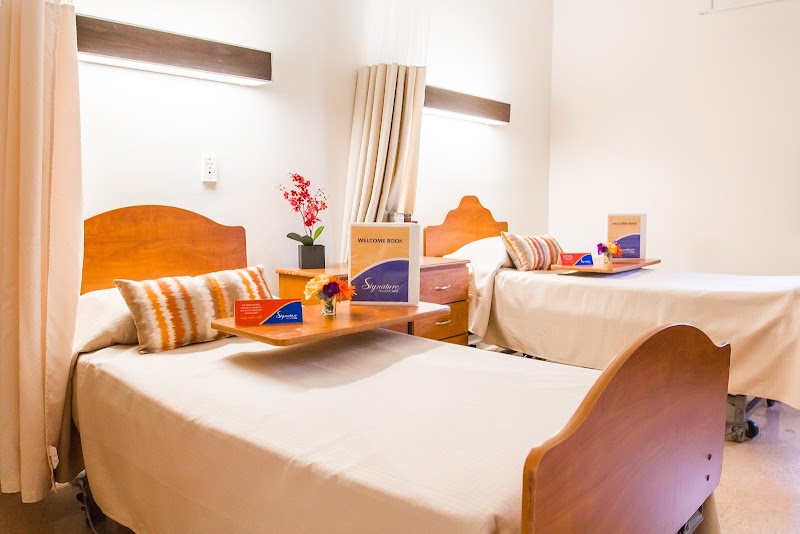
How is Brookwood Gardens Rehabilitation And Nursing Cente Staffed?

CMS rates BROOKWOOD GARDENS REHABILITATION AND NURSING CENTE's staffing level at 3 out of 5 stars, which is average compared to other nursing homes. Staff turnover is 68%, which is 21 percentage points above the Florida average of 46%. High turnover can affect care consistency as new staff learn residents' individual needs. RN turnover specifically is 70%, which is notably high. RNs provide skilled clinical oversight, so turnover in this role can affect medical care quality.

What Have Inspectors Found at Brookwood Gardens Rehabilitation And Nursing Cente?

State health inspectors documented 37 deficiencies at BROOKWOOD GARDENS REHABILITATION AND NURSING CENTE during 2022 to 2025. These included: 2 that caused actual resident harm and 35 with potential for harm. Deficiencies causing actual harm indicate documented cases where residents experienced negative health consequences.
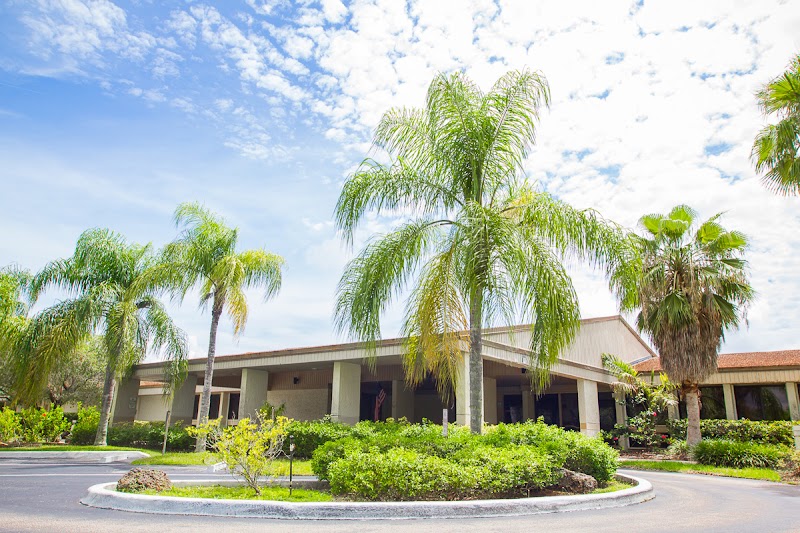
Who Owns and Operates Brookwood Gardens Rehabilitation And Nursing Cente?

BROOKWOOD GARDENS REHABILITATION AND NURSING CENTE is owned by a for-profit company. For-profit facilities operate as businesses with obligations to shareholders or private owners. The facility is operated by BENJAMIN LANDA, a chain that manages multiple nursing homes. With 180 certified beds and approximately 166 residents (about 92% occupancy), it is a mid-sized facility located in HOMESTEAD, Florida.
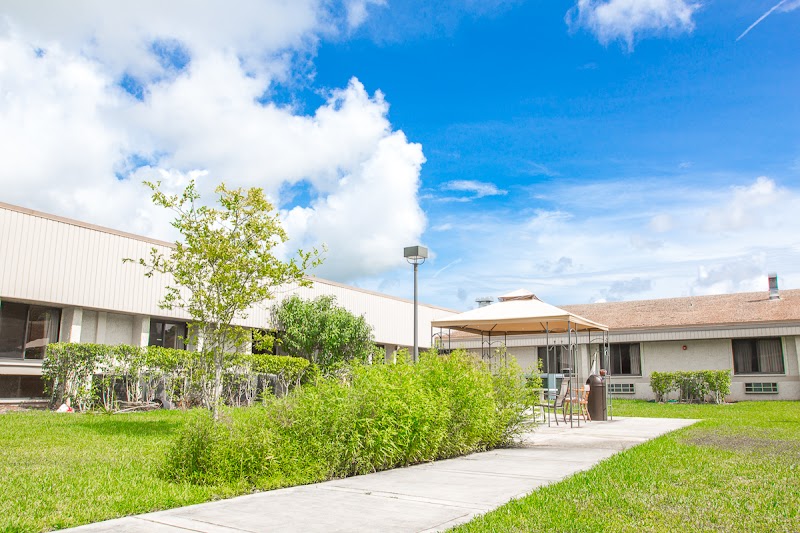
How Does Brookwood Gardens Rehabilitation And Nursing Cente Compare to Other Florida Nursing Homes?

Compared to the 100 nursing homes in Florida, BROOKWOOD GARDENS REHABILITATION AND NURSING CENTE's overall rating (2 stars) is below the state average of 3.2, staff turnover (68%) is significantly higher than the state average of 46%, and health inspection rating (2 stars) is below the national benchmark.

What Should Families Ask When Visiting Brookwood Gardens Rehabilitation And Nursing Cente?

Based on this facility's data, families visiting should ask: "How do you ensure continuity of care given staff turnover, and what is your staff retention strategy?" "Can I visit during a mealtime to observe dining assistance and food quality?" "How do you handle medical emergencies, and what is your hospital transfer rate?" "Can I speak with family members of current residents about their experience?" These questions are particularly relevant given the facility's high staff turnover rate.

Is Brookwood Gardens Rehabilitation And Nursing Cente Safe?

Based on CMS inspection data, BROOKWOOD GARDENS REHABILITATION AND NURSING CENTE has a clean safety record: no substantiated abuse findings (meaning no confirmed cases of resident harm), no Immediate Jeopardy citations (the most serious violation level indicating risk of serious injury or death), and is not on the Special Focus Facility watch list (a federal program monitoring the lowest-performing 1% of nursing homes). The facility has a 2-star overall rating and ranks #100 of 100 nursing homes in Florida. While no facility is perfect, families should still ask about staff-to-resident ratios and recent inspection results during their visit.

Do Nurses at Brookwood Gardens Rehabilitation And Nursing Cente Stick Around?

Staff turnover at BROOKWOOD GARDENS REHABILITATION AND NURSING CENTE is high. At 68%, the facility is 21 percentage points above the Florida average of 46%. Registered Nurse turnover is particularly concerning at 70%. RNs handle complex medical decisions and coordinate care — frequent RN changes can directly impact care quality. High turnover means new staff may not know residents' individual needs, medications, or preferences. It can also be disorienting for residents, especially those with dementia who rely on familiar faces. Families should ask: What is causing the turnover? What retention programs are in place? How do you ensure care continuity during staff transitions?

Was Brookwood Gardens Rehabilitation And Nursing Cente Ever Fined?

BROOKWOOD GARDENS REHABILITATION AND NURSING CENTE has been fined $37,499 across 2 penalty actions. The Florida average is $33,454. While any fine indicates a compliance issue, fines under $50,000 are relatively common and typically reflect isolated problems that were subsequently corrected. Families should ask what specific issues led to these fines and confirm they've been resolved.

Is Brookwood Gardens Rehabilitation And Nursing Cente on Any Federal Watch List?

BROOKWOOD GARDENS REHABILITATION AND NURSING CENTE is not on any federal watch list. The most significant is the Special Focus Facility (SFF) program, which identifies the bottom 1% of nursing homes nationally based on persistent, serious quality problems. Not being on this list means the facility has avoided the pattern of deficiencies that triggers enhanced federal oversight. This is a positive indicator, though families should still review the facility's inspection history directly.