AVANTE VILLA AT JACKSONVILLE BEACH INC
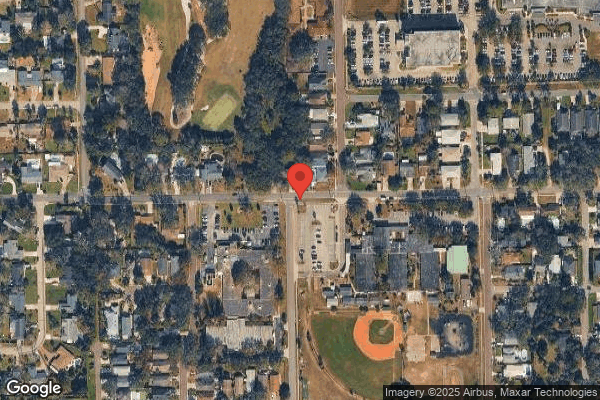
1504 SEABREEZE AVE, JACKSONVILLE BEACH, FL 32250 (904) 249-7421
Non profit - Other 165 Beds AVANTE CENTERS Data: November 2025
Trust Grade
70/100
#166 of 690 in FL
Last Inspection: September 2024

Within standard 12-15 month inspection cycle. Federal law requires annual inspections.

Overview

Avante Villa at Jacksonville Beach has a Trust Grade of B, which indicates it is a good choice for families considering care options. It ranks #166 out of 690 facilities in Florida, placing it in the top half of state facilities, and #13 out of 34 in Duval County, meaning there are only a few local options that rank higher. The facility is improving, with issues decreasing from 4 in 2024 to just 1 in 2025. Staffing is a concern, with a 58% turnover rate, far above the state average of 42%, which can affect the quality of care. While there have been no fines, there are notable incidents, such as the failure to ensure safe meal service and adequate supervision during smoking breaks, which could pose risks to residents. Overall, the facility has strengths in its overall quality ratings but needs to address staffing issues and specific safety concerns.

Trust Score
B
70/100
In Florida
#166/690
Top 24%
Safety Record
Low Risk
No red flags
Inspections
Getting Better
4 → 1 violations
Staff Stability
⚠ Watch
58% turnover. Above average. Higher turnover means staff may not know residents' routines.
Penalties
✓ Good
No fines on record. Clean compliance history, better than most Florida facilities.
Skilled Nurses
○ Average
Each resident gets 35 minutes of Registered Nurse (RN) attention daily — about average for Florida. RNs are the most trained staff who monitor for health changes.
Violations
⚠ Watch
14 deficiencies on record. Higher than average. Multiple issues found across inspections.
★★★★☆
4.0
Overall Rating
★★★☆☆
3.0
Staff Levels
★★★★☆
4.0
Care Quality
★★★★☆
4.0
Inspection Score
Stable
2024: 4 issues
2025: 1 issues

The Good

  • 4-Star Quality Measures · Strong clinical quality outcomes
  • Full Sprinkler Coverage · Fire safety systems throughout facility
  • No fines on record

Facility shows strength in quality measures, fire safety.

The Bad

Staff Turnover: 58%

12pts above Florida avg (46%)

Frequent staff changes - ask about care continuity

Chain: AVANTE CENTERS

Part of a multi-facility chain

Ask about local staffing decisions and management

Staff turnover is elevated (58%)

10 points above Florida average of 48%

The Ugly 14 deficiencies on record

Apr 2025 1 deficiency
CONCERN (D) 📢 Someone Reported This

A family member, employee, or ombudsman was alarmed enough to file a formal complaint

Potential for Harm - no one hurt, but risky conditions existed

Accident Prevention (Tag F0689)

Could have caused harm · This affected 1 resident

**NOTE- TERMS IN BRACKETS HAVE BEEN EDITED TO PROTECT CONFIDENTIALITY** Based on observation, interviews, and record review, the facility failed to ensure the resident's environment remained as free o...

Read full inspector narrative →
**NOTE- TERMS IN BRACKETS HAVE BEEN EDITED TO PROTECT CONFIDENTIALITY** Based on observation, interviews, and record review, the facility failed to ensure the resident's environment remained as free of accident hazards as possible for one (Resident #2) of three residents reviewed for accident hazards. A bottle of Zyrtec (over the counter allergy medication) and [NAME] nasal spray were found on Resident #2's bedside table. Resident's son brought over-the-counter medications to the resident on 4/7/25 at approximately 1:00 pm, and facility staff did not remove the medication until after 9:45 am on 4/8/25. During this time, approximately 21 hours and three shifts later, other residents had access to the medication at Resident #2's bedside. The findings include: On 4/8/25 at 9:41 am, Resident #2's room was observed. A bottle of Zyrtec and [NAME] nasal spray were observed sitting on top of the bedside table. (Photographic evidence obtained) When the resident was asked how she got the medications. She stated, My son brought them to me around 1 pm yesterday, I know that I'm not supposed to have them. I'll probably just put them away or give them to my son when he comes. When asked if she had spoken to anyone in the facility about getting orders for these medications. She stated, They have nasal spray, but I used this brand at home, so I asked my son to bring it for me. I'll let him take it home with him when he comes, he visits every day at 1:00 pm and he takes me outside for fresh air. A review of Resident #2's medical record revealed she had a BIMS (brief interview for mental status) score of 15/15, indicating intact cognition. The record review revealed no physician orders for [NAME] nasal spray. No physician orders to self-medicate was found in the record. No assessment for self-administration of medications was found in the record. A review of Resident #2 care plan revealed she was not care planned for self-administration of medications. On 4/8/25 at 2:38 pm, an interview was conducted with Employee A LPN (Licensed Practical Nurse). She was asked about the facility's process for residents who self-administer medication. She stated, Well first it has to be approved by the doctor and then the resident must be assessed by the nurse to determine if they are able to self-medicate. Then some patient teaching is done and then we get an order to self-medicate. It is also added to the care plan. She was asked to explain the facility process for observing unauthorized medications at the resident's bedside. We confiscate it, educate the resident and family members to why they shouldn't have it. If the resident insists on self-medicating we can assess if they can self-medicate, if not we explain why they can't. On 4/8/25 at 2:43 pm, an interview was conducted with Employee B LPN, the nurse who cared for Resident #2. She was asked to explain the facility's process for residents who desire to self- medicate. She stated, Go to the doctor first and get an order, then the DON or a nurse has to assess if the patient is capable to self-administer medications. The nurse was asked to go to the room of Resident #2. The surveyor explained the resident had the over-the-counter medications at the bedside earlier. The nurse stated, We discovered she had medications at the bedside, and we removed them and locked them in the medication room until her son came. He took them home and we asked him to please not bring them anymore. The resident has nasal spray on the medication cart that was ordered by the doctor and also Zyrtec, so I'm not sure why she asked him to bring it. The resident and the son have been educated previously not to bring medications into the facility for safety reasons. .
Sept 2024 4 deficiencies
CONCERN (D)

Potential for Harm - no one hurt, but risky conditions existed

Resident Rights (Tag F0550)

Could have caused harm · This affected 1 resident

**NOTE- TERMS IN BRACKETS HAVE BEEN EDITED TO PROTECT CONFIDENTIALITY** Based on observations, record reviews, and interviews, the facility failed to protect the resident's right to a dignified experi...

Read full inspector narrative →
**NOTE- TERMS IN BRACKETS HAVE BEEN EDITED TO PROTECT CONFIDENTIALITY** Based on observations, record reviews, and interviews, the facility failed to protect the resident's right to a dignified experience for one resident (#53) related to catheter use and for one resident (#38) related to personal and medical information out of the 40 residents sampled. The findings include: 1. A record review for Resident #53 revealed he was admitted [DATE] with diagnoses of quadriplegia, contracture of muscle, multiple sites, other muscle spasms, anxiety disorder, neuromuscular dysfunction of bladder, and recurrent major depressive disorder. A review of a quarterly minimum date set (MDS) dated [DATE] indicated he had a brief interview for mental status (BIMS) score of 15/15, indicating no cognitive impairment. The MDS indicated he was dependent for bed mobility, toileting and transfer tasks. He required substantial/maximal assistance with eating. The MDS also indicated he had an indwelling catheter. Physician orders included suprapubic catheter: Size #20FR with size 10cc balloon for diagnosis neuromuscular dysfunction of bladder, to be changed at urology office monthly. (5/24/20). Change bedside drainage bag of urinary catheter as needed (3/30/22), suprapubic catheter care every shift and as needed (5/8/22), adaptive equipment: Dressing change to suprapubic site once daily and as needed (9/26/22), may irrigate indwelling suprapubic catheter with 60mL of normal saline every shift as needed for blockage, occlusion, leakage, etc., enhanced barrier precaution for suprapubic catheter (4/2/24). The resident's care plan included a FOCUS: Supra-pubic catheter due to neuromuscular dysfunction of the bladder. (initiated 5/4/2018, revision 4/26/2022). On 09/16/24 at 12:38 PM, the resident's suprapubic catheter urine collection bag was observed hanging on the left side of the bedrail (facing the room door), without a bag cover. On 09/17/24 at 03:55 PM, the resident's urine collection bag was observed on the floor, facing the door without a bag cover. (photographic evidence obtained). On 09/19/24 at 01:50 PM an interview was conducted with certified nursing assistant (CNA) F who was asked if he'd had training/education on how to care for a resident with a catheter. He stated, Yes, through Healthcare Academy. CNA F was asked what his role was in caring for a resident with a catheter. He stated, I make sure the tubing is not kinked, make sure I don't raise the bag above the patient's bladder and make sure the catheter is on the right side of the bed according to which side they are turned. CNA F was asked if he ever gave the resident with a supra pubic catheter any catheter care. He stated, I usually get the LPN to do the cleaning or apply the dressings. 2. A record review was conducted for Resident #38 which revealed she was admitted to the facility on [DATE] with diagnosis of Diffuse Traumatic Brain Injury with loss of consciousness of unspecified duration, unspecified injury of the head, dysarthria, anarthria, dysphagia, oropharyngeal, aphasia, quadriplegia, cognitive communication deficit, and seizures. A review of a quarterly minimum date set (MDS) revealed the resident had adequate hearing and vision but no speech. She had a brief interview for mental status (BIMS) score of 0. She was dependent for all ADLs, and she had a gastrostomy tube. An observation on 09/16/24 at 10:56 AM revealed signage that contained the resident's personal medical information that was posted on the wall above the head of the bed, in plain view. (photographic evidence obtained). An observation on 09/17/24 at 09:58 AM revealed the signage posted on the wall above the head of the bed, in plain view which contained the resident's personal medical information. Another observation on 09/19/24 at 01:46 PM revealed the same signage that contained the resident's personal medical information and was posted on the wall above the head of the bed, in plain view, from the door of the resident's room. (photographic evidence obtained). On 09/19/24 at 04:11 PM, an interview was conducted with CNA G who was asked if he could read the sign. He stated, Yes, it says New CNAs, see nurse about (Resident #38's) head, No skull on left side. CNA G was asked how long the sign had been hanging on the wall. He stated, I'm not sure but it's definitely been there for 2 months. CNA G was asked if he knew who hung the sign. He stated, I assume the nurse manager. CNA G was asked if he thought anyone who happened to walk into the room could see the sign. He stated, Yes. On 09/19/24 at 04:16 PM an interview was conducted with licensed practical nurse (LPN) H who was accompanied to the door of Resident #38's room to observe the signage on the wall at the head of the bed. She was asked who put the signs up. She stated, I'm not sure but I believe the family put them up. She was asked how long the signs had been hanging on the wall. She stated, I've worked here for less than a year and they have been there since I've worked here. She was asked if any facility staff had approached the family about an alternative method of communicating the resident's care needs to new staff. She stated, You know, I come to work and mind my business, I really try not to get too involved. She was asked (from where she was standing at the door of the room) if she believed anyone else would be able to view and read the signs. She stated, If they paid attention, they could but I usually pull the curtain so that she can have privacy when I'm on duty. The surveyor observed that the curtain was not pulled. .
CONCERN (D)

Potential for Harm - no one hurt, but risky conditions existed

Deficiency F0676 (Tag F0676)

Could have caused harm · This affected 1 resident

**NOTE- TERMS IN BRACKETS HAVE BEEN EDITED TO PROTECT CONFIDENTIALITY** Based on observations, record review, staff and resident interviews, and facility policy review, the facility failed to provide ...

Read full inspector narrative →
**NOTE- TERMS IN BRACKETS HAVE BEEN EDITED TO PROTECT CONFIDENTIALITY** Based on observations, record review, staff and resident interviews, and facility policy review, the facility failed to provide the necessary care and services to ensure that one of two residents selected for Activities of Daily Living (ADLs) review (Resident #64) did not diminish in their abilities to maintain fingernails and toenails that were clean and neat from 40 sampled residents. The findings include: On 9/16/2024 at 11:19 am, during the initial tour, Resident #64 was observed in his room. He was awake, lying on his right side on his bed, with his hands and feet exposed. It was observed that his fingernails and toenails were dirty, elongated beyond the tip of his fingers and toes, respectively, and thickened, with a yellowish color. When asked about his care, Resident #64 expressed a need for assistance with nail care, emphasizing that he would like to have his nails trimmed. He stated that he had spoken with a staff member about having his nails trimmed. The resident could not recall the name of the staff member he had spoken to about trimming his nails. Record review for Resident #64 revealed that he was most recently admitted to the facility on [DATE], with an initial admission date of 2/19/2020. The resident's diagnoses included but not limited to chronic obstructive pulmonary disease, muscle weakness (generalized), shortness of breath, major depressive disorder, primary insomnia, essential hypertension, gastroesophageal reflux disease without esophagitis, wheezing, and pain. The latest quarterly Minimum Data Set (MDS) was reviewed with an assessment reference date of 7/19/2024. Resident #64 had a Brief Interview for Mental Status (BIMS) score of 10/15, indicating moderately impaired mental status. There were no signs of psychosis, behavioral symptoms, or rejection of care. The MDS showed that Resident #64 had no functional limitations in ADLs and was found to be independent, in terms of mobility. A review of the care plan, initiated on 4/2/2020 and most recently revised on 4/18/2024, indicated that the resident was at risk for decline or fluctuation in ADLs related to health status. The care plan noted that the goal was to maintain the resident's current level of function. Interventions in the care plan included but not limited to checking nail length, trimming and cleaning them on bath day and as necessary, and reporting any changes to the nurse. Relevant physician orders included left U-bar side rail enabler is indicated to enable positional changes and bed mobility (ordered 9/12/2022), podiatry consult (ordered 8/17/2023), and complete weekly skin observation and enter in the Avante weekly summary with skin check assessment 3-11 shift (ordered 4/7/2022). The resident's medical record had evidence that the last podiatry consult note was dated 2/23/2023. The podiatry consult note showed that the provider debrided all of the resident's toenails to reduce their length and thickness. The provider recommended a podiatry follow-up two months from the date of the note (2/23/2023) and noted that care of this patient by a non-skilled professional may be hazardous to the patient's health. No nursing notes or physician progress notes related to fingernails or toenails care or documentation relevant to the resident rejecting care, were found, as reviewed from 2/23/2023 to 9/19/2024. There was no record or documentation related to overgrown nails for Resident #64 in the most recently reviewed Avante weekly summary with skin check assessments, dated 8/19/2024, 8/26/2024, 9/2/2024, and 9/16/2024. The weekly summary with skin checks described the skin as intact, and comments/observations were not documented. An interview was conducted with a Certified Nursing Assistant (CNA/ Employee D) on 9/19/2024 at 12:10 pm. When asked to explain the method of completing a resident's assessment and documenting the findings and to whom they are reported, the CNA stated that her routine begins by knocking and introducing herself to the resident before entering the room. The CNA stated that she proceeds to assist the resident with their ADLs depending on the severity of the assistance needed. The CNA added that Resident #64 was mostly independent and preferred to complete his ADLs on his own. When asked if the resident had requested any assistance with nail care recently, the CNA stated that the resident had not requested any assistance for any ADLs recently. The CNA mentioned that the resident usually performed his own nail care, except for his feet, which are cared for by podiatry. The CNA stated that she believed that podiatry came to see the resident recently but was unable to recall the date. The surveyor asked if the CNA was aware of the condition of the resident's nails. The CNA stated that she was aware of the condition of the resident's nails, but the resident always performed his own fingernail care. When asked to perform an assessment of the resident's fingernails and toenails, the CNA and was unable to perform an assessment because Resident #64 was sleeping and covered with his blankets. The CNA told the surveyor that she would remind the nurse about the condition of the resident's nails. When asked where in the record the surveyor would find documentation about nail care needs, the CNA stated that the assessments/observations would be documented under skin assessments, which CNAs and LPNs document. An interview was conducted with a Licensed Practical Nurse (LPN/Employee B) on 9/19/2024 at 12:59 pm. When asked, What can you tell me about Resident #64?, the LPN stated, The resident has severe COPD and is a current smoker. He is generally a pleasant resident. She was then asked, What is the process of assisting a resident with fingernail trimming? The LPN stated, He can trim his fingernails himself. If a resident needs assistance, we can help with fingernail trimming. She was also asked, Has the resident asked for help trimming his fingernails or toenails? The LPN stated, He has not asked me for help with trimming his fingernails. Podiatry will take care of the toenails. Per staff member, social services enter the residents onto a list to see podiatry, if they had a podiatry consult in place. Next, the LPN was asked How often are residents assessed for needs such as fingernail trimming or toenail trimming? She stated that every staff member providing direct care on their scheduled shift, including certified nursing assistants (CNAs), nurses, other providers, or any staff member interacting with the resident, will perform an assessment. An interview was conducted with the Social Services Director (SSD), on 9/18/2024 at 1:51 pm. She was asked about the facility's nail care provision for residents. The SSD mentioned that if residents are physically and cognitively capable, they can trim their own fingernails. The SSD added that CNAs and LPNs can assist with fingernail trimming if needed. When questioned about how often residents are assessed for ADL needs such as nail care, the SSD stated that they are assessed daily. The SSD further explained that residents are put on the podiatry consult list after a podiatry consult is requested for toenails care. Further, she stated that the podiatry provider is scheduled to visit the residents on the list every 45-55 days. When asked specifically about the last podiatry consultation date for Resident #64, the SSD provided the date as 2/23/2023, after reviewing the resident's record. This surveyor inquired if Resident #64 had refused care, and the SSD confirmed that the resident had not refused any care, including nail trimming. When asked if the resident should have been seen by podiatry after the last consult, which was placed on 8/17/2023, the SSD stated that Resident #64 should have had at least one visit since the consult was placed. The surveyor then requested the SSD to provide a copy of the most recent podiatry consultation note. The SSD provided a copy of the podiatry consultation note dated 2/23/2023 at 1:57 pm and acknowledged that there were no recent records or documentation of podiatry care since 2/23/2023. On 9/19/2024 at 2:20 pm, a review was conducted of the facility's policy and procedures titled Policies and Procedures: Activities of Daily Living (ADLs) Maintain Abilities, which was issued and revised on 3/2/2019. The facility's policy and procedure included: 1. The facility will provide necessary care and services to ensure that resident's abilities in activities of daily living do not diminish unless circumstances of the individual's clinical condition demonstrate that such diminution was unavoidable. 2. The facility will ensure that a resident is given the appropriate treatment and services to maintain or improve his or her ability to carry out activities of daily living. 3. The facility will provide care and services for the following activities of daily living: Hygiene - bathing, dressing, grooming, and oral care. 4. A resident who is unable to carry out activities of daily living will receive the necessary services to maintain good nutrition, grooming, and personal and oral hygiene. Following the survey, on 9/23/24, the facility submitted documentation that Resident #64 received podiatry services on 5/22/24. This was after the request for additional information made on 9/18/24 and after the survey exit on 9/19/24. The podiatry consult on 5/22/24 was three months after the prior visit which recommended a follow up after two months. The appearance of Resident #64's nails during the survey and lack of documentation indicate that the established care plan was not being followed. .
CONCERN (D)

Potential for Harm - no one hurt, but risky conditions existed

Medical Records (Tag F0842)

Could have caused harm · This affected 1 resident

**NOTE- TERMS IN BRACKETS HAVE BEEN EDITED TO PROTECT CONFIDENTIALITY** Based on observations, record review, and interviews the facility failed to maintain clinical records that were accurately docum...

Read full inspector narrative →
**NOTE- TERMS IN BRACKETS HAVE BEEN EDITED TO PROTECT CONFIDENTIALITY** Based on observations, record review, and interviews the facility failed to maintain clinical records that were accurately documented for two (Residents 103 and 124) out of 40 sampled residents. The findings include 1. During the initial tour on [DATE] at 12:50 PM, Resident 103 was observed to have a tracheostomy (a surgically created hole in the neck/windpipe that provides an alternative airway for breathing) with humidified oxygen (O2) provided through a trach-mask. The date on the humidification bottle attached to the humidified O2 tubing was [DATE] (photographic evidence obtained). The resident was asleep at the time. Another observation on [DATE] at 11:50 AM found Resident 103 awake and alert but not interviewable. Review of the medical record for Resident 103 indicated an initial admission to the facility on [DATE] and a re-entry on [DATE]. The diagnoses included Huntington's disease, encephalopathy, dependence on supplemental oxygen, extrapyramidal movement disorder, and dysphagia. The resident's annual Minimum Data Set (MDS) from [DATE] revealed that the Brief Interview for Mental Status (BIMS) was not scored related to the resident not being interviewable. Review of the Treatment Administration Record (TAR) for the month of 09/24 for Resident 103 revealed documentation for the order to change the O2 tubing/humidification bottle/mask, etc. every week and as needed completed on [DATE], [DATE], and [DATE] (photographic evidence obtained). 2. A closed record review of Resident 124 indicated an initial admission to the facility on [DATE], a re-entry on [DATE], and a discharge date (date of death ) of [DATE]. The diagnoses included lymphedema, heart failure, atrial-fibrillation, and benign prostatic hyperplasia. The resident was [AGE] years old, and the death was expected. In an interview with the DON on [DATE] at 02:50 PM, she stated that the resident's medical doctor (MD) was notified of Resident 124's death on [DATE]. Review of documentation from Resident 124's chart revealed a witness statement from [DATE] at approximately 12:30 AM that indicated the MD was immediately notified of the resident's change in condition with a new order to pronounce time of death. Review of Resident 124's medical record revealed a progress note created on [DATE] by the Medical Director (Resident 124's Primary Care Physician/MD) which included, Care plan reviewed and shared with patient. It had an effective date of [DATE] (See photographic evidence). An interview with the Medical Director was attempted via telephone twice on [DATE], once at 12:37 PM and again at 12:43 PM, both times the calls ended without going to voicemail. .
CONCERN (E)

Potential for Harm - no one hurt, but risky conditions existed

Respiratory Care (Tag F0695)

Could have caused harm · This affected multiple residents

**NOTE- TERMS IN BRACKETS HAVE BEEN EDITED TO PROTECT CONFIDENTIALITY** 5. A record review of Resident # 90 revealed an admission date of 12/23/2021 with diagnoses of encounter for palliative care, he...

Read full inspector narrative →
**NOTE- TERMS IN BRACKETS HAVE BEEN EDITED TO PROTECT CONFIDENTIALITY** 5. A record review of Resident # 90 revealed an admission date of 12/23/2021 with diagnoses of encounter for palliative care, hemiplegia and hemiparesis following nontraumatic intracranial hemorrhage affecting right dominant side, dysphagia, aphasia, cognitive communication deficit, Chronic Obstructive Pulmonary Disease (COPD), and Asthma. A record review of a quarterly minimum data set (MDS) dated [DATE] revealed a brief interview for mental status (BIMS) was not conducted and long-term and short-term memory problems were indicated. The MDS review also revealed the resident was dependent for eating, transfers, bed mobility, and toileting tasks. The MDS revealed the resident had a prognosis which indicated a condition or chronic disease that may result in a life expectancy of less than 6 months. Hospice and oxygen therapy were also indicated. A review of the resident's orders revealed the following: head of bed elevated related to shortness of breath (SOB) when lying flat every shift (11/11/2023), rinse or replace oxygen filters of concentrators every night shift, every Sunday (11/12/2023), change oxygen set-up and bag weekly and as needed (11/12/2024), Oxygen continuous at 2 liters/ minute via nasal cannula (NC) for medical diagnosis SOB (11/11/2023), Do Not Resuscitate (11/28/2023), Admit to Hospice services on 12/05/2023 for diagnosis Cerebrovascular Disease (3/19/2024), Nothing by mouth (NPO) diet (11/11/2023). A review of progress notes was conducted which revealed a physician progress note dated 9/3/2024 which documented the resident was receiving antibiotic therapy for pneumonia. A review of hospice progress note dated 8/28/2024 which documented resident's bed has to be upright at 30-degree angle to avoid SOB, and for her feedings. A review of dietary progress note dated 8/20/2024 which documented resident had a diet of NPO, with enteral feeds. A review of the resident's care plan was conducted which revealed a FOCUS: DNR (initiated: 12/27/2021, revision: 12/26/2023), a FOCUS: Resident had a cerebrovascular accident (CVA) with right hemiparesis (initiated 9/20/2022, revision 9/20/2022), a FOCUS: Hospice (initiated 12/6/2023, revision: 12/06/2023), and a FOCUS: Altered respiratory status/difficulty breathing related to SOB, wheezing, cough. congestion, history of Pneumonia, vascular congestion, s/p COVID (initiated: 2/20/2023, revision: 9/1/2023). On 09/16/24 at 11:54 AM, the resident was observed to have oxygen infusing at between 2.5 liters and 3 liters via nasal cannula. On 9/17/24 at 03:52 PM, the resident was observed to have oxygen infusing at between 2.5 liters and 3 liters via nasal cannula. (photographic evidence obtained) On 09/19/24 at 01:38 PM, the resident was observed to have oxygen infusing at 1.5 liters via nasal cannula. (photographic evidence obtained). On 09/19/24 at 01:57 PM an interview was conducted with Registered Nurse (RN) E. She was asked to access the physician orders for Resident #90. The orders read, Oxygen continuous at 2 liters/ minute via nasal cannula. RN E was accompanied to the resident's bedside to verify the oxygen concentrator settings. RN E verified the settings as 1.5 liters. On 09/19/24 at 01:50 PM an interview was conducted with certified nurse assistant CNA F. He was asked if he'd had training for how to care for a resident with oxygen. He stated, I've had encounters with the nurse about the oxygen, but I haven't had any training, not since I've been here. He was asked to explain his role in caring for a resident requiring oxygen. He stated, I make sure the tubing is on correctly. I check behind their ears to make sure they don't have any breakdown, and if the patient is using a portable tank, I make sure they have enough oxygen in the tank. CNA F was asked if he ever changed or adjusted the settings on the concentrator. He stated, I ask the nurse about the settings to make sure it's correct, but I don't make any changes or adjustments, I get the nurse for that. Review of the facility's Policy and procedures: Tracheostomy Care and Suctioning/Oxygen revised date: 03/26/21, revealed: Policy: the facility will ensure that residents who need respiratory care, including tracheostomy care and tracheal suctioning, is provided such care consistent with professional standards of practice, the comprehensive person-centered care plan and resident goals and preferences .2. The facility will provide necessary respiratory care and services, such as oxygen therapy as ordered by physician, treatments, mechanical ventilation, tracheostomy care and/or suctioning. 4. On 09/16/24 at 12:34 PM, Resident #105 was observed lying in bed, with his eyes closed, wearing the nasal cannula. Resident #105's oxygen concentrator located at bedside was observed to be set at 2L/min. (Photographic evidence obtained) On 09/17/24 at 11:39 AM a second observation of Resident #105 lying in bed, with his eyes closed, wearing the nasal cannula with the oxygen concentrator revealed it was set at 2L/min. (Photographic evidence obtained) A review of the medical record active orders included but not limited to oxygen continuous at 3 L/min via nasal cannula for shortness of breath (SOB) every shift dated: 08/15/2024. Further review of the physician's orders revealed: change oxygen humidifier bottle every shift every Sun dated: 09/17/23, rinse or replace oxygen filters on concentrator every shift every sun dated: 9/17/23, vitas hospice services admitted to vitas hospice services on 11/1/23 for cerebral atherosclerosis dated: 3/19/22, enhanced barrier precautions: chronic wound every shift for multiple drug-resistant organism precautions dated 7/25/24, and do not resuscitate dated 5/27/24 (Copy obtained) On 09/18/24 at 02:37 PM, a third observation of Resident #105 lying in bed, with his eyes closed, wearing the nasal cannula with the oxygen concentrator revealed it was set at 2L/min. (Photographic evidence obtained) Record review indicated that Resident#105 was admitted to the facility on [DATE]. Primary diagnoses included: encounter for palliative care. Quarterly MDS dated [DATE] revealed hospice care resident with a brief interview of mental status score (BIMS) 9, indicating moderately impaired. The resident was assessed and required oxygen therapy, substantial/maximal assistance for eating and did not attempt toileting transfer due to medical condition. The care plan focuses and goals included hospice, altered respiratory status/difficulty breathing related to shortness of breath (SOB), and enhanced barrier precautions related to risk for multidrug-resistant organism (MDRO). Interventions included administer medication/puffers/nebs as ordered. Monitor for effectiveness and side effects; oxygen settings: oxygen settings and care per Medical Doctor order. Medication Administration Record for September 2024 indicated oxygen initialed was provided as ordered (copy obtained) On 09/18/2024 at 02:39 PM Employee I, Registered Nurse (RN), verified Resident #105's oxygen concentrator was set at 2L. When asked who provides ongoing monitoring of the resident's oxygen therapy, Employee I replied, nursing. Nurses are also responsible for ensuring that residents receive correct oxygen orders. Correct oxygen settings are identified in the order. Nursing on the night shift change residents' oxygen tubing. Correct oxygen settings are communicated from one staff person to another in reports and on the Medication Administration Record and Treatment Administration Record. Employee I stated Resident #105 does not change his own oxygen levels but will remove the nasal cannula sometimes. When this happens, Resident #105 is educated and nursing will place the nasal cannula back on the resident. On 09/18/2024 at 02:54 PM the ADON confirmed the correct oxygen settings are identified in the orders. Based upon observations, interview and record review, the facility failed to ensure respiratory services were administered according to a physician's order for five residents receiving respiratory care from 40 sampled residents (#96, 106, 59, 105, and 90). The findings include: 1. Observations made during the tour on 09/16/24 at 11:35 AM, revealed that Resident #96's oxygen concentrator flow was set at 2 Liters per minute (L/min.) (photographic evidence obtained). During an interview on 09/16/24 at 11:35 AM, the resident reported she was unsure what the oxygen flow rate should be set at and noted that she did not manipulate her concentrator's oxygen flow rate. A second observation on 09/17/24 at 9:50 AM, revealed that the resident's oxygen concentrator flow rate was set at 2 L/min. (photographic evidence obtained). Review of the electronic medical record for Resident #96 documented the resident is a [AGE] year old female admitted to the facility on [DATE] with diagnoses including unspecified dementia, unspecified severity, with other behavioral disturbance, mild intermittent asthma, uncomplicated, muscle weakness (generalized) chronic systolic (congestive) heart failure, diabetes mellitus type II, unspecified atrial fibrillation and major depressive disorder. Review of the electric medical record for Resident #96's physician orders revealed a lack of documentation of a current order for oxygen. 2. Observations made during the tour on 09/16/24 at 11:48 AM, revealed that Resident #106's oxygen concentrator flow rate was set at 2.5 Liters per minute (L/min.) (photographic evidence obtained). The resident was not capable of responding to interview questions. A second observation on 09/17/24 at 9:49 AM, revealed that the resident's oxygen concentrator flow rate was set at 2.5 L/min. (photographic evidence obtained). Review of the electronic medical record for Resident #106 documented a [AGE] year old female admitted to the facility on [DATE] with diagnoses including other cerebral infarction due to occlusion or stenosis of small artery, muscle weakness (generalized), cognitive communication deficit, anoxic brain damage, not elsewhere classified, acute respiratory failure with hypoxia, tracheotomy status, gastronomy status, dysphasia following cerebral infarction, major depressive disorder, dependence on supplemental oxygen. Review of the electronic medical record of Resident #106 documented re Tracheotomy (trach) - Encourage and assist resident with use of humidified oxygen 6.5%/2 liters via trach collar. Order started on 09/08/23. Review of the medication administration record (MAR) for Resident #106 documented oxygen was administered per physician order at 2 liters via trach collar. 3. Observations made during the tour on 09/16/24 at 11:48 AM, revealed that Resident #59's oxygen concentrator flow rate was set at 2.5 Liters per minute (L/min.) (photographic evidence obtained). During an interview on 09/16/24 at 11:48 AM, the resident reported that she was unsure what the oxygen flow should be set at and noted that she did not manipulate her concentrator's oxygen flow rate. On 09/17/24 at 9:55 AM, the resident was observed sitting in a wheelchair in her room waiting to leave for a dialysis appointment. The resident was wearing a nasal cannula attached to a portable oxygen tank adhered at the back of her wheelchair. Review of Resident #59's electronic medical record documented a [AGE] year old female admitted to the facility on [DATE] with diagnoses including end stage renal disease, muscle weakness (generalized), chronic obstructive pulmonary disease, diabetes mellitus type II, paroxysmal atrial fibrillation, heart failure, unspecified, cardiac arrest due to other underlying condition, anemia in chronic kidney disease, hypertension disorder, sclerotic heart disease of native coronary artery without angina pectoris, long term (current) us of anticoagulant, dependence on renal dialysis. Review of the minimum data set (MDS) for Resident #59 dated 08/24/24 documented that the resident had minimal difficulty with hearing, clear speech, made self understood, understood others and had adequate vision. The resident's brief interview for mental status (BIMS) score was 15, which suggested the resident was cognitively intact. Review of the care plan for Resident #59 documented a focus of altered respiratory status/difficulty breathing related to shortness of breath, chronic obstructive pulmonary disease (COPD), obstructive sleep apnea and dry nose. The goal for the resident noted that the resident would maintain normal breathing pattern as evidenced by normal respirations, normal skin color, and regular respiratory rate/pattern through the review date. Interventions included oxygen settings: oxygen care and settings according to medical doctor (MD) order. Intervention created on 06/10/24. Review of the electronic medical record for Resident #59 lacked documented evidence of a current physician order for oxygen (O2). Review of discontinued physician orders documented oxygen saturations (Sat) every shift and as needed. Call medical doctor if Sat is over 90. Every shift for oxygen saturations for shortness of breath (SOB). Order started on 06/27/24 at 22:50 and ended 08/26/24. Change O2 humidifier bottle every night shift every Saturday. Order start on 06/27/24 at 22:50 and ended 08/26/24. Change O2 set up and bag weekly and as needed. Every night shift every Saturday. Place in labeled O2 bag and tie to handle of O2 concentrator. Order started on 06/27/24 at 22:50 and ended 08/26/24. O2 at 2 liters/minute (L/min.) via nasal cannula for SOB and as needed. Order started on 06/28/24 at 22:50 and ended 08/26/24. Review of the medication administration record (MAR) and treatment administration record (TAR) for Resident #59 documented oxygen was administered during the month of September 2024 at 2.5 L/min. On 09/19/24 11:27 AM, an interview was conducted with Employee A, CNA, who reported he has worked at the facility since 2003. He explained that he was familiar with the Resident # 59's care needs. In regards to the resident's oxygen care needs, he could not remember the prescribed oxygen (O2) liter flow rate. He said that he tries to keep the resident on her oxygen as long as possible. He further explained that sometimes the resident will complain that the oxygen annular is irritating to her nose and ears. The employee said that when he conduct his rounds, he would check the oxygen concentrator flow rate to ensure the flow rate is correct. If the flow rate is incorrect, he would tell the nurse. He said that he always makes sure the concentrator had enough room and that the nasal annular was placed correctly on the resident. If the oxygen bottle needed changing, he would tell the nurse. 09/19/24 11:50 AM Interview was conducted with Employee B, LPN, who reported she has worked worked at the facility for almost one year. She would monitor prescribed oxygen liter flow rates and ensure their oxygen level flow rates were accurate. In regard to Resident #59's oxygen therapy, she could not find a current order in the resident's electronic medical record for an oxygen order. She further explained that she knew there must have been a previous order for oxygen because the picture of the resident in the electronic medical record showed the resident wearing a nasal cannula. She also explained that the resident went to the hospital several times, so the lack of an O2 order may have been an oversight upon return from the hospital.
Mar 2023 1 deficiency
CONCERN (E) 📢 Someone Reported This

A family member, employee, or ombudsman was alarmed enough to file a formal complaint

Potential for Harm - no one hurt, but risky conditions existed

Accident Prevention (Tag F0689)

Could have caused harm · This affected multiple residents

Based on observations, interviews and record review, the facility failed to ensure residents received adequate supervision to prevent accidents, by failing to supervise residents during smoking breaks...

Read full inspector narrative →
Based on observations, interviews and record review, the facility failed to ensure residents received adequate supervision to prevent accidents, by failing to supervise residents during smoking breaks for three (Residents #3, #4, and #5) of seven sampled residents who smoked, from a total sample of nine residents. Failure to supervise residents during smoking breaks could result in injury and/or death. The findings include: During a tour of the facility on 3/21/23 at 10:22 AM, two residents were observed smoking on the smoking porch (Residents #3 and #4). There were no staff members present. An interview was conducted with Resident #4 at 10:25 AM, and she explained that she had kept her cigarettes and lighter from the night before and gave one of her cigarettes to Resident #3. Resident #4 stated, The staff are supposed to supervise us during our smoking break, but they never show up. They were supposed to be here at 10:15 AM, but as you can see, there is no one here from the staff. They keep our cigarettes and treat us like kids, and we have to beg to get them. On 3/21/23 at 10:30 AM, Resident #5 was observed propelling herself in her wheelchair to the smoking area. She removed a small piece of cigarette and a lighter from her purse and lit the cigarette. There were no staff members present. On 3/21/23 at 10:35 AM, Licensed Practical Nurse (LPN)/Unit Manager A came to the smoking porch area and asked the residents what they were doing. Resident #3 said Resident #4 gave her a cigarette. LPN A told Resident #3 that she did not have a smoking assessment and needed to have one completed to see if she was a safe smoker. LPN A told Resident #3 and Resident #4 that they could not share their cigarettes. Resident #4 said she wanted to start smoking and asked the nurse to notify her son and daughter-in-law. LPN A asked Resident #5, who was smoking, if she was back on the smoking list. Resident #5 said, No, and discarded the cigarette. Resident #3 asked LPN A if she could get the cigarette box because they had not had their smoking break. LPN A asked Certified Nursing Assistant (CNA)/Medical Records Clerk B to assist the residents with their smoking break. On 3/21/23 at 10:45 AM, an interview was conducted with CNA B who confirmed that the residents were supposed to be supervised during smoking breaks. She explained the schedule notated the designated staff person assigned on each smoking break. When asked how staff ensured residents did not retain their cigarettes, she replied, We are supposed to check that all the cigarettes and the lighters are taken at the end of the break. We actually should be handing the residents one cigarette at time and not the whole packet, and then light their cigarettes. When asked how many cigarettes each resident was permitted to have during the smoking break, she replied, They are allowed around two cigarettes per smoking break. A review of Resident #3's medical record revealed an admission date of 1/10/22 with a re-entry date of 10/10/22. The resident's Quarterly Minimum Data Set (MDS) assessment, dated 2/1/23, revealed a Brief Interview for Mental Status (BIMS) score of 10 out of a possible 15 points (10/15), indicating moderate cognitive impairment. A review of the resident's comprehensive care plan revealed no evidence that she was care planned for smoking. Further record review revealed no evidence that Resident #3 had a smoking assessment. A review of Resident #4's medical record revealed an admission date of 1/26/22 with a primary diagnosis of hyposmolality and hyponatremia. Her secondary diagnoses included Chronic Obstructive Pulmonary Disease (COPD) and psychosis. The resident's Quarterly MDS assessment, dated 2/8/23, revealed a BIMS score of 15/15, indicating she was cognitively intact. A review of Resident #4's comprehensive care plan, dated 1/27/22, revealed a focus area for Smoking with Interventions including: Give positive reinforcement for compliant behavior with the smoking policy. Ensure resident does not leave designated smoking area with smoking materials. Notify charge nurse immediately if it is suspected the resident has violated the smoking policy. The resident's smoking supplies are stored in designated areas. (Photographic evidence obtained) A review of Resident #5' medical record revealed an admission date of 12/14/22 with diagnoses including dementia without behavior disturbance, psychotic disturbance, and mood disturbance. The resident's Significant Change MDS assessment, dated 1/8/23, revealed a BIMS score of 5/15, indicating severe cognitive impairment. The resident required supervision with transfers. A review of Resident #5's comprehensive care plan, dated 1/26/23, revealed the resident was a smoker and was at risk for injury related to unsafe smoking. Interventions included: Assist resident as needed to designated smoking area at designated times and supervise smoking. Smoking assessment to be completed on admission, quarterly and with any significant change in condition. Smoking will be supervised by staff members. (Photographic evidence obtained) A review of Resident #5's smoking assessments, conducted on 1/26/23 and 2/7/23, indicated the resident was moderately impaired and was permitted to smoke but must be supervised by staff or family. (Photographic evidence obtained) On 3/21/23 at 1:31 PM, an interview was conducted with CNA C concerning the resident smoking protocol. He stated CNAs were assigned each shift to supervise the smoking breaks. During the break, staff were expected to obtain the cigarette box from the nursing station, light the residents' cigarettes and stay within the residents' vicinity during the break. After the break was over, the staff should ensure that all cigarettes and lighters were back in the box, and then escort the residents who needed assistance back into the building. When asked if he supervised smoking breaks, he stated, Yes, but most of the time when he was assigned, he could not go to the smoking porch because he was normally tied up providing resident care. When asked if he was assigned to the smoking break scheduled from 10:15- 10:30 AM on 3/21/23, he replied, Yes, but I did not make it because I was busy at that time. On 3/21/23 at 4:45 PM, an interview was conducted with the Administrator who explained that residents were assessed for smoking upon admission, quarterly and as needed (PRN). If a resident had a history of smoking and showed interest in smoking, an assessment was completed. She explained she had completed a Quality Assurance and Improvement Plan in June 2022 about smoking. Staff were educated about the expectations during smoking breaks and she expected all smoking breaks to be supervised. Staff should not be distracted to ensure they were always watching the residents while they were smoking. Residents should have two cigarettes during each break, and staff should light the cigarettes. After two cigarettes, staff should ensure that residents did not retain any cigarettes or lighters. If a resident refused to give back the cigarettes or the lighter, they should be educated on the smoking policy and smoking contract. Staff should also document the incident to ensure that the staff were aware of behaviors and could monitor them. If a resident had up to three incidences of not following the smoking policy, they were issued a 30-day discharge notice. A review of the facility's Safe Smoking Policy and Procedure (rev.1/11/19) revealed the following: Under Policy, Page 1, Paragraph 2: Reduce risks of passive smoking for others. On Page 2 under Interventions: Screening - A safe Screen is performed on admission for a resident who wishes to smoke. - Assess resident's cognitive status to determine if the resident is capable of safe smoking. - Observe the resident's ability to smoke in a safe manner. - Reassessment of the resident occurs annually and/or after a significant change in condition, as is needed. Page 2, Planning, Paragraph 1: If the IDT (interdisciplinary team) members determine that the resident is an unsafe smoker, the resident may be required to wear a protective smoking vest/apron and have a greater degree of staff supervision while smoking. It continued to say that lighters/ignition materials must be returned to the nursing station or designated area and not remain on their person. Page 2, Outcome evaluation: Smoking accidents/incidents that occur while a resident is smoking, necessitates a rescreening of the resident. This includes assisting, enabling, or sharing smoking materials (lighter, matches, or cigarettes) with other residents. Page 3, Paragraph 1 and 2: The facility reserves the right to prohibit a previously determined safe smoker from retaining smoking materials and/or smoking without supervision if they are witnessed assisting or enabling an unsafe smoker or failure to adhere to the policy of returning lighters/ignition materials to the nurses' station or designated area. Smoker's noted to fail to adhere to the safe smoking policy, including returning lighters/ignition materials may be issued a 30 day notice of discharge in order to ensure the protection of the other residents. Residents who demonstrate an immediate threat to other residents, themselves, visitors, or staff may be immediately transferred/discharged from the facility to maintain the safety of residents and others. .
Sept 2022 2 deficiencies
CONCERN (D)

Potential for Harm - no one hurt, but risky conditions existed

Deficiency F0557 (Tag F0557)

Could have caused harm · This affected 1 resident

Based on observations, interviews, and record review, the facility failed to honor the resident's right to a dignified existence by not covering a urinary catheter bag with a dignity cover for 1 (Resi...

Read full inspector narrative →
Based on observations, interviews, and record review, the facility failed to honor the resident's right to a dignified existence by not covering a urinary catheter bag with a dignity cover for 1 (Resident #60) of 36 residents in the sample. The findings include: An observation was made of Resident #60 in his room on 9/19/22 at 7:15 AM. His urinary catheter bag with urine in it was observed from the hallway. There was no dignity cover on the catheter bag. (Photographic evidence obtained) On 9/19/22 at 9:00 AM another observation was made of Resident #60 in his room. His catheter bag remained uncovered and was visible from the hallway. (Photographic evidence obtained) A third observation was made of Resident #60 on 9/20/22 at 10:40 AM. His catheter bag was observed hanging from his bed and was facing the doorway. There was no dignity cover on the bag and it could be seen from the hallway. (Photographic evidence obtained) An interview was conducted with Resident #60 on 9/19/22 at 9:05 AM. He stated he did not like that his urinary catheter bag was uncovered allowing others to see the contents of the bag. He further stated the catheter bag was left uncovered when he was out of his room in his wheelchair as well. A medical record review for Resident #60 revealed an admission date of 5/4/18 and diagnoses including quadriplegia, pain, anxiety disorder, neuromuscular dysfunction of bladder, and major depressive disorder. Resident #60's Minimum Data Set (MDS) assessment, dated 8/8/22, revealed a Brief Interview for Mental Status (BIMS) score of 15 out of a possible 15 points, indicating intact cognition. His Activities of Daily Living (ADLs) revealed he was totally dependent with the assistance of two staff members for bed mobility and transfers. He was assessed as totally dependent with assistance of one staff member for eating, and required total care of one staff member for bathing. A review of the resident's physician's orders revealed a 5/8/22 order for suprapubic catheter care every shift and as needed. A review of the resident's care plan, dated 8/16/22, revealed a suprapubic catheter due to neuromuscular dysfunction of the bladder and the resident was at risk for recurrent Urinary Tract Infection (UTI). Interventions included. Administer medications, position catheter bag and tubing below level of bladder, maintain privacy bag, and empty catheter bag every shift. (Photographic evidence obtained) An interview was conducted with Certified Nursing Assistant (CNA) F on 9/22/22 at 1:40 PM. CNA F reported that part of the care she provided for residents with urinary catheters was that she emptied the catheter bag and cleaned the area around the catheter site. She was asked when a privacy bag would be placed on a catheter bag, and she reported, at all times. At this time she stated, Resident #60 does not have a privacy bag and he should have one. A review of the facility's policy for Resident Rights-Exercise of Rights (dated 3/2/2019) revealed: Each resident has the right to be treated with dignity and respect. All activities and interactions with residents by any staff, temporary agency staff or volunteers, must focus on assisting the resident in maintaining and enhancing his or her self-esteem and self-worth and incorporating the resident's goals, preference and choices. .
CONCERN (F)

Potential for Harm - no one hurt, but risky conditions existed

Food Safety (Tag F0812)

Could have caused harm · This affected most or all residents

Based on observations, staff interviews and policy and procedure review, the facility failed to ensure staff served meals in a safe and sanitary manner and maintained food service equipment. Failure t...

Read full inspector narrative →
Based on observations, staff interviews and policy and procedure review, the facility failed to ensure staff served meals in a safe and sanitary manner and maintained food service equipment. Failure to clean and maintain cooking and baking equipment and to ensure that food provided to residents is prepared in a clean environment in accordance with professional standards for food service, can place all residents who consumed foods prepared in the facility's kitchen at risk of exposure to food-borne illnesses. The findings include: An initial tour of the kitchen was conducted with the Certified Dietary Manager (CDM) on 09/19/2022 at 8:30 AM. During the tour, the dry storage pantry, throughout the kitchen and on the wall behind the preparation table built-up debris and dirt were observed. Food debris was observed in the grooves between the floor tiles. The ice machine room floor had what appeared to be built-up dirt in the grooves between the tiles. The side of the counter next to the trash can was covered with grease buildup and food debris. The trash can lid was covered with food debris. The plastic covering over the standing mixer and meat slicer was heavily soiled with grease and food debris. When asked about the condition of the mixer and meat slicer, [NAME] E stated the mixer was not in use. The leg pipes of the steamer, sitting on the countertop were coated with a brown substance. There were two ovens located next to the convection oven; both were filled with food debris. When asked about the condition of the two ovens next to the convection oven, [NAME] E stated the ovens had not worked in two months. Spillage was observed in the top and bottom convection ovens. Trash and debris were observed on the floor in the dry storage pantry and ice machine room, as well as underneath the steam table and convection oven. A water spillage filled with food debris was observed on the side arm of a food cart. These observations were made again on 09/20/2022 at 10:00 AM and on 09/21/2022 at 11:08 AM. (Photographic evidence obtained) On 09/20/2022 at 10:00 AM, a second observation of the kitchen was conducted. The dry storage pantry and the cook area had built-up dirt and a grainy substance on the floor and food debris in the grooves between tiles. The side of the counter next to the trash can was covered with grease buildup and food debris. The two ovens next to the convection oven were filled with food debris. [NAME] E reported that he tried cleaning the ovens yesterday. The leg pipes of the steamer, sitting on the countertop, were coated with a brown substance. The water spillage, still filled with food debris, remained on the side arm of a food cart next to the food prep area. Spillage was observed in the bottom convection oven. [NAME] E reported that he tried cleaning the ovens yesterday, 9/19/2022. The trash was removed, however, built-up dirt in the grooves between the floor tiles remained on the ice machine room floor. The cleaning schedule was obtained on 9/20/2022. The schedule indicated the floors had been scrubbed, but there was no indication of deep cleaning. (Photographic evidence obtained) On 09/21/2022 at 11:08 AM, an interview with the CDM and a third observation of the kitchen was conducted. During this tour, built-up dirt and food debris in the grooves between floor tiles was observed throughout the kitchen. The side of the counter next to the trash can was covered with grease build-up and food debris. The two ovens next to the convection oven were filled with food debris. The CDM reported she tried cleaning the ovens yesterday, 9/20/2022. She stated she did not recall the kitchen using the two ovens since February 2022. A white plastic container on top of a cart and water spillage filled with food debris was observed on the side arm of the food cart next to the food prep area. Built-up dirt observed in the grooves between the tiles remained on the ice machine room floor. When asked about staff in-service trainings, the CDM reported in-service trainings were based on concerns that come up. There are no trainings from corporate. (Photographic evidence obtained) On 09/22/2022 at 1:23 PM, an interview was conducted with Dietary Aide B. When asked who was responsible for cleaning and maintaining the kitchen equipment, she reported all staff were responsible for cleaning. Cooks are responsible for pots and pans, scoops, cooking equipment, and the work area. Dietary Aides are responsible for plates/bowls, utensils, and the work area. She stated staff reported equipment failures to the supervisor, and the supervisor submitted work orders to the maintenance department. On 09/22/2022 at 1:25 PM, an interview was conducted with the CDM. When asked who was responsible for cleaning and maintaining kitchen equipment, she stated, It is everyone's responsibility that is employed in the kitchen. If there is a problem with any equipment or the sink is not working, it is reported to the CDM and the CDM will submit a work order to maintenance. She stated the kitchen had a cleaning schedule. The floor is swept or mopped whenever there is a spillage and at the end of the day when closing the kitchen down. The cook completes a walk through at the end of the night to ensure no spillage is on the floor. Everything is wiped down and sanitized clean. The CDM will walk through in the morning to check the cleanliness of the kitchen. On 09/22/2022 at 2:44 PM, an interview with The Director of Plant Operations revealed he had not received a work order for the two ovens that were not working, nor had he heard of any problems related to the condition of the two ovens. On 09/22/2022 at 2:50 PM, an interview with the CDM revealed the two ovens that were not working were not used because staff are having to bend down and it's bad on your back, so the convection ovens are used. It's harder to take food out when staff are that low to the ground. Staff only use the top burners of the oven. A review of the facilty's policy and procedure entitled Food and Nutritional Services, revised date: 3/2/2019, revealed it read: 13. The facility will procure food from sources approved or considered satisfactory by the Federal, State, or local authorities and store, prepare, distribute, and serve food under sanitary conditions following proper sanitation and food handling practices to prevent the outbreak of foodborne illness. 14. Staff maintain the sanitation of department by assuring that: Floors are kept clean, free of debris, and spills are cleaned-up immediately to avoid accidents. Cleaning schedules are followed, and cleaning procedures are utilized. 17. The facility will dispose of garbage and refuse properly, garbage and refuse containers will be maintained in good condition, and garbage receptacles will be covered when transported to the dumpster from the kitchen. Reference: United States Food and Drug Administration Food Code 2017. 3. Public Health and Consumer Expectations. Clean environment. Page 10. https://www.fda.gov (Accessed 0n 9/26/2022): It is a shared responsibility of the food industry and the government to ensure that food provided to the consumer is safe and does not become a vehicle in a disease outbreak or in the transmission of communicable disease. This shared responsibility extends to ensuring that consumer expectations are met, and that food is unadulterated, prepared in a clean environment, and honestly presented. Reference: United States Food and Drug Administration Food Code 2017. 4.602.12. Cooking and Baking Equipment. Page 568. https://www.fda.gov (Accessed 0n 9/26/2022): Food-contact surfaces of cooking equipment must be cleaned to prevent encrustations that may impede heat transfer necessary to adequately cook food. Encrusted equipment may also serve as an insect attractant when not in use. Because of the nature of the equipment, it may not be necessary to clean cooking equipment as frequently as the equipment specified in § 4-602.11. .
Mar 2021 6 deficiencies
CONCERN (D)

Potential for Harm - no one hurt, but risky conditions existed

Comprehensive Care Plan (Tag F0656)

Could have caused harm · This affected 1 resident

**NOTE- TERMS IN BRACKETS HAVE BEEN EDITED TO PROTECT CONFIDENTIALITY** Based on observation, medical record review and interviews, the facility failed to develop a comprehensive person-centered urost...

Read full inspector narrative →
**NOTE- TERMS IN BRACKETS HAVE BEEN EDITED TO PROTECT CONFIDENTIALITY** Based on observation, medical record review and interviews, the facility failed to develop a comprehensive person-centered urostomy care plan for one (Resident #74) of 28 residents whose care plans were reviewed from a total sample of 45 residents. The findings include: An observation and interview was conducted with Resident #74 on 3/1/2021 at 11:32 a.m. in her room. She reported she had a urostomy and the urostomy bags she used were not available when she first came to the facility. This resident used a [NAME] urostomy bag, which had a separate flange and bag. The clinical staff assisted her with applying the appliance. She had to use the one the facility kept in stock which she stated irritated her skin. A record review was conducted for Resident #74, which noted an original admission date of 1/20/21 with a readmission on [DATE]. The Minimum Data Set (MDS) 5-day assessment, dated on 2/11/21, noted under section H that the resident had a urostomy. A review of the updated care plan noted there was no urostomy focus, goal or interventions to guide staff as to the resident's care needs. An interview was conducted with Employee G, Licensed Practical Nurse (LPN)/MDS Coordinator, on 03/03/21 at 1:24 p.m. Employee G was asked to review Resident #74's care plans and indicate if there was a care plan with a focus on Resident #74's urostomy. The LPN confirmed there was no care plan for the urostomy and there should have been. .
CONCERN (D)

Potential for Harm - no one hurt, but risky conditions existed

Quality of Care (Tag F0684)

Could have caused harm · This affected 1 resident

**NOTE- TERMS IN BRACKETS HAVE BEEN EDITED TO PROTECT CONFIDENTIALITY** Based on record review, interviews and a review of the policy and procedure for implanted venous access, the facility failed to ...

Read full inspector narrative →
**NOTE- TERMS IN BRACKETS HAVE BEEN EDITED TO PROTECT CONFIDENTIALITY** Based on record review, interviews and a review of the policy and procedure for implanted venous access, the facility failed to provide appropriate treatment and care for a portacath (implanted central line) for one (Resident #74) of a total sample of 45 residents, by not changing the Huber needle in accordance with professional standards of practice. The findings include: An observation and interview was conducted with Resident #74 on 3/1/2021 at 11:32 a.m. in her room. The resident reported a portacath was located in her left upper chest which was observed. She reported it was not being flushed daily, the dressing was not changed as ordered, and no one had changed the Huber needle since she was admitted . She reported having had at least six portacaths and knew a lot about them. A medical record review noted an admission date of 1/20/21, and a readmission date of 2/5/21. The resident's diagnoses included the presence of a cardiac implant. The care plan, updated 2/23/21, included a focus area for a portacath at the left upper chest area with interventions to change the dressing per physician's orders, monitor for patency and change the tubing per order/facility protocol. The medical record was reviewed for documentation verifying the changing of the Huber needle, and no documentation was found to indicate it had been changed since the resident was admitted to the facility. A review of current physician's orders revealed an order dated 2/9/21 for a dressing change every seven days. An interview was conducted with the Director of Nursing (DON), Registered Nurse (RN), at 2:30 p.m. on 3/4/2021. The DON was asked when the portacath Huber needle was changed, and she reported she did not know. A review of the facility's policy and procedure for Implanted Venous Access Ports, revised May 1, 2016, noted under guidance: Non [NAME] needles are changed every 7 days and correspond with dressing changes. An interview was conducted via telephone with the Medical Director on 3/4/21 at 2:10 p.m. He was asked about the frequency of changing the dressing and changing the Huber needle for the portacath. He reported the Huber needle should be changed every seven days with the dressing. He stated the length of dressing changes depended upon physician's orders, but usually every seven days and as needed if soiled. .
CONCERN (D)

Potential for Harm - no one hurt, but risky conditions existed

Pharmacy Services (Tag F0755)

Could have caused harm · This affected 1 resident

**NOTE- TERMS IN BRACKETS HAVE BEEN EDITED TO PROTECT CONFIDENTIALITY** Based on observations, staff interviews, clinical record review, and facility policy and procedure review, the facility failed t...

Read full inspector narrative →
**NOTE- TERMS IN BRACKETS HAVE BEEN EDITED TO PROTECT CONFIDENTIALITY** Based on observations, staff interviews, clinical record review, and facility policy and procedure review, the facility failed to ensure the accurate and safe provision of narcotic medication to one (Resident #47) of five residents who underwent medication review from a total of 45 residents in the sample. Resident #47 received expired narcotic medication (Norco) on two occasions. The findings include: During an observation of medication administration on [DATE] at 12:00 p.m. with Employee E, Licensed Practical Nurse (LPN), she was asked to pull a random narcotic blister card for an audit of her narcotic count. The card pulled belong to Resident #47. The card contained Norco (narcotic pain reliever) 5-325 mg (milligrams) with a physician's order that read, Give 1 tablet by g-tube (feeding tube) every 4 hours as needed (non acute pain). The card contained six tablets. The reconciliation sheet for this card contained in the narcotic count book showed six tablets remained. Upon inspection, it was noted that the card containing the pills had an expiration date of [DATE]. The reconciliation sheet showed that two doses had been administered after that expiration date. On February 13, 2021 one dose was given at 3:30 p.m., and another dose was given that same day at 9:00 p.m. These doses were signed out by Employee C, Registered Nurse (RN). During an interview with Employee E on [DATE] at 12:05 p.m., she was asked what her practice was if she came across expired medication in a blister card. She stated, I remove it and for this, it's a narcotic, so I am also removing the sign-out sheet, and I will remove the card from the card count too. Then I will lock this in my narcotic drawer and call the DON (Director of Nursing) to come remove it. She was asked when she checked the expiration dates on the medication blister cards to ensure the medication was not expired. She replied that she checked the dates before she administered medication from each card. She stated this was always her practice. During inspection of the [NAME] Wing medication cart (front hall) on [DATE] at 1:45 p.m., Employee C, RN, was asked what she should do if she identified a blister card with expired medication in her narcotic count. She stated, I would pull it from the count and put it's page with it, and lock it in the narcotic drawer on the side until the DON can come down and remove it from the count. She was asked if she checked the expiration date each time before removing a medication from the blister card and administering it to a resident. She stated yes. A review of the facility's policy/procedure titled Storage and Expiration of Medications, Biologicals, Syringes, and Needles (effective [DATE], revised [DATE], [DATE] and [DATE]), revealed that the facility should ensure medications and biologicals that 1. have an expired date on the label; 2. have been retained longer than recommended by the manufacturer or supplier guidelines; or 3. have been contaminated or deteriorated, are stored separately from other medications until destroyed or returned to the pharmacy or supplier. .
CONCERN (D)

Potential for Harm - no one hurt, but risky conditions existed

Medication Errors (Tag F0758)

Could have caused harm · This affected 1 resident

Based on staff interviews, clinical record review, and facility policy and procedure review, the facility failed to ensure a gradual dose reduction (GDR) of an antipsychotic medication for one (Reside...

Read full inspector narrative →
Based on staff interviews, clinical record review, and facility policy and procedure review, the facility failed to ensure a gradual dose reduction (GDR) of an antipsychotic medication for one (Resident #18) of five residents whose medication regimens were reviewed, from a total of 45 residents in the sample. The findings include: A review of pharmacy consultation reports revealed that on December 1, 2020, the pharmacist recommended a gradual dose reduction for the medication Quetiapine (antipsychotic) 25 mg (milligrams) to be reduced to 12.5 mg with the end goal of discontinuation, while concurrently monitoring for reemergence of target symptoms. This recommendation was signed by the resident's physician on December 7, 2020 with the response, I accept the recommendation, please implement as written. Further review revealed that on January 14, 2021, the pharmacist gave a repeat recommendation: In a consultation report dated December 1, 2020: Please respond promptly to assure facility compliance with Federal regulations. [Resident #18] was recently admitted with an order for an antipsychotic medication Quetiapine 25 mg for diagnosis requested. Recommendation: Please attempt gradual dose reduction to Quetiapine 12.5 mg with the end goal of discontinuation, while concurrently monitoring for reemergence of target symptoms. This consult report was not signed by the physician. A review of the pharmacist's GDR tracking review revealed: 1/15/2021: GDR tracking reviewed for: Quetiapine (next GDR eval due 2/28/2021) 2/15/2021: GDR tracking reviewed for: Quetiapine (next GDR eval due 2/28/2021) A review of the Medication Administration Records (MARs) for Resident #18 for the months of December 2020, January 2021, February 2021 and March 2021, revealed that the resident received Quetiapine 25 mg daily by mouth for the duration of December, January and February, with the last dose given on March 2, 2021. A review of current physician's orders revealed an order which read, OK to d/c (discontinue) Seroquel (Quetiapine) per resident request, which was dated March 2, 2021. Further review of all physician's orders entered into the resident's electronic medical record revealed the only other order concerning Quetiapine was the initial admission order which read, December 1, 2020: Quetiapine 25 mg by mouth daily. A review of Resident #18's quarterly Minimum Data Set (MDS) assessment, dated February 28, 2021, revealed documentation under the medications section which read, Did resident receive antipsychotic medications since admission/reentry or prior OBRA assessment? Yes (routine basis only) Has a GDR been attempted? No MD documented GDR as clinically contraindicated? No. A review of the person-centered care plan for Resident #18, with the last revision date of February 24, 2021, revealed: Focus: (Resident #18) uses psychotropic medications r/t (related to) dx (diagnoses) of anxiety, depression, insomnia, and bipolar disorder. Goals: (Resident #18) will have no untreated s/s (signs and symptoms) of psychotropic drug related to complications including movement disorder, discomfort, hypotension, gait disturbance, constipation, or cognitive/behavioral impairment through next review date. Interventions: Administer meds (medications) as ordered, observe for side effects and effectiveness PRN (as needed). Completes AIMS (assessment) as required and PRN. Consult with pharmacy, MD to consider dosage reduction when clinically appropriate at least quarterly. Discuss with MD, family re: ongoing need for medication. Review behaviors/interventions and alternate therapies attempted and their effectiveness per facility policy. Educate the resident/family about risks/benefits and the side effects and/or toxic symptoms. Observe/document/report PRN any adverse reactions of psychotropic medication: unsteady gait, tardive dyskinesia, EPS, frequent falls, refusal to eat, diff swallowing, dry mouth, depression, suicidal ideation, social isolation, blurred vision, fatigue, weight loss, insomnia, n/v (nausea/vomitting), muscle cramps, behavioral symptoms not usual to the person. Refer to psychiatry as ordered. During an interview with the Director of Nursing (DON) on March 3, 2021 at 3:40 p.m., she was asked when the pharmacy made a GDR recommendation, and the physician agreed with the recommendation, what happened next. She replied, The nurse will take the signed recommendations and transcribe the order. Then the order is implemented. She was asked if the nurse on the unit at the time, caring for the resident, was the nurse who transcribed and implemented the order, or was someone specific responsible for this task, she replied, It's the nurse who is caring for the resident when the order comes in. She was then asked whether there was a specific time frame during which the new order should be transcribed and implemented, and she replied, No, it should just be done when the order is received. .
CONCERN (D)

Potential for Harm - no one hurt, but risky conditions existed

Deficiency F0760 (Tag F0760)

Could have caused harm · This affected 1 resident

Based on record review and interviews, the facility failed to administer Keppra (anti-seizure medication) as ordered for one (Resident #74) of five residents whose medications were reviewed, from a to...

Read full inspector narrative →
Based on record review and interviews, the facility failed to administer Keppra (anti-seizure medication) as ordered for one (Resident #74) of five residents whose medications were reviewed, from a total of 45 residents in the sample. Failure to administer anti-seizure medication per the physicians' order can result seizure activity. The findings include: An observation and interview was conducted with Resident #74 on 3/1/21 at 11:32 a.m. in her room. She reported going to the hospital on 2/1/21 with multiple seizures, and she did not believe she was receiving her Keppra as ordered. A medical record review was conducted, which noted an admission date of 1/20/21 and a readmission date of 2/5/2021. The resident's diagnoses included seizures. A physician's order dated 1/21/2021, noted Keppra 1000 mg (milligrams) to be administered twice a day for seizures. The care plan, updated 2/23/21, included a focus area for a diagnosis of seizure disorder. The interventions included: administer medications as ordered by physician, observe for side effects and effectiveness, and document seizures. A review of the nursing notes revealed that on 2/1/21 at 12:50 p.m., a CNA (certified nursing assistant) reported the resident was having seizures. Upon assessment, the resident was noted to have several back to back grand mal seizures. The Physician's Assistant was notifed and an order was received to send the resident to the emergency room for evaluation and a CT scan. (a medical imaging technique) A review of the hospital History and Physical, dated 2/2/2021, noted the resident was at the nursing home, had 13 seizures, and was admitted to the hospital following the seizures. The resident reported her physician's order for taking Keppra 1000 mg twice a day. While in the Emergency Department the patient was loaded with Keppra. A record review of the Medication Administration Record (MAR) for January 2021, revealed Keppra was not signed out as having been administered to Resident #74 on 1/21, 1/29 or 1/30/21. The resident was hospitalized with seizures on 2/1/2021. The MAR for February 2021 was reviewed and revealed Keppra was not signed out as having been administered on 2/1 (the date of hospitalization, left facility after medication should have been given at 9:00 a.m.), 2/9, 2/14 or 2/26/21. An interview was conducted with Employee C, Registered Nurse (RN), at 1:30 p.m. on 3/4/2021. She stated she reviewed the MAR, pulled the medication, checked off each medication, saved the screen until after the medication was taken, and then it was locked. If a resident refused the medication, there was a space to enter that information, and it populated on the MAR. If there was a blank space where initials should have been documented on the MAR, the medication was not given. An interview was conducted with the facility's Medical Director (MD) at 2:10 p.m. on 3/4/2021. The primary physician for Resident #74 was not available. The MD stated, I tell my patients to not miss one dose of Keppra because they could have a seizure, and I encourage them to take it as ordered. They should not be missing any doses of Keppra. .
CONCERN (D)

Potential for Harm - no one hurt, but risky conditions existed

Medical Records (Tag F0842)

Could have caused harm · This affected 1 resident

Based on observation, medical record review and interviews, the facility failed to ensure accuracy of the medical record by 1) Signing off a treatment as having been completed when it was not complete...

Read full inspector narrative →
Based on observation, medical record review and interviews, the facility failed to ensure accuracy of the medical record by 1) Signing off a treatment as having been completed when it was not completed, and 2) Failing to sign out ordered medications as having been administered for one (Resident #74) of five residents whose medications and treatments were reviewed from a total of 45 residents in the sample. The findings include: An observation and interview was conducted with Resident #74 on 3/1/2021 at 11:32 a.m. in her room. She reported that a portacath was located in her left upper chest, which was observed. She stated the dressing was not being changed as ordered. An observation of the portacath on her left chest revealed a dressing dated 2/24/2021. Resident #74 reported having had at least six portacaths and stated she knew a lot about them. A medical record review was conducted, which noted an admission date of 1/20/21 and a readmission date of 2/5/2021. Her diagnoses included the presence of a cardiac implant. The care plan, updated on 2/23/21, included a focus area for a portacath to the left upper chest area with interventions including: change the dressing per physician's orders, monitor for patency and change the tubing per order/facility protocal. A review of the current physician's orders revealed on order, dated 2/9/21, for a dressing change every seven days. A review of the Medication Administration Record (MAR) for January 2021 and February 2021, revealed multiple blanks where medications were not signed out as having been administered. They included the following: Atorvastatin 40 mg (milligrams) at bedtime, not initialed as having been given on 1/21, 1/28, 1/29, 1/30, 2/5, 2/9, 2/14 or 2/26/21 Colace 100 mg, 2 capsules at bedtime orally, not initialed as having been given on 1/28, 1/29, 1/30, 2/9, 2/13, 2/14 or 2/26/21 Trazodone 100 mg, 2 tablets at bedtime orally, not initialed as having been given on 1/21, 1/28, 1/29, 1/30, 2/9, 2/12, 2/14 or 2/21/21 Sertaline HCL (hydrochloride) 100 mg every day orally, not initaled as having been given on 2/9, 2/14 or 2/26/21 A review of the March 2021 Treatment Administration Record (TAR), revealed a dressing change was signed off as having been completed by Employee F, Licensed Practical Nurse (LPN), on 3/2/21. An interview was conducted with the resident in her room on 3/3/21 at 9:07 a.m. She reported the dressing was not changed. The dressing was observed at the time of the interview and it was dated 2/24/21. Employee I, Registered Nurse (RN), was asked to check the portacath dressing for Resident #74 on 3/3/21 at 12:55 p.m. The RN applied gloves and observed the portacath dressing. She reported it was changed and dated 2/24/21, and the order was to change the dressing every seven days. The RN went to the medication cart and pulled up the TAR. She confirmed the dressing was signed off as having been changed yesterday (3/2/21) by Employee F. An interview was conducted with the Director of Nursing (DON) on 3/4/21 at 10:10 a.m. concerning the portacath dressing that was signed off on 3/2/21 for Resident #74, but was not done. She reported she spoke to the employee about signing off the dressing for the portacath when it had not been completed. The DON stated, [Employee F] was going in to do it, and the resident had gone out of her room. Education is being provided for not signing off until the task is completed for her. She is coming in today to sign the education piece and answer any questions you may have. An interview was conducted with Employee C, Registered Nurse (RN), at 1:30 p.m. on 3/4/2021. The RN reported she reviewed the MAR, pulled medication, checked off each medication, and saved the computer screen until after the medication was taken, and then it was locked. If a resident refused the medication, there was a space for that information, and it populated on the MAR. If there was a blank space on the MAR where initials were supposed to be entered when a medication or treatment was administered/provided, the medication/treatment was not provided. An interview was conducted with Employee F, LPN, on 3/4/21 at 3:34 p.m. concerning the portacath dressing. The LPN reported, I signed off on the dressing, but she (Resident #74) was not in the room. I thought I would come back, but she never returned to the room. She reported she received new training instructing her not to sign off treatments until they had been completed. .
Understanding Severity Codes (click to expand)
Life-Threatening (Immediate Jeopardy)
J - Isolated K - Pattern L - Widespread
Actual Harm
G - Isolated H - Pattern I - Widespread
Potential for Harm
D - Isolated E - Pattern F - Widespread
No Harm (Minor)
A - Isolated B - Pattern C - Widespread

Questions to Ask on Your Visit

  • "Why is there high staff turnover? How do you retain staff?"
  • "Can I speak with families of current residents?"
  • "What's your RN coverage like on weekends and overnight?"

Our Honest Assessment

Strengths
  • • No major safety red flags. No abuse findings, life-threatening violations, or SFF status.
  • • No fines on record. Clean compliance history, better than most Florida facilities.
Concerns
  • • 14 deficiencies on record. Higher than average. Multiple issues found across inspections.
  • • 58% turnover. Above average. Higher turnover means staff may not know residents' routines.
Bottom line: Mixed indicators with Trust Score of 70/100. Visit in person and ask pointed questions.

About This Facility

What is Avante Villa At Jacksonville Beach Inc's CMS Rating?

CMS assigns AVANTE VILLA AT JACKSONVILLE BEACH INC an overall rating of 4 out of 5 stars, which is considered above average nationally. Within Florida, this rating places the facility higher than 99% of the state's 100 nursing homes. This rating reflects solid performance across the metrics CMS uses to evaluate nursing home quality.
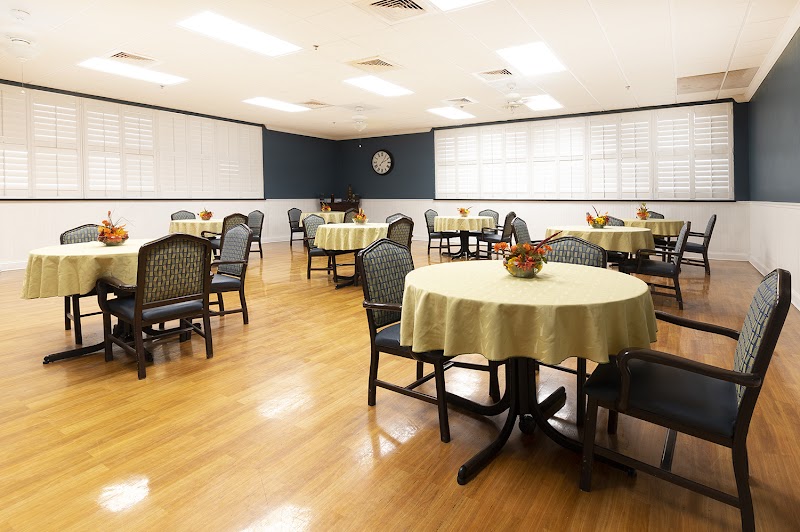
How is Avante Villa At Jacksonville Beach Inc Staffed?

CMS rates AVANTE VILLA AT JACKSONVILLE BEACH INC's staffing level at 3 out of 5 stars, which is average compared to other nursing homes. Staff turnover is 58%, which is 12 percentage points above the Florida average of 46%. High turnover can affect care consistency as new staff learn residents' individual needs.

What Have Inspectors Found at Avante Villa At Jacksonville Beach Inc?

State health inspectors documented 14 deficiencies at AVANTE VILLA AT JACKSONVILLE BEACH INC during 2021 to 2025. These included: 14 with potential for harm.
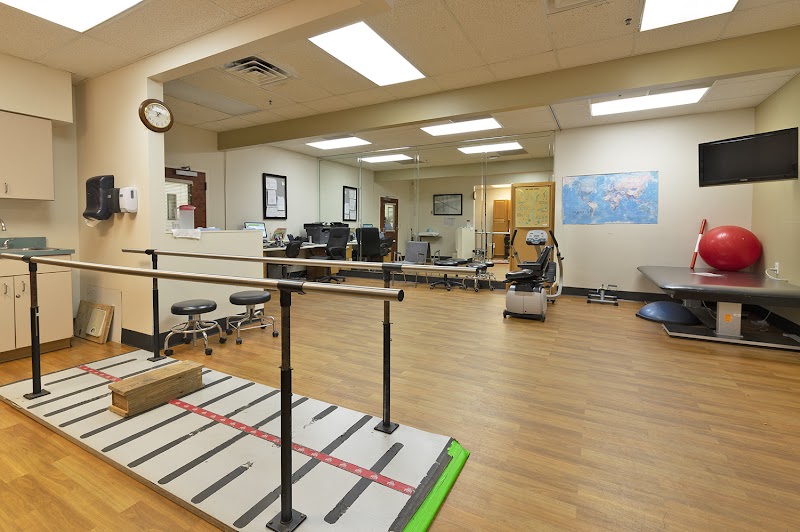
Who Owns and Operates Avante Villa At Jacksonville Beach Inc?

AVANTE VILLA AT JACKSONVILLE BEACH INC is owned by a non-profit organization. Non-profit facilities reinvest revenue into operations rather than distributing to shareholders. The facility is operated by AVANTE CENTERS, a chain that manages multiple nursing homes. With 165 certified beds and approximately 122 residents (about 74% occupancy), it is a mid-sized facility located in JACKSONVILLE BEACH, Florida.
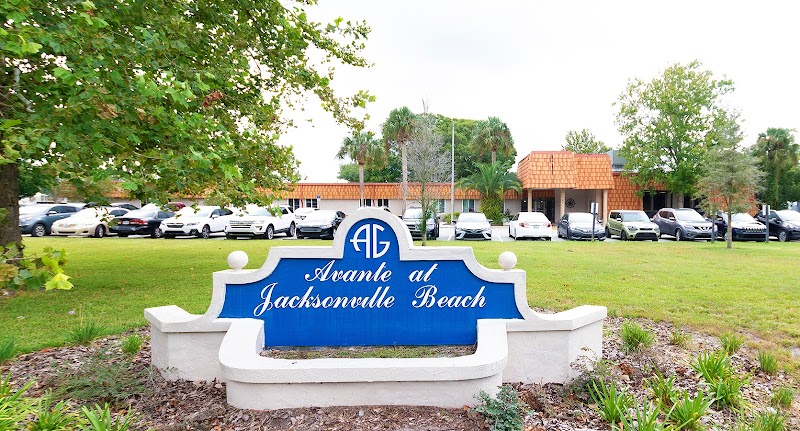
How Does Avante Villa At Jacksonville Beach Inc Compare to Other Florida Nursing Homes?

Compared to the 100 nursing homes in Florida, AVANTE VILLA AT JACKSONVILLE BEACH INC's overall rating (4 stars) is above the state average of 3.2, staff turnover (58%) is significantly higher than the state average of 46%, and health inspection rating (4 stars) is above the national benchmark.

What Should Families Ask When Visiting Avante Villa At Jacksonville Beach Inc?

Based on this facility's data, families visiting should ask: "How do you ensure continuity of care given staff turnover, and what is your staff retention strategy?" "Can I visit during a mealtime to observe dining assistance and food quality?" "How do you handle medical emergencies, and what is your hospital transfer rate?" "Can I speak with family members of current residents about their experience?" These questions are particularly relevant given the facility's high staff turnover rate.

Is Avante Villa At Jacksonville Beach Inc Safe?

Based on CMS inspection data, AVANTE VILLA AT JACKSONVILLE BEACH INC has a clean safety record: no substantiated abuse findings (meaning no confirmed cases of resident harm), no Immediate Jeopardy citations (the most serious violation level indicating risk of serious injury or death), and is not on the Special Focus Facility watch list (a federal program monitoring the lowest-performing 1% of nursing homes). The facility has a 4-star overall rating and ranks #1 of 100 nursing homes in Florida. While no facility is perfect, families should still ask about staff-to-resident ratios and recent inspection results during their visit.

Do Nurses at Avante Villa At Jacksonville Beach Inc Stick Around?

Staff turnover at AVANTE VILLA AT JACKSONVILLE BEACH INC is high. At 58%, the facility is 12 percentage points above the Florida average of 46%. High turnover means new staff may not know residents' individual needs, medications, or preferences. It can also be disorienting for residents, especially those with dementia who rely on familiar faces. Families should ask: What is causing the turnover? What retention programs are in place? How do you ensure care continuity during staff transitions?

Was Avante Villa At Jacksonville Beach Inc Ever Fined?

AVANTE VILLA AT JACKSONVILLE BEACH INC has no federal fines on record. CMS issues fines when nursing homes fail to meet care standards or don't correct problems found during inspections. The absence of fines suggests the facility has either maintained compliance or corrected any issues before penalties were assessed. This is a positive indicator, though families should still review recent inspection reports for the full picture.

Is Avante Villa At Jacksonville Beach Inc on Any Federal Watch List?

AVANTE VILLA AT JACKSONVILLE BEACH INC is not on any federal watch list. The most significant is the Special Focus Facility (SFF) program, which identifies the bottom 1% of nursing homes nationally based on persistent, serious quality problems. Not being on this list means the facility has avoided the pattern of deficiencies that triggers enhanced federal oversight. This is a positive indicator, though families should still review the facility's inspection history directly.