AVIATA AT HARTS HARBOR
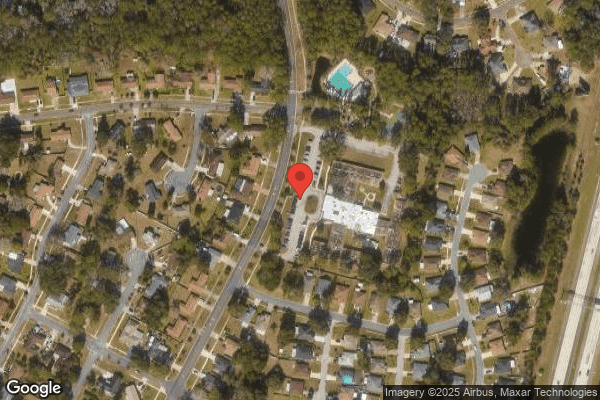
11565 HARTS RD, JACKSONVILLE, FL 32218 (904) 751-1834
For profit - Limited Liability company 180 Beds AVIATA HEALTH GROUP Data: November 2025
Trust Grade
60/100
#321 of 690 in FL
Last Inspection: June 2024

Within standard 12-15 month inspection cycle. Federal law requires annual inspections.

Overview

Aviata at Harts Harbor has a Trust Grade of C+, indicating that it is decent and slightly above average compared to other facilities. It ranks #321 out of 690 nursing homes in Florida, placing it in the top half, but falls to #23 out of 34 in Duval County, meaning only a few local options are better. Unfortunately, the facility's trend is worsening, with issues increasing from 2 in 2023 to 13 in 2024. While staffing turnover is relatively low at 40%, which is better than the Florida average, it has concerning RN coverage, being less than 99% of other facilities. The facility has no fines on record, which is a positive sign, but recent inspections revealed issues such as dirty kitchen conditions that could lead to foodborne illness and unaddressed maintenance problems like broken bed controls for residents. Overall, while there are strengths like low fines and decent staffing turnover, families should be aware of the rising number of deficiencies and recent sanitation concerns.

Trust Score
C+
60/100
In Florida
#321/690
Top 46%
Safety Record
Low Risk
No red flags
Inspections
Getting Worse
2 → 13 violations
Staff Stability
○ Average
40% turnover. Near Florida's 48% average. Typical for the industry.
Penalties
✓ Good
No fines on record. Clean compliance history, better than most Florida facilities.
Skilled Nurses
⚠ Watch
Each resident gets only 14 minutes of Registered Nurse (RN) attention daily — below average for Florida. Fewer RN minutes means fewer trained eyes watching for problems.
Violations
⚠ Watch
39 deficiencies on record. Higher than average. Multiple issues found across inspections.
★★★☆☆
3.0
Overall Rating
★★☆☆☆
2.0
Staff Levels
★★★★★
5.0
Care Quality
★★☆☆☆
2.0
Inspection Score
Stable
2023: 2 issues
2024: 13 issues

The Good

  • 5-Star Quality Measures · Strong clinical quality outcomes
  • Full Sprinkler Coverage · Fire safety systems throughout facility
  • No fines on record
  • Staff turnover below average (40%)

    8 points below Florida average of 48%

Facility shows strength in quality measures, fire safety.

The Bad

3-Star Overall Rating

Near Florida average (3.2)

Meets federal standards, typical of most facilities

Staff Turnover: 40%

Near Florida avg (46%)

Typical for the industry

Chain: AVIATA HEALTH GROUP

Part of a multi-facility chain

Ask about local staffing decisions and management

The Ugly 39 deficiencies on record

Jun 2024 12 deficiencies
CONCERN (D)

Potential for Harm - no one hurt, but risky conditions existed

Deficiency F0558 (Tag F0558)

Could have caused harm · This affected 1 resident

**NOTE- TERMS IN BRACKETS HAVE BEEN EDITED TO PROTECT CONFIDENTIALITY** Based on observations, staff interviews, clinical record review, and facility staff training curriculum and employee handbook re...

Read full inspector narrative →
**NOTE- TERMS IN BRACKETS HAVE BEEN EDITED TO PROTECT CONFIDENTIALITY** Based on observations, staff interviews, clinical record review, and facility staff training curriculum and employee handbook review, the facility failed to provide reasonable accommodation of needs for one (Resident #109) of 33 residents sampled for the survey, by failing to ensure that residents capable of using the call light had access to the call light at all times. The findings include: On 06/24/2024 at 11:18 AM, Resident #109 was observed lying in bed on his right side facing the privacy curtain. His eye were closed. His call light was clipped against the wall under the call light wall plug and out of his reach. (Photographic evidence obtained) On 06/26/2024 at 11:46 AM, Resident #109 was observed lying in bed on his back with his eyes closed. The call light was clipped to the privacy curtain, out of his reach. (Photographic evidence obtained) On 06/27/2024 at 10:28 AM, the resident was observed lying in bed on his right side facing the privacy curtain. His call light was clipped against the wall under the call light wall plug and out of his reach. (Photographic evidence obtained) During an interview with the resident on 06/27/2024 at 10:28 AM, he nodded his head when asked if he knew what the call light was used for. He was asked if he wanted it clipped to his bed so he could reach it. He stated yes. He stated he was cold and wanted a blanket. During an interview with Licensed Practical Nurse (LPN) F on 06/27/2024 at 10:33 AM, she confirmed that Resident #109 could use his call light. She was made aware of the observations of the resident's call light having been out of reach. She stated she thought the night shift staff clipped the call light to the wall when they were providing incontinence care, and then forgot to clip it back on the bed for him. She confirmed that rounds were made in the mornings by the department head assigned to this wing of the facility. One of the things they checked for was the position of the call light. She was made aware that the resident asked for a blanket. She stated he had not asked her for a blanket or indicated that he felt cold. She agreed that he would not have been able to ask without the use of his call light. During an interview with East Wing Unit Manager/LPN E on 06/27/2024 at 11:05 AM, she confirmed that Resident #109 could use his call light and make his needs known. A review of the resident's medical record face sheet revealed that he was initially admitted on [DATE]. His diagnoses included, but were not limited to, chronic respiratory failure with hypoxia (low levels of oxygen in body tissues), malnutrition, gastroparesis (condition preventing proper stomach emptying), anxiety, anemia (lower than normal amount of red blood cells), dysphagia (difficulty swallowing), gastroesophageal reflux disease (GERD - stomach acid irritates the food pipe lining), and adult failure to thrive. (Copy obtained) A review of the care plan, dated 05/15/2024, revealed that the resident had an Activities of Daily Living (ADL)/Self-Care Performance Deficit related to limited mobility, difficulty walking, dementia, schizophrenia and autistic disorder. Goal: The resident will maintain current level of function through the review date. Interventions included: Encourage the resident to use bell to call for assistance. Initiated 02/06/2023 (Copy obtained). A review of the Quarterly Minimum Data Set (MDS) assessment, dated 04/30/2024, revealed that the resident had no impairment in his upper or lower extremities. He used a wheelchair for mobility. He was dependent for eating (required tube feedings), the ability to come to a standing position from a sitting position, and walking 10 feet once standing. He required substantial/maximal assistance with toileting, putting on/taking off footwear, personal hygiene, moving from a sitting to a lying position and from a lying to sitting position, as well as transferring to and from his bed to a chair, for toilet transfers and wheeling 50 feet once seated in hiswheelchair. He required partial/moderate assistance with rolling from left and right. (Copy obtained) A review of the facility's Skills Competency Assessment: Positioning a Resident form used to assess certified nursing assistants' (CNAs) competency and job skills, revealed: 16. Leave resident in comfortable position with call light within reach. (Copy obtained) During an interview with the Administrator on 06/27/2024 at 5:30 PM, she stated the nursing staff were trained using the employee handbook, which covered customer service. They were assessed for their competency using the Skills Competency Assessment form that included ensuring that the call light was always within reach for the resident and staff to use. She was shown the photographic evidence and she confirmed that the call light was not within reach for Resident #109 on the occasions observed by this surveyor, but it should have been. She confirmed that the department heads were assigned to a specific hallway to make rounds each morning in an effort to ensure the residents had their call lights among other things. .
CONCERN (D)

Potential for Harm - no one hurt, but risky conditions existed

PASARR Coordination (Tag F0644)

Could have caused harm · This affected 1 resident

**NOTE- TERMS IN BRACKETS HAVE BEEN EDITED TO PROTECT CONFIDENTIALITY** Based on record review and interview, the facility failed to obtain a Level II Pre-admission Screening and Resident Review (PASA...

Read full inspector narrative →
**NOTE- TERMS IN BRACKETS HAVE BEEN EDITED TO PROTECT CONFIDENTIALITY** Based on record review and interview, the facility failed to obtain a Level II Pre-admission Screening and Resident Review (PASARR) preventing the ability of the facility to incorporate the recommendations from the PASARR Level II into the resident's assessment, care planning, and transitions of care for one (Resident #87) of three residents whose PASARRs were reviewed, from a total of 33 residents sampled for the survey. The findings include: A review of the medical record revealed that Resident #87 was admitted to the facility on [DATE] with diagnoses including anxiety, schizoaffective disorder, bipolar disorder, and major depressive disorder. Further review of the record revealed that a PASARR Level I was completed on 4/30/2021. Section I of that PASARR did not include the diagnoses of anxiety or schizoaffective disorder. There was no evidence that a Level II PASSAR was completed for Resident #87. Based on Section III of the Level I PASARR, Resident #87 was exempt from a Level II due to: The individual is being admitted under the 30-day hospital discharge exemption. If the individual's stay is anticipated to exceed 30 days, the NF (nursing facility) must notify the Level I screener on the 25th day of stay, and the Level II evaluation must be completed no later than the 40th day of admission, on or before (date): ______ (The date was left blank; however, the 25th day of stay would have been 5/25/2021 and the 40th day would have been 6/9/2021.) A review of the resident's active physician's orders included: Primidone (anticonvulsant) 50 mg every morning for tremor; Lithium (psychiatric medication) 150 mg twice a day for bipolar; Fluoxetine HCL (antidepressant) 20 mg Give 1 capsule by mouth one time a day for depression give with 10 mg for a total of 30 mg total, failed GDR (gradual dose reduction), not the source of patient tremors. Patient having relapse.; Lorazepam (sedative) 1 mg, 0.5mg three times a day for anxiety, and Olanzapine (antipsychotic) 2.5 mg every evening for psychosis. An interview was conducted with the Director of Nursing on 6/27/2024 at 4:32 p.m. He stated he and the Director of Social Services (DSS) were responsible for reviewing the PASARRs for accuracy upon resident admission. He further stated he determined whether or not the PASARR needed to be elevated to a Level II and/or whether the resident's diagnoses on the PASARR matched their admission diagnoses. He stated if the PASARR needed to be updated or called in for a PASARR level II, he or the DSS would contact the appropriate agency to request a screening. He stated he was familiar with Resident #87. He reviewed the Level I PASARR completed on 4/30/2021 and confirmed a Level II screening was required and had not been completed. A review of the facility's policy and procedure titled Preadmission Screening and Resident Review (PASRR), Document Name: SS-402 (Effective Date: 11/8/2021, Revision Date: 11/8/2021), revealed the following: Policy: The center will assure that all Serious Mentally Ill (SMI) and Intellectual Disabled (ID) residents receive appropriate pre-admission screenings according to Federal/State guidelines. The purpose is to ensure that the residents with SMI or are ID receive the care and services they need in the most appropriate setting. Procedure: 1. It is the responsibility of the center to assess and assure that the appropriate preadmission screenings, either Level I or Level II, are conducted and results obtained prior to admission and placed in the appropriate section of the resident's medical record. 4. If it is learned after admission that a PASARR Level II screening is indicated, it will be the responsibility of Social Services to coordinate and/or inform the appropriate agency to conduct the screening and obtain the results. .
CONCERN (D)

Potential for Harm - no one hurt, but risky conditions existed

Deficiency F0657 (Tag F0657)

Could have caused harm · This affected 1 resident

**NOTE- TERMS IN BRACKETS HAVE BEEN EDITED TO PROTECT CONFIDENTIALITY** Based on observation, resident and staff interviews, medical record review, and facility policy and procedure review, the facili...

Read full inspector narrative →
**NOTE- TERMS IN BRACKETS HAVE BEEN EDITED TO PROTECT CONFIDENTIALITY** Based on observation, resident and staff interviews, medical record review, and facility policy and procedure review, the facility failed to revise the care plan for one (Resident #24) of one resident reviewed for dialysis treatment, out of two residents receiving dialysis, from a total of 33 residents sampled for the survey. Resident #24's dialysis port site was changed; however, his care plan was not revised to reflect the new port site. Failure to update the care plan timely could result in unmet resident needs and negatively impact the resident's health. The findings include: On 06/25/2024 at 10:35 AM, Resident #24 was observed lying in bed. He confirmed that he was receiving dialysis treatments off-site on Mondays, Wednesdays and Fridays. His left upper arm was observed with two puncture holes that had no dressing on them. He stated he no longer had a shunt in his arm; he now had a port in his chest for dialysis treatments. During an interview with Resident #24 on 06/27/2024 at 12:55 PM, he gave permission for observation of the port in his right upper chest wall. He pulled his shirt up and showed the port covered with a dressing. He stated he did not want the shunt in his left arm anymore and told them to put in a port. He could not remember when they did the surgery. He thought it had been a few months ago. During an interview with the East Wing Unit Manager/Licensed Practical Nurse (LPN) E on 06/27/2024 at 1:53 PM, she confirmed that Resident #24 had a port in his right upper chest wall for dialysis treatments. She was not aware that the care plan had not been revised. A review of the medical record face sheet revealed that he was admitted on [DATE] with a re-entry on 01/31/2024. His diagnoses included other mechanical complication of surgically created arteriovenous fistula, subsequent encounter, end-stage renal disease (ESRD). A review of the Nursing Progress Notes revealed a note dated 04/03/2024, which read: Resident returned from dialysis appointment AAOx3 (Awake, alert, and oriented to himself, his location, and the time). Port access to right upper chest intact with bruit and thrill noted. A review of the annual Minimum Data Set (MDS) assessment, dated 05/21/2024, revealed that the resident had a Brief Interview for Mental Status (BIMS) score of 15 out of 15 possible points, indicating that he was cognitively intact. He was documented with diagnoses of renal insufficiency, renal failure and ESRD. He received renal dialysis on Mondays, Wednesdays, and Fridays. A review of the Care Plan, dated 06/04/2024, revealed the following Focus Area: Resident needs outpatient dialysis (hemo) related to End Stage Renal Disease (ESRD). He has a left arm arteriovenous (AV) fistula. Interventions: Cleanse left arm with normal saline, pat dry, apply Hydrafera blue foam, cover with dry dressing every day shift every T, Th and Sat. (Tuesdays, Thursday, and Saturdays) for wound management. May use alginate silver and foam until Hydrafera is available. The care plan did not indicate that the resident had a port in his chest. A review of the Physician's Orders revealed an order dated 06/05/2024, which read: Hemodialysis - Assess site right upper chest for bruising/bleeding/symptoms of infection every shift for monitoring. A review of the facility's policy and procedure titled Plans of Care N-1015 (effective 11/30/2014), revealed: An individualized person-centered plan of care will be established by the interdisciplinary team with the resident and/or resident representative(s) to the extent practicable and updated in accordance with state and federal regulatory requirements. Procedures: Review, update and/or revise the comprehensive plan of care based on changing goals, preferences and needs of each resident and in response to current interventions after the completion of each MDS assessment and as needed. The interdisciplinary team shall ensure the plan of care addresses any resident needs and that the plan is oriented toward attaining or maintaining the highest practicable physical, mental and psychosocial well-being. .
CONCERN (D)

Potential for Harm - no one hurt, but risky conditions existed

ADL Care (Tag F0677)

Could have caused harm · This affected 1 resident

**NOTE- TERMS IN BRACKETS HAVE BEEN EDITED TO PROTECT CONFIDENTIALITY** Based on observation, interview, and record review, the facility failed to ensure that a resident who was unable to carry out ac...

Read full inspector narrative →
**NOTE- TERMS IN BRACKETS HAVE BEEN EDITED TO PROTECT CONFIDENTIALITY** Based on observation, interview, and record review, the facility failed to ensure that a resident who was unable to carry out activities of daily living (ADL) received the necessary services to maintain good grooming and personal hygiene for two (Residents #24 and #59) of three residents sampled for review of ADL care, from a total of 33 residents sampled for the survey. Failure to provide care and services to meet residents' ADL needs can potentially have a negative outcome to the residents' health. The findings include: 1. On 06/25/2024 at 10:35 AM, Resident #24's fingernails were observed to have grown approximately one half inch beyond the end of his fingers. The nails were unclean. The resident stated he did not get his nails trimmed, but he would like to have them trimmed. He thought a nurse had to do it because he was diabetic. During an interview with East Wing Unit Manager/Licensed Practical Nurse (LPN) E on 06/26/2024 at 10:10 AM, she stated the nurses trimmed the fingernails of the diabetic residents and a podiatrist trimmed their toenails. The certified nursing assistants (CNAs) were to conduct a full body skin assessment during shower/bathing time and inform the nurse if a resident's nails needed to be trimmed. If they communicated verbally to the nurse, the nurse might document it in the notes, but might not. It was not on the Treatment Administration Record (TAR). She stated she had the CNAs use a shower form to document any skin issues and concerns such as nails that needing trimming. If a resident was diabetic, the form was to go to the nurse so she could trim the resident's nails. A review of the shower documentation with LPN E revealed that Resident #24 was scheduled to have a shower/bath on Mondays, Wednesdays, and Fridays during the 3:00 PM to 11:00 PM shift. No shower sheets for Resident #24 were found in the binder at the nurses' station. LPN E was asked to produce the shower forms for Resident #24. She looked through the shower binder where the forms were stored and could not find any forms for Resident #24. She left the interview to go look in her office. At 1:15 PM, she returned and stated she could not find any shower forms for Resident #24. An interview was conducted with Resident #24 on 06/26/2024 at 1:49 PM in his room. He had just returned from dialysis. He stated no one had cut his nails since the last interview with this surveyor (06/25/2024 at 10:35 AM). He stated he was willing to allow the staff to cut his nails. He confirmed again that he wanted them cut. His fingernails remained approximately one half inch beyond the end of his fingers. They were unclean. He gave permission to take a photograph of his hand. (Photographic evidence obtained) He confirmed that he could not remember the last time his nails were trimmed. A review of the medical record face sheet for Resident #24 revealed he was admitted on [DATE] with a re-entry on 01/31/2024. His diagnoses included, but were not limited to: Unspecified protein-calorie malnutrition, type II diabetes with other diabetic kidney complication, dependence on renal dialysis, peripheral vascular disease, polyosteorarthritis, iron deficiency, polyneuropathy, and edema unspecified. A review of the annual Minimum Data Set (MDS) assessment, dated 05/21/2024, revealed Resident #24 had a Brief Interview for Mental Status (BIMS) score of 15 out 15 possible points, indicating intact cognition. He was documented with no mood disorder, no signs or symptoms of psychosis, and no impairment in his upper extremities. He was noted as dependent on staff for toileting and bathing with set-up assistance only for personal hygiene. He was documented with a diagnosis of type II diabetes. A review of the Care Plan, dated 06/04/2024, revealed the following Focus Areas: [Resident #24] has an ADL/Self-Care Performance Deficit related to activity intolerance, osteoarthritis, ESRD on dialysis, diabetes, chronic pain, cataracts, fatigue and impaired balance. Interventions included: Bathing/Showering: Check nail length, trim and clean on bath day and as necessary. Report any changes to the nurse. Focus area: Resident is resistive to care related to adjustment to nursing home, refuses medication, refuses showers, fluid restriction recommended but resident declines, diet restrictions and may refuse dialysis at times. Also refuse eyes drops. Interventions: Provide consistency in care to promote comfort with ADLs. Maintain consistency in timing of ADLs, caregivers and routine, as much as possible. Focus area: Resident has Diabetes Mellitus. Educate resident that nails should always be cut straight across, never cut corners. File rough edges with emery board. A review of the nursing progress notes dated from 03/28/2024 through 06/27/2024 revealed no documentation verifying that Resident #24 had refused ADL care. (Copies obtained) During an interview on 06/27/2024 at 1:53 PM with East Wing Unit Manager/Licensed Practical Nurse (LPN) E, she stated she would cut Resident #24's nails herself and left the interview. A review of the facility's policy and procedure titled Care of Nails N-117 (effective 11/30/2014, revised on 09/01/2017) revealed it did not include a policy statement. Procedures were: Perform hand hygiene, explain procedure to resident and bring the following equipment to resident's bedside: basin, towel, emery board, orange stick, nail clippers. Place towel beneath the area to be treated, may soak hand in basin half full of warm water if needed, trim nails, clean nails, apply body lotion to nail area if indicated, clean and return equipment to designated area, discard disposable equipment, perform hand hygiene. (Copy obtained) 2. On 6/25/2024 at 11:35 AM, Resident #59 was observed sitting up in bed. The resident stated he was blind. He was asked about his ADL care and he replied that he wasn't receiving showers. He stated the staff used to give him a bed bath which he was ok with; however, he hadn't received a bed bath in a month. He stated the staff were wiping him off. He preferred the bed bath and wasn't satisfied with being wiped off. He stated his nails had not been cleaned. He was told they would cut them down and it was never done. He showed both of his hands. His nails were jagged and uneven. Several of the nails had a substance, dark brown in color, underneath the tip of the nail. (Photographic evidence obtained) A record review revealed that Resident #59 was admitted to the facility on [DATE] with a readmission on [DATE]. His diagnoses included: Cerebral infarction due to inclusion; type 2 diabetes mellitus; acute kidney failure; legal blindness and peripheral vascular disease. A review of the annual MDS assessment, dated 3/6/2024, revealed that Resident #59 scored 15 out of 15 possible points on the brief interview for mental status (BIMS) assessment, indicating that he was cognitively intact. He had no impairment in his upper extremities and impairment on both sides of his lower extremities. He was assessed as being frequently incontinent of bladder and always incontinent of bowel. A review of the active Care Plan revealed a Focus Area for ADL/Self-Care Performance Deficit related to right below knee amputation. On 6/26/2024 at 1:54 PM, the resident was observed sitting up in bed. He stated he hadn't spoken to anyone else about the bed baths since his initial interview with this surveyor on 6/25/2024 at 11:35 AM. He further stated staff gave him bed baths regularly then they ended without notice. His fingernails remained jagged and uneven with a brown substance beneath the tips of several nails. (Photographic evidence obtained) Resident #59 was interviewed again on 6/27/2024 at 5:51 PM. He stated he had not received a bed bath yet. He further stated the certified nursing assistant (CNA) came into his room and asked to see his hands. He revealed them to her; however, she did not clip or clean his nails. (Photographic evidence obtained) An interview was conducted with CNA M on 6/27/2024 at 6:13 PM. She stated she was familiar with Resident #59. She said the resident did not like receiving showers. She gave the resident bed baths on Mondays, Wednesdays, and Fridays on the 3:00 PM to 11:00 PM shift. She was asked if she performed nail care when she gave the resident a bed bath. She replied, If he wants his nails cut I would cut them. She did not say when she last performed nail care for this resident. She was asked to provide documentation of the showers Resident #59 had received over the last month. She stated showers were documented in the shower book at the nurses' station. She provided the book for review. A review of the information provided revealed a shower sheet signed by CNA M, dated 6/3/2024, with bed bath handwritten under the resident's name. (Photographic evidence obtained) She was asked if there were any more shower sheets available from 5/1/2024 through 6/27/2024 for Resident #59. She looked through the shower book and confirmed she could not produce the documentation. She stated she gave the resident a bed bath on 6/24/2024 but did not document it. An interview was conducted with LPN N on 6/27/2024 at 6:19 PM. She stated all showers should be documented on a shower sheet and signed by a nurse. .
CONCERN (D)

Potential for Harm - no one hurt, but risky conditions existed

Respiratory Care (Tag F0695)

Could have caused harm · This affected 1 resident

**NOTE- TERMS IN BRACKETS HAVE BEEN EDITED TO PROTECT CONFIDENTIALITY** Based on observations, medical record review, staff interviews and facility policy and procedure review, the facility failed to ...

Read full inspector narrative →
**NOTE- TERMS IN BRACKETS HAVE BEEN EDITED TO PROTECT CONFIDENTIALITY** Based on observations, medical record review, staff interviews and facility policy and procedure review, the facility failed to ensure that residents requiring respiratory care, received such care, consistent with professional standards of practice, by failing to follow physicians' orders for two (Residents #109 and #18) of three residents sampled for review of respiratory therapy, from a total of 33 residents sampled for the survey. Failure to provide needed respiratory care for residents could negatively impact their medical status and functional abilities. The findings include: 1. On 06/24/2024 at 11:18 AM, Resident #109 was observed lying in bed with his eyes closed. He was receiving oxygen at a flow rate of 1.5 liters per minute (L/min) via a nasal cannula connected to an oxygen concentrator next to his bed. (Photographic evidence obtained) On 06/25/2024 at 9:56 AM, Resident #109 was observed in bed with his eyes closed. He was receiving oxygen at a flow rate of 1.5 liters per minute (L/min) via a nasal cannula connected to an oxygen concentrator next to his bed. During an interview on 06/25/2024 at 11:25 AM with Licensed Practical Nurse (LPN) F, she confirmed that she was assigned to this resident. She stated she checked the oxygen concentrator levels when she made her first rounds in the morning. On 06/26/2024 at 11:46 AM, Resident #109 was observed in bed with his eyes closed. He was receiving oxygen at a flow rate of 1.5 liters per minute (L/min) via a nasal cannula connected to an oxygen concentrator next to his bed. (Photographic evidence obtained). A review of the resident's physician's orders revealed an order dated 02/09/2024 for oxygen at a flow rate of 2 L/min every shift for monitoring. (Photographic evidence obtained) A review of the medical record face sheet revealed that Resident #109 was admitted on [DATE] with a re-entry on 02/09/2024. His diagnoses included, but were not limited to, chronic respiratory failure with hypoxia and adult failure to thrive. (Copy obtained) A review of the Quarterly Minimum Data Set (MDS) assessment, dated 04/30/2024, revealed the resident was assessed with the diagnoses adult failure to thrive and chronic respiratory failure. He presented with shortness of breath or trouble breathing when lying flat. Prognosis: Resident does not have a condition or chronic disease that may result in a life expectancy of less than six months. Oxygen therapy was marked no with the date of 05/02/2024. (Copy obtained) A review of the resident's Care Plan (dated 05/16/2024, and revised on 06/27/2024), revealed the resident had shortness of breath related to a chronic respiratory illness. He was to receive oxygen therapy and nebulizer treatments as needed. (Copy obtained) During an interview with Unit Manager/LPN E on 06/26/2024 at 2:24 PM, she stated the physician's orders for oxygen therapy should have been written for as needed only, but the Nurse Practitioner changed the order on 03/07/2024 to continuous oxygen therapy. LPN E stated she would adjust the resident's flow rate level to 2 L/min. On 06/27/2024 at 10:28 AM, Resident #109 was observed lying bed on his back. He was receiving oxygen via a nasal cannula. The oxygen concentrator flow rate was set between 1.5 L/min and 2 L/min. (Photographic evidence obtained) During an interview with MDS Coordinator/Registered Nurse (RN) G on 06/27/2024 at 4:20 PM, she was asked to review the Quarterly MDS assessment dated [DATE] for the use of oxygen therapy. In section J - Health Conditions, the resident was identified as having shortness of breath when lying flat. In section O - Special Treatments and Programs, oxygen therapy was not checked off as in use for this resident. She reviewed the electronic medical record and confirmed that the assessment was coded incorrectly. During an interview with the UM on 06/27/2024 at 11:05 AM she confirmed that she went to Resident #109's room on 06/26/2024 and adjusted his oxygen flow rate to 2 L/min. 2. On 06/24/2024 at 12:35 PM, Resident #18 was observed in bed with oxygen infusing at 2.5 liters per minute via nasal cannula. (Photographic evidence obtained) On 06/25/2024 at 11:22 AM, Resident #18 was observed in bed with oxygen infusing at 2.5 liters per minute via nasal cannula. (Photographic evidence obtained) On 06/27/2024 at 10:12 AM, Resident #18 was observed in bed with the oxygen infusing at 3 liters per minute via nasal cannula. (Photographic evidence obtained) A review of the medical record revealed that Resident #18 was admitted to the facility on [DATE] with diagnoses including chronic obstructive pulmonary disease (COPD), congestive heart failure (CHF) and Dementia. She had a brief interview for mental status (BIMS) score of 3 out of 15 possible points, indicating severe cognitive impairment. She was receiving hospice services for end-of-life care and she required oxygen therapy. A review of the resident's physician's orders revealed an order dated 8/10/2020 for pulse oximetry, an order dated 8/11/2020: Oxygen saturation as needed, notify MD (physician) if less than 90%, an order dated 03/14/2022: Do Not Resuscitate, an order dated 08/31/2023: Oxygen at 2 liters per minute via nasal cannula (NC) as needed, and an active order for Vitas Hospice for COPD and heart failure. A review of the Care Plan revealed a Focus Area for Hospice related to end-stage CHF (initiated 8/31/2023, revised 12/28/2023), a Focus Area for Resident Dependent on Staff for meeting emotional, intellectual, physical, and social needs related to Dementia. (initiated 3/02/2022, revised 12/14/2022), a Focus Area for Resident has Congestive Heart Failure. (initiated 01/10/2019, revised 11/30/2021), a Focus Area for Impaired Cognitive Function/Dementia or impaired thought processes (initiated 01/10/2019, revised 11/30/2021), a Focus Area for Do Not Resuscitate (initiated 01/10/2019, revised 2/24/2022), and a Focus Area for Oxygen Therapy related to CHF. (initiated 01/10/2019, revised 11/30/2021). On 06/27/2024 at 10:12 AM, an interview was conducted with LPN C. She stated she was familiar with Resident #18. When she was asked to describe the resident's needs, LPN C stated, She receives hospice care, she is alert, and she receives oxygen. LPN C was asked to provide the resident's physician's order for oxygen. She checked the order in the electronic medical record and stated, She gets two liters. LPN C was accompanied to the resident's room to verify the oxygen flow rate the resident was receiving. LPN C looked at the flow meter and stated, She is getting three liters. The oxygen flow rate was set at 3 liters per minute. A review of the facility's policy and procedure for Oxygen Therapy (effective 11/30/2014, revision 8/27/2017), revealed: Physician's order for oxygen therapy shall include administration modality, FiO2 or liter flow, continuous or as needed (PRN), and PRN orders must include specific guidelines as to when the resident should use the oxygen. Review physician's order, Start (O2) oxygen flow rate at the prescribed liter flow or appropriate flow for the administration device. (Photographic evidence obtained) .
CONCERN (D)

Potential for Harm - no one hurt, but risky conditions existed

Deficiency F0745 (Tag F0745)

Could have caused harm · This affected 1 resident

**NOTE- TERMS IN BRACKETS HAVE BEEN EDITED TO PROTECT CONFIDENTIALITY** Based on observation, interview, and record review, the facility failed to provide medically-related social services to attain o...

Read full inspector narrative →
**NOTE- TERMS IN BRACKETS HAVE BEEN EDITED TO PROTECT CONFIDENTIALITY** Based on observation, interview, and record review, the facility failed to provide medically-related social services to attain or maintain the highest practicable physical, mental and psychosocial well-being of each resident for one (Resident #64) of a total of 33 residents sampled for the survey. The findings include: On 6/24/2024 at 10:40 AM, Resident #64 was observed sitting in his wheelchair in his room. The resident was asked if he had any concerns with his stay in the facility. He stated he wasn't being scheduled for and/or had missed several medical appointments, and he hadn't seen the cardiologist or the neurologist. Since his admission to the facility, he had lost his financial and insurance benefits. He stated he received a discharge notice for non-payment. He advised the facility that he was homeless and didn't have a safe place to discharge to. They offered to discharge him to a hotel for five days at their cost, and he advised them that he did not have any income. He made several requests of the Social Services Director and Business Office Manager for help in obtaining financial assistance. He stated he still had not received any assistance. He was told that his supplemental benefits ended because he owed child support and was in arrears. They were able to restore his insurance benefits and coverage to pay his monthly fee for residency in the facility. He showed the surveyor a copy of a notice dated 4/23/2024 from the Social Security Administration (SSA). Per the documentation, the resident did not qualify for Supplement Security Income (SSI) benefits. The Explanation stated We were unable to obtain additional information medical and non-medical reports from the following: Harts Harbor Healthcare Center. A review of Resident #64's medical record revealed an admission date of 4/4/2024. His diagnoses included cerebral infarction due to unspecified occlusion or stenosis of unspecified cerebral artery; alcoholic cirrhosis; epileptic seizure related to external causes; chronic combined systolic (congestive) and diastolic (congestive) heart failure; personal history of pulmonary embolism; essential (primary) hypertension; other specified cardiac arrhythmia; other chest pains; syncope and collapse; other pancytopenia; thrombocytopenia and chronic pain syndrome. A review of the annual Minimum Data Set (MDS) assessment, dated 4/10/2024, revealed a brief interview for mental status (BIMS) score of 15 out of 15 possible points, indicating intact cognition. He was documented as feeling down, hopeless and/or depressed 7-11 days during the lookback period. No behaviors were documented. No impairment in upper/lower extremities was documented, and the resident was independent with activities of daily living and mobility. A review of the Nursing Home transfer and Discharge Notice (AHCA form 3120-0002, dated 5/1/2024), revealed that the location to which the resident was being discharged was 10520 Balmoral Circle [NAME], FL 32218. Reason for discharge or transfer: Your bill for services at this facility has not been paid due to reasonable and appropriate notice to pay. A review of the Fair Hearing Request for Transfer or Discharge from a Nursing Home (AHCA form 3120-0003, dated 5/1/2024), revealed: I disagree with the transfer or discharge for the following reason(s): Never had follow ups with neurology and cardiology from [acute-care hospital name] in two years and two months. A psychiatric consultation dated 5/29/2024 revealed: Resident reports improvements with depression however, he continues to have persistent symptoms. Patient needs more time with current regimen to see full beneficial effects, do not recommend any changes at this time. A physician's note dated 5/30/2024 revealed: Chief complaints: chronic disease management; Celiac; postural orthostatic tachycardia syndrome (POTS); resident also has diagnoses of seizure disorder and neuropathy. Celiac disease: Dietitian is following patient placed on low gluten diet, bowel regimen increase lactulose to twice daily and Miralax twice daily with effective results; Seizure-Keppra 500 mg (milligrams) twice daily, no breakthrough seizures; Neuropathy/chronic pain - gabapentin 400 mg three times daily, currently on oxycodone 15 mg four times daily in-house pain management is monitoring titration and prescribing; depression: Trazodone 100 mg at bedtime - patient is followed by psychiatry and psychology; anxiety: Lorazepam 0.5 mg four times daily - psychiatry is following titration medications and prescribing. An interview was conducted on 6/26/2024 at 2:56 PM with the Business Office Manager (BOM). She stated she applied for benefits for Resident #64 and he was not approved. Medicaid was covering his room and board; however, due to external financial obligations he did not get approved for financial benefits. She stated he did not have any income, therefore he was denied financial benefits from another state agency. She provided the notice dated 4/23/2024 from the Social Security Administration (SSA), which the resident had previously provided stating he was denied benefits. The BOM reviewed the letter with the surveyor. The documentation was reviewed. The surveyor directed her to the section titled: Explanation which stated We were unable to obtain additional information medical and non-medical reports from the following: Harts Harbor Healthcare Center. She stated she called the SSA and was advised there was no additional information needed from the facility. She could not provide any documentation to confirm this, nor could she state whom she spoke to and/or when the call was made. She then stated she was not aware that additional information was required or action that needed to be taken. She stated the resident was taken to the office of SSA after the letter was received. Again, she could not provide any information about when this occurred. She stated the resident got out of his wheelchair and walked into the SSA building. She then stated this was why he was denied financial benefits; he did not present himself as disabled. An interview was conducted on 6/27/2024 at 4:32 PM with the Director of Nursing (DON). He confirmed that the resident was issued a facility discharge notice. When asked why, he stated, The facility could not meet his financial needs. He stated Resident #64 had expressed in a care plan meeting that he could not meet his financial obligations to the facility due to external financial obligations. The facility felt the resident would do better in a more independent setting. After reviewing the discharge notice dated 5/1/2024 (Photographic evidence obtained), the DON confirmed the address to discharge to was a hotel. He was asked if that was a safe discharge location. He stated it was safe for Resident #64. He confirmed the resident did not have any income and added the resident may have had access to more financial assistance if he were in the community. He stated the resident was advised of the discharge and that he stressed concerns with being able to get to and from his medical appointments if he was discharged . He stated the resident had a meeting with the BOM and a SSA representative. He stated the facility transported the resident to an appointment and would not permit him to come inside with him adding that he [the resident] removed himself from his ambulatory device and walked into the office. He again confirmed the resident had no income at the time. He stated the appointment was on 4/1/2024. He denied knowledge of any additional information requested from SSA. He was asked when the resident had last seen a cardiologist. He stated the resident was followed by the facility cardiologist in house. He could not confirm the last time the resident had been seen by the cardiologist. He stated the resident had requested to see another physician for a second opinion. The resident requested to see his previous provider; however, he had not done so citing insurance coverage as a possible reason. The DON confirmed the resident had not seen a neurologist. He was asked if the resident had any diagnoses which would warrant him seeing a neurologist. He responded; He has the headaches and seizures. On 6/27/2024 at 5:38 PM, the DON advised the survey team that cardiology notes were not in the system for Resident #64. He provided documentation indicating the resident was seen by the cardiologist during the survey on 6/26/2024 at 5:39 PM. Additional information provided revealed the resident's visit prior to this was on 5/30/2023. .
CONCERN (D)

Potential for Harm - no one hurt, but risky conditions existed

Unnecessary Medications (Tag F0759)

Could have caused harm · This affected 1 resident

Based on observation, record review, and facility policy and procedure review, the facility failed to ensure that its medication error rate was not 5% or greater. There were 25 opportunities for error...

Read full inspector narrative →
Based on observation, record review, and facility policy and procedure review, the facility failed to ensure that its medication error rate was not 5% or greater. There were 25 opportunities for error with two errors identified, resulting in an error rate of 8% and involving one (Resident #75) of six residents observed during medication administration, from a total of 33 residents sampled for the survey. The findings include: On 06/26/2024 at 9:48 AM, Licensed Practical Nurse (LPN) D was observed administering medications to Resident #75. She administered Torsemide 10 mg (1) tablet by mouth, and she administered Advair 100-50 mg (milligrams), 2 puffs, without providing the resident with water to rinse/spit following inhalation, or instructions to rinse his mouth well and spit following inhalation. A review of Resident #75's active physician's orders revealed an order for Torsemide as follows: Torsemide oral tablet, 10 mg, give three tablets by mouth one time a day for congestive heart failure (CHF), order dated 2/14/2024, start date 2/15/2024. Further review of Resident #75's activie physician's orders revealed and order for Advair as follows: Advair Diskus Inhalation Aerosol Powder breath Activated 100-50 MCG/ACT (micrograms per actuation) (Fluticasone-Salmeterol), 2 puff, inhale orally one time a day for COPD (chronic obstructive pulmonary disease), rinse mouth well and spit after each use. A review of the facility's policy and procedure for Administration of Medications (revised April 2019), revealed: 4. Medications are administered in accordance with prescriber orders, including any required time frame. .
CONCERN (D)

Potential for Harm - no one hurt, but risky conditions existed

Social Worker (Tag F0850)

Could have caused harm · This affected 1 resident

Based on record review and interview, the facility, licensed for 180 beds, failed to employ a qualified social worker on a full-time basis. The findings include: The personnel file for Director of Soc...

Read full inspector narrative →
Based on record review and interview, the facility, licensed for 180 beds, failed to employ a qualified social worker on a full-time basis. The findings include: The personnel file for Director of Social Services (DSS) L was reviewed during random record reviews for facility staff. An application, dated 5/3/2024, for the position of Director of Social Services was observed. (Photographic evidence obtained) There was no documentation in the personnel file verifying DSS L's credentials for the position of DSS. On 6/27/2024 at 1:15 PM, the Human Resources Director (HRD) provided a copy of what she stated were DSS L's credentials. (Photographic evidence obtained) Per the documentation, DSS L received a Bachelor of Science degree in Interdisciplinary Studies. The HRD stated she knew the degree was invalid. She confirmed that DSS L was hired as the DSS. She stated it should have been Manager and not Director due to lack of credentials. She confirmed the facility did not have another individual staffed as the DSS. A phone interview was conducted on 6/27/2024 at 1:33 PM with the educational institution, where based on documentation provided, DSS L had obtained her degree. The HRD was also present during the call. The educational institution advised the survey team that the program of study DSS L had obtained her degree in did not focus on social work or psychology. The representative at the educational institution stated it was a brotherhood program intended for individuals seeking missionary work. Upon hearing this, the HRD stated a new position title and job description would be generated for DSS L. A review of the facility's employee roster revealed DSS L's Job Code: SSDIR 1 (Social Services Director) with a hire date of 5/15/2024. (Photographic evidence obtained) .
CONCERN (D)

Potential for Harm - no one hurt, but risky conditions existed

Infection Control (Tag F0880)

Could have caused harm · This affected 1 resident

Based on observations, interviews, and facility policy and procedure review, the facility failed to help prevent the development and transmission of diseases and infections by failing to properly clea...

Read full inspector narrative →
Based on observations, interviews, and facility policy and procedure review, the facility failed to help prevent the development and transmission of diseases and infections by failing to properly clean and disinfect a glucometer for one (Resident #59) of six residents observed during medication administration, from a total of 33 residents sampled for the survey. The findings include: On 6/26/2024 at 10:13 AM an observation was made of Licensed Practical Nurse (LPN) A cleaning and disinfecting the glucometer used for Resident #59. LPN A wiped the glucometer with an antibacterial wipe for 30 seconds and immediately placed it back in the pouch, wet. On 06/26/2024 at 10:22 AM, an interview was conducted with LPN A. She was asked to explain the process for sanitizing the glucometer. She stated, I wipe it down after each use and put it back in the pouch. She was asked, according to her training and the facility's policy, how long she should wipe the glucometer. She stated, I'm not sure about that. I just know I must sanitize it between each resident. She was asked, according to her training and the facility's policy, how long the glucometer should be allowed to dry before it was placed back in the pouch. She stated, I'm not sure. I usually wipe them down and put them back in the pouch, but I will find out and get back with you. On 6/27/2024 at 11:30 AM, a review of the facility Skills Competency Assessment for Glucometers (10/2021) revealed the employee should demonstrate skills and competence in cleaning and disinfecting the meter with a disinfectant wipe per the manufacturer's recommended wet time to include: Follows the two-step process for cleaning and disinfecting. Cleaning: Cleans the entire surface of meter three times horizontally and three times vertically, inverts the meter so the test strip is facing down and cleans around the test strip port. Disposes of the wipe. Disinfecting: Obtains a new disinfectant wipe and repeats the procedure above to remove blood-bourne pathogens. Disposes of the wipe. The surface remains wet per the manufacturer's instructions. Wipes the meter dry with a paper towel after the recommended wet time. A review of the facility's policy and procedure for Blood Glucose Monitoring and Disinfecting (effective 11/30/2014, revised 3/1/2021 - Document Name: N-700), revealed that the procedure for cleaning and disinfecting the meter was with disinfecting wipes per the manufacturer's guidelines. A review of the instructions provided by the Assure Prism Multi Blood Glucose Monitoring System revealed that the meter should be cleaned and disinfected after each use on each patient. Cleaning included wiping the entire surface of the meter three times horizontally and three times vertically using one towelette and properly disposing of the towelette. The disinfecting of the meter included wiping the entire surface of the meter three times horizontally and three times vertically to remove blood-borne pathogens. Properly dispose of the towelette. The treated surface must remain wet for the recommended contact time. Once contact time is complete, wipe meter dry. A review of the Super Sani-Cloth Gemicidal Disposable Wipe Technical Data Bulletin revealed that the contact times for multi-drug resistant bacteria, enveloped viruses, non-enveloped viruses and bloodborne pathogens was two minutes. .
CONCERN (D)

Potential for Harm - no one hurt, but risky conditions existed

Deficiency F0925 (Tag F0925)

Could have caused harm · This affected 1 resident

**NOTE- TERMS IN BRACKETS HAVE BEEN EDITED TO PROTECT CONFIDENTIALITY** Based on observation, resident and staff interviews, facility pest control management documentation, and facility policy and pro...

Read full inspector narrative →
**NOTE- TERMS IN BRACKETS HAVE BEEN EDITED TO PROTECT CONFIDENTIALITY** Based on observation, resident and staff interviews, facility pest control management documentation, and facility policy and procedure, the facility failed to ensure the pest control service was effective when cockroaches and flying insects were observed in resident rooms and the activities room. Ineffective pest control could lead to transmission of disease and infection. The findings include: On 06/24/2024 at 10:30 AM, 12:32 PM, and 1:20 PM, live cockroaches were observed in the activities room. (Photographic evidence obtained) On 06/25/24 at 10:35 AM, one gnat flying in the room and two gnats on the privacy curtain were observed in room [ROOM NUMBER]A on the East Wing. A black fly was observed on the B-bed in room [ROOM NUMBER]A. (Photographic evidence obtained) During an interview with Resident #24 on 06/25/2024 at 10:22 AM in room [ROOM NUMBER]A on the East Wing, a gnat flew by his face and he swatted at it. It landed on the privacy curtain. When asked if the gnats bothered him, he stated, You see me doing this. He waved his hand in front of his face to show how he tried to swat them away. He stated the facility had a pest control program, but it was not working. He stated, I know they spray. During an interview with the Administrator on 06/27/2024 at 5:30 PM, she stated the facility filed for bankruptcy on June 1, 2024. The contracted pest control company at that time refused to provide anymore services due to past due bills not being paid. The last time the pest control company provided services was on 05/30/2024. She stated she had a new company ready to begin services, but the corporate office had not signed the contract yet. She acknowledged that there were pests in the building. A review of the contracted pest control receipts for service, dated 05/28/2024, revealed the company treated multiple areas for cockroaches and monitored five fly lights for flying insects. The next receipt for service prior to 05/28/2024, was dated 04/05/2024. On both occasions the activities room was treated for cockroaches. On both occasions the service technician documented no activity, indicating that he/she did not observe pests in the facility. (Copies obtained) A review of the facility's policy and procedure titled Pest Control HL-200 (effective 11/30/2014), revealed: Policy: The facility will maintain a pest control program, which includes inspection, reporting and prevention. Procedure: 1. A pest control contract will be maintained with a licensed exterminator. 3. Treatment will be rendered as required to control insects and vermin. 4. Any unusual occurrence or sighting of insects should be reported immediately to the Supervisor. Proper action will be taken. (Copy obtained) .
CONCERN (E)

Potential for Harm - no one hurt, but risky conditions existed

Safe Environment (Tag F0584)

Could have caused harm · This affected multiple residents

**NOTE- TERMS IN BRACKETS HAVE BEEN EDITED TO PROTECT CONFIDENTIALITY** Based on observations, staff interviews, a staff cleaning schedule review, and facility policy and procedure review, the facilit...

Read full inspector narrative →
**NOTE- TERMS IN BRACKETS HAVE BEEN EDITED TO PROTECT CONFIDENTIALITY** Based on observations, staff interviews, a staff cleaning schedule review, and facility policy and procedure review, the facility failed to provide housekeeping services necessary to maintain a sanitary and comfortable living environment, by keeping resident care equipment and rooms clean for four (Residents #109, #32, #10, and #46) of five residents who received enteral feedings, from 33 residents sampled for the survey, and a facility census of 117 residents. Failure to maintain a clean living environment can impact residents' enjoyment of their living space due to unsanitary and uncomfortable living conditions. It could also affect their ability to attain/maintain their highest practicable physical, mental, and social well-being. The findings include: During an observation of Residents #10 and #46's room, East #10A and 10B, on 06/24/2024 at 1:25 PM, the gastrostomy tube (g-tube - feeding tube) pole, the pump, the tubing, the floor, the walls, the bed frames, bed rails, privacy curtain, tray table, floor mat, and nightstand were splattered with enteral food product that had dried. The floor mats for Resident #10 had dirt and debris in the folds of the mats. Plastic disposable tubing caps were observed on the floor. (Photographic evidence obtained) During an observation of Resident #109's room, East 30B, on 06/24/2024 at 11:18 AM, the g-tube pole, the pump, the tubing, the floor, the walls, the bed frames, the oxygen concentrator, and the fall mats were splattered with enteral food product that had dried. (Photographic evidence obtained) Disposable tubing caps were observed on the floor next to the wall, under the bed, and dirt and debris were observed in the folds of the fall mats and along the baseboards of the room. (Photographic evidence obtained) During an observation of Resident #32's room on 06/24/2024 at 11:10 AM, the g-tube pole, the pump, the tubing, the floor, the walls, the bed frame, the bed rail and nightstand were splattered with enteral food product that had dried. A light blue liquid that had been spilled was dried on the floor next to the bed and wall. Plastic disposable tubing caps and trash were observed on the floor, under the bed, next to the wall, and on the nightstand. (Photographic evidence obtained) During a second observation of Residents #10 and #46's room on 06/26/2024 at 10:18 AM, the enteral feeding product had not been cleaned off of the equipment or the other surfaces in the room. (Photographic evidence obtained) The floor mats for Resident #10 were observed with dirt and debris in the folds of the mat. Plastic disposable tubing caps were observed on the floor. (Photographic evidence obtained) During a second observation of Resident #109's room on 06/26/2024 at 11:46 AM, the enteral feeding product had not been cleaned off of the equipment or the other surfaces in the room. (Photographic evidence obtained) Disposable tubing caps were observed on the floor next to the wall, under the bed, and dirt and debris were observed in the folds of the fall mats and along the baseboards of the room. (Photographic evidence obtained) During a second observation of Resident #32's room on 06/26/2024 at 11:54 AM, the enteral feeding product had not been cleaned off of the equipment or the other surfaces in the room. (Photographic evidence obtained) The light blue liquid that was dried on the floor next to the bed was no longer there. Plastic disposable tubing caps and trash were observed on the floor under the bed, next to the wall, and on the nightstand. (Photographic evidence obtained) During a third observation of Residents #10 and #46's room on 06/27/2024 at 10:23 AM, the enteral feeding product had not been cleaned off of the equipment, the wall, or the other surfaces in the room. (Photographic evidence obtained) Plastic disposable tubing caps were observed on the floor next to the wall and on the nightstand. (Photographic evidence obtained) During a third observation of Resident #109's room on 06/27/2024 at 10:28 AM, the enteral feeding product had not been cleaned off of the equipment, the wall, or the other surfaces in the room. (Photographic evidence obtained) Disposable tubing caps were observed on the floor next to the wall, under the bed, and dirt and debris were observed in the folds of the fall mats and along the baseboards of the room. (Photographic evidence obtained) During a third observation of Resident #32's room on 06/27/2024 at 10:33 AM, the enteral feeding product had not been cleaned off of the equipment, the wall, or the other surfaces in the room. (Photographic evidence obtained) Plastic disposable tubing caps and trash were observed on the floor under the bed, next to the wall and on the nightstand. (Photographic evidence obtained) During an interview with Housekeeper I on 06/25/2024 at 10:53 AM, she stated the housekeeping staff were responsible for cleaning the enteral feeding product off of the floors, walls, bed frames and other surfaces in the room. She confirmed that only the nurses could clean the enteral feeding pumps. She stated she was usually assigned to the East wing and had cleaned rooms 10A and 10B, 28A and 30B already today. During an interview with Unit Manager/Licensed Practical Nurse (LPN) E on 06/27/2024 at 11:05 AM, she confirmed that the nursing staff were the only staff that could clean the feeding pumps. She stated the housekeeping staff could clean the enteral feeding product off of all of the other surfaces in the resident's room. Nurses should wipe up the food product right away when it was spilled so it did not dry. During an interview with Director of Environmental Services H on 06/27/2024 at 4:32 PM, she stated the housekeepers should mop up the enteral food product as soon as possible. She wanted the nurses to inform the housekeepers if they were going to start a new enteral food bag, so if food was spilled it could be mopped up right away. If not, then the food product dried and was extremely hard to get up. The resident would have to be moved out of the room due to the strong chemicals in the cleaning products used to get the dried-on food product up. She stated she thought the rooms on the East Wing had been cleaned yesterday because she had been informed that they had enteral food splattered in them. A review of the updated facility housekeeping calendar for the month of June 2024 revealed that rooms [ROOM NUMBERS] had been deep cleaned on 06/13/2024 and 06/17/2024 respectively. room [ROOM NUMBER] had not been deep cleaned in the month of June. room [ROOM NUMBER] was on the original calendar to be deep cleaned on 06/20/2024 but was removed on the updated calendar. Privacy curtain audits had been conducted on the East wing during the week of 06/17/2024 through 06/21/2024. Baseboards had been cleaned every Tuesday and Thursday in the month of June. Fall mats were cleaned every Thursday in the month of June. (Copies obtained) A review of the housekeeping staff schedule revealed that Housekeeper I was scheduled from 06/24/2024 through 06/27/2024 from 7:00 AM to 3:00 PM. (Copy obtained) A review of the facility's policy and procedure titled Cleaning and Disinfection of Resident-Care Items and Equipment (revised 9/2022), revealed: Resident care equipment will be cleaned and disinfected according to CDC (Centers for Disease Control and Prevention) recommendations for disinfection and the OSHA (Occupational Safety and Health Administration) Bloodborne Pathogens Standard. A. Critical items consist of items that carry a high risk of infection if contaminated with any microorganism. Objects that enter sterile tissue or the vascular system are considered critical items and must be sterile when used, based on acceptable sterilization procedures. B. Semi-critical items consist of items that may come in contact with mucous membranes or non-intact skin. Such devices should be free from all microorganisms, although small numbers of bacterial spores are permissible (Note: Some items that may come in contact with non-intact skin for brief period of time are usually considered non-critical surfaces and are disinfected with intermediate-level disinfection). C. Non-critical items are those that come in contact with intact skin but not mucous membranes. Non-critical surfaces include bed rails, beside tables, etc. Non-critical items require cleaning followed by either low or intermediate level disinfection. a. Low-level disinfection is defined as the destruction of all vegetative bacteria (except tubercle bacilli) and most viruses, some fungi, but not bacterial spores. Low-level disinfection is generally appropriate for most non-critical equipment. b. Intermediate level disinfection is traditionally defined as destruction of all vegetative bacteria including tubercle bacilli, lipid and some nonlipid viruses, fungi, but not bacterial spores. A review of the facility's policy and procedure titled Five-Step Daily Room Cleaning (revised 10/25/2016) read: Purpose: To teach environmental services employees the proper cleaning method to sanitize a patient room or any area in the healthcare facility. 2. Horizontal surfaces - disinfected. Using a solution of properly diluted germicide, sanitize all horizontal surfaces (allowing for appropriate solution dwell time). As you enter the room, work clockwise around the room hitting all surfaces. Tabletops, headboards, window sills, chairs - should all be done. 3. Spot Clean Walls. Vertical surfaces are not completely wiped down daily - but must be spot-cleaned daily. Walls - especially trash cans, light switches and door handles - will need special attention. 4. Dust Mop. The entire floor must be dust mopped - especially behind dressers and beds. Move all furniture to dust mop. All corners and along baseboards must be dust mopped to prevent buildup. Damp mop. The most important area of a patient's room to disinfect is the floor. This is where all air-borne bacteria will settle and so it needs to be sanitized daily. As with dust mopping, start in the far corner of the room, move all furniture necessary and run the mop along the edges first. 6. Spot Clean Walls and/or Partitions. Wipe walls especially by trash containers, light switches and door handles. (Photographic evidence obtained) .
CONCERN (E)

Potential for Harm - no one hurt, but risky conditions existed

Deficiency F0638 (Tag F0638)

Could have caused harm · This affected multiple residents

Based on record review, staff interview, and facility policy and procedure review, the facility failed to ensure Quarterly Minimum Data Set (MDS) Assessments were completed timely for seven (Residents...

Read full inspector narrative →
Based on record review, staff interview, and facility policy and procedure review, the facility failed to ensure Quarterly Minimum Data Set (MDS) Assessments were completed timely for seven (Residents #83, #105, #87, #76, #28, #59, and #60) of 33 residents sampled for the survey. The findings include: A 06/27/2024 review of the Minimum Data Set (MDS) viewer in the survey shell, revealed no evidence of Quarterly MDS assessments for Residents #83 or #105. An interview with MDS Nurse J on 06/27/2024 at 9:15 a.m., revealed that the last MDS assessment transmitted for Resident #83 was on 01/15/2024. She confirmed that a quarterly assessment was due on 04/16/2024 but was never opened. When she was asked about Resident #105, MDS Nurse J confirmed that the last MDS assessment transmitted for Resident #105 was on 02/15/2024, and a quarterly assessment should have been completed on 05/17/2024, but was not opened. MDS Nurse J was asked how the MDS quarterly assessments were being tracked. She replied they were tracked through the 30-day electronic MDS scheduler report she ran each month. A review of the facility's 30-Day MDS Scheduler Report revealed that Residents #83, #105, #87, #76, #28, #59, and #60 were all overdue for quarterly assessments. A review of the facility's MDS N-1025 policy (effective 11/30/2014 and revised 09/25/2017), read: The center conducts initial and periodic standardized, comprehensive and reproducible assessments no less than every three months for each resident. .
Feb 2024 1 deficiency
CONCERN (D) 📢 Someone Reported This

A family member, employee, or ombudsman was alarmed enough to file a formal complaint

Potential for Harm - no one hurt, but risky conditions existed

Safe Environment (Tag F0921)

Could have caused harm · This affected 1 resident

Based on observations, interviews, and facility policy review, the facility failed to ensure the bathroom shared by two (Residents #1 and #4) residents, out of three resident bathrooms observed were m...

Read full inspector narrative →
Based on observations, interviews, and facility policy review, the facility failed to ensure the bathroom shared by two (Residents #1 and #4) residents, out of three resident bathrooms observed were maintained in a safe, functional, sanitary, and comfortable environment. The findings include: On 2/29/24 at 9:55 AM, the shared bathroom for Residents #1 and #4 was observed to have brown debris in a splatter pattern on the wall to the right of the toilet and on the wall to the left of the sink. The bathroom had an unpleasant odor of feces. The sink was partially separated from the wall and loose. The baseboard was separated from the wall in two areas. (Photographic evidence obtained) On 2/29/24 at 12:15 PM, the shared bathroom for Residents #1 and #4 was observed for a second time. The bathroom continued to have brown debris in a splatter pattern on the wall to the right of the toilet and on the wall to the left of the sink. The bathroom continued to have an unpleasant odor of feces. The sink was still partially separated from the wall and loose. The baseboard was still separated from the wall in two areas. (Photographic evidence obtained) An interview was conducted with Employee A, Certified Nursing Assistant (CNA) on 2/29/24 at 1:00 PM, who was caring for Resident #1 and Resident #4. When asked if Resident #1 uses the bathroom in their room. She stated, Her roommate (Resident #4) uses the bathroom. She (Resident #1) is incontinent and has that care provided in her bed. She was asked who is responsible for keeping the resident bathrooms clean. She stated, The janitors, housekeepers. We do change the trashcan liners, but the housekeepers do the actual cleaning. When asked if she noticed if Resident #1's bathroom needed any additional cleaning today. She stated, When I went in there this morning, I noticed that it did need to be cleaned. I noticed all the stuff on the wall. When asked if she had reported any issues with Resident #1's bathroom to maintenance. She stated, No, I haven't. On 2/29/24 at 1:20 PM, the shared bathroom for Residents #1 and #4 was observed for a third time. The bathroom continued to have brown debris in a splatter pattern on the wall to the right of the toilet and on the wall to the left of the sink. The bathroom continued to have an unpleasant odor of feces. The sink was still partially separated from the wall and loose. The baseboard was still separated from the wall in two areas. An interview was conducted with Employee B, Licensed Practical Nurse (LPN) on 2/29/24 at 1:30 PM, who was caring for Resident #1 and Resident #4. When asked if Resident #1 uses the bathroom in her room. She stated, Not at this time, she did in the past. She used to walk around all the time. She doesn't really walk around now; she has declined a little bit. She was asked if her roommate, Resident #4, uses the bathroom in her room. She stated, I think so. She was asked if she had noticed or been made aware of any issues in their bathroom today. She stated, No. I just went into her bathroom, and it was ok. She was asked if she noticed any debris or splatter on the bathroom walls. She stated, No. The CNA or the housekeeper would probably clean it. Employee B, LPN was then asked to observe Resident #1's bathroom. When asked if she saw the brown debris on the walls. She stated, Yes, I see that now. When asked if she knew how long the brown splatter/debris has been on the walls in this bathroom. She stated, No, I don't know. On 2/29/24 at 2:20 PM, the Maintenance Director was interviewed. He was asked if he has any work orders for the bathroom belonging to Residents #1 and #4. He stated, No, I do not. He was asked to observe their bathroom. Upon entering the bathroom, he was asked if he had been made aware of the sink coming loose from the wall or the baseboard coming off the wall. He stated, No, ma'am, I have not. I may need to replace the baseboard because that has been taped before, and when it is open like that, it can attract roaches because of the glue inside. I did not know about the sink. A review of the facility's policy titled 5-Step Daily Room Cleaning (revised 10/25/16) revealed: Purpose: To teach Environmental Services employees the proper cleaning method to sanitize a patient room or any area in a health care facility. 3. Spot clean walls: Vertical surfaces are not completely wiped down daily- but must be spot cleaned daily. Walls- especially by the trash cans, light switches, and door handles- will need special attention. (Photographic evidence obtained) .
Sept 2023 1 deficiency
CONCERN (E) 📢 Someone Reported This

A family member, employee, or ombudsman was alarmed enough to file a formal complaint

Potential for Harm - no one hurt, but risky conditions existed

Deficiency F0602 (Tag F0602)

Could have caused harm · This affected multiple residents

**NOTE- TERMS IN BRACKETS HAVE BEEN EDITED TO PROTECT CONFIDENTIALITY** Based on observations, interviews, record review, and facility policy review, the facility failed to ensure an adequate system t...

Read full inspector narrative →
**NOTE- TERMS IN BRACKETS HAVE BEEN EDITED TO PROTECT CONFIDENTIALITY** Based on observations, interviews, record review, and facility policy review, the facility failed to ensure an adequate system to prevent the misappropriation/drug diversion of controlled medications for 8 (Residents #1, #3, #4, #5, #6, #7, #8, and #9) of 9 sampled residents, with the potential to affect all residents prescribed controlled drugs. The findings include: An interview was conducted with the Director of Nursing (DON) on 09/13/23 at 11:13 am regarding an incident related to Resident #1. The DON stated that on 7/27/23 at 7:00 am, Licensed Practical Nurse (LPN) A asked LPN B, to count the narcotics with her because the nurse who was relieving her was late. While counting the medications LPN B reported to the Unit Manager that a tape was seen on the back of an Oxycodone card for Resident #1. After reviewing the pill, it was determined that a Lipitor tablet (medication for high cholesterol) was inserted in the place of an Oxycodone. An attempt was made to stop LPN A before leaving the property, but she exited the building and boarded a vehicle that was waitng for her. Upon further investigation, it was discovered that LPN A had signed for 120 oxycodone pills for Resident #3, and 60 of the pills were unaccounted for. Further investigation also revealed that LPN A had several notations of medication wastage with no reason that were not signed off by two nurses. In addition, several dosages were given to residents outside of the required time. The DON could not provide any specific names for the resident's affected. He stated that it was too much, and some incidences happened before his tenure, and it was difficult to follow through. He added that the facility implemented a plan which included education for all licensed staff to ensure that two nurses receive medication from the pharmacy and add the medication to the narcotic sheet count log. He stated that two nurses should verify the pharmacy manifest with the count and sign off the narcotic sheet. A copy of the manifest should be kept at the nurses station. The unit manager audits the narcotic sign off sheets and the pharmacy manifest weekly, and the DON audits the sheet monthly. When requested, the DON was unable to provide a copy of the in-service sign-off sheets or details on when the education was completed and the audits. On 9/13/23 at 11:35 am, a tour of the North Wing was conducted with the DON. When he was asked to provide the pharmacy manifest for that unit, he looked around without success. When he asked the nurse on the unit, the nurse said that she was not sure what he was talking about (no pharmacy requisition form was found). When asked to provide the audits that he had been conducting, he confirmed he had not conducted any audits. The DON stated that he had delegated the work to the unit managers and thought that it was done. During an interview with LPN C on 9/13/23 at 12:07 pm, she was asked about the process of receiving medication from the pharmacy. She stated that once the medication arrives the nurse should verify the medications received with the narcotic sheet (at the top of the narcotic sheet it shows the medication delivered and then sign as delivered). She stated that she was not aware about the facility retaining the pharmacy manifest. She added that the pharmacy delivery person normally takes a signed copy back. When asked about the facility's process for narcotic reconciliation, she said, At the beginning of the shift, two nurses count the cards in the cart and then count the narcotic for each resident individually. She added that if a resident refuses medication, two nurses should witness and discard appropriately. When asked when medication is signed off from the narcotic sheet during medication administration, she said, As soon as you take it from the cart. On 9/13/23 at 12:35 pm, a tour of the South Wing was conducted with the DON. Resident #7 was observed in her scooter chair at the nurses' station upset, as she was asking for her morning medication. The assigned nurse was not at the unit and the resident went into the dining room. The DON contacted LPN D via her phone to return to the unit. While waiting for LPN D to return to the unit Resident #9 approached the nurse's station. She stated that she wanted her morning medication. Resident #9 reported to the DON that she had not received her morning medication. She added that there were three other times that the same nurse administered the medication very late. When the DON asked her why she did not report these incidences. Resident stated that the nurse does not work every day and therefore she does not remember, she added, I don't want to put anyone in trouble, I just want my medication. The DON reassured the resident that she would investigate her concerns. The DON was once again asked to provide the pharmacy manifest and audits for the unit. He stated that he could not find any. During an interview with Resident #7 on 9/13/23 at 12:50 am, she confirmed that she had not received her morning medication. She stated she had been asking for her medication since 10:30 am, and she was told that the nurse was on break. She stated that this wasn't the only time she hadn't received her morning medications. When asked about the other occasions, the resident was unable to give any specific timelines. When asked what medication she takes in the morning she said, I really need my anxiety and blood pressure medication, I'm not sure what other medications I get. A clinical record review for Resident #7 indicated that she was admitted to the facility on [DATE], with diagnoses that included anxiety, depression, manic depression, bipolar type schizophrenia and high blood pressure. The quarterly minimum data set (MDS) assessment dated [DATE] indicated the resident had a brief interview for mental status (BIMS) score of 10 out of 15, indicating moderate cognitive impairment. The MDS further indicated that resident was receiving antianxiety, antidepressant, opioid and antipsychotic medications. During an interview with Resident #9 on 9/13/23 at 12:55 pm, she confirmed that she had not received her morning medication. She added that it was already time for her afternoon medication and yet she had not received the morning medications. When asked if she has had issues with her medication previously, she said, Not really because there are different nurses working, but this nurse working today is always late getting the medication. When asked if she knew what medication she had not received, she said, My pain pill, blood pressure pill, acid reflux medication and I think there are some others, I can't remember them all. A clinical record review for Resident #9 indicated that she was admitted to the facility on [DATE], with diagnoses that included cirrhosis, Gastroesophageal reflux disease (GERD) and high blood pressure. The quarterly MDS assessment dated [DATE] indicated the resident had a BIMS score of 15, indicating that she was cognitively intact. She required extensive assistance for bed mobility, transfer and toilet use. On 9/13/23 at 1:00 pm, LPN D arrived at the unit. When asked about her whereabouts, she stated that she was on break. When asked about the facility's protocol for breaks, she mentioned that staff can take two fifteen-minute break and one 30-minute break. When asked if staff are required to clock out during their break time, she said, During the 15 minutes break, we don't have to clock out as long as we do not leave the facility. When asked how long she was away, she said, I had taken a 15 minutes break, and I was in my car, so I didn't clock out. When asked what time she left the unit, she confirmed that she had left around 12:20 pm. When asked if she clocked out because it was more than 15 minutes, she did not answer. When asked if she had completed her morning medication pass, she said, Yes. She opened the computer system and revealed the resident medication administration record for her assigned residents which were green in color (indicating that the medications were administered). When asked if she had administered the medications for Resident #7 and #9. She said that she had administered the medication for Resident #7, but she had not administered to Resident #9, as she was outside smoking. She added, It's my fault, I should have gone to look for her after the smoke break. A random narcotic count was conducted for the cart and multiple discrepancies were identified for the following residents: Resident #4 missing two Ativan Resident #5 missing one Clonazepam and one Oxycodone. Resident #6 missing Acetaminophen and Hydrocodone (Norco) Resident #7 missing one Lorazepam Resident #8 missing two Oxycodone Resident #9 missing Oxycodone (Copies obtained) LPN D and the DON confirmed the discrepancies. LPN D stated that she administered the medications and forgot to sign off. When asked when the medications are signed off during medication administration, she said, As soon as they are taken off from the cart, I should have signed off at the narcotic sheet and the computer. An interview was conducted with the Administrator on 9/13/23 at 2:06 pm. She stated that she had removed LPN D from the floor and an investigation would be initiated. When asked if there was a performance improvement plan after the incident on 7/27/23 she stated, No. A review of the facility policy and procedure titled, Abuse, Neglect, Exploitation & Misappropriation (Document # N- 1265, Revision date 11/16/202) revealed: Policy: It is inherent in the nature and dignity of each resident at the center that he/she be afforded basic human right including right to be free from abuse, neglect, mistreatment, exploitation and misappropriation of property. Employees at the center are charged with a continuing obligation to treat residents so they are free from abuse neglect, neglect mistreatment, exploitation and misappropriation of property. The policy further indicates on page 9 that the center will review allegations of abuse, neglect, misappropriation of property and exploitation during the QAPI meetings. QAPI committee will review information including but not limited to: I. The thoroughness of the investigation II. Protection of resident(s) III. Risk factors identified IV. Root cause analysis of the investigation V. Systemic changes that may be required (Copy obtained)
Feb 2023 1 deficiency
CONCERN (D) 📢 Someone Reported This

A family member, employee, or ombudsman was alarmed enough to file a formal complaint

Potential for Harm - no one hurt, but risky conditions existed

Respiratory Care (Tag F0695)

Could have caused harm · This affected 1 resident

**NOTE- TERMS IN BRACKETS HAVE BEEN EDITED TO PROTECT CONFIDENTIALITY** Based on observations, interview, record review, and facility policy and procedure review, the facility failed to ensure that on...

Read full inspector narrative →
**NOTE- TERMS IN BRACKETS HAVE BEEN EDITED TO PROTECT CONFIDENTIALITY** Based on observations, interview, record review, and facility policy and procedure review, the facility failed to ensure that one (Resident #2) resident who required respiratory care, out of 5 residents reviewed for oxygen, received oxygen therapy consistent with professional standards of practice. The findings include: On 02/15/2023 at 2:00 PM, Resident #2 was observed lying in bed, receiving oxygen via nasal cannula at a flow rate of 5 liters per minute (L/min). (Photographic evidence obtained) On 02/15/2023 at 5:19 PM, Resident #2 was observed lying in bed, receiving oxygen via nasal cannula at a flow rate of 5 L/min. (Photographic evidence obtained) A review of the clinical record indicated Resident #2 was admitted to the facility on [DATE] and readmitted on [DATE]. His diagnoses included acute respiratory failure with Hypoxia (results from acute or chronic impairment of gas exchange between the lungs and the blood causing an absence of enough oxygen in the tissues), pneumonitis (inflammation of lung tissue) due to inhalation of other solids and liquids, epilepsy (a disorder in which nerve cell activity in the [NAME] is disturbed, causing seizures), Aphasia (a disorder that affects how you communicate), hydrocephalus (a build-up fluids in the cavities deep within the brain), and cerebrovascular disease (damage to the brain from interruption of its blood supply). A review of the physician's orders for Resident #2 revealed no physician's order for oxygen administration. A review of the Medical Certification for Medicaid Long Term Care Services and Patient Transfer Form (3008 form) from the Hospital dated 1/6/23 revealed Resident #2 was receiving with oxygen via nasal cannula at 4 L/min. (Photographic evidence obtained) Further review of Resident #2's clinical record revealed no evidence the oxygen order from the 3008 was entered into the facilities order system. No orders for the changing oxygen tubing were found in the record. A review of Resident #2's Care plan revealed no plan of care for oxygen administration. A review of Resident #2's Medication Administration Record (MAR) for February 2022 revealed no documentation the resident was receiving the administration of oxygen. An interview was conducted on 02/15/2023 at 5:30 PM with the Regional Nurse Consultant (RNC). The RNC was asked to review the electronic medical record for an order for Resident #2's oxygen. The RNC located the 3008 from January and stated this was considered an order. The RNC was asked how orders documented on a 3008 were transferred into the electronic medical record (EMR), the RNC stated the admitting nurse or unit manager enter the orders in the EMR for the facility physician to sign and then the signed orders appear on the MAR. When asked why the oxygen order was not on the resident's MAR, she was unable to provide an answer. The RNC was asked why the resident's oxygen was at 5 liters per minute if the orders were for 4. RNC stated the residents often adjust the oxygen themselves. A review of the facility's policy and procedure titled, Oxygen Therapy (revised 8/28/2017) revealed, Procedure: Physician's order for oxygen therapy shall include administration modality, FiO2 or liter flow, continuous or PRN (as needed). PRN orders must include specific guidelines as to when the resident is to use oxygen. Review physician order. (Photographic evidence obtained) According to the PSNet (Patient Safety Network) at https://www.psnet.ahrq.gov, an official website of the Department of Health & Human Services, harms of excessive oxygen administration can cause a number of adverse effects including absorption atelectasis (loss of lung volume caused by the resorption of air within the alveoli, the small air sacs of the lungs) and increased mismatch between ventilation (the process of air flowing into the lungs during inhalation and out of the lungs during exhalation) and perfusion (blood flowing within lungs), which impairs elimination of carbon dioxide and thus leads to acidosis (acid builds up). The hypercarbia (increased carbon dioxide) can lead to dyspnea, fatigue, and confusion. .
Nov 2022 2 deficiencies
CONCERN (D) 📢 Someone Reported This

A family member, employee, or ombudsman was alarmed enough to file a formal complaint

Potential for Harm - no one hurt, but risky conditions existed

Deficiency F0583 (Tag F0583)

Could have caused harm · This affected 1 resident

Based on resident and staff interviews, and record review, the facility failed to respect the residents right to personal privacy, by failing to promptly receive unopened mail and other letters, packa...

Read full inspector narrative →
Based on resident and staff interviews, and record review, the facility failed to respect the residents right to personal privacy, by failing to promptly receive unopened mail and other letters, packages and other materials delivered to the facility for the resident, including those delivered through a means other than a postal service for one (Resident #1) of four sampled residents. The findings include: During a phone interview with Resident #1 on 11/1/2022 at 12:55 pm, he stated the facility was holding and opening his mail as a form of retaliation. He stated, he had not received his social security benefits check for the month of October 2022. He explained, he was informed the check had been received at the facility and returned to Social Security Administration. During an interview with Employee C, the Business Office Manager (BOM) on 11/1/2022 at 2:24 pm, she stated, she had been employed at the facility for two years. She acknowledged being responsible for resident fund accounts. She stated all resident benefit checks come to the business office. She stated all of the checks are opened in the business office, even if it's payable to the resident, not the facility. She stated the check is opened and deposited into the resident's account. She stated this had been the process since she had been employed at the facility. She acknowledged Resident #1 has a personal funds account with the facility and confirmed he is his own responsible party. Record Review for Resident #1 revealed he had an active personal funds account at the facility. Record review also revealed he was not enrolled in direct deposit nor was the facility listed as his representative payee. Review of resident statement balance revealed Resident #1 opened the personal funds account on 8/23/2022, with an allowance of $130. As of 11/1/2022 5:01 pm the account balance for Resident #1 was $0.00. There were no transactions listed on the ledger. (Photographic evidence obtained) During an interview with Employee D, Social Services Director (SSD) on 11/1/2022 at 4:25 pm, she stated that the mail goes to the business office, however, packages are delivered to the office of social services. She stated she delivers the packages to the resident's room and opens it with them. She stated this is done to ensure the safety of the contents. She stated, she doesn't open the resident's mail citing, It's their mail. I can't open their mail. That's a federal crime. She stated staff cannot open a resident's mail when it is addressed to the resident. During a follow up interview with BOM on 11/1/2022 at 5:10 pm, she confirmed the $0.00 balance for Resident #1 and that the facility was not his representative. She stated a $200 check was received at the facility for Resident #1 in the month of October 2022. When asked for documentation of this, she stated there wasn't any, they just gave him the check. She was unable to provide confirmation or provide documentation Resident #1 received the check or authorized the facility to open his mail. During an interview with the Administrator on 11/1/2022 at 5:50 pm, he stated staff are never to open a resident's mail. He stated it should go to the front desk then taken to the resident unopened. He stated it is not the facility's process to open a resident's mail prior to delivery. During an interview with Employee B, Interim Director of Nursing (DON) and [NAME] President of Quality and Education on 11/1/2022 at 5:53 pm, he confirmed that Administrator's comments that a resident's mail should not be opened for any reason. He stated all staff should be aware of this as there have been recent in-services on this topic. A review of the facility's information handbook, revised on 12/2021, page 12, titled Your Rights, under subtitle, Communicating with Others read, You have the right to: Send and promptly receive unopened mail. (Photographic evidence) .
CONCERN (D) 📢 Someone Reported This

A family member, employee, or ombudsman was alarmed enough to file a formal complaint

Potential for Harm - no one hurt, but risky conditions existed

Deficiency F0660 (Tag F0660)

Could have caused harm · This affected 1 resident

**NOTE- TERMS IN BRACKETS HAVE BEEN EDITED TO PROTECT CONFIDENTIALITY** Based on resident and staff interviews, and review of resident records, the facility failed to ensure that it provided an effect...

Read full inspector narrative →
**NOTE- TERMS IN BRACKETS HAVE BEEN EDITED TO PROTECT CONFIDENTIALITY** Based on resident and staff interviews, and review of resident records, the facility failed to ensure that it provided an effective discharge planning process that evaluated and identified changes requiring modification and updates as needed for 1 (Resident #1) of 3 residents reviewed for discharge. The findings include: Record review for Resident #1 revealed he was admitted to the facility on [DATE], with diagnoses that included non-traumatic intracerebral hemorrhage in hemisphere; paraplegia; cognitive communication deficit; bipolar disorder; and epilepsy. Review of the admissions minimum data set (MDS) assessment for Resident #1, completed on 8/16/2022, revealed a brief interview for mental status (BIMS) score of 15 out 15, indicating cognitively intact. He required extensive assistance with bed mobility, transfers, toilet use and personal hygiene and limited assistance with locomotion on/off the unit and dressing. He required supervision with eating. Record review revealed Resident #1 had an active order dated 9/1/2022 for Assisted Living Facility (ALF) placement. During an interview with Resident #1 on 11/1/2022 at 12:55 pm, he stated the facility issued him a 30-day discharge notice. He disagreed with the notice and filed an appeal. Further record review for Resident #1, revealed a nursing home transfer and discharge notice was issued to resident. The notice was given to the resident and signed by him on 10/17/2022. The effective date of the discharge was documented as 11/17/22. The notice listed the location to which resident is transferred or discharged was the resident's previous home address. (Photographic evidence obtained) During an interview with Employee D, Social Services Director (SSD), she stated she was responsible for resident discharges, she stated, she works with the Administrator and Business Office Manager when residents are issued 30-day discharge notices. She stated she speaks to the residents to ensure the discharge planning process is implemented and the residents discharge is safe. She stated, she is responsible for ensuring the resident signs the discharge notice then mails it to the Ombudsman Office. She added that she contacts family and confirms the address to make sure the residence is safe for the resident to return there. She stated that therapy and the nurse practitioner have to sign-off on discharges saying that it's a safe discharge and that if this is not done then they could not move forward with the discharge. The SSD was asked about the discharge notice issued on 10/17/2022. She stated the notice was issued because of the resident violating facility policies. She was asked about the safety of the resident being discharged home when there was an active order for ALF placement. She was asked if there was an updated physician's order and/or assessment used to determine if the resident was safe for discharge back to his residence. She stated there was no order for the discharge nor an assessment to determine the discharge was safe. She stated she could look further to confirm if there was documentation on this. During a follow-up interview with Employee D on 11/1/2022 at 5:17 pm, she was asked if she located a physician's order or assessment for Resident #1. She stated she was not able to locate the information and that she had notified the Administrator of the lack of documentation and that she was told they're doing an order to say it's a safe discharge now. Review of orders for Resident #1 revealed an order for discharge home dated 11/1/2022. During an interview with Employee B, Interim Director of Nursing/Vice President of Quality and Education, he was asked about the new discharge order and who completed the assessment to determine Resident #1's discharge was safe. He stated, he had just done the assessment and contacted the Nurse Practitioner, who had not been in the facility, to sign off on it. He stated, she was in her car and was going to pull over to a Starbucks to connect to the Wi-Fi so that she could add a note regarding the discharge. .
Jun 2022 5 deficiencies
CONCERN (D)

Potential for Harm - no one hurt, but risky conditions existed

Deficiency F0561 (Tag F0561)

Could have caused harm · This affected 1 resident

**NOTE- TERMS IN BRACKETS HAVE BEEN EDITED TO PROTECT CONFIDENTIALITY** 2. On 6/27/22 at 12:20 PM, Resident #57 stated he had expressed to the facility staff that he wanted to get back to Georgia wher...

Read full inspector narrative →
**NOTE- TERMS IN BRACKETS HAVE BEEN EDITED TO PROTECT CONFIDENTIALITY** 2. On 6/27/22 at 12:20 PM, Resident #57 stated he had expressed to the facility staff that he wanted to get back to Georgia where he had family. He wanted to be transferred to a specific nursing home in Georgia. When asked whether anyone from the facility had followed up with him on his desire to be transferred, he responded that no one had followed up with him on the matter. A record review revealed that Resident #57 was diagnosed with quadriplegia and was designated as his own responsible party. The Social Services department made a Care Plan entry on 5/3/2022 which revealed that the Focus Area was that Resident #57 wished to be discharged home. The Goal was to verbalize and/or communicate required assistance post-discharge and the services required to meet his needs before discharge; Interventions were to establish a pre-discharge plan. There was an order (Plan for discharge: Home) signed by Advanced Practice Registered Nurse (APRN) F on 5/16/2022. Per the facility's Discharge to Home Policy, upon determination of discharge, a physician's order for discharge was to include the place of discharge, a complete discharge plan, provide the resident a copy of the discharge plan, and document the final disposition in the resident's clinical record. An interview was conducted with Social Services Representative (SSR) H on 6/30/22 at 12:10 PM. SSR H stated she had been employed by the facility for three years in the Social Services department. When asked to explain the discharge process for a resident who has expressed their desire to leave, SSR H stated a resident who had expressed that they wanted to be transferred, and if they were their own responsible party, the facility would notify the physician, and any other parties such as Physical Therapy, if they were receiving therapy, to better plan for their discharge. SSR H added, If they have a POA (Power of Attorney)/Family member, we contact them as well and try to arrange for their discharge, but all of this depends on the physician's recommendation. When asked how the facility would handle a resident who disagreed with the physician and wanted to be transferred anyway, SSR H stated the facility would abide by the resident's decision. When asked about any local or state transfers, SSR H stated she would get in touch with the other facilities to see whether there were any available beds. For an out-of-state facility, she would call the facility to see if there were available beds, and if so, she would provide the necessary paperwork to start the transfer process. When asked about the timeframe to transfer a resident, SSR H stated if accepted and everything was aligned, it may only take 24-48 hours to transfer the resident. When SSR H was asked if she was familiar with Resident #57, she stated she was and further stated Resident #57 was transferred from Georgia to Florida because there were no Georgia facilities available at that time that would accept him. When [Resident #57] requested to go home, we spoke to the sister who is located in Georgia, and she said that she could not take care of him. SSR H was asked to provide documentation, correspondence or electronic data entry to confirm that this conversation had taken place with the sister, as well as the information on file related to unavailability of beds in Georgia facilities and how that information was shared with Resident #57. SSR H confirmed that there was no documentation to support that a conversation had taken place with the sister, and there was no documentation to support that any information was given to Resident #57 related to his request for a transfer. A review of the facility's admission Packet revealed the following on page 2, paragraph 4: Right to Leave/Refuse Treatment: The Patient's stay with the Center is voluntary. A Patient with capacity can leave the Center at any time, provided the Patient gives the Center adequate notice, a leave of absence order (LOA) from the Patient's physician, and follows the Center's LOA procedures. A Patient leaving the Center is required to sign out in accordance wit the Center's LOA policy. If a physician will not enter an order for discharge, a Patient with capacity, can leave against medical advice, but must follow the Center's policy regarding exiting the facility against medical advice. The Patient has the right to refuse any medical treatment, as defined by law, and to be informed of the consequences of refusing treatment. Upon the Patient communicating any of the above, the appropriate notification and documentation will be provided. Based on observations, interviews, and record reviews, the facility failed to promote and facilitate the residents' right to self-determination for two (Residents #103 and #57) of 42 sampled residents. The findings include: 1. A review of Resident #103's medical record revealed he was admitted on [DATE] and readmitted on [DATE]. His diagnoses included morbid obesity, type 2 diabetes mellitus with other diabetic kidney complication, end-stage renal disease, peripheral vascular disease, heart failure, arteriosclerotic heart disease, essential primary hypertension, dependence on renal dialysis, history of noncompliance with medication regimen, and arteriovenous fistula. A review of the Annual Minimum Data Set (MDS) assessment, dated 5/24/22, revealed the resident had adequate hearing and vision; was understood and was able to understand others, and had a Brief Interview for Mental Status (BIMS) score of 13 out of a possible 15 points, indicating intact cognition. He required extensive assistance of two persons for transfers, bathing and toileting, a one-person assist for personal hygiene, and supervision for eating and dressing. He was documented as occasionally incontinent of bowel and bladder, and he had one venous stasis ulcer to his right lower extremity. On 6/28/22 at 9:40 AM, an interview was conducted with Resident #103. He stated he went to dialysis on Mondays, Wednesdays, and Fridays. When he was asked about his overall care, he stated it was upsetting that facility staff did not permit him to have more than a small amount of ice water. He added that he had been educated about his fluid restriction and stated, You only live once and all I drink is water; no coffee, no tea, no soda, just water, that's all I want. When he was asked if he had made this request of the staff, he replied that he had, but all they do is tell me the doctor won't let me have more than a third of a cup three times a day. Look at me. I'm a big man. The water they give me barely wets my lips. A review of the resident's Progress Notes revealed: On 10/28/2020 at 8:14 AM (Dietary): He is over his Estimated Dry Weight (EDW) most likely due to increased sodium and fluid intake. Resident has been educated on low sodium and fluid restrictions per Hemodialysis Registered Dietician (HDRD), however resident is non-compliant with restrictions most likely not ready for change. Recommendations: Will add no salt packet to meal tracker. Continue to encourage sodium & fluid compliance. On 11/24/2020 at 1:02 PM (Dietary): Resident has been educated on low sodium and fluid restrictions per HDRD, especially his water intake as he stated that is what he drinks a lot of. A review of Resident #103's physician's orders, revealed an order written on 5/17/2022 for a Fluid restriction - 1000 milliliter (ml) per day, (breakfast and lunch) 240 ml, and at dinner 120 ml each tray by dietary. 133 ml (per shift nursing}, no bedside water. A review of the active Care Plan revealed a focus area for Resistance to care related to the resident's adjustment to the nursing home. He was noted as refusing medication and showers. Goal: The resident will cooperate with care through the next review. Interventions: Allow the resident to make decisions about treatment regime, educate resident, encourage as much participation during care activities, give clear explanation of all care activities prior to and as they occur, praise the resident when behavior is appropriate, provide resident with opportunities for choice during care provision. On 6/29/22 at 9:26 AM, Agency Licensed Practical Nurse (LPN) I stated if a resident did not want to follow an ordered fluid restriction, they could refuse the order, and if they did, staff would notify the doctor and document the refusal in the resident's medical record. On 6/29/22 at 10:08 AM, LPN B stated residents had the right to refuse treatment including fluid restrictions. Nursing would document the refusal, inform the physician and get orders to change the diet or fluid restriction. On 6/30/22 at 11:02 AM, Registered Dietician (RD) J stated she was very familiar with Resident #103 and was aware of his dissatisfaction with his ordered diet. She stated she worked very closely with the dialysis RD and had liberalized his diet. She further stated she was unable to do anything about his fluid restriction, but was informed by the dialysis center that they wanted a strict fluid restriction due to having to increase his dialysis time, which the resident often refused. On 6/30/22 at 1:45 PM, the [NAME] President of Clinical Services and the Director of Nursing were asked whether residents had the right to refuse treatment, and how that was addressed. They stated staff were to speak with the resident's physician and the resident, then document the resident's refusal of treatment. They were then expected to obtain a physician's order to reflect the resident's choices. When they were informed that Resident #103 had verbalized several times his desire to have his fluid restriction removed and no one had done anything about it, they stated they were not aware of Resident #103's requests.
CONCERN (D)

Potential for Harm - no one hurt, but risky conditions existed

Quality of Care (Tag F0684)

Could have caused harm · This affected 1 resident

**NOTE- TERMS IN BRACKETS HAVE BEEN EDITED TO PROTECT CONFIDENTIALITY** Based on observation, interviews, and record review, the facility failed to ensure that one (Resident #103) of 42 sampled reside...

Read full inspector narrative →
**NOTE- TERMS IN BRACKETS HAVE BEEN EDITED TO PROTECT CONFIDENTIALITY** Based on observation, interviews, and record review, the facility failed to ensure that one (Resident #103) of 42 sampled residents received treatment and care in accordance with professional standards of practice, based on the comprehensive assessment of the resident. Clinical staff failed to complete dressing changes as ordered. The findings include: On 6/28/2022 (Tuesday) at 9:30 AM, Resident #103 was observed lying in bed with his right lower extremity exposed. A gauze dressing was visible. The dressing was dated 6/23/2022 (Thursday). There was serosanguineous (wound drainage containing blood) and dark tan/green drainage on the dressing. Resident #103 stated the dressing was changed about every other day. When he was asked about when the current dressing was placed, he stated, before the weekend. When he was asked how long he had had the wound, he stated, a long time because of bad circulation. A review of Resident #103's medical record revealed he was admitted on [DATE] and readmitted on [DATE]. His diagnoses included polyneuropathy, morbid obesity, type 2 diabetes mellitus with other diabetic kidney complication, end-stage renal disease, peripheral vascular disease, non-pressure chronic ulcer of right foot with unspecified severity, and edema. A review of the Annual Minimum Data Set (MDS) assessment, dated 5/24/22, revealed the resident had adequate hearing and vision; was understood and was able to understand others, and had a Brief Interview for Mental Status (BIMS) score of 13 out of a possible 15 points, indicating intact cognition. He required extensive assistance of two persons for transfers, bathing and toileting, a one-person assist for personal hygiene, and supervision for eating and dressing. He was documented as occasionally incontinent of bowel and bladder, and he had one non-pressure ulcer to his right lower extremity. A review of the active physician's orders revealed an order dated 6/14/2022 for Iodosorb Gel 0.9%, apply to right calf topically every day shift every Tuesday, Thursday, and Saturday for venous wound. Cleanse area with normal saline, apply iodosorb gel, cover with gauze island with border. A review of the most recent Wound Care Physician progress note, dated 6/21/22, revealed in part: Wound Evaluation and Management Summary: Venous wound of the right calf full thickness. This wound is in an inflammatory stage and is unable to progress to a healing phase because of the presence of a biofilm. Wound progress: Deteriorated Plan of care reviewed and addressed Recommendations: elevate legs, float heels in bed. Debridement was done. On 6/29/22 at 1:08 PM, an interview was conducted with the Director of Nursing (DON) and the Wound Care Nurse (WCN). They were shown a photograph of the dressing dated 6/23/22 Resident #103's calf. The WCN stated that was her dressing. I use a red sharpie to distinguish my dressings from the nurses. The WCN confirmed that she did not change the dressing on 6/25/22 (due date for dressing change). She stated, No, I did not work that day. On 6/29/22 at 1:46 PM, an interview was conducted with Licensed Practical Nurse (LPN) B, who was assigned to Resident #103 on Saturday, 6/25/22, when the dressing change was due. She stated she did not change the resident's dressing on 6/25/22, but in her rush to complete her documentation, she signed off on the Treatment Administration Record (TAR) that the dressing change was done. .
CONCERN (D)

Potential for Harm - no one hurt, but risky conditions existed

Deficiency F0688 (Tag F0688)

Could have caused harm · This affected 1 resident

**NOTE- TERMS IN BRACKETS HAVE BEEN EDITED TO PROTECT CONFIDENTIALITY** Based on observation, interviews, and record review, the facility failed to provide appropriate treatment and services to increa...

Read full inspector narrative →
**NOTE- TERMS IN BRACKETS HAVE BEEN EDITED TO PROTECT CONFIDENTIALITY** Based on observation, interviews, and record review, the facility failed to provide appropriate treatment and services to increase range of motion and/or to prevent further decrease in range of motion for one (Resident #103) of 42 sampled residents. The findings include: On 6/28/22 at 9:50 AM, Resident #103 was observed sitting in bed. He had contractures of the forth and fifth fingers of both hands. When he was asked whether he recieved therapy or had splints/braces for his hands, he replied no. He stated while he was in dialysis, he tried to straighten out his fingers but it caused him pain to do so. A review of Resident #103's medical record revealed he was admitted on [DATE] and readmitted on [DATE]. His diagnoses included polyneuropathy, morbid obesity, type 2 diabetes mellitus with other diabetic kidney complication, end-stage renal disease, peripheral vascular disease, non-pressure chronic ulcer of right foot with unspecified severity, and edema. A review of the Annual Minimum Data Set (MDS) assessment, dated 5/24/22, revealed the resident had adequate hearing and vision; was understood and was able to understand others, and had a Brief Interview for Mental Status (BIMS) score of 13 out of a possible 15 points, indicating intact cognition. He required extensive assistance of two persons for transfers, bathing and toileting, a one-person assist for personal hygiene, and supervision for eating and dressing. He was documented as occasionally incontinent of bowel and bladder, and he had one non-pressure ulcer to his right lower extremity. A review of the active physician's orders revealed an order dated 3/28/22 for bilateral hand splints for contracture preventions to both hands. On 6/30/22 at 1:18 PM, an interview was conducted with the Assistant Director of Nursing (ADON). She stated she did not have Resident #103 on a Restorative program. When she was asked to review Resident #103's orders, she stated she was not aware there had been an order for splints for this resident. She was unable to explain why the order had not been addressed. On 6/30/22 at 1:51 PM, the Director of Nursing (DON) Physical Therapist (PT) Lwere interviewed. They stated they would conduct a payer verification and would have Occupational Therapy do an evaluation tomorrow (7/1/22) to determine the appropriate splints and therapy for Resident #103. .
CONCERN (D)

Potential for Harm - no one hurt, but risky conditions existed

Dental Services (Tag F0791)

Could have caused harm · This affected 1 resident

**NOTE- TERMS IN BRACKETS HAVE BEEN EDITED TO PROTECT CONFIDENTIALITY** Based on observation, interviews, and record review, the facility failed to assist one (Resident #37) of 42 sampled residents in...

Read full inspector narrative →
**NOTE- TERMS IN BRACKETS HAVE BEEN EDITED TO PROTECT CONFIDENTIALITY** Based on observation, interviews, and record review, the facility failed to assist one (Resident #37) of 42 sampled residents in obtaining routine and 24-hour emergency dental care. The facility also failed to assist the resident In making appointments, and arranging for transportation to and from the dental services locations if necessary or if requested. The findings include: On 6/27/22 at 1:22 PM Resident #37 was observed sitting in a wheelchair. Missing teeth and broken teeth were visible when she spoke. When asked whether she had seen a dentist, she stated someone came and cleaned her teeth. I was supposed to have some teeth removed, but I don't know what happened. A review of Resident #37's medical record revealed she was admitted on [DATE] with diagnoses including unspecified cerebrovascular disease and type 2 diabetes mellitus. A review of her Quarterly Minimum Data Set (MDS) assessment, dated 4/17/22, revealed a Brief Interview for Mental Status (BIMS) score of 11 out of a possible 15 points, indicating minimal to moderate cognitive impairment. She was noted with adequate hearing and vision, was understood and understood others. A review of the active Care Plan revealed a focus area for Oral/Dental Health Problems related to poor oral hygiene. The Care Plan was last updated on 4/24/22. Interventions included administration of medications as ordered, coordinate arrangements for dental care, transportation as needed/as ordered, diet as ordered, consult with dietitian and change if chewing/swallowing problems are noted, provide mouth care as per Activities of Daily Living (ADL) personal hygiene. A review of a 4/27/22 Dental Note revealed, I am referring the named patient to see an oral surgeon. Please eval (evaluate) and ext #12, 13 fx at gum line. Concerns: pain with fx teeth. A review of a 5/26/22 Registered Dental Hygenist (RDH) note revealed: Patient presents for an oral prophylaxis today. Seen in room #E-7 in wheelchair. Upper and lower natural teeth with several roots exposed. Brushed and applied fluoride varnish. Dispensed oral care products. Tolerated procedure well. On 6/28/22 at 10:02 AM an interview was conducted with Licensed Practical Nurse (LPN)/Unit Manager (UM) D. When she was asked how appointments for oral surgeons were made, she stated once the Social Services Assistant (SSA) verified the insurance, it was given to the Transportation Concierge (TC). An order was put in, the TC made the appointment with the oral surgeon, and transportation was arranged if the resident had to be seen in the surgeon's office. She stated sometimes the oral surgeon could perform services in the facility. On 6/30/22 at 2:09 PM, SSA H was asked how referrals to oral surgeons were handled. She stated the dental provider dropped off the paper order to their office, she put the order into the electronic medical record, and then the TC looked for an oral surgeon and set up the appointment and transportation. When she was asked what happened with Resident #37's referral, she stated she did not know because the former Social Services Director was handling that. She thought the referral must have come through before she started taking care of the referrals. .
CONCERN (D)

Potential for Harm - no one hurt, but risky conditions existed

Medical Records (Tag F0842)

Could have caused harm · This affected 1 resident

**NOTE- TERMS IN BRACKETS HAVE BEEN EDITED TO PROTECT CONFIDENTIALITY** Based on interviews and record review, the facility failed to maintain medical records for each resident that were accurately do...

Read full inspector narrative →
**NOTE- TERMS IN BRACKETS HAVE BEEN EDITED TO PROTECT CONFIDENTIALITY** Based on interviews and record review, the facility failed to maintain medical records for each resident that were accurately documented for one (Resident #103) of 42 sampled residents. The findings include: On 6/28/2022 (Tuesday) at 9:30 AM, Resident #103 was observed lying in bed with his right lower extremity exposed. A gauze dressing was visible. The dressing was dated 6/23/2022 (Thursday). There was serosanguineous (wound drainage containing blood) and dark tan/green drainage on the dressing. Resident #103 stated the dressing was changed about every other day. When he was asked about when the current dressing was placed, he stated, before the weekend. When he was asked how long he had had the wound, he stated, a long time because of bad circulation. A review of Resident #103's medical record revealed he was admitted on [DATE] and readmitted on [DATE]. His diagnoses included polyneuropathy, morbid obesity, type 2 diabetes mellitus with other diabetic kidney complication, end-stage renal disease, peripheral vascular disease, non-pressure chronic ulcer of right foot with unspecified severity, and edema. A review of the Annual Minimum Data Set (MDS) assessment, dated 5/24/22, revealed the resident had adequate hearing and vision; was understood and was able to understand others, and had a Brief Interview for Mental Status (BIMS) score of 13 out of a possible 15 points, indicating intact cognition. He required extensive assistance of two persons for transfers, bathing and toileting, a one-person assist for personal hygiene, and supervision for eating and dressing. He was documented as occasionally incontinent of bowel and bladder, and he had one non-pressure ulcer to his right lower extremity. A review of the active physician's orders revealed an order dated 6/14/2022 for Iodosorb Gel 0.9%, apply to right calf topically every day shift every Tuesday, Thursday, and Saturday for venous wound. Cleanse area with normal saline, apply iodosorb gel, cover with gauze island with border. A review of the most recent Wound Care Physician progress note, dated 6/21/22, revealed in part: Wound Evaluation and Management Summary: Venous wound of the right calf full thickness. This wound is in an inflammatory stage and is unable to progress to a healing phase because of the presence of a biofilm. Wound progress: Deteriorated Plan of care reviewed and addressed Recommendations: elevate legs, float heels in bed. Debridement was done. On 6/29/22 at 12:29 PM, a review of Resident #103's Treatment Administration Record (TAR), revealed documentation of a dressing change on 6/25/22 by Licensed Practical Nurse (LPN) B. On 6/29/22 at 1:08 PM, an interview was conducted with the Director of Nursing (DON) and the Wound Care Nurse (WCN). They were shown a photograph of the dressing dated 6/23/22 Resident #103's calf. The WCN stated that was her dressing. I use a red sharpie to distinguish my dressings from the nurses. The WCN confirmed that she did not change the dressing on 6/25/22 (due date for dressing change). She stated, No, I did not work that day. On 6/29/22 at 1:46 PM, an interview was conducted with Licensed Practical Nurse (LPN) B, who was assigned to Resident #103 on Saturday, 6/25/22, when the dressing change was due. She stated she did not change the resident's dressing on 6/25/22, but in her rush to complete her documentation, she signed off on the Treatment Administration Record (TAR) that the dressing change was done. .
Nov 2020 17 deficiencies
CONCERN (D)

Potential for Harm - no one hurt, but risky conditions existed

Deficiency F0558 (Tag F0558)

Could have caused harm · This affected 1 resident

**NOTE- TERMS IN BRACKETS HAVE BEEN EDITED TO PROTECT CONFIDENTIALITY** Based on observations, staff and resident interviews, clinical record reviews and policy and procedure reviews, the facility fai...

Read full inspector narrative →
**NOTE- TERMS IN BRACKETS HAVE BEEN EDITED TO PROTECT CONFIDENTIALITY** Based on observations, staff and resident interviews, clinical record reviews and policy and procedure reviews, the facility failed to ensure a reasonable accommodation of need for three (Residents #135, #44 and #45) of 56 sampled residents regarding call bells, and for water (within reach) for two (Residents #135 and #44) of 56 sampled residents. Having no way to call for assistance places the resident at risk for potential negative outcomes from an emergency health crisis, and not having water places the resident at risk for potential dehydration. The findings include: 1. During an interview with Resident #135 on 11/17/20 at 11:13 AM, he was observed sitting in a Geri-chair (large, padded reclining chair) in his room. He was not visible from the hallway, as he was around the corner from the door to the room and behind a privacy curtain. He was approximately six feet from his bed and his tray table, where his water cup and call light were located. Resident #135 stated he was okay. The call light was not within his reach. It was clipped to the cord against the wall. Resident #135 was asked if he could squeeze the call light. He tried to take the call light in his hand, but could not squeeze it hard or fast enough to get it to come on. The call light was checked and was working. When asked if he called out for help, he stated yes. There was no other means of alerting the nursing staff in case of an emergency in the resident's room. During an observation of Resident #135 on 11/18/2020 at 11:42 AM, he was lying in bed under the covers. The call light was not within reach. There was no water cup in the room. A clinical record review revealed that Resident #135 was admitted on [DATE] and then readmitted on [DATE]. His date of birth (DOB) was 07/31/1957. His diagnoses included cerebral infarction, respiratory failure with hypoxia, candida sepsis, sepsis due to Escherichia, cerebrovascular disease, anemia, essential hypertension, anxiety, schizoaffective disorder, hyperlipidemia, vascular dementia with behaviors, arthropathy, metabolic encephalopathy, syphilis, nicotine dependence, pressure ulcer - Stage II, pressure ulcer of unspecified site, unstageable, pressure-induced deep tissue damage of unspecified site and unspecified protein-calorie malnutrition. A review of the Minimum Data Set (MDS) assessment dated [DATE], revealed the resident was assessed as having a Brief Interview for Mental Status (BIMS) score of 00 out of a possible 15 points, indicating severe cognitive impairment. His functional ability was assessed as requiring extensive assistance of one staff member for all activities of daily living (ADLs), and he had no impairment in his upper or lower extremities. A review of the care plan dated 11/16/2020, revealed the resident had focus areas including: a. ADL self-performance deficit. Interventions included: Encourage resident to use bell to call for assistance. b. Altered Cardiovascular status. Interventions included: Assess for chest pain as needed. Enforce the need to call for assistance if pain starts. c. Communication problem related to slurring due to stroke. Interventions included: Ensure/provide a safe environment: Call light in reach. d. At risk for falls related to gait/balance problems. Interventions included: Be sure the resident's call light is within reach and encourage the resident to use it for assistance as needed. Frequent checks per physician order. e. The resident has actual/potential impairment to skin integrity related to fragile skin, blisters to back with itching, pressure areas to heels. Interventions included: Encourage good hydration in order to promote healthier skin. During an interview with Certified Nursing Assistant (CNA) N on 11/19/2020 at 2:45 PM, she stated Resident #135's call light was not within reach. She did not think he could use his call light. She did not state that he was on 15-minute checks. She left the room and did not address the resident's need for a way to alert staff or for checks/rounding. 2. Resident #44 interviewed on 11/16/20 at 9:12 AM. The head of her bed was elevated 45 degrees. Her neck and head were bent over to her right side. Her right hand was in a hand splint. She appeared sleepy and groggy. She spoke with a feeble voice and appeared weak. She was only able to slightly raise her head. She made eye contact, smiled and whispered her answers. She stated she did not feel well. There was no hand bell on her tray table and the call light did not work. On 11/16/2020 at 4:15 PM, the call lights for Resident #44 and her roommate (Resident #45) were clipped on the cords against the wall behind the privacy curtain. Neither resident could reach their call light. (Photographic evidence obtained) The call light system had been repaired earlier in the day. On 11/17/2020 at 9:15 AM, Resident #44 was lying in bed with her tray table over her bed. Her right hand was in a hand splint. She had a spoon in her left hand and was eating a pudding supplement out of a plastic cup. She stated she wanted some water but could not reach it. The water cup was on her right hand side of the table. Her call light was not within reach. It was tied around the bed rail. When asked if she used her call light she stated, Yes, I think I need that. The resident was handed her call light and she put it on. On 11/18/20 at 2:45 PM, Resident #44 was observed lying in bed with a blanket covering her up to her chest. She was not in distress. Her call light was tied up against the wall and not within reach. Resident #44 was interviewed on 11/18/20 at 2:45 PM. She was lying in bed with her covers on. The call light was clipped against the wall behind the privacy curtain. Resident #44 stated her stomach was upset. She had not told the nurse yet. She wanted to have help with putting the straw in her unopened milk carton. This surveyor pushed the call light. CNA K responded to the call light. When shown the call light she stated, Oh yeah, she needs this. and took the call light and clipped it to the bedspread next to the resident's left hand. Licensed Practical Nurse (LPN) A was interviewed on 11/18/20 at 2:58 PM. She was asked to see this resident about her upset stomach. She was informed that the resident's call light was clipped against the wall and not within reach. She was asked if the resident could use her call light and she stated, Yes, she can use it. She confirmed the CNAs needed to clip the call light near her left hand so she could use it. Resident #44 was observed on 11/19/20 at 9:41 AM. Her water cup was on her right hand side of the tray table not within her reach. The date on the water cup was 11/18/2020. (Photographic evidence obtained) Resident #44 was observed on 11/19/20 at 5:34 PM. Neither the call light nor the water cup was within her reach. Resident #44 was admitted on [DATE]. Her DOB was [DATE]. Her diagnoses included arthropathy, muscle weakness, difficulty walking, anorexia , type II diabetes with hyperglycemia, schizo-affective disorder, heart disease, gastroparesis, hyperlipidemia, anxiety, chronic kidney disease - stage 1, anemia, hypertension, major depressive disorder, gastroesophageal reflux disorder, dementia without behavioral disturbance, protein-calorie malnutrition, glaucoma, ulcerative colitis with unspecified psychosis not due to substance or known physiological condition, dysthymic disorder, unspecified abdominal pain, unspecified pain and dry eye syndrome. A review of the MDS assessment dated [DATE], revealed the resident required limited assistance with most ADLs. She required extensive assistance to walk, for personal hygiene and dressing. She had impairment on one side of her upper extremities (right). Her BIMS score was 01, indicating severe cognitive impairment. A review of the care plan dated 09/13/2020, revealed the resident had focus areas including: a. ADL self-performance deficit. Interventions included: Encourage resident to use bell to call for assistance. b. The resident is at risk for falls related to history of falls, confusion, gait/balance problems, incontinence, psychoactive drug us and vision/hearing problems. Interventions included: Be sure the resident's call light is within reach and encourage the resident to use it for assistance as needed. Encourage to call for assistance. 3. Resident #45 was observed and interviewed on 11/16/20 at 9:00 AM. She was lying in her bed with her tray table across the bed. The head of her bed was elevated 45 degrees. She was covered with blankets. She was asked whether she knew how to use the call light system and she stated she did. The call light system on this unit was temporarily out of order per administration. Resident #45 did not have a tap/hand bell in sight, and she stated she did not have one when asked. On 11/16/2020 at 4:15 PM, the call lights for Resident #45 and her roommate #44 were clipped on the cords against the wall behind the privacy curtain. Neither resident could reach their call light. (Photographic evidence obtained) The call light system had been repaired earlier in the day. During an interview with the Director of Nursing (DON) on 11/16/2020 at 9:20 AM, she was asked whether the resident was able to use (and did use) her call light. She laughed and stated, Oh yes, she knows how. A review of the MDS assessment dated [DATE], revealed the resident was assessed for cognitive function. Her BIMS score was a 06 out of a possible 15 points, indicating severe cognitive impairment. The resident required extensive assistance of one staff member with most ADLs. She could eat independently with set up assistance. She had no impairment of her upper or lower extremities. A review of the facility's policy and procedure entitled Call Bell System-Inoperable, N-1141 (effective 11/30/2014 and revised on 08/22/2017) revealed: Resident must have, at all times, a system to notify when assistance is needed. .
CONCERN (D)

Potential for Harm - no one hurt, but risky conditions existed

Safe Environment (Tag F0584)

Could have caused harm · This affected 1 resident

Based on observation and interview, the facility failed to ensure a home-like environment for two (Residents #1 and #66) of 31 sampled residents whose rooms lacked individual decorations. The finding...

Read full inspector narrative →
Based on observation and interview, the facility failed to ensure a home-like environment for two (Residents #1 and #66) of 31 sampled residents whose rooms lacked individual decorations. The findings include: Observations made on 11/17/20 at 12:15 p.m., included Resident #1's room. There were no decorations on the wall. During an interview on 11/17/20 at 12:19 p.m., Resident #1 stated, I miss my pictures of my granddaughters. They are all I have. I have three pictures and I like to keep them hanging on my wall, but no one will hang them for me. I told the staff and the maintenance guy back in August, but no one came to do it. During an interview on 11/17/20 at 12:32 p.m., Resident #66 (Resident #1's roommate) stated, My daughter bought me a clock and it is just sitting there in the box. I would like to have a clock. That is how I stay with reality. I told my nurse about it, and she said she would check on it and let me know. This was six weeks ago, and they have been here a couple of times. You can never get them to put it up. During an interview with Employee B (maintenance staff) on 11/19/20 at 1:50 p.m., Employee B revealed that he was aware of Residents #1 and #66's requests, but he got very busy getting other things done. He stated, We're shorthanded and I have to prioritize. I didn't have the drill for the wall. They have a concrete wall. I had to buy it myself. I will get it done today. .
CONCERN (D)

Potential for Harm - no one hurt, but risky conditions existed

Abuse Prevention Policies (Tag F0607)

Could have caused harm · This affected 1 resident

**NOTE- TERMS IN BRACKETS HAVE BEEN EDITED TO PROTECT CONFIDENTIALITY** Based on record review, staff interview and facility policy review, the facility failed to ensure it implemented its abuse and n...

Read full inspector narrative →
**NOTE- TERMS IN BRACKETS HAVE BEEN EDITED TO PROTECT CONFIDENTIALITY** Based on record review, staff interview and facility policy review, the facility failed to ensure it implemented its abuse and neglect policy and failed to investigate an injury of unknown origin for one (Resident #125) of three residents reviewed for the care area of abuse. Resident #125 had a bruise of unknown origin on his arm. The findings include: A review of Resident #125's medical record revealed he was admitted to the facility on [DATE] with diagnoses including dementia, traumatic brain injury, schizo-affective disorder and difficulty walking. Resident #125 scored a 2 out of a possible 15 points on his Brief Interview for Mental Status (BIMS), indicating severe cognitive impairment. A review of Resident #125's Progress Notes, revealed a note from Licensed Practical Nurse (LPN) A, dated 10/13/20, concerning an injury of unknown origin. The note stated, Today I noticed he had a bruise to the back of his upper arm. I asked him how did that happen, and he stated he did not know how that happened. He stated that he was not in any pain. I notified NP (nurse practitioner) and she is aware of the situation and no new orders. During an interview with the Director of Nursing (DON) on 11/19/20 at 1:50 p.m., she stated she had no knowledge of Resident #15's injury. The DON stated she wasn't sure whether Resident #125 had been abused because LPN A failed to communicate this injury to her. On 11/19/20 at 3:00 p.m., the DON revealed that LPN A did not provide her much information about Resident #15's injury and she was suspended. She explained that injuries of unknown origin would be investigated to determine if there was possible abuse. The expectation for nursing staff was to communicate any injury of unknown origin to her, the DON. She further stated, They should know to report it to me. I am available, and they can contact me over the phone. It was confirmed that there was no investigation into how the bruising may have occurred, including statements from witnesses about potential causes. A review of the facility policy titled Abuse, Neglect and Exploitation, revealed that the staff was required to report observed or suspected abuse to proper authorities. The policy was dated 11/28/17. .
CONCERN (D)

Potential for Harm - no one hurt, but risky conditions existed

Comprehensive Assessments (Tag F0636)

Could have caused harm · This affected 1 resident

**NOTE- TERMS IN BRACKETS HAVE BEEN EDITED TO PROTECT CONFIDENTIALITY** Based on observation, interview and record review, the facility failed to conduct an accurate comprehensive assessment for one (...

Read full inspector narrative →
**NOTE- TERMS IN BRACKETS HAVE BEEN EDITED TO PROTECT CONFIDENTIALITY** Based on observation, interview and record review, the facility failed to conduct an accurate comprehensive assessment for one (Resident #7) of one resident reviewed for smoking. The findings include: Resident #7 was admitted to the facility on [DATE] with a primary medical diagnosis of seizures. Her secondary medical diagnoses included bipolar disorder and schizo-affective disorder. Her cognition was intact and she was able to make her own medical decisions. The resident required extensive assistance with most activities of daily living. On 11/17/20 at 11:11 AM, Resident #7 was observed exiting the main dining room through a door leading to the courtyard. The resident removed a cigarette from a pack being kept on her person. She then retrieved a lighter from her coat pocket, lit the cigarette, and proceeded to smoke. The facility's assistant administrator was notified. She assisted the resident back into the facility and explained that Resident #7 was repeatedly not compliant with the facility's smoking policy. On 11/17/20 at 11:55 AM, an interview was conducted with Employee Q, Unit Manager, who confirmed that the resident was a known smoker. A review of the resident's comprehensive care plans revealed that the resident was a noncompliant smoker. A review of the resident's annual assessment, dated 8/17/20, indicated that the resident did not use tobacco. A review of the resident's preceding quarterly assessment, dated 5/25/20, also indicated that the resident did not use tobacco. On 11/19/20 at 1:33 PM, an interview was conducted with the Minimum Data Set (MDS) Coordinator. She confirmed that the resident was a smoker who had repeatedly failed to follow the facility's smoking policy. The MDS Coordinator was asked to review the annual assessment, and she confirmed that the assessment had been coded inaccurately as it related to tobacco use. She explained that she was not sure why the MDS had not been coded to accurately reflect the resident's use of tobacco. .
CONCERN (D)

Potential for Harm - no one hurt, but risky conditions existed

Comprehensive Care Plan (Tag F0656)

Could have caused harm · This affected 1 resident

**NOTE- TERMS IN BRACKETS HAVE BEEN EDITED TO PROTECT CONFIDENTIALITY** Based on observation, record review and staff and resident interviews, the facility failed to implement the individualized care ...

Read full inspector narrative →
**NOTE- TERMS IN BRACKETS HAVE BEEN EDITED TO PROTECT CONFIDENTIALITY** Based on observation, record review and staff and resident interviews, the facility failed to implement the individualized care plan for one (Residents #135) of four residents sampled for activities, one (Resident #135) of two residents sampled for pressure ulcer/injury, and three (Residents #135, #44 and #45) of five residents sampled for Activities of Daily Living (ADLs) from a total sample of 56 residents. Failure to implement care plans places residents at risk for negative health care outcomes. The findings include: 1. During an interview with Resident #135 on 11/17/20 at 11:13 AM, he was observed sitting in a Geri-chair in his room. His heel protectors were not on his heels, the protector boot for his right foot was strapped to his right calf and was not under his heel. He was six feet from his call light, and it was not within his reach. It was clipped to the cord against the wall. Resident #135 was asked if he could squeeze the call light. He tried to take the call light in his hand but could not squeeze it hard or fast enough to get it to come on. The call light was checked and was working. When asked if he called out for help, he replied yes. There was no other means of alerting the staff to the resident's room in case of an emergency. The television was not on and no music was playing in his room. During an observation of Resident #135 on 11/18/2020 at 11:42 AM, he was lying in bed with his covers on. His eyes were closed and he appeared to be asleep. The resident's call light was not within reach. The television was not on. No music was playing in his room. His feet could be seen under the end of the blanket. His feet were bare. The heel protectors were off of both feet and were hanging over the edge of the bed. The resident's heels were against the mattress covered with a sheet. There was no device or support to relieve the pressure on them. The resident's entire right heel appeared to be dark black. (Photographic evidence obtained) During an observation of Resident #135 on 11/19/2020 at 2:45 PM in his room, he was seated in his Geri-chair. There was no music playing in his room. The television was on, but he was not watching it. A review of Resident #135's clinical record revealed he was admitted on [DATE] and readmitted on [DATE]. His diagnoses included cerebral infarction, respiratory failure with hypoxia, candida sepsis, sepsis due to Escherichia, cerebrovascular disease, anemia, essential hypertension, anxiety, schizo-affective disorder, hyperlipidemia, vascular dementia with behaviors, arthropathy , metabolic encephalophagy, syphilis, nicotine dependence, pressure ulcer - Stage II, pressure ulcer of unspecified site - unstageable, pressure-induced deep tissue damage of unspecified site - unspecified and protein-calorie malnutrition. A review of the annual Minimum Data Set (MDS) assessment dated [DATE], revealed the staff assessment of the resident's preferences included listening to music, snacks between meals, receiving a sponge bath, bed bath, shower. No other preferences were documented. A review of the current physician's orders revealed: Apply skin prep to right heel and continue using boot at all times. Every Monday and Thursday for pressure wound. Start 10/26/2020. Monitor resident used boot on feet all the time to avoid pressure. Start 10/14/2020. Monitor both feet area both heel by pressure and notify immediately any change. Areas with necrotic tissue closed dry skin at the moment. Start 10/02/2020 (Photographic evidence obtained) Review of the care plan for Resident #135 dated 11/16/2020 revealed the resident had focus areas including: a. ADL self-performance deficit. Interventions included: Encourage resident to use bell to call for assistance. b. Altered Cardiovascular status. Interventions included: Assess for chest pain as needed. Enforce the need to call for assistance if pain starts. c. Communication problem related to slurring due to stroke. Interventions included: Ensure/provide a safe environment: Call light in reach. d. At risk for falls related to gait/balance problems. Interventions included: Be sure the resident's call light is within reach and encourage the resident to use it for assistance as needed. Frequent checks per physician order. e. The resident has actual/potential impairment to skin integrity related to fragile skin, blisters to back with itching, pressure areas to heels. Interventions included: Encourage good hydration in order to promote healthier skin. Pressure reduction boots as ordered. f. At risk for alteration in psychosocial well being related to fear of COVID-19, restriction on visitation and social isolation due to COVID-19. Interventions included: Provide in room activities of choice as indicated. g. Resident is dependent on staff for meeting emotional, intellectual, physical and social needs related to diagnoses. Interventions included: The resident needs bedside/in-room visits and activities if unable to attend out of room events. During an interview with Certified Nursing Assistant (CNA) N on 11/19/2020 at 2:45 PM, she stated Resident #135's call light was not within reach. She did not think he could use his call light. She did not state that he was on 15-minute checks. She left the room and did not address the resident's need for checks or rounding. During an interview with the Wound Care Nurse on 11/18/2020 at 9:28 AM, she stated the staff were to keep his heel boot on at all times, but sometimes they did not. She tried to remind them to do it. She was not certain about how long he had the wound. She thought it was first observed in October 2020. During an interview with Employee L, Activities Assistant, on 11/19/2020 at 3:20 PM, she confirmed she had only spent one to one time with Resident #135 on 11/02/2020. She confirmed that Resident #135 was not able to do most of the activities offered to other residents due to his physical and cognitive impairments. She stated she did not know of many activities that could be done for him. She confirmed that no music was being played in his room for him as per his preference. 2. Resident #44 was interviewed on 11/16/2020 at 9:12 AM. The head of her bed was elevated 45 degrees. Her neck and head were bent over to her right side. Her right hand was in a hand splint. There was no hand bell on her tray table and her call light did not work. On 11/16/2020 at 4:15 PM, the call lights for Resident #44 and her roommate, Resident #45, were clipped on the cords against the wall behind the privacy curtain. Neither resident could reach their call light. (Photographic evidence obtained) The call light system had been repaired earlier in the day and was now functional. On 11/17/2020 at 9:15 AM, Resident #44 was lying in bed with a tray table over her bed. She had a spoon in her left hand and was eating a pudding supplement out of a plastic cup. She stated she wanted some water but could not reach it. The water cup was on her right hand side of the table. Her call light was not within reach. It was tied around the bed rail. When asked if she used her call light, she stated, Yes, I think I need that. The resident was handed her call light and she put it on. Resident #44 was interviewed on 11/18/20 at 2:45 PM. She was lying in bed with her covers on. The call light was clipped against the wall behind the privacy curtain. Resident #44 stated that her stomach was upset. She had not told the nurse yet. She wanted help with putting the straw in her unopened milk carton. This surveyor pushed the call light. CNA K responded to the call light. When shown the call light she stated, Oh yeah, she needs this. and took the call light and clipped it to the bed spread next to the resident's left hand. Licensed Practical Nurse (LPN) A was interviewed on 11/18/20 at 2:58 PM. She was asked to see this resident about her upset stomach. She was informed that the resident's call light was clipped against the wall and not within reach. She was asked if the resident could use her call light and she stated, Yes she can use it. She confirmed the CNAs needed to clip the call light near her left hand so she could use it. A review of Resident #44's clinical record revealed she was admitted on [DATE]. Her diagnoses included arthropathy, muscle weakness, difficulty walking, anorexia, type II diabetes with hyperglycemia, schizo-affective disorder, heart disease, gastroparesis, hyperlipidemia, anxiety, chronic kidney disease - stage 1, anemia, hypertension, major depressive disorder, gastroesophageal reflux disorder, dementia without behavioral disturbance, protein-calorie malnutrition, glaucoma, ulcerative colitis with unspecified psychosis not due to substance or known physiological condition, dysthymic disorder, unspecified abdominal pain, unspecified pain and dry eye syndrome. A review of the Minimum Data Set (MDS) assessment dated [DATE], revealed the resident required limited assistance with most ADLs. She required extensive assistance to walk, for personal hygiene and for dressing. She had impairment on one side of her upper extremities (right). A review of the care plan dated 10/19/2018, revealed the resident had focus areas including: a. ADL self-performance deficit. Interventions included: Encourage resident to use bell to call for assistance. b. The resident is at risk for falls related to history of falls, confusion, gait/balance problems, incontinence, psychoactive drug us and vision/hearing problems. Interventions included: Be sure the resident's call light is within reach and encourage the resident to use it for assistance as needed. Encourage to call for assistance. .
CONCERN (D)

Potential for Harm - no one hurt, but risky conditions existed

Deficiency F0657 (Tag F0657)

Could have caused harm · This affected 1 resident

**NOTE- TERMS IN BRACKETS HAVE BEEN EDITED TO PROTECT CONFIDENTIALITY** Based on observation, interviews and record review, the facility failed to revise the care plan for one (Resident #65) of five r...

Read full inspector narrative →
**NOTE- TERMS IN BRACKETS HAVE BEEN EDITED TO PROTECT CONFIDENTIALITY** Based on observation, interviews and record review, the facility failed to revise the care plan for one (Resident #65) of five residents reviewed for activities of daily living (ADLs) from a total sample of 56 residents, potentially contributing to his lack of grooming and personal hygiene. The findings include: A review of Resident #65's clinical record revealed he was admitted to the facility on [DATE] with a primary diagnosis of dementia with behavioral disturbances. Secondary medical diagnoses included anxiety and schizo-affective disorder. The resident's cognition was impaired, and he required extensive to total assistance with activities of daily living. An observation of Resident #65 was made on 11/15/2020 at 12:40 PM. He was lying in his bed. His food tray was sitting on the over-bed table with the plate and side items covered. His hair was greasy and disheveled, and his facial hair was unkempt. A second observation of Resident #65 was made on 11/16/2020 at 11:50 AM. He was attempting to feed himself while sitting in a Geri-chair, but was having difficulty using his utensils. His t-shirt and pants were visibly soiled with food. His hair was greasy and disheveled, and his facial hair was unkempt. A third observation of Resident #65 was made on 11/16/2020 at 2:53 PM. He was lying in bed and was wearing the same clothing he had on earlier in the day, which remained soiled with food. A fourth observation of Resident #65 was made on 11/18/2020 at 10:38 AM. He was lying in his bed. His hair remained greasy and disheveled, and his facial hair remained unkempt. His call light was clipped to the privacy curtain and was not within his reach. A review of the resident's comprehensive care plans revealed focus areas of activity of daily living self-care deficit. The care plan indicated the resident required limited assistance with personal hygiene and set-up help with bathing/showering. On 11/19/20 at 9:55 AM, an interview was conducted with the resident's assigned CNA, Employee N. She explained that the resident had experienced a decline since his hospitalization about two months ago, and that he had required total assistance with activities of daily living since that time. She explained that the resident had a history of refusing showers prior to his hospitalization, but that his behaviors had diminished greatly since being readmitted to the facility. She further explained that the resident's normal routine was to be clean shaven, and that she was not aware of any instances where he had refused to be shaved. On 11/19/20 at 10:25 AM, an interview was conducted with the resident's assigned nurse, Registered Nurse (RN) I. She explained that the resident required total assistance with activities of daily living and this was a change from his usual abilities. She stated she wasn't sure how long the decline had been occurring, and wasn't aware of any instances where the resident had refused care recently. A review of the resident's care flow records indicated that from 10/20/2020 through 11/18/2020, the resident received two showers. The showers were documented on 10/31/2020 and 11/9/2020. There were no documented refusals. The records also reflected that the resident required total assistance with hygiene and dressing. No refusals were documented. On 11/19/2020 at 1:24 PM, an interview was conducted with the Minimum Data Set (MDS) Coordinator. She confirmed that Resident #65 had experienced a change in condition and his self-care abilities had declined since hospitalization. She confirmed that she believed the resident required extensive to total assistance with activities of daily living. She was asked to review the resident's care plans and confirmed that the resident's care requirements for personal hygiene, dressing, and feeding did not accurately reflect the resident's current care needs. .
CONCERN (D)

Potential for Harm - no one hurt, but risky conditions existed

ADL Care (Tag F0677)

Could have caused harm · This affected 1 resident

**NOTE- TERMS IN BRACKETS HAVE BEEN EDITED TO PROTECT CONFIDENTIALITY** Based on observation, interviews and record review, the facility failed to provide assistance with dressing and personal hygiene...

Read full inspector narrative →
**NOTE- TERMS IN BRACKETS HAVE BEEN EDITED TO PROTECT CONFIDENTIALITY** Based on observation, interviews and record review, the facility failed to provide assistance with dressing and personal hygiene for one (Resident #65) of five residents reviewed for activities of daily living (ADLs) from a total sample of 56 residents. The findings include: A review of Resident #65's clinical record revealed he was admitted to the facility on [DATE] with a primary diagnosis of dementia with behavioral disturbances. Secondary medical diagnoses included anxiety and schizo-affective disorder. The resident's cognition was impaired, and he required extensive to total assistance with activities of daily living. An observation of Resident #65 was made on 11/15/2020 at 12:40 PM. He was lying in his bed. His food tray was sitting on the over-bed table with the plate and side items covered. His hair was greasy and disheveled, and his facial hair was unkempt. A second observation of Resident #65 was made on 11/16/2020 at 11:50 AM. He was attempting to feed himself while sitting in a Geri-chair, but was having difficulty using his utensils. His t-shirt and pants were visibly soiled with food. His hair was greasy and disheveled, and his facial hair was unkempt. A third observation of Resident #65 was made on 11/16/2020 at 2:53 PM. He was lying in bed and was wearing the same clothing he had on earlier in the day, which remained soiled with food. A fourth observation of Resident #65 was made on 11/18/2020 at 10:38 AM. He was lying in his bed. His hair remained greasy and disheveled, and his facial hair remained unkempt. His call light was clipped to the privacy curtain and was not within his reach. On 11/19/20 at 9:55 AM, an interview was conducted with the resident's assigned CNA, Employee N. She explained that the resident had experienced a decline since his hospitalization about two months ago, and that he had required total assistance with activities of daily living since that time. She explained that the resident had a history of refusing showers prior to his hospitalization, but that his behaviors had diminished greatly since being readmitted to the facility. She further explained that the resident's normal routine was to be clean shaven, and that she was not aware of any instances where he had refused to be shaved. On 11/19/20 at 10:25 AM, an interview was conducted with the resident's assigned nurse, Registered Nurse (RN) I. She explained that the resident required total assistance with activities of daily living and this was a change from his usual abilities. She stated she wasn't sure how long the decline had been occurring, and wasn't aware of any instances where the resident had refused care recently. A review of the resident's care flow records indicated that from 10/20/2020 through 11/18/2020, the resident received two showers. The showers were documented on 10/31/2020 and 11/9/2020. There were no documented refusals. The records also reflected that the resident required total assistance with hygiene and dressing. No refusals were documented. .
CONCERN (D)

Potential for Harm - no one hurt, but risky conditions existed

Deficiency F0679 (Tag F0679)

Could have caused harm · This affected 1 resident

**NOTE- TERMS IN BRACKETS HAVE BEEN EDITED TO PROTECT CONFIDENTIALITY** Based on observation, clinical record review and staff interview, the facility failed to provide a program of activities that me...

Read full inspector narrative →
**NOTE- TERMS IN BRACKETS HAVE BEEN EDITED TO PROTECT CONFIDENTIALITY** Based on observation, clinical record review and staff interview, the facility failed to provide a program of activities that met the interests of one (Resident #135) of four residents sampled for activities, from a total of 56 sampled residents. Failing to promote and invite residents to activities of personal interest may result in a decline of quality of life, placing the resident at risk of not reaching his/her highest level of psychosocial well-being. The findings include: During an interview with Resident #135 on 11/17/20 at 11:13 AM, he was observed sitting in a Geri-chair in his room. He stated he was okay. The television was not on and no music was playing in his room. During an observation of Resident #135 on 11/18/2020 at 11:42 AM, he was lying in bed under his covers. The television was not on and no music was playing in his room. During an observation of Resident #135 on 11/19/2020 at 2:45 PM in his room, he was seated in his Geri-chair. There was no music playing. The television was on, but the resident was not watching it. A review of Resident #135's clinical record revealed he was admitted on [DATE] and readmitted on [DATE]. His diagnoses included cerebral infarction, respiratory failure with hypoxia, candida sepsis, sepsis due to Escherichia, cerebrovascular disease, anemia, essential hypertension, anxiety, schizo-affective disorder, hyperlipidemia, vascular dementia with behaviors, arthropathy, metabolic encephalophagy, syphilis, nicotine dependence, pressure ulcer - Stage II, pressure ulcer of unspecified site - unstageable, pressure-induced deep tissue damage of unspecified site and unspecified protein-calorie malnutrition. A review of the annual Minimum Data Set (MDS) assessment, dated 05/07/2020, revealed that staff assessed the resident's preferences as listening to music, snacks between meals, receiving a sponge bath, bed bath, a shower. No other preferences were documented. (Electronic copy obtained) A review of the care plan for Resident #135, dated 11/16/2020, revealed the resident had focus areas including: a. At risk for alteration in psychosocial well being related to fear of COVID-19, restriction on visitation and social isolation due to COVID-19. Interventions included: Provide in room activities of choice as indicated. b. Resident is dependent on staff for meeting emotional, intellectual, physical and social needs related to diagnoses. Interventions included: The resident needs bedside/in-room visits and activities if unable to attend out of room events. (Photographic evidence obtained) A review of the November 2020 Activities Log for Resident #135 revealed the following entries: 11/02/2020. In room visit. Resident got his nails 11/05/2020 In-room visit. cut today. 11/08/2020 In-room visit. Resident was looking at his TV in his room. 11/14/2020 In-room visit. Resident was asleep. 11/18/2020 In-room visit. Resident was taking a shower. (Photographic evidence obtained) During an interview with Employee L, Activities Assistant, on 11/19/2020 at 3:20 PM, she confirmed she had only spent one to one time with Resident #135 on 11/02/2020. She confirmed that no music was being played in his room for him as per his preference. .
CONCERN (D)

Potential for Harm - no one hurt, but risky conditions existed

Pressure Ulcer Prevention (Tag F0686)

Could have caused harm · This affected 1 resident

**NOTE- TERMS IN BRACKETS HAVE BEEN EDITED TO PROTECT CONFIDENTIALITY** Based on observations, clinical record review, staff interview and facility policy and procedure review, the facility failed to ...

Read full inspector narrative →
**NOTE- TERMS IN BRACKETS HAVE BEEN EDITED TO PROTECT CONFIDENTIALITY** Based on observations, clinical record review, staff interview and facility policy and procedure review, the facility failed to prevent the development of a deep tissue wound for one (Resident #135) of two residents sampled for pressure ulcers. The facility failed to consistently follow the physician's treatment orders to monitor the resident's heels and apply pressure reducing boots to the resident's lower extremities on all shifts, all the time. Failure to apply prescribed pressure reducing devices/methods to prevent the development/worsening of pressure ulcers, places the resident at risk for potential wound development/worsening of current wounds and possible infection of wounds. The findings include: During an interview with Resident #135 on 11/17/2020 at 11:13 AM, he was sitting in a Geri-chair in his room. His heel protectors were not on his heels, the protector boot for his right foot was strapped to his right calf and was not under his heel. During an observation of Resident #135 on 11/18/2020 at 11:42 AM, he was lying in bed with his covers on. His bare feet could be seen under the end of the blanket. The heel protectors were off of both feet and were hanging over the edge of the bed. The resident's heels were against the mattress and covered with a sheet. There was no device or support to relieve the pressure on them. The resident's entire right heel appeared to be dark black. (Photographic evidence obtained) Resident #135 was admitted on [DATE] and readmitted on [DATE]. His diagnoses included: cerebral infarction, respiratory failure with hypoxia, candida sepsis, sepsis due to Escherichia, cerebrovascular disease, anemia, essential hypertension, anxiety, schizo-affective disorder, hyperlipidemia, vascular dementia with behaviors, arthropathy , metabolic encephalophagy, syphilis, nicotine dependence, pressure ulcer - Stage II, pressure ulcer of unspecified site - unstageable, pressure-induced deep tissue damage of unspecified site and unspecified protein-calorie malnutrition. A review of the quarterly Minimum Data Set (MDS) assessment, dated 08/03/2020, revealed Resident #135 was at risk for pressure ulcer development. He had no pressure ulcers/injuries and no unstageable deep tissue injuries. The resident received application of ointments/medications other than to feet. A review of the quarterly MDS assessment, dated 11/02/2020, revealed Resident #135 was assessed as not being at risk of pressure ulcer development and not having any unhealed pressure ulcers. He had no unstageable deep tissue injuries. He had a pressure reducing device for his bed. The resident received application of ointments/medications other than to feet. A review of the physician's orders revealed: Apply Skin prep to right heel and continue using boot at all times. Every Monday and Thursday for pressure wound. Start 10/26/2020. Monitor resident used boot on feet all the time to avoid pressure. Start 10/14/2020. Monitor both feet area both heel by pressure and notify immediately any change. Areas with necrotic tissue closed dry skin at the moment. Start 10/02/2020. (Photographic evidence obtained) A review of the care plan for Resident #135, dated 11/16/2020, revealed the resident had focus areas including: The resident has actual/potential impairment to skin integrity related to fragile skin, blisters to back with itching, pressure areas to heels. Interventions included: Encourage good hydration in order to promote healthier skin. Pressure reduction boots as ordered. Identify/document potential causative factors and eliminate/resolve where possible. Monitor/document location, size and treatment of skin injury. Report abnormalities, failure to heal, signs and symptoms of infection, maceration etc. to physician. Pad bed rails, wheelchair arms or any other source of potential injury if possible. A review of the facility's Weekly Skin Integrity Review, dated 10/01/2020, revealed that a necrotic intact area to the right heel was observed by the nurse. The skin was intact. Notes read: treatment in place skin prep to right heel. A review of the change of condition Situation, Background, Assessment, Recommendation (SBAR) form, dated 10/01/2020, revealed the change of condition noted as necrotic heel on right foot. The condition had stayed the same. It was unknown if the condition had occurred before. There were no changes to the resident's functional status, behavior evaluation, respiratory evaluation, cardiovascular evaluation, abdominal/gastro-intestinal evaluation, urinary evaluation or neurological evaluation. Altered level of consciousness was noted and skin evaluation noted Other. No pain noted. Change in medication noted. A review of the contracted Wound Care physician progress note, dated 10/19/2020, revealed: Patient presents with a wound on his right heel. A thorough wound care assessment and evaluation was preformed today. He has an unstageable deep tissue injury (DTI) of the right heel of at least 12 days duration. There is no exudate. There is no indication of pain associated with this condition. Focused wound exam: Unstageable DTI of the right heel. Etiology: Pressure. Wound size: length: 5.7 x width 7.5 x depth was not measurable. Surface area 42.75 cm (centimeters) squared. A review of the facility's Weekly Skin Integrity Review form, dated 10/23/2020, revealed the resident had a right heel unstageable pressure wound measuring 5.7cm x 7.5cm x depth not measurable. The wound bed had eschar (dead tissue). The color of the skin was black. The peri-wound area was assessed as hardness/induration. Notes read: Resident needs continue using boot all the time to avoid pressure and will be monitored by change, area unstageable DTI (deep tissue injury) with intact skin. A review of the facility's Weekly Skin Integrity Review form, dated 10/30/2020, revealed the skin was intact. Notes read: Previous noted area to right heel. The site was not documented. The resident had no other wounds. A review of the facility's Weekly Skin Integrity Review form, dated 11/19/2020, revealed the resident had a right heel unstageable pressure wound measuring 2.9 cm x 3.1 cm x depth was not measurable. The wound bed had eschar. The color of the skin was black. The peri-wound area was assessed as having redness and temperature difference. Notes read: Resident needs continue using boot all the time to avoid pressure and will be monitored by change. During an interview with the Wound Care Nurse (WCN) on 11/18/2020 at 9:28 AM, she stated Resident #135 did not have an open wound on his heel. It was a deep tissue injury and was not open. She only applied skin prep to the area. It was not bandaged. The staff were to keep his heel boot on at all times, but sometimes they did not. She tried to remind them to do it. She was not certain about how long he had the wound. She thought it was first observed in October 2020. A review of the facility's policy and procedure entitled Pressure Injury Record, WC-130 (dated 11/30/2014, effective 11/30/2014 and revised 04/01/2017) revealed: Document the presence of skin impairment/new skin impairment related to pressure when first observed. Residents will have a pressure injury record completed for each skin impairment that is related to pressure. A review of the facility's policy and procedure entitled Clinical Guideline Skin & Wound, WC-100 (effective 04/01/2017) revealed: Provide a system for identifying skin at risk, implementing individual interventions including evaluation and monitoring as indicated to promote skin health, healing and decrease worsening of/prevention of pressure injury. On admission/re-admission the resident's skin will be evaluated for baseline skin condition and documented in the medical record. Braden Risk Evaluation to be completed on with a significant change in condition. Licensed Nurse to complete skin observation and document in medical record. CNA to complete skin observations and report to Licensed Nurse. Licensed Nurse to document presence of skin impairment/new skin impairment when observed and weekly until resolved. Licensed Nurse to report changes to skin integrity to the physician and resident/responsible party and document in medical record. Develop individualized goals and interventions and document on the care plan and the CNA [NAME]. Monitor resident's response to treatment and modify treatment as indicated. Evaluate the effectiveness of interventions, and progress towards goals during the care and management meeting and as needed. Patterns and trends of newly developed and or worsening skin conditions will be reviewed by the Quality Assurance and Performance Improvement (QAPI) team. .
CONCERN (D)

Potential for Harm - no one hurt, but risky conditions existed

Accident Prevention (Tag F0689)

Could have caused harm · This affected 1 resident

**NOTE- TERMS IN BRACKETS HAVE BEEN EDITED TO PROTECT CONFIDENTIALITY** Based on record review, observation and staff interviews, the facility failed to provide adequate supervision to ensure the resi...

Read full inspector narrative →
**NOTE- TERMS IN BRACKETS HAVE BEEN EDITED TO PROTECT CONFIDENTIALITY** Based on record review, observation and staff interviews, the facility failed to provide adequate supervision to ensure the resident environment remained as free of accident hazards as possible for one (Resident #7) of one sampled resident who smoked, from a total sample of 56 residents. The findings include: A review of the clinical record for Resident #7, revealed she was admitted to the facility on [DATE] with a primary medical diagnosis of seizures. Her secondary medical diagnoses included bipolar disorder and schizo-affective disorder. Her cognition was intact and she was able to make her own medical decisions. The resident required extensive assistance with most activities of daily living. On 11/17/20 at 11:11 AM, Resident #7 was observed exiting the main dining room through a door leading to the courtyard. The resident removed a cigarette from a pack being kept on her person. She then retrieved a lighter from her coat pocket, lit the cigarette, and proceeded to smoke. The facility's assistant administrator was notified. She assisted the resident back into the facility and explained that Resident #7 was repeatedly not compliant with the facility's smoking policy. On 11/17/20 at 11:30 AM, an observation was made of the courtyard area. There were no ashtrays, fire extingushers, smoking aprons, or fire blankets observed in the area. On 11/17/20 at 11:55 AM, an interview was conducted with the Unit Manager who confirmed that the resident was a known smoker. A review of the resident's comprehensive care plans revealed that the resident was a noncompliant smoker. She stated, I guess she got caught outside smoking again. I think she did that the last time you were here. I think we need to put her on safety checks. A review of the resident's most recent smoking evaluation revealed the resident had short- and long-term memory impairment and was determined to be an unsafe smoker. The assessment indicated that constant supervision was required while smoking. A review of the resident's physician's orders revealed orders for Seroquel (antipsychotic medication), gabapentin (anticonvulsant), Xtampza (narcotic pain medication), fluoxetine, clonazepam (Benzodiazepine), and amitriptyline (antidepressant). Potential side effects of these medications included drowsiness. A review of the resident's comprehensive care plans revealed a focused area for smoking. The care plan indicated the resident would not smoke without supervision. The facility's policy for smoking, titled Smoking - Supervised, indicated that residents would be supervised during smoking and that smoking materials would be retained and stored by the nursing staff for all residents having been granted smoking privileges. On 11/18/20 at 9:44 AM, an interview was conducted with the Director of Nursing. She was asked what actions the facility had taken to ensure the safety of Resident #7 and other residents. She confirmed that the resident had not been placed on continuous supervision as the most recent smoking evaluation indicated, but she thought it was a good idea. .
CONCERN (D)

Potential for Harm - no one hurt, but risky conditions existed

Respiratory Care (Tag F0695)

Could have caused harm · This affected 1 resident

**NOTE- TERMS IN BRACKETS HAVE BEEN EDITED TO PROTECT CONFIDENTIALITY** Based on observation, interviews and record reviews, the facility failed to appropriately administer and maintain oxygen for one...

Read full inspector narrative →
**NOTE- TERMS IN BRACKETS HAVE BEEN EDITED TO PROTECT CONFIDENTIALITY** Based on observation, interviews and record reviews, the facility failed to appropriately administer and maintain oxygen for one (Resident #98) of one resident reviewed for oxygen use. The findings include: A review of the clinical record for Resident #98 revealed she was admitted to the facility on [DATE]. Her primary medical diagnosis was chronic obstructive pulmonary disorder with a secondary diagnosis of schizophrenia. Her cognition was impaired and she required extensive assistance with activities of daily living. On 11/15/20 at 10:30 AM, Resident # 98 was observed sitting in her wheelchair holding a nasal cannula in her hand which was not connected to an oxygen source. The assigned nurse brought an oxygen concentrator into the room which did not function properly. The nurse brought another concentrator to the room which also did not function properly. A third concentrator was brought to the room which was functioning. The resident was then reconnected to an oxygen source. The resident's oxygen flow rate was set at 5 liters per minute. On 11/16/20 at 11:22 AM, Resident #98 was observed lying in bed with a nasal cannula in place. The oxygen tubing was not dated and there was no humidification connected to the concentrator. The oxygen flow rate was set at 5 liters per minute. On 11/18/20 at 10:41 AM, Resident #98 was observed lying in her bed with a nasal cannula in place. The oxygen concentrator was set at 4 liters per minute. There was no humidification connected to the concentrator. On 11/18/20 at 4:02 PM, an interview was conducted with the Regional Nurse Consultant regarding the facility's use of humidification for oxygen. She explained that humidification was used if the oxygen flow rate was 4 liters per minute or higher, or if the resident preferred to use it. A review of the resident's physician's orders revealed an order for oxygen: 1. Oxygen at 3 liters per minute as needed for shortness of breath. A review of the resident's medical provider notes, dated 10/7, 11/6 and 11/13, indicated oxygen at 3 liters continuously. A review of the resident's comprehensive care plans revealed a focused area for emphysema and ineffective gas exchange. The resident's care plan for emphysema indicated an oxygen setting of 2 liters continuously. The resident's care plan for ineffective gas exchange indicated the use of oxygen without a liter setting. On 11/19/20 at 10:20 AM, an interview was conducted with the resident's primary nurse. She observed the resident's oxygen settings and stated, It looks like it's set to 4.5 to 5. The nurse was asked to review the resident's oxygen orders. She confirmed the order for 3 liters of oxygen as needed. She explained that she would notify the physician and obtain a new order. .
CONCERN (D)

Potential for Harm - no one hurt, but risky conditions existed

Unnecessary Medications (Tag F0759)

Could have caused harm · This affected 1 resident

Deficiency Text Not Available

Read full inspector narrative →
Deficiency Text Not Available
CONCERN (D)

Potential for Harm - no one hurt, but risky conditions existed

Deficiency F0761 (Tag F0761)

Could have caused harm · This affected 1 resident

Deficiency Text Not Available

Read full inspector narrative →
Deficiency Text Not Available
CONCERN (D)

Potential for Harm - no one hurt, but risky conditions existed

Infection Control (Tag F0880)

Could have caused harm · This affected 1 resident

Based on observations and interviews, the facility failed to ensure the proper use of personal protective equipment (PPE - masks) (Certified Nursing Assistant (CNA) N), and it failed to ensure handwas...

Read full inspector narrative →
Based on observations and interviews, the facility failed to ensure the proper use of personal protective equipment (PPE - masks) (Certified Nursing Assistant (CNA) N), and it failed to ensure handwashing consistent with accepted standards of practice to reduce the spread of infections and prevent cross-contamination (CNA G). The findings include: 1. During an interview with the Infection Control Preventionist (ICP) on 11/15/20 at 1:05 PM, she stated the expectation was that staff wear a surgical mask. During an observation of the North Unit on 11/18/20 at 3:55 PM, Certified Nursing Assistant (CNA) N was observed wearing her surgical face mask around her neck just as she was about to enter Resident #47's room. During an interview on 11/18/20 at 3:55 PM, CNA N stated, It's not the correct way to wear the mask. It's my fault. I couldn't breathe so I took it off. I know I should put it on. She then put the mask on covering her nose. 2. During an observation of resident care on the North Unit on 11/18/20 at 10:35 AM, CNA G was observed in Resident #3's room assisting her with her personal items. CNA G did not perform hand hygiene after assisting Resident #3. CNA G was observed touching the resident's high touch areas including the bedside table and clothes. She was observed leaving the room without performing hand hygiene. During an interview with CNA G on 11/18/20 at 10:50 AM, she stated, I was just helping the resident get dressed. She is new to the facility. When questioned about handwashing, CNA G then performed hand hygiene by using hand sanitizer. .
CONCERN (E)

Potential for Harm - no one hurt, but risky conditions existed

Deficiency F0919 (Tag F0919)

Could have caused harm · This affected multiple residents

**NOTE- TERMS IN BRACKETS HAVE BEEN EDITED TO PROTECT CONFIDENTIALITY** Based on observation, interview and record review, the facility failed to maintain a functioning call system on the facility's S...

Read full inspector narrative →
**NOTE- TERMS IN BRACKETS HAVE BEEN EDITED TO PROTECT CONFIDENTIALITY** Based on observation, interview and record review, the facility failed to maintain a functioning call system on the facility's South unit. The findings include: On 11/15/20 at 11:30 AM, observations of residents on the South unit were conducted. Residents were noted with hand bells and were using them to call for staff assistance. On 11/16/20 at 10:00 AM, two residents were observed in South room [ROOM NUMBER]. They had been transferred from the North Unit the evening prior. A staff member was observed removing the wrapping from two hand bells and then provided the bells to the two residents. On 11/16/20 at 10:25 AM, an interview was conducted with the Assistant Administrator regarding the facility's call light system on the South unit. She explained that the system had gone down on the previous Friday and that the repair company had been notified. However, the repair company was unable to respond until 11/16/20. She explained that the nursing team had passed out hand bells to the residents but was not sure whether the residents were assessed to be sure they could use the bells. On 11/16/20 at 11:00 AM, an interview was conducted with the Director of Nursing (DON) regarding the facility's call bell system on the South unit. She explained that the issue was brought to her attention on the previous Friday and that she was under the impression that the situation had been handled by the maintenance director. The DON further explained that hand bells had been passed out to each resident on the unit, but that she wasn't sure if each resident had been assessed to ensure they could use the bell. She stated safety checks were initiated on the unit and were to be conducted every 15 minutes. The DON stated she was going to immediately have each resident assessed and interviewed to ensure no harm had come to any resident. On 11/16/20 at 2:00 PM, the DON produced documentation of 15 minute safety check forms which were initialed by a staff member. The DON was asked whether the two residents in room [ROOM NUMBER] had been provided with hand bells at the time they were transferred to the South unit. She stated she wasn't sure but she thought so, as someone had come and taken a bell from her office. On 11/16/20 at 4:39 PM, an interview was conducted with the Administrator and Maintenance Director. The Administrator explained that the repair company had just completed their work and that the call system was now functional. The Maintenance Director explained that the system had stopped working on 11/13/20, and that he notified the Administrator and DON of the same during the morning meeting. The Administrator was not sure whether the residents in room [ROOM NUMBER] had been given a hand bell at the time of their transfer, and he was not sure whether any residents had been assessed to ensure they could use the bells. A review of the facility's policy titled Call Bell System - Inoperable indicated that residents must have a system to notify staff at all times. The policy also indicated that hand bells or tap bells would be placed within reach of any resident affected by an inoperable call bell. .
CONCERN (F)

Potential for Harm - no one hurt, but risky conditions existed

Food Safety (Tag F0812)

Could have caused harm · This affected most or all residents

Based on food service observations, dietary staff interview and facility policy and procedure review, the facility failed to maintain sanitary conditions in the main kitchen and the nutrition rooms by...

Read full inspector narrative →
Based on food service observations, dietary staff interview and facility policy and procedure review, the facility failed to maintain sanitary conditions in the main kitchen and the nutrition rooms by following proper sanitation and food handling practices to prevent the outbreak of foodborne illness. Unsafe food handling practices represent a potential source of pathogen exposure. Failure to maintain sanitary food preparation and storage areas can potentially put the residents at risk of foodborne illness. The findings include: During the initial tour of the kitchen on 11/15/2020 at 11:14 AM, the cove molding was broken next to the hand sink in the kitchen. Stainless steel baking pans were wet nesting next to the sink on a shelf. A fly had landed on a plastic bag containing a dinner roll. (Photographic evidence obtained) The fly was observed landing on prep tables and other high-touch surfaces in the kitchen during the tour. A tray of prepared sandwiches was date marked 11/09/2020 with a use-by date of 11/12/2020 in the reach in cooler. (Photographic evidence obtained) A service cart near the tray line was observed with prepared bowls of food on the top. The cart was wet with food debris and an empty butter cup on the lower shelf. (Photographic evidence obtained) The storage rack for the insulated plate domes and bases was not clean and had water and food debris on it. (Photographic evidence obtained) The insulated plate domes and bases were still wet on one rack as the staff were preparing the tray line for meal service. (Photographic evidence obtained) Plastic lids were observed under the storage rack next to the ice machine. (Photographic evidence obtained) The ice machine had a black biological growth on the outside of the chute. (Photographic evidence obtained) The gaskets to the walk-in cooler were covered with a black biological substance. The side of the walk in cooler around the latch was covered in a black biological film. (Photographic evidence obtained) Dust and debris were observed on fan cages in the walk-in cooler and walk-in freezer. (Photographic evidence obtained) The outside of the walk-in freezer had a dark black build up of grime around the latch on the door. (Photographic evidence obtained) During a second tour of the kitchen on 11/16/2020 at 10:00 AM, the air grate above the ice machine was covered with stuck-on dust and debris. (Photographic evidence obtained) The deep fat fryer had old grease that had run down the sides stuck to the outside of the bottom and had dripped onto the floor. (Photographic evidence obtained) Employee P was observed to bring a stack of insulated plate domes and bases out of the dish room and stack them on a lower shelf under the coffee maker. The domes and bases were still wet, and he did not separate them to air dry. (Photographic evidence obtained) The shelves in the walk-in cooler were observed to have a black and yellow biological growth on them. (Photographic evidence obtained) A fly was observed in the kitchen and a gnat in the dish room. Stainless steel utensils were observed to be in a dishwashing basket wet and not air dried. Employee O was wrapping them in napkins. She banged the utensils on the side of the basket to get the water off of them prior to wrapping them. She stated at 11:20 AM that the utensils were wet, and they did not have any other utensils to use that had been air dried. The ice machine still had a black biological growth on the outside of the chute. Dust and debris was observed on the fan cages in the walk-in cooler and walk-in freezer. Food waste was observed on the insulated plate domes and bases on the tray line being used for meal service. (Photographic evidence obtained) The stack of insulated plate domes and bases on the tray line being used for meal service were wet nested. Water could be seen dripping off the insulated domes when Employee Q covered the plated food for meal service to the residents' rooms. The gaskets on the walk-in cooler were still covered with black biological growth. The nutrition rooms on each unit were observed (total of three) on 11/19/2020 beginning at 1:10 PM. The ice machines on each unit were not clean. A black biological growth was observed on each of the three machines. (Photographic evidence obtained) The ice machine on the North Unit had rust on the inside of the machine. The rust had dripped down into the ice making the ice appear orange. (Photographic evidence obtained) During the final tour of the kitchen on 11/19/2020 at 2:35 PM, the facility's Dietician and Food Service Manager toured with this surveyor. The findings were shown to the staff and the Food Service Manager acknowledged the lack of sanitation throughout the kitchen, the food being past the use-by date, the ice machines not being clean and the wet nesting of equipment. A review of the facility's policy and procedure entitled Environment, HCSG Policy 028 (last revised 09/2017) revealed: All food preparation areas, food service areas and dining areas will be maintained in a clean and sanitary condition. 1. The Dining Services Director will ensure that the kitchen is maintained in a clean and sanitary manner, including floors, walls, ceilings, lighting and ventilation. 3. All food contact surfaces will be cleaned and sanitized after each use. (Copy obtained) A review of the facility's policy and procedure entitled Equipment, HCSG Policy 027 (last revised on 9/2017) revealed: All food service equipment will be clean, sanitary and in proper working order. 1. All equipment will be routinely cleaned and maintained in accordance with manufacturer's directions and training materials. 2. All staff members will be properly trained in the cleaning and maintenance of all equipment. 3. All food contact equipment will be clean and sanitized after every use. 4. All non-food contact equipment will be clean and free of debris. 5. The Dining Services Director will submit requests for maintenance or repair to the Administrator and/or Maintenance Director as needed. (Copy obtained) A review of the facility's policy and procedure entitled Ice, HCSG Policy 021 (last revised on 9/2017) revealed: Ice will be prepared and distributed in a safe and sanitary manner. 2. The Dining Services Director will coordinate with the Maintenance Director to ensure that the ice machine will be disconnected, cleaned and sanitized quarterly and as needed. (Copy obtained) .
CONCERN (F)

Potential for Harm - no one hurt, but risky conditions existed

Room Equipment (Tag F0908)

Could have caused harm · This affected most or all residents

3. An observation in Resident #503's room on 11/16/20 at 10:20 a.m., found Resident #503's bed was not reclining. The bed control was not in working condition. On 11/16/20 at 10:25 a.m., Resident #50...

Read full inspector narrative →
3. An observation in Resident #503's room on 11/16/20 at 10:20 a.m., found Resident #503's bed was not reclining. The bed control was not in working condition. On 11/16/20 at 10:25 a.m., Resident #503 stated she could not recline her bed because her bed control was broken. She also stated, I told nursing staff last week when I arrived, and the nurse said someone would come back to fix it. No one came to fix it. Its uncomfortable for me. During an interview with Employee B, Maintenance Staff, on 11/19/20 at 1:00 p.m., he confirmed the bed control needed repair in the room occupied by Resident #503. He stated, It should be working now. I found a bed to replace it yesterday. 4. An observation of the laundry room on 11/19/20 at 8:30 a.m., found two out of three washing machines were not in working condition. The facility was down to one washer to process laundry and linens for 155 residents. During an interview with the Maintenance Supervisor on 11/19/20 at 8:40 a.m., he confirmed the two washing machines needed replacement. He stated the facility had been operating with only one washing machine for all residents for about three to four months now. During an interview with the Administrator on 11/19/20 at 10:00 a.m., he confirmed the two washing machines needed replacement. The Administrator stated, The facility is operating with only one washing machine for all residents. We got approved for two new washing machines on 11/4/20. Based on observations, staff and resident interviews and facility policy and procedure review, the facility failed to ensure essential equipment was in good repair and safe operating condition, evidenced by insulated plate domes and bases in the kitchen which were chipped and cracked, the ice machine in one (North Unit) of three nutrition rooms which was rusted inside, a bed controller in one (Resident #503) of 31 beds observed was nonfunctional, and two of three washing machines in the facility were not in safe operating condition. This had the potential to affect more than a limited number of residents. The findings include: 1. During the initial tour of the kitchen on 11/15/2020 at 11:14 AM, several insulated plate domes and bases were observed to be in disrepair with chips and cracks in the plastic. They were stacked in a pile on the tray line as the staff prepared to plate the lunch meal for service to the residents' rooms. The staff used the insulated domes and bases even though they were cracked and chipped. During a second tour of the kitchen on 11/16/2020 at 11:30 AM, the insulated plate domes and bases that were observed on 11/15/2020 were observed being used by the dietary staff to cover the plated food during the lunch meal service. During the final tour of the kitchen on 11/19/2020 at 2:35 PM, the soiled meal trays were stacked on rolling carts outside the dish room waiting to be washed. Several insulated domes and bases were observed on the carts which were cracked and chipped. During an interview with the Food Service Manager on 11/16/2020 at 11:25 AM, he stated he bought the insulated plate covers every couple of months. He ordered thirty new ones at a time and got rid of the old cracked ones. He told his staff to bring the cracked ones to him when they saw they were cracked, but that usually did not happen. 2. The nutrition rooms on each unit were observed (three in total) on 11/19/2020 at 1:10 PM. The ice machine on the North Unit had rust on the inside of the machine. The rust had dripped down into the ice making the ice appear orange. (Photographic evidence obtained) During the final tour of the kitchen on 11/19/2020 at 2:35 PM, the facility Dietician and the Food Service Manager toured with this surveyor. The Food Service Manager was shown the insulated domes and bases that were in disrepair and was informed of the ice machine on the North unit being rusted. He acknowledged the equipment being in disrepair. A review of the facility's policy and procedure entitled Equipment, HCSG Policy 027 (last revised on 9/2017) revealed: All food service equipment will be clean, sanitary and in proper working order. 1. All equipment will be routinely cleaned and maintained in accordance with manufacturer's directions and training materials. 2. All staff members will be properly trained in the cleaning and maintenance of all equipment. 3. All food contact equipment will be clean and sanitized after every use. 4. All non-food contact equipment will be clean and free of debris. 5. The Dining Services Director will submit requests for maintenance or repair to the Administrator and/or Maintenance Director as needed (Copy obtained). Review of the facility policy and procedure entitled Ice, HCSG Policy 021 last revised on 9/2017 revealed it read: Ice will be prepared and distributed in a safe and sanitary manner. 2. The Dining Services Director will coordinate with the Maintenance Director to ensure that the ice machine will be disconnected, cleaned and sanitized quarterly and as needed. (Copy obtained)
Understanding Severity Codes (click to expand)
Life-Threatening (Immediate Jeopardy)
J - Isolated K - Pattern L - Widespread
Actual Harm
G - Isolated H - Pattern I - Widespread
Potential for Harm
D - Isolated E - Pattern F - Widespread
No Harm (Minor)
A - Isolated B - Pattern C - Widespread

Questions to Ask on Your Visit

  • "Can I speak with families of current residents?"
  • "What's your RN coverage like on weekends and overnight?"

Our Honest Assessment

Strengths
  • • No major safety red flags. No abuse findings, life-threatening violations, or SFF status.
  • • No fines on record. Clean compliance history, better than most Florida facilities.
  • • 40% turnover. Below Florida's 48% average. Good staff retention means consistent care.
Concerns
  • • 39 deficiencies on record. Higher than average. Multiple issues found across inspections.
Bottom line: Mixed indicators with Trust Score of 60/100. Visit in person and ask pointed questions.

About This Facility

What is Aviata At Harts Harbor's CMS Rating?

CMS assigns AVIATA AT HARTS HARBOR an overall rating of 3 out of 5 stars, which is considered average nationally. Within Florida, this rating places the facility higher than 0% of the state's 100 nursing homes. This mid-range rating indicates the facility meets federal standards but may have areas for improvement.
How is Aviata At Harts Harbor Staffed?

CMS rates AVIATA AT HARTS HARBOR's staffing level at 2 out of 5 stars, which is below average compared to other nursing homes. Staff turnover is 40%, compared to the Florida average of 46%. This relatively stable workforce can support continuity of care. RN turnover specifically is 67%, which is notably high. RNs provide skilled clinical oversight, so turnover in this role can affect medical care quality.

What Have Inspectors Found at Aviata At Harts Harbor?

State health inspectors documented 39 deficiencies at AVIATA AT HARTS HARBOR during 2020 to 2024. These included: 39 with potential for harm.
Who Owns and Operates Aviata At Harts Harbor?

AVIATA AT HARTS HARBOR is owned by a for-profit company. For-profit facilities operate as businesses with obligations to shareholders or private owners. The facility is operated by AVIATA HEALTH GROUP, a chain that manages multiple nursing homes. With 180 certified beds and approximately 103 residents (about 57% occupancy), it is a mid-sized facility located in JACKSONVILLE, Florida.
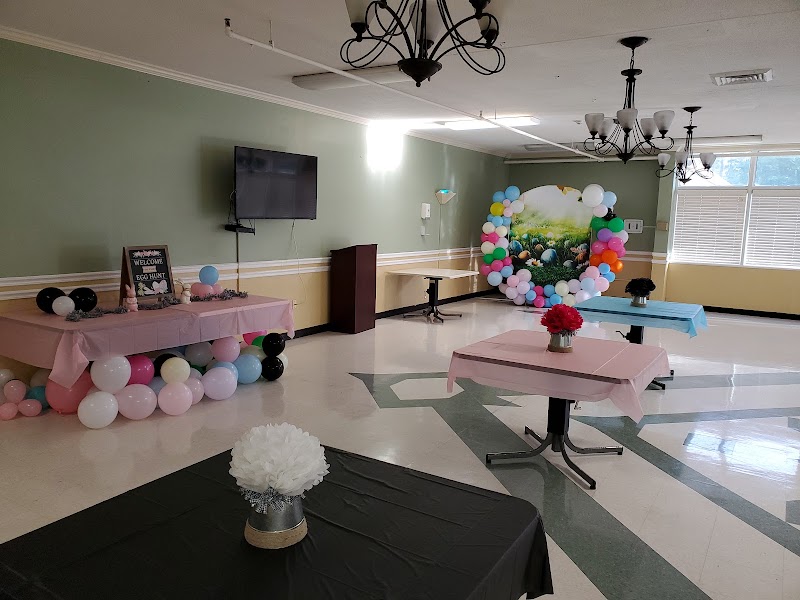
How Does Aviata At Harts Harbor Compare to Other Florida Nursing Homes?

Compared to the 100 nursing homes in Florida, AVIATA AT HARTS HARBOR's overall rating (3 stars) is below the state average of 3.2, staff turnover (40%) is near the state average of 46%, and health inspection rating (2 stars) is below the national benchmark.

What Should Families Ask When Visiting Aviata At Harts Harbor?

Based on this facility's data, families visiting should ask: "Can you walk me through typical staffing levels on day, evening, and night shifts?" "Can I visit during a mealtime to observe dining assistance and food quality?" "How do you handle medical emergencies, and what is your hospital transfer rate?" "Can I speak with family members of current residents about their experience?" These questions are particularly relevant given the below-average staffing rating.

Is Aviata At Harts Harbor Safe?

Based on CMS inspection data, AVIATA AT HARTS HARBOR has a clean safety record: no substantiated abuse findings (meaning no confirmed cases of resident harm), no Immediate Jeopardy citations (the most serious violation level indicating risk of serious injury or death), and is not on the Special Focus Facility watch list (a federal program monitoring the lowest-performing 1% of nursing homes). The facility has a 3-star overall rating and ranks #100 of 100 nursing homes in Florida. While no facility is perfect, families should still ask about staff-to-resident ratios and recent inspection results during their visit.

Do Nurses at Aviata At Harts Harbor Stick Around?

AVIATA AT HARTS HARBOR has a staff turnover rate of 40%, which is about average for Florida nursing homes (state average: 46%). Moderate turnover is common in nursing homes, but families should still ask about staff tenure and how the facility maintains care continuity when employees leave.

Was Aviata At Harts Harbor Ever Fined?

AVIATA AT HARTS HARBOR has no federal fines on record. CMS issues fines when nursing homes fail to meet care standards or don't correct problems found during inspections. The absence of fines suggests the facility has either maintained compliance or corrected any issues before penalties were assessed. This is a positive indicator, though families should still review recent inspection reports for the full picture.

Is Aviata At Harts Harbor on Any Federal Watch List?

AVIATA AT HARTS HARBOR is not on any federal watch list. The most significant is the Special Focus Facility (SFF) program, which identifies the bottom 1% of nursing homes nationally based on persistent, serious quality problems. Not being on this list means the facility has avoided the pattern of deficiencies that triggers enhanced federal oversight. This is a positive indicator, though families should still review the facility's inspection history directly.