AVIATA AT JACKSONVILLE
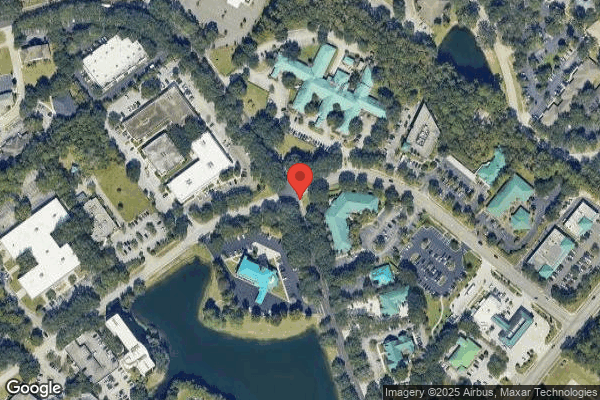
4101 SOUTHPOINT DRIVE EAST, JACKSONVILLE, FL 32216 (904) 296-6800
For profit - Corporation 116 Beds AVIATA HEALTH GROUP Data: November 2025
Trust Grade
53/100
#322 of 690 in FL
Last Inspection: December 2023

Within standard 12-15 month inspection cycle. Federal law requires annual inspections.

Overview

Aviata at Jacksonville has a Trust Grade of C, which means it is average and sits in the middle of the pack. It ranks #322 out of 690 facilities in Florida, placing it in the top half, but only #24 out of 34 in Duval County, indicating that there are better local options available. The facility is improving, with issues decreasing from 9 in 2022 to 8 in 2023. However, staffing is a concern, rated at 2 out of 5 stars with a turnover rate of 59%, significantly higher than the state average of 42%. While the facility does have some strengths, such as a trend toward improvement, it has encountered specific issues, such as failing to maintain a clean environment with observations of sticky floors and debris in resident rooms and not having a clear oxygen plan for a resident, highlighting areas that need attention.

Trust Score
C
53/100
In Florida
#322/690
Top 46%
Safety Record
Low Risk
No red flags
Inspections
Getting Better
9 → 8 violations
Staff Stability
⚠ Watch
59% turnover. Above average. Higher turnover means staff may not know residents' routines.
Penalties
○ Average
$4,778 in fines. Higher than 75% of Florida facilities. Some compliance issues.
Skilled Nurses
⚠ Watch
Each resident gets only 27 minutes of Registered Nurse (RN) attention daily — below average for Florida. Fewer RN minutes means fewer trained eyes watching for problems.
Violations
⚠ Watch
26 deficiencies on record. Higher than average. Multiple issues found across inspections.
★★★☆☆
3.0
Overall Rating
★★☆☆☆
2.0
Staff Levels
★★★☆☆
3.0
Care Quality
★★★☆☆
3.0
Inspection Score
Stable
2022: 9 issues
2023: 8 issues

The Good

  • Full Sprinkler Coverage · Fire safety systems throughout facility
  • No fines on record

Facility shows strength in fire safety.

The Bad

3-Star Overall Rating

Near Florida average (3.2)

Meets federal standards, typical of most facilities

Staff Turnover: 59%

13pts above Florida avg (46%)

Frequent staff changes - ask about care continuity

Federal Fines: $4,778

Below median ($33,413)

Minor penalties assessed

Chain: AVIATA HEALTH GROUP

Part of a multi-facility chain

Ask about local staffing decisions and management

Staff turnover is elevated (59%)

11 points above Florida average of 48%

The Ugly 26 deficiencies on record

Dec 2023 6 deficiencies
CONCERN (D)

Potential for Harm - no one hurt, but risky conditions existed

Safe Environment (Tag F0584)

Could have caused harm · This affected 1 resident

Based on observations, interviews, and facility policy review, the facility failed to provide a safe, clean, comfortable, and homelike environment including housekeeping and maintenance services neces...

Read full inspector narrative →
Based on observations, interviews, and facility policy review, the facility failed to provide a safe, clean, comfortable, and homelike environment including housekeeping and maintenance services necessary to maintain a sanitary, orderly, and clean interior for two (Residents #208 and #3) of 30 residents in the sample. The findings include: 1. On 12/10/23 at 1:10 p.m., Resident #208's bedside unit was observed to be a treatment cart type of unit. Red splashes of a sticky liquid were observed on the outside of the unit, on the floor, and inside each drawer. (Photographic evidence obtained) The floor in front of the unit was sticky under one's shoes. The resident was asked if this was her bedside nightstand. She stated, I guess so. It looks like a medication cart or something. Two bags were observed on top of the unit, one containing clothing and one containing personal items. The resident was asked if those items belonged to her. She replied yes. On 12/11/23 at 8:40 a.m., Resident #208's bedside unit was observed to be a treatment cart type of unit. Red splashes of a sticky liquid remained on the outside of the unit, on the floor, and inside each drawer. The floor in front of the unit was sticky under one's shoes. Two bags were observed on top of the unit that contained clothing and various personal items. The resident was asked if she kept any of her belongings inside of this unit. She stated, No, how could I? It's filthy. On 12/12/23 at 9:45 a.m., Resident #208's bedside unit was observed to be a treatment cart type of unit. Red splashes of a sticky liquid remained on the outside of the unit, on the floor, and inside each drawer. (Photographic evidence obtained) The floor in front of the unit was observed to be sticky under one's shoes. The resident was asked if she felt this bedside unit was homelike. She stated, No. Look at it. I'm pretty sure it's some kind of a cart for medications or something, and it's filthy. On 12/13/23 at 8:30 a.m., Resident #208's bedside unit was observed to be a treatment cart type of unit. Red splashes of a sticky liquid remained on the outside of the unit, on the floor, and inside each drawer. The floor in front of the unit was observed to be sticky under one's shoes. 2. On 12/10/23 at 1:03 p.m., Resident #3 was observed lying in bed, awake. Her bedside unit was observed to be a treatment cart type of unit. Beige/brown debris was observed on the outside of the unit, on each of the drawers. (Photographic evidence obtained) The resident was not interviewable due to her cognitive status. On 12/11/23 at 8:35 a.m., Resident #3 was observed lying in bed, awake. Her bedside unit was observed to be a treatment cart type of unit. Beige/brown debris remained on the outside of the unit, on each of the drawers. (Photographic evidence obtained0 On 12/12/23 at 9:40 a.m., Resident #3 was observed lying in bed, awake. Her bedside unit was observed to be a treatment cart type of unit. Beige/brown debris remained on the outside of the unit, on each of the drawers. (Photographic evidence obtained) The resident's privacy curtain was open between the two resident's beds. Pink/light red splatters were observed on the bottom right portion of the curtain. (Photographic evidence obtained) On 12/13/23 at 8:25 a.m., Resident #3 was observed lying in bed, awake. Her bedside unit was observed to be a treatment cart type of unit. Beige/brown debris remained on the outside of the unit, on each of the drawers. On 12/13/23 at 8:55 a.m., in an interview with the Housekeeping Director, he was asked to describe the cleaning process for resident rooms. He stated, One of the first steps we take is for regular room cleaning. We go in and empty the waste basket and put a new liner in the basket. We disinfect anything, like pictures, dressers and the drawers on the outside, the bedside table, the bed rails, the window sills, the outside surface of the air conditioner unit, the door knobs, then into the bathrooms to clean and disinfect that area. The floor is the last thing done for mopping. He was asked how often that type of cleaning was done for each resident room. He replied daily. He was asked how often the privacy curtains were inspected and cleaned. He stated, With privacy curtains we do an inspection, if we can spot clean it, we will do that. If it requires a whole cleaning, we will take the curtain down and I will take it to the laundry for cleaning. We usually let them air dry and put up a different curtain while that's drying. We do have extra curtains. He was asked again how often the privacy curtains were inspected. He stated, That's a routine inspection for the housekeeper during QCI (Quality Control Inspection), so on a daily basis. He was asked to view the bedside units for Residents #208 and #3, and the privacy curtain for Resident #3. On 12/13/23 at 9:05 a.m., the bedside unit and privacy curtain for Resident #3 were observed with the Housekeeping Director. He was asked if he could see the pink/light red splatters on the privacy curtain. He stated yes. He was asked if the curtain should have been inspected daily. He stated yes. He was asked to observe the resident's bedside unit. He observed the unit and touched the brown/beige splatters on the front of the drawers. He stated he'd need to get a wet rag to wipe it off and see what was on the unit. He was asked if that should be inspected and cleaned daily. He stated yes. At 9:10 a.m., the bedside unit for Resident #208 was observed by the Housekeeping Director. He was asked if the red splatters observed on the bedside unit and in the bedside units drawers and on the floor around the unit were expected to have been cleaned on a daily basis. He stated yes. He was asked why these bedside units were observed in this state for the past four days. He stated they must have been overlooked. A review of a facility policy titled: Daily Patient Cleaning (Revised 9/5/2017) revealed: Every room to be cleaned is that of a resident's home - treat it as such. 2: Horizontal dusting. With a cloth and disinfectant wipe all horizontal (flat) surfaces. 3: Spot clean. With a cloth and disinfectant spray clean all vertical services. 5: Damp mop floor with germicidal solution, damp mop floor working from back corner to to door. A review of a facility policy titled: Cleaning Cubicle Curtains (Revised 9/5/2017) revealed: Examine curtains while doing QCI or at discharge. If curtain is stained, remove immediately. Have spare curtains on hand to immediately replace dirty or torn curtains. .
CONCERN (D)

Potential for Harm - no one hurt, but risky conditions existed

ADL Care (Tag F0677)

Could have caused harm · This affected 1 resident

**NOTE- TERMS IN BRACKETS HAVE BEEN EDITED TO PROTECT CONFIDENTIALITY** 2. On 12/10/23 at 12:07 p.m., Resident #84 was observed with elongated fingernails on both hands with brown matter under his fin...

Read full inspector narrative →
**NOTE- TERMS IN BRACKETS HAVE BEEN EDITED TO PROTECT CONFIDENTIALITY** 2. On 12/10/23 at 12:07 p.m., Resident #84 was observed with elongated fingernails on both hands with brown matter under his fingernails. He was asked when he last had his fingernails cleaned and trimmed. He stated, My nails grow fast. They just cut them about 3-4 weeks ago. He expressed his desire to have his fingernails trimmed. On 12/11/23 at 9:55 a.m., Resident #84 was observed with elongated fingernails on both hands with brown matter under his fingernails. (Photographic evidence obtained) On 12/12/23 at 9:35 a.m., Resident #84 was observed lying in bed with both hands underneath the bed covers. When he was asked whether the staff had cut or cleaned his fingernails, he pulled his hands out from under the bed covers. His fingernails remained elongated with brown matter underneath the nails. On 12/12/23 at 10:05 a.m., CNA G was interviewed and stated she had been employed by the facility for one year. CNA G stated she had taken care of or had been assigned to care for and was familiar with all of the residents on the unit where Resident #84 lived. She was asked who was tasked to provide fingernail care for these residents. She stated the CNAs provided fingernail care on shower days and as needed, and the Activities staff also provided fingernail care. She was asked what she did if a resident refused fingernail care. She stated, I respect their right to refuse or sometimes I may go back and ask again later. I also report to the nurse that the resident refused. A medical record review revealed that Resident #84 was admitted to the facility on [DATE] with diagnoses including paraplegia, muscle weakness, a need for assistance with personal care, contracture of the left knee, protein-calorie malnutrition, contracture of the left hip, epilepsy, and heart failure. A review of the Annual Minimum Data Set (MDS) assessment, dated 8/24/23, revealed that Resident #84 had a Brief Interview for Mental Status (BIMS) score of 15/15, indicating intact cognition. He was also documented as dependent on staff for bed mobility, transfers, toilet hygiene, personal hygiene, and indicated no refusal of care behaviors during the lookback period. A review of his patient centered care plan, dated 11/24/23, revealed: FOCUS: Resident has activities of daily living (ADL) self-care performance deficit related to mobility problem, paraplegia, arthritis. Goal: Resident will maintain current level of function in his ADLs through the review date. Intervention: BATHING/SHOWERING: Check nail length and trim and clean on bath day as necessary. Report any changes to the nurse. A review of the resident's progress notes revealed no documentation indicating refusal of care or a preference to wear his fingernails long. . Based on observations, interviews, record review, and facility policy review, the facility failed to provide two (Resident #90 and Resident #84) residents who were unable to carry out activities of daily living, from a total sample of 30 residents, the necessary services to maintain personal hygiene (fingernail care). The findings include: 1. On 12/10/23 at 12:30 p.m., Resident #90 was observed in his room with elongated/jagged fingernails with brown debris under each nail on both hands. Right hand fingernails were in contact with the palm of his hand due to a hand contraction. The resident was asked if he was satisfied with the state of his fingernails. He shook his head no. He was asked if staff cleaned and trimmed his fingernails. He clicked his tongue and shook his head no. He was asked if he had asked staff to clean and trim his fingernails. He nodded yes. (Photographic evidence obtained) On 12/11/23 at 1:45 p.m., Resident #90 was observed self-propelling in a wheelchair in the hallway, headed toward his unit. He was dressed in day clothes. The fingernails on all of his fingers were elongated/jagged with brown debris under each nail, just as they ha dbeen observed on 12/10/23 at 12;30 p.m. On 12/12/23 at 9:20 a.m., Resident #90 was observed sitting on the side of his bed dressed for the day. His fingernails remained elongated and jagged with brown debris observed under each nail on both hands. A medical record review revealed diagnoses which included cerebral vascular accident (CVA - stroke), aphasia, contracture of the right shoulder, weakness, anxiety disorder, major depressive disorder, lack of coordination, and muscle weakness (generalized). A review of the quarterly Minimum Data Set (MDS) assessment, dated 10/19/23, revealed the resident had no behaviors exhibited and had not refused care during the look back period. A review of the person-centered care plan created for Resident #90 revealed the following: Focus Area (8/3/23, revised 8/24/23) Resident has an activities of daily living (ADL) self-care deficit performance related to CVA with hemiplegia, contracted right shoulder. Goal: Resident will improve current level of function in his activities of daily living (ADLs) through the review date. Interventions: Bathing/showering: check nail length and trim and clean nails on bath day an as necessary. Report any changes to the nurse. A review of the certified nursing assistants (CNAs) Tasks/[NAME] (Photographic evidence obtained) revealed the following: Bathing/Showering: Check nail length and trim and clean on bath day and as necessary. Report any changes to the nurse. On 12/12/23 at 9:50 a.m., in an interview with Licensed practical Nurse (LPN) A, she was asked who provided fingernail care to residents (trimming and cleaning their fingernails). She stated, Activities staff does fingernails and manicures. CNAs provide fingernail care. Nursing can do it too. Nurses provide the fingernail care if the resident is a diabetic. I'll trim and clean residents' nails as I see them, or I'll ask a CNA to do it. She was asked if there was a specific timeframe/time of day that fingernails should be trimmed and cleaned other than as needed. She stated, Well, they should be done on shower days because it's easier to trim and clean the nails when they are soft. She was asked if CNAs were trained to alert nursing staff if a resident refused nail care. She stated yes. She was asked what was done if a resident refused fingernail care. She stated, I would see if they would allow me to do it and try to attempt it. She was asked where the refusal would be documented if they also refused her attempt. She stated, It should be documented right in the nurses' notes. In an interview with Certified Nursing Assistant (CNA) D on 12/13/23 at 8:35 a.m., she was asked if she was caring for Resident #90 today. She stated yes. She was asked who trimmed and cleaned his fingernails. She stated, We do, the CNAs. She was asked when residents received fingernail trimming and cleaning. She stated, It should be on their shower days. She was asked what shift Resident #90 received his showers. She stated day shift. She was asked if Resident #90 had displayed behaviors of refusing nail care. She stated no. She was asked if she had ever trimmed and cleaned Resident #90s fingernails. She stated yes. She was asked for the last time she had performed nail care for Resident #90. She stated, I'm not sure, but he does allow me to trim and clean them. A review of the facility's policy titled Care of Nails (revised 9/1/17) revealed: Procedure: Explain the procedure to the resident and bring the following equipment to resident's bedside: Basin (optional) Towel Emery Board Orange Stick Nail Clippers May soak hand in basin half full with warm water if needed. Trim fingernails. Clean nails. A review of the facility's policy titled Bathing/Showering (revised 9/1/17) revealed: Policy: Assistance with showering and bathing will be provided at least twice a week and as needed to cleanse and refresh the resident.
CONCERN (D)

Potential for Harm - no one hurt, but risky conditions existed

Accident Prevention (Tag F0689)

Could have caused harm · This affected 1 resident

Based on observations, interviews, record review, and facility policy review, the facility failed to implement interventions, including monitoring placement and function of wander-alarm devices, consi...

Read full inspector narrative →
Based on observations, interviews, record review, and facility policy review, the facility failed to implement interventions, including monitoring placement and function of wander-alarm devices, consistent with a resident's needs, care plan and current professional standards of practice in order to eliminate the risk, if possible, and, if not, reduce the risk of an accident for one (Resident #93) of 30 residents sampled. Alarms do not replace necessary supervision, and require scheduled maintenance and testing to ensure proper functioning. The findings include: On 12/10/23 at 12:45 p.m., in an interview with Resident #93's spouse, he stated, They put that bracelet thing on her ankle and the door locks when I take her outside. He stated his wife did not wander or walk around, that she used a wheelchair. He further stated staff did not tell him why she had the device on her ankle. Resident #93 presented as pleasantly confused when interviewed. She was unable to answer simple questions accurately. A Wanderguard device was observed on her right ankle. On 12/11/23 at 8:30 a.m., Resident #93 was observed lying in bed, awake. A Wanderguard device was observed on her right ankle. She was asked if she minded having the Wanderguard device on her ankle. She was pleasantly confused and answered, smiling and laughing, Oh, I meant to give that back to them haha. On 12/12/23 at 9:40 a.m., Resident #93 was observed in a Fall Focus program, in her wheelchair and dressed for the day. She was well groomed. She was one of five residents and one staff member, Certified Nursing Assistant (CNA) B, who was asked asked if Resident #93 wore a Wanderguard device and if so, what the reason was for the device. CNA B stated, Yes, she used to wander all the time when she was first here, back in June. She was always looking to get outside. CNA B was asked if the resident was still exit seeking. She stated, Not so much now. She's calmer but she can still get around in her wheelchair, so the possibility is there. She's confused so we can't explain to her in a way she would understand and remember why she can't leave the building. On 12/12/23 at 9:50 a.m., during an interview with Licensed Practical Nurse (LPN) A, she was asked if she was caring for Resident #93 today. She confirmed that she was. She was asked if the resident wore a Wanderguard device, and if so, why. She replied, When she first came here, that was back in June of this year, all she wanted to do was leave. She wanted to go find her husband. She's very confused. She would try all the doors to go look for him. She doesn't seem to do that so much anymore, but she can self propel in her wheelchair. LPN A was asked if the resident had the Wanderguard device since admission. She stated, Yes, I think she was identified as exit seeking right from admission. On 12/12/23 at 1:37 p.m., in a follow-up interview with LPN A, she was asked where she documented the resident's Wanderguard placement and function. She stated, In the eMAR (Electronic Medication Administration Record). She was asked to show where she documented that. She pulled up Resident #93's eMAR on her medication cart computer, but was unable to find anywhere in the resident's record where this was documented. She stated, This is where it's supposed to be. I don't know. It's not here, but I do check it each shift. On 12/12/23 at 1:50 p.m., in an interview with Registered Nurse (RN) H, she was asked why a focus area for Elopement/Wandering was added to Resident #93's care plan on 9/22/23. She stated, She was trying to leave. She was wandering down the hallway in her wheelchair looking for an exit to leave. The staff on the 400 hall witnessed her exit-seeking behavior and I witnessed her looking for an exit. She was asked if the resident had an elopement risk assessment completed at that time. She stated, Yes, she did. The nurses will do the elopement risk assessment in the computer. She was asked if she could provide a copy of that elopement risk assessment. She stated, Yes, I will find it for you. On 12/12/23 at 3:40 p.m., RN H stated she was unable to provide any elopement risk assessments completed after 6/9/23, the resident's admission assessment. She was asked to describe the resident's wandering and/or elopement risk behaviors that she witnessed. She stated, There were no behaviors of exit seeking prior to that day. She was wheeling up to the doors saying I gotta get out of here. RN H was asked if the resident ever eloped from the building. She replied no. She was asked if the resident had an order to place a Wanderguard device. She stated, Yes she did, and we added her to the elopement risk sheet and the elopement risk books. The nurse placed the Wanderguard on her. I remember she had some edema on her ankles. She was asked where the Wanderguard device monitoring documentation was located. She stated, It should be in the care plan. The signing off would be on the nursing documentation. She was asked if there was any documentation of the Wanderguard device being signed off as monitored for placement and function each shift or day. She left to retrieve information and upon return stated there was no documentation to show the Wanderguard device was being signed off as having been checked for placement and/or functionality each shift or day. A medical record review for Resident #93 revealed diagnoses which included unspecified dementia; attention and concentration disorder, and anxiety disorder. A review of the active physician's orders for Resident #93 revealed no order for Wanderguard use, placement or monitoring. A review of the resident's Medication Administration Record (MAR) and Treatment Administration Record (TAR) from September 1, 2023 through December 12, 2023, revealed no orders related to a Wanderguard device for checking placement or function of the device. Further review of the medical record revealed no behavior log for wandering or attempted diversional activities. A review of the person centered Care Plan revealed: Focus Area (9/22/23) Resident is an elopement risk/wanderer related to dementia, cognitive loss, impaired safety awareness, has episodes of wandering at times. Goal: Residents safety will be maintained through the review date. Resident will not leave the facility unattended through the review date. Interventions: Electronic monitoring (Wanderguard) device as ordered; identify pattern of wandering; is wandering purposeful, aimless, or escapist? Is resident looking for something? Monitor location frequently. Document wandering behavior and attempted diversional activities in behavior log. A review of the admission Elopement Risk Evaluation for Resident #93, dated 6/6/23, revealed the resident was not at risk for elopement. An second Elopement Risk Evaluation, documented in medical record on 6/9/23, revealed a score of 0.0, indicating no elopement risk. No Elopement Risk Evaluations were found during a medical record review as having been completed after 6/9/23. A review of an Elopement Book at the facility's reception desk revealed that Resident #93's information and photograph were included. A review of the facility's policy titled Elopement/Wandering Risk Guideline (revised 8/1/20) revealed: Overview: To evaluate and identify patients/residents that are at risk for elopement and develop individualized interventions. Process: Patients/residents to be evaluated on admission, re-admission, seven days post admission, quarterly, with a significant change in condition, and elopement event using the risk tool. If utilizing a wander monitoring system device, check placement of the device every shift and functionality daily. .
CONCERN (D)

Potential for Harm - no one hurt, but risky conditions existed

Respiratory Care (Tag F0695)

Could have caused harm · This affected 1 resident

Based on observations, interviews, record review, and facility policy and procedure review, the facility failed to ensure that residents who needed respiratory care, received that care as ordered and ...

Read full inspector narrative →
Based on observations, interviews, record review, and facility policy and procedure review, the facility failed to ensure that residents who needed respiratory care, received that care as ordered and consistent with professional standards of practice, for one (Resident #35) of a total sample of 30 residents. The findings include: On 12/10/23 at 2:21 p.m., Resident #35 was observed lying in bed receiving oxygen via a nasal cannula. Her oxygen concentrator, located at bedside, was set at a flow rate of 3L/min. (3 liters of oxygen per minute) (Photographic evidence obtained) On 12/11/23 at 9:33 a.m., a second observation was made of Resident #35 lying in bed receiving oxygen via a nasal cannula. Her oxygen concentrator was set with a flow rate of 3L/min. (Photographic evidence obtained) On 12/13/23 at 9:47 a.m., a third observation was made of Resident #35 lying in bed wearing a nasal cannula with her oxygen concentrator flow rate set at 3L/min. (Photographic evidence obtained) A review of the medical record revealed no active physician's orders for oxygen therapy. Further review of the active physician's orders revealed: ProAir HFA (hydrofluoroalkane) Inhalation Aerosol Solution 108 MCG (micrograms)/ACT, 2 puffs inhale orally every 12 hours as needed for Chronic Obstructive Pulmonary Disease (COPD). The order was dated 11/30/23. Trelegy Ellipta Inhalation Aerosol Powder Breath Activated 100-62.5-25 MCG/ACT, 1 puff inhale orally in the morning for COPD, dated 12/1/2023, Albuterol Sulfate Inhalation Nebulization Solution (2.5 mg/3ml (milligrams per milliliter) 0.083%, 1 dose inhale orally via nebulizer every 6 hours for SOB (shortness of breath), wheezing for 5 days, dated 12/11/23, and Medrol 2 tabs therapy pack 4 mg po every morning and at bedtime for SOB, wheezing for 1 day then give 1 tab PO BID (by mouth twice daily) for SOB, wheezing for 2 days then give 2 tabs PO at bedtime for SOB, wheezing for 1 day then give 1 tab PO in the morning for SOB, wheezing for 5 days then give 1 tab PO at bedtime for SOB, wheezing for 3 days, dated 12/11/23 to 12/25/23. Respiratory Oxygen 2L/min (2 liters per minute) via nasal cannula PRN (as needed) for shortness of breath was discontinued on 10/7/23. Further review of the record revealed an admission date of 11/30/23 with an initial admission date of 3/5/2018. Diagnoses included Chronic Obstructive Pulmonary Disease (COPD), shortness of breath; repeated falls; other lack of coordination; difficulty in walking, not elsewhere classified; major depressive disorder, recurrent, unspecified; anxiety disorder, unspecified; schizoaffective disorder, depressive type; unspecified lack of coordination; depression, unspecified; bipolar II disorder; opioid dependence, uncomplicated; other bipolar disorder; heart failure, unspecified; anemia, unspecified, and Cerebral Ischemia. A review of the resident's Medication Administration Record (MAR) and Treatment Administration Record (TAR) for December 2023 revealed nothing about oxygen therapy. All other medications were documented as having been provided as ordered by the physician. (Copy obtained) A review of Resident #35's Care Plan, revised 7/7/23, revealed a focus area for oxygen therapy related to ineffective gas exchange/COPD. Interventions included oxygen settings as ordered. A review of Resident #35's hospital Patient Transfer form, dated 11/30/23 (her date of admission to the nursing home), revealed oxygen at 3L/min continuous via nasal cannula. On 12/13/23 at 11:47 a.m., Licensed Practical Nurse (LPN) E confirmed that Resident #35 was receiving oxygen and the oxygen order was not in the Electronic Medical Record (EMR). She stated the admitting nurse or any nurse could add the order. When asked who provided ongoing monitoring of the resident's oxygen therapy, she replied, the nurse. She stated the nurse was also responsible for assuring that the resident was receiving the correct oxygen flow rate per the order. Correct oxygen settings were identified by checking the 3008 form (Hospital transfer form) on admission, and thereafter checking orders in the EMR. Night shift nursing staff were responsible for changing the resident's oxygen tubing. Correct settings were communicated from one staff person to another through verbal communication. On 12/13/23 at 11:57 p.m., the Director of Nursing (DON) was asked how correct oxygen settings were communicated from one staff person to another. She replied, by checking the order in the computer. A review of the facility's policy and procedure titled Oxygen Therapy (revised: 08/28/2017) revealed: Procedure: Review physician's order . monitor respiratory rate and heart rate . document initiation of therapy in the resident's chart. . .
CONCERN (D)

Potential for Harm - no one hurt, but risky conditions existed

Unnecessary Medications (Tag F0759)

Could have caused harm · This affected 1 resident

Based on observations, interviews, record review, and facility policy review, the facility failed to ensure medication error rates were not 5% or greater. Two errors were identified out of 32 opportun...

Read full inspector narrative →
Based on observations, interviews, record review, and facility policy review, the facility failed to ensure medication error rates were not 5% or greater. Two errors were identified out of 32 opportunities for error, resulting in a medication error rate of 6.25% and affecting two (Residents #64 and #33) of five residents observed during medication administration, from a total of 30 residents in the sample. The findings include: On 12/11/23 at 11:36 a.m., Licensed Practical Nurse (LPN) I was observed checking Resident #64's blood glucose level. The resident was observed eating lunch and had already consumed more than 50% of the meal at the time of the blood glucose testing. LPN I then proceeded to administer Aspart Sliding Scale insulin to Resident #64 according to his blood glucose level. At this time the resident had consumed all of his lunch meal. An interview was conducted with Licensed Practical Nurse (LPN) I on 12/11/23 at 11:48 a.m. She was asked to review the orders for blood glucose monitoring and Aspart insulin administration. She pulled the order up on her medication cart computer and stated, Glucometer checks before meals and at bedtime. Administer Aspart Insulin U-100/ml (milliliter) per sliding scale before meals and at bedtime. She was asked why she had checked the resident's blood glucose level while he was eating, and why she had administered his insulin after he had completed his meal. She stated, I saw the trays come up and I told him to wait for me, but he didn't. On 12/13/23 at 9:17 a.m., LPN F prepared medications to administer to Resident #33. After the nurse prepared the medications, she picked up the cup that held the medications and a pre-dosed syringe of Trulicity (Type II diabetes medication), which was observed to be Trulicity 0.75/0.5ml. She locked her medication cart and proceeded to enter the resident's room. She was stopped and asked if she was going to administer the medications she had prepared. She responded yes. She was asked to check the dosage of the Trulicity she was going to administer against the physician's order. LPN F checked the medication order and compared the dosage of the Trulicity that she had prepared to the dosage that was currently ordered on the Electronic Medical Administration Record (EMAR). LPN F then stated, Oh no, I'm not going to give this, it's not the right dose. A medical record review for Resident #64 revealed an active physician's order which stated: Glucometer checks before meals and at bedtime, Administer Aspart Insulin U-100/ml per sliding scale before meals and at bedtime. A medical record review for Resident #33 revealed an order which stated: Trulicity- subcutaneous, Inject 1.5mg/0.5ml weekly. A review the facility's policy titled Medication-Oral Administration of (revision date 08/15/2019) revealed: Procedure: Review MAR or EMAR; should there be any uncertainties, verify the MAR or EMAR with the Physician's Order Sheet (POS) and seek clarification as indicated. Compare the medication unit/dose label against the MAR or EMAR prior to supporting the resident to accept and ingest the medication. .
CONCERN (D)

Potential for Harm - no one hurt, but risky conditions existed

Infection Control (Tag F0880)

Could have caused harm · This affected 1 resident

Based on observations, interviews, and facility policy review, the facility failed to maintain an infection prevention and control program designed to provide a safe and sanitary environment to help p...

Read full inspector narrative →
Based on observations, interviews, and facility policy review, the facility failed to maintain an infection prevention and control program designed to provide a safe and sanitary environment to help prevent the transmission of communicable diseases and infections, by inappropriately storing and disposing of used sharps. The findings include: On 12/11/23 at 11:36 a.m., Licensed Practical Nurse (LPN) I was observed checking Resident #64's blood glucose level. When she was finished, she placed the used lancet in her jacket pocket and not in the sharps container. After administering Aspart sliding scale insulin to Resident #64, she disposed of the lancet and the KwikPen insulin needle, wrapped in her used gloves, into the trash can in the resident's room. An interview was conducted with LPN I on 12/11/23 at 11:48 a.m. She was asked to explain the procedure for disposal of sharps. She stated, Sharps material is disposed of in the sharps container, but this (referring to a new KwikPen insulin needle that she retrieved from the medication cart) is not a sharps. LPN I confirmed that the lancet she disposed of in the trash can should have been disposed of in the sharps container. A review of the facility's policy titled Insulin Administration-Injection Pens (revision date 10/10/2017) revealed: Procedure: Assemble the equipment, including disposable safety needle. Check eMAR for order three times, remove and discard the needle per manufacturer's instruction in an approved sharps container. A review of the facility's policy titled Insulin Administration (revision date 11/04/2020) revealed: Obtain physician's order, utilizing the medication card, medication sheet or electronic equivalent, check the label of medication three times. Do not recap the needle; engage safety sheath per manufacturer's instruction, dispose of needle and syringe in sharps container. A review of the facility's policy titled Sharps Disposal (revised January 2012) revealed: Whoever uses contaminated sharps will discard them immediately or as soon as feasible into designated containers. .
Oct 2023 1 deficiency
CONCERN (D) 📢 Someone Reported This

A family member, employee, or ombudsman was alarmed enough to file a formal complaint

Potential for Harm - no one hurt, but risky conditions existed

Deficiency F0660 (Tag F0660)

Could have caused harm · This affected 1 resident

**NOTE- TERMS IN BRACKETS HAVE BEEN EDITED TO PROTECT CONFIDENTIALITY** Based on interviews, record reviews, and facility policy review, the facility failed to ensure it provided an effective discharg...

Read full inspector narrative →
**NOTE- TERMS IN BRACKETS HAVE BEEN EDITED TO PROTECT CONFIDENTIALITY** Based on interviews, record reviews, and facility policy review, the facility failed to ensure it provided an effective discharge planning process that evaluated and identified changes requiring modifications and updates as needed for 1 (Resident #1) of 4 residents reviewed for discharge. Failure to effectively communicate discharge concerns and assess individual needs can potential put residents at risk for an unsafe discharge. The findings include: Review of Resident #1's medical record revealed the resident was admitted to the facility on [DATE] from an acute hospital and was discharged home alone on 10/5/23. Resident #1's primary diagnosis was metabolic encephalopathy (a problem in the brain caused by chemical imbalance in the blood, such as from an illness). Additional diagnoses included hypertension, hyperlipidemia, depression, altered mental status, cognitive communication deficit, and non-Alzheimer's dementia. Resident #1 participated in the MDS assessment, and no discharge planning was occurring. Review of the quarterly minimum data set (MDS) assessment dated [DATE] noted Resident #1 had a brief interview for mental status (BIMS) score of 14 out of 15 points, indicating she was cognitively intact and capable of making daily decisions. Resident #1 was care planned on 4/20/23 for short term care, with a goal of returning home per resident's wishes. The goal was revised on 6/12/23 and last reviewed 7/27/23 to remain in the facility for long term care. The resident was also care planned as being at risk for elopement (leaving facility without authorization), activities of daily living skills deficits, fall risk, multiple medical diagnoses and conditions and impaired cognitive function/dementia. Review of nursing progress notes found no indication the facility was actively preparing Resident #1 for a discharge home. One note dated 8/19/23 indicated Resident #1 was continually asking if she could leave. Resident #1's Medical Nurse Practitioner (NP) wrote a progress note on 10/3/23 reporting resident wanted to go home. Resident was saying her (family member and representative) was keeping her there (in the facility). When the NP went into the resident's room, she was on the phone getting her driver's license renewed and then calling her insurance company to determine status. Resident #1 reported she owned her home, was routinely gardening and very active prior to admission. The NP attempted to speak with the Social Worker, but she was not available in person. Instead, she noted she reached out via email regarding the situation. Psychiatry was consulted for a capacity evaluation. Resident #1 was noted to be alert and oriented x4 (to person, place, time, and situation). The plan was to reach out to the Director of Nursing (DON) and Medical Director (MD) to discuss this. (Photographic evidence was obtained) The Psychiatric NP saw Resident #1 on 10/3/23 for a psychiatric evaluation. The report said the Medical NP had asked she be seen and was very concerned about the resident wanting to go home. [Resident #1] often states she will become problematic and anxious if she can't go home. When seen today, [Resident #1] was conversing with staff, laughing, cutting up and having a great day. The Psychiatric NP assessed Resident #1 as disjointed at times and with difficulty with recall. She had poor memory, insight, and judgement. Diagnoses were major depressive disorder, recurrent, and anxiety due to her medical condition. Recommendations were to continue current medications, encourage activities, orient as needed, and acknowledge the resident's feelings. There was no mention of whether Resident #1 had the capacity to discharge and live on her own. (Photographic evidence was obtained) Resident #1's PCP saw her on 10/4/23 and noted the patient was looking forward to going home. He mentions she has underlying dementia and had transitioned to long term care. Diagnoses included hypertension, hyperlipidemia, chronic kidney disease and unspecified dementia without behavioral disturbance. The PCP noted he discussed this with the Executive Director, and that [Resident #1] will need a psych eval for competency to make her own decision. (Photographic evidence was obtained) Further review of Resident #1's record found no assessment was completed of her competency or capacity to live independently. There was no evidence the interdisciplinary team (ID Team) discussed Resident #1's capacity to discharge home. Per a nursing progress note dated 10/5/23, Resident #1 discharged at 1300 (1:00 pm) that day. Her medications were sent with her. She was alert and walked out of the facility alone for transport. A Functional Status Evaluation for Discharge dated 10/5/23 noted Resident #1 was independent with eating, oral care, toileting hygiene, bathing, dressing upper and lower body, putting on her shoes, bed mobility, sitting, sit to stand, and transfers. Resident #1 could walk 150 feet independently. A Discharge Plan/Instruction document dated 10/5/23 reported Resident #1 discharged after reaching the optimum level of stay. She discharged home alone and was transported by car. The physician's order for Resident #1's discharge with home health services was dated 10/5/23 and ordered by her PCP. The order was taken off by Licensed Practical Nurse (LPN)/Unit Manager (UM) A and electronically signed on 10/6/23 by the Medical Director. (Photographic evidence obtained) A telephone interview was conducted with Resident #1's PCP on 10/9/23 at 1:33 pm. He said he was shocked when he heard Resident #1 was allowed to go home. Resident #1's sister called him a few days ago and told him. He recalled seeing Resident #1 (on 10/4/23) but said he did not order the discharge; she needed a psych evaluation first, due to underlying dementia. The PCP explained Resident #1 was elderly, and he was not ready to let her go home. The PCP was told that her physician's order to discharge on [DATE] was ordered by him. He said he did not order her discharge; he did not know who did. The PCP said he just spoke with the ED and told her he was shocked over the discharge. The ED had no explanation and said she didn't know what happened, as she was out for a wedding. She knew nothing. Resident #1's Psychiatric NP was interviewed via telephone on 10/9/23 at 1:35 pm. She confirmed she saw Resident #1 last week and that the Medical NP had expressed concern about her potential to discharge. However, nobody reported to her that a discharge was scheduled. Resident #1's cognitive status was the biggest barrier to her living independently. She has told the facility this in the past and has documented that Resident #1 was not appropriate for discharge home with no caregiver. The Psychiatric NP was asked if anyone contacted her to assess Resident #1's capacity, per the PCP's recommendation on 10/4/23. She stated, No. She further stated, This resident lacks capacity to reside on her own. The Social Services Director (SSD) was interviewed on 10/9/23 at 2:08 pm. She stated she only recently started working in the facility, but then went on leave for a week and a half. She returned on the day of Resident #1's discharge (10/5/23). During the morning meeting that day, she learned the Medical NP had been in to see the resident. Being as independent as she was, and having a BIMS of 14, they felt she was ready to discharge home. However, the SSD had not been involved in Resident #1's discharge planning since she was on leave. Her assumption was that Resident #1 had already been deemed safe to go home. On 10/9/23 at 2:20 pm, the Unit Manager (UM) was asked about Resident #1's discharge order. She replied on the day of discharge, Resident #1's PCP was in the building. He walked past her (the UM's) office and asked her, Why is she (Resident #1) here? She can discharge, get her out of here! The UM insisted the Medical NP also said Resident #1 was okay to discharge. The UM did not know Resident #1 well enough to question the discharge, as she only worked in the facility for 3 weeks. She admits to taking off the physician's order to discharge under the PCP's verbal directive. She confirmed it was the Medical Director, not the PCP, who reviewed the order, set up home health, and signed off on the order. The UM was told Resident #1's PCP had recommended a psych evaluation the day before discharge to determine capacity prior to going home, but it was never completed. The UM said she did not know if the Psychiatric NP had reviewed his note/recommendation that a capacity evaluation was needed. The Medical Director (MD) was interviewed on 10/9/23 at 2:30 pm. He said he did not know Resident #1 well; she was [PCP's] patient. The MD confirmed signing Resident #1's discharge order on 10/6/23. As he recalled, staff could not get hold of the PCP that day to do so, so he signed. He would assume everything would be in place for discharge. When advised of the PCP's recommendation for a psych evaluation prior to discharge, the MD said he had no awareness of any follow-up evaluation. He had no explanation why Resident #1 was not evaluated for capacity and asked, What can I do to fix this? The MD said, moving forward, he would consider a different approach. The DON was interviewed on 10/9/23 at 3:15 pm. She explained Resident #1 did not come in for long term care. Later, Resident #1's representative asked the facility to keep her and not let her go home. The DON explained Resident #1 has BIMS 14 and always wanted to go home. They say sometimes she can be confused, but she never saw that. The Tuesday before discharge (103/23), the DON received a message from the Medical NP saying she wanted to talk about Resident #1. The NP told her Resident #1 wants to go home and needs to be discharged . The NP recommended she be discharged , as she has a BIMS of 14; she felt she should be allowed to go home. The NP was concerned, so we made sure everything was checked before she went home (electricity on, etc .). Everybody else said they had talked to the PCP, and he was ok with discharge. When asked who everybody else was, she said she could not recall. The DON continued, saying Resident #1's representative called Saturday and was upset because she didn't want Resident #1 at home. Resident #1's neighbors had concerns about her ability to live alone without someone to watch her. This surveyor advised the DON of the PCP and NP's documented concerns and recommendations, and of the contradicting interviews related to this resident's discharge. The DON replied by insisting that the Medical NP felt Resident #1 shouldn't be here. The ED was interviewed on 10/9/23 at 3:34 pm. She explained Resident #1 asked multiple times why she couldn't go home and didn't understand how her representative obtained that authority to keep her in the facility. The ED was not aware there were discrepancies or concerns about Resident #1 going home among ID Team members. The ED explained she was on leave when the discharge happened. When advised of the contradicting record reviews and interviews, and failure to obtain a capacity determination prior to discharge, the ED acknowledged the concern and the contradictory information. The ED expressed awareness that without a cohesive ID Team determination, it was not possible to verify Resident #1 was safe to discharge. On 10/9/23 at 3:48 pm, the DON requested the Medical NP who saw Resident #1 on 10/3/23 be called. She insisted the Medical NP told her Resident #1 should go home! The Medical NP said Resident #1 shouldn't be here. The Medical NP will tell you, call her. A telephone interview was conducted with the Medical NP at this time (she was on speakerphone and the DON and ED were both in the room). The NP said she spoke with the Psychiatric NP, and they both agreed Resident #1 did not have capacity to live on her own and should not be discharged . (The DON's head abruptly dropped to the desk and she rested her forehead on her folded forearms). The NP didn't know Resident #1 had been allowed to discharge; the Psychiatric NP said Resident #1 wasn't competent. The Medical NP explained it was her impression everyone (in the facility) said Resident #1 couldn't discharge without 24-hour care. She even talked to the DON about this resident's need for 24-hour care. No official evaluation was done for capacity, but I can tell you now, I do not feel she was competent. The Medical NP did admit this was her first time seeing Resident #1, as she was covering for another practitioner that day. She said the Psychiatric NP told her Resident #1 gets confused, although seems alert and oriented. When asked if she or the Psychiatric NP documented their determination that Resident #1 was unsafe for discharge, she said, That is why I asked the Psych NP. She looked through the record and confirmed no capacity evaluation was completed prior to discharge. A review of the facility's policy titled Interdisciplinary Discharge Planning (Document SS-195 effective 11/30/13) revealed the following: Policy: Discharge Planning begins on the day of admission. The process involves the resident and family, Care Management/Social Services, and those members of the clinical team involved in the resident's care. Procedure: 1. A discharge goal and estimated length of stay will be established upon admission and reviewed/revised at the resident's first and subsequent team conference(s). The goal is based upon clinical findings, available community and family resources, and resident and family goals. 2. Discharge plans are adjusted, as appropriate, at subsequent team conferences . 6. If the Interdisciplinary Team determines the resident is at risk regarding discharge, Social Services is to notify a local agency for at risk persons in the community. (Copy obtained) A review of SS-197 Attachment A - Social Services -- Discharge Planning Checklist (Eff. 01/10) revealed the following: -Discharge plan and home care services confirmed by team. -Discharge planning conference held and/or offered to resident/family. (Copy obtained) .
Jun 2023 1 deficiency
CONCERN (D) 📢 Someone Reported This

A family member, employee, or ombudsman was alarmed enough to file a formal complaint

Potential for Harm - no one hurt, but risky conditions existed

Deficiency F0761 (Tag F0761)

Could have caused harm · This affected 1 resident

**NOTE- TERMS IN BRACKETS HAVE BEEN EDITED TO PROTECT CONFIDENTIALITY** Based on observations, staff and resident interviews, medical record review, and facility policy review, the facility failed to ...

Read full inspector narrative →
**NOTE- TERMS IN BRACKETS HAVE BEEN EDITED TO PROTECT CONFIDENTIALITY** Based on observations, staff and resident interviews, medical record review, and facility policy review, the facility failed to store all drugs in locked compartments for one (Resident #4) of four sampled residents. Specifically, an expired Albuterol inhaler, not ordered by the physician, was found on the resident's bedside tray table. Failure to ensure safe and secure storage of all resident medications, can result in resident access to medications that are not their own among other potential concerns. The findings include: On [DATE] at 11:30 a.m., Licensed Practical Nurse (LPN) A was observed checking Resident #4's blood glucose level. An Albuterol inhaler was observed on the resident's bedside tray table. It was not labeled and the nurse did not remove it from the resident's room. On [DATE] at 11:35 a.m., Resident #4 was asked if she used this inhaler. She stated, Yes, I use it if I get short of breath. She was asked if she let staff know when she used the inhaler. She stated, No, should I be telling them? The inhaler was noted to have an expiration date of [DATE]. She stated she last used the inhaler yesterday (6/13). When she was asked if she was aware that the inhaler had expired in [DATE], she replied, No, I can't read that small writing. (Photographic evidence obtained) On [DATE] at 11:40 a.m., LPN A was asked if she was aware that Resident #4 had an Albuterol inhaler in her room on her bedside table. She stated, I didn't notice it. She was asked if Resident #4 had an order for an Albuterol Inhaler. She stated, Let me check and then stated, No, not an Albuterol inhaler, but an Albuterol nebulizer. She was asked if medications should be left in residents' rooms. She replied, No, they should be locked in the med cart unless they have an order to keep them in their room. She was asked if this resident had an order to keep medications in her room. She stated no. She was asked if she had checked the expiration date on the inhaler. She stated no, and then checked and stated, Oh, this expired in January of 23. On [DATE] at 11:50 a.m., in an interview with Registered Nurse (RN) B, she was asked if residents were permitted to have inhalers in their rooms. She stated, If they have an order and a self-administration evaluation. She was asked if she was familiar with Resident #4. She stated yes. She was asked if this resident had an order to keep any medications in her room. She stated, I had a long discussion about her inhaler with her the other day. She was asking for a long-acting inhaler but her doctor didn't want to order that. She was asked if the resident had the Albuterol inhaler in her room when she spoke with her. She stated yes. She was asked if she left the inhaler in the room when they were done speaking. She replied yes. She was asked again if the resident had an order to keep medications in her room and self-administer. RN B stated, No, I don't see an order for that and I don't see that she is care planned for that. She was asked what the expiration date on the Albuterol inhaler was. She looked at the inhaler and stated [DATE]. A medical record review for Resident #4 revealed diagnoses including type 2 diabetes, COPD (Chronic Obstructive Pulmonary Disease), dyspnea, CKD (Chronic Kidney Disease), heart failure (unspecified), and anemia. The resident's medical record contained no physician's order for an Albuterol inhaler. The record review revealed an order written on [DATE] for the following: Albuterol Sulfate Inhalation Nebulizer Solution (2.5mg/3ml) 0.83%: 3 ml: inhale orally via nebulizer every 6 hours as needed for SOB (shortness of breath). A review of the eMAR (electronic medication administration record) revealed that this medication had not been signed out as having been administered since it was first ordered on [DATE]. A review of the facility's policy titled Self-Administration of Medication at Bedside (revised [DATE]) revealed: The resident may request to keep medications at bedside for self-administration in accordance with Resident Rights. Criteria must be met to determine if a resident is both mentally and physically capable of self-administering medications and to keep accurate documentation of these actions. Procedure: The eMAR must identify that meds are self-administered and the medication nurse will need to follow-up with resident as to documentation and storage of medication during each med pass. If kept at bedside, the medication must be kept in a locked drawer. .
Feb 2022 9 deficiencies
CONCERN (D)

Potential for Harm - no one hurt, but risky conditions existed

Deficiency F0558 (Tag F0558)

Could have caused harm · This affected 1 resident

**NOTE- TERMS IN BRACKETS HAVE BEEN EDITED TO PROTECT CONFIDENTIALITY** Based on observations, clinical record review and interviews, the facility failed to provide reasonable accommodation of individ...

Read full inspector narrative →
**NOTE- TERMS IN BRACKETS HAVE BEEN EDITED TO PROTECT CONFIDENTIALITY** Based on observations, clinical record review and interviews, the facility failed to provide reasonable accommodation of individual needs by ensuring one (Resident #92) of 41 residents in the sample, from a total of 102 residents had access to his call light at all times. The findings include: A review of Resident #92's clinical record revealed he was admitted to the facility on [DATE] with diagnoses including a stroke affecting right non-dominant side, contracture right hand and right lower leg, cognitive communication deficit, type 2 diabetes, and aphasia. A review of the resident's Minimum Data Set (MDS) assessment completed on 01/24/2022, documented his Brief Interview for Mental Status (BIMS) score of 11 out of 15, indicating moderate cognitive impairment. He required extensive 2 person assist with bed mobility and transfer. The resident had impairment of his right side and was wheelchair bound. On 02/14/2022 at 12:45 PM, Resident #92 was observed in bed watching television. The call button was not within reach. Resident stated, he was unaware he had a call button. The resident's hand use was notedly impaired. (Photographic evidence) On 02/15/2022 at 10:55 AM, Resident #92 was observed in bed watching television. The resident's call button was within reach. The resident tested his call button to demonstrate he was able to use it with his left hand. On 02/16/2022 at 12:35 PM, Resident #92 was observed in bed watching television. The resident's call button was observed on the floor by the bed and not within reach. (Photographic evidence) On 02/17/2022 at 1:00 PM, Resident #92 was observed in bed watching television. The call button was not within reach of the resident. (Photographic evidence) A review of Resident #92's care plan, dated 04/23/2021, revealed a focus area for communication problem related to the diagnoses of aphasia. Interventions included to keep the call light within reach, adequate low glare light, to have the resident bed in the lowest position, and to avoid isolation. An interview was conducted with Employee S, Certified Nursing Assistant (CNA) on 02/17/2022 at 1:15 PM. She stated, she checked the placement of Resident #92's call buttons before lunch today and frequently throughout her shift, for each resident. The CNA observed the call button for Resident #92, out of reach. She stated that it was each staff members responsibility to notify maintenance if a call light was missing a clip to hold it in place. The CNA stated that the resident never presses his button anyway. An interview was conducted with Employee T, Occupational Therapy Assistant (OTA) on 02/17/2022 at 1:20 PM, who was familiar with Resident #92. The OTA stated that she was familiar with the type of call button for the resident, and that his level of hand dexterity was appropriate for the type of call button he had been provided. She stated each call light should have a clip, and she recommended it be clipped to his person. The Director of Nursing (DON) was interviewed on 02/17/2022 at 2:45 PM. The DON was unaware of any call light policy at the facility. The DON stated that department heads make rounds to check each room daily in the morning, and again at 2:30 PM. The facility did not keep records of the rounds. The DON stated that it was the responsibility of all staff to ensure the call button lights remained reachable, and that there was frequent training on call lights, but not necessarily as to the proper placement. She confirmed that call light buttons should always be accessible to residents. The DON was unaware as to the call button status or placement for Resident #92. .
CONCERN (D)

Potential for Harm - no one hurt, but risky conditions existed

Deficiency F0561 (Tag F0561)

Could have caused harm · This affected 1 resident

**NOTE- TERMS IN BRACKETS HAVE BEEN EDITED TO PROTECT CONFIDENTIALITY** Based on interviews and record reviews, the facility failed to ensure the resident's right to make choices about aspects of his ...

Read full inspector narrative →
**NOTE- TERMS IN BRACKETS HAVE BEEN EDITED TO PROTECT CONFIDENTIALITY** Based on interviews and record reviews, the facility failed to ensure the resident's right to make choices about aspects of his or her life by failing to make appointments for health care services for one (Resident #51) of three residents reviewed for medical appointments, out of a total of 41 residents in the sample. The findings include A clinical record review for Resident #51 revealed he was admitted to the facility on [DATE]. On 02/14/2022 at 2:11 PM, an interview was conducted with Resident #51. He reported, he had been waiting to see an orthopedic surgeon and a dermatologist. A review of the resident's Quarterly Minimum Data Set (MDS) assessment completed on 01/04/2022, documented his Brief Interview for Mental Status (BIMS) score of 15 out of 15, indicating cognitively intact. Further record review for Resident #51 revealed a physician referral made on 12/15/2021 to see an orthopedic doctor. A dermatology consult referral was made and signed on 12/15/2021. A second referral form for a dermatology consult was signed off by prescribing physician on 01/20/2022. Appointments for these referrals could not be found. On 02/17/2022 at 11:04 AM, an interview was conducted with Employee A, Licensed Practical Nurse (LPN)/Unit Manager. She reported, she had just started a month ago and was not aware of Resident #51 needing appointments. She also stated, she had made a couple of appointments for other residents but only because they were left on her desk. She reported there is no scheduling nurse currently. On 02/17/2022 at 2:45 PM, an interview was conducted with the Director of Nursing (DON). She reported that the unit clerk makes the appointments, but we do not have one at this time. She reported the unit manager is currently doing the scheduling. On 02/17/2022 at 3:41 PM, a second interview was conducted with the DON. She was asked if Resident #51 has any upcoming appointments. She stated No, none that I've found. .
CONCERN (D)

Potential for Harm - no one hurt, but risky conditions existed

Grievances (Tag F0585)

Could have caused harm · This affected 1 resident

**NOTE- TERMS IN BRACKETS HAVE BEEN EDITED TO PROTECT CONFIDENTIALITY** Based on interviews, record review and facility policy and procedure review, the facility failed to adequately investigate griev...

Read full inspector narrative →
**NOTE- TERMS IN BRACKETS HAVE BEEN EDITED TO PROTECT CONFIDENTIALITY** Based on interviews, record review and facility policy and procedure review, the facility failed to adequately investigate grievances to ensure satisfaction with the resolution for two (Residents #59 and #47) of two residents reviewed for grievances, related to staff behavior and missing items, out of a total of 41 residents in the sample. The findings include: 1. During an interview on 02/15/2022 at 7:15 AM, Resident #59 stated that the Employee F, Certified Nursing Assistant (CNA) is rude. Resident #59 stated the CNA had worked with her 2-3 times and she is always hateful to her. Employee F was assigned to Resident #59 on the overnight shift last night 7 PM to 7 AM. She had put her call light on and when the CNA entered the room, she asked her why she had her light on. Resident #59 stated that she asked her Why are you so hateful to me? The CNA replied, Excuse me? So, she asked her Why are you mad at me? The CNA told her, I don't want to be an enabler. You ask for help for things you know you can do. Resident #59 stated she reported the CNA's rude behavior to the nurse on duty, Employee H, LPN last night. She was asked what happened after she reported it and she stated, I don't know. It won't do any good. A review of the facility grievance log revealed Resident #59 filed a grievance on 01/25/2022 related to dietary concerns and wanting nicotine supplies. Nursing and Dietary conducted a follow up. Nicotine patches were provided to the resident. Resident #59 was notified on 01/25/2022 and she was satisfied with the outcome. No other grievances from Resident #59 were on the log. A review of the clinical record for Resident #59 revealed she was admitted on [DATE]. Her diagnoses included: polyneuropathy, chronic obstructive pulmonary disease, apraxia following unspecified cerebrovascular disease, muscle weakness, abnormalities of gait and mobility, lack of coordination, need for assistance with personal care, low back pain, chest pain, hypothyroidism, anxiety disorder, depressive episodes, schizoaffective disorder, bipolar type, idiopathic progressive neuropathy, hyperlipidemia, and heart failure (Copy obtained). A review of the admission Minimum Data Set (MDS) assessment dated [DATE] revealed the resident was assessed as having a Brief Interview for Mental Status (BIMS) score of 15 out of a possible 15, indicating no cognitive impairment. She had no mood problems, no delusions, no hallucinations, no behaviors directed at others or herself. Her preferences were very important to her. She required limited assistance of one person for activities of daily living or supervision only. No impairment in her upper or lower extremities. She was diagnosed with schizophrenia, depression and anxiety and restraints were not used for her. (Copy obtained) A review of the resident's care plan dated 02/17/2022 revealed a focus area that read: The resident has an ADL self-care performance deficit related to activity intolerance and fatigue. The interventions included: Encourage the resident to participate to the fullest extent possible with each interaction. Encourage the resident to use bell to call for assistance. Praise all efforts at self-care. Another focus area read: Resident is at risk for falls related to deconditioning, psychoactive drug use. Interventions included: Anticipate and meet the resident's needs. Be sure the resident's call light is within reach and encourage the resident to use it for assistance as needed. (Copy obtained) During a phone interview with Employee H, LPN at 7:55 AM, she confirmed that Resident #59 did report to her that Employee F was rude and disrespectful to her on Monday, February 14th on the 7p-7a shift. The resident told her that she was in the restroom and needed assistance, so she put her call light on. The CNA came and asked her why she keeps putting her call light on when she can do it herself. The resident asked her why she was hateful to her, and the CNA told her that she feels she is enabling her when she can do it. She stated the resident was upset when she was telling her. Employee H stated that she has been a nurse for 3 years. She has had training through her agency on how to report a grievance. She stated she reported it to who she thought was the Unit Manager (UM). She does not know all the names of the nurses at the facility. She described the UM and stated she reported it verbally to her but did not fill out a grievance form. During an interview on 02/17/2022 at 8:49 AM with Resident #59, she confirmed that when Employee F was rude to her it was around 11:00 PM on Monday, February 14th, 2022. It happened in her restroom. She was using the toilet. She explained that she is not able to change her brief when needed. She can pull it up by herself but if it is soiled then she needs help with it. She confirmed that she had told a nurse about a week earlier about Employee F's rude behavior, but she was not sure who it was. She went to the nurse's station and told someone. She knows that it did not get reported because Employee F came in and worked with her again the next night and she acted the same way. During an interview on 02/17/2022 at 9:24 AM with Employee A, UM, she stated she has not had concerns brought to her about Resident #59. When informed of Resident #59's concerns she stated Oh, I would have remembered that and filled out a form for it. During an interview on 02/17/2022 at 9:30 AM with the Social Services Director. She stated that she had not received a grievance form or any verbal reports regarding Resident #59. Review of the nursing progress notes from 01/08/2022 through 02/17/2022 revealed no notes regarding the resident's concerns about Employee F. 2. During an interview with Resident #47 on 02/14/2022 at 1:02 PM, she reported that the facility had delivered her mail open and empty of contents. She stated that she ordered ruby earrings for her granddaughter from a department store for Christmas, and that they were delivered to the facility the first week of December. She could not remember if it was the 12/06/2021 or 12/07/2021, but she did not receive the package until 12/12/2021. However, when it arrived it was open and the only thing in the package was a shipping receipt. She mentioned that she filed a grievance on 12/13/2021 with the Social Service Director (SSD) and the facility said they would investigate it. She stated that she had not received the reimbursement she was promised yet. A record review for Resident #47 revealed she was admitted on [DATE] with diagnoses that included cerebrovascular disease, pain in right and left shoulders, and assistance with personal care. A review of the quarterly Minimum Data Set (MDS) assessment dated [DATE], documented Resident #47 had a Brief Interview for Mental Status (BIMS) score of 15 out of 15, indicating the resident was cognitively intact. Review of the grievance logs provided for December 2021 and January 2022 did not list a grievance filed by Resident #47 for missing items, or any documentation of any form of resolution. The provided documentation revealed that the facility had properly reported the misappropriation of property on 12/13/2021 and did not substantiate the allegation of misappropriation of property. The investigation was closed without informing the resident of the outcome of the investigation. In an additional interview with Resident #47 on 02/15/2022 at 8:40 AM, she stated that she had not been reimbursed for her missing earrings, and she had to buy her granddaughter a different present last minute because she did not get the earrings she ordered. During an interview on 02/15/2022 at 10:20 AM with the SSD, she stated that resident mail was delivered daily and unopened unless the resident requested help to open their mail. The Executive Director (ED), also present, explained that the mail was delivered to the receptionist daily and she gave it to the Activity Department for delivery. An interview was conducted on 02/15/2022 at 11:12 AM with the Executive Director (ED) and Social Services Director (SSD), regarding the status of the grievance that Resident #47 reported she filed on 12/13/2021. The ED stated that the facility had completed their investigation and were unable to substantiate the claim, and that Resident #47 was aware of the findings. The facility did not provide any documentation showing Resident #47's grievance was resolved. Review of the policy and procedure titled Clinical Guidelines-Complaint/Grievance Document Name: N-1042, revised on 08/09/2018 read: The Center will inform residents of the right to file a grievance orally and in writing, the right to file grievances anonymously, the contact information of the Grievance Officer, a reasonable time frame for completing the review of the grievance, the right to obtain a written decision regarding the grievance, and contact information of independent entities with whom grievances may be file (State agency, Ombudsman, Quality Improvement Organization). The grievance officer/designee shall act on the grievance and begin follow up of the concern or submit it to the appropriate department director for follow-up. The grievance follow-up should be completed in a reasonable time frame: this should not exceed 14 days. The findings of the grievance shall be recorded on the complaint/grievance form or electronic equivalent. Once the follow up is complete, the results should be forwarded to the executive director for review and filing. The Executive Director/Designee will log complaint/grievance in Monthly Grievance log or electronic equivalent. (Copy obtained) .
CONCERN (D)

Potential for Harm - no one hurt, but risky conditions existed

Deficiency F0645 (Tag F0645)

Could have caused harm · This affected 1 resident

**NOTE- TERMS IN BRACKETS HAVE BEEN EDITED TO PROTECT CONFIDENTIALITY** 3. A clinical record review revealed that Resident #73 was admitted to the facility on [DATE] with primary diagnosis of Parkinso...

Read full inspector narrative →
**NOTE- TERMS IN BRACKETS HAVE BEEN EDITED TO PROTECT CONFIDENTIALITY** 3. A clinical record review revealed that Resident #73 was admitted to the facility on [DATE] with primary diagnosis of Parkinson disease. Other diagnoses include anxiety disorder, depressive episodes, schizophrenia. Physician orders included Clozaril 250 mg every 12 hours for schizophrenia, Mirtazapine (Remeron)15 mg at bedtime for depression, and buspirone 10 mg three times a day for anxiety. The admission MDS dated [DATE], indicated the resident had a BIMS score of 14, indicating no cognitive impairment. Resident required supervision for bed mobility, transfer, toilet use and eating. Active psychiatric/mood disorders include anxiety, depression, and schizophrenia. Resident received antipsychotic, antianxiety, and antidepressants. Resident #73's PASRR dated 01/10/22 revealed diagnoses of anxiety disorder, schizophrenia and major depressive disorder. Resident was assessed as a hospital discharge exemption which noted a Level II was needed no later than 40th day of admission. During an interview with the DON on 02/17/22 at 1:08 PM, she confirmed that Resident #73 did not have a level II PASRR. She added that she was not familiar with the PASRR process, and the facility had requested Kepro to conduct training to the facility staff. A review of the facility's policy and procedure titled, Preadmission Screening and Resident Review (PASRR), Document Name: SS-402 Revised on 11/08/2021 revealed that the facility will assure that all Serious Mentally Ill (SMI) and Intellectually Disabled (ID) residents receive appropriate pre- admission screening according to Federal /State guidelines. The Purpose is to ensure that the residents with SMI or are ID receive the care and services they need in the most appropriate setting. If an individual is declared exempt from a PASRR screening, the Center should male sure that appropriate documentation is on the chart upon admission. Individuals who are exempt from this assessment include: a. Those who are admitted after a release from an acute care hospital for a period not to exceed 30 days as part of a medically prescribed period of recovery. If it is learned after admission that a PASRR level II screening is indicated, it will be the reasonability of social services to coordinate and/or inform the appropriate agency to conduct the screening and obtain the results. Based on medical record reviews, interviews and facility policy and procedure for Preadmission Screening and Resident Review (PASRR), the facility failed to ensure that three (Residents #9, #59 and #73) out of a total of 41 residents in the sample, were screened for a Level II. The findings include: 1. A review of the medical record for Resident #9 revealed a PASRR dated 10/16/20 was completed and required a Level II be initiated. Resident #9 was admitted on [DATE] with a diagnosis of paranoid personality disorder, anxiety, bipolar disorder, schizoaffective disorder, and major depressive disorder. The PASSAR noted depressive disorder and schizophrenia and has a hospital discharge exemption which noted a Level II was needed no later than 40th day of admission. On 02/16/22 at 10:06 AM, an interview was conducted with the Social Service Director (SSD). She brought the level 1 for resident and reported, she could not find a Level II was conducted. The form was reviewed which indicated a 30-day exemption from the hospital and on the 40th day a Level II should be started. The form was signed 10/16/20. (Photographic evidence obtained) On 02/16/22 at 10:18 AM, an interview was conducted with the Administrator and SSD. The Administrator confirmed the resident should have had a level II and it was not done. She reached out to someone else to clarify, and is asking Kepro to come in and do some training for staff. 2. A clinical record review for Resident #59 revealed the State of Florida Agency for Health Care Administration Preadmission Screening and Resident Review (PASRR) form dated 04/07/21. The Level I, Section II indicated the resident has had serious difficulty in adapting to typical changes in circumstances associated with work, school, family, or social interaction, manifests agitation, exacerbated signs and symptoms associated with the illness, or withdrawal from the situation or requires intervention by the mental health or judicial system. There was an indication the resident had received recent treatment of a mental illness with an indication that the individual has experienced at least one of the following. Both A. psychiatric treatment more intensive than outpatient care (e.g., partial hospitalization or inpatient hospitalization) and B. Due to the mental illness, the individual has experienced an episode of significant disruption to the normal living situation, for which supportive services were required to maintain functioning at home or in a residential treatment environment or which resulted in interventions by housing or law enforcement officials. The PASRR was not a provisional admission. Section IV indicated no diagnosis or suspicion of Serious Mental Illness or Intellectual Disability indicated. Level II PASRR evaluation not required. A record review revealed Resident #59's was admitted to the facility on [DATE]. Her diagnoses included: polyneuropathy, chronic obstructive pulmonary disease, apraxia following unspecified cerebrovascular disease, muscle weakness, abnormalities of gait and mobility, lack of coordination, need for assistance with personal care, low back pain, chest pain, hypothyroidism, anxiety disorder, depressive episodes, schizoaffective disorder, bipolar type, idiopathic progressive neuropathy, hyperlipidemia, and heart failure. A review of the admission Minimum Data Set (MDS) assessment dated [DATE] revealed the resident was assessed as having a Brief Interview for Mental Status (BIMS) score of 15 out of a possible 15, indicating no cognitive impairment. She had no mood problems, no delusions, no hallucinations, no behaviors directed at others or herself. Her preferences were very important to her. She required limited assistance of one person for activities of daily living or supervision only. No impairment in her upper or lower extremities. She was diagnosed with schizophrenia, depression and anxiety and restraints were not used for her. During an interview on 02/17/22 at 2:47 PM with the [NAME] President of Clinical Services (VP) and the Director of Nursing (DON), the VP confirmed that there should have been a referral for a Level II done when she was admitted .
CONCERN (D)

Potential for Harm - no one hurt, but risky conditions existed

Deficiency F0676 (Tag F0676)

Could have caused harm · This affected 1 resident

**NOTE- TERMS IN BRACKETS HAVE BEEN EDITED TO PROTECT CONFIDENTIALITY** Based on observation, medical record review and interviews, the facility failed to provide appropriate services and communicatio...

Read full inspector narrative →
**NOTE- TERMS IN BRACKETS HAVE BEEN EDITED TO PROTECT CONFIDENTIALITY** Based on observation, medical record review and interviews, the facility failed to provide appropriate services and communication devices for one (Resident #4) out of two residents sampled for communication, out of a total of 41 residents in the sample. The resident's communication board was stapled to the bulletin board in her room under an activities department calendar. Failure to provide a communication device for a resident whose ability to communicate is impaired could potentially affect the resident's ability to communicate in an emergency and negatively affect his/her health outcome. The findings include: A review of the clinical record for Resident #4 revealed she was admitted to the facility on [DATE]. Her diagnoses included: Aphasia following unspecified cerebrovascular disease, unspecified dementia without behavioral disturbances, acquired absence of unspecified leg above knee, contracture unspecified hand, unspecified lack of coordination, anxiety disorder, other depressive episodes, cognitive communication deficit, respiratory failure, chronic obstructive pulmonary disease, dysphagia oropharyngeal phase, stiffness of right hand, need for assistance with personal care. On 02/14/22 at 10:32 AM, Resident #4 was observed lying in her bed with her eyes shut. She did not arouse when her name was called. The room was dark, and the blinds were closed on the window. A bulletin board was observed on the wall next to her bed. Stapled to the bulletin board was a manilla folder that read, Resident #4's Communication Board. Stapled on top of the folder was an activities calendar for the month. When the activities calendar was pulled back, the communication board could be seen inside the pocket of the manilla folder. (Photographic evidence obtained) On 02/15/22 at 10:35 AM, Resident #4 was observed lying in bed covered with a sheet and a blanket. Her head was elevated. She appeared alert and attempted to communicate with this surveyor. She was non-verbal but could make some sounds. She began pointing to her right leg. The leg was amputated at the knee. She was not able to make her need known. She appeared to understand questions asked of her but could only point and make grunting sounds. She did not appear in distress. When asked if the staff use a communication board with her, she shrugged and nodded yes. When asked where it was, she shrugged her shoulders. The communication board was observed in the manilla folder stapled to the bulletin board. The activities calendar was stapled over it. It did not appear to have been moved/used since the prior observation. A review of Resident #4's Quarterly Minimum Data Set (MDS) assessment dated [DATE], documented her Brief Interview for Mental Status (BIMS) score as 12 out of a possible 15 points, indicating moderate cognitive impairment. The assessment indicated adequate hearing, unclear speech, not comatose, usually understood and usually understands. She had no disorganized thinking or difficulty focusing attention. Her functional status was assessed as requiring extensive assist of one person or total dependence on one person for all activities of daily living. She did not walk or locomote, move on or off toilet or turn around. She had impairment on one side in her upper extremities. Impairment on both sides on lower extremities. She used a wheelchair for a mobility device. A review of the resident's annual MDS assessment dated [DATE] revealed her personal preferences were assessed as being very important to: choose clothes, take care of personal belongings, choose between shower, bed bath, tub, or sponge bath, choose bedtime, have books, newspapers, and magazines to read, listen to music she likes, keep up with the news, do her favorite activities. A review of the care plan for Resident #4 dated 07/14/21 revealed she has a communication problem related to cerebrovascular accident, aphasia, and convulsions. With goal to maintain current level of communication function by making sounds, using appropriate gestures, responding to yes/no questions appropriately using communication board, writing messages through the next review date. Interventions included: Staff will utilize patient's communication board when patient is experiencing difficulty communicating her wants/needs. Monitor/document for physical /nonverbal indicators of discomfort or distress, and follow-up as needed. Monitor/document resident's ability to express and comprehend language memory, reason ability, problem solving ability and ability to attend. Encourage resident to continue stating thoughts even if resident is having difficulty. Focus on a word or phrase that makes sense or responds to the feeling resident is trying to express. During an interview with Employee C, Certified Nursing Assistant on 02/16/22 at 9:42 AM, she stated she has worked here 4 years. She stated that she can figure out what Resident #4 wants but sometimes it's like charades trying to figure out what she's trying to tell me. She is not aware of a communication board for her. She stated, If there is one, I don't know where it is or what it looks like. She confirmed that the facility does not have an electronic device to use to communicate with her. On 02/16/22 at 9:02 AM, Resident #4 was observed lying in bed. The communication board was observed to be in the manilla folder stapled to the bulletin board. It did not appear to have been moved/used since the prior observation. (Photographic evidence obtained) During an interview with Employee D, CNA on 02/16/22 at 10:06 AM, he stated he has worked at this facility for the past 6 months. He stated he understands Resident #4's hand gestures and can figure out what she wants. He has never seen a communication board for her. He stated, She just points, and I can figure it out, eventually. He confirmed that there is no electronic device used to communicate with her. She likes her window blinds closed and the room dark. she is very specific about what she will tolerate. During an interview with Employees A and B, Unit Managers (UM)/Licensed Practical Nurses (LPN) on 02/16/22 at 12:10 PM, Employee B stated that she thought there was one resident on the long-term care side of the building that had a paper communication form, but she did not know where it was. She stated that Resident #4 is non-verbal, and she thinks it might be her. They both went to Resident #4's room and looked for it. They did not see it and left the room. They walked back down the hall and stopped Employee E, CNA and asked her if Resident #4 had a communication board. The CNA stated no, the staff use hand gestures to communicate with her. She stated the resident will tell them if she wants her hair combed or a clean brief or whatever she wants. They have no trouble understanding her. She just points to what she wants. Employee A, UM stated she is very new to her position and does not know Resident #4 well. She was asked to come back to the resident's room and see the communication board. She was informed that the use of the communication board is in the resident's care plan. She was shown the communication board that was stapled to the bulletin board underneath the activities calendar. She started to remove the staples and stated That needs be taken down out of there. No one can use it stuck up in there. She proceeded to remove the staples from the board and put the manila folder back up on the bulletin board. Resident #4 was shown the board and asked if the staff use it with her. She shook her head no. The UM stated she would use it to train the staff to communicate with the resident. She stated they have a lot of new and agency staff that do not know the resident and would need to use the communication board to communicate with her. Review of the communication board for Resident #4 revealed two double-sided 8-inch by 11-inch forms that had been laminated with pictures on the forms that indicated pictures of needs the resident might have that she could point to in an effort to make her needs known. (Photographic evidence obtained) On 02/17/22 at 9:35 AM, Resident #4 was observed to be seated in a Geri-chair covered with a blanket in the common area of the long-term care unit. She began to point across the room and make sounds. She was pointing to her leg and then across the room to the hallway in front of the nurse's station. Assistance was requested of the direct care staff to see if they could understand what it was, she wanted. A nurse and two CNAs went to the resident and started asking her questions, trying to guess at what she wanted. They kept asking her questions and she kept pointing at different things. A fourth CNA also tried. These attempts went on for 3 minutes. When asked if they wanted to use her communication board one of the CNAs stated, Does she have one? She was informed that it is in her room on the bulletin board. The CNA went and retrieved it. The staff then started pointing at the board and asking her questions. The resident pointed at the pictures and the staff were then able to find out what she wanted. During an interview with the [NAME] President of Clinical Services (VP) and the Director of Nursing (DON) on 02/17/22 at 2:55 PM, the VP stated that the Therapy Department instructs CNAs on the use of the communication boards. He confirmed that Resident #4 has a communication board, and it is to be used with the resident. He looked for a policy and procedure but could not find one specific to the use of a communication device. He provided progress notes from the therapy department. A review of the Speech Therapy discharge summary for Resident #4 dated 11/22/21, read: Patient demonstrates independently how to use her board to communicate specific wants/needs. Recommend staff continue to use communication board as taught to facilitate patient's expression of wants/needs when experiencing difficulty. Team Communication/Collaboration: Team communication/collaboration included correspondence with primary caregivers to facilitate development and follow-through of patient's plan of treatment and reviewed patient's plan of treatment and treatment services with interdisciplinary team members. Transition/Discharge Planning Process: Patient will remain a long-term care resident of this facility. Caregiver training will be completed to facilitate use of communication board. (Copy obtained) .
CONCERN (D)

Potential for Harm - no one hurt, but risky conditions existed

Deficiency F0760 (Tag F0760)

Could have caused harm · This affected 1 resident

**NOTE- TERMS IN BRACKETS HAVE BEEN EDITED TO PROTECT CONFIDENTIALITY** Based on observation, record reviews, interviews, and facility policy and procedure review, the facility failed to ensure that t...

Read full inspector narrative →
**NOTE- TERMS IN BRACKETS HAVE BEEN EDITED TO PROTECT CONFIDENTIALITY** Based on observation, record reviews, interviews, and facility policy and procedure review, the facility failed to ensure that two (Residents #300 and #452) of six residents receiving antibiotics, out of a total of 41 residents in the sample, remained free of significant medication errors by failing to administer antibiotic medication as ordered. The findings include: 1. A review of clinical records for Resident #300 revealed she was admitted to the facility on [DATE] with primary diagnosis of cerebral infarction due to unspecified occlusion or stenosis of right anterior cerebral artery. Other secondary diagnoses included Type II diabetes mellitus, pressure ulcer of right heel, encounter for change or removal surgical wound. A review of Resident #300's physician's orders revealed an order for vancomycin trough one time every Monday for osteomyelitis with start date of 02/14/22 and vancomycin HCL (antibiotic administered for bacterial infection) in dextrose solution 1-5 Gram /200 ML - use 200 ml intravenously at bedtime for infection infuse entire content of BAG IV over 180 minutes at 166 ml/hr. every 24 hour for 31 days - start date 01/26/2022- 02/26/22. A review of the care plan for Resident #300 revealed she was on antibiotic therapy Vancomycin related to (r/t) MRSA infection with goal for resident to be free of any discomfort or adverse side effects of antibiotic therapy through the review date. Interventions included administer antibiotic medications as ordered by physician, monitor/document side effects and effectiveness every shift, and report pertinent lab results to MD. (Copy obtained) On 02/14/22 at 10:40 AM, a bag of vancomycin was observed hanging at the bedside of Resident #300. (Photographic evidence obtained) During an interview with Resident #300 on 02/14/22 at 10:42 AM, she stated, she was not sure why the medication was there. When asked if she had received any medication via the intravenous (IV) line she stated, No. She added that the nurse had left it there the previous night and never returned. On 02/14/22 at 11:15 AM, an interview was conducted with Employee O, Licensed Practical Nurse (LPN). She stated that Resident #300's (IV) medication was due at night and therefore, did not hang the medication. When asked if the resident had received the medication, she checked the medication administration record (MAR) and stated it was checked as given. She mentioned that the night nurse might have thought the resident took medication twice a day and took the medication out of the refrigerator for the day nurse since the medication needed some time to warm up. When asked what time the night shift nurse left the facility, she stated 7:00 AM. When asked when medication Administration was due, she said, 9:00 AM. She was then asked how long IV medication should be taken from the refrigerator, she stated, 30 minutes and confirmed the IV medication should not be left at the bedside. A review of Resident #30's medication administration record (MAR) for February 2022 revealed that the medications vancomycin HCL in dextrose solution 1-5 Gram/200 was not administered on 02/01/22, 02/02/22, and 02/03/22, and mark as held on 02/07/22, 02/08/22, 02/09/22, and 02/10/22. (Copy obtained) A review of Resident #300's laboratory results for vancomycin trough revealed the following: on 01/25/22, 02/07/22 levels were less than 1.4 micrograms per milliliters (mcg/ml); on 02/12/22 Vancomycin trough was 2.5 mcg/mL and on 02/14/22 the level was at 5.4 mcg/mL. The Normal range for vancomycin trough is 10.0-20.0 mcg/mL. (Copy obtained) 2. A review of clinical records for Resident #452 revealed he was admitted to the facility on [DATE] with primary diagnosis of acute respiratory failure. Other secondary diagnoses included cellulitis of right lower limb, infection, and inflammatory reaction due to unspecified deep veins of right lower extremity, encounter for other specified surgical aftercare. A review of physician's orders for Resident #452 revealed cefepime HCL solution reconstituted 2 grams (gm) intravenously two times a day for right hip infection until 3/07/22, with start date of 01/26/22. Vancomycin trough, creatine to be done twice a week every Monday and Thursday for monitoring until 03/8/22, with start date of 02/10/22. Vancomycin HCL solution 1 gm intravenously two times a day for infection until 03/07/22. (Copy obtained) A review of the care plan for Resident #452 revealed he was on antibiotic therapy (vancomycin and cefepime) r/t to right hip infection with goal for resident to be free of any discomfort or adverse side effects of antibiotic therapy through the review date. Interventions included administer antibiotic medications as ordered by physician, monitor/document side effects and effectiveness every shift, and report pertinent lab results to MD. (Copy obtained) A review of the February 2022 MAR for Resident #452 revealed the medication cefepime was not administered on 02/05/22 in the morning and vancomycin was not administered on 02/11/22 and 02/14/22. (Copy obtained) During an interview with Employee K, Registered Nurse (RN)/Vice President of Clinical Services on 02/17/22 at 3:00 PM, he confirmed that Resident #300 and Resident #452 did not receive their antibiotics as prescribed. When he was asked why Resident #300 vancomycin was withheld despite low laboratory levels of vancomycin trough, he said he could not find any documentation why it was withheld. He also confirmed that he had contacted the pharmacy and resident's physician and they all denied giving orders to withhold the medication. He added that the infectious disease physician was contacted, and the resident stopped date was pushed back to cover the missed doses. When asked about antibiotics monitoring, he stated that he was training the Director of Nursing (DON) to cover the position. He also mentioned that the person designated for the infection control had resigned. A review of the facility's policy and procedure, titled: Antibiotic Stewardship, revised in December 2016 revealed that antibiotics will be prescribed and administered to residents under the guidance of the facility's Antibiotic stewardship. The policy interpretation and implementation read, The Purpose of antibiotic stewardship program is to monitor the uses of antibiotics in the residents. Orientation, training, and education of staff will emphasize the importance of antibiotics and will include how inappropriate use of antibiotics affects individual residents and the overall community. Training and education will include emphasis on the relationship between antibiotic use and: Gastrointestinal disorders; opportunist infections; medication interactions; and the evolution of drug- resident pathogens. According to the Mayo Clinic https://www.mayoclinic.org/healthy-lifestyle/consumer-health/in-depth/antibiotics/art-20045720.(Accessed on 02/17/22 at 3:00 p.m.): Antibiotics are strong medications designed to kill bacteria or stop their growth. The misuse and overuse of antibiotics can lead to the growth and spread of antibiotic-resistant bacteria. This may lead to infections that are resistant to antibiotic treatment. .
CONCERN (E)

Potential for Harm - no one hurt, but risky conditions existed

Safe Environment (Tag F0584)

Could have caused harm · This affected multiple residents

**NOTE- TERMS IN BRACKETS HAVE BEEN EDITED TO PROTECT CONFIDENTIALITY** Based on observations, interviews, record review and facility policy and procedure review, the facility failed to maintain a saf...

Read full inspector narrative →
**NOTE- TERMS IN BRACKETS HAVE BEEN EDITED TO PROTECT CONFIDENTIALITY** Based on observations, interviews, record review and facility policy and procedure review, the facility failed to maintain a safe, clean, comfortable, and homelike environment, and provide maintenance services as necessary in five resident rooms (102, 500, 501, 512 and 511) affecting six (Residents #4, #59, #19, # 49, #151, and #92) out of a total of 41 residents in the sample. Specifically, there were concerns with sticky floors in bathrooms, dead roaches, debris on floors and under resident's beds, enteral feeding product splattered on feeding pumps, IV poles, walls, mattresses, bed frames and floors, and Air Conditioning (AC)/Heating units filters were not clean. A clean-living environment is necessary to reduce the spread of infection and promotes the highest well-being of residents. The findings include: On 02/14/2022 at 10:32 AM, Resident #4's and #59's room (#102) was observed. Enteral food product was splattered on the feeding pump, IV pole, walls, mattress, bed frame and floor. A brown biological substance was smeared on the wall near the closet over garbage can. Plastic tubing caps were on the floor. A metal screw, a dead roach, dust, and debris were on the floor under the bed. Pieces of bread were on the floor next to the garbage can. (Photographic evidence obtained) During an interview with Resident #59 on 02/15/2022 at 7:15 AM, she stated that the housekeeping staff only clean the room every other day. They mop the dirt into the corners and that's why there is a buildup of dried dirt and debris in the corners of the bathroom. The floor of the bathroom is sticky too. She stated that there are live roaches in her room at night and she if very afraid of roaches. She stated her roommate, Resident #4, cannot talk so she tries to watch out for her. The buildup of dirt and debris and the sticky floor in the bathroom were observed. (Photographic evidence obtained) On 02/15/2022 at 10:35 AM, Resident #4 was observed lying in bed, covered with a sheet and a blanket. The enteral food product had not been cleaned up. The dried on brown biological substance smeared on the wall near closet over garbage can had not been wiped off. Plastic tubing caps were on the floor. A metal screw, a dead roach, dust, and debris were under the bed. (Photographic evidence obtained) On 02/16/2022 at 9:02 AM, Resident #4 was observed lying in bed, covered with a sheet and a blanket. The enteral food product had not been cleaned up yet. The dried on brown biological substance smeared on the wall had not been wiped off. Plastic tubing caps were on the floor. A metal screw, the dead roach, dust, and debris were under the bed. (Photographic evidence obtained) During an interview with Employee A, Unit Manager on 02/16/2022 at 12:10 PM, she stated, she is very new to her position and does not know Resident #4 well. She was asked to come to the resident's room and see that it had not been cleaned appropriately. She was shown the debris on the floor and the walls, the food product on the wall, pump, pole, and floor. While in the residents' restroom, she stated that the floor in the bathroom was sticky. She agreed that it appeared the dirt and debris had been mopped into the corners. She stated that she was not sure who was responsible for cleaning up the food product, but she would let housekeeping know that they needed to come clean her room. During an interview with the Corporate Environmental Services Director on 02/17/2022 at 11:56 AM, he stated they were still cleaning Resident #4's and #59's room. He acknowledged the room needed a deep cleaning. During an interview with the [NAME] President of Clinical Services (VP) and the Director of Nursing (DON) on 02/17/2022 at 02:55 PM, the VP stated that any staff can clean the IV pole and pump for g-tube feedings. He stated, Our policy is if you see it, you should clean it. He informed that department heads round in the resident rooms every morning. He stated Clearly, there is room for growth, and acknowledged that room [ROOM NUMBER] was not being cleaned each day. On 02/14/2022 at 11:14 AM and again on 1:45 PM, the toilet seat and rim in room [ROOM NUMBER] (Resident #19's room) were observed with dry debris. (Photographic evidence obtained) On 02/14/2022 at 11:26 AM, the air conditioning/heating wall unit filters in room [ROOM NUMBER] (Resident #49's room) were observed with thickened dust and debris. (Photographic evidence obtained) On 02/14/2022 at 12:09 PM, the air conditioning/heating wall unit filters in room [ROOM NUMBER] (Resident #151's room) were observed with thickened dust and debris. (Photographic evidence obtained) On 02/14/2022 at 12:45 PM, room [ROOM NUMBER]'s (Resident #92's room) floor and over-the-bed table were both covered with dried liquid splatter. On 02/15/2022 at 9:07 AM, room [ROOM NUMBER] was observed. The resident's toilet rim and seat were observed with dark dry debris. The floor in the resident's room was observed unclean and was sticky to the feet when ambulating from the residents' position to bathroom and around resident's bed. (Photographic evidence obtained) On 02/15/2022 at 9:23 AM, room [ROOM NUMBER] was observed. The air conditioning/heating wall unit filters were thickened with dust and debris. (Photographic evidence obtained) On 02/15/2022 at 10:51 AM, room [ROOM NUMBER] was observed. Enteral feeding liquid was observed splattered on the over-the-bed table, and on the floor. On 02/16/2022 at 12:35 PM, room [ROOM NUMBER] was observed. The enteral feeding liquid was still observed on the floor and table. The maintenance manager was interviewed on 02/16/2022 at 1:40 PM. He stated that all facility hallways were being cleaned and disinfected according to facility practices. The communal shower room on the 100-200 hallway was observed on 02/16/2022 at 1:50 PM. Broken tiles were observed sitting on one of the corners of the shower area. (Photographic evidence obtained) On 02/16/2022 at 2:39 PM, room [ROOM NUMBER] was observed. Resident's bathroom paper holder was unclean and dusty, with debris. A dirty phone charging cable was plugged into the bathroom outlet. (Photographic evidence obtained) On 02/17/2022 at 8:40 AM, the communal shower room on the 100-200 hallway was observed. The broken tiles were observed in the same position as previously seen on 02/16/2022. The communal shower was observed in continuous use throughout 02/17/2022. On 02/17/2022 at 9:25 AM, room [ROOM NUMBER] was observed. The resident's bathroom was still unclean, and with debris. The phone charger was still plugged into a bathroom outlet that was unclean. Two certified nursing assistants (CNAs) were interviewed on 02/17/2022 at 1:58 PM. They said that all staff contribute to clean the surfaces in the residents' rooms as needed, when they see it unclean or messed-up. Both staff members verbalized that if something is spilled onto the floor, we clean it ourselves, unless it doesn't come out easy, then we call housekeeping. It was also verbalized that by one of the staff members it is everyone's responsibility to clean up after themselves, but housekeeping does the harder cleaning. The environmental services staff (EVS) was interviewed on 02/17/2022 at 2:12 PM. They stated that it was their responsibility to clean each resident room daily. This task was divided between 3 EVS staff members throughout the facility. Specifically, the staff member stated that her role included dusting furniture items, cleaning all floors and bathroom including toilet and sink, contact areas such as the bed including bed rails and call bell, and bedside table. When asked about the deep cleaning of each room, the EVS staff member verbalized that this task, which included the AC/Heating unit vents, was performed by maintenance and it was usually done once a week. A review of the facility's policy and procedure entitled, Interim Recommendations for Routine & Terminal COVID-19 Isolation Room/Unit Cleaning and Kitchen Floor Wet Mop Procedures dated 02/18/2021 read: [Contracted Environmental Services Group] and its subsidiaries promotes the health and safety of all employees, as well as that of the clients and residents we serve. Purpose: To assist in preventing the spread of COVID-19 (Coronavirus-2109) from isolation rooms units to non-infected areas/persons. Cleaning: When you clean a surface you remove all visible debris. Clean Walls: Using an EPA (United States Environmental Protection Agency) approved solution, wipe down vertical surfaces. (Copy obtained) .
CONCERN (E)

Potential for Harm - no one hurt, but risky conditions existed

Respiratory Care (Tag F0695)

Could have caused harm · This affected multiple residents

**NOTE- TERMS IN BRACKETS HAVE BEEN EDITED TO PROTECT CONFIDENTIALITY** 2. On 02/14/22 at 11:28 AM, Resident #453 was observed resting on bed receiving oxygen therapy via nasal cannula. When she was a...

Read full inspector narrative →
**NOTE- TERMS IN BRACKETS HAVE BEEN EDITED TO PROTECT CONFIDENTIALITY** 2. On 02/14/22 at 11:28 AM, Resident #453 was observed resting on bed receiving oxygen therapy via nasal cannula. When she was asked what her oxygen concentrator was supposed to be set, she responded, I'm unsure at what level I'm supposed to be on. The oxygen concentrator was set at 3.5 L/min. A review of Resident #453's clinical record revealed she was admitted to the facility on [DATE]. Further record review for Resident #453 revealed no physician orders for oxygen. On 02/15/22 at 01:32 PM, Resident 453 was observed sleeping in bed wearing nasal cannula. The oxygen concentrator was set at 3 L/min. On 02/16/22 at 11:17 AM, Resident 453 was observed in her room wearing her nasal cannula. The oxygen concentrator was set a 3 L/min. (Photographic evidence obtained) Skilled note dated 02/12/22 was entered at 14:26 read, Respiratory status is clear no SOB noted. Lung sounds are clear no cough noted. Oxygen is used via nasal cannula 2.5 litres/minute (l/min). On 02/17/22 at 9:28 AM, an interview was conducted with Resident #453's assigned nurse, Employee O, LPN. When she was asked to confirm Resident #453's current oxygen orders, she stated, I think she is on two liters (O2 flow), let me check. I believe it's two liters. After looking in PCC and hard chart, Employee O, LPN stated, I do not see any orders for O2. She explained that the nurses gets the orders of what the resident needs from the medication administrative record (MAR). Based on observations, interviews and record reviews, the facility failed to ensure physician's orders for oxygen were in place prior to administering oxygen for two (Residents #301 and #453) of eight residents receiving treatment for respiratory care, out of a total of 41 residents sampled. This could result in the resident not receiving appropriate care and/or clinical complications. The findings include: 1. A review of Resident #301's clinical record revealed she was admitted to the facility on [DATE] with primary diagnosis of Parkinson's disease. Secondary diagnoses included, but not limited to malignant neoplasm of unspecified of bronchus or lung, chronic obstructive pulmonary organism (COPD), malignant neoplasm of the lung, and pneumonia. On 02/14/22 at 11:03 AM, Resident #301 was observed in her room receiving oxygen via nasal cannula. The oxygen concentrator was set at 3 Liters per minute (L/Min). The oxygen tubing was not properly connected to the concentrator and the resident was not receiving oxygen. Resident #301 denied having any difficulty with breathing. There were no signs of respiratory distress observed. (Photographic evidence obtained) The Minimum Data Set (MDS) assessment for Resident #301 was being completed by the facility and was unavailable for review. A review of the baseline care plan for Resident #301 did not indicate any oxygen use. A review of current physician's orders for Resident #301 revealed no oxygen order. On 02/15/22 at 1:05 PM, Resident #301 was observed in her room receiving oxygen via nasal cannula. The oxygen concentrator was set at 3 L/min. During an interview with Employee U, Licensed Practical Nurse (LPN) on 02/17/22 at 10:54 AM, she confirmed that the concentrator for Resident #301 was not connected correctly, and the resident was not getting any oxygen. She stated the oxygen concentrator was set at 2.5 L/min. She was then asked to confirm Resident #301's oxygen orders. After reviewing the resident's orders, she stated, Resident #301 did not have any oxygen orders. She then notified the unit manager. (Copy obtained) During an interview with Employee B, LPN/Unit Manager on 02/17/22 at 11:00 AM, she confirmed that Resident #301 had no orders for oxygen. She added that the resident was admitted with 3 L/min oxygen, however, the orders were not entered into point click care (PCC - facility electronic medical record). She then went to the resident's room and adjusted the oxygen setting to 3 L/min. and added the oxygen orders to the medication administration record.
CONCERN (E)

Potential for Harm - no one hurt, but risky conditions existed

Food Safety (Tag F0812)

Could have caused harm · This affected multiple residents

Based on observations, interviews, record review and facility policy and procedure review, the facility failed to ensure nutritional supplements kept in 2 of 2 nourishment refrigerators were stored in...

Read full inspector narrative →
Based on observations, interviews, record review and facility policy and procedure review, the facility failed to ensure nutritional supplements kept in 2 of 2 nourishment refrigerators were stored in accordance with professional standards for food service saftey and failed to ensure equipment in the nourishment rooms were clean and free of debris. The findings include: During an observation of the two-nourishment rooms in the facility on 02/16/22 at 12:21 PM revealed the following: Each refrigerator had a container of Med Pass which were expired (expiration dates of 01/13/22 and 01/27/22). A review of the Medpass shake instructions revealed, use within 4 days of opening. (Photographic evidence obtained) The freezer in the nourishment room on hall 200 contained a dried brownish stain in it. (Photographic evidence obtained) Microwaves in the nourishment rooms were not clean. One microwave had dried reddish stain in it and the other had a dried whitish stain in it. (Photographic evidence obtained) On 02/17/22 at 10:14 AM, a second observation of nourishment room on hall 200 revealed the same results as the observation on 02/16/22. Refrigerator had a container of Med Pass which was expired (expiration date of 01/13/22). The freezer in the nourishment room on hall 200 contained a dried brownish stain in it. (Photographic evidence obtained) One microwave had dried reddish stain in it. (Photographic evidence obtained) An interview was conducted with Employee M, Certified Nursing Assistant (CNA) on 02/17/22 at 10:30 AM. Employee M stated that the CNAs pass snacks and drinks from nourishment room. An interview conducted with Employee N, Licensed Practical Nurse (LPN) on 02/17/22 at 10:24 am. Employee N, LPN stated that the nurses check refrigerator temperatures and housekeeping cleans the microwave and refrigerator. The CNAs try to keep the counters clean, and the dietary staff checks the refrigerator for expired items. An interview was conducted with Director of Nursing (DON) on 02/17/22 at 2:45 PM. The DON stated that CNAs, unit manager, and dietary staff keep nourishment rooms clean. She stated that CNAs clean inside the refrigerator. During an interview with the Certified Dietary Manager (CDM) on 02/17/22 at 3:25 PM, he confirmed the dietary staff was responsible for cleaning the refrigerators and bringing snacks to nourishment room. A review of the facility's policy for Safe Handling for Foods from Visitors, dated 7/2019, stated #5. Refrigerators/freezers for storage of foods brought in by visitors will be properly maintained and have temperature monitored daily. Daily monitoring for refrigerated storage duration and discard of any food items that have been stored for more than seven days and cleaned weekly. .
Mar 2020 9 deficiencies
CONCERN (D)

Potential for Harm - no one hurt, but risky conditions existed

Resident Rights (Tag F0550)

Could have caused harm · This affected 1 resident

2) Record review for Resident #10 revealed that she was admitted into the facility on 8/23/2019. Her last readmission was 12/25/2019. Her diagnoses included: aphasia; hemiplegia/hemiparesis; type 1 di...

Read full inspector narrative →
2) Record review for Resident #10 revealed that she was admitted into the facility on 8/23/2019. Her last readmission was 12/25/2019. Her diagnoses included: aphasia; hemiplegia/hemiparesis; type 1 diabetes mellitus; hypoglycemia; hypothyroidism; anemia; chronic obstructive pulmonary disease (COPD); gastroesophageal reflux disease (GERD); essential hypertension; chronic kidney disease stage 4. Per the quarterly Minimum Data Set assessment on 11/25/2019 Resident #10 had a brief interview for memory status score of 0/15 and required extensive assistance of one with eating. On 3/03/2020 at 11:52am, Resident #10 was observed in her room with the door ajar eating unassisted. From the hall leading to the door of the room, food was observed on the residents face, clothes, inside of her nostrils and smeared on the room floor. On 3/04/2020 at 12:31pm, Resident #10 was observed in her room with the door ajar unassisted. From the hall leading to the door of the room, food was observed on the residents face, hands and clothing. On 3/05/20 at 12:26pm, Resident #10 was observed in her room with the door ajar eating unassisted. From the hall leading to the door of the room, food was observed on the residents face, hands and clothing. On 3/05/2020 at 03:04pm Resident #10 was observed in her room with the door ajar ambulating in throughout the room. The lunch tray was observed on the table in the room. From the hall leading to the door of the room, food was observed on the resident's face, hands, clothes, tray table and smeared on the floor of the room. During an interview on 3/05/2020 at 12:28pm with Employee N, a Registered Nurse and Minimum Data Set Coordinator, she explained to the Surveyor that residents who require extensive assistance with eating are to be accompanied by a Certified Nursing Assistant (CNA) when eating in their rooms. During an interview on 3/05/2020 at 1:53pm with Employee H, a Licensed Practical Nurse, she confirmed that the resident usually eats in her room. She also stated that a CNA should be monitoring resident eating in their rooms who required extensive assistance with eating. Additionally, she stated that Resident #10 should be closely monitored, that she always has a lot of drool and food on her and on her clothes and that the CNAs should be going by to make sure she's clean. Based on observation, interviews and review of the facility resident rights; the facility failed to 1) ensure that it provided the resident right to privacy after staff knocked on the door of the resident and staff did not allow the cognitively intact resident to invite staff into the room for 1 (Resident #78); and 2) facility staff failed to ensure dignity during dining for 1 (Resident #10) resident observed out of 37 sampled residents. The findings include: An interview was conducted on 03/03/2020 at 09:32 AM with Resident #78 about concerns related to staff on a prior evening. As the Surveyor entered the single bedroom occupied by Resident #78, the resident stated to the Surveyor, close the door. Resident #78 said he wanted to talk privately. On 03/03/2020 at 09:36 AM during the interview conducted with Resident #78 Employee B, Physician knocked on the resident's door, then walked in. Employee B, Physician was greeted by the Surveyor, introduced herself as the doctor, and proceeded to comment to Resident #78 about care. When Employee B, Physician completed the encounter with Resident #78, this Surveyor conducted an interview with Employee B, Physician on 03/03/2020 at 9:38 AM. Employee B, Physician provided that she did not wait after knocking to be invited in by Resident #78. Employee B, Physician commented, I guess I am supposed to wait until I hear from Resident #78 after knocking. The interview continued with Resident #78 on 03/03/2020 at 09:42 AM. Employee C, CNA knocked at the door for Resident #78 and walked into the room before Resident #78 could respond to the knock. Resident #78 was sharing concerns related to a staff member who cared for him. An interview was conducted with Employee C, CNA on 03/03/2020 at 9:42 AM. Employee C, CNA confirmed that he worked in central supply and he delivered gloves at that time. Employee C, CNA said that he was supposed to knock and wait to be invited into the room, if he did not hear anyone, he would knock again. Employee C, CNA confirmed that he just walked in to deliver gloves. He apologized and walked out after he placed the gloves on the counter. On 03/03/2020 at 09:45 AM, Resident #78 was interviewed and he stated he wanted the staff to knock and wait to be invited in; especially when the door was closed. He stated, they do not give you time, they just walk in. An interview was conducted with Employee L, CNA on 03/04/2020 at 11:25 AM. She stated that she was supposed to knock on the door when working with residents, and wait for the resident to invite her in. An interview was conducted with the Director of Nursing (DON) on 03/05/20 10:45 AM; She confirmed that staff should knock before entering a resident room. The DON stated that it was best practice to knock, open the door and wait until the resident responded. Staff were required to knock, say good morning and introduce themselves to the Resident. An interview was conducted with the DON on 03/05/2020 at 10:45 AM about privacy for residents. The DON presented the facility Nursing Home Resident Rights section 400.022 Florida Statutes which documented that each resident shall have the right to: Privacy in treatment and in caring for personal needs and Be treated courteously, fairly, and with the fullest measure of dignity. The DON stated that it was best practice to knock on the door of a resident's room and allow the resident to invite staff in. A review of the minimum data set for Resident #78 was conducted and documented that Resident #78 Brief Interview of Mental Status score (BIMS) was 15. This indicated that Resident #78 was cognitively intact. .
CONCERN (D)

Potential for Harm - no one hurt, but risky conditions existed

Deficiency F0583 (Tag F0583)

Could have caused harm · This affected 1 resident

Based on observation, interview and record review, the facility failed to provide privacy during personal care for 1 of 1 resident that was reviewed in a sample of 37 residents (Resident #8). The find...

Read full inspector narrative →
Based on observation, interview and record review, the facility failed to provide privacy during personal care for 1 of 1 resident that was reviewed in a sample of 37 residents (Resident #8). The findings include: On 03/03/20 at 11:12 AM, during an interview, Resident #8 stated staff often will provide care to him and his room mate with blinds to the parking lot open. On 03/04/20 at 09:30 AM During observation, Employee G was observed performing bed bath and peri care for Resident #8 room mate with the door to the hallway open, the privacy curtains between A bed and B bed open and the window blinds to the parking lot open. Resident #8 stated this happens every day when Employee G is working. On 03/04/20 at 9:37 AM, Employee A and Employee D were informed of Employee G providing pericare and bedbath to resident with door to hallway open, privacy curtain between A bed and B beds open, and window blinds open to the parking lot. On 03/05/20 at 02:47 PM, Interview with Employee A where she stated there was immediate education for Employee G and one and one counseling regarding privacy during activities of daily living (ADL) care. On 03/05/20 at 03:15 PM, During an interview with the Administrator and asked for facility policy and procedures on providing privacy when performing ADL care. She stated her expectations for employees providing ADL care is the doors will be closed, window blinds closed and privacy curtains pulled between both beds. .
CONCERN (D)

Potential for Harm - no one hurt, but risky conditions existed

Safe Environment (Tag F0584)

Could have caused harm · This affected 1 resident

**NOTE- TERMS IN BRACKETS HAVE BEEN EDITED TO PROTECT CONFIDENTIALITY** Based on observations, staff interviews and facility policy and procedure review, the facility failed to ensure a clean environm...

Read full inspector narrative →
**NOTE- TERMS IN BRACKETS HAVE BEEN EDITED TO PROTECT CONFIDENTIALITY** Based on observations, staff interviews and facility policy and procedure review, the facility failed to ensure a clean environment for 3 (Residents #44, #72 and #4) out of 10 residents who received enteral (g-tube) feedings out of a total of 37 sampled residents. Failure to maintain a clean environment puts the residents at risk for infections that may negatively affect their medical condition. The findings include: On 03/02/2020 at 9:40 AM room [ROOM NUMBER]B (Resident #72's room) was observed to have enteral food product splattered on the floor, wall behind the bed, nightstand, g-tube pump and pole. On 03/03/2020 at 10:10 AM room [ROOM NUMBER]A (Resident #44's room) was observed to have enteral food product splattered on the floor, frame of the bed, nightstand, g-tube pump and pole and the door to the room next to the garbage can where the enteral food product container and tubing had been discarded. There was debris on the floor under the bed. A purple plastic cup and the cap from the g-tube were observed (Photographic evidence obtained). On 03/03/2020 at 1:05 PM room [ROOM NUMBER]B (Resident #4's room) was observed to have enteral food product splattered on the floor, frame of the bed, nightstand, g-tube pump and pole and the oxygen concentrator next to the bed. On 03/05/20 at 09:55 AM room [ROOM NUMBER]A was observed to have enteral food product splattered on the floor, frame of the bed, nightstand, g-tube pump and pole and the door to the room next to the garbage can where the enteral food product container and tubing had been discarded. There was debris on the floor under the bed. A purple plastic cup and the cap from the g-tube were observed (Photographic evidence obtained). On 03/05/2020 at 11:14 AM room [ROOM NUMBER]B was observed to have was observed to have enteral food product splattered on the floor, wall behind the bed, nightstand, dresser, g-tube pump and pole (Photographic evidence obtained). On 03/05/2020 at 11:27 AM room [ROOM NUMBER]B ) was observed to have enteral food product splattered on the floor, frame of the bed, wall behind the bed, nightstand, g-tube pump and pole and the oxygen concentrator next to the bed (Photographic evidence obtained). During an interview with Employee J, Housekeeping, on 03/05/20 at 11:13 AM, she stated her permanent assignment is on the 300 hallway. She confirmed she is a full time employee. She was observed on 03/02/2020, 03/03/2020, 03/04/2020 and 03/05/2020 working on the 300 hallway. She was shown the debris under Resident #44's bed. She stated I'm not gonna lie. I didn't move the chair out of the way and sweep under the bed over there. She stated that she does sweep the floors in the rooms. She moved the oxygen concentrator away from the bed and a brown liquid was puddled on the floor (Photographic evidence obtained). She stated she would have wiped up the food product on the floor, nightstand, oxygen concentrator, IV pole and bed frame if she had seen it. She stated the nurses usually wipe up the food product if they spill it. During an interview with the Director of Nursing, RN, 03/05/2020 at 11:15 AM, she observed Resident #44's room and stated that whatever staff member sees the problem should clean it up. The nurse should clean up the enteral food product if they spill it when it happens. During an interview with Employee K, Housekeeping Director, on 03/05/2020 at 12:50 PM, she stated that the housekeepers should be cleaning up the enteral product if the nurses do not do it when they are starting a feeding or stopping a feeding. On 03/05/2020 at 2:10 PM the ADON produced an in-service for the nursing staff on documentation in the clinical record. Review of the form revealed the training was entitled Nurses Meeting 02/27/2020 and the sign in sheet was dated 02/27/2020. The topics covered included: Tube feedings - assure that pole is clean. Review of the facility policy and procedure entitled 5-Step Daily Room Cleaning, revised 10/25/2016 revealed it read: Purpose: To teach Environmental Services employees the proper cleaning method to sanitize a patient room or any area in a healthcare facility. 2. Horizontal Surfaces-disinfected. Using a solution of properly diluted germicide, sanitize all horizontal surfaces (allowing for appropriate solution dwell time). Tabletops, headboards, windowsills, chairs-should all be done. 3. Spot Clean Walls. Vertical surfaces are not completely wiped down daily - but must be spot-cleaned daily. Walls -especially by trash cans, light switches and door handles - will need special attention. 4. The entire floor must be dust mopped-especially behind dressers and beds. Move all furniture to dust mop. 5. The most important area of a patient's room to disinfect is the floor. This is where most air-borne bacteria will settle and so it needs to be sanitized daily. As with dust mopping, start in the far corner of the room, move all furniture necessary and run the mop along the edges first. .
CONCERN (D)

Potential for Harm - no one hurt, but risky conditions existed

Comprehensive Care Plan (Tag F0656)

Could have caused harm · This affected 1 resident

Based on record review and interview, the facility failed to implement a comprehensive person-centered care plan for each resident, consistent with the resident rights that included measurable objecti...

Read full inspector narrative →
Based on record review and interview, the facility failed to implement a comprehensive person-centered care plan for each resident, consistent with the resident rights that included measurable objectives and timeframe's to meet a resident's medical, nursing, and mental and psychosocial needs that are identified in the comprehensive assessment for 2 of 37 residents sampled, Resident #32 and Resident #58. The findings include: A record review for Resident #32 revealed that she was admitted into the facility on 9/28/2018. Her diagnoses included: unspecified sequelae of unspecified cerebrovascular disease; dysphagia; chronic obstructive pulmonary disease; anxiety disorder; atherosclerotic heart disease of the native coronary; type 2 diabetes mellitus; schizoaffective disorder, bipolar type and altered mental status The orders for Resident #32 included: Lamictal 100mg by mouth twice a day; Abilify 7mg by mouth twice a day and Effexor 100mg three tablets by mouth once a day. The most recent Care Plan reviewed for Resident #32 documented a focus on anti-anxiety medication use related to anxiety. Interventions for this focus included: monitoring and recording occurrence of target behavioral symptoms and document per facility protocol. Mood problems related to anxiety, schizoaffective disorder and altered mental status were also among focuses addressed in the care plan. The interventions for this focus included; administering medications as ordered, monitoring and documenting for side effects and effectiveness. A record review for Resident #58 revealed that she was admitted into the facility on 7/13/2018. Her diagnoses included: cognitive communication deficit; unspecified hearing loss; history of falling; legal blindness; generalized anxiety disorder and Alzheimer's. The orders for Resident #58 included: Seroquel 12.5mg by mouth at bedtime and Xanax .25mg by mouth at bedtime. The most recent Care Plan reviewed for Resident #58 documented a focus on anti-anxiety medication use related to anxiety disorder. Interventions for this focus included: administering the anti-anxiety medication as ordered by physician and monitoring for side effects and effectiveness. Antipsychotic therapy was also among the focuses addressed. Interventions for this focus included: administering antipsychotic medication as ordered by physician and monitoring behavioral symptoms and side effects. Record review during the survey period from 3/2/2020 through 3/5/2020 failed to reveal behavioral monitoring sheets for Resident #32 and Resident #58. During an interview with Employee L on 3/4/2020 at 10:08am she stated that she was not successful in locating the behavioral monitoring sheets for Resident #32. During an interview with the Assistant Director of Nursing (ADON) on 03/05/2020 at 5:39pm he confirmed that there were no behavioral monitoring sheets for neither of the residents (Resident #32 and Resident #58). He advised the survey team that behaviors were only documented for residents in the facility who receive as needed pain medications. .
CONCERN (D)

Potential for Harm - no one hurt, but risky conditions existed

Deficiency F0657 (Tag F0657)

Could have caused harm · This affected 1 resident

Based on observation, interview and record review, the facility failed to ensure that care plans for 2 of 37 residents sampled, Resident #10 and Resident #66, were reviewed and revised by the interdis...

Read full inspector narrative →
Based on observation, interview and record review, the facility failed to ensure that care plans for 2 of 37 residents sampled, Resident #10 and Resident #66, were reviewed and revised by the interdisciplinary team after each assessment, including both the comprehensive and quarterly review assessments. The findings include: 1.Record review for Resident #10 revealed that she was admitted into the facility on 8/23/2019. Her last readmission was 12/25/2019. The diagnoses for Resident #10 included: aphasia; hemiplegia/hemiparesis; type 1 diabetes mellitus; hypoglycemia; hypothyroidism; anemia; chronic obstructive pulmonary disease (COPD); gastroesophageal reflux disease (GERD); essential hypertension; chronic kidney disease stage 4. Record review of the quarterly Minimum Data Set (MDS) assessment on 11/25/2019 revealed that Resident #10 had a brief interview for memory status (BIMS) score of 0/15 and required extensive assistance of one with eating. Record review of the most recent Care Plan for Resident #10 revealed that the interdisciplinary team failed to revise the Care Plan after the quarterly review assessment was completed for Resident #10 on 11/25/2019. The residents's activities of daily living (ADL) self-care performance deficit was addressed in the Care Plan which was initiated and last revised on 9/2/2019. The goals and interventions for eating were not appropriate for Resident #10's current functional eating status. 2.Record review for Resident #66 revealed that he was admitted into the facility on 7/8/2019. The diagnoses for Resident #66 included: dysphagia following cerebral infarction; adult failure to thrive; muscle weakness; dysphagia; cognitive communication deficit; chronic kidney disease (stage 4 severe); epilepsy; chronic pulmonary obstructive disease (COPD) and essential hypertension Record review of the significant change MDS assessment completed on 1/23/2020 revealed that Resident #66 had a BIMS score of 15/15 and required limited assistance of 1 person with eating. Record review of the most recent Care Plan for Resident #66 revealed that the interdisciplinary team failed to revise the Care Plan after the significant change assessment was completed for Resident #66 on 1/23/2020. The residents's activities of daily living (ADL) self-care performance deficit was addressed in the Care Plan which was initiated on 7/16/2019 and last revised on 11/19/2019. The goals and interventions for eating were not appropriate for Resident #66's current functional eating status. During an interview on 3/05/2020 at 12:28pm with Employee N, a Registered Nurse and Minimum Data Set coordinator when the surveyor asked if the Care Plans provided to the survey team were the most current for the residents Employee M responded; we are behind. She confirmed that the Care Plans had not been updated for Resident #10 and Resident #66. During an interview with the Assistant Director of Nursing (ADON) on 03/05/2020 at 5:39pm he confirmed that the Care Plans provided to the surveyor team were the most recent for Resident #10 and Resident #66. He also confirmed that the interventions for eating had not been revised, did not reflect the resident's current condition and were not appropriate for the residents eating status. .
CONCERN (D)

Potential for Harm - no one hurt, but risky conditions existed

Respiratory Care (Tag F0695)

Could have caused harm · This affected 1 resident

Based on observations, interviews and record reviews, the facility failed to provide respiratory care according to the physician's orders and care plan for 1 of 1 residents receiving oxygen that were ...

Read full inspector narrative →
Based on observations, interviews and record reviews, the facility failed to provide respiratory care according to the physician's orders and care plan for 1 of 1 residents receiving oxygen that were reviewed in a sample of 37 residents (Resident #8). The findings include: On 03/03/20 at 11:42 AM, Resident #8 was observed lying in bed, oxygen concentrator in the room, but no oxygen being administered as the concentrator was not turned on. Resident #8 stated he was supposed to be on oxygen all the time but was unsure of what his flow rate was supposed to be set on. A second observation on 03/03/20 at 12:44 PM was made and Resident #8 was observed in his bed, oxygen concentrator on, flow rate set at 3 liters per minute, nasal cannula present under nose. A third observation was made on 03/05/20 at 09:05 AM and Resident #8 was observed in his room, sitting up in the bed eating breakfast. Oxygen concentrator in the room was not turned on, oxygen tubing labeled and in a clear plastic bag hanging on the back of the concentrator. On 03/05/20 at 10:01 AM, an Interview with Employee E where she has been an employee for over a year and she works with Resident #8 several times a week. She also stated when working with resident's on oxygen she can apply the nasal cannula to the resident's nose, can bring a new oxygen tank to the room but can't switch an empty oxygen tank for a full tank or turn the tank on. On 03/05/20 at 10:27 AM, an interview was conducted with ADON about oxygen orders on Resident #8 where the ADON verified the physician had ordered oxygen to be administered via nasal cannula at 3 liters per minute. ADON also visually verified the oxygen concentrator was not on and the current orders were for oxygen at 3 liters per minute. At that time, ADON obtained a pulse oximetry reading of 92% on room air and notified Employee F of the oxygen saturation results. At that time ADON placed a nasal cannula on Resident#8 and oxygen concentrator was turned on and the flow rate was set at 3 liters per minute. On 03/05/2020 at 11:00 AM, an interview was conducted with Employee F. He stated his expectations for the nursing staff who noticed a change in a resident's condition or a medication mistake; he expects to be notified. A review of medical diagnoses for Resident #8 are hypertension, diabetes type II, end stage renal disease on hemodialysis, left atrial thrombus, peripheral artery disease, anemia, left eye blindness and deep vein thrombosis. A review of physician orders for Resident #8 includes oxygen to run at 3 liters per minute via nasal cannula for shortness of breath. A review of Medication administration record (MAR) and treatment administration record (TAR) indicates resident was checked (each) q shift for oxygen. A review of Minimum data set (MDS) with ARD on 2/25/2020 documents a brief interview of mental status (BIMS) score of 14 which indicates intact cognitive status. Also documents he needs extensive one person physical assistance for transfers and toilet use, and limited assistance of one person for bed mobility. Resident needs only set up help for eating. Review of the Care plan for Resident #8 documents the resident has oxygen therapy related to Congestive Heart Failure (CHF) with interventions of change residents position frequently to facilitate lung secretion movement and drainage, give medications as ordered by physician, position, position resident to facilitate ventilation/perfusion matching, prevent abdominal compression and respiratory embarrassment by routinely checking the residents position so that he does not slide down in bed, provide reassurance and allay anxiety: Have and agreed on method for the resident to call for assistance (e.g. call light, bell), .
CONCERN (D)

Potential for Harm - no one hurt, but risky conditions existed

Medication Errors (Tag F0758)

Could have caused harm · This affected 1 resident

Based on interview and record review; the facility failed to ensure that it provided for an assessment of behaviors related to the administration of Seroquel and Xanax for 1 (Resident #58) of 6 reside...

Read full inspector narrative →
Based on interview and record review; the facility failed to ensure that it provided for an assessment of behaviors related to the administration of Seroquel and Xanax for 1 (Resident #58) of 6 residents reviewed for unnecessary medication use out of a sample of 37 residents. Failure to appropriately monitor the effectiveness, side effects and resident behaviors following use of psychotropic medications can lead to dose and medication administration that are not appropriate for residents. The findings include: A record review for Resident #58 revealed that she was admitted into the facility on 7/13/2018. Her diagnoses included: cognitive communication deficit; unspecified hearing loss; history of falling; legal blindness; generalized anxiety disorder and Alzheimer's. The orders for Resident #58 included: Seroquel 12.5mg by mouth at bedtime and Xanax .25mg by mouth at bedtime. The most recent Care Plan reviewed for Resident #58 documented a focus on anti-anxiety medication use related to anxiety disorder. Interventions for this focus included: administering the anti-anxiety medication as ordered by physician and monitoring for side effects and effectiveness. Antipsychotic therapy was also among the focuses addressed. Interventions for this focus included: administering antipsychotic medication as ordered by physician and monitoring behavioral symptoms and side effects. During the survey period from 3/2/2020 through 3/5/2020 record review for Resident #58 failed to reveal behavior monitoring sheets. During an interview with the Assistant Director of Nursing (ADON) on 03/05/2020 at 5:39pm, he confirmed that Resident #58 had orders for Seroquel and Xanax. He also confirmed there were no behavior monitoring sheets for her. He advised the survey team that behaviors were only documented for residents in the facility who receive as needed pain medications. .
CONCERN (E)

Potential for Harm - no one hurt, but risky conditions existed

Medical Records (Tag F0842)

Could have caused harm · This affected multiple residents

Based on observation, interview and review of medical records and Medication Administration Record (MAR) review, the faciliy failed to ensure that it provided for a completed medical records related t...

Read full inspector narrative →
Based on observation, interview and review of medical records and Medication Administration Record (MAR) review, the faciliy failed to ensure that it provided for a completed medical records related to physician ordered interventions for 6 (Resident #'s 39, 78, 32, 44, 72 and 104) residents out of a total of 37 residents sampled. The findings include: A review of the MAR dated for 02/01/2020 which indicated the medication administration documentation for Resident #39 for the 29 days in February. Ommited documentation which indicated a medication was administered or not admininstered based on the documented information. The following medications were not documented for Resident #39 on the dates listed: Amlodipine 10 mg ordered to give one tablet by mouth daily was not documented as administered on 02/22 & 02/28/20. There was no documented note that indicated if Resident #39 received the medication. Atorvastatin 40 mg ordered to give one tablet by percutaneous endoscopic gastrostomy (PEG) tube once daily (at 9:00 PM) was not documented on 2/3, 2/4, 2/8, 2/9, 2/13, 2/17, 2/18, 2/19, 2/21, 2/22, 2/24, 2/26 & 2/27/2020.There was no available note or entry that indicated if Resident #39 received the medication. Carvedilol 25 mg ordered to give one tablet per PEG tube once daily (at 6:00 AM) was not documented on 2/8, 2/23 & 2/28/2020. There was no documented note that indicated if Resident #39 received the medication. A review of the reverse side of the MAR provided an area titled, Nurse's Medication Notes. The Nurse's Medication notes was reviewed by this Surveyor and Employee, A, RN on 03/04/2020 at 12:05 PM and the Unit Manager confirmed there was no documented note for review for any of the omitted medications for Resident #39. Employee A, RN also confirmed that documentation should have been completed. An interview was conducted with Resident #78 on 03/03/2020 at 9:25 AM. The resident stated that his doctor was concerned about his blood pressure because Resident #78 reported to the doctor that he did not get his medications as scheduled. Resident #78 also stated that his primary care doctor was going to adjust his medication; but, Resident #78 refused and told the doctor he was more concerned that he received the ordered medications before things got changed. An interview was conducted with Employee A, RN on 03/04/20 12:05 PM and confirmed that Resident #78 did not have the dialysis folder and Employee A, RN could not present the surveyor with complete documentation for pre and post dialysis care interventions and medication administration record documenation consisted of omissions in documented medication adminstration. A review of the medical record for Resident #78 documented: Dialysis: M/W/F. Documented Davita Memorial Stretcher, Left Arm dialysis access; No (blood pressure) BP in Left arm. Fistula documented monitor on each shift for S/S of infection, if present document and notify (doctor) MD. Transported by a local service. Pick up time was documented to be 2:15 PM; return time 4:00 PM. May omit medications on dialysis days. Check for Bruit Thrill every shift and notify MD of complications. An interview was conducted with Employee M, LPN on 03/05/20 11:19 AM she provided that when Resident #78 returned from Dialysis that they were supposed to get Vital Signs and provide an assessment for the site whether or not it was bleeding. Employee M, LPN referred the surveyor to Employee A, RN Unit Manager on 03/05/20 11:20 AM when she was asked to provide the Dialysis Communication Book for Resident #78. Multiple daily notes and documentation were obtained and reviewed by Employee A, RN with the Surveyor and it was confirmed that the shunt was not being documented as assessed. There was multiple ommissions on the documents titled Daily Skilled Nurse's Notes and Dialysis Communication Records for Resident #78 [Obtained copies.] A review of the care plan for Resident #78 was conducted and it was documented Resident needs dialysis. Monitor vital signs as ordered and as needed (prn). A review of the minimum data set for Resident #78 was conducted dated 02/04/2020. It documented that Resident #78 received dialysis while admitted to the facility and a brief interview for mental status (BIMS) score of 15 which indicated that Resident #15 was cognitively intact. A review of the following dialysis communication forms was conducted and was confirmed by Employee A, RN Unit Manager on 03/05/2020 at 11:20 AM as incomplete: 02/06/2020, 02/07/2020, 02/10/2020, 02/14/2020, 02/17/2020 and 02/21/2020. The ommitted information included vital signs, acess site assessment and signature of the nurse who completed the post dialysis assessment. A review of the following Daily Skilled Nurse's Notes was conducted and was confirmed by Employee A, RN Unit manager on 03/05/2020 at 11:20 AM as incomplete: 02/17/2020, 02/18/2020, 02/20/2020, 02/21/2020, and 02/24/2020. The ommitted information included a completed vascular access site assessment. A review of the facility policy and procedure for the coordination of hemodialysis services documented at line #1 under procedure that The Dialysis Communication form will be initiated by the facility for any rsident going to End Stage Renal Dialysis (ESDR) center for dialysis. Line #2 documented as policy and procedure that Nursing will collect and complete the information regarding the resident to send to the ESRD Center. Line #r Documented upon the resident's return to the facility nursing will review the Dialysis Communication and information completed by the dialysis center OR the information sent by the dialysis center; communicate with the resident's physician and other ancillary departments as needed, implement interventions as appropriate. Line #5 documented Nursing will complete the post dialysis information on the Dialysis Communication form and file the completed form in the Resident's Clinical Record. A record review for Resident #32 revealed that she was admitted into the facility on 9/28/2018. Her diagnoses included: unspecified sequelae of unspecified cerebrovascular disease; dysphagia; chronic obstructive pulmonary disease; anxiety disorder; atherosclerotic heart disease of the native coronary; type 2 diabetes mellitus; schizoaffective disorder, bipolar type and altered mental status The orders for Resident #32 included: Lamictal 100mg by mouth twice a day; Abilify 7mg by mouth twice a day and Effexor 100mg three tablets by mouth once a day; Oxycodone-acetaminophen 7.5-325mg by mouth four times a day. The most recent Care Plan reviewed for Resident #32 documented a focus on anti-anxiety medication use related to anxiety. Interventions for this focus included: monitoring and recording occurrence of target behavior symptoms and document per facility protocol. Mood problems related to anxiety, schizoaffective disorder and altered mental status were also among focuses addressed in the care plan. The interventions for this focus included; administering medications as ordered, monitoring and documenting for side effects and effectiveness. Record review of the MAR and the controlled medication utilization record for the Oxycodone-acetaminophen 7.5-325mg revealed that MAR and the controlled medication utilization record were inconsistent. The controlled medication utilization record reflected that from 2/7/2020 through 2/29/2020 the medication was signed out 81 times. The MAR reflects 23 administrations of the medication during this time period. During an interview on 3/04/2020 at 9:50am with Employee M, a Licensed Practical Nurse (LPN) she confirmed the inconsistencies in both documents. She stated; the MAR may not be correct as some nurses forget to update. During an interview with the ADON on 3/05/2020 at 12:14pm he reviewed both documents and stated; the narc sheet doesn't match the administration report. He stated that the documents should match. He also stated; the administration report doesn't match the pain flow sheet. He stated that the nurses should be documenting that on the MAR when medication is given. He stated that the nurses should be counting the narcotics during shift change and that if there is an extra pill they should identify it with the DON or their supervisor at the time. Review of the Medication Administration Record (MAR) and Treatment Administration Record (TAR) dated from 02/01/2020 through 02/29/2020 for Resident #44 revealed: Blood pressure and pulse every shift was blank on the 7PM-7AM shift on 02/04/2020, 02/05/2020, 02/08/2020, 02/18/2020 and on 02/19/2020. On the 7AM -7PM shift, the MAR was blank on 02/05/2020, 02/07/2020, 02/14/2020, 02/17/2020, 02/20/2020, 02/21/2020, 02/25/2020, 02/26/2020 and 02/29/2020 (Copy obtained). Carvedilol 3.125 mg tablet. Give 1 tablet per g-tube (gastrostomy tube) twice daily for hypertension. 6 AM and 5 PM. For the 6 AM dose, the MAR was blank on 02/04/2020, 02/05/2020, 02/06/2020, 02/08/2020, 02/14/2020, 02/15/2020, 02/16/2020 and 02/19/2020. For the 5 PM dose the MAR was blank on 02/02/2020, 02/06/2020, 02/07/2020, 02/09/2020, 02/10/2020, 02/11/2020, 02/12/2020, 02/16/2020, 02/22/2020, 02/25/2020 and 02/28/2020 (Copy obtained). Clopidogrel 75mg tablet. Give 1 tablet per peg tube once daily at 6 AM. The MAR was blank on 02/02/2020, 02/03/2020, 02/08/2020, 02/13/2020, 02/15/2020 and 02/19/2020. Jevity 1.2 at 53 ml/hour x 19 hours from 2PM-9AM to provide 1007 total Kcal for dysphagia. The MAR was blank on 02/14/2020 and 02/16/2020 (Copy obtained). Skin assessment weekly on Monday (Shift 11-7). The TAR was blank for each Monday in the month (Copy obtained). Review of the Medication Administration Record (MAR) and Treatment Administration Record (TAR) dated from 03/01/2020 through 03/04/2020 for Resident #44 revealed: Atorvastatin 10 mg tablet. Give 1 tablet per peg tube at bedtime for hyperlipidemia at 9PM. The MAR was blank on 03/02/2020 (Copy obtained). Ferrous Sulfate 220 mg/5ml elixir. Give 7.5 ml (330mg) per g-tube once daily for anemia at 6 AM. The MAR was blank on 03/03/2020 (Copy obtained). Amiodarone HCL 100mg tablet. Give 1 tablet per g-tube once daily at 6 AM. The MAR was blank on 03/03/2020 (Copy obtained). Review of the MAR and TAR for Resident #44 for the months of February and March 2020 revealed multiple blanks on the document where the nursing staff should have initialed the document indicating the administration of medications or treatments was conducted. Review of the back of the MARs and TARs revealed no documentation to explain the blanks (Copies obtained). A Review of the Medication Administration Record (MAR) and Treatment Administration Record (TAR) dated from 02/01/2020 through 02/29/2020 for Resident #72 revealed: Atorvastatin 80 mg tablet. Give 1 tablet per g-tube at bedtime for cholesterol. 9PM. The MAR was blank on 02/01/2020, 02/02/2020 and 02/07/2020 (Copy obtained). Clopidogrel 75 mg tablet. Give 1 tablet per g-tube once daily for deep vein thrombosis. The MAR was blank on 02/14/2020 (Copy obtained). Aspirin 81 mg chewable tablet. Give 1 tablet per g-tube once daily. The MAR was blank on 02/14/2020 (Copy obtained). Citalopram HBR 10mg tablet. Give 1 tablet by mouth once daily. 9PM. The MAR was blank on 02/13/2020 (Copy obtained). Levothyroxine 50 mcg tablet. Give 1 tablet per g-tube once daily for hypertension. 6AM. The MAR was blank on 02/14/2020 (Copy obtained). Lisinopril 10mg tablet. Give 1 tablet per g-tube twice daily for hypertension. 6AM and 9PM. The MAR was blank on 02/01/2020, 02/02/2020 and 02/13/2020 (Copy obtained). Metoprolol Tartrate 100mg tablet. Give 1 tablet per g-tube twice daily. 6AM and 9PM. The MAR was blank on 02/01/2020, 02/02/2020, 02/13/2020and 02/14/2020 (Copy obtained). Phenytoin 50mg tablet. Give 4 tablets (200mg) per g-tube three times daily. 6AM, 2PM and 10PM. The MAR was blank on 02/01/2020, 02/02/2020 , 02/13/2020, 02/14/2020 and 02/24/2020 (Copy obtained). Phenytoin trough level on 02/13/2020. The MAR was blank on 02/13/2020 (Copy obtained). Review of the Medication Administration Record (MAR) and Treatment Administration Record (TAR) dated from 03/01/2020 through 03/04/2020 for Resident #72 revealed: Hydralazine 100mg tablet. Give 1 tablet per g-tube three times daily for hypertension. 6AM, 2PM and 10PM. The MAR was blank on 03/02/2020 for the 6AM and 2PM doses, 02/03/2020 for the 2PM dose and on 02/04/2020 for the 2PM dose. (Copy obtained). Metoprolol Tartrate 100mg tablet. Give 1 tablet per g-tube twice daily. 6AM and 9PM. The MAR was blank on 03/02/2020 for the 6AM dose (Copy obtained). Phenytoin 50mg tablet. Give 4 tablets (200mg) per g-tube three times daily. 6AM, 2PM and 10PM. The MAR was blank on 03/02/2020 for the 2PM dose, 03/03/2020 for the 2PM dose and on 03/04/2020 for the 6AM dose and 2PM dose Copy obtained). Levothyroxine 50 mcg tablet. Give 1 tablet per g-tube once daily for hypertension. 6AM. The MAR was blank on 03/02/2020, 03/03/2020 and 03/04/2020 (Copy obtained). A Review of the MAR and TAR for Resident #72 for the months of February and March 2020 revealed multiple blanks on the document where the nursing staff should have initialed the document indicating the administration of medications or treatments was conducted. Review of the back of the MARs and TARs revealed no documentation to explain the blanks (Copies obtained). A Review of the Medication Administration Record (MAR) and Treatment Administration Record (TAR) dated from 02/01/2020 through 02/29/2020 for Resident #104 revealed: Allopurinol 100mg by mouth daily. 9AM. The MAR was blank from 02/20/2020 through 02/28/2020 (Copy obtained). Naproxen 250 mg by mouth twice a day. 9AM and 5 PM. The MAR was blank from 02/20/2020 through 02/28/2020 (Copy obtained). Catheter care with soap and warm water every shift an as needed. 7 AM to 3PM, 3PM to 11 PM and 11 PM to 7 AM. The MAR was blank 02/01/2020 through 02/06/2020 all three shifts, from 02/08/2020 through 02/16/2020 all three shifts, 02/18/2020, 02/19/2020, 02/28/2020 and 02/29/2020 all three shifts. (Copy obtained). Monitor urine for signs and symptoms of infection, if present document and notify MD (physician). 7 AM to 3PM, 3PM to 11 PM and 11 PM to 7 AM. The MAR was blank on the 7AM-3PM shift from 02/01/2020 through 02/16/2020, 02/18/2020 through 02/29/2020. The MAR was blank on the 11PM to 7AM shift on 02/04/2020, 02/08/2020 through 02/16/2020, 02/18/2020 and 02/19/2020, 02/21/2020 and 02/28/2020 and 02/29/2020 (Copy obtained). Levemir Insulin 15 units subcutaneous daily for diabetes mellitus. 9PM. The MAR was blank on 02/21/2020 (Copy obtained). Review of the Medication Administration Record (MAR) and Treatment Administration Record (TAR) dated from 03/01/2020 through 03/04/2020 for Resident #104 revealed: Catheter care with soap and warm water every shift an as needed. 7 AM to 3PM, 3PM to 11 PM and 11 PM to 7 AM. The MAR was blank all three shifts on 03/03/2020 and 03/04/2020 (Copy obtained). Monitor urine for signs and symptoms of infection, if present document and notify MD (physician). 7 AM to 3PM, 3PM to 11 PM and 11 PM to 7 AM. The MAR was blank on all three shifts on 03/03/2020 and 03/04/2020 (Copy obtained). Docusate Sodium 100mg soft gel. Give 1 capsule by mouth twice daily for constipation. 9AM and 5PM. The MAR was blank for the 5PM dose on 03/03/2020 (Copy obtained). Dorzolamide Timolol eye drops. Instill 1 drop into right eye twice daily. 9AM and 5 PM. The MAR was blank for the 5PM dose on 03/03/2020(Copy obtained). Review of the MAR and TAR for Resident #104 for the months of February and March 2020 revealed multiple blanks on the document where the nursing staff should have initialed the document indicating the administration of medications or treatments was conducted. Review of the back of the MARs and TARs revealed no documentation to explain the blanks (Copies obtained). During an interview with Employee D, Assistant Director of Nursing (ADON) on 03/04/2020 at 10:44 AM he reviewed the MAR for Resident #44 and acknowledged that the staff had not completed the documentation for administration of medications. He stated he had conducted in-service trainings for the staff recently on documenting properly in the clinical record. On 03/05/2020 at 2:10 PM, the ADON produced an in-service for the nursing staff on documentation in the clinical record. Review of the form revealed the training was entitled Nurses Meeting 02/27/2020 and the sign in sheet was dated 02/27/2020. The topics covered included: Documentation - skilled and monthly charting requirements. Skilled documentation - sticker system. Skin checks and body audits. Medication availability, omissions in the medication administration record and treatment administration record, and the narcotic count at shift change. He stated that he has been conducting trainings with the nursing staff for several months (Copy obtained). Review of the facility policy and procedure entitled Medication -Oral Administration of N-853 effective 11/30/2014 and revised on 08/15/2019 read: Prepare the medication for one resident at a time. Document the administration and acceptance or decline of all medications administered. This may include a. When documenting on a hard copy MAR (non electronic), the nurse will document immediately prior to administration and or immediately post administration based on preferred individual professional practice of the nurse. Should the resident decline or be unable to accept the medication this will need to be documented following standard protocol (Copy obtained). .
CONCERN (F)

Potential for Harm - no one hurt, but risky conditions existed

QAPI Program (Tag F0867)

Could have caused harm · This affected most or all residents

Based on observation, interview and document review, the facility failed to ensure that it developed and implemented an appropriate plan of action to correct identified quality deficiencies for the om...

Read full inspector narrative →
Based on observation, interview and document review, the facility failed to ensure that it developed and implemented an appropriate plan of action to correct identified quality deficiencies for the omission of documentation on resident medical records and medication administration records (MAR) for (6) (Resident #'s 39, 78, 32, 44, 72 and 104) out of 37 sampled residents. The findings include: An entrance conference was conducted with the facility Administrator, Director of Nursing (DON) and the Assistant Director of Nursing (ADON) on 03/02/20 at 10:17 AM. During the entrance conference a list of Quality Assurance and Process Improvement (QA/PI) projects was requested with the QA/PI plan. The list of QA/PI projects was provided to the Surveyor on 03/04/2020 at 3:45 PM. There were 20 items documented as part of the list of projects. Line 5 documented Medical Records and line 7 documented Medication Administration. On 03/05/2020 a recertification survey was conducted and revealed that 6 residents (Resident #'s 39, 78, 32, 44, 72 and 104) were identified to have multiple omissions in medical records which included resident MAR's. During pre-survey preparation, it was documented that the facility had a complaint investigation conducted on 09/26/2019 and that resulted in a citation level concern at F-0842 related to 1 of 3 Residents sampled had omissions related to interventions as part of the medical record. The facility responded to the complaint findings with a documented Plan of Correction (POC) to correct omissions in the facility medical records and the activity was documented as part of the facility's Quality Assuranc and Process Improvment (QA/PI) activity. The facility documented corrective action included that the Director of Clinical Services completed a quality review for active residents for omissions in medication administration records. Staff education was documented as provided to licensed nurses for omissions in medical adminstration record. Re-education was documented provided to nursing on 10/18/2019. It was also documented that Licensed nurses were re-educated on 08/22/2019, 09/25/2019 and 10/18/2019, and ongoing by Director of Clinical Services/Designee with an emphasis on omissions in medication administration records. It was also documented that newly hired clinical staff would receive education in orientation. The facility also documented that the Director of Clinical Services/Designee would conduct a quality review of 5 residents on each unit MAR to ensure they are free from omissions weekly X 4 weeks, then monthly X 2 months. The reviews were reported to the Quality Assurance/Performance Improvement Committee until the committee determined substantial compliance was met. A review of minute meetings from the facility QA/PI activity documented on 12/24/2019 under the section marked as Data (Assess Current Situation-what were the results/trend) during the Quality Assurance & Performance Improvement meeting with a 1:30 PM start time on, date (12/24/2019). On 09/26/2019 the QA/PI meeting results documented, Follow up visit from previous citations - results: F-842 Resident Record MAR Citation as it pertains to Omissions in the Medication Record. (Analysis: Root Cause Analysis) it was noted, The facility was back in total compliance. Documented plan included Documentation-Education/top 10. An interview was conducted with the Administrator on 03/05/2020 at 4:37 PM. The Administrator confirmed that the facility had been discussing the missing documentation and nursing meetings in December 2019 related to similar concerns with medication administration and audits were not available at the time. During the interview with the Administrator, DON and ADON, they stated for the medication administration projects, staff was assessed for medication omissions and timeliness of the administration of medication. The DON and ADON stated that they compared the MAR and documented reconciliation. The Administrator stated on 03/05/20 at 4:23 PM that they were finding holes in the MAR. Depending on the finding, if the resident was impacted or not, staff who were identified as having omitted information from the resident record were provided 1:1 education and it was determined if staff would be written up or considered for termination. A request to review the corrective action that occurred after the QA/PI meeting dated December 24, 2019 which identified that the facility was fully compliant with medical record omissions was made. No corrective action was identified at the time of survey interviews. Four point plans reviewed initiated by QA/PI dated 01/28/2020, a form was reviewed related to timeliness of medication. This plan did not identify omissions in the facility resident medical records which included a review of MAR's and it was documented: Point 1 used Resident #3 for a late pain medication administration. Pain needs were being met; step two was a whole house audit of residents; the whole house audit included quality review of current resident medication administration times to ensure medications were administered per (doctor) MD order and regulation. The DON stated that in February the MAR's looked pretty tight and did not sample any residents with omissions in the MAR. It was reviewed that in September 2019 F - 0842 was identified as deficient in practice related to omissions in the medication administration record and the DON stated that, I cannot speak to the earlier DON's work. A review of the January 2020 quality meeting documented in attendance the facility Administrator and DON. It was reviewed and documented use of previous Plan of Correction (POC) documented with omission of medical record data. An interview was conducted with the DON on 3/05/20 at 04:43 PM and she stated that they only had an audit tool and no data to back up the audit. A review of the January 29, 2020 QA/PI Agenda Meeting was conducted and documented present at the meeting was the Medical Director, Administrator, DON and ADON. The meeting documented areas addressed as Regulatory Readiness; All system Champions, Report, Plan and Progress included Perform Mock Survey on 400/500 hall daily to prepare for annual survey. A review of an added on March 02, 2020 Ad Hoc Quality Assurance & Performance Improvement Meeting was presented to the surveyor For March 2020 that documented the opportunity for improvement to ensure accuracy and completeness of the medical records. Data included. An interview with DON was conducted on 03/05/3030 at 6:15 PM and stated there were no concerns with her sample; the audits were perfect and confirmed that they did not audit the whole building, but would. An interview was conducted with the ADON on 03/05/2020 at 6:33 PM, the ADON stated that the facility had challenges in February 2020. The ADON stated around February 12, 2020 the facility became aware of medical record holes because he worked the cart one day. He initiated education in February 2020 related to medication; there was no new QA/PI that specifically indicated the quality committee had addressed incomplete medication administration records following the December 24, 2020 compliance documented by QA/PI until the Ad Hoc meeting that was documented on March 02, 2020. The survey team entered the facility on March 02, 2020 at 10:00 AM and conducted the entrance conference. Based on observation, interview and review of medical records and Medication Administration Record (MAR) review; the faciliy failed to ensure that it provided for a completed medical record related to physician ordered interventions for 6 (Resident #'s 39, 78, 32, 44, 72 and 104) residents out of a total of 37 residents sampled. [Reference F-0842 a repeated concern since September 29, 2019 and indicated since December 24, 2019 QA/PI meeting that cleared the facility for omissions in the medical records, omissions were identified In January 2020, February 2020 and March 2020 which occurred after the completion of QA/PI activity.]
Understanding Severity Codes (click to expand)
Life-Threatening (Immediate Jeopardy)
J - Isolated K - Pattern L - Widespread
Actual Harm
G - Isolated H - Pattern I - Widespread
Potential for Harm
D - Isolated E - Pattern F - Widespread
No Harm (Minor)
A - Isolated B - Pattern C - Widespread

Questions to Ask on Your Visit

  • "Why is there high staff turnover? How do you retain staff?"
  • "Can I speak with families of current residents?"
  • "What's your RN coverage like on weekends and overnight?"

Our Honest Assessment

Strengths
  • • No major safety red flags. No abuse findings, life-threatening violations, or SFF status.
  • • $4,778 in fines. Lower than most Florida facilities. Relatively clean record.
Concerns
  • • 26 deficiencies on record. Higher than average. Multiple issues found across inspections.
  • • Grade C (53/100). Below average facility with significant concerns.
  • • 59% turnover. Above average. Higher turnover means staff may not know residents' routines.
Bottom line: Mixed indicators with Trust Score of 53/100. Visit in person and ask pointed questions.

About This Facility

What is Aviata At Jacksonville's CMS Rating?

CMS assigns AVIATA AT JACKSONVILLE an overall rating of 3 out of 5 stars, which is considered average nationally. Within Florida, this rating places the facility higher than 0% of the state's 100 nursing homes. This mid-range rating indicates the facility meets federal standards but may have areas for improvement.

How is Aviata At Jacksonville Staffed?

CMS rates AVIATA AT JACKSONVILLE's staffing level at 2 out of 5 stars, which is below average compared to other nursing homes. Staff turnover is 59%, which is 13 percentage points above the Florida average of 46%. High turnover can affect care consistency as new staff learn residents' individual needs. RN turnover specifically is 65%, which is notably high. RNs provide skilled clinical oversight, so turnover in this role can affect medical care quality.

What Have Inspectors Found at Aviata At Jacksonville?

State health inspectors documented 26 deficiencies at AVIATA AT JACKSONVILLE during 2020 to 2023. These included: 26 with potential for harm.

Who Owns and Operates Aviata At Jacksonville?

AVIATA AT JACKSONVILLE is owned by a for-profit company. For-profit facilities operate as businesses with obligations to shareholders or private owners. The facility is operated by AVIATA HEALTH GROUP, a chain that manages multiple nursing homes. With 116 certified beds and approximately 106 residents (about 91% occupancy), it is a mid-sized facility located in JACKSONVILLE, Florida.

How Does Aviata At Jacksonville Compare to Other Florida Nursing Homes?

Compared to the 100 nursing homes in Florida, AVIATA AT JACKSONVILLE's overall rating (3 stars) is below the state average of 3.2, staff turnover (59%) is significantly higher than the state average of 46%, and health inspection rating (3 stars) is at the national benchmark.

What Should Families Ask When Visiting Aviata At Jacksonville?

Based on this facility's data, families visiting should ask: "How do you ensure continuity of care given staff turnover, and what is your staff retention strategy?" "Can you walk me through typical staffing levels on day, evening, and night shifts?" "Can I visit during a mealtime to observe dining assistance and food quality?" "How do you handle medical emergencies, and what is your hospital transfer rate?" These questions are particularly relevant given the facility's high staff turnover rate and the below-average staffing rating.

Is Aviata At Jacksonville Safe?

Based on CMS inspection data, AVIATA AT JACKSONVILLE has a clean safety record: no substantiated abuse findings (meaning no confirmed cases of resident harm), no Immediate Jeopardy citations (the most serious violation level indicating risk of serious injury or death), and is not on the Special Focus Facility watch list (a federal program monitoring the lowest-performing 1% of nursing homes). The facility has a 3-star overall rating and ranks #100 of 100 nursing homes in Florida. While no facility is perfect, families should still ask about staff-to-resident ratios and recent inspection results during their visit.

Do Nurses at Aviata At Jacksonville Stick Around?

Staff turnover at AVIATA AT JACKSONVILLE is high. At 59%, the facility is 13 percentage points above the Florida average of 46%. Registered Nurse turnover is particularly concerning at 65%. RNs handle complex medical decisions and coordinate care — frequent RN changes can directly impact care quality. High turnover means new staff may not know residents' individual needs, medications, or preferences. It can also be disorienting for residents, especially those with dementia who rely on familiar faces. Families should ask: What is causing the turnover? What retention programs are in place? How do you ensure care continuity during staff transitions?

Was Aviata At Jacksonville Ever Fined?

AVIATA AT JACKSONVILLE has been fined $4,778 across 1 penalty action. This is below the Florida average of $33,127. While any fine indicates a compliance issue, fines under $50,000 are relatively common and typically reflect isolated problems that were subsequently corrected. Families should ask what specific issues led to these fines and confirm they've been resolved.

Is Aviata At Jacksonville on Any Federal Watch List?

AVIATA AT JACKSONVILLE is not on any federal watch list. The most significant is the Special Focus Facility (SFF) program, which identifies the bottom 1% of nursing homes nationally based on persistent, serious quality problems. Not being on this list means the facility has avoided the pattern of deficiencies that triggers enhanced federal oversight. This is a positive indicator, though families should still review the facility's inspection history directly.