FIRST COAST HEALTH AND REHABILITATION CENTER
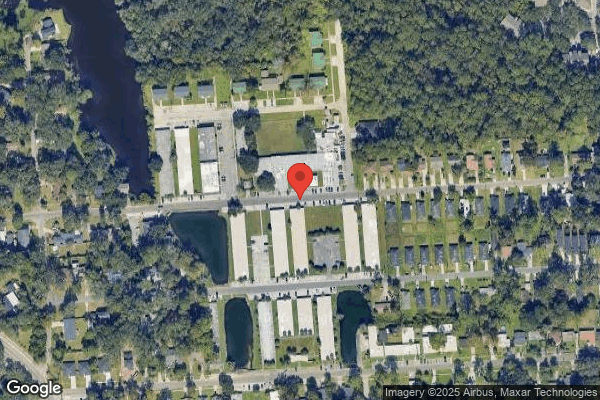
7723 JASPER AVENUE, JACKSONVILLE, FL 32211 (904) 725-8044
Non profit - Other 100 Beds SENIOR HEALTH SOUTH Data: November 2025
Trust Grade
65/100
#349 of 690 in FL
Last Inspection: February 2024

Within standard 12-15 month inspection cycle. Federal law requires annual inspections.

Overview

First Coast Health and Rehabilitation Center in Jacksonville, Florida, has a Trust Grade of C+, indicating it is slightly above average but still has room for improvement. It ranks #349 out of 690 facilities statewide and #27 out of 34 in Duval County, placing it in the bottom half of local options. The facility's trend is worsening, with issues increasing from 2 in 2023 to 5 in 2024. Staffing is a concern, rated at 2 out of 5 stars, and has a high turnover rate of 63%, significantly above the state average of 42%. While the facility has not incurred any fines, which is a positive sign, there are specific concerns, such as the failure to provide one-on-one supervision for residents who require it and the lack of required training for nursing aides, which could affect their competence. Additionally, food safety practices have been questioned, as there were issues with proper food storage and cleanliness in the kitchen.

Trust Score
C+
65/100
In Florida
#349/690
Top 50%
Safety Record
Low Risk
No red flags
Inspections
Getting Worse
2 → 5 violations
Staff Stability
⚠ Watch
63% turnover. Above average. Higher turnover means staff may not know residents' routines.
Penalties
✓ Good
No fines on record. Clean compliance history, better than most Florida facilities.
Skilled Nurses
○ Average
Each resident gets 40 minutes of Registered Nurse (RN) attention daily — about average for Florida. RNs are the most trained staff who monitor for health changes.
Violations
⚠ Watch
12 deficiencies on record. Higher than average. Multiple issues found across inspections.
★★★☆☆
3.0
Overall Rating
★★☆☆☆
2.0
Staff Levels
★★★☆☆
3.0
Care Quality
★★★☆☆
3.0
Inspection Score
Stable
2023: 2 issues
2024: 5 issues

The Good

  • Full Sprinkler Coverage · Fire safety systems throughout facility
  • No fines on record

Facility shows strength in fire safety.

The Bad

3-Star Overall Rating

Near Florida average (3.2)

Meets federal standards, typical of most facilities

Staff Turnover: 63%

17pts above Florida avg (46%)

Frequent staff changes - ask about care continuity

Chain: SENIOR HEALTH SOUTH

Part of a multi-facility chain

Ask about local staffing decisions and management

Staff turnover is elevated (63%)

15 points above Florida average of 48%

The Ugly 12 deficiencies on record

Nov 2024 1 deficiency
CONCERN (E) 📢 Someone Reported This

A family member, employee, or ombudsman was alarmed enough to file a formal complaint

Potential for Harm - no one hurt, but risky conditions existed

Safe Environment (Tag F0921)

Could have caused harm · This affected multiple residents

**NOTE- TERMS IN BRACKETS HAVE BEEN EDITED TO PROTECT CONFIDENTIALITY** Based on observations, interviews, and record review, the facility failed to ensure the resident shower/bathroom in the East Win...

Read full inspector narrative →
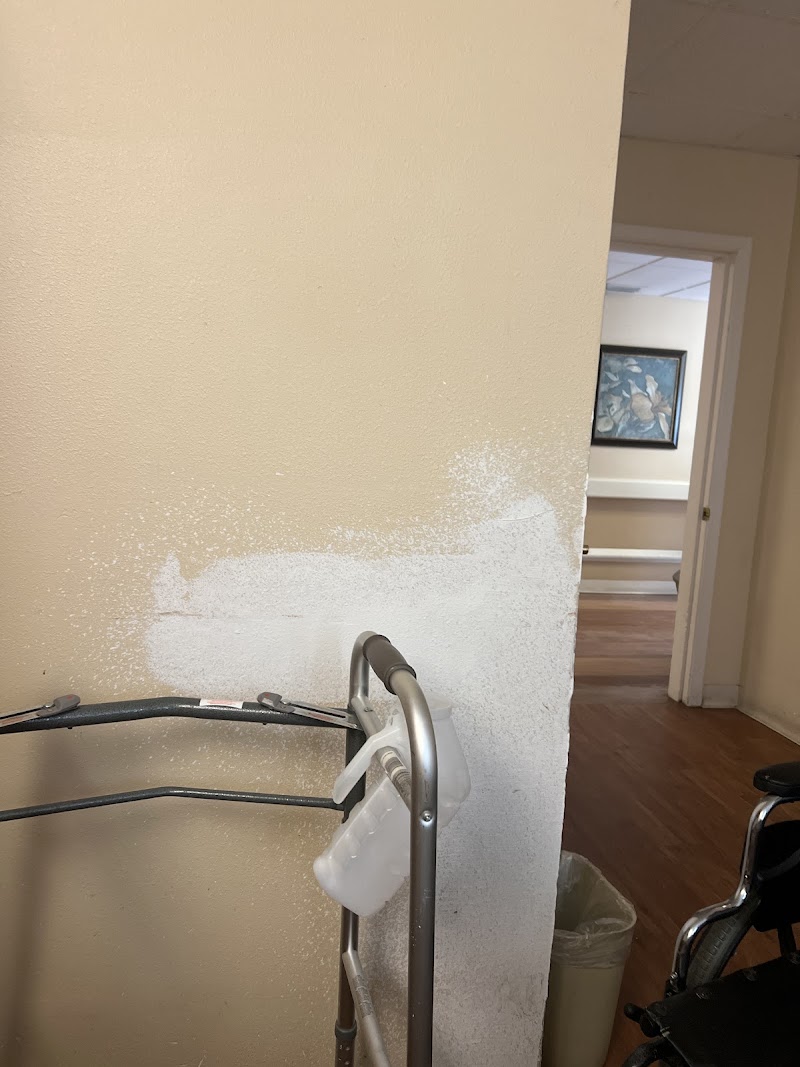
**NOTE- TERMS IN BRACKETS HAVE BEEN EDITED TO PROTECT CONFIDENTIALITY** Based on observations, interviews, and record review, the facility failed to ensure the resident shower/bathroom in the East Wing and [NAME] Wing bathroom were maintain in a safe, functional, sanitary, and comfortable environment; and failed to secure the bathroom sinks to the walls in rooms [ROOM NUMBER]. The findings include: On 11/6/2024 at 10:17 am, during a tour of the East Wing, a foul odor was present upon entering the shower room used for residents. A bucket placed under the toilet tank was observed. When the toilet was flushed water immediately began to pour into the bucket from a crack in the tank. (Photographic evidence obtained) Observation of the shower revealed there was a leak in the neck that connected the shower head to the wall. When the shower was turned on, water sprayed from the neck and the wall of the shower. (Photographic evidence obtained) On 11/6/2024 at 10:43 am, while touring the [NAME] Wing, a blanket and towel were observed on the floor outside a restroom located near the nurses' station. (Photographic evidence obtained) The chrome water closet flushometer was disconnected from the toilet bowl. (Photographic evidence obtained) When the toilet was flushed water sprayed from the back of the toilet spilling onto the floor. (Photographic evidence obtained) Employee A, a Registered Nurse (RN), was seated at the nurses' station located across from the restroom. She called another staff member to come to assist and then picked up the blanket and towel that were on the floor. Employee C, a Certified Nursing Assistant (CNA), was located in a resident's room on the hall. She exited the resident's room with a blanket and placed it on the hall floor outside of the restroom door as Employee A had instructed her to do. When asked, Employee C stated they had been using linen to dry up the water. She stated the issue had persisted off and on for a while. She stated it was supposed to have been fixed on Monday [11/3/2024] and it was still leaking. Employee A was asked who used this restroom. She stated it was for resident use. There was no observation of an Out of Order sign on the door of the restroom nor was there anything in place to prevent/discourage residents from using the restroom. (Photographic evidence obtained) During an interview with Resident #3 in her room (#308) on 11/6/2024 at 10:57 am, the sink located in the resident's bathroom was observed not to be securely attached to the wall with a gap between the sink and the wall. When the resident was asked about the sink/wall, she stated that it had been that way for sometime and that she had reported it to multiple staff members. She stated that no one had come as of date to make the repairs. (Photographic evidence obtained) On 11/6/2024 at 11:20 am, an interview was conducted with Employee B, CNA. She confirmed that she knew that the restroom was broken on the [NAME] Wing. She also stated that she had not reported the issue to anyone. She denied awareness of any ongoing plumbing issues. She stated she would report any concerns to the nurse. She added that the facility does have a system where work orders can be submitted, however, she had not been trained on how to do it. On 11/6/2024 at 11:48 am, an interview was conducted with Employee C. She stated the restroom on the [NAME] Wing had been out of order intermittently for approximately two weeks. She confirmed the restroom was for resident use only. When asked if the restroom was currently out of order. She replied, normally there would be a sign on the door if it was out of order, so I guess they're [the residents] using it. When asked about the repairs needed in the restroom, she stated that the toilet was broken and that water was coming up from the tiled floor. On 11/6/2024 at 12:29 pm, an interview was conducted with the Maintenance Director. He stated that all work orders should be submitted into the TELS system which sends alerts to his personal phone. He stated that a work order could be submitted by any staff member and he had a list of vendors used for maintenance services. He explained that once a maintenance issue had been identified, he had to contact the corporate office to provide an estimate for repairs verses the estimate to replace. He stated he hadn't seen anyone come in to repair the sinks since he'd been employed at the facility nor had he seen any estimates. He stated he was not aware of any current concerns with the plumbing or water leaks at the time. A tour of the facility was then conducted with the Maintenance Director. During a visit of the East Wing, he stated he wasn't aware of any concerns on this wing. Upon entering the shower room on this wing, he observed the sink present and stated that it needed to be repaired. After turning on the shower and observing the leak from the neck of the shower connected to the wall, he stated that it also needed to be repaired. Upon entering the [NAME] Wing, he stated that restroom was repaired on Monday [11/4/2024]. The towels and blanket were observed once again on the floor outside of the restroom door. He stated he was not aware that it was broken again. He was taken to the resident rooms (#107, #200, and #308) where he observed the sinks hanging from the walls. He commented that he had not inspected the entire facility and that he would repair the sinks. He referred to the building as dated and stated that it would take time to make all of the necessary repairs. On 11/6/2024 at 1:39 pm, a follow up interview was conducted with Employee A. She stated she typically worked on the [NAME] Wing. She stated maintenance issues were reported in the TELS system, an electronic reporting system. If something needed to be done immediately, she would report it in TELS and also send a group text message to the department heads, which included the Administrator. She confirmed her knowledge of the leak/flooding in the restroom on the [NAME] Wing. She stated that the area was usually wet adding, especially when it rains. She stated someone came in on Monday [11/4/2024] to repair the toilet and that she had not seen the toilet replaced. She stated the issue was not resolved and that all residents were able to use that restroom not just the residents on that wing. On 11/6/2024 at 2:05 pm, an interview was conducted with Employee F, Licensed Practical Nurse (LPN). She stated she contacted the Maintenance Director when there were maintenance issues. She used the computer reporting system for maintenance requests, however, she had been having issues logging into it. So, it was easier for her to call the Maintenance Director. She was aware of the issues with the resident restroom on the [NAME] Wing and was advised that it had been repaired, and that now it was broken again. She stated she had not reported this and said, This is an old building. There are always problems. A record review of Plumbing/Electric invoices provided by the facility revealed the following. 10/03/24: Toilet tank rebuild 10/04/24: Customer had a toilet with an old worn-out stud that came detached . 10/07/24: Two toilets that were not draining and a shower that needed to be rebuilt .
Feb 2024 4 deficiencies
CONCERN (D)

Potential for Harm - no one hurt, but risky conditions existed

Comprehensive Care Plan (Tag F0656)

Could have caused harm · This affected 1 resident

**NOTE- TERMS IN BRACKETS HAVE BEEN EDITED TO PROTECT CONFIDENTIALITY** Based on record reviews and interview, the facility failed to update and implement a comprehensive person-centered care plan for...

Read full inspector narrative →
**NOTE- TERMS IN BRACKETS HAVE BEEN EDITED TO PROTECT CONFIDENTIALITY** Based on record reviews and interview, the facility failed to update and implement a comprehensive person-centered care plan for each resident, that includes measurable objectives and timeframes to meet a resident's medical, nursing, and mental and psychosocial needs for two (Residents #50 and #71) of four residents reviewed for comprehensive care plans, from a total sample of 26 residents. The findings include: 1. A review of Resident #50's clinical record revealed an admission date of 8/4/20 with diagnoses that included encephalopathy, seizures, anxiety, depression, and schizoaffective disorder. A quarterly minimum data set (MDS) assessment dated [DATE], indicated the resident has a brief interview for mental status (BIMS) score of 15/15, indicating intact cognition. Progress note dated 2/7/24 stated Resident #50 was observed kissing Resident #71 in her room. A review of the physician's orders dated 2/9/24 revealed Resident #50 was to have one to one supervision every shift. A review of resident's current care plan revealed no updates to reflect this behavior. 2. A review of Resident #71's clinical record revealed an admission date of 1/18/24 with diagnoses that included dementia and depression. A MDS assessment dated [DATE], indicated the resident has a BIMS score of 5/15, indicating severely impaired cognition. Progress note dated 2/7/24 stated a Certified Nursing Assistant (CNA) entered Resident #71's room and saw Resident #50 and Resident #71 kissing. A review of the physician's orders dated 2/9/24 revealed the resident was to have one to one supervision every shift. A review of Resident #71's current care plan revealed no updates to reflect this behavior. On 2/29/24 at 11:20 AM, an interview was conducted with the Director of Nursing (DON). He confirmed that Resident #50 and Resident #71's care plan was not updated. He also confirmed that the care plan was supposed to be updated based on the incident that occurred 02/07/2024. A review of the facility's policy titled Care Plan - Interdisciplinary Plan of Care from Interim to Meeting with an effective date of 01/24, was conducted. Page one stated, The facility shall assess and address care issues that are relevant to individual residents, to include, but may not be limited to, monitoring resident condition, and responding with appropriate interventions. .
CONCERN (D)

Potential for Harm - no one hurt, but risky conditions existed

Respiratory Care (Tag F0695)

Could have caused harm · This affected 1 resident

**NOTE- TERMS IN BRACKETS HAVE BEEN EDITED TO PROTECT CONFIDENTIALITY** Based on observations, interviews, record review, and facility policy review for oxygen therapy, the facility failed to ensure t...

Read full inspector narrative →
**NOTE- TERMS IN BRACKETS HAVE BEEN EDITED TO PROTECT CONFIDENTIALITY** Based on observations, interviews, record review, and facility policy review for oxygen therapy, the facility failed to ensure that one (Resident #44) of three residents reviewed for respiratory care, received the correct number of liters of oxygen ordered by the physician, in a total sample of 26 residents. This could result in the resident not receiving appropriate care and/or clinical complications. The findings include: On 2/26/24 at 10:25 AM, Resident #44 was observed lying in bed without oxygen via nasal cannula. The oxygen concentrator was located away from the bed with nasal cannula wrapped around the concentrator handle. (Photographic evidence obtained) A review of Resident #44's medical record revealed an admission date of 2/17/20 with diagnoses of Chronic Obstructive Pulmonary Disease (COPD), Acute and Chronic Respiratory Failure with hypoxia, and unspecified asthma with (acute) exacerbation. A review of the annual minimum data set (MDS) assessment dated [DATE] revealed a brief interview for mental (BIMS) score of 15/15, indicating intact cognition. A review of the physician's orders dated 1/10/24 revealed Oxygen at 3 liters per minute (LPM) via nasal cannula continuously, every shift for shortness of breath. On 2/27/24 at 9:51AM, Resident #44 was observed lying in bed without oxygen via nasal cannula. The oxygen concentrator was positioned adjacent to the bed. The oxygen concentrator was turned off. The nasal cannula was rolled up and lodged under the concentrator handle. (Photographic evidence obtained) A review of Resident #44's care plan initiated on 2/18/20 and revised 1/5/24 revealed a focus for Emphysema/COPD related to smoking. Interventions included give oxygen therapy as ordered by the physician. On 2/28/24 at 2:07 PM, Employee A, Registered Nurse (RN) was interviewed in Resident #44's room. When asked if she was familiar with Resident #44, she replied, Yes. When asked what the oxygen order was for the resident. She did not respond, she in turn addressed the resident. Employee A RN then asked Resident #44 if he had been using his oxygen lately. Resident #44 stated, I'll use it if you start it up. Employee A RN asked Resident #44 if he was short of breath. He stated, Always. When Employee A RN was asked what the facility process is for administration of oxygen. She stated, First you gotta get the order, then get the concentrator, you see what the person is sating at, usually the desired oxygen saturation is 92% on room air, if its below 92% then we put on oxygen. On 2/28/24 at 2:14 PM, an interview was conducted with Employee B RN. She was asked to verify Resident #44's oxygen order. She reviewed the order in the electronic medication administration record and stated, It was supposed to be an as needed (PRN) order. When asked to recite the actual order as it appeared, Employee B RN stated, Oxygen at 3 liters per minute via nasal cannula, continuously, every shift for shortness of breath. She stated, the order was supposed to be PRN order but it's not. A review of the facility's policy and procedure titled: Oxygen Therapy read: Policy: Oxygen is provided to residents based on physician's orders to supplement oxygen as needed per disease process. Procedure: 1. Verify physician order. Education 2. Indications for oxygen use: a. Obstructive pulmonary disease c. Hypoxemia e. shortness of breath (dyspnea) .
CONCERN (F)

Potential for Harm - no one hurt, but risky conditions existed

Deficiency F0725 (Tag F0725)

Could have caused harm · This affected most or all residents

**NOTE- TERMS IN BRACKETS HAVE BEEN EDITED TO PROTECT CONFIDENTIALITY** Based on interviews and record reviews, the facility failed to maintain sufficient nursing staff at all times to provide nursing...

Read full inspector narrative →
**NOTE- TERMS IN BRACKETS HAVE BEEN EDITED TO PROTECT CONFIDENTIALITY** Based on interviews and record reviews, the facility failed to maintain sufficient nursing staff at all times to provide nursing and related services to assure resident safety and maintain the highest practicable physical, mental and psychosocial well-being for three (Residents #50, #71, and #289) of three resident requiring one on one supervision, from a total of 26 residents in the sample. This had the potential to negatively impact all 90 resident in the facility at the time of the survey. The findings include: 1. A review of Resident #50's clinical record revealed an admission date of 8/4/20 with diagnoses that included encephalopathy, seizures, anxiety, depression, and schizoaffective disorder. A quarterly minimum data set (MDS) assessment dated [DATE], indicated the resident has a brief interview for mental status (BIMS) score of 15/15, indicating intact cognition. A review of the physician's orders dated 2/9/24 revealed Resident #50 was to have one to one (1:1) supervision every shift. 2. A review of Resident #71's clinical record revealed an admission date of 1/18/24 with diagnoses that included dementia and depression. A MDS assessment dated [DATE], indicated the resident has a BIMS score of 5/15, indicating severely impaired cognition. A review of the physician's orders dated 2/9/24 revealed the resident was to have 1:1 to one supervision every shift. 3. A review of Resident #289's clinical record revealed an admission date of 2/14/24 with diagnoses that included mild cognitive impairment of unknown etiology, anorexia, muscle weakness, history of falling, and schizophrenia. A MDS assessment dated [DATE], indicated the resident has a BIMS score of 3/15, indicating severely impaired cognition. A review of the physician's orders dated 2/24/24 revealed the resident was to have 1:1 monitoring every shift due to elopement risk. On 2/26/24 at 7:50 AM, an interview was conducted with Employee C, Licensed Practical Nurse (LPN). She stated that she worked overnight from 7:00 PM on 02/25/24 to 7:00 AM on 02/26/24. She was waiting on her relief to show up so she could go home and there were staff call outs last night. The facility census was 90 and she was assigned 45 residents for her entire shift. There were two LPNs on the entire night shift, and both had 45 residents assigned. She stated there were only two Certified Nursing Assistants (CNA) that worked over night and each of them had 45 residents to take care of. When asked about Residents #50, #71, and #289, 1:1 supervision, Employee C, LPN confirmed there were no staff to provide their 1:1 supervision. She explained that staffing had been an ongoing issue for about three months. On 2/26/24 at 10:30 AM, an interview was conducted with the Director of Nursing (DON) and the Administrator. Both were aware of the insufficient staffing overnight from 2/25/24 to 2/26/24. The Administrator stated he was informed by staff that there were call outs. The DON also confirmed he was made aware of the insufficient staffing and that he made calls to staff that were not working to get staff to work. The DON stated he was unable to find anyone to work. The Administrator stated that the staffing coordinator resigned without notice on 2/19/24. Leadership took on the responsibility of the staffing coordinator. Both the DON and the Administrator confirmed that the facility census was 90 overnight. They also confirmed that there were only two LPNs and each of them had 45 residents assigned to them. The DON and administrator also confirmed that there were only two CNAs and that each of them also had 45 residents assigned to them. The Administrator confirmed that there were three residents with a 1:1 supervision order and that those three residents were not able to supervised 1:1 due to insufficient staffing. A review of the facility's policy titled Staffing with an effective date of 01/24, was conducted. Page one stated Each nursing center has sufficient nursing staff to provide nursing and related services to attain or maintain the highest practicable, physical, mental, and psychosocial well-being of each resident, as required by federal law, and sufficient staff to meet applicable state law requirements (including minimum staffing ratios). The projected staffing plans are re-evaluated on an on-going basis in response to changes in the facility, resident population or other circumstances. Staffing is monitored on an ongoing basis. Page one, #3, stated Adjust staffing throughout the day based on census and resident special care needs changes. .
CONCERN (F)

Potential for Harm - no one hurt, but risky conditions existed

Deficiency F0947 (Tag F0947)

Could have caused harm · This affected most or all residents

Based on employee record reviews and staff interviews, the facility failed to provide the required in-service training for nurse aides, to ensure the continuing competence of nurse aides, no less than...

Read full inspector narrative →
Based on employee record reviews and staff interviews, the facility failed to provide the required in-service training for nurse aides, to ensure the continuing competence of nurse aides, no less than 12 hours per year, which includes dementia management training and resident abuse prevention training to 3 Certified Nursing Assistants (CNAs) (CNA Staff D, E, and F) of 5 staff reviewed. This has the potential to jeopardize continued conpetence of CNAs. The finding include: A record review of training files revealed the following: CNA D was hired on 2/10/21. Further review revealed no evidence a current 12 hours of in-service education was provided. CNA E was hired on 9/25/06. Further review revealed no evidence a current 12 hours of in-service was provided. CNA F was hired on 2/9/23. Further review revealed no evidence a current 12 hours of in-service was provided. On 2/29/24 at 1:01 PM, the Administrator, Director of Nursing (DON) and Regional Nurse Consultant were requested to provide the CNA competence records for CNA D, E, and F. On 2/29/24 at 2:00 PM, the Administrator stated, We are getting them for you right now. On 2/29/24 at 2:15 PM, the Regional Nurse Consultant stated, We are looking for the documents now. On 2/29/24 at 2:40 PM, the Administrator was once again asked to provide the competencies documentation for CNA D, E, and F. On 2/29/24 att 3:17 PM, the facility failed to provide CNA D, E, and F's annual competencies. On 2/29/24 at 3:30 PM, the facility failed to provide CNA D, E, and F's annual competencies. During the exit conference on 2/29/24 at 3:50 PM, the facility acknowledged the documentation was not available. .
Dec 2023 1 deficiency
CONCERN (D) 📢 Someone Reported This

A family member, employee, or ombudsman was alarmed enough to file a formal complaint

Potential for Harm - no one hurt, but risky conditions existed

Accident Prevention (Tag F0689)

Could have caused harm · This affected 1 resident

**NOTE- TERMS IN BRACKETS HAVE BEEN EDITED TO PROTECT CONFIDENTIALITY** Based on observations, interviews and record review, the facility failed to ensure that the resident environment remained as fre...

Read full inspector narrative →
**NOTE- TERMS IN BRACKETS HAVE BEEN EDITED TO PROTECT CONFIDENTIALITY** Based on observations, interviews and record review, the facility failed to ensure that the resident environment remained as free of accident hazards as was possible for one (Resident #3) of 3 residents sampled. Resident #3's wheelchair was observed with razors on his wheelchair and he was left unsupervised in the bathroom with them. This practice could result in injury to this resident or any other resident who had access to the razors. The findings included: On 12/4/23 as 12:20 pm, Resident #3 was observed entering the women's restroom unassisted on the East Wing of the facility. During this time there were no staff present at the nurses' station or on the wing. Employee D, Certified Nursing Assistant (CNA) was notified by the surveyor of the observation. Employee D knocked on the door of the women's restroom and advised Resident #3 that he could not be in the women's restroom and needed to leave immediately. The resident began to audibly yell that he had been shaving in that bathroom for years. She again explained he could not be in there. While Resident #3 was in his wheelchair, Employee D assisted him down the hall towards his room. At this time Resident #3 was observed having two blue razors on the right arm of his wheelchair. (Photographic evidence obtained) Employee D left the hall leading to the resident's room. Another unidentified staff member appeared on the hall. Resident #3 could be heard from his room saying, I have been shaving in there for years! An unidentified staff member entered the room of Resident #3. Shortly thereafter, the staff member exited the room assisting Resident #3 down the hall. She advised him that he needed to be supervised while he was in the women's restroom and escorted him into the women's room on the East Wing. The two blue razors remained on the right arm of the resident's wheelchair. Once she had wheeled him inside the restroom, she closed the door behind him, and went into another resident's room to provide feeding assistance. Resident #3 was left unsupervised in the women's restroom with the razors in his possession. On 12/4/23 at 12:32 pm, Resident #3 was observed leaving the women's restroom. The two blue razors were still on the right arm of his wheelchair. The Resident was asked about the observation. Resident #3 stated he had been in the facility for six years. He stated he does as much as he can for himself due to limited staffing in the facility. He stated he kept his shaving supplies in his room in a bowl in his drawer and used the women's restroom because he could see himself in the mirror and the water temperature in that bathroom is warmer. During the interview Resident #3 showed the surveyor his shaving supplies. (Photographic evidence obtained) A review of the medical record revealed that Resident #3 was admitted to the facility on [DATE], with his last readmission on [DATE]. His diagnoses included encephalopathy, type 2 diabetes mellitus, muscle wasting, cognitive communication deficit, unspecified dementia, contracture of right hand, altered mental status, need for assistance with personal care, contracture of right elbow, major depressive disorder, and hemiplegia and hemiparesis following cerebral infarction affecting right dominant side. A review of the quarterly minimum data set (MDS) assessment, dated 9/3/23, revealed that Resident #3 had a brief interview for mental status (BIMS) score of 15 out of 15 possible points, indicating intact cognition. He required total dependence with transfer, extensive assistance with bed mobility, toilet use, dressing and personal hygiene. He required limited assistance with locomotion on/off unit and was independent with eating. A review of Resident #3's care plan, last revised on 6/15/23 revealed he had an ADL (activities of daily living) Self-care performance deficit as evidence by: cannot complete ADL tasks independently and requires individualized interventions to improve function. Interventions included AM/HS routine care: provide assistance as needed to perform ADL functions including but not limited to personal hygiene, oral care, and bathing. (Copy obtained) During an interview with Employee D, CNA conducted on 12/4/23 at 2:48 pm, she stated it was her job to assist resident's with their ADLs. She stated that the CNAs provide the resident's with their ADL supplies and those residents who can shave independently are allowed to do so, however, they must be supervised at all times. She stated that staff should not leave the residents unattended. She explained that once the resident uses the razor, staff are to throw them in the sharps container. When asked about the observation of Resident #3 having the razors in his possession and being left unsupervised in the women's restroom. She stated Resident #3 should not have been left alone in the women's restroom because resident's should not be unsupervised when shaving or showering. She also stated he should not have had the razors in his possessions and residents should not store the razors in their rooms. During an interview with Employee F, CNA conducted on 12/4/23 at 4:17 pm, she was asked about providing ADL care for residents and shaving supplies. She explained she assisted residents with their ADLs, and it was the CNAs responsibility for getting the residents their supplies. She stated residents were not allowed to keep shaving supplies. She stated that after razors were used, they had to be discarded in the sharps container located in the shower room. She confirmed that residents were supposed to be supervised while they shaved. On 12/4/23 at 3:37 pm the Administrator/Risk Manager approached the surveyor and stated the facility would begin education on residents with sharps. He was asked to elaborate. He began to read from the facility's policy titled Standard Precautions emphasizing other sharp instruments and devices. He was asked about residents storing sharp items in their room. He stated used devices should be disposed of appropriately. He referenced Section 8 of the policy Titled Safe Needle Handling. He was asked if that applied to razors and other shaving supplies. He shrugged his shoulders and did not give a verbal answer. He was asked if residents were supposed to have razors and other shaving supplies in their rooms. He again stated used supplies should be properly disposed of. He did not provide any additional policies on storing sharp items such as razors. He did not answer if and/or where residents could store these items. No additional information was provided. An interview was conducted with Employee H, Licensed Practical Nurse (LPN) on 12/4/2023 at 5:20 pm. When asked about residents with sharps she stated the razors are one time use. She stated for safety purposes residents should be supervised when shaving. She stated the CNAs should be assisting the residents while shaving and then discarding the razor. She confirmed that the residents are not to store razors in their room. A review of the facility's policy Standard Precautions effective October 2021 revealed: 8. Safe Needle Handling a. Take care to prevent injuries when using needles, scalpels, and other sharp instruments or devices; when handling sharp instruments after procedures; when cleaning used instruments; and when disposing of used needles. d. Place used disposable syringes and needles, scalpel blades, and other sharp items in appropriate puncture-resistant containers located as close as practicable to the area in which items were used. .
Jan 2023 1 deficiency
CONCERN (D) 📢 Someone Reported This

A family member, employee, or ombudsman was alarmed enough to file a formal complaint

Potential for Harm - no one hurt, but risky conditions existed

Deficiency F0661 (Tag F0661)

Could have caused harm · This affected 1 resident

**NOTE- TERMS IN BRACKETS HAVE BEEN EDITED TO PROTECT CONFIDENTIALITY** Based on record review, staff interviews, and facility policy and procedure review, the facility failed to complete a discharge ...

Read full inspector narrative →
**NOTE- TERMS IN BRACKETS HAVE BEEN EDITED TO PROTECT CONFIDENTIALITY** Based on record review, staff interviews, and facility policy and procedure review, the facility failed to complete a discharge summary that included the required information for two (Residents #1 and #2) of three sampled discharged residents. The findings include: 1. A review of Resident #1's medical record revealed an admission date of 12/07/2022 and discharged home date of 01/03/2023. Resident's medical diagnoses included type 2 diabetes mellitus, chronic kidney disease, history of transient ischemic attack and hypertension (high blood pressure). An admission Minimum Data Set (MDS) assessment, dated 12/13/2023, revealed a Brief Interview for Mental Status (BIMS) score of 13 out of a possible 15 points, indicating intact cognition. Resident #1 required extensive assistance with transfers and toileting. Resident participated in the assessment and his overall expectation was to remain in the facility. Resident did not wish to return to the community and there were no active discharge plans. A review of Resident #1's physician's order dated 01/02/2023 indicated he may discharge home on [DATE] with occupational therapy, physical therapy, and registered nursing (OT/PT/ and RN management). The order further indicated that resident may discharge home with the remaining medication. A review of the discharge summary for Resident #1 dated 01/03/2023 revealed sections G (Functional Abilities) and section H (Reviewed and Signed) were not completed. (Copy obtained) 2. A review of Resident #2's medical record revealed an admission date of on 01/10/2023. Resident had a re-entry date of 01/17/2023 and discharged home date of 01/23/2023. Resident's medical diagnoses included type II diabetes mellitus, hypertension, and hyperlipidemia (high cholesterol). An admission MDS was incomplete and not done. A review of Resident #2's physician's order dated 01/21/2023 indicated he may discharge home on [DATE] with occupational therapy, physical therapy and Registered nursing (OT/PT/ and RN management). The order further indicated that resident may discharge home with the remaining medication. A review of the discharge summary for Resident #2 dated 01/23/2023 revealed sections A (Recapitulation of Stay), G (Functional Abilities), and H (Reviewed and Signed) were not completed. (Copy obtained) On 1/27/2023 at 1:15 pm, an interview was conducted with the Director of Rehab (DOR). He stated that once residents are discharged from therapy, the nursing department is notified of the discharge functional abilities. The DOR stated the social service department is notified if the resident will require any durable medical equipment (DME). He added the therapy department was also responsible in completing the discharge summary regarding the functional abilities. When asked about Resident's #1 and #2 discharge summaries, he confirmed the functional abilities sections were not completed. On 01/27/2023 at 1:40 pm, an interview was conducted with the Social Services Director (SSD). She stated discharge planning is initiated upon admission and reviewed during care plan meeting. She stated, she was responsible for facilitating a discharge on ce the physician has written the discharge order. When asked about the discharge summary, she stated that interdisciplinary team (IDT) was responsible in completing their relevant section of the discharge summary. She added, she was responsible in ensuring that the summary was completed and then signed. When asked when the discharge summary should be completed, she said ,Within 48 hours of discharge. She confirmed that Resident's #1 and #2 discharge summaries were not completed. On 01/27/23 at 3:00 pm, the Administrator was asked about his expectation regarding the completion of the discharge summaries, he said, I am concerned that this is not being competed, but there is no timeline on when it should be completed. A review of the facility's policy and procedure titled Discharge Management effective October 2021 read, The facility preadmission process is designed to provide residents with access to the appropriate care, health plan professional(s), and service(s) based on their level of care, evaluated needs and the facility's ability to meet these needs. Residents are referred, transferred, or discharged based on their evaluated needs and by order of their attending physician. (Copy obtained) 3. Contribution to the final discharge plan by the interdisciplinary team will be completed in the following manner: a. Attending physician will provide: 1) Instructions regarding discharge. 2) Letter of Medical Necessity as needed for Health Plan. 3) Discharge summary Letter to community physician communicating patient's discharge status and disposition. c. Therapies (PT, OT, SLP, Respiratory) will provide: 1) Input into discharge plan regarding level of care, home versus outpatient therapies, DME recommendations following as needed home assessment. 4) Provide instructions/education to caregivers regarding maximum functional abilities of the resident and the safe use of DME. F. Social Services/ Discharge Planner will: 12) Summarize the finalized discharge plan in the social Service Section of the record. .
Mar 2022 4 deficiencies
CONCERN (D)

Potential for Harm - no one hurt, but risky conditions existed

Respiratory Care (Tag F0695)

Could have caused harm · This affected 1 resident

Based on record review, observations, interviews, and facility policy and procedure review, the facility failed to provide respiratory care as needed and ordered for one (Resident #71) of eight reside...

Read full inspector narrative →
Based on record review, observations, interviews, and facility policy and procedure review, the facility failed to provide respiratory care as needed and ordered for one (Resident #71) of eight residents receiving respiratory treatment, from a total of 39 residents in the sample. The findings include: A review of the medical record for Resident #71 revealed an admission date of 6/15/19 with diagnoses of aphasia following cerebral infarction, apraxia following unspecified cerebrovascular disease, chronic obstructive pulmonary disease, chronic respiratory failure with hypercapnia and speech deficit. A review of the current physician's orders revealed oxygen at 2 Liters per minute (LPM) continuous for shortness of breath, clean oxygen filter weekly, change oxygen tubing and set up weekly. An observation on 3/14/22 at 11:50 AM revealed Resident #71 was receiving oxygen through a nasal cannula at 2.5 LPM. On 3/15/22 at 10:00 AM, Resident #71 was observed receiving oxygen through a nasal cannula at 2.5 LPM. (Photographic evidence obtained) On 3/17/22 at 9:25 AM, Resident #71 was observed lying flat in bed asleep. The oxygen concentrator was set on 2.5 LPM and the tubing was not connected to machine. (Photographic evidence obtained). On 3/17/22 at 2:15 PM, Resident #71 was observed receiving oxygen through a nasal cannula at 2.5 LPM. The oxygen tubing did not reveal any visible date. The care plan for Resident #71, dated 3/2/22, noted oxygen therapy related to ineffective gas exchange and chronic obstructive pulmonary disease, history of respiratory failure. Interventions included oxygen at 2 Liters continuous via nasal cannula, special equipment oxygen; administer oxygen as ordered, give meds as ordered by medical doctor; monitor for signs and symptoms of respiratory distress, monitor for changes in or development of breathing differences and report, change and date respiratory equipment tubing weekly. During an interview with Employee J, Registered Nurse (RN) on 3/17/22 at 5:00 PM, she stated that she checks residents on oxygen almost every day. She explained that the oxygen tubing is checked weekly and as needed. She reported nursing staff should change tubing weekly. She was asked about Resident #71 oxygen order. She confirmed that the resident's order was for 2 LPM. Employee J, RN was asked to go to Resident #71's room to review the oxygen setting. Employee J, RN observed the oxygen concentrator and confirmed it was over 2 LPM. Employee J, RN was asked if there were any dates noted on the oxygen tubing or nasal cannula. She stated, No, I can't see any. Employee J, RN set the oxygen concentrator to 2 LPM. A review of the facility's policy and procedure titled Oxygen Therapy read: Initiation of Oxygen: 1) Verify physician order; 7) Apply device to patient. Oxygen Devices: 1) Nasal cannula: e. Change out weekly and PRN. (Photocopy obtained) .
CONCERN (D)

Potential for Harm - no one hurt, but risky conditions existed

Drug Regimen Review (Tag F0756)

Could have caused harm · This affected 1 resident

**NOTE- TERMS IN BRACKETS HAVE BEEN EDITED TO PROTECT CONFIDENTIALITY** Based on record reviews, interview, and facility policy and procedure review, the facility failed to ensure drug regimen was rev...

Read full inspector narrative →
**NOTE- TERMS IN BRACKETS HAVE BEEN EDITED TO PROTECT CONFIDENTIALITY** Based on record reviews, interview, and facility policy and procedure review, the facility failed to ensure drug regimen was reviewed at least once a month by a licensed pharmacist for two (Residents #44 and #58) of five residents reviewed for unnecessary medication, from a total of 39 residents in the sample. The findings include: 1. A review of Resident #44's medical record revealed he was admitted on [DATE] with a readmission date of 10/7/20. Resident had orders for Depakote 275 milligrams (mg) twice daily for mood stabilization; Remeron 7.5 mg at bedtime for depression; Buspirone 15 mg three times daily for anxiety; Fluvoxamine 50 mg once daily for obsessive compulsive disorder; and Sertraline 25 mg once daily for major depression. A review of the monthly pharmacy reports from October 2021 to March 2022 revealed Resident #44 was not reviewed during the months of November 2021, December 2021, January 2022, and February 2022. 2. A review of Resident #58's medical record revealed he was admitted on [DATE] with a readmission date of 2/8/22. Resident had orders for Lexapro 10 mg once daily for depression and Buspirone 5 mg three times daily for anxiety. A review of the monthly pharmacy reports from October 2021 to March 2022 revealed Resident #58 was not reviewed during the month of November 2021. During an interview with the Director of Nursing (DON) and the Regional Clinical Consultant (RCC) on 3/17/22 at 3:02 PM, the DON stated, they were responsible for making sure the monthly pharmacy reviews were conducted. The RCC explained the DON had received training on the pharmacy review process last week and due to identification of deficiency, they were developing a Performance Improvement Project to address the deficiencies. A review of the facility's policy and procedure titled Section 8.1 Medication Monitoring - Medication Regimen Review and Reporting (PharMerica Corp 2007, 9/2018), Procedures, Item 2-revealed, The consultant pharmacist reviews the medication regimen and medical chart of each resident at least monthly to appropriately monitor the medication regimen and ensure that the medications each resident receives are clinically indicated. (Photocopy obtained) .
CONCERN (D)

Potential for Harm - no one hurt, but risky conditions existed

Deficiency F0757 (Tag F0757)

Could have caused harm · This affected 1 resident

**NOTE- TERMS IN BRACKETS HAVE BEEN EDITED TO PROTECT CONFIDENTIALITY** Based on record review, staff interview, and policy and procedure review, the facility failed to monitor resident behaviors rela...

Read full inspector narrative →
**NOTE- TERMS IN BRACKETS HAVE BEEN EDITED TO PROTECT CONFIDENTIALITY** Based on record review, staff interview, and policy and procedure review, the facility failed to monitor resident behaviors related to the use of psychotropic medication for one (Resident #58) of five residents reviewed for unnecessary medications from a total of 39 residents in the sample. The findings include: A record review for Resident #58 revealed he was admitted on [DATE] with a readmission date of 2/8/22, with the following diagnoses: anxiety disorder, major depressive disorder, acute renal failure on dialysis, hemiplegia, and hemiparesis right side, and left below the knee amputation. A review of the physician orders on 2/8/22, revealed an order for Escitalopram Oxalate (Lexapro)10 milligrams (mg) once daily for depression and Buspirone (Buspar) 5 mg three times daily for anxiety. (Photocopy obtained) Further review of the physician's orders on 2/9/22, revealed an order for Lexapro (escitalopram) antidepressant behavior monitoring every shift for behavioral disturbances and Buspar (Buspirone) behavior monitoring sedative behavior every shift. (Photocopy obtained) A review of Resident #58's Medication Administration Record (MAR) for March 2022, found no behavior monitoring for the use of Lexapro and Buspar. (Photocopy obtained) A review of the resident's care plan revealed a focus area for psychotropic medication. Interventions included administer medications as ordered, observe and document for side effects and effectiveness. A second focus area for behaviors related to episodes of agitations during care revealed interventions that included administer meds as ordered; monitor side effects and effectiveness; approach in a calm manner; assist to develop more appropriate methods of coping and interacting; document behaviors and response to interventions. An interview was conducted with the Director of Nursing (DON) and the Regional Clinical Consultant (RCC) on 3/17/22 at 3:02 PM. They verified there was no documented behavior monitoring for Resident #58 related to the use of Lexapro and Buspar. A review of the facility's policy and procedure titled Section 8.4 Medication Monitoring - Medication Management (PharMerica Corp 2007, 11/2017) Policy, revealed Each resident's drug regimen is reviewed to ensure it is free from unnecessary drugs. This includes any drug without adequate monitoring. The facility's medication management supports and promotes the monitoring of medications for efficacy and adverse consequences. (Photocopy obtained) .
CONCERN (F)

Potential for Harm - no one hurt, but risky conditions existed

Food Safety (Tag F0812)

Could have caused harm · This affected most or all residents

Based on observations, interviews, record reviews, and facility policy and procedure review, the facility failed to store, prepare, distribute, and serve food in accordance with professional standards...

Read full inspector narrative →
Based on observations, interviews, record reviews, and facility policy and procedure review, the facility failed to store, prepare, distribute, and serve food in accordance with professional standards for food service safety by failing to ensure food was properly labeled; dishwashing machine was operating at required temperatures; maintain dishwashing machine daily temperature logs; maintained food at safe temperatures; and document food temperatures on temperature log. The findings include: During a tour of the kitchen on 3/14/22 at 9:55 AM, the following concerns were identified: 1. The milk cooler door was observed with a black substance on the rubber trim and the rubber trim was disconnected from the door. (Photographic evidence obtained) 2. The dishwashing machine was observed with a brown debris, crumble-like substance on top of it. (Photographic evidence obtained) 3. The walk-in refrigerator had the following items with no dates: a) peaches in serving cups b) five, small Styrofoam boxes stacked up c) plastic container with an orange liquid, covered loosely with plastic wrap. (Photographic evidence obtained) 4. [NAME] peppers were observed in the walk-in refrigerator with a grayish white fuzzy substance on them. (Photographic evidence obtained) 5. The dishwashing machine manufacturer's sticker was observed under the machine and read minimum temperature for wash cycle was 150° F and minimum for rinse cycle was 180° F. The dishwashing machine temperature log for March 2022 was observed and revealed the following: (Photographic evidence obtained) a. 3/1/22 - 03/03/22 were blank b. 3/4/22 - 03/10/22 revealed only one meal period (breakfast) c. 3/11/22 - 03/14/22 were blank d. 3/7/22 recorded a wash temperature of 144° F and rinse at 150° F e. 3/8/22 recorded a wash temperature of 136° F and rinse temperature of 160° F f. 3/9/22 recorded a wash temperature of 146°F and rinse temperature of 170° F g. 3/10/22 it was recorded that the wash temperature was 138° F and rinse cycle temperature was 140°F An interview was conducted with Employee Q, [NAME] about the dishwashing machine. He reported that on 3/10/22, he was having problems with the dishwashing machine and notified maintenance, but stated he ended up fixing the problem himself. During another visit to the kitchen on 3/16/22 at 11:00 AM, the following observations were made with Employee W, Consultant Certified Dietary Manager (CDM), and the RD present. 6. The steam table was observed uncovered for more than 10 minutes. 7. Temperature of the meatballs were at 136° F and the mechanical soft meat was 137° F. At this time, cook proceeded to put the meatballs in warmer. Employee Q was asked what the temperature of the food should be on the steam table and Employee Q reported 135°F. 8. Employee Q, [NAME] was observed mixing hot water with instant mash potatoes. The cook was observed using water from unmarked bowl and adding water from that bowl to the mash potatoes mixture. Employee Q was asked how he knows how much water to add to mash potatoes. He reported, He just eyes it. He was asked if he tastes his cooking. He replied, Often. Employee Q was asked why he pureed ham and not today's menu choice which was meatballs. Employee Q reported that he was told not to puree ground beef by his superior. On 3/16/22 at 11:45 AM, the RD was asked what he thought about the pureed ham that Employee Q, [NAME] had pureed for lunch. The RD stated it was too watery and residents could choke if it is too watery. RD spoke to Employee Q, Cook, and told him that he should add thickener or more meat to make the puree less watery. On 3/16/22 at 11:52 AM, Employee W, Consultant CDM, was asked how the pureed food should be made. She reported that the cook should be adding thickener and juices from meat to make pureed items, not water. Employee Q was directed by Employee W to throw out the pureed ham and make pureed meat from meatballs instead. At this time Employee Q was observed pureeing the meatballs in blender. Employee Q was asked to take the temperature of the pureed meatballs and it was 135°F. Employee Q put the pureed meatballs back in warmer. The food temperature log was observed and reviewed with Employee W. Employee W stated, the cook should be recording all food items cooked in this book. At this time, Employee W confirmed that there were several days in the food temperature logbook missing. (Photographic evidence obtained) On 3/16/22 at 12:30 PM, Employee R, Dietary Aide was observed touching the large garbage can to throw away her gloves. She opened the walk-in refrigerator to open, stepped in and came out moments later. She was then observed putting new gloves on without washing her hands. Shortly thereafter, Employee R was observed touching the air conditioner vent with her new gloves on. After she was made aware of her actions, Employee R removed her gloves and washed hands before putting on new gloves. During another visit to the kitchen on 3/17/22 at 2:19 PM, Employee T, Dietary Aide, was observed stacking trays and plastic domes directly from the washer on top of each other without letting them air dry. (Photographic evidence obtained) On 3/17/22 at 2:21 PM, the dishwashing machine wash temperature was observed below the recommended 150° F. During this time, the RD was asked what the staff should do if the temperature for dishwashing machine is lower than recommendations. He stated, the dishwashing machine should be paused, and temperatures should be observed that they are back up to correct temperature before starting wash again. Before exiting the kitchen, the dishwashing machine had reached 150° F after resting for 10 minutes or more. An interview was conducted with the RD on 3/17/22 at 2:35 PM. The RD was asked how often the kitchen is cleaned. RD reported they have cleaning schedule for daily, weekly, and monthly duties. RD was asked what the [NAME] could do to keep the food at appropriate temperatures for tray line service. RD stated, Make sure the hot water at good level in the steam table, use smaller pans, and use metal lids when not being served. RD was asked what the [NAME] should being following when preparing foods. The RD answered, The [NAME] should be following the recipes and normally the CDM would go over the recipes with the Cook. The RD was asked if the [NAME] should know the recipes, he replied Yes. A review of the facility's policy and procedure titled Therapeutic Diet with effective date of 9/21 revealed foods requiring texture modification will be prepared using standardized recipes. (Photocopy obtained) A review of the facility's policy and procedure titled Cleaning and Sanitation with effective date of 9/21 stated to wash dishes in high temperature dish machine per manufacturer guideline plate or at 150 to 165° F wash and 180° F final rinse and record dish machine temperatures 3 times a daily. (Photocopy obtained) A review of the facility's policy and procedure titled Cooking with effective date of 1/21 stated to cook food to a proper internal temperature to prevent foodborne illness. Follow recipes for proper cooking times and temperatures. Also record food temperatures prior to serving residents/patients in the food temperature log. Reheat foods to 165°F when food held on a steam table drops below 140 °F. (Copy obtained) A review of the facility's policy and procedure titled Food Temperature Record with effective date of 1/21 stated to take temperature of food items prior to meal service at breakfast, lunch, and dinner. .
Mar 2020 1 deficiency
CONCERN (D)

Potential for Harm - no one hurt, but risky conditions existed

Assessment Accuracy (Tag F0641)

Could have caused harm · This affected 1 resident

Based on observation, record review, and staff interviews, the facility failed to maintain an accurate comprehensive assessment for 1 of 37 residents reviewed for comprehensive assessment. (Resident #...

Read full inspector narrative →
Based on observation, record review, and staff interviews, the facility failed to maintain an accurate comprehensive assessment for 1 of 37 residents reviewed for comprehensive assessment. (Resident #72) The findings include: An observation on 3/8/20 at 9:47 AM of hospice Resident #72 was laying on his right side with contracted legs in the fetal position wearing a hospital gown. Resident # 72 was awake and alert. Verbal communication with resident was unintelligible. An interview with Resident's #72's family on 3/8/20 at 1:57 PM, revealed the resident is unable to participate in his care due to his condition and he is unable to remember family member's names. A record review was conducted on 3/9/20 at 9:51 AM on Resident #72. On 2/12/20 a Significant Change was documented in the Minimum Data Set (MDS) assessment. In the assessment, it was documented the resident had bed mobility, transfer activity, and toileting that occurred once or twice by the resident. On 1/31/20 an Annual MDS assessment was made on the resident. In this assessment, it was documented the resident needed extensive assistance by staff to assist with bed mobility, transfer activity, and toileting. An interview was conducted with Employee A, MDS Coordinator, on 3/11/20 at 9:41 AM. A review of the MDS assessment for Significant Change on 2/12/20 and the Annual MDS assessment on 1/31/20 was conducted with Employee A. Employee A stated the update was made by Employee B. Employee A confirmed the MDS assessment for Significant Change on 2/12/20 was not an accurate assessment of Resident #72. Employee A stated the resident has not been able to change his bed position or transfer himself for a long time. Employee A stated the Annual MDS assessment made on 1/31/20 was a more accurate assessment of Resident #72. A second interview with Employee A was conducted on 3/11/20 at 1:42 PM. Employee A stated she spoke with Employee B. Employee A stated Employee B created the Significant Change on 2/12/20 because one had not been done when the resident was placed on hospice in July of 2019. Employee A confirmed again the Significant Change MDS assessment on 2/12/20 was not an accurate assessment of Resident #72.
Understanding Severity Codes (click to expand)
Life-Threatening (Immediate Jeopardy)
J - Isolated K - Pattern L - Widespread
Actual Harm
G - Isolated H - Pattern I - Widespread
Potential for Harm
D - Isolated E - Pattern F - Widespread
No Harm (Minor)
A - Isolated B - Pattern C - Widespread

Questions to Ask on Your Visit

  • "Why is there high staff turnover? How do you retain staff?"
  • "Can I speak with families of current residents?"
  • "What's your RN coverage like on weekends and overnight?"

Our Honest Assessment

Strengths
  • • No major safety red flags. No abuse findings, life-threatening violations, or SFF status.
  • • No fines on record. Clean compliance history, better than most Florida facilities.
Concerns
  • • 12 deficiencies on record. Higher than average. Multiple issues found across inspections.
  • • 63% turnover. Above average. Higher turnover means staff may not know residents' routines.
Bottom line: Mixed indicators with Trust Score of 65/100. Visit in person and ask pointed questions.

About This Facility

What is First Coast Center's CMS Rating?

CMS assigns FIRST COAST HEALTH AND REHABILITATION CENTER an overall rating of 3 out of 5 stars, which is considered average nationally. Within Florida, this rating places the facility higher than 0% of the state's 100 nursing homes. This mid-range rating indicates the facility meets federal standards but may have areas for improvement.

How is First Coast Center Staffed?

CMS rates FIRST COAST HEALTH AND REHABILITATION CENTER's staffing level at 2 out of 5 stars, which is below average compared to other nursing homes. Staff turnover is 63%, which is 17 percentage points above the Florida average of 46%. High turnover can affect care consistency as new staff learn residents' individual needs. RN turnover specifically is 85%, which is notably high. RNs provide skilled clinical oversight, so turnover in this role can affect medical care quality.

What Have Inspectors Found at First Coast Center?

State health inspectors documented 12 deficiencies at FIRST COAST HEALTH AND REHABILITATION CENTER during 2020 to 2024. These included: 12 with potential for harm.

Who Owns and Operates First Coast Center?

FIRST COAST HEALTH AND REHABILITATION CENTER is owned by a non-profit organization. Non-profit facilities reinvest revenue into operations rather than distributing to shareholders. The facility is operated by SENIOR HEALTH SOUTH, a chain that manages multiple nursing homes. With 100 certified beds and approximately 96 residents (about 96% occupancy), it is a mid-sized facility located in JACKSONVILLE, Florida.

How Does First Coast Center Compare to Other Florida Nursing Homes?

Compared to the 100 nursing homes in Florida, FIRST COAST HEALTH AND REHABILITATION CENTER's overall rating (3 stars) is below the state average of 3.2, staff turnover (63%) is significantly higher than the state average of 46%, and health inspection rating (3 stars) is at the national benchmark.

What Should Families Ask When Visiting First Coast Center?

Based on this facility's data, families visiting should ask: "How do you ensure continuity of care given staff turnover, and what is your staff retention strategy?" "Can you walk me through typical staffing levels on day, evening, and night shifts?" "Can I visit during a mealtime to observe dining assistance and food quality?" "How do you handle medical emergencies, and what is your hospital transfer rate?" These questions are particularly relevant given the facility's high staff turnover rate and the below-average staffing rating.

Is First Coast Center Safe?

Based on CMS inspection data, FIRST COAST HEALTH AND REHABILITATION CENTER has a clean safety record: no substantiated abuse findings (meaning no confirmed cases of resident harm), no Immediate Jeopardy citations (the most serious violation level indicating risk of serious injury or death), and is not on the Special Focus Facility watch list (a federal program monitoring the lowest-performing 1% of nursing homes). The facility has a 3-star overall rating and ranks #100 of 100 nursing homes in Florida. While no facility is perfect, families should still ask about staff-to-resident ratios and recent inspection results during their visit.

Do Nurses at First Coast Center Stick Around?

Staff turnover at FIRST COAST HEALTH AND REHABILITATION CENTER is high. At 63%, the facility is 17 percentage points above the Florida average of 46%. Registered Nurse turnover is particularly concerning at 85%. RNs handle complex medical decisions and coordinate care — frequent RN changes can directly impact care quality. High turnover means new staff may not know residents' individual needs, medications, or preferences. It can also be disorienting for residents, especially those with dementia who rely on familiar faces. Families should ask: What is causing the turnover? What retention programs are in place? How do you ensure care continuity during staff transitions?

Was First Coast Center Ever Fined?

FIRST COAST HEALTH AND REHABILITATION CENTER has no federal fines on record. CMS issues fines when nursing homes fail to meet care standards or don't correct problems found during inspections. The absence of fines suggests the facility has either maintained compliance or corrected any issues before penalties were assessed. This is a positive indicator, though families should still review recent inspection reports for the full picture.

Is First Coast Center on Any Federal Watch List?

FIRST COAST HEALTH AND REHABILITATION CENTER is not on any federal watch list. The most significant is the Special Focus Facility (SFF) program, which identifies the bottom 1% of nursing homes nationally based on persistent, serious quality problems. Not being on this list means the facility has avoided the pattern of deficiencies that triggers enhanced federal oversight. This is a positive indicator, though families should still review the facility's inspection history directly.