FOUNTAINS REHABILITATION AT MILL COVE
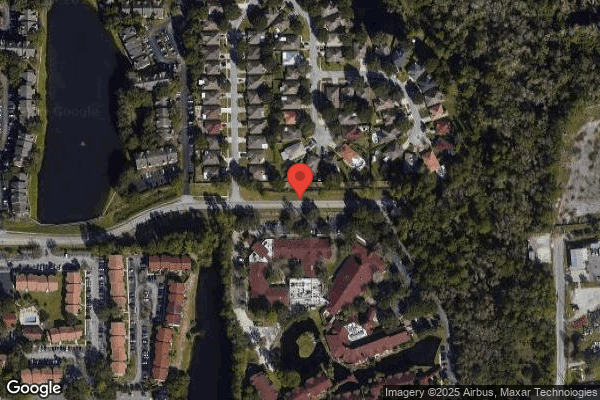

9960 ATRIUM WAY, JACKSONVILLE, FL 32225 (904) 724-4001
For profit - Corporation 84 Beds Independent Data: November 2025
Trust Grade
80/100
#210 of 690 in FL
Last Inspection: April 2024

Within standard 12-15 month inspection cycle. Federal law requires annual inspections.

Overview

Fountains Rehabilitation at Mill Cove has a Trust Grade of B+, indicating it is above average and recommended for families considering care options. It ranks #210 out of 690 facilities in Florida, placing it in the top half of the state, and #15 out of 34 in Duval County, meaning there are only 14 facilities nearby that are rated higher. The facility is improving, with issues decreasing from five in 2022 to two in 2024. Staffing is rated 4 out of 5 stars, which is good, although the turnover rate is 46%, slightly above the state average, suggesting some staff changes. Notably, there have been no fines recorded, which is a positive sign. However, there are some concerns. Recent inspections found that one resident was not re-evaluated for specialized care as required, and another resident lacked timely grooming and personal hygiene, with unkempt nails and facial hair. Additionally, a resident reported waiting for assistance with incontinence care for a long period, indicating lapses in timely staff response. Overall, while there are strengths in the facility's ratings and improvements noted, families should be aware of these specific weaknesses regarding resident care.

Trust Score
B+
80/100
In Florida
#210/690
Top 30%
Safety Record
Low Risk
No red flags
Inspections
Getting Better
5 → 2 violations
Staff Stability
⚠ Watch
46% turnover. Above average. Higher turnover means staff may not know residents' routines.
Penalties
✓ Good
No fines on record. Clean compliance history, better than most Florida facilities.
Skilled Nurses
✓ Good
Each resident gets 44 minutes of Registered Nurse (RN) attention daily — more than average for Florida. RNs are trained to catch health problems early.
Violations
○ Average
8 deficiencies on record. Average for a facility this size. Mostly minor or procedural issues.
★★★★☆
4.0
Overall Rating
★★★★☆
4.0
Staff Levels
★★★★☆
4.0
Care Quality
★★★★☆
4.0
Inspection Score
Stable
2022: 5 issues
2024: 2 issues

The Good

  • 4-Star Staffing Rating · Above-average nurse staffing levels
  • 4-Star Quality Measures · Strong clinical quality outcomes
  • Full Sprinkler Coverage · Fire safety systems throughout facility
  • No fines on record

Facility shows strength in staffing levels, quality measures, fire safety.

The Bad

Staff Turnover: 46%

Near Florida avg (46%)

Higher turnover may affect care consistency

The Ugly 8 deficiencies on record

Apr 2024 2 deficiencies
CONCERN (D)

Potential for Harm - no one hurt, but risky conditions existed

Deficiency F0645 (Tag F0645)

Could have caused harm · This affected 1 resident

**NOTE- TERMS IN BRACKETS HAVE BEEN EDITED TO PROTECT CONFIDENTIALITY** Based on observations, staff interviews, and medical record review, the facility failed to ensure that a resident in a long term...

Read full inspector narrative →
**NOTE- TERMS IN BRACKETS HAVE BEEN EDITED TO PROTECT CONFIDENTIALITY** Based on observations, staff interviews, and medical record review, the facility failed to ensure that a resident in a long term care nursing facility, who was identified with a MD/ID (Mental Disorder/Intellectual Disability) and/or other related conditions was re-evaluated to determine if specialized care and services were required, in the most integrated setting appropriate to their needs, for one resident (Resident #29) in a total sample of 20. The findings include: On 04/09/24 at 10:45 AM, a record review revealed that Resident #29 had a Level 1 PASRR (Preadmission Screening and Resident Review) that indicated she had a serious MI (Mental Illness) and that a Level 2 PASRR evaluation was indicated. The PASRR was signed on 6/10/2020 from an acute-care hospital. There was no Level 2 evaluation available in the electronic medical record (EMR) or in the resident's paper chart. On 04/10/24 at 1:55 PM, an interview was conducted with Social Services Director (SSD) B, who stated she had been employed at the facility since 01/09/2024. She was asked what the facility's process was for identifying residents with a possible MD/ID or related condition prior to admission to the facility. SSD B stated, Admissions receives the PASRR prior to the resident coming into the facility. The PASRR is uploaded into [the EMR] under the miscellaneous tab. The interdisciplinary team (IDT), including the Director of Nursing (DON), Assistant Director of Nursing (ADON), SSD, Administrator, and Therapy, reviews the PASRR to make sure the resident is appropriate for admission. When she was asked how the facility identified residents with newly evident or possible serious MD/ID or a related condition after admission to the facilitym SSD B replied, The staff observe the residents for any changes in mental status, behaviors, or depression. I am not qualified to complete a PASRR screening, but we have [physician's name], who is employed here at the facility and is qualified to do the Level 1 PASRR screening. When she was asked who was responsible for making the referral when a Level 2 PASRR was triggered, SSD B stated, I can make the referral or [physician's name] can make the referral. A review was conducted with SSD B of Resident #29's Level 1 PASRR screening in the EMR. It indicated the resident had a serious mental Illness and individual may not be admitted to an Nursing Facility. SSD B was asked who made the decision to re-admit the resident to the facility, in spite of the indication on the Level 1 PASRR. SSD B stated, It was the IDT's decision. When asked whether Resident #29's Level 1 PASRR should have triggered a Level 2 PASRR referral, SSD B stated, In my opinion, a Level 2 PASRR should have been triggered for this resident. When she was asked to explain why the referral was not made, she replied, To be honest with you, I can't answer that question. I don't know why. A record review revealed that Resident #29 was admitted to the facility on [DATE], and was readmitted on [DATE], with diagnoses including cognitive/communication deficit, epilepsy, schizophrenia, Todd's paralysis, major depression and delusions (as documented per the Behavioral Health Progress Note, date of service 10/05/2022), history of suicidal ideations (as documented on hospital discharge, 7/27/2023). A review of the care plan revealed the following Focus Areas: FOCUS: Tactile Hallucinations at times as evidenced by feeling bugs crawling on her skin, responds to internal stimuli as evidenced by looking for others that are not there, packs items in her wheelchair and looks for people that are not present. Goals/Interventions reviewed (initiated 10/14/2021, revised 03/09/2022). FOCUS: Elopement Risk due to exit-seeking behavior. Goals/Interventions reviewed. (initiated 02/06/2024, reviewed 02/062024) FOCUS: Resident uses Psychotropic Medications related to diagnosis of nerve pain, history of schizophrenia and her health status. Goals/Interventions reviewed. (Initiated 09/23/2022, revised 02/01/2024) .
CONCERN (D)

Potential for Harm - no one hurt, but risky conditions existed

ADL Care (Tag F0677)

Could have caused harm · This affected 1 resident

**NOTE- TERMS IN BRACKETS HAVE BEEN EDITED TO PROTECT CONFIDENTIALITY** Based on observations, interviews, record review, and facility policy review, the facility failed to provide one (Resident #25) ...

Read full inspector narrative →
**NOTE- TERMS IN BRACKETS HAVE BEEN EDITED TO PROTECT CONFIDENTIALITY** Based on observations, interviews, record review, and facility policy review, the facility failed to provide one (Resident #25) of a total sample of 20 residents, with necessary services to maintain appropriate grooming and personal hygiene, by failing to provide timely nail care per the resident's comprehensive care plan. The findings include: On 04/08/24 at 12:41 PM, Resident #25 was observed with elongated fingernails with brown matter underneath. His mustache was long with the hair covering his top and bottom lips. Resident # 25 stated, They just asked me yesterday if I wanted my nails trimmed and I said yes. He was alert and oriented during the interview. (Photographic evidence obtained) On 04/09/24 at 9:17 AM, Resident #25 was observed unshaven with a long mustache covering his top and bottom lips. His fingernails were elongated with brown matter underneath and some with jagged edges. (Photographic evidence obtained) On 04/10/24 at 12:22 PM, an interview was conducted with Registered Nurse A, who reported the CNAs (certified nursing assistants) were primarily responsible for assisting residents with ADL (activities of daily living) care, but it is everyone's responsibility to see that they are taken care of. She stated the residents had their hair washed, were shaven, and received nail care on the days they received showers or bed baths. When she was asked who provided nail care, she replied, The CNAs give nail care on the resident's shower days; the activities staff does the nail polish; and the CNAs cut the fingernails unless the resident is diabetic. She further stated the nurses cut/trimmed the fingernails for diabetic residents, and the podiatrist took care of trimming toenails. RN A was accompanied to Resident #25's room. The resident stated, [Employee name] came this morning and asked me about a shave, but I can shave myself. Resident #25 had a long mustache that had grown past his bottom lip. He stated, She asked me if I wanted my fingernails cut and I said yes. She said she would come back later on and cut them, but if you want to cut them now let's go ahead and get it over with. RN A was asked if the resident was receiving anticoagulant/antiplatelet medication, and she stated yes. She was asked if she thought Resident #25 was in need of nailcare due to the implications of side effects of antiplatelet therapy and she stated, Yes he does need some nail care, especially on his left hand. A record review revealed that Resident #25 was admitted to the facility on [DATE] with diagnoses including heart failure, chronic pulmonary edema, respiratory failure, cerebral infarction (stroke), anemia, chronic kidney disease, and adult failure to thrive. Review of a quarterly MDS (Minimum Data Set) assessment, dated 01/21/2024, revealed that Resident #25 had a Brief Interview for Mental Status (BIMS) score of 15 out of 15 possible points, indicating intact cognition. He required supervision or touching assistance with transfers, partial/moderate assistance with personal hygiene, and partial/moderate assistance with toileting. There were no behaviors identified and the resident participated in the assessment. A review of the physician's orders revealed the resident was receiving Clopidogrel Bisulfate (Plavix - antiplatelet - keeps blood platelets from attaching to one another and making clots) 75 mg (milligrams) by mouth daily. A review of the resident's active care plan revealed the following Focus Areas: ADL/Self-Care Performance Deficit related health status. Goals: Resident will maintain current level of function through the review date. Interventions included but were not limited to: Bathing/Showering, Check nail length and trim and clean on bath day and as necessary. Report any changes to the nurse. (initiated 10/30/2023). FOCUS: Anticoagulant/Antiplatelet Therapy related to blood clot prevention. (Initiated 11/03/23, revised 11/03/2023). FOCUS: Risk for Skin Impairment and/or Pressure Ulcers related to health status. Goal: Resident will have no untreated signs or symptoms of skin impairment or pressure ulcers through review date. Interventions included but were not limited to: Avoid scratching and keep hands and body parts from excessive moisture. Keep fingernails short. (Initiated 10/30/2023, revised 01/22/0224). A review of the facility's policy titled ADL Care-Supporting Resident-General, Dept: Nursing, C-ADL-1, Manual: Clinical Manual, New Revised (Creation date: 6/2026, reviewed: 3/2024, last revision date: 3/12/24), revealed: Procedure: 1. Residents will be provided with care, treatment, and services to ensure that their activities of daily living (ADLs) do not diminish unless the circumstances of their clinical condition(s) demonstrate that diminishing ADLs are unavoidable. 2. Appropriate care and services will be provided for residents who are unable to carry out ADLs independently, with the consent of the resident and in accordance with the plan of care, including appropriate support and assistance with: a. Personal Care/Grooming: oral care/shaving/hair care/nail care C-ADL-1d-C-ADL-1g;. .
Apr 2022 5 deficiencies
CONCERN (D)

Potential for Harm - no one hurt, but risky conditions existed

Resident Rights (Tag F0550)

Could have caused harm · This affected 1 resident

**NOTE- TERMS IN BRACKETS HAVE BEEN EDITED TO PROTECT CONFIDENTIALITY** 2. On 04/26/22 at 1:16 PM, Resident #31 stated he had been sitting in his soiled brief since before lunch. He notified his assig...

Read full inspector narrative →
**NOTE- TERMS IN BRACKETS HAVE BEEN EDITED TO PROTECT CONFIDENTIALITY** 2. On 04/26/22 at 1:16 PM, Resident #31 stated he had been sitting in his soiled brief since before lunch. He notified his assigned CNA (Employee H) at approximately 10:30 AM that he needed assistance with incontinence care. CNA H turned the call light off and did not return to change his brief. Registered Nurse (RN) I, standing at the medication cart outside of the resident's room, was notified at 1:20 PM that the resident stated he had been waiting for assistance with incontinence care since approximately 10:30 AM. RN I stated she was not aware that the resident needed incontinence care. She verified with the resident that he needed to be changed and then went and to find CNA H. At approximately 1:23 PM, CNA H was observed walking up the hallway stating the resident was telling a story. CNA H stated she went in the resident's room to change the resident in bed A, and she asked Resident #31 if he needed changing. He said no, he was dry. CNA H then went into the room to assist the resident with incontinence care. During a follow-up interview with Resident #31 on 04/28/22 at 11:37 AM, he stated CNA H became upset with him and told him that he lied on her and she wasn't speaking to him now. When asked how it made him feel, the resident stated, It hurt. I just want her to like me again. The resident stated he feared being discharged because he spoke up about what happened, and he didn't want to lose his home because he had nowhere else to go. The resident's Quarterly MDS assessment, dated 3/18/22, indicated he had a brief interview for mental status (BIMS) score of 12 out of a possible 15 points, indicating minimal cognitive impairment. A review of the facility's policy and procedure titled Dignity (CD-17), created on 3/8/21, revealed that each resident shall be cared for in a manner that promotes and enhances quality of life and dignity, respect and individuality. The policy interpretation and implementation read: 7. Staff shall speak respectfully to residents at all times, including addressing the resident by his or her name of choice and not labeling or referring to the resident by his or her room number, diagnosis, or care needs. 9. Staff shall maintain an environment in which confidential clinical information is protected, for example: a. Verbal staff-to-staff communication (e.g. change of shift reports) shall be conducted outside the hearing range of residents and the public. 11. Demeaning practices and standards of care that compromise dignity are prohibited. Staff shall promote dignity and assist residents as needed by: b. Promptly responding to the resident's request for toileting assistance. Based on interviews and record reviews, the facility failed to ensure that two (Residents #227 and #31) of 30 sampled residents, were treated with respect and dignity in a manner and in an environment that promoted maintenance or enhancement of their quality of life, recognizing each resident's individuality. Resident #227, who was continent of bowel per interview with nursing management, was told to soil her brief and the CNA would clean her up afterward. Resident #31's CNA turned off his call light and did not return to provide care until prompted by his nurse, approximately three hours later. At that time the CNA told the resident he lied about her and she was not going to speak to him. The findings include: 1. On 04/25/22 at 2:40 PM, Resident #227 stated during the morning shift on 04/25/22, she requested to use the bathroom, and the certified nursing assistant (CNA) that answered her call light said, Go ahead and use your diaper. I will clean you up. The resident stated she was shocked and felt embarrassed, as she was continent and did not want to soil her clothes. She added that she could not remember the CNA's name. Resident #227 stated she was assisted to the bathroom by a different staff member, and she told her what the other staff member had said to her. The resident could not identify the staff member that assisted her to the bathroom. Resident #227 concluded by stating that she felt as though the staff member who told her to use her brief did not want to help her. A review of the resident's medical record revealed that she was admitted on [DATE] with diagnoses including a displaced transverse fracture of the left patella, and subsequent encounter for closed fracture with routine healing and a need for assistance with activities of daily living (ADL). Her care plan indicated an ADL/Self-Care Deficit related to health status requiring assistance from staff for transfers. Her admission minimum data set (MDS) assessment, dated 4/22/22 (still in progress), indicated she had a brief interview for mental status (BIMS) score of 13 out of a possible 15 points, indicating she was cognitively intact. In an interview on 04/26/22 at 11:00 AM, Licensed Practical Nurse (LPN) L/Unit Manager and the Assistant Director of Nursing (ADON) confirmed that Resident #227 was continent of bowel and had an indwelling urinary catheter. They stated the resident required assistance to the bathroom. They were then notified of the resident's concern regarding her incontinence care, and they stated they would follow up with staff. During another interview on 04/27/22 at 3:41 PM, LPN L/Unit Manager, confirmed that Resident #227 had repeated the same concerns whe she spoke with her. She stated since the resident could not identify the staff involved, the facility would conduct an in-service for all CNAs regarding dignity, respect, and personal hygiene for residents. (Copy of grievance form obtained) In an interview on 04/28/22 at 5:30 PM, the Administrator confirmed that there had been incidents when staff had failed to show respect and were not compassionate. He added that there was an incident that was brought to his attention about staff who were unpleasant to each other during the survey. He added that there had been multiple in-services about customer service, and moving forward, staff who did not adhere facility policy would be terminated. A review of the facility's policy and procedure titled Dignity (CD-17), created on 3/8/21, revealed that each resident shall be cared for in a manner that promotes and enhances quality of life and dignity, respect and individuality. The policy interpretation and implementation read: 1. Resident shall be treated with dignity and respect at all times. 2. Treated with Dignity means the resident will be assisted in maintaining and enhancing his or her self-esteem and self-worth. 11. Demeaning practices and standards of care that compromise dignity are prohibited. Staff shall promote dignity and assist residents as needed by promptly responding to the resident's request for toileting assistance.
CONCERN (D)

Potential for Harm - no one hurt, but risky conditions existed

Quality of Care (Tag F0684)

Could have caused harm · This affected 1 resident

**NOTE- TERMS IN BRACKETS HAVE BEEN EDITED TO PROTECT CONFIDENTIALITY** Based on interviews and record reviews, the facility failed to provide treatment and care in accordance with professional standa...

Read full inspector narrative →
**NOTE- TERMS IN BRACKETS HAVE BEEN EDITED TO PROTECT CONFIDENTIALITY** Based on interviews and record reviews, the facility failed to provide treatment and care in accordance with professional standards of practice and the comprehensive person-centered care plan, by failing to ensure one (Resident #74) of four residents reviewed, from a total sample of 30 residents, received medication as ordered by the physician. On 4/25/22 at 12:06 p.m., Resident #74 stated she took lithium daily and had not received the medication for the last five days. A review of Resident #74's medical record revealed that she was admitted on [DATE] with diagnoses including insomnia, anxiety disorder and bipolar disorder. A review of the admission Minimum Data Set (MDS) assessment, dated 4/13/22, revealed that the resident had a Brief Interview for Mental Status (BIMS) score of 14 out of a possible 15 points, indicating intact cognition. She required limited assistance for bed mobility, transfers, eating and toilet use. She received hypnotic and anxiolytic medications. A nursing note dated 4/18/22, indicated that the resident appeared anxious throughout the shift. A review of the resident's active physician's orders revealed a 4/7/22 order for lithium carbonate ER (extended release) 300 mg (milligrams) daily at bedtime (9:00 p.m.) for bipolar disorder. A review of the current care plan revealed that Resident #74 received psychotropic and anticonvulsant medications, and herbal supplements related to diagnoses of anxiety, bipolar disorder, and insomnia. Interventions included the administration of medications as ordered by the physician. Staff were to monitor for side effects and effectiveness every shift. A review of the pharmacy delivery receipt revealed that a 7-day supply of lithium carbonate was delivered to the facility on 4/11/22 at 6:09 p.m. (Copy Obtained) In an interview on 4/26/22 at 3:45 p.m., Licensed Practical Nurse (LPN) D was asked if Resident #74 had lithium carbonate in the medication cart. LPN D opened the cart and obtained a blister pack for a 30-day supply with a refill date of 4/22/22. Only one dose was removed. (Photographic Evidence Obtained) LPN D stated the resident took the medication at night and therefore, she did not know if the resident had been receiving it. When asked for the pharmacy delivery manifest, LPN D stated she did not think the facility had a system for keeping the manifests. She added that she would ask the Assistant Director of Nursing (ADON). In an interview on 4/26/22 at 3:50 p.m., the ADON confirmed that there was no process for maintaining the pharmacy delivery manifests. When asked how she would identify how many refills were made for Resident #74's lithium carbonate, she stated she had contacted the pharmacy about the medication and was notified that it was delivered on 4/22/22. She added that she had contacted the pharmacy since the family had contacted the facility to ensure that the resident had enough medication before her discharge on [DATE]. The ADON stated she was not sure whether there was another delivery made before 4/22/22. During a telephone interview on 4/26/22 at 3:55 p.m., the pharmacy representative stated Resident #74's lithium carbonate was dispensed as follows: A 7-day supply was sent on 4/11/22, and a 30-day supply was sent on 4/22/22. A review of the April 2022 Medication Administration Record (MAR), revealed that lithium carbonate was scheduled daily at 9:00 p.m. and was signed off by nursing as having been administered every night from 4/7/22 through 4/26/22, except on 4/8/22, 4/10/22, and 4/22/22. (A 7-day supply sent on 4/11/22 would have made the medication available to the resident from 4/11 through 4/17/22. There was no explanation for how the facility administered the medication prior to 4/11/22. A 30-day supply sent on 4/22/22 would have made the medication available to the resident from 4/22/22 through her discharge on [DATE]. There was no explanation for how the facility administered the medication from 4/18 through 4/21/22, and there was no explanation for why the 30-day supply delivered on 4/22/22 was only missing one pill as of 4/27/22 when the medication was ordered routinely every night.) In an interview on 4/27/22 at 3:11 p.m., the Director of Nursing (DON) stated he was not sure where the nurses obtained the lithium carbonate for Resident #74 from 4/7/22 through 4/10/22, and from 4/18/22 through 4/21/22, since the April MAR had been signed off as though the medication had been administered during that time. Review of the facility policy and procedure titled Medication Administration Created 6/2018 and reviewed on 1/2022 indicated that medications shall be administered in a safe and timely manner, and as prescribed. Procedure revealed that: 1. The director of nursing services will supervise and direct all nursing personnel who administer medications and /or have related functions. 2. Medications must be administered in accordance with the orders, including any required time frame. .
CONCERN (D)

Potential for Harm - no one hurt, but risky conditions existed

Tube Feeding (Tag F0693)

Could have caused harm · This affected 1 resident

**NOTE- TERMS IN BRACKETS HAVE BEEN EDITED TO PROTECT CONFIDENTIALITY** Based on observations, interviews, and record reviews, the facility failed to adminster tube feedings as ordered by the physicia...

Read full inspector narrative →
**NOTE- TERMS IN BRACKETS HAVE BEEN EDITED TO PROTECT CONFIDENTIALITY** Based on observations, interviews, and record reviews, the facility failed to adminster tube feedings as ordered by the physician for one (Resident #44) of one resident reviewed for compliance with enteral nutrition from a total of 30 sampled residents. The findings include: A review of Resident #44's medical record revealed an admission date of 3/22/2022. His primary medical diagnosis was hemiplegia following cerebrovascular disease affecting the right dominant side. Secondary diagnoses included oropharyngeal dysphagia, diabetes, and cognitive/communication deficit. A five-day Minimum Data Set (MDS) assessment dated [DATE], revealed a Brief Interview for Mental Status (BIMS) score of 09 out of a possible 15 points, indicating moderately impaired cognition. Resident #44 required extensive to total assistance with activities of daily living (ADLs) and received his nutrition via enteral feeding (liquid nutrition delivered through a feeding tube). On 4/25/2022 at 1:35 p.m., Resident #44 was observed lying in his bed. His tube feeding was not connected. On 4/26/2022 at 2:19 p.m., Resident #44 was observed sitting in his wheelchair at his bedside. His tube feeding was not connected. On 4/28/2022 at 2:05 p.m., Resident #44 was observed sitting up in his wheelchair at his bedside with a visitor. His tube feeding was not connected. A review of Resident #44's physician's orders revealed an order dated 4/1/2022 for enteral feeding to he connected at 12:00 p.m. and disconnected at 8:00 a.m. the following morning. (Photographic Evidence Obtained) A review of Resident #44's progress notes revealed an entry by the dietician dated 3/31/2022 at 1:32 p.m., which indicated the resident's tube feeding was adjusted to promote participation in therapy. Resident is more alert and oriented in the AM and fatigued by lunch time per therapy. (Photographic Evidence Obtained) On 4/28/2022 at 2:15 p.m., an interview was conducted with Licensed Practical Nurse (LPN) A. He confirmed he was familiar with Resident #44 and that he was assigned to care for Resident #44 today. When asked what time Resident #44's tube feeding was due to be connected, LPN A stated, I think it is supposed to be connected at 3 o'clock. LPN A was asked to review Resident #44's physician's orders for enteral feeding and confirm the time the feeding was supposed to be connected. After reviewing the physician's orders for approximately five minutes, LPN A was unable to find the time. On 4/28/2022 at 2:26 p.m., LPN A returned and explained that the enteral feeding should be connected at 12:00 p.m. He stated he thought the order had changed. LPN A stated he was going to connect the enteral feeding immediately. A review of Resident #44's comprehensive care plan revealed a focus area for nutritional risk. Interventions included administration of tube feedings as ordered. (Photographic Evidence Obtained) .
CONCERN (D)

Potential for Harm - no one hurt, but risky conditions existed

Respiratory Care (Tag F0695)

Could have caused harm · This affected 1 resident

Based on observations, record reviews, and interviews, the facility failed to provide oxygen at the prescribed flow rate for one (Resident #31) of 19 residents receiving respiratory treatments from a ...

Read full inspector narrative →
Based on observations, record reviews, and interviews, the facility failed to provide oxygen at the prescribed flow rate for one (Resident #31) of 19 residents receiving respiratory treatments from a total of 30 residents in the sample. The findings include: A review of Resident #31's medical record revealed his most recent admission date was 12/28/2021. His diagnoses included congestive heart failure (CHF), chronic obstructive pulmonary disease (COPD), and obstructive sleep apnea (OSA). An active physician's order revealed oxygen was to be provided at 3 liters per nasal cannula continuous, Check oxygen saturation, respirations and temperature qshift (every shift). A review of the care plans revealed a focus area for COPD with an intervention that read, Give oxygen therapy as ordered by the physician. Resident #31 was observed on 4/26/2022 at approximately 11:11 AM. He was wearing his oxygen cannula and the concentrator was dispensing oxygen at a flow rate of 4 liters per minute (LPM). On 4/27/2022 at 1:16 PM, the flow rate for Resident #31's oxygen was set between 3.5 and 4 LPM. (Photographic Evidence Obtained) On 4/28/2022 at 11:37 AM, the oxygen concentrator's flow rate was set between 3.5 and 4 LPM. (Photographic Evidence Obtained) Registered Nurse (RN) F was interviewed at 11:45 AM on 4/28/2022. When asked about the resident's oxygen order, RN F confirmed that the resident was to receive oxygen at 3 LPM. When asked about the protocol for checking residents' oxygen concentrators, the nurse stated they were to be checked once per shift and documented on the Medication Administration Record (MAR). RN F checked Resident #31's oxygen concentrator flow rate and verified it was set at 4 LPM. An interview was conducted with the Assistant Director of Nursing (ADON) on 4/28/22 at 12:26 PM. The ADON stated all orders were checked on admission. The nurses assigned to the unit were expected to check residents' flow rates every shift and sign off on the Treatment Administration Record (TAR), verifying the oxygen flow rate settings. .
CONCERN (D)

Potential for Harm - no one hurt, but risky conditions existed

Unnecessary Medications (Tag F0759)

Could have caused harm · This affected 1 resident

Based on observations, record reviews, and staff interviews, the facility failed to ensure a medication error rate of 5% or less, based on four errors out of 30 opportunities for error, resulting in a...

Read full inspector narrative →
Based on observations, record reviews, and staff interviews, the facility failed to ensure a medication error rate of 5% or less, based on four errors out of 30 opportunities for error, resulting in a facility error rate of 13.33%, and involving Residents #59, #6, #23, and #228. The findings include: 1. During medication administration on 4/26/22 at 11:30 a.m., Licensed Practical Nurse (LPN) A reviewed the Medication Administration Record (MAR) for Resident #59. He obtained the equipment necessary for blood sugar monitoring. He explained the process to the resident and obtained a blood glucose reading of 194 milligrams per deciliter (mg/dl). He then obtained the resident's Novolog flex pen (insulin) and administered 5 units in the resident's left upper arm. He performed hand hygiene and documented in the MAR. (Copy obtained) In an interview on 4/26/22 at 11:40 a.m., LPN A confirmed that he had administered 5 units of Novolog insulin. He added that the resident had a standard order for 5 units before meals. When asked to review the physician's orders, LPN A revealed orders for Novolog 100 units/ml (units per milliliter), inject 5 units subcutaneously before meals, and another order for Novolog 100 units/ml, inject per sliding scale. If blood sugar is 181-220, give 2 units. LPN A confirmed that he should have given 7 units in total instead of 5 units. He added that he was not sure if he should give the other 2 units since the resident had a low blood sugar of 60 earlier this morning. After pausing momentarily, LPN A proceeded to the resident's room and administered the remaining 2 units of insulin. He initially checked off both orders on the MAR indicating he had administered 7 units when he had only administered 5 units, prior to administering the final 2 units per sliding scale. (Photographic Evidence Obtained) 2. On 4/26/22 at 12:06 p.m., Registered Nurse (RN) B was observed preparing to perform blood sugar monitoring for Resident #6. RN B performed hand hygiene with hand sanitizer donned clean gloves and obtained the glucometer, lancet, alcohol wipe and test strip. She entered Resident #6's room, cleansed the resident's right index finger with the alcohol wipe, pricked the resident's finger with the lancet, and obtained the blood sample. She obtained a blood sugar reading of 178 mg/dl. She cleansed the residents' finger used to obtain the blood sample with an alcohol wipe, collected the supplies and exited the resident's room. After appropriately discarding the lancet and test strip, she placed the glucometer on the medication cart, doffed her gloves and donned new gloves. She cleaned the glucometer with disinfecting wipes and placed it back on the medication cart. She doffed her gloves, performed hand hygiene, donned new gloves, obtained Resident #6's Novolog insulin pen, and set it to 2.5 units. She proceeded to the resident's room and cleansed the resident's left upper arm. Just prior to administration of the insulin, RN B was asked to show the setting for the Novolog pen and it revealed 2.5 units. She then adjusted the dosage to 2 units and administered the insulin. In an interview on 4/26/22 at 12:10 p.m., RN B confirmed that the insulin pen was at the wrong setting until she was prompted to adjust it. 3. On 4/27/22 at 10:19 a.m. LPN C was observed preparing medications for Resident #23. After performing hand hygiene, she obtained FiberCon tablet (Calcium Polycarbophil), 625 miligrams (mg), metoprolol tartrate 75 mg and probiotics (a lactobacillus capsule). The nurse crushed the medications separately and poured them into separate medication cups. She entered the resident's room, obtained water from the resident's bathroom sink and donned gloves. After donning gloves, the nurse proceeded to the resident's bedside table, opened the probiotic capsule and poured the contents into a separate cup. She obtained a disposable spoon, stirred the medication and began administering the medications one-at-a-time via the resident's Percutaneous Endoscopic Gastrostomy (PEG) tube (feeding tube). Medication was observed in the medication cups as the nurse completed administration of the medication. Before she could dispose of the cups, she was asked to look in the medication cups, which revealed approximately 50 % of the medications was not administered. (Photographic Evidence Obtained) In an interview on 4/27/22 at 10: 25 a.m., she confirmed that the medication was not completely dissolved and therefore not completely administered. She asked,Would you want to completely administer them? 4. On 4/27/22 at 10:30 a.m., the Assistant Director of Nursing (ADON) was observed preparing intravenous (IV) antibiotic medication for Resident #228. She obtained Daptomycin, 500 mg vial (Antibiotic) and reconstituted the powdered medication in a vial with 100 ml (milliliters) of normal saline. She primed the medication administration set, hung the medication on the IV pole, and connected the IV pump. There were visible bubbles still in the line. After cleaning the central line hub, she flushed it with 100 milliliters of normal saline, and connected the end of the IV medication administration set to the central line hub. As she was about to start the medication administration pump, she was stopped and notified of the air bubbles in the IV line. (Photographic evidence obtained). She disconnected the IV and started priming the line on a paper towel placed on the resident's bedside table. The paper towel did not absorb all of the medication; excess medication was running down the table. After she was finished reconnecting the IV, she dried the bedside table with a paper towel, doffed her gloves, performed hand hygiene and exited the resident's room. According to National library of medicine: https://www.ncbi.nlm.nih.gov/pmc/articles/PMC3665124/ (accessed on 4/28/22 at 1:17 p.m.), Air embolism is a rare but potentially fatal occurrence and may result from a variety of procedures and clinical scenarios. It can occur in either the venous or arterial system depending on where the air enters the systemic circulation. The effects will vary according to the vessels affected but cardiovascular, pulmonary, and neurological effects predominate the clinical picture. Occlusions of the cerebral and cardiac circulation are usually more clinically significant as these systems are highly vulnerable to hypoxia. A review of the facility's policy and procedure titled Medication Administration (created 6/2018 and reviewed on 1/2022), revealed that Medications shall be administered in a safe and timely manner, and as prescribed. Procedure revealed that: 1. The director of nursing services will supervise and direct all nursing personnel who administer medications and /or have related functions. 2. Medications must be administered in accordance with the orders, including any required time frame. .
Oct 2020 1 deficiency
CONCERN (D)

Potential for Harm - no one hurt, but risky conditions existed

Resident Rights (Tag F0550)

Could have caused harm · This affected 1 resident

**NOTE- TERMS IN BRACKETS HAVE BEEN EDITED TO PROTECT CONFIDENTIALITY** Based on observations, interviews and record reviews, the facility failed to ensure the residents' right to a dignified existenc...

Read full inspector narrative →
**NOTE- TERMS IN BRACKETS HAVE BEEN EDITED TO PROTECT CONFIDENTIALITY** Based on observations, interviews and record reviews, the facility failed to ensure the residents' right to a dignified existence, by failing to ensure staff members knocked and announced themselves prior to entering resident rooms and by failing to ensure staff provided privacy to residents during personal care for two (Residents #609 and #610) of 34 residents sampled. The findings include: 1. During a tour of the facility on 10/4/2020 at 11:11 am, the rooms on the Pine Cove Unit were observed. There was a strong odor of bowel incontinence present on the North Hall of the unit where Resident #609's room was located. Upon exiting a room directly across the hall from Resident #609, the door leading to Resident #609's room was observed to be open and the call light above the room door was illuminated. Resident #609 was lying in bed uncovered from the waist down. His feet were resting on the mattress and his knees were raised. Resident #609 was observed wearing an adult incontinence brief with a clear catheter cord hanging from the side of the bed leading down to a covered bag. A thick, dark brown substance was observed on the back of the resident's right buttock and thigh. A review of the resident's clinical record revealed that Resident #609 was initially admitted into the facility on 8/19/2020, with his most recent readmission on [DATE]. His diagnoses included metabolic encephalopathy, benign prostatic hyperplasia with lower urinary tract symptoms, major depressive disorder and anxiety disorder. A review of the admission Minimum Data Set (MDS) assessment, completed on 8/26/2020, revealed that Resident #609 had a Brief Interview for Mental Status (BIMS) score of 6 out of a possible 15 points, indicating severe cognitive impairment. No mood or behavior concerns were recorded. The resident required limited assistance with transfers, extensive assistance with personal hygiene, dressing, eating and bed mobility, and he was totally dependent for toileting. Resident #609 was documented as always incontinent of bowel and bladder. On 10/4/2020 at 11:29 am, Employee I, Certified Nursing Assistant (CNA), was observed entering Resident #609's room without knocking or introducing herself. She deactivated the resident's call light and promptly exited the room leaving the door ajar. No care or services were rendered. On 10/4/2020 at 11:31 am, while standing in the hall near the room directly across from Resident #609's room, the Executive Director (ED) approached. Upon making an observation of Resident #609, the ED asked whether anyone was in the resident's room with him. He was told No. He then exited toward the south end of the unit away from Resident #609's room. The door to the resident's room remained ajar. On 10/4/2020 at 11:32 am, Employee J, Licensed Practical Nurse (LPN), entered Resident #609's open door without knocking or identifying herself. She closed the door behind her. At this time, Employee I, CNA, also entered Resident #609's room without knocking or identifying herself. 2. On 10/7/2020 at 3:40 pm, while exiting the building from the Arbor Terrace Unit, two staff members (Employee E, LPN, and an unidentified staff member) were observed providing care inside of a resident room located on the south end of the 700 hall. The resident's room door was open and the privacy curtain was not pulled, revealing a clear view of the resident in the A bed and the two nurses providing care. From the hall leading to the resident's room, the resident observed and later identified as Resident #610, was fully unclothed. Upon discovering the presence of the survey team making observations from the hall, Employee E, LPN, immediately discontinued providing resident care and stated, I am sorry. This should be closed. She proceeded to close the door of the resident's room at that time. A review of Resident #610's clinical record revealed that the resident was admitted to the facility on [DATE]. Her diagnoses included atherosclerotic heart disease of native coronary artery without angina pectoris and acquired absence of right toes. During an interview on 10/7/2020 at 11:42 am with the Assistant Director of Nursing (ADON), he stated call lights should remain lit until resident care has been completed. Staff should knock and introduce themselves prior to entering a resident's room, and when when providing care, the staff should close the privacy curtains and/or the resident's door to ensure the resident's privacy while providing care. During an interview on 10/07/2020 at 12:55 pm with Employee H, Certified Nursing Assistant (CNA), she stated she had been employed at the facility for approximately six years. She stated she knocked prior to entering a resident's room. She stated she informed the resident of the nature of her visit, and if the resident allowed her to enter, she closed the resident's door then pulled their privacy curtain to ensure the resident's privacy. During an interview on 10/07/2020 at 1:50 pm with Employee G, CNA, she stated she had been employed at the facility for approximately seven years. She further stated the care staff were to pull the curtains when doing patient care for privacy. The staff were to knock and explain to the residents the purpose of their visit, and when providing care, the staff were to cover the residents and change them when they were wet. During an interview on 10/7/2020 at 2:27 pm with Employee D, LPN/Clinical Services Manager, he stated all staff were responsible for responding to call lights. The staff were to turn off the call light after they had done what was needed. He also stated that to preserve the residents' dignity, staff should close the resident's room door when they were inside providing assistance. A review of the facility's policy titled: Quality of Life-Dignity-RR1. Policy Overview: Each resident shall be cared for in a manner that promotes and enhances quality of life, dignity, respect and individuality. Policy Detail: 1. Residents shall be treated with dignity and respect at all times. 2. Treated with dignity means the resident will be assisted in maintaining and enhancing his or her self-esteem and self-worth. 6. Residents' private space and property shall be respected at all times (a) Associates will knock and request permission prior to entering residents' room. 10. Associates shall promote, maintain and protect resident privacy, including bodily privacy during assistance with personal care and during treatment procedures. 11. Demeaning practices and standards of care that compromise dignity are prohibited. Associates shall promote dignity and assist residents as needed by: (a) Helping the resident to keep urinary catheter bag covered (b) Promptly responding to the resident's request for toileting assistance. (Photographic evidence obtained) .
Understanding Severity Codes (click to expand)
Life-Threatening (Immediate Jeopardy)
J - Isolated K - Pattern L - Widespread
Actual Harm
G - Isolated H - Pattern I - Widespread
Potential for Harm
D - Isolated E - Pattern F - Widespread
No Harm (Minor)
A - Isolated B - Pattern C - Widespread

Questions to Ask on Your Visit

  • "Can I speak with families of current residents?"
  • "What's your RN coverage like on weekends and overnight?"

Our Honest Assessment

Strengths
  • • Grade B+ (80/100). Above average facility, better than most options in Florida.
  • • No major safety red flags. No abuse findings, life-threatening violations, or SFF status.
  • • No fines on record. Clean compliance history, better than most Florida facilities.
Concerns
  • • No significant concerns identified. This facility shows no red flags across CMS ratings, staff turnover, or federal penalties.
Bottom line: Generally positive indicators. Standard due diligence and a personal visit recommended.

About This Facility

What is Fountains Rehabilitation At Mill Cove's CMS Rating?

CMS assigns FOUNTAINS REHABILITATION AT MILL COVE an overall rating of 4 out of 5 stars, which is considered above average nationally. Within Florida, this rating places the facility higher than 99% of the state's 100 nursing homes. This rating reflects solid performance across the metrics CMS uses to evaluate nursing home quality.
How is Fountains Rehabilitation At Mill Cove Staffed?

CMS rates FOUNTAINS REHABILITATION AT MILL COVE's staffing level at 4 out of 5 stars, which is above average compared to other nursing homes. Staff turnover is 46%, compared to the Florida average of 46%.

What Have Inspectors Found at Fountains Rehabilitation At Mill Cove?

State health inspectors documented 8 deficiencies at FOUNTAINS REHABILITATION AT MILL COVE during 2020 to 2024. These included: 8 with potential for harm.
Who Owns and Operates Fountains Rehabilitation At Mill Cove?

FOUNTAINS REHABILITATION AT MILL COVE is owned by a for-profit company. For-profit facilities operate as businesses with obligations to shareholders or private owners. The facility operates independently rather than as part of a larger chain. With 84 certified beds and approximately 77 residents (about 92% occupancy), it is a smaller facility located in JACKSONVILLE, Florida.
How Does Fountains Rehabilitation At Mill Cove Compare to Other Florida Nursing Homes?

Compared to the 100 nursing homes in Florida, FOUNTAINS REHABILITATION AT MILL COVE's overall rating (4 stars) is above the state average of 3.2, staff turnover (46%) is near the state average of 46%, and health inspection rating (4 stars) is above the national benchmark.

What Should Families Ask When Visiting Fountains Rehabilitation At Mill Cove?

Based on this facility's data, families visiting should ask: "Can I visit during a mealtime to observe dining assistance and food quality?" "How do you handle medical emergencies, and what is your hospital transfer rate?" "Can I speak with family members of current residents about their experience?"

Is Fountains Rehabilitation At Mill Cove Safe?

Based on CMS inspection data, FOUNTAINS REHABILITATION AT MILL COVE has a clean safety record: no substantiated abuse findings (meaning no confirmed cases of resident harm), no Immediate Jeopardy citations (the most serious violation level indicating risk of serious injury or death), and is not on the Special Focus Facility watch list (a federal program monitoring the lowest-performing 1% of nursing homes). The facility has a 4-star overall rating and ranks #1 of 100 nursing homes in Florida. While no facility is perfect, families should still ask about staff-to-resident ratios and recent inspection results during their visit.

Do Nurses at Fountains Rehabilitation At Mill Cove Stick Around?

FOUNTAINS REHABILITATION AT MILL COVE has a staff turnover rate of 46%, which is about average for Florida nursing homes (state average: 46%). Moderate turnover is common in nursing homes, but families should still ask about staff tenure and how the facility maintains care continuity when employees leave.

Was Fountains Rehabilitation At Mill Cove Ever Fined?

FOUNTAINS REHABILITATION AT MILL COVE has no federal fines on record. CMS issues fines when nursing homes fail to meet care standards or don't correct problems found during inspections. The absence of fines suggests the facility has either maintained compliance or corrected any issues before penalties were assessed. This is a positive indicator, though families should still review recent inspection reports for the full picture.

Is Fountains Rehabilitation At Mill Cove on Any Federal Watch List?

FOUNTAINS REHABILITATION AT MILL COVE is not on any federal watch list. The most significant is the Special Focus Facility (SFF) program, which identifies the bottom 1% of nursing homes nationally based on persistent, serious quality problems. Not being on this list means the facility has avoided the pattern of deficiencies that triggers enhanced federal oversight. This is a positive indicator, though families should still review the facility's inspection history directly.