FOURAKER HILLS REHAB AND NURSING CENTER
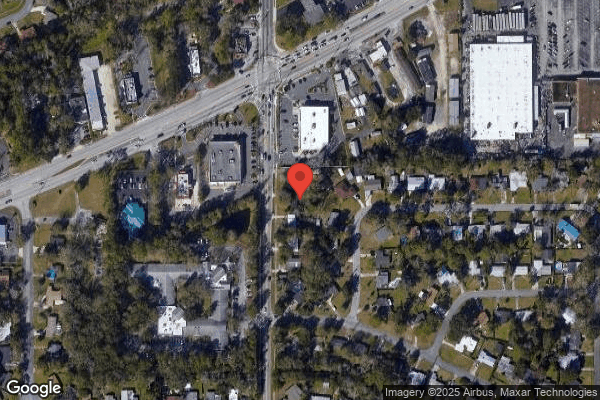
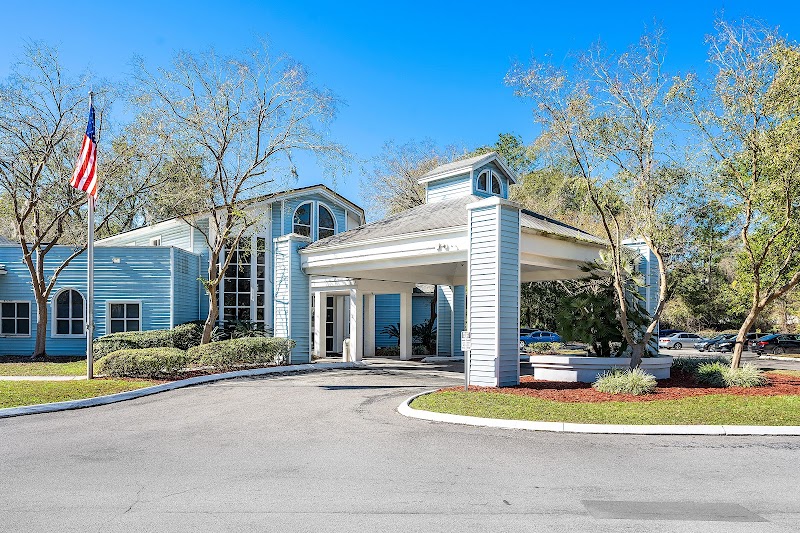
1650 FOURAKER RD, JACKSONVILLE, FL 32221 (904) 786-8668
For profit - Limited Liability company 120 Beds ASTON HEALTH Data: November 2025 2 Immediate Jeopardy citations
Trust Grade
36/100
#351 of 690 in FL
Last Inspection: January 2025

Within standard 12-15 month inspection cycle. Federal law requires annual inspections.

Overview

Fouraker Hills Rehab and Nursing Center has received a Trust Grade of F, indicating significant concerns about the facility's quality of care. With a state rank of #351 out of 690 in Florida, they are in the bottom half of nursing homes, and their county rank of #28 out of 34 means only a few local options are worse. While the facility is trending towards improvement, as issues decreased from 6 in 2024 to 5 in 2025, the overall picture remains concerning. Staffing is an issue, with a turnover rate of 63%, much higher than the state average of 42%, indicating a lack of stability among caregivers. Specifically, there have been critical failures, such as not properly supervising residents who smoke, which could lead to serious harm, and failing to implement abuse policies for a resident with known aggressive behaviors, putting all residents at risk. However, it is worth noting that the facility has not incurred any fines, which is a positive aspect.

Trust Score
F
36/100
In Florida
#351/690
Top 50%
Safety Record
High Risk
Review needed
Inspections
Getting Better
6 → 5 violations
Staff Stability
⚠ Watch
63% turnover. Above average. Higher turnover means staff may not know residents' routines.
Penalties
✓ Good
No fines on record. Clean compliance history, better than most Florida facilities.
Skilled Nurses
○ Average
Each resident gets 31 minutes of Registered Nurse (RN) attention daily — about average for Florida. RNs are the most trained staff who monitor for health changes.
Violations
⚠ Watch
20 deficiencies on record. Higher than average. Multiple issues found across inspections.
★★★☆☆
3.0
Overall Rating
★★★☆☆
3.0
Staff Levels
★★★☆☆
3.0
Care Quality
★★★☆☆
3.0
Inspection Score
Stable
2024: 6 issues
2025: 5 issues

The Good

  • Full Sprinkler Coverage · Fire safety systems throughout facility
  • No fines on record

Facility shows strength in fire safety.

The Bad

3-Star Overall Rating

Near Florida average (3.2)

Meets federal standards, typical of most facilities

Staff Turnover: 63%

17pts above Florida avg (46%)

Frequent staff changes - ask about care continuity

Chain: ASTON HEALTH

Part of a multi-facility chain

Ask about local staffing decisions and management

Staff turnover is elevated (63%)

15 points above Florida average of 48%

The Ugly 20 deficiencies on record

2 life-threatening
Jan 2025 5 deficiencies
CONCERN (D)

Potential for Harm - no one hurt, but risky conditions existed

Assessment Accuracy (Tag F0641)

Could have caused harm · This affected 1 resident

**NOTE- TERMS IN BRACKETS HAVE BEEN EDITED TO PROTECT CONFIDENTIALITY** Based on observations, resident and staff interviews, and a review of resident records, the facility failed to ensure the MDS (M...

Read full inspector narrative →
**NOTE- TERMS IN BRACKETS HAVE BEEN EDITED TO PROTECT CONFIDENTIALITY** Based on observations, resident and staff interviews, and a review of resident records, the facility failed to ensure the MDS (Minimum Data Set) assessment was completed accurately for one (Resident #14) of one resident reviewed for communication, from a total survey sample of 34 residents. The findings include: On 1/13/2025 at 1:22 p.m., Resident #14 was observed lying in bed with her eyes closed with a blanket held up just below her chin. A nasal cannula (a device that provides additional oxygen through the nose) was in place, and the overhead light was on. She was greeted directly in a normal tone but did not respond. Speaking up, while standing closer, a second attempt to greet her was made with no response. Moving closer to Resident #14, by her left side, she was greeted a third time. She appeared startled and asked loudly, What? Who is that? You'll have to speak up. I'm blind and I can't hear well. When asked if she had hearing aids, she reported no but she would like them. When asked if she had spoken with anyone about obtaining hearing aids, she responded that she had, but no one had helped her. When asked if she could recall the last person she reported her concern to, she stated, Honey, they all know I'm blind and can't hardly hear. On 01/15/25 at 9:03 a.m., Resident #14 was observed lying in bed with a blanket pulled up over her face. When she was greeted, she moaned. When asked how her breakfast was and if she received a shower, she removed the covers from her face and asked, What? in a loud tone. She was asked again how her breakfast was and if she had a shower, to which she responded no, and apologized saying, I just can't see or hear, and I'm congested today. I'm sorry baby. I didn't hear you. On 1/16/2025 at 11:24 a.m., an interview with Certified Nursing Assistant (CNA) C revealed that she had only been working with Resident #14 for a few days, so she was not very familiar with the resident. She did confirm that she was compromised with her communication abilities and was hard of hearing. On 1/16/2025 at 3:27 p.m., an interview with Licensed Practical Nurse (LPN) G revealed that she was assigned to pass Resident #14's medications. She reported Resident #14 to be very hard of hearing and that she experienced challenges providing her care. She went on to state, I am constantly repeating myself because she can't hear me. LPN G reported that Resident #14 did not have hearing aids, but agreed she would benefit from wearing them and it would help staff when providing care. A medical record review for Resident # 14 revealed she was admitted to the facility 10/2/2023 with diagnoses including chronic respiratory failure with hypoxia, hypertensive heart disease without heart failure, diabetes mellitus with unspecified diabetic retinopathy without macular edema, overactive bladder, and unsteadiness on her feet. A review of the resident's Quarterly Minimum Data Set (MDS) assessment, dated 11/29/24, revealed that Resident #14 had adequate hearing and no difficulty with normal conversation, social interaction, or listening to the TV without the use of a hearing aid or other hearing appliances. A review of the resident's Comprehensive Annual MDS assessment, dated 8/29/2024, revealed that Resident #14 had adequate hearing and no difficulty with normal conversation, social interaction, or listening to the TV without the use of a hearing aid or other hearing appliances. On 1/16/2025 at 3:08 p.m., an interview with the Registered Nurse MDS coordinator and LPN F, MDS Nurse, revealed both completed resident assessments and both scheduled and attended the resident care plan meetings. When completing the resident assessments, LPN F reported that the physicians' orders were checked, the Assessment Reference Date (ARD) was captured, documentation was reviewed for diagnoses, and the necessary assessments were activated. She reported meeting with the residents during the ARD to check their vision, hearing, and teeth/oral status. She completed care plans based on everything collected during her assessments. LPN F confirmed that she completed the most recent quarterly MDS assessment dated [DATE] for Resident #14, and denied that there were any communication challenges. On 1/16/2025 at 3:30 p.m., upon requesting the facility's policy for Resident Assessments and Care Plans, the Administrator reported that the Resident Assessment Instrument (RAI) manual was utilized for MDS assessments and care planning. .
CONCERN (D)

Potential for Harm - no one hurt, but risky conditions existed

Deficiency F0676 (Tag F0676)

Could have caused harm · This affected 1 resident

Based on observations, staff and resident interviews, medical record review, and facility policy and procedure review, the facility failed to ensure that one (Resident #14) of four residents reviewed ...

Read full inspector narrative →
Based on observations, staff and resident interviews, medical record review, and facility policy and procedure review, the facility failed to ensure that one (Resident #14) of four residents reviewed for ADLs, from 34 residents in the total survey sample, received necessary services to maintain grooming and personal hygiene. Resident #14 did not receive routine or scheduled showers, her hair was matted, and there was an offensive odor present. The findings include: On 1/13/2025 at 1:22 p.m., Resident #14, whose room was located on the MSU unit, was observed lying in bed with her eyes closed and her blanket held up just below her chin. Her hair was matted down along her face and was greasy in appearance, and there was a strong, foul, tangy odor present. There were approximately five small, black gnats observed flying closely on the left side of her body. She was asked when she had her last bath/shower. Resident #14 reported that she had not had a shower in more than 10 days. When asked who assisted her with showers, she reported, the CNAs (certified nursing assistants). On 1/14/2025 at 10:14 a.m., the MSU unit shower binder located at the nursing station was reviewed. Resident #14's scheduled shower days were Wednesday and Saturday on the evening shift. (Photographic evidence obtained) Further review revealed no shower sheets were present in the shower binder for resident #14. On 01/14/2025 at 3:44 p.m., Resident #14 was observed lying in bed with her hair in the same matted, greasy condition, and the foul odor persisted. When asked if she was provided with a shower, she reported that her 7 a.m. - 3 p.m. CNA offered her a shower to which she agreed, but reported that the CNA never came back to give her the shower. She had still had no shower. On 01/15/2025 at 9:03 a.m., Resident #14 was observed lying in bed with the blanket pulled up over her face. When she was greeted, she moaned. When asked if she had a shower yet, she removed the covers from her face and asked, What?. She was asked again if she had a shower yet to which she replied, No. An interview on 1/16/2025 at 11:05 a.m. with CNA A, who worked on the MSU unit and was specifically assigned to the 500 halls, reported that showers were offered on the assigned shower days and shift. If a resident refused during the assigned shift, another attempt was made on the next scheduled shift. A shower sheet was completed and marked whether the resident refused or not with the nurse signing off in acknowledgment. An interview on 1/16/2025 at 11:22 a.m. with RN B, who reported being assigned to work with Resident #14, stated, It's rare for Resident #14 to refuse care and I know she was offered an extra shower yesterday, but she declined. Her CNA mentioned she refused her showers. RN B confirmed that the shower sheets with refusals were kept in the shower binder at the nursing station. An interview on 1/16/2025 at 11:26 a.m. with CNA C, who reported working with Resident #14 only recently, revealed she was uncertain of her shower schedule and was unable to report whether the resident had refused her scheduled showers or not, but stated the shower schedule was located at the nursing station. A medical record review for Resident #14 revealed diagnoses including chronic respiratory failure with hypoxia, hypertensive heart disease without heart failure, diabetes mellitus with unspecified diabetic retinopathy without macular edema, overactive bladder and unsteadiness on feet. A review of the resident's Quarterly Minimum Data Set (MDS) assessment, dated 11/29/24, revealed that Resident #14 required partial to moderate assistance from staff with showering/bathing. No behaviors, including refusal/rejection of care was indicated. (Photographic evidence obtained) A review of the person-centered Care Plan revealed the following focus area: 6/3/2024 - Resident has (ADL) Activities of Daily Living self -care deficit related to ADL needs, blind, and chronic medical conditions. Goal: Resident will maintain and/or improve ADL functioning through next review date, target date 3/12/2025. Interventions: Bathing: The resident needs assistance of limited to extensive of 1-2 staff members based on fatigue, weightbearing, weakness. No rejection of care or behaviors documented during review. During an interview on 1/16/2025 at 1:59 p.m. with the Director of Nursing (DON) and Assistant Director of Nursing (ADON), when asked about Resident #14's shower sheets for the last 30 days, the DON reported that the CNAs should be carrying around shower sheets and completing them daily, but there was no consistency with the sheets getting turned in. The DON confirmed that there were no completed shower sheets to view for Resident #14. When asked to confirm how many showers Resident #14 had received over the last 30 days, the DON confirmed that Resident #14 had received two out of approximately 14 scheduled showers. The DON reported they would talk to the corporate office, complete a 4-step plan with in-service training on showering residents that would include monitoring daily, weekly and monthly. A review of the facility's document titled MSU CNA Daily responsibilities (undated), revealed: CNAs are responsible for completing showers on assigned days, with shower sheets being completed and given to the nurse for review. (Photocopy obtained) A review of the facility's policy and procedure titled ADL Care and Services (revised 1/2024), revealed: Residents who are unable to carry out activities of daily living independently will receive the services necessary to maintain good nutrition, grooming and personal and oral hygiene. The policy interpretation and implementation indicated: 4. Appropriate care and services will be provided for residents who are unable to carry out ADLs independently, including appropriate support and assistance with: a. Hygiene (bathing, dressing, grooming, nail care and oral care. (Photocopy obtained) .
CONCERN (D)

Potential for Harm - no one hurt, but risky conditions existed

Deficiency F0685 (Tag F0685)

Could have caused harm · This affected 1 resident

**NOTE- TERMS IN BRACKETS HAVE BEEN EDITED TO PROTECT CONFIDENTIALITY** Based on observations, resident and staff interviews, and a review of resident records, the facility failed to ensure that one (...

Read full inspector narrative →
**NOTE- TERMS IN BRACKETS HAVE BEEN EDITED TO PROTECT CONFIDENTIALITY** Based on observations, resident and staff interviews, and a review of resident records, the facility failed to ensure that one (Resident #14) of two residents reviewed for vision/hearing/communication, from a total survey sample of 34 residents, received proper treatment and assistive devices to maintain hearing ability. Resident #14 was very hard of hearing, which compromised her ability to communicate. The facility had a visiting audiologist; however, the resident had not been referred for an evaluation. The findings include: On 1/13/2025 at 1:22 p.m., Resident #14 was observed lying in bed with her eyes closed and a blanket held up just below her chin. A nasal cannula (a device that provides additional oxygen through the nose) was in place, and the overhead light was on. She was greeted directly in a normal tone, but did not respond. Speaking up, while standing closer, a second attempt to greet her was made with no response. Moving closer to Resident #14, by her left side, she was greeted a third time. She appeared startled and asked loudly, What? Who is that? You'll have to speak up. I'm blind, and I can't hear well. When asked if she had hearing aids, she reported no but she would like them. When asked if she had spoken with anyone about obtaining hearing aids, she responded that she had, but no one had helped her. On 1/15/2025 at 9:39 a.m., an interview with the Social Services Director (SSD) revealed that she had only been in her position for a few months and was unsure of the referral process for audiology treatment and services. She confirmed that the audiologist visited last week and any resident could have been seen. She reported that audiology was reviewed during the care plan meeting with the resident present, as well as members of the interdisciplinary team. She was familiar with Resident #14, agreed she had communication challenges, and reported that she was uncertain of the reason the resident was not seen by the audiologist last week. She further confirmed that Resident #14 had not been seen by an audiologist since her admission to the facility. On 1/16/2025 at 11:24 a.m., an interview with Certified Nursing Assistant (CNA) C revealed that she had only been working with Resident #14 for a few days, so she was not very familiar with the resident. She did confirm that the resident was compromised with her communication abilities and was hard of hearing. On 1/16/2025 at 3:27 p.m., an interview with LPN G revealed she was assigned to pass Resident #14's medications. She reported that Resident #14 was very hard of hearing and that she experienced challenges providing her care. LPN G went on to state, I am constantly repeating myself because she can't hear me. LPN G reported Resident #14 did not have hearing aids, but agreed she would benefit from wearing them and it would help staff when providing care. A medical record review for Resident # 14 revealed she was admitted to the facility on [DATE] with diagnoses including chronic respiratory failure with hypoxia, hypertensive heart disease without heart failure, diabetes mellitus with unspecified diabetic retinopathy without macular edema, overactive bladder, and unsteadiness on feet. A review of the resident's nursing home Quarterly Minimum Data Set (MDS) assessment, dated 11/29/24, revealed she had adequate hearing and no difficulty with normal conversation, social interaction, or listening to the TV without the use of a hearing aid or other hearing appliances. A review of the person-centered Care Plan for Resident #14 revealed there was no plan of care in place addressing hearing or communication. An active physician's order, dated 10/3/2023, documented consults, Resident may have consults with audiology providers as needed. (Photographic evidence obtained) A review of the Interdisciplinary Plan of Care Meeting (IPOC), dated 12/5/2024, revealed that audiology treatment and services were not reviewed. (Photographic evidence obtained) On 1/16/2025 at 1:59 p.m., an interview with the Director of Nursing (DON) and Assistant Director of Nursing ADON) revealed that they were unaware that Resident #14 had a hearing impairment. The DON went on to state, I guess we're not out on the floor enough. We plan to review the ancillary processes to address the break in the process. Audiology is reviewed during the care plan meeting and documented on the same paper. Resident #14's last IPOC, dated 12/5/2024, was reviewed with the DON. She was asked to show where audiology having been discussed was indicated. She provided no response. When asked if Resident #14 had been screened by audiology at any time since her admission, she provided no response. A review of the facility's policy and procedure titled Social Services, Consults-Ancillary Services (revised 01/2024), revealed: Social Services personnel shall coordinate most resident referrals with contracted providers or external agencies as indicated. The policy interpretation and implementation indicated: 1. Social Services shall coordinate most resident referrals (i.e. podiatry, dental, vision, etc.) (Photocopy obtained) .
CONCERN (E)

Potential for Harm - no one hurt, but risky conditions existed

Safe Environment (Tag F0584)

Could have caused harm · This affected multiple residents

**NOTE- TERMS IN BRACKETS HAVE BEEN EDITED TO PROTECT CONFIDENTIALITY** Based on observations, interviews, and record review, the facility failed to ensure residents' right to a safe, clean, comfortab...

Read full inspector narrative →
**NOTE- TERMS IN BRACKETS HAVE BEEN EDITED TO PROTECT CONFIDENTIALITY** Based on observations, interviews, and record review, the facility failed to ensure residents' right to a safe, clean, comfortable and homelike environment, including but not limited to, receiving treatment and supports for daily living safely for five (Residents #64, #75, #14, #65, and #10) residents in five (rooms 204, 205, 208, 510, and 512) of 66 resident rooms, and in three (Halls 100, 500, and 200) of four hallways in the facility. The findings include: This is a single-story facility where the residents are housed on two units, MSU and Palms. A tour of the facility was conducted on 1/13/2025 at 10:30 a.m. During a tour of the MSU unit several of the baseboards were pulled away from the walls on the 100 and 500 hallways. Miscellaneous stains were observed on various areas of the laminated floors in the main hallways leading to resident rooms. Also, several walls in the hallways and in resident rooms were highly stained with chipped/tearing paint and/or in need of repair. Live roaches were observed in room [ROOM NUMBER]. (Photographic Evidence Obtained) The tour continued on the Palms Unit. On this unit live roaches were observed resident room numbers 204, 205, and 208. Live roaches, spider webs, and dead roaches were observed on the floor behind Resident #64's bed. Heavily stained privacy curtains (rooms [ROOM NUMBERS]) and miscellaneous stains and debris in the 200 hallway leading to residents' rooms and on resident room floors. (rooms 204, 205, 208, and 510). (Photographic Evidence Obtained) During an interview on 1/13/2025 at 11:41 a.m. with Resident #75, the privacy curtain hanging between the resident and her roommate was soiled. Random debris and dead pests were observed behind the resident's bed and in between and behind the dressers of both residents. Resident #75 stated, There are a lot of roaches. She stated that staff was aware of it. The resident advised that she had also seen roaches inside of her dresser drawers. She pulled out two of her drawers. Dark brown and black speckles and other miscellaneous debris was observed in the corner of the resident's dresser drawers. Dark brown and black speckles were observed on the walls behind the dresser and on a lamp on top of the dresser. (Photographic Evidence Obtained) During an interview with Resident #14 on 1/13/2025 at 1:29 p.m., Five to eight black gnats were observed flying around on the left side of the resident. She reported that she was blind. Her roommate, Resident #65, reported seeing gnats as well as live roaches in their room. During an interview on 1/14/2025 at 10:30 a.m. with Resident #10, a trail of a thick, black fuzzy substance was observed on the wall below the TV and behind a dresser. The wall had holes and torn paint in multiple areas. Also observed live roaches as well as dead roaches in this resident's room. Several speckles, dark brown and black in color were observed on several areas of the walls and the resident's equipment. During an interview with Resident #10 she stated there was heavy pest (roaches) activity in her room. She stated the facility was aware of it and there was someone who came to spray. She stated the treatment was not effective and she employed her own methods (isopropyl alcohol) to keep the roaches off of her. (Photographic Evidence Obtained) A tour of the facility was conducted with the facility's Housekeeping Supervisor and the Maintenance Director on 1/15/2025 at 12:33 p.m. The Maintenance Director stated he was responsible for pest control-related issues. He stated recently the Housekeeping Department had gotten involved. Staff should be reporting pest sightings in TELS, an electronic maintenance reporting system used by the facility. Once a report was submitted via this system, it sent an alert to his phone. He then contacted the pest control company to come out to treat the area. Both he and the Housekeeping Supervisor stated there was a breakdown in the reporting due to staff inconsistency. The Housekeeping Supervisor stated he had received verbal reports of pest activity from staff. He documented it so that it could be reported to the Maintenance Director; however, there were times when this had not been done. The Housekeeping Supervisor stated additional staff training was needed in this area. He stated they worked to keep things clean as best as they could. Further tour of the facility, the areas of concern previously observed by the survey team (detached base boards, floor stains, curtain stains, pest activity, etc.) were brought to the attention of the Housekeeping Supervisor and the Maintenance Director. The Housekeeping Supervisor confirmed that the issues were present. He stated he had been working with his staff to improve their cleaning methods. He stated each room was cleaned every day and there were random rooms scheduled daily for deep cleaning. He was shown the areas in the halls where the floors were stained. He stated he was responsible for cleaning the floors in the main areas. He stated he was behind and working to get all of the floors cleaned. The Maintenance Director was shown the walls in need of repair and the detached based boards. He acknowledged there were maintenance issues. He stated he was aware of many of the concerns; however, some of them had not been reported to him by other staff members. He did not provide an estimated time or plan to have these areas resolved. During the tour of the Palms Unit, the Housekeeping Supervisor was shown the areas of concern in Resident #10's room. He stated the trail of thick black fuzzy substance on the wall below the TV was mold. He stated it needed to be treated. He also stated that the wall needed to be repaired. While observing the wall in this resident's room, the surveyor and both facility staff members observed live roaches crawling on the resident's floor and wall. The Housekeeping Supervisor attempted to kill one of the roaches, but it crawled out of sight/reach. He stated the housekeepers should be pulling out the dressers and cleaning behind them in the residents' rooms. While touring Resident #75's room, the Housekeeping Supervisor was directed toward the soiled curtain. He stated his staff should have identified and pulled this curtain down to be cleaned. He stated the certified nursing assistants (CNAs) or housekeeping staff should be checking and reporting this so the curtains could be changed. He was also shown the random debris and dead roaches behind the resident's bed and in between and behind the dressers in the room. At the time of the observation, there was an additional observation of live roaches in Resident #75's room. He again stated his staff wasn't performing as they should and that he would address this. (Photographic Evidence Obtained) The Maintenance Director was asked about the repairs again. He stated if staff did not report the issues, they had no way of knowing. He again acknowledged that repairs were needed. He was asked about recommendations from pest control and whose responsibility it was to ensure that the recommendations were followed. He did not provide a verbal response; instead, he and the Housekeeping Supervisor acknowledged that there were major concerns with roaches in the facility. The Housekeeping Supervisor stated he planned to re-implement a system to follow-up with the housekeepers to ensure that they were performing their duties as they should. He did not provide a plan or timeframe for this. A review of the facility's 5-Step Daily Room Cleaning policy and procedure (revised 10/25/2016), revealed: Purpose: To teach Environmental Services employees the proper cleaning method to sanitize a patient room or any area in a healthcare facility. 2. Horizontal Surfaces-disinfected Using a solution of properly diluted germicide, sanitize all horizontal surfaces (allowing for appropriate solution dwell time. 3. Spot Clean Walls Vertical surfaces are not completely wiped down daily-but must be spot cleaned daily. Walls-especially by trash cans, light switches and door handles-will need special attention. 4. Dust Mop The entire floor must be dust mopped-especially behind dressers and beds. Move all furniture to dust mop. All corners and along baseboards must be dust mopped to prevent buildup. 5. Damp Mop The most important area of patient's room to disinfect is the floor. The Housekeeping Supervisor provided a copy of the in-services he conducted with his staff during 11/2024, 12/2024, and 1/2025. The documentation was reviewed. The facility's 5-Step Daily Room Cleaning was not reviewed in any of the in-services. Neither was pest control reporting. .
CONCERN (E)

Potential for Harm - no one hurt, but risky conditions existed

Deficiency F0925 (Tag F0925)

Could have caused harm · This affected multiple residents

**NOTE- TERMS IN BRACKETS HAVE BEEN EDITED TO PROTECT CONFIDENTIALITY** Based on observations, interviews, and record review, the facility failed to maintain an effective pest control program so that ...

Read full inspector narrative →
**NOTE- TERMS IN BRACKETS HAVE BEEN EDITED TO PROTECT CONFIDENTIALITY** Based on observations, interviews, and record review, the facility failed to maintain an effective pest control program so that the facility was free of pests and rodents in five (rooms 204, 205, 208, 510, and 512) of 66 resident rooms. Failure to correct this concern in a timely manner could negatively impact the the entire census of 105 residents. The findings include: This is a single-story facility where the residents are housed on two units, MSU and Palms. A tour of the facility was conducted on 1/13/2025 at 10:30 a.m. During a tour of the MSU unit, Live roaches were observed in room [ROOM NUMBER]. (Photographic Evidence Obtained) The tour continued on the Palms Unit. On this unit live roaches were observed resident room numbers 204, 205, and 208. Live roaches, spider webs, and dead roaches were observed on the floor behind Resident #64's (room [ROOM NUMBER]W) bed. (Photographic Evidence Obtained) During an interview on 1/13/2025 at 11:41 a.m. with Resident #75 (room [ROOM NUMBER]D), dead roaches were observed behind the resident's bed and in between and behind the dressers. The resident stated there were a lot of roaches. She stated staff were aware of them. The resident advised that she had also seen roaches in her dresser drawers. She pulled out two of the drawers. There were dark brown and black speckles and other miscellaneous debris in the corner of the resident's dresser. Dark brown and black speckles were also observed on the walls behind the dresser and on a lamp on top of the dresser. (Photographic Evidence Obtained) During an interview with Resident #14 (room [ROOM NUMBER]D) on 1/13/2025 at 1:29 p.m., five to eight gnats were observed flying around on the resident's left side. The resident reported that she was blind. Her roommate, Resident #65 (room [ROOM NUMBER]W), reported seeing gnats as well as live roaches in their room. During an interview on 1/14/2025 at 10:30 a.m. with Resident #10 (room [ROOM NUMBER]P), live and dead roaches were observed in the resident's room. Dark brown and black speckles were observed on several areas of the walls and the resident's equipment. Resident #10 stated there was heavy pest (roaches) activity in her room. She further stated the facility was aware of it and there was someone who came to spray. She stated the treatment was not effective and she employed her own methods (isopropyl alcohol) of keeping the roaches off of her. (Photographic Evidence Obtained) A tour of the facility was conducted with the facility's Housekeeping Supervisor and the Maintenance Director on 1/15/2025 at 12:33 p.m. The Maintenance Director stated he was responsible for pest control-related issues. He further stated recently the Housekeeping department had gotten involved. Staff should be reporting pest sightings in TELS, an electronic maintenance reporting system used by the facility. Once a report was submitted via this system it sent an alert to his phone. He then contacted the pest control company to come out to treat the area. Both he and the Housekeeping Supervisor stated there was a breakdown in the reporting due to staff inconsistency. The Housekeeping Supervisor stated he had received verbal reports of pest activity from staff. He stated he documented it so it could be reported to the Maintenance Director; however, there were times when this had not been done. The Housekeeping Supervisor stated additional staff training was needed in this area. He stated they worked to keep things clean as best they could. During the tour of the facility, the pest activity previously observed by the survey team was brought to the attention of the Housekeeping Supervisor and the Maintenance Director. The Housekeeping Supervisor confirmed the issues were present. He stated he had been working with his staff to improve their cleaning methods. He stated each room was cleaned every day and random rooms were scheduled daily for deep cleaning. During the tour of the Palms Unit in Resident #10's room, live roaches were observed crawling on the resident's floor and wall. The Housekeeping Supervisor attempted to kill one of the roaches, but it crawled out of sight/reach. He stated the housekeepers should be pulling out the dressers and cleaning behind them in the residents' rooms. While touring the room of Resident #75 the Housekeeping Supervisor was shown the random debris and dead roaches behind the resident's bed and in between and behind the dressers. At the time of the observation, live roaches were also observed. He again stated his staff wasn't performing as they should and that he would address this. (Photographic Evidence Obtained) The Maintenance Director was asked about recommendations from pest control and whose responsibility it was to ensure that the recommendations were followed. He did not provide a verbal response, instead he and the Housekeeping Supervisor acknowledged that there were major concerns with roaches in the facility. The Housekeeping Supervisor stated he planned to re-implement a system to follow-up with the housekeepers to ensure they are performing their duties as they should. He did not provide a plan or timeframe for this. A review of the facility's policy for Pest Management (undated), revealed the following: Policy: It is the policy of the facility to contract with a licensed exterminator for pest management and standard pest control. Procedure: The exterminator will visit the facility twice monthly and as needed to provide extermination services. The exterminator will inspect all areas of the building during the visit. Included are the kitchen, staff dining room, resident dining areas, day rooms, common areas, nursing stations, all resident rooms, and all mechanical areas. Log books are kept at the nursing stations. Staff are encouraged to log any pest sightings in the book to cue the exterminator for areas that need focus and concentration. The exterminator will check the log book on each visit. A review of the facility's Pest Control Plan (undated), revealed: Daily Observations and Interventions: CNA's, housekeepers, and all other staff will observe resident rooms for open containers of food, spills, anything that pests will go after and be sure these items are in sealed containers. Staff will document any pest sightings in the log books located at the nursing station (if there are no log books at your stations, the maint., Director will get them from [Pest Control provider] and make sure they are in place. Maintenance is to do a full audit of all resident rooms and document any areas that pest may come into the building or any areas that pests may breed (moist, dark areas). They will then address these areas and close up any opening or eliminate any areas that may encourage breeding. Be sure to in-services all staff on these processes and document. A review of the pest control service reports for services performed on 11/7/2024, 11/14/2024, 11/21/2024, 11/27/2024, 12/5/2024, 12/12/2024, 12/18/2024, 1/6/2025, and 1/9/2025, revealed the following: Each report included comments from the service technician regarding the service provided and recommendations. 11/7/2024 - Inspected and serviced guest rooms no activity found today also customer needs to fix gaps around AC units. 11/14/2024 - Inspected and serviced 100, 300, 500 hallways and common areas no activity found today also customer needs to fix gaps around AC units. 11/21/2024 - Inspected and serviced 200 hallway and common areas no activity found today also customer needs to fix gaps around AC units. 12/5/2024 - Inspected and serviced common areas and 100, 200 hallways no activity found today also customer needs to fix gaps around AC units. 12/12/2024 - Inspected and serviced 400, 500 hallways and common areas also customer needs to work on sanitation in guest rooms and fix gaps around AC units also customer needs to talk to customer about excessive clutter in rooms. 12/18/2024 - During today's service, we did observe conducive conditions (excessive clutter, gaps in baseboards, leaking a/c unit, food left out). 1/6/2025 - Treated kitchen area customer had roaches around dishwashing area. .
Jul 2024 1 deficiency
CONCERN (E) 📢 Someone Reported This

A family member, employee, or ombudsman was alarmed enough to file a formal complaint

Potential for Harm - no one hurt, but risky conditions existed

Deficiency F0760 (Tag F0760)

Could have caused harm · This affected multiple residents

Based on interviews, medical record review, and facility policy and procedure review, the facility failed to ensure residents were free from any significant medication errors, by failing to administer...

Read full inspector narrative →
Based on interviews, medical record review, and facility policy and procedure review, the facility failed to ensure residents were free from any significant medication errors, by failing to administer medications within the specified timeframe based on physicians' scheduling orders for four (Residents #1, #2, #3, and #6) of six sampled residents, from a total census of 111. Failure to administer medications in a timely manner can result in a resident's inability to maintain the proper level of medication in the bloodstream to be effective; reduced functional ability; lower quality of life; hospitalization, disease progression, and/or death. The findings include: On 7/15/24 at 9:30 AM, the administrator was requested to provide a copy of current Quality Assurance and Performance Improve (QAPI)/Performance Improvement Project (PIP) being conducted at the facility. On 7/15/24 at 4:30 PM, facility staff provided a copy of an Inservice Education that was given to nursing staff on 7/10/24 regarding Medication Administration policy and procedure. There was not an ongoing performance improvement project in place at the time of the survey. 1. A review of Resident #1's medical record revealed an admission date of 6/13/24 for respite care and discharge date of 6/17/24 with a diagnosis that included cerebellar ataxia, Diabetes Meletus type 2, seizures, and muscle spasms. On 7/15/24 at 3:40 PM, the Director of Nursing (DON) was requested to provide Resident #1's Medication Administration Audit (MAA) report for the period 6/13/24 through 6/16/24. The 11-page report was received at 3:57 PM. (Copy obtained) A review of Resident #1's MAA Report from 6/13/24 through 6/16/24, revealed that his medications were administered outside of the acceptable two-hour administration window (one hour before to one hour after) on 3 of 4 days as follows: On 6/14/24, the enteral water flushes of 150 milliliters (ml) were to scheduled hourly for 00:00, 1:00, 2:00, 3:00 AM, it was documented as administered at 2:47 AM. On 6/14/24, the enteral water flushes of 150 ml were scheduled hourly for 4:00, 5:00, 6:00 AM, it was documented as administered at 5:45 AM On 6/14/24, the enteral water flushes of 150 ml were scheduled hourly for 8:00, and 9:00 AM, it was documented as administered at 9:29 AM. On 6/14/24, the following medications were scheduled for 9 AM, Sitagliptin (diabetes), Glucerna (feeding tube nutrition), Escitalopram (depression), Oxybutynin (bladder spasms), Levetiracetam (seizures), Levemir FlexPen (insulin), they were documented as administered between 10:02 AM and 11:05 AM. On 6/14/24, the Lispro Insulin was scheduled for 11:30 AM, it was documented as administered at 12:27 PM. On 6/14/24, the enteral water flushes of 150 ml were scheduled for 4:00 PM, it was documented as administered on 6/15/24 at 1:06 AM. On 6/14/24, the Lispro Insulin was scheduled for 4:30 PM, it and was documented as administered on 6/15/24 at 1:06 AM. On 6/14/24, the enteral water flushes of 150 milliliters (ml) were to scheduled hourly for 5:00 AM, 6:00 AM, 7:00 AM, 8:00 AM, 9:00 AM, and 10:00 AM, it was documented as administered on 6/15/24 at 1:06 AM. On 6/14/24, the following medications were scheduled for 9:00 PM, Levetiracetam and Glucerna, they were documented as administered on 6/15/24 at 1:06 AM. On 6/14/24, the enteral water flushes of 150 ml was scheduled hourly for 11:00 PM, it was documented as administered on 6/15/24 at 1:06 AM. On 6/15/24, the enteral water flushes of 150 ml were scheduled hourly for 00:00, 1:00, 2:00, 3:00, 4:00, 5:00 AM, it was documented as administered at 4:33 AM. On 6/15/24, the enteral water flushes of 150 ml were scheduled hourly for 9:00, 10:00, 11:00 AM, it was documented as administered at 10:07 AM. On 6/15/24, the enteral water flushes of 150 ml were scheduled hourly for 5:00 and 6:00 PM, it was documented as administered at 5:25 PM. On 6/15/24, the enteral water flushes of 150 ml were scheduled hourly for 7:00, 8:00, 9:00, 10:00, 11:00PM, it was documented as administered at 11:40 PM. On 6/15/24, the following medications were scheduled for 9:00 PM, Glucerna and Levetiracetam, they were documented as administered at 11:40 PM. On 6/16/24, the enteral water flushes of 150 ml were scheduled hourly for 00:00 and 1:00 AM, it was documented as administered at 1:05 AM. On 6/16/24, the enteral water flushes of 150 ml were scheduled hourly for 3:00, 4:00, 5:00 AM, it was documented as administered at 6:35 AM. On 6/16/24, the enteral water flushes of 150 ml were scheduled hourly for 8:00 and 9:00 AM, it was documented as administered at 10:02 AM. On 6/16/24, the Lispro insulin was scheduled for 11:30 AM, it was documented as administered at 12:56 PM. On 6/16/24, the enteral water flushes of 150 ml were scheduled hourly for 12:00 and 1:00 PM, it was documented as administered at 12:56 PM. On 6/16/24, the enteral water flushes of 150 ml were scheduled hourly for 2:00 PM, it was documented as administered at 4:00 PM. On 6/16/24, the enteral water flushes of 150 ml were scheduled hourly for 7:00, 8:00 and 9:00 PM, it was documented as administered at 8:42 PM. On 7/15/24 at 5:00 PM, the Director of Nursing (DON) was requested to provide the Medication Administration Audit (MAA) report for the period 7/12/24 through 7/15/24 for Resident #2, #3, and #6. On 7/16/24, received Resident #2's 18-page report at 9:38 AM, Resident #3's 14-page report at 9:36 AM, and Resident #6's 6-page report at 10:57 AM. (Copy obtained) 2. A review of Resident #2's medical record revealed an admission date of 07/01/22 with diagnoses that included spondylosis without myelopathy or radiculopathy, lumbar region, type 2 diabetes mellitus, hypertension (HTN), polyneuropathy, major depressive disorder, and anxiety disorder. A review of Resident #2's MAA Report from 7/12/24 through 7/15/24, revealed that her medications were administered outside of the acceptable two-hour administration window (one hour before to one hour after) on 4 of 4 days as follows. On 7/12/24 the following medications were scheduled for 9:00AM, Azelastine (nasal spray for allergies), Amlodipine (HTN), Potassium Chloride ER (supplement), Meclizine (dizziness), Lisinopril (HTN), Cholecalciferol (Vitamin D), Furosemide (diuretic), Meloxicam (antispasmodic), Lidoderm patch (pain), Baclofen (anti-inflammatory), they were documented as administered between 10:08 and 10:10 AM. On 7/12/24, Meclizine was scheduled for 5:00 PM, it was documented as administered at 6:10 PM. On 7/13/24 the following medications were scheduled for 9:00AM, Azelastine (nasal spray for allergies), Amlodipine (HTN), Potassium Chloride ER (supplement), Meclizine (dizziness), Lisinopril (HTN), Cholecalciferol (Vitamin D), Furosemide (diuretic), Meloxicam (antispasmodic), Lidoderm patch (pain), Baclofen (anti-inflammatory), they were documented as administered between 10:21 and 10:24 AM. On 7/14/24 the following medications were scheduled for 9:00 AM, Azelastine (nasal spray for allergies), Potassium Chloride ER (supplement), Meclizine (dizziness), Cholecalciferol (Vitamin D), Furosemide (diuretic), they were documented as administered between 10:11 and 10:13 AM. On 7/14/24 the following medications were scheduled for 9:00 AM, Amlodipine (HTN), Lisinopril (HTN), Meloxicam (antispasmodic), Lidoderm patch (pain), they were documented as administered between 12:26 and 12:27 PM. On 7/14/24, Meclizine was scheduled for 5:00 PM, it was documented as administered at 7:28 PM. On 7/15/24, Meclizine was scheduled for 5:00PM, it was documented as administered at 6:45PM On 7/15/24 the following medications were scheduled for 9:00 PM, Melatonin (insomnia), Azelastine, Trazodone, (depression) Donepezil (dementia), Simvastatin (cholesterol control), Latanoprost drops (glaucoma), Removal of Lidoderm patch, Gabapentin (neuropathy), Baclofen (spasms), they were documented as administered at 11:20 PM. (Copy obtained) 3. A review of Resident #3's medical record revealed an admission date of 7/11/24 with diagnoses that included spinal stenosis, DM, and HTN. A review of Resident #3's MAA Report from 7/12/24 through 7/15/24, revealed that his medications were administered outside of the acceptable two-hour administration window (one hour before to one hour after) on 4 of 4 days as follows. On 7/12/24, the following medications were scheduled for 9:00 AM, Acarbose (anti-diabetic), Metoprolol (HTN), Clopidogrel (anticoagulant), Amlodipine (HTN), Aspirin (anticoagulant), and they were documented as administered at 12:00 PM. On 7/12/24, Metoprolol was scheduled for 5:00 PM, it was documented as administered at 7:51 PM. On 7/12/24, the following medications were scheduled for 9:00 PM, Atorvastatin (cholesterol) and Acarbose, and they were documented as administered at 11:39 PM. On 7/13/24, the following medications were scheduled for 9:00 AM, Metoprolol, Aspirin, Amlodipine, Clopidogrel, Acarbose, Cholecalciferol, and they were documented as administered between 12:41 and 12:42 PM. On 7/14/24, the following medications were scheduled for 9:00 PM, Atorvastatin and Acarbose, and they were documented as administered at 10:45 PM. On 7/15/24, the following medications were scheduled for 9:00 AM, Metoprolol, Aspirin, Amlodipine, Clopidogrel, Acarbose, Cholecalciferol, and they were documented as administered at 11:07 AM. On 7/15/24, Acarbose was scheduled for 1:00 PM, and it was documented as administered at 2:04 PM. On 7/15/24 the following medications were scheduled for 5:00 PM, Gabapentin, Tylenol, Metoprolol, and they were documented as administered between 8:41 and 8:43 PM. (Copy obtained) 4. A review of Resident #6's medical record revealed an admission date of 7/27/23 with diagnoses that included hypertensive heart disease without heart failure, other Alzheimer's disease, gout, and hyperlipidemia. A review of Resident #6's MAA Report from 7/12/24 through 7/15/24, revealed that his medications were administered outside of the acceptable two-hour administration window (one hour before to one hour after) on 3 of 4 days as follows. On 7/12/24 the following medications were scheduled to be administered at 9:00AM, Nuedexta (pseudobulbar disorder), Trazodone (depression), Prednisone (steroid), Depakote (antianxiety), Ferrous sulfate (supplement), Fluticasone (Rhinitis), Lisinopril (HTN), Aspirin (anticoagulant), and they were documented as administered 10:53 and 10:57 AM. On 7/12/24 the following medications were scheduled to be administered at 5:00 PM, Depakote (antianxiety) and Trazodone (antidepressant), and they were documented as administered at 6:32 PM. On 7/12/24, the following medications were scheduled to be administered at 8:00 PM, Allopurinol (gout), Amlodipine (HTN), Donepezil (dementia), Rosuvastatin (hyperlipidemia), and they were documented as being administered at 11:38 PM. On 7/12/24, Nuedexta was scheduled to be administered at 9:00 PM, and it was documented as being administered at 11:38 PM. On 7/14/24, the following medications were scheduled to be administered at 5:00 PM, Trazodone and Depakote, and they were documented as being administered at 6:10 PM. On 7/14/24, the following medications were scheduled to be administered at 8:00 PM, Allopurinol, Amlodipine, Donepezil, Rosuvastatin, and they were documented as being administered at 9:21 PM. On 7/15/24, the following medications were scheduled to be administered at 9:00 AM, Nuedexta, Depakote, Trazodone, Aspirin, Lisinopril, Fluticasone, Ferrous sulfate, and they were documented as being administered at 11:44 AM. On 7/15/24, Risperdal (sun downing) were scheduled to be administered at 4:00 PM, and it was documented as being administered at 5:28 PM. On 7/15/24, the following medications were scheduled to be administered at 8:00 PM, Rosuvastatin, Donepezil, (documented as being administered at 10:28 PM). Amlodipine and Allopurinol, were documented as being administered at 6:28 PM. On 7/15/24, the following medications were scheduled to be administered at 9:00 PM, Trazodone (documented as being administered at 6:29 PM) and Nuedexta (documented as being administered at 10:28 PM). (Copy obtained) Further review of the medication administration audits for Resident #1 (6/13-6/17/2024), Resident #2, Resident #3, and Resident #6 (7/12-7/15/2024) revealed the following nursing staff (Employees: A, B, C, D, E, F, G, H, I, J, K, and L) had documented medication administration outside the policy statements of Page 1, Procedure, item #6. Medications are administered within one (1) hour before or after their prescribed time, unless otherwise specified (for example, before and after meal orders, at bedtime). A review of the employee roster, received on 7/15/24, revealed there were thirty-eight employees listed as either Registered Nurses (RN) or Licensed Practical Nurses (LPN). On 7/10/24, thirteen nurses had signed as having received an in-service education for Medication Administration. Employees: A, B, E, G, J, K, were identified as having received the training on July 10, 2024, and were identified as employee's who had evidence of late documentation of medication administration. On 7/15/24 at 11:22 AM, an interview was conducted with Employee C, LPN, which revealed the she had been at facility a couple of months. Employee C confirmed that medications were to be given up to an hour before to an hour after the scheduled time and documentation of administration was to be done at the time the meds were given. She also confirmed that she had received an in-service on the medication administration policy during her orientation. On 7/15/24 at 11:48 AM, during an interview with Employee F, LPN, she confirmed the medication administration window was an hour before to an hour after the ordered schedule and that medications are to be documented at the time the medication has been taken by the resident. On 7/15/24 at 4:30 PM, an interview was conducted with the Director of Nursing (DON) regarding the facility's medication administration practices. During this time the medication administration audit for Resident #1 was reviewed with the DON. The report revealed there were three days where medication administration was documented outside the policy of one hour prior to one hour after scheduled time. The DON stated, she had already identified two nurses who weren't documenting medication administration at the time of administration and had done 1:1 education with those nurses. The DON denied having an official Performance Improvement Project regarding medication administration within the policy of one hour prior to one hour scheduled time. On 07/16/24 at 11:15 AM, an interview was conducted with Employee M, LPN, which revealed she had worked at the facility for a month and a half. Employee M confirmed that scheduled medications can be administered up to hour before or an hour after the medication is scheduled to be given and medication administration should be documented in the electronic record as soon as the medication is given. On 07/16/24 at 11:20 AM, an interview was conducted with Employee N, LPN, which revealed she had worked at the facility for two and a half months. Employee N confirmed that scheduled medications were to be administered an hour before to an hour after the medication is scheduled and medication administration should be documented immediately after giving the medication. On 07/16/24 at 11:25 AM, an interview was conducted with Employee G, RN, which revealed she had worked at the facility for approximately three weeks. Employee G confirmed that scheduled medication can be given an hour before to an hour after ordered time to be given and medication administration should be documented immediately after giving the medication. She stated she had recently received an in-service on medication administration. On 7/16/24 at 12:00 PM, a joint interview was conducted with the Administrator and DON regarding the facility's medication administration practices. The DON confirmed medication administration is to be done one hour prior to one after scheduled time and is to be documented as administered once resident has taken the medication. The DON stated that another in-service was going to be conducted regarding medication administration; since several staff members had been out ill due to COVID when the initial in-service was done on 7/10/24. A review of the facility's policy titled, Medication Administration (1/2024), revealed: Page 1, Procedure, item #6. Medications are administered within one (1) hour before or after their prescribed time, unless otherwise specified (for example, before and after meal orders, at bedtime). .
Jan 2024 5 deficiencies
CONCERN (D) 📢 Someone Reported This

A family member, employee, or ombudsman was alarmed enough to file a formal complaint

Potential for Harm - no one hurt, but risky conditions existed

Quality of Care (Tag F0684)

Could have caused harm · This affected 1 resident

**NOTE- TERMS IN BRACKETS HAVE BEEN EDITED TO PROTECT CONFIDENTIALITY** Based on observations, interviews, medical record review, and facility policy review, the facility failed to 1) ensure each resi...

Read full inspector narrative →
**NOTE- TERMS IN BRACKETS HAVE BEEN EDITED TO PROTECT CONFIDENTIALITY** Based on observations, interviews, medical record review, and facility policy review, the facility failed to 1) ensure each resident received treatment and care in accordance with professional standards of practice, the comprehensive person-centered care plan, and the residents' choices regarding wound care for two (Residents #2 and #11) of three residents reviewed for wound care, from a total of 24 residents in the sample, and 2) failed to ensure quality of care, a fundamental principle that applies to all treatment and care provided to facility residents, by not performing regular control solution testing for five of five glucometers used for residents blood glucose monitoring. The findings include: 1. On 1/11/24 at 10:50 am, Resident #2 was observed lying in bed awake, with a visitor at his bedside who identified herself as the resident's sister. His left foot was wrapped in a bulky ace wrap. When asked if he had a wound on his left foot. He stated, I had my toes amputated. When asked how often he has wound care performed to the area. He stated, It's supposed to be every day but they ain't doing it here. His sister stated, I don't think they've done it since he got here from the hospital on Monday night. They say a doctor is going to come look at it, but no one has looked at it. There was no date observed on the ace wrap. A review of Resident #2's medical record revealed an admission date of 1/8/24, with diagnoses that included ortho aftercare following surgical amputation, type 2 diabetes mellitus; peripheral vascular disease; reduced mobility. A review of Resident #2's admission nursing evaluation on 1/8/24 revealed: Surgical incision on the left foot with dressing and treatment in place. A review of Resident #2's current physician orders revealed an order written on 1/8/24: Wound care-surgical: cleanse left foot with normal saline, pat dry, apply non-adherent dressing, secure with tape and wrap with kerlix; change daily and as needed until healed: every day shift until WCN (wound care nurse) consult and as needed. A review of the eTAR (electronic treatment administration record) revealed the order for left foot wound care written as ordered, and the treatment was observed as not signed off as completed as ordered on 1/8/24, 1/9/24 or 1/10/24. On 1/11/24 at 3:30 pm, Resident #2 was asked for permission to observe his left foot wound care, which he agreed to. Employee A, Licensed Practical Nurse (LPN) identified herself as the wound care nurse for the facility, and stated she would be completing the wound care today for Resident #2. When asked if she had completed his wound care prior to today, since his admission on [DATE]. She said, No. When asked if she knew who had completed the wound care for Resident #2 since he was admitted on [DATE]. She said, It should be the floor nurse if I didn't do it, but I don't know. When asked what the order for Resident #2's wound care was. She said, It's cleanse the wound with normal saline, place a non-adherent dressing, and wrap it with kling daily. Employee A removed the current dressing which consisted of an ace wrap, kling wrap, an ABD (abdominal) pad, gauze pads, and xeroform. The xeroform and gauze pads had a moderate amount of red drainage on them, and the ABD pad had a small amount of red drainage. No date was observed on any part of the dressing removed. When Employee A was asked if she observed any date anywhere on the dressing as she removed it, she stated, No. When asked if she knew who may have placed the dressing on the resident, she stated, No. When Resident #2 was asked if he knew who changed his left foot dressing last, he said, I don't remember, it was so long ago. He was then asked if the dressing was changed yesterday at the facility. He said, No, absolutely not, it hasn't been changed by anyone since I've been here. Employee A was asked if the dressing should have been changed at the facility since the resident was admitted . She stated, They should have changed it. They should have looked at it and assessed it upon admission. I know I haven't changed it until today. A review of Resident #11's medical records revealed he was admitted on [DATE] and readmitted on [DATE], with diagnoses that including, but not limited to, type 2 diabetes mellitus, peripheral vascular disease and dementia. A review of the physician's orders for Resident #11 dated 12/4/23 read: to cleanse a right heel with wound cleanser, pat dry, apply Betadine to the wound bed and leave open to air (start 12/5/23). A review of the treatment administration record (TAR) for Resident #11 revealed this treatment was not signed off as completed on December 5, 7, 9, 11, 12, 14, 15, 18, 19, 21, 22 or 26, 2023 or on January 2, 5, 6 or 8, 2024. On 12/26/23 a new order was written for Resident #11 (started 12/27/23 and discontinued 1/5/24) to cleanse the right heel with Dakins solution, pat dry, apply Santyl and Gentamicin to the wound bed, cover with adhesive border dressing and rolled gauze daily and as needed (prn) every day for unstageable wound. Review of the TAR found this was not signed off as completed on January 2 or 4, 2024. An interview was conducted with the Director of Nursing (DON) on 1/12/24 at 12:25 pm. He was asked to review the order and TAR for Resident #11's heel treatments. Upon review of the TARs, the DON confirmed the overlapping orders and missing documentation for Resident #11's wound. He said his expectation was for nurses to enter new orders upon receipt, discontinue prior orders, then document all treatments provided. The Director of Nursing (DON) was asked for a wound care policy at entrance conference on 1/11/24. One was not provided. He was asked again to provide a wound care policy on 1/12/24 and stated he would get that. He was asked a third time on 1/12/24 for a wound care policy. On 1/12/24 at 9:00 am, in an interview with the DON, he stated the facility does not have a policy for wound care and they would be writing one today. On 1/12/24 at 9:55 am, the DON presented a facility policy titled Wound Care (revised 10/2010). He stated the Regional Nurse was able to access this policy. The facility's policy titled, Wound Care (revised 10/2010) was reviewed. Purpose: The purpose of this procedure is to provide guidelines for the care of wounds to promote healing. Documentation: The following information should be recorded in the resident's medical record: 1. The type of wound care given. 2. The date and time the wound care was given. 10. The signature and title of the person recording the data. 2. On 1/12/24 at 6:40 am, Employee C, LPN was observed on the Med Surg Unit (MSU) and asked how often the glucometers were tested for their control values. She stated, On the night shift, once a week on Sunday night. When she was asked where the results were kept, she stated, In the back of the narcotic book. She was then asked to show the most recent results. Employee C went through the narcotic book to a section in the back marked Accucheck Control Log. The Control Log revealed the last testing was completed in October 2023. When asked if there were any more recent results, she said, I don't know. When asked if she had performed any glucose meter control testing. She said, No. On 1/12/24 at 6:44 am, Employee B, LPN was observed on the MSU and asked how often the glucometers were tested for their control values. He stated, Every night on the night shift. He was asked where the results were kept. He stated, In the narcotic book, on the med cart. He was asked to show the most recent values recorded. He went to the back of the narcotic book on his medication cart and went to the tab marked Accucheck Control Log. The results revealed the last testing was completed in October 2023. When asked if there were any other testing results elsewhere. He stated, I don't know, this is where it's kept. When asked if he had performed the control testing on his shift last night, he did not answer the question. When asked if he has been testing the glucometers for control values while working on the night shift, he did not answer the question. On 1/12/24 at 6:50 am, the DON was asked when the glucometers were tested for their control values. He stated, They are supposed to be checked nightly. When asked if he could locate the current testing results on the Med Surg Unit (MSU). He proceeded to check the back of all three narcotic books, one on each medication cart, which only revealed the aforementioned October 2023 testing results. The DON was observed looking through the nurses' station for any testing documentation. He stated, I don't see any current testing. He was asked to check the Palms Unit for any evidence of current testing. Upon reaching the unit, he asked the nurses on the unit if they had any glucometer control testing. Three nurses were present, one answered him. He checked the back of each of the two narcotic books on each of the two medication carts which revealed the most recent testing was documented in October 2023. Employee D, the unit manager, was asked if she was aware of any glucometer control testing. She said, No, I don't think so. I haven't seen any since I've been here. Glucometer policies were requested. The DON provided the Assure Prism Glucometer manual. No facility specific policy was provided. The manual provided stated: Assure Prism Control Solution: The Assure Prism Control Solutions are for use the with Assure Prism multi Meter and Assure Prism multi Test Strips to check that the meter and test strips are working together properly and that you are performing the test correctly. Recommended Control Solution Use: You want to practice the test procedure using control solution instead of blood; You use the Assure Prism multi Meter for the first time; You begin using a new bottle or box of individually wrapped test strips; You suspect that the meter or the test strips are not working properly; You think the test results are inaccurate or they do not reflect how the patient feels; If the meter has been dropped or damaged. The manual further stated: Policy: Quality Control Testing on Assure Prism Multi Meter: Quality control testing using the Assure Prism Control Solution will be performed to examine the performance of the Assure Prism multi Blood Glucose Monitoring System. The Assure Prism Control Solution checks if the meter and test strips are working correctly as a system and if you are testing correctly. Important: Depending on state regulations, control solution testing may be required on a daily basis. Please check with your local inspectors regulations or facility procedures. .
CONCERN (D) 📢 Someone Reported This

A family member, employee, or ombudsman was alarmed enough to file a formal complaint

Potential for Harm - no one hurt, but risky conditions existed

Accident Prevention (Tag F0689)

Could have caused harm · This affected 1 resident

Based on observations, interviews, medical record review, and facility policy review, the facility failed to ensure the residents received adequate supervision to prevent accidents, by failing to supe...

Read full inspector narrative →
Based on observations, interviews, medical record review, and facility policy review, the facility failed to ensure the residents received adequate supervision to prevent accidents, by failing to supervise residents on the smoking patio for two (Residents #8 and #9) of fifteen residents identified as smokers, from a total of 24 residents in the sample. The findings include: On 1/12/24 at 6:05 am, two residents (Residents #8 and #9) were observed in the designated smoking area, each in a wheelchair, without staff present. Each of the two residents removed a pack of cigarettes and a lighter from their pockets and lit their respective cigarettes. Resident #8 was asked his name, he replied and also provided the name of Resident #9, stating, He can't talk. Resident #8 was asked if they usually come outside to smoke without staff. He stated, Yes. When asked if he was considered a safe smoker. He stated, Yes. When he was asked if the lady (Resident #10, who was observed outside but not smoking) also smoked with them. He stated, No, she needs staff out here, and she has to wear one of those aprons when she smokes. On 1/12/24 at 6:15 am, Employee D, Licensed Practical Nurse (LPN) was asked if any residents should be smoking in the designated smoking section, unsupervised by staff. She stated, No, they are not. They have scheduled smoking breaks with staff. When asked if she was aware that there were residents outside smoking without staff. She stated no and proceeded to walk to the smoking area. As she went outside, Resident #8 and Resident #9 were observed to have come back inside the building. She asked them if they were outside smoking. Resident #8 stated no. Resident #10 was observed to be still outside in the smoking area, not smoking. On 1/12/24 at 6:47 am, the Director of Nursing (DON) was asked if any residents are allowed to smoke outside unsupervised by staff. He stated, No. All smokers are monitored by staff. There are scheduled smoking breaks. The last one is at 9:30 pm and the first one is at 8:30 am. When asked if resident smoking was allowed on the night shift. He stated no. When asked if any resident's should be outside smoking unsupervised on the night shift. He stated no. A review of Resident #8's medical record revealed a Smoking Evaluation dated 1/11/24 which stated: The resident is a smoker and utilizes the following smoking products: cigarettes. The resident does need to be supervised while smoking and the following interventions have been placed: education on risk factors with smoking. Supervision with smoking. Supervised schedule. (Photographic evidence obtained) A review of Resident #8's person-centered care plan revealed: Focus (12/9/22, revised 2/13/23) The resident is risk for complications related to chronic tobacco use of cigarettes. Goal (revised 6/12/23) The resident will remain compliant with facility smoking program through the next review. Interventions: Notify charge nurse if resident is suspected to violate facility smoking policy. Provide physical assistance for smoking functions such as lighting, holding, and extinguishing the cigarette as needed. Smoke times as scheduled. (Photographic evidence obtained) A review of Resident #9's medical record revealed a Smoking Evaluation dated 1/11/24 which stated: The resident is a smoker and utilizes the following smoking products: cigarettes. The resident does have impaired cognition. The resident does need to be supervised while smoking and the following interventions have been placed: education on risk factors with smoking. Supervision with smoking. Supervised schedule. (Photographic evidence obtained) A review of Resident #9's person-centered care plan revealed: Focus (2/10/23, revised 5/23/23) The resident is risk for complications related to chronic tobacco use of cigarettes. Nicotine dependence. Goal: The resident will remain compliant with facility smoking program through the next review. Interventions (revised 2/13/23) Notify charge nurse if resident is suspected to violate facility smoking policy. Provide physical assistance for smoking functions such as lighting, holding, and extinguishing the cigarette as needed. Smoke times as scheduled. Monitor for compliance with smoking. (Photographic evidence obtained) A review of the facility policy titled, Resident Smoking Supervised and Unsupervised (revised 11/2022) revealed: Standard: The facility shall establish and maintain safe resident smoking practices. Guideline: Safety practices apply to smoking and non-smoking residents in accordance with State and Federal regulations. Procedure: 14. Residents who require supervision with smoking privileges may be supervised by facility staff, volunteers, and family during facility designated smoking times. (Photographic evidence obtained) A review of the Resident Council meeting minutes for October 2023 included an Adhock Smoking Meeting. (Ad hoc is an activity or organization done or formed only because a situation has made it necessary and is not planned in advance.) The minutes for this meeting revealed: (Acting Administrator) explained the smoking policy and the fact that at one of our other facilities we had a resident that caught themselves on fire while smoking. 1. All smokers must have a smoking assessment completed to determine if you're safe or if you need assistance smoking. 2. ALL smokers must be supervised while smoking and are only to smoke at allotted smoking times. (Photographic evidence obtained) .
CONCERN (D) 📢 Someone Reported This

A family member, employee, or ombudsman was alarmed enough to file a formal complaint

Potential for Harm - no one hurt, but risky conditions existed

Pharmacy Services (Tag F0755)

Could have caused harm · This affected 1 resident

Based on observations, staff interviews, medical record review, and facility policy review, the facility failed to provide medications as ordered by the physician to meet the needs for one (Resident #...

Read full inspector narrative →
Based on observations, staff interviews, medical record review, and facility policy review, the facility failed to provide medications as ordered by the physician to meet the needs for one (Resident #3) of three residents reviewed for compliance with medication administration, from a total of 24 residents in the sample. The findings include: On 1/11/24 at 3:15 pm, an observation of medication administration was conducted for Resident #3 with Employee E, Registered Nurse (RN). The nurse had a medicine cup with crushed medications and added a small amount of water. When asked what medication was in the cup. She stated, Quetiapine, Multivitamin, and Namenda. She then poured approximately 20 milliliters (ml) of water into the gastrostomy tube. The nurse then poured the contents of the medication cup into the gastrostomy tube, followed by pouring approximately 30 ml of water into the gastrostomy tube. When the nurse was asked if all three medications were in the same medication cup that she had poured into the resident's gastrostomy tube. She said, Yes. When asked if she usually administers each medication separately with a 5-10cc water flush in-between each medication. She stated, No, not really. A review of Resident #3's medical records, including the physician's orders revealed the following active orders: 11/13/23: Quetiapine Fumarate 50 milligrams (mg): give one tablet via gastrostomy tube two times day 11/23/23: Multivitamin Tablet: give one tablet via gastrostomy tube one time a day 11/23/23: Namenda 10mg: give one tablet via gastrostomy tube two times a day 11/13/23: Enteral Tube: flush with 30 milliliters (ml)-50ml of water before and after medication administration and 5ml-10ml of water between each medication. A review of the facility's policy titled, Administering Medication Through an Enteral Tube (revised 11/2018) revealed: Purpose: The purpose of this procedure is to provide guidelines for the safe administration of medications through an enteral tube. General Guidelines: 3. Administer each medication separately and flush between medications. Steps in the Procedure: 10. Administer each medication separately. 15. If administering more than one medication, flush with 15ml warm purified water (or prescribed amount) between medications. (Photographic evidence obtained) .
CONCERN (E) 📢 Someone Reported This

A family member, employee, or ombudsman was alarmed enough to file a formal complaint

Potential for Harm - no one hurt, but risky conditions existed

Deficiency F0583 (Tag F0583)

Could have caused harm · This affected multiple residents

Based on observations, staff interviews, medical record review, and facility policy review, the facility failed to 1) ensure privacy and confidentiality of medical records for three (Residents #4, #5,...

Read full inspector narrative →
Based on observations, staff interviews, medical record review, and facility policy review, the facility failed to 1) ensure privacy and confidentiality of medical records for three (Residents #4, #5, and #6) of 10 resident records reviewed, and 2) failed to ensure personal privacy during wound care for one (Resident #2) of two residents reviewed for wound care, from a total sample of 24 residents. The findings include: 1. On 1/11/24 at 10:40 AM, the staffing board in the hallway on the MSU (Medical Surgical Unit) across from the nurse's station was observed to identify two residents (Residents #4 and #6) as having medical appointments. The day and time of the appointment was listed along with one of the doctors name. (Photographic evidence obtained) The board also displayed Discharge Resident #5 Friday with the resident's full name on the board. The information could be seen by residents and guests passing along the hallway. During a second observation on 1/12/24 at 6:30 AM, the staffing board on the MSU continued to display Discharge Resident #5 Friday with the resident's full name on the board. (Photographic evidence obtained) During an interview on 1/12/24 at 7:00 AM with the Director of Nursing, she was asked to view the staffing board on the MSU. When asked if resident information such as resident name with their discharge plan information and/or doctor's appointment should be displayed in a public area. He replied, No, that's personal information and it shouldn't be on there. That should be on a paper at the nurse's station, where it can't be viewed. A review of the medical record review for Resident #4 revealed an order for a doctor's appointment scheduled for 1/11/24 at 1:45 PM with doctors name specified in the order. A review of the medical record for Resident #5 revealed a doctors order for discharge. 2. On 1/11/24 at 3:45 PM, Resident #2 was observed in his room receiving wound care. The curtains to his window were opened. While Employee A, Licensed Practical Nurse (LPN) performed the wound care for Resident #2, the curtains remained open. During this time two people were observed standing outside the window. When Employee A was finished with the wound care, she was asked if she provided privacy for her residents while performing care. She said, Oh, I usually do. I was nervous and I forgot. A review of the facility's policy titled, Residents Rights (revised 12/2016) revealed: Policy Statement: Employees shall treat all residents with kindness, respect, and dignity. Policy Interpretation and Implementation: 1. Federal and state laws guarantee certain basic rights to all residents of this facility. These rights include the resident's right to: t. Privacy and confidentiality; 3. The unauthorized release, access, or disclosure of resident information is prohibited. (Photographic evidence obtained) A copy of Nursing Home Residents' Rights (undated) was provided and revealed: Section 400.002, Florida Statutes: Nursing home facilities shall adopt and make public a statement of rights and responsibilities of the residents and shall treat such residents in accordance with the provisions of that statement. Each resident shall have the right to: Privacy in treatment and in caring for personal needs. (Photographic evidence obtained) .
CONCERN (E) 📢 Someone Reported This

A family member, employee, or ombudsman was alarmed enough to file a formal complaint

Potential for Harm - no one hurt, but risky conditions existed

Infection Control (Tag F0880)

Could have caused harm · This affected multiple residents

Based on observations, staff interviews, medical record review, and facility policy review, the facility failed to maintain standard precautions designed to provide a safe, sanitary and comfortable en...

Read full inspector narrative →
Based on observations, staff interviews, medical record review, and facility policy review, the facility failed to maintain standard precautions designed to provide a safe, sanitary and comfortable environment and to help prevent the development and transmission of communicable diseases and infections for four (Residents #2, #19, #7, and #3) of four residents reviewed for tube feeding, from a total of 24 residents in the sample. The findings include: 1. On 1/11/24 at 10:51 am, Resident #2, a resident who receives gastrostomy tube feedings, had a tube feeding syringe observed in a Styrofoam cup with no date on syringe, cup, or packaging. This cup was observed next to a urinal on the bedside table, the cup and urinal were observed to be in physical contact with each other. (Photographic evidence obtained) On 1/12/24 at 8:43 am, Resident #2 was observed to have a tube feeding syringe on his nightstand table with no date on the packaging or the syringe. The packaging had do not throw away written on it. (Photographic evidence obtained) On 1/12/24 at 8:45 am, the Director of Nursing (DON) was asked to view the tube feed syringe and packaging and asked why it said do not throw away on the packaging. He stated, We recently changed suppliers and I think we might not have had enough syringes for some of the tube feed connectors. He was asked how often the tube feed syringes should be replaced. He stated, They should be dated on the package and changed daily. 2. On 1/11/24 at 10:46 am, Resident #19, a resident who receives gastrostomy tube feedings, was observed lying in bed, eyes closed. Jevity 1.2cal tube feed feeding formula, dated 1/10/24, was observed hanging from the tube feed pole, observed disconnected from resident. A tube feed syringe was observed in a packaging dated 1/9/24 hanging on the tube feed pole. (Photographic evidence obtained) On 1/12/24 at 8:44 am, Resident #19, was observed lying in bed, eyes closed. Jevity 1.2cal tube feed feeding formula, dated 1/11/24, was observed hanging from the tube feed pole, observed connected from resident with pump functioning. A tube feed syringe was observed in a packaging dated 1/9/24 hanging on the tube feed pole. (Photographic evidence obtained) 3. On 1/11/24 at 11:10 am, Resident #7, a resident who receives gastrostomy tube feedings, was observed lying in bed, awake, watching television. She was non-verbal. Nepro 1.8cal tube feeding formula dated 1/10/24 was observed on tube feed pole, not currently hooked up to resident. Tube feed syringe was observed set on night stand table with no bag/no date. (Photographic evidence obtained) On 1/11/24 at 2:25 pm, Resident #7 was observed lying in bed, eyes closed. There was no tube feeding formula observed on the tube feed pole. A tube feed syringe was observed set on the night stand table with no bag/no date. 4. On 1/11/24 at 1:15 pm, Resident #3, a resident who receives gastrostomy tube feedings, was observed lying in bed, eyes closed. Tube feed syringe observed on tube feed pole in bag, undated. On 1/11/24 at 3:15 pm, Employee E, Registered Nurse (RN) was observed administrating medications to Resident #3 via gastrostomy tube. She used a syringe which was undated on the packaging and undated on the syringe. During an interview with Employee E at 3:16 pm, she was asked if there was a date on the syringe or packaging she used. She stated, No, I opened it this morning. She was then asked if she puts a date on the syringes and packaging when she opens them. She stated, I usually do. She was asked how often she changes the tube feeding syringes. She stated, When I need to. The facility's policy titled, Infection Prevention and Control Program (revised 10/2018) was reviewed and revealed: Policy Statement: An infection prevention and control program (IPCP) is established and maintained to provide a safe, sanitary, and comfortable environment and to help prevent the development and transmission of communicable diseases and infections. The Director of Nursing (DON) was asked for an enteral tube feeding policy at entrance conference on 1/11/24 at 9:00 am. The policy was not provided by the end of that day. He was asked again to provide an enteral tube feeding policy on 1/12/24 at 7:10 am. He stated he would get it. He was asked a third time on 1/12/24 for a wound care policy. On 1/12/24 at 9:00 am, in an interview with the DON, he stated the facility did not have a policy for enteral tube feeding, and they would be writing one today. On 1/12/24 at 10:13 am, the DON presented a facility policy titled, Enteral Feedings- Safety Precautions (revised 12/2011). He stated the Regional Nurse was able to access this policy. The policy revealed: Purpose: To ensure the safe administration of enteral nutrition. General Guidelines: Preventing contamination: 1. Maintain strict aseptic technique at all times when working with enteral nutrition systems and formulas. .
Feb 2023 5 deficiencies
CONCERN (D)

Potential for Harm - no one hurt, but risky conditions existed

Deficiency F0583 (Tag F0583)

Could have caused harm · This affected 1 resident

**NOTE- TERMS IN BRACKETS HAVE BEEN EDITED TO PROTECT CONFIDENTIALITY** Based on observations, interviews, and record review, the facility failed to provide personal privacy during personal care for o...

Read full inspector narrative →
**NOTE- TERMS IN BRACKETS HAVE BEEN EDITED TO PROTECT CONFIDENTIALITY** Based on observations, interviews, and record review, the facility failed to provide personal privacy during personal care for one (Resident #28) of a total sample of 37 residents. The findings include: On 02/14/23 at 12:15 PM, Resident #28 was observed lying in bed in a semi-private room. Her bed was located adjacent to the window and the window had no curtains. The privacy curtain did not cover the bed. From the resident's bed, one could see the parking lot. The resident was asked about the window curtain, and she stated there used to be curtains, but she didn't know who took them down. When asked about how staff provided privacy during care, she stated they pulled the privacy curtain separating the two beds, but the window was normally open. She stated, I hope no one is looking through. A review of the clinical record, revealed that Resident #28 was admitted to the facility on [DATE] with a primary diagnosis of chronic kidney disease - stage 3. Other diagnoses included peripheral vascular disease and polyneuropathy. A review of the quarterly Minimum Data Set (MDS) assessment, dated 1/4/23, revealed that Resident #28 had a Brief Interview for Mental Status (BIMS) score of 04 out of a possible 15 points, indicating severe mental impairment. She required extensive assistance for bed mobility, transfers, toilet use, and personal hygiene. A review of the resident's care plan, dated 1/18/23, revealed that Resident #28 had an Activities of Daily Living (ADL)/Self-Care Deficit focus area related to decreased physical functioning, health status and medication use. Interventions included encouraging the resident and assisting with all ADL tasks as indicated and as tolerated by the resident, including locomotion/ambulation, bathing, bed mobility, transfers, toileting tasks, meals, and personal/oral hygiene. In an interview in 2/15/23 at 1:14 PM, the Housekeeping Manager stated the housekeeping department was responsible for ensuring the curtains were clean and for replacing missing/torn curtains. He confirmed that some resident windows did not have curtains to provide residents with an outside view. In an interview on 2/16/23 at 1:15 PM, Certified Nursing Assistant (CNA) B stated she was assigned to Resident #28. The resident was bed bound and required total assistance with ADL care. She stated there were no curtains for the resident's window and it was challenging to provide ADL care. She demonstrated how she tried to block the window with her body. When asked if she had notified anyone about this concern, she stated she did not always work that section of the building and whenever she did, she forgot to report it. She added that the curtain had been down for a while. On 2/16/23 at 1:43 PM, Licensed Practical Nurse (LPN) C confirmed that Resident #28's room had no curtains. She stated she would notify housekeeping to put one up. In an interview with the Administrator on 2/16/23 at 2:00 PM, she stated her expectation was that staff should provide privacy at all times while providing care, by closing the door and pulling the privacy curtains including the window curtains. She stated a curtain would be put up as soon as possible. A review of the facility's policy and procedure titled Quality of Life/Dignity (revised February 2020), revealed that each resident would be cared for in a manner that promoted and enhanced his or her sense of well-being, level of satisfaction with life, feeling of self-worth and self-esteem. The policy interpretation and implementation indicated that staff would promote, maintain and protect resident privacy, including bodily privacy during assistance with personal care. .
CONCERN (D)

Potential for Harm - no one hurt, but risky conditions existed

Deficiency F0676 (Tag F0676)

Could have caused harm · This affected 1 resident

**NOTE- TERMS IN BRACKETS HAVE BEEN EDITED TO PROTECT CONFIDENTIALITY** Based on observations, interviews, and record review, the facility failed to 1) Provide appropriate treatment and services for r...

Read full inspector narrative →
**NOTE- TERMS IN BRACKETS HAVE BEEN EDITED TO PROTECT CONFIDENTIALITY** Based on observations, interviews, and record review, the facility failed to 1) Provide appropriate treatment and services for residents who were dependent on staff for activities of daily living (ADLs), and 2) Ensure that a resident's activities of daily living abilities did not diminish for one (Resident #39) of three residents reviewed for activities of daily living, from a total sample of 37 residents. The findings include: On 2/13/23 at 2:36 PM, Resident #39 was observed lying in bed with right-sided weakness. His facial hair was long and his call bell was on the floor. (Photographic evidence obtained) In an interview on 2/13/23 at 2:37 PM, Resident #39 stated he would prefer to have his beard shaved. He said he had notified staff a number of times that he would like his beard shaved. He stated he never had a long beard. When asked how he summoned staff for assistance, he stated he used his call bell, and he started looking around for the call bell. On 2/15/23 at 9:42 AM, Resident #39 was observed lying in bed with his eyes closed. His call light was on the floor. (Photographic evidence obtained) On 12/16/22 at 12:00 PM, the resident's call light was observed clipped to the top of the bed on the right side (resident's weak side). Resident #39 stated there was water on the floor. When asked if he had called for help to have the water cleaned up, he said he could not reach the call light. He tried to push himself using his left foot with no success. There were no side rails on the bed to use as mobility aids. In an interview with Certified Nursing Assistant (CNA) A on 02/16/23 at 12:45 PM, he stated he was assigned to Resident #39. He said he had worked with the resident since he was admitted and he never had a long beard. He stated residents were supposed to be shaved on their shower days. Resident #39's shower days were Tuesdays, Thursdays, and Saturdays during the 3-11 PM shift. When asked where the call light should be for Resident #39, the CNA said, on the left side by the window because it's his good side. He added that the resident was able to help with some ADLs and move in the bed, but he had declined since the bed rail was removed. CNA A confirmed that the resident could not reach his call light. He also demonstrated how the resident would adjust himself/move in the bed. He stated it had been about three months since the side rails were removed, and that he had notified the unit manager about resident's decline in ADL function. On 2/16/23 at 1:15 PM, CNA B stated her regular schedule was working the evening shift and Resident #39's room was part of her permanent assignment. When asked about shaving the resident's beard, she stated it was supposed to be done on his shower days. She confirmed that Resident 39's shower days were Tuesdays, Thursdays, and Saturdays in the evening. She also confirmed that the resident liked a clean shave. When asked if she shaved the resident on 2/14/23, she replied, I did not do it because [CNA A] has been doing it for all male residents. I'm not sure why he stopped doing it, because he used to do a good job and he has safer clippers. She stated she would make sure the resident was shaved in the evening. When asked about the resident's functional status, she stated the resident was totally dependent with care since his side rails were removed. She added that the side rails helped the resident with bed mobility and transfers. She stated it had been almost three months since they were removed from his bed. A clinical record review revealed that Resident #39 was admitted to the facility on [DATE] with diagnoses including hemiplegia, unspecified affecting right dominant side, dementia, epilepsy, anxiety disorder and major depressive disorder. A review of the annual Minimum Data Set (MDS) assessment, dated 1/20/23, revealed that resident's Brief Interview for Mental Status (BIMS) score was not obtained. He required supervision for bed mobility, transfers, personal hygiene and toilet use. A review of the care plan (12/5/22) rvealed a focus area for ADL/Self-Care Deficit related to decreased physical functioning, health status and use of medication, history of cerebral vascular accidents (CVA) with right hemiplegia. On 2/16/23 at 2:30 PM, the Director of Rehabilitation (DOR) was asked about the side rail assessment. She stated the therapy department in collaboration with nursing did the assessment to ensure that residents were appropriately fitted with the right rails. When asked whether Resident #39 was assessed for side rails, she said, As far as I know, [Resident #39] was approved for quarter side rails to assist with bed mobility because he had right-sided weakness. She provided the screening tool (conducted 7/25/22) indicating that the resident had quarter side rails. (Copy obtained) She stated she was not sure why the rails were removed. In an interview with the Director of Nursing (DON) on 2/16/23 at 3:00 PM, she stated the side rails were removed because a nursing assessment was not completed on time. She said one was completed on 1/15/23 indicating that the resident required side rails (Copy obtained), therefore, the rails should have been in place. A reviewed the facility's policy and procedure titled Activities of Daily Living (ADLs), Supporting (revised March 2018), revealed the following: The policy statement indicated that residents would be provided with care, treatment and services as appropriate to maintain or improve their ability to carry out activities of daily living. Residents who were unable to carry out activities of daily living independently would receive the services necessary to maintain good nutrition, grooming and personal and oral hygiene. Further review of the policy interpretation and implementation revealed: 1. Residents will be provided with care, treatment and services to ensure that their activities of daily living (ADLs) do not diminish unless the circumstances of their clinical condition(s) demonstrate that diminishing ADLs are unavoidable. The existence of a clinical diagnosis or condition does not alone justify a decline in resident's ability to perform ADL. 2. Appropriate care and services will be provided for residents who are unable to carry out ADLs independently, with the consent of the resident and in accordance with the plan of care, including appropriate support and assistance with: hygiene, mobility etc. 6. Interventions to improve or minimize a resident's functional abilities will be in accordance with the resident's assessed needs, preferences, stated goals and recognized standards of practice. 7. Residents' responses to interventions will be monitored, evaluated and revised as appropriate. .
CONCERN (D)

Potential for Harm - no one hurt, but risky conditions existed

Respiratory Care (Tag F0695)

Could have caused harm · This affected 1 resident

**NOTE- TERMS IN BRACKETS HAVE BEEN EDITED TO PROTECT CONFIDENTIALITY** Based on observations, interviews, and record review, the facility failed to ensure that one (Resident #14) of six residents rec...

Read full inspector narrative →
**NOTE- TERMS IN BRACKETS HAVE BEEN EDITED TO PROTECT CONFIDENTIALITY** Based on observations, interviews, and record review, the facility failed to ensure that one (Resident #14) of six residents receiving oxygen therapy, received the correct oxygen flow rate as ordered by the physician, from a total of 37 residents in the sample. The findings include: During a tour of the facility on 2/13/2023 at 1:10 pm, Resident #14 was observed lying in bed watching television and wearing a nasal cannula. Her oxygen concentrator, located at the bedside, was set to deliver oxygen at 3.5 Liters per minute (L/min). A hospital bag attached to the oxygen concentrator was dated 1/26/2023 at 12:10 pm. (Photographic evidence obtained) A review of Resident #14's physician's order, dated 12/05/2022, revealed she was to receive oxygen at 4 L/min continuously via nasal cannula for shortness of breath (SOB). On 2/16/2023 at 12:43 pm, an observation of Resident #14's oxygen concentrator, revealed it was set at 3.5 L/min and dated 2/14/2023. (Photographic evidence obtained) A review of the clinical record revealed the resident was admitted into the facility on [DATE]. Her diagnoses included chronic systolic heart failure and pulmonary hypertension. A review of the February 2023 Medication Administration Record (MAR) revealed that oxygen was to be administered at 4 L/min via nasal cannula continuously for SOB with nursing initials indicating the oxygen was provided per the order. The MAR revealed oxygen tubing changes were provided every week on Sundays per the order. (Photographic evidence obtained) A review of the quarterly Minimum Data Set (MDS) assessment, dated 1/13/2022, revealed that Resident #14 had a Brief Interview for Mental Status (BIMS) score of 14 out of a possible 15 points, indicating she was cognitively intact. The assessment also documented that she was receiving oxygen therapy. A review of the care plan, dated 2/14/2022, revealed she was at Risk for Altered Respiratory Status/Difficulty Breathing related to shortness of breath and obstructive sleep apnea. Interventions included: Administer oxygen as ordered. Monitor oxygen saturations as ordered/PRN (as needed). Change tubing per facility protocol/Medical Doctor order and PRN. On 2/16/23 at 1:00 pm, Certified Nursing Assistant (CNA) D confirmed that nursing provided ongoing monitoring of Resident #14's oxygen therapy and ensured that the resident received the correct oxygen flow rate per the physician's order. She stated the resident did not adjust/change her own oxygen flow rate, and she had not refused her oxygen therapy. On 2/16/2023 at 1:00 pm, Licensed Practical Nurse (LPN) E was accompanied to Resident #14's room. She observed the oxygen concentrator set to administer oxygen at 3.5 L/min. (Photographic copy obtained) LPN E confirmed that the resident's physician's order was for a flow rate of 4 L/min, and a weekly change of tubing was completed by nursing staff on the night shift. LPN E reported that nursing was responsible for ongoing monitoring of oxygen therapy, ensuring the resident was provided the correct oxygen flow rate per the physician's order, as well as weekly tubing changes. Correct oxygen settings were communicated during the shift change report from one nurse to the next. A review of the facility's policy and procedure for Oxygen Administration (dated October 2010), revealed that preparation included Verify that there is a physician's order for this procedure. Review the physician's orders or facility protocol for oxygen administration. (Copy obtained) .
CONCERN (D)

Potential for Harm - no one hurt, but risky conditions existed

Deficiency F0790 (Tag F0790)

Could have caused harm · This affected 1 resident

**NOTE- TERMS IN BRACKETS HAVE BEEN EDITED TO PROTECT CONFIDENTIALITY** Based on observations, interviews, and record review, the facility failed to assist one resident (#68) from a total sample of 37...

Read full inspector narrative →
**NOTE- TERMS IN BRACKETS HAVE BEEN EDITED TO PROTECT CONFIDENTIALITY** Based on observations, interviews, and record review, the facility failed to assist one resident (#68) from a total sample of 37 residents, in obtaining routine and 24-hour emergency dental care. Failure to provide dental care could result in dental caries, infection, pain and loss of teeth. The findings include: On 2/13/23 at 1:53 PM, Resident #68 was observed with missing and broken teeth. She stated she had issues with her teeth and would like them pulled out because they were affecting her ability to chew. She stated she was blind due to cataracts and staff assisted her with her meals. She had told them several times about her wishes and concerns as they assisted her with her meals. Resident #68 could not provid specific names of the staff she notified. A review of the resident's clinical record revealed that she was admitted to the facility on [DATE] with a primary diagnosis of hemiplegia/hemiparesis following cerebral infarction (stroke) affecting her left non-dominant side. Other diagnoses included type 2 diabetes mellitus, chronic kidney disease, psychosis, major depressive disorder and recurrent anxiety disorder. A review of the admission Minimum Data Set (MDS) assessment, dated 11/21/22, revealed that the resident had a Brief Interview for Mental Status (BIMS) score of 15 out of a possible 15 points, indicating that she was cognitively intact. She required extensive assistance bed mobility, transfers, and toilet use, and limited assistance with meals. She was documented with obvious signs of cavities or broken teeth. A review of the care plans revealed there was no care plan addressing dental concerns. On 2/15/23 at 9:59 AM, Resident #68 complained that her teeth were bothering her, they were painful, and she could not eat well. In an interview on 2/16/23 at 3:02 PM, the Social Services Director confirmed that she was aware that Resident #68 had dental concerns, and that she had been seen by a dentist on 2/13/22. When asked what the recommendation were, she stated she had not received the paperwork. When asked if she could obtain the paper work from the dental provider, she stated she was informed that the person who saw the resident was a hygienist and could not conduct an evaluation, therefore, no paperwork was available. When asked to provide the list of residents who were scheduled for a dental visit on 2/13/23, she confirmed that Resident #68 was not on the list. (Copy obtained) She added that she would contact the dental provider to conduct an emergency evaluation of the resident within the next day. A review of the facility's policy and procedure titled Dental Services (revised December 2016), revealed that routine and emergency dental services were available to meet the residents' oral health needs in accordance with the residents' assessments and plans of care. The policy interpretation and implementation indicated that the social services representative would assist residents with appointments, transportation arrangements, and for reimbursement of dental services under the state plan if eligible. .
CONCERN (F)

Potential for Harm - no one hurt, but risky conditions existed

Food Safety (Tag F0812)

Could have caused harm · This affected most or all residents

Based on kitchen food service observations, staff interviews, facility document review, and facility policy and procedure review, the facility failed to follow proper sanitation and food handling prac...

Read full inspector narrative →
Based on kitchen food service observations, staff interviews, facility document review, and facility policy and procedure review, the facility failed to follow proper sanitation and food handling practices to prevent the outbreak of foodborne illness, with the potential to affect all residents who consumed foods from the facility's kitchen, by failing to date mark numerous open food packages in the dry storage room, the refrigerator, and the freezer. Food handling and sanitation is important in health care settings serving nursing home residents. Unsafe food handling practices represent a potential source of pathogen exposure. The findings include: A tour of the kitchen was conducted on 2/13/23 10:43 a.m. During the tour, no date markings were observed on an open jar of Real Mayo mayonaise, an open pan of vegetable lasagna, a green bin filled with open fresh cabbage, an open box filled with white potatoes, an open box of chicken, an open box filled with bananas, an open box filled with green peppers, an open box filled with cucumbers, or an open bag of onions on the shelf in the walk-in refrigerator. There was no date marking observed on one open package of meat and frozen potatoes sitting on a shelf in the walk-in freezer. The bread rack next to the dry storage room had three open bundles of bread with no date markings. (Photographic evidence obtained) Another tour of the kitchen was conducted on 2/15/23 at 10:30 a.m. In the dry storage room, there was no date marking observed on one open bag of pasta. On the opposite side in the dry storage room, there was no date marking identified on one open bag of pink lemonade. The bread rack next to the dry storage room had one open bundle of bread with no date marking. No date marking was observed on the open bag of onions, open box filled with green peppers, or the open box filled with cucumbers on the shelf in the walk-in refrigerator. (Photographic evidence obtained) An interview was conducted with [NAME] G on 2/16/23 at 1:30 p.m., who confirmed that the facility's policy for date marking was to ensure open food was covered, labeled, and dated, and that leftover bread was wrapped and date marked. An interview was conducted on 2/16/23 at 1:41 p.m. with Dietary Aide H, who confirmed that open food items were to be wrapped and dated before going back into the refrigerator or dry storage shelf. Opened bread was to be wrapped and dated before placing it back on the rack. An interview was conducted on 2/16/23 at 2:00 p.m. with Dietary Manager F, who confirmed that the facility's policy for food storage and date marking was that opened foods should be labeled and dated. Opened bread was to be wrapped and dated. A review of the facility's policy and procedure entitled Food Storage (dated 1//152021), revealed: To ensure that all food served by the facility is of excellent quality and safe for consumption, all food will be stored according to the current Federal and State Food Code. Procedures: Dry storage rooms: To ensure freshness, store opened and bulk items in tightly covered containers. All containers must be labeled and dated. Refrigerators: Date, label and tightly seal all refrigerated foods, including left-overs, using clean, nonabsorbent, covered containers that are approved for food storage. All items should include name of item and a use-by date. (Copy obtained) Reference: FDA Food Code 2022 Annex 5. Conducting Risk-Based Inspections Annex 5 - C. Intervention Strategies for Achieving Long-term Compliance. 4. Establish First-In-First-Out (FIFO) Procedures. Page 31. https://www.fda.gov/media/164194/download (Accessed on 1/23/2023): Product rotation is important for both quality and safety reasons. First-In-First Out (FIFO) means that the first batch of product prepared and placed in storage should be the first one sold or used. Date marking foods as required by the Food Code facilitates the use of a FIFO procedure in refrigerated, ready-to-eat, TCS foods. The FIFO concept limits the potential for pathogen growth, encourages product rotation, and documents compliance with time/temperature requirements. .
Jul 2021 4 deficiencies 2 IJ
CRITICAL (J)

Immediate Jeopardy (IJ) - the most serious Medicare violation

Abuse Prevention Policies (Tag F0607)

Someone could have died · This affected 1 resident

**NOTE- TERMS IN BRACKETS HAVE BEEN EDITED TO PROTECT CONFIDENTIALITY** Based on observations, interviews, and record reviews, the facility failed to implement abuse policies and procedures for an ind...

Read full inspector narrative →
**NOTE- TERMS IN BRACKETS HAVE BEEN EDITED TO PROTECT CONFIDENTIALITY** Based on observations, interviews, and record reviews, the facility failed to implement abuse policies and procedures for an independently ambulatory resident with known aggressive behaviors, and a history of abusing another resident (Resident #28). On 7/12/21, the facility's census was 89 residents. All 89 residents were at risk for serious injury, serious harm, impairment, or death as a result of the deficient practice. Immediate Jeopardy (IJ) at a scope and severity of J (isolated) began on January 13, 2021, and was identified on July 15, 2021 at 1:30 PM, which was on-going. On July 15, 2021 at 8:45 PM, the Administrator was notified of the IJ determination. The findings include: Cross Reference to F689, F726, and F867 A review of the medical record for Resident #28 revealed an admission date of 11/11/18. Medical diagnoses included major depressive disorder, dementia, and psychotic disorder. The resident received hospice services for a diagnosis of cerebral atherosclerosis. A Minimum Data Set (MDS) assessment dated [DATE] revealed a Brief Interview for Mental Status (BIMS) score of 7, indicating severely impaired cognition. The assessment also revealed the presence of verbal behavioral symptoms directed toward others, and that the resident was independently ambulatory. An Abuse Report, dated 2/18/21 at 7:30 PM, revealed Resident #28 entered the room of another resident and struck the resident on his legs and face. Following the incident, the victim was found with facial injuries. (Photographic Evidence Obtained) On 7/13/21 at 2:35 PM, a surveyor was preparing to enter Resident #28's room. Resident #67 approached the surveyor in the hallway and stated, Be careful because he is aggressive. On 7/13/21 at 2:40 PM, multiple plastic knives were observed lying on the resident's bed. The resident was also holding one knife in his hand which was wrapped in a cloth. When asked about the knives, the resident stated, I also have a fork. He then displayed the plastic fork. On 7/14/21 at 2:43 PM, there were four plastic knives observed on a bedside table in the resident's room. On 7/15/21 at 10:39 AM, Resident #28 was observed in his room sitting in a wheelchair. A broken plastic knife was observed on the resident's bedside table. A hairbrush was observed on his bed which had a metal fork tied to one end and a metal spoon tied to the other end. The item was within the resident's reach. When asked about the object, the resident picked it up, held it in his hand, and stated, This? Oh, this is nothing. Upon further questioning, Resident #28 stated, This is the good stuff. It's metal. The Director of Nursing (DON) was in a room nearby and was motioned to come into the resident's room. Upon entering the room, she noticed the item in the resident's lap. She confirmed that the resident shouldn't have had the item and attempted to retrieve it. The resident immediately refused. The DON asked the resident for the item again and offered to bring him another set of utensils, but the resident refused. The DON then offered to take the item to the kitchen to have it washed. The resident refused and stated, I've got a sink in there while pointing to his restroom. The DON exited the room after being unsuccessful in removing the item. During an interview with Employee A, Licensed Practical Nurse (LPN) on 7/15/21 at 10:54 AM, the nurse explained that she was familiar with the resident. She identified him as being independent, schizophrenic, and with a grumpy attitude. She explained that he liked to walk around the facility and that he could be verbally aggressive. She further explained that he had a history of behaviors such as physical aggression, anger, agitation, and being a threat to himself or others. During an interview with the DON on 7/15/21 at 2:42 PM, she explained that Resident #28 was ordered to have plastic utensils as a result of an incident on 2/16/21 where he stood in the hall with a metal fork threatening to hurt someone if they didn't give him food. Review of the nursing progress notes revealed an entry dated 1/13/21 1:08 AM which indicated the resident threatened to kill someone if they don't get me some food. The note also indicated the resident overturned the meal tray cart and grabbed the left arm of a nurse and an arm of a CNA. Hospice was notified and, while waiting for Hospice to arrive, the resident exited the room several times threatening to kill people. Continued review of the nursing progress notes revealed an entry dated 2/16/21 1:57 AM which indicated the resident came out of his room yelling and screaming. He had a fork and a knife from the kitchen in his pocket. When an employee attempted to redirect him, the resident started yelling that he was not in prison and that he wanted food. The resident then began cursing and yelling that if the employee didn't get him some food, he was going to hurt someone. Continued review of the medical record revealed that ten days after the incident on 2/16/21, the resident's care plan was updated to reflect an intervention which read, provide plastic utensils at each meal for safety measures. During an interview with Employee M, Nursing Supervisor on 7/15/21 at 4:32 PM, she explained that Resident #28 had an incident with another resident. While she was trying to intervene, the resident shoved her. She described the resident as cycling and explained that he often refused his medications. She stated, I think everybody is fearful because he is a big guy and he has informed everybody that he used to be a bouncer. When he has gotten aggressive, it's just bad. His triggers aren't consistent. There have been staff members that have advised me that they are afraid of him. She added, The facility does need to look for more suitable surroundings for him. An interview was conducted with the Administrator on 7/15/21 at 1:45 PM. The Administrator was asked about the incident on 2/18/21 where Resident #28 struck another resident, causing injury. He explained that Resident #28 did hit the resident in the face and stated the report should have been substantiated. The Administrator was then asked what the facility's plan was for managing Resident #28's ongoing behavior and the weapons. He stated, No one was aware until about 15 minutes ago and that the facility was going to provide closer monitoring. He explained that the facility would check for metal cutlery each time staff went into the room and check the room before and after meals. During an interview with Employee A, LPN on 7/15/21 at 2:44 PM, she explained that the resident had a habit of taking utensils off the meal carts and that he walks around and takes things. She stated that staff would attempt to remove the silverware from his possession, but that if the resident became anxious or aggressive, staff would just leave him alone. During an interview with Employee B, Certified Nursing Assistant (CNA) on 7/15/21 at 2:48 PM, she explained that she was familiar with Resident #28. She explained that the resident didn't like people in his room and that he rejected care. She stated she was fearful of the resident. When asked whether she had reported her concern to anyone, she stated, They know. I heard stories about him when I got here. She also stated she observed the resident earlier in the day scraping the floor with a metal spoon. She explained that she asked him for the spoon, but he refused. She further explained that she did not attempt to approach the resident or report the incident to anyone. During an interview with the dietician on 7/15/21 at 2:49 PM, she explained that she had heard in the morning meeting that the resident was removing utensils from the meal carts. She also stated she heard that the resident was chasing a staff member with a fork. She was not able to recall an approximately date of occurrence. During a follow up interview with the dietician via phone on 7/16/21 at 1:30 PM, she again explained that she recalled discussing the incident in the morning meeting and that she recommended the resident be offered plastic utensils. During an interview with Employee C, CNA on 7/15/21 at 3:00 PM, she explained that Resident #28 often refuses care and that he didn't like staff in his room at all. She stated she had observed the resident earlier in the day scraping the floor with a metal spoon. She stated she attempted to retrieve the item from the resident, but that he refused and became aggressive. When asked whether she had reported the incident to anyone, she stated, everyone knows how he is. During an interview with the Hospice Nursing on 7/15/21 at 3:00 PM, she explained that the resident has always been aggressive, irritable, and hard to manage. She explained that Hospice had prescribed a cream to reduce the resident's anxiety and behaviors, but that the primary care provider discontinued it. She added that she was unable to complete a visit with the resident on 7/15/21 because the resident was violent and repeatedly stated the robbers were coming. Review of a psychology therapy assessment, dated 1/27/21, revealed descriptions of the resident's mood being angry/hostile and irritable. The assessment and recommendations section read, He states that he does not trust anyone, and he has bound his eating utensils in the form of a weapon. Explore whether he may benefit from brief in-patient psychiatric admission where he can be monitored in a more secure setting. Review of the medical record revealed no evidence that this was done. Review of a Medication Management Assessment, dated 4/1/21 by the psychiatric Advanced Practice Registered Nurse (APRN) revealed Resident #28 had become combative and aggressive toward residents and staff. The assessment identified the resident as confused but with a concrete thought process. It also identified the resident as a current potential threat to himself or others, and indicated the DON had been notified of the threat. The assessment revealed recommendations that the resident would be better suited for a memory care unit. (Photographic Evidence Obtained) Review of a Medication Management Assessment, dated 4/28/21 by the psychiatric APRN indicated the resident continued with aggressive behaviors, and again indicated he would be better suited for a memory care unit. The assessment identified the resident as a potential threat to himself or others, and that the threat was communicated to a facility staff member. (Photographic Evidence Obtained) An interview was conducted with the Social Services Director on 7/15/21 at 3:50 PM regarding the psychiatric provider notes, dated 4/1/21 and 4/28/21, recommending the resident be transferred to a memory care unit. She explained that she was not aware of the recommendations because she started working at the facility around the same time the recommendations were made. She confirmed that there had been no attempts by the facility to transfer the resident to a memory care unit. During an interview with Employee A, LPN on 7/16/21 at 1:38 PM, she was asked who was responsible for reviewing provider notes such as the ones from psychiatric providers. She stated, That is above my pay grade. I guess the Nurse Managers. Review of a psychiatry note, dated 7/14/21 revealed the resident was very irritable and angry. (Photographic Evidence Obtained) Review of a psychiatry note, dated 7/15/21 revealed the resident was assessed due to being unstable. The report indicated there was a significant history of agitation and making threats to harm others, and that the resident was found to be making a sharp weapon to harm others. The report further indicated that staff were feeling afraid of Resident #28, that he presented an acute threat to harm others, and that he lacked insight. The assessment indicated the resident appeared to be unstable and the physician felt the symptoms were occurring due to exacerbation of underlying depressive and mood disorder. The physician ordered transfer via [NAME] Act on 7/15/21. (Photographic Evidence Obtained) On 7/16/21 at 12:48 PM, a telephone interview was conducted with APRN #1. He stated he was familiar with Resident #28 and had cared for the resident for about two years. The APRN explained that the resident was a wanderer but was cooperative with care when he started providing care for the resident. He further explained that around February 2021, the resident started to be aggressive and violent. The APRN added that the resident was not benefiting from psychological behavioral therapy as he was not cooperative. Therefore, the APRN made the recommendation for memory care for more supervision. When asked whether the resident was a threat to himself or others, the APRN stated he had been notified of a situation where Resident #28 had threatened a staff member with a fork, and that he had an altercation with another resident. At that time, the APRN recommended the facility [NAME] Act the resident but that was not done. He also mentioned that upon making recommendations, the progress notes are available immediately in the resident's record and that the nurse on duty is notified. During an interview with the DON on 7/16/21 at 2:37 PM, she explained that she had recently started working at the facility and that, in that time, no one had reported any aggressive behaviors to her. She explained that the CNAs had the ability to report any behaviors in the electronic kiosk and that the expectation would be to notify the nurse immediately as well. During an interview with the Administrator and DON on 7/16/21 at 3:37 PM, both parties acknowledged that they were unaware of the resident's behaviors or his care plan interventions to receive plastic utensils. Both parties confirmed that they were not aware of any monitoring in place by facility administration to ensure Resident #28 did not obtain silverware. Regarding psychiatric notes, the Administrator explained that each provider note is reviewed in the stand-up meeting. However, the DON intervened and stated not all notes were reviewed in morning meetings because some providers upload them directly to the system while other providers hand write them. The DON acknowledged the nursing leadership team was responsible for reviewing the notes and that a system needed to be developed to ensure they were being reviewed. Both the DON and Administrator denied being aware of recommendations to transfer Resident #28 to a memory care unit. The facility's abuse policies and procedures titled; Abuse Prevention Program (no effective date) were reviewed. The policy read, As part of the resident abuse prevention, the facility's administration will: 1. Protect our residents from abuse by anyone including, but not necessarily limited to facility staff, other residents, consultants, volunteers, staff from other agencies, family members, legal representatives, friends, visitors, or any other individual. 3. Develop and implement policies and procedures to aid our facility in preventing abuse, neglect, or mistreatment of our residents. 9. Establish and implement a QAPI review and analysis of abuse incidents; and implement changes to prevent future occurrences of abuse. Section B of the abuse policy read, Facility staff will monitor residents for aggressive/inappropriate behaviors towards other residents, family members, visitors, or staff. Occurrences of such incidents shall be promptly reported to the Nurse Supervisor, Director of Nursing Services, and to the Administrator. (Photographic Evidence Obtained) .
CRITICAL (J)

Immediate Jeopardy (IJ) - the most serious Medicare violation

Accident Prevention (Tag F0689)

Someone could have died · This affected 1 resident

**NOTE- TERMS IN BRACKETS HAVE BEEN EDITED TO PROTECT CONFIDENTIALITY** Based on observations, interviews, and record reviews, the facility failed to: (A) Assess resident behaviors that precluded pote...

Read full inspector narrative →
**NOTE- TERMS IN BRACKETS HAVE BEEN EDITED TO PROTECT CONFIDENTIALITY** Based on observations, interviews, and record reviews, the facility failed to: (A) Assess resident behaviors that precluded potential harm and failed to intervene appropriately for one of one residents reviewed for behaviors (Resident #28). (B) Appropriately supervise residents who smoke for three of three residents reviewed for smoking (Resident #22, Resident #67, and Resident #192). On 7/12/21, the facility's census was 89. All 89 residents were at risk for serious injury, serious harm, impairment, or death as a result of the deficient practice. Immediate Jeopardy (IJ) at a scope and severity of (J) isolated began on January 13, 2021, and was identified on July 15, 2021 at 1:30 PM, which was on-going. On July 15, 2021 at 8:45 PM, the Administrator was notified of the IJ determination. The findings include: Cross Reference to F607, F726, and F867 A. A review of the medical record for Resident #28 revealed an admission date of 11/11/18. Medical diagnoses included major depressive disorder, dementia, and psychotic disorder. He received hospice services for a diagnosis of cerebral atherosclerosis. A Minimum Data Set (MDS) assessment dated [DATE] revealed a Brief Interview for Mental Status (BIMS) score of 7, indicating severely impaired cognition. The assessment also revealed the presence of verbal behavioral symptoms directed toward others, and that the resident was independently ambulatory. An abuse report dated 2/18/21 at 7:30 PM revealed Resident #28 entered the room of another resident and struck the resident on his legs and face. Following the incident, the victim was found with facial injuries. (Photographic Evidence Obtained) On 7/13/21 at 2:35 PM, surveyor was preparing to enter Resident #28's room. Resident #67 approached the surveyor in the hallway and stated, be careful because he is aggressive. On 7/13/21 at 2:40 PM, multiple plastic knives were observed lying on the resident's bed. The resident was also holding one knife in his hand which was wrapped in a cloth. When asked about the knives, the resident stated, I also have a fork. He then displayed the plastic fork. On 7/14/21 at 2:43 PM, there were four plastic knives observed on a bedside table in the resident's room. On 7/15/21 at 10:39 AM, Resident #28 was observed in his room sitting in a wheelchair. A broken plastic knife was observed on the resident's bedside table. A hairbrush was observed on his bed which had a metal fork tied to one end and a metal spoon tied to the other end. The item was within the resident's reach. When asked about the object, the resident picked it up, held it in his hand, and stated, This? Oh, this is nothing. Upon further questioning, Resident #28 stated, This is the good stuff. It's metal. The Director of Nursing (DON) was in a room nearby and was motioned to come into the resident's room. Upon entering the room, she noticed the item in the resident's lap. She confirmed that the resident shouldn't have had the item and attempted to retrieve it. The resident immediately refused. The DON asked the resident for the item again and offered to bring him another set of utensils, but the resident refused. The DON then offered to take the item to the kitchen to have it washed. The resident refused and stated, I've got a sink in there while pointing to his restroom. The DON exited the room after being unsuccessful in removing the item. During an interview with Employee A, Licensed Practical Nurse (LPN) on 7/15/21 at 10:54 AM, the nurse explained that she was familiar with the resident. She identified him as being independent, schizophrenic, and with a grumpy attitude. She explained that he liked to walk around the facility and that he could be verbally aggressive. She further explained that he had a history of behaviors such as physical aggression, anger, agitation, and being a threat to himself or others. During an interview with the DON on 7/15/21 at 2:42 PM, she explained that Resident #28 was ordered to have plastic utensils as a result of an incident on 2/16/21 where he stood in the hall with a metal fork threatening to hurt someone if they didn't give him food. Review of the nursing progress notes revealed an entry dated 1/13/21 at 1:08 AM which indicated the resident threatened to kill someone if they don't get me some food. The note also indicated the resident overturned the meal tray cart and grabbed the left arm of a nurse and an arm of a CNA. Hospice was notified and, while waiting for Hospice to arrive, the resident exited the room several times threatening to kill people. Continued review of the nursing progress notes revealed an entry dated 2/16/21 at 1:57 AM which indicated the resident came out of his room yelling and screaming. He had a fork and a knife from the kitchen in his pocket. When an employee attempted to redirect him, the resident started yelling that he was not in prison and that he wanted food. The resident then began cursing and yelling that if the employee didn't get him some food, he was going to hurt someone. Continued review of the medical record revealed that ten days after the incident on 2/16/21, the resident's care plan was updated to reflect an intervention which read, provide plastic utensils at each meal for safety measures. During an interview with Employee M, Nursing Supervisor on 7/15/21 at 4:32 PM, she explained that Resident #28 had an incident with another resident and that while she was trying to intervene, the resident shoved her. She described the resident as cycling and explained that he often refused his medications. She stated, I think everybody is fearful because he is a big guy and he has informed everybody that he used to be a bouncer. When he has gotten aggressive, it's just bad. His triggers aren't consistent. There have been staff members that have advised me that they are afraid of him. She added, The facility does need to look for more suitable surroundings for him. An interview was conducted with the Administrator on 7/15/21 at 1:45 PM. The Administrator was asked about the incident on 2/18/21 where Resident #28 struck another resident, causing injury. He explained that Resident #28 did hit the resident in the face and stated the report should have been substantiated. The Administrator was then asked what the facility's plan was for managing Resident #28's ongoing behavior and the weapon. He stated, No one was aware until about 15 minutes ago and that the facility was going to provide closer monitoring. He explained that the facility would check for metal cutlery each time staff went into the room and check the room before and after meals. During an interview with Employee A, LPN on 7/15/21 at 2:44 PM, she explained that the resident had a habit of taking utensils off the meal carts and that he walks around and takes things. She stated that staff would attempt to remove the silverware from his possession but that if the resident became anxious or aggressive, staff would just leave him alone. During an interview with Employee B, Certified Nursing Assistant (CNA) on 7/15/21 at 2:48 PM, she explained that she was familiar with Resident #28. She explained that the resident didn't like people in his room and that he rejected care. She stated she was fearful of the resident. When asked whether she had reported her concern to anyone, she stated, They know. I heard stories about him when I got here. She also stated she observed the resident earlier in the day scraping the floor with a metal spoon. She explained that she asked him for the spoon, but he refused. She further explained that she did not attempt to approach the resident or report the incident to anyone. During an interview with the dietitian on 7/15/21 at 2:49 PM, she explained that she had heard in the morning meeting that the resident was removing utensils from the meal carts. She also stated she heard that the resident was chasing a staff member with a fork. She was not able to recall an approximately date of occurrence. During a follow up interview with the dietitian via phone on 7/16/21 at 1:30 PM, she again explained that she recalled discussing the incident in the morning meeting and that she recommended the resident be offered plastic utensils. During an interview with Employee C, CNA on 7/15/21 at 3:00 PM, she explained that Resident #28 often refuses care and that he didn't like staff in his room at all. She stated she had observed the resident earlier in the day scraping the floor with a metal spoon. She stated she attempted to retrieve the item from the resident but that he refused and became aggressive. When asked whether she had reported the incident to anyone, she stated, everyone knows how he is. During an interview with the Hospice Nurse on 7/15/21 at 3:00 PM, she explained that the resident has always been aggressive, irritable, and hard to manage. She explained that Hospice had prescribed a cream to reduce the resident's anxiety and behaviors, but that the primary care provider discontinued it. She added that she was unable to complete a visit with the resident on 7/15/21 because the resident was violent and repeatedly stated the robbers were coming. Review of a psychology therapy assessment, dated 1/27/21 revealed descriptions of the resident's mood being angry/hostile and irritable. The assessment and recommendations section read, He states that he does not trust anyone, and he has bound his eating utensils in the form of a weapon. Explore whether he may benefit from brief inpatient psychiatric admission where he can be monitored in a more secure setting. Review of the medical record revealed no evidence that this was done. Review of a Medication Management Assessment, dated 4/1/21 by the psychiatric Advanced Practice Registered Nurse (APRN) revealed Resident #28 had become combative and aggressive toward residents and staff. The assessment identified the resident as confused but with a concrete thought process. It also identified the resident as a current potential threat to himself or others, and indicated the DON had been notified of the threat. The assessment revealed recommendations that the resident would be better suited for a memory care unit. (Photographic Evidence Obtained) Review of a Medication Management assessment dated [DATE] by the psychiatric APRN indicated the resident continued with aggressive behaviors, and again indicated he would be better suited for a memory care unit. The assessment identified the resident as a potential threat to himself or others, and that the threat was communicated to a facility staff member. (Photographic Evidence Obtained) An interview was conducted with the Social Services Director on 7/15/21 at 3:50 PM regarding the psychiatric provider notes, dated 4/1/21 and 4/28/21 recommending the resident be transferred to a memory care unit. She explained that she was not aware of the recommendations because she started working at the facility around the same time the recommendations were made. She confirmed that there had been no attempts by the facility to transfer the resident to a memory care unit. During an interview with Employee A, LPN on 7/16/21 at 1:38 PM, she was asked who was responsible for reviewing provider notes such as the ones from psychiatric providers. She stated, That is above my pay grade. I guess the Nurse Managers. Review of a psychiatry note dated 7/14/21 revealed the resident was very irritable and angry. (Photographic Evidence Obtained) Review of a psychiatry note dated 7/15/21 revealed the resident was assessed due to being unstable. The report indicated there was a significant history of agitation and making threats to harm others, and that the resident was found to be making a sharp weapon to harm others. The report further indicated that staff were feeling afraid of Resident #28, that he presented an acute threat to harm others, and that he lacked insight. The assessment indicated the resident appeared to be unstable and the physician felt the symptoms were occurring due to exacerbation of underlying depressive and mood disorder. The physician ordered transfer via [NAME] Act on 7/15/21. (Photographic Evidence Obtained) On 7/16/21 at 12:48 PM, a telephone interview was conducted with APRN #1. He stated he was familiar with Resident #28, and had cared for the resident for about two years. The APRN explained that the resident was a wanderer, but was cooperative with care when he started providing care for the resident. He further explained that around February 2021, the resident started to be aggressive and violent. The APRN added that the resident was not benefiting from psychological behavioral therapy as he was not cooperative. Therefore, the APRN made the recommendation for memory care for more supervision. When asked whether the resident was a threat to himself or others, the APRN stated he had been notified of a situation where Resident #28 had threatened a staff member with a fork, and that he had an altercation with another resident. At that time, the APRN recommended the facility [NAME] Act the resident, but that was not done. He also mentioned that upon making recommendations, the progress notes are available immediately in the resident's record and that the nurse on duty is notified. During an interview with the DON on 7/16/21 at 2:37 PM, she explained that she had recently started working at the facility and that, in that time, no one had reported any aggressive behaviors to her. She explained that the CNAs had the ability to report any behaviors in the electronic kiosk, and that the expectation would be to notify the nurse immediately as well. During an interview with the Administrator and DON on 7/16/21 at 3:37 PM, both parties acknowledged that they were unaware of the resident's behaviors or his care plan interventions to receive plastic utensils. Both parties confirmed that they were not aware of any monitoring in place by facility administration to ensure Resident #28 did not obtain silverware. Regarding psychiatric notes, the Administrator explained that each provider note is reviewed in the stand-up meeting. However, the DON intervened and stated not all notes were reviewed in morning meetings because some providers upload them directly to the system while other providers hand write them. The DON acknowledged the nursing leadership team was responsible for reviewing the notes and that a system needed to be developed to ensure they were being reviewed. Both the DON and Administrator denied being aware of recommendations to transfer Resident #28 to a memory care unit. B. Review of the medical record for Resident #22 revealed an admission date of 2/15/21. His medical diagnoses included heart disease, diabetes, and failure to thrive. A five day MDS dated [DATE] indicated a BIMS of 14. The resident required extensive assistance with activities of daily living and was a smoker. Review of the medical record for Resident #67 revealed an admission date of 11/13/20. Her medical diagnoses included included cerebral infarction and hemiparesis affecting right dominant side. A quarterly MDS assessment dated [DATE] indicated a BIMS of 15. Resident #67 required extensive assistance with most activities of daily living and was a smoker. Review of the medical record for Resident #192 revealed an admission date of 3/10/21. Her medical diagnoses included osteoarthritis, legal blindness, and seizures. A quarterly MDS assessment dated [DATE] indicated a BIMS of 15. Resident #192 required extensive to total assistance with most activities of daily living and was a smoker. 07/13/21 at 12:45 PM - An interview was conducted with Resident #67 on the smoking patio. She explained that she tries to adhere to the facility smoking times, but that the staff member assigned to assist residents with smoking is usually 25-35 minutes late. On 7/14/21 at 11:40 AM, Resident #22 was observed sitting in his wheelchair on the smoking patio holding a lit cigarette in his right hand. Resident #67 was sitting in her wheelchair and was holding a lit cigarette. Resident #192 was sitting in her wheelchair and was holding a lit cigarette. No staff members were present on the patio. The Director of Nursing was notified immediately. On 7/14/21 at 12:23 PM, an interview was conducted with the Director of Nursing. She explained that all residents are required to be supervised while smoking, and explained that the residents who were discovered smoking independently must have kept cigarettes from the morning. Continued record review for Resident #67 revealed a smoking assessment dated [DATE]. The assessment identified the resident as a smoker and indicated the resident should use a smoking apron while smoking. (Photographic Evidence Obtained) A review of the comprehensive care plans for Resident #67 revealed a focus area for smoking. The care plan identified the resident's goal as the resident will not smoke without supervision through the review date. An intervention read, The resident requires supervision while smoking. (Photographic Evidence Obtained) Continued record review for Resident #22 revealed a smoking assessment dated [DATE]. The assessment identified the resident as a smoker and indicated the resident should use a smoking apron while smoking. (Photographic Evidence Obtained) A review of the comprehensive care plans for Resident #22 revealed a focus area for smoking. The care plan identified the resident's goal as The resident will be free from injury related to smoking. Interventions included close monitoring while smoking in the smoking area. (Photographic Evidence Obtained) Continued record review for Resident #192 revealed a smoking assessment dated [DATE]. The assessment identified the resident as a smoker and indicated the resident should use a smoking apron while smoking. (Photographic Evidence Obtained) A review of the comprehensive care plans for Resident #192 revealed a focus area for smoking. The care plan directed staff to supervise the resident during smoking activities, assure the resident could safely reach the ashtray, and assist the resident in making sure cigarettes were fully extinguished each time to avoid burns. (Photographic Evidence Obtained) On 7/14/21 at 2:01 PM, Resident #67 approached the surveyor near the smoking patio exit door and stated, Now you see what we are talking about. They are never on time. That's why we smoke on our own. On 7/14/21 at 2:03 PM, Employee K, LPN - Unit Manager entered the vending area near the smoking patio exit door. She looked outside at the smoking patio and stated, They are getting on my nerves with this smoking. On 7/14/21 at 2:05 PM, an employee entered the smoking patio area and assisted Residents #22, #67, and #192 with lighting their cigarettes. Resident #22 and Resident #67 were not wearing smoking aprons. During an interview with the Director of Nursing on 7/16/21 at 12:16 PM, she was asked about the facility's smoking processes. She confirmed that an assessment is conducted for each resident that smokes and that the assessment findings are then used to develop interventions for the care plan. The DON confirmed that if a resident is assessed as requiring the use of a smoking apron, the intervention should be reflected on the care plan. The DON was not aware that the employees responsible for supervision of smoking did not have access to each resident's safety interventions. The facility's smoking policy, titled Citadel Safe Smoking Policy & Procedure, was reviewed. The policy indicated Residents who smoke are to smoke with direct staff monitoring. (Photographic Evidence Obtained) Assigned to [NAME] Based on observations, interviews, and record review, the facility failed to ensure the resident environment remained free of accident hazards as is possible, and each resident received adequate supervision and assistance devices to prevent accidents for 4 of 43 residents sampled, Residents #22, #28, #67 and #192. The findings include: Record review revealed that Resident #28 was admitted into the facility on [DATE], with the last re-admission on [DATE]. The diagnoses included Unspecified Dementia without Behavioral Disturbance, Major Depressive Disorder, Other Psychotic Disorder not due to a Substance or known physiological Condition, Heart Failure, Chronic Kidney Disease, Stage 2 (Mild), and Repeated Falls Orders included Psychiatrist Evaluation and treatment; Behavior Evaluation; Hospice for palliative care; Furosemide 20 mg by mouth daily; Trazodone HCL 50 mg by mouth three times a day; Acetaminophen 325 mg 2 tablets daily twice a day; and Seroquel 50 mg by mouth three times a day. Review of the quarterly Minimum Data Set assessment (MDS) dated [DATE] revealed Resident #28 had a Brief Interview for Mental Status score of 7 out of 15. He had little interest or pleasure in doing things 12-14 days, trouble falling or staying asleep 12-14 days, and felt tired or had little energy 12-14 days. Verbal behavioral symptoms directed towards others occurred 1 to 3 days, and rejections of care occurred daily. He was independent in most activities of daily living; however, he required supervision with locomotion on and off the unit. Review of the most recent Care Plan revealed: Focus: Resident has potential to be physically aggressive related to dementia, anger, and prior homelessness. Interventions: communication, consult psych, larger name on door to identify his room, notify Hospice of any change in condition, notify MD of any change in condition, provide plastic utensils with each meal for safety measures. Focus: Psychotropic drug use. Interventions: administer psychotropic medications as ordered by physician. Monitor for side effects and effectiveness, Consult with pharmacy, MD to consider dosage reduction when clinically appropriate at least quarterly, Monitor/ document/ report as needed any adverse reactions of psychotropic medications. Focus: Behavioral problems related to cognitive loss and prior homelessness as evidence by going into other rooms, washing his clothes in the sink and toilet, and throwing food and tray and other items on the floor. Interventions: staff to frequently monitor whereabouts throughout the facility, monitor behavior episodes and attempt to determine underlying cause. Document behavior and potential causes. Intervene as necessary to protect the rights and safety of others. Review of Pre-admission Screening and Resident Review (PASRR), completed 7/14/2020 revealed Section I of the form indicated Resident #28 had two mental illnesses or suspected mental illnesses. Per Section II of the PASRR: A. there was an indication the individual had or may have had a disorder resulting in functional limitations in major life activities that would otherwise be appropriate for the individual development stage; B. the individual had or may have had serious difficulty interacting appropriately and communicating with other persons, had a possible history of altercations, evictions, fear of strangers, avoidance of interpersonal relationships, social isolation, or had been dismissed from employment; had serious difficulty in sustaining focused attention for a long enough period to permit the completion of tasks commonly found in work settings or in work life structured activities occurring in home or school settings, manifests difficulties in concentration, inability to complete simple tasks within an established time period, makes frequent errors or requires assistance in the completion of these tasks; C. The individual had serious difficulty in adapting to typical changes in circumstances associated with work, school, family, or social interaction, manifests agitation, exacerbated signs and symptoms associated with the illness or withdrawal from the situation or requires intervention by the mental health or judicial system. Based on the screening results, a Level II PASRR evaluation should have been completed prior to admission. Observations included: on 7/13/2021 at 2:40pm, the surveyor observed multiple plastic knives in the resident's room; observed resident to have plastic knives in his bed and also held in his hand wrapped in a cloth; resident murmured when asked about the knives, he stated: I also have a fork, then displayed a plastic fork to the surveyor. On 7/14/2021 at 2:43pm, there were 4 plastic knives observed on a side table in the resident's room. On 7/15/2021 at 10:39am, the resident was observed out of bed sitting in a wheelchair watching TV in his room. A broken plastic knife was observed on the resident's bed side table behind him, and a hair brush with a metal fork tied to one end and a metal spoon tied to the other lying on the bed next to him within his reach. The resident was questioned about the object, he turned and picked it up from the bed, held it in his hand, then responded: This? Oh this is nothing, and began talking about several packs of unopened adult briefs in his room. The surveyor attempted to redirect resident to further question him about the object. He responded: This is the good stuff. It's metal and went back to talking about the unopened briefs. The surveyor motioned the Director of Nursing (DON), who was in a room nearby, to come into the resident's room. Upon entering, she immediately noticed the object in the resident's lap. She confirmed that he should not have it and attempted to retrieve it from the resident. He immediately refused. She continued to ask for it and motioned for the object, but the resident blocked her hand. She offered to take the object and bring him another set of utensils, and again he refused. She offered to take it to the kitchen to be washed, but the resident responded: I've got a sink in there pointing to the restroom in his room. The DON and the surveyors exited the room after the DON could not successfully remove the item from the resident. During an interview on 7/15/2021 at 10:54am with Employee A, a Licensed Practical Nurse (LPN), she stated that she was familiar with the resident. She identified him as being independent, schizophrenic, with a grumpy attitude. She stated that he took his medications whole and and liked to walk around the facility. She stated that he refuses his showers and can be verbally aggressive. She stated that he had behaviors, i.e. physical aggression angry, agitation, threat to himself others, mood changes, and refusals. During an interview on 7/15/2021 at 11:10am with Employee L, LPN Care, she confirmed that Resident #28 was Care Planned for disposable cutlery with all meals. During an interview on 7/15/2021 at 11:46am, the DON confirmed that the facility did not have a policy on sharps and/or accident hazards. During an interview on 7/15/2021 at 2:42pm with the DON, she stated that Resident #28 was ordered to receive plastic utensils as a result of an incident on 2/16/2021 where he stood in the hall demanding food with a metal fork in his hand threatening to hurt someone if no one gave him food. During an interview on 7/15/2021 at 2:48pm with Employee B, a certified nursing assistant (CNA), she stated that she was familiar with Resident #28, that he doesn't like people in his room, and rejects all care. She stated that she was fearful of the resident. She stated that she saw the resident earlier on the day of the interview scraping the floor with a metal spoon. She stated that asked him for it but he refused, and that she did not attempt to approach him nor did she report the incident to anyone. During an interview on 7/15/2021 at 3:00pm with Employee C, CNA, she stated that Resident #28 often refuses care and doesn't like staff in his room at all. She stated that she also saw him scraping the floor with the metal spoon on the morning of the interview. She stated that she attempted to get it from him but he refused. She stated, everyone knows how he is. On 7/16/2021 at 9:00am, the survey team was advised that Resident #28 had been [NAME] Acted on 7/15/2021 and was no longer in the facility. During an interview on 7/16/2021 6:30pm with Employee H, CNA, she stated that she has brought the resident's meal tray several times. She denied knowledge of any special instructions. After multiple prompts, she stated that she was unaware if he received silver or plastic utensils. She stated that the kitchen puts the utensils on the tray.
CONCERN (D)

Potential for Harm - no one hurt, but risky conditions existed

Deficiency F0645 (Tag F0645)

Could have caused harm · This affected 1 resident

**NOTE- TERMS IN BRACKETS HAVE BEEN EDITED TO PROTECT CONFIDENTIALITY** Based on observation, interviews, and record review, the facility failed to review the Pre-admission Screening for individuals w...

Read full inspector narrative →
**NOTE- TERMS IN BRACKETS HAVE BEEN EDITED TO PROTECT CONFIDENTIALITY** Based on observation, interviews, and record review, the facility failed to review the Pre-admission Screening for individuals with a mental disorder and individuals with intellectual disability to ensure that because of the physical and mental condition of the individual, the individual required the level of services provided by a nursing facility; and if the individual required such level of services, whether the individual required specialized services; that, because of the physical and mental condition of the individual, the individual required the level of services provided by a nursing facility; and if the individual required such level of services, whether the individual required specialized services for intellectual disability for one of 43 residents sampled, Resident #28. The findings include: Record review revealed that Resident #28 was admitted into the facility on [DATE] with his last re-admission on [DATE]. The diagnoses included Unspecified Dementia without Behavioral Disturbance; Major Depressive Disorder; Other Psychotic Disorder not due to a Substance or known physiological Condition; Heart Failure, Chronic Kidney Disease, Stage 2 (Mild); Repeated Falls. Orders included Psychiatrist Evaluation and Treatment; Behavior Evaluation; Hospice for palliative care; Furosemide 20 mg by mouth daily; Trazodone HCL 50 mg by mouth three times a day; Acetaminophen 325 mg 2 tablets daily twice a day; and Seroquel 50 mg by mouth three times a day. Review of the quarterly Minimum Data Set assessment (MDS) dated [DATE] revealed Resident #28 had a Brief Interview for Mental Status score of 7 out of 15. He had little interest or pleasure in doing things 12-14 days, trouble falling or staying asleep 12-14 days, and felt tired or had little energy 12-14 days. Verbal behavioral symptoms directed towards others occurred 1 to 3 days and rejections of care occurred daily. He was independent in most activities of daily living; however, he required supervision with locomotion on and off the unit. Review of the most recent Care Plan revealed - Focus: Resident has potential to be physically aggressive related to dementia, anger, and prior homelessness. Interventions: communication, consult psych, larger name on door to identify his room, notify Hospice of any change in condition, notify MD of any change in condition, provide plastic utensils with each meal for safety measures. Focus: Psychotropic drug use. Interventions: administer psychotropic medications as ordered by physician. Monitor for side effects and effectiveness, Consult with pharmacy, MD to consider dosage reduction when clinically appropriate at least quarterly, Monitor/ document/ report as needed any adverse reactions of psychotropic medications. Focus: Behavioral problems related to cognitive loss and prior homelessness as evidence by going into other rooms, washing his clothes in the sink and toilet and throwing food and tray and other items on the floor. Interventions: staff to frequently monitor whereabouts throughout the facility, monitor behavior episodes and attempt to determine underlying cause. Document behavior and potential causes. Intervene as necessary to protect the rights and safety of others. Review of Pre-admission Screening and Resident Review (PASRR), completed 7/14/2020 revealed Section I of the form indicated Resident #28 had two mental illnesses or suspected mental illnesses. Per Section II of the PASRR: A. there was an indication the individual had or may have had a disorder resulting in functional limitations in major life activities that would otherwise be appropriate for the individual development stage; B. the individual had or may have had serious difficulty interacting appropriately and communicating with other persons, had a possible history of altercations, evictions, fear of strangers, avoidance of interpersonal relationships, social isolation, or had been dismissed from employment; had serious difficulty in sustaining focused attention for a long enough period to permit the completion of tasks commonly found in work settings or in work life structured activities occurring in home or school settings, manifests difficulties in concentration, inability to complete simple tasks within an established time period, makes frequent errors or requires assistance in the completion of these tasks; C. The individual had serious difficulty in adapting to typical changes in circumstances associated with work, school, family, or social interaction, manifests agitation, exacerbated signs and symptoms associated with the illness or withdrawal from the situation or requires intervention by the mental health or judicial system. Based on the screening results, a Level II PASRR evaluation should have been completed prior to admission. Observations included: on 7/13/2021 at 2:40pm, the surveyor observed multiple plastic knives in the resident's room; observed resident to have plastic knives in his bed and also held in his hand wrapped in a cloth, resident murmured when asked about the knives, he stated: I also have a fork then displayed a plastic fork to the surveyor. On 7/14/2021 at 2:43pm, there were four (4) plastic knives observed on a side table in the resident's room. On 7/15/2021 at 10:39am, surveyor observed the resident out of bed sitting in a wheelchair watching TV in his room. A broken plastic knife was observed on the resident's bed side table behind him, and a hair brush with a metal fork tied to one end and a metal spoon tied to the other lying on the bed next to him within his reach. The resident was questioned about the object, and he turned and picked it up from the bed, held it in his hand then responded: This? Oh this is nothing and began talking about several packs of unopened adult briefs in his room. The surveyor attempted to redirect resident to further question him about the object. He responded: This is the good stuff. It's metal and went back to talking about the unopened briefs. The surveyor motioned the Director of Nursing (DON), who was in a room near by, to come into the resident's room. Upon entering, she immediately noticed the object in the resident's lap. She confirmed that he should not have it and attempted to retrieve it from the resident. He immediately refused. She continued to ask for it and motioned for the object but the resident blocked her hand. She offered to take the object and bring him another set of utensils, again he refused. She offered to take it to the kitchen to be washed, the resident responded: I've got a sink in there pointing to the restroom in his room. The DON and the surveyors exited the room after the DON could not successfully remove the item from the resident. During an interview on 7/15/2021 at 10:54am with Employee A, a Licensed Practical Nurse (LPN), she stated that she was familiar with the resident. She identified him as being independent, schizophrenic, with a grumpy attitude. She stated that he took his medications whole and liked to walk around the facility. She stated that he refuses his showers and can be verbally aggressive. She stated that he had behaviors, i.e. physical aggression angry, agitation, threat to himself others, mood changes, and refusals. During an interview on 7/15/2021 at 2:42pm with the DON, she stated that Resident #28 was ordered to receive plastic utensils as a result of an incident on 2/16/2021 where he stood in the hall demanding food with a metal fork in his hand threatening to hurt someone if no one gave him food. During an interview on 7/15/2021 at 2:48pm with Employee B, a Certified Nursing Assistant (CNA), she stated that she was familiar with Resident #28, that he doesn't like people in his room and rejects all care. She stated that she was fearful of the resident. On 7/16/2021 at 9:00am, the survey team was advised that Resident #28 had been [NAME] Acted on 7/15/2021 and was no longer in the facility. On 7/16/2021 at 4:11pm, when asked about the PASRR's, the Administrator stated that Director of Social Services is responsible for the PASRR's. On 7/16/2021 at 4:22pm, the DON advised the survey team that Director of Social Services does not review the PASRR's. She stated that since she's been with the facility, she had been reviewing them. When asked why no Level II was done based on the 7/14/20, she could not answer why it was not done. She stated that she would have to look into it. On 7/16/2021 at 4:38pm, the DON returned to the conference room and stated that she was waiting on a response from Kepro regarding the PASRR for Resident #28. On 7/16/2021 at 5:11pm, the DON returned with a PASRR dated for 7/16/2021. Signed electronically by Employee F, Registered Nurse (RN) as the screener. Section II had been changed to reflect no for all of the questions. The DON was questioned about this new PASRR and the changes. She stated that she was not able to contact Kepro. She stated that Employee F does not work in the facility. She works for the corporate office as a Regional DON. She was asked how the staff screened the resident if she nor he were in the building. She stated that she just updated the information. She was shown where the new documentation was altered and she stated that she would need to ask about this. On 7/16/2021 at 5:17pm, the DON returned with Employee G, Regional Nurse Consultant (RNC). She stated that she had knowledge of the PASRR process. She confirmed that the PASRR was updated by Employee, F, who she referred to as a Regional DON with the company. She confirmed that the staff was not present in the facility. She stated that the DON advised her that the survey team requested an updated PASRR. She was advised by the survey team that this information was not correct. As the surveyor was attempting to explain the question that was asked, the DON responded, they needed to know why the Level II wasn't done. She confirmed that the Level II was not done. She was asked how was the screening done on 7/16/2021 if the resident nor the screener were present. She stated that the information was just verified and updated for today. She was shown both of the documents and asked why/how they were altered. Initially she stated that the new document wasn't altered. When she was shown the variances in the documents, she agreed that the new form had been changed and she stated that she could not confirm why this was done. .
CONCERN (D)

Potential for Harm - no one hurt, but risky conditions existed

Comprehensive Care Plan (Tag F0656)

Could have caused harm · This affected 1 resident

**NOTE- TERMS IN BRACKETS HAVE BEEN EDITED TO PROTECT CONFIDENTIALITY** Resident #22 Accidents Review of the medical record for Resident #22 revealed an admission date of 2/15/21. His primary medical...

Read full inspector narrative →
**NOTE- TERMS IN BRACKETS HAVE BEEN EDITED TO PROTECT CONFIDENTIALITY** Resident #22 Accidents Review of the medical record for Resident #22 revealed an admission date of 2/15/21. His primary medical diagnosis was heart disease. Secondary diagnoses included diabetes and failure to thrive. A five day MDS assessment with an ARD of 3/27/21 indicated a BIMS of 14. The resident required extensive assistance with activities of daily living. On 07/14/21 at 01:59 PM, Resident #22 was observed sitting in his wheelchair on the smoking patio. Four other residents were on the patio. On 07/14/21 at 02:05 PM, an employee assisted Resident #22 to light a cigarette. The resident was not wearing a smoking apron. Smoking Assessment (Photographic Evidence Obtained) Care Plan (Photographic Evidence Obtained) On 07/16/21 at 12:16 PM during an interview with the Director of Nursing, she was asked about the facility's smoking processes. She confirmed that an assessment is conducted for each resident that smokes, and that the assessment findings are then used to develop interventions for the care plan. The DON confirmed that if a resident is assessed as requiring the use of a smoking apron, the intervention should be reflected on the care plan. The DON was not aware that the employees responsible for supervision of smoking did not have access to each resident's safety interventions. On 07/14/21 at 11:40 AM, Resident #22 was observed sitting in his wheelchair on the smoking patio holding a lit cigarette in his right hand. There were no staff members on the patio. On 07/14/21 at 12:23 PM, the Director of Nursing reported that the residents were keeping their cigarettes from the morning time. Resident #33 Comm-Sensory Review of the medical record for Resident #33 revealed an admission date of 10/9/20. The primary medical diagnosis was sepsis. Secondary diagnoses included cataracts and diabetes. A quarterly MDS assessment with an ARD date of 4/16/21 indicated a BIMS of 15. Resident #33 required extensive assistance with most activities of daily living. The assessment indicated the resident's vision was impaired and that she wore corrective lenses. No vision consults or notes. No vision care plans. 07/14/21 at 11:25 AM - Resident #33 observed lying in bed. 07/14/21 at 01:54 PM - Resident #33 observed lying in bed. 07/15/21 at 10:45 AM - An interview was conducted with the resident's assigned nurse. 07/15/21 at 11:07 AM - Resident #33 observed lying in bed. 07/13/21 at 10:45 - An interview was conducted with Resident #33. She was wearing a pair of glasses that she explained were reading glasses. She stated she doesn't attend activities because she can't see the activity calendar. She explained that she hadn't seen an eye doctor since sometime last year and that she normally wore glasses but didn't have any. A review of the comprehensive care plans revealed no focus areas for vision impairment. Continued review of the medical record revealed no vision consults or notes. CNA Interview Nurse Interview SSD Interview Policy - Vision Consults/Care 07/14/21 at 10:37 AM An interview was conducted with the Activities Director regarding Resident #33. She confirmed that she was familiar with the resident. She explained that Resident #33 likes to attend nail painting, but that she does not ever attend bingo. The Activities Director explained that the resident had never voiced any complaints about not being able to read the activities calendar. 07/14/21 at 10:44 AM - An interview was conducted with the Social Service Director. She explained that she has been employed in the facility since the first part of April, 2021. She stated, Eye care is non-existent. Since I've been here, they have not been in for eye care. Corporate is trying to secure local providers for eye care. All of the long term care residents need to be seen. Resident #67 Accidents Review of the medical record for Resident #67 revealed an admission date of 11/13/20. The primary diagnosis was HIV. Secondary diagnoses included cerebral infarction and hemiparesis affecting right dominant side. A quarterly MDS assessment with an ARD of 5/23/21 indicated a BIMS of 15. Resident #67 required extensive assistance with most activities of daily living. 07/14/21 at 11:32 AM - Resident #67 was observed in her wheelchair propelling herself in the hallway. 07/14/21 at 02:01 PM - Resident #67 approached surveyor near the smoking patio and asked whether it was 2 o'clock. She stated, now you see what we're talking about. She was referencing the fact that the facility's posted smoking times indicate 2:00 PM, but no staff members were present to supervise the smoking process. 07/14/21 at 02:03 PM - The Unit Manager entered the vending area to purchase a soda. She looked outside toward the smoking patio and stated, They are getting on my nerves with this smoking. 07/14/21 at 02:05 PM - An employee exited through the vending area to the smoking patio and assisted each resident in lighting a cigarette. A smoking safety acknowledgement signed by the resident and dated 11/13/20 indicated, it is the facility policy that smoking be directly supervised by a staff member. This is to protect both the individual smoking and the entire resident population and staff. (Photographic Evidence Obtained) The most recent smoking assessment ___ (Photographic Evidence Obtained) The comprehensive care plans were reviewed. A focus area was noted for smoking. (Photographic Evidence Obtained) The facility's smoking policy, titled Citadel Safe Smoking Policy & Procedure, was reviewed. Th policy indicated Residents who smoke are to smoke with direct staff monitoring. Interview with the DON revealed the facility's therapy department does not conduct smoking safety evaluations. 07/13/21 at 12:45 PM - An interview was conducted with Resident #67 on the smoking patio. She explained that she tries to adhere to the facility smoking times, but that the staff member assigned to assist residents with smoking is usually 25-35 minutes late. 07/14/21 at 11:42 AM - An interview was conducted with Resident #67 on the smoking patio. Seven residents, including Resident #67, were observed on the patio. Resident #67 was holding a cigarette which she extinguished in the ashtray as soon as she noticed the surveyor was coming. Resident #192 Accidents Review of the medical record for Resident #192 revealed an admission date of 3/10/21. Her primary diagnosis was osteoarthritis. Secondary diagnoses included legal blindness and seizures. A quarterly MDS assessment with an ARD of 6/17/21 indicated a BIMS of 15. Resident #192 required extensive to total assistance with most activities of daily living. 07/14/21 at 01:58 PM - Resident #192 was observed sitting on the smoking patio in her wheelchair. Her eyes were closed. Music was playing on her phone. 07/14/21 at 02:05 PM - Resident #192 was assisted to light a cigarette by Employee. She was not wearing a smoking apron. Smoking Safety Education and Acknowledgement (Photographic Evidence Obtained) Smoking Assessment (Photographic Evidence Obtained) Care Plan (Photographic Evidence Obtained) 07/16/21 10:57 AM Based on observations, interviews, and record reviews, the facility failed to implement safety interventions per the comprehensive plan of care for 4 of 4 residents (Residents #67, #192, #28, and #22) reviewed for development and implementation of comprehensive care plans. The findings include: Record review revealed that Resident #28 was admitted into the facility on [DATE] with the last re-admission on [DATE]. His diagnoses included Unspecified Dementia without Behavioral Disturbance; Major Depressive Disorder; Other Psychotic Disorder not due to a Substance or known physiological Condition; Heart Failure, Chronic Kidney Disease, Stage 2 (Mild); Repeated Falls Orders included Psychiatrist Evaluation and Treatment; Behavior Evaluation; Hospice for palliative care; Furosemide 20 mg by mouth daily; Trazodone HCL 50 mg by mouth three times a day; Acetaminophen 325 mg 2 tablets daily twice a day and Seroquel 50 mg by mouth three times a day. Review of the quarterly Minimum Data Set assessment (MDS) dated [DATE] revealed Resident #28 had a Brief Interview for Mental Status score of 7 out of 15. He had little interest or pleasure in doing things 12-14 days, trouble falling or staying asleep 12-14 days, and felt tired or had little energy 12-14 days. Verbal behavioral symptoms directed towards others occurred 1 to 3 days, and rejections of care occurred daily. He was independent in most activities of daily living; however, he required supervision with locomotion on and off the unit. Review of the most recent Care Plan revealed: Focus: Resident has potential to be physically aggressive related to dementia, anger, and prior homelessness. Interventions: communication, consult psych, larger name on door to identify his room, notify Hospice of any change in condition, notify MD of any change in condition, provide plastic utensils with each meal for safety measures. Focus: Psychotropic drug use. Interventions: administer psychotropic medications as ordered by physician. Monitor for side effects and effectiveness, Consult with pharmacy, MD to consider dosage reduction when clinically appropriate at least quarterly, Monitor/ document/ report as needed any adverse reactions of psychotropic medications. Focus: Behavioral problems related to cognitive loss and prior homelessness as evidenced by going into other rooms, washing his clothes in the sink and toilet, and throwing food and tray and other items on the floor. Interventions: staff to frequently monitor whereabouts throughout the facility, monitor behavior episodes and attempt to determine underlying cause. Document behavior and potential causes. Intervene as necessary to protect the rights and safety of others. Review of Pre-admission Screening and Resident Review (PASRR), completed 7/14/2020 revealed Section I of the form indicated Resident #28 had two mental illnesses or suspected mental illnesses. Per Section II of the PASRR: A. there was an indication the individual had or may have had a disorder resulting in functional limitations in major life activities that would otherwise be appropriate for the individual development stage; B. the individual had or may have had serious difficulty interacting appropriately and communicating with other persons, had a possible history of altercations, evictions, fear of strangers, avoidance of interpersonal relationships, social isolation, or had been dismissed from employment; had serious difficulty in sustaining focused attention for a long enough period to permit the completion of tasks commonly found in work settings or in work life structured activities occurring in home or school settings, manifests difficulties in concentration, inability to complete simple tasks within an established time period, makes frequent errors or requires assistance in the completion of these tasks; C. The individual had serious difficulty in adapting to typical changes in circumstances associated with work, school, family, or social interaction, manifests agitation, exacerbated signs and symptoms associated with the illness or withdrawal from the situation or requires intervention by the mental health or judicial system. Based on the screening results, a Level II PASRR evaluation should have been completed prior to admission. Observations included: on 7/13/2021 at 2:40pm, the surveyor observed multiple plastic knives in the resident's room; observed resident to have plastic knives in his bed and also held in his hand wrapped in a cloth; resident murmured when asked about the knives, he stated: I also have a fork then displayed a plastic fork to the surveyor. On 7/14/2021 at 2:43pm, there were 4 plastic knives observed on a side table in the resident's room. On 7/15/2021 at 10:39am, the resident was observed out of bed sitting in a wheelchair watching TV in his room. A broken plastic knife was observed on the resident's bed side table behind him, and a hair brush with a metal fork tied to one end and a metal spoon tied to the other lying on the bed next to him within his reach. The resident was questioned about the object, and he turned and picked it up from the bed, held it in his hand, then responded: This? Oh this is nothing and began talking about several packs of unopened adult briefs in his room. The surveyor attempted to redirect resident to further question him about the object. He responded: This is the good stuff. It's metal, and went back to talking about the unopened briefs. The surveyor motioned the Director of Nursing (DON), who was in a room nearby, to come into the resident's room. Upon entering, she immediately noticed the object in the resident's lap. She confirmed that he should not have it and attempted to retrieve it from the resident. He immediately refused. She continued to ask for it and motioned for the object but the resident blocked her hand. She offered to take the object and bring him another set of utensils, and again he refused. She offered to take it to the kitchen to be washed, but the resident responded: I've got a sink in there pointing to the restroom in his room. The DON and the surveyors exited the room after the DON could not successfully remove the item from the resident. During an interview on 7/15/2021 at 10:54am with Employee A, a Licensed Practical Nurse (LPN), she stated that she was familiar with the resident. She identified him as being independent, schizophrenic, with a grumpy attitude. She stated that he took his medications whole and liked to walk around the facility. She stated that he refuses his showers and can be verbally aggressive. She stated that he had behaviors, i.e. physical aggression angry, agitation, threat to himself others, mood changes, and refusals. During an interview on 7/15/2021 at 11:10am with Employee J, LPN, she confirmed that Resident #28 was Care Planned for disposable cutlery with all meals. She did not the advise the surveyor when or why this was done. During an interview on 7/15/2021 at 11:46am, the DON confirmed that the facility did not have a policy on sharps and/or accident hazards. During an interview on 7/15/2021 at 2:42pm with the DON, she stated that Resident #28 was ordered to receive plastic utensils as a result of an incident on 2/16/2021 where he stood in the hall demanding food with a metal fork in his hand threatening to hurt someone if no one gave him food. During an interview on 7/15/2021 at 2:48pm with Employee B, a Certified Nursing Assistant (CNA), she stated that she was familiar with Resident #28, that he doesn't like people in his room, and rejects all care. She stated that she was fearful of the resident. She stated that she saw the resident earlier on the day of the interview scraping the floor with a metal spoon. She stated that asked him for it but he refused, and that she did not attempt to approach him nor did she report the incident to anyone. During an interview on 7/15/2021 at 3:00pm with Employee C, CNA, she stated that Resident #28 often refuses care and doesn't like staff in his room at all. She stated that she also saw him scraping the floor with the metal spoon on the morning of the interview. She stated that she attempted to get it from him but he refused. She stated everyone knows how he is. On 07/15/21 04:40 PM, Employee H, a Nursing Supervisor advised the survey team that she was shoved by Resident #28 during an attempt to diffuse a situation between him and another resident. On 7/16/2021 at 9:00am, the survey team was advised that Resident #28 had been [NAME] Acted on 7/15/2021 and was no longer in the facility. During an interview on 7/16/2021 at 6:30pm with Employee I, CNA, she stated that she has brought the resident's meal tray several times. She denied knowledge of any special instructions. After multiple prompts, she stated that she was unaware if he received silver or plastic utensils. She stated that the kitchen puts the utensils on the tray.
Understanding Severity Codes (click to expand)
Life-Threatening (Immediate Jeopardy)
J - Isolated K - Pattern L - Widespread
Actual Harm
G - Isolated H - Pattern I - Widespread
Potential for Harm
D - Isolated E - Pattern F - Widespread
No Harm (Minor)
A - Isolated B - Pattern C - Widespread

Questions to Ask on Your Visit

  • "What changes have you made since the serious inspection findings?"
  • "Why is there high staff turnover? How do you retain staff?"
  • "Can I speak with families of current residents?"
  • "What's your RN coverage like on weekends and overnight?"

Our Honest Assessment

Strengths
  • • No fines on record. Clean compliance history, better than most Florida facilities.
Concerns
  • • Multiple safety concerns identified: 2 life-threatening violation(s). Review inspection reports carefully.
  • • 20 deficiencies on record, including 2 critical (life-threatening) violations. These warrant careful review before choosing this facility.
  • • Grade F (36/100). Below average facility with significant concerns.
  • • 63% turnover. Above average. Higher turnover means staff may not know residents' routines.
Bottom line: Trust Score of 36/100 indicates significant concerns. Thoroughly evaluate alternatives.

About This Facility

What is Fouraker Hills Rehab And Nursing Center's CMS Rating?

CMS assigns FOURAKER HILLS REHAB AND NURSING CENTER an overall rating of 3 out of 5 stars, which is considered average nationally. Within Florida, this rating places the facility higher than 0% of the state's 100 nursing homes. This mid-range rating indicates the facility meets federal standards but may have areas for improvement.
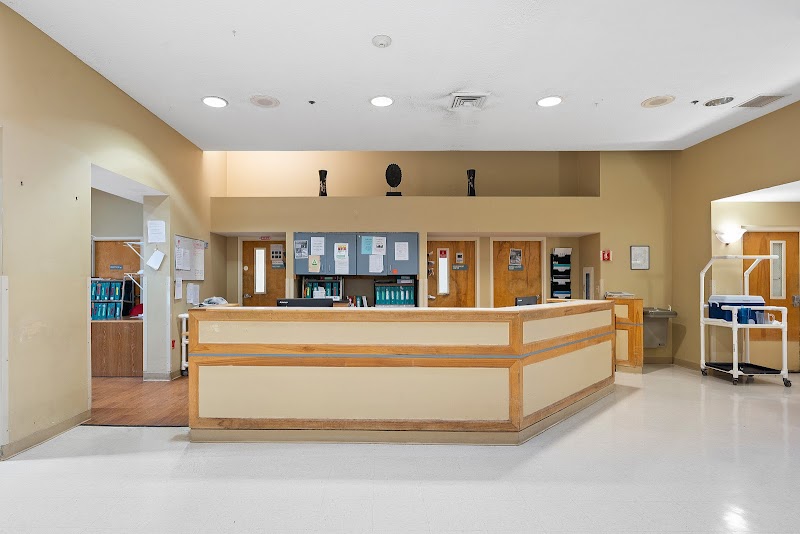
How is Fouraker Hills Rehab And Nursing Center Staffed?

CMS rates FOURAKER HILLS REHAB AND NURSING CENTER's staffing level at 3 out of 5 stars, which is average compared to other nursing homes. Staff turnover is 63%, which is 17 percentage points above the Florida average of 46%. High turnover can affect care consistency as new staff learn residents' individual needs. RN turnover specifically is 65%, which is notably high. RNs provide skilled clinical oversight, so turnover in this role can affect medical care quality.

What Have Inspectors Found at Fouraker Hills Rehab And Nursing Center?

State health inspectors documented 20 deficiencies at FOURAKER HILLS REHAB AND NURSING CENTER during 2021 to 2025. These included: 2 Immediate Jeopardy (the most serious level, indicating potential for serious harm or death) and 18 with potential for harm. Immediate Jeopardy findings are rare and represent the most serious regulatory concerns. They require immediate corrective action.

Who Owns and Operates Fouraker Hills Rehab And Nursing Center?

FOURAKER HILLS REHAB AND NURSING CENTER is owned by a for-profit company. For-profit facilities operate as businesses with obligations to shareholders or private owners. The facility is operated by ASTON HEALTH, a chain that manages multiple nursing homes. With 120 certified beds and approximately 110 residents (about 92% occupancy), it is a mid-sized facility located in JACKSONVILLE, Florida.
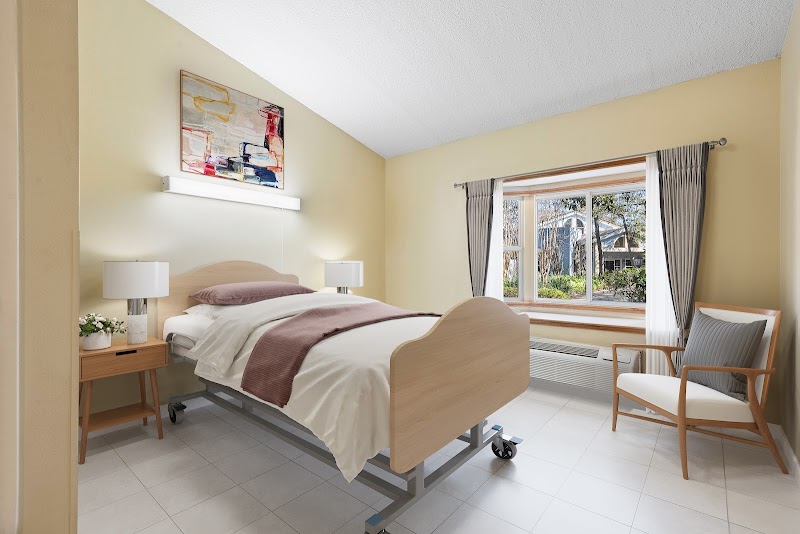
How Does Fouraker Hills Rehab And Nursing Center Compare to Other Florida Nursing Homes?

Compared to the 100 nursing homes in Florida, FOURAKER HILLS REHAB AND NURSING CENTER's overall rating (3 stars) is below the state average of 3.2, staff turnover (63%) is significantly higher than the state average of 46%, and health inspection rating (3 stars) is at the national benchmark.

What Should Families Ask When Visiting Fouraker Hills Rehab And Nursing Center?

Based on this facility's data, families visiting should ask: "What changes have been made since the serious inspection findings, and how are you preventing similar issues?" "How do you ensure continuity of care given staff turnover, and what is your staff retention strategy?" "Can I visit during a mealtime to observe dining assistance and food quality?" "How do you handle medical emergencies, and what is your hospital transfer rate?" These questions are particularly relevant given the facility's Immediate Jeopardy citations and the facility's high staff turnover rate.

Is Fouraker Hills Rehab And Nursing Center Safe?

Based on CMS inspection data, FOURAKER HILLS REHAB AND NURSING CENTER has documented safety concerns. Inspectors have issued 2 Immediate Jeopardy citations (the most serious violation level indicating risk of serious injury or death). The facility has a 3-star overall rating and ranks #100 of 100 nursing homes in Florida. Families considering this facility should ask detailed questions about what corrective actions have been taken since these incidents.

Do Nurses at Fouraker Hills Rehab And Nursing Center Stick Around?

Staff turnover at FOURAKER HILLS REHAB AND NURSING CENTER is high. At 63%, the facility is 17 percentage points above the Florida average of 46%. Registered Nurse turnover is particularly concerning at 65%. RNs handle complex medical decisions and coordinate care — frequent RN changes can directly impact care quality. High turnover means new staff may not know residents' individual needs, medications, or preferences. It can also be disorienting for residents, especially those with dementia who rely on familiar faces. Families should ask: What is causing the turnover? What retention programs are in place? How do you ensure care continuity during staff transitions?

Was Fouraker Hills Rehab And Nursing Center Ever Fined?

FOURAKER HILLS REHAB AND NURSING CENTER has no federal fines on record. CMS issues fines when nursing homes fail to meet care standards or don't correct problems found during inspections. The absence of fines suggests the facility has either maintained compliance or corrected any issues before penalties were assessed. This is a positive indicator, though families should still review recent inspection reports for the full picture.

Is Fouraker Hills Rehab And Nursing Center on Any Federal Watch List?

FOURAKER HILLS REHAB AND NURSING CENTER is not on any federal watch list. The most significant is the Special Focus Facility (SFF) program, which identifies the bottom 1% of nursing homes nationally based on persistent, serious quality problems. Not being on this list means the facility has avoided the pattern of deficiencies that triggers enhanced federal oversight. This is a positive indicator, though families should still review the facility's inspection history directly.