LAKESIDE CENTER FOR REHABILITATION AND HEALING
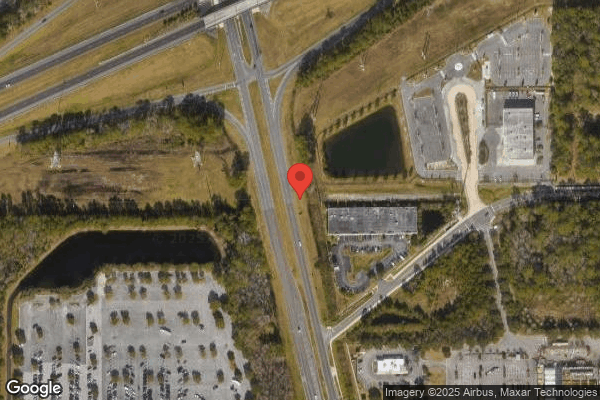
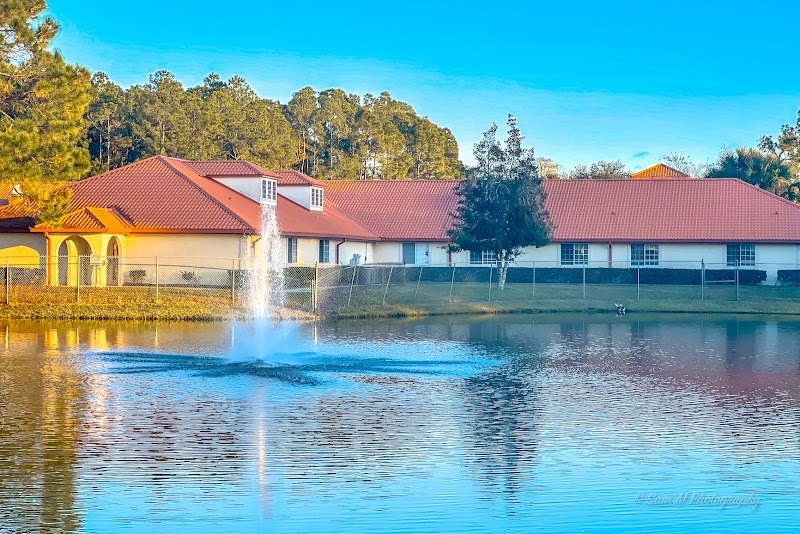
11411 ARMSDALE ROAD, JACKSONVILLE, FL 32218 (904) 714-3793
For profit - Limited Liability company 122 Beds INFINITE CARE Data: November 2025 2 Immediate Jeopardy citations
Trust Grade
49/100
#223 of 690 in FL
Last Inspection: November 2023

Within standard 12-15 month inspection cycle. Federal law requires annual inspections.

Overview

Lakeside Center for Rehabilitation and Healing has a Trust Grade of D, indicating below-average performance with several concerns. It ranks #223 out of 690 facilities in Florida, placing it in the top half, and #16 out of 34 in Duval County, meaning there are only a few local options that are better. The facility's performance has been stable, with the same number of issues reported in both 2023 and 2025. Staffing is a weakness, receiving a 2 out of 5 stars with a concerning turnover rate of 61%, which is higher than the state average. Notably, there are serious incidents, including failures to provide CPR in critical situations that likely contributed to a resident's death, alongside issues with staffing protocols that raised concerns about care quality. However, the facility does have good quality measures, rated 5 out of 5 stars, indicating some strengths in the care provided overall.

Trust Score
D
49/100
In Florida
#223/690
Top 32%
Safety Record
High Risk
Review needed
Inspections
Holding Steady
1 → 1 violations
Staff Stability
⚠ Watch
61% turnover. Above average. Higher turnover means staff may not know residents' routines.
Penalties
⚠ Watch
$14,522 in fines. Higher than 79% of Florida facilities, suggesting repeated compliance issues.
Skilled Nurses
○ Average
Each resident gets 33 minutes of Registered Nurse (RN) attention daily — about average for Florida. RNs are the most trained staff who monitor for health changes.
Violations
○ Average
9 deficiencies on record. Average for a facility this size. Mostly minor or procedural issues.
★★★★☆
4.0
Overall Rating
★★☆☆☆
2.0
Staff Levels
★★★★★
5.0
Care Quality
★★★☆☆
3.0
Inspection Score
Stable
2023: 1 issues
2025: 1 issues

The Good

  • 5-Star Quality Measures · Strong clinical quality outcomes
  • Full Sprinkler Coverage · Fire safety systems throughout facility
  • No fines on record

Facility shows strength in quality measures, fire safety.

The Bad

Staff Turnover: 61%

15pts above Florida avg (46%)

Frequent staff changes - ask about care continuity

Federal Fines: $14,522

Below median ($33,413)

Minor penalties assessed

Chain: INFINITE CARE

Part of a multi-facility chain

Ask about local staffing decisions and management

Staff turnover is elevated (61%)

13 points above Florida average of 48%

The Ugly 9 deficiencies on record

2 life-threatening
Aug 2025 1 deficiency
CONCERN (E) 📢 Someone Reported This

A family member, employee, or ombudsman was alarmed enough to file a formal complaint

Potential for Harm - no one hurt, but risky conditions existed

Deficiency F0727 (Tag F0727)

Could have caused harm · This affected multiple residents

Based on record review and interviews, the facility failed to ensure the Director of Nursing (DON) did not serve in the position of a charge nurse when the facility's census was greater than 60. Revie...

Read full inspector narrative →
Based on record review and interviews, the facility failed to ensure the Director of Nursing (DON) did not serve in the position of a charge nurse when the facility's census was greater than 60. Review of the facility staffing schedule dated 8/14/25 revealed that the DON was scheduled to work 7:00 pm - 7:00 am on the 500/600 hall cart. The census was noted as 116. During an interview on 8/14/25 at 11:55 am, the certified nursing assistant (CNA)/staffing coordinator, stated she used the facility census to plan for the staffing. She confirmed that the DON was scheduled to work tonight (8/14/25). She explained that the facility had a nurse shortage therefore the DON helped out on open slots. When asked how often the DON worked on the floor, she stated that she had to review the schedule.On 8/14/25 at 2:25 pm, the DON confirmed that she had been working on the floor when there is a need. She stated that the night shift had been the issue most of the time. She explained that she had worked at least 2-3 times a month. In an interview with the Administrator on 8/14/25 at 3:15 pm, he confirmed that the DON had worked the following dates: 6/9/25 (census 114), 6/10/25 (census 114), and 6/12/25 (census 112). (Copies obtained)
Nov 2022 2 deficiencies 2 IJ
CRITICAL (J) 📢 Someone Reported This

A family member, employee, or ombudsman was alarmed enough to file a formal complaint

Immediate Jeopardy (IJ) - the most serious Medicare violation

Deficiency F0578 (Tag F0578)

Someone could have died · This affected 1 resident

**NOTE- TERMS IN BRACKETS HAVE BEEN EDITED TO PROTECT CONFIDENTIALITY** Based on a review of resident records, the facility's policy and procedure for Emergency Care/CPR (Cardio-pulmonary resuscitatio...

Read full inspector narrative →
**NOTE- TERMS IN BRACKETS HAVE BEEN EDITED TO PROTECT CONFIDENTIALITY** Based on a review of resident records, the facility's policy and procedure for Emergency Care/CPR (Cardio-pulmonary resuscitation), facility reports, and interviews with staff, the facility failed to act in accordance with the resident's Advance Directives in accordance with his Full Code status (the desire to be resuscitated in the event his heart or breathing stopped) after finding him unresponsive with no respirations. This affected one (Resident #1) of four residents reviewed for Advance Directives. The facility's failure to review and honor Resident #1's Full Code status deprived him of potentially lifesaving measures and likely contributed to his death. Immediate Jeopardy at a scope of J (isolated) was identified at 11:30 a.m. on [DATE]. On [DATE] at 5:20 a.m., the Immediate Jeopardy began. On [DATE] at 4:30 p.m., the Interim Administrator was notified of the IJ determination, and Immediate Jeopardy was removed, effective [DATE]. The facility remained out of compliance, and the scope and severity were reduced to a D. The findings include: Cross reference F678 A closed electronic record review conducted for Resident #1 found he was admitted from the hospital on [DATE]. An AHCA form 5000-3008 (a Medicaid eligibility determination form completed by hospitals upon patient discharge to a nursing home), dated [DATE], revealed that Resident #1 had no Advanced Directives and no Do Not Resuscitate Order (DNRO) upon discharge. His diagnoses included fracture of the right shoulder and pelvis following a motor vehicle accident, hypertension (high blood pressure) and anxiety. Resident #1 had an admission Minimum Data Set (MDS) assessment with an assessment reference date of [DATE], revealing an admission from an acute-care hospital. He had a Brief Interview for Mental Status (BIMS) score of 14 out of 15 points, indicating intact cognition. Active discharge planning was occurring for him to return to the community. A Death in Facility MDS assessment, dated [DATE], revealed that Resident #1 was discharged from the facility on [DATE]. His discharge status was deceased . The baseline care plan, dated [DATE], indicated Resident #1 had a physician's order for Cardio-Pulmonary Resuscitation (CPR). Further record review confirmed a physician's order for FULL CODE dated [DATE]. (Photographic evidence obtained) The Physician's Assistant - Certified (PA-C) saw Resident #1 for an initial visit on [DATE] and noted he was doing well. He was seen again on [DATE] and was last seen on [DATE] for follow-up for anxiety and discharge planning. The PA-C noted Resident #1 was feeling okay but reported anxiety. Resident #1 was noted as wanting to go home, and Social Services (SS) was working on his discharge. An electronic Progress Note authored by the Activities Aide on [DATE] noted Resident #1 was alert and oriented with the ability to make his needs known. Resident #1 is FULL CODE. (Photographic evidence obtained) A Social Services (SS) Progress Note, dated [DATE], indicated Resident #1 was consulted about his discharge plans and found he intended to return home. Resident #1 stated he could take care of himself at home. (Photographic evidence obtained) An electronic progress note authored by Licensed Practical Nurse (LPN) A on [DATE] at 6:28 AM, revealed that at approximately 5:20 AM, Certified Nursing Assistant (CNA) B came to another resident's room to report Resident #1 appeared to be having a seizure. CNA B said she had already reported this to Registered Nurse (RN) C. While LPN A was in the other resident's room, RN C went to that room to ask which resident was having the seizure. LPN A ran to Resident #1's room and observed the resident pale/yellow in color. When she called his name and touched his hand, he was unresponsive. LPN A did a sternal rub and Resident #1 began to gasp for air. She went to get oxygen while CNA B continued to keep the resident responding. A non-rebreather mask (a device that helps provide oxygen in an emergency) was used for oxygen delivery. RN C called 911 and LPN A and CNA B attempted to keep the resident responding. Resident #1 would only gasp one breath at a time periodically and was pursed-lip breathing. At approximately 5:30 AM, the resident no longer gasped for air and had no pulse. The ambulance arrived shortly thereafter and pronounced his death at 5:41 AM. There was no indication in the note that Resident #1's code status was checked or that chest compressions and/or other life-saving techniques were initiated when the resident stopped breathing. (Photographic evidence obtained) The Discharge summary, dated [DATE], noted Resident #1's Advanced Directives were marked Other Directive, Full Code. (Photographic evidence obtained) A review of the facility's Emergency Care (CPR) Policy and Procedure (undated) revealed: Policy: The facility will identify each resident's choice for treatment and care, help the resident to develop Advanced Directives, as desired, and implement appropriate instructions for care that reflect those choices, all in accordance with the facility's ethics, decision-making policies and procedures, and Florida State law. In the event of a medical emergency, the facility will notify the attending physician and/or call 911 according to the resident's Advanced Directives. Prior to the arrival of emergency medical services (EMS), the facility will provide basic life support, including initiation of CPR, to a resident who experiences cardiac arrest or respiratory arrest in accordance with the resident's Advance Directives or DNR order. In the absence of a DNR order or for those residents who do not have a valid DNR order, CPR must begin. Procedure: 1. At the time of admission, the facility will request copies of the resident's completed Advance Directives if any . 2. The resident/legal representative will be made aware that the resident has the right not to have CPR performed in the event of cardiac emergency. Should the resident or legal representative request to not have CPR performed in the event of a cardiac emergency, the facility will provide a yellow DO NOT RESUSCITATE form and explain the terms to the resident or legal representative . 3. A DNR or full code order should be entered and signed by the physician in [the electronic medical record system] and code status displayed on the resident's PCC header below their photo . 4. Code status will be noted on the monthly POS (physician's order sheet) and verified as accurate as part of the monthly POS review. 5. Should a resident experience cardiac emergency, staff will refer to the presence of a yellow form signed by the resident and physician to determine if CPR should be performed. 6. Advance Directives will be reviewed at least quarterly with the resident or legal representative by Social Services staff . 7. Any changes in DNR status will be communicated to care-giving staff and noted in the medical record immediately upon MD approval. 8. Staff will be educated regarding the Emergency Care (CPR) policy during orientation and at least annually thereafter. (Photographic evidence obtained) Further review of the facility records revealed that LPN A's written statement (undated), revealed that on [DATE] at 5:20 AM, the CNA informed her that Resident #1 may be having a seizure. The CNA stated she had informed the other nurse who was not far from Resident #1's room. When LPN A got to Resident #1's room, he was unresponsive to touch and his name. He gasped upon application of a sternal rub and oxygen was applied on high with a non-rebreather mask. The other nurse stayed at the nursing station and called 911 until EMS (Emergency Medical Services) arrived. Per EMS, 0541 (5:41 AM) was the time of death. (Photographic evidence obtained) An undated, written statement made by RN C, revealed that after being notified by the CNA and entering Resident #1's room, he was breathing irregularly. RN C tried to vigorously arouse him and ran to call 911. She returned to the resident's room where his nurse and CNA (LPN A and CNA B) were, and was notified that Resident #1 had expired. (Photographic evidence obtained) An interview was conducted with the Regional Director of Clinical Services (RDCS) on [DATE] at 3:11 PM. She explained that Resident #1 had been admitted on [DATE] for rehabilitation following a motor vehicle crash. He had multiple fractures. On [DATE] at around 5:20 AM, CNA B reported that Resident #1 began shaking during routine personal care. LPN A and RN C responded and found Resident #1 breathing, but otherwise unresponsive to a sternal rub. When Resident #1 ceased to breathe, no CPR was initiated, and he was pronounced deceased by paramedics at 5:41 AM. Resident #1's code status was Full Code. When LPN A was interviewed, she did not know why she did not start CPR. In a statement provided by RN C, she reported that Resident #1 presented with irregular breathing. She called 911 and LPN A was sent to the resident's room. 911 stated EMS was dispatched immediately. When RN C returned to the room, LPN A notified her that Resident #1 was no longer breathing and had expired. The RDCS confirmed that Resident #1's code status was not checked at any time during the event. In response to the event, all employed nurses' CPR certifications were checked and verified. Anyone who did not have a current, valid certificatin was not permitted to work until they did. A required training notification was sent to all staff on [DATE] and training began at 8:30 AM that same morning. Both LPN A and RN C were trained, but then suspended pending the outcome of the investigation, which started immediately. Code Blue drills were initiated daily on each shift. Training in CPR, Abuse and Neglect, and Code Blue drills was completed by [DATE] for all nurses but one, who would receive the training prior to returning to work. Agency nurses had to complete the education, and new staff would be provided this education during orientation. An Ad Hoc Quality Assurance and Performance Improvement (QAPI) meeting was conducted [DATE] to review the facility's response and plan of correction and a Performance Improvement Plan (PIP) was developed. The committee reviewed the Emergency Procedures policy and procedure, as well as new hire orientation and annual training. Residents who expired in the facility in the last 30 days were reviewed for code status and Advance Directives with no concerns identified. CNA B was interviewed via telephone on [DATE] at 10:30 AM. She explained that when she went to provide care to Resident #1 the morning of the event, he had a seizure. She ran, reported this to RN C, then went to get LPN A. When she and RN C went to Resident #1's room, he was mouth breathing. RN C asked, Where is LPN A? This is her patient! LPN A arrived and did sternal rubs as Resident #1 began mouth breathing less frequently. LPN A ran to get oxygen, instructed RN C to call 911, and told CNA B to keep doing sternal rubs and shaking/tapping Resident #1's shoulder. After initially gasping for air rapidly, Resident #1's breaths slowed to about one gasp every 10 seconds. LPN A asked, Where is RN A, she should be doing CPR. LPN A continued to shake the resident but then said, I can't get any readings on him. He is gone. She took the oxygen off and left the room. Maybe a minute later, the paramedics arrived and said he was dead. She did not know why LPN A did not do CPR since the process is that the nurse will call the code and start CPR. The code status is supposed to be checked immediately when finding a resident unresponsive. CNA B was trained in CPR at that time and the code status was in the resident's chart. She thought LPN A knew Resident #1's code status because she had him all night. She has since received all the training in abuse and neglect, Emergency Procedures and CPR and has participated in two Code Blue drills, which were being conducted often. On [DATE] at 11:35 AM, RN C was interviewed and explained that she was not assigned to Resident #1 the morning of the event. Toward the end of the shift, as she was finishing up morning medications (she did not recall the time), the assigned CNA (CNA B) approached her and said Resident #1 was not doing well. She went to Resident #1's room while CNA B went to get Resident #1's assigned nurse, LPN A. Resident #1 had a pulse but his breathing was labored. She walked out of the room to call rescue and as she was going out, LPN A and CNA B walked in. After calling 911, she was headed back to the resident's room but was called by a staff member in the other unit, and was told rescue was at the door and did not know where to go. RN C walked to the entrance to direct the rescue team then walked with rescue to the resident room. LPN A reported at that time that Resident #1 had stopped breathing. Throughout the survey, the facility provided their immediate jeopardy removal plan, and these immediate actions were verified as having been completed by the survey team as follows: A Performance Improvement Plan (PIP) was developed and initiated on [DATE] to provide immediate correction and attaining/maintaining regulatory compliance. An Ad Hoc Quality Assurance and Performance Improvement (QAPI) meeting was conducted with the Interdisciplinary Team and Medical Director on [DATE]. Action steps taken included 1) Unit Managers verified the code status for each resident to ensure the paper and electronic medical record (EMRs) matched. A new binder was created to include residents who had elected a Do Not Resuscitate (DNR) order for easy access. The DNR form would be filed under the Documents tab in the EMR and in the hard (paper) chart, 2) Mock code blue drills were initiated on [DATE] at approximately 8:15 AM and will continue daily for one week, then move to weekly for 30 days, then monthly to ensure staff are trained to perform in the event of an actual emergency, 3) RN C and LPN A were suspended pending an investigation, 4) Staff in-service trainings were initiated on [DATE] related to emergency procedures and the facility policy. The in-services will be mandatory for all clinical staff and will be ongoing until all staff have been trained, 5) Employee files were checked for CPR Certifications on [DATE] and a documentation roster will be maintained. All facility nurses files were audited, 6) The Staff Development Coordinator and Human Resources Director reviewed new employee Orientation Checklist/Annual Checklists for clinical staff were reviewed, 7) All residents who expired in the facility the last three months were evaluated to ascertain and identify the cause of death and opportunities for improvement. A Root Cause Analysis was conducted and found the facility failed to call CODE BLUE or start CPR resulting in death. The Nurse did not initiate CPR per the resident's wishes and per the facility policy and procedure. The code status was present in the medical record. In-Service training on Advanced Directives, Emergency Procedures, Abuse/Neglect and Code Blue Drills commenced [DATE] at 8:30 AM and as of [DATE], twenty-four (24) out of twenty-five (25) facility nurses had been trained. The remaining nurse would not be permitted to return to work until she received the training. Mock Code Blue drills commenced [DATE] and were conducted daily on each shift through [DATE] and were now being conducted daily. Nurses' personnel files were audited on [DATE] with 100% of employed nurses CPR certification verified. LPN A and RN C were terminated on [DATE] as a result of the investigation. The Board of Nursing and law enforcement were notified. .
CRITICAL (J) 📢 Someone Reported This

A family member, employee, or ombudsman was alarmed enough to file a formal complaint

Immediate Jeopardy (IJ) - the most serious Medicare violation

Deficiency F0678 (Tag F0678)

Someone could have died · This affected 1 resident

**NOTE- TERMS IN BRACKETS HAVE BEEN EDITED TO PROTECT CONFIDENTIALITY** Based on a review of resident records, the facility's policy and procedure for Emergency Care/CPR (Cardio-pulmonary resuscitatio...

Read full inspector narrative →
**NOTE- TERMS IN BRACKETS HAVE BEEN EDITED TO PROTECT CONFIDENTIALITY** Based on a review of resident records, the facility's policy and procedure for Emergency Care/CPR (Cardio-pulmonary resuscitation), facility reports and staff interviews, the facility failed to provide CPR prior to the arrival of Emergency Medical Services (EMS) personnel and in accordance with the resident's physician's order and Advance Directives when an unresponsive resident stopped breathing. This affected one (Resident #1) of four residents reviewed for Advance Directives. The facility's failure to review and honor Resident #1's Full Code status (the desire to be resuscitated in the event that his heart or breathing stopped), deprived him of potentially lifesaving measures and likely contributed to his death. Immediate Jeopardy at a scope of J (isolated) was identified at 11:30 a.m. on [DATE]. On [DATE] at 5:20 a.m., the Immediate Jeopardy began. On [DATE] at 4:30 p.m., the Interim Administrator was notified of the IJ determination, and Immediate Jeopardy was removed, effective [DATE]. The facility remained out of compliance, and the scope and severity were reduced to a D. The findings include: Cross reference F578 A closed electronic record review conducted for Resident #1, found he was admitted to the facility from the hospital on [DATE] with diagnoses including fracture of the right shoulder and pelvis following a motor vehicle accident. An AHCA form 5000-3008 (a Medicaid eligibility determination form completed by hospitals upon patient discharge to a nursing home), dated [DATE], revealed that Resident #1 had no Advanced Directives and no Do Not Resuscitate Order (DNRO) upon his discharge. Resident #1 had a physician's order dated [DATE] for FULL CODE. (Photographic evidence obtained) The admission Minimum Data Set (MDS) assessment, dated [DATE], revealed that Resident #1 was admitted from the hospital and had a Brief Interview for Mental Status (BIMS) score of 14 out of 15 points, indicating intact cognition. Active discharge planning was occurring for Resident #1 to return to the community. The Death in Facility MDS assessment, dated [DATE], revealed Resident #1 was discharged from the facility on [DATE]. His discharge status was deceased . The baseline care plan, dated [DATE], noted Resident #1 had a physician's order for Cardio-Pulmonary Resuscitation (CPR). (Photographic evidence obtained) The Physician's Assistant - Certified (PA-C) saw Resident #1 for an initial visit on [DATE] and noted he was doing well. He was seen again on [DATE] and was last seen on [DATE] for follow-up for anxiety and discharge planning. The PA-C noted Resident #1 was feeling okay but reported anxiety. Resident #1 was noted as wanting to go home, and Social Services (SS) was working on his discharge. The Activities Aide authored an electronic progress note on [DATE] and reported that Resident #1 was alert, oriented, and able to make his needs known. His code status was FULL CODE. A Social Services (SS) Progress Note, dated [DATE], indicated Resident #1 was consulted about his discharge plans and found he intended to return home. Resident #1 stated he could take care of himself at home. (Photographic evidence obtained) On [DATE] at 6:28 AM, Licensed Practical Nurse (LPN) A authored an electronic progress note reporting that at approximately 5:20 AM, Certified Nursing Assistant (CNA) B came to report that Resident #1 appeared to be having a seizure. CNA B had already reported this to the Registered Nurse (RN). When LPN A went to Resident #1's room, she observed that he was pale/yellow in color. When she called his name and touched his hand, he was unresponsive. LPN A did a sternal rub, and Resident #1 began to gasp for air. She went to get oxygen while CNA B continued to keep the resident responding. A non-rebreather mask (a device that helps provide oxygen in an emergency) was used for oxygen delivery. RN C called 911 and LPN A and CNA B attempted to keep the resident responding. Resident #1 was gasping periodically and was pursed-lip breathing. At approximately 5:30 AM, the resident no longer gasped for air and had no pulse. The ambulance arrived shortly thereafter and pronounced his death at 5:41 AM. (Photographic evidence obtained) There was no indication in the progress note that the nurses checked Resident #1's code status or that chest compressions and/or other life-saving techniques were initiated when the resident stopped breathing. The Discharge summary, dated [DATE], noted that Resident #1's Advanced Directives were marked Other Directive, Full Code. (Photographic evidence obtained) A review of the facility's Emergency Care (CPR) Policy and Procedure (undated) revealed: Policy: The facility will identify each resident's choice for treatment and care, help the resident to develop Advanced Directives, as desired, and implement appropriate instructions for care that reflect those choices, all in accordance with the facility's ethics, decision-making policies and procedures, and Florida State law. In the event of a medical emergency, the facility will notify the attending physician and/or call 911 according to the resident's Advanced Directives. Prior to the arrival of emergency medical services (EMS), the facility will provide basic life support, including initiation of CPR, to a resident who experiences cardiac arrest or respiratory arrest in accordance with the resident's Advance Directives or DNR order. In the absence of a DNR order or for those residents who do not have a valid DNR order, CPR must begin. Procedure: 1. At the time of admission, the facility will request copies of the resident's completed Advance Directives if any . 2. The resident/legal representative will be made aware that the resident has the right not to have CPR performed in the event of a cardiac emergency. Should the resident or legal representative request to not have CPR performed in the event of a cardiac emergency, the facility will provide a yellow DO NOT RESUSCITATE form and explain the terms to the resident or legal representative . 3. A DNR or full code order should be entered and signed by the physician in [the electronic medical record system] and code status displayed on the resident's PCC header below their photo . 4. Code status will be noted on the monthly POS (physician's order sheet) and verified as accurate as part of the monthly POS review. 5. Should a resident experience a cardiac emergency, staff will refer to the presence of a yellow form signed by the resident and physician to determine if CPR should be performed. 6. Advance Directives will be reviewed at least quarterly with the resident or legal representative by Social Services staff . 7. Any changes in DNR status will be communicated to care-giving staff and noted in the medical record immediately upon MD approval. 8. Staff will be educated regarding the Emergency Care (CPR) policy during orientation and at least annually thereafter. (Photographic evidence obtained) A written statement given by LPN A (undated), noted that on [DATE] at 5:20 AM, the CNA informed her that Resident #1 may be having a seizure. The CNA stated she had informed the other nurse, who was not far from Resident #1's room. When LPN A got to Resident #1's room, he was unresponsive to touch and his name. He gasped for air upon application of a sternal rub, and oxygen was applied on high with a non-rebreather mask. The other nurse stayed at the station and called 911 until EMS (Emergency Medical Services) arrived. Per EMS, 0541 (5:41 AM) was the time of death. (Photographic evidence obtained) A written statement made by RN C (undated), revealed that after being notified by the CNA and entering Resident #1's room, he was breathing irregularly. RN C tried to vigorously arouse him and ran to call 911. She returned to the resident's room where his nurse and CNA (LPN A and CNA B) were, and was notified that Resident #1 had expired. (Photographic evidence obtained) An interview was conducted with the Regional Director of Clinical Services (RDCS) on [DATE] at 3:11 PM. She explained that Resident #1 had been admitted on [DATE] for rehabilitation following a motor vehicle crash. He had multiple fractures. On [DATE] at around 5:20 AM, CNA B reported that Resident #1 began shaking during routine personal care. LPN A and RN C responded and found Resident #1 breathing, but otherwise unresponsive to a sternal rub. When Resident #1 ceased to breathe, no CPR was initiated, and he was pronounced deceased by paramedics at 5:41 AM. Resident #1's code status was Full Code. When LPN A was interviewed, she did not know why she did not start CPR. In a statement provided by RN C, she reported that Resident #1 presented with irregular breathing. She called 911 and LPN A was sent to the resident's room. 911 stated EMS were dispatched immediately. When RN C returned to the room, LPN A notified her that Resident #1 was no longer breathing and had expired. The RDCS confirmed that Resident #1's code status was not checked at any time during the event. In response to the event, all employed nurses CPR certification was checked and verified. Any who did not have it were not allowed to work until they did. A required training notification was sent to all staff on [DATE], and training began at 8:30 AM that same morning. Both LPN A and RN C were trained, but then suspended pending the outcome of the investigation, which started immediately. Code Blue drills were initiated daily on each shift. Training in CPR, Abuse and Neglect and Code Blue drills was completed by [DATE] for all nurses but one, who would receive the training prior to returning to work. Agency nurses had to complete the education and new staff were provided this education during orientation. An Ad Hoc Quality Assurance and Performance Improvement (QAPI) meeting was conducted on [DATE] to review the facility's response and plan of correction, and a Performance Improvement Plan (PIP) was developed. The committee reviewed the Emergency Procedures policy and procedure, as well as new hire orientation and annual training. Residents who expired in the facility in last 30 days were reviewed for code status and Advance Directives, with no concerns identified. CNA B was interviewed via telephone on [DATE] at 10:30 AM. She explained that when she went to provide care to Resident #1 the morning of the event, he had a seizure. She ran, reported this to RN C, then went to get LPN A. When she and RN C went to Resident #1's room, he was mouth breathing. RN C asked, Where is LPN A? This is her patient! LPN A arrived and did sternal rubs as Resident #1 began mouth breathing less frequently. LPN A ran to get oxygen, instructed RN C to call 911, and told CNA B to keep doing sternal rubs and shaking/tapping Resident #1's shoulder. After initially gasping for air rapidly, Resident #1's breaths slowed to about one gasp every 10 seconds. LPN A asked, Where is RN A, she should be doing CPR. LPN A continued to shake the resident but then said, I can't get any readings on him. He is gone. She took the oxygen off and left the room. Maybe a minute later the paramedics arrived and said he was dead. She did not know why LPN A did not do CPR since the process was that the nurse would call the code and start CPR. The code status was supposed to be checked immediately when finding a resident unresponsive. CNA B said she was trained in CPR at that time and the code status was in the resident's chart. She thought LPN A knew Resident #1's code status because she had him all night. On [DATE] at 11:35 AM, RN C was interviewed and explained that she was not assigned to Resident #1 the morning of the event. Toward the end of the shift, as she was finishing up morning medications (she did not recall the time), the assigned CNA (CNA B) approached her and said Resident #1 was not doing well. She went to Resident #1's room while CNA B went to get Resident #1's assigned nurse, LPN A. Resident #1 had a pulse but his breathing was labored. She walked out of the room to call rescue and as she was going out, LPN A and CNA B walked in. After calling 911, she was headed back to the resident's room, but was called by a staff member in the other unit and was told rescue was at the door; they did not know where to go. RN C walked to the entrance to direct the rescue team, then walked with rescue to the resident's room. LPN A reported at that time that Resident #1 had stopped breathing. Throughout the survey, the facility provided their immediate jeopardy removal plan, and these immediate actions were verified as having been completed by the survey team as follows: A Performance Improvement Plan (PIP) was developed and initiated on [DATE] to provide immediate correction and attaining/maintaining regulatory compliance. An Ad Hoc Quality Assurance and Performance Improvement (QAPI) meeting was conducted with the Interdisciplinary Team and Medical Director on [DATE]. Action steps taken included 1) Unit Managers verified the code status for each resident to ensure the paper and electronic medical record (EMRs) matched. A new binder was created to include residents who had elected a Do Not Resuscitate (DNR) order for easy access. The DNR form would be filed under the Documents tab in the EMR and in the hard (paper) chart, 2) Mock code blue drills were initiated on [DATE] at approximately 8:15 AM and will continue daily for one week, then move to weekly for 30 days, then monthly to ensure staff are trained to perform in the event of an actual emergency, 3) RN C and LPN A were suspended pending an investigation, 4) Staff in-service trainings were initiated on [DATE] related to emergency procedures and the facility policy. The in-services will be mandatory for all clinical staff and will be ongoing until all staff have been trained, 5) Employee files were checked for CPR Certifications on [DATE] and a documentation roster will be maintained. All facility nurses files were audited, 6) The Staff Development Coordinator and Human Resources Director reviewed new employee Orientation Checklist/Annual Checklists for clinical staff were reviewed, 7) All residents who expired in the facility the last three months were evaluated to ascertain and identify the cause of death and opportunities for improvement. A Root Cause Analysis was conducted and found the facility failed to call CODE BLUE or start CPR resulting in death. The Nurse did not initiate CPR per the resident's wishes and per the facility policy and procedure. The code status was present in the medical record. In-Service training on Advanced Directives, Emergency Procedures, Abuse/Neglect, and Code Blue Drills commenced [DATE] at 8:30 AM, and as of [DATE], twenty-four (24) out of twenty-five (25) facility nurses had been trained. The remaining nurse would not be permitted to return to work until she received the training. Mock Code Blue drills commenced [DATE] and were conducted daily on each shift through [DATE] and are now being conducted daily. Nurses' personnel files were audited on [DATE] with 100% of employed nurses' CPR certification verified. LPN A and RN C were terminated on [DATE] as a result of the investigation. The Board of Nursing and law enforcement were notified. .
Jan 2022 5 deficiencies
CONCERN (D)

Potential for Harm - no one hurt, but risky conditions existed

Deficiency F0582 (Tag F0582)

Could have caused harm · This affected 1 resident

Based on record review and staff interview, the facility failed to maintain complete records of Notices of Medicare Non-coverage (NOMNC) and Advance Beneficiary Notices of Non-coverage (ABN) for two (...

Read full inspector narrative →
Based on record review and staff interview, the facility failed to maintain complete records of Notices of Medicare Non-coverage (NOMNC) and Advance Beneficiary Notices of Non-coverage (ABN) for two (Residents #16 and #415) of three sampled residents who were discharged from a Medicare A-covered stay with benefit days remaining in the last six months. Specifically, the records provided by the facility were without resident signatures to verify that the residents were made aware of the changes in coverage for services provided by the facility. The findings include: A record review for three residents with remaining Medicare Part A days, revealed that two (Residents #16 and #415) of the three residents who resided in the facility had missing signatures on both their NOMNC and ABN forms. (Copies obtained) The signature areas were blank and there was no date on either form. There was no documented evidence to verify that Residents #16 and #415 were notified of coverage changes related to services provided by the facility. The two residents' ABN forms did not have an Options box selected, a signature or a date of contact on them. On the two NOMNC forms, the signature and date areas were blank. These forms did not indicate by what method the participants were contacted, if they had declined, planned to appeal or were not available to sign the forms. The Regional Business Office Manager (RBOM) was interviewed on 1/13/22 at 11:03 a.m. She was asked why the signatures were missing on the forms and she stated she was told they could fill out information in the Additional Information area and that was enough. She was asked to explain the information in the Additional Information area on the NOMNC form, because it did not indicate how the resident was contacted, whether they declined, etc. She stated, Yes, I understand. She was asked to provide additional information to confirm these forms were given to the residents, however, no additional information was provided prior to the survey exit on 1/13/22 at approximately 7:45 p.m. .
CONCERN (D)

Potential for Harm - no one hurt, but risky conditions existed

Deficiency F0692 (Tag F0692)

Could have caused harm · This affected 1 resident

**NOTE- TERMS IN BRACKETS HAVE BEEN EDITED TO PROTECT CONFIDENTIALITY** Based on observations, interviews, and record review, the facility failed to maintain acceptable parameters of nutritional statu...

Read full inspector narrative →
**NOTE- TERMS IN BRACKETS HAVE BEEN EDITED TO PROTECT CONFIDENTIALITY** Based on observations, interviews, and record review, the facility failed to maintain acceptable parameters of nutritional status by failing to follow orders for one (Resident #100) of two residents triggered for weight loss from a total sample of 46 residents. The findings include: A record review for Resident #100 revealed she was admitted on [DATE] with diagnoses including respiratory failure with hypercapina, anxiety disorder, anemia, seizures, major depressive disorder, personality and behavioral disorder, adult failure to thrive, pain, delusional disorders, hypertension, edema, and overactive bladder. A review of the quarterly minimum data set (MDS) assessment, dated 12/23/21, revealed a Brief Interview for Mental Status (BIMS) score of 6 out of a possible 15 points, indicating severe cognitive impairment. The resident's mobility needs were documented is extensive assistance of one person. A review of the Physician's Order Sheets for January 2022, revealed current orders for Buspirone for anxiety, Remeron 15 mg (milligrams) for appetite, Sertraline for depression and Tramadol for pain as needed. The resident's orders for nutritional supplements included Magic Cup two times a day (started on 12/13/21), Mighty Shakes three times a day (started 10/18/21), and Resource 2.0 (nutritional supplement) three times a day (started 10/18/21). The resident's weight was recorded monthly. Her weight on 08/01/2021 was recorded at 101 pounds. On 01/01/2022, her weight was recorded at 88 pounds, which was a 12.87 % weight loss in five months. The resident's Care Plan, initiated on 1/6/2022, revealed a potential nutritional problem due to a diagnosis and history of edema, which may cause fluctuating weights. She required a modified consistency of mechanical soft diet and left 25% or more food uneaten at most meals. She had a weight below Body Mass Index range with interventions that included administration of medications, monitor/record/report to doctor as needed signs symptoms of malnutrition and serve diet as ordered. A review of the Registered Dietitian's (RD) Nutrition Note, dated 12/13/2021, reported a 4.6% weight loss x 1 week, and her intake of the mechanical soft diet was 0-25% of most meals. The RD note dated 1/11/2022, reported a weight loss of 8.49% x 3 months, and that was below ideal body weight. The note indicated the resident's intake of her mechanical soft, thin liquids diet was 0-50% and she received Resource 2.0, 120 ml 3 times a day. A review of the Nursing Notes indicated the resident consumed 82% of her Resource 2.0, 120 ml (milliliters) three times a day. The RD recommended Magic Cup two times a day, which provided 580 kcal/18 g (grams) protein. An interview was conducted with Licensed Practical Nurse (LPN) B on 1/13/2022 at 11:40 AM. She stated she handled the tube feedings and the nutrition supplements like Resource. She stated the kitchen put the shakes and frozen Magic Cup on the meal trays. Yes, we have protocols for weight loss. We would notify the family, the doctor, and the Registered Dietitian. We give supplements to prevent weight loss like Resource, Magic Cup and shakes. LPN Q was interviewed on 01/13/2022 at 11:49 AM. She reported that she would defer to the RD and the resident's doctor if the resident was losing weight. I think the resident gets Resource three times a day. She does need to be encouraged to eat. An interview was conducted with the Certified Dietary Manger (CDM) on 01/13/2022 at 3:29 PM. She stated she entered the weekly weight loss list in the computer for the RD, so she would be prompted to see residents with weight loss, and then the RD would reassess those residents. The CDM was asked if all residents' diet sheets were current. She stated, I won't say that. A review of the Tray Slip form was done for the date of 1/13/22. The Tray Slip revealed that Resident #100 had a Mighty Shake on her Tray Slip only two times, but her orders were to have a Mighty Shake three times. She also had an order for Magic Cup two times a day. It was missing from the Tray Slip completely. (Copy obtained) During an interview with the CDM on 01/13/2022 at 5:23 PM, she stated, If a resident is supposed to get Mighty Shake on her tray three times a day, it should be on her Tray Slip. An interview was conducted with the RD at 5:40 PM on 1/13/2022. She reported that if a resident had a weight loss, she would reevaluate the resident and would put new supplement orders, etc., in the computer, then give them to the CDM. The CDM would put them in the kitchen computer system. The orders would then print on the Tray Slip for meal service staff to place the item(s) on the meal tray. The CDM was responsible for putting any new orders in the kitchen computer system. The RD reported she did not have access to this system and was unable to add the orders herself. Certified Nursing Assistant (CNA) S was interviewed on 01/13/2022 at 6:00 PM. She reported that dietary staff put nutritional supplements on meal trays before leaving the kitchen. CNA S stated she could not remember whether Resident #100 received any nutritional supplements. An interview was conducted with LPN T on 01/13/2022 at 6:05 PM. She reported that she had been working in the facility for three years and dietary staff put Magic Cup and Mighty Shake supplements on meal trays at each meal service. She stated the nurses were responsible for administering the medical nutritional supplements (i.e Resource 2.0). An interview was conducted with CNA U on 01/13/2022 at 6:10 PM. She reported that Resident #100 received Mighty Shake on her tray, but I have not seen any Magic Cup. The facility's policy addressing resident weight loss was requested but was not received over the course of the survey. .
CONCERN (D)

Potential for Harm - no one hurt, but risky conditions existed

Respiratory Care (Tag F0695)

Could have caused harm · This affected 1 resident

**NOTE- TERMS IN BRACKETS HAVE BEEN EDITED TO PROTECT CONFIDENTIALITY** 2. A review of Resident #25's medical record revealed and admission date of 4/19/18. Her diagnoses included asthma and COPD. A ...

Read full inspector narrative →
**NOTE- TERMS IN BRACKETS HAVE BEEN EDITED TO PROTECT CONFIDENTIALITY** 2. A review of Resident #25's medical record revealed and admission date of 4/19/18. Her diagnoses included asthma and COPD. A review of the quarterly MDS, dated [DATE], revealed the resident was receiving oxygen. A review of the Physician's Order Sheets for January 2022, revealed a current order for oxygen, 2 liters per minute continuously, checked every shift, and oxygen tubing to be changed every Sunday. A review of Resident #25's Care Plan for Oxygen, initiated on 10/29/21, revealed she was receiving oxygen therapy due to ineffective gas exchange and chronic obstructive pulmonary disease. The interventions included: Change delivery method if resident eats, monitor for signs and symptoms of respiratory distress and report them to the doctor as needed. Oxygen settings via nasal cannula per physician's orders. An observation of Resident #25 in her room on 1/11/22 at 2:09 PM, revealed that her oxygen flow rate was set at 4 liters per minute, and the oxygen tubing was dated 1/3/2022. Based on the facility's protocol, the oxygen tubing should have been changed by 1/9/22. An observation of Resident #25 in her room on 1/12/22 at 3:00 PM, revealed that her oxygen flow rate was still set at 4 liters per minute. (Photographic evidence obtained) An observatin of Resident #25 in her room on 1/13/22 at 11:20 AM, revealed that her oxygen flow rate was now set at 2 liters per miute, however the oxygen tubing was still dated 1/3/2022. The facility policy on Oxygen Administration, last revised 10/2020, revealed the following: Verify that there is a physician's order for this procedure. Review the physician's orders or facility protocol for oxygen administration. Review the resident's care plan to assess for any special needs of the resident. Documentation of oxygen administration per policy and procedure include the recording of the rate of oxygen flow, route and rationale, the frequency and duration of the treatment. According to the National Center for Biotechnology Information (NCBI) at https://www.ncbi.nlm.nih.gov/books/NBK430743/ (Accessed 2/4/22 at 1:56 p.m.): Oxygen is vital to sustain life. However, breathing oxygen at higher than normal partial pressure leads to hyperoxia and can cause oxygen toxicity or oxygen poisoning. The clinical settings in which oxygen toxicity occurs is predominantly divided into two groups; one in which the patient is exposed to very high concentrations of oxygen for a short duration, and the second where the patient is exposed to lower concentrations of oxygen but for a longer duration. These two cases can result in acute and chronic oxygen toxicity, respectively. The acute toxicity manifests generally with central nervous system (CNS) effects, while chronic toxicity has mainly pulmonary effects. Severe cases of oxygen toxicity can lead to cell damage and death. Those at particular risk for oxygen toxicity include patients exposed to prolonged high levels of oxygen. Extended exposure to above-normal oxygen partial pressures, or shorter exposures to very high partial pressures, can cause oxidative damage to cell membranes leading to the collapse of the alveoli in the lungs. Pulmonary effects can present as early as within 24 hours of breathing pure oxygen. Symptoms include pleuritic chest pain, substernal heaviness, coughing, and dyspnea secondary to tracheobronchitis and absorptive atelectasis which can lead to pulmonary edema. Pulmonary symptoms typically abate 4 hours after cessation of exposure in the majority of patients. CNS effects manifest with a multitude of potential symptoms. Early symptoms and signs are quite variable, but twitching of perioral and small muscles of the hand is a fairly consistent feature. If exposure to oxygen pressures is sustained tinnitus, dysphoria, nausea, and generalized convulsions can develop. Based on record reviews, observations, and staff interviews, the facility failed to ensure residents who required respiratory services, received such services, consistent with professional standards of practice, for two (Residents #46 and #25) of two residents reviewed for oxygen administration, from a total of 46 residents in the sample. Specifically, the facility failed to ensure both residents were receiving oxygen as ordered by their physicians. The findings include: 1. A review of Resident #46's medical record revealed an admission date of 2/17/21. His diagnoses included chronic obstructive pulmonary disease (COPD) and acute respiratory failure with hypoxia. A review of the quarterly minimum data set (MDS) assessment, dated 11/10/21, revealed the resident was documented as having shortness of breath or trouble breathing when sitting, at rest, or when lying flat. He was also documented as receiving oxygen. A physician's order, dated 3/9/21, instructed staff to provide the resident oxygen at a flow rate of 2 liters per minute via nasal cannula, continuously, every shift, for COPD. A physician's order, dated 12/9/21, instructed staff to change the oxygen tubing every night shift, every Sunday. An observation of Resident #46 on 1/10/22 at 11:18 AM, revealed the resident resting in bed with his oxygen being administered via nasal cannula. The oxygen concentrator's flow rate was set between 3.5 liters and 4 liters per minute. (Photographic evidence obtained) An observation of Resident #46 on 1/11/22 at 9:24 AM, revealed the resident resting in bed with his oxygen being administered via nasal cannula. The oxygen concentrator's flow rate was set between 3.5 liters and 4 liters per minute. The oxygen tubing was dated 1/1/22, and based on the physician's order, it should have been changed by 1/9/22. An observation of Resident #46 on 1/12/22 at 10:29 AM, revealed the resident in bed with his oxygen being administered via nasal cannula. The oxygen concentrator's flow rate was set between 3.5 liters and 4 liters per minute. The oxygen tubing was still dated 1/1/22, but the humidification receptacle was dated 1/10/22 at 6:00 AM. (Photographic evidence obtained) An observation of Resident #46 on 1/12/22 at 3:15 PM, revealed the resident in bed with his oxygen being administered via nasal cannula. The oxygen concentrator's flow rate was set between 3.5 liters and 4 liters per minute. The oxygen tubing was still dated 1/1/22. (Photographic evidence obtained) An observation of Resident #46 on 1/13/22 at 9:45 AM, revealed the resident in bed with his oxygen being administered via nasal cannula. The oxygen concentrator's flow rate was set between 3.5 liters and 4 liters per minute. The resident's oxygen tubing was undated. (Photographic evidence obtained) A review of the electronic medication administration record (eMAR) for January 2022, revealed it included oxygen, 2 liters via nasal cannula, continuously, every shift, related to chronic-obstructive pulmonary disease. During a 1/12/22 interview with Certified Nursing Assistant (CNA) D at 2:58 PM, she stated oxygen management was solely the responsibility of the nurses. Her tasks were to report low levels of oxygen saturation, below 90%, and to report to the nurse when that occurred. She was also to report difficulty breathing and make sure the cannula is on their face. Communication of vital signs was made through a paper log which was handed to the nurse once it was completed. During a 1/13/22 interview with CNA C at 9:49 AM, she stated her responsibility was to obtain oxygen saturation levels during vital signs rounding, and to report back to the nurse if difficulty breathing was noted. The nurse would then reassess the resident's breathing effort and obtain further oxygen levels. CNA C further stated, Oxygen is a medication, so it's the nurse's responsibility to monitor that. She stated she would ask the nurse to review and verify the resident's oxygen administration order. During a 1/13/22 interview with Licensed Practical Nurse (LPN) B at 9:58 AM, she stated an overview of oxygen levels and orders was the nurses' responsibility, and the oxygen flow rate to be administered was indicated in the MAR. The CNA was responsible for checking oxygen levels during vital signs rounding and reporting back to the nurse if the resident was short of breath or having breathing difficulty. LPN B opened Resident #46's January 2022 MAR, and confirmed that her oxygen order was for 2 liters per minute via nasal cannula. During a 1/13/22 interview with the Director of Nursing (DON) at 2:33 PM, she stated oxygen administration, implemented by nursing, must be performed correctly, per the physician's order. She further stated oxygen tubing was replaced every seven days, usually on the 11-7 shift, and should be dated.
CONCERN (D)

Potential for Harm - no one hurt, but risky conditions existed

Deficiency F0760 (Tag F0760)

Could have caused harm · This affected 1 resident

**NOTE- TERMS IN BRACKETS HAVE BEEN EDITED TO PROTECT CONFIDENTIALITY** Based on record review and staff interviews, the facility failed to ensure residents were free from significant medication error...

Read full inspector narrative →
**NOTE- TERMS IN BRACKETS HAVE BEEN EDITED TO PROTECT CONFIDENTIALITY** Based on record review and staff interviews, the facility failed to ensure residents were free from significant medication errors for one (Resident #410) of six residents reviewed for medication administration, from a total of 46 residents in the sample. Specifically, the facility failed to ensure antibiotics were administered for a newly admitted resident with diagnoses of UTI (urinary tract infection) and Cellulitis. The findings include: A review of Resident #410's medical record revealed she was admitted to the facility on [DATE]. Her primary diagnoses were urinary tract infection (UTI), and cellulitis. Additional diagnoses included severe onychomycosis bilaterally to lower extremities, with infection to the right lower extremity, cutaneous abscess to right lower limb, hyperlipidemia, diabetes mellitus 2, hypothyroidism, anxiety, congestive heart failure, depression, and chronic obstructive pulmonary disease. The resident's Baseline Care Plan, initiated on 1/3/22, documented that the resident was receiving antibiotic treatment. Interventions included the administration of the antibiotic as ordered by the physician. The Nursing admission Assessment, dated 1/1/22, documented that the resident was as alert and oriented to person, place, time, and situation. She was admitted with an active infection requiring antibiotic therapy. A review of the physician's orders revealed an order dated 1/1/22, for Ceftriaxone (antibiotic used to treat bacterial infections), 2 grams IV (intravenously) twice a day for Cellulitis (bacterial skin infection), continue to complete a 4-week course with a stop date of 1/23/22. A second physician's order, dated 1/1/22, was written for Metronidazole (antibiotic used to treat a wide variety of infections) tablet, 500 mg (milligrams), to be given by mouth two times a day for Cellulitis, complete a 4-week course with a stop date of 1/23/22. A review of the resident's January 2022 medication administration record (MAR), revealed that the resident was not administered Ceftriaxone 2 grams IV on 1/1/22 at 5:00 PM, on 1/2/22 at 9:00 AM, on 1/3/22 at 5:00 PM, on 1/4/22 at 9:00 AM, or on 1/6/22 at 5:00 PM. The record also showed missed doses on 1/10/22 at 5:00 PM and on 1/11/22 at 9:00 AM, secondary to a clogged IV administration site, as per nursing documentation. Further review of the MAR revealed that the resident was not administered Metronidazole tablet 500 mg by mouth on 1/1/22 at 9:00 AM, on 1/2/22 at 5:00 PM, or on 1/6/22 at 5:00 PM. A review of the Nursing Progress Notes, revealed that on 1/2/22 was documented, awaiting pharmacy delivery of Ceftriaxone 2 grams. A progress note dated 1/3/22, documented that Ceftriaxone 2 grams was on order. A 1/10/22 progress note written at 9:07 PM, documented that line was bad, and on 1/11/22 at 11:30 AM, a progress note documented the IV port possible compromise. IV access team notified, and MD notified. A review of the Physician's Progress Notes revealed an admission Note dated 1/6/22. It documented that the resident was to continue IV antibiotics Ceftriaxone (Rocephin) and Flagyl (Metronidazole) until 1/23/22 for Cellulitis of the right lower limb. The progress note did not indicate that the physician was aware that the resident had missed five doses of Ceftriaxone and two doses of Metronidazole prior to this visit. An interview was conducted with Licensed Practical Nurse (LPN) L at 2:30 PM on 1/13/22. She stated when a resident was admitted , the nurses went through all of the resident's paperwork and information received upon admission. Upon admission, the nurse contacted the pharmacy and put the medical information in the admitting resident's medical record. Depending upon the time of admission, the facility usually received the resident's medications on the next run, and if they did not come in, the nurse called the pharmacy, or had the medication sent STAT (immediately). LPN L added that the facility had a back-up system and staff could access the medication in the system if necessary. An interview was conducted with LPN K at 3:00 PM on 1/13/22. She stated the medications usually arrived on time, but if they did not arrive, she would check the back-up box for the medication, then call the pharmacy and document that in the resident's medical record. If a medication was unavailable, she would contact the physician to see whether he/she wanted to give new orders or instructions. An interview was conducted with the Director of Nursing (DON) at 2:00 PM on 1/13/22. She stated the admitting nurse reviewed all of the admission paperwork, and sent the medication list to the pharmacy for delivery on the next scheduled run. If the medications were not received, it was her expectation that the nurse would call the pharmacy to follow up. She further stated the facility had a back-up automated medication dispensing system for medication and antibiotics, so if it was needed, the nurse could pull medication from that system or they could call to have medications sent STAT from the pharmacy. She said if medication was not received and the resident missed a dose, there should be documentation in the progress notes indicating why the medication was not given, and that the physician had been notified. Usually, the physician would extend the dosing to the quantity needed so the resident received the correct number of doses. She said she would review the resident's chart and the physician would be notified. She further stated there should be no holes in the documentation of Resident #410's MAR. The facility policy on Antibiotic Orders, implemented on 1/27/21 without revision, revealed the following: Antibiotics will be prescribed and administered to residents under the guidance of the facility's Antibiotic Stewardship Program. If a resident is admitted from an emergency department, acute care facility, or other care facility, the admitting nurse will review discharge and transfer paperwork for current antibiotic/anti-infective orders. Discharge or transfer medical records must include all of the above drug and dosing elements. .
CONCERN (E)

Potential for Harm - no one hurt, but risky conditions existed

Safe Environment (Tag F0584)

Could have caused harm · This affected multiple residents

**NOTE- TERMS IN BRACKETS HAVE BEEN EDITED TO PROTECT CONFIDENTIALITY** Based on facility observations and staff interviews, the facility failed to ensure that a safe, clean, comfortable and homelike ...

Read full inspector narrative →
**NOTE- TERMS IN BRACKETS HAVE BEEN EDITED TO PROTECT CONFIDENTIALITY** Based on facility observations and staff interviews, the facility failed to ensure that a safe, clean, comfortable and homelike environment was maintained in 17 (Rooms 301, 302, 303, 304, 305, 306, 309, 310, 312, 313, 101, 102, 106, 107, 202, 205, 206) of 65 resident rooms as well as the hallways in Units 1, 2 and 3, during four of four survey days. Specifically, the facility failed to ensure resident rooms, bathrooms, and common use areas were maintained to ensure a sanitary, orderly, and comfortable interior. The findings include: room [ROOM NUMBER]: On 1/10/22 at 12:02 PM, room [ROOM NUMBER] was observed with air conditioner (AC) filters that appeared blackened with debris. The AC vents and casing were also soiled with dry surface staining and with debris coming out of the front vents. Plumbing pipe covers for the sink in the residents' room were broken and on the floor. The bathroom had sticky floors, the paper towel dispenser was broken, and the raised toilet seat was soiled. Additional observations on 1/11/22 at 9:00 AM and on 1/12/22 at 9:30 AM, found that AC filters were changed, but the vents and casing of the AC unit remained soiled with debris, and the plumbing pipe covering remained on the floor under the sink. The paper towel dispenser remained broken and the toilet remained visibly soiled. Observations on 1/13/22 at 10:30 AM, revealed the trash can in the shared bathroom did not have a liner. room [ROOM NUMBER]: On 1/10/22 at 12:07 PM, room [ROOM NUMBER] was observed. The AC was soiled with debris on the casing and in the vents. The bathroom floor was sticky, the raised portable toilet seat and frame were soiled, and the toilet seat below was also soiled. The chalking around the toilet base was discolored and blackened, and the soap dispenser at the sink was empty. Additional observations on 1/11/22 at 10:55 AM, revealed the bathroom remained soiled, there was a ripped liner in the bathroom trash can, and there was no soap at the residents' sink. An additional observation on 1/13/22 at 9:18 AM, revealed the debris on the AC vents and casing were still present. room [ROOM NUMBER]: On 1/10/22 at 12:15 PM, room [ROOM NUMBER] was observed. The AC filters were covered in debris, the vents had debris in them, and the casing was soiled. The paper towel dispenser was broken and hanging open. The toilet was running without stopping. The trash can was unlined and a soiled towel was observed hanging over the side of it. Observations on 1/11/22 at 9:00 AM and on 1/13/22 at 10:30 AM, revealed that the AC air filter had been changed, but the vent was still heavily soiled with debris. The toilet was still continuously running. The trash can was unlined and remained soiled. The paper towel dispenser cover was in place but was broken. Rooms 304/305/306/309: On 1/10/22 at 1:00 PM, it was observed in rooms 304, 305, 306 and 309, that the AC unit filters were blackened with debris. Additional observations on 1/11/22 at 10:55 AM, found that each of the AC filters had been changed, but a large amount of debris remained on the vents. room [ROOM NUMBER]: On 1/10/22 at 1:11 PM in room [ROOM NUMBER], the resident's privacy curtain was observed to be stained and soiled. room [ROOM NUMBER]: On 1/10/22 at 1:15 PM, room [ROOM NUMBER] was observed with an enteral feeding pump and IV (intravenous) pole that were soiled with dried liquid debris. The AC vents were soiled with dried liquid debris. The sink in the residents' room did not have soap or hand sanitizer available. Numerous observations throughout the day on 1/11/22 found no changes in the findings. Numerous observations throughout the day on 1/13/22, revealed that the enteral feeding pump had been cleaned but the IV pump remained soiled with dried liquid. The soap dispenser remained empty. room [ROOM NUMBER]/313: On 1/10/22 at 1:45 PM, rooms [ROOM NUMBERS] were observed with dried liquid on the residents' floors, dried debris was observed on the residents' room walls, the AC filters and vents were darkened with debris, and the toilets were soiled. room [ROOM NUMBER]/102/106: On 1/13/22 at 12:00 PM, resident room AC vents were observed stained with debris hanging from the vents. room [ROOM NUMBER]: On 1/11/22 at 10:40 AM, the resident's closet door appeared to be broken. An additional observation on 1/13/22 at 3:33 PM, revealed no change to the broken door. room [ROOM NUMBER]: On 1/13/22 at 11:35 AM, the bathroom toilet seat was soiled with darkened material and the ceiling vent in the bathroom was covered in debris. room [ROOM NUMBER]: On 1/13/22 at 11:40 AM, the IV pole in the resident's room was visibly soiled with dried liquid. A heavily soiled air filter was also noted. room [ROOM NUMBER]: On 1/13/22 at 11:50 AM, room [ROOM NUMBER]'s AC casing was soiled, and six pills were found in the vents (5 white tablets, 1 pink tablet). Common Areas: Observations on 1/10/22 at 10:00 AM, on 1/11/22 at 2:00 PM, and on 1/13/22 at 3:45 PM, revealed that hallway handrails on Units 1,2, and 3 had large amounts of darkened dirt and debris between the handrails and the wall. A housekeeping observation was made on 1/11/22, which revealed only superficial exterior cleaning of the handrails on the 300 hallway. An interview was conducted on 1/13/2022 at 11:15 AM with Housekeeper L. He stated there were three housekeepers on the day shift, and they cleaned the resident rooms daily and as needed. He further stated they made sure to clean the bathrooms, toilets, dressers, and bedside tables. They filled the soap dispensers and paper towels, emptied the trash, replaced the can liners, and mopped the floors. An interview was conducted on 1/13/22 at 2:45 PM with Activities Staff H regarding the policy/procedure for alerting the housekeeping/maintenance department when repairs were needed in a resident's room. She stated she completed a form and placed it in the slot or under the door for Maintenance. An interview was conducted on 1/13/22 at 3:15 PM with Care Aide I regarding the policy/procedure for reporting a need for repairs in a resident's room. She stated she would tell the charge nurse or a housekeeper, and they would complete a form to request housekeeping or maintenance services. An interview was conducted Housekeeping/Maintenance Director M and the Nursing Home Administrator (NHA) on 1/13/22 at 4:00 PM, while conducting a facility tour. The Housekeeping/Maintenance Director stated he recently began his employement with the facility and the facility had a system installed in the building so he could improve the tracking and responses for repair requests. The NHA confirmed this. The identified resident rooms and common areas were visited and the areas of concern were identified. The NHA and Housekeeping/Maintenance Director M stated they would speak with the employees in his department to reeducate them on proper housekeeping and maintenance processes. .
Jan 2020 1 deficiency
CONCERN (D)

Potential for Harm - no one hurt, but risky conditions existed

Safe Environment (Tag F0584)

Could have caused harm · This affected 1 resident

**NOTE- TERMS IN BRACKETS HAVE BEEN EDITED TO PROTECT CONFIDENTIALITY** Based on observations and staff interviews, the facility failed to provide housekeeping services necessary to maintain a sanitar...

Read full inspector narrative →
**NOTE- TERMS IN BRACKETS HAVE BEEN EDITED TO PROTECT CONFIDENTIALITY** Based on observations and staff interviews, the facility failed to provide housekeeping services necessary to maintain a sanitary and comfortable environment in three (rooms [ROOM NUMBER]) of 41 sampled resident rooms. These concerns (unknown dried liquids, breakfast food on floor and soiled bathrooms) could impede residents' enjoyment of their environment, and present potentially unsanitary and uncomfortable conditions. The findings include: During observations of resident rooms on 1/21/20, 1/22/20 and 1/23/20, the following concerns were identified: 1. On 1/21/20 at 10:49 AM, room [ROOM NUMBER]-B was observed with an unknown dried liquid on the floor and stains on the bed sheet and pillowcase. Another observation on 1/21/20 at 12:00 PM, revealed the same dried liquid remained on the resident's floor. On 1/22/20 at 8:58 AM, the resident in room [ROOM NUMBER]-B was observed in bed resting on his left side. Hi was not interviewable. Breakfast food was observed on the floor and the unknown dried liquid remained on the floor from yesterday (1/21/20). Additional observations on 1/22/20 at 1:00 PM and 1/23/20 at 8:24 AM revealed the unknown dried liquid and dried food residual remained on the resident's floor. On 1/23/20 at 11:55 PM, room [ROOM NUMBER]-B was observed to still have the unknown dried liquid on the floor. 2. In rooms [ROOM NUMBERS] on 1/21/20 at 11:28 AM the bathroom sinks and the floors in each of the rooms were soiled. On 1/22/20, the wall adjacent to room [ROOM NUMBER]-A bed was observed with two round, yellow, stained patches. Employee C, Registered Nurse (RN), who was attending to the resident in the A-bed, identified the yellow patches on the was as tube feeding formula stains. However, on 1/23/20 at 9:00 AM, the assigned housekeeper revealed in an interview that the stains on the wall were from feces. She cleaned the areas on 1/23/20 at 8:00 AM. The dresser cabinet in room [ROOM NUMBER] was also water-damaged at its base and was unsightly. 3. On 01/21/20 at 2:35 PM, the resident in room [ROOM NUMBER]-B complained that her bathroom shower had not been cleaned for at least one month. She stated the housekeeper may sweep daily but the room was not mopped daily. An interview was conducted with the Environmental Services Director on 1/23/20 at 12:00 PM, who stated Environmental Services staff were to clean rooms daily and as needed. When he was made aware of the condition of the floor in room [ROOM NUMBER] (dried liquid since 1/21/19), he stated it should have been cleaned up according to the facility's process. He further stated he was going to speak with his staff and reeducate them. The plan was to also increase the amount of quality control checks performed each shift. .
Understanding Severity Codes (click to expand)
Life-Threatening (Immediate Jeopardy)
J - Isolated K - Pattern L - Widespread
Actual Harm
G - Isolated H - Pattern I - Widespread
Potential for Harm
D - Isolated E - Pattern F - Widespread
No Harm (Minor)
A - Isolated B - Pattern C - Widespread

Questions to Ask on Your Visit

  • "What changes have you made since the serious inspection findings?"
  • "Why is there high staff turnover? How do you retain staff?"
  • "Can I speak with families of current residents?"
  • "What's your RN coverage like on weekends and overnight?"

Our Honest Assessment

Strengths
  • • Licensed and certified facility. Meets minimum state requirements.
Concerns
  • • Multiple safety concerns identified: 2 life-threatening violation(s). Review inspection reports carefully.
  • • 9 deficiencies on record, including 2 critical (life-threatening) violations. These warrant careful review before choosing this facility.
  • • $14,522 in fines. Above average for Florida. Some compliance problems on record.
  • • Grade D (49/100). Below average facility with significant concerns.
Bottom line: Trust Score of 49/100 indicates significant concerns. Thoroughly evaluate alternatives.

About This Facility

What is Lakeside Center For Rehabilitation And Healing's CMS Rating?

CMS assigns LAKESIDE CENTER FOR REHABILITATION AND HEALING an overall rating of 4 out of 5 stars, which is considered above average nationally. Within Florida, this rating places the facility higher than 99% of the state's 100 nursing homes. This rating reflects solid performance across the metrics CMS uses to evaluate nursing home quality.
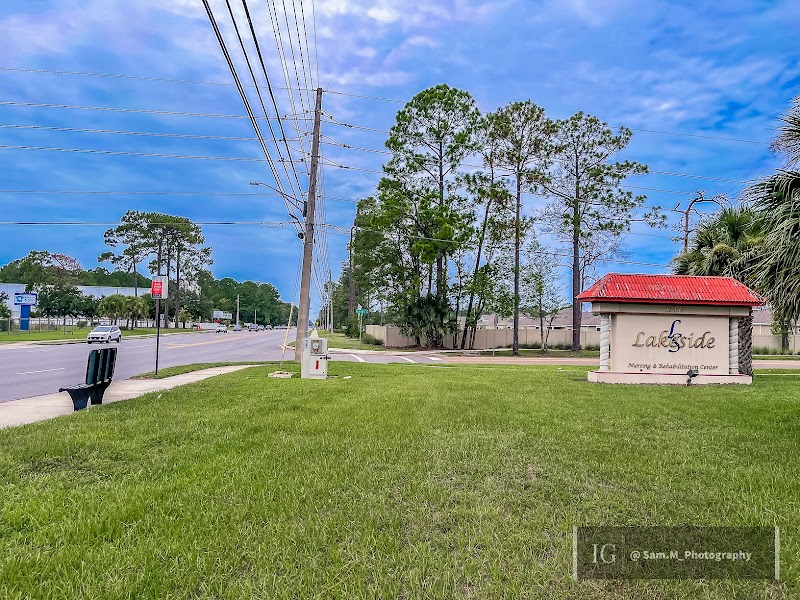
How is Lakeside Center For Rehabilitation And Healing Staffed?

CMS rates LAKESIDE CENTER FOR REHABILITATION AND HEALING's staffing level at 2 out of 5 stars, which is below average compared to other nursing homes. Staff turnover is 61%, which is 15 percentage points above the Florida average of 46%. High turnover can affect care consistency as new staff learn residents' individual needs. RN turnover specifically is 65%, which is notably high. RNs provide skilled clinical oversight, so turnover in this role can affect medical care quality.

What Have Inspectors Found at Lakeside Center For Rehabilitation And Healing?

State health inspectors documented 9 deficiencies at LAKESIDE CENTER FOR REHABILITATION AND HEALING during 2020 to 2025. These included: 2 Immediate Jeopardy (the most serious level, indicating potential for serious harm or death) and 7 with potential for harm. Immediate Jeopardy findings are rare and represent the most serious regulatory concerns. They require immediate corrective action.

Who Owns and Operates Lakeside Center For Rehabilitation And Healing?

LAKESIDE CENTER FOR REHABILITATION AND HEALING is owned by a for-profit company. For-profit facilities operate as businesses with obligations to shareholders or private owners. The facility is operated by INFINITE CARE, a chain that manages multiple nursing homes. With 122 certified beds and approximately 113 residents (about 93% occupancy), it is a mid-sized facility located in JACKSONVILLE, Florida.

How Does Lakeside Center For Rehabilitation And Healing Compare to Other Florida Nursing Homes?

Compared to the 100 nursing homes in Florida, LAKESIDE CENTER FOR REHABILITATION AND HEALING's overall rating (4 stars) is above the state average of 3.2, staff turnover (61%) is significantly higher than the state average of 46%, and health inspection rating (3 stars) is at the national benchmark.

What Should Families Ask When Visiting Lakeside Center For Rehabilitation And Healing?

Based on this facility's data, families visiting should ask: "What changes have been made since the serious inspection findings, and how are you preventing similar issues?" "How do you ensure continuity of care given staff turnover, and what is your staff retention strategy?" "Can you walk me through typical staffing levels on day, evening, and night shifts?" "Can I visit during a mealtime to observe dining assistance and food quality?" These questions are particularly relevant given the facility's Immediate Jeopardy citations, the facility's high staff turnover rate, and the below-average staffing rating.

Is Lakeside Center For Rehabilitation And Healing Safe?

Based on CMS inspection data, LAKESIDE CENTER FOR REHABILITATION AND HEALING has documented safety concerns. Inspectors have issued 2 Immediate Jeopardy citations (the most serious violation level indicating risk of serious injury or death). The facility has a 4-star overall rating and ranks #1 of 100 nursing homes in Florida. Families considering this facility should ask detailed questions about what corrective actions have been taken since these incidents.

Do Nurses at Lakeside Center For Rehabilitation And Healing Stick Around?

Staff turnover at LAKESIDE CENTER FOR REHABILITATION AND HEALING is high. At 61%, the facility is 15 percentage points above the Florida average of 46%. Registered Nurse turnover is particularly concerning at 65%. RNs handle complex medical decisions and coordinate care — frequent RN changes can directly impact care quality. High turnover means new staff may not know residents' individual needs, medications, or preferences. It can also be disorienting for residents, especially those with dementia who rely on familiar faces. Families should ask: What is causing the turnover? What retention programs are in place? How do you ensure care continuity during staff transitions?

Was Lakeside Center For Rehabilitation And Healing Ever Fined?

LAKESIDE CENTER FOR REHABILITATION AND HEALING has been fined $14,522 across 2 penalty actions. This is below the Florida average of $33,224. While any fine indicates a compliance issue, fines under $50,000 are relatively common and typically reflect isolated problems that were subsequently corrected. Families should ask what specific issues led to these fines and confirm they've been resolved.

Is Lakeside Center For Rehabilitation And Healing on Any Federal Watch List?

LAKESIDE CENTER FOR REHABILITATION AND HEALING is not on any federal watch list. The most significant is the Special Focus Facility (SFF) program, which identifies the bottom 1% of nursing homes nationally based on persistent, serious quality problems. Not being on this list means the facility has avoided the pattern of deficiencies that triggers enhanced federal oversight. This is a positive indicator, though families should still review the facility's inspection history directly.