LIFE CARE CENTER OF JACKSONVILLE
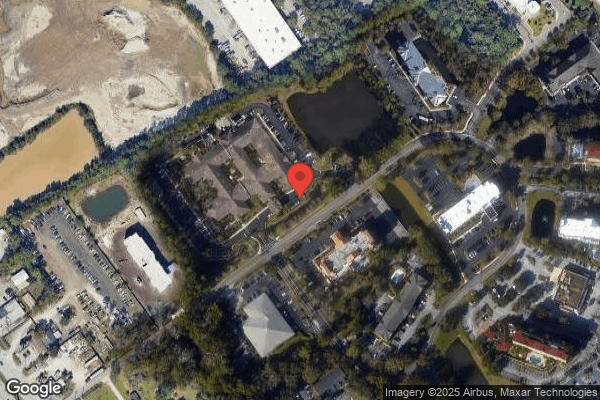
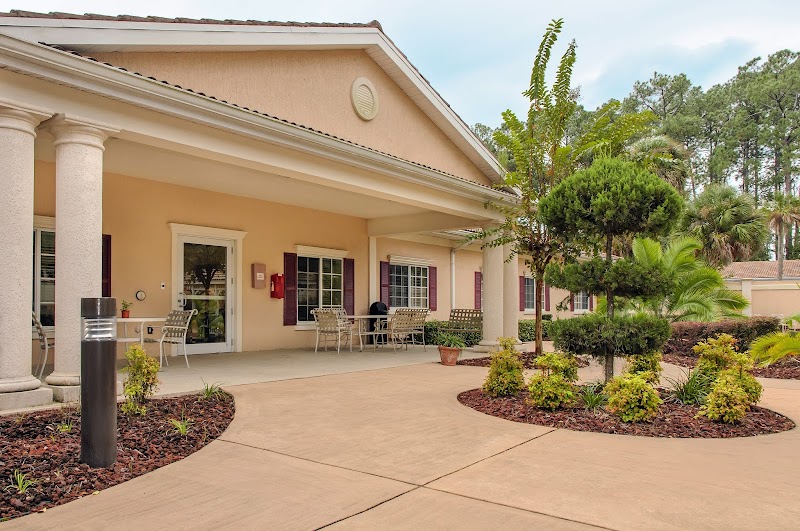
4813 LENOIR AVENUE, JACKSONVILLE, FL 32216 (904) 332-4546
For profit - Corporation 120 Beds LIFE CARE CENTERS OF AMERICA Data: November 2025
Trust Grade
90/100
#66 of 690 in FL
Last Inspection: September 2024

Within standard 12-15 month inspection cycle. Federal law requires annual inspections.

Overview

Life Care Center of Jacksonville has received a Trust Grade of A, indicating that it is an excellent facility, highly recommended for care. It ranks #66 out of 690 nursing homes in Florida, placing it in the top half of all facilities, and #5 out of 34 in Duval County, meaning only four other local options are rated higher. The facility is improving, with issues decreasing from one in 2022 to none in 2024. Staffing is a relative strength, with a rating of 4 out of 5 stars and a turnover rate of 36%, which is lower than the state average of 42%, suggesting that residents benefit from consistent caregivers. On the downside, there were three concerns identified in inspections, including a resident not receiving necessary services for personal hygiene, a medication error rate exceeding 5%, and improper storage of medications, which could pose risks to residents' safety. However, it is worth noting that the facility has not incurred any fines, indicating a commitment to compliance and care standards.

Trust Score
A
90/100
In Florida
#66/690
Top 9%
Safety Record
Low Risk
No red flags
Inspections
Getting Better
1 → 0 violations
Staff Stability
○ Average
36% turnover. Near Florida's 48% average. Typical for the industry.
Penalties
✓ Good
No fines on record. Clean compliance history, better than most Florida facilities.
Skilled Nurses
○ Average
Each resident gets 36 minutes of Registered Nurse (RN) attention daily — about average for Florida. RNs are the most trained staff who monitor for health changes.
Violations
✓ Good
Only 3 deficiencies on record. Cleaner than most facilities. Minor issues only.
★★★★★
5.0
Overall Rating
★★★★☆
4.0
Staff Levels
★★★★★
5.0
Care Quality
★★★★★
5.0
Inspection Score
Stable
2022: 1 issues
2024: 0 issues

The Good

  • 4-Star Staffing Rating · Above-average nurse staffing levels
  • 5-Star Quality Measures · Strong clinical quality outcomes
  • Full Sprinkler Coverage · Fire safety systems throughout facility
  • No fines on record
  • Staff turnover below average (36%)

    12 points below Florida average of 48%

Facility shows strength in staffing levels, quality measures, fire safety.

The Bad

Staff Turnover: 36%

Near Florida avg (46%)

Typical for the industry

Chain: LIFE CARE CENTERS OF AMERICA

Part of a multi-facility chain

Ask about local staffing decisions and management

The Ugly 3 deficiencies on record

Oct 2022 1 deficiency
CONCERN (D)

Potential for Harm - no one hurt, but risky conditions existed

ADL Care (Tag F0677)

Could have caused harm · This affected 1 resident

**NOTE- TERMS IN BRACKETS HAVE BEEN EDITED TO PROTECT CONFIDENTIALITY** Based on observations, interviews, and record review, the facility failed to ensure that one (Resident #25) of 42 sampled reside...

Read full inspector narrative →
**NOTE- TERMS IN BRACKETS HAVE BEEN EDITED TO PROTECT CONFIDENTIALITY** Based on observations, interviews, and record review, the facility failed to ensure that one (Resident #25) of 42 sampled residents, who was unable to carry out activities of daily living (ADLs), received the necessary services to maintain good grooming and personal hygiene. The findings include: A review of Resident #25's medical record revealed he had a Brief Interview for Mental Status (BIMS) score of 10 out of a possible 15 points, indicating moderate cognitive impairment. There were no documented behaviors, bathing was noted as very important to him, and he required extensive assistance with his ADLs, including personal hygiene (combing hair, brushing teeth, shaving, and washing/drying face and hands). On 10/18/22 at 10:13 AM, Resident #25 was observed with a contracture of the right hand and appeared to be immobile on his right side. Upon further observation it was noted that his fingernails were long with a dark brown substance beneath them. (Photographic evidence obtained) He was unshaven. When asked if he preferred his fingernails long, he stated he would like them trimmed and would also like a shave. A review of the care plan dated 8/7/2022 revealed that Resident #25 was a vulnerable resident who was at risk for abuse based on his need for assistance with transfers, toileting, transport, dressing, and other ADLs. The plan included ADL goals, which stated the resident should be clean, dry, and well groomed with assistance from staff, including assistance from staff for personal hygiene and oral care. Review of a Personal Hygiene task completion form, revealed that on a 30-day look-back period from 9/20/2022 through 10/19/2022, the resident was totally dependent requiring full staff performance for personal hygiene. Documentation indicated this was not performed on the following dates: 9/27/2022, 10/2/2022, 10/3/2022, 10/7/2022, 10/11/2022, 10/16/2022, 10/18/2022, and 10/19/2022. On 10/19/2022 at 8:52 AM, Resident #25 was observed with very long fingernails with dark brown debris beneath them. A full beard remained as well. Resident #25 reiterated that he had informed the facility that he would like to have his nails trimmed and cleaned, along with a clean shave. On 10/20/2022 at 10:28 AM, Resident #25 was again observed with dark brown debris beneath his fingernails. He remained unshaven. An interview was conducted with Certified Nursing Assistant (CNA) A on 10/20/2022 at 10:32 AM, who stated she had been working at the facility for six years as an Agency CNA, and more recently (over the last three weeks) she had been working here more often. She stated orientation training was conducted at the facility which included resident hygiene, documentation of tasks, appointments, CPR (cardiopulmonary resuscitation), falls, and personal hygiene. When asked about resident showers, she said showers were generally conducted on the 7A-3P and 3P-11P shifts, and shower sheets had to be signed and filled out to show the task had been completed. When asked to talk through the process of cleaning the residents, she said she would first wake the resident, help if needed to brush their teeth and get them ready to eat breakfast. She would wait for approximately 30 minutes after the meal so they could digest their food, and then she would shower the resident which usually occurred between 9:00 AM and 9:30 AM. During the showering process, she said she would look for skin redness, signs of injury, skin tears or anything abnormal, and she would notify the nurse of such things. She added that she would make sure the residents were clean shaven, toe nails and fingernails were trimmed and clean, and ensure the residents' eyes were clean. If the nails did need trimming, she would let the nurse know, because CNAs could not trim or cut the nails, only clean them. An interview was conducted with Licensed Practical Nurse (LPN) B, Unit Manager, on 10/20/2022 at10:43 AM, who stated personal hygiene training was provided, and she expected the CNAs to attempt to shower the residents as cleanliness was important. She continued, stating she expected residents not to have soiled hair, and for the CNAs to do their best to keep the residents clean paying close attention to perineal care, washing and cleaning fingernails, have podiatry trim toenails, and make a full-body observation from head to toe. She stated if toenails need trimming, this need was placed in the Podiatry book. When asked who trimmed residents' fingernails, she stated fingernails were done by the Activities Department staff. They had what was called a manicure day every Tuesday and on an as needed basis. When she was asked how it was known whether or not a resident needed fingernail or toenail care, she said she would know based on a visual assessment, if the resident verbalized it themselves, or through notification by the CNA. Activities Director C was interviewed on 10/20/2022 at 11:08 AM in reference to residents' fingernail and toenail care. she stated she had been employed by the facility for 15 years. She had a CNA license and would help with tasks such as fingernail care. She stated the facility had what they called Fancy Fingers activities on Thursdays, and this consisted of manicures, fingernail cleaning, nail trimming and filing, and if the resident wished, the nails would be polished. When asked about toenail care, she said her team would place information inside the Podiatrist book and the Podiatrist came to the facility on Fridays to take of the residents' feet. On 10/20/2022 at 11:24 AM, an interview with the Director of Nursing (DON) revealed that if residents needed assistance with ADLs, it would be listed on the [NAME] (brief paper-based summary of a resident's needs). If a resident needed or wanted a bath/shower, there were shower sheets that would indicate who needed showers on certain days. When asked about her expectations of staff for the provision of ADL care and personal hygiene, she said she expected showers to be given in a timely manner and CNAs to do a minimum of two-hour rounds, change residents in a timely manner, assist with brushing teeth, washing faces, combing hair, and skin observation. She further stated along with the skin observation, there should be no new bruising or skin tears/lacerations, and if something like that was observed, the CNA should report it to the nurse or herself (DON). When asked about CNA roles and capabilities when providing personal hygiene as it relates to fingernails, she stated, CNAs can clean, file, and paint fingernails but no cutting or trimming. Nurses are allowed to cut/trim fingernails, and toenail care is left for the podiatrist. She further stated her nurses should be observing as well That's their job and they should be doing weekly checks. When asked if this was just for women, she replied, Nno, men get their nails cleaned and filed, and they get shaved. A review of the facility's Assisted Daily Living Policy stated for Fingernail Care: Ensure fingernails are clean and trimmed to avoid injury and infection; Explain importance of fingernail care to the resident; assemble all necessary equipment, which may include fingernail clipper, nail file, orange sticks, wash basin, towel, and any other necessary equipment; report any abnormalities to the nurse. .
Mar 2021 2 deficiencies
CONCERN (D)

Potential for Harm - no one hurt, but risky conditions existed

Unnecessary Medications (Tag F0759)

Could have caused harm · This affected 1 resident

Based on observations, record reviews and interviews, the facility failed to ensure a medication error rate of less than 5% for two (Residents #66 and #18) of three residents sampled for medication ad...

Read full inspector narrative →
Based on observations, record reviews and interviews, the facility failed to ensure a medication error rate of less than 5% for two (Residents #66 and #18) of three residents sampled for medication administration review. There were 27 opportunities for error with six medication errors identified, for a medication error rate of 22.22%. The findings include: 1. A review of Resident #66's medical record revealed current physician's orders for Potassium 20 meq (milliequivalents) by mouth two times a day, Lactobacillus by mouth every day, Prednisone 10 mg (milligrams) by mouth every day, and Ascorbic Acid 500 mg by mouth two times a day. On 3/17/21 at 8:20 AM, an observation of medication administration was made with Employee A, Registered Nurse (RN), for Resident #66. Employee A failed to administer the Potassium 20 meq, Lactobacillus, Prednisone 10 mg (milligrams) and Ascorbic Acid 500 mg per physician's orders. On 3/17/21 at 9:00 AM, an interview was conducted with Employee A. She confirmed that she missed four of Resident #66's medications during the morning medication pass. She stated she failed to scroll to the next page of the Medication Administration Record (MAR) for the medications listed there. 2. A medical record review for Resident #18 revealed that an apical pulse (a pulse site on the left side of the chest over the pointed end of the heart) check was required prior to administration of digoxin. The parameters instructed nursing to hold medication for a pulse of less than 60. The record review also revealed that rinsing the resident's mouth with water after administration of advair diskus was required. On 3/17/21 at 8:40 AM, an observation of medication administration was made with Employee A, RN, for Resident #18. Employee A failed to take an apical pulse prior to administering digoxin 125 mcg (micrograms), and she failed to have Resident #18 rinse her mouth with water after administering advair diskus aerosol powder. On 3/17/21 at 9:00 AM, an interview was conducted with Employee A. She confirmed that she failed to check the apical pulse prior to administering Resident #18's digoxin, and she failed to ensure the resident rinsed her mouth with water after she received her advair diskus. On 3/17/21 at 9:15 AM, an interview was conducted with Employee I, Regional Nurse. She confirmed that the nurse missed four of Resident #66's medications during the medication pass at 8:20 a.m. Employee I confirmed that an apical pulse should have been taken prior to administering digoxin, and she confirmed that after administering advair diskus, the resident should have rinsed their mouth with water. .
CONCERN (D)

Potential for Harm - no one hurt, but risky conditions existed

Deficiency F0761 (Tag F0761)

Could have caused harm · This affected 1 resident

Based on observation, interviews and record review, the facility failed to appropriately store medication in one (1) (Bermuda Cart #1) of two (2) medication carts observed, from a total of four (4) me...

Read full inspector narrative →
Based on observation, interviews and record review, the facility failed to appropriately store medication in one (1) (Bermuda Cart #1) of two (2) medication carts observed, from a total of four (4) medication carts in the facility. The findings include: On 03/17/21 at 9:05 AM, an observation of the medication cart was made during medication pass with Employee A, Registered Nurse (RN). An unopened insulin pen for Resident #29 was observed, and Employee A confirmed that it should have been in the refrigerator. (Photographic evidence obtained) A review of the facility's policy and procedure titled Storage and Expiration of Medications, Biologicals, Syringes and Needles, with an effective date of 12/07/07 and a revised date of 04/15/19, revealed on page 2 number 11, that the facility should ensure medications and biologicals were stored at their appropriate temperatures according to the United States Pharmacopeia guidelines for temperature ranges. Refrigerated (36 - 46 degrees F (Fahrenheit) NOT IN USE - Insulin Aspart 100 unit/ml (milliliter) Pen. Outdated, contaminated or deteriorated medication and those in containers that are cracked, soiled or without secure closures, are immediately removed from stock, locked in the medication room in a segregated area, and disposed of according to procedure for medication destruction and re-ordered from the pharmacy if a current order exists. On 03/17/21 at 9:15 AM, an interview was conducted with Employee I, Regional Nurse. She confirmed that the unopened insulin pen should have been stored in the refrigerator until it was opened. .
Understanding Severity Codes (click to expand)
Life-Threatening (Immediate Jeopardy)
J - Isolated K - Pattern L - Widespread
Actual Harm
G - Isolated H - Pattern I - Widespread
Potential for Harm
D - Isolated E - Pattern F - Widespread
No Harm (Minor)
A - Isolated B - Pattern C - Widespread

Questions to Ask on Your Visit

  • "Can I speak with families of current residents?"
  • "What's your RN coverage like on weekends and overnight?"

Our Honest Assessment

Strengths
  • • Grade A (90/100). Above average facility, better than most options in Florida.
  • • No major safety red flags. No abuse findings, life-threatening violations, or SFF status.
  • • No fines on record. Clean compliance history, better than most Florida facilities.
  • • Only 3 deficiencies on record. Cleaner than most facilities. Minor issues only.
Concerns
  • • No significant concerns identified. This facility shows no red flags across CMS ratings, staff turnover, or federal penalties.
Bottom line: Generally positive indicators. Standard due diligence and a personal visit recommended.

About This Facility

What is Life Of Jacksonville's CMS Rating?

CMS assigns LIFE CARE CENTER OF JACKSONVILLE an overall rating of 5 out of 5 stars, which is considered much above average nationally. Within Florida, this rating places the facility higher than 99% of the state's 100 nursing homes. This rating reflects solid performance across the metrics CMS uses to evaluate nursing home quality.
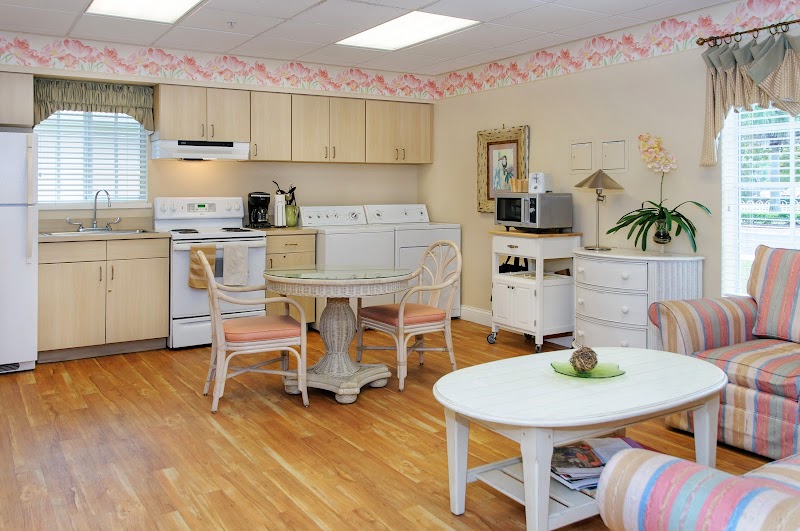
How is Life Of Jacksonville Staffed?

CMS rates LIFE CARE CENTER OF JACKSONVILLE's staffing level at 4 out of 5 stars, which is above average compared to other nursing homes. Staff turnover is 36%, compared to the Florida average of 46%. This relatively stable workforce can support continuity of care.

What Have Inspectors Found at Life Of Jacksonville?

State health inspectors documented 3 deficiencies at LIFE CARE CENTER OF JACKSONVILLE during 2021 to 2022. These included: 3 with potential for harm.
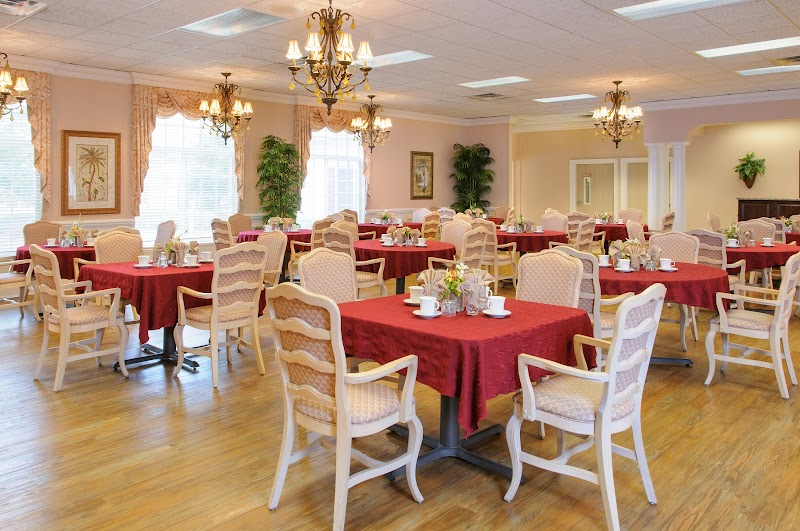
Who Owns and Operates Life Of Jacksonville?

LIFE CARE CENTER OF JACKSONVILLE is owned by a for-profit company. For-profit facilities operate as businesses with obligations to shareholders or private owners. The facility is operated by LIFE CARE CENTERS OF AMERICA, a chain that manages multiple nursing homes. With 120 certified beds and approximately 114 residents (about 95% occupancy), it is a mid-sized facility located in JACKSONVILLE, Florida.
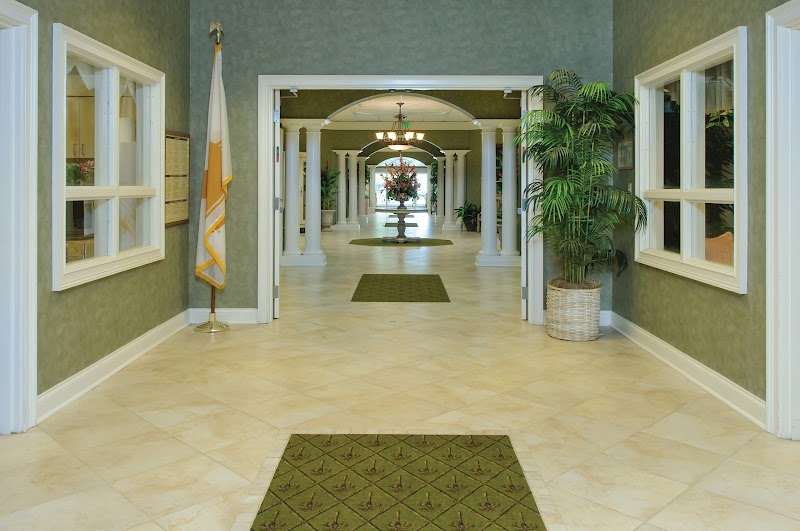
How Does Life Of Jacksonville Compare to Other Florida Nursing Homes?

Compared to the 100 nursing homes in Florida, LIFE CARE CENTER OF JACKSONVILLE's overall rating (5 stars) is above the state average of 3.2, staff turnover (36%) is near the state average of 46%, and health inspection rating (5 stars) is much above the national benchmark.

What Should Families Ask When Visiting Life Of Jacksonville?

Based on this facility's data, families visiting should ask: "Can I visit during a mealtime to observe dining assistance and food quality?" "How do you handle medical emergencies, and what is your hospital transfer rate?" "Can I speak with family members of current residents about their experience?"

Is Life Of Jacksonville Safe?

Based on CMS inspection data, LIFE CARE CENTER OF JACKSONVILLE has a clean safety record: no substantiated abuse findings (meaning no confirmed cases of resident harm), no Immediate Jeopardy citations (the most serious violation level indicating risk of serious injury or death), and is not on the Special Focus Facility watch list (a federal program monitoring the lowest-performing 1% of nursing homes). The facility has a 5-star overall rating and ranks #1 of 100 nursing homes in Florida. While no facility is perfect, families should still ask about staff-to-resident ratios and recent inspection results during their visit.

Do Nurses at Life Of Jacksonville Stick Around?

LIFE CARE CENTER OF JACKSONVILLE has a staff turnover rate of 36%, which is about average for Florida nursing homes (state average: 46%). Moderate turnover is common in nursing homes, but families should still ask about staff tenure and how the facility maintains care continuity when employees leave.

Was Life Of Jacksonville Ever Fined?

LIFE CARE CENTER OF JACKSONVILLE has no federal fines on record. CMS issues fines when nursing homes fail to meet care standards or don't correct problems found during inspections. The absence of fines suggests the facility has either maintained compliance or corrected any issues before penalties were assessed. This is a positive indicator, though families should still review recent inspection reports for the full picture.

Is Life Of Jacksonville on Any Federal Watch List?

LIFE CARE CENTER OF JACKSONVILLE is not on any federal watch list. The most significant is the Special Focus Facility (SFF) program, which identifies the bottom 1% of nursing homes nationally based on persistent, serious quality problems. Not being on this list means the facility has avoided the pattern of deficiencies that triggers enhanced federal oversight. This is a positive indicator, though families should still review the facility's inspection history directly.