PALM GARDEN OF JACKSONVILLE
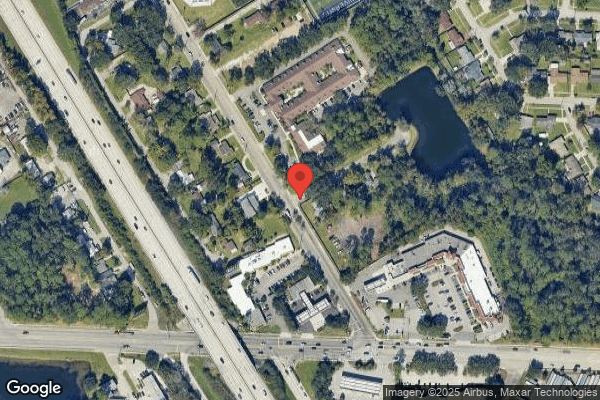

5725 SPRING PARK ROAD, JACKSONVILLE, FL 32216 (904) 733-6954
For profit - Corporation 120 Beds PALM GARDEN HEALTH AND REHABILITATION Data: November 2025 2 Immediate Jeopardy citations
Trust Grade
26/100
#544 of 690 in FL
Last Inspection: September 2023

Over 2 years since last inspection. Current conditions may differ from available data.

Overview

Palm Garden of Jacksonville has received a Trust Grade of F, indicating significant concerns about the quality of care provided, which is among the poorest ratings available. It ranks #544 out of 690 facilities in Florida, placing it in the bottom half of the state's nursing homes, and #31 out of 34 in Duval County, meaning only a few local options are worse. While the facility is showing some improvement, with issues decreasing from 9 in 2023 to 2 in 2024, it still has a troubling history, including critical incidents that resulted in a resident's death due to inadequate nursing staff response to changes in their condition. Staffing is generally a strength, rated 4 out of 5 stars, with a turnover rate of 48%, which is average for the state. Additionally, there have been no fines reported, which is a positive aspect, but the facility has faced multiple concerns, such as improper food safety practices and failure to recognize and address residents’ health needs, indicating that while there are some strengths, serious weaknesses remain.

Trust Score
F
26/100
In Florida
#544/690
Bottom 22%
Safety Record
High Risk
Review needed
Inspections
Getting Better
9 → 2 violations
Staff Stability
⚠ Watch
48% turnover. Above average. Higher turnover means staff may not know residents' routines.
Penalties
✓ Good
No fines on record. Clean compliance history, better than most Florida facilities.
Skilled Nurses
○ Average
Each resident gets 33 minutes of Registered Nurse (RN) attention daily — about average for Florida. RNs are the most trained staff who monitor for health changes.
Violations
⚠ Watch
23 deficiencies on record. Higher than average. Multiple issues found across inspections.
★★☆☆☆
2.0
Overall Rating
★★★★☆
4.0
Staff Levels
★★★★★
5.0
Care Quality
★☆☆☆☆
1.0
Inspection Score
Stable
2023: 9 issues
2024: 2 issues

The Good

  • 4-Star Staffing Rating · Above-average nurse staffing levels
  • 5-Star Quality Measures · Strong clinical quality outcomes
  • Full Sprinkler Coverage · Fire safety systems throughout facility
  • No fines on record

Facility shows strength in staffing levels, quality measures, fire safety.

The Bad

2-Star Overall Rating

Below Florida average (3.2)

Below average - review inspection findings carefully

Staff Turnover: 48%

Near Florida avg (46%)

Higher turnover may affect care consistency

Chain: PALM GARDEN HEALTH AND REHABILITATI

Part of a multi-facility chain

Ask about local staffing decisions and management

The Ugly 23 deficiencies on record

2 life-threatening
Sept 2024 2 deficiencies
CONCERN (D) 📢 Someone Reported This

A family member, employee, or ombudsman was alarmed enough to file a formal complaint

Potential for Harm - no one hurt, but risky conditions existed

Quality of Care (Tag F0684)

Could have caused harm · This affected 1 resident

Based on record review and interviews, the facility failed to identify and provide needed care and services in accordance with professional standards of practice, by failing to monitor blood glucose l...

Read full inspector narrative →
Based on record review and interviews, the facility failed to identify and provide needed care and services in accordance with professional standards of practice, by failing to monitor blood glucose levels for one (Resident #3) of two residents reviewed for blood glucose monitoring. The findings include: A record review for Resident #3's medical record revealed an admission date of 5/10/24. Her diagnoses included type 2 Diabetic Mellitus with diabetic chronic kidney disease, type 2 Diabetic Mellitus with diabetic polyneuropathy, and hypertension. Review of the resident's current physician orders included: - Humulin N Subcutaneous Suspension (Insulin NPH (Human Isophane) Inject 5 units subcutaneously in the evening for Diabetes with order date 5/10/24. Insulin Aspart Solution 100 unit/ml, inject 5 units subcutaneously as needed for Diabetes Mellitus - may administer 5 units when Humulin N (Insulin NPH) is out of stock per primary provider with order date of 6/11/24. (Photographic evidence obtained) Review of Resident #3's medication administration record (MAR) for the month of July, August, and September 2024 revealed of Humulin N was administered each day per the physician's order, except for 8/14/24, when the ordered substitute, Insulin Aspart was administered. (Photographic evidence obtained) Review of Resident #3's past physician orders revealed Accu-check TID (three times a day) for three days with order date of 8/6/24 and D/C (discontinue) date of 8/16/24. (Photographic evidence obtained) Review of the blood sugar summary for Resident #3 showed accu-checks were taken during the following days: Once on 5/22/2024 Twice on 6/5/2024 Twice on 6/6/2024 Once on 6/21/2024 No blood glucose monitoring was documented between 6/21/2024 and 8/5/2024. Once on 8/6/2024 Three times from 8/7-8/8/2024 Twice on 8/9 Three times from 8/10-8/15/2024 Once on 8/16/2024 (Photographic evidence obtained) Review of progress notes revealed one notation of a blood sugar check on 6/17/24 with a result of 74mg/dL (milligrams per deciliter). No other physician orders for accu-checks (blood sugar monitoring) were found. On 9/4/24 at 1:26 pm, an interview was conducted with Licensed Practical Nurse (LPN) A. When asked how she knew when to check blood sugar levels, she stated, she would check the orders for accu-checks. If insulin is ordered, or if something's going on with the resident, then she would check vitals and blood sugar (even if no history of diabetes). She stated the policy for accu-checks is before they eat for anyone on insulin or if they have an order for just being monitored without insulin ordered. If the resident refuses a blood sugar check, she will call the family and the MD. On 9/4/24 at 2:55 pm, an interview was conducted with the Director of Education. When asked if she had ever had an instance of a resident getting insulin without accu-checks? She replied, If a resident is getting insulin, they should be getting accu-checks, and there should be an order. On 9/4/2024 at 3:18 pm, and interview was conducted with the Unit Manager/LPN. She stated, they just had an audit last week related to accu-check/blood sugar (BS) orders, and residents should have an order to check it if they are receiving insulin. Some orders are for twice a day, some are done 3 times a day, it just depends. If a resident is refusing BS checks, then there should be documentation of refusal, and the MD should be notified. On 9/4/24 at 3:55 pm, an interview was conducted with the DON. She stated if a resident was receiving a long-acting insulin, they may not have an order for accu-checks, but they should for a short-acting insulin. When asked if the facility had a policy for documentation of blood sugars, insulin administration, or for accu-checks/blood sugar, she replied she would have to check. On 9/4/24 at 4:24 pm, a follow-up interview was conducted with the DON. She stated the facility had no policy for documentation of blood sugars, insulin administration specifically, or for accu-checks/blood sugar checks; it goes by the Physician's order. There should be order for short acting insulin from the doctor. According to the American Diabetes Association (ADA), at (https://diabetes.org/living-with-diabetes/treatment-care/checking-your-blood-sugar) (Accessed on 9/17/24 at 5:28 pm), under Clinical Significance: Blood glucose (blood sugar) monitoring is the primary tool you have to find out if your blood glucose levels are within your target range. This tells you your blood glucose level at any one time. It's important for blood glucose levels to stay in a healthy range. If glucose levels get too low, we can lose the ability to think and function normally. If they get too high and stay high, it can cause damage or complications to the body over the course of many years. The logging of your results is vital. The ADA Standards of Care in Diabetes includes the ADA ' s current clinical practice recommendations and is intended to provide the components of diabetes care, general treatment goals and guidelines, and tools to evaluate quality of care. Diabetes management in older adults requires regular assessment of medical, psychological, functional, and social domains. According to the National Library of Medicine, NPH Insulin, last update: June 12, 2023), and National Library of Medicine, Aspart Insulin, last update: June 8, 2024 (Accessed on 9/17/24 at 5:28 pm), under Clinical Significance: Insulin is used to manage type 1 diabetes mellitus and some cases of type 2 diabetes mellitus. Insulin therapy has the well-known adverse side effect of hypoglycemia if its administration is not managed effectively. Patients with insulin-dependent diabetes will benefit from regular blood glucose monitoring. Regular daily blood glucose monitoring is recommended for those with diabetes mellitus using insulin therapy. Humulin N (Insulin NPH) is an intermediate-acting insulin with a slower onset of action and a longer duration of activity than that of regular human insulin. The time course of action of insulin, such as HUMULIN N may vary in different individuals or within the same individual, typically, NPH Insulin has an onset between 2 to 4 hours after injection, it peaks between 4 to 12 hours after injection and may have duration of 12 to 18 hours after injection. Aspart Insulin is a rapid-acting, human insulin analog and glucose-reducing effects occur within 1 to 3 hours and may last 3 to 5 hours. Insulin aspart is equipotent to regular insulin but has a faster onset and shorter duration of action. Non-critically ill patients on insulin aspart should routinely monitor their blood glucose. According to the Cleveland Clinic at https://my.clevelandclinic.org/health/treatments/17956-blood-sugar-monitoring (Accessed on 9/18/24 at 9:10 am.): If you have diabetes, monitoring your blood sugar (glucose) is key to finding out how well your current treatment plan is working. It gives you information on how to manage your diabetes on a daily - and sometimes even hourly - basis. Monitoring your blood sugar is important when you have diabetes, especially if you use insulin. The results of blood sugar monitoring can help you make decisions about food, physical activity and dosing insulin. Several things can affect your blood sugar. That's why it's important to check your blood sugar regularly . It's the only way to know for sure when your blood sugar levels are changing. According to the Mayo Clinic at www.mayoclinic.org/diseases-conditions/diabetes/in-depth/blood-sugar/art-20046628 (Accessed on 9/18/24 at 9:15 am.): If you have diabetes, testing your blood sugar levels can be a key part of staying healthy. Blood sugar testing helps many people with diabetes manage the condition and prevent health problems. If you take insulin to manage type 2 diabetes, you may need blood sugar testing several times a day. The exact number of times depends on the type and amount of insulin you use. Often, testing is advised before meals and at bedtime if you take more than one shot of insulin a day. You may need to test only before breakfast and sometimes before dinner or at bedtime if you use an intermediate- or a long-acting insulin. Blood sugar testing gives useful information to manage diabetes. It can help you: Track the effect of diabetes medicine on blood sugar levels. Adjust doses of diabetes medicines with the guidance of your treatment team. Find out if blood sugar levels are high or low. Then, if needed, change treatment to treat high blood sugar or take fast-acting carbohydrates to treat low blood sugar. Track progress in reaching your treatment goals. Learn how diet and exercise affect blood sugar levels. Understand how other factors, such as sickness or stress, affect blood sugar levels. According to the American Nurse Journal at www.myamericannurse.com (Accessed on 9/18/24 at 9:20 am.), under Monitoring Guidelines: Blood glucose monitoring should be ordered for all inpatients with diabetes or hyperglycemia and for those at high risk for hyperglycemia. Point-of-care results need to be readily available to all staff to identify the patient's response to treatment, hyperglycemia trends, and hypoglycemia episodes. In general, premeal and bedtime testing is recommended for patients who are eating, whereas testing every 4 to 6 hours is advised for those who can't have oral intake. .
CONCERN (D) 📢 Someone Reported This

A family member, employee, or ombudsman was alarmed enough to file a formal complaint

Potential for Harm - no one hurt, but risky conditions existed

Deficiency F0711 (Tag F0711)

Could have caused harm · This affected 1 resident

Based on record reviews, interviews, and observations, the facility failed to 1) Ensure that the physician/physician representative reviewed the resident's total program of care, including medications...

Read full inspector narrative →
Based on record reviews, interviews, and observations, the facility failed to 1) Ensure that the physician/physician representative reviewed the resident's total program of care, including medications and treatments, and 2) Sign and date all orders for one (Resident #3) of two residents reviewed for blood glucose monitoring. The findings include: A record review for Resident #3's medical record revealed an admission date of 5/10/24. Her diagnoses included type 2 Diabetic Mellitus with diabetic chronic kidney disease, type 2 Diabetic Mellitus with diabetic polyneuropathy, and hypertension. Review of the resident's current physician orders included: - Humulin N Subcutaneous Suspension (Insulin NPH (Human Isophane) Inject 5 units subcutaneously in the evening for Diabetes with order date 5/10/24. Insulin Aspart Solution 100 unit/ml, inject 5 units subcutaneously as needed for Diabetes Mellitus - may administer 5 units when Humulin N (Insulin NPH) is out of stock per primary provider with order date of 6/11/24. (Photographic evidence obtained) Review of Resident #3's medication administration record (MAR) for the month of July, August, and September 2024 revealed of Humulin N was administered each day per the physician's order, except for 8/14/24, when the ordered substitute, Insulin Aspart was administered. (Photographic evidence obtained) Review of Resident #3's past physician orders revealed Accu-check TID (three times a day) for three days with order date of 8/6/24 and D/C (discontinue) date of 8/16/24. (Photographic evidence obtained) Review of the blood sugar summary for Resident #3 showed accu-checks were taken during the following days: Once on 5/22/2024 Twice on 6/5/2024 Twice on 6/6/2024 Once on 6/21/2024 No blood glucose monitoring was documented between 6/21/2024 and 8/5/2024. Once on 8/6/2024 Three times from 8/7-8/8/2024 Twice on 8/9 Three times from 8/10-8/15/2024 Once on 8/16/2024 (Photographic evidence obtained) Review of progress notes revealed one notation of a blood sugar check on 6/17/24 with a result of 74mg/dL (milligrams per deciliter). No other physician orders for accu-checks (blood sugar monitoring) were found. On 9/4/24 at 1:26 pm, an interview was conducted with Licensed Practical Nurse (LPN) A. When asked how she knew when to check blood sugar levels, she stated, she would check the orders for accu-checks. If insulin is ordered, or if something's going on with the resident, then she would check vitals and blood sugar (even if no history of diabetes). She stated the policy for accu-checks is before they eat for anyone on insulin or if they have an order for just being monitored without insulin ordered. If the resident refuses a blood sugar check, she will call the family and the MD. On 9/4/24 at 2:55 pm, an interview was conducted with the Director of Education. When asked if she had ever had an instance of a resident getting insulin without accu-checks? She replied, If a resident is getting insulin, they should be getting accu-checks, and there should be an order. On 9/4/2024 at 3:18 pm, and interview was conducted with the Unit Manager/LPN. She stated, they just had an audit last week related to accu-check/blood sugar (BS) orders, and residents should have an order to check it if they are receiving insulin. Some orders are for twice a day, some are done 3 times a day, it just depends. If a resident is refusing BS checks, then there should be documentation of refusal, and the MD should be notified. On 9/4/24 at 3:55 pm, an interview was conducted with the DON. She stated if a resident was receiving a long-acting insulin, they may not have an order for accu-checks, but they should for a short-acting insulin. When asked if the facility had a policy for documentation of blood sugars, insulin administration, or for accu-checks/blood sugar, she replied she would have to check. On 9/4/24 at 4:24 pm, a follow-up interview was conducted with the DON. She stated the facility had no policy for documentation of blood sugars, insulin administration specifically, or for accu-checks/blood sugar checks; it goes by the Physician's order. There should be order for short acting insulin from the doctor. According to the American Diabetes Association (ADA), at (https://diabetes.org/living-with-diabetes/treatment-care/checking-your-blood-sugar (Accessed on 9/17/24 at 5:28 pm), under Clinical Significance: Blood glucose (blood sugar) monitoring is the primary tool you have to find out if your blood glucose levels are within your target range. This tells you your blood glucose level at any one time. It's important for blood glucose levels to stay in a healthy range. If glucose levels get too low, we can lose the ability to think and function normally. If they get too high and stay high, it can cause damage or complications to the body over the course of many years. The logging of your results is vital. The ADA Standards of Care in Diabetes includes the ADA ' s current clinical practice recommendations and is intended to provide the components of diabetes care, general treatment goals and guidelines, and tools to evaluate quality of care. Diabetes management in older adults requires regular assessment of medical, psychological, functional, and social domains. According to the National Library of Medicine, NPH Insulin, last update: June 12, 2023), and National Library of Medicine, Aspart Insulin, last update: June 8, 2024 (Accessed on 9/17/24 at 5:28 pm), under Clinical Significance: Insulin is used to manage type 1 diabetes mellitus and some cases of type 2 diabetes mellitus. Insulin therapy has the well-known adverse side effect of hypoglycemia if its administration is not managed effectively. Patients with insulin-dependent diabetes will benefit from regular blood glucose monitoring. Regular daily blood glucose monitoring is recommended for those with diabetes mellitus using insulin therapy. Humulin N (Insulin NPH) is an intermediate-acting insulin with a slower onset of action and a longer duration of activity than that of regular human insulin. The time course of action of insulin, such as HUMULIN N may vary in different individuals or within the same individual, typically, NPH Insulin has an onset between 2 to 4 hours after injection, it peaks between 4 to 12 hours after injection and may have duration of 12 to 18 hours after injection. Aspart Insulin is a rapid-acting, human insulin analog and glucose-reducing effects occur within 1 to 3 hours and may last 3 to 5 hours. Insulin aspart is equipotent to regular insulin but has a faster onset and shorter duration of action. Non-critically ill patients on insulin aspart should routinely monitor their blood glucose. According to the Cleveland Clinic at https://my.clevelandclinic.org/health/treatments/17956-blood-sugar-monitoring (Accessed on 9/18/24 at 9:10 am.): If you have diabetes, monitoring your blood sugar (glucose) is key to finding out how well your current treatment plan is working. It gives you information on how to manage your diabetes on a daily - and sometimes even hourly - basis. Monitoring your blood sugar is important when you have diabetes, especially if you use insulin. The results of blood sugar monitoring can help you make decisions about food, physical activity and dosing insulin. Several things can affect your blood sugar. That's why it's important to check your blood sugar regularly . It's the only way to know for sure when your blood sugar levels are changing. According to the American Nurse Journal at www.myamericannurse.com (Accessed on 9/18/24 at 9:20 am.), under Monitoring Guidelines: Blood glucose monitoring should be ordered for all inpatients with diabetes or hyperglycemia and for those at high risk for hyperglycemia. Point-of-care results need to be readily available to all staff to identify the patient's response to treatment, hyperglycemia trends, and hypoglycemia episodes. In general, premeal and bedtime testing is recommended for patients who are eating, whereas testing every 4 to 6 hours is advised for those who can't have oral intake. .
Sept 2023 9 deficiencies
CONCERN (D)

Potential for Harm - no one hurt, but risky conditions existed

Resident Rights (Tag F0550)

Could have caused harm · This affected 1 resident

**NOTE- TERMS IN BRACKETS HAVE BEEN EDITED TO PROTECT CONFIDENTIALITY** Based on observations, resident and staff interviews, record review, and a review of facility training for all employees to incl...

Read full inspector narrative →
**NOTE- TERMS IN BRACKETS HAVE BEEN EDITED TO PROTECT CONFIDENTIALITY** Based on observations, resident and staff interviews, record review, and a review of facility training for all employees to include agency, the facility failed to honor the residents' right to be treated with dignity and respect, and failed to protect and value residents' private space by not knocking and asking for permission before entering the room for one (Resident #93) of two residents reviewed for dignity, from a total sample of 32 residents. The findings include: An interview was conducted with Resident #93 on 09/11/2023 at 11:58 AM. He was observed to be dressed and sitting upright in bed with the bed in its lowest position. He stated he was waiting for his lunch tray. During the interview, Agency Certified Nursing Assistant (CNA) A entered the room without knocking first or asking for permission to enter before entering. When CNA A was informed that an interview was being conducted, he continued into the room and stated Okay. CNA S was informed again that there was an interview in progress to which he replied Okay, I'm here to see the roommate, and continued walking toward Resident #93's roommate. When CNA A was asked whether he had been educated to knock on the resident's door and ask permission before entering, he stated, I'm Agency and I didn't know I needed to knock before entering a resident's room. He continued walking through the room. Resident #93 reported that the staff hardly ever knock before entering their room. A record review for Resident #93 found he was admitted to the facility on [DATE]. His diagnoses included type 2 diabetes mellitus, hyperlipidemia, depression, polyneuropathy, and history of transient ischemic attack (TIA). He had a quarterly Minimum Data Set (MDS) assessment with an assessment reference date of 07/16/2023, noting he had a brief interview for mental status (BIMS) score of 15 out of a possible 15 points, indicating he was cognitively intact and able to make daily decisions independently. He was documented as independent with all activities of daily living (ADLs) and required only set-up assistance from staff when tasks were completed. Another observation was made of CNA A on 09/12/2023 at 9:40 AM during the breakfast meal tray pass on the north unit. He entered rooms [ROOM NUMBERS] without knocking or asking the occupants' permission first while delivering meal trays. On 9/13/2023 at 2:00 PM, another observation was made of CNA A entering room [ROOM NUMBER] without knocking or asking the occupants' permission prior to entering their room. On 09/14/2023 at 10:39 AM, an interview was conducted with Agency Certified Nursing Assistant (CNA) J, who reported working consistently at the facility for two months. She stated she had worked as a CNA since 2001. She further stated the facility provided her with education that included Resident Rights and Customer service. She defined dignity as giving the resident privacy and respecting their space. She stated the first thing she did before entering a resident's room was knock, introduce herself and identify the resident by their first name. She further stated, Knocking on the door is very big here, and the facility is always providing training on that. CNA J stated last week she received education about dignity and knocking on residents' doors, and before and after every shift they discussed customer service. On 09/14/2023 at 10:50 AM, an interview was conducted with Agency Licensed Practitioner Nurse (LPN) B, who reported working for the facility consistently that week on the medication cart. She reported receiving education and in-service training from the facility frequently on customer service, resident rights, and dignity. She further stated the facility provided reminders to the floor staff before and after their shifts to knock on residents' doors before entering. A facility policy and procedure on resident rights and dignity was requested from the Director of Nursing and the Regional Nurse. They both reported the facility didn't have a policy or procedure for Resident Rights or Dignity, but training was provided to staff including Agency staff that covered Resident Rights and Dignity. A review of the facility's In-service/Training Session/Team Meeting, held on 09/07/2023, where the topics of Customer Service and Appropriate Language were covered, revealed that CNA A was in attendance for this training. The in-service training forms provided did not identify specific Resident Rights covered or include education on the facility's policies related to Resident Rights and Dignity. .
CONCERN (D)

Potential for Harm - no one hurt, but risky conditions existed

Deficiency F0558 (Tag F0558)

Could have caused harm · This affected 1 resident

**NOTE- TERMS IN BRACKETS HAVE BEEN EDITED TO PROTECT CONFIDENTIALITY** Based on observations, staff and resident interviews, medical record review, and facility policy review, the facility failed to ...

Read full inspector narrative →
**NOTE- TERMS IN BRACKETS HAVE BEEN EDITED TO PROTECT CONFIDENTIALITY** Based on observations, staff and resident interviews, medical record review, and facility policy review, the facility failed to provide reasonable accommodation of resident needs for one (Resident #8) in a sample of 32 residents. The facility failed to ensure that the resident had their call light within reach and was able to use it if desired. The findings include: On 09/11/23 at 11:10 a.m., Resident #8's call light was observed on the floor behind the right side of the head of his bed, out of reach. Resident #8 was non-verbal. He accurately answered yes/no questions by shaking or nodding his head. When asked if he could reach his call light, he shook his head no. (Photographic evidence obtained) On 09/11/23 at 1:23 p.m., the same call light was again observed on the floor behind the right side of the head of the bed, out of the resident's reach. On 09/12/23 at 8:01 a.m., Resident #8 was observed lying in bed. His call light was observed on the floor on the right side and underneath his bed. (Photographic evidence obtained) The resident was asked if he could reach his call light. He shook his head no. On 09/12/23 at 9:42 a.m., Resident #8 was observed lying in bed watching TV. His call light was observed on the floor on the right side and underneath his bed. (Photographic evidence obtained) Certified Nursing Assistant (CNA) C was asked to come into the room to assist the resident with his TV remote control. CNA C left the room after assisting with the TV remote control. She did not check for call light placement/accessibility. On 09/13/23 at 10:00 a.m., Resident #8 was observed lying in bed watching TV. His call light was observed tied to the bed rail on the right side of the bed. Resident #8 was asked if he could reach the call light. He nodded his head yes. He was asked if he used the call light when it was left within his reach. He nodded his head yes. He was asked if staff came to help him when he rang the call light. He nodded his head yes. He was asked to pick up his call light. He attempted to reach the call light with his left hand, but it was out of his reach. He was unable to use his right arm to attempt to reach the call light. (Photographic evidence obtained) On 09/13/23 at 1:53 p.m., Resident #8 was observed lying in bed with the head of his bed elevated. CNA A was observed in the room. He stated he had just finished assisting Resident #8 to eat his lunch. The call light was observed attached to the bed rail on the right side of the bed. Resident #8 was asked if he could reach the call light. He attempted to reach the call light with his left hand, but it was out of his reach. He was unable to use his right arm to attempt to reach call light. CNA A was asked about call light placement for residents. He stated, It should be left in reach if they are alert and oriented. In a medical record review for Resident #8, it was revealed that his diagnoses included hemiplegia and hemiparesis following unspecified cerebral vascular disease affecting his right dominant side. He was also diagnosed with Parkinson's disease, contracture of muscle (right hand), and aphasia following non-traumatic intracerebral hemorrhage. In a review of the quarterly Minimum Data Set, dated [DATE], it was revealed that Resident #8 was assessed as: B: Hearing: adequate (no difficulty in normal conversation, social interaction, listening to TV) Speech Clarity: no speech (absence of spoken words) Makes self understood: sometimes understood (ability is limited to making concrete requests) Ability to understand others: sometimes understands (responds adequately to simple, direct communication only) Vision: adequate (sees fine detail, such as regular print in newspaper/books) Functional Status: G: bed mobility: extensive assistance/1 person physical assist transfers: extensive assistance/2 person physical assist dressing: extensive assistance/1 person physical assist eating: extensive assistance/1 person physical assist toileting: extensive assistance/1 person physical assist A review of the person-centered care plan for Resident #8 revealed: Focus: (2/7/19, revised 5/16/23) Resident has a history of falls and is at risk for further falls and fall related injuries. Goal: Resident will have injuries related to a fall minimized through the next review date. Interventions: Encourage to use call light. Focus: (10/9/18, revised 4/19/23) Resident has ADL (activities of daily living) self care deficit related to limited mobility, history of cerebral vascular accident with right hemiplegia. Goal: Will not develop complications related to decreased ADL self performance. Interventions: Encourage to use call light for assistance. A review of the facility's policy for Call Light, Answering (effective 10/2014) revealed: Purpose: The purpose of this procedure is to respond to the resident's requests and needs. Key procedural points: 4. When the resident is in bed or confined to a chair, be sure the call light is within easy reach of the resident. Procedure: 5. Position the call light within easy reach of the resident. .
CONCERN (D)

Potential for Harm - no one hurt, but risky conditions existed

Deficiency F0583 (Tag F0583)

Could have caused harm · This affected 1 resident

Based on observation, record review, and staff interview, the facility failed to ensure residents' personal privacy during medical treatment for one (Resident #50) of six residents observed during med...

Read full inspector narrative →
Based on observation, record review, and staff interview, the facility failed to ensure residents' personal privacy during medical treatment for one (Resident #50) of six residents observed during medication administration. Resident #50 was not provided privacy during medication administration via her gastrostomy tube (feeding tube). Each resident has the right to privacy and confidentiality for all aspects of care and services. A nursing home resident has the right to personal privacy of his or her own physical body. The findings include: On 09/14/23 at 8:50 a.m., Licensed Practical Nurse (LPN) B was observed preparing medications for Resident #50. A review of the resident's medication orders revealed that all of her medications were administered through her gastrostomy tube (feeding tube). LPN B was observed administering three medications to Resident #50 via her gastrostomy tube. During the medication administration, the resident's bedcovers were pulled down and her hospital gown was pulled up, exposing the resident's abdomen and upper thighs. The resident was observed in the bed next to a large picture window which faced the facility parking lot area. The window shade was observed to be up to the top of the window. While administering the medications, two people were observed to walk by the window at two separate times. When medication administration was completed, the nurse was asked how she provided privacy to a resident receiving gastrostomy tube services. She stated, I pull the privacy curtain. She was asked why the curtain was not pulled to obstruct the view to the inside of the room from the window. She stated, Oh I should have pulled the curtain around the bed or pulled the blinds. .
CONCERN (D)

Potential for Harm - no one hurt, but risky conditions existed

ADL Care (Tag F0677)

Could have caused harm · This affected 1 resident

**NOTE- TERMS IN BRACKETS HAVE BEEN EDITED TO PROTECT CONFIDENTIALITY** Based on observations, interviews, record review, and review of facility training, the facility failed to ensure that a resident...

Read full inspector narrative →
**NOTE- TERMS IN BRACKETS HAVE BEEN EDITED TO PROTECT CONFIDENTIALITY** Based on observations, interviews, record review, and review of facility training, the facility failed to ensure that a resident who was unable to carry out activities of daily living (ADLs) received the necessary services to maintain good grooming and personal hygiene for one (Resident #107) of three residents reviewed for ADLs, from a total sample of 32 residents. The findings include: On 09/11/2023 at 11:19 AM, Resident #107 was observed in her room lying in bed. Her hands were exposed and her fingernails were noted to be long in length, with dark colored debris between the fingertips and fingernails. When greeted, she reported she was legally blind but could see shadows. When asked if she preferred her fingernails at the current length, she stated no, she felt they were too long but didn't want to cause any problems. (Photographic evidence obtained) A review of the medical record revealed that Resident #107 was admitted to the facility on [DATE]. Her diagnoses included surgical aftercare following surgery on the digestive system, altered mental status, cholecystitis, encephalopathy, end stage renal disease, dialysis, unspecified dementia, and major depression. A review of the five-day minimum data set (MDS) assessment, dated 07/15/2023, revealed the resident had a Brief Interview for Mental Status (BIMS) score of 11 out of 15 possible points, indicating the resident had moderate cognitive impairment with the ability to make herself understood, and had the ability to understand others. Resident #107 was also assessed to require extensive assistance with bed mobility, dressing, eating and personal hygiene. Her vision was noted to be severely impaired. On 09/12/2023 at 9:19 AM, Resident #107 was again observed in her room lying in her bed. Her fingernails were noted to be long in length with black debris in-between the fingertips and fingernails. (Photographic evidence obtained). Resident #107 was care planned on 06/05/2023 for needing assistance with ADLs, with a goal to not develop any complications related to ADL self-performance. Interventions included bathing preference shower and/or bed bath and to provide assistance/supervision as needed. The care plan did not reflect any focus or goals related to nail care, grooming and hygiene. (Photographic evidence obtained) On 09/14/2023 at 10:31 AM, Resident #107 was observed for a third time in her room. She was lying in her bed and reported she was cleaned up the other day. When asked if her fingernails were cleaned and trimmed, she held both hands up and stated they're still here, showing her nails that still appeared long in length with dark colored debris between the fingertips and fingernails. She reported no one had checked her fingernails, and no one had offered to trim them. (Photographic evidence obtained) During an interview on 09/14/2023 at 10:40 AM with Agency Certified Nursing Assistant (CNA) J, she stated she was familiar with Resident #107. She stated the resident required one person to assist due to her vision impairment and did not refuse care. She went on to report that Resident #107's assigned CNA would provide hand care daily to include soaking the nails and filing or trimming them if needed. CNA J further stated on scheduled shower/bath days, the skin, to include fingernails and toenails, was focused on unless the resident was diabetic, then she would inform the nurse. An interview with Agency Licensed Practical Nurse (LPN) B on 09/14/2023 at 10:51 AM, confirmed that when the CNAs rounded at the start and end of each shift, they checked the residents' skin integrity, hygiene (to include shaving), nail care, and oral care, and over-all needs. She further stated any concerns were reported to the nurse and the CNAs would document. On 9/14/2023 at 11:25 AM, an interview with Resident #107's family member and health care surrogate, revealed that the family visited with the resident at least once a week since her admission, and they requested that Resident #107's fingernails be cleaned and trimmed more than two weeks ago. Further, the facility informed the family member that the resident's nail care was completed on Tuesdays, the residents scheduled shower day, however, the family member reported that when they visited last week, this task was still not completed. A review of the facility's in-service training session/team meeting dated 08/30/2023, revealed session topics covered included ADL Care to Resident; no facial hair, nails cleaned, check resident beginning of shift, throughout shift, and assist as needed with all care needs. The attendance form included nine Certified Nursing Assistants' signatures. The Director of Nursing and Regional Registered Nurse reported the facility did not have a policy or procedure for ADL Care. .
CONCERN (D)

Potential for Harm - no one hurt, but risky conditions existed

Pharmacy Services (Tag F0755)

Could have caused harm · This affected 1 resident

Based on observations, staff and resident interviews, medical record review, and facility policy review, the facility failed to ensure disposition of medications for two (Resident #12 and Resident #10...

Read full inspector narrative →
Based on observations, staff and resident interviews, medical record review, and facility policy review, the facility failed to ensure disposition of medications for two (Resident #12 and Resident #105) six residents observed during administration of medications, from a total of 32 residents sampled. Method of disposition (including controlled medications) should prevent diversion and/or accidental exposure and is consistent with applicable state and federal requirements, local ordinances, and standards of practice. The findings include: 1. On 9/12/23 at 7:30 am, Resident #12 was observed lying in her bed. A white round pill was observed on her bed to her right. (Photographic evidence obtained) The pill was observed to have the letters RP on one side and 10/325 on the other side. The resident was asked if she knew there was a pill in her bed. She stated, No, I didn't know that. I don't know what that is. I had a pain pill earlier, but I don't think that's my pain pill. She was asked not to take the pill, but to drop it into a medication cup for the nurse to see. Registered Nurse (RN) D was asked to come to Resident #12's room. He was shown the pill and advised that the pill was just found on the resident's bed. He stated, I don't know what that is. I will take it away. He was asked if he could identify what the pill was. He said no. He was asked if he knew how to identify the pill. He brought the pill to his medication cart and looked up the pills on his medication cart computer. He was able to identify the pill by looking at the eMAR (electronic medication administration record) photographs and by comparing the pill to the resident's pill card in the medication cart. He stated the pill was a Percocet Tablet 10/325 mg (milligrams). He stated the pill was signed out from the eMAR at 5:46 am this morning. He stated this was signed out before he came in for his shift today. He then wasted the Percocet tablet with Licensed Practical Nurse (LPN) I. LPN I stated, We don't have any Drug Buster on the cart, I'll just toss it in the sharps container. She was observed to place the medication identified as Percocet into the sharps container attached to the medication cart. A medical record review for Resident #12 revealed an order which stated: Percocet 10/325 mg (milligrams), one tablet by mouth every 4 hours as needed for pain. A review of the resident's eMAR (electronic medication administration record) revealed one Percocet tablet 10/325 mg was signed out as having been administered on 9/12/23 at 5:46 am. 2. On 09/14/23 at 9:05 am, LPN F was observed preparing medications for Resident #105. She removed a Vitamin D tablet from a bottle and stated, Oh wait, that's the wrong dose. She was observed tossing the tablet into the sharps container attached to her medication cart. She continued preparing the medications. She brought the medications to Resident #105. While telling him which medications she was giving him, the resident stated he did not want the Colace. LPN F removed the Colace from the medication cup. When she returned to her medication cart, she tossed the Colace tablet into the sharps container attached to her medication cart. In an interview with LPN F on 9/14/23 at 9:20 am, she was asked how she disposed of medications that are not administered. She stated, I don't think we have the drug buster containers here, so I toss them into the sharps container. I don't want to throw them in the trash because someone could dig them out of the trash. She was asked what the facility's policy for disposing of medications was. She stated, I don't know, I just know I wouldn't throw them in the trash. On 9/14/23 at 11:20 am, in an interview with the Administrator, she was asked what the facility's non-retrievable drug disposal system was, as outlined in their Medications Destroying policy. She stated she would need to have the Director of Nursing (DON) answer that. On 9/14/23, at 12:30 pm, the DON was asked what the facility;s non-retrievable drug disposal system was, as outlined in their Medications Destroying policy. She stated, We're going to order some more of these (indicating a bottle labeled drug destroyer she was holding) to have one on each cart and we will in-service all staff. She was asked if this product was available on all the medication carts now. She stated, No, we only have this one bottle, we're ordering them now. A review of the facility's policy for Medication, Destroying (effective date October 2014) revealed: Purpose: The purpose of the procedure is to establish uniform guidelines concerning the destruction of medications. General Guidelines: 5. Unless otherwise instructed, discard tablets, capsules, liquids, patches, and contents of vials and ampules in the facility's non-retrievable drug disposal system. .
CONCERN (E)

Potential for Harm - no one hurt, but risky conditions existed

Safe Environment (Tag F0584)

Could have caused harm · This affected multiple residents

Based on observations, staff interviews, medical record review, and facility policy review, the facility failed to maintain a clean and sanitary homelike environment for four (Residents #50, #1, #3, a...

Read full inspector narrative →
Based on observations, staff interviews, medical record review, and facility policy review, the facility failed to maintain a clean and sanitary homelike environment for four (Residents #50, #1, #3, and #87) of seven residents receiving enteral nutrition. Sanitary includes, but is not limited to, preventing the spread of disease-causing organisms by keeping resident care equipment clean and properly stored. It is the responsibility of all facility staff to create a homelike environment and promptly address any cleaning needs. The findings include: 1. On 09/11/23 at 11:30 a.m., Resident #50 was observed lying in bed connected to a running tube feeding pump. Her tube feeding pump and the pole it was attached to were observed to be covered in beige debris along the entire pole (Photographic evidence obtained); and the tube feeding pump was observed with beige debris on the pump device. (Photographic evidence obtained) On 09/12/23 at 6:06 a.m., Resident #50 was observed lying in bed connected to a running tube feeding pump. Her tube feeding pump and the pole it was attached to were observed to be covered in beige debris along the entire pole (Photographic evidence obtained); and the tube feeding pump was observed with beige debris on the pump device. (Photographic evidence obtained) On 09/13/23 at 9:51 a.m., Resident #50 was observed lying in bed connected to a running tube feeding pump. Her tube feeding pump and the pole it was attached to were observed to be covered in beige debris along the entire pole (Photographic evidence obtained); and the tube feeding pump was observed with beige debris on the pump device. (Photographic evidence obtained) On 09/14/23 at 8:26 a.m., Resident #50 was observed lying in bed connected to a running tube feeding pump. Her tube feeding pump was observed with beige debris on the pump device. (Photographic evidence obtained) 2. On 09/11/23 at 11:18 a.m., Resident #1 was observed lying in bed connected to a running tube feeding pump. Her tube feeding pump and the pole it was attached to were observed to be splattered in beige debris along the entire pole (Photographic evidence obtained); and the tube feeding pump was observed with beige debris caked onto the pump device. (Photographic evidence obtained) On 09/12/23 at 5:55 a.m., Resident #1 was observed lying in bed connected to a running tube feeding pump. Her tube feeding pump and the pole it was attached to were observed to be splattered in beige debris along the entire pole. Her tube feeding pump was observed with beige debris caked onto the pump device. (Photographic evidence obtained) On 09/13/23 at 9:49 a.m., Resident #1 was observed lying in bed connected to a running tube feeding pump. Her tube feeding pump and the pole it was attached to were observed to be splattered in beige debris along the entire pole. Her tube feeding pump was observed with beige debris caked onto the pump device. (Photographic evidence obtained) On 09/14/23 at 8:10 a.m., Resident #1 was observed lying in bed connected to a running tube feeding pump. Her tube feeding pump was observed with beige debris caked onto the pump device. (Photographic evidence obtained) 3. On 09/11/23 at 9:49 am, Resident #3 was observed lying in his bed connected to a running tube feeding pump. His tube feeding pole was observed to have beige splatter along the pole and on the base of the pole. (Photographic evidence obtained) 4. On 09/11/23, at 12:57 p.m., Resident #87 was observed lying in her bed connected to a running tube feeding pump. Her tube feeding pole was observed to have beige splatter along the pole. (Photographic evidence obtained) Beige splatter was also observed on the wall behind the pole. (Photographic evidence obtained) A medical record review for Residents #50, #1, #3, and #87 revealed that each of these residents had current orders for continuous enteral nutrition. On 09/13/23 at 3:00 p.m., in an interview with the Director of Nursing, she was asked who was responsible for cleaning resident care equipment such as tube feeding pumps and tube feeding pump poles in resident rooms. She stated the staff caring for the residents were responsible. She was asked to observe the tube feeding pumps and tube feeding pump poles for Residents #1 and #50. Upon entering the rooms and observing the beige debris on the tube feeding pumps and tube feeding poles of each of the two residents, she was asked if they were expected to be in this state of uncleanliness. She stated no. She was asked who was responsible for cleaning this type if patient care equipment. She stated the staff caring for the residents were responsible. A review of the facility's policy for Resident Room Cleaning (effective date 11/2022) revealed: Policy: All resident rooms should be cleaned as needed and/or daily. A review of the facility's policy for Infection Prevention and Control Manual: Resident Care Equipment (effective date Dec. 2020) revealed: Purpose: Reusable equipment is to be cleaned between resident use and reprocessed appropriately. The facility must protect indirect transmission through decontamination (ie cleaning, sanitizing, or disinfecting) of an object to render it safe for handling. Equipment: Infusion pumps (IV, feeding pumps) Frequency: When visible soiled and between residents. Accountability: As per assigned by by facility. .
CONCERN (E)

Potential for Harm - no one hurt, but risky conditions existed

Deficiency F0658 (Tag F0658)

Could have caused harm · This affected multiple residents

Based on observations, staff and resident interviews, medical record review, and facility policy review, the facility failed to provide services which met professional standards of quality, specifical...

Read full inspector narrative →
Based on observations, staff and resident interviews, medical record review, and facility policy review, the facility failed to provide services which met professional standards of quality, specifically leaving medications unattended at the resident's bedside, for four (Residents #12, #33, #105, and #50) of six residents observed during medication administration, from a total of 32 residents sampled. Professional standards of quality means that care and services are provided according to accepted standards of clinical practice. The findings include: On 9/11/23 at 1:35 pm, Resident #12 was observed lying in her bed. A medication cup was observed on the tray table in front of the resident. Two pills were observed in the cup. (Photographic evidence obtained) There were no staff observed in the room. She stated the medication was hers. She stated the pills were Gabapentin and Darvocet. When asked when the medications were brought to her or when they were scheduled to be taken, she stated, No one is on a schedule around here. On 9/12/23 at 7:30 am, Resident #12 was observed lying in her bed. A white round pill was observed on her bed to her right. (Photographic evidence obtained) The pill was observed to have the letters RP on one side and 10/325 on the other side. The resident was asked if she knew there was a pill in her bed. She stated, No, I didn't know that. I don't know what that is. I had a pain pill earlier, but I don't think that's my pain pill. She was asked not to take the pill, but to drop it into a medication cup for the nurse to see. Registered Nurse (RN) D was asked to come to Resident #12's room. He was shown the pill and advised that the pill was just found on the resident's bed. He stated, I don't know what that is. I will take it away. He was asked if he could identify what the pill was. He said no. He was asked if he knew how to identify the pill. He brought the pill to his medication cart and looked up the pills on his medication cart computer. He was able to identify the pill by looking at the eMAR (electronic medication administration record) photographs and by comparing the pill to the resident's pill card in the medication cart. He stated the pill was a Percocet Tablet 10/325 mg (milligrams). He stated the pill was signed out from the eMAR at 5:46 am this morning. He stated this was signed out before he came in for his shift today. He then wasted the Percocet tablet with Licensed Practical Nurse (LPN) I. On 9/13/23 at 9:12 am, during medication pass administration observations, LPN E was observed preparing medication for Resident #33. After entering the resident's room, the nurse placed the medications on the resident's night stand next to her bed and stated, I have to go get something. She left the room, leaving the medications unattended and returned 90 seconds later stating, I forgot a spoon. After medication pass was completed, she was asked why she left the medications unattended in the resident's room. She stated, I don't know. I had to get a spoon. I just thought because you were there? I shouldn't have done that? On 9/14/23 at 8:20 am, during medication pass administration observations, LPN B was observed preparing medication for Resident #50. After entering the resident's room, the nurse placed the medications on the resident's bedside table next to her bed and stated, Oh, I need gloves. She left the room, leaving the medications unattended and returned 60 seconds later. She started her task and then stated, I need to get more water, I'll be right back. She returned two minutes later and proceeded to flush the gastrotomy tube. She then stated, I need more gloves, I'll be right back. She returned after two minutes and completed the medication administration for Resident #50. After medication pass was completed, she was asked why she left the medications unattended in the resident's room. She stated, I just forgot to get gloves and water. On 9/14/23 at 9:05 am, during medication pass administration observations, LPN F was observed preparing medications for Resident #105. After preparing the medications and entering resident's room, but before administering medications, the nurse stated, I have to go get some water. She took the medication cup with her and stated, I'll take the pills with me, he won't touch the insulin pen. The insulin pen was observed left on the resident's bedside table, unattended, while LPN F was not in the room for two minutes. A review of the facility's policy for Medication Administration (dated 7/2023) stated: Purpose: To administer the following according to principles of medication administration, including the right medication, to the right guest/resident at the right tine, and in the right dose and route. Procedure: 16. Remain with the guest/resident until all medication is taken. .
CONCERN (F)

Potential for Harm - no one hurt, but risky conditions existed

Food Safety (Tag F0812)

Could have caused harm · This affected most or all residents

Based on observation, staff interview, and facility policy and procedure review, the facility failed to store, prepare, distribute and serve food in accordance with professional standards for food ser...

Read full inspector narrative →
Based on observation, staff interview, and facility policy and procedure review, the facility failed to store, prepare, distribute and serve food in accordance with professional standards for food service safety, by failing to 1) Ensure sanitary storage of bulk food items, 2) Ensure baking pans were air dried, and 3) Ensure that the ice and water dispensing machine used for residents' drinks in the nourishment room, was clean and sanitary. The findings include: During the initial tour of the kitchen on 09/11/23 at 11:30 AM, wet nesting of large baking pans was observed on the storage rack. The bulk flour bin had a plastic bowl lying in the product. The bulk sugar bin had a Styrofoam drinking cup lying in the product. The bulk rice bin had a plastic plate lying in the product. (Photographic evidence obtained) During a subsequent tour of the kitchen on 09/13/23 at 12:50 PM, wet nesting of large baking pans was observed on the storage rack. During an interview with the Dietary Manager on 09/13/2023 at 12:55 PM, she agreed that the pans were wet nesting and that the facility did not have a lot of space or racks for the pans to air dry after washing. She stated the bulk storage bins should not have scoops left in the product and scoops used for bulk storage bins should have a handle. During a 09/13/2023 tour of the nutrition rooms on each nursing unit between 1:00 PM and 2:00 PM, the ice/water dispensing machine located on the South Unit had black biological growth on the spout. (Photographic evidence obtained) During a 09/13/2023 interview with the Unit Manager of the South Unit, Registered Nurse (RN) K, at 2:15 PM, she observed the ice/water dispenser and stated it appeared to have mold growing on it. She confirmed that the machine was used to fill water cups for the residents. During an interview with the Maintenance Director on 09/13/2023 at 2:28 PM, he stated it was his responsibility to clean the ice/water dispenser in the nourishment room. He was not certain of the last time he had done so. A review of the facility's policy and procedure titled Infection Prevention and Control Manual. Ice Chests and Machines. (Effective date: December 2020), revealed: Purpose: Ice may become contaminated from the use of impure water, contamination of ice-making machines, or from improper storage or handling of ice. Policy: It is the policy of this facility to keep the ice machine clean and sanitary to help prevent contamination of the ice. Cleaning the ice machine or ice chest using the manufacturer's guideline/recommendations: 4. Clean the ice machine on a regular schedule, at least quarterly. 5. Thoroughly clean machine and parts with water and detergent. Reference: 3-304.12 In-Use Utensils, Between-Use Storage. During pauses in food preparation or dispensing, food preparation and dispensing utensils shall be stored: (A) Except as specified under (B) of this section, in the food with their handles above the top of the food and the container; (B) In food that is not time/temperature control for safety food with their handles above the top of the food within containers or equipment that can be closed, such as bins of sugar, flour, or cinnamon. FDA Food Code 2022 Chapter 3 Food. 3-304.12 In-Use Utensils, Between-Use Storage. Page 13. https://www.fda.gov/food/fda-food-code/food-code-2022. 4-903.11 Equipment, Utensils, Linens, and Single-Service and Single-Use (B) Clean equipment and utensils shall be stored as specified under (A) of this section and shall be stored: (1) In a self-draining position that allows air drying. FDA Food Code 2022 Chapter 4 Equipment, Utensils, and Linens. 4-903 Storing. 4-903.11 Equipment, Utensils, Linens, and Single-Service and Single-Use Articles. Page 28. https://www.fda.gov/food/fda-food-code/food-code-2022. 4-602.11 Equipment Food-Contact Surfaces and Utensils Surfaces of utensils and equipment contacting food that is not time/temperature control for safety food such as iced tea dispensers, carbonated beverage dispenser nozzles, beverage dispensing circuits or lines, water vending equipment, coffee bean grinders, ice makers, and ice bins must be cleaned on a routine basis to prevent the development of slime, mold, or soil residues that may contribute to an accumulation of microorganisms. Some equipment manufacturers and industry associations, e.g., within the tea industry, develop guidelines for regular cleaning and sanitizing of equipment. If the manufacturer does not provide cleaning specifications for food-contact surfaces of equipment that are not readily visible, the person in charge should develop a cleaning regimen that is based on the soil that may accumulate in those particular items of equipment. FDA Food Code 2022 Annex 3. Public Health Reasons/Administrative Guideline. 4-602.11 Equipment Food-Contact Surfaces and Utensils. Page 177. https://www.fda.gov/food/fda-food-code/food-code-2022. .
CONCERN (F)

Potential for Harm - no one hurt, but risky conditions existed

Room Equipment (Tag F0908)

Could have caused harm · This affected most or all residents

Based on observation, facility document review, staff interview, manufacturer's specifications review, and facility policy and procedure review, the facility failed to ensure essential mechanical equi...

Read full inspector narrative →
Based on observation, facility document review, staff interview, manufacturer's specifications review, and facility policy and procedure review, the facility failed to ensure essential mechanical equipment in the kitchen was maintained in a safe operating condition, as evidenced by the dish machine not functioning according to manufacturer's specifications to ensure dishware was sanitized properly. Failure to properly wash and sanitize glassware and dishes used by residents presents the potential for pathogen exposure and negative health outcomes. The findings include: During the initial tour of the facility kitchen on 09/11/23 at 11:30 AM, Dietary Staff Member G was operating the dish machine. The temperature gauge was observed. The wash cycle temperature went to 112 degrees Farenheit (F). The rinse cycle temperature was observed to go to 112 degrees F. The gauge did not move during the cycles. On the front side of the dish machine a metal plaque was observed to read: Wash cycle minimum temperature: 120 degrees F, Rinse cycle minimum temperature: 120 degrees F, Sanitizer 50 ppm (parts per million). Dietary Staff Member G was asked to test the sanitizer level. She took a test strip out of the container of test strips and stated she was going to dip the test strip into the pooled water inside the bottom of the machine. She stated she did not know that doing so would give a false reading of the level of sanitizer in the water. She then stated she would run the test strip along the edge of the door to the dish machine. She was asked to test the sanitizer at the level of the plate/glass being sanitized. When she put the test strip inside of a glass, it registered zero ppm of chlorine in the water. (Photographic evidence obtained) The employee confirmed that the test strip did not register any chlorine in the water. She stated she had been doing dishes for at least one hour and had run multiple loads of dishes through the machine. She stated she did not inform the Dietary Manager (DM) because she was unaware of the problem. She confirmed that she had not tested the sanitizer level during the process of washing the breakfast dishes. A review of the dish machine temperature log for the month of September 2023 revealed that the staff had recorded the breakfast meal wash cycle temperature to be 181 degrees F on 09/01/2023, 09/03/2023, and 09/04/2023. They recorded the wash cycle to be 180 degrees F on 09/02/2023 and 179 degrees F on 09/05/2023 through 09/10/2023. The rinse cycle had been recorded at 178 degrees F on 09/01/2023 through 09/04/2023. It was recorded to be 176 degrees F on 09/05/2023 and 175 degrees F on 09/06/2023 through 09/10/2023. The lunch meal temperatures were 179 degrees F each day for the wash cycle and the rinse cycle temperatures varied between 175 degrees F and 185 degrees F. The sanitizer level had been recorded to be 50 ppm each day for each meal. (Photographic evidence obtained) During an interview with the Dietary Manager (DM) on 09/11/2023 at 11:45 am, she observed the gauge on the dish machine and confirmed that the temperature was not reaching 120 degrees F for either the wash or rinse cycles. She stated she asked Dietary Staff Member G if she had tested the sanitizer level this morning, and she told her no, she had not. The DM stated she had given the staff training on how to run the dish machine and test the sanitizer level prior to washing the dishes after each meal. She stated she would call the contracted provider for maintenance of the dish machine immediately. She reviewed the temperature log and stated the staff needed to have more training. During a second tour of the kitchen on 09/12/23 at 10:09 am, the dish machine was not being used. The DM was asked to run the machine and test the sanitizer level. She ran one cycle. The wash cycle was 112 degrees F. The rinse was 112 degrees F. She went over to the heat booster and turned it on. She then ran the machine again (2nd time). The wash cycle temp was 112 degrees F and the rinse cycle was 112 degrees F. She stated she just turned on the heat booster and it needed to heat up. She ran the machine again (3rd time). The wash temp reached 112 degrees F and the rinse cycle was 118 degrees F. She ran it a 4th time and the wash cycle was 112 degrees F and the rinse cycle reached 120 degrees F. The DM was asked to test the sanitizer level. She opened the machine and took a test strip out of the canister. She stated she was going to run the test strip along the edge of the machine door. She was instructed to test the level on a dish or glass. The DM tested the sanitizer level. It was 100 ppm. She ran the machine one more time and the wash cycle reached 115 degrees F and the rinse cycle reached 123 degrees F. She stated the maintenance technician from the contracted provider had come to the facility yesterday to fix the machine and she thought it had been fixed. The temperature gauge never reached 120 degrees F during the wash cycle. She pointed to the tubing coming out of the chlorine drum on the floor next to the dish machine and stated that the tubing was not down in the drum far enough yesterday for the cholrine to go up into the dish machine. The technician applied a black plastic tie-off to the tubing to ensure it would not come up out of the drum. The Registered Dietician entered the dish room and stated the machine was old and needed to be run a couple of times before dishes were run through. At that point the heat booster started to steam excessively. The DM called the Maintenance Director immediately. When the Maintenance Director entered the dish room, he looked at the back of the heat booster and stated the booster overheated and when that happened there was a safety valve that would release steam. He instructed the DM to call the technician to come to the facility to check the booster. She explained that the machine was fixed yesterday and worked fine, but the temperature gauge did not reach 120 degrees F during the wash cycle. She then immediately called the Maintenance Provider. During an interview with the Administrator on 09/13/23 at 10:34 AM, she stated she had been made aware of the dish machine not working properly. It's still not working. We are having the heat booster worked on. It blew a gasket. The [Maintenance provider] is on site. During a third tour of the kitchen on 09/13/23 at 11:40 AM, the technician from the maintenance provider was on site in the dish room speaking with the Administrator. He had a temperature gauge tester attached to the gauge on the machine. The machine was running. The wash cycle reached 123 degrees F and the rinse cycle reached 120 degrees F. He was heard telling the DM that the machine would need to run several times to bring the hot water over from the hot water heater, and after it reached the right temperature, there should be no problem. The DM stated she would provide an in-service training on the proper way to run the dish machine today. During a fourth tour of the kitchen on 09/14/2023 at 10:23 am, the dish machine was observed for two loads of dirty dishes. Dietary Staff Member H was running the machine. The wash cycle went up to 112 degrees F and the rinse cycle went up to 116 degrees F for both cycles. The DM was standing in the dish room making the same observation. She stated, The technician was just here again yesterday and I promise it was working fine. Dietary Staff Member H stated, I've been running it like this all morning. She confirmed that she had run multiple loads of dishes through the machine. She confirmed that she was unaware of the problem and had not reported it to the DM. A review of the manufacturer's specifications for the dish machine entitled ES-4000 Dishmachine revealed: Operating temperatures: Wash (minimum) 120'F Sanitizing rinse (minimum) 120'F. (Copy obtained) A review of the facility's policy and procedure titled Low Temp Dishmachine Guidelines (LTDG 2.11.16) revealed the following: Set-up Procedures: Close drains and doors. Fill machine according to manufacturer's filling procedures. Typical wash and rinse temperatures for Low Temp Machine 120 degrees F - 145 degrees F. Temperature should coincide with manufacturer's label on machine. Check chemical level to make sure products are available. Refill or replace as necessary. Daily Warewash Procedures: Check Low Temps Sanitizer level-minimum of once a day. Acceptable range 50-100 ppm chlorine. (Copy obtained) Reference: 4-204.115 Warewashing Machines, Temperature Measuring Devices. The requirement for the presence of a temperature measuring device in each tank of the warewashing machine is based on the importance of temperature in the sanitization step. In hot water machines, it is critical that minimum temperatures be met at the various cycles so that the cumulative effect of successively rising temperatures causes the surface of the item being washed to reach the required temperature for sanitization. When chemical sanitizers are used, specific minimum temperatures must be met because the effectiveness of chemical sanitizers is directly affected by the temperature of the solution. 4-501.11 Good Repair and Proper Adjustment. Proper maintenance of equipment to manufacturer specifications helps ensure that it will continue to operate as designed. Failure to properly maintain equipment could lead to violations of the associated requirements of the Code that place the health of the consumer at risk. F. Adequate cleaning and sanitization of dishes and utensils using a warewashing machine is directly dependent on the exposure time during the wash, rinse, and sanitizing cycles. Failure to meet manufacturer and Code requirements for cycle times could result in failure to clean and sanitize. For example, high temperature machines depend on the buildup of heat on the surface of dishes to accomplish sanitization. If the exposure time during any of the cycles is not met, the surface of the items may not reach the time-temperature parameter required for sanitization. Contact time is also important in warewashing machines that use a chemical sanitizer since the sanitizer must contact the items long enough for sanitization to occur. In addition, a chemical sanitizer will not sanitize a dirty dish; therefore, the cycle times during the wash and rinse phases are critical to sanitization. FDA Food Code 2022 Annex 3. Public Health Reasons/Administrative Guidelines Annex 3 - C. pages 165, 170-171. https://www.fda.gov/food/fda-food-code/food-code-2022. .
Nov 2021 7 deficiencies 2 IJ
CRITICAL (J)

Immediate Jeopardy (IJ) - the most serious Medicare violation

Quality of Care (Tag F0684)

Someone could have died · This affected 1 resident

**NOTE- TERMS IN BRACKETS HAVE BEEN EDITED TO PROTECT CONFIDENTIALITY** 2. A review of Resident #11's progress note, dated [DATE] at 8:49 p.m., revealed, Resident bilateral breasts with mass noted. Re...

Read full inspector narrative →
**NOTE- TERMS IN BRACKETS HAVE BEEN EDITED TO PROTECT CONFIDENTIALITY** 2. A review of Resident #11's progress note, dated [DATE] at 8:49 p.m., revealed, Resident bilateral breasts with mass noted. Resident no complaint of (c/o) pain and discomfort. Called MD (physician) and made aware. Order received Ultrasound. A review of Resident #11's discontinued physician's orders, revealed an order written on [DATE], instructing the nursing staff to Schedule for Mammogram re: abnormal ultrasound result of her breast. The order was discontinued by the physician on [DATE] due to the resident having been admitted to the hospital. A review of a progress note dated [DATE] at 1:47 p.m., revealed that a care plan meeting was conducted via telephone and indicated, Daughter made aware of bilateral breast mass, ultrasound results and order for mammogram. Informed daughter facility staff will be working with physician to find possible alternate way of getting mammogram done due to her mother is non-ambulatory and requires Hoyer (mechanical) lift for all transfers. Following the meeting, this writer informed resident of the ultrasound results and order for mammogram. An interview with the Clinical Support Specialist (CSS) was conducted on [DATE] at 9:43 a.m. During the interview, the CSS stated Resident #11 was unable to stand up to have the mammogram done. She stated she called three medical centers. Each clinic stated that the resident would have to be able to stand to receive the mammogram. An interview was conducted with the Administrative Assistant at one of the three medical centers on [DATE] at 10:26 a.m. During the interview, the Administrative Assistant was asked if the clinic provided mammogram services for someone unable to stand or requiring a wheelchair. The administrative assistant stated the clinic did provide mammogram services for patients in wheelchairs and they received those types of patients all the time. The facility's policy and procedure for setting medical appointments was requested from the Director of Nursing (DON) on [DATE]. The DON stated a policy and procedure for setting medical appointments was not available for review, and no policy was received over the course of the survey. 3. On [DATE] at 2:00 p.m., Resident #23 stated she had not received her sleeping pills for three days and it had been very difficult for her to get some restful sleep. She added that she was told the medication had not been delivered by the pharmacy. A review of Resident #23's medical record revealed she was admitted to the facility on [DATE]. Her diagnoses included depressive disorder and insomnia (sleeplessness). A review of the [DATE] Physician's Order Sheets revealed a current order for Restoril (temazepam - sleep aid), 7.5 mg (milligrams) by mouth at bedtime for insomnia, ativan 0.5 mg three times a day for anxiety, and celexa 40 mg one time daily for depression. A review of the resident's quarterly minimum date set (MDS) assessment, dated [DATE], revealed she had a brief interview for mental status (BIMS) score of 14 out of a possible 15 points, indicating intact cognition. She required extensive assistance for bed mobility, transfers, and toileting. A review of the comprehensive care plan revealed the resident was at risk for adverse effects from antidepressants and sedative medication. Administer medications as ordered by the physician and monitor for side effects. During an [DATE] interview with Licensed Practical Nurse (LPN) O at 10:46 a.m., she confirmed the resident had no narcotic sheet for the Restoril. LPN O checked the medication cart and she could not locate the medication. She then contacted the pharmacy via telephone and was informed that the last refill was provided on [DATE] for 30 days. When asked what it meant when there were blanks on the medication administration record (MAR), LPN O stated it meant the medication was not administered, and when initials were documented on the MAR, it meant the medication was administered. She also confirmed that the nurses had documented the medication was given while there was none in stock or in the EDK (emergency drug kit). On [DATE] at 11:40 a.m., an interview with the DON confirmed that the medications were documented as given while there was no medication in stock. She stated, To be honest, the facility has had a lot of Agency staff and they lack a sense of responsibility. You are making me know what I need to fix. A review of the resident's narcotic sheet, indicated the last dose of Restoril was administered on [DATE]. (Copy obtained) Further review the resident's MAR revealed the following: For the month of [DATE], it was documented that Resident #23 received Restoril on [DATE], 11, 15, 16, and 17. For the month of [DATE], the resident was documented as having received Restoril on [DATE], 4, 7, 12, 13, 14, 15, 19, 21, 22, 23, 25, 28, and 27. Another interview was conducted on [DATE] at 4:50 p.m. with Resident #23. She restated that she had not been sleeping well and when she asked for her sleeping medication, the nurses would tell her that she got melatonin (dietary supplement used for insomnia) for sleep and they did not have anything else for her. The facility's policy titled Charting and Documentation with a revision date of [DATE], was reviewed. It included guidelines for charting which were to include: A complete account of the resident's care treatment, response to the care, signs, symptoms, etc., as well as progress of the resident's care. Guidance to the physician in prescribing appropriate medication and treatments. Assistance in the development of a Plan of Care for each resident, and the staff were also to document The elements of quality medical nursing care. A review of the facility's policy and procedure titled Administration of Drugs'' (effective 10/2014 with no revision date) revealed, Residents shall receive their medications on a timely basis and in accordance with our established policies. The procedure indicated that medications must be charted by the person administering the drug immediately following the administration. The date, time administered, dosage etc., must be documented in the medical record and signed by the person administering the medication. Medication ordered for one resident may not be administered to another resident. On [DATE] at 4:00 p.m., the facility provided their immediate actions to remove the Immediate Jeopardy. These immediate actions were verified by the surveyors on-site as having been completed as follows: Change in condition tools were placed on each nurse's cart for use as a guideline. This was verified as having been completed on each medication cart by survey exit. Re-education on the identification of change of condition, documentation, and interventions including notification of the physician was provided to licensed staff by the Director of Clinical Services (DCS) on [DATE] and continued. A review of a training attendance form revealed seven licensed nurse signatures, including LPN C (Agency Nurse). During an interview with the DCS on [DATE] at 6:45 p.m., she confirmed that no facility or Agency nurse would be permitted to work with the residents until the nurse completed the training. The facility created a document entitled Agency Staff Acknowledgement of Orientation and Expectations. The topics addressed were medication administration via oral and inhalation routes along with insulin. The form was completed and signed by eight Agency Nurses between [DATE] and [DATE]. The facility management stated they were creating Agency job competencies with topics to include advance directives, documentation/assessments, resident rights, administration of medications, change of condition procedures, and electronic medical records. The form would require the Agency employee to sign, indicating they had completed the competencies. A mentor or supervisor would also initial the documentation. It would then be forwarded to the supervisor who signed and dated the document, determined whether the employee had completed their orientation and had demonstrated a reasonable command of each topic. On [DATE] at 6:50 p.m., an interview was conducted with the DON. She stated the facility was awaiting approval from Corporate for facility-wide competencies. On [DATE] at 6:35 p.m., an interview was conducted with the Regional Director of Clinical Services. She explained that the documents and processes had been created and the facility was awaiting final approval from Corporate. On [DATE] at 6:10 p.m., an interview was conducted with LPN G. She explained that she had received training on changes in condition and the requirements to notify the physician for changes in condition. The nurse also acknowledged that change in condition tools had been placed on her medication cart. On [DATE] at 6:20 p.m. during an interview with LPN R, he confirmed that he had received training on [DATE] regarding changes in condition and required notification of the physician. The nurse also acknowledged that change in condition tools had been placed on his medication cart for reference. Based on interviews and record reviews, the facility failed to provide treatment and care in accordance with professional standards of practice and the comprehensive, person-centered care plan, by failing to 1) Ensure an Agency nurse appropriately assessed a resident's change in condition, including agitation, restlessness, and numerous attempts to jump out of bed for one (Resident #191) resident with a history of falls, behaviors, and suicidal ideation, out of four residents reviewed. The facility failed to ensure the Agency nurse recognized and addressed an emergent situation for a fall-risk resident, which contributed to her death. The facility also failed to 2) Ensure a resident's right to receive treatment for one (Resident #11) residents who required a mammogram, and 3) Ensure one (Resident #23) of one resident sampled, received physician-ordered medication for insomnia (Sleeplessness) for two months, resulting in the resident's increased sleeplessness. There was a total of 37 residents in the sample. The facility's employees and service providers failed to provide services to Resident #191 that were necessary to avoid physical harm. During the 3:00 p.m. to 11:00 p.m. shift on [DATE], Certified Nursing Assistant (CNA) B told Licensed Practical Nurse (LPN) C (Agency Nurse) 14 to 18 times throughout the shift, that Resident #191 was observed with agitation, restlessness, and repeated attempts to jump out of bed. CNA B repeatedly asked LPN C to do something. CNA B continued to check the resident every 10 to 15 minutes, noting that Resident #191 kept raising her bed into the highest position, and was twisting and turning in the bed repeatedly. LPN C failed to respond. She failed to assess the resident, notify the resident's physician, document changes in condition and/or any interventions attempted, and she failed to ensure Resident #191 was adequately supervised to prevent serious injury. At approximately 11:15 p.m. on [DATE], Resident #191 was discovered with her torso and lower body off the bed in an upright position and her neck wedged between the bed rail and the mattress. Her face was pressed against the mattress. She had expired. LPN C continued providing nursing services to facility residents during and after this incident and was scheduled to work the 11:00 p.m. to 7:00 a.m. shift on [DATE]. Immediate Jeopardy at a scope and severity of J (isolated) was identified at 3:55 p.m. on [DATE]. On [DATE], at 11:15 p.m., the Immediate Jeopardy began. On [DATE] at 1:30 p.m., the Administrator was notified of the IJ determination. Immediate Jeopardy was removed upon survey exit on [DATE]. The facility remained out of compliance, and the scope and severity were reduced to D. On [DATE], the facility census was 93. Any resident receiving care by an Agency staff nurse was at risk for serious harm or death. The findings include: Cross Reference to F600, F726, F742, and F867. 1. A review of Resident #191's medical record revealed an admission date of [DATE]. The resident expired in the facility on [DATE]. Resident #191's primary medical diagnosis was Parkinson's disease (central nervous system disorder affecting movement, often including tremors) and secondary diagnoses included altered mental status, encephalopathy (any brain disease that alters brain function), respiratory failure, rhabdomyolysis (a breakdown of muscle tissue which can cause kidney damage), a history of post-traumatic stress disorder (PTSD), and atrial fibrillation (irregular heartbeat that commonly causes poor blood flow, leading to shortness of breath and fatigue). A review of the resident's admission Minimum Data Set (MDS) assessment, dated [DATE], revealed a Brief Interview for Mental Status (BIMS) score of 14 out of a possible 15 points, indicating intact cognition. She required extensive to total assistance with all activities of of daily living and was incontinent of bowel and bladder. The MDS assessment identified a history of falls prior to the resident's admission. A review of a nursing progress note authored by the Director of Quality Assurance (DQA) and dated [DATE] at 1:18 a.m. read, This writer received a call from the facility to inform this writer that the resident had expired, and it looked as if the resident had fallen since it was unwitnessed and there was a change in plane. This writer arrived at the facility and observed the resident on the floor in a praying position with head between the mattress and the bedrail. This writer knows that the resident is alert and oriented, she would be able to lift her head up and down, use the side rails appropriately for mobility and she was able to voice needs and wants to staff. This writer examined the resident prior to and after placing the resident back on the bed. There was no bruising or redness to the resident's head or neck area. This writer notified the resident's responsible party and informed her of the resident's expiration. Writer also notified the physician and the funeral home. This writer was informed by staff that the resident was restless all night and had been attempting to get out of the bed. The resident was last checked around 10:45 p.m. and again at 11:00 p.m. The gap measurements of the mattress and bed rail were confirmed to be 1.25 inches, and if the rail and mattress are pushed in opposite directions the gap never exceeds 2.75 inches. On [DATE] at 2:42 p.m., an interview was conducted with CNA A. She confirmed that she was familiar with Resident #191, and that she cared for the resident on [DATE] during the day shift. She explained that Resident #191 used to yell out a lot, and she mostly just wanted conversation. She added that on the [DATE] day shift, the resident really started yelling out a lot more. I kept going in to see about her because I was afraid she was going to get out of bed. She eventually calmed down until I left, then I don't know what happened. She further explained that upon returning to work the following week, she was told the resident had fallen and caught her neck in the bed rail. On [DATE] at 2:53 p.m., an interview was conducted with Certified Nursing Assistant (CNA) B. She confirmed that she was assigned to Resident #191 on [DATE] during the 3:00 p.m. to 11;00 p.m. shift. She explained that she had only cared for the resident this one time. She explained that the entire shift the resident was trying to jump out of the bed, and that she had to keep going in the resident's room every 10 to 15 minutes to check on the resident. She added that the resident kept raising the bed up high and was twisting and turning in the bed repeatedly. The CNA explained that she went to the nurse at least 14 to 18 times and kept telling the lady over and over that we needed to do something. She was an Agency nurse and wouldn't do anything. CNA B stated she practically begged the nurse to let her get the resident up in a chair, but the nurse never really said anything and wouldn't go check on the resident. The CNA explained that at approximately 10:55 p.m., she checked the resident one last time before her shift was over. She stated the resident was lying in bed watching television at that time and that the bed was in the low position. She left the facility but was called back in by the facility at approximately 11:15 p.m. to write a statement because the resident had been found deceased . On [DATE] at 3:22 p.m., an interview was conducted with the Director of Quality Assurance (DQA). She confirmed that she was familiar with Resident #191, and that she was responsible for conducting the investigation into the resident's death. She identified the resident as requiring enteral nutrition, and that she was admitted to the facility for rehabilitative services with a goal to return home. She also added that she had cared for the resident on a few occasions as a nurse on the floor. Regarding the resident's death, she explained that staff called her at the time and told her the resident was kneeling on the floor and was deceased . She stated she directed the staff to leave the resident in the same position and not touch the resident. Upon arriving at the facility, she observed the resident in a praying position with her head resting on the bed rail. The DQA stated the resident's head/neck were not caught between the bed rail and the mattress. The head of the bed was at a 90-degree angle. She was not able to recall the bed height but thought it wasn't that high. She explained that she interviewed the nurse that cared for Resident #191 on the 7:00 a.m. to 3:00 p.m. shift, who explained that the resident started getting real agitated and restless around 3:00 p.m. that day. The resident was moving around a lot in bed. No assessments were conducted at that time and the physician was not notified. At approximately 10:30 p.m., the 3:00 p.m. to 11:00 p.m. nurse observed the resident lying in bed watching television. That was the last time the nurse saw the resident until after the incident. The DQA explained that the 3:00 p.m. to 11:00 p.m. CNA identified the resident as having been fidgety in the bed the whole shift. She stated the CNA went into the room at 10:45 p.m. and the resident was in bed. The 11:00 p.m. to 7:00 a.m. CNA went into the room around 11:10 p.m. to 11:15 p.m. and found the resident deceased . The DQA added, Some people say she was talking about suicide. She was fine a couple nights before because I had taken care of her on the floor. Per the DQA, no photographic evidence was taken by the facility. The police were not notified on the night of the incident because she was a DNR (Do Not Resuscitate). The facility did notify the police, however, when DCF reported allegations of neglect to the facility. She explained that the facility did not normally call the police for unexpected deaths. On [DATE] at 11:45 a.m., an interview was conducted with the Social Services Director (SSD). She confirmed that she was familiar with Resident #191. She identified Resident #191 as having mentioned suicidal thoughts or ideations to one of the therapists that was treating the resident. As far as the SSD was aware, the resident had mentioned suicide one time. The psychologist determined the resident was not a threat to herself or anyone else at the time of the visit and felt that a [NAME] Act was not necessary. Resident #191 had no other behaviors that the SSD was aware of. When asked for the facility's policy regarding safety of residents who verbalize thoughts of suicide, the SSD explained that the facility didn't really have a policy. She explained that the staff would be expected to place the resident on continuous supervision and notify the physician of the changes. The resident would be maintained on continuous supervision until psych releases them. When asked if she had any information regarding the resident's death, she stated, I was not here. I know nothing. I haven't heard anything. On [DATE] at 1:25 p.m., a follow-up interview was conducted with the DQA and Director of Nursing (DON). The DQA was asked to clarify her statement made on [DATE] regarding the position of the resident's head and neck versus what she had written in the progress note. She explained again that when she arrived at the facility, the resident's head was resting on top of the bed rail. On [DATE] at 2:30 p.m., an interview was conducted with Registered Nurse (RN) E. The nurse explained that she had worked in the facility for 13 years. She confirmed that she was on duty at the time Resident #191 was found deceased . She explained that she was sitting at the nurses' station and was approached by the 11:00 p.m. to 7:00 a.m. Agency nurse. She stated the nurse's eyes were huge. The nurse asked for help and said, There is a resident that has her head stuck in the rail and I think she's dead. RN E responded to the room with another nurse from the North wing. She observed Resident #191 with her neck stuck between the mattress and the rail. The head of the bed was as high up as it could go, and the bed remote had been detached from the wiring. RN E stated she attempted to reattach the remote to let the head of the bed down, so she could dislodge the resident's neck, but the cord wouldn't reach. She and the second North wing nurse removed the resident's neck from between the rail and the mattress after she pulled heavily on the rail and bent it. RN E described the resident's face as being smushed in the mattress. After removing the resident from between the rail and mattress, RN E observed an imprint from the rail on the resident's right cheek bone. She stated she believed the resident's neck was constricted enough to prevent air flow. She also added that she checked for a pulse, couldn't find one and that cardiopulmonary resuscitation (CPR) was not initiated because the resident had a Do Not Resuscitate Order (DNRO). RN E said she then called the Director of Nursing (DON) for assistance, but the DON stated she was unable to respond. On [DATE] at 12:01 p.m., an interview was conducted with the Medical Director. She explained that she was notified of the incident involving Resident #191 over the weekend (10/30 - [DATE]) and that the facility conducted a conference call on [DATE], which included the Medical Director, Administrator, and Risk Manager. She further explained that she was told the resident's head was resting on the rail and/or mattress. The Medical Director was not aware of staff witnessing the resident's neck wedged between the bed rail and mattress. She stated she was also not informed of CNA B's concerns that she had requested the assistance of LPN C several times over the course of the 3:00 p.m. to 11:00 p.m. shift. The Medical Director stated the facility discussed doing bed rail inspections. When asked about the resident's supposed cause of death (senile degeneration of the brain), the Medical Director stated that sometimes people are agitated and restless immediately preceding death but that it wouldn't last for that many hours. The Medical Director acknowledged that the nursing staff should have responded to the resident's change in condition at the time it was occurring. On [DATE] at 1:28 p.m., an interview was conducted with LPN C (Agency Nurse) via telephone. She acknowledged that she was familiar with Resident #191 and that she was providing care for the resident on [DATE] during the 3:00 p.m. to 11:00 p.m. shift. When asked what care and services she provided Resident #191 on that shift, the nurse stated, I only had to give her medications. When asked whether CNA B had reported any concerns about the resident's change in condition, the nurse stated, She just said she was having some behaviors. When asked what her response was to the resident's behaviors, the nurse stated, I checked on her a couple times as needed. The nurse was unable to recall what the resident was doing when she checked on the resident. The nurse stated she last checked the resident at approximately 10:30 p.m. on [DATE] when she walked down the hallway to let an employee in the door. The nurse stated she did not enter the room at that time and was not able to recall what the resident was doing. The nurse stated she did not notify the physician of the behaviors and couldn't recall whether she documented them in the medical record. The nurse stated she was not present when the resident was found deceased . On [DATE] at 5:16 p.m., an interview was conducted with LPN Q (Agency Nurse). She explained that one of the CNAs came running and saying please come check this lady. She added that she was not assigned to the resident at that time, but that she had counted the medication cart with LPN C (Agency Nurse) so that LPN C could leave early. LPN Q added that another Agency Nurse came in and decided that she didn't want to stay and immediately left the building. LPN Q wasn't sure who that nurse was. LPN Q explained that when she entered Resident #191's room, the resident was positioned on the left side of the bed. The bed was way up high. The room curtain was pulled. She checked Resident #191 for a pulse and couldn't find one. The nurse then checked the resident's code status and ran to the North wing for assistance where she encountered RN E. LPN Q explained that she was not in the room when the staff freed the resident from the bed. The nurse further explained that she had worked the 3:00 p.m. to 11:00 p.m. shift that day and had been across the hall from Resident #191's room at some points during the shift. She was unable to recall the specific times. She explained that she noticed the call light on several times and went into the room to check on the resident at least twice. The resident was repeatedly saying, I'm going to leave. I'm going to leave. LPN Q stated she encouraged the resident to wait on us to help you, and that she had last seen Resident #191 a little after 10:00 p.m. Throughout the interview, LPN Q repeatedly stated, She was just so anxious that whole shift. She added that she had observed the CNAs going in and out of the room constantly throughout the 3:00 p.m. to 11:00 p.m. shift. The nurse then added that if she had been assigned to the resident, she would have gotten the resident out of bed to prevent the resident from falling. On [DATE] at 6:00 p.m., an interview was conducted with LPN R (Agency Nurse). He explained that he responded to Resident #191's room after a nurse came running onto the North unit saying she needed help. LPN R stated upon entering the room he observed Resident #191's neck entrapped between the bed rail and the mattress. The remote had been dislodged from the bed and the bed was very high. The head of the bed was as high as it could go. He explained that once the resident was freed, he did assist in placing her back into bed for postmortem care. He stated the DQA had not yet arrived at the facility at the time the resident was placed back into bed. Based on the circumstances the resident was found in, he believed the resident was playing with the remote and somehow raised the bed up and rolled out of the bed with her neck becoming lodged between the bed rail and the mattress. A review of the resident's comprehensive care plans revealed a focus area for fall risk. An intervention dated [DATE] read, Observe for unsafe actions and intervene as needed. Further review of Resident #191's medical record revealed the adaptive bed rail assessment had not been conducted. (Photographic Evidence Obtained) A review of the facility's policy for side rails, titled Adaptive Rails (revised [DATE]), was reviewed. The policy directed staff to conduct an assessment/evaluation/screening to determine the resident's symptoms or reason for using adaptive side rails. Additionally, the policy read, Pertinent information related to adaptive rail utilization should be documented in the resident's clinical record. Use of adaptive rails as an assistive device should be present in the resident-centered plan of care. Informed consent for the use of less restrictive devices will be obtained from the resident or resident representative. (Photographic Evidence Obtained) A review of a blank Adaptive Rail Assessment revealed Question #23, which read, Could the adaptive rails create a possible accidental hazard or barrier for this resident? Could the resident attempt to climb over, around or between the rails, exit the bed in an unsafe manner, or be at-risk for getting caught between the rails or the rails and the mattress, etc. (Photographic Evidence Obtained) A review of the facility's policy for changes in condition, titled Change in a Resident's Condition or Status (effective 10/14, no revision date) was reviewed. The policy read, The facility shall promptly notify the resident, his or her attending physician, and representatives of changes in the resident's medical/mental condition and/or status. The policy also directed the nurse supervisor or charge nurse to record in the resident's medical record information relative to changes in the resident's medical/mental condition or status. (Photographic Evidence Obtained) The facility's job description for Licensed Practical Nurses was reviewed. The job description directed the nurse to Initiate emergency support measures (i.e. CPR (cardiopulmonary resuscitation), protect guest from injury). (Photographic Evidence Obtained) The facility's job description for Registered Nurses was reviewed. The job description directed the nurse to Initiate emergency support measures (i.e. CPR, protect guest from injury). (Photographic Evidence Obtained)
CRITICAL (J)

Immediate Jeopardy (IJ) - the most serious Medicare violation

Deficiency F0726 (Tag F0726)

Someone could have died · This affected 1 resident

**NOTE- TERMS IN BRACKETS HAVE BEEN EDITED TO PROTECT CONFIDENTIALITY** Based on interviews and record reviews, the facility failed to have sufficient nursing staff with the appropriate competencies a...

Read full inspector narrative →
**NOTE- TERMS IN BRACKETS HAVE BEEN EDITED TO PROTECT CONFIDENTIALITY** Based on interviews and record reviews, the facility failed to have sufficient nursing staff with the appropriate competencies and skills sets to ensure resident safety, by failing to ensure the nursing staff recognized and managed a resident's change in condition, including agitation, restlessness, and numerous attempts to jump out of bed for one (Resident #191) resident with a history of falls, behaviors and suicidal ideation, out of four residents reviewed, from a total of 37 residents in the sample. The facility's failure to ensure nursing staff maintained appropriate skills sets and competencies contributed to Resident #191's death. The facility's employees and service providers failed to provide services to Resident #191 that were necessary to avoid physical harm. During the 3:00 p.m. to 11:00 p.m. shift on [DATE], Certified Nursing Assistant (CNA) B told Licensed Practical Nurse (LPN) C (Agency Nurse) 14 to 18 times throughout the shift, that Resident #191 was observed with agitation, restlessness, and repeated attempts to jump out of bed. CNA B repeatedly asked LPN C to do something. CNA B continued to check the resident every 10 to 15 minutes, noting that Resident #191 kept raising her bed into the highest position, and was twisting and turning in the bed repeatedly. LPN C failed to respond. She failed to assess the resident, notify the resident's physician, document changes in condition and/or any interventions attempted, and she failed to ensure Resident #191 was adequately supervised to prevent serious injury. At approximately 11:15 p.m. on [DATE], Resident #191 was discovered with her torso and lower body off the bed in an upright position and her neck wedged between the bed rail and the mattress. Her face was pressed against the mattress. She had expired. LPN C continued providing nursing services to facility residents during and after this incident and was scheduled to work the 11:00 p.m. to 7:00 a.m. shift on [DATE]. Immediate Jeopardy at a scope and severity of J (isolated) was identified at 3:55 p.m. on [DATE]. On [DATE], at 11:15 p.m., the Immediate Jeopardy began. On [DATE] at 1:30 p.m., the Administrator was notified of the IJ determination. Immediate Jeopardy was removed upon survey exit on [DATE]. The facility remained out of compliance, and the scope and severity were reduced to D. On [DATE], the facility census was 93. Any resident receiving care by an Agency staff nurse was at risk for serious harm or death. The findings include: Cross Reference to F600, F684, F742, and F867. 1. A review of Resident #191's medical record revealed an admission date of [DATE]. The resident expired in the facility on [DATE]. Resident #191's primary medical diagnosis was Parkinson's disease (central nervous system disorder affecting movement, often including tremors) and secondary diagnoses included altered mental status, encephalopathy (any brain disease that alters brain function), respiratory failure, rhabdomyolysis (a breakdown of muscle tissue which can cause kidney damage), a history of post-traumatic stress disorder (PTSD), and atrial fibrillation (irregular heartbeat that commonly causes poor blood flow, leading to shortness of breath and fatigue). A review of the resident's admission Minimum Data Set (MDS) assessment, dated [DATE], revealed a Brief Interview for Mental Status (BIMS) score of 14 out of a possible 15 points, indicating intact cognition. She required extensive to total assistance with all activities of of daily living and was incontinent of bowel and bladder. The MDS assessment identified a history of falls prior to the resident's admission. On [DATE] at 11:50 a.m., an interview was conducted with the Director of Nursing (DON) regarding the facility's protocol for ensuring Agency staff were receiving adequate training and verification of competencies. The DON explained that the person who was responsible for conducting the training with Agency staff quit on Friday, and that she wasn't sure what the process was. She stated she believed there was an agenda that was given to the employees. On [DATE] at 11:38 a.m. a follow-up interview was conducted with the DON regarding the facility's policies for Agency staff orientation. She provided a copy of a three-page packet. When asked whether any competency checks or other education was conducted with Agency staff, the DON stated she wasn't aware of anything aside from the packet that was provided, and then she stated, To be honest, there is a lot of Agency in here. You are telling me where I need to start to fix things. There is no accountability from these Agency staff at all. We need to get them out of here. The DON confirmed there was no facility policy for education related to Agency staff. On [DATE] at 2:19 p.m., an interview was conducted with Licensed Practical Nurse (LPN) F (Agency Nurse). She explained that she had worked at the facility two times and was employed with a Staffing Agency. When asked about this facility's orientation process, she stated, I didn't get orientation. The nurse explained that she was shown where her unit was and was given the regular, daily nursing report. Then she began her shift. She stated she didn't receive any written documentation, references, or guides. She stated she did not receive a job description. On [DATE] at 5:23 p.m., an interview was conducted with LPN G (Agency Nurse). She explained that she had worked at the facility since [DATE] and that she was employed by a Staffing Agency. When asked about her orientation process for this facility, she stated, It only took a few minutes. They just gave me a couple of papers and sent me on my way. She stated she did not receive a job description. On [DATE] at 1:28 p.m., an interview was conducted with LPN C (Agency Nurse assigned to Resident #191 on the date/shift of the incident) via telephone. When asked about any training or orientation she had received from the facility, she stated, I didn't have any training. None whatsoever. They told me to sign the papers and then I was on the cart. She stated she did not receive a job description. On [DATE] at 5:16 p.m., an interview was conducted with LPN Q (Agency Nurse). During the interview, the nurse confirmed that she was employed by a Staffing Agency. When asked whether she had received any orientation from this facility, she said she had not. She stated she did not receive a job description. On [DATE] at 6:00 p.m., an interview was conducted with LPN R (Agency Nurse). During the interview, he confirmed that he was employed by a Staffing Agency. The nurse stated he hadn't received any orientation when he started working at this facility, but that the facility had given him orientation on [DATE], which he stated he was grateful for. He stated he had not received a job description. The facility's Staffing Agency contract was reviewed. The contract was dated [DATE] and was signed by the Administrator. The contract read, The care center will properly supervise assigned employees performing its work and be responsible for its business operations, products, services, and intellectual property. (Photographic Evidence Obtained) The facility's job description for Licensed Practical Nurses was reviewed. The job description directed the nurse to Initiate emergency support measures (i.e. CPR (cardiopulmonary resuscitation), protect guest from injury). (Photographic Evidence Obtained) The facility's job description for Registered Nurses was reviewed. The job description directed the nurse to Initiate emergency support measures (i.e. CPR, protect guest from injury). (Photographic Evidence Obtained) During a review of facility records provided for review on [DATE] at 2:20 p.m., verification of competencies provided to Agency Staff who were on assignment at the facility could not be located. On [DATE] at 12:42 p.m., an attempt was made to contact the Administrator of the Staffing Agency used by the facility. A voicemail message was left identifying the caller, the purpose of the call, and a request was made for the provision of documentation for Agency employees. On [DATE] at 1:39 p.m., the Staffing Agency Administrator called. Nursing competencies were requested for Agency nursing staff who were assigned to work in this facility from [DATE] through [DATE]. The Administrator stated the information was not readily available and would have to be located. She would provide any paperwork she had once it was located. On [DATE] at 3:33 p.m., during an interview with the facility's Staffing Coordinator, she stated she had been employed at the facility for 10 years. She stated, Typically it is the responsibility of the Director of Education (DE) to ensure the competencies and education are complete and current, however, that position became vacant on [DATE]. The DON has taken over those duties, but has not conducted any competencies or education to date. She stated all nursing staff must be licensed or certified prior to hire. She confirmed sufficient staffing was currently an issue in the facility, and Agency staff were used heavily. She also stated Agency staff should come with their competencies and the facility DON was responsible for verifying this. On [DATE] at 3:40 p.m. during an interview with the DON, she was asked again to provide copies of competencies for Agency staff. She replied that the facility did not complete any competencies for Agency staff. She stated Agency staff should have completed competencies with their Agency prior to reporting to work at the facility. The DON could not provide any verification that the Agency staff members had received competencies prior to reporting to work at the facility. On [DATE] at 5:33 p.m., an email was sent to the Staffing Agency requesting the competencies provided to their staff members upon hire and prior to being sent on an assignment. On [DATE] at 8:54 a.m., an email was received from an employee at the Staffing Agency. The email was also addressed to the DON at this facility and stated, We provided all of our onboarding procedures to the facility, including our procedure for assessing competency before nurses/CNAs are fully onboarded and sent out to facilities. On [DATE] at 10:20 a.m., the DON was asked about the documentation provided by the Staffing Agency and referred to in their email dated today. She stated the information explained the process however, it did not include competencies for Agency Staff as requested. She confirmed this information was not available. On [DATE] at 4:00 p.m., the facility provided their immediate actions to remove the Immediate Jeopardy. These immediate actions were verified by the surveyors on-site as having been completed as follows: Change in condition tools were placed on each nurse's cart for use as a guideline. This was verified as having been completed on each medication cart by survey exit. The facility created a document entitled Agency Staff Acknowledgement of Orientation and Expectations. The topics addressed were medication administration via oral and inhalation routes along with insulin. The form was completed and signed by eight Agency Nurses between [DATE] and [DATE]. The facility management stated they were creating Agency job competencies with topics to include advance directives, documentation/assessments, resident rights, administration of medications, change of condition procedures, and electronic medical records. The form would require the Agency employee to sign, indicating they had completed the competencies. A mentor or supervisor would also initial the documentation. It would then be forwarded to the supervisor who signed and dated the document, determined whether the employee had completed their orientation and had demonstrated a reasonable command of each topic. On [DATE] at 6:50 p.m., an interview was conducted with the DON. She stated the facility was awaiting approval from Corporate for facility-wide competencies. On [DATE] at 6:35 p.m., an interview was conducted with the Regional Director of Clinical Services. She explained that the documents and processes had been created and the facility was awaiting final approval from Corporate. Re-education on the identification of change of condition, documentation, and interventions including notification of the physician was provided to licensed staff by the Director of Clinical Services (DCS) on [DATE] and continued. A review of a training attendance form revealed seven licensed nurse signatures, including LPN C (Agency Nurse). During an interview with the DCS on [DATE] at 6:45 p.m., she confirmed that no facility or Agency nurse would be permitted to work with the residents until the nurse completed the training. On [DATE] at 6:10 p.m., an interview was conducted with LPN G. She explained that she had received training on changes in condition and the requirements to notify the physician for changes in condition. The nurse also acknowledged that change in condition tools had been placed on her medication cart. On [DATE] at 6:20 p.m. during an interview with LPN R, he confirmed that he had received training on [DATE] regarding changes in condition and required notification of the physician. The nurse also acknowledged that change in condition tools had been placed on his medication cart for reference. .
CONCERN (D)

Potential for Harm - no one hurt, but risky conditions existed

ADL Care (Tag F0677)

Could have caused harm · This affected 1 resident

Based on observations, interviews and record review, the facility failed to ensure that a resident who was unable to carry out activities of daily living (ADLs) received the necessary services to main...

Read full inspector narrative →
Based on observations, interviews and record review, the facility failed to ensure that a resident who was unable to carry out activities of daily living (ADLs) received the necessary services to maintain good grooming and personal hygiene for one (Resident #7) of two sampled residents, reviewed for ADLs, out of a total sample of 37 residents. The findings include: On 11/15/2021 at 11:03 AM, Resident #7 was observed in her room with wet/greasy hair. On the front of her scalp, she had several clusters of dry, scaly patches dark beige in color. An attempt was made to interview the resident, but she was unable to answer any questions. A review of the clinical record indicated that Resident #7 was admitted into the facility on 7/23/2021. Her diagnoses included cerebral infarction due to embolism; hemiplegia affecting right dominant side; traumatic hemorrhage of cerebrum; unspecified seizures and anxiety disorder. A review of the quarterly minimum data set (MDS) assessment, dated 10/30/2021, revealed the resident had a Brief Interview for Mental Status (BIMS) score of 99, indicating the resident had no speech and rarely or never understands and is rarely or never understood. Resident #7 was also assessed to require extensive assistance with bed mobility, dressing, eating and personal hygiene. There were no skin issues identified on the assessment. On 11/16/2021 at 10:41 AM, Resident #7 was observed for a second time in her room with wet/greasy hair, with clusters of dry and scaly patches along the front of her scalp. (Photographic evidence obtained) A review of Resident #7's latest care plan completed on 11/12/2021 did not reflect any focus or goals related to dry skin/scalp or dandruff. On 11/17/2021 at 10:37 AM, Resident #7 was observed for a third time in her room. She appeared to have just received a bed bath/hygiene care, however, her scalp remained with dry/scaly patches. During an interview on 11/17/2021 at 11:09 AM with Employee L, Certified Nursing Assistant (CNA), she stated that she was familiar with Resident #7. She stated the resident requires one person assist and does not refuse care. She stated that Resident #7 receives regular bed baths which includes washing all body parts, cleaning under the fingernails, and shampooing and conditioning hair and scalp. The resident's skin is checked during this time and if there are any irregularities, they are reported to the nurse and documented in the CNA's charting. She confirmed that she gave the resident a bed bath this morning which included shampooing and conditioning her scalp. When she was asked about Resident #7's clusters of dry scaly patches, she could not explain what it was. During an interview on 11/18/2021 at 11:33 AM with Employee K, Licensed Practical Nurse (LPN), she stated that she was familiar with Resident #7. She confirmed that the CNAs provide ADL care and are responsible for looking for and reporting any skin issues. She stated that the CNAs are to report to the nurse as well as document their observations. She stated that on 11/17/2021 Employee L, CNA informed her that Resident #7's had dandruff in her scalp. She then went to see the resident and observed what looked like cradle cap or dandruff. She notified the physician, who gave an order for a medicated shampoo. She acknowledged that prior to 11/17/2021, she was not aware of the resident's scalp condition. She confirmed that she had seen the resident on 11/15/2021 and 11/17/2021 but she had not looked at her scalp nor did the CNA report anything regarding the resident's scalp. She confirmed that based on her observations, it was something that should have been reported and documented. .
CONCERN (D)

Potential for Harm - no one hurt, but risky conditions existed

Deficiency F0742 (Tag F0742)

Could have caused harm · This affected 1 resident

Based on interview and record review, the facility failed to ensure that residents with a history of trauma and/or post-traumatic stress disorder, received appropriate treatment and services to correc...

Read full inspector narrative →
Based on interview and record review, the facility failed to ensure that residents with a history of trauma and/or post-traumatic stress disorder, received appropriate treatment and services to correct the assessed problem or to attain their highest practicable mental and psychosocial well-being, by failing to ensure that seven (7) active Agency nursing staff received education on the identification of a change in condition with proper interventions and documentation per the facility's plan of correction. As a result of the recertification and complaint survey completed on 11/19/2021, the facility was cited at F742 (Treatment/Services for Mental/Psychosocial Concerns) at an Immediate Jeopardy (IJ) level. The IJ was removed at the time of the survey exit on 11/19/2021, however the facility remained out of compliance at a scope and severity of D. The facility's plan of correction was submitted on 12/17/2021 indicating a completion date of 12/21/2021. The findings include: A review of the facility's plan of correction revealed, 3. Re-education to licensed nursing staff to include licensed nurse Agency staff, will be completed on various dates by the DCS (Director of Clinical Services)/Designee on identification of change in condition with proper interventions and documentation. This education will be included in new hire orientation as appropriate based on discipline. The facility alleged the noncompliance was corrected by 12/21/2021. A review of the facility's Agency staff roster revealed a total of 28 current Agency nursing staff as of 02/04/2022. (Copy obtained) A review of course completion logs and in-service records provided at the time of the revisit, revealed a total of seven (7) Agency staff without documentation of having received education coinciding with the facility's plan of correction. (Copies obtained) A review of the staffing schedule for 02/04/2022, revealed one Agency employee who was scheduled to work the 11 p.m. to 7 a.m. shift this date who had not received education coinciding with the facility's plan of correction. (Copies obtained) On 02/04/2022 at 3:43 p.m., an interview was conducted with the Administrator and the Director of Nursing. The Administrator explained that a Quality Assurance Performance Improvement meeting was conducted on 12/23/2021, and the facility identified that it was not in compliance with the required training regarding abuse, neglect, and exploitation. The Director of Nursing explained that the facility began withholding access to the facility's electronic medical record system until the staff member completed the required training. As of 02/04/2022, the facility remained out of compliance. This was previously cited by a representative of this Agency during the recertification and complaint survey conducted from November 15-19, 2021. .
CONCERN (D)

Potential for Harm - no one hurt, but risky conditions existed

Medical Records (Tag F0842)

Could have caused harm · This affected 1 resident

Based on interviews, record review and facility policies and procedures, the facility failed to maintain complete and accurate medical records in accordance with professional standards for one (Reside...

Read full inspector narrative →
Based on interviews, record review and facility policies and procedures, the facility failed to maintain complete and accurate medical records in accordance with professional standards for one (Resident #23, who was receiving controlled medication for insomnia) of six residents sampled for unnecessary medication use were complete and accurate, from a total sample of 38 residents. The findings include: On 11/15/21 at 02:00 PM, an interview was conducted with Resident #23 in her room. She reported that she had not received her sleeping pills for the past three days and it had been very difficult for her to get some restful sleep. She was told by staff that the medication had not been delivered by the pharmacy. A record review for Resident #23 revealed an admission date of 5/8/19, with diagnoses including syncope and collapse, major depressive disorder, and insomnia. A review of Resident #23's quarterly minimum data set (MDS) assessment, dated 8/16/21 revealed a brief interview for mental status (BIMS) score of 14, indicating cognitively intact. Care plan for Resident #23 indicated, she was at risk for adverse effect from antidepressant and sedative medication. Interventions included administer medications as ordered by physician and monitor for side effects. A review of Resident #23's current physician's orders included: Restoril (temazepam) 7.5 mg by mouth at bedtime for insomnia with start date of 10/9/20, Ativan 0.5 mg three times a day for anxiety with start date of 2/18/20, and Celexa 40 mg one time a day for depression with start date of 6/18/19. During an interview on 11/18/21 at 10:46 AM, Employee D, Licensed Practical Nurse (LPN) confirmed that Resident #23 did not have a narcotic sheet for Restoril 7.5 mg. She checked the medication cart for the medication but did not find any. She contacted the pharmacy and was informed that the last refill for Restoril 7.5 mg was done on August 18, 2021, for 30 days. When Employee D, LPN was asked what it meant if there were blanks in the medication administration record (MAR), she stated, It means the medication was not given. She confirmed that nurses had documented on the MAR that Restoril 7.5 mg was given to Resident #23 when there was none in stock nor in the Emergency Drug Kit (EDK). On 11/18/21 at 11:40 AM, an interview was conducted with the Director of Nursing (DON). The DON confirmed that the medication Restoril 7.5 mg for Resident #23 was documented as given several times on the October and November 2021 MAR while the medication was not in stock. She said, To be honest, the facility has had a lot of agency staff and they lack a sense of responsibility. You are making me know what I need to fix. A record review of Resident #23's narcotic sheet indicated the last dose of Restoril 7.5 mg was administered on 9/17/21. A review of Resident #23's MAR for November 2021 revealed documentation the resident received Restoril medication on the 4th, 10th, 11th, 15th, 16th and 17th. A review of the MAR for October 2021 revealed documentation the resident received Restoril medication on the 1st, 2nd, 4th, 7th, 12th, 13th, 14th, 15th, 19th, 21st, 22nd, 23rd, 25th, 26th and 27th. (Copy obtained) A follow up interview was conducted with Resident #23 on 11/18/21 at 4:50 PM. She restated that she had not been sleeping well. When she asked the nurses for her sleeping medication, they would tell her that she gets melatonin for sleep, and she did not have anything else. A review of the facility's policy Charting and Documentation with a revision date of September 2020 revealed the following guidelines: 1. A complete accounts of the resident's care, treatment, response to the care, signs, and symptoms, etc. as well as the progress to the resident's care. 2. Guidance to the physician in prescribing appropriate medication and treatments. 5. Assistance in the development of a Plan of Care to the Resident. 6. The elements of quality medical nursing care. (Copy obtained) A review of the facility's policy and procedure Administration of Drugs'' with effective date of October 2014 revealed, Residents shall receive their medications on a timely basis and in accordance with our established policies. Medications must be charted by the person administering the drug immediately following the administration. The date, time administered, dosage etc. must be documented in the medical record and signed by the person administering the medication. Medication ordered for one resident may not be administered to another resident. (Copy obtained) .
CONCERN (D)

Potential for Harm - no one hurt, but risky conditions existed

QAPI Program (Tag F0867)

Could have caused harm · This affected 1 resident

Deficiency Text Not Available

Read full inspector narrative →
Deficiency Text Not Available
CONCERN (F)

Potential for Harm - no one hurt, but risky conditions existed

Food Safety (Tag F0812)

Could have caused harm · This affected most or all residents

Based on observations and interviews, the facility failed to store, prepare, distribute, and serve food in accordance with professional standards for food service safety, by failing to maintain the ki...

Read full inspector narrative →
Based on observations and interviews, the facility failed to store, prepare, distribute, and serve food in accordance with professional standards for food service safety, by failing to maintain the kitchen in a safe and sanitary manner for the 90 residents in the facility. The findings include: During a visit to the kitchen on 11/15/21 at 10:28 AM, the following observations were made and acknowledged by the Certified Dietary Manager (CDM). 1. The toaster had breadcrumbs inside and outside of the equipment with splatters on it. (Photographic evidence obtained) 2. The microwave had splatter on the tray inside of the machine and had brown splatter on the inside of door. (Photographic evidence obtained) 3. The walk-in freezer had spills on the floor. 4. The thermometer could not be found inside the walk-in freezer. 5. Dry storage closet had food in boxes on the floor. 6. The dry items: flour and sugar were observed in large plastic containers without dates. 7. The ice maker was observed with grayish color on the inside top part of the unit. The outside of unit had white substance build up on the corner of the hinge door. 8. The 3-compartment sink had a piece of back wall hanging on floor with brown stain on it. (Photographic evidence obtained) On 11/18/21 at 11:27 AM, a second visit to the kitchen was made with the following observations and acknowledged by the CDM. 1. The walk-in freezer still had stains and spills on floor. 2. The ice machine still had grayish tint on the inside top part of unit. 3. The ice cream freezer had no thermometer in the unit. 4. The dry storage closet still had packaged food on floor. (Photographic evidence obtained) 5. One bag of rice cereal was unsealed sitting on a self in dry storage without any date. 6. One bag of grits was not sealed or dated. 7. The microwave still had splatters in it. On 11/18/21 at 3:03 PM, an observation of the three-compartment sink was not able to be done because the CDM stated it was not working. The CDM stated she was putting big pans through dishwasher until she could get Ecolab to fix the sanitizer. .
Dec 2019 5 deficiencies
CONCERN (D)

Potential for Harm - no one hurt, but risky conditions existed

Deficiency F0582 (Tag F0582)

Could have caused harm · This affected 1 resident

**NOTE- TERMS IN BRACKETS HAVE BEEN EDITED TO PROTECT CONFIDENTIALITY** Based on record review and staff interview, the facility failed to ensure proper notice was provided to 3 of 3 sampled residents...

Read full inspector narrative →
**NOTE- TERMS IN BRACKETS HAVE BEEN EDITED TO PROTECT CONFIDENTIALITY** Based on record review and staff interview, the facility failed to ensure proper notice was provided to 3 of 3 sampled residents (Residents #94, #306, and #357) of service changes related to their Medicare plan. The findings include: On 12/4/19 at 12:20 PM the Administrator provided the SNF Beneficiary Protection Notification review forms documenting Residents #94, #306, and #357 discharged from Medicare Part A Services when benefit days were not exhausted. Yes or No was not checked to each resident receiving the Skilled Nursing Facility Advanced Beneficiary Notice of Non-Coverage (SNF-ABN) and the Notice of Medicare Non-Coverage (NOMNC). Photographic evidence obtained. A record review for Resident #94 revealed he was admitted to the facility on [DATE] and had remained in the facility. A record review of the SNF Beneficiary Protection Notification Review form completed by the Business Office Manager (BOM) revealed his Medicare Part A Skilled Services started on 12/11/18 and ended on 3/9/19. A review of the medical record for Resident #306 revealed she was admitted to the facility on [DATE]. A record review of the SNF Beneficiary Protection Notification Review form completed by the BOM revealed her Medicare Part A Skilled Services started on 7/5/19 and ended on 8/7/19. Further record review for Resident #306 found she remained in the facility until she was discharged to the hospital on 8/13/19. A review of the medical record for Resident #357 revealed she was admitted to the facility on [DATE] and had remained in the facility. A record review of the SNF Beneficiary Protection Notification Review form completed by the BOM revealed her Medicare Part A Skilled Services started on 8/28/19 and ended on 10/10/19. During an interview with the Administrator on 12/4/19 at 12:30 PM, she stated the prior staff member assigned to providing the notices ended her employment at this facility last week. She stated it was discovered on 12/2/19 that the employee had not been completing and providing the required notices in a consistent manner. She confirmed that all three sampled residents did not receive a SNF-ABN nor a NOMNC. .
CONCERN (D)

Potential for Harm - no one hurt, but risky conditions existed

Quality of Care (Tag F0684)

Could have caused harm · This affected 1 resident

**NOTE- TERMS IN BRACKETS HAVE BEEN EDITED TO PROTECT CONFIDENTIALITY** Based on observations, record review, and interviews the facility failed to provide positioning for 1 resident (Resident #8) out...

Read full inspector narrative →
**NOTE- TERMS IN BRACKETS HAVE BEEN EDITED TO PROTECT CONFIDENTIALITY** Based on observations, record review, and interviews the facility failed to provide positioning for 1 resident (Resident #8) out of a sample of 40 residents. Resident #8's feet were pressed against the footboard of his bed throughout the survey. The resident has peripheral vascular disease with dressings on both lower extremities. The findings include: An observation and interview was conducted with Resident #8 on 12/2/19 at 11:52 AM. He was observed with his feet pressing against the foot board of the bed with dressings on both lower extremities due to vascular wounds, and a diagnosis of Peripheral Vascular Disease. The resident reported his feet are always pressed against the foot board and he has trouble getting people to pull him up. He also reported he is going to lose both of his legs due to no feeling in his legs, and they are pressed against the foot board. The resident had approximately one foot at the top of the bed available where he could be repositioned. Observations of the resident were conducted on: 12/3/19 11:00 AM Observed resident's feet against the foot board of the bed. 12/4/19 9:55 AM Observed residents feet against the foot board of the bed. 12/4/19 12:37 PM Observed residents feet against the foot board of the bed. 12/5/19 9:15 AM Observed resident in bed eating breakfast. Observed feet against the foot board of bed. Resident states he will call to be moved up in bed, but staff forget or it takes hours to complete. A record review for Resident #8 revealed he was admitted on [DATE] with a re-entry of 11/9/19. Diagnoses included acute infarction of the spinal cord, Peripheral Vascular Disease, and paraplegia. A quarterly Minimum Data Set (MDS) was reviewed which noted under under section C: Brief Interview for Mental Status (BIMS) was coded as 15, and section G: resident needs extensive assist for bed mobility and has limited range of motion to both lower extremities. A care plan that was updated 9/9/19 was reviewed for resident which revealed for the focus (activities with daily living) resident needs extensive assist with bed mobility. Interventions included: encourage and assist to turn and reposition shifting weight to enhance circulation, and provide assistance for activities for daily living and encourage self performance by using a two person assistance as required with bed mobility. Resident's height was documented as 75 inches (6 feet 3 inches). An interview was conducted with Employee D, Certified Nurses Assistant (CNA) on 12/4/19 at 2:12 PM. The CNA reported the resident will use call light and ask to be pulled up in bed. Reported he needs extensive assistance. Residents are repositioned every 2 hours and as needed. An interview was conducted with the resident in his room lying in bed on 12/5/19 at 10:30 AM. He reported the wound care physician had just left, and replaced his dressings on his legs. He reported the wound care physician and staff pulled him up in the bed so his feet were not pressing against the foot board of the bed. Staff and the wound care physician told him they were going to get him a longer bed with a cushion or pad for his feet. The resident's feet were no longer against the foot board. An interview was conducted with Employee F, CNA on 12/5/19 at 10:44 AM. The CNA reported the resident was educated on how to prevent scooting in bed toward the footboard, and he would ask to be repositioned in the bed. She stated the wound care physician was just in his room providing care and he was repositioned so his feet were not against the foot board of the bed. An interview was conducted with the Assistant Director of Nurses (ADON) on 12/5/19 at 11:42 AM. She reported there was no documentation concerning repositioning of the resident in bed. .
CONCERN (D)

Potential for Harm - no one hurt, but risky conditions existed

Unnecessary Medications (Tag F0759)

Could have caused harm · This affected 1 resident

**NOTE- TERMS IN BRACKETS HAVE BEEN EDITED TO PROTECT CONFIDENTIALITY** Based on observations and staff interviews for medication administration, the facility failed to ensure a medication error rate ...

Read full inspector narrative →
**NOTE- TERMS IN BRACKETS HAVE BEEN EDITED TO PROTECT CONFIDENTIALITY** Based on observations and staff interviews for medication administration, the facility failed to ensure a medication error rate less than 5% (error rate 5.88%) by administering insulin without donning gloves, and only giving 90 milliliters (ml) of medication pass 2.0 when 120 ml was ordered for 4 resident observations with 34 opportunities. The findings include: A medication administration observation was conducted on 12/4/19 at 8:36 AM with Employee C, Registered Nurse (RN) for Resident #64 in room [ROOM NUMBER] B. Employee C gathered the medications according to the Medication Administration Record (MAR) which included medication pass 2.0 90 ml., promod, Aspirin, Colace, vitamin D 3, Citalopram, Depakote, Gabapentin, Lisinopril, Levemir insulin 16 units (pen) , Humalog 4 units, Endocet, and Flonase. The RN stated, I use a medicine cup and measure 30 ml and it is 3 medicine cups. The physician order on the MAR noted medication pass 2.0, 120 ml twice a day. Employee C carried all of the medications into the room. The RN administered the Levemir insulin pen 16 units, and Humalog 4 units separately in the left arm without applying gloves. The resident took the medications with water. An interview was conducted with the RN at 9:02 AM on 12/4/19 after she exited the room. The RN confirmed she did not wear gloves when administering insulin because she forgot. Gloves are usually worn when administering insulin. The RN confirmed at 10:00 AM on 12/4/19 only 90 ml of medication pass was given instead of 120 ml as ordered. An interview was conducted with the Assistant Director of Nurses (ADON) on 12/5/19 at 10:54 AM. The ADON confirmed gloves should be worn when administering insulin. .
CONCERN (D)

Potential for Harm - no one hurt, but risky conditions existed

Deficiency F0761 (Tag F0761)

Could have caused harm · This affected 1 resident

Based on observations, staff interviews, review of the facility policy and procedure, and medication storage guidelines, the facility failed to store medication with special storage and expiration req...

Read full inspector narrative →
Based on observations, staff interviews, review of the facility policy and procedure, and medication storage guidelines, the facility failed to store medication with special storage and expiration requirements properly in 2 of 5 medication carts. The findings include: On 12/03/19 at 2:23 PM, an inspection of the North Wing 600 Hall medication cart was conducted with Employee A, Licensed Practical Nurse (LPN). During inspection of the 600 Hall cart, a Lantus insulin pen was found opened without a discard or expiration date written on the label (photographic evidence obtained). Employee A, LPN explained the insulin pen for that particular resident is something that is given during the nightshift and did not realize there was no expiration date on the opened pen. Employee A, LPN stated the procedure is to date the insulin pens once opened. On 12/04/19 at 10:35 AM, an inspection of the North Wing 200 Hall medication cart was conducted with Employee B, Registered Nurse (RN). During inspection of the 200 Hall medication cart a Lantus insulin pen, Levemir insulin pen, and fluticasone/salmeterol inhalation powder was found without a written expiration or discard date (photographic evidence obtained). The fluticasone/salmeterol inhalation powder package states to discard 1 month after removal from the foil pouch. Employee B stated he did not know when the fluticasone/salmeterol inhalation powder was originally opened. Employee B stated all three medications should have been dated and it must have been overlooked. Employee B stated the Lantus insulin pen had not been opened and there was another opened Lantus pen for the same resident in the medication cart. Employee B stated the Lantus insulin pen should have remained in the refrigerator until needed and did not know why it had been placed in the medication cart. On 12/04/19 at 11:40 AM, a review of the Medication Storage Policy was completed. The Medication Storage Policy stated, Medications requiring refrigeration must be stored in the refrigerator located in the drug room at the nurses' station. (photographic evidence obtained) On 12/05/19 at 8:56 AM, an interview with the Director of Nursing (DON) was conducted. The DON stated it was her expectation nurses should label medications once opened. She stated that she expects all insulin to be refrigerated until opened and then dated for the proper expiration date. During the interview, the DON presented the Omnicare Medication Storage Guidance the facility uses for medication storage. The Omnicare Medication Storage Guidance stated: -fluticasone/salmeterol should be discarded 1 month after removal from foil pouch -Levemir Pen does not expire until the expiration date if refrigerated or expires 42 days at room temperature or opened -Lantus Pen does not expire until the expiration date if refrigerated or expires 28 days at room temperature or opened (photographic evidence obtained) On 12/05/19 at 12:11 PM, Employee A showed a 3-ring binder labeled North Wing Nursing Measure Book 600 Hall. In the binder there was medication guidance labeled Medications with Special Expiration Date Requirements. In the medication guidance it outlined fluticasone and salmeterol expires 30 days after removal from the foil pack. (photographic evidence obtained) .
CONCERN (D)

Potential for Harm - no one hurt, but risky conditions existed

Infection Control (Tag F0880)

Could have caused harm · This affected 1 resident

**NOTE- TERMS IN BRACKETS HAVE BEEN EDITED TO PROTECT CONFIDENTIALITY** Based on observations and staff interviews for medication administration, the facility failed to provide a safe and sanitary env...

Read full inspector narrative →
**NOTE- TERMS IN BRACKETS HAVE BEEN EDITED TO PROTECT CONFIDENTIALITY** Based on observations and staff interviews for medication administration, the facility failed to provide a safe and sanitary environment to help prevent the development and transmission of communicable disease by administering insulin without donning gloves during medication administration observation for 1 (Resident #64) of 4 resident observations. The findings include: A medication administration observation was conducted on 12/4/19 at 8:36 AM with Employee C, Registered Nurse (RN) for Resident #64 in room [ROOM NUMBER] B. Employee C gathered the medications according to the Medication Administration Record which included medication pass 2.0 90 ml., promod, Aspirin, Colace, vitamin D 3, Citalopram, Depakote, Gabapentin, Lisinopril, Levemir insulin 16 units (pen) , Humalog 4 units, Endocet, and Flonase. Employee C carried all of the medications into the room. The RN administered the Levemir insulin pen 16 units, and Humalog 4 units separately in the left arm without applying gloves. The resident took the rest of the medications with water. An interview was conducted with the RN at 9:02 AM on 12/4/19 after she exited the room. The RN confirmed she did not wear gloves when administering insulin because she forgot. Gloves are usually worn when administering insulin. An interview was conducted with the Assistant Director of Nurses (ADON) on 12/5/19 at 10:54 AM. The ADON confirmed gloves should be worn when administering insulin. .
Understanding Severity Codes (click to expand)
Life-Threatening (Immediate Jeopardy)
J - Isolated K - Pattern L - Widespread
Actual Harm
G - Isolated H - Pattern I - Widespread
Potential for Harm
D - Isolated E - Pattern F - Widespread
No Harm (Minor)
A - Isolated B - Pattern C - Widespread

Questions to Ask on Your Visit

  • "What changes have you made since the serious inspection findings?"
  • "Can I speak with families of current residents?"
  • "What's your RN coverage like on weekends and overnight?"

Our Honest Assessment

Strengths
  • • No fines on record. Clean compliance history, better than most Florida facilities.
Concerns
  • • Multiple safety concerns identified: 2 life-threatening violation(s). Review inspection reports carefully.
  • • 23 deficiencies on record, including 2 critical (life-threatening) violations. These warrant careful review before choosing this facility.
  • • Grade F (26/100). Below average facility with significant concerns.
Bottom line: Trust Score of 26/100 indicates significant concerns. Thoroughly evaluate alternatives.

About This Facility

What is Palm Garden Of Jacksonville's CMS Rating?

CMS assigns PALM GARDEN OF JACKSONVILLE an overall rating of 2 out of 5 stars, which is considered below average nationally. Within Florida, this rating places the facility higher than 0% of the state's 100 nursing homes. A rating at this level reflects concerns identified through health inspections, staffing assessments, or quality measures that families should carefully consider.
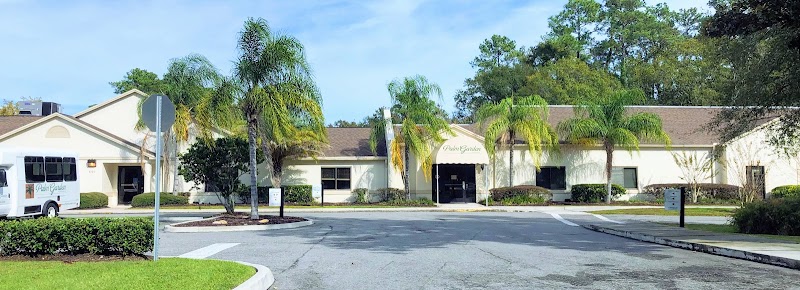
How is Palm Garden Of Jacksonville Staffed?

CMS rates PALM GARDEN OF JACKSONVILLE's staffing level at 4 out of 5 stars, which is above average compared to other nursing homes. Staff turnover is 48%, compared to the Florida average of 46%.

What Have Inspectors Found at Palm Garden Of Jacksonville?

State health inspectors documented 23 deficiencies at PALM GARDEN OF JACKSONVILLE during 2019 to 2024. These included: 2 Immediate Jeopardy (the most serious level, indicating potential for serious harm or death) and 21 with potential for harm. Immediate Jeopardy findings are rare and represent the most serious regulatory concerns. They require immediate corrective action.
Who Owns and Operates Palm Garden Of Jacksonville?

PALM GARDEN OF JACKSONVILLE is owned by a for-profit company. For-profit facilities operate as businesses with obligations to shareholders or private owners. The facility is operated by PALM GARDEN HEALTH AND REHABILITATION, a chain that manages multiple nursing homes. With 120 certified beds and approximately 113 residents (about 94% occupancy), it is a mid-sized facility located in JACKSONVILLE, Florida.

How Does Palm Garden Of Jacksonville Compare to Other Florida Nursing Homes?

Compared to the 100 nursing homes in Florida, PALM GARDEN OF JACKSONVILLE's overall rating (2 stars) is below the state average of 3.2, staff turnover (48%) is near the state average of 46%, and health inspection rating (1 stars) is much below the national benchmark.

What Should Families Ask When Visiting Palm Garden Of Jacksonville?

Based on this facility's data, families visiting should ask: "What changes have been made since the serious inspection findings, and how are you preventing similar issues?" "Can I visit during a mealtime to observe dining assistance and food quality?" "How do you handle medical emergencies, and what is your hospital transfer rate?" "Can I speak with family members of current residents about their experience?" These questions are particularly relevant given the facility's Immediate Jeopardy citations.

Is Palm Garden Of Jacksonville Safe?

Based on CMS inspection data, PALM GARDEN OF JACKSONVILLE has documented safety concerns. Inspectors have issued 2 Immediate Jeopardy citations (the most serious violation level indicating risk of serious injury or death). The facility has a 2-star overall rating and ranks #100 of 100 nursing homes in Florida. Families considering this facility should ask detailed questions about what corrective actions have been taken since these incidents.

Do Nurses at Palm Garden Of Jacksonville Stick Around?

PALM GARDEN OF JACKSONVILLE has a staff turnover rate of 48%, which is about average for Florida nursing homes (state average: 46%). Moderate turnover is common in nursing homes, but families should still ask about staff tenure and how the facility maintains care continuity when employees leave.

Was Palm Garden Of Jacksonville Ever Fined?

PALM GARDEN OF JACKSONVILLE has no federal fines on record. CMS issues fines when nursing homes fail to meet care standards or don't correct problems found during inspections. The absence of fines suggests the facility has either maintained compliance or corrected any issues before penalties were assessed. This is a positive indicator, though families should still review recent inspection reports for the full picture.

Is Palm Garden Of Jacksonville on Any Federal Watch List?

PALM GARDEN OF JACKSONVILLE is not on any federal watch list. The most significant is the Special Focus Facility (SFF) program, which identifies the bottom 1% of nursing homes nationally based on persistent, serious quality problems. Not being on this list means the facility has avoided the pattern of deficiencies that triggers enhanced federal oversight. This is a positive indicator, though families should still review the facility's inspection history directly.