REGENTS PARK OF JACKSONVILLE
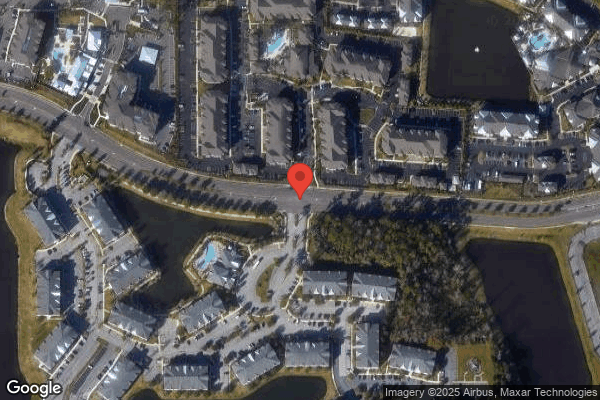
8700 A C SKINNER PARKWAY, JACKSONVILLE, FL 32256 (904) 642-7300
For profit - Limited Liability company 120 Beds ROBERT SCHOENFELD Data: November 2025
Trust Grade
80/100
#265 of 690 in FL
Last Inspection: May 2025

Inspected within the last 6 months. Data reflects current conditions.

Overview

Regents Park of Jacksonville has a Trust Grade of B+, which means it is above average and generally recommended for families considering care options. It ranks #265 out of 690 facilities in Florida, placing it in the top half, and #19 out of 34 in Duval County, indicating that only a few local options may be better. The facility is improving, with issues decreasing from 3 in 2023 to 2 in 2025, suggesting a commitment to better care. Staffing is rated average with a turnover rate of 45%, which is about the same as the state average, but there are no fines on record, which is a positive sign. However, there are concerns about food safety practices, as inspectors noted that staff did not consistently follow proper sanitation and food handling procedures, which could expose residents to foodborne illnesses.

Trust Score
B+
80/100
In Florida
#265/690
Top 38%
Safety Record
Low Risk
No red flags
Inspections
Getting Better
3 → 2 violations
Staff Stability
○ Average
45% turnover. Near Florida's 48% average. Typical for the industry.
Penalties
✓ Good
No fines on record. Clean compliance history, better than most Florida facilities.
Skilled Nurses
○ Average
Each resident gets 41 minutes of Registered Nurse (RN) attention daily — about average for Florida. RNs are the most trained staff who monitor for health changes.
Violations
⚠ Watch
11 deficiencies on record. Higher than average. Multiple issues found across inspections.
★★★★☆
4.0
Overall Rating
★★★☆☆
3.0
Staff Levels
★★★☆☆
3.0
Care Quality
★★★★☆
4.0
Inspection Score
Stable
2023: 3 issues
2025: 2 issues

The Good

  • Full Sprinkler Coverage · Fire safety systems throughout facility
  • No fines on record
  • Staff turnover below average (45%)

    3 points below Florida average of 48%

Facility shows strength in fire safety.

The Bad

Staff Turnover: 45%

Near Florida avg (46%)

Typical for the industry

Chain: ROBERT SCHOENFELD

Part of a multi-facility chain

Ask about local staffing decisions and management

The Ugly 11 deficiencies on record

May 2025 2 deficiencies
CONCERN (D)

Potential for Harm - no one hurt, but risky conditions existed

Comprehensive Care Plan (Tag F0656)

Could have caused harm · This affected 1 resident

**NOTE- TERMS IN BRACKETS HAVE BEEN EDITED TO PROTECT CONFIDENTIALITY** Based on record review, interviews, and facility policy and procedure review, the facility failed to develop a care plan for inf...

Read full inspector narrative →
**NOTE- TERMS IN BRACKETS HAVE BEEN EDITED TO PROTECT CONFIDENTIALITY** Based on record review, interviews, and facility policy and procedure review, the facility failed to develop a care plan for infection and/or antibiotics for Resident #85, and failed to implement a care plan related to use of bed rails for Resident #1, from a total survey sample of 43 residents. Failure to develop and implement a care plan placed residents at risk for missed care, increased risks, and potentially a decline in quality of life. The findings include: 1. A review of the clinical record revealed that Resident #85 was admitted on [DATE] with a re-entry on 10/20/24. His diagnoses included quadriplegia, pressure ulcer of the left buttock stage 4, chronic pain syndrome, osteomyelitis, spinal stenosis, acute kidney failure, and retention of urine. A review of the quarterly minimum data set (MDS) with an assessment reference date (ARD) of 5/4/25 revealed that Resident #85 had a brief interview for mental status (BIMS) score of 15/15, indicating he was cognitively intact. He was noted to have a venous/arterial ulcer and was on antibiotics therapy. A review of Resident #85's physician orders dated 4/22/25 revealed Amoxicillin-Pot Clavulanate Oral Tablet 875-125 milligrams (mg) every 12 hours for heel. Osteomyelitis for 42 Days. Minocycline HCl Oral Tablet 100 MG every 12 hours for Heel. Osteomyelitis for 42 Days. The stop date was noted as 6/3/25 for both medications. Further record review of an infection note dated 5/29/25 indicated that Resident #85 had a right heel wound for over three months. The resident had been on antibiotics before, but the wound was not healing. An infectious disease consultation was requested due to concerns about the right heel wound. An X-ray noted osseous erosions, which was concerning for possible osteomyelitis. Plan: Continue Augmentin 875-125 mg every 12 hours and Minocycline 100 mg every 12 hours for a total of six weeks of therapy, with an end of therapy date of June 3rd, 2025. MRI of the right foot to assess the extent of the infection with osteomyelitis date 5/27 results pending. Refer to podiatry and the orthopedic clinic for an appointment. A review of the care plan revised on 5/22/25 for Resident #85 revealed that antibiotic use and/or wound infection had not been care-planned. (Copy obtained) On 5/30/25 at 1:26 PM, an interview was conducted with Licensed Practical Nurse (LPN) A. She confirmed that Resident #85 was on antibiotics therapy until 6/3/25 for right heel osteomyelitis. She explained that when residents are on antibiotics nurses should be monitoring the side effects and effectiveness of the medication. She stated that the Minimum Data Set (MDS) nurse was responsible for updating residents' care plans. On 5/30/25 at 1:29 PM, an interview was conducted with Registered Nurse (RN) D, MDS Coordinator. She stated care plan focus areas information is obtained from MDS assessment, nursing assessments, physician orders and tasks. She explained that this information is generated through reports and/or communication during clinical meetings. When asked about the care plan for Resident #85, she confirmed that the care plan for use of antibiotics and/or infection was not initiated. 2. During and interview with Resident #1 on 5/27/25 at 2:40 PM, he stated that his wife had requested side rails be placed on his bed to help him with mobility and positioning in bed. He stated his wife spoke with the unit nurse approximately 3 weeks ago, but did not know which one. He explained that no one had notified him of the status of the rails and they had not been placed on his bed. A review of the clinical record revealed that Resident #1 was admitted on [DATE]. His diagnoses included unspecified dislocation of left shoulder joint, subsequent encounter; muscle weakness (generalized); muscle wasting and atrophy not elsewhere classified, erosive (osteo)arthritis; age-related osteoporosis without current pathological fracture. A review of quarterly MDS with and ARD of 3/15/25 revealed that the resident had a BIMS score of 14/15, indicating cognitively intact. He was assessed to have functional impairment of upper extremity on one side, and required maximum assistance of personal hygiene, bed mobility and bed to chair transfer. A review of Resident #1's physician's orders revealed an order for side rails - half bilaterally for bed mobility (order dated 4/29/25). On 12/31/24- weight bearing to shoulder as tolerated. A review of the care plan revised on 1/25/25 revealed that the resident had activities of daily living (ADL) self-care performance deficit related to left shoulder dislocation, muscle wasting/atrophy/weakness, osteoporosis, osteoarthritis. Interventions included half side rail to right side of bed for bed mobility. (Copy obtained) Review of a nursing interdisciplinary team (IDT) note dated 4/29/25 indicated that the resident was educated on the risks versus benefits such as safety, security, mobility assistance and potential risks and negative outcomes that relate to use of bed rails. The use of bed rail(s) can present a hazard or involve potential risks to certain individuals, particularly those residents with physical limitations or altered mental status, such as delirium or dementia. Potential risks may include getting caught within the rail, getting caught between mattress and rail, strangulation, suffocation, bruising and/or skin tears caused by hitting against rail(s), crawling over the rail(s) and falling from greater heights increasing risk for serious injury or death. Other potential negative outcomes may include, but are not limited to, decline in muscle functioning, skin integrity issues, may alter resident's self-esteem, induces agitation or anxiety, feelings of isolation, decline in other areas of activities of daily living and reduced physical mobility. (Copy obtained) In an interview on 5/30/25 at 2:05 PM, the Certified Nursing Assistant (CNA) B stated that she was assigned to Resident #1. She explained that the resident required moderate assistance with bed positioning and used to be more mobile (requiring minimum assistance) with getting out of his bed when his side rail was in place. She stated she believed his rail was removed around three weeks ago, but was not totally sure of the exact date. During the interview on 5/30/25 at 2:13 PM, RN C Unit Manager stated that she was not aware that resident's side rail was missing, but was made aware by therapy services on 5/28/25. She stated that she spoke with other unit staff who stated that there was an issue with the resident's bed and his new bed would not accommodate the rails currently in maintenance stock. She stated that maintenance was to order new rails for the resident's current bed. She was unsure of the status of the order and could not produce written documentation related to the order when requested. A review of the facility's policy and procedures titled Comprehensive care plans revised on 1/2025 was conducted. The policy read, It is the policy of this facility to develop and implement a comprehensive person-centered care plan of each resident, consistent with resident rights, that includes measurable objectives and timeframes to meet a resident's medical, nursing, and mental and psychosocial needs and ALL services that are identified in the resident's comprehensive assessment and meet professional standards of quality. Policy Explanation and Compliance Guidelines: 1. The care planning process will include an assessment of the resident's strengths and needs and will incorporate the resident's personal and cultural preferences in developing goals of care. All services provided or arranged by the facility, as outlined by the comprehensive care plan, must meet professional standards of quality, and incorporate culturally competent and trauma-informed care as indicated. 2. The comprehensive care plan will be developed within 7 days after the completion of the comprehensive MDS assessment. All Care Assessment Areas (CAAs) triggered by the MDS will be considered in developing the plan of care. Other factors identified by the interdisciplinary team, or in accordance with the resident's preferences, will also be addressed in the care plan. The facility's rationale for deciding whether to proceed with care planning will be evidenced in the clinical record. .
CONCERN (D)

Potential for Harm - no one hurt, but risky conditions existed

Respiratory Care (Tag F0695)

Could have caused harm · This affected 1 resident

**NOTE- TERMS IN BRACKETS HAVE BEEN EDITED TO PROTECT CONFIDENTIALITY** Based on observation, interview and record review, the facility failed to administer oxygen at the ordered flow rate for one (Re...

Read full inspector narrative →
**NOTE- TERMS IN BRACKETS HAVE BEEN EDITED TO PROTECT CONFIDENTIALITY** Based on observation, interview and record review, the facility failed to administer oxygen at the ordered flow rate for one (Resident #155) of two residents reviewed for respiratory care, from a total of 43 sampled residents. The findings include: On 05/27/25 at 2:15 PM, Resident #155 was observed resting in bed with eyes closed and with respirations. Observation of the flow rate meter ball revealed it was between 2.5 and 3 liters. (Photographic evidence obtained) On 05/28/25 at 12:05 PM, Resident #155 was observed resting in bed with eyes closed and with respirations. Observation of the flow rate meter ball revealed it was was between 2.5 and 3 liters. (Photographic evidence obtained) On 05/30/25 at 9:33 AM, Resident #155 was observed resting in bed with eyes closed and with respirations. Observation of the flow rate meter ball revealed it was between 2.5 and 3 liters. (Photographic evidence obtained) A review of the clinical record revealed Resident #155 was an [AGE] year old male admitted on [DATE] with diagnoses including dependence on supplemental oxygen, chronic ischemic heart disease, unspecified, and heart disease, unspecified. A review of Resident #155's current physician's orders revealed the resident was prescribed oxygen (O2) at 2 liters/per minute (min.) via nasal cannula for diagnosis of shortness of breath (SOB), every shift for SOB. A review of the baseline care plan for Resident #155, dated 05/21/25, documented the resident was not oriented to person, place, time or situation. Additional review of Resident #155's baseline care plan documented a focus of: the resident is at risk for respiratory complications. The baseline care plan goal noted that the resident will have a minimized risk of respiratory distress through review date. Interventions included: administer oxygen as ordered (Refer to medication administration record for current order). Medicate as ordered and monitor for effectiveness and observe for signs and symptoms of side effects. Report to MD as indicated. Observe for signs or symptoms of respiratory complication. Notify MD of abnormal findings. Observe O2 saturation levels via pulse oximetry as ordered and report as needed. On 05/30/25 at 9:37 AM, an interview was conducted with Employee A, LPN, who reported she has worked at the facility for 3 1/2 years. Observation of Resident #155's room at that time with Employee A revealed that the oxygen (O2) flow rate was set at 3 liters (L) per minute (min). Employee A reviewed the resident's oxygen order in Point Click Care (PCC) and stated that Resident #155's oxygen order was written on 05/27/25, and the order was 2L/min. She explained that she checks resident oxygen flow rates throughout her shift. The process for ensuring residents receive the correct amount of oxygen includes making sure the O2 concentrator is set at the correct liter flow rate, make sure the nasal cannula (NC) is properly placed, and take resident oxygen saturation levels. She explained that she began her shift today at 7:00 AM, and checked Resident #155's oxygen this morning and thought that the order for the resident's oxygen was 3 L/min. Review of the facility's policy titled Oxygen Administration, Date Implemented: 11/2020, Date Reviewed/Revised: 01/2025 and Reviewed/Revised: Clinical Services, documented Policy Explanation and Compliance Guidelines: 1. Oxygen is administered under orders of a physician, except in the case of an emergency 3. Staff shall document the initial and ongoing assessment of the resident's condition warranting oxygen and the response to oxygen therapy, page 1 of 2. .
Nov 2023 1 deficiency
CONCERN (F) 📢 Someone Reported This

A family member, employee, or ombudsman was alarmed enough to file a formal complaint

Potential for Harm - no one hurt, but risky conditions existed

Food Safety (Tag F0812)

Could have caused harm · This affected most or all residents

Based on food service observations, staff interviews, facility document review, and facility policy and procedure review, the facility failed to maintain sanitary conditions in the main kitchen by fol...

Read full inspector narrative →
Based on food service observations, staff interviews, facility document review, and facility policy and procedure review, the facility failed to maintain sanitary conditions in the main kitchen by following proper sanitation and food handling practices to prevent the outbreak of foodborne illness. Unsafe food handling practices represent a potential source of pathogen exposure. Failure to maintain sanitary food preparation can potentially put the residents at risk for foodborne illness. The findings include: During observations of the kitchen and lunch meal service on 11/07/23 from 10:35 am to 12:55 pm, the following was observed: Employee H was observed on the clean side of the dish machine emptying trays of clean dishes as they came out of the dish machine, she had no gloves on. The dish machine was observed to be a low temperature dish machine with chlorine bleach as the sanitizing agent. From 10:35 am to 11:00 am, Employee H went back and forth between the clean and dirty side of the dish room loading and unloading the trays without washing her hands. As the dishes were cleaned and came out of the machine on the conveyor belt, she took the trays and emptied them, stacking the dishes up on a shelf. The dishes were not allowed to air dry. The stainless steel-utensils used by the residents were not allowed to air dry. They were dumped into another tray and taken to the kitchen. At 11:45 am, the registered dietician and dietary staff were observed wrapping the wet utensils in napkins and placing them on food trays for service. At 11:00 am, the Staffing Coordinator, Employee K, was observed working in the dish room loading dirty dishes onto dish machine trays. Employee H was observed going to the dirty side of the dish room and putting dirty dishes on a tray. She then returned to the clean side of the room and continued unloading dishes without washing her hands. At 11:10 am, Employee H was asked to test the sanitizer level in the dish machine. She stated she needed to get the test strips and left the dish room. She returned and tested the water on a cup that had just been washed. The test strip remained white indicating 0 parts per million (ppm) of bleach in the water. She took another test strip and tried again by placing the test strip on the back of an insulated dome cover. The test strip remained white indicating 0 ppm. (Photographic evidence obtained) She stated she did not understand why the test strip did not turn blue. She tested the machine this morning when she came to work. Employee H referred to the log on a clip board hanging on the wall. The log read 50 ppm for the date 11/07/23. She then asked the other dietary aide, Employee G, for assistance. Employee G came over to the dish machine and took the bucket of chlorine bleach out from under the machine and stated that the bucket was empty. Employee H went and got another bucket and Employee G inserted the hose into the new bucket and showed Employee H how to do it. She placed the new bucket of chlorine bleach under the machine and went back to her task. Employee H continued to run the machine. At 11:22 am, she was asked to test the machine again. She tested it using a test strip and the test strip remained white. When asked what she was trained to do, she stated she was going to inform the CDM and left the dish room. At 11:25 am, the DM entered the dish room and tested the water with a test strip. The test strip remained white. (Photographic evidence obtained) He then primed the machine at the top of the machine where the hose from the bucket of chlorine bleach enters the machine and ran a load of dishes. He tested the water and the test strip indicated 200+ ppm. The DM stated that the test strip was very dark and there was a lot of bleach in the water now. It was probably due to having just primed it. He confirmed that 200+ ppm was a toxic level of bleach, and he would keep an eye on it. At 11:40 am, black biological growth was observed on the interior surfaces of the ice machine. Black biological growth and dust debris was observed on the air vents over the food preparation table and the smoke alarm in the center of the ceiling in the kitchen. Black biological growth was observed on the gaskets and interior of the milk cooler. Food debris was observed on the inside of the cooler and the bottom of the milk cooler was wet with slimy black liquid with a spoon lying in it. (Photographic evidence obtained) Three large cardboard boxes containing Styrofoam cups and hinged containers with lids were observed sitting directly on the floor of the kitchen. The staff later used the products to serve the lunch meal service to the residents. (Photographic evidence obtained) The drawers of the service tables were observed to have food debris in the bottoms. Utensils in the drawers were not clean and had food debris stuck on them. Missing and broken floor tiles were in front of the prep sink, at the entry way of the kitchen, and throughout the kitchen. The tray carts were dirty clean with food debris stuck on them. The floors under the equipment and in the corners of the kitchen were not clean with a buildup of food and grease debris. The sides and back of the steam table had dried up food debris and liquid that had run down the side. The storage and food preparation table had food debris on the them. Plates stacked in the plate warmer had food debris stuck to them. Large stainless steel baking pans were observed to be wet and stacked in such a way that did not allow for air drying. The tile wall of the kitchen near the steam table and entrance had brown food and dust debris stuck-on it. (Photographic evidence obtained) A ceiling tile was hanging down above the walk-in cooler. Two large chopping knives and a long-serrated knife were observed lying on the window sill at the back of the kitchen. The chopping knives were lying on top of cooking gloves and the serrated knife was lying on the sill itself. At 11:50 am, the DM went to the sill and took serrated knife down. He took it to the prep table and proceeded to use it. He did not clean it prior to use. (Photographic evidence obtained) At 11:52 am, when asked why the knives were stored in such a manner, the DM shrugged his shoulders, shook his head and stated, I don't know. The Assistant Dietary Manager (ADM), Employee F, was observed opening a cardboard container of mashed potato flakes with her bare hands. She then pour the food into a pot of water on the stove. The ADM closed the container and put it away for future use, she did not mark a date on the box. At 11:55 am, broken floor tiles were observed in the walk-in freezer. The shelves and the floor of the freezer were not clean and had discarded food containers under the shelves. (Photographic evidence obtained) The shelves in the walk-in cooler had a buildup of food debris and the cooler walls had black biological growth on them. Under the shelves there were discarded cardboard food wrappers and food debris. A large sleeve of sliced cheese was uncovered, open to the air with no date mark on it. (Photographic evidence obtained) At 12:00 pm, the ADM was observed to don a pair of disposable gloves without washing her hands and started to plate the food for the lunch. Shortly thereafter, she left the steam table and walked 20 feet over to the oven, opened the door, and with hot pads took a pan out of the oven. The ADM took the pan to the steam table and put it in. She did not change the contaminated gloves or wash her hands and don new gloves. At 12:40 pm, the DM stated he did not have enough staff to do the deep cleaning that needed to be done in the kitchen. He confirmed that the ADM should doff disposable gloves after contaminating them and then wash her hands with soap and water prior to donning a pair of new gloves. The DM stated he would provide an in-service for the staff who operate the dish machine to make sure they are monitoring the level of sanitizer and that the machine is functioning properly. During an interview with the Administrator on 11/07/2023 at 2:00 pm, she produced the Quality Assurance Committee Performance Improvement Plan (PIP) from the prior recertification survey when the facility had been cited for deficiencies in the kitchen. The Administrator stated that the PIP was still ongoing even though the plan was only for the three months after the survey to ensure the deficiencies were corrected. She acknowledged that the ice machine was not clean, and the plan had not been followed. She explained that the facility contracts for maintenance of the ice machine and the vendor last cleaned the machine on 09/14/2023. The Administrator stated the dietary staff clean the machine once a month, but she was unable to produce a log showing the cleaning had been done. None of the other findings during this survey were identified during the recertification survey. A review of the invoice from the vendor providing maintenance and cleaning services of the ice machine dated 09/21/2023 revealed it read: Cleaned ice machine in the kitchen. Chemically cleaned the evap and all the tube. Scrubbed the inside of the bin and reservoir. Replace water filter. Technician recommended a new machine multiple times to the client due to how old it is. Checked operation (Copy obtained) Review of the Quality Assurance Committee PIP developed after the last recertification survey conducted on 07/27/2023, revealed the facility implemented monitoring of the cleanliness of the kitchen by developing a Food and Physical Safety Auditing tool that included cleaning schedules weekly for equipment and areas of the kitchen. Floors, walls, doors, baseboards cleaned. All dishes allowed to air dry (not stacked wet), pots, pans, dishware, utensils store to prevent contamination. All cooling units clean and in good condition. All food stored properly, and date marked. All equipment clean and in good working order. The tools had been marked off as being complete as of 10/26/2023. (Copies obtained) An infection control audit tool had been developed dated 10/12/2023 that read: 4. Staff washes hands when changing tasks, including before placing gloves on hands. 7. Proper dish washing procedures are followed. Sanitizer solutions at proper PPM and temperatures within desired range and recorded. Staff can verbalize how to check PPM's and appropriate dish machine temperature. Review of the facility policy and procedure entitled Ice Machine, effective 01/2021 revealed it read: The ice machine, scoop and storage container will be maintained in a clean and sanitary condition. The ice machine will be cleaned once per month or more often as needed. (Copy obtained) Review of the facility policy and procedure entitled Personal Hygiene, effective 09/2020 read: To ensure proper personal hygiene practices to prevent contamination of food. Procedure: 2. Wash hands after the following activities, including, but not limited to: After touching anything that may contaminate hands, such as dirty dishes, un-sanitized equipment, work surfaces or wash cloths. Review of the facility policy and procedure entitled Hand Washing and Glove Use, effective 9/2020 read: hand washing is a vital role in infection control reducing the surface microorganisms on our hands. Gloves are used to provide a barrier between potential microorganisms and ready - to- eat food items being prepared and/or portioned by staff. Procedure: 1. Hands must be washed after contact with unsanitary surfaces and before wearing gloves. 5. Gloves should be changed frequently, single use task. Review of the facility policy and procedure entitled Cleaning Schedules, effective 01/2021 read: Food and Nutrition Service Staff shall maintain the sanitation of the Department through compliance with written, comprehensive cleaning schedules developed for the facility by the Food Service Manager. 5. The Food Service Manager will complete random audits to ensure personnel are compliant with cleaning and sanitizing of equipment and completion of the cleaning log. Review of the Daily/Weekly Kitchen Sanitation Checklist revised 11/04/2020 revealed it read: Main Kitchen: All reach-in and walk-in cooler clean all items covered, labeled and dated. Freezer - nothing on the floor, floor clean. Walk-ins- nothing on floor, floor clean, all food labeled and dated. Ice machine clean regular as scheduled. All food delivery carts clean in and out including wheels. Cooking area- make sure all equipment is clean and in good working order. Tray-line wiped down and sanitized under shelving clean. Kitchen floors cleaned including behind and under all equipment. Dish Room: Dish machine clean and in good working order. All utensils, pots and pans clean and stacked on rack properly to prevent wet nesting. Review of the facility policy and procedure entitled Sanitation, effective 09/2021 read: The facility strives to promote good sanitation practices to protect its residents and employees from foodborne illness. The facility sanitation process will ensure a clean, safe environment for it residents and staff. The Food and Nutrition Services staff identifies the potentially hazardous foods, which bacteria can grow most easily. The team maintains clean and sanitary kitchen facilities and equipment. Walls, floors, ceilings and equipment and utensils are clean and/or sanitized and in good working order. Maintain clean and sanitary kitchen facilities and equipment by following cleaning instruction procedures and Nutrition Services Cleaning Schedule. References: Ice machines/ice bins/dispensing nozzles and lines/cooking oil storage/water vending: 4-602.11 Equipment Food-Contact Surfaces and Utensils. (A) EQUIPMENT FOOD-CONTACT SURFACES and UTENSILS shall be cleaned: (E) Except when dry cleaning methods are used as specified under § 4-603.11, surfaces of UTENSILS and EQUIPMENT contacting FOOD that is not TIME/TEMPERATURE CONTROL FOR SAFETY FOOD shall be cleaned:(4) In EQUIPMENT such as ice bins and BEVERAGE dispensing nozzles and enclosed components of EQUIPMENT such as ice makers, cooking oil storage tanks and distribution lines, BEVERAGE and syrup dispensing lines or tubes, coffee bean grinders, and water vending EQUIPMENT: (a) At a frequency specified by the manufacturer, or (b) Absent manufacturer specifications, at a frequency necessary to preclude accumulation of soil or mold. https://www.fda.gov/food/fda-food-code/food-code-2022 Reference: United States Food and Drug Administration Food Code 2017. 3. PUBLIC HEALTH AND CONSUMER EXPECTATIONS. Clean environment. Page 10. https://www.fda.gov Reference: United States Food and Drug Administration Food Code 2017. Sections. 2-301.13 Special Handwash Procedures. 2-301.14 When to Wash. (A-I). Page 79. https://www.fda.gov .
Jul 2023 2 deficiencies
CONCERN (D)

Potential for Harm - no one hurt, but risky conditions existed

Deficiency F0806 (Tag F0806)

Could have caused harm · This affected 1 resident

**NOTE- TERMS IN BRACKETS HAVE BEEN EDITED TO PROTECT CONFIDENTIALITY** Based on resident observation and interview, record review, staff interviews, and a review of the facility's policy and procedur...

Read full inspector narrative →
**NOTE- TERMS IN BRACKETS HAVE BEEN EDITED TO PROTECT CONFIDENTIALITY** Based on resident observation and interview, record review, staff interviews, and a review of the facility's policy and procedure, the facility failed to honor food preferences and alert kitchen and facility staff of major food allergies for one (Resident # 3) of fourteen residents observed for dining, from a total sample of 19 residents. Resident #3 is allergic to seafood, peanut butter and jelly. This was not listed on her dietary meal tray slip to alert staff to these food allergens when serving her meals and providing substitutions to pre-selected meal choices. Failure to identify and respect resident food allergens/intolerances could result in mild to acute, and potentially life-threatening allergic responses. The findings include: An interview was conducted with Resident #3 on 7/23/2023 at 1:29 PM, while she was observed eating lunch in her bed in an upright seated position. When asked how her lunch was, she reported her food preferences were not being met and the facility staff were not using the menus. She reported being allergic to seafood, fish, and shellfish, but had been given fish before because the facility did not honor her food requests. She further stated she was sent to the hospital after eating a peanut butter and jelly sandwich a while back, that resulted in her tongue and throat swelling. Resident #3 provided her food tray ticket, pointing out that her food choices for that meal were not what she was served. She further stated none of the foods she was allergic to were listed on the dietary meal tray slip. (Photographic evidence obtained) A record review for Resident #3 found she was admitted to the facility on [DATE], with a primary diagnosis of metabolic encephalopathy. She had a quarterly Minimum Data Set (MDS) assessment with an assessment reference date of 5/14/2023, that noted she had a brief interview for mental status (BIMS) score of 15 out of a possible 15 points, indicating she was cognitively intact and able to make daily decisions independently. She was coded as requiring supervision with eating after set-up assistance. Her primary medical diagnoses included metabolic encephalopathy, cerebral infarction, diabetes mellitus, dysphagia, heart failure, and multiple sclerosis. Resident #3 was care planned on 10/10/2022 for having a nutritional problem related to food allergies seafood, peanut butter, and jelly with the goal to maintain nutritional intake. Interventions included diet as ordered (Check POS (Physician's Order Sheets) for current order) and observe and document: tolerance to diet/fluids, refusing to eat, and when she appears concerned during mealtimes. On 1/24/2023, a care plan was created for allergies to include peanut butter and jelly, with the goal to remain allergic free until the next review date. Interventions included checking any food allergies when offering meals or snacks. (Photographic evidence obtained) A review of nursing progress notes revealed that on 1/20/2023, Resident #3 was noted with tongue swelling after eating a peanut butter and jelly sandwich. On 1/23/2023, a nursing note documented Resident #3 returned from the hospital with an allergy to peanut butter added to her chart, and dietary having been made aware. Another observation on 7/24/2023 at 1:19 PM, was made of Resident #3 where she was noted to be in her room, in a seated, upright position in bed eating lunch. She reported that again, they had served her the wrong meal. No food allergies were documented on her food tray slip alerting staff to her peanut butter, jelly, and seafood allergies. (Photographic evidence obtained) An interview was conducted with the Certified Dietary Manager (CDM) on 7/27/2023 at 9:51 AM, who reported that the Registered Dietician (RD) was responsible for gathering the food preferences, but she, the CDM, collected them if needed. The CDM confirmed that if there were updates or changes to a resident's diet, the RD made those updates to the dietary meal tray ticket through the Meal Tracker system. The CDM further stated that both food allergies and food preferences were identified on the dietary meal tray ticket printed from the Meal Tracker system and used by the dietary staff when preparing meals. On 7/27/2023 at 10:01 AM, an interview was conducted with the Registered Dietician (RD), who reported that she met with all new residents within 24-hours of admission to review preferences and complete a weight loss and malnutrition screening. New residents were given menus to fill out with preferences identified, that were collected and given to the dietary department for the day or week. She then made updates utilizing the Meal Tracking system. When asked about Resident #3, she reported that Resident # 3 was picky about her food, was on select menus where she could select her own food and preferences and wasn't nutritionally at risk. When asked how food allergies were identified, the RD stated the Meal Tracker system identified food allergies that were printed on the meal tray ticket. The RD was asked to pull up Resident #3 in the system and confirm that her food allergies were listed to print on her meal tray ticket. The RD stated she found a glitch in the system and confirmed that Resident #3's food allergies were not being pulled through the Meal Tracker system or being printed out on the meal tray ticket and stated, that's a problem. She further stated the Regional RD would be contacted for assistance and for the time being, she would be printing a list of all the residents with food allergies, placing a note about their food allergies in the Meal Tracking system so the residents' meal tray tickets would now have their food allergies printed on the ticket. A review of the facility's policy and procedure for Food Preferences (dated January 2023), revealed under procedure: Food preferences will be updated as needed on an ongoing basis and Food preferences may be kept on file or in the meal tray card system. (Photographic evidence obtained) .
CONCERN (F)

Potential for Harm - no one hurt, but risky conditions existed

Food Safety (Tag F0812)

Could have caused harm · This affected most or all residents

Based on kitchen food service observations, staff interviews, facility document review, and facility policy and procedure review, the facility failed to follow proper sanitation and food handling prac...

Read full inspector narrative →
Based on kitchen food service observations, staff interviews, facility document review, and facility policy and procedure review, the facility failed to follow proper sanitation and food handling practices to prevent the outbreak of foodborne illness, with the potential to affect all residents who consumed foods from the facility's kitchen, by failing to complete the temperature log for the three-compartment sink; properly clean and sanitize the kitchen ice machine, upper-level of convection oven, can opener, and oven tray lines; date mark several open packages of bread on the bread rack, and in the refrigerator. Food handling and sanitation is important in health care settings serving nursing home residents. Unsafe food handling practices represent a potential source of pathogen exposure. The findings include: A tour of the kitchen was conducted on 7/23/2023 at 11:15 a.m. During the tour, the July 2023 Sanitizer Solution Log for the three-compartment sink was incomplete; only 7/1/2023 was logged. No date markings were observed in the refrigerator on one open, wrapped bag of greens, one box of red potatoes, one box of melons, one plastic container of cottage cheese, or on one bag of onions. The bread rack next to the shelf in the dry storage room had several open bundles of bread with no date markings. The same observations of the red potatoes, melons, and bread were made again on 7/25/2023 at 1:43 p.m. One open box of strawberries was also observed on the shelf in the refrigerator. During the same time, the Certified Dietary Manager (CDM) was notified that one package of buns was taken off the shelf and discarded by this surveyor due to observation of mold on the buns. (Photographic evidence and copies obtained) A follow-up tour of the kitchen was conducted on 7/26/2023 at 11:19 a.m. The can opener pixel holder was greasy and filled with food debris. The oven tray was filled with food debris and a liquid substance, another oven tray was filled with food debris. The left side of the convection oven was filled with grease buildup. The convection oven bottom right and left door and inside floor of the oven were covered with a grime. The inside of the drink dispenser spigot was covered with grime and was observed hanging off the counter, and a black substance was observed on and around the internal shoot of the ice machine. (Photographic evidence obtained) An interview was conducted on 07/27/23 at 10:06 a.m. with Dietary Aide D. She stated temperature logs were completed daily by staff assigned to the area. Dietary Aides were responsible for the dish machine and the Cooks were responsible for the three-compartment sink. When asked to explain the facility's policy around date marking food items for the refrigerator and freezer, she stated, Opened food is labeled with the date opened and expiration date. When asked what happened when bread was opened, used, and placed back on the bread rack, she replied, Leftover bread should be discarded. The [NAME] was responsible for cleaning the oven and oven trays. Dietary Aides were responsible for cleaning the drink machine. When there was a problem with broken kitchen equipment, the manager would report items to maintenance. She was not sure how often the ice machine was cleaned. An interview was conducted on 07/27/23 at 10:24 a.m. with [NAME] E, who stated sanitation temperatures were documented by the staff assigned on the temperature log daily. The [NAME] and Dietary Aide stored food in the refrigerator and freezer. When asked to explain the facility's policy around date marking food items for the refrigerator and freezer, she stated, Open food is wrapped and labeled with the date opened and discarded in 3-7 days. Open bread was labeled with the date opened and the date to be discarded. All staff were responsible for cleaning the ice machine. The [NAME] was responsible for cleaning the kitchen ovens weekly. [NAME] E was not sure how cleaning was logged. When asked who was responsible for reporting broken equipment, she stated, All staff can complete a work order for maintenance. An interview was conducted on 07/27/23 at 10:50 a.m. with the Certified Dietary Manager (CDM), who confirmed that sanitation temperatures were documented on the temperature log daily by the staff assigned to the task. When asked to explain the facility's policy around date marking food items for the refrigerator and freezer, the CDM replied, Open food is sealed and labeled with the date opened and the date to be discarded. Open bread was labeled and dated. The [NAME] was responsible for cleaning the ovens and the Dietary Aide was responsible for cleaning the drink machine. The oven was cleaned every two weeks. The CDM reported broken kitchen equipment to maintenance. When asked how long the oven had not worked, she replied, I think forever. The CDM stated she and Cook/Assist Manager F were responsible for wiping the inside of the ice machine every two weeks. She confirmed there was no log to show evidence of the cleaning. A review of the facility's policy and procedure titled Pot and Test Strip Log, dated January 2021, revealed: Monitor the three-compartment sink wash temperature and chemical saturation (parts per million {PPM} at each pot and pan washing in order to assure proper cleaning and sanitizing of dishes. Procedure: 3. Test the third sink well for proper parts per million (PPM) per chemical directions. 4. Record chemical saturation level by indicating PPM using the appropriate litmus paper .Forms: Sanitizer Log. (Copy Obtained) A review of the facility's policy and procedure titled Sanitation, dated September 2021, revealed: The facility strives to promote good sanitation practices to protect its residents and employees from foodborne illness. The facility sanitation process will ensure a clean, safe environment for its residents and staff. Procedure: . The food and Nutrition Services team maintains clean and sanitary kitchen facilities and equipment. Walls, floors, ceilings and equipment and utensils are clean and/or sanitized and in good, working order. the Centers for Disease Control (CDC) Food handling guideline is used for specific hand washing procedure. 5. Ensure food and chemical containers are labeled with name and date received. 20. Maintain clean and sanitary kitchen facilities and equipment by following cleaning instruction procedures and Nutrition Services Cleaning Schedule. (Copy Obtained) A review of the facility's policy and procedure titled Ice Machine, dated January 2021, revealed: The ice machine, scoop and storage container will be maintained in a clean and sanitary condition. The ice machine will be cleaned once per month or more often as needed. (Copy Obtained) Reference: 2022 Food Code, United States Food and Drug Administration. Chapter 3, Page 93 and Chapter 4, Page 127, 131, and 165. https://www.fda.gov (Accessed on 07/30/2023. 3-501.17, Commercially processed food, open and hold cold (B) Except as specified in (E) - (G) of this section, refrigerated, Ready -to-eat time/temperature control for safety food prepared and packaged by a food processing plant shall be clearly marked, at the time the original container is opened in a food establishment and if the food is held for more than 24 hours, to indicate the date or day by which the food shall be consumed on the premises, sold, or discarded, based on the temperature and time combinations specified in (A) of this section and: (1) The day the original container is opened in the food establishment shall be counted as Day 1; and (2) The day or date marked by the food establishment may not exceed a manufacturer's use-by date if the manufacturer determined the use-by date based on food safety. Equipment, Utensils, and Linens. 4-601.11 Equipment, Food-Contact Surfaces, Nonfood-Contact Surfaces, and Utensils. 4-6 Cleaning of Equipment and Utensils, 4-601 Objective, Equipment Food-Contact Surfaces and Utensils. (A) Equipment Food Contact Surfaces and Utensils shall be clean to sight and touch. (B) The food-contact surfaces of cooking equipment and pans shall be kept free of encrusted grease deposits and other soil accumulations. (C) Nonfood-contact surfaces of equipment shall be kept free of an accumulation of dust, dirt, food residue, and other debris. Equipment. 4.501.11. Good Repair and Proper Adjustment. (A) Equipment shall be maintained in a state of repair and condition that meets the requirements specified under Parts 4-1 and 4-2. Sanitization of Equipment and Utensils. 4-701.10 Food-Contact Surfaces and Utensils. Equipment food-contact surfaces and utensils shall be sanitized. .
Oct 2021 6 deficiencies
CONCERN (D)

Potential for Harm - no one hurt, but risky conditions existed

Resident Rights (Tag F0550)

Could have caused harm · This affected 1 resident

**NOTE- TERMS IN BRACKETS HAVE BEEN EDITED TO PROTECT CONFIDENTIALITY** 2. A record review for Resident #136 revealed a [AGE] year-old female admitted on [DATE] with a tracheostomy, respiratory distre...

Read full inspector narrative →
**NOTE- TERMS IN BRACKETS HAVE BEEN EDITED TO PROTECT CONFIDENTIALITY** 2. A record review for Resident #136 revealed a [AGE] year-old female admitted on [DATE] with a tracheostomy, respiratory distress, diabetes and depression. She was alert and oriented with a BIMS score of 13 out of a possible 15 points, indicating intact cognition. She required extensive assistance with transfers, bathing, toileting and dressing, and was independent with eating. She was incontinent of bowel and bladder. She was able to speak with the tracheostomy in place and could make her needs known. On 10/18/2021 at 11:30 a.m., upon entering her room, her call light was on. She was very upset because it took so long for someone to answer call light. She said she was wet and needed to be changed. She stated she had put her light on prior to this surveyor's arrival. She stated a certified nursing assistant (CNA) came in said she would be back, then turned off the light and left. She said that was 15 minutes ago. A second staff person came in and asked what she wanted, and said she would get someone. During the interview at 12:05 p.m., the Director of Nursing (DON) entered the room. Resident #136 was asked if she knew who he was, and she replied no. The DON listened to her concerns and told her he would send someone in to assist her and write up a grievance. At 12:15 p.m., no staff had arrived. At 12:20 p.m., CNA E entered the room and asked what the resident needed. Resident #136 explained she needed to be changed and CNA E stated she would help her. A review of the staffing on the 200 Unit on 10/18/2021, revealed there were 33 residents on the unit. There were two nurses and two CNAs. During an interview with CNA E on 10/18/2021 at 1:30 p.m., she was asked how many CNAs were on the unit. She said only two, there were suppose to be three, but one was taken off to care for a resident needing 1:1 monitoring. Call light response was observed on the 200 hallway on 10/18/2021 between 11:30 a.m. and 1:45 p.m. The response time was 30-45 minutes. During an interview with Resident #136 on 10/20/2021 at 12:30 p.m., she was asked about call light response today. She said she put her light on this morning at 7:30 a.m. to get changed. CNA F came in and Resident #136 told her she was wet and needed to be changed. The CNA said she would come back, but when she came back at 8:30 a.m., the resident had already been served her breakfast and was eating, so she said the CNA should come back later. She did not like the fact she had to eat when she was wet. She was asked if she had reported these occurrences to anyone, and she replied that she had, but nothing had been done about it. During an interview with Resident #136 on 10/20/2021 at 11:05 a.m., she reported that she couldn't get help during the night to get changed. She said when she put her light on, someone must have been turning it off from outside the room, as the light would go off at the wall. She said, You have to keep putting the light on and hope someone will come. Finally someone came in at 3:30 a.m. An interview was conducted with the Unit Manager G on 10/18/2021 at 2:10 p.m. She was asked if she had been made aware by the residents of the long wait time for call lights. She said she was new to the position but the facility was working on it. A review of the grievance logs for the past six months found multiple complaints regarding call light response. The resolution was more in-service training. During an interview with the Social Worker on 10/21/2021 at 10:15 a.m., she was asked about the numerous complaints about long wait times for call light response. She said she was new to the facility and was not at the facility at the time. She said the facility was in the process of hiring new staff. A review of the Resident Council notes, dated 10/12/21, revealed call light response and long wait times were ongoing issues. An interview was conducted with the Director of Nursing (DON) on 10/21/2021 at 11:10 a.m. He was asked whether he was aware of the issue with long wait times for call lights and that staff were turning off the call lights and not returning to the residents' rooms. He said he had been in the position for only a few weeks and was evaluating what was going on in the facility. He was in the process of hiring more staff. Based on observations and interviews, the facility failed to ensure each resident was treated with respect, dignity and care in a manner and in an environment that promoted maintenance or enhancement of his or her quality of life, recognizing each resident's individuality for two (Residents #45 and #136) of 31 sample residents. Specifically, the facility failed to properly assist Resident #45 through the facility in her Geri chair or ensure call lights were answered timely for Resident #136. The findings include: 1. A review of Resident #45's medical record revealed she was admitted to the facility on [DATE]. Her primary diagnoses were muscle wasting and atrophy. Additional diagnoses included encephalopathy, hypertension, restlessness and agitation, chronic embolism and thrombosis of other specified veins, angina pectoris, panic disorder, major depressive disorder, protein-calorie malnutrition, and dysphagia. A review of the 9/2/2021 Minimum Data Set (MDS) assessment, Resident #45 was cognitively intact with a Brief Interview for Mental Status (BIMS) score of 15 out of a possible 15 points. According to a 9/27/2021 progress note, the resident was alert and oriented x 2 to 3. On 10/20/2021 at 11:40 a.m., Resident #45 was observed exiting the therapy room with Physical Therapist (PT) I. PT I was observed pushing the resident in her Geri chair, and with the second hand pushing the resident's tube feeding pole. He wheeled the resident in her Geri chair backwards out of the therapy room, and down three hallways towards the beauty salon. The Corporate Risk Management Specialist (CRMS) was observed assisting PT I pull the resident backwards into the beauty salon. On 10/20/2021 at 11:45 a.m., an interview was conducted with PT I. He stated he could have pushed Resident #45 forward in her Geri chair, but with his hands full pulling the tube feeding pole, it was easier to pull the resident backwards through the facility. He was not aware of the dignity aspect of pulling a resident backwards. He did not recall being educated on the concern. An interview was conducted with the CRMS on 10/20/2021 at 11:48 a.m. He stated he assisted PT I with helping Resident #45 into the beauty salon, because PT I had his hands full. The CRMS stated he thought it would be helpful to assist PT I. He further stated it could be difficult to push a resident forward in a Geri chair with a second device attached (tube feeding pole). He said pushing a resident backwards could be disorienting and could be a potential dignity concern. He was not sure if there had been training for the staff on resident dignity, but he would make sure it was addressed. A review of the facility's policy on Resident Rights (effective February 2021 without revision), revealed: The facility strives to assure that each resident has a dignified existence, self-determination, and communication with, and access to, persons and services inside and outside the facility.
CONCERN (D)

Potential for Harm - no one hurt, but risky conditions existed

Tube Feeding (Tag F0693)

Could have caused harm · This affected 1 resident

**NOTE- TERMS IN BRACKETS HAVE BEEN EDITED TO PROTECT CONFIDENTIALITY** Based on record reviews, observations, and staff and resident interviews, the facility failed to ensure enteral feeding orders w...

Read full inspector narrative →
**NOTE- TERMS IN BRACKETS HAVE BEEN EDITED TO PROTECT CONFIDENTIALITY** Based on record reviews, observations, and staff and resident interviews, the facility failed to ensure enteral feeding orders were followed per the physician's orders for two (Residents #78 and #45) of two residents sampled for enteral feedings, from a total sample of 31 residents. The findings include: 1. A record review for Resident # 78 revealed a [AGE] year-old female admitted on [DATE] with diagnoses including cerebral vascular accident with left side hemiparesis, aphasia, dysphagia and diabetes. She was alert and oriented with a Brife Interview for Mental Status (BIMS) score of 14 out of a possible 15 points. She required extensive assistance with transfers, dressing , bathing, and toileting, and she was dependent for meals/nutrition due to use of a feeding tube. A review of the October 2021 Physician's Order Sheets, revealed the current enteral feeding orders included: Every shift Glucerna 1.2 continuous via tube at a rate of 55 ml/hour (milliliters per hour) for 22 hours a day. Total volume of 1210 ml infused in 22 hours. May turn off for care. Start at 8pm, verify infusing every shift. Clear pump when total volume infused. Water flush 100 ml every 4 hours. During an observation on 10/18/2021 at 11:30 a.m., the tube feeding pump was not running. There was a container of Glucerna 1.2 tube feeding hanging on the IV (intravenous) pole. The container label was blank, there was no date or time the product was hung, the resident's name was not written on the product, nor was the flow rate ordered. An interview was conducted with Licensed Practical Nurse (LPN) D on 10/18/2021 at 11:45 a.m. She was asked why the tube feeding for Resident #78 was not running. She said the resident stated she felt full and complained of nausea. When asked how long the feeding had been off, she said since about 8:00 a.m. When asked if the physician had been notified she said no. She was asked when the tube feeding would be restarted, and she said she would ask the resident how she felt and then would turn it back on. Observation of the tube feeding pump on 10/18/2021 at 2:05 p.m., found it was running. LPN D was asked if Resident #78 had an order for nausea medication, and she stated she would check. After reviewing of the orders, she said no. An interview was conducted with Resident #78 on 10/18/2021 at 12:05 p.m. She was asked if she had asked that the tube feeding be stopped this morning. She said she did. Her stomach felt very full and she had nausea. She was asked if she had had this issue before, and she replied yes, for awhile now. When asked if she was given any medication for the nausea, she said not that she knew of. An observation on 10/19/2021 at 9:10 a.m., found the tube feeding pump was not running. There was a full bottle of Glucerna 1.2 hanging with no date or time, flow rate or resident name. During an interview with Resident #78 on 10/19/2021 at 9:15 a.m., she was asked why the tube feeding was off. She said she had nausea again and requested it be stopped. The tube feeding pump was observed on 10/19/2021 at 4:10 p.m. It was turned on and indicated 343 ml had infused. The time started was not noted. An order was found on 10/19/21 at 2:30 p.m. to stop the tube feeding for three hours per resident request. A review of the nursing notes revealed on 10/11/21 she complained of nausea and requested the tube feeding be disconnected. On 9/27/2021, the resident requested the tube feeding be disconnected due to feeling full. Dietary consult to adjust feeding volume. There was no documentation the physician was notified, nor dietary consulted. An interview was conducted with the Registered Dietitian (RD) on 10/20/2021 at 9:35 a.m. She was asked when the last time was that she had reviewed the tube feeding orders for Resident #78. She said her last review was on 10/12/2021. The order included: Glucerna 1.2 at 55 ml/hour for 22 hours. She said the resident complained of feeling full and she decreased the water flush from 125 ml to 100 ml every 4 hours. She was asked if she was aware that Resident #78 had been complaining of nausea and fullness, and the tube feeding was being held during the day. She stated she was not told, but would follow up today. An observation of the tube feeding pump on 10/20/2021 at 11:05 a.m., found the tube feeding pump was off. An interview was conducted on 10/20/2021 at 11:15 a.m. with Agency LPN C. She was asked if the tube feeding was running for Resident #78 when she came in today. She said it was running and she shut it off at 10:30 a.m., as the pump read she had received 1210 ml. When asked what the physician's order was for tube feeding, she reviewed the record and stated Glucerna 1.2 at 55 ml/hour, continuously for 22 hours. She said because the resident sometimes requested the feeding be stopped, the schedule did not remain the same. When asked when the pump would be turned on, she replied 2:00 p.m. She was asked how she determined what time to restart the feeding. She replied that she gave the resident's stomach time to rest. When asked if the physician was aware that she was not receiving the tube feeding as ordered, she said she didn't know. An interview was conducted 10/21/2021 at 9:15 a.m. with the RD. She reported that she had spoken with the nurse and resident about the tube feeding schedule and the issue with the resident's nausea. The nurse told her that the feeding was not being given for 14 hours because the resident had been complaining about fullness and nausea. There was no indication of how much feeding she was receiving or when it was turned on or off. She said she spoke to the resident about the tube feeding schedule, and the resident wanted to have her tube feeding on during meal times so she could get up out of bed. She wanted to go to therapy. She did not want to be hooked up to the pump while out of bed. She told the RD that she wanted to be able to eat again. Speech therapy was in to see her today and conduct a swallow study and trial feeding. The RD stated there was an interdisplinary team meeting to discuss the issue with tube feeding, the pump being off, complaints of fullness and nausea, and the resident's request to be able to eat and have therapy. Orders had been obtained for Zofran (nausea medication) and speech therapy. 2. A review of Resident #45's medical record revealed she was admitted to the facility on [DATE]. Her primary diagnoses were muscle wasting and atrophy. Additional diagnoses included encephalopathy, hypertension, restlessness and agitation, chronic embolism and thrombosis of other specified veins, angina pectoris, panic disorder, major depressive disorder, protein-calorie malnutrition, and dysphagia. According to the 9/2/2021 Minimum Data Set (MDS) assessment, Resident #45 was cognitively intact with a Brief Interview for Mental Status (BIMS) score of 15 out of a possible 15 points. According to a 9/27/2021 progress note, the resident was alert and oriented times 2 to 3. Resident observations: -10/18/2021 at 1:05 p.m. the tube feeding pump was infusing at 70 ml (milliliters)/hour -10/19/2021 at 8:25 a.m. the tube feeding pump was infusing at 70 ml/hour -10/19/2021 at 2:10 p.m. the tube feeding pump was infusing at 70 ml/hour -10/19/2021 at 3:10 p.m. the tube feeding pump was infusing at 70 ml/hour -10/21/2021 at 9:45 a.m. the tube feeding pump was infusing at 70 ml/hour A record review revealed a physician's order dated 10/12/2021 for enteral feeding every shift with Jevity 1.5 Cal (calorie) continuous via tube to infuse at a rate of 65 ml/hour (milliliters per hour). Total volume of 1560 ml infused in 24 H (hours). May turn off for care/services. Start at 2:00 p.m. Verify infusing Q (every) shift. Clear pump when total volume has infused. A record review revealed the last interdisciplinary team (IDT) progress note was written on 10/13/2021. It documented that the resident was on an enteral feeding, Jevity 1.5 via feeding tube. The tube was patent and intact. The RD (registered dietitian) reviewed and adjusted the rate. A care plan, initiated on 8/10/2021 without revision, stated the resident was receiving enteral nutrition because of dysphagia. Interventions included to administer enteral nutrition as ordered (refer to physician's orders for current orders); to administer flushes as ordered; and to have the RD consult and follow PRN (as needed). An interview was conducted with Registered Nurse (RN) G on 10/21/2021 at 9:54 a.m. She said that residents on a feeding tube would be monitored by the nurse on duty, the IDT and the RD. She said they had a nutritional at risk meeting each Friday to discuss residents identified with dietary concerns, including all of those on tube feedings. She said only the nurses would handle the pumps, and would be responsible for making sure the pumps were infusing correctly, according to the physician's order. RN G reviewed the orders for Resident #45 and said that the resident had an order for her tube feeding pump to infuse at 65 cc (cubic centimeters). RN G observed the resident's feeding tube pump infusing at 70cc, changed it to 65 cc, and said it should not be at 70 cc. She said the unit manager should also be checking on the pump infusions to be sure the right order was in place. An interview was conducted with LPN D on 10/21/2021 at 9:59 a.m. She said she had noticed the other day that Resident #45's pump was infusing at 70 ml/hour, so she had to adjust it manually back to 65 ml/hour. She said that when she replaced the daily tube feeding bag of Jevity 1.5 Cal (calorie) for a new one, and turned it on, the machine pump would reset itself back to the last programmed physician's order. The last order was for 70 ml/hour. She said she documented daily what her flush volume had been, but there was no place on the electronic medication or treatment administration record to document the resident's daily volume of enteral feeding. An interview was conducted with the Director of Nursing (DON) on 10/21/2021 at 10:10 a.m. He said the interdisciplinary team met each week for a nutritional at risk meeting, which would include residents with tube feeding orders. He said the RD would also attend. He said the residents reviewed each week were also triggered as at risk due to the documented weight levels. He said the IDT would make a progress note in the resident's chart regarding what the team had decided or assessed for those residents' dietary needs. He said that the nurses did not document a resident's daily total volume of enteral feed, but instead relied on the weights. An interview was conducted with the Registered Dietitian (RD) on 10/21/2021 at 10:17 a.m. She confirmed that the facility did not document a resident's total volume from the tube feeding. Instead, she reviewed weights and attended the nutritional at risk meeting. She said she had changed Resident #45's tube feeding order on 10/12/2021 to 65 ml/hour instead of 70 ml/hour. She said she was not aware that the resident was not receiving her enteral feeding according to the order. An interview was conducted with the DON and the RD on 10/21/2021 at 10:20 a.m. Neither staff member was aware the resident was receiving her tube feeding at 70 ml/hour instead of the current order of 65 ml/hour. Neither staff member was aware that the tube feeding pump was resetting itself to a prior order. The DON said he would look into the potential programming issue of the pump infuser in order to correct the concern. .
CONCERN (D)

Potential for Harm - no one hurt, but risky conditions existed

Respiratory Care (Tag F0695)

Could have caused harm · This affected 1 resident

Based on observation, interview and record review, the facility failed to provide appropriate oxygen therapy to one (Resident #34) of 33 residents sampled, per the physician's orders, that would inclu...

Read full inspector narrative →
Based on observation, interview and record review, the facility failed to provide appropriate oxygen therapy to one (Resident #34) of 33 residents sampled, per the physician's orders, that would include the type of oxygen delivery system; administration instructions, such as continuous or intermittent, and/or the equipment settings for the prescribed flow rates. The findings include: A review of the medical record revealed that Resident #34 was admitted into the facility on 1/8/2016. Her last readmission was on 11/13/2017. Diagnoses for Resident #34 included muscle wasting and atrophy; chronic obstructive pulmonary disease; heart failure; atherosclerotic heart disease of native coronary artery without angina pectoris; cognitive communication deficit; congestive heart failure; hypertensive heart disease with heart failure; presence of cardiac pacemaker; major depressive disorder, and metabolic encephalopathy. A review of the quarterly Minimum Data Set (MDS) assessment, dated 08/15/2021, revealed that Resident #34 scored 14 out of a possible 15 points on the Brief Interview for Mental Status (BIMS), indicating her cognition was intact. She required total assistance with transfers, and extensive assistance with bed mobility, locomotion on/off the unit, dressing, toilet use and personal hygiene. She required supervision with meals/eating. Based on the MDS assessment, Resident #34 did not receive oxygen prior to nor while residing in the facility. On 10/18/2021 at 2:15 p.m., Resident #34 was observed receiving oxygen via nasal cannula from a portable oxygen tank. The resident was unsure of the proper setting and could not explain why she was receiving oxygen. The flow rate could not be read, and the electronic medical record review rendered no orders for the resident to receive oxygen. On 10/19/2021 at 10:42 a.m., a record review for Resident #34 revealed there were no orders for oxygen. The latest written physician's orders for Resident #34 were on 8/10/2021 and did not include an order for oxygen. On 10/19/2021 at 10:50 a.m., Resident #34 was observed resting in bed with a nasal cannula present. The oxygen concentrator in her room was set at a flow rate of 4 LPM (liters per minute). A review of the most recent Care Plan for Resident#34 annotated oxygen as ordered and referred to the Medication Administration Record (MAR) and Treatment Administration Record (TAR) for orders. On 10/19/2021 at 11:18 a.m., a record review of the MARs, TARs and orders from November 2019 through present failed to reveal an active order for oxygen for Resident #34. On 10/20/2021 at 11:04 a.m., Resident #34 was observed lying in bed. She was receiving oxygen via nasal cannula. Her oxygen concentrator was set at 4LPM. During an interview on 10/20/2021 at 11:07 a.m. with Agency Licensed Practical Nurse (LPN) D, she stated she was familiar with the resident and that she received continuous oxygen. When asked about the oxygen order, she consulted the online medical record then responded that she could not find an order and would have to consult the Assistant Director of Nursing (ADON) for additional assistance. She also stated per professional nursing standards, the oxygen tubing was to be changed weekly. On 10/20/2021 at 12:17 p.m., the ADON presented a copy of a verbal physician's order for oxygen at 4LPM via nasal cannula received on 10/20/2021 at 11:26 a.m., along with an order to change the tubing weekly on Saturdays on the 11pm-7am shift. She confirmed the order was dated for the current date and a previous order was not found. During an interview on 10/21/2021 at 2:48 p.m., the Director of Nursing (DON) provided additional documentation confirming the physician's order for oxygen for Resident #34 was not active until 10/20/2021. He could not provide an explanation as to why the oxygen was being administered prior to the order. .
CONCERN (D)

Potential for Harm - no one hurt, but risky conditions existed

Deficiency F0804 (Tag F0804)

Could have caused harm · This affected 1 resident

Based on observation and staff and resident interviews, the facility failed to serve food that was palatable and at an appetizing temperature for three (Residents #67, #71 and #136) of 33 sampled resi...

Read full inspector narrative →
Based on observation and staff and resident interviews, the facility failed to serve food that was palatable and at an appetizing temperature for three (Residents #67, #71 and #136) of 33 sampled residents. The findings include: During an interview with Resident #67 on 10/18/21 at 11:43 a.m., she said, The food here leaves much to be desired, has no taste, there is no seasoning in the food at all, and no condiments or salt and pepper are on the trays. She further stated the food was always served cold and there was no way to get it warmed up. She stated part of the problem was that the trays sat in the food carts for long periods of time before the staff started giving them out. The metal lids that covered the plates didn't fit and were usually half of the plate, so the food was cold before you received it. During an observation of the lunch meal on 10/18/21 at 12:45 p.m., the food cart arrived at 12:50 p.m., however no staff was present at the time. At 1:00 p.m., the first staff arrived and pushed the cart down the hall. When the certified nursing assistant (CNA) opened the food cart, the metal covers over the plates were tipped over and were no longer covering the food on the plates. In an interview with CNA E at 1:05 p.m., she was asked about the lids not covering the plates. She said the covers weren't the right ones. They don't fit these plates and will not stay in place. When asked if the residents had concerns regarding cold food, she said all the time. Also, there was one glass of water or juice on the trays and no other fluids were offered. CNA E was asked if other staff were available to assist with serving the trays. She said the other CNA was on her way. She said there were two CNAs on today for 33 residents. There had been three CNAs but one was taken off their assignment to provide one to one (1:1) supervision for a resident with behaviors. During an observation of the lunch meal on 10/19/21 at 12:50 p.m., a meal cart arrived on the floor, but no staff were present to start serving. One CNA started at 12:55 p.m. When she opened the cart, the metal covers over the plates were observed tipped over and not covering the plates. The trays were observed with one glass of fluid and they were only half full. There was no serving cart with coffee or other fluid choices. An interview was conducted with Resident #71 on 10/19/21 at 1:05 p.m. She was asked if she had eaten lunch. She said not yet but was hoping it was something decent. She said the food had no taste and it was always served cold. She was asked if she had asked for an alternate meal. She said they don't offer anything else. She stated she was diabetic and went to dialysis three times a week. On the days she went to dialysis, she had to remind them she was back or she didn't get dinner. It is not good if I miss dinner, because we don't get snacks in the evenings. We use to get snacks at night, but its been months since that happened. If you ask for something to eat at night, you are told they don't have anything not even crackers. In an interview with Resident # 67 on 10/19/21 at 1:15 p.m., she was asked about her lunch meal. She said the meal ticket stated barbequed ribs and beans. It had no taste and it was as usual, served cold. I am grateful my daughter sends in food for me. During an interview with Resident #136 on 10/19/21 at 12:37 p.m., she stated, The food is horrible with absolutely no taste, and it is always served cold. The green beans and peas are served frozen barely warmed. There are no choices given. If food is cold, they will not heat it up. She was upset about the meal served last night for dinner. She said she had peas, corn, mashed potatoes and some kind of ground meat. None of the food was seasoned. It was worse than bland. Nothing is put on the tray like condiments, salt, pepper or sauces. During an interview with the Registered Dietitian (RD) on 10/20/21 at 9:30 a.m., she was asked if she had any complaints of cold food. She said there were complaints at the Resident Council meeting last week. She was asked what had been done to improve services. She said they would be doing a QAPI (Quality Assurance and Performance Improvement) plan. She was asked how often she was in the facility, and she said she worked full time. When asked if she was aware that the metal lid domes did not fit on the plates and when observed in the cart, all lids were on their sides and staff had to put the covers back over the plates. She was asked if she observed the staff when serving meals and if alternates were offered. When asked if she was aware of the meal trays were not served when the food carts went to the units, she said no but would be monitoring. She was asked if she was aware residents had multiple complaints about unseasoned, tasteless food, and she said she was told by the cook that no salt or seasonings were added to the food and they were not following the recipes. On 10/20/21 at 12:50 p.m., staff were observed serving the meal trays. The only fluids served on the trays were water or orange juice. There was no serving cart with coffee or other fluid choices. After all trays were distributed, the CNA was asked if there was coffee or other fluids available. She said she did not know. Another CNA said it is in the pantry. At 1:10 p.m., the CNA retrieved the cart from the pantry and placed it next to the empty food cart. The CNA was asked if someone would go down the halls and ask residents if they wanted coffee, ice tea or water. The CNA took the cart and went down the hall. During an interview with Resident #71 on 10/20/21 at 2:30 p.m., when she returned from dialysis, she was asked if the facility sent her to dialysis with a lunch. She said they did but it was just a sandwich. She said she hopes there is something decent to eat for supper because she was hungry. She was asked if she had reported her concerns. She said she had, but staff come and go so fast, nothing changes. .
CONCERN (D)

Potential for Harm - no one hurt, but risky conditions existed

Deficiency F0825 (Tag F0825)

Could have caused harm · This affected 1 resident

**NOTE- TERMS IN BRACKETS HAVE BEEN EDITED TO PROTECT CONFIDENTIALITY** Based on record review, observation, and staff and resident interviews, the facility failed to provide rehabilitative services t...

Read full inspector narrative →
**NOTE- TERMS IN BRACKETS HAVE BEEN EDITED TO PROTECT CONFIDENTIALITY** Based on record review, observation, and staff and resident interviews, the facility failed to provide rehabilitative services to maintain/restore the highest level of physical, mental, functional and psychosocial well-being for one (Resident #78) of two residents sampled for rehabilitative services, from a total of 31 sampled residents. The findings include: A record review for Resident #78 revealed a [AGE] year-old female admitted on [DATE] with diagnoses including cerebral vascular accident, left sided hemipareisis, aphasia, dsyphagia, diabetes and gastrostomy tube. She was alert and oriented and able to make her needs known. She had a Brief Interview for Mental Status (BIMS) score of 13 out of a possible 15 points, indicating intact cognition. A review of the Minimum Data Set (MDS) assessment, dated 6/27/21, revealed she required extensive assistance of one person with bed mobility, transfers, bathing, dressing and toileting. She was not steady and only able to stabilize herself with staff assistance. She was totally dependent with eating related to her tube feeding. During an interview with Resident #78 on 10/18/21 at 11:30 a.m., she was asked if she got up out of bed. She said not often. She was asked the reason, and she replied, They don't get me up and I am hooked up to the tube feeding. She was asked if she was receiving therapy services, and she said no, but she wanted to have therapy so she could walk and eat again. Her roommate stated she could walk and they use to get her up. She didn't understand why they stopped. The roommate said she had been encouraging her everyday to get up. An interview was conducted with Unit Manager G on 10/18/21 at 1:30 p.m. She was asked how often Resident #78 got out of bed. She said they do ask her, but she didn't know how often she actually got up. She said she had only been in the position for a few weeks. Observations of Resident #78 on 10/19/21 at 10:30 a.m. and 3:45 p.m., found she was in bed. During an interview at 3:45 p.m., she was asked if she had been out of bed today, and she said no. When asked if the staff had offered to get her up, she said no. When asked if she had a wheelchair, she said there was one in the room, and it was not her roommate's; she could walk independently. An interview was conducted with Certified Nursing Assistant (CNA) F on 10/19/21 at 10:30 a.m. She was asked if Resident #78 got up out of bed, and she said she was fairly new and didn't know. CNA E stated she had seen Resident #78 up in a wheelchair but not for awhile. She said Resident #78 used to be able to walk to the nursing station with therapy, but that was when she came back in in June. An interview was conducted with the Occupational Therapist (OT) on 10/20/21 at 10:10 a.m. She was asked if Resident #78 was receiving therapy services. She said the facility could not provide therapy because she had no payor source. She was asked if she was receiving restorative nursing. The OT said the facility had no restorative program. An interview was conducted with the Rehabilitation Director (RD) on 10/20/21 at 10:20 a.m. She was asked if Resident #78 was receiving therapy. She said, No, she did have Occupational Therapy and Speech Therapy for one week from 7/29-8/5/21. She was asked if the resident was screened by Physical therapy (PT) or OT for the use of a wheelchair, and she said she would check and if not would have her screened by PT. The RD was asked if she was aware that when OT was asked if Resident #78 was receiving therapy, she stated the facility could not provide therapy because she had no payor source. She said if any resident needed therapy, even if there was no insurance, she went to the Administrator and got approval. She said there must have been some miscommunication with the staff, and she would conduct an in-service. She was asked if Resident #78 had been screened by Speech therapy (ST), as the resident was having issues with her tube feeding and was anxious to be able to eat again. The RD said she would have ST screen her today. During an interview with Resident #78 on 10/20/21 at 10:30 a.m., she was made aware that therapy had been consulted and that PT, OT and ST would be coming to evaluate her needs and obtain orders from the physician for therapy. She was very pleased and was hopeful that she could eat food again. A review of the physician's orders, dated 10/20/21, revealed PT was ordered three times a week for four weeks, OT was ordered three times a week for four weeks and ST was ordered six times a week for two weeks. An interview was conducted with the Speech Therapist on 10/21/21 at 3:20 p.m. She was asked if she had evaluated Resident #78. She said she saw her yesterday. She said she did a trial with pureed food and nectar thick liquid, and the resident did very well. She ordered a Modified Barium Swallow (MBS) to ensure there was no aspiration. She said she was a good candidate for an oral diet. She said the resident complained she had been having nausea lately with her tube feeding, and had asked for it to be turned off at times. She said an interdisplinary meeting (IDT) meeting was held today, and the nausea was brought up and an order was obtained for Zofran (nausea medication). .
CONCERN (F)

Potential for Harm - no one hurt, but risky conditions existed

Food Safety (Tag F0812)

Could have caused harm · This affected most or all residents

Based on observations, interviews, and record reviews, the facility failed to store, prepare, distribute and serve food in accordance with professional standards for food service safety. The findings...

Read full inspector narrative →
Based on observations, interviews, and record reviews, the facility failed to store, prepare, distribute and serve food in accordance with professional standards for food service safety. The findings include: On 10/18/21 at 1:30 p.m., an observation of the low-temperature dishwasher machine was made. The dishwasher temperature log was observed with no area to record sanitizer strength on it. The Certified Dietary Manager (CDM) was asked about the log at this time, and he stated he had just started working here three weeks ago. He never noticed that the log had no area to document the sanitation of the dishwasher. An observation of lunch service was made on 10/18/21. Meal plates had plastic and metal covers that were not sitting directly on the plates. The plate coverings had slipped off the plates during transport from the kitchen to the resident rooms while in the food cart. At this time, it was also observed that not all residents had an insulated dome plate cover. Some residents' plates had metal plate covers, while others had no plastic bottom or metal pellet and only had an insulated dome covering the plate. On 10/18/21 at 1:40 p.m., the CDM was interviewed about the insulated plastic dome covers, and he stated more had been ordered but were backordered. He could not produce the original order from the previous CDM that he stated were backordered. At this time, the CDM produced a copy of the order for insulated dome plate coverings, which was dated 10/18/21, the same day the interview was conducted. When asked about the date on the order, he stated he had placed a new order because he could not find the original order. On 10/19/21 at 4:03 p.m., the CDM was asked to show the cooked temperatures and the trayline temperatures for the chicken served at lunch. The CDM showed the temperature log book, which had only one temperature recorded for chicken cooked at lunch, which was 155°F (Fahrenheit). The CDM stated the hold and cooking temperatures were the same. He reported the chicken should get to 165°F and that it was baked for about an hour. On 10/20/21 at 11:31 a.m., an observation was made in the kitchen to watch lunch service. The Assistant Food Service Manager (AFSM) was asked how the lunch food was cooked, and he confirmed he had cooked the foods for lunch. The lunch recipes were reviewed with the AFSM. At this time, the AFSM was interviewed, and he reported he had prepared and cooked the fresh zucchini, and reported he followed the recipes. He was asked if he added the salt in the recipe. He stated no, just garlic seasoning. He stated he didn't add salt because some residents were on a no added salt diet. The AFSM was asked if he liked the food. He stated, It doesn't matter what I like, I have to go by what the residents' needs are. The Director of Food Services was interviewed on 10/20/21 and confirmed the recipes should be followed, and salt should be added to the recipes when stated on the recipes. She confirmed all recipes were for all residents. The CDM reported that Dietary conducted weekly and daily audits. He produced no weekly audit forms. The Quality Assessment tool dated 1/14/21, had no additional dates or follow-up assessments on the form. (Copy obtained) A copy of another Quality Assessment and Performance Improvement Plan, dated 8/14/2021, with a completion date of 9/14/2021, was provided for review. Both of these Quality Improvement plans had no plan to improve food temperatures despite multiple grievances about cold food in grievance logs for the past six months. The CDM was interviewed on 10/20/21 at 12:20 p.m. He confirmed that the insulated bottoms and dome plate covers did not fit properly together with the metal base pellet, and reported they were purchased separately. A test tray at lunch on 10/20/21 at 1:09 p.m., revealed the vegetable quiche and zucchini were bland. At this lunch service, the kitchen ran out of knives and several residents were not given knives on their lunch trays. An additional interview was conducted with the CDM on 10/21/21 at 2:26 p.m. He reported he had just gotten a delivery of knives today. The box was unopened. The knives had not been cleaned or prepared for the next meal service yet. A review of the facility's policy on Cooking revealed, Cook food to a proper internal temperature to prevent foodborne illness. Facility procedures in this policy also read, Follow recipes for proper cooking times and temperatures. .
Understanding Severity Codes (click to expand)
Life-Threatening (Immediate Jeopardy)
J - Isolated K - Pattern L - Widespread
Actual Harm
G - Isolated H - Pattern I - Widespread
Potential for Harm
D - Isolated E - Pattern F - Widespread
No Harm (Minor)
A - Isolated B - Pattern C - Widespread

Questions to Ask on Your Visit

  • "Can I speak with families of current residents?"
  • "What's your RN coverage like on weekends and overnight?"

Our Honest Assessment

Strengths
  • • Grade B+ (80/100). Above average facility, better than most options in Florida.
  • • No major safety red flags. No abuse findings, life-threatening violations, or SFF status.
  • • No fines on record. Clean compliance history, better than most Florida facilities.
  • • 45% turnover. Below Florida's 48% average. Good staff retention means consistent care.
Concerns
  • • 11 deficiencies on record. Higher than average. Multiple issues found across inspections.
Bottom line: Generally positive indicators. Standard due diligence and a personal visit recommended.

About This Facility

What is Regents Park Of Jacksonville's CMS Rating?

CMS assigns REGENTS PARK OF JACKSONVILLE an overall rating of 4 out of 5 stars, which is considered above average nationally. Within Florida, this rating places the facility higher than 99% of the state's 100 nursing homes. This rating reflects solid performance across the metrics CMS uses to evaluate nursing home quality.

How is Regents Park Of Jacksonville Staffed?

CMS rates REGENTS PARK OF JACKSONVILLE's staffing level at 3 out of 5 stars, which is average compared to other nursing homes. Staff turnover is 45%, compared to the Florida average of 46%. This relatively stable workforce can support continuity of care. RN turnover specifically is 56%, which is notably high. RNs provide skilled clinical oversight, so turnover in this role can affect medical care quality.

What Have Inspectors Found at Regents Park Of Jacksonville?

State health inspectors documented 11 deficiencies at REGENTS PARK OF JACKSONVILLE during 2021 to 2025. These included: 11 with potential for harm.

Who Owns and Operates Regents Park Of Jacksonville?

REGENTS PARK OF JACKSONVILLE is owned by a for-profit company. For-profit facilities operate as businesses with obligations to shareholders or private owners. The facility is operated by ROBERT SCHOENFELD, a chain that manages multiple nursing homes. With 120 certified beds and approximately 111 residents (about 92% occupancy), it is a mid-sized facility located in JACKSONVILLE, Florida.

How Does Regents Park Of Jacksonville Compare to Other Florida Nursing Homes?

Compared to the 100 nursing homes in Florida, REGENTS PARK OF JACKSONVILLE's overall rating (4 stars) is above the state average of 3.2, staff turnover (45%) is near the state average of 46%, and health inspection rating (4 stars) is above the national benchmark.

What Should Families Ask When Visiting Regents Park Of Jacksonville?

Based on this facility's data, families visiting should ask: "Can I visit during a mealtime to observe dining assistance and food quality?" "How do you handle medical emergencies, and what is your hospital transfer rate?" "Can I speak with family members of current residents about their experience?"

Is Regents Park Of Jacksonville Safe?

Based on CMS inspection data, REGENTS PARK OF JACKSONVILLE has a clean safety record: no substantiated abuse findings (meaning no confirmed cases of resident harm), no Immediate Jeopardy citations (the most serious violation level indicating risk of serious injury or death), and is not on the Special Focus Facility watch list (a federal program monitoring the lowest-performing 1% of nursing homes). The facility has a 4-star overall rating and ranks #1 of 100 nursing homes in Florida. While no facility is perfect, families should still ask about staff-to-resident ratios and recent inspection results during their visit.

Do Nurses at Regents Park Of Jacksonville Stick Around?

REGENTS PARK OF JACKSONVILLE has a staff turnover rate of 45%, which is about average for Florida nursing homes (state average: 46%). Moderate turnover is common in nursing homes, but families should still ask about staff tenure and how the facility maintains care continuity when employees leave.

Was Regents Park Of Jacksonville Ever Fined?

REGENTS PARK OF JACKSONVILLE has no federal fines on record. CMS issues fines when nursing homes fail to meet care standards or don't correct problems found during inspections. The absence of fines suggests the facility has either maintained compliance or corrected any issues before penalties were assessed. This is a positive indicator, though families should still review recent inspection reports for the full picture.

Is Regents Park Of Jacksonville on Any Federal Watch List?

REGENTS PARK OF JACKSONVILLE is not on any federal watch list. The most significant is the Special Focus Facility (SFF) program, which identifies the bottom 1% of nursing homes nationally based on persistent, serious quality problems. Not being on this list means the facility has avoided the pattern of deficiencies that triggers enhanced federal oversight. This is a positive indicator, though families should still review the facility's inspection history directly.