RIVER CITY NURSING AND REHAB CENTER


15480 MAX LEGGETT PARKWAY, JACKSONVILLE, FL 32218 (904) 321-1909
For profit - Corporation 116 Beds Independent Data: November 2025
Trust Grade
90/100
#98 of 690 in FL
Last Inspection: April 2024

Within standard 12-15 month inspection cycle. Federal law requires annual inspections.

Overview

River City Nursing and Rehab Center in Jacksonville, Florida, has received a Trust Grade of A, indicating excellent quality and high recommendations from past residents and their families. They rank #98 out of 690 facilities in Florida and #7 out of 34 in Duval County, placing them in the top half of options available. The facility has shown improvement, reducing their reported issues from five in 2022 to three in 2024, and has no fines on record, which is a positive sign. However, staffing is a concern, rated at 2 out of 5 stars, with a low turnover rate of 0%, suggesting that while staff stay, there may not be enough of them. Specific incidents include a failure to secure medications properly, leaving them unlocked and unattended, and issues with residents not receiving timely assistance during meals, which raises questions about the dignity and nutritional care provided to some residents. Overall, while River City Nursing and Rehab Center has notable strengths, such as high RN coverage and an excellent trust score, families should be aware of the staffing challenges and recent concerns regarding resident care.

Trust Score
A
90/100
In Florida
#98/690
Top 14%
Safety Record
Low Risk
No red flags
Inspections
Getting Better
5 → 3 violations
Staff Stability
○ Average
Turnover data not reported for this facility.
Penalties
✓ Good
No fines on record. Clean compliance history, better than most Florida facilities.
Skilled Nurses
✓ Good
Each resident gets 54 minutes of Registered Nurse (RN) attention daily — more than average for Florida. RNs are trained to catch health problems early.
Violations
○ Average
8 deficiencies on record. Average for a facility this size. Mostly minor or procedural issues.
★★★★★
5.0
Overall Rating
★★☆☆☆
2.0
Staff Levels
★★★★★
5.0
Care Quality
★★★★☆
4.0
Inspection Score
Stable
2022: 5 issues
2024: 3 issues

The Good

  • 5-Star Quality Measures · Strong clinical quality outcomes
  • Full Sprinkler Coverage · Fire safety systems throughout facility
  • No fines on record

Facility shows strength in quality measures, fire safety.

The Bad

No Significant Concerns Identified

This facility shows no red flags. Among Florida's 100 nursing homes, only 0% achieve this.

The Ugly 8 deficiencies on record

Apr 2024 3 deficiencies
CONCERN (D)

Potential for Harm - no one hurt, but risky conditions existed

Resident Rights (Tag F0550)

Could have caused harm · This affected 1 resident

Based on observations and record review, the facility failed to ensure dignity while dining for two (Residents #94 and 54) of two residents reviewed for dignity. The findings include: 1. On 04/24/24 ...

Read full inspector narrative →
Based on observations and record review, the facility failed to ensure dignity while dining for two (Residents #94 and 54) of two residents reviewed for dignity. The findings include: 1. On 04/24/24 at 8:18 AM, an observation was made of Resident #94 during her breakfast meal. She was lying in bed with her plate uncovered and the plate cloche cover lying on her bed. She was unable to eat her meal without staff assistance. Further observation revealed Certified Nursing Assistant (CNA) D entering the resident's room at 8:43 AM to assist her with eating. CNA D was observed standing over Resident #94 while assisting her with her meal. Resident #94's tray sat uncovered for 25 minutes before she was assisted by staff. A review of Resident #94's medical record revealed an admission date of 07/10/23 and a medical history significant for stroke, right-sided paralysis, difficulty swallowing, and weakness. A review of the Quarterly Minimum Data Set (MDS) assessment, completed on 01/16/24, revealed the resident had a Brief Interview for Mental Status (BIMS) score of one out of 15 possible points, indicating severe cognitive impairment. This MDS documented that Resident #94 was ordered to receive a mechanically altered diet. On 04/25/24 at 8:45 AM, an additional observation was made of Resident #94's breakfast tray. The resident was observed lying in her bed with CNA E present and assisting her with her meal. CNA E was observed standing over Resident #94 while assisting her with her meal. 2. On 04/25/24 at 8:44 AM, an observation was made of Resident #54 during her breakfast meal. She was lying in bed wearing a cloth clothing protector. Her meal tray was uncovered and she was attempting to eat her pureed food. A Mighty Shake nutritional supplement was observed on the tray unopened. Resident #54 struggled with her Mighty Shake carton, unable to open it without assistance. Further observation revealed that no staff entered Resident #54's room during the meal to assist her. A review of Resident #54's medical record revealed an admission date of 01/18/24 and a medical history significant for stroke, right-sided paralysis, Parkinson's disease, difficulty swallowing, and weakness. An admission Minimum Data Set (MDS) assessment, completed on 01/24/24, revealed that Resident #54 had a Brief Interview for Mental Status (BIMS) score of 11 out of 15 possible points, indicating moderately impaired cognition. This MDS documented that Resident #54 was ordered to receive a mechanically altered diet. A review of the facility's policy titled Assistance with Meals (revised July 2017), revealed the following: Residents shall receive assistance with meals in a manner that meets the individual needs of each resident. Residents who cannot feed themselves will be fed with attention to safety, comfort and dignity, for example, not standing over residents while assisting them with meals. The staff will prepare residents for eating. .
CONCERN (D)

Potential for Harm - no one hurt, but risky conditions existed

Deficiency F0692 (Tag F0692)

Could have caused harm · This affected 1 resident

**NOTE- TERMS IN BRACKETS HAVE BEEN EDITED TO PROTECT CONFIDENTIALITY** Based on observations, interviews, and record review, the facility failed to ensure residents maintained acceptable parameters o...

Read full inspector narrative →
**NOTE- TERMS IN BRACKETS HAVE BEEN EDITED TO PROTECT CONFIDENTIALITY** Based on observations, interviews, and record review, the facility failed to ensure residents maintained acceptable parameters of nutritional status, such as body weight, by failing to provide nutritional interventions in a timely manner for two (Residents #54 and #94) of two residents reviewed for nutritional status, resulting in significant weight loss. The findings include: 1. During a tour of the facility on 04/23/24 at 8:59 AM, Resident #54 was observed eating her breakfast while lying in bed. She had difficulty holding her spoon while eating her pureed food. A moderate amount of food was present on the cloth clothing protector which was worn over her shirt. She also had a Mighty Shake nutritional supplement on her tray which was untouched. Resident #54 consumed approximately 15% of her meal tray. A review of Resident #54's medical record revealed an admission on [DATE] and a medical history significant for stroke, right-sided paralysis, Parkinson's disease, difficulty swallowing, and weakness. An admission Minimum Data Set (MDS) assessment, completed on 01/24/24, documented that Resident #54 had a Brief Interview for Mental Status (BIMS) score of 11 out of 15 possible points, indicating moderate cognitive impairment. This MDS also documented that Resident #54 held food in her mouth and had coughing/choking during meals. Her weight was documented as 188 pounds. This MDS also noted that Resident #54 was ordered to receive a mechanically altered diet when she was admitted to the facility. This MDS noted that Resident #54 was at risk for but had no skin breakdown or pressure ulcers upon admission. A review of Resident #54's recorded weights revealed that on 04/19/24, she weighed 160.6 pounds, indicating that she lost 14.76 percent of her weight since her initial weight taken at the facility on 01/23/24, approximately three months earlier. A review of Resident #54's progress notes revealed there were no Nutrition Progress Notes written since her admission. There was a Comprehensive Nutritional Evaluation documented by a dietitian on 01/23/24, which indicated that Resident #54 was at nutritional risk due to her difficulty swallowing. This evaluation recommended adding Boost nutritional supplement and for staff to assist her with eating. Further review of Resident #54's progress notes revealed there was a Skin and Wound Evaluation written on 04/14/24, which documented a stage 2 pressure ulcer located on Resident #54's medial sacral area. This note documented the wound as in-house acquired with the following measurements: 1.1 centimeter (cm) x 2.1 cm x 0.6 cm. A second Skin and Wound Evaluation written on 04/21/24 documented the following measurements of the same wound: 1.6 cm x 3.2 cm x 0.7 cm, indicating that the wound worsened during this review period. A review of Resident #54's physician's orders revealed an order written on 01/18/24 for: Liberalize diet, pureed texture, nectar consistency. An order was written on 03/19/24 for: Magic Cup nutritional supplement to be given two times a day (with lunch and dinner) for weight management. An order was written on 04/11/24 for: Mighty Shake nutritional supplement to be given three times a day, and an order was written on 04/14/24 for: ProHeal Critical Care nutritional supplement to be given two times a day for 30 days for the new sacral pressure ulcer. An observation was made on 04/24/24 at 8:20 AM of Resident #54 during the breakfast meal. She was observed lying in bed wearing a cloth clothing protector. Her tray was uncovered, and she was attempting to eat her pureed food. The Mighty Shake nutritional supplement had been poured into a cup and Resident #54 was observed drinking the shake from the cup with minimal difficulty. When her tray was removed at 8:56 AM, she had consumed approximately 50% of the mighty shake and 5% of the meal tray. Certified Nursing Assistant (CNA) D was overheard telling CNA E that Resident #54 hardly ate her food and drank about half of her shake. An observation was made on 04/24/24 at 12:10 PM of Resident #54 during the lunch meal. She was sitting in her wheelchair wearing a cloth clothing protector. Her tray was uncovered and she was attempting to eat her pureed food. There was a Magic Cup nutritional supplement observed on her tray that she was attempting to eat. Resident #54 consumed about 50% of her meal tray and 100% of her Magic Cup. On 04/24/24 at 12:10 PM, an interview was conducted with Resident #54's husband. He stated he had concerns about the weight his wife had lost and the new wound that had formed on her sacrum. He stated he was concerned about her ability to properly feed herself and that he tried to come to the facility each day to assist her with her lunch. When asked if he had spoken to a dietitian at the facility about his concerns, he stated he had spoken to a dietitian shortly after Resident #54 was admitted , but that he had not seen the dietitian since then. On 04/25/24 at 8:44 AM, an observation was made of Resident #54 during the breakfast meal. She was lying in bed wearing a cloth clothing protector. Her tray was uncovered and she was attempting to eat her pureed food. The Mighty Shake nutritional supplement was present on the tray but was unopened. Resident #54 struggled with her Mighty Shake carton. When her tray was removed at 9:01 AM, she had consumed approximately 5% of her meal. A telephone interview was conducted with Registered Dietitian (RD) C on 04/25/24 at 10:01 AM. RD C stated she started working at the facility in May 2023 and came to the facility every other Tuesday to see residents. She further stated she was a part-time dietitian for this facility and worked at numerous facilities. There was a dietary manager at the facility with whom she communicated. She said the dietary manager watched the residents' weights and would tell her about changes and which residents she should see each time she came to the facility. When asked when she had last seen or assessed Resident #54, she stated she had not seen Resident #54 since her initial evaluation in January. She said she was not aware that Resident #54 had suffered weight loss. She was also not aware that Resident #54 had a new wound and stated she was upset by this information. She said she was scheduled to come to the facility on [DATE], would assess Resident #54, and planned to order Boost nutritional supplement related to the weight loss that was suffered, because it was more concentrated in calories and protein which gives it more bang for the buck. An interview was conducted with the facility's Dietary Manager on 04/25/24 at 10:33 AM. The Dietary Manager stated she started working full-time at the facility in September 2023. She said she often did not see RD C when she came to the facility, because she was in Care Plan Meetings on Tuesdays. She further stated she would leave notes containing resident information and weights for RD C to review when conducting her resident rounds. The Dietary Manager stated she was aware that Resident #54 had lost weight and that she had spoken with the resident's husband about starting nutritional supplements with her meal trays. When asked what other interventions could be implemented, she stated they could try double protein with meals or another supplement such as Boost, but that she could not write orders, only the dietitian could write orders. 2. During a tour of the facility on 04/22/24 at 11:40 AM, Resident #94's family stated they had concerns about the resident's weight loss. The family member stated they came to the facility almost every day to assist Resident #94 with her lunch meal, and that the facility staff assisted her with her other meals. A review of Resident #94's medical record revealed and admission date of 07/10/23 and a medical history significant for stroke, right-sided paralysis, difficulty swallowing, and weakness. A Quarterly MDS assessment, completed on 01/16/24, revealed that Resident #94 had a BIMS score of 1 out of 15 possible points, indicating severe cognitive impairment. This MDS documented that Resident #94 was ordered to receive a mechanically altered diet. It also documented that she had suffered weight loss. A review of the last six months of recorded weights revealed that on 10/02/23, Resident #94 weighed 172.6 pounds, and on 04/08/24 she weighed 149.8 pounds. This indicated that Resident #94 lost 13.21 percent of her weight within six months. A review of Resident #94's progress notes revealed a Nutritional Progress Note written on 08/29/23 at 2:22 PM by a dietitian. It noted that Resident #94 had been receiving tube feedings but that it had been stopped and she was having fair to good oral intake of meals. A review of the resident's nutrition evaluations revealed a Quarterly Nutritional Evaluation, documented by the facility's Dietary Manager on 10/11/23, revealing that Resident #94's weight was stable. Further review revealed the next Quarterly Nutritional Evaluation documented by the facility's Dietary Manager on 01/11/24 indicated that Resident #94 had suffered a 6.52 percent weight loss in one month. Weight Change Notes were written by the facility's Dietary Manager on 01/15/24, 01/29/24, 02/05/24, and 03/07/24, which all documented weight loss being suffered by Resident #94. Additionally, a Quarterly Nutritional Evaluation was done on 04/11/24 by the facility's Dietary Manager, which documented the 13.21 percent weight loss in six months: however, there were no notes written by the dietitian addressing this weight loss. A review of Resident #94's physician's orders revealed an order dated 07/11/23: Liberalize diet, pureed texture, nectar consistency. An order was written on 01/18/24 for: Magic Cup nutritional supplement to be given two times a day for weight maintenance, and an order was written from 01/31/24 to 03/29/24 for Mighty Shake to be given three times a day. An observation was made on 04/23/24 at 8:57 AM of Resident #94 during the breakfast meal. She was lying in bed with a staff member assisting her with her meal. She had consumed about 15% of her meal with the staff member's assistance. An observation was made on 04/23/24 at 12:23 PM of Resident #94 during the lunch meal. She was lying in bed with a family member assisting her with her meal. She had consumed about 25% of her meal with the family member's assistance. An observation was made on 04/24/24 at 8:18 AM of Resident #94 during the breakfast meal. She was lying in bed with her plate uncovered and the cloche cover lying on her bed. No staff member was assisting her with her meal. Further observation revealed Certified Nursing Assistant D entering Resident #94's room at 8:43 AM to assist the resident with eating. CNA D stood over Resident #94 while assisting her with the meal. When her tray was removed at 8:54 AM, she had consumed about 15% of her meal with CNA D's assistance. An observation was made on 04/24/24 at 12:09 PM of Resident #94 during the lunch meal. She was lying in bed with a staff member assisting her with her meal. She consumed approximately 25% of her meal tray and 100% of her Magic Cup nutritional supplement with the staff member's assistance. An observation was made on 04/25/24 at 8:45 AM of Resident #94 during the breakfast meal. She was lying in bed and CNA E was assisting her with her meal. CNA E stood over Resident #94 while assisting her with her meal. When her tray was removed at 8:51 AM, she had consumed approximately 15% of her meal with CNA E's assistance. A telephone interview was conducted with Registered Dietitian C on 04/25/24 at 9:49 AM. When asked when she had last seen or assessed Resident #94, she stated she had last assessed Resident #94 in October 2023. She said she was not aware that Resident #94 had suffered weight loss. When asked why the Mighty Shake supplement was stopped in March despite the weight loss, The dietitian stated she did not know. She said she was scheduled to come to the facility on [DATE] and would assess Resident #94 at that time. She planned to order Boost nutritional supplement related to the weight loss that was suffered. An interview was conducted with the facility's Dietary Manager on 04/25/24 at 10:25 AM. She stated she was aware that Resident #94 had suffered weight loss, but that she had not talked to the dietitian about the weight loss. When asked why the Mighty Shake supplement was stopped in March, she stated a staff member told her the family wanted it stopped. She further stated she did not remember who the staff member was that told her and she had not followed up with the family or the dietitian regarding that change. When asked what other interventions could be implemented, she stated they could try double protein with meals or another supplement such as Boost, but that she could not write orders, only the dietitian could write orders. A review of the facility's policy titled Medical Nutrition Therapy Documentation (dated 2019) revealed the following: The Certified Dietary Manager's role is to collect the factual data for documentation, communicate pertinent information to the Registered Dietitian and the interdisciplinary team, and implement the physician's diet and supplement orders as applicable. .
CONCERN (D)

Potential for Harm - no one hurt, but risky conditions existed

Deficiency F0761 (Tag F0761)

Could have caused harm · This affected 1 resident

Based on observation, interview, and record review, the facility failed to ensure that all drugs and biologicals were stored in locked compartments with access granted only to authorized personnel for...

Read full inspector narrative →
Based on observation, interview, and record review, the facility failed to ensure that all drugs and biologicals were stored in locked compartments with access granted only to authorized personnel for one (Resident #45) of one resident reviewed for medication storage. The findings include: During a tour of the facility on 04/22/24 at 1:00 PM, Resident #45's room was entered and a medication cup containing seven (7) medication tablets was observed sitting unattended on the bedside table. (Photographic evidence obtained) Further observation revealed an individual entering Resident #45's room. An interview was conducted with this individual on 04/22/24 at 1:37 PM. She stated she was Resident #45's private duty aide. She further stated the nurse brought the observed medications into Resident #45's room around breakfast time, and that this was not the first time the nursing staff had left medications for her to administer to Resident #45. When asked, the private duty aide stated she was not a certified medication technician, she was a certified nursing assistant. When asked to clarify whether she worked at the facility or was hired by Resident #45's family, she stated she was hired by Resident #45's family. A review of Resident #45's record revealed that Licensed Practical Nurse (LPN) A documented that she administered the following medications to Resident #45 on 04/22/24 at 9:36 AM: Acetaminophen (a medication used for pain) 650 milligrams (mg) (2 tablets), Cetirizine (an allergy medication) 10 mg, Clopidogrel (a blood thinning medication) 75 mg, Rosuvastatin (a cholesterol lowering medication) 10 mg, Sertraline (an antidepressant medication) 25 mg (1/2 tablet), and Vitamin D (an oral supplement medication) 2000 units. A review of Resident #45's Minimum Data Set (MDS) assessments revealed she had a Brief Interview for Mental Status score of one out of 15 possible points, indicating severe cognitive impairment. Further review of the medical record revealed there was no documentation verifying that Resident #45 was safe to self-administer medications or that her private duty aide was safe to administer her medications to her. An interview was conducted with LPN A on 04/25/24 at 8:20 AM. She stated she had no recollection of leaving the above medications at Resident #45's bedside. A review of the facility's policy titled Medication Administration (revised 01/01/23), revealed: Medications are administered by licensed nurses or other staff who are legally authorized to do so as ordered by the physician and in accordance with professional standards of practice. .
Apr 2022 5 deficiencies
CONCERN (D)

Potential for Harm - no one hurt, but risky conditions existed

Deficiency F0553 (Tag F0553)

Could have caused harm · This affected 1 resident

**NOTE- TERMS IN BRACKETS HAVE BEEN EDITED TO PROTECT CONFIDENTIALITY** Based on interviews and record review, the facility failed to ensure that each resident had the right to participate in the deve...

Read full inspector narrative →
**NOTE- TERMS IN BRACKETS HAVE BEEN EDITED TO PROTECT CONFIDENTIALITY** Based on interviews and record review, the facility failed to ensure that each resident had the right to participate in the development and implementation of his or her person-centered plan of care for one (Resident #23) of 42 residents sampled. The findings include: A review of Resident #23's record revealed he was initially admitted on [DATE]. After being transferred to the hospital on 4/6/2022, he was last readmitted on [DATE]. His diagnoses included atherosclerosis of native arteries of extremities with gangrene, acquired absence of left leg above knee, acquired absence of right leg above knee, polyneuropathy, congestive heart failure, malignant neoplasm of the colon, and memory deficit following cerebral infarction. A review of the Progress Notes in the electronic medical record (EMR) revealed that Resident #23 was alert and oriented with some confusion but was able to make his needs known. A review of the Minimum Data Set (MDS) assessment completed on 1/26/2022, Resident #23 scored 9 out of a possible 15 points on the Brief Interview for Mental Status (BIMS), indicating moderately impaired congition. His activities of daily living (ADL) functional status was listed as: total dependence with transfers, extensive assistance with toilet use and bed mobility, and limited assistance with dressing, eating, and personal hygiene. A review of the resident's active care plan revealed it was initiated on 12/3/2021. During an interview with Resident #23 on 4/10/2022 at 12:18 p.m., he stated he was kept in the dark about his care. He denied having been notified of or attending any care plan meetings. During an interview on 4/12/2022 at 2:25 p.m., Resident #23 stated things had gotten a little better in the facility. He again addressed concerns about not knowing what was going on with his care. He stated his niece was his next of kin, was involved in his care and could provide additional information. He requested that she be contacted for additional information. During a telephone interview with Resident #23's niece on 4/12/2022 at 3:11 p.m., she confirmed that she was the resident's next of kin and she was heavily involved in his care. She stated she received a letter regarding a care plan meeting last year but had not received anything since that time. She stated she could call the nurses' station for information, but that no one had called her to schedule a meeting or to discuss the resident's plan of care. During an interview on 4/13/2022 at 3:13 p.m. with the Social Services Director (SSD), she stated care plan meetings were held quarterly. Families were contacted by phone and a notice was also mailed out to advise them of care plan meetings. She stated the meetings could be held in person or via telephone or Zoom if the families were unable to come to the facility. When asked about Resident #23, the SSD stated she was familiar with the resident. She confirmed that his niece was involved in his care. When asked about care plan meetings for Resident #23, she provided written correspondence for a care plan meeting for Resident #23 dated 2/25/2021. She confirmed that this was the last meeting held for the resident. She stated she had made several unsuccessful attempts to contact the resident's niece regarding his care, but when asked could not provide evidence of this. During an interview with the Director of Nursing (DON) on 4/13/2022 at 4:02 p.m., she stated the SSD was solely responsible for scheduling the residents' care plan meetings. She stated the Administrator would be responsible for identifying whether or not this was being done. During an interview with the Administrator on 4/13/2022 at 4:20 p.m., she confirmed that she had identified concerns with residents not having scheduled care plan meetings. She stated the concerns had been discussed during Quality Assessment and Assurance (QAA) meetings, however, no performance improvement plan had been put in place to date. She stated the SSD was solely responsible for care plan meetings (scheduling, reviewing , and ensuring they were done). On 4/14/2022 at 11:31 a.m., the Administrator advised the survey team that a facility-wide audit was done to identify residents who had missed care plan meetings. She stated Resident #23 was identified in the audit and again confirmed that the resident had not had a care plan meeting since 2/25/2021. A review of the facility's policy and procedure titled Care Plans, Comprehensive Person-Centered (Revised December 2016), revealed that the Interdisciplinary Team (IDT), in conjuction with the resident and his/her family or legal representative, develop and implement a comprehensive, person-centered care plan for each resident. Each resident's comprehensive person-centered care plan will be consistent with the resident's rights to partciapiate in the development and implementation of his or her plan of care, including the right to partcipate in the planning process. .
CONCERN (D)

Potential for Harm - no one hurt, but risky conditions existed

Accident Prevention (Tag F0689)

Could have caused harm · This affected 1 resident

**NOTE- TERMS IN BRACKETS HAVE BEEN EDITED TO PROTECT CONFIDENTIALITY** Based on observations, staff and resident interviews, medical record review, and facility policy review, the facility failed to ...

Read full inspector narrative →
**NOTE- TERMS IN BRACKETS HAVE BEEN EDITED TO PROTECT CONFIDENTIALITY** Based on observations, staff and resident interviews, medical record review, and facility policy review, the facility failed to ensure the resident environment remained as free of accident hazards as was possible for one (Resident #86) of a sample of 42 residents. The findings include: On 04/10/22 at 12:56 p.m., two bottles of Systane eye drops were observed on Resident #86's bedside table. The resident was asked if she administered the eye drops herself. She stated yes. She stated, I have my family buy them for me because it's a larger bottle and I am able to use it, even with my arthritis. She was asked when she used the eye drops. She stated, I use them when my eyes are itchy and scratchy, and then I don't have to wait for the nurse. She was asked if staff were aware that she had the eye drops on her bedside table. She stated yes. She was asked how long she had kept the eye drops at her bedside. She stated, As long as I've been here. She was asked again whether she kept the eye drops on her bedside table and she stated yes. On 04/11/22 at 9:20 a.m., two bottles of Systane eye drops were on Resident #86's bedside table. The resident was asked how often she used the eye drops. She stated, My ophthalmologist said I could use them whenever my eyes feel dry or scratchy. I'd say three or four times a day. On 04/12/22 at 8:45 a.m., two bottles of Systane eye drops were observed on Resident #86's bedside table. On 04/12/22 at 9:25 a.m., during an interview with Licensed Practical Nurse (LPN) B, she was asked if any of the residents on her assignment today had an order to keep medications at the bedside. She replied, No, I don't think so; not that I know of. She was asked if any of her residents had eye drops kept in their rooms. She replied, I think she (referring to the room behind her) did, but I don't think she has them in her room anymore. She was asked what the protocol was for residents who wanted to self-administer medications. She stated, The provider can give permission for that. If a resident wanted to self-administer medications or keep them in their room, the provider would need to give permission first, to make sure the resident is appropriate to self administer. She was asked if she was caring for Resident #86 today. She replied yes. She was asked if the resident kept any medications in her room. LPN B replied, I'm not sure. I don't think so. She was asked if this resident kept any eye drops in her room. She replied, I'm not sure. She was asked if this resident had a physician's order to keep eye drops in her room. She stated, No, I don't think so. During a medical record review for Resident #86 on 04/12/22 at 10:15 am, the following order was viewed: 3/21/22: Systane Hydration PF solution 0.4-0.3%: instill one drop in both eyes two times a day for dry eyes. A review of the Electronic Medication Administration Record (eMAR) for Resident #86 showed this medication was being signed off as having been administered each day in April 2022 (up to April 11, 2022) at 9:00 a.m., at 9:00 p.m., and at 9:00 a.m. on April 12, 2022. On 04/12/22 at 11:30 a.m., the Assistant Director of Nursing (ADON) and the St. [NAME] Unit Nurse Manager were observed performing wound care for Resident #86. While setting up an area on resident's bedside table, the ADON was asked if Resident #86 required a physician's order to keep the Systane eye drops at her bedside, as two bottles were observed on the bedside table. The ADON stated, Yes, she should have an order to keep them in the room. She was asked if the resident had an order to keep them at bedside. She stated, I don't know, I'll have to look. On 04/12/22 at 1:15 p.m., the ADON stated [Resident #86's] eye drops are care planned and the order to self-administer was clarified. She was asked when the resident was care planned and when the order was clarified. She stated, We just called the doctor and he's okay with the resident self-administering the eye drops. We care planned that and the resident demonstrated she was able to self-administer the eye drops. The ADON was asked for a copy of the facility's policy for Self-Administration of Medications. She was also asked if any other residents had eye drops or other medications at the bedside. She replied No. Further review of Resident #86's medical record revealed an evaluation titled Self Medication Evaluation form dated 4/12/22 and locked at 12:38 p.m. The record review did not reveal any other Self Medication Evaluations performed for Resident #86. A review of the resident's active care plan on 04/12/22 at 1:02 p.m., revealed no focus areas/goals/interventions for self-administration of medications. On 04/13/22 at 9:15 a.m. during a wound care treatment observation with Resident #86 and the wound care nurse, a bottle of Systane eye drops was observed on the resident's bedside table inside of a red plastic cup. On 04/14/22 at 12:00 p.m. during a wound care treatment observation with Resident #86 and the wound care nurse, a bottle of Systane eye drops was observed on the resident's bedside table inside of a red plastic cup. Information from www.Systane.Myalcon.com (accessed on 04/14/22 at 12:20 p.m.) revealed the following warnings: Safety: for external use only. Stop use and ask a doctor if you experience any of the following: eye pain changes in vision continued redness or irritation of the eye conditions worsens or persists longer than 72 hours Keep out of reach of children. If swallowed, get medical help or contact a Poison Control Center right away. .
CONCERN (D)

Potential for Harm - no one hurt, but risky conditions existed

Incontinence Care (Tag F0690)

Could have caused harm · This affected 1 resident

**NOTE- TERMS IN BRACKETS HAVE BEEN EDITED TO PROTECT CONFIDENTIALITY** Based on observations, interviews and record review, the facility failed to ensure that one (Resident #251) of three residents w...

Read full inspector narrative →
**NOTE- TERMS IN BRACKETS HAVE BEEN EDITED TO PROTECT CONFIDENTIALITY** Based on observations, interviews and record review, the facility failed to ensure that one (Resident #251) of three residents with an indwelling catheter, from a total of 42 sampled residents, received appropriate care and services to prevent urinary tract infections (UTI). The findings include: On 4/10/22 at 2:35 PM, cloudy urine in a urinary catheter bag dated 1/18/22 was observed. Resident #251 could not recall when it was last changed. During another observation of Resident #251 on 4/12/22 at 12:30 PM, cloudy urine was observed in his urinary catheter bag dated 1/18/22. A review of the clinical record revealed that Resident #251 was admitted to the facility on [DATE] with a primary diagnosis of hydrocephalus. Other diagnoses included presence of urogenital implants. A review of the active physician's orders revealed an order for Suprapubic catheter - change as needed as a whole system with drainage bag French (Fr) 20 balloon 10 ml (milliliters). Suprapubic catheter care: Cleanse stoma with soap and water, dry, and apply clean dressing every night shift. A review of a skin/wound note, dated 3/15/22, revealed: Suprapubic site with brown drainage - cleansed with normal saline (NS) and drainage sponge applied with paper tape. A review of the active care plan revealed the resident had a suprapubic urinary catheter with interventions to change per physician's order, monitor, record and report to the physician any signs and symptoms of UTI (urinary tract infection): pain, burning, blood tinged urine, cloudiness, no output, deepening of the urine color, increased pulse, increased temp, foul smelling urine, altered mental status, and/or change in behavior. A review of the Social Services Progress Note dated 1/4/22, revealed the resident was admitted on [DATE] with a urinary tract infection. A review of the admission Minimum Data Set (MDS) assessment, dated 1/3/22, revealed the resident had a Brief Interview for Mental Status (BIMS) score of 9 out of a possible 15 points, indicating moderately impaired cognitive. The resident required extensive assistance for bed mobility, transfers, toilet use, and limited assistance for eating. He had an indwelling urinary catheter, and had a urinary tract infection within the last 30 days from the assessment reference date. On 4/14/22 ay 9:44 AM, Registered Nurse (RN) F confirmed that the resident's suprapubic dressing was not dated. When asked how often the urine bag needed to be changed, she looked at the bag and said, Oh wow, it's way past due. She added that it should be changed every 30 days and as needed. She confirmed that the tubing contained sediment and discolored urine. She also confirmed that the catheter insertion gauze was not dated, therefore, one was unable to tell whether it had been cleaned as ordered. In an interview on 4/14/22 at 12:40 PM, the Director of Nursing (DON) stated the facility did not have a timeline for urinary catheter bag changes. She stated if there were any signs of occlusion or infection, then the whole system should be changed. She confirmed that Resident #251's bag contained sediment and the urine had an unusual appearance. She stated the whole system will be changed and the physician will be notified for orders of urinalysis to rule out infection. A review of the facility's policy and procedure titled Catheter Care, Urinary (Revised September 2014), revealed that the purpose of the procedure was to prevent catheter - associated urinary tract infection. Changing indwelling catheters or the drainage bags at routine, fixed intervals is not recommended. Rather, it suggested to change catheters and drainage bags based on clinical indication such as infection, obstruction, or when the closed system is compromised. Observe the resident for complications associated with urinary catheters by checking the urine for unusual appearance (i.e., color, blood, etc). The policy also revealed that catheter care documentation should include: 3. All assessment data obtained when giving the catheter care. 4. Character of the urine such as color (straw- colored, dark, or red) clarity (cloudy, solid particles or blood) and odor. .
CONCERN (D)

Potential for Harm - no one hurt, but risky conditions existed

Respiratory Care (Tag F0695)

Could have caused harm · This affected 1 resident

**NOTE- TERMS IN BRACKETS HAVE BEEN EDITED TO PROTECT CONFIDENTIALITY** Based on observations, interviews, and record reviews, the facility failed to ensure that two (Resident #72 and Resident #43) of...

Read full inspector narrative →
**NOTE- TERMS IN BRACKETS HAVE BEEN EDITED TO PROTECT CONFIDENTIALITY** Based on observations, interviews, and record reviews, the facility failed to ensure that two (Resident #72 and Resident #43) of 16 residents receiving respiratory care, for a total sample of 42 residents, received oxygen as ordered. The findings include: 1. On 4/10/22 at 1:20 PM, Resident #72's oxygen flow rate was set at 3 Liters per minute (L/min). (Photographic evidence obtained) On 4/12/22 at 9:26 AM, an observation of Resident #72 revealed her oxygen canula was dated 4/11/22 and her oxygen flow rate was set at 3 Liters per minute (L/min). (Photographic evidence obtained) On 4/13/22 at 9:03 AM, Resident #72's oxygen flow rate was set at 3 Liters per minute (L/min). (Photographic evidence obtained) A review of the medical record revealed that Resident #72 was admitted on [DATE]. Her diagnoses included Chronic Obstructive Pulmonary Disease (COPD), unspecified; bilateral; generalized anxiety disorder; and polyneuropathy, unspecified. Active physician's orders included: Oxygen via nasal cannula continuous at 2 L/min to keep saturation greater than 92%, Oxygen tubing change every shift every Sunday, [NAME] Cap ([NAME] ([NAME] methysticum) 1 mg (milligram) every morning and bedtime for generalized anxiety disorder, take 1 capsule every morning and at bedtime for shortness of breath, and Chloroxygen Concentrate 50mg/18 drops orally every morning and at bedtime for shortness of breath. A review of the resident's Quarterly Minimum Data Set (MDS) assessment, dated 3/4/2022, revealed the resident had a Brief Interview for Mental Status (BIMS) score of 14 out of a possible 15 points, indicating intact cognition. She required extensive assistance for bed mobility and toilet use, supervision with setup help only with eating, and she was on oxygen therapy. A review of the active care plan indicated the resident had a focus area of Emphysema/COPD with a risk for respiratory distress and may use oxygen. Interventions included oxygen therapy as ordered by the physician. Monitor difficulty breathing (Dyspnea) on exertion, remind resident not to push beyond endurance, and monitor for signs or symptoms of acute respiratory insufficiency: anxiety, confusion, restlessness, shortness of breath at rest, cyanosis, and somnolence. A medication administration note dated 3/20/2022 at 8:07 AM read, Oxygen via nasal cannula continuous at 2 liters to keep saturation greater than 92% every shift. An Encounter Note dated 3/16/2022 at 11:00 PM read, No rales, rhonchi, or wheezing; oxygen saturation within normal levels .496/j44.9: COPD (chronic obstructive pulmonary disease) Continue with supplemental oxygen and monitor symptoms. A medication administration note dated 3/12/2022 at 5:00 PM read, Oxygen via nasal cannula continuous at 2 liters to keep saturation greater than 92% every shift. A medication administration note dated 3/6/2022 at 8:26 AM read, Oxygen via nasal cannula continuous at 2 liters to keep saturation greater than 92% every shift. A medication administration note dated 2/28/2022 at 5:17 AM read, Oxygen tubing change every night shift every Sunday. Patient refused to let me change tubing. Educated her it is supposed to be changed every week to keep clean but she refused. A medication administration note dated 2/7/2022 at 3:12 AM read, Oxygen via nasal cannula continuous at 2 liters to keep saturation greater than 92% every shift. On 4/14/22 at 11:40 AM, Licensed Practical Nurse (LPN) E confirmed that Resident #72's current oxygen setting was at 3 L/min. She walked to the nurses' station and verified that the April 2022 TAR (Treatment Administration Record) contained an order for oxygen to be set at 2 L/min. She also verified the resident's physician's order indicated oxygen to be set at 2 L/min. She continued to state Resident #72 was complaining that when lying flat, she does not feel it. When asked who monitored the resident's oxygen flow rate, LPN E confirmed that nursing and the unit managers did a level check. When asked how often Resident #72's flow rate was monitored, LPN E confirmed it was monitored daily by reviewing the TAR & MAR (Medication Administration Record). She stated she reviewed Resident #72's medications during morning medication administration and would complete a second review during her afternoon medication administration pass. In an interview with the Director of Nursing (DON) on 4/14/22 at 12:35 PM, she confirmed that nursing reviewed oxygen flow rates every shift, based on orders. She continued to state that for residents receiving oxygen, nursing must follow physicians' orders every shift or depending on what the order read. A review of the facility policy and procedure titled, Oxygen Administration (Revised 01/2022), revealed: Oxygen is administered to residents who need it, consistent with professional standards of practice, the comprehensive person-centered care plans, and the resident's goals and preferences. Policy explanation and compliance guidelines included: 1) Oxygen is administered under orders of a physician, except in the case of an emergency. In such case, oxygen is administered and orders for oxygen are obtained as soon as practical when the situation is under control. 2) Personnel authorized to initiate oxygen therapy include physicians, RNs, LPNs, and respiratory therapists. 2. On 4/10/22 at 3:16 p.m., Resident #43 was observed lying in bed with the head of the bed elevated. Her oxygen concentrator's flow rate was set at 3 L min and she was receiving oxygen through a nasal cannula. She was asked if she was aware of what her oxygen flow rate was set at. She stated, I'm not sure, I think maybe 3 L/min? She was asked if she ever changed the oxygen flow rate on her concentrator. She stated, No, I don't that. I can't even reach it, see? The nurses take care of that. A review of her medical record revealed and active order for oxygen with a flow rate to be set at 2 L/min via nasal cannula continuously. On 4/11/22 at 9:10 a.m., Resident #43 was observed lying in bed with the head of her bed elevated. Her oxygen concentrator flow rate was set at 3 L/min. (Photographic evidence obtained) On 4/11/22 at 12:25 p.m., Resident #43 was observed lying in bed with her eyes closed. Her respirations were observed at 18 per minute. Her oxygen concentrator flow rate was set at 3 L/min. On 4/12/22 at 9:20 a.m., Resident #43 was observed lying in bed, watching TV with the head of her bed elevated. Her oxygen concentrator flow rate was set at 3 L/min. (Photographic evidence obtained) On 4/12/22 at 4:20 p.m., Resident #43 was observed lying in bed with the head of her bed elevated. Her daughter was visiting and her oxygen concentrator flow rate was set at 3 L/min. LPN A was observed in the hallway by the resident's room at this time. She was asked if she was caring for Resident #43 today. She stated yes. She was asked what the resident's oxygen flow rate was ordered to be set at, and she stated, She's 3 L/min, I think. I just checked her O2 sat a few minutes ago, and she's 99%. On 4/13/22 at 8:35 a.m., Resident #43 was observed lying in bed with the head of her bed elevated and a nasal cannula in place. Her oxygen concentrator flow rate was set at 2.5 L/min. (Photographic evidence obtained) On 4/13/22 at 12:10 p.m., Resident #43 was observed lying in bed eating lunch, with the head of her bed elevated and a nasal cannula in place. Her oxygen concentrator flow rate was set at 2.5 L/min. On 4/14/22 at 8:20 a.m., Resident #43 was observed lying in bed with the head of her bed elevated and a nasal cannula in place. Her oxygen concentrator flow rate was set at 2.5 L/min. (Photographic evidence obtained) During a medical record review for Resident #43, it was revealed that her diagnoses includes congestive heart failure (CHF), chronic obstructive pulmonary disease (COPD), cerebral vascular accident (CVA), morbid obesity, sleep apnea, and generalized anxiety disorder. A review of her current/active physician's orders revealed an order for oxygen at 2 L/min via nasal cannula continuously. A review of the person-centered care plan, dated 8/3/21 (revised 2/25/22), revealed the following focus areas, goals and interventions: Focus: I may use oxygen therapy and require suctioning r/t hx (related to a history of) CVA (cerebrovascular accident - stroke), CHF (congestive heart failure), COPD, and increased secretions. Goal: I will have no s/sx (signs or symptoms) of poor oxygen absorption through the next review date. Interventions: Change the resident's position every 2 hours to facilitate lung secretion movement and drainage as tolerated. Give medications as ordered by MD (physician), monitor/document side effects and effectiveness. Monitor for s/sx of respiratory distress and report to MD PRN (as needed): respirations, pulse oximetry, increased heart rate, restlessness, diaphoresis, headaches, lethargy, confusion, atelectasis, hemoptysis, cough, pleuritic pain, accessory muscle usage, skin color. Oxygen Settings: I may use O2 via nasal cannula/mask per MD orders. Suction as needed. A review of the facility's policy for Oxygen Administration (1/21, revised 1/22) revealed: Policy Explanation and Compliance Guidelines: 1. Oxygen is administered under orders of a physician, except in the event of an emergency. 4. The resident's care plan shall identify the interventions for oxygen therapy, based upon the resident's evaluation and orders, such as but not limited to: c. equipment setting for the prescribed flow rates. .
CONCERN (E)

Potential for Harm - no one hurt, but risky conditions existed

Deficiency F0761 (Tag F0761)

Could have caused harm · This affected multiple residents

**NOTE- TERMS IN BRACKETS HAVE BEEN EDITED TO PROTECT CONFIDENTIALITY** Based on observations, staff interview, and facility policy review, the facility failed to ensure safe and secure storage (inclu...

Read full inspector narrative →
**NOTE- TERMS IN BRACKETS HAVE BEEN EDITED TO PROTECT CONFIDENTIALITY** Based on observations, staff interview, and facility policy review, the facility failed to ensure safe and secure storage (including limited access and mechanisms to minimize loss or diversion) of all medications, with the potential of affecting all residents, related to staff not ensuring one (St. [NAME] nursing unit (rooms 300/400) of two treatment carts containing medications was locked when not in use and unattended. The findings include: On 4/10/22 at 12:10 p.m., an observation was made of an unlocked and unattended treatment cart on the St. [NAME] nursing unit (rooms 300/400). The same cart was observed unlocked and unattended at 1:53 p.m. The second drawer was opened, and multiple bags of medications with resident labels were observed. There was no staff observed in the area. (Photographic evidence obtained) On 4/11/22 at 11:15 a.m. and at 4:38 p.m., this same treatment cart on the St. [NAME] nursing unit (rooms 300/400) was observed unlocked and unattended. (Photographic evidence obtained at 4:38 p.m.) On 04/12/22 at 8:45 a.m., this same treatment cart on the St. [NAME] nursing unit (rooms 300/400) was observed unattended and unlocked. The drawers were opened and accessed. (Photographic evidence obtained) In an interview on 4/13/22 at 9:15 a.m., Licensed Practical Nurse (LPN) C was asked how many treatment carts were in the facility. She stated, There are two, one for the 100/200 hallway and one for the 300/400 hallway. She was asked where the treatment carts were stored. She stated, One is on each unit by the nurses' station. She was asked if the carts were secured behind a locked door. She stated, No, they are out by the nurses' station. She was asked if the carts were expected to be locked when they were not in use and were unattended. She stated, Yes, we don't want residents with memory issues to open the carts and get into them. She was asked if there were medications on the treatment carts that could be harmful to a resident if they removed it and ingested it. She replied, Yes, there's creams and ointments that we wouldn't want any resident to ingest. She was asked who held the keys for the treatment carts. She stated, I have one key for each cart, and then the 100 hall nurse has a key for that hall, and the 400 nurse has a key for that hall, so there are two keys for each cart. On 4/14/22 at 8:50 a.m., the treatment cart on the St. [NAME] nursing unit (300/400 hallway) was observed to be unlocked and unattended. (Photographic evidence of lock and items in second drawer was obtained) A review of the facility policy titled Storage of Medications revealed: Policy statement: The facility shall store all drugs and biologicals in a safe, secure, and orderly manner. 7. Compartments (including, but not limited to, drawers, cabinets, rooms, refrigerators, carts, and boxes) containing drugs and biologicals shall be locked when not in use, and trays or carts used to transport such items shall not be left unattended if open or otherwise potentially available to others. .
Understanding Severity Codes (click to expand)
Life-Threatening (Immediate Jeopardy)
J - Isolated K - Pattern L - Widespread
Actual Harm
G - Isolated H - Pattern I - Widespread
Potential for Harm
D - Isolated E - Pattern F - Widespread
No Harm (Minor)
A - Isolated B - Pattern C - Widespread

Questions to Ask on Your Visit

  • "Can I speak with families of current residents?"
  • "What's your RN coverage like on weekends and overnight?"

Our Honest Assessment

Strengths
  • • Grade A (90/100). Above average facility, better than most options in Florida.
  • • No major safety red flags. No abuse findings, life-threatening violations, or SFF status.
  • • No fines on record. Clean compliance history, better than most Florida facilities.
Concerns
  • • No significant concerns identified. This facility shows no red flags across CMS ratings, staff turnover, or federal penalties.
Bottom line: Generally positive indicators. Standard due diligence and a personal visit recommended.

About This Facility

What is River City Nursing And Rehab Center's CMS Rating?

CMS assigns RIVER CITY NURSING AND REHAB CENTER an overall rating of 5 out of 5 stars, which is considered much above average nationally. Within Florida, this rating places the facility higher than 99% of the state's 100 nursing homes. This rating reflects solid performance across the metrics CMS uses to evaluate nursing home quality.

How is River City Nursing And Rehab Center Staffed?

CMS rates RIVER CITY NURSING AND REHAB CENTER's staffing level at 2 out of 5 stars, which is below average compared to other nursing homes.

What Have Inspectors Found at River City Nursing And Rehab Center?

State health inspectors documented 8 deficiencies at RIVER CITY NURSING AND REHAB CENTER during 2022 to 2024. These included: 8 with potential for harm.
Who Owns and Operates River City Nursing And Rehab Center?

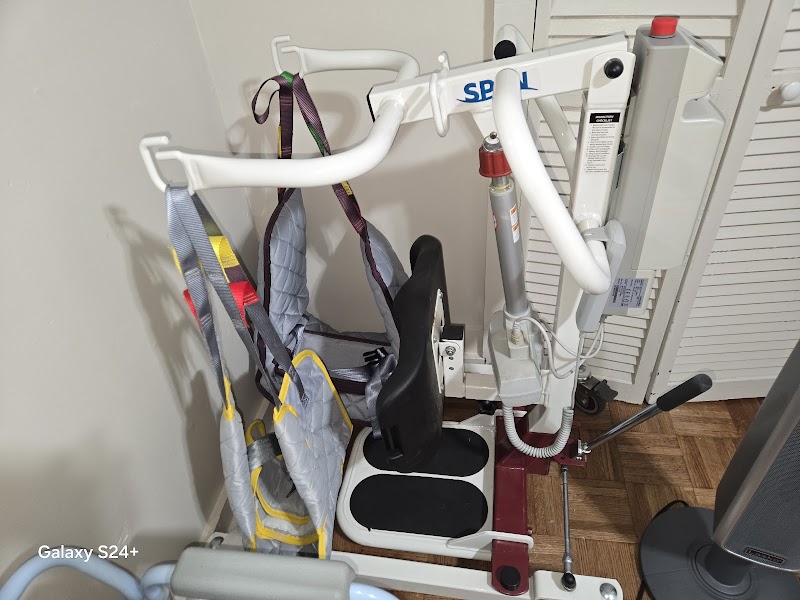
RIVER CITY NURSING AND REHAB CENTER is owned by a for-profit company. For-profit facilities operate as businesses with obligations to shareholders or private owners. The facility operates independently rather than as part of a larger chain. With 116 certified beds and approximately 106 residents (about 91% occupancy), it is a mid-sized facility located in JACKSONVILLE, Florida.
How Does River City Nursing And Rehab Center Compare to Other Florida Nursing Homes?

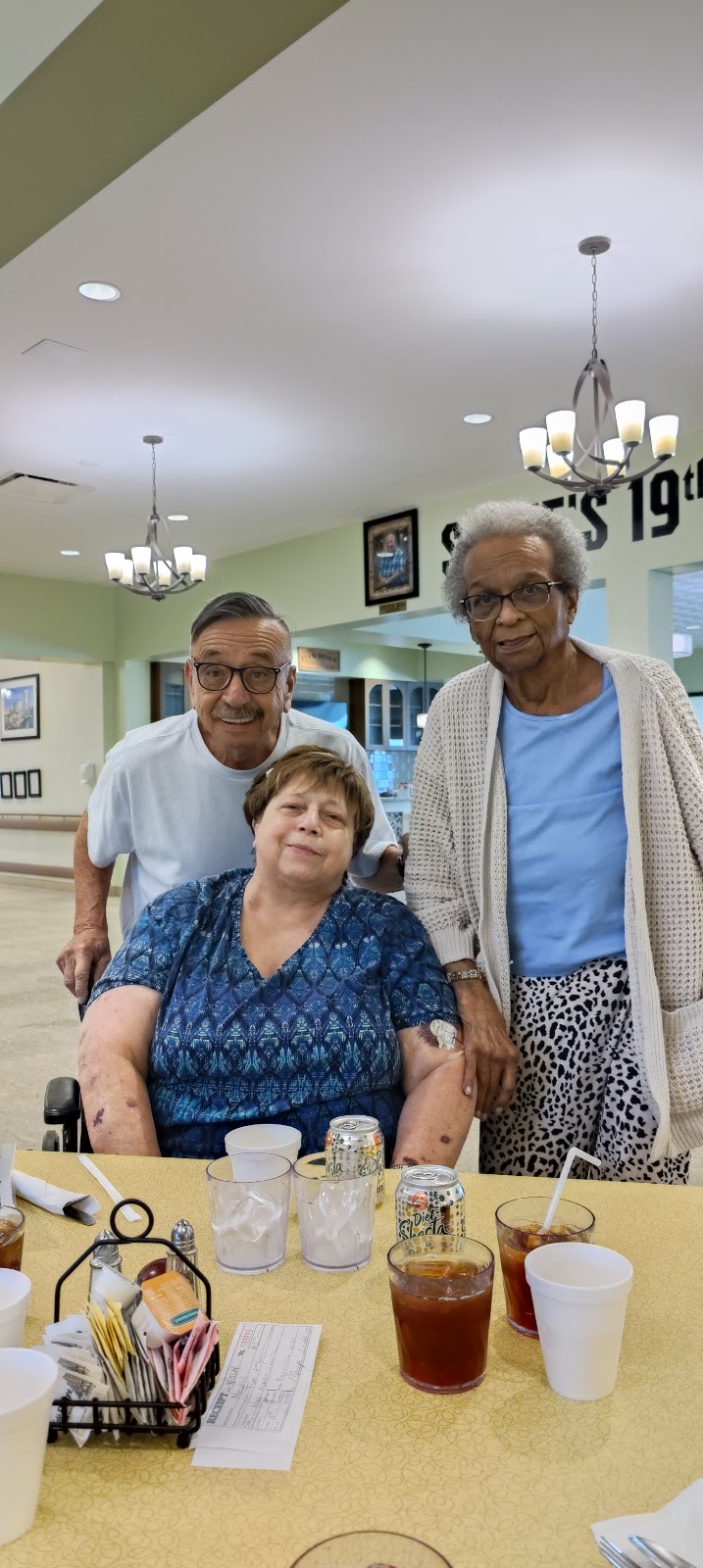
Compared to the 100 nursing homes in Florida, RIVER CITY NURSING AND REHAB CENTER's overall rating (5 stars) is above the state average of 3.2 and health inspection rating (4 stars) is above the national benchmark.

What Should Families Ask When Visiting River City Nursing And Rehab Center?

Based on this facility's data, families visiting should ask: "Can you walk me through typical staffing levels on day, evening, and night shifts?" "Can I visit during a mealtime to observe dining assistance and food quality?" "How do you handle medical emergencies, and what is your hospital transfer rate?" "Can I speak with family members of current residents about their experience?" These questions are particularly relevant given the below-average staffing rating.

Is River City Nursing And Rehab Center Safe?

Based on CMS inspection data, RIVER CITY NURSING AND REHAB CENTER has a clean safety record: no substantiated abuse findings (meaning no confirmed cases of resident harm), no Immediate Jeopardy citations (the most serious violation level indicating risk of serious injury or death), and is not on the Special Focus Facility watch list (a federal program monitoring the lowest-performing 1% of nursing homes). The facility has a 5-star overall rating and ranks #1 of 100 nursing homes in Florida. While no facility is perfect, families should still ask about staff-to-resident ratios and recent inspection results during their visit.

Do Nurses at River City Nursing And Rehab Center Stick Around?

RIVER CITY NURSING AND REHAB CENTER has not reported staff turnover data to CMS. Staff turnover matters because consistent caregivers learn residents' individual needs, medications, and preferences. When staff frequently change, this institutional knowledge is lost. Families should ask the facility directly about their staff retention rates and average employee tenure.

Was River City Nursing And Rehab Center Ever Fined?

RIVER CITY NURSING AND REHAB CENTER has no federal fines on record. CMS issues fines when nursing homes fail to meet care standards or don't correct problems found during inspections. The absence of fines suggests the facility has either maintained compliance or corrected any issues before penalties were assessed. This is a positive indicator, though families should still review recent inspection reports for the full picture.

Is River City Nursing And Rehab Center on Any Federal Watch List?

RIVER CITY NURSING AND REHAB CENTER is not on any federal watch list. The most significant is the Special Focus Facility (SFF) program, which identifies the bottom 1% of nursing homes nationally based on persistent, serious quality problems. Not being on this list means the facility has avoided the pattern of deficiencies that triggers enhanced federal oversight. This is a positive indicator, though families should still review the facility's inspection history directly.