RIVERSIDE POST ACUTE
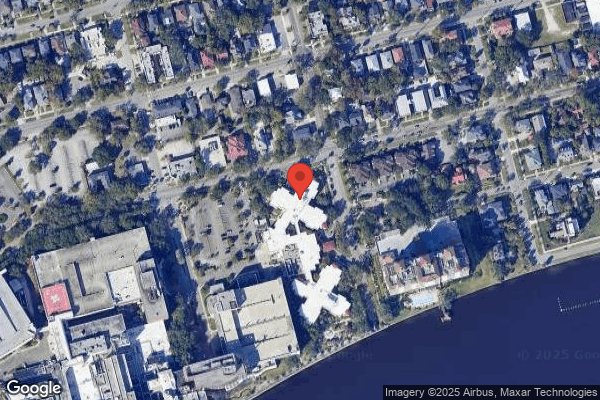

1750 STOCKTON ST, JACKSONVILLE, FL 32204 (904) 308-4700
Non profit - Corporation 240 Beds MARQUIS HEALTH SERVICES Data: November 2025 3 Immediate Jeopardy citations
Trust Grade
0/100
#668 of 690 in FL
Last Inspection: November 2023

Within standard 12-15 month inspection cycle. Federal law requires annual inspections.

Overview

Riverside Post Acute in Jacksonville, Florida has received a Trust Grade of F, indicating significant concerns and a poor overall performance. It ranks #668 out of 690 facilities in Florida and #33 out of 34 in Duval County, placing it in the bottom half of nursing homes in the area. The facility's trend appears stable with one issue reported in both 2024 and 2025, but it has a concerning staff turnover rate of 60%, which is higher than the state average. Specific incidents raised serious alarms, including a failure to maintain a reliable fire alarm system, which means residents could be at risk in case of a fire, and a critical failure to follow a resident's Advance Directive for CPR, potentially depriving her of lifesaving measures. While staffing received an average rating, the overall environment raises significant concerns for families considering this facility.

Trust Score
F
0/100
In Florida
#668/690
Bottom 4%
Safety Record
High Risk
Review needed
Inspections
Holding Steady
1 → 1 violations
Staff Stability
⚠ Watch
60% turnover. Above average. Higher turnover means staff may not know residents' routines.
Penalties
✓ Good
$37,098 in fines. Lower than most Florida facilities. Relatively clean record.
Skilled Nurses
○ Average
Each resident gets 35 minutes of Registered Nurse (RN) attention daily — about average for Florida. RNs are the most trained staff who monitor for health changes.
Violations
⚠ Watch
34 deficiencies on record. Higher than average. Multiple issues found across inspections.
★☆☆☆☆
1.0
Overall Rating
★★★☆☆
3.0
Staff Levels
★★☆☆☆
2.0
Care Quality
★☆☆☆☆
1.0
Inspection Score
Stable
2024: 1 issues
2025: 1 issues

The Good

  • Full Sprinkler Coverage · Fire safety systems throughout facility
  • No fines on record

Facility shows strength in fire safety.

The Bad

1-Star Overall Rating

Below Florida average (3.2)

Significant quality concerns identified by CMS

Staff Turnover: 60%

13pts above Florida avg (46%)

Frequent staff changes - ask about care continuity

Federal Fines: $37,098

Above median ($33,413)

Moderate penalties - review what triggered them

Chain: MARQUIS HEALTH SERVICES

Part of a multi-facility chain

Ask about local staffing decisions and management

Staff turnover is elevated (60%)

12 points above Florida average of 48%

The Ugly 34 deficiencies on record

3 life-threatening 1 actual harm
Sept 2025 1 deficiency
CONCERN (D) 📢 Someone Reported This

A family member, employee, or ombudsman was alarmed enough to file a formal complaint

Potential for Harm - no one hurt, but risky conditions existed

Safe Environment (Tag F0921)

Could have caused harm · This affected 1 resident

**NOTE- TERMS IN BRACKETS HAVE BEEN EDITED TO PROTECT CONFIDENTIALITY** Based on observations, interviews, and record review, the facility failed to provide a safe, functional, sanitary, and comfortab...

Read full inspector narrative →
**NOTE- TERMS IN BRACKETS HAVE BEEN EDITED TO PROTECT CONFIDENTIALITY** Based on observations, interviews, and record review, the facility failed to provide a safe, functional, sanitary, and comfortable environment for residents in regard to 1) call light not properly working in Resident #6's room, and 2) water dripping from a vent in the ceiling going into a trash bin in Resident #5's room, out of 8 resident rooms sampled. The findings include:1.During a tour of the Memory Care unit in the facility on 9/2/2025 at 10:05 am, a flashing red light making an audible sound was observed above room [ROOM NUMBER]. Two (2) staff members were at the nurses' station approximately 5 feet away room as well as several residents in the lounge area approximately 3 feet away from the room. Several staff members were observed walking on the unit. None of them made an effort to respond to the flashing red call light or the audible sound that it was making. Further observation revealed a housekeeper was cleaning the room. The light remained flashing, making an audible sound after the housekeeper exited the resident's room. The housekeeper was asked about the observation of the illuminated light. She stated that she believed the light was broken and needed to be fixed. She reentered the room, without knocking, and examined the call light box affixed to the wall and said it was broken. Employee C, a Licensed Practical Nurse (LPN) and Unit Manager of the Memory Care unit, entered the room and intervened. He asked if he could provide additional information. He explained that the room with the flashing light belonged to Resident #6.An interview was conducted on 9/2/2025 at 10:11 am with Employee C. He was advised of the observation of the flashing light and the audible sound it was making. When asked about the observation, he stated that a contractor had been in and attempted to repair the issue. He explained that a repair order had been submitted through the facility's electronic maintenance reporting system. When asked how long the issue had persisted, he stated that it had been about 2 days, possibly longer. He stated that initially there were two call lights in need of repair. One was repaired, and this one had remained broken. He explained that the light located in the resident's restroom needed repair. He confirmed that Resident #6 used the restroom and was assisted with toileting. When asked what would happen if the aide assisting the resident with toileting required assistance. He stated, The aide would have to verbally call for help. An interview was conducted on 9/2/2025 at 10:25 am with Employee D, a Certified Nursing Assistant (CNA) who was assigned to Resident #6. She was asked about the observation of the flashing call light. She stated that it had been broken for less than a week. She stated that she reports repairs to the Memory Care Director or Unit Manager who then reports it to the Maintenance Director. She confirmed she had not reported the call light issue. 2. On 9/2/2025 at 1:50 pm, a trash bin collecting water dripping from a vent in the ceiling was observed in room [ROOM NUMBER] (Resident #5's room). The resident was observed sitting up in bed with a yellow wrist band labeled fall risk on her left wrist. A wooden cane and wheelchair were located near the bed. An interview was conducted with Resident #5 on 9/2/2025 at 1:54 pm. The resident confirmed the wheelchair and cane belonged to her. She was able to stand and take steps but required assistance. When the resident was asked about the trash bin collecting water dripping from the vent in the ceiling. She was not sure how long it had been in place. She explained that she did not toilet independently. The resident could not provide any additional information on the trash bin located near the entrance of her room.An interview was conducted on 9/2/2025 at 2:12 pm with the Maintenance Director. After conducting a search via the facility's electronic maintenance reporting system. He confirmed there were no active orders for the two resident rooms in question. He conducted a search for work orders that had been completed within 30 days prior to the survey and confirmed there were no completed orders for those rooms either. He confirmed there were no active repair orders for the call light in Resident #6's room. He explained that he was made aware of the issue the day before the interview. He had contacted a technician to repair the call light; however, there was no availability for 2 more days. When asked about the process if the resident needed to call for assistance. He stated that the resident would be moved but did not say when this would occur. On 9/2/2025 at 2:40 pm a tour of Resident #6 and Resident #5 rooms was conducted with the Maintenance Director. Upon entering the Memory Care Unit where Resident #6's room was located a muffled sound could be heard throughout the unit. The red light continued to flash above the resident's room door. Resident #6's personal belongings were still present in the room. The tour continued to Resident #5's room. Upon approaching the resident's room, the Maintenance Director immediately acknowledged the trash bin collecting water dripping from a vent in the room. He stated he was not aware of the concern and again confirmed that there had not been a work order received for repairs.
Apr 2024 1 deficiency
CONCERN (E) 📢 Someone Reported This

A family member, employee, or ombudsman was alarmed enough to file a formal complaint

Potential for Harm - no one hurt, but risky conditions existed

Grievances (Tag F0585)

Could have caused harm · This affected multiple residents

Based on interviews, facility grievance log review, and complaint and grievance policy review, the facility failed to follow facility policy in providing required written notification of the outcome o...

Read full inspector narrative →
Based on interviews, facility grievance log review, and complaint and grievance policy review, the facility failed to follow facility policy in providing required written notification of the outcome of the grievance investigation for 5 of 5 grievances submitted by four (Residents #4, #5, #6, and #7) residents. The findings include: On 4/24/24 at 10:34 am, an interview was conducted with Registered Nurse-A, Manager 1 North regarding resident grievances. He explained that if a resident has a complaint or grievance, staff is to let the manager know. The manager will then try to resolve the issue at bedside, if unable, the manager will contact social services and the issue will be discussed in morning meeting. On 4/24/24 at 11:25 am, an interview was conducted with Licensed Practical Nurse-B. She stated that if a resident or family member complains, she attempts to resolve the issue at bedside. If she's unable to resolve the issue, then she would let the manager know. A review of the facility grievance log from December 2023 to present revealed the following: (Copy obtained) 12/22/23: Resident #4: Property loss/theft; reported missing $30.00: the facility was unable to provide evidence that a written notification of resolution was provided to the resident. 12/28/23: Resident #5: Food temperature issue: the facility was unable to provide evidence that a written notification of resolution was provided to the resident 1/8/24: Resident #6: Room too cold: the facility was unable to provide evidence that a written notification of resolution was provided to the resident. 1/23/24: Resident #7: Access to medical records: the facility was unable to provide evidence that a written notification of resolution was provided to the resident. 1/23/24: Resident #7: Care issue: the facility was unable to provide evidence that a written notification of resolution was provided to the resident. The grievance log did not have any complaints logged for February and March 2024. On 4/24/24 at 2:00 pm, a joint interview was conducted with the Social Services Director (SSD) and Social Services Assistant (SSA). When asked what the complaint/grievance process was for the facility, SSD replied, The managers discuss complaint/grievances in morning meeting. The Quality Director (QD) logs them into the Electronic Reporting System (ERS) because she did not have access to the program. When asked why she didn't have access, the SSD only offered, they hadn't given her access. When asked how she followed up on the complaints/grievances, SSD replied, I write it down. When asked if she kept those documents, she did not offer a response. When asked who was sending the letters to the complainants (Residents #4, #5, #6, and #7), SSD replied, I'm not sure what letters you are talking about. When the SSD was told the facility policy regarding Complaints and Grievances, stated that final decisions would be provided in writing within 30 days of receipt. She replied, oh. The SSA stated that he didn't have access to ERS either. On 4/24/24 at 2:58 pm, a joint interview was conducted with the Administrator and Director of Nurses (DON). When the DON was asked who the Grievance Official was, she replied, the SSD. The DON was asked to describe the Complaint/Grievance process. She stated complaints typically come to either the staff or the managers. The managers try to resolve the issues at the bedside, if unable to resolve the issue, they relay the information to the team at morning meeting. The complaint is then assigned to the appropriate manager, such as SSD, Nursing, Pharmacy, Maintenance, Food Service. When asked where it is documented, the DON replied, it should be in the ERS. When asked who documents it the system, DON replied, whoever is handling the issue or its reported to the Quality Director (QD) and they enter it. When the DON was asked if she was aware the SSD didn't have access to the ERS, she replied, no. When asked how complaints and grievances are reported to the Quality Assurance and Performance Improvement (QAPI) committee. Both DON and Administrator replied, QD runs a report and presents it to the committee. The DON was asked if she questioned the lack of complaints/grievances on the report. She replied, no, I did not pick up on the report not showing them, I knew I was addressing issues. The Administrator stated, It is clear our process is ineffective, with multiple gaps in the process that need fixing; we will be working to fix this issue today. Review of the facility's Complaints and Grievances policy (last revised 5/2021) revealed the following: Page 1 of 5, Definitions Complaint - Any simple service issue or concern received from residents or family members regarding treatment or services provided in the community that are easily resolved by associates. Grievance - Any moderately complex complaint or service issue received verbally or in writing from residents or resident representative regarding treatment or services provided that require management intervention and a written resolution letter. All written complaints received by residents or resident representative through any means will be considered a grievance. Page 2 & 3 of 5, Minimum Requirements, item 2. Identifying a designated community Grievance Official Each community must designate a Grievance Official to oversee and ensure responses to complaints and grievances in accordance to policy. a. The Grievance Official or designee, will be responsible for the complaint and grievance process through their conclusion to include: 1. Review and provide an acknowledgement of receipt of grievances to complainant 2. Coordinating the investigation by the community to include but not limited to: i. Reviewing reports for any reportable issues ii. Interviewing complainant, staff, and/or witnesses iii. Reviewing the medical records (if applicable) iv. Coordinating with other departments, when needed 3. Maintaining confidentiality of all information associated with the complaint or grievance. 4. Acknowledge the grievance within 7 working days from receipt 5. Issuing a final written grievance decision to the resident and/or family members within a reasonable time frame but not to exceed 30 days. Page 4 of 5, item 4 Response timeline for complaints and grievances will be as follows. a. All complaints and grievances received by associates will be documented and reported by end of shift. b. Acknowledgment of grievance will be provided to complainant when available withing 7 working days from date of receipt c. Issuing of a final decision in writing on all grievances will be provided to the complainant when available within a reasonable time frame but not to exceed 30 days from date of receipt d. If resolution to grievance is delayed beyond 30 days, an extension letter will be provided to complainant to include an explanation for the delay and estimated resolution date. (Copy obtained) Ascension Living Complaint and Grievance Process (pamphlet given to residents on admission) Rights, Process, Timelines Under Resident Rights, you have the right to file a complaint or grievance anonymously, orally or in writing. You also have right to receive a written response to all filed grievances within a reasonable timeline. For all complaints, the community will make every attempt to resolve the issue/concern promptly. For all grievances, the following process and timelines will be followed. Grievance Official (or designee) will provide you (if contact information is available) a written acknowledgement within 7 working days. Final decisions will be provided in writing and within 30 days from receipt. (Copy obtained) .
Nov 2023 10 deficiencies 1 Harm
SERIOUS (G)

Actual Harm - a resident was hurt due to facility failures

Accident Prevention (Tag F0689)

A resident was harmed · This affected 1 resident

**NOTE- TERMS IN BRACKETS HAVE BEEN EDITED TO PROTECT CONFIDENTIALITY** Based on observations, interviews, and record review, the facility failed to ensure that each resident received adequate supervi...

Read full inspector narrative →
**NOTE- TERMS IN BRACKETS HAVE BEEN EDITED TO PROTECT CONFIDENTIALITY** Based on observations, interviews, and record review, the facility failed to ensure that each resident received adequate supervision to prevent falls for one (Resident #135) of seven residents reviewed for falls, from a total sample of 41 residents. The findings include: A review of Resident #135's medical record revealed that he was admitted to the facility on [DATE], with his most recent readmission occurring on 7/31/23. Resident #135's diagnoses included unspecified fall, unspecified motor vehicle accident with injury; other injury of unspecified body region; and acute embolism and thrombosis of unspecified deep veins of unspecified lower extremity. A review of the resident's admission Minimum Data Set (MDS) assessment, with an assessment reference date (ARD) of 6/14/23, revealed a Brief Interview for Mental Status (BIMS) score of 14 out of 15 possible points, indicating intact cognition. No behaviors were documented. His functional status was documented as follows: Bed Mobility/Self Performance - Total dependence, full staff performance of one staff member Transfer Self-Performance: Activity occurred only once or twice during the look-back period. Assistance of two staff members required. The resident was documented as non-ambulatory. Locomotion on the unit did not occur during the look-back period. Locomotion off the unit only occurred once or twice during the look-back period and required one-person physical assistance. Range of Motion to both upper extremities was impaired. He was always incontinent of bladder and bowel. (Copy obtained) A review of the resident's active Care Plans revealed the following Focus Areas: Focus: Falls [Resident #135] has potential for fall/fall-related injury due to deconditioning with functional decline secondary to motor vehicle accident with fractured pelvis, spinal cord injury status-post C-spine surgery, PEG tube (feeding tube) placement for dysphagia. Start date: 7/31/23. Interventions included: Keep bed at the appropriate height. Keep personal items within reach. Patient educated to call for assistance if needing to be repositioned. Low bed with mats. Start date: 7/31/23. Focus: Pressure Ulcers/Skin Prevention [Resident #135] is at risk for pressure ulcers and other skin related injuries due to healed wounds to right upper coccyx, healed area to left hip, impaired mobility, and bowel and bladder incontinence. Start date: 11/1/23. Focus: Pain [Resident #135] has risk for pain related to spinal cord injury status post stabilization. Start date: 7/31/23. [Resident #135] states exertion makes it worse. Interventions include: Offer and encourage as indicated nonpharmacological pain management and repositioning. Focus: Neurological Conditions [Resident #135] will not develop complications of spinal cord injury requiring outside medical intervention. Start date: 7/31/23. Interventions included: Maintain spinal stability as ordered. Utilize log rolling for bed mobility and avoid twisting the spine. Start date: 7/31/23. Focus: ADL (Activities of Daily Living) Functional/Rehab Potential [Resident #135] needs assistance with daily ADL care. Start date: 7/31/23. Interventions included: Bed Mobility: I need total assistance with one-person staff support. I use slide sheet assistive devices. Transfers: I need total assistance with two person staff support. I use a total lift assistance device. Mobility: I need total assistance of one-person staff support. I use wheelchair assistive device(s). (Copies of all Care Plans obtained) On 11/14/23 at 12:28 p.m., Resident #135 was observed in his room. His sister, who was his Power of Attorney (POA), was also present. The resident's bed was in the lowest position. Blue fall mats were present on each side of the bed. The resident was asked if he had fallen. He confirmed that he had fallen on 7/30/23. He stated a Certified Nursing Assistant (CNA), later identified as CNA N, was on her cell phone as she was providing him incontinence care. He stated he gave her several warnings that he was going to fall, however, she denied it and walked away before she had finished providing care. When she did, he rolled off the bed onto his side. The bed was in high position, and the resident stated the fall resulted in a laceration to his forehead which required five sutures. The resident's sister stated the facility notified her of the fall after the resident was transferred to the hospital. She was advised that he was found on the floor and was being transferred to the hospital for an injury he sustained. She stated this was unusual, as the resident had fallen in the past, however, because his bed had always remained in the lowest position, he had never sustained any injuries. She stated when she arrived at the hospital she observed the resident with blood over his right eye. When she asked the resident how he had sustained the injury, he advised her that his bed was raised up high while CNA N was providing incontinence care. He told her that CNA N was talking on her cell phone while providing his care and walked away before she was finished. Resident #135 told her he made attempts to warn CNA N that he was falling before she walked away. Prior to this incident, the resident rolled out of bed on 7/23/23, however the bed was low to the floor, so he didn't get hurt. The sister stated the nurse on duty at the time of the incident confirmed that CNA N was in the room at the time of the incident. She further stated the nurse was no longer employed by the facility. She was advised that the incident was reported, but she was never told to whom it was reported. She was never provided with any detailed information. She stated prior to this interview (11/14/23 at 12:28 p.m.), the facility provided her with a printout of an Interdisciplinary Note entered into the resident's record on the date of the fall. Per the note, Around 1800 p.m. (6:00 p.m.) today, the CNA called for assistance of staff RN to room [ROOM NUMBER]. Found patient lying on his right side on the floor . The entry was electronically signed by the registered nurse (RN) on 7/30/23 at 20:48 (8:48 p.m.). (Photographic evidence obtained) On 11/15/23 at 11:08 a.m., a facility staff member advised the survey team that the resident's sister/POA asked to speak with the team. The resident's sister entered the conference room where an interview was conducted in the presence of the entire survey team. She confirmed the full name of the nurse she had spoken with regarding the details of the fall Resident #135 sustained on 7/30/23. She stated both she and the resident gave specific details regarding the fall, including the fact that CNA N was on her cell phone while providing care. They explained to the facility that the resident attempted to warn CNA N several times that he was falling prior to the actual fall. She was asked for the details of the investigation of the fall. She advised the survey team that she was not aware of any investigation. The sister stated she, Resident #135, and the previous nurse (who was no longer employed by the facility) had advised Risk Manager S that CNA N had been on her cell phone while providing care and after that, no one came to ask them anything else regarding the incident. She was asked about the nurse and CNA N. She stated the nurse was no longer employed at the facility, but CNA N was still employed and was working on another nursing unit. During an interview with Licensed Practical Nurse (LPN)/Risk Manager S on 11/15/23 at 3:19 p.m., she was asked to provide the details of Resident #135's fall. She stated it occurred on 7/30/2023. He had a laceration across his eyebrow. She stated she interviewed the resident, and he told her he was trying to sit on the side of the bed, which was too high, when he fell and hit the floor. She stated he told her he did not press his call light. He told her that it was within reach. The resident was given a low bed with mats and was educated to use his call bell for help. She confirmed that the incident was unwitnessed. She was asked why it was not reported. She replied: I don't know. She was asked whether the facility typically reported a fall if it was unwitnessed, and the resident sustained an injury requiring them to be transferred out of the facility for a higher level of care. She replied, It should've been reported. On 11/16/23 at 12:32 p.m., CNA N was contacted via telephone for an interview. She stated she was familiar with Resident #135. She was asked if she was aware of any accidents the resident had while in the facility. She stated she was in the resident's room when the resident fell on 7/30/23. She was asked to provide details of the incident. She stated it happened at the end of her shift. She was in the room changing the resident and his sheets. She stated the bed was raised and when she went to turn the resident over, he wasn't on his other side or on the edge of the bed. When she went to the other side of the bed, he was slightly in the middle. She stated she was not sure if the resident jerked or moved over, but he rolled and hit the floor. She grabbed at his leg to try to prevent him from falling. She stated she didn't touch the resident while he was on the floor, but she did ask him several times if he was okay. He responded each time that he was okay. She stated she noticed that He nicked his head, and he was bleeding. At that time, she went to tell the nurse. She could not remember the nurse's name. She stated the resident denied pain. He was sent out to the hospital overnight and came back the next day. She was asked about the resident's functional status and whether he could sit up on the side of the bed without assistance. She referred to the resident as a total assist x 1, indicating that he was totally dependent, requiring one-person assistance for all of his ADLs. She gave him bed baths, as the shower bed was too uncomfortable for him. She stated the resident was unable to sit up on his own and required assistance due to lack of trunk support. She was asked about any statements and/or investigations regarding the incident. She stated she was required to submit a written statement to LPN/Risk Manager S with the details of the fall. She confirmed she documented that she was in the room with Resident #135 at the time he fell. On 11/16/23 at 2:37 p.m., Resident #135 was observed lying in bed. The bed was in the lowest position with fall mats present on each side. When asked, the resident denied pain. The resident was asked again about the falls he sustained in the facility. He stated the first incident (7/23/23) occurred when he rolled out of bed. He did not sustain any injuries as the bed was in the lowest position. The second fall (7/30/23) occurred when CNA N was on the phone while changing him with the bed raised in the high position. He was asked if the CNA held the phone by hand, used earbuds, or used another hands-free device. He stated she had the phone in her hand, and he told her he was falling, but she turned her back. He stated as he began to fall she quickly turned around and tried to catch him, but she didn't have time to, and he fell to the floor hitting his head. During an interview with LPN F on 11/16/23 at 1:43 p.m., she stated she was familiar with Resident #135. She stated the resident was unable to sit up unassisted and that she felt keeping his bed low was the best thing for him. The resident was not able to apply pressure to his arms to move himself, nor did he have enough tone in his legs to bear weight. He was able to make his needs known and would let her know if he was experiencing pain when she administered his medications. He can make his needs known. He hasn't had any falls recently. They do all of his ADLs, and his sister tells them to brush his teeth. She stated the resident was totally dependent for all his ADLs. During an interview with CNA G on 11/16/23 at 3:19 p.m., she stated she was familiar with Resident #135. The resident didn't like to sit up, and when he was placed in a sitting position, he would holler and scream out in pain. She stated the resident told her it hurt him to sit up, and that he would not stay in his wheelchair. The resident was unable to sit up unassisted. He required total assistance from staff. He could feed himself and move his arms but was unable to sit up or get out of bed unassisted. She stated the resident preferred to remain in a fetal position, and when attempts were made to move him out of that position, he would ask to be returned to that position. A review of a facility report, dated 7/30/23 at 6:00 p.m., revealed that following the fall, Resident #135 stated he was okay. He was asked what he was trying to do, and he stated he was trying to sit on the side of the bed, but the bed was a little too high. The fall was documented as unwitnessed. The resident was documented as not incontinent at the time of the incident, and range of motion was documented as within normal limits. Interventions included a low bed with mats. The nurse's signature was illegible. (Copy obtained) A review of a facility Huddle Report dated 7/30/23 at 6:00 p.m., revealed the following: What human factors impacted the outcome? Answer: No assist at time of fall. The report indicated that staff were competent and no changes to in-servicing or orientation were necessary. Safety measures documented were non-skid socks. Two team members were documented as having attended the Huddle meeting. Their signatures were illegible. (Copy obtained) A review of a facility report dated 7/31/23 at 11:00 a.m., revealed that Resident #135 was interviewed by the QD (Quality Director). The resident stated he was trying to sit on the side of the bed, and it was too high. He stated he lost his balance and fell hitting his head. It was documented that the QD asked the resident whether he had used his call light for assistance and he responded that he did not. According to the report, the QD explained to the resident that he had been educated before to call for assistance. Interventions: low bed and mats. (Copy obtained) A review of an undated, unsigned, typed statement from the assigned nurse on duty at the time of the resident's fall, revealed that the name typed on the statement was the same name that was given to the survey team by the resident's sister, who stated this was the nurse who assessed the resident after he fell on 7/30/23. This name was also listed on the Interdisciplinary Note. The statement indicated that at 6:00 p.m. on 7/30/23, the nurse was summoned to Resident #135's room to find him lying on the floor on his right side. The resident said he was trying to sit on the edge of the bed and fell to the floor, sustaining a laceration to his right eyebrow. The laceration was draining a moderate amount of sanquinous fluid. A pressure dressing was applied. The resident was alert and oriented x4 (person, place, time, and event). The nurse assisted support staff in getting the resident back in bed while awaiting emergency transport to the emergency room for further evaluation due to the laceration to his eyebrow. The bed was noted in high position. His call bell was clipped to the sheet and had not been activated. The nurse educated the resident by reminding him to use the call light for assistance with sitting up. (Copy obtained) An interview was conducted on 11/16/23 at 4:40 p.m. with the survey team, the current Administrator, the new Administrator, the Director of Nursing (DON), and LPN/Risk Manager S. The DON was asked about the nurse's unsigned and undated statement. She was specifically asked when the statement was written and why the nurse was not required to sign it. She stated, I don't know when she wrote it. She didn't sign it. We have it in our records. The LPN/Risk Manager S stated the resident gave her his statement the day he returned from the hospital (7/31/23). He was alert and oriented. She was asked about the resident's functional status. She replied, I have never transferred him, so I can't say what his functional status is. I just met with him in his room. That was the only time that I saw him. There were no follow-up interviews with him. She was asked about the assigned nurse's unsigned statement. She replied, We attempted to have her come back in many times to have her sign it. On 11/16/23 at 4:59 p.m., the DON was accompanied to Resident #135's room. The resident was greeted and stated he did not know the DON. The DON greeted the resident. The resident was asked about the falls he sustained while in the facility. He explained during his first fall (7/23/23), he rolled out of bed on his own but wasn't hurt because the bed was in the low position. He then stated he fell when CNA N was changing him. She had the bed raised too high and she was on the phone. He stated she tried to catch him, but she couldn't because her back was turned. He stated he was sent out to the hospital because he had a cut over his right eye that required five sutures. The DON asked Resident #135 if anyone had come in to talk to him about the fall the day it occurred. He replied no. She asked if anyone came to speak with him the next day when he returned from the hospital and again he said no. She asked him if he was able to sit up on the side of the bed and he replied that he could not. He stated the aides had to help him get up. He stated he could not sit up on the side of the bed independently. .
CONCERN (D)

Potential for Harm - no one hurt, but risky conditions existed

Investigate Abuse (Tag F0610)

Could have caused harm · This affected 1 resident

**NOTE- TERMS IN BRACKETS HAVE BEEN EDITED TO PROTECT CONFIDENTIALITY** Based on interviews and record review, the the facility failed to provide documented evidence that all alleged violations of abu...

Read full inspector narrative →
**NOTE- TERMS IN BRACKETS HAVE BEEN EDITED TO PROTECT CONFIDENTIALITY** Based on interviews and record review, the the facility failed to provide documented evidence that all alleged violations of abuse, neglect, exploitation, and/or mistreatment were thoroughly investigated for one (Resident #75) of 41 residents sampled. Failure to thoroughly investigate alleged violations places other residents at risk for abuse, neglect, exploitation and mistreatment. The findings include: On 11/13/23 at 1:54 p.m., Resident #75 stated last week she noted that $400.00 of her money was missing. She stated she notified the nurse and added that she was afraid to leave her room, as she did not know what else might come up missing. A review of Resident #75's record revealed that she was admitted to the facility on [DATE] with a readmission on [DATE]. Her diagnoses included type 2 diabetes with diabetic neuropathy, anxiety disorder, and depression. The Quarterly Minimum Data Set (MDS) assessment, dated 9/29/23, revealed the resident had a Brief Interview for Mental Status (BIMS) score of 13 out of 15 possible points, indicating intact cognition. A review of the facility's Grievance/Complaint Log revealed a grievance/complaint dated 11/6/23, indicating that Resident #75 reported she was missing $400.00 in $100.00 bills. The log further indicated that the resident stated she had the money last night (11/5) in her change purse, in her room, under her pillow. A room search was conducted by the social worker who could not locate the money. The grievance concern resolution read, Social worker spoke to the family and the family has not given the resident any money. Investigation ongoing. (Copy obtained) In an interview on 11/14/23 at 11:30 a.m., Risk Manager S was asked what a grievance/complaint listed on the log meant. She explained that a complaint was when an issue could be solved right away, and a grievance was something that could not be resolved right away, requiring an investigation. On 11/15/23 at 2:39 p.m., the Long-Term Care (LTC) Social Worker was asked about Resident #75's grievance/complaint. He stated the resident reported to him that she lost her money ($400.00 in $100.00 bills). When he was asked where she had obtained the money, he stated she reported that she received it from family (not specific regarding which family member). The LTC Social Worker stated he called the resident's daughter, who stated she was not aware of any family member having given the resident money. He added that the daughter stated Resident #75 had been more confused lately. He was asked if the resident was cognitively aware enough to make such an allegation, and he replied yes. He was asked for the investigative findings of the grievance/complaint. He stated the grievance/complaint was closed after talking to the resident's daughter. He confirmed that he did not interview staff or make a report. Another interview was conducted with Risk Manager S on 11/15/23 at 4:06 p.m She was asked about Resident #75's grievance/complaint. She said, The social worker handles that. She was again asked if she was aware of the resident's missing money. She said, Yes, I'm aware, but the social worker is handling that. She was then asked how the facility protected the residents from misappropriation of property. She said, By investigating allegations and reporting. She then stated, That should have been reported. A review of the facility's policy and procedure titled Abuse Investigation and Reporting (last revised on 7/2022), revealed, All reports of resident abuse, neglect, exploitation, misappropriation of resident property, mistreatment, electronic mail, social media, videotaping, photographing, and other imaging of residents, and/or injuries of unknown source (abuse) shall be promptly reported to local, state and federal agencies (as defined by current regulations) and thoroughly investigated by community management. Conclusions of investigations will also be reported, as defined by the Ascension Living Abuse Prevention policy. The policy interpretation and implementation role of the investigator section (page 2) revealed that the individual conducting the investigation will at a minimum: 4. Interview any witnesses to the incident. 7. Interview associates/members (on all shifts) who have had contact with the resident during the period of the alleged incident. 8. Interview the resident's roommate, family members and visitors. 9. Interview the residents to whom the accused employee provides care or services, and 10. Review events leading up to the alleged incident. The policy's Reporting Section (page 3) indicated that all alleged violations involving abuse, exploitation, or mistreatment, including injuries of an unknown source and misappropriation of property will be reported to the Administrator or designee and to the following other officials or agencies: 1. The State Licensing/Certification Agency responsible for surveying /licensing the community. 2. Other officials in accordance with State Law, including Adult Protective Services where state law provides for jurisdiction in long-term care facilities. .
CONCERN (D)

Potential for Harm - no one hurt, but risky conditions existed

PASARR Coordination (Tag F0644)

Could have caused harm · This affected 1 resident

**NOTE- TERMS IN BRACKETS HAVE BEEN EDITED TO PROTECT CONFIDENTIALITY** Based on observation, interview, resident record review, and facility policy review, the facility failed to coordinate assessmen...

Read full inspector narrative →
**NOTE- TERMS IN BRACKETS HAVE BEEN EDITED TO PROTECT CONFIDENTIALITY** Based on observation, interview, resident record review, and facility policy review, the facility failed to coordinate assessments with the Pre-admission Screening and Resident Review (PASARR) program under Medicaid, to the maximum extent practicable, to avoid duplicative testing and effort for one (Resident #17) of 41 residents sampled. The facility failed to refer residents with newly evident or possible serious mental disorders, intellectual disability, or a related condition for a level II resident review. The findings include: A record review for Resident #17 was conducted on 11/14/23 at 10:45 a.m. The PASARR could not be located. The facility was asked to provide the documentation. Two PASARRs were provided, one dated 4/24/2015 and the other dated 12/31/2015. Neither of the PASARRs reflected the resident's diagnosis of dementia or unspecified psychosis. The record revealed that Resident #17 was readmitted to the facility on [DATE] after having been hospitalized . Her diagnoses included unspecified convulsions; unspecified dementia; unspecified psychosis not due to a substance or known physiological conditions; metabolic encephalopathy; acute kidney failure; personal history of other specified conditions; dysphagia; personal history of other infectious and parasitic disease; atherosclerotic heart disease; hemiplegia affecting left non-dominant side, and type 2 diabetes mellitus. An 11/14/23 review of the current, active Physician's Orders included: Quetiapine (Seroquel) 25 mg (milligrams), two tablets every 12 hours; Escitalopram (Lexapro) 20 mg daily; Lacosamide (anticonvulsant) 250 mg twice a day; Topiramate (anticonvulsant & nerve pain) 100 mg twice a day; Levetiracetam (anticonvulsant) 1000 mg twice a day. During an interview with Social Worker P on 11/15/2023 at 2:23 p.m., he stated it was the responsibility of the Admissions Department to review the PASARRs for accuracy when residents were admitted /readmitted to the facility. He added that he had a Masters of Social Work (MSW) degree and would complete a PASARR if a resident did not have one. If there were any changes, he would also complete another PASARR. He stated the hospital completed a new PASARR each time a resident returned to the facility after being transferred for care. He was shown the PASARRs the facility provided for Resident #17, and he confirmed the dates on the PASARRs provided as 4/24/2015 and 12/31/2015. When he was asked how this was possible considering the resident's admission and readmission dates, he stated this was all that was available for the resident. They weren't scanned into her electronic chart as they should have been. He was asked if the resident had any qualifying diagnoses. He confirmed the resident did have a diagnosis of unspecified psychosis. He was asked if it was possible that another PASARR was done that could have captured this diagnosis. He stated not that he was aware of. No additional PASSAR documentation was provided during the survey. During an interview conducted on 11/15/2023 at 5:00 pm with Registered Nurse (RN) M, he stated he was familiar with Resident #17. He cited her diagnoses as dementia, unspecified psychosis, and added that she also had seizures. He listed her medications as Escitalopram 20 mg daily for depression, Lacosamide 250 mg twice a day for seizures, Topiramate 200 mg every 12 hours for seizures and Seroquel (antipsychotic) 25 mg every 12 hrs. He noted the resident's physician's orders and medication administration record listed the Seroquel was for depression. He stated the diagnosis was inaccurate, Sometimes they put the wrong diagnosis. After reviewing the eMAR, RN M confirmed the resident had received the medication as ordered. Further review of Resident #17's medical record revealed that she was seen by Mental Health Services on 10/16/2023. The chief complaint was documented as: depression, anxiety, confusion, psychosis and follow-up visit. The following was included in the 10/16/23 mental health services documentation: HISTORY OF PRESENT ILLNESS: Chief complaint has been occurring for: several months Appears to be: better For the past: weeks History of mental illness, depression, anxiety, and psychosis MENTAL STATUS EXAMINATION: Level of consciousness: Alert Thought processes: blocking Insight/judgement: poor Oriented to: place Immediate memory: partially impaired Recent memory: partially impaired Remote memory: partially impaired Thought content and perceptions: delusions Mood/Affect: depressed, anxious SIGNS AND SYMPTOMS: Patient shows apathy with poor social interaction Patient has sleep disturbances Patient is feeling depressed and sad Patient feels restless and anxious Patient is psychotic with: delusions DIAGNOSES: Vascular dementia with behavioral disturbance Major depressive disorder, recurrent, moderate Generalized anxiety disorder Unspecified psychosis not due to a substance or known physiological condition Further review of the resident's 10/16/23 Mental Health Services note, authored by her psychiatric Advanced Practice Registered Nurse (APRN), revealed that Seroquel (antipsychotic medication) 50 mg (milligrams), one by mouth twice daily for a diagnosis of psychosis was to be continued. A review of the facility's policy titled Change in Resident's Condition or Status (original date of 12/2016, last revised on 2/2022 and last approved on 3/2022) revealed: Policy Interpretation and Implementation: (G) In addition to notifying the resident and/or representative, the state mental health agency or state intellectual disability agency will be notified of a significant change in the mental health or physical condition of a resident with a mental disorder or intellectual disability. .
CONCERN (D)

Potential for Harm - no one hurt, but risky conditions existed

Deficiency F0645 (Tag F0645)

Could have caused harm · This affected 1 resident

**NOTE- TERMS IN BRACKETS HAVE BEEN EDITED TO PROTECT CONFIDENTIALITY** Based on observations, staff interviews, medical record review, and facility policy review, the facility failed to ensure that o...

Read full inspector narrative →
**NOTE- TERMS IN BRACKETS HAVE BEEN EDITED TO PROTECT CONFIDENTIALITY** Based on observations, staff interviews, medical record review, and facility policy review, the facility failed to ensure that one (Resident #2) of 41 residents sampled, was appropriately screened for a mental disorder (MD), intellectual disability (ID) or other related conditions prior to admission. Failure to ensure residents are pre-screened for MD/ID or a related condition, prior to admission to the facility, could prevent the resident from attaining or maintaining his/her highest practicable level or result in decline in the resident's physical, mental or psychosocial well-being. The findings include: A review of Resident #2's medical record revealed that a Level 1 PASARR (Pre-admission Screening and Resident Review) evaluation was documented and dated 07/28/2010, which was more than 10 years prior to her admission to this facility on 02/17/2021. Per the resident's Annual, Comprehensive Minimum Data Set (MDS) assessment, with an assessment reference date (ARD) of 12/1/2022, there was no indication of where the resident was admitted from. A review of the [AGE] year-old 07/28/2010 PASARR revealed the following: On page 1, section I, the resident was documented as having indications of, or a diagnosis of a major mental illness as defined in the DSM-IV R, limited to schizophrenia, mood disorder, severe anxiety disorder, or a mental illness that may lead to a chronic disability. The form's instructions indicated that if there was a positive answer in section I, the writer should continue to section II. On page 1, section II, the form asked whether the resident had a primary diagnosis of dementia (including Alzheimer's disease) or a related condition, or a non-primary diagnosis of dementia with a primary diagnosis that was not a major mental illness. The answer documented was no. Form instructions indicated the writer should continue to section three of the form if the answer was no. Section III asked whether the resident was being admitted from a hospital requiring nursing facility services and whether the resident's physician had certified before admission that the resident was likely to need less than 30 days of nursing facility services. The Documented answer was no. The form indicated that the writer should proceed to section IV. Section IV was for provisional admission to the nursing facility under time-limited categories related to a need to evaluate the resident after delirium cleared, in emergecy situations requiring protective services, and/or respite care for in-home caregivers. The documentation indicated that none of that was applicable. Instructions indicated the writer should proceed to section V. Section V indicated that a level II evaluation was required for individuals with MI (mental illness) or MR (mental retardation) who met one of the following advanced group determinations of the need for nursing facility services or for those who did not meet one of the categorical or advanced group determinations in sections III, IV, or V of the form. The level II evaluation and determination must be received prior to NF (nursing facility) admission. Question #1 of section V asked whether the resident required convalescent care from an acute physicial illness that required hospitalization and did not meet all of the criteria for an exempt hospital discharge. The answer was documented as yes. No terminal illness or severe physical illness was documented. The form's space for signature, date completed, title of the form's author, agency, date of mental health evaluation, date referred for level II, and level II agency were all blank. On page three of the form, Resident #2 was marked as having diagnoses or an indication of severe anxiety/panic disorder and bipolar disorder. Question #2 asked whether the level I screen indicated the diagnoses/disorders resulted in functional limitations in major life activities within the past 3 to 6 months that would be appropriate for the resident's developmental stage. The answer was documented as no. The answer to question #3 indicated the resident had serious difficulty with interpersonal functioning, concentration, and adaptation to change. The answer to Question #4 indicated the resident had not received in-patient psychiatric treatment within the last two years, and had not experienced an episode of significant disruption to her normal living situation. (Copy obtained) Further review of the resident's record revealed current, active diagnoses of epilepsy, unspecified, not intractable, w/o status epilepticus; bipolar disorder, unspecified; unspecified dementia without behaviors/psychosis; generalized anxiety disorder; sleep apnea; unspecified abnormalities of gait and mobility; personal history of transischemic attacks, and hypertension. A review of the most recently completed Quarterly MDS assessment with an ARD of 08/18/2023, included coding of Resident #2's diagnoses to include dementia, anxiety disorder, and bipolar disorder. She had received antipsychotic and hypnotic medications during the MDS look-back period. A review of the resident's care plan, dated 09/18/2023, revealed the following problem areas: Organic brain syndrome with cognitive deficits. She has poor impulse control and is sometimes difficult to redirect. She is oriented to person, family, and staff. Potential for psychosocial well-being concerns related to impaired cognition. She is impulsive and not socially appropriate at times. She has periods of agitation and a diagnosis/history of bipolar disorder, organic brain injury, and chronic encephalopathy. Resident is emotionally labile person whose mood fluctuates throughout the day, from pleasant to verbally abusive behaviors related to bipolar disorder. She seeks attention from people and likes to have them listen to her music or listen to her sing. She can become anxious and agitated when it is time for ADL (activities of daily living) care or time to have her hair washed. She does not like being interrupted throughout the day to toilet and can become verbally inappropriate, yelling at staff, you are killing me, you hate me and stop it. She has history of telling passers-by that staff are killing her or hurting me. She will yell loudly, lock her chair, plant her feet firmly on the ground, and will not move when she doesn't want to be bothered. She seeks immediate gratification for her needs. She can become immediately agitated and verbally inappropriate if there is a barrier to her fulfilling a need or want. She asks repetitive questions and has anxious complaints. She is prescribed psychotropic medication and is at risk for side effects. She has impaired behavior related to her impaired cognitive skills. She has the potential for drug related complications associated with use of psychotropics. She is at risk for increased behavioral expressions, altered mood and elopement. She uses a seat belt. The level I PASARR is negative/level II PASARR is not needed. Resident does not have a diagnosis of mental disorder, intellectual disability, and will not need specialized services. On 11/16/23 at 3:53 p.m., the Long-Term Care Social Worker was interviewed. He stated he had been employed in his position since February of 2023. When asked to explain the PASARR process, he stated, Since I've been here, we usually get a PASARR from the hospital before admission. If the patient comes from home, the facility has asked me to do it. The Admissions Department receives the admission packet and assures all residents are admitted with the 3008 (hospital transfer form) and PASARR already completed. If there is something that needs to be reviewed with the PASARR, the Admissions Department will refer it to Social Services for further review. Admissions gives the packet to the unit managers or whoever in nursing services will be processing the admission, so the resident can be admitted . Then the packet is given to Medical Records who scans all the admission paperwork into the medical record. Apparently, when the resident was admitted in 2011 the facility accepted the PASARR that was completed and signed on 07/28/2010, and failed to reevaluate the need for a new screening. On 11/16/23 at 4:03 p.m., the Health Information Manager (HIM/Medical Records) was interviewed. She stated the PASARR dated 07/28/2010 was the only screening that she could locate and that she would continue to look for any other PASARR screening information that may have been included in the resident's medical record. On 11/16/23 at 4:05 p.m., the Interim Director of Social Services (IDSS) was interviewed. She stated she had been employed in her position since October of 2023. She stated Resident #2 was a transfer from another skilled nursing facility, and that may have been the reason the PASARR, dated 07/28/2010, was accepted by the facility at that time. She reviewed the resident's medical record and stated Resident #2's record indicated that she was admitted to this facility from an acute care hospital. She was not able to verify from the medical record exactly which long-term care facility the resident was actually transferred from. When asked how often PASARR screenings were reviewed or updated, she replied, Since I've been here, I've been trying to look into that, and that was one of the things that the long-term care social worker and I were trying to get implemented here. I don't know what was done before I came, but we became aware that an audit process was needed. She further stated, I just got off the phone with Kepro. I was trying to find out if a Level II had ever been established for Resident #2, and they told me that they don't even have any information on her in their system. They tried to look her up by her name and date of birth and could not find any information at all. When asked what would trigger another PASARR level I evaluation after a resident has been admitted to the facility, she stated, looking at the PASARR mental health part, if the PASARR indicates the resident has diagnoses of schizophrenia or something of that nature, and the facility starts to notice any behavioral issues, you want to go ahead and submit that information to Kepro for guidance on whether the resident needs to be re-evaluated for proper placement in a long term care facility, and if a level II may be indicated. We will let Kepro provide us with that guidance. Usually, the facility may get the doctor to order a psychological/psychiatric evaluation before Kepro is alerted, and then any new conditions or diagnoses can also be sent to Kepro, along with the rest of the information they need to make a determination. When asked what diagnoses would trigger a re-evaluation, she responded, the PASARR form lists the mental illness diagnoses, the intellectual disability or related conditions that need to be checked on the form. She was asked if Resident #2 had any mental illness diagnoses checked on the form dated 07/28/2010 and she answered yes. When asked if Resident #2 had an intellectual disability checked on the form dated 07/28/2010, she answered no. When asked if Resident #2 had any related conditions checked on the form dated 07/28/2010, she answered no. She was asked what Resident #2's current active diagnoses were that might indicate that she would need to be re-evaluated. She replied, generalized anxiety disorder, bipolar disorder, epilepsy, and dementia. She also stated, The resident probably should have been re-evaluated for an updated Level I PASARR. A review of the facility's policy and procedure titled PASARR (Pre admission Screening and Resident Review) (last reviewed on 07/2018) revealed: Policy Statement: The purpose of this policy is to outline the screening of residents with a history of serious mental illness and developmental disability. The community will not admit any new resident who is suspected of having: A serious mental illness unless: The state mental authority determines that the physical and mental condition of the individual requires the level of services provided by the facility. The state mental health authority determines whether or not the individual requires specialized services for mental illness. These determinations are based on an independent physical and mental evaluation that is performed prior to admission. An independent evaluation is an evaluation performed by a person or entity other than the state mental health authority. Procedure: A.Complete Level I screen of the PASARR on new admissions. 1. Readmits do not require a PASARR to be completed. 2. Residents being transferred to another nursing home do not require another PASARR to be completed. The nursing home must send with the resident all screens. 3. Those residents whose attending physician has certified, before admission to the community that the individual is likely to require less than 30 days of nursing facility services, do not require a PASARR to be completed. .
CONCERN (D)

Potential for Harm - no one hurt, but risky conditions existed

Deficiency F0679 (Tag F0679)

Could have caused harm · This affected 1 resident

**NOTE- TERMS IN BRACKETS HAVE BEEN EDITED TO PROTECT CONFIDENTIALITY** Based on observation, interview, medical record review, and facility policy and procedure review, the facility failed to provide...

Read full inspector narrative →
**NOTE- TERMS IN BRACKETS HAVE BEEN EDITED TO PROTECT CONFIDENTIALITY** Based on observation, interview, medical record review, and facility policy and procedure review, the facility failed to provide an ongoing activity program that met residents' interests and supported the physical, mental, and psychosocial well-being of one (Resident #73) of 41 sampled residents. Facility activities programs that incorporate residents' interests, hobbies and cultural preferences are intregal in maintaining and/or improving residents' physical, mental, and psychosocial well-being and independence. The findings include: On 11/13/2023 at 11:03 a.m., Resident #73 was observed lying in bed with a hospital gown on. Her eyes were closed. She did not open her eyes or respond when her name was called. The room was dark. The television was not on and no music was playing from any device in her room. The room was not homelike as evidenced by no personal belongings visible anywhere in the room and the walls were bare. There was no Activities calendar in the resident's room. During the lunch meal service on the 1 North unit on 11/13/2023 from 12:10 p.m. to 1:15 p.m., Resident #73 was not observed in the dining room or in any of the common areas. During the lunch meal service on the 1 North unit on 11/14/2023 from 12:38 p.m. to 1:00 p.m., Resident #73 was not observed in the dining room or in any of the common areas. On 11/14/2023 at 12:45 p.m., Resident #73 was observed lying in bed with a hospital gown on. Her eyes were closed. She did not open her eyes when her name was called. The room was dark and the television was not on. No music was playing from any device in her room. There was no Activities calendar in the resident's room. On 11/14/2023 at 2:30 p.m., Resident #73 was observed lying in bed with a hospital gown on. Her eyes were closed. She did not open her eyes or respond when her name was called. The room was dark. The television was not on and no music was playing from any device in her room. There was no Activities calendar in the resident's room. On 11/15/2023 at 2:51 p.m., Resident #73 was observed lying in bed with the bed covers up over her chest under her chin. Her eyes were closed. She did not answer when her name was called. The room was dark and the television was not on. There was no Activities calendar in the resident's room. During an interview with Licensed Practical Nurse (LPN) F on 11/15/2023 at 2:58 p.m., she stated she was the assigned nurse for Resident #73. She stated she had not worked at this facility long, but since she had been employed, she had not seen the resident up out of bed. She confirmed that Resident #73 was not receiving hospice or palliative care services. She stated she did not know why the resident was always in bed. She had not been ill. A review of the employee roster for the facility revealed that LPB F began employment at this facility on 10/17/2023. On 11/16/2023 at 9:39 a.m., Resident #73 was observed lying in bed. Certified Nursing Assistant (CNA) G was spoon-feeding the resident thickened orange juice from a cup. The resident did not respond to her. She did not open her eyes but would open her mouth to take the juice. The CNA stated sometimes the resident would not respond because her first language was not English. The CNA touched the resident on her shoulder and called her name. The resident did not respond. When asked if the resident ever got up out of bed or attended activities, she stated the resident sometimes did. She confirmed the resident had not been up today. The resident's room was dark and the television was not on. No music was playing from any device in her room. There was no Activities calendar in the resident's room. On 11/16/2023 at 11:09 a.m., upon entering the 1 North unit, the Unit Manager stated, Guess who's up out of bed? He confirmed it was Resident #73. Resident #73 was observed seated in her wheelchair in the dining room. She was fully dressed. Her eyes were closed and she had her hand up over her face as though she was in pain. Upon approach she was greeted in Spanish, her first language, and she opened her eyes briefly and made eye contact but did not speak. She then closed her eyes and did not respond again. No group activity was being conducted. During an interview with Activities Assistant (AA) P on 11/16/23 at 11:00 a.m., she was asked to produce the Activities participation logs. She went to the Activities department office and found the logs. She brought the months of August, September, October and November of 2023 for review. A review of the logs revealed that Resident #73 received activities on the following dates: 11/10/2023 the box was initialed V indicating she had a visitor. 1 day out of 15. 10/25/2023 the box was initialed EX 10/17/2023 the box was initialed TV, indicating she watched television. 10/09/2023 the box was initialed TV 3 days out of 31 9/01/2023 the box was initialed TH indicating therapy. 9/04/2023 the box was initialed V, indicating she had a visitor. 9/06/2023 the box was initialed EX and PC 9/14/2023 the box was initialed TV 9/19/2023 the box was initialed DR, indicating she was in the dining room. 09/21/2023 the box was initialed DR and MIN 9/26/2023 the box was initialed V and T.T. 7 days out of 30 8/08/2023 the box was initialed D.R. and T. T. 8/11/2023 the box was initialed V. and D.R. 8/16/2023 the box was initialed POD and EX 8/17/2023 the box was initialed DR and MN. 8/22/2023 the box was initialed MN 5 days out of 31 (Copies obtained) Per the facility's documentation, at no other time did the resident receive activities. During an interview with AA P on 11/16/2023 at 2:20 p.m., she stated she was not sure what TT, POD, EX or MN stood for. She stated Resident #73 was not assigned to the unit that she worked on and she was not familiar with the documentation for the Activities Assistant who was assigned to Resident #73. She confirmed that the Activities Assistant assigned to Resident #73 was out on leave and the Activities Director was also out on leave. She could not explain why Resident #73 was offered activities so seldom. A review of Resident #73's medical record revealed that the face sheet indicated she was admitted on [DATE]. She was readmitted on [DATE]. She was admitted with diagnoses including but not limited to fracture of left hip, metabolic encephalopathy, hyperosmolality and hypernatremia, hypertension, unspecified dementia, unspecified severity, without behaviors/psychosis/mood/anxiety, tachycardia, elevated white blood cell count, acidosis, acute kidney failure, hyperlipidemia, polyneuropathy, and sepsis. (Copy obtained) A review of the Activities Quarterly note, dated 08/31/2020, revealed: Assessment for [Resident #73]. She enjoys looking at tv in her room and talking with her roommate and staff. She loves her snacks on Fridays and sitting in the hall looking out of the window. A review of the Activities Quarterly note, dated 02/24/2021, read: Quarterly note for [Resident #73]. Is often found in her room or in the day room watching tv. [Resident #73] loves conversation with her roommate and some staff. We will continue to assist as needed. A review of the Minimum Data Set (MDS) Annual assessment, dated 05/25/2022, revealed that when the resident was interviewed, she stated it was very important to her to listen to music and to go outside when the weather was good. It was somewhat important to her to do her favorite activities and to do things with groups of people. (Copy obtained) A review of the MDS Quarterly assessment, dated 07/20/2023, revealed Resident #73's mental status could not be determined. The summary score was 00, indicating the resident was not able to complete the interview. The resident was assessed as being totally dependent on staff for bed mobility, transfers, locomotion on and off the unit, dressing and toilet use. She required extensive assistance for eating. (Copy obtained) A review of the Care Plan, dated 5/16/2023 with no revisions, revealed: Resident #73 is at risk for changed activity preferences due to advancing dementia. [Resident #73] primarily attends activities passively and enjoys music. Resident will participate in preferred activities weekly through the review period. (A) Activity assistant will visit with [Resident #73] regularly for companionship and inform her of the current activities available. She watches her television and listens to music. (A) Offer and assist, to activity of choice. [Resident #73] enjoys music programs but will often sit as an observer for other activities. (A) Offer music therapy in room. Departments responsible for this care plan were Activities, All, Nursing and Social Services. (Copy obtained) A review of the facility's policy and procedure titled Activities (dated 12/2016 and revised 01/2020) revealed: The community should provide for an ongoing program of activities designed to meet, in accordance with the comprehensive assessment, care plan, and the preferences of each resident, an ongoing program to support residents in their choice of activities, both facility sponsored group and individual activities and independent activities, designed to meet the interests of and support the physical, mental and psychological well-being of each resident, encouraging both independence and interaction in the community. Residents are encouraged to choose the types of recreational, cultural and religious activities and social events in which they prefer to participate. As much as possible, the community will provide activities, social events, and schedules, that are compatible with the resident's interests, physical and mental assessment, and overall plan of care. Activities are scheduled 7 days a week and residents are given an opportunity to contribute to the programs. Activity programs consist of individual and small and large group activities that are designed to meet the needs and interests of each resident and include activities not necessarily limited to formal activities. Other community activities associates, volunteers, visitors and residents and family members may also provide activities. Activity schedules are also provided individually to residents who can not access the posted schedule (e.g. bed bound or visually impaired residents). Attendance and participation is recorded for every resident in group and individual activities on a daily basis. Residents who choose not to attend group activities will maintain an independent program. It is the responsibility of the community and the activity associates to make regular contacts and offer supplies, as needed. Residents requiring assistance to and from scheduled activities will be assisted by the Activity Department, Nursing Services and community volunteers. A list of activities scheduled for the month is posted on the resident bulletin board. Activity schedules are also provided individually to residents who cannot access the bulletin board (e.g. bed bound). Each resident's activities care plan relates to her comprehensive assessment and reflects her individual needs. (Copy obtained) .
CONCERN (D)

Potential for Harm - no one hurt, but risky conditions existed

Respiratory Care (Tag F0695)

Could have caused harm · This affected 1 resident

**NOTE- TERMS IN BRACKETS HAVE BEEN EDITED TO PROTECT CONFIDENTIALITY** Based on observation, interview, and record review, the facility failed to ensure that two (Residents #53 and #20) of three resi...

Read full inspector narrative →
**NOTE- TERMS IN BRACKETS HAVE BEEN EDITED TO PROTECT CONFIDENTIALITY** Based on observation, interview, and record review, the facility failed to ensure that two (Residents #53 and #20) of three residents sampled for review of respiratory care, from a total sample of 41 residents, were provided such care, consistent with professional standards of practice, the comprehensive person-centered care plan, and the residents' goals and preferences. The findings include: 1. On 11/13/23 at 2:45 p.m., Resident #53 was observed in her room. She was sitting up in a wheelchair receiving oxygen via a nasal cannula. A dark blue oxygen concentrator was positioned behind the resident next to her bed. The oxygen flow rate was set at 3 liters per minute (LPM). The resident was asked what the flow rate should be set at and she replied that the flow rate should be 2 LPM. (Photographic evidence obtained) On 11/15/2023 at 12:02 p.m., Resident #53's oxygen flow was observed to be set at 3 LPM. On 11/15/2023 at 4:25 p.m., Resident #53's oxygen flow rate was observed to be set at 3 LPM. (Photographic evidence obtained) A record review revealed the resident was admitted to the facility on [DATE]. Her diagnoses included fluid overload; end stage renal disease; dependence on renal dialysis; chronic obstructive pulmonary disease (COPD); chronic respiratory failure; heart failure; pulmonary hypertension; peripheral vascular disease; type 2 diabetes with diabetic chronic kidney disease; hypertensive heart and chronic kidney disease with heart failure and stage 5 chronic kidney disease or end-stage renal disease. A review of the resident's active physician's orders revealed: O2 (oxygen) at 2 LPM; Eliquis 2.5 mg (milligrams) every 12 hours; Novolog 100 unit/ml (units per milliliter), inject per sliding scale four times a day; change oxygen tubing and humidifier bottle weekly. A review of the 8/3/2023 Quarterly Minimum Data Set (MDS) assessment, revealed that Resident #53 scored 15 out of 15 on the brief interview for mental status (BIMS) assessment, indicating that she was cognitively intact. The assessment did not capture the resident's functional abilities and goals. She was listed as being always continent of bladder and bowel. The assessment did not document the administration of oxygen during or prior to being a resident. A review of the most recent Care Plan with a start date of 7/20/23, revealed a focus area of Pulmonary: [Resident #53] has the potential for SOB (shortness of breath) and/or respiratory complications related to history of congestive heart failure (CHF) and pulmonary edema. The goals included: Administer medications per orders and monitor for response. Observe for side effects and inform physician PRN (as needed). The interventions included: Provide treatment per physician's orders and monitor for response, observe for side effects and inform physician; monitor oxygen saturation and administer O2 per physician's orders; monitor for complications such as dyspnea, shortness of breath, cyanosis, or tachypnea. Registered Nurse (RN) M was observed at a medication cart positioned outside of Resident #53's room. When approached he stated he was familiar with Resident #53. He was asked about the resident's order for oxygen. After reviewing the resident's physician's orders, he confirmed that the resident's oxygen should be administered at 2 LPM. He stated the night shift nurse was responsible for changing the tubing weekly. RN M was accompanied into the resident's room. The resident was seated in a wheelchair at the foot of her bed. She was receiving oxygen via a nasal cannula. Observation of the oxygen concentrator positioned next to the head of the resident's bed revealed that the flow rate was set at 3 LPM. RN M confirmed this and stated it should have been set at 2 LPM and not 3 LPM. He immediately began to adjust the dial on the front of the concentrator so that the setting was on 2 LPM. The resident was asked about her oxygen. She again stated it should be set at 2 LPM. She added that the nurse from the previous night's shift had set the concentrator. A review of the facility's policy titled Procedure: Oxygen Administration (original date of 12/2016, last revised on 10/2018 and last approved on 12/2022) revealed: Purpose: The purpose of this procedure is to provide guidelines for safe oxygen administration. Preparation: (A) Verify that there is a physician's order for this procedure. Review the physician's orders or community protocol for oxygen administration. (B) Review the resident's care plan to assess for any special needs of the resident. (C) Assemble the equipment and supplies as needed. A review of the facility's policy titled Medication and Treatment Orders (original date of 12/2016, last revised on 12/2017 and last approved on 1/2022) revealed: Purpose: Orders for medication and treatment will be consistent with principles of safe and effective order writing. Policy Interpretation and Implementation: (A) Medications shall be administered only upon the written order of a person duly licensed and authorized to prescribe such medications in this state. 2. A review of Resident #20's medical record revealed an admission date of 01/31/18, hospitalization on 09/15/23, and readmission to the facility on [DATE]. The resident's diagnoses included urinary tract infection (UTI), sepsis, encephalopathy, supraventricular tachycardia, dysphagia, overactive bladder, pneumonia, nosocomial condition, acute respiratory failure with hypoxia, bradycardia, tachycardia, thrombocytopenia, acute kidney failure, atrial fibrillation, unspecified dementia, and unspecified severity. On 11/14/23 at 11:43 a.m., the resident was observed resting in bed with a nasal cannula dislodged and hanging beneath her nose. The resident's oxygen concentrator flow rate was set at 2.5 LPM. (Photographic evidence obtained) The resident showed no signs of cyanosis (i.e., blue tone to the skin and mucous membranes); hypoxia (i.e., rapid breathing, rapid pulse rate, restlessness, confusion), or oxygen toxicity (i.e., tracheal irritation, difficulty breathing, or slow, shallow rate of breathing). A review of the resident's physician's order, dated 09/29/23, revealed: Oxygen at 3 LPM to keep oxygen saturation levels above 92%. 3 LPM inhalation every shift. On 11/15/23 at 10:13 a.m., a second observation was made of the resident resting in bed with her eyes open. The resident's nasal cannula was dislodged and hanging beneath her nose. The resident explained that she did not like the nasal cannula, and told staff she did not like wearing the nasal cannula because it felt uncomfortable. The oxygen concentrator flow rate was observed to be set at 2.5 LPM. (Photographic evidence obtained) The resident said she was incapable of adjusting the oxygen flow rate herself. The resident showed no signs of cyanosis, hypoxia, or oxygen toxicity. On 11/16/23 at 10:14 a.m., a third observation was made of the resident resting in bed and with her nasal cannula inserted and delivering oxygen. The oxygen concentrator was set at a flow rate of 2.5 LPM. (Photographic evidence obtained). The resident showed no signs of cyanosis, hypoxia, or oxygen toxicity. A review of the Quarterly MDS assessment, dated 11/13/23, revealed a BIMS score of 5 out of 15 possible points, indicating severe cognitive impairment. The resident was assessed with limited range of motion with impairment on one side of the upper extremities. The assessment further noted the resident required partial to moderate assistance with eating, and she was totally dependent for toileting, showers, bathing, upper and lower body dressing, putting on and taking off footwear and personal hygiene. The assessment also documented oxygen therapy as continuous through a nasal cannula. A review of the resident's care plan, dated 10/06/23, documented a pulmonary focus area, noting the resident had Potential for Shortness of Breath and/or Respiratory Complications related to a recent hospitalization secondary to respiratory failure and on oxygen via nasal cannula. The care plan goal noted the resident would have no respiratory complications or signs or symptoms of shortness of breath (SOB). Interventions were to administer medications per order and monitor for response, observe for side effects, and inform the physician as needed. The care plan also must be administered per physician's orders and monitor for response. A review of the resident's physician's order, initiated on 09/29/23, documented oxygen was to be administered at 3 LPM to keep oxygen saturation levels above 92%. Three liters to be administered per minute via inhalation every shift. A review of the resident's electronic treatment administration record (eTAR) documented an oxygen flow rate set at three liters per minute. On 11/16/23 at 11:49 a.m., Certified Nursing Assistant (CNA) D was interviewed. The employee reported she had worked at the facility for two years and always checked oxygen levels first thing in the morning while checking residents' vital signs. She explained that she was not aware of what oxygen flow rates should be and only viewed the set flow rate on the oxygen concentrator, recorded the flow rate on paper and provided it to the resident's nurse. It was the nurse's responsibly to enter the oxygen flow rate into the facility's eTAR. On 11/16/23 at 11:59 a.m., Licensed Practical Nurse (LPN) E was interviewed. She stated she had worked at the facility since 09/25/23. She further explained that she was familiar with the resident and her oxygen needs. LPN E checked the electronic medical record and stated the physician's order for Resident #20's oxygen was for a flow rate of 3 LPM via nasal cannula. She said the resident often moved the nasal cannula out of her nose but did not remove it completely from her face. LPN E further explained the process for ensuring oxygen flow rates were accurate included CNAs checking oxygen flow rates and documenting them on a piece of paper and providing it to the nurse. The nurse entered the oxygen flow rate into the eTAR. She stated the night nurse changed the tubing and documented it in the eTAR. She explained that she checked resident oxygen flow rates in the morning and during rounds. On 11/16/23 at 12:06 p.m., LPN E was accompanied into Resident #20's room. She stood above the oxygen concentrator [NAME] and reported the resident's oxygen flow rate was set at 3 LPM. Upon further inspection and viewing the oxygen concentrator [NAME] at eye level, LPN E admitted the oxygen concentrator [NAME] read 2.5 LPM. On 11/16/23 at 6:49 p.m., an interview was conducted with the Director of Nursing (DON), who reported that she had worked at the facility for three and a half years. She explained the process to ensure oxygen flow rates were set per the physicians' orders and included that CNAs did not administer oxygen. If a CNA noticed a concentrator was empty or observed another issue with an oxygen concentrator, they should report it to a nurse. Nurses must check resident oxygen flow rates during each shift and oxygen flow rates should be documented on the medication administration record (MAR). .
CONCERN (D)

Potential for Harm - no one hurt, but risky conditions existed

Deficiency F0757 (Tag F0757)

Could have caused harm · This affected 1 resident

**NOTE- TERMS IN BRACKETS HAVE BEEN EDITED TO PROTECT CONFIDENTIALITY** Based on observations, interviews, and record review, the facility failed to ensure that two (Residents #41 and #17) of five res...

Read full inspector narrative →
**NOTE- TERMS IN BRACKETS HAVE BEEN EDITED TO PROTECT CONFIDENTIALITY** Based on observations, interviews, and record review, the facility failed to ensure that two (Residents #41 and #17) of five residents sampled for medication review, from a total of 41 residents sampled, were free from unnecessary drugs. An unnecessary drug includes any drug used without adequate monitoring. The findings include: 1. A review of Resident #41's medical record revealed and admission to the facility on 7/18/2018. Her most recent readmission was on 8/18/2023. Her diagnoses included acute kidney failure; chronic systolic (congestive) heart failure; delusional disorder; atherosclerotic heart disease of native coronary artery; visual hallucinations; Parkinson's disease; unspecified dementia; type 2 diabetes mellitus, and chronic obstructive pulmonary disease (COPD). A review of the resident's active physician's orders revealed she was receiving Seroquel (antipsychotic) 50 mg (milligrams) daily; Namenda XR (cognition-enhancing medication) 14 mg daily; Buspar (anxiolytic) 5 mg twice a day; Novolog U-100 insulin aspart 100 unit/ml (units per milliliter), inject subcutaneously per sliding scale four times a day. A review of the electronic Medication Administration Record (eMAR) and electronic Treatment Administration Record (eTAR), revealed that the medications were being administered as ordered however, there was no documented evidence of monitoring for behaviors and/or side effects related to the medications. A review of the 10/31/2023 Quarterly Minimum Data Set (MDS) assessment, revealed that the resident had a Brief Interview for Mental Status (BIMS) score of 6 out of 15 possible points, indicating severe cognitive impairment. There were no documented moods or behaviors. She was reported with occasional incontinence of bladder and always incontinent of bowel. During an interview with Registered Nurse (RN) M on 11/15/2023 at 4:26 p.m., he stated he was familiar with Resident #41. He stated she took her medications whole and had no recent behaviors. He referred to her as diabetic and insulin dependent. He stated she had diagnoses which included delusional disorder, visual hallucinations, Parkinson's disease, unspecified dementia without mood issues, and anxiety. She had active physician's orders which included Aricept (cognition-enhancing medication) 5 mg at 8:00 p.m. nightly; Namenda XR 14 mg daily for dementia, Seroquel 50 mg twice a day for delusions, Buspar for her anxiety and he added that she also took insulin. He stated there was no specific diagnosis of anxiety, adding that it was only attached with the diagnosis of unspecified dementia. He was asked about behavior monitoring related to the resident's antipsychotic and anxiolytic medications. He stated there was a section of the resident's eMAR that listed the purpose of the medication along with the mood and behaviors to monitor. He stated the nurse was to document any behaviors in the eMAR every shift. After reviewing the November 2023 eMAR for Resident #41, he was unable to locate any documentation of behavior monitoring and/or medication side effects in the resident's electronic medical record. He confirmed the resident had consistently received the aforementioned medications as ordered. He called for RN O/Unit Manager, who was located in a nearby office. Upon approaching the medication cart RN M asked RN O for the location of the behavior monitoring and/or medication side effect monitoring in the electronic record for Resident #41. RN O advised him that the information should have been located in the eTAR. She then accessed Resident #41's eTAR. There was no documentation verifying monitoring for behaviors and/or medication side effects for this resident. Upon seeing this she stated, It doesn't look like there are any in there. Both RNs continued attempting to locate the information in the resident's electronic chart. They were unsuccessful. RN O stated the resident had been transferred out to the hospital and that often when residents went out and came back, not all of the orders were added back into the system. She stated nursing should have added the orders back in when the resident returned from the hospital. She stated anytime a resident was transferred and remained out of the facility beyond midnight, the orders had to be manually added back into the system. If the nurse on duty was Agency staff or new, they may not be aware of that. She was asked for the date the resident returned to the facility after being hospitalized . She stated she would need to verify that. She returned at 4:57 p.m. and stated she misspoke earlier. Resident #41 had not been transferred out to the hospital as she originally stated. Again, it was confirmed there was no documented evidence of behavior and/or side effect monitoring in the resident's eTAR prior to the 11/15/23 4:26 p.m. interview. A record review revealed that Resident #41 was seen in the facility on 10/16/2023 by a third-party provider for mental health services. Mental Health Services documentation noted the following: CHIEF COMPLAINT: Patient exhibits changes in mental status or behavior consisting of: Depression, anxiety, agitation, confusion, psychosis Other: Follow up visit with medication review HISTORY OF PRESENT ILLNESS: Chief complaint has been occurring for several: Months But appears to be: Better For the past: Days History of mental illness, depression, anxiety, and psychosis MENTAL STATUS EXAMINATION: Level of consciousness: Alert Thought processes: Normal Insight/judgement: Poor Oriented to: Person, place, circumstances Immediate memory: Partially impaired Recent memory: Partially impaired Remote memory: Intact Thought content and perceptions: Delusions Mood/Affect: Depressed, anxious, irritable SIGNS AND SYMPTOMS: Patient has sleep disturbances. Patient is feeling depressed and sad. Patient feels restless and anxious. Resistive to care. Difficult to redirect. Patient is psychotic with: Delusions DIAGNOSES: Unspecified dementia with behavioral disturbance Major depressive disorder, recurrent, moderate Generalized anxiety disorder Unspecified psychosis not due to a substance or known physiological condition Primary insomnia 2. During an observation of Resident #17 on 11/13/2023 at 12:59 p.m., she was found in bed with a pillow over her head. There were fall mats present on the floor on each side of the bed. The resident was greeted and responded pleasantly. When asked about the observation of the fall mat the resident denied having any falls. The resident then began asking about being discharged home. She stated she had multiple properties which were currently being occupied by other people. It was suggested that she contact the facility's Social Services Director (SSD). The resident continued to repeat her questions regarding discharge and talking about the many properties she owned. She was increasingly confused, so the interview was concluded. A record review for Resident #17 revealed she was re-admitted to the facility on [DATE] after being hospitalized for acute care. Her diagnoses included unspecified convulsions; unspecified dementia; unspecified psychosis not due to a substance or known physiological conditions; metabolic encephalopathy; acute kidney failure; personal history of other specified conditions; dysphagia; personal history of other infectious and parasitic disease; atherosclerotic heart disease; hemiplegia affecting left non-dominant side, and type 2 diabetes mellitus. A review of the current, active Physician's orders included Quetiapine (Seroquel - antipsychotic) 25 mg, two tablets every 12 hours; Escitalopram (for treating depression and generalized anxiety), 20 mg daily; Lacosamide (anticonvulsant) 250 mg twice a day; Topiramate (anticonvulsant and nerve pain medication) 100 mg twice a day; Levetiracetam (anticonvulsant) 1000 mg twice a day. A review of the 9/22/2023 Quarterly MDS assessment, dated 09/22/23, revealed that Resident #17 scored 5 out of 15 possible points on her BIMS assessment, indicating significant cognitive impairment. She required extensive assistance with bed mobility, transfers, toilet use and personal hygiene. She was independent with eating. A review of the November 2023 eMAR revealed no concerns. The aforementioned medications were administered as ordered. Review of the November 2023 eTAR revealed no documented evidence of monitoring for medication side effects or resident behaviors. During an interview with Social Worker P on 11/15/2023 at 2:23 p.m., he confirmed that Resident #17 had a diagnosis of unspecified psychosis. During an interview with RN M on 11/15/2023 at 5:00 p.m., he stated he was familiar with Resident #17. He cited her diagnoses as dementia, unspecified psychosis and added that she also had seizures. He listed her medications as Escitalopram 20 mg daily for depression, Lacosamide 250 mg twice a day for seizures, Topiramate 200 mg every 12 hours for seizures, and Seroquel 25 mg every 12 hrs. He noted the resident orders and eMAR listed the medication was for depression. He stated the diagnosis was inaccurate. Sometimes they put the wrong diagnosis. After reviewing the eMAR, RN M confirmed the resident had received the aforementioed medications as ordered. He was asked about medication side effects and behavior monitoring for the medications. He stated the resident had not had any side effects that he was aware of. He then attempted to access the eTAR for review. There were no behavior monitoring or side effect monitoring orders there. He confirmed there was no documented evidence of behavior or side effect monitoring for this resident. He again contacted RN O/Unit Manager for assistance. An interview was then conducted with RN O at this time. She stated Resident #17 had been readmitted after a transfer to the hospital. She confirmed the orders for behavior and side effect monitoring were not on the eTAR. She stated the orders had not been added back when the resident was readmitted to the facility on [DATE]. She stated the orders needed to be signed. She was asked who was responsible for ensuring all orders were added back into a resident's chart upon readmission. She stated it was the responsibility of the nurse conducting the assessment and putting in the hospital orders upon the resident's return to the facility. She stated sometimes the monitoring was documented in the progress notes. She then reviewed all progress notes entered for Resident #17 from 9/16/2023 through 11/15/2023. During her search RN M commented that the information needed to be documented. You can't give a medication like that without monitoring it. After searching in multiple locations of the resident's electronic record, RN O confirmed there was no evidence of documentation of resident behavior and/or medication side-effects during that time. Further record review revealed that Resident #17 was seen in the facility on 10/16/2023 by a third-party provider for mental health services. The Mental Health Services documentation revealed the following: CHIEF COMPLAINT: Patient exhibits changes in mental status or behavior consisting of: Depression, anxiety, confusion, psychosis Other: Follow up visit HISTORY OF PRESENT ILLNESS: Chief complaint has been occurring for several: Months But appears to be: Better For the past: Weeks History of mental illness, depression, anxiety, and psychosis MENTAL STATUS EXAMINATION: Level of consciousness: Alert Thought processes: Blocking Insight/judgement: Poor Oriented to: Place Immediate memory: Partially impaired Recent memory: Partially impaired Remote memory: Partially impaired Thought content and perceptions: Delusions Mood/Affect: Depressed, anxious SIGNS AND SYMPTOMS: Patient shows apathy with poor social interaction. Patient has sleep disturbances. Patient is feeling depressed and sad. Patient feels restless and anxious. Patient is psychotic with: Delusions DIAGNOSES: Vascular dementia with behavioral disturbance Major depressive disorder, recurrent, moderate Generalized anxiety disorder Unspecified psychosis not due to a substance or known physiological condition A review of the facility's policy titled Medication and Treatment Orders (original date of 12/2016, last revised on 12/2017 and last approved on 1/2022): Purpose: Orders for medication and treatment will be consistent with principles of safe and effective order writing. Policy Interpretation and Implementation: (A) Medications shall be administered only upon the written order of a person duly licensed and authorized to prescribe such medications in this state. (C) Drug and biological orders must be recorded on the physician's order sheet in the resident's chart. Though requested, no additional policies related to medication side effect monitoring or behavior monitoring were provided for review during the survey period. .
CONCERN (D)

Potential for Harm - no one hurt, but risky conditions existed

Unnecessary Medications (Tag F0759)

Could have caused harm · This affected 1 resident

Based on observations, record reviews, and staff interviews, the facility failed to ensure a medication error rate of less than 5% based on 32 opportunities for error with two errors identified, resul...

Read full inspector narrative →
Based on observations, record reviews, and staff interviews, the facility failed to ensure a medication error rate of less than 5% based on 32 opportunities for error with two errors identified, resulting in an error rate of 6.25 %. The errors affected two (Residents #454 and Resident # 86) of seven residents observed during medication administration, from a total of 41 residents in the sample. Failure to administer medications correctly, as ordered, could result in side effects including serious harm to a resident. The findings include: During medication administration observation on 11/14/23 at 12:34 p.m., Licensed Practical Nurse (LPN) Q was observed administering insulin to Resident #454. LPN Q obtained a blood glucose reading of 167. After reviewing the resident's sliding scale order, LPN Q stated the resident needed 2 units of NovoLog insulin. He obtained a NovoLog kwik pen and dialed the pen to 2 units. He administered the insulin in the resident's lower abdomen. In an interview with LPN Q on 11/14/23 at 12:45 p.m., he was asked how he ensured that there were no air bubbles in the kwik pen. He replied, by looking through the pen. He was then asked how the kwik pen should be primed. He replied, To be honest, I don't know how to prime it. I never prime it. He added that he would consult with the Unit Manager. He confirmed that without priming the pen, it would not be possible to tell whether or not the resident received the 2 units. Another medication administration observation was made on 11/15/23 at 9:40 a.m. LPN R was observed administering medication to Resident #86. She obtained a tube of Diclofenac gel 1%. She went to the resident's room and squeezed some of the gel on her gloved hand and applied it on both of the resident's hands. A review of medication label, dated 10/27/23, revealed: Diclofenac gel 1%. Apply 2 grams (gm) topically to both hands every 12 hours for pain. In an interview on 11/15/23 at 9:45 a.m., LPN R was asked how she ensured that she administered 2 gm of the medication. She replied, To be honest, I don't know. I just squeeze a little on my hand. She further stated, Sometimes the label is not accurate and we have to go with what is in the computer. She looked at the computer order and stated it did not include the medication dosage. When she was asked to describe the components of a medication order, she stated there should be a dosage. She stated she should have clarified the order. A review of the facility's policy and procedure for Administering Medication (last revised on 12/2021), revealed: Medications shall be administered in a safe and timely manner and as ordered. The policy interpretation and implementation indicated that medications shall be administered in accordance with the orders. The individual administering medication must check the label three times to verify the right resident, right medication, right dosage and right method of administration before administering the medication. .
CONCERN (D)

Potential for Harm - no one hurt, but risky conditions existed

Deficiency F0761 (Tag F0761)

Could have caused harm · This affected 1 resident

Based on observation, interview, and a policy and procedure review, the facility failed to secure/store medications in locked compartments to limit unauthorized access to medications for two (Resident...

Read full inspector narrative →
Based on observation, interview, and a policy and procedure review, the facility failed to secure/store medications in locked compartments to limit unauthorized access to medications for two (Residents #35 and #57) of 41 sampled residents. Failure to ensure medications are secure and/or inaccessible could result in residents ingesting medications and suffering significant adverse consequences. The findings include: 1. On 11/13/23 at 12:26 p.m., Resident #35 was observed resting in bed. Bottles of over-the-counter Systane ultra dry eye relief and Systane complete dry eye relief were observed on the resident's bedside table. (Photographic evidence obtained) When he was asked whether the facility had evaluated him to self-administer medication, Resident #35 stated he liked to administer the eye drops at night to help reduce his dry eyes. On 11/15/23 at 10:36 a.m., Resident #35's eye drops were still observed at bedside. A review of Resident #35's active physician's orders revealed no orders for the Systane eye drops and no assessment for self-administration of medication. In an interview with LPN B on 11/16/23 at 4:34 p.m., she confirmed that she was assigned to Resident #35. When asked if the resident administered his own medication, she replied, Only his eye drops. When asked if the resident had an assessment conducted for self-administration of medications, she stated she was not sure because she could not find one in the computer. She was then asked if the resident had an order for the Systane eye drops. She replied, I added the orders today. 2. During another observation on 11/13/23 at 2:12 p.m., Resident #57 was observed with medication on his bed side table. He stated, I have to keep these (cough drops, Albuterol inhaler, Refresh eyedrops, saline mist nasal spray, Fluticasone nasal spray, and Budesonide inhaler) because these new and Agency nurses don't always know what they are doing, and they don't give them to me when I need them. (Photographic evidence obtained) The resident was asked if he was assessed by the facility to self-administer his medication. He replied no. He added, I take this yellow one (Budesonide) two times a day. The blue one is my rescue; I use it as needed, and my eye drops and nasal spray I use as needed. A review of Resident #57's active physician's orders, dated 3/19/23, revealed Fluticasone nasal spray 50 micrograms (mcg) twice a day as needed. Saline Mist 0.65% nasal spray, one spray in each nostril three times a day as needed for allergic rhinitis. Refresh Optive advanced 0.5%-1%-0.5%, one drop in both eyes every 8 hours as needed for dry eyes. Albuterol sulfate 90 mcg/actuation aerosol, two puffs every 4 hours as needed for COPD (chronic obstructive pulmonary disease). Cepacol extra lozenges. One lozenge every 8 hours as needed for sore throat. Budesonide 0.25 mg/2 ml suspension for nebulization, 2 ml (milliliters) inhalation every day for chronic respiratory failure with hypoxia. In an interview with Licensed Practical Nurse (LPN) A on 11/16/23 at 2:42 p.m., she stated there were no residents in her section of the facility who administered their own medications. When asked about Resident #57's eye drops, nasal spray and inhalers, she said, He does not administer his own medication. He has severe COPD and we always do his medications. She checked the assessments and stated Resident #57 did not have an assessment for self-administration of medications. She was accompanied to the resident's room and confirmed that the resident had two inhalers, two bottles of nasal spray, one bottle of eye drops, and a bag of cough drops at bedside. In an interview with Registered Nurse (RN) C/Unit Manager on 11/16/23 at 4:36 p.m., she confirmed that neither Resident #35 nor Resident #57 had assessments for self-administration of medication. A review of the facility's policy and procedure titled Storage of Medication (last reviewed on 12/2017), revealed: The community shall store drugs and biologicals in a safe, secure and orderly manner. The nursing associate shall be responsible for maintaining medication storage and preparation area in a clean, safe and sanitary manner. A reviewed of the facility's policy and procedure titled Administering Medication (last revised on 12/2021), revealed: The policy interpretation and implementation (w.) indicated that residents may self administer their own medication only if the attending physician, in conjunction with the nurse assessment, has determined that they have the capacity to do so safely. .
CONCERN (F)

Potential for Harm - no one hurt, but risky conditions existed

Food Safety (Tag F0812)

Could have caused harm · This affected most or all residents

Based on observations, staff interviews, facility document review, and facility policy and procedure review, the facility failed to ensure that the dietary staff was trained and knowledgeable about th...

Read full inspector narrative →
Based on observations, staff interviews, facility document review, and facility policy and procedure review, the facility failed to ensure that the dietary staff was trained and knowledgeable about the proper procedures for hand hygiene and disposable glove use during meal service, as well as proper sanitation practices when cleaning and using the meat slicer to prevent cross contamination, with the potential to affect all of the residents in the facility who received food from the facility's kitchen. Specific instruction on hand hygiene and sanitation is important in health care settings serving nursing home residents due to the risk of serious complications from foodborne illness as a result of their compromised health status. Failure to thoroughly clean and sanitize the meat slicer could result in the development of a cross-contamination infection and clinical compromise. Unsafe food handling practices represent a potential source of pathogen exposure. The findings include: During the initial tour of the kitchen on 11/13/2023 at 9:30 a.m., the meat slicer was covered with a large sheet of plastic. The Certified Dietary Manager (CDM) confirmed that the slicer had been cleaned and was always stored with the plastic covering after it was cleaned. She stated it was used to slice deli meats mostly because it was more economical to purchase the meat in bulk and then slice it. The plastic was removed and the slicer was observed to have encrusted food debris on the blade, the backplate and the collection area. (Photographic evidence obtained) The CDM was asked to remove the cover for the blade sharpener on the top of the machine. She asked Dietary Employee I to remove it. Employee I removed the cover and food debris was observed stuck on the inside of the cover. (Photographic evidence obtained) The CDM stated the machine had not been cleaned appropriately. She stated she did not have a procedure for cleaning the machine. During the lunch meal service on 11/14/2023 from 12:38 p.m. to 1:00 p.m. in satellite dining rooms on the 1 North unit and the 2 South unit, Dietary Supervisor J was observed assisting Dietary Employee L in the process of plating food. Employee J failed to wash her hands for a minimum of 15 seconds when she washed her hands. She washed her hands 4 times and only washed them for 3 seconds each time. Employee L failed to wash her hands after opening the drawer handle for the garbage can to discard her disposable gloves. She then donned new gloves to continue the meal service. During the lunch meal service on 11/15/23 at 11:31 a.m. on the 2 South unit, Employee L failed to wash her hands appropriately. The Assistant Director of Dining (ADD) stopped her and made her re-wash them. She failed to wash them for a minimum of 15 seconds. The ADD again stopped her and made her re-wash her hands. Employee L turned off the faucet with her bare hand. The ADD again made her re-wash her hands and use a towel to turn off the faucet. The ADD acknowledged that Employee L needed retraining on hand hygiene. On 11/15/2023 at 12:54 p.m., the meat slicer was observed covered with a large sheet of plastic. The plastic sheet was removed. The slicer had water standing on the base. The blade and backplate had food debris stuck on them. (Photographic evidence obtained) The CDM was asked to remove the cover for the blade sharpener on the top of the machine. She could not get it to release. Employee I was asked if she was finished using it today and if she had washed it. She confirmed that she was finished and had washed it. She was asked to take the cover off the machine. She struggled with it for 10 minutes. The CDM and Employee I were shown the food debris and water standing on the slicer and they acknowledged it. Employee I stated, Does it need to air dry? and then stated, I need to wash it again. The CDM agreed that she would have to disassemble it, wash and sanitize it again. Employee I confirmed she had been trained by another dietary staff member on how to clean the meat slicer. During an interview with the CDM on 11/16/2023 at 2:45 p.m., she confirmed that she did not have a procedure for cleaning the meat slicer. She would have to develop one and train the staff. She also confirmed that the staff needed training on hand hygiene. A review of the Facility Associate Food Safety & Sanitation Handbook used to train the dietary staff (revised 8/2022), revealed: Cleaning - Removal of visible soil from the surfaces of equipment and utensils. Includes removal of large soils, washing with soap and rinsing. Food contact surface - a surface that comes into direct contact with foods. Examples are slicers. Biological cross-contamination. Cross-contamination usually occurs when germs from raw food are transferred to a cooked or ready-to-eat food via contaminated equipment. Cross - contamination can occur during preparation, storage, and display. Unclean or improperly cleaned food contact surfaces. Hand Washing is a key factor in preventing food contamination. When to wash: Before putting on gloves, or when changing gloves. After changing gloves. How to wash: Wet hands, apply soap, vigorously scrub hands, arms (up to elbows if exposed), between fingers and under fingernails for 10-15 seconds. Rinse thoroughly. Dry hands using single-use paper towel. Use the towel to turn off the faucet to prevent contaminating your hands after washing them. Sanitation Practices: Cleaning means removing the things we can see such as the visible food debris, grease, and other dirt from the surface. Food contact surfaces MUST be cleaned and sanitized. Clean-in-place - Used for equipment that is too big or not able to be moved into the dish machine or three-compartment sink. Food contact surfaces must be cleaned and sanitized after each use. Steps to clean and sanitize: Pre-scrape, wash, rinse, sanitize and air-dry. Never store items until they are dry. The acknowledgment of the handbook training was signed by Employee I on 07/26/2023. The New Associate Orientation checklist for Employee I, dated 07/17/2023, revealed she received instruction on use of the slicer and a return demonstration was required. Sanitation standards were covered during the training she received on 8/31/2023. A review of the Attendance Verification Sheet, dated 8/31/2023, for the staff in-service training on handwashing revealed that Employees J and L both received training that day. A review of the Attendance Verification Sheet dated 3/15/2023 for the staff in-service training on infection prevention and control revealed that Employees J and L both received training that day. A review of the facility's policy and procedure titled Food Handling Guidelines (Policy #B007, issued 5/1995 and revised 1/2023), revealed: Food shall be protected against cross-contamination by appropriately separating types of raw animal products such as beef, fish, lamb, pork and poultry during processing with the use of separate equipment or areas or by scheduling and cleaning; and appropriately separating raw and ready-to-eat foods during preparation. Cutting boards and other food contact surfaces are cleaned and sanitized between different food preparation steps. Use clean sanitized equipment and food contact surfaces (e.g. slicers, etc.) for each task. A review of the facility's policy and procedure titled Cleaning of Food and Nonfood Contact Surfaces (Policy #F013, issued 5/1995, revised 1/2023), revealed: To prevent cross-contamination, kitchenware and food-contact surfaces of equipment shall be washed, rinsed, and sanitized after each use and following any interruption of operations during which time contamination may have occurred. A review of the facility's policy and procedure titled Hand Hygiene (Policy #F007, issued 5/1995, revised 1/2023), revealed: In the Food and Nutrition Services Department: All associates handling food shall wash hands at the following times: Before putting on gloves, after handling garbage, after handling clean equipment, after removing gloves, after any other activity that may contaminate the hands. Hands must be washed with soap and water when plating food on the resident units. Wet hands with warm water and apply a disinfectant soap, lathering up to mid-arm. Work lather into hands for 20 seconds, including areas under fingernails, between fingers, on the inside and outside of hands. Rinse thoroughly under warm running water, allowing the water to flow from the arms down to the fingertips. Use a paper towel to turn off the faucet to avoid contact with faucet germs. Per the 2022 Food Code, Sections 2-301.13 Special Handwash Procedures. 2-301.14 When to Wash. (A-I). Page 79. U.S. Department of Health and Human Services Public Health Service, Food and Drug Administration. https://www.fda.gov/food/fda-food-code/food-code-2022: Hand Hygiene Employees must wash their hands after any activity which may result in contamination of the hands. All aspects of proper handwashing are important in reducing microbial transients on the hands. However, friction and water have been found to play the most important role. This is why the amount of time spent scrubbing the hands is critical in proper handwashing. It takes more than just the use of soap and running water to remove the transient pathogens that may be present. It is the abrasive action obtained by vigorously rubbing the surfaces being cleaned that loosens the transient microorganisms on the hands. Research has shown a minimum 10-15 second scrub is necessary to remove transient pathogens from the hands and when an antimicrobial soap is used, a minimum of 15 seconds is required. Soap is important for the surfactant effect in removing soil from the hands and a warm water temperature is important in achieving the maximum surfactant effect of the soap. Every stage in handwashing is equally important and has an additive effect in transient microbial reduction. Therefore, effective handwashing must include scrubbing, rinsing, and drying the hands. When done properly, each stage of handwashing further decreases the transient microbial load on the hands. It is equally important to avoid recontamination hands by avoiding direct hand contact with heavily contaminated environmental sources, such as manually operated handwashing sink faucets, paper towel dispensers, and rest room door handles after the handwashing procedure. This can be accomplished by obtaining a paper towel from its dispenser before the handwashing procedure, then, after handwashing, using the paper towel to operate the hand sink faucet handles and restroom door handles. Per the 2022 Food Code, Sections 4-603.15 Washing, Procedures for Alternative Manual Warewashing. Annex 3 - 179. U.S. Department of Health and Human Services Public Health Service, Food and Drug Administration. https://www.fda.gov/food/fda-food-code/food-code-2022: Equipment Some pieces of equipment are fixed or too large to be cleaned in a sink. Nonetheless, cleaning of such equipment requires the application of cleaners for the removal of soil and rinsing for the removal of abrasive and cleaning chemicals, followed by sanitization. Per the 2022 Food Code, Sections 4-901.11 Equipment and Utensils, Air-Drying Required. Annex 3 - 181. Department of Health and Human Services Public Health Service, Food and Drug Administration. https://www.fda.gov/food/fda-food-code/food-code-2022: Items must be allowed to drain and to air-dry before being stacked or stored. .
Sept 2023 1 deficiency
CONCERN (D) 📢 Someone Reported This

A family member, employee, or ombudsman was alarmed enough to file a formal complaint

Potential for Harm - no one hurt, but risky conditions existed

Report Alleged Abuse (Tag F0609)

Could have caused harm · This affected 1 resident

**NOTE- TERMS IN BRACKETS HAVE BEEN EDITED TO PROTECT CONFIDENTIALITY** Based on record review, interviews, and facility policy review, the facility failed to ensure that alleged violations involving ...

Read full inspector narrative →
**NOTE- TERMS IN BRACKETS HAVE BEEN EDITED TO PROTECT CONFIDENTIALITY** Based on record review, interviews, and facility policy review, the facility failed to ensure that alleged violations involving neglect, and misappropriation of resident property, were reported no later than 24 hours to the State Survey Agency for two (Residents #1 and #2) of 4 residents reviewed for reportable incidents. The findings include: 1. A review of the facility's adverse incidence report revealed that Resident #1 had an incident on 8/8/2023. A review of the clinical record for Resident #1 revealed an admission date of 3/14/23, with re- entries on 7/3/23, 7/31/23, 08/16/23, 8/27/23, and discharged on 8/29/23. Her diagnoses included Diabetes Mellitus, Cardiovascular accident, chronic kidney disease, seizure disorder and bipolar disorder. Physician's orders for Resident #1 dated 8/1/23 revealed orders for insulin Levemir 100 units/milliliter (ml) inject 11 units subcutaneous two times a day (BID) and Humalog 100 units/inject 6 units three times a day and sliding scale during meals. On 8/3/23 there was an orders to increase Levemir 100 units/milliliter (ml) inject 11 units subcutaneous two times a day (BID). There was no indication if the order to increase Levemir to 15 ml was executed (Copy obtained) Nursing progress notes authored by LPN A as late entry dated 8/8/23 indicated that at 11:15 am Resident #1's blood sugar was 377, 10 units of lispro administered, resident symptomatic with shortness of breath (SOB) respiratory distress unable to lay supine without increased SOB/fear. Grossly edematous to bilateral upper and lower extremities to include abdominal area. Physician assistant notified and orders received and implemented to increase Lasix to 40 mg by mouth daily. Floor manager updated on resident status. A joint interview was conducted with the Director of Nursing (DON) and the Risk Manager on 9/12/23 at 12:28 pm. The Risk Manager stated that on 8/8/23 around 2:00 pm, she was called to the unit by the unit manager to assess Resident #1, as she had a change in condition. Upon assessment, the resident was noted to be diaphoretic with altered mental status with a blood sugar reading of 428. When the Licensed Practical Nurse (LPN A) assigned to the resident was asked what the blood sugar during meals was and how many units of insulin she had administered, she stated that the blood sugar was 377, and she had given three units of Humolog. The risk manager then checked the resident's chart which indicated that she should have received 10 units of Humalog insulin per sliding scale and 6 units standard (total of 16 units). The risk manager also noted new orders to increase Lasix and Levemir that were written at 7:00 am which had not been entered in the computer system. She added that resident #1 was sent out to the hospital for evaluation and was admitted with diabetic ketoacidosis. 2. A review of a second adverse incident dated 7/17/23 indicated that LPN B notified the DON that LPN C had incorrectly signed off narcotic medication for Resident #2. A review of the clinical record for Resident #2 revealed an admission date of 7/17/23 with diagnoses that included stroke with aphasia, dementia, hypertension, left hip pain, and fracture femur. Physician's orders for Resident #2 dated 7/17/23 indicated the resident was on oxycodone 5 mg every 4 hours as needed for pain. Care plan dated 7/17/23 indicated the resident had pain related to left hip fracture with interventions to administer medication as ordered and monitor effectiveness. An interview was conducted with the DON and the Risk Manger on 10/2/2023 at 3:50 pm. The DON stated that Resident #2's clinical record indicated she was admitted to the facility on [DATE] with an order for Oxycodone immediate release (IR) 5 milligrams (mg) ever 4 hours as needed. Medication arrived from the pharmacy on 7/19/23 at 01:00 am. LPN A signed off the medication on the narcotic record as administered on 7/16/23 at 10:00 pm and 7/17/23 at 2:00 am (at this time resident was not in the facility). DON added that LPN A did not cooperate with the facility for investigation and the sheriff's department was notified. When asked if a federal report was made related to the incidences on 7/17/23 and 8/8/23, they both replied, No. Both the DON and the risk manager stated that they thought that the adverse incident was sufficient. When asked what the facility policy was related to reporting, neither could identify what these allegations were related to. They then obtained the facility policy and confirmed that the incident on 8/8/23 was related to neglect and incident on 7/17/23 was related to misappropriation, therefore, a federal report should have been made and Department of Children and Families (DCF) should have been notified. A reviewed of the facility's policy and procedure titled, Administering Medications, last revised 12/2021, revealed: Policy Statement: Medications shall be administered in a safe and timely manner and as prescribed. The policy Interpretation and Implementation. section C, indicated that Medications shall be administered in accordance with the orders. (Copy obtained) Further review of the facility's policy titled, Abuse Prevention, last revised on 6/2020, page 2 revealed: Definitions (Page 2) Neglect, means the failure of the community, its employees or service providers to provide goods and services to a resident that are necessary to avoid physical harm, pain, mental anguish or emotional distress. Misappropriation of resident property is the deliberate misplacement, exploitation, or wrongful, temporary, or permanent use of a resident's belongings or money without the resident's consent. Reporting/Response (Page 6) The community will immediately, but not later than 2 hours after the allegation is made, if the events that cause the allegation involve abuse or result in serious bodily injury, or not later than 24 hours if the events that cause the allegation do not involve abuse and do not result in serious bodily injury, to the Administrator and/or designee, State Agency, adult protective services and to all other required agencies (e.g., law enforcement when applicable) within specific time frames. (Copy obtained) .
Jan 2023 1 deficiency
CONCERN (D) 📢 Someone Reported This

A family member, employee, or ombudsman was alarmed enough to file a formal complaint

Potential for Harm - no one hurt, but risky conditions existed

Deficiency F0565 (Tag F0565)

Could have caused harm · This affected 1 resident

Based on interviews, record review, and facility policy review, the facility failed to respond promptly to grievances and failed to demonstrate their response and rationale to nursing related complain...

Read full inspector narrative →
Based on interviews, record review, and facility policy review, the facility failed to respond promptly to grievances and failed to demonstrate their response and rationale to nursing related complaints documented during the facilities Resident Council meetings for 3 (October, November, and December 2022) of 3 months reviewed. The findings include: On 1/4/23 at 12:25 PM, an interview was conducted with Resident #4. The resident was in bed eating lunch. When asked if she had any complaints or grievances who she would tell, she stated, she had voiced concerns at Resident Council, but it doesn't do any good, nothing was done. When asked if she voiced her concern to anyone else, she stated, No. She stated, Menus aren't honored, and I've told them I would like staff to knock before coming into my room and they still haven't fixed it. She said, I met with a kitchen person, but my trays are still wrong and staff still doesn't knock before coming in. A review of the facility's Complaints and Grievances Policy (last revised 5/2021) read the following on Page 1 and 2: Definitions: Complaint - any simple service issue or concern received from residents or family members regarding treatment or services provided in the community that are easily resolved by associates. Grievance - any moderately complex complaint or service issue received verbally or in writing from residents or resident representative regarding treatment or services provided that require management intervention and a written resolution letter. All written complaints received by residents or resident representatives through any means will be considered a grievance. (Copy obtained) On Page 2 and 3 - Item 2. Identifying a designated community Grievance Official, a. 13. Report appropriate issues raised by the Resident Council through the Complaint and Grievance process. a. 14. Attend the community QAPI Committee for tracking and trending of complaint and grievance data to identify gaps and opportunities for individual education, system and systemic improvements. (Copy obtained) On Page 3 and 4 - Item 3. Documentation of complaints and grievances must be captured and include: a. Date the grievance or complaint was received orally or in writing b. A summary statement of the resident's or resident representative's grievance c. The steps actions taken to investigate the grievance d. A summary of the pertinent findings or conclusions regarding the resident's/resident representative's concerns(s) e. A statement as to whether the grievance was confirmed or not confirmed f. Any corrective action taken or to be taken by the community as a result of the grievance g. Date the written decision was issued to complainant in response to their grievance (Copy obtained) Review of the Resident Council minutes for the months of October, November, and December 2022, revealed Resident #4 attended all three meetings. The December questionnaire revealed Resident #4 had voiced complaint regarding menus under the Dietary section. Under the Nursing section there was a complaint regarding staff not knocking before entering residents rooms. (Copy obtained) On 1/4/23 at 2:15 PM, an interview was conducted with the Director of Quality Management (DQM) regarding the Resident Council minutes and the complaint log. When asked why the complaints documented in the minutes were not part of the complaint log. The DQM stated, if the complaints are addressed at the time, they did not need to be on the complaint log. When asked how they show evidence the complaints were addressed? She stated, since they were addressed on the spot, they didn't need to show evidence. On 1/4/23 at 2:50 PM, an interview was conducted with the Administrator. When asked how resident council concerns were addressed, she stated, she had only been at the facility 3 months and was still learning the system. The administrator stated, she had consulted with a regional person who told her if the issues were addressed and had a resolution, it did not have to be on the complaint log. When she was asked to provide evidence that the concerns had been addressed and resolved, the Administrator stated, she would follow up with the Activities Director who was the designated staff member to facilitate Resident Council. On 1/4/23 at 3:50 PM, an interview was conducted with the Activities Director/Resident Council facilitator. When asked how Resident Council meetings were conducted, she stated during face-to-face meetings, she had the Directors of different departments attend to address any issues from the meeting; when there is a COVID outbreak she sent around questionnaires. When the meetings were done, the notes/minutes from the meeting were forwarded to the Directors for follow up on any voiced concerns. When she was asked why the concerns were not logged as complaints or grievances, she stated, she was not aware they needed to be if they were being addressed. When asked how she knew the concerns were addressed, she stated, she didn't because she emailed the minutes to the Directors, and they resolved the concern and the minutes were reviewed at Quality Assurance Performance Improvement (QAPI). When she was asked to review the December questionnaire and explain how and when the highlighted items were added to the notes, the Activities Director indicated she did not know. On 1/4/23 at 4:00 PM, an interview was conducted with the Director of Nursing (DON). The DON reviewed the minutes of the last three resident council meetings and was asked if she had any documentation to show the nursing concerns had been addressed. She stated, she had not received the resident council minutes in her email. When asked if she recalled hearing about the concerns during QAPI, she stated, she did not recall. When asked if a family member called her with a concern/complaint, would be recorded on the complaint log, she stated, it depended on whether she could answer their questions at that time. When asked if she recalled receiving any phone calls from Resident #1's family, she stated, No. When asked how she followed the various concerns if there was no documentation of the call/resolution of an issue, she didn't have an answer. When asked if voiced concerns regarding medication administration, incontinence care, and rounding could be investigated and resolved quickly as a complaint or would those be considered grievances. She said, Possibly depending on what the issue was. When asked if there was evidence of the issues being resolved, she stated, No.
Dec 2022 2 deficiencies 2 IJ
CRITICAL (J) 📢 Someone Reported This

A family member, employee, or ombudsman was alarmed enough to file a formal complaint

Immediate Jeopardy (IJ) - the most serious Medicare violation

Deficiency F0578 (Tag F0578)

Someone could have died · This affected 1 resident

**NOTE- TERMS IN BRACKETS HAVE BEEN EDITED TO PROTECT CONFIDENTIALITY** Based on a review of resident records, the facility's policy, and procedure for CPR (Cardio-pulmonary resuscitation), facility r...

Read full inspector narrative →
**NOTE- TERMS IN BRACKETS HAVE BEEN EDITED TO PROTECT CONFIDENTIALITY** Based on a review of resident records, the facility's policy, and procedure for CPR (Cardio-pulmonary resuscitation), facility reports, and interviews with staff, the facility failed to act in accordance with the resident's Advance Directives in accordance with her Full Code status (the desire to be resuscitated in the event her heart or breathing stopped) after finding her unresponsive with no respirations. This affected one (Resident #1) of three residents reviewed for Advance Directives. The facility's failure to review and honor Resident #1's Full Code status deprived her of potentially lifesaving measures. On [DATE], Resident #1 was admitted with a full-code status, indicating that she wanted to be resuscitated in the event of cardiac/respiratory arrest. On [DATE] at 11:20 am, CNA B (Assigned to Resident #1) notified LPN A (Assigned to Resident #1) that Resident #1 was unresponsive. The resident was in bed, pale, with her mouth open, but her skin was warm. When LPN A arrived at the resident's room, she assessed the resident and told CNA B that the resident was gone and to clean the resident up. CNA B reminded LPN A that the resident was a full code, and LPN A replied that she would contact the resident's physician. Cardiopulmonary resuscitation (CPR) was not initiated. Emergency Medical Services (EMS) was not called. At no point did facility staff consult the resident's medical record to verify code status. LPN A contacted the resident's family to make them aware of Resident #1's death, they provided her with the name of the funeral home they chose to use, and LPN A called the funeral home to come pick up Resident #1. On [DATE], the facility census was 143. There were 106 residents who had a full-code status at the time of the survey. The Administrator was notified of Immediate Jeopardy at 12:30 p.m. on [DATE]. The Immediate Jeopardy was ongoing as of the exit on [DATE]. The findings include: Cross reference F678 A review of the medical record, indicated that Resident #1 was admitted to the facility for rehabilitation and strengthening on [DATE], following a fall with no injuries. Her physician's orders, dated [DATE], indicated her Code Status was CPR. A review of her Care Plan, dated [DATE], indicated that Advanced Directives would be reviewed upon admission and a consultation would be made with the physician for verification of the resident's code status. A nursing progress note authored by Licensed Practical Nurse (LPN) A on [DATE] at 11:33 a.m. read, Resident discovered in bed with no pulse and no respirations at 11:20 a.m. Physician notified. Daughter notified and is now contacting the family and will call back with funeral home information. (Photographic evidence obtained) A written statement authored by LPN A and dated [DATE], indicated that she was called to Resident #1's room by CNA B, who had discovered Resident #1 unresponsive. When LPN A arrived, she found the resident unresponsive, with no pulse and no respirations. The resident's mouth was open, and he was very cool to the touch. (There was no documentation indicating that she initiated CPR.) (Photographic evidence obtained) In an interview with Certified Nursing Assistant (CNA) B on [DATE] at 1:48 p.m., she stated she had been employed by the facility for 19 years. She stated when a resident was found unresponsive, the first thing to do was to notify the resident's nurse. She added that the staff were expected to check the resident's door label (If the resident's name was written on a green label, staff were to initiate CPR, but if the resident's name was written on a white label, he/she was designated do not resuscitate.) When asked if she worked with Resident #1, CNA B said, Yes, she was totally dependent with care since admission and had been declining. She would not even eat. I even spoke with the doctor, and he started her on antibiotics. When asked if she worked with the resident at the time of the incident she said, Yes, she refused breakfast that morning and would not even open her mouth. I notified the nurse, and I returned to her room in about two hours to check on her and found her unresponsive. This was around 11:00 a.m. I immediately called the nurse and returned to the resident's bedside. When the nurse came to the room, she checked the resident and said [Resident #1] was gone. I again told the nurse that [Resident #1] was a full code, because there was a green tag on her door, and the nurse said that she would contact the doctor. When CNA B was asked the resident's status when she found her, CNA B stated that she had her mouth open and her skin was pale, but she was still warm. CNA B stated she was instructed by LPN A to clean the resident up. On [DATE] at 12:00 p.m., a joint interview was conducted with the Risk Manager and the Director of Nursing (DON). The DON stated she was contacted by LPN A on [DATE] at around 12:45 p.m. notifying her that Resident #1 had expired and that she had not performed CPR. The DON stated LPN A was notified by CNA B that Resident #1 was unresponsive, and upon assessment, she was cool to the touch, and she did not feel that CPR would have been successful. LPN A contacted the resident's physician around 11:24 a.m., who pronounced the resident's death. The DON continued to state that she immediately contacted the Administrator, the Risk Manager, and the resident's physician, and LPN A was immediately suspended pending investigation. When asked about the facility's protocol for when a resident was found unresponsive, the DON stated the licensed staff should initiate CPR until EMS arrives or they are advised to stop by the physician. The Risk Manager added that after determining that the resident was full code, licensed staff should initiate CPR. LPN A could not pronounce the resident's death and had no reason not to initiate CPR. The DON also stated she had worked with LPN A, and that LPN A was always proactive and she could not tell what had happened on that day. In a telephone interview with the Medical Director on [DATE] at 9:30 a.m., he stated LPN A sent him a text message on [DATE] at 11:24 a.m. which read, The patient that you started on Rocephin a day ago is no longer with us. He stated that was an unusual text because the nurses were aware of the need to call the on call physician in the case of an emergency and not send a text message. He added that luckily he saw the text and called the nurse about two minutes later to gather more information. He asked LPN A what happened, and she reported that Resident #1 was found with no respirations and no pulse. He asked the resident's code status, and LPN A reported that the resident was a full code. He asked if CPR was initiated, and LPN A said no. He added that LPN A told him Resident #1 was long gone. The Medical Director then notified the nurse that this was not the protocol; CPR should be initiated and then the facility should contact the physician. No matter when a resident is found unresponsive, one should at least attempt CPR if the resident is a full code. He added that at the time of his conversation with LPN A, he felt the resident was already brain dead. It takes four minutes without oxygen for brain death to occur. He then asked LPN A if she had contacted the family and the DON, and she replied that she had already contacted them. The Medical Director stated it was frustrating that the same thing is happening in the facility a little over a year after it happened before. He added that he advised the facility's Administrator to ensure that all licensed staff were trained on the facility's CPR protocol. On [DATE] at 1:48 p.m., CNA D stated at around 11:00 a.m. on [DATE], she overhead CNA B notifying LPN A that there was a resident who was unresponsive. She added that she followed LPN A to the resident's room. Upon entering the room, LPN A performed sternal rubs, then pulled the sheet up over Resident #1's chest and walked out of the room. She stated LPN A did not check the code status or give instructions to start CPR. She added that it was unusual because it was clear that Resident #1 was a full code; her name label on her door was green. She added, [LPN A] might have been absent-minded because at 5:00 p.m., the body was still in the building, because [LPN A] contacted a funeral home that was located in a different state. In an interview on [DATE] at 2:10 p.m., Resident #3 stated she was in the room when her roommate expired. She added that Resident #1 was confused and the curtain was always pulled, so she didn't know what was going on. When asked about her Advanced Directives, she stated she was a full code and expected her wish to be honored in the event of an emergency. A review of the facility's policy and procedure titled Advanced Directives (last revised on 02/2019), read, It is the policy of Ascension Living to inform resident/resident representatives about Advanced Directives, assist those who wish to complete Advanced Directives, honor choices identified in the Advanced Directives, and maintain the records in accordance with the federal, state and community policy. Policy interpretation and implementation: retrieve A. Upon admission, the resident will be provided with written information concerning the right to refuse or accept medical or surgical treatment and formulate Advanced Directives if he or she chooses to do so. F. Information about whether or not a resident has executed an Advanced Directive shall be displayed prominently in the medical record. I. The plan of care for each resident will be consistent with his or her documented treatment preferences and/or Advanced Directives. .
CRITICAL (J) 📢 Someone Reported This

A family member, employee, or ombudsman was alarmed enough to file a formal complaint

Immediate Jeopardy (IJ) - the most serious Medicare violation

Deficiency F0678 (Tag F0678)

Someone could have died · This affected 1 resident

**NOTE- TERMS IN BRACKETS HAVE BEEN EDITED TO PROTECT CONFIDENTIALITY** Based on a review of resident records, the facility's policy, and procedure for CPR (Cardio-pulmonary resuscitation), facility r...

Read full inspector narrative →
**NOTE- TERMS IN BRACKETS HAVE BEEN EDITED TO PROTECT CONFIDENTIALITY** Based on a review of resident records, the facility's policy, and procedure for CPR (Cardio-pulmonary resuscitation), facility reports and staff interviews, the facility failed to provide CPR in accordance with the resident's physician's order and Advance Directives when an unresponsive resident stopped breathing. This affected one (Resident #1) of three residents reviewed for Advance Directives. The facility's failure to review and honor Resident #1's Full Code status (the desire to be resuscitated in the event that her heart or breathing stopped), deprived her of potentially lifesaving measures. On [DATE], Resident #1 was admitted with a full-code status, indicating that she wanted to be resuscitated in the event of cardiac/respiratory arrest. On [DATE] at 11:20 am, Certified Nursing assistant (CNA) B (Assigned to Resident #1) notified Licensed Practical Nurse (LPN) A (Assigned to Resident #1) that Resident #1 was unresponsive. The resident was in bed, pale, with her mouth open, but her skin was warm. When LPN A arrived at the resident's room, she assessed the resident and told CNA B that the resident was gone and to clean the resident up. CNA B reminded LPN A that the resident was a full code, and LPN A replied that she would contact the resident's physician. Cardiopulmonary resuscitation (CPR) was not initiated. Emergency Medical Services (EMS) was not called. At no point did facility staff consult the resident's medical record to verify code status. LPN A contacted the resident's family to make them aware of Resident #1's death, they provided her with the name of the funeral home they chose to use, and LPN A called the funeral home to come pick up Resident #1. On [DATE], the facility census was 143. There were 106 residents who had a full-code status at the time of the survey. The Administrator was notified of Immediate Jeopardy at 12:30 p.m. on [DATE]. The Immediate Jeopardy was ongoing as of the exit on [DATE]. The findings include: Cross reference F578 A review of the medical record, indicated that Resident #1 was admitted to the facility for rehabilitation and strengthening on [DATE], following a fall with no injuries. Her physician's orders, dated [DATE], indicated her Code Status was CPR. A nursing progress note authored by Licensed Practical Nurse (LPN) A on [DATE] at 11:33 a.m. read, Resident discovered in bed with no pulse and no respirations at 11:20 a.m. Physician notified. Daughter notified and is now contacting the family and will call back with funeral home information. (Photographic evidence obtained) A written statement authored by LPN A and dated [DATE], indicated that she was called to Resident #1's room by CNA B, who had discovered Resident #1 unresponsive. When LPN A arrived, she found the resident unresponsive, with no pulse and no respirations. The resident's mouth was open, and he was very cool to the touch. (There was no documentation indicating that she initiated CPR.) (Photographic evidence obtained) In an interview with Certified Nursing Assistant (CNA) B on [DATE] at 1:48 p.m., she stated she had been employed by the facility for 19 years. She stated when a resident was found unresponsive, the first thing to do was to notify the resident's nurse. She added that the staff were expected to check the resident's door label (If the resident's name was written on a green label, staff were to initiate CPR, but if the resident's name was written on a white label, he/she was designated do not resuscitate.) When asked if she worked with Resident #1, CNA B said, Yes, she was totally dependent with care since admission and had been declining. She would not even eat. I even spoke with the doctor, and he started her on antibiotics. When asked if she worked with the resident at the time of the incident she said, Yes, she refused breakfast that morning and would not even open her mouth. I notified the nurse, and I returned to her room in about two hours to check on her and found her unresponsive. This was around 11:00 a.m. I immediately called the nurse and returned to the resident's bedside. When the nurse came to the room, she checked the resident and said [Resident #1] was gone. I again told the nurse that [Resident #1] was a full code, because there was a green tag on her door, and the nurse said that she would contact the doctor. When CNA B was asked the resident's status when she found her, CNA B stated that she had her mouth open and her skin was pale, but she was still warm. CNA B stated she was instructed by LPN A to clean the resident up. On [DATE] at 12:00 p.m., a joint interview was conducted with the Risk Manager and the Director of Nursing (DON). The DON stated she was contacted by LPN A on [DATE] at around 12:45 p.m. notifying her that Resident #1 had expired and that she had not performed CPR. The DON stated LPN A was notified by CNA B that Resident #1 was unresponsive, and upon assessment, she was cool to the touch, and she did not feel that CPR would have been successful. LPN A contacted the resident's physician around 11:24 a.m., who pronounced the resident's death. The DON continued to state that she immediately contacted the Administrator, the Risk Manager, and the resident's physician, and LPN A was immediately suspended pending investigation. When asked about the facility's protocol for when a resident was found unresponsive, the DON stated the licensed staff should initiate CPR until EMS arrives or they are advised to stop by the physician. The Risk Manager added that after determining that the resident was full code, licensed staff should initiate CPR. LPN A could not pronounce the resident's death and had no reason not to initiate CPR. The DON also stated she had worked with LPN A, and that LPN A was always proactive and she could not tell what had happened on that day. In a telephone interview on [DATE] at 4:19 p.m., LPN C stated a resident's code status could be obtained three different ways. Their code status was color coded on their door placard (green - CPR and white - DNR (Do Not Resuscitate), a DNR folder was on the crash cart, and the electronic medical record (EMR)/resident charts also indicated their code status. When asked what the expectations was if a resident was found unresponsive without respirations or a pulse, she said, The first thing you do is verify the code status. If the resident is a full code, you call the code and initiate CPR. When asked whether she would initiate CPR if the resident was cool to the touch, she said, If they are a full code, I will still call a code, start CPR and wait for directions from the physician or EMS.'' She stated she worked with LPN A on [DATE], and she overheard LPN A saying that there was a resident that expired. LPN A did not state that the resident was a full code, nor did she ask for assistance. In a telephone interview with the Medical Director on [DATE] at 9:30 a.m., he stated LPN A sent him a text message on [DATE] at 11:24 a.m. which read, The patient that you started on Rocephin a day ago is no longer with us. He stated that was an unusual text because the nurses were aware of the need to call the on call physician in the case of an emergency and not send a text message. He added that luckily he saw the text and called the nurse about two minutes later to gather more information. He asked LPN A what happened, and she reported that Resident #1 was found with no respirations and no pulse. He asked the resident's code status, and LPN A reported that the resident was a full code. He asked if CPR was initiated, and LPN A said no. He added that LPN A told him Resident #1 was long gone. The Medical Director then notified the nurse that this was not the protocol; CPR should be initiated and then the facility should contact the physician. No matter when a resident is found unresponsive, one should at least attempt CPR if the resident is a full code. He added that at the time of his conversation with LPN A, he felt the resident was already brain dead. It takes four minutes without oxygen for brain death to occur. He then asked LPN A if she had contacted the family and the DON, and she replied that she had already contacted them. The Medical Director stated it was frustrating that the same thing is happening in the facility a little over a year after it happened before. He added that he advised the facility's Administrator to ensure that all licensed staff were trained on the facility's CPR protocol. On [DATE] at 1:48 p.m., CNA D stated at around 11:00 a.m. on [DATE], she overhead CNA B notifying LPN A that there was a resident who was unresponsive. She added that she followed LPN A to the resident's room. Upon entering the room, LPN A performed sternal rubs, then pulled the sheet up over Resident #1's chest and walked out of the room. She stated LPN A did not check the code status or give instructions to start CPR. She added that it was unusual because it was clear that Resident #1 was a full code; her name label on her door was green. She added, [LPN A] might have been absent-minded because at 5:00 p.m., the body was still in the building, because [LPN A] contacted a funeral home that was located in a different state. A review of the facility's policy and procedure for Cardiopulmonary Resuscitation and protected Code Blue (COVID-19) (Revised on 04/2020) revealed that the policy indicated that licensed staff were required to complete training on cardiopulmonary resuscitation (CPR) and basic life support (BLS), including defibrillation, for victims of sudden cardiac arrest. Procedure: B. The chances of surviving sudden cardiac arrest (SCA) may be increased if CPR is initiated immediately upon collapse. C. Early delivery of a shock with a defibrillator plus CPR with 3-5 minutes of collapse can further increase chances of survival. D. If an individual (resident, visitor, or staff) is found unresponsive and not breathing, a staff member who is certified in CPR/BLS shall initiate CPR unless: 1. It is known that a Do Not Resuscitate (DNR) order that specifically prohibits CPR and/or external defibrillation exists for that individual; or 2. There are obvious signs of irreversible death (e.g., decapitation - the emergency is the result of beheading and/or decomposition - rotting or decay) E. If the resident's DNR status is unclear, CPR will be initiated until it is determined that there is a DNR or physician's order not to administer CPR. If the first responder is not CPR certified, that person will call 911 and follow the 911 operator's instructions until a CPR-certified staff member arrives. Emergency Procedure (Page 2) A if an individual is found unresponsive for more than 10 seconds, assess for abnormal or absence of breathing. If sudden cardiac arrest is likely, begin CPR: 1. Instruct a staff member to activate the emergency response system (code) and call 911. 2. Instruct a staff member to retrieve the automatic external defibrillator if applicable. 3. Verify or instruct a staff member to verify the DNR or code status of the individual. 4. Initiate the basic life support (BLS) sequence events. .
Jan 2022 8 deficiencies
CONCERN (D)

Potential for Harm - no one hurt, but risky conditions existed

Comprehensive Care Plan (Tag F0656)

Could have caused harm · This affected 1 resident

**NOTE- TERMS IN BRACKETS HAVE BEEN EDITED TO PROTECT CONFIDENTIALITY** Based on observations, interviews, record review and facility policy and procedure review, the facility failed to implement a pr...

Read full inspector narrative →
**NOTE- TERMS IN BRACKETS HAVE BEEN EDITED TO PROTECT CONFIDENTIALITY** Based on observations, interviews, record review and facility policy and procedure review, the facility failed to implement a pressure ulcer/skin prevention person-centered care plan for one (Resident #33) of seven residents reviewed for care plans, from a total sample of 40 residents. Failure to implement the care plan puts the resident at risk of not receiving appropriate interventions and could potentiate medical or physical complications. The findings include: On 1/24/22 at 1:19 PM, Resident #33 was observed lying in her bed in a supine position. The bed was in the low position with a fall mat at the bedside. Heel boots were observed at the bedside chair. (Photographic evidence obtained) In an interview on 1/24/22 at 1:20 PM, Resident #33 stated that her toe was hurting. The resident's second toe on her right foot was observed to be reddened. Her feet were not elevated, and her bilateral heels were reddened. A review of the clinical record revealed that Resident #33 was admitted to the facility on [DATE] with diagnoses that included gout, dementia, coronary artery disease and heart failure. A review of the January 2022 Physician's order sheet revealed current orders including skin prep bilateral heels every 12 hours for preventative and apply skin prep to 2nd toe on right foot every shift. A review of the Quarterly Minimum Data Set (MDS) assessment dated [DATE], revealed the resident had a brief interview for mental status (BIMS) score of 08 out of a possible 15 points, indicating moderate cognitive impairment. She was documented as requiring extensive assistance with bed mobility, transfer, and toilet use. A review of the resident's care plan with start date of 12/5/19 revealed that she was at risk for pressure ulcers and other skin related injuries due to decreased mobility and bladder and bowel incontinence. Interventions included but were not limited to use of pressure relieving devices, cushion on wheel, pressure off heels as indicated, pressure reducing mattress on bed cushion in seat of wheelchair, and bunny boots as ordered. In addition, resident was at risk for skin breakdown. Interventions included but were not limited to encourage her to wear bunny boots as ordered. (Copy obtained) On 1/25/22 at 1:40 PM, Resident #33 was observed lying in her bed in a supine position. Her heels were not elevated, and her heel boots were at the bedside chair. On 1/27/22 at 1:58 PM, Resident #33 was observed lying in her bed in a supine position. Her heels were not elevated, and her heel boots were at the bedside chair. (Photographic evidence obtained) On 1/27/22 at 5:00 PM, Resident #33 was observed once again lying in her bed in a supine position and heel not elevated. Heel boots were observed at the bedside chair. During an interview on 1/27/22 at 5:00 PM with Employee M, Certified Nursing Assistant (CNA), she confirmed that Resident #33 did not have her heel boots on. Employee M, CNA who was assigned to care for Resident #33 stated, she was aware of the heel boots near the bedside, but she never put them on the resident because, she was never told to put them on. On 01/27/22 at 5:03 PM, Employee N, Registered Nurse (RN)/Unit Manager and Director of Nursing (DON) stated that the cna's have access to the resident's care plan through the link in point of care. They added that all cna's are trained on how to access the care plan. They confirmed that it was cna's and nurse's responsibility to ensure that Resident #33 had her heel boots on. They acknowledged that the resident had skin redness on her heels and per her care plan she should have the heel boots on while in bed. A review of the facility's policy and procedure titled: Care Plans - Comprehensive Person- Centered (last revised 10/2021) revealed the comprehensive person-centered care plan will: I. 14. Aid in preventing or reducing decline in the resident 's functional status /or functional level; I. 15 Enhance the optimum functioning of the resident of the resident by focusing on a rehabilitative program; and I. 16. Reflect currently recognized standards of practice for problem areas and conditions. J. Areas of concern that are identified during the resident assessment will be evaluated before interventions are added to the care plan. K. Identify problem areas and their causes and developing interventions that are targeted and meaningful to the resident are the endpoint of an interdisciplinary process. L. Care plan interventions are chosen after data gathering, sequencing of evens, consideration of the relationship between the resident's problems areas and their causes, and relevant clinical decision making. L. 1. When possible, interventions address the underlying sources(s) of the problem area(s) not just addressing only symptoms or triggers. .
CONCERN (D)

Potential for Harm - no one hurt, but risky conditions existed

ADL Care (Tag F0677)

Could have caused harm · This affected 1 resident

Based on observations, interviews and record review, the facility failed to provide assistance with bathing/showers for two (Residents #85 and #117) of three residents reviewed for activities of daily...

Read full inspector narrative →
Based on observations, interviews and record review, the facility failed to provide assistance with bathing/showers for two (Residents #85 and #117) of three residents reviewed for activities of daily living (ADLs), out of a total sample of 40 residents. The findings include: 1. A review of Resident #85's medical record revealed an admission date of 10/4/2021. Medical diagnoses included metabolic encephalopathy, acute kidney failure, hemiplegia, unspecified affecting right dominant side and weakness. A quarterly minimum data set (MDS) assessment, dated 11/10/21, indicated a brief interview for mental status (BIMS) score of 15 out of a possible 15 points, indicating intact cognition. The resident was documented as needing extensive assistance with bed mobility and physical help with bathing. On 1/24/22 at 2:12 PM, an interview was conducted with Resident #85. She stated that the facility did not have enough staff to care for residents. She went on to say that she did not have a bed bath last week. When she was asked what day, she is scheduled to be bathed, she replied, On Monday and Thursday. A review of the resident's care plan revealed a focus area for ADL self-care peformance deficit. Interventions included extensive assistance with one person support with resident bathing/showering. A review of the Point of Care (POC) Daily Charting for January 2022, revealed Resident #85 received one of eleven scheduled showers/baths on January 15, 2022. (Photographic evidence obtained) On 1/27/22 at 3:37 PM, and interview was conducted with Employee J, Registered Nurse (RN). When she was asked to provide documentation of when Resident #85 received a shower/bath in January, she went to the computer and pulled up the POC Daily Charting documentation which revealed Resident #85 had one shower on January 15. On 1/27/22 at 3:37 PM, Employee I, Certified Nursing Assistant (CNA) stated resident #85 was scheduled to get her baths during the night shift on Monday and Thursday. Employee I, CNA went on to say that resident showers are supposed to be documented, but when assignments are changed, showers can get missed. 2. On 1/25/22 at 9:25 AM, an interview was conducted with Resident #117. He stated that some weeks the facility forgets to give him his baths and he didn't get his bath this past Saturday. He went on to say that he's supposed to get a bath on Saturday and Wednesday. A review of Resident #117's medical record revealed an admission date of 12/12/2021. Medical diagnoses included coronary artery disease, hypertension, type 2 diabetes w/o complications, unsteadiness on feet and other lack of coordination. A quarterly minimum data set (MDS) assessment, dated 12/16/21, indicated a brief interview for mental status (BIMS) score of 14 out of a possible 15 points, indicating intact cognition. The assessment documented Resident #117 required extensive assistance from staff for bed mobility, transfer, bathing/showers, and toileting. On 1/27/22 at 2:34 PM, a second interview was conducted with Resident #117. He was observed sitting in his wheelchair fully dressed, watching tv. Resident #117 reported having a bath yesterday. A review of the resident's care plan revealed a focus area for ADL self-care performance deficit. Interventions included extensive assistance with bathing/showering. A review of the POC Daily Charting for January 2022, revealed that Resident #117 received one of eight scheduled showers/baths on January 18, 2022. (Photographic evidence obtained) On 1/27/22 at 2:41 PM, Employee K, CNA reported giving resident #117 a shower on 1/26/22. She also reported that Resident #117 shower days were on Wednesday and Saturday; the other days he gets a bed bath. When asked, where she documents after a bath/shower provided, she stated on the bath sheets and then we submit the form to the nurse. Employee K, CNA stated, I don't have a login, so other staff members have to pull up the system. Then, I tell them what I did, and the staff put it in for me. On 1/27/22 at 2:58 PM, Employee L, LPN confirmed that Resident #117 shower days were on Wednesday and Saturday. Employee L, LPN stated, When baths are provided to the patient, the CNA document on the bath sheet then transfer information into Point of Care. When asked for copies/manual for January bath sheets, there was no documentation to provide. Employee L, LPN confirmed that there was no documentation showing Resident #117's received a bath/shower. During an interview on 1/27/22 at 4:18 PM, the Director of Nursing (DON) was asked what the facility requirements were for ensuring residents baths/showers. She stated that the unit manager should monitor them weekly, and staff should be turning in the shower sheets. She also mentioned that an audit should be completed to ensure showers are provided. When the DON was asked if there was any documentation showing Resident #85 or Resident #117 received any baths/showers in January, she confirmed there was no documentation available. A review of the facility's policy and procedure titled: Shower/Tub Bath (last approved 1/2022), revealed the purposes of this procedure are to promote cleanliness, provide comfort to the resident and to observe the condition of the resident's skin. The following information should be recorded in the resident's ADL record and/or in resident's medical record. A. The date and time the shower/tub bath was performed. E. Signature and title of person recording the data (Copy obtained) .
CONCERN (D)

Potential for Harm - no one hurt, but risky conditions existed

Quality of Care (Tag F0684)

Could have caused harm · This affected 1 resident

**NOTE- TERMS IN BRACKETS HAVE BEEN EDITED TO PROTECT CONFIDENTIALITY** Based on observations, interviews and record review, the facility failed to appropriately address a resident's change in conditi...

Read full inspector narrative →
**NOTE- TERMS IN BRACKETS HAVE BEEN EDITED TO PROTECT CONFIDENTIALITY** Based on observations, interviews and record review, the facility failed to appropriately address a resident's change in condition by failing to 1) comprehensively assess a resident's behavioral change in condition, and 2) promptly notify the resident's health care provider, and 3) implement person-centered interventions to address the change in condition for one (Resident #23) of three residents reviewed for change in condition, from a total sample of 40 residents. The findings include: A review of Resident #23's medical record revealed he was admitted to the facility on [DATE] with a primary diagnosis of chronic kidney disease. Secondary medical diagnoses included dementia with depression, hypertension, and dyslipidemia. The resident required extensive to total assistance with activities of daily living, including transfers. A quarterly minimum data set (MDS) assessment dated [DATE] revealed a brief interview for mental status (BIMS) score of 3 out of a possible 15 points, indicating severely impaired cognition. A review of the nursing progress notes revealed an entry dated 12/15/21 at 2:28 a.m. and authored by Registered Nurse (RN) T indicated the resident was refusing care by kicking and swinging his legs and that per the prior shift's nurse the behavior had been present all day. The nurse was notified by the resident's roommate that Resident #23 was trying to get out of the bed. The nurse and two Certified Nursing Assistants (CNAs) responded to the room. Resident #23 was observed with his legs dangling off the side of the bed and he was trying to sit himself up. He stated, he wanted to get out of bed. The staff attempted to place Resident #23 in a wheelchair, and he became combative and stated he was going to bite the staff. The staff then laid the resident back down in bed and made attempts to reposition him which were unsuccessful. The resident was placed on a mat on the floor with a pillow, sheet, and blanket. The staff then left the room. Afterward, the nurse was approached numerous times by Resident #23's roommate because Resident #23 was disrupting his roommate's sleep. The nurse advised the roommate that the situation was under control and give me some time. The nurse was then informed by another nurse that 911 had been contacted. Emergency Medical Services (EMS) arrived on the unit and did not agree with the intervention that took place. When EMS arrived, they stated the resident was behind the door. The nurse did not witness the resident's position. EMS suggested the staff should have put the bed rails up. EMS then stated they were going to call the state because they disagreed with placing Resident #23 on the floor. The nurse spoke with the charge nurse at the emergency room and was informed they would be admitting the resident due to elevated troponin levels. A change in condition form completed by the nurse indicated the resident was combative and physically aggressive toward staff. The form did not contain any vital signs or pain assessment and indicated the resident had been transferred to the hospital. The form directed staff to evaluate the resident, check vital signs, and review the medical record prior to contacting the physician. (Photographic Evidence Obtained) A hospital history and physical dated 12/15/21 at 3:26 p.m. indicated the resident was complaining of pain to his left upper and lower extremities. The assessment and plan indicated a diagnosis of acute coronary syndrome, and that the resident would be placed on the telemetry unit. Resident #23 was readmitted to the facility from the hospital on [DATE]. A history and physical by the attending physician indicated the resident was transferred to the hospital after being found on the floor with confusion and that in the hospital he was found to have positive troponin but was not recommended for any cardiac workup after being seen by cardiology as his medical condition was deemed stable and at baseline. Review of the care flow records for December 2021 revealed no documentation of physical or verbal behavioral symptoms and no rejection of care. On 1/24/22 at 12:06 p.m., Resident #23 was observed lying in his bed watching television. He was demonstrating no physical or verbal behaviors or outbursts. On 1/26/22 at 10:30 a.m., an interview was conducted with the Director of Nursing (DON). The DON explained that Resident #23 was placed on the floor by the assigned nurse and two CNAs due to combative behaviors. The DON acknowledged this was not an appropriate intervention. When asked whether the nurse had rendered any assessments in response to Resident #23's combative behaviors or change in condition, the DON stated, she was not sure. The DON was asked to review the communication form completed on 12/15/21. The DON confirmed there were no vital signs in the form or documented in the medical record in response to the resident's change in condition. Continued review of the nursing progress notes revealed no documentation of the behavioral change in condition on a prior shift. The last nursing note entry prior to 12/15/21 was 11/7/21. On 1/26/22 at 11:35 a.m., Resident #23 was observed lying in his bed with his eyes closed. He was not demonstrating any physical or verbal behaviors or outbursts. The facility's investigation of the incident was reviewed with the DON. A witness statement by the assigned CNA indicated that when first getting the report, she was told that Resident #23 had been combative the prior shift and was refusing to lie down or sit in his wheelchair. The CNA, the assigned nurse, and another CNA tried to reposition the resident to stay in the bed, but he was constantly swinging his legs trying to stand. Two attempts were made to interview RN T via the contact information provided by the facility but were unsuccessful. The facility explained that she was employed by a staffing agency. On 1/26/22 at 1:25 p.m., an interview was conducted with the Clinical Educator. She explained that agency nurses are trained on nursing assessments and documentation of findings prior to working on the floor. The Clinical Educator explained that she was familiar with the incident involving Resident #23 and stated that placing the resident on the floor was not an appropriate action. She stated this was not an action that was taught to staff by the facility. The Clinical Educator acknowledged that combative behaviors could present in residents who are otherwise unable to express pain or discomfort and she added that she would have expected the nurse to conduct a comprehensive assessment of the resident (to include vital signs) to determine the source of the behaviors. A review of the facility's policy for changes in condition, titled Change in a Resident's Condition or Status revealed the policy directed nurses to notify the health care provider when there had been a significant change in the resident's physical, emotional, or mental condition. The policy further directed staff to make detailed observations and gather relevant and pertinent information for the provider including information prompted by the communication form. (Photographic Evidence Obtained) According to Mayo Clinic (accessed 1/27/22 at 6:30 p.m. https://www.mayoclinic.org/diseases-conditions/acute-coronary-syndrome/symptoms-causes/syc-20352136), acute coronary syndrome is a term used to describe a range of conditions associated with sudden, reduced blood flow to the heart. One such condition is a heart attack (myocardial infarction) - when cell death results in damaged or destroyed heart tissue. Even when acute coronary syndrome causes no cell death, the reduced blood flow changes how your heart works and is a sign of a high risk of heart attack. .
CONCERN (D)

Potential for Harm - no one hurt, but risky conditions existed

Accident Prevention (Tag F0689)

Could have caused harm · This affected 1 resident

**NOTE- TERMS IN BRACKETS HAVE BEEN EDITED TO PROTECT CONFIDENTIALITY** 2. A review of Resident #280's clinical record revealed he was admitted to the facility on [DATE]. He was readmitted to the faci...

Read full inspector narrative →
**NOTE- TERMS IN BRACKETS HAVE BEEN EDITED TO PROTECT CONFIDENTIALITY** 2. A review of Resident #280's clinical record revealed he was admitted to the facility on [DATE]. He was readmitted to the facility on [DATE] and discharged on 12/25/21. His diagnoses included obstructive neuropathy, repeated falls, dementia, and hypertension. A review of fall documentation note dated 11/20/21 read resident noted to be lying on floor by certified nursing assistant (CNA) at 2120 on 11/20/21. Resident noted to be on back on the floor at the side of the bed. Hematoma noted on the left side at the time of fall. resident stated that he was trying to go to the bathroom. A review of fall documentation dated 12/11/21 at 4:25 a.m. read, this writer was notified while on break that my resident had fell, upon returning to the unit from break, resident was noted to be back in the bed and the CNA was cleaning resident up, this writer noted that resident had a skin tear to the left outer elbow, this writer cleanses the wound and applied bandage and wrapped with Kerlix also noted the foley catheter was dislodged with red colored fluid. assistant director of nursing (ADON), daughter and director of quality assurance and physician notified with orders to re-insert the foley catheter and neurological (neuro) checks. Change in condition form dated 12/11/21 at 6:07 a.m. revealed neuro checks sluggish BP 130/90, Pulse 100 temp 98.0 respirations 17, oxygen 97.0%. Orders obtained to send resident to the hospital. Diagnostic imaging dated 12/11/21 revealed acute mildly displaced left C7 transverse process fracture. 1. No signs of unstable cervical spine fracture. 2. Multilevel heavy cervical spondylosis with ongoing auto fusion of several disc spaces and ankylosis of the facets A review of Resident #280's care plan indicated, he has a potential for fall /fall related injuries due to deconditioning with functional decline, a diagnosis of dementia with short and long term memory deficit and poor safety awareness. He is still adjusting to new environment. He has fallen multiple times since admission and has sustained fall related injuries-. Interventions included room clutter-free with adequate lighting, low bed with safety mats and scoop mattress, bed at appropriate height, call light within reach, and scheduled toileting. Resident was also assessed to need assistance with his ADL care due to de conditioning with functional decline and a diagnosis of acute on chronic metabolic encephalopathy and dementia and mobility limitations. Resident s needs extensive assistance with transfer with 1-2 persons assistance. Extensive assistance with one person for mobility and toileting. A minimum data set (MDS) assessment, dated 11/20/21, indicated a brief interview for mental status (BIMS) score that was blank. The resident was documented as requiring extensive assistance with bed mobility and toilet use. Resident #280 had one fall with injury since admission. A significant change MDS assessment, dated 12/14/21, revealed resident needed extensive assistance with bed mobility, transfer and toilet use. Resident was documented as having a fall with fracture since admission. In an interview on 1/25/22 at 4:27 p.m., the Risk Manager stated that on December 11 2021 at 4:15 a.m., Resident #280 was heard yelling for help. Staff responded and found the resident on the floor with dislodged foley catheter at 4:45 a.m The physician was contacted, and new orders were obtained for reinsertion of the foley and neuro checks. When asked the facility protocol on unwitnessed fall, she stated that the Nurses should assess the level of the injury and the level of mobility and make a determination on the level of emergency. The physician and family should be notified. She added that the facility implements neurological checks every 15 minutes (min) for the first one hour, every 30 min for 2 hrs.; every 1 hr. for 4 hrs. and every shift for 72 hrs. When asked if the neuro checks were conducted, she confirmed there was no documentation. In an interview on 1/26/22 at 9:48 a.m., the Director of Nursing (DON) confirmed that only one neuro check was conducted on 12/11/21 for Resident #280 between 5:00 a.m. and 6:00 a.m When asked how often neuro checks are performed, she said, Every 15 min for the first one hour, every 30 min for 2 hrs.; every 1 hr. for 4 hrs. and every shift for 72 hrs. She mentioned that the documentation populates in the with the scheduled time once the order is added in the computer. When asked for the policy or protocol for neuro checks, she stated that the facility does not have written documentation of the protocol or policy 3. On 1/24/22 at 1:19 p.m., Resident #33 was observed lying in her bed in a supine position. The bed was in low position and fall mat at the bedside. In an interview on 1/24/22 at 1:20 p.m., Resident #33 stated that her toe was hurting. The resident's second toe on her right foot was observed to be reddened. She also mentioned that she had a fall but could not remember the timeline. A review of the clinical record revealed that Resident #33 was admitted to the facility on [DATE] with diagnoses that included gout, dementia, coronary artery disease and heart failure. A review of the Quarterly Minimum Data Set (MDS) assessment dated [DATE], revealed the resident had a brief interview for mental status (BIMS) score of 08 out of a possible 15 points, indicating moderate cognitive impairment. She was documented as requiring extensive assistance with bed mobility, transfer, and toilet use. A review of the resident's care plan revealed that she was at risk for fall related to injury due to poor safety awareness history of falling. Interventions included fall mat and bed in low position. A fall document dated 11/15/21 at 8:10 p.m. read, resident found on the floor with the bed on low position at the left side of the bed. With the coccyx on the floor, arm and legs on the front of the body. Resident said, I want to be out of the bed. No injuries noted. Physician contacted and new orders obtained for neuro checks. Another fall documentation progress note dated 11/19/21 indicated that resident was discovered in her room on the floor on her side in front of the wheelchair. Physician in the facility conducting rounds and saw resident. Physician wanted resident put on psychiatric consult, urine for analysis collected, Neurological checks started and x-ray if the resident starts having problems or complaints of pain. Review of the neuro checks flow sheet revealed that on 11/17/21 resident had only two neuro checks: one at 3:01 PM and 3:20 p.m. and one neuro check on 11/16/21 at 12:53 p.m. and 11/15/21 at 11:54 p.m. (Photographic evidence obtained) During an interview on 1/27/22 at 12:24 p.m. with Employee O, Licensed Practical Nurse (LPN), he stated that if there is unwitnessed fall, there is a fall package that outlines what needs to be completed. He stated that the assessments completed at the time of fall are to include range of motion (ROM) neuro checks. He stated that the neuro checks are conducted every 15 min for the first one hour, every 30 min for 2 hrs.; every 1 hr. for 4 hrs. and every shift for 72 hrs. He mentioned that once the orders are put in the matrix care, they populate in the treatment administration record (TAR) with the frequencies. He also mentioned that nurses receive notification when they are due. A review of facility's policy and procedure titled: Falls (last revised on 01/2018), revealed if a resident sustains a fall, or found on the floor without a witness to the event, associates shall evaluate for possible injuries and provide first aid or treatment as indicated. Direct care staff shall evaluate the area where the fall occurred for possible contributors. A Licensed Nurse shall notify the resident's attending Physician and Resident Representative of the event. The Licensed Nurse shall document the fall in the resident's clinical record. The documentation of the identified intervention should be maintained in the resident clinical record and available to the direct care associates. A Licensed Nurse shall observe clinical status for 72 hours after an observed or suspected fall, and document findings in the resident's clinical record. The falls should be reviewed at the Daily Stand - up Meeting following the fall for identification of any additional individualized intervention to reduce the risk of falls. An incident report shall be completed for resident falls by Licensed Nurse after the fall occurs. Based on observations, interviews and record review, the facility failed to provide adequate assistance to prevent accidents for one (Resident #87) of three residents reviewed for accidents, and failed to appropriately monitor the neurological status for two (Residents #280 and #33) of three residents reviewed for falls, from a total sample of 40 residents. The findings include: 1. A review of Resident #87's medical record revealed a readmission date of 11/11/21 with diagnoses that included history of falls, fracture of the ulna, and laceration of the head. A minimum data set (MDS) assessment dated [DATE] revealed the resident had a brief interview for mental status (BIMS) score of 3 out of a possible 15 points, indicating severely impaired cognition. The resident required limited to extensive assistance with activities of daily living and was occasionally incontinent of urine and frequently incontinent of bowel. Review of the nursing progress notes revealed an entry dated 11/11/21 12:31 a.m. authored by Licensed Practical Nurse (LPN) P which indicated the resident sustained a witnessed fall on 11/10/21 at 8:30 p.m. The resident was noted to be face down with feet toward the bed and head toward the closet doors by the bathroom. After medicating the resident, the resident said that he needed to use the bathroom. I watched him get up out of bed and walk to the bathroom and saw that he was losing his balance and fell face first onto the floor by the bathroom. Resident #87 was then transferred to the emergency room. An entry dated 11/11/21 2:44 a.m. indicated the resident had a x-ray of the right arm which determined a fracture of the right ulna. The resident was incontinent upon arrival but was changed by both the LPN and CNA. Resident wanted to use the bathroom and was given a urinal to use. Review of a [NAME] II fall risk screen dated 9/3/2021 indicated a fall risk score of 11. A score of 5 or greater is high risk. Review of the comprehensive care plans revealed a focus area for altered elimination due to episodes of bowel and bladder incontinence. Interventions directed staff to provide toileting assistance as needed and offer to assist the resident to the bathroom whenever observed to be awake at night. On 1/27/22 at 12:25 p.m., an interview was conducted with CNA K. She confirmed that she was assigned to Resident #87 and that she was familiar with his care. She explained that Resident #87 was able to walk but that he did require assistance of one staff member because his legs are weak sometimes. CNA K confirmed that Resident #87 preferred to use the toilet as opposed to a urinal and that he needed to be assisted to the restroom about every three hours or he will go himself. On 1/27/22 at 12:45 p.m., an interview was conducted with LPN L. She confirmed that she was assigned to Resident #87 and that she was familiar with his care. She explained that the resident is able to ambulate with a cane but that he requires assistance of one staff member when ambulating because his gait is unsteady, and he is at risk for falls. LPN L confirmed that Resident #87 should not be walking to and from the restroom alone. LPN L added that if she saw Resident #87 ambulating independently to the restroom, she would immediately intervene and assist him the rest of the way. On 1/27/22 at approximately 6:15 p.m., an interview was conducted with the facility Risk Manager. She confirmed that she was familiar with the incident involving Resident #87. She explained that LPN P administered medications to Resident #87 and that while LPN P was still in the room, Resident #87 mentioned he needed to use the restroom. The Risk Manager added that LPN P stood by the resident's doorway and watched him get up out of bed and attempt to ambulate to the restroom. While ambulating, the resident tripped and fell to the floor. She was unsure whether the resident was using his cane. The Risk Manager acknowledged that the resident's comprehensive care plan directed staff to assist the resident with ambulation and explained that LPN P wasn't familiar with that.
CONCERN (D)

Potential for Harm - no one hurt, but risky conditions existed

Tube Feeding (Tag F0693)

Could have caused harm · This affected 1 resident

**NOTE- TERMS IN BRACKETS HAVE BEEN EDITED TO PROTECT CONFIDENTIALITY** Based on observations, staff interview and record reviews, the facility failed to follow physician's orders for one (Resident #2...

Read full inspector narrative →
**NOTE- TERMS IN BRACKETS HAVE BEEN EDITED TO PROTECT CONFIDENTIALITY** Based on observations, staff interview and record reviews, the facility failed to follow physician's orders for one (Resident #2) of three residents receiving enteral feedings, from a total sample of 40 residents. The findings include: On 1/25/22 at 3:25 PM, Resident #2 was observed lying in bed with his eyes closed. He was receiving an enteral tube feeding of Glucerna 1.5, set at 50 ml (milliliters) per hour. (Photographic evidence was obtained) A review of the clinical record revealed that Resident #2 was admitted to the facility on [DATE] and readmitted on [DATE]. His diagnoses included: acute kidney failure, polyneuropathy, gastrostomy status and dysphagia, oropharyngeal phase. A review of the January 2022 Physician's Order Sheets revealed an order dated 1/10/22 for Glucerna 1.5 Liquid 70 ml/hr. Enteral Tube Continuous for water flush 180-ml every 4 hr. 50 ml/hr. (Copy obtained) A review of the resident's care plan with start date of 12/27/21 revealed the resident has a feeding tube necessary for nutritional needs related to dysphagia. Interventions included but were not limited to flush tube as order/per facility policy, administer the tube feeding formula as ordered, and administer tube feed water flush as ordered. (Copy obtained) On 1/26/22 at 1:24 PM, a second observation of Resident #2 was made on. He was lying in bed dressed in a gown. His tube feeding of Glucerna 1.5 was set at 50 ml/hr. (Photographic evidence was obtained) On 1/27/22 at 7:07 PM, Employee J, Registered Nurse (RN) who was assigned to Resident #2 was asked to come into the resident's room. He observed that the Glucerna 1.5 was set to 50 ml/hr. When he was asked to confirm the tube feeding and rate, he stated, Glucerna 50 ml, 180 every 4 hours. After reviewing the physician's order for Resident #2's tube feeding, Employee J, RN confirmed that Resident #2's medication order indicated Glucerna 1.5 Liquid at 70 ml/hr, Enteral Tube Continuous for water flush 180-mlq 4 hours, 50 ml/hr. A review of the facility's policy titled: Enteral Tube Feeding Via Continuous Pump, dated 1/2022, revealed the purpose to provide nourishment to the resident who is unable to obtain nourishment orally. .
CONCERN (D)

Potential for Harm - no one hurt, but risky conditions existed

Unnecessary Medications (Tag F0759)

Could have caused harm · This affected 1 resident

Based on observations, interview and record review, the facility failed to maintain a medication error rate of less than five percent. During the medication administration observations, there were two...

Read full inspector narrative →
Based on observations, interview and record review, the facility failed to maintain a medication error rate of less than five percent. During the medication administration observations, there were two errors and a total of twenty-six opportunities, resulting in an error rate of 7.69%. The finding include: 1. On 1/26/22 at 9:22 AM, an observation of medication administration observation was conducted for Resident #28 with Employee J, Registered Nurse (RN). Resident #28 had a physician's order for hydrochlorothiazide (used to treat high blood pressure), 25 mg (milligram) tablet, once daily by mouth. Employee J, RN reviewed the orders as he popped the medication in the medication cup. There were two tablets for hydrochlorothiazide 12.5 mg in the bag. Employee J, RN picked out one tablet of hydrochlorothiazide and placed it back in the cart and popped the other one in the medication cup. He proceeded to administered 1 tablet of hydrochlorothiazide 12.5 mg to Resident #28. On 1/26/22 at 9:30 AM, during an interview with Employee J, RN, he acknowledged only 1 tablet of hydrochlorothiazide 12.5 mg was administered to Resident #28, instead of the physician's order of 25 mg. 2. On 1/25/22, at 3:24 PM, Resident #48 was observed in bed with intravenous (IV) of 0.9% Sodium Chloride infusing at 75cc/hour via dial a flow into the left forearm. A review of the resident's medical record revealed a physician order to flush IV site with 0.9% Sodium Chloride and administration of IV fluids 500cc 0.45% Sodium Chloride at 75cc/hour. The physician order did not include a stop date/time. On 1/25/2022 at 3:35 PM, Resident #48 was observed with an IV solution of 0.9% Sodium Chloride infusing into the left forearm at 75cc/hour via dial a flow. The IV solution bag was unlabeled. A review of the resident's medical record revealed a care plan for intravenous (IV) fluids was initiated on 1/25/2022. On 1/25/22 at 4:20 PM, an interview with the Director of Nursing (DON) was conducted regarding the facility's policy/protocol for hanging IV fluids. She stated that it should be labelled with the date and time. While the DON was in Resident #48's room, she observed the IV solution (0.9% Sodium Chloride) currently infusing. She did not indicate that it required a resident's name, room number, rate of flow, or solution being infused. When she was asked a second time what needed to be included on the labelling of the IV solution, she restated that it should have the date and time on it. She added that physician orders can be transcribed by a nurse or the unit secretary, but it is the responsibility of the nurse to double check all new orders. After reviewing Resident #48's orders in Matrix Care, she confirmed that the resident currently had the wrong solution hanging, and an incomplete order written. The DON stated, It should be there. A review of the facility's policy and procedure titled, Administering Medications, last revised on 12/2021, read: C. Medications shall be administered in accordance with the orders. D. If a dosage is believed to be in appropriate or excessive for the resident or the medication has been identified as having potential adverse consequences for the resident or is suspected of being associated with adverse consequences, a clinical associate shall contact the resident's Attending Physician or the community's Medical Director to discuss the concerns. (Copy obtained) .
CONCERN (D)

Potential for Harm - no one hurt, but risky conditions existed

Deficiency F0761 (Tag F0761)

Could have caused harm · This affected 1 resident

Based on observations, interview and record review, the facility failed to ensure that drugs and biologicals used in the facility were safely stored for one resident (Resident #31) in a total sample o...

Read full inspector narrative →
Based on observations, interview and record review, the facility failed to ensure that drugs and biologicals used in the facility were safely stored for one resident (Resident #31) in a total sample of 40 residents. The finding include: On 1/24/22 at 12:53 PM, Resident #31 was observed lying in bed. There was a compound cream equal parts 1:1 zinc/bacitracin/nystatin/cream, observed at the bedside. (Photographic evidence obtained) A review of physician orders for Resident #31 revealed active orders to: Cleanse left and right foot with normal saline pat dry apply xeroform then calcium alginate the 4x4 gauze wrap with kerlix at bedtime (Qhs). Compound cream equal parts 1:1 zinc/bacitracin/ nystatin/cream, apply to bilateral inner thighs buttocks three times a day. On 1/25/22 at 1:40 PM, a second observation of Resident #31 was made. She was observed lying in bed with a compound cream equal parts 1:1 zinc/bacitracin/nystatin/cream, observed at the bedside. (Photographic evidence obtained) On 1/27/22 1:31 PM, the Director of Nursing (DON) went to Resident #31's room and confirmed that the cream (compound cream equal parts 1:1 zinc/bacitracin/ nystatin/cream was at bedside) was at the resident's bedside. The DON stated that the cream should not have been left at the bedside and that the nurses are supposed to apply the cream and keep it in the treatment cart. .
CONCERN (E)

Potential for Harm - no one hurt, but risky conditions existed

Respiratory Care (Tag F0695)

Could have caused harm · This affected multiple residents

**NOTE- TERMS IN BRACKETS HAVE BEEN EDITED TO PROTECT CONFIDENTIALITY** Based on observations, interviews, record reviews and policy and procedure review for oxygen administration, the facility failed...

Read full inspector narrative →
**NOTE- TERMS IN BRACKETS HAVE BEEN EDITED TO PROTECT CONFIDENTIALITY** Based on observations, interviews, record reviews and policy and procedure review for oxygen administration, the facility failed to administer oxygen at the ordered flow rate for one resident (Resident #45), and administered oxygen without a physician's order for two (Residents #92 and #8) of twenty-two residents on oxygen therapy, from a total sample of 40 residents. This could result in the resident not receiving appropriate care and/or clinical complications. The findings include: 1. A review of Resident #'45's clinical record revealed he was to the facility on 5/9/2021 with a diagnoses that included: chronic obstructive pulmonary disease (COPD) and chronic respiratory failure. The resident was independent with most activities of daily living. A review of the quarterly mininum data set (MDS) assessment dated [DATE] revealed Resident #45 had a brief interview for mental status (BIMS) score score of 15, indicating cognitively intact. Further review of Resident #1's clinical record revealed a physican's order for oxygen with start date of 7/11/21 which read, Oxygen at 3 liters per min to keep oxygen saturation above 90% - 3 inhalation 3 times per day every shift for oxygen continuous. (Copy obtained) On 1/25/21 at 10:01 AM, Resident #45 was observed in his room. He was not wearing an oxygen nasal canal, but his oxygen concentrator was set at 1.5 L/min (Liters/minute). Resident #45 stated, he used the oxygen at night or as needed and that his level was 2 L/min. (Photographic evidence obtained) A review of Resident #45's care plan, initiated on 5/9/2021, indicated he has potential for SOB and/or respiratory complications related to COPD and chronic respiratory failure with O2 (oxygen) use. Interventions included to monitor oxygen saturation and administer oxygen per physician orders. O2 use and equipment maintenance per facility policy/MD order. On 1/25/22 at 3:33 PM, Resident #45 was observed lying in bed fully dressed wearing an oxygen nasal canal with oxygen concentrator setting at 1 L/min (Photographic evidence obtained) On 1/26/22 at 3:30 PM, Resident #45 was observed sitting on the side of bed fully dressed not wearing oxygen nasal. The oxygen concentrator was set to a flow of 1 L/min. On 1/27/22 at 2:32 PM, Resident 45 was once again observed sitting on the side of bed fully dressed not wearing oxygen nasal. The oxygen concentrator was set to a flow of 1 L/min. (Photographic evidence obtained). During an interview with the Director of Nursing (DON) on 01/27/22 at 04:18 PM, she was asked how correct oxygen settings are communicated from one staff person to another. She stated it should be on the MAR/TAR and the physician's order. When asked when do staff check for changes in a resident's oxygen order. She confirmed they should check when they come on shift. The DON confirmed oxygen components should be audited. On 01/27/22 at 5:28 PM, Employee Q, Certified Nursing Assistant (CNA) confirmed she was familiar with resident #45. She thought, he received oxygen but did not know the oxygen level Resident #45 received. When she was asked how the correct settings are communicated from one staff person to another. She stated, It's all left to the nurses, I make sure it is connected when it should be. On 01/27/22 at 5:35 PM, Employee J, RN reported Resident #45's is on oxygen as needed. We apply it and he takes it on and off by himself. When asked, when do you check his oxygen level. Employee J, RN confirmed once a shift. 3. A review of Resident #8's clinical record revealed she was admitted on [DATE] and readmitted to the facility on [DATE] with diagnoses that included renal disease, hypertension, heart failure, heart failure, type 2 diabetes mellitus, chronic kidney disease, acute kidney failure. Further review of Resident #1's clinical record revealed no physician's order for oxygen. A review of the quarterly mininum data set (MDS) assessment, dated 10/14/21 revealed Resident #8 had a brief interview for mental status (BIMS) score score of 13, indicating cognitively intact. The assessment also revealed shortness of breath (SOB) with excretion and when lying flat, her treatments included oxygen and dialysis. A review of Resident #8's care plan, initiated on 1/19/22, revealed resident was oxygen dependent with chronic heart failure (CHF): has potential for shortness of breath (SOB) and/or respiratory complications related to history of CHF and pulmonary edema. Interventions included administering medications per orders and monitor for response; provide treatment per doctor orders and monitor for response; monitor O2 saturation and administer O2 per doctor orders. On 1/24/22 at 2:00 PM, Resident #8 was observed in her room wearing a nasal cannuala. The oxygen concentrator was set to a flow rate of 1 L/min. At this time, the resident stated it should be higher. The resident was asked when was the last time the tubing was changed, she stated 2 weeks ago. The tubing had no date on it. On 1/26/22 at 10:10 AM, an additional observation was made of Resident #8 in her room. She was wearing a nasal cannula and the oxygen concentrator was set to a flow rate of 1 L/min. At this time, the resident reported that it should be at 3 Liters and that she had been on oxygen for more the 3 months. An interview was conducted with Employee O, Licensed Practical Nurse (LPN) on 1/27/22 at 3:47 PM. He reported that Resident #8 gets oxygen continuous at 2 liters and tubing should be dated After he was requested to review Resident #8's oxygen orders, he checked the computer and stated, its not in there. Employee O, LPN was requested to review the oxgen setting in Resident #8's room. After reviewing the oxygen concentrator, he said, It's set at 1 liter. While in the room, Employee O, LPN moved the oxygen dial to 2 Liters. Resident again was asked what her oxygen should be set on, she stated, 3 Liters. At this time, Employee O, LPN moved the oxygen concentrator dial to 3 Liters. The employee had no orders for oxygen at this time in system. During an interview with the DON on 1/27/22 at 4:15 PM, she confirmed that Resident #8 did not have an oxygen order. She added that if a resident is on oxygen, it should be entered as an order and the nursing staff should check the resident's oxygen saturation every shift. A review of the facility's policy and procedure titled: Oxygen Administration (last approved on 11/20) read: The purpose of this procedure is to provide guidelines for safe oxygen administration. Preparation: A. Verify that there is a physician's order for this procedure. Review the physician's orders or community protocol for administration. (Copy obtained) 2. A review of Resident #92's record revealed she was admitted to the facility on [DATE] with diagnoses of rhabdomylosis, atrial flutter, acute compression fracture T1-T2, and shortness of breath. Further record review of Resident #92's medical record failed to show a physician's order for administration of oxygen or a care plan for oxygen administration. On 1/25/22 at 9:30 AM, Resident #92 was observed in bed awake and alert wearing a nasal cannula. The oxygen concentrator setting was set at 2 L/min. The resident stated she had COPD (chronic obstructive pulmonary disease), and the oxygen made her breathing better, and that she had been using it only for the last few days. On 1/26/22 at 9:20 AM and again at 2:50 PM, Resident #92 was observed in bed awake and alert. The resident had oxygen in use, remaining on at 2L/min via nasal cannula. Resident #92 was observed again on 1/27/22 at 9:30AM in bed with oxygen on at 2 L/min via nasal cannula. An interview with Employee E, Registered Nurse (RN)/Assistant Director of Nursing (ADON) was conducted on 1/27/22 at 12:45, regarding the administration of oxygen for resident #92. She confirmed that she could not find a physician's order for the oxygen, but said she checked the flow rate every day, and the resident has not been complaining of any breathing issues. She stated the facility did not have standing orders for administration of oxygen, but the certified nurse aide (CNA) did check her oxygen saturation daily and reported it to her. During an interview with Employee F, Certified Nursing Assistant (CNA) on 1/27/22 at 1:34 PM, she said, she checked the resident's oxygen saturations every day and let the nurse know what it was. She said she never touched or adjusted the dial on the oxygen concentrator, adding that only the nurse did that. An interview with the Director of Nursing (DON) was conducted on 1/27/22 at 4:15PM, regarding the policy for administration of oxygen. She stated that a physician order was required for the use oxygen, and that the facility would then check oxygen saturations every shift. Oxygen saturation would be checked by a nurse or C.N.A. The nurse was responsible for checking the oxygen tubing and to adjust flow rate as needed. She verbalized that all nurses should be checking orders for any changes daily. She reported that oxygen settings could be found on the physician's orders and the MAR/TARS (medication administration record/treatment administration records).
Feb 2020 10 deficiencies 1 IJ (1 facility-wide)
CRITICAL (L)

Immediate Jeopardy (IJ) - the most serious Medicare violation

Administration (Tag F0835)

Someone could have died · This affected most or all residents

⚠️ Facility-wide issue

**NOTE- TERMS IN BRACKETS HAVE BEEN EDITED TO PROTECT CONFIDENTIALITY** Based on staff interview and record review, and the nursing center's Life Safety Code recertification survey report of 1/30/20 (...

Read full inspector narrative →
**NOTE- TERMS IN BRACKETS HAVE BEEN EDITED TO PROTECT CONFIDENTIALITY** Based on staff interview and record review, and the nursing center's Life Safety Code recertification survey report of 1/30/20 (ASPEN Event ID FRRY21, K345), the facility administration failed to use its resources effectively and efficiently to ensure that the facility had a reliable fire alarm system. The administration failed to recognize that based on the 11/22/19 annual fire alarm inspection, the facility had 168 out of 272 smoke detectors that failed the biennial sensitivity test. This represented an overall 60% failure rate of their smoke detectors, with a 70% failure rate on the 2nd floor. These administration inactions placed the residents, staff and visitors at risk for serious injury, harm, such as severe burns and smoke inhalation, or death, if a fire should occur. Failure of a smoke detector and a fire alarm system will delay or hinder the detection of fire or smoke. The smoke detector sensitivity ensures proper operations and lessens the chance of delayed or malfunctioning alarm activation under smoke/hazardous conditions. The facility Director of Maintenance notified the facility Ascension corporate leadership; however, neither of them communicated these issues to the facility Administrator. The facility administration, including the Director of Maintenance, and the Ascension corporate leadership failed to put interim life safety measures in effect, such as a 24 hour fire watch, to protect the building occupants. This systemic failure resulted in non-compliance at widespread Immediate Jeopardy. The facility census was 198. The Immediate Jeopardy began on 11/22/19. The facility's administrator was notified of the Immediate Jeopardy on 2/06/20 at 10:55 AM. Immediate Jeopardy was removed on 2/07/20 at 11:10 AM after review of facility policies, documentation of training, and interviews with administrative staff confirmed that the facility had restructured communication between departments and the corporate entity to ensure the facility administrator would be included in all aspects that have a potential to affect the health and safety of residents. The facility remains out of compliance at a lower severity and scope of F, widespread no actual harm with potential for more than minimal harm, to ensure that changes to communication between all areas of administration and monitoring of systems put in place are effective. Cross reference to K345 on the 01/30/2020 St [NAME] Laboure Manor, Inc. Fire & Life Safety recertification Statement of Deficiencies report, CMS-2567, Event ID FRRY21. The finding included: During the Fire & Life Safety recertification survey from 1/29/20 to 1/30/20, the Life Safety Code (LSC) surveyor identified noncompliance at K 345 as Immediate Jeopardy. During document review with the Director of Maintenance (a contracted position for facility maintenance) at 12:30 PM on 1/29/2020, the LSC surveyor identified that the fire alarm inspection report dated 11/22/2019, included the smoke detector sensitivity which contained numerous failures. Out of the 272 smoke detectors, 168 (60%) of them were found out of range for the sensitivity as set by the manufacturer. At that time the surveyor deemed the system unreliable and immediately asked the facility to begin a fire watch consisting of 2 persons (due to the size of the 2 story facility, 107,000 sq. ft). During the LSC surveyor interview with the Director of Maintenance at 12:32 PM on 1/29/2020, he acknowledged that there were extensive failures and agreed that the report showed an unreliable system. He stated that upon his awareness of the issue (end of November 2019) he notified the facility corporate management and retrieved bids for replacing the detectors from various contractors. He said he did not inform the facility Administrator. He also acknowledged that the Administrator should have been in the conversation and probably the first to be aware of the situation. The Director of Maintenance could not speak to why Ascension corporate administration did not communicate with the facility Administrator. On 1/30/20, the LSC surveyor reviewed the electronic communications the facility provided between the fire inspector, maintenance staff, and the Ascension corporate management. The facility Administrator was not included in the emails that informed the others of the alarm systems failure. On 1/31/20 at 12:30 PM, the LSC surveyor conducted a telephone interview with the facility Administrator. The Administrator stated that yes, he was aware of the fire inspection frequency requirements. He stated it would be expected that the in-house Director of Maintenance would relay the results of those inspections to him. He stated that the Director of Maintenance usually attends the quarterly Quality Assessment and Assurance Committee (QAA)meetings, but not every monthly meeting. He stated that typically the results of the fire inspections would be given to him verbally, which did not occur. The LSC surveyor conducted further interview with the facility Administrator and Director of Maintenance on 01/31/20 at 1:05 PM. When the inspection took place on 11/22/19 by the contract company, no feedback was given to the Director of Maintenance or Administrator about the results. It was not until the end of November 2019 when the full report was received that the Director of Maintenance was aware of the extent of the systems failure. The inspection report included a summary that listed no failures; however, the full, itemized report listed the extent of the system failures. Upon learning of the failures, the Director of Maintenance retrieved bids for the replacement of the smoke detectors which were sent to Ascension corporate management, but not the facility Administrator. The Director of Maintenance stated he should have notified the Administrator, as well. Purchase approval for repairs for previous fire system issues related to the main panel and annunciator panels was received on 12/12/19. Upon considering the large cost of the additional smoke detector repairs, corporate management determined that it would be best to replace the whole system instead. The Administrator stated he had not seen the detailed report until it was brought to his attention during this survey. Once he was aware, the facility received full purchase approval to replace the entire system on 1/30/20. When asked why there was a delay from Ascension obtaining approval for a replacement system sooner, the Administrator stated that was what they were attempting to find out and expressed his frustration. This additional purchase requisition for replacement of the entire system was signed off by the facility Administrator on 1/30/20. The facility implemented an IJ removal plan to include a procedure for reporting and communication with the facility administrator related to all contracted services and life safety inspections. Facility department heads, corporate representatives and the administrator documented their meetings regarding the plan. The Administrator and Director of Maintenance confirmed their understanding of the revised procedures on 2/7/20 at 9:20 AM. On 2/7/20 at 10:15 AM, the Director of Maintenance reiterated the revised reporting structure ensures the facility administrator is now included on all reports and issues concerning the facility. Immediate Jeopardy was removed on 2/7/20 at 11:10 AM following verification that the facility had implemented its IJ removal plan. .
CONCERN (D)

Potential for Harm - no one hurt, but risky conditions existed

PASARR Coordination (Tag F0644)

Could have caused harm · This affected 1 resident

**NOTE- TERMS IN BRACKETS HAVE BEEN EDITED TO PROTECT CONFIDENTIALITY** Based on interview and record review, the facility failed to accurately coordinate assessments with the pre-admission screening ...

Read full inspector narrative →
**NOTE- TERMS IN BRACKETS HAVE BEEN EDITED TO PROTECT CONFIDENTIALITY** Based on interview and record review, the facility failed to accurately coordinate assessments with the pre-admission screening and resident review (PASRR) program under Medicaid in subpart C of this part to the maximum extent practicable to avoid duplicative testing and effort for two (Residents #24 and #39) of a total of 55 sampled residents. The findings include: A record review revealed that Resident #24 was admitted to the facility on [DATE]. The resident's diagnoses included bipolar disorder, Parkinson's disease, epilepsy and type 2 diabetes mellitus. A record review revealed that Resident #39 was admitted to the facility on [DATE]. The resident's diagnoses included anxiety disorder, psychotic disorder, panic disorder, unspecified dementia with behavioral disturbance and non-Alzheimer's dementia. A record review revealed that the PASRR's for Residents #24 and #39 were incomplete. The diagnosed mental illnesses for the residents were not documented on either PASRR. The screener also failed to date the PASRRs for both of the residents. During an interview with the Lead Social Services Director on 01/29/2020 at 11:09 am, she confirmed the above-mentioned diagnoses for Residents #24 and #39. She also confirmed that the PASRRs did not reflect those diagnoses of mental illness and were not dated by the screener. She confirmed that referrals for Level II services were not made for either Resident #24 or Resident #39. .
CONCERN (D)

Potential for Harm - no one hurt, but risky conditions existed

Comprehensive Care Plan (Tag F0656)

Could have caused harm · This affected 1 resident

Based on observations, interviews and record reviews, the facility failed to develop and implement care plans consistently for two (Residents #43 and #436). of two residents sampled for care plan revi...

Read full inspector narrative →
Based on observations, interviews and record reviews, the facility failed to develop and implement care plans consistently for two (Residents #43 and #436). of two residents sampled for care plan review from a total of 55 residents in the sample. The findings include: 1. Resident #43 was observed in her room on 1/27/2020 at 9:13 AM. Her call light was lying on top of the overhead light above her bed and was not within her reach. A review of Resident #43's most recent fall risk assessment, dated 1/21/2020, reflected a score of 9 indicating a high risk for falls. A review of the care plan for falls, dated 9/15/2016, indicated that Resident #43's call light was to be kept within her reach. Resident #43 was observed in her room on 1/28/2020 at 9:47 AM. Her call light was again lying on top of the overhead light above her bed and was not within her reach. (Photographic evidence obtained) An interview was conducted with Employee B, Certified Nursing Assistant (CNA) on 1/28/2020 at 10:17 AM. The nurse aide was asked to check the call light in the resident's room. She confirmed that the call light was not within the resident's reach and stated, I don't know why it's up there. The nurse aide acknowledged that the call light should be within the resident's reach and proceeded to place it within the resident's reach. An interview was conducted with Employee D, Licensed Practical Nurse (LPN), on 1/29/2020 at 1:12 PM. She confirmed that Resident #43 was at risk for falls. She explained her expectation was that each resident's call light would be kept within reach at all times. The nurse stated she had not noticed the call light placement, but she usually checked call light placement during her rounds. 2. Resident #436 was observed in his room on 1/27/2020 at 11:44 AM. The resident's bedside catheter drainage bag was lying on the floor beneath his bed. A review of Resident #436's care plans revealed that no care plan had been developed for the care and monitoring of his indwelling Foley catheter. Resident #436 was observed in his room on 1/30/2020 at 9:25 AM. The resident's bedside catheter drainage bag was again lying on the floor beneath his bed. An interview was conducted with Employee A, Licensed Practical Nurse (LPN), on 1/30/2020 at 9:35 AM. The nurse confirmed the catheter drainage bag was lying on the floor and that it should not be, as this would place the resident at a greater risk for urinary tract infections. An interview was conducted with the assistant director of nursing (ADON) on 1/30/2020 at 11:23 AM. The ADON was asked to review Resident #436's care plans. She acknowledged that there was no care plan developed for the indwelling Foley catheter. She called the minimum data set (MDS) coordinator and asked her to review the record. The MDS coordinator reviewed Resident #436's record and confirmed there was no care plan developed for the care and moniotring of the resident's indwelling Foley catheter. .
CONCERN (D)

Potential for Harm - no one hurt, but risky conditions existed

ADL Care (Tag F0677)

Could have caused harm · This affected 1 resident

**NOTE- TERMS IN BRACKETS HAVE BEEN EDITED TO PROTECT CONFIDENTIALITY** Based on record review, staff and resident interviews and observations, the facility failed to provide adequate care and service...

Read full inspector narrative →
**NOTE- TERMS IN BRACKETS HAVE BEEN EDITED TO PROTECT CONFIDENTIALITY** Based on record review, staff and resident interviews and observations, the facility failed to provide adequate care and services regarding showers for three (Residents #230, #233 and #109) of three residents sampled for bathing from a total 55 residents in the sample. The findings include: 1. During an interview with Resident #230 on 1/28/20 at 9:15 am, he stated he had not received a shower since he was admitted . He said he was admitted to the facility on [DATE]. When asked if the nursing staff had asked him about bathing preferences, he said no. A review of the shower schedule indicated that showers were given on designated days according to room numbers. Beds by the door were given showers by the day shift (7-3) and beds by the window were given showers by the 3-11 shift. According to the schedule, Resident #230 would receive showers on the day shift on Mondays and Thursdays. An interview was conducted with the Unit Manager (UM) on 1/30/20 at 9:15 am who was asked what days Resident #230 was scheduled for showers. She reviewed the schedule and stated Monday and Thursday. She was asked when he received showers since admission. After she reviewed the shower sheets, she said none were recorded as having been given, but the resident had been given bed baths. When asked why he had not received any showers, she said she did not know, but would ask the certified nursing assistant (CNA). 2. During an interview with Resident #233 on 1/28/20 at 2:24 pm, he stated he had not received a shower since admission on [DATE]. When asked if he was informed of a shower schedule or bathing preference, he stated no one had asked him. According to the shower schedule, Resident # 233 would receive showers on the day shift on Tuesday and Friday. An interview was conducted with the UM on 1/30/20 at 9:15 am who was asked what days Resident #233 was scheduled for showers. She reviewed the schedule and stated Tuesday and Friday. When asked when he received showers since admission, she reviewed the shower sheets, and said none were recorded as having been given. When asked why he had not received any showers, she said that room had previously been vacant and his name was not added to list. 3. Resident #109 was observed in her room on 1/27/2020 at 2:24 PM. A significant urine odor was emanating from the room and was present in the hallway. An interview was conducted with the resident on 1/27/2020 at 2:24 PM who stated, I think they could change us more often. The resident explained that she had to wait several hours to receive incontinence care and that this had occurred on multiple occasions. The resident also stated she had not received a shower since being admitted to the facility. A review of the resident's most recent comprehensive assessment revealed she required extensive assistance with activities of daily living (ADL) and that she was incontinent of both bowel and bladder. The resident's care plans indicated she required extensive assistance with bathing and that she would be assisted as needed. The care plan also indicated that she would receive perineal cleansing after each incontinent episode. A review of the resident's ADL records indicated that she had been assisted with bathing on 1/07/2020, 1/14/2020, and 1/24/2020. There were 12 days of undocumented bathing care on the January 2020 bathing record. An interview was conducted with the assistant director of nursing on 1/30/2020 at 2:00 PM. She was asked to review the ADL shower/bathing records. She confirmed that the documentation reflected 12 days of undocumented bathing care for Resident #109. An interview was conducted with the resident's nurse aide on 1/30/2020 at 2:32 PM. The nurse aide confirmed the resident required assistance with ADLs to include bathing. The nurse aide explained that the resident's showers were scheduled to be provided by the night shift and she was unsure of whether or not the resident had received them. She explained that any showers given would be documented in the ADL records. .
CONCERN (D)

Potential for Harm - no one hurt, but risky conditions existed

Quality of Care (Tag F0684)

Could have caused harm · This affected 1 resident

**NOTE- TERMS IN BRACKETS HAVE BEEN EDITED TO PROTECT CONFIDENTIALITY** Based on record review, observation and staff interviews, the facility failed to provide care and treatment in accordance with p...

Read full inspector narrative →
**NOTE- TERMS IN BRACKETS HAVE BEEN EDITED TO PROTECT CONFIDENTIALITY** Based on record review, observation and staff interviews, the facility failed to provide care and treatment in accordance with professional standards of practice by failing to assess and monitor one resident (#178) after a fall and one resident (#241) for edema associated with congestive heart failure from a total of 55 residents in the sample. The findings include: 1. A record review for Resident #178 revealed he was admitted on [DATE] with diagnoses including chest pain, hypoxemia, encephalopathy, end-stage renal failure, renal dialysis, dementia, dysphagia and gastrostomy tube. The record indicated he required extensive assistance with activities of daily living, he was alert with confusion, received tube feeding for nutrition and went out three times a week for renal dialysis. On 12/28/19 he had an unwitnessed fall, he was found on the floor beside the bed on left side with arms at his side, feet in the bed, and his upper body on the floor. He told the certified nursing assistant (CNA) that he was reaching for his bedside table. When asked if he was hurting anywhere, he pointed to the back of his head. A review of the nursing notes found no neurological checks were performed. The physician was notified of the fall and ordered a transfer to the emergency room for evaluation. A CT (computed tomography) scan of the head was done and was negative at the time of the reading. An x-ray of the left rib cage and lungs revealed opacity in the left lung and the resident was ordered antibiotics for pneumonia. A review of the Interdisciplinary Team (IDT) notes found no documentation of neurological checks or post-fall assessments for 72 hours per the post-fall checklist. An interview was conducted with the Assistant Director of Nursing (ADON) on 1/29/20 at 1:30 pm. She was asked what the protocol for post fall assessment was and she stated that every shift documented post-fall assessments for 72 hours. Also, neurological checks were completed for 24 hours for all unwitnessed falls, or when a resident bumped his/her head. When asked if post-fall assessments and neuro-checks were performed for Resident #178 after a fall on 12/28/19, she said that information would be found in the IDT notes. She was asked to locate the post-fall assessments and neuro-checks. After a review of the record, she stated none were found. An interview was conducted with the Unit Manager on One North on 1/30/20 at 9:10 am. She was asked what the protocol for follow up after a fall was. She said the facility had a post-fall checklist and fall packet to fill out after a fall. The packet included the checklist, referral to rehab department for screening, root cause analysis form and statement sheets for staff to report a description of the event. She also stated that they completed post-fall assessments every shift for 72 hours. When asked where the assessments were located, she stated in the IDT notes. She was asked to locate the post-fall assessments for Resident #178 after a fall on 12/28/19. After review of the records she stated none were found. When asked if neurological checks were performed at the time of the fall and post-fall, she said she did not find documentation verifying that any checks had been done. 2. A record review revealed an [AGE] year-old female admitted on [DATE] with diagnoses including metabolic encephalopathy, atrial fibrillation, heart failure, dementia and a pacemaker. She was alert and oriented x 2. A review of the admission assessment dated [DATE] indicated no edema was noted. A review of a physician's progress note dated 1/25/20 revealed the reason for the visit was for follow up. Plan: continue Bumex (diuretic), monitor for signs/symptoms of fluid overload, monitor weights. Review of the Bumex 0.5 mg (milligrams) was only ordered as needed and no doses had been administered since admission. During an observation of Resident #241 on 1/27/20 at 12:15 pm, three plus edema was noted to both feet, ankles and lower legs. The resident was asked if she normally had swelling of her feet and legs, and she replied, not like this, my legs hurt. Her daughter was present at the time and was very concerned about the swelling. A review of the current Medication Administration Record (MAR) found no (as needed) dose of Bumex had been given. An observation of Resident #241 on 1/28/20 at 2:38 pm found the three plus edema was still present and no dose of Bumex had been given. During an interview with Resident #241 at the time of the observation, she was asked if she had told the nurses about the swelling in her feet and legs and her increased pain. She said she had been telling them, but nothing had been done yet. A review of the physician's progress note dated 1/28/20 revealed follow-up visit, plan monitor weights, increase Bumex to 1 mg 2 x day (two times a day), monitor for signs of fluid volume overload. Chief complaint, pain all over and having worsening lower extremity edema, diuretic increased. On 1/29/20 at 9:05 am during an observation of the licensed practical nurse (LPN, Employee J) administering medications to Resident #241, she was asked if the resident had an order for a diuretic. She said she did not think so. She had not given the resident a diuretic with the 9:00 am medications. She said she would check the cart. Upon checking in the medication cart, she stated there was Bumetanide 1 mg (Bumex), but it was due to start at 5:00 pm. The order indicated Bumex 1 mg was ordered on 1/28/20 to be given two times a day. Employee J was asked why was the first dose not given this morning, and she replied that she did not know. When asked whether Resident #241 had any edema to her feet and legs, Employee J replied yes. Further review of the MAR found that Resident #241 had received a dose of Nitroglycerin 0.4 mg at 2:30 am on 1/29/20, however there was no nursing note as to why or if she had relief. An interview was conducted with the Unit Manager (UM)/Employee G on 1/30/20 at 10:20 am. She was asked if Resident #241 had treatment ordered for edema in both feet, ankles and lower legs. She said she had a diagnosis of congestive heart failure. She was admitted with an order for Bumex 0.5 mg as needed. When asked if she had been receiving Bumex for the edema, Employee G stated no. A new order was received on 1/28/20 to increase the Bumex to 1 mg and administer two x day. Employee G was asked when the resident received her first dose. Employee G stated 1/29 at 5:00 pm. She was asked why there was a delay in administering the Bumex, especially since the physician had documented on 1/28 that the resident had worsening edema. Employee G said it should have been started on 1/28/20 in the evening. We have the medication available in the emergency drug system. .
CONCERN (D)

Potential for Harm - no one hurt, but risky conditions existed

Accident Prevention (Tag F0689)

Could have caused harm · This affected 1 resident

Based on observation, record review, and staff interviews, it was determined the facility failed implement measures to reduce accident hazards for 1 of 1 residents reviewed for accidents from a total ...

Read full inspector narrative →
Based on observation, record review, and staff interviews, it was determined the facility failed implement measures to reduce accident hazards for 1 of 1 residents reviewed for accidents from a total sample of 55 residents. (Resident #43). The findings include: Resident #43 was observed in her room on 1/27/2020 at 9:13 AM. Her call light was lying on top of the overhead light above her bed and was not within her reach. A review of the resident's most recent comprehensive assessment revealed a primary medical diagnosis of Alzheimer's disease. The resident required extensive assistance with activities of daily living and was at risk for falls. A review of Resident #43's most recent fall risk assessment, dated 1/21/2020, reflected a score of 9 which indicated a high risk for falls. A review of Resident #43's interdisciplinary progress notes revealed a history of falls with the most recent being on 11/15/2019. During the 11/15/2019 fall the resident sustained a laceration to her head requiring transfer to the hospital. The care plan for falls, dated 9/15/2016, indicated that Resident #43 had sustained multiple falls in the past. Interventions included the call light being kept within reach and that a physical therapy (PT) evaluation would be conducted after any fall. Resident #43 was observed in her room on 1/28/2020 at 9:47 AM. Her call light was again lying on top of the overhead light above her bed and was not within her reach. During an interview and observation with the nurse aide on 1/28/2020 at 10:17 AM, at the resident's room she confirmed that the call light was not within the resident's reach and stated, I don't know why it's up there. I didn't put it up there. The nurse aide acknowledged that the call light should be within the resident's reach and proceeded to place it within the resident's reach. An interview was conducted with the licensed practical nurse on 1/29/2020 at 1:12 PM who confirmed Resident #43 was at risk for falls. She explained that her expectation was that each resident's call light would be kept within reach at all times. The nurse stated she had not noticed the call light being out of reach, but that she usually checks call light placement during her rounds. The nurse was asked to explain the notification procedures that are followed after a resident sustains a fall. She explained there is a fall packet with a list of people and departments to notify which included a referral form to the therapy department. An interview was conducted with the therapy manager on 1/29/2020 at 12:10 PM to determine the findings of the PT evaluation for Resident #43's most recent fall. The therapy manager explained that there were no PT evaluations or screens for the resident's fall on 11/15/2019. She explained that the therapy department is notified of falls via the nursing department faxing a notification, but that one was not received for this fall. An interview was conducted with the unit manager on 1/29/2020 at 1:08 PM. She explained that the nursing department utilizes a PT/OT referral sheet which is faxed to the therapy department after a fall. She stated that, at times, the therapy department does not receive the faxes because the fax machine acts up. She stated she was not sure of any other systems in place to ensure the notification was received by the therapy department. The unit manager was able to locate the completed referral form for Resident #43's fall on 11/15/2019. The form was shown to the therapy manager who stated the fax number on the form had been out of service for approximately three years and that any notifications being sent to that number would not be received. .
CONCERN (D)

Potential for Harm - no one hurt, but risky conditions existed

Respiratory Care (Tag F0695)

Could have caused harm · This affected 1 resident

**NOTE- TERMS IN BRACKETS HAVE BEEN EDITED TO PROTECT CONFIDENTIALITY** Based on observations, record reviews and interviews, the facility failed to provide respiratory care according to the physician...

Read full inspector narrative →
**NOTE- TERMS IN BRACKETS HAVE BEEN EDITED TO PROTECT CONFIDENTIALITY** Based on observations, record reviews and interviews, the facility failed to provide respiratory care according to the physician's orders and care plan for one (Resident #6) of one resident reviewed with ordered oxygen from a totoal of 55 residents in the sample. The findings include: On 1/27/2020 at 1:30 PM, Resident #6 was observed in her room sitting in her wheelchair with oxygen on via nasal cannula at 4 liters per minute being administered by an oxygen concentrator. The tubing did not have a date or time on it. (Photographic evidence obtained) An interview was conducted with the resident, but she was unable to remember what her oxygen flow rate should be. A review of her clinical record revealed oxygen was ordered at 2 liters per minute. On 1/28/2020 at 2:37 PM, her oxygen was observed to be running at 4 liters per minute via nasal cannula and using an oxygen concentrator. On 1/29/2020 at 9:44 AM, the resident was observed in bed eating breakfast with a nasal cannula in place. The oxygen concentrator flow rate was set on 4 liters per minute and the gauge on the oxygen concentrator showed it was on 4 liters per minute. (Photographic evidence obtained) On 1/29/2020 at 1:01 PM, the resident was observed in bed eating lunch with a nasal cannula in place. The oxygen flow rate was set at 4 liters per minute via nasal cannula and was being administered through the oxygen concentrator. At this time, it was observed that the resident had a nebulizer device located on the bedside table and the mask was loose in the top drawer of the bedside table, not in a dated plastic bag. It was also observed that the oxygen tubing leading from the oxygen concentrator was not labeled with a date indicating when it was last changed. (Photographic evidence obtained) A clinical record review revealed diagnoses including metabolic encephalopathy, chronic obstructive pulmonary disease (COPD), essential hypertension, dementia with behavioral disturbance, anxiety disorder and panic disorder. A review of the minimum data set (MDS) assessment dated [DATE], documented a brief interview for mental status score of 6 out of a possible 15 points, indicating severely impaired cognition. The MDS also documented the resident had shortness of breath when lying flat and trouble breathing with exertion. A review of the current physician's orders for Resident #6 documented the following: Oxygen at 2 liters per minute via nasal cannula to keep the oxygen saturation above 90% for COPD. Change oxygen tubing and humidifier bottle weekly on Sunday 7PM-7AM. Change nebulizer set and tubing weekly on Sunday 7PM-7AM. A review of Resident #6's treatment administration records (TARs) for 11/20/2019, 12/20/2019, and 1/20/2020 all revealed documentation of oxygen at 2 liters per minute per nasal cannula to keep oxygen saturation above 90% and also revealed the oxygen flow rate was checked every 12 hours, once on the day shift and once on the night shift. Also documented on the TARs for 11/20/2019, 12/20/2019, and 01/20/2020 were oxygen tubing, humidifier bottles, nebulizer sets and tubing should be changed every week on Sunday 7 PM-7 AM shift. A review of resident #6's care plan revealed a problem of potential for shortness of breath and/or respiration complications related to a COPD/Asthma diagnosis with a goal that the resident would not have respiratory complications or signs/symptoms of shortness of breath. The interventions included: administer medications per orders and monitor for response, observe for side effects and inform physician as needed; provide treatment per physician's orders and monitor for response, observe for side effects and inform physician; monitor oxygen saturation and administer oxygen per physician's orders; monitor for complications such as dyspnea, shortness of air, cyanosis or tachypnea; assess contributing factors or triggers to respiratory distress and take corrective action; modify activity and rest to prevent fatigue, palpitations, shortness of breath, and diaphoresis; and elevate head of bed to assist with air exchange when in bed. On 1/29/2020 at 1:27 PM, an interview with Employee S, Licensed Practical Nurse (LPN), was conducted. She was asked how many residents she was currently caring for that were on oxygen. She stated she was currently taking care of three residents receiving oxygen. She stated she checked the orders for oxygen during her routine medication passes and checked the individual concentrators in the rooms for the proper flow rate when she administered medication. Employee S verified that on the medication administration record (MAR), the oxygen for Resident #6 was ordered at 2 liters per minute via nasal cannula and with the oxygen concentrator. She was then asked to check the current flow rate. She went into Resident #6's room and visually checked the gauge on the front of the concentrator and was able to confirm that the oxygen was being administered at a rate of 4 liters per minute. She then adjusted the flow rate down to 2 liters per minute. On 1/29/2020 at 1:40 PM, an interview was conducted with the Registered Nurse (RN) Unit Manager on the unit where Resident #6 resided. The Unit Manager stated that oxygen flow rates were checked every shift and documented on the TARs as well as on the medication administration records (MARs). On 1/30/2020 at 10:00 AM, the facility's policy on Oxygen Administration was reviewed. The policy stated the oxygen delivery service was adjusted so that it was comfortable for the resident and the proper flow of oxygen was being administered. The policy also stated to label and date the humidifier bottle and oxygen tubing. The facility's policy on Respiratory Care-Prevention of Infection was reviewed, and the policy stated to change the oxygen cannulae and tubing every seven (7) days, or per state regulations (whichever was more strict) or as needed. .
CONCERN (D)

Potential for Harm - no one hurt, but risky conditions existed

Staffing Information (Tag F0732)

Could have caused harm · This affected 1 resident

Based on observation and interview, the facility failed to post nurse staffing hour data in a prominent place, readily accessible to residents and visitors during the survey. The findings include: Ob...

Read full inspector narrative →
Based on observation and interview, the facility failed to post nurse staffing hour data in a prominent place, readily accessible to residents and visitors during the survey. The findings include: Observations were conducted Monday, January 27 through Thursday, January 30, 2020 to locate the hours for the nursing and non-nursing personnel. The nursing hours data was not observed in the foyer, first floor, or near the second floor nursing units. An interview was conducted with Employee K, Clinical Staffing Coordinator on 1/30/2020 at 5:07 PM. Employee K reported nurse staffing hour data is only posted outside his office on the bulletin board in the Administrative hall on the second floor. The Administrative hall is the walkway between 2 South and 2 North. Elevators are located outside each nursing unit. The first floor has four units which would not have access to the nursing staffing hours data. .
CONCERN (D)

Potential for Harm - no one hurt, but risky conditions existed

Deficiency F0761 (Tag F0761)

Could have caused harm · This affected 1 resident

Based on observation and staff interview the facility failed to ensure medications that require refrigeration were stored at the proper temperatures for 2 of 4 medication rooms. The findings include: ...

Read full inspector narrative →
Based on observation and staff interview the facility failed to ensure medications that require refrigeration were stored at the proper temperatures for 2 of 4 medication rooms. The findings include: An observation of the 1 North medication room was conducted with the unit manager on 1/30/20 at 9:40 am. Review of the temperature log for the refrigerator containing emergency medications including insulin did not indicate the temperature each day, and only had a check mark. The log indicated acceptable range for medication storage was between 36-46 degrees. The Unit Manager (UM) was asked to unlock the refrigerator to examine the contents. The thermometer hanging from the shelf indicated the temperature was 21 degrees and was confirmed by the UM. Upon inspection, the sealed box containing the medications and insulin was found to be frozen. The UM verified and stated she would have the pharmacy replace the box. The UM said that the refrigerator temperature was set too low and adjusted the dial. She would check it in an hour. An observation of the 1 South medication room was conducted with Unit Manager on 1/30/20 at 10:10 am. Inspection of refrigerator containing emergency medications, including insulin found the temperature was 50 degrees and verified by the unit manager. The freezer compartment was completely iced over and needed defrosting. The UM stated she would have the emergency box replaced. .
CONCERN (D)

Potential for Harm - no one hurt, but risky conditions existed

Infection Control (Tag F0880)

Could have caused harm · This affected 1 resident

Based on observation, record review and staff interviews, the facility failed to help prevent infections for one (Resident #436) of one sampled resident from a total of 55 residents in the sample. Th...

Read full inspector narrative →
Based on observation, record review and staff interviews, the facility failed to help prevent infections for one (Resident #436) of one sampled resident from a total of 55 residents in the sample. The findings include: Resident #436 was observed in his room on 1/27/2020 at 11:44 AM. His bedside catheter drainage bag was lying on the floor beneath his bed, placing him at an increased risk for urinary tract infection (UTI). A review of Resident #436's medical diagnoses indicated an active diagnosis of UTI. The physician's orders included a new order for antibiotic therapy dated 1/27/2020 and an order dated 1/24/2020 which read, Monitor catheter positioning, avoid tugging, pulling and injury w/appropriate positioning. A review of the care plans revealed that no care plan had been developed for the indwelling Foley catheter. Resident #436 was observed in his room on 1/30/2020 at 9:25 AM. The resident's bedside catheter drainage bag was again lying on the floor beneath his bed with a trash can lying on top of it. (Photographic evidence obtained) An interview with Employee A, Licensed Practical Nurse (LPN) was conducted on 1/30/2020 at 9:35 AM. She confirmed that the catheter bag was lying on the floor and that it should not have been, as this placed the resident at an increased risk for UTIs. She stated, He is currently receving antibiotics for a UTI. An interview was conducted with the unit manager on 1/30/2020 at 11:41 AM. She explained that it was the facility's practice to keep catheter drainage bags off the floor and that she as well as the floor nurses rounded frequently to ensure compliance. She acknowledged that the deficient practice placed the resident at a greater risk for UTIs. She also acknowledged that the resident had recently started antibiotic therapy for a UTI. .
Understanding Severity Codes (click to expand)
Life-Threatening (Immediate Jeopardy)
J - Isolated K - Pattern L - Widespread
Actual Harm
G - Isolated H - Pattern I - Widespread
Potential for Harm
D - Isolated E - Pattern F - Widespread
No Harm (Minor)
A - Isolated B - Pattern C - Widespread

Questions to Ask on Your Visit

  • "What changes have you made since the serious inspection findings?"
  • "Why is there high staff turnover? How do you retain staff?"
  • "Can I speak with families of current residents?"
  • "What's your RN coverage like on weekends and overnight?"

Our Honest Assessment

Strengths
  • • Licensed and certified facility. Meets minimum state requirements.
Concerns
  • • Multiple safety concerns identified: 3 life-threatening violation(s), 1 harm violation(s), $37,098 in fines. Review inspection reports carefully.
  • • 34 deficiencies on record, including 3 critical (life-threatening) violations. These warrant careful review before choosing this facility.
  • • $37,098 in fines. Higher than 94% of Florida facilities, suggesting repeated compliance issues.
  • • Grade F (0/100). Below average facility with significant concerns.
Bottom line: This facility has 3 Immediate Jeopardy findings. Serious concerns require careful evaluation.

About This Facility

What is Riverside Post Acute's CMS Rating?

CMS assigns RIVERSIDE POST ACUTE an overall rating of 1 out of 5 stars, which is considered much below average nationally. Within Florida, this rating places the facility higher than 0% of the state's 100 nursing homes. A rating at this level reflects concerns identified through health inspections, staffing assessments, or quality measures that families should carefully consider.
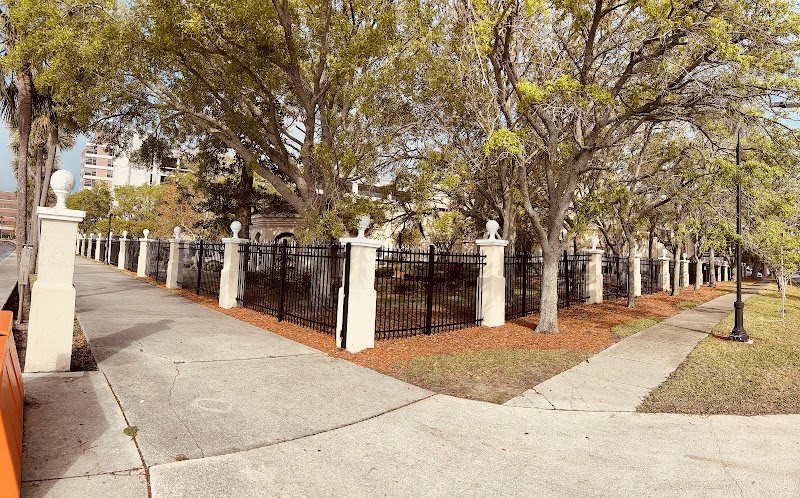
How is Riverside Post Acute Staffed?

CMS rates RIVERSIDE POST ACUTE's staffing level at 3 out of 5 stars, which is average compared to other nursing homes. Staff turnover is 60%, which is 13 percentage points above the Florida average of 46%. High turnover can affect care consistency as new staff learn residents' individual needs.

What Have Inspectors Found at Riverside Post Acute?

State health inspectors documented 34 deficiencies at RIVERSIDE POST ACUTE during 2020 to 2025. These included: 3 Immediate Jeopardy (the most serious level, indicating potential for serious harm or death), 1 that caused actual resident harm, and 30 with potential for harm. Immediate Jeopardy findings are rare and represent the most serious regulatory concerns. They require immediate corrective action.
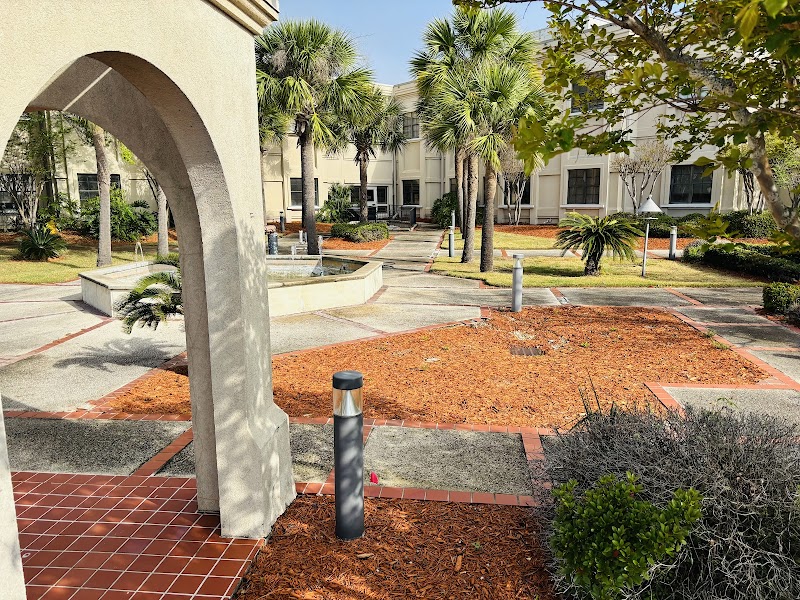
Who Owns and Operates Riverside Post Acute?

RIVERSIDE POST ACUTE is owned by a non-profit organization. Non-profit facilities reinvest revenue into operations rather than distributing to shareholders. The facility is operated by MARQUIS HEALTH SERVICES, a chain that manages multiple nursing homes. With 240 certified beds and approximately 194 residents (about 81% occupancy), it is a large facility located in JACKSONVILLE, Florida.
How Does Riverside Post Acute Compare to Other Florida Nursing Homes?

Compared to the 100 nursing homes in Florida, RIVERSIDE POST ACUTE's overall rating (1 stars) is below the state average of 3.2, staff turnover (60%) is significantly higher than the state average of 46%, and health inspection rating (1 stars) is much below the national benchmark.

What Should Families Ask When Visiting Riverside Post Acute?

Based on this facility's data, families visiting should ask: "What changes have been made since the serious inspection findings, and how are you preventing similar issues?" "How do you ensure continuity of care given staff turnover, and what is your staff retention strategy?" "Can I visit during a mealtime to observe dining assistance and food quality?" "How do you handle medical emergencies, and what is your hospital transfer rate?" These questions are particularly relevant given the facility's Immediate Jeopardy citations and the facility's high staff turnover rate.

Is Riverside Post Acute Safe?

Based on CMS inspection data, RIVERSIDE POST ACUTE has documented safety concerns. Inspectors have issued 3 Immediate Jeopardy citations (the most serious violation level indicating risk of serious injury or death). The facility has a 1-star overall rating and ranks #100 of 100 nursing homes in Florida. Families considering this facility should ask detailed questions about what corrective actions have been taken since these incidents.

Do Nurses at Riverside Post Acute Stick Around?

Staff turnover at RIVERSIDE POST ACUTE is high. At 60%, the facility is 13 percentage points above the Florida average of 46%. High turnover means new staff may not know residents' individual needs, medications, or preferences. It can also be disorienting for residents, especially those with dementia who rely on familiar faces. Families should ask: What is causing the turnover? What retention programs are in place? How do you ensure care continuity during staff transitions?

Was Riverside Post Acute Ever Fined?

RIVERSIDE POST ACUTE has been fined $37,098 across 5 penalty actions. The Florida average is $33,450. While any fine indicates a compliance issue, fines under $50,000 are relatively common and typically reflect isolated problems that were subsequently corrected. Families should ask what specific issues led to these fines and confirm they've been resolved.

Is Riverside Post Acute on Any Federal Watch List?

RIVERSIDE POST ACUTE is not on any federal watch list. The most significant is the Special Focus Facility (SFF) program, which identifies the bottom 1% of nursing homes nationally based on persistent, serious quality problems. Not being on this list means the facility has avoided the pattern of deficiencies that triggers enhanced federal oversight. This is a positive indicator, though families should still review the facility's inspection history directly.