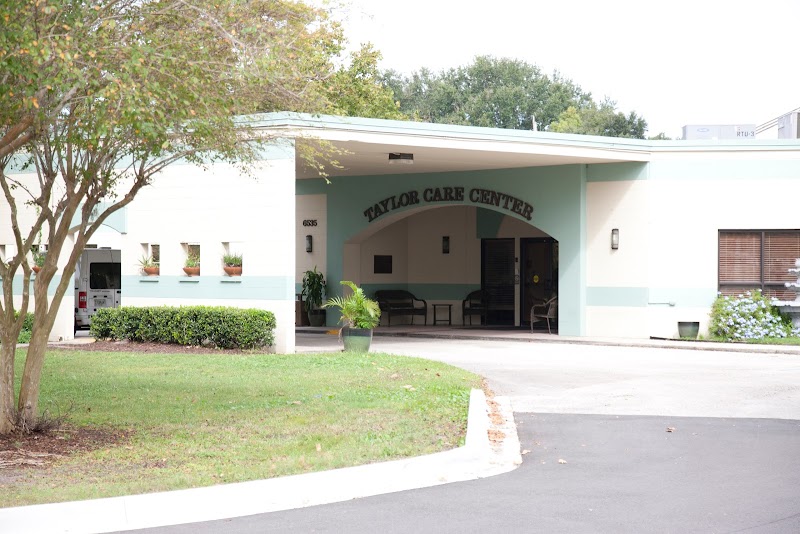
TAYLOR CARE CENTER

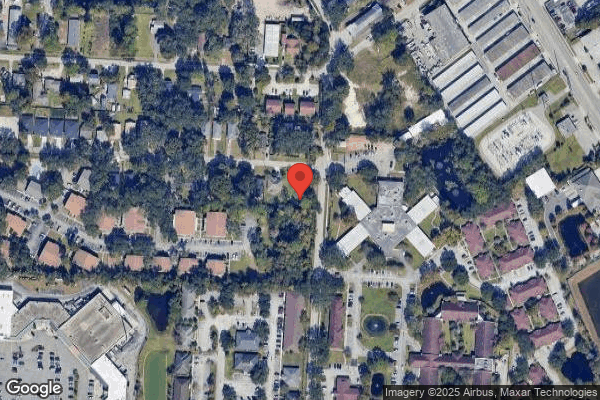
6535 CHESTER AVENUE, JACKSONVILLE, FL 32217 (904) 731-8230
Non profit - Corporation 120 Beds Independent Data: November 2025
Trust Grade
80/100
#291 of 690 in FL
Last Inspection: October 2023

Over 2 years since last inspection. Current conditions may differ from available data.

Overview

Taylor Care Center in Jacksonville, Florida, has a Trust Grade of B+, which means it is above average and generally recommended for families considering care options. It ranks #291 out of 690 facilities in Florida, placing it in the top half, and #20 out of 34 in Duval County, indicating that there are only a few better local choices. However, the facility's trend is worsening, with the number of issues increasing from 2 in 2021 to 3 in 2023. Although staffing is rated average with a turnover rate of 45%, there are no fines on record, suggesting no major compliance issues. Specific concerns include a resident being denied permission to participate in community outings, which has negatively impacted their well-being, and incidents where residents did not receive necessary assistance with personal hygiene, highlighting a gap in care. While the overall quality ratings are good, families should weigh these strengths against the reported weaknesses when considering this facility.

Trust Score
B+
80/100
In Florida
#291/690
Top 42%
Safety Record
Low Risk
No red flags
Inspections
Getting Worse
2 → 3 violations
Staff Stability
○ Average
45% turnover. Near Florida's 48% average. Typical for the industry.
Penalties
✓ Good
No fines on record. Clean compliance history, better than most Florida facilities.
Skilled Nurses
○ Average
Each resident gets 30 minutes of Registered Nurse (RN) attention daily — about average for Florida. RNs are the most trained staff who monitor for health changes.
Violations
○ Average
6 deficiencies on record. Average for a facility this size. Mostly minor or procedural issues.
★★★★☆
4.0
Overall Rating
★★★☆☆
3.0
Staff Levels
★★★★☆
4.0
Care Quality
★★★★☆
4.0
Inspection Score
Stable
2021: 2 issues
2023: 3 issues

The Good

  • 4-Star Quality Measures · Strong clinical quality outcomes
  • Full Sprinkler Coverage · Fire safety systems throughout facility
  • No fines on record
  • Staff turnover below average (45%)

    3 points below Florida average of 48%

Facility shows strength in quality measures, fire safety.

The Bad

Staff Turnover: 45%

Near Florida avg (46%)

Typical for the industry

The Ugly 6 deficiencies on record

Oct 2023 3 deficiencies
CONCERN (D)

Potential for Harm - no one hurt, but risky conditions existed

Deficiency F0561 (Tag F0561)

Could have caused harm · This affected 1 resident

**NOTE- TERMS IN BRACKETS HAVE BEEN EDITED TO PROTECT CONFIDENTIALITY** Based on interview and record review, the facility failed to promote and facilitate resident self-determination through support ...

Read full inspector narrative →
**NOTE- TERMS IN BRACKETS HAVE BEEN EDITED TO PROTECT CONFIDENTIALITY** Based on interview and record review, the facility failed to promote and facilitate resident self-determination through support of resident choice to interact with members of the community and participate in community activities outside of the facility for one (Resident #14) of 22 residents in the total sample. The findings include: On 10/16/23 at 10:46 AM, Resident #14 stated he used to go on outings to buy groceries, as he was not satisfied with the facility's food. He stated he would make his own transportation arrangements using the city bus. However, since the new Administrator returned, he had been denied permission to go out. He stated he had been told that he needed a chaperone and the facility had not been able to find one. He stated he had someone accompany him a few times, but that person was no longer available and it has made him to be depressed. A review of the medical record revealed that Resident #14 was admitted to the facility on [DATE] with a re-entry on 9/13/23. His diagnoses included, but were not limited to hypertensive chronic kidney disease (CKD) - stage 5, chronic or end-stage renal disease, type 2 diabetes mellitus in end-stage renal disease, metabolic encephalopathy, peripheral vascular disease, and dependence on renal dialysis. A review of the resident's profile revealed that he was his own responsible party. A review of the annual minimum data set (MDS) assessment, dated 9/18/23, revealed that Resident #14 had a brief interview for mental status (BIMS) score of 12 out of 15 possible points, indicating moderate cognitive impairment. He required extensive assistance for bed mobility, transfers, and toilet use, and supervision for eating. A review of the Physician's Order dated 9/13/23, revealed an active order for psychiatry to re-consult to determine mental capacity for decision making. A review of the Care Plan, last modified on 9/13/22, revealed that the resident had a nutritional problem or potential nutritional problem related to risk of malnutrition, modified diet , disease process and renal diseases. The care plan further noted that the resident preferred to eat meals he purchased outside of the facility rather than meals from facility's kitchen. In an interview with the Activities Director on 10/18/23 at 4:08 PM, she stated she had been employed in the facility since May 2023. When asked how Resident #14 participated in activities outside of the facility, she replied, It is my understanding that ever since COVID, the facility has not been going on outings due to restrictions. I am working on re-starting the outings using the facility bus, but there is no timeline for when this will take effect. She was then asked how the facility was accommodating residents who were alert and oriented and would like to go out. She stated, They would have to work something out with their family. As far as I know, the facility policy is that residents should have a chaperone when going out of the facility. She was asked if the facility provided chaperones for residents who would like to go out. She replied, No, only for medical appointments. If the resident wanted a leisure outing, they had to find their own chaperones regardless of their cognitive status. On 10/19/23 at 11:35 AM, Registered Nurse (RN) D stated she had worked with Resident #14 several times. The resident was alert and oriented and able to make his needs known. She added that the resident refused medication and dialysis at times and seemed to be depressed. When asked if the resident was receiving psychiatric services, she said she was not sure. She reviewed the documents in the resident's medical record and stated she did not see any psychiatric notes. During a 10/19/23 interview at 11:46 AM with the Director of Nursing (DON), she was asked about Resident #14's cognitive status. She stated, He is alert and oriented and able to make his needs known. He is not confused and he understands his choices. When she was asked if the resident had any changes in his condition, she said no. She was then asked if the resident could sign himself out of the facility. She said, Yes, but the facility policy is that the resident has to be escorted. When asked if Resident #14 used to go out by himself, she replied, Yes, however there was a change of Administration and we updated the policy to require someone to accompany the resident just in case they might need assistance while they were out. She was again asked if the facility was providing chaperones and she said only for medical appointments. For personal outings, the residents had to provide their own chaperone. She was again asked about residents who were alert, oriented, able to make their needs known, and were their own responsible party. If they could not find anyone to accompany them, how was that addressed? She replied, I feel like we are going in circles. We go by the policy and that is what we thought was right for the residents. She provided sign-out sheets which revealed that Resident #14 had been signing himself out from June 2023 through September 2023. (Copies obtained) A review of the facility's policy titled Signing Residents Out (revised August 2006) revealed that all residents leaving the premises must be signed out. The policy did not indicate that residents required chaperones. (Copy obtained) A review of the facility's policy titled Safety and Supervision of Residents (revised December 2007), revealed: The facility strives to make the environment as free from accident hazards as possible. Resident safety and supervision and assistance to prevent accidents are facility-wide priorities. The policy, under System Approach to Safety section, further indicated: Resident supervision is a core component of the facility system approach to safety. The type and frequency of resident supervision as determined by the individual resident's assessed needs and identified hazards in the environment. The time and frequency of resident supervision may vary among residents and over time for the same residents. For example, residents' supervision may need to be increased when there are temporary hazard in the environment or if there is a change in condition. ( Copy obtained) .
CONCERN (D)

Potential for Harm - no one hurt, but risky conditions existed

Investigate Abuse (Tag F0610)

Could have caused harm · This affected 1 resident

**NOTE- TERMS IN BRACKETS HAVE BEEN EDITED TO PROTECT CONFIDENTIALITY** Based on observations, interviews, and record review, the facility failed to 1) Provide evidence that alleged violations of abus...

Read full inspector narrative →
**NOTE- TERMS IN BRACKETS HAVE BEEN EDITED TO PROTECT CONFIDENTIALITY** Based on observations, interviews, and record review, the facility failed to 1) Provide evidence that alleged violations of abuse were thoroughly investigated, and 2) Prevent further potential abuse while the investigation was in progress for two (Residents #68 and #44 ) of two residents whose grievances were reviewed, from a total sample of 22 residents. The findings include: 1. On 10/16/23 at 10:34 AM, Resident #68 stated she was watching the Grammy's a while back. She stated she pushed the call light button and when the Certified Nursing Assistant (CNA) came to the room, Resident #68 had forgotten what she wanted. She pushed the call light button again after she remembered what she wanted. Per Resident #68, when the CNA returned, she placed a pillow over the resident's face and to tried suffocate her. (Resident #68 could not remember the name of the staff involved.) She stated she was afraid and anxious and she reported the incident to the nurse. She added that the same CNA worked with her the following day in the evening and when she placed the call light on, the CNA asked, What do you want? Resident #68 told the CNA that she wanted her tray table across her bed as she was getting ready for dinner. The CNA responded, It's not even time for dinner yet. Was what I did last night not enough? Resident #68 told the CNA not to return to the room again. The following day, the Director of Nursing (DON) and the Administrator went to her room and stated they would start an investigation. She added that a few days later her sister was told that the facility notified her that she might have been dreaming. Resident #68 denied having hallucinations. She said, I was wide awake watching the Grammy's so there is no way I was dreaming, and I still find it odd that they might think that I was dreaming while the CNA worked with me for two days in a row. A review of the medical record revealed that Resident #68 was admitted to the facility on [DATE] with a re-entry on 2/27/22. Her diagnoses included hemiplegia and hemiparesis following a cerebral infarction (stroke) affecting her left non-dominant side; epilepsy, unspecified dementia, insomnia, anxiety disorder, and major depressive disorder. A review of the quarterly minimum data set (MDS) assessment, dated 8/16/23, indicated that the resident had a brief interview for mental status (BIMS) score of 14 out of 15 possible points, indicating she was cognitively intact. She required extensive assistance with activities of daily living (ADLs). There were no hallucinations or delusional behaviors noted in the assessment. A review of the psychiatric notes dated 2/17 /23, revealed that Resident #68 stated a staff member put a pillow over her face on the 3-11 shift a few weeks ago. A review of the facility's Abuse Report revealed that on 2/7/23 at 4:30 PM, the resident reported that CNA E attempted to suffocate her with a pillow during care. The facility's immediate action included the suspension of CNA E during the investigation of the incident. The resident was assessed for injuries, and adult protective services, the physician and the resident's family were notified of the incident. The facility initiated abuse and neglect training. The findings of the investigation were reported as unsubstantiated. In an interview with the DON on 10/17/23 at 11:45 AM, she confirmed the allegations reported by Resident #68. When asked for the findings of the facility's investigation and the facility's corrective actions, the DON stated the previous Administrator conducted the investigation and she could not find any documentation of it. A review of the personnel file for CNA E revealed that she was hired on 9/19/16. The file included several instances of disciplinary action related to attendance. There was no indication that she was suspended pending investigation when Resident #68 made the aforementioned allegation. There was documented evidence that CNA E was suspended from 5/31/23 through 6/1/23, but that was related to a violation of the facility's attendance policy. 2. During an interview with Resident #44 on 10/16/2023 at 8:48 AM, she stated she wanted a copy of the posters in the front lobby that had the information regarding who to call when she needed help or wanted to file a complaint. She was not familiar with who the Ombudsman was and what role they played. She wanted the Ombudsman's information. She was concerned about saying too much. She stated she was afraid of retaliation by the staff. Things are not always done right around here. Care is not always the best. She did not elaborate and added, That's all I'll say right now. She asked her daughter, who was involved in her health care decisions and care) be contacted for more information. During an interview with the Social Services Director (SSD) on 10/17/23 at 9:47 AM, she was asked for the grievance log and about obtaining copies of the posters in the lobby. She stated she could get them and thought she might know who the resident was that was requesting the posters. The identity of the resident was not provided to her. She mentioned three female residents who she described as manipulative. Resident #44 was one of those residents. A review of the grievance log revealed a grievance was filed on behalf of Resident #44 on 5/15/23 regarding resident care. The grievance form was requested. A review of the grievance form dated 5/15/23 regarding Resident #44, revealed that the grievance was initiated by Resident #44's daughter. It read: [Employee E] used a fork to press into my calf my leg. She had been very rough with me when cleaning me to change my briefs. She shoved me and when I told her it hurt she shoved harder and then pushed me up against the bars, which hurt. I told her to stop. She pressed me harder against the bars of my bed. I was frightened and started yelling for help. No one heard me. When she finished, I told her that hurt. She proceeded to jab me in the leg with my fork. It was as though she was threatening to stab me with it. This all happened because I asked her to clean me with baby wipes instead of a towel on another occasion. I am afraid of [Employee E] because she seems to have a grudge against me. She treats me in a bullying manner. The person investigating the grievance was the SSD. The grievance was given to the Director of Nursing (DON) and the Administrator for follow up and further investigation. On 5/15/23, an Agency for Health Care Administration (AHCA) immediate Abuse and Neglect report was completed. The grievance follow-up section read: 3. 5/22/23 5-day AHCA report completed. 4. Abuse, Neglect, Exploitation and Residents Rights was conducted on 5/16/23, 5/17/23 and 5/25/23. 5. AN&E (abuse, neglect and exploitation) was also addressed during the Town Hall meeting on 5/30/23. Overall, the staff and Administration followed AN&E protocol per facility policy. Both resident and family were notified and satisfied with investigation outcome and resolution. (Photographic evidence obtained) The 5-day report, dated 5/15/23, read: Administrator and Social Services Director interview on 5/15/23: Resident alleges that along with staff member providing care, staff member took resident's fork and pressed it against her leg. (Photographic evidence obtained) During an interview with the DON on 10/17/23 at 10:59 AM regarding Resident #44's investigation of an allegation of abuse, she read the grievance form and the 5-day AHCA report completed by the facility. She stated she could not remember exactly how the investigation was conducted or why they concluded that the allegation was unsubstantiated. She stated she would go look for the documents. The DON returned at 11:13 AM and stated there were no internal investigation documents that she could find. She stated CNA E was either terminated for excessive absences or she quit. She thought she was terminated. She did not have an explanation for the conclusion of the investigation. During a telephone interview with Resident #44's daughter on 10/18/23 at 12:03 PM, she confirmed the information in the grievance form and stated that her mother was pretty shaken up. Her mother told her that CNA E had been very rough with her when cleaning her and changing her brief. She shoved her, and when she told her it hurt, she shoved harder and then pushed her up against the bars. She told her to stop and that she was hurting her. Her mother told her that the CNA pressed her even harder against the bars of her bed. She told her she was frightened and started yelling for help. No one responded. When the CNA finished, she told her that it hurt and then the CNA took her fork and jabbed her in the leg with it. Her mother told her she felt it was as though CNA E was threatening to stab her with it. Resident #44 told her that she was afraid of CNA E because she seemed to have a grudge against her for past incidents. She told her that CNA E bullied her. During a second interview with the DON on 10/19/23 at 2:31 PM, she stated at the time of the alleged incident with CNA E and Resident #44 on 5/13/23, the current Administrator was not the Administrator. The former Administrator investigated the incident and she remembered that there was a red file with the investigation documents in it. When the former Administrator left, the file disappeared and she could not find it. She stated she was sure that a thorough investigation had been done. She could not remember if the police were called, and confirmed it was part of the facility's policy to call them if a crime was suspected. A review of the facility's policy and procedure titled Abuse, Neglect and Exploitation (implemented on 12/31/22 and revised on 12/31/22), revealed: Policy: It is the policy of this facility to provide protections for the health, welfare and rights of each resident by developing and implementing written policies and procedures that prohibit and prevent abuse, neglect, exploitation and misappropriation of resident property. Definitions: Abuse means the willful infliction of injury, unreasonable confinement, intimidation or punishment with resulting physical harm, pain or mental anguish. Abuse also includes the deprivation by an individual, including a caretaker, of goods or services that are necessary to attain or maintain physical, mental and psychosocial well-being. It includes verbal, sexual abuse, physical abuse, and mental abuse including abuse facilitated or enable through the use of technology. B. Possible indicators of abuse include, but are not limited to: 1. Resident, staff or family report of abuse. V. Investigation of alleged Abuse, Neglect and Exploitation. B. Written procedures for investigations include: 6. Providing complete and through documentation of the investigation. .
CONCERN (D)

Potential for Harm - no one hurt, but risky conditions existed

ADL Care (Tag F0677)

Could have caused harm · This affected 1 resident

**NOTE- TERMS IN BRACKETS HAVE BEEN EDITED TO PROTECT CONFIDENTIALITY** Based on observations, interviews, and record review, the facility failed to ensure that two (Resident #7 and #68) of three resi...

Read full inspector narrative →
**NOTE- TERMS IN BRACKETS HAVE BEEN EDITED TO PROTECT CONFIDENTIALITY** Based on observations, interviews, and record review, the facility failed to ensure that two (Resident #7 and #68) of three residents who were reviewed for inability to carry out activities of daily living, from a total sample of 22 residents, received necessary assistance to maintain good grooming and personal hygiene. The findings include: 1. On 10/16/23 at 9:44 AM, Resident #7 stated he had not received a shower or bed bath in the last month. He added that the facility was operating with Agency staff who don't care. He further stated he was having diarrhea and it was important for him to get a bath/shower, as it was the only way he would feel clean. A review of the medical record revealed that Resident #7 was admitted to the facility on [DATE] with a re-entry on 5/2/23. His diagnoses included dementia, anxiety, depression, and lactose intolerance. A review of the physician's orders dated 5/3/23, revealed a schedule for weekly bathing on Tuesdays and Fridays during the 7 am to 3 pm shift. Further review of the physician's orders, revealed an order dated 10/18/23, indicating current diarrhea and a history of recurrent C-Diff (Clostridium Difficile - bacteria causing diarrhea and inflammation of the colon). A review of the Care Plan, last revised on 7/26/23, revealed that there was no ADL care plan. (Copy obtained) A review of the Certified Nursing Assistant (CNA) Task List for October 2023, revealed that the resident was to be showered/bathed on the following days: Tuesday, 10/3, Friday, 10/6, Tuesday, 10/10, Friday, 10/13, and Tuesday10/17. Documentation indicated the resident received a bed bath on 10/3/23, refused on 10/6/23, and received another bed bath on 10/10/23. There was no indication of bathing/showering or refusal of care on 10/13 or 10/17. A review of the quarterly Minimum Data Set (MDS) assessment, dated 8/7/23, revealed that the resident had a brief interview for mental status (BIMS) score of 15 out of 15 possible points, indicating that he was cognitively intact. He required extensive assistance for bed mobility, transfers, and toilet use, supervision for eating, and he was totally dependent upon staff for bathing. During a 10/19/23 interview with CNA A at 10:01 AM, she stated Resident #7 required total assistance from staff with ADL care. Resident #7 was alert and able to make his needs known. When asked if she worked with this resident on Sunday (10/15), she said she was not the assigned CNA, but the resident had his call light on and she answered it. The resident reported that he asked the assigned CNA to clean him and she had an attitude. CNA A went ahead and cleaned the resident and reported the resident's complaint to the nurse. 2. On 10/16/23 at 10:34 AM, Resident #68 was observed with long fingernails on both hands. She also had a dry, scaly scalp and was scratching her head. When asked if she received her showers/baths as scheduled/desired, she replied, I am lucky if get it at least once a week. She added that she had a prescription shampoo for psoriasis and therefore needed to have a shower. When she was asked about the length of her fingernails she said, As a nurse, I never liked long nails. I also used to have them done, but I have not had that here. I was told that staff were supposed to clip and clean them on shower days and as needed, but as you can see, they don't do it. The last time they were done, the Unit Manager was the one who clipped them. She added that the facility had a lot of Agency staff and they didn't seem to care about the residents. On 10/17/23 at 11:51 AM, Resident #68 was again observed with long fingernails. She was seated in her wheelchair. She stated she had asked the staff to give her a shower and shampoo her hair with the prescription shampoo, and the CNA told her that the nurse should do that. Another observation was made on 10/18/23 at 10:15 AM. The resident was observed in bed. Her fingernails remained long, approximately two inches long, and both thumb nails were observed with debris underneath. A review of the medical record revealed that Resident #68 was admitted to the facility on [DATE] with a re-entry on 2/27/22. Her diagnoses included hemiparesis and hemiplegia following a cerebral infarction (stroke) affecting her left non-dominant side; epilepsy, unspecified dementia, insomnia, anxiety disorder, and major depressive disorder. A review of the quarterly Minimum Data Set (MDS) assessment, dated 8/16/23, revealed that the resident had a brief interview for mental status (BIMS) of 14 out of 15 possible points, indicating that she was cognitively intact. She required extensive assistance with activities of daily living (ADL). No hallucinations or delusional behaviors were documented in the assessment. A physician's order, dated 9/13/23, was noted for Clobetasol propionate shampoo, 0.05%, apply to scalp topically every day shift every Tuesday and Thursday for skin health to be done on shower days. A review of the care plan (last revised on 8/21/23), revealed that the resident had a focus area for ADL/Self-Care Performance Deficit related to impaired mobility. Interventions included that the staff assist the resident with bathing/showering. They were to check her nail length and trim and clean on bath/shower days and as needed. A review of the CNA Task List for October 2023, revealed that the resident was to be showered/bathed on the following days: Tuesday, 10/3, Thursday, 10/5, Tuesday, 10/10, Thursday, 10/12, Tuesday,10/17, and Thursday, 10/19. Documentation indicated that the resident received a shower on 10/6 and a bath on 10/10/23. There was no indication of bathing/showering or refusal of care on 10/3, 10/5, 10/12, or 10/17. In an interview on 10/19/23 at 10:01 AM, CNA A stated Residents #7 and #68 required total assistance from staff for all ADLs. She further stated there was a shower schedule on each unit and the residents received showers two times a week and as needed. Nail care should be provided during showers and as needed. She mentioned that showers were documented in the computerized charting system. When a resident refused care, the nurse should be notified and if the resident still refused, staff documented the task as having been refused. During an interview on 10/19/23 at 10:45 AM with Licensed Practical Nurse (LPN) C/Unit Manager, she stated residents should receive a shower two times a week unless they refused. She said the staff were expected to document in the electronic medical record when a shower was provided, and when a shower was refused, there was an alert that went to the nurses' dashboard for follow up. When she was asked when nail care was provided, she produced a form indicating that nail care should be provided on Wednesdays by the CNAs and as needed. She stated Activities staff also filed and polished residents' nails. When asked what days Residents #7 and #68 received their showers, she replied, Tuesdays and Fridays. She confirmed that Residents #7 and #68 had only three baths/showers documented for the month of October 2023. She also confirmed that Resident #7 did not have an ADL care plan. She was accompanied to Resident #68's room and she confirmed that the resident's nails were long. Resident #68 stated at that time that she would like to have them clipped. A review of the facility's policy and procedure titled Activities of Daily Living (ADLs) (implemented on 6/1/23), revealed: The facility will, based on the resident's comprehensive assessment and consistent with the resident's needs and choices, ensure that a resident's abilities in ADLs do not deteriorate unless deterioration is unavoidable. Care services will be provided for the the following activities of daily living: Bathing, dressing, grooming and oral care; transfer and ambulation; toileting and eating. The policy further explained that a resident who was unable to carry out activities of daily living would receive the necessary services to maintain a good nutrition, grooming and personal and oral hygiene. The facility would maintain individual objectives of the care plan and periodic review and evaluation. .
Dec 2021 2 deficiencies
CONCERN (D)

Potential for Harm - no one hurt, but risky conditions existed

Respiratory Care (Tag F0695)

Could have caused harm · This affected 1 resident

**NOTE- TERMS IN BRACKETS HAVE BEEN EDITED TO PROTECT CONFIDENTIALITY** Based on observations, interviews, and record reviews, the facility failed to ensure that three (Residents #26, #38 and #44) of ...

Read full inspector narrative →
**NOTE- TERMS IN BRACKETS HAVE BEEN EDITED TO PROTECT CONFIDENTIALITY** Based on observations, interviews, and record reviews, the facility failed to ensure that three (Residents #26, #38 and #44) of 11 residents receiving respiratory care, from a total sample of 25 residents, were provided such care, consistent with professional standards of practice and physicians' orders. This failure could place these 11 residents at risk for respiratory complications. The findings include: 1. On 12/13/21 at 02:06 PM, Resident #26 was observed lying in bed. The resident was hard of hearing and could not participate in an interview. She was observed receiving oxygen via nasal cannula at a flow rate of 4 liters per minute (LPM). A review of the clinical record revealed that Resident #26 was admitted to the facility on [DATE] with diagnoses including respiratory failure with hypoxia, chronic obstructive pulmonary disease (COPD) with dependence on supplemental oxygen, atherosclerotic heart disease of native coronary artery without angina, encounter for palliative care, and insomnia. A review of the Physician Order Sheets for December 2021, revealed a current order for Oxygen at 2-3 liters for comfort, hospice resident wears it continuously, check oxygen saturation, check water bottle humidification on oxygen concentrator and replace as needed. Change tubing and clean oxygen filter one time weekly on Sundays 11-7 (night shift). A review of the Annual minimum data set (MDS) assessment, dated 10/25/21, revealed that the resident had a brief interview for mental status (BIMS) score of 13 out of a possible 15 points, indicating she was cognitively intact. She also required extensive assistance for bed mobility, transfers, and toilet use. A review of the resident's care plan revealed she was under the care of hospice for the following diagnoses: Coronary artery disease (CAD), recent myocardial infaction (MI - heart attack), congestive heart failure (CHF) and aortic stenosis (Narrowing of the valve in the aorta). The facility was to check with the hospice team related to their scheduled visit and coordinate their plan of care with staff and the certified nursing assistants (CNAs). On 12/14/21 at 10:01 AM, Resident #26 was observed receiving oxygen via nasal cannula at a flow rate of 4 LPM. On 12/15/21 at 12:05 PM, Resident #26 was observed receiving oxygen via nasal cannula at a flow rate of 4 LPM. On 12/16/21 at 11:06 AM, CNA A stated Resident #26 was bed bound and dependent with all activities of daily living (ADLs). She stated the resident was legally blind and was receiving hospice care. When asked about the oxygen setting, she stated, The nurses take care of that. In an interview on 12/16/21 at 11:19 AM, Registered Nurse (RN) B/Unit Manager, confirmed that the oxygen was set at 4 LPM. She adjusted the setting to 2 LPM and stated the resident sometimes manipulated the setting. She confirmed that the concentrator was not within the resident's reach. She added that the resident was rapidly declining, therefore, nurses should check the setting. In an interview on 12/16/21 at 11:30 AM, MDS Coordinator C stated hospice corroborated with the facility and any new orders were added to the resident's care plan. When asked about the oxygen orders for Resident #26, she stated the resident was receiving oxygen for comfort care. She confirmed the resident's oxygen therapy had not been added to her care plan. (Copy obtained) On 12/16/21 at 12:15 PM, the Director of Nursing (DON) stated she was made aware of Resident #26 receiving higher than the prescribed flow rate of oxygen. She mentioned that she would initiate in-service training with the nurses to include verification of physicians' orders three times before administering medication. She added that the oxygen orders should have been added to the care plan. 2. A review of the clinical record revealed that Resident #38 was admitted to the facility on [DATE], with a primary diagnosis of unspecified atrial fibrillation. Secondary diagnoses included chronic obstructive pulmonary disease (COPD), hypertensive heart disease with heart failure, chronic kidney disease, major depressive disorder, and transient cerebral ischemic attack. The resident had a Do Not Resuscitate (DNR) order and was receiving hospice care. A review of the December 2021 Physician's Order Sheets revealed no active orders for the administration of oxygen. A review of the medication list included with the 11/30/2021 3008 (hospital to nursing facility transfer form), revealed no indication or order for oxygen. A review of the hospital History and Physical, dated 11/24/2021, revealed no indication or order for oxygen. A review of the hospital referral, dated 11/30/2021, revealed no indication or order for oxygen. On 12/14/2021 at 10:15 AM, Resident #38 was observed in her room receiving oxygen via a nasal cannula. The oxygen flow rate was set at 2.5 LPM. (Photographic evidence obtained) On 12/15/2021 at 1:40 PM, Resident #38 was observed in her room sitting on her bed and receiving oxygen via nasal cannula. The oxygen flow rate was set at 2.5 LPM. A review of the 5-day minimum data set (MDS) assessment, dated 12/7/2021, revealed that Resident #38 had a brief interview for mental status (BIMS) score of 15 out of a possible 15 points, indicating intact cognition. Her hearing was highly impaired, she required limited to extensive assitance with activities of daily living (ADLs), and she was receiving oxygen. A review of the resident's current care plan, revealed a focus for Respiratory Complications related to Congestive Heart Failure (CHF). Interventions included oxygen as ordered or needed. A review of the admission Assessment, dated 4/2/2021, revealed Resident #38 was to receive oxygen at 2 LPM via nasal cannula. A review of the resident's Vital Signs from 11/30/2021 through 12//15/2021, revealed that oxygen was being received on the following dates and times: Date Value Method 12/15/2021 01:16 98.0 % Oxygen via Nasal Cannula 12/14/2021 17:34 98.0 % Oxygen via Nasal Cannula 12/14/2021 00:16 98.0 % Oxygen via Nasal Cannula 12/13/2021 17:26 98.0 % Oxygen via Nasal Cannula 12/11/2021 20:40 100.0 % Oxygen via Nasal Cannula 12/9/2021 18:40 98.0 % Oxygen via Nasal Cannula 12/8/2021 19:07 98.0 % Oxygen via Nasal Cannula 12/7/2021 22:03 98.0 % Oxygen via Nasal Cannula 12/7/2021 18:58 98.0 % Oxygen via Nasal Cannula 12/6/2021 21:13 100.0 % Oxygen via Nasal Cannula 12/6/2021 19:30 97.0 % Oxygen via Nasal Cannula 12/1/2021 01:30 94.0 % Oxygen via Nasal Cannula 11/30/2021 13:04 97.0 % Oxygen via Nasal Cannula On 12/16/2021 at 12:25 PM, an interview was conducted with the Director of Nursing (DON). The DON was asked about Resident #38 currently receiving oxygen without a physician's order. The DON stated she believed that the resident received the oxygen during her recent trip to the hospital. She would have to check the hospital orders. On 12/16/2021 at 12:40 PM, an interview was conducted with RN B/Unit Manager. RN B was asked about verification of oxygen orders/parameters for a resident. The Unit Manager stated she usually verified them with the physician. The Unit Manager was asked to access Resident #38's current medication administration record (MAR). She reviewed the recorded oxygen saturations on 12/14/2021 and was asked how the nurse who documented that data verified the correct oxygen orders/parameters. RN B stated the nurse could not have verified the orders/parameters, because no order was noted on the MAR. 3. A review of Resident #44's clinical record revealed she was admitted to the facility on [DATE]. Her primary diagnosis was senile degeneration of the brain. Secondary diagnoses included insomnia, hyperlipidemia, shortness of breath, atherosclerotic heart disease of native coronary artery without angina pectoris, and hypertension. A review of the 11/3/2021 minimum data set (MDS) assessment revealed that Resident #44 had moderate cognitive impairment with a brief interview for mental status (BIMS) score of 8 out of a possible 15 points. She was documented as receiving oxygen therapy while a resident at the facility. On 12/13/2021 at 1:15 p.m., the resident was observed resting in bed with an oxygen concentrator in use. The flow rate was set at 3 LPM (liters per minute). On 12/14/2021 at 11:05 a.m., the resident was observed resting in bed with an oxygen concentrator in use. The flow rate was set at 3 LPM. On 12/15/2021 at 9:15 a.m., the resident was observed resting in bed with an oxygen concentrator in use. The flow rate was set at 3 LPM. On 12/15/2021 at 1:10 p.m., the resident was observed sleeping in her bed with an oxygen concentrator in use. The flow rate was set at 3 LPM, but the nasal cannula was lying on the floor beside her bed. A review of the resident's physician's orders revealed a 2/7/2018 order to check the resident's oxygen saturation every shift. A 2/7/2018 physician's order, last revised on 7/17/2019, documented oxygen at 2 liters via nasal cannula continuously. Change tubing and clean filter one time weekly on Sunday. A review of the resident's electronic medication administration record (eMAR) for December 2021, revealed documentation indicating that the resident was receiving oxygen at 2 LPM every day, evening, and night shift. A care plan, initiated on 3/1/2018 and last revised on 5/28/2021, documented the resident was on oxygen therapy. Interventions included administration of medications as ordered by the physician, and to monitor/document side effects and effectiveness; uses oxygen concentrator when in bed; receives continuous oxygen; and provide extension tubing or portable oxygen apparatus. An interview with Certified Nursing Assistance (CNA) D was conducted on 12/15/2021 at 1:14 p.m. She stated the CNAs were not permitted to touch the residents' oxygen concentrators. If a resident needed more oxygen, or more water in the concentrator, they would tell the nurse. She said oxygen was a medication, so the nurse had to make any changes. She further stated if a resident needed oxygen services, she would take the resident to the nurse. She was not permitted to adjust the flow rate, add oxygen to an empty tank, or monitor oxygen saturations. An interview with Registered Nurse (RN) F was conducted on 12/15/2021 at 1:17 p.m. She observed that Resident #44 was in her bed, and the oxygen tubing and nasal cannula were on the floor. The RN picked up the tubing and said the CNAs needed to let her know if a resident resisted care or their oxygen. She would document all of that in the resident's record. The resident had sometimes taken off her nasal cannula, which the RN would then chart. The RN confirmed that the resident's oxygen concentrator was currently on and set at 3 LPM. She said she would get the resident clean oxygen tubing and put it back on the resident. She stated it was important for the resident to get her oxygen. The nurse was responsible for the oxygen, not the CNAs. She said she checked the oxygen each morning for her residents. An interview was conducted with RN F on 12/15/2021 at 1:25 p.m., after she had assisted Resident #44. She said the record showed that the resident had been on oxygen for a long time, and that her physician's order was for 2 LPM continuously, which meant she was always supposed to receive oxygen at that flow rate. An interview with RN E/Unit Manager was conducted on 2/15/2021 at 1:30 p.m. She said she was informed that Resident #44 was observed receiving oxygen at 3 LPM, when the order was for a flow rate of 2 LPM. She said sometimes oxygen orders were written with parameters, so the nurses had a little more leeway with the oxygen settings. She said the physician's order for Resident #44 was only for 2 LPM. The nurses did not document the liters per minute that the oxygen was on when they recorded on the eMAR, they only recorded oxygen saturation levels. She stated regardless of the reason the oxygen flow rate had been adjusted for this resident, they should have treated it like a medication before any adjustments were made to administration. An interview was conducted with the Director of Nursing (DON) on 12/16/2021 at 12:50 p.m. She stated the CNAs could refill oxygen canisters, but they would not adjust the oxygen flow rate. If the CNA had concerns, they were to get the nurse. Only the nurse should adjust the flow rate. If the resident was found to have a change in condition, the nurse should talk with the provider about oxygen needs but should not adjust the oxygen flow rate without a physician's order. A review of the facility's policy and procedure titled, Oxygen Administration (Revised October 2010), provided a guideline for safe oxygen administration. The policy further indicated that staff should verify that there was a physician's order for the procedure. Review the physician's orders or facility protocol for oxygen administration. Review the resident's care plan to assess for any special needs of the resident. Adjust the oxygen delivery device so that it is comfortable for the resident. .
CONCERN (D)

Potential for Harm - no one hurt, but risky conditions existed

Deficiency F0760 (Tag F0760)

Could have caused harm · This affected 1 resident

**NOTE- TERMS IN BRACKETS HAVE BEEN EDITED TO PROTECT CONFIDENTIALITY** Based on record reviews and interviews, the facility failed to ensure that one (Resident #26) of 25 sampled residents, remained ...

Read full inspector narrative →
**NOTE- TERMS IN BRACKETS HAVE BEEN EDITED TO PROTECT CONFIDENTIALITY** Based on record reviews and interviews, the facility failed to ensure that one (Resident #26) of 25 sampled residents, remained free of significant medication errors, by failing to administer blood pressure medication as ordered. Failure to administer blood pressure medication as ordered, following parameters set by the physician, could result in a risk of injury from falls and/or extreme hypotension/shock, which could be life-threatening. The findings include: A review of the clinical record revealed that Resident #26 was admitted to the facility on [DATE] with diagnoses including atherosclerotic heart disease of native coronary artery without angina. A review of the Physician Order Sheets for November and December 2021 revealed current orders for losartan potassium 50 mg (milligrams) at bedtime for hypertension (HTN - high blood pressure), hold if blood pressure (BP) is less than 90/60, and Cardizem 120 mg one time a day for HTN, hold if blood pressure is less than 90/60. Hold BP medication if BP remains low every shift. A review of the resident's medication administration record (MAR) for November and December 2021 revealed that blood pressures were documented as follows: On 12/12/21, the resident's BP was documented as 100/58 mm Hg (millimeters of mercury) On 12/3/21, the resident's BP was documented as 100/54 mm Hg On 11/11/21, the resident's BP was documented as 116/56 mm Hg On 11/12/21, the resident's BP was documented as 150/56 mm HG, and On 11/28/21, the resident's BP was documented as 135/52 mm Hg. Each diastolic blood pressure was less than 60, however Cardizem 120 mg daily for HTN was checked off by nursing as having been administered on all of these days, despite the parameters that were in place. The care plan indicated the resident received psychotropic medication, which placed resident at risk for drug-related side effects, including hypotension. On 12/16/21 at 11:19 AM during an interview with Registered Nurse (RN) B/Unit Manager, and when asked about the resident's losartan potassium parameters, she stated the medication should not be administered outside of the parameters. On 12/16/21 at 12:15 PM, the Director of Nursing (DON) stated she was made aware of Resident #26 having received blood pressure medication outside of the documented parameters ordered by the physician. She added that she conducted random audits of the medication administration records (MARs) but she missed this resident. She stated she would initiate in-service training with the nurses for verification of physicians' orders three times before administering medication. A review of the facility policy and procedure titled, Administering Oral Medication (Revised October 2010), revealed the guideline for safe administration of oral medication included: Review the resident care plan to assess for any special needs of the resident. The procedure steps included to check the medication dosage. Re-check to confirm the proper dose. According to the Mayo Clinic at https://www.mayoclinic.org/diseases-conditions/low-blood-pressure/symptoms-causes/syc-20355465 (Accessed on 1/5/22 at 3:00 p.m.): Low blood pressure might seem desirable, and for some people, it causes no problems. However, for many people, abnormally low blood pressure (hypotension) can cause dizziness and fainting. In severe cases, low blood pressure can be life-threatening. A blood pressure reading lower than 90 millimeters of mercury (mmHg) for the top number (systolic) or 60 mmHg for the bottom number (diastolic) is generally considered low blood pressure. Shock - Extreme hypotension can result in this life-threatening condition. If you have signs or symptoms of shock, seek emergency medical help. Some heart conditions that can lead to low blood pressure include extremely low heart rate (bradycardia), heart valve problems, heart attack and heart failure. Risk factors - Age. Drops in blood pressure on standing or after eating occur primarily in adults older than 65. Neurally mediated hypotension primarily affects children and younger adults. Medications. People who take certain medications, for example, high blood pressure medications such as alpha blockers, have a greater risk of low blood pressure. Certain diseases. Parkinson's disease, diabetes and some heart conditions put you at a greater risk of developing low blood pressure. Even moderate forms of low blood pressure can cause dizziness, weakness, fainting and a risk of injury from falls. And severely low blood pressure can deprive your body of enough oxygen to carry out its functions, leading to damage to your heart and brain. .
Dec 2019 1 deficiency
CONCERN (D)

Potential for Harm - no one hurt, but risky conditions existed

Infection Control (Tag F0880)

Could have caused harm · This affected 1 resident

**NOTE- TERMS IN BRACKETS HAVE BEEN EDITED TO PROTECT CONFIDENTIALITY** Based on observations and interviews, the facility failed to maintain an infection control program designed to provide a safe, s...

Read full inspector narrative →
**NOTE- TERMS IN BRACKETS HAVE BEEN EDITED TO PROTECT CONFIDENTIALITY** Based on observations and interviews, the facility failed to maintain an infection control program designed to provide a safe, sanitary environment to help prevent the development of infections for two (Residents #25 and #17) of five residents with indwelling catheter bags, from a total of 29 residents in the sample, by allowing catheter bags and tubing to touch the floor. The findings include: A record review was conducted for Resident #25. She was admitted on [DATE] with a diagnosis of Alzheimer's disease and malignant neoplasm of the colon. A review of the current physician's orders noted an unstageable sacral wound, a Stage II pressure injury on the buttock and an area on the sacrum which reopened. A physician's order was noted on 9/20/19 for an indwelling catheter to be inserted to promote wound healing. An observation was conducted of Resident #25 in her room lying on her bed on 12/17/19 at 11:13 AM. The indwelling catheter bag was hanging on the side of the low bed with blankets covering the bag and tubing which was lying on the floor at bedside. An observation was conducted on 12/17/19 at 2:20 PM of the resident in her room. She was lying in a low bed with the catheter bag and tubing lying on the floor. An observation was conducted of the resident in her room on 12/18/19 at 8:50 AM. The indwelling catheter and tubing was lying on the floor. An observation was conducted of Resident #25 in her room, lying on her bed at 1:51 PM on 12/18/19. The indwelling catheter and tubing was lying on the floor. An interview was conducted with Employee B, Certified Nursing Assistant (CNA ), on 12/19/19 at 12:34 PM. Employee B reported the resident had a low bed, and she hung the catheter on the side of the bed. Employee B reported she tried to keep the catheter tubing and bag off the floor, but it was difficult with a low bed. When she was shown the photographic evidence, she confirmed the catheter bag and tubing was touching the floor. A review of the Policy and Procedure for Urinary Catheter Care (revised on 9/2014) revealed: The purpose of this procedure is to prevent catheter-associated urinary tract infections. Noted under infection control 2b: Be sure the catheter tubing and drainage bag are kept off of the floor. An interview was conducted with the Director of Nursing (DON) on 12/19/19 at 12:58 PM. She was shown the photographic evidence of the catheter tubing and bag on the floor for Resident #25. The DON confirmed the catheter and tubing was on the floor. There was no denying it. It should not be on the floor. The DON confirmed the indwelling catheter was inserted to promote wound healing. She reported that the resident had a chronic wound. 2. On 12/16/19 at 12:43 PM, an observation of Resident #17 was conducted. She was seated in her Broda chair, and her urinary catheter tubing was resting on the floor. A record review for Resident #17 revealed a Quarterly Minimum Data Set (MDS) assessment with an assessment reference date of 9/11/19. Section H noted Resident #17 had an indwelling catheter. She also had an active diagnosis of neurogenic bladder. A review of the physician's orders confirmed the presence of Resident #17's catheter. .
Understanding Severity Codes (click to expand)
Life-Threatening (Immediate Jeopardy)
J - Isolated K - Pattern L - Widespread
Actual Harm
G - Isolated H - Pattern I - Widespread
Potential for Harm
D - Isolated E - Pattern F - Widespread
No Harm (Minor)
A - Isolated B - Pattern C - Widespread

Questions to Ask on Your Visit

  • "Can I speak with families of current residents?"
  • "What's your RN coverage like on weekends and overnight?"

Our Honest Assessment

Strengths
  • • Grade B+ (80/100). Above average facility, better than most options in Florida.
  • • No major safety red flags. No abuse findings, life-threatening violations, or SFF status.
  • • No fines on record. Clean compliance history, better than most Florida facilities.
  • • 45% turnover. Below Florida's 48% average. Good staff retention means consistent care.
Concerns
  • • No significant concerns identified. This facility shows no red flags across CMS ratings, staff turnover, or federal penalties.
Bottom line: Generally positive indicators. Standard due diligence and a personal visit recommended.

About This Facility

What is Taylor's CMS Rating?

CMS assigns TAYLOR CARE CENTER an overall rating of 4 out of 5 stars, which is considered above average nationally. Within Florida, this rating places the facility higher than 99% of the state's 100 nursing homes. This rating reflects solid performance across the metrics CMS uses to evaluate nursing home quality.

How is Taylor Staffed?

CMS rates TAYLOR CARE CENTER's staffing level at 3 out of 5 stars, which is average compared to other nursing homes. Staff turnover is 45%, compared to the Florida average of 46%. This relatively stable workforce can support continuity of care.

What Have Inspectors Found at Taylor?

State health inspectors documented 6 deficiencies at TAYLOR CARE CENTER during 2019 to 2023. These included: 6 with potential for harm.

Who Owns and Operates Taylor?

TAYLOR CARE CENTER is owned by a non-profit organization. Non-profit facilities reinvest revenue into operations rather than distributing to shareholders. The facility operates independently rather than as part of a larger chain. With 120 certified beds and approximately 74 residents (about 62% occupancy), it is a mid-sized facility located in JACKSONVILLE, Florida.

How Does Taylor Compare to Other Florida Nursing Homes?

Compared to the 100 nursing homes in Florida, TAYLOR CARE CENTER's overall rating (4 stars) is above the state average of 3.2, staff turnover (45%) is near the state average of 46%, and health inspection rating (4 stars) is above the national benchmark.

What Should Families Ask When Visiting Taylor?

Based on this facility's data, families visiting should ask: "Can I visit during a mealtime to observe dining assistance and food quality?" "How do you handle medical emergencies, and what is your hospital transfer rate?" "Can I speak with family members of current residents about their experience?"

Is Taylor Safe?

Based on CMS inspection data, TAYLOR CARE CENTER has a clean safety record: no substantiated abuse findings (meaning no confirmed cases of resident harm), no Immediate Jeopardy citations (the most serious violation level indicating risk of serious injury or death), and is not on the Special Focus Facility watch list (a federal program monitoring the lowest-performing 1% of nursing homes). The facility has a 4-star overall rating and ranks #1 of 100 nursing homes in Florida. While no facility is perfect, families should still ask about staff-to-resident ratios and recent inspection results during their visit.

Do Nurses at Taylor Stick Around?

TAYLOR CARE CENTER has a staff turnover rate of 45%, which is about average for Florida nursing homes (state average: 46%). Moderate turnover is common in nursing homes, but families should still ask about staff tenure and how the facility maintains care continuity when employees leave.

Was Taylor Ever Fined?

TAYLOR CARE CENTER has no federal fines on record. CMS issues fines when nursing homes fail to meet care standards or don't correct problems found during inspections. The absence of fines suggests the facility has either maintained compliance or corrected any issues before penalties were assessed. This is a positive indicator, though families should still review recent inspection reports for the full picture.

Is Taylor on Any Federal Watch List?

TAYLOR CARE CENTER is not on any federal watch list. The most significant is the Special Focus Facility (SFF) program, which identifies the bottom 1% of nursing homes nationally based on persistent, serious quality problems. Not being on this list means the facility has avoided the pattern of deficiencies that triggers enhanced federal oversight. This is a positive indicator, though families should still review the facility's inspection history directly.