WOODLAND GROVE HEALTHCARE & REHABILITATION CENTER
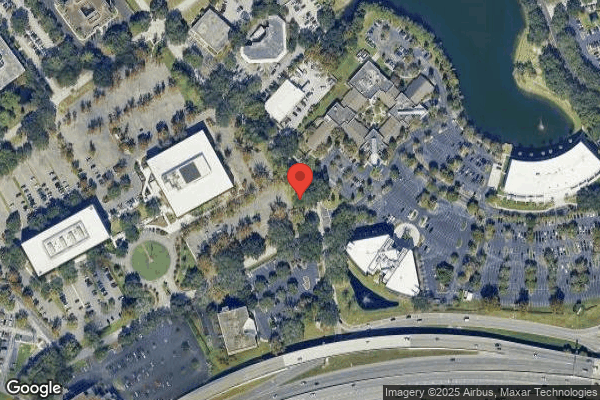

4325 SOUTHPOINT BOULEVARD, JACKSONVILLE, FL 32216 (904) 245-7620
For profit - Corporation 120 Beds GOLD FL TRUST II Data: November 2025
Trust Grade
90/100
#154 of 690 in FL
Last Inspection: January 2025

Within standard 12-15 month inspection cycle. Federal law requires annual inspections.

Overview

Woodland Grove Healthcare & Rehabilitation Center in Jacksonville, Florida, has received a Trust Grade of A, indicating it is considered excellent and highly recommended for care. It ranks #154 out of 690 facilities in the state, placing it in the top half, and #12 out of 34 in Duval County, meaning only 11 local options are rated higher. The facility is improving, having reduced its issues from 3 in 2023 to none in 2025, although it still reported 5 concerns in its latest inspections. Staffing is average with a rating of 3 out of 5 stars and a turnover rate of 45%, which is close to the state average. Notably, there were no fines recorded, suggesting compliance with regulations, but there were concerning incidents, such as a failure to properly document medication administration for a resident and a lack of action on reported allegations of rough handling by staff, which raises concerns about resident safety and care quality.

Trust Score
A
90/100
In Florida
#154/690
Top 22%
Safety Record
Low Risk
No red flags
Inspections
Getting Better
3 → 0 violations
Staff Stability
○ Average
45% turnover. Near Florida's 48% average. Typical for the industry.
Penalties
✓ Good
No fines on record. Clean compliance history, better than most Florida facilities.
Skilled Nurses
○ Average
Each resident gets 41 minutes of Registered Nurse (RN) attention daily — about average for Florida. RNs are the most trained staff who monitor for health changes.
Violations
✓ Good
Only 5 deficiencies on record. Cleaner than most facilities. Minor issues only.
★★★★★
5.0
Overall Rating
★★★☆☆
3.0
Staff Levels
★★★★★
5.0
Care Quality
★★★★★
5.0
Inspection Score
Stable
2023: 3 issues
2025: 0 issues

The Good

  • 5-Star Quality Measures · Strong clinical quality outcomes
  • Full Sprinkler Coverage · Fire safety systems throughout facility
  • No fines on record
  • Staff turnover below average (45%)

    3 points below Florida average of 48%

Facility shows strength in quality measures, fire safety.

The Bad

Staff Turnover: 45%

Near Florida avg (46%)

Typical for the industry

Chain: GOLD FL TRUST II

Part of a multi-facility chain

Ask about local staffing decisions and management

The Ugly 5 deficiencies on record

Mar 2023 3 deficiencies
CONCERN (D)

Potential for Harm - no one hurt, but risky conditions existed

Abuse Prevention Policies (Tag F0607)

Could have caused harm · This affected 1 resident

**NOTE- TERMS IN BRACKETS HAVE BEEN EDITED TO PROTECT CONFIDENTIALITY** Based on resident and staff interviews, clinical record review, and facility policy and procedure review, the facility failed to...

Read full inspector narrative →
**NOTE- TERMS IN BRACKETS HAVE BEEN EDITED TO PROTECT CONFIDENTIALITY** Based on resident and staff interviews, clinical record review, and facility policy and procedure review, the facility failed to implement their abuse prohibition policy for reporting allegations of abuse for one (Resident #300) of one resident reviewed for abuse, from a total of 28 sampled residents. Failure to report abuse allegations may place the resident at risk of harm. The findings include: During an interview with Resident #300 on 03/13/2023 at 1:58 PM, she stated the staff rip my clothes off and handle me roughly. She stated the staff were mean to me. When asked to identify the staff that were doing this to her she stated, Honey, I don't know their names. When asked if she reported this to anyone, she stated, I reported it to all of them! During an interview on 03/15/2023 at 11:40 AM with the Director of Nursing (DON), she stated she had not received any reports of abuse allegations. She stated she would look again. She returned to the interview at 1:20 PM and stated she had no reports of abuse. A review of Resident #300's face sheet revealed she was admitted on [DATE]. Her diagnoses included atherosclerotic heart disease of native coronary artery without angina pectoris, asthma, history of transient ischemic attack (TIA), dysphagia, vascular dementia without behavioral disturbance, psychotic disturbance, mood disturbance, and anxiety, lack of coordination, muscle weakness, major depressive disorder, gastric ulcer, seasonal allergic rhinitis, peripheral vascular disease, tinea unguium, osteoarthritis, hypertension, chronic kidney disease, urinary tract infection, history of Corona Virus 2019 (COVID-19), diaphragmatic hernia without obstruction or gangrene, history of falling and overactive bladder. (Copy obtained) A review of the the resident's Care Plan, dated 02/23/2018 and updated on 03/11/2023, revealed problem areas including: Activities of Daily Living (ADL) Self-Care Deficit related to dementia, weakness, impaired mobility, non-ambulatory, dependent on staff for transfers; The resident has Impaired Cognitive Function or Impaired Thought Processes related to dementia, history of hallucinations; The resident has Potential to be Physically Aggressive related to dementia-combative, throwing items at staff, verbally aggressive at times with staff; Potential to be Verbally Aggressive; The resident is dependent, cognitively able to express Leisure/Activity Preferences for meeting emotional, intellectual, physical and social needs; The resident has Impaired Cognitive Function/Dementia or Impaired Thought Processes related to dementia. The care plan did not indicate that the resident confabulated (to fill in gaps in memory by fabrication) allegations of abuse/harm against the staff. (Copy obtained) A review of the Quarterly Minimum Data Set (MDS) assessment, dated 11/25/2022, revealed the resident's hearing and vision were not assessed. The resident did not speak during the assessment period. Her recall and mental status were not assessed. She did not display disorganized thinking. She did not display signs or symptoms of depression or anxiety (mood disorder). She had no behaviors indicating psychosis. She had no behaviors of physical or verbal aggression toward staff or herself. She required extensive assistance of one staff member for bed mobility, dressing, and personal hygiene. She required total dependence of two staff members for transfers, locomotion on the unit, toilet use and bathing. She required limited assistance of one staff member for assistance with eating. Walking did not occur during the review period. The resident was noted as having participated in the assessment. (Copy obtained) A review of the Monthly Summary form, dated 02/14/2023, revealed: Hearing: Hears adequately. Speech: Clear and easily understood, Vision: Adequate with or without corrective devices. Mental status: Confused. Behaviors: None. Psychosis symptoms: None. (Copy obtained) During an interview with Certified Nursing Assistant (CNA) D on 03/15/2023 at 4:36 PM, she stated Resident #300 had complained about staff handling her roughly and being mean to her. CNA D stated, Yes, she does say that sometimes. She is not able to tell me who it is. I don't think it's true. She says a lot of things that aren't true and don't make sense. She indicated that she had not reported the allegations to her nurse or to management. During an interview with the Director of Regulatory Compliance and the Chief Clinical Officer on 03/16/2023 at 11:45 AM, they were informed of the interview with CNA D on 03/15/2023 at 4:36 PM. They both stated CNA D should have reported what Resident #300 alleged, and she should report it every time the resident alleges these staff behaviors even if she thinks they are not true. A review of the Town Hall Meeting/Education In-Service sign-in sheet, dated 12/12/2022, revealed that CNA D received training on Abuse, Neglect, and Exploitation (ANE). (Copy obtained) During an interview with the Administrator on 03/16/2023 at 3:20 PM, she stated CNA D confirmed to her that Resident #300 did say that staff handled her roughly and were mean to her. CNA D did not report it because she did not think the allegations were true, however, in the same interview she denied it, saying that she was misunderstood. A review of the facility's policy and procedure titled ANE (Abuse, Neglect, Exploitation) Investigations (implemented 01/02/2021 and last revised on 10/22/2022) revealed: It will be the standard of this facility to ensure that all alleged violations of Federal or State laws, which involve mistreatment, neglect, abuse (verbal, mental, physical or sexual), injuries of undetermined source, involuntary seclusion, corporal punishment, misappropriation of resident property or funds or use or physical or chemical restraint not in accordance with regulation to treat resident's symptoms be reported immediately to the Administrator/Director of Nursing/designee. Training will focus on the following topics: Recognizing abuse, neglect, and misappropriation of resident's property. Steps on how to report including to whom and when. Reporting: All allegations of abuse, neglect, mistreatment, exploitation of residents' funds or property are to be reported immediately to the Administrator and according to Federal and State regulations. (Copy obtained) .
CONCERN (D)

Potential for Harm - no one hurt, but risky conditions existed

Deficiency F0657 (Tag F0657)

Could have caused harm · This affected 1 resident

**NOTE- TERMS IN BRACKETS HAVE BEEN EDITED TO PROTECT CONFIDENTIALITY** Based on staff interviews and medical record review, the facility failed to develop and implement a care plan for one (Resident ...

Read full inspector narrative →
**NOTE- TERMS IN BRACKETS HAVE BEEN EDITED TO PROTECT CONFIDENTIALITY** Based on staff interviews and medical record review, the facility failed to develop and implement a care plan for one (Resident #59) of twelve residents on oxygen therapy, from a total sample of 28 residents, to ensure that the resident's oxygen flow rate was administered as per the physician's order. The findings include: During a tour of the facility on 03/13/2023 at 12:29 p.m., Resident #59 was observed lying in bed with her eyes closed wearing a nasal cannula. Her oxygen concentrator, located at bedside, was observed to be set at 1.5 Liters per minute (L/min). (Photographic evidence obtained) On 03/14/2023 at 4:18 p.m., another observation of Resident #59 revealed she was lying in bed wearing a nasal cannula. Her oxygen concentrator, located at bedside, was observed to be set at 1.5 Liters per minute (L/min). (Photographic evidence obtained) A review of Resident #59's physician's order, dated 01/23/2023, revealed she was to receive oxygen at 2 L/min via nasal cannula every shift related to chronic obstructive pulmonary disease (COPD) with acute exacerbation. On 03/16/2023 at 11:57 a.m., an observation of Resident #59's oxygen concentrator revealed it was set at 1.5 L/min. (Photographic evidence obtained) A review of Resident # 59's electronic medical record (EMR) revealed she was admitted to the facility on [DATE], and then readmitted on [DATE]. Her diagnoses included COPD with acute exacerbation; congestive heart failure (CHF); vitamin B12 deficiency anemia; altered mental status; adjustment disorder with depressed mood; major depressive disorder; dementia without behavioral disturbance; psychotic disturbance; mood disturbance, and anxiety. A review of the resident's March 2023 Medication Administration Record (MAR), revealed that oxygen at 2 L/min via nasal cannula every shift related to COPD was noted. A review of the quarterly Minimum Data Set (MDS) assessment, dated 12/29/22, revealed Resident #59 had a Brief Interview for Mental Status (BIMS) score of 13 out of a possible 15 points, indicating intact cognition. The assessment also documented that she was receiving oxygen therapy. A review of Resident #59's care plan revealed there was no care plan for oxygen therapy. On 03/16/2023 at 12:00 p.m., Resident #59's room was entered with Registered Nurse (RN) A. When the nurse was asked to verify Resident #59's oxygen concentrator setting, she reached to turn the knob and responded, Now it's on 2. When she was asked to verify Resident #59's oxygen order, she confirmed that the physician's order was for oxygen at 2 L/min via nasal canula every shift related to COPD. She stated nursing provided ongoing monitoring of oxygen therapy, and the night shift nurse was responsible for changing the oxygen tubing. Correct oxygen settings were communicated in report or medication administration records. On 03/16/2023 at 1:49 p.m., an interview was conducted with MDS Coordinator B regarding Resident #59's care plan for oxygen therapy. She reviewed the care plan and confirmed the lack of an oxygen care plan. MDS Coordinator B was then observed initiating Resident #59's care plan, effective 03/16/2023, to reveal she had altered respiratory status/difficulty breathing related to COPD. Interventions included: Administer medications/puffers as ordered. Monitor for effectiveness and side effects. On 03/16/2023 at 2:05 p.m., the Director of Nursing confirmed that correct oxygen settings were identified during shift change verbally or in the medication administration record. Nursing provided on-going monitoring of oxygen therapy and nursing was responsible for changing the oxygen tubing. A review of the facility's policy and procedure for Standards and Guidelines: Oxygen Administration, Manual - Nursing-Pulmonary (Dated: 1/15/2021), revealed, Guidelines: 1. Verify that there is a physician's order for this procedure. Review the physician's orders or facility protocol for oxygen administration . 9. The use of oxygen should be reflected in the Resident's plan of care. .
CONCERN (D)

Potential for Harm - no one hurt, but risky conditions existed

Respiratory Care (Tag F0695)

Could have caused harm · This affected 1 resident

**NOTE- TERMS IN BRACKETS HAVE BEEN EDITED TO PROTECT CONFIDENTIALITY** Based on observations, interviews, and record review, the facility failed to ensure that a resident requiring respiratory care, ...

Read full inspector narrative →
**NOTE- TERMS IN BRACKETS HAVE BEEN EDITED TO PROTECT CONFIDENTIALITY** Based on observations, interviews, and record review, the facility failed to ensure that a resident requiring respiratory care, received such care consistent with professional standards of practice, by failing to ensure that one (Resident #59) of 12 residents on oxygen therapy, from a total sample of 28 residents, received the oxygen flow rate ordered by the physician. The findings include: During a tour of the facility on 03/13/2023 at 12:29 p.m., Resident #59 was observed lying in bed with her eyes closed wearing a nasal cannula. Her oxygen concentrator, located at bedside, was observed to be set at 1.5 Liters per minute (L/min). (Photographic evidence obtained) On 03/14/2023 at 4:18 p.m., another observation of Resident #59 revealed she was lying in bed wearing a nasal cannula. Her oxygen concentrator, located at bedside, was observed to be set at 1.5 Liters per minute (L/min). (Photographic evidence obtained) A review of Resident #59's physician's order, dated 01/23/2023, revealed she was to receive oxygen at 2 L/min via nasal cannula every shift related to chronic obstructive pulmonary disease (COPD) with acute exacerbation. On 03/16/2023 at 11:57 a.m., an observation of Resident #59's oxygen concentrator revealed it was set at 1.5 L/min. (Photographic evidence obtained) A review of Resident # 59's electronic medical record (EMR) revealed she was admitted to the facility on [DATE], and then readmitted on [DATE]. Her diagnoses included COPD with acute exacerbation and Congestive Heart Failure (CHF). A review of the resident's March 2023 Medication Administration Record (MAR), revealed that oxygen at 2 L/min via nasal cannula every shift related to COPD was noted. On 03/16/2023 at 12:00 p.m., Resident #59's room was entered with Registered Nurse (RN) A. When the nurse was asked to verify Resident #59's oxygen concentrator setting, she reached to turn the knob and responded, Now it's on 2. When she was asked to verify Resident #59's oxygen order, she confirmed that the physician's order was for oxygen at 2 L/min via nasal canula every shift related to COPD. She stated nursing provided ongoing monitoring of oxygen therapy, and the night shift nurse was responsible for changing the oxygen tubing. Correct oxygen settings were communicated in report or medication administration records. On 03/16/2023 at 2:05 p.m., the Director of Nursing confirmed that correct oxygen settings were identified during shift change verbally or in the medication administration record. Nursing provided on-going monitoring of oxygen therapy and nursing was responsible for changing the oxygen tubing. A review of the facility's policy and procedure for Standards and Guidelines: Oxygen Administration, Manual - Nursing-Pulmonary (Dated: 1/15/2021), revealed, Guidelines: 1. Verify that there is a physician's order for this procedure. Review the physician's orders or facility protocol for oxygen administration. .
Jul 2021 2 deficiencies
CONCERN (D)

Potential for Harm - no one hurt, but risky conditions existed

Medical Records (Tag F0842)

Could have caused harm · This affected 1 resident

**NOTE- TERMS IN BRACKETS HAVE BEEN EDITED TO PROTECT CONFIDENTIALITY** Based on record reviews and staff interview, the facility failed to ensure medical records were complete and accurately document...

Read full inspector narrative →
**NOTE- TERMS IN BRACKETS HAVE BEEN EDITED TO PROTECT CONFIDENTIALITY** Based on record reviews and staff interview, the facility failed to ensure medical records were complete and accurately documented for three (Resident #18, #48, and #6) of five residents sampled for unnecessary medication, out of a total sample of 34 residents. The findings include: 1. Record review for Resident #18 revealed he was admitted on [DATE]. Diagnoses included but not limited to anemia, major depressive disorder, esophageal reflux without esophagitis, atrial fibrillation, pain, polyneuropathy, and type II diabetes mellitus with diabetic polyneuropathy. A review of Resident #18's physician orders revealed Pantoprazole Sodium 40 mg tablet delayed release one time a day for esophageal reflux, Apixaban 5 mg two times a day for atrial fibrillation, Tramadol HCI 50 mg tablet two times a day for pain, Diltiazem HCI 60 mg 1 tablet every 8 hours for hypertension, Gabapentin 100 mg 2 capsules every 8 hours for polyneuropathy, and Humalog solution 100 unit/ML per sliding scale for type 2 diabetes. A record review of Resident #18's Medication Administration Record (MAR) for July 2021 was conducted and revealed missing documentation for the following medications: Pantoprazole Sodium 40 mg on 7/5, 7/10, 7/18 and 7/19 Apixaban 5 mg on 7/10 Tramadol HCI 50 mg on 7/5, 7/10, 7/18 and 7/19 Diltiazem HCI 60 mg on 7/2, 7/3, 7/4, 7/5, 7/10, 7/18 and 7/19 Gabapentin 100 mg on 7/4, 7/5, 7/10, 7/18 and 7/19 Humalog solution 100 unit/ML on 7/2, 7/4, 7/5, 7/10, 7/16, 7/18 and 7/19 2. A record review for Resident #48 revealed she was admitted on [DATE]. Diagnoses included but not limited to cerebral infraction, type II diabetes mellitus, atherosclerotic heart disease, Alzheimer's disease, hypertension, behavioral disturbance, muscle weakness, cognitive communication deficit, encephalopathy, cerebrovascular disease, hyperlipidemia, other recurrent depressive disorders. A review of the physician orders for Resident #48 revealed she had orders for Seroquel 25 mg tablet 0.5 tablet 1 time a day for dementia with behavioral disturbance, Lisinopril 10 mg tablet 2 times a day for Hypertension, and Memantine HCI 5 mg tablet for Alzheimer's disease 2 times a day. A record review of Resident #48's MAR for July 2021 was conducted and revealed missing documentation for the following medications: Seroquel on 7/5 and 7/10 Lisinopril on 7/4 Memantine HCI on 7/4 and 7/10 3. A record review for Resident #6 revealed she was admitted on [DATE] and was readmitted on [DATE]. Diagnoses included but not limited to spinal bifida, swelling in mass-left lower limb, anxiety disorder, neuromuscular dysfunction of bladder, insomnia due to other mental disorder, polyneuropathy, mood disorder, pain. A review of the physician orders for Resident #6 revealed she had orders for Tofranil 10 mg tablet for dysfunction of bladder, Gabapentin 400 mg capsule every 12 hours for polyneuropathy, Gabapentin 100 mg capsule every 12 hours for polyneuropathy, Buspirone HCI 7.5 mg tablet 2 times a day for anxiety disorder, Temazepam 30 mg capsule 1 time a day for insomnia, Linaclotide 290 mcg capsule 1 capsule one time a day for constipation, and Cyclobenzaprine HCI tablet 10 mg every 6 hours related to other muscle spasm. A record review of Resident #6's MAR for July 2021 was conducted and revealed missing documentation for the following medications: Linaclotide on 7/5, 7/18 and 7/19 Temazepam on 7/7 and 7/10 Buspirone on 7/7 and 7/10 Gabapentin 500 mg on 7/7 and 7/10 Tofranil on 7/5, 7/8, 7/10, 7/18 and 7/19 Cyclobenzaprine HCI on 7/5, 7/18 and 7/19 During an interview with Director of Nursing (DON) on 7/22/21 at 5:21 PM, she confirmed the documentation was missing on the MAR for Resident #18, #48 and #6, and acknowledged the nurses should sign the record when administering medication. No facility policy was provided before exiting the facility. .
CONCERN (E)

Potential for Harm - no one hurt, but risky conditions existed

Pharmacy Services (Tag F0755)

Could have caused harm · This affected multiple residents

Based on observation, resident and staff interviews, and clinical record review, the facility failed to ensure that the pharmacy and nursing services accurately documented and administered controlled ...

Read full inspector narrative →
Based on observation, resident and staff interviews, and clinical record review, the facility failed to ensure that the pharmacy and nursing services accurately documented and administered controlled medication for one (Resident #45) of three sampled residents reviewed for pain management out of a sample of 34 residents. The findings include: On 07/22/21 at 8:00 AM, during an observation of a controlled medication reconciliation between Employee B, Licensed Practical Nurse (LPN), (outgoing night nurse) and Employee C, LPN, (oncoming day shift nurse), the narcotic count for resident #45 was found to be incorrect. A review of Resident #45's reconciliation sheet in the narcotic logbook revealed he had eight available Tramadol 50 milligrams tablets. A review of Resident #45's narcotic blister card revealed he had seven available Tramadol 50 milligrams tablets. A review of Resident #45's Medication Administration Record (MAR) for July revealed the resident received one tablet of Tramadol 50 milligrams on 7/22/21 at 7:00 AM, documented on the MAR by Employee A, LPN. Employee B, LPN and Employee C, LPN notified Employee D, LPN/Unit Manager (UM) of the incorrect Tramadol count. During an interview with Employee B, LPN and Employee D, LPN/UM on 7/22/21 at 8:15 AM, they both stated that medication is to be signed out once it is removed from the cart and before entering a resident's room. An interview was conducted on 7/22/21 at 8:20 AM with Employee D, LPN/UM, regarding the process for count discrepancies. She stated the discrepancy would be reviewed to ensure there was a discrepancy and determine the responsible parties. If the error occurred on another shift that staff member would be contacted to determine the cause of the discrepancy. On 7/22/21 at 8:35 AM, Resident #45 was interviewed with Employee D, LPN/UM present. Resident #45 confirmed he received his Tramadol medication this morning. On 7/22/21 at 8:40 AM, the Director of Nursing (DON) and Employee D, LPN/UM reported they contacted Employee A, LPN, who confirmed she did not sign out the Tramadol on the reconciliation sheet in the narcotic logbook prior to administering the medication to Resident #45. On 7/22/21 at 8:45 AM, the DON was asked how controlled medications were to be signed out. She stated the nurse was to sign out the medication when removed from the cart and before going into the resident's room. On 7/22/21 at 10:00 AM, during an interview with the Administrator and DON, they confirmed Resident #45's narcotic reconciliation sheet and narcotic blister card did not match. A policy review conducted on 7/22/21 revealed that neither the Medication Administration policy (revised 3/1/21) nor the Control Drug Count policy (revised 3/1/21) included a process for signing out controlled medications. .
Understanding Severity Codes (click to expand)
Life-Threatening (Immediate Jeopardy)
J - Isolated K - Pattern L - Widespread
Actual Harm
G - Isolated H - Pattern I - Widespread
Potential for Harm
D - Isolated E - Pattern F - Widespread
No Harm (Minor)
A - Isolated B - Pattern C - Widespread

Questions to Ask on Your Visit

  • "Can I speak with families of current residents?"
  • "What's your RN coverage like on weekends and overnight?"

Our Honest Assessment

Strengths
  • • Grade A (90/100). Above average facility, better than most options in Florida.
  • • No major safety red flags. No abuse findings, life-threatening violations, or SFF status.
  • • No fines on record. Clean compliance history, better than most Florida facilities.
  • • Only 5 deficiencies on record. Cleaner than most facilities. Minor issues only.
Concerns
  • • No significant concerns identified. This facility shows no red flags across CMS ratings, staff turnover, or federal penalties.
Bottom line: Generally positive indicators. Standard due diligence and a personal visit recommended.

About This Facility

What is Woodland Grove Healthcare & Rehabilitation Center's CMS Rating?

CMS assigns WOODLAND GROVE HEALTHCARE & REHABILITATION CENTER an overall rating of 5 out of 5 stars, which is considered much above average nationally. Within Florida, this rating places the facility higher than 99% of the state's 100 nursing homes. This rating reflects solid performance across the metrics CMS uses to evaluate nursing home quality.
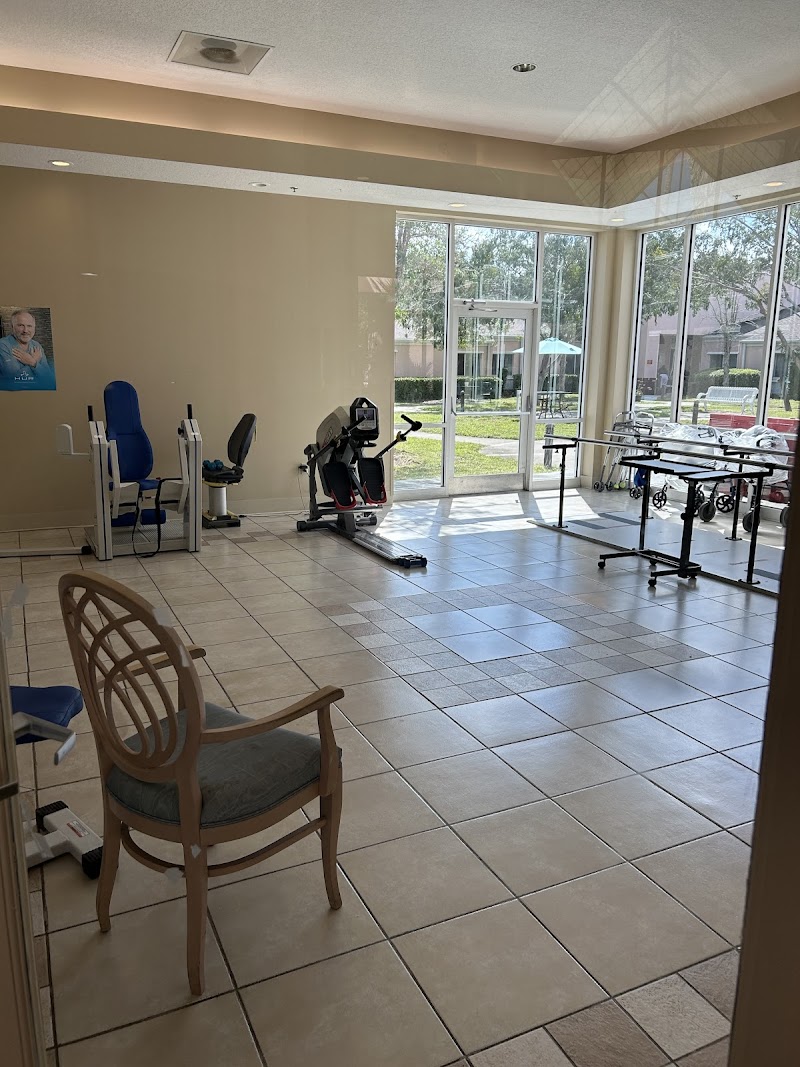
How is Woodland Grove Healthcare & Rehabilitation Center Staffed?

CMS rates WOODLAND GROVE HEALTHCARE & REHABILITATION CENTER's staffing level at 3 out of 5 stars, which is average compared to other nursing homes. Staff turnover is 45%, compared to the Florida average of 46%. This relatively stable workforce can support continuity of care.

What Have Inspectors Found at Woodland Grove Healthcare & Rehabilitation Center?

State health inspectors documented 5 deficiencies at WOODLAND GROVE HEALTHCARE & REHABILITATION CENTER during 2021 to 2023. These included: 5 with potential for harm.
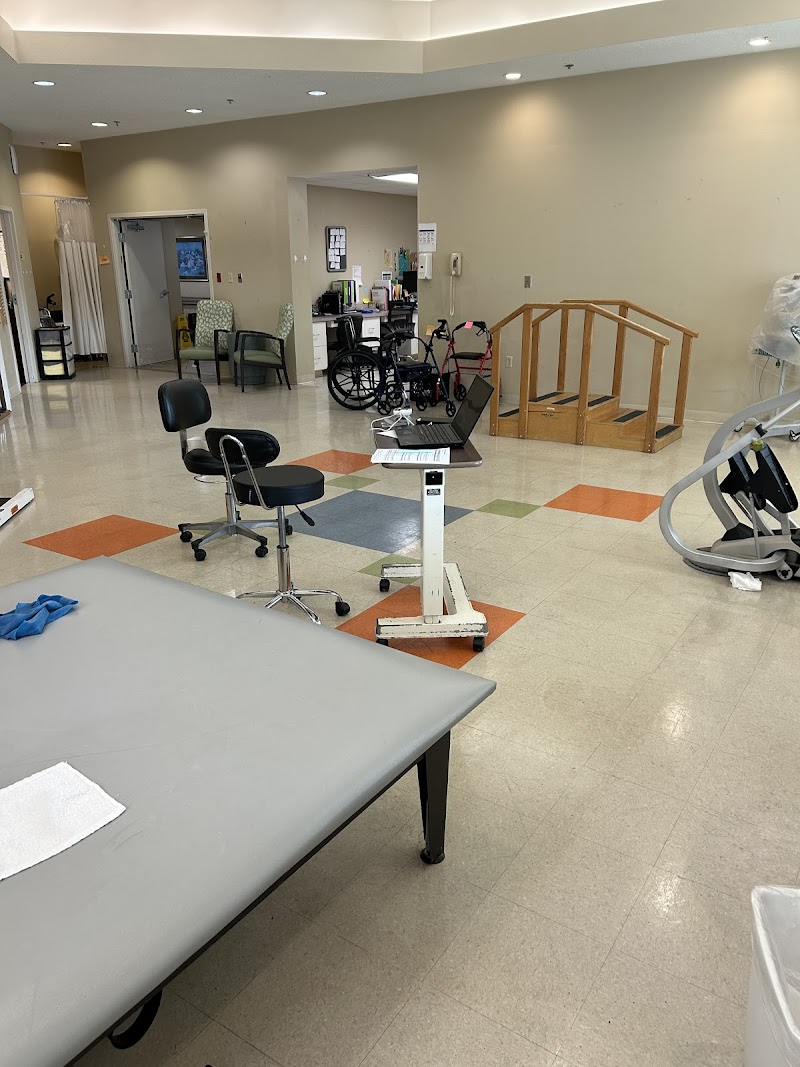
Who Owns and Operates Woodland Grove Healthcare & Rehabilitation Center?

WOODLAND GROVE HEALTHCARE & REHABILITATION CENTER is owned by a for-profit company. For-profit facilities operate as businesses with obligations to shareholders or private owners. The facility is operated by GOLD FL TRUST II, a chain that manages multiple nursing homes. With 120 certified beds and approximately 108 residents (about 90% occupancy), it is a mid-sized facility located in JACKSONVILLE, Florida.

How Does Woodland Grove Healthcare & Rehabilitation Center Compare to Other Florida Nursing Homes?

Compared to the 100 nursing homes in Florida, WOODLAND GROVE HEALTHCARE & REHABILITATION CENTER's overall rating (5 stars) is above the state average of 3.2, staff turnover (45%) is near the state average of 46%, and health inspection rating (5 stars) is much above the national benchmark.

What Should Families Ask When Visiting Woodland Grove Healthcare & Rehabilitation Center?

Based on this facility's data, families visiting should ask: "Can I visit during a mealtime to observe dining assistance and food quality?" "How do you handle medical emergencies, and what is your hospital transfer rate?" "Can I speak with family members of current residents about their experience?"

Is Woodland Grove Healthcare & Rehabilitation Center Safe?

Based on CMS inspection data, WOODLAND GROVE HEALTHCARE & REHABILITATION CENTER has a clean safety record: no substantiated abuse findings (meaning no confirmed cases of resident harm), no Immediate Jeopardy citations (the most serious violation level indicating risk of serious injury or death), and is not on the Special Focus Facility watch list (a federal program monitoring the lowest-performing 1% of nursing homes). The facility has a 5-star overall rating and ranks #1 of 100 nursing homes in Florida. While no facility is perfect, families should still ask about staff-to-resident ratios and recent inspection results during their visit.

Do Nurses at Woodland Grove Healthcare & Rehabilitation Center Stick Around?

WOODLAND GROVE HEALTHCARE & REHABILITATION CENTER has a staff turnover rate of 45%, which is about average for Florida nursing homes (state average: 46%). Moderate turnover is common in nursing homes, but families should still ask about staff tenure and how the facility maintains care continuity when employees leave.

Was Woodland Grove Healthcare & Rehabilitation Center Ever Fined?

WOODLAND GROVE HEALTHCARE & REHABILITATION CENTER has no federal fines on record. CMS issues fines when nursing homes fail to meet care standards or don't correct problems found during inspections. The absence of fines suggests the facility has either maintained compliance or corrected any issues before penalties were assessed. This is a positive indicator, though families should still review recent inspection reports for the full picture.

Is Woodland Grove Healthcare & Rehabilitation Center on Any Federal Watch List?

WOODLAND GROVE HEALTHCARE & REHABILITATION CENTER is not on any federal watch list. The most significant is the Special Focus Facility (SFF) program, which identifies the bottom 1% of nursing homes nationally based on persistent, serious quality problems. Not being on this list means the facility has avoided the pattern of deficiencies that triggers enhanced federal oversight. This is a positive indicator, though families should still review the facility's inspection history directly.