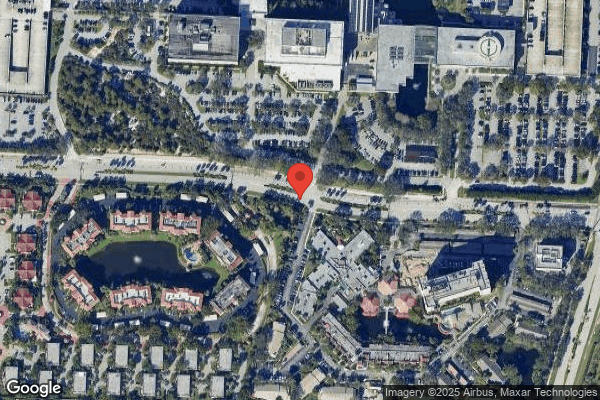




WATERFORD, THE

601 UNIVERSE BLVD, JUNO BEACH, FL 33408 (561) 627-3800
Non profit - Corporation 60 Beds LIFESPACE COMMUNITIES Data: November 2025
Trust Grade
75/100
#304 of 690 in FL
Last Inspection: February 2025

Within standard 12-15 month inspection cycle. Federal law requires annual inspections.

Overview

Waterford, The in Juno Beach, Florida, has a Trust Grade of B, indicating it is a good choice for families seeking care for their loved ones. It ranks #304 out of 690 facilities in Florida, placing it in the top half of state options, and #21 out of 54 in Palm Beach County, meaning there are only a few local facilities ranked higher. The facility is improving, with the number of reported issues decreasing from seven in 2023 to four in 2025. Staffing is a strong point, with a 4 out of 5 rating and better RN coverage than 93% of Florida facilities, though the turnover rate of 48% is average. While there have been no fines, some concerning incidents have been noted, including failures in infection control practices, such as not properly disinfecting blood glucose devices or ensuring hand hygiene during medication administration, which could pose risks to residents' health. Overall, while there are strengths in staffing and a good trust score, families should be aware of the highlighted concerns regarding care practices.

Trust Score
B
75/100
In Florida
#304/690
Top 44%
Safety Record
Low Risk
No red flags
Inspections
Getting Better
7 → 4 violations
Staff Stability
⚠ Watch
48% turnover. Above average. Higher turnover means staff may not know residents' routines.
Penalties
✓ Good
No fines on record. Clean compliance history, better than most Florida facilities.
Skilled Nurses
✓ Good
Each resident gets 71 minutes of Registered Nurse (RN) attention daily — more than 97% of Florida nursing homes. RNs are the most trained staff who catch health problems before they become serious.
Violations
⚠ Watch
15 deficiencies on record. Higher than average. Multiple issues found across inspections.
★★★★☆
4.0
Overall Rating
★★★★☆
4.0
Staff Levels
★★★★☆
4.0
Care Quality
★★★★☆
4.0
Inspection Score
Stable
2023: 7 issues
2025: 4 issues

The Good

  • 4-Star Staffing Rating · Above-average nurse staffing levels
  • 4-Star Quality Measures · Strong clinical quality outcomes
  • Full Sprinkler Coverage · Fire safety systems throughout facility
  • No fines on record

Facility shows strength in staffing levels, quality measures, fire safety.

The Bad

Staff Turnover: 48%

Near Florida avg (46%)

Higher turnover may affect care consistency

Chain: LIFESPACE COMMUNITIES

Part of a multi-facility chain

Ask about local staffing decisions and management

The Ugly 15 deficiencies on record

Feb 2025 4 deficiencies
CONCERN (D)

Potential for Harm - no one hurt, but risky conditions existed

Assessment Accuracy (Tag F0641)

Could have caused harm · This affected 1 resident

**NOTE- TERMS IN BRACKETS HAVE BEEN EDITED TO PROTECT CONFIDENTIALITY** 2. Record review revealed Resident #44 was admitted to the facility on [DATE] and discharged (d/c) home with family on 11/09/24....

Read full inspector narrative →
**NOTE- TERMS IN BRACKETS HAVE BEEN EDITED TO PROTECT CONFIDENTIALITY** 2. Record review revealed Resident #44 was admitted to the facility on [DATE] and discharged (d/c) home with family on 11/09/24. Resident #44's care plan for discharge, initiated on 10/15/24, documented, Discharge plan is to return home with her sons as caregivers A Health Status Note, dated 11/08/24 at 9:53, documented, Note Text: D/C (discharge) note: Resident will be d/c to home on [DATE]. She will be followed by VNA [Visiting Nursing Association] and HH [Home Health]. Family will self-purchase transport wheelchair. Resident to be transported to home by son. Family will provide 24 hour care. Medicare notice of non-coverage was given and appeal rights were explained. Resident #44's Discharge Assessment - Return Not Anticipated Minimum Data Set, dated [DATE] documented that the resident's discharge was planned, and that Resident #44 was discharged to a short-term general hospital. During an interview, on 02/05/25 at approximately 10:00 AM, the MDS Coordinator was made aware of the discrepancy and stated that she would update the assessment. Based on observation, interview, and record review, the facility failed to ensure accurate Minimum Data Set (MDS) assessments for 2 of 13 sampled residents, Resident #32 related to vision, and Resident #44 related to discharge status. The findings included: 1. Review of the record revealed that Resident #32 was admitted to the facility on [DATE]. Review of the Quarterly minimum data set (MDS) assessment dated [DATE] revealed the vision status for Resident #32 was adequate, and coded as (0), indicating the resident sees fine detail including regular print in newspapers / books. During an interview on 02/03/25 at 2:32 PM, Resident #32 stated she is unable to read the activities calendar that was on her bedside table or the dining menu provided at meal time. The resident explained that she has macular degeneration. Interview with the Activity Director on 02/05/25 at 10:45 AM, with Staff C, Certified Nursing Assistant (CNA) on 02/05/25 11:45 AM, and with Staff A, Dietary Assistant on 02/06/25 11:27 AM, all revealed that Resident #32 was visually impaired and unable to read regular print. During an interview on 02/05/25 at 10:30 AM, the MDS Coordinator stated that she had assessed Resident #32's vision and utilized a larger print sample to assess her vision. She reported that she knew that Resident #32 has macular degeneration and was visually impaired, but since the resident could walk around and make her needs known she felt her vision was adequate. When asked what the determination between adequate vision and inadequate vision was, the MDS Coordinator replied that if a resident can make her needs known and walk around independently then the vision is adequate. During a supplemental interview on 02/05/25 at 4:07 PM, the MDS Coordinator agreed with the inaccuracy.
CONCERN (D)

Potential for Harm - no one hurt, but risky conditions existed

Quality of Care (Tag F0684)

Could have caused harm · This affected 1 resident

**NOTE- TERMS IN BRACKETS HAVE BEEN EDITED TO PROTECT CONFIDENTIALITY** Based on record review and interview, the facility failed to provide medications as per physician order for 1 of 6 sampled resid...

Read full inspector narrative →
**NOTE- TERMS IN BRACKETS HAVE BEEN EDITED TO PROTECT CONFIDENTIALITY** Based on record review and interview, the facility failed to provide medications as per physician order for 1 of 6 sampled residents reviewed for medications, Resident #10, as evidenced by holding blood pressure medications without hold parameters or documented notification to the physician. The findings included: Review of the record revealed Resident #10 was admitted to the facility on [DATE]. Review of the current orders revealed Resident #10 was receiving two medications daily, amlodipine and metoprolol, that affected the residents blood pressure. Further review of these orders lacked any physician ordered parameters to hold the medications. Review of the February 2025 Medication Administration Record (MAR) documented both medications were held on 02/01/25 with a blood pressure of 98/54 and on 02/02/25 with blood pressure of 98/57. Review of the January 2025 MAR documented both medications were held on 01/17/25 with a blood pressure of 110/54, on 01/27/25 with a blood pressure of 103/58, and on 01/30/25 with no documented blood pressure. Review of the corresponding progress notes lacked any reason for not administering the medications and lacked any notification to the physician. During an interview on 02/06/25 at 11:33 AM, when asked the reason she held the above-mentioned medication for Resident #10 on 02/02/25, Staff B, Registered Nurse (RN) stated, I think she has parameters, but I don't see them. Typically, if the systolic (the upper number of the blood pressure reading) is low, below 110, we hold the medications. The RN stated she would call the physician if a medication was held. When asked how the call to the physician was documented, the RN explained she would write a progress note attached to the electronic MAR administration documentation.
CONCERN (D)

Potential for Harm - no one hurt, but risky conditions existed

Deficiency F0685 (Tag F0685)

Could have caused harm · This affected 1 resident

**NOTE- TERMS IN BRACKETS HAVE BEEN EDITED TO PROTECT CONFIDENTIALITY** Based on observation, interview, and record review, the facility failed to provide interventions to enhance vision for 1 of 2 sa...

Read full inspector narrative →
**NOTE- TERMS IN BRACKETS HAVE BEEN EDITED TO PROTECT CONFIDENTIALITY** Based on observation, interview, and record review, the facility failed to provide interventions to enhance vision for 1 of 2 sampled residents, Resident #32, reviewed for vision. The findings included: Review of record revealed Resident #32 was admitted to the facility on [DATE]. Review of the Quarterly Minimum Data Set (MDS) assessment dated [DATE] revealed the vision status for Resident #32 was adequate, and coded as (0) indicating the resident sees fine detail, including regular print in newspapers / books. This MDS also revealed that it was very important for Resident #32 to participate in music, keep up with the news, do things with groups of people, and to go outside. During an interview on 02/03/25 at 2:32 PM, Resident #32 stated she was unable to read the activities calendar that was on her bedside table. The resident stated she has macular degeneration, and would have attended the music show recently if she had known when it was scheduled. She further stated she cannot see the menu for her meals and therefore cannot make independent choices. When asked if the facility had provided any type of intervention, Resident #32 stated they had not provided anything. During this interview, Resident #32 asked for help to read a letter she had received in the mail as she could not see the print. An interview was conducted on 02/05/25 at 10:30 AM with the MDS Coordinator who stated she assessed Resident 32's vision and utilized a larger print sample to assess her vision. She reported she knew Resident #32 has macular degeneration and was visually impaired but since the resident could walk around and make her needs known she felt her vision was adequate. When asked what the determination between adequate vision and inadequate vision was, the MDS Coordinator replied, If the resident can make her needs known and walk around independently then her vision is adequate. When asked if she had coded Resident #32's vision as impaired, would further assessment and or interventions have been provided, the MDS Coordinator replied, Yes. When asked if any interventions were in place or trialed for Resident #32, she said, no. During an interview on 02/05/25 at 10:45 AM, when asked how the residents know what activities are happening, the Director of Lifestyle replied there were activity calendars posted in the residents' rooms, and staff walk room to room with verbal reminders. The Director of Lifestyle confirmed she was aware of the resident's visual impairment and stated, We could do better with having a large print calendar for Resident #32. During an interview on 02/05/25 at 11:45 AM, Staff C, Certified Nursing Assistant (CNA), confirmed the visual impairment of Resident #32, and stated she needed help with TV [television] remote control since she cannot see the buttons. An observation on 02/05/25 at 12:00 PM in the main dining room revealed staff verbally assisted her with choosing her menu items. On 02/06/25 at 11:27 AM, Staff A, Dietary Assistant, stated Resident #32 needs help to know what is on the menu because she has difficulty seeing the choices. On 02/06/25 at 11:37 AM, when asked if she would be willing to try an intervention to assist her in reading print, Resident #32 stated she would like to try something.
CONCERN (D)

Potential for Harm - no one hurt, but risky conditions existed

Infection Control (Tag F0880)

Could have caused harm · This affected 1 resident

**NOTE- TERMS IN BRACKETS HAVE BEEN EDITED TO PROTECT CONFIDENTIALITY** Based on policy review, observation, interview, and record review, the facility failed to report an Influenza outbreak to the Fl...

Read full inspector narrative →
**NOTE- TERMS IN BRACKETS HAVE BEEN EDITED TO PROTECT CONFIDENTIALITY** Based on policy review, observation, interview, and record review, the facility failed to report an Influenza outbreak to the Florida Department of Health (DOH) for 1 of 2 sampled residents, Resident #197, reviewed for Influenza by lack of reporting to DOH. The findings included: The facility policy, titled, Infection Prevention and Control Manual Outbreak Management, dated 2019, revealed it is the policy of this community to recognize and contain infectious disease outbreaks. Outbreak measures will be instituted whenever there is evidence of an outbreak, as outlined below. The infection preventionist, or designee, will conduct the outbreak investigation and has the authority to implement outbreak measures to control possible transmission. These actions will be carried out in coordination with the medical director, administration, and medical team members as well as state and local health agencies. In the absence of the infection preventionist, the director of nursing or the assistant director of nursing, or designee will conduct the investigation. Appropriate notifications to the medical director, administrator, all departments, attending physicians, state and local agencies, and resident representatives will take place as soon as possible after and the outbreak has been identified. Outbreak monitoring and reporting will continue until the outbreak has resolved. The community will send all appropriate reports to state and local health department agencies in accordance with state requirements. For any given circumstances, the communities Medical Director and, infection Preventionist, and/or state guidelines will determine if an outbreak exist. CDC example for influenza: A confirmed, or suspected outbreak is defined as 2 or more ill residents or if there is one lab confirmed case with other respiratory infections that would indicate a potential may be occurring. As state law requires, public health codes or ordinances report illnesses and new or unusual infections to public health agencies as soon as possible. It was recorded in the Florida Department of Health Reportable Diseases / Conditions List that Influenza A was to be reported immediately 24/7 by phone upon initial suspicion or laboratory test order. The CDC guideline, titled, Interim Guidance for Influenza Outbreak Management in Long-Term Care and Post-Acute Care Facilities, dated September 17, 2024, indicated Influenza can be introduced into a long-term care facility by newly admitted residents, healthcare personnel, and visitors. Spread of influenza can occur between and among residents, healthcare personnel and visitors. Residents of long-term care facilities can experience severe and fatal illness during influenza outbreaks. If one laboratory-confirmed influenza positive case is identified along with other cases of acute respiratory illness in a unit of a long-term care facility, an influenza outbreak might be occurring. The local public health and state health departments should be notified of every suspected or confirmed influenza outbreak in a long-term care facility, especially if a resident develops influenza while on or after receiving antiviral chemoprophylaxis. Clinical record review revealed Resident #197 was admitted to the facility on [DATE]. Review of the progress note dated 01/29/25 at 9:21 PM documented that Resident #197's Lungs were clear throughout bilaterally-no difficulty breathing. No cough was noted. No shortness of breath [SOB] was noted. No oxygen required. Review of the physician orders revealed the following: 02/01/25, Tamiflu oral capsule 30 mg, one capsule by mouth twice daily for upper respiratory infection for 5 Days. 02/01/25 Isolation droplet Precautions for Influenza A. The care plan dated 02/02/25 recorded that Resident #197 has a diagnosis of Influenza A. Review of the progress notes dated 02/01/25 at 6:40 PM documented Resident #197 was observed with congested cough, nonproductive, complained of general malaise, warm to touch with an axillary temp of 99.8, O2 sat [oxygen saturation] 96% on room air & no SOB, Rapid COVID-19 nasal swab was negative. A chest x-ray was completed with negative results. Influenza rapid swab test completed with positive results of Influenza A. The surveyor observed Resident #197 on the following dates: 02/02/25 at 11:39 AM, 11:52 AM, and 12:51 PM, and on 02/04/25 at 1:15 PM. During these observations, the resident exhibited symptoms of coughing and sounded congested. On 02/06/25 at 9:46 AM, the surveyor interviewed the infection preventionist (IP) regarding the documented reporting of an Influenza (FLU) outbreak to the Department of Health (DOH). The IP indicated that the FLU outbreak had not been reported because Resident #197 tested positive for Influenza three days post-admission and may have been exposed in the hospital setting. The IP stated that her organization's policy mandates reporting of an Influenza outbreak only when two or more residents exhibit illness.
Oct 2023 7 deficiencies
CONCERN (D)

Potential for Harm - no one hurt, but risky conditions existed

Deficiency F0561 (Tag F0561)

Could have caused harm · This affected 1 resident

**NOTE- TERMS IN BRACKETS HAVE BEEN EDITED TO PROTECT CONFIDENTIALITY** Based on observation, interview and record review, the facility failed to ensure residents received showers on her scheduled sho...

Read full inspector narrative →
**NOTE- TERMS IN BRACKETS HAVE BEEN EDITED TO PROTECT CONFIDENTIALITY** Based on observation, interview and record review, the facility failed to ensure residents received showers on her scheduled shower days and/or per the resident's request for 1 of 4 sampled residents reviewed for Choices, Resident #38. The findings included: review review documented Resident #38 was admitted to the facility on [DATE] with diagnoses that included Malignant Neoplasm of the Esophagus, Encounter for attention to Gastrostomy, Dysphagia, Chronic Fatigue, Muscle Weakness, and Abnormalities of Gait and Mobility. Review of the Minimum Data Set (MDS) assessment completed on 09/23/2, documented Resident #38's Brief Interview for Mental Status (BIMS) was a 15 out of 15, indicating cognition was intact. Resident 38's assessment for Activities of Daily Living (ADLs) documented that Resident #38 required extensive assistance for transfering between surfaces, for personal hygiene, and for dressing. Resident #38 also required physical help in part of the bathing activity. On 10/25/23 at 9:35 AM, Resident #38 stated that she had not had a shower since her admission on [DATE]. She confirmed she occasionally was given bed baths, and she had gotten a really good bed bath that morning, but she would really love to have a shower. Resident #38 said she had asked different nurses about getting a shower; and Some nurses said I wasn't allowed to have a shower because of my PEG tube, and other nurses said I was allowed to have a shower. The resident confirmed that none of the CNAs (Certified Nursing Assistants) assigned to her had given her a shower. On 10/25/23 at 9:43 AM, Staff A, Registered Nurse/RN, assigned to Resident #38, stated, There is no reason why [Resident #38] cannot have a shower. I will talk to the Director of Nursing [DON] and the resident, and I will get her a shower today. On 10/25/23 at 9:55 AM, interview with the resident confirmed Resident #38 was to be scheduled for a shower later that day. The resident stated that since she had already been given a good bed bath that morning, she would discuss with the nurse and CNA to wait and have her shower the following day. Review of the electronic CNA Task sheets for period 09/26/23 to 10/24/23 documented that Resident #38 is scheduled for showers on Tuesdays and Fridays on the 3 PM-11 PM shift. The Task Sheet shows Resident #38 has not had a shower at any time during this 29 day review period. Review of the the CNA Shower / Skin Check binder, located at the nurse's desk on Unit B (200 unit), contained a blank form signed by Staff C (CNA) and the Nurse on duty, which was for 10/23/23 at 6:50 PM. There was nothing noted on the form regarding a shower or bed bath, and no skin check information was documented at this time. A second form, dated 10/13/23 at 7:00 PM, was completed by Staff D (CNA). She documented that Resident #38 had refused her shower because she had received a bed bath earlier that morning. No other Shower / Body Check Forms were found in this binder for Resident #38. On 10/26/23 at 11:30 AM, Resident #38 confirmed that she had received a shower that morning. It felt so wonderful to get a shower and get scrubbed down. I feel like a new person. On 10/26/23 at 12:05 PM, an interview was conducted with Staff B (one of 3 CNAs for the 200 unit). She stated that she was not assigned to Resident #38 today, but she has cared for this resident in the past. When asked what she would do if a resident requested a shower on one of her non-scheduled days and times, she stated, I would try my best to accommodate the resident and give her a shower. There may be times that I would not be able to do it because of my schedule and other tasks I would have to complete, but I would try to fit it in. On 10/26/23 at 1:55 PM, a call was placed to Staff C to inquire about Resident #38's showers, but the call went to voice mail. A message was left requesting a call back as soon as possible, but Staff C did not return the call before the time of exit from the survey.
CONCERN (D)

Potential for Harm - no one hurt, but risky conditions existed

Assessment Accuracy (Tag F0641)

Could have caused harm · This affected 1 resident

**NOTE- TERMS IN BRACKETS HAVE BEEN EDITED TO PROTECT CONFIDENTIALITY** Based on record review and interview, the facility failed to ensure accuracy of the Minimum Data Set (MDS) assessment related to...

Read full inspector narrative →
**NOTE- TERMS IN BRACKETS HAVE BEEN EDITED TO PROTECT CONFIDENTIALITY** Based on record review and interview, the facility failed to ensure accuracy of the Minimum Data Set (MDS) assessment related to medication use for 1 of 5 sampled residents, Resident #14. The findings included: Review of the record revealed Resident #14 was admitted to the facility on [DATE] with diagnoses to include anxiety. Review of the current MDS assessment dated [DATE] documented Resident #14 received an anti-anxiety medication on 7 of 7 days during the look-back period of 08/26/23 through 09/01/23. Review of the corresponding Medication Administration Records (MARs) revealed Resident #14 was receiving diazepam (an anti-anxiety medication) once daily. Further review of the August 2023 MAR revealed the medication was held on 08/30/23 and 08/31/23. Review of the corresponding progress notes revealed the medication was held on those two days for lethargy. During a side-by-side record review with the Director of Nursing (DON), and a phone interview on 10/26/23 at 2:07 PM, the MDS Coordinator agreed with the inaccurate MDS, and confirmed the anti-anxiety medication should have been coded as a 5, instead of a 7, on that MDS assessment, indicating Resident #14 received the medication five days during that look-back period.
CONCERN (D)

Potential for Harm - no one hurt, but risky conditions existed

Comprehensive Care Plan (Tag F0656)

Could have caused harm · This affected 1 resident

**NOTE- TERMS IN BRACKETS HAVE BEEN EDITED TO PROTECT CONFIDENTIALITY** Based on record review and interview, the facility failed to ensure care plans were initiated to reflect diuretic usage for 1 of...

Read full inspector narrative →
**NOTE- TERMS IN BRACKETS HAVE BEEN EDITED TO PROTECT CONFIDENTIALITY** Based on record review and interview, the facility failed to ensure care plans were initiated to reflect diuretic usage for 1 of 5 sampled residents, Resident #10. The findings included: During the unnecessary Medication, Psychotropic Medications, and Medication Regimen Review process for Resident #10, it was revealed Resident #10 was initially admitted to the facility on [DATE], and readmitted on [DATE], with diagnoses that included Hypertension (high blood pressure). The quarterly minimum data set (MDS) assessment, reference date 07/02/23, recorded a Brief Interview for mental Status (BIMS) score of 15, indicating Resident #10 was cognitively intact. Further review of this MDS, under section N for medication, subsection G for Diuretic, it was revealed that Resident #10 had received diuretics 7 times on the 7 days look back period. Additional record review evidenced a physician order dated 10/12/23 of Bumetanide (a diuretic) 1 MG give 1 tablet by mouth one time a day every other day for fluid retention. Review of the October 2023 medication administration record (MAR) indicated Resident #10 had received the Bumetanide on the following days in October 2023: 10/12, 10/14, 10/16, 10/18, 10/24 and 10/26/23. Additional review of Resident 10's record revealed the comprehensive care plans, with review start date 09/09/2023 completed date 09/21/2023, and a care conference was held on 09/20/23. It was revealed that Resident #10's record lacked any evidence of a care plan to reflect the diuretic usage. On 10/26/23 at 1:04 PM, an interview was conducted with the nurse consultant, who reviewed Resident #10's records. She agreed there was no evidence of a care plan generated to reflect the diuretic order.
CONCERN (D)

Potential for Harm - no one hurt, but risky conditions existed

Tube Feeding (Tag F0693)

Could have caused harm · This affected 1 resident

Based on observation, interview, record review, and policy review, the facility failed to ensure proper care and services for 1 of 1 sampled resident, Resident #38, who received medications and nutrit...

Read full inspector narrative →
Based on observation, interview, record review, and policy review, the facility failed to ensure proper care and services for 1 of 1 sampled resident, Resident #38, who received medications and nutrition via an enteral tube (feeding tube), as evidenced by failure to check for placement of the PEG (percutaneous endoscopic gastrostomy / surgical procedure for placement of a feeding tube), failure to administer medication via gravity, and failure to utilize purified water, as per facility policy. The findings included: Review of the policy, titled, Administering Medications through an Enteral Tube, revised November 2018, documented, in part, Steps in the Procedure: . 6. Verify placement of feeding tube. 9. Dilute medication: . with purified water. 11. Reattach syringe (without plunger) to the end of the tubing. 12. Administer medication by gravity flow. A medication administration observation for Resident #38 was made on 10/24/23 beginning at 1:32 PM with Staff E, Registered Nurse / RN. The RN obtained two medications, crushed each one, and put them into separate small medication cups. Upon entering the resident's room, Staff E obtained tap water from the bathroom sink, using it to dilute each medication. The RN then drew up about 20 ml of the tap water into the piston syringe and stated, I want to flush it. Staff E then quickly pushed the tap water through the PEG tube. Resident #38 jumped slightly and grimaced. The RN provided the two medications and flushes between and after each medication in the same manner, but with less force. Staff E failed to check for placement prior to administration of any fluids or medications, and failed to administer the fluids and medication via gravity. During an interview on 10/24/23 at 1:52 PM, when asked why she pushed the medications using the syringe into the resident's PEG tube instead of via gravity, Staff E stated she has done it via gravity before, and the resident usually coughed and the medications splashed up. When asked if she noted the resident jumped with the initial flush, the nurse stated she did notice and so she pushed the rest of the medications with less force. Review of the record revealed Resident #38 obtained the PEG tube on 09/21/23. Review of the care plan initiated on 09/22/23 documented the resident required the PEG tube and staff were to check for tube placement per facility protocol. Further review of the record lacked any documented evidence, care plans, or orders for the nursing staff to push the fluids or medications through the PEG, instead of via gravity. The record also lacked any documented difficulty with the PEG tube for Resident #38. During an interview on 10/25/23 at 9:57 AM with Resident #38, when asked if the nurses usually use the syringe to push the medications through her PEG, or if they administer them via gravity, Resident #38 stated sometimes they have to push them through when they get stuck. The resident explained they also have had to use the long stick to get it opened up. When asked about the fluid and medication administration from the previous day when she jumped, Resident #38 stated it wasn't painful, but that she was surprised that she felt something that time.
CONCERN (D)

Potential for Harm - no one hurt, but risky conditions existed

Respiratory Care (Tag F0695)

Could have caused harm · This affected 1 resident

**NOTE- TERMS IN BRACKETS HAVE BEEN EDITED TO PROTECT CONFIDENTIALITY** Based on observation, interview, record review, and policy review, failed to ensure proper care and services and properly assess...

Read full inspector narrative →
**NOTE- TERMS IN BRACKETS HAVE BEEN EDITED TO PROTECT CONFIDENTIALITY** Based on observation, interview, record review, and policy review, failed to ensure proper care and services and properly assess 2 of 2 sampled residents, Residents #20 and #107, during respiratory treatments via a nebulizer (a device for administering a medication by spraying a fine mist), failed to document findings in the record; and failed to change the nebulizer tubing weekly for 1 of 2 sampled resident, Resident #107, as per facility policy. The findings included: Review of the policy, titled, Administering Medications through a Small Volume (Handheld) Nebulizer, revised October 2010, documented, in part, Steps in the Procedure . 17. Remain with the resident for the treatment. 18. Approximately five minutes after treatment begins (or sooner if clinical judgment indicates) obtain the resident's pulse. 19 Monitor for medication side effects, including rapid pulse, restlessness and nervousness throughout the treatment. 20. Stop the treatment and notify the physician if the pulse increases 20 percent above baseline or if the resident complains of nausea or vomits. 21. Tap the nebulizer cup occasionally to ensure release of droplets from the sides of the cup. 26. Obtain post-treatment pulse, respiratory rate and lung sounds. Documentation: The following information should be recorded in the resident's medical record. 5. Pulse, respiratory rate and lung sounds before and after the treatment. 6. Pulse during treatment. 8. The resident's tolerance of the treatment. Review of the policy, titled, Departmental (Respiratory Therapy) - Prevention of Infection, not dated, documented, in part, staff were to change the oxygen cannulae and tubing every seven (7) days, or as needed. 1. A medication administration observation for Resident #20 was made on 10/24/23 beginning at 2:04 PM with Staff E, Registered Nurse (RN). The RN obtained a vial of Acetylcysteine (an inhalant medication used to destroy or dissolve mucus) from the medication cart, and drew up the ordered dose. Before starting the nebulizer treatment, Staff E obtained the resident's heart rate, oxygen saturation level, and assessed his lungs. The RN started the treatment, verbalized it lasts about 15 minutes, and stepped outside of the room and into the hallway, leaving the door open. Staff E stated she usually waits right outside of the room until the medication is completed, as the resident will keep talking and try to take the mask off if she stays in the room. The RN stood outside of the door, occasionally looking into the room at the resident until the treatment was over. The RN failed to reassess the resident's pulse at about five minutes into the treatment. Review of the record revealed Resident #20 was admitted to the facility on [DATE] with orders for nebulizer treatments. Further review of the record lacked documented evidence of the nurses assessment of oxygen levels, heart rates, and lung sounds with each nebulizer treatment, as per facility policy. Review of the current care plan for oxygen therapy initiated 10/25/23 documented the resident removes his oxygen at times. 2. On 10/25/23 at 12:17 PM, upon entering the room of Resident #107, the resident was noted lying in bed with a nebulizer treatment running. There was no staff present in or about the room. Staff F, Licensed Practical Nurse (LPN), had been seen in the alcove, halfway down the hall, on the way to the resident's room, which was located at the end of the hall. The surveyor stood outside the door until 12:35 PM, and no staff entered or came near the room. While waiting outside of the room, Resident #107 could be heard coughing numerous times. At 12:35 PM, the surveyor walked back through the hallway and did not see the LPN. Upon return to the resident's room at 12:39 PM, Staff F was in the process of disconnecting the tubing and mask from the nebulizer, and was telling the resident she was going to get new tubing. An observation of the tubing revealed a label dated 10/17, eight days prior. Resident #107 voiced to the LPN that she was still coughing, and the LPN stated she would call the physician. During an interview on 10/25/23 at 12:45 PM, when asked the process for nebulizer administration, Staff F explained she would confirm the medication, listen to lung sounds, start the treatment, and stay with the resident for 15 minutes in case they aspirate or something. Staff F explained when the treatment was completed she would listen to the lungs again and wash out the equipment. When asked if there was anything else she would do, the LPN stated she would also check the resident's oxygen saturation level. When asked if there was anything else, the LPN stated not that she was aware of. When asked how often the nebulizer tubing and mask were changed, the LPN stated she was unsure, but would change it if it looked nasty or at least every three days. When asked if she noted the date on the oxygen tubing when she worked yesterday or before administration today, Staff F stated in report she was told the tubing had been changed and so she didn't verify it. When asked why she did not stay with Resident #107 today during her treatment, Staff F stated she was trying to verify an order with the physician for another resident, and volunteered, I could have stayed with her. When asked if the other resident had an emergency that took her away from Resident #107, the LPN stated it was not. When told their facility policy documented to reassess the resident's heart rate at about five minutes into the treatment, the LPN stated she was unaware of that and was unaware of the possible side effect of an increased heart rate. During an interview on 10/25/23 at 4:03 PM, when asked if the staff stay with her during the nebulizer treatments, Resident #107 stated they do not, and volunteered that she even took off the mask herself today. When asked if staff check her oxygen and or heart rate before, during, or after the treatment, Resident #107 stated they check her oxygen level and heart rate before the treatment, but never afterwards. When asked if the staff assess and or listen to her lungs, Resident #107 stated, nobody has ever listened to my lungs. Review of the record revealed Resident #107 was admitted to the facility on [DATE]. The record lacked any order or assessment for the self-administration of medications, and the baseline care plan completed on 10/16/23 documented No to the question regarding self-administration of medications. Review of the current Minimum Data Set (MDS) assessment dated [DATE] documented Resident #107 had a Brief Interview for Mental Status (BIMS) score of 13, on a 0 to 15 scale, indicating the resident was cognitively intact. Review of the record lacked documented evidence of the nurses assessment of oxygen levels, heart rates, and lung sounds with each nebulizer treatment, as per facility policy. Further review of the record lacked any order or documentation for changing the nebulizer tubing on a weekly basis. Review of the current care plan initiated 10/17/23 documented Resident #107 had COPD (Chronic Obstructive Pulmonary Disease) related to Asthma, and staff were to administer the aerosols or bronchodilators as ordered. This care plan also instructed to monitor and document any side effects and the effectiveness of the treatments. During an interview on 10/26/23 at 10:25 AM, Staff A, Registered Nurse (RN), confirmed the oxygen and nebulizer tubing and masks were to be changed once weekly on Sunday nights, or as needed.
CONCERN (D)

Potential for Harm - no one hurt, but risky conditions existed

Deficiency F0697 (Tag F0697)

Could have caused harm · This affected 1 resident

**NOTE- TERMS IN BRACKETS HAVE BEEN EDITED TO PROTECT CONFIDENTIALITY** Based on interview, record review, and policy review, the facility failed to timely assess and treat a newly voiced complaint of...

Read full inspector narrative →
**NOTE- TERMS IN BRACKETS HAVE BEEN EDITED TO PROTECT CONFIDENTIALITY** Based on interview, record review, and policy review, the facility failed to timely assess and treat a newly voiced complaint of pain for 1 of 1 sampled resident, Resident #14, who voiced pain on 08/17/23, after having not taking any pain medications since 08/11/23, and staff did not thoroughly assess the location or underlying cause of the new pain, and the resident was diagnosed with a fracture on 08/24/23. The findings included: Review of the policy, titled, Pain Management, effective 10/25/22, documented, in part, Pain Management Guidelines: . 2. Pain management is a multidisciplinary care process that includes the following: . b. Effectively recognizing the presence of pain; c. Identifying the characteristics of pain; d. Addressing the underlying causes of the pain; . 4. Conduct a comprehensive pain assessment upon admission to the community, at the quarterly review, whenever there is a significant change in condition, and when there is onset of new pain or worsening of existing pain. 5. Assess the resident's pain. Assessment: . Characteristics of pain, such as: (intensity, pattern, location, frequency, and duration) . Monitoring and Modifying Approaches: 1. Re-assess the resident's pain and consequences of pain at least each shift for acute pain or significant changes in levels of chronic pain. 3. Monitor the following factors to determine if the resident's pain is being adequately controlled: a. The resident's response to interventions and level of comfort over time. b. The status of the underlying cause(s) of pain, if identified previously; . 6. If pain has not been adequately controlled, the multidisciplinary team, including the physician, shall reconsider approaches and adjust as indicated. Documentation: 1. Document the resident's reported level of pain with adequate detail (i.e., enough information to gauge the status of pain and the effectiveness of interventions for pain) as necessary and in accordance with the pain management program. Reporting: Report the following information to the physician or practitioner: 1. Significant changes in the level of the resident's pain; . Review of the record revealed Resident #14 was admitted to the facility on [DATE], with diagnoses to include chronic pain syndrome. Review of the facility's incident log included a fracture for Resident #14 on 08/24/23. Review of the physician orders and progress notes revealed Resident #14 started refusing her scheduled oxycodone pain medications on 08/02/23 secondary to hallucinations, requesting it to be decreased from three times daily to twice daily. On 08/08/23, the resident declined her scheduled dose related to lethargy. On 08/10/23, Resident #14 declined both doses of oxycodone, and on 08/11/23, the resident refused her morning dose of oxycodone. As per a progress note dated 08/11/23 at 1:37 PM, Resident #14 explained that she did not like the way the oxycodone made her feel throughout the day, and agreed to a PRN (as needed) dose only. Further review of the record revealed Resident #14 did not request any PRN oxycodone from 08/11/23 until 08/17/23. Review of the pain level assessments conducted on each shift documented a pain level of 0, 1, or 2, on a pain scale of 0 to 10, from 08/01/23 through 08/16/23. Further review of the progress notes and corresponding August 2023 Medication Administration Record (MAR) related to pain revealed the following: On 08/17/23 at 8:44 PM, Resident #14 requested a PRN dose of oxycodone. The MAR documented a pain level of 4, on a 0 to 10 scale, and the corresponding administration progress note lacked any type of assessment or location of the pain. On 08/18/23 at 10:34 AM, Resident #14 requested a PRN dose of oxycodone for a pain level of 5. The corresponding progress note documented bilateral lower extremity pain. On 08/20/23 at 3:48 PM, Resident #14 requested a PRN dose of oxycodone for a pain level of 6. The corresponding progress note documented generalized pain. On 08/21/23 at 11:47 AM, Resident #14 requested a PRN dose of oxycodone for a pain level of 4. The corresponding progress note documented the resident complained of pain, repositioned resident with no effects, and the medication was given. This note lacked any assessed location of pain. On 08/22/23 at 10:10 AM, Resident #14 requested a PRN dose of oxycodone for a pain level of 6. The corresponding progress note documented the resident complained of pain. This note lacked any assessed location of pain. On 08/22/23 at 8:04 PM, Resident #14 was provided two 325 mg tablets of Tylenol for the complaint of left hip pain rated at a 5. On 08/23/23 at 10:11 AM, Resident #14 requested a PRN dose of oxycodone for a pain level of 3. The corresponding progress note lacked any type of assessment or location of the pain. On 08/23/23 at 10:30 PM, Resident #14 was provided PRN oxycodone for generalized pain rated at a 5. On 08/24/23 at 9:23 AM, a portable X-ray of the left hip was ordered STAT (immediately). On 08/24/23 at 9:45 AM, Resident #14 was provided two Tylenol for a complaint of left hip pain rated at a 4. At 11:00 AM, the left hip pain had increased to an 8 and Resident #14 was provided a PRN dose of oxycodone. A progress note on 08/24/23 at 2:00 PM by the Director of Nursing (DON) indicated Resident #14 stated her pain started about a week ago. The nursing staff failed to identify the new complaint of pain on 08/17/23, and failed to conduct a comprehensive pain assessment. Review of the facility investigation and staff statements revealed the following: The management description of the event documented on 08/24/23 the daughter of Resident #14 alerted the nurse that the resident complained of pain to her left hip. At that point, the physician was notified, an X-ray was ordered, and Resident #14 was interviewed about her pain. A written statement by the private aide dated 08/28/23 documented that when she arrived to work on Monday 08/21/23, Resident #14 told her she was in pain. The private aide confirmed the resident had been up in her wheel chair over the weekend. This written statement documented the resident stated to the private aide that her legs were spread wide during incontinence care and after the care she felt a pain. The record and investigation lacked any evidence the private aide informed the facility staff of the pain over the weekend or the resident's statement as to when she felt pain. The record and investigation lacked any evidence of a thorough assessment or attempt at identifying the underlying cause of the new pain of 08/17/23, until 08/24/23. During an interview on 10/25/23 at 3:30 PM, Staff A, Registered Nurse (RN), was asked the process should a resident ask for a PRN pain medication. The RN stated she would attempt non-pharmacological interventions, and if ineffective she would assess the level and location of the pain, and provide the ordered pain medication. When asked if Resident #14 can make her needs known and or describe the location and intensity of her pain, Staff A confirmed the resident was alert and oriented, and if eye to eye contact is made and time given, she will make her needs known and provide requested information. Staff A volunteered the resident had a time prior to her fracture that she did not want pain medications as it made her foggy. When asked about the fracture of Resident #14, Staff A stated she just recalled she was told of the fracture and they all were in-serviced on logrolling. When asked if she noted the initiation of the PRN pain medications after the routine had been discontinued, Staff A stated she just thought that her chronic pain had returned after not having her routine pain medications. During an interview on 10/26/23 at 11:00 AM, the daughter of Resident #14 stated she did tell the nurses several days that her mom was in pain. The daughter stated the staff kept telling her that they were giving the pain medications, but that after several days the daughter told them she understood they were treating the pain, but that they were not finding out the cause of the pain.
CONCERN (D)

Potential for Harm - no one hurt, but risky conditions existed

Laboratory Services (Tag F0770)

Could have caused harm · This affected 1 resident

**NOTE- TERMS IN BRACKETS HAVE BEEN EDITED TO PROTECT CONFIDENTIALITY** Based on record review and interview, the facility failed to follow through with an ordered laboratory test for 1 of 1 sampled r...

Read full inspector narrative →
**NOTE- TERMS IN BRACKETS HAVE BEEN EDITED TO PROTECT CONFIDENTIALITY** Based on record review and interview, the facility failed to follow through with an ordered laboratory test for 1 of 1 sampled resident, Resident #3. The findings included: Record review revealed Resident #3 was initially admitted to the facility on [DATE], and readmitted on [DATE], with diagnoses that included: high blood pressure (Hypertension), Hyperlipidemia (high cholesterol), Non-Alzheimer's Dementia, and malnutrition. The quarterly minimum data set (MDS) assessment, reference date 09/13/23, recorded a Brief Interview for Mental Status (BIMS) score of 08, indicating Resident #3 was moderately cognitively impaired. This MDS recorded mood of Feeling down, depressed, or hopeless. Trouble falling or staying asleep or sleeping too much. Feeling tired or having little energy. No behavior exhibited. This MDS indicated Resident #3 required extensive assistance with activity of daily living (ADLs). Subsequent review of the records evidenced a physician assessment dated [DATE] at 12:05 PM, it indicated that Resident #3 had Dementia, COPD (Chronic obstructive Pulmonary Disease), CKD stage 3 (Chronic Kidney Disease), A fib (Atrial Fibrilation), Depression, Hypertension, Hyperlipidemia and decreased endurance. The Plan was: medications reviewed and ordered to get labs next week. Additional record review revealed a Physician order for a laboratory (LAB) test, dated 10/03/23 for complete blood count (CBC), and comprehensive metabolic panel (CMP) for high blood pressure. During additional review of Resident #3's record, it was revealed that a comprehensive care plan with review start date 09/13/23, review completed date 09/25/23, and a care conference meeting held date 10/12/23. This comprehensive care plan revealed Resident #3 had weight loss of 11 pounds with 6.8% weight loss in 1 week and 10 pounds 6% weight loss in 2 weeks which was likely related to fluid, diuretic use. Intervention included: obtain and monitor lab / diagnostic work as ordered; Report results to MD and follow up as indicated. Further review of Resident #3's records and progress notes lacked evidence of the laboratory test result and reason for omitting the lab. On 10/26/23 at 12:25 PM an interview was conducted with the Director Of Nursing (DON). She was made aware there was no evidence of the ordered lab. She voiced she was going to look for the result. At 12:56 PM, a subsequent interview was held with the DON, with the nurse consultant present. The DON and nurse consultant voiced the lab was missed, it was not done. The nurse consultant added the requisition was there for the blood to be drawn, however they were not aware why it wasn't done. The nurse consultant stated they were going to call the physician today and reorder the lab.
Jul 2022 4 deficiencies
CONCERN (D)

Potential for Harm - no one hurt, but risky conditions existed

Incontinence Care (Tag F0690)

Could have caused harm · This affected 1 resident

**NOTE- TERMS IN BRACKETS HAVE BEEN EDITED TO PROTECT CONFIDENTIALITY** Based on observation, record review, interview, and policy review, the facility failed ensure proper urinary catheter care and m...

Read full inspector narrative →
**NOTE- TERMS IN BRACKETS HAVE BEEN EDITED TO PROTECT CONFIDENTIALITY** Based on observation, record review, interview, and policy review, the facility failed ensure proper urinary catheter care and maintenance for 1 of 2 sampled residents, Resident #7, that included: Proper positioning and anchoring of the urinary catheter for Resident #7 was not maintained and Resident #7 was admitted to the facility with an indwelling urinary catheter and the facility failed to assess for and attempt a prompt removal of the catheter. The findings included: Review of the policy Catheter Care, Urinary, revised September 2014, documented, Infection Control . 2b. Be sure the catheter tubing and drainage bag are kept off the floor. Changing Catheters . 2. Ensure that the catheter remains secured with a leg strap to reduce friction and movement at the insertion site. (Note: Catheter tubing should be strapped to the resident's inner thigh.) An observation on 06/27/22 at 9:47 AM revealed Resident #7 in bed. A urinary catheter bag was noted at the bedside, with half of the bag and the catheter tubing lying directly on the floor. The catheter tubing had cloudy urine with sediment noted. There was no dignity bag noted. Photographic evidence obtained. On 06/27/22 at 1:08 PM, the urinary catheter bag for Resident #7 was noted in the same location, directly on the floor. Resident #7 rang the call light as she needed assistance. Staff A, a Certified Nursing Assistant (CNA) responded to the call light. As the CNA was trying to get to the back wall to turn off the call light, she moved the resident's over-the-bed table, running over the urinary catheter bag that was lying on the floor. The CNA stated, oh my and properly hung the urinary catheter bag on the bed frame. During an observation on 06/27/22 at 1:22 PM, Resident #7 uncovered her legs from under the blanket. No anchor or thigh strap was noted. The catheter tubing was lying on the bed, from her adult brief and then under her left leg. During an interview on 06/28/22 at 10:19 AM, the adult daughter of Resident #7 explained the urinary catheter was originally placed while the resident was in the hospital. The daughter stated there had been some back and forth between the facility and Hospice provider as to whether the resident should have the urinary catheter. An observation at this time revealed the urinary catheter bag was now in a dignity bag hanging from the bed frame and off the floor. The tubing of the urinary catheter still was cloudy with sediment. Photographic evidence obtained. The daughter uncovered the resident's legs and there was no type of catheter tubing anchor noted. An observation on 06/29/22 at 9:55 AM revealed the urinary catheter bag remained in the dignity bag, but the tubing with sediment was directly on the floor. Photographic evidence obtained. An observation of personal and urinary catheter care was made on 06/29/22 at 10:06 AM with Staff B, a CNA. The CNA provided proper care but failed to hold the catheter tubing to secure it from moving or pulling during the cleansing of the catheter. The CNA did note there was no anchor and stated she would obtain one for Resident #7. An observation and interview with the Assistant Director of Nursing (ADON) was made on 06/29/22 at 10:49 AM. The ADON confirmed the lack of an anchoring devise for the urinary catheter for Resident #7. The ADON was informed of the urinary catheter bag being observed on the floor. The ADON noted the sediment in the urinary catheter tubing and stated they should have an order to change the catheter as needed, and further stated it needed to be done. During an interview and observation on 06/29/22 at 11:34 AM, Staff C, a Licensed Practical Nurse (LPN), who was also the direct care nurse for Resident #7 on 06/27/22, revealed the urinary catheter was now anchored and had been changed with clear yellow urine noted. When asked why the urinary catheter tubing for Resident #7 had not been anchored since 06/27/22 or why the cloudy urine with sediment had not been addressed on 06/27/22, the LPN stated, it was clear, referring to the urine. The LPN was informed of the previous observations and had no answer. Review of the record revealed Resident #7 was admitted on [DATE] with the indwelling urinary catheter. The rationale for the urinary catheter as per the Bladder and Bowel evaluation completed by the nurse on 03/22/22 documented the need for exact measurement of urine, yet there was no order for intake and output measurement. Further review of the record revealed a physician order, dated 03/22/22, that documented an indwelling catheter was in place and to obtain a bladder scan and assess for catheter discontinuation. The record lacked completion of this order. A subsequent order on 03/31/22 documented to remove the urinary catheter in the morning to complete a trial voiding. Further record review revealed the urinary catheter was replaced on 04/03/22 because of the lack of voiding. During an interview on 06/29/22 at 12:05 PM, when asked why the facility did not attempt to remove the indwelling urinary catheter sooner, the Interim Director of Nursing (DON) stated she believed the delay was because of the family just wanting Resident #7 to be comfortable. Resident #7 was receiving Hospice services. The DON was unable to provide any documentation related to the delay in discontinuation of the urinary catheter.
CONCERN (D)

Potential for Harm - no one hurt, but risky conditions existed

Pharmacy Services (Tag F0755)

Could have caused harm · This affected 1 resident

Based on observation interview and record review, the facility failed to ensure accurate documentation between the controlled medication utilization record and the medication administration record for...

Read full inspector narrative →
Based on observation interview and record review, the facility failed to ensure accurate documentation between the controlled medication utilization record and the medication administration record for 2 of 4 sampled residents reviewed during the medication storage process (Residents #4 and #8). The findings included: 1. During the review of medication storage process conducted on 06/29/22 at 2:50 PM at the 100-unit medication cart, two random residents' records were selected for review and for reconciliation of the substance control medications (narcotics). There was discrepancy found in one of the resident's records (Resident # 8). It was revealed that Resident #8 had an order of tramadol 50 mg 1 tablet by mouth twice daily as needed for pain. The controlled medication utilization record was compared against the June 2022 medication administration records (MARs). The controlled medication utilization record documented the tramadol was removed twice from the locked substance control box, in June 2022 (06/09/22 at 9:32 PM and 06/20/22 at 11:00 AM), however the June's MARs was signed out once. 2. The review of the medication storage process on 06/29/22 at 3:15 PM at the 200-medication cart. Two random residents' records were selected for review. There was discrepancy found in one of the resident's records (Resident #4). It was revealed that Resident #4 had an order of Diazepam 2mg 1 tablet by mouth every 12 hours as needed for muscle spasm. The controlled medication utilization record was compared against the June 2022 MARs. The controlled medication utilization record documented the medication was removed out of the substance control box on 06/14/22 at 11:00 PM, however the June MARs was not signed out to reflect this removal. On 06/30/22 at 11:18 AM, an interview and a side-by-side review of Resident #8 and Resident #4's records were conducted with the Assistant Director of Nursing (ADON), who confirmed the findings.
CONCERN (D)

Potential for Harm - no one hurt, but risky conditions existed

Deficiency F0761 (Tag F0761)

Could have caused harm · This affected 1 resident

3. On 06/29/22 at 2:39 PM, the 100-unit medication cart was observed unlock and unattended. The nurse was not around in the unit. During that time, the surveyor observed the Director of Nursing (DON) ...

Read full inspector narrative →
3. On 06/29/22 at 2:39 PM, the 100-unit medication cart was observed unlock and unattended. The nurse was not around in the unit. During that time, the surveyor observed the Director of Nursing (DON) coming out of a room. The surveyor called her over to attend to the medication cart and she locked the medication cart. 4. On 06/29/22 at 3:10 PM, another observation was conducted at the 100-unit, and the 100-unit medication cart was found unlock and unattended again. The nurse was not around. There was one resident roaming at the hallway and two visitors walking in the hallway at the time. The surveyor stayed by the medication cart to guard it. At 3:13 PM, the DON was observed coming out of the nursing home administrator's office. The surveyor alerted her, and she came over and locked the medication cart. During that time, the attending nurse was observed coming out a resident room down the hallway. Based on observation, interview, and policy review, the facility failed to ensure proper storage of medications by 1 of 4 nurses observed during the medication pass observations (Staff D, a Registered Nurse/RN),as evidenced by: Insulin for Resident #103 was left on the medication cart unattended; failed to ensure 1 of 3 medication carts (Wing A) was locked when unattended; and the Wing A medication cart was noted to be unlocked and unattended on three different observations, by two staff nurses during the survey (Staff E, an RN and Staff F, an RN) . There were 13 independently ambulatory residents residing in the facility at the time of the survey, two of whom resided on the A wing. The census upon entrance was 53. The findings included: Review of the policy, titled, Storage of Medications, revised April 2007, documented, 7. Compartments containing drugs and biologicals shall be locked when not in use, and trays or carts used to transport such items shall not be left unattended if open or otherwise potentially available to others. 1. A medication pass observation for Resident #103 was made on 06/27/22 beginning at 3:59 PM with Staff D, a Registered Nurse (RN). The RN gathered her equipment to obtain a blood glucose level. The RN also obtained an insulin syringe from the cart. The RN left the medication cart, located about halfway down the A Wing hallway, and proceeded to the resident's room near the end of the hall. The RN left the small plastic bag with the insulin vial on top of the medication cart. Staff D obtained the blood sugar level for Resident #103, then looked around and stated, Where is my insulin. The RN went back to the cart and found the insulin vial on top of the cart. The RN agreed the medication was not to be left unattended or on top of the cart. Staff D took the insulin into the resident's room to administer, returned to the medication cart and again placed it on top of the cart. During the continued observation on 06/27/22 at 4:27 PM, Staff D was asked to go to the room of Resident #153. The RN put the keys to her medication cart on the nurse's desk near where she parked the medication cart, just to the far side of the computer tower, as she did not have any pockets. The nurse left the insulin on top of the medication cart and went into the room at the front of the hall, leaving her keys on the desk and the medication unattended on top of the cart. On 06/27/22 at 4:30 PM, Staff D went back to the medication cart to obtain pain medication for Resident #153. She tried to pull open the lock to the medication cart. Realizing the medication cart was locked, she went to the nurse's desk to get her keys, as she did not have them in her possession. 2. On 06/27/22 at 4:44 PM, the surveyor went to the A Wing to do a medication pass observation. A nurse was not in sight and the lock to the medication cart was noted to be partially engaged. Upon pulling on the lock, it pulled all the way out and the drawers to the medication cart were opened (Photographic evidence obtained). A few minutes later, Staff E, an RN came to the medication cart. When asked why it was left unlocked, the RN stated she thought she had engaged the lock. The RN had been in a room at the end of the hall and the medication cart was parked in the middle of the hall, near the desk.
CONCERN (E)

Potential for Harm - no one hurt, but risky conditions existed

Infection Control (Tag F0880)

Could have caused harm · This affected multiple residents

**NOTE- TERMS IN BRACKETS HAVE BEEN EDITED TO PROTECT CONFIDENTIALITY** Based on observation, interview, record review, and policy review, the facility failed to ensure disinfection of a used blood gl...

Read full inspector narrative →
**NOTE- TERMS IN BRACKETS HAVE BEEN EDITED TO PROTECT CONFIDENTIALITY** Based on observation, interview, record review, and policy review, the facility failed to ensure disinfection of a used blood glucose devise, as per manufacturer's instructions, by 1 of 2 nurses observed (Staff D, a Registered Nurse/RN), after obtaining the blood sugar reading of Resident #103. The facility failed to ensure proper hand washing and infection control standards during the medication pass observation with 2 of 5 staff observed (Staff D, an RN and Staff C, a Licensed Practical Nurse/LPN) while providing medications to Residents #103, #153 and #28. The facility failed to follow their admission policy related to isolation for 1 of 2 current residents not up to date with their COVID-19 vaccinations (Resident #102). The facility failed to ensure proper infection control practices during wound care observation for 1 of 2 sampled residents (Resident #26). The findings included: 1. Review of the policy, titled, Cleaning and Disinfecting Blood Glucose Meters, dated 2019, documented to refer to manufacturer's instructions for the glucometer. Review of the manufacturer's instruction manual for the glucometer documented, To Clean and Disinfect the Meter: . 2. To Clean: . With ONLY Super Sani-Cloth Wipes, rub the entire outside of the meter using 3 circular wiping motions with moderate pressure on the front, back, left side, right side, top and bottom of the meter. Discard used wipes. 3. To Disinfect: Using fresh wipes, make sure that all outside surfaces of the meter remain wet for 2 minutes. Make sure no liquid enters the Test Port or any other opening in the meter. A medication pass observation was made on 06/27/22 beginning at 3:59 PM with Staff D, an RN (Registered Nurse) for Resident #103. The RN obtained a glucometer (devise to obtain a blood sugar level) from her medication cart, and thoroughly cleaned it with a small alcohol prep pad/wipe. The RN went into the room of Resident #103, obtained the blood sugar level, placing the glucometer directly on the resident's used over-the-bed table. Staff D returned to the medication cart and again cleaned the glucometer with the alcohol wipe. During an interview after the medication pass observation, Staff D explained they use the same glucometer for multiple residents, unless they are on isolation. Staff D stated she only had one more resident who needed their blood sugar checked, but that resident had not yet returned from an appointment. During an interview on 06/27/22 at 5:14 PM, Staff D again stated the other resident had not yet returned to the facility. When asked the process to clean and disinfect the glucometers, Staff D stated she cleans them between each resident using the alcohol wipe. When asked if the alcohol disinfects the glucometer against blood-borne pathogens, the RN did not answer. When asked if she had a disinfectant like bleach, the RN stated she did have, explaining the canister was in the vital sign caddy. The RN stated she sometimes uses the disinfectant on the glucometer. 2. Review of the policy, titled, Administration of Oral Medications, revised October 2010, documented, 9. Prepare correct dose of medication: . e. For tablets or capsules from a bottle, pour the desired number into the bottle cap and transfer to the medication cup. Do not touch the medication with your hands. Current CDC (Centers for Disease Control and Prevention) recommendations included scrubbing your hands lathered in soap for at least 20 seconds, followed by thoroughly rinsing. a. A medication pass observation was made for Resident #103 on 06/27/22 beginning at 3:59 PM with Staff D, an RN. The RN obtained supplies to obtain a blood sugar level. The nurse also had a small bag with an eye drop medication with her. Staff D went into the resident's room, set the tray with the items on the resident's dresser and went to wash her hands. The RN washed her hands for about 5 seconds and then turned off the faucet before obtaining paper towels. The RN cleaned the glucometer with an alcohol wipe and washed her hands a second time, again for about 5 seconds and turned the faucet off with her bare hands. Staff D placed the bag with the eye drops on the resident's used over-the-bed table. After obtaining the blood sugar level and providing insulin, the RN gathered the items and returned to the medication cart, placing the bag with the eye drops back into the clean medication cart. During the continued observation on 06/27/22 at 4:30 PM, Staff D obtained a bottle of Tylenol to administer two tablets to Resident #153. The RN poured three tablets out of the bottle into the cap, and then used her finger to push the extra tablet back into the bottle. During an interview after these two observations, the RN agreed she should not take medication containers into resident rooms or touch the medications. b. A medication pass observation was made for Resident #28 on 06/29/22 beginning at 1:00 PM with Staff C, a Licensed Practical Nurse (LPN). The LPN gathered one pill for administration, locked the cart, closed her computer, and then went into the resident's room. Staff C went into the resident's bathroom and washed her hands for a total of 5 to 10 seconds. After the LPN provided the medication to the resident, she washed her hands again for the same amount of time. 3. Review of the facility policy, titled, admission and readmission Guidelines for Health Centers (SNFs) During the COVID-19 Pandemic, revised 06/03/22, documented, 1. The admissions coordinator or admissions nurse will ascertain the patients COVID-19 vaccination status prior to or at the time of admission. Vaccination status will be documented in the resident's medical record. 3. Residents who are not up to date with all recommended COVID-19 vaccine doses and are new admissions and readmissions should be placed in quarantine, even if they have a negative test upon admission, and should be tested following the testing guidelines. This policy further describes 'up-to-date' with COVID-19 vaccinations as having had both boosters. An observation on 06/27/22 at 9:14 AM revealed Resident #102 was a newly admitted resident (admitted on [DATE]), eating breakfast, and pleasantly confused. She was in a room with a roommate and there were no isolation precautions posted on the door. An observation on 06/27/22 at 11:00 AM revealed Resident #102 had been moved into a private room across the hall and was placed on droplet isolation precautions. The Assistant Director of Nursing (ADON) was nearby and was asked about the move. The ADON explained Resident #102 had been admitted on Friday (06/24/22) and we went by the information we had. The ADON further explained their Infection Control Preventionist (ICP) looked into it and realized she had not had her booster, so she was placed on 10-day isolation. The ADON confirmed the isolation had just been initiated for Resident #102. 4. A wound care observation was made for Resident #26 on 06/30/22 at 12:10 PM with Staff G, a Licensed Practical Nurse (LPN). The LPN gathered wound care supplies to include a table drape, a bottle of half-strength Dakins solution, gauze, and individual normal saline vials. The LPN went into the room and set the items on the used over-the-bed table, to include the bottle of Dakins that she placed directly on the table. The LPN spread the drape and then placed the items onto the clean drape. Staff G provided appropriate wound care as per order, disposed of the used supplies and took the bottle of Dakins back out of the room and placed it on top of the treatment cart. The LPN opened the treatment cart, obtained the plastic bag from the cart, and placed the Dakins back in the bag and started to place it back into the cart. The surveyor stopped the LPN and asked if that was a resident specific bottle of Dakins solution. The LPN stated it was a stock bottle and used in multiple resident rooms. The LPN was not aware that the stock supplies should not be taken from room to room.
Understanding Severity Codes (click to expand)
Life-Threatening (Immediate Jeopardy)
J - Isolated K - Pattern L - Widespread
Actual Harm
G - Isolated H - Pattern I - Widespread
Potential for Harm
D - Isolated E - Pattern F - Widespread
No Harm (Minor)
A - Isolated B - Pattern C - Widespread

Questions to Ask on Your Visit

  • "Can I speak with families of current residents?"
  • "What's your RN coverage like on weekends and overnight?"

Our Honest Assessment

Strengths
  • • No major safety red flags. No abuse findings, life-threatening violations, or SFF status.
  • • No fines on record. Clean compliance history, better than most Florida facilities.
Concerns
  • • 15 deficiencies on record. Higher than average. Multiple issues found across inspections.
Bottom line: Generally positive indicators. Standard due diligence and a personal visit recommended.

About This Facility

What is Waterford, The's CMS Rating?

CMS assigns WATERFORD, THE an overall rating of 4 out of 5 stars, which is considered above average nationally. Within Florida, this rating places the facility higher than 99% of the state's 100 nursing homes. This rating reflects solid performance across the metrics CMS uses to evaluate nursing home quality.

How is Waterford, The Staffed?

CMS rates WATERFORD, THE's staffing level at 4 out of 5 stars, which is above average compared to other nursing homes. Staff turnover is 48%, compared to the Florida average of 46%.

What Have Inspectors Found at Waterford, The?

State health inspectors documented 15 deficiencies at WATERFORD, THE during 2022 to 2025. These included: 15 with potential for harm.

Who Owns and Operates Waterford, The?

WATERFORD, THE is owned by a non-profit organization. Non-profit facilities reinvest revenue into operations rather than distributing to shareholders. The facility is operated by LIFESPACE COMMUNITIES, a chain that manages multiple nursing homes. With 60 certified beds and approximately 41 residents (about 68% occupancy), it is a smaller facility located in JUNO BEACH, Florida.

How Does Waterford, The Compare to Other Florida Nursing Homes?

Compared to the 100 nursing homes in Florida, WATERFORD, THE's overall rating (4 stars) is above the state average of 3.2, staff turnover (48%) is near the state average of 46%, and health inspection rating (4 stars) is above the national benchmark.

What Should Families Ask When Visiting Waterford, The?

Based on this facility's data, families visiting should ask: "Can I visit during a mealtime to observe dining assistance and food quality?" "How do you handle medical emergencies, and what is your hospital transfer rate?" "Can I speak with family members of current residents about their experience?"

Is Waterford, The Safe?

Based on CMS inspection data, WATERFORD, THE has a clean safety record: no substantiated abuse findings (meaning no confirmed cases of resident harm), no Immediate Jeopardy citations (the most serious violation level indicating risk of serious injury or death), and is not on the Special Focus Facility watch list (a federal program monitoring the lowest-performing 1% of nursing homes). The facility has a 4-star overall rating and ranks #1 of 100 nursing homes in Florida. While no facility is perfect, families should still ask about staff-to-resident ratios and recent inspection results during their visit.

Do Nurses at Waterford, The Stick Around?

WATERFORD, THE has a staff turnover rate of 48%, which is about average for Florida nursing homes (state average: 46%). Moderate turnover is common in nursing homes, but families should still ask about staff tenure and how the facility maintains care continuity when employees leave.

Was Waterford, The Ever Fined?

WATERFORD, THE has no federal fines on record. CMS issues fines when nursing homes fail to meet care standards or don't correct problems found during inspections. The absence of fines suggests the facility has either maintained compliance or corrected any issues before penalties were assessed. This is a positive indicator, though families should still review recent inspection reports for the full picture.

Is Waterford, The on Any Federal Watch List?

WATERFORD, THE is not on any federal watch list. The most significant is the Special Focus Facility (SFF) program, which identifies the bottom 1% of nursing homes nationally based on persistent, serious quality problems. Not being on this list means the facility has avoided the pattern of deficiencies that triggers enhanced federal oversight. This is a positive indicator, though families should still review the facility's inspection history directly.