JUPITER REHABILITATION AND HEALTHCARE CENTER
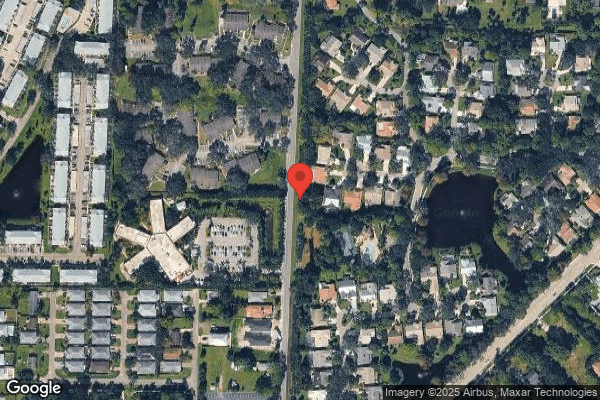
17781 THELMA AVE, JUPITER, FL 33458 (561) 746-2998
For profit - Individual 120 Beds Independent Data: November 2025
Trust Grade
40/100
#643 of 690 in FL
Last Inspection: July 2025

Inspected within the last 6 months. Data reflects current conditions.

Overview

Jupiter Rehabilitation and Healthcare Center has a Trust Grade of D, indicating below-average performance with some significant concerns. It ranks #643 out of 690 facilities in Florida, placing it in the bottom half, and #53 out of 54 in Palm Beach County, meaning only one nearby option is better. The facility's trend appears stable, with 15 issues noted in both 2024 and 2025, but the overall staffing rating is poor at 1 out of 5 stars, and turnover is at 48%, which is average for the state. While the center has no fines, which is a positive aspect, there have been critical deficiencies noted, such as food being improperly stored and served, and issues with cleanliness in residents' rooms, indicating potential risks for residents' health and safety.

Trust Score
D
40/100
In Florida
#643/690
Bottom 7%
Safety Record
Low Risk
No red flags
Inspections
Holding Steady
15 → 15 violations
Staff Stability
⚠ Watch
48% turnover. Above average. Higher turnover means staff may not know residents' routines.
Penalties
✓ Good
No fines on record. Clean compliance history, better than most Florida facilities.
Skilled Nurses
○ Average
Each resident gets 41 minutes of Registered Nurse (RN) attention daily — about average for Florida. RNs are the most trained staff who monitor for health changes.
Violations
⚠ Watch
38 deficiencies on record. Higher than average. Multiple issues found across inspections.
★☆☆☆☆
1.0
Overall Rating
★☆☆☆☆
1.0
Staff Levels
★★★★☆
4.0
Care Quality
★★☆☆☆
2.0
Inspection Score
Stable
2024: 15 issues
2025: 15 issues

The Good

  • 4-Star Quality Measures · Strong clinical quality outcomes
  • Full Sprinkler Coverage · Fire safety systems throughout facility
  • No fines on record

Facility shows strength in quality measures, fire safety.

The Bad

1-Star Overall Rating

Below Florida average (3.2)

Significant quality concerns identified by CMS

Staff Turnover: 48%

Near Florida avg (46%)

Higher turnover may affect care consistency

The Ugly 38 deficiencies on record

Jul 2025 14 deficiencies
CONCERN (D)

Potential for Harm - no one hurt, but risky conditions existed

Grievances (Tag F0585)

Could have caused harm · This affected 1 resident

**NOTE- TERMS IN BRACKETS HAVE BEEN EDITED TO PROTECT CONFIDENTIALITY** Based on facility policy review, observation and interviews, the facility failed to file a grievance in a timely manner, for 1 o...

Read full inspector narrative →
**NOTE- TERMS IN BRACKETS HAVE BEEN EDITED TO PROTECT CONFIDENTIALITY** Based on facility policy review, observation and interviews, the facility failed to file a grievance in a timely manner, for 1 of 1 sampled resident reviewed for grievances. As evidenced by failure of staff to respond to Resident #46's grievance regarding her missing blankets for almost 2 weeks.The findings included:The facility policy titled, Resident and Family Grievances documented in part Grievances can be voiced in the following forums: a. Verbal complaint to a staff member or grievance official.Record review revealed Resident #46 was admitted to the facility on [DATE]. Review of the quarterly assessment dated [DATE], documented the resident had a Brief Interview for Mental Status (BIMS) score of 11, on a 0 to 15 scale, indicating mild cognitive impairment.During an interview on 07/07/25 at 11:24 AM, Resident #46 stated, I'm missing my two blankets, The blue one my grandson got for me. I've been missing them for over 1 week. I have told several staff, but they do nothing. I even went out to the nurses' station and told them, but nothing happened.During an interview on 07/08/25 at 11:09 AM, when asked did you speak to anyone about your missing blankets. Resident #46 stated, Yes, I spoke to the person over housekeeping finally on yesterday afternoon after complaining to three or four other people.During an interview on 07/09/25 at 1:45 PM when asked did they find your blankets. Resident #46 stated No, the housekeeping director hasn't come back to talk to me about them.During an interview with the Social Worker (SW) on 07/10/25 11:56 AM she was asked are grievance forms available for staff to fill out when a resident has a complaint, she stated Yes, the forms are at the nurses station, in the conference room, and in my office. When asked, do you know anything about the missing blankets for Resident #46. The SW stated Housekeeping was given the grievance. I just found out yesterday. I have to call her family to see if maybe they took them home to wash. A copy of the grievance form was requested from SW. The grievance form was dated 07/08/25, the top portion of the form with the resident's information and complaint was filled out, there was no other documentation on the form. (photographic evidence obtained)During a conversation with the Housekeeping Director (HD) and the SW, The HD was asked by the SW if she had an update on Resident #46's missing blankets. The HD stated, no, after lunch I will show the resident all the blankets I have and maybe she can identify hers. The SW stated, I'm going to go call the family now. During a brief conversation with the SW on 07/10/25 at 2:01PM, she stated I spoke to Resident #46's son and he said the family does not have the blankets and the resident had been complaining to him that the blanket that her grandson got for her is missing. I didn't see a blanket listed on the resident's inventory.
CONCERN (D)

Potential for Harm - no one hurt, but risky conditions existed

Assessment Accuracy (Tag F0641)

Could have caused harm · This affected 1 resident

**NOTE- TERMS IN BRACKETS HAVE BEEN EDITED TO PROTECT CONFIDENTIALITY** Based on record review and interview, the facility failed to ensure accurate Minimum Data Set (MDS) assessments for 1 of 5 sampl...

Read full inspector narrative →
**NOTE- TERMS IN BRACKETS HAVE BEEN EDITED TO PROTECT CONFIDENTIALITY** Based on record review and interview, the facility failed to ensure accurate Minimum Data Set (MDS) assessments for 1 of 5 sampled residents, Resident #39, related to antipsychotic use, and for 1 of 10 sampled residents, Resident #37, related to weights.The findings included:1) Review of the record revealed Resident #39 was admitted to the facility on [DATE]. Review of the current comprehensive MDS assessment dated [DATE] documented the resident was taking an antipsychotic medication, and that a Gradual Dose Reduction (GDR) for the antipsychotic was both attempted on 01/14/25 and was contraindicated on 01/14/25.Further review of the record revealed Resident #39 was ordered Risperdal, an antipsychotic medication, since 08/11/22, and that the dose of the medication had not been changed. Further review of the psychiatric progress noted dated 01/14/25 documented the dosing of the Risperdal should be done by neurology as the medication was ordered for a neurological condition, Huntington's disease. This progress note lacked any contraindication to a GDR for the Risperdal.During a side-by-side record review and interview on 07/09/25 at 10:35 AM, the MDS Coordinator confirmed the findings, further stating the resident's Ativan, an antianxiety medication and classed as a psychotropic medication, not an antipsychotic medication, was discontinued at that time. The MDS Coordinator stated there had not been a change in the antipsychotic medication since 2022 and she was unable to locate any contraindication for a GDR on 01/14/25, as incorrectly documented on that MDS assessment.2) Review of the record revealed Resident #37 was admitted to the facility on [DATE]. Review of the current MDS assessment dated [DATE], documented in section K that the resident weighed 134 pounds.Further review of the electronic medical record revealed on 05/07/25, the most current weight prior to the assessment date, documented the resident weighed 132 pounds.During an interview on 07/09/25 at 1:11 PM, when asked how she obtained weights for section K of the MDS assessment, the Registered Dietician (RD) stated she gets the weights directly from the electronic medical record and uses the weight right before the assessment date. When told of the inconsistency between the weight in the assessment and the weight in the electronic medical record for Resident #37, the RD stated she would review the concern. During a supplemental interview on 07/09/25 at 1:25 PM, the RD agreed with the finding.
CONCERN (D)

Potential for Harm - no one hurt, but risky conditions existed

Comprehensive Care Plan (Tag F0656)

Could have caused harm · This affected 1 resident

**NOTE- TERMS IN BRACKETS HAVE BEEN EDITED TO PROTECT CONFIDENTIALITY** Based on observations, interviews and record reviews, the facility failed to develop and implement a care plan to address Post T...

Read full inspector narrative →
**NOTE- TERMS IN BRACKETS HAVE BEEN EDITED TO PROTECT CONFIDENTIALITY** Based on observations, interviews and record reviews, the facility failed to develop and implement a care plan to address Post Traumatic Stress Disorder (PTSD) for 1 of 1 sampled resident reviewed for Behavior, Resident #61; The facility failed to develop and implement a care plan for 1 of 5 sampled residents reviewed for unnecessary medications, Resident #63. The findings included: Resident #61 was admitted to the facility on [DATE]. According to the resident’s most recent complete assessment, an Annual Minimum Data Set (MDS) with a reference date of 05/31/25, Resident #61 had a Brief Interview for Mental Status (BIMS) score of 03, indicating a severe cognitive impairment. The assessment documented that the resident was dependent upon staff for all activities of daily living (ADLs). Resident #61’s diagnoses at the time of the assessment included: Non-Alzheimer's dementia, Anxiety disorder, Psychotic disorder, Post Traumatic Stress Disorder (PTSD). A review of Resident #61’s medical records revealed that there was no care plan to address the resident’s PTSD. During the survey process, it was determined that the resident was not interviewable due to multiple attempts to interact with the resident and the resident did not respond to being greeted by name on multiple occasions. During an interview, on 07/09/25 at 9:30 AM, with Resident #61’s Power of Attorney (POA), when asked about the resident's PTSD, Resident #61’s POA replied, he was in Vietnam. When asked about triggers and what should be avoided, Resident #61’s POA replied, loud noises, fireworks, things like that. During an interview, on 07/09/25 at 1:59 PM, with Staff F, RN, when asked about Resident #61's PTSD, Staff F replied, I am assuming he was in the military, I am not sure of the underlying reason.” When asked about triggers and what should be avoided, the RN replied, “Probably not getting what he wants, or forgetting his tray and he will feel like he is abandoned. They are very good with him and with getting him in his chair. I have only been here for about a month and a half.” During an interview, on 07/09/25 at approximately 2:30 PM, with Staff G, LPN, when asked about providing care to Resident #61, Staff G replied, he is okay, he is not violent. Sometimes when you provide care, he is combative and then you can talk to him, and he will calm down. When asked about Resident #61 having PTSD, Staff G replied, “they have a past history of anxiety, he had a stroke and has left sided weakness.” During an interview, on 07/09/25 at 3:50 PM, with Staff H, CNA, when asked about Resident having PTSD, Staff H replied, I did not know he had PTSD. During an interview, on 07/09/25 at 3:54 PM, with the MDS Coordinator, since 06/03/25, the MDS Coordinator acknowledged that there was no care plan to address Resident #61's PTSD prior to Surveyor intervention. During an interview, on 07/09/25 at 3:59 PM, with the Social Services Director (SSD), when asked about a care plan to address Resident #61’s PTSD, the SSD acknowledged that there was no care plan to address Resident #61's PTSD prior to the Surveyor bringing it to her attention. 2) A review of the clinical records indicated that Resident #63 was admitted to the facility on [DATE], with a diagnosis of anxiety disorder. A physician's order dated 06/04/2025, revealed that the resident had been prescribed NovoLog Injection Solution 100 UNIT/ML (Insulin Aspart) 4 units to be injected subcutaneously before meals for diabetes. The order also stated that the medical doctor or nurse practitioner should be contacted if blood sugar levels exceed 300 mg/dL. On 06/26/2025, the interdisciplinary team reviewed the residents' care plans, but no specific care plans were developed for the diagnosis of diabetes or for the use of insulin. During an interview on 07/09/2025 at 2:14 PM, the MDS Coordinator confirmed that no active care plan addressing the resident's diabetes diagnosis or insulin usage.
CONCERN (D)

Potential for Harm - no one hurt, but risky conditions existed

Deficiency F0657 (Tag F0657)

Could have caused harm · This affected 1 resident

**NOTE- TERMS IN BRACKETS HAVE BEEN EDITED TO PROTECT CONFIDENTIALITY** Based on record review, the facility failed to update the care plan for 2 of 28 sampled residents, as evidenced by failure to en...

Read full inspector narrative →
**NOTE- TERMS IN BRACKETS HAVE BEEN EDITED TO PROTECT CONFIDENTIALITY** Based on record review, the facility failed to update the care plan for 2 of 28 sampled residents, as evidenced by failure to ensure that the diet orders were care planned for Resident #50 and failure to ensure the antianxiety medication care plan for Resident #63 was updated.The findings included: 1) Record review revealed Resident #50 was admitted to the facility on [DATE]. Review of the quarterly assessment dated [DATE] documented that a Brief Interview for Mental Status (BIMS) was not conducted, because the resident was rarely or never understood. Review of a physician order's dated 06/02/25 for Resident #50, indicated that the resident was prescribed a diet of regular, pureed (pudding like) texture, and nectar thickened fluid consistency. Review of the revised care dated 06/12/25, indicated that Resident #50 was on a regular, mechanically altered ground texture, and nectar thickened liquids consistency diet. 2) A review of the clinical records indicated that Resident #63 was admitted to the facility on [DATE], with a diagnosis of anxiety disorder. A review of a physician's order dated 06/18/2025, revealed that Alprazolam 0.5 mg was prescribed to be given as one tablet by mouth every 12 hours as needed for anxiety for 7 days. Additionally, a review of the care plans, with a revision date of 06/26/2025, noted that Resident #63 uses anti-anxiety medications related to anxiety disorder. However, it was identified that there was no current order for anti-anxiety medication in place. The care plan was not updated to reflect the resident's current status. On 07/09/2025 at 2:14 PM, the MDS Coordinator was interviewed, who confirmed an active care plan for anti-anxiety medication. Still, no current order has been issued for it.
CONCERN (D)

Potential for Harm - no one hurt, but risky conditions existed

Quality of Care (Tag F0684)

Could have caused harm · This affected 1 resident

**NOTE- TERMS IN BRACKETS HAVE BEEN EDITED TO PROTECT CONFIDENTIALITY** Based on observations, record review, and interviews, the facility failed to ensure that 1 of 1 sampled resident reviewed for sk...

Read full inspector narrative →
**NOTE- TERMS IN BRACKETS HAVE BEEN EDITED TO PROTECT CONFIDENTIALITY** Based on observations, record review, and interviews, the facility failed to ensure that 1 of 1 sampled resident reviewed for skin rash received further treatment as evidenced by Resident #35 remained symptomatic after the initial treatment for a skin rash.The findings included:Record review revealed that Resident #35 was admitted to the facility on [DATE]. Review of the quarterly Minimum Data Set assessment dated [DATE] documented a Brief Interview Mental Status score of 07 on a 0-15 scale, indicating severe cognitive impairment.During an interview on 07/07/25 at 9:45 AM with Resident #35, she was observed scratching the left side of her face. A rash was noted to her left cheek area. When asked are the staff putting any medication on your face for the itching, she stated, I don't think so. Review of a physician progress note dated 07/05/25, revealed that the attending nurse practitioner (NP) visited Resident #35 on 07/04/25 due to a skin rash and the resident was noted to have a mild to moderate skin rash. The NP's plan was to prescribe Permethrin 5 % (for treatment of scabies) cream for a one-time dose and reevaluate the rash after treatment for effectiveness. During an interview with Resident #35 at 07/09/25 at 8:32 AM, when she was asked how the rash on her face is, the resident stated It itches and that's not the only area the rash is on, it's all on my neck. It feels like something is biting me. When asked had the staff applied any medication for the itching, Resident #35 stated, No.During a skin assessment on 07/09/25 at 1:30 PM with Staff I, Certified Nursing Assistant (CNA) at the bedside, Resident #35 was noted to have several scabbed and reddened areas to the skin on her neck, upper back, bilateral arms, chest area, and the left side of her (UM)face.During an interview on 07/09/25 at 1:38 PM with the Unit Manager, (UM) she was asked if Resident #35 had received any treatment for a skin rash. She looked in the resident's record and printed out a treatment record that indicated the resident had received a one-time treatment of Permethrin cream on 07/06/25. When asked if she knew if the resident had any other treatments for itching ordered or when will she be reassessed by the nurse practitioner (NP), she stated No, she doesn't have any other treatment ordered. The UM read the progress note in the resident's record written by the NP on 7/05/25. Suddenly, she placed a call to the NP and asked her when she will follow with Resident #35 for reassessment of the skin rash as stated in her note. The UM stated, The NP said she usually follows up with the resident seven days following treatment and the resident should be seen by dermatology. When asked if or when will Resident #35 be seen by dermatology, she stated I will have to let you know. The UM did not give any follow up information regarding the dermatologist. During an interview on 07/09/25 at 1: 58PM with the Medical Director of the facility, she was made aware of the NP's response to the UM stated that she will follow up with Resident #35 seven days after her prescribed treatment for a skin rash and the resident should be seen by dermatology. When asked what happens if the resident is still having symptoms of itching and when will dermatology see the resident, the Medical Director stated, We do have a dermatologist that comes to the facility, but the resident doesn't have to wait, I can see her.
CONCERN (D)

Potential for Harm - no one hurt, but risky conditions existed

Pressure Ulcer Prevention (Tag F0686)

Could have caused harm · This affected 1 resident

**NOTE- TERMS IN BRACKETS HAVE BEEN EDITED TO PROTECT CONFIDENTIALITY** Based on observation, record review and interview, the facility failed to follow physician orders for treatment of a facility ac...

Read full inspector narrative →
**NOTE- TERMS IN BRACKETS HAVE BEEN EDITED TO PROTECT CONFIDENTIALITY** Based on observation, record review and interview, the facility failed to follow physician orders for treatment of a facility acquired pressure ulcer for 1 of 3 sampled residents reviewed for pressure ulcers, as evidenced by not changing the dressing, as ordered for Resident #13 pressure ulcer.The findings included: Record review revealed Resident #13 was admitted to the facility on [DATE]. Review of the quarterly Minimum Data Set assessment dated [DATE], documented the resident had a Brief Interview for Mental Status (BIMS) score of 02, on a 0-15 scale, indicating severe cognitive impairment. Review of a pressure injury investigation audit form dated 06/30/25, indicated that Resident #13 had a new left heel pressure ulcer (caused by unrelieved pressure). Review of a physician order dated 07/03/25 for Resident #13, instructed staff to cleanse the right achilles (heel) pressure wound with normal saline (salt solution), apply skin prep to the necrotic area and cover with a foam dressing every day shift (7 AM to 3 PM) on Monday, Wednesday, and Friday. A second order dated 07/03/25, instructed staff to cleanse the right achilles pressure wound with normal saline, apply skin prep to the necrotic area and cover with a foam dressing as needed for saturation or dislodgment of the dressing. During an observation on 07/08/25 at 3:30 PM, Resident #13 was sitting in her wheelchair with her right leg elevated, the tan foam dressing noted to her right achilles was partially hanging off and exposing the wound. (photographic evidence obtained)During an observation on 07/09/25 at 8:48 AM, Resident #13 was lying in her bed with a tan foam dressing dated 07/04/25 to her right achilles that was partially hanging off. (photographic evidence obtained)On 07/09/25 at 1:21 PM, Resident #13 was observed sitting in her wheelchair with tennis shoes on both feet. The foam dressing that should have covered the wound to her right achilles was above the back of the shoe. (photographic evidence obtained) Review of the Treatment Administration Record (TAR) for Resident 13, revealed that Staff L, Licensed Practical Nurse (LPN) had signed the TAR acknowledging that she had performed the wound care treatment to Resident #13 right achilles pressure wound, on 07/07/25 and 07/09/25. During an interview on 07/09/25 at 4:22PM, Resident # 13 was noted sitting on the edge of her wheelchair with her right leg elevated. She was wearing a tennis shoe to her right foot, but the shoe from the left foot was on the bed. The resident was mumbling trying to say something and grimacing as if she was having discomfort. When asked if she was having discomfort, Resident #13 pointed to her right foot and shook her head yes. Staff K, Licensed Practical Nurse (LPN) was made aware of the resident's complaint of discomfort to her right foot. She went into the resident's room. Staff K, LPN removed the foam dressing that was hanging off the resident's right achilles wound. The dressing that was removed had the date 7/4 and the initials { } written on it. There was some dark brownish drainage noted on the dressing and the dressing had a foul odor. The wound was noted to have eschar (dark color). Staff K, (LPN) stated I'm going to put on a new dressing and give you some pain medication. Resident #13 shook her head yes.
CONCERN (D)

Potential for Harm - no one hurt, but risky conditions existed

Accident Prevention (Tag F0689)

Could have caused harm · This affected 1 resident

**NOTE- TERMS IN BRACKETS HAVE BEEN EDITED TO PROTECT CONFIDENTIALITY** Based on policy review, observation, record review, and interview, the facility failed to ensure care and services, and supervis...

Read full inspector narrative →
**NOTE- TERMS IN BRACKETS HAVE BEEN EDITED TO PROTECT CONFIDENTIALITY** Based on policy review, observation, record review, and interview, the facility failed to ensure care and services, and supervision to prevent falls, for 1 of 4 sampled residents, as evidenced by Resident #39 having had eight falls since 05/01/25, with six being from her chair. The three most recent falls occurred while Resident #39 was in her Broda chair, the newest of intervention as of 06/19/25. The facility also failed to ensure the provision of two neurology consults for increased involuntary movements related to Huntington's Disease, which was care planned as part of the resident's risk for falls.The findings included:Review of the policy Fall Prevention Program (not dated), documented in part, Policy: Each resident will be assessed for fall risk and will receive care and services in accordance with their individualized level of risk to minimize the likelihood of falls. 4. Risk Protocols: . g. Provide interventions that address unique risk factors: medications, psychological, cognitive status, or recent change in functional status. h. Provide additional interventions as directed by the resident's assessment, including but not limited to: . ii. Increased frequency of rounds iii. Sitter, if indicated . Review of the record revealed Resident #39 was admitted to the facility on [DATE], with diagnoses to include Huntington's Disease, repeated falls, and abnormal involuntary movements. Review of the current Minimum Data Set (MDS) comprehensive assessment dated [DATE] documented the resident had a Brief Interview for Mental Status (BIMS) score of 0, on a scale of 0 to 15, indicating severe cognitive impairment. This MDS assessment documented the resident was totally dependent upon staff for all Activities of Daily Living (ADLs) and had two or more falls since the prior assessment of 12/29/24.Review of the current physician orders include a neurology consult dated 10/29/24 for increased involuntary movements related to Huntington's Disease. The record lacked any evidence that the consult had been completed, and it remained an active order in the record at the time of the survey.A current care plan initiated on 09/09/20 documented in part that Resident #39 was at further high risk for falls with injury related to ongoing progressive loss of functional abilities. This care plan included an intervention dated 05/09/25 for a neurology consult.All Fall Risk Assessments in the medical record documented Resident #39 as a high risk for falls. The Risk Manager was asked to locate and provide evidence of the investigation for all falls from 05/01/25 to the present time.Review of progress notes and post-fall investigations revealed the following:a) On 05/09/25 at 2:45 PM Resident #39 was found on the floor, having slid off her chair. The root cause analysis was that the resident had Huntington's Disease with involuntary movements with an evaluation for a Geri-chair (a recliner-type wheelchair).b) On 05/12/25 at 11:00 AM Resident #39 was sitting on her bed and slipped off the bed onto the floor. The root cause analysis was documented as the resident had Huntington's Disease that caused her to roll off the floor mat and onto the floor. This contradicted the documented eyewitness statement by the Staff Developer who saw the resident slip off the bed and the mattress was in an upright position and not on the floor during the event. Therapy services were to evaluate for a Geri-chair.A physician's progress note dated 05/12/25 at 1:48 PM documented, in part, . Assessment/Plan: . Huntington's disease: . needs close supervision secondary to involuntary movements.c) A progress note dated 05/12/25 at 2:26 PM documented, Observed resident on floor next to bed. The facility did not provide any investigation for this event. A subsequent physician's progress note dated 05/13/25 at 12:03 PM documented the resident found to have 2 falls in the last 24 hours . Fall prevention protocols. Continue with nursing supervision. Follow neurology. Continue supportive treatment.d) On 05/20/25 at 8:35 AM, Resident #39 was sitting in her chair, waiting for breakfast, during meal tray pass. As per a witness statement, staff turned around and observed the resident on the floor. Resident #39 was placed on frequent checks of every 15 minutes, for 24 hours. A physician's progress note dated 05/20/25 at 2:55 PM documented the fall that morning with no injury. This note documented, in part, . Assessment/Plan: . Huntington's disease: . needs close supervision secondary to involuntary movements.e) On 05/27/25 at 11:55 AM Resident #39 was on the floor, having fallen out of the chair. The root cause analysis was that the resident kicked the footboard of the wheelchair and slid out of the chair. An intervention was again to evaluate for a Geri-chair.f) As per an invoice provided by the Administrator, Resident #39 was provided a new Broda chair (a specific recliner-type wheelchair) on 06/19/25. Note the evaluation for a new chair was made on 05/09/25.g) On 07/04/25 at 12:09 PM Resident #39 was found on the floor in the hallway, next to her chair. The root cause analysis was that the resident sat up and slid out of the chair, although the progress note revealed the resident had been seen in the chair, appropriately placed, and with the footrest up.h) On 07/08/25 at 7:50 AM Resident #39 was found on the floor in the hallway next to her chair. At the time of the survey, this fall was in the process of being investigated. The resident was placed on frequent checks of every 15 minutes.During an observation on 07/08/25 at 8:56 AM, Resident #39 was observed on the floor in the hallway, next to her Broda chair. Blood was noted on floor beneath her head. Resident #39 was being attended by Staff L, Licensed Practical Nurse (LPN), the Director of Nursing (DON) and the Nurse Practitioner. Shortly before the fall, Staff L was observed yelling at the resident, sit down . sit down. When the LPN noted she was being observed, she added please and quieted her tone. The LPN left the resident in the hallway to continue with her morning medication pass, when Resident #39 fell out of the chair. Resident #39 was taken to the emergency room (ER) for an evaluation. On 07/08/25 at 12:24 PM, Resident #39 had returned from the ER, was in her room in the Broda chair, with one-to-one supervision by a CNA. Sutures were noted to her right forehead with swelling noted in the area of the sutures.A progress note written by Staff L, LPN, dated 07/08/25 at 1035 AM documented Resident #39 had been fidgeting sitting next to nurse when she sat up in chair, tilted body to the right, and fell out of wheelchair.During an observation and interview on 07/09/25 at 9:59 AM, Resident #39 was noted in her room in the Broda chair with Staff A, CNA. The CNA confirmed the resident was now on one-to-one care and further stated it was very difficult due to the resident's spastic movement. When asked if the resident had been on one-to-one care before, the CNA stated maybe in the past but just for a short time.During an interview on 07/09/25 at 10:17 AM, the Unit Manager was asked about the neurology consults from October 2024 and May 2025. The Unit Manager stated she would look into it. During a subsequent interview that afternoon, the Unit Manager stated she believed the lack of neurology appointments in the past was related to insurance issues, but she now has one for August 2025. The Unit Manager was asked to provide documentation of what happened with the two previous appointments that were not completed.On 07/10/25 at 1:04 PM, the DON reported she found where an appointment was scheduled in November 2024, but was not completed, and she was unsure as to why. When asked about the May 2025 ordered consult, the DON was unsure.
CONCERN (D)

Potential for Harm - no one hurt, but risky conditions existed

Deficiency F0692 (Tag F0692)

Could have caused harm · This affected 1 resident

**NOTE- TERMS IN BRACKETS HAVE BEEN EDITED TO PROTECT CONFIDENTIALITY** Based on policy review, observation, interview, and record review, the facility failed to ensure the provision of foods to addre...

Read full inspector narrative →
**NOTE- TERMS IN BRACKETS HAVE BEEN EDITED TO PROTECT CONFIDENTIALITY** Based on policy review, observation, interview, and record review, the facility failed to ensure the provision of foods to address nutritional concerns for 2 of 10 sampled residents, as evidenced by the failure to include fortified foods as ordered for Resident #37 and Resident #50 , and failure to provide ordered meals for Resident #63. All three sampled residents had weight loss concerns or were underweight.The findings included:Review of the policy Fortified Foods (not dated) documented, in part, Policy: . The purpose of utilizing fortified foods is to add additional calories/protein to the oral diet in efforts to address weight loss, skin status, nutritional concerns, etc. 1) The fortified foods are to be added to the resident's diet includes but not limited to fortified cereal and fortified potatoes. 1) Review of the record revealed Resident #37 was admitted to the facility on [DATE]. Review of the current Minimum Data Set (MDS) assessment dated [DATE] documented the resident had a Brief Interview for Mental Status (BIMS) score of 2, on a 0 to 15 scale, indicating the resident was severely cognitively impaired. The same assessment documented the resident was totally dependent upon staff for all activities of daily living (ADLs). Although the weight for Resident #37 had been stable for the past six months, the current quarterly nutritional assessment documented the resident was underweight for her age and was at risk for malnutrition. An order dated 09/19/22 documented the resident was to receive fortified foods with all meals. An observation on 07/07/25 at 12:09 PM revealed Resident #37 had received her lunch meal. The meal ticket documented fortified foods with all meals. The meal provided to the resident lacked any fortified potatoes or any other fortified food. Observation of the meal at 12:38 PM still lacked any fortified foods. Staff A, Certified Nursing Assistant (CNA) was placing the tray back into the cart and stated, She drank everything, but only ate like 15% of the food. During an observation on 07/08/25 at 12:18 PM, the lunch meal was provided to Resident #27. The meal consisted of a slice of turkey, a sweet potato, green beans, and diced pears. The tray lacked any fortified foods, and the meal ticket still documented the resident was to have fortified foods with all meals. During an interview on 07/09/25 at 12:55 PM, the Registered Dietician (RD) and Administrator (NHA) were made aware of the observation from Monday's lunch on 07/07/25 and shown the photo of Tuesday's lunch, both of which lacked fortified foods. The RD agreed with the findings. Both managers were surprised, and the NHA stated the kitchen was pretty good with the fortified foods. 2) A review of clinical records revealed Resident #63 was admitted to the facility on [DATE], with a diagnosis of malnutrition. The admission Minimum Data Set assessment (MDS), dated [DATE], indicated a brief interview for mental status, scoring 12, which suggested that the resident was moderately cognitively impaired. The diet order, issued on 06/04/2025, specified a no-added-salt diet with a regular texture and thin liquid consistency. A nutrition assessment conducted the same day revealed that the resident’s body mass index (BMI) indicated he was underweight for his age. Additional records indicated that the resident had experienced weight loss. Specifically, on 06/14/2025, his weight was recorded at 148.3 pounds, but by 07/04/2025, it had dropped to 138.2 pounds. The care plan was revised on 06/26/2025 and noted that the resident was at risk for malnutrition, muscle wasting, and altered nutrition. It highlighted his low BMI and the need for fortified foods. The intervention outlined was to provide the diet as prescribed. On 07/07/2025 at 10:22 AM, the interview process began with Resident #63. He expressed he had weight loss and stated that he found the food to be awful and terrible, adding that it was often presented as if the staff had piled the food on his plate disorderly. He also complained that the meals were served cold. Later, at 12:55 PM, a follow-up occurred while the resident was having lunch. He mentioned, “Today he was supposed to have spaghetti with meat sauce, but he didn’t receive any spaghetti.” He then showed the surveyor his meal ticket, which indicated spaghetti with meat sauce, while his plate lacked spaghetti. On 07/09/2025 at 8:35 AM, a follow-up observation during breakfast the resident voiced his dissatisfaction again, noted that he had received meat sauce without spaghetti on Monday. The registered dietitian (RD) was interviewed on 07/10/2025 at 12:03 PM. The surveyor informed her about the resident's food concerns and showed her a picture of the meal ticket and what the resident had received. The RD remarked, “If he got the meat sauce, he should have also received the spaghetti,” she acknowledged the issue. 3)Record review and observations revealed that Resident #50 was admitted to the facility on [DATE]. Review of the quarterly assessment dated [DATE], documented that a Brief Interview Mental Status was not conducted, because the resident was rarely or never understood. Review of Resident #13 medical diagnosis revealed a history of Alzheimer's (memory loss), anorexia nervosa (eating disorder causing one to be obsessed about weight), and dysphagia (difficulty swallowing). During an observation of Resident #50’s lunch tray on 07/07/25 at 12:28 PM, the meal ticket revealed that the resident was to receive fortified foods with all meals. The tray included: pureed meat sauce, vegetables and noodles. (photographic evidence obtained) Review of the weights for Resident #50 revealed, on 01/03/25, the resident weighed 86.8 pounds and on 07/03/25, the resident weighed 78.2 pounds which is a -9.91 % weight loss in 6 months. Review of the current diet order for Resident #13 dated 06/02/25, revealed that the resident was prescribed a regular diet, pureed texture, nectar thickened fluids consistency with a planned weight gain regimen to include fortified foods at each meal. Review of the revised care plan dated 06/12/25, revealed that Resident #13, was at risk for malnutrition and the need for fortified foods, there was a goal for the resident to maintain her weight or have gradual weight gain with no significant weight changes through the next review date and one of the interventions was to provide fortified cereal at breakfast and fortified mashed potatoes at lunch & dinner. During an observation of Resident #50 lunch tray on 07/08/25 at 12:20 PM, the meal ticket revealed that the resident was to receive fortified foods with all meals. The tray was noted to have sweet potato, turkey and green beans, pears. (photographic evidence obtained)
CONCERN (D)

Potential for Harm - no one hurt, but risky conditions existed

Unnecessary Medications (Tag F0759)

Could have caused harm · This affected 1 resident

**NOTE- TERMS IN BRACKETS HAVE BEEN EDITED TO PROTECT CONFIDENTIALITY** Based on facility policy, observations, record review and interviews, the facility failed to ensure that it was free of medicati...

Read full inspector narrative →
**NOTE- TERMS IN BRACKETS HAVE BEEN EDITED TO PROTECT CONFIDENTIALITY** Based on facility policy, observations, record review and interviews, the facility failed to ensure that it was free of medication errors for 3 of 7 sampled residents, as evidenced by a medication error rate of 15.6% with 32 opportunities due to failure to ensure that Resident #7 received medications ordered and was available for him, failure to ensure Resident #5 received medications that are prescribed to him, failure to notify the physician prior to holding blood pressure medications for Resident #27.The finding Included:The facility policy titled Medication Administration documented in part Policy Explanation and Compliance Guidelines 8. Obtain and record vital signs, when applicable or per physician orders. When applicable, hold medications for those vital signs outside the physician's prescribed parameters. 12. Compare medication source (bubble pack, rectal, etc.) with medication administration record (MAR) to verify resident name, medication name, form, dose, route, and time. (photographic evidence obtained)1.) Record review revealed Resident #7 was admitted to the facility on [DATE]. Review of the quarterly assessment dated [DATE], documented a Brief Interview Mental Status score of 09 on a 0-15 scale, indicating moderate cognitive impairment. During observation of medication administration on 07/08/25 at 9:05 AM, Staff J was observed preparing and administering medications for Resident #7. As she prepared the medications, she stated what each one of the medications were. After she prepared each medication, the name of the resident was verified with the medication label for each medication she prepared. Staff J, LPN poured Enulose (medication for increased ammonia) in a clear medicine cup and the resident's name was verified with the bottle. The bottle of Enulose was noted to have a different resident's name on the mediation label. The bottle of Enulose was given back toe Staff J, LPN and she placed it back in the medication cart. She placed a cup of five pills and a cup of Enulose on a white styrofoam tray and carried them to the resident's room. After Resident #7 put the pills in his mouth Staff J offered him a drink of water from a white styrofoam cup with a straw that was already sitting on his bedside table. During a brief conversation on 07/08/25 at 9:16AM, Staff J was asked to show the bottle of Enulose that she poured the dose from to administer to Resident #7. She went into the medication cart and handed the bottle of Enulose with another resident's name on the medication label, Staff J stated, I know it's not his, but! (photographic evidence obtained)Review of the physician orders for Resident #7 revealed an order that instructed staff to administer Glycolax powder/MiraLAX (for constipation) 17gm by mouth daily) mix with 8 ounces water, juice, coffee, tea) at 9:00 AM. A second order instructed staff to administer Enulose solution 30 milliliters by mouth three times a day for hyperammonia (increased ammonia). Review of the Medication Administration Record for Resident #7 revealed that Staff J signed acknowledging that she administered the Glycolax/Miralax on 07/08/25 at 9:04 AM. (Photographic evidence obtained)During an interview on 07/08/25 at 12:30 PM, when asked do you have a bottle of MiraLAX on your medication cart, Staff J, LPN opened the medication cart and pointed to the bottle of MiraLAX. When asked did any one of the residents that were observed doing med pass, have an order to get MiraLAX at 9:00 AM, Staff J, LPN looked at the medication administration record for the residents and stated Yes, Resident #7. When she was asked if she gave it to him, while she was being observed giving medications, Staff J stated, I gave it to him in his water. When was asked when, she stated, After you left. 2) Record review revealed Resident #5 was admitted to the facility on [DATE]. Review of the quarterly assessment dated [DATE] documented a Brief Interview Mental Status score of 12 on a 0-15 scale, indicating moderate cognitive impairment. During an observation on 07/08/25 at 9:18 AM, Staff J, LPN was observed preparing and administering medications for Resident #5. She prepared three pills in a clear medication cup, with each medication label being verified with the resident's name. Staff J, LPN was then observed administering the three pills in the medicine cup to Resident #5. Review of the physician orders for Resident #5 revealed an order that instructed staff to apply Triamcinolone Acetonide External cream 0.1% to affected areas daily for dermatitis (inflammation of skin). Review of the Medication Administration Record for Resident #5 revealed that Staff J, LPN signed on 07/08/25 at 9:22 AM acknowledging that she administered the Triamcinolone Acetonide External cream for the resident. (photographic evidence obtained) During an interview on 07/08/25 at 12:30 PM, Staff J, LPN was asked to show the Triamcinolone cream that she applied for Resident #5. She went to the treatment cart and looked throughout the cart and in the trash can and was unable to find the ointment. Staff J, LPN stated I can't find it 3) Record review revealed Resident #27 was admitted to the facility on [DATE]. Review of the quarterly assessment dated [DATE] documented a Brief Interview Mental Status score of 15, indicating no cognitive impairment.During observation of medication administration on 07/09/25 at 9:05AM, Staff F, Registered Nurse (RN) was observed preparing and administering medication for Resident #27. Staff F went into Resident #27's room to check her blood pressure and heart rate prior to preparing medications. After she returned to her medication cart, she stated, Resident #27 blood pressure was 114/57 and heart rate was 61, which is low so I'm just going to hold her blood pressure medication, the Metoprolol, and just document that I'm holding it. After she prepared each medication, the name of the resident was verified with the medication label for each medication she prepared. Staff F, RN prepared 5 pills in a clear medicine cup. Prior to administering the medication, the nurse told Resident #27 what medications she was giving her, the resident asked the nurse I'm not getting the Metoprolol? Staff F, RN stated No, remember, because your blood pressure was low 114/57. Review of a physician order dated 03/24/25 for Resident #27, instructed the staff to administer Metoprolol Succinate ER (blood pressure medication) 100mg, give 1 tablet by mouth daily at 9:00 AM. A second physician order dated 03/24/25, instructed staff to administer Losartan Potassium 25mg, give 1 tablet by mouth daily at 9:00 AM to Resident #27.Review of the Medication Administration Record revealed that Staff F, RN documented on 07/09/25, that she did not give the Metoprolol Succinate ER or Losartan Potassium 25mg as ordered at 9:00 AM.Review of a progress noted dated 7/09/25 at 10:19 AM revealed documentation that indicated Staff F, RN did not give the Metoprolol Succinate ER due to low blood pressure. Another progress note dated 07/09/25 at 10:19 AM, revealed documentation that indicted Staff F, RN did not give the Losartan Potassium due to low blood pressure.During an interview on 07/09/25 at 11:01AM Staff F, RN was asked how many blood pressure medications Resident #27 was ordered to get during 9:00 AM medication administration, she stated It was two, the losartan and metoprolol. When asked did you hold both medications, Staff F, RN stated Yes, because her diastolic (low number of blood pressure) was really low and its common nursing judgement not to give blood pressure medications if it's below the parameter. When asked what the parameter is, Staff F, RN stated, The diastolic was below 60, if I would have given the medication the blood pressure will drop even lower. When asked is this what you usually do Staff F, RN stated Yes, I use my nursing judgement.
CONCERN (D)

Potential for Harm - no one hurt, but risky conditions existed

Laboratory Services (Tag F0770)

Could have caused harm · This affected 1 resident

**NOTE- TERMS IN BRACKETS HAVE BEEN EDITED TO PROTECT CONFIDENTIALITY** Based on record review and interview, the facility failed to obtain a laboratory test for 1 of 5 sampled residents reviewed for ...

Read full inspector narrative →
**NOTE- TERMS IN BRACKETS HAVE BEEN EDITED TO PROTECT CONFIDENTIALITY** Based on record review and interview, the facility failed to obtain a laboratory test for 1 of 5 sampled residents reviewed for laboratory testing. (Resident #8). The findings included: A review of the clinical record for Resident #8 revealed the resident was admitted to the facility on [DATE], with diagnoses of Anxiety Disorder, Depression, and Psychotic Disorder. A physician's order on the same day specified that Divalproex Sodium Oral Tablet Delayed Release 125 mg should be administered orally twice daily for mood disorder. Additionally, the physician ordered a valproic acid level to be measured on 06/01/2025. However, the records lacked documented evidence of the valproic acid test result.On 07/10/2025 at 12:29 PM, an interview was conducted with the Director of Nursing (DON), during which a side-by-side review of Resident #8's records occurred. The DON acknowledged the absence of the valproic acid result and promptly contacted the Unit Manager, requesting a follow-up with the laboratory service regarding the missing test. A subsequent interview with the DON at 1:40 PM confirmed that the result was still unavailable. She indicated that the unit manager had contacted the laboratory and was informed they did not have the result.Valproic acid is a test conducted when using the medication Divalproex. Levels are measured in the blood to ensure the medication is within the therapeutic range, which helps to ensure effectiveness while minimizing side effects.Elevated levels can suggest an increased risk of toxicity, potentially causing symptoms like nausea and drowsiness, or more serious issues like liver damage.Low levels may indicate that the medication is not sufficiently effective, which could increase the risk of seizures or mood swings.
CONCERN (D)

Potential for Harm - no one hurt, but risky conditions existed

Infection Control (Tag F0880)

Could have caused harm · This affected 1 resident

**NOTE- TERMS IN BRACKETS HAVE BEEN EDITED TO PROTECT CONFIDENTIALITY** Based on policy review, observation, record review, and interview, the facility failed to ensure infection control practices for...

Read full inspector narrative →
**NOTE- TERMS IN BRACKETS HAVE BEEN EDITED TO PROTECT CONFIDENTIALITY** Based on policy review, observation, record review, and interview, the facility failed to ensure infection control practices for 3 of 30 sampled residents, as evidenced by the failure to abide by Transmission Based Precaution (TBP) guidelines, Enhanced Barrier Precaution (EBP guidelines, and failure to use Personal Protective Equipment (PPE) during direct care, for Resident #75, #288 and #71.The findings include:Review of the polices titled, Transmission-Based (Isolation) Precautions (TBP) and Enhanced Barrier Precautions (EBP) showed that the TBP policy documented, in part, 1. Facility staff will apply TBP….to residents who are known or suspected to be infected….3. (b). The provision of a private room as available/appropriate. 4. Residents… should remain in their rooms except for medically necessary care. The EBP policy documented, in part, targeted gown and gloves use during high contact resident care activities. 2.b. An order for EBP will be obtained for residents with any of the following (b)…. wounds, indwelling catheter, hemodialysis catheter…4. EBP should be used for high-contact resident care activities including providing hygiene. changing linen, and 1) Review of the record revealed Resident #75 was admitted to the facility on [DATE] with a diagnosis of fracture of left thigh bone. A review of the physician order dated 07/06/25 at 3:00 PM included placing the resident on contact isolation precaution to rule out Clostridium difficile colitis (C Diff) which is an infection in the large intestines. Review of the Physician Assessment/Plan dated 07/07/25 stated the following: “Diarrhea following recent antibiotics (doxycycline)- obtain stool sample to rule out C Diff, patient to remain on isolation until results (patient verbalize understanding)”. Review of the task list for bowel activity showed that Resident #75 had multiple loose stools from 07/02/25 to 07/06/25. Review of the facility lab book showed that the stool specimen was logged in as collected on 07/07/25. The following observations were made: On 07/07/25 at 9:30 AM, Resident #75 was observed in the hallway sitting in his wheelchair. On 07/08/25 at 12:30 PM Resident #75 was observed moving around the hallway while sitting in his wheelchair. On 07/08/25 at 4:30 PM Resident #75 was observed in a unit hallway by the nurse’s station. During the initial interview conducted with the Resident # 75, on 07/07/25 at 9:36 AM, when asked about the care and services of the facility, the resident responded, “I need to get my stool specimen results from Saturday.” The resident was in a private room and stated that he was moved to this room yesterday. An interview was conducted on 07/09/25 at 10:35 AM with the Unit Manager (UM). When asked to review the results for the C diff culture for Resident #75 the UM reviewed the electronic medical record and the results were not available. When asked how to confirm that the specimen was collected and sent for testing the UM stated that the specimen is logged in the lab book and the transporter signs the log sheet when the specimen is taken out for testing. On 07/09/25 at 5:43 PM an interview with the Infection Preventionist was conducted. This surveyor asked what the expectation was when a resident is on Contact Precautions pending lab results. The IP states that a resident should remain on contact precautions until the results are obtained. 2). Review of the record revealed Resident #288 was admitted to the facility on [DATE] with a diagnosis of [NAME] Kidney Disease requiring dialysis. A review of the physician order dated 07/01/25 at 3:00 PM included placing the resident on enhanced barrier precautions for dialysis and central line. Review of the care plan indicated that the Resident was on EBP, and the interventions and tasks included: wear gown and gloves during assistance with dressing, bathing, transferring, hygiene, changing linens, changing briefs & toileting, and during dressing change at port. On 07/07/25 at 10:10 AM Resident #288 was observed asleep in bed, with the door slightly ajar. PPE supplies and EBP signage were posted on the door. 07/08/25 at 1:15 PM, there was no EBP sign posted on the door as it was posted on the previous room occupied by Resident #288. 07/08/25 at 3:40 PM another observation was made of Resident #288’s assigned room door which was closed at this time. There was no EBP signage on the door. 3) Review of the record revealed Resident #71 was admitted to the facility on [DATE]. Review of physician orders revealed the resident was placed on contact precautions on 06/28/25 while being treated with intravenous (IV) antibiotics for a Multi-Drug Resistant Organism (MDRO) of the urine. The antibiotic was completed on 07/05/25 and the resident was removed from the contact precautions on 07/08/25 and was placed on Enhanced Barrier Precautions (EBP) related to the presence of a wound. Review of the current care plans documented as of 07/01/25 Resident #71 would be on contact isolation through 07/05/25. A second care plan initiated on 06/17/25 indicated the resident was on EBP related to an open wound, and that gowns and gloves were to be worn during high-contact care activities including linen changes and wound care. During an observation on 07/07/25 at 9:51 AM, a contact precautions sign and PPE was noted on the door of Resident #71. Staff C, Certified Nursing Assistant (CNA), was in the room of Resident #71, pulling down the resident's covers and adjusting the pillow located between her legs. As the CNA was gathering supplies to complete personal care for the resident, she explained she usually worked 11 PM to 7 AM, and that this was her first time on day shift. Staff C, CNA, proceeded to provide personal care for Resident #71, while wearing gloves, but did not don a gown at any time during the care. On 07/08/25 at 9:16 AM, it was noted Resident #71 had moved to another room and was now on EBP, instead of contact precautions, as per the sign on the door. Staff C, CNA, was in the room, providing personal care to Resident #71 and changing her adult brief. The CNA lacked any gown during this observation. During an interview on 07/08/25 at 10:50 AM, when asked if she knew what EBP and contact precautions meant, Staff C stated, It means I have to wear gloves, gown, and mask when I go into the room for care. When asked why she did not wear a gown during personal care for Resident #71 yesterday, when on contact precautions, or today, when on EBP, the CNA stated, Because I just moved to days, I wasn't sure which resident (referring to A bed or B bed) was on the precautions. When asked what the orange dot next to the name meant, the CNA did not know. During an interview on 07/09/25 at 5:49 PM, when told of the observations of Staff C, CNA, providing care to Resident #71, and the interview with the CNA, the Infection Preventionist (IP) stated the CNA should have been wearing a gown during the care tasks. When asked about the orange dots next to the resident names throughout the facility, the IP explained those dots indicate which of the residents in the room are on the EBP.
CONCERN (D)

Potential for Harm - no one hurt, but risky conditions existed

Deficiency F0925 (Tag F0925)

Could have caused harm · This affected 1 resident

Based on observations and interview, the facility failed to have an effective pest control program. The findings included: During the initial kitchen tour, on 07/07/25 at 9:11 AM with the Food Service...

Read full inspector narrative →
Based on observations and interview, the facility failed to have an effective pest control program. The findings included: During the initial kitchen tour, on 07/07/25 at 9:11 AM with the Food Service Director/Certified Dietary Manager (CDM), the following were noted: 1. In the hot holding area of the kitchen, two live and mature roaches were observed on a table by the conveyor toaster.2. In the food service area (where staff collect the plates from the cooks and place in the carts to take to the units and the Main Dining Room) live roaches, in all stages of life and too numerous to count were observed behind a cart containing a stack of trays and single service items (sugar packets, condiments, tea bags etc.) At the time of the observation, the CDM instructed staff to remove the cart, dispose of the single service items, clean and sanitized the cart and the trays that were stacked in the cart. On 07/10/25 at 12:35 PM, the Surveyor attempted to contact the pest control company that provided services to the facility and a voice message was left. There was no response from the pest control company.
CONCERN (E)

Potential for Harm - no one hurt, but risky conditions existed

Safe Environment (Tag F0584)

Could have caused harm · This affected multiple residents

**NOTE- TERMS IN BRACKETS HAVE BEEN EDITED TO PROTECT CONFIDENTIALITY** Based on observations and interviews, the facility failed to provide maintenance and housekeeping services and linens in a manne...

Read full inspector narrative →
**NOTE- TERMS IN BRACKETS HAVE BEEN EDITED TO PROTECT CONFIDENTIALITY** Based on observations and interviews, the facility failed to provide maintenance and housekeeping services and linens in a manner to provide a clean, sanitary and homelike environment. The findings included:A. During an observation in the Main Dining Room, on 07/07/25, at the conclusion of the initial kitchen tour, at approximately 9:40 AM, there was a plastic folded table stored between a snack vending machine and the wall that had an accumulation of food residue and debris. The Food Services Director/Certified Dietary Manager (CDM) had the table removed by staff. B. During the initial pool process, beginning on 07/07/25 at approximately 9:45 AM, the following were noted: a. In room [ROOM NUMBER], there was a soiled gown that was left in the shower b. In room [ROOM NUMBER] there was an accumulation of debris on the floor at the hand washing sink, under the resident’s bed and on the fall mat for Resident #61’s bed (window bed). 3. In room [ROOM NUMBER], there was an accumulation of debris on the floor at the hand washing sink and under the resident’s bed. C. During an observation of the Main Dining Room, on 07/09/25 at 7:33 AM, the following were noted: a. A trash container by the entrance to a screened in patio was approximately 1/3 full of from the previous day and had an odor, The CDM agreed that the refuse container smelled foul. b. There were accumulations of food residue and stains on the tablecloths on 8 of the 18 tables. During an interview, at the time of the observation, the CDM stated that housekeeping was responsible for emptying the trash containers and the kitchen was responsible for changing the linens on the tables. On 07/10/25 at 12:35 PM, the Surveyor attempted to contact the pest control company that provided services to the facility and a voice message was left. There was no response from the pest control company D. Upon entering the room for Resident #37 and #39 on 07/07/25 at 10:50 AM, a strong urine odor was noted. The large room contained four beds. The urine odor became stronger near the two beds located at the back of the room, the beds belonging to these two residents. Resident #39 was not in the room during this observation, but the area near her bed revealed the strong odor. The bed for Resident #39 was a low bed with a specialty air mattress, that was flanked by two regular thick mattresses used as fall mats. Both Residents #37 and #39 were totally dependent upon staff for all care needs. During an interview on 07/07/25 at 11:27 AM, Resident #45 voiced a concern that there was less staff on the weekends. The resident explained that during the week there were four housekeepers, one for each unit, but on the weekends, there were only two. The resident voiced it took longer to get their rooms cleaned and they weren't cleaned as well as during the week. She voiced concerns with picking up germs and stated she had to be careful because it wasn't as clean as it could be. An observation on 07/08/25 at 3:46 PM revealed Resident #39 lying on the thick mattress on the floor to the left side of her bed. The resident was uncovered, wearing a top with an adult brief, moving about the mattress with involuntary jerky movements. A large wet spot was noted on the fitted sheet under the resident. The urine odor remained in the room. Staff B, Certified Nursing Assistant (CNA), was sitting in a chair watching her, as the resident had been put on one-to-one observation. Upon entering the room, the CNA stated, she's a tough one. On 07/09/25 at 9:59 AM, Staff A, CNA, was sitting with Resident #39. Staff A confirmed she smelled the urine odor. When asked why there was an odor in the room, the CNA stated they don't have any incontinent pads for the beds, so when the resident urinates, it goes through the fitted sheet and into the mattress. When asked if they had either the plastic or cloth pads the CNA stated they had none. An observation of all four laundry carts, one on each hall, on 07/09/25 at 10:12 AM, lacked any incontinence pads. During an interview at that time, the Housekeeping Director stated they do have the cloth incontinence pads, and that they were put out on the carts that morning. When told there was none available to staff at the present time, the Housekeeping Director stated they must be in the laundry. Observation in the laundry revealed a large bin of dried linens. Staff stated there were some incontinence pads in that bin. Only one was observed at that time, although staff did not dig into the pile of clean laundry. The Housekeeping Director explained the carts were restocked during lunch for linen use in the afternoon. Upon entering the room of Resident #39 on 07/09/25 at 12:24 PM, the urine odor was noted. Resident #39 had finished lunch, and a large puddle was noted under her Broda chair (a specialty recliner type wheelchair). When asked if the observed puddle was urine, Staff A confirmed it was and explained the resident's adult brief doesn't stay in place because of her movements. The CNA was placing fitted sheets on the resident's bed and mattress to the left. Observation revealed the sheets were threadbare in larges spots on one of the sheets, and over approximately a quarter of the second sheet. Photographic Evidence Obtained. During an interview on 07/10/25 at 11:35 AM, the Housekeeping Director explained there was a deep cleaning schedule so that all rooms were deep cleaned at least once a month. When asked about the process for odorous rooms and or mattresses, the Housekeeping Director explained they would clean the rooms as needed and the Maintenance Director, who was also present at that time, stated they would replace the mattresses as needed. When asked if he had changed out any mattresses that week, the Maintenance Director was not sure. When asked about the room for Resident #37 and #39, the Maintenance Director thought they had changed out the mattresses but was unsure when. The Directors were informed of the concerns observed and smelled throughout the week. An observation was made of the room at that time, with the two Directors, who both agreed with the findings. When shown the photo of the threadbare sheets that were used, the Housekeeping Director stated those sheets should never have made it back to the floor and the CNAs should not have used them. During an interview on 07/10/25 at 11:45 AM, the Administrator (NHA), stated the specialty air mattress used for Resident #39 was a rental mattress, and that it had not been changed out since arrival on 06/19/25. An observation on 07/10/25 at 12:56 PM of all four laundry carts on the four units lacked any incontinence pads. An observation in the laundry at that time revealed a total of 9 cloth incontinence pads available for staff use and being restocked on the carts. Photographic Evidence Obtained. Laundry staff said there are some in the one cart being folded, and in the dryer, although none were observed. During an interview at that time, the Director of Nursing stated the cloth incontinent pads were for use on all the beds, and the plastic ones were used during wound care. During a supplemental interview on 07/10/25 at 12:59 PM, the Housekeeping Director stated she always has a box of cloth incontinent pads available in storage so that she could replace them as needed. When asked why they are not available on the carts for the staff to use she currently, the Director stated, Just because I keep getting pulled in different directions. Class III
CONCERN (F)

Potential for Harm - no one hurt, but risky conditions existed

Food Safety (Tag F0812)

Could have caused harm · This affected most or all residents

*Based on observations, interviews and record reviews, the facility failed to provide food that was prepared, stored and served in a sanitary manner in accordance with standards for food safety profes...

Read full inspector narrative →
*Based on observations, interviews and record reviews, the facility failed to provide food that was prepared, stored and served in a sanitary manner in accordance with standards for food safety professionals. The findings included: The facility's policy ‘Hand Hygiene' (no reference date) documented: Policy:All staff will perform proper hand hygiene procedures to prevent the spread of infection to other personnel, residents, and visitors. This applies to all staff working in all locations within the facility.Policy Explanation and guidelines:6. Additional considerations:a. The use of gloves does not replace hand hygiene. If your task requires gloves, perform hand hygiene prior to donning gloves, and immediately removing gloves. 1. During the initial kitchen tour, on 07/07/25 at 9:11 AM, accompanied by the Food Service Director/Certified Dietary Manager (CDM), the following were noted:a. In the walk in cooler, a box containing raw shell eggs were stored directly over a box containing liquid pasteurized eggs.b. Cleaned and sanitized utensils were not stored inverted At the conclusion of the tour, the CDM acknowledged the concerns. 2. During a follow up visit to the kitchen, on 07/09/25 at 6:59 AM, accompanied by the CDM, Staff D, Cook, was asked about the food items that were in the steam table being served for breakfast. Staff D stated that she needed to change her gloves and walked away from the steam table. Staff D was observed going to a food preparation area where she took single use gloves from a box that was secured to the wall and returned to the steam table. During the observation, Staff D did not perform hand hygiene prior to getting and donning the gloves. The CDM acknowledged the concern and instructed Staff D to wash her hands and don a clean pair of gloves. 3. During a follow up tour of the kitchen, on 07/09/25 at 11:25 AM, accompanied by the CDM, the following were noted:a. There were several plates that were chipped in a manner that could cause skin tears to the residents. b. Staff E, Dietary Aide, was observed rinsing a knife in a food preparation sink and then placed the knife on a magnetic strip over the food prep table without properly cleaning and sanitizing the knife. When asked what the knife was used for, Staff E stated that she used it for cutting strawberries. When asked, Staff E acknowledged that she rinsed the knife and placed it back on the magnetic strip.c. Staff E was observed leaving the food preparation area through a door and returned to the food preparation area and took single use gloves from a box that was secured over the preparation table and sheets of parchment paper. Throughout the observation, Staff did not perform hand hygiene. Staff E acknowledged that she did not perform hand hygiene upon returning to the food preparation area and preparing for her next task by getting gloves and handling the parchment paper. The CDM acknowledged the concerns and instructed Staff E to wash her hands and don a clean pair of gloves.
Jan 2025 1 deficiency
CONCERN (D) 📢 Someone Reported This

A family member, employee, or ombudsman was alarmed enough to file a formal complaint

Potential for Harm - no one hurt, but risky conditions existed

Quality of Care (Tag F0684)

Could have caused harm · This affected 1 resident

**NOTE- TERMS IN BRACKETS HAVE BEEN EDITED TO PROTECT CONFIDENTIALITY** Based on record review and interview, the nursing staff failed to follow prescribed parameters including blood sugar and blood p...

Read full inspector narrative →
**NOTE- TERMS IN BRACKETS HAVE BEEN EDITED TO PROTECT CONFIDENTIALITY** Based on record review and interview, the nursing staff failed to follow prescribed parameters including blood sugar and blood pressure results for 2 of 4 sampled residents (Resident #1 and Resident #5). The findings included: 1) Clinical record review revealed Resident #5 was admitted to the facility on [DATE] with multiple diagnoses including Diabetes. The Minimum Data Set assessment with reference date of 12/27/24 revealed the resident was assessed as moderately impaired for skills of daily decision making and is receiving insulin and hypoglycemic medications. A review of a Care plan dated 12/21/24, documented Resident #5 has Diabetes Mellitus with Hyperglycemia. The interventions included: Diabetes medication as ordered by doctor and monitor and document for side effects and effectiveness. Review of Physician's order dated 01/23/25, documented Insulin Lispro subcutaneous solution pen injector, 100 units per milliliter, Inject 2 units subcutaneously before meals for Hyperglycemia. Hold for glucose less than 150. Review of the Medication Administration Record dated 01/2025 documents Resident #5 received the Lispro insulin on the following dates, despite documented blood sugar below 150. On 01/23/25 the evening dose was given with blood sugar reading of 110. On 01/24/25 the evening dose was given with blood sugar reading of 110. On 01/25/25 the evening dose was given with blood sugar reading of 123. On 01/26/25 the evening dose was given with blood sugar reading of 119. 2) Clinical record review conducted on 01/27/25 revealed Resident #1 was admitted to the facility on [DATE] with multiple diagnoses including Congestive Heart Failure and Hypertension. The Minimum Data Set assessment with reference date of 12/27/24 revealed the resident was assessed as independent for skills of daily decision making and is receiving diuretic medications. Review of a Care plan dated 08/01/24 documented interventions as administer medications as ordered. Review of Physician's order dated 12/20/24 documented Entresto Oral Tablet 24-26 MG, give 1 tablet by mouth two times a day for Hypertension, hold for systolic blood pressure less than 110. Review of the Medication Administration Record dated 01/2025 documents the medication was given on 01/17/25 with a documented blood pressure of 106/60 and on 01/26/25 given with a blood pressure of 92/58. Interview with the Director of Nursing on 01/28/25 at 3:14 PM confirmed the medications were given despite the prescribed parameters.
Jul 2024 2 deficiencies
CONCERN (D) 📢 Someone Reported This

A family member, employee, or ombudsman was alarmed enough to file a formal complaint

Potential for Harm - no one hurt, but risky conditions existed

Deficiency F0698 (Tag F0698)

Could have caused harm · This affected 1 resident

**NOTE- TERMS IN BRACKETS HAVE BEEN EDITED TO PROTECT CONFIDENTIALITY** Based on record review and interview, the facility failed to coordinate medication administration times with dialysis services f...

Read full inspector narrative →
**NOTE- TERMS IN BRACKETS HAVE BEEN EDITED TO PROTECT CONFIDENTIALITY** Based on record review and interview, the facility failed to coordinate medication administration times with dialysis services for 2 of 3 sampled residents reviewed (Residents #1 and #6). In addition, the facility failed to ensure the completion of dialysis communication records to validate continuity of care for Resident #1. The findings included: 1a) Clinical record review revealed Resident #1 was admitted to the facility on [DATE] for rehabilitation services. Resident #1's pertinent diagnoses included End Stage Renal Disease, Metabolic Encephalopathy and Diabetes. Medication Administration Records (MAR) dated 05/2024 and 06/2024 indicated Resident #1 did not receive the following medications as prescribed. The explanation documented by the nursing staff noted, Resident in Dialysis: On 06/08/24 Calcium Acetate 667 mg, Ipratropium Nebulizer and Zinc 220 mg. On 06/04/24 Megestrol Acetate Suspension 40 MG/ML, give 5 ml by mouth one time a day for poor appetite for 3 Days. On 05/25/24 Calcium Acetate (Phos Binder) Oral Capsule 667 MG. The facility failed to coordinate medication administration with dialysis care to prevent medication omissions. Interview with the Risk Manager who assisted in navigating the electronic record on 07/08/24 at approximately 5:20 PM confirmed the findings. 1b) Review of the facility documents titled, Dialysis Transfer Form which documented the resident's assessment pre and post dialysis treatment revealed the nursing staff failed to document the assessment post dialysis treatment on 05/25/24. The post assessment form captures condition of the access site, vital signs, signs and symptoms of infection and any additional comments. Interview with the Risk Manager conducted on 07/08/24 starting at 4:42 PM, who assisted in locating the missing information, revealed the facility checks vital signs every shift, there is no other documentation regarding the access site (Catheter) or signs of infection after the dialysis treatment. The nursing staff failed to document medications given to the resident pre dialysis treatment on 05/21/24, 05/30/24 and 06/01/24. Interview with the Risk Manager conducted on 07/08/24 starting at 4:42 PM confirmed the medication section was left blank. Record review revealed the nursing staff failed to document a pre dialysis assessment including code status, mental status, allergies, medications given, condition of access site, vitals signs and signs of infection on 06/04/24 and 06/06/24. The nursing staff failed to document the assessment post dialysis treatment on 06/06/24. Interview with the Risk Manager conducted on 07/08/24 starting at 4:42 PM , who assisted in locating the missing information revealed the facility checks vital signs every shift, there was no other documentation regarding the other elements noted on the assessment form. Further record review revealed the nursing staff failed to document a pre dialysis assessment including code status, mental status, allergies, medications given, condition of access site, vital signs and signs of infection on 06/08/24. The nursing staff failed to document the assessment post dialysis treatment on 06/08/24. The assessment captures the condition of the access site, vital signs, signs and symptoms of infection and any additional comments. Interview with the Risk Manager conducted on 07/08/24 starting at 4:42 PM, who assisted in locating the missing information revealed the facility checks vital signs every shift, there was no other documentation regarding the other elements noted on the assessment form. 2) Clinical record review revealed Resident #6 was admitted to the facility on [DATE] with diagnosis of End Stage Renal Disease and was receiving dialysis services at the onsite dialysis facility. Physician's orders and Medication Administration Records (MAR) dated 06/06/24 revealed the nursing staff failed to administered the following prescribed medications: Hydralazine 100 mg, hold for systolic blood pressure less than 120 (9AM and 1 PM doses); Clonidine 0.1 mg (9 AM and 1 PM dose); Carvedilol 3.125 mg (9 AM dose); Nifedipine 60 mg (9 AM dose). The reason noted Resident has dialysis today. The blood pressure documented 7-3 shift as 176/87 and pulse 66. The record failed to provide evidence of provider orders to hold the blood pressure medication on dialysis days. In addition, Medication Administration Record and Notes dated 05/29/24 indicates the nurse repeated the pattern, of holding blood pressure medications, and noted reason Resident has dialysis within 20 hours. Interview with the Risk Manager on 07/08/24 at approximately 5:30 PM revealed most likely the nurse held the medication because the resident was having dialysis and blood pressure may drop during treatment. The Risk Manager confirmed there were no others to hold the medications. Based on record reviews and interviews, the facility failed to coordinate medication administration times with onsite dialysis treatments to ensure all medications were administered as ordered. In addition, the facility failed to ensure accuracy and completion of the dialysis communication forms.
CONCERN (D) 📢 Someone Reported This

A family member, employee, or ombudsman was alarmed enough to file a formal complaint

Potential for Harm - no one hurt, but risky conditions existed

Deficiency F0726 (Tag F0726)

Could have caused harm · This affected 1 resident

Based on policy review, record review and interview, the facility failed to ensure licensed nurses were able to demonstrate competency related to following physician's orders for medication administra...

Read full inspector narrative →
Based on policy review, record review and interview, the facility failed to ensure licensed nurses were able to demonstrate competency related to following physician's orders for medication administration and documentation for 1 of 3 sampled residents (Resident #1). The findings included: Facility policy titled, Administering Medications, last revised April 2019 documents as follows: Policy Statement Medications are administered in a safe and timely manner, and as prescribed. 2. The director of nursing services supervises and directs all personnel who administer medications and/or have related functions. 3. Staffing schedules are arranged to ensure that medications are administered without unnecessary interruptions. 4. Medications are administered in accordance with prescriber orders, including any required time frame. 5. Medication administration times are determined by resident need and benefit, not staff convenience. Factors that are considered include: a. enhancing optimal therapeutic effect of the medication; b. preventing potential medication or food interactions; and c. honoring resident choices and preferences, consistent with his or her care plan. 7. Medications are administered within one (l) hour of their prescribed time, unless otherwise specified (for example, before and after meal orders). 8. If a dosage is believed to be inappropriate or excessive for a resident, or a medication has been identified as having potential adverse consequences for the resident or is suspected of being associated with adverse consequences, the person preparing or administering the medication will contact the prescriber, the resident's attending physician or the facility's medical director to discuss the concerns. 10. The individual administering the medication checks the label THREE (3) times to verify the right resident, right medication, right dosage, right time and right method (route) of administration before giving the medication. 11. The following information is checked/verified for each resident prior to administering medications: a. Allergies to medications; and b. Vital signs, if necessary. 20. For residents not in their rooms or otherwise unavailable to receive medication on the pass, the MAR may be flagged. After completing the medication pass, the nurse will return to the missed resident to administer the medication. 21. If a drug is withheld, refused, or given at a time other than the scheduled time, the individual administering the medication shall initial and circle the MAR space provided for that drug and dose. 22. The individual administering the medication initials the resident's MAR on the appropriate line after giving each medication and before administering the next ones. Clinical record review of Resident #1 revealed physician's orders dated 05/17/24 for Midodrine HCl Tablet 5 MG, Give 1 tablet by mouth two times a day for orthostatic hypotension. Hold if Systolic Blood Pressure (SBP) greater than 130. The Medication Administration Records revealed the following: On 05/19/24, 5 PM dose, the Midodrine was given with blood pressure 136/58. On 05/21/24, 5 PM dose, the Midodrine was given with blood pressure 143/70. On 05/24/24, 9 AM dose, the Midodrine was given with blood pressure 138/58. On 05/29/24, 5 PM dose, the Midodrine was held with blood pressure 126/68. On 06/01/24 9 AM dose, the Midodrine was held with blood pressure 128/61. Physician's order dated 05/21/24 documents Insulin Lispro Subcutaneous Solution Pen-injector 100 UNIT/ML, Inject 2 unit subcutaneously before meals for Steroid induced hyperglycemia GIVE INSULIN FOR GLUCOSE ABOVE 200. The Medication Administration Records revealed the following: On 06/04/24, 11 AM dose, the insulin was administered with blood sugar 125. On 06/05/24, 11 AM dose, the insulin was administered with blood sugar 115. On 06/07/24, 11 AM dose, the insulin was administered with blood sugar 88. On 05/31/24, 11 AM dose, the insulin was administered with blood sugar 106. On 05/29/24, 11 AM dose, the insulin was administered with blood sugar 120. On 05/27/24, 6 AM dose, the insulin was administered with blood sugar 141. On 05/26/24, 11 AM dose, the insulin was administered with blood sugar 130. On 05/26/24, 4 PM dose, the insulin was administered with blood sugar 175. On 05/25/24, 11 AM dose, the insulin was administered with blood sugar 149. On 05/25/24, 4 PM dose, the insulin was administered with blood sugar 188. On 05/24/24, 6 AM dose, the insulin was administered with blood sugar 129. On 05/24/24, 11 AM dose, the insulin was administered with blood sugar 134. On 05/23/24, 6 AM dose, the insulin was administered with blood sugar 127. On 05/23/24, 11 AM dose, the insulin was administered with blood sugar 145. On 05/23/24, 4 PM dose, the insulin was administered with blood sugar 180. Interview with the Risk Manager who assisted in navigating the electronic record on 07/08/24 at approximately 5:20 PM confirmed the findings and explained the insulin order needed clarification for proper documentation.
Mar 2024 13 deficiencies
CONCERN (D)

Potential for Harm - no one hurt, but risky conditions existed

Deficiency F0561 (Tag F0561)

Could have caused harm · This affected 1 resident

**NOTE- TERMS IN BRACKETS HAVE BEEN EDITED TO PROTECT CONFIDENTIALITY** 3) Record review revealed Resident #74 was admitted to the facility on [DATE] and most recently readmitted on [DATE] after being...

Read full inspector narrative →
**NOTE- TERMS IN BRACKETS HAVE BEEN EDITED TO PROTECT CONFIDENTIALITY** 3) Record review revealed Resident #74 was admitted to the facility on [DATE] and most recently readmitted on [DATE] after being sent via 911 to the hospital related to respiratory failure. According to Resident #74's most recent full assessment, an Annual MDS, dated [DATE], revealed the resident had a BIMS (Brief Interview for Mental Status score of 14, indicating that the resident was cognitively intact. The assessment documented that the resident required 'supervision or touching assistance for showering and transfers. Resident #74's diagnoses at the time of the MDS included: Heart failure, Hypertension, GERD (Gastroesophageal Reflux Disease), Neurogenic Bladder, Hyperlipidemia, Arthritis, Non-Alzheimer's Dementia, Seizure Disorder, Anxiety disorder, Depression, Chronic Lung Disease, Respiratory Failure with Hypercapnia, Atelectasis, Pain in Left Shoulder, IBS (Irritable Bowel Syndrome), Acidosis, Insomnia, SOB (Shortness of Breath), Esophageal Obstruction and Diabetes. Resident #74's care plan for Activities of Daily Living (ADLs), initiated on 12/22/21 with a revision date of 04/12/23, documented, Resident requires assist with activities of daily living which may fluctuate related to Physical and Health condition Acute and Chronic Respiratory Failure with Hypercapnia, COPD (Chronic Obstructive Pulmonary Disease), CHF (Congestive Heart Failure), Bronchospasm, Decrease Mobility and Weakness. The goal of the care plan was documented as, Resident's ADL status will improve through the review date with a target date of 06/12/24. Interventions: o Encourage resident to participate to the fullest extent possible with each interaction. o Chair/bed to chair transfer: (4) Supervision or touching assistance required o Lying to sitting on side of bed: (6) Independent - No supervision or set up / clean up required. o Sit to lying: (6) Independent - No supervision or set up / clean up required. o Sit to stand: (4) Supervision or touching assistance required. o Toilet transfer: (4) Supervision or touching assistance required. o Walk 10 feet: (4) Supervision or touching assistance required. o Tub / Shower transfer: (4) Supervision or touching assistance required. o Shower / bathe self: (3) Partial / moderate assistance required X 1 staff During an interview on 03/26/24 at 9:55 AM, Resident #74 stated that she had not had a shower since returning from the hospital 03/05/24. Review of Resident #74's ADL task worksheet for the previous 30 days revealed the following: Resident #74's shower schedule is Tuesdays and Fridays on the 11PM to 7 AM shift. Resident #74 received showers on 03/14/24, 03/20/24, and 03/22/24. Resident #74 received Bed Bath on 8 occasions. Resident #74 received Sponge bath on 3 occasions. There was no documentation of Resident #74 refusing bath/shower. During a follow up interview with Resident #74, on 03/28/24 at 11:53 AM, Resident #74 stated that she was not aware of the shower schedule. Resident #74 stated, the CNA on that shift doesn't like me, he only brings me water every once in a while. I go in there with my soap and washcloth and wash in the sink. I would prefer to have a shower, but I am not allowed to without someone with me. I know I have to go in their range between breakfast lunch and dinner. At home, I used to take a shower before bed every night. During an interview, on 03/28/24 at 12:01 PM with the MDS Coordinator, when asked about residents being assessed for preferences, the MDS Coordinator replied, therapy sets the ADL tasks. Nursing assesses the residents for preferences on admission. During an interview, on 03/28/24 at 12:05 PM, with Staff G, UM/RN (Unit Manager/ Registered Nurse) when asked about honoring a resident's preference for showers, Staff G replied, we have a schedule for showers. It is done by room and twice per week. Rooms would be scheduled on a certain day and on a certain shift. We can accommodate residents' preferences. When Staff G was informed about Resident #74's preferences for showers and the lack of showers provided to the resident, Staff G stated that she would reassess Resident #74 for her shower preferences. Based on observation, interview, and record review, the facility failed to honor preferences for 3 of 8 sampled residents (Resident #159, #161 and #74). The facility failed to respond to a verbal request for side rails to assist with bed mobility for Resident #159. Shower preferences and schedules were not followed for Resident #161 and #74. The findings included: 1) During an interview on 03/25/24 at 12:19 PM, Resident #159 stated she had been asking for a bed side rail since she was admitted to the facility. The resident stated she wanted it to assist her with turning in bed and that she had been asking everyone for it. Observation of the bed at that time lacked any type of side rail or mobility device. During a supplemental interview on 03/27/24 at 3:28 PM with the resident and her family, they all confirmed the resident had been asking for a bed side rail since day one. Review of the record revealed Resident #159 was admitted to the facility on [DATE]. Review of the Admission/readmission Evaluation dated 03/22/24 documented Resident #159 was alert and oriented to person, place, and time, with no memory issues and no behavioral issues. Further review of this admission evaluation simply documented the resident was able to move in bed with or without side rails. During an interview on 03/27/24 at 3:14 PM, when asked the process should a resident want a bed side rail installed, the Maintenance Director stated the nurse has to do an evaluation, and then the request would need to be put into TELS (the electronic system for entering maintenance requests). When asked about Resident #159, the Maintenance Director stated, She wants one? When told she had been asking staff for a bed side rail since her admission on [DATE], the Maintenance Director stated he would check his maintenance requests. The Director later stated he did not have a request for Resident #159. Both Staff L, Registered Nurse (RN), who had worked with Resident #159 for several days, and Staff P, Certified Nursing Assistant (CNA), during separate interviews on 03/27/24 around 3:20 PM, denied any knowledge of the resident's request for side rails. During an interview on 03/28/24 at 12:07 PM, the family of Resident #159 asked the Risk Manager why it took the surveyor's intervention to get the side rails for his mother. 2) During an interview on 03/25/24 at 10:01 AM, upon introduction, Resident #161 stated, I've been asking for a shower since 6 AM. Upon further questioning, Resident #161 explained he was admitted on Friday (03/22/24) and he had also been asking for a shower all weekend. During a supplemental interview on 03/25/24 at 2:41 PM, Resident #161 was still dressed in his hospital gown and stated he hadn't had a shower yet. Resident #161 stated, First they said after breakfast, then they said after lunch, and it's now almost 3 PM. Review of the record revealed Resident #161 was admitted to the facility on Friday, 03/22/24, was alert, and had no memory issues. Review of the Task section of the electronic record documented Resident #161 was scheduled for showers on Wednesdays and Saturdays during the 3 to 11 PM shift. This task section documented the provision of a shower on that Monday, 03/25/24, during the 3 to 11 PM shift. During an interview on 03/26/24 at 9:45 AM, Resident #161 confirmed he received his first shower at the facility the previous evening. When told it looked like he was scheduled for showers on Wednesdays and Saturdays during the 3 to 11 PM shift, Resident #161 stated he was not told that information. During a side-by-side record review and interview on 03/28/24 at 1:54 PM, the Director of Nursing (DON) stated her task report documented Resident #161 received a shower on Saturday 03/23/24 and on Wednesday 03/27/24. The DON was told that was not what was reported by the resident.
CONCERN (D)

Potential for Harm - no one hurt, but risky conditions existed

Deficiency F0657 (Tag F0657)

Could have caused harm · This affected 1 resident

**NOTE- TERMS IN BRACKETS HAVE BEEN EDITED TO PROTECT CONFIDENTIALITY** 2) Record review revealed that Resident #43 was initially admitted to the facility on [DATE] and re-admitted on [DATE], with dia...

Read full inspector narrative →
**NOTE- TERMS IN BRACKETS HAVE BEEN EDITED TO PROTECT CONFIDENTIALITY** 2) Record review revealed that Resident #43 was initially admitted to the facility on [DATE] and re-admitted on [DATE], with diagnoses included: Non-Alzheimer's Dementia, Parkinson's disease. Record review revealed care plans start revision date 02/23/24 and completion revision date 03/12/24, indicated that Resident #43 was long-term care, and he was in the facility under hospice care. Resident #43 was at risk for falls related to physical decline- impaired cognition with poor safety awareness -weakness- on hospice care- diagnosis Parkinson's. Resident #43 was at risk for pain related to chronic Illness, decrease in Mobility-on Hospice care terminal diagnosis Parkinson's. Current physician orders lacked evidence for hospice services. Subsequent review of the clinical records evidenced a physician order created on 01/24/23 for clarification: admitted to [name of company] Hospice on 09/21/2022. Discontinued hospice service on 08/10/23. On 03/27/24 at 1:20 PM, an interview was held with Staff R, a license practical nurse who was attending to Resident #43. An inquiry was made regarding whether the resident was under hospice services Staff R stated, When he first came in, he was on hospice then he graduated his was actually a full code. On 03/28/24 at 9:21 AM, an interview was held with Staff A, the MDS Coordinator. A side-by-side review of Resident #43's care plans was conducted. When inquired about the resident's status, whether he was on hospice services. Staff A stated, He came off hospice on 08/10/23. The care plan should have been updated to reflect his current status. He is still long term, but not under hospice services. Based on observations, interviews and record reviews, the facility failed to update care plans related to nutrition interventions for 1 of 29 sampled residents (Resident #60), and Hospice status for 1 of 29 sampled residents (Resident #43). The findings included: 1) Resident #60 was admitted to the facility on [DATE]. According to the resident's most recent full assessment, a Quarterly Minimum Data Set (MDS), dated [DATE], Resident #60 had a Brief Interview for Mental Status (BIMS) score of 06, indicating severe cognitive impairment. The MDS documented that Resident #60 required 'Supervision or touching assistance' for eating. Resident #60's diagnoses at the time of the MDS included: Anemia, Quadriplegia, Traumatic Brain Injury, Malnutrition, Cognitive Communication Deficit, COPD (Chronic Obstructive Pulmonary Disease), Dysphagia, and History of Healed Traumatic Fracture. Resident #60's dietary Orders included: Regular diet, Mechanically Altered Ground texture, Nectar Thickened Liquids consistency - Fortified foods TID (three times per day) - 08/01/23 with a revision date of 10/25/23. Majic Cup-TID-12/14/23. Resident #60's care plan, for nutrition, initiated on 10/08/20 with a revision date of 07/14/23, documented, Resident at high nutrition risk due to multiple health complications such as HTN (Hypertension), Traumatic Brain Injury, Dysphagia, Cataract, Contracture of Upper/lower Extremities, COPD, Quadriplegia, Alcohol abuse, Muscle Spasm, Constipation, Mechanical altered diet, Thickened liquids, requires assistance for feeding and hydration, history of enteral nutrition , history of PEG (Percutanous Endoscopic Gastrotomy) placement, history of coccyx wound, and history of significant weight loss. The goals of the care plan included: o The resident will maintain adequate nutritional status as evidenced by maintaining weight, or gradual weight gain towards IBW (ideal body weight), no signs/symptoms of malnutrition, and to consume at least 75% of 3 meals served. Date Initiated: 10/08/2020 Target Date: 04/15/2024. o Patient will tolerate prescribed food and fluid consistency well, as evidenced by no signs/symptoms of choking and/or aspiration through goal review date. Date initiated on 07/14/23 with a target date of 04/15/24. Interventions to the care plan included: o Diet: Ground, Nectar Thick Liquids o Provide magic cup BID (twice per day) (580 calories, 18 gm protein per day) o Provide, serve diet as ordered. Monitor intake and record every meal. o Registered Dietitian to evaluate and make diet change recommendations PRN (as needed). o Weigh per protocol During an observation of lunch served to the residents in their rooms, on 03/25/24 at 12:56 PM, it was noted that Resident #60 did not receive the majic cup supplement, as ordered. During an interview, on 03/25/24 01:22 PM, with Staff C, CNA, when asked about the resident receiving the magic cup per order, Staff C replied, He only gets the majic cup at breakfast. Review of Resident #60's Medication Administration Record (MAR) revealed that staff had documented that Resident #60 consumed 100% of the supplement that was never provided to the resident during the meal. During an interview, on 03/27/24 at 10:42 AM, with Staff E, LPN (Licensed Practical Nurse) since 2020, when asked about the orders for 'majic cup TID, Staff E replied, They usually get them on their tray at breakfast, lunch and dinner. It comes from the kitchen on the trays. When asked about documenting consumption of the meals and the supplements, Staff E replied, We get the information from the CNA related to consumption, I didn't see if he got it (referring to Resident #60 receiving the supplements as ordered). Nothing was reported in the morning. He gets it for lunch. During an interview, on 03/27/24 at 10:55 AM, with the Registered Dietitian, when asked about documenting the consumption of food and supplements the Registered Dietitian replied, the amount consumed includes just what is on the tray. Supplements are documented in the MAR. the Registered Dietitian confirmed the order for Resident #60's supplements were three times per day. When the Registered Dietitian was made aware of the resident's order not being accurately reflected in the care plan and staff not following the order or the care plan, the Registered Dietitian acknowledged the findings and stated that the resident's care plan would be updated.
CONCERN (D)

Potential for Harm - no one hurt, but risky conditions existed

Accident Prevention (Tag F0689)

Could have caused harm · This affected 1 resident

**NOTE- TERMS IN BRACKETS HAVE BEEN EDITED TO PROTECT CONFIDENTIALITY** Based on observation, interview, and record review, the facility failed to thoroughly investigate a fall for 1 of 2 sampled resi...

Read full inspector narrative →
**NOTE- TERMS IN BRACKETS HAVE BEEN EDITED TO PROTECT CONFIDENTIALITY** Based on observation, interview, and record review, the facility failed to thoroughly investigate a fall for 1 of 2 sampled residents (Resident #13) reviewed for falls. The findings included: Review of the record revealed Resident #13 was admitted to the facility on [DATE], and was transferred to her current room on 02/17/24. Review of the current Minimum Data Set (MDS) assessment dated [DATE] documented the resident had a Brief Interview for Mental Status (BIMS) score of 15, on a 0 to 15 scale, indicating the resident was cognitively intact. This same MDS documented Resident #13 had a history of a fall with a fracture prior to her admission, and that she needed partial to moderate assist for both toileting and walking. A fall risk assessment dated [DATE] documented the resident was at moderate risk for falls. Review of the current care plan initiated 01/29/24 documented the resident was at risk for falls and staff were to provide toileting assistance as per the resident's needs and therapy recommendations. Review of a progress note dated 03/25/24 at 3:52 AM by a night nurse documented, While call light was ringing, CNA (Certified Nursing Assistant) went to answer the call light and found the resident lying on the floor in her bathroom. Skin assessment was performed, Right elbow skin tear noted. Resident assists back to bed with two assists. Vital signs measured within normal limit. Neuro (neurological) checks initiated. Family member notified. Md (physician) Notified. During an interview on 03/25/24 at 12:04 PM, Resident #13 stated she had a problem with her roommate's TV being on all day and night. The resident stated her roommate turned on her TV last night, in the middle of the night and woke her up. Resident #13 continued to explain that she then got up to go to the bathroom, fell, hurt her elbow, and hit her head. During an interview on 03/25/24 at 12:19 PM, Resident #159, who shared a bathroom with Resident #13, volunteered Resident #13 fell last night in the bathroom and hit her head hard on the floor. Resident #159 stated she had a picture, and pulled up a photo on her cell phone of a resident, who appeared to be Resident #13, on the bathroom floor face up, holding her head. The bathroom light was on. Resident #159 stated she was on the floor for like two hours and they did not call an ambulance. Observation revealed the angle of the photo was such that more than likely Resident #159 had taken the picture from her own bed. When asked, Resident #159 confirmed she had taken the photo from her bed as the bathroom door had been left open. Upon request for the fall investigation of 03/25/24 for Resident #13, Staff G, Registered Nurse (RN) and Unit Manager provided a form titled Fall 03/25/24 at 3:00 AM. This form documented the same progress note written by the night nurse. It also documented the resident stated, While I went to use the bathroom, I lose my balance and I felt. The form documented the resident was alert, and oriented to person, place, situation, and time, utilizes a walker, and that no injuries were observed. Predisposing physiological factors included gait imbalance, blood pressure medication, weakness, and use of anti-depressant. Root Cause Analysis was documented as the resident was observed on the floor in the bathroom. The resident was alert with a BIMS of 15, stated she woke up and went to the bathroom without asking for assistance. Resident #13 was last seen by the assigned nurse 30 minutes prior to the fall and was in bed sleeping. The resident denied any pain or discomfort. Head to toe assessment with skin tear noted to right elbow. Intervention included neuro checks, nurse practitioner evaluation, therapy evaluation, and to educate the resident to call for assistance when getting out of bed. During an interview on 03/28/24 at 11:23 AM, the Risk Manager was asked if any staff or residents were interviewed related to the recent fall of Resident #13. The Risk Manager provided two written statements, one from the night nurse and one from the CNA. The statement from the night nurse lacked any summary of the occurrence or any documented injury. The statement from the CNA documented the resident stated she was dizzy, which was not a part of the investigation. The Risk Manager explained Resident #13 was alert and oriented, stated she got up on her own to go to the bathroom and fell. The Risk Manager stated she denied hitting her head, although that information was not documented anywhere, that neuro checks were initiated, and the nurse practitioner was notified and examined the resident. When asked if she interviewed either the roommate of Resident #13 or the resident in the connecting room who shared the bathroom, the Risk Manager stated she did not as the resident was alert and was able to say what happened. When told Resident #159 was a witness and even had a photo on her cell phone, the Risk Manager stated she never thought to interview the resident who shared the bathroom. During an interview by the Risk Manager on 03/28/24 at 12:07 PM, Resident #159 showed the photo of Resident #13 lying on the bathroom floor and explained the resident was moaning and stating, Oh my head, Oh my elbow.
CONCERN (D)

Potential for Harm - no one hurt, but risky conditions existed

Incontinence Care (Tag F0690)

Could have caused harm · This affected 1 resident

**NOTE- TERMS IN BRACKETS HAVE BEEN EDITED TO PROTECT CONFIDENTIALITY** 3) Resident #50 was admitted to the facility with diagnoses which included Obstructive and Reflux Uropathy and Neuromuscular Dys...

Read full inspector narrative →
**NOTE- TERMS IN BRACKETS HAVE BEEN EDITED TO PROTECT CONFIDENTIALITY** 3) Resident #50 was admitted to the facility with diagnoses which included Obstructive and Reflux Uropathy and Neuromuscular Dysfunction of Bladder. Resident #50's Quarterly Minimum Data Set assessment, dated 01/16/24, documented resident has presence of an indwelling catheter, and the Resident's Care Plan, completed on 02/01/24 documents that this resident has an indwelling Foley catheter due to a neurogenic bladder, and she is at risk for UTI (urinary tract infection) and discomfort/obstructive uropathy. Interventions in place include monitoring of catheter tubing for kinks, and to make sure tubing is secure, and to monitor intake and output of fluids. Physician orders state to Maintain Foley Catheter to straight drain, keep foley below the level of the bladder, check placement and function every shift, monitor for any kinks in the tubing, keep the urinary drain bag covered every shift. and Document foley catheter output every shift On 03/26/24 at 11:35 AM, Resident #50's catheter bag was observed laying on the floor. On 03/26/24 at 2:57 PM, Resident #50's catheter bag was observed laying on the floor (photo evidence acquired). On 03/28/24 at 10:17 AM, Resident #50's catheter bag was observed with the bottom of the bag touching the floor (photo evidence acquired). A review of March 2024 eMAR shows missing staff initials and documentation signifying Foley output per shift on 03/06/24 for the 11 PM - 7 AM shift and on 03/09/24 for the 7 AM - 3 PM shift. On 03/26/24, 03/27/24 and 03/28/24 during the 7 AM - 3 PM shift, staff documented that the tubing and bag are checked by staff; however, the catheter bag remained on the floor on these dates and times. On 03/28/24 at 1:27 PM, Staff B (LPN) responded when asked what is checked when monitoring the catheter tubing and catheter bag Staff B replied, I check the output and make sure the urine is not cloudy or doesn't contain any blood, I look for signs and symptoms of infection, and if there is a foul smell to the urine. I make sure the tubing is in place and check to make sure the bag is below the level of the bladder to drain properly. There was no mention by Staff B regarding checking to make sure the catheter bag is not laying on the floor. Based on observation, record review, interview, and policy review, the facility failed to ensure indwelling catheter bags remained off the floor for 3 of 4 sampled residents (Resident #61, #83, and #50); and failed to ensure staff documented the monitoring of input and output of fluids, as per physician orders, for 1 of 4 sampled residents (Resident #50). The findings included: Review of the policy Urinary Catheter Care revised August 2022 documented, Purpose: The purpose of this procedure is to prevent urinary catheter-associated complications, including urinary tract infections. Care: . 4. Be sure the catheter tubing and drainage bag are kept off the floor. 1) Review of the record revealed Resident #61 was admitted to the facility on [DATE]. Review of the admission Minimum Data Set (MDS) assessment dated [DATE] documented the resident had an indwelling catheter and had an urinary tract infection in the past 30 days. Current orders documented staff were to empty, record and monitor the nephrostomy tubes (urinary catheters placed directly into the kidney) every four hours due to multiple dislodgements due to heaviness. Review of the current care plan initiated on 03/04/24 documented Resident #61 was admitted with bilateral nephrostomy tubes and is at risk for infection. Intervention to this care plan was for staff to monitor the nephrostomy tubes. An observation on 03/26/24 at 2:26 PM revealed the nephrostomy bag for Resident #61 directly on the floor (Photographic Evidence Obtained). During an interview on 03/28/24 at 2:29 PM, the Director of Nursing (DON) was shown the photograph and stated the resident plays with the nephrostomy tube all the time. Review of progress notes and care plans lack any documentation of Resident #61 manipulating the nephrostomy tubes. 2) Review of the record revealed Resident #83 was admitted to the facility on [DATE]. Review of the admission MDS assessment dated [DATE] documented the resident had an indwelling catheter. The current care plan initiated on 02/15/24 and revised on 02/20/24 documented the resident was admitted to the facility with the indwelling urinary catheter and was at risk for urinary tract infections and discomfort. An observation on 03/25/24 at 10:33 AM revealed the urine in the tubing of the urinary catheter was cloudy. A supplement observation on 03/26/24 at 10:33 AM revealed the urinary catheter bag directly on the floor (Photographic Evidence Obtained). On 03/27/24 at 11:20 AM, while sitting up in his wheelchair, the urinary catheter bag was observed hanging from the bottom of the chair, touching the floor. An observation of personal care was made for Resident #83 on 03/27/24 at 5:05 PM with Staff Q, Certified Nursing Assistant (CNA). Upon entering the room, the urinary catheter bag was noted on the floor (Photographic Evidence Obtained). Staff Q proceeded to empty the catheter bag and hook it back onto the bed frame and more of the bag was then on the floor. The CNA raised the bed to provide the care, then lowered the bed upon completion. The catheter bag continued to touch the floor upon completion of care. During an interview on 03/28/24 at 1:39 PM, when asked about what she looks for regarding the placement of the urinary catheter for Resident #83, Staff L, Registered Nurse (RN) explained how she ensures it is draining and looks for signs and symptoms of infection. When asked if the catheter bag should be on or off the floor, the RN stated it should be off the floor. The RN explained Resident #83 was a fall risk and the bed needed to be low, but also agreed the catheter needed to remain off the floor. During an interview on 03/28/24 at 1:45 PM, the DON was shown the indwelling urinary catheter bag photos of the bag on the floor and agreed they needed to be maintained off the floor. The DON stated they used to use the full vinyl privacy bag, which would protect the bag, but the company developed an all-in-one urinary bag and privacy flap, but agreed that flap did not protect the urinary bag from touching the floor.
CONCERN (D)

Potential for Harm - no one hurt, but risky conditions existed

Deficiency F0694 (Tag F0694)

Could have caused harm · This affected 1 resident

**NOTE- TERMS IN BRACKETS HAVE BEEN EDITED TO PROTECT CONFIDENTIALITY** Based on observation, record review, and interview, the facility failed to ensure proper care and services for a peripheral intr...

Read full inspector narrative →
**NOTE- TERMS IN BRACKETS HAVE BEEN EDITED TO PROTECT CONFIDENTIALITY** Based on observation, record review, and interview, the facility failed to ensure proper care and services for a peripheral intravenous (IV) line for 1 of 1 sampled resident (Resident #61). The findings included: Review of the record revealed Resident #61 was admitted to the facility on [DATE]. Review of the current orders lacked any order for an intravenous line, although discontinued orders revealed the resident received an IV medication for three days as of 03/22/24. Review of current care plans lacked any evidence, related to an IV line. During an attempted interview and observation on 03/25/24 at 3:18 PM, Resident #61 was unable to answer any questions. A peripheral IV line was noted to his right forearm dated 03/17/24 (Photographic Evidence Obtained). A supplemental observation on 03/26/24 at 3:37 PM revealed the same IV line dated 03/17/24. The Director of Nursing (DON) was made aware of the peripheral IV line for Resident #61. When asked the process for the peripheral lines, the DON stated they should be changed every three days. During an interview on 03/26/24 at 3:52 PM, when asked if he administered any medications through the IV line of Resident #61 the previous evening, Staff M, Registered Nurse (RN) stated he could not recall. The RN was asked to review the record and determine if the ordered antibiotics were provided on his shift, and the RN confirmed it was and he administered it the previous day. When asked the type of IV line that Resident #61 had, the RN stated he could not recall. When told Resident #61 had a peripheral IV line and asked how often the line should be changed, the RN stated he was not sure. When asked how he would know if an IV line needed to be changed, he stated, If a supervisor or the previous nurse doesn't tell me, it would come up on the MAR (Medication Administration Record) or TAR (Treatment Administration Record).
CONCERN (D)

Potential for Harm - no one hurt, but risky conditions existed

Respiratory Care (Tag F0695)

Could have caused harm · This affected 1 resident

**NOTE- TERMS IN BRACKETS HAVE BEEN EDITED TO PROTECT CONFIDENTIALITY** Based on policy review, observation, interview and record review, the facility failed to conduct respiratory assessment with neb...

Read full inspector narrative →
**NOTE- TERMS IN BRACKETS HAVE BEEN EDITED TO PROTECT CONFIDENTIALITY** Based on policy review, observation, interview and record review, the facility failed to conduct respiratory assessment with nebulizer treatment per facility policy for 1 of 1 sampled resident reviewed for respiratory concerns (Resident #29) The findings included: Policy review titled, administering medications through a small volume (handheld) nebulizer. Dated October 2010. The policy revealed the purpose of this procedure is to safely and aseptically administer aerosolized particles of medication into the resident's airway. Steps in the procedure included: #6. Obtain baseline pulse, respiratory rate and lungs sounds. #15. Instruct the resident to take deep breath, pause briefly and then exhale normally. #26 obtain post-treatment pulse, respiratory rate and lungs sounds. #27 rinse and disinfect the nebulizer equipment according to facility protocol, or wash pieces with warm, soapy water, rinse with hot water. Record review revealed Resident #29 was initially admitted to the facility on [DATE] and re-admitted on [DATE] with diagnoses that included: Chronic Obstructive Pulmonary Disease (COPD) (a group of lung diseases that blocks airflow and make it difficult to breathe), and Respiratory Failure. The quarterly Minimum Data Set assessment reference date 01/30/23, indicated Resident #29 had a Brief Interview for Mental Status score of 08, indicating he was moderately cognitively impaired. Review of physician orders dated 01/30/23 reads Ipratropium-Albuterol Solution 0.5-2.5 (3) MG/3ML inhale orally via nebulizer every 6 hours for Bronchospasm. Toleration treatment: G-Good; F-Fair; P-Poor; Document # of minutes breathing treatment was administered. Respiratory evaluation: Breath Sound Code: 1=Clear; 2=Diminished; 3=Rhonchi; 4=Crackles; 5=Wheezing; 6=Other (Explain). Quality: A=Unlabored. Review of Care plans with a start revision date of 11/10/23 and completed revision date 11/28/23, indicated Resident #29 had altered respiratory status/difficulty breathing related to COPD, Emphysema, Shortness of Breath, Bronchospasms, Congestive Heart Failure, Acute on Chronic Respiratory Failure, history of Pneumonia, and Covid 19. Interventions included: Administer medication/puffers as ordered. Monitor for effectiveness and side effects. Administer medications per physician order. Auscultate lung sounds. On 03/25/24 at 1:35 PM observation of nebulizer administration was conducted with Staff B, a License Nurse Practitioner of Albuterol 0.5-2.5/3ml 1 vial. Staff B retrieved the nebulizer vial, she poured the liquid in the nebulizer cup, subsequently she applied the mask on the resident's face. The nurse did not take the resident's pulse, respiratory rate and she did not listen to the lungs sounds. Staff B voiced that she was going to let the treatment run for 15 minutes. She stated, she was going to set the time on her phone, hence she doesn't forget. Subsequently, Staff B went to the bathroom and washed her hands. She waited in the room with Resident #29 for the entirety of the treatment (total of 16 minutes). Staff B did not attempt to instruct Resident #29 to take deep breaths during the treatment. At 1:51 PM the alarm rang on her phone; Staff B removed the mask and put it away. She did not take the resident's pulse, respiratory rate and lung sounds after the treatment, and did not clean the mask after use. On 03/28/24 at 9:30 AM, an interview was held with the Director of Nursing (DON), she was made aware of the way the nurse conducted the procedure of the nebulizer treatment and she acknowledged the findings.
CONCERN (D)

Potential for Harm - no one hurt, but risky conditions existed

Deficiency F0757 (Tag F0757)

Could have caused harm · This affected 1 resident

**NOTE- TERMS IN BRACKETS HAVE BEEN EDITED TO PROTECT CONFIDENTIALITY** Based on record review and interview, the facility failed to ensure proper monitoring of blood sugars as evidenced by the failur...

Read full inspector narrative →
**NOTE- TERMS IN BRACKETS HAVE BEEN EDITED TO PROTECT CONFIDENTIALITY** Based on record review and interview, the facility failed to ensure proper monitoring of blood sugars as evidenced by the failure to notify the physician of blood sugar levels greater than 250, as per physician order, for 1 of 5 sampled residents (Resident #13). The findings included: Review of the record revealed Resident #13 was admitted to the facility on [DATE]. Review of the current orders revealed as of 01/31/24 staff were to obtain and record the blood sugar level for Resident #13 twice daily before breakfast and dinner, and notify the physician if the blood sugar reading was less than 70 or greater than 250, for diabetic monitoring. Review of the March 2024 Medication Administration Record (MAR) and corresponding progress notes revealed the following blood sugar levels that were greater than 250, and the physician was not notified: On 03/01/24 at 4:30 PM the blood sugar reading was 260. On 03/02/24 at 4:30 PM the blood sugar reading was 317. On 03/03/24 at 4:30 PM the blood sugar reading was 346. On 03/14/24 at 4:30 PM the blood sugar reading was 271. On 03/15/24 at 4:30 PM the blood sugar reading was 289. On 03/22/24 at 4:30 PM the blood sugar reading was 267. On 03/23/24 at 4:30 PM the blood sugar reading was 280. Further review of the MAR revealed four of the above readings, the 03/01/24, 03/14/24, 03/15/24, and 03/22/24 dates, were completed by Staff K, Registered Nurse (RN). During an interview on 03/28/24 at 10:49 AM, when asked if she had been notified of any blood sugar levels greater than 250 for Resident #13, Staff N, Advanced Practitioner Registered Nurse (APRN) obtained her cell phone and confirmed she had been notified last evening, 03/27/24 and made changes to the resident's insulin this morning. When asked if she had been notified of any of the other blood sugar readings over 250, the APRN reviewed one or two of her progress notes and stated she had not. During an interview on 03/28/24 at about 3:15 PM, Staff K, RN, was asked about the blood sugar levels for Resident #13. The RN volunteered that she would call the physician if the reading was greater than 300, as that was the facility standard. When shown the order to call the physician if greater than 250, the RN stated Oh, and agreed she had not done so.
CONCERN (D)

Potential for Harm - no one hurt, but risky conditions existed

Menu Adequacy (Tag F0803)

Could have caused harm · This affected 1 resident

**NOTE- TERMS IN BRACKETS HAVE BEEN EDITED TO PROTECT CONFIDENTIALITY** Based on record review and interviews, the facility failed to honor resident's food preference for 1 of 10 sampled residents rev...

Read full inspector narrative →
**NOTE- TERMS IN BRACKETS HAVE BEEN EDITED TO PROTECT CONFIDENTIALITY** Based on record review and interviews, the facility failed to honor resident's food preference for 1 of 10 sampled residents reviewed for food concerns (Resident #25). The findings included: Resident #25 was admitted to the facility on [DATE] with a Brief Interview of Mental Status (BIMS) score of 10 out of 15, indicating moderately impaired cognition. On 03/25/24 at 10:20 AM, Resident #25 stated that all he gets for breakfast is sausage, sausage, sausage! He stated he would really like some bacon and ham sometimes, not always sausage. On 03/25/24 at approximately 11:30 AM, the Registered Dietitian was informed of Resident #25's request for more variety in choice of breakfast meats. She stated she would speak with the Resident to try to accommodate his request. A review of a Dietary Note dated 03/25/24 at 1:33 PM documents: Met with resident. He is requesting bacon at breakfast time. Explained bacon in relation to therapeutic diet and diet consistency. Resident verbalized understanding and requested to receive bacon despite its contra-indication for diet order. SLP [Speech Language Pathologist] evaluated for safety. Will continue to monitor and implement nutrition care. Proceed to CP [Care Plan]. A review of Resident #25's Renal/CKD [Chronic Kidney Disease] dialysis diet Order dated 02/27/24 documents, Mechanically Altered Chopped texture, Thin Liquids consistency, May have bacon at breakfast, upon request. On 03/27/24 at 12:25 PM, Resident #25 stated, I got sausage again this morning. I have told staff and speech therapist that I wanted something other than sausage, and I still get sausage. I would really like some bacon. On 03/28/24 at 12:10 PM, Resident confirmed that, once again, he received sausage that morning for breakfast. When I saw the sausage, I put the cover back on my plate, and refused to eat it. I sent it back! I don't know why I can't get something besides sausage every morning!
CONCERN (E)

Potential for Harm - no one hurt, but risky conditions existed

Resident Rights (Tag F0550)

Could have caused harm · This affected multiple residents

**NOTE- TERMS IN BRACKETS HAVE BEEN EDITED TO PROTECT CONFIDENTIALITY** 7) Resident #73 was admitted to the facility on [DATE]. According to the resident's most recent full assessment, an Annual Minim...

Read full inspector narrative →
**NOTE- TERMS IN BRACKETS HAVE BEEN EDITED TO PROTECT CONFIDENTIALITY** 7) Resident #73 was admitted to the facility on [DATE]. According to the resident's most recent full assessment, an Annual Minimum Data Set (MDS), dated [DATE], documented Resident #73 had a BIMS score of 06, indicating that the resident was severely cognitively impaired. The MDS documented that Resident #73 was dependent upon staff for eating. During an observation of lunch served to the residents in their rooms on the 300 unit, on 03/25/24 at 12:58 PM, Staff C, CNA, was observed removing a tray from Resident #73. At that time, another staff member asked Staff C why the tray was being removed from the resident's room. Staff C replied, he is a feeder. When the surveyor asked about the meal being removed from the resident, Staff C again replied, he is a feeder. During an observation of breakfast served to the residents in their rooms on the 300 unit, on 03/26/24 at 8:35 AM, Staff D (CNA), was observed standing at Resident #73's right side of bed to feed resident. When asked about using a chair to sit and feed the resident, Staff D stated I am short, and I have trouble reaching the food on the table. During the observation Resident #73's bed was in a raised position. 8) Resident #60 was admitted to the facility on [DATE]. According to the resident's most recent full assessment, a Quarterly Minimum Data Set (MDS), dated [DATE], Resident #60 had a Brief Interview for Mental Status (BIMS) score of 06, indicating severe cognitive impairment. The MDS documented that Resident #60 required 'Supervision or touching assistance' for eating. Resident #60's diagnoses at the time of the MDS included: Anemia, Quadriplegia, Traumatic Brain Injury, Malnutrition, Cognitive Communication Deficit, COPD (Chronic Obstructive Pulmonary Disease), Dysphagia, and History of Healed Traumatic Fracture. During an observation of lunch served to the residents in their rooms on the 300 unit, on 03/25/24 at 1:04 PM, Staff C, CNA was observed standing to the resident's left side of the bed with lunch on the residents over bed table that was positioned between Staff C and the resident. Staff C was observed reaching over the table to feed the resident, dropping portions of the meal on the resident's upper left chest. During the observation, there was a room chair positioned to the resident's right side of the head of his bed. During observations of Resident #60 eating in his room, for breakfast on 03/26/24 and 03/27/24 and lunch on 03/27/24, Resident #60 consumed more than 75% of the meals independently with the use of adaptive equipment from his overbed table, and without dropping any of the food on himself or his bed and surrounding area and equipment. Based on observation interviews, the facility failed to ensure 7 out of 29 sampled residents were treated with respect and dignity regarding care and dining assistance (Resident #25, Resident #212, Resident #50, Resident #159, Resident #161, Resident #73, and Resident #60 and two Anonymous residents). The findings included: The facility's policy for 'Dignity' revised February 2021, documented: Each Resident shall be cared for in a manner that promotes and enhances his or their sense of well-being, level of satisfaction with lie, and feelings of self-worth and self-esteem. 1. Residents are treated with dignity and respect at all times. 5. When assisting with care, residents are supported in exercising their rights. For example, residents are: e. provided with a dignified dining experience. 1) On 03/25/24 at 10:20 AM, Resident #25, who is documented to have a Brief Interview for Mental Status (BIMS) score of 10 (moderate cognitive impairment) stated, The [ ] aides have no compassion; they are rude and don't treat us right. This resident's spouse (Resident #212), who was also his roommate and has a BIMS score of 15 (intact cognition), came into the room at the end of the interview and stated that she agreed with Resident #25's statement concerning the rudeness of some of the certified nursing assistants (CNAs), as she also had experienced the CNAs' rudeness and disrespect at times. On 03/27/24 at 12:30 PM, an additional interview was conducted with Resident #25 and Resident #212. Resident #25 stated that he did not appreciate the way the aides had treated his wife during her shower that morning. When interviewed on 03/27/24 at 12:35 PM, Resident #212 stated, When giving me a shower this morning, the aide didn't wait for the water to get warm. She just poured water over my head and sprayed me in the face without any warning; she wasn't very considerate. The wife also added, When something is said to them [the aides] they get nasty. They also roll their eyes at us whenever they are asked to do anything for us. 2) On 03/25/24 at 10:40 AM, a Resident who wanted to remain anonymous stated, The nurses have been great, and half of the aides are very good, but the other half do not want to provide assistance. I am at the end of the hall, and some of the aides act like those of us down here at the end are not part of the facility; they mostly ignore us. It would be nice to be treated like everyone else instead of like an inconvenience. I have fallen a couple of times because I try to do things on my own. 3) On 03/25/24 at 10:28 AM, Resident #50, who has a BIMS score of 8 (moderate cognitive impairment), stated during her initial interview, Some of the staff are very good, but some of them are very bossy. They like to order me around. This morning, I told them that I didn't want to eat because I wasn't hungry, and the aide kept telling me I had to eat. Sometimes, I just don't feel hungry, and I don't want to eat, but she told me I had to eat. I try to do what they say because I don't want to make them mad. 4) A medication pass observation with a random resident, who asked to remain confidential, was made on 03/27/24. Upon entering the room, the surveyor introduced herself and explained she was observing the nurse. The resident stated, The nurses are great, but you need to check up on the CNAs (Certified Nursing Assistants). On 03/27/24 in the afternoon, when asked what was meant by check up on the CNAs, the random resident stated, Some are great, but some have such attitudes. They don't care. I treat them with respect and expect the same from them, but don't always get it. The resident stated, Some act as if they don't want to be here. I know it's a tough job, but it is their job. And they don't let us know they are the CNA for the shift. The resident explained that the nurses come around at the beginning of each shift and let them know they will be the nurse for the shift. Review of the record revealed the resident was cognitively intact, as per a recent Brief Interview for Mental Status (BIMS) score of 15, on a 0 to 15 scale. 5) During an interview on 03/25/24 at 12:19 PM, Resident #159 voiced the staff speak to each other in another language, in front of her, which makes her feel as if she is not there. The resident voiced the CNAs have talked about her outside of the room and have not been kind. During a supplemental interview on 03/27/24 at 3:28 PM, Resident #159 was visiting with her family. The resident volunteered that two CNAs had closed her curtain and door, and that she had muted her TV, and heard them say, That (resident's last name) and son . a pain in the [ ]! Resident #159 also stated that she had had today's nurse several times, and today was the first time that she introduced herself, referring to earlier in the day when the surveyor had done a medication pass with Staff L, Registered Nurse (RN). The resident and family stated the staff don't care, don't make eye contact, and are rude. During an interview on 03/28/24 at 12:07 PM, accompanied by the Risk Manager, Resident #159 and her family vented for about 15 to 20 minutes about the attitudes of the staff. The family voiced that staff were complaining about being short-staffed and overworked. They stated staff won't help with her colostomy bag. They described how last evening they had asked an RN three times for assistance, as the colostomy bag had become loose and was leaking. The family described how the RN told them three times he would get to it, yet he was seen at the nurse's station laughing with staff and playing on his cell phone, not helping them. The son stated he finally just got a new colostomy bag, and they assisted his mother and to change the bag. Both the resident and the son again stated that staff said they are a pain . and they are not going to help her again, referring to assisting her up in the bed. Review of the record revealed Resident #159 was admitted to the facility on [DATE]. Review of the Admission/readmission Evaluation dated 03/22/24 documented Resident #159 was alert and oriented to person, place, and time, with no memory or behavioral issues. 6) During an interview on 03/27/24 at 1:01 PM, Resident #161 was still unshaven, as observed that morning. When asked what was going on with his request to shave, Resident #161 stated the staff told him he had to wait. Resident #161 then volunteered, The girls (referring to the CNAs) are just rude. I put on the call bell, and they don't answer. I have to call out for them, and they just walk by my door and ignore me. I had to get the maintenance guy to hand me my phone. The resident explained that his phone had been on the bedside nightstand, behind him and out of reach. Review of the record revealed Resident #161 was admitted to the facility on [DATE]. Multiple skilled services nursing notes documented Resident #161 was alert with no memory issues. Resident #161 was observed to be obese with bilateral lower extremity edema (swelling) and needed assistance with activities of daily living.
CONCERN (E)

Potential for Harm - no one hurt, but risky conditions existed

Deficiency F0565 (Tag F0565)

Could have caused harm · This affected multiple residents

Based on record review and interviews, the facility failed to consider the views of the resident council group and act promptly upon the grievances and recommendations of the group concerning issues o...

Read full inspector narrative →
Based on record review and interviews, the facility failed to consider the views of the resident council group and act promptly upon the grievances and recommendations of the group concerning issues of resident care and life in the facility for 9 of 9 sampled residents interviewed during the Resident Council meeting (Resident #47, #45, #8, #10, #58, #63, #33, #70, and #7). This failure has the potential to affect all residents in the facility, as the resident council represents all residents. The findings included: On 03/27/24 at 11:01 AM, interviews were conducted with 9 active, alert and oriented members of the Resident Council (Resident # 47, #45, #8, #10, #58, #63, #33, #70, and #7). The 9 resident council members were asked about the facility's response to grievances voiced by members of the Resident Council during their monthly meetings. All of the resident council members agreed that several grievances were voiced during the monthly Resident Council meetings, but none of these grievances had been resolved by the facility's administration. Three of the council members who wished to remain anonymous stated that when they have tried to bring up concerns to Administration, they were told, If you don't like it, you can find another place to live. Residents #58, #45 and #63 stated they were tired of voicing their concerns because none of the concerns ever got resolved. None of the 9 members of the council could recall a time when staff had responded to their concerns, explaining how their concerns were being addressed and/or resolved. Per interview with the 9 Resident Council members listed above, some of the grievances voiced during monthly resident council meetings that had not yet been addressed/resolved were: 1) Chairs needed for showers - The council members stated there used to be a chair for over-the-toilet and a chair placed in the shower for those needing to sit during showers. Resident #58 stated, Now there is only one chair that has to be moved back and forth from toilet to shower, and it usually requires for us, the resident to move it. This isn't safe. The administrator was informed of this issue about 2 months ago, and nothing has been done. 2) Cold food - All of the 9 council members interviewed complained that the food carts brought to the units will sit in the hallways for 1/2 an hour before staff will pass the trays, and by the time the residents get the food, the food is cold. 3) More food variety - Each of the council members interviewed wanted more food variety on the menu, including fresh fruits and vegetables. Resident #45 stated, We have asked for fresh fruits and vegetables, but we are still getting canned fruits and vegetables. 4) Laundry bags - Resident #58 stated that they used to have laundry bags provided which had their name and room number on them; however, these bags have been taken away. Now they have plastic bags with nothing written on them. I have brought up this concern several times, but nothing has been done. How do they know which laundry bag belongs to who? This is how clothes go missing. A review of the Resident Council Minutes from October - March 2024 did not reveal all of the concerns voiced by the 9 members of Resident Council on 03/27/24. When these members were asked why their concerns were not recorded in the resident council minutes, the resident council members stated they did not have an answer as to why. Resident #58 stated, I don't know why they aren't in the minutes, but I know I have went directly to the Administrator and voiced the concerns about the chairs and laundry bags. A review of the Grievance Log from October 2023 - March 2024 noted only 1 grievance documented for Resident Council in November of 2023. This grievance was related to food concerns, and it was documented that the concern was resolved on 11/17/23. Another grievance regarding menu and food quality was filed on 12/13/23 by Resident #58, one of the Resident Council members. The Grievance Log documented that the food grievance was resolved on 12/14/23. Resident #58 stated that the food issues mentioned in the grievances have not been resolved, and the other 9 council members agreed. Resident #58 did add, The food has gotten better, but there are still issues that need to be addressed. On 03/27/24 at 11:50 AM, the Activities Director confirmed that she did attend the Resident Council meetings and took the minutes for the Council President. On 03/28/24 at 6:15 PM, the Administrator was informed of the concerns voiced by the Resident Council regarding the failure to resolve the council's grievances.
CONCERN (E) 📢 Someone Reported This

A family member, employee, or ombudsman was alarmed enough to file a formal complaint

Potential for Harm - no one hurt, but risky conditions existed

Safe Environment (Tag F0584)

Could have caused harm · This affected multiple residents

**NOTE- TERMS IN BRACKETS HAVE BEEN EDITED TO PROTECT CONFIDENTIALITY** Based on observations, interviews and record reviews, the facility failed to provide maintenance and housekeeping services to ma...

Read full inspector narrative →
**NOTE- TERMS IN BRACKETS HAVE BEEN EDITED TO PROTECT CONFIDENTIALITY** Based on observations, interviews and record reviews, the facility failed to provide maintenance and housekeeping services to maintain a clean, comfortable and homelike environment on 3 of 4 units (100 Unit, 300 Unit and 400 Unit). The findings included: In room [ROOM NUMBER], the room smelled of urine. It was difficult to tell from which bed the urine smell was coming from. The urine smell was strong around each of the 3 beds in the room. The floor appeared to be dirty and there was debris observed underneath bed B. In room [ROOM NUMBER], the vinyl on the arms of the resident's wheelchair in bed B was cracked and partially missing. In room [ROOM NUMBER], the surface of the foot board of bed A was worn in a manner that the material under the surface was exposed. In room [ROOM NUMBER], the surfaces of the headboard, foot board and nightstand to the resident's right side of the bed was worn in a manner that the material under the surface was exposed. In room [ROOM NUMBER], the surface of the over bed table for bed A was worn in such a manner that the particle board underneath the surface was exposed and there was a residue under bed A . In room [ROOM NUMBER] the overbed table for bed B was worn in such a manner that the particle board underneath the surface was exposed. In room [ROOM NUMBER], the footboard of the vacant bed C was worn in a manner that the material underneath the surface was exposed. The surface of the overbed table was worn in such a manner that the particle board underneath the surface was exposed. In room [ROOM NUMBER], there was an accumulation of dead roaches behind the closet and the nightstand of bed A. In room [ROOM NUMBER], the pole that was being used to hang tube feeding supplements and intravenous medications was encrusted with residues of bed B. In room [ROOM NUMBER], upon opening the valve for the hot water at the hand sink in the resident's room, there was a loud noise coming from the plumbing. In room [ROOM NUMBER], the clock on the wall that was opposite of the residents' beds did not display the correct time. It was noted that the hands on the clock had not moved for the duration of the survey. During an environmental tour of the facility, on 03/28/24 at 2:02 PM, accompanied by the Maintenance and Housekeeping Director, the Maintenance and Housekeeping Director acknowledged understanding of the concerns. During the tour, Resident #31, in room [ROOM NUMBER] B, stated that he was unable to use the remote control for the television due to his poor vision and did not have dexterity in his hands to operate the remote control. Resident #31 also stated that the mattress on his bed felt like it had a hole in it.
CONCERN (E) 📢 Someone Reported This

A family member, employee, or ombudsman was alarmed enough to file a formal complaint

Potential for Harm - no one hurt, but risky conditions existed

Grievances (Tag F0585)

Could have caused harm · This affected multiple residents

**NOTE- TERMS IN BRACKETS HAVE BEEN EDITED TO PROTECT CONFIDENTIALITY** Based on observation, interview and record review, the facility failed to: 1) Ensure that all voiced grievances made by resident...

Read full inspector narrative →
**NOTE- TERMS IN BRACKETS HAVE BEEN EDITED TO PROTECT CONFIDENTIALITY** Based on observation, interview and record review, the facility failed to: 1) Ensure that all voiced grievances made by residents to staff are put in writing on a grievance form and submitted to the appropriate person for resolution for 9 of 9 resident council members interviewed; 2) Ensure all written grievances include the date the grievance was received, a summary statement of the resident's grievance, the steps taken to investigate the grievance, a summary of the pertinent findings or conclusions regarding the resident's concerns(s), a statement as to whether the grievance was confirmed or not confirmed, any corrective action taken or to be taken by the facility as a result of the grievance, and the date the written decision was issued for 9 of 9 resident council members interviewed; 3) Ensure prompt efforts are made to resolve grievances voiced by 1 of 1 resident who had concerns regarding the roommate's television being on all day and night (Resident #13). The findings included: The facility's Policy and Procedure for Grievance/Complaints, Recording and Investigating, published 03/08/23, states: All grievances and complaints filed with the facility will be investigated and corrective actions will be taken to resolve the grievance(s). 1. The administrator has assigned the responsibility of investigating grievances and complaints to the grievance officer. 2. Upon receiving a grievance and complaint report, the grievance officer will begin an investigation into the allegations. 3. The department director(s) of any named employee(s) will be notified of the nature of the complaint and that an investigation is underway. 5. The grievance officer will record and maintain all grievances and complaints on the Resident Grievance Complaint Log. The following information will be recorded and maintained in the log: a. The date the grievance/complaint was received; b. The name and room number of the resident filing the grievance/complaint (if available). c. The name and relationship of the person filing the grievance/complaint on behalf of the resident (if available). d. The date the alleged incident took place; e. The name of the person(s) investigating the incident; f. The date the resident, or interested party, was informed of the findings; and g. The disposition of the grievance (i.e. resolved, dispute, etc.) 7. The resident, or person acting on behalf of the resident, will be informed of the findings of the investigation, as well as any corrective actions recommended, within ____ working days of the filing of the grievance or complaint. 10. Copes of all reports must be signed and will be made available to the resident tor person acting on behalf of the resident. 1) On 03/27/24 at 11:01 AM, interviews were conducted with 9 active, alert and oriented members of the Resident Council (Residents # 47, #45, #8, #10, #58, #63, #33, #70, and #7). The 9 resident council members were asked about the facility's response to their voiced grievances. Each of the 9 residents stated that they were not aware that a grievance form had been completed in response to any of their voiced grievances, and they never saw a grievance form. None of these 9 residents listed above were able to state who the facility's Grievance Officer was or where the grievance forms were located. Each of the 9 Resident Council members listed above confirmed that none of the concerns brought up in Resident Council, or voiced to Administration, were responded to in writing, or otherwise, to include the grievance statement, steps of the investigation, summary of pertinent findings or conclusion regarding the resident's concern(s), whether the concerns were confirmed or not confirmed, and what, if any corrective action(s) was/were taken. A request for the Grievance Log for all grievances filed over the past 6 months (October 2023 - March 2024) was made to the Administrator at the time of entrance on the first day of the survey (03/25/24). The Grievance Log provided by the Administrator only noted 1 grievance documented for Resident Council in November of 2023. Another grievance regarding menu and food quality was filed on 12/13/23 by Resident #58, one of the 9 Resident Council members interviewed. The members of the council, including Resident #58 confirmed that they were not informed of the findings of any investigation into the grievances filed, nor were they told what corrective actions were being done to resolve the issue, as per the facility grievance policy. 2) During an interview on 03/25/24 at 12:04 PM, Resident #13 was asked how she was doing. The resident volunteered, I have a problem with my roommate. She has her TV or some kind of constant noise from 6 AM to 11:30 PM. I have new hearing aids that I can't wear because she is too noisy. When asked if she had told anyone of her problem, Resident #13 stated, I've told everyone. When asked if she had been offered a room change, the resident stated she had not. During a medication pass observation on 03/27/24 at 3:37 PM, Staff M, Registered Nurse (RN) stated to Resident #13, I'm sorry you had a rough night last night with the TV. Resident #13 looked at the surveyor and stated, I think I may consider your offer of a room change. Review of the record revealed Resident #13 was admitted to the facility on [DATE], and transferred into her current room on 02/17/24. The resident's roommate had occupied the other bed since 01/02/24. Review of the admission Minimum Data Set (MDS) assessment dated [DATE] documented Resident #13 was cognitively intact with a Brief Interview for Mental Status (BIMS) score of 15, on a 0 to 15 scale. Review of all social services notes lacked any documentation related to a roommate conflict or request to change rooms. Further review of the progress notes revealed Resident #13 had complained to Staff N, the Advanced Practitioner Registered Nurse (APRN) on 02/26/24 regarding the roommate's TV being too loud. The note documented the APRN assisted the resident out of the room to help calm her down. This note discussed modifying the frequency of her anti-anxiety medication, but lacked any documentation related to a room change. A progress note dated 03/26/24 at 10:26 PM by Staff M, RN, documented the resident verbalized feeling anxious because her roommate would not comply to her demands to turn the television down. During an interview on 03/28/24 at 10:49 AM, Staff N, APRN, recalled Resident #13 was upset about her roommate's TV in the past, and thought they had discussed a room change, but the resident had refused. During an interview on 03/28/24 at 1:57 PM, the Director of Nursing (DON) stated she thought they had offered Resident #13 a room change. As per the Admissions Director, the only request for a room change for Resident #13 was late on the previous day.
CONCERN (E)

Potential for Harm - no one hurt, but risky conditions existed

Food Safety (Tag F0812)

Could have caused harm · This affected multiple residents

**NOTE- TERMS IN BRACKETS HAVE BEEN EDITED TO PROTECT CONFIDENTIALITY** Based on observations, interviews and record reviews, the facility failed to store, prepare and serve foods in a sanitary manner...

Read full inspector narrative →
**NOTE- TERMS IN BRACKETS HAVE BEEN EDITED TO PROTECT CONFIDENTIALITY** Based on observations, interviews and record reviews, the facility failed to store, prepare and serve foods in a sanitary manner, in accordance with professional standards for food safety. The findings included: 1). During the initial kitchen tour, on 03/25/24 at 8:44 AM, accompanied by the Dietary Manager, the following were noted. a. The blade of the can opener was noted to have food residue and the surface of the blade was peeling. b. Staff were observed using a damp cloth to wipe the lid of Cambro containers. c. There was an accumulation of ice on the cooling unit and on top of boxes of products that were stored directly under the cooling unit in the walk in freezer. d. The handles of knives were damaged to a point that made them uncleanable non-food contact surfaces. e. Raw shell eggs were stored over pasteurized shell eggs in walk-in refridgerator. f. Staff H, Dietary Aide, was observed rinsing towels in the only hand washing sink in the food service area and leaving food residue in the basin. g. Staff I, Cook, was observed wrapping pork chops in foil and placing them in an ice bath. Staff I stated that he needed to cool the pork chops in order to process them for mechanically altered (mechanical soft, ground and puree) for the lunch meal on this day. Staff I stated that wrapping the product in foil and covering it with ice was the facility's procedure for rapidly cooling food. 2a). On 03/25/24 at 10:55 AM, the Surveyor returned to the kitchen to further observe the cooling and reheating process for the mechanically altered pork chops. Upon arriving to the kitchen, the pork had already been processed to mechanically altered and placed on the steam table. At the time of the observation, Staff I stated that the mechanical soft pork chops, ground pork chops and puree pork chops had been in the hot holding unit for approximately 20 minutes. The internal temperature of the mechanical soft pork was 119 degrees Fahrenheit (F), the internal temperature of the ground pork was 121 degrees F, and the internal temperature of the puree pork was 117 degrees F. All temperatures were taken using the facility's calibrated metal stemmed probe-style thermometer. b. While taking the internal temperatures of the pork products on the hot holding unit, Staff I was observed disinfecting the probe of the thermometer with an alcohol swab. It was noted that Staff I did not disinfect the [NAME] of the thermometer (the non-food contact part of the probe and thermometer) and inserted the probe directly into the pork products up to the [NAME] of the thermometer. c. The thermometer of the mechanical ware washing machine showed that the temperature of the water during the wash cycle, rinse cycle and sanitizing cycle reached was 110 degrees F and did not reach the 120 degrees F that was necessary for the machine to properly wash, rinse and sanitize. The temperature of the water in the basin was measured using the facility's calibrated metal stemmed probe-style thermometer and found to be at the appropriate temperature. d. There was dirty ice in the only hand sink in the food service area. 3). During an interview, on 03/25/24 at 2:58 PM, with the Registered Dietitian and the Dietary Manager, when asked about Staff I following proper cooling and reheating techniques for preparing the mechanically altered pork, the Registered Dietitian and the Dietary Manager were unable to confirm if Staff I followed proper cooling and reheating techniques by use of a thermometer to monitor the temperatures during the process. During the interview, the Registered Dietitian acknowledged that the recipe and the facility's policy only documented the parameters for proper cooling and reheating of potentially hazardous foods and did not document techniques for meeting the parameters. 4). During a follow up tour of the kitchen, on 03/27/24 at 11:25 AM, accompanied by the Registered Dietitian and the Dietary Manager, Staff J, Dietary Aide, was observed removing lids from the foods on the hot holding unit and placing the lids on a shelf directly on top of clean, sanitized and dry pans, lids. 5). On 03/28/24 at approximately 2:00 PM, the basin of the only hand sink in the food services area was full of ice. The Dietary Manager was made aware of the observation and multiple observations of the sink having used ice in it.
Dec 2022 8 deficiencies
CONCERN (D)

Potential for Harm - no one hurt, but risky conditions existed

Notification of Changes (Tag F0580)

Could have caused harm · This affected 1 resident

**NOTE- TERMS IN BRACKETS HAVE BEEN EDITED TO PROTECT CONFIDENTIALITY** Based on record review and interview the facility failed to notify the family of a significant change of 1 of 1 sampled resident...

Read full inspector narrative →
**NOTE- TERMS IN BRACKETS HAVE BEEN EDITED TO PROTECT CONFIDENTIALITY** Based on record review and interview the facility failed to notify the family of a significant change of 1 of 1 sampled residents, Resident #75. The findings included: During a telephone interview on 12/13/22 at 8:09 AM with Resident #75's daughter, she stated that she was very upset because she was never notified that her mother had declined and that they put a foley catheter and pic line in her. Record review for Resident #75 revealed she was admitted to the facility on [DATE] with a diagnosis to include Dementia, Hypertension, Acute Kidney Failure, Heart Failure, Major Depressive Disorder, Anxiety Disorder, Dysphagia, Cardiomegaly, Metabolic Encephalopathy and Cirrhosis of the Liver. A review of the MDS (Minimum Data Set) documents she has a BIMS (Brief Interview Mental Status) of a 1 which means her cognition is severely impaired. Her Power of Attorney is her daughter. A review of the progress notes documents the following and does not mention notifying the daughter of change in condition: On 11/06/22 at 6:53 AM, the nurse practitioner put a note in documenting that when she came in the nurse on 7-3 shift informed her that the resident's blood glucose was 68. The nurse hung a bag of D5 1/2 NS at 100mL/hour to help her blood glucose increase. The ARNP gave the resident some honey to help increase her blood glucose and her blood glucose was rechecked and it was 62. She gave the resident some orange juice with sugar and made a paste. When her blood glucose was rechecked, it was 123. On 11/06/22 documents by ARNP (Advanced Registered Nurse Practitioner) that she was being seen for lethargy and her blood glucose was 59, blood pressure 104/68 with a heart rate of 89. Patient was subsequently ordered to be given stat glucagon 1 mg now and to start D5 half normal saline at 75 mL at hour, check glucose every 4 hours. On 11/07/22 Resident #75 being seen today following nursing notification that patient is drowsy and lethargic, report given by weekend ARNP, patient was hypoglycemic and was started on D5W. On assessment, patient has no D5W running, appears to be drowsy, arousable with similar. Plan of care discussed with the patient's nurse. Patient will be restarted on D5W at 80 mL per hour. We will do a one-time glucose check in the morning to monitor early morning glucose. We will consult speech evaluation to evaluate swallow. As of now, nursing states patient unable to stay awake for safe swallowing. NPO orders initiated, nursing to notify dietician. Patient's blood pressure to be monitored close, metoprolol 12.5 mg taken twice a day would be on hold for now. We will continue to monitor patient and follow. On 11/10/22 Resident #75 being seen today following abnormal labs indicating acute kidney injury, elevated sodium, elevated liver enzymes, anemia, and thrombocythemia. On assessment, patient was seen in bed, awake, alert. Denies any chest pain or shortness of breath, denies abdominal pain. Speech therapist working with the patient states patient is tolerating honey consistency. We will continue following with the patient. Plan of care was discussed with the patient and patient's nurse. Repeat labs ordered due to significant change. Patient was started on normal saline at 125 with a 500 mL bolus of normal saline. Speech therapist working with the patient states patient is able to tolerate honey consistency, meds to be crushed and mixed with applesauce. Patient seems to be improving, waiting on repeat labs as well as monitoring patient closely. If no great improvement in the next 12 hours or patient's labs remain the same, we will consider transferring patient to the hospital for further evaluation. Patient was started on vancomycin 1 g with pharmacy to monitor trough and adjust dose. Patient has allergies to penicillin and ciprofloxacin, considering to that cefepime 2 g, current lab results with normal white blood count. Above plan of care discussed with MD who will be seeing the patient for further evaluation. On 11/11/22 Resident #75 seen today by physician for follow-up of severe sepsis, likely secondary to pneumonia as well as decompensated heart failure and transaminitis and AKI. The patient this morning is seen at the bedside and is extremely lethargic, unable to communicate any medical complaints. Case discussed in detail with nursing staff, medical team, social work, and the patient's daughter who was present at the bedside. Given the patient's current clinical status, we are wishing to pursue aggressive treatment in-house. However, the patient's family has requested transfer to a local hospital given the acuity of the patient's illness and multiple laboratory abnormalities and current mental status. During an interview on 12/14/22 at 12:24 PM with the DON (Director of Nursing), she stated that notification to family is documented in Point Click Care progress notes. Surveyor asked her what they notify family on, she stated they should notify in change in condition, care plan, During an interview on 12/14/22 at 12:42 PM with the ARNP, she stated Resident #75 wasn't doing well and we put her on IV to rehydrate her. Surveyor asked if she notified the family in the change in condition.? The ARNP stated I did not notify her, I told the nurse to, but I don't know if it was done. She then stated that when the daughter came in in to see her mother she was upset because no one had notified her of the change in her condition, she was very upset. When the daughter came in the doctor was in the facility and had seen her mother, he felt she was stabilized but the daughter asked for her to be sent out to the ER (Emergency Room). During an interview on 12/15/22 at 2:23 PM with Staff H, LPN she was asked about who notifies the families of change in condition. She stated it is my responsibility to notify the family and doctor, the unit manager can also help do that. We would document a residents change in status, notification of family and physician in Point Click Care.
CONCERN (D)

Potential for Harm - no one hurt, but risky conditions existed

Deficiency F0679 (Tag F0679)

Could have caused harm · This affected 1 resident

**NOTE- TERMS IN BRACKETS HAVE BEEN EDITED TO PROTECT CONFIDENTIALITY** Based on observation, record review and interview, the facility failed to ensure activities were provided, failed to ensure an a...

Read full inspector narrative →
**NOTE- TERMS IN BRACKETS HAVE BEEN EDITED TO PROTECT CONFIDENTIALITY** Based on observation, record review and interview, the facility failed to ensure activities were provided, failed to ensure an accurate activity care plan was completed, which the resident's may have benefited from one-on-one activities for 2 of 2 sampled residents reviewed for activities (Resident #55 and Resident #75). The findings included: 1) During observations throughout the recertification survey from 12/12/22 through 12/15/22 Resident #55 and Resident #75 were never seen out of bed. There were no activities ever observed to be done with these residents. 1) Record review of Resident #55 revealed he was admitted to the facility on [DATE] and in November 2022 was placed on hospice services. His diagnoses to include Parkinson's Disease, Anxiety Disorder, Rhabdomyolysis, Cerebral Infarction, and Dysphagia. His most current MDS (Minimum Data Set) assessment for Significant Change for hospice services on 11/09/22 documented he has a BIMS (Brief Interview for Mental Status) score of a 4, which means his cognition is impaired. Further review for section F Preferences for Customary Routine and Activities documented having family or close friends involved in care decisions; keeping up with the news; to do favorite activity; and to get fresh air outside are very important to him. A review of his Care Plan documented Resident is alert, able to make leisure lifestyle choices and attends group programs as an active participant. Programs attending/preferring are: Listening to music and cards/games. His goals are that the Resident will continue to attend group programs of interest as able weekly as an active participant through next review; Resident will express satisfaction with leisure routine through next review. The interventions include to ask opinions and offer choices; Invite and escort to programs; Praise attendance and active participation; Provide Monthly calendar and remind of programs of interest; and respect leisure lifestyle choices. 2) Record review for Resident #75 revealed she was admitted to the facility on [DATE] with a diagnosis to include Dementia, Hypertension, Acute Kidney Failure, Heart Failure, Major Depressive Disorder, Anxiety Disorder, Dysphagia, Cardiomegaly, Metabolic Encephalopathy and Cirrhosis of the Liver. She was placed on hospice on 11/18/22. A review of the MDS (Minimum Data Set) assessment documented she has a BIMS (Brief Interview Mental Status) score of a 1, which means her cognition is severely impaired. Her Care Plan documents Resident #75 is alert, able to make leisure lifestyle choices and attends group programs as an active participant. programs attending/preferring are Music, cards/games, and art. Her goals are to continue to attend group programs of interest as able weekly as an active participant through next review, will express satisfaction with leisure routine through next review. Her interventions include to ask opinions and offer choices; Invite and escort to programs; Praise attendance and active participation; Provide Monthly calendar and remind of programs of interest; and respect leisure lifestyle choices. During an interview on 12/12/22 at 2:52 PM, with the Resident #55's daughter, she stated he does not go to activities at all but wishes he can go but they (staff) never get him out of bed. During an interview on 12/13/22 at 8:13 AM, with Resident #75's daughter she stated, the aides do not get her out of bed, she wants her mother to go to activities. During an interview on 12/13/22 at 2:07 PM, with Resident #55, he was asked if he goes to activities, he stated no, he was then asked would he go if they took him, he said yes, he was asked if the activity staff do any activities with him in his room, he said no. During an interview on 12/14/22 at 9:50 AM, with Staff D, CNA (Certified Nursing Assistant). She was asked if Resident #55 gets out of bed she stated no he does not get out of bed. When asked why not she stated, he does get out of bed but not every day. He will go to activities about every other day. Nothing is done in his room, he just watches tv. During an interview on 12/14/22 at 1:07 PM, Staff L, CNA/Activities, she was observed inputting information in a binder. She was asked what she was doing, and she stated she was putting information in resident's documents for in room visits. She went through 4 binders with the surveyor for in-room visits. During review of the records, th Surveyor did not see Resident #55 or Resident #75 listed in the book. During an interview on 12/14/22 at 2:48 PM with Activities Assistant Director, she stated, I have been here for 7 years. She was asked if Resident #55 comes to activities. She stated, he does not come to activities, we will do cart visits and ask if he wants anything. He is not signed up for room visits not in our books we do not document on paper. When asked why she said, the Activities Director is the one that care plans it. She said he does not come because the CNA do not get him up. We will go to the CNAs with a list for meet and greet-Sensory group, those are residents with a lower cognition, we will usually hold it in activities, but a lot of times can't use the room do it or find some where to do it. We try to do it every day. We will have only one or two show up because the aides don't get them up. During a telephone interview on 12/15/22 at 8:22 AM, with the Activities Director, he was asked if Resident #55 goes to activities. He reported, I go in everyday to see him, he prefers the independent way. I try to persuade him to come to activities, he says I don't know I know him that is his way. He stated for Resident #75 she is heavy to get in the wheelchair, she does go she is not an everyday activity person, she sometimes wants to get up, but she needs a Hoyer lift and is very heavy. There is a red binder that we document the meet and greets, and they are handwritten, the resident's will be in this book. Surveyor reviewed the red binder on 12/15/22 at 8:35 AM, that was given to her which is the same paper that the Activities Assistant Director gave to surveyor yesterday for a list for meet and greet-Sensory group, However, Resident #55, or Resident #75's names were not included on the sheet. The Surveyor went into Resident #55's room on 12/15/22 at 9:30 AM and asked him if he wanted to get up and go to activities today. He said no, he wants to pick and choose what he wants to go to. The Surveyor then asked if he wanted to get out of bed, he said no. The Activities Assistant Director came to see Surveyor on 12/15/22 at 10:30 AM, she stated that she went to ask if the resident wanted to go to activities, he stated he did along with his roommate. She further said that when the CNA went into the room to get him up, he refused and didn't want to go, but his roommate still did. During an interview on 12/15/22 at 2:18 PM with Staff N, CNA (Certified Nursing Assistant) she stated that Resident #75 gets out of bed but not every day. I asked her if she wants to go to activities, she said she can tell me if she wants to go. During an interview on 12/15/22 at 2:32 PM with Staff H, LPN (Licensed Practical Nurse), she stated Resident #75 can communicate, but she does not go to activities, which is her choice.
CONCERN (D)

Potential for Harm - no one hurt, but risky conditions existed

Deficiency F0687 (Tag F0687)

Could have caused harm · This affected 1 resident

**NOTE- TERMS IN BRACKETS HAVE BEEN EDITED TO PROTECT CONFIDENTIALITY** Based on observation, record review, and interview, the facility failed to ensure the provision of podiatry services for 1 of 2 ...

Read full inspector narrative →
**NOTE- TERMS IN BRACKETS HAVE BEEN EDITED TO PROTECT CONFIDENTIALITY** Based on observation, record review, and interview, the facility failed to ensure the provision of podiatry services for 1 of 2 sampled residents (Resident #52). The findings included: During an interview and observation on 12/12/22 at 3:45 PM, Resident #52 stated she had not seen the podiatrist in a few months. The resident stated she was a diabetic and needed her nails trimmed. With permission of the resident, an observation was made and all the resident's toenails were elongated and needed to be trimmed. Review of the record revealed Resident #52 was admitted to the facility on [DATE] with diagnosis to include diabetes with neuropathy. Further review of the record revealed the last podiatry visit for Resident #52 was on 05/27/22. The current Minimum Data Set (MDS) assessment dated [DATE] revealed Resident #52 had a Brief Interview for Mental Status (BIMS) score of 15, on a 0 to 15 scale, indicating the resident was cognitively intact. This MDS also revealed the resident was a diabetic. During an interview on 12/15/22 at 10:57 AM, the Social Services Director (SSD) was asked the process for podiatry services. The SSD stated that diabetic residents could be seen every other month, otherwise the resident names are put on a log at the nurse's station and the podiatrist comes to the facility once a month. Review of this log revealed Resident #52 was last seen on 05/27/22. The SSD identified a second podiatry visit in the scanned record dated 09/19/22, but further review revealed that progress note was for another resident. When asked why the resident had not been seen since, the SSD was not sure.
CONCERN (D)

Potential for Harm - no one hurt, but risky conditions existed

Deficiency F0692 (Tag F0692)

Could have caused harm · This affected 1 resident

**NOTE- TERMS IN BRACKETS HAVE BEEN EDITED TO PROTECT CONFIDENTIALITY** Based on interview and record review, the facility failed to ensure nutritional service (supplements and weight monitoring), as ...

Read full inspector narrative →
**NOTE- TERMS IN BRACKETS HAVE BEEN EDITED TO PROTECT CONFIDENTIALITY** Based on interview and record review, the facility failed to ensure nutritional service (supplements and weight monitoring), as ordered by the physician and as recommended by the Registered Dietitian for 2 of 5 sampled residents reviewed. This involved Resident #97 and #16. The findings included: 1) Review of Resident #97's record revealed, she was admitted to the facility on [DATE], with diagnoses that included: Non-Alzheimer's Dementia, and Malnutrition. The modification 5 day minimum data set (MDS) assessment, reference date 11/08/22, recorded a brief interview for mental status score (BIMS) score of 04, indicating Resident #97 was cognitively impaired. This MDS showed documented evidence that Resident #97 had received Parenteral/IV feeding (IV fluids) while in the facility for low sodium level. The MDS recorded Resident #97 required extensive assistance with eating. Review of physician order dated 10/24/22 indicated to monitor weekly weight times 4, every Monday for 4 Weeks. Review of Resident #97's records lacked evidence of the weekly weights as ordered and recommended. The records showed the facility was monitoring Resident #97's weight monthly as follows: 10/22/2022 105.6 Lbs, 11/08/2022 102.6 Lbs, 12/02/2022 95.5 Lbs. Another physician order dated 11/08/22 indicated to administer Sodium Chloride Intravenous Solution 0.9 % (Sodium Chloride) use 80 ml/hr intravenously every shift for Hyponatremia (low sodium) for 3 Days. The Care Plan, with review and completion date of 11/10/2022, indicated Resident #97 was at high nutrition risk, with body max index (BMI) less than 21. She consumed less 1,000 mL/Day, intake was less than 50% estimated needs, malnutrition diagnosis, Needs Assistance/Cueing with feeding, she had significant Weight Loss. One of the interventions included: monitor weight monthly and weekly. Review of the admission nutritional assessment dated [DATE], documented Resident #97 was admitted to facility status post recent hospitalization for gastroenteritis and colitis, screened by registered dietitian for new admission. Resident #97 receiving regular diet, regular textures, thin liquids, consuming 50% of meals per chart. Will offer Ensure Plus 240mL by mouth twice a day (350kcal, 13g PRO per serv) to aid in meeting baseline needs. Will monitor weekly weights times 3 weeks to assess for significant changes. Review of Resident #97's records (medication administration and treatment records) lacked evidence of the Ensure Plus order or administration. Review of Nurse Practioner Progress note dated 11/08/2022 written at 9:01 AM, revealed, Resident #97 was seen for chief complaint of Hyponatremia, generalized weakness, and insomnia (inability to sleep), with multiple comorbidities. Being seen following abnormal lab result that revealed sodium of 133 (low sodium), Resident #97 was started on normal saline overnight. On 12/15/22 at 9:41 AM, an interview was held with the Registered Dietitian (RD), she revealed that Resident #97 was a good eater, she was underweight for her BMI based on her weight and diagnosis, she was at 105.6 when she came in, this month (December) she has triggered 6.9% weight loss. The RD added, in October 2022, she had recommended Ensure Plus 240mL by mouth twice a day (350kcal, 13g PRO per serv) to aid in meeting baseline needs, she doesn't see that the Ensure plus was ordered or confirmed by nursing, looks like the MAR was never updated to reflect her recommendation. The RD confirmed the order was not put in place and followed. The RD revealed she also recommended weekly weights times 3 weeks. The RD confirmed that 3 weights were missing for the following dates 10/31, 11/7 and 11/14/22. At 9:55 AM the RD searched for the weights in the weight book, she did not have the weights. At 10:00 AM the surveyor and RD searched for the weights in the resident physical chart, they were not there. At 10:07 AM the RD revealed that she did not find the weights after searching for them along with the DON. 2) Review of Resident #16's records revealed the resident was admitted to the facility on [DATE] with a diagnosis to include Dementia, Anxiety, Major Depressive Disorder, Type II Diabetes, and Dysphagia. Review of the resident's weights revealed on 09/09/22 the resident weighed 110 lbs. and on 12/06/22 she weighed 97 lbs. this was a 11.82 % weight loss. Review of the dietician notes on 10/10/22 and 11/04/22 documented weigh weekly for 3 weeks. This was not being completed. During an interview on 12/15/22 at 11:40 AM with the Dietician, she stated that I spoke to nursing yesterday because I noticed the weekly weights were not being done.
CONCERN (E)

Potential for Harm - no one hurt, but risky conditions existed

Resident Rights (Tag F0550)

Could have caused harm · This affected multiple residents

**NOTE- TERMS IN BRACKETS HAVE BEEN EDITED TO PROTECT CONFIDENTIALITY** 5) Record review revealed Resident #56 was admitted to the facility on [DATE] with diagnoses included: depression. The quarterly...

Read full inspector narrative →
**NOTE- TERMS IN BRACKETS HAVE BEEN EDITED TO PROTECT CONFIDENTIALITY** 5) Record review revealed Resident #56 was admitted to the facility on [DATE] with diagnoses included: depression. The quarterly minimum data set (MDS) assessment, reference date 11/09/22, recorded a brief interview for mental status (BIMS) score of 15, indicated Resident #56 was cognitively intact. This MDS recorded moods of feeling down, depressed, or hopeless. No behavior concern was recorded in this MDS. This MDS additionally revealed, Resident #56 required extensive assistance by the staff with dressing herself and required supervision assistance with personal hygiene. On 12/12/22 at 12:41 PM, during the initial pool process, an interview was held with Resident #56, she revealed that a male certified nursing assistance (CNA) was providing her care, giving her a bed bath, during the care, Resident #56 mentioned that she needed to shave her face. Resident #56 stated The male CNA, replied no, you need to shave down there while pointed towards her pubic area. Resident #56 voiced, she felt that was inappropriate. Resident #56 was not able to identify the male CNA as the facility uses agency staff. On 12/15/22 at 9:08 AM, an interview was held with the Director of Social services (DSS), she revealed Resident #56 regularly receives psych services, SS see her regularly, talked to her often, the facility has a close relation with her family, SS was unaware of the gross inappropriate statement made by a male CNA. On 12/15/22 at 9:23 AM, the DSS voiced she spoke to the resident, she did confirm that a male CNA had made a grossly inappropriate statement towards her private area. On 12/15/22 at 10:01 AM, an interview was held with the Director of nursing (DON), she revealed that, Resident #56 did confirm a Male CNA did make an inappropriate statement towards her private area. The DON revealed the resident indicated; she did report the concern to a nurse. Resident #56 did not recall who she reported the concern to. Based on observation, record review and interview, the facility failed to ensure resident's dignity that voiced concerns during resident council of loud foreign languages being spoken by staff, in the presence of residents (Resident #70, Resident #211, Resident #84 and Resident #54), failure to listen and respond to voiced concerns regarding Resident #26's bed, failure to respond appropriately to voiced request by Resident #55; and failure to speak to resident's in a dignified manner related to assistance, food and care (Resident #32 and Resident #56). The findings included: 1) During observations on 12/14/22 at 9:50 AM, as the Surveyor was interviewing an aide in the hallway by the nurse's station by the 300 unit, the Surveyor overheard the aides talking very loud in a foreign language through the break room door. During observations on 12/15/22 at 10:03 AM, another surveyor stated that she was standing at the nurse's station and heard staff speaking a foreign language on the 200-unit hallway. Review of the resident council minutes on 12/13/22 revealed during the resident council meeting on 09/19/22, residents stated that staff is not speaking English and speaking loudly at night in the hallways. Follow-up to that meeting Administration addressed with staff in an all staff meeting on 09/20/22 at 3:00 PM they were advised that this is against company policy and if they are observed speaking another language with co-workers' disciplinary action will be taken. During a resident council meeting on 11/21/22 it was brought up again by resident's that the CNA's (Certified Nursing Assistant) are not speaking English in hallways and rooms. During a resident council meeting task with the Surveyor on 10/14/22 at 10:00 AM, with 10 residents, the Surveyor asked the residents about their concerns they had with residents hearing staff speaking a foreign language in front of them or in hallways. Residents stated they continue to do it as well as in their rooms. They went on to say that they understand that they speak a different language other then English, but that they are so loud at night talking in the hallways and it wakes them up. Resident #84 stated it bothers her. Resident #54 stated that this has been going on for 3 years which is as long as he has been in the facility. During an interview on 12/12/22 at 11:20 AM, Resident #211 stated staff are so loud in hallway at night, they keep me up. During an interview on 12/12/22 at 02:22 PM with Resident # 70, she stated that the staff that are from another country are talking a different language in the hallway right outside her door and when they are in her room. During an interview on 12/15/22 at 2:23 PM with Staff H, LPN (Licensed Practical Nurse), she was asked if she ever hears the aides talking a different language other then English near the residents. She stated, I sometimes hear the aides talking their language in hallways, I make great attempts to tell them they can't talk in a foreign language but when I say something to them, they give me a look, sometimes the residents will complain. Don't get me started, they are very loud. 2) During an observation and interview on 12/12/22 at 10:15 AM, with Resident #26, it was observed that he was lying in bed which was angled left towards the window. The Surveyor asked him is that how he likes his bed, he then stated No, watch what happens. He began to use the bed controls which were making a loud squealing noise and when he was in the lowest position of the bed, it began to move and shake. He stated that he has been complaining to the staff in the facility since he was admitted on [DATE]. During an interview on 12/14/22 at 9:50 AM, with Staff D, CNA (Certified Nursing Assistant), she stated, when Resident #26's bed goes to the floor it is on wheels and the be moves. I reported it to maintenance. She was asked if she documented it somewhere and she stated, 'I just told him, we do not have a maintenance book. During a tour on 12/15/22 at 8:50 AM, with the Maintenance Supervisor, he was taken to Resident #26's room and shown his bed, which was angled towards the window. He then stated that he is aware of the problem and changed out his wheels today, but will change out his bed. The resident then asked him to straighten his bed for him. 3) During observations of Resident #55 on 12/13/22 at 2:08 PM, the resident was observed licking his creamer cups, he was asked why, and he said he wanted coffee. The Surveyor asked him to push his call light, he did, and a CNA came into the room. The Surveyor told her that he is wanting coffee, she stated he had some this morning during breakfast. The Surveyor then said, well he wants more. Surveyor looked at his cup and it was bone dry. Surveyor said he is licking his creamer cups and she stated, he always does. She then left with his cup and a few minutes later came back with coffee. During an interview on 12/13/22 at 2:42 PM with Staff I, CNA she stated she is agency staff and has been here for a couple of weeks. The Surveyor asked if a resident asked for coffee can they get it anytime, she stated a resident is able to have it, we will get it for them. It is his right to have coffee. 4) Review of the record revealed Resident #32 was admitted to the facility on [DATE]. Review of the admission Minimum Data Set (MDS) assessment dated [DATE] revealed Resident #32 had a Brief Interview for Mental Status (BIMS) score of 15, on a 0 to 15 scale, indicating he was cognitively intact. This MDS also revealed Resident #32 needed extensive to total assistance of one to two persons for all Activities of Daily Living (ADLs). During an interview on 12/13/22 at 11:33 AM, Resident #32 was asked about the food at the facility and explained he had been asking for cold cereal for breakfast and the nurses said it's too far away (for them to get it). During this continued interview at 11:38 AM, when asked if he was treated with respect and dignity, Resident #32 stated, The CNAs (Certified Nursing Assistants) are lazy. When asked why he said that, the resident explained when you ask for something like assistance they say, you can do it. When asked how that makes you feel, Resident #32 stated, like there is a shortage (of CNAs). Resident #32 further stated, Some of the CNAs can't speak English. I can't understand them, and they don't understand me. During a subsequent interview on 12/15/22 at 1:20 PM, Resident #32 again stated that some of the CNAs have an attitude. When asked if he feels like they speak to him in a dignified manner, Resident #32 stated not the ones who have that attitude. During an interview on 12/15/22 at 10:20 AM, Staff D, Certified Nursing Assistant (CNA), was asked how she would get requested cold cereal for a resident. The CNA explained, Since the 'shut down' (referring to the COVID unit) we have to call the nurse's station to get something from the kitchen. When asked about Resident #32, the CNA stated this was her first day working with him, and he did not request cereal that morning. During an interview on 12/15/22 at 10:34 AM, when asked how staff who work the COVID unit would get something from the kitchen for a resident, the Registered Dietician (RD) stated they simply need to call the kitchen or herself. When told about the comment related to the request for cold cereal, the RD confirmed it should not have been a problem getting the cereal. An interview on 12/15/22 at 12:57 PM with Staff E, Licensed Practical Nurse (LPN), confirmed Resident #32 needed the extensive assist from staff for all his ADLs.
CONCERN (E)

Potential for Harm - no one hurt, but risky conditions existed

Safe Environment (Tag F0584)

Could have caused harm · This affected multiple residents

**NOTE- TERMS IN BRACKETS HAVE BEEN EDITED TO PROTECT CONFIDENTIALITY** Based on facility policy, interview, and observation, the facility failed to provide hot water for showers for 3 Residents (#82,...

Read full inspector narrative →
**NOTE- TERMS IN BRACKETS HAVE BEEN EDITED TO PROTECT CONFIDENTIALITY** Based on facility policy, interview, and observation, the facility failed to provide hot water for showers for 3 Residents (#82, #84 and #52); failed to maintain resident room doors for 3 Residents (#71, #19, and #52); and failed to ensure a clean and comfortable environment on 3 of 4 resident units (unit 200, unit 300 and unit 400). The findings included: Facility Policy titled TELS Policy on How to Submit a Work Order dated 08/01/2022 documents, It is the policy of [NAME] Rehab and Healthcare that in the event that a repair or routine maintenance needs to be made in the facility, staff members should fill out a work order in the TELS system for the Maintenance department to follow up with the repair. 1) On 12/12/2022 at 12:21 PM Resident #82 stated she wanted a shower, but the shower does not get warm. She stated it is ice cold and she cannot take a shower that way. On 12/13/2022 at 10:40 AM and 12/14/2022 at 1:00 PM Resident #82 stated they still do not have hot water in the shower, and they have not had hot water since she moved here. Record review for Resident #82 documented an admission date of 11/18/2022 with diagnoses that include cellulitis both lower extremities, history of bowel infection, and anxiety. Minimum Data Set (MDS) resident assessment dated [DATE] documented Resident #82 needed extensive assistance for all activities of daily living except eating requiring supervision only, was cognitively intact and it was very important to be able to choose between bath or showers. 2) On 12/12/2022 at 12:06 PM Resident #84 stated there is no hot water in the bathroom and she wants to take a shower. On 12/13/2022 at 10:45 AM she stated there was still no hot water and she misses taking a shower. She stated there has not been hot water since June and she has told many people, but nothing happens. Once she was trying to take a shower and the Certified Nurses Assistant felt bad for her and filled a basin in the outer room sink with hot water and came back to the bathroom shower and poured it on her head. She said the CNA did it twice and it felt so good, almost like a real hot shower. Record review for Resident #84 documented an admission date of 12/21/2021 with diagnoses that include Lung Disease, Heart Disease, Diabetes and Depression. An MDS resident assessment dated [DATE] documented Resident #84 as needing limited assistance for mobility on and off the unit and having moderate cognitive impairment with a previous preference assessment stating it was very important to be able to choose between bath or showers. On 12/14/2022 at 10:40 AM when asked by the surveyor if there was hot water in Resident #82 and #84's shower, Staff C turned on the hot water in the shower and waited. After 5 minutes she stated the hot water did not work. The maintenance director was then notified. On 12/14/2022 at 2:00 PM a plumbing company employee and the maintenance director stated the hot water in the shower for Residents #82 and #84 did not work and a new valve was needed. Further repairs were scheduled for the following day. A tour was completed on 12/15/22 at 8:50 AM, with the Maintenance Supervisor, he acknowledged the following findings: 5) room [ROOM NUMBER] bathroom, the tile on back wall coming away from wall, dirt piled along back wall. room [ROOM NUMBER], the sink in the bathroom was dripping, dirt piled up along back wall, the door was warped hard to open. room [ROOM NUMBER]-B, the left and right wheelchair arm padding was cracked. room [ROOM NUMBER]-B, the right wheelchair arm is torn. room [ROOM NUMBER]-A, the air conditioning vent was built up with dust. room [ROOM NUMBER], shower head clip broken off, the door was sticking and difficult to close when open and against wall and difficult to open when closed. 3) On 12/12/22 at 10:27 AM, the surveyor attempted to enter the room of Resident #71. Staff in the hallway saw the surveyor struggling with the door and stated, just push hard. Upon entering the room, Resident #71 explained he had been in that room for about a week and the door had been like that since his arrival. Resident #71 also voiced that the handheld shower was broken and the drain in the shower was not secure. When asked if he told anyone about the issues in the shower, Resident #71 stated he had mentioned it to staff, but could not recall to whom. An observation at that time revealed the plastic piece on the handheld shower that allowed it to hook to the metal bar was broken. During an interview on 12/12/22 at 10:56 AM, Staff J, Registered Nurse (RN), confirmed she worked on this same unit yesterday and last week. When asked if she had told anyone the issue with the door, the RN stated she told maintenance. When asked how and when she informed maintenance staff, the RN stated she verbally told maintenance staff yesterday and again today (after observing the surveyor having difficulty entering the room). On 12/12/22 at 12:09 PM, the maintenance assistant was observed working on the door to Resident #71's room. The maintenance assistant stated he did not work yesterday, but that his supervisor told him to get it fixed today. During an interview on 12/15/22 at 9:47 AM, the Maintenance Supervisor explained when there is a needed repair, the staff should enter the request in their TELS system (an electronic work order system), to notify him of any needed repairs. The Maintenance Supervisor stated he was not aware of the door issue until Monday and was unaware of the shower and drain issues in the room of Resident #71. 4) During an interview on 12/12/22 at 3:28 PM, Resident #52, who was currently on the 100 unit, was asked about the ability to take a shower. The resident explained she had just been transferred to the 100 unit, but while residing on the 300 unit, she would not take a shower because it was always cold. (Please refer to example #1, as Resident #52 previously resided in the room of Residents #82 and #84.)
CONCERN (E)

Potential for Harm - no one hurt, but risky conditions existed

Assessment Accuracy (Tag F0641)

Could have caused harm · This affected multiple residents

**NOTE- TERMS IN BRACKETS HAVE BEEN EDITED TO PROTECT CONFIDENTIALITY** Based on record review and interview, the facility failed to ensure accuracy of the MDS assessment for 3 of 5 sampled residents....

Read full inspector narrative →
**NOTE- TERMS IN BRACKETS HAVE BEEN EDITED TO PROTECT CONFIDENTIALITY** Based on record review and interview, the facility failed to ensure accuracy of the MDS assessment for 3 of 5 sampled residents. This concern involved Resident #98, #21, and #52. The findings included: 1) Record review revealed Resident #21 was initially admitted to the facility on [DATE], with a re-admission on [DATE]. The 5-day minimum data set (MDS) assessment, reference date 12/05/22, indicated a brief interview for mental status score (BIMS) of 14, indicated Resident #21 was cognitively intact. Additional review of the MDS was conducted under section N for medication, subsection H for Opioid usage, it was revealed that the MDS was coded in error, the MDS coded 5, as an indication the Opioid was administered 5 times on the 7 days look back period. Review of the November and December medication administration records (MARs) showed the medication was administered 6 times on the 7 days look back period from 11/29-12/05/22. On 12/15/22 at 9:21 AM a side-by-side review of Resident #21's records and an interview were conducted with the MDS coordinators (Staff F and Staff G), they had confirmed the findings. 2) Record review revealed Resident #98 was admitted to the facility on [DATE]. The admission MDS assessment, reference date 10/13/22, indicated a brief interview for mental status score (BIMS) of 15, indicated Resident #21 was cognitively intact. Additional review of the MDS, under section N for medication, subsection C for antidepressant usage, it was revealed that the MDS was coded in error, the MDS coded 7, as an indication the antidepressant was administered 7 times on the look back period. Review of the October MARs showed the medication was administered 3 times on the 7 days look back period from 10/07-10/13/22. In addition, under subsection F for antibiotic usage, it was revealed that the MDS was coded in error, the MDS coded 7, as an indication the antibiotic was administered 7 times on the look back period. Review of the October MARs showed 0 administration of antibiotic on the 7 days look back period from 10/07-10/13/22. On 12/15/22 at 9:30 AM a side-by-side review of Resident #98's records and an interview were conducted with the MDS coordinators (Staff F and Staff G) had confirmed the findings. 3) Review of the record revealed Resident #52 was admitted to the facility on [DATE]. Further review revealed a Preadmission Screening and Resident Review (PASRR) form was completed for Resident #52 on 10/18/21, indicating the resident had a Serious Mental Illness (SMI) with the need for a Level II PASRR. Further review revealed the Level II PASRR was completed on 10/21/21. This Level II PASRR documented Resident #52 met the state definition of SMI, was appropriate for nursing facility placement, and did not need specialized services. Review of the Modified admission Minimum Data Set (MDS) assessment dated [DATE] documented under section A1500 that Resident #52 was not considered by the stated Level II PASRR process to have a serious mental illness. During an interview on 12/14/22 at 3:07 PM, Staff F, the MDS Director, agreed with the findings and stated she would do an additional correction and assessment.
CONCERN (E)

Potential for Harm - no one hurt, but risky conditions existed

Quality of Care (Tag F0684)

Could have caused harm · This affected multiple residents

**NOTE- TERMS IN BRACKETS HAVE BEEN EDITED TO PROTECT CONFIDENTIALITY** Based on facility policy, observation, interview, and record review, the facility failed to provide quality of care for 6 of 29 ...

Read full inspector narrative →
**NOTE- TERMS IN BRACKETS HAVE BEEN EDITED TO PROTECT CONFIDENTIALITY** Based on facility policy, observation, interview, and record review, the facility failed to provide quality of care for 6 of 29 sampled residents reviewed. The facility failed to investigate conflicting medication orders on admission for Resident #92, failed to obtain stool for occult blood for Resident #82, failed to obtain consults in a timely manner for Resident #84 and #20, failed to maintain and utilize an indwelling blood sugar monitoring device as ordered for Resident #71, and failed to ensure diabetic ulcer wound care for Resident #93. The findings included: Facility policy, titled, admission Criteria dated 11/30/22 documented, Our facility admits only residents who's medical and nursing care needs can be met. Prior to or at the time of admission, the resident's attending physician provides the facility with information needed for the immediate care of the resident, including orders covering at least: medication orders, including (as necessary) a medical condition or problem associated with each medication; 1) On 12/12/22 at 3:05 PM Resident #92 stated he is supposed to be on blood thinners because he had an aortic valve replacement. He stated he was on it before and has not received it since he returned from the hospital. Record review of Resident #92 documented an admission date of 06/22/22 with diagnoses that included Heart Disease, Aortic Valve Replacement, Lung Disease and Anxiety. A Minimum Data Set (MDS) resident assessment dated 09/22 documented Resident #92 as cognitively intact requiring supervision only for all activities of daily living. Resident #92 was transferred to the hospital for advanced care on 11/04/22 at 10:26 AM and returned to the facility on [DATE] at 4:48 PM. The facility medication administration record documented the resident received Plavix and Aspirin (anticoagulant medications) daily prior to transfer, with the daily dose given on 11/04/22 (day of transfer) at 9:00 AM. Pre-admission Documentation received by the facility on 11/08/22 from the hospital attending physician documented resume Plavix and Aspirin daily. The Medication Summary documented the last dose for each medication was given 11/08/22 at 9:09 AM. No notation of the anticoagulant medications was noted on the transfer form. On 12/14/22 at 9:00 AM Staff B, Registered Nurse (RN) reviewed the Pre-admission Documentation from the hospital physician and the transfer form for return to the facility for Resident #92. She verified inconsistencies, as follows: one form stated the resident was to receive anticoagulant medications, one form without anticoagulants. She confirmed the resident was receiving anticoagulant medications prior to transfer to the hospital. She stated that due to Resident #92 having an aortic valve replacement, clarification should have been done on readmission. On 12/14/22 at 9:20 AM Staff A, Nurse Practitioner (NP) stated that Resident #92 has a prosthetic aortic valve, and it needed to be verified if he should be on anticoagulants. When informed the physician transfer form documented the need for anticoagulation but it was omitted on the transfer form, she stated she needed to clarify the medications with the cardiologist. On 12/14/22 at 1:42 PM Staff A (NP) stated the need for better collaboration with other facilities and physicians. She said she was waiting to hear back from Resident #92's cardiologist. On 12/14/22 at 4:34 PM Staff A (NP) documented the primary care physician at the hospital saw Resident #92 today and sent progress notes with prescriptions and orders to medicate patient as prescribed. On the prescription, Plavix and Aspirin and other medications were noted on hold and Staff A was calling to clarify. The nurse stated that is the same reason they sent him to cardiology, but the appointment had been rescheduled. Staff A documented the nurse will contact the cardiologist and get back with her and it was discussed with the supervising physician who agreed with the need for clarification. 2) During interview, on 12/12/22 Resident #82 stated her blood count was low. Record review for Resident #82 documented an admission date of 11/18/22 with diagnoses that include anemia (low red blood count) cellulitis both lower extremities, history of bowel infection, and anxiety. A Minimum Data Set (MDS) resident assessment dated [DATE] documented Resident #82 as cognitively intact, requiring extensive assistance for all activities of daily living except eating, requiring supervision only. On 11/26/22 the physician ordered a stool for occult blood to check for bleeding. On 11/28/22 the physician ordered Retacrit injections (used to treat anemia) on Mondays, Wednesdays, and Fridays. A Complete Blood Count (CBC) for Resident #82 documented a hemoglobin of 7.2 (normal=12.0-15.6) and hematocrit of 21.2 (normal 35-46) indicating anemia. On 11/30/22 the physician ordered a stat CBC for acute anemia. Review of tasks documented 23 bowel movements since the stool for occult blood test was ordered. On 12/06/22 at 6:30 PM, Staff A documented in her progress note that Resident #82 hemoglobin was trending down, nursing counseled to find out if patient still getting Retacrit. Nursing to check and make sure it is given as scheduled. Will repeat labs. On 12/14/22 Staff B stated, the stool for occult blood ordered on 11/26/2022 had not been sent. On 12/14/22 Staff A, stated she was notified 12/13/2022 that the stool for occult blood had not been sent as ordered. 3) On 12/12/22 at 12:06 PM, Resident #84 stated she is waiting to see her consult doctors. She said her insurance had changed but thought it was fixed November 1, 2022. She is not sure what the hold-up is. Record review for Resident #84 documented an admission date of 12/21/21 with diagnoses that include Lung Disease, Heart Disease, Diabetes and Depression. An MDS resident assessment dated [DATE] documented Resident #84 as needing limited assistance for mobility on and off the unit and having moderate cognitive impairment. On 10/27/22 A physician's order for Pulmonary Consult for recurring asthma was documented. On 11/15/2022 a physician's order for Physiatry Consult for left shoulder pain was documented. On 11/20/22 a physician's order for Gastrointestinal Consult for recurring diarrhea was documented On 12/14/22 at 9:00 AM, Staff B stated the Pulmonary, Physiatry and Gastrointestinal consults for Resident #84 have not been completed. On 12/14/22 at 9:20 AM, Staff A stated the consults were delayed while Resident #84's insurance was changed but will check why it still has not been done. On 12/14/22 at 11:30 AM, the Unit Secretary stated that the consults for Resident #84 were scheduled today. 4) Record review for Resident #20 documented an admission date of 04/30/21 with diagnoses that include Lung and Breast Cancer, Stroke, and Depression. An MDS resident assessment dated [DATE] documented Resident #20 as severely cognitively impaired and requiring extensive assistance for all activities of daily living except eating, requiring supervision only. On 07/11/2022 a physician's order for an Oncology consult was documented. On 11/17/22 a physician's order for a Dermatology consult was documented. No documentation of the Oncology or Dermatology consult being completed was noted. On 12/14/22 at 9:00 AM, Staff B stated the there was no documentation the dermatology and oncology consults for Resident #20 had been completed. On 12/14/22 at 11:30 AM the Unit Secretary stated that the dermatology and oncology consults for Resident #20 had been missed and they were going to come up with a plan to better track consults that are ordered. 6) On 12/12/22 at 9:36 AM, during the initial pool process, an interview was held with Resident #93 (in his native language), Resident #93 stated, the nurses were not cleaning the left heel wound or change the dressing timely. He added, sometimes he can go 2 or 3 days without care to the wound, and the wound was getting worse. During that time, an observation was made of the left foot. The left foot was wrapped with a white bandage, with a copious amount of brown like drainage, and the bandage was dated 12/10 7-3 (shift). The wound had a foul odor. Record review revealed Resident #93 was admitted to the facility on [DATE] with diagnosis included: fractures and other multiple traumas. The 5 Day minimum data set (MDS) assessment, reference date 11/17/2022, recorded a BIMS score of 12, which indicated Resident #93 was cognitively intact. This MDS recorded no mood or behavior concern. Additionally, it was revealed that, Resident #93 required extensive and limited assistance by the staff with activities of daily living. Review of physician orders dated 12/01/22 indicated to cleanse the left heel with normal saline, pat dry, apply Hydrofiber with silver then cover with dry dressing every day shift for wound and as needed. Additional physician orders dated 12/06/22, revealed Cefepime (antibiotic) HCl Intravenous Solution 1 GM/50ML, every 8 hours for osteomyelitis (bone infection) for 6 Weeks. Another physician order dated 12/07/22 indicated Vancomycin (antibiotic) HCl Intravenous Solution reconstituted 1 GM two times a day for Osteomyelitis for 6 Weeks. The care plan with a review completed date of 11/30/2022, indicated Resident #93 had actual skin alteration related to left heel diabetic ulcer. Intervention included: administer treatments as ordered and monitor for effectiveness. Review of progress note dated 12/10/2022 written at 4:26 PM, revealed dressing change done to Resident left heel, wound observed with heavy fouled smelling drainage. Resident remains on IV antibiotic for osteomyelitis. Review of the wound care doctor notes and assessment revealed the following wound measurements of the left heel: 11/16/22 1.3 x 1.7 x 0.3, 11/23/22 1.3 x 1.8 x 0.3, 11/30/22 1.6 x 2.1 x 0.3, 12/7/22, 1.5 x 1.4 x 0.3. On 12/15/22 at 10:15 AM, an interview was held with the Director of Nursing (DON) and she was made aware of the lack of wound care concern Resident #93 revealed, and the observation that was made on 12/12/22 of the left foot dressing dated 12/10 7-3, she acknowledged the findings. 5) During an interview on 12/12/22 at 10:34 AM, Resident #71 stated his indwelling blood sugar monitoring device has not been working and none of the staff can figure out how to fix it. Resident #71 pointed to the monitoring device on his upper right arm, placed his personal cell phone next to the device to get a blood sugar reading, and an error message popped up on the cell phone screen. Resident #71 stated he had (diabetic) neuropathy (nerve damage that can lead to pain) in his fingertips and that it is very painful when the staff prick his fingers to get a blood sugar reading. Review of the record revealed Resident #71 was admitted to the facility on [DATE] with diagnoses to included diabetes with neuropathy and long-term use of insulin. Review of the current Minimum Data Set (MDS) assessment dated [DATE] revealed Resident #71 had a Brief Interview for Mental Status (BIMS) score of 15, on a 0 to 15 scale, indicating the resident was cognitively intact. Review of the orders revealed the indwelling blood sugar monitoring device was originally ordered for Resident #71 on 10/31/22, reordered again on 11/09/22, and again on 11/25/22, with no gap in the time frames of the orders. The orders were for both the sensor, that attaches to the resident's arm, and a reader device. Review of the corresponding Medication Administration Records (MAR) and progress notes revealed the following: On 10/31/22 the MAR lacked any documented evidence of the provision of the sensor and reader device as noted by a blank. On 11/07/22 the MAR indicated the sensor was not applied and rescheduled for tomorrow. On 11/08/22 the MAR was left blank indicating the sensor was not provided. On 11/09/22 the MAR documented the sensor was not provided, and the subsequent note documented, no [sig] working yet, expected for today. The MAR documented the reader device was provided. On 11/23/22 the MAR and progress notes documented that neither the sensor or reader device was provided, with corresponding documentation, device malfunction . waiting for delivery. On 11/25/22 the MAR documented both the sensor and the reader device were not provided, as indicated by a blank. On 12/09/22 the MAR documented both the sensor and reader device was provided to Resident #71. A new sensor was scheduled for 12/23/22. During an observation and interview on 12/15/22 at 2:24 PM, Staff M, Licensed Practical Nurse (LPN) was asked about the indwelling blood sugar monitoring device for Resident #71. The LPN was unaware of the device, looked in the medication cart, and unable to find any sensor devices. The LPN was asked to look in the other medication carts as Resident #71 had resided on three different units during his stay at the facility. At 3:05 PM Staff M stated she was unable to find any sensor devices for Resident #71, and referred the surveyor to Staff B, Unit Manager, who had told her the device was malfunctioning. During an interview on 12/15/22 at 3:09 PM, Staff B, Unit Manager, explained they have had trouble with the sensor and device linking, and tried to use a downloaded app on the resident's phone. The Unit Manager explained they had gotten a new sensor and device at least once. The Unit Manager stated she knew Resident #71 had problems with the device in the past but was not made aware of this week's issue until surveyor intervention.
Understanding Severity Codes (click to expand)
Life-Threatening (Immediate Jeopardy)
J - Isolated K - Pattern L - Widespread
Actual Harm
G - Isolated H - Pattern I - Widespread
Potential for Harm
D - Isolated E - Pattern F - Widespread
No Harm (Minor)
A - Isolated B - Pattern C - Widespread

Questions to Ask on Your Visit

  • "Can I speak with families of current residents?"
  • "What's your RN coverage like on weekends and overnight?"

Our Honest Assessment

Strengths
  • • No major safety red flags. No abuse findings, life-threatening violations, or SFF status.
  • • No fines on record. Clean compliance history, better than most Florida facilities.
Concerns
  • • 38 deficiencies on record. Higher than average. Multiple issues found across inspections.
  • • Grade D (40/100). Below average facility with significant concerns.
Bottom line: Trust Score of 40/100 indicates significant concerns. Thoroughly evaluate alternatives.

About This Facility

What is Jupiter Rehabilitation And Healthcare Center's CMS Rating?

CMS assigns JUPITER REHABILITATION AND HEALTHCARE CENTER an overall rating of 1 out of 5 stars, which is considered much below average nationally. Within Florida, this rating places the facility higher than 0% of the state's 100 nursing homes. A rating at this level reflects concerns identified through health inspections, staffing assessments, or quality measures that families should carefully consider.
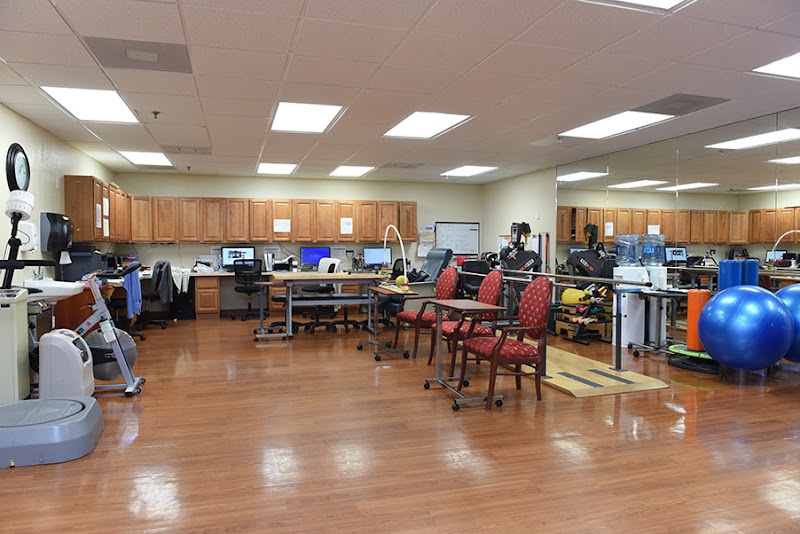
How is Jupiter Rehabilitation And Healthcare Center Staffed?

CMS rates JUPITER REHABILITATION AND HEALTHCARE CENTER's staffing level at 1 out of 5 stars, which is much below average compared to other nursing homes. Staff turnover is 48%, compared to the Florida average of 46%. RN turnover specifically is 67%, which is notably high. RNs provide skilled clinical oversight, so turnover in this role can affect medical care quality.

What Have Inspectors Found at Jupiter Rehabilitation And Healthcare Center?

State health inspectors documented 38 deficiencies at JUPITER REHABILITATION AND HEALTHCARE CENTER during 2022 to 2025. These included: 38 with potential for harm.

Who Owns and Operates Jupiter Rehabilitation And Healthcare Center?

JUPITER REHABILITATION AND HEALTHCARE CENTER is owned by a for-profit company. For-profit facilities operate as businesses with obligations to shareholders or private owners. The facility operates independently rather than as part of a larger chain. With 120 certified beds and approximately 101 residents (about 84% occupancy), it is a mid-sized facility located in JUPITER, Florida.
How Does Jupiter Rehabilitation And Healthcare Center Compare to Other Florida Nursing Homes?

Compared to the 100 nursing homes in Florida, JUPITER REHABILITATION AND HEALTHCARE CENTER's overall rating (1 stars) is below the state average of 3.2, staff turnover (48%) is near the state average of 46%, and health inspection rating (2 stars) is below the national benchmark.

What Should Families Ask When Visiting Jupiter Rehabilitation And Healthcare Center?

Based on this facility's data, families visiting should ask: "Can you walk me through typical staffing levels on day, evening, and night shifts?" "Can I visit during a mealtime to observe dining assistance and food quality?" "How do you handle medical emergencies, and what is your hospital transfer rate?" "Can I speak with family members of current residents about their experience?" These questions are particularly relevant given the below-average staffing rating.

Is Jupiter Rehabilitation And Healthcare Center Safe?

Based on CMS inspection data, JUPITER REHABILITATION AND HEALTHCARE CENTER has a clean safety record: no substantiated abuse findings (meaning no confirmed cases of resident harm), no Immediate Jeopardy citations (the most serious violation level indicating risk of serious injury or death), and is not on the Special Focus Facility watch list (a federal program monitoring the lowest-performing 1% of nursing homes). The facility has a 1-star overall rating and ranks #100 of 100 nursing homes in Florida. While no facility is perfect, families should still ask about staff-to-resident ratios and recent inspection results during their visit.

Do Nurses at Jupiter Rehabilitation And Healthcare Center Stick Around?

JUPITER REHABILITATION AND HEALTHCARE CENTER has a staff turnover rate of 48%, which is about average for Florida nursing homes (state average: 46%). Moderate turnover is common in nursing homes, but families should still ask about staff tenure and how the facility maintains care continuity when employees leave.

Was Jupiter Rehabilitation And Healthcare Center Ever Fined?

JUPITER REHABILITATION AND HEALTHCARE CENTER has no federal fines on record. CMS issues fines when nursing homes fail to meet care standards or don't correct problems found during inspections. The absence of fines suggests the facility has either maintained compliance or corrected any issues before penalties were assessed. This is a positive indicator, though families should still review recent inspection reports for the full picture.

Is Jupiter Rehabilitation And Healthcare Center on Any Federal Watch List?

JUPITER REHABILITATION AND HEALTHCARE CENTER is not on any federal watch list. The most significant is the Special Focus Facility (SFF) program, which identifies the bottom 1% of nursing homes nationally based on persistent, serious quality problems. Not being on this list means the facility has avoided the pattern of deficiencies that triggers enhanced federal oversight. This is a positive indicator, though families should still review the facility's inspection history directly.