LUXE AT JUPITER REHABILITATION CENTER (THE)
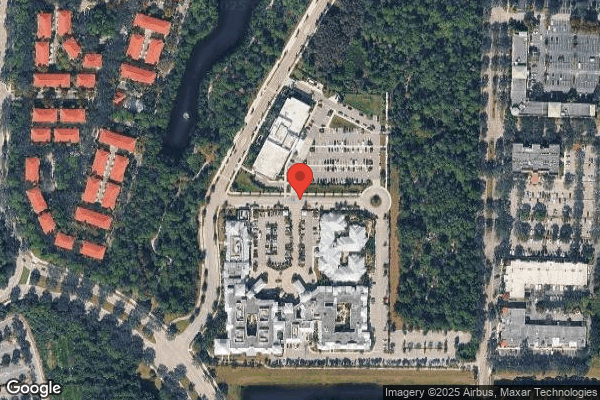
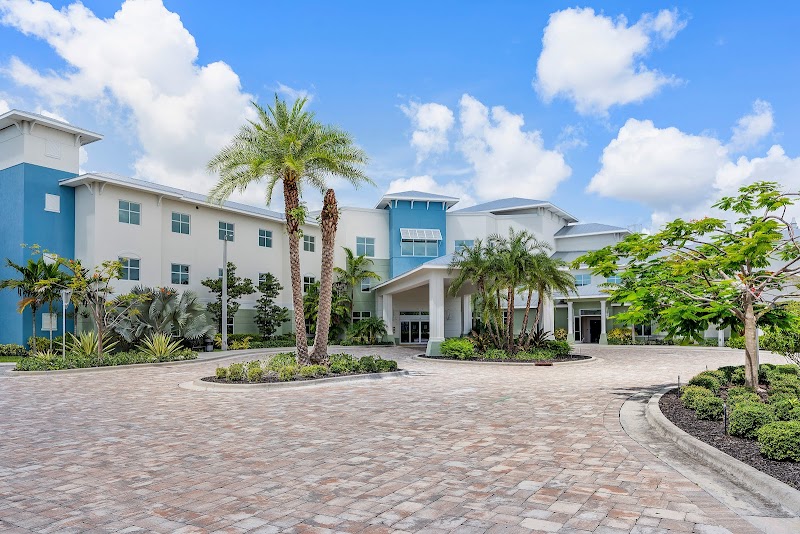
674 PIONEER ROAD, JUPITER, FL 33458 (718) 852-7000
For profit - Partnership 129 Beds Independent Data: November 2025 1 Immediate Jeopardy citation
Trust Grade
8/100
#525 of 690 in FL
Last Inspection: April 2025

Within standard 12-15 month inspection cycle. Federal law requires annual inspections.

Overview

Luxe at Jupiter Rehabilitation Center has received a Trust Grade of F, indicating significant concerns about the facility's quality of care. It ranks #525 out of 690 nursing homes in Florida, placing it in the bottom half of all facilities in the state, and #42 out of 54 in Palm Beach County, suggesting only a few local options are better. The facility's performance is worsening, with issues increasing from 12 in 2024 to 18 in 2025. While staffing is a strength with a 4/5 star rating, indicating good staff retention, the high turnover rate of 49% is concerning. The facility has incurred $201,434 in fines, which is higher than 94% of Florida facilities, indicating potential compliance issues. Recent inspections revealed critical issues, including a failure to supervise two vulnerable residents, allowing them to leave the facility unsupervised, which posed a serious risk to their safety. Additionally, staff failed to provide proper treatment for pressure wounds, resulting in a resident arriving at the hospital with maggots in their wound. While the facility has strong quality measures, these serious incidents highlight significant weaknesses that families should consider.

Trust Score
F
8/100
In Florida
#525/690
Bottom 24%
Safety Record
High Risk
Review needed
Inspections
Getting Worse
12 → 18 violations
Staff Stability
⚠ Watch
49% turnover. Above average. Higher turnover means staff may not know residents' routines.
Penalties
⚠ Watch
$201,434 in fines. Higher than 98% of Florida facilities. Major compliance failures.
Skilled Nurses
✓ Good
Each resident gets 64 minutes of Registered Nurse (RN) attention daily — more than 97% of Florida nursing homes. RNs are the most trained staff who catch health problems before they become serious.
Violations
⚠ Watch
50 deficiencies on record. Higher than average. Multiple issues found across inspections.
★★☆☆☆
2.0
Overall Rating
★★★★☆
4.0
Staff Levels
★★★★★
5.0
Care Quality
★☆☆☆☆
1.0
Inspection Score
Stable
2024: 12 issues
2025: 18 issues

The Good

  • 4-Star Staffing Rating · Above-average nurse staffing levels
  • 5-Star Quality Measures · Strong clinical quality outcomes
  • Full Sprinkler Coverage · Fire safety systems throughout facility
  • No fines on record

Facility shows strength in staffing levels, quality measures, fire safety.

The Bad

2-Star Overall Rating

Below Florida average (3.2)

Below average - review inspection findings carefully

Staff Turnover: 49%

Near Florida avg (46%)

Higher turnover may affect care consistency

Federal Fines: $201,434

Well above median ($33,413)

Significant penalties indicating serious issues

The Ugly 50 deficiencies on record

1 life-threatening 3 actual harm
Apr 2025 14 deficiencies
CONCERN (D) 📢 Someone Reported This

A family member, employee, or ombudsman was alarmed enough to file a formal complaint

Potential for Harm - no one hurt, but risky conditions existed

Quality of Care (Tag F0684)

Could have caused harm · This affected 1 resident

**NOTE- TERMS IN BRACKETS HAVE BEEN EDITED TO PROTECT CONFIDENTIALITY** Based on record review and interview, the facility failed to ensure care and services for 5 of 34 sampled residents, as evidence...

Read full inspector narrative →
**NOTE- TERMS IN BRACKETS HAVE BEEN EDITED TO PROTECT CONFIDENTIALITY** Based on record review and interview, the facility failed to ensure care and services for 5 of 34 sampled residents, as evidenced by the failure to implement the bowel program for Resident #44, failure to follow blood pressure parameters for Resident #10 and #23, failure to ensure the provision of a urology appointment for Resident #62, and failure to notify the physician of blood sugar levels as per physician order for Resident #303. The findings included: 1) Review of the record revealed Resident #44 was admitted to the facility on [DATE]. Review of the current Minimum Data Set (MDS) assessment dated [DATE] documented the resident had a Brief Interview for Mental Status (BIMS) score of 13, on a 0 to 15 scale, indicating the resident was cognitively intact. Review of the current care plan initiated on 08/26/24 revealed Resident #44 was at risk for bowel irregularity related to decreased mobility, and potential side effects of medications. The documented goal was that the resident would have a bowel movement at least once every three days. One of the interventions was to administer the medications as per physician orders. Review of the current physician orders revealed Resident #44 was on two routine medications daily for constipation. The resident also had three orders for medications as needed, to include Milk of Magnesium for Constipation Bowel Protocol, a Bisacodyl (a laxative) suppository as needed for constipation, and a Fleet Enema to be administered if no bowel movement in 5 days. Review of the documented bowel management in the resident's record, along with the corresponding Medication Administration Records (MARs) for Resident #44 revealed the following: On 02/10/25 on the day shift (7 AM to 7 PM) through 02/14/25 on the day shift, a total of 4 1/2 days, the record lacked any documented bowel movement or the administration of any as needed medication for constipation. On 02/22/25 on the night shift (7 PM to 7 AM) through 02/25/25 on the night shift, a total of 3 1/2 days, the record lacked any documented bowel movement or the administration of any as needed medication for constipation. On 03/16/25 on the night shift through 03/19/25 on the day shift, a total of 3 days, the record lacked any documented bowel movement or the administration of any as needed medication for constipation. During an interview on 04/01/25 at 10:34 AM, Resident #44 stated she gets constipation and had an issue with it every month. The resident stated the pain she gets when constipated was horrible. Resident #44 confirmed she was taking something every day, but did not think it was enough. When asked if she gets anything as needed or upon her request, the resident stated once in a while she gets Milk of Magnesia. During an interview on 04/04/25 at 12:37 PM, when asked to explain the Bowel Protocol, Staff L, Licensed Practical Nurse (LPN), explained that the electronic dashboard would notify the nurse when a resident does not have a bowel movement in three days. The LPN stated when notified, she would confirm the lack of a bowel movement with the resident and or staff. The LPN explained that when she is notified, she would provide the as needed dose of Milk of Magnesium to the resident listed on the dashboard. When asked specifically about Resident #44, the LPN agreed the resident had an issue with constipation. During a side-by-side review of the record at this time, the LPN agreed with the findings. 2) Review of the record revealed Resident #10 was admitted to the facility on [DATE]. Review of the current orders revealed the order initiated on 09/30/24 for the blood pressure medication Metoprolol 25 milligrams, to give two tablets twice daily. This order further documented the physician ordered parameters that the resident was not to receive the medication if his systolic blood pressure (SBP/upper number) was less than 110 or his heart rate was less than 60. Review of the December 2024 Medication Administration Record (MAR) documented the Metoprolol was administered to Resident #10 on 12/06/24 at 9 AM with a heart rate of 54. During a side-by-side review of the record and interview on 04/04/25 at 12:22 PM, Staff L, LPN, agreed with the findings and stated the medication should have been held. 4) Review of Resident #62 records revealed that Resident #62 was admitted to the facility on [DATE]. He has diagnoses to include Chronic Kidney Disease, Acute Kidney Failure, Malignant Neoplasm of Prostate, Retention of Urine, Obstructive and Reflux Uropathy. A review of the physician's orders revealed that the resident has an indwelling urinary catheter. A review of a physician's progress note dated 04/02/25 documents that he palpable hardened mass to right side of scrotum. Another progress note dated 02/19/25 patient seen today in bed prior to going to Urology appointment. Earlier this week he complained of pain and swelling to scrotum. Palpable hardened mass noted to right side of scrotum along with scrotal swelling. Patient report that pain has improved. He also continues to have penile discharge. Spoke with him about ensuring these issues are addressed with Urology today. He returned with an order for a scrotal ultrasound scheduled for 03/31/2025. at 11:00 AM. Surveyor reviewed the Physician's order and did see an order for a Urology appointment on 03/31/2025 at 11:00 AM. During an interview on 03/31/25 at 10:30 AM, Resident #62 stated to the surveyor that he was upset, he is waiting to be picked up to go to the Urologist at 11:00 AM for a test. He said he mentioned it to the nurse, but she said he did not have one and no one appeared to be taking him. During an interview on 03/31/25 at 10:45 AM, with Staff M, RN she was asked about a medical appointment today 03/31/25 at 11:00 AM She stated, he is confused, I don't see an appointment. During an interview on 04/02/2025 at 8:58 AM with Staff M, RN, she was asked again about Resident #62's Urology appointment that was scheduled for Monday 03/31/25. She stated she wasn't aware he had an appointment until the Surveyor brought it to her attention. She had texted the Activities Director around 10:45 AM asking if he had one. She said usually if they have an appointment it will pop up on the computer as a one-time order but for him it wasn't put in correctly, so it didn't pop up. She said that Activities will set up the transportation. During an interview on 04/02/25 at 9:05 AM with Staff N, Unit Manager, she stated that she spoke to the resident yesterday and she called the Urologist to find out about his appointment but have not heard back from them yet. During an interview on 04/02/25 at 9:45 AM with the Activities Director she remembers the text the nurse sent her about this resident on Monday 03/31/25. The Activities Director stated we will set up the residents' transportation if they are long-term care residents. The surveyor then stated that this resident is long term care. During a subsequent interview on 04/02/25 with Staff N, Unit Manager, she stated the resident was communicating with the doctor's office and had changed his appointment himself. The surveyor stated that it has been on the computer since 02/20/25. Staff N then stated the resident told someone and they put it on the computer but did not put it in correctly and since he made the appointment we were not aware that he needed transportation. The surveyor stated that this appointment has been scheduled for over a month and they had an opportunity to get transportation scheduled, which she acknowledged. During an interview with Staff N, Unit Manager, on 04/04/25 at 11:50 AM she was asked about this resident transportation for the upcoming appointment. She said the Activities driver was going to pick him up. During a telephone interview on 04/04/25 at 12:50 PM with the Activities Director she stated she only oversees transportation for outings and ALF. The unit manager would take care of the resident going to the doctor's appointment. 5) Review of Resident #303 records revealed Resident #303 was admitted to the facility on [DATE] and discharged [DATE]. The resident had diagnoses to include Type II Diabetes Mellitus, Hypertension, and Dysphagia and Aphasia following a Cerebral Infarction. A review of the Physician's Order revealed Accu-Chek twice daily; If blood sugar is above 250 to notify the MD/ARNP start date 03/05/25 0630. A review of the MAR (Medication Administration Record) revealed 3 days that the Accu-Chek was taken, and the blood sugar was above 250 but the physician or ARNP was not notified. On 03/17/25 Blood Sugar 301 at 06:30 AM. On 03/16/25 Blood Sugar 295 at 4:30 PM. On 03/08/25 Blood Sugar 252 at 4:30 PM. The resident is also on Glucophage Tablet 1000 MG (Metformin HCl) Give 1 tablet by mouth two times a day for Diabetes; Insulin Glargine Solution 100 UNIT/ML Inject 15 unit subcutaneously at bedtime for diabetes. During an interview on 04/04/25 at 3:39 PM with the DON (Director of Nursing) the Surveyor asked her where the nurses document when they notify the physician or ARNP. She stated they are documenting either in the computer on the MAR which sometimes floats over to Progress Note or putting it in the progress note. The surveyor requested to pull up Resident #303's MAR and progress notes. She reviewed them and acknowledged that she does not see any notes that the physician or ARNP was notified and should have been per the order. 3) Resident #23 was admitted to the facility on [DATE] with diagnoses including respiratory failure and hypertension (high blood pressure). An annual comprehensive assessment on 12/18/24 included a brief interview with a mental status score of 15, indicating that Resident #23 was cognitively intact. This assessment did not record any concerns related to mood or behavior. According to the physician's order from 12/14/23, Amlodipine was prescribed to be administered one tablet by mouth every 12 hours for the management of hypertension, with the stipulation to hold the medication if the systolic blood pressure was below 110. However, a review of the March 2025 medication administration record (MAR) evidenced the lack of adherence to these parameters. Amlodipine was administered outside of the established parameters on several occasions: - On 03/05/25, at 9 PM, the recorded blood pressure was 98/67, and the medication was administered. - On 03/18/25, at 9 AM, the blood pressure was 102/65, and the medication was again given. - On 03/25/25, at 9 AM, the blood pressure was noted as 107/63, and the medication was administered. - On 03/25/25, at 9 PM, the blood pressure was recorded at 109/64, and the medication was administered. During an interview with the Director of Nursing (DON) on 04/04/25, at 11:55 AM, the DON was made aware of the issue regarding the noncompliance with the physician's orders concerning blood pressure medication administration and the associated parameter.
CONCERN (D)

Potential for Harm - no one hurt, but risky conditions existed

Accident Prevention (Tag F0689)

Could have caused harm · This affected 1 resident

**NOTE- TERMS IN BRACKETS HAVE BEEN EDITED TO PROTECT CONFIDENTIALITY** Based on interviews, record review, and policy review, the facility failed to ensure supervision and staff training for 1 of 4 s...

Read full inspector narrative →
**NOTE- TERMS IN BRACKETS HAVE BEEN EDITED TO PROTECT CONFIDENTIALITY** Based on interviews, record review, and policy review, the facility failed to ensure supervision and staff training for 1 of 4 sampled residents (Resident #19), reviewed for falls. The findings included: Review of the policy titled, Falls - Managing, Preventing, and Documentation revised 01/2024, documented, in part, Resident-Centered Approaches to Managing Falls and Fall Risk: 1. The staff will implement a resident-centered fall prevention plan to reduce the specific risk factor(s) of falls for each resident at risk or with a history of falls. Documentation: . 2. The resident's care plan should be updated timely with the new interventions determined by the interdisciplinary team. Review of the record revealed Resident #19 was admitted to the facility on [DATE]. Review of the current Minimum Data Set (MDS) assessment dated [DATE] documented Resident #19 had a Brief Interview for Mental Status (BIMS) score of 6, on a 0 to 15 scale, indicating the resident was cognitively impaired. Review of the current care plan initiated 11/13/24 revealed Resident #19 was at risk for falls related to cognitive deficit, use of psychotropic medications, decreased endurance, and a history of falls. Review of progress note dated 03/17/25 written by Staff A, Licensed Practical Nurse (LPN) revealed that Resident #19 was in her room and observed lying on the floor on her right side. A fall risk evaluation was completed after care was provided and family was notified. The fall risk evaluation revealed that Resident #19 was oriented to self, not place and time and had periods of confusion. She presented with an altered awareness of physical environment and lack of understanding of physical limitations. During a family interview on 04/01/25 at 9:42 AM, Resident #19's husband stated that his wife fell out of the wheelchair when she was left alone in her room. During an interview on 04/02/25 at 12:10 PM, Staff A, LPN stated that a staff member from the Activities department pushed Resident #19 in her wheelchair back into her room and left her alone and did not notify the nursing staff that Resident #19 was back in her room. During an interview on 04/02/25 at 12:47 PM, the Activities Director stated that it was Staff G, a part time Activity Assistant, who brought Resident #19 back to her room on 03/17/25 as Staff G did not know that the resident should be taken to the nursing station instead of her room. When asked how Staff G, would've known which residents need to be brought to the nursing station instead of their rooms and if there was a policy for that she replied, I am not sure, but I think it is in the resident's care plan. Review of the current care plan initiated on 03/03/25 that includes interventions carried over from 2024, lacked any intervention related to the need to always keep Resident #19 with staff while positioned in her wheelchair. Furthermore, the list of interventions and approaches did not include training for all facility staff to communicate with the nursing staff when Resident #19 is positioned in her wheelchair and returned to her room after attending activities, an outing or therapy. Review of the facility investigation completed after Resident #19's fall on 03/17/25, revealed education only to Staff G, the Activity Assistant involved in the incident, and lacked education to all staff.
CONCERN (D)

Potential for Harm - no one hurt, but risky conditions existed

Tube Feeding (Tag F0693)

Could have caused harm · This affected 1 resident

**NOTE- TERMS IN BRACKETS HAVE BEEN EDITED TO PROTECT CONFIDENTIALITY** Based on observations, interviews, and record reviews, the facility failed to follow the physician's order for the administratio...

Read full inspector narrative →
**NOTE- TERMS IN BRACKETS HAVE BEEN EDITED TO PROTECT CONFIDENTIALITY** Based on observations, interviews, and record reviews, the facility failed to follow the physician's order for the administration of enteral feeding for 1 of 2 sampled residents (Resident #31), reviewed for enteral feeding. The findings included: A record review revealed Resident #31 was admitted to the facility on [DATE]. Diagnoses included Traumatic Subarachnoid Hemorrhage without loss of consciousness, Unspecified Protein Calorie Malnutrition, Major Depressive Disorder, Dementia, and Muscle Wasting in Multiple Sites with Atrophy. This resident's Brief Interview for Mental Status (BIMS) score, per Minimum Data Set (MDS) assessment dated [DATE] was 4. This indicated that Resident #31 had severe cognitive impairment. A record review revealed Resident #31's most recent weight on 03/09/25 was 93.8 pounds. Her Body Mass Index (BMI) was 18.3. This indicated that Resident #31 was underweight. She lost 8 pounds in six months from 101.8 pounds on 09/02/24 to 93.8 pounds. The MDS quarterly assessment completed on 02/20/25 documented that Resident #31 received 51% or more of the calories ingested daily via percutaneous endoscopy gastrostomy (PEG) tube enteral feedings, and 51% or more fluids from PEG tube enteral feedings. Resident #31 was dependent on enteral feeding to meet her daily needs for nutrition. This included hydration. A record review of Resident #31's care plan for nutrition last revised on 03/31/25, documented that the resident was at risk for malnutrition because she had inadequate intake of nutrition by mouth. Enteral PEG tube feedings was her primary source of nutrition. She had a history of weight loss, and in addition to receiving feeding by PEG tube, Resident #31 also received food by mouth. Her food by mouth diet order dated 03/31/2025 was for a regular diet, with a mechanical soft texture, and thin consistency fluids. A record review showed that Resident #31's current enteral feeding diet order dated 03/10/25 was for a continuous feeding of Jevity 1.5 to be administered at 85 milliliters per hour for 12 hours daily between 7:00 PM and 7:00 AM. The doctor's order specified that the total amount of 1,020 ml of Jevity was to be infused. There was another active order for a bolus feeding (administered all at the same time) of 237 milliliters to be administered at 5:00 PM daily. A record review of the Registered Dietitian's (RD) progress note on 03/10/25 revealed Resident #31 often refused the 5:00 PM bolus feedings. The RD recommended increasing the rate of Jevity 1.5 from 80 milliliters per hour to 85 milliliters per hour. This increase in rate also increased the volume of Jevity to be administered. In addition, the RD's progress note documented Resident #31's difficulty swallowing and poor intake of foods by mouth. An observation during the initial screening activity on 04/01/25 at 09:39 AM revealed that Resident #31's tongue was dry, and the tip of her tongue was deep red. A vertical crevice was observed on the tip of her tongue. The surveyor offered the resident water from the cup that was on her tray table. The resident accepted the cup in her hand and drank some water. During an observation on 04/02/25 at 6:12 PM, Resident #31 was lying down in bed. The surveyor asked the resident to stick out her tongue and Resident #31 complained that her tongue was dry. During an interview with Staff Q (Registered Nurse) on 04/03/25 at 2:12 PM, the surveyor shared her concern about Resident #31's dry mouth. Staff Q said that Resident #31's lips were dry, and she liked to drink water with ice. An observation on 04/04/25 at 7:04 AM revealed Resident #31 was in bed, receiving enteral feeding. The rate of feeding was 80 milliliters per hour. The total amount of Jevity that was administered, based on the amount of formula that remained in the plastic 1000 ml bottle, was approximately 540 ml. The doctor's order specified the total volume to be administered between 7:00 PM and 7:00 AM was 1,020 ml. Approximately 460 ml of Jevity 1.5 remained in the plastic bottle. An interview on 04/04/25 at 7:15 AM was conducted with Staff C, the nurse who provided Resident #31 with care during the night shift. The surveyor asked Staff C to view the tube feeding pump and to describe the rate of administration of the Jevity formula that was in progress. Staff C said that the rate was 80 milliliters per hour. When asked to check the doctor's order in Resident #31's medical record, Staff C said that the order specified 85 milliliters per hour. The surveyor asked why she provided the Jevity at 80 milliliters per hour, and Staff C said that she didn't open and check the order for the administration of Jevity. She also said she wasn't informed of the change in the administration rate during the change of shift report.
CONCERN (D)

Potential for Harm - no one hurt, but risky conditions existed

Deficiency F0694 (Tag F0694)

Could have caused harm · This affected 1 resident

**NOTE- TERMS IN BRACKETS HAVE BEEN EDITED TO PROTECT CONFIDENTIALITY** Based on policy review, observation, record review, and interview, the facility failed to ensure timely IV (intravenous) dressin...

Read full inspector narrative →
**NOTE- TERMS IN BRACKETS HAVE BEEN EDITED TO PROTECT CONFIDENTIALITY** Based on policy review, observation, record review, and interview, the facility failed to ensure timely IV (intravenous) dressing changes for 1 of 1 sampled resident, Resident #29. The findings included: Review of the policy titled, IV Dressing Change revised 11/2024 documented in part, Standard: This purpose of this procedure is to minimize catheter-related infections associated with contaminated, loosened, or soiled catheter-site dressings. Procedure: 1. Dressing changes to be completed if it becomes damp, loosened or visibly soiled and at least every 7 days. Review of the record revealed Resident #29 was admitted to the facility on [DATE]. Review of the current orders revealed a midline IV catheter was ordered on 03/20/25 for the resident to receive IV medications. These orders also contained instructions to flush the IV before and after two current antibiotics that were being administered via the IV line, to include daptomycin and meropenem. These orders lacked any instructions for the nursing staff to change the IV dressing. A wound culture dated 01/03/25 revealed the resident had a wound that was infected with a multi-drug resistant organism (MDRO). During an interview on 03/31/25 beginning at 11:31 AM, when asked why he was on contact precautions, Resident #29 stated he had a wound infection. A mid-line catheter was noted to the resident's right arm. The dressing was lose all around the perimeter and dated 03/20. When asked about the dressing changes, Resident #29 stated, It wouldn't have been changed then (03/20/25) if I wouldn't have said anything. I have to beg them to change it. Then when the nurses do finally change it, they complain the whole time. During an interview on 04/03/25 at 2:08 PM, when asked if she does the IV dressing changes for a mid-line IV, Staff L, Licensed Practical Nurse (LPN) stated she does not, but would as the Unit Manager or another Registered Nurse (RN) to complete the task. When asked how she knows when it is due, the LPN stated it would pop up on her computer. When asked if she had noticed the mid-line for Resident #29, the LPN stated, Yes, it was dated 03/20 and I corrected that on 04/01/25. The LPN agreed it was completed late. When asked to locate and provide the order for the mid-line dressing change, the LPN stated she did not see it in the computer, but it should be changed every 7 days.
CONCERN (D)

Potential for Harm - no one hurt, but risky conditions existed

Respiratory Care (Tag F0695)

Could have caused harm · This affected 1 resident

**NOTE- TERMS IN BRACKETS HAVE BEEN EDITED TO PROTECT CONFIDENTIALITY** Based on observation, interview, and record review, the facility failed to properly administer oxygen therapy for 2 of 2 sampled...

Read full inspector narrative →
**NOTE- TERMS IN BRACKETS HAVE BEEN EDITED TO PROTECT CONFIDENTIALITY** Based on observation, interview, and record review, the facility failed to properly administer oxygen therapy for 2 of 2 sampled residents, as evidenced by failure to ensure proper physician orders for oxygen use for Resident #302, and that the prescribed physician order for oxygen was followed for Resident #54. The findings included: Review of the Policy titled, Standards and Guidelines for Oxygen Administration revised 12/2023, documented, in part, Oxygen therapy is administered by way of an oxygen mask, cannula or other device per physicians' orders with the appropriate flow of oxygen. 1) Observations of Resident #302 from 03/31/25 to 04/03/25 revealed that the resident is on oxygen by nasal cannula. The setting of his oxygen is set at 4.5 LPM (liters per minute). A review of Resident #302's records revealed Resident #302 was admitted to the facility on [DATE] with diagnoses to include COPD (Chronic Obstructive Pulmonary Disease) with Acute Exacerbation, Chronic Respiratory Failure with Hypercapnia, Dependent on Oxygen, Hypertension, and Type II Diabetes Mellitus. A review of the Physician's Orders documented continuous O2 (Oxygen) will tolerated every shift start 03/20/25. It does not state the LPM nor what type of device the resident should be using. During an interview on 04/02/2025 with Staff N, Unit Manager/RN she was asked what the process is for a resident on oxygen. She stated they check the O2 every shift, he has COPD and the O2 is set at 3 LPM, every Thursday they change his cannula. She was asked to review the resident's O2 orders. She read off that it showed continuous O2 will tolerated every shift start 03/20/25. She said OK and didn't seem concerned that the order did not have how many LPM nor by what method. We went into resident's room and to observe the oxygen rate. She stated it was at 4.5 LPM. The resident interjected and stated that he always has it at 4 LPM at home but because he is more active here at the facility it is at 5 LPM. The Unit Manager stated she will call the physician to get orders updated. On 04/02/25 it now reads Respiratory-Oxygen: Continuous. Encourage and assist resident to use O2 @ 4.5L via NC continuously as tolerated for COPD every shift for COPD and Respiratory-Oxygen Tubing Change: Change O2 tubing/mask/bag Q week and PRN every night shift every Thursday for monitoring. Photographic evidence obtained. 2) Review of record revealed Resident #54 was admitted to the facility on [DATE]. On 03/14/25, Resident #54 was admitted to the hospital with diagnosis of Acute Respiratory Failure, and was readmitted to the facility on [DATE] with a respiratory care order for Oxygen at 2 liters via nasal cannula as needed for shortness of breath/dyspnea on exertion every 24 hours. Observation on 04/01/25 at 8:10 AM, Resident #54 was in bed awake on oxygen on 4 liters via nasal cannula. Observation on 04/01/25 at 11:15 AM, Resident #54 was in bed and awake on 4 liters of oxygen via nasal cannula. During an interview on 04/02/25 at 11:07 AM, Staff A, Licensed Practical Nurse (LPN) was asked about Resident #54's oxygen order as she was leaving resident #54's room. Staff A checked her computer stating the order is for 2 Liters. During an observation after the interview with Staff A, on 04/02/25 at 11:10 AM, Resident #54 was in bed awake with 4 Liters of oxygen via a nasal cannula. Photographic evidence obtained.
CONCERN (D)

Potential for Harm - no one hurt, but risky conditions existed

Deficiency F0700 (Tag F0700)

Could have caused harm · This affected 1 resident

**NOTE- TERMS IN BRACKETS HAVE BEEN EDITED TO PROTECT CONFIDENTIALITY** Based on observation, record review and interview the facility failed to ensure an assessment and an order for side rails for 1 ...

Read full inspector narrative →
**NOTE- TERMS IN BRACKETS HAVE BEEN EDITED TO PROTECT CONFIDENTIALITY** Based on observation, record review and interview the facility failed to ensure an assessment and an order for side rails for 1 of 1 sampled resident reviewed for side rails (Resident #302). The findings included: Observations were made from 03/31/25 to 04/02/25 of Resident #302's bed. He has 2 metal side rails up on the right side and 1 metal side rail up on the left side. On 04/02/25-04/04/25 observations were made of a larger bed in Resident #302's room with 1 side rail up on each side of the bed by the head of the bed. A review of Resident #302's records revealed Resident #302 was admitted to the facility on [DATE] with diagnoses to include Visual Loss, Hypertension, Type II Diabetes Mellitus, Unspecified Delirium, and COPD (Chronic Obstructive Pulmonary Disease). A review of the admission Assessment for bed rails dated 03/18/25 documents that side rails are not needed. There was no Physician Orders or documentation on further assessing the resident for side rails. During an interview on 04/04/25 at 4:40 PM with the ADON (Assistant Director of Nursing), the surveyor asked who is responsible for doing assessments for side rails. She stated Rehab does it. During an interview on 04/04/25 at 4:45 PM with the Rehab Director he was asked who is responsible for doing assessments for bed rails. He stated Nursing. During an interview on 04/04/25 at 4:50 PM with Staff O, LPN (Licensed Practical Nurse), she was asked who does bed rail assessments? she stated Nursing and Rehab do the bed rail assessments. If the admission Assessment documents that the resident needs bed rails then we put an order in. She acknowledged that this resident does not have an order for bed rail and the assessment says no rails needed.
CONCERN (D)

Potential for Harm - no one hurt, but risky conditions existed

Laboratory Services (Tag F0770)

Could have caused harm · This affected 1 resident

**NOTE- TERMS IN BRACKETS HAVE BEEN EDITED TO PROTECT CONFIDENTIALITY** Based on record review, policy review and interview the facility failed to obtain an ordered laboratory result for a medication ...

Read full inspector narrative →
**NOTE- TERMS IN BRACKETS HAVE BEEN EDITED TO PROTECT CONFIDENTIALITY** Based on record review, policy review and interview the facility failed to obtain an ordered laboratory result for a medication (Depakote) for 1 of 1 sampled Resident (Resident #61). The findings included: The facility policy titled, Standards and Guidelines: Physician's Orders, revised on 01/2024 documented in part: Physician orders should be followed as prescribed, and if not followed, this should be recorded in the resident's medical record during that shift. The physician should be notified and the responsible party if indicated. Resident #61 was admitted to the facility on [DATE] with diagnoses to include in part Hypertension, Major depressive disorder, Congestive heart failure, Atrial fibrillation, Anemia, Protein calorie malnutrition and a brief psychotic disorder. On 11/27/24 Resident #61 was ordered 750 mg Depakote Sprinkles by mouth two times a day for mood disorder. The order was changed on 02/13/25 to read Depakote 500 mg 1 tablet two times a day for mood disorder. The facility has a pharmacist consultant who reviews all the medications for each resident once a month. This prevents under and over medications of the residents, and possible side effects from their medications. In January 2025, the pharmacist reviewed Resident #61's medications. The pharmacist had recommendations for the medication, Depakote. Part of the recommendation for Resident #61 was for the physician to order a serum level for the Depakote. The pharmacist stated they were unable to locate a serum level in the chart. The physician agreed and a serum level was ordered to be collected on 02/25 for the medication Depakote. The medication Depakote has a significant impact on brain chemistry. The right dosage is essential. If too little is given, then the symptoms may not be controlled, and too much of the medication can lead to toxicity. The laboratory results were reviewed for Resident #61. A Valproic Acid (Depakote) serum level could not be located in the resident's record. On 04/03/25 at approximately 5:00 PM, the findings were discussed with the ADON (Assistant Director of Nursing) and the Administrator. The laboratory result for the Depakote serum level was unable to be located.
CONCERN (D)

Potential for Harm - no one hurt, but risky conditions existed

Menu Adequacy (Tag F0803)

Could have caused harm · This affected 1 resident

**NOTE- TERMS IN BRACKETS HAVE BEEN EDITED TO PROTECT CONFIDENTIALITY** Based on observation, interview, and record review, the facility failed to honor food preferences for 5 of 10 sampled residents,...

Read full inspector narrative →
**NOTE- TERMS IN BRACKETS HAVE BEEN EDITED TO PROTECT CONFIDENTIALITY** Based on observation, interview, and record review, the facility failed to honor food preferences for 5 of 10 sampled residents, Residents #27, #29, #44, #50, and #85, who had food complaints, as evidenced by the failure to follow the meal ticket and menu. The findings included: 1) Review of the record revealed Resident #27 was admitted to the facility on [DATE]. Review of the Minimum Data Set (MDS) assessment dated [DATE] revealed the resident was cognitively intact as evidenced by a Brief Interview for Mental Status (BIMS) score of 14, on a 0 to 15 scale. Review of a dietary progress note dated 02/04/25, documented in part, Resident #27 would like to update her food preferences, to include a chef garden salad with ranch dressing as an entree every Monday, Wednesday, and Friday. A subsequent progress note dated 02/18/25 documented the resident was happy with the updated food preferences. Review of a dietary assessment by the Registered Dietitian (RD) on 02/27/25 revealed the resident now had wounds and nutritional interventions to include fortified foods was added. During an interview on 03/31/25 at 10:40 AM, Resident #27 stated she had lost 25 pounds and was too thin. Stated she recently spoke with someone and they added a chef salad, which she stated she really enjoyed. The resident showed the surveyor a recent menu ticket that documented the chef salad. This ticket also documented the intervention of fortified foods. When asked about oatmeal at breakfast, the resident stated she did not like their oatmeal because they put something in it that makes it gummy. Resident #27 also had the preference of whole milk at every meal, further stating, I don't always get it, but I'm happy if I get it twice a day. Resident #27 further stated they keep bringing her coffee that she does not like, she prefers hot tea, referring back to her menu ticket. An observation of Wednesday's lunch meal on 04/02/25 at 1:58 PM revealed Resident #27 did not get her chef salad. Photographic evidence obtained. When asked if she wanted to request one now, the resident provided half of her leftover salad from a previous day and stated, I knew I wouldn't get it so I saved this. An observation on 04/03/25 at 1:56 PM revealed a chef salad on the tray of Resident #27, although the menu ticket documented chef salad on Monday, Wednesday, and Friday. Photographic evidence obtained. During an interview on 04/04/25 at 2:06 PM, when shown the photo of the resident's Wednesday lunch meal, the Certified Dietary Manager (CDM) agreed. When asked why the salad on Monday, Wednesday, and Friday, the CDM stated, Resident preference. The CDM confirmed that anything extra on the menu ticket is resident preference. When told of the resident's complaint regarding the gummy oatmeal, the CDM explained the oatmeal becomes thicker as it sits. 2) Review of the record revealed Resident #29 was admitted to the facility on [DATE]. Review of the current MDS assessment dated [DATE] revealed the resident had a BIMS score of 15, on a 0 to 15 scale, indicating he was cognitively intact. This same MDS documented the resident weighed 232 pounds. During an observation and interview on 04/02/25 at 2:02 PM, Resident #29 had finished his lunch and complained of the small portion. The resident provided a photo of his lunch meal that he had taken on his cell phone. Photographic evidence obtained. The resident stated that when he gets his money for the month he will need to supplement his intake by ordering some extra food. The resident stated he was a big guy and needed more. Review of his meal ticket documented double protein portion. During an interview on 04/04/25 at 2:01 PM, when shown the photo of Resident #29's lunch from 04/02/25, both the RD and CDM agreed he was served a regular portion of meat instead of the requested double protein portion. 3) Review of the record revealed Resident #44 was admitted to the facility on [DATE]. Review of the current MDS assessment dated [DATE] documented the resident was cognitively intact with a BIMS score of 13, on a 0 to 15 scale. Review of the current order dated 12/29/24 documented Resident #44 was ordered fortified foods at meals. During an observation and interview on 04/01/25 at 10:19 AM, the activity assistant entered the resident's room to pick up her breakfast tray. Resident #44 stated she was missing her peanut butter and jelly sandwich (PB&J), dry cereal and coffee that morning. The activity assistant stated she would inform the kitchen. Resident #44 stated she really enjoyed the uncrustables (a brand of sandwich) that they started giving her a few weeks ago but then stopped. When asked how often she would like them, the resident stated every morning. Resident #44 confirmed she had not gotten the PB&J sandwich that day or the previous. Resident #44 volunteered she had sugar that morning for her coffee, but no coffee, and milk for her cereal, but no cereal. An observation on 04/02/25 at 9:49 AM revealed Resident #44 did not receive a peanut butter and jelly sandwich as per her breakfast ticket menu. Photographic evidence obtained. An observation on 04/03/25 at 1:33 PM lacked the chef's soup as documented on her menu ticket. Photographic evidence obtained. During the continued interview on 04/04/25 at approximately 2:00 PM, the RD stated the residents love the uncrustables and it could be provided to Resident #44. The RD and CDM were shown the meal ticket and breakfast meal without any PB&J sandwich and agreed with the finding. 4) Review of the record revealed Resident #50 was admitted to the facility on [DATE]. Review of the current MDS assessment dated [DATE] documented the resident was cognitively impaired with a BIMS score of 03, on a 0 to 15 scale. Review of the current orders revealed as of 09/18/23 the resident was to receive both large portions and fortified foods with meals. Review of a progress note dated 12/10/24 by the RD documented the resident agreed to large portions, as he had lost weight in the past. A subsequent note dated 02/24/25 by the RD documented to continue large portions and fortified foods. An observation on 04/02/25 at 9:39 AM lacked fortified oatmeal. When asked if he wanted the oatmeal, Resident #50 stated, I stopped eating oatmeal as a kid. During a subsequent observation on 04/03/25 at 1:08 PM, a regular sized portion of meat was noted on the resident's lunch tray. When asked if the portion was a large meat portion, the RD shook her head no. Photographic evidence obtained. At 1:26 PM, upon completing the meat provided, when asked if he would have eaten more meat if he had more, Resident #50 stated, I probably would have. When asked if he wanted more at that time, he stated, Not now since I've started my dessert. During a phone interview on 04/04/25 at 9:04 AM, when asked about the resident's previous weight loss, the resident's wife stated he had lost weight after being in the hospital and was initially put on a pureed diet. She stated when his diet was upgraded, his weight increased as well. The wife stated she would like him to maintain his weight. When asked if he likes oatmeal, the wife stated she had never seen him eat oatmeal, even prior to admission. On 04/04/25 at 1:52 PM, when asked if she asks residents who are ordered fortified foods if they like oatmeal, the RD stated she typically does, but if the resident had dementia or was asleep, she may not ask. 5) Review of the record revealed Resident #85 was admitted to the facility on [DATE]. Review of the current MDS assessment dated [DATE] documented the resident was cognitively intact with a BIMS score of 12. The resident was noted to have a current weight as of 03/06/25 of 137 pounds and was underweight as per his BMI (body mass index) score of 18.7. The resident had been underweight since admission. A nutritional evaluation by the RD on 02/03/25 documented the resident desired a gradual weight gain and that interventions would be put into place to include fortified foods. During an interview on 03/31/25 at 3:38 PM, Resident #85 stated he had lost weight. The resident explained he was supposed to be on fortified foods and that sometimes his ticket gets messed up. When asked if he has voiced his concerns, the resident stated he tries to speak with the RD about the food and she tells him to call the CDM, who doesn't answer the phone. Resident #85 further stated he doesn't always get his milk and that he received chocolate milk once or twice. Review of the resident's meal ticket documented fortified foods and chocolate milk on Monday, Wednesday, and Friday. An observation on 04/02/25 at 1:55 PM revealed a lack of any type of milk or fortified foods. Photographic evidence obtained. An observation on 04/03/25 at 2:04 PM revealed a lunch plate with meat and potatoes. The menu ticket documented, gravy on meat and starch. The potatoes lacked any gravy. Photographic evidence obtained. When asked if he would have liked the gravy on the potatoes he stated, Of course, but I just have to accept what I get at this point. During an interview on 04/04/25 at 2:09 PM, the CDM stated they did not have any chocolate milk this week, but he was sure the resident had received it in the past. The CDM and RD agreed with the other findings when shown the photos of the meal trays.
CONCERN (D)

Potential for Harm - no one hurt, but risky conditions existed

Food Safety (Tag F0812)

Could have caused harm · This affected 1 resident

**NOTE- TERMS IN BRACKETS HAVE BEEN EDITED TO PROTECT CONFIDENTIALITY** Based on observations, interviews, and policy review, the facility failed to store, prepare, distribute, and serve food in accor...

Read full inspector narrative →
**NOTE- TERMS IN BRACKETS HAVE BEEN EDITED TO PROTECT CONFIDENTIALITY** Based on observations, interviews, and policy review, the facility failed to store, prepare, distribute, and serve food in accordance with professional standards for food service safety, sanitary conditions, and the prevention of foodborne illnesses. This had the potential to affect 111 of 112 residents on PO (by mouth) diets. The findings included: A. During the initial tour of the Main Kitchen on 03/31/25 at 9:15 AM, accompanied by the Kitchen Manager and the Regional Manager of Dietary, the following was observed: 1. The [NAME] microwave had light and dark brown debris on all sides of the interior of the microwave. The kitchen managers agreed with this finding and said they will clean it up right away. 2. To the right of the coffee station, 2 recessed circular insets were dirty. One had brown liquid on the bottom. The Kitchen Manager wiped it out. The plastic utensil holder close to the round insets had brown residue on the top and spots of black powdery residue. 3. The 2 [NAME] double-door ovens had black and brown residue on the exterior of the front of the ovens. There was a pool of brown fluid on the lower bottom right corner of the oven. [NAME] liquid drippings from the pool of liquid dripped onto the tiled floor. 4. The reach-in Delfield fridge had 3 plastic cups with fluid in them. They were not labeled. When the Kitchen Manager was asked what kind of juice or fluid was in the cup, the Kitchen Manager said they were thickened fluids. When asked how will the staff would know if a thick fluid was nectar thick or honey thick, the Kitchen Manager said I don't know how thick the fluids are. The Kitchen Manager took the cups of thickened fluid and said they will be thrown out. 5. The interior of Manitowoc ice machine had a thick white substance and a blue substance stuck on the area of the hinges that were directly above the ice. 6. A rack of metal shelves that stored small plastic cups, bowls, and glasses had tan, yellow, and brown residue on the bottom shelf. 7. The floor under the metal shelves was dirty. It had a plastic cap, a round foil cover, paper, and food on it. B. The nourishment room on the first floor was observed on 03/31/25 at 10:20 AM. The surveyor was accompanied by the Kitchen Manager, and the Regional Manager of Dietary. 1. A 1000 ml bottle of Jevity 1.5 (nutrition formula) was opened with yellow-tan liquid splattered on the exterior of the cap and bottle. Approx 200 milliliters remained. It was not dated to indicate when this item was opened. 2. A small Styrofoam cup with a plastic lid was on the shelves inside the door of the refrigerator. An orange disposable coffee cup from McDonald's was next to the Jevity on the shelves inside the door. These items were not labeled. 3. The [NAME] Cottage Cheese was not labeled with a name, a date, or a room number. 4. A brown paper bag of food had no date on it. A review of the policy title Outside Foods revised 04/30/2024 said that food and beverages will be discarded without a name or date, past package expiration dates, and all perishable items after 3 days. C) During an observation on 04/02/25 at 11:24 AM, the surveyor entered the kitchen and requested that temperatures be taken for the lunch meal. The garbage pail in the kitchen overflowed with garbage. The lid was not closed. The corporate RD instructed the staff to take the garbage outside immediately. The corporate RD told the surveyor that the garbage pail was in the process of being removed. D) During an observation on 04/03/25 at 9:17 AM , the surveyor requested to see the ice machine to determine if it had been cleaned up. Upon further observation, and a discussion with the Regional Manager of Dietary, it was discovered that the ice machine had a crack on the left side of the lid close to the door hinge. The Regional Manager of Dietary explained that the white and blue colored substances were used as sealants because of the crack. Rust was observed to the left of the cracked part. Photographic evidence obtained.
CONCERN (E) 📢 Someone Reported This

A family member, employee, or ombudsman was alarmed enough to file a formal complaint

Potential for Harm - no one hurt, but risky conditions existed

Resident Rights (Tag F0550)

Could have caused harm · This affected multiple residents

**NOTE- TERMS IN BRACKETS HAVE BEEN EDITED TO PROTECT CONFIDENTIALITY** Based on interview and record review, the facility failed to ensure residents were treated with dignity during activities of dai...

Read full inspector narrative →
**NOTE- TERMS IN BRACKETS HAVE BEEN EDITED TO PROTECT CONFIDENTIALITY** Based on interview and record review, the facility failed to ensure residents were treated with dignity during activities of daily living (ADLs) care and failed to provide care upon request for 7 of 33 residents reviewed for dignity (Residents #254, 251, 256, 55, 83, 250, and # 23). The findings included: 1) The clinical record indicated that Resident #254 was admitted to the facility on [DATE] with a diagnosis that included depression. The admission assessment, dated 03/09/25, included a brief interview with a mental status score of 14, which indicated that Resident #254 was cognitively intact. The assessment noted mood symptoms such as feeling down, depressed, or hopeless but recorded no behavioral symptoms. On 03/31/25, at 9:41 AM, during an interview with Resident #254, she stated that the staff had spoken foreign languages in her room during care, which made her uncomfortable as she did not understand what they were saying or doing. 2) The clinical record revealed that Resident #251 was admitted to the facility on [DATE], and 03/23/25, with diagnoses including medically complex conditions. On 03/31/25, at 10:55 AM, Resident #251, alert and coherent, reported, the staff was rough and pushy during care. They are not caring and are disrespectful. They do not greet him when they encounter him. They don't say hello. They do not work well together. 3) The clinical record for Resident #256 indicated admission to the facility in 03/20/25. The care plan initiated on 03/21/25 noted that Resident #256 had the potential for an ADL self-care deficit due to varying participation, fatigue, and chronic medical conditions. On 03/31/25, at 11:16 AM, Resident #256 was observed at the nursing station alongside two family members. He was noted to have facial hair that needed to be shaved, and he appeared confused. An interview with his wife revealed concerns about his care. She indicated that aides had refused to shave him when she requested it. She stated the aides told her they don't do that. Although she brought a razor to help shave him, the aide did not do a good job. 4) The clinical record for Resident #55 documented admission to the facility on [DATE] and 02/04/25, with diagnoses including anxiety and depression. On 02/14/25, the quarterly comprehensive assessment recorded a brief interview with a mental status score of 15, indicating that Resident #55 was cognitively intact. The assessment noted no mood symptoms but did report verbal and behavioral symptoms. On 03/31/25, at 11:29 AM, during an interview with Resident #55, he expressed that staff sometimes do not speak English while providing care, which he found rude. He wished he could understand what they were saying. 5) The clinical record for Resident #83 indicated admission to the facility on [DATE], with diagnoses including anxiety and depression. The admission assessment, reference date 02/08/25, recorded a brief interview with a mental status score of 12, indicating that Resident #83 was cognitively intact. The assessment did not note any mood or behavioral symptoms. On 03/31/25, at 11:41 AM, during an interview with Resident #83, she stated the staff has a nasty attitude. They argue while caring for her and do not work together. 6) The clinical record revealed that Resident #250 was admitted to the facility on [DATE] with diagnoses including medically complex conditions. The admission assessment, reference date 03/28/25, recorded a brief interview for a mental status score of 15, which indicated Resident #250 was cognitively intact. This assessment recorded no mood or behavior concerns. This comprehensive assessment recorded under section GG for functional abilities and goals that Resident #250 required partial/moderate assistance with toileting hygiene, upper body dressing, rolling left and right, lying to sitting on the side of the bed, sit to stand, chair/bed-to-chair transfer, and toilet transfer. She required substantial/maximal assistance with showering/bathing, dressing her lower body, and putting on/taking off footwear. She needed supervision or assistance with personal hygiene. The care plan initiated on 03/26/25 indicated Resident #250 had an ADL self-care deficit related to ADL needs and participation varying, fatigue, and chronic medical conditions. Interventions included encouraging and assisting with all ADL tasks as indicated and tolerated by the resident, including locomotion/ambulation, bathing, bed mobility, transfers, toileting tasks, meals, and personal/oral hygiene. On 03/31/25 at 11:55 AM, during an interview with Resident #250, she revealed the aides don't usually show up when she calls, and when they finally do come, they have an attitude. She explained that last week, she needed a diaper change with all the diuretics she had taken, makes her pee a lot. She called an aide to change her and the aide said, I did it an hour ago. She said, I know, but I want to be changed again. The aide said, Well, I don't want to right now. She filed a complaint with the facility. They did not talk to her about the resolution. Resident #250 explained that this morning (on 03/31/25), an aide came in; she asked for a diaper change, the aide said, I am the only one here right now; I will try to get to you sometime later, and left the room without changing her. She finally got up and went to the bathroom by herself. 7) The clinical record revealed that Resident #23 was admitted to the facility on [DATE] with diagnosis including respiratory failure. The annual comprehensive assessment, reference date 12/18/24, recorded a brief interview for a mental status score of 15, which indicated Resident #23 was cognitively intact. This assessment recorded no mood or behavior concerns. This comprehensive assessment was recorded under the section GG for functional abilities and goals. Resident #23 required substantial/maximal assistance with toileting hygiene, showering/bathing, lower body dressing, putting on/taking off footwear, and chair/bed-to-chair transfer. She required partial/moderate assistance with upper body dressing and sitting to stand. She needed supervision or touching assistance to roll left and right and sitting on the side of the bed. The care plan revised on 12/24/24 indicated Resident #23 had an ADL self-care deficit related to chronic medical conditions, extensive assistance in more than five areas of ADLs. Interventions included encourage and assist with all ADL tasks as indicated and tolerated by the resident, including locomotion/ambulation, bathing, bed mobility, transfers, toileting tasks, meals, and personal hygiene. On 03/31/25 at 12:04 PM, an interview was conducted with Resident #23. She stated this is a pretty place, but the care is no good; the staff doesn't care about the residents. She explained there was no hot water in her bathroom. One time, during care, a certified nursing assistant (CNA) poured cold water on her; it took her breath away; she was shocked, and she stopped breathing for a few seconds. At 12:20 PM, the surveyor checked the water temperature of the shower and sink. The surveyor let the water run until 12:23 PM (about 3 minutes); the surveyor placed her hand under the running water; there was no hot water. On 04/01/25, at 11:46 AM, the surveyor turned on the water and let it run until 11:49 AM; the water was cold. On 04/04/25, the Director of Nursing was interviewed from 11:55 AM to 12:14 PM, with a follow-up discussion at 2:00 PM. During these sessions, the Director was made aware of the concerns residents and their families raised. Each problem was articulated to her. On 04/04/25 at 2:11 PM, an interview was conducted with Staff E, a nurse. During the discussion, Staff E expressed concerns regarding instances in which staff members communicated in a foreign language in the presence of residents. She noted that this practice occasionally makes her uncomfortable, leading her to believe the conversation may be about her.
CONCERN (E) 📢 Someone Reported This

A family member, employee, or ombudsman was alarmed enough to file a formal complaint

Potential for Harm - no one hurt, but risky conditions existed

Safe Environment (Tag F0584)

Could have caused harm · This affected multiple residents

**NOTE- TERMS IN BRACKETS HAVE BEEN EDITED TO PROTECT CONFIDENTIALITY** 11) Review of the record revealed Resident #27 was admitted to the facility on [DATE]. Review of the current Minimum Data Set (M...

Read full inspector narrative →
**NOTE- TERMS IN BRACKETS HAVE BEEN EDITED TO PROTECT CONFIDENTIALITY** 11) Review of the record revealed Resident #27 was admitted to the facility on [DATE]. Review of the current Minimum Data Set (MDS) assessment dated [DATE] documented the resident had a Brief Interview for Mental Status (BIMS) score of 14, on a 0 to 15 scale, indicating the resident was cognitively intact. During an interview and observation 03/31/25 at 10:51 AM, when asked if there was an issue with the provision of hot water, Resident #27 stated, They haven't had hot water for about a month. Have you ever taken a cold shower? It's not fun! The surveyor ran the hot water faucet in the resident's bathroom sink, which was located next to the shower, for several minutes, and the water did not get warm. 12) Review of the record revealed Resident #29 was admitted to the facility on [DATE]. Review of the current MDS assessment dated [DATE] documented the resident had a BIMS score of 15, on a scale of 0 to 15, indicating the resident was cognitively intact. During an interview on 03/31/25 at 11:28 AM, when asked if there was any problem with the provision of hot water, Resident #29 stated, There is no hot water. It has been an issue for at least two months. The resident then volunteered, about two or three weeks ago a nurse came in and told me, good news they are coming to fix the hot water, but it didn't get fixed. Resident #29 confirmed direct care staff knew about the cold water as the aides would comment about it during care. During an interview on 04/02/25 at 6:06 PM, when asked about any problems with hot water, Staff J, Certified Nursing Assistant (CNA) stated, They fixed it today. When asked if there were issues previously, the CNA would not respond directly, but kept saying, they fixed it. When told a resident had said there had been no hot water for a month or two, the CNA stated, No, maybe two weeks. During an interview on 04/02/25 at 6:09 PM, when asked if there had been any problems with the hot water, Staff K, Licensed Practical Nurse (LPN) stated, They were here today and fixed it. When asked if it had been a problem in the past, the LPN would not say. When told residents were saying there have been problems for a month or two, the LPN stated, I heard it happened before, and they fixed it. I really don't have any more information than that. Based on observations, record reviews and interviews the facility failed to follow their policy for loss of hot water and ensure sufficient hot water was available to the residents in their rooms and showers for 8 of 34 sampled residents (Residents #29, #27, #13, #301, #302, #303, #68, #23). The findings included: 1) Review of a policy titled, Water Temperatures Safety Checks documented that the facility will make every effort to provide water tempeatures between 105 and 115 degrees Fahrenheit. Water temperatures are checked every morning at different locations in the facility and documented. There is no date or policy number for this policy. Review of a policy titled, Loss of Hot Water revised 01/25 documented the facility is committed to maintaining a safe and comfortable environment for all residents. In the event of a hot water loss, prompt actions will be taken to ensure resident needs are met ad compliance with Florida regulations is maintained. Procedure: 1. Immediate response; Assessment: Upon discovering a loss of hot water, the maintenance supervisor will assess the cause and estimated time for repair. 2. Personal Hygiene: Use alternative methods such as pre-warmed water from external sources or no-rinse bathing products to maintain hygiene. 3. Regulatory Compliance: Water temperature are maintained between 105 to 115 degrees F. 4. Residents and families: Provide timely updates regarding the situation and expected resolution. 5. Maintain detailed records of the outage, actions taken and communications made. 2) On 04/01/25 at 8:50 AM the surveyor randomly began checking water temperatures from the faucet using a dial stem thermometer' (after the thermometer was calibrated). The following rooms had temperatures that were below 105 degrees. room [ROOM NUMBER]- 80 degrees room [ROOM NUMBER]- 80 degrees room [ROOM NUMBER]- 80 degrees room [ROOM NUMBER]- 90 degrees room [ROOM NUMBER]- 80 degrees room [ROOM NUMBER] 90 degrees The Administrator showed the surveyor several texts regarding the hot water issue. One text was dated 02/25/25, which said, FYI we are still having issues, no hot water on the 3rd floor. Another text dated 03/20/25, from the Maintenance Director, said we have hot water issues here in the SNF (Skilled Nursing Facility). Unit 127-138. It takes a long time for the water to get hot. We had to run the water for 45 minutes in each room to get hot water. The administrator also gave the surveyor several texts wanting to know why they are getting complaints of no hot water. Review of an email dated 01/30/25 from previous Maintenance Director stated, the circulation pump that pushes hot water to the west side of the third floor is down. I called Roto Rooter which came out, the tech called a few parts shop but they do not have in storage, will have to call a few plumbing companies to see if they have in stock. On 01/31/25, The circulation pump on the third floor is being worked on. Ordering pump today and will be repaired as soon as it arrives. A review of a Resident Council grievance on 01/30/25 documented that a resident on the third floor complained that there was no hot water for days. Under resolution, dated 02/10/25, it documented that a pump was replaced. 3) Review of Resident #302's medical records revealed resident was admitted on [DATE]. He has diagnoses to include Visual Loss, Hypertension, Type II Diabetes Mellitus, Delirium, COPD (Chronic Obstructive Pulmonary Disease). His BIMS score was not completed since he was a new admission, but the resident was alert, oriented and able to answer all questions by the surveyor. During an interview on 03/31/25 at 1:15 PM, Resident #302 stated that the water is cold, he can't take a shower or shave. The surveyor felt water and it was cold, ran it for several minutes and it did not get warm. 4) Review of Resident #301's medical records revealed that the resident was admitted [DATE] and was discharged [DATE]. Resident stated that the water is cold in her room and she can't shower or wash up. 5) Review of Resident #68's medical records revealed that the resident was admitted to the facility on [DATE] with diagnoses to include Multiple Sclerosis, Essential Hypertension, Spondylolosthesis, Fusion of the Spine-Lumbar Region, Major Depressive Disorder and Anxiety. During an observation and an interview with Resident #68 on 04/01/25 at 9:20 AM, the surveyor went into resident's room and observed the water running with no one near the faucet. The resident stated she didn't do it, the CNA (Certified Nursing Assistant) did it. She is waiting for the CNA to change her. Staff P, CNA came in and stated she turned the water on, she has to let it run for 15-45 minutes until it gets warm. She thinks they told her it was a water pump that was bad. 6) Review of Resident #303's records revealed that Resident #303 was admitted to the facility on [DATE] and discharged [DATE]. The resident had diagnoses to include Type II Diabetes Mellitus, Hypertension, and Dysphagia and Aphasia Following a Cerebral Infarction. During an interview on 04/04/25 at 12:50 PM with Staff H, CNA she was asked if she had taken care of Resident #303 before. She stated yes. She was then asked if this resident ever had any complaints and she said yes, he complained the water was not hot. The surveyor asked what did she do. She stated she had notified the Maintenance Director. 7) On 03/31/25 at 12:04 PM Resident # 23 voiced her concerns to a surveyor. She stated she has no hot water. The staff poured cold water on her during care, it took her breath away, she was shocked. She hasn't been able to take a shower due to the lack of hot water. At 12:20 PM the surveyor proceeded to check the water (shower and sink) and let the water run until 12:23 PM, and there was no hot water. 8) During an interview on 04/02/25 at 10:17 AM with Resident#3, who had a BIMS of 15, she stated that there is no hot water, you can't take a shower, and she was not sure how long it has been out. 9) During a telephone interview on 04/03/25 at 10:08 AM with the owner of Plumbing Company he stated a supervisor had been onsite as well as a few of their plumbers to service and inspect the nursing home facility. He stated that the facility does have hot water but it is taking too long to reach their rooms. We found a few check valves for cold water supply not functioning. The problem is the disproportion of cold water getting into the water supply piping. I don't remember replacing a circulation pump. The first service we did was changing the check valves. We are still replacing them. We have replaced 4 check valves and the mixing valve needs to be replaced. I have only been on this project since the middle of February. I wasn't doing this in January. A month ago we did check valves at the ALF( Assisted Living) but this week we have been doing checks valves at the SNF. Did 4 checks valves at SNF waiting on mixing valves to come in. The check valves were faulty and the cold water was over powering the hot water to come through. 10) During an interview on 04/04/25 at 10:27 AM with the Maintenance Director he stated that this is the first week that the plumbing company has been here. I've been here for 3 weeks and the second day I found out that there was an issue with water but on the ALF side. On the SNF side it was this past Saturday 03/30/25 that hot water was not up to correct temperatures. Randomly I do weekly temps in different rooms on each floor. It depends maybe 4-5 on each floor, depends on time of day and if I don't get pulled away. I document that. I get a weekly task and monthly task. Not sure why the higher number rooms are having an issue. The surveyor asked about the text that he sent on 03/20/25 but he had no response. The surveyor reviewed the employee roster and showed that the Maintenance Director's hire date was 02/11/25. 13) A record review revealed that Resident #13 was admitted on [DATE] with diagnoses that included Cerebrovascular Accident, Hemiplegia or Hemiparesis. The brief interview of mental status score per the minimum data set completed on 01/14/25 was 14. This indicated that Resident #13 was cognitively intact. During an interview on 03/31/25 at 03:37 PM, Resident #13 complained about no hot water. He said he needed hot water to shower and to shave. When asked for how long this problem had occurred, Resident #13 said it felt like there hasn't been hot water for a year. During an observation on 03/31/25 at 03:40 PM, the surveyor turned on the hot water and let the water run for approximately three minutes. The water felt a little warm and then it felt cool.
CONCERN (E) 📢 Someone Reported This

A family member, employee, or ombudsman was alarmed enough to file a formal complaint

Potential for Harm - no one hurt, but risky conditions existed

Deficiency F0725 (Tag F0725)

Could have caused harm · This affected multiple residents

**NOTE- TERMS IN BRACKETS HAVE BEEN EDITED TO PROTECT CONFIDENTIALITY** 10) An observation of wound care was made on 04/02/25 beginning at 10:06 AM. The wound care nurse was accompanied by the regiona...

Read full inspector narrative →
**NOTE- TERMS IN BRACKETS HAVE BEEN EDITED TO PROTECT CONFIDENTIALITY** 10) An observation of wound care was made on 04/02/25 beginning at 10:06 AM. The wound care nurse was accompanied by the regional nurse for that facility. When asked if she usually helps out with the wounds, the Regional nurse stated that she did as she was in the building Monday through Thursday. During an interview on 04/03/25 at 11:22 AM, when asked if she normally has a second staff member to assist her with wound care, especially for the residents who are totally dependent upon staff for their care, the wound care nurse shook her head no. When asked if the regional nurse who helped her the previous day had ever helped her, the wound care nurse stated, not really. When asked if she does the wounds by herself, the wound care nurse stated, Yes, but they are supposed to be getting me someone to help on the days the wound care physician is in the building for rounds. During a supplemental interview on 04/03/25 at 2:19 PM, when asked if she does the wound care for all the wounds in the facility, the wound care nurse stated she did all the care except for the residents with surgical wounds. When asked if she works 7 days a week, she stated no and explained she worked Monday through Friday, and she believed the weekend supervisor completed the care over the weekends, but she was not sure. When asked how she completes the care for the residents who are totally dependent upon care by staff, the wound care nurse stated, It's hard. There are not enough CNAs (Certified Nursing Assistants) and they are busy. I usually have to tell them to come get me when they are ready to do care or have time to help me, which means I'm all over the place. The wound care nurse stated she has requested assistance for the wound care. Review of the list of residents with wounds revealed there were 18 current residents with wounds that would be treated by the wound care nurse, including sampled Residents #254, #11, #46, #62, #29, #27, #55, #73, #68, and #45. Of those 18 residents, 5 of the 18 residents had between 2 and 4 wounds each. 11) During the survey conducted from 03/31/25 through 04/04/25, nine residents complained of cold food, including Residents #75, #83, #23, #251, #10, #29, #50, #27, and #85. Some of the residents stated the food sits in the carts out in the hallways too long before being delivered. Refer to citation at F804. During an interview on 04/04/25 at approximately 2:00 PM, when told of the numerous cold food complaints, the Registered Dietitian (RD) stated she was aware of the complaints and had done numerous temperatures in the kitchen with no concerns identified. The RD agreed it was more than likely due to the trays sitting in the hallway for an extended time, and possibly due to a staffing issue. Based on observation, interview and record review, the facility failed to ensure sufficient staffing to provide timely and appropriate care and services as evidenced by verbal complaints from residents, family, and staff, which resulted in dignity concerns, the lack of call light response, wound care and activity of daily living (ADLs) care concerns. This concerned multiple residents, including Residents #256, #250, #72, #10, #23, #254, #11, #46, #62, #29, #27, #55, #73, #68, #45, #75, #83, #23, #251, #10, #50, and #85. The findings included: 1) The clinical record for Resident #256 indicated admission to the facility on [DATE]. The care plan initiated on 03/21/25 noted that Resident #256 had the potential for an ADL self-care deficit due to varying participation, fatigue, and chronic medical conditions. On 03/31/25, at 11:16 AM, Resident #256 was observed at the nursing station alongside two family members. He was noted to have facial hair that needed to be shaved, and he appeared confused. An interview with his wife revealed concerns about his care; she indicated that aides had refused to shave him when she requested it. She stated the aides told her they don't do that. Although she brought a razor to help shave him, the aide did not do a good job. 2) The clinical record revealed that Resident #250 was admitted to the facility on [DATE] with diagnoses including medically complex conditions. The admission assessment, reference date 03/28/25, recorded a brief interview for a mental status score of 15, which indicated Resident #250 was cognitively intact. This assessment recorded no mood or behavior concerns. This comprehensive assessment recorded under section GG for functional abilities and goals that Resident #250 required partial/moderate assistance with toileting hygiene, and toilet transfer. She needed supervision or assistance with personal hygiene. The care plan initiated on 03/26/25 indicated Resident #250 had an ADL self-care deficit related to ADL needs and participation varying, fatigue, and chronic medical conditions. Interventions included encouraging and assisting with all ADL tasks as indicated and tolerated by the resident, including bed mobility, transfers, toileting tasks, and personal/oral hygiene. On 03/31/25 at 11:55 AM, during an interview process with Resident #250, she revealed the aides don't usually show up when she calls, and when they finally do come, they have an attitude. She explained that last week, she needed her adult brief changed because all the diuretics she had taken, made her urinate a lot. She called an aide to change her and the aide said, I did it an hour ago. She said, I know, but I want to be changed again. The aide said, Well, I don't want to right now. Resident #250 explained that this morning (on 03/31/25), an aide came in; she asked her to change her adult brief, the aide said, I am the only one here right now, I will try to get to you sometime later, and left the room without changing her. 3) The clinical record revealed that Resident #23 was admitted to the facility on [DATE] with diagnosis including respiratory failure. The annual comprehensive assessment, reference date 12/18/24, recorded a brief interview for a mental status score of 15, which indicated Resident #23 was cognitively intact. This assessment recorded no mood or behavior concerns. This assessment recorded under the section GG for functional abilities and goals that Resident #23 required substantial/maximal assistance with toileting hygiene, showering/bathing, lower body dressing, putting on/taking off footwear, and chair/bed-to-chair transfer. She required partial/moderate assistance with upper body dressing and sitting to stand. The care plan revised on 12/24/24 indicated Resident #23 had an ADL self-care deficit related to chronic medical conditions, extensive assistance in more than five areas of ADLs. Interventions included encourage and assist with all ADL tasks as indicated and tolerated by the resident, including locomotion/ambulation, bathing, bed mobility, transfers, toileting tasks, meals, and personal hygiene. On 03/31/25 at 12:04 PM, an interview was conducted with Resident #23; she stated, This is a pretty place, but the care is no good; the staff doesn't care about the residents. She expressed her concerns about the lack of staff, mentioning that it often takes the caregivers 45 minutes to an hour to respond to her call light. She added, The CNAs don't have time to take her outside even for 15 minutes. She doesn't get visitors often, so it would be nice to go outside occasionally. On 04/01/25, at 2:42 PM, a follow-up interview was conducted with Resident #23. She reiterated that when she calls for assistance to be changed, it took a long time for the staff to come-ranging from 45 minutes to an hour. She desired to be able to get out of bed at least three times a week, but when she requested this, the CNAs have informed her that they cannot assist her due to concerns about her safety if she falls. Some have also mentioned that there were not enough staff available to help them. On 04/04/25, the Director of Nursing was interviewed from 11:55 AM to 12:14 PM, with a follow-up discussion at 2:00 PM. During these sessions, the Director was made aware of the concerns residents and their families raised. Each problem was articulated to her. 4) A review of the clinical record revealed that Resident #73 was admitted to the facility on [DATE], with a diagnosis that included cancer. The admission assessment, dated 02/25/25, indicated a brief interview during which the resident scored 15 on the mental status assessment, which indicated she was cognitively intact. This assessment noted no concerns regarding mood or behavior. This assessment recorded under the section GG pertaining to functional abilities and goals, that Resident #73 required substantial to maximal assistance with tasks such as toileting hygiene, showering, and lower body dressing. She needed partial to moderate assistance with upper body dressing and transitioning from lying to sitting. Additionally, she required supervision or minimal assistance to roll from side to side. Resident #73 depended on staff for assistance putting on and taking off footwear, standing from a sitting position, and transferring between the chair and bed. The care plan, dated 02/26/25, indicated that Resident #73 experienced ADL (Activities of Daily Living) self-care deficit related to chronic medical conditions. Interventions included encouraging and assisting with all ADL tasks tolerated by the resident, such as locomotion, bathing, bed mobility, transfers, toileting, meals, and personal hygiene. The care plan also noted that Resident #73 was at risk for complications related to bowel and bladder incontinence. Suggested interventions included encouraging, offering, and assisting with toileting tasks and the use of adaptive equipment as needed. Incontinence care was to be provided with each incident, as tolerated. The plan further indicated that Resident #73 had pressure ulcers in the sacral and bilateral buttock areas and was receiving oral antibiotic therapy for bacteriuria (the presence of bacteria in urine). During an interview with Resident #73, she expressed concerns regarding insufficient staff availability, lack of assistance with ADLs, and inadequate responses to call lights. She stated, The facility is gorgeous, but I have concerns about communication. She explained that the volume of the call system in her room is too faint, making it difficult for her to hear staff and for them to hear her. She reported that staff often turned it off when she pressed the call button without responding or checking on her. She emphasized that her many life-threatening conditions necessitate prompt staff response. In one instance, she revealed that staff had left her sitting in a soiled adult brief for over an hour. On 04/03/25 at 1:22 PM, and again at 4:13 PM, a follow-up interview with Resident #73 was conducted. She reiterated that when she calls staff for incontinent care, their response time ranges from one hour to an hour and a half. She described an experience from the previous night where she activated the call light, but the staff turned it off without speaking or coming to her room to address her concerns. 5) On 03/31/25 at 10:31 AM, the nurse practitioner (NP) at the Emerald [NAME] unit told the surveyor, Staff F, a Registered Nurse, is brand new and was given a difficult assignment, which is not fair to this nurse. The surveyor informed the NP that she was not an employee of the facility but a state surveyor. 6) On 04/02/25 at 9:13 AM, a nurse, Staff I, was interviewed regarding staffing levels. She expressed concern about the facility's insufficient staffing. She mentioned that when the first floor is fully occupied, she is responsible for 21 residents at the Emerald [NAME] unit, while another nurse managed another 21 residents at the East unit. Staff I highlighted that the residents on the first floor have high acuity levels, (explained they require more complex and frequent care). She explained that multiple residents sometimes call for assistance simultaneously, making it difficult for her to promptly attend to their needs. This situation has led to delays in their care and medication administration. Sometimes, a single resident may require her attention for an extended period, leaving other residents waiting for help. In long-term care settings, resident acuity refers to the level of care and support a resident need based on their medical, physical, and cognitive conditions. High acuity indicates that residents have complex or chronic health issues, which require continuous medical supervision or frequent assistance with daily living tasks and often necessitate specialized care and resources. 7) On 04/04/25, at 2:57 PM, Staff E, a nurse, was interviewed. She stated that she primarily works on the first floor, specifically in the Emerald [NAME] unit, where staffing was inadequate, given the heavy assignments. She was responsible for 21 residents daily, most with high acuity levels. Staff E expressed concern that some of the residents were not ready for a skilled nursing facility and others would be better suited for memory care due to behavioral issues. During the interview, she mentioned having to keep Resident #256 at the nursing station to monitor him due to his behavioral issues and fall risk concerns, all while also administering medications to other residents. Often, she had to watch three fall-risk residents at the nursing station, and when she left the unit for medication administration, no one was available to supervise them. She noted that finding Certified Nursing Assistants (CNAs) to help watch residents was challenging, as they usually occupied with their tasks in the rooms. Staff E expressed frustration with the facility's staffing practices, stating, If they were to staff by acuity, we would have more help. At times, only three aides were assigned to the first floor, which complicated care. When the first floor was full, each CNA had 14 residents to manage. On some days, there was no wound care nurse available, so she had to take on wound care tasks, medication administration through G-tubes, intravenous treatments, and admissions. Additionally, she noted that residents had frequently complained about the lack of staffing. She reported this issue to the previous unit manager on the first floor, who voiced her frustration of being overwhelmed, and stated,the unit manager couldn't take it anymore, and resigned. Staff E mentioned that there was no unit manager on the first floor right now. She also pointed out that sometimes, only one nurse was responsible for 30 residents on the second floor, making timely care difficult. She stated, Then the managers wonder why the residents complain about waiting so long before someone attends to them. 8) On 04/04/25 at 3:43 PM, a phone interview was conducted with Staff F, a nurse. She explained she had 21 residents sometimes, and it was challenging to attend to their needs on time; when a resident called, the expectation was to respond immediately, and if she did, it could cause a delay in the medication administration and care. There were some fall-risk residents on the first floor at the Emerald unit. Those residents were placed at the nursing station to be monitored by the nurse. Staff F stated, We were supposed to have a CNA staying at the nursing station to watch those residents, but most of the time, the CNAs were busy with their tasks in the rooms. She further stated, Staffing was short at the facility. She added that when she had to move to administer medication to the residents in their rooms, they didn't have people to watch the fall-risk residents at the nursing station, and they could get up and fall. She explained that the first floor was primarily the rehab unit. Stated, Everyone knows the first floor was difficult, especially at the Emerald [NAME] unit; this assignment was challenging. They usually assigned two nurses on the first floor, one for each unit (Emerald [NAME] and East), and since we don't have a unit manager on the first floor, it was more complex; when the unit manager was there, it helped. When a resident had an emergency or complaint, the unit manager could handle the resident; now, the floor nurse had to do everything. 9) On 04/04/25, at 3:58 PM, an interview and review of staffing assignments and schedules were conducted with the Staff Coordinator. She indicated that the first floor was supposed to be staffed with four CNAs and two nurses, while the second floor was meant to have four CNAs and two nurses. The second floor typically had the lowest number of residents, usually has the lowest amount of staffing based on census number. The third floor was to be staffed similarly: four CNAs and two nurses. The staffing coordinator explained, I don't staff by acuity, only by census. She mentioned that the clinical managers would inform her if staffing adjustments based on acuity were necessary. During the interview, she defined acuity as high-risk and very ill residents. She confirmed she often had high-risk residents on the first floor. If she overstaffed the facility, she needed to explain to the clinical management why. The clinical managers were responsible for notifying her if additional staff were required on a particular floor. The first floor frequently housed many residents requiring immediate rehabilitation services, and residents with respiratory conditions such as chronic obstructive pulmonary disease (COPD). She noted that nurses and CNAs often requested more staff, and she communicated this need to the Director of Nursing (DON) and the Assistant Director of Nursing (ADON). During the interview, specific days were selected for review, covering the period from March 2, 2025, to March 29, 2025. It was noted that on March 23, 2025, the staffing for the first floor during the first shift (7 AM - 7 PM) included two nurses and four CNAs, while the second shift (7 PM - 7 AM) had two nurses and three CNAs. For the second floor, the first shift had two nurses and three CNAs, and the second had two nurses and two CNAs. On March 26, 2025, on the first shift the first floor had two nurses and four CNAs; and the second floor had two nurses and three CNAs. On the second shift, first floor had one nurse and three CNAs; and the second floor second shift had one nurse, a supervisor, and two CNAs. On March 29, 2025, the first floor once again had two nurses and four CNAs during the first shift, and the second floor's second shift had two nurses and three CNAs.
CONCERN (E)

Potential for Harm - no one hurt, but risky conditions existed

Deficiency F0804 (Tag F0804)

Could have caused harm · This affected multiple residents

**NOTE- TERMS IN BRACKETS HAVE BEEN EDITED TO PROTECT CONFIDENTIALITY** 7) Review of the record revealed Resident #10 was admitted to the facility on [DATE]. Review of the current Minimum Data Set (MD...

Read full inspector narrative →
**NOTE- TERMS IN BRACKETS HAVE BEEN EDITED TO PROTECT CONFIDENTIALITY** 7) Review of the record revealed Resident #10 was admitted to the facility on [DATE]. Review of the current Minimum Data Set (MDS) assessment dated [DATE] documented the resident was cognitively intact as evidenced by a Brief Interview for Mental Status (BIMS) score of 15, on a 0 to 15 scale. During an interview on 03/31/25 at 3:33 PM, when asked about the care and services at the facility, Resident #10 stated his only concern was the food. The resident explained that he eats breakfast in his room and that the food trays sit out in the hall way too long. During a supplemental interview on 04/01/25 at 9:48 AM, Resident #10 stated the breakfast was an hour late and still cold. When asked what he had, Resident #10 stated, The same thing I always get . eggs and a piece of cold bread thrown on the plate that they call toast. On 04/02/25 at 9:17 AM, Resident #10 had just received his breakfast meal. He lifted the covering and stated, We've never had this before (as he held up the large portion of bacon). When you are not here I get eggs over easy and a piece of cold bread. 8) Review of the record revealed Resident #27 was admitted to the facility on [DATE]. Review of the MDS assessment dated [DATE] revealed the resident was cognitively intact as evidenced by a BIMS score of 14, on a 0 to 15 scale. During an interview on 04/02/25 at 9:59 AM, when asked the temperature of her breakfast, Resident #27 stated, barely warm. 9) Review of the record revealed Resident #29 was admitted to the facility on [DATE]. Review of the current MDS assessment dated [DATE] revealed the resident had a BIMS score of 15, on a 0 to 15 scale, indicating he was cognitively intact. During an interview on 03/31/25 at 11:29 AM, when asked about the food, Resident #29 stated the food was always cold. The resident stated he had complained about it and they told him they were going to get some type of warmer in the kitchen. Resident #29 stated if they got one, the food is still cold. The resident stated he eats in his room. On 04/03/25 at 1:59 PM, when asked about the temperature of his lunch, Resident #29 stated, Not hot, but better. The resident volunteered, I suspect the food is not sitting out in the hall as long this week since you all are here (referring to the State survey team). Observations during the survey week revealed Resident #29 was usually one of the last resident's served, if not the last. 10) Review of the record revealed Resident #50 was admitted to the facility on [DATE]. Review of the current MDS assessment dated [DATE] documented the resident was cognitively impaired with a BIMS score of 03, on a 0 to 15 scale. Although Resident #50 was cognitively impaired, the resident was conversational and able to make his needs known. On 04/02/25 at 9:39 AM, when asked the temperature of his food, Resident #50 stated, It's barely warm. 11) Review of the record revealed Resident #85 was admitted to the facility on [DATE]. Review of the current MDS assessment dated [DATE] documented the resident was cognitively intact with a BIMS score of 12. During an interview on 03/31/25 at 3:38 PM, Resident #85 stated his food was always cold. The resident stated he eats all of his meals in his room. On 04/03/25 at 2:04 PM, Resident #85 stated he had received his meal about 5 minutes prior. The resident stated hot tea was not even warm and potatoes were luke warm. The resident volunteered that his eggs that morning were cold. 12) During an interview on 04/04/25 at approximately 2:00 PM, when told of the numerous cold food complaints, the Registered Dietician (RD) stated she was aware of the complaints and had done numerous temperatures in the kitchen with no concerns identified. The RD agreed it was more than likely due to the trays sitting in the hallway for an extended time, and possibly due to a staffing issue. Based on observations, interviews, and record reviews, the facility failed to provide food that was palatable and at acceptable food temperatures for 9 residents (Residents #75, #83, #23, #251, #10, #29, #50, #27, and #85) out of 10 residents investigated for food concerns. This had the potential to affect 111 out of 112 residents on PO (by mouth) diets. The findings included: 1) A record review revealed that Resident #23 was admitted to the facility on [DATE]. Her diagnoses included Acute Respiratory Failure with Hypoxia, Sjogren syndrome with Lung Involvement, Irritable Bowel Syndrome, and Gastro-esophageal Reflux Disease. Her diet order dated 03/31/25 was for a Regular diet. This resident's Brief Interview for Mental Status (BIMS) score, per Minimum Data Set (MDS) assessment dated [DATE] was 15. This indicated that Resident #23 was cognitively intact. During an interview with Resident #23 on 04/02/25 at 12:30 PM, when asked how her lunch was today, Resident # 23 said that the food was good today for a change. The green beans were cooked enough, and she could eat them. Usually, they were crunchy. Resident #23 also said that the temperature of the food was hot, and most of the time it wasn't hot. 2) A record review revealed that Resident #75 was admitted to the facility on [DATE]. His diagnoses included Heart Failure, Respiratory Failure, Gastro-esophageal Reflux Disease, and he was at risk for malnutrition. Resident #75's diet order as of 03/31/25 was for a Regular diet, with Regular texture, and thin consistency fluids. This resident's Brief Interview for Mental Status (BIMS) score, per Minimum Data Set (MDS) assessment dated [DATE] was 15. This indicated that Resident #75 was cognitively intact. During an interview on 03/31/25 at 4:30 PM, Resident #75 complained and said that every meal was served cold. He added that he voiced his complaint to the nursing aides, to nurses, and to the management. During an interview with Resident #75 on 04/03/25 at 9:39 AM, the resident said he was served scrambled eggs, waffles soaked in water, grits, and bacon for breakfast. He explained that every item on his meal tray was cold. 3) A record review revealed that Resident #83 was admitted to the facility on [DATE]. Her diagnoses included Fracture of Shaft of Left Femur, Atherosclerotic Heart Disease, and Anxiety Disorder. Her diet order dated 02/01/25 was for a Regular diet, that was Regular texture, with Thin consistency fluids. During an interview conducted on 03/31/25 at 11:41 AM, Resident #83 voiced concern about the food. She said it was not served hot. During an interview conducted on 04/03/25 at 9:45 AM, the resident said she didn't eat breakfast at all. She added that it was cold even after they reheated it. 4) A record review of Resident #251 revealed that he was admitted to the facility on [DATE]. His diagnoses included Chronic Obstructive Pulmonary Disease, Adult Failure to Thrive, and Muscle Wasting to Multiple Sites. This resident's Brief Interview for Mental Status (BIMS) score, per Minimum Data Set (MDS) assessment dated [DATE] was 14. This indicated that Resident #251 was cognitively intact. During an interview with Resident #251 on 04/01/25 at 5:15 PM, the resident said that it bothered him when he received cold cabbage, cold meat, or anything that was supposed to be eaten hot. 5) During an interview with Resident #251 on 04/03/25 at 9:50 AM, when asked how his breakfast was this morning, he replied that he loved eggs, but the food was tasteless. Everything was so bland. He said he sent food back to the kitchen and when they brought him a new plate of food, the food was still tasteless. Resident #251 said that he could not eat food without spices. He compared food without spices to eating grass. 6) A test tray was requested from the kitchen on 04/02/25 at 1:20 PM, when the dietary aides had almost finished loading up the meal trays onto the cart for delivery to the 3rd floor. The two surveyors and the RD followed the meal cart to the 3rd floor. The test tray was tested on [DATE] at 1:55 PM after the last resident on the 3rd floor was served. The thermometer was calibrated. The temperatures of the foods were taken, and the foods were tasted. The food was warm. The temperature was acceptable to the surveyors. The surveyors tasted pasta, meat sauce, green vegetables, and peaches. The taste of the pasta and the taste of the green vegetables was unsatisfactory. These foods may have tasted better if they had some seasoning added. The taste of the meat sauce and the peaches was acceptable.
MINOR (C)

Minor Issue - procedural, no safety impact

Deficiency F0847 (Tag F0847)

Minor procedural issue · This affected most or all residents

**NOTE- TERMS IN BRACKETS HAVE BEEN EDITED TO PROTECT CONFIDENTIALITY** Based on interview and review of the client's Arbitration agreements, the facility failed to ensure the arbitration agreement is...

Read full inspector narrative →
**NOTE- TERMS IN BRACKETS HAVE BEEN EDITED TO PROTECT CONFIDENTIALITY** Based on interview and review of the client's Arbitration agreements, the facility failed to ensure the arbitration agreement is explained to the resident or representative in a manner they understand (Resident #306), and had a signature from the resident or representative if they agree to the arbitration agreement (Residents #87, #306, and #307). This is for 3 of 3 residents reviewed for arbitration. The findings included: During the entrance conference on 03/31/25 at 9:47 AM, the surveyor requested a list of residents that currently reside in the facility since 09/16/19 that entered into a binding arbitration agreement. On 04/02/25 the Surveyor was given a list of residents that had a zero, 1 or 2 next to their name. Further review of the arbitration agreement revealed zero meant that the residents did not sign the arbitration agreement, the #1 they agreed to the arbitration agreement and signed the document one time and the #2 meant they have 2 or more arbitration agreements that they have signed. There are two areas the resident or representative sign. The first is acknowledgment of understanding of the Arbitration Agreement and the second part is agreeing to the arbitration agreement, and that the resident also received a copy of the agreement. The Surveyor chose three residents that had the number 1 next to their name and were recently admitted to the facility. A review of Resident #87's medical records revealed this resident was admitted to the facility on [DATE]. He has a BIMS (Brief Interview for Mental Status) of 15 out of 15, which meant his cognition is intact. Review of the Arbitration Agreement had Resident #87's name on the document as well as the name of a resident representative. There is no signature by the resident or representative in both areas that is supposed to be signed, but it documented an electronic signature by a staff representative. During an interview with Resident #87 on 04/04/25 at 1:10 PM, the surveyor asked if anyone from the facility spoke to him about the arbitration agreement. (Surveyor had this resident's documents in hand). The resident stated, he was so drugged up when he came from the hospital that he cannot recall anything. He said he is his POA (Power of Attorney). A review of Resident #306 medical records revealed this resident was admitted to the facility on [DATE]. The resident does not have a BIMS score due to just being admitted but is able to answer all questions asked by the surveyor. A review of the resident's Arbitration Agreement documents his name on the form. During an interview on 04/04/25 at 1:20 PM with Resident #306, the Surveyor asked this resident if anyone spoke to him and explained what the Arbitration Agreement was. He stated no. His wife was in the room and she was asked the same question and she stated no. The Surveyor asked the resident if he electronically signed the document agreeing to the Arbitration Agreement. He stated no. Asked if he received a copy of the agreement he stated no. A review of Resident #307 medical records revealed this resident was admitted to the facility on [DATE]. Resident does not have a BIMS score due to just being admitted . A review of the resident's Arbitration Agreement documents his name on the form along with a Resident Representative. There is no signature from Resident #307 or his Representative in the two required signature areas. During an interview on 04/04/25 at 1:35 PM with the Admissions Director she was asked if she does the arbitration agreements. She stated that the Concierge takes care of them, but she is the one who guided her. During an interview on 04/04/25 at 1:40 PM with the Concierge she was asked if she does the Arbitration Agreements with the residents. She stated that she does the Admissions Packet and the Arbitration Agreements. The surveyor showed her the list of residents and she stated that it is not the right list. She obtained a list, said the residents that have a 1 next to their name signed the agreement and the one that have 0 next to their name did not sign. The Concierge stated that she does everything on a tablet and showed the surveyor. She gave an example and pulled up a resident and stated this resident refused to sign. He has 0 next to his name. She stated that she puts a note in that they do not want to sign. The resident and or representative do not sign the document when agreeing to the arbitration agreement. The Concierge just taps each section on the computer.
Mar 2025 1 deficiency
CONCERN (D) 📢 Someone Reported This

A family member, employee, or ombudsman was alarmed enough to file a formal complaint

Potential for Harm - no one hurt, but risky conditions existed

ADL Care (Tag F0677)

Could have caused harm · This affected 1 resident

**NOTE- TERMS IN BRACKETS HAVE BEEN EDITED TO PROTECT CONFIDENTIALITY** Based on observation, interviews and clinical record review, the facility failed to ensure that residents who are unable to carr...

Read full inspector narrative →
**NOTE- TERMS IN BRACKETS HAVE BEEN EDITED TO PROTECT CONFIDENTIALITY** Based on observation, interviews and clinical record review, the facility failed to ensure that residents who are unable to carry out their activities of daily living to maintain personal hygiene, grooming, mobility are provided the necessary care and services in a timely manner. The facility also failed to maintain accurate documentation of the care and services that are provided. This failure affected 3 of 6 sampled residents (Resident #1, #5 and a confidential random resident). The findings included: 1) Review of the clinical record for Resident #5 revealed that the resident was admitted to the facility on [DATE] with diagnoses which included, Dysphasia following Cerebral Infarction, Pneumonitis following ingestion of other solids and liquids, Acute Respiratory Failure, Sepsis, Cardiac Arrest due to other underlying conditions, Gastrostomy, Hemiplegia and Hemiparesis following cerebral infarction affecting right dominant side and Metabolic Encephalopathy. Review of the 03/04/25 plan of care revealed that the resident takes nothing by mouth and receives enteral feeding. It is noted that the resident is dependent for the performance of his activities of daily living including bathing, bed mobility, transfers and is incontinent of bowel and bladder. An observation of Resident # 5, conducted on 03/06/25 at approximately 2:15 PM revealed that the resident was lying in bed with the top sheet removed, exposing his adult incontinent brief, which was obviously wet. The surveyor summoned the aide, Staff E, at this time. An interview was conducted with Staff E, who admitted that the last time she provided care for Resident #5 was about 10:30 AM this morning, approximately 4 hours ago. 2) A review of the Paramedic Trip records dated 02/25/25 at 10:59 AM for Resident #1, documented, upon arrival the crew found the patient (pt), unresponsive and lying in bed. The pt had a CPAP (Continuous Positive Airway Pressure) machine on his face with normal respirations, a strong radial pulse with cool extremities. The pt has old urine soiling his clothing and his bed sheets. The PA (Physician Assistant) on scene advised that the pt is being treated for the flu and a UTI (Urinary Tract Infection), he is on multiple antibiotics and steroids. They advised that the pt is normally alert and talking with no deficits. The facility is unable to tell the crew how long the pt has been unresponsive. The clinical record for Resident #1 revealed that the resident was admitted to the facility on [DATE] with diagnoses which included, Obstructive Sleep Apnea, Shortness of Breath, Chronic Kidney Disease, Stage 4, Diabetes Mellitus Type 2 with circulatory complications, and Influenza. An interview was conducted with the Day Registered Nurse, Staff B, on 03/05/25 at 3:20 PM. She works from 7:00 AM to 7:00 PM. She stated that [on 02/25/25] she saw the resident around 7:45 AM-8:00 AM and he was sleeping with his CPAP. She stated she received report that the resident was okay, and that the resident was sleeping with his CPAP. No distress. She stated she went in to try to wake him and he would not wake up. His vital signs were ok, and she said she checked his blood sugar earlier and it was 140. She said she does recall the resident's bed sheet being wet the last hour before he was sent out, but she didn't recall any discoloration being on the sheet. An interview was conducted with the Day Certified Nursing Assistant, Staff D, on 03/05/25 at 3:30 PM. She stated when she made rounds at 7:00-7:30 AM, the resident was sleeping with his CPAP on. When breakfast arrived, they noted that he didn't respond. She reported she changed the resident before and after breakfast. She stated she changed the residents' pull up not the sheets. She didn't recall that the residents' sheets were wet. She reported the resident had on a shirt and diaper. She denied that she changed the linen, she just changed the resident. Review of the Activities of Daily Living Task sheet revealed that the staff failed to document the performance of any activities of daily living for Resident #1 on 02/24/25 and 02/25/25. Review of Resident #1's Plan of Care, it documented the resident is at risk for complications r/t (related to) bowel and/or bladder incontinence with interventions which included: Monitor/observe for potential complications of incontinence. Notify MD as indicated. Monitor/report PRN (as needed) any possible causes of incontinence including, but not limited to, bladder infection, constipation, loss of bladder tone, muscle weakness, decreased bladder capacity, diabetes, Stroke, medication side effects. Preventative skin care/treatments as ordered/indicated. Provide incontinence care with each incontinence episode as tolerated. Urinal within reach. Review of Resident #1's Plan of Care documented the resident has an potential for ADL selfcare deficit r/t ADL needs and participation vary, Fatigue, chronic medical conditions. Flu A with respiratory infection. The interventions included: Toileting: the resident will need the extensive help of one or two staff to stand and transfer on and off the toilet, commode or bed pan. The resident will probably need you to wipe, redress, and wash their hands. Be prepared with 2 people to assist for resident safety during the transfer. Transfer: the resident is limited to extensive and may need assistance x 1 or x 2 for transfers in and out of chair or bed. This may fluctuate with weakness, fatigue, and weight bearing status. 3) A confidential random resident interview was conducted on 03/06/25 in the afternoon, when the resident reported that he has issues with the night shift staff providing care. He recalled a couple of nights ago, that he put on his call light because he was incontinent. They answered the light and stated they would be back, but they did not come back to change him until 4 hours later.
Jan 2025 3 deficiencies 1 Harm
SERIOUS (G) 📢 Someone Reported This

A family member, employee, or ombudsman was alarmed enough to file a formal complaint

Actual Harm - a resident was hurt due to facility failures

Pressure Ulcer Prevention (Tag F0686)

A resident was harmed · This affected 1 resident

**NOTE- TERMS IN BRACKETS HAVE BEEN EDITED TO PROTECT CONFIDENTIALITY** Based on observation, record review and interview, the facility staff failed to provide necessary treatment and services to prom...

Read full inspector narrative →
**NOTE- TERMS IN BRACKETS HAVE BEEN EDITED TO PROTECT CONFIDENTIALITY** Based on observation, record review and interview, the facility staff failed to provide necessary treatment and services to promote healing and prevent infection of existing pressure wounds. The failure affected 2 of 6 sampled residents, Resident #2, who arrived at the hospital with maggots in the wound and Resident #6 who did not receive the prescribed treatment for tissue granulation and autolytic debridement. The findings included: 1) Clinical record review revealed Resident #2 was admitted to the facility on [DATE] with diagnoses of Dementia and Heart Failure. Review of the Minimum Data Set with reference date of 12/31/24 documented the resident was assessed as moderately impaired for skills of daily decision making, had a urinary catheter, was incontinent of bowel and had an unstageable pressure wound, present on admission. Review of care plan dated 11/08/24 documented the resident has a pressure ulcer to the right hip. The goal documented the resident's pressure ulcer will show signs of healing as evidenced by decrease in size, improved appearance, and be free from infection by/through review date. Interventions included the following: Administer medications and treatments as ordered, monitor for signs of infection, nutritional approaches to maintain optimal wound healing, obtain and monitor lab/diagnostic work as ordered and provide incontinent care after each incontinent episode, apply barrier cream as needed. Review of physician's order dated 01/08/25 documented, Treatment: Cleanse right hip with normal saline or wound cleaner, apply skin prep to peri-wound, pack lightly with Honey gel, cover with bordered gauze and change three times a week (Monday, Wednesday, and Friday for wound) and as needed loss of integrity. Further record review revealed on 01/15/25 Resident #2 was transferred to the local hospital due to altered mental status between the hours of 7 PM to 8 PM. An interview with the Wound Nurse conducted on 01/22/25 at 12:17 PM revealed the nurse took over wound care duties on 01/14/25. Resident #2 wounds included an intact blister to the heel and an open wound to the hip. Wound Nurse stated she performed the wound care on 01/14/25 and 01/15/25 and did not notice any signs of infection or foreign bodies. On 01/15/25 the dressing was done around 7 AM. The Wound Nurse stated she had verbal training with the Director of Nursing upon agreeing to the position and that she is receiving additional training today with the certified Wound Nurse. As a floor nurse she has performed wound care, and it entailed following the physician's orders, no specific training was provided. An interview with the Physician Assistant (PA), Wound Care Provider, conducted on 01/22/25 at 1:50 PM revealed her recollection of Resident #2's wounds. The PA rounded on 01/13/25 and the hip wound was clean. The PA was asked what causes maggots in a wound and stated typically if the wound is not taken care of, contamination with feces, urine or other organisms but she is not an expert. She further explained that some providers will use them for therapeutic purposes, but they do not utilize that practice. Review of photographic evidence from the hospital dated 01/15/25 at 10:55 PM indicates the resident's wound to the right hip had a soiled dressing with maggots. An interview with the Risk Coordinator and Director of the Intensive Care Unit on 01/23/25 at 2:16 PM revealed the nurse discovered the maggots when the dressing was removed for skin evaluation upon arrival to the unit and stated the dressing was not dated. Record review revealed the hospital records provided the following information: Resident #2 presented to the emergency department on 01/15/25 at 8:04 PM due to Altered Mental Status. Hospitalist notes dated 01/16/25 documented the following: According to reports, the patient was nonverbal on arrival apparently was sent in secondary to altered mental status and decreased function. Patient found to be in septic shock, have bilateral lower lobe pneumonia as well as urinary tract infection and elevated Troponin. He was admitted to the intensive care unit, started on Levophed drip and his wounds were dressed. Patient was found to have live maggots in the dressings of his right hip wound. Following this, wound care did see the patient and took multiple pictures and addressed his multiple wounds. Review of the personnel files revealed the current Wound Nurse is a Licensed Practical Nurse, with no documented prior wound care experience and it is noted the job description requirement included Registered Nurse License. Please refer to additional evidence validating the lack of competency in the provision of wound care during observation of care involving Resident #6. 2) Clinical record review conducted on 01/21/25 revealed Resident #6 was readmitted to the facility on [DATE]. Review of the Minimum Data Set assessment with reference date of 11/15/24 documented the resident was assessed as independent with skills for daily decision making, has urinary catheter, ostomy, and multiple wounds, three stage III, one stage IV, and one unstageable pressure ulcers. Review of the care plan dated 08/01/24 titled, Resident has a pressure ulcer, right and left ischium, posterior neck and mid back related to traumatic injury, documented interventions as administer treatments as ordered by the physician and monitor for signs of infection. Review of physician orders dated 11/29/24 documented as follows: Treatment: Cleanse left ischial with Dakin's ¼ strength, pat dry, apply skin prep to peri-area of the wound, then apply Collagen Powder and Calcium Alginate and cover with silicone foam dressing daily and as needed (PRN) until resolved. Cleanse right ischial with Dakin's ¼ strength, pat dry, apply skin prep to peri-area of the wound, then apply Collagen Powder and Calcium Alginate and cover with silicone foam dressing daily and PRN until resolved. Cleanse sacrum with Dakin's 1/4 strength, pat dry, apply skin prep to peri-wound, collagen powder, calcium alginate and cover with silicone foam dressing daily and PRN. Observation of wound care conducted on 01/21/25 starting at 11:30 AM revealed Resident #6 in bed, alert and oriented and consented to the observation. The Wound Nurse and the Unit Manager prepared supplies for Resident #6, performed hand hygiene and donned protective equipment. Then the Wound Nurse removed the three dressings to the right and left ischium and to the sacrum. After removing the dirty dressing, the Wound Nurse performed hand hygiene, donned clean gloves and proceeded to clean the wounds with Dakin's solution, ¼ strength, then used the wound cleanser spray, applied to clean gauze and cleansed the skin around the wound that had white residue in between the wounds. The Wound Nurse then performed hand hygiene, donned clean gloves and applied border dressing to each of the three wounds. The Wound Nurse failed to follow physician's orders, the nurse did not apply the prescribed Collagen Powder and Calcium Alginate. An interview conducted on 01/21/25 at 12:18 PM with the Wound Nurse and Unit Manager confirmed the Wound Nurse did not follow the physician's order for wound care, the Wound Nurse failed to apply the collagen powder and calcium alginate to the right and left ischial and the sacral wound.
CONCERN (D) 📢 Someone Reported This

A family member, employee, or ombudsman was alarmed enough to file a formal complaint

Potential for Harm - no one hurt, but risky conditions existed

Report Alleged Abuse (Tag F0609)

Could have caused harm · This affected 1 resident

**NOTE- TERMS IN BRACKETS HAVE BEEN EDITED TO PROTECT CONFIDENTIALITY** Based on record review, policy review and interview, the facility staff failed to report an allegation of neglect for 1 of 2 sam...

Read full inspector narrative →
**NOTE- TERMS IN BRACKETS HAVE BEEN EDITED TO PROTECT CONFIDENTIALITY** Based on record review, policy review and interview, the facility staff failed to report an allegation of neglect for 1 of 2 sampled residents reviewed for neglect (Resident #2). The findings included: Review of the facility policy titled, Abuse, Neglect, Exploitation, Misappropriation, Mistreatment, and Injury of Unknown Origin (ANEMMI) revised on 01/2024 documented the following: Standard: Our residents have the right to be free from abuse, neglect, misappropriation of resident property, exploitation, and mistreatment. Reports of resident abuse (including injuries of unknown origin), neglect, exploitation, or theft/misappropriation of resident property and mistreatment, collectively known and referred to as ANEMMI and hereafter defined, will not be tolerated by anyone, including staff, residents, volunteers, family members, legal guardians, resident representatives, friends or any other individuals. The Health Center Administrator is responsible for assuring that Residents' Rights of personal privacy, confidentiality and dignity will be respected for all aspects of care and services and that resident safety, including freedom from risk of ANEMMI, holds the highest priority. Definitions 2. NEGLECT: The failure of the facility, its employees or service providers to provide goods and services to a resident that are necessary to avoid physical harm, pain, mental anguish, or mental illness. Neglect occurs when the facility is aware of, or should have been aware of, goods or services that a resident(s) requires but a facility fails to provide them, to the resident(s), that has resulted in or may result in physical harm, pain, mental anguish, or emotional distress. Neglect includes cases where the facility's indifference or disregard for resident care, comfort, or safety, resulted in or could have resulted in, physical harm, pain, mental anguish or emotional distress. Identification: Any resident event that is reported to any staff by resident, family, other staff or any other person will be considered as possible ANEMMI if it meets any of the following criteria: a. Any indication of possible willful infliction of injury to include unexplained bruising. b. Unreasonable confinement, to include unwanted restriction of access to all resident areas of the building. c. Any resident or family complaint of physical harm, pain or mental anguish resulting from willful infliction from others. d. Any complaint of deprivation by an individual caregiver of goods and services necessary to attain or maintain physical, mental, and psychological well-being to include toileting issues. e. Any complaint of the use of oral, written or gestured language that willfully includes disparaging and derogatory terms to residents or families or within their hearing distance. f. Any complaint of sexual harassment, sexual coercion, or sexual assault. g. Any instances of hitting, slapping, pinching, or kicking or other potentially harmful action. h. Any behavior control strategy involving corporal punishment. Any complaint of humiliation, harassment, threats of punishment or deprivation. j. Any allegation of misappropriation of resident property. REPORTING AND RESPONSE Policy: All allegations of possible ANEMMI will be immediately reported to the Abuse Hotline by the Administrator or Designee and will be evaluated to determine the direction of the investigation. Procedure: Any and all staff observing or hearing about such events must report the event immediately to the Administrator, Immediate Supervisor AND one of the following: Directors of Nursing, ANEMMI Prevention Coordinator, or Risk Manager, so that appropriate reporting and investigation procedures take place immediately. It will also be reported to other officials in accordance with State and Federal Regulations. Any and all employees are empowered to initiate immediate action as appropriate by contacting the Abuse Hotline at [PHONE NUMBER] if they witness such an event or have reasonable cause to suspect such an event has indeed occurred. However, contacting the Abuse Hotline does not alleviate the responsibility to immediately notify the Administrator, Immediate Supervisor AND one of the following: Director of Nursing, ANEMMI Prevention Coordinator, or Risk Manager. A. IMMEDIATE REPORT In accordance with CFR 483.12(c)(1), with response to allegations of abuse, neglect, exploitation, or mistreatment, the facility must: (1) Ensure that all alleged violations involving abuse, neglect, exploitation or mistreatment, including injuries of unknown source and misappropriation of resident property, are reported immediately, but not later than 2 hours after the allegation is made, if the events that cause the allegation involve abuse or result in serious bodily injury, or not later than 24 hours if the vents that cause the allegation do not involve abuse and do not result in serious bodily injury, to the administrator of the facility and to other officials (including to the State Survey Agency and Adult Protective Services where state law provides for jurisdiction in long term care facilities) in accordance with State law through established procedures. The ANEMMI Prevention Coordinator will also submit to The Agency for Health Care Administration (AHCA) Federal Immediate/5-Day Report. B. REPORT OF INVESTIGATION (Five Day Report): The facility ANEMMI Prevention Coordinator will send the result of facility investigations to the State Survey Agency within five working days of the incident. This will be completed using the same AHCA Federal/Five day report. C. REPORTING OF A SUSPICION OF CRIME (EJA) The facility will annually notify covered individuals of their reporting obligations if there is a reasonable suspicion of a crime against any individual who is a resident of, or is receiving care from the facility. 'Covered individuals that have reporting obligations under the Elder Justice Act are owners, operators, employees, managers, agents and contractors of long-term care facilities. Review of the facility's incident logs, grievances and reportable logs dated 10/24 thru 01/25 conducted on 01/21/25 revealed no entries related to Resident #2. On 01/21/25 at 3:08 PM a request for laboratory test results for Resident #2 was made, the Regional Nurse Consultant informed the surveyor that the facility had a soft file addressing the concerns reported by the hospital regarding Resident #2's care. Interview with Regional Nurse Consultant on 01/22/25 at 10:57 AM revealed on 01/17/25, the facility's Marketing Director sent her an email with a picture of Resident #2's wound, located on his foot. The email was sent due to concerns from the hospital regarding the condition of the resident's wound. The Regional Nurse Consultant stated that she had attempted to contact the hospital, but no one returned her call. Then she discussed the concern with the rest of the clinical team, a soft file was created, they did a deep dive, reviewed the record and implemented a performance improvement project for skin and wounds. The facility completed a timeline and determined they provided appropriate care and documented interviews including the hospitalist and noted he had no personal knowledge of maggots in the resident's wound. Record review revealed the hospital records provided the following information: Resident #2 presented to the emergency department on 01/15/25 at 8:04 PM due to Altered Mental Status. Hospitalist notes dated 01/16/25 documents the following: According to reports, the patient was nonverbal on arrival apparently was sent in secondary to altered mental status and decreased function. Patient found to be in septic shock, have bilateral lower lobe pneumonia as well as urinary tract infection and elevated Troponin. He was admitted to the intensive care unit, started on Levophed drip and his wounds were dressed. Patient was found to have live maggots in the dressings of his right hip wound. Following this, wound care did see the patient and took multiple pictures and addressed his multiple wounds. Interview with the Regional [NAME] President of Marketing (RVPM) conducted on 01/22/25 at 1:40 PM, revealed on 01/17/25 he received an email from a staff member from the Medical Director's office. The staff sent an email alleging the hospital was concerned with the lack of care to Resident #2's wounds. The RVPM stated that he lacks clinical expertise and forwarded the email to the clinical consultant. During an interview with the Nursing Home Administrator (NHA) and the Regional Nurse Consultant (RNC) conducted on 01/23/25 at 3:36 PM, the leadership was asked why the facility did not report the allegation of neglect regarding Resident #2's wounds. The NHA explained she did not receive allegations of neglect or pictures from the hospital. The information filtered thru the marketing team and the corporate leadership. The photos were shared by the practitioner with the Director of Nursing, but up to now, she has not seen them. The Regional Nurse Consultant stated they received the pictures from the hospital and the wounds seemed the same as to the information they had in the medical record, they did not identify anything wrong with the wound. When asked as to why the event was investigated, the RNC explained they did complete a thorough investigation, interviews and timeline and determined the facility provided care for Resident #2's wound, and this was done to respond to the hospital concerns. The NHA added the facility was compiling this file to address the issue with the hospital but no one from the hospital called them with allegations of neglect. The leadership was asked again as to why the concerns regarding the condition of the resident's wounds were not identified as an allegation of neglect, which is defined as failure to provide necessary care and services and acknowledged that is possible that they waited too long, they were trying to address the issue with the hospital and their investigation revealed the resident received appropriate care. Review of facility documents including reportable event and incident logs failed to provide evidence the facility identify the hospital concerns regarding Resident #2's care to his wound as an allegation of neglect.
CONCERN (D) 📢 Someone Reported This

A family member, employee, or ombudsman was alarmed enough to file a formal complaint

Potential for Harm - no one hurt, but risky conditions existed

Respiratory Care (Tag F0695)

Could have caused harm · This affected 1 resident

Based on observation, record review, policy review and interview, the nursing staff failed to implement the facility policy for the storage of nebulizer equipment. The failure affected 1 of 6 sampled ...

Read full inspector narrative →
Based on observation, record review, policy review and interview, the nursing staff failed to implement the facility policy for the storage of nebulizer equipment. The failure affected 1 of 6 sampled residents (Resident #1). The findings included: Record review revealed the facility's policy titled, Respiratory Treatment Administration, last revised 12/2023 documented Nebulizers are administered per physician's orders and nebulizer tubing is stored in a hygienic manner (i.e. labeling bag with date tubing was change). Additional guidelines: Report other information in accordance with facility policy and professional standards of practice. Observation of care conducted on 01/22/25 starting at 9:10 AM revealed Resident #1 was lying in her bed. A nebulizer machine was observed on the nightstand, the nebulizer mask was dirty, stained with yellow substance, and it was inside a plastic bag from a grocery store with a bread label. The mask was connected to the nebulizer machine. The resident's spouse informed the surveyor that the staff does not change the mask and that he put it inside the plastic bag, because they leave the mask on top of the table. On 01/22/25 at 9:20 AM, Staff B, a Licensed Practical Nurse, confirmed the nebulizer mask was not dated, was not sure when it was last changed and confirmed the mask and tubing should not be stored inside of a plastic bread bag from a grocery store, and that she will replace it immediately. Clinical record review conducted on 01/21/25 and 01/22/25 revealed Resident #1 was prescribed on 12/31/24, Ipratropium-Albuterol Solution 0.5-2.5 milligrams/3 milliliters, inhale orally two times a day for Shortness of Breath, the resident has a medical history of Chronic Obstructive Pulmonary Disease. Review of the Minimum Data Set, annual assessment with reference date 12/02/24, documented the resident was assessed as severely impaired for skills of daily decision making, requires extensive assistance with activity of daily living, has shortness of breath when lying flat and is receiving antibiotic medications. Review of the Care Plans dated 11/13/24, documented the resident is at risk for altered respiratory status/difficulty breathing related to episodes of shortness of breath and upper respiratory infection. The interventions include: Monitor for signs of respiratory distress and report to physician: Increased Respirations; Decreased Pulse Oximetry; Increased Heart Rate (Tachycardia); Restlessness; Diaphoresis; Headaches; Lethargy; Confusion; Hemoptysis; Cough; Pleuritic pain; Accessory muscle usage; Skin color changes to blue/grey. Administer medication/inhalers/nebulizers as ordered. Administer oxygen as ordered. Change tubing, per facility protocol/MD order and PRN. Notify MD as indicated. Review of the medication and treatment administration records dated 01/2025 failed to document when the staff changed the nebulizer tubing/mask and storage bag.
Nov 2024 1 deficiency 1 IJ
CRITICAL (J) 📢 Someone Reported This

A family member, employee, or ombudsman was alarmed enough to file a formal complaint

Immediate Jeopardy (IJ) - the most serious Medicare violation

Accident Prevention (Tag F0689)

Someone could have died · This affected 1 resident

**NOTE- TERMS IN BRACKETS HAVE BEEN EDITED TO PROTECT CONFIDENTIALITY** Based on interview, observation, and record review, the facility failed to provide appropriate supervision to prevent an elopeme...

Read full inspector narrative →
**NOTE- TERMS IN BRACKETS HAVE BEEN EDITED TO PROTECT CONFIDENTIALITY** Based on interview, observation, and record review, the facility failed to provide appropriate supervision to prevent an elopement, which resulted in two vulnerable residents who were able to leave the facility and travel along a busy roadway with a likelihood of being hurt, killed or lost, for 2 of 3 sampled residents reviewed for an elopement risk (Resident #1 and Resident #2). Due to the likelihood that serious injury, harm and death could've occurred with Resident #1 and #2, a finding of Immediate Jeopardy was identified. The Immediate Jeopardy noncompliance started on 11/07/24 and is determined to be ongoing. The facility's Administrator was notified of Immediate Jeopardy and given the Immediate Jeopardy Template on 11/21/24 at 11:20 AM. The findings included: 1) Clinical record review revealed Resident #1 was admitted to the facility on [DATE] with diagnoses that included: Depression, and Dementia. The admission Minimum Data Set (MDS) assessment dated [DATE], documented Resident #1 with a Brief Interview for Mental Status (BIMS) score of 07, which indicted Resident #1 was severely cognitively impaired. This MDS documented Resident #1 exhibited moods including: Feeling down, depressed, or hopeless; Trouble falling asleep, staying asleep or sleeping too much. Feeling tired or having little energy. Poor appetite or overeating. Trouble concentrating on things such as reading the newspaper or watching TV. Moving or speaking so slow that other people could have noticed. Review of the physician orders dated 10/08/24, 10/09/24, 10/14/24, 10/15/24, and 11/02/24 revealed Resident #1 received the following psychotropic medications including: Donepezil oral Tablet, 5 MG (milligrams), 1 tablet by mouth at bedtime for Dementia. Quetiapine Fumarate Oral Tablet 75 MG by mouth in the evening for Dementia and Psychosis. Sertraline Oral Tablet 25 MG, give 0.5 tablet by mouth one time a day for Dementia. Memantine Oral Tablet 10 MG 1 tablet by mouth two times a day for Dementia. Mirtazapine Tablet 7.5 MG 1 tablet by mouth at bedtime for Poor Appetite secondary to Depression. Depakote Oral Tablet Delayed Release 250 MG, 1 tablet by mouth two times a day for Mood Disorder. Additional review of physician orders dated 11/06/24 documented to monitor (Resident #1) for elopement, as he has been seen in other resident's rooms. Further review of the clinical records, including medication and treatment administration records, and progress notes revealed the physician order to monitor (Resident #1) for elopement had not been transcribed. There was no documentation of monitoring Resident #1 for elopement in the records. Review of the care plans initiated on 10/10/24 documented Resident #1 had impaired cognitive function/impaired thought processes related to a diagnosis of Encephalopathy, diagnosis of Dementia and BIMS less than 12. On 11/07/24 at approximately 11:00 PM, Resident #1 walked from the 2nd floor via the elevator, unlocked the front door and exited the building to an uneven terrain with multiple tripping hazards and a busy 6 lane road. Resident #1 was located by the police approximately 1 mile from the facility on 11/08/24 at 1:02 AM, transported to a Medical Center for evaluation and returned to the facility by transport at 5:00 AM. Review of Staff A's (Licensed Practical Nurse/LPN) written statement documented on 11/07/24 at approximately at 10 PM, Staff A provided Resident #1 with his scheduled nighttime medications. Approximately 10:30 PM, Resident #1 was seen leaving the nursing station headed towards his room. Approximately 11:00 PM, Resident #1 was not actually in his room. A search was started. At approximately 11:30 PM, the police were notified after an unsuccessful search by the staff. Review of Staff B's (Certified Nursing Assistant/CNA) written statement revealed on 11/07/24 at approximately 10:00 PM, Resident #1 was walking the hallway. Staff B told him to sit in the chair at the nursing station, as Staff B was assisting another resident to her bed. At approximately 10:10 PM, Staff B finished up with the resident and proceeded to do rounds and did not see Resident #1. At approximately 10:15 PM, Staff B notified the nurse and began to look for Resident #1. Review of Staff C's (Certified Nursing Assistant/CNA) written statement recorded on 11/07/24 at 9:50 PM revealed, Staff C was sitting in the middle of the hallway and Resident #1 approached Staff C and stated that he wanted to see a show. Staff C told Resident #1 to return to his room. Staff C called the nurse, and the nurse brought him back to his room. At 10:20 PM, another CNA informed Staff C that Resident #1 was not in his room, and the staff started searching each room and outside of the facility. On 11/19/24 at 11:30 AM, an interview was held with the Nursing Home Administrator (NHA) and an inquiry was made regarding Resident #1's elopement. The NHA explained, it was believed that Resident #1 forcefully opened the facility front door, he walked out to the sidewalk, and made a right, which leads to a small street that goes to the SWA (Solid Waste Authority). Resident #1 then made a right turn that led towards a 6-lane road. The NHA further explained the front door was locked at night after the receptionist leaves. At this time, the sensor is turned off and the sensor will not open the door, once the door is approached. One must unlock the door and physically pry the door open. On 11/19/24 at 2:20 PM, an interview was held with the Director of Nursing (DON) and the Assistant Director of Nursing (ADON). An inquiry was made regarding how the staff monitored Resident #1 for elopement, and where the monitoring for the elopement was documented. The DON voiced the staff did not see the monitor for elopement order until 11/07/24 at 7 PM. On 11/19/24 at 2:33 PM, a phone interview was completed with Staff A. She voiced that she was the nurse on duty. The last time she saw Resident #1 was around 10:20 PM, in which he was at the nursing station. She further explained that typically Resident #1 comes out his room, asks for tea, then wanders to other resident's rooms. Staff A stated she kept him at the nursing station to keep an eye on him. However, at approximately 10:25 PM, she left him alone at the nursing station and went to pass medications for her other residents. The pathway Resident #1 allegedly took was walked by the Surveyor on 11/20/24 at 10:20 AM, accompanied with the NHA for approximately 3/4 of a mile and stopped at the corner of two major roads where Resident #1 allegedly turned and went further southbound. The police picked Resident #1 up between this location and a diner approximately a quarter mile up the road, located on a local six-lane road, which is a three lane each direction and very busy. During this walk with the NHA, it was noted that the path was all even sidewalks with an occasional crosswalk that sloped down slightly where it entered the road and then back up to the sidewalk. Along the sidewalk, there were mostly wooded areas and office buildings. Review of the Interdisciplinary Team (IDT) notes dated 11/08/2024 at 5:22 AM (after the resident eloped and was returned to the facility), indicated on 11/07/24 at approximately 11:00 PM, Resident #1 was not observed in his room. The local law enforcement located Resident #1, had him transported to the emergency room for evaluation, and was Resident #1 returned to the facility on [DATE] at 5:00 AM. 2) A review of Resident #2's medical record revealed she was admitted to the facility on [DATE] with diagnoses that included: Non-Alzheimer's Dementia, Anxiety disorder, Depression, and Psychotic disorder. According to progress notes dated 11/18/24 at 7:18 PM, Resident #2 was alert with intermittent confusion. The quarterly MDS assessment, with a reference date of 10/14/24, recorded a BIMS score of 06, indicating severe cognitive impairment. Review of care plans initiated on 07/12/2024 recorded Resident #2 had a communication problem related to impairment in cognitive status, Language Barrier. She required an interpreter. Resident #2 had a diagnosis of Dementia, and further decline was expected with the progression of disease processes. On 11/16/24 at 12:45 AM, Resident #2 walked and walked down 3 flights of stairs via stairwell and exited to a sidewalk with uneven terrain with multiple tripping hazards. The resident was located across the street at a Rehabilitation Hospital at 1:33 AM (this is a small street with a crosswalk between facilities, which is not on the same property) and returned to the facility by the police at 1:33 AM. Review of Resident #2's progress notes, dated 11/16/24 revealed the following: -Evening shift - resident was seen in room periodically throughout the evening. No concerns were noted. No exit seeking behaviors. -12:00 AM - Resident was toileted and returned to bed. -12:30 AM - Resident was in bed with eyes closed. -12:45 AM - Resident was not in her room. -1:00 AM-Resident was not in her room, wheelchair near bed, walker at the foot of her bed. -1:14 AM-Nurse went outside in front of the center and informed [the Receptionist] that the resident was missing. Immediately started searching all rooms and informed co-workers. -1:16 AM-Code orange announced. Elopement search initiated. -1:19 AM-Texted DON (Director of Nursing). -1:25 AM-911 called by the receptionist at the Rehab Hospital. She had found the resident outside the front doors and called the nurse manager at the facility. (No police report because the resident was brought right back). -1:30 AM - Provided police with resident's face sheet. -1:33 AM - Police confirmed they had the resident and drove her back to the center. The resident was calm and smiling. Two officers helped her out of the police car and walked her to the front door. The resident was wearing pajamas and wrapped in a blanket. -1:35 AM - Nurse escorted the resident to her room via wheelchair. She was pleasant and calm. Assessment completed, no skin impairments or pain noted. -1:40 AM-Thorough investigation was initiated, including interviews, reenactment, resident assessment, and a review of employee files and resident's medical record. Review of a psychiatric note dated 11/17/2024 at 00:00 (midnight), documented [Resident #2] was alert and oriented times one, on/off confused. Resident #2 reported that last night she was walking by herself and got out the facility by the stairs. Reported she just wanted to walk as usual around the facility because she walks every day with caregiver. An interview was held with the NHA on 11/19/24 at 3:11 PM, who reported that after the elopement involving Resident #1, the facility conducted full house elopement risk assessments on all residents. During the assessment there were two residents identified, and they were relocated to reside on the third floor. He further stated that Resident #2 has been in the facility since July 2024 and she likes to wander and because of her lower BIMS score, the facility moved her to the 3rd floor. He added that a lot of changes have occurred with Resident #2. She had a change in environment, she had a memory deficit, the psychiatrist has changed her medications, her daughter visited from [another state] they took her out, so that created a lot of stimulation for her. She was able to walk, she was doing better in therapy, she went out looking for her niece. When the facility interviewed her regarding the elopement incident, she said she took the stairs from the 3rd floor to elope. It was revealed that the staff called the NHA around 12 AM, reported they were looking for Resident #2, and she was later found at the post-acute rehab across from the facility. The NHA stated, Resident #2 did not elope through the front door, she went out through the side doors. He explained that if the side doors are pushed for 15 seconds, they will automatically open. He further added that after the elopement involving Resident #1, screamer alarms were added to the exit doors of the facility to alert staff when the doors are opened. On 11/22/24 beginning at 10:47 AM, a tour of the entire facility was conducted with the Maintenance Director, checking on all exit doors in the facility starting from the 3rd floor. At 11:06 AM, the Maintenance Director accompanied the two surveyors to the exit door at the stair well in the back of the building on the 3rd floor, near the elevator, and it was checked. When the Maintenance Director pushed on the door, the screamers sounded very loud, and the alarms went off. No staff responded to the sound of the alarms. Despite corrections were put in place after the elopements, the staff failed to respond to the sound of the exit alarms. On 11/22/24 at 11:10 AM, the stairwell where Resident #2 allegedly eloped was checked. Director. When the Maintenance Director pushed on the door after 15 seconds, the screamers went off, sounded very loud. No staff responded to the sound of the alarm. Despite corrections were put in place after the elopements, the staff failed to respond to the sound of the exit alarms. On 11/22/24 at 11:21 AM, the exit door/stairwell at the second floor was checked. The Maintenance Director pushed on the door; the alarms sounded. Despite corrections were put in place after the elopements, the staff failed to respond to the sound of the exit alarms. On 11/22/24 at 11:26 AM, the exit door/stairwell was checked at the second floor. The Maintenance Director pushed on the door; the alarms sounded. Despite corrections were put in place after the elopements, the staff failed to respond to the sound of the exit alarms. On 11/22/24 at 11:29 AM, a tour began at the first floor to check the exit doors at the stairwell. When the Maintenance Director pushed on the first exit door, the alarm sounded. Despite corrections were put in place after the elopements, the staff failed to respond to the sound of the exit alarms. On 11/22/24 at 11:33 AM, an observation was made of the alarmed door that led into the kitchen. This alarmed door was observed propped wide open. Further observation revealed there was a dietary office located inside of the kitchen that had a door leading to the outside of the facility, which was not alarmed. The main kitchen exit door leading to the outside exterior grounds of the facility was also not alarmed. It was noted that during this observation, there were no kitchen staff present, which would have allowed any resident to exit the building unnoticed. On 11/22/24 at 11:38 AM, the exit door that led to the parking lot was checked at the first floor. When the Maintenance Director pushed on the door, the alarms went off. Despite corrections were put in place after the elopements, the staff failed to respond to the sound of the exit alarms. On 11/22/24 at 11:42 AM, during the tour, an inquiry was made regarding the lack of response by the staff when the alarms sounded. The Maintenance Director confirmed this concern and stated that he would need to conduct additional in-services, regarding the staff's lack of response to the door alarms. On 11/22/24 at 2:34 PM, another observation of the exit door that led to the kitchen was conducted. This door was still wide open after it was brought to the Maintenance Director's attention at the time of the tour.
Oct 2024 8 deficiencies 2 Harm
SERIOUS (G) 📢 Someone Reported This

A family member, employee, or ombudsman was alarmed enough to file a formal complaint

Actual Harm - a resident was hurt due to facility failures

Quality of Care (Tag F0684)

A resident was harmed · This affected 1 resident

**NOTE- TERMS IN BRACKETS HAVE BEEN EDITED TO PROTECT CONFIDENTIALITY** Based on record review and interview the facility failed to ensure daily wound care for 1 of 4 sampled residents with surgical i...

Read full inspector narrative →
**NOTE- TERMS IN BRACKETS HAVE BEEN EDITED TO PROTECT CONFIDENTIALITY** Based on record review and interview the facility failed to ensure daily wound care for 1 of 4 sampled residents with surgical incisions (Resident #2). The lack of daily wound care for Resident #2 resulted in maceration of the surgical skin flap resulting in exposure to the bone with need for additional surgery; and the facility failed to ensure appropriate care and services for 1 of 2 sampled residents with an IV (intravenous) line (Resident #1). The lack of timely response to needed care for a Peripherally Inserted Central Catheter (PICC) line dislodgement for Resident #1 on 09/04/24 resulted in psychological harm as evidenced by staff and family report that the resident was irate and hysterical. The findings included: 1. Review of the record revealed Resident #2 was admitted to the facility on [DATE] and send to the hospital directly from a surgical post-operative office visit on 09/03/24. Review of the current Minimum Data Set (MDS) assessment dated [DATE] documented Resident #2 had a Brief Interview for Mental Status (BIMS) score of 12, on a 0 to 15 scale, indicating the resident was cognitively intact. This same MDS documented the resident had a surgical wound. Review of the hospital record revealed the surgeon placed Negative Pressure Wound Therapy (NPWT) to Resident #2's surgical wound on 08/21/24, and it was discontinued at the hospital on [DATE] prior to admission to the facility. The Wound Care Consult from the hospital documented the right foot wound care as to clean with normal saline, pat dry well, and cover. Review of the physician order dated 08/26/24, upon arrival to the facility, instructed staff to clean the right foot surgical wound with normal saline, pat dry, apply a non-adherent dressing, and secure daily. A second wound care order dated 08/29/24, written by the facility's wound care nurse and signed off by the facility's rehab physician, documented staff were to cleanse the right toe surgical wound daily with Vashe Wound Therapy External Solution (wound cleanser), pat dry, apply collagen to site, cover with a silicone foam dressing daily. This order also documented to protect the peri wound with skin prep and included a PRN order every 8 hours as needed. Review of the Treatment Administration Records (TARs) revealed wound care was not provided to Resident #2 on 08/09/24 and 08/31/24 as evidenced by a lack of nurse signature on those two dates. Review of the associated progress notes lacked any reason for the lack of care. Further review of the progress notes and scanned documents lacked any communication or order from the surgeon related to the change in wound care orders. During a phone interview on 09/26/24 at 1:10 PM, the adult daughter of Resident #2, who is also a physician, explained that during the resident's surgical follow-up office visit on 09/03/24, her father (Resident #2) told the surgeon the wound care had not been provided daily. Upon observation of the surgical site by the surgeon, he stated the lack of wound care macerated the skin flap, resulting in the skin flap not working and additional damage to the toe, resulting in the need for hospitalization and further surgery. During an interview on 10/03/24 at 3:43 PM, when asked why the wound care order for Resident #2 was changed and not completed as ordered, the First Floor Unit Manager did not know and was unable to find rationale in the record. The Unit Manager confirmed the order change was written by the facility's wound care nurse and further explained she does rounds with a wound care provider. During a side-by-side review of the record the Unit Manager was unable to locate any notes from the wound care provider. During a phone interview on 10/03/24 at 5:04 PM, when asked why the wound care order was changed, the facility's wound care nurse stated she had called the surgeon to schedule the follow-up appointment for Resident #2, and while on the phone she was given the verbal order for the change. The wound care nurse stated she thought that the new order was what the surgeon wanted. When asked if there was any documentation of this, the wound care nurse stated they had faxed over the order. The faxed order was never located or provided. 2. Review of the record revealed Resident #1 was admitted to the facility on [DATE] and transferred out the the hospital on [DATE], after dislodgement of the resident's Peripherally Inserted Central Catheter (PICC/intravenous access through a vein in the arm and threaded into a large vein near the heart). Review of the Medication Administration Record (MAR) revealed the IV antibiotic Invance 1 gram was started at 5:33 PM by Staff C, RN, who was the assigned direct care nurse for Resident #1 on 09/04/24 during the day shift. Review of the PPD Detail Report (a report generated for staff clocking in and out) revealed Staff C had clocked out at 6:24 PM on 09/04/24. A change in condition form and progress note, both dated 09/04/24 at 7:15 PM but created eight days after the event on 09/12/24 by the Assistant Director of Nursing (ADON), simply documented the PICC line was noted on the floor with a small quantity of blood on the floor, sheets and adjacent to the IV site on the resident's right arm. During an interview on 10/02/24 at 3:59 PM, Staff B, RN, confirmed he worked the 12 hour day shift. When asked what happened on 09/04/24 with Resident #1's PICC line, the RN explained he was by himself as the other nurse for the day had left early. Staff B explained the other nurse had given report to him, explaining she had hung an IV antibiotic, and Resident #1's PICC would need to be flushed. Staff B stated he went to flush the IV and a CNA stated there was an emergency as she had pulled the IV out. The RN stated he had two CNAs help clean the resident up and emergency personnel arrived. The RN stated he asked why they were there, and the emergency personnel stated the family had called them. The RN stated by the time the emergency personnel came, he had finished and was trying to get a gown, when the emergency personnel told him to get out. Staff B stated the resident was fine, and the resident was left with the CNAs and the paramedics. Staff B would not describe the blood but just kept saying she was fine when 911 came to the room. The RN did say there was some blood on her personal clothing (top) and so they had to get a hospital gown. When asked why he did not write a progress note about the incident, Staff B, RN stated it was shift change and Resident #1 was not on his assignment, so he didn't write anything. During an interview on 10/02/24 at 2:29 PM, Staff E, CNA assigned to Resident #1 on 09/04/24, explained she works the day shift from 7 AM to 7:30 PM. When asked about the incident with Resident #1's PICC line, the CNA stated she had checked on the resident during her last rounds between 6:30 PM and 6:45 PM, and the resident was fine. The CNA stated she heard about the incident but did not see anything, stating she thought it happened after shift change. Review of the PPD Detail Report ( documented Staff E, CNA, clocked out at 7:30 PM. (Note as documented below, the family member stated [Resident #1] phoned him at 6:50 PM and was hysterical about the PICC line being out, thus the event happened before Staff E clocked out.) During an interview on 10/02/24 at 2:43 PM, Staff D, CNA who was asked to assist by Staff B, covering RN, explained Resident #1 was not on her assignment, but it was change of shift and Staff B, covering RN, grabbed her to assist. The CNA stated upon arrival to the room, Resident #1 was hysterical. There was blood. We were there just two minutes and the door flew open, and the paramedics took over. When asked how much blood, Staff D stated she was told not to describe it as drenched, and would not quantify, but stated there was blood all over the resident's clothes and the bed. The CNA again stated she and Staff B, covering RN, were only in the room about two minutes before the emergency personnel arrived. As per a phone interview on 09/26/24 at 2:23 PM with law enforcement, paramedics and law enforcement were on the premises at 7:10 PM. During a phone interview on 10/02/24 at 5:34 PM, Staff F, CNA explained she worked the night shift from 7 PM to 7:30 AM. When asked about the incident on 09/04/24 with Resident #1's PICC line, the CNA explained she had clocked in downstairs a little before 7 PM, and took the back elevator to the second floor. Review of the PPD Detail Report documented Staff F clocked in at 6:42 PM. The CNA stated as soon as the elevator doors opened on the second floor, she heard screaming. The CNA stated she dropped her stuff at the nurse's station, and ran into the room of Resident #1, and her gown was drenched in blood. The CNA stated she went to try and find her day nurse, could not find her, so she went to the back side of the unit and found Staff B, RN and told him Resident #1 was bleeding and it was a lot. When asked if the resident was in bed, the CNA stated she was and that there was a lot of blood there as well. Staff F, CNA, stated that a day shift CNA finally came and said she (the resident) had been like that for about an hour. When asked which day shift CNA she was speaking about, Staff F, CNA described Staff D, CNA. When asked again about what time she arrived on the second floor, Staff F again stated, just a little before 7 PM. During an interview on 10/03/24 at 4:00 PM, when asked if she was in the building when the PICC line for Resident #1 came out, the ADON stated she was not, but was nearby and returned to the facility. When asked what she observed, the ADON stated the resident was gone by the time she returned. When asked why she entered the note about the event, the ADON stated she was assisting Staff B, covering RN, and asking him what happened so she would initiate a report. When asked why she documented a small amount of blood in the progress note, the ADON stated because that is what she saw after the incident. When asked what Staff B told her, the ADON stated Staff B said he received report from the other nurse and that there was an antibiotic running that would need to be checked. He stated he was notified by a CNA on the other side of the unit that the machine was beeping. When he went into the room, he saw the line on the floor and blood on the bed, floor, and gown. The RN verbalized the resident was irate. The RN told the ADON he had asked the CNA to apply a new gown and change the linens, and that the paramedics arrived while the CNA went to get a gown, and they took over. When asked if any of the other day shift staff who worked the second floor, or if any of the night shift staff were interviewed since the event happened at or near shift change, the ADON stated not to her knowledge. The ADON did state that Staff D, CNA told her via phone that the resident was drenched with blood . blood was all over. The ADON stated she asked her how she could be drenched with blood and the CNA stated there was a lot of blood. The ADON stated at the end of the phone conversation, she asked Staff D to email her a statement. During a phone interview on 10/03/24 at 9:50 AM, the family member of Resident #1 explained he had just left the faciity on [DATE], and was still driving, when he received a call from [Resident #1]. The adult family member stated she was hysterical about her IV coming out, there was blood everywhere, and staff were not answering the call bell, so he called 911. When asked what time he called 911, the family member looked at his cell phone history and stated at 6:50 PM.
SERIOUS (G) 📢 Someone Reported This

A family member, employee, or ombudsman was alarmed enough to file a formal complaint

Actual Harm - a resident was hurt due to facility failures

Deficiency F0694 (Tag F0694)

A resident was harmed · This affected 1 resident

**NOTE- TERMS IN BRACKETS HAVE BEEN EDITED TO PROTECT CONFIDENTIALITY** Based on record review and interview, the facility failed to ensure appropriate care and services for 1 of 2 sampled residents w...

Read full inspector narrative →
**NOTE- TERMS IN BRACKETS HAVE BEEN EDITED TO PROTECT CONFIDENTIALITY** Based on record review and interview, the facility failed to ensure appropriate care and services for 1 of 2 sampled residents with an IV (intravenous) line (Resident #1). The lack of timely response to needed care for a Peripherally Inserted Central Catheter (PICC) line dislodgement for Resident #1 on 09/04/24 resulted in psychological harm as evidenced by staff and family report that the resident was irate and hysterical. The findings included: Review of the record revealed Resident #1 was admitted to the facility on [DATE] and transferred out the the hospital on [DATE], after dislodgement of the resident's Peripherally Inserted Central Catheter (PICC/intravenous access through a vein in the arm and threaded into a large vein near the heart). Review of the Medication Administration Record (MAR) revealed the IV antibiotic Invance 1 gram was started at 5:33 PM by Staff C, RN, who was the assigned direct care nurse for Resident #1 on 09/04/24 during the day shift. Review of the PPD Detail Report (a report generated for staff clocking in and out) revealed Staff C had clocked out at 6:24 PM on 09/04/24. A change in condition form and progress note, both dated 09/04/24 at 7:15 PM but created eight days after the event on 09/12/24 by the Assistant Director of Nursing (ADON), simply documented the PICC line was noted on the floor with a small quantity of blood on the floor, sheets and adjacent to the IV site on the resident's right arm. During an interview on 10/02/24 at 3:59 PM, Staff B, RN, confirmed he worked the 12 hour day shift. When asked what happened on 09/04/24 with Resident #1's PICC line, the RN explained he was by himself as the other nurse for the day had left early. Staff B explained the other nurse had given report to him, explaining she had hung an IV antibiotic, and Resident #1's PICC would need to be flushed. Staff B stated he went to flush the IV and a CNA stated there was an emergency as she had pulled the IV out. The RN stated he had two CNAs help clean the resident up and emergency personnel arrived. The RN stated he asked why they were there, and the emergency personnel stated the family had called them. The RN stated by the time the emergency personnel came, he had finished and was trying to get a gown, when the emergency personnel told him to get out. Staff B stated the resident was fine, and the resident was left with the CNAs and the paramedics. Staff B would not describe the blood but just kept saying she was fine when 911 came to the room. The RN did say there was some blood on her personal clothing (top) and so they had to get a hospital gown. When asked why he did not write a progress note about the incident, Staff B, RN stated it was shift change and Resident #1 was not on his assignment, so he didn't write anything. During an interview on 10/02/24 at 2:29 PM, Staff E, CNA assigned to Resident #1 on 09/04/24, explained she works the day shift from 7 AM to 7:30 PM. When asked about the incident with Resident #1's PICC line, the CNA stated she had checked on the resident during her last rounds between 6:30 PM and 6:45 PM, and the resident was fine. The CNA stated she heard about the incident but did not see anything, stating she thought it happened after shift change. Review of the PPD Detail Report documented Staff E, CNA, clocked out at 7:30 PM. (Note as documented below, the family member stated [Resident #1] phoned him at 6:50 PM and was hysterical (about the PICC line being out) thus the event happened before Staff E clocked out). During an interview on 10/02/24 at 2:43 PM, Staff D, CNA who was asked to assist by Staff B, covering RN, explained Resident #1 was not on her assignment, but it was change of shift and Staff B, covering RN, grabbed her to assist. The CNA stated upon arrival to the room, Resident #1 was hysterical. There was blood. We were there just two minutes and the door flew open, and the paramedics took over. When asked how much blood, Staff D stated she was told not to describe it as drenched, and would not quantify, but stated there was blood all over the resident's clothes and the bed. The CNA again stated she and Staff B, covering RN, were only in the room about two minutes before the emergency personnel arrived. As per a phone interview on 09/26/24 at 2:23 PM with law enforcement, paramedics and law enforcement were on the premises at 7:10 PM. During a phone interview on 10/02/24 at 5:34 PM, Staff F, CNA explained she worked the night shift from 7 PM to 7:30 AM. When asked about the incident on 09/04/24 with Resident #1's PICC line, the CNA explained she had clocked in downstairs a little before 7 PM, and took the back elevator to the second floor. Review of the PPD Detail Report documented Staff F clocked in at 6:42 PM. The CNA stated as soon as the elevator doors opened on the second floor, she heard screaming. The CNA stated she dropped her stuff at the nurse's station, and ran into the room of Resident #1, and her gown was drenched in blood. The CNA stated she went to try and find her day nurse, could not find her, so she went to the back side of the unit and found Staff B, RN and told him Resident #1 was bleeding and it was a lot. When asked if the resident was in bed, the CNA stated she was and that there was a lot of blood there as well. Staff F, CNA, stated that a day shift CNA finally came and said she (the resident) had been like that for about an hour. When asked which day shift CNA she was speaking about, Staff F, CNA described Staff D, CNA. When asked again about what time she arrived on the second floor, Staff F again stated, just a little before 7 PM. During an interview on 10/03/24 at 4:00 PM, when asked if she was in the building when the PICC line for Resident #1 came out, the ADON stated she was not, but was nearby and returned to the facility. When asked what she observed, the ADON stated the resident was gone by the time she returned. When asked why she entered the note about the event, the ADON stated she was assisting Staff B, covering RN, and asking him what happened so she would initiate a report. When asked why she documented a small amount of blood in the progress note, the ADON stated because that is what she saw after the incident. When asked what Staff B told her, the ADON stated Staff B said he received report from the other nurse and that there was an antibiotic running that would need to be checked. He stated he was notified by a CNA on the other side of the unit that the machine was beeping. When he went into the room, he saw the line on the floor and blood on the bed, floor, and gown. The RN verbalized the resident was irate. The RN told the ADON he had asked the CNA to apply a new gown and change the linens, and that the paramedics arrived while the CNA went to get a gown, and they took over. When asked if any of the other day shift staff who worked the second floor, or if any of the night shift staff were interviewed since the event happened at or near shift change, the ADON stated not to her knowledge. The ADON did state that Staff D, CNA told her via phone that the resident was drenched with blood . blood was all over. The ADON stated she asked her how she could be drenched with blood and the CNA stated there was a lot of blood. The ADON stated at the end of the phone conversation, she asked Staff D to email her a statement. During a phone interview on 10/03/24 at 9:50 AM, the family member of Resident #1 explained he had just left the faciity on [DATE], and was still driving, when he received a call from his [Resident #1]. The family member stated she was hysterical about her IV coming out, there was blood everywhere, and staff were not answering the call bell, so he called 911. When asked what time he called 911, the family member looked at his cell phone history and stated at 6:50 PM.
CONCERN (D) 📢 Someone Reported This

A family member, employee, or ombudsman was alarmed enough to file a formal complaint

Potential for Harm - no one hurt, but risky conditions existed

Notification of Changes (Tag F0580)

Could have caused harm · This affected 1 resident

**NOTE- TERMS IN BRACKETS HAVE BEEN EDITED TO PROTECT CONFIDENTIALITY** Based on record review and interview, the facility failed to notify 1 of 8 sampled resident representatives of a change in condi...

Read full inspector narrative →
**NOTE- TERMS IN BRACKETS HAVE BEEN EDITED TO PROTECT CONFIDENTIALITY** Based on record review and interview, the facility failed to notify 1 of 8 sampled resident representatives of a change in condition and treatment (Resident #5). The findings included: Review of the record revealed Resident #5 was admitted to the facility on [DATE]. Review of the profile page revealed the specified family member of Resident #5 was the resident's first emergency contact. Review of the current Minimum Data Set (MDS) assessment dated [DATE] revealed Resident #5 had a Brief Interview of Mental Status (BIMS) score of 6, on a 0 to 15, indicating the resident was cognitively impaired. Further review of the record revealed a documented change in condition as of 09/09/24 of malaise (a vague feeling of discomfort) and poor appetite, with orders for laboratory work to include a urinalysis. The area on this change in condition form where the resident representative was to be notified was left blank. Review of the progress notes lacked any notification to the resident representative. Review of the urinalysis results reported to the facility on [DATE] revealed Resident #5 had a Urinary Tract Infection (UTI) and the progress notes again lacked any notification to the resident representative. During an interview on 10/03/24 in the afternoon, when made aware of the lack of notification to the resident representative of Resident #5's UTI, the Director of Nursing (DON) had no response.
CONCERN (D) 📢 Someone Reported This

A family member, employee, or ombudsman was alarmed enough to file a formal complaint

Potential for Harm - no one hurt, but risky conditions existed

Safe Environment (Tag F0584)

Could have caused harm · This affected 1 resident

Based on policy review, observation, and interview, the facility failed to ensure a safe and functional environment as evidenced by the failure to maintain 4 of 6 Soiled Utility/Holding (biohazard) ro...

Read full inspector narrative →
Based on policy review, observation, and interview, the facility failed to ensure a safe and functional environment as evidenced by the failure to maintain 4 of 6 Soiled Utility/Holding (biohazard) rooms secured (1E, 1W, 3E and 3W); failure to maintain 1 of 6 housekeeping areas secured (1W); failure to ensure 1 of 6 (2W) emergency exits of the residential areas secured; failure to ensure 2 of 2 observed oxygen tanks were secured; and failure to provide documented evidence of timely repairs for 4 of 4 resident toilets. The findings included: Review of the policy Oxygen Storage revised 12/2023 documented, General Guidelines: . 3. Oxygen Tanks should no be left free standing, as per facility protocol. 1) During a facility tour on 09/30/24 beginning at 10:47 PM, the following was observed with photographic evidence obtained: a) At 11:00 PM the housekeeping door on 1W was propped open with a crushed water bottle. Inside the room was a mop bucket full of dark brown/black water and a gallon jar of cleaning solution labeled Danger Peligro. b) At 11:14 PM the Soiled Utility/Holding door on 1E was propped open with the handle of a cleaning tool. Upon entering the room there were used gloves on the floor, a specimen refrigerator, and opened garbage container, and trash on the floor, c) At 11:17 PM the fire exit door on 2W was ajar and not securely closed. d) At 11:54 PM two containers of oxygen were noted on 2E, in the corridor on the north side of the nurse's station, that were not securely stored. The two tanks were on upright on the floor without any holder. e) At 12:26 AM the Soiled Utility/Holding on 1W was noted with a broken keypad lock. Upon entering the room there were two open biohazard boxes, an open trash bin, four used gloves on the floor, an opened garbage bag on the floor, and a specimen refrigerator with what appeared to be an old unlabeled urine sample. During an interview on 10/02/24 at 1:04 AM, when asked why or how long the Soiled Utility room on 1E had been propped open, Staff A, Registered Nurse (RN) was unsure and noted the broken keypad lock. Observation on 10/01/24 beginning at 3:19 PM revealed the following with photographic evidence obtained: f) The 1W Housekeeping door remained ajar utilizing the crushed water bottle. g) The Soiled U/Holding door on 1W remained unlocked. h) The Soiled Utility/Holding door on 1E was no longer propped open but the door remained unlocked. i) Upon arrival to the second floor at 3:50 PM, the fire door on 2W remained ajar. j) Upon arrival to the third floor at 3:28 PM, the 3E Soiled Utility/Holding door was unlocked. An opened biohazard box and open trash container were noted. k) The Soiled Utility/Holding door on 3W was unlocked with two opened biohazard boxes inside. During an interview on 10/02/24 at 3:45 PM, the Director of Nursing (DON) was made aware of the observed concerns described above and with the photographs shared. The DON had no comments. 2) A confidential document documented a concern that a resident's toilet backed up on two occasions, with maintenance not responding for 24 hours for one of the occasions. Review of the Work Orders report from 08/01/24 through 09/30/24 documented four orders related to broken toilets. This report lacked evidence of the actual reported and resolved/repaired dates. During interview on 10/01/24 at 11:20 AM, 10/02/24 at 2:52 PM, and 10/03/24 at 5:30 PM, the Administrator was asked to provide the Work Order report with associated dates. This requested information was not provided.
CONCERN (D) 📢 Someone Reported This

A family member, employee, or ombudsman was alarmed enough to file a formal complaint

Potential for Harm - no one hurt, but risky conditions existed

Investigate Abuse (Tag F0610)

Could have caused harm · This affected 1 resident

**NOTE- TERMS IN BRACKETS HAVE BEEN EDITED TO PROTECT CONFIDENTIALITY** Based on record review, incident review, and interview, the facility failed to ensure a complete and thorough investigation for ...

Read full inspector narrative →
**NOTE- TERMS IN BRACKETS HAVE BEEN EDITED TO PROTECT CONFIDENTIALITY** Based on record review, incident review, and interview, the facility failed to ensure a complete and thorough investigation for 1 of 2 sampled residents with an allegation of neglect, as evidenced by a lack of written statements from all staff involved in the incident and contradictions during staff interviews regarding the incident with Resident #1 on 09/04/24. The findings included: Review of the record revealed Resident #1 was admitted to the facility on [DATE] and transferred out to the hospital on [DATE], after dislodgement of the resident's Peripherally Inserted Central Catheter (PICC/intravenous access through a vein in the arm and threaded into a large vein near the heart). A change in condition form and progress note, both dated 09/04/24 at 7:15 PM but created eight days after the event on 09/12/24 by the Assistant Director of Nursing (ADON), simply documented the PICC line was noted on the floor with a small quantity of blood on the floor, sheets and adjacent to the IV site on the resident's right arm. On 09/09/24 at 2:29 PM a State Agency representative arrived at the facility and reported an allegation of inadequate supervision of Resident #1, after having accidentally pulling out her IV line. The subsequent confidential report documented the allegation included her clothing was soiled with blood, and that the nurse, Staff B, Registered Nurse (RN), began cleaning up the room and left without changing her. This report further documented the nurse stated he had moved the gown enough to clean the affected area and stop the bleeding, and that when paramedics arrived the nurse stepped away. Further review of the record lacked any type of progress note by Staff B, RN, regarding the incident for Resident #1. Review of the investigation revealed the thorough investigation completed by the facility only included interviews with Staff B, RN who assisted Resident #1, Staff C, RN who was the day shift nurse for Resident #1, who left early after giving report to Staff B, and Staff D, Certified Nursing Assistant (CNA), who was requested by Staff B, RN, to assist with Resident #1 during the incident. The investigation lacked interviews with additional staff, including the day shift CNA assigned to Resident #1, or any of the night shift nurses or aides who were arriving at the time of the incident, to determine an accurate description and timeline of the event. Without a thorough investigation the facility would be unable to determine if neglect or any other concerns were present at the time of the event that would have needed to be addressed. During an interview on 10/02/24 at 3:59 PM, Staff B, RN, confirmed he worked the 12-hour day shift. When asked what happened on 09/04/24 with Resident #1's PICC, the RN explained he was by himself as the other nurse for the day had left early. Staff B explained the other nurse had given report to him, explaining she had hung an IV antibiotic, and Resident #1's PICC would need to be flushed. Staff B stated he went to flush the IV and a CNA stated there was an emergency as she had pulled the IV out. The RN stated he had two CNAs help clean her up and emergency personnel arrived. The RN stated he asked why they were there, and the emergency personnel stated the family had called them. The RN stated by the time the emergency personnel came, he had finished and was trying to get a gown, when the emergency personnel told him to get out. Staff B stated the resident was fine, and the resident was left with the CNAs and the paramedics. Staff B would not describe the blood but just kept saying she was fine when 911 came to the room. The RN did say there was some blood on her personal clothing (top) and so they had to get a hospital gown. When asked why he did not write a progress note about the incident, Staff B, RN stated it was shift change and Resident #1 was not on his assignment, so he didn't write anything. The written statement by Staff B, RN, for the investigation documented a CNA informed him the IV pump was beeping and upon arrival into the room the IV line was out. This statement documented there was some blood, the resident was in her personal gown, and he asked CNA staff to clean her up. This statement documented that clean gowns were already in the room. This statement documented police came in, harassed him, and accused him of not showing up on time. During an interview on 10/02/24 at 2:29 PM, Staff E, CNA assigned to Resident #1 on 09/04/24, explained she works the day shift from 7 AM to 7:30 PM. When asked about the incident with Resident #1's PICC line, the CNA stated she had checked on the resident during her last rounds between 6:30 PM and 6:45 PM, and the resident was fine. The CNA stated she heard about the incident but did not see anything, stating she thought it happened after shift change. Review of the PPD Detail Report (report generated for clocking in and out, documented Staff E, CNA, clocked out at 7:30 PM. The investigation lacked any written statement from Staff E, CNA assigned to Resident #1 during the day shift on 09/04/24. During an interview on 10/02/24 at 2:43 PM, Staff D, CNA who was asked to assist by Staff B, covering RN, explained Resident #1 was not on her assignment, but it was change of shift and Staff B, covering RN, grabbed her to assist. The CNA stated upon arrival to the room, Resident #1 was hysterical. There was blood. We were there just two minutes, and the door flew open, and the paramedics took over. When asked how much blood, Staff D stated she was told not to describe it as drenched, and would not quantify, but stated there was blood all over the resident's clothes and the bed. The CNA again stated she and Staff B, covering RN, were only in the room about two minutes before the emergency personnel arrived. Review of the written statement from Staff D, CNA revealed she and Staff B, RN went to the room, and the RN tried to stop the bleeding and get rid of the soiled clothes and linen, while she had clean linens. This statement stated the emergency personnel arrived, Staff B tried to explain what happened, and the emergency personnel told him to leave. During a phone interview on 10/02/24 at 5:34 PM, Staff F, CNA explained she worked the night shift from 7 PM to 7:30 AM. When asked about the incident on 09/04/24 with Resident #1's PICC line, the CNA explained she had clocked in downstairs a little before 7 PM and took the back elevator to the second floor. Review of the PPD Detail Report documented Staff F clocked in at 6:42 PM. The CNA stated as soon as the elevator doors opened on the second floor, she heard screaming. The CNA stated she dropped her stuff at the nurse's station, and ran into the room of Resident #1, and her gown was drenched in blood. The CNA stated she went to try and find her day nurse, she could not find her, so she went to the back side of the unit and found Staff B, RN and told him Resident #1 was bleeding and it was a lot. When asked if the resident was in bed, the CNA stated she was and that there was a lot of blood there as well. Staff F, CNA, stated that a day shift CNA finally came and said she (the resident) had been like that for about an hour. When asked which day shift CNA she was speaking about, Staff F, CNA described Staff D, CNA. When asked again about what time she arrived on the second floor, Staff F again stated, just a little before 7 PM. During an interview on 10/03/24 at 4:00 PM, when asked if she was in the building when the PICC line for Resident #1 came out, the ADON stated she was not, but was nearby and returned to the facility. When asked what she observed, the ADON stated the resident was gone by the time she returned. When asked why she entered the note about the event, the ADON stated she was assisting Staff B, covering RN, and asking him what happened so she would initiate a report. When asked why she documented a small amount of blood in the progress note, the ADON stated because that is what she saw after the incident. When asked what Staff B told her, the ADON stated Staff B said he received report from the other nurse and that there was an antibiotic running that would need to be checked. He stated he was notified by a CNA on the other side of the unit that the machine was beeping. When he went into the room, he saw the line on the floor and blood on the bed, floor, and gown. The RN verbalized the resident was irate. The RN told the ADON he had asked the CNA to apply a new gown and change the linens, and that the paramedics arrived while the CNA went to get a gown, and they took over. When asked if any of the other day shift staff who worked the second floor, or if any of the night shift staff were interviewed since the even happened at or near shift change, the ADON stated not to her knowledge. The ADON did state that Staff D, CNA told her via phone that the resident was drenched with blood . blood was all over. The ADON stated she asked her how she could be drenched with blood and the CNA stated there was a lot of blood. The ADON stated at the end of the phone conversation, she asked Staff D to email her a statement. During a phone interview on 10/03/24 at 9:50 AM, the family member of Resident #1 explained he had just left the faciity on [DATE], and was still driving, when he received a call from [Resident #1]. The family member stated she was hysterical about her IV coming out, there was blood everywhere, and staff were not answering the call bell, so he called 911. When asked what time he called 911, the family member looked at his cell phone history and stated at 6:50 PM.
CONCERN (D) 📢 Someone Reported This

A family member, employee, or ombudsman was alarmed enough to file a formal complaint

Potential for Harm - no one hurt, but risky conditions existed

Deficiency F0725 (Tag F0725)

Could have caused harm · This affected 1 resident

**NOTE- TERMS IN BRACKETS HAVE BEEN EDITED TO PROTECT CONFIDENTIALITY** Based on record review, incident review, and interview, the facility failed to ensure sufficient staffing, as evidenced by the l...

Read full inspector narrative →
**NOTE- TERMS IN BRACKETS HAVE BEEN EDITED TO PROTECT CONFIDENTIALITY** Based on record review, incident review, and interview, the facility failed to ensure sufficient staffing, as evidenced by the lack of timely response to needed PICC (Peripherally Inserted Central Catheter) line dislodgment care for 1 of 2 sampled residents with an IV (intravenous) line (Resident #1); and as evidenced by numerous verbal and written complaints. The findings included: 1) Review of the record revealed Resident #1 was admitted to the facility on [DATE] and transferred out the hospital on [DATE], after dislodgement of the resident's Peripherally Inserted Central Catheter (PICC/intravenous access through a vein in the arm and threaded into a large vein near the heart). Review of the Medication Administration Record (MAR) revealed the IV antibiotic Invance 1 gram was started at 5:33 PM by Staff C, RN, who was the assigned direct care nurse for Resident #1 on 09/04/24 during the day shift. Review of the PPD Detail Report, that documented when staff clock in and out, revealed Staff C had clocked out at 6:24 PM. Record review and interviews with staff and Resident #1's family member revealed sometime between 6:30 PM and 6:45 PM on 09/04/24, the PICC line for Resident #1 came out, resulting in the resident's gown drenched in blood with the resident becoming irate and hysterical. Resident #1 phoned her family member at 6:50 PM as no staff were answering the call bell, and the family member phoned 911. A few minutes before 7 PM, a night Certified Nursing Assistant (CNA) heard screaming as she exited the elevator on the second floor and was unable to find the resident's Direct Care Nurse and had to search for the second nurse assigned to that floor. Staff finally attended to Resident #1 at approximately 7:05 PM. (Refer to F694 for details). Review of the census, staffing information, and time sheets revealed the number of residents on the second floor was 26 or 27, depending upon the time related to admissions and discharges. The nurse staffing for the second floor consisted of Staff B, Registered Nurse (RN) who worked from 7:26 AM until 7:44 PM, Staff C, RN assigned to Resident #1, who worked from 8:04 AM to 6:24 PM, as a favor to the staffing coordinator. The CNA staffing for the second floor consisted of Staff E, CNA assigned to Resident #1, who worked from 6:59 AM until 7:30 PM, and Staff D, CNA, who worked from 7:00 AM until 7:28 PM. The third scheduled CNA was a no call/no show as per the staffing coordinator during an interview on 10/03/24 at 4:28 PM. 2) Confidential complaints about a lack of staffing and/or staff response on 05/07/24, 06/27/24, 07/01/24, 08/06/24, 08/20/24, 08/28/24 and 09/26/24, revealed the following: a) An anonymous written complaint dated 08/07/24, documented upon visiting the facility on 08/06/24, a resident was pressing the call button and screaming in pain for help. Upon arrival family members were trying to get help and the nurse was telling the family she had a bunch of other residents that she was taking care of. This written complaint documented the facility appears to be short staffed and that the resident who was visited stated he had seen night staff sleeping while on duty. b) A written complaint dated 08/20/24 from a confidential family member documented he had found [Resident] sitting in urine and had observed long call light response times. This complaint also documented a lack of night staff availability with photos of a nurse sleeping at the nurse's station. c) Another State Agency reported there have been multiple confirmed and unresolved complaints related to slow call bell response and lack of care dated from 05/07/24, with the two most recent complaints and verified findings on 06/27/24, 07/01/24 and 08/28/24. d) A confidential report on 09/26/24 at 2:23 PM revealed night patrol officers have a difficult time getting a response to all entrances into the building after the front desk receptionist goes home. Staff members have also been observed sleeping at the nurse's stations with their heads on a pillow. e) During a confidential interview on 10/01/24 at 12:40 AM, when asked if she had knowledge of staff sleeping during their night shift, the individual stated, Yes, especially on Wednesdays on the first floor. I've seen staff sleeping sitting up in the Activity Room, or in the sitting area between the two units. Some of them even have blankets and pillows. Another individual was present and agreed. Neither of the individuals would provide names of specific sleeping staff. When asked if they covered the call bells for the sleeping staff, both stated, No, I would go wake them up. At 12:50 AM another individual joined the conversation. The individual would not confirm directly if she knew of staff sleeping, but when asked if she would cover for a sleeping staff member, she stated, No, I'd go wake them up. f) During a confidential phone interview on 10/02/24 at 5:27 PM, when asked about staffing on the night shift, the individual stated this week was the first time she had consistently seen three aides on the floor. The individual stated often there are only two. g) During a confidential phone interview on 10/03/24 at 9:50 AM, it was reported All in all they are understaffed. They have one nurse on the floor and the rest are aides. There is a no urgency feeling from the staff or a lack of need to get to the resident shown by the staff. They also show the attitude of I'm not here to help you, but you are to do what I tell you. One nurse is not sufficient, especially if there is an emergency.
CONCERN (D) 📢 Someone Reported This

A family member, employee, or ombudsman was alarmed enough to file a formal complaint

Potential for Harm - no one hurt, but risky conditions existed

Deficiency F0806 (Tag F0806)

Could have caused harm · This affected 1 resident

**NOTE- TERMS IN BRACKETS HAVE BEEN EDITED TO PROTECT CONFIDENTIALITY** Based on record review and interview the facility failed to ensure food preferences for 2 of 3 sampled residents (Residents #7 a...

Read full inspector narrative →
**NOTE- TERMS IN BRACKETS HAVE BEEN EDITED TO PROTECT CONFIDENTIALITY** Based on record review and interview the facility failed to ensure food preferences for 2 of 3 sampled residents (Residents #7 and #8). The findings included: 1) Review of the record revealed Resident #7 was admitted to the facility on [DATE]. During an interview on 10/02/24 at 11:09 AM, the resident stated some of the food is just about inedible and unable to recognize. When asked if she could get an alternate meal upon request, the resident stated, I eat the PB&J (peanut butter and jelly) and tuna sandwiches, but they haven't had any tuna now for the past couple of weeks. When asked how she knows what is on the menu for that day, Resident #7 stated I have to look at the menu on the wall. During an observation and interview on 10/02/24 at about 2:00 PM, when asked if there has been an issue providing tuna sandwiches over the past two weeks, the Kitchen Manager stated he had plenty of tuna and showed the surveyor a partial case of restaurant sized can tuna. When told Resident #7 was informed by direct care staff that they have been out of tuna for a couple of weeks, the Kitchen Manager stated he was not getting any requests for the tuna sandwiches. The Kitchen Manager was asked to provide the menu ticket for Resident #7. Upon provision of the menu ticket for Resident #7, it lacked any preferences. When asked who was responsible for obtaining a new resident's preferences, the Kitchen Manager stated he was and had not spoken to Resident #7 to obtain any preferences. 2) Review of the record revealed Resident #8 was admitted to the facility on [DATE]. During an observation and interview on 10/02/24 at 12:09 PM, Resident #8 had only eaten a few bites of lunch. When asked if she like it, the resident shook her head no and just pushed it away and stated, Thank goodness I'm not here to eat and gain weight. When asked if she could get any alternate meal, the resident stated she did get a grilled cheese sandwich last night because whatever they served was something I could not identify. During a supplemental interview on 10/03/24 at 12:45 PM, Resident #8 again stated she does not like the food. When told there were alternates available, the resident stated, That's what everyone says but no one has provided any menu or options. They keep telling me I should get a packet with the information, but I've not received anything. During an interview on 10/03/24 at 2:53 PM, the Kitchen Manager explained that upon admission the concierge should provide a new resident with the menu cycle and always available items. At 2:58 PM, the Kitchen Manager accompanied the surveyor to the room of Resident #8. Before entering the room, the Kitchen Manager stated he had spoken with the resident that morning. When asked what was said, the Kitchen Manager stated she told him her life story and that she hated the food. What can I do? When asked if he provided a menu and or alternates, the Kitchen Manager stated he had not and that she did not request one. Upon entering the room, when asked if she was provided the menu and alternate menu, Resident #8 stated, Yea, my family member picked it up this morning.
CONCERN (D) 📢 Someone Reported This

A family member, employee, or ombudsman was alarmed enough to file a formal complaint

Potential for Harm - no one hurt, but risky conditions existed

Infection Control (Tag F0880)

Could have caused harm · This affected 1 resident

**NOTE- TERMS IN BRACKETS HAVE BEEN EDITED TO PROTECT CONFIDENTIALITY** Based on policy review, observation, and interview, the facility failed to maintain an infection control program as evidenced by...

Read full inspector narrative →
**NOTE- TERMS IN BRACKETS HAVE BEEN EDITED TO PROTECT CONFIDENTIALITY** Based on policy review, observation, and interview, the facility failed to maintain an infection control program as evidenced by the failure to initiate and maintain Enhanced Barrier Precautions (EBP) for 4 of 4 sampled residents (Resident #1, #6, #7 and #8) The findings included: Review of the policy titled,Enhanced Barrier Precautions, revised 05/28/24 documented, Procedure: 1. Enhanced Barrier Precautions (EBP) are used for resident with any of the following: . b. Wounds and/or indwelling medical devices even if the resident is not known to be colonized with MDRO (multidrug-resistant organisms). 9. Appropriate PPE for EBP would include: a. Gown. b. Gloves. 10. Employees should wear appropriate PPE when performing the following duties for residents requiring EBP: a. Dressing b. Bathing/Showering c. Transferring d. Providing hygiene e. Changing soiled linens f. Providing pericare such as changing briefs g. Toileting h. Device care i. Wound care 1) Review of the record revealed Resident #1 was admitted to the facility on [DATE] for the provision of wound care and IV (intravenous) antibiotics via a Peripherally Inserted Central Catheter (PICC/intravenous access through a vein in the arm and threaded into a large vein near the heart). Review of physician orders, Medication and Treatment Administration Orders (MARs and TARs), and progress notes lacked any documented evidence of the use of EBP for Resident #1. 2) Review of the record revealed Resident #6 was admitted to the facility on [DATE] for the provision of wound care, after having a right above the knee amputation. During an observation on 10/03/24 at 10:37 AM, when asked why she was at the facility, Resident #6 lifted her blanket and a dressing to her right leg surgical area was noted. An observation of the door lacked any sign to indicate the resident was on EBP (Photographic Evidence Obtained). 3) Review of the record revealed Resident #7 was admitted to the facility on [DATE] for the provision of IV antibiotics. During an observation and interview on 10/02/24 at 11:09 AM, an IV antibiotic was noted infusing. When asked if staff wear any type of gown while caring for her, while assisting with her bath, while doing the IV dressing change, etc. Resident #7 stated, No, they just wear their uniform and gloves. An observation of the door lacked any sign to indicate the resident was on EBP (Photographic Evidence Obtained). 4) Review of the record revealed Resident #8 was admitted to the facility on [DATE] with a fresh right knee surgical wound. Observation of the door lacked any sign to indicate the resident was on EBP (Photographic Evidence Obtained). During an interview on 10/02/24 at 3:48 PM, Staff K, Certified Nursing Assistant (CNA), was able to verbalize what EBP was and when to use the gown for protection. when asked how she would know if a resident was on EBP, the CNA stated there would be a sign on the door.
Apr 2024 2 deficiencies
CONCERN (D) 📢 Someone Reported This

A family member, employee, or ombudsman was alarmed enough to file a formal complaint

Potential for Harm - no one hurt, but risky conditions existed

Report Alleged Abuse (Tag F0609)

Could have caused harm · This affected 1 resident

Based on record review, policy review and interview, the facility staff failed to immediately report an allegation of abuse involving 1 of 2 sampled residents (Resident #1). The findings included: Re...

Read full inspector narrative →
Based on record review, policy review and interview, the facility staff failed to immediately report an allegation of abuse involving 1 of 2 sampled residents (Resident #1). The findings included: Review of the facility policy titled, Grievances, last revised 06/2023, documented The Grievance Officer will coordinate actions with the appropriate state and federal agencies depending on the nature of the allegations. all alleged violations of neglect, abuse and or misappropriation of property will be reported and investigated under guidelines for reporting abuse and neglect, as per state law. Review of the facility policy titled, Abuse, Neglect, Exploitation, Misappropriation, Mistreatment and Injury of Unknown Origin (ANEMMI), last revised 10/2022 documented the following: Reporting and Response: All allegations of possible ANEMMI will be immediately reported to the abuse hotline by the Administrator or Designee and will be evaluated to determine the direction of the investigation Alleged violations are reported immediately, but not later than 2 hours after the allegation is made, if the vents that cause the allegation involve abuse or result in serious bodily injury, or no later than 24 hours if the events that cause the allegation do not involve abuse and do not result in serious bodily injury. Review of a grievance dated 03/25/24 involving Resident #1 documented Patient reports aide is being mean and pulling on her arm multiple times, even after asking her not to .Aide is giving her a hard time about needing to be changed more (because her feeding tube). The document noted the grievance was resolved on 03/25/24. Interview with Resident #1 conducted on 04/29/24 at 10:15 AM revealed an incident of abuse. The resident explained she initially reported the aide's actions to the therapists, she was so upset, she could not do her therapy and the staff recognized something was wrong and inquired about what was happening, she started to cry and the therapist helped her with writing the complaint. Resident #1 explained during care Staff A, a Certified Nursing Assistant, was mean to her, she kept pulling on her arms during care, despite her telling not to do so because it was painful. Resident #1 elaborated she had a stroke and her shoulders and arms are still stiff and painful. Interview with the Speech Therapist conducted on 04/30/24 at 12:05 PM revealed her recollection of the events; Resident #1 was not her usual self; she seemed down, and she inquired about what was happening. The Resident told her about her negative experience with the aide. She could not recall the details but stated she wrote a grievance and gave it to her boss and to the Administrator. Interview with the Director of Nursing conducted on 04/30/24 at 1:30 PM revealed the grievance was investigated by the Assistant Director of Nursing (ADON), who is currently out of the country. The DON stated the ADON spoke to the resident and the aide and provided the aide with education, it was addressed as a customer service concern at the time. The DON reviewed the file and confirmed the grievance was filed on 03/25/24 and the abuse allegation reporting was conducted on 03/27/24, after a state agency representative arrived at the facility to investigate the matter.
CONCERN (D) 📢 Someone Reported This

A family member, employee, or ombudsman was alarmed enough to file a formal complaint

Potential for Harm - no one hurt, but risky conditions existed

Incontinence Care (Tag F0690)

Could have caused harm · This affected 1 resident

**NOTE- TERMS IN BRACKETS HAVE BEEN EDITED TO PROTECT CONFIDENTIALITY** Based on observation and interview, the facility failed to ensure a urinary catheter was secured to prevent excessive tension of...

Read full inspector narrative →
**NOTE- TERMS IN BRACKETS HAVE BEEN EDITED TO PROTECT CONFIDENTIALITY** Based on observation and interview, the facility failed to ensure a urinary catheter was secured to prevent excessive tension of the tubing; failed to provide catheter care following infection control practices to minimize complications; and failed to provide a privacy bag to promote the resident's privacy. The failure affected 1 of 2 sampled residents reviewed for urinary catheter care. (Resident #4) The findings included: Review of the facility policy titled, Catheter Care dated 01/2024 documented, The facility will maintain infection control guidelines related to catheter care use and catheter care to minimize catheter associated infections. Routine hygiene and care of the peri area is appropriate when providing incontinence care and bathing. Center of Disease Control (CDC) recommends maintenance and catheter care essentials: · Use appropriate hand hygiene and gloves · Properly secure catheters to prevent movement and urethral traction · Maintain a sterile closed drainage system · Maintain good hygiene at the catheter urethral interface · Maintain unobstructed urine flow · Maintain drainage bag below level of bladder at all times. Observation of care conducted on 04/30/24 starting at 7:55 AM revealed Staff A, a Certified Nursing Assistant, inside Resident #4's room that was identified as requiring contact precautions. It was noted the resident had an urinary catheter, half full with dark amber colored urine and visible from the hallway. Observation of care conducted on 04/30/24 at 8:12 AM, revealed Staff A, assisting Resident #4 with morning and catheter care. The aide had washcloths and a basin filled with water sitting on top of the bedside table. Staff A donned gloves and started to bathe the resident and noted dried blood stains around the left arm and bed sheets, about the size of a grapefruit, the aide uncovered the resident, there was a small skin injury to his left arm, then it was noted the Foley catheter was not secured and the tubing was pulling down above the resident's left leg. Staff A then went to the door and called for a nurse to report the blood. Staff A continue with the bath, washed the resident's face and neck, rinsing the washcloth in the water. The Director of Nursing (DON) entered the room, checked on the resident's blood stain and told the aide to continue, and that she would care for the resident's arm. At this point, the DON was made aware by the surveyor that the resident's catheter tubing was pulling down and was and not secured and replied she will get an anchor. The aide continued the bath, washing the resident's chest, arms and then turning the resident on the side and washed his back and buttocks, It was noted the resident had a dressing to his coccyx, that was soiled and coming off the skin. The aide washed around the area, using washcloths and rinsing them in the water inside the basin. Then the aide proceeded to rinse another washcloth and turned the resident on his back and cleaned the Foley catheter tubing, from bottom to top and then washed the resident's genitals. The motion created pulling on the tubing and the resident moaned. Staff continued the care and was told to watch the catheter tubing twice during the observation as she was pulling on it during care and while repositioning the resident on her own. At this time the Unit Manager entered the room with a catheter tubing guard and proceeded to place the device, while applying the device, again the catheter tubing was pulling on the resident's insertion site and the staff was again told to watch out for the catheter. Upon interview with Staff A, during the observation of care, she confirmed that she used the same water to bathe the resident and provide catheter care. Clinical record review revealed Resident #4 was admitted to the facility on [DATE]. The Minimum Data Set admission assessment with reference date of 04/18/24 documented the resident was assessed as severely impaired for skills of daily decision making; has an urinary catheter and pressure wound. A Care plan dated 04/24/24 and titled, Resident presents with an indwelling catheter with potential for complications related to indwelling catheter documented the following interventions: Monitor, document, and notify physician of signs of complications related to catheter use including UTI, trauma and bleeding. Assess for urine characteristics (volume, color, clarity odor) and document; maintain closed drainage system, with drainage bag lower than bladder level at all times and keep drainage bag off floor and cover for dignity.
Apr 2024 1 deficiency
CONCERN (D) 📢 Someone Reported This

A family member, employee, or ombudsman was alarmed enough to file a formal complaint

Potential for Harm - no one hurt, but risky conditions existed

Accident Prevention (Tag F0689)

Could have caused harm · This affected 1 resident

**NOTE- TERMS IN BRACKETS HAVE BEEN EDITED TO PROTECT CONFIDENTIALITY** Based on record review and interview, it was determined, the clinical staff failed to complete an assessment after a resident su...

Read full inspector narrative →
**NOTE- TERMS IN BRACKETS HAVE BEEN EDITED TO PROTECT CONFIDENTIALITY** Based on record review and interview, it was determined, the clinical staff failed to complete an assessment after a resident sustained an injury; failed to obtain and report all pertinent information to the provider to ascertain the best course of treatment; failed to complete an incident report after the injury was reported by the resident; and failed to complete an investigation to determine if the resulting injury, a fractured wrist, met the criteria for an adverse event. These failures affected 1 of 3 sampled residents (Resident #1). The findings included: Clinical record review revealed Resident #1 was admitted to the facility for rehabilitation services on 02/10/24. Review of the Fall risk assessment dated [DATE] revealed the resident was assessed at high risk with a score of 12 (a score greater than 10 deems the individual as high risk). Review of the Minimum Data Set admission assessment with reference date 02/13/24 documented the resident was assessed as independent for skills of daily decision making; was occasionally incontinent of bladder, had occasional pain, shortness of breath while lying flat or with exertion and had no prior falls. The resident was receiving antibiotic, antidepressant, antiplatelet, hypoglycemic, diuretic and anticoagulant medications. Resident #1's Care Plan dated 02/17/24 documented the resident is at risk for falls related to impaired hearing, impaired vision, unsteady gait, poor balance, use of antihypertensive medications and use of psychotropic medications. The resident potential for sustaining a fall-related injury will be minimized by utilizing fall precautions/interventions though next review date. The interventions included: o Encourage and assist resident to use bed in the lowest position as tolerated. o Encourage and assist the resident to increase activity participation. o Encourage and assist the resident to wear appropriate footwear such as rubber-soled shoes, non-slip bedroom slippers, non-skid socks, etc. when ambulating, transferring, or mobilizing in wheelchair. o Encourage and remind resident to use the call bell and to wait for staff assistance with transfers, ambulation, toileting, etc. as indicated. Review of Progress Notes dated 02/19/24 documented, Resident was observed in his room, hold her wrist swollen. Resident unable to give description. Supervisor notified. ARNP (Nurse Practitioner) made aware, X-ray ordered. At Approximately 12:50, resident transferred to Hospital for evaluation. ARNP called and family notified. Progress Notes dated 02/20/24 documents Around 0600 resident came back from the hospital with a Colles fracture. ARNP made aware. Resident alert and oriented. Further review of Progress Notes dated 02/20/24 documented, Held Care Plan meeting with resident at bedside. Was able to tell me the events of her fall & wrist fracture last evening. States she was cold and was getting a sweater from her drawer. She turned & fell. Instructed to please call for assist as needed and especially nighttime hours, and call for staff assist with temperature control as needed. Verbalized understanding Denied any acute pain. Splint/ace wrap present to right forearm. Review of Physician Notes dated 02/20/24 documented, CHIEF COMPLAINT: Mobility and activity of daily living dysfunction secondary to Clostridium Difficile Colitis and Congestive Heart Failure exacerbation, now with medical debility . Reportedly had a fall with Right Colle's fracture, placed in splint. Patient reports right upper extremity pain has been tolerable, worse with movements. Review of the incident logs dated 01/01/24-04/01/24 failed to include Resident #1's fall on 02/19/24. Further review of the clinical record failed to provide evidence the nursing staff completed a post fall assessment. Interview with the Regional Nurse Consultant conducted on 04/02/24 at 10:26 AM confirmed there was no incident report for Resident #1. Interview with the Nurse Practitioner (ARNP) conducted on 04/02/24 at 10:33 AM revealed she recalls the nursing supervisor calling her and reported the resident was having pain to her wrist, the resident reported having a fall, and she then ordered an x-ray. The patient did not want to wait for the x-rays at the facility and was sent to the emergency room and returned with a diagnosis of a fractured wrist. The ARNP verbalized no other details of the injury were provided during the call. Interview with the Administrator conducted on 04/02/24 at 10:40 AM revealed there is no report of a fall; no one witnessed the fall, the resident was just complaining of wrist pain, and they called the ARNP and sent her to the hospital. The Administrator was asked if so, did they report an injury of unknown origin, as the resident sustained a fracture and replied there is no report on file. Interview with the Director of Nursing (DON) conducted on 04/02/24 at 10:42 AM revealed she did not know anything about the incident. Interview with the Care Plan/MDS Registered Nurse conducted on 04/02/24 revealed she was doing her routine care plan meeting on 02/20/24 and the resident verbalized to her that last night, she had a fall and sustained a fracture. The Nurse stated she did not report the fall, as she assumed that everyone else knew about the incident. Interview with the Evening Supervisor conducted on 04/02/24 at 12:06 PM revealed she had no specific recollection of this resident but explained, if the nurses report falls or injuries she text the ARNP and they will tell her how to proceed, and will put the orders in the computer. The nurses are responsible for doing their assessment and documentation. The Supervisor explained she would assess residents if is something is really bad, she does not assess every event, if she did she will not get anything else done. The supervisor was unable to recall any further details about the event. Interview with the Regional Nurse Consultant conducted on 04/02/24 at approximately 12:30 PM revealed the facility does not have a policy regarding incident reports, event investigations or adverse events, the facility follows the regulations. Interview with the Director of Nursing, Assistant Director of Nursing, Regional Nurse Consultant and Administrator conducted on 04/02/24 at 1:11 PM confirmed after review of the clinical record, there was no evidence that a nursing assessment was completed after the injury was reported; there is no incident report; there is no investigation of the event and there are no statements from the staff involved. Interview with the Aide assigned to care for Resident #1 on 02/19/24 was conducted on 04/02/24 at 4 PM. The Aide had no recollection of the resident at all and was unable to answer any questions. Multiple attempts to interview the primary nurse on 04/02/24 were unsuccessful. Based on record review and interview, the facility staff failed to assess Resident #1 after reporting an injury. The nurses contacted the ARNP and reported minimal information to determine whether the resident required immediate care or the injury could wait for the provision of inhouse x-rays. The nurses failed to complete an event report to ensure all the details surrounding the injury were documented to aid with the investigative process. The facility failed to investigate the fall and therefore, failed to determine if the injury met the criteria for an adverse event.
Dec 2023 7 deficiencies
CONCERN (D)

Potential for Harm - no one hurt, but risky conditions existed

Notification of Changes (Tag F0580)

Could have caused harm · This affected 1 resident

**NOTE- TERMS IN BRACKETS HAVE BEEN EDITED TO PROTECT CONFIDENTIALITY** Based on record review and interview, the facility failed to notify the Power of Attorney (POA) for 1 of 1 sampled resident revi...

Read full inspector narrative →
**NOTE- TERMS IN BRACKETS HAVE BEEN EDITED TO PROTECT CONFIDENTIALITY** Based on record review and interview, the facility failed to notify the Power of Attorney (POA) for 1 of 1 sampled resident reviewed for notification of change. The notification of change was related to Resident #28's change in medications. The findings included: Per Residents Rights [42 CFR 483.10], the facility must treat the decisions of a resident representative as the decisions of the resident to the extent required by the court or delegated by the resident, in accordance with applicable law. The resident has the right to be informed of, and participate in, his or her treatment, including: The right to be informed, in advance, of changes to the plan of care. Record review revealed Resident #28 was admitted to the facility on [DATE] with diagnoses which included Alzheimer's, Major Depressive Disorder, and Dementia. According to Minimum Data Set assessment completed on 09/29/23, Resident #28 had a Brief Interview for Mental Status (BIMS) score of 4 out of 15, indicating severe cognitive impairment. Because of Resident #28's cognitive issues, she was not able to make decisions for herself; therefore, the resident's daughter was designated as her POA to handle all of Resident #28's financial and health care decisions. On 12/05/23 at 12:22 PM, an interview was conducted with Resident #28's daughter and POA. She stated, I am my mother's POA, and I have requested numerous times to be notified of any changes in care and medications, and they [the nursing staff or social services] still do not notify me when they add, subtract or change my mom's medications. My mom used to take an anti-anxiety and antidepressant medication, and I just found out that they discontinued this medication a few months ago without notifying me. I was furious! I want to know who made these changes without discussing them with me first. On 08/25/23, a Psychiatry Subsequent Note signed by psychiatry care provider documented, Today, I saw patient to initiate gradual dose reduction (GDR) [Escitalopram]. It was at this time that Resident #28's antidepressant medication was discontinued. A further review of Resident #28's record contained no documentation that this discontinuation of medication was discussed with the resident's POA. On 12/06/23 at 9:31 AM, an interview was held with Social Worker. He stated, I started this position on October 09, 2023, so I am not aware of any previous concerns with [Resident #28] .It is the procedure regarding notifications to contact the Resident's Representative from the list on file . We would first contact the POA to notify of any changes in the resident's plan of care.
CONCERN (D)

Potential for Harm - no one hurt, but risky conditions existed

Deficiency F0657 (Tag F0657)

Could have caused harm · This affected 1 resident

**NOTE- TERMS IN BRACKETS HAVE BEEN EDITED TO PROTECT CONFIDENTIALITY** Based on record reviews and interviews, the Facility failed to ensure the Power of Attorney for 1 of 11 sampled residents' was n...

Read full inspector narrative →
**NOTE- TERMS IN BRACKETS HAVE BEEN EDITED TO PROTECT CONFIDENTIALITY** Based on record reviews and interviews, the Facility failed to ensure the Power of Attorney for 1 of 11 sampled residents' was notified of and included in the Resident's Care Plan Meetings (Resident #28). The findings included: Per Residents Rights [42 CFR 483.10], the facility must treat the decisions of a resident representative as the decisions of the resident to the extent required by the court or delegated by the resident, in accordance with applicable law. The resident has the right to be informed of, and participate in, his or her treatment, including: The right to be informed, in advance, of changes to the plan of care. Resident #28 was admitted to the facility on [DATE] with diagnoses which included Alzheimer's, Major Depressive Disorder, and Dementia. According to Minimum Data Set assessment completed on 09/29/23, Resident #28 had a Brief Interview for Mental Status (BIMS) score of 4 out of 15, indicating severe cognitive impairment. Because of Resident #28's cognitive issues, she was not able to make decisions for herself; therefore, the resident's daughter was designated as her POA to handle all of Resident #28's financial and health care decisions. On 12/05/23 at 12:22 PM, during interview with Resident #28's daughter and POA, she stated, I am the POA, and I have not been invited to any care plan meetings other than when my mom was first admitted . The previous Administrator and Social Worker refused to accept the fact that I was my mom's POA and refused to involve me in my mom's care. A review of Resident #28's Care Plan Meeting Notes reveal the following: 04/04/23 - Plan of care coordinated with IDT (Interdisciplinary Team), resident's MD (Medical Doctor) and direct staff. SS (Social Service) left resident's husband message regarding care plan meeting due to no answer. [ *It was noted that there was no call was placed to POA notifying her of Care Plan Meeting]. 10/02/23 - Quarterly care plan meeting via phone w/ pt's (patient's) daughter. She has no concerns at this time is involved in resident care. 10/03/23 - Had care plan follow up conversation w/ pt's daughter [Daughter's name]. She was able to provide some history for me, & was updated on her mom's status. She is aware of her Mom's right eye being reddened, as she had taken her to the eye appointment, & she had an injection. [Resident #28] has also been prescribed an antibiotic for lab results/+ UA. [Daughter] states she provides water, & juice boxes in the residents room, & would like staff to offer them to her mom. A review of the Care Plan Documentation shows: 01/02/23 - Telephone call made to POA inviting her to care plan meeting to be held on 01/05/23. 01/05/23 - Care Plan meeting notes shows Resident's daughter in attendance at initial care plan meeting. 04/04/23 - Care Plan meeting notes shows Resident's daughter was not in attendance. A note was handwritten on Care Plan meeting document stating that a message was left by Social Services for spouse. No documentation that POA/daughter was contacted. 04/04/23 - Care Plan invitation dated 04/03/23 at 2:45 PM documents spouse was called and a message was left. No documentation that the POA/daughter was contacted. 07/19/23 - Document for Care Plan meeting held on 07/06/23 shows daughter was not in attendance. 06/24/23 - Care Plan invitation documents that a call was placed to spouse and message was left. No contact was made with the POA/daughter notifying her of the Care Plan meeting. No follow-up calls to spouse notifying him of meeting on 07/06/23. There was no Care Plan Meeting Signature Sheet or Invitation documentation found for the October Care Plan Meeting other than Care Plan note found in Progress Notes that documents Quarterly care plan meeting via phone w/ pt's daughter On 12/06/23 at 9:31 AM, an interview was held with Social Worker. He stated, I started this position on October 09, 2023, so I am not aware of any previous concerns with [Resident #28] .The procedure for Care Plan invitations and notifications is that we first check Resident's BIMS [Brief Interview for Mental Status]. If the resident is alert and oriented, I will ask them who they would like to be involved in the Care Plan meeting. If the Resident is not alert and oriented, then I will contact the Resident's Representative from the list on file. We would contact the POA and notify them of the meeting and ask them who else they would like to be involved in the care planning process. The Care Plan meeting forms are uploaded in the electronic records.
CONCERN (D)

Potential for Harm - no one hurt, but risky conditions existed

Quality of Care (Tag F0684)

Could have caused harm · This affected 1 resident

**NOTE- TERMS IN BRACKETS HAVE BEEN EDITED TO PROTECT CONFIDENTIALITY** Based on record review and interview, the facility failed to provide wound care dressing changes for 1 of 2 sampled residents re...

Read full inspector narrative →
**NOTE- TERMS IN BRACKETS HAVE BEEN EDITED TO PROTECT CONFIDENTIALITY** Based on record review and interview, the facility failed to provide wound care dressing changes for 1 of 2 sampled residents reviewed for wound care, Resident #33. The findings included: The facility policy, titled, Steps for Clean Dressing Change, and undated, documented, in part: addresses step by step how to perform a dressing change. The final step is 19 which reads, 'document in chart as needed.' Resident #33 was admitted to the facility on [DATE] and readmitted on [DATE] with diagnoses to include: Type 2 Diabetes Mellitus with Diabetic Neuropathy, Charcot's joint left ankle and foot, Peripheral Vascular Disease, Ankylosis left ankle, Hypertensive Heart Disease, Major Depressive Disorder, presence of other orthopedic joint implants and Cardiac Pacemaker. Review of the Minimum Data Set (MDS) assessment of 08/22/3 documented the resident to have a Brief Interview for Mental Status (BIMS) of 15, indicating cognition was intact. Review of the care plans documented the resident had cellulitis of left foot and a 'skin tear' to the heel with adequate interventions in place to encourage resident to assist in positioning devices while in chair or bed, good nutrition and hydration, and that the resident is noncompliance with following up with the physician and nutrition / diet related to the wound. On 12/04/23 at 12:12 PM, an interview was conducted with Resident #33. He stated, 'they don't change my dressing on my foot and on my left heel every day.' Review of the Physicians orders for Resident #33 with a diagnoses of left foot Cellulitis and left heel open blister documented the following: On 11/07/23, the order for the left heel wound care documented Cleanse with wound cleaner / normal saline, pat dry, apply TAO (triple antibiotic ointment) to site followed with Xeroform, wrap with roll gauze daily. Protect peri (surrounding) wound with skin prep. Every day shift for wound care and every 8 hours as needed for loss of integrity. On 11/07/23, the order for the left heel wound care documented: Cleanse with wound cleaner / normal saline, pat dry, apply Medi honey for autolytic debridement followed by calcium alginate daily and PRN for wound care and/or loss of integrity. Protect peri wound with skin prep. Review of the TAR (Treatment Administration Record) for Resident #33 failed to show the wound on the heel and the wound of the left foot were changed daily as per the order. The record revealed the wound care was not completed on 11/13/23, 11/17/23, 11/19/23, 11/20/23, 11/27/23, 11/30/23, and 12/03/23. Antibiotics were ordered for left foot Cellulitis, as follows: On 10/25/23, Doxycycline100 mg by mouth every 8 hours for Cellulitis to be given for 10 days. On 11/06/23, the medication was continued for another 10 days. On 11/20/23, Vancomycin 1250 mg every 12 hours to be given intravenously for every 12 hours. On 11/29/23, Vancomycin was discontinued; and Daptomycin 500mg intravenously was ordered for 30 days for the left leg cellulitis/wound infection of the left foot. On 12/06/23 at approximately 10:12 AM, an interview was conducted with the Wound Care Nurse (WCN). She was asked who was responsible for the wound care and dressing change for Resident #33. She stated the nurses on the floor are supposed to be performing the wound care. She stated the resident is now assigned to her for his dressing changes. On 12/06/23 at approximately 10:22 AM, the wound care documentation was reviewed with the Director Of Nursing (DON) and the Regional Nurse who agreed there was missing documentation of wound care that was to be completed daily.
CONCERN (D)

Potential for Harm - no one hurt, but risky conditions existed

Tube Feeding (Tag F0693)

Could have caused harm · This affected 1 resident

**NOTE- TERMS IN BRACKETS HAVE BEEN EDITED TO PROTECT CONFIDENTIALITY** Based on observation, record review, interview, and policy review, it was determined, the facility staff failed to provide care ...

Read full inspector narrative →
**NOTE- TERMS IN BRACKETS HAVE BEEN EDITED TO PROTECT CONFIDENTIALITY** Based on observation, record review, interview, and policy review, it was determined, the facility staff failed to provide care and services to minimize complications for a resident with a gastronomy tube during medication administration. The failure affected 1 of 1 sampled resident (Resident #141). The findings included: Medication administration observation conducted on 12/05/23 starting at 10:22 AM revealed Staff A, a Registered Nurse, preparing medications for Resident #141. Staff A prepared two medications, Pepcid and Vimpat, crushed the medications separately and entered the room. The resident was sitting up in a chair and the tube feeding was off. Staff A then explained she needed to check for Gastronomy Tube (G Tube) placement and grabbed her stethoscope, listen to the resident's bowel sounds, then with her hands pressed down on the resident's abdomen. The staff then attached the syringe to the G Tube and poured thirty millimeters of tap water, then proceeded to administer the medications and flushed the G Tube with tap water to conclude the medication administration. Interview with Staff A conducted on 12/05/23 at approximately 10:40 AM, at the end of the observation, revealed her technique to check for G Tube placement is to listen to bowel sounds and in addition she pressed on the resident's abdomen and nothing came up. Staff A was asked if she aspirate the tube to check for residual and said she typically does not. Clinical record review conducted on 12/04/23 revealed Resident #141 was admitted to the facility on [DATE] with diagnoses including Traumatic Brain Injury, Malnutrition, Encephalopathy and Dysphagia. Review of the Minimum Data Set, admission assessment with reference date of 11/23/23 documented the resident has a feeding tube, and fifty one percent of calories are received from the tube feeding. Review of the Care Plan dated 11/21/23 documented the resident requires G-tube feeding related to subarachnoid hemorrhage, status post fall, traumatic brain injury, dysphagia and swallowing problem. The goal documented the resident will maintain adequate nutritional and hydration status through review date. The interventions include: Encourage and assist resident to keep the head of bed elevated. Follow physician orders regarding nutrition order and flushes. Check for tube placement and gastric contents/residual volume per facility protocol and record. Review of Physician's orders dated 11/21/23 documented, Enteral Tube: Verify Tube Placement before each use, if unable to verify placement notify the physician. Interview with the Nurse Consultant and the Director of Nursing (DON) on 12/06/23 at 10:52 AM revealed the facility does not have a policy delineating how to check tube placement and stated most likely checking placement is no longer required. The surveyor requested policy delineating the process for checking G Tube placement, as there is a physician order to check tube placement before each use and there is a policy requiring the G Tube placement be verified prior to medication administration. On 12/06/23 at approximately 12:40 PM the DON provided another policy, stating this is the new policy delineating how the staff is to check for G Tube placement. Policy titled Administering Medications through an Enteral Tube, revised 05/2023 documents the following: Standard The purpose of this procedure is to provide guidelines for the safe administration of medications through an enteral tube. Preparation 1. Verify that there is a physician's medication order for this procedure. 2. Review the resident's care plan to assess any special needs of the resident. 3. Assemble the equipment and supplies as needed . 6. Verify placement of feeding tube. a. If you suspect improper tube positioning, do not administer feeding or medication. Notify the Charge Nurse or Physician. b. Placement can be verified by radiological diagnostic study or PH strips and by verifying gastric contents are present. Based on the observation, physician's orders and policies and procedures, Staff A failed to check G Tube placement prior to administering medications.
CONCERN (D)

Potential for Harm - no one hurt, but risky conditions existed

Deficiency F0726 (Tag F0726)

Could have caused harm · This affected 1 resident

**NOTE- TERMS IN BRACKETS HAVE BEEN EDITED TO PROTECT CONFIDENTIALITY** Based on policy review, record review and interview, the facility failed to ensure licensed nurses were able to demonstrate comp...

Read full inspector narrative →
**NOTE- TERMS IN BRACKETS HAVE BEEN EDITED TO PROTECT CONFIDENTIALITY** Based on policy review, record review and interview, the facility failed to ensure licensed nurses were able to demonstrate competency related to the acquisition and provision of medication administration. The failure affected 1 of 6 sampled residents (Resident #27). The findings included: Facility policy titled Medication Shortages/Unavailable Medications, not dated documents the following: When medications are not received or are unavailable for the customers, the licensed nurse will urgently initiate action in cooperation with the attending physician and the pharmacy provider. PROCEDURE If a medication shortage is noted at the time of medication administration (Med-pass), the licensed nurse or certified medication assistant must immediately initiate action to obtain the medication and not wait until the med pass is completed. B. If a medication shortage is noted during normal pharmacy hours: 1. A licensed nurse notifies the pharmacy and speaks to a registered pharmacist to determine the status of the order. Facility link may also be utilized to order or reorder medications and/or determine the status of a new or re-ordered medication. If not ordered, place the order or re-order to be sent with the next scheduled delivery. 2. If the next available delivery results in a delay or missed dose in the customer's medication schedule, take the medication from the emergency stock supply to administer the dose. If ordered medication is not available in the emergency stock, notify the pharmacist that an emergency delivery is required. 3. If medication from emergency stock is utilized -ensure that the pharmacy received the faxed information (i.e. customer name, drug, dose) for replacement and appropriate billing. c. If a medication shortage is noted after normal pharmacy hours: 1. A licensed nurse obtains the ordered medication from the emergency stock supply. 2. If the ordered medication is unavailable in the emergency stock supply, a licensed nurse calls the pharmacy emergency answering service and request to speak with the registered pharmacist on call to determine the plan of action which may include: a. Emergency/Stat delivery. D. If an b. emergency Use of emergency delivery is not (back-up) feasible, pharmacy. a licensed nurse contacts the attending physician to obtain orders or directions which may include: 1. Holding the dose/doses. 2. Use of an alternative medication available from the emergency stock supply. 3. Change in order (time of administration or medication). E. If the medication is unavailable and cannot be supplied from the manufacturer, a registered pharmacist informs the licensed nurse and attending physician of the expected date of availability and/or a therapeutically equivalent alternative medication. 1. Obtain alternate physician orders, as necessary. Orders may include: a. Holding the dose/doses until the medication is available. b. Use of an alternative medication. 2. If unable to obtain a response from the attending physician in a timely manner, notify nursing supervisor and contact the Medical Director for orders/direction a. Explain the circumstances of the drug product shortage to obtain an appropriate order. F. When a missed dose is unavoidable: 1. Document missed dose on the Medication Administration Record (MAR) or Treatment Administration Record (TAR): a. Initial and circle to indicate any missed dose. Document explanation for missed dose according to physicians order: e.g. hold dose on back of MAR/TAR and indicate See nurses notes for explanation 2. Document explanation of missed dose in the Nurses Notes: a. Describe circumstances of medication shortage. b. Notification of pharmacy and response. c. Action(s) taken. Clinical record review conducted on 12/04/23 revealed Resident #27 was admitted to the facility on [DATE] with diagnoses of Leukemia, Chronic Kidney Disease, Orthostatic Hypotension and Heart Failure. Review of Physician's orders dated 11/16/23 documented Sodium Bicarbonate tablet 325 milligrams, give one tablet by mouth two times a day for Metabolic Acidosis related to Chronic Kidney Disease. Review of Medication Administration Records (MAR) dated 11/2023 and 12/2023 indicates Resident #27 did not receive the prescribed Sodium Bicarbonate, due to not being available on the following dates. The MAR documented on 11/19/23 (morning and evening doses), 11/22/23 (morning and evening doses), 11/24/23 (evening dose), 11/29/23 (morning and evening dose), 11/30/23 (evening dose), and 12/04/23 (morning and evening dose), the medication was not available. Interview with the Director of Nursing (DON) on 12/07/23 at 11:40 AM confirmed Resident #27 has missed multiple doses of the prescribed Sodium Bicarbonate, the central supply staff went to Walgreens looking for it last week, and was not aware the medication was not available in November. The DON explained the medication is a stock item and the nurses advise the central supply staff when to reorder. In addition, if not available, the nurses can contact the pharmacy to send a replacement. The DON reviewed the clinical record and confirmed there is no documentation that the prescriber was notified of the medication unavailability, or other efforts to obtain or substitute the medication. The investigation determined the facility's licensed staff failed to follow physician's orders for Resident #27 and failed to administer medications as ordered. In addition, the facility licensed staff failed to follow pharmacy policies and procedures related to acquiring and administering medications. The licensed staff failed to ensure Resident #27 received medications as ordered, failed to document reasons why medications were not obtained from the pharmacy or stock supply, failed to document communication with the physician and failed to document actions taken to obtain or substitute the prescribed drugs.
CONCERN (D)

Potential for Harm - no one hurt, but risky conditions existed

Antibiotic Stewardship (Tag F0881)

Could have caused harm · This affected 1 resident

**NOTE- TERMS IN BRACKETS HAVE BEEN EDITED TO PROTECT CONFIDENTIALITY** Based on record review, policy review and interview, the facility staff failed to ensure antibiotic prescribing criteria include...

Read full inspector narrative →
**NOTE- TERMS IN BRACKETS HAVE BEEN EDITED TO PROTECT CONFIDENTIALITY** Based on record review, policy review and interview, the facility staff failed to ensure antibiotic prescribing criteria includes clinical signs and symptoms, laboratory reports and appropriate monitoring to protect residents from harm caused by unnecessary antibiotic use, and to combat antibiotic resistance. The failure affected 1 of 6 sampled residents (Resident #27). The findings included: Clinical record review revealed Resident #27 was admitted to the facility on [DATE] with diagnoses including Leukemia and Malnutrition. Review of the Minimum Data Set, admission assessment with reference date of 11/18/23 documented the resident was assessed as moderately impaired for skills of daily decision making; exhibited no behaviors, has an urinary catheter and is receiving oxygen therapy. Review of the Care Plan dated 11/17/23, titled revealed, The resident has a risk for injury/infection related to the presence of supra pubic catheter secondary to a diagnosis of neurogenic bladder, obstructive uropathy and prostate cancer. The interventions included to monitor for signs of bacteriuria: pain, burning, blood-tinged urine, cloudiness, no output, deepening of urine color, increased pulse, increased temperature, urinary frequency, foul smelling urine, fever, chills, altered mental status, change in behavior, change in eating patterns. The staff is to report abnormalities to nurse/physician as needed. Review of the Physician's Orders revealed an entry dated 11/29/23 for urine culture and to start Cipro 500 mg twice day for seven days, antibiotic therapy to treat Urinary Tract Infection. Review of the progress notes failed to document signs and symptoms of a urinary tract infection. laboratory results dated [DATE] documents negative urine culture, no growth in 24 hours. Interview with the Director of Nursing conducted on 12/06/23 at 12:35 PM confirmed Resident #27's laboratory results are negative for a urinary tract infection and there is no documentation of change in condition, signs and symptoms of an urinary tract infection. Interview with the Nurse Practitioner (APRN) who ordered the antibiotic therapy and the Director of Nursing conducted on 12/06/23 at 12:40 PM revealed the APRN prescribed the antibiotic therapy because the resident was exhibiting behaviors, removing his clothing. The ARNP stated that she will discontinue the antibiotic. Facility policy titled Antibiotic Stewardship, revised 02/2023, documents as follows: Antibiotic will be prescribed and administered to residents under the guidance of the facility's Antibiotic Stewardship Program. If an antibiotic is indicated, prescribers will provide complete antibiotic orders including the following elements, drug name, dose, frequency, duration, route and indication for use. When a nurse calls a physician/prescriber to communicate a suspected infection, he or she will have the following information available: a. Signs and symptoms b. When symptoms were first observed c. Resident hydration status d. Current medication list e. Allergy information f. Infection type g. Any orders for warfarin and last INR h. Last creatinine clearance or serum creatinine if available i. Time of last antibiotic dose if applicable. When a culture and sensitivity is ordered lab results and the current clinical situation will be communicated to the prescriber as soon as available to determine if antibiotic therapy should be started, continued, modified or discontinued. The review determined Resident #27 was prescribed antibiotic therapy based on a behavior, removing his clothing. The nursing staff failed to document the resident change in condition and failed to promptly notify the prescriber of the negative laboratory test results dated 11/30/23. Resident #27 received six days of antibiotic therapy with no indication for use.
CONCERN (E)

Potential for Harm - no one hurt, but risky conditions existed

Grievances (Tag F0585)

Could have caused harm · This affected multiple residents

**NOTE- TERMS IN BRACKETS HAVE BEEN EDITED TO PROTECT CONFIDENTIALITY** 2d) Record review revealed Resident #285 was admitted to the facility 11/17/23. The admission Minimum Data Set (MDS) assessment,...

Read full inspector narrative →
**NOTE- TERMS IN BRACKETS HAVE BEEN EDITED TO PROTECT CONFIDENTIALITY** 2d) Record review revealed Resident #285 was admitted to the facility 11/17/23. The admission Minimum Data Set (MDS) assessment, reference date 11/24/23, recorded a BIMS score of 15, indicating Resident #285 is cognitively intact. The comprehensive care plan which was initiated on 11/20/23, recorded Resident #285 was at risk for alteration in nutrition/hydration, related to abnormal lab values. Interventions included: to Provide, serve diet as ordered. On 12/04/23 at 9:38 AM, during interview with Resident #285, she stated the meals are always served cold, she never gets salt and pepper with her meals. 2e) Record review revealed Resident #31 was admitted to the facility on [DATE] with diagnosis included: cancer. The admission MDS assessment reference date 10/06/23 recorded a BIMS score of 15, indicated Resident #31 is cognitively intact. This MDS recorded no mood/behavior issue for Resident #31. On 12/04/23 at 9:44 AM, an interview was conducted with Resident #31, he stated the facility food is not good, it was not edible. During that time, an observation was made of the breakfast tray, and the food was noted untouched. The resident voiced he couldn't eat the food. 2f) Record review revealed Resident #287 was admitted to the facility on [DATE]. The admission MDS assessment reference date 12/05/23 (which was in progress), recorded a BIMS score of 15, indicated Resident #287 was cognitively intact. On 12/04/23 at 10:02 AM, an interview was held with Resident #287, he complained about the food, he stated the food is always served cold. 2g) Record review revealed that Resident #21 was initially admitted to the facility on [DATE], re-admitted on [DATE] with diagnoses including: Thyroid Disorder and Malnutrition. The admission MDS assessment, reference date 11/03/23, recorded a BIMS score of 15, indicating Resident #21 is cognitively intact. This MDS recorded no mood/behavior issue. On 12/04/23 at 10:06 AM during an interview with Resident #21, she stated, the facility's food is horrible, her brother brings her food from outside. 2h) Record review revealed Resident #59 was initially admitted on [DATE] and re-admitted on [DATE] with diagnoses including non-Alzheimer's Dementia, and Malnutrition. The quarterly MDS assessment reference date 10/16/23 recorded a BIMS score of 07, indicating Resident #59 is moderately cognitively impaired. This MDS recorded no mood/behavior issue. On 12/04/23 at 10:38 AM during an interview process with Resident #59, she was observed alert and oriented, and coherent, she stated The facility's food tasted awful, I can't tolerate it. 2j) Record review revealed Resident #289 was admitted to the facility on [DATE], the admission MDS assessment reference date 11/29/23 (which was in progress) recorded a BIMS score of 15, indicating Resident #289 is cognitively intact. Review of the comprehensive care plan which was initiated on 11/24/23 recorded Resident #289 was at risk for alteration in nutrition/hydration related to sepsis (the body's extreme reaction to an infection). Intervention included: Provide, serve diet as ordered. On 12/04/23 at 11:06 AM, an interview was held with Resident #289, she stated the facility's food is no good, it is flavorless, she doesn't like it, and her sister brings her outside food to eat. 2k) Record review revealed Resident #290 was admitted to the facility on [DATE]. The admission MDS assessment reference date 11/28/23 (which was in progress) recorded a BIMS score of 15, indicating resident #290 is cognitively intact. On 12/04/23 at 11:11 AM, an interview was held with Resident #290, she stated The food is always served cold; and they serve rice every day. She stated she told the guy in the kitchen about it 2l) Record review revealed Resident #291 was admitted to the facility on [DATE] with diagnoses included: medically complex conditions, and Malnutrition. The admission MDS assessment reference date 11/29/23 (which was in progress), recorded a BIMS score of 15, indicaing Resident #291 is cognitively intact. This MDS recorded no mood/behavior issue. The comprehensive care plan initiated 11/27/23 recorded Resident #291 had a stage 4 pressure ulcer to the sacrum. Interventions included: Nutritional approaches to maintain optimal wound healing/skin integrity. On 12/04/23 at 11:22 AM, an interview was held with Resident #291, he stated no coffee is provided to him this morning, the facility's food was absolutely terrible, his family brings in outside food every day, and he would not eat the food at the facility. 2m) Record review revealed Resident #292 was admitted to the facility on [DATE] with diagnoses including: Thyroid Disorder and Diabetes. The admission MDS assessment reference date 11/27/23, recorded a BIMS score of 13, indicating Resident #292 is cognitively intact. This MDS recorded no mood/behavior issue. Review of the comprehensive care plan initiated 11/22/23 indicated Resident #292 was at risk for alteration in nutrition/hydration related to Type 2 Diabetes, Hypothyroidism, and Abnormal Nutritional Labs. Intervention included: Provide, serve diet as ordered. On 12/04/23 at 11:47 AM, an interview was held with Resident #292, she stated the food is not very tasty, it's usually not hot when served. 2n) Record review revealed Resident #294 was admitted to the facility on [DATE]. The admission MDS assessment reference date 12/04/23 (which was in progress), recorded a BIMS score of 8, indicaing Resident #294 is moderately cognitively impaired. On 12/04/23 at 11:57 AM, an interview process started with Resident #294, he was noted alert, oriented, and coherent, but slow to respond. During the interview, Resident #292 stated breakfast is always delivered late, never on time, and always served cold. During the interview, Resident #294's Personal Aide was in the room (the aide was from an agency staffing, the aide revealed she worked every day 12 hours a day with Resident #294). The personal aide stated, the facility took a long time to provide food, it is always late. On 12/06/23 beginning at 12:57 PM to 1:15 PM, an interview process started with the facility's Registered Dietitian; he was made aware of all the residents food concerns. 2o) Resident #69 was admitted to the facility on [DATE]. The resident has diagnosis to include Chronic Didney Disease Stage 4 (severe), dependent on Renal Dialysis, Muscle Wasting and Atrophy, Leukemia, Cardiac Implants and Grafts. On 10/30/23, a Quarterly evaluation was completed on Resident #69, and he was given a BIMS score of 15. A BIMS score of 15 indicates the resident is cognitively intact. On 12/05/23 at 8:59 AM Resident # 69 was interviewed. He was asked about the food he receives at the facility. The resident is on a renal diet, regular texture, and thin consistency. The resident stated he received bacon and pancakes for breakfast. He stated this happens a lot lately where I don't receive what I am supposed to receive for breakfast. He then stated, I am to receive 4 hard-boiled eggs every day for breakfast. On 12/06/23 at 8:47 AM Resident #69 was observed sitting up in his wheelchair at his bedside. He was waiting for his breakfast meal to arrive. He stated he always requests 4 hard-boiled eggs for breakfast and no muffins. The breakfast tray arrived, and he had 2 boiled eggs and a biscuit and some gravy. The diet slip for his meal listed his diet as regular consistent carbohydrate, no added salt renal, thin. The breakfast tray ticket documented the resident is to receive 4 boiled eggs daily. The resident was asked if he receives boiled eggs for any other meals and he stated he never receives any other boiled eggs throughout the day. He stated no, sometimes they will send those military powdered eggs. He stated then I am unable to separate the eggs. I like to just eat the white part of the egg. During an observation on 12/07/23 8:34 AM Resident #69 received a breakfast tray with scrambled eggs and bacon. The diet ticket was reviewed and documented 4 hard-boiled eggs daily. On 11/28/23 a grievance was filed for Resident #69 by his son concerning the resident wanting his hard-boiled eggs for breakfast. The grievance stated the resident wanted to speak to the dietician but could not reach them. The facility told the resident the dietician would be in on the 11/29 and would send them up to speak to the resident. The dietician spoke to the resident and reviewed his concerns. On 12/07/23 the grievance was reviewed with the Regional Nurse which stated the grievance was related to the resident wanting hard boiled eggs for breakfast. On 12/07/23 at 12:10 PM an interview was conducted with the Registered Dietician who stated the grievance which was filed on 11/28/23 was about Resident #69 receiving 4 hard-boiled eggs for breakfast. He stated he spoke with the resident concerning receiving hard-boiled eggs for breakfast. He was asked about the process when a resident request something for their diet. He stated, when he speaks to the residents, he writes it on the recommendation sheet which then goes to the Dietary Manager who places it on the tray card. The Dietician was informed that for the past few days Resident #69 had not received 4 hard-boiled eggs and it is written on his tray card for him to receive the hard-boiled eggs. He stated he would speak to Resident #69. 2p) The facilities Resident Council meeting minutes were reviewed for the past 6 months. Documented in the resident council meeting dated 10/05/23, the residents reported the breakfast trays are not delivered on a timely consistent basis. They stated the breakfast trays arrive anytime between 8:00 AM and 9:30 AM. They also reported they never receive any condiments such as butter, sugar, and salt. No grievances documented for the complaints mentioned in the 10/05/23 resident council meeting. Review of the Resident Council meeting on 10/19/23 did not indicate the previous concerns from 10/05/23 meeting was addressed. At the 10/19/23 Resident Council meeting the residents spoke about the quality of the food and the inconsistent times the meals arrived. They also stated the Always Available Menu was not always available. No grievance was found for the complaints mentioned in the 10/19/23. Recorded in the minutes of the 11/02/23 the meeting minutes indicate the items from the previous resident council meeting were resolved. Record review revealed on 11/16/23 Resident #4 filed a grievance. Resident #4 has a BIMS score of 14 which indicates she is cognitively intact. The grievance which was filed had concerns which indicated the food was brought out late and she was not satisfied with the selection of the food and the vegetables being overcooked. The resolution to this grievance was to notify the kitchen of the overcooked vegetable. Record review revealed on 11/16/23 Resident #15 filed a grievance. Resident #15 has a BIMS score of 13 which indicated she is cognitively intact. She stated she does not like the food. The response to her grievance was to review the always available menu. On 12/06/23 at 2:53 PM a meeting was held with Resident #4, #11, #15 and #44. The residents were asked about the food at the facility. The residents all groaned at the same time. They stated they always bring up food issues at the Resident Council Meetings and nothing is ever done. They all stated the food is awful. They said the facility has never addressed it with them to their satisfaction. They stated breakfast is always lukewarm. Residents # 4 and #15 both stated they receive rice a lot and they don't like rice. It's just plain rice and it is dry. They never receive any condiments such as sugar, creamer, and butter. Resident #4 stated the food is always frozen we never get anything fresh. We never know what time the food is going to be served. On 12/06/23 at 10:00 AM, the Acting Dietary Manager stated, Previous Dietary Director has recently resigned. I started helping out the facility the beginning of this week .I cannot speak to what the previous Director did or did not do. It is the policy of the facility to immediately address whatever grievances are brought to our attention. On 12/07/23 at 12:00 PM, the Administrator stated that there is communication between dietary staff, administration, and the residents regarding food complaints/concerns. The Administrator was asked to provide documentation showing the details on how the facility is resolving the residents' food grievances. The only documentation provided in response to this request was an in-service provided to kitchen staff on 09/27/23 in response to Resident Council Follow up. On 12/07/23 at 12:28 PM, a meeting was held with the Administrator who is also the Risk Manager at the facility. The Administrator was asked about grievances. He stated that most of the grievances are generated from the resident council and food committee meetings. He was asked how he knows if corrective actions are working, He stated audits are done and they have daily meetings. He stated they have been addressing food and quality and in 11/23 reported the residents were happy with temperature and times and always available menu. The Surveyor stated the survey team did not find any concrete evidence about the quality of the food being addressed with individual residents and their issues were being addressed. The survey team was unable to locate any detailed evidence that individual residents' food concerns are being addressed to their satisfaction. The Administrator was informed the residents at the facility are not happy with the food and they expressed their unhappiness to the survey team. Based on observations, interviews, and record review, the facility failed to follow their grievance policy related to: 1) Medication concerns for 1 of 29 sampled residents (Resident #28); and 2) Food concerns for 17 out of 29 sampled residents (Resident #21, #289, #287, #31, #4, #67, #285, #59, #292, #186, #290, #69, #291, #294, #44, #15, and #11). The findings included: The facility's Grievances/Complaint, Filing Policy (2001 Med-Pass, Inc., Revised April 2017) states: Residents and their representatives have the right to file grievances, either orally or in writing, to the facility staff or to the agency designated to hear grievances (e.g. the State Ombudsman). The Administrator and staff will make prompt efforts to resolve grievances to the satisfaction of the resident and/or representative. Policy Interpretation and Implementation 3. All grievances, complaints or recommendations stemming from resident or family groups concerning issues of resident care in the facility will be considered. Actions on such issues will be responded to in writing, including a rationale for the response. 8. Upon receipt of a grievance and/or complaint, the Grievance Officer will review and investigate the allegations and submit a written report of such findings to the Administrator within five (5) working days of receiving the grievance and/or complaint. 11. The Administrator will review the findings with Grievance Officer to determine what corrective actions, if any, need to be taken. 12. The resident, or person, filing the grievance and/or complaint on behalf of the resident, will be informed (verbally and in writing) of the findings of the investigation and the actions that will be taken to correct any identified problems. a. The Administrator, or his or her designee, will make such reports orally within [blank] working days of the filing of the grievance or complaint with the facility. b. A written summary of the investigation will also be provided to the resident, and a copy will be filed in the business office. 1) On 12/06/23 at 11:49 AM, an interview was conducted with the Daughter and Power of Attorney (POA) of Resident #28 who stated, I have complained numerous times about not being notified regarding changes in my mom's medications, and about the timing of my mom's Levothyroxine and Omeprazole administration. I found out a few months ago that my mother's antidepressant medication was discontinued without anyone notifying me or discussing this change. Also, my mom's Levothyroxine and Omeprazole are not to be given together at the same time, and they are not to be given with food; yet I find that, once again, the nurses are giving these medications together with all the other medications. I specifically had my mom's doctor write the prescription indicating the times she is to be given these medications, but the order seems to have been changed. I have repeatedly informed nurses about these issues. The other day I went in and my mother's medications were still in her mouth. They don't seem to be making sure my mother swallows her pills. I have spoken to nurses and I have sent emails to the Administrator, but have received no response. None of these concerns are being resolved. Resident #28's POA stated she has never received anything in writing acknowledging her grievances, outcomes of investigations, or detailing the actions taken to correct the problem. A review of the grievance log shows no grievances listed for Resident #28 or her POA, even though the daughter confirms that she has voiced her grievances to nursing staff several times, and sent email to the Administrator. 2a) On 12/04/23 at 3:18 PM, Resident #4 stated, The food is never hot, and we are always missing something from the menu. Also, I think the portion sizes are very small. Today, we had turkey, but there was barely 2 oz of turkey on the plate. No gravy was provided for the mashed potatoes, and there was no cranberry sauce and no peach pie given, even though it states on the menu that it was to be included. Also, the food just doesn't taste good most of the time. These issues have been brought up during council meetings over and over again, but it still is not resolved. On 12/07/23 at 12:30 PM, the lunch meal served to residents eating in dining room on the 3rd floor was noted to be meatloaf with a small amount of gravy, plain white rice, and peas and carrots. There was no extra gravy provided for the rice. Those who requested gravy on the side, had approximately 1/8 of a cup of gravy served in separate container on the plate. The food served at this time was at a palatable temperature, per the interviewable residents. 2b) On 12/04/23 at 11:20 AM, Resident #67, whose BIMS [Brief Interview for Mental Status] is a 15 out of 15, stated, The facility does not always provide the meal I choose. I like to eat healthy, and on my meal ticket, I often choose the fruit and yogurt plate. Sometimes, I will be given something that I didn't order. The other day I got ravioli. The food they gave me tasted good, but it was not what I ordered. Review of Resident #67's Food Preferences completed on admission on [DATE] documents: Resident prefers to eat Low carb/Low fat diet and sugar-free beverages. 2c) On 12/04/23 at 11:18 AM, Resident #186 stated, The food portions are very small. I am often still hungry after eating. Also, the meals they deliver are often not what is listed on the menu for that day. The resident confirmed that he did voice his concerns to the care staff who delivered his food. Resident #186's BIMS was assessed on 12/01/23 as being a 15 of 15.
Dec 2022 1 deficiency
CONCERN (D) 📢 Someone Reported This

A family member, employee, or ombudsman was alarmed enough to file a formal complaint

Potential for Harm - no one hurt, but risky conditions existed

Accident Prevention (Tag F0689)

Could have caused harm · This affected 1 resident

**NOTE- TERMS IN BRACKETS HAVE BEEN EDITED TO PROTECT CONFIDENTIALITY** Based on record review and interview the facility failed to provide adequate supervision for 1 of 3 sampled residents (Resident ...

Read full inspector narrative →
**NOTE- TERMS IN BRACKETS HAVE BEEN EDITED TO PROTECT CONFIDENTIALITY** Based on record review and interview the facility failed to provide adequate supervision for 1 of 3 sampled residents (Resident #1). Staff failed to keep Resident #1 in her room to maintain physician ordered isolation precaution to protect other residents from exposure to COVID-19; failed to prevent potential resident to resident abuse involving Resident #1 on 12/08/22, and failed to keep Resident #1 from injury on 12/08/22. The findings included: Review of the policy Departmental Supervision revised August 2006 documented, 4. The Director of Nursing Services and/or the Nurse Supervisor/Charge Nurse, as a minimum, is responsible for: . i. Assigning work schedules and staffing to meet the needs of residents: . Review of the Charge Nurse job description documented responsibilities to include the evaluation of residents upon admission and periodically as conditions change; the performance of rounds to evaluate resident condition; ensuring a safe and secure environment for residents; and ensuring a sufficient number of nursing staff is available for each shift to ensure that quality care is maintained. Review of the policy Safety and Supervision of Residents revised January 2022 documented, Systems Approach to Safety: . 2. Resident supervision is a core component of the systems approach to safety. The type and frequency of resident supervision is determined by the individual resident's assessed needs and identified hazards in the environment. 3. The type and frequency of resident supervision may vary amount residents and over time for the same resident. For example, resident supervision may need to be increased . if there is a change in the resident's condition. Review of the record revealed Resident #1 was admitted to the facility on [DATE], after hospitalization for COVID-19 viral infection and Urinary Tract Infection (UTI). Review of the hospital records revealed Resident #1 was confused, combative, and restrained. Review of the Five-Day Minimum Data Set (MDS) assessment revealed Resident #1 had a Brief Interview for Mental Status (BIMS) score of 3, on a 0 to 15 scale, indicating the resident was severely cognitively impaired. The initial Elopement Risk assessment dated [DATE] revealed a score of 14 (10 or higher being at risk), indicating Resident #1 was ambulatory, had Alzheimer's dementia, and was purposely exit seeking. Review of the care plan initiated on 12/07/22 documented Resident #1 wandered in halls and rooms, was non-compliant with mask use, and needed constant redirection. Review of progress notes revealed the following events: On 12/06/22 at 3:32 PM the Social Service Director (SSD) observed the resident confused, wandering in the halls, and attempting to open exit doors. The resident was redirected with limited effectiveness. On 12/06/22 at 4:18 PM the Nurse Practitioner noted the resident was verbally and physically abusive in the hospital and needed to be restrained. On 12/06/22 at 5:36 PM Staff A, Licensed Practical Nurse (LPN), noted Resident #1 to be physically combative, resistant to care and needing constant redirection. On 12/07/22 at 6:03 AM the resident refused the ordered blood draw, as per the laboratory technician. On 12/07/22 at 12:44 PM Staff B, LPN, documented the resident's spouse was made aware of the resident's non-compliance with staying in isolation and keeping her mask on. The spouse stated she was the same in the hospital. The physician was made aware of the resident's non-compliance. On 12/08/22 at 12:14 AM, Staff C, LPN, administered Ativan to Resident #1 for walking and being combative. On 12/08/22 at 2:42 AM, Staff C documented the Ativan was ineffective as Resident #1 was still being combative. On 12/08/22 at 2:59 AM, Staff C documented, Resident #1 needed a one-on-one assist as she had been restless all shift and continued to try and leave her room. On 12/08/22 at 2:59 AM, created by Staff C at 8:39 AM, documented Resident #1 left her room several times throughout the night, and the Ativan was not effective. On 12/08/22 at 7:00 AM, the Director of Nursing's documentation include the transfer of Resident #1 to the hospital A late entry progress note dated 12/08/22 at 8:06 AM by Staff D, night LPN who worked on the first floor, documented she noted Resident #1 walking unattended on the first floor at approximately 4:50 AM. (Note that Resident #1 resided on the second floor near the East Unit Nurse's Station. The elevators were located behind the main dining room in a service hallway and on the [NAME] side of the building.) During an interview on 12/28/22 at 11:38 AM, Staff G, Wound Care Nurse, stated she recalled Resident #1, from after her return from the hospital (on 12/08/22) with staples to her left wrist. The Wound Care Nurse described Resident #1 as confused, impulsive, and cursing and combative with staff at times. The Wound Care Nurse stated she saw Resident #1 wandering into other resident's rooms, needing staff redirection. During an interview on 12/28/22 at 12:12 PM, when asked if he remembered a female resident wandering into his room earlier that month, Resident #2 denied recalling any specifics. When asked if he was ever hit or hurt by another resident, Resident #2 stated he had not been. Review of the facility's investigation revealed Resident #2 denied being hit or struck by Resident #1, but that Resident #1 was touching him on his shoulder/arm or maybe tugging his arm, but that he really couldn't remember. Record review revealed Resident #2 was alert and oriented, with a BIMS score of 15. During an interview on 12/28/22 at 12:36 PM, Staff A, LPN, confirmed she was the first direct care nurse for Resident #1. The LPN stated Resident #1 was assessed as an elopement risk, exit seeking, combative, and always needed redirection. The LPN stated Resident #1 was admitted on isolation precaution related to her recent COVID-19 virus, and they had someone sit at the resident's door until family arrived. Upon review of her nurse's note dated 12/06/22 at 5:36 PM, the LPN agreed it lacked any evidence of one-on-one care or increased supervision. During an interview on 12/28/22 at 1:55 PM, the Social Services Director (SSD) explained Resident #1 was initially admitted to the first floor on 12/06/22. The SSD stated she saw Resident #1 on 12/06/22 walking by her office. located on the first floor [NAME] Unit, and initial thought she was a visitor. The SSD determined she was a resident and took her back to her room. Resident #1 was again seen by the SSD near her office, but the second time was observed exit seeking. The SSD notified the nursing staff and a room change to the second floor was made on the same day. The SSD stated she did not see Resident #1 again until she returned from the hospital on [DATE] in the evening. The SSD further explained she was informed on 12/08/22 at about 6:30 AM by Staff D, LPN, that Staff E, CNA assigned to Resident #1, had disappeared for a while and upon her return they heard a scream and found the resident bleeding. Post incident treatment, notifications, reporting, and investigations were completed, Resident #1 was sent out to the hospital, and returned later that same day. An interview on 12/28/22 at 2:29 PM with Staff F, day shift CNA on 2nd floor [NAME] Unit who worked 12/07/22, confirmed Resident #1 would come out of her room a lot, often without a mask, and she would redirect her back to her room on the 2nd floor East Unit. During a phone interview on 12/29/22 at 9:22 AM, Staff C, direct care agency night LPN for Resident #1, explained she received report from the day nurse on 12/07/22 at 7 PM, which lacked any information about Resident #1 wandering out of her room or being combative. Resident #1 was sleeping during the shift change and did not awaken until about midnight. The LPN stated it was her first time with Resident #1. The LPN stated the resident became very agitated, unable to redirect, and combative. The LPN stated the resident would not stay in her room, was found downstairs on at least two occasions, and was found one time just standing in the back service elevator as she had not pushed any buttons on the elevator panel. When asked if she considered increased supervision or one-on-one care for Resident #1, Staff C explained she called downstairs and spoke with Staff I, LPN, asking for help from one of the CNAs, as they had an extra. Staff C stated she was told that none of the CNAs would change or move as they were already partway through the shift. The LPN stated there was no charge nurse that night, only the four nurses, two on the first floor and two on the second. Staff C further explained Staff E, direct care CNA assigned to Resident #1, left the unit around 4 AM without letting her know, and did not return until around 6 AM. Staff C, LPN, stated she found Staff E sleeping at one point during the shift. The LPN stated that shortly after the CNA's return to the unit, she saw Resident #1 grabbing Staff E's arms outside of the resident's room. The LPN stated the CNA put the resident back in her room, heard a scream, and the CNA came out of the room stating the resident would need some dressings. The LPN stated Resident #1 had bleeding and open areas to both wrists and forearms. During the continued interview, when asked if Resident #1 went into any other resident's rooms during her shift, Staff C, LPN, stated she had heard the resident went into another resident's room on the second floor [NAME] unit. The LPN explained the other resident was not part of her assignment, so she was unsure of the details except Resident #1 was redirected out of the other resident's room (Resident #2). The LPN stated Resident #1 was hitting the CNA while being redirected. During a phone interview on 12/29/22 at 9:32 AM Staff H, 2nd floor night CNA who worked on 12/07/22 starting at 7 PM, confirmed Resident #1 passed through the [NAME] Unit that night and was redirected by nursing staff. During a phone interview on 12/29/22 at 11:21 AM, the DON revealed she was not aware of the second floor nursing staff's request for additional help on 12/08/22 in the early morning hours, nor Resident #1 having had an altercation with another resident on 12/08/22 around 4 AM, until after she received a call about 6 AM regarding an injury to Resident #1's arm with subsequent transfer to the hospital. When asked who the Charge Nurse during the time of the events was, the DON stated it would have been either Staff D, LPN or Staff I, LPN, neither of whom were documented as being in charge as per the written schedule. Neither Staff D or Staff I had a signed job description as Charge Nurse. When asked about supervision, the DON stated Resident #1 was on close supervision, and she had put extra staff on the schedule to assist as she knew from hospital documentation that Resident #1 was confused, combative, and had needed restraints. When asked why Resident #1 was not placed on one-on-one supervision, the DON stated that would be the direct care nurse's judgement, and again stated she was never made aware of the need. During a phone interview on 12/29/22 at 12:12 PM, Staff E, the direct care CNA for Resident #1 on 12/07/22 beginning at 7 PM, stated that night was her first time with the resident. The CNA described Resident #1 as having dementia, further stating, she fought a lot and didn't want to stay in her room. When asked what happened the morning of 12/08/22, the CNA stated Resident #1 came out of her room and reached out and grabbed her arms. The CNA stated she saw some blood on her right arm, further stating I put her in her room and closed the door so I wouldn't get hurt. When asked if she was the CNA who found her in another resident's room, Staff E stated she was not, but heard she had been in another resident's room. The CNA described Resident #1 as having been asleep at the beginning of her shift, and awoke about midnight. The CNA stated the resident was agitated, and was in and out of her room all night. The CNA stated she called down to the first floor requesting help because they had four CNAs that night, and the CNA had been told Resident #1 had a one-on-one staff the previous night. Staff E stated the acting supervisor (Staff D, LPN) told her there was no one listed as a sitter, so she was not going to change the assignments. When asked if she had left the unit during her shift, Staff E stated she was in and out of the building, to smoke as I was frustrated. And yes, I did fall asleep once.
Aug 2022 12 deficiencies
CONCERN (D)

Potential for Harm - no one hurt, but risky conditions existed

Deficiency F0561 (Tag F0561)

Could have caused harm · This affected 1 resident

**NOTE- TERMS IN BRACKETS HAVE BEEN EDITED TO PROTECT CONFIDENTIALITY** Based on observation, interview, record review and policy review, the facility failed to ensure resident choices are honored for...

Read full inspector narrative →
**NOTE- TERMS IN BRACKETS HAVE BEEN EDITED TO PROTECT CONFIDENTIALITY** Based on observation, interview, record review and policy review, the facility failed to ensure resident choices are honored for 2 of 4 sampled residents. Resident #93 was not transferred back into bed in a timely manner, per her request, on two different occasions (08/06/22 and 08/10/22). Resident #93 was not offered and did not receive showers as per the facility schedule or as per her choice. Resident #94 was placed on contact precautions unnecessarily. The findings included: 1) During an interview on 08/09/22 at 9:26 AM, Resident #93 and her adult daughter explained Resident #93 was recently paralyzed from the waist down because of blood clots that were found on her spine. They explained the resident was at the facility for therapy and then long-term placement as she can no longer care for herself. They explained the resident could no longer walk and that the staff had to use a Hoyer lift (a mechanical device requiring two persons to safely lift a resident from one surface to another) for transfers. Resident #93 stated she had been left in her wheelchair for hours this past weekend. During a subsequent interview on 08/09/22 at 10:34 AM, while Resident #93 was in therapy, the daughter voiced concerns about weekend staffing. The daughter stated her mother was left in her wheelchair from 2 PM until 7:45 PM on Saturday (08/06/22). The daughter stated her mother called her and her two other sisters crying because she wanted to get back into bed. Resident #93 told her daughter she used the call bell several times that afternoon, trying to get help back into bed. The daughter explained that one of her sisters was at the facility with their mother on 08/06/22 until 3:45 PM, and that the sister had told the nurse before she left that her mom wanted to get back into bed. The daughter explained when staff brought in the dinner tray that evening, the resident again asked when they were going to put her back into bed. The daughter stated her mom was very upset and still talks about it. The adult daughter explained that she wants her mother up daily for 3 or 4 hours to gain strength, but 6 or 7 hours was just too long. Review of the record revealed Resident #93 was admitted to the facility on [DATE], with diagnoses that included a stroke and paralysis. A Social Services assessment dated [DATE] documented Resident #93 had a Brief Interview for Mental Status (BIMS) score of 15, on a 0 to 15 scale, indicating the resident was cognitively intact. During a medication administration observation on 08/10/22 at 4:26 PM with Staff M, a Registered Nurse (RN), Resident #93 stated she asked to go back to bed a little while ago. Resident #93 stated they told her they were too busy and needed two people. The resident stated she has been up since 10 AM. Resident #93 did explain that she had two therapy sessions that same morning, and then went to an activity at 2 PM. The Resident and her daughter stated they started asking to go back to bed about 4 PM. During an interview on 08/10/22 at 5:15 PM, Staff A, an agency Certified Nursing Assistant (CNA), who was covering the unit while Staff D, another agency CNA was on break, stated she was aware Resident #93 wanted to go to bed, but stated they need two persons. During an interview on 08/10/22 at 5:20 PM, Staff D returned from her break and stated Resident #93 had asked her to go back to bed about 4:30 PM, but she had just told Staff A to take her break. Staff D stated she had told Resident #93 that when the other CNA returned to the unit, they would put her back to bed, as they need two persons for the Hoyer lift. Resident #93 was put back to bed at approximately 5:30 PM, an hour and a half after the request. During an interview on 08/11/22 at 8:47 AM, Staff E, an RN who works the 7 PM to 7 AM shift, confirmed she worked that same unit this past weekend and recalled an issue with Resident #93. The RN stated when she came on shift Saturday, Resident #93 was very upset because she had been up for several hours and wanted to go back to bed. The RN stated Resident #93 voiced she was kind of traumatized by it. The RN stated she did not ask what happened or any specifics, she just wanted to help and fix it. The RN explained Resident #93 was new and it was the first time she had worked with her, but she just wanted to get the resident settled in bed. 2) During an interview on 08/09/22 at 10:34 AM, while Resident #93 was in therapy, the daughter was asked if she felt the staff were keeping her mom clean and dry, and if the resident had had a bath or a shower. The daughter questioned if her mom could have a shower because of her paralysis, and stated she would love her to have one as it had been weeks. During an interview on 08/10/22 at 6:15 PM, when asked if she would like a shower at some point in time, Resident #93 stated, You mean I can have a shower. I would love to have my hair washed. Review of the record revealed Resident #93 was admitted to the facility on [DATE] and was cognitively intact. Review of the CNA's documentation for bathing revealed Resident #93 had had one full bed bath on 08/06/22 at 10:10 AM. On 08/10/22 at 11:48 AM, when asked how she knows what to do for the residents on her assignment, Staff D, the agency CNA, stated she gets report from the CNA or nurse. The CNA confirmed she uses the computer to chart in the electronic medical record and documents the care she provides. When asked specifically about bathing and showering, Staff D stated she tries to get everyone freshened up with a sponge bath. The CNA stated the shower days are in the computer and scheduled out, but a resident can always have a shower upon request. When asked specifically about Resident #93, Staff D stated the resident was paralyzed below the waist, completely alert, and needed to be transferred via a Hoyer lift with two persons. The CNA stated she provided Resident #93 a sponge bath that morning but did not offer a shower. Review of the Tasks section of the electronic medical record lacked any documented shower schedule or provision of a shower. During an interview on 08/11/22 at 11:58 AM, the Unit Manager was asked about the provision of showers at the facility. The Unit Manager explained there is a shower schedule in a manual, but was unable to locate the schedule at the second floor [NAME] nurses' station. The Unit Manager stated she should be able to find one on the East unit. The Unit Manager stated the shower schedule should also be in the tasks section of the electronic medical record. During a side-by-side review of the record at this time, the Unit Manager confirmed there was no shower schedule noted in the record and confirmed Resident #93 had not been provided a shower. Review of the Saphire (second floor) Shower Schedule provided by the Unit Manager revealed Resident #93 was scheduled for a shower on Monday, Wednesday, and Friday on the 11 PM to 7 AM shift. On 08/11/22 at 1:16 PM the Director of Nursing (DON) provided documentation the Bathing schedule was initiate in the electronic medical record as of 08/04/22, but stated the actual shower schedule had not been entered and or was not showing in the tasks. 3) Review of the policy Clostridium Difficile dated January 2022 documented, 1. Clostridium difficile infection is suspected in residents with acute, unexplained onset of diarrhea (three or more unformed stools within 24 hours). 9. Residents with diarrhea associated with C. difficile (i.e., resident who are colonized and symptomatic) are placed on Contact Precautions. 11. Residents who are colonized with C. difficile but are asymptomatic do not require Contact Precautions. 12. Residents who are asymptomatic (diarrhea free) can be removed from precautions. An observation on 08/08/22 at 8:38 AM revealed a sign on the door indicating Resident #94 was on contact precautions. Staff N, a Licensed Practical Nurse (LPN), informed the surveyor the resident was on precautions for C-diff (Clostridium difficile) and was presently out of the building at an appointment. The sign for the contact precautions indicated staff needed to don gown and gloves to enter the room. A small cart with PPE (personal protective equipment) was noted at the door. During an interview on 08/08/22 at 1:29 PM, Resident #94 was asked about the contact precautions. Resident #94 explained he tested positive for C-diff ages ago at (name of a local hospital). When asked if he was having diarrhea and or loose stools, the resident stated he was not. When asked if he was having diarrhea upon admission to this facility, he stated he was not. When asked how he feels about the contact precautions, the resident stated overkill and rolled his eyes. Review of the record revealed Resident #94 was admitted to the facility on [DATE]. The hospital record indicated the resident was admitted there on 07/22/22 with symptoms to include diarrhea, and was later diagnosed with C-diff, that was being treated with Vancomycin (an antibiotic). Review of the physician's Initial H&P (history and physical) from the facility, dated 08/04/22, documented Resident #94 was continent and lacked any mention of current diarrhea or need for any transmission based precautions. This H&P documented the resident had C-diff in the hospital and was treated with antibiotics. Review of the facility progress notes for Resident #94 documented the following: 08/03/22 at 11:09 AM by the physician . He also dealt with diarrhea and was diagnosed with c-diff. contact precautions till oral vanco completes 08/05/22 at 2:45 PM by Staff F, an Advanced Practice Registered Nurse (APRN) . denies diarrhea and constipation. Continue with current plan . Oral Vanco and Contact Precautions 08/08/22 at 4:35 PM by Staff F . Contact Precautions until Oral Vanco Complete . Oral Vanco for C-diff - ?10 days Contact Precautions Review of the physician orders revealed Resident #94 was on oral Vancomycin since 08/03/22, and Contact Precautions since 08/05/22. The resident's baseline care plan lacked any documented precautions. During an interview on 08/10/22 at 3:01 PM, Staff F, the APRN stated Resident #94's stool was formed as of 08/07/22. When asked about her note dated 08/05/22, the APRN agreed to the lack of diarrhea as of 08/05/22. When asked about the contact precautions, the APRN stated he was on precautions at the hospital and we just continued them here. When asked if it was necessary for Resident #94 to be on contact precautions if he was asymptomatic and not having diarrhea, Staff F again stated they continued the isolation from the hospital but I can discontinue the isolation now.
CONCERN (D)

Potential for Harm - no one hurt, but risky conditions existed

Quality of Care (Tag F0684)

Could have caused harm · This affected 1 resident

**NOTE- TERMS IN BRACKETS HAVE BEEN EDITED TO PROTECT CONFIDENTIALITY** Based on observation, record review and interview the facility failed to ensure dressing changes for non-pressure ulcers were do...

Read full inspector narrative →
**NOTE- TERMS IN BRACKETS HAVE BEEN EDITED TO PROTECT CONFIDENTIALITY** Based on observation, record review and interview the facility failed to ensure dressing changes for non-pressure ulcers were done as per physician order for 1 of 3 residents reviewed for skin condition (Resident #142). The findings included: During an interview on 08/08/22 at 2:55 PM, with Resident #142, she stated that no one has changed her bandage on her left leg since 08/04/22, it is weeping through the bandage. She stated that she told someone last week and they said the wound care person was coming in. I saw him across the hall, but he did not stop to see me and change it. The date of the bandage is 08/04/22. (Pphotographic evidence obtained.) Record review for Resident #142 revealed she was admitted to the facility on [DATE] with a diagnosis to include cellulitis of left lower limb. Her MDS (Minimum Data Set, dated [DATE] documents a BIMS (Brief Interview for Mental Status) score of a 15, which means her cognition is intact. Further review of the MDS documents under skin condition applications of non-surgical dressing. A review of the Physician's Order document the following: -Left Lower Extremity: Cover with ABD dressing and wrap with kerlix for weeping edema, every day shift for Left Lower Extremity Weeping Edema, start date 7/27/2022 and end date 8/1/2022. -Cleanse Left lower leg with N/S. Pat dry. Secure with ABD pad and wrap with kerlix for cellulitis and weeping edema. Change daily until resolved, every day shift for wound care start date 08/02/2022. Review of the MAR/TAR (Medication Administration Record and Treatment Administration Record) for 08/01/22 through 08/09/22 reveals on the MAR an order for dressing change beginning 07/27/22 through 08/01/22. There are no nurse initials on 08/01/22 documenting this was competed. On the TAR there is an order to Cleanse Left lower leg with N/S (normal saline). Pat dry. Secure with ABD pad and wrap with kerlix for cellulitis and weeping edema. Change daily until resolved, every day shift for wound care start date 08/02/2022. On 08/01/22, 08/02/22 and 08/09/22 the TAR is blank with no nurses' initials showing the dressing change was completed. On 08/04/22-08/08/22 there is a check mark and a nurse initial though there is photographic evidence of Resident #142's dressing on her left leg with a date of 08/04/22. During an interview on 08/11/22 at 2:44 PM with the Wound Care Nurse, she stated that if the resident had an order to be done daily the wound care nurse would do it, but her schedule was only three days a week in the facility. If she did not do it, then it was the nurse's responsibility to get it done. During an interview on 08/11/22 at approximately 4:00 PM with the Director of Nursing, she was shown the physician orders, MAR, and TAR for Resident #142. She acknowledged that there were dates that were not completed by the nurse.
CONCERN (D)

Potential for Harm - no one hurt, but risky conditions existed

Incontinence Care (Tag F0690)

Could have caused harm · This affected 1 resident

**NOTE- TERMS IN BRACKETS HAVE BEEN EDITED TO PROTECT CONFIDENTIALITY** Based on observation, record review, interview, and policy review, the facility failed to ensure proper Foley catheter (indwelli...

Read full inspector narrative →
**NOTE- TERMS IN BRACKETS HAVE BEEN EDITED TO PROTECT CONFIDENTIALITY** Based on observation, record review, interview, and policy review, the facility failed to ensure proper Foley catheter (indwelling urinary drainage device) care and services for 2 of 3 sampled residents. Staff failed to ensure proper catheter care for Resident #93. The tubing for the urinary catheters for both Residents #93 and #98 lacked anchoring, used to prevent urinary infections. The findings included: Review of the policy Catheter Care, Urinary dated January 2022 documented, Purpose: The purpose of this procedure is to prevent catheter-associated urinary tract infections. Changing Catheters: . 2. Ensure that the catheter remains secured with a leg strap to reduce friction and movement at the insertion site. (Note: Catheter tubing should be strapped to the resident's inner thigh.) This policy further describes the steps in providing catheter care to include cleaning of the resident with soap and water, then using a clean washcloth with warm water and soap to cleanse and rinse the catheter from the insertion site. 1) An observation on 08/10/22 at 4:52 PM revealed Resident #93 sitting up in her wheelchair. The tubing of the Foley catheter was lying directly on the floor. An observation of the resident's thigh lacked any type of anchoring device. Resident #93 stated she had not had any thigh strap or anchor for the catheter tubing since she had been at the facility. The Resident did state they used a leg bag (a smaller bag that attaches to the resident's leg) on one occasion. An observation of catheter care for Resident #93 was made on 08/11/22 at 9:07 AM with Staff G, a Certified Nursing Assistant (CNA). After providing a sponge bath to the resident's upper body, the CNA removed the resident's adult brief. There was no type of anchoring device noted on the resident's thigh to secure the catheter tubing. The CNA provided personal care to Resident #93 and placed a clean adult brief back on the resident. The CNA confirmed she was done with the resident's care and proceeded to assist the resident with dressing. The CNA failed to cleanse the catheter tubing. During an interview on 08/11/22 at 10:02 AM, Staff G agreed she did not wipe down or cleanse the catheter tubing. The CNA had no reason for the lack of care. When asked if the facility had any straps or anchors for the catheter tubing, the CNA stated she was not sure as she had only been there a couple of weeks. After explaining anchoring of the catheter tubing to the CNA, she stated, Oh yea . those straps around the leg. And sometimes they have those sticky things (pointing to her own thigh). No, I haven't seen that for (name of Resident #93). During an interview on 08/11/22 at 10:05 AM, Staff M, the Registered Nurse (RN) assigned to Resident #93, was asked if they utilize or have any straps or anchoring devices for indwelling catheters at the facility. The RN stated she would need to check central supply. The RN was informed Resident #93 did not have one at the present time. Review of the record revealed Resident #93 was admitted to the facility on [DATE]. The Social Services assessment dated [DATE] indicated Resident #93 was alert and oriented, with a Brief Interview for Mental Status (BIMS) score of 15, on a 0 to 15 scale. Review of the physician orders lacked any orders for the indwelling catheter or provision of care for the catheter. 2) During an observation and interview on 08/08/22 at 10:11 AM, Resident #98 was noted to have an indwelling urinary catheter, with the catheter bag noted hanging on the bed frame. Resident #98 was unsure if he had any thigh strap or anchoring device for the catheter tubing, but uncovered his leg to reveal a lack of anchoring device. During a supplemental observation and interview on 08/11/22 at 10:11 AM, when asked if he had a thigh strap or anchor for the catheter tubing, the resident stated, not to my knowledge. An observation at that time lacked any type of anchor. Review of the record revealed Resident #98 was admitted to the facility on [DATE]. Review of the current Minimum Data Set (MDS) assessment dated [DATE] documented Resident #98 had a BIMS score of 15, indicating he was cognitively intact, and had an indwelling catheter at that time. Physician orders documented Resident #98 had the indwelling catheter since 07/11/22. Review of the current care plan dated 07/28/22 documented Resident #98 requires an indwelling Foley catheter. This care plan lacked any intervention to secure the tubing with a thigh strap and or anchoring device.
CONCERN (D)

Potential for Harm - no one hurt, but risky conditions existed

Respiratory Care (Tag F0695)

Could have caused harm · This affected 1 resident

**NOTE- TERMS IN BRACKETS HAVE BEEN EDITED TO PROTECT CONFIDENTIALITY** Based on observation, interview, record review, and policy review, the facility failed to ensure proper respiratory care and ser...

Read full inspector narrative →
**NOTE- TERMS IN BRACKETS HAVE BEEN EDITED TO PROTECT CONFIDENTIALITY** Based on observation, interview, record review, and policy review, the facility failed to ensure proper respiratory care and services for 2 of 2 sampled residents (Residents #91 and #96). The nurse failed to stay with and monitor Resident #91 during a respiratory treatment via nebulizer, then failed to properly clean the nebulizer equipment after use. The oxygen tubing for the concentrator and nebulizer for Resident #96 was not changed for two weeks as per physician order. The findings included: Review of the policy Administering Medication through a Small Volume (Handheld) Nebulizer, revised January 2022 documented, Purpose: The purpose of this procedure is to safely and aseptically administer aerosolized particles of medication into the resident's airway. Steps in the Procedure: . (after setting up of the medication) . 15. Remain with the resident for the treatment. 16. Monitor for medication side effects, including rapid pulse, restlessness and nervousness throughout the treatment. 17. Encourage the resident to cough and expectorate as needed. 18. Administer therapy until medication is gone. 19. When treatment is complete, turn off nebulizer and put away equipment. 20. Wash and dry hands. 21. Rinse and disinfect the nebulizer equipment according to facility protocol, or: a. Wash pieces with warm, soapy water; b. Rinse with hot water; c. Allow to air dry on a paper towel. (Note: no facility protocol for disinfecting the nebulizer was provided by the facility.) 1) A medication administration observation for Resident #91 was made on 08/10/22 beginning at 4:09 PM, with Staff M, a Registered Nurse (RN). The RN obtained the scheduled medications to include an Albuterol nebulizer treatment. Staff M entered the room and gave the resident a pill. The RN then placed the Albuterol into the nebulizer for administration via a mask. The RN placed the mask on the resident and left the room while the resident received the treatment. The RN had obtained a blood pressure level and pulse rate, but failed to remain with the resident to monitor for medication side effects, including rapid pulse, restlessness and nervousness throughout the treatment. Staff M continued with her rounds, providing medication to Resident #93. On 08/10/22 at 4:31 PM, Staff M passed by the room of Resident #91 and stated, It's not 15 minutes yet. (referring to the timing of the nebulizer treatment). Staff M proceeded to provide medications to another resident. Upon return to the medication cart on 08/10/22 at 4:42 PM, the surveyor noted from the hallway that the nebulizer for Resident #93 could no longer be heard and was no longer running. On 08/10/22 at 4:43 PM Staff M started to go to another resident. The surveyor asked about the status of the nebulizer for Resident #91. The RN stated, Oh yea and went into the resident's room. Upon entering the room, the RN stated, Oh you turned off the machine. The RN ensured the mask was back in the plastic bag and left the room. When asked if Resident #91 was assessed to self-administer the nebulizer or if she should have stayed with the resident, the RN stated she should have stayed with the resident during the treatment. When asked about any type of assessment with the nebulizer treatment, the RN stated she probably should have done an oxygen saturation level and listened to the resident's lungs. Review of the record revealed Resident #91 was admitted to the facility on [DATE]. Review of the current physician orders revealed the resident had been receiving the nebulizer treatments three times daily since admission. During an interview on 08/11/22 at 12:17 PM, the adult daughter of Resident #91, who was also a nurse, stated she had stayed at the facility nightly since admission, until the last two nights. A portable cot was noted in the room. When asked about the respiratory treatments and if the staff stayed with her father to monitor and assess, the daughter stated most nurses did not stay with her dad and most did not do an assessment prior to or after the treatment. The daughter volunteered that most often she would be the one to turn off the nebulizer. 2) An observation on 08/08/22 at 10:46 AM revealed Resident #96 wearing oxygen, which was running at 2 liters via nasal cannula. The date on the tubing of the oxygen concentrator and nebulizer was dated 07/25/22. During this interview, a staff member who introduced herself as a Regional Nurse just making rounds, came into the room and looked at the oxygen concentrator. During a supplemental observation on 08/08/22 at 2:34 PM, the tubing on oxygen concentrator was now dated 08/08/22. The tubing on the nebulizer administration set hooked up to the nebulizer machine was still dated 07/25/22. A new nebulizer mask and tubing dated 08/08/22 was noted next to the nebulizer (photographic evidence obtained). Review of the record revealed Resident #96 was admitted to the facility on [DATE]. Review of the current admission Minimum Data Set (MDS) assessment dated [DATE] documented Resident #96 had oxygen prior to admission, and continued with oxygen during this admission. Physician orders dated 07/20/22 documented the continued use of oxygen at 2 liters via nasal cannula, the continued use of the nebulizer for treatments, and the need to change the tubing on both the oxygen concentrator and nebulizer weekly on Sundays, and as needed. Review of the corresponding Treatment Administration Records (TARs) for July and August 2022 documented the oxygen (concentrator) and nebulizer tubing was changed on Sunday 07/31/22, and 08/07/22. Note: all oxygen tubing was dated 07/25/22 upon surveyor observation on 08/08/22. During an interview on 08/11/22 in the afternoon, the Regional Nurse agreed with the failure to change the oxygen tubing as evidenced by the documented 07/25/22 date on both sets of tubing.
CONCERN (D)

Potential for Harm - no one hurt, but risky conditions existed

Garbage Disposal (Tag F0814)

Could have caused harm · This affected 1 resident

Based on observations, the facility failed to ensure garbage and refuse were disposed of properly. The findings included: During a kitchen tour on 08/08/22 at 7:55 AM, with the Dietary Manager, it was...

Read full inspector narrative →
Based on observations, the facility failed to ensure garbage and refuse were disposed of properly. The findings included: During a kitchen tour on 08/08/22 at 7:55 AM, with the Dietary Manager, it was observed around the outside of the cardboard dumpster, boxes, dirty masks, plastic containers, wood strip, plastic strip, and debris on side of dumpster. By the second dumpster, a dirty glove was observed laying in the street by the sidewalk. On 08/11/22 at 6:50 AM, a secondary tour of the dumpster was completed with the Regional Certified Dietary Manager (CDM), two dirty gloves observed laying on the ground by the dumpster. Photographic evidence obtained.
CONCERN (D)

Potential for Harm - no one hurt, but risky conditions existed

Medical Records (Tag F0842)

Could have caused harm · This affected 1 resident

**NOTE- TERMS IN BRACKETS HAVE BEEN EDITED TO PROTECT CONFIDENTIALITY** Based on record review and interview, the facility failed to ensure accurate documentation related to self/family administration...

Read full inspector narrative →
**NOTE- TERMS IN BRACKETS HAVE BEEN EDITED TO PROTECT CONFIDENTIALITY** Based on record review and interview, the facility failed to ensure accurate documentation related to self/family administration of medications for Resident #31, 1 of 6 sampled residents reviewed for medications. The findings included: During an interview on 08/08/22 at 10:50 AM, with the spouse of Resident #31, she stated she had concerns that the facility was not giving her husband his medications in a timely manner and because of that she is having to administer them herself. A review of Resident #31's electronic records revealed the resident was admitted to the facility on [DATE] with a readmission from hospital on [DATE] with a diagnosis to include Parkinson's Disease, Orthostatic Hypotension, Spondylosis, Spinal Stenosis, Respiratory Failure, Benign Prostatic Hyperplasia, Nonrheumatic Aortic Stenosis, Muscle Weakness and Difficulty Walking. Review of his MDS dated [DATE] reveals he has a BIMS of 15, which means he is cognitively intact. A review of his Care Plans dated 08/08/22 reveals that he has a care plan that the resident/family has been assessed and may self-administer the following physician approved medications: Timolol, Silodosin, Cabidopa-Levadopa, Tylenol, Opicapone, without supervision. His interventions included to contact physician for discontinuation order if resident is no longer able to correctly self-administer ordered medication(s). To educate resident/family on proper administration of each self-administered medication and potential side effects. To obtain physician's order to self-medicate as per facility protocol. To review medication self-administration with resident/family weekly/monthly and as needed to reassess abilities. A second Care Plan documents the resident and family exhibit ineffective family coping related to non-acceptance of short-term facility placement and evidenced by over-involvement/interference with care, outside staff/family administration of medications against physician recommendation, etc. The interventions included Inform family of any changes in residents' status. Orient resident/family to facility routines, services, and health care team and review all medications prior to administration with resident and resident representative as requested. Review of the Physician's Orders included the following: There is no physician order for self-medication. -Carbidopa-Levodopa Tablet 25-100 MG Give 2.5 tablet by mouth two times a day for Parkinson's morning dose AND Give 2 tablet by mouth two times a day for Parkinson's evening dose. -Timolol Maleate Solution 0.5 % Instill 1 drop in both eyes in the morning for pressure. -Silodosin Capsule 4 MG Give 1 capsule by mouth in the afternoon related to Benign Prostate Hyperplasia with lower urinary tract symptoms. -Opicapone Capsule 50 MG Give 1 capsule by mouth at bedtime for Parkinson's (Active). -Neupro Patch 24 Hour 6 MG\/24HR Apply 0.25 patch transdermal in the morning for Parkinson's and remove per schedule. -Midodrine HCl Tablet 5 MG Give 1 tablet by mouth two times a day for Hypotension. -Latanoprost Solution 0.005 % Instill 1 drop in both eyes in the afternoon for Glaucoma (Active). -Finasteride Tablet 5 MG Give 1 tablet by mouth in the evening for BPH (Active). -Apixaban Tablet 5 MG Give 1 tablet by mouth every morning and at bedtime. A review of an evaluation of self-administration of medication on 06/30/22 documents the spouse and private caregiver may administer the following meds. Timolol Maleate Solution, Silodosin Capsule, Carbidopa-Levodopa Tablet, Tylenol and Opicapone. Review of Resident #31's Nursing Progress Notes from 06/29/22-08/11/22 document the spouse is giving the resident medication from home without prior knowledge from nurses. On 06/29/22 the interdisciplinary team met with resident's spouse with respect to the spouse administering medication to the resident without the knowledge of the nursing staff. It was explained to the spouse that this is dangerous, and we cannot allow her to continue to administer medication to the resident. She requested that the medication be given at specific times. A copy of the medication summary was given to her for her review, and she agreed that we had the correct dosages and schedule. On 08/07/22 at 4:46 PM a nurses note documents she had a visit with spouse of resident who voiced that she wants us to give medication in a specific way. Medication reviewed and was assured we had Eliquis for this resident. Spouse voiced understanding. Spouse also voiced that she needs to be comfortable that we have all the medications and that nothing has changed. Spouse left satisfied that we have the medications. Review of the MAR (Medication Administration Record) revealed on 07/23/22 and 07/27/22 the following medications were not signed off by a nurse documenting if the resident received his medication, spouse gave the medication nor is there a progress note explaining why it was not given. 07/23/22-Finasteride 5 mg 1 tab by mouth in the evening 6:00 PM 07/23/22- Latanoprost Solution 0.005% instill 1 drop in both eyes in the afternoon 6:00 PM 07/23/22-Silodosin Capsule 4 MG Give 1 capsule by mouth in the afternoon 6:00 PM 07/23/22-Carbidopa-Levodopa 25-100 MG Give 2 tabs by mouth twice a day at 2:00 PM & 6:00 PM 07/23/22 Midodrine HCL 5 MG 1 tablet by mouth two times a day 2:00 PM 07/27/22-Neuro Patch 24-hour 6 MG/24 hours. Apply 0.25 patch transdermal in the morning for Parkinson's and remove per schedule. Remove 0559 and apply at 0630. 07/27/22-Timolol Maleate Solution 0.5% instill 1 drop in both eyes in the morning for pressure 0630 07/27/22-07/23/22-Carbidopa-Levodopa 25-100 MG Give 2 tabs by mouth twice a day at 2:00 PM & 6:00 PM 06:30 AM 07/27/22 07/23/22 Midodrine HCL 5 MG 1 tablet by mouth two times a day 06:30 AM During an interview on 08/09/22 at 3:20 PM with the spouse, she stated that the nurse tells her that they don't have a medication. The nurse had told me that they did not have his Finasteride (Prostate) and Silodosin caps or Eliquis. It's not so much that they are late with the medications, it's that they do not have them for him. She stated that she pays a private caregiver to stay with him from 9:30 PM-10:00 AM to supervise that he is getting the right medications and dosage. During an interview on 08/10/22 at 2:53 PM with Staff H, RN she stated she is full-time but fairly new, started in June and work different floors. I have not been on this floor, only for orientation. Staff was asked if she is aware that medications are being given by the spouse of Resident #31. She stated I am not aware of medications being given by the family. The family does not give the medications. During an interview on 08/11/22 at 11:48 AM with his spouse, she stated the aide, or I do the eye drops. She said the first 24 hours he was not given his meds, so I had to give it to him. She was never told to document the meds she gives him. During an interview on 08/11/22 at 12:04 PM with the DON (Director of Nursing) she stated that we have met with the wife of Resident #31 in the presence of the private aide and the resident. The spouse is not supposed to give the medications and has agreed not to. The Care Plan is wrong, it should be that she will not give the medication. We had a meeting in the resident's room that included the Social Worker, Administrator, the Medical Director, and me. The physician would not give an order to self-administer, and the spouse agreed that she wouldn't. For the policy on right to administer under#7 the resident did not agree to self-administration, it is the spouse that is giving it. The nurses were instructed not to give medication if the spouse gave it. Their private aid was instructed to come talk to the nurse if it's time to give the meds. We explained that the medications can be given one hour before and one hour after. The next day after the spouse agreed, she violated it and we talked to her again. The DON reviewed the MARS and acknowledged that the nurse should have documented that she gave it or put a note why it was not given. She stated that the nurse on those two days was an agency nurse. (Contracted from an outside agency) The Social Service Director (SSD) met with the surveyor was on 08/11/22 at 12:13 PM and stated that we discussed in meeting that the spouse would not give the medications. During an interview on 08/11/22 at 12:30 PM with the MDS Coordinator, she stated that when the resident first came in, he was allowed to self-administer his own medications and that is why there is a care plan but when he came back from the hospital 08/02/22 he was not allowed. She acknowledged the Care Plan was wrong. During an interview on 08/11/22 at 4:24 PM with Staff L, LPN (Licensed Practical Nurse), I have only been here for two weeks I think one day I went in and saw the resident pop medication in his mouth. I did not ask what it is. She then acknowledged that she gave him his Sinemet that morning but not aware what the pill was that he took on his own. I would go give him his medication but only if she told me she did not give it. When I went in today, I went to give him 2 pills and he said no I get 2 1/2. If he took his own meds, I would have to put it as a nurses note and say that the medication was given by family.
CONCERN (E)

Potential for Harm - no one hurt, but risky conditions existed

Pharmacy Services (Tag F0755)

Could have caused harm · This affected multiple residents

Based on record review and interview, the facility failed to ensure accurate documentation of medication removal and administration between the medication administration records (MARs) and the medicat...

Read full inspector narrative →
Based on record review and interview, the facility failed to ensure accurate documentation of medication removal and administration between the medication administration records (MARs) and the medication monitoring control record for 3 of 4 residents Residents #196, #200 & #147. The findings included: On 08/11/22 at 11:38 AM during the medication storage review process on the second floor, two residents were selected for narcotic medication reconciliation. The August 2022 MARs were compared against the medication monitoring control record for Resident #196. There were discrepancies between the records. It was revealed Resident #196 was on Alprazolam 0.50 mg once daily as needed. The medication monitoring control record documented for the removal of the medication on 8/1 at 9:47 PM, but this removal was not documented in the August 2022 MARs. Furthermore, the August 2022 MARs documented the administration of this medication on 8/2 at 12 AM, but the medication monitoring control record was not documented to reflect this removal. In addition, the medication monitoring control record was documented for the removal of the medication on 8/3 at 01:32 AM and 11: 57 AM, however the MARs were documented only for the 01:32 AM removal, the 11:57 AM removal was not documented in the MARs. On 08/11/22 at 12:36 PM during the medication storage review process on the first floor, two residents were selected for narcotic medication reconciliation. The August 2022 MARs were compared against the medication monitoring control record for Resident #200. There were discrepancies between the records. It was revealed Resident #200 was on oxycodone 10-325 mg 1-tablet by mouth every 6 hours as needed, the medication monitoring control record was documented for the removal of this medication on the following date and time included: 08/10/22 at 12:35 AM, 10:46 AM, 4:56 PM and 11:00 PM, however the August MARs had no documentation for the 12:35 AM and the 11:00 PM removal. Additional review of records revealed Resident #147 was on hydrocodone/APAP 5-325 mg 1-tablet by mouth every 6 hours as needed for non-acute pain, however the August 2022 MARs documented hydrocodone/APAP 5-325 mg 1-tab by every 6 hours routine for non-acute pain. This order schedule was incompatible. On 08/11/22 at 2:00 PM a side-by-side review of the residents' records and interview was conducted with the Director of Nursing (DON); she acknowledged the findings.
CONCERN (E)

Potential for Harm - no one hurt, but risky conditions existed

Infection Control (Tag F0880)

Could have caused harm · This affected multiple residents

**NOTE- TERMS IN BRACKETS HAVE BEEN EDITED TO PROTECT CONFIDENTIALITY** 5) On 08/11/22 at 8:40 AM while standing in the hallway, on the first floor, across room [ROOM NUMBER], Staff C, the maintenance...

Read full inspector narrative →
**NOTE- TERMS IN BRACKETS HAVE BEEN EDITED TO PROTECT CONFIDENTIALITY** 5) On 08/11/22 at 8:40 AM while standing in the hallway, on the first floor, across room [ROOM NUMBER], Staff C, the maintenance assistant, was observed walking around without wearing a mask. The Nursing Home Administrator (NHA) was a witness of this concern, the NHA acknowledged Staff C was not wearing a mask. The NHA pointed and signaled him to wear a mask, Staff C continued walking away. At 8:43 AM an interview was held with Staff C, he stated that he had just come in at 8:30 AM, he parked in the back of the building, he had to walk inside the building to the front lobby to obtain a mask. Based on observation, interview, record review, and policy review, the facility failed to maintain an infection prevention and control program to help prevent the development and transmission of communicable diseases and infections. Staff J, a Certified Nursing Assistant (CNA) failed to ensure hand hygiene between residents, during the lunch meal tray delivery on 08/08/22 for 1 of 4 units (second floor west), affecting Residents #22, #198, #199, #91, #150, #92, #151, and #152. Staff K, a CNA, failed to don a gown and or ensure hand hygiene during COVID-19 testing for 2 of 5 residents (Resident #196 and Resident #149, also affecting Resident #22). The record lacked evidence of the prompt provision of Transmission Based Precautions (TBPs) and prompt monitoring for signs and symptoms of worsening COVID-19 for 1 of 3 sampled residents reviewed with the Sars-CoV-2 (COVID-19) virus (Resident #144). Staff L, a Licensed Practical Nurse (LPN) failed to maintain infection prevention and control processes for 1 of 2 sampled residents who had their blood sugar levels checked. Random observation revealed Staff C, a Maintenance Assistant, not wearing any type of mask on a resident unit. The findings included: 1) An observation of the meal service was made on the second floor west unit on 08/08/22 beginning at 12:30 PM. Staff J, a CNA, started passing out lunch trays to the residents at 12:45 PM. On 08/08/22 at 12:54 PM Staff J took a tray into the room of Resident #22, donned gloves and assisted the resident in the bed. The CNA removed her gloves, left the room and obtained the lunch tray for Resident #198. Upon deliver of this tray, the CNA moved the resident's newspaper and left the room. Staff J then obtained the lunch tray for Resident #199, delivered it to the resident and adjusted her over-the-bed table. Staff J went to the nurses' station, picked up the phone, and then set it back when there was no answer. Staff J went back to the lunch cart and moved it down the hall. During the continued observation on 08/08/22 at 12:59 PM, Staff J took a lunch tray to Resident #91, moved personal items on her over-the-bed table in order to make room for the tray, moved the resident's walker, and adjusted her table higher then lower. Staff J returned to the food cart and obtained the tray for Resident #150 and set it on the resident's table. Staff J then went into the room of Resident #92 and turned off the call bell. During the continued observation on 08/08/22 at 1:06 PM, Staff J took a lunch tray to Resident #151, and adjusted the over-the-bed table up and then down. Staff J donned a pair of gloves and assisted Resident #151 by placing a pillow under her right leg. Staff J removed her gloves and went directly to the lunch cart and obtained a tray for Resident #152, moving the table closer to the resident. Staff J failed to ensure hand hygiene between care for these residents. On 08/08/22 at 1:12 PM, the Unit Manager whispered something to Staff J, who then went over to the wall and used the hand sanitizer. When asked when she is supposed to either hand sanitize or hand wash, the CNA stated between every resident. The Unit Manager confirmed she reminded Staff J to use the hand sanitizer. 2) An observation of COVID-19 testing was made on 08/10/22 beginning at 8:55 AM, with Staff K, a CNA, who was wearing a N95 mask and face shield. Staff K went into the room of Resident #196, obtained a nasal sample, and returned to her cart. Staff K had not donned a gown. At 9:04 AM Staff K went to the room of Resident #149 to obtain a nasal sample, returned to her cart to obtain the results. Staff K did not do any hand hygiene before or after testing Resident #149, and before testing Resident #22. During an interview on 08/10/22 at 9:27 AM, when asked why she did not wear a gown during the first observed test, the CNA stated, because I didn't have any, but I was very careful. The CNA was also informed she had missed doing any hand hygiene during the testing of Resident #149, and the CNA stated, but I disinfected everything with the wipe afterward. On 08/10/22 at 10:05 AM Staff K informed the surveyor she just had a resident who tested positive for the COVID-19 virus. 3) Review of the record revealed Resident #144 was admitted to the facility on [DATE]. As per the facility's COVID-19 line list of infections and the resident's hospital records, Resident #144 had a positive COVID-19 test on 08/05/22, the day prior to admission to the facility. Review of the August 2022 Medication Administration Record (MAR) revealed a lack of Vital Signs on 08/06/22, 08/07/22, 08/08/22, and the day shift on 08/09/22, ordered as part of the COVID-19 monitoring. The MAR lacked evidence of the observation for changes in condition related to COVID-19, such as a cough, congestion, sneezing, loss of taste/smell, etc., on 08/06/22, 08/07/22, and during the day shift of 08/08/22. This MAR also lacked documented evidence of the provision of droplet precautions on 08/06/22 and 08/07/22. 4) During a medication administration observation on 08/11/22 beginning at 10:27 AM, Staff L, an LPN, washed her hands and donned gloves. The LPN gathered supplied to obtain the blood sugar level for Resident #142, to include the container of glucometer strips. The LPN placed the container on a disposable tray and went into the resident's room with the supplies. The LPN obtained a strip with her gloved hand, obtained the resident's blood for the test, and returned to her medication cart. The LPN placed the container of strips on top of the medication cart with her gloved hands. Staff L obtained the insulin pen to administer to Resident #142, and before going back into the resident's room she dropped the container of strips into the top drawer of the medication cart. Upon return to the cart, when asked about taking the whole container of strips into a resident's room, related to infection control practices, the LPN stated she should not take the entire container in any resident's room.
CONCERN (E)

Potential for Harm - no one hurt, but risky conditions existed

Deficiency F0886 (Tag F0886)

Could have caused harm · This affected multiple residents

**NOTE- TERMS IN BRACKETS HAVE BEEN EDITED TO PROTECT CONFIDENTIALITY** Based on observation, interview, and manufacturer's instructions, Staff K, a Certified Nursing Assistant (CNA) failed to follow ...

Read full inspector narrative →
**NOTE- TERMS IN BRACKETS HAVE BEEN EDITED TO PROTECT CONFIDENTIALITY** Based on observation, interview, and manufacturer's instructions, Staff K, a Certified Nursing Assistant (CNA) failed to follow instructions for the COVID-19 antigen tests for 4 of 4 sampled residents (Resident #196, #149, #22, and #199). The findings included: Review of the [NAME] BinaxNOW COVID-19 Ag Procedure Card documented after obtaining the nasal sample and placing the swab in the test card, Close and securely seal the card. Read result in the window 15 minutes after closing the card. IN order to ensure proper test performance, it important to read the result promptly at 15 minutes, and not before. An observation of resident COVID-19 testing of residents was made on 08/10/22 beginning at 8:55 AM. Staff K, a CNA, obtained a nasal sample from Resident #196, placed the swab in the testing card, and at 9:04 AM she read the results as negative and threw away the sample in the red bag. On 08/10/22 at 9:04 AM, Staff K obtained a nasal sample from Resident #149. At 9:06 AM the CNA put the swab into the card and read the results and threw away the card at 9:09 AM. On 08/10/22 at 9:13 AM, Staff K obtained a nasal sample from Resident #22. The CNA placed the sample in the testing card 9:15 AM and read the results and threw away the card at 9:17 AM. On 08/10/22 at 9:19 AM, Staff K obtained a nasal sample from Resident #199. The CNA placed the sample in the testing card at 9:21 AM. The results were read and the card was thrown away at 9:24 AM. During an interview on 08/10/22 at 9:27 AM, Staff K was asked how long the sample was to remain in the testing card before reading the results. The CNA stated she should wait about 10 to 15 minutes, but the results pop up quicker than that, so she waits 5 to 7 minutes. The CNA was informed she waited about 2 to 5 minutes for the observed test results. Staff K did not have any response.
MINOR (B)

Minor Issue - procedural, no safety impact

Deficiency F0655 (Tag F0655)

Minor procedural issue · This affected multiple residents

**NOTE- TERMS IN BRACKETS HAVE BEEN EDITED TO PROTECT CONFIDENTIALITY** Based on observation, record review, and interview, the facility failed to ensure a completed baseline care plan within 48 hours...

Read full inspector narrative →
**NOTE- TERMS IN BRACKETS HAVE BEEN EDITED TO PROTECT CONFIDENTIALITY** Based on observation, record review, and interview, the facility failed to ensure a completed baseline care plan within 48 hours of admission for 4 of 20 sampled residents. A baseline care plan is used by facility staff to guide the basic care needs of a resident until the comprehensive care plans are developed. The baseline care plans are to be kept up to date until the initiation of the comprehensive care plans. A baseline care plan was not developed for Resident #93. The baseline care plans for Residents #92, #96, and #98 lacked care and services and or essential equipment. The findings included: 1) During an interview on 08/09/22 at 9:26 AM, Resident #93 and her adult daughter explained the resident was recently admitted after hospitalization and identification of blood clots on her spine that left her paralyzed from the waist down. Resident #93 needed total assistance for transferring via a Hoyer lift (a mechanical device requiring two persons to safely lift a resident from one surface to another) and had a Foley catheter (an indwelling urinary draining device). Review of the record revealed Resident #93 was admitted to the facility on [DATE], and that the resident was cognitively intact. The facility utilized an electronic medical record (EMR) whereas the baseline care plans were created and developed as part of the admission readmission Nursing Packet. Review of this admission packet revealed a status of errors and was completely blank. A progress note written by the Unit Manager, created on 08/07/22 at 7:39 PM, and dated 08/05/22 at 7:58 PM documented, Late Entry: . Baseline care plan reviewed and acknowledge copy left at resident bedside. During an interview on 08/11/22 at 11:52 AM, the Unit Manager was asked the facility's process for developing the baseline care plans for their newly admitted residents. The Unit Manager explained the admission nurse fills out the admission packet in the EMR, the baseline care plan is developed and printed out along with the orders, and then discussed with the resident and or applicable next of kin (resident representative). During a side-by-side review of the record at this time, the Unit Manager agreed with the lack of a completed baseline care plan. When shown her progress note related to the provision of the care plan to the resident, the Unit Manager stated she believed she left a medication list at the bedside. 2) An observation and brief interview on 08/08/22 at 8:35 AM revealed Resident #92 in bed with her CPAP (continuous positive airway pressure used to assist with breathing) mask still on. The resident confirmed she uses the machine every night. Resident #92 was also wearing a cervical collar. During a subsequent interview on 08/09/22 at 10:00 AM the resident explained she had had a cervical fusion (surgery on her neck). Review of the record revealed Resident #92 was admitted to the facility on [DATE], and that the resident was cognitively intact. Review of the physician orders revealed the use of the CPAP since admission but lacked any mention of the cervical collar. Review of the baseline care plan lacked the reason for admission and resident goals. The section of the care plan related to special treatments and procedures lacked a checkmark for the use of the CPAP, or any mention of the cervical collar. The medication focus area on the care plan documented the resident was on multiple medications with diagnosis of . followed by several options to checkmark, which were left blank. During an interview on 08/11/22 at 12:07 PM, the Unit Manager agreed the baseline care plans were not appropriately developed as they were not completed. 3) An observation on 08/08/22 at 10:46 AM revealed Resident #96 in her room, using oxygen at 2 liters via nasal cannula. As per an interview with her private aide at this time, the resident utilized oxygen continuously. Review of the physician orders confirmed the use of continuous oxygen since admission to the facility. Review of the baseline care plan, completed on 07/19/22, lacked the reason for admission and resident goals. The section of the care plan related to special treatments and procedures lacked a checkmark for the use of oxygen. The medication focus area on the care plan documented the resident was on multiple medications with diagnosis of . followed by several options to checkmark, which were left blank. The comprehensive care plans related to the resident's respiratory status and oxygen use were developed on 08/08/22 and 08/09/22, respectively. 4) An observation on 08/08/22 at 11:12 AM revealed a Foley bag at the bedside of Resident #98. Review of the record revealed Resident #98 was admitted to the facility on [DATE]. Review of the physician orders revealed the use of an indwelling urinary catheter as of 07/11/22. The corresponding comprehensive care plan for the catheter was initiated on 07/28/22. Review of the baseline care plan completed on 07/09/22 for Resident #98 lacked the reason for admission and resident goals. This care plan also lacked any information or mention of the indwelling urinary catheter.
MINOR (B)

Minor Issue - procedural, no safety impact

Staffing Information (Tag F0732)

Minor procedural issue · This affected multiple residents

Based on observation, interview, and record review the facility failed to post nurse staffing hours information timely for 4 of 4 days. The findings included: On 08/08/22 at 7:32 AM upon entering the...

Read full inspector narrative →
Based on observation, interview, and record review the facility failed to post nurse staffing hours information timely for 4 of 4 days. The findings included: On 08/08/22 at 7:32 AM upon entering the facility, the staffing information posted at the front lobby was dated 08/06/22. On 08/09/22 at 8:21 AM upon entering the facility, the staffing information posted at the front lobby was dated 08/08/22. On 08/10/22 at 8:32 AM upon entering the facility, the staffing information posted at the front lobby was dated for 08/09/22. On 08/11/22 at 8:35 AM an interview was held with the Nursing Home Administrator (NHA), regarding posting of staffing hours information. The NHA revealed staffing hours information are posted at the beginning of the business day, or whenever the staffing coordinator arrived at the facility which was usually between 8 or 9 AM. When asked at what time does the shift begin, she stated at 7 AM. She was made aware of staffing hours information were not being posted per regulation (at the beginning of the shift). Informed the NHA of days of concern, she acknowledged the findings.
MINOR (B)

Minor Issue - procedural, no safety impact

Deficiency F0761 (Tag F0761)

Minor procedural issue · This affected multiple residents

2) On 08/10/22 at 8:33 AM one of the medication carts located on the first floor was observed unlock and unattended, Staff B, the nurse was in a resident room; the medication cart was not positioned i...

Read full inspector narrative →
2) On 08/10/22 at 8:33 AM one of the medication carts located on the first floor was observed unlock and unattended, Staff B, the nurse was in a resident room; the medication cart was not positioned in a place where Staff B could have seen it. The surveyor stood by the medication cart, waited for the nurse to come out and she was made aware of the unlock cart. She acknowledged the finding, stating I am sorry, that's not usually me, she immediately locked the medication cart after the surveyor intervention. Based on observation, interview, and policy review, the facility failed to safely store medications on 1 of 4 treatment carts (first floor east), and on 1 of 4 medication carts (first floor east). The findings included: Review of the policy Storage of Medications revised January 2022 documented, The facility stores all drugs and biologicals in a safe, secure, and orderly manner. 8. Compartments (including, but not limited to, drawers, cabinets, rooms, refrigerators, carts, and boxes) containing drugs and biologicals are locked when not in use. 9. Unlocked medication carts are not left unattended. 1) The survey team entered the facility on 08/08/22 at 7:30 AM. During an observation of the first floor east nursing station on 08/08/22 at 7:53 AM, the treatment cart was noted unlocked and unattended (photographic evidence obtained). Observation in the nurses' station, and up and down the hall lacked any staff within sight. This treatment cart contained medications to include at minimum seven ointments in the top drawer, three ointments in the second drawer, and hydrogen peroxide and petroleum jelly in the third drawer, along with numerous dressing supplies. During an interview on 08/11/22 in the afternoon, the Director of Nursing (DON) was shown the photograph of the opened treatment cart and acknowledged the concern.
Understanding Severity Codes (click to expand)
Life-Threatening (Immediate Jeopardy)
J - Isolated K - Pattern L - Widespread
Actual Harm
G - Isolated H - Pattern I - Widespread
Potential for Harm
D - Isolated E - Pattern F - Widespread
No Harm (Minor)
A - Isolated B - Pattern C - Widespread

Questions to Ask on Your Visit

  • "What changes have you made since the serious inspection findings?"
  • "Can I speak with families of current residents?"
  • "What's your RN coverage like on weekends and overnight?"

Our Honest Assessment

Strengths
  • • Licensed and certified facility. Meets minimum state requirements.
Concerns
  • • Multiple safety concerns identified: 1 life-threatening violation(s), 3 harm violation(s), $201,434 in fines, Payment denial on record. Review inspection reports carefully.
  • • 50 deficiencies on record, including 1 critical (life-threatening) violation. These warrant careful review before choosing this facility.
  • • $201,434 in fines. Extremely high, among the most fined facilities in Florida. Major compliance failures.
  • • Grade F (8/100). Below average facility with significant concerns.
Bottom line: Trust Score of 8/100 indicates significant concerns. Thoroughly evaluate alternatives.

About This Facility

What is Luxe At Jupiter Rehabilitation Center (The)'s CMS Rating?

CMS assigns LUXE AT JUPITER REHABILITATION CENTER (THE) an overall rating of 2 out of 5 stars, which is considered below average nationally. Within Florida, this rating places the facility higher than 0% of the state's 100 nursing homes. A rating at this level reflects concerns identified through health inspections, staffing assessments, or quality measures that families should carefully consider.
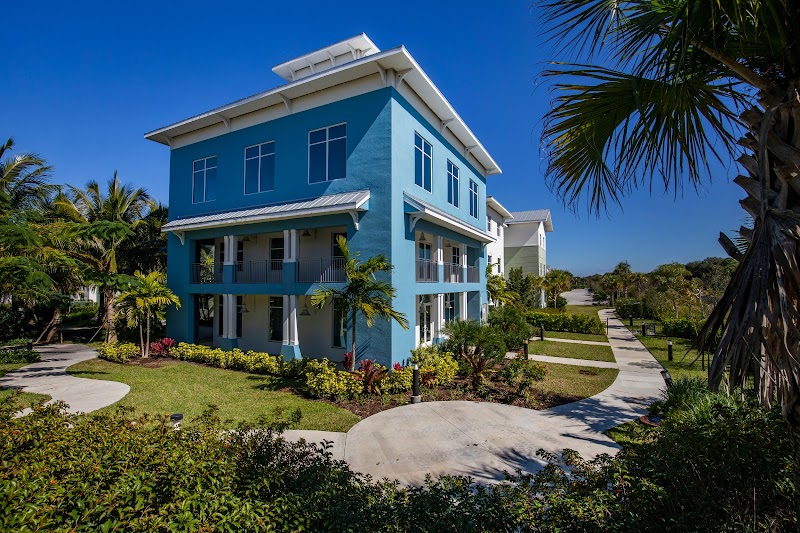
How is Luxe At Jupiter Rehabilitation Center (The) Staffed?

CMS rates LUXE AT JUPITER REHABILITATION CENTER (THE)'s staffing level at 4 out of 5 stars, which is above average compared to other nursing homes. Staff turnover is 49%, compared to the Florida average of 46%. RN turnover specifically is 65%, which is notably high. RNs provide skilled clinical oversight, so turnover in this role can affect medical care quality.

What Have Inspectors Found at Luxe At Jupiter Rehabilitation Center (The)?

State health inspectors documented 50 deficiencies at LUXE AT JUPITER REHABILITATION CENTER (THE) during 2022 to 2025. These included: 1 Immediate Jeopardy (the most serious level, indicating potential for serious harm or death), 3 that caused actual resident harm, 42 with potential for harm, and 4 minor or isolated issues. Immediate Jeopardy findings are rare and represent the most serious regulatory concerns. They require immediate corrective action.
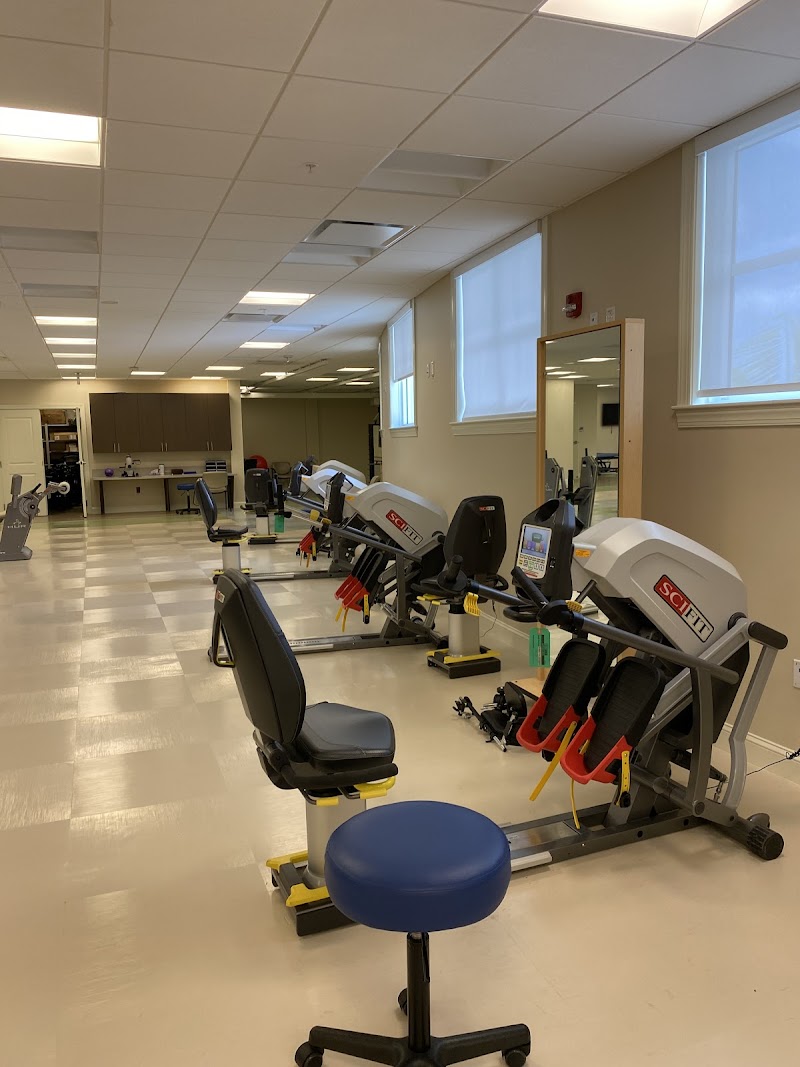
Who Owns and Operates Luxe At Jupiter Rehabilitation Center (The)?

LUXE AT JUPITER REHABILITATION CENTER (THE) is owned by a for-profit company. For-profit facilities operate as businesses with obligations to shareholders or private owners. The facility operates independently rather than as part of a larger chain. With 129 certified beds and approximately 96 residents (about 74% occupancy), it is a mid-sized facility located in JUPITER, Florida.
How Does Luxe At Jupiter Rehabilitation Center (The) Compare to Other Florida Nursing Homes?

Compared to the 100 nursing homes in Florida, LUXE AT JUPITER REHABILITATION CENTER (THE)'s overall rating (2 stars) is below the state average of 3.2, staff turnover (49%) is near the state average of 46%, and health inspection rating (1 stars) is much below the national benchmark.

What Should Families Ask When Visiting Luxe At Jupiter Rehabilitation Center (The)?

Based on this facility's data, families visiting should ask: "What changes have been made since the serious inspection findings, and how are you preventing similar issues?" "Can I visit during a mealtime to observe dining assistance and food quality?" "How do you handle medical emergencies, and what is your hospital transfer rate?" "Can I speak with family members of current residents about their experience?" These questions are particularly relevant given the facility's Immediate Jeopardy citations.

Is Luxe At Jupiter Rehabilitation Center (The) Safe?

Based on CMS inspection data, LUXE AT JUPITER REHABILITATION CENTER (THE) has documented safety concerns. Inspectors have issued 1 Immediate Jeopardy citation (the most serious violation level indicating risk of serious injury or death). The facility has a 2-star overall rating and ranks #100 of 100 nursing homes in Florida. Families considering this facility should ask detailed questions about what corrective actions have been taken since these incidents.

Do Nurses at Luxe At Jupiter Rehabilitation Center (The) Stick Around?

LUXE AT JUPITER REHABILITATION CENTER (THE) has a staff turnover rate of 49%, which is about average for Florida nursing homes (state average: 46%). Moderate turnover is common in nursing homes, but families should still ask about staff tenure and how the facility maintains care continuity when employees leave.

Was Luxe At Jupiter Rehabilitation Center (The) Ever Fined?

LUXE AT JUPITER REHABILITATION CENTER (THE) has been fined $201,434 across 5 penalty actions. This is 5.7x the Florida average of $35,093. Fines at this level are uncommon and typically indicate a pattern of serious deficiencies, repeated violations, or failure to correct problems promptly. CMS reserves penalties of this magnitude for facilities that pose significant, documented risk to resident health or safety. Families should request specific documentation of what issues led to these fines and what systemic changes have been implemented.

Is Luxe At Jupiter Rehabilitation Center (The) on Any Federal Watch List?

LUXE AT JUPITER REHABILITATION CENTER (THE) is not on any federal watch list. The most significant is the Special Focus Facility (SFF) program, which identifies the bottom 1% of nursing homes nationally based on persistent, serious quality problems. Not being on this list means the facility has avoided the pattern of deficiencies that triggers enhanced federal oversight. This is a positive indicator, though families should still review the facility's inspection history directly.