NSPIRE HEALTHCARE KENDALL
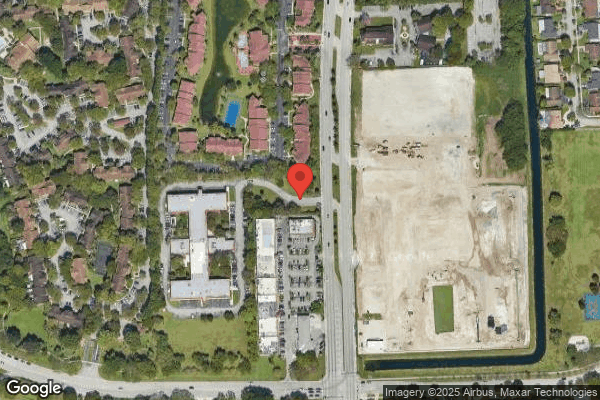
9400 SW 137TH AVENUE, KENDALL, FL 33186 (305) 385-8290
For profit - Corporation 120 Beds CONSULATE HEALTH CARE/INDEPENDENCE LIVING CENTERS/NSPIRE HEALTHCARE/RAYDIANT HEALTH CARE Data: November 2025
Trust Grade
45/100
#390 of 690 in FL
Last Inspection: November 2024

Within standard 12-15 month inspection cycle. Federal law requires annual inspections.

Overview

Nspire Healthcare Kendall has received a Trust Grade of D, indicating below-average performance with some concerning issues. In Florida, it ranks #390 out of 690 facilities, placing it in the bottom half, and #37 out of 54 in Miami-Dade County, meaning only a few local options are better. The facility is showing signs of improvement, reducing its reported issues from 9 in 2023 to 5 in 2024. Staffing is a relative strength, earning a 4 out of 5 stars, with a turnover rate of 37%, which is lower than the state average, suggesting that staff members are more likely to stay long-term. However, the facility has incurred $53,829 in fines, which is concerning and higher than 82% of Florida facilities, indicating potential compliance issues. There are notable strengths and weaknesses to consider. On the positive side, the facility has more RN coverage than 94% of other Florida facilities, which is excellent for catching potential problems. However, there have been serious incidents, including a failure to provide adequate supervision, resulting in two residents suffering major injuries from falls. Additionally, the facility did not maintain proper food storage and cleanliness, which could lead to contamination risks. Overall, while there are some positive aspects regarding staffing and care, families should be aware of the significant concerns highlighted in the recent inspections.

Trust Score
D
45/100
In Florida
#390/690
Bottom 44%
Safety Record
Moderate
Needs review
Inspections
Getting Better
9 → 5 violations
Staff Stability
○ Average
37% turnover. Near Florida's 48% average. Typical for the industry.
Penalties
✓ Good
$53,829 in fines. Lower than most Florida facilities. Relatively clean record.
Skilled Nurses
✓ Good
Each resident gets 66 minutes of Registered Nurse (RN) attention daily — more than 97% of Florida nursing homes. RNs are the most trained staff who catch health problems before they become serious.
Violations
⚠ Watch
26 deficiencies on record. Higher than average. Multiple issues found across inspections.
★★★☆☆
3.0
Overall Rating
★★★★☆
4.0
Staff Levels
★★★★☆
4.0
Care Quality
★★★☆☆
3.0
Inspection Score
Stable
2023: 9 issues
2024: 5 issues

The Good

  • 4-Star Staffing Rating · Above-average nurse staffing levels
  • 4-Star Quality Measures · Strong clinical quality outcomes
  • Full Sprinkler Coverage · Fire safety systems throughout facility
  • No fines on record
  • Staff turnover below average (37%)

    11 points below Florida average of 48%

Facility shows strength in staffing levels, quality measures, fire safety.

The Bad

3-Star Overall Rating

Near Florida average (3.2)

Meets federal standards, typical of most facilities

Staff Turnover: 37%

Near Florida avg (46%)

Typical for the industry

Federal Fines: $53,829

Above median ($33,413)

Moderate penalties - review what triggered them

Chain: CONSULATE HEALTH CARE/INDEPENDENCE

Part of a multi-facility chain

Ask about local staffing decisions and management

The Ugly 26 deficiencies on record

1 actual harm
Nov 2024 5 deficiencies
CONCERN (D)

Potential for Harm - no one hurt, but risky conditions existed

Quality of Care (Tag F0684)

Could have caused harm · This affected 1 resident

Based on observations, record review and interviews the facility failed to implement quality of care and service related to a trial for removal of restraints for one resident (Resident #47) out of eig...

Read full inspector narrative →
Based on observations, record review and interviews the facility failed to implement quality of care and service related to a trial for removal of restraints for one resident (Resident #47) out of eight sampled residents as evidenced by; a trial removal of restraints was initiated without a physician's order. There were 110 residents residing in the facility at the time of the recertification survey. The findings included: Record review of the matrix revealed Resident #47 used restraints. On 11/19/24 at 8:48 AM Resident t#47 was observed in bed with eyes closed; the mattress appeared concave. A belt with fastener was observed on a wheelchair next to bed. Record review of a demographic sheet for Resident #47 revealed an admission date of 5/15/2020 with diagnosis that included: Cerebral Infarction. Record review of Resident #47's physicians' orders revealed an order dated 5/22/24 with directions: Soft [fastener brand] belt while in wheelchair when in wheelchair to maintain seating position and minimize risk of falling out of chair release at mealtimes and during personal care every shift for safety and 8/8/24 directions: check [fastener brand] safety belt every shift and as needed for skin integrity and patient comfort. Review of an assessment document titled, Restraint-physical (quarterly/annual evaluation) dated 9/26/24 documented the Physician was aware after trial was completed. Record review of a Quarterly Minimum Data Set (MDS) with reference date 9/25/24 section C (Cognitive status) revealed cognitive impairment, section E (Behaviors) revealed no potential indicators of psychosis, no rejection of care, section GG (functional status) revealed dependent for Activity of Daily Living and section P (restraints) revealed none coded. Record review of a Care Plan started on 9/25/24 revealed Resident #47 was at risk for further falls related to gait balance problems, history of falls, confusion, poor communication, comprehension, psychoactive drug use and unaware of safety needs with a goal to be free of minor injury throughout the next review date. The interventions included: scoop mattress on bed, soft [brand] safety belt when in wheelchair, place bed close to wall, frequent rounds, follow facility fall protocol. During an interview on 11/21/24 at 10:15 AM, the MDS coordinator stated, the Quarterly dated 9/25/24 was not coded for restraints because we did a trial taking the [brand fastener] belt off to see if [Resident#47] risk for fall had changed. During the trial [Resident#47] remained close to the nursing station with 1:1 supervision. The goal was to see how [Resident#47] would do without the [brand] belt. There is documentation on 9/24/24. There was no stop date for the order of Soft [brand] belt while in the wheelchair. The MDS coordinator was asked if the restraints should have been coded based on the current order dated 5/22/24 for [ fastener brand] belt; The MDS coordinator replied, Restraints did not need to be coded because I observed [Resident#47] without the [brand] belt while in the wheelchair seven days prior to the MDS being completed. On 11/21/24 at 2:43 PM the Nurse Consultant revealed there was no order given for a trial removal of the restraint because it was an interdisciplinary team decision. On 11/21/24 at 5:01 PM The Assistant Director of Nursing (ADON) stated, According to CMS (Centers for Medicare and Medicaid Services) guidelines we are required to attempt to reduce restraints. The doctor should have been notified. [Resident #47] has worn a restraint for a long time. The care plan does not reflect that a trial was done. There was an IDT (Inter Disciplinary Team) meeting held after the completion of the trial and the doctor was present to discuss the trial results. A copy of the facility's policy related to restraints and quality of care. On 11/21/24 at 6:00 PM The ADON came to conference room and stated, we don't have a specific policy for quality of care. .
CONCERN (D)

Potential for Harm - no one hurt, but risky conditions existed

Accident Prevention (Tag F0689)

Could have caused harm · This affected 1 resident

**NOTE- TERMS IN BRACKETS HAVE BEEN EDITED TO PROTECT CONFIDENTIALITY** Based on observations, record review, and interviews the facility failed to provide a safe environment for one resident (Residen...

Read full inspector narrative →
**NOTE- TERMS IN BRACKETS HAVE BEEN EDITED TO PROTECT CONFIDENTIALITY** Based on observations, record review, and interviews the facility failed to provide a safe environment for one resident (Resident #46) out of eight residents sampled as evidenced by an observation of four shaving razors on Resident#46 nightstand. The findings included: Observation on 11/18/24 at 9:20 AM Resident #46 was in bed awake, alert; four disposable shaving razors were in a cup on the nightstand. (photo evidence) Resident#46 stated, I shave myself and the staff give me the razors. On 11/18/24 at 9:23 AM, Staff B, Registered Nurse (RN) was asked what the facility's policy and procedure for shaving residents is and if residents are permitted to keep shaving razors in their room. Staff B, RN replied, Residents are not able to keep razors in their rooms. When residents need to be shaved, the Certified Nursing assistants (CNA) gives the residents the razors and when done, places the used razor inside the sharps container. When I do rounds, I check to make sure the residents are safe. If there is a razor in the room, I remove it. On 11/18/24 at 9:26 AM Staff B, RN, was informed of shaving razors observed in Resident #46's room. Staff B, RN removed the razors and placed them into the sharps container located in resident's room and educated resident about safety. Record review of Resident #46's demographic face sheet revealed the resident was admitted on [DATE] with diagnosis that included: Angina Pectoris. Review of a Quarterly Minimum Data Set (MDS) with reference dated 11/7/24 Section C (Cognitive) revealed a Brief Interview for Mental Status score of 14 indicating no cognitive impairment. Section E (Behavior) revealed no potential indicators of psychosis, no wandering, no rejection of care. Section GG (functional status) revealed Resident #46 was independent with personal hygiene which included shaving. Record review of a Care Plan that started on 11/7/24 revealed Resident #46 was a hoarder and hoards items on his bed and in bathroom/throughout his side of the room with a goal of having fewer episodes of hoarding items by the next review date. Interventions included: Intervene as necessary to protect the rights and safety of others. Approach/Speak in a calm manner. Divert attention. Remove from situation and take to alternate location as needed. During an interview on 11/21/24 at 10:50 AM, the Director of Nursing (DON) was asked about resident's safety related to shaving razors. The DON stated: Whenever a resident needs to be shaved the CNAs and nurse are responsible for providing the shaving razors and disposing them into the sharps container. No residents are allowed to keep shaving razors in the room for safety of the residents and staff. Record review of the facility's policy titled, Safety Precautions Nursing Services effective date 11/30/2014 no revision date Policy: Safety precautions for the nursing units shall be followed by all personnel involved in the provision of nursing care. Procedure: 1. Follow established policies and procedures for discarding used needles, syringes, and all sharps. Do not bend, break or recap needles. Discard needles only in specified impenetrable storage container. Do not overfill storage, change when necessary.
CONCERN (D)

Potential for Harm - no one hurt, but risky conditions existed

Respiratory Care (Tag F0695)

Could have caused harm · This affected 1 resident

Based on observation, record review and interviews, the facility failed to administer oxygen as prescribed for one resident (Resident #83) out of eight sampled residents, as evidenced by observations ...

Read full inspector narrative →
Based on observation, record review and interviews, the facility failed to administer oxygen as prescribed for one resident (Resident #83) out of eight sampled residents, as evidenced by observations of Resident #83 without oxygen in progress. The findings Included: During an Observation on 11/19/24 at 9:31 AM Resident #83 was lying in bed with eyes closed; the there was a nasal cannula on top of a pillow next to the resident and the oxygen concentrator at bedside was running at 2 liters per minute (L/min). On 11/19/24 at 9:31 AM am an interview was held with Resident#83's daughter and who revealed the resident#83 doesn't require continuous oxygen. On 11/20/24 at 2:48 PM Resident #83 observed in the dining room area participating in activities with no oxygen in progress. Record review of Resident #83's demographic face sheet revealed an admission date of 07/15/2024 and readmission of 10/31/2024 with diagnosis that included: Heart Failure, Cerebrovascular Disease, unspecified/Pleural Effusion. Review of Resident #83's Physician Orders revealed an order for: Oxygen at a rate of two Liters per minute (L/min) every shift. Review of a Care Plan initiated on 7/30/24 Revised on 11/20/2024 revealed Resident #83 had altered respiratory status/difficulty breathing: with a goal to have no signs or symptoms of poor oxygen absorption through the review date. The interventions included: Oxygen setting: Humidified O2 via nasal cannula at 2 L/min continuously. Record review of a Quarterly Minimum Data Set (MDS) revealed in Section C (cognitive status) documented a Brief Interview for Mental Status score of 7 out of 15 indicating moderate cognitive impairment. On 11/21/24 at 4:03 PM Staff D, Registered Nurse (RN) stated, [Resident #83] was discharged and left with oxygen at 2 L/min via nasal cannula. I have observed this resident (#83) removing the nasal cannula because she is confused. The times I observed [Resident#83] without the nasal cannula in place, I immediately replaced it. I didn't report this because the resident remained in stable condition. The oxygen was ordered for continuous for [Resident#83]. A Nursing Note dated 11/21/24 at 3:30 PM revealed Resident #83 was discharged home, left stable, O2 saturation was 97%. The documentation did not include that resident left with O2 via nasal cannula in progress. On 11/21/24 at 4:12 PM Staff C, Certified Nursing Assistant revealed that upon initial rounds Resident #83 was in bed with eyes closed and no oxygen was in progress. Also stated, I don't know if [Resident#83] was to wear her oxygen at all times. On 11/21/24 at 4:51 PM the Assistant Director of Nursing stated, If there is an order for continuous oxygen there is a concentrator in the room and the tubing is changed weekly. If the resident is not using the oxygen it is maintained in a plastic bag in the room. A doctor might give an order to wean a resident off oxygen. If there is an order for continuous oxygen the resident should not be without it except during personal care. The oxygen care plan should match the order. When a resident is observed removing the nasal cannula the nurse should notify the doctor and it should be documented, and they should test the oxygen saturation. The floor nurse is responsible for making staff members aware which residents require oxygen continuously. Record review of a policy, titled, Oxygen therapy effective date 11/30/24 revised on 8/28/17 indicated: Start O2 flow rate at the prescribed liter flow or appropriate flow for administration device. Place delivery device on resident.
CONCERN (D)

Potential for Harm - no one hurt, but risky conditions existed

Deficiency F0761 (Tag F0761)

Could have caused harm · This affected 1 resident

**NOTE- TERMS IN BRACKETS HAVE BEEN EDITED TO PROTECT CONFIDENTIALITY** Based on observations, record review and interviews the facility failed to properly store medications for four residents (Reside...

Read full inspector narrative →
**NOTE- TERMS IN BRACKETS HAVE BEEN EDITED TO PROTECT CONFIDENTIALITY** Based on observations, record review and interviews the facility failed to properly store medications for four residents (Resident #53, Resident #313, Resident #314, and Resident #315) and one medication cart out of three sampled medication carts as evidenced by pills, eye drops, ointments and nasal sprays at the bedside of residents and an expired Moxifloxacin eye drop on the North 2100 medication cart. There were 110 residents residing in the facility at the time of recertification survey. The findings included: Observation on [DATE] at 9:29 AM revealed a tubing labeled, Triamcinolone at Resident # 53's bedside (photo evidence). On [DATE] at 9:50 AM two eye drops were observed at Resident #313's bedside. (photo evidence) On [DATE] at 10:26 AM two eye drops, a nasal spray and two small circular pink colored pills inside a cup were observed at Resident # 314's bedside. (photo evidence). On [DATE] at 9:56 AM an ointment and two nasal sprays were observed at Resident #315's bedside. (photo evidence). On [DATE] at 10:31 AM, the Assistant Director of Nursing (ADON) was asked what the facility's protocol was related to medications in residents' rooms. The ADON revealed residents are not able to keep medications or ointments in their rooms; when medications are seen in a resident's room the nurse should remove them and educate both residents and family. The ADON was informed about the medications observed at the residents' bedside. The ADON accompanied the surveyor to each residents' room (#53, #313, #314 and 315) and removed the medications, disposed of the pills into a drug buster and stored other medications in medication room and educated each resident (#53, #313, #314 and 315). On [DATE] at 9:43 AM Staff F, RN was asked if any residents are allowed to keep medications at the bedside. Staff F, RN stated, Residents are not allowed to keep medications at the bedside. I check during rounds to make sure there are no medications left at the bedside. The surveyor made Staff F, RN aware that a resident had ointments and nasal sprays at bedside. Staff F, RN entered Resident # 315's room and removed the ointments and nasal sprays and educated the resident. On [DATE] at 3:27 PM a medication storage check was completed with Staff E, Registered Nurse (RN) on The North 2100 medication cart. One eye drop (Moxifloxacin Sol HCL) was in the top drawer with an open date of [DATE] (photo evidence). Surveyor asked what the expiration date was. Staff E, Registered Nurse (RN) revealed he did not know the expiration date and will check with pharmacy. On [DATE] at 9:18 AM, the Pharmacy consultant stated, The Moxifloxacin Sol HCL eye drop has the suggested expiration of 28 days, but it can be used for up to 30 days. The eye drop was one day expired and shouldn't be on the cart. Interview on [DATE] at 10:44 AM, the Director of Nursing (DON) was asked about the facility's policy related to medication storage. The DON stated: Medications are kept in the medication room and medication carts. The medication carts and rooms are locked, and the nurse keeps the key for the safety of the resident. Residents are not allowed to keep medications in their rooms. The nurse does an inventory with the Certified Nursing Assistant (CNA) upon admission and if any medications are found they are removed immediately. The nurse is to make frequent rounds with CNA to look for any medications at the bedside and should remove them immediately and educate residents and family that no medications should be brought to facility. Expired eye drops should be removed immediately from cart. Every nurse every shift are in charge of checking their cart to ensure no expired eye drops are in the cart. Record review of a policy titled, Medication Storage in the facility [DATE] Policy: Medications and biologicals are stored safely, securely and properly, following manufacturers recommendations or those of the supplier. The medication supply is accessible only to licensed nursing personnel, pharmacy personnel, or staff members lawfully authorized to administer medications.
CONCERN (D)

Potential for Harm - no one hurt, but risky conditions existed

Infection Control (Tag F0880)

Could have caused harm · This affected 1 resident

Based on observation, record review and interviews, the facility failed to follow infection control protocol in the laundry room. As evidenced by observation of lint traps that were not cleaned, the l...

Read full inspector narrative →
Based on observation, record review and interviews, the facility failed to follow infection control protocol in the laundry room. As evidenced by observation of lint traps that were not cleaned, the lint log indicated lint traps were cleaned every two hours and was signed daily at 5:00 AM although laundry staff start at 6:00 AM. The findings included: On 11/21/24 at 11:00 AM a laundry tour was conducted with Maintenance and Housekeeping Director, Staff A, Laundry staff. During the tour, there were two working dryers with 75-pound capacity each. The surveyor asked if there was a lint log kept in the laundry room to indicate when the traps were last cleaned. The Maintenance and Housekeeping Director stated, There is a lint log to show when staff clean the traps. The Maintenance and Housekeeping Director gave the surveyor a lint log sheet. The Lint log was reviewed, and it was noted that it was last signed at 7:00 AM on 11/21/24 (photo evidence). Both dryers were in progress. The Maintenance and Housekeeping Director opened the dryers and both lint traps were noted to be full of lint. When asked how often lint was removed and lint log signed. The Maintenance and Housekeeping Director stated: The laundry staff start at 6:00 AM and are required to sign every two hours, each time they clean the traps. The surveyor asked at what time were the lint traps last cleaned. Staff A, Laundry staff replied, I cleaned the lint traps at 9:00 AM and forgot to sign at 9:00 AM. Staff A was asked if anyone was in the laundry room at 5:00AM. Staff A, Laundry staff replied, I start work at 6:00am and signed for 5:00am by mistake. The Maintenance and Housekeeping Director stated, No one is here at 5:00 AM. The staff have been signing for 5:00 AM this month because this is an old paper, and they are used to it. Record review of the facility policy titled, Departmental (Environmental Services)-Laundry and Linen Med Pas, Inc Revised January 2024. Purpose: The purpose of this procedure is to provide a process for the safe and aseptic handling, washing, and storage of linen.
Aug 2023 5 deficiencies
CONCERN (D)

Potential for Harm - no one hurt, but risky conditions existed

Resident Rights (Tag F0550)

Could have caused harm · This affected 1 resident

**NOTE- TERMS IN BRACKETS HAVE BEEN EDITED TO PROTECT CONFIDENTIALITY** Based on observations, record reviews, and interviews, the facility failed to treat one resident (Resident #18) out of one resid...

Read full inspector narrative →
**NOTE- TERMS IN BRACKETS HAVE BEEN EDITED TO PROTECT CONFIDENTIALITY** Based on observations, record reviews, and interviews, the facility failed to treat one resident (Resident #18) out of one resident with dignity and respect who was observed during dining, as evidenced by staff member standing while feeding the resident. This deficient practice had a potential to affect the health and wellbeing of all 39 residents who are dependent with eating. The findings included: Observation of resident #18 on 08/06/2023 at 12:34PM revealed, the resident sitting up in bed, Staff A, Certified Nursing Assistant (CNA) started to set up the lunch tray and open containers. Staff A was observed feeding the resident and standing by the resident's bed. Interview with Staff A, (CNA) on 08/06/2023 at 12:45 PM. She stated that she never grabs a chair and sits to feed the resident. She stated it doesn't matter if she's standing when feeding the resident. Record review of Demographic Face sheet revealed, resident # 18 was admitted on [DATE] and discharged on 08/08/2023 with diagnoses to include Metabolic Encephalopathy; Major Depressive Disorder, Single Episode; Unspecified Dementia, Unspecified Severity, Without Behavioral Disturbance, Psychotic Disturbance, Mood Disturbance and Anxiety. Record review of admission Minimum Data Set (MDS) Section C-Cognitive Status dated 07/12/2023 revealed, the resident Brief Interview for Mental Status (BIMS) summary score was 06 out of 15, indicating severe cognitive impairment; Section G-Functional Status revealed the resident needed limited assistance for bed mobility, dressing and eating. The resident needed extensive assistance with one-person physical assistance for transfer, locomotion, toilet use and personal hygiene. Record review of Care Plan initiated on 07/05/2023 and the next review date 10/12/2023 revealed, the resident had and Activities of Daily Living (ADL) self-care performance deficit related to weakness, metabolic encephalopathy. Goal: The resident will improve current level of function in ADLs through next review date. Interventions: Bed Mobility: the resident required assistance by one staff member to turn and reposition in bed as necessary, Encourage the resident to fully participate if possible with each interaction. Praise all efforts at self-care. Encourage the resident to use the bell to call for assistance. Interview with Staff B (CNA) on 08/09/2023 at 10:46 AM. She stated, the protocol to feed the residents, is to be seated at the same level as the residents and feed them. She stated, for resident # 18 she takes the resident to the dining room to be more comfortable for lunch or dinner. She stated, if she must feed the resident in bed, she grabs a chair and sits to be at the same level as the resident. Interview with the Director of Nursing (DON) on 08/09/2023 at 10:46AM revealed, the Certified Nursing Assistants (CNAs) receive orientation training when they were hired. In the training the CNAs were trained with the protocol for feeding the residents, to grab a chair and be seated to be at the same level as the resident in a dignified manner. She stated, the CNAs when they were hired, they were following the prior hired CNAs to see the process with care. After those days of training, if the CNAs required more training, the facility gave it to them. The DON reported, Staff A had a 1:1 teachable moment on Monday 08/07/2023. Review of the facility's Policies and Procedures for Residents rights dated 03/01/2021 revealed, the Policy: It is the policy of the facility to provide Resident Rights in accordance with State and Federal regulations. Procedure: The facility will follow the Resident Rights as follows: 1-The resident has a right to a dignified existence, self-determination, and communication with and access to persons and services inside and outside the facility.
CONCERN (D)

Potential for Harm - no one hurt, but risky conditions existed

MDS Data Transmission (Tag F0640)

Could have caused harm · This affected 1 resident

Based on interview and record review, the facility failed to electronically transmit the Quarterly Minimum Data Set (MDS) assessment to the Centers for Medicare and Medicaid Services (CMS) System with...

Read full inspector narrative →
Based on interview and record review, the facility failed to electronically transmit the Quarterly Minimum Data Set (MDS) assessment to the Centers for Medicare and Medicaid Services (CMS) System within 14 days after completing the resident's assessment for one out of one sampled resident (Resident # 43 ) reviewed for timely submissions of resident assessments. Findings included: Review of the resident #43's MDS Quarterly assessment revealed a completion date of 05/10/2023 but the MDS had not been submitted. During an interview with Staff C, the MDS Coordinator, on 08/09/23 at 09:38 AM, Staff C stated, What happened is someone put do not submit. I've only been here since March 2023. The person that was before me, always put do not submit or maybe that's how the system was set up. I don't know why they do that. Maybe because the resident was Medicare Part A, and he changed his insurance to another insurance. I don't know what really happened. Up here it says do not submit to CMS. It was completed. I'm going to submit it now. On 08/09/23 at 09:53 AM, a review of the resident MDS Quarterly assessment completed on 05/24/2023 revealed, a submission and accepting date of 08/09/2023. Review of the MDS policy and procedures with an effective date 11/30/2014 and a revision date 09/25/2017 revealed: Policy: The center conducts initial and periodic standardized, comprehensive and reproducible assessments no less than every three months for each resident including, but not limited to, the collection of data regarding functional status, strengths, weaknesses and preferences using the federal and/or state required RAI (Resident Assessment Instrument). Procedures: Maintain all resident assessments completed within the previous 15 months in the resident's active clinical record or in a centralized location that is easily and readily accessible. Specified section of the RAI process are completed by the center designated interdisciplinary team members. Each person completing a section or portion of a section of the MDS signs the attestation statement indicating its accuracy. A Registered Nurse signs and certifies that the assessment is complete.
CONCERN (D)

Potential for Harm - no one hurt, but risky conditions existed

Pharmacy Services (Tag F0755)

Could have caused harm · This affected 1 resident

**NOTE- TERMS IN BRACKETS HAVE BEEN EDITED TO PROTECT CONFIDENTIALITY** Based on observation, interview, and record review, the facility failed to follow pharmaceutical procedures for Residents (#44, ...

Read full inspector narrative →
**NOTE- TERMS IN BRACKETS HAVE BEEN EDITED TO PROTECT CONFIDENTIALITY** Based on observation, interview, and record review, the facility failed to follow pharmaceutical procedures for Residents (#44, #295) as evidenced by medications being left on the overbed table for Resident #44, Omission of one (1) medication for Resident #295 during the medication administration observation and two (2) loose pills found in the medication drawer of North Station 2100 Hall cart. Three residents were observed for medication administration totaling 29 opportunities. Three medication carts and One medication storage room was observed. There were 116 residents residing in the facility at the time of the survey. The Findings included: During an observation on 08/06/23 at 12:17 PM, Resident #44 was observed in the room about to have lunch, several pills observed in a medication cup on the resident's overbed table (Photographic evidence obtained). Resident #44 was unable to communicate properly, has a speech impediment, is hard of hearing and speaks primarily Spanish. Resident #44 refused to be interviewed by the surveyors. Review of the medical records for Resident # 44 revealed, the resident was admitted to the facility on [DATE]. Clinical diagnoses included but were not limited to: Unspecified Hearing Loss. Record review of Resident #44 's Annual Minimum Data Set (MDS) dated [DATE] revealed: Section C - Brief interview for Mental Status Score 15 on a 0-15 scale indicating the resident is cognitively intact. Section G for Functional Status documented the resident requires supervision for activities of daily living (ADLs). Interview on 08/08/23 at 12:15 PM with the Director of Nursing (DON) revealed when told about the medications observed in the resident's room on the overbed table stated, I will do an in-service with the nurses about this issue. This resident is not allowed to take his medicine on his own. The DON was shown the picture taken of the pills on the overbed table in Resident#44's room. During the medication administration observation on 08/07/23 at 9:55 AM with Licensed Practical Nurse (Staff D) the medication Nifedipine Extended Release (ER) 30 Milligrams (MG) 1 tablet was not given to Resident #295, the medication was available but couldn't be crushed since it was an extended release tablet. Interview/observation on 8/7/23 at 10:05AM with Staff D, Licensed Practical Nurse recorded the resident's Blood pressure 118/45, dispensed medications from the bingo cards, crushed all the resident's medications, mixed with apple sauce, proceeded to enter resident's room to give the resident medications. The Surveyor requested the nurse to return to medication cart. Staff D was asked to check the Nifedipine ER 30 MG tablet, Staff D stated the ER means extended release and the medication can't be crushed, Staff D stated, he will have to prepare the medications over again because they were all mixed up and afterwards call the Physician (MD) for new orders for the medication. Staff D proceeded to dispense new medications for the resident, crushed the medications, added apple sauce, disposed of the initially crushed medications into a drug buster, entered the resident room, identified the resident, completed hand hygiene, administered the medications, removed the lidocaine patch from the resident's lower back, applied another lidocaine patch initialed and dated the patch on the resident's lower back, repositioned the resident for comfort, washed his hands, exited the room, and signed off on the medications administration. Review of the medical records for Resident #295 revealed, the resident was admitted to the facility on [DATE]. Clinical diagnoses included but were not limited to: Essential Primary Hypertension, Chronic Systolic Congestive Heart Failure, and Presence of Cardiac Pacemaker. Review of the Physician's Orders Sheet for August 2023 revealed, Resident #295 had orders that included but were not limited to: Discontinued on 8/7/23 Nifedipine ER 30 MG-give 1 tab by mouth every 12 hours for hypertension Hold if systolic blood pressure less than 110 or pulse less than 70. Start date 8/7/23, discontinue 8/8/23 Amlodipine 10 milligrams (MG)-give 1 tablet by mouth one time a day, hold if systolic blood pressure less than 110. 8/9/23-Amlodipine Besylate Oral tablet 10 MG-Give 1 tablet by mouth one time a day for hypertension, hold for systolic Blood pressure less than 110 and diastolic blood pressure less than 60. Interview on 8/7/23 at 10:48 AM with the Director of Nursing (DON) revealed, the Physician (MD) was called about the residents Nifedipine ER 10 MG ER, and the MD changed the order to Amlodipine 10 mg, 1 tablet, the medication was obtained from the e-kit and administered to the resident. On 08/08/23 at 10:54 AM during the medication cart observation with Registered Nurse (Staff E), Two (2) loose pills, one (1) red in color and one (1) white in color were found in the third drawer on the North station 2100 medication cart. Interview on 08/08/23 at 11:00 AM with Staff E revealed, when asked what you do with loose pills when found on the cart, Staff E stated I will put them in the drug buster. Interview on 08/08/23 at 11:25 AM with the DON, when told about the loose pills and the nurse's response of how to dispose of loose pills, stated I will talk to the nurse and will have to do an in-service with her. Interview on 08/08/23 at 11:38 AM Director of Nursing (DON) and Staff E spoke with surveyor, stated there was a language communication issue, the nurse meant she disposes the medication in the drug buster, the nurse speaks primarily Spanish. Review of the facility's Policy and Procedures titled, Administering Medications revision date April 2019 states: Residents may self-administer their own medications only if the attending physician in conjunction with the Interdisciplinary Care Planning Team, has determined that they have the decision-making capacity to do so safely. Review of the facility's Policy and Procedure titled, Medication and Medication Supply Storage and Disposal dated 11/30/14 states: Medication will be stored in an organized manner under proper conditions and in accordance with manufacturers instructions.
CONCERN (D)

Potential for Harm - no one hurt, but risky conditions existed

Deficiency F0760 (Tag F0760)

Could have caused harm · This affected 1 resident

**NOTE- TERMS IN BRACKETS HAVE BEEN EDITED TO PROTECT CONFIDENTIALITY** Based on observation, record review and interview, the facility failed to ensure a resident was free of a significant medication...

Read full inspector narrative →
**NOTE- TERMS IN BRACKETS HAVE BEEN EDITED TO PROTECT CONFIDENTIALITY** Based on observation, record review and interview, the facility failed to ensure a resident was free of a significant medication error, as evidenced by Resident #295 Extended Release (ER) blood pressure medication being crushed by the nurse to be administered to the resident during the medication administration observation. Three residents were observed during medication administration totaling 29 opportunities. There were 116 residents residing in the facility at the time of the survey. The findings included: During the medication administration interview/observation on 8/7/23 at 10:05AM with Staff D, Licensed Practical Nurse recorded the resident's Blood pressure 118/45, dispensed medications from the bingo cards, crushed all the resident's medications, mixed with apple sauce, proceeded to enter resident's room to give the resident medications. The Surveyor requested the nurse to return to medication cart. Staff D was asked to check the Nifedipine ER 30 MG tablet, Staff D stated the ER means extended release and the medication can't be crushed, Staff D stated, he will have to prepare the medications over again because they were all mixed up and afterwards call the Physician (MD) for new orders for the medication. Staff D proceeded to dispense new medications for the resident, crushed the medications, added apple sauce, disposed of the initially crushed medications into a drug buster, entered the resident room, identified the resident, completed hand hygiene, administered the medications, removed the lidocaine patch from the resident's lower back, applied another lidocaine patch initialed and dated the patch on the resident's lower back, repositioned the resident for comfort, washed his hands, exited the room, and signed off on the medications administration recrd. Review of the medical records for Resident #295 revealed, the resident was admitted to the facility on [DATE]. Clinical diagnoses included but were not limited to: Essential Primary Hypertension, Chronic Systolic Congestive Heart Failure, and Presence of Cardiac Pacemaker. Review of the Physician's Orders Sheet for August 2023 revealed, Resident #295 had orders that included but were not limited to: Medications included: Discontinued 8/7/23 Nifedipine ER 30 MG-give 1 tab by mouth every 12 hours for hypertension Hold if systolic blood pressure less than 110 or pulse less than 70. Start date 8/7/23, discontinue 8/8/23 Amlodipine 10 milligrams (MG)-give 1 tablet by mouth one time a day, hold if systolic blood pressure less than 110. 8/9/23-Amlodipine Besylate Oral tablet 10 MG-Give 1 tablet by mouth one time a day for hypertension, hold for systolic Blood pressure less than 110 and diastolic blood pressure less than 60. Interview on 8/7/23 at 10:48 AM with the Director of Nursing (DON) stated the Physician (MD) was called about the residents Nifedipine ER 10 MG ER, MD changed the order to Amlodipine 10 mg, 1 tablet, the medication was obtained from the e-kit and administered to the resident. Review of the facility's Policy and Procedures titled, Medication Oral Administration revision date 05/15/2019 states: Review physician orders and refer to pharmacist if unsure if a medication should be crushed. Review of the facility's Policy and Procedures titled, Administering Medications revision date April 2019 states: Each Nurses' station has a current Physician Desk reference and/or other medication reference as well as a copy of the surveyor guidance for 755-761 (pharmacy services) available.
CONCERN (D)

Potential for Harm - no one hurt, but risky conditions existed

QAPI Program (Tag F0867)

Could have caused harm · This affected 1 resident

**NOTE- TERMS IN BRACKETS HAVE BEEN EDITED TO PROTECT CONFIDENTIALITY** Based on record review and interview, the facility failed to demonstrate effective plan of actions were implemented to correct i...

Read full inspector narrative →
**NOTE- TERMS IN BRACKETS HAVE BEEN EDITED TO PROTECT CONFIDENTIALITY** Based on record review and interview, the facility failed to demonstrate effective plan of actions were implemented to correct identified quality deficiencies in the problem area related to repeated deficient practices for F640 Encoding/Transmitting Resident Assessments and F755 Pharmacy Services/Procedures/Pharmacist/Records. This practice has the potential to increase the risk of negative resident outcomes and affect all 116 residents residing in the facility at the time of this survey. The findings included: Review of the facility's survey history revealed, during a recertification survey with an exit date 07/28/2022, Encoding/Transmitting Resident Assessments was cited related to the facility failed to timely transmit an Minimum Data Set (MDS) assessment for one resident reviewed for timely submissions of resident assessments and failed to provide pharmacy services to meet the needs of the residents. Review of the facility's policy titled, Performance Improvement Quality Assurance/Quality Improvement (QAPI) Policy and Procedure with the revision date of 10/29/2020, the policy documented: The center and organization have an ongoing Performance Improvement Program with a design and scope that is ongoing and comprehensive dealing with a full range of services offered by the center that addresses aspects of care. The design and scope of the program is to systematically monitor and evaluate the quality and appropriateness of resident care, pursue opportunities to improve resident care, resolve identified problems and identify opportunities for improvement. During an interview on 08/09/2027 at 03:28 PM, the Administrator revealed that the Quality Assessment and Assurance Committee (QAA) meets the third Wednesday of every month. The administrator stated that the QAA Committee is comprised of the following members: the Director of Nursing Services, Administrator, Medical Director, Business Office Manager, Registered Dietitian, Environmental Director, Maintenance Director, the heads of all departments, and two regular staff members to include one nurse and one CNA. The last meeting was conducted 7/19/2023 and before that 6/21/2023. The meeting was conducted with all required members and they reviewed the last 6 months of QAPI. Regarding quality concerns, Nursing Home Administrator further stated, we are working on a Performance Improvement Plans (PIP) right now for falls. We are aware of the call light issue because it is attached to falls. We did a QA on 6/26/2023 all the call lights were working. On 6/23/2023, we did a QA where the call light on room [ROOM NUMBER] was not working. We also got a QAPI forms from each department. We also review psychotropic medication for each resident. On 6/19/2023, we had a grievance on call lights. We continue to do audits on call lights. For June 2023, we had discussed call lights, the falls committee met every 2 weeks. In addition, we had a meeting on changing the mattresses so the residents can have good mattresses to sleep. We continue training CNAs about answering the call lights and how to reduce falls. Regarding corrective actions taken, the Nursing Home Administrator stated, We review all medications and meet with the pharmacy to see how we can correct medications issues. We continue to do rounds, continue to check the mattresses. We check them weekly, and the nurses do them daily. The CNAs get educated and observed when we do rounds, so they can improve their communication with our residents. We do have less staff during the weekends, but we still do activities. We also use the 24-hour communication log so the nurses can be aware of the issues. We reviewed the issue, met with the pharmacy. Continued to do rounds, to check the mattresses. For example, since we started doing that, I can talk about the call lights and falls because right now I can see a decrease from falls. We do stop and watch. We have some forms that family members can report any issue or concerns. We prioritize all the issues that are arisen. The highest priorities right now are falls. We work on all the issues, so we don't leave anything behind. We look at any intervention we did before, what we had implemented, and see how the trends are going. We also base it on the data we collect. We keep track of trends. Right now, we know what we implemented for falls is working because there is big decline on falls. Call lights are monitored twice daily. If something is out of compliance, we monitor it for a minimum of 3 months or until the compliance is met. Our falls have been monitored for 9 months now. We want to make sure we don't have any repeated citation.
Jun 2023 1 deficiency
CONCERN (D) 📢 Someone Reported This

A family member, employee, or ombudsman was alarmed enough to file a formal complaint

Potential for Harm - no one hurt, but risky conditions existed

Report Alleged Abuse (Tag F0609)

Could have caused harm · This affected 1 resident

**NOTE- TERMS IN BRACKETS HAVE BEEN EDITED TO PROTECT CONFIDENTIALITY** Based on record review and interview, the facility failed to implement policies and procedures for ensuring the reporting of a r...

Read full inspector narrative →
**NOTE- TERMS IN BRACKETS HAVE BEEN EDITED TO PROTECT CONFIDENTIALITY** Based on record review and interview, the facility failed to implement policies and procedures for ensuring the reporting of a reasonable suspicion of a crime. This practice involved 1 out of 5 sampled residents (Resident #4). There were 111 residents residing in the facility at the time of the survey. The findings included: During an interview on 6/27/23 at 9:45AM with the Nursing Home Administrator (NHA) it was reported, I started working at this facility on 10/31/22, the former NHA, Staff E was here and the former Director of Nursing (DON) Staff D oversaw the investigation. From my recollection, Resident #4 was alleging that her pain medication was not given to her, an investigation started the nurse involved was called to the facility for investigation. I advised the former NHA, Staff E to report the incident to AHCA (Agency for Health Care Administration). The incident occurred on 10/27/22 and it was reported on 11/1/22 to AHCA, DCF (Department of Children and Family) and the Police Department. The nurse involved License was also reported to the nursing board. The nurse involved was suspended and later resigned from the facility. The resident was able to receive her scheduled pain medications from what we had in stock at the facility. The five-day investigation concluded no physical harm, pain or mental anguish was done to the resident. The complaint allegation of misappropriation of resident property was substantiated, the nurse was terminated and then he resigned. I am aware that the report should have been filed within two (2) hours of the alleged incident. Review of the medical records for Resident #4 revealed, the resident was admitted to the facility on [DATE]. Clinical diagnoses included but were not limited to: Aftercare following Joint replacement and Presence of left artificial knee joint. Resident #4 was discharged on 11/02/2022. Review of the Physician's Orders Sheet for October 2022 revealed, Resident #4 had orders that included but were not limited to: 10/23/22-10/28/22-Oxycodone HCL (Hydrochloride) tablet 5 Milligrams (MG)-Give 1 tablet by mouth every 4 hours as needed for pain. 10/28/22-11/2/22-Tylenol with codeine #3 tablet 300-30MG-Give 1 tablet by mouth every 6 hours as needed for pain. Record review of Resident # 4's Discharge Return not anticipated Minimum Data Set (MDS) dated [DATE] revealed: Section C for Cognitive Patterns documented Brief Interview for Mental Status Score 13 on a 0-15 scale, indicating the resident is cognitively intact. Section J for Health conditions documented, the resident received scheduled pain medications in the last 5 days. Section N for Medications documented, the resident received antidepressants, and antibiotics in the last 7 days. Record review of Resident # 4's Care Plans Dated 10/24/2022 revealed: The resident is at risk for pain related to arthritis, left total Knee Replacement. Interventions included: Anticipate the resident's need for pain relief and respond immediately to any complaint of pain. Evaluate the effectiveness of pain interventions. Monitor and document the side effects. Provide the resident with assurance that pain is time limited. Review of the discharge summary progress note for Resident #4 dated 11/02/2022 timestamped 13:53 documented, Patient went home with son, vital signs were stable, patient was alert, Certified Nursing Assistant assisted patient to the vehicle. Review of the facility's policy and procedure titled, Abuse, Neglect, Exploitation and Misappropriation revision date 11/16/2022 states: It is inherent in the nature and dignity of each resident at the center that he/she be afforded basic human rights, including the right to be free from abuse, neglect, mistreatment, exploitation and/or misappropriation of property. The management of the facility recognizes these rights and hereby establishes the following statements, policies and procedures to protect these rights and to establish a disciplinary policy, which results in the fair and timely treatment of occurrence of resident abuse. Misappropriation of resident property is the deliberate misplacement, exploitation or wrongful, temporary, permanent use of a resident's belongings or money without the resident's consent. Employee Misappropriation includes but is not limited to: o Diversion of resident's medication(s), including, but not limited to, controlled substances for staff use or personal gain. Reporting/Response Any employee or contracted service provider who witnesses or has knowledge of an act of abuse or an allegation of abuse, neglect, exploitation or mistreatment, including injuries of unknown source and misappropriation of resident property, to a resident, is obligated to report such information immediately, but no later than 2 hours after the allegation is made, if the events that cause the allegation involve abuse or result in serious bodily injury, or not later than 24 hours if the event that cause the allegation do not involve abuse and do not result in serious bodily injury, to the Administrator and to other officials in accordance with state law.
May 2023 3 deficiencies 1 Harm
SERIOUS (G) 📢 Someone Reported This

A family member, employee, or ombudsman was alarmed enough to file a formal complaint

Actual Harm - a resident was hurt due to facility failures

Accident Prevention (Tag F0689)

A resident was harmed · This affected 1 resident

**NOTE- TERMS IN BRACKETS HAVE BEEN EDITED TO PROTECT CONFIDENTIALITY** Based on interview and record review, the facility failed to provide adequate supervision to ensure the safety of vulnerable res...

Read full inspector narrative →
**NOTE- TERMS IN BRACKETS HAVE BEEN EDITED TO PROTECT CONFIDENTIALITY** Based on interview and record review, the facility failed to provide adequate supervision to ensure the safety of vulnerable residents and to prevent falls that resulted in major injuries for two (Resident number 1, Resident number 2) out of three residents reviewed for falls. Resident number 1 sustained a left hip hemiarthroplasty posterior approach, secondary to left femoral neck fracture and Resident number 2 sustained a displaced nasal bone fracture. This practice has the potential to affect all 107 residents present in the facility at the time of the survey. The findings included: 1) Record review of the facility's Lifting and Moving Residents Policy and Procedure (effective November 2014) documented the following: Policy-All residents will be assessed before attempting a transfer or move. Employees will employ proper body mechanics when lifting or moving residents to prevent a resident fall; Procedure: 1) Asses the resident's condition and mobility (Determine if resident has been designated as a 2 or 4 person lift), c) Strength/Endurance: Will fatigue and/or lack of strength prevent the resident from completing a transfer, d) Balance: Does the resident have a tendency to fall or lean to one side or have muscle spasms?, g) Lifting Aids: Are Hoyer Lifts or Gait Belts beneficial or required for transfer?; 2) Get help if at all in doubt about your ability to move the resident alone. Use resident transfer equipment as required. (Do not attempt to lift any resident alone that has been designated as a 2 or 4 person lift). Review of the facility's Fall Management Policy and Procedure (effective November 2014) documented the following: Overview-Residents are evaluated for fall risk. Patient centered interventions are initiated, based on resident risk. A fall refers to unintentionally coming to rest on the ground, floor or other lower level but not as the result of an overwhelming external force; Purpose: Is to identify residents at risk for falls and establish/modify interventions to decrease the risk of a future fall(s) and minimize the potential for a resulting injury; Process: A) Fall Mitigation: 1) Residents to be evaluated for fall risk on admission, B) Fall Mitigation Strategies: 1) Develop resident centered interventions based on resident risk factors. Observation and interview of Resident number 1 on 3/28/23 at 12:24 PM revealed the resident sitting in a wheelchair in her room, watching tv and eating CHO [Consistent Carbohydrate] Controlled, No Added Salt diet, Mechanical Soft texture lunch. She revealed via a Spanish translator that she was being transferred from the wheelchair to the bed by one cna (certified nursing assistant). The one cna could not transfer her and went and got 2 cnas to transfer her. In the process her left foot was crossed and she had pain on her left hip. Review of the Demographic Face Sheet for Resident number 1 documented the resident was admitted on [DATE] with diagnoses to include chronic obstructive pulmonary disease, encounter for other orthopedic aftercare, diabetes mellitus, acute kidney failure, morbid obesity, hypertension, depression and presence of left artificial hip joint. The resident was discharged to the hospital on 3/19/2023 and readmitted to the facility on [DATE]. Review of the Minimum Data Set (MDS) admission Assessment for Resident number 1 dated 3/10/23 documented the resident's Mental Status (BIMS) Summary Score had a BIMS Summary Score of 10 out of 15 indicating mild cognitive impairment. The resident required extensive assistance with two+ persons physical assist for ADLs (Activities of Daily Living) and total dependence with two+ persons physical assist for transfers and impairment on one side for the lower extremity. Review of the Physician's Order Sheets (POS) for Resident number 1 dated March 2023 documented the following: Temazepam Oral Cap (capsule) 30 mg (milligrams) 1 cap PO (by mouth) HS (at night) for insomnia, Insulin Lispro 100 unit/ml (milliliters) Solution pen-injector inj (inject) per sliding scale for diabetes mellitus, Abilify oral tab (tablet) 20mg 1 tab PO one time a day for mood disorder, Enoxaparin Sodium Injection Solution Prefilled Syringe 30mg/0.3ml inj 30ml subq (subcutaneous) one time a day for dvt (deep vein thrombosis) prophylaxis, Bupropion HCL (hydrochloric acid) ER (extended release) oral tab 24 hour 300mg 1 tab PO one time a day for depression and the bed in low position. Review of Resident number 1's ADL Self Care Performance care plan dated 3/03/23 documented the resident was at deficit related to impaired balance, limited ROM (range of motion) and pain; Goal: Will improve current level of function in ADLs through the review date; Intervention: Transfer-The resident requires Mechanical Lift with 2 staff assistance for transfer. Review of the incidents/falls list dated February 2023-March 2023, documented that Resident number 1 had a fall on 3/18/23 at 6:00 PM. Review of the skilled progress notes for Resident number 1 documented the following: Dated 3/19/23 08:43-19:15pm making round pt (patient) stated was transferred from wheelchair to bed by 2 cnas on previous shift her L (left) foot was crossed and feeling pain on her L hip pt was informed will be medicated soon for pain, 19:30pm tramadol 50mg was given around, 19:35pm pt family member called the facility was informed the situation and also MD (medical doctor) will be called for STAT (immediately) L hip Xray order MD was called, order received. Portable Medical Xray was called around 12:30am L hip Xray was done upon rounds pt was sleeping easily with no complain awaiting for Xray result, around 5am pt was medicated for pain with effect, 7am Xray result received showed L hip dislocation MD notified order received to send pt out for further evaluation, daughter was also notified. Dated 3/19/23 09:00-General Progress Note: Resident received in bed on rounds without distress, c/o (complained of) pain to left hip r/t (related to) to hip dislocation. Resident transfer to hospital as per doctors order. Family member visiting accompanied resident. Review of Resident number 1's X-rays dated 3/19/23 documented the Hip X-ray Unilateral 2-3 views, Findings: There is left hip arthroplasty with superior dislocation. Review of the Nursing Home Transfer Form dated 3/19/23 for Resident number 1 documented the resident was sent to a local hospital on 3/19/23 and the reason for the transfer was a left hip dislocation. Review of the five day federal report for Resident number 1 documented the following: Resident requested CNA to be transferred from her bed to her wheelchair, CNA tried to do the transfer and was unable to. Resident had no strength in lower extremities, resident had a hip replacement. CNA called a second CNA to help her, resident was lowered to floor gently by both CNAs to avoid fall. A third CNA was called, and resident was transferred to her wheelchair. The facility reeducated related to transfers policy with competency to include transfer with gait belt, [mechanical lift] and sit to stand. Interview with Staff A, Certified Nursing Assistant (CNA) on 3/28/23 at 2:37 PM via telephone. She stated, The patient asked to be switched from the bed to the wheelchair and when she asked that I tried to do it on my own but I realized she was to heavy and went to go get my coworker and she sat back on the bed. Me and my co-worker tried to switch her to the wheelchair and we gently lowered her to the floor due to her having no lower body strength. I have not worked with her often and when I realized it wasn't possible to transfer her, I sat her back on the bed. We had to get three workers to lift her back into the bed. She didn't speak of having any pain. Interview with Staff B, CNA on 3/28/23 at 2:43 PM. She stated, This was on a Saturday. The CNA [Staff CNA, A] came and asked me to put the patient in the wheelchair. When we came into the room, she was sitting on the bed. We proceeded to lift her and realized she had no lower body strength. When we realized we couldn't up lift her up, we gently placed her on the ground. [Staff CNA, A] went out to get [Staff D, CNA] the CNA to help. The resident was on the ground when [Staff D, CNA] grabbed her legs. I grabbed the back part of her and [Staff CNA, A] lifted up the middle part. We placed her on the bed. We asked her if there was any pain and she shook her head no. I worked with her before and she was able to move herself, she had lower body strength then. Interview with Staff C, Registered Nurse (RN) on 3/28/23 at 3:03 PM via telephone. She stated, The cna told me they were trying to transfer the patient from the bed to the wheelchair and the patient did not have enough strength and they lowered her to the floor. The patient started complaining of pain and I called the doctor and called the family to tell them what happened. The doctor said to transfer to her the hospital for an evaluation. The x-rays were done at the facility. She had a dislocation of the hip, no fracture. Interview with Staff D, CNA on 3/28/23 at 3:13 PM via Spanish translator. She revealed, it was on a Saturday. I was in another room and the other two cnas they were in the room helping the patient. They called me to come and help and I grabbed the patient by the legs to help put her back in the bed. The resident was already on the floor when I came into the room. I have worked with the patient before. When she is in bed, she will assist you and I can help her by myself but to transfer her I always need two people to help. Interview with Staff E, Licensed Practical Nurse (LPN) Unit Manager on 3/29/23 at 12:21 PM. She stated, When transferring a patient from bed to the wheelchair is based on the mobility of the patient. If they are extensive or more we have a stand up lift or a [mechanical lift] for the cna to use. If the care plan says the patient needs two persons to lift, it should be two persons to lift the patient. Interview with the Registered Nurse, Assistant Director of Nursing on 3/29/23 at 12:34 PM. She stated, If the patient needs two cnas, two have to be there before the transfer begins. They need to check the [NAME], the information is there to make sure the patient is able to assist or if the patient needs the [mechanical lift] lift. Interview with the Administrator on 3/29/23 at 12:36 PM. She stated, The resident came in for left hip replacement at the hospital and came in for rehab. Three cnas were trying to transfer her from the bed to the chair. Two of them put her on the floor and the other one came to help to put her back in the bed. The cnas are supposed to see the [NAME] to see if the patient needs more than one to assist them. She sustained a dislocation of the hip. Review of the local hospital records dated 3/19/23 documented the resident had a left hip hemiarthroplasty posterior approach, secondary to left femoral neck fracture. 2) Closed record review of the Demographic Face Sheet for Resident number 2 documented the resident was admitted on [DATE] with a diagnoses to include arthritis, difficulty in walking, hemiplegia, blindness left eye, morbid obese, depression, hypertension and edema. The resident was discharged to the hospital on 3/14/2023. Review of the Minimum Data Set (MDS) admission Assessment for Resident number 2 dated 3/06/23 documented the resident's Mental Status (BIMS) Summary Score had a BIMS Summary Score of 13 out of 15 indicating no cognitive impairment. The resident required extensive assistance with one person physical assist for ADLs (Activities of Daily Living) and transfers and impairment on one side for the upper extremity. Review of the Physician's Order Sheets (POS) for Resident number 2 dated February 2023 and March 2023 documented the following: Melatonin oral tab 5mg 1 tab PO HS for insomnia, Paroxetine HCL oral tab 40mg 1 tab PO in the morning for depression, Furosemide oral tab 20mg 1 tab PO one time a day for edema for 30 days, Apixaban Starter Pack oral tab Therapy Pack 5mg 2 tab PO every 12 hours for dvt and the bed in low position. Review of Resident number 2's ADL Self Care Performance care plan dated 3/08/23 documented the resident was at deficit related to generalized weakness, left upper extremity and hemiparesis; Goal: Will improve current level of function through the review date; Intervention: Toilet use and Transfer-The resident requires extensive assistance x (times) 1-2 staff. Review of the incidents/falls list dated February 2023-March 2023, documented that Resident number 2 had a fall on 3/14/23 at 9:05 AM. Review of the Adverse Log dated February 2023-March 2023 documented the incident occurred on 3/14/23 and an investigation was in progress. Review of the alert progress notes for Resident number 2 documented the following: Dated 3/14/23 12:06-Was called for help by the CNA in patient room. Pt was observed on the floor lying on the left side. Assessed patient. Patient noticed bleeding from nose, pressure applied. Observed swelling on nose and left side of the mouth. Observed skin tear to left upper arm, dressing applied. Assisted patient back to bed with help of CNAs and therapist. Pt was able to move all extremities with no pain. Rescue came and assessed patient. Patient was transferred to [local hospital] at 9:53AM. Son and daughter called twice, left message. Received call back from daughter at 10:47AM and I let her know about her mom clinical condition and transferred to [local hospital]. ARNP (advanced registered nurse practitioner) made aware. Interview with Staff F, CNA on 3/28/23 at 1:56 PM. She stated, I was the cna for the day this was my first time with her. After she finished the breakfast, I tried to clean her. I don't know if the mattress was a problem, the mattress was too big and the bed was too little. She was a big woman, well over 200 pounds. When I finished cleaning the face, I tried to turn her over to clean the back. I told her I was going to clean her back she said okay. I tried to hold her with my left hand and put the [adult brief] on with my right hand and then she fell over on the bed. After that I saw that the mattress was too big for the bed. I did not know that she needed more than one person to move her. She was bleeding in the face, then I called the nurse. Five people came in to move her back to the bed, one man and four women. I finished dressing her and the nurse called 911. Interview with Staff G, Registered Nurse (RN) on 3/29/23 at 8:04 AM. She stated, I was in the hallway passing medication and the cna came out of the room and asked me to help her. When I went in the room I saw the patient on the floor on the right side of the bed, she was laying on her left side. I assessed the patient to see if she had any injuries. I noticed she was bleeding from the nose and had a skin tear to the left side of the arm. We called for help, so we can put the patient back to bed. I checked the patient vital signs. I asked the cna and the patient what happened. The cna stayed with the patient. I went to the DON (Director of Nursing) to tell her what happened, then I called 911. I stayed with the patient while I was waiting for 911. I cleaned the skin tear and put a dressing on it. The doctor and the family was called to let them know what happened. She was obese and heavy. I am not really sure how many people needed to transfer her. Interview with the Administrator on 3/29/23 at 12:39 PM. She stated, The resident came in for rehab and as the cna was providing care to her the mattress was bigger than the frames. So, when the cna went to turn her over on the right the resident rolled off the bed and rolled off the bed. She had injuries from the fall, a fractured nose. Review of the Adverse Incident Report for Resident number 2 documented: Date of Incident: 3/14/2023, Incident Time: 0832; Incident Location: Patient Room; Equipment Involved: Yes; List Equipment Involved: Mattress/bed; Outcome: Fracture or dislocation of bones or joints; Investigation: Resident on 3/14/23 was receiving care by assigned cna. When cna rolled resident over she proceeded to roll off the bed onto the floor sustaining injury requiring transfer to hospital; Analysis: While turning over the resident during care she rolled out of bed. The mattress did not fit the bedframe; Corrective Action: Facility wide audit to ensure all bed frames have an appropriate sized mattress. Facility wide audit to evaluate bed for entrapment zones. Review of the local hospital records dated 3/14/23 documented the resident had a displaced nasal bone fracture with overlying soft tissue injury.
CONCERN (D) 📢 Someone Reported This

A family member, employee, or ombudsman was alarmed enough to file a formal complaint

Potential for Harm - no one hurt, but risky conditions existed

Comprehensive Care Plan (Tag F0656)

Could have caused harm · This affected 1 resident

**NOTE- TERMS IN BRACKETS HAVE BEEN EDITED TO PROTECT CONFIDENTIALITY** Based on record review and interview, the facility failed to implement a written care plan for activities of daily living (ADLs)...

Read full inspector narrative →
**NOTE- TERMS IN BRACKETS HAVE BEEN EDITED TO PROTECT CONFIDENTIALITY** Based on record review and interview, the facility failed to implement a written care plan for activities of daily living (ADLs) related to transfers for two residents (Resident number 1, Resident number 2) out of three residents reviewed. Resident number 1 and Resident number 2 had a fall that resulted in major injuries. This practice has the potential to affect all 107 residents present in the facility at the time of the survey. The findings included: 1) Record review of the facility's Plans of Care Policy and Procedure (effective November 2014) documented the following: Policy-An individualized person-centered plan of care will be established by the interdisciplinary team (IDT) with the resident and/or resident representative(s) to the extent practicable and updated in accordance with state and federal regulatory requirements; Procedure: Develop a comprehensive plan of care for each resident that includes measurable objectives and timetables to meet the resident's medical, nursing, mental and psychosocial needs that are identified in the comprehensive assessment. Observation and interview of Resident number 1 on 3/28/23 at 12:24 PM revealed the resident sitting in a wheelchair in her room, watching TV and eating CHO [Consistent Carbohydrate] Controlled, No Added Salt diet, Mechanical Soft texture lunch. She revealed via a Spanish translator that she was being transferred from the wheelchair to the bed by one cna (certified nursing assistant). The one cna could not transfer her and went and got 2 cnas to transfer her. In the process her left foot was crossed and she had pain on her left hip. Review of the Demographic Face Sheet for Resident number 1 documented the resident was admitted on [DATE] with diagnoses to include chronic obstructive pulmonary disease, encounter for other orthopedic aftercare, diabetes mellitus, acute kidney failure, morbid obesity, hypertension, depression and presence of left artificial hip joint. The resident was discharged to the hospital on 3/19/2023 and readmitted to the facility on [DATE]. Review of the Minimum Data Set (MDS) admission Assessment for Resident number 1 dated 3/10/23 documented the resident's Mental Status (BIMS) Summary Score had a BIMS Summary Score of 10 out of 15 indicating mild cognitive impairment. The resident required extensive assistance with two+ persons physical assist for ADLs (Activities of Daily Living) and total dependence with two+ persons physical assist for transfers and impairment on one side for the lower extremity. Review of the Physician's Order Sheets (POS) for Resident number 1 dated March 2023 documented the following: Temazepam Oral Cap (capsule) 30 mg (milligrams) 1 cap PO (by mouth) HS (at night) for insomnia, Insulin Lispro 100 unit/ml (milliliters) Solution pen-injector inj (inject) per sliding scale for diabetes mellitus, Abilify oral tab (tablet) 20mg 1 tab PO one time a day for mood disorder, Enoxaparin Sodium Injection Solution Prefilled Syringe 30mg/0.3ml inj 30ml subq (subcutaneous) one time a day for dvt (deep vein thrombosis) prophylaxis, Bupropion HCL (hydrochloric acid) ER (extended release) oral tab 24 hour 300mg 1 tab PO one time a day for depression and the bed in low position. Review of Resident number 1's ADL Self Care Performance care plan dated 3/03/23 documented the resident was at deficit related to impaired balance, limited ROM (range of motion) and pain; Goal: Will improve current level of function in ADLs through the review date; Intervention: Transfer-The resident requires Mechanical Lift with 2 staff assistance for transfer. Interview with Staff A, Certified Nursing Assistant (CNA) on 3/28/23 at 2:37 PM via telephone. She stated, The patient asked to be switched from the bed to the wheelchair and when she asked that I tried to do it on my own but I realized she was to heavy and went to go get my coworker and she sat back on the bed. Me and my co-worker tried to switch her to the wheelchair and we gently lowered her to the floor due to her having no lower body strength. I have not worked with her often and when I realized it wasn't possible to transfer her, I sat her back on the bed. We had to get three workers to lift her back into the bed. She didn't speak of having any pain. Interview with Staff B, CNA on 3/28/23 at 2:43 PM. She stated, This was on a Saturday. The CNA [Staff CNA, A] came and asked me to put the patient in the wheelchair. When we came into the room, she was sitting on the bed. We proceeded to lift her and realized she had no lower body strength. When we realized we couldn't up lift her up, we gently placed her on the ground. [Staff CNA, A] went out to get [Staff D, CNA] the CNA to help. The resident was on the ground when [Staff D, CNA] grabbed her legs. I grabbed the back part of her and [Staff CNA, A] lifted up the middle part. We placed her on the bed. We asked her if there was any pain and she shook her head no. I worked with her before and she was able to move herself, she had lower body strength then. Interview with Staff C, Registered Nurse (RN) on 3/28/23 at 3:03 PM via telephone. She stated, The cna told me they were trying to transfer the patient from the bed to the wheelchair and the patient did not have enough strength and they lowered her to the floor. The patient started complaining of pain and I called the doctor and called the family to tell them what happened. The doctor said to transfer to her the hospital for an evaluation. The x-rays were done at the facility. She had a dislocation of the hip, no fracture. Interview with Staff D, CNA on 3/28/23 at 3:13 PM via Spanish translator. She revealed, it was on a Saturday. I was in another room and the other two cnas they were in the room helping the patient. They called me to come and help and I grabbed the patient by the legs to help put her back in the bed. The resident was already on the floor when I came into the room. I have worked with the patient before. When she is in bed, she will assist you and I can help her by myself but to transfer her I always need two people to help. Interview with Staff E, Licensed Practical Nurse (LPN) Unit Manager on 3/29/23 at 12:21 PM. She stated, When transferring a patient from bed to the wheelchair is based on the mobility of the patient. If they are extensive or more we have a stand up lift or a [mechanical lift] for the cna to use. If the care plan says the patient needs two persons to lift, it should be two persons to lift the patient. Interview with the Registered Nurse, Assistant Director of Nursing on 3/29/23 at 12:34 PM. She stated, If the patient needs two cnas, two have to be there before the transfer begins. They need to check the [NAME], the information is there to make sure the patient is able to assist or if the patient needs the [mechanical lift] lift. Interview with the Administrator on 3/29/23 at 12:36 PM. She stated, The resident came in for left hip replacement at the hospital and came in for rehab. Three cnas were trying to transfer her from the bed to the chair. Two of them put her on the floor and the other one came to help to put her back in the bed. The cnas are supposed to see the [NAME] to see if the patient needs more than one to assist them. She sustained a dislocation of the hip. 2) Closed record review of the Demographic Face Sheet for Resident number 2 documented the resident was admitted on [DATE] with a diagnoses to include arthritis, difficulty in walking, hemiplegia, blindness left eye, morbid obese, depression, hypertension and edema. The resident was discharged to the hospital on 3/14/2023. Review of the Minimum Data Set (MDS) admission Assessment for Resident number 2 dated 3/06/23 documented the resident's Mental Status (BIMS) Summary Score had a BIMS Summary Score of 13 out of 15 indicating no cognitive impairment. The resident required extensive assistance with one person physical assist for ADLs (Activities of Daily Living) and transfers and impairment on one side for the upper extremity. Review of the Physician's Order Sheets (POS) for Resident number 2 dated February 2023 and March 2023 documented the following: Melatonin oral tab 5mg 1 tab PO HS for insomnia, Paroxetine HCL oral tab 40mg 1 tab PO in the morning for depression, Furosemide oral tab 20mg 1 tab PO one time a day for edema for 30 days, Apixaban Starter Pack oral tab Therapy Pack 5mg 2 tab PO every 12 hours for dvt and the bed in low position. Review of Resident number 2's ADL Self Care Performance care plan dated 3/08/23 documented the resident was at deficit related to generalized weakness, left upper extremity and hemiparesis; Goal: Will improve current level of function through the review date; Intervention: Toilet use and Transfer-The resident requires extensive assistance x (times) 1-2 staff. Interview with Staff F, CNA on 3/28/23 at 1:56 PM. She stated, I was the cna for the day this was my first time with her. After she finished the breakfast, I tried to clean her. I don't know if the mattress was a problem, the mattress was too big and the bed was too little. She was a big woman, well over 200 pounds. When I finished cleaning the face, I tried to turn her over to clean the back. I told her I was going to clean her back she said okay. I tried to hold her with my left hand and put the [adult brief] on with my right hand and then she fell over on the bed. After that I saw that the mattress was too big for the bed. I did not know that she needed more than one person to move her. She was bleeding in the face, then I called the nurse. Five people came in to move her back to the bed, one man and four women. I finished dressing her and the nurse called 911. Interview with Staff G, Registered Nurse (RN) on 3/29/23 at 8:04 AM. She stated, I was in the hallway passing medication and the cna came out of the room and asked me to help her. When I went in the room I saw the patient on the floor on the right side of the bed, she was laying on her left side. I assessed the patient to see if she had any injuries. I noticed she was bleeding from the nose and had a skin tear to the left side of the arm. We called for help, so we can put the patient back to bed. I checked the patient vital signs. I asked the cna and the patient what happened. The cna stayed with the patient. I went to the DON (Director of Nursing) to tell her what happened, then I called 911. I stayed with the patient while I was waiting for 911. I cleaned the skin tear and put a dressing on it. The doctor and the family was called to let them know what happened. She was obese and heavy. I am not really sure how many people needed to transfer her. Interview with the Administrator on 3/29/23 at 12:39 PM. She stated, The resident came in for rehab and as the cna was providing care to her the mattress was bigger than the frames. So, when the cna went to turn her over on the right the resident rolled off the bed and rolled off the bed. She had injuries from the fall, a fractured nose.
CONCERN (D) 📢 Someone Reported This

A family member, employee, or ombudsman was alarmed enough to file a formal complaint

Potential for Harm - no one hurt, but risky conditions existed

QAPI Program (Tag F0867)

Could have caused harm · This affected 1 resident

Based on interview and record review, the facility's quality assurance and assessment committee failed to identify quality concerns to implement effective plans of action related to adequate supervisi...

Read full inspector narrative →
Based on interview and record review, the facility's quality assurance and assessment committee failed to identify quality concerns to implement effective plans of action related to adequate supervision and a safe environment resulting in repeated deficient practice. The facility's history includes deficient practice for failing to supervise residents. The facility was cited for Free of Accident Hazards, Supervision and Devices in 2022. These repeated deficient practices has the potential to affect any of the 107 residents residing in the facility. The findings included: Review of the facility's policy titled, Quality Assurance Performance Improvement Program (QAPI) effective date was on 11/2014, documented the following: Policy: The Center and organization has a comprehensive, data-driven Quality Assurance Performance Improvement Program that focuses on indicators of the outcomes of care and quality of life. The Quality Assessment and Assurance Committee (QAA) meetings are at least quarterly but may be held more frequently as appropriate. The committee members include, at minimum, the Medical Director, Executive Director, Director of Nursing, Infection Preventionist, Social Services Director, Community Life Director, Medical Records, Staff Development, Business Office, Director of Dining Services, Rehabilitation Manager and Pharmacy Consultant. The purpose of the Committee is to review and analyze facility related data and direct appropriate actions for the facility response. The appointment of a QAPI team may be necessary to explore the depth of the issue and identify the root cause so that interventions are appropriately resourced. Review of the Quality Assurance and Performance Improvement (QAPI) Committee Meeting Sign-in Sheets dated 1/18/23, 2/22/23 and 3/15/23: documented the facility had a QAA Committee meeting monthly. Attendees included: Administrator, Medical Director, Director of Nursing (DON) and other department heads. On 3/29/23 at 12:50 PM, the Administrator stated, The QAA Committee meets monthly on the third Wednesday of the month. Committee members consist of the Administrator, DON, Medical Director and Department Heads. We have a QAPI tool for each department for anything that needs to be improvement or that was improved. The purpose of the QAA committee for us to know how we are performing facility wide, if we have any room for improvement or to make any changes or implementation of new policies that we encounter the same concern.
Jul 2022 12 deficiencies
CONCERN (D)

Potential for Harm - no one hurt, but risky conditions existed

Deficiency F0604 (Tag F0604)

Could have caused harm · This affected 1 resident

**NOTE- TERMS IN BRACKETS HAVE BEEN EDITED TO PROTECT CONFIDENTIALITY** Based on observation, interview and record review, the facility failed to ensure residents were free from physical restraints th...

Read full inspector narrative →
**NOTE- TERMS IN BRACKETS HAVE BEEN EDITED TO PROTECT CONFIDENTIALITY** Based on observation, interview and record review, the facility failed to ensure residents were free from physical restraints that are not required to treat the residents' medical symptoms for one (Resident # 11) out of one resident reviewed. Resident #11 was observed wearing the wrong trunk restraint and observed bed against and furniture blocking the opposite side of the bed that restricted freedom of movement. This has the potential to affect one resident with physical restraints out of the 99 residents residing in the facility at the time of the survey. The findings included: Observation on 7/24/22 at 12:37 PM, revealed Resident # 11 in the hallway in a wheelchair wearing a mesh vest type restraint which was placed over her shoulders extending down to her waste and secured with a click belt which restrained her trunk. Resident # 11 was not observed releasing the belt. Observation on 7/25/22 at 8:45 AM, revealed Resident # 11 in her room in bed. The privacy curtain was drawn all the way around the bed. The bed was pushed directly up against the wall. There was a large chair and a wheelchair pushed directly up against the other side of the bed. The chairs were touching the bed and blocking the full length of the side of the bed that was not against the wall. Resident #11 was observed lying on a scoop mattress. Observation on 7/25/22 at 9:57 AM revealed Resident # 11 in her wheelchair in the hall. Three staff were observed attempting to apply the mesh vest type restraint with the click belt around Resident #11. Resident # 11 was observed resisting and thrashing about in the chair. The staff removed the mesh vest and applied a Velcro ® belt that wrapped around the resident's waste and was secured closed with Velcro ® behind the wheelchair out of Resident # 11 's reach. Observation on 7/25/22 at 2:30 PM, revealed Resident # 11 in the hallway. The Velcro ® belt remained in place. Resident # 11 was observed trying to bend over and remove her socks, her shoes had already been removed. Observation on 7/26/22 at 9:19 AM, revealed Resident # 11 in her room in bed. The bed was in a low position with a scoop mattress. During this observation the bed was not pushed up against the wall and there was no furniture pushed up against the side of the bed. Observation on 7/27/22 at 4:54 PM revealed Resident # 11 near the nurses' station in her wheelchair with the Velcro ® belt in place. Resident # 11 was observed without shoes and socks, very anxious and making loud repetitive verbalizations. She was thrashing about in the chair and attempting to get up. Record review of the demographic face sheet revealed Resident #11 was admitted to the facility on [DATE] with multiple diagnosis including Fractured Femur, Dysphagia, Anxiety Disorder, Protein Calorie Malnutrition, Seizures, history of Falls, Insomnia, Schizoaffective Disorder, and Major Depressive Disorder Review of Resident #11's annual minimum data set (MDS) dated [DATE] revealed: Section C for cognitive pattern indicated the resident rarely/never understood, impaired memory, severely impaired decision making. Section D for mood indicators included feeling down, depressed, moving slowly, or being so fidgety or restless or that she has been moving a lot more than usual. Section E Behaviors included physical behaviors, verbal behaviors, and other behaviors not directed towards others. Section G for functional status indicated need for limited to extensive ADL (activities of daily living) assistance. Section for health status indicated J no falls. Section N for mediations included antipsychotic, antidepressant, antianxiety, and hypnotic use. Section O indicated no special treatments and Section P indicated Restraints - not used (not coded for use of trunk restraint in bed or out of bed. No bed alarms, no floor mats, no motion sensor alarms. Review of Resident #11's care plan revealed: Implemented 5/18/21, revised 6/17/22 Resident has limited physical mobility related to poor balance and coordination, unsteady gait, dementia progression, continuously bending forward when in wheelchairs. Intervention included: Velcro ® safety belt when in wheelchair to promote independent wheelchair mobility and to maintain upright seating position when in wheelchair (6/17/22) Implemented 5/18/20, revised 5/19/22. Resident has an ADL self-care performance deficit related to disease process, need assistance for all ADLs. Interventions included: Monitor for any signs or symptoms of decline in function due to use of Velcro safety belt. Implemented 5/18/20, revised 5/19/22. Risk for further falls related to gait /balance problems, history of falls, confusion, poor communication/comprehension, psychoactive drug use. Unaware of safety needs. Interventions included: soft Velcro ® safety belt when in wheelchair to maintain posture and independent wheelchair mobility to prevent falling forward out of chair. Scoop mattress on bed. Review of an initial restraint assessment dated [DATE] revealed the reason for use of the physical restraint was unsteady gait, agitated behavior, frequent falls, sliding out of chair/ wheelchair, attempts to self-transfer. Others: leans forward. Resident continuously leans forward while in wheelchair. She had falls out of chair due to leaning over too far forward. Alternative attempts to reduce risk of harm to resident or others prior to application of restraint: recliner, activities, alternate seating, regular toileting, wedge cushion, therapy. Alternatives did not work; resident continues to lean/bend over when in wheelchair due to cognitive impairment. IDT (interdisciplinary team), doctor and family agreed that a soft Velcro belt will be implemented to allow her to maintain independent wheelchair mobility, to maintain her seating posture in wheelchair to minimize risk of her falling forward in the chair. Review of a quarterly restraint assessment dated [DATE] revealed: Reason for use of physical restraint: agitated behavior, frequent falls, attempts to self-transfer, climbs out of bed. Resident continuously leans forward when in wheelchair. Resident is severely cognitively impaired, unable to ambulate or transfer, she has poor safety awareness, poor decision-making skills, and a longstanding history of falls from bed/chair. Alternatives in past quarter: increased restraint free episodes through day, family companion, 1:1 activities, high-low bed, regular toileting, anticipated hunger/pain, med review, blood work/labs, physical and occupational therapy, and Psych consult, None of the interventions were successful. Team recommends Velcro safety belt while in wheelchair. Family agreed with safety belt use. Review of the physician order sheet revealed Resident #11 had an order 8/3/21, discontinued on 2/3/22 and reordered 6/16/22 for a soft Velcro safety belt when in wheelchair to maintain posture and independent wheelchair mobility to prevent falling forward out of char. Review of the informed consent for use of physical restraint dated 8/3/21 revealed: I give my consent that Soft Velcro ® Belt restraint be used for the purpose of maintaining seating posture, maintaining independent wheelchair mobility, minimize risk of falls for (Resident #11). The consent was received via telephone from the responsible party on 8/3/21. Review of the informed consent for use of physical restraint dated 6/16/22 revealed: I give my consent that (blank) restraint be used for the purpose of maintaining seating posture, maintaining independent wheelchair mobility, minimize risk of falling forward out of wheelchair for (Resident # 11). Signed by responsible party 6/16/22. During an interview the Nursing Home Administrator (NHA) on 7/28/22 at 8:07 AM, revealed [Resident # 11] is my cousin. She has no family, and I am her responsible party. She is a handful. She has a lot of energy. She was initially admitted to the assisted living unit from home. She did not last long in assisted living as she started to have a cognitive decline. She was always wandering, and she wanted to go home. She was placed in the skilled unit. For two years to now the declines have been cognitive. She does not recognize me anymore. She grabs at everything; she is very flexible, and you will see her moving her legs up and all over the place. About a year and half ago she fell and fractured her hip. I wanted her to have a belt on because she is always grabbing onto to someone or something and without the belt she is at risk for falls. She has like an abdominal binder on that keeps her seated in the wheelchair. She is unable to release it so that is why it is considered a restraint. She is on medication for that fidgeting and the nervousness. She is good in bed, and she sleeps throughout the night. She does not try to get out of bed. She likes to sleep until around 9 or 10 am. All the incidents are when she is out of bed when she is constantly grabbing at everything. We do keep the bed in the lowest position, and I believe she has the scoop mattress to keep her safe. The bed could be up against the wall to help her not to fall but I do not believe they do this. If so, the other side of the bed is free. She has not had a fall from bed. I am aware that this belt is considered a restraint, but it is only used when she is up to the wheelchair. Interview with a Certified Nursing Assistant (Staff G, translated by Spanish speaking Licensed Practical Nurse (Staff F) on 7/28/22 at 10:11 AM revealed, Resident # 11 has a restraint. We try to speak to her in a way that she can understand but she is very confused. Emotionally she does not repeat anything, but physically she is always moving around and grabbing at everything. One minute she will be here and the next minute she will be grabbing on to the railings. The restraint we put on her is a belt. I do not know the name of the belt, but we put it over her the belly, insert it through slits in the wheelchair and then secure it in the back with the Velcro. She tries to remove pretty much everything, clothing items such as shoes and socks, but she cannot remove the belt. The reason they told me she needs the restraint is she is a fall risk, and she will try to get up. I work the 7-3 shift. [Resident # 11] usually gets up after breakfast, sometimes around 9 or so. Today she is still sleeping. I have never seen any type of bed restraints. We have to constantly keep going into the room. She is okay when sleeping but if she is awake, we have to get her up right away. She can get out of bed, but she is at risk for falls. She can walk but not without assistance. When I come in, I did not notice that the bed is up against the wall. She uses a special mattress and a regular wheelchair. Interview with a Licensed Practical Nurse (Staff H) on 7/28/22 at 1:42 PM revealed Resident # 11 at times becomes a little restless and she will hold on to objects really tight. She is not really aggressive, but she is always moving. She is very confused, and she came ambulate in the wheelchair about the unit. She also disrobes at times. She will try to go into other resident rooms, but she does not try to get out of the exits. She wears a belt due to previous falls; she is constantly trying to reach and tries to bend down. The belt helps assure she does not fall over. She has good flexibility. Sometimes she will cry but mostly she is just restless. The medications help. She takes both Seroquel and Ativan, and we monitor her behaviors and side effects. The only type of restraint device they use is the soft Velcro ® belt. This is the device the staff is supposed to use, and it is ordered by the doctor. The staff are not supposed to be using any other type of restraint. She should not have the vest type with the click belt. I work the 7 am - 3 PM shift. She is in bed when I make my rounds. We have to make sure her bed is low, so she does not get out of bed. We are not supposed to put the bed up against the wall and there should not be furniture against the bed. We cannot block her from getting up. She is able to get out of bed, but she would fall. We get her up to the chair as soon as she wakes up. She sleeps late at times but other days she wakes early so we have to monitor her closely. We all look after her. She is calm today but at times she will pull hard on the arms of the wheelchair and grip the handrails. To calm her down, we will place her near the station, and we will talk to her and hold her hand. Review of the facility policy and procedure titled Physical Restraints revised 8/22/17 revealed: Policy: Residents always have the right to considerate and respectful care and under all circumstances, with recognition of their personal dignity and safety in the least restrictive manner. As needed, the interdisciplinary team will evaluate the resident for the potential need for physical restraint. This restraint must be the least restrictive means available .Monitoring and release of restraints will be done according to any state specific regulation. Procedure: A restraint evaluation will be performed by nursing to assess physical, mental and other contributing factors which indicate the need for a restraint/enabler. The responsible party will sign the consent for the use of a safety device after review of risks/benefits .The nurse will obtain the physician's order for the restraint. This order will include the medical reason for the restraint. Photo evidence submitted
CONCERN (D)

Potential for Harm - no one hurt, but risky conditions existed

MDS Data Transmission (Tag F0640)

Could have caused harm · This affected 1 resident

**NOTE- TERMS IN BRACKETS HAVE BEEN EDITED TO PROTECT CONFIDENTIALITY** Based on record review and interview, the facility failed to transmit a Minimum Data Set (MDS) assessment timely for one (Reside...

Read full inspector narrative →
**NOTE- TERMS IN BRACKETS HAVE BEEN EDITED TO PROTECT CONFIDENTIALITY** Based on record review and interview, the facility failed to transmit a Minimum Data Set (MDS) assessment timely for one (Resident #1) out of one resident reviewed for timely submissions of resident assessments. The findings included: Record review of the facility's policy titled, MDS (effective date 11/30/2014, revision date 09/25/2017) documented: Policy: The center conducts initial and periodic standardized, comprehensive and reproducible assessments no less than every three months for each resident including, but not limited to, the collection of data regarding functional status, strengths, weaknesses and preferences using the federal and/or state required RAI (Resident Assessment Instrument). Closed record review of the demographic face sheet for Resident #1 documented the resident was admitted on [DATE] with a diagnosis of bilateral osteoarthritis, presence of left artificial knee joint, insomnia and hypertension. The resident was discharged from the facility on 3/25/2022. Review of the Minimum Data Set (MDS) admission Assessment for Resident #1 dated 3/22/22 documented the assessment was completed but not submitted. The MDS record was over 120 days old. Interview with Staff D, Registered Nurse (RN) Corporate MDS on 7/28/22 at 9:45 AM. She stated, There was a batch discharge, it was not transmitted. It is a late transmission. It should have been transmitted in April. It will be transmitted today.
CONCERN (D)

Potential for Harm - no one hurt, but risky conditions existed

Assessment Accuracy (Tag F0641)

Could have caused harm · This affected 1 resident

**NOTE- TERMS IN BRACKETS HAVE BEEN EDITED TO PROTECT CONFIDENTIALITY** Based on observation, record review and interview, the facility failed to accurately code a Minimum Data Set (MDS) assessment fo...

Read full inspector narrative →
**NOTE- TERMS IN BRACKETS HAVE BEEN EDITED TO PROTECT CONFIDENTIALITY** Based on observation, record review and interview, the facility failed to accurately code a Minimum Data Set (MDS) assessment for two (Resident #19 and Resident #13) out of two residents reviewed for resident assessments. 1.) Resident #19 was not coded for hearing impaired. This has the potential to affect two hearing impaired residents residing in the facility at the time of this survey. The resident was not included on the list for residents identified to have hearing impairment. 2.) Resident #13's MDS was not coded for tobacco use. This has the potential to affect two residents in the facility who were included on the smoking list. There were 99 residents residing in the facility at the time of the survey. The findings included: Record review of the facility's policy titled, MDS (effective date 11/30/2014, revision date 09/25/2017) documented: Policy: The center conducts initial and periodic standardized, comprehensive and reproducible assessments no less than every three months for each resident including, but not limited to, the collection of data regarding functional status, strengths, weaknesses and preferences using the federal and/or state required RAI (Resident Assessment Instrument). 1) An initial observation and interview with Resident #19 was conducted on 7/24/22 at 11:05 AM. The resident was sitting in a wheelchair in her room, clean and well groomed. She revealed, I am very hard of hearing. I need to get a hearing aid. I missed an appointment when I was in the hospital but they have not said anything about rescheduling. The resident was having difficulty hearing questions during the interview. Second observation of Resident #19 was conducted on 7/26/22 at 11:45 AM. The resident was sitting in a wheelchair in her room, close in front of the television with the volume turned up loud, wearing eyeglasses. No hearing aid was noted. Record review of the demographic face sheet for Resident #19 documented the resident was admitted on [DATE] with a diagnosis of end stage renal disease, dependence on renal dialysis, diabetes mellitus, chronic congestive heart failure and hypertension. The resident was discharged to the hospital on 2/23/22. Review of the Minimum Data Set (MDS) Quarterly Assessment for Resident #19 dated 5/12/22 documented the resident's Mental Status (BIMS) Summary Score had a BIMS Summary Score of 15 out of 15 indicating no cognitive impairment and the resident was able to make her needs known. The resident required extensive assistance with one person physical assist for ADLs (Activities of Daily Living) and hearing was coded as adequate and no hearing aid was noted. Review of the local hospital final report dated 2/23/22 for Resident #19 noted the hospital course documented the resident was hearing impaired. Interview with Staff C, a Licensed Practical Nurse (LPN) MDS on 7/28/22 at 9:50 AM. She stated, At the time of the interview for MDS, there was no problem with her hearing. 2.) Record review of the list of residents who smoke provided by the facility revealed there are two resident currently residing in the facility who smoke including Resident #13. Interview with Resident #13 on 7/24/22 at 1:41 PM revealed he does smoke, but I only smoke a few cigarettes a day. I mostly go outside for fresh air. Observation on 7/28/22 at 1:08 PM revealed Resident #13 stopping at the reception desk and then proceed outside to the front of the building. Observation at 1:15 PM revealed Resident # 13 in the smoking area smoking a cigarette. Review of the demographic face sheet for Resident #13 revealed he was admitted to the facility on [DATE]. with multiple diagnosis including Hypertension, Rhabdomyolysis, history of falls, Anemia, and hearing loss. Review of the annual MDS dated [DATE] revealed Resident #13's BIMS score was 15 indicating intact cognitive function. Section G for functional status was coded to indicate Resident #13 required only supervision for ADLs (activities of daily living), Section J tobacco use was coded no. Review of Resident #13's care plan dated 8/19/19 and lasted reviewed 5/19/22 revealed: Resident is a smoker. Interview with the MDS Coordinator (Staff C) on 7/27/22 at 4:34 PM revealed review of the MDS indicated Resident # 13 does not use tobacco. His care plan indicates Resident # 13 is a smoker. There is an open smoking screen in his electronic health record (EHR) for May 2022. Maybe he took a break from smoking at the time the MDS was completed. If he was smoking the MDS should have been coded yes for tobacco use. Review of the EHR on 7/28/22 revealed a modification of the annual MDS from 5/10/22 that was completed on 7/27/22 at 5:29 PM. The modified MDS indicated Resident # 13 uses tobacco. Interview with the MDS Coordinator (Staff C) on 7/28/22 at 2:16 PM revealed, based on the conversation we had yesterday I went into the system and modified the MDS and coded it to indicate Resident #13 uses tobacco.
CONCERN (D)

Potential for Harm - no one hurt, but risky conditions existed

Deficiency F0645 (Tag F0645)

Could have caused harm · This affected 1 resident

**NOTE- TERMS IN BRACKETS HAVE BEEN EDITED TO PROTECT CONFIDENTIALITY** Based on observation, record review and interview the facility 1.) failed to submit a request to the state mental health authori...

Read full inspector narrative →
**NOTE- TERMS IN BRACKETS HAVE BEEN EDITED TO PROTECT CONFIDENTIALITY** Based on observation, record review and interview the facility 1.) failed to submit a request to the state mental health authority for a Level II Pre-admission Screening and Resident Review (PASRR) for one (Resident #11) whose diagnosis included Schizophrenia and Psychosis when the resident remained in the facility past the 30 day provisional admission period, 2.) failed to ensure a Level I PASRR was on file in the hybrid clinical record for one (Resident #51) and 3.) failed to ensure the Level I PASRR was accurate; therefore, not requesting a Level II screening for one (Resident #53) of three residents reviewed for PASRR. This has the potential to affect 99 residents residing in the facility at the time of the survey. The findings included: 1.) On 7/24/22 at 12:37 PM, Resident # 11 was observed in the hallway sitting in a wheelchair wandering aimlessly on the hallway. On 7/24/22 at 2:01 PM she was observed attempting to bend down to touch the floor. She had removed her shoes and socks. She was moving constantly, bending up and down from an upright position to touching the floor. Resident # 11 appeared very agitated. Record review of the demographic face sheet revealed Resident #11 was admitted to the facility on [DATE] with multiple diagnosis including Anxiety Disorder, Insomnia, Schizoaffective Disorder and Major Depressive Disorder. Review of Resident #11's annual minimum data set (MDS) dated [DATE] Section A 1500 PASRR Is resident currently considered by the state level II PASRR process to have serious mental illness and or ID or related condition: No. Section C for cognitive status indicated the resident rarely/never understood, impaired memory, severely impaired decision making. Section D mood indicators included feeling down, depressed, moving slowly, or being so fidgety or restless or that she has been moving a lot more than usual. Section E Behaviors included physical behaviors, verbal behaviors, and other behaviors not directed towards others. Section I Active diagnosis included Anxiety Disorder, Schizophrenia, and Insomnia. Section N medications included antipsychotic, antidepressant, antianxiety, and hypnotic use. Review of Resident #11's care plans revealed: Resident has been observed with behavioral distress as evidenced by disrobing possibly related to impaired cognition, resident is verbally and physically aggressive toward staff and showing her fist to staff related to ineffective coping skills, poor impulse controls and low frustration tolerance, continuously disrobing in public, resident has impaired cognitive function , short / long term memory loss and poor decision making skills, resident has periods of anxiety, restlessness, screaming spells, evidenced by poor impulse control and low frustration tolerance, resident is on sedative/hypnotic therapy related to insomnia, resident uses anti-anxiety medications related to anxiety disorder, and resident uses antidepressant medication related to depression. Review of the physician's order sheet (POS) reveals Resident #11's medication include Ativan 2 mg (milligrams) daily at bedtime for Anxiety and 1 mg twice daily for Anxiety, Sertraline 100 mg daily for Depression, Seroquel 50 mg twice daily for Psychosis, and Restoril 15 mg capsule at bedtime for Insomnia. Review of Resident #11 Level I PASRR dated 5/14/20 Section I MI (Mental Illness) or suspected MI: Other: Psychosis. Currently receiving services for MI. Findings based on documented history, medications. Section II other indicators checked Yes for Psychiatric treatment more intensive than outpatient. Section III Exemption included provisional admission. Resident may be admitted to a nursing facility as provisional admission. PASRR level II not requested. Reason checked: provisional admission. Resident # 11 remains in the facility - no PASRR level 2 on file. Review of psychiatric consults dated 3/10/21 revealed Resident #11 is alert and oriented x 1, communicative, cognitive impairment evident, delusion present. History of mental illness. Behaviors: impulse behaviors continue. Diagnosis: Generalized Anxiety Disorder, Alzheimer's Disease with late onset, Schizophrenia, unspecified. Review of a Psychiatric progress note dated 12/21/21 revealed Patient seen today for follow up treatment. I spoke to the nursing staff and reviewed medical charts. She has been very anxious; she has been from one side to another one in her wheelchair. As per nurses she has been like that all the time. She has been working on talking interrupting other's activity. Patient alert but disoriented to person, time, place and situation. Affect is flat and her mood is anxious. Unable to assess through process and though content due to patient will be given impairment. Unable to assess suicidal or homicidal ideation due to impaired mental status. Patient's insight and judgment are poor. Review of a psychiatric progress note dated 4/13/22 revealed Patient seen today for follow up treatment. I spoke to the nursing staff and reviewed medical charts. As per nursing, she has been agitated, anxious, trying to take out her growth. She does have a severe cognitive impairment. Patient looks anxious, in her wheelchair going from one side to another constantly. Patient alert but disoriented to person, time, place and situation. Speech is clear her voice is normal rate volume; Affect is flat, and her mood is indifferent. Unable to assess through process and though content due to patient will be given impairment. Unable to assess suicidal or homicidal ideation due to impaired mental status. Patient's insight and judgment are poor. Review of a psychiatric progress note dated 5/23/22 revealed Patient seen for follow up treatment. Spoke to nursing staff and reviewed medical charts. She has been stable on medications. No signs and symptoms/ of anxiety or depression or agitation was seen on her part reported by nurses. Patient is alert but disoriented to person, place time and situation. Her speech is clear her voice is normal in volume and rate. Affect is congruent with her euthymic mood. Thought process and thought content unable to assess due to cognitive judgment. Insight and judgement are poor. Interview with the Director of Social Services (DSS) on 7/28/22 at 12:02 PM revealed, we require that all residents come with a PASRR on admission. When I do my assessment, I check to make sure the PASRR is in the record, and I check to make sure all the diagnosis are listed. If I find that the PASRR is not correct, I will give it to nursing to complete a new PASRR. The nurses have access to (state mental health authority) website and they will correct the PASRR. If a resident needs a Level II, I fax documentation required for completion of the level II to (state mental health authority) to include the Level I, MDS, all progress notes, physician orders, basically most of the chart is what they ask for. In order to request a level II. I have to fax the level I as well and it needs to be signed by the resident or family before a level II can be requested. I cannot complete or correct a level I PASRR because I am not an MSW (master's in social work), it has to be done by a nurse. The DSS stated if a resident is admitted as a provisional admission, they do not need to have a level II PASRR. If the resident leaves within the 30 days, then they do not need the level II but if they stay in the facility more than 30 days and they have a diagnosis of mental illness then we have to request the level II. A level 2 will also be requested if there is a change in condition and the resident displays behaviors. Resident # 11 was initially admitted as a provisional admission for short term placement, but she remains in the facility as a long-term resident. Her level I PASRR was completed at the hospital on 5/14/20. The level II would not have been requested because she was a provisional admission at that time. Once a resident becomes long term care and we request an ICP (Institutionalized Care Program) level. This is only to qualify them for nursing home placement. This has nothing to do with PASRR. Since Resident # 11 remained in the facility after the 30-day provisional admission she should have had a level II PASRR requested due to her diagnosis. Resident # 11 does display behaviors. Her care plan indicates episodes of disrobing and observed behavior distress. She is also receiving antidepressant and antipsychotic medications. She has periods of screaming smells, anxious, restless, low frustration tolerance. 2.) Observation on 7/27/22 at 5:05 PM revealed Resident # 51 in his room in bed. He was awake and alert, states he was feeling good but offered no other responses to questions. No signs or symptoms of distress were noted. Record review of the demographic face sheet revealed Resident #51 was admitted to the facility on [DATE] with multiple diagnosis including Schizoaffective Disorder, and Major Depressive Disorder. Review of Resident #51's annual MDS dated [DATE] revealed: Section A 1500 Is resident currently considered by the state level II PASRR process to have serious mental illness and/or intellectual disability or related condition - No. Section C for cognitive status BIMS (brief interview for mental status) score 11 indicating intact cognitive function. Section D Mood indicators included feeling down, depressed. Section E revealed no behavior indicators. Section I Active Diagnosis included Depression and Schizophrenia. Section N medications included antipsychotic and antidepressant use. Review of the most recent quarterly MDS dated [DATE] revealed Section C BIMS score 9 indicating moderately impaired cognition. Sections D and E indicated no mood or behavior indicators. Section I Active Diagnosis included Depression and Schizophrenia. Section N medications included antipsychotic and antidepressant use. Review of Resident #51's care plans revealed: Risk for adverse effects related to use of antidepressant medications, Resident is at risk for changes in mood related to history of depression/anxiety, risk for behavior symptoms related to history of depression and anxiety, and Resident uses psychotropic medications. Review of the POS revealed Resident #51's medications included Risperdal 0.5 mg tablet every other day at bedtimes (ordered 3/25/22) for Psychosis, and Remeron 15 mg tablet daily at bedtime for Depression Interview with the Director of Social Services on 7/28/22 at 11:58 AM revealed Resident #51's Level I PASRR may be in medical records if it is not in the chart or scanned into the electronic record. He has not been in the hospital since 2020 so the PASRR should be in his current chart. He is a long-term resident and if there was no change, we would not need a new PASRR Level I. On 7/28/22 at 4:15 PM, the Nursing Home Administrator presented a Level I PASRR for Resident #51 stating the document was located in the thinned medical record. Review of the Level I PASRR provided revealed the screening was incomplete. The document contained only 2 of 4 pages. Section I indicated SMI (Serious Mentally Illness) or suspected SMI diagnosis including Anxiety Disorder and Depressive Disorder, but the document did not include a Level II PASRR determination. 3.) Observation 7/27/22 at 5:10 PM, revealed Resident # 53 in her room in bed. Staff was present in the room to provide care. Resident # 53 offered no response to questions. No signs or symptoms of distress were noted. Record review of the demographic face sheet revealed Resident #53 was admitted to the facility on [DATE] with multiple diagnosis including Schizoaffective Disorder. Review of Resident #53's significant change MDS dated [DATE] revealed: Section A 1500 Is resident currently considered by the state level II PASRR process to have serious mental illness and/or intellectual disability or related condition - No. Section C BIMS score 3 indicating severely impaired cognitive function. Section D Mood indicators included moving or speaking that other people could have noticed or the opposite, being so fidgety or restless that you have been moving around a lot more than usual. Section E Behavior indicators included verbal behavior symptoms and other behavioral symptoms not directed towards others. Overall presence of behavioral symptoms coded yes. Section I Active Diagnosis included Schizophrenia. Section N Medications included antipsychotic and hypnotic use. Review of Resident #53''s care plan revealed: Resident has been observed with behavioral distress as evidenced by but not limited to having periods of screaming out incoherently, Resident uses psychotropic medications related to disease process of schizoaffective disease and insomnia, Resident is at risk for changes in mood and behavior due to diagnosis of Schizoaffective, and Resident has periods of anxiety evidence by impulse control and low frustration tolerance. Review of the POS revealed Resident #53's medications included: Seroquel 25 mg twice daily for Psychosis. Review of the Level I PASRR on file in Resident #53's the hybrid medical record revealed the review was completed on 6/1/22 by a Registered Nurse at the hospital. Section 1: PASRR Screen Decision Making did not indicate Resident # 53 has any MI (mental illness) or suspected MI. Findings were based on documented history. Section II Other indicators for PASRR Screen Decision Making were all checked No. The screen indicated Resident # 53 did not have a primary diagnosis of Dementia or related Neurocognitive Disorder and was not a provisional admission. Section IV indicated no diagnosis or suspicion of Serious Mental Illness or Intellectual Disability. A Level II PASRR evaluation not required. Interview with the Director of Social Services on 7/28/22 at 12:15 PM and review Resident #53's Level I PASRR revealed, if she has a diagnosis of Schizophrenia, it should have been coded on the PASRR to determine if a level II is indicated. This level I should have been checked on admission to make sure the correct diagnosis was listed on the form. This level I should have been corrected and a level II should have been requested. If the patient comes for short term and leaves within 30 days, we do not have to do a level II. At the time Resident # 53 s The PASRR level I was completed she was not considered a provisional admission to the Level I screen should have been corrected and a Level II request should have been submitted. Review of the facility policy and procedure titled Preadmission Screening and Resident Review (PASRR) dated 11/8/21 revealed: Policy: The center will assure that all Serious Mentally Ill (SMI) and Intellectually Disabled (ID) residents receive appropriate pre-admission screenings according to Federal/State guidelines. The purpose is to ensure that the residents with SMI or ID receive the care and services they need in the most appropriate setting. Procedure: 1. It is the responsibility of the center to assess and assure that the appropriate preadmission screening, either Level I or Level II, are conducted and results obtained prior to admission and placed in the appropriate section of the resident's medical record 4. If it is learned after admission that a PASRR Level II screening is indicated, it will be the responsibility of Social Services to coordinate and/or inform the appropriate agency to conduct the screening and obtain the results.
CONCERN (D)

Potential for Harm - no one hurt, but risky conditions existed

Deficiency F0685 (Tag F0685)

Could have caused harm · This affected 1 resident

**NOTE- TERMS IN BRACKETS HAVE BEEN EDITED TO PROTECT CONFIDENTIALITY** Based on observation, interview and record review, the facility failed to provide care and treatment including assistive device ...

Read full inspector narrative →
**NOTE- TERMS IN BRACKETS HAVE BEEN EDITED TO PROTECT CONFIDENTIALITY** Based on observation, interview and record review, the facility failed to provide care and treatment including assistive device to improve the hearing for one (Resident #19) out of one resident reviewed. This has the potential to affect two hearing impaired residents residing in the facility at the time of this survey. The resident was not included on the list for residents identified to have hearing impairment. The findings included: An initial observation and interview with Resident #19 was conducted on 7/24/22 at 11:05 AM. The resident was sitting in a wheelchair in her room, clean and well groomed. She revealed, I am very hard of hearing. I need to get a hearing aid. I missed an appointment when I was in the hospital but they have not said anything about rescheduling. The resident was having difficulty hearing questions during the interview. Second observation of Resident #19 was conducted on 7/26/22 at 11:45 AM. The resident was sitting in a wheelchair in her room, close in front of the television with the volume turned up loud, wearing eyeglasses. No hearing aid was noted. Review of the demographic face sheet for Resident #19 documented the resident was admitted on [DATE] with a diagnosis of end stage renal disease, dependence on renal dialysis, diabetes mellitus, chronic congestive heart failure and hypertension. The resident was discharged to the hospital on 2/23/22, readmitted to the facility on [DATE], discharged to the hospital on 3/16/22 and readmitted to the facility on [DATE]. Review of the Minimum Data Set (MDS) Quarterly Assessment for Resident #19 dated 5/12/22 documented the resident's Brief Interview of Mental Status (BIMS) Summary Score had a BIMS Summary Score of 15 out of 15 indicating no cognitive impairment and the resident was able to make her needs known. The resident required extensive assistance with one person physical assist for ADLs (Activities of Daily Living) and hearing was coded as adequate and no hearing aid was noted. Review of the Physician's Order Sheet (POS) for February 2022 through July 2022 documented no orders for the resident to be seen for hearing impairment. Review of the Social Services Progress Notes documented the following: Dated 2/01/22 at 11:41-Resident has an appointment on 2/08/22 at 10:45 AM with otolaryngologist and dated 2/10/22 at 11:41-Appointment with otolaryngologist was rescheduled for 3/01/22 at 9:15 AM. The resident was in the hospital on 3/01/22, readmitted on [DATE] and the appointment was never rescheduled. Review of the local hospital final report dated 2/23/22 for Resident #19 noted the hospital course documented the resident was hearing impaired. Interview with Staff A, Licensed Practical Nurse (LPN) on 7/27/22 at 10:53 AM. She stated, Not that I am aware of her being hard of hearing. She is usually a little slow the day before dialysis services but she hears well and is able to answer when spoken to. Interview with Staff B, Certified Nursing Assistant (CNA) on 7/27/22 at 11:18 AM. She stated, She can hear me when I talk to her. I can be a distance from her and she will hear without a problem. Interview with the Social Work Director on 7/27/22 at 11:27 AM. She stated, She hasn't had any hearing problems with us. She can communicate with us. She never told me that she can't hear and needed a hearing aid. She never told the staff about not being able to hear. Her family is very involved in her care and they have never mentioned it either. She does not have an appointment for a hearing consult. I can do a hearing consult for her. Interview with the Administrator on 7/28/22 at 7:56 AM. He revealed, that he knows that we were asking about a hearing consult for this resident. She went to the hospital and the final report dated 2/23/22. The Hospital Course documented the resident was hearing impaired. The resident had an appointment on 3/01/22 at 9:15 AM with the otolaryngologist (ENT) but the resident was in the hospital. She has been rescheduled for 8/30/22 at 9:15 AM with the ENT for cleaning ear wax. Interview with Staff C, Licensed Practical Nurse (LPN) MDS on 7/28/22 at 9:50 AM. She stated, At the time of the interview for MDS, there was no problem with her hearing. Interview with the Social Work Director on 7/28/22 at 9:54 AM. She stated, I made an appointment for her on yesterday for an ENT evaluation for 8/30/22 at 9:15 AM. She had an appointment to see the ENT for ear wax on 3/01/22 at 9:15 AM but she was in the hospital at the time. I don't know why she was never rescheduled after she missed the 3/01/22. Review of the appointment notice (received on 7/28/22 at 7:56 AM from the Administrator) documented the resident has an ENT evaluation for 8/30/22 at 9:15 AM.
CONCERN (D)

Potential for Harm - no one hurt, but risky conditions existed

Accident Prevention (Tag F0689)

Could have caused harm · This affected 1 resident

**NOTE- TERMS IN BRACKETS HAVE BEEN EDITED TO PROTECT CONFIDENTIALITY** Based on observations, interviews and record review, the facility failed to ensure residents were free from potential accidents ...

Read full inspector narrative →
**NOTE- TERMS IN BRACKETS HAVE BEEN EDITED TO PROTECT CONFIDENTIALITY** Based on observations, interviews and record review, the facility failed to ensure residents were free from potential accidents and hazards as evidenced by failure to implement the smoking policy, failure to ensure equipment for disposal of smoking material was in safe operating condition, and failure to ensure residents disposed of cigarette butts in an appropriate manner for one (Resident #13) of one resident reviewed for smoking of two residents who smoke. There were 99 residents residing in the facility at the time of the survey. The findings included: Review of the facility policy titled Smoking Supervised revised 8/25/17 revealed: The Center will provide a safe, designated smoking area for residents. Residents will be supervised during smoking. Smoking is only allowed in designated area and oxygen is not permitted. The Center will have safety equipment available in the designated smoking areas including smoking blankets, smoking aprons, a fire extinguisher and non-combustible self-closing ashtrays. Procedure includes: 8. Metal containers with self-closing cover devices into which ashtrays can be emptied shall be readily available to all areas where smoking is permitted. Observation on the smoking patio on 7/25/22 at 9:00 am revealed the area was equipped with four self-closing ashtrays. Three of the four ashtrays were broken. Only one side of the ashtrays closed. The fourth ashtray was only partially closed and filled with extinguished cigarette butts. One of the broken ashtrays contained both extinguished cigarette butts and paper trash. There were also extinguished cigarette butts on top of the other open ashtrays and trash and cigarette butt on top of the trash can. There were ash cans, a fire extinguisher and a fire blanket in the designated smoking area. Observation on the smoking patio on 7/28/22 at 9:24 AM revealed three ashtrays all designed to self-close but all three ashtrays had only one side of the self-closing device in place. Two were completely missing one side preventing them from fully closing and the third had both sides attached, but only one side would close, the second side was not attached to the ashtray. The ashtrays also contained trash including foam cups and several small plastic cups. Interview with the Director of Housekeeping on 7/28/22 at 9:34 AM translated by the Business Office Manager (Staff N) and observation of the smoking patio revealed housekeeping is responsible for maintaining the smoking area. They come out to the patio and clean the area, pick up any cigarette butts from the ground and empty the ashtrays. They empty the ashtrays into the plastic trash bags and then throw them away with the regular trash. When asked about a fireproof ash can, she reported that the butts and ashes are not placed into an ash can, they are just placed into a plastic bag for disposal. She stated that the ashtrays are supposed to close all the way and agreed that the ashtrays were broken. She stated that this has not been reported to maintenance but can tell them so the ashtrays can be replaced. She stated there should not be any trash in the ashtrays, but they probably had not cleaned up this area yet today. Observation on 7/28/22 at 9:40 AM revealed the Director of Housekeeping in the smoking area. She was observed emptying cigarette butts and ashes directly into a plastic trash bag. She was observed taking the plastic trash bag into the facility. Record review of the list of residents who smoke provided by the facility revealed there are two residents currently residing in the facility who smoke including Resident #13. Interview with Resident #13 on 7/24/22 at 1:41 PM revealed he does smoke, but I only smoke a few cigarettes a day. I mostly go outside for fresh air. He stated he is aware of the location to smoke. I go down to the lobby and the receptionist provides me with my cigarette and lights it. I do not keep any cigarettes or lighters; this is not permitted. There are ashtrays in the smoking area for me to use while smoking. Review of the demographic face sheet for Resident #13 revealed he was admitted to the facility on [DATE]. with multiple diagnosis including Hypertension, Handsomely, history of falls, Anemia, and hearing loss. Review of the annual minimum data set (MDS) dated [DATE] revealed Resident #13's BIMS (brief interview for mental status) score was 15 indicating intact cognitive function. Section G for functional status was coded to indicate Resident #13 required only supervision for ADLs (activities of daily living), Section J for tobacco use was coded no. Review of Resident #13's care plan dated 8/19/19 and lasted reviewed 5/19/22 revealed: Resident is a smoker. Review of the Safety Smoking Screen dated 2/20/22 revealed Resident #13 is a safe to smoke without supervision. He is alert and oriented time 3, able to smoke in the smoking area and maintain safety as per properly dispose of cigarette butts. Observation on 7/28/22 at 1:08 PM revealed Resident #13 stopping at the reception desk and then proceed outside to the front of the building. Observation at 1:15 PM revealed Resident # 13 in the smoking area smoking a cigarette. He started to speak in Spanish and pointed to the cigarette. Interview with Resident #13 on 7/28/22 at 1:25 PM translated by the Business Office Manager (Staff N) revealed he must smoke in this area of the patio. Once Resident #13 finished smoking the cigarette, he leaned down and extinguished the cigarette on the wheel of his wheelchair. He then threw the cigarette butt into the trash can that had a plastic liner. There was no smoke or indication that the cigarette was still lit. Staff N pointed to the gooseneck device and Resident #13 stated this is where I usually throw my cigarette but today, I threw it in the trash. Photos submitted
CONCERN (D)

Potential for Harm - no one hurt, but risky conditions existed

Staffing Information (Tag F0732)

Could have caused harm · This affected 1 resident

Based on observation and interview, it was determined the facility failed to post nurse staffing information daily. The findings included: During a tour of the facility on Sunday, 7/24/22 at 8:45 AM o...

Read full inspector narrative →
Based on observation and interview, it was determined the facility failed to post nurse staffing information daily. The findings included: During a tour of the facility on Sunday, 7/24/22 at 8:45 AM on the North Wing, the staffing board was observed, and staffing was posted on the board for 7/22/2022. The previous Friday. The staffing included, the census, the day, afternoon and evening shift, nurses, C N As (Certified Nursing Assistants), the assigned hall and the assigned rooms for 7/22/2022. (Photo obtained) During a tour of the facility on Sunday, 7/24/2022 at 9:02 AM on the South Wing, the staffing board was observed to be blank, and a staff member was observed starting to complete the staffing board. During an interview on 7/26/2022 at 3:39 PM with Staff M, C N A and the Staffing Coordinator, she reported, they schedule the assignments based on the census and residents' needs.
CONCERN (D)

Potential for Harm - no one hurt, but risky conditions existed

Pharmacy Services (Tag F0755)

Could have caused harm · This affected 1 resident

**NOTE- TERMS IN BRACKETS HAVE BEEN EDITED TO PROTECT CONFIDENTIALITY** Based on observation, interview and record review, it was determined the facility failed to provide pharmacy services to meet th...

Read full inspector narrative →
**NOTE- TERMS IN BRACKETS HAVE BEEN EDITED TO PROTECT CONFIDENTIALITY** Based on observation, interview and record review, it was determined the facility failed to provide pharmacy services to meet the needs of the residents. This practice affected 3 discharged residents (Resident # 42, Resident #145 and Resident #147) and 99 admitted residents residing in the facility at the time of the survey. The findings included: On [DATE] at 11:30 AM, a portion of the Medication Storage and Labeling task was completed with Staff L, a Registered Nurse (RN) and Unit Manager for 2 North. The 2 North Medication room was toured, and the following was observed in one of the bottom cabinets: There were medications found for 3 discharged residents: a. Resident #147 who was discharged on [DATE] had the following medications in the cabinet, Enoxaparin Sodium syringes 120 mg/8 mg(milligrams), 6 syringes. The medication label documented Enoxaparin Sodium Solution 120 mg/.8 ml(milliliters). Inject 1 syringe subcutaneously every 12 hours for anticoagulant D/C if INR (International Normalized Ratio) 2-3** DC (Discharge) home on HHS/HHA/RN (Home Health Registered Nurse) evaluate and treat. b. Resident #146 who was discharged on [DATE] had the following medications in the bottom cabinet. Metoprolol Tartrate 50mg, Quin[DATE]mg, Metformin 50mg, Escitalopram 20 mg, Rosuvastatin 20 mg, and Ezetimibe 10 mg. The pharmacy label documented the medications were delivered [DATE]. c. Resident #42 who was discharged on [DATE] had the following medications in the bottom cabinet. Enoxaparin Sodium 2 boxes of 30 mg/.3 mg, Lactulose 473 ml. The medication label documented the medications were delivered [DATE]. The bottom cabinet also had four (4) V.A.C.® GRANUFOAM (Trademark) Dressings, 1 expired on [DATE] and 3 expired on [DATE]. At 11:55am on [DATE], the Director of Nurses (DON) confirmed the 3 residents had been discharged . Inside the 2 North medication room on [DATE] at 12:00PM, a double locked cabinet with a red bag was observed inside the cabinet, but you could not see through the bag. The DON and Staff L were asked what was in the red bag and they reported it was a Narcotic E-kit. The red bag was observed to be closed. The DON and Staff L were asked, how do they know what is in the E-kit. They looked at the bag to identify the list of medications, but there was no list of medications to determine what medications were inside the red bag. The facility's Consultant Pharmacist was on the 2 North Unit at the time and the DON asked him about the red bag, and he reported this is how the Narcotic E-kit was transported. On [DATE] at 12:02PM, the red bag was opened, and the following medications were observed inside the locked and enclosed E-kit, Hydromorphone, Fentanyl, Methadone, Morphine, Oxycodone, Codeine, Lorazepam, Clonazepam, Temazepam, Tramadol, Alprazolam, and Pregabalin. During observation of the medication cart drawers on [DATE] at 12:09 PM, with Staff N, a Licensed Practical Nurse on the 2200 cart, one loose unidentified pill was found at the bottom of one of the drawers. Staff N discarded the pill in the pill buster. On [DATE] at approximately 12:15 PM, observation with Staff P, RN, on the South 2500 cart, five unidentified pills were found in the bottom of the cart. The pills were discarded in the pill buster. Review of the facility's Policy and Procedure for Medication Storage in the Facility dated [DATE], included, Policy - Medications and biologicals are stored safely, securely and properly, following manufacturer's recommendations or those of the supplier. Procedures - Medications storage conditions are monitored on a monthly basis by the consultant pharmacist or pharmacy designee and corrective action taken if problems are identified.
CONCERN (D)

Potential for Harm - no one hurt, but risky conditions existed

QAPI Program (Tag F0867)

Could have caused harm · This affected 1 resident

Based on record review and interview, the facility's quality assurance and assessment committee failed to identify quality concerns to implement an effective plans of action for correcting deficiencie...

Read full inspector narrative →
Based on record review and interview, the facility's quality assurance and assessment committee failed to identify quality concerns to implement an effective plans of action for correcting deficiencies resulting in repeated deficient practice. The facility was cited for Free of Accident Hazards/Supervision/Devices (F689) in 2018, Pharmacy Services/Procedures/Pharmacist/Records (F 755) in 2018, Food Procurement, Store/Prepare/Serve-Sanitary (F 812) in 2018 and 2020 and Quality Assurance/Quality Improvement (QAPI)/QAA Improvement Activities (F 867) in 2020. These repeated deficient practices has the potential to affect any of the 99 residents residing in the facility at the time of the survey. The findings included: Review of the facility's policy titled, Performance Improvement Quality Assurance/Quality Improvement (QAPI) Policy and Procedure with the revision date of 10/29/2020, the policy documented: The center and organization have an ongoing Performance Improvement Program with a design and scope that is ongoing and comprehensive dealing with a full range of services offered by the center that addresses aspects of care. The design and scope of the program is to systematically monitor and evaluate the quality and appropriateness of resident care, pursue opportunities to improve resident care, resolve identified problems and identify opportunities for improvement. Review of the Quality Assurance and Performance Improvement (QAPI/QAA) Committee Meeting Sign-in Sheets dated March 2022, April 2022 and May 2022: documented the facility had a QAPI/QAA Committee meeting monthly. Attendees included: Administrator, Medical Director, Director of Nursing (DON) and other department heads. Interview with the Administrator on 7/28/22 at 1:40 PM. He stated, The QAA committee meets at least quarterly, meets once a month and meets the third Thursday of the month. Committee members consist of: Administrator/QAA, Medical Director, DON and Department Heads. The purpose of QAA is to ensure the care and services provided are of quality. So, we review all areas of patient care such as infection control, incidents and accidents, family complaints and satisfaction, care planning, usage of medication, environment of care, weights, psychotropic drug uses, fall preventions and medication errors.
CONCERN (D)

Potential for Harm - no one hurt, but risky conditions existed

Safe Environment (Tag F0921)

Could have caused harm · This affected 1 resident

Based on observation, interview, and record review, the facility failed to ensure a safe, functional, sanitary environment for residents, staff, and the public as evidenced by failure to maintain ceil...

Read full inspector narrative →
Based on observation, interview, and record review, the facility failed to ensure a safe, functional, sanitary environment for residents, staff, and the public as evidenced by failure to maintain ceiling tiles, air conditioning (AC) vents and ceiling clean and free from a black colored residue in the common area of the South Wing and the Therapy Department. This has the potential to affect 55 residents residing on the South Wing and/or 59 residents receiving skilled therapy services. There were 99 residents residing in the facility at the time of the survey The findings included: Observation of the South Wing on 7/24/22 at 12:33 PM, revealed multiple damaged ceiling tiles to the right side of the nursing station leading into the 2600 hall. The tiles had circular stains like water damage and a having an accumulation of black colored residue. Aa observation of the ceiling tiles on the other side of the fire door in the 2600 hall revealed black colored residue on the ceiling tiles and brackets that held the ceiling tiles in place. Observation of the Nursing Staff bathroom at the entrance to the 2600 hall revealed a large amount of black colored residue on the AC vent and the surrounding ceiling tiles. Observation on 7/25/22 at 9:13 AM revealed the stained ceiling tiles on the South Wing had been replaced and the AC vent in the staff bathroom had been cleaned. Observation on 7/26/22 at 1:30 PM revealed the same ceiling tiles to right side of nursing station on the South Wing had more discolored circular stains than those observed at 9:13 AM. The ceiling tiles appeared wet. The ceiling tiles at the entrance to the 2600 Wing also had brownish colored stains that were not present during the 9:13 AM observation. Observation on 7/26/22 at 1:31 PM in the Therapy Department revealed black colored residue on the ceiling and on the AC vent. Interview with the Occupational Therapy Assistant (Staff M) on 7/26/22 at 1:35 PM revealed she noticed the ceiling is black near the AC vents. They clean them once in a while, but the discoloration keeps coming back. It is very damp in here. I hope it is not mold, I worry about the air quality in here. Maybe they could do an air quality test. Interview with the Director of Environmental Services on 7/27/22 at 11:59 AM revealed, I have a little system in my computer to track maintenance issues. I make rounds daily to check the water temperatures, exit signs, fire alarms, and eye washing stations. When I tour the building, I also look for other environmental concerns. Usually, other maintenance concerns are reported to me by staff during my environmental rounds or they report to me by radio. We also have a maintenance work request form located at each station, but most of the time it is just reported to me verbally. If something is reported during rounds, I just go and fix the problem and I do not complete a maintenance request form. I do log the work that has been completed in my computer. The system I created for myself includes a log of preventative maintenance scheduled or completed including work done by outside vendors. We also use and electronic system. The staff does not have access to this system. I record maintenance concerns and repairs in the electronic system. The AC vents are cleaned every two months. In reference to the ceiling tiles in the South Wing, the company that we use for AC service removed the insulation cover to the AC duct. Until they replace the insulation the condensation will continue to drip over the ceiling tiles, and they will continue to be wet. Every few weeks we replace the panels, but until they replace the insulation in the ducts this will continue to be a problem. This has been ongoing for around two months. In reference to the black residue on the ceiling, sometimes this is just dust. I try to paint over the areas but that just covers the spots. I try to use a little bit of chlorine to the areas in case this is mold. We have not done any mold or air quality testing. This is an old building. In addition to myself, we have two additional full time maintenance staff. Review of the facility policy and procedure titled Maintenance revealed: Policy: The facility's physical plant and equipment will be maintained through a program of preventative maintenance and prompt action to identify area/items in need of repair. Procedure: The Director of Environmental Services will follow all policies regarding routine periodic maintenance. The Director of Environmental Services will perform daily rounds of the building to ensure the plant is free from hazards and in proper physical condition. All items needing maintenance assistance will be reported to maintenance using the maintenance repair request form. The form will be completed and paced in a designated area on the nursing unit or in the maintenance office. Environmental Services Personnel will check for completed forms throughout the day. The requests will be prioritized and completed according to need. If unable to complete a request in a reasonable time, the originator will be notified as to the current status and future resolutions. Photos submitted.
CONCERN (E)

Potential for Harm - no one hurt, but risky conditions existed

Food Safety (Tag F0812)

Could have caused harm · This affected multiple residents

Based on observation, interview and record review, the facility failed to ensure food was stored and prepared under sanitary conditions, and dishes were cleaned and stored under sanitary conditions as...

Read full inspector narrative →
Based on observation, interview and record review, the facility failed to ensure food was stored and prepared under sanitary conditions, and dishes were cleaned and stored under sanitary conditions as evidenced by failure to ensure air conditioner (AC) vents directly above food preparation and storage areas and the dish room were clean and free of condensation and walls and ceiling in the dry storage room and the dish room were intact and free of loose peeling paint. This has the potential to contaminate the food and clean dishes. The has the potential to affect 94 residents who eat orally out of 99 residents residing in the facility at the time of the survey. The findings included: Observation in the kitchen on 07/25/22 at beginning 11:09 AM revealed staff placing hot food into the steam table in preparation to serve lunch. Observation revealed a heavy accumulation of a black colored substance and condensation on the air conditioner (AC) vents above the milk box which was open exposing cold food items, above the serving side of the steam table, and directly above food preparation table observed with clean utensils and an open box of plastic wrap. The wall in the hot food preparation area above the hood had an accumulation of dust. The staff was observed preparing food in this area. The A/C vent in the dry storage room where food was stored was observed with an accumulation of black colored residue. The wall in the dry storage room directly above the ready to eat condiment packages was observed to be cracked and the paint was peeling. Observation in the dish room at 11:56 AM revealed peeling paint on the ceiling directly above the soiled dish handling area. Observation above the area where the clean dishes exit the dish machine revealed the ceiling had some rust-colored spots. The ceiling had rough dry wall substance with areas that appeared loose. The surface was rough and uncleanable. Clean dishes were observed in a rack directly below the ceiling. The sprinkler heads in the dish room area were rust colored. Interview with the Dietary Supervisor (Staff J) on 7/25/22 at 11:55 AM revealed the only maintenance request she has pending is to repaint the wall behind the pot storage rack. I also requested that they paint the wall in the dry storage room. Staff J stated that maintenance is responsible for cleaning the AC vents and repairing the damaged walls. Interview with the Director of Maintenance on 7/27/22 at 11:59 AM revealed, I have a little system in my computer to track maintenance issues. I make rounds daily to check the water temperatures, exit signs, fire alarms, eye washing stations. When I tour the building, I also look for other environmental concerns. Usually, other maintenance concerns are reported to me by staff during my environmental rounds or they report to me by radio and concerns. We also have a maintenance work request form located at each station, but most of the time it is just reported to me verbally. If something is reported to me verbally, I just go and fix the problem. The system I created for myself includes preventative maintenance scheduled or completed. The AC vents are cleaned every two months. This includes the vents in the kitchen as well. We cleaned the AC vents in the kitchen yesterday. We also had to repair a crack in the wall in the dry storeroom. We have been working on the ceiling in the dish room. They had a hole in the ceiling covered by plastic. We continue to repair the ceiling in the dish room. I was not aware of any paint chipping in the dish room. Review of the facility policy and procedure titled Maintenance revealed: Policy: The facility's physical plant and equipment will be maintained through a program of preventative maintenance and prompt action to identify area/items in need of repair. Photos submitted
CONCERN (E)

Potential for Harm - no one hurt, but risky conditions existed

Infection Control (Tag F0880)

Could have caused harm · This affected multiple residents

Based on observation, interview and record review, the facility failed to maintain an infection prevention and control program to provide a safe and sanitary environment to help prevent the transmissi...

Read full inspector narrative →
Based on observation, interview and record review, the facility failed to maintain an infection prevention and control program to provide a safe and sanitary environment to help prevent the transmission of communicable diseases such as Coronavirus Disease 2019 (COVID-19). There were 99 residents residing in the facility at the time of the survey. The findings included: Upon entrance into the facility on Sunday, 7/24/2022 at 8:30 AM, the facility's Receptionist told the survey team that everyone did not need to go through the facility's full screening process and only one person needed to go through the full screening at the kiosk. All team members, temperatures were checked. On 7/24/2022, the survey team was provided a letter from the Nursing Home Administrator (NHA) that the facility had one COVID 19 positive resident. The resident was Resident # 93 and located on 2 North, 2300 wing. On 07/24/22 at 12:18 PM, while observing dining on the 2 North wing, the following was observed: On 7/24/2022 at 12:19 PM, Staff K, a Certified Nursing Assistant (CNA) was observed inside Resident #93's room, who was COVID 19 positive and on Transmission Based Precautions, Staff K had a mask on and did not have on proper Personal Protective Equipment (PPE). Staff K did not have on a gown, gloves and face shield. A PPE cart was observed outside the door of Resident #93's room. Resident #93's room had the proper signage on the door for Transmission Based Precautions. Staff K also left the room door open. On 07/24/22 at 12:27 PM, observed Resident #93's call light on, Staff K was observed to enter the room with a mask and gown. No face shield was observed on Staff K. The room door was left open. On 07/24/22 at 12:31 PM, Staff K, was observed to take Resident #93's lunch tray into the room. Staff K did not put on a gown, gloves or face shield prior to entering the room. Resident #93's lunch was served on a disposable Styrofoam tray and containers. On 7/24/22 at 1:30 PM, the Nursing Home Administrator (NHA) was informed about the staff observed not wearing proper PPE when going into Resident #93's room. The NHA reported that, staff should be wearing proper PPE and he would follow up. On 7/25/22 at 1:00PM, the NHA notified the survey team about an COVID 19 outbreak on the 2200 wing. He reported, this was possibly from a family member that had recently visited the facility and reported they tested positive for COVID 19. There were nine (9) new residents that had tested positive for COVID 19. On 7/26/22 at 7:30 AM, upon entrance to the facility, staff were observed entering the facility without masks on and were not being screened for COVID-19. No staff member was observed sitting at the front desk to ensure staff and visitors were properly screened for COVID-19 precautions. During an interview on 7/28/2022 at 2:15PM with the Director of Nurses (DON)/Infection Preventionist and Staff A, the Acting 2 South Unit Manager/Licensed Practical Nurse, it was reported that multiple infection control in-services had been given to staff to include: An Outbreak in-service for 7/25/22, PPE in-service on 7/1/22, 5/19/2022, Infection Control on 6/16/22, 4/13/22 and General Infection Control Practices on 3/10/22. The DON and Staff A were notified about the observations on 7/24/2022 for screening and on 7/24/2022 where Staff K did not wear proper PPE in Resident #93's room and about staff entering the facility without mask and without screening on 7/26/2022. During the review of the facility's COVID 19 Pandemic Plan dated 3/2/2020 and revised on 5/26/2022, it was determined the facility did not follow this Policy and Procedure. The following was not followed, . Procedure . 1. Employee's including contract employees, should be evaluated and observed at the beginning of each shift for signs and symptoms of COVID 19 (including temperature check) . 4. Healthcare personnel (including but not limited to, physicians, physician extenders, hospice providers, laboratory and radiology staff) will be screened and observed for COVID 19 signs and symptoms (including temperature check) . 14. Residents with suspected COVID-19: .Initiate Transmission based precautions per the CDC [Center for Disease Control] including PPE-N 95 or higher respirator, eye protection, gown and gloves . 2. Visitation - a. All visitors will be screened for signs and symptoms of COVID-19 (including questions about and observations of signs and symptoms and temperature checks)
Understanding Severity Codes (click to expand)
Life-Threatening (Immediate Jeopardy)
J - Isolated K - Pattern L - Widespread
Actual Harm
G - Isolated H - Pattern I - Widespread
Potential for Harm
D - Isolated E - Pattern F - Widespread
No Harm (Minor)
A - Isolated B - Pattern C - Widespread

Questions to Ask on Your Visit

  • "Can I speak with families of current residents?"
  • "What's your RN coverage like on weekends and overnight?"

Our Honest Assessment

Strengths
  • • 37% turnover. Below Florida's 48% average. Good staff retention means consistent care.
Concerns
  • • 26 deficiencies on record, including 1 serious (caused harm) violation. Ask about corrective actions taken.
  • • $53,829 in fines. Extremely high, among the most fined facilities in Florida. Major compliance failures.
  • • Grade D (45/100). Below average facility with significant concerns.
Bottom line: Trust Score of 45/100 indicates significant concerns. Thoroughly evaluate alternatives.

About This Facility

What is Nspire Healthcare Kendall's CMS Rating?

CMS assigns NSPIRE HEALTHCARE KENDALL an overall rating of 3 out of 5 stars, which is considered average nationally. Within Florida, this rating places the facility higher than 0% of the state's 100 nursing homes. This mid-range rating indicates the facility meets federal standards but may have areas for improvement.
How is Nspire Healthcare Kendall Staffed?

CMS rates NSPIRE HEALTHCARE KENDALL's staffing level at 4 out of 5 stars, which is above average compared to other nursing homes. Staff turnover is 37%, compared to the Florida average of 46%. This relatively stable workforce can support continuity of care.

What Have Inspectors Found at Nspire Healthcare Kendall?

State health inspectors documented 26 deficiencies at NSPIRE HEALTHCARE KENDALL during 2022 to 2024. These included: 1 that caused actual resident harm and 25 with potential for harm. Deficiencies causing actual harm indicate documented cases where residents experienced negative health consequences.
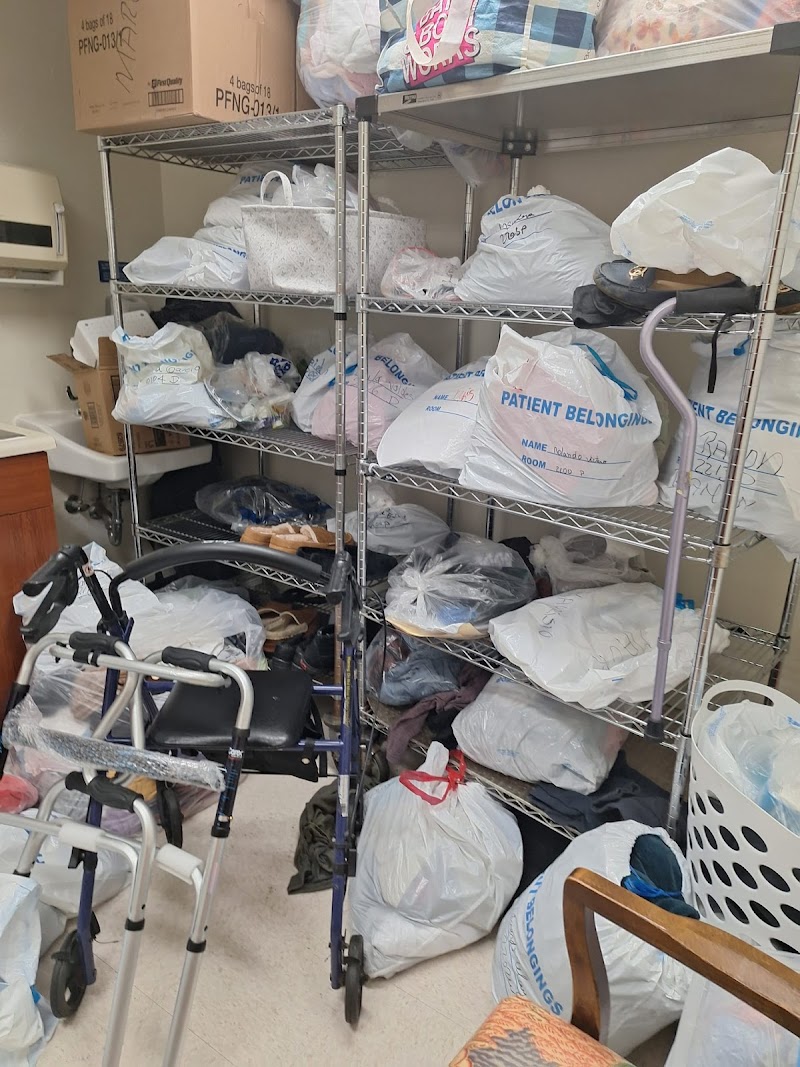
Who Owns and Operates Nspire Healthcare Kendall?

NSPIRE HEALTHCARE KENDALL is owned by a for-profit company. For-profit facilities operate as businesses with obligations to shareholders or private owners. The facility is operated by CONSULATE HEALTH CARE/INDEPENDENCE LIVING CENTERS/NSPIRE HEALTHCARE/RAYDIANT HEALTH CARE, a chain that manages multiple nursing homes. With 120 certified beds and approximately 114 residents (about 95% occupancy), it is a mid-sized facility located in KENDALL, Florida.
How Does Nspire Healthcare Kendall Compare to Other Florida Nursing Homes?

Compared to the 100 nursing homes in Florida, NSPIRE HEALTHCARE KENDALL's overall rating (3 stars) is below the state average of 3.2, staff turnover (37%) is near the state average of 46%, and health inspection rating (3 stars) is at the national benchmark.

What Should Families Ask When Visiting Nspire Healthcare Kendall?

Based on this facility's data, families visiting should ask: "Can I visit during a mealtime to observe dining assistance and food quality?" "How do you handle medical emergencies, and what is your hospital transfer rate?" "Can I speak with family members of current residents about their experience?"

Is Nspire Healthcare Kendall Safe?

Based on CMS inspection data, NSPIRE HEALTHCARE KENDALL has a clean safety record: no substantiated abuse findings (meaning no confirmed cases of resident harm), no Immediate Jeopardy citations (the most serious violation level indicating risk of serious injury or death), and is not on the Special Focus Facility watch list (a federal program monitoring the lowest-performing 1% of nursing homes). The facility has a 3-star overall rating and ranks #100 of 100 nursing homes in Florida. While no facility is perfect, families should still ask about staff-to-resident ratios and recent inspection results during their visit.

Do Nurses at Nspire Healthcare Kendall Stick Around?

NSPIRE HEALTHCARE KENDALL has a staff turnover rate of 37%, which is about average for Florida nursing homes (state average: 46%). Moderate turnover is common in nursing homes, but families should still ask about staff tenure and how the facility maintains care continuity when employees leave.

Was Nspire Healthcare Kendall Ever Fined?

NSPIRE HEALTHCARE KENDALL has been fined $53,829 across 11 penalty actions. This is above the Florida average of $33,617. Fines in this range indicate compliance issues significant enough for CMS to impose meaningful financial consequences. Common causes include delayed correction of deficiencies, repeat violations, or care failures affecting resident safety. Families should ask facility leadership what changes have been made since these penalties.

Is Nspire Healthcare Kendall on Any Federal Watch List?

NSPIRE HEALTHCARE KENDALL is not on any federal watch list. The most significant is the Special Focus Facility (SFF) program, which identifies the bottom 1% of nursing homes nationally based on persistent, serious quality problems. Not being on this list means the facility has avoided the pattern of deficiencies that triggers enhanced federal oversight. This is a positive indicator, though families should still review the facility's inspection history directly.